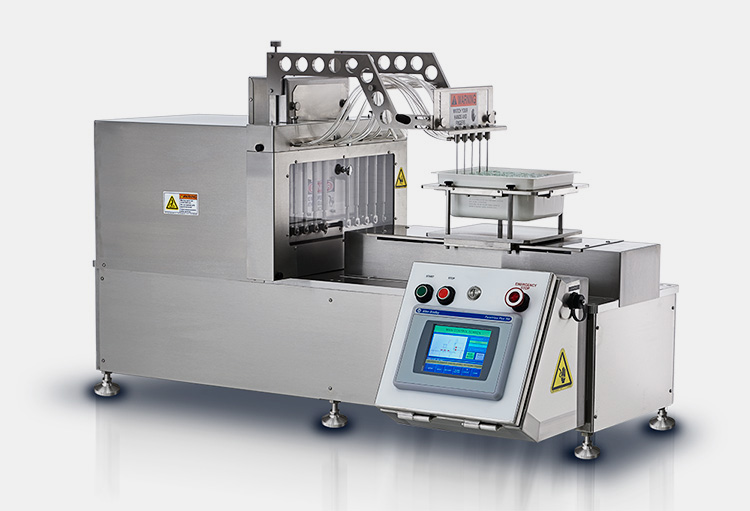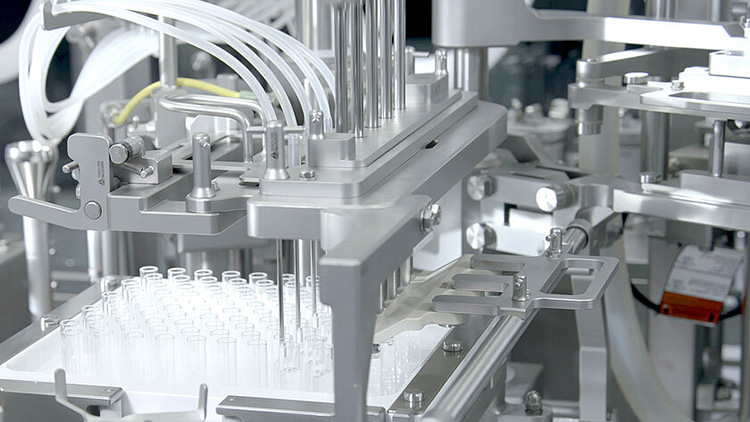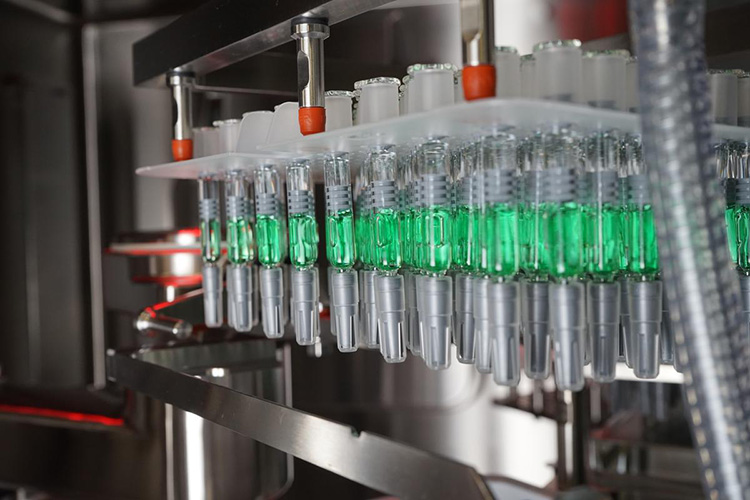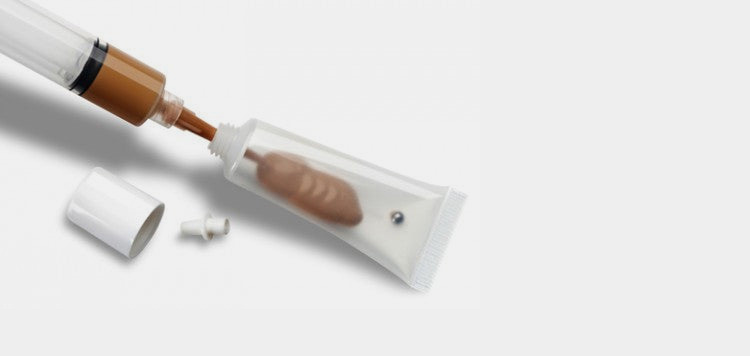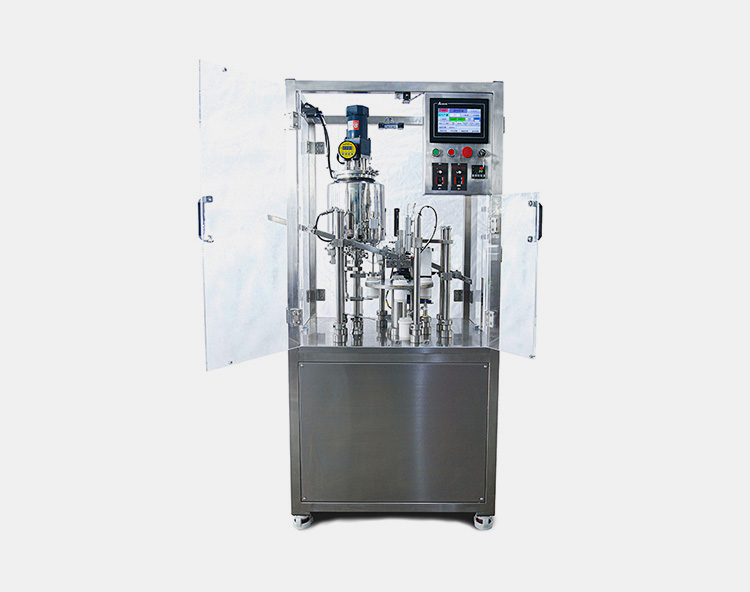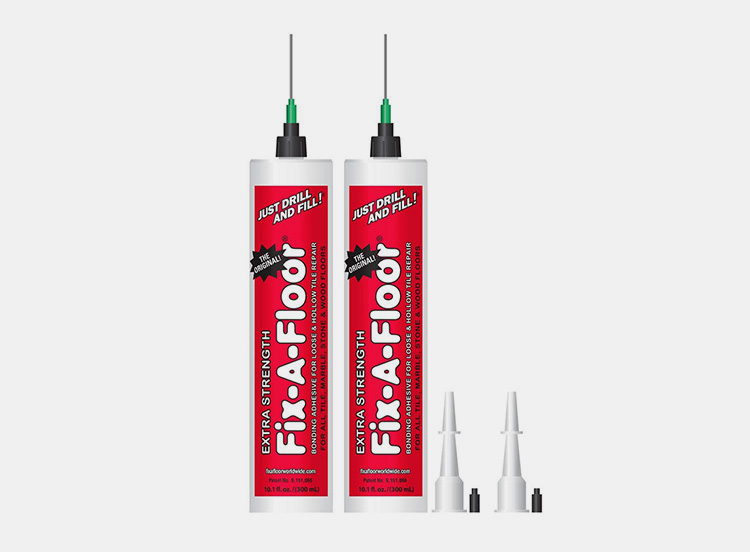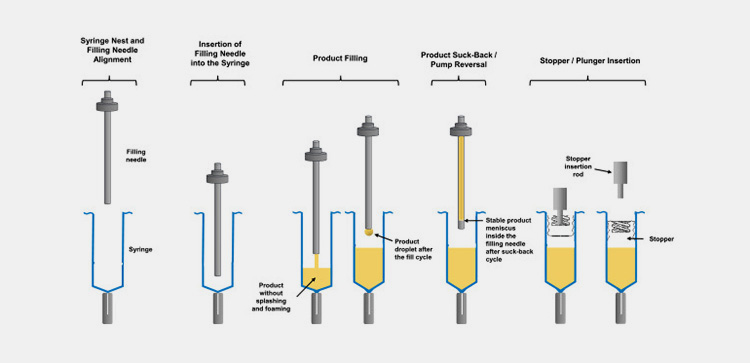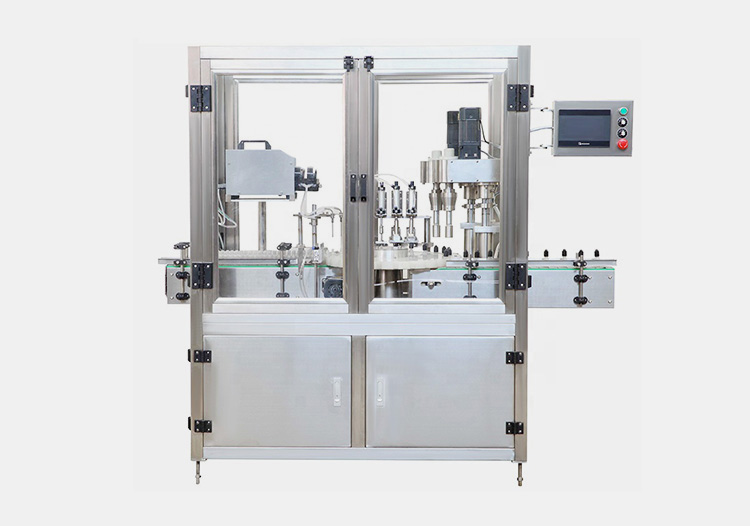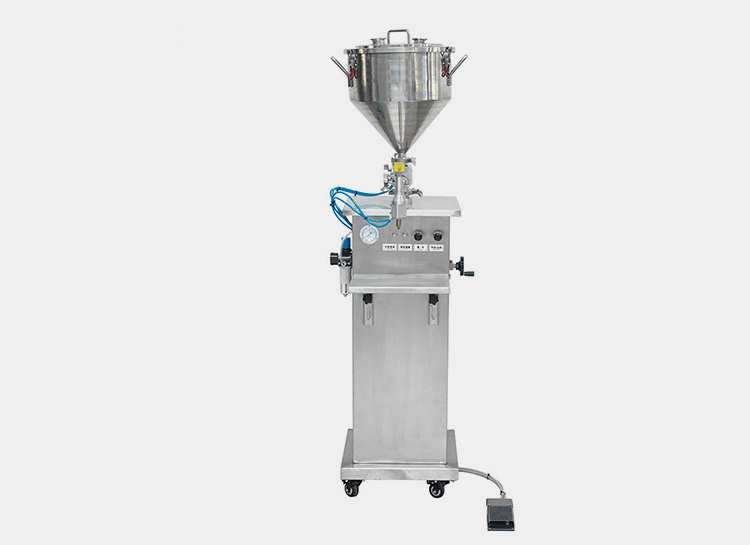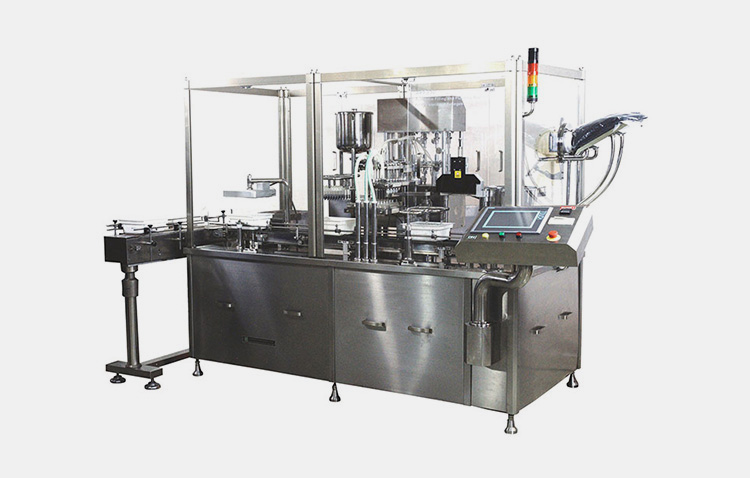
Suppository Making Machine-24

Suppository Making Machine: The Complete Buying Guide In 2025

Suppository Making Machine: The Complete Buying Guide In 2025

Suppository making machines are specialized equipment used to manufacture suppositories in large quantities. If you are in the pharmaceutical industry and looking to purchase a suppository making machine, then this buying guide is for you.
Suppository Making Machine

In this blog, we will provide a comprehensive overview of the different components of a suppository making machine, key features to consider when purchasing, types of machines available in the market, maintenance requirements, safety features and lead time for delivery.

    Add a header to begin generating the table of contents

    1.What Is A Suppository Making Machine?

    Suppository Making Machine-1

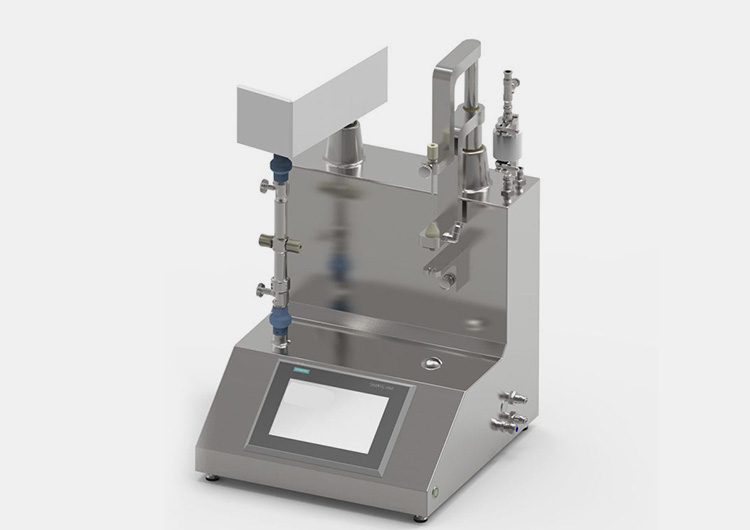
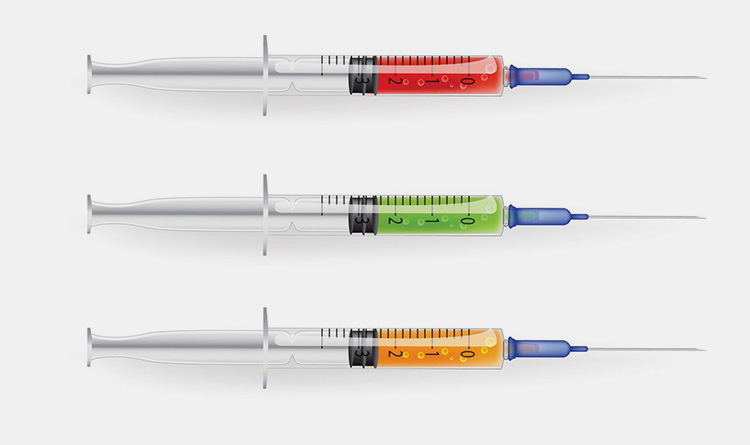
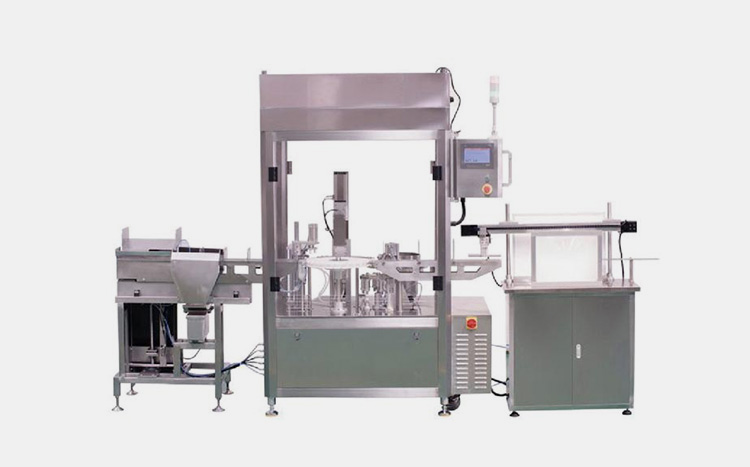
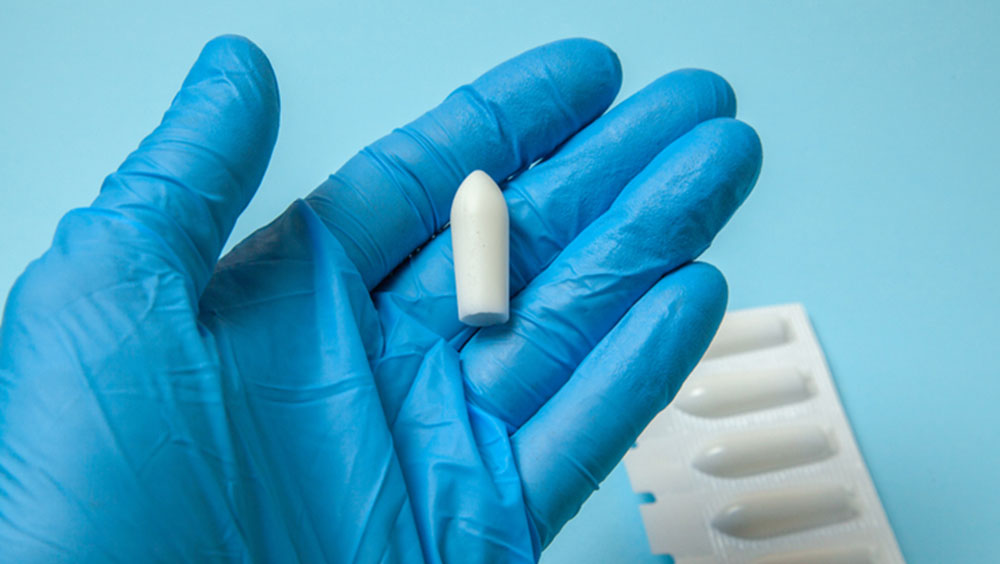
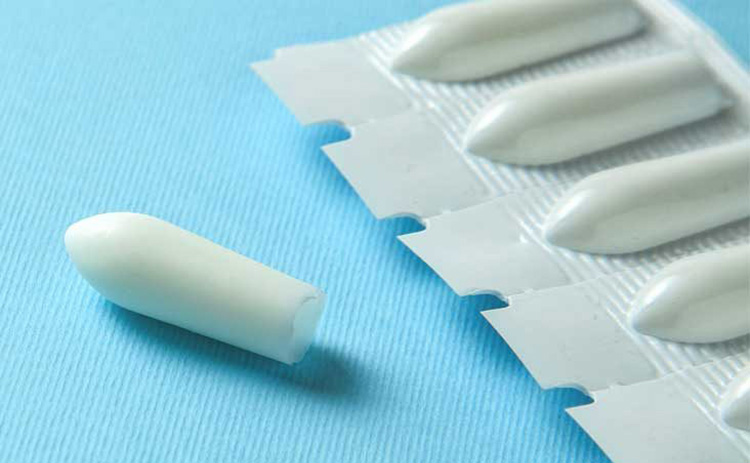
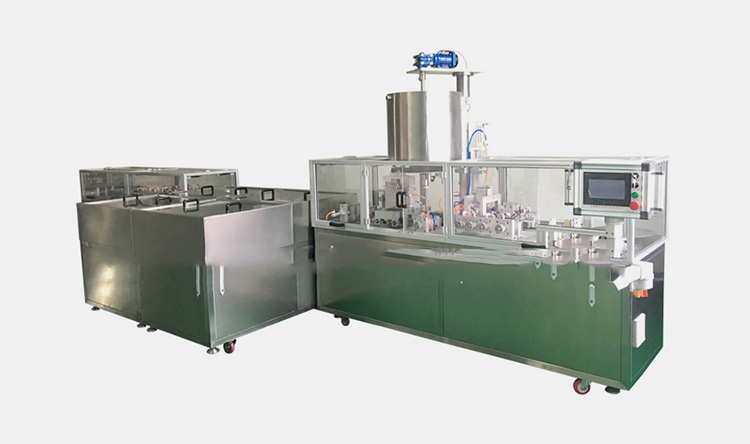
    A suppository making machine is a specialized device used for creating and packaging solid dosage forms known as suppositories. These are cylindrical or conical-shaped capsules that are inserted into the rectum, vagina, or urethra to deliver medications directly to these areas.

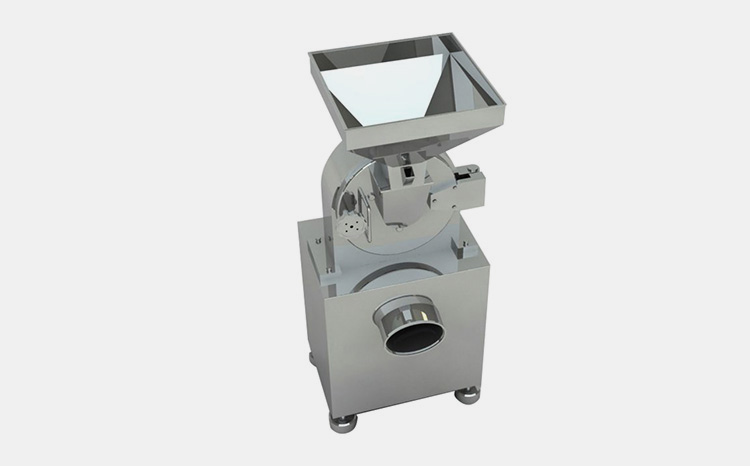
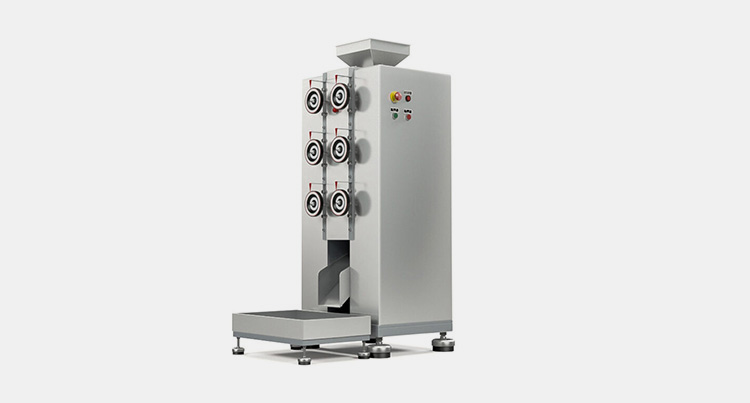
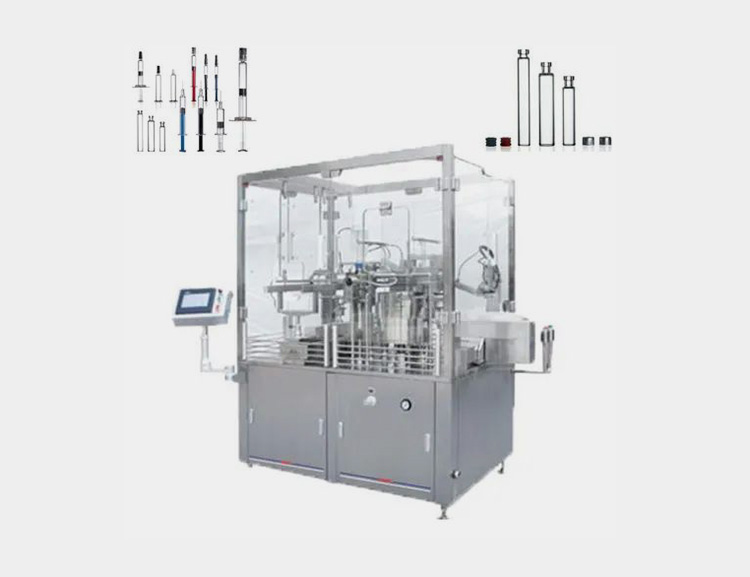
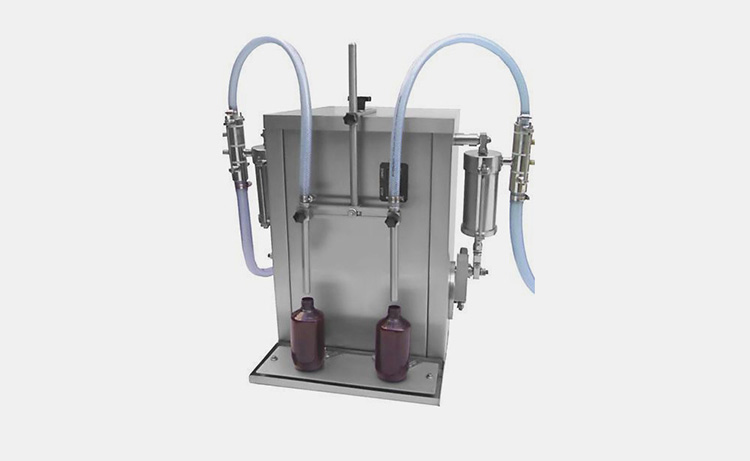
    Suppository making machines typically include components such as a hopper for storage of the raw materials, an extruder for forming the suppositories, a molding plate and die set for shaping them, and various other parts for filling and packaging them.

    The entire process can be automated using robotics or programmable logic controllers (PLCs) to ensure accurate dosage forms in large quantities with minimal human intervention. This technology is beneficial in producing high quality pharmaceutical products quickly and efficiently.

    2.What Are The Components Of A Suppository Making Machine?
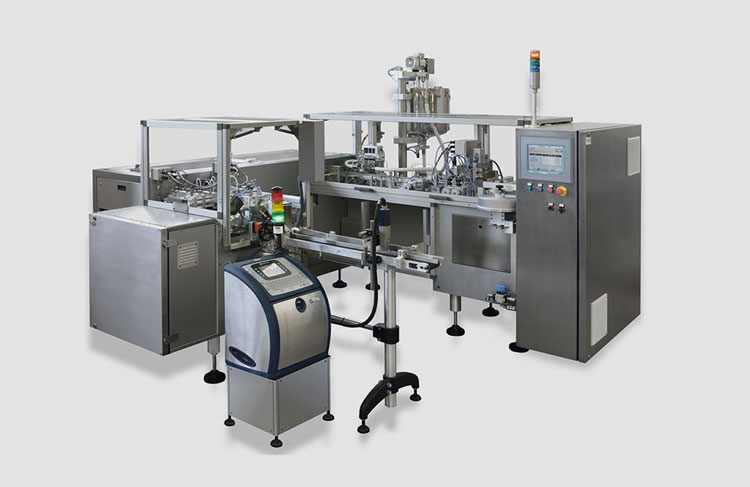
    Suppository Making Machine-2

    A suppository making machine is comprised of different components including:

    Feeding Part and Film Unwind System

    This part is responsible for loading the suppository-making materials into the machine, and helping to unwrap the film that will be used to shape the suppositories.

    Forming/Molding part

    This component of the machine is responsible for forming, shaping and molding the suppository materials into their desired shape before cooling.

    Filling System

    The filling system is responsible for injecting the suppository filling materials into the formed molds.

    Cooling Tank System

    This system is responsible for cooling the filled molds in order to harden them and give them their desired shape.

    Closing and Sealing System

    This part of the machine is responsible for closing and sealing the suppository molds in order to maintain their shape.

    Marking and Printing System

    This component helps to mark/print various details of the suppositories like batch number, expiry date, etc.

    Cutting and Trimming Element

    This element is responsible for cutting and trimming the finished suppositories to the desired length.

    Electrical Control Cabinet

    This cabinet works as the brain of the machine, which helps to control and manage all the activities of different parts.

    3.What Is The Structure Of A Suppository Making Machine?

    The structure of a suppository making machine is made up of the following parts:

    Shell Forming Part
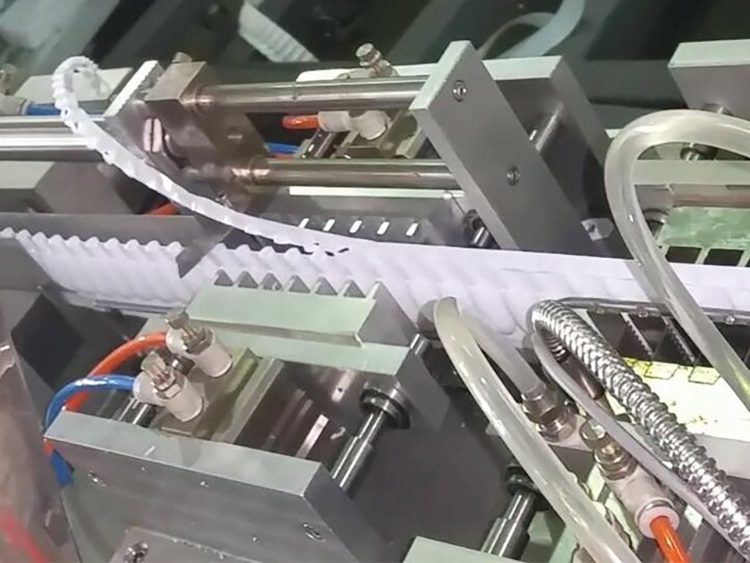
    Shell Forming Part

    This part is responsible for providing the shape of the suppository. It includes a hopper that dispenses molten wax into molds, which cool and solidify to create the outer shell of the suppository.

    Liquid Filling Part
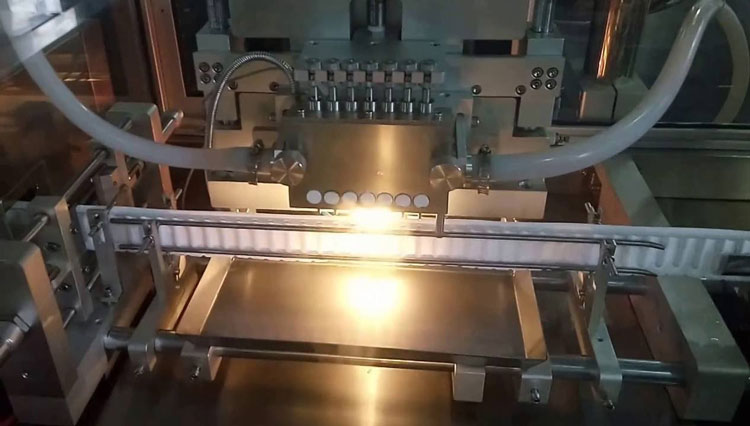
    Liquid Filling Part

    Liquid filling part is responsible for filling the suppository with its active ingredients or APIs. It includes a reservoir that dispenses liquid API into each mold, which cools and solidifies to create the inner core of the suppository.

    Filled Suppository Cooling Part
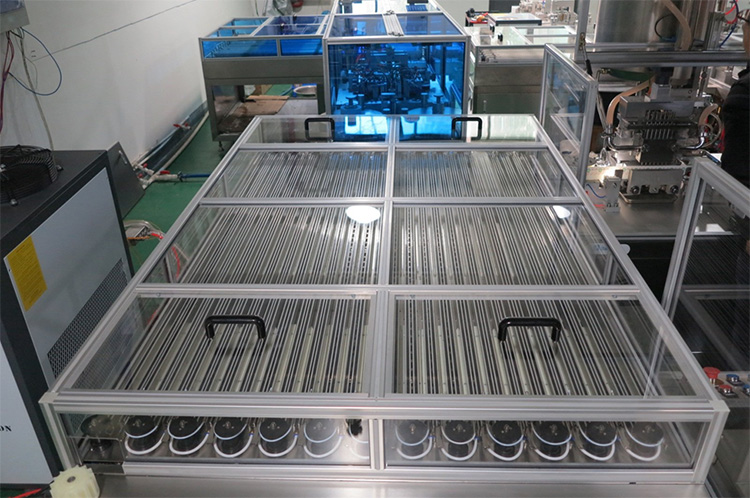
    Filled Suppository Cooling Part

    This is responsible for cooling the suppository once it has been formed and filled. It includes a water bath that cools each suppository to help them retain their shape and consistency.

    Suppository End Sealing and Coding Part

    End Sealing and Coding Part

    This is responsible for sealing the ends of the suppository and coding them for identification purposes. It includes a conveyor belt that moves each suppository through a device which seals both ends and prints it with a code.

    4.What Are The Advantages Of A Suppository Making Machine?
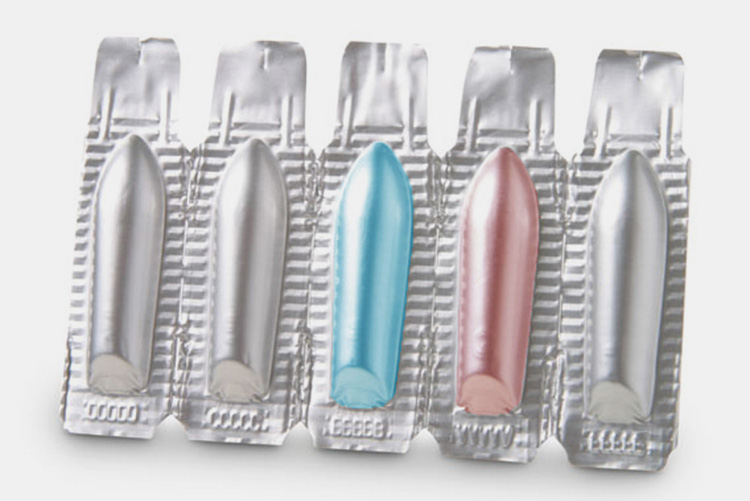
    Advantages Of A Suppository Making Machine

    Enhanced Efficiency

    The use of a suppository making machine can help to increase the efficiency of the process by automating the production and providing a consistent output. This helps to save time, energy and resources.

    Increased Accuracy

    With a suppository making machine, it is much easier to achieve accuracy in terms of dimensions and shapes for producing uniform-sized suppositories with high precision.

    High Quality

    The automated machines are designed with advanced technology that ensures that each suppository produced meets the highest standards of quality and safety standards. Additionally, they come with features such as automatic sorting, filling, capping and labeling capabilities which further ensure accurate production of high-quality products at lower costs.

    5.What Are The Applications Of A Suppository Making Machine?

    Applications Of A Suppository Making Machine

    A suppository making machine can be used in a variety of industries for a wide range of applications. Here are some examples:

    Pharmaceutical Industry
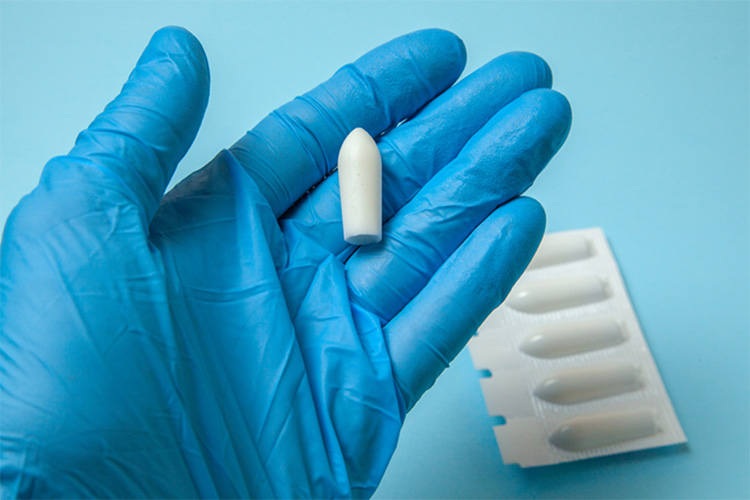
    Pharmaceutical Industry

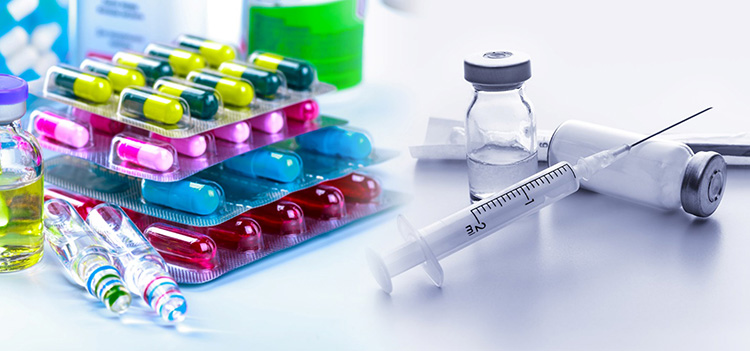
    Suppositories made with a suppository making machine are commonly used in the pharmaceutical industry to produce various medications and drugs. The machines allow for precise dosing and accurate measurements to ensure that each dose contains the desired amount of active ingredient.

    Medical research
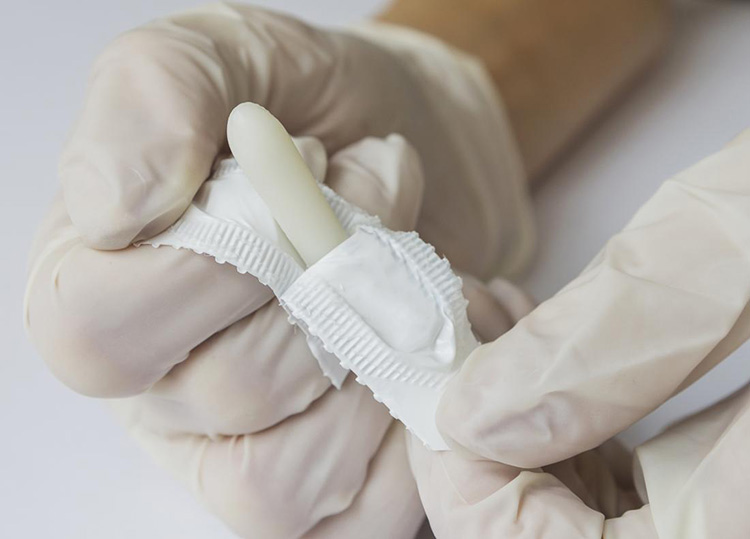
    Medical research

    Researchers in medical laboratories often use suppository making machines to create consistent test products that can then be tested on animals or humans. This allows them to accurately measure the effects of the medication before launching it into commercial production.

    Cosmetics Industry
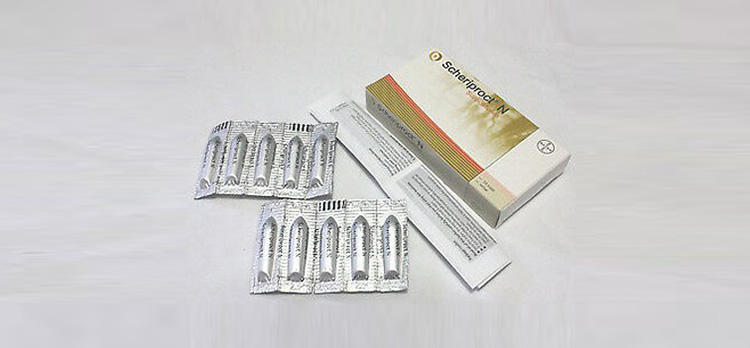
    Cosmetics Industry

    Suppositories can also be used in cosmetics production, such as for the creation of creams and lotions. The machine can be used to accurately mix and combine ingredients in order to create products with consistent quality.

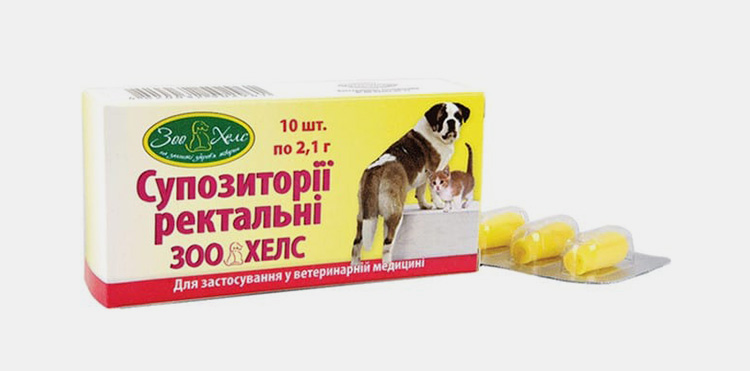
    Veterinary Industry
    Veterinary Industry

    Suppository making machines can also be used in veterinary settings to create medications specifically formulated for animals. This allows veterans to prescribe safe, accurate dosages of medication are tailored to the individual needs of their patients.

    6.What Are The Working Principles Of A Suppository Making Machine?
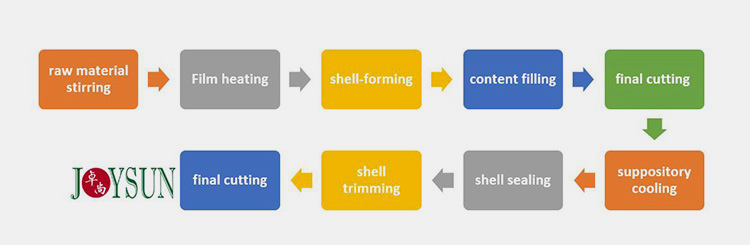
    Working Principles Of A Suppository Making Machine

    A suppository making machine consists of different components that work together to complete the suppository making process. It consists of a hopper that holds the raw materials, an extruder which shapes the material into desired forms, and a mold that helps in cutting the product into uniform sizes.

    The process starts when the raw ingredients are poured into the hopper before being fed into the machine for further processing. The extruder then utilizes pressure to compress the materials inside its chamber before they are forced through a die in order to assume their appropriate shape.

    Normally, this die can be adjusted according to product specifications while different types of machines can also be employed depending on what size and type of suppository is required by customers. After passing through the die, a blade cuts them into uniform sizes and shape.

    Finally, the product is then transferred onto a conveyor belt to be finally packaged in individual containers ready for distribution. Quality checks are also performed at various stages of the manufacturing process to ensure that only superior quality suppositories are produced. This ensures not only customer satisfaction but also adheres to safety regulations.

    7.What Are The Different Types Of Suppository Making Machines Available In The Market?
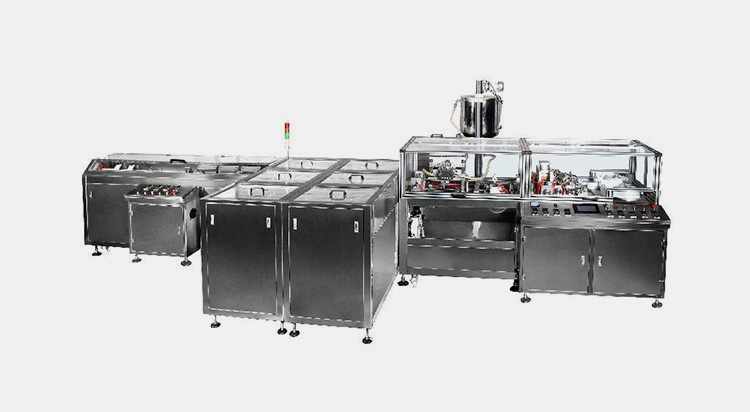
    Types Of Suppository Making Machines

    There are three types of suppository making machines available in the market and are not different from each other by operation, structure and modification. Their design only depends on specific requirements of the production process. They include:

    a) Rectal Suppository Filling Machine

    This type of machine is used to fill different sizes of rectal suppositories and has a large production capacity. It is also equipped with a temperature control device, enabling accurate control of the temperature when filling the suppositories.

    b) Vaginal Suppository Filling Machine
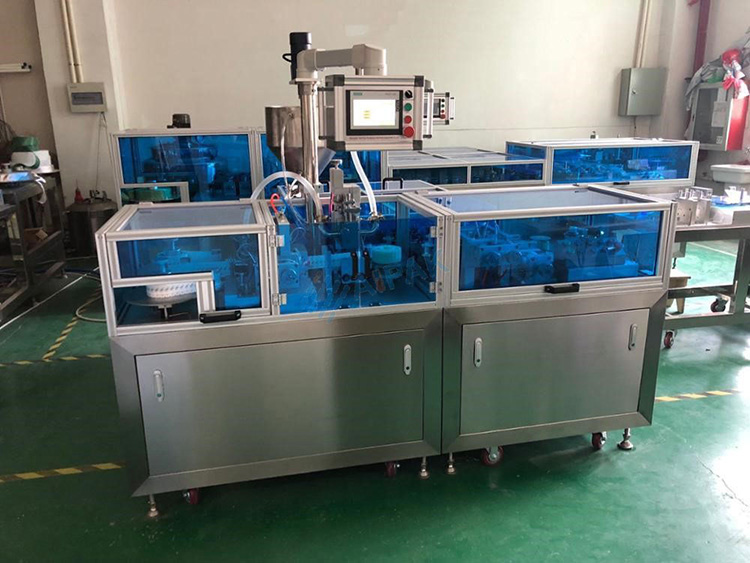
    Vaginal Suppository Filling Machine

    Vaginal suppository making machine is used for filling and forming vaginal suppositories, such as capsule-type, bullet-type and oval-type

    c) Urethral Suppository Filling Machine

    Urethral suppository machine is used for filling and forming urethral suppositories, such as coated tablets and granules. It has a high degree of automation and short production cycle time.

    8.How Does Rectal Suppository Filling Machine And Urethral Suppository Filling Machines Compare?
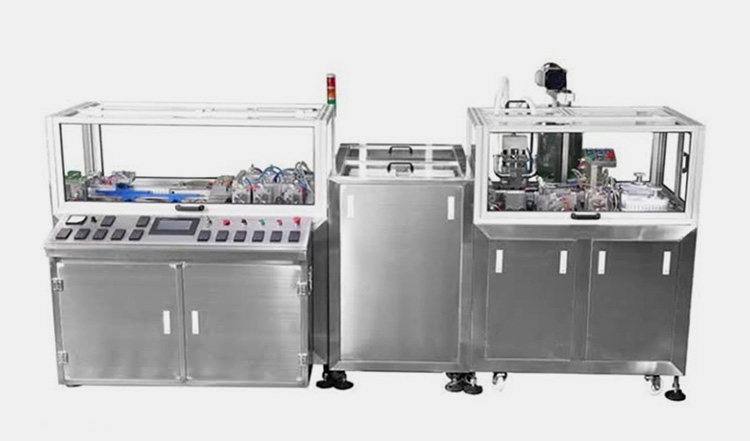
    Suppository Filling Machine And Urethral Suppository Filling Machines

    Rectal suppositories are administered into the rectum, whilst urethral suppositories are intended to be placed directly into the urethra. This is the primary distinction between rectal and urethral suppository filling devices. Since they must go through a wider region before reaching the target area, rectal suppositories are often larger than urethral ones.

    The way that doses are administered using urethral and rectal suppository filling machines differs as well. Typically, an automated system that dispenses pre-measured doses of medication into the rectal suppository fills the suppository. On the other hand, urethral suppositories are normally filled by hand since they must be inserted directly into a tiny opening in the urethra.

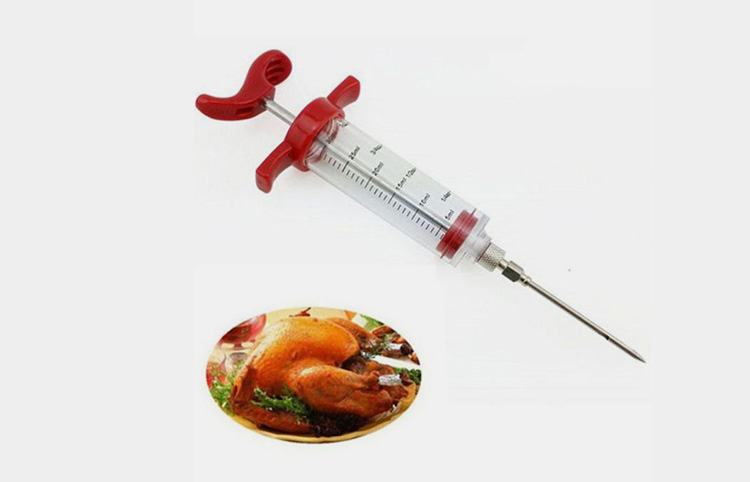
    Finally, the features of rectal and urethral suppository filling machines may differ, making them appropriate for various purposes. For instance, pressure-sensitive syringes are frequently used in rectal suppository filling machines, which facilitate precise dose measurement. On the other side, urethral suppository filling machines could have a range of tips to make it easier to insert the dose into the urethra.

    9.What Substances Can Be Used With A Suppository Making Machine?
    Suppository Making Machine-4

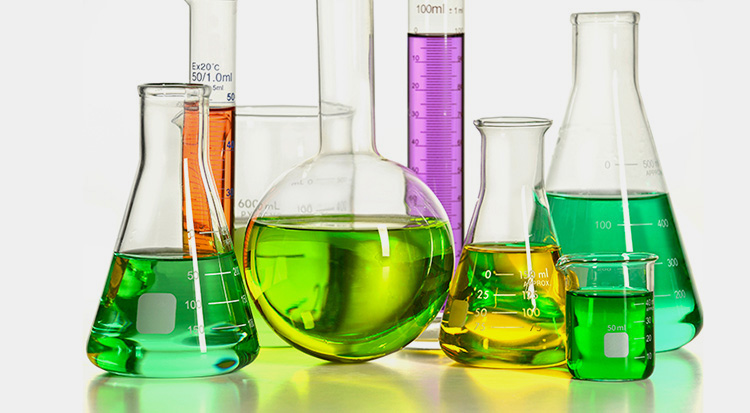
    Pharmaceutical Grade Paraffin

    This is a type of wax that is used to coat the suppositories, preventing them from melting and providing an even layer for a consistent size.

    Glycerol

    Glycerol is a type of liquid that is added to pharmaceutical grade paraffin to make it more pliable, allowing the machine to shape the suppository into its desired shape.

    Stearic Acid

    Stearic acid helps bind the ingredients together and gives the suppository its firmness. It also aids in lubrication so that they can come out easily when inserted into the body.

    Active Ingredients

    These are any active ingredients or medications such as antibiotics or pain relievers that are included in the suppositories.

    Diluents

    Diluents help with the absorption of active ingredients into the body and can include substances such as lactose, cellulose or magnesium stearate.

    Additives

    Depending on what type of medications are being used in the suppository, additional additives may be added to enhance their efficacy. Examples include surfactants or antioxidants like Vitamin E which act as preservatives and protect the active ingredients from degrading.

    Other additives such as flavorings and colors may also be added to make the finished suppository more appealing.

    10.What Materials Can Be Used With A Suppository Making Machine For Packaging Suppositories?
    Suppository Making Machine-5

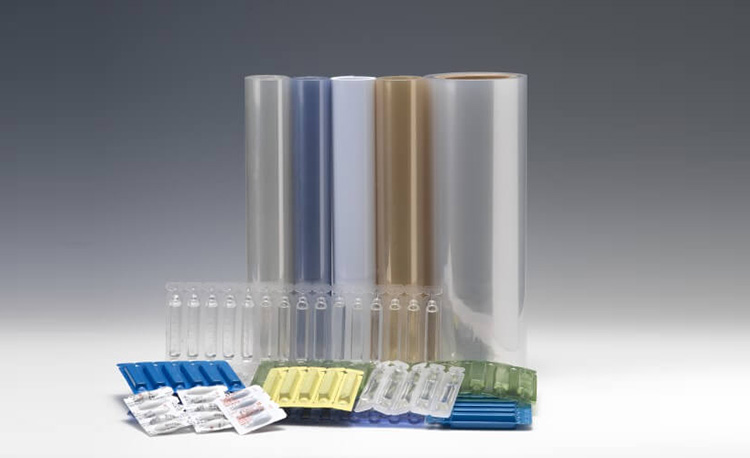
    PVC

    Polyvinyl chloride, also known as PVC, is a type of plastic that is frequently used in suppository manufacturing equipment. It works well for making suppositories since it is malleable and simple to mold.

    PE

    Another form of plastic that can be utilised in suppository-making equipment is polyethylene (PE). It is a long-lasting material thus making it an ideal option for making suppositories.

    11.What Are The Different Types Of Suppositories That Can Be Manufactured With A Suppository Making Machine?

    Suppository Making Machine-6

    A suppository making machine can be used to manufacture a variety of different types of suppositories, including:

    Rectal Suppositories

    Rectal suppositories are the most commonly used type of suppository, made from a combination of wax and oil-based ingredients. These are designed to dissolve inside the rectum to deliver medication directly into the bloodstream.

    Vaginal Suppositories

    Vaginal suppositories can come in many different shapes and sizes depending on the intended use. Typically, they are made with ingredients that dissolve easily to release medication into the vagina. This helps to treat various gynecological conditions.

    Urethral Suppositories

    Urinary tract infections and other disorders of the bladder and urethra can be treated using urethral suppositories, by placing them into the urethra.

    Nasal Suppositories

    Nasal suppositories are intended to be placed inside the nostrils, where they will disintegrate and release the drug into the nose.

    Ear Cones

    Ear cones are types of suppositories that contain natural ingredients like herbs, oils, and waxes. They can be used to treat congestion in the ear canal and reduce inflammation.

    12.What Are The Different Shapes Of Suppositories Manufactured By A Suppository Making Machine?

    Suppository Making Machine-7

    Different types of shapes of suppositories manufactured by a suppository making machine include:

    Round Oval

    This shape is round in the middle and slightly tapered at one end. It is designed to ensure full coverage of the entire rectal area.

    Long Oval

    This shape is longer than the round oval and it is designed to provide increased surface area of coverage.

    Tear Drop

    A tear drop shape is tear-drop shaped with a blunt end and a pointed tip. It is designed for easy insertion into the rectum as well as the vagina.

    Bullet-Shaped

    A bullet-shaped suppository is slightly pointed at one end, allowing it to be inserted more easily into the rectum.

    Tampon

    This shape is oval or rounded with a pointed tip, and is designed to fit easily into the rectum.

    13.What Are The Maintenance Requirements For A Suppository Making Machine?
    Suppository Making Machine-8

    Regularly calibrate and adjust production settings

    The suppository making machine should be regularly calibrated and adjusted according to the manufacturer's instructions in order to ensure accurate dosage and consistent product quality.

    Perform scheduled preventative maintenance

    Scheduled preventative maintenance is essential for keeping the suppository making machine running smoothly and efficiently over time. This can include regularly checking and replacing worn parts, cleaning and lubricating components, testing safety features, and more.

    Check raw materials for quality

    Before using a suppository making machine, it is important to check that the raw materials meet the highest standards of quality in order to ensure consistency in the finished product.

    Ensure that operators are qualified and trained

    To ensure safe and effective operation of a suppository making machine, it is important to ensure that all operators have the necessary qualifications and experience, as well as proper training in the use of the machine.

    Clean and sanitize before each use

    The suppository making machine should be thoroughly cleaned and sanitized before each use in order to prevent cross-contamination and contamination of the product.

    Test equipment regularly

    Routine testing of the suppository making machine is necessary in order to ensure that all parts are functioning correctly, that safety features are active, and that production settings remain accurate.

    14.What Environmental Conditions Do Suppository Making Machines Need?
    Suppository Making Machine-9

    Suppository making machines are normally sensitive to the following environmental conditions.

    Temperature

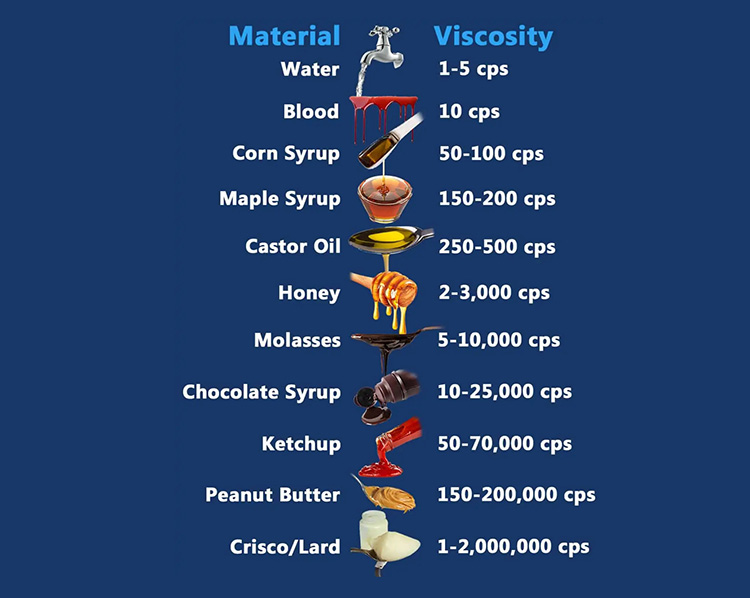
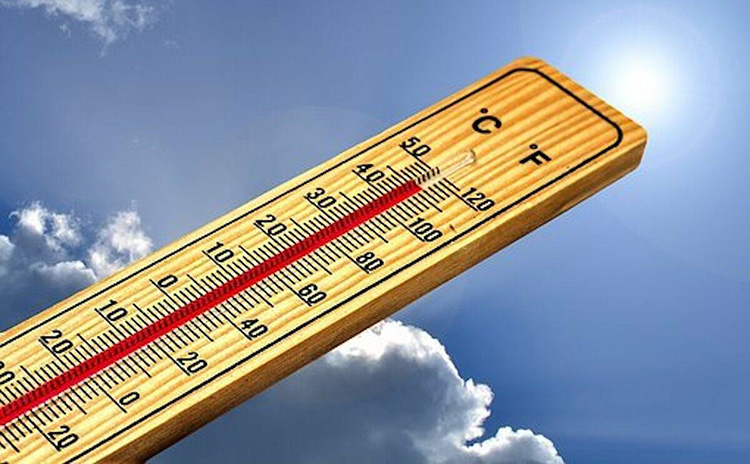
    Suppository making machines must be kept in a temperature-controlled environment, as extreme temperatures can cause the ingredients of the suppository to degrade or become too viscous for the process. Room temperature should be between 15 and 25 degrees Celsius.

    Humidity

    The humidity level in the environment also needs to be controlled, as moisture can affect the consistency of the suppository and can even cause it to form lumps or become too sticky. The humidity level should not exceed 65%.

    Air Quality

    It is important that the air quality in the environment does not contain any dust particles or other contaminants which could end up in the finished product. The air should also be properly ventilated, as poor ventilation could affect the temperature and humidity of the environment.

    15.How Do You Choose The Right Size Of A Suppository Making Machine For Your Needs?
    Right Size Of A Suppository Making Machine

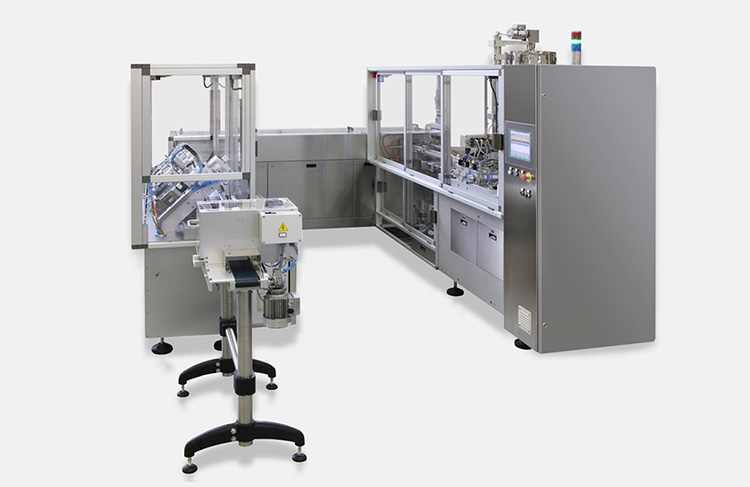
    Below are some of the factors to consider before selecting a suppository making machine for your needs:

    Determine the size of suppository you need to produce

    The first step in choosing a suppository making machine is determining the size and shape of suppositories you plan on producing. This will help to know the right size of machine for your needs.

    Assess your production capacity

    Consider what type of volume and speed are necessary when selecting a machine that best meets your needs. Generally, machines with larger volumes can process higher numbers of suppositories per minute than those with lower capacities.

    Think about design and weight requirements

    It’s important to consider the design and weight requirements of your suppository making machine, as these will influence how easy or difficult it is to install and use in different environments.

    Selection of materials

    The material that your suppository making machine is constructed from can also have an impact on size, as well as the longevity and performance of the machine.

    Consider additional features

    Many machines come with additional features that can help increase efficiency, such as automated feed systems or sensors to ensure accuracy in the production process. Make sure to research which options best suit your needs before selecting a machine.

    CONCLUSION 

    All in all, the advent of a suppository making machine is a benefit to pharmaceutical industries. This device has not only simplified the complex manufacturing process but also provided a faster, reliable and cost-effective production of suppositories with better shapes, sizes and consistencies. Moreover, its ability to produce high volumes of suppositories also helps to increase the overall production capacity as well as answer the demands of customers. For further information on the various models available, contact Allpack today and see which type of suppository making machine meets your needs!

    Don't forget to share this post!

    CONTACT US

    Tell us your raw material and project budget to get quotations within 24 hours.

    WhatsApp Us: +86 156 0710 8630

    Invalid Email
    Invalid Number

    Suppository Making Machine: The Complete Buying Guide In 2025 Read More »
    Box-Strapping-Machine-9

    Box Strapping Machine: The Complete Buying Guide In 2025

    Box Strapping Machine: The Complete Buying Guide In 2025

    Are you considering purchasing a box strapping machine for all your product strapping needs? If so, then you’re in the right place. Whether you are packaging materials for retail, delivery, or shipping purposes, then a box strapping machine is the best solution for you.

    Box Strapping Machine

    In this post, we’ll take you through everything you need to know about investing in a quality box strapping machine - from its various features and benefits, to the different types of box strapping machines that are available on the market today. Keep reading to learn more about this amazing device so as to make an informed decision on which type suits your needs.

      Add a header to begin generating the table of contents

      1.What Is A Box Strapping Machine?

      Box Strapping Machine-1

      A box strapping machine is a type of automated packaging tool that is used to secure boxes with straps. This helps ensure the safe delivery of goods, as it prevents damage caused by items shifting during transit. Also, these machines are designed to quickly and securely fasten straps around boxes and other objects, making them ideal for high-volume packaging operations.

      2.What Are The Components Of A Box Strapping Machine?

      Components Of A Box Strapping Machine

      A box strapping machine is an automated packaging system that uses a variety of straps to bundle, secure, and compress multiple items together. The components of a box strapping machine include the strapping head, side and bottom belt drives, film perforator, tightener, weld jaw and sealer, strap dispenser, film roll holder, and tension control unit.

      The Strapping Head

      This is the main part of the machine, where the strap is attached and drawn through the items being packaged. It also helps guide the strap around the outer edges of the box.

      The Side And Bottom Belt Drives

      They provide the power needed to move the strapping head along,

      The Film Perforator

      This one help cut straps at specific lengths.

      The Tightener And Weld Jaw & Sealer

      These components apply heat to the strap, creating a strong bond that holds the items together securely.

      The Strap Dispenser

      This part of the machine feeds new straps into the strapping head, while

      The Film Roll Holder

      It stores extra rolls of the strapping material.

      The Tension Control Unit

      This component helps maintain a consistent level of force on each strap, ensuring the items stay secure.

      3.What Are The Benefits Of Using A Box Strapping Machine?

      Benefits Of Using A Box Strapping Machine

      Box strapping machines offer businesses many advantages.

      Increased Productivity

      Box strapping machines provide a faster and more efficient way of packaging materials than manual methods, resulting in significantly improved productivity levels.

      Increased Precision

      By using a box strapping machine, the accuracy of the packaging process is improved as it straps boxes with consistent tension for an even finish. This ensures that the box is tightly and securely sealed, ensuring reduced product damage during transportation and storage.

      Improved Safety

      Box strapping machines reduce the risk of injury to operators, as no manual labour is required and there is no need for dangerous handling of sharp tools. Furthermore, they can be programmed to be more secure than traditional manual methods.

      Versatility

      In terms of versatility, box strapping machines are designed to work with a variety of sizes, shapes, and materials. This allows for flexible packaging solutions to accommodate different products and customer needs.

      4.What Are The Applications Of A Box Strapping Machine?

      Applications Of A Box Strapping Machine

      A box strapping machine can be used in a variety of industries, including:

      Food Industry

      Food Industry

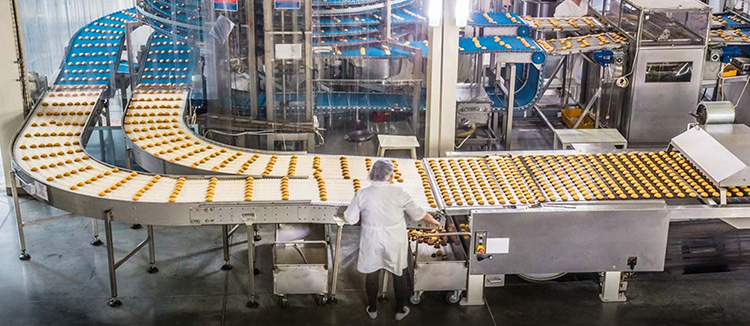
      A box strapping machine is used to secure boxes of food items for storage and transportation. This ensures that food products remain safe from contamination and spoilage due to changes in temperature or humidity.

      Pharmaceuticals

      Pharmaceuticals

      Box strapping machines help keep drugs and medications secured during transport, preventing any tampering or mishandling.

      Logistics

      Logistics

      In the logistics industry, box strapping machines can be used to secure packages and items for safe delivery. The machines help reduce damage during shipping and ensure that items are properly secured.

      Retail

      Retail

      Box strapping machines are often used in retail stores to bundle items together for sale or for display. Also, these machines can be used to create packages of items that are attractive and secure for customers.

      Manufacturing Industry

      Manufacturing Industry

      When it comes to the manufacturing industry, box strapping machines are used to package parts and components securely for shipment, ensuring that the products arrive at their destination undamaged.

      Beverage Industry

      Beverage-Industry-2

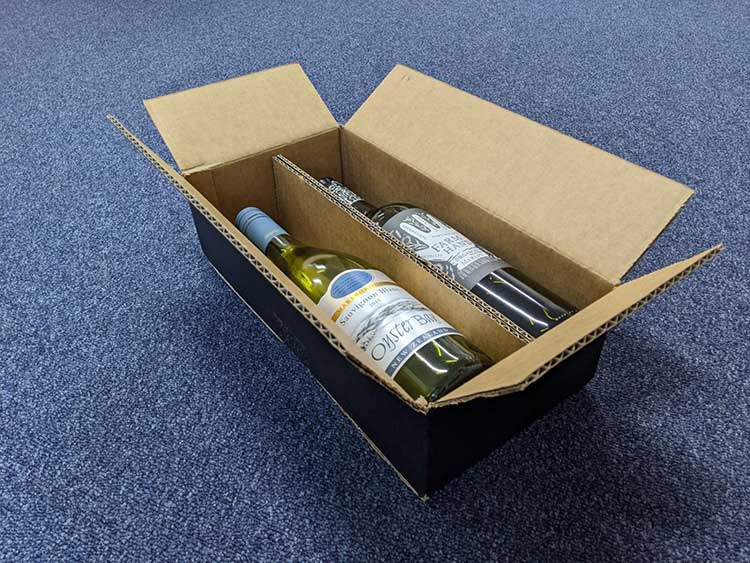
      A box strapping machine is an essential part of the packaging process for many beverage companies. It can be used to securely strap boxes, bundles, and cases that contain beverages before they are shipped out for distribution.

      Cosmetic Industry

      Cosmetic Industry

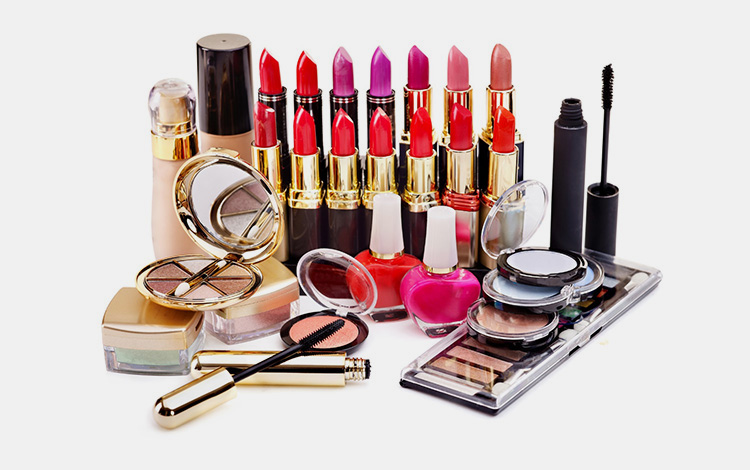
      In the cosmetic industry, a box strapping machine is used to package cosmetics and other beauty products. It's an effective way of ensuring that the products remain safe from damage and contamination during shipping and storage.

      5.How Does A Box Strapping Machine Work?

      Box Strapping Machine Work

      A box strapping machine works by manually applying tension to the strap as it weaves through a series of buckles and secures it tightly around the box or carton.

      The process begins when the feed system pulls the strap from a coil or spool and feeds it through to the strapping head. The strapping head then passes the strap through buckles which are attached to the box or carton being packaged.

      Once the strap is securely in place, the tension rollers apply tension to the strap and pull it tightly around the box or carton. This ensures that it is firmly secured shut and will not come apart during transit.

      6.What Are The Different Types Of Box Strapping Machines Available On The Market?

      The different types of box strapping machines available on the market include:

      Manual Box Strapping Machine

      Manual Box Strapping Machine

      Manual box strapping machines are the most basic type of box strapping machines available on the market. They are manually operated and don’t require any electricity to work. With manual box strapping machine, straps can be tensioned by hand and then sealed automatically through heat sealing. This type of box strapping machine is ideal for low-volume production jobs.

      Semi-Automatic Box Strapping Machine

      Semi-Automatic Box Strapping Machine

      Semi-automatic box strapping machines are a step up from manual box strapping machines and feature some automated components. These machines require an electrical source to operate and use an electric motor to pull the straps and tension them.

      Automatic Box Strapping Machine

      Automatic Box Strapping Machine

      Automatic box strapping machines are the most advanced type of machine available on the market today. They feature fully automated components, and are powered by electricity. In addition, they can be used for high-volume production jobs as they can strap multiple boxes at once with a single pass of the machine.

      7.What Types Of Strapping Materials Are Compatible With A Box Strapping Machine?

      The type of strapping material compatible with a box strapping machine will depend on the specific model and its features. Here are different types of straps that can be compatible with a box strapping machine:

      Plastic Straps

      Plastic Straps

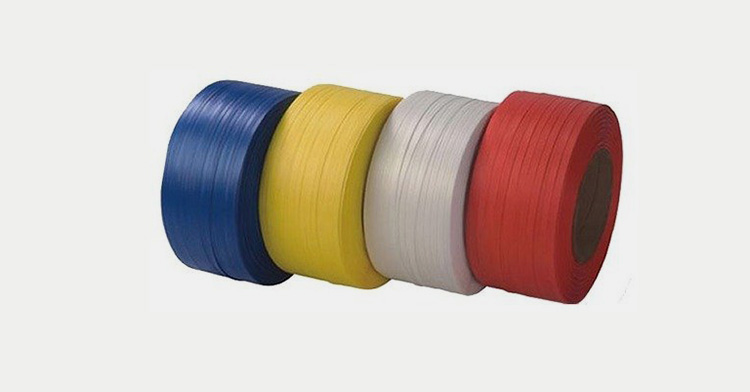
      Plastic straps are lightweight, durable, and cost-effective banding materials made of plastic. They are available in a range of widths and thicknesses, which allow for varying levels of tension and strength.

      Steel Straps

      Steel Straps

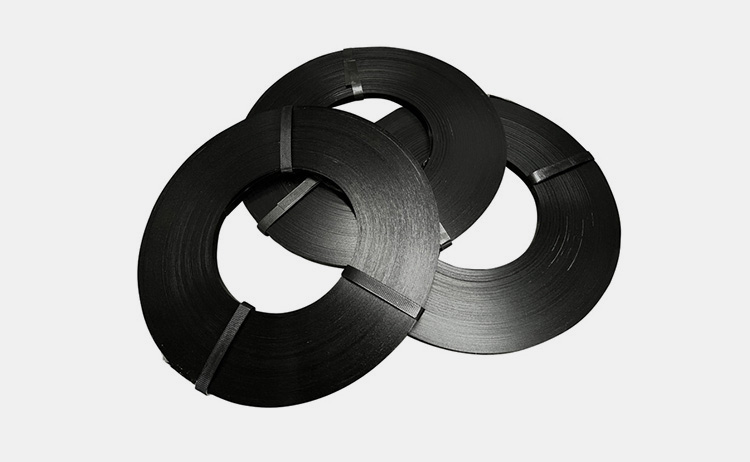
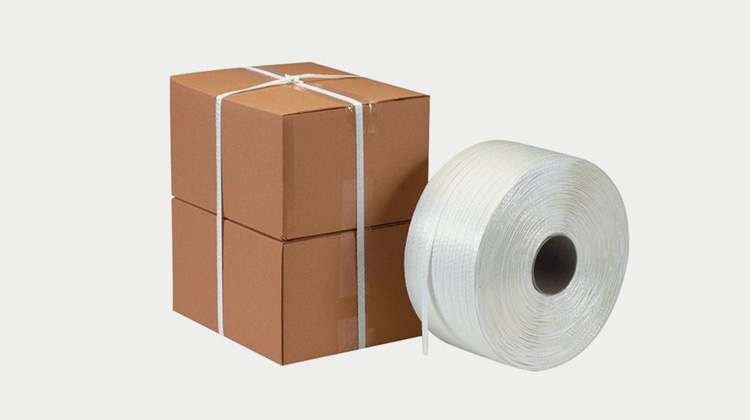
      Steel straps are heavy in weight and more durable than other straps. This nature makes them ideal for heavy-duty industrial applications and also because of their greater tensile strength they also be used to secure large boxes or pallets.

      Polyester Straps

      Polyester Straps

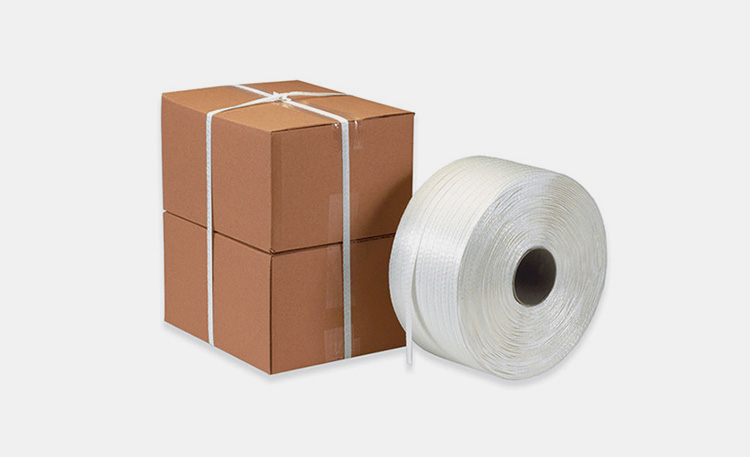
      Polyester straps are strong, lightweight and have a high degree of flexibility. They are less prone to tearing or breaking than other types of strapping material and can be used in extreme temperature conditions.

      Paper Straps

      Paper Straps

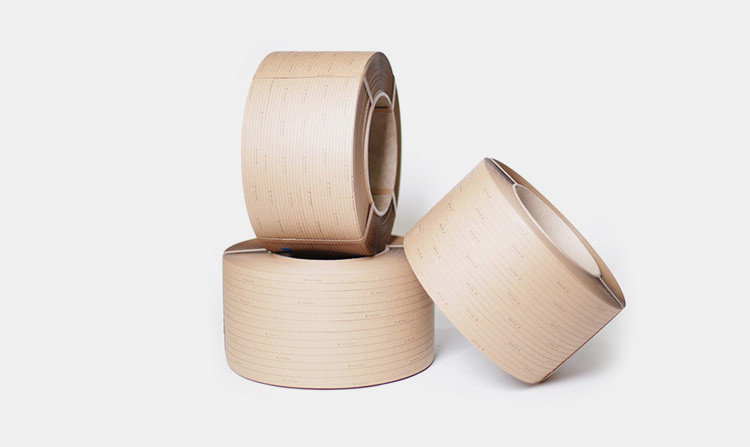
      Paper straps are made of recyclable materials which are cost-effective and greater in tensile strength, making them an ideal choice for specifically light-duty uses. Their recyclable nature also makes them environmentally friendly thus an ideal choice for your applications.

      8.What Factors Should You Consider When Choosing Strapping Material For Your Box Strapping Machines?

      Box Strapping Machines-2

      When choosing strapping material for box strapping machines, there are several factors to consider:

      Strength and durability

      Different types of strapping materials have different levels of strength, so it’s important to choose the one that is best suited for your particular packaging application.  Strapping with high breaking strength and stretchability is best, as it will help to ensure the contents of your box stay secure during transport.

      Durability

      Not all strapping materials are resistant to wear and tear, so you should choose one that won’t become worn or frayed quickly. Look for an option with features like UV protection, resistance to moisture, and chemical resistance.

      Ease of use

      Your strapping material should not take much of your time using your box strapping machine. Some materials are easier to thread through the machine than others, so you should research different options and find the one that will fit and work best with your equipment.

      Environmentally friendly

      It’s quite important to consider whether or not the strapping material are made from sustainable materials.

      Product dimensions

      Finally, it’s important to select a strapping material that can wrap snugly around the product dimensions of your boxes. Strapping materials come in various sizes and widths, so you should measure the size of your products before selecting one. This will ensure that the strapping is secure and won’t slip or cause any issues during transport.

      Shipping distance

      You may want to choose a more durable material that can stand up to extreme weather conditions and rough handling more especially for longer distances.

      Method of strapping

      It’s also important to consider the method of strapping you will use with your box strapping machine. Some materials are better suited to manual or automated strapping, so be sure to research the pros and cons of each option before making a purchase.

      9.What Is The Difference Between Banding Machines And Box Strapping Machines?

      Box Strapping Machines-3

      Banding machines are used to secure items together through the use of a flexible band wrapped around them, while box strapping machines are used to secure boxes with straps.

      Box strapping machines use plastic or metal straps to hold boxes closed and secure the contents inside, while banding machines can be used to secure items of any size and shape.

      Banding machines are typically smaller in size than box strapping machines, making them ideal for use in tight spaces or on specific products.

      Box strapping machines provide more support and stability than banding machines, as they can secure larger objects with greater strength compared to a banding machine.

      Box strapping machines are more expensive than banding machines due to the added cost of production, materials, and maintenance.

      10.What Is The Difference Between pallet strapping Machines And Box Strapping Machines?

      Box Strapping Machines-4

      The primary difference between pallet strapping machines and box strapping machines is the size of the items they are used to strap. Pallet strapping machines are designed for bigger, heavier objects such as bales, pallets and crates. Box strapping machines, on the other hand, are designed for smaller items such as boxes and packages. These machines use more lightweight straps that can withstand less weight.

      Pallet strapping machines come along with a variety of features such as automatic tensioning and adjustable strap widths making them ideal for large-scale industrial operations. Box strapping machines, on the other hand, are more suited to lighter packaging applications and usually have fewer features.

      Another difference between pallet strapping machines and box strapping machines is their cost. Pallet strapping machines are relatively costly compared to box strapping machines due to their larger size and more powerful features they possess. Box strapping machines on the other side are usually much less expensive and can be purchased for a fraction of the cost of pallet strappers.

      11.What Are The Considerations Before Purchasing A Box Strapping Machine?

      Box Strapping Machines-5

      Cost

      Normally, the cost of a machine varies depending on its features and quality, so be sure to compare different models to get the best deal for your needs. Therefore, it’s important to consider the cost of the machine that can suite your needs.

      Size and Capabilities

      Some machines are designed to strap larger packages while others are meant for smaller packages. Consider this before buying a box strapping machine that can be an ideal choice for your business.

      Maintenance

      Be sure to find out how often your box strapping machine needs to be serviced, the type of maintenance required and whether there is a warranty provided with the purchase.

      Safety

      Look for a box strapping machines that come with safety features such as emergency stops, sensors for detecting overloads, and other protective features for this will ensure that the machine is being used safely and efficiently at all times.

      Conclusion

      The power of a box strapping machine is unrivaled! Whether you’re securely holding items together, protecting them from adverse conditions, or keeping them safe throughout their journey to the consumer, these machines are the perfect solution. Their speed and efficiency save you time and money while ensuring your products are packaged with care. With so much to benefit from, it's not surprising that countless businesses have chosen to invest in this reliable equipment. If you're ready to feel the same confidence and satisfaction when it comes to packaging, then contact Allpack today and take advantage of our comprehensive range of box strapping machines.

      Don't forget to share this post!

      CONTACT US

      Tell us your raw material and project budget to get quotations within 24 hours.

      WhatsApp Us: +86 156 0710 8630

      Invalid Email
      Invalid Number

      Box Strapping Machine: The Complete Buying Guide In 2025 Read More »
      Universal Crusher-4

      Universal Crusher: The Complete Buying Guide In 2025

      Universal Crusher: The Complete Buying Guide In 2025

      Are you familiar with the universal crusher? The functions which it performs? Or the reason for its growing popularity in every sector associated with drug manufacturing, food processing or chemical industry? If you have ever heard about it, you will definitely know the importance of a universal crusher in modern Industries. However, if it is unknown to you, there we have some interesting facts about a universal crusher that can benefit you in a lot of ways.

      Universal Crusher

      Universal crusher is innovative equipment employed to deal with the heavy-duty task of reducing wide number of material size by compression. Its automatic functioning, vast application and safe processing lowers damage, human labor and give you outstanding results. These and many other aspects of a universal crusher are highlighted below. Just take time and go through this article for bringing revolutionary change in your existing production line!

        Add a header to begin generating the table of contents

        1.What Is A Universal Crusher?

        Universal Crusher-1

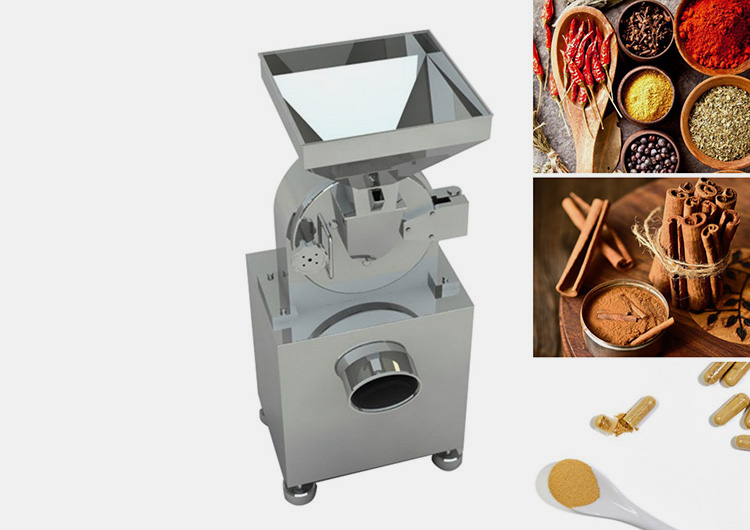
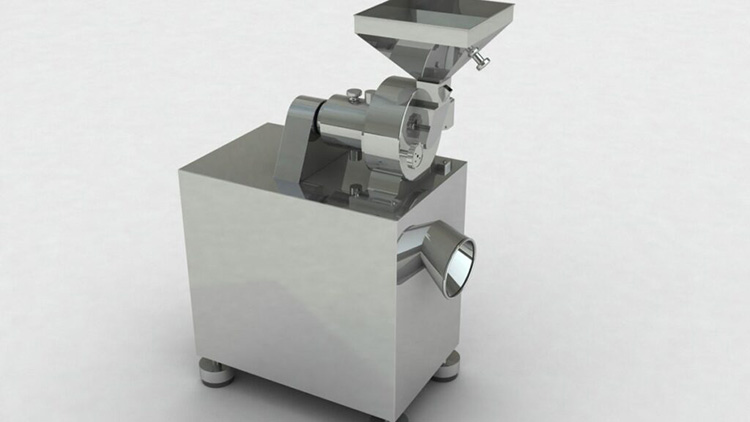
        Universal crusher is a type of grinding machine that effectively crush hard to soft materials into the lowest possible form. These materials include herbs, spices, vegetables and fruits seeds and chemicals etc. It has simple mechanism of crushing that starts with material loading in hopper. These materials the pass through number of sharp knives located in the crushing chamber and get discharged as fine particulates mostly in form of powder.

        This machine is among important accessories being utilized in pharmaceutical industry, food industry and chemical industry as it is the requirement for making drugs, chemical formulations and food items. There are various kinds of universal crusher you would find in market which better suits the varying needs of modern businesses by providing additional safety.

        2.Enlist The Products Which Can Be Processed By A Universal Crusher?

        Universal crusher is capable of processing huge number of products from diverse sectors. Some of the prominent materials are mentioned below:

        Spices

        Spices

        Spices is the most common thing processed by universal crusher. In the past, people used to grind condiments by using mortar and pestle, as it gives however, the introduction of universal crusher has eliminated the tiresome

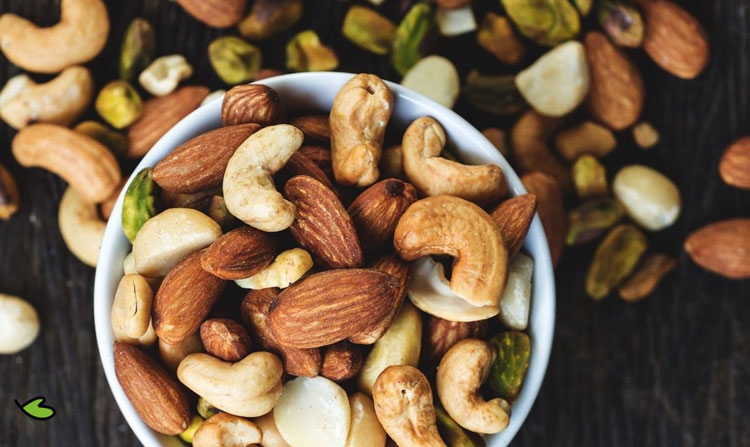
        Dry Fruits

        Dry Fruits

        Dry fruits such as peanuts, almond, pistachio and walnuts are most of the time sold in crushed form, for which a universal crusher can be used.

        Herbs

        Herbs

        Herbs are botanical plants which are used for medicines, adding flavors and colors to meal. They are also well crushed by this machine before using.

        Wheat

        Wheat

        Wheat is one of the substantial crop which can be crushed by universal crusher. It contains high number of proteins and vitamins and supply your body with starch and energy. Most of the countries around the world consume wheat as an obligatory part of meal.

        Rice

        Rice

        Rice is a cereal crop rich in carbohydrates which can be used for making recipes and sweets. It is widely used for making products like semolina, pasta and vermicelli rice is first crushed with the help of universal crusher.

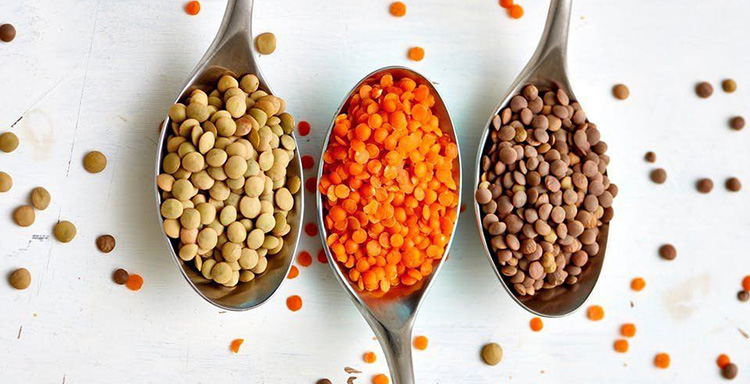
        Pulses

        Pulses

        There are large varieties of pulses such as black lentils, chickpeas, kidney beans and split peas among others. All these contain good amount of zinc, calcium, iron and magnesium which are helpful in the fulfillment of nutritional requirements. Most of the time, they are used in powdered form for making recipes for which they are crushed by a universal crusher.

        Tea

        Tea

        Tea is derived from the leaves of plants named camellia sinensis which is taken as a hot drink by infusing the crushed leaves into hot water. A universal crusher is best capable to crush all variations of tea including black tea, green tea and red tea etc.

        3.What Are The Benefits Of Using A Universal Crusher?

        By using a universal crusher you can get substantial benefits that will boost your business growth. These benefits are explained below:

        Easy Usability

        Easy Usability

        Using a universal crusher is as simple as operating any other grinding machine. There is no rocket science behind its use, you can operate it conveniently without having any experience. This also benefits you economically by eliminating the need for labors.

        Portable

        Portable

        This machine is highly portable with advanced structure and precise composition. You can easily move it from one place to another.

        Uniform Crushing

        Uniform Crushing

        It must be noted here, that many sectors such as medical industry needs uniform particles of ingredients for producing medicines. A universal crusher is thus perfectly equipped with gadgets which enable it to better crumble the loaded material and give them final shape of uniform particles.

        Safe Performance

        Safe Performance

        The ancient method of crushing food products was laborious and dangerous, as most of the time airborne spices and herbs get into eyes. However, the universal crusher is completely safe for both the user and the material for the reason of reducing harm and ensuring product safety.

        Effective Results

        Universal crusher is best known for its effective results which can be seen in the solutions prepared by it. The number of sharp cutters located in crushing chamber reduce the size of items to the lowest possible form. Hence, they can be better used for making pharmaceutical formulations and other purposes.

        Wide Application

        Wide Application

        Another benefit of a universal crusher is its flexibility and versatility which makes it capable to process number of hard to soft materials. For instance, chemicals, crops, herbs are all different products which can be perfectly crushed by this machine.

        4.How Would You Operate A Universal Crusher?

        Operate A Universal Crusher

        Picture Courtesy: Research Gate

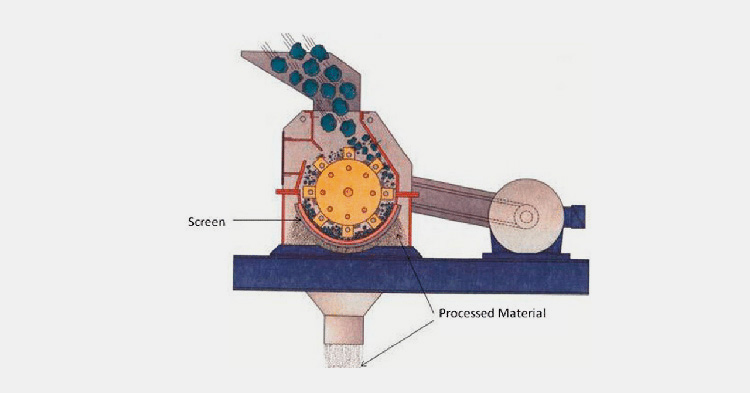
        Universal crusher works by constantly rotating the fixed and movable knives plate. Its process is quite convenient which consists of the following stages:

        Feeding

        The very initial step of operating universal crusher is to feed the hopper of machine with material either manually or with the help of gravity filling machine.

        Crushing

        After feeding comes the crucial phase of crushing, where the crushing chamber come into action when loaded material is delivered from hopper. These substances are well crushed by the speedy movement of opposite blades and knives. The constant friction of knives teeth reduce the size of material and turn it into powder.

        Screening

        After the completion of each cycle, processed material is screened by separating the fine particles in bottom and rough substances remains in the chamber for further crushing.

        Discharging

        In the final stage, fine particulates are released into a container by the product outlet port.

        5.Describe The Structure And Functions Of A Universal Crusher?

        Functions Of A Universal Crusher

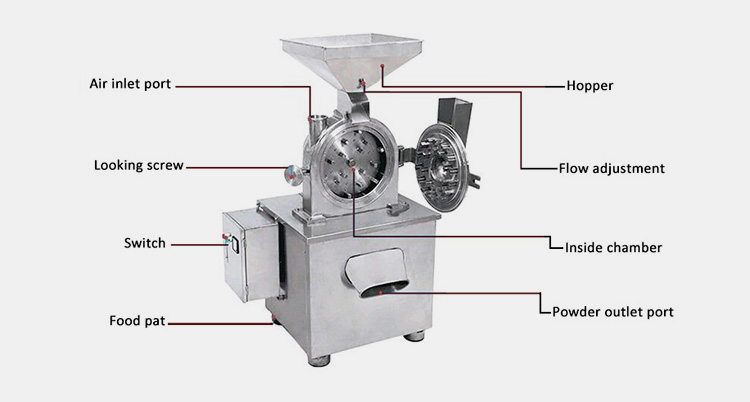
        A universal crusher is composed of several parts each performing different tasks. They are described below in detail:

        Hopper

        Hopper is a hollow container placed at the top of universal crusher where bulk products are loaded before their processing. The larger the hopper the more would be machine's capacity to crush material in one run.

        Flow Adjustment Device

        Flow adjustment device is located at the end of hopper connecting it to the crushing chamber. By using this device, flow of material which enter into crushing chamber can be adjusted.

        Air Inlet Port

        As the name indicates, air inlet port is an open area above the crushing chamber. Its purpose is to provide air for the continuous smashing of material.

        Water Cooling Inlet

        Sometimes the machine get heated during crushing and this can affect the quality of material being processed. Therefore, a water cooling inlet is attached outside the crushing chamber to keep the temperature normal.

        Locking Screw

        There is a part over crushing chamber that joins the sieving cavity to openable knife plate, this part is known as locking screw. It helps in tightly locking the crushing chamber, so, material being processed would be completely isolated from external environment.

        Crushing Chamber

        It is the core element of a universal crusher that performs the actual task of crushing. It consists of sieving cavity and knife plate with sharp edges. During the process, sieving cavity adopt the state of constant rotation and let the product fully crushed through knives.

        Powder Outlet Port

        This part of machine is also known as discharge port which is used to deliver the final finished material from crushing chamber in form of powder.

        Electric Cabinet

        Electric cabinet is the motherboard of universal crusher which composed of the electric motor, machine switching system unit and integrated functions. It controls the entire mechanism of crushing.

        Foot Pads

        There are four foot-pads attached to the external body of machine which makes it vibration resistant during operation.

        6.Which Are The Factors That Influence The Size Of Particles In A Universal Crusher?

        There are some basic factors which can directly influence the size of particles produced by a universal crusher. These are as follows:

        Size of Loaded Material

        Size of Loaded Material

        Oversized loaded material such as large salt stones can cause problems during crushing. Instead, the size of the material processed by various machines is fixed. Make sure the material you put in the hopper is the right size for the machine.

        Crushing Blades

        Crushing Blades

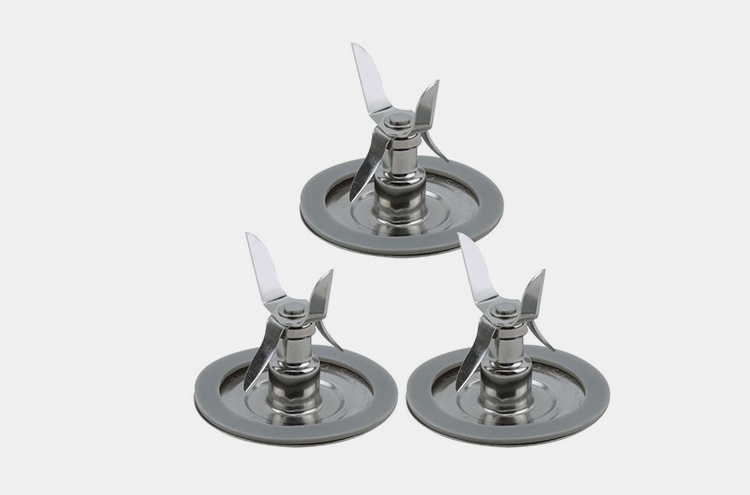
        Crushing blades are another element that can affect particle size. The particles would be absolutely crushed in the best way possible if blades are sharp and in close contact with opposite side knives plate. However, crushing hammers with excessive gaps and flat edges would eventually result in the production of coarse particles.

        Nature of Material

        Nature of Material

        It means that material you are processing is fully dry or semi liquid. If the material have presence of any sort of liquid, it will be crushed inadequately and would get stick together.

        Time Duration

        Time Duration

        Time duration for each cycle is a necessary factor for reducing the size of particles. However, it depends upon the nature of object. For instance, soft products would require less crushing duration compare to those with hard structure.

        7.What Are The Different Types Of Universal Crusher?

        A universal crushing machine can be divided into two types depending upon the type of material which they are capable to process. They are as follows:

        Universal Crusher for Dry Products

        Universal Crusher for Dry Products

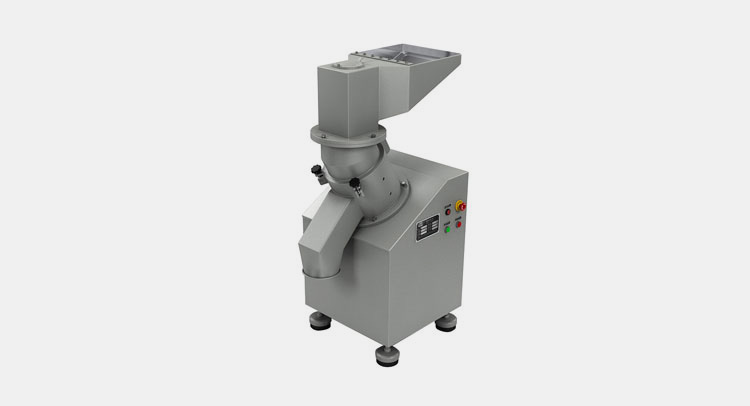
        This type of universal crusher is a standard machine which is used for grinding dry substances into powder. It can be used in different industries from pharmaceutical and chemical industry to foodstuff industry. It is highly portable, precise and covers less space.

        Components

        The structure of machine is compact having few but major parts such as hopper, crushing chamber, electric cabinet, product outlet port and mainframe.

        Working Principles

        Working principles of the machine are too simple. The process starts by feeding hopper with material which is then delivered to crushing chamber to carry out grinding. Once the material get processed, it simply falls down from discharge chute into a container.

        Universal Crusher For Oily Products

        Universal Crusher For Oily Products

        Another type of universal crusher is used for processing material having oily nature such as almond, peanut and walnut. It can perfectly produce the desired size of particles by simply altering the distance of crushing rollers.

        Components

        It has vertical shape body with series of crushing rollers. The main components of machine include feeding station, crushing chamber, electric unit, discharge port and foot pads.

        Working Principles

        It can be operated by putting bulk products into feeder. Material will then pass through number of crushing rollers to make the best particles of desired level. After the process get completed, finished particles will be discharged be the chute into collection tray.

        8.Highlight The Major Areas Where A Universal Crusher Can Be Used?

        Universal crusher is applicable to crush enormous things from different industries. Some of these areas where its use is obligatory are taken into account:

        Food Industry

        Food Industry

        In ancient times, people used different types of tools such as mortal and pestle for grinding spices, seeds, beans and rice. This method was quite difficult that required too much physical force and time which often leads to harm during process. Therefore, the introduction of universal crusher has created much ease for food industries to take its help and process huge number of products without any danger.

        Pharmaceutical Industry

        Pharmaceutical Industry

        Medicines and drugs are made from the combination of different ingredients which are derived from natural sources such as plants, herbs, fruits and vegetables. These materials are passed through number of stages for deriving the desired ingredients among which the crushing is a crucial step that is carried out by a universal crusher.

        Herbal Industry

        Herbal Industry

        The term herb encompasses variety of plants, leaves, flowers and seeds carrying great benefits for human health. The importance of herbal industry is expanding day by day, as most of the people prefer using herbal products over high dose pharmaceutical drugs for many reasons. This is escalating the production need of herbal industry, eventually making the use of a universal crusher inevitable.

        Chemical Industry

        Chemical Industry

        Similar to other things, chemicals which may be in form of organic, inorganic or minerals are used for various purposes such as making glass, cosmetics and dyes etc. These chemicals need to be transformed from its raw form to purified form. During this phase, universal crusher play a key role in providing crushed ingredients which can be used for further processing.

        Pigment Industry

        Pigment-Industry-6

        Dyes and colorants come from stones, cost tars and petrochemicals which needs to be well crushed. Hence, the use of a universal crusher is also realized in pigment industries.

        9.How To Clean And Maintain A Universal Crusher?

        Maintain A Universal Crusher

        There is always a room for maintaining your machine and keeping it clean for smooth running. Similar is the case with a universal crusher, and you should perform this task responsibly to make your machine stay longer. Keep following the instructions given below:

        Cleaning Of Universal Crusher

        Cleaning makes your machine more efficient and provide hygienic environment for your material to be processed. Therefore, make sure your machine is clean after ending the operation. For proper cleaning, disconnect main power supply, disassemble the major parts such as hopper, outlet valve and crushing chamber. Clean these components through a cloth or air chiller. Keep away water from electric components.

        Maintenance Of Universal Crusher

        For daily maintenance, keep the moving parts of machine well lubricated and replace oil after every 5 months. Seal the machine properly after daily task get completed. Inspect the screws before starting operation and tight them well.

        10.What Are The Malfunctions Of A Universal Crusher And How Can They Be Cured?

        Make a comprehensive inspection of your machine before starting and during operation. Here, we have mentioned some solutions to the possible problems which may occur during operation of a universal crusher. Make sure to understand them:

        No Malfunctions Causes Solutions Pictures
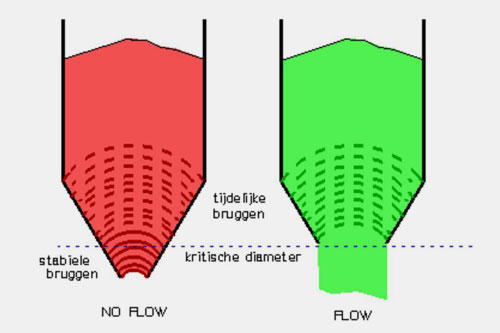
        1 The outlet valve of hopper get blocked It occurs when the hopper is overload or space is narrow for passing material Reduce the material amount in hopper and increase material passing space through flow adjustment device hopper get blocked
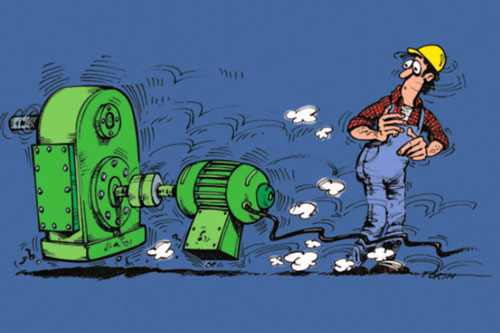
        2 Too much vibration The possible causes are inaccurate placing of mallets or loose screws Remove crushing knives and put them back in accurate way. Join the nuts and screws tightly Too much vibration
        3 There is problem in grinding process The incorrect placement of opposite knives create grinding issues Make sure the gap between grinding mallets is not too large nor too small grinding process
        4 Material get stick during crushing The possible cause is presence of water which can lead material clotting Use material which is fully dry and keep the air inlet port open for free flow of air into machine during crushing

        11.What Are The Standard Quality Certifications Required For Assessing The Quality Of A Universal Crusher?

        In a world where thousands of industries are producing machines of different types, it becomes difficult to find trustable supplier for purchasing right machinery. Therefore, in this question, we have provided you the international quality certifications which will determine whether the machine is complying quality standards or not:

        International Organization for Standardization (ISO)

        ISO

        ISO is an international organization for approving standard quality goods. Headquartered in Switzerland, ISO is composed of 160 representatives each from one member state. These members countries are authorized to certify the companies who manufacture industrial products in compliance with ISO standards.

        Good Manufacturing Practices (GMP)

        GMP

        GMP is a system for manufacturing firms to ensure that they are engaged in producing goods of high quality. Industries complying GMP's regulations can be trusted for purchasing any type of machine.

        CE Certification

        CE Certification

        CE marking indicates that products are recognized by European Union. Companies who get EC certification can sell their products throughout in European market without any hindrance.

        12.Which Factors Should Be Considered When Buying A Universal Crusher?

        Considered

        There are some factors which should be kept in mind for getting a superior quality universal crusher. These factors include:

        Feed Quantity

        One of the foremost thing is to ask your vendor about feed quantity the universal crusher is capable of processing. It is important to know this fact, as most of the machines have small hopper and loading it too much can cause blocking of material delivery to crushing chamber.

        Material Properties

        Another point to look for is the material properties of machine. It includes the breaking behavior of universal crusher which it adopts for smashing. For instance, the types of blades and knives can affect the shape and size of material.

        Fineness Requirement

        You can also consider the fineness requirement of output material. A superior universal crusher can give you extra fine finishing of material. On the other hand, ordinary machines will give you final output in form of rough particulates.

        Feed Size

        Using a universal crusher does not mean that you can put objects of every size, instead there is maximum size limitation for feed products. Thus, it is better to ask the supplier about the size of feed the machine can crush.

        Conclusion

        To sum up, a universal crusher is the inevitable part of every industry associated with producing drugs, food products, chemical formulations and cosmetics. It can benefit manufacturing process by giving higher throughput while reducing waste and time. Hence, it is the key for successful businesses. If you have understood the above details you would be also wishing to make it a part of your production line. In this way, we recommend you to prefer Aipak Pharma, which is a renowned supplier of all types of pharmaceutical applications with ergonomic structure, effective performance and full time customer support.

        Don't forget to share this post!

        CONTACT US

        Tell us your raw material and project budget to get quotations within 24 hours.

        WhatsApp Us: +86 156 0710 8630

        Invalid Email
        Invalid Number

        Universal Crusher: The Complete Buying Guide In 2025 Read More »
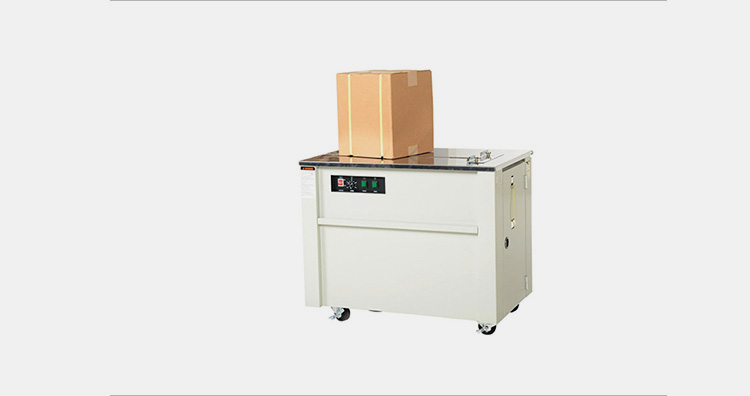
        Pallet Wrapper-1

        Pallet Wrapper: The Complete Buying Guide In 2025

        Pallet Wrapper: The Complete Buying Guide In 2025

        Are you tired of spending hours wrapping pallets by hand? Are you concerned about the safety and stability of your shipments?

        Pallet Wrapper

        In this blog post, we delve into the benefits of using a pallet wrapper, including increased efficiency, reduced labor costs, and improved pallet stability during transportation. Our comprehensive guide will provide you with all the information you need to make an informed decision on purchasing a pallet wrapper. Join us in exploring the world of pallet wrapping and revolutionize your shipping process today.

          Add a header to begin generating the table of contents

          1.What Is A Pallet Wrapper?

          Pallet Wrapper-2

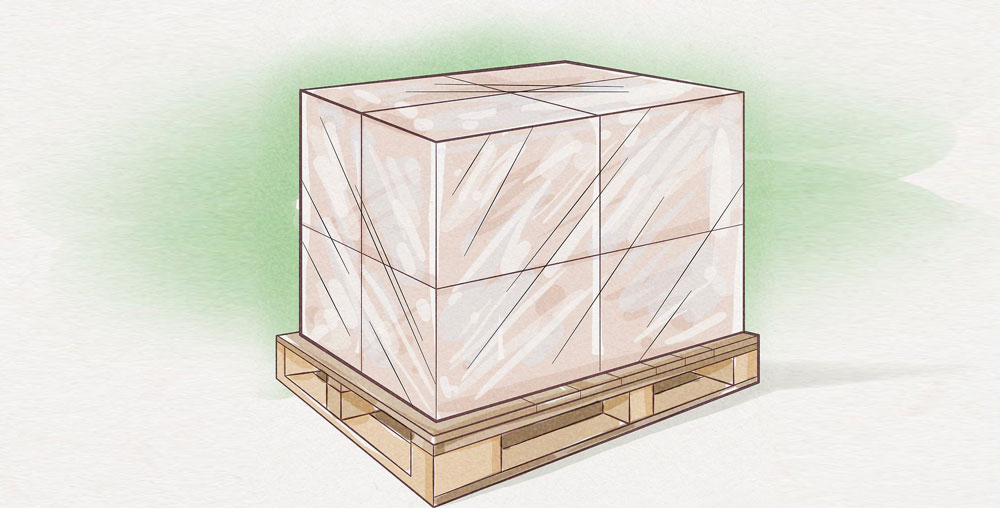
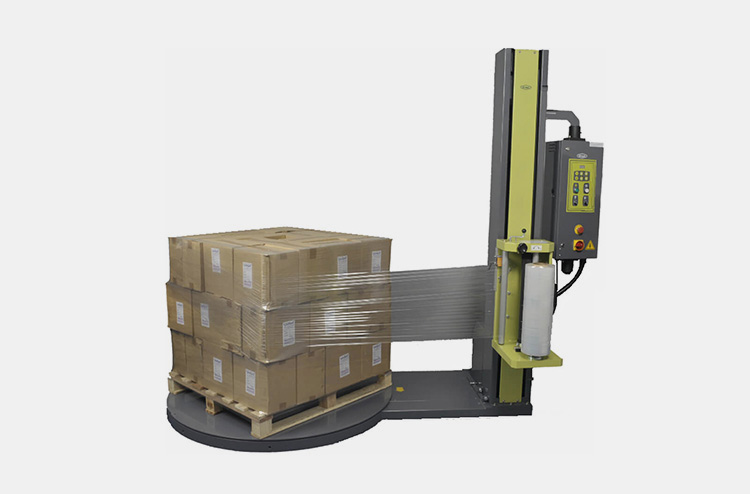
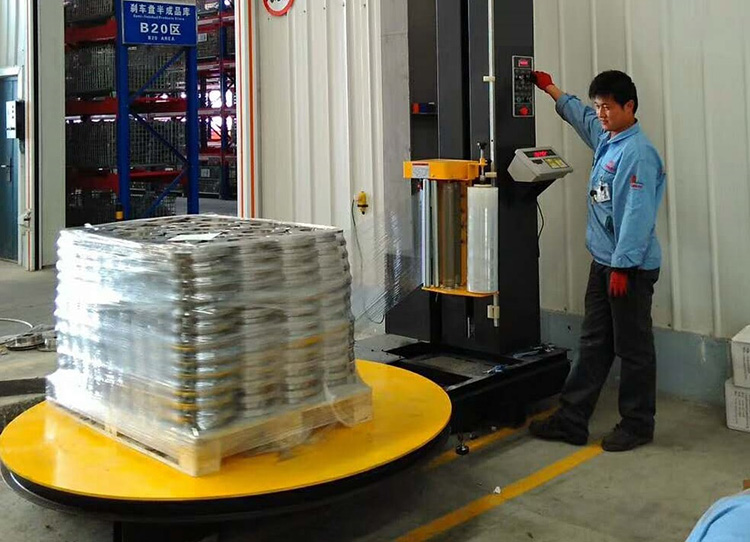
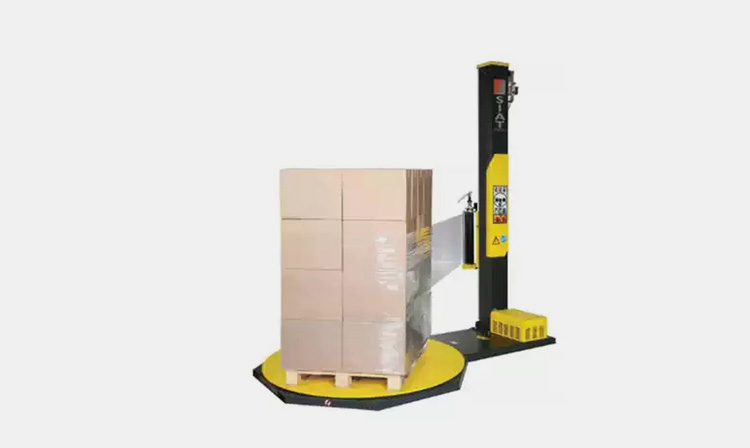
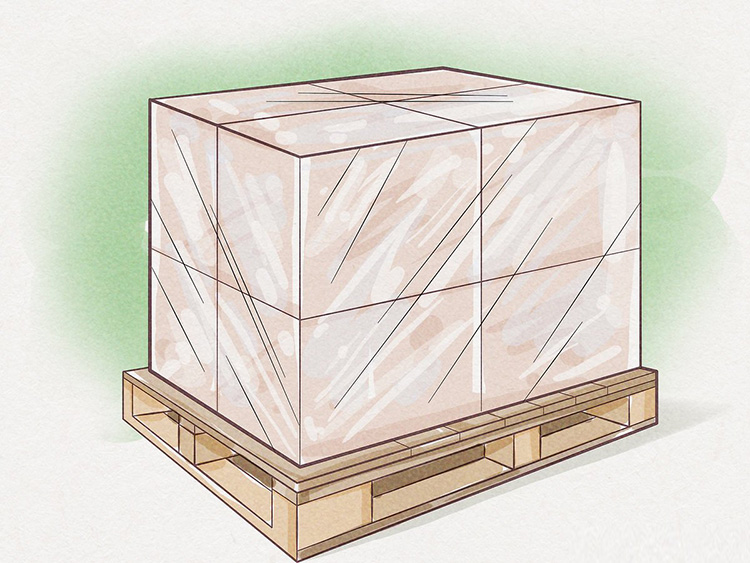
          A pallet wrapper is a machine that helps securely bind items to a pallet for transport. It uses either plastic or paper stretch film to tightly wrap the goods, providing protection from weather and other elements during shipment.

          This process can be automated with machines like pallet wrappers, which are quick and efficient in wrapping the load on the pallet. The benefit of the pallet wrapper is that it ensures the goods are safe and secure, which helps prevent damage during transit. Pallet wrappers also help to reduce waste by using minimal material to protect a load, resulting in cost savings.

          This machine can be used for both in-house and outside applications, making it an ideal choice for a variety of industries because it is easy to use and requires minimal setup, making it the perfect solution for businesses looking for an efficient way to secure palletized loads.

          With its potentiality to securely wrap pallets, the pallet wrapper can help ensure successful delivery and prevent potential losses from damaged goods. Finally, it is the best solution for businesses that need to transport goods safely and securely.

          2.What Are Some Of The Most Common Pallet Wrapper Features?

          Pallet Wrapper-3

          Stretch Film Dispenser

          The pallet wrapper usually features a large stretch film dispenser for the wrapping material, making it easier to apply.

          Pre-Stretch System

          A pre-stretch system ensures that the wrapping material is efficiently used and stretches to its full potential before each wrap cycle begins, ensuring maximum efficiency and performance.

          Film Cutters

          Most pallet wrappers feature a built-in film cutter for easy disposal after each wrap cycle has finished. This helps to reduce wasted material and ensure safety in the workplace.

          Programmable Controls

          Pallet wrapper models with programmable controls enable you to customize wrapping cycles and film tension to suit the needs of your product.

          Photo Eye

          Many pallet wrappers also feature a photo eye, which helps ensure that the wrapping process is completed correctly and efficiently. The photo eye detects when the load has been fully wrapped and stops the cycle automatically.

          Safety Features

          Most pallet wrappers include a variety of safety features, such as built-in emergency stops and motion sensors. These help to ensure the safe operation of the machine and protect personnel from potential hazards.

          Robust Design

          A robust design is essential for any commercial product wrapping machine, especially for those that will be used in busy factories and warehouses. Most pallet wrappers on the market are designed for heavy duty use, so you can be assured of reliable performance and long-lasting durability.

          Ergonomic Design

          An ergonomically designed machine is key to a productive and safe workplace environment. Look for a pallet wrapper with adjustable height settings and easy to reach controls to make the wrapping process as smooth and easy as possible.

          3.How Does A Pallet Wrapper Work?

          Pallet Wrapper Work

          A pallet wrapper, also known as a stretch wrapper or pallet banding machine, is a device used for securing and stabilizing goods on a pallet before shipping. It works by wrapping plastic film around the items on the pallet in order to keep them from shifting during transport. This reduces damage and lost inventory while ensuring that the goods arrive safely at their destination.

          The pallet wrapper works by spinning film around the pallet load, stretching it tight and securing it with a heat-sealing process. This is done in several steps:

          The operator loads the items onto the pallet and sets up the machine for wrapping. This includes manually adjusting the height of the film dispenser and tension arms.

          The film roll should be set up now by the operator, threading it through the dispenser arm and locking it into place.

          The machine is powered on, initiating the wrapping process. It will wrap in a spiral pattern or with overlapping horizontal bands depending on the settings.

          As the machine wraps, it applies tension to the film roll and presses it against the pallet load to ensure a tight wrap. The tension is controlled by adjustable arms that can be manually adjusted from the operator’s station or using hands depending on the type of wrapper being used.

          When finished wrapping, the machine will then heat-seal the film to keep it in place, and cut off any excess length.

          The pallet is now ready for shipping or storage.

          4.What Are The Fundamentals Of Wrapping That The Pallet Wrapper Consider?

          Pallet Wrapper Consider

          The pallet wrapper must consider a number of fundamentals when wrapping a pallet. This includes pallet wrap film, stretch of the film, strength, film yield, film memory, load retention, puncture resistance and visual clarity.

          The pallet wrap film is the material used to secure and stabilize the load.

          The stretch of the film should be able to accommodate for any size of load and allow for a secure, tight wrap.

          The strength of the film should be able to withstand external forces such as wind or vibration during transportation.

          The film yield should be sufficient to retain the load and provide a secure wrap.

          Film memory is an important factor as it can help to increase the expected performance of a wrap.

          Load retention is also important as it helps to keep the pallet intact during transportation.

          Puncture resistance is also important as it helps to protect the load from sharp objects or rough terrain.

          Finally visual clarity is also something that must be considered, as it helps to identify any potential issues with the pallet wrap.

          Additionally, a good pallet wrapper will also consider factors such as environmental conditions, pallet size, and the type of load being wrapped to ensure that the wrapping is done correctly.

          5.What Are The Benefits Of Using A Pallet Wrapper?

          Benefits Of Using A Pallet Wrapper

          The benefits of using a pallet wrapper are numerous and they are:

          Enhanced presentation

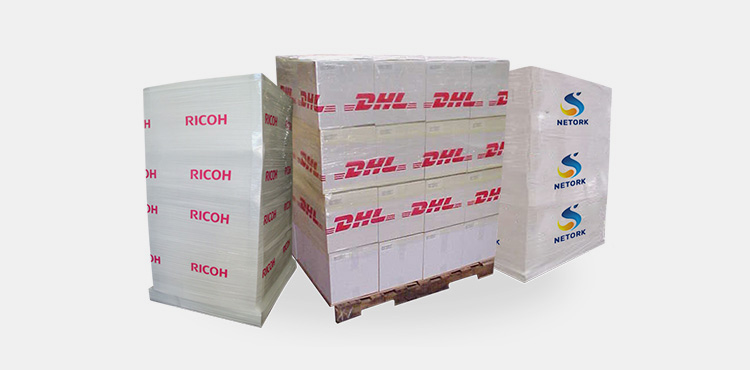
          Using a pallet wrapper to wrap items can help create an aesthetically pleasing and professional presentation that reflects positively on the business.

          Increased protection

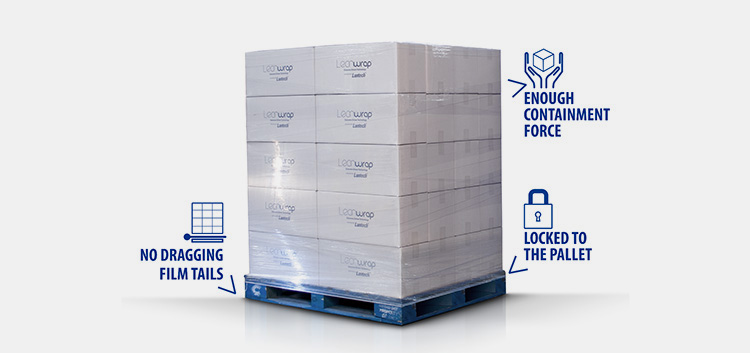
          Wrapping goods with a pallet wrapper provides an extra layer of protection by helping to guard the goods from dust, dirt and other external factors.

          Improved efficiency

          Pallet wrappers can help to speed up the packing process, allowing businesses to get their goods packaged and ready for shipment more quickly.

          Improved quality

          By securely wrapping items on a pallet with a high-quality wrapping material, businesses can ensure that goods remain securely held and protected during transport.

          Cost savings

          Using a pallet wrapper can significantly reduce the amount of material and labour required to package goods, resulting in a cost savings for the business and also reducing the cost goods due to damage control.

          6.What Are Some Of The Pallet Wrapper Applications Available?

          Pallet Wrapper Applications Available

          The pallet wrappers are primarily used for industrial, commercial and retail applications. They are designed to wrap boxes, skids and pallets securely with stretch film or shrink wrap. This prevents the items from being damaged during shipping and handling.

          In agriculture, pallet wrapper machines are used to wrap and secure loads of milk, eggs and other perishable items for distribution.

          Automotive companies use them to secure engine components, tools and auto parts.

          In the retail sector, pallet wrappers are used to stabilize and secure products for shipping and seasonal storage. Finally, manufacturing companies use them to wrap heavy-duty equipment and materials for safe transport.

          Pallet wrappers are essential tools for any industry that needs to secure, store or transport pallets. They help prevent accidents and damage to the items on the pallets, reducing the risk of losses due to mishandling or improper storage and transportation. Pallets are an effective way to that goods arrive safely and securely at their destination.

          7.What Are The Different Types Of Pallet Wrappers Available?

          There are a variety of different types of pallet wrappers available, depending on the automation and the most common types are;

          Manual Pallet Wrapper

          Manual Pallet Wrapper

          These machines require the operator to manually secure the film around the pallet. This type of pallet wrapper is typically used in small-scale applications and is not recommended for high-volume packaging operations.

          Semi-Automatic Pallet Wrappers

          Semi-Automatic Pallet Wrappers

          This equipment provides the operator with assistance in securing the film and controlling the wrapping process. This type of pallet wrapper is typically used in medium-scale packaging operations and allows for improved efficiency.

          Fully Automatic Pallet Wrappers

          Fully Automatic Pallet Wrappers

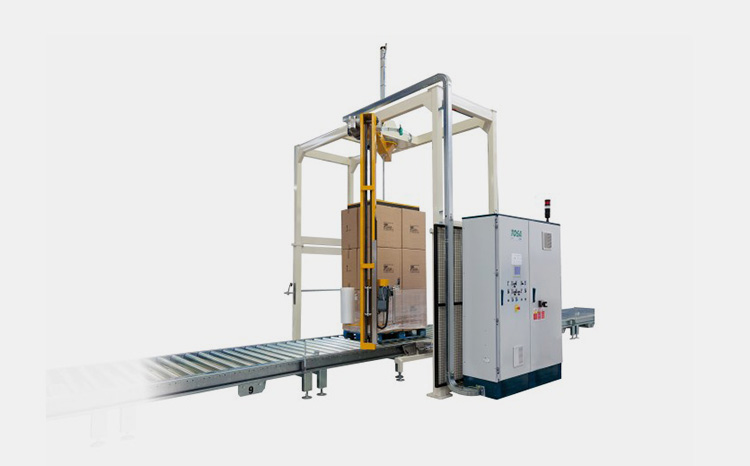
          They are the most advanced type of pallet wrapper and offer the greatest level of automation and efficiency. This type of pallet wrapper requires minimal operator input, allowing for a fast and efficient wrapping process. It is ideal for high-volume packaging operations.

          There are a variety of different types of automatic pallet wrappers that can be used in the warehouse environment. These include:

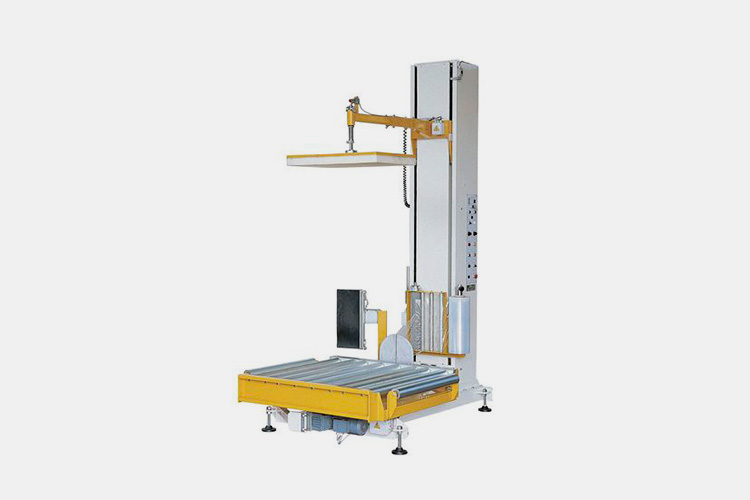
          Rotary arm wrappers

          Rotary arm wrappers

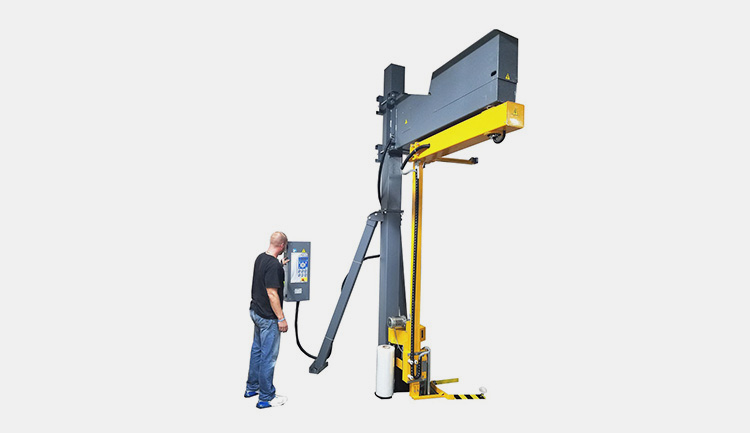
          These machines use a rotating arm to apply the film to the pallet. The arm wraps in an overlapping spiral pattern, creating a uniform wrap that is strong and secure.

          Turntable Wrapping

          Turntable Wrapping

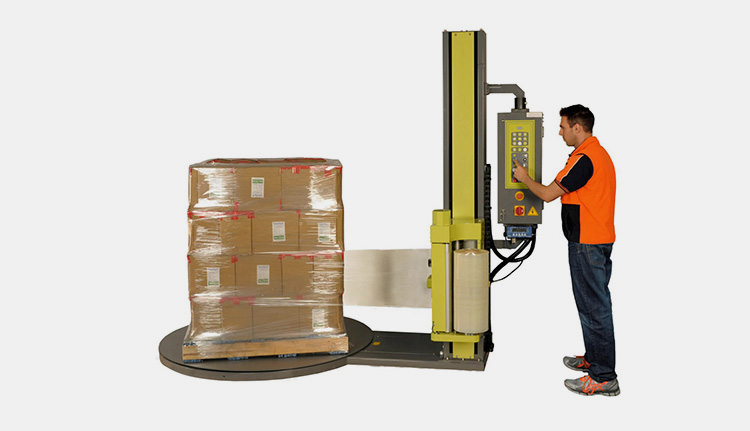
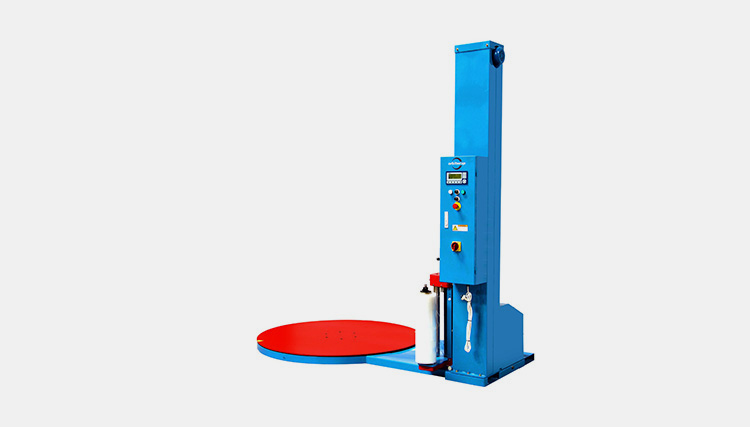
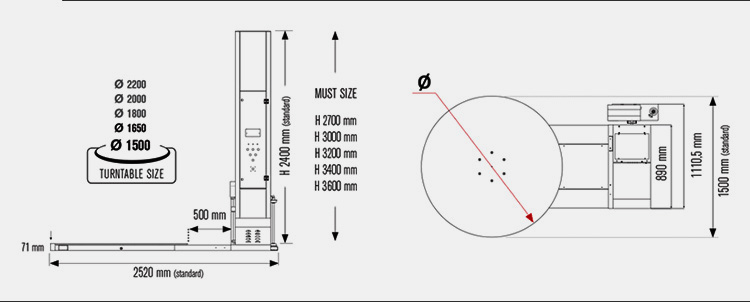
          This type of pallet wrapper uses a turntable to hold the pallet in place while the arms rotate at various angles, wrapping the film around the pallet in a tight, secure manner.

          Robotic Wrappers

          Robotic Wrappers

          Robotic wrappers are automated machines that use robotic arms to apply the film to the pallet. These wrappers can be programmed to wrap any size or type of pallet, and are highly efficient and accurate.

          Straddle Wrapper

          Straddle wrappers are specialized machines that use two arms to apply the film to a pallet. The arms wrap around the pallet in an alternating pattern, creating an effective and secure wrap.

          Ringer or Orbital Wrapper

          Ringer wrappers are machines that use a circular arm to wrap film around the pallet in an overlapping pattern. This type of wrapper is ideal for pallets of irregular shape, as it can be adjusted to accommodate the size and shape of the pallet

          Ring Straddle Wrapper

          Ring Straddle Wrapper

          This type of pallet wrapper uses two arms that wrap around the top and bottom of a pallet simultaneously, creating an even and secure wrap.

          8.What Is The Difference Between Automatic And Semi-Automatic Pallet Wrappers?

          Automatic Pallet Wrappers

          Automatic pallet wrappers are machines that require a minimal amount of manual labor to operate, while semi-automatic pallet wrappers require more manual labor.

          Automatic pallet wrappers are programmable and can wrap a large number of pallets in short periods of time. They are able to adjust the wrapping process according to the size and weight of each package, making them an efficient solution for businesses with a large volume of outgoing shipments. Semi-automatic pallet wrappers are simpler machines that require more manual labor to operate. They are most commonly used in warehouses or other locations where a automated pallet wrapper may not be practical.

          With an automatic pallet wrapper, the machine can be programmed to wrap a certain number of pallets at once, with each pallet receiving the same wrapping specification. This can help reduce labor costs and increase efficiency. Semi-automatic pallet wrappers, on the other hand, require manual labor to load the film onto the pallet and activate the wrapping process. This can be more labor-intensive, but can be beneficial when wrapping individual shipments or products that require special specifications.

          9.What Is The Difference Between Stretch Wrapping And Shrink Wrapping?

          Stretch Wrapping And Shrink Wrapping

          There are two types of wrapping that can be used: stretch and shrink wrapping. Stretch wrapping involves using a stretch wrap film around the pallet in a continuous winding motion. This provides strong protection from dust and moisture, as well as providing support for the items on the pallet.

          Shrink wrapping, on the other hand, involves using a heat sealing machine to shrink plastic wrap around the pallet. This provides an airtight and water-resistant barrier that is less likely to tear or be damaged while in transit. When selecting a pallet wrapper machine, it’s important to consider the type of wrapping needed and what will best suit your business needs.

          10.What Are The Most Common Pallet Wrapper Materials Used?

          Common Pallet Wrapper Materials Used

          Each material mentioned here has its own unique properties and benefits, so it's important to consider which is best suited for your needs and that’s why selecting the right pallet wrapper material can help protect your products and ensure they reach their destination safely. The most common pallet wrapper machine materials used include:

          Polyethylene Film:This is a strong and stretchable plastic material that is used to tightly wrap items for shipping and storage. It offers a secure seal and protection, while also keeping the cost of packaging low.

          Polypropylene Film:This is often used in combination with polyethylene film to provide an even stronger seal. It is also water-resistant and provides excellent protection.

          Foam Sheets:They are materials that are lightweight and water-resistant in nature and therefore they are used as a cushioning material on pallets, as they provide extra protection from shocks and impacts.

          Kraft Paper:This is typically used to wrap pallets in a more aesthetically pleasing manner, as it is visibly smoother and often comes in different colors.

          Corrugated Cardboard:This type of packaging material is lightweight and offers good protection. It is often used to provide an extra layer of protection against shocks and impacts.

          11.What Type Of Items Can Be Wrapped Using A Pallet Wrapper?

          Wrapped Using A Pallet Wrapper

          Items that can be wrapped on pallets depend on the size and weight of the items. Generally speaking, lighter items such as clothing, paper goods, and boxes of small parts can be safely wrapped with a pallet wrapper.

          Bulkier items like furniture, appliances, and industrial machinery parts can also be wrapped on pallets using a more robust wrapping solution. Additionally, boxed food and beverages can also be safely secured with a pallet wrapper.

          It is therefore important to match the size and weight of the items to be wrapped with an appropriate wrapping solution of an appropriate wrapper. If not, the items or commodities may not be adequately secured and can become damaged during the shipping process.

          Ensure the best possible protection for your items when using a pallet wrapper, be sure to select the proper size wrap and use a pallet wrapping machine with enough tension for your items.

          12.How Do I Choose The Right Pallet Wrapper For My Needs?

          Right Pallet Wrapper

          Choosing the right pallet wrapper machine can be a daunting task, ensure you are making the right decision for your needs and here are some key points to consider;

          Determine The Size Of Your Pallets.

          The size and weight of the pallets you need to wrap will determine the type of machine needed for the job. If you are wrapping light-weight pallets, you may consider a manual or semi-automatic machine. If your pallets are heavier and more awkward to handle, an automatic pallet wrapper is likely your best option.

          Consider The Types Of Film You Will Use.

          Different pallet wrap machines work with different types of film. Consider what type of film you are wanting to use and make sure the machine you choose is compatible. If you are unsure the type of film you need, your supplier should be able to provide advice.

          Think About How Often You Will Use The Pallet Wrapper.

          If you are looking for an occasional solution, a manual or semi-automatic machine may be the best option but also if you plan to use it frequently, an automatic machine may be a better choice.

          Read Reviews And Ask For Advice.

          It is always a good idea to research the model you are considering, as well as reading customer reviews. Additionally, asking for advice from industry experts or peers can be a great way to make an informed decision to choosing your preferable wrapper.

          13.How Do I Choose The Right Pallet Wrapper Size?

          Right Pallet Wrapper Size

          Selecting the right pallet wrapper machine to meet your business needs size is a major factor. The bigger the wrapping equipment, the more powerful and efficient it will be. But it’s important to choose a size that fits your business’s needs – you don’t want to invest in a machine that’s too large or too small.

          Choosing a preferable pallet wrapper, consider the size of your most commonly shipped and received pallets. Make sure you choose a machine that will adequately wrap the size of pallet your business uses. If you need to regularly ship or receive pallets of different sizes, then a machine with adjustable width and height settings may be better suited for your needs.

          Also, consider the speed you need from the machine, as different models will offer wrapping speeds of varying levels. For example, a machine with a lower speed may be suitable for businesses that only need to wrap pallets every few hours. Alternatively, businesses that require higher speed machines may need to invest in a more powerful model, especially if they need to wrap dozens of pallets per hour.

          Finally, make sure to consider any additional features that you may need from the pallet wrapper such as those that offer extra security or environmental benefits. Investing in a machine with the right features can help to protect your products during storage and transport, as well as helping your business to reduce its carbon footprint.

          Conclusion

          And there you have it, the end of our journey through the wonderful world of pallet wrappers! We hope you've enjoyed this post as much as we've enjoyed exploring the ins and outs of this amazing piece of equipment. Whether you're a seasoned veteran in the packaging industry or a newbie looking to up your game, a reliable pallet wrapper is essential. And if you're looking for the best quality, affordable options, don't hesitate to contact Allpack! Their team of experts is more than happy to help you find the perfect machine to suit your business needs. Happy wrapping!

          Don't forget to share this post!

          CONTACT US

          Tell us your raw material and project budget to get quotations within 24 hours.

          WhatsApp Us: +86 156 0710 8630

          Invalid Email
          Invalid Number

          Pallet Wrapper: The Complete Buying Guide In 2025 Read More »
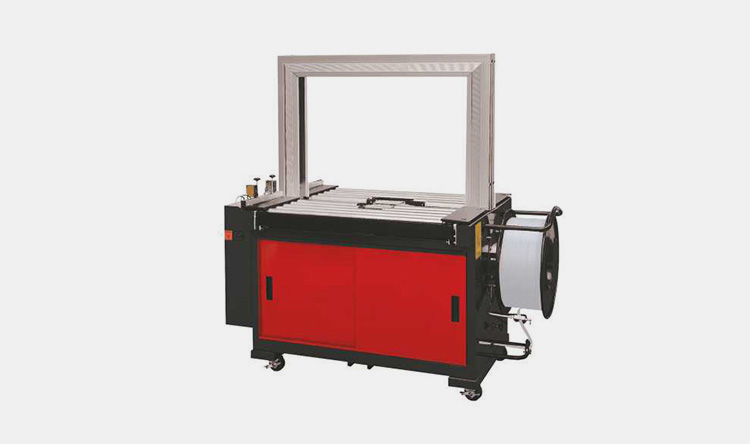
          Glass Bottling Machine-1

          Glass Bottling Machine: The Complete FAQ Guide in 2025

          Glass Bottling Machine: The Complete FAQ Guide in 2025

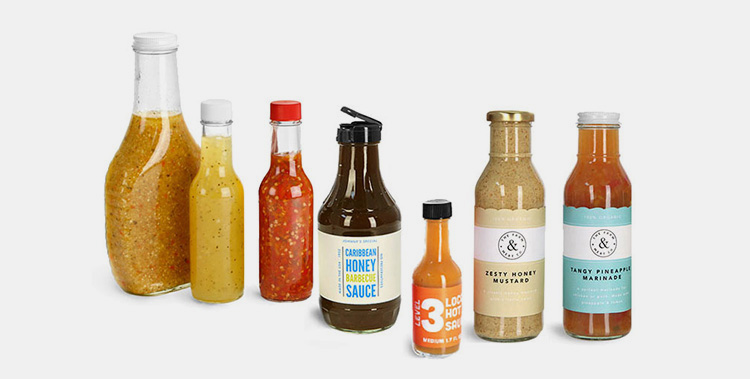
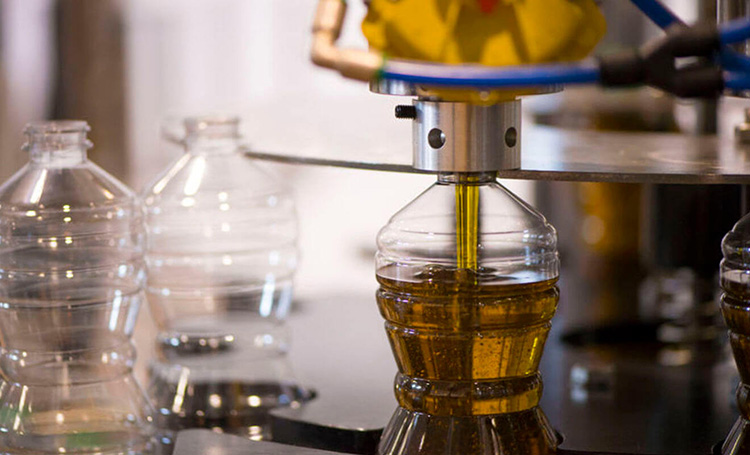
          In today's fast-paced consumer market, the demand for efficiently and precisely packaging products in glass bottles has never been higher. Glass bottling machines are the unsung heroes behind the scenes, ensuring that everything from beverages to sauces, oils, and cosmetics is packaged flawlessly.

          Glass Bottling Machine

          In this blog post, we will explore the ins and outs of glass bottling machines, shedding light on their working mechanisms, capabilities, and the benefits they offer to businesses. Whether you're a manufacturer looking to streamline your production line or a curious enthusiast interested in the intricacies of bottle packaging, we've got you covered.

          Join us as we unravel the secrets behind these remarkable machines and discover why they are indispensable in the realm of modern packaging.

            Add a header to begin generating the table of contents

            1.What Is A Glass Bottling Machine?

            Glass Bottling Machine-1

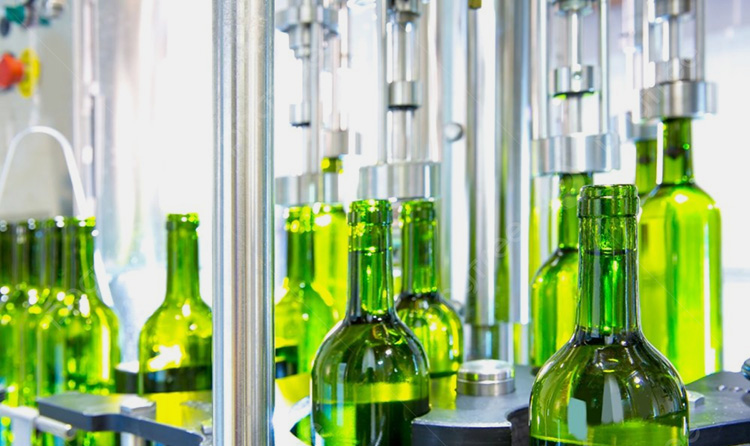
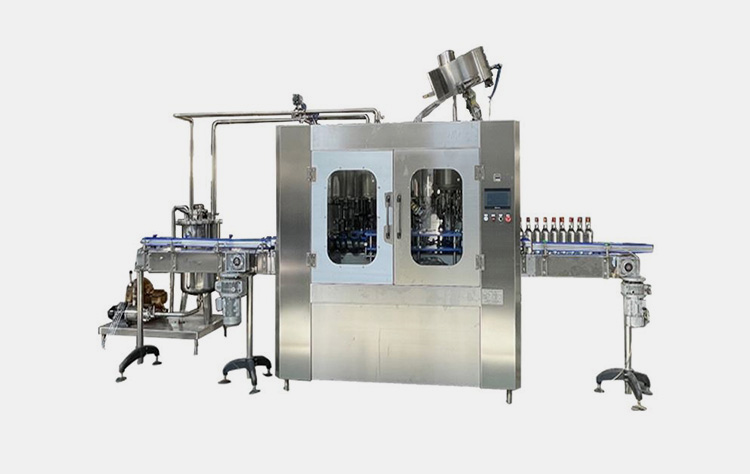
            A glass bottling machine is a device that is used to package beverages into bottles made of glasses. Normally, the machine is automated and uses a range of technologies or processes such as filling, capping, labeling, and packaging for efficiency in production.

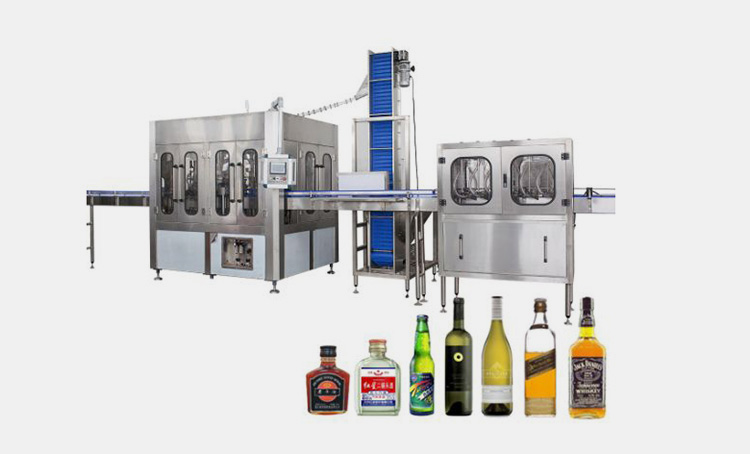
            Glass bottling machines are used in many food and beverage processing facilities to bottle beer, spirits, soda, juice, and other beverages into glass bottles. This system of machines is designed to handle a variety of bottle sizes and shapes with minimal operator interaction, making it an easy-to-use choice for many production lines. In addition, the machine often incorporates safety features such as guards for operators and conveyor belts that stop when necessary.

            2.What Are The Key Components Of A Glass Bottling Machine?

            Key Components Of A Glass Bottling Machine

            A glass bottling machine is technically composed of several components that work together to package liquids into bottles. The main systems of a glass bottling machine are:

            Conveying System

            Conveying System

            The conveying system is responsible for moving the bottles through various stages in the bottling process. It typically consists of a roller conveyor or a belt system designed to transport the glass bottles from one station to another.

            Filling system

            Liquids

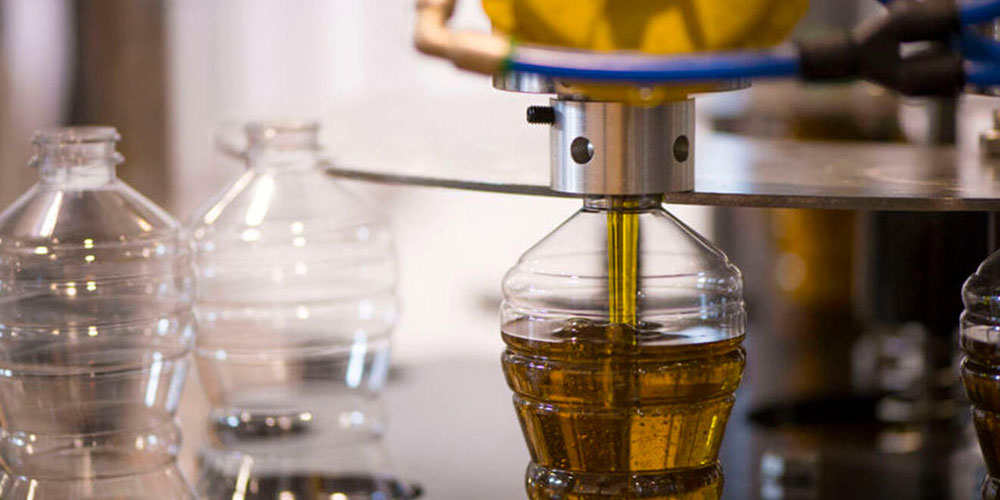
            This component is responsible for filling each bottle with a specific volume of materials or liquids. It usually consists of a cylinder, a piston, and valves to control the dispensing of the liquid or materials.

            Sealing/capping System

            capping System

            This component does the sealing of each bottle with the desired type of caps or closures. They can range from manual capping machines to fully automated systems that use a variety of methods such as heat-sealing, crimping, and induction sealing.

            Labeling System

            Labeling System

            This is the component that is responsible for printing labels onto the bottles before they are packaged and shipped. Typically, it consists of a printer or an inkjet system that prints labels or codes directly onto the glass bottles.

            Packaging System

            Packaging System

            This component is responsible for packaging and boxing the glass bottles after they are filled, sealed, and labeled. It generally consists of an automated system that arranges the bottles into boxes, cases, or pallets and seals them before shipping.

            3.How Does A Glass Bottling Machine Work?

            The first step in this cycle is the infeed conveyor, which transports empty glass bottles from storage to the rest of the machine. The bottles are then moved into a cleaning station where they are sanitized with water and air before filling is done.

            Glass Bottling Machine Work

            After the bottles are clean they are then moved at the filling station, the products are dispensed into each bottle at a precise rate according to predetermined levels or volumes. Then, a vacuum filler suctions out any air that may be present in the bottle before filling.

            Glass Bottling Machine Work-1

            The next step is sealing the bottles using capping machines. These machines attach lids or screw caps to the tops of the now filled glass bottles. The capping machine also inspects each lid for proper fit and seals it onto the bottle precisely.

            Glass Bottling Machine Work-2

            Once these glass bottles are sealed, they move to the outfeed conveyor where the finished product is carried away from the machine for packaging and shipping. The glass bottling machine then repeats the entire process for each new batch of product that needs to be packaged and filled.

            Glass Bottling Machine Work-3

            This automated system has made it easier for businesses to quickly fill large quantities of bottles in a very short period of time. Glass bottling machines are very efficient and reliable, making them a popular choice for industrial applications

            4.What Are Some Of The Applications Of A Glass Bottling Machine?

            Beverage bottling

            Beverage bottling

            A glass bottling machine is used to fill and package beverages such as soft drinks, beer, wine, juice, and water into bottles made of glass. The machine ensures accurate filling levels and delivers consistent quality output. It can also be used for carbonated beverages with its special settings.

            Pharmaceuticals

            Pharmaceuticals

            A glass bottling machine can be used to package pharmaceuticals such as creams and ointments into bottles made of glass. The machine is designed to provide accurate filling levels, ensure the contents remain sterile, and deliver better-quality results.

            Foods

            Foods

            Glass bottling machines are also used for packaging food items such as sauces, jams, pickles, and other condiments. This device ensures filling desired levels and can be used to package products with different viscosity levels.

            Perfumes

            Perfumes

            This equipment is also suitable for packaging perfumes into glass bottles

            Cosmetics

            Cosmetics

            Glass bottling machines are also used in packaging different cosmetics such as lotions, creams, and gels into different glass bottles. Its special nature with its settings ensures accurate filling levels and consistent quality output that makes it a good tool in the cosmetic industry production line.

            5.What Are The Advantages Of Using A Glass Bottling Machine?

            Advantages Of Using A Glass Bottling Machine

            Glass bottling machines offer a variety of advantages for any business that uses them. Here are some of the benefits;

            Cost-Effective

            Glass bottling machines are incredibly cost-efficient and require less labor, as the process is automated it reduces the overall cost of glass bottling production.

            Adaptability

            A glass bottling machine can be adapted to fill and seal different types of bottles with varying sizes and shapes precisely allowing manufacturers to meet the demands of their consumers.

            Flexibility

            Different types of bottle shapes and sizes can easily be filled and sealed with a glass bottling machine, allowing for versatility in production.

            Quality Assurance

            Glass bottles produced by machines are more consistent in shape and quality than those made manually; this ensures that the product is of the highest quality.

            Correctness

            The automated cycles of this machine result in more precise daily production outcomes. This ensures that there is uniformity in the overall production process as well as high-quality output results.

            6.What Types Of Glass Bottling Machines Are Available?

            Types Of Glass Bottling Machines

            There are two types of glass bottling machines available that can suit your range of needs and budgets. Some may be used for producing single bottles, while others are designed for mass production. Most glass bottling machines consist of a combination of automated machinery that can fill, label, cap, and package the product. Depending on the product being bottled, some machines may also be equipped with additional features such as conveyor belts.

            Semi-Automatic Glass Bottling Machine

            Semi-Automatic Glass Bottling Machine

            For those looking for an economical option, semi-automatic glass bottling machines are available. This type of machine uses manual labor to fill the bottles but still has automatic filling, labelers, and cappers.

            Fully-Automatic Glass Bottling Machines

            Fully-Automatic Glass Bottling Machines

            For larger operations, fully-automatic glass bottling machines may be the best solution. These machines can process thousands of bottles per hour and are able to fill, label, cap, and package with minimal manual labor required. They often contain additional features such as a conveyor belt for transporting bottles and a shrink-wrap system for securing them during transport.

            7.What Types Of Products Can Be Bottled Using A Glass Bottling Machine?

            Types Of Product

            Many commercial operations use glass bottling machines to quickly fill bottles with the desired product. The machine is designed to ensure that each bottle contains the correct amount of product as well as meets any other specifications.

            Since glass is considered a safe and reliable packaging material, bottling machines can be used with foods and drinks that have high acidity levels or require refrigeration. It also helps to protect the product from light, oxygen, and moisture damage that can occur over time. Additionally, glass bottles are often preferred for their aesthetic appeal, making them ideal for products that are meant to be displayed on shelves or in refrigerators.

            Beverage liquids

            Beverage liquids are the most common products bottled with glass bottling machines due to the high levels of carbonation in many drinks that require a heavy-duty machine to seal the bottle shut.

            Beverage liquids

            Food grade liquid sauces and dressings

            Food grade liquid sauces and dressings are also commonly bottled using a glass bottling machine as these items require a high level of sanitation during the process.

            Food grade liquid sauces and dressings

            Viscous products

            Viscous liquids such as honey, molasses, and ketchup can also be bottled in glass containers using a glass bottling machine due to their thickness which requires more pressure than liquid beverages to seal the bottle shut.

            Viscous products

            Pharmaceutical-grade liquids

            Pharmaceutical-grade liquids such as vitamins, supplements, and lotions can also be bottled using a glass bottling machine since these products must maintain their integrity during the process.

            Pharmaceutical-grade liquids

            Chemical and petroleum-based liquids

            Chemical and petroleum-based liquids can also be packaged in glass containers with a glass bottling machine as long as they meet the safety requirements of the machinery.

            Chemical and petroleum-based liquids

            8.Can A Glass Bottling Machine Handle Different Bottle Sizes And Shapes?

            Glass Bottling Machine Handle

            Yes, a glass bottling machine can handle different bottle sizes and shapes. This is due to their adjustable filling heads and spouts that help accommodate bottles of varying heights and widths. Many glass bottling machines are equipped with multiple nozzles that allow precise control over the amount of liquid they dispense into each container.

            These machines can also be used to fill glass bottles of different shapes and sizes with the right adjustments. As a result, these machines are well-suited for bottling operations that require flexibility in their production processes.

            9.Can A Glass Bottling Machine Handle Hot-Filled Or Cold-Filled Products?

            Glass Bottling Machine Handle Hot-Filled

            The answer is yes. Glass bottling machines are designed to handle hot and cold products, depending on the specific model. Hot filling involves heating up the product before it is poured into bottles, while cold filling involves cooling down the product to a lower temperature than room temperature before being bottled.

            In either case, industrial-grade glass bottling machines can efficiently and accurately handle both processes. The precise details of the operation, such as temperature control and liquid transfer speed, are typically customizable, allowing you to adjust the parameters according to your needs.

            10.What Types Of Bottles Can Be Used By Glass Bottling Machines?

            Glass Bottling Machines-5

            Glass bottling machines can be used to fill a variety of bottles, including beer and wine bottles, soda bottles, food jars, and many more. Depending on the specific machine design and capabilities, it is possible for glass bottling machines to accommodate different bottle sizes and shapes.

            Generally speaking, these types of machines are designed to fill single-serve sizes, but larger capacities can be achieved by linking multiple machines together. Additionally, glass bottles with special features like caps and other closures may require additional parts or adjustments to the machine in order to handle them properly.

            Customization of machines is also possible to accommodate specific bottle types and provide higher production speeds. In any case, the best way to determine which types of bottles can be used with your glass bottling machine is to consult with a qualified specialist. They will be able to provide expert advice, as well as suggest additional features or modifications that may be necessary for optimal performance.

            It is advisable to consult with a specialist before making any decisions regarding which types of bottles should be used, as they can provide the necessary advice and suggest modifications or additional features that may be necessary for optimal performance.

            11.What Maintenance Is Required For A Glass Bottling Machine?

            Required For A Glass Bottling Machine

            To ensure the smooth operation of a glass bottling machine, regular maintenance is crucial. Here are some key maintenance tasks for a glass bottling machine:

            Sanitization

            Regularly clean the machine to remove any dirt or leftovers or glass particles that may accumulate. Use appropriate cleaning detergents and follow the manufacturer's cleaning guidelines.

            Lubrication

            Apply lubricants to moving parts as recommended by the manufacturer. This helps reduce friction, prevent wear and tear, and maintain optimal performance.

            Inspections

            Conduct routine inspections to identify any signs of damage, loose components, or malfunctioning parts. Inspect conveyor belts, guides, seals, and sensors for wear or misalignment.

            Calibration

            Periodically calibrate the machine to ensure accurate filling levels, sealing pressure, temperature control, and other critical parameters. Follow the manufacturer's instructions for calibration procedures.

            Replacement of worn parts

            Replace any worn or damaged parts promptly to prevent further damage or breakdown. This may include belts, gears, seals, valves, or electrical components.

            Electrical system checkups

            Inspect the electrical connections, wires, and control panels for any loose connections, frayed wires, or signs of overheating. Address any electrical issues immediately to prevent hazards that might result.

            Preventive maintenance

            Implement a preventive maintenance schedule, including regular servicing by qualified technicians. This includes thorough cleaning, lubrication, inspection, and testing of the machine's components.

            Operator training

            Ensure operators are trained in the proper operation, maintenance, and troubleshooting of the glass bottling machine. Educate them on best practices to prevent common issues and promote safe working conditions.

            12.How Do You Choose The Right Bottling Machine For Your Needs?

            Choose The Right Bottling Machine

            When it comes to bottling your products, the most important decision you will make is choosing the right bottling machine. There are a variety of machines available for different types of bottles and applications. Here are some key points to consider when selecting a machine for your needs:

            First, look at the types of bottles you will be using the bottle filling and capping machine for – whether they are glass or plastic bottles. If you plan on filling glass bottles, then an appropriate glass bottling machine should be chosen, as this type of bottle requires specific machinery.

            consider the speed requirements of your production line; different machines offer different output capabilities and can handle varying fill volumes per hour.

            Other factors to take into account include the size of bottles you will be utilizing – making sure that the equipment is able to accommodate them appropriately – as well as the type of closure you will be using. It is also important to consider the overall cost of investing in a bottling machine, and whether it is within your budget.

            Conclusion

            The glass bottling machine has revolutionized the packaging process by efficiently and precisely filling and sealing glass bottles. Its advanced technology has ensured consistent quality and reduced the risk of contamination in the overall production process. With its versatility and adaptability nature, the machine can accommodate various bottle sizes and shapes, making it suitable for a wide range of industries. Automating the bottling process has significantly increased production capacity while minimizing labor costs attached. Moreover, its eco-friendly design will promote sustainability by using recyclable glass bottles. At Allpack we offer precise glass bottling machines that can be a game-changer in your packaging industries that will also guarantee you reliable and efficient solutions for your bottling needs.

            Don't forget to share this post!

            CONTACT US

            Tell us your raw material and project budget to get quotations within 24 hours.

            WhatsApp Us: +86 156 0710 8630

            Invalid Email
            Invalid Number

            Glass Bottling Machine: The Complete FAQ Guide in 2025 Read More »

            Net Weight Filling Machine

            Net Weight Filling Machine: The Complete Buying Guide In 2025

            Net Weight Filling Machine: The Complete Buying Guide In 2025

            Have you ever felt frustrated trying to get the exact amount of product into a bag or container? If so, then you need to learn about the amazing benefits of net weight filling machines! These incredibly fast and accurate automated systems are efficient solutions for businesses needing precise portioning. Whether your products come in powder, granules, or liquids form, this revolutionary device can provide reliable performance with every single fill.

            Net Weight Filling Machine

            In this blog post, we will bring you some insight into what net weight filling machines are, how they work, their advantages over manual weighing methods, as well as some potential downsides to consider when deciding if they're right for your business. Therefore, keep reading to discover why net weight filling machines are quickly becoming an essential piece of equipment in many production facilities!

              Add a header to begin generating the table of contents

              1.What Is A Net Weight Filling Machine?

              Net Weight Filling Machine-1

              The net weight filling machine is a specialized piece of equipment used in industrial processes for weighing and packaging ingredients, liquids or pastes into containers. This device is designed to dispense predetermined amounts of liquid or solid materials into various types of containers.

              Net weight filling machines are used in many industries including food processing, cosmetic industry, chemical manufacturing, and pharmaceutical production. These machines can fill containers with very precise weights or volumes of products depending on how they are set up.

              2.What Are The Components Of A Net Weight Filling Machine?

              Components Of A Net Weight Filling Machine

              Supply Hopper

              The supply hopper is the main ingredient storage unit for a net weight filling machine. The storage capacity of the hopper can be adjusted depending on how much product needs to be filled into packages.

              Vibrating Feed Pan

              The vibrating feed pan is attached to the supply hopper and helps regulate the flow of product into the filling machine. This helps ensure that the exact amount of product is being filled into each package.

              Weigh Hopper

              The weigh hopper is where the product actually gets weighed before being filled into packages. It is usually connected to a scale and the amount of product that goes into each package can be adjusted according to the readings on the scale.

              Discharge Funnel

              The discharge funnel is connected to the weigh hopper and helps feed product into the filler nozzles. This ensures that the exact amount of product is being filled into each package.

              Logical Controller

              The logical controller helps to regulate the speed of the conveyor belt. This helps ensure that product is being filled at a consistent rate, allowing for accurate filling and minimal waste.

              Spout

              The spout is connected to the weigh hopper and helps guide product into the filler nozzles. This ensures that the exact amount of product goes into each package without any overflow or loss.

              Standard Chassis

              The standard chassis is the base of the net weight filling machine. It holds all of the components together and helps provide a stable platform for accurate and consistent filling.

              Foot Switch

              The foot switch is an optional safety feature that can be added to a net weight filling machine. It allows the operator to quickly stop the filling process if something goes wrong or if incorrect amount of product is being filled into a package.

              3.What Are The Benefits Of Using A Net Weight Filling Machine Over Manual Or Other Automated Processes?

              Benefits Of Using A Net Weight Filling Machine

              Flexible Filling Capacity

              A net weight filling machine offers a wide range of flexible filling capacities to suit different product requirements. This means that the production line can be quickly adjusted without having to invest in a new net weight filling machine.

              Accuracy

              When it comes to measuring and dispensing products, net weight filling machines offer high accuracy and consistency meaning less wastage and a better product for the consumer.

              Semi-Automatic or Automatic Functionality

              Net weight filling machines can be used in either semi-automatic or automatic processes, meaning operators have the flexibility to choose which configuration is most effective for their needs.

              Increased Productivity

              In terms of productivity, weight filling machines can fill multiple containers quickly reducing production times and increasing the overall productivity of a facility.

              Reduced Waste

              Net weight filling machines are equipped with sensors that help to reduce product losses due to overfilling or spillage, resulting in less wasted product.

              Cost Savings

              In terms of cost net weight filling machines can help to reduce expenses associated with product returns and wasted product, resulting in long-term cost savings for a business.

              4.What Are The Applications Of A Net Weight Filling Machine?

              Common industries where net weight filling machines can be used include:

              Food Industry

              Food Industry

              Net weight filling machines are often used to package food items such as cereal, coffee beans, and pet treats. Filling these items with precision is important to ensure optimal taste and consumer satisfaction.

              Pharmaceutical Industry

              Pharmaceutical Industry

              In the pharmaceutical industry, net weight filling machines help to accurately dose medications in highly regulated doses. This ensures patient’s safety when taking these medications.

              Chemical Industry

              Chemical Industry

              These machines can also be used in the chemical industry for packaging products such as detergents, bleaches, and cleaning solutions. It is important to accurately fill these items in order to ensure product safety.

              Cosmetic Industry

              Cosmetic Industry

              Net weight filling machines are often used in the cosmetic industry as well. These machines help quickly and precisely fill cosmetics such as lotions, creams, perfumes, and other beauty products.

              5.How Does A Net Weight Filling Machine Work?

              Net Weight Filling Machine Work

              A net weight filling machine works by first weighing each empty container on an electronic scale, then filling it with the desired amount of product, before finally weighing the filled container to confirm that the desired weight has been achieved.

              The process begins with product entering the hopper, which contains a load cell that measures the weight of the product. The load cell then sends a signal to a motor that adjusts the flow rate of the product so it stays within tolerance.

              Once the desired weight is achieved, the machine stops filling and moves on to the next container. If the final weight is not correct, the machine can be programmed to automatically adjust accordingly and fill the containers with more or less product as needed.

              6.What Are The Different Types Of Net Weight Filling Machines Available On The Market?

              The different types of net weight filling machines include:

              Automatic Net Weight Filling Machine

              Automatic Net Weight Filling Machine

              An automatic net weight filling machine is a type of filling machine that uses a volumetric or gravimetric method to fill a container with a predetermined amount of product. The machine can be programmed to accurately control the flow and quantity of material being filled.

              Semi-Automatic Net Weight Filling Machines

              Semi-Automatic Net Weight Filling Machines

              A semi-automatic net weight filling machine is an automated device that uses a programmed digital scale and volumetric or gravimetric methods to fill receptacles with predetermined amounts of product. This type of machine offers the accuracy and precision of automatic machines, but requires manual operation throughout the process.

              Auger Net Weight Filling Machines

              Auger Net Weight Filling Machines

              This type of machine is designed to fill containers with a measured dose of product using an auger-type mechanism. It is used mainly in applications that require accurate dosing, such as pharmaceuticals and cosmetics.

              Piston Net Weight Filling Machines

              Auger Net Weight Filling Machine-4

              Piston net weight filling machines use a piston-like device to fill containers with precise amounts of product at high speeds. The piston is adjustable and can be moved up or down to accommodate different sizes of containers, while its tight seal prevents any leakage during the filling process.

              Gravity Net Weight Filling Machines

              Gravity Net Weight Filling Machines

              These machines take advantage of force of gravity to fill containers with product. A hopper is mounted above the container, with the weight and speed at which it dispenses product being adjustable.

              Vacuum Net Weight Filling Machines

              Vacuum Net Weight Filling Machines

              These machines use air pressure to create a vacuum inside a chamber that sucks up and fills containers with liquid or powder products. The speed and volume of the product being filled can be adjusted to meet different production needs.

              Volumetric Net Weight Filling Machines

              Volumetric Net Weight Filling Machines

              Volumetric net weight filling machines use a combination of weight and volumetric measurements to ensure accurate filling of containers. The amount of product dispensed is determined by the size of the container, as well as its capacity.

              Continuous Motion Net Weight Filling Machines

              Continuous Motion Net Weight Filling Machines

              Continuous net weight filling machines are designed to fill multiple containers at once using a continuous motion mechanism. They are typically used in applications where products need to be filled quickly and accurately, such as food and beverage packaging.

              Multi-head Net Weight Filling Machines

              Multi-head Net Weight Filling Machines

              This type of machine is used for filling containers with pre-weighed materials, such as powders, granules and liquid products. The material is filled into multiple hoppers at the top of the machine and then dispensed into the container below in a controlled.

              7.What Is The Difference Between An Automatic Net Weight Filling Machine And A Semi-Automatic Net Weight Filling Machine?

              Semi-Automatic Net Weight Filling Machine-1

              Semi-Automatic Net Weight Filling Machines

              An automatic net weight filling machine is a fully automated, computer-controlled equipment that utilizes precision technology for accurate measurements and fills packages with a given net weight. This process is fast and efficient as it requires minimal user input and has a high level of accuracy.

              A semi-automatic net weight filling machine, on the other hand, still requires manual input to some extent even if’s just setting up the measurement parameters before beginning production. You are also required to make sure that the product is being filled as desired and with the correct net weight.

              8.What Is The Difference Between A Piston Net Weight Filling Machine And An Auger Net Weight Filling Machine?

              Auger Net Weight Filling Machine-1

              Auger Net Weight Filling Machine-2

              The biggest difference between these two machines is in their filling technique. The piston net weight filling machine uses a plunger mechanism to dispense the material into a container, while the auger net weight filling machine uses an auger screw system to move the product into a container.

              Also, the piston net weight filling machine is more suitable for dispensing thin liquids or products with small particles, such as powders, due to its smooth plunger action. On the other hand, the auger net weight filling machine is better for thicker liquids or products with larger particles, due to its ability to apply pressure on the material.

              In terms of speed and accuracy, both machines can provide high-precision results. However, the piston net weight filling machine is usually faster than the auger net weight filling machine. This makes it ideal for large-scale production, such as food or beverage factories.

              9.What Is The Difference Between A Gravity Net Weight Filling Machine And A Volumetric Net Weight Filling Machine?

              Auger Net Weight Filling Machine-3

              Piston Net Weight Filling

              A gravity net weight filling machine uses an automatic weighing system where a predetermined amount of product is delivered into a container using a stream of air or other gas. This method is more accurate than a volumetric filling machine as it ensures that each container receives the exact same amount of product without any human interference.

              A volumetric net weight filling machine uses a motor-driven valve to dispense a predetermined amount of product into containers. It is less accurate than a gravity system, and can be more susceptible to variations caused by human error. This type of machine is better suited for products that have a high-level of tolerance when it comes to variations in the fill weight, such as sauces and condiments.

              10.What Type Of Products Can Be Filled With A Net Weight Filling Machine?

              A net weight filling machine can be used in many industries to accurately fill containers with a variety of products. The most common materials that can be filled with a net weight filling machine include:

              Powders

              Powders

              A variety of food powders including cocoa powder, flour, spice and baking powder can easily be filled with a net weight filling machine. This machine can also be used to fill pharmaceuticals and other chemical powders.

              Granules

              Granules

              Seeds, grains, nuts and other granular materials can be filled into containers with a net weight filling machine.

              Liquids

              Liquids

              Net weight filling machines are often used in the food, beverage, and personal care industries for filling liquids such as sauces, lotions, oils, syrups, juices, and more.

              Pastes

              Pastes

              Products like peanut butter, jelly, honey, jam and other paste like substances can also be filled with a net weight filling machine.

              11.What Type Of Packaging Materials Can A Net Weight Filling Machine Be Used With?

              A net weight filling machine can be used with a variety of packaging materials depending on the application. Commonly used materials include:

              Pouches

              Pouches

              Pouch packages are ideal for liquids, powders, and pastes with low viscosity.

              Bottles and jars

              Bottles and jars

              Suited to products including pharmaceuticals, sauces, and condiments.

              Cartons

              Benefits Of Using A Net Weight Filling Machine

              Generally used for large and heavy products such as pet food or grain fillers.

              Canisters

              Canisters

              Canisters are suitable for lightweight materials including sugar, salt, honey and coffee among others.

              Drums

              Drums

              Drums are recommended for hazardous substances, especially in industrial environments.

              Sacks

              Sacks

              This package is commonly used with grains and flours.

              12.What Are The Maintenance Procedures For A Net Weight Filling Machine?

              Net Weight Filling Machine

              The following are some of the general maintenance steps to follow when caring for a net weight filling machine:

              Check for any signs of wear or damage to parts before use, and replace any worn or damaged parts as needed.

              Test the accuracy of filling weights regularly, either manually or with a special system.

              Monitor the performance of the machine and adjust it if necessary according to manufacturer instructions.

              Clean the machine parts regularly to prevent contamination and ensure accurate filling weights.

              Lubricate all the moving parts frequently with approved lubricants according to the instructions of the manufacturer.

              Inspect the machine and its components on a regular basis to make sure they are working properly.

              13.What Are The Common Problems Associated With Using A Net Weight Filling Machine And Their Possible Solutions?

              Overfilling or Under Filling

              Overfilling or Under Filling

              The net weight filling machines can cause either over- or under-filling due to weighing inaccuracies, incorrect settings, and improper product consistency.

              To prevent this from happening, you should always double-check the settings before beginning a batch of products and regularly check that the machine is calibrated properly.

              Contamination Risk

              Contamination Risk

              The net weight filling machine includes many parts that come in contact with the product, increasing the risk of contamination.

              To reduce this risk, you should regularly clean and disinfect all parts of the machine, paying special attention to those that come into direct contact with the product.

              Jammed Hoppers

              hopper

              The hopper of a net weight filling machine can sometimes become jammed, preventing the product from being dispensed. This is often caused by clumps in the product or foreign objects that have been mixed into it.

              To overcome jamming, you should always check incoming batches for any contaminants and also use strainers to minimize clumping.

              Corrosion

              If a net weight filling machine is exposed to moisture or to harsh chemicals, corrosion can occur and this can lead to malfunctions and product loss.

              Possible solutions include regularly inspecting the machine for signs of corrosion and taking steps to prevent exposure to moisture or chemicals.

              Clogging

              Clogging

              Clogging can be an issue in a net weight filling machine if the material being filled is too dry or not mixed properly. This can lead to under fills and product loss.

              In order to solve clogging, ensure that materials are adequately mixed before filling and use lubricants such as vegetable oil to help reduce clogs.

              CONCLUSION

              All in all, investing in a net weight filling machine may be just what your company needs to reach its goals efficiently and profitably. Companies of all types and sizes from food-based producers to industrial chemical makers can benefit from utilizing this advanced machinery. Compared to manual methods of production, machines like the net weight filling machine not only improve accuracy and speed but also relieve human fatigue in repetitive tasks. If you are looking for a reliable device that can meet your filling requirements with precision, then you should look no further - contact Allpack today!

              Don't forget to share this post!

              CONTACT US

              Tell us your raw material and project budget to get quotations within 24 hours.

              WhatsApp Us: +86 156 0710 8630

              Invalid Email
              Invalid Number

              Net Weight Filling Machine: The Complete Buying Guide In 2025 Read More »
              Viscosity Chart

              Viscosity Chart

              Viscosity Chart

              Have you ever noticed the non-stop contact with liquids? From morning toothbrush to evening coffee we are utilizing immeasurable liquids. Do you know how these liquids are different from one another? Of course, on the basis of their viscosity! It is essential to have knowledge of the nature of material we use.

              Viscosity Chart

              However, in most cases it becomes obligatory to know especially when it comes to industrial processing where different formulations depends upon the viscosity of material used, such as pharmaceutical industry, chemical industry, food industry and similar other areas. Viscosity chart can greatly help in this way. Here, we have provided you with a precise essay that will clearly display the purpose of viscosity chart and its significance in different sectors. Stay tuned and make sure to read it thoroughly!

                Add a header to begin generating the table of contents

                1.What Is Meant By Viscosity?

                Viscosity Chart-1

                The term "viscosity" refers to the property of any fluid that how much it is thick and sticky. Such materials show resistance in their flow which is caused by the internal friction. This resistance in flow of material is the result of molecular makeup of the substance taken, and at the same time, it will indicate the degree of viscosity a material possess. For instance, the quicker the flow of liquid the lower will be viscosity, in opposition, the low speed of material flow means it is highly viscous.

                Viscosity is the key indicator for determining the rate on which material will flow. It is also considered as an important quantity while checking the quality control of different substances. Therefore, it has broad spectrum of application for various formulations in diverse sectors among which pharmacy is the prominent one.

                2.How Would You Define Viscosity Chart?

                Type of Liquid Centipoise (cp) Centistokes (cSt) Saybolt Second
                Universal (SSU)
                Water 1 1 31
                Milk 3 4 40
                Blood or Kerosene 10
                No.4 Fuel Oil 12.6 15.7 80
                Anti-Freeze or Ethylene Glycol 15
                Cream 20 20.6 100
                Vegetable Oil 40 43.2 200
                SAE10 Oil 88 110 500
                Tomato Juice 180 220 1000
                SAE 30 352 440 2000
                Glycerin 800 1100 5000
                Honey 1500 2200 10000
                Glue 3000 4500 20000
                Mayonnaise 5000 6250 28000
                Molasses 8640 10800 50 ,000
                Sour Cream 15000 19000 86 ,000
                SAE 70 Oil 17640 19600 90000
                Window Putty 100,000

                Viscosity chart can be defined as data sheet or table that display the viscosity of materials with respect to various measuring factors such as temperature, specific gravity and viscosity etc. It is beneficial for knowing the viscosities of various fluids under different temperatures.

                The types of viscosity chart may vary on the basis of certain elements as line some charts contain information only about viscosity, while as, others may show the gravity, type of viscosity and conversion factors etc.

                3.What Is The Importance Of Viscosity Chart?

                Importance Of Viscosity Chart

                Viscosity chart has an important role in determining the successful formulations in small to large scale industries. With the help of this chart, it is possible for researchers to make new prescriptions and avoid repetition of measuring same fluids.

                Viscosity chart has gained special importance in the field of pharmacy where the testing of viscosity is considered as a part of quality control. In addition, the viscosity of syrups, syringes, vaccines and other drugs proved beneficial in determining their dissolution and essence time in body.

                4.Where Do We Need Viscosity Chart?

                Viscosity chart is needed where there is any sort of liquid formulation or emulsion. The following details will further reveal about the areas where it is required:

                Pharmaceutical Processing

                Pharmaceutical Processing

                It must be noted that all the drugs including tablets, capsules, syrups and injections are made either from emulsion or mixture of different ingredients. Here, viscosity is the prime concern of pharmacies to look for, to reach the standard quality requirements essential for drug manufacturing.

                Food Processing

                Food Processing

                Food processing is another field where you would find the essence of viscosity in making baking products, confectioneries, oil and dairy products. Keeping in mind the viscosity of products in reference to temperature, they can be well utilized for various purposes.

                Industrial Processing

                Industrial Processing

                Large industries including metal processing industry, paint manufacturing company, chemical industry and lubrication oil industry can also take advantage of the viscosity chart in their respective spheres.

                Cosmetic Processing

                Cosmetic Processing

                In the formulation of cosmetics such as shampoo, lotion, cleansing products and makeup items, it is a matter of fact that help of viscosity chart is taken to gain the desired level of viscosity.

                5.Which Details Does A Viscosity Chart Display?

                Viscosity Chart Display

                A viscosity chart shows number of details about material and their viscosities. Following points are well explained to enable you in understanding the information:

                Reference Material: In the beginning of viscosity chart, a reference material is mentioned. For example, in viscosity chart water is taken as a reference material with respect of whom all other fluids are measured.

                Product name: Now comes the fluids name, which are mentioned in a sequential column, for example, syrup, juice and batter etc.

                Fixed Gravity: It is also known as relative density which shows the density of a material with that of reference item. In addition, the reference material for all fluids is water and for all gases is air.

                Absolute Viscosity: Absolute viscosity is the liquid's internal opposition caused by shearing pressure. It may vary due to change in temperature and rate of deformation.

                Temperature: Temperature is another element mentioned in the viscosity chart. Absolute viscosity of each fluid is recorded under particular temperature which is written with them.

                Type of Fluid: There are two types of fluids; newtonian fluids and non-newtonian fluids. The former cannot be affected by shearing, while as later can change the viscosity due to applied force. Hence, these fluids are symbolized with relevant types for easy recognition.

                6.What Are The Units Of Viscosity?

                Units Of Viscosity

                Following are the major units of viscosity based on SI unit and SCG units:

                Poise and Centipoise

                Poise is the SCG unit of dynamic viscosity. In most cases it is also known as centipoise, however, there is difference between both on part of the degree of fluid's viscosity. For instance, 1 poise (P) is equal to 100 centipoise (cP).

                Pascal Second

                Pascal second is another SI unit of viscosity for measuring smaller viscosity. It is abbreviated as Pa.s and based on the Newtown's second per meter square. It is also known as poiseuille PI which is qual to 10 poise.

                Stokes and Centistokes

                Stokes is the standard SCG unit for kinematic viscosity. It is often reported as centistokes which is equal to 0.01 stokes.

                Saybolt Seconds Universal

                Another unit of viscosity is saybolt seconds universal which is used for measuring 60 milliliters of fluid by passing it through the orifice of Saybolt universal viscometer at the fixed temperature of 100°F. In case, the viscosity of fluid is high, then Saybolt Seconds Furol test is done at the temperature of 120°F.

                Degree Engler

                Degree Engler is the viscosity measurement ratio where 200mL of viscous fluid is compared with water by passing both from same orifice.

                7.Which Tools Are Used For Measuring Viscosity?

                Modern technology has introduced new and standard quality tools for measuring viscosity. They are as follows:

                Falling Ball Viscometer

                Falling Ball Viscometer

                Falling ball viscometer is an excellent instrument used for measuring newtonian fluids by putting ball in the tube filled with fluid whose viscosity has to be determined. The speed of ball falling will show the level of viscosity possessed by the fluid.

                Viscosity Cup

                Viscosity Cup

                Viscosity cup is an instrument utilized for measuring the viscosity of non-newtonian fluids such as paints, inks and garnishes etc. It is composed of a precise structure in form of a stand holding a cup on the top and an empty container fixed right under the cup. The measurement is done by recording time when fluid laying inside the viscosity cup start draining into the container.

                Consistometers

                Consistometers

                Consistometers are small metal gadgets with numericals imprinted over their bases. They are highly suitable for exploring the viscosity of diverse fluids such as sauces, jam garnishes, paints and cosmetics etc. Due to the low maintenance, convenient usability and flexibility, most of the industries prefer using consistometers for knowing viscosity of fluids.

                Glass Capillary Viscometers

                Glass Capillary Viscometers

                As the name indicates, glass capillary viscometers are small tubes made up of transparent glass. They are highly effective for ascertaining kinematic viscosity. There are broad range of glass capillary viscometers available in market among which prominent are Ubbelhode, Zeitfuchs and Cannon-Fenske viscometers.

                Tuning fork Vibration Viscometers

                Tuning fork Vibration Viscometers

                This instrument is very effective for attaining high level of measurement accuracy with the help of immersing two sensing rods in a container filled with fluid. The constant electric supply produce vibration in rods who eventually detect the viscosity ratio of fluids.

                Rotational Viscometers

                Rotational Viscometers

                Rotational viscometer is highly versatile apparatus utilized for measuring highly viscous fluids having millions of centipoises. It carries out the function of measuring viscosity by moving spindle attached to the viscometer. This spindle is submerged into the liquid substance whose rotary motion calculate the viscosity with the help of torque.

                8.Highlight The Factors Which Can Influence The Viscosity?

                While discussing viscosity chart we cannot ignore the factors which influence the viscosity of fluids. Here, you will know them one by one:

                Nature of Fluid

                Nature of Fluid

                One of the prominent factor which can affect the viscosity of any substance is its own nature. For instance, the viscosity of newtonian fluids such as water and honey will remain same than those belong to non-newtonian category including ketchup, milk and custard etc.

                Temperature

                Temperature

                Temperature is another cause for influencing viscosity, as we know, that high temperature can increase the speed of molecules resulting in reducing the thickness of fluids like honey and cream. This consequently enhance the flow of material.

                Pressure

                Pressure is not so effective element for impacting viscosity, however, in some cases it may increase the viscosity because excessive compression lessen the movement of molecules as a result the increase in friction reduce material flow.

                Flow Conditions

                Flow Conditions

                Flow condition is among other factors that dominate viscosity. In addition, the irregular turbulent flow cause change in viscosity. Contrary to that, material in state of laminar flow remains constant.

                9.What Are The Different Categories Of Viscosity? 

                Different Categories Of Viscosity

                There are two main categories of viscosity which are expressed under the following headings:

                Dynamic Viscosity

                Dynamic viscosity is also known as absolute viscosity or coefficient of viscosity which is derived from Newton's law of viscosity. It refers to the measurement of a liquid's flow when external shearing or force is applied.

                Kinematic Viscosity

                Kinematic viscosity is a quantity which shows the substance internal opposition to move or flow under gravitational force. The kinematic viscosity of any liquid can be found by dividing the absolute viscosity over density under controlled temperature.

                10.Differentiate Between Viscosity And Density?

                Both viscosity and density are the features of fluids, however, they are different in several ways which can be understood by reading the points explained below:

                No Factors Viscosity Density
                1 Definition Viscosity is a tool for measuring the thickness of any liquid substance Density is the quality of ascertaining the space present between particles inside liquid
                2 Role It is crucial for knowing the factors responsible for liquids flow, thus they can be controlled Density is essential for determining the possibility of particles' floating and sinking when laid inside fluids
                3 Application Viscosity can be only applied to fluid substances While as, density is applicable to liquid, solid and gas
                4 SI Unit The SI unit of viscosity is poiseiulle (PI) the SI unit of density is kg/m³
                5 Example Water 0.01, honey 0.421 and Oil 0.1 Water 997, Wax 960 and Air 1.23
                6 Pictures Viscosity-1 Density-1

                11.Viscometer Vs Rheometer- Elaborate?

                Viscometer and rheometer are innovative applications brought for measuring the viscosities of diverse fluids. Both are excellently accomplishing their tasks in respective spheres which can be analyzed in the following table:

                No Factors Viscometer Rheometer
                1 Definition An instrument employed to gauge the viscosity of a fluid is called viscometer Rheometer is an apparatus utilized for scaling the way in which liquids flow against applied force
                2 Benefits It helps in assessing flow properties and toughness of fluids It is capable of processing small sample size and variate the temperature required
                3 Categories It can be divided into four categories namely capillary tube viscometer, falling ball viscometer, rotational viscometer and falling piston viscometer Rheometer has two types including controlled-strain and controlled-stress rheometer.
                4 Application Newtonian liquids can be measured while using viscometer In contrast, rheometer is used for measuring non-newtonian fluids
                5 Example Water, honey and alcohol etc. Shampoo, paint and grease etc.
                6 Pictures Rheometer-1 Viscometer-1

                Conclusion

                Whether is it medical field, research laboratories or business firms, the processing of fluids cannot be overlooked. In the same way, it is also necessary to take care of the responsible formulations. For this, the help of viscosity chart can be taken to avoid mistakes and carry on smooth processing. If you found this viscosity chart an informative piece of writing, you can get further relevant knowledge by visiting our site or contacting us through our link for asking any query.

                Don't forget to share this post!

                CONTACT US

                Tell us your raw material and project budget to get quotations within 24 hours.

                WhatsApp Us: +86 156 0710 8630

                Invalid Email
                Invalid Number

                Viscosity Chart Read More »

                Syringe Filling Machine

                Syringe Filling Machine: The Complete Buying Guide In 2025

                Syringe Filling Machine: The Complete Buying Guide In 2025

                If you own a medical laboratory or physical therapy center or drug manufacturing company, then you already know that syringes are an essential part of your operation. Without them, your business and its operations would not run smoothly. Luckily for you, syringe-filling machines have been designed to make the process of automatically refilling hundreds of syringes more efficient than ever before!

                Syringe Filling Machine

                Also, these amazing machines offer businesses impressive increases in speed and accuracy in their everyday operations. This blog post explores this exciting technology; what it is, how it works, and which types are available on the market today!

                  Add a header to begin generating the table of contents

                  1.What is a syringe?

                  syringe

                  A syringe is a medical instrument used for injecting or withdrawing fluids from the body. It typically consists of a cylindrical barrel, a plunger, and a needle. The barrel holds the fluid, the plunger controls the flow of the fluid, and the needle allows for precise delivery or extraction of fluids. Syringes are commonly used in healthcare settings for administering medications, delivering vaccines, drawing blood samples, and performing various medical procedures.

                  2.How does a syringe work?

                  syringe work

                  A syringe works by utilizing the principles of pressure and suction to draw or expel fluids. The precise mechanism may vary depending on the specific type of syringe, such as whether it has a luer lock or a slip-tip design, but the basic principles of pressure and suction remain consistent.

                  3.What are syringes used for?

                  Syringes are used for a variety of medical purposes. Some common uses include:

                  Administering medication

                  Administering medication

                  Syringes are frequently used to deliver medications directly into the body. This can include injections given subcutaneously (under the skin), intramuscularly (into the muscle), or intravenously (into a vein).

                  Vaccinations

                  Vaccinations

                  Syringes are essential for administering vaccines, which help prevent infectious diseases. They allow healthcare professionals to accurately measure and deliver the appropriate vaccine dosage.

                  Collection of  blood

                  Collection of blood

                  It's quite useful to note that different types of syringes may be used for specific purposes to ensure accurate dosage delivery, maintain sterility, and meet the requirements of various medical procedures.

                  4.What types of syringes are available?

                  types of syringes are available

                  Several types of syringes are available, each designed for specific purposes. Here are some common types:

                  Standard syringes

                  These are the most common syringes used for general medical purposes. They typically have a lured slip tip or lured lock tip, allowing for the attachment of various sizes and types of needles.

                  Insulin syringes

                  Insulin syringes are specifically designed for administering insulin injections. They have a very fine and short needle, and the syringe is calibrated to measure insulin units accurately.

                  Tuberculin syringes

                  Tuberculin syringes are used for administering and reading the Mantoux tuberculin skin test. They have a small capacity (typically 1 ml) and fine graduations for precise measurement.

                  Safety syringes

                  Safety syringes incorporate features to minimize the risk of needlestick injuries. These can include retractable needles that automatically retract into the syringe barrel after use or needle shields that cover the needle after injection.

                  Pre-filled syringes

                  pre-filled syringes come pre-loaded with a specific medication or vaccine. They are ready to use and eliminate the need for drawing up medication from a vial.

                  Catheter-tip syringes

                  Catheter-tip syringes have a tapered tip specifically designed for attaching to catheters or other tubing systems for efficient and controlled fluid delivery.

                  Oral syringes

                  Oral syringes have a long, curved tip and are used for accurately measuring and administering oral medications to individuals who have difficulty swallowing or require precise dosing.

                  Irrigation syringes

                  Irrigation syringes have a large capacity and are used for cleansing wounds or body cavities by delivering a steady flow of fluid.

                  5.What are the safety requirements when handling syringes?

                  When handling syringes, it is important to follow certain safety requirements to minimize the risk of injury and ensure proper usage. Here are some brief safety guidelines:

                  Needle safety-Handle syringe needles with caution to avoid accidental needle sticks. Never recap a used needle. Dispose of used syringes and needles in designated sharps containers immediately after use.

                  Hand hygiene-Practice proper hand hygiene by washing hands with soap and water or using an alcohol-based hand sanitizer before and after handling syringes.

                  Sterility-Ensure that syringes and needles are sterile and individually packaged before use. Do not use a syringe if its packaging is damaged or compromised.

                  Needle disposal-Dispose of used syringes and needles in puncture-resistant containers specifically designed for sharps disposal. Follow local guidelines and regulations for proper disposal methods.

                  Needlestick prevention-Take precautions to prevent accidental needlestick injuries. Avoid recapping needles, use needle safety devices if available, and handle syringes with care to prevent needle injuries.

                  Remember, these are general safety requirements, and it's important to follow specific protocols and guidelines established by your healthcare facility or local regulations to ensure safe syringe handling practices.

                  6.Which Methods Are Commonly Used To Fill Syringes?

                  There are several methods commonly used to fill syringes depending on the context and purpose. Here are a few methods:

                  Direct filling from a vial-This method involves inserting the syringe needle directly into a vial containing the desired medication or fluid. The plunger is then pulled back to create suction, drawing the fluid into the syringe barrel.

                  Withdrawal from a container-In some cases, syringes may be used to withdraw fluids from an IV bag or container. A needle or a specialized spike may be inserted into the port or septum of the IV bag, and the plunger is pulled back to draw the fluid into the syringe.

                  Transfer from an ampoule-Ampoules are small sealed glass or plastic containers that hold a single dose of medication. To fill a syringe from an ampoule, the ampoule is broken open, and the syringe needle is inserted into the ampoule to draw out the medication.

                  Use of syringe filling devices-Transfer devices can be used to aseptically transfer fluids from one container to another. These devices provide a closed and sterile system for filling syringes, minimizing the risk of contamination.

                  Pre-filled syringes-Some syringes come pre-filled with medication or vaccines. These syringes are ready to use, and filling is not required. They are typically provided in sterile packaging.

                  7.What Is A Syringe Filling Machine?

                  Syringe Filling Machine-1

                  A syringe filling machine is a device used to fill a variety of syringes with liquids or semi-solid materials. These machines are commonly found in manufacturing and healthcare settings, where they are used to fill large quantities of syringes with exact dosages for medical treatments or production processes.

                  Syringe filling machines are typically automated, requiring only minimal human intervention to ensure correct operation. They offer many advantages over manual syringe-filling techniques in terms of speed and accuracy, making them an essential tool for many industries.

                  8.What Are The Components Of A Syringe Filling Machine?

                  Components Of A Syringe Filling Machine

                  The components of a syringe machine are:

                  Pump Filler

                  The filling pump is responsible for delivering product from the material hopper to the syringe. This component can be configured in either a positive displacement or peristaltic mode depending on the application and fluid compatibility requirements.

                  Filling Needle

                  The filling needle is critical to ensuring accurate and repeatable filling as it functions as the gateway between the delivery pump and the syringe. The needle size and shape will be dependent on the application.

                  The Hopper

                  The material hopper, usually made of stainless steel or plastic, holds the product that is to be filled into syringes. This component can also include automated filling systems to ensure a consistent supply of product to the filling needle.

                  Syringe Ejector System

                  After each syringe is filled, it must be ejected from the machine and collected in a tray or container. This is typically done using an automated system of pneumatic cylinders and other components to ensure that each syringe is accurately placed in its collection container.

                  Filling Head

                  This is where the liquid transfer takes place. It is usually equipped with sensors that detect when a syringe has been filled to the correct level.

                  Labeling System

                  This component helps in adding labels to each syringe before they are packaged for sale.

                  9.What Are The Benefits Of Using A Syringe Filling Machine?

                  Benefits Of Using A Syringe Filling Machine

                  The advantages of a syringe-filling machine include:

                  Multiplied Efficiency

                  A syringe-filling machine is designed to fill many syringes in a fraction of the time it would take to do it manually. This makes it ideal for high-volume production tasks, allowing medical practitioners to save time while ensuring they are able to meet demand.

                  Intensified Accuracy

                  Syringe-filling machines are accurate instruments that eliminate the potential for human error when filling syringes. This ensures consistency in measurements, making it easy to deliver precise doses of medication or other substances as needed.

                  Expenditure Reduction.

                  Using a syringe filling machine is incredibly cost-efficient, as it eliminates the need for manual labor and allows medical professionals to fill more syringes in less time. This reduces the amount of money spent on materials and labor, allowing practitioners to save money.

                  Versatility

                  A syringe-filling machine is designed to be versatile, allowing it to fill various types of syringes with different substances and fluids.

                  10.What Are The Applications Of A Syringe Filling Machine?

                  A syringe-filling machine can be used in a variety of industries. Here are some of the applications:

                  Pharmaceuticals Industry

                  Pharmaceuticals Industry

                  In the pharmaceutical industry, syringe filling machines can be used to fill and package pharmaceutical products such as drugs, vaccines, and other liquid medications. These tools can accurately fill and deliver precise dosages with speed and efficiency.

                  Veterinary Industry

                  Veterinary Industry

                  Animal health products such as vaccines, antibiotics, and other medications can be filled into syringes with a syringe filling machine.

                  Food Processing

                  Food Processing

                  Syringe-filling machines are used to fill food items such as sauces, jams, purees and pastes into syringes for packaging. This helps to ensure that the product is filled accurately and consistently while also improving safety standards.

                  Cosmetics Industry

                  Cosmetics Industry

                  In the cosmetics industry, syringe filling machines can be used to fill containers with creams, lotions, gels, perfumes, and other cosmetic products.

                  Chemical Industry

                  Chemical Industry

                  Syringe filling machines can be used in the chemical industry to fill chemicals, reagents, and other hazardous substances such as acids and bases.

                  Automotive Industry

                  Automotive Industry

                  Syringe-filling machines are used in the automotive industry to accurately dispense lubricants, adhesives, sealants, and other fluid products into syringes.

                  11.What Are The Working Principles Of A Syringe Filling Machine?

                  Working Principles Of A Syringe Filling Machine

                  When the machine starts up, it will first sort through the syringes and dispense them onto its assembly line. The syringes are then placed into a hopper, which feeds them, one at a time, into the machine’s filling chamber. From there, the syringe is filled with either liquid or solid medications that have been pre-measured.

                  Once the syringe has been filled, it is then placed onto its platform. At this point, a sensor will detect the presence of the syringe and verify that it has been properly filled. If so, the machine will move the syringe further down the assembly line for capping and labeling.

                  Once this is complete, the machine will drop the syringe onto an exit conveyor belt for further processing.

                  12.What Are The Different Types Of A Syringe Filling Machine Available On The Market?

                  There are several types of syringe filling machines on the market. These include:

                  Automatic Syringe Filling Machine

                  Automatic Syringe Filling Machine

                  Automatic syringe filling machines are designed to fill multiple syringes accurately and quickly. This type of machine features a digital control panel, a hopper for loading the liquid, and an automated system that injects the liquid into the syringe.

                  Semi-Automatic Syringe Filling Machine

                  Semi-Automatic Syringe Filling Machine

                  The semi-automatic syringe filling machines are designed for medium production runs, as they require an operator to monitor the filling process and make adjustments to ensure the syringes are filled with the desired amount of liquid.

                  13.What Is The Difference Between A Manual Syringe Filling Machine And An Automatic Syringe Filling Machine?

                  Automatic Syringe Filling Machine-1

                  Automatic Syringe Filling Machine-2

                  The main difference between a manual syringe filling machine and an automatic syringe filling machine is the speed at which they fill syringes. Manual machines are operated by hand and require users to manually insert each individual syringe into the tray for it to be filled, while automated machines can fill multiple syringes simultaneously in just seconds.

                  Automated syringe filling machines are also much more accurate and efficient than manual machines, as they can be programmed to precisely measure each dose. Additionally, automated syringe-filling machines allow for greater flexibility with the type of syringes that can be filled, as they feature interchangeable parts that can accommodate different sizes and shapes.

                  Manual syringe filling machines, on the other hand, typically have a fixed size and shape. Furthermore, automated machines can be used to fill any type of fluid or liquid including water, gels, creams, and sterilizers; whereas manual syringe-filling machines are limited to only certain types of fluids and liquids.

                  14.What Is The Difference Between An Automatic Syringe Filling Machine And A Semi-Automatic Syringe Filling Machine?

                  Semi-Automatic Syringe Filling Machine-3

                  Semi-Automatic Syringe Filling Machine-4

                  An automatic syringe filling machine is a fully automated system that can perform the entire process of filling, sealing, and capping a syringe without manual input. This type of machine typically utilizes advanced technology such as robotics and vision systems to ensure accuracy and speed. The overall process usually requires just one operator who monitors the output and quality control.

                  A semi-automatic syringe filling machine is similar, but it requires manual intervention along the process. This type of machine typically makes use of a simple conveyor system to move the needle from station to station and a person must manually add or subtract the product into the syringe at each stage. The operator must also be present for the capping process. Although manual labor is involved, semi-automatic filling machines can still fill and seal multiple syringes simultaneously, resulting in a higher output.

                  15.What Materials Can Be Filled With A Syringe Filling Machine?

                  Liquids

                  Liquids

                  A syringe filling system is commonly used to fill containers with liquids, such as water, oil, juice, and alcohol.

                  Powders

                  Syringe-filling machines are also ideal for packaging fine or powdered materials such as flour, sugar, spices, and other small particles.

                  Gels

                  Gels

                  Syringe filling systems are also equipped to fill containers with gels such as lotions, shampoo, and toothpaste.

                  Creams

                  Creams

                  Products like face creams, shaving cream, and other similar products can be filled in syringe filling systems with ease.

                  Paste

                  Paste

                  These are thick smooth substances like nut kinds of butter, jam, peanut butter, and more that can also be filled in containers using a syringe filling system.

                  Adhesives

                  Syringe-filling machines can also be used to fill containers with adhesives, such as glue and sealants.

                  16.What Type Of Maintenance Is Required For A Syringe Filling Machines?

                  Type Of Maintenance

                  Syringe-filling machines require regular maintenance in order to ensure that they are operating efficiently and effectively. And this is the required maintenance;

                  Daily visual inspections should be done to make sure that the machine is free from any foreign objects or debris as well as to check for any damage or wear in the system. It is also important to inspect the syringes and needles used with the machine to ensure that they are not damaged or contaminated.

                  Weekly lubrication of parts should be done to keep all moving components working correctly and efficiently. Any oiling points, bearings, and other lubrication should be checked and oiled needed.

                  Monthly filter changes are necessary to keep the system clean and contaminant-free. The filters should be replaced or cleaned as needed in order to maintain the efficient operation of the syringe filling machine.

                  Finally, an annual full-service check should be done by a qualified technician to check all components of the syringe filling machine. This should include checks for any damage or wear and other maintenance requirements that may be necessary.

                  17.What Are The Common Problems Associated With Using A Syringe Filling Machine And The Possible Solutions.

                  Leakages

                  Leakages

                  A common problem when using a syringe filling machine is the potential for leakage of the material being filled. This can happen due to worn-out parts, failure of seals or gaskets, incorrectly assembled components and defective valves.

                  Possible solutions include replacing worn or faulty parts; using new gaskets, seals, and valves that are designed for the specific task; and double-checking to ensure all components are correctly assembled.

                  Contamination

                  Contamination

                  Contamination of the material being filled can occur if it comes into contact with other materials in the machine or is exposed to airborne contaminants.

                  Possible solutions include using proper cleaning procedures before filling; using separate parts and components for different material types; and using tools such as filters and screens to prevent contact between materials.

                  Clogged Nozzles

                  Clogged Nozzles

                  Syringe-filling machines can become clogged if the material being filled is not compatible with viscosity. Possible solutions include using materials of the right viscosity and cleaning nozzles regularly.

                  18.What Are The Considerations Before Purchasing A Syringe Filling Machine?

                  Syringe Filling Machine-5

                  Production Capacity

                  The production capacity of the syringe filling machine is a crucial factor to consider before purchasing one. Always consider how much product you need to produce and whether the machine can meet your demands in terms of speed and accuracy.

                  Ease of Use

                  When selecting a syringe filling machine, it’s also important to consider how easy it is to use. You should consider the level of operator training required and the complexity of the setup.

                  Cost

                  The cost of the syringe filling machine is also another important factor to consider before purchasing one. Compare different models and their prices so that you can find one that meets your needs without compromising on quality. Also, consider the additional costs associated with maintenance and training.

                  Compliance

                  Make sure that your syringe filling machine meets all relevant safety and regulatory standards before purchasing it. Ensure that all necessary approvals are in place to guarantee a safe and compliant working environment.

                  Size

                  Syringe-filling machines come in a variety of sizes. You should consider the size of your production line and what space you have available to house the machine before deciding on a model.

                  CONCLUSION

                  Ultimately, a syringe-filling machine can be an incredibly valuable asset to any medical facility. It can help increase job satisfaction among workers as well as ease the strain of certain tasks that require precision and accuracy. The challenge now is finding the right machines for your facility’s needs. Luckily, many companies provide a full range of machines that will suit all budgets and requirements. There are lots of options available from manual fillers, to semi-automatic equipment and automatic solutions. So, you should be able to find something perfect for your organization’s needs. If you find yourself in need of an experienced supplier contact Allpack today.

                  Don't forget to share this post!

                  CONTACT US

                  Tell us your raw material and project budget to get quotations within 24 hours.

                  WhatsApp Us: +86 156 0710 8630

                  Invalid Email
                  Invalid Number

                  Syringe Filling Machine: The Complete Buying Guide In 2025 Read More »
                  Automatic Bottle Washer-12

                  Automatic Bottle Washer: The Complete FAQ Guide in 2025

                  Automatic Bottle Washer: The Complete FAQ Guide in 2025

                  As the demand for bottled products continues to grow, the need for efficient and effective bottle-cleaning solutions becomes increasingly important. Automatic bottle washers are becoming a popular solution for industries that require a large number of clean bottles, such as the beverage, pharmaceutical, and food industries. These machines provide a quick and consistent way to clean and sanitize bottles, saving both time and resources.

                  Automatic Bottle Washer

                  In this blog post, we will explore the advantages of automatic bottle washers, how they work, and why they are an excellent investment for any business that requires a high volume of clean bottles.

                    Add a header to begin generating the table of contents

                    1.What Is An Automatic Bottle Washer?

                    Automatic Bottle Washer-1

                    An automatic bottle washer is a key component in bottle line technology. This machine automatically washes, rinses, and dries the bottles at a very high speed. It is commonly used for bottle-cleaning operations in pharmaceuticals, food, and beverage industries primarily in breweries as well as in various industrial production lines.

                    An automatic bottle washer is automated and controlled by a computer system that monitors and adjusts various settings throughout the cycle such as temperature, water pressure, and rotation speed. This equipment can handle different types and sizes of bottles depending on the type of model that is being used.

                    This device is a beneficial piece of equipment for any bottle line production as it ensures that the bottles are cleaned thoroughly and properly before filling or before moving to the next process. With its improved efficiency, both businesses’ time and money are saved in the long run while the production of high-quality products is achieved.

                    2.What Are The Components Of An Automatic Bottle Washer?

                    Components Of An Automatic Bottle Washer

                    Automatic bottle washers consist of the following components:

                    Washing Compartment

                    It is made out of stainless steel and uses jets of water or steam to clean the bottles. This is the main part where bottles are held for washing through jetted water or gases.

                    Source of Heat

                    This provides heat for hot water cleaning, sterilization, and drying processes. The heat source can be a boiler, an electric heating element, or even a combination of both.

                    Filters

                    These are used to remove any foreign particles or contaminants from the water before it enters the tank.

                    Control Panel

                    This is where operators can set the required parameters for the machine for optimal performance. It is also used to monitor and adjust the settings of different processes throughout the washing, rinsing, and drying process.

                    Injectors

                    These devices inject hot water or steam into the tank to help clean the bottles more efficiently.

                    Rinse Tank

                    This is where the clean bottles are rinsed after being washed in the washer tank.

                    Sanitation System

                    Many bottle washing machines are equipped with a sanitation system that utilizes ultraviolet light, ozone, or other methods to keep the bottles free of germs and bacteria. The system ensures that all the bottles have zero contamination therefore fit for packaging.

                    Dryer

                    The dryer eliminates any water droplets or any moisture content left on the bottles after they have been rinsed. By this, the bottles’ cleanness and dryness is guaranteed before taken to the next step of production.

                    Conveyor belts

                    This is the system that transports bottles from one section of the process to the other. The conveyor system is usually manual or automated, depending on the size and complexity of the machine.

                    3.How Does An Automatic Bottle Washer Work?

                    The dirt or contaminations on bottles is eliminated by following these steps systematically:

                    Automatic Bottle Washer Work

                    Loading of the bottles or containers into the machine

                    This is done manually by placing them onto a conveyor belt, or automatically via robotics or some other automated method.

                    Pre-rinse

                    This step involves spraying the bottles or containers with a stream of water to remove lose any unwanted substance from the surface.

                    Wash

                    Detergent and water are sprayed onto the surfaces of the bottles or containers while they are spun at high speeds in this stage.

                    Rinse

                    The bottles or containers are then sprayed with a continuous stream of water to rinse off any remaining detergent or debris.

                    Blow-off

                    In this last step, the air is used to blow water from the containers or bottles before they are removed from the machine for the next process.

                    The whole process ensures that the bottles or containers are sparkling clean and sanitized to meet safety and quality standards and are ready for the final stages of production.

                    4.What Are The Advantages Of Using An Automatic Bottle Washer?

                    Advantages Of Using An Automatic Bottle Washer

                    Incorporating this piece of equipment in your production line will increase the efficiency of a bottling process by eliminating manual labor and ensuring that bottles are cleaned quickly, efficiently, and thoroughly. In the long run, it can reduce production costs, improve quality control and ensure consistent results.

                    These machines require less energy than manual cleaning methods, which can reduce operational costs significantly

                    There is great minimization of the risks of accidents that are associated with manual cleaning methods, as there is no need for staff to be in direct contact with harsh chemicals or sharp objects like brushes or scrubbers.

                    Water and detergent usage are highly reduced since excessive amounts won't need to be used in order to achieve the desired level of cleanliness. This also reduces the amount of waste produced from manual methods by eliminating the need for disposable cleaning supplies such as sponges, rags, and towels.

                    Bottles are consistently cleaned to the same level of cleanliness every time which is an enhancement of desired quality. This is very important, especially for industries where contamination could lead to serious health risks or product defects such as in the pharmaceutical production industry.

                    5.What Are Some Of The Applications Of An Automatic Bottle Washer?

                    Applications Of An Automatic Bottle Washer

                    Automatic bottle washers can be used across a wide range of industries. Here are some examples:

                    Food and beverage processing industries

                    Food and beverage processing industries

                    These machines are particularly useful for cleaning bottles that contain food and beverage products to ensure they meet health regulations.

                    Pharmaceutical Industries

                    Pharmaceutical Industries

                    Automatic bottle washers are used in the pharmaceutical industry to clean and sanitize bottles for the production of medicines.

                    Dairy production line

                    Dairy production line

                    This equipment is perfect for cleaning and sterilizing containers that store milk, cheese, and other dairy products.

                    Beer and Wine brewers

                    Beer and Wine brewers

                    Breweries and wineries also benefit from automatic bottle washers as these machines help to clean bottles that hold beer and wine in order to maintain the quality of the product.

                    Chemical Industries

                    Chemical Industries

                    These machines are used by chemical plants and labs to clean bottles that contain hazardous materials.

                    Water treatment plants

                    Automatic bottle washers are also useful for cleaning containers that store water for purification purposes, ensuring clean drinking water for communities.

                    Labs

                    Labs

                    Many laboratories use this equipment to clean test tubes and other containers used for scientific experiments.

                    Home use.

                    These machines are also available for home use, helping to clean and disinfect bottles for personal use.

                    6.What Types Of Automatic Bottle Washers Are Available?

                    There are a variety of different types of automatic bottle washers on the market, each designed to make the process of cleaning bottles easier and more efficient. The most common types are;

                    Tunnel washers

                    Tunnel washers

                    These are the most common type of automatic bottle washers and are designed to accommodate a wide range of bottle sizes. Tunnel washers can operate at high speeds and accommodate large production runs.

                    Rotary wheel washers

                    Automatic Bottle Washer-1

                    These types of washers use multiple spindles to spin bottles through the washing process. It rotates the bottles as they go around a circular chamber, allowing them to be completely submerged in water and detergent for a thorough cleaning.

                    Conveyor-style washers

                    This type of tool uses conveyors to move bottles along a track for cleaning.

                    Spray-style washers

                    Spray-style washers

                    These machines use jets of water to clean bottles.

                    Ultrasonic Bottle Washer

                    Ultrasonic Bottle Washer

                    This type of washer uses ultrasonic energy to create millions of microscopic bubbles that rapidly move around and remove dirt, oils, and other contaminants or unwanted substances from the interior of bottles. It also cleans the exterior surface quickly and efficiently.

                    7.What Is The Difference Between A Semi-automatic Washer And An Automatic Bottle Washer?

                    Automatic Bottle Washer-6

                    Semi-automatic bottle washers require human labor to operate which is a tedious process for the operator, while automatic bottle washers are self-operating.

                    Number of bottles handled.

                    Semi-automatic bottle washers can only clean a limited number of bottles at a time, while automatic bottle washers have the capability to clean hundreds to thousands of patches of bottles in a single cycle.

                    Time

                    Semi-automatic bottle washers require more time and effort to clean a batch of bottles, while automatic bottle washers complete the process much more quickly in every cycle.

                    Consistency

                    Automatic bottle washers can ensure uniformity in cleaning results, while Semi-automatic bottle washers may have variations in cleaning quality.

                    8.What Types Of Bottles Can Be Washed With An Automatic Bottle Washer?

                    Beer Bottles

                    Beer Bottles

                    Beer bottles are typically made of glass and can be washed in an automatic bottle washer. The machines use high-pressure water jets to deep clean the insides of the bottles and remove any residue that may have built up from previous uses.

                    Baby Bottles

                    Baby Bottles

                    Baby bottles are usually made of plastic and can be safely washed in an automatic bottle washer. The machines utilize high-pressure water jets to remove dirt, grime, and residue from the inside of the bottles. This helps to make sure that your little one is drinking clean and safe milk or formula.

                    Water Bottles

                    Water Bottles

                    Many people like to reuse their water bottles, and this can be done safely with an automatic bottle washer. The machines are designed to thoroughly clean the inside of the bottles so that bacteria and other contaminants do not accumulate over time.

                    Wine Bottles

                    Wine Bottles

                    Wine bottles typically come in a variety of sizes and shapes, but most can be cleaned in an automatic bottle washer. The machines use high-pressure water jets to reduce any sediment or corkage residue that may be in the bottle, and this helps to keep your wine tasting fresh for longer.

                    Juice Bottles

                    Juice Bottles

                    Juice bottles are typically made of plastic and can be washed in an automatic bottle washer. This is a great way to ensure that the contents of your juice bottle are clean and free from any bacteria or residue. High-pressure water jets help to reduce the amount of time needed to clean each bottle, making the process faster and more efficient.

                    Medical Bottles

                    Medical Bottles

                    Many medical bottles are made of plastic and can be washed in an automatic bottle washer. These machines use high-pressure water jets to deep clean the inside of the bottles, removing any residue or contamination that may have occurred from previous uses. This helps to ensure that your medication is safe and free from contamination.

                    Soda Bottles

                    Soda Bottles

                    Soda bottles are usually made of glass and plastic and can be washed in an automatic bottle washer. High-pressure water jets help to remove any residue or buildup that may have occurred from previous uses, ensuring that the contents of your soda bottle remain fresh and uncontaminated.

                    Milk Bottles

                    Milk Bottles

                    Milk bottles are also typically made of plastic and can be washed in an automatic bottle washer. The machines use high-pressure water jets to clean the insides of the milk bottles and ensure that any residue or bacteria is removed. This helps to keep your milk tasting fresh and uncontaminated.

                    With automatic bottle washers, you can be sure that all of your bottles will come out sanitized and sparkling clean each and every time. Some models even come with multiple washing cycles, so you can customize each cycle to the type of bottle being washed, ensuring a perfect clean for all bottles.

                    9.Can An Automatic Bottle Washer Clean Both The Inside And Outside Of A Bottle?

                    Inside And Outside Of A Bottle

                    Definitely yes. An automatic bottle washer can clean the inside and outside of a bottle. Automatic bottle washers are designed to scrub away dirt, dust, and other contaminants from the surface of bottles. This cleaning process typically includes powerful jets of water or air, as well as detergent or chemicals that help to loosen and remove built-up grime.

                    Some automatic bottle washers also include brushes and other scrubbing tools that can be used to clean the inside of bottles as well. This allows the machine to thoroughly clean not just the outside but also the inside of bottles. The result is a sparkling clean product every time!

                    10.Can An Automatic Bottle Washer Be Used For Cleaning Other Types Of Containers?

                    Types Of Containers

                    Yes, an automatic bottle washer can be used to clean other types of containers but only under special instructions to the machine and that is if they are compatible.

                    Some glass and plastic materials require unique cleaning solutions in order to avoid damage during the washing process. If you are not sure whether your automatic bottle washer can be used to clean a certain type of container, it is recommended to consult with the manufacturer for specific instructions.

                    Literally, automatic bottle washers can be used for cleaning other types of containers and this makes it an effective and convenient tool for a variety of cleaning solutions.

                    11.How Do You Choose The Right Automatic Bottle Washer For Your Needs?

                    Automatic Bottle Washer For Your Needs

                    Choosing the right automatic bottle washer for your needs can be a walk-in-the-park task. Before obtaining one, it is important to consider several factors such as size and capacity, water pressure requirements, drying technology, and energy use. The following guide will provide basic information about these features so you can make an informed decision when selecting an automatic bottle washer for your needs.

                    Size And Capacity Of Bottles Handled.

                    It is important to consider the type and quantity of items you will be cleaning when making your selection. Larger machines may come with multiple compartments or adjustable shelves to accommodate different sizes of bottles and containers.

                    Required Water Pressure For Washing

                    Different types of automatic bottle washers require different amounts of water pressure in order to operate effectively. Make sure that you understand the requirements of the machine you are considering so you can ensure a successful cleaning cycle.

                    The Rate Of Drying Bottles

                    Automatic bottle washers typically use hot air and centrifugal to dry bottles and containers after washing. Hot air drying is a slower, more energy- process but may require more time for bottles to completely dry while centrifugal drying; uses spinning to quickly remove water from the surface of washed items, however, it can also be louder than air drying and may consume more energy in the process.

                    Energy Use Of The Machine.

                    When selecting an automatic bottle washer, it is important to consider its energy efficiency rating. Look for models that are rated as Energy Star certified in order to ensure you get the most efficient model available.

                    Conclusion

                    In the world of manufacturing, efficiency is key and that's why the automatic bottle washer has become a game-changer for businesses that rely on clean, sanitized bottles. With the ability to wash thousands of bottles per hour, this machine can save businesses time and money while ensuring the highest level of hygiene for their products. But it's not just about convenience - the automatic bottle washer also reduces environmental waste by conserving water and energy. At Allpack, we understand the importance of streamlined production processes. That's why we're proud to offer the latest in automatic bottle-washing technology to our clients. With this innovative equipment, companies can take their operations to the next level and remain competitive in today's fast-paced world.

                    Don't forget to share this post!

                    CONTACT US

                    Tell us your raw material and project budget to get quotations within 24 hours.

                    WhatsApp Us: +86 156 0710 8630

                    Invalid Email
                    Invalid Number

                    Automatic Bottle Washer: The Complete FAQ Guide in 2025 Read More »

                    Beverages-Industry

                    Gravity Bottle Filler: The Complete Buying Guide In 2025

                    Gravity Bottle Filler: The Complete Buying Guide In 2025

                    Gravity-Bottle-Filler

                    Gravity bottle fillers are used to fill bottles with liquid or viscous substances using gravity as a source of pull. The filling nozzle releases the product by the effect of gravitational pull. Industries like food, pharmaceutics, beverages, and chemicals are widely applying gravity bottle fillers in their processes to increase productivity in an efficient manner.

                    Gravity bottle fillers are now widely used in small and medium-scale industries and their demand is increasing drastically. For this many manufacturers in the global are producing gravity bottle fillers. Allpack is also one of the world's leading process machine manufacturers and provides the best machines globally. The buying guide will help you select a gravity bottle filler with all its related information. So let’s go!

                      Add a header to begin generating the table of contents

                      1. What Is A Gravity Bottle Filler?

                      What-Is-A-Gravity-Bottle-Filler

                      Gravity bottle fillers are mostly used for filling liquid materials in bottles, jars and containers using gravitational pull. The filler can easily fill materials like juices, chemicals, beverages, syrups and others in the food, beverages, chemical and pharmaceutical industries. The gravitational pull flows liquid and also dispenses an accurate amount of material in these bottles.

                      A valve is present at the opening of the filling nozzle which cut the flow once it reaches its maximum level. The flow of liquid can be controlled through flow rates and it allows accurate and precise filling of bottles. These bottles or containers are usually moved by manual support throughout the process. Mostly small and medium-scale industries prefer to use gravity bottle fillers.

                      2. What Are The Applications Of A Gravity Bottle Filler?

                      Gravity bottle filler are mostly used in small-scale industries to perform highly precise filling of bottles and containers. Some of the applications of gravity bottle filler are

                      • Food Industry

                      Food-Industry

                      Food industry is the major sector where gravity bottle fillers are used for filling of bottles with different types of material. These materials include oil, liquid sauces, syrups and etc. The bottles are filled with these materials in a highly precise manner.

                      • Beverages Industry

                      Beverages-Industry

                      Else of the food, and beverages industry also applied gravity bottle fillers that are used for filling juices, shakes, drinks, milk flavors, wines, and other sodas in different sizes of bottles. The filling mechanism only depends on the viscosity of liquid material and controls the filling levels throughout the system.

                      • Chemical Industry

                      Chemical-Industry

                      Chemicals like detergents, shampoos, acids and other types of solvents are filled in bottles using gravity bottle filler. The machine incorporates several materials depending on their solubility and chemical composition.

                      • Pharmaceutical Industry

                      Pharmaceutical-Industry

                      Lastly, the pharmaceutical industry also applied gravity bottle fillers in its different stages. For filling of medicines, supplements and solutions, gravity bottle fillers can always be helpful in filling these materials and maintaining its expiration life,

                      3. What Type Of Bottles Are Filled Using A Gravity Bottle Filler?

                      Different sizes and types of bottles, containers, and jars are filled using gravity bottle filler. The opening of a filling nozzle can be adjusted according to the required filling material. Following are some of the bottle materials that are used for filling of gravity bottle fillers.

                      • Plastic Bottles

                      Plastic-Bottles

                      Bottles that are made up of Polyethylene Terephthalate (PET), HDPE, Polyethylene and other are too high to decompose. The material is highly recommended due to its easy handling and availability. The bottles can also be traveled easily.

                      • Metal Bottles

                      Metal-Bottles

                      Other than plastic bottles, metal bottles are famous and common for filling liquid material using gravity bottle fillers. Many shapes of bottles and materials including thin aluminum and stainless steel are used for filling purposes in gravity bottle fillers.

                      • Glass Bottles

                      Glass-Bottles

                      Finally, glass bottles are also used in gravity bottle fillers for maintaining an equal amount of liquid filling. As it is mostly hot in temperature, and transparent but there was losing in the junction of the transformer and is the reason that caused the smoke.

                      4. What Are The Advantages Of A Gravity Bottle Filler?

                      Some of the advantages of gravity bottle filler are

                      What-Are-The-Advantages-Of-A-Gravity-Bottle-Filler

                      • Precision and Accuracy

                      Gravity bottle filler are the source for filling liquid materials in an efficient, precise and accurate manner. The machines are designed in a way that the valves gets shut after completing its filling cycle and do not allow the material to overflow or turn into waste.

                      • Versatility

                      Versatility

                      Gravity bottle filler has an option that it can dispense material into different size and shapes of bottles. Irrespective of its shape, the level of distribution of material is done by only changing the dimensions of bottle neck and adjusted accordingly.

                      • Zero Material Loss

                      Zero-Material-Loss

                      The material directed flows once the bottle or container is detected onto the system and then filled with various types of liquids. This type of filling avoids any type of wastage, spillage or overflow material and becomes much more effective to the filling system.

                      • Ease In Operation

                      The bottle fillers are much easier to operate as it includes maximum human efforts in their operation. The concerned worker is responsible for placing the bottle in the final packaging steps. There are also various safety measures in the machine that secures both material strength and human safety.

                      5. What Is The Working Principle Of Gravity Bottle Filler?

                      Working-Principles-Of-Gravity-Bottle-Fillers

                      Gravity bottle fillers are easy to operate and involve only gravitational pull and filling levels. The steps involved in its operation are

                      • In the first step the hoppers or containers are cleaned properly to avoid contamination and clean if any residual of previous production is left.
                      • Once the container gets cleaned it is then filled with filling material that is then packaged in different sizes and shapes of bottles.
                      • Afterwards, in the second step the filling bottles or containers are placed manually or automatically kept under the filling nozzle and adjusted accordingly.
                      • The filling packaging once detected by the sensors present in gravity bottle filler directs the system to start its operation.
                      • As the system gets its signal, it opens the valve of filling nozzle and with a gravitational pulling mechanism it allows the continuous flow of material.
                      • The system automatically shuts the valve and stops the flow once the desired level of filling is achieved.
                      • Accurate filling is carried out in this way into different types of packing material. The final bottles are packaged by sending it further for capping, labeling and coding processes.
                      • The final completed products are moved onto the same conveying system and at the end they are packaged in their respective packaging form.

                      6. What Are The Main Components Of Gravity Bottle Fillers?

                      Main-Components-In-Gravity-Bottle-Fillers

                      A gravity bottle filler has no complex structure and is manufactured in a way that handling of process is done in an easy way. Following are the important components that are available in gravity bottle filler

                      • Filling Tank

                      This is the place where the material that has to be filled is placed and can be found at the top of the gravity bottle filler. Various types of tubes and valves are further attached to this feeding tank that support inflow of liquid material out of the feeding tank. The size of the feeding tank varies according to that of the gravity bottle filler size and shape.

                      • Pump

                      Electric pumps are attached with a gravity bottle filler that is responsible for the efficient flow of liquid within the system. The pump circulates the liquid from huge containers to the feeding tank and then in further processes. The power of these processing pumps is less due to the small and compact size of the fillers.

                      • Valves

                      Valves are the most important part of gravity bottle fillers that are responsible for the accurate filling of liquid material. These valves are electro-mechanically controlled and perform both tasks. The electrical system generates signals when to close and when to open for filling purpose. Whereas, when the signal is received the valves open and close its gate accordingly. The weight and gravitational pull is also controlled by these valves.

                      • Filling Nozzles

                      The area from where the liquid gets dispensed out of the system is its filling nozzles. The nozzles are usually made up of stainless steel so that it may be prevented from corrosion and rust.

                      • Bottle Platform

                      In gravity bottle filler most of the tasks are performed manually. This is why the filler uses bottle platforms instead of conveyor belts. The bottles are place on these platforms and then the filling work is done.

                      • Electrical Control Panel

                      This is the source for interaction of operator and machine. From here are the parameters including temperature, pressure, sleep, timers and others are set according to the requirement of system. It also displays all the ongoing operation and indicates if any hazard occurs

                      7. What Are The Types Of Gravity Bottle Fillers?

                      The important types of gravity bottle filler according to the filling mechanism are

                      • Manual Gravity Bottle Filler

                      Manual-Gravity-Bottle-Filler

                      A manual gravity bottle is the simplest type of gravity bottle filler that is applied in small-scale production setups. The productivity of this type of machine completely depends upon the operator and has no automation. The operator fills and packs the bottle or container by himself and using his hands. These are ideal where productivity is less and no burden is applied.

                      • Semi-automatic Gravity Bottle Filler

                      Semi-automatic-Gravity-Bottle-Filler

                      Semi-automatic gravity bottle filler is an intermediate level that involves both manual and automatic operations in it. The operator completely gets involved from placing to picking but the bottles are filled automatically by the machine. Machines are partially automated and are best suitable for small and medium-scale industries.

                      • Fully Automatic Gravity Bottle Filler

                      Fully-Automatic-Gravity-Bottle-Filler

                      The most advanced and automated type of gravity bottle filler is its fully automatic gravity bottle filler. It completely relies on automation and from the bottle moving to its filling and then final packaging; all of are performed by the machine. It does not require any operator influence and is ideal to be used in high-scale industries where greater productivity is to be achieved.

                      • Rotary Gravity Bottle Filler

                      Rotary-Gravity-Bottle-Filler

                      The fourth type is rotary gravity bottle filler. The bottles are placed in a rotational cycle where a number of bottles are continuously moved and filled in a single step. The output results of this type of gravity bottle filler are much higher as its speed is greater than any of the others.

                      • Inline Gravity Bottle Filler

                      Inline-Gravity-Bottle-Filler

                      This type of gravity bottle filler is counted only because it shows complete support toward lining bulk quantities of bottles that are then efficiently filled with material. It saves a lot of segregation time and improves the quality of the product.

                      8. What Are The Differences Between Manual, Semi-automatic And Fully Automatic Gravity Bottle Fillers?

                      Differences-Between-Manual,-Semi-automatic-And-Fully-Automatic-Gravity-Bottle-Filler

                      All three types of gravity bottle fillers are merged into each other and are distinguished on the basis of automatic level, productivity, operator involvement and structure design. Some of the major differences are

                      • Automation Level

                      Manual gravity bottle filler completely involves the operator in its operation and is responsible to perform each of the tasks.

                      The operator and machine both have an intermediate level while performing tasks in semi-automatic gravity bottler filler.

                      Whereas fully automatic gravity bottle fillers are solely depending upon the machine's automation level and perform each of the tasks in a perfect manner. Uniqueness is the leading benefit that one can get using a fully automatic gravity bottle filler.

                      • Working Principles

                      Working-Principle

                      The bottles or containers are placed by the operator in manual gravity bottle filler and then he pushes the button to operate the solenoid and release of liquid. When the level is gained the work removes the bottle and applies cap on its top.

                      Once the bottle is placed by the operator, the semi-automatic gravity bottle filler detects its presence and dispenses the required amount of material to fill it.

                      From product placing to picking, all the performance is gained by the machine. The bottle travels through the conveyor belts and gets filled when come under the filling nozzle. The final product after labeling, stamping, capping and coding is received in a fully automatic gravity bottle filler.

                      9. What Are The Controlled Parameters To Fill Bottles Using Gravity Bottle Filler?

                      What-Are-The-Controlled-Parameters-To-Fill-Bottles-Using-Gravity-Bottle-Filler

                      For consistent and precise filling of bottles, few important controlling parameters are there in gravity bottle filler that are to be maintained throughout the system. These controlling parameters are

                      • Filling Pressure

                      The most important parameter in gravity bottle filler is its filling pressure. As the pressure directly affects the level of filling and also the product quality, it is important to maintain standard pressure according to the size of the bottle and the material's chemical strength.

                      • Filling Temperature

                      The other parameter stands for is its filling temperature. The temperature in the container and filling tubes can directly affect the composition of the material which is why it is important to set specific temperatures so that smooth and accurate results can be gained.

                      • Filling Speed

                      The dispensing speed of liquid can be controlled by adjusting the flow rate that is attached to the valves of the gravity bottle filler. The speed can affect the filling quantity of material so for this it is important to maintain this parameter.

                      • Bottle Placement

                      For gravity bottle fillers, it is always important to calibrate the sensors in a way that the accurate position of the bottle can be confirmed. It is usually important because accurate filling can get affected by the irregular placement of the bottle and can also cause material wastage.

                      • Filling Accuracy

                      Further to maintain systems accuracy and consistency, it is important to verify filling accuracy after every interval of time. This gives a high level of consistent filling options even in bulk quantity production setups.

                      • Filling Volume

                      Auto-shut valves are set in a way that they close once the set filling volume is gained. For identical packaging, it is important gravity bottle filler gains its filling volume in each of the cycles.

                      10. What Are The Differences Between Piston Bottle Filler And Gravity Bottle Filler?

                      What-Are-The-Differences-Between-Piston-Bottle-Filler-And-Gravity-Bottle-Filler

                      Both of the bottle fillers are responsible for filling accurate amounts of material in their specified filling products but are distinguished on a few important parameters. These parameters are

                      • Filling Mechanism

                      Filling-Mechanism

                      Piston bottle filler has a complete cylinder and piston mechanism incorporated in its construction that is responsible for filling of bottles. The material is supplied from the tank to the filling nozzle through the process pump and from there onwards it is dispensed by the to and fro movement of the piston.

                      In contradiction to it, gravity bottle fillers also follow that same procedure till the material reached the filling nozzle. Once the material is to be dispensed there are valves present that release material directly by gravitational pull. No electrical or mechanical supply is required at this step.

                      • Product Types

                      Piston bottle fillers are best suitable for materials that are viscous and thick in their existing nature.  These can be pastes, creams, sauces and other viscous materials.

                      On the other hand, materials like juices, beverages, water, syrups and chemicals that are thin in nature are ideally filled using a gravity bottle filler.

                      • Productivity

                      Productivity

                      As compared to gravity bottle fillers, piston bottle fillers are fast in the filling procedure as they can produce a large number of bottles as filling results. Gravity bottle filler is a bit slow and cannot produce a large number of bottles in a short interval of time.

                      • Construction

                      Piston bottle fillers are usually compact in size that they can be adjusted on simple tables. Pistons and cylinders are present in it to perform filling tasks.

                      Gravity bottle fillers are made up of stainless steel and have no complex structure. Simple tubes, valves, pumps and frames are present in it.

                      11. What Should Be Considered Before Purchasing A Gravity Bottle Filler?

                      What-Should-Be-Considered-Before-Purchasing-A-Gravity-Bottle-Filler

                      Some of the important factors that should be considered before purchasing gravity bottle filler are

                      • Bottle Dimensions

                      Bottle-Dimensions

                      It is the most important factor while considering gravity bottle filler that what type of bottle size and shape needs to be filled. The level of platform, distance of platform from filling nozzle, size of bottle and its shape are the most important things that are to be considered keeping the internal production requirement in view.

                      • Filling Product Type

                      The second most important thing to find what type of product is to be filled using gravity bottle filler. Whether its viscosity, volume, internal composition and temperature; are to be kept in mind before its purchasing. Wrong selection can cause a lot of economical loss to the buyer.

                      • Machine Automation

                      The level of automation or speed is also another important factor. How much bottles are to be filled in a minute or an hour supports the buyer to select the right type of bottle filler.

                      • Spare Parts Availability

                      Spare-Parts-Availability

                      Availability of spares is yet another important factor as it intimates to the buyer whether they will be getting spares in the future or not. Bottle fillers that get obsolete in a minimum time are never good to buy.

                      • Manufactures Assistance

                      The support that a manufacturer provides through its experience is always important for the customers. This factor along with the reviews of previous customers is important to consider so that no wrong decision may be taken.

                      Conclusion

                      Gravity bottle fillers are simple and economical to fill bottles with liquid material. Their demand is drastically increasing and is more popular in small-scale industries. But due to the variety of manufacturers, it is always a tough decision to take from which manufacturer the filler can be purchased. Allpack in this regard is here to provide you a bulk quantity of gravity bottle fillers and their components. If there is any question in your mind you can call our representative or visit our website https://www.allpackchina.com/.

                      Don't forget to share this post!

                      CONTACT US

                      Tell us your raw material and project budget to get quotations within 24 hours.

                      WhatsApp Us: +86 156 0710 8630

                      Invalid Email
                      Invalid Number

                      Gravity Bottle Filler: The Complete Buying Guide In 2025 Read More »
                      Scroll to Top