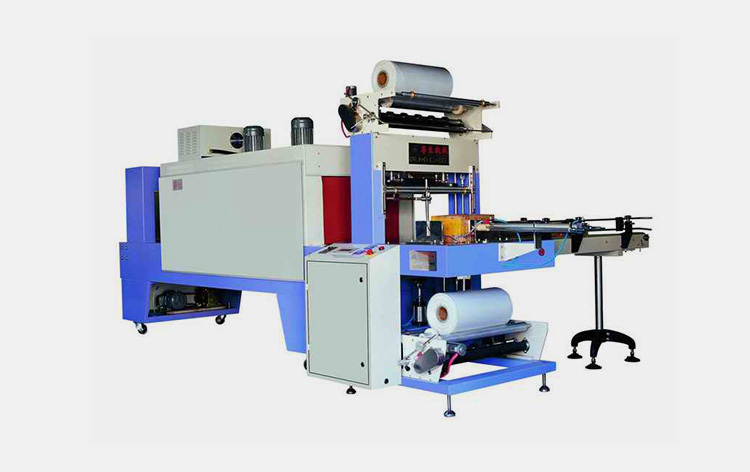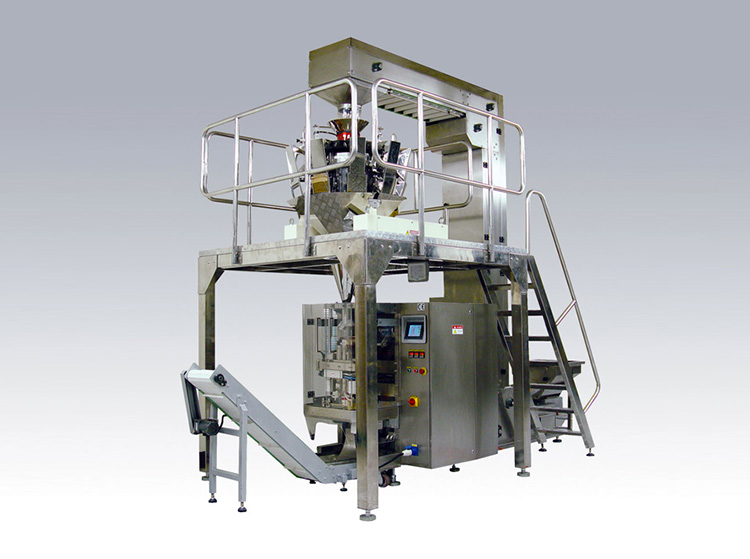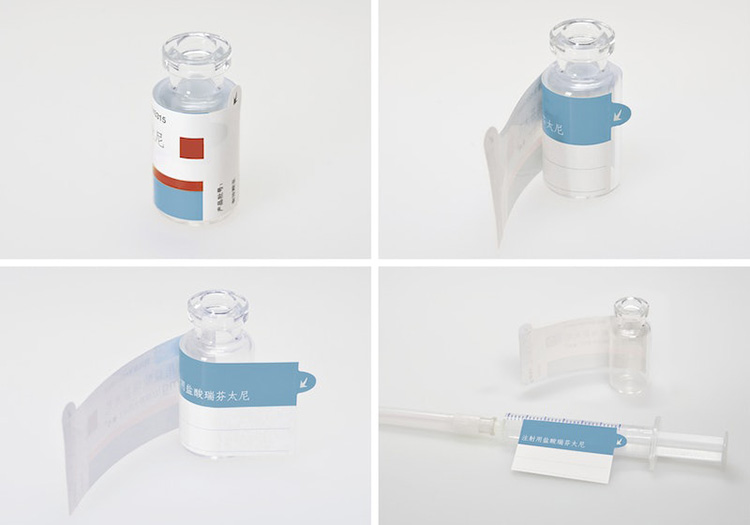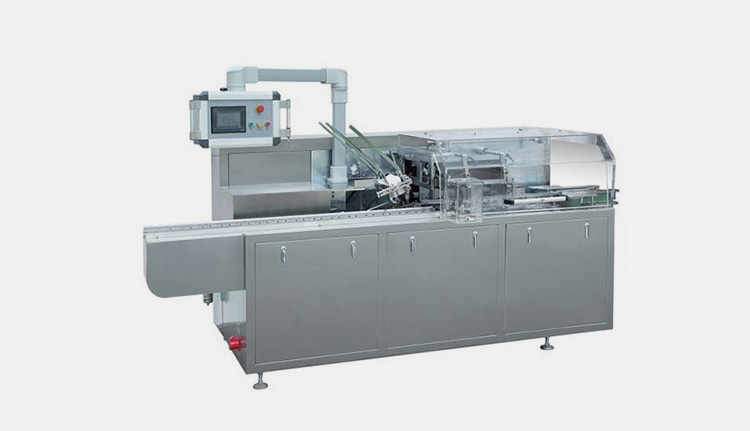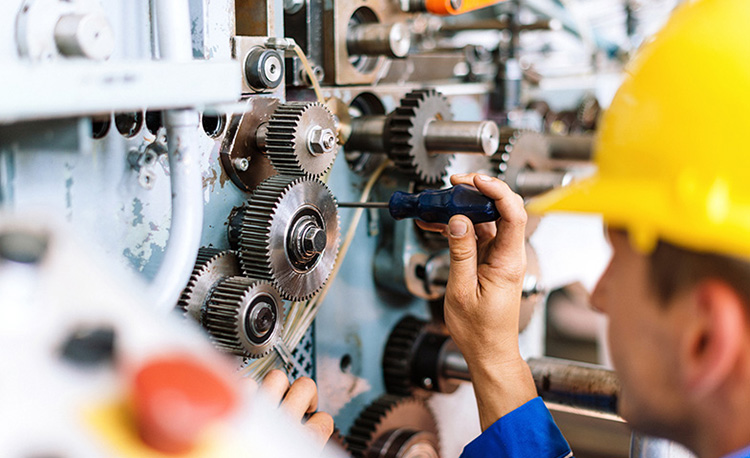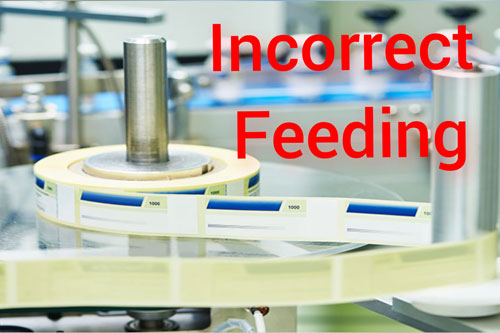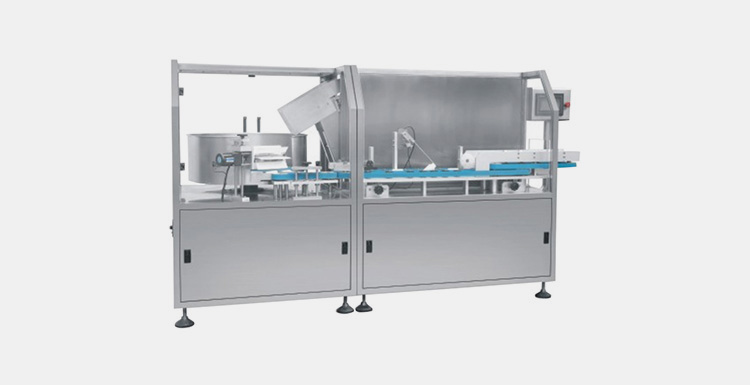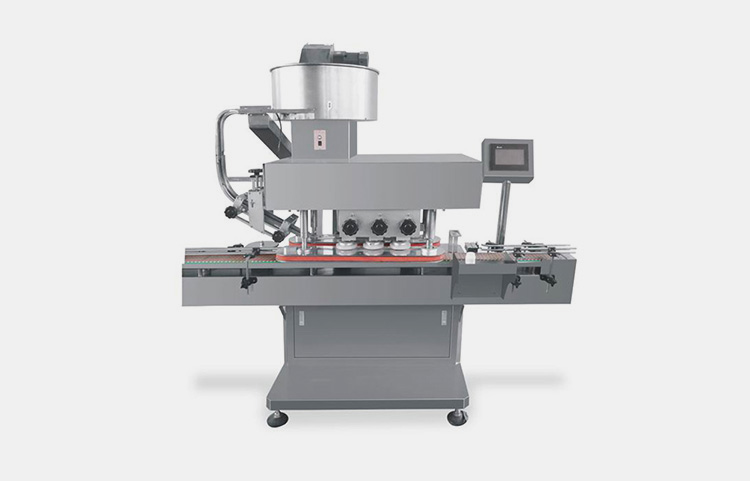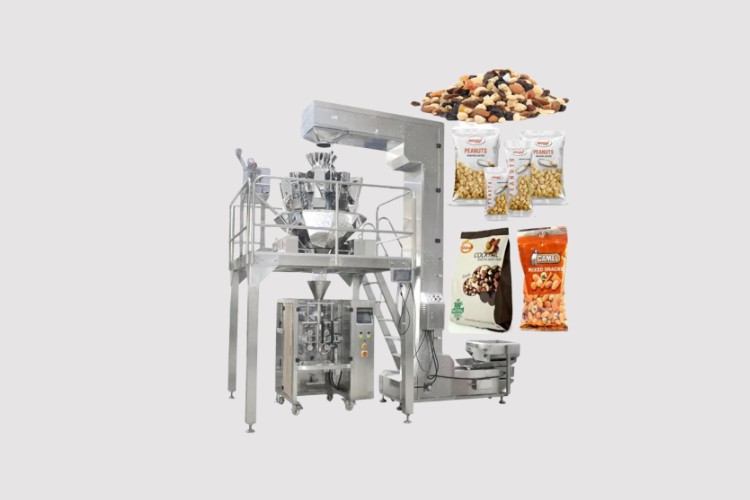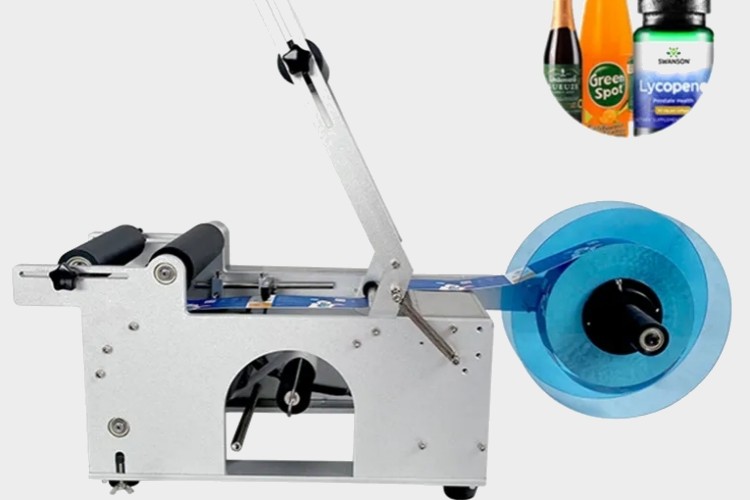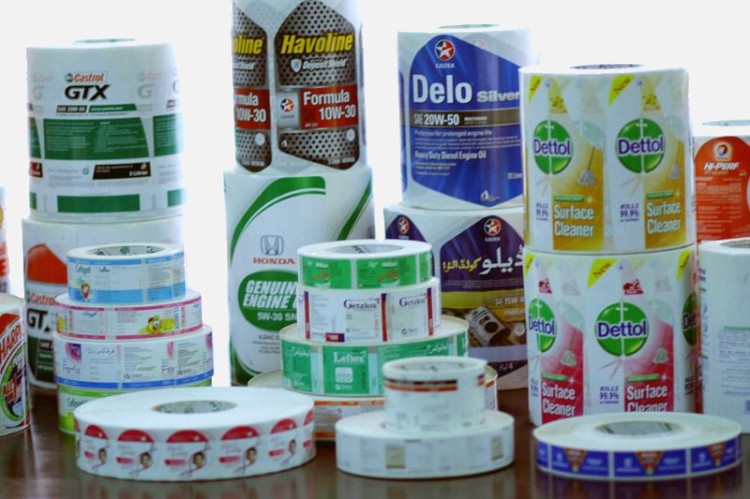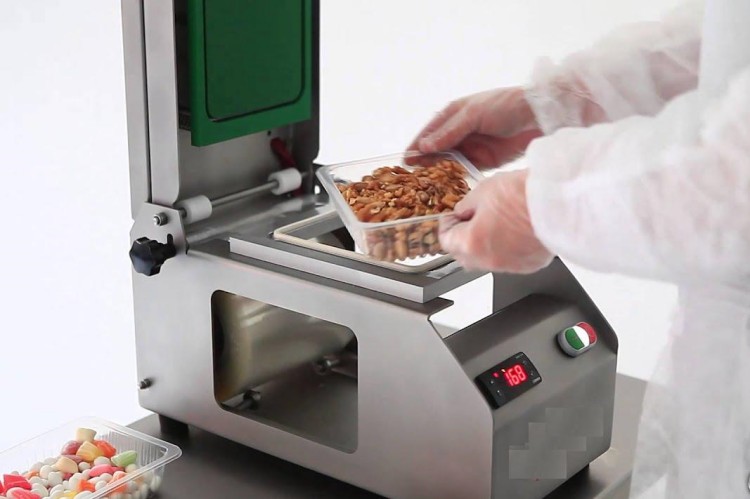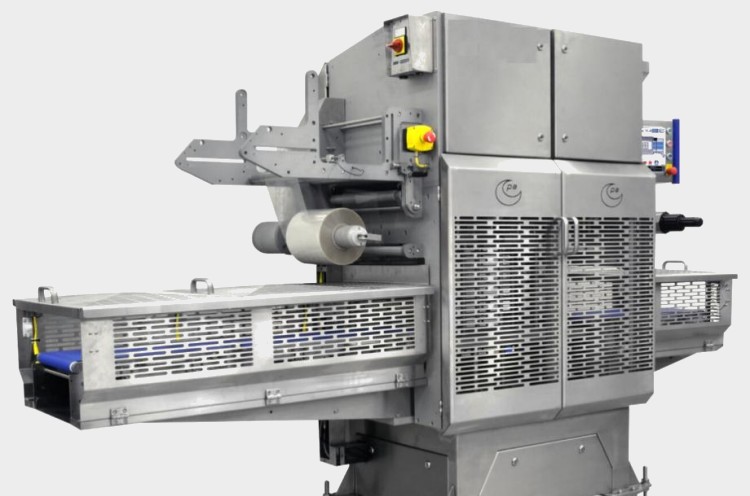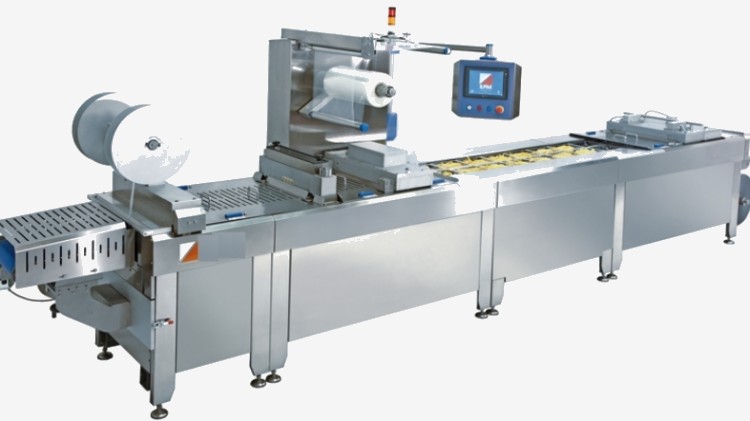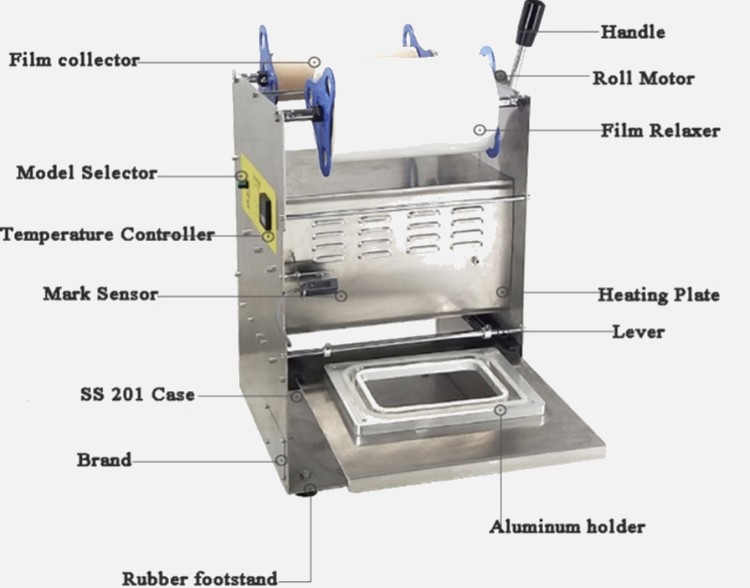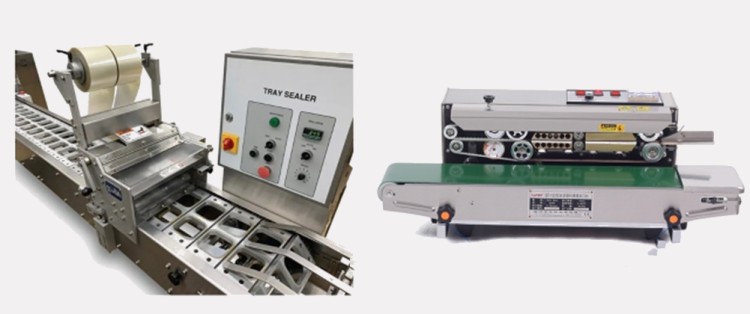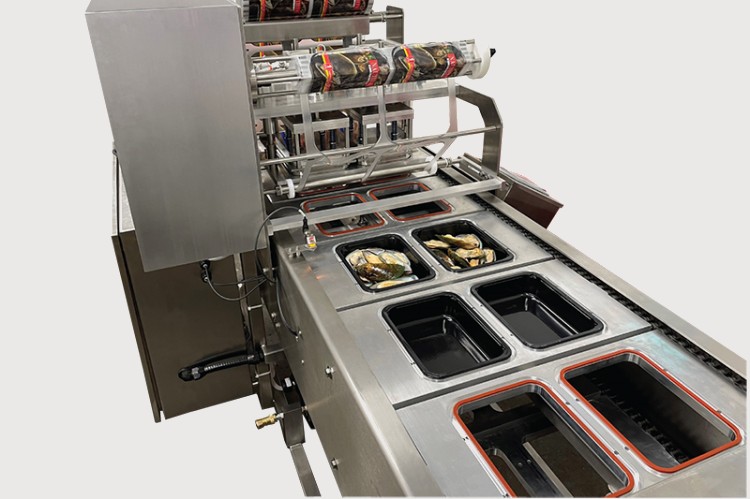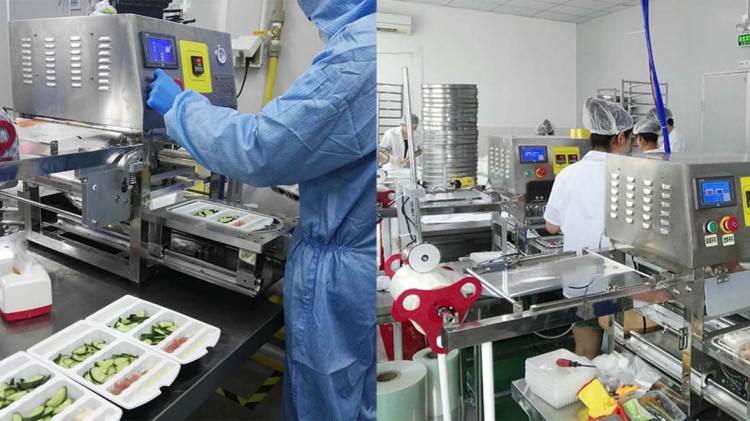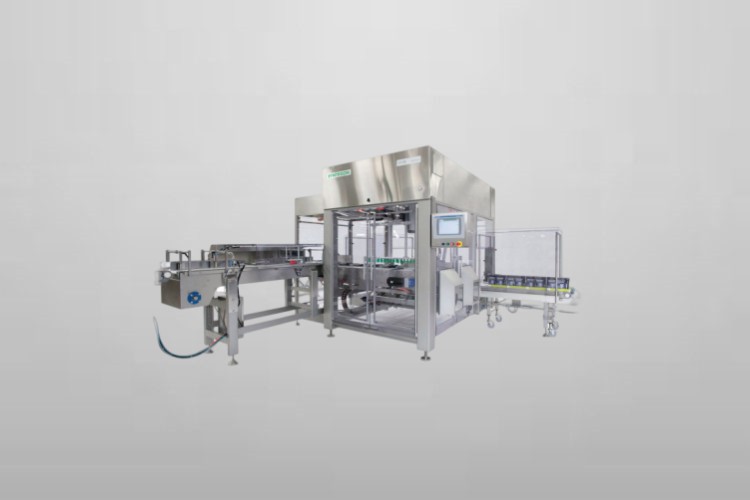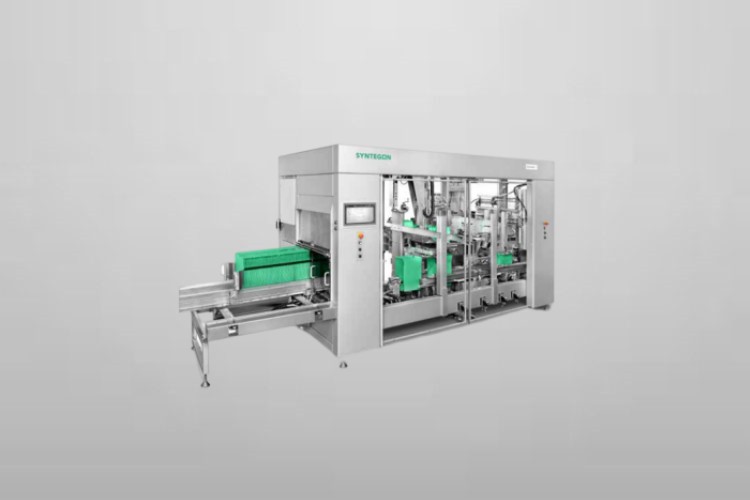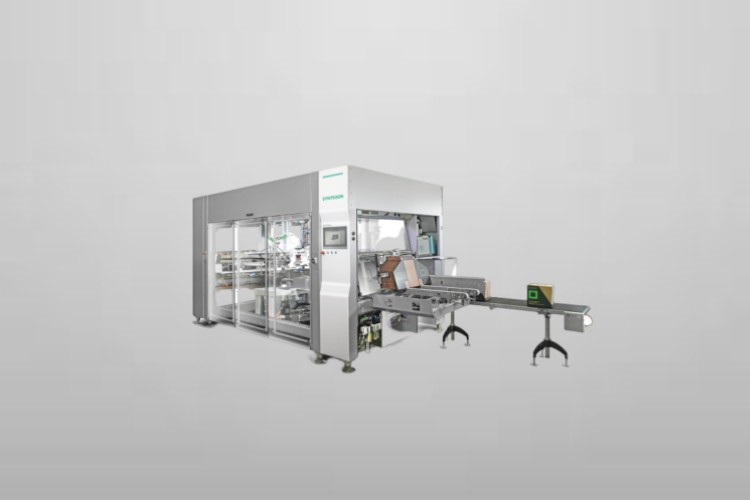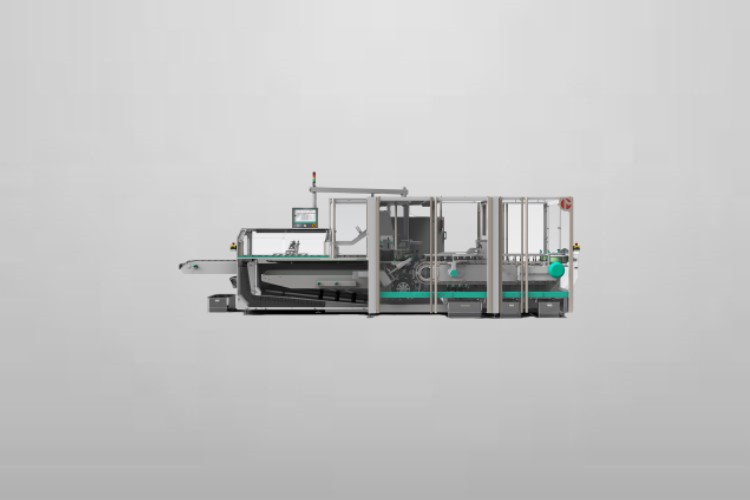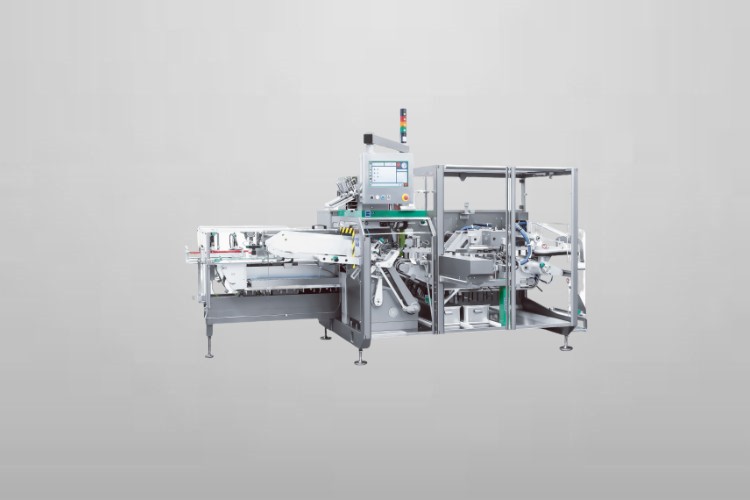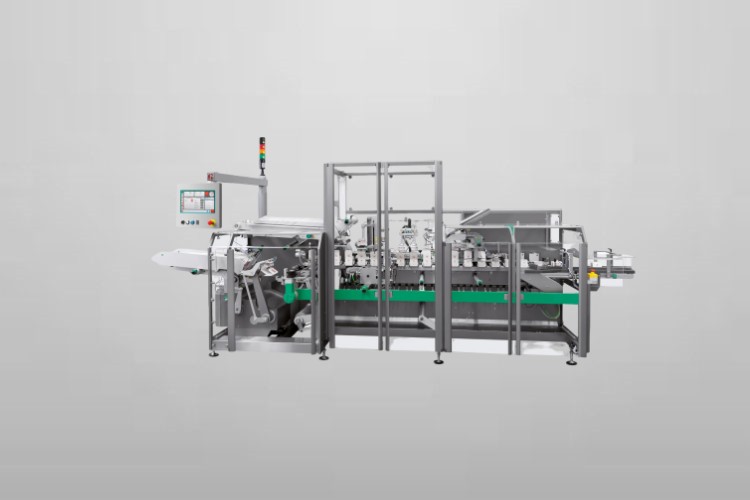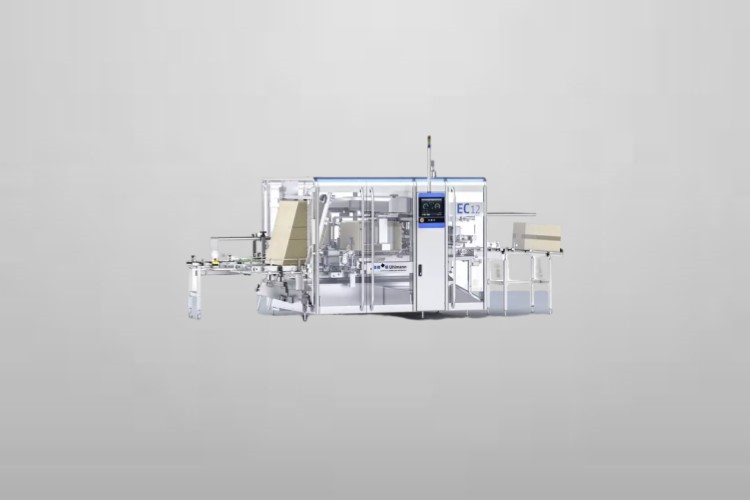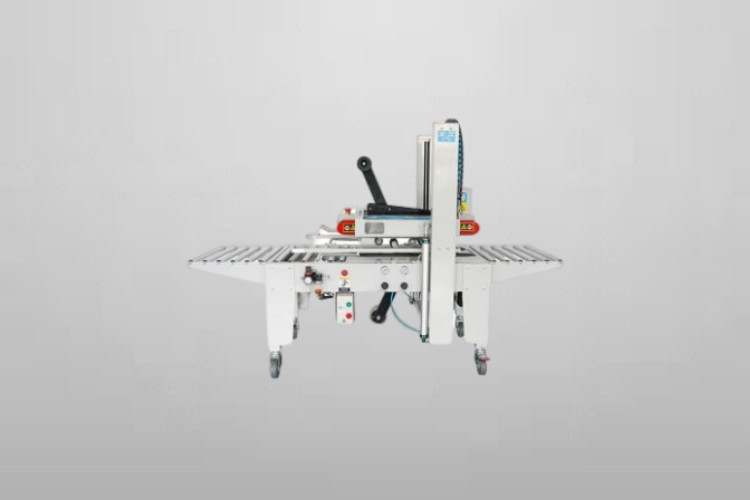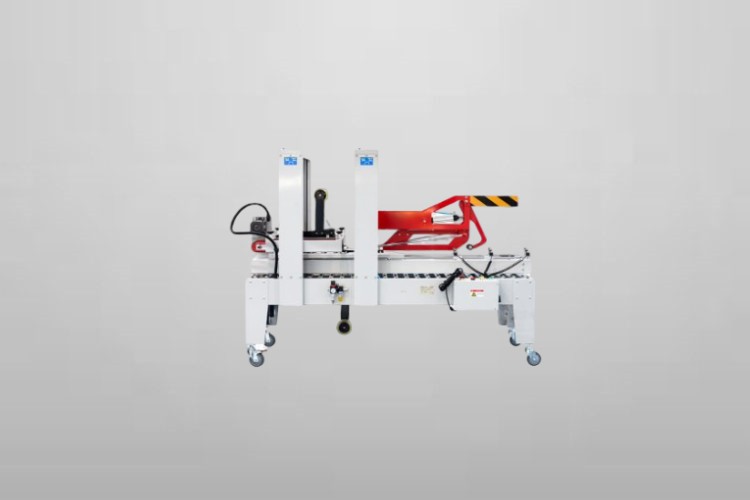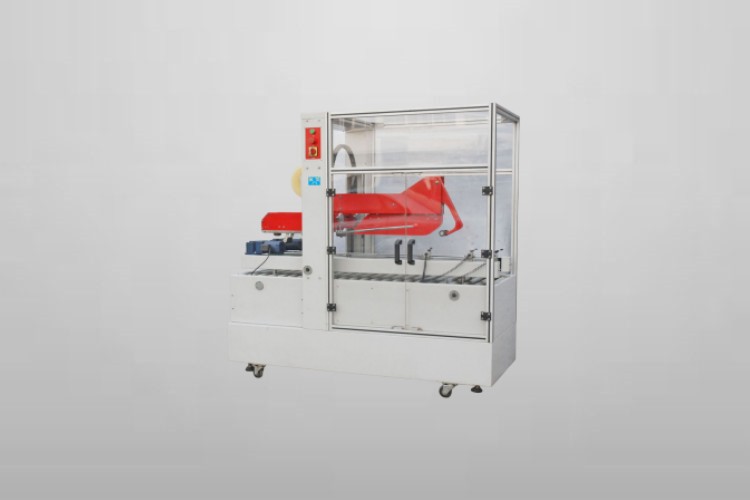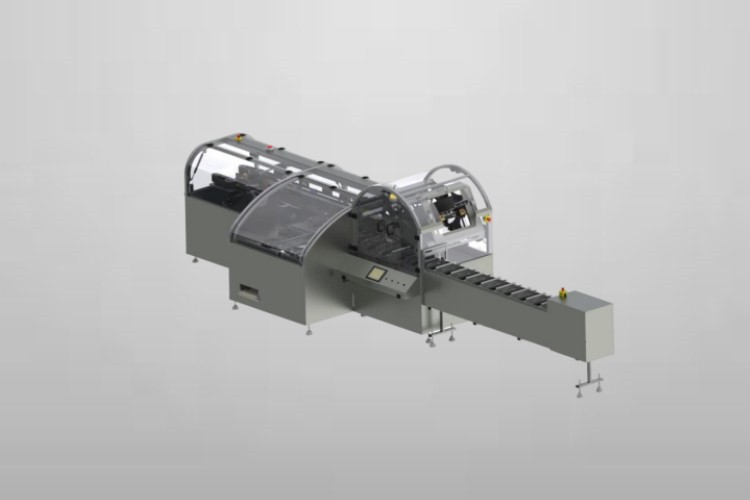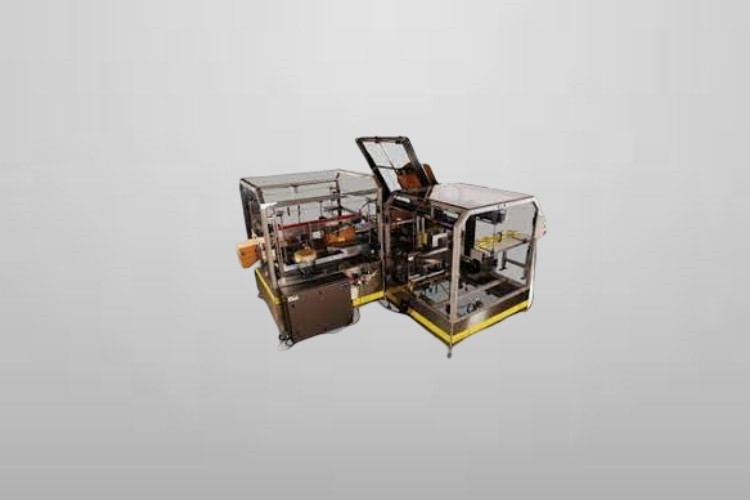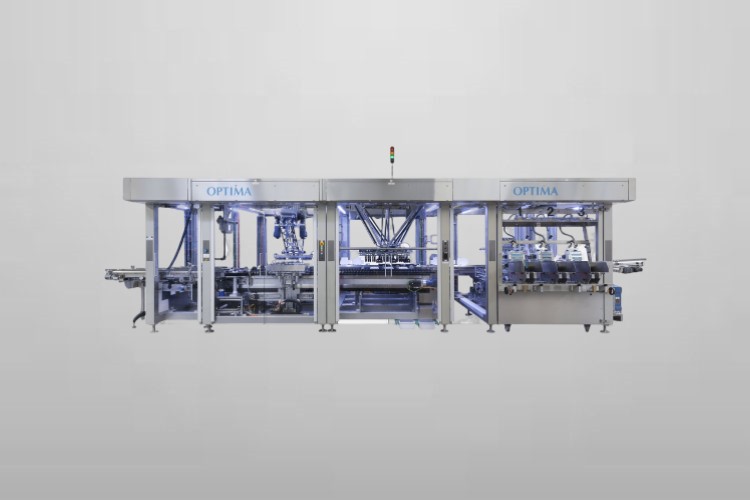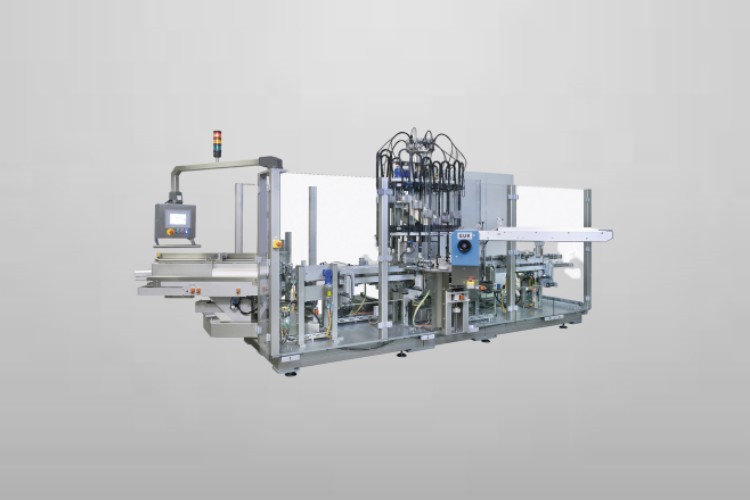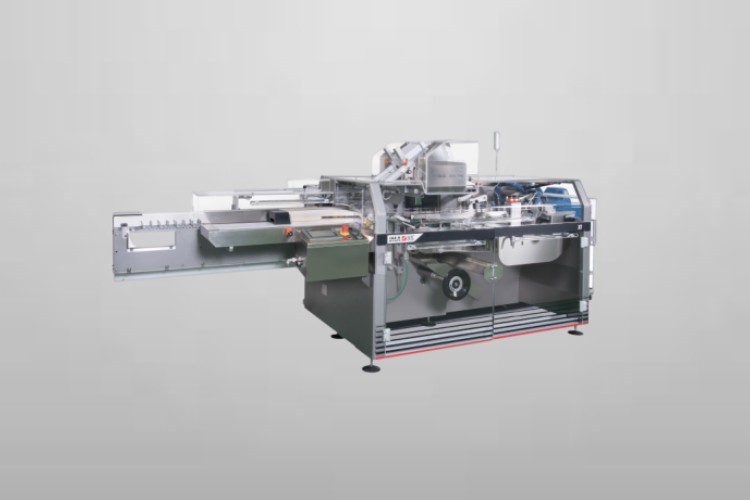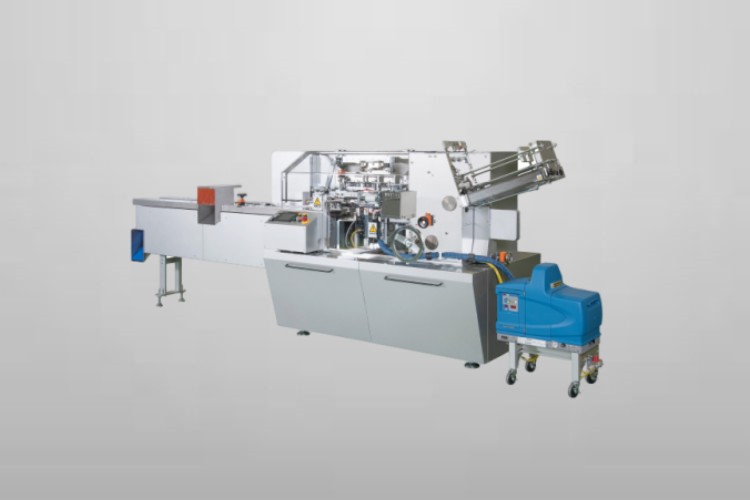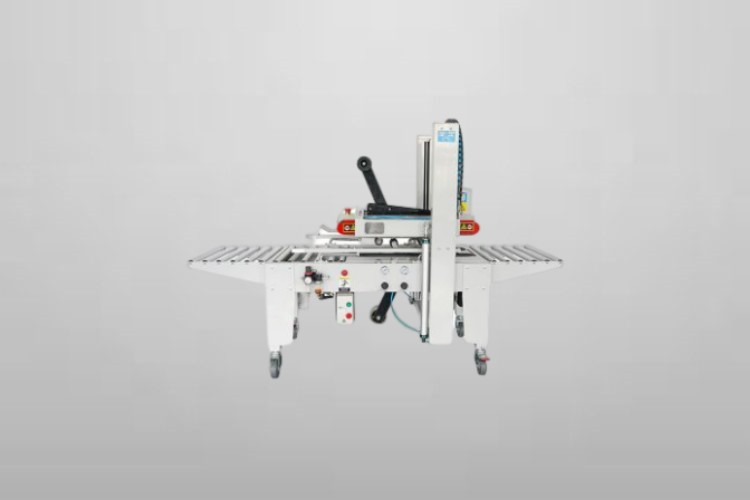
Horizontal Wrapping Machine

Horizontal Wrapping Machine: The Complete Buying Guide In 2025

Horizontal Wrapping Machine: The Complete Buying Guide In 2025

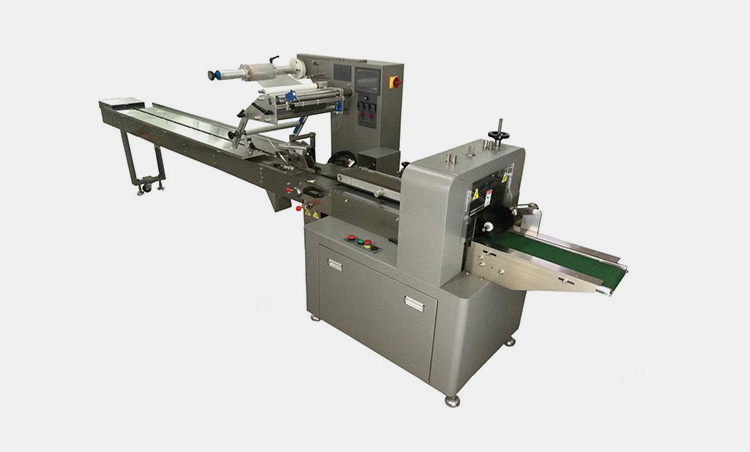
When it comes to effective packaging processing, there is no doubt that the horizontal wrapping machine is an innovative and efficient way of quickly packing products in protective films. This machine can be tailored for use in different industries such as food, beverage, pharmaceuticals, chemicals or any other type of product requiring a reliable and accurate wrapping solution.
Horizontal Wrapping Machine

Not only does this equipment offer great speed with accuracy but also requires minimal setup time making it ideal for manufacturers who are looking to save time on their production lines. What’s more is that these machines are built to last due to robust construction materials giving them high operational life. Read on and find out exactly what features make these machines so desirable!

    Add a header to begin generating the table of contents

    1.What Is A Horizontal Wrapping Machine?
    Right Horizontal Wrapping Machine For Your Needs

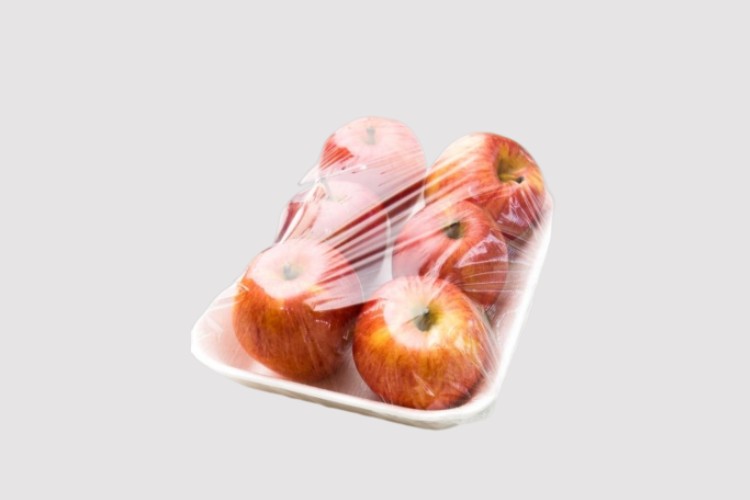
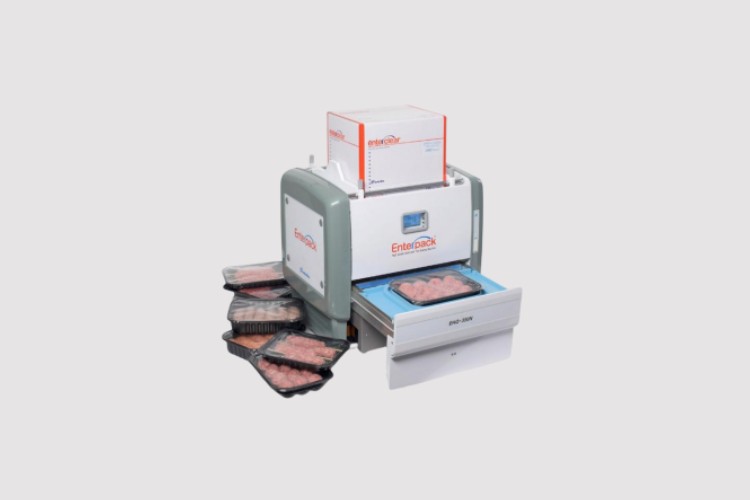
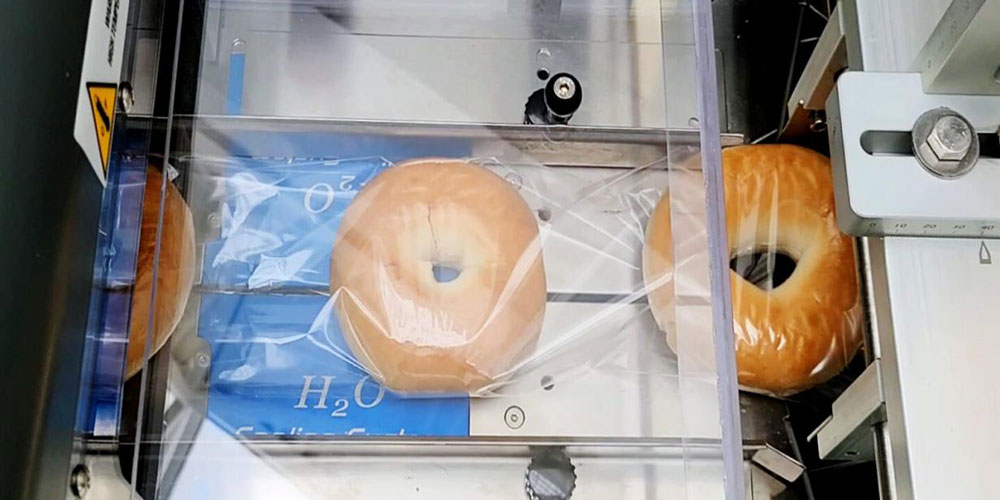
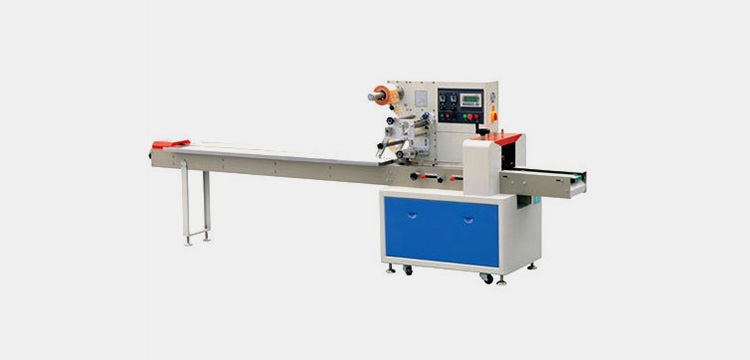
    A horizontal wrapping machine is an automated packaging machine designed to wrap products in a protective film of polyethylene. The product passes through the machine while the film wraps around it at high speeds, creating a tight and secure package. This process helps protect products from damage and contamination during storage or transport.

    2.What Are The Components Of A Horizontal Wrapping Machine?
    Horizontal Wrapping Machine-2

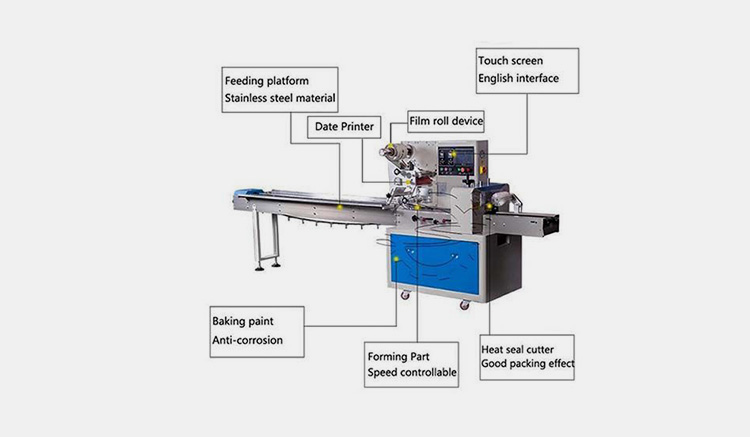
    Feeding Platform

    The feeding platform is used to place the product for wrapping. It should be stable and have a smooth, non-slip surface so that the product doesn't move during the wrapping process.

    Date Printer

    The date printer is used to print the production date and other information onto the product being wrapped.

    Film Roll Device

    The film roll device is used to hold the wrapping film in place during operation. It can be manually or pneumatically operated to change rolls when needed.

    Touch Screen

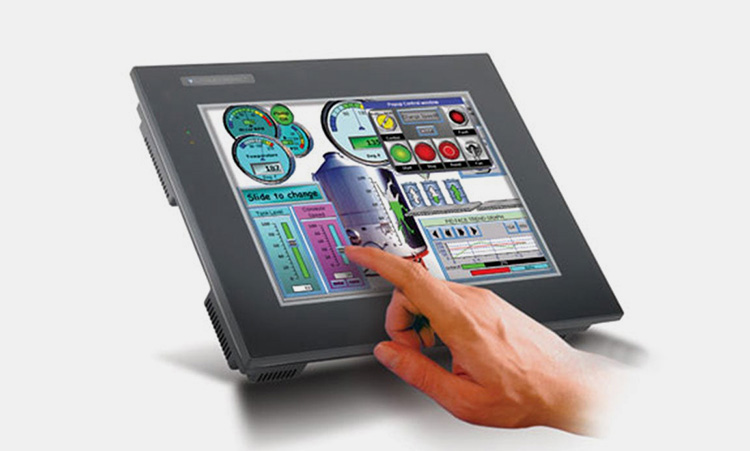
    The touch screen is used to control the functionality of the machine. It enables operators to adjust parameters such as wrapping speed and film tension, as well as monitoring production data.

    Baking Paint

    The baking paint is used to seal the film onto the product. It enables a tight and secure bond that will not come apart during transportation or storage.

    Forming Part

    The forming part is used to form the film into the desired shape and size. It can be adjusted according to different products, allowing for customized wrapping solutions.

    Heat Seal Cutter

    The heat seal cutter is used to cut the film after it has been sealed. It ensures that there are no loose ends or sharp edges, making the product safe for consumption.

    3.What Are The Benefits Of Using A Horizontal Wrapping Machine?
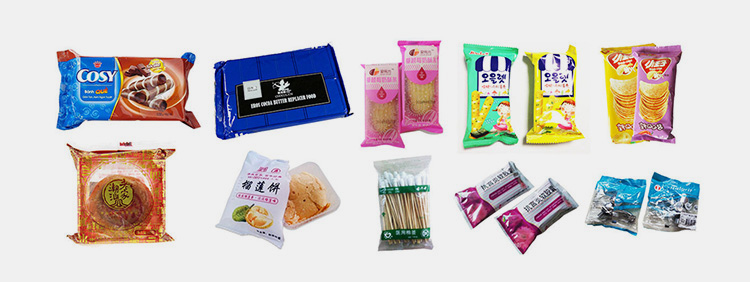
    Horizontal Wrapping Machine-3

    Enhances Quality

    Horizontal wrapping machines ensure a consistent, high-quality output for every package produced. This results in improved customer satisfaction as well as increased brand recognition from consistently produced packages that stand out from the competition.

    Protects Products from Damage

    Protects Products from Damage

    The horizontal wrapping machine is designed to protect products from damage due to handling and transportation. By using materials such as shrink wrap, plastic film, or paperboard, the machine ensures that the wrapped product remains intact throughout its journey.

    Extends Shelf Life

    The horizontal wrapping machine provides a tight seal around the product, thereby extending its shelf life. This helps to keep products fresher longer, reducing waste and saving money.

    Customizable

    When it comes to customization, horizontal wrapping machine offers a wide range of options, allowing for precise adjustment of product size, shape, and weight based on customer requirements.

    Versatility
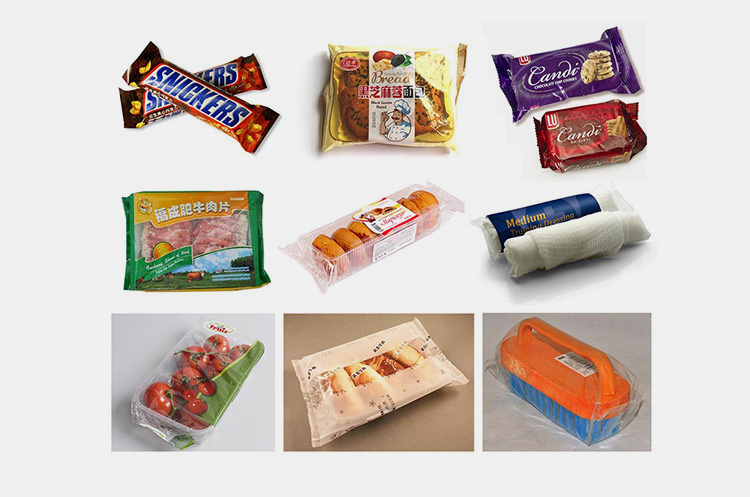
    Horizontal Wrapping Machine-4

    Also, horizontal wrapping machines can be used to package a variety of products, from produce, beverages and pharmaceuticals to cosmetics. This versatility allows for the efficient packaging of different types of products in one system.

    Enhanced presentation

    The horizontal wrapping process produces neat and uniform looking packages that are attractive on retail shelves.

    4.In Which Industries Can A Horizontal Wrapping Machine Be Used?

    A horizontal wrapping machine can be used in a variety of industries include:

    Cosmetic Industry
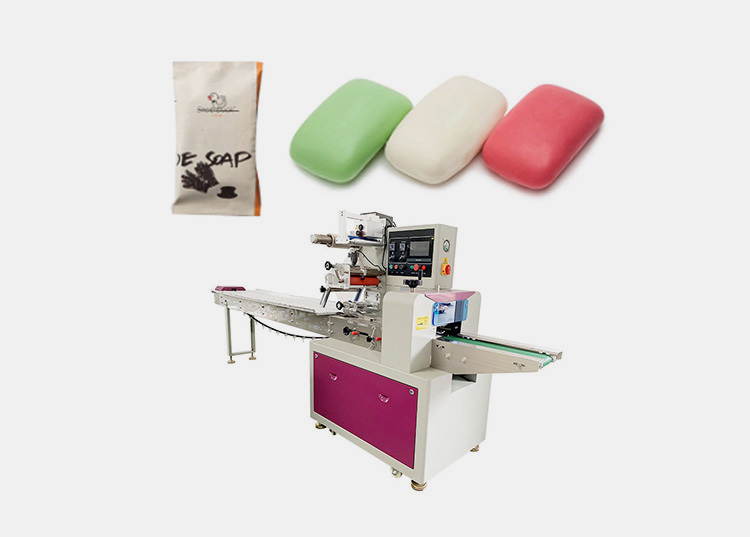
    Cosmetic Industry

    A horizontal wrapping machine is ideal for the cosmetic industry because it can wrap products like lipstick, mascara, soaps and eyeliner into small packages. This helps to minimize product damage while also making the items more aesthetically pleasing on store shelves.

    Food Packaging

    Food Packaging

    The horizontal wrapping machine is suitable for food packaging applications as it can wrap products like cookies, cakes, and chocolates. This helps to ensure that these food items stay fresh for longer periods of time while also making them look more appealing to potential customers.

    Pharmaceutical Industry
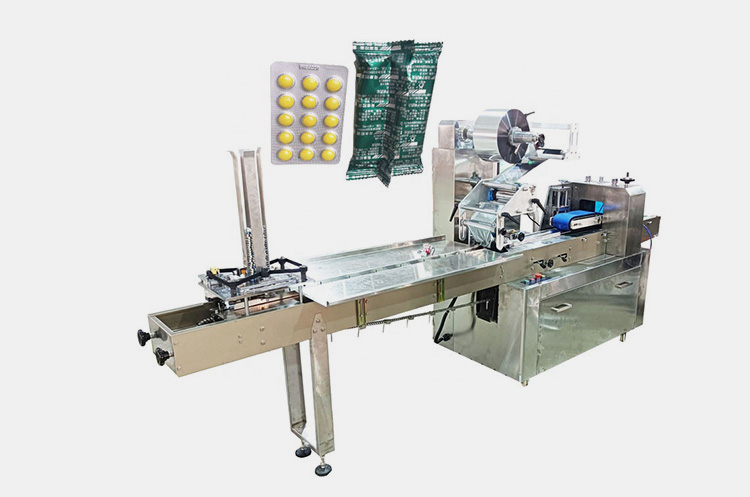
    Pharmaceutical Industry

    Pharmaceutical companies also rely heavily on horizontal wrapping machines to package their products. The machine's ability to form a tight seal helps keep medication and medical supplies uncontaminated during transit or storage.

    Retail Industry
    Retail Industry

    The horizontal wrapping machine is used in the retail industry to wrap products like books and toys into waterproof packaging materials. This ensures that these items arrive at their destination in perfect condition.

    Agriculture Industry
    Agriculture Industry

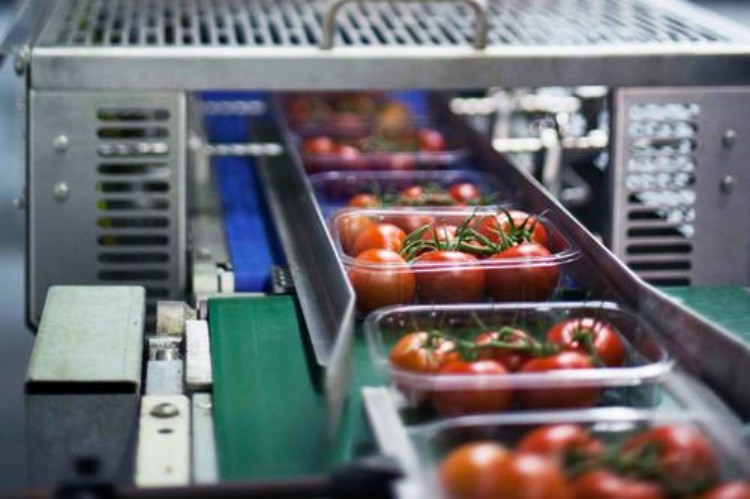
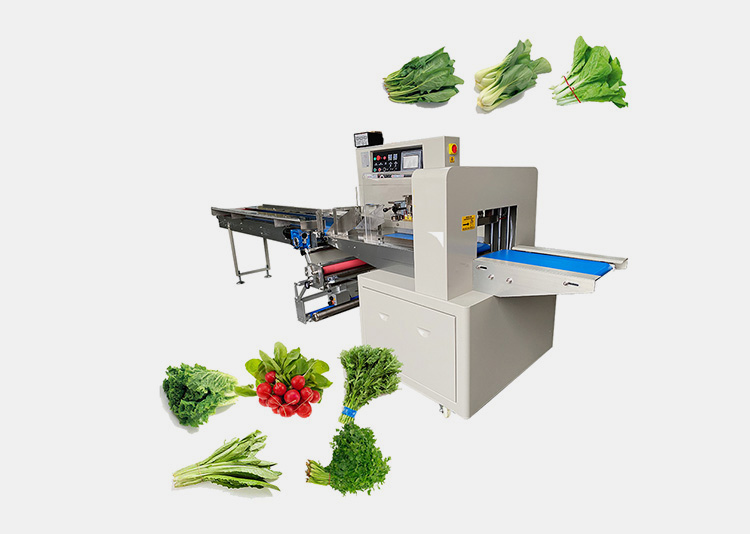
    Horizontal wrapping machines are an essential tool for agriculture businesses. These machines can be used to package fruits, vegetables, and other agricultural products in airtight wrappings that help prevent spoilage.

    Manufacturing Industry

    Horizontal wrapping machines can be used in manufacturing industries to bundle products together for easy transport or storage. The bundling process helps to reduce labor costs and improve product traceability.

    Electronic Industry

    Electronic Industry

    In the electronics industry, a horizontal wrapping machine can be used to package components and boards in protective covers that help prevent damage and keep parts secure for transportation and storage.

    5.How Does A Horizontal Wrapping Machine Work?

    Horizontal Wrapping Machine Work

    A horizontal wrapping machine works by taking flat material from a roll and wrapping it around the item or bundle that's being packaged. The horizontal wrapping machine has two main components - an infeed system, which takes in the material; and a wrapper, which applies the material to the product.

    The infeed system typically consists of a feed motor, an uncoiler, and an inlet guide. The wrapper usually has a rotary cutting head, tensioning devices, and nip rollers to ensure that the material is applied correctly.

    The process begins with the material being fed into the infeed system. The feed motor is used to provide tension and motion to the material, while the uncoiler unwinds it from the roll and guides it into the inlet guide. The material then passes through a nip roller which ensures that it is held securely against the product as it moves along.

    Next, the wrapper turns the material on its side and begins to wrap it around the item. As it wraps, tensioning devices keep the material taut around the product being wrapped. The rotary cutting head is used to cut off sections of the wrapping material at precise intervals. Finally, nip rollers are used to press down the edges of each section, ensuring that the product is securely wrapped.

    6.What Is The Difference Between A Horizontal Wrapping Machine And A Shrink Wrapping Machine?

    Shrink Wrapping Machine

    Shrink Wrapping Machine-1

    A horizontal wrapping machine and a shrink wrapping machine are both types of packaging machines used to wrap products. However, they have distinct differences that set them apart from each other like the type of wrapper material they use and the size and weight of the products which they can package

    A horizontal wrapping machine uses a flat surface combined with flexible film to wrap products in either plastic or paper material. The wrapper passes through the rollers which press the two surfaces together, forming a tight seal. It is suitable for packaging large and heavy products such as furniture or car parts.

    On the other hand, a shrink wrapping machine uses shrink film to encase products before they are heat sealed into their wrapping material. This method helps to keep the product secure and prevents air leakage or contamination. It is most commonly used to wrap food products such as candy bars or bottles, and can also be used for items like clothes or gift baskets.

    7.What Are The Different Types Of Horizontal Wrapping Machines That Are Available On The Market?

    a)  Automatic Horizontal Wrapping Machine
    Automatic Horizontal Wrapping Machine

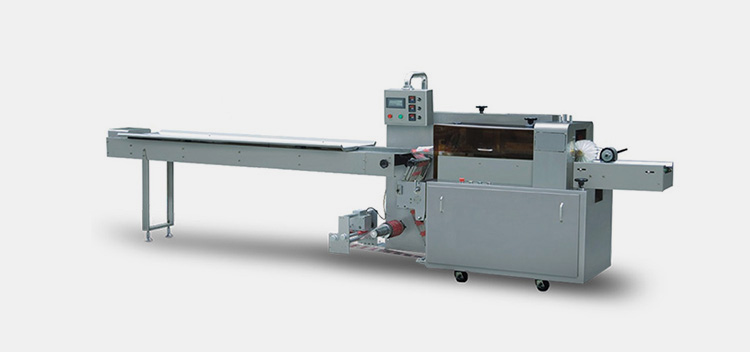
    Automatic horizontal wrapping machine is a fully automated version that can wrap multiple products at once in one cycle. It utilizes robotic arms to feed the product into the wrapper and then seal it with heat or adhesive tape depending on the requirements. The automatic horizontal wrapping machines are ideal for higher volume operations, providing faster output and improved efficiency.

    b) Pre-Stretch Horizontal Wrapping Machine
    Pre-Stretch Horizontal Wrapping Machine

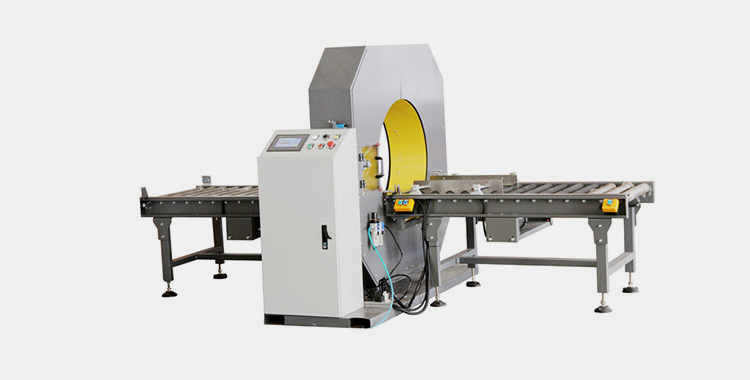
    This type of machine utilizes a pre-stretch film to reduce the amount of material used, resulting in cost savings. It is designed to wrap multiple products at once and is suitable for larger items such as furniture or appliances.

    c) Overwrap Horizontal Wrapping Machine
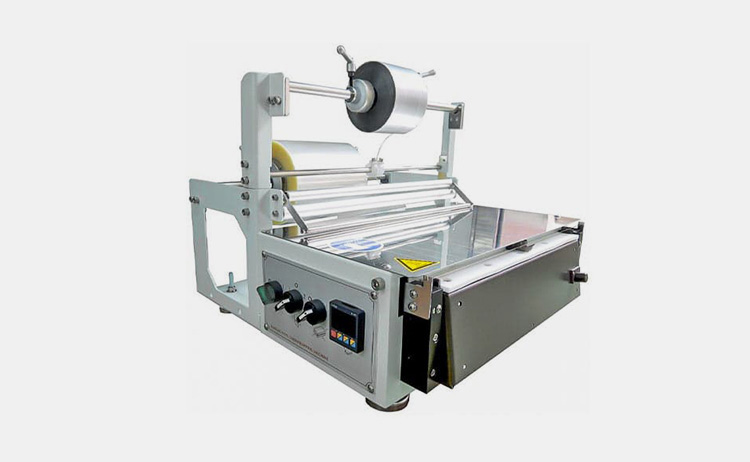
    Overwrap Horizontal Wrapping Machine

    Overwrap horizontal wrapping machine is designed to wrap products with pre-printed film or paper labels, which adds an extra layer of presentation and protection to the product. The overwrap horizontal wrapping machines are ideal for applications where presentation is a priority, such as retail packaging.

    8.What Is The Difference Between A Horizontal Wrapping Machine And A Vertical Wrapping Machine?
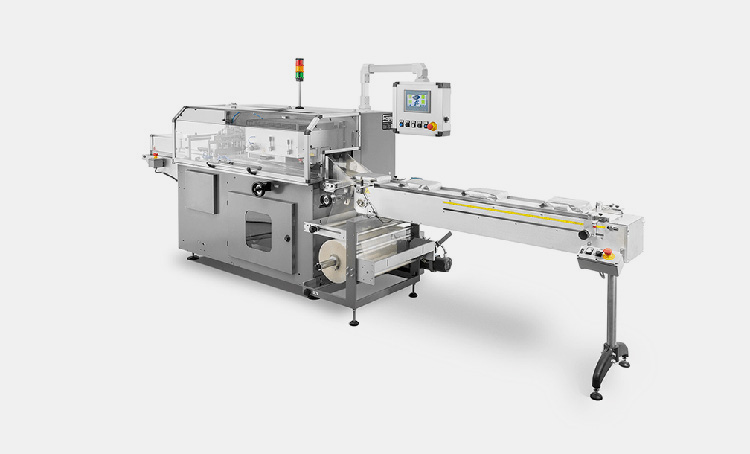
    Vertical Wrapping Machine

    Vertical Wrapping Machine-1

    a) Horizontal wrapping machines are designed to wrap packages that are laid out horizontally, while vertical wrapping machines are designed to wrap packages that are laid out vertically.

    b) Horizontal wrapping machines can be used for a wide range of items, including boxes and pallets, while vertical wrapping machines are primarily intended for cylindrical objects such as pipes and cables.

    c) Horizontal wrapping machines are more versatile and can handle a wide range of products, while vertical wrapping machines offer the advantage of increased speed when it comes to cylindrical objects.

    d) Horizontal wrapping machines also tend to be easier to set up, as they require less adjustment and customization than vertical wrapping machines.

    9.What Type Of Films Can Be Used With A Horizontal Wrapping Machine?

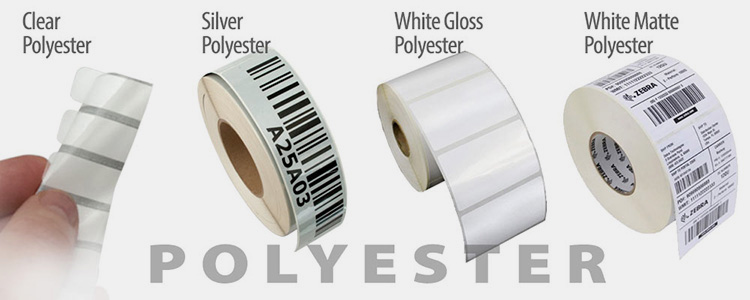
    Polyester (PET) Film
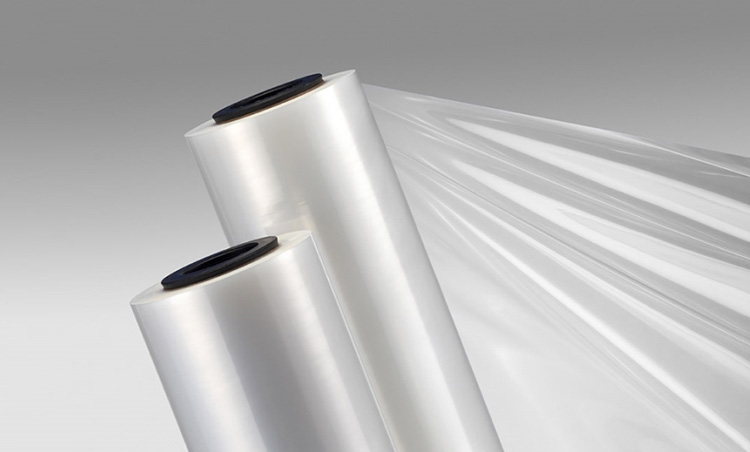
    Polyester (PET) Film

    PET films offer a barrier protection against moisture, dust, and other contaminants as well as excellent mechanical properties such as tear resistance and temperature tolerance. They are also available in a variety of thicknesses and transparencies.

    Polyethylene (PE) Film
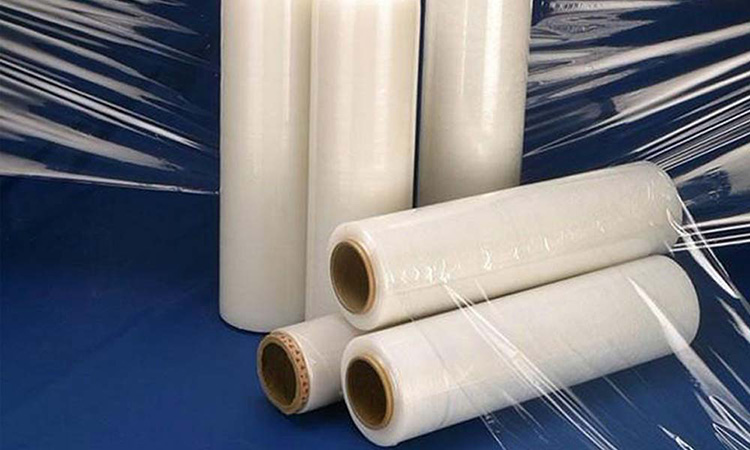
    Polyethylene (PE) Film

    Polyethylene film is commonly used in horizontal wrapping machines because it can easily form flexible wraps. PE films come in a variety of forms ranging from high-density polyethylene (HDPE) to low-density polyethylene (LDPE).

    10.What Types Of Products Can Be Wrapped With A Horizontal Wrapping Machine?

    Horizontal Wrapping Machine-4

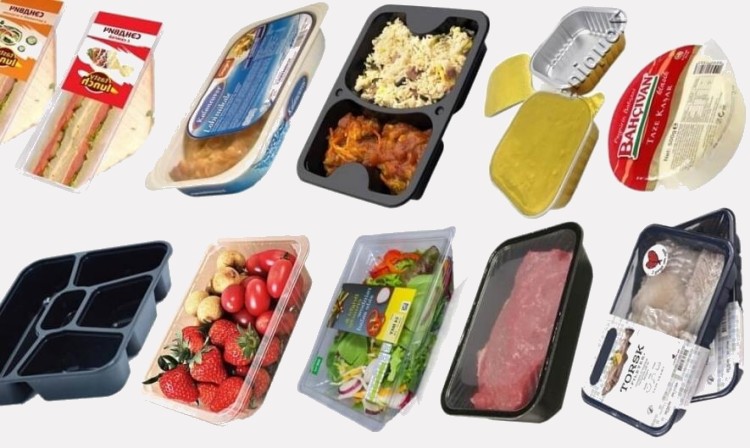
    Horizontal wrapping machines are versatile tools that can be used to wrap a wide variety of products. These include:

    • Food items such as bread, cakes, cookies, and pizza
    • Snack foods
    • Candy
    • Medical supplies
    • Soap
    • Detergents
    • Electronics
    • Pharmaceuticals
    • Envelopes and Documents
    • Fruits

    11.Are There Any Industry Standards Or Regulations That Should Be Followed When Using A Horizontal Wrapping Machine?

    Horizontal Wrapping Machine-5

    Yes, there are some industry standards and regulations that should be followed when using a horizontal wrapping machine. They include:

    Ensure that you have the proper training on how to operate the machine safely and correctly. This includes understanding how to set up and adjust the machine properly, as well as understanding safety protocols such as wearing protective clothing and safety glasses.

    Make sure that your horizontal wrapping machine is equipped with guards or other protective devices to keep you away from moving parts, as well as checking for any worn or damaged components of the machine.

    Periodically inspect the wrapping material used with the machine for tears or breaks in its construction which can cause product damage or operator injury.

    Make sure that any machine operation is in accordance with the manufacturer's instructions and all applicable standards and regulations.

    12.Can A Horizontal Wrapping Machine Be Used To Wrap Irregularly Shaped Products?

    Wrap Irregularly Shaped Products

    Yes, it is possible to wrap irregularly shaped products with a horizontal wrapping machine. This type of machine offers flexibility when it comes to size and shape as it can be adjusted according to the product's dimensions. It also has the capability to reliably wrap any surface thanks to its adjustable components such as pressure rollers and film tension variables.

    Depending on the shape, size and complexity of the product, a horizontal wrapping machine can be used to wrap products effectively. Additionally, this type of machine provides superior load stability for irregularly shaped items when compared to traditional packing methods.

    13.What Are The Common Problems Associated With A Horizontal Wrapping Machine And Their Possible Solutions?

    Jamming of The Film Roll
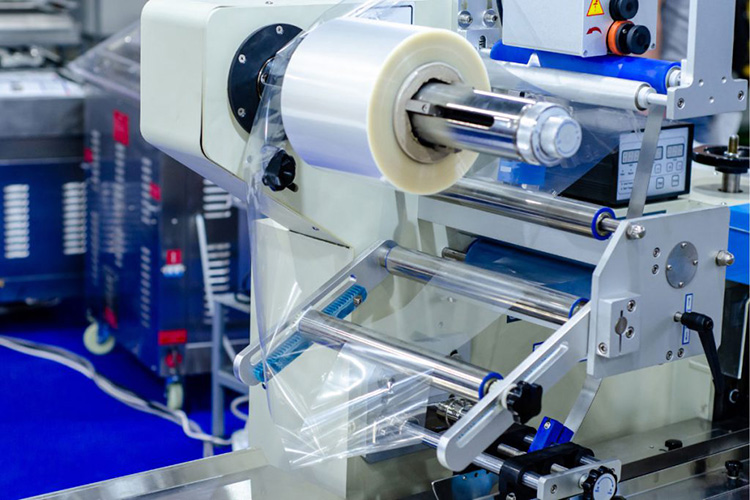
    Jamming of The Film

    This is a common problem that can occur when the horizontal wrapping machine is not properly maintained. The solution is to ensure the film roll is loaded into the machine correctly, and that it is regularly checked for any signs of wear or damage. Additionally, ensuring that the film roll has sufficient slack can help reduce the chance of jamming.

    Poorly Formed Product Wraps
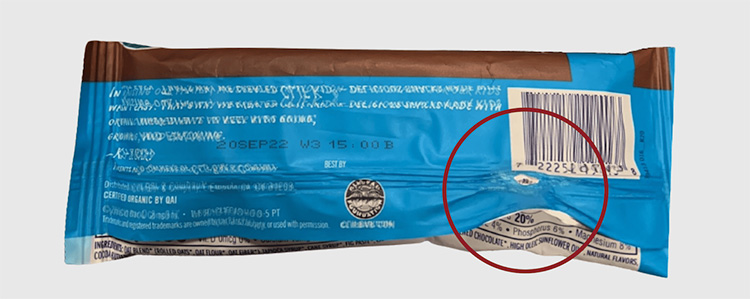
    Poorly Formed Product

    This is another common issue that can arise from improper machine maintenance or incorrect loading of the film roll. To solve this problem, it is important to ensure the wrapping parameters are set correctly and that all components of the machine are in good working order. Moreover, using a higher quality film roll can help ensure better product wraps.

    Poorly Cut Film Rolls

    This problem is usually caused by a dull or misaligned blade in the horizontal wrapping machine. To fix this problem, it is necessary to replace the blade or realign it if possible. If that doesn't help, then replacing the entire machine may be required.

    Machine Breakdowns

    This is usually caused by overuse or inadequate maintenance of the horizontal wrapping machine. To prevent this from happening, it is important to regularly inspect and service the machine according to manufacturer’s recommendations. Also, you should make sure that only trained personnel are operating the machine and that all safety protocols are followed.

    14.How Can You Choose The Right Horizontal Wrapping Machine For Your Needs?

    Right Horizontal Wrapping Machine For Your Needs

    Selecting the right horizontal wrapping machine for your need can be a daunting task. However, here are some of the considerations to guide you in selecting the best horizontal wrapping machine.

    Determine the size and type of products that need to be wrapped

    The first step in selecting a horizontal wrapping machine is determining the size and shape of the product that needs to be wrapped. This will help narrow down your options when selecting a machine, as different models are designed for specific sizes and shapes of products.

    Consider the speed and performance requirements

    Different horizontal wrapping machines offer different levels of speed and performance, so it’s important to think about how quickly your products need to be wrapped. This can help you when selecting your horizontal wrapping machine.

    Think about the types of materials that need to be used

    Generally, different types of wrapping materials can be used with different horizontal wrapping machines, so you’ll need to consider which type of material is best for your product and budget.

    Consider the cost

    Cost is another consideration when it comes to selecting horizontal wrapping machines because these devices come in a wide range of prices, depending on their size and performance capabilities. Therefore, you’ll need to think about how much you’re willing to spend on your horizontal wrapping machine, and then look for models that fit within your budget.

    Look for a reliable manufacturer

    Finally, it’s important to find a reliable manufacturer of horizontal wrapping machines so that you can be sure you’re getting a quality product. Do some research and read customer reviews to find out which manufacturers offer the best machines for your needs.

    CONCLUSION

    When it comes to using a quality horizontal wrapping machine, the choice is clear, Allpack provides the best combination of pricing and performance. Plus, our machines are easy to use and intuitive for anyone who has handled packaging machinery before. And if you ever have any questions or concerns about your product's packaging requirements, our skilled technicians are always ready to answer calls and provide advice. So if you're looking for a reliable solution for wrapping packages that come in all shapes and sizes, then contact Allpack today. We'll make sure your experience with our horizontal wrapping machine surpasses your expectations!

    Don't forget to share this post!

    CONTACT US

    Tell us your raw material and project budget to get quotations within 24 hours.

    WhatsApp Us: +86 156 0710 8630

    Invalid Email
    Invalid Number

    Horizontal Wrapping Machine: The Complete Buying Guide In 2025 Read More »
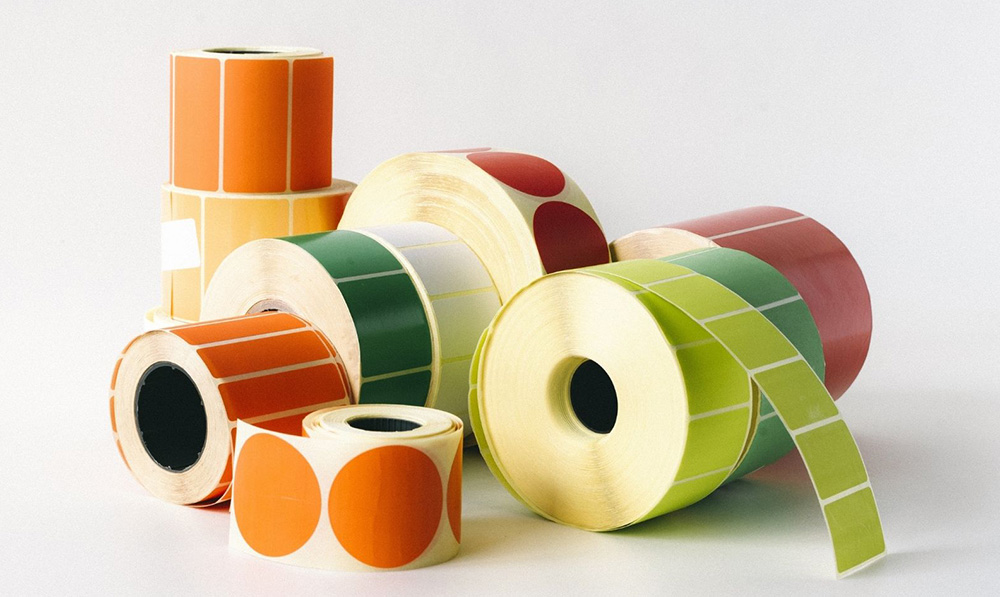
    Vial Label Maker-9

    Vial Label Maker: The Complete Buying Guide In 2025

    Vial Label Maker: The Complete Buying Guide In 2025

    Vials are among important accessories used in pharmacies and hospitals for storing prescribed medications in liquid or powder form. Therefore, it is necessary for these storage units to be properly labeled, so that any type of misuse could be avoided.

    Vial Label Maker

    Vial Label Maker is particularly introduced in the market to make labels for Vials. This machine carries great significance for small to large pharmaceutical industries and enable them to make their drugs recognized among consumers. This guide about Vial Label Maker: The Complete Buying Guide In 2024, is drafted to show you its diverse aspects, advantages and many more. Just stay here and take start to get them all!

      Add a header to begin generating the table of contents

      1.What Is A Vial Label Maker?

      Vial Label Maker-1

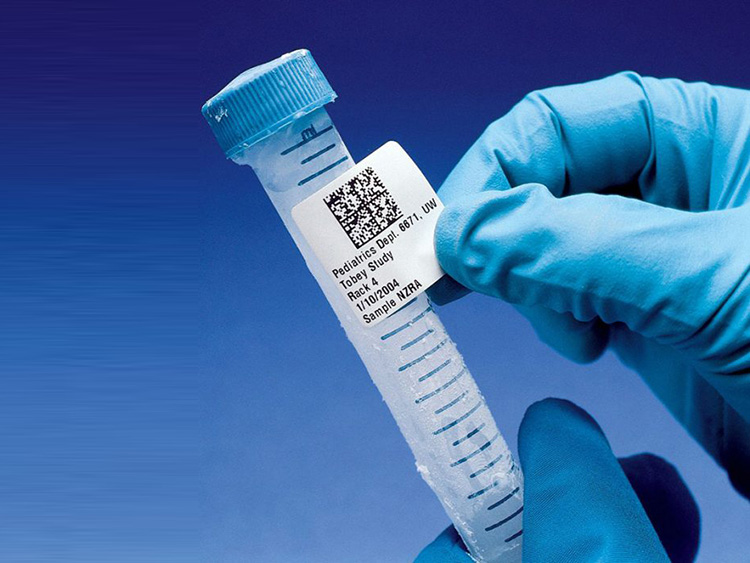
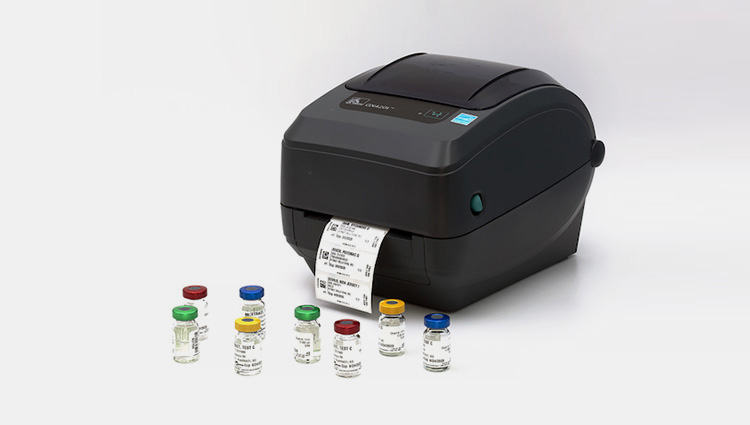
      A vial label maker is the advance equipment employed to deal with the proper labeling of vials. This machine is responsible to take vials and label them with stickers containing concrete information about the product stored inside.

      The process carried out by vial label maker is quite effective and efficient as well that requires minimal or zero manual intervention making the labeling process more perfect and error free. This machine has a large number of applications in various industries including medical, chemical, food and beverage industry.

      2.How Does A Vial Label Maker Work?

      Vial Label Maker Work-1

      A vial label maker has extremely fast and simple working principles which goes on automatically until you stop the machine. Following is the details of its working:

      In first step, operator check different parts of machine to make sure they are on accurate place and fix the dimensions for printing of labels and speed of machine while using touch screen control panel.

      After the initial step has been completed, user can load the infeed turntable with filled vials or can directly integrate it with vial filling machine. Once these formalities are done, the machine is ready to start. By pressing start button, machine will start moving around the vials from infeed turntable towards labeling station through conveyor belt.

      Vial Label Maker Work-2

      When vials reached the labeling station, an electronic device sense the vials and wrap around the vials while dispensing label. Moving further, these vials are passed through a rubber pressing belt which fix the labels over vials in a precise way.

      At the end, vials are inspected to check the presence of batch no, barcode and expiry date. Finally, all the labeled vials are then discharged into collection tray.

      3.What Are The Benefits Of Using A Vial Label Maker?

      When it comes to the benefits of using a vial label maker, you will get to know the large number of advantages in numbers. Some of which are enlisted here:

      Flexible

      Flexible

      One of the key advantage of this machine is that you can apply different types of labels including paper labels, transparent labels and BOPP labels through a vial label maker. It also allows you to use vials of various sizes for labeling.

      Precision

      Precision

      With the help of label sensor and camera system, it gives you highly accurate printing of labels and their application on vials.

      Self Operated

      The automatic nature of vial label maker helps in maintaining the voltage fluctuation during operation. Along with that, it does not require manual intervention for changing the label application for different vials, thus makes the processing more smooth and continuous.

      Fast Performance

      Fast Performance

      The startup time of operating a vial label maker is quite short and the quick movement of vials, their printing and discharging all contribute to the reduction in time spent. Therefore, you can label over 800 vials in a minute while using this machine.

      Reliable

      Reliable

      Vial label maker is reliable in terms of efficiency, compactness, cost as well as versatility. It is straightforward and can be simply integrated with machines.

      4.Describe The Structure Of A Vial Label Maker Along With Major Components?

      Major Components

      The structure of a vial label maker is composed of different parts which are discussed below in detail with their role and functions:

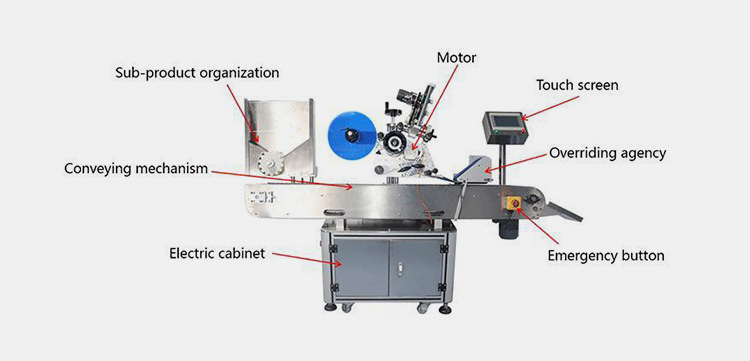
      Main Frame

      It comprised of the entire body of machine which is made up of durable stainless steel. It consists of infeed turntable, conveyor belt, control panel, labeling station, printing device, electric cabinet, discharge chute and moving casters.

      Sub-product Organization

      Sub-product organization is an in-feed hopper made up of stainless steel that holds the vials before they are processed. It carries out the function of moving and serializing vials by continuously rotating the shaft.

      Conveying Mechanism

      Conveying system is an essential tool of any machine which work as a bridge between various parts of machine and facilitate the fast movement of vials from one place to another. This function is carried out by the conveyor belt.

      Motor

      Motor is the core component of machine which is located in the labeling station and perform actual task of labeling. When vials come to labeling station, it takes the help of sensor for detecting presence of vials, so that, labeling sticker can be dispensed.

      Overriding Agency

      It comes into action and start the mechanism of applying labels on vials while pressing them hardly, so, the sticker label will get stick to it.

      Touch Screen Interface

      It is also known as control panel that allow easy interaction with machine. User can simply use its touch screen display to communicate the commands through which machine will be executed and monitored.

      Inspection System

      There are two parts in a vial label maker where inspection is done. The first one is located in labeling station which detect the vial and apply label. While as, another detection occurs at the end of labeling to reduce error while rejecting the vials, in case the misprinting occurs.

      Electric Cabinet

      Electric cabinet is an enclosed part of machine that holds the entire electric system utilized for machine. For instance, it stores all the electric components such as knobs, switches and display etc.

      Emergency Stop

      Emergency stop is a large visible button with red color that can be quickly pressed in case of mishap during operation to avoid dangerous situation.

      5.Explain The Types Of A Vial Label Maker?

      There are mainly two types of vial label maker which you would find in the market. They are as follows:

      Fully Automatic Vial Label Maker

      Fully Automatic Vial Label Maker

      Fully automatic vial label maker is the most professional and high standard machine that accomplishes the entire process of vial labeling. It does not require manual intervention during operation and keeps the production speed optimum by reducing errors. Large pharmaceutical and chemical industries prefer using this machine for high production volume.

      Components

      It consists of main frame, turntable, conveying system, labeling station, sensors, label pressing device, emergency stop, electric cabinet, control panel and discharge station.

      Working Principles

      Its working mechanism is simple as the entire process goes on automatically without any interruption. You have to load all the vials on a turntable at once and press the power button after setting machine's parameters. The vial label maker will detect label and discharge the vials with the help of conveyor belt.

      Semi-Automatic Vial Label Maker

      Semi-Automatic Vial Label Maker

      Semi-automatic vial label maker is another type of machine that can be operated with the help of user interference. It is more precise than fully automatic and have low cost due to fewer parts' requirement. Therefore, small scale industries, laboratories or home based herbal industries can better take advantage from this small size machine with reasonable price.

      Components

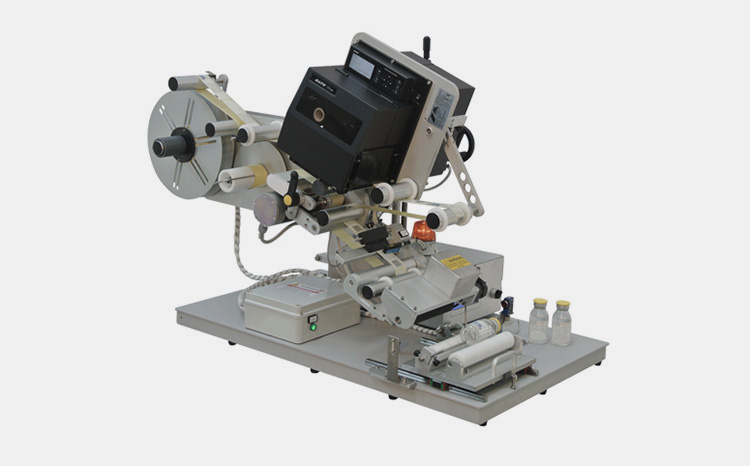
      Its structure is comprised of few parts compared to fully automatic vial label maker. Its major parts include the base frame on which all other parts are located such as label roller, labeling dispensing and application motor etc.

      Working Principles

      It starts dispensing labels when operator manually place the vial in machine and starts the process. The machine wrap around labels while checking the batch no, barcode and expiry date on labels and press them around vials to give a neat look. At last, the vials are put out by the user.

      6.Which Label Variants Can Be Used For Labeling By A Vial Label Maker?

      There are range of label variants available which can be processed  by a vial label maker for labeling vials. They are described below:

      Vinyl Labels

      Vinyl Labels

      Vinyl labels are made up of durable plastic backed with adhesive sticker that is fully resistant to heat and moisture. As they cannot absorb moisture, thus are more reliable and stay for longer duration.

      Paper Adhesive Sticker

      Paper Adhesive Sticker

      Such type of stickers are prepared from paper with having sticky surface at back side that can be used after removing the attached layer from back. Commonly, paper adhesive stickers can be easily found in diverse colors, that's why these labels are preferred by many industries for labeling their glass vials.

      Laminated Stickers

      Laminated Stickers

      Similar to paper adhesive stickers, laminated stickers are also made up of paper, however, these stickers have an extra thin layer of plastic over them which gives them protection against water, oil and heat.

      Polyester Labels

      Polyester Labels

      Another type of label used by a vial label maker is polyester label which is derived from ethylene glycol and dimethyl terephthalate. Polyester Labels are far more durable with the capacity of endure high temperature up to 148°C. It can be applied over products with diverse surface material including glass, paper, plastic and metal etc.

      BOPP Stickers

      BOPP Stickers

      BOPP is short for Biaxially Oriented Polypropylene film that comes from plastic after stretching. It is mostly used for beauty products and glass bottles to give them glossy and beautiful appearance. BOPP labels are highly clear and resistant to chemical abrasion and ultraviolet radiations.

      7.What Are The Applications Of A Vial Label Maker?

      Vial label maker has huge number of applicability in different industrial sectors which are taken into account in the details given below:

      Pharmaceutical Industry

      Pharmaceutical Industry

      Pharmaceutical industry is no doubt the area where you will ever find the presence of a vial label maker. Whether is it injection water, vaccines or other liquid drugs, vials are the most preferable packaging option over other due to the high degree of sterilization it possesses for longer duration.

      Chemical Industry

      Chemical Industry

      Glass is more protected than other types of containers. It is resistant to heat, light and chemical leaching, that's why most of the liquid and powdered chemicals are kept in vials for which labeling is an obligatory step done by this machine.

      Food Industry

      Food Industry

      Most of the food processing industries are in favor of delivering valuable items in vials, as their quality is better preserved in glass bottles. For instance, Saffron, food colors and essential oils are often packed in vials. They can be clearly seen and identified due to labeling without touching the inside content.

      Pigment Industry

      Pigment-Industry-6

      This versatile Labeling equipment is adopted by the dye and pigment industries for effective delivery of their colorants. Industries prefer using vials for the reason of being compact and secure due to the robust glass structure and easy openable cap.

      Research Laboratories

      Research Laboratories

      A vial label maker has a good demand in research laboratories where vials are used for storing the medication or chemical formulas made after thorough testing. These new generated formulas are then sent to quality approving agencies and large pharmaceutical industries as a sample while taking the help of vial label maker for displaying product information.

      8.What Is The Production Line For A Vial Label Maker?

      To get extraordinary fast labeling results, you can integrate vial label maker to a series of machines mentioned below:

      Vial Filling Machine

      Vial Filling Machine

      This machine is an inevitable part of your production line for vial label maker that perform the function of filling vials with precise dosage of drug. It consists of multiple filling heads which at the same time infuse liquid content into vials. These filled vials are then capped by this machine.

      Vial Counting Machine

      Vial Counting Machine

      Vial counting machine is employed to carry out the task of counting filled vials in an accurate way. Vials are collectively poured into tray and entered into machine after which the machine start counting and display information about them. It also has a detection system which highlight the broken or uncapped vials.

      Blister Packaging Machine

      Blister Packaging Machine

      Blister packaging machine is an effective equipment that excellently pack the filled vials while displaying them through transparent plastic. This method of packaging vial is cost-effective as well as suitable because it gives your objects protection against any type of damage especially during transit.

      Pharmaceutical Carton Packaging Machine

      Pharmaceutical-Carton-Packaging-Machine

      Pharmaceutical carton packaging machine is among the important machines used for packing vials. It can be used for packing vials separately or in form of pairs. It works through predetermined procedure by forming cartons which involves carton erection, closing, folding, side seaming and sealing.

      9.What Is The Basic Maintenance Requirements For A Vial Label Maker?

      Basic Maintenance Requirements

      Every machine you use requires routine maintenance for smooth operation; if this is neglected, problems with operating the machine may arise. Therefore, you must have enough time to ensure that the vial label maker's regular maintenance is completed. In this way, you might found the following points useful.

      • Keep clean the surface and parts of machine especially the labeling and cutting device of machine to ensure dirt free labeling.
      • Check and lubricate the wear of conveyor belt and turntable for barrier free processing.
      • Before beginning operation, turn on the machine, and check its functionality via control panel.
      • Disassemble the parts of machine at least once a month and clean them. It will help in retaining the performance of your machine for long period of time.

      10.Troubleshoot The Major Pitfalls Faced When Using A Vial Label Maker?

      Major Pitfalls Faced

      Despite the fact that modern technology is more advanced and competent to resist minor abnormalities, there are still some certain circumstances that may create trouble for you. To keep yourself away from such challenges you should be ready for them in advance. The below troubleshooting of vial label maker can better enable you to fight such pitfalls.

      No Pitfalls Causes Troubleshooting Pictures
      1 Label feeding is inaccurate Most of the time problem in conveyor belt and sensor leads to the false feeding of labels over vials For this you can check the machine's mechanical features for free movement and sensor for getting enough power Label feeding is inaccurate
      2 Labels do not stick to vials One of the major cause of this problem is low tension of applicator Check the label applicator wheel, adjust its height and increase tension Labels do not stick to vials
      3 Labels get teared It occurs either due to error in calibration unit or the damaged peel off applicator Examine the concerned devices and replace if damaged Labels get teared
      4 Problem in detecting clear labels It happens because sensor becomes unable to detect the gap between labels due to absence of mark It can be solved by printing marks on labels or ultrasonic sensor can be used for blank labels which would detect the gap after every set distance Problem in detecting clear labels
      5 Rough Edges of labels The common reason for rough edges is the blunt cutter Clean the label cutting device or replace if dull Rough Edges of labels

      11.Enlist The Essential Considerations To Look For When Choosing The Right Vial Label Maker?

      Whenever you intend to purchase a vial label maker don't forget to take time and understand some of the key factors. In this regard, we have highlighted few important points which may be useful to you:

      Size and Shapes of Vials

      Size and Shapes of Vials

      It should be clear to you, that vials come with labels of different sizes and shapes. In most cases, a vial label maker may be able to apply single type of label. Therefore, it is better to check application of machine which will definitely affect the outlook of your final product.

      Product Surface

      Product Surface

      It is not obligatory that all vials are made up of glass, rather vials are also available in plastic and metal form. It indicates, that whatever the surface of vials are made of, your machine should be capable to make and apply label over them.

      Labeling Material

      Labeling Material

      Another important factor to look for is the labeling material. For instance, there are different types of labeling material such as paper, film, foil or BOPP labels. It is better to determine which type of label you are going to use.

      Machine Type

      Most of the time it becomes confusing to select the best suitable machine. Here, you can take help from knowing the diverse aspects of machine. For example, the speed, dimensions, flexibility, cost and nature of machine which includes the degree of automation it possesses.

      Conclusion

      Labeling is the core element for identification and when it comes to vials the labeling become more necessary as the content inside vials are often drugs or chemicals which needs strict safety. A Vial Label Maker is thus designed to carry out this essential task and fulfill the packaging need of pharmaceutical, chemical and other industries. If you are also interested in purchasing a vial label maker contact us without any hesitation.

      Don't forget to share this post!

      CONTACT US

      Tell us your raw material and project budget to get quotations within 24 hours.

      WhatsApp Us: +86 156 0710 8630

      Invalid Email
      Invalid Number

      Vial Label Maker: The Complete Buying Guide In 2025 Read More »
      Container Filling Machine

      Container Filling Machine: The Complete FAQ Guide In 2025

      Container Filling Machine: The Complete FAQ Guide In 2025

      Facing the labor shortage and high cost of manual packaging, container filling machines have become an increasingly popular solution for manufacturers looking to increase efficiency while reducing costs.

      The use of container filling machines can help reduce errors, improve worker safety and streamline production line operations. Not only are these machines more affordable than labor resources, they also offer higher levels of accuracy as well as a greater degree of flexibility. If you’re looking for a way to optimize your packaging process, this is the perfect time to invest in a container filling machine that meets your exact needs.

      Container Filling Machine

      Here is the journey of the great benefits and features you are looking for in a reliable container filling machine for your needs.

        Add a header to begin generating the table of contents

        1.What Is A Container Filling Machine?

        Container Filling Machine-1

        A container filling machine is an equipment that is worth investing in. They are used to fill containers with different materials such as liquids, granules, pastes and many more. They come up in a different shapes and sizes depending on your requirements. They range from manual to fully automated systems.

        The biggest reasons for their preference in many industries such as the pharmaceutical, chemical, cosmetic, beverage and the food industries; is their ability to fill and package containers in a quick and precise way. These machines are quite a critical component in any production line.

        2.What Are The Components Of A Container Filling Machine?

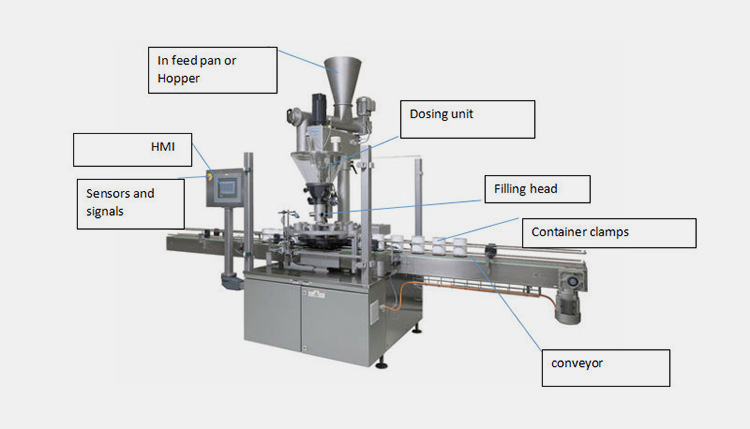
        Components Of A Container Filling Machine

        The components that make up the container filling machines include:

        In feed Pan Or Hopper:This component is used to store the product that needs to be filled.

        Dosing Unit:The dosing unit dispenses precise amounts of product into containers. It consists of a hopper, auger, feed wheel, and fill head.

        Filling Head:The filling head is the device that dispenses product into containers. It can be a hand-held device, piston filler, or another type of automated system.

        Mechanical Drive Systems:These systems provide power and movement to the container filling machine. They can include conveyors, belts, drives, motors, and other components.

        Sensors And Signals:Sensors and signals are used to monitor the filling process and ensure accuracy. They can include fill level sensors, weight sensors, and other types of feedback devices.

        Plc Control Panel: The plc control panel can be used to monitor the filling process, change settings, and troubleshoot issues. It is also used to set parameters and control it.

        Conveyors and Container Clamps: Containers are placed on conveyors or clamps, which move them through the machine.

        HMI Control Systems:These components are used to operate the machine and monitor its performance which can include touchscreens, displays, and other types of user interfaces.

        3.How Does A Container Filling Machine Work?

        Container Filling Machine Work

        A container filling machine works in different ways depending on the type being used. However, here are the general steps involved in each type:

        Step One: Preparation

        Preparation

        In this stage this device is set up by adjusting settings to the preferred ones.

        Step Two: Container Positioning

        Container Positioning

        The containers to be filled are manually or automatically positioned under the filling nozzles to help in avoiding wastage in case of any spills due to misalignments of containers.

        Step Three: Product Supply

        Product Supply

        The product or material that is supposed to be filled is supplied to the filling machine from the main tank, it is typically filtered to remove any contaminants and for easy dispensation to the containers for packaging.

        Step Four: Filling

        Filling

        In this stage, the filling process is done. Material dispensation is done into the containers through one or more nozzles through different methods in regard to the type of equipment being used.

        Step Five: Container Indexing

        This involves the movement of the containers in each step consistently.

        Step Six: Capping

        Capping

        In this step the containers are moved to a capping station where they are automatically or manually capped or sealed if need be.

        Step Seven: Quality Control

        Quality Control

        Inspection for accuracy and quality is done after capping to ensure the desired results are met or achieved.

        Step Eight: Packaging And Labeling

        Packaging And Labeling

        In this final stage, the filled and capped containers can now be labeled where they are packaged for shipping.

        These steps are just a simple and general mapping on how container filling machines work.

        4.What Are The Benefits Of Using A Container Filling Machine?

        Using A Container Filling Machine

        Container filling machines make the process of packing products more efficient and provide several benefits for businesses such as increased accuracy, speed, cost savings, and safety. This machine can be of great support to your production requirements.

        Accuracy

        Container filling machines are of standard designs that fill containers consistently and accurately. This ensures that the product is sealed and packaged correctly, with precise measurements.

        Efficiency

        Their configuration enables for quick and accuracy in measuring, filling, and sealing containers with a wide variety of liquid products. This allows for fast packaging production speeds resulting in very efficient operation.

        Versatility

        A container filling machine can be modified or customized to work with a wide range of different container sizes, shapes, and liquid kinds, including water, oils, and beverages. This gives the production of packaging more freedom.

        Safety

        These machines' automated nature contributes to ensuring compliance with all health and safety laws and error-free packaging. In addition to preserving product quality assurance, this can shield workers from various workplace dangers. Their safety nature during operational time is highly enhanced.

        Cost-Effectiveness

        By reducing manual labor costs and increasing operational efficiency by saving time, using this equipment can help to lower overall production costs.

        5.In Which Industries Do Container Filling Machines Apply?

        Container filling machines have applications across many different industries, including:

        Beverage Production

        Beverage Production

        Beer, soft drinks, juices, milk, honey, water and many other liquids are mostly filled or packaged by the container filling machines in the beverage industries. They ensure accurate volume and speed when filling each liquid product.

        Pharmaceuticals

        Pharmaceuticals

        In the pharmaceutical industry these machines are greatly and specially designed to fill containers with precise doses of medication, using careful measurements and calibration.

        Cosmetics

        Cosmetics

        Machines used for cosmetics container filling are often employed in the makeup and skincare industries. These devices can quickly and accurately fill a variety of bottles and jars with cosmetics in desirable designs.

        Chemicals

        Chemicals

        Many industrial and commercial chemicals require container filling machines to ensure accuracy when handling the product and due to the dangers related to manual filling operations. These machines are designed to work with a range of containers, including drums and totes.

        Food Processing

        Food Processing

        Container filling machines designed specifically for food processing industries can quickly and accurately fill containers with food products such fruits, cereals and many more.

        6.What Are The Different Types Of Container Filling Machines?

        There is a wide range of container filling machines that are used to fill containers with different materials such as liquids, powders, and granules. There availability depends on what kind of production line or in form of automation. They include:

        Based on the production line.

        1.Liquid Fillers

        Liquid Fillers

        Liquid fillers are designed to fill containers with liquids such as water, wine, and oil. These machines can be either volumetric or net weight depending upon the type of product that needs to be filled.

        Working principles of liquid fillers.

        Liquid container filling machines are designed to fill containers with clearly expressed volumes of liquid. They typically use volumetric, gravity or pressure-based filling principles that are explained below.

        Volumetric filling machinesuse a piston and cylinder system to accurately dispense the fluid into each container. The piston is calibrated for each product size, then as it moves up in the cylinder, it pumps a specific volume of liquid into the container below. The volume is calculated by counting the cycles of piston movement.

        Liquid Fillers-1

        Gravity filling machineswork by gravity force to fill different containers with liquid. Containers are placed below the fillers for gravity to dispense the desirable volume of liquid set up. This method of filling relies on natural gravity to feed the liquid into the containers.

        Liquid Fillers-2

        Pressure fillersuse the principle of positive or negative pressure to dispense liquids into containers. Positive pressure filling machines work by forcing a predetermined amount of liquid into containers, negative pressure filling machines use suction and technology to draw liquid from a reservoir tank into each container.

        Liquid Fillers-3

        All these machines are the best but it will depend on the product being filled or the volume of work that is available for your needs. Choosing the right machine, can guarantee you precise levels of accuracy, speed up production lines, reduced waste and an improve in overall efficiency.

        2.Vibratory Weight Filling Machines

        Vibratory Weight Filling Machines

        These types of container filling machines are designed to accurately fill containers with a wide variety of granular or palletized products such as spices, grains, and nuts. The vibratory weight filling machine uses an oscillating system to ensure that the product is filled to the correct weight every time.

        Working principles of vibratory weight filling machines.

        The working principles of vibratory weight filling machines involve using vibration and gyratory force to move product from a hopper into a container in a controlled manner or according to the operators’ settings. The hopper holds the product that needs to be dispensed and is usually mounted onto the machine's base. As the vibration begins, it causes the product to move in a downward motion, where it is then forced or slowly dispensed into the container by a combination of gravity and vacuum.

        The motors in these machines control the process's speed, making sure that it remains constant regardless of the size or weight of the product being filled. The product can also be regularly turned or sifted to make sure that it is uniformly distributed in the container using an auger or an impeller.

        The vibratory weight fillers can be changed to measure out a specified amount of product due to their ability or nature to handle both dry and wet products with minimum waste or spillage. They are very flexible to suit your production line.

        3.Powder Filling Machines

        Powder Filling Machines

        Powder filling machines are used to fill containers with powdered products such as detergents, baking powder, and some cosmetic products. The powder filling machine can be either rotary or auger depending on the product being filled.

        Working principles of powder filling machines

        Ideally, the working principles behind these machines vary depending on the type and configuration of the machine. All use some combination of gravity-fed or vacuum-assisted powder transfer and volumetric/gravimetric filling techniques.

        Gravity-fed machinesuse a combination of vibration and hoppers to move powder from the supply hopper into the container, while vacuum-assisted systems rely on an adjustable suction force that draws powder from the supply hopper directly into the container. The type of machine used depends on the desired production rate and the properties of the powder being filled such as its texture and other properties.

        Volumetric filling systemsinvolve a system of rotating paddles that measure out a specific volume of powder into each container, while gravimetric filling systems use weight sensors to determine how much powder is needed for each container.

        The machines jointly move the container under the filling head, and powder is transferred either through a gravity-fed or vacuum-assisted transfer system. Once the container is full, it moves to another station where it is sealed and labeled before being discharged from the machine depending on the production line customization.

        Based On Their Level Of Automation.

        Here are some of the different types of container filling machines in terms of automation:

        Manual container filling machines

        Manual container filling machines

        These are the simplest and most basic types of filling machines. They are operated manually by a human operator. They may require the operator to place the products in the infeed tank and also the container under the filling nozzle and press a button to initiate the filling process. Manual filling machines are suitable for low-volume production industries and for products that require a high degree of customization.

        Semi-automatic container filling machines

        Semi-automatic container filling machines

        These ones are filling machines that require some level of human interaction to operate, but are partially automated. These machines typically have a filling nozzle that is positioned over the container, and the operator manually places the container under the nozzle and sets up the filling process.

        Automatic container filling machines

        Automatic container filling machines

        These machines are fully automated and require less human interaction or intervention to operate. They can be programmed to fill containers with a precise amount of product and can operate at high speeds. Automatic filling machines can be collectively used into a production line for high-volume production of consistent products.

        Robotic container filling machines

        Robotic container filling machines

        These machines use robotic arms to pick up and place containers under the filling nozzle. They can be programmed to fill containers with a variety of products and can be customized to handle different container shapes and sizes. Robotic filling machines are suitable for high-volume production lines with a higher degree of customization.

        Inline container filling machines

        Inline container filling machines

        These machines are integrated into a production and are designed to fill containers automatically as they move down the line. They can be set up to fill a variety of container sizes and shapes and can operate at high speeds. Inline filling machines are suitable for high-volume production.

        Rotary container filling machines

        Rotary container filling machines

        These machines use a rotary indexing system to move containers through the filling nozzles process. They are configured to fill a variety of container sizes and shapes and can operate at high speeds. These devises are suitable for high-volume production industries because of their high degree of automation and customization.

        7.What Is The Difference Between Manual And Automatic Container Filling Machines?

        Automatic Container Filling Machines-4

        Automatic Container Filling Machines-5

        Manual and automatic container filling machines are used to fill containers with various products, such as food, beverages, and other liquids. Manual container filling machines require an operator to manually control the flow of product into each container. Automatic container filling machines use programmed settings to automate the process and can be operated at a much higher speed than manual models.

        Manual container filling machines require an operator to manually control the nozzle, speed of movement and flow rate of product into each container. This requires precise manual handling and can be time-consuming. Manual machines are ideal for low-volume production with many different types of containers or sizes that need to be filled.

        In contrast, automatic container filling machines use programmed settings to automate the process. These machines utilize sensors and computer-controlled actuators to control the speed, movement, and flow rate of product into each container. This can significantly reduce labor costs while allowing for high-speed production with consistent results. Automatic container filling machines are commonly used in mass production operations where uniformity is essential.

        Both of these machines have their advantages and disadvantages in such away manual machines are ideal for low-volume productions with many different types of containers or sizes that need to be filled, while automatic machines offering a cost-effective solution for mass production operations where uniformity is essential. It is important to consider the individual needs of a production operation before deciding which type of container filling machine is best suited for the job.

        8.What Kind Of Products That Can Be Filled By Container Filling Machines?

        Liquids, powders and granules are some of the items that can filled into containers by this special filling machine.

        Liquids

        Liquids-1

        Examples of liquid products that can be filled include juices, smoothies, wine, beer, milk and many more.

        Creams

        Creams

        Cream being one of the products that can be filled, products may require additional components such as pumps or nozzles to ensure accurate measurement when being filled.

        Pastes

        Pastes

        Examples of the pastes are like toothpaste, adhesives and sealing compounds. Specialized pumps may be needed for pasty substances.

        Powders

        Powders

        Powders such as spices, detergents and milk powder are good examples of items that can be filled by this device.

        Granulated/Pelletized Items

        Granulated Pelletized Items

        Examples of granulated items that can be filled include sugar, rice and animal feed.

        9.What Are The Different Types Of Containers That Can Be Used By A Container Filling Machine?

        Container Filling Machine-6

        Container filling machines come in many shapes and sizes to accommodate different types of containers. Commonly used containers include jars, bottles, cans, cartons and bags. Because of their differences in shapes and sizes they will need also need to be used with different types of machines for filling purposes.

        Jars may need a machine that can cap them securely while bags require a machine that can fill them accurately and at a high speed.

        Cartons must be filled to the correct weight while cans need to be sealed with a lid. A different level of cleaning and maintenances is also required for the various containers. When choosing a filling machine, it is important to consider all of these factors. The right machine for your application will depend on the size, shape and type of container you are working with.

        Conclusion

        Container filling machines are an essential part of many production lines, and their benefits cannot be overstated. Our container filling machines offer high accuracy, efficiency, and reliability, helping businesses to streamline their production processes and increase their product quality while reducing labor costs. At Allpack, we provide a range of container filling machines to suit your different production needs and requirements. Contact us today to learn more about our container filling machines and how they can benefit your business!


        Don't forget to share this post!

        CONTACT US

        Tell us your raw material and project budget to get quotations within 24 hours.

        WhatsApp Us: +86 156 0710 8630

        Invalid Email
        Invalid Number

        Container Filling Machine: The Complete FAQ Guide In 2025 Read More »

        counter

        Automatic Tablet Counter: The Complete FAQ Guide In 2025

        Automatic Tablet Counter: The Complete FAQ Guide In 2025

        Have you kept yourself updated about the growing advancement in technology? It is obvious, that world is moving towards the age of mechanization where reliance on machines is increasing, and human labor is decreasing. Similar is the case in medical field, where automatic equipment are showing their outstanding performance.

        Automatic Tablet Counter

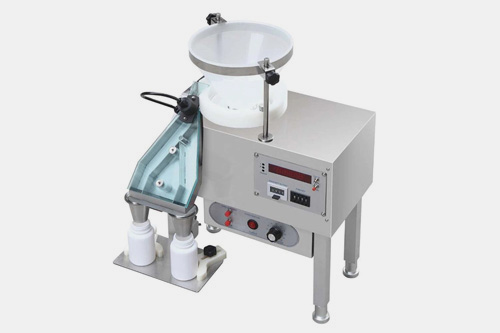
        Among many other things, tablet counting is a crucial step in processing pharmaceuticals. Therefore, the introduction of an automatic tablet counter has reduced on large scale, the errors, time spent and labor cost. You can simply use it for the exact counting and filling of tablets without additional maintenance. So, let's start exploring the diverse features of an automatic tablet counter and take benefits!

          Add a header to begin generating the table of contents

          1.What Is Automatic Tablet Counter?

          Automatic Tablet Counter-1

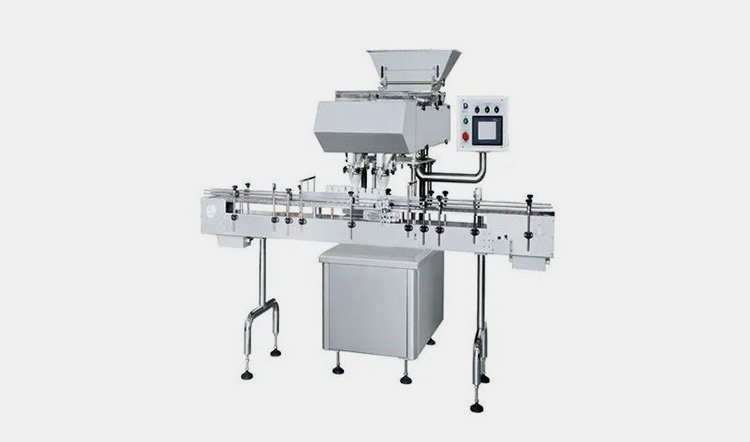
          Automatic tablet counter refers to a machine that is designed to accomplish the task of counting tablets, pills and capsules automatically. It is incorporated with certain essential features of electronic monitoring and detection system that helps in the exact counting of tablets. It works through automatic processing and touch screen control system that restrict the direct user interference, eventually enhancing the counting speed, accuracy and precision.

          The applications of automatic tablet counter are quite vast with counting tablets other than pharmaceuticals. This is the reason for its growing popularity in large industries engaged in similar processing, such as pharmaceutical industry, nutraceutical industry, food industry and veterinary industry etc.

          2.What Are The Essential Features Of An Automatic Tablet Counter?

          Automatic tablet counter is made in such a way that carries great significance for user as well as the security of tablets. Below explanation

          High Accuracy

          High Accuracy

          One of the most essential features of an automatic tablet counter is the high level of counting accuracy it ensures during operation. The dynamic scanning sensor perfectly detects tablets and makes sure the elimination of a single defective tablet.

          Robust Construction

          Robust Construction

          The machine is constructed from high quality durable stainless steel that is bacterial-free, portable and can be simply integrated with other machines for higher throughput.

          Fast Performance

          Fast Performance

          Automatic tablet counter is the best ever solution for counting large number of tablets. With its fast and speedy performance you can better increase your production volume.

          Easy to Clean

          Cleaning and maintenance is a crucial factor needed for smooth functioning of any machine. Here, this task is achieved without making any efforts due to low requirement of parts changeover.

          User Friendly

          User Friendly

          The automatic nature and PLC control system make the machine more user-friendly, as a result it is easy to understand the working specifications and operate it accordingly.

          3.Which Type Of Products Can Be Counted By An Automatic Tablet Counter?

          Counted By An Automatic Tablet Counter

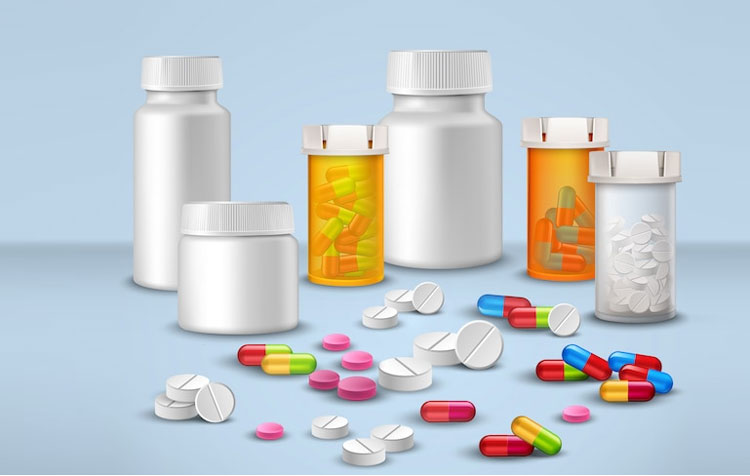
          Automatic tablet counter is an effective machine that is capable of processing huge number of products along with pharmaceutical tablets, pills and capsules. It can be used for the counting of every type of beans, coated or uncoated medicated and food tablets. The products mentioned below indicates that automatic tablet counter can be used not only for pharmaceutical or nutraceutical tablets rather it has a good demand in different types of food processing industries.

          • Tablets
          • Pills
          • Capsules
          • Chocolate balls
          • Milk tablets
          • Candies
          • Bubble gum
          • Gummy Candy
          • Beans

          4.Write Down The Working Principles Of An Automatic Tablet Counter?

          Principles Of An Automatic Tablet Counter

          Working principles of an automatic tablet counter are simple as the entire mechanism is based on self operated system. They are as follows:

          Adjust Setting

          Before starting machine, check the setting of machine and fix it as per your requirements. For instance, you can manage the speed and time for tablets counting in the initial step.

          Material Loading

          Once the dimensions are fixed, you can load the hopper of machine with tablets, pills, capsules or other products like candies and gummy etc.

          Starting Operation

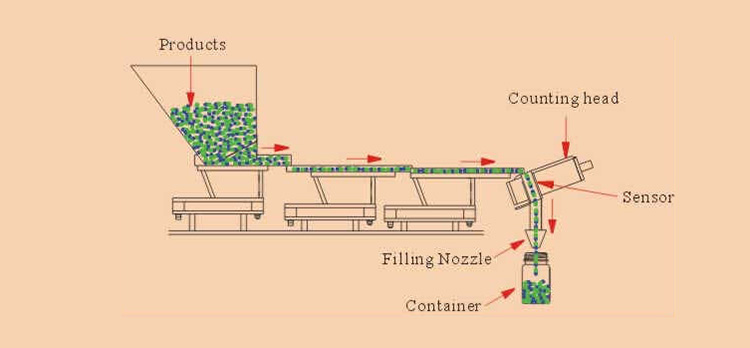
          Now the machine is ready to be started by turning on the power button. The vibration feeder creates the movement of tablets lying in hopper, as a result of which the tablets will gradually fall down from hopper over the guide plate.

          Detection

          The guide plate give sequence to the tablets laid over it and pushes them forward. Here these tablets are detected by the sensors through infrared light. At this stage, the tablets are counted and collected into memory flap.

          Bottle Filling

          Bottle Filling

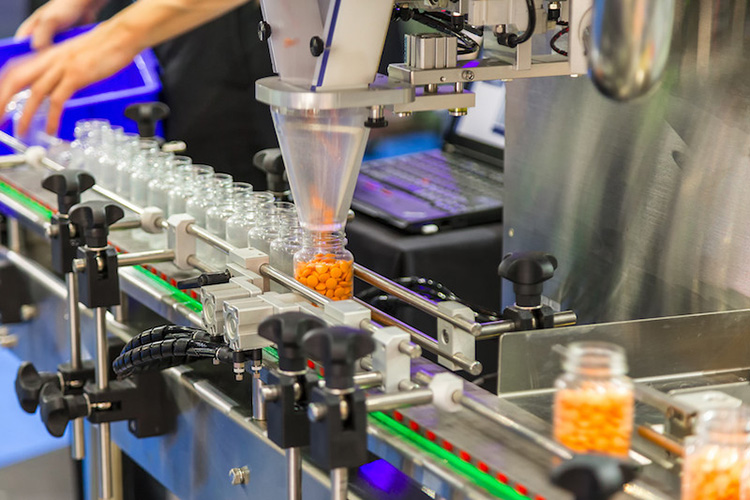
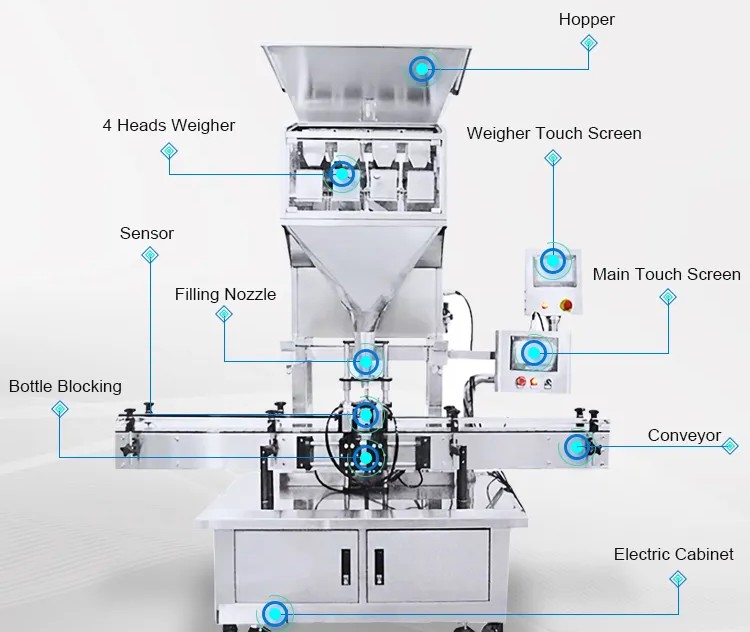
          At the end, counted tablets are discharged by the nozzle into bottles or containers which are taken by the conveyor belt.

          5.Explain The Various Parts Of An Automatic Tablet Counter?

          Various Parts Of An Automatic Tablet Counter

          Automatic tablet counter is composed of several components which together contribute in the excellent performance of machine. Below is the description of these parts:

          Main Body

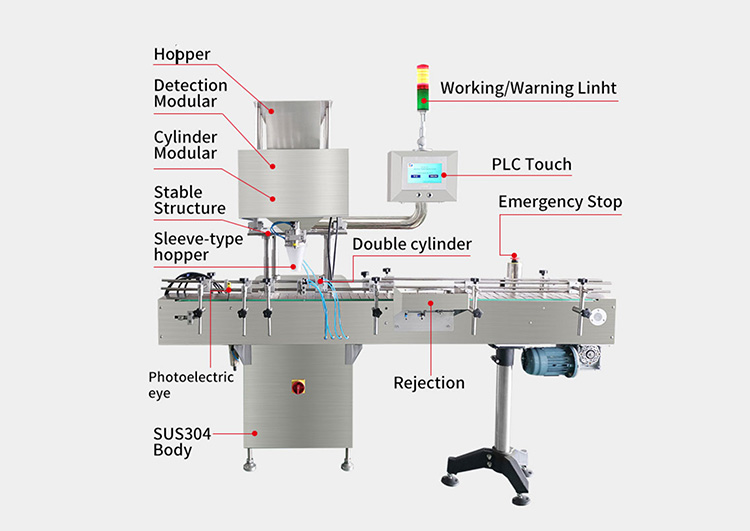
          The main frame of machine is the largest part that consists of overall body, stainless steel structure, electric cabinet, supporting stand and electric motor etc.

          Hopper

          Hopper is located on the top of machine which is used for holding bulk tablets which are to be counted by the machine. It is also known as vibrating feeder as it consists of vibrator which creates movement in tablets to fall down from hopper.

          Detection Modular

          Detection modular is another part of automatic tablet counter that perform the core task of counting tablets. It composed of tablets aligning plate, counting sensors and dropper.

          Cylinder Modular

          Cylinder modular connects the detection modular and sleeve hopper. It holds the counted tablets in memory flaps until they are delivered to sleeve hopper for final discharge of tablets.

          Sleeve Type Hopper

          Sleeve hopper is located under cylinder modular that accomplishes the function of taking tablets from cylinder modular and delivering them for filling bottles.

          Conveyor Belt

          Conveyor belt is a sort of transportation device that helps in moving the bottles from one end to another in order to make them filled with tablets.

          Control Panel

          The control panel refers to the touch screen display which enables you to control the machine and display you entire information of machine during its processing.

          Rejection Station

          With the help of photoelectric eye located on the side wall of conveyor belt, each passing bottle loaded with tablets is detected. In case of error the bottle is rejected and separated.

          6.Describe The Different Categories Of Automatic Tablet Counter?

          Automatic tablet counter can be further divided into two categories; fully automatic tablet counter and semi-automatic tablet counter. They are explained below:

          Fully Automatic Tablet Counter

          Fully Automatic Tablet Counter

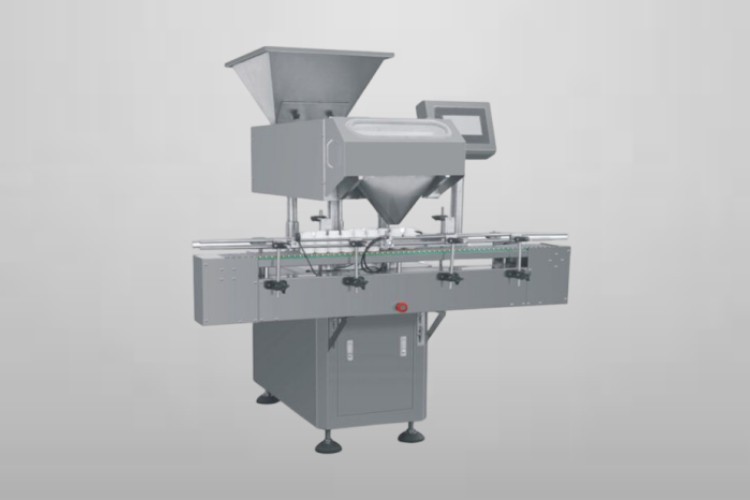
          Fully automatic tablet counter is self reliant machine that carries out the entire process of tablet inspection, filling and discharging in a non-stop continuous run. It is highly fast and precise in counting tablets. It requires less maintenance and give high output that ultimately attract the owners of large scale industries.

          Components

          It consists of feeding hopper, aligning trays, sensor, cylinder modular, secondary sleeve hopper, nozzle, conveyor belt, control panel, electric cabinet, automatic rejection system and emergency stop.

          Working Principles

          Automatic tablet counter has simple working principles which start with setting the machine as per your requirements. After that, machine is loaded either manually or attached to the product feeding station from where tablets are continuously delivered to hopper through vacuum pump. As the machine get started, tablets fall down from hopper over tray where detection occurs and tablets are delivered to bottles via nozzle.

          Semi-Automatic Tablet Counter

          Semi-Automatic Tablet Counter

          Semi-automatic tablet counter is different from fully automatic machine. It has normally lower counting capacity thus require less energy. It is cost-effective as a result most of the medium scale production sectors are preferring using this machine.

          Components

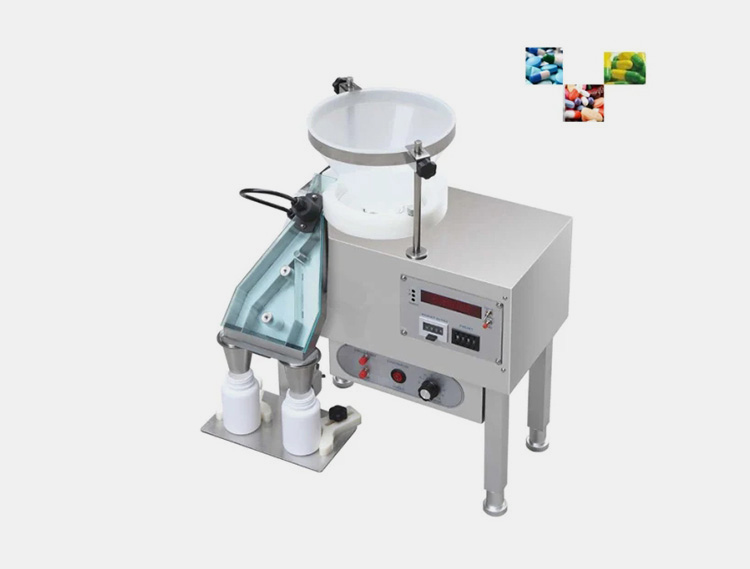
          The structure of semi-automatic tablet counter is simple composed of few components including hopper, detector, control system, discharge chute and bottle locators.

          Working Principles

          The machine requires user to load the hopper and place bottles on locator. After that, machine is powered on and the counting of tablets started. Fixed amount of tablets are counted and discharged through sliding chute into bottles. After bottles get loaded with tablets, the operator can manually pick them up.

          7.Compare And Contrast Between Automatic Tablet Counter And Semi-Automatic Tablet Counter?

          Semi-Automatic Tablet Counter-2

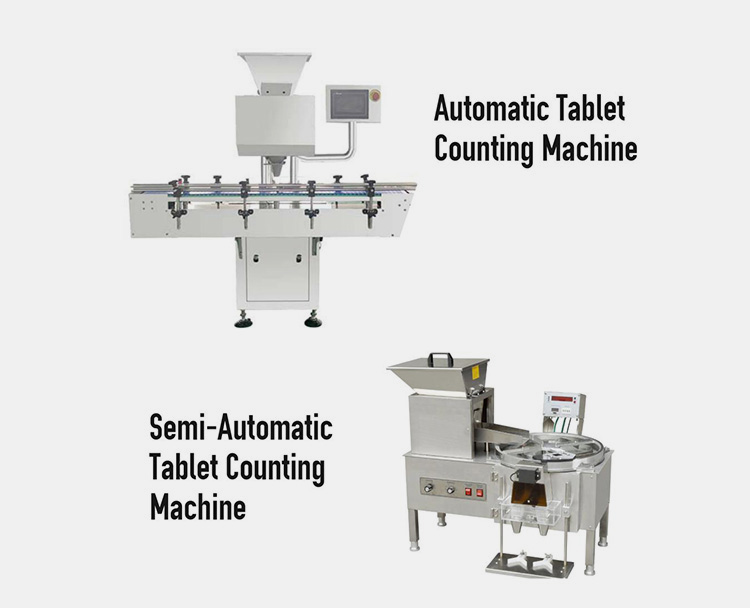
          Automatic tablet counter and semi-automatic tablet counter are two distinct machines designed for carrying same task. In this question, we will highlight the key differences which distinguish one from another:

          Nature

          Automatic tablet counter is an independent machine with automatic features of fast performance that reduce manual intervention.

          While as, semi-automatic tablet counter is medium scale machine with limited capacity of counting tablets and pills.

          Structure

          The structure of automatic tablet counter is somehow complex than that of semi-automatic machine due to heavy-duty task and auxiliary machines.

          In contrast, semi-automatic tablet counter is precise; having few parts and is highly portable.

          Working Principles

          The working procedure of automatic tablet counter is simple with determining parameters and starting machine. The rest process is done by machine itself.

          However, the semi-automatic tablet counter is dependent on user for the completion of its working such as material loading and bottle placing etc.

          Speed

          Automatic tablet counter has exceptional performance in terms of counting tablets. It can count up to 4000 tablets in a minute.

          On the other hand, the speed of semi-automatic tablet counter is lower than automatic machine and can only count 1000 tablets per minute.

          Cost

          The cost of automatic tablet counter is high due to its complex structure and automatic processing.

          While as, semi-automatic tablet counter is less expensive and cost-effective.

          Application

          Most of the large industries including pharmaceutical, food and chemical industries prefer to use automatic tablet counter.

          In contrast, semi-automatic tablet counter is suitable for small batch and medium scale production such as test laboratories and small scale confectionary and chemical industry.

          8.Is It Possible To Integrate An Automatic Tablet Counter Directly With Other Machines?

          Tablet Counter Directly With Other Machines

          Whenever, there question arise about whether automatic tablet counter can be integrated with other machines, the answer will be absolutely yes! It can be definitely connected to other machines for higher production such bottle capping machine, sealing machine and labeling machine etc.

          It is among the benefits of an automatic tablet counter that it can carry out excessive workload with the help of other machines. Most of the large scale industries take advantage of this great feature.

          9.Highlight The Areas Where Automatic Tablet Counter Can Be Used?

          There are number of areas where you would find the need of an automatic tablet counter. Some of these are as follows:

          Pharmaceutical Industry

          Pharmaceutical Industry

          Pharmaceutical industry revolves around the processing of drugs where the use of automatic tablet counter cannot be overlooked. Millions of tablets are produced every day with diverse applications to provide the world with healthy lifestyle. Thus, the security, counting and packaging of tablets is an important step.

          Nutraceutical Industry

          Nutraceutical Industry

          Medicines made from direct source of vegetables, fruits, nuts and beans are known as nutraceutical. They contain good amount of vitamins, minerals and proteins which are combined in form of tablets and pills. Here, the processing of tablets require number of machines in which automatic tablet counter is notable one.

          Veterinary Industry

          Veterinary Industry

          Similar to other industries, veterinary industry is also engaged in making medicines for animals. Therefore, they too require all the essential equipment needed for tablets processing such as tablets manufacturing unit, automatic tablet counter and packaging machine etc.

          Food Industry

          Food-Industry-10

          It is obvious that counting of large number of food tablets, candies, chocolate balls and jellies is somehow impossible without a machine. This is the reason why most of the large scale food processing industries and confectionary industries often use automatic tablet counter for achieving this task.

          Chemical Industry

          Chemical Industry

          Chemicals processing needs exact amount of elements for which this machine is essential. Furthermore, different types of chemical tablets such as water purification tablets in form of chlorine tablets and aqua tabs are good examples for which the help of automatic tablet counter is taken..

          10.What Is The Production Line For Automatic Tablet Counter?

          The production line for automatic tablet counter will show you the machines which together give you extraordinary results with each and every step of counting and packaging done on same place. It consists of:

          Bottle Unscrambler

          Bottle Unscrambler

          As the name indicates, bottle unscrambler is a type of machine designed to feed the bottles to production line. This machine plays an effective role in reducing time by providing empty bottles to the automatic tablet counter. These empty bottles are first loaded in the hopper of machine which are then conveyed for filling tablets through a conveyor belt.

          Bottle Capping Machine

          Bottle Capping Machine

          Another machine that cannot be ignored while using automatic tablet counter is the bottle capping machine. It comes into action when bottles are filled with tablets, where they need to be well capped. It simply works by putting lids over bottles and cap them tightly through screws.

          Induction Sealing Machine

          Induction Sealing Machine

          Sealing is one of the important part of tablets packaging. Therefore, the use of induction sealing machine is more popular than other types of sealing. It is used to apply heat for bonding thermoplastic material to bottleneck. With the help of this machine, aluminum foil present inside the bottle cap stick to the bottle mouth and completely isolate the inside content from air, moisture and light. This process extend the shelf life of product.

          Bottle Labeling Machine

          Bottle Labeling Machine

          Another machine you would need to integrate with your automatic tablet counter is bottle labeling machine. It simply applies adhesive stickers labels to over bottles which display information about the company, product name, description, batch no and expiry date etc.

          Cartoning Machine

          Cartoning Machine

          Last but not the least; a cartoning machine is used for completing tablets counting process. This machine performs the function of manufacturing various types of cartons including cartons like side seamed, folded or close. The purpose of using this machine is to give extra protection to the loaded bottles and provide additional information chart with them.

          11.What Are The Common Abnormalities Of An Automatic Tablet Counter? And How Would You Correct Them?

          Correct Them

          Let's discuss the common abnormalities you might face when using an automatic tablet counter. They include:

          No Abnormalities Causes Solutions Pictures
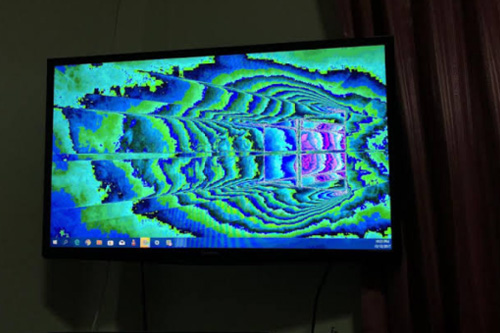
          1 Problem in displaying counting figure There are two possible causes for this problem. The incorrect insertion of aligning trays or the damaged display Make sure the trays are inserted correctly, control panel is cleaned and in case of damage change the screen  

          displaying counting figure

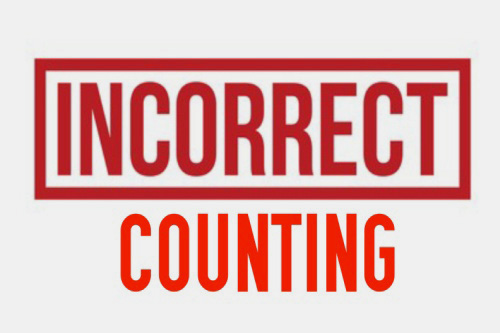
          2 The incorrect counting It occurs when tablet trays are dusty, sensors are defected or the machine starts before pills are loaded on turntable Clean the trays and other parts of machine which are in direct contact with tablets, replace sensors if defected and load tablets before starting operation  

          incorrect counting

          3 The numbering on screen remains the same It may be due to strong light or insufficient power supply Mobilize machine to indoor area and check if the sensor socket is plugged incorrectly  

          numbering on screen remains the same

          4 Tablet dispensing for two bottles at same time The only reason is loose screws of changing flippers Tight the screws Tablet dispensing for two bottles at same time
          5 Too much noise during counting It happens when vibrating tray directly connect to the discharge channel or vibratory trays are loose centered Keep the screws of vibration tray for avoiding noise  

          Too much noise during counting

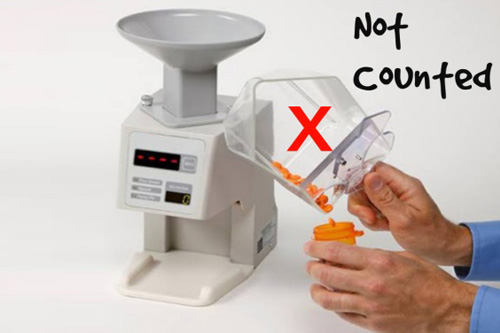
          6 Pills are dispensed without counting Sensor are may be contaminated with tablet residues Turn on the machine and clean sensor Pills are dispensed without counting

          12.Which Tips Should Be Followed For Getting The Best Automatic Tablet Counter?

          Best Automatic Tablet Counter

          It should be noted, that purchasing a right automatic tablet counter will definitely be a game changer for your production. Therefore, must keep in mind the helpful tips we have provided here:

          Additional Features

          The best way to check the machine excellence is in getting information about its features such as error detection, alarming system, speed of counting tablets and most important the ionized cleaning system.

          Capacity

          Now comes the core aspect of your automatic tablet counter which is the capacity of counting tablets. You must have this query in mind to ask about the tablets handling capacity of the machine, as different machines have different capacities.

          Quality Assurance

          It is most important to know about the quality certification of the machine you are interested in purchasing. For this, you can check the warranty policy of vendor and the international certification such as ISO and GMP etc.

          Customer Feedback

          You can also check the customer feedback through their reviews. It would help you to know the company's services such as customer support, quick change of parts and the performance of machine.

          Technical Assistance

          Among other things, technical assistance provided by vendor is crucial as most of the brands are not associated with delivering support after selling. Thus, it is necessary to get a machine that is backed by spare parts inventory and installation support.

          Conclusion

          Did you get the answers to questions you have in mind regarding automatic tablet counter? If yes! You have probably understood this guide. An automatic tablet counter is a key element in your pharmaceutical processing. So, don't waste time in taking right decision as it will hinder your business growth. If you are interested in purchasing an automatic tablet counter then what are you waiting for? Just click on the given link and contact us for further details.

          Don't forget to share this post!

          CONTACT US

          Tell us your raw material and project budget to get quotations within 24 hours.

          WhatsApp Us: +86 156 0710 8630

          Invalid Email
          Invalid Number

          Automatic Tablet Counter: The Complete FAQ Guide In 2025 Read More »

          Auger Weighing Filling Machine

          Weighing Filling Machine: The Complete Buying Guide In 2025

          Weighing Filling Machine: The Complete Buying Guide In 2025

          A weighing filling machine may be exactly what you need if you want to increase the efficiency of your manufacturing while also improving the way your products are packaged. These machines can help you save time and cut waste while guaranteeing that your products meet the highest quality standards thanks to exact weight measurements and quick filling speeds.

          You'll learn everything you need to know about weighing filling machines in this in-depth buying guide in 2023, which including the features and advantages, and what aspects to take into account when selecting the ideal equipment for your business. This buying guide will provide you the facts you need to know about weighing filling machines so that you can make an informed choice, whether you're a tiny startup or a large factory.

            Add a header to begin generating the table of contents

            1.What Is A Weighing Filling Machine?

            Weighing Filling Machine

            Weighing Filling Machine-Photo Credit:Busch Machinery

            A weighing filling machine is used in many industries to precisely fill containers with product by weight. These devices typically have a reservoir or hopper for keeping the product, a scale or load cell for determining the product's weight, and a dispensing mechanism for distributing the product into the container.

            Food and beverage, pharmaceutical, chemical, and cosmetic sectors, among others, frequently employ weighing filling machines. In comparison to conventional filling techniques, they offer more accuracy and precision, especially when filling materials with different densities or viscosity.

            2.How Can Weighing Filling Machines Benefit You?

            Adding a weighing filling machine to your business can bring significant positive changes and benefits, some of the key benefits include:

            Improved Efficiency:

            Improved Efficiency

            Weighing filling machines automate the filling process, allowing for faster and more efficient production. They can handle high-speed filling operations, reducing manual labor and increasing overall productivity. With their ability to accurately weigh and fill products simultaneously, these machines optimize the workflow, minimize downtime, and improve operational efficiency.

            Cost Savings:

            By accurately measuring and filling products, weighing filling machines help reduce product waste and minimize overfilling. Moreover, the automation capabilities of these machines can save on labor costs and increase throughput, improving the overall profitability of your business.

            Enhanced Product Quality:

            Enhanced Product Quality

            Weighing filling machines ensure precise and consistent filling quantities, which is crucial for maintaining product quality. Accurate measurements prevent overfilling, ensuring that each product meets the desired specifications. This consistency enhances customer satisfaction, reduces product returns, and helps build a positive reputation for your business.

            Versatility and Flexibility:

            Versatility and Flexibility

            Weighing filling machines are versatile and can handle a wide range of products and container types. This versatility allows businesses to diversify their product offerings without investing in multiple filling systems. Whether you're dealing with granules, powders, liquids, or fragile items, weighing filling machines can be adapted to accommodate various products, making them highly flexible for different business needs.

            3.What Are The Common Applications Of Weighing Filling Machines?

            Weighing filling machines have a wide range of applications due to their versatility and accuracy. Here are some common applications of weighing filling machines:

            Food and beverage industry:

            Food and beverage industry

            Weighing filling machines are often used to fill bottles, cans, and other containers with food and beverage products such as sauces, dressings, oils, and beverages. Weighing filling machines can handle a wide range of fill volumes, from small quantities for sample packets to large volumes for bulk containers.

            Pharmaceutical industry:

            Pharmaceutical industry

            Weighing filling machines are used to accurately fill containers with pharmaceutical products such as pills, tablets, and capsules.By providing accurate measurements and minimizing waste, weighing filling machines play a vital role in ensuring the quality, safety, and efficiency of pharmaceutical production.

            Chemical industry:

            Chemical industry

            Weighing filling machines are used to fill containers with various chemicals, including liquid and powdered chemicals.These machines are designed to handle hazardous and potentially dangerous chemicals with the utmost care, ensuring worker safety and minimizing the risk of spills and accidents.

            Agriculture industry:

            Agriculture industry

            Weighing filling machines are used in the agriculture industry to fill bags with products such as seed, fertilizer, and animal feed.Accuracy is essential in the agriculture industry, where the proper dosage of products like seed and fertilizer can have a significant impact on crop yields.

            Cosmetics industry:

            Cosmetic industry

            The cosmetic industry is highly competitive, and consumers demand products that are of the highest quality and consistency. Weighing filling machines are used to fill bottles, jars, and other containers with cosmetics and personal care products such as lotions, creams, and shampoos.

            Mining industry:

            Mining Industry

            Weighing filling machines are used in the mining industry to fill bags and other containers with minerals such as coal and ore.Weighing filling machines can handle a wide range of bag sizes and types, from small sacks to large bulk bags, allowing mining companies to package their products in a way that is both efficient and cost-effective.

            4.What Are The Different Types Of Weighing Filling Machines?

            The best type of filling machine for your application will depend on the specific product you are filling, the container size and shape, and the production needs of your operation.

            • Vibratory Weighing Filling Machine:

            Vibratory Weighing Filling Machine

            Vibratory Weighing Filling Machine-Photo Credit: Accutek Packaging

            Vibratory weighing filling machine is a type of a filling machine that uses vibration technology to fill containers with goods like powders, granules, and small pieces.The product is moved by the machine's vibratory feeder into the weigh hopper, where it is weighed to verify the proper amount is delivered.

            The product can flow out of the machine and into the container during the filling operation by vibrating the hopper. As a cost-effective alternative for many firms, vibratory weighing filling machines are also renowned for their dependability, longevity, and little maintenance needs.

            • Net Weighing Filling Machine:

            Net Weighing Filling Machine

            Net Weighing Filling Machines-Photo Credit:Liquid Packaging Solutions

            Net weighing filling machines weigh the product before dispensing it into the packaging. These machines ensure that each package contains the correct weight of the product. It is used to precisely fill containers with a given weight of product. It works by first determining the empty container's tare weight.

            The necessary quantity of product is then dispensed into the container, and by deducting the tare weight, precise measurement is ensured. These devices are frequently used in sectors like food processing, medicines, chemicals, and agriculture where exact measurement and packing are essential.

            • Auger Weighing Filling Machine:

            Auger Weighing Filling Machine

            Auger Weighing Filling Machines-Photo Credit:All Fill Inc

            Auger weighing filling machines is made to precisely fill containers with goods that are granular or powdery. The product is dispensed into the containers by use of an auger mechanism, which is made up of a helical screw. Empty containers are set on the apparatus, and a hopper or feeding mechanism is used to hold the product.

            To draw the product and move it in the direction of the dispensing outlet, the auger rotates under the power of a motor. A weighing system that controls the filling procedure ensures accuracy in measurement. In industries including food, medicine, chemicals, and agriculture where precise and controlled product filling is crucial, auger weighing filling machines are frequently employed.

            Semi-Automatic Weighing Filling Machine:

            Semi-Automatic Weighing Filling Machine

            Semi-Automatic Weighing Filling Machines-Photo Credit:AUGER ENTERPRISES

            Semi-automatic weighing filling machine requires some level of human intervention in the filling process. These machines typically require an operator to manually position the container on the weighing scale and initiate the filling process.

            While the weighing and filling operations are automated, the container placement and product commencement processes on these machines require user assistance. A foot pedal or button can be used to start the filling operation after the operator places the container on the machine.

            After weighing the container by using load cells or another weighing mechanism, the machine releases the desired quantity of product. The machine stops filling when the desired weight is attained, and the user removes the filled container. Semi-automatic weighing filling machines are appropriate for smaller production because they strike a balance between efficiency and operator control.

            Automatic Weighing Filling Machine:

            Automatic Weighing Filling Machine

            Automatic Weighing Filling Machines-Photo Credit:NPACK Liquid Filling Machines

            An automatic weighing filling machine is a fully automated system that performs all operations automatically, from product dispensing to container positioning, weighing, and filling. The machine can be programmed to fill containers of various sizes and shapes with a precise amount of product, and it can also automatically adjust the filling speed to ensure that the desired weight is reached.

            5.How Does A Weighing Filling Machine Differ From A Gravity Filling Machine?

            Weighing Filling Machine VS Gravity Filling Machine

            Difference between Gravity Filling Machine and Weighing Filling Machine-Photo Credit:APACKS & Accutek Packaging Equipement

            Weighing filling machines and gravity filling machines are two different types of filling machines that operate on different principles.

            Due to their excellent accuracy, weighing filling machines guarantee that each package has the proper amount of product. These devices are frequently used to fill containers with liquids, powders, and granules in the food, pharmaceutical, and chemical sectors.

            On the other hand, gravity filling machines are more straightforward in design and rely on gravity to fill the packaging with the goods. These devices are frequently employed to fill bottles with liquids like water, juice, and soda.

            6.How Does A Weighing Filling Machine Differ From A Volumetric Filling Machine?

            Weighing Filling Machine VS Volumetric Filling Machine

            Difference between Weighing Filling Machine and Volumetric Filling Machine-Photo Credit:Lodha Pharma

            A series of pistons or pumps are used in volumetric filling machines to dispense a predetermined volume of product into the packaging. These devices are frequently used to put liquids, creams, and lotions into containers. Volumetric filling machines are well renowned for their great speed and efficiency and are frequently used for materials that have a uniform viscosity or thickness.

            On the other hand, weighing filling machines ensure that each package includes the proper weight of the product and are extremely accurate. Liquids, powders, and granules are frequently packed by using these equipment. Weighing filling machine is renowned for its adaptability, accuracy, and simplicity of use and can handle a variety of product types and container sizes.

            7.What Is The Working Principle Of Weighing Filling Machine?

            Working Principle of Weighing Filling Machine

            The working principle of a weighing filling machine involves the following steps:

            1. Product is fed into a hopper or storage tank.
            2. The weight of the product in the hopper is measured by a load cell, which is a device that converts the weight of an object into an electrical signal.
            3. Once the desired weight is reached, the filling valve opens and the product flows into the container.
            4. The filling valve closes when the target weight is reached, and the filled container moves down the conveyor belt.

            The weighing filling machine uses a computerized control system to monitor the weight of the product and adjust the filling process to ensure accurate and consistent filling. The control system also stores product and filling parameter settings, allowing for quick and easy product changeovers.

            Some weighing filling machines may also have additional features such as automatic tare weighing, which subtracts the weight of the empty container before filling, and automatic capping or sealing of the filled containers.

            Overall, the working principle of a weighing filling machine is to accurately measure and dispense a predetermined weight of product into containers, ensuring consistent and high-quality packaging.

            8.What Are The Key Components Of A Weighing Filling Machine?

            The key components of weighing filling machines include:

            Key Components Of A Weighing Filling Machine

            • Weigher: This is the main weighing component of the machine that measures the weight of the product in the hopper.
            • Sensor:The sensor is responsible for detecting the weight of the product in the hopper and sending this information to the control system.
            • Bottle Blocking: This is a mechanism that blocks the container being filled to prevent spillage or overfilling.
            • Filling Nozzle:The filling nozzle dispenses the product into the container.
            • Hopper: The hopper holds the product to be dispensed into the containers.
            • Weigher Touch Screen:This is a touch screen display that provides information about the weight of the product being dispensed.
            • Main Touch Screen:The main touch screen is the interface that operators use to control the filling machine and input product and filling parameters.
            • Electric Cabinet:This cabinet houses the electrical components of the machine, including the control system and motor.
            • Conveyor:The conveyor moves the containers through the filling process, from the filling station to the capping or sealing station.

            9.Can Weighing Filling Machine Be Integrated With Other Equipment?

            Yes, weighing filling machines can be integrated with other equipment in a production line to create an automated and efficient manufacturing process. Here are some machines that can be integrated with weighing filling machines:

            Bottle Unscrambler:

            Bottle Unscrambler

            Bottle unscrambler: Photo Credit CVC Technologies

            A bottle unscrambler is used to orient and feed empty bottles into the production line in an organized manner. It can be integrated with a weighing filling machine to ensure a continuous supply of bottles for filling. The bottle unscrambler aligns the bottles and feeds them onto the conveyor system, which then delivers them to the weighing filling machine.

            Capping Machine:

            Capping Machine

            After the weighing filling machine dispenses the product into the bottles, a capping machine can be integrated to apply caps or closures to the filled bottles. The capping machine ensures that the bottles are properly sealed, preventing any leakage or contamination.

            Labeling Machine:

            Labeling Machine

            labeling Machine: Photo Credit Wedderburn New Zealand

            A labeling machine can be integrated into the production line after the capping machine to apply labels to the filled and capped bottles. The weighing filling machine fills the bottles, the capping machine seals them, and then the labeling machine applies the appropriate labels with product information, branding, or regulatory compliance.

             10.How To Maintain Weighing Filling Machine?

            Just like every other machine which needs regular check and maintenance to run as efficiently as possible, weighing filling machine too requires proper check and balance to provide maximum results. Let us discuss some of the points on how to maintain this machine.

            MAINTENANCE

            • Lubricate all the moving parts of the machine which include piston, screws, o-rings to prevent any form of friction which would decrease the overall productivity of the machine.
            • Check all the electrical components of the machine and make sure they are properly connected and are not exposed to any wet surface which is quite dangerous.
            • Use a microfiber cloth to clean those parts which are covered with dust. Disassemble the moving parts and clean them with regular soap and water appropriately.
            • Check the oil level of the vacuum pump and fill them accordingly if the level is not enough to run the machine.
            • Check of the air distributor is working properly and add silicon grease regularly so that it works at optimum conditions.
            • Keep an eye out for all the components which include hopper, weigher and nozzles and make sure they are working fine. If they show any signs of damage, then repair them immediately or replace them with new components.

            11.How To Troubleshoot The Weighing Filling Machine?

            When troubleshooting a weighing filling machine, here are some common issues and their potential solutions:

            Inaccurate Weighing:

            Inaccurate Weighing

            • Ensure that the machine is properly calibrated according to the weight standards.
            • Check that the load cells or weighing sensors are clean and free from any debris or obstructions.
            • Verify that the weight settings and parameters are correctly programmed for the desired fill volume.
            • Inspect the feeding mechanism to ensure that it is delivering the correct amount of product to be weighed.

            Slow Filling Speed:

            Slow Filling Speed

            • Check the product supply system, such as pumps or valves, to ensure proper flow and pressure.
            • Verify that the machine settings, such as fill speed and timing, are optimized for efficient operation.
            • Clean or replace any clogged or worn-out parts that may be hindering the filling speed.
            • Ensure that the product being filled has appropriate viscosity and is not causing excessive resistance.

            Leaks or Spills:

            Leaks or Spills

            • Inspect all seals, gaskets, and connections to ensure they are tight and in good condition.
            • Check for any damage or wear on the filling nozzles or dispensing mechanisms and replace as necessary.
            • Ensure that the bottles or containers being filled are properly positioned and sealed to prevent leaks.
            • Adjust the fill volume and speed to minimize the chances of spills during the filling process.

            Machine Jamming:

            Machine Jamming

            • Examine the feeding system to ensure there are no blockages or obstructions that could cause jamming.
            • Lubricate moving parts and check for any signs of wear or misalignment that could lead to jams.
            • Verify that the control system and sensors are functioning correctly to detect and prevent jams.
            • Ensure that the bottles or containers being used are compatible with the machine and do not cause issues with the feeding or filling process.

            12.How To Choose The Best Weighing Filling Machine?

            Following are some of the key features which should be considered to choose the best machine.

            the best Weighing Filling Machine

            Type of Weighing Filling Machine:

            Depending on the specific product, a buyer may need to consider different types of weighing filling machines such as volumetric, gravimetric, or combination systems. For example, a buyer looking for a machine to fill liquid products like milk or juice may prefer a volumetric system, while a buyer filling granular products like rice or beans may prefer a gravimetric system.

            Production Efficiency:

            The production efficiency of a weighing filling machine is a critical consideration. Buyers should look at the machine's maximum production speed, the accuracy of the filling process, and the machine's downtime. For example, a buyer who needs to fill a large volume of product per hour may need a machine with a higher production speed and less downtime.

            Compatibility with the Material:

            The compatibility of the weighing filling machine with the product material is also essential. For example, if a buyer is filling powders or granular materials, they may need a machine with specialized handling features such as dust control or anti-static materials.

            Budget:

            Buyers must also consider their budget and the overall cost of ownership when choosing a weighing filling machine. Factors such as the machine's purchase price, maintenance costs, and energy consumption should be evaluated to ensure that the machine fits within the buyer's budget.

            Conclusion

            In conclusion, weighing filling machines are an important asset for various industries that require accurate and efficient filling of products. They offer a wide range of benefits such as increased productivity, reduced labor costs, and improved accuracy. By considering key factors such as the type of product, filling volume, and required accuracy, businesses can make an informed decision when selecting a weighing filling machine that will meet their needs and provide the best return on investment.

            Don't forget to share this post!

            CONTACT US

            Tell us your raw material and project budget to get quotations within 24 hours.

            WhatsApp Us: +86 156 0710 8630

            Invalid Email
            Invalid Number

            Weighing Filling Machine: The Complete Buying Guide In 2025 Read More »

            Labels

            Manual Bottle Labeler: The Complete Buying Guide in 2025

            Manual Bottle Labeler: The Complete Buying Guide in 2025

            A manual bottle labeler is a type of machine mainly used to apply labels on bottles manually. It is a cost-effective labeling solution for small businesses or individuals who need to label their products manually. The labelers come in different types and designs to meet various labeling needs.

            If you're looking to buy a manual bottle labeler, it's important to consider several factors such as the type of labeler, bottle size, label size, label material, and ease of use, among others. In this buying guide, you'll delve deeper into these factors and it will provide you with valuable insights to help you make an informed decision when buying a manual bottle labeler.

              Add a header to begin generating the table of contents

              1.What Is Manual Bottle Labeler?

              Manual Bottle Labeler

              Manual Bottle Labeler-Photo Credit:Pack Solution

              A manual bottler labeler is a machine used to apply labels to bottles manually. It is often used in small-scale operations where the production volume does not justify the cost of investing in an automatic labeling machine.

              The manual bottler labeler machine typically consists of a base, which holds the bottle steady, and an arm or roller that applies the label to the bottle. The operator places the bottle in the base, positions the label on the arm or roller, and then applies the label to the bottle by pressing down on the arm or rolling the roller across the label.

              2.What Are The Functions Of Manual Bottle Labeler?

              Branding:

              Branding

              The manual bottle labeler can be used to apply custom labels with unique designs, logos, and branding information to bottles, helping to increase brand recognition and loyalty.

              Decorating:

              Decorating

              The manual bottle labeler allows for flexibility in label design, with the ability to use labels of various shapes, sizes, and colors to create a visually appealing look. The application of labels by using the manual bottle labeler can help enhance the shelf appeal of products, making them more attractive to potential customers.

              Giving Necessary Information:

              Giving Necessary Information

              The manual bottle labeler is used to apply labels that contain important product information, such as ingredients, nutritional values, and expiry dates.

              3.How Can Manual Bottle Labelers Benefit You?

              Overall, manual bottle labelers provide practical, adaptable, and user-friendly labeling options for a range of sectors. There are many benefits that manual bottle labelers can bring to you, such as:

              • Ease of Use:

              Ease of Use

              Manual bottle labelers require minimal training, they don't require specialized technical knowledge or expertise, which means that anyone can learn to operate them. Additionally, they can be used anywhere, making them an ideal option for home-based small businesses.

              • Versatility

              Versatility

              Versatility is another benefit of manual bottle labelers. They have the ability to label a variety of bottles, including wine, beer, sauce, and more. A manual bottle labeler allows you to modify the labeling procedure to suit your unique requirements, making it a flexible and adaptable option for different sectors.

              • Accuracy

              Accuracy

              The manual bottle labelers are designed to provide precise labeling, minimizing the risk of error. This accuracy helps to maintain the quality of your products and enhances your brand's image in the market.

              • Cost-Effectiveness

              Cost-Effectiveness

              The most significant advantage of a manual bottle labeler is its cost-effectiveness. Manual bottle labelers are much more affordable as compared to automated labeling solutions. It requires little maintenance and has a low initial investment cost, is an ideal choice for small businesses or those on a tight budget.

              4.Are There Any Limitations Of Manual Bottle Labeler?

              Yes, there are some limitation of manual bottle labeler, which are as follows:

              Limitations Of Manual Bottle Labeler

              Limited Production Capacity:

              Since manual bottle labelers are operated by human, they are generally slower than automatic bottle labelers. This makes them a great solution for small production runs, but they may not be suitable for businesses with high labeling volumes.

              Operator Dependence:

              Unlike automatic bottle labelers, manual bottle labelers require a human operator to load and align the bottles, apply the labels, and adjust the machine settings. This means that the labeling process can be more prone to human error, particularly if the operator is not properly trained.

              5.What Are The Common Applications Of Manual Bottle Labelers?

              Manual bottle labelers are valuable equipment that can be used for a broad range of industries, providing an efficient and cost-effective method to label bottles correctly and accurately, some of its main applications are as follows:

              Food and Beverage Industry:

              Food and Beverage Industry

              Manual bottle labelers have a wide range of applications in the food and beverage industry. They are commonly used by small-scale producers, such as craft breweries and artisanal wineries, to accurately label their products with branding, ingredient information, and batch or date codes.

              • Pharmaceutical Industry:

              Pharmaceutical Industry

              The pharmaceutical sector relies heavily on manual bottle labelers because they make it easier to label drug bottles in a way that is accurate and compliant. These manual bottle labelers are used to apply labels with important data on them, including drug names, doses, strengths, lot numbers, expiration dates, and manufacturer information.

              • Cosmetics Industry

              Cosmetics Industry

              Manual bottle labelers are essential in the cosmetics industry. By providing clear and comprehensive labeling, manual bottle labelers help consumers identify and select the right cosmetic products for their needs while ensuring they are aware of any potential risks or precautions.

              • Chemical Industry

              Chemical Industry

              Manual bottle labelers play a key role in the chemical industry by facilitating the safe and accurate labeling of chemical products and containers. These machines allow for the application of labels that provide crucial information such as product names, hazard symbols, warning signs, precautionary statements, safety instructions, and regulatory compliance details

              6.How Many Types Of Manual Bottle Labeler There Are?

              There are several types of manual bottle labelers available in the market, some of the main types are as follows:

              Handheld Manual Bottle Labelers:

              Handheld Manual Bottle Labeler

              Handheld manual bottle labelers are portable devices used to apply labels to bottles manually. It consists of a compact device with a handle, a label holder or dispenser, and a mechanism to apply the label onto the bottle's surface. The handheld manual bottle labeler may have adjustable features to accommodate different bottle sizes and label dimensions.

              Benchtop Manual Bottle Labelers:

              Benchtop Manual Bottle Labeler

              These manual bottle labelers are designed to sit on a tabletop or workbench. They usually have a crank or lever mechanism that allows you to manually apply the labels.

              Benchtop manual bottle labelers are suitable for low-volume labeling tasks and are often used in small-scale production or labeling individual bottles.

              7.What Are The Differences Between Manual Bottle Labeler And Automatic Bottle Labeler?

              Some of the differences between manual bottle labeler and automatic bottle labeler are as follows:

              Difference between Manual and Automatic Bottle Labeler

              Difference between Manual and Automatic Bottle Labeler Photo Credit Rhino Pak & Label On labeler Machine

              Aspect Manual Bottle Labeler Automatic Bottle Labeler
              Operation Requires manual labor to operate Fully automated, requires no manual intervention
              Speed Limited and slow speed Much faster than manual bottle labeler
              Capacity Limited capacity, suitable for small batches Higher capacity, suitable for larger batches
              Accuracy Relies on operator's manual dexterity and accuracy More precise and consistent labeling, less reliant on operator skill
              Flexibility Limited flexibility in label sizes and bottle shapes Can accommodate a wider range of label sizes and bottle shapes

              8.What is the Working Principle of Manual Bottle Labeler?

              Working Principle of Manual Bottle Labeler

              Working Principle Of Manual Bottle Labeler-Photo Credit:Desertcart Pakistan

              A manual bottle labeler's working principle is very simple. The system is made up of a label dispenser that contains the roll of labels and a labeling head that attaches the label to the bottle.

              You must first load the roll of labels onto the dispenser before you can use a manual bottle labeler. The guide rails should then be adjusted to fit your bottle's size. You can start labeling your bottles once the guide rails have been established.

              Before applying a label, you must first remove the label's backing paper. In order to apply the label, insert the bottle into the labeling head and depress the lever. After the labeling head has finished its work, you can remove the labeled bottle from the machine and move on to the next bottle.

              9.What Key Components Constitute Manual Bottle Labeler?

              Key Components

              Components of Manual Bottle Labelers-Photo Credit :Wine Makers Depot

              • Roll Control/Label Dispenser

              The roll control or label dispenser component is designed to hold and control the roll of labels. It ensures that the labels are fed smoothly and consistently through the labeling head.

              • Sticker Applicator/Labeling Head-

              The sticker applicator, also known as the labeling head, is the principal element in charge of putting the label to the bottle. It typically consists of a pad or roller that contacts the label and transfers it to the surface of the bottle.

              • Bottle Handler/Guide Rails-

              The bottle handler, also known as the guide rails, is essential for placing the bottle accurately within the labeling head. The use of these movable rails, the bottle is guided through the labeling procedure, ensuring that the label is placed where it is meant to be on the container.

              • Manual Handler/Level-

              The manual handler or level is the part of the machine that activates the labeling head. Typically, it involves pressing down on a lever or handle to initiate the label application process.

              • Frame/Base:

              These are the components of the machine that offer stability and support. They make sure the equipment stays there while you label the bottles.

              10.What Kinds of Containers Can Be Labeled By a Manual Bottle Labeler?

              Containers

              • Round Bottles:Manual bottle labelers can label round bottles of different sizes, from small vials to large containers.
              • Flat Bottles:These include containers with a flat surface, such as square or rectangular bottles.
              • Curved Bottles: Curved bottles, such as those used for sauces or condiments, can also be labeled using a manual bottle labeler.
              • Cans/Jars:Cans and jars come in different shapes and sizes, from small to large, and manual bottle labelers can be adjusted to accommodate various sizes and shapes of containers.

              11.What Kinds of Labels Can Be Applied By Manual Bottle Labeler?

              Labels

              A manual bottle labeler can typically be used to stick various types of labels, including:

              • Paper Labels:These are the most common type of labels used in labeling bottles. They are made of paper material and can be printed with text, graphics, or images.
              • Clear Labels: Clear labels are made of transparent materials and are ideal for labeling clear glass bottles or plastic bottles, as they do not obscure the product inside the bottle.
              • Foil Labels:Foil labels are made of thin metallic materials and are often used for premium products, such as wines or spirits, to create a high-end look.
              • Waterproof Labels:Waterproof labels are made of materials that can withstand exposure to water, making them ideal for labeling bottles that will be stored in coolers or refrigerators.
              • Removable Labels:Removable labels are designed to be easily removed from the bottle without leaving any residue or damage. They are often used for temporary labeling, such as for promotions or seasonal products.

              12.How To Troubleshoot Manual Bottle Labeler?

              Uneven Labels:

              Uneven Labels

              If the labels are not being applied evenly, make sure the bottle is properly aligned with the manual bottle labeler and that the label roll is properly positioned. Adjust the tension and alignment as necessary.

              Wrinkled Labels:

              Wrinkled Labels

              If the labels are wrinkling during application, make sure the label roll is properly positioned and that the manual bottle labeler is applying the right amount of tension. You may need to adjust the tension or the speed of the manual bottle labeler to achieve a smoother application.

              Labels Not Sticking:

              Labels Not Sticking

              If the labels are not sticking to the bottle, check the adhesive and make sure it is properly formulated for the label material and the bottle surface. You may need to adjust the temperature or the pressure of the manual bottle labeler to ensure proper adhesion.

              Label Jamming:

              If the labels are getting stuck in the manual bottle labeler, make sure the label roll is properly positioned and that the machine is properly aligned with the bottle. You may need to adjust the tension or the speed of the machine to prevent jams.

              Electric Supply:

              Electric Supply

              If the manual bottle labeler is not working at all, check the power supply and make sure it is properly connected. Check the fuse and circuit breaker and make sure they are not tripped. If the problem persists, you may need to contact the manufacturer for technical support or repair services.

              13.How Can You Improve the Performance of A Manual Bottle Labeler?

              Improving the performance of a manual bottle labeler can enhance its efficiency and productivity. Here are some suggestions to optimize the performance of a manual bottle labeler:

              Improve the Performance of A Manual Bottle Labeler

              Standardize Label Placement:

              Develop a standardized positioning guide or template that clearly indicates where the label should be placed on each bottle. This ensures consistent label placement and reduces the need for adjustments or rework.

              Optimize Label Adhesion:

              Ensure that the bottles' surfaces are clean and dry before applying labels. Use appropriate labeling adhesives or techniques suitable for the bottle material and label type to ensure strong adhesion and prevent labels from peeling or detaching.

              Regular Maintenance and Calibration:

              Establish a regular maintenance schedule to keep the manual bottle labeler in optimal working condition. This includes cleaning, lubricating moving parts, and replacing worn components as needed. Also, calibrate the manual bottle labeler periodically to ensure accurate label placement.

              14.Is Manual Bottle Labeler Customizable?

              A manual bottle labeler can be customizable to some extent, depending on the specific design and manufacturer. Here are some parts of a manual bottle labeler that can often be customized:

              Labeling Head or Applicator:

              Labeling Head or Applicator

              The labeling head or applicator is the component responsible for applying the labels onto the bottles. It may be possible to adjust the positioning, height, or angle of the labeling head to ensure proper label placement on different bottle sizes or shapes.

              Some manual bottle labelers offer interchangeable applicator heads or different label feed options to handle various label sizes or types.

              Label Dispenser or Holder:

              Label Dispenser or Holder

              The label dispenser or holder is the part of the manual bottle labeler that holds and feeds the labels for application. Depending on the design, it can also be customzied to adapt to different sized labels.

              Additional Accessories:

              Additional Accessories

              Some manual bottle labelers offer optional accessories or attachments that can be customized to enhance functionality or address specific labeling needs. These may include label counters, batch or date coders, adjustable label sensors, or special mechanisms for applying specialty labels or promotional stickers.

              15.How To Choose The Best Manual Bottle Labeler?

              The Best Manual Bottle Labeler

              When it comes to choose a manual bottle labeler, there are a few things to consider to ensure you select the best one for your needs. Here are some important factors to consider:

              Labeling Requirements: Determine the type of bottles youneed to label and the specific labeling requirements. Consider factors such as bottle size, shape, material, and the type of labels you'll be using (e.g., paper, plastic, waterproof).

              ProductionSpeed and Efficiency: Assess the volume of bottles you'll be labeling per hour or day. Look for a manual bottle labeler that can handle your desired production speed while maintaining accuracy and consistency.

              Durability and Build Quality:The manual bottle labeler should be built to withstand regular use and potential environmental factors. Look for a machine which has robust construction and reliable components to ensure long-lasting performance.

              User Reviews and Reputation:Research customer reviews and feedback on different manual bottle labelers. Read about other users' experiences to get an idea of reliability, performance, and overall satisfaction.

              Budget:Set a budget based on your requirements and the value you expect from the manual bottle Compare the features and benefits offered by different models within your price range to make an informed decision.

              By carefully considering these factors, you'll be able to choose the best manual bottle labeler that suits your specific needs and helps streamline your labeling process.

              Conclusion

              Manual bottle labelers offer multiple advantages, they are easy to set up and can be adjusted to label different sizes and shapes of bottles or containers. Hence, it makes their use an attractive option for small businesses or individuals who need a labeling solution that can be easily managed in-house without the need for specialized technicians or engineers and can save much. For this purpose, you need to choose the most suitable option to match your affordability and business requirements.

              Don't forget to share this post!

              CONTACT US

              Tell us your raw material and project budget to get quotations within 24 hours.

              WhatsApp Us: +86 156 0710 8630

              Invalid Email
              Invalid Number

              Manual Bottle Labeler: The Complete Buying Guide in 2025 Read More »

              Manual Tray Lidding Machine

              Tray Lidding Machine: The Complete Buying Guide In 2025

              Tray Lidding Machine: The Complete Buying Guide In 2025

              Businesses need dependable, high-quality packaging solutions in today's cutthroat marketplace so that their products are protected and their brand image is enhanced. The tray lidding machine is one such well-liked packaging method.

              Tray lidding machines are a crucial piece of kit for food producers and packagers because they are made to safely seal and package food goods in trays. This comprehensive buying guide in 2024 will give you all the details you need to know if you should add a tray lidding machine to your packaging procedure. Learn more about tray lidding machines in the following.

                Add a header to begin generating the table of contents

                1.What Is Tray Lidding Machine?

                Tray Lidding Machine

                Tray Lidding Machine-Photo Credit Crawford Packaging

                Tray lidding machines are cutting-edge packaging devices which are made to simplify the packing of food items such as meats, fruits, vegetables, dairy products, and ready-to-eat meals. These machines are in charge of sealing pre-formed trays with lids made of various materials which including plastic, aluminum, and paperboard.

                Tray lidding machines are used in packaging operations to seal food trays and containers. These machines are used to place a lid on the tray or container, seal the lid to the tray or container, and cut the lid to fit the tray or container.

                2.What Are The Application of Tray Lidding Machines?

                Tray lidding machines can be used for both food and non-food applications, such as:

                • Food Industry:

                Food Industry

                Tray lidding machines are extensively used in the food industry to package and seal a wide range of food products such as ready-to-eat meals, snacks, bakery items, fresh produce, and frozen food items.

                • Pharmaceutical Industry:

                Pharmaceutical Industry

                Tray lidding machines are also used in the pharmaceutical industry to package medical devices and other pharmaceutical products that require a sterile packaging environment.

                • Personal Care Industry:

                Personal Care Industry

                Tray lidding machines are used in the personal care industry to package cosmetic products, including creams, lotions, and powders.

                • Electronic Industry:

                Electronic Industry

                Tray lidding machines are also used in the electronic industry to pack electronic components, such as semiconductors, printed circuit boards, and other electronic devices.

                3.How Can Tray Lidding Machines Benefit You?

                Efficiency Gain:

                Efficiency Gain

                By automating the packaging and sealing of pre-formed trays, tray lidding machines can considerably increase packaging efficiency. As a result, less manual labor is required, and output and production rates are both risen.

                Increase Product Safety:

                Increase Product Safety

                Product safety is improved because tray lidding equipment creates an airtight seal that keeps contaminants out and maintains the food's quality and freshness. By doing this, the possibility of spoiling, bacterial growth, and other food safety issues is decreased.

                Versatility:

                Versatility

                Tray lidding machines can seal a variety of trays and lids which made of plastic, aluminum, and paperboard. This makes them a versatile packaging solution that can be used in a wide range of food packaging applications.

                Cost-effective:

                Cost-effective

                Tray lidding machines can help to reduce the overall cost of packaging by improving production efficiency and reducing waste. They also require less labor and materials compared to manual packaging methods, which can help to reduce overall production costs.

                Customizable:

                Customizable

                Tray lidding machines can be customized to meet specific packaging needs, including the size and shape of the trays and lids. This makes them a flexible and adaptable packaging solution for different types of food products.

                4.What Are The Different Types Of Tray Lidding Machines Available In The Market?

                Tray lidding machines come in a variety of varieties, each one is created for certain packaging requirements and output levels. Here are a few examples of typical tray lidding machines:

                Manual Tray Lidding Machines:

                Manual Tray Lidding Machine

                Manual Tray Lidding Machines-Photo Credits:Cilio 34

                Manual tray lidding machines are easy to operate and require minimal maintenance, making them a cost-effective solution for small-scale packaging operations. However, they may not be suitable for large-scale production due to their limited production capacity.

                Semi-Automatic Tray Lidding Machines:

                Semi-Automatic Tray Lidding Machine

                Semi-Automatic Tray Lidding Machines-Photo Credits:TENRIT

                Semi-automatic tray lidding machines are another type of tray lidding machine that offer a middle ground between manual and fully automatic machines. These machines require some level of manual intervention, but they also incorporate some degree of automation to speed up the packaging process.

                In a semi-automatic tray lidding machine, the operator loads the trays onto the machine, and the machine automatically feeds and seals the film onto the tray. However, the operator is still required to manually remove the finished tray and load the next one.

                Semi-automatic tray lidding machines are good options for companies that need to increase their production rates from manual methods, but may not have the budget for a fully automated machine.

                Fully Automatic Tray Lidding Machines:

                Fully Automatic Tray Lidding Machine

                Full-Automatic Tray Lidding Machines-Photo Credits:Rollex

                Fully automatic tray lidding machines are designed for high-volume production and offer the highest level of automation. These machines can handle a wide range of tray sizes and materials, and can automatically feed trays into the machine, apply the lid material, and seal the tray.

                They have features like touch screen controls, automatic tray and lid sensors, and programmable sealing and cutting parameters for precise and consistent sealing. Fully automatic tray lidding machines are ideal for large-scale production facilities where speed, efficiency, and accuracy are critical factors

                Rotary Tray Lidding Machines:

                Rotary Tray Lidding Machine

                Rotary Tray Lidding Machines-Photo Credits:China Sealer.

                Rotary tray lidding machines are a type of fully automatic tray lidding machines. They are designed to handle a large volume of trays at high speeds.

                The machine has a rotary table that moves the trays through the filling, sealing, and lidding process. The rotary table can have multiple stations for filling, sealing, and lidding, allowing for high production rates. These machines are suitable for large-scale production and are often used in the food and beverage industry.

                Inline Tray Lidding Machines:

                Inline Tray Lidding Machine

                Inline Tray Lidding Machines-Photo Credit:Platinum Packaging Group

                Inline tray lidding machines are similar to rotary tray lidding machines but are designed to be used in-line with other packaging equipment, such as filling machines, conveying systems, and labeling machines. They can handle a wide range of tray sizes and materials, and some models can even accommodate different types of lidding materials on the same machine.

                Inline tray lidding machines are highly automated and can achieve high speeds, making them suitable for large-scale production. They also offer flexibility in terms of customization options and can be tailored to meet specific packaging requirements.

                Thermoforming Tray Lidding Machines:

                Thermoforming Tray Lidding Machine

                Thermoforming Tray Lidding Machines-Photo Credit:perfectpack.gr

                Thermoforming tray lidding machines are specifically designed to seal the lids onto thermoformed trays. Thermoformed trays are plastic trays that are made by heating and molding a plastic sheet to create a specific shape.

                The machine first applies the lid onto the tray and then uses heat and pressure to create a tight seal between the lid and the tray. These machines are typically fully automatic and can process a high volume of trays per hour.

                5.What Is the Working Principle Of  Tray Lidding Machines?

                Working Principle Of Tray Lidding Machine

                • Tray Loading:

                The machine's conveyor belt accepts the pre-formed trays and transports them down the packing process.

                • Lid Dispensing:

                Each tray's top is covered with a lid that is dispensed from a roll or stack.

                • Sealing:

                The lid is then heated and compressed while being moved beneath a hot sealing plate or roller, which joins the tray and lid together.

                • Trimming:

                Trimming off the extra material around the tray's and lid's edges creates a neat, polished seal.

                • Ejecting:

                The machine ejects the sealed trays and moves on to the following step in the packaging procedure.

                Depending on the type of machine, the materials being used, and the unique packaging requirements, the exact operating principle of tray lidding machines can change. However, regardless of the type of tray lidding machine used, the fundamental idea of sealing pre-formed trays with lids is the same.

                6.What Are the Components of Tray Lidding Machines?

                Tray lidding machines are intricate pieces of machinery that use a number of different parts to seal pre-formed trays with lids. Some of the key elements of tray lidding machines are listed below:

                Key Components of Tray Lidding Machine

                Key Components of Tray Lidding Machines-Photo Credits:Chinasealer & Helix Packaging

                • Film Collector: Collects the film material that will be used to create the lid for the trays.
                • Model Selector:Allows the operator to select the appropriate settings for the type and size of tray being used.
                • Temperature Controller:Controls the temperature of the heating plate to ensure that it reaches the correct temperature for the type of film being used.
                • Mark Sensor:Detects marks or notches on the film to ensure that it is aligned properly with the tray.
                • Rubber FootStand: Provides stability and prevents the machine from slipping during operation.
                • Handle:Allows the operator to open and close the machine.
                • Roll Motor:Powers the mechanism that pulls the film from the film collector.
                • Film Relaxer:Reduces the tension in the film to prevent it from wrinkling or tearing during the sealing process.
                • Heating Plate:Heats the film material to activate the adhesive and seal it to the tray.
                • Lever:Presses the heated film onto the tray to create a tight seal.
                • Aluminum Holder:Holds the tray in place during the sealing process.

                7.What Are The Differences Between Tray Lidding Machines And Heat Sealing Machines?

                Differences Between Tray Lidding Machines And Heat Sealing Machines

                Differences between Tray Lidding Machines & Heat Sealing Machines-Photo Credit: huaqiaopm & platinumpkggroup

                Feature Tray Lidding Machines Heat Sealing Machines
                Function Designed to seal pre-formed trays or containers Can seal a variety of packaging materials, such as pouches, bags, and containers
                Application Typically used for sealing food products pre-packaged in trays or containers, such as ready meals, meat, poultry, and seafood Can be used for sealing a wide range of products, including food, pharmaceuticals, cosmetics, and industrial products
                Sealing Method Uses a pre-cut lid that is heat-sealed onto the tray or container Uses heat and pressure to seal the packaging material
                Flexibility Limited in terms of the size and shape of the tray mold. Can accommodate a wide range of packaging sizes and shapes

                8.What Is The Operation Procedure Of Tray Lidding Machine?

                Here is a general overview of the operation procedure for a tray lidding machine:

                Operation Procedure Of Tray Lidding Machine

                Preparation:Ensure that the machine is clean and in good working condition. Check that the required materials, such as trays and lids, are available and properly loaded.

                Set-up:Adjust the machine settings according to the tray and lid sizes. This typically involves adjusting the positioning of various components, such as the conveyors, sealing mechanisms, and sensors.

                Loading:Place the empty trays onto the conveyor system of the machine. The trays move along the conveyor belt to the sealing station.

                Lid Placement: The machine automatically picks up a lid from the lid magazine or stack and positions it correctly above each tray as it reaches the sealing station. This can be done using suction cups, mechanical arms, or other mechanisms.

                Sealing: Once the tray and lid are properly aligned, the sealing process begins. Depending on the machine, the sealing can be done through heat sealing, pressure sealing, or other sealing methods. The sealing mechanism applies the necessary heat, pressure, or both to create a secure seal between the tray and the lid.

                Inspection:After sealing, the machine may include an inspection system to ensure the quality of the seal. This can involve checking for proper adhesion, lid placement, or any defects in the trays or lids. If any issues are detected, the machine may reject the tray for manual inspection or adjustment.

                Discharge: The sealed trays are then discharged from the machine, either onto another conveyor or into a collection area. The trays can be further processed or packaged as needed.

                Maintenance and Cleaning:Regular maintenance and cleaning of the machine are essential to keep it in good working condition. Follow the manufacturer's guidelines for maintenance procedures, including lubrication, replacing worn parts, and cleaning the machine after use.

                9.What Kinds Of Trays Can Be Sealed By Tray Lidding Machines?

                Tray lidding machines can seal a variety of trays made of different materials, here are some common types of trays that can be sealed by tray lidding machines:

                • Plastic Trays:

                Plastic Trays

                These are the most commonly sealed trays and can be made from various plastics such as PET, PVC, and PP. They are commonly used for packaging fresh produce, meat, poultry, seafood, and ready-to-eat meals.

                • Aluminum Trays:

                Aluminum Trays

                These trays are commonly used for packaging food items that need to be cooked or reheated, such as frozen meals, pies, and baked goods. They are lightweight, durable, and have excellent heat resistance.

                • Paperboard Trays:

                Paperboard Trays

                These trays are often used for packaging dry goods, such as cereal, snack foods, and confectionery. They are lightweight and eco-friendly, making them an attractive option for environmentally conscious consumers.

                10.What Kinds Of Lidding Films Can Be Used During Tray Lidding Process?

                Here are some defined types of the films which are designed to securely cover trays or containers, ensuring product freshness, protection against contaminants, and extended shelf life.

                Peelable Films:

                Peelable Films

                These films have a sealing layer that can be easily peeled off without leaving any residue. They are commonly used for products that require easy opening, such as ready-to-eat meals, fresh produce, or dairy products.

                Barrier Films:

                Barrier Films

                Barrier films are used when the product requires excellent protection against moisture, oxygen, and other external factors. These films help in extending the shelf life of the packaged product. Common materials used for barrier films include aluminum foil, metallized films, or multi-layer laminates.

                Retort Films:

                Retort films are designed to withstand high-temperature processing methods, such as sterilization or retort packaging. They are used for packaging products that require long shelf life without the need for refrigeration, such as canned goods or pre-cooked meals.

                Anti-Fog Films:

                Anti-Fog Films

                Anti-fog films are used when the packaged product is refrigerated or stored in a cold environment. These films prevent condensation from forming on the film, ensuring good visibility of the product.

                Chillable Lidding Films:

                Chillable Lidding Films

                These films are specially designed to withstand lower temperatures and are typically used for packaging refrigerated food products like meat, cheese, and deli items. They help maintain product freshness and prevent moisture loss.

                High Oxygen Lidding Films:

                These films are used in modified atmosphere packaging (MAP) applications where the product requires higher concentrations of oxygen gas. They help maintain the freshness and quality of the product by keeping oxygen levels within the packaging at optimal levels.

                Freezable Lidding Films:

                Freezable Lidding Films

                These films are designed to resist ultra-low temperatures and are used for packaging frozen foods such as ice cream, frozen vegetables, and meat. They prevent freezer burn and maintain the quality of the product during storage.

                Ovenable Lidding Films:

                Ovenable Lidding Films

                These films are designed to withstand high temperatures and can be heated in an oven or microwave. They are commonly used for ready-to-eat meals and other food products that require heating. Ovenable films provide convenience and allow for direct heating of the product within the tray.

                Self-Venting Lidding Films:

                Self-Venting Lidding Films

                These films are designed to allow steam to escape from the container when heated in an oven or microwave. This helps prevent the container from bursting and maintains the quality of the food. Self-venting films are commonly used for products that release steam during the heating process.

                High-Clarity Films:

                High-Clarity Films

                High-clarity films are used when the visibility of the product is essential for marketing or display purposes. They provide excellent transparency and clarity, allowing consumers to see the product inside the tray clearly.

                Reclosable Films:

                Reclosable Films

                Reclosable films have built-in features such as zippers, sliders, or resealable adhesive strips, allowing consumers to open and close the packaging multiple times. These films are commonly used for products that require portion control or for convenience-focused packaging.

                11.What Kinds Of Food Products Can Be Packed By Tray Lidding Machines?

                Tray lidding machines are widely used in the food packaging industry due to their versatility and efficiency in sealing pre-formed trays with lids made of various materials. Here are some main type of food products which can be packed by tray-lidding machines.

                Dairy Products:

                Dairy Products

                Tray lidding machines are often used to package dairy products such as yogurt, cream cheese, and butter. The airtight seal provided by the machine helps to extend the shelf life of these products and prevent spoilage.

                Meat and poultry:

                Meat and poultry

                Tray lidding machines are used to package various types of meat and poultry products, including ground beef, chicken breasts, and pork chops. The machines provide a secure seal that helps to prevent contamination and maintain the freshness of the meat.

                Fruits and vegetables:

                Fruits and vegetables

                Tray lidding machines are used to package fresh fruits and vegetables such as strawberries, blueberries, and baby carrots. The machines help to protect the produce from damage and contamination, and extend their shelf life.

                Bakery products:

                Bakery products

                Tray lidding machines are used to package bakery products such as cakes, pastries, and muffins. The machines provide a secure seal that helps to protect the baked goods from moisture and other environmental factors that can affect their quality and texture.

                Overall, tray lidding machines are a versatile packaging solution that can be used in a wide range of food packaging applications, helping to improve the efficiency and effectiveness of the packaging process while ensuring the freshness and safety of the packaged products.

                12.What Are Some Common Problems That Can Occur With Tray Lidding Machines, And How Can They Be Resolved?

                Poor Seal Quality:

                Poor Seal Quality

                If the tray is not sealed properly, it can cause leaks and spoilage of the product. This problem can be resolved by adjusting the temperature, pressure, and time settings of the tray lidding machine.

                Jammed Trays:

                Jammed Trays

                Sometimes, the trays can get stuck in the tray lidding machine, which can cause downtime and affect productivity. So you need to ensure that the trays are loaded correctly and the machine is properly maintained.

                Wrinkled Lids:

                Wrinkled Lids

                If the lidding material is not applied properly, it can cause wrinkles on the lid, which can compromise the seal and affect the appearance of the package. This problem can be resolved by adjusting the temperature, pressure, and time settings of the tray lidding machine, or by using a different type of lidding material.

                Misaligned Lids:

                Misaligned Lids

                If the lids are not applied properly, they can be misaligned, which can affect the seal and cause leaks. You need to ensure that the tray lidding machine is properly calibrated and the trays are loaded correctly.

                13.What Are The Key Features To Look For When Purchasing a High-Quality Tray Lidding Machine?

                Key Features

                KEY FEATURES DESCRIPTION
                Speed and Efficiency High-speed output and efficient sealing to increase productivity and reduce downtime
                Versatility Can handle a wide range of tray sized and materials, as well as different types of lids
                Ease of Use User-Friendly and easy to operate with intuitive controls and minimal training required
                Maintenance and Service Easy to maintain and service, with readily available replacement parts and responsive technical support
                Safety Features Can be customized to meet specific packaging requirements, including adding or modifying features
                Size and Footprint Fits within available space and can be easily integrated into existing packaging line
                Energy Efficiency Reduction in energy consumption in overall cost

                Conclusion

                Tray lidding machines play a crucial role in the food packaging industry, providing a reliable and efficient method for sealing trays and ensuring the freshness and safety of packaged products.It is important to carefully consider the specific needs and requirements of your business before selecting a particular type of tray lidding machine, as each machine has its own advantages and limitations. If you have some puzzles, welcome to contact us.

                Don't forget to share this post!

                CONTACT US

                Tell us your raw material and project budget to get quotations within 24 hours.

                WhatsApp Us: +86 156 0710 8630

                Invalid Email
                Invalid Number

                Tray Lidding Machine: The Complete Buying Guide In 2025 Read More »
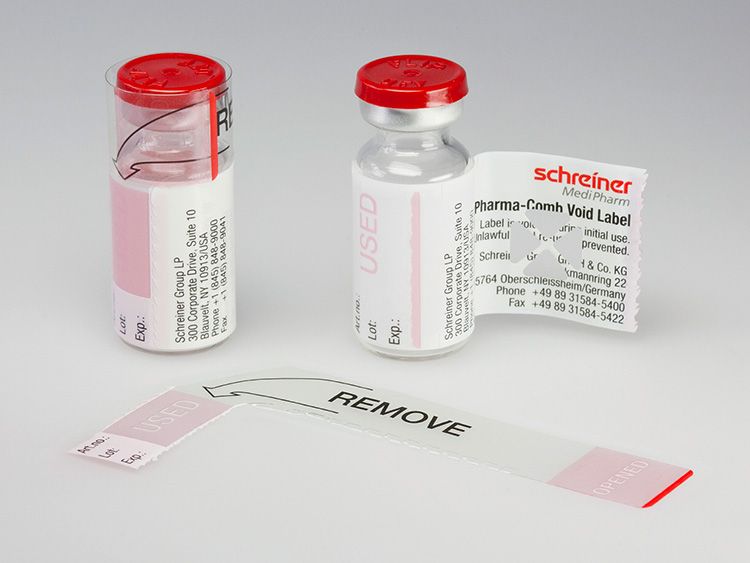
                logos

                Top 10 Global Carton Packing Machine Manufacturers:The Definite Guide In 2025

                Top 10 Global Carton Packing Machine Manufacturers:The Definite Guide In 2025

                You will never be unfamiliar with cartons, you can always see them, when you buy a whole case of drinks, when you pick up your expresses, you can say that cartons extend in all aspects in your life. With such a large amount of cartons, industries have great demand of carton packing machines.

                If you also have a demand of purchasing carton packing machine, this blog will be helpful to you, you will learn the top 10 global carton packing machine manufacturers in this blog and can make a certain choice among these manufacturers. Don’t wait, let’s explore together!

                Rank Manufacturer Headquarter
                1 Syntegon Germany
                2 Marchesini Italy
                3 Uhlmann Germany
                4 CMC Machinery Italy
                5 Allpack China
                6 Jacob White UK
                7 Econocorp USA
                8 PMR Packaging Canada
                9 OPTIMA Germany
                10 Omori Japan

                LOGO

                Headquarter: Germany

                Company Background & Information
                Syntegon
                Syntegon is a leading packaging & processing machine manufacturer which was established in 1861, until now it has been more than 160 years. This company provides high level processing machines, primary packaging machines and secondary machines for various industries.

                This is a large scale company which has over 1800 employees worldwide, which make it has the ability to provide machines for global people.

                Key Products

                • CCM 3100 Carton Packing Machine
                • Elematic 1001 TL Carton Packing Machine
                • Elematic 2001 Carton Packing Machine

                CCM 3100

                Elematic 1001 TL

                Elematic 2001

                Recommend Reason

                • The carton packing machine of Syntegon takes advantages of high flexible design, high efficient operation and reliable performance. It looks high level and can be suitable for many industries.
                • The carton packing machines of Syntegon has high speed, they can pack up to 40 cartons per minute.
                • Syntegon has accumulated much experience in the past 160 years, and it also insists innovation, the company develops new technologies constantly, it possesses 1800 patents now.

                Headquarter: Italy

                Company Background & Information

                Marchesini-Group

                Marchesini is a pioneer in the packaging industry, it was established in 1974, at the beginning it was a small company but now it is a large scale group which consists of different brands. The company is an international company which possesses representative offices in 68 countries so that it has a wide range of selling network.

                Key Products

                • MA360 Carton Packing Machine
                • MA50-80 Carton Packing Machine
                • MAV60 Carton Packing Machine

                MA360

                MA50-80

                MAV60

                Recommend Reason

                • The Marchesini’s carton packing machines are designed modern and high end, they have high production speed and high precision, they are suitable for different scales of productions.
                • Marchesini provides a variety of carton packing machines which are of different models and designs, therefore, the company can give the most proper packaging solutions for customers.
                • Marchesini has strong social responsibility, it insists on integrity operation and sustainable development, thus it is renowned in the packaging industry.

                Headquarter: Germany

                Company Background & Information

                UHLMANN

                Uhlmann is a company which mainly provides solutions and packaging machines for bottles, blisters and cartons, it is a leading packaging machine manufacturer in Germany. The company was founded in 1948, it has locations in 40 countries which covers each continent, and the company possesses over 1,650 dedicated employees.

                Key Products

                • EC12 Carton Packing Machine
                • ECP12 Carton Packing Machine

                EC12

                ECP12

                Recommend Reason

                • The carton packing machines of Uhlmann are reliable and user-friendly, they can be operated simply and safely, these machines can pack 12 cartons per minute.
                • Uhlmann’s carton packing machines adopt the newest and the most advanced technologies, therefore, they have world class performance and high level design, which make them be popular on the market.
                • Uhlmann provides packaging solutions and machines for many famous international companies and has established long-term cooperation with them, which means it is a reliable company.

                Headquarter: Italy

                Company Background & Information

                CMC Machinery

                CMC Machinery has been established for more than 40 years, it is an world-famous Italian packaging machine manufacturer, it is specialized in packaging automation.

                The company operates its business in over 25 countries, in the past history, it has installed more than 3,000 packaging machines all over the world and has gained many good reviews from its customers.

                Key Products

                • CMC Carton Packing Machine

                CMC Carton Packing Series

                Recommend Reason

                • The carton packing machine of CMC Machinery has a pretty high speed, it can pack 3.5 cartons per second, thus it is quite suitable for large scale production which has high requirement for high efficiency.
                • As is mentioned that CMC Machinery has distributors in more than 25 countries, thus it can provide machines and services for more people worldwide.

                Headquarter: China

                Company Background & Information

                Allpack is a famous packaging machine manufacturer and supplier which is headquartered in China, it has been established for 12 years. This company provides a wide range of packaging machine which include carton packing machines, sealing machines, filling machines, weighing machines, etc.

                Allpack always provides customers with excellent and effective packaging solutions, and it is responsible during the whole cooperation process, gives customers high quality services.

                Key Products

                • FXJ-5050Q Automatic Carton Packing Machine
                • FXJ-5050Z Automatic Carton Packing Machine
                • FXJ-5050ZA Automatic Carton Packing Machine

                FXJ-5050Q

                FXJ-5050Z

                FXJ-5050ZA

                Recommend Reason

                • Allpack’s carton packing machines are designed compact, they are equipped with wheels which can be fixed, therefore, these machines are convenient to move.
                • The carton packing machines of Allpack are versatile, they can be used to pack all kinds of cartons which are different in size, and these machines are easy to operate, stable and fast.
                • Allpack has abundant experience, comprehensive production infrastructure, a team of responsible and dedicated employees, which make it become a leading packaging machine manufacturer.

                Headquarter: UK

                Company Background & Information

                Jacob White Packaging

                Established in 1911, Jacob White Packaging has a long history which is more than a century, it is a manufacturer which is specialized in cartoning equipment, it supplies top class carton packing machines. In addition, the company also provides customized service, it provides the most proper carton packing machine for each customer.

                Key Products

                • NS-X 3.1 Semi Automatic Carton Packing Machine
                • NS-X 5 Automatic Carton Packing Machine

                NS-X 3.1 Semi Automatic Carton Packing Machine

                NS-X 5 Automatic Carton Packing Machine

                Recommend Reason

                • The carton packing machines of Jacob White Packaging are large sized equipment, they can be integrated into production lines, these machines are durable and stable.
                • The carton packing machines of Jacob White Packaging are PLC controlled, the HMI let the machine work normally, these machines conform to CE standard, they are highly recognized by customers.
                • Jacob White Packaging has exported over 6,000 carton packing machines to over 62 countries, which approves its influence as an international company.

                Headquarter: USA

                Company Background & Information

                Econocorp has been created for more than 60 years, it is famous by its secondary packaging machines, the company provides high quality carton packing machines, cartoning machines and tray forming machines. This company aims to solve the demands of its customers and improve the production efficiency for them.

                Key Products

                • Automatic Carton Packing Machine

                ecornocorp automatic carton packing machine

                Recommend Reason

                • The carton packing machines of Econocorp are designed to help with industries which has cartoning demand, these machines are suitable for low to moderate productions, they can meet different packing requirements.
                • Econocorp’s carton packing machines can pack up to 10 cartons per minute, they have high cost effective, they are easy to operate and need low maintenance.
                • Econocorp provides high quality customer service, strong technical support and after-sales service for its customers, for the purpose to establish long-term cooperation with them, this is a absolutely believable company.

                Headquarter: Canada

                Company Background & Information

                PMR Packaging

                PMR Packaging was established in 1991, it is a leading packaging machine manufacturer, it focuses on engineering technology and innovation. The company put customers’ demands at first, try its best to provide perfect packaging solutions and equipment for customers.

                The company supplies various packaging machines which include carton packing machines, baggers, capping machines, tablet counting machines, case erectors, filling machines, flow wrappers and so on, which can meet most of the packaging demands.

                Key Products

                • CT – MODEL SCF-20L
                • CT – MODEL SLP-25
                • CT – MODEL UNICELL-20R

                CT – MODEL SCF-20L

                CT – MODEL SLP-25

                CT – MODEL UNICELL-20R

                Recommend Reason

                • PMR Packaging provides different models of carton packing machines which are suitable for different applications, these machines are made of high quality stainless steel so they are very durable.
                • PMR Packaging’s carton packing machines have high production speed, they can pack up to 20 cartons per minute.
                • PMR Packaging has abundant experience and expertise, it can come up with excellent packaging solutions to you, which can solve your problem quickly.

                Headquarter: Germany

                Company Background & Information

                OPTIMA

                OPTIMA Packaging was established in 1922, until now it has been a century, it is a family-owned company and has passed trough 3 generations leaders. The company is a global leading packaging machine manufacturer which has a large scale, it has 20 facilities and 3,000 employees in the range of the whole world.

                Key Products

                • OPTIMA CBF Carton Packing Machine
                • OPTIMA CMF Carton Packing Machine

                OPTIMA CBF Carton Packing Machine

                OPTIMA CMF

                Recommend Reason

                • The carton packing machines of OPTIMA Packaging have high output, they can pack up to 150 pieces of cartons per minute, they are suitable for large scale production.
                • OPTIMA Packaging has locations which are located in Europe, Asia, South America and North America, therefore, no matter where you are, it will be quite convenient for you to buy a packaging machine which is supplied by this company.

                Headquarter: Japan

                Company Background & Information

                Omori

                Omori Machinery was founded in 1948, it manufactures and supplies packaging machines which are used to pack food products, daily necessaries and medicines. It provides various packaging machines such as HFFS machines, thermoforming machines, tray wrappers, carton packing machines, etc.The company has its headquarter in Japan and many divisions around the world.

                Key Products

                • ASC-300 Carton Packing Machine
                • X1 Series Carton Packing Machine
                • RC-1000 Carton Packing Machine

                ASC-300 Carton Packing Machine

                X1 Series Carton Packing Machine

                RC-1000 Carton Packing Machine

                Recommend Reason

                • The carton packing machines of Omori Machinery have high speed, the speed can up to 240 cartons per minute, and there are different models which have different speed, therefore, they are suitable for different scale of productions.
                • The company has a long history which reaches 75 years, and the company is specialized in producing packaging machines, thus it has much experience in this field, you can totally trust it.

                Conclusion

                After learning the top 10 global carton packing machine manufacturers, do you have your own choice now? Which one do you think is the best? To be honest, these manufacturers are all highly recognized in the packaging industry, if you can not make a decision, you can contact us to ask for some suggestions.

                Don't forget to share this post!

                CONTACT US

                Tell us your raw material and project budget to get quotations within 24 hours.

                WhatsApp Us: +86 156 0710 8630

                Invalid Email
                Invalid Number

                Top 10 Global Carton Packing Machine Manufacturers:The Definite Guide In 2025 Read More »

                LOGOS

                Top 10 Global Bottle Filling Machine Manufacturers:The Complete Guide In 2025

                Top 10 Global Bottle Filling Machine Manufacturers:The Complete Guide In 2025

                As you know, there are many products, such as drinks, shampoos, detergent, pesticide, oral liquid,etc, are packed by bottles, therefore, bottle filling machines are quite important in a variety of industries. There are thousands of models of bottle filling machines on the market, it will be difficult for you to choose a proper one for your business.
                But don’t worry, you just need to look through this blog to get the list of the top 10 global bottle filling machine manufacturers, you will learn their backgrounds, key products and advantages. By reading this blog, you will be able to choose high quality bottle filling machine and reliable manufacturers.

                Rank Manufacturer Headquarter
                1 ProMach USA
                2  Coesia Italy
                3 KHS Group Germany
                4 Accutek USA
                5 Allpack China
                6 E-PAK Machinery USA
                7 Ave Technologies Australia
                8 AMS Ferrari Italy
                9 I.C. Filling System UK
                10 Marin G. & C. Italy

                bottle filling machine manufacturers

                Headquarter: USA

                Company Background & Information

                ProMach

                ProMach is a world famous packaging machine manufacturer which provides a wide range of packaging machines such as bottle filling machines, capping machines, labeling machines and coding machines, etc. ProMach is a large scale group which consists of many different brands that provide different types of packaging machines.

                Key Products

                • SL Inline Bottle Filling Machine
                • SR8DC Rotary Bottle Filling Machine

                SL Inline Bottle Filling Machine

                SR8DC Rotary Bottle Filling Machine

                Recommend Reason

                • The bottle filling machines of ProMach have modern designs, they can fill liquid products into bottles in a high speed which can up to 600 bottles per minute.
                • The bottle filling machines of ProMach are versatile, they are suitable for filling various products such as dry, liquid, semi-viscous and viscous products.
                • ProMach takes high importance of innovation, the company always keeps the largest passion to develop new technologies and serve for its customers.

                Headquarter: Italy

                Company Background & Information

                COESIA

                Established in 1923, Coesia has existed for a century, it is a leading packaging machine manufacturer which serves for a variety of industries. Coesia is a group that consists of 21 companies, it has 8,000 employees totally, because of its large scale, the company can serve for customers from all over the world.

                Key Products

                • Autoprod CF-840Bottle Filling Machine
                • WMM Bottle Filling Machine

                Autoprod CF-840

                Recommend Reason

                • The bottle filling machines of Coesia are accurate and fast, they can ensure a perfect filling effect, which can improve the production efficiency of industries.
                • Coesia possesses 21 companies which provide different models of bottling filling machines, these machines are different in design, extra-function, size, speed, thus they can meet all demands on the market.
                • Coesia operates its business in the whole globe, it possesses 141 operating units and 86 production plants in 36 countries, it is such an international company that has high influence.

                Headquarter: Germany

                Company Background & Information

                KHS

                KHS Group has been founded for more than 150 years, it is specialized in designing and producing filling and packaging machines, besides, the company is a leading expertise in the filling industry. KHS Group insists sustainable development and aims to provide customers with long-term and effective packaging solutions.

                Key Products

                • Innofill Glass DPG Bottle Filling Machine
                • Innofill Glass Micro DPG Bottler Filling Machine

                Innofill Glass DPG Bottle Filling Machine

                Innofill Glass Micro DPG

                Recommend Reason

                • The KHS bottle filling machines are suitable for industries which have high requirement for production capacity, these machines are large sized filling machines which can fill a large number of bottles in a short time.
                • KHS Group is a reliable company which establishes long-term cooperation with its customers, it always comes up with excellent filling and packaging solutions, so it is renowned in the industry.

                Headquarter: USA

                Company Background & Information

                ACCUTEK

                Accutek was established in 1989, it is an outstanding filling and packaging machine manufacturer in the USA, its filling machines are highly recognized in industries. Besides filling machines, the company also provides capping machines, labeling machines and so on, it keeps on providing high quality and ease-to-use machines to the market.

                Key Products

                • MINI-PINCH Bottle Filling Machine
                • AUTO MINI PINCH Bottle Filling Machine

                MINI-PINCH Bottle Filling Machine

                AUTO MINI PINCH Bottle Filling Machine

                Recommend Reason

                • The bottle filling machines of Accutek are equipped with many nozzles so that they can fill several bottles simultaneously, which can improve the production efficiency.
                • Accutek’s bottle filling machines are designed compact, they have simple structure, which make them easy to operate and move, it is quite convenient for the operator.
                • Accutek provides high quality customer services and technical supports, it possesses plenty of skilled and experienced technicians who will serve for customers at any time.

                Headquarter: China

                Company Background & Information

                With a 12 years’ history, Allpack is one of the global leadership in packaging machine manufacturing filed, this company provides a complete range of packaging machines which have top class quality. The company has strong strength which supports it to provide high quality service and equipment for customers.

                Key Products

                • Pneumatic Bottle Filling Machine
                • Double Head Bottle Filling Machine

                Pneumatic Bottle Filling Machine

                Double Head Bottle Filling Machine

                Recommend Reason

                • The bottle filling machines of Allpack are suitable for filling liquid products which have different fluidity and viscosity so that they can meet the filling demands of different industries.
                • Allpack’s bottle filling machine is equipped with drip tight filling mouth which can avoid material waste.
                • The bottle filling machine of Allpack is equipped with high quality barometer, which brings great water and oil separation effect, as a result, the service life of the machine is extended.

                6. E-PAK Machinery

                epakmachinery

                Headquarter: USA

                Company Background & Information

                E-PAK Machinery is a well-known American packaging machine manufacturer which mainly supplies filling machines, capping machines, labeling machines and coding machines. These machines can be combined to a complete production line, which will be more convenient for industries.
                Besides high quality packaging machines, the company also provides good service, its technicians are 24/7 online, for the purpose to help customers at the first time.

                Key Products

                • Gravity Bottle Filling Machine
                • Single Head Tabletop Bottle Filling Machine

                Gravity Bottle Filling Machine

                Single Head Tabletop Bottle Filling Machine

                Recommend Reason

                • E-PAK Machinery provides different types of bottle filling machines which have different extra-functions, they can meet different demands of industries.
                • The bottle filling machines of E-PAK Machinery are designed compact, they are easy & safe to operate, thus they are preferred by many customers.
                • E-PAK Machinery keeps good cooperation relationship with its customers, it is reliable and worthy to trust.

                Headquarter: Australia

                Company Background & Information

                AVE

                Ave Technologies was founded in 1964, it is a innovator in bottle filling industry, it designs and manufactures all kinds of bottle filling equipment to meet the changing market demand.

                This company possesses much experience which let it be able to provide perfect packaging solutions for customers, so it has accumulated good reputation in packaging and filling industry.

                Key Products

                • AVE Volumetric Bottle Filling Machine

                AVE Volumetric Bottle Filling Machine

                Recommend Reason

                • Ave Technologies’ bottle filling machines have high accuracy and high production capacity, they can fill many bottles at the same time.
                • Ave Technologies provides different types of bottle filling machines, such as gravity type, volumetric type, electric type, isobaric type and vacuum type, these bottle filling machines are suitable for different sectors.
                • Ave Technologies has been established for nearly 60 years, it has accumulated much experience and adopts it into its filling machines, therefore, you can trust in the quality of these machines.

                Headquarter:Italy

                Company Background & Information

                AMS Ferrari

                Kawashima was founded in 1912 in Japan. The company has gained popularity for its efficacious wrapping machines.They mainly pack snacks, crackers, coffee, petfood cheese, and cookies. Separate machines have been made with automatic and robotic qualities that work self-sufficiently while generating high output. Kawashima now has 247 employees working in different countries.

                Key Products

                • RedBlock Glass Bottle Filling Machine
                • Canfillmatic Bottle Filling Machine

                RedBlock Glass Bottle Filling Machine

                Canfillmatic Bottle Filling Machine

                Recommend Reason

                • AMS Ferrari supplies a large amount of bottle filling machines which are of different models, these machines are suitable for filling different types of bottles such as glass bottles, PET bottles and so on.
                • The bottle filling machines of AMS Ferrari are suitable for a wide range of liquid products such as dense and semi-dense liquids, viscous and semi-viscous liquids, etc.
                • AMS Ferrari’s bottle filling machines have high production speed which can up to fill 3,000 bottles per minute, they are quite suitable for large scale production.

                Headquarter: UK

                Company Background & Information

                I.C. Filling System

                Headquartered in Italy IMA is the international leader in developing durable and efficient wrapping machines since 1961. The company is keen to provide its customers with new technologies of packing. Their fast machines have the capacity to pack hundreds of products in just minutes. The company aims at saving food with good conditioning packaging and preventing it from wastage.

                Key Products

                • Semi Automatic Bottle Filling Machine

                Semi Automatic Bottle Filling Machine

                Recommend Reason

                • The bottle filling machines of I.C. Filling System are equipped with the most advanced components, thus they have excellent performance, can bring high profit to businesses.
                • I.C. Filling System mainly provides manual and semi automatic bottle filling machines, these machines are stable and durable, they are suitable for small and medium scale production.

                Headquarter: Italy

                Company Background & Information

                Marin G. & C.-1

                Marin G. & C. has been established for more 65 years, it is a large scale packaging machine manufacturing company which operates its business in 104 countries. This company provides quantities of packaging machines such as filling machines, capping machines, labeling machines, case packing machines and so on.

                Key Products

                • FM 2 CS/MS Bottle Filling Machine
                • MB PN 24 Bottle Filling Machine

                FM 2 CS MS Bottle Filling Machine

                MB PN 24 Bottle Filling Machine

                Recommend Reason

                • The bottle filling machines of Marin G. & C. can fill liquid products into containers continuously, which can largely improve the production efficiency, therefore, these machines are flavored by industries.
                • Marin G. & C provides all kinds of bottle filling machines, from small size to large size, from manual to fully automatic, no matter what kind of bottle filling machine you need, the company can provide it for you.
                • These bottle filling machines can fill a wide range of bottles which have different dosages, and the filling speed and accuracy are amazing.

                Conclusion

                In a word, the above top 10 global bottle filling machine manufacturers are all trustworthy, each of them has its own strength, no matter which one you choose, you will get high grade bottle filling machine. So, which manufacturer is the best in your mind? If you can not choose one of them, please contact us, we will give you professional advice.

                Don't forget to share this post!

                CONTACT US

                Tell us your raw material and project budget to get quotations within 24 hours.

                WhatsApp Us: +86 156 0710 8630

                Invalid Email
                Invalid Number

                Top 10 Global Bottle Filling Machine Manufacturers:The Complete Guide In 2025 Read More »

                Pleasant-Packaging

                Milk Filling Machine: The Complete Buying Guide In 2025

                Milk Filling Machine: The Complete Buying Guide In 2025

                Milk-Filling-Machine

                With increasing population and global requirement, it has been a challenge to fill milk manually. Milk filling machines are one of the modern ways of filling milk in different sizes of cans, bottles and jars. It supports in accurate filling of milk product in food and pharmaceutical industry. The milk remains fresh for a longer period as it is sealed and packed with airtight sealing feature.

                With drastically growing demand of milk filling machine, many manufacturers have started to produce their own type of machine. Allpack is also one of the leading manufacturers of milk filling machines and provides best solutions to its customers. This buying guide assists in selecting the best milk filling machine for your setup and will give you all related information. So let’s go!

                  Add a header to begin generating the table of contents

                  1. What Is A Milk Filling Machine?

                  What-Is-A-Milk-Filling-Machine

                  Globally liquid milk and dairy products are now packed in specific bottles, containers and jars. For filling of these products, milk filling machines are used by many of the manufacturers as it gives accurate filling results irrespective of what shape or size it has to fill.

                  A milk filling machine can be used to fill natural milk, pasteurized milk or flavored type milk. Milk is first inserted into huge storage containers and from it is carried to the filling nozzle which dispenses accurate amount of milk. Milk filling machines are mostly used in food, dairy, pharmaceutical and also sometimes in distribution industry where milk is automatically filled to produce thousands of bottles in a single day.

                  2. What Are The Applications Of A Milk Filling Machine?

                  Some of the applications of milk filling machines are

                  • Food Industry

                  Food-Industry

                  Milk filling machines are mostly used in food industry as multiple types of milk are packed in containers and bottles of different sizes and shapes. Both liquid and powdered milks are being filled using this type of machine. Flavored milk are globally consumed in large quantities and milk filling machine supports food industry to fulfill the requirements by quick and efficient results.

                  • Dairy Industry

                  Dairy-Industry

                  Dairy Industry is also one of the sub types of food industry but it totally depends on the products related to dairy farms. Nowadays large number of dairy industries are present and using milk filling machines to speed up their productivity and lie of customers’ expectations. Pouches, bottles, containers are filled with dairy products like milk, flavored milk, fresh creams and yogurt with pleasant packaging results.

                  • Pharmaceutical Industry

                  Pharmaceutical-Industry

                  Pharmaceutical industries are also one of the leading users of milk filling machines. Milks produced in this type of industry are usually composed of several vitamins, calcium’s and other ingredients that are necessary to fulfill human body requirements. These types of pharmaceutical milk products are also packed using milk filling machines.

                  3. What Are The Advantages Of A Milk Filling Machine?

                  Advantages-Of-A-Milk-Filling-Machine

                  As milk products ease in the reproduction of bacterial growth, it is always a challenge to maintain its purity and freshness. Milk filling machines have several advantages in this regard and some of them are

                  • Hygienic Filling 

                  Hygienic-Filling 

                  As milk filling machines are easy to clean and wash therefore it guarantees contamination free filling of milk and keeps product freshness alive. This type of milk can be used for a much longer period.

                  • Consistent Filling 

                  As the construction of a milk filling machine, there are proper photo and pneumatic sensors that are used to sense the container and fill an accurate amount of product. The consistency remains throughout the process and gives unique results even in large batches.

                  • Improved Productivity

                  Improved-Productivity

                  Industries that are involved in production of bulk quantity milk products use milk filling machines to enlarge their production capacity. Large batches can easily be produced using these machines and with quality results.

                  • Time and Energy Saving

                  Time-and-Energy-Saving

                  Production of milk filling machine involves less manpower and this ensures a greater saving of time. Also the machines consumes less utilities during the operation and thousands of packed products are carried with less power consumption. This makes the process easy and economical.

                  • Pleasant Packaging

                  Pleasant-Packaging

                  A milk filling machine also has an ability to package milk products into bottles and cans in an efficient manner. The labeling process be incorporated within a milk filling machine that gives pleasant looking designs and attracts customer towards it.

                  4. What Is The Working Principle Of Milk Filling Machine?

                  Working-Principle-Of-Milk-Filling-Machine

                  A milk filling machine has a complex structure but operates in a simpler way. It depends upon the volume and weight of the milk product and works accordingly. The common steps involved in the operation of a milk filling machine are

                  • Initially the container or hoppers are cleaned properly to avoid contamination and then filled with milk product that is to be packaged.
                  • In the second step the filling bottles, cans or containers are placed manually under the filling nozzle or automatically using conveyor belts.
                  • The filling packaging once detected by the sensors present in a milk filling machine direct the system to start the outflow of milk product.
                  • As the system gets its signal, it opens the valve of filling nozzle and allows the continuous flow of milk.
                  • The machine uses both volumetric and weighted feature that once the bottles are filled the system automatically shuts the valve and stops the flow.
                  • Accurate and desirable amount is filled into the packaging material without any tolerance and wastes. After filling of milk into packaging material, it is further moved where capping, labelling and coding processes are carried out.
                  • The finished products are moved onto the same conveying system and at the end they are packaged in their respective packaging form.

                  5. What Are The Main Components In Milk Filling Machines?

                  Main-Components-In-Milk-Filling-Machines

                  The main components in a milk filling machines are

                  • Monitoring System

                  A monitoring system in a milk filling machine allows the operator to see complete machine operations. Monitoring system also helps in setting the filling parameters of machine like pressure, volume, conveyor speed and etc. Also, in case of any abnormality or unusual activity this monitoring system displays the fault and also identifies the affected area.

                  • Feed Hopper

                  Feeding hopper or containers are the regions where the milk is filled that is to be packaged. These containers sometimes carry raw milk that is flavored, pasteurized or mixed is further containers and us prepared as final packaging product. There is also a small hopper ahead of small milk filling machines which are used for low production setups.

                  • Sensors

                  Sensors are the main security concerns that are built-in in a milk filling machine. These sensors are used for identification of bottles or containers that whether they are placed exactly under filling head or not. After confirming the presence by these sensors, the system allows the filling head to release milk product present in the hopper or feeding area.

                  • Filling Head

                  Filling heads are the one from where the milk product is released into the bottles or conveyors. These filling heads are made up of stainless steel that never allows as contamination or rusting. Filling heads are also easy to remove and clean and are available in different opening sizes depending upon the packaging product.

                  • Mechanical Drive System

                  A mechanical drive systems is the main mechanism controller that includes all motors, actuators and gears. This mechanical system ensures proper movement of all these mechanical parts during operation and helps in smooth productivity. Also the milk released in bottles is maintained by these mechanical drivers to ensure unique packaging process.

                  • Conveyor

                  Packaging bottles, containers and jars are moved through all the stages of a milk filling machine by the conveying system. This conveying system includes both loading and offloading side conveyors. Human security is also ensured when products are moved on these conveyors and come out as finished goods. Synchronization among systems can also be managed by using an efficient conveying system.

                  • Controlling System

                  Controlling system is actually a whole panel or box carrying relays, circuits and programmable controllers that are responsible for milk filling machines operation. This controlling system is sometimes present at the start of machine or at the back. Machines emergency switches are also incorporated in this controlling system.

                  6. What Are The Different Types Of Milk Filling Machines Available Globally?

                  There are several types of milk filling machines depending upon the automation level and filling requirements. Some of the types of milk filling machines are

                  • Fully Automatic Milk Filling Machine

                  Fully-Automatic-Milk-Filling-Machine

                  Fully automatic milk filling machines are completely based of automatic processes and no human involvement is present. Machines work directly from the picking of packaging material to the filling of it and then final packaging stage, all the stages are performed by fully automatic milk filling machine itself. This ensures high production volumes with greater human-machine safety.

                  • Semi-Automatic Milk Filling Machine

                  Semi-Automatic-Milk-Filling-Machine

                  Semi-automatic milk filling machine has a human-machine interface and involves both features in its process. The operator is first responsible for placing the product into the system and then involves at the final stages for picking it up. The center process is performed automatically by the machine and fills bottles, cans, containers and jars at an accurate level. Semi-automatic milk filling machines are mostly used in small and medium scale industries where production requirements are not that much high as large scale industries.

                  • Piston Milk Filling Machine

                  Piston-Milk-Filling-Machine

                  A piston milk filling machine involves piston operation while dispensing milk product into the packaging material. The to and fro movement of piston pushes specific volume of milk that is to be released into the containers and bottles. The machine depends upon its viscous nature and quantity.

                  • Overflow Milk Filling Machine

                  Overflow-Milk-Filling-Machine

                  An overflow milk filling machine as its name mentioned is dependent on the overflow level of milk product. The hoppers or feed systems are filled with specific amount of milk product and the excess is overflowed out of it. Mostly the milk products that have foamy nature are filled using an overflow milk filling machine.

                  • Weight Milk Filling Machine

                  Weight-Milk-Filling-Machine

                  This type of milk filling machine is used where the filling amount tends to be accurate at every level without any tolerance. The machine weighs the dispensed milk product and then cuts to the set level. High level of containers and valued products are usually filled using a weight milk filling machine.

                  • Pneumatic Milk Filling Machine

                  Pneumatic-Milk-Filling-Machine

                  Pneumatic type of milk filling machine uses air pressure instead of electrical signals. The shaft of cylinder is moved forward and backward for dispensing milk products and filling them in bottles, jars and containers.

                  • Gravity Milk Filling Machine

                  Gravity-Milk-Filling-Machine

                  As the name mentions, the milk product is filled in the feed system present at the top of machine. This filled product is travelled downward through gravitational pull and no external force is applied. The gravity is also responsible for further filling the packaging material with the product dispensed from the filling nozzle.

                  • Rotary Milk Filling Machine

                  Rotary-Milk-Filling-Machine

                  A rotational carousel or a rotational turret made up of stainless is used that moves the jars, bottles in this type of milk filling machine. Once the rotational cycle passes through the filling nozzle, the nozzle releases specific amount of milk product into it. The same turret takes the filled bottle out of the system and gets an empty one into the system in a similar manner.

                  7. How The Level OfFilling Is Maintained In A Milk Filling Machine?

                  How-The-Level-Of-Filling-Is-Maintained-In-A-Milk-Filling-Machine

                  A milk filling machine contains few advanced feature that are directly involved in maintaining the filling level in it. Some of them are

                  • Photoelectric Sensors

                  One of the highly advanced technology used for maintaining the level are the photoelectric sensors. These sensors are initially used for detecting the presence of bottles or jar and then allow the system to release. Once the desired level is achieved, the height sensor detects the level of filled material and closes the filling nozzle once it’s achieved.

                  • Timers

                  The other unique components are the timers and actuators. The operator initially according to the size and shape of filling bottles sets a specific time on which the milk is to be released. The timer is directly connected with the valve of filling nozzle and allows it to open only in that set time duration. This also gives us support in maintaining the filling level of a milk filling machine.

                  • Volume Controller

                  Volume-Controller

                  A volume controller is used for dispensing specific amount of milk product into the packaging material. It measure the weight and volume and gives continuous output to the main controller. The system cuts when the selected range of volume and weight is achieved.

                  • Overflow Gauges

                  Overflow gauges are also used for maintaining filling levels as they detect if any of the product comes out of the bottles or the filling range gets exceeded.

                  • Shut-off Valve

                  Shut-off-Valve

                  For maintaining filling levels shut-off valves are incorporated with the solenoid of filling nozzle. This solenoid switching is used for controlling the open and close mechanism of filling nozzle. It dispenses and shuts with the help of this shut-off valve.

                  8. What Are The Differences Between Semi-Automatic And Fully Automatic Milk Filling Machines?

                  Differences-Between-Semi-Automatic-And-Fully-Automatic-Milk-Filling-Machines

                  Both of the semi-automatic and fully automatic milk filling machines are distinguished on the bases of few important features. These are

                  • Level Of Automation

                  A working process of a semi-automatic milk filling machine has an involvement of both human and machine. The products are placed by the operator and the machine releases specific amount of milk product into it. Finally the operator is there for taking it out of the system.

                  Whereas the fully automatic milk filling machines complete relies on machines process. All the filling, packaging and labeling processes are carried out of machine in an efficient manner.

                  • Applications

                  Semi-automatic milk filling machines are mostly used is small and medium scale industries with a production capacity ranging 20 to 50 bottles per minute.

                  Fully automatic milk filling machines have high production volumes and are used in medium and large scale industries. The production capacity of fully automatic milk filling machine ranges in between 70 to 120 bottles per minute.

                  • Controls

                  In a semi-automatic milk filling machine the controls are available in front of an operator where he adjusts all the related parameters including speed, temperature, pressure and etc.

                  The operator has just to select the type packaging material and its type form the human machine interface and rest all the tasks are done by the machine itself.

                  9. How Can Milk Filling Machine Be Adjusted For Different Types Bottles And Different Sizes?

                  How-Can-A-Milk-Filling-Machine-Be-Adjusted-For-Different-Types-Bottles-And-Different-Sizes

                  Most of the milk filling machines are able to fill variety of bottles, cans, containers that are different in shapes and sizes. Some of the methods to adjust these sizes are according to their

                  • Different Opening Sizes

                  Different-Opening-Sizes

                  The machine mainly focuses on how the packaging material is gripped before filling of milk. For this a simple mechanism of grip is adjusted from bolts and nuts that is widen according to the opening size of packaging material.

                  • Width Size

                  These packaging materials including bottles, cans, jars and containers also are different in width size. An indexing system is incorporated in a milk filling machine that holds and releases these materials. It is adjusted by a gate system that open either large or small size bottles are to be filled. Also wing nuts are present there to tight the opening at desired position.

                  10. What Are The Differences Between Milk Filling Machine And Milk Powder Filling Machine?

                  Differences-Between-Milk-Filling-Machine-And-Milk-Powder-Filling-Machine

                  Milk filling machine and milk powder filling machines are two different types of machines that are distinguished based on following reasons

                  • Mechanism Of Product Filling

                  A milk filling machine mainly depends on the nature of liquid and are used based on volumetric and gravitational type of filling procedures.

                  Milk powder filling machines are entirely different in there filling mechanism and rely on vacuum or auger type of filling. It depends on the type of powder used and what substances are mixed with it.

                  • Filling Material

                  A milk filling machine is usually used to package liquid materials that turn out to be dairy products like yogurt, milk, fresh creams and etc.

                  On the other hand milk powder filling machine is used to package powdered form of milk that are in the shape of dry milk, powder milk, protein milk, caramel milk, pharmaceutical milk and etc.

                  • Packaging Material

                  Milk filling machines are used to fill liquid products into bottles, jars, containers, pouches, cans and sometimes cartons.

                  Milk powder filling machines pack products into pouches, bags, cans and containers made up of plastic and steel.

                  • Production Capacity

                  Both of the machines can be used in small, medium and large scale industries depending upon the type and class of machine an industry is using.

                  11. What Important Factors Should Be Considered Before Buying A Milk Filling Machine?

                  Important-Factors-Should-Be-Considered-Before-Buying-A-Milk-Filling-Machine

                  Following are the factors that should be considered before buying a milk filling machine

                  • Packaging Machine Type

                  Before considering a milk filling machine the manufacturers should select the best suitable type of machine according to its production setup. Either semi-automatic, automatic, volume, pneumatic or overflow the machine should be select with keen research.

                  • Size Of Bottle

                  The buyer should select the best type of machine that can singly be compatible with different sizes of bottles, jars and containers. This will make the system much economical.

                  • Sanitation Perspective

                  As milk can easily be contaminated and is a perishable material, the machine with best sanitation facility should be selected so that the process may remain fresh for longer period.

                  • Packaging Product

                  The buyer should be clear with what type of products will be packed using a milk filling machine. Machines with greater filling capabilities are more suitable for any filling line production setup.

                  Conclusion

                  In the modern world, usage of milk filling machines is increasing rapidly. Industries are focus on preparing health, high quality and efficiently packed products using milk filling machine. Allpack is here to provide you variety of milk filling machines and its accessories. If there is any question in your mind you can call our representative or visit our website https://www.allpackchina.com/.

                  Don't forget to share this post!

                  CONTACT US

                  Tell us your raw material and project budget to get quotations within 24 hours.

                  WhatsApp Us: +86 156 0710 8630

                  Invalid Email
                  Invalid Number

                  Milk Filling Machine: The Complete Buying Guide In 2025 Read More »
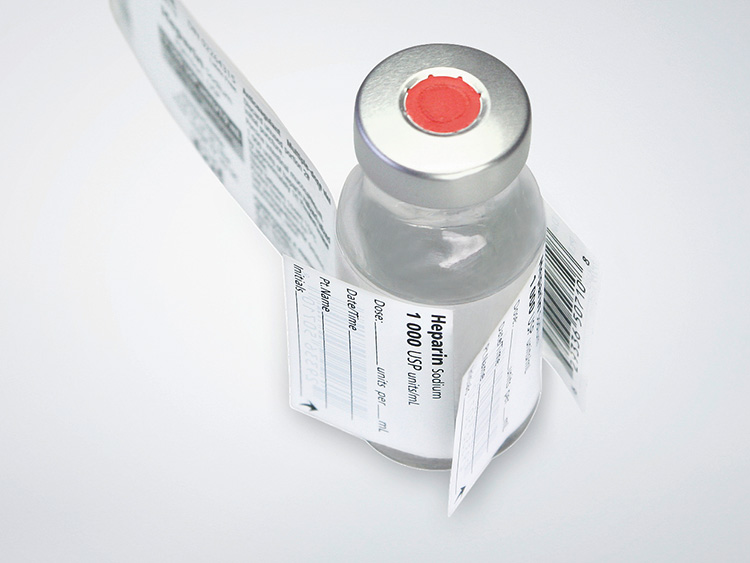
                  Scroll to Top