Author name: alei

Shrink Film

Shrink Film VS Stretch Film

Shrink Film VS Stretch Film

Are you confused about What type of packaging film actually you need? Well, don’t worry! This is normal. Because many of you think that they’re the same. Therefore, knowledge about these terminologies is mandatory for packaging purposes.
So if you’re a manufacturer, buyer, or purchaser you must go through this blog; here, we talked about the major pinpoint differences between shrink film vs stretch film. Let’s get into it!

    Add a header to begin generating the table of contents

    1.What Is A Shrink Film?

    Shrink Film

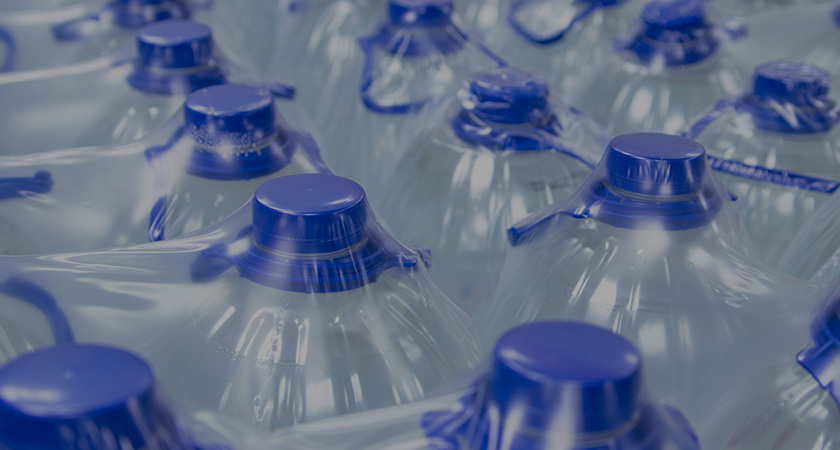
    Shrink film is a strong, durable, and stretchable polymer that is used to wrap around goods and products to protect them. It is made of polymer based plastic which includes polyvinyl chloride (PVC), polyethylene, and polyolefin.

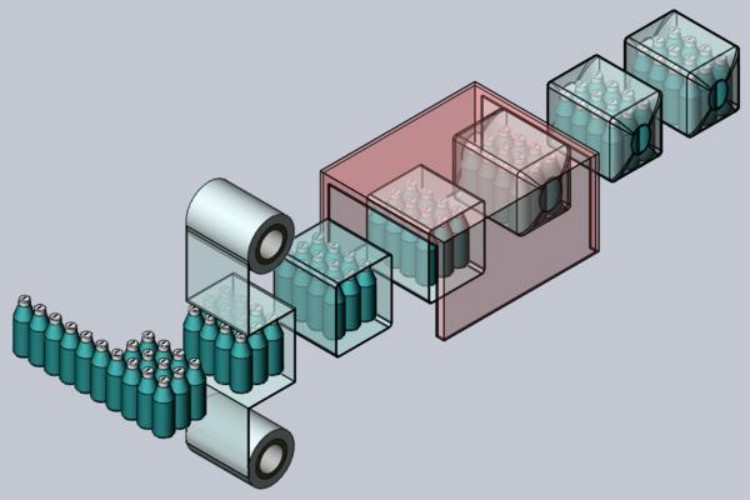
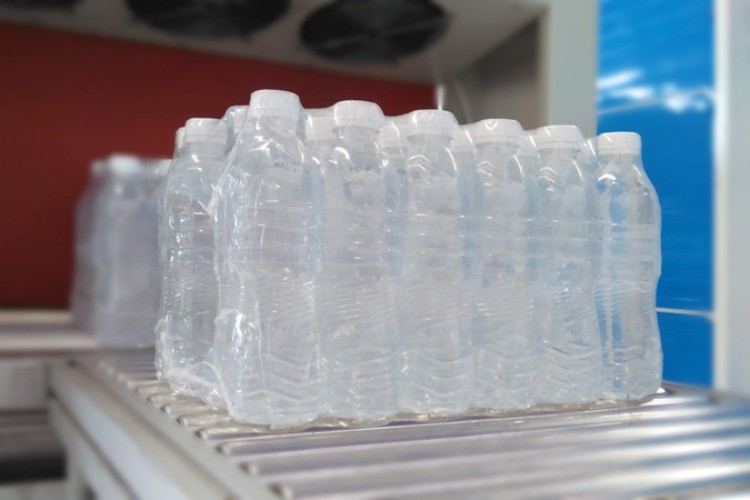
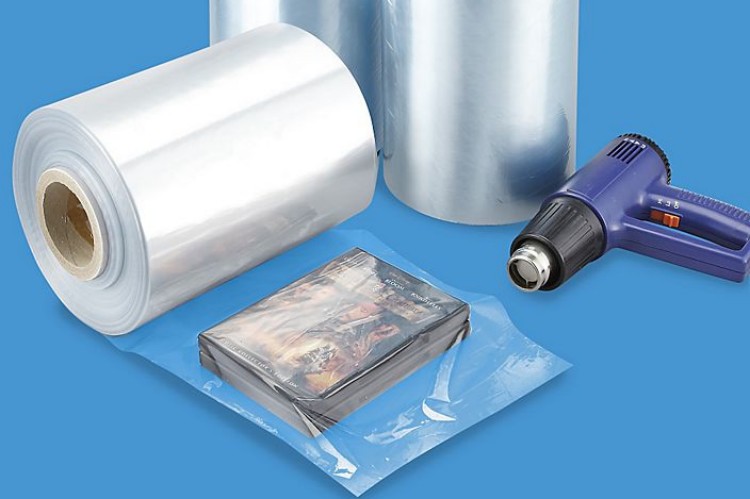
    Shrink film works on the basis of the heating process. The film is heated at a certain temperature with the help of an electric gun, gas heat gun or a conveyor heat tunnel.  As a result, the film tightly adheres to the product, enclosing it and protecting it from any damage. This film can be used to wrap various kinds of products such as bottles, food products, consumer goods, etc.

    2.What Is A Stretch Film?
    Stretch Film

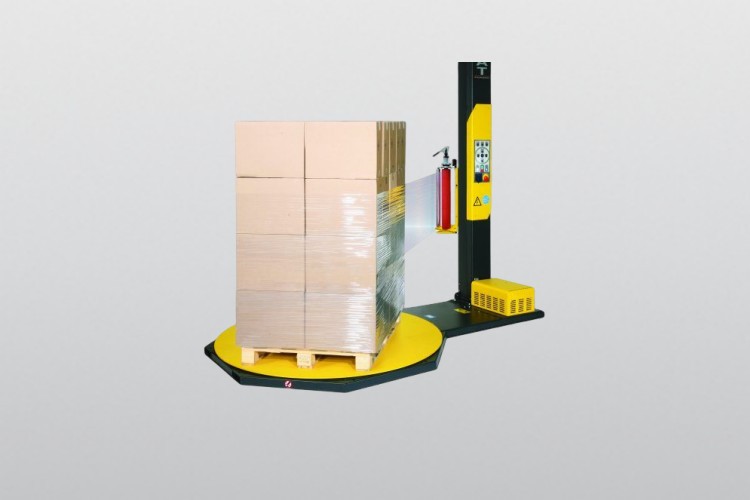
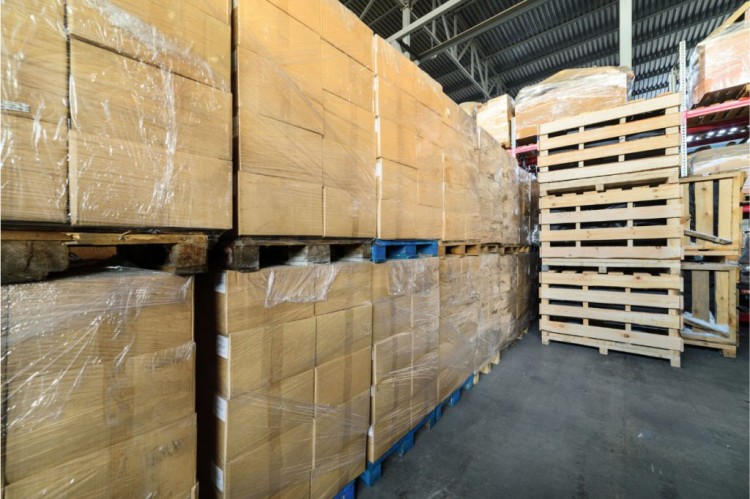
    Stretch film is a thin elastic polymer used to wrap around pallets or boxes. It is primarily made up of linear low density polyethylene, resins which are obtained from petroleum industry. These films easily enclose the goods inside, protecting it from any harm or damage during shipping, storage and distribution process.

    Since the stretch film is transparent, the goods inside can be easily identified or scanned, making its use extremely convenient. They are highly versatile and come various designs, shapes, sizes and length which can be customized according to the customer’s needs.

    3.What Are The Differences Between Shrink Film And Stretch Film?
    Differences Between Shrink Film And Stretch Film

    The shrink and stretch films are not only ideal for wrapping boxes, products and other consumer goods but also serve as a protective barrier against the external environment or any kind of damage. Despite these similarities, they have a major difference which involves heating. In shrink film, heating is applied to the film. After cooling, the film shrinks around the item more tightly, forming a protective layer over the item which can then be sent for shipping. Moreover, it does not have the capability to stretch unlike the stretch film.

    In stretch film, no heating is applied and the elastic film is wrapped around the box tightly. This film has the capability to stretch by 300% and when it tries to come back to its original shape, it firmly grasps the box it is wrapped around.

    4.What Are The Types Of Shrink Film?

    Shrink film consists of 3 types known as polyvinyl chloride (PVC), polyethylene and polyolefin. Let us discuss each type below.

    Polyvinyl chloride ( PVC )
    Polyvinyl chloride

    Polyvinyl chloride is well known to be lightweight, versatile and for its relatively cheap cost. It is one of the most common material to package goods due to its durability and effectiveness. It can be used for a number of products such as toys, furniture, bags, electrical appliances etc.

    Polyolefin

    Polyolefin

    Polyolefin is the strongest and the most durable type of shrink film available out there. Due to its high strength it is an excellent choice for goods which require high quality protection against any damage. They are used in various industries to make products such as caps, face masks and high performance filters.

    Polyethylene
    Polyethylene

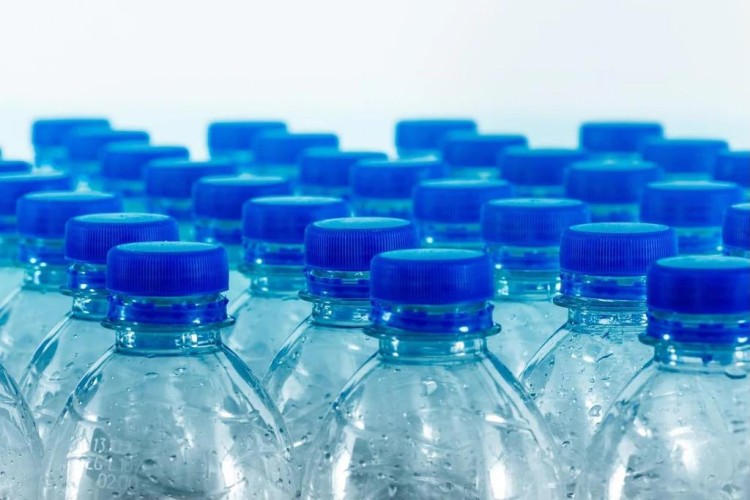
    Polyethylene is just like polyolefin except it contains ethylene which undergoes polymerization. It can be molded into various flexible packaging to make products like bottles, toys, bags etc. polyethylene itself has 3 forms known as high-density polyethylene, low-density polyethylene and linear low density polyethylene.

    5.What Are The Types Of Stretch Film?

    Stretch film has 2 common types known as hand stretch and machine stretch film. Let us discuss each type below.

    Hand stretch film
    Hand stretch film

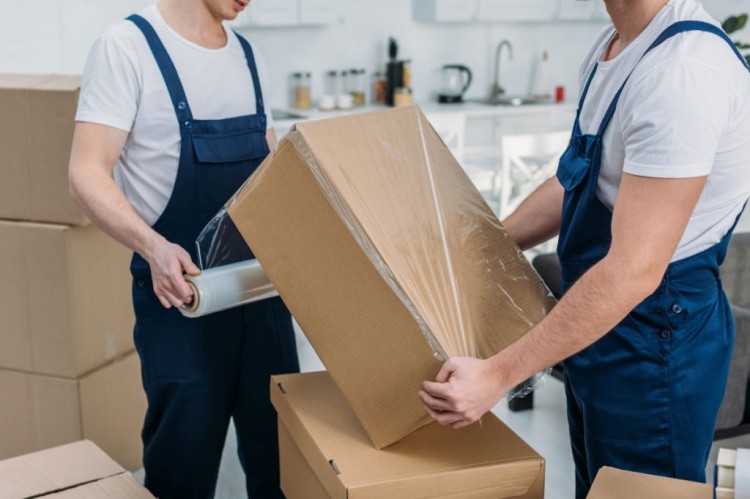
    Hand stretch film, as the name suggests is used to manually package goods. This film has smaller width as compared to machine stretch film in which the worker manually wraps the film around the concerned item. It is ideal for small scale businesses where the workshop or warehouse deals with low volume goods rather than high volume ones since the packaging is done manually, thus making the process time consuming.

    Hand stretch film is further divided into 3 categories

    • Blown hand film stretch: ideal for heavier items due to its load bearing property and high resistance.
    • Cast hand stretch film:  this type should be used when there is a need for tear resistance and superior puncture when the goods are being transported from one place to another.
    • Banding hand stretch film: this film offers extremely resistant cling for top banding pallets and is ideal for packaging smaller goods.

    Machine strech film
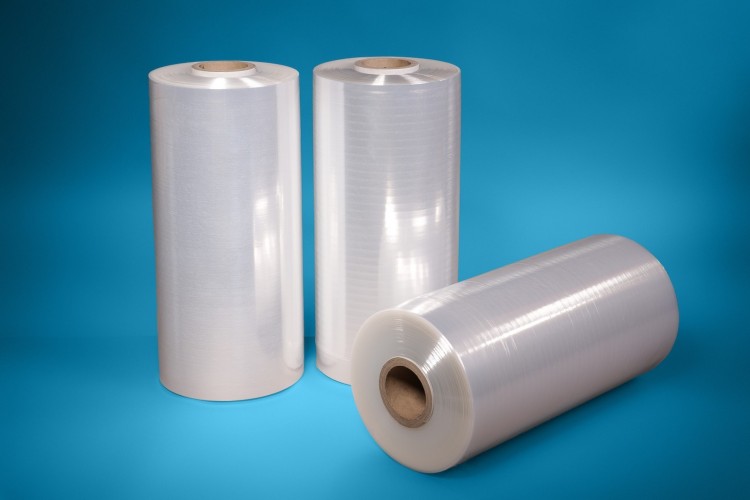
    Machine strech film

    Machine stretch film is strong, versatile, durable and highly resistant which is specially used for high volume goods. They have the unique capability of providing high strength and puncture resistant load retention needed to protect vulnerable goods.

    Machine stretch film is further categorized into following types

    • Blown stretch film: this film is made by the process of blown extrusion in which resins are heated and blown into a bubble which in turn is converted into a sheet that is rolled and applied to a core tube.
    • Cast stretch film: this film is made by the process of cast stretch in which resins are heated and fed through a series of cooled rollers which then solidifies the film.
    • Pre-stretched film: this film, as the name suggests is already stretched before it is used, that is, during the manufacturing process.

    6.What Types Of Equipment Is Used To Apply Shrink Film?

    The following equipments are used to apply shrink film

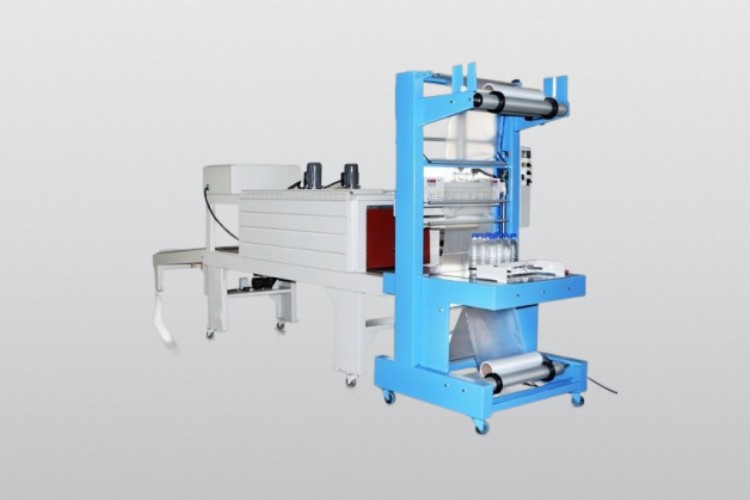
    Automatic side sealers
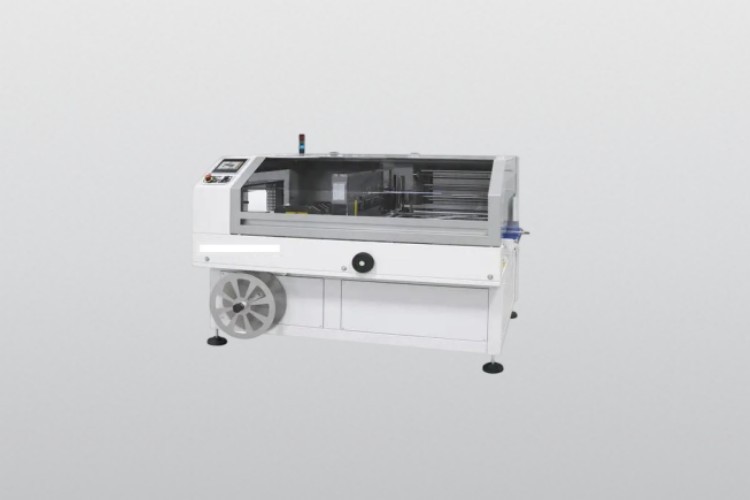
    Automatic Side Sealers

    This equipment is high speed which uses continuous motion to wrap the product. It does this with the help of a mechanical arm which trims and clings the film around the product. Due to its high speed, it is an excellent choice to use it in industries which need to wrap thousands of products in a single day.

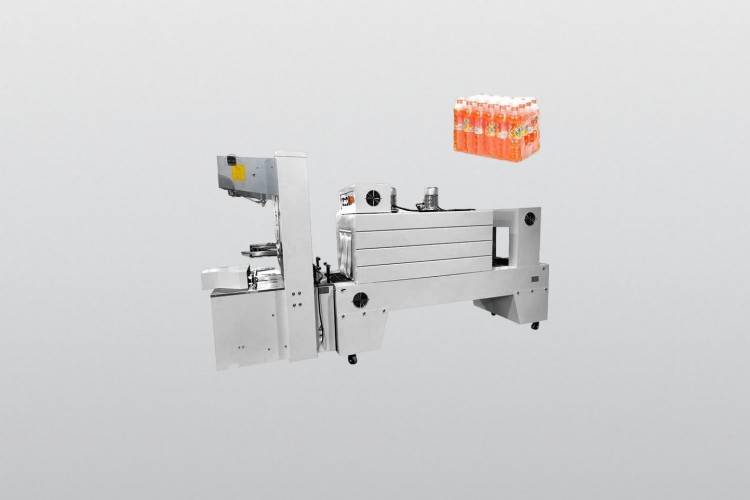
    Shrink tunnels
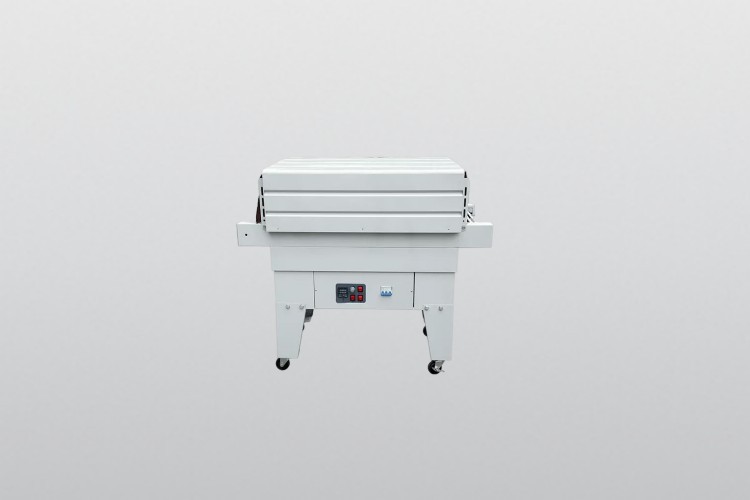
    Shrink Tunnels

    Shrink tunnels use a certain temperature to further shrink the film which has already been tightly adhered with the help of a shrink wrap machine. It comes in single and dual chamber format in which the dual chamber has the ability to package goods at a faster rate.

    Shrink bundling machine
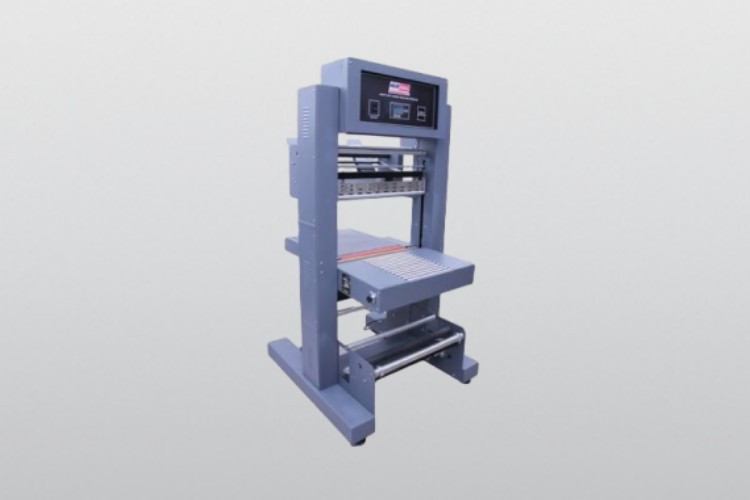
    Shrink Bundling Machine

    This type is used to wrap cans and bottles in which a horizontal sealing arm is used for the wrapping process.

    7.What Type Of Equipment Is Used To Apply Stretch Film?

    The following equipments are used to apply stretch films

    Turntable stretch wrappers

    Turntable stretch wrappers

    This type is ideal for small to mid-range packaging of 20-40 loads/hour. It uses a motorized rotating platform to rotate the pallets held in their position. They either come in automatic or semi-automatic form.

    Rotary arm stretch wrappers
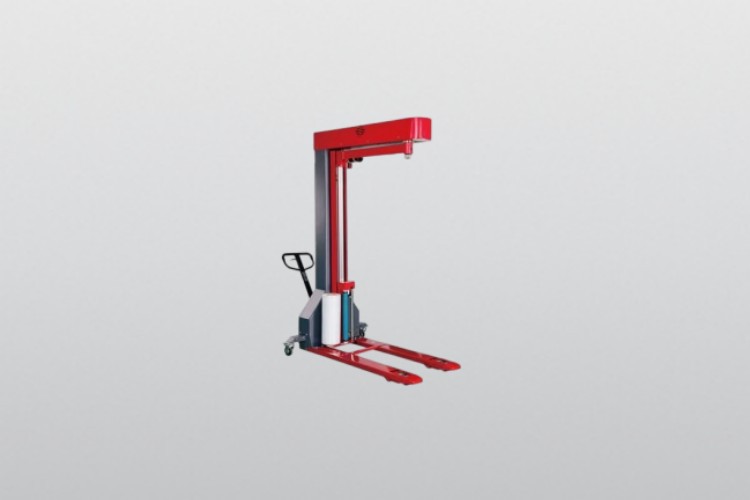
    Rotary arm stretch wrappers

    Rotary arm stretch wrappers use a mechanical arm which rotates around the load. They are an excellent choice to wrap products which are either too heavy or very light. They also come in automatic and semi-automatic formats and have the capability to package 40 loads/hour.

    Orbital horizontal ring stretch wrappers
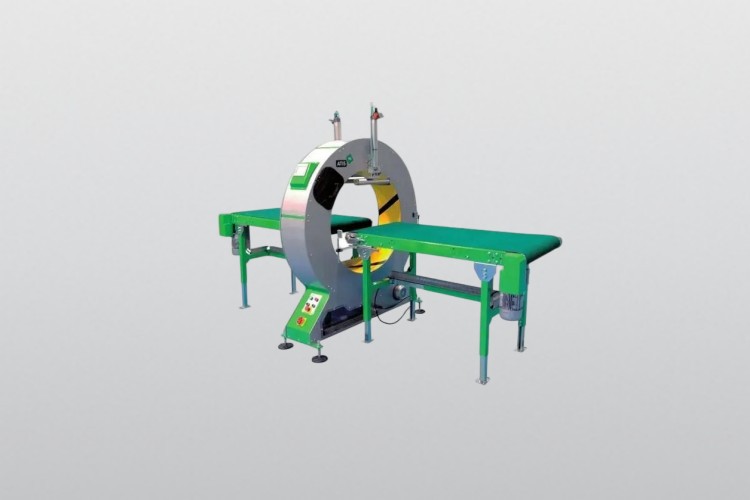
    Orbital Horizontal Ring Stretch Wrappers

    This type is ideal for wrapping long and wide loads. It wraps the product with the help of a vertical rotating ring and is a good choice for products such as doors, windows, textiles, pipes etc.

    8.What Are The Benefits Of Shrink Film?

    Using shrink film in your business is an excellent choice to wrap your manufactured goods. Due to its number of favorable features, it is the go to choice for a lot of buyers. Let us discuss its benefits below.

    Protection
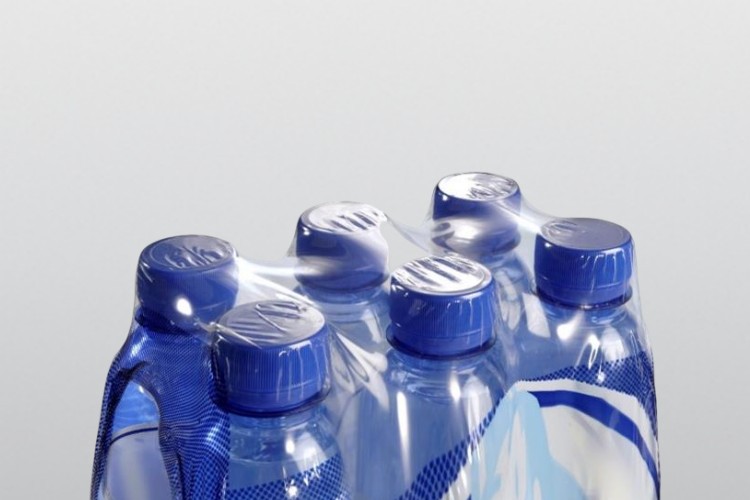
    Protection

    One of the most important benefit of using shrink film is that it provides an excellent protection to the goods it is wrapped around. It stops the interaction of the environment with the product, thereby preventing it from degradation or damage.

    Increased shelf life
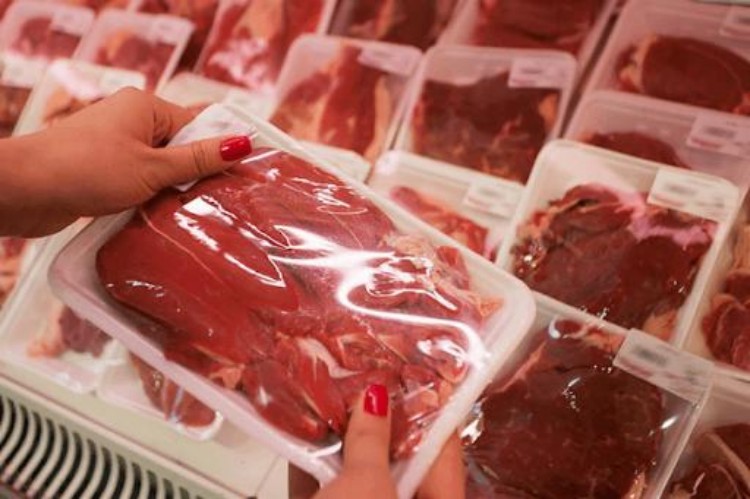
    Increased shelf life

    Since the product is preserved and remains fresh due to the protective layering of the film, it maintains its efficacy, increasing shelf life.

    Ability to market brands name
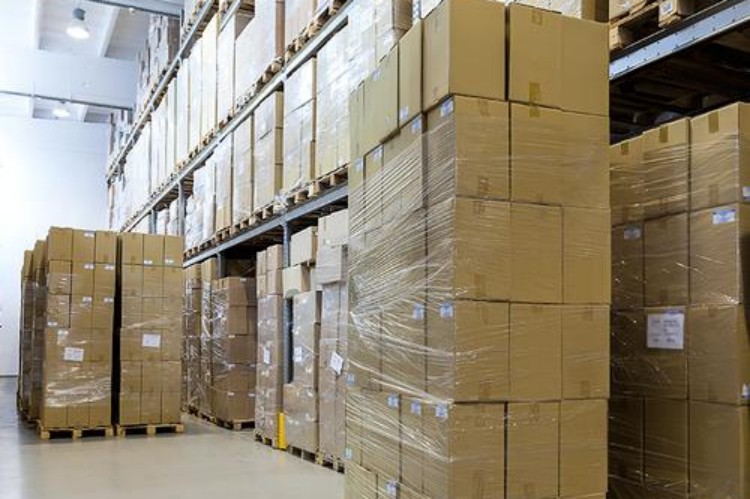
    Ability to market brands name

    Any company or brand which is using shrink film to wrap their products have the option to print their brand logo on it, thus helping the company to promote its brand.

    Customizable
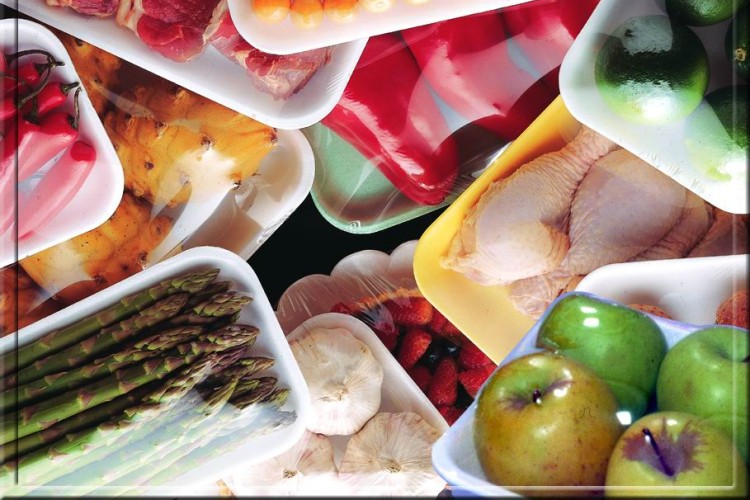
    Customizable

    This feature is one of the main reasons why shrink film is so popular across all the industries because it can be made in any shape, design, color and size, according to the products requirement. It can add a glossy effect to the product, making it visually pleasing to the eyes.

    Environment friendly

    Environmental friendly

    Shrink film not only caters to the needs of the industries but is also very safe for the environment. Its types which include polyethylene and polyolefin are made of recyclable materials, thus making shrink film sustainable.

    Cost effective
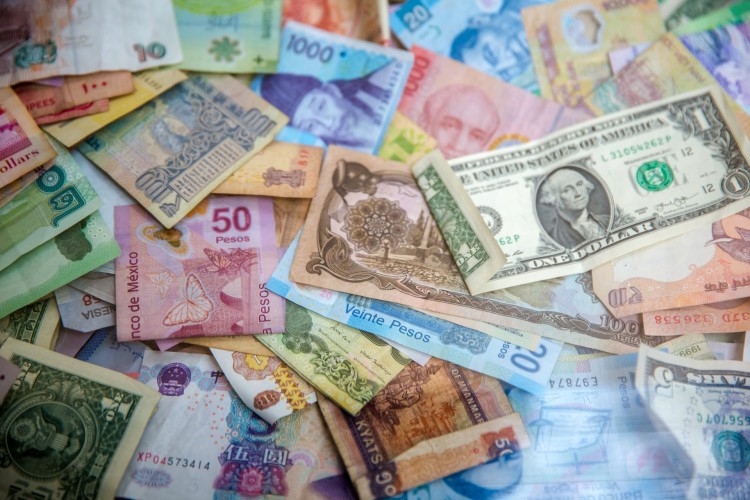
    Cost effective

    The use of shrink films has eliminated the need for corrugated packaging. This greatly reduces the cost of packaging goods, thus generating more profits.

    9.What Are The Benefits Of Stretch Film?

    Stretch films are one of the strongest and most durable type of film out there. It provides numerous benefits and its demand has been increasingly growing for the past few years. Let us discuss the benefits below.

    Protection
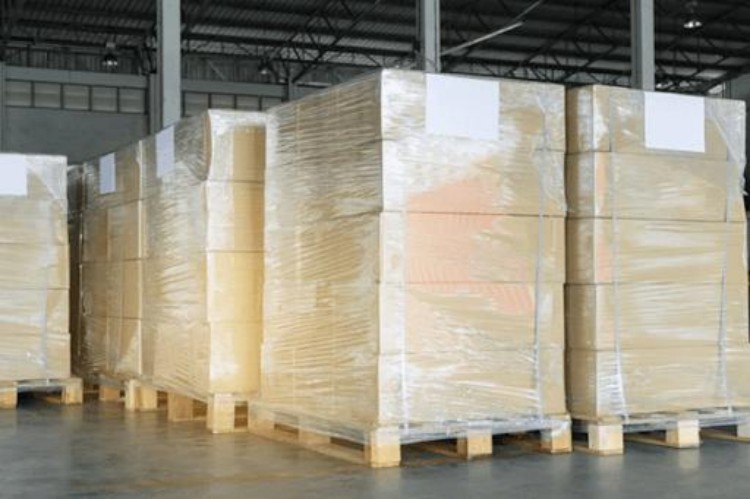
    Protection-1

    Stretch film like shrink film provides a strong protective layer to the product inside. It prevents the entry of dust or pollutants from going inside.

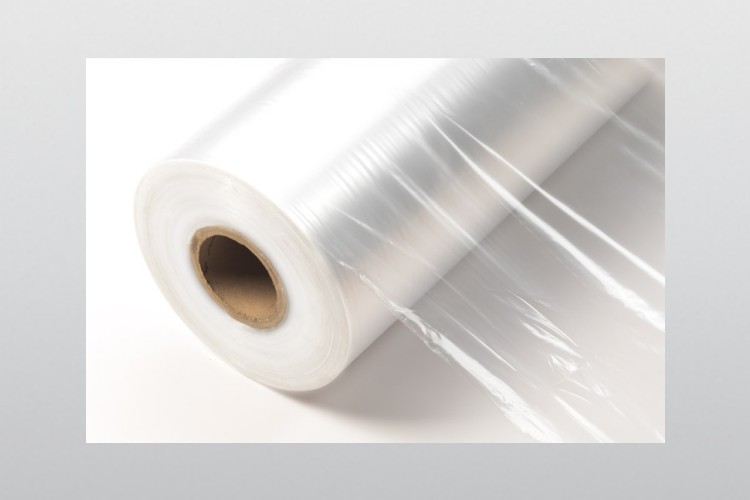
    Versatility
    Versatility

    Stretch film can be made in different shapes, design, color and size. Thus it has the ability to wrap any kind of product, ranging from light weight products to heavy weight products.

    Cost effective

    Cost effective-1

    Stretch film is much cheaper than shrink film since the equipment used to make it is less expensive than the other equipment employed for other types of films.

    Environmental friendly

    Environment friendly

    Stretch film like shrink film is made of recyclable materials, thus it does not pose a serious threat to the environment, making its use extremely sustainable.

    10.What Is The Working Principle Of Shrink Film?       
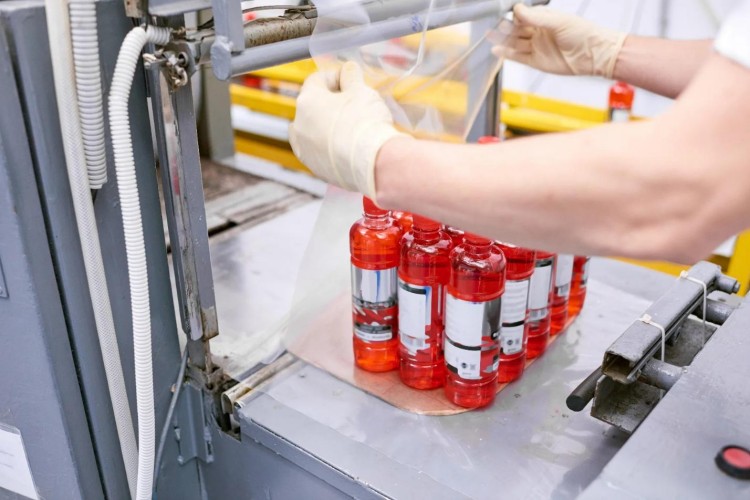
    Working Principle Of Shrink Film

    The working principle of shrink film is based on the behavior of molecule. The molecules of shrink film are arranged in random orientations. When the heat is applied to the film, these random moving molecules align and orient themselves in a particular direction. When they are cooled, these molecules set themselves in a stretched form where they revert to their original form after sufficient heat is applied to it.

    11.What Is The Working Principle Of Stretch Film? 

    Working Principle Of Stretch Film

    The working principle of stretch film is based on elasticity. The molecules of stretch film are elastic, that is, when tension is applied to it, they have the ability to return to their original shape. The elastic recovery in stretch film helps to keep the product tightly bound, keeping it in place.

    Conclusion

    After discussing all the points above concerning shrink and stretch film, we can see that both the films have their own unique characteristics and features which can cater to different businesses and industries. Even though stretch film is cheaper and stronger than shrink film, it is ideal for some kind of products whilst the shrink film is ideal for other kinds. Nevertheless, both the films are one of the best out there to package products and the buyer can easily use them for his business without any worries!

    Don't forget to share this post!

    CONTACT US

    Tell us your raw material and project budget to get quotations within 24 hours.

    WhatsApp Us: +86 181 7101 8586

    Invalid Email
    Invalid Number

    Shrink Film VS Stretch Film Read More »
    Shrink Wrapping-2

    Shrink Wrapping VS Stretch Wrapping

    Shrink Wrapping VS Stretch Wrapping

    Packaging of your laboursomely produced goods is somehow difficult task when it comes to retain their quality, appearance and structure by keeping them well organized especially during transit because improper packaging can ruin your products.

    Thus to counter this obstacle, the packaging industry is constantly striving to introduce best technology for solving it which eventually results in presenting the two distinct but essential ways of packaging, namely; shrink wrapping and stretch wrapping.

    However, these both have certain qualities in their respective structural and functional spheres. What are these? Can be perfectly understood by thoroughly examining the article explained below!

      Add a header to begin generating the table of contents

      1.What Is Shrink Wrapping?

      Shrink Wrapping

      Shrink wrapping refers to the packaging of goods by covering them loosely with plastic film so that it can be shrinked after getting heat. In this type of packaging, heat is applied and it works as a main source for the purpose of tightening film around the products.

      Shrink wrapping not only pack the bulk products rather it is the most popular way of primary packaging for enormous goods that’s why it is an essential packaging equipment every manufacturer looks for. There are various machines utilized for shrink wrapping. All of them are designed with particular characteristics.

      2.What Is Stretch Wrapping?

      Stretch Wrapping

      Stretch Wrapping can be defined as the way of packaging in which large number of cartons are tightly joined together by flexible plastic film through stretching. This type of packaging is performed by special machines known as stretch wrapping machines.

      Unlike shrink wrapping machines, they do not use heat for wrapping instead the constant movement of turntable leads to the hermetic packaging. In addition, need for stretch wrapping becomes inevitable when it comes to transportation of large volume commodities.

      3.Whose Structure Is More Complex Between Shrink Wrapping Vs Stretch Wrapping?

      • Components

      The structure of shrink wrapping machine and stretch wrapping machine is totally different which can be analyzed by looking into their components:

      Shrink Wrapping

      Shrink Wrapping-1

      Shrink wrapping machine is highly complex integrated with so many parts. They are:

      Control Panel

      Control panel is the key component of shrink wrapping machine through which you would be able to communicate your commands into it. It mainly comprised of conveyor belt speed along with separate system for temperature control due to integrated heat system.

      Conveyor Belt

      Another element which works as a road for all your goods to pass through the shrinking phase is conveyor belt. Increasing its speed is used when your products require less heat while it is decelerated when nature of plastic used is hard to get shrinked.

      Conveyor Motor

      Conveyor motor is usually located beneath the conveyor belt and indicates its speed when alteration is done via control panel.

      Heating System

      The core part of any shrink wrapping is obviously the heating source which can be found in so many forms like that of heater bank, steam tubes or electromagnetic force. This heat source shrinks the surrounding film of products.

       Tunnel

      Most of the fully automatic and semi automatic shrink wrapping machines have enclosed area which is called shrink tunnel. Heating system is fitted here, products come out in final shrink form when passed through this area.

      Curtains

      Silicone coated polytetra fluoroethylene curtains are hanged outside both the openings of shrink tunnel for reducing heat loss.

      Film Rollers

      An essential component of shrink wrapping is film rollers which are fixed in particular areas of machines for dispensing over the products.

      Stretch Wrapping

      Stretch Wrapping-2

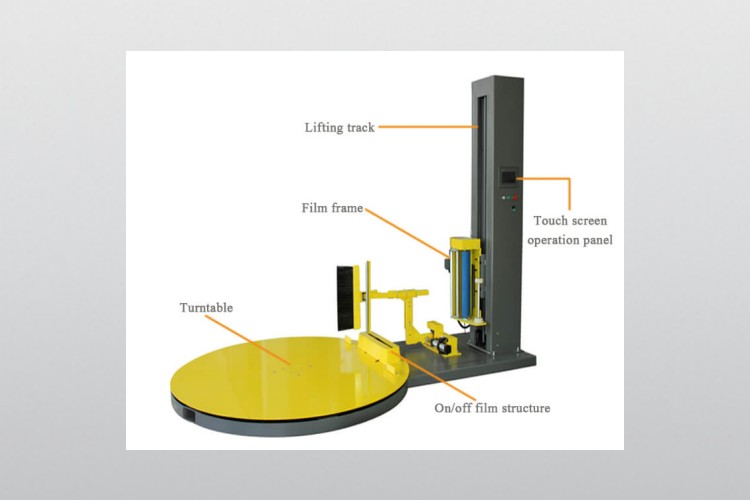
      Structure of stretch wrapping machine is quite simple with few parts. These are:

      Lifting Track

      Lifting track can be also referred as tower which works as a tall stand having separate space for control panel and film frame.

      Film Frame

      It is situated in the lifting track in such a way that it easily moves towards upward and downward direction while dispensing the film which is placed inside the frame.

      Turntable

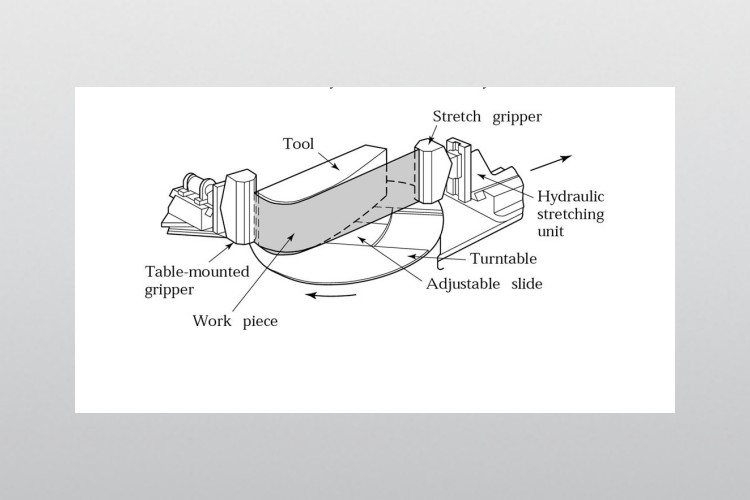
      It is the place where bulk containers are placed in arrange form. The circulatory movement of turntable is the main step when cartons get wrapped collectively.

      Control System

      Like other machines, stretch wrapping also has proper controlling system but unlike shrink wrapping, here the speed of turntable and direction of film frame is adjusted.

      Cut-Clamp-Brush Mechanism

      These are two parts which combinely named as cut clamp brush. Clamp is a metal device located on table that holds the film so it can be stretched around load. Cutter and brush are carried out by the frame which comes into action when process becomes completed, cutter cuts the film and brush stick the film end on load.

      • Auxiliary Devices

      Auxiliary devices are that equipment which are not necessary for running the process shrink wrapping or stretch wrapping but they add into the existing efficiency of machine.

      Shrink Wrapping

      Supportive equipment for shrink wrapping are more in number than stretch wrapping. They are:

      • Liquid filling machine
      • Bottle inspection machine
      • Shrink sleeve labeling machine
      • Bottle capping machine
      • Induction sealing machine

      Stretch Wrapping

      Contrary to shrink wrapping, stretch wrapping mechanism is done by single machine and there is no such need for additional accessories. However, few are described below:

      • Conveyor belt
      • Pallet weighing system
      • Low profile access ramp

      4.Differentiate Between Shrink Wrapping And Stretch Wrapping?

      • Material Used

      Shrink Wrapping

      Shrink Wrapping-2

      Films used for shrink wrapping are often hard and rigid in nature eventually do not possess flexibility. They are mostly made up of polyvinyl chloride and polyolefin. The reason behind to choose such type of films is to fully assure that products are covered with firm protective plastic so that external elements would not damage inner quality of materials.

      Stretch Wrapping

      Stretch Wrapping-3

      As a matter of fact, stretch wrapping film is the result of lean stretchable plastic usually prepared from polyethylene plastic. It contains high degree of elasticity and has the ability to expend its existing length up to 300%. That’s why; regardless of the extreme pressure it shows flexibility and is split-resistant.

      • Working Process

      Shrink Wrapping

      Shrink Wrapping Working Process

      Working process of shrink wrapping is little bit convoluted to understand and has to be performed by certain fixed steps such as:

      Initially, the machine provides you with an integrated set of graphics in form of control panel and let you enable to set parameters according to your requirements. Once you are done with this step, there is no need to bother in form of manual intervention.

      Machine will take the commands and dispense dual layers of transparent or printed film to loosely but completely cover the bulk products. In case of individual item film is delivered as per desired like half, full or neck sleeve etc.

      These items are then passed through heating phase mostly under heating tunnel where film around them get shrinked and adopt the shape of objects.

      Stretch Wrapping

      Stretch Wrapping Working Process

      Process of stretch wrapping is extremely easy that any layman can understand it and consequently operate without any need for experts. Its mechanism of action is given below in few steps:

      The machine can be executed by simply loading material over turntable in sequence. Switch is turned on, and machine follows the directives set in control panel.

      Stretchable plastic film is held by clamp after which the motion of table starts in rotary form. Film is constantly released by roller and tightly binds around the bundle.

      Once bundle gets wrapped, cutter cuts down the film end and brush press the film so that it would properly attached to the load. The operation gets finished here.

      • Classification

      Both shrink wrapping and stretch wrapping can be divided into the types of ways they are done. However, all of them vary from one type of wrapping method to another type of wrapping. Below table clearly demonstrates the real picture of these differences like:

      No Types Shrink Wrapping Stretch Wrapping
      1 Fully Automatic Fully automatic shrink wrapping is done independently by machine where load is conveyed through conveyor belt, covered with plastic and passed through heating phase. Here load is delivered by guiding rail on turntable whose consistent rotation leads the flexible plastic to surround the bundle tightly.
      2 Semi Automatic Objects are manually placed by operator and rest process is achieved by machine itself. Cartons are placed in arrange form over turning table and machine then do its operation automatically.
      3 Manual Here a heat gun is used with hands which exhale heat to get the plastic over objects shrinked around them. While as, in stretch wrapping manual means that operator just take the roll of stretchable film and starts surrounding the load with it. There is no machine present here.
      • Advantages

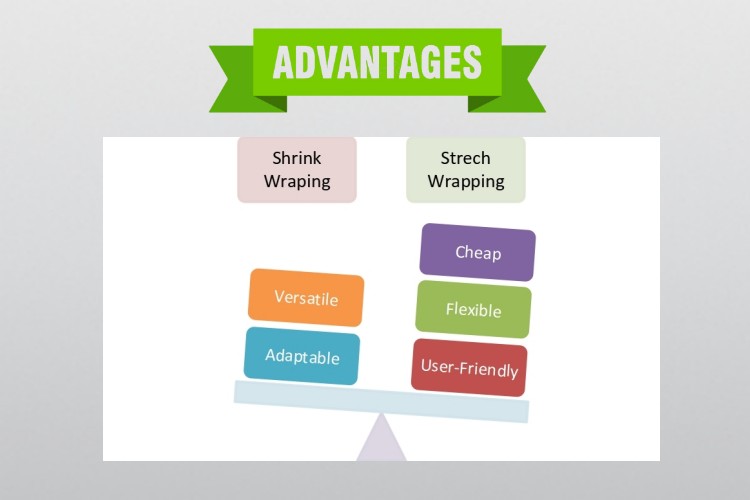
      Advantages

      Shrink Wrapping

      Versatile

      Shrink wrapping is comprehensive in its application and can be used for primary as well as secondary packaging.

      Adaptable

      Shrink wrapping is known due to its quality of adaptability because it transformed into the manifestation of object. 

      Stretch Wrapping

      Cheap

      Shrink wrapping method is cheap in price due to simple machinery and thin stretchable plastic.

      Flexible

      Material which stretches wrapping uses is quite flexible.

      User-Friendly

      It is user friendly as it can be easily understand and operated by ordinary user.

      Heat Sensitive Objects

      There is no where a step in stretch wrapping where heat is used thus it is best for packaging of heat sensitive items like explosives or chemicals etc.

      • Disadvantages

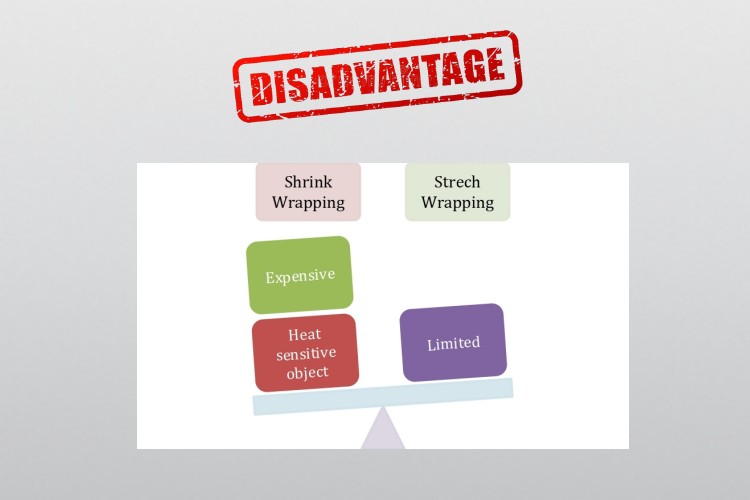
      Disadvantages

      Shrink Wrapping

      Expensive

      Shrink wrapping is expensive method from every angle.

      Heat Sensitive Objects

      It is not suitable for heat sensitive objects like chemicals or explosives etc.

      Stretch Wrapping

      Limited

      Stretch wrapping is limited process due to its applicability to only large industries so it cannot be used as primary packaging.

      5.Which Is More Cost Effective- Shrink Wrapping Vs Stretch Wrapping?

      Cost Effective

      From below explanation, it would be clear to you which method between shrink wrapping and stretch wrapping is more cost effective:

      Shrink Wrapping

      Shrink wrapping is expensive due to hard film it uses. Moreover, machinery used for it has high price and complicated using method which would definitely require team of experts for installation.

      Stretch Wrapping

      While as, stretch wrapping is cost effective because it does not have complex components in main machinery. Its method of usage is too easy that can be done alone without need for experts assistance.

      6.Which Has Greater Applicability- Shrink Wrapping Vs Stretch Wrapping? Highlight The Major Areas?

      Shrink Wrapping- Small to large scale industries

      Shrink wrapping is the most utilized method undertaken by small to large industries due to its characteristic of being adoptable to both individual item as a primary packaging and bulk products as secondary packaging. Its application is vast as discussed below:

      Food Industry

      Food Industry

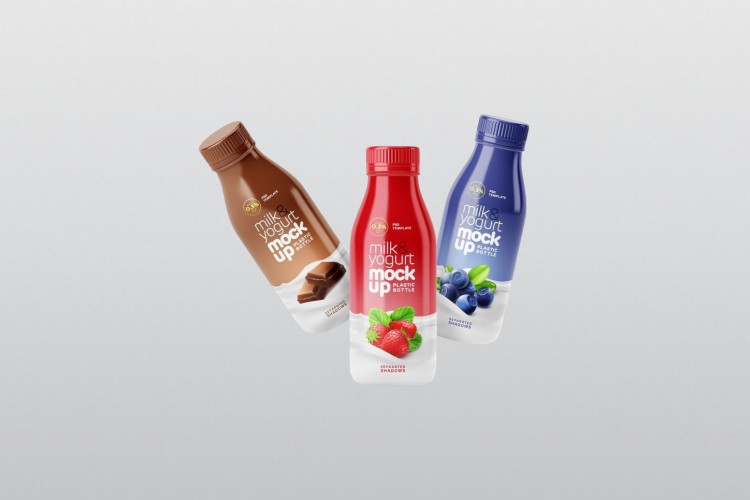
      In food industry shrink wrapping is playing significant character for wrapping uncountable products like bottles of condiments, tea, ketchup, pickles, oil and candies etc.

      Beverage Industry

      Beverage Industry

      Discussing this sector becomes obligatory when talking about scope of shrink wrapping because the beverage industry has recognition through this method. From our daily used water bottles to soft drink cans and wine, shrink wrapping is applied both as a separate and collective packaging.

      Pharmaceutical Industry

      Pharmaceutical Industry

      Most of the tablets, pills and medicinal syrups can be seen in shrink wrapped labels. This method is generally employed to deal with the excessive production as well as their security by covering them with leak and moisture-proof shell.

      Chemical Industry

      Chemical Industry

      Mostly powder or liquid chemicals are often packed in strong plastic bottles after which they are passed through shrink wrapping phase in order to give them identity and display necessary precautions over them. Insecticides and pesticides can be also used under this category.

      Hardware Industry

      Hardware Industry

      Hardware industry carries products with diverse nature like plastic, metal and glassware etc. Manufacturers who are engaged in producing toys, electric gadgets and glass items are constantly using shrink wrapping.

      Automotive Industry

      Automotive Industry

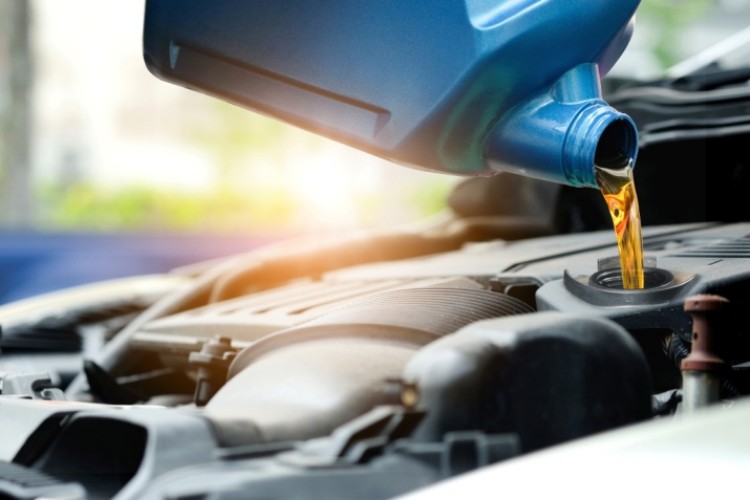
      Here the word automotive can be expanded into two categories on the basis of its usage of shrink wrapping. Oil and lubricants required for engines are individually packed through shrink wrapping on one hand and all these vehicles are completely shrinked wrapped by heat gun on the other.

      Shipping Industry

      Shipping Industry

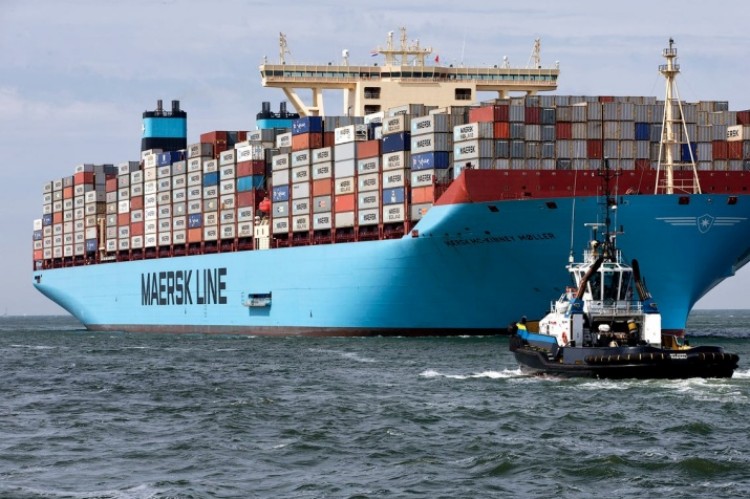
      Shrink wrapping has also good demand on large scale areas like that of shipping sector. Whether goods or cartons, vehicles or large containers everything can be perfectly shrink wrapped.

      Aerospace Industry

      Aerospace Industry

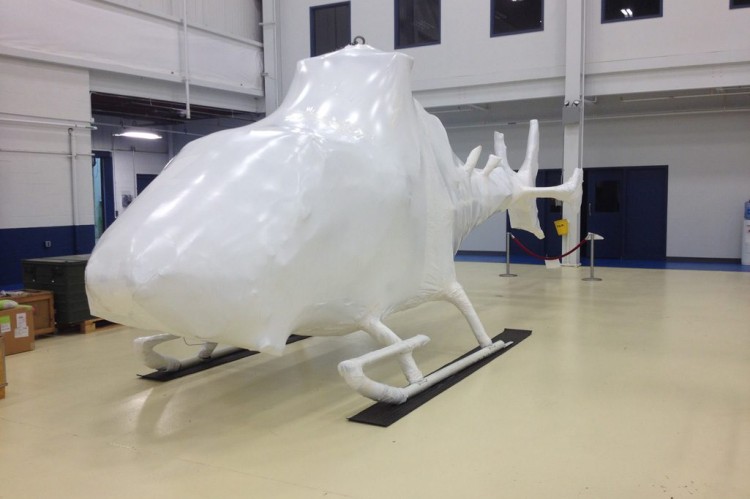
      This is the area where stretch wrapping is not applicable but only shrink wrapping is ideally recommended for covering helicopters or similar other parts of aerospace engineering.

      Stretch Wrapping- Large scale industries

      In contrast to shrink wrapping, stretch wrapping is only utilized in large scale industries and is confined to limited areas which are as follows:

      Shipping Industry

      Shipping Industry-1

      Stretch wrapping is employed when there is need for securing bundles of cases by tightening them together so their integrity could be maintained until they reach final destination.

      Wholesale Distributors

      Wholesale Distributors

      Wholesale market is the area where goods can be purchased in large quantity in discount so it can be further sell to buyers on exact amount. In such areas stretch wrapping is the most favorable.

      Conclusion

      From above discussion we may conclude that you have gotten the clear picture of what shrink and stretch wrapping are. Also the differences between both are well clarified. Both have their own importance in their respective fields which cannot be ignored. Besides, if you are among one of them and want to go for any one or both of them, Allpack is the best seller of these packaging solutions with outstanding performance. Don’t waste time, just click on the given link to approach us.

      Don't forget to share this post!

      CONTACT US

      Tell us your raw material and project budget to get quotations within 24 hours.

      WhatsApp Us: +86 181 7101 8586

      Invalid Email
      Invalid Number

      Shrink Wrapping VS Stretch Wrapping Read More »

      Meat industry

      Double Chamber VS Single Chamber Vacuum Sealer

      Double Chamber VS Single Chamber Vacuum Sealer

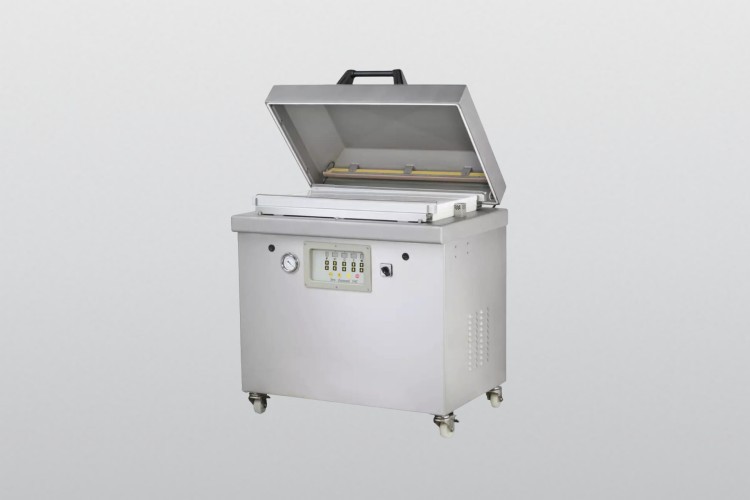
      Whether it’s meat, seafood, or any product that you need to keep in sustainable and preserve form, you always require a vacuum chamber sealer for this job.There are two basic types, a double chamber vacuum sealer, and a single chamber vacuum sealer.
      To understand the basic differences or be interested to know Double Chamber Vs Single Chamber Vacuum Sealer, then read this article.

        Add a header to begin generating the table of contents

        1.What Is Double Chamber Vacuum Sealer?

        Double Chamber Vacuum Sealer

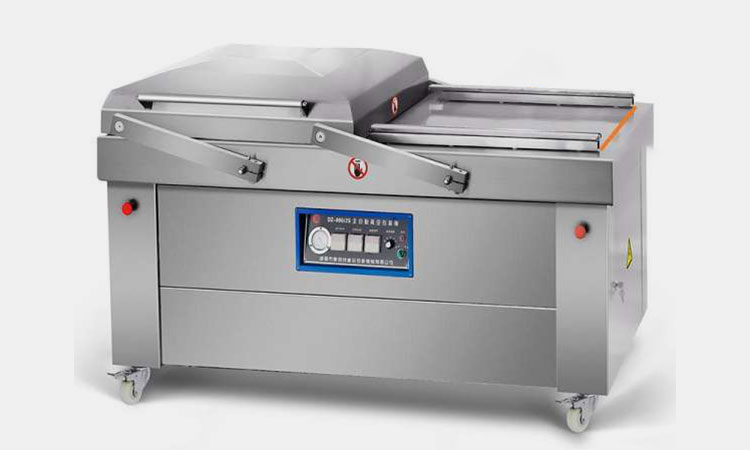
        Double chamber vacuum sealer, as the name implies,it contains 2 working chambers and 1 chamber cover which is used to seal off bags or pouches with the help of vacuum. This type of vacuum sealer is made specifically for large scale industries since they require a machine which will be able to seal medium sized or large sized products.

        Moreover, it is a high speed machine which has the capacity to seal thousands of pouches in a single day, thus making it ideal for industries.

        2.What Is Single Chamber Vacuum Sealer?

        Single Chamber Vacuum Sealer

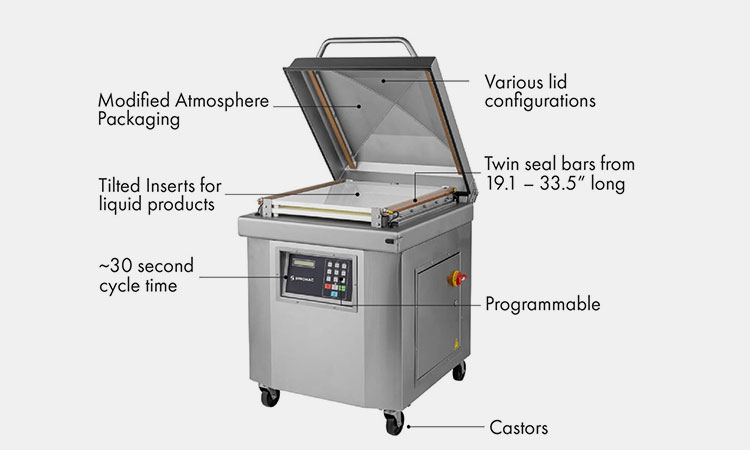
        Single chamber vacuum sealer, as the name suggests consists of a single chamber in which a bag or a pouch is put and sealed off with vacuum. This machine is ideal for use in homes and small scale business where they need a machine which has the capability to seal small sized products. This sealer can package various food items such as meat, fruits, vegetables etc.

        Single chamber vacuum sealer is portable and easy to operate which makes its use convenient for anyone.

        3.What the Difference between Double Chamber and Single Chamber Vacuum Sealer?

        A)STRUCTURE

        Double Chamber Vacuum Sealer

        Double Chamber Vacuum Sealer

        The basic components of double chamber vacuum sealer are as follows.

        1) Chamber lid: this is the lid which is either opened manually or is operated automatically.

        2) Handles: handles assist in opening or closing the chamber.

        3) Silicon strips: they are important for vacuum process.

        4) Connecting rod: connects the parts of the sealer.

        5) Emergency stop: a button which stops the vacuum process.

        6) Control panel: controls the whole process.

        7) Wheels with brake and anchor bolts: help in moving the machine.

        8)  Stainless steel: this is the main body of the machine which is corrosion resistant.

        Single Chamber Vacuum Sealer   

        Single Chamber Vacuum Sealer

        The basic components of double chamber vacuum sealer are as follows.

        • Stainless steel: the main body of this machine.
        • Sealing strip: important in the vacuum process.
        • Vacuum cover: this closes the upper part of the sealer.
        • Power switch: this is the button which can be switched on or off to control the process.
        • Barometer: it controls the pressure at which air is being sucked out of the chamber.
        • Emergency stop: a button which can immediately stop the process.
        • Wheels: help in moving the machine from one place to another.
        • Control panel: this controls the whole process.

        B)WORKING PRINCIPLE

        Double Chamber Vacuum Sealer

        The working principle of this machine is quite simple. Put the bag or pouch which needs to be sealed inside the chamber. The chamber cover of the machine can either be closed manually or automatically. Next, the machine sucks out almost all of the air inside it, making its environment vacuum like. Then the machine seals the bag, making it airtight.

        After this, the bag is ready to get shipped. The environment inside the machine is changed back to normal. Sometimes the air inside the machine is replaced by inert gas like nitrogen to make the atmosphere non-reactive with the bag inside.

        Single Chamber Vacuum Sealer

        The working principle of single chamber vacuum sealer is almost exactly like double chamber vacuum sealer. The bag or pouch is placed inside the single chamber. The lid is closed manually. Next, the machine takes out all of the air inside it and the bag is sealed where it is open. After this, the airtight bag is taken out and is ready for shipping.

        Even though the process of both the sealers is same, however there are a few differences. Firstly, the sealing capacity of double chamber vacuum sealer is more than the single chamber vacuum sealer since it contains more chamber, plus has greater capacity and storage to seal large sized products. Secondly the process of double chamber vacuum sealer is way quicker and more efficient than the latter because it has the capability to perform automated process.

        C)ADVANTAGES

        Double Chamber Vacuum Sealer

        This sealer has many advantages and is an ideal option for many industries to seal their products in safe and secure way. Let us discuss some of its advantages below.

        • High speed

        Speed Requirements

        One of the best advantages of this sealer is that it is a very high speed machine which is capable of sealing thousands of products in a single day, performing the process as efficiently as possible.

        • Versatile

        Versatile

        This sealer can package various kinds of products which come in different shapes, designs and sizes,so,it is multifunctional and versatile,can meet all kinds of demands of people.

        • More profitable

        More profitable

        In general,the price of double chamber vacuum sealers is reasonable,it doesn’t need too much investment,but it has high production,can package more bags in limited time,so it can bring high income for you.

        Single Chamber Vacuum Sealer

        Single chamber vacuum sealers too have many advantages and can be used in various industries. Let us discuss each advantage below.

        • Easy to operate

        Easy to operate

        The working principle of single chamber vacuum sealer is quite simple and easy to understand,meanwhile,the automation degree of this machine is high,it doesn’t need too much manual investment,therefore,the machine is easy to operate.

        • Portable

        Portable

        Single chamber vacuum sealer takes less space, thus it can be installed anywhere in the production line.Single chamber vacuum sealer is provided with wheels, thus it can be moved easily from one place to another.

        • Low maintenance

        Low maintenance

        The structure of this machine is simple,so it doesn’t require high maintenance fees,just requires basic regulation just like every other machine.

        4.What Are the Applications Of Double Chamber Vacuum Sealer?

        This machine is a highly versatile one since it can be used in various industries such as pharmaceutical, chemical, electronics, hardware, food etc. let us discuss each of these industry below.

        • Pharmaceutical industry

        Pharmaceutical industry

        Pharmaceutical industry deals with the manufacture of medicines and drugs which help in curing diseases and improving lifestyle. These medicines are quite vulnerable to any damage and will lose their efficacy if they come into contact with air or moisture. The use of double chamber will seal them in a bag or pouch and prevent the interaction of moisture or oxygen with the medicine inside, thus maintaining its potency.

        Moreover, this industry produces thousands of drugs in a single day requiring a high speed, efficient machine to seal their products as quickly as possible. This machine would easily meet with all the requirements.

        • Chemical industry

        Chemical industry

        This industry produces various chemicals which are then used in another industry for the formation of final product. These chemicals, like the medicines, can easily degrade if dust, oxygen or moisture interacts with it. Thus double chamber vacuum sealer can easily seal them in a bag, preventing any kind of contact, thus keeping chemicals efficacy intact.

        • Food industry

        Food industry

        Various food products like processed food, meat, fish and vegetables are involved in food business. This industry needs to make sure that all these food items are fresh and preserve them so that they do not become stale even before they are shipped to the markets.

        In order to maintain their freshness, double chamber vacuum sealer is used which seals them in pouches or bags and gives them a vacuum like atmosphere, thus the food items are safe and fresh to use.

        • Electronic industry

        Electronic industry

        Electronic industry manufactures electric components, electronic circuits and other components which are essential parts of various machines and computers. These chips or circuits are very delicate and need protection from dust, moisture, UV rays, oxidization and corrosion. If they are not protected from these factors, they will get damaged and become non-functional.

        Double chamber vacuum sealer will seal these electronic components in a package, protecting them from all these harmful factors.

        • Textile industry

        Textile industry

        Textile industries produces many products like rugs, pillows, cotton fabric, bathroom mats etc. these are packaged in a plastic bag and shipped for sale. Double chamber vacuum sealer would be ideal to seal them in those bags especially large sized products like rugs.

        5.What Are The Applications Of Single Chamber Vacuum Sealer?

        Single chamber vacuum sealer is quite important for many industries which require sealing of their products to keep them fresh and protect them from harmful environment. These include pharmaceutical, chemical, meat, confectionery, electronic, animal food and dairy industry. Let us discuss each of these industry below.

        • Pharmaceutical industry

        Pharmaceutical industry-1

        Like double chamber vacuum sealer, single chamber vacuum sealer can also be used to in the packaging process of small sized medicines and drugs and seal them in pouches, making it air tight.

        • Chemical industry

        Chemical industry-1

        Chemical industry produces various chemicals like solvents, films, rubber chemicals, resins and raw materials for synthetic fibers. These products are then packed into bags or pouches. Before shipping them off, they are sealed with the help of single chamber vacuum sealer to protect them and preserve their potency.

        • Meat industry

        Meat industry

        Meat industry deals with food items like beef, chicken, mutton, seafood. These items are packed in plastic bags or pouches and need to be sealed efficiently to maintain their freshness. Single chamber vacuum sealer can easily handle their sealing process, thus keeping the contents inside safe and fresh to eat.

        • Electronic industry

        Electronic industry-1

        This industry makes various electronic components, circuit boards, semiconductors etc. some of these items are small in size and delicate and need to be protected from dust, moisture, UV rays and air. Single chamber vacuum sealer excels in packaging small items like circuit boards and protect them from any damage.

        • Dairy industry

        Dairy industry

        Many dairy products like milk, yogurt, cream and cheese are put into pouches or bags and shipped for sale as quickly as possible to prevent them from expiring. Moreover, they are extremely vulnerable to heat, moisture and air and will quickly spoil if they come into contact with any of these factors. Single chamber vacuum sealer can seal them since they are ideal for packaging of small to medium sized pouches containing liquids.

        • Confectionery industry

        Confectionery industry

        This industry deals many food items like chocolates, candies, toffees, chewing gum. These products are then packaged into small packets and pouches and sealed with the help of single chamber vacuum sealer.

        6.Which One Is More Economical, Double Chamber Vacuum Sealer Or Single Chamber Vacuum Sealer?

        Economical

        In terms of price, single chamber vacuum sealer is cheaper than double chamber vacuum sealer. This is because it contains a single chamber and performs at a lower speed than the double chamber. Even though double chamber vacuum sealer is more expensive than single chamber vacuum sealer, it contains two chambers, has higher capacity and size to fit large sized bags and pouches, is a fast performing machine and works more efficiently than single chamber.

        After discussing these points, we can say that even though single chamber vacuum sealer is technically more economical than double chamber vacuum sealer due to its cheaper price, it offers less features than the latter.

         Conclusion

        This might not be surprising to you that using vacuum sealers can save food and other material wastage by preserving them strongly. Double chamber vs single chamber vacuum sealers is well-suited commercial scale machines with ample of benefits. Allpack provides you well-engineered and broad array for sealing lines. For Product information or Procurement, Please Contact us Right Now!

        Don't forget to share this post!

        CONTACT US

        Tell us your raw material and project budget to get quotations within 24 hours.

        WhatsApp Us: +86 181 7101 8586

        Invalid Email
        Invalid Number

        Double Chamber VS Single Chamber Vacuum Sealer Read More »
        Foot-Operated-Heat-Sealer

        Foot Operated Heat Sealer: The Top Buying Guide In 2025

        Foot Operated Heat Sealer: The Top Buying Guide In 2025

        Foot-Operated-Heat-Sealer

        Industries like food, agricultural, pharmaceuticals, packaging and others are using sealing techniques to increase their productivity and to make the product presentable.

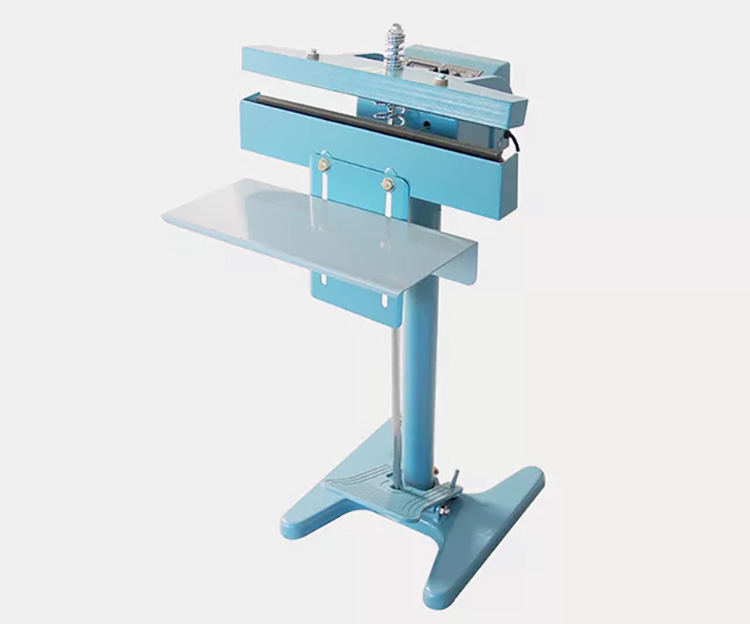
        Foot operated heat sealer is also one of the best sealing machines available. To assist the buyer in selecting right type of foot operated heat sealer, Allpack is providing a complete buying guide of it that includes all necessary information. Take the most!!

          Add a header to begin generating the table of contents

          1.What Is A Foot Operated Heat Sealer?

          Foot-Operated-Heat-Sealer1

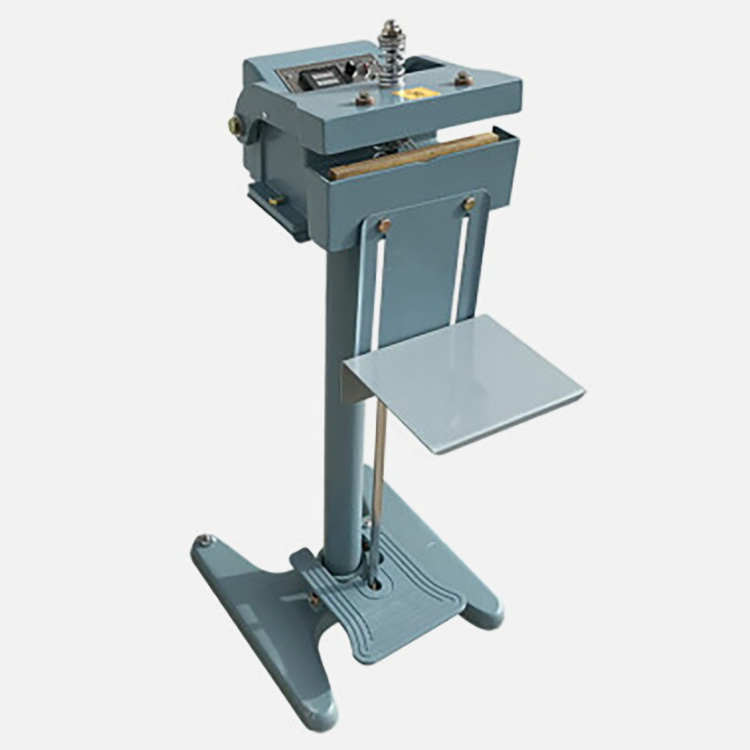
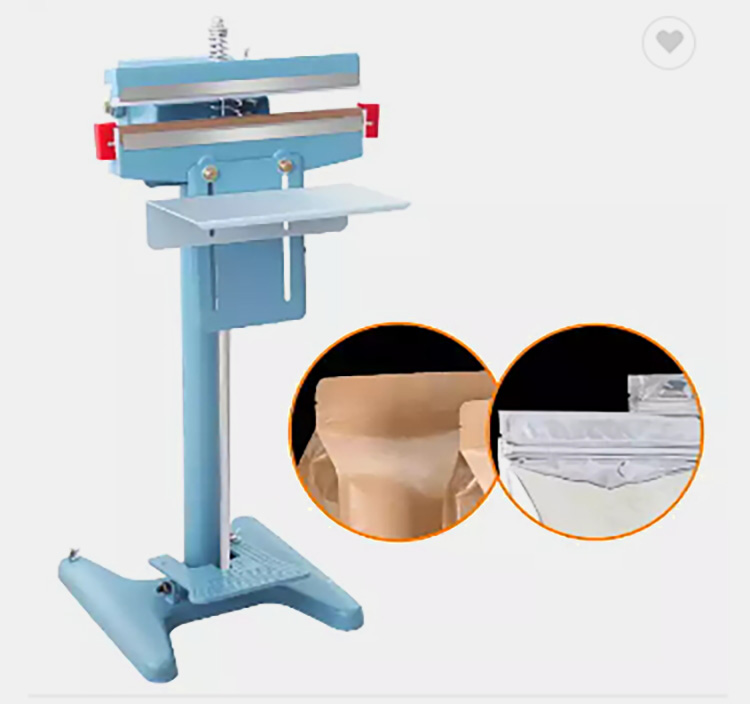
          Foot operated heat sealers are globally famous for sealing of products that are manufactured in small or medium scale industries. These industries use it for sealing their products with perfection and in a quick manner.

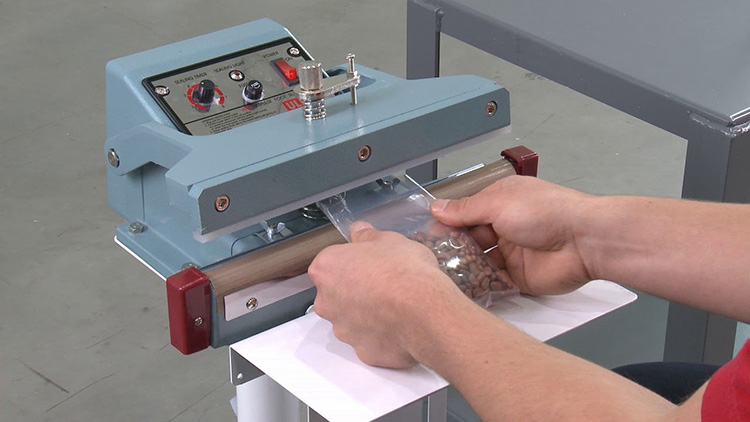
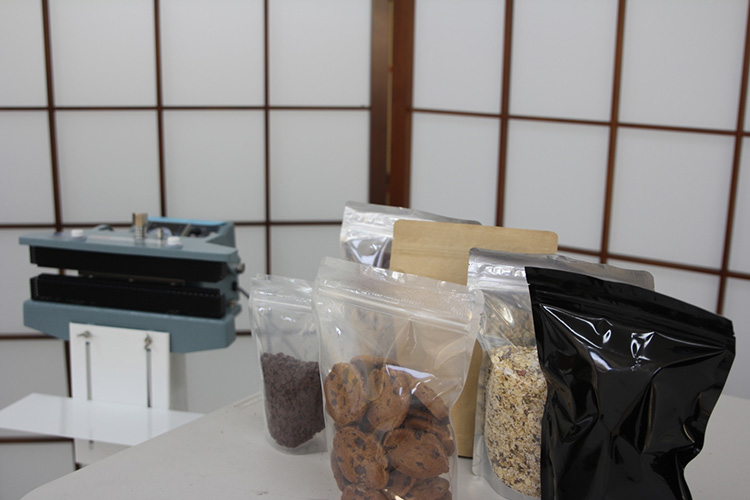
          The bag is kept in between of both the jaws of foot operated heat sealer and then these jaws are joined together to perform sealing. An aesthetic finishing of sealed bags and pouches of paper, polypropylene, foils and waxed is achieved using a foot operated heat sealer.

          2.What Are The Applications Of A Foot Operated Heat Sealer?

          Foot operated heat sealers are used in packaging of products that are manufactures in industries like medical, food and pharmaceutics. Their application in such industries is as follow

          • Medical Industry

          Medical-Industry

          Foot operated heat sealers are used in medical industry to seal instruments, utensils and other equipment in bags made up to polythene, plastic or film. This ensures safe handling of equipment whenever required and also keeps them safe from bacterial or environmental attacks.

          • Food Processing Industry

          Food-Processing-Industry

          Food processing industry uses foot operated heat sealer for sealing of pouches and bags that are filled with eatable materials. The machine helps the industry to produce high quality and efficient sealing of products so that they are safe from contamination and also make the customer feel pleasant with its finishing

          • Pharmaceutical Industry

          Pharmaceutical-Industry

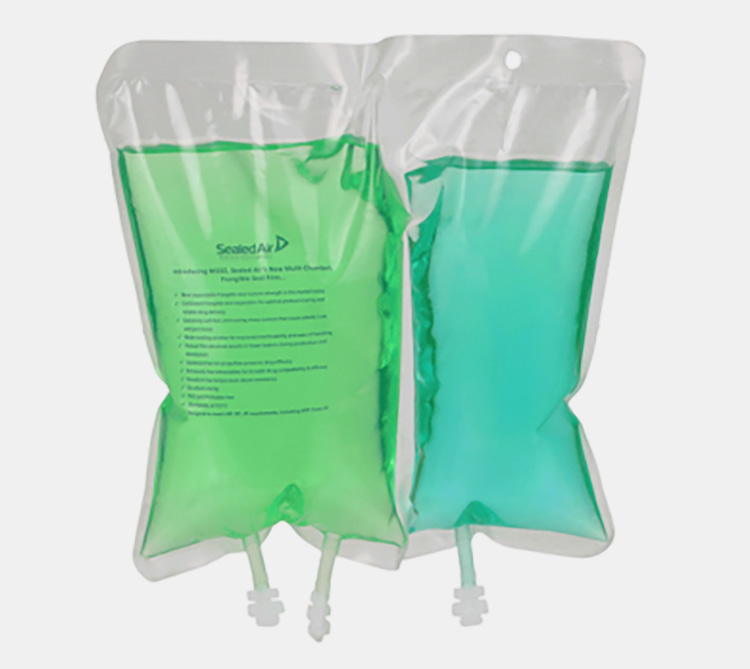
          Medicines, drugs and sometimes liquid syrups are filled in bags made up of plastic, aluminum film or polythene material and then sealed using a foot operated heat sealer. There are wide uses of heat sealers in a pharmaceutical industry and are mostly are used due to their better productivity and easy handling

           3.What Are The Working Principle Of A Foot Operated Heat Sealer?

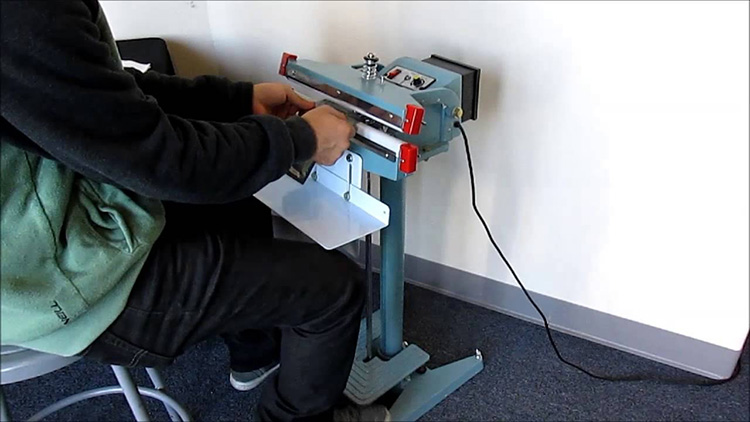
          A foot operated heat sealer has a simple operation. It follows following steps.

          Working-Principle-Of-the-Foot-Operated-Heat-Sealer

          • Initially, the parameters like temperature, heating cycle and speed of foot operated heat sealer are set to standard or according to the material on which sealing is carried out.
          • As the parameters are ensured, bags or pouches of different materials are kept on the bottom jaw of a foot operated heat sealer.
          • Afterwards the operated pushes down the pedal, both the jaws get in contact and sealing is done due to heat bonding of both jaws.

          Working-Principle-Of-the-Foot-Operated-Heat-Sealer1

          • As a result of this heating, the material melts and proper sealing is carried out.
          • When the cycle is completed, an alarm indicated the finishing of process and the operator removes its foot from the pedal. Both the jaws get separated and the finished product is taken out of the foot operated heat sealer.

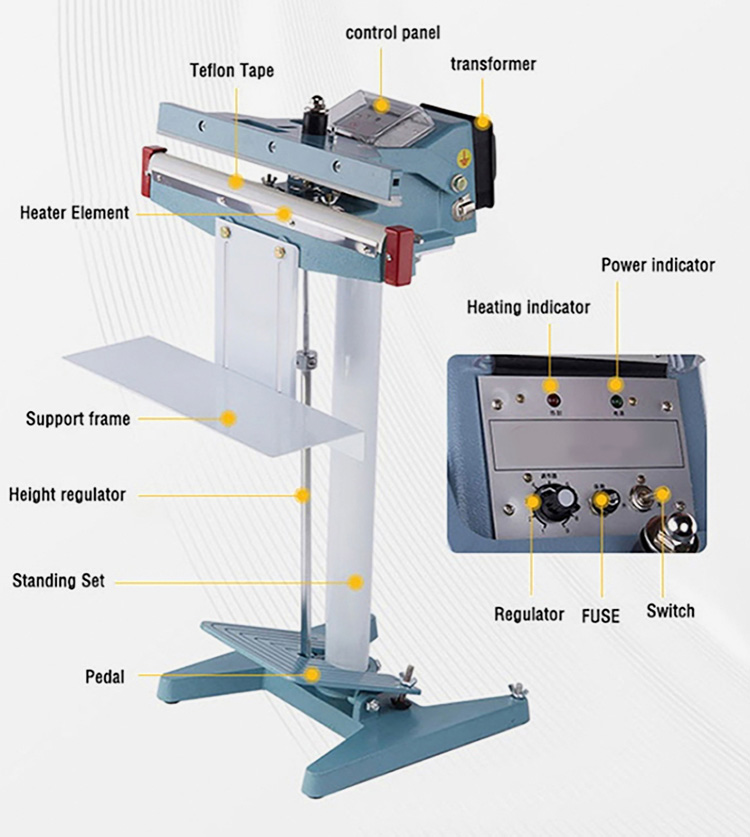
           4.What Are The Main Components Present In A Foot Operated Heat Sealer?

          Main Components of a Foot Operated Heat Sealer

          Main-Components-of-a-Foot-Operated-Heat-Sealer

          The main components of a foot operated heat sealer are

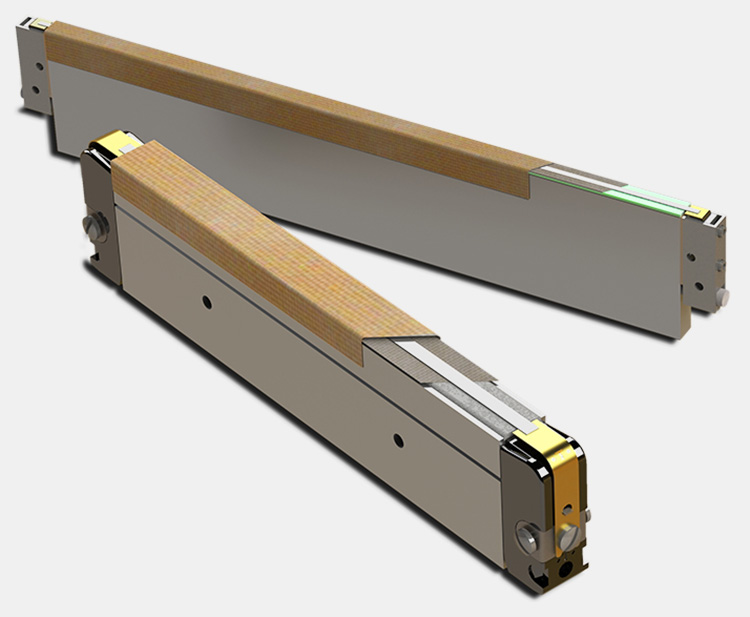
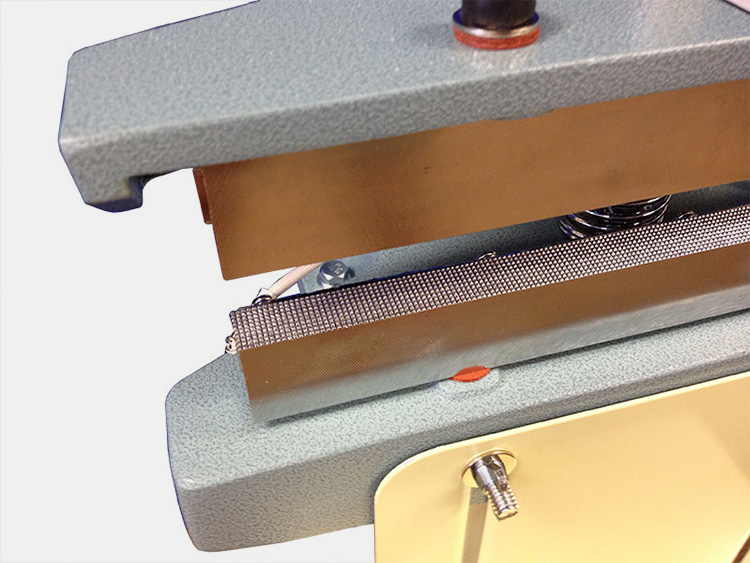
          • Jaws

          Jaws

          The most important part of a foot operated heat sealer are its top and bottom jaws. These are actually responsible for sealing of products. The product is placed in between of these jaws and during operation both these jaws get in contact which in result seal the material

          • Heating Element

          Heating-Element

          The temperature is maintained at the heating elements of a foot operated heat sealer. These are on the jaws of machine and are responsible to melt the product with the produced heat. The product placed at the jaws gets its sealing temperature from these heating elements. Different type and shaped heating elements are present in different types of foot operated heat sealers according to the requirement of product.

          • Pedal

          Pedal

          Pedal is the most important part of a foot operated heat sealer as it is responsible for the operation of machine. The operator pushes the pedal downwards and as a result an electrical signal is transferred to joint both the jaws. When the foot is removed from the pedal the jaws get separated. Pedals basically convert a mechanical signal to electrical one

          • Control Panel

          Control-Panel

          The operation of a foot operated heat sealer is controlled through this control panel. All the knobs and buttons like power, temperature control, regulator, switches and fuses are present in the control panel. It is in direct control of the operator and from here the operational parameters are maintained.

          • Temperature Sensors

          Heat sensing temperatures are found mostly in machine where temperature or heating factor is involved. Such sensitive devices are also found in automatic foot operated heat sealers because the machine has to be maintained at the given preset value. If the sensors do not perform well, the over-heating of jaws can cause irregular sealing and severe material loss.

          • Transformer

          Transformer

          A transformer basically controls the over and low voltage of a foot operated heat sealer and maintains the power throughout its operation. During a sudden jerk of voltage, the foot operated heat sealer can directly get affected. This is the reason a setup transformer are ideally installed in it.

          5.What Types Of A Foot Operated Heat Sealer Are Available In Global Market?

          Foot operated heat sealer have various application and according to it they are designed and constructed. In the global market there are three types of foot operated hand sealers that are fulfilling sealing demand of processing market. The types of a foot operate heat sealer are

          • Double Sided Foot Operated Heat Sealer

          Double-Sided-Foot-Operated-Heat-Sealer

          A double-sided foot operated heat sealer is compatible with almost every type of material. As the foot pedal gets activated by the operated, both top and bottom side gets in contact in this type of foot operated heat sealer. This ensures sealing of wide range of materials including vinyl which was difficult to seal in earlier times. A seal width of 5mm can be achieved in a double sided foot operated sealer.

          • Single Sided Foot Operated Heat Sealer

          This type of foot operated heat sealer is the most efficient one used in packaging of variety of packages. They are used for packaging of small pouches to heavy materials with a thickness of 6 to 10 mm. Hands free operation is carried out in a foot operated heat sealer and allows a seal width of 5mm.

          • Constantly Hot Foot Operated Heat Sealer

          Constantly-Hot-Foot-Operated-Heat-Sealer

          Industries where processes are carried out every time use constantly hot foot operated heat sealer. These machines allow quick sealing of products with strong hermetic sealing.   A constantly hot foot operated heat sealer allows more sealing width as compared to the rest two which is around 5 to 10 mm.

          6.What Materials Are Used To Seal In A Foot Operated Heat Sealer?

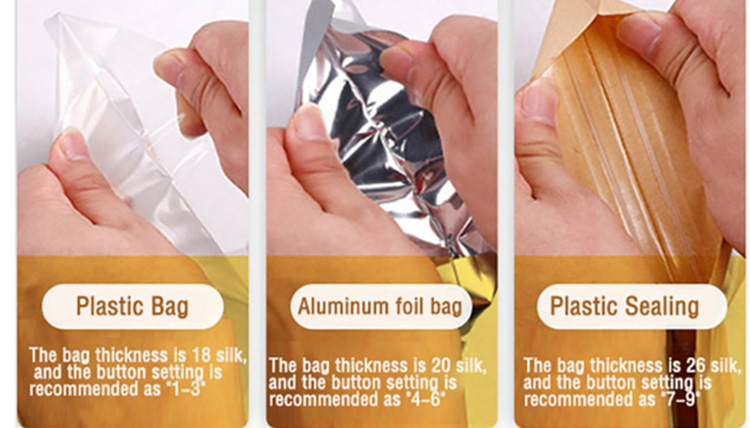
          There are various materials that are frequently applied in the foot operated heat sealer including plastic bags,  polypropylene sealing aluminum foil, etc. Here are the details as following below:

          Materials

          Foot operated heat sealers are widely used to seal materials like plastic, aluminum foil and polypropylene. However sometimes paper bags are also used in industries for packaging of products. The specifications of these materials according to their sizes are

          • Plastic Bag

          Plastic-Bag

          One of the most commonly used material for packaging purpose is plastic or polythene. They are highly recommended due to the versatile behavior of carbon and hydrogen bonding which makes it very hard to break. A foot operated heat sealer also seals a plastic bag which ranges between 5 to 10mm depending upon the temperature set for sealing.

          • Plastic / Polypropylene Sealing

          With more than 20 mm of thickness, polypropylene bags are the thickest ones which are sealed using a foot operated heat sealer. They require high temperature for their sealing as their melting point cannot be achieved at low temperature

          • Aluminum Foil

          After plastic bags, aluminum foils come second in terms of packaging purpose. Mostly food and agricultural products are packed in these types of materials to keep them safe. An aluminum foil of 10 to 15mm can be easily sealed using a foot operated heat sealer.

          7.What Benefits Can YouGet From A Foot Operated Heat Sealer?

          With various advantages of the foot operated heat sealer, you can fulfill your household purposes or you can bright your business. Some of the advantages of foot operated heat sealer are

          • Safe Product Delivery

          Sealing through a foot operated heat sealer ensure proper protection to the product which is kept inside the bag or pouch. Products that are affected by environmental conditions are protected from being contaminated and also increase their shelf life.

          • Presentable Packaging of Product

          Presentable-Packaging-of-Product

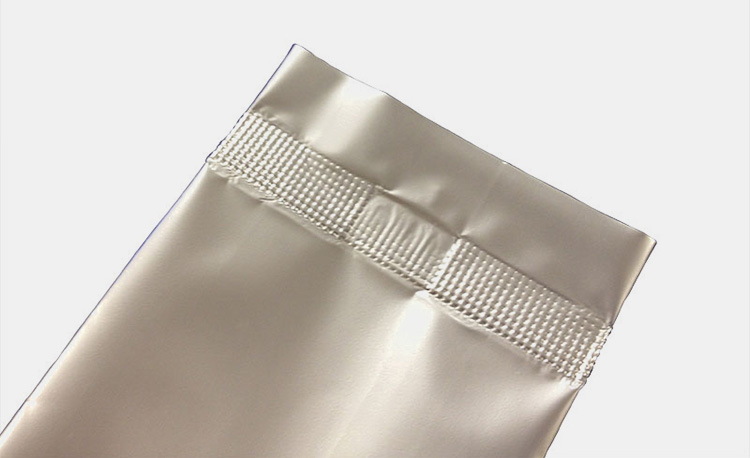
          A foot operated heat sealer provides decent and presentable sealing properties which are loved by the customers. Neat and clean packaging attracts the customer more towards the product and can increase its demand.

          • Continuous Sealing

          One of the biggest advantages of using a automatic foot operated heat sealer is that it provides continuous sealing options. The jaws of machine remains activated throughout the process at the same temperature which is preset at the start. This temperature allows sealing of any type of bag or pouch no matter it is made up of any material

          • Cost Saving

          Cost-Saving

          One of the supreme advantages of a foot operated heat sealer is that it saves a lot of money. Packaging only includes a onetime investment on machine which actually is very economical. No extra investment is to be done as the maintenance cost of sealer is also very low.

          • Easy to Adjust

          Easy-to-Adjust

          The durability of a foot operated heat sealer can be judged in a way that they can easily be carried from one place to another without any support. As per their requirement, the manufacturer can change their directions. Foot operated heat sealers are also applicable in all type of industries where packaging of products is done.

          • Saving of Time

          Saving-of-Time

          Once the temperature is achieved on both top and bottom jaws of foot operated heat sealer, sealing process is done in a highly quick manner. This saves a lot of packaging time as compare to sealing done through manual process.

          • Ease In Operation

          Operation of foot operated heat sealers is easy to understand and requires no prior knowledge. The operator can get use to the operational procedures once he gets hands on to the machine.

          • Versatility

          A foot operated heat sealer offers sealing of variety of materials like paper, film, polypropylene and other which makes it highly compatible. Also it is not affected by any environmental conditions due to its quality structure.

          • Smooth Production

          Foot operated heat sealers are highly productive for small and medium scale industries, as they can seal more than 15 to 20 bags or pouches in a minute.

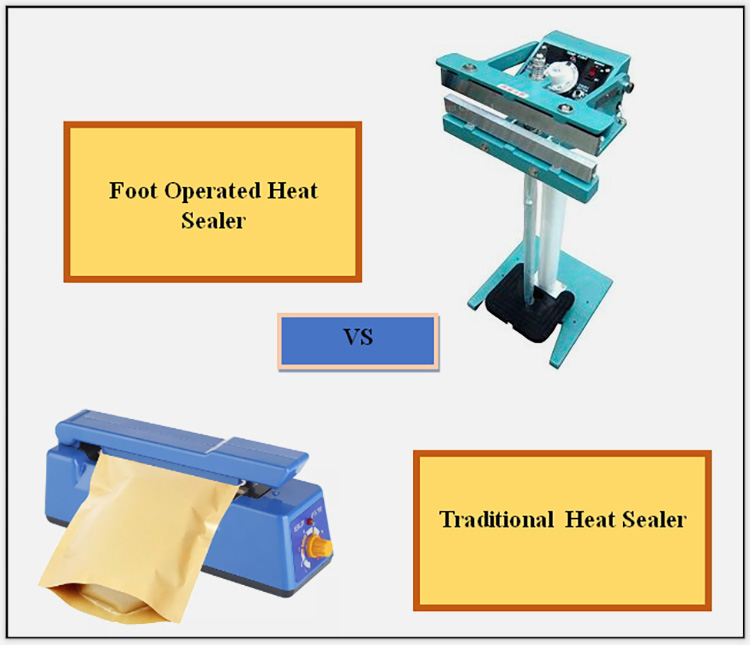
          8.What Are The Differences Between A Foot Operated Heat Sealer And An Ordinary Heat Sealer?

          Following are the differences between a foot operated heat sealer and an ordinary or traditional heat sealer.

          Differences-Between-A-Foot-Operated-Heat-Sealer-And-An-Ordinary-Heat-Sealer

          • Pressure

          Foot operated heat sealer is set on a certain pressure value which remains same throughout the cycle. This results in identical sealing on all the products. Pressure also maintains the force by which both the jaws of machines get in contact. This controlled pressure reduces chances of poor sealing

          While in a traditional sealer the pressure varies in each cycle depending upon the operator’s ability. The applied pressure is directly in control of the operator. As a result to this, the product shows different sealing width in each cycle.

          • Sealing Quality

          High quality sealing is achieved in a foot operated heat sealer. Every product in the processing line has same sealing quality.

          Poor quality sealing can be done manually. In this type of machine the cycle can be repeated more than twice depending on the quality of sealing done. A lot of wastage can occur in manually operated sealing machines.

          • Wide Range

          A foot operated heat sealer offers wide range of material compatibility and can be set according to the width of bag. Different materials like PVC, polyethylene, aluminum foil and other materials of various sizes can easily be sealed using this type of machine.

          Single machine only shows compatibility to limited material width. The manufacturer has to buy separate machine for all products. Also the machine does not gives efficient sealing if variety of materials are used.

          • Economical

          Foot operated heat sealers are a bit expensive when compared with manual sealing machines but they can be economical in a sense that only one-time investment is carried. After that a full time benefit can be taken for longer period.

          Manual machines are economical when bought but when each machine are purchased for separate material it requires a lot of initial investment. Even thickness and width of materials are also kept in concern when a manufacturer thinks of a traditional heat sealer.

          • Productivity

          The productivity also remains a greater advantage and large number of sealed products can be get from a foot operated heat sealer.

          The machine depends upon the ability of its operator. The greater the operator is efficient the maximum output is gained. It always remains a direct relation in traditional sealers.

          • Edge Cutting

          Sharp knives and heating elements are present in a foot operated heat sealer to cut the bag after its sealing process is completed.

          Manually cutting of edges is done by the operator himself. The cutting can be sometimes poor with improper edge cutting.

          9.What Common Errors Are Found In A Foot Operated Heat Sealer?

          When you are operating the foot operated heat sealer, there may be some common errors sometimes. You do not have to worry about this things, and here are the common errors in the operating process and its remedies. Your problems will be well managed if you after this guide.

          S.NO PROBLEM CAUSE TROUBLESHOOTING
          1  


          Poor Sealing

          Incorrect sealer temperature The most important factor of poor sealing is insufficient temperature. The temperature should be checked properly before starting of packaging.
          2 Excessive pressure Reduce the pressure by the pressure knob present on the control panel.
          3 Insufficient pressure Increase the pressure by the pressure knob present on the control panel.
          4 Insufficient sealing width Check both the top and bottom jaw of the machine and its sealing width according to the width of material.
          5 Misalignment of jaws Check both the jaws and align them accordingly
          6  


          Poor Cutting

          Improper adjustment of anvil Adjust both the cutting knife and the anvil
          7 Difference in jaw temperature Check temperature of both jaws of a foot operated heat sealer and adjust it according to the requirement
          8 Improper cleaning of jaws Cleaning the jaws properly before start of production.
          9  

          Open Ended Seal

          Sticking of film on jaws Check temperature of both jaws and adjust it according to the requirement
          10 Jaws not heating Check circuit breaker, heater, thermistor, bushes and relays.
          11 No pause when jaws are meshed together Set the cycle to the standards according to the material
          12 Jaws not properly pressing the bag Raise the bottom jaw to a certain height so that both jaws press together in a proper manner

          10.What Important Factors Are To Be Observed Before Buying A Foot Operated Heat Sealer?

          Following factors should be considered before purchasing a foot operated heat sealer.

          • Initial Investment

          There are number of foot operated heat sealers that have different cost. That is why the buyer should select the machine according to its investment keeping the production in view.

          • Production Requirement

          Before purchasing a foot operated heat sealer, the buyer should thorough study its requirement and product capacity. This will help an industry to select a sealer according to its capacity. Machine with extra burden can somehow cover a large area and give no proper output.

          • Quality of Jaws

          Quality-of-Jaws

          One of the important factors related to foot operated heat sealer is the quality of jaws which are actually responsible for sealing. A close study should be done related to these jaws because if they are made up of poor quality material then they won’t last for a longer period and will require quick replacement. Also they must be compatible with the temperature at which the manufacturer aims to seal its products. Excess temperature can melt the jaw as well as the packaging material.

          • Maximum Sealing Width

          Foot operated heat sealers are found with different sealing width. It is important to notice that whether the product that is to be sealed can be processed in it or not. Sealing machines with maximum width are ideally to be selected as they can merge all ranges within it.

          • Cooling Time

          Cooling-Time

          After sealing process is carried out, cooling down time is carried out. This is also an important thing as low cooling time increases the productivity. Machines with greater cooling time slows down the process and also give poor quality sealing.

          Conclusion

          Foot operated heat sealers are efficient and provide quality sealing. To better understand all the basic things related to a foot operated heat sealer we Allpack are providing you this buying guide and are available 24/7 for your assistance. If you still find any query you can directly contact us or visit our website http://www.allpackchina.com/ .

          Don't forget to share this post!

          CONTACT US

          Tell us your raw material and project budget to get quotations within 24 hours.

          WhatsApp Us: +86 181 7101 8586

          Invalid Email
          Invalid Number

          Foot Operated Heat Sealer: The Top Buying Guide In 2025 Read More »

          Vacuum-Feeder

          Vacuum Feeder: The Complete FAQ Guide In 2025

          Vacuum Feeder: The Complete FAQ Guide In 2025

          Vacuum-Feeder

          Do you have trouble with your cats constantly begging for food or making a mess when they eat? Are you interested in finding an easier way to feed them without having to strain yourself? Then the vacuum feeder might be your answer!

          This innovative pet product has taken feeding animals to the next level and helps make caring for pets much more convenient. With its easy-to-use design, no mess functions, and healthy nutritional benefits, it’s perfect for busy pet owners who want their furry friends well looked after while keeping their home clean.

          In this blog post, we will outline how vacuum feeders work, their features, and why they’re becoming more popular among pet owners who want an easier feeding routine.

            Add a header to begin generating the table of contents

             1.What Is A Vacuum Feeder?

            Vacuum-Feeder1

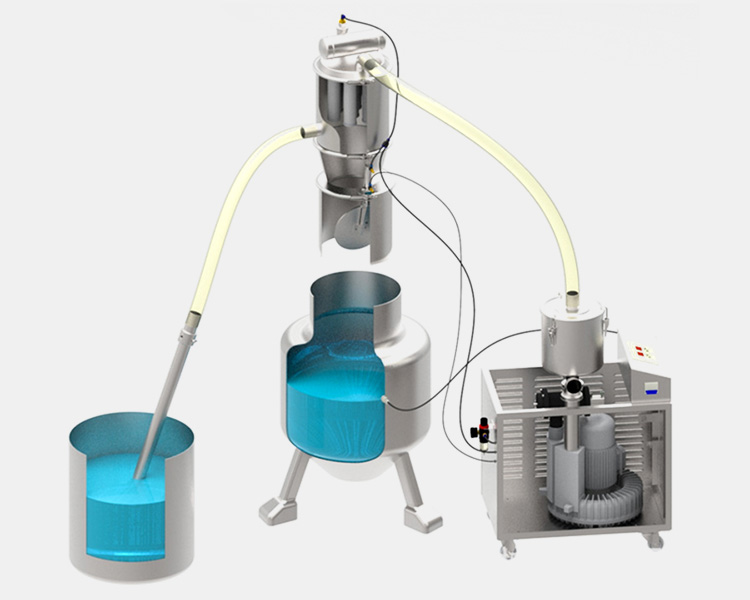
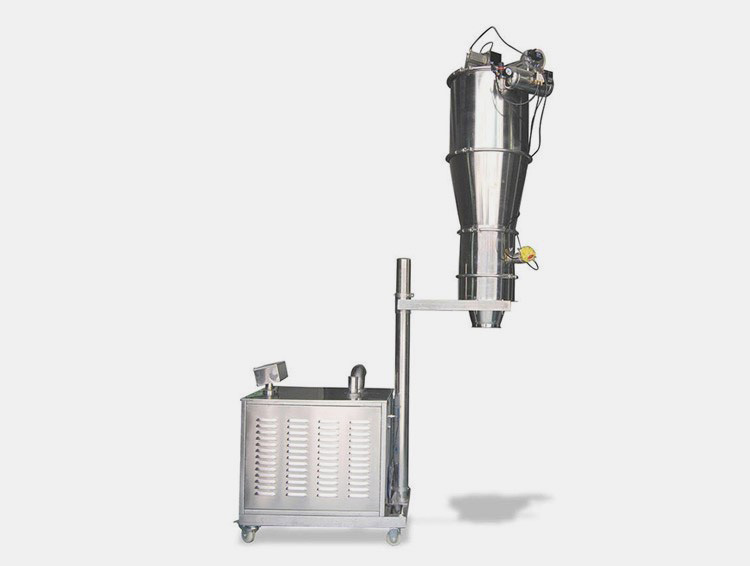
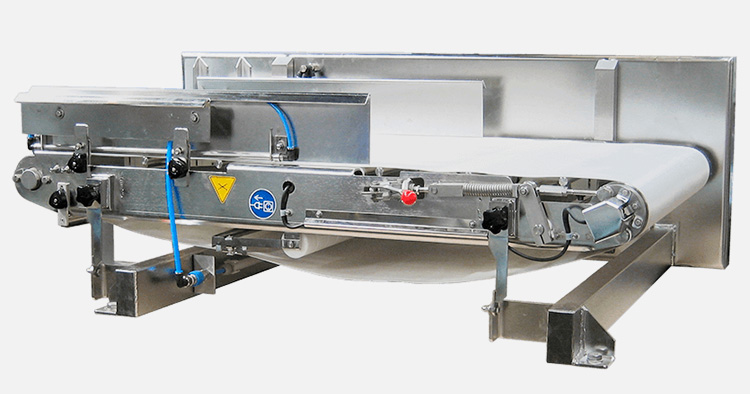
            A vacuum feeder is an automated device that moves powdered, granular, and liquid materials from a source to a destination. It involves using vacuum suction to draw material from one location, such as a bin or hopper, and transfer it through tubes for discharge into another container.

            Vacuum feeders are used in many production processes where accuracy and repeatability are important. They provide precise control over the flow rate, allowing for extremely accurate material dispensing.

            Also, this equipment can transport large volumes of material quickly and efficiently without manual labour, making them cost-effective solutions in many industrial applications. Vacuum feeders offer flexible design options depending on the application requirements, including configurations with open hoppers or enclosed bins connected via vacuum lines.

            Moreover, these vacuum feeders can also be used with other equipment, such as mixers, blenders, and particle size reduction machines, to ensure the precise mixing or grinding of particles. Vacuum feeders are widely used in many industries, including pharmaceuticals, food processing, chemicals, plastics, etc.

            2.What Are The Components Of A Vacuum Feeder?

            Components-of-Vacuum-Feeder

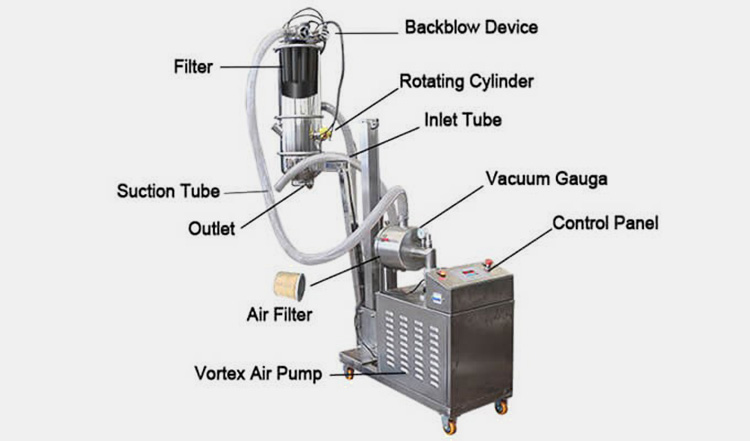
            A vacuum feeder consists of several components, including:

            • Vacuum Pump

            This is the primary component of a vacuum feeder and creates an area of low pressure to draw material into the feeder.

            • Air Regulator

            This component regulates the pressure within the vacuum system, ensuring that it remains at the optimum level for efficient material flow.

            • Vacuum Chamber

            This is where the vacuum pressure is created and maintains the vacuum feeder system. It also collects excess material that the vacuum cannot draw in.

            • Adjustable Speed Motor

            The adjustable speed motor controls how quickly material is fed into the feeder, allowing for precise control of the material flow.

            • Exhaust Tube

            The exhaust tube is necessary to ensure that no excess vacuum pressure builds up in the vacuum chamber, as this can cause damage to the vacuum feeder system.

            • Hopper

            This is used to store material before being sucked into the vacuum feeder. The size and shape of the hopper will depend on the type of vacuum feeder system used.

            • Control Panel

            This is used to monitor, adjust and control all aspects of the vacuum feeder system. It also allows for troubleshooting should any issues arise.

            3.What Are The Advantages Of A Vacuum Feeder?

            A vacuum feeder has a wide range of advantages to offer, including:

            • Cost Savings

            Cost-Saving

            Vacuum feeders reduce the need for manual labour and increase the consistency of product output while using minimal energy, resulting in cost savings. This makes vacuum feeders an excellent investment for material handling processes.

            • Reduced Product Damage

            Vacuum feeders help reduce product damage in the feeding process. This is because vacuum suction reduces mechanical shock and air that can cause product breakage or separation, resulting in a more uniform output.

            • Increased Accuracy

            The vacuum feeder controls the rate of material flow into a process based on vacuum pressure, as opposed to manual operation or vibration, which may result in inconsistent feed rates. This makes vacuum feeders ideal for ensuring accurate product delivery and more consistent results.

            • Improved Safety

            Vacuum feeders are safer than traditional material handling methods because they reduce the need for operator interaction with dangerous materials while also reducing dust and other airborne particles.

            • Space Saving

            Vacuum feeders are designed to be compact and take up less space than other material handling equipment, making them ideal for tight areas or processes with limited floor space.

            4.What Are The Applications Of A Vacuum Feeder?

            • Pharmaceutical Industries

            Pharmaceutical-Industries

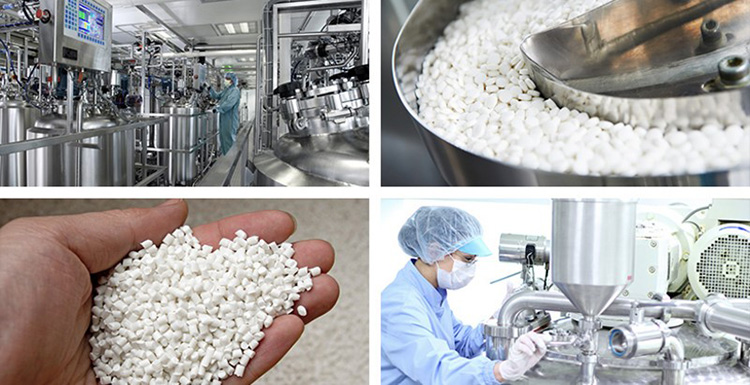
            Vacuum feeders are used in pharmaceutical industries to convey and disperse powder, granules and pellets.

            • Food Manufacturing

            Food-Manufacturing

            Vacuum feeders are commonly used to transport grains, nuts, dried fruits, powders, etc. as raw materials for food processing.

            • Cosmetics Manufacturing

            Cosmetics-Manufacturing

            Vacuum feeders are used in cosmetics manufacturing to add ingredients such as colorants and fragrances into the mixers.

            • Chemical Industries

            Chemical-Industries

            Vacuum feeders can be used in chemical industries to convey and disperse powder, granules and pellets.

            5.How Does A Vacuum Feeder Work?

            Vacuum-Feeder2

            A vacuum feeder works by using vacuum suction to pick up the material and deposit it into a container. The vacuum feeder creates a vacuum in its chamber, which creates an air flow that pulls in the material and deposits it into containers or vessels on the other side.

            6.What Are The Different Types Of Vacuum Feeders Available For Industrial Applications?

            a) Automatic Vacuum Feeders

            Automatic-Vacuum-Feeder

            Automatic vacuum feeders are automatic pet feeders that use suction technology to precisely dispense small portions of food and treats. They are designed to give pets a comfortable and consistent meal experience with minimal mess. These feeders feature adjustable settings so you can customize the amount of food or treat each time, ensuring your pet receives the proper portion size every time.

            Components

            • Vacuum Pump

            The vacuum pump is the heart of an automatic vacuum feeder, and its main function is to generate a vacuum in order to draw material from the hopper into the machine. It can either be air-powered or electric-powered depending on your needs.

            • Hopper

            The hopper is the container where the material to be fed is stored. It must be large enough to hold the necessary amount of material and should also be designed in such a way that it allows easy access for maintenance purposes.

            • Feeding Mechanism

            This is usually a conveyor belt or auger, which transports the material from the hopper into the machine. It is important that the feeding mechanism is able to handle the material properly, as this will affect the performance of the automatic vacuum feeder.

            • Control System

            The control system is responsible for controlling how much material is drawn into the automatic vacuum feeder at any given time. It can be controlled manually or automated with a microprocessor.

            • Dewatering System

            This is an optional component that can be used if your automatic vacuum feeder needs to process wet material. It consists of a dewatering unit, which separates the water from the material, and then recycles it back into the hopper for further processing.

            • Discharge Chute

            The discharge chute is where the material exits the automatic vacuum feeder. It must be designed properly in order to ensure that it does not clog, and that the material is discharged evenly into its designated area.

            • Sensors

            Sensors are a key component of automatic vacuum feeders as they help to monitor the performance of the machine and detect any potential issues early on. Some common sensors used in automatic vacuum feeders include pressure sensors, level sensors, and temperature sensors.

            Working Principle

            Automatic vacuum feeders use a combination of suction and pressure to move items from one location to another. They work by creating a vacuum inside the feeder, which draws air in and creates negative pressure. This vacuum then pulls the items through the feeder for automatic sorting, counting, and positioning

            Applications

            Automatic vacuum feeders can be used in a wide range of applications from industrial manufacturing to everyday household tasks. In industrial settings, automatic vacuum feeders are often used for automatic material handling and robotic assembly lines.

            In the home setting, automatic vacuum feeders are most commonly used for pet food/water bowls, automatic litter boxes, automatic pet doors, fish tanks and aquariums

            b) Belt Vacuum Feeders

            Belt-Vacuum-Feeders

            Belt vacuum feeders are used for transporting small parts from one area to another. The belts provide a continuous, smooth motion which helps to ensure that the parts are transported safely and efficiently.

            Components

            • Vacuum Belt

            The belt is a conveyor belt with holes throughout it that suck in material and transport it along the belt. It can be made of various materials such as rubber or polyurethane, and is driven by an electric motor.

            • Vacuum Generator

            This component creates the vacuum that powers the belt. It is usually a fan or pump driven by an electric motor.

            • Hopper

            The hopper is used to store material before it’s transferred onto the belt. It can be made of various materials such as metal or plastic and is designed to hold a certain amount of material.

            • Control System

            This component is responsible for controlling the speed, pressure, and direction of the belt vacuum feeder. It can be either manual or automated and consists of motors, sensors, switches, and other electronics.

            • Conveyor Chute

            This component is a channel that directs the material from the belt feeder to its destination. It can be made of various materials such as metal or plastic and is designed to ensure that the material does not get stuck in any spot along the belt.

            • Support Structure

            This component provides structural support for all of the other components and ensures that the belt vacuum feeder remains in place. It is usually made of metal and can be either free-standing or mounted to a wall.

            Working Principles

            The belt vacuum feeder works by creating a negative pressure within the system, allowing materials to be drawn up onto the belt and transported along the belt run. This allows for efficient and continuous movement of bulk materials with minimal dust or material loss.

            The belt vacuum feeder is comprised of a belt, belt drive mechanism, and an adjustable suction hood with a vacuum source. The belt runs between two sprockets driven by the belt drive mechanism which creates continuous movement along the belt run.

            A suction hood is placed over the belt and connected to a vacuum source, creating a negative pressure or suction which pulls the material onto the belt. The belt is then able to transport the bulk material to its desired location.

            Applications

            Belt vacuum feeders are used in a variety of industries, such as mining, food processing, and chemical manufacturing. In mining applications belt vacuum feeders can be used to transport bulk materials from underground deposits to the surface quickly and efficiently.

            In food processing belt vacuum feeders can be used to transport grain and other food products from silos to storage facilities.

            c) Linear Vacuum Feeders

            Linear-Vacuum-Feeders

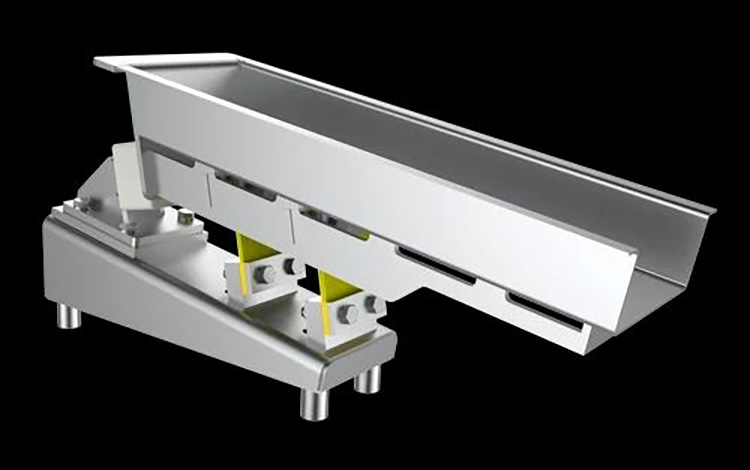
            Linear vacuum feeders are automated systems used to transport and dispense particulate materials. They feature linear, motor-driven hoppers that work in tandem with a powerful vacuum system to quickly and accurately distribute dry bulk ingredients. This type of equipment is commonly used in food processing, chemical production, pharmaceutical manufacturing, and other industries.

            Components

            • Vacuum Generator

            A linear vacuum feeder consists of a vacuum generation section, which is mostly powered by an electric motor and/or compressed air. This generates the necessary suction to move material along the linear feed path.

            • Linear Pathway

            The linear pathway consists of tubing or other flexible conduit that carries the material from the vacuum generator to its desired location. The linear path must be properly designed to provide a tight fit and make sure that no vacuum leaks or other obstructions occur.

            • Vacuum Sensor

            A linear vacuum feeder also comes equipped with a vacuum sensor, which is used to monitor pressure changes in the linear pathway. This helps maintain consistent flow rates and allows the linear vacuum feeder to operate at optimal performance levels.

            • Control Unit

            The linear vacuum feeder is controlled by a control unit, which is responsible for regulating the speed and power of the linear path. It also monitors the pressure changes in order to ensure that material is being moved at the desired rate.

            • Safety Devices

            Linear vacuum feeders also come equipped with safety devices such as emergency stop switches, overload sensors and limit switches to help protect personnel and equipment from potential damage during operation.

            • Material Container

            Finally, linear vacuum feeders include a material container which is used to store the material that is transported along the linear path. This container must be properly sized to ensure proper flow and prevent clogging of the linear pathway.

            Working Principles

            Linear vacuum feeders work by creating a negative pressure or vacuum within the linear tube, which causes air pressure to push material along through the linear tube.

            The linear tube also typically contains a series of baffles and other components that help ensure that the material is moving steadily and evenly.

            By controlling the speed at which materials move through the linear tube, linear vacuum feeders can be used to handle a wide variety of products, including both light and heavy materials.

            Applications

            Linear vacuum feeders are used in a variety of industrial, medical, and commercial applications. In industrial settings, linear vacuum feeders can be utilized to transport items such as powders and pellets over long distances or up steep inclines.

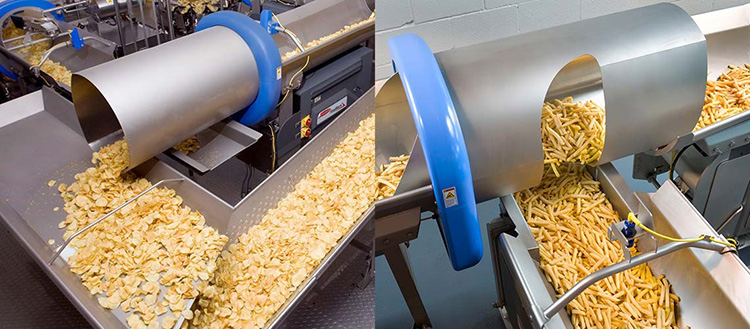
            Linear vacuum feeders are also commonly used to segmentally process products such as potato chips or snacks. In medical applications, linear vacuum feeders may be used to transport pharmaceuticals and medical supplies or to package pre-filled syringes.

            Additionally, linear vacuum feeders are frequently utilized in commercial settings for lightweight and low cost product packaging solutions.

             7.What Are The Different Types Of Materials That Can Be Handled By A Vacuum Feeder?

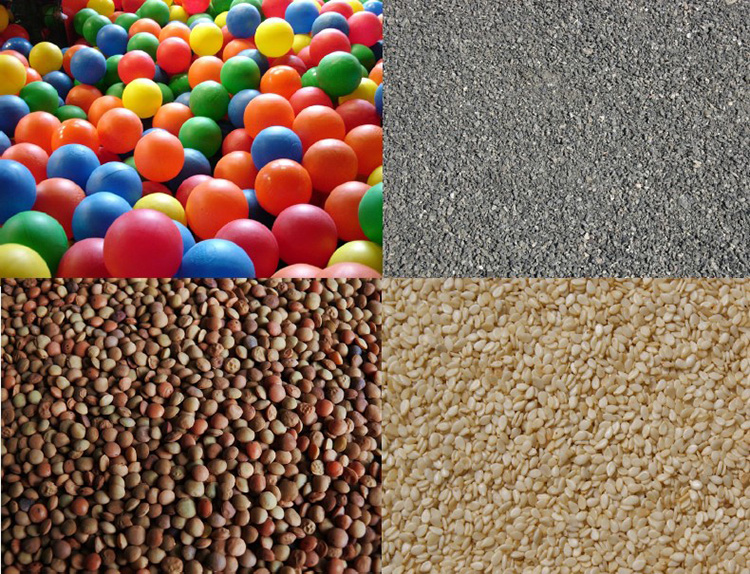
            The types of materials that a vacuum feeder can handle include:

            • Granular Materials

            Granular-Materials

            These are materials such as: sand, sawdust, coffee grounds, and sugar. The vacuum feeder can easily move these materials from one place to another without causing damage or spillage.

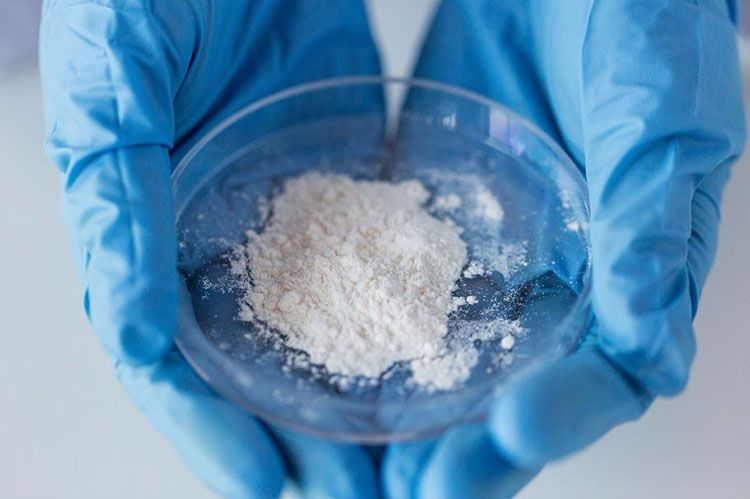
            • Powdered Materials

            Powders

            These are materials such as flour, baking powder, and spices. The vacuum feeder can collect and store these materials in a dust-free environment.

            • Pellets

            Pellets

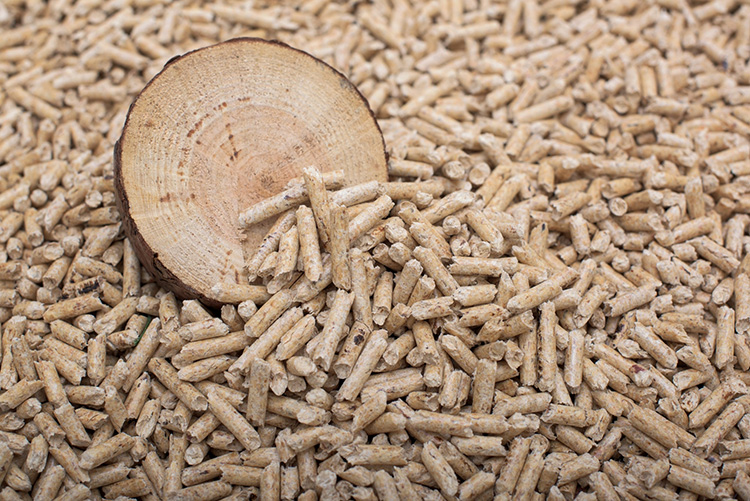
            These are small cylindrical or spherical shapes made from materials such as plastic or wood. A vacuum feeder can handle these pellets without causing any damage to them.

            • Tablets and Capsules

            Tablets-and-Capsules

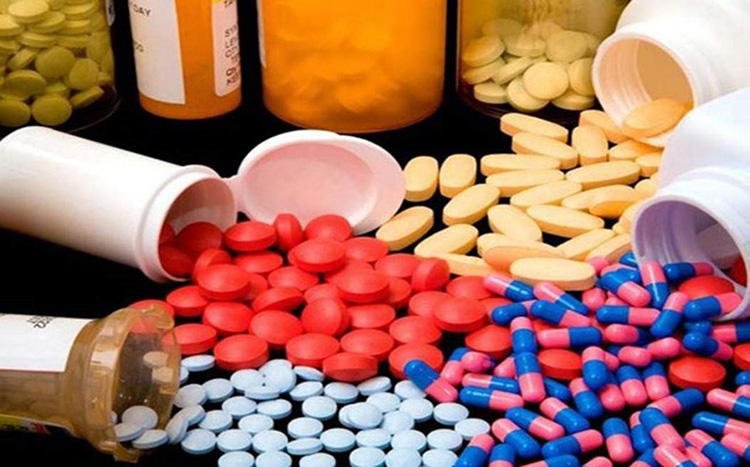
            These are solid circular discs that contain medicine or other ingredients. The vacuum feeder can easily transfer these tablets and capsules from one point to another while keeping them contained within the vacuum chamber.

            8.How Can You Design Vacuum Feeders For Optimal Performance?

            Regarding vacuum feeders, proper design is key to achieving optimal performance. To ensure maximum performance, the vacuum feeder must be designed with certain considerations. They include:

            • Material Selection

            What type of material will the vacuum feeder be working with? Different materials require different types of vacuum systems. They may need special modifications, such as adding side shields or replacing the suction cups with larger ones that can handle heavier loads.

            • Vacuum System

            The type of vacuum system used should also be considered; vacuum systems with lower airflows may not be able to handle heavy loads, while higher airflows can create too much suction, leading to damage or malfunction.

            • Size and Shape

            The vacuum feeder’s size and shape must also be considered when designing for optimal performance. The vacuum system must fit properly in the available space so it can move freely and efficiently without obstructions.

            If the vacuum feeder is too small, then it won’t be able to provide enough suction for heavier materials; if it’s too large, then it will take up unnecessary space and cause difficulties in maneuvering.

            • Safety

            Finally, the vacuum feeder must be designed with safety in mind. All moving parts of a vacuum feeder should be properly guarded, and any areas that could pinch or crush material must be blocked off.

            Additionally, vacuum systems should be equipped with sensors to detect objects or materials in the vacuum feeder’s path so that action can be taken before an accident occurs.

            9.What Are The Maintenance Procedures For A Vacuum Feeder?

            • Inspection

            Inspection

            Inspect the vacuum feeder to ensure there are no blockages or clogged lines that could disrupt vacuum flow and material handling processes.

            • Cleaning

            Vacuum feeders should be cleaned regularly to ensure optimal performance and prevent dust accumulation from compromising the vacuum flow. Be sure to clean any filters, hoses, valves, and other parts of the vacuum feeder system as needed.

            • Testing

            Testing

            The vacuum level must be tested regularly to maintain efficient material handling operations. A vacuum tester can help you determine what type of pump is most suitable for your application and if it is operating at a sufficient vacuum level.

            • Adjust vacuum settings

            If the vacuum levels are not at the desired setting, you may need to adjust the vacuum pressure accordingly. This can help optimize material handling performance and ensure that your vacuum feeder operates at peak efficiency.

            • Lubrication

            Lubrication

            Vacuum feeders require regular lubrication of moving parts like bearings and valves to reduce friction and wear-and-tear on the vacuum feeder system. Be sure to use a vacuum-safe lubricant when servicing vacuum feeders.

            10.What Safety Measures Should Be Taken When Using A Vacuum Feeder?

            Safety-Measures

            • Wear Protective Clothing

            When operating vacuum feeders, it is essential to wear safety glasses and hearing protection. Long-sleeved shirts and pants should also be worn to protect skin from any flying debris or sparks that may occur during the operation of a vacuum feeder.

            • Read The Manual

            Always read the vacuum feeder’s operator manual before using it. This will ensure that you thoroughly understand the vacuum feeder’s operation and all safety requirements.

            • Keep Your Workplace Clean.

            Ensure that your vacuum feeders are cleared of debris, dust, and dirt before operating them. Doing so can help prevent fires or electrical hazards from occurring.

            • Use Vacuum Feeders With Caution

            Operate vacuum feeders slowly and carefully. Ensure that all hoses are secure before operating the vacuum feeder, and keep your hands away from moving parts while in operation.

            Also, make sure to turn vacuum feeders off when not in use and unplug them before changing or cleaning the vacuum feeder.

            • Maintain Vacuum Feeders Properly

            Regularly inspect your vacuum feeders for any signs of damage, including worn components and loose wires. Replace damaged parts immediately, and follow the maintenance instructions outlined in the vacuum feeder’s manual.

            • Training Operators

            Ensure that all vacuum feeder operators are trained and certified before using a vacuum feeder to ensure they know how to use it safely and effectively. This will also help to reduce any risk of misuse or accidents.

            11.What Are The Common Faults Associated With Using A Vacuum Feeder And Their Possible Solutions?

            • Clogging

            Clogging

            When particles become stuck in the vacuum lines, it can cause clogging, which prevents material from flowing through properly.

            Solution

            To fix this problem, anti-clogging filters should be installed at strategic points along vacuum lines to prevent particles from entering the vacuum chamber and causing blockages.

            • Inefficient Flow Rate

            If there is an insufficient flow rate of materials being fed into the vacuum feeder, then this can cause problems and inefficiencies.

            Solutions

            Replacing the seals or tightening vacuum control valves, ensuring that no air is allowed to enter the chamber and thereby creating a vacuum in the system.

            • Leakage

            Leakage

            Vacuum feeders can suffer from leakage due to worn seals or vacuum loss within the system.

            Solutions

            Adjusting vacuum levels, checking the system for air leaks, and ensuring that all vacuum lines are connected properly.

            • Malfunctioning Vacuum Sensors

            If vacuum sensors are malfunctioning or not operating correctly, this can lead to inconsistent vacuum levels and inefficient material flow.

            Solutions

            Replace any faulty vacuum sensors or adjust their settings. Additionally, regular maintenance should be done on the vacuum feeder to ensure everything is functioning properly.

            • Contamination

            Contamination from foreign materials can also disrupt the efficiency of vacuum feeders.

            Solution

            Use a filtration system designed to filter out any contaminants before entering the vacuum system.

            Additionally, it is important to regularly clean vacuum lines and chambers to keep them free of debris or other materials that could cause blockages.

            12.What Factors Should Be Taken Into Consideration Before Purchasing A Vacuum Feeder?

            • Cost

            Cost

            The cost of a vacuum feeder will depend on its size and features, so it is important to consider your budget before making a purchase.

            • Size

            Vacuum feeders come in different sizes, so you’ll need to decide which one can accommodate the size of your operation.

            • Durability

            Make sure that the vacuum feeder you’re considering is made from materials that can withstand wear and tear over time.

            • Maintenance

            Maintenance

            Consider how often the vacuum feeder needs to be serviced and maintained, as this can have an impact on the cost of ownership over time.

            • Efficiency

            Determine if the vacuum feeder has features that improve efficiency, such as sensors or a built-in timer.

            • Warranty

            Check to make sure that the vacuum feeder comes with a warranty so that any problems can be addressed quickly and effectively in the future.

            Conclusion

            With a wide range of options for sizes, shapes, colors, and features; the chances are good that Allpack has the perfect vacuum feeder for your business. If you have any questions or would like more information about our products and services, please don’t hesitate to contact us today. Our team is always ready and willing to help you find exactly what you need to take your business to the next level.

            Don't forget to share this post!

            CONTACT US

            Tell us your raw material and project budget to get quotations within 24 hours.

            WhatsApp Us: +86 181 7101 8586

            Invalid Email
            Invalid Number

            Vacuum Feeder: The Complete FAQ Guide In 2025 Read More »
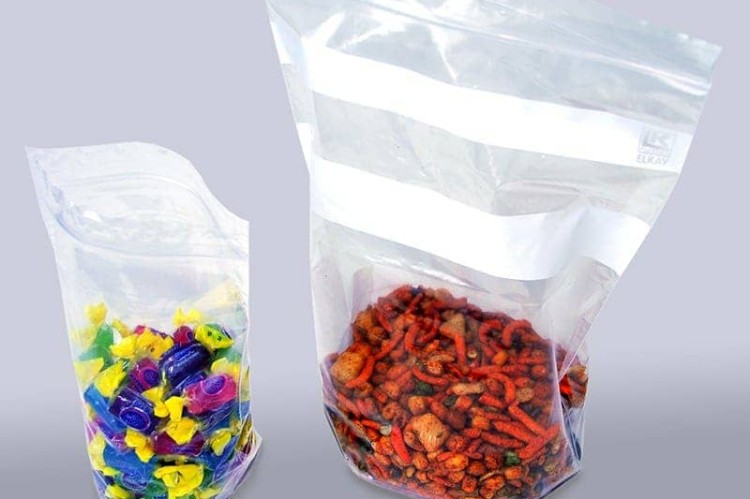
            Case Sealer

            Case Sealer: The Complete Buying Guide In 2025

            Case Sealer: The Complete Buying Guide In 2025

            Case Sealer

            Large quantity of finished products is now travelling from one place to another. For protection and proper sealing of boxes or cartoons case sealers are used to ensure proper packaging which protects products from getting damaged.

            For selecting an appropriate case sealer according to the production requirements, it is necessary to get all related information before buying a machine. This article contains all the necessary information regarding case sealers so take the most from it.

              Add a header to begin generating the table of contents

              1.What Is A Case Sealer?

              Case Sealer

              A case sealer is mostly used in packaging industry or industries where products are packed with sensitive care. A case sealer is basically a packaging equipment which is used to pack a carton or box in a highly efficient manner. A carton is placed on the conveyor and the tape rollers roll on both sides of the carton.

              In this manner, the carton gets sealed from all the sides. A carton sealer ensures safe travelling of products even if it is to be delivered to a longer distance. This type of sealing reduces human efforts to a large level and gives quality packaging.

              2.What Are the Application Of Case Sealers?

              Case-Sealer1

              Case sealer also called carton case sealer, is most popularly used in carton packaging industry where large numbers are to be packed in limited time. Traditionally, this method was done by the operator himself, but it was much time consuming and also the packaging was not done in a proper manner. Case sealer has now provided packaging industry a great benefit in clean carton packaging of products.

              Case-Sealing

              Other than packaging industry, all industries like food, manufacturing, goods, wood, cosmetic, chemical, pharmaceutical and paper are packing their products in cartons or boxes are now focused on using these case sealers for their packaging process. Case sealer increase productivity in an exponential manner and helps industries to become more economically stronger.

              3.What Are the Working Principles Of the Case Sealer?

              Working-Principle

              The working principle of a case sealer is not as complex as other sealing options. It only follows the few procedures.

              • Initially all the products are kept inside the carton or box and then sent to the conveyor of a case sealer.
              • All external and internal parameters including power, conveyor speed, tape rolling speed and other are maintained for proper sealing.
              • The carton is then placed on the conveyor manually and then it automatically travels to the path towards the machine.

              Working Principle1

              • As the carton enters the sealing area, both up and down tape sealing rollers roll on the surface of it and seal the carton from upside down.
              • The motor then drives the carton out of the system and in this way the sealed carton is received at the end of conveyor system.
              • In this simple procedure, highly efficient sealing is performed on carton with precision and accuracy.

              4.What Are the Main Components Of A Case Sealer?

              The main components present in a case sealer are

              • Tape Dispensers

              Tape-Dispenser

              This is the heart of a case sealer because it holds the main sealing tape in it and dispenses over the products. The tape dispenser rolls over the carton when it is feeded to the system. The important feature of a tape dispenser is that it only releases a desired amount of tape according to the size of carton.

              Tape dispensers are available in different width and sizes ranging from 25mm to 100mm for an overlap tape of up to 70 mm

              S.NO Tape Width Tape Range Tape Overlap
              1 30mm 25-30mm 50mm
              2 50mm 38-50mm 50 or 70mm
              3 100mm 65-100m 70mm
              • Pillars

              Pillar

              Pillars are the one which forms the assembly of a case sealer. They are of different size and width according to their placements. They are also incorporated with air cylinders and gas springs.

              • Tape Alarm

              Tape-Alarm

              Tape alarm is an indication unit that monitors and supervises the process of sealing. This system monitors the knife and roller movement with its photoelectric eyes. Whenever some mishap or warning occurs, the tape alarm generates an alarm both in audio and video form. In the meantime, it also holds the rest of process. It indicates following warnings.

              • If the roller tape gets empty.
              • If the roller tape is about to get empty
              • If there is no tape on the roller
              • If the tape is not properly cut and the roller still pulls out tape.
              • Motors

              For ensuring the movement of cartons or boxes and properly sealing, some motor driven units are their which are moved using motors. Also, the conveyor system is moved using these motors.

              • Conveyor System

              Conveyor2

              Conveyor systems are there in a case sealer machine for proper in and out of a carton or box. These conveyors easily make delivery of boxes to the system and inline the system.

              5.What Are the Features Of the Case Sealer?

              • Packaging Range

              Carton Packaging for Different Ranges

              Carton Packaging for Different Ranges – photo credits: abcpackaging

              Case sealers are highly versatile that they provide a wide range of packaging standards. It can be customized to any range according to the length, width and height of the carton or box. No matter what material the box is made up of, a case sealer can seal it with high perfection and precision.

              • Common Power Input

              Common-Power-Input

              One of the most important features of a case sealer is that it does not require any special type of input power supply. It can be plugged in any of the range of voltage available in the global world.

              • Customized Conveyor Length

              Customized Conveyor Length

              Another feature of a case sealer is that it is not utilized for only a single length box or carton. The input conveyor and whole system can be adjusted according to the packaging box. The conveyor speed and movement is also controlled according to that particular situation.

              • Machine Structure

              Machine Structure

              Most of the case sealers are made up of stainless steel due to which they are highly durable and last for a longer period. The environmental condition does not harm the sealer that much due to its composite body structure.

              • Machine Working Speed

              Last but one of the unique features of a case sealer is their speedy packaging. The rate of products sealed in a prescribed time is much higher than done by traditional sealing methods. This increases the productivity of an industry and allows producing number of cartons in an hour without any human effort.

              6.How Many Types Of Case Sealers Are Available There?

              Case sealers are primarily available in two types. These types are then further divided according to the construction of machine and its application. The two types of case sealers are

              • Semi-Automatic Case Sealer

              Semi-Automatic-Case-Sealer

              In a semi-automatic case sealer, both human and machine interface are present and different stages. Initially the carton is placed by the operator and flaps all the interfaces either minor or major. Then the carton enters the system and tape sealer is applied. Also, after the sealing application the carton is manually received at the other end.

              • Fully Automatic Case Sealer

              Fully-Automatic-Case-Sealer

              While in a fully automatic case sealer, all the procedures are performed by the machine itself. Sometimes the operator only places the carton on the entrance if the machine is isolated from the rest procedures.

              Otherwise, the whole product placement, flapping of carton edges, sealing, and quality check all are done by the machine itself. Also, a proper conveyor system allows the entrance and exit of cartons.

              7.What Are The Differences Between Case Sealers And Case Erectors?

              Some of the differences between a case sealer and case erector are

              • Case Sealer Vs Case Erector

              A carton or case is kept in a case sealer, here the machine folds both the top and bottom flaps of the object and seals it uniformly.

              In a case erector, the carton or box first gets shaped and then flaps of all sides are sealed properly.

              Case Erector

              Case Erector – photo credits: pearsonpkg

              • Operation

              The working method of case sealer is very easy as the box is pushed into the sealing system manually or by conveyors first. Here the holders present inside the system hold it and then activates both the sealing shafts. Top and bottom shafts allow the sealing of box neatly by the rolling of tape on it.

              The method of case erector is entirely different. A flat cardboard is pushed into the sealing system and there it gets it actual shape. As the box or carton gets it shape, the tape is then applied to all the sides.

              Operation of Case Erector

              Operation of Case Erector – photo credits: questindustrial

              • Machine Parts

              The main machine parts of case sealers include tape fixing roller, handwheel lock, carton positioning wheel, conveyor, conveyor table, frame, casters, switch, motor, and height adjustment handle.

              A carton sealer is mostly comprised of a taping mechanism, bunch of tapes and it holders, hard metallic structure and conveyor belts.

              Parts of Case Sealer

              Parts of Case Sealer

              Parts of Case Sealer – photo credits: made-in-china

              The main machine parts of case erectors include touch screen HMI, power switch, press plate, side belt, electrical cabinet, foot pad, emergency switch, side belt width adjustment, air inlet, blank magazine, case height adjustment, protective cover, blank retainer, vacuum sucker.

              Most importantly, a taping wheel is present in a case erector which is responsible to perform taping on all sides and standing shafts to make the carton or box stand from flat surface.

              Parts of Case Erector

              Part of Case Erector

              Part of Case Erector – photo credits: sirosilo

              • Sealing Sides

              In a case sealer, only the top and bottom flap of box are flapped by the machine and are only sealed accordingly.

              Sealing Sides of Case Sealer

              Sealing Sides of Case Sealer – photo credits: youcipack

              A case erector folds and seals all sides of a box or cartons but keeps one side of it opened for placing product in it.

              Sealing Sides of Case Erector

              Sealing Sides of Case Erector – photo credits: sting-pack

              • Sealing Speed

              3 to 5 cartons or boxes are sealed in a second while using a case sealer but in case of a case erector, the productivity increases to 5 to 7 boxes per second.

              8.What Types Of Tape Materials Are Used To Seal In A Case Sealer?

              Most used taping material in a case sealer are

              • Box Sealing Tape

              Box-Sealing-Tape

              Sealing tape are easily available anywhere and are preferred to be used as a sealing option. They are used as lubricating and sealant material to combine two surfaces of any material.

              A box sealing tape is a bit weaker in sealing strength as compared to adhesive tape but are more economical.

              • Adhesive Tape

              Adhesive-Tape

              An adhesive material is usually a combined form of adhesive film and bonding material that joins two surfaces together with greater strength. An adhesive tape can easily be used instead of screws or ropes.

              A case sealer ideally uses this type of taping material because the product must travel longer distances. An adhesive tape can also be used in low temperature conditions which makes it highly useful than other types of sealing tapes.

              9.What Are the Benefits You Can Get From A Case Sealer?

              Reason to Buy a Case Sealer

              Reason to Buy a Case Sealer – photo credits: americansurplus

              There are various advantages of the case sealer that you can purchase a case sealer including increasing productivity, avoiding material waste, proper sealing position, product security, product presentation.

              • Increasing Productivity

              Packaging Productivity

              Packaging Productivity – photo credits: insitepackaging

              Case sealers are used to increase the productivity to a large level which was near to impossible with traditional methods. Manual sealing takes a lot of time whereas automatically and within a minute a case or carton gets sealed with perfection. It directly increases the production rate on daily basis.

              • Avoiding Material Wastage

              Carton Waste

              Carton Waste – photo credits: rethink

              Using a case sealer ensures that all sides of a box are proper and evenly sealed so that no material wastage takes place. A single strip is continuously applied on the whole case which also avoids multiple times application of tape. In this way the applied tape is also saved.

              • Proper Sealing Position

              Proper Sealing Position

              Proper Sealing Position – photo credits: tesa

              Previously, an excess quantity of taping on sealed cartons was received. But now using a case sealer, tape is applied on proper positions within a system and no excess tape is used. In this manner sealing with efficient length and position is done.

              • Product Security

              A single layered sealing on cartons with consistency allows the product to be highly secured. It ensures better security of products no matter how far it must travel. A case sealer decreases pilferage rate and increase security of products during transportation.

              • Product Presentation

              Cartons

              Cartons – photo credits: hazel4d

              The product which is packed in a case sealer is highly presentable in nature. It is packed in a level that the customer gets directly attracted to it and wishes to have a case sealer

              • Less Damage to Products

              Protection of Products

              Protection of Products – photo credits: shursealsecure

              Using ordinary means of sealing like scissors, staplers, straps or glue has high probability of product damage. These cannot completely secure the product and in a result both worker and products loss can occur.

              Case sealer on the other hand provides unbreakable sealing to case so that the product and its surrounding both get secured. Also, the repairing cost reduces to a distinct level while using a case sealer.

              • Operators Safety

              As the product gets secured, it reduces the chance of any accident with its motion. The employee or operator that carries the carton is completely safe and there is no chance of any injury to the operator. A case sealer also reduces human efforts, fatigue, injuries and machine breakdowns.

              10.What Are The Common Faults And Their Remedies That Are Faced In A Case Sealer?

              Some of the possible errors that are faced in a case sealer are

              • Insufficient Sealing

              Insufficient Sealing

              The most popular error or fault that is faced in a case is of insufficient application of sealing. Due to this the packaging is not proper done and hard kneading or peeling is present which can further crack the sealing in transportation. This factor mainly arises because of the improper setting of parameters like temperature, pressure, conveyor speed etc.

              This error can be removed if proper sealing pressure and conveyor is maintained and synchronized with each other.

              • Edge Breaks

              Another problem faced in case sealer is of shrinks or edge breaks. This problem is created because of improper sealing temperature.

              The error can be rectified if the sealing temperature is maintained according to the product and tape material that must be packed.

              • Wrinkles Formation

              Carton Wrinkles

              Carton Wrinkles – photo credits: prempack

              Wrinkles are formed due to the failure of sealing that is caused by static electricity. As the result case sealers applies tape with wrinkles and also the inward attraction of contents takes place.

              Properly static electricity supply can minimize this problem.

              • Product Contamination

              There are possible scratch marks or ways that can contaminate products due to improper cleaning of parts that are present in a case sealer.

              Proper parts clean schedule if done will reduce the chances of product contamination.

              11.Which Factors Are Necessary To Be Noticed Before Buying A Case Sealer?

              There are six important factors that should be kept under consideration before going for purchasing a case sealer

              • Sealing Range

              Sealing-Range

              The most important factor before selecting a case sealer is to check its versatility and compatibility. Because it is not necessary that only a single sized carton is to be sealed every time. There can be different sizes according to the situation. So, the manufacturer should select the machine after complete study of whether it is compatible on uniform size or also on random sizes.

              Random case sealer can give lot of productivity and economical advantage to the manufacturer. It is always a good decision to select a random case sealer rather than a uniform case sealer.

              • Weight of Case

              Weight-of-Case

              The weight handling capability of a case sealer should also be one of the important concerns for the buyer. As the products that are being packed vary in weight, it can directly affect the speed of conveyor. As a result of it poor quality taping will be performed. So, select the sealer with maximum weight bearing capacity according to production setup.

              • Production Volume

              Production-Volume

              A more productive machine can drastically increase the productivity of any industry. Before buying a case sealer it should be kept under consideration that how much number of cases can be sealed in a day. After complete analysis of production volume of any business right type of sealer can be selected. Anticipation of volume is an important task before selecting a case sealer.

              • Labor Involvement

              Labor-Involvement

              Machine with high automation can reduce the labor cost and increase the production cost. So, machine should be selected keeping in mind that is the labor necessary or not or fully automated machines are required.

              • Size of Case

              Size-of-Case

              Case sealer in which the industry is interested to invest should be compatible with small to large cartons. Size is an important factor which ensures that the machine will seal number of cartons regardless of their sizes.

              • Working Environment

              Working-Environment

              Another important factor for considering in a case sealer is that in which environmental conditions the industry will use it. Environmental conditions can directly affect the structure of a case sealer. As in high humid conditions, case sealer made up of stainless steel are more preferred.

              Likewise in normal working conditions, simple enameled steel body structured case sealer can be used. While checking the environmental conditions, machine size and its placement should also be considered according to the area available within territory.

              Conclusion

              Case sealers are more popular among industries because of their quick, efficient and reliable packaging of cartons or boxes. But it is always necessary to be aware of all the factors that should be considered before purchasing a case sealer. You can always contact our customer support team or visit our website http://www.allpackchina.com for more details.

              Don't forget to share this post!

              CONTACT US

              Tell us your raw material and project budget to get quotations within 24 hours.

              WhatsApp Us: +86 181 7101 8586

              Invalid Email
              Invalid Number

              Case Sealer: The Complete Buying Guide In 2025 Read More »
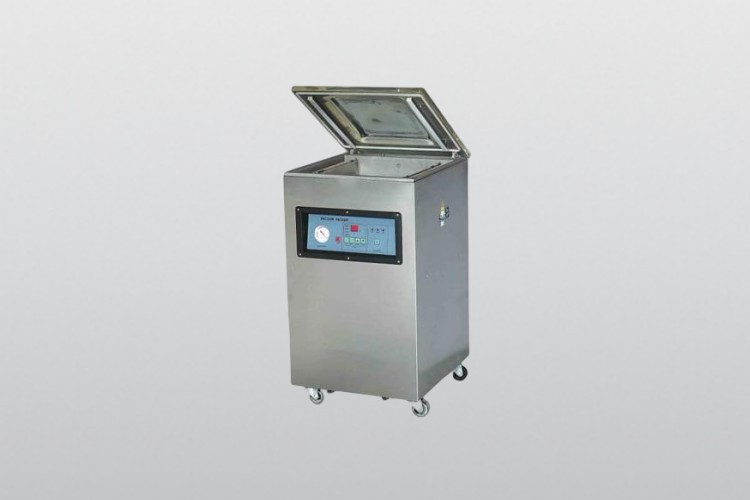
              Automatic-Tape-Dispenser

              Automatic Tape Dispenser: The Complete Buying Guide In 2025

              Automatic Tape Dispenser: The Complete Buying Guide In 2025

              With the increasing population of world, industries and factories are now focused on producing products with higher precision, quality, and greater productivity. In this regard, automatic tape dispenser is also one of the most liable products used for dispensing tape on cartons, boxes and plastics with uniformity and precision.  So, read the complete blog to take the most of it.

              Automatic-Tape-Dispenser

                Add a header to begin generating the table of contents

                1.What Is the Automatic Tape Dispenser?

                Automatic-Tape-Dispenser

                Automatic tape dispensers also called as automatic tape cutting machine, adhesive tape machine, are applied for holding the tape and cutting the tape to pack the cartons or boxes. It is used due to its rapid tape dispensing capability on packaging bags, cartons and boxes.

                2.What Are the Applications of Automatic Tape Dispensers?

                The automatic tape dispensers are mainly applied in packaging industry, and it can pack cartons, boxes, electromechanical products, files and so on.

                Automatic-Electronic-Tape-Dispenser2

                There are number of industries that are busy in using these automatic tape dispensers because of its advance features and quality packaging. An automatic tape dispenser can be applied in all type of factories, industries, households and companies where packaging of boxes, cartons, bags takes place.

                • Carton Industry

                Application-of-Automatic-Tape-Dispenser

                Automatic tape dispenser can be applied in carton industry for cutting the tapes and sealing the cartons and boxes.

                • Automobile Industry

                Automatic tape dispenser can be applied in automobile industry for sealing in the assembly of auto parts, protecting the body during painting, sealing small holes in the body, reducing noise, etc.

                • Architecture Industry

                Automatic tape dispenser can be applied in architecture industry for sealing building doors and windows, elevators, glass walls, solar elements.

                • Printing Industry

                Automatic tape dispenser can be applied in printing industry for adjusting the printing quality and reduce the time for changing rolls.

                • Electrical Industry

                Automatic tape dispenser can be applied in electrical industry for sealing the goods in transportation, ensuring the safety of electrical appliances, and can also be used for panel fixing, surface protection, etc.

                Whether it is a carton industry, automobile industry, architecture industry, printing industry, electrical industry, all types of industries are now using automatic tape dispenser to get more better-quality packaging of products with fast output ratio.

                3.How Many Types of Automatic Tape Dispensers Are There?

                There are three main types of automatic tape dispensers in the current conditions and are used in different types of industries, factories and households including water activated automatic tape dispenser, automatic electronic tape dispenser, pneumatic tape dispenser.

                • Water Activated Automatic Tape Dispenser

                Water-Activated-Automatic-Tape-Dispenser

                Water activated automatic tape dispenser is the type of automatic tape dispenser specially used for holding and cutting water activated tapes including ultra durable water activated tape and white water activated tape. This type of tape is very environmentally friendly.

                Water-Activated-Automatic-Tape-Dispenser

                When the packaging is unpacked, this tape can generally be recycled, dissolved directly in the soil, and used as fertilizer.

                • Automatic Electronic Tape Dispenser

                Automatic-Electronic-Tape-Dispenser

                Automatic electronic tape dispenser is the type of automatic tape dispenser specially that mainly driven by electricity. It has the advantage of being faster and easier to operate than a manual dispenser. But the electronic tape dispenser is more expensive.

                Automatic-Electronic-Tape-Dispenser1

                Automatic electronic tape dispenser is suitable for commercial or factory use. Because the electrical tape dispenser is more efficient and suitable for large events and projects. It is a powered machine and does not require any manual operation to cut the tape.

                • Pneumatic Tape Dispenser

                Pneumatic-Tape-Dispenser

                Pneumatic tape dispenser is the most expensive of the three tape dispensers. Pneumatic tape dispenser is the most efficient and fastest tape dispenser among the three tape dispensers. Pneumatic tape dispenser is best suited for industrial applications. Pneumatic tape dispenser is most suitable for encapsulating large cartons.

                With all these types of automatic tape dispenser, you may apply them in different uses with high efficiency.

                4.What Are the Main Components of the Automatic Tape Dispenser?

                Different types of automatic tape dispensers have different main components, and you will learn from the main components from the types of water activated automatic tape dispenser, automatic electronic tape dispenser, pneumatic tape dispenser.

                • Main Components of Water Activated Automatic Tape Dispenser

                Main-Components-of-Water-Activated-Automatic-Tape-Dispenser

                There are total twelve main components of the water activated automatic tape dispenser including the top cover, operating guide, brush assembly, water bottle, water tank, roll guides, lower platen, heating equipment, brush pressure adjusting device, shear blade, drive wheel, manual handle for shear blade.

                • Main Components of Automatic Electronic Tape Dispenser

                There are three main parts of the automatic electronic tape dispenser including the front part, the back part and the panel part.

                The Front Part

                Main-Components-of-Automatic-Electronic-Tape-Dispenser1

                There are nine main components for the front part of the automatic electronic tape dispenser including pressure roller, digital display, tape exit, soft tape bracket, blade set, adjustable level for tape, sensor, tape bracket, and “pinch roller elastic” button.

                The Back Part

                Main-Components-of-Automatic-Electronic-Tape-Dispenser

                There are seven main components for the back part of the automatic electronic tape dispenser including tape bottom bracket, switch, fuse holder(built-in fuse), powder cord socket, tape separator(spare), auxiliary bracket.

                The Panel Part

                Main-Components-of-Automatic-Electronic-Tape-Dispenser3

                There are nine main components for the panel part of the automatic electronic tape dispenser including automatic/manual mode setting, length+, length-, tape cutting length specification setting, mode forward, start up, model logo, back, work LED light.

                • Main Components of Pneumatic Tape Dispenser

                Components-Of-The-Pneumatic-Tape-Dispenser

                There are thirteen parts of the pneumatic tape dispenser including safety shield, tape, tape base, tape holder, tape cut spacing knob, manual rocker, chassis, shell, machine radiate, rotating disk, starting switch, upper blade, components of the cutting tools.

                The parts composition of pneumatic tape dispenser is the most complex and the most parts tape dispensers among the three styles. This needs to be more maintained and monitored. When put into use, you need to pay more attention to the way you use it.

                5.What Are the Features of the Automatic Tape Dispenser?

                Automatic Tape Dispenser

                All the automatic tape dispensers have the similar features and the details are as the following below:

                • Applied for Two Roll Tapes At the Same Time

                Automatic tape dispensers can handle two rolls of tape at the same time and cut them at the same time.

                • Applied for Various Types of Tapes

                Automatic tape dispensers can cut different materials such as tape, adhesive tape, protective film, etc.

                • Data Saving

                Automatic tape dispensers have a memory function, and the original data will still be saved when the machine is turned off and on again.

                • Cycle Cut

                Automatic tape dispensers have the function of circular cutting, free to set different lengths of circular cutting, and can cut adhesive tapes of different thicknesses.

                • Wheel Design

                Tape cutting machines are usually designed with no rollers and have high safety performance.

                6.What Are the Working Principles of the Automatic Tape Dispenser?

                Like other dispensing equipment used in industries, automatic tape dispenser also has a simple operational procedure. The operation of an automatic tape dispenser is done in following steps.

                Working-Principles-of-Automatic-Tape-Dispenser

                • Initially, all the parameters including electrical, tape roll, length setting, edge cutting and others are done in an automatic tape dispenser.
                • As the setting is done the roll of tape is filled with a new tape in a specific manner which is defined by the manufacturer itself.
                • As the operator finds all the things in favor, it pushes the numbered button from where it selects the length of tape take is to be used to seal a packet.
                • The machine is carried to the carton then and positions the place of taping and presses it down.
                • The dispenser than releases the tape automatically and on the other hand the cutting of edges is also done as it reaches to the length selected previously.
                • In this manner the tape bonds both the flaps of object with greater strength.

                The working principles of the automatic tape dispensers are quite simple, because the they are totally automatic driven, and there is no labor work need. The only thing you need to do is to paste the tape to the cartons or boxes.

                7.What Are the Advantages of the Automatic Tape Dispenser?

                With various advantages of the automatic tape dispensers, you can fulfill your household purposes or you can bright your business. The main advantages of the automatic tape dispensers are user friendly, fast cutting, cut to pre-set lengths, reduction in movement, low risk of injury, far less fatigue of operator.

                Advantages-of-Automatic-Tape-Dispensers

                • User Friendly

                Automatic tape dispenser is very user friendly because of their operation. The machine assists the operator to one select the type of cutting and the length of tape that has to be cut. Rest the whole work is done by the machine itself in a precise manner.

                • Fast Cutting

                Fast-Cutting

                In terms of fast cutting, the loaded tape comes out of the dispenser as it gets powered. The operator pushes the desired length and the tapes comes out quickly. When the operator positions the dispenser on cartons or boxes, it presses the flaps down and quickly seal it to make it secure from opening during transportation.

                • Cut to Pre-Set Lengths

                The key feature of an automatic tape dispenser is that it cuts the tape which is preset by the operator. The setting is done as per the requirement of box edges or by the desire of customer as well. Variety of options are available in an automatic tape dispenser to customize the setting of length of tape.

                • Reduction In Movement

                Reduction-In-Movement

                An automatic tape dispenser facilitates the operator to minimize the number of movements to pack a box or carton and also helps in increasing the productivity of an industry. Through a research it has been gathered that by using an automatic tape dispenser, the productivity of an industry increases by 21%.

                • Low Risk of Injury

                As mentioned above, when the number of movements is decreased it automatically results in low risk of any type of injury or accidents.

                • Far Less Fatigue of Operator

                Far-Less-Fatigue-of-Operator

                In an automatic tape dispenser, the maximum work is done the machine itself rather than by the operator. As a result, the operator gets a greater comfort zone and gets less fatigue in operation.

                After knowing about the advantages, there are also various packaging tapes for you to choose. Different types of tapes may applied to different types of tape dispensers.

                8.What Tapes Are Mostly Applied In the Automatic Tape Dispenser?

                There are various tapes that are frequently applied in the automatic tape dispenser including water activated tapes, scotch tapes, double sided tapes, fiber tapes, warning tapes, kraft paper tapes, etc. Here are the details as following below:

                • Water-activated Tape

                water-activated-tape

                Water activated tape is made up of pure paper and has a reinforce of fiberglass in it for making it strength full. An automatic tape dispenser has an activated feature with water for proper dispensing of water activated tape. For this a water heater is also installed in it that aids the adhesion of bounding tape.

                • ­­Scotch Tape

                Scotch-Tape

                The scotch tape is made on the basis of the BOPP original film after high-voltage corona to make one side rough, then coated with glue, and then divided into small rolls, which is the tape you use every day.  Scotch tape is the most popular type of tape used for binding purpose and is available in different sizes and lengths.

                • Double Sided Tape

                Double-sided-tape

                A double-sided tape is used where both the surfaces of the material are to be used for sticking purpose. These tapes are a bit expensive so with an automatic tape dispenser, proper dispatching of tape is performed and which creates less chances of waste.

                • Fiber tape

                Fiber-Tape

                A fiber tape is usually used as a replacement of paper tape or in areas where patch holes are to be covered in dry walls. They are also best incorporated with automatic tape dispenser.

                • Warning Tape

                Warning-Tape

                Warning tape is a tape made of PVC film as the base material and coated with rubber-type pressure-sensitive adhesive. Warning tape has the advantages of waterproof, moisture-proof, weather resistance, corrosion resistance, anti-static, etc. It is suitable for anti-corrosion protection of underground pipelines such as air pipes, water pipes, and oil pipelines.

                • Kraft Paper Tape

                Kraft-Paper-Tape

                Kraft paper tape is divided into wet water kraft paper tape and water-free kraft paper tape, which can be printed and screened according to requirements. Kraft paper tapes are produced using the pulp of a tree or wood. They are famous due to their stickiness and are widely used for secure sealing.

                All these tapes are the most popular tapes that often applied in the automatic tape dispensers. And the different tapes need to be applied in different automatic tape dispensers.

                9.What Are the Common Errors and Its Remedies That Occur In An Automatic Tape Dispenser?

                When you are operating the automatic tape dispensers, there may be some common errors sometimes. You do not have to worry about this things, and here are the common errors in the operating process and its remedies. Your problems will be well managed if you after this guide.

                Maintenace-Automatic-Tape-Dispenser

                S.NO PROBLEM CAUSE TROUBLESHOOTING
                1 Problem in Powering On Problem in the electrical unit of dispenser * Check the power cord that it properly supplies the power or not

                * Unplug the system and then plug it back

                * Reset the surge protector

                2 No proper dispensing of tape Insufficient tape quantity or improper placement of tape *  Check whether there is a tape or not

                * Check the proper placement of tape

                * Verify the pressure roller that is it working properly

                * Check if there is any blockage within the system

                3 No sufficient tape dispensing Inadequately gummed tape prevents tape bonding inside dispenser * Check the brushes of dispenser and water tank if it’s a water activated tape.

                * Remove the excess glue from the brushes.

                4 No proper adhere of water activated tape Moistened of tape and no permanent bonding on surface. * Check the adhesion of tape.

                * Check the brushes of dispenser and water tank if it’s a water activated tape.

                * Check the operation of heater.

                If you encounter such problems in the process of operating the automatic tape dispenser in the future, you can directly refer to this form to solve them, or you can contact us directly. We very much welcome your inquiries.

                10.How to Choose Right Type of Automatic Tape Dispenser?

                Here are the tips for you to choose the right type of automatic dispenser for yourself, and the details are about tape thickness, production volume, shipping volume, maintenance.

                • Tape Thickness

                Tape-Thickness

                Cartons and boxes of different sizes, material and weight are available for packaging purpose in industries. With respect to that, the manufacturer has to decide that what type of automatic taping dispenser is required and what taping material will be applied on those particular cartons.

                This is the key factor to chose the right type of automatic taping dispenser. To choose a right type of dispenser according to their taping thickness is as below

                S.NO Automatic Tape Dispenser Taping Material Thickness

                (mil)

                1 Semi-Automatic Tape Machine Water-Activated Tape

                Kraft Paper Tape

                3.5 – 8.5 mil
                2 Electric Taping Machine Scotch Tape

                Warning Tape

                2.0 – 3.5 mil
                3 Kraft Tape Dispenser Kraft Paper Tape 6.5 – 8.5 mil
                4 Definite Length Tape Dispenser Double Sided Tape

                Fiber Tape

                Acrylic Tape

                Warning Tape

                Scotch Tape

                1.5 – 16 mil

                The thickness of a tape is measured in mil and its measuring is equal to one thousandth of an inch.

                • Production Volume

                Production-Volume

                Information related to total production volume plays a vital role in choosing a right automatic tape dispenser as it provides the complete dynamics of an industry. With help of that the manufacturer can choose a best suitable dispenser to fulfill its requirement. Dispenser that allows multiple tape sizes and thickness are always a best choice to buy.

                Electric tape dispensers and definite tape dispensers are best choice for companies that pack bulky and heavy boxes.

                • Shipping Volume

                Shipping-Volume

                Volume of shipping is one of the concerns a manufacturer thinks before choosing an automatic tape dispenser. Having a manual, semi-automatic or automatic tape dispenser depends on the number of cartons packed in an industry. The tape core diameter and tape width are considered at priority

                S. No Dispenser Type Tape Core Diameter

                (Inch)

                Tape Width

                (Inch)

                1 Manual Tape Dispenser 3 in 1 to 3 in
                2 Semi-Automatic Tape Dispenser 1 to 3 in 1 to 18 in
                3 Automatic Tape Dispenser 1 to 4 in 1 to 5-7/8 in
                • Maintenance

                Selecting a right dispenser also depends on how much maintenance cost it takes. Dispenser with less maintenance requirements are more ideal to select and it can reduce production downtime and can be economical

                Conclusion:

                Many industries are busy in using automatic tape dispensers and tend to buy the most suitable one according to their production setup. Where number of manufacturers are busy in producing these automatic tape dispensers. This buying can assist and guide you regarding an automatic tape dispenser and if still there is any confusion in your mind you can contact us or visit our website http://www.allpackchina.com/ .

                Don't forget to share this post!

                CONTACT US

                Tell us your raw material and project budget to get quotations within 24 hours.

                WhatsApp Us: +86 181 7101 8586

                Invalid Email
                Invalid Number

                Automatic Tape Dispenser: The Complete Buying Guide In 2025 Read More »
                Twin head lotion cooler machine

                Lotion Filling Machine: The Complete FAQ Guide In 2025

                Lotion Filling Machine: The Complete FAQ Guide In 2025

                Many industries, whether small scale or large scale produce many products in the form of liquids. These products need to be stored in safe packaging which are then sent for shipping. In order to store these products, they need to be filled first. This filling is done by lotion filling machine which helps to fill the bottles with the liquid products. These filled products are then sent to their final destination.

                Before buying this lotion filling machine, let us discuss in detail its features, applications, benefits and much more.

                  Add a header to begin generating the table of contents

                  1.What is lotion filling machine?

                  Lotion Filling Machine

                  Lotion filling machine, as the name suggests is used to fill lotion into bottles. This machine is used by several industries like pharmaceutical and cosmetic industries where they produce liquid products like lotion and fill it into bottles which are then sent for shipping.

                  All these industries need an efficient machine which would easily fill their liquid products in a safe and easy manner. For this reason they use lotion filling machine which is able to meet all the requirements given by these industries. Thus, this machine is an ideal option and its demand has been increasingly growing over the past few years especially due to a boom in cosmetic industry.

                  2.What is the working principle of lotion filling machine?

                  working principle of lotion filling machine

                  The working principle of lotion filling machine is dependent which type is being used to fill lotions in into the bottles or jars. The first and foremost task is to set the parameters with the help of control unit. This is specific to the company or the industries requirements. Next the tube/bottle is placed on the tube holder. After that, the machine pretty much does all the work given that the parameters have already been set. The machine then easily fills the lotion into the bottles, jars or tubes which is then transported to the next part of the production.

                  This working principle is almost same in all the types. However there are a few differences. In manual lotion filling machine, the operator would have to perform all the tasks manually. In semi-automatic lotion filling machine, he would have to place the tube in the tube holder. In automatic lotion filling machine, the machine does the whole work and the operator only has to monitor the whole process.

                  3.What are the components of lotion filling machine?

                  Lotion filling machines have various parts which are specialized to perform different functions. Let us discuss what each of these components do.

                  components of lotion filling machine

                  Frame: this is the main structure of the machine, without this, the whole machine would become non-functional. It holds and supports the internal components and also providessupport to the external components of the machine. It is made of stainless steel which protects it from corrosion or any damage.

                  Tanks: Tanks are the main storage area where the lotion is placed before it is filled into bottles or jars. These tanks are placed higher than the machine so that during filling, the lotion can easily flow into the bottles due to gravity. They are customizableand can be manufactured in any design or size, depending on the customer’s requirements.

                  Filling nozzles:

                  Filling nozzles

                  Nozzles are used to direct the flow of the liquids from the filling machine into the bottles or jars for packaging. They must be designed according to the kind of liquid which is being filled since every liquid has its own surface tension and density, thus it requires specific nozzles.

                  Control unit:

                  Control-unit-6

                  This is the main components which controls the whole process of lotion filling machine. It is an electronic based system on which all the parameters of the process are put ina trained worker who knows how to use the control unit is put in charge of it to monitor the whole process.

                  The coding jaws: these components are important in maintaining and readjusting the process according to the specific requirements. They help the machine in readjusting itself when different liquids are used to fill bottles of different shapes and sizes. They improve the overall efficiency and effectiveness of the machine.

                  Discharge unit: this is one of the important part of machine which controls the amount of liquid which will be filled in the bottle, jar or tube. It decides how much liquid will be filled in the package, right from the tank till reaches the bottle for packaging.

                  Dosing pumps: dosing pumps are a crucial part of machine which pumps the exact dosage of liquid into the bottle or tube. They control the rate of flow of liquid from the machine into the bottle.

                  Electronic box:

                  Electronic box

                  Since the machine is powered with the help of electric current, it needs an area which can hold all the electric connections needed to run the machine. For this, the machine is provided with an electronic box which holds all these connections. Some of these parts are relay, air switch, transformer and PLC.

                  Tube holder:

                  Tube holder

                  As the name implies, this part is used to hold the tube or bottle in which the desired liquid will be filled.  To ensure maximum efficiency of the filling process, the rotary speed of the machine can be adjusted which will rotate the tube holders accordingly.

                  Safety system: this part is essentially one of the most important one since it protects the machine and the operator from any harm by ensuring that the whole process is working efficiently and not pose any danger to the operator or the environment from getting damaged.

                  Motor: this is the most important components because it is the main force which keeps the machine operating. Without it, it will become non-functional. The motor is powered by an electric current which constantly supplies the energy to keep the machine running.

                  Hopper:

                  Hopper

                  This part helps in mixing all the ingredients which then form the final liquid product.

                  4.What are the types of lotion filling machine?

                  There are several types of lotion filling machines, each suited for specific purpose. Let us discuss each of these types below.

                  A)Fully automatic lotion filling machine

                  Fully automatic lotion filling machine

                  As the name suggests, this machine works almost on its own with very little involvement of manual labor. It is capable of controlling each aspect of the process. It automatically arranges the bottles in an orderly manner, fills them with the desired liquid, and closes them with specific lid and finally sends them for final packaging. The operator only has to monitor the process, using control panel.

                  Since the whole process is automated, this machine is able to fill thousands of bottles in a day, making the process extremely quick. They also prevent any kind of leakage during the filling process, showing the machines’ efficiency.

                  B)Semi-automatic lotion filling machine

                  Semi-automatic lotion filling machine

                  This machine, as the name implies, is partly dependent on manual labor. Almost the whole filling process is automated. Manual labor is only required when the bottles need to be arranged in a specific manner so that the machine can fill them. The labeling of bottles also needs to be fixed by a worker.

                  C)Manual lotion filling machine

                  Manual lotion filling machine

                  This machine, as the name suggests requires manual labor to operate the filling process. Although it is not automated, this machine is cheaper than the automatic or semi-automatic types and would be an ideal option for small scale business to install it in their production line.

                  D)Twin head lotion cooler machine 

                  Twin head lotion cooler machine

                  This type of machine consists of two nozzles which are responsible for directing the liquid into the bottles. It enhances the efficiency and the production, increasing profits. It is ideal to use in large scale industries such as pharmaceutical, cosmetic, food, chemical industry etc. they are perfect for filling bottles with liquids such as milk, oil, soda drinks etc. moreover, they work pretty much on their own and do not need any human involvement.

                  F)Four head lotion filling machine

                  Four head lotion filling machine

                  This machine has four filling nozzles and is ideal for filling those bottles which need accurate dosage and filling. The machine is run on a specific speed so that it is able to control the in feed and out feed.

                  G)Six head lotion filling machine

                  Six head lotion filling machine

                  This machine has six filling nozzles which move around the conveyor belt. The bottles or jars which need to be filled are placed on the conveyor belt and the nozzles fill them with the desired liquid. The process is highly accurate and does not cause any kind of leakage.

                  Six head lotion filling machine is ideal for packaging viscous and semi-viscous liquids. It also needs involvement of manual labor and does not work completely on its own. The operator has to monitor the filling part of process through the control unit.

                  H)Lotion filling machine for vials

                  Lotion filling machine for vials

                  Lotion filling machine are also used to fill vials. These vials can be filled with various kinds of liquid in the form of viscous or suspension. They are perfect to use in pharmaceutical industries where medicinal liquids have to be filled with accurate dosage and prevent any spillage.

                  They are also used in industries like ophthalmic and animal health related industry.

                  I)Electronic lotion filling machine

                  Electronic lotion filling machine

                  As the name suggest, this type of machine is driven by electronic based system which require electric current to run. They are fully automated and are provided with various features like clutch brake, snap cappers, labelers, station cappers, turntables, conveyors etc.

                  5.Manual vs semi-automatic vs automatic lotion filling machine

                  Although the ultimate goal of these three types of machines is to fill the desired liquid into bottles, jars or tubes, they have a few differences as well. Manual lotion filling machine is the cheapest and the most reasonable one out of the three, thus it is ideal for small scale business or for those small scale industries who are looking for cheaper options.

                  Semi-automatic lotion filling machine lies in between the other two options. It costs more than manual lotion filling machine but is cheaper than automatic lotion filling machine. Thus it is ideal for those industries who are looking for an efficient machine with a reasonable cost.

                  Automatic lotion filling machine is the most efficient one and has the ability to fill the most bottles out of the other two. But it is the most expensive one among them, thus it can only be employed by large scale industries who would be able to afford it.

                  6.What are the advantages of buying lotion filling machine?

                  Using lotion filling machine comes with many benefits and one would not regret buying it and installing it in their industry since it has many advantages. Let us discuss them below.

                  Increased profit margin

                  Increased profit margin

                  Lotion filling machine has the capability to fill hundreds of bottles in a few minutes. This increases the overall production which is then quickly sent for shipping, thus increasing profits.

                  Easy to use

                  Easy to use

                  This machine is quite simple and doesn’t require complex methods in order to run, making it easy to use.

                  Accurate dosage

                  Accurate dosage

                  This machine accurately fills the desired liquid into the bottles or tubes. This factor is highly important in industries like pharmaceutical where accurate filling is critical to maintain the efficacy of medicines and prevent over dosage.

                  7.What are the applications of lotion filling machine?

                  Due to the number of features and benefits this machine offers, it is safe to say that lotion filling machine is a universal machine since it can be used in a number of industries. Let us discuss each of these industry below.

                  Pharmaceutical industry

                  Pharmaceutical industry

                  This industry produces various medicines and drugs which are needed by the population either to cure their diseases or improve their lifestyles. Since it is a large scale industry, it produces thousands of medicines in a single day. Thus it needs a machine which would fill these medicinal drugs into bottles or tubes as quickly as possible in an efficient manner. Moreover, it also needs a machine which would safely complete this process in a hygienic way to maintain the potency of the drug and prevent it from contamination.

                  Lotion filling machine would easily meet all these requirements and fill the bottles as safely as possible.

                  Food industry

                  Food industry

                  Food industry makes various food items like ketchup, sauces and ice creams which are filled into tubs, jars or bottles. Lotion filling machine is used for this purpose.

                  Chemical industry

                  Chemical industry

                  This industry makes various chemical products like paints, solvents and other products which are then used in other industries. Lotion filling machine can fill these products into jars for final packaging.

                  Agriculture industry

                  Agriculture industry

                  Agriculture industry makes various compounds like herbicides, pesticides. This machine fills them in their desired packaging.

                  Cosmetic industry

                  Cosmetic industry

                  This industry makes various beauty products like creams, lotion, serums and moisturizers. Lotion filling machine then packages these products into bottles, tubes and jars.

                  Veterinary industry

                  Veterinary industry

                  This industry provides medical treatment to animals and manufactures various medicinal drugs, creams, ointments and allergy creams for them. Thus this machine is used to fill them in bags and then sent to the markets for sale.

                  8.How to maintain lotion filling machine?

                  maintenance

                  Just like every other machine which requires regular maintenance to work at maximum efficiency, this machine too needs to be maintained so that it works properly. Let us discuss what points need to be considered.

                  • Make sure you disconnect the machine when not using it so that it gets cooled down and can be used in future.
                  • Check every component of the machine like hopper, conveyor belt and discharge unit to see if they’re working properly.
                  • Lubricate the machine with oil to ensure proper working and prevent any friction.
                  • Check if the motor needs any fixing or not.
                  • Clean the machine thoroughly with brushes or cleaning fabrics. Remove any dust stains with soap and water.

                  9.Problems and solutions of lotion filling machine

                  problems and solutions

                  Problems Solutions
                  1) The motor is broken. Replace the motor with a new one.
                  2) Power supply has been disrupted, stopping the whole process. Check if there is a broken electric wire and replace it with a new one.
                  3) Conveyor belt has broken down. Replace the belt with a new one.
                  4) Some parts of machine such as hopper, filling nozzles, dosing pumps have been damaged. Search for the new parts online or in market and replace it with the broken one.
                  5) The speed of the machine is too high or low. Adjust the speed to an appropriate level using control unit.

                  10.What is the marketing strategy of lotion filling machine?

                  marketing strategy

                  In order to attract customers into buying lotion filling machine, one needs to see what kind of features this machine offers so that it will easily convince the customer to buy it and install it in their production line.

                  Lotion filling machine is a very high speed machine, filling thousands of bottles in a single day. This will significantly increase the productivity, thus increasing the profit margin. It carries out the whole process in a safe and hygienic way, thus the customer doesn’t have to worry about his product getting contaminated, thus decreasing the possibility of losses. Moreover, it does not require complex maintenance and can be regularly with simple steps, thus reducing the cost of running this machine.

                  11.What quality standard should lotion filling machine conform to?

                  quality standard

                  There are certain guidelines which need to be considered to ensure that the process is being carried out at highest quality level. These guidelines are:

                  International standard organization quality standard (ISO)

                  This gives the guidelines for quality control.

                  Food and drug admin quality standard (FDA)

                  This organization gives guidelines for public health protection.

                  Electronic quality standard (CE)

                  This ensures that the product being made is of a standard quality and is safe for public health and environment.

                  Current Good Manufacturing Practices Quality Standards (cGMP)

                  This ensures that the product which is being manufactured is made of high quality materials and it meets the current standards needed to pass the criteria which is issued by the organization.

                  12.What are the factors which need to be considered before buying the lotion filling machine?

                  things to consider

                  Before buying lotion filling machine, one needs to check whether this machine would be able to meet all the requirements of the customer. These factors are:

                  Authenticity of the manufacturer

                  Before buying the machine from a particular manufacturer, check if that person is registered and has approved certification before finalizing a deal with them.

                  Space requirements

                  In order to decide which machine would be suitable for a particular business, the customer has to see what type of machine would be able to fit in his business. If he has a small workspace, manual lotion filling machine would be suitable for him whereas if he has huge workspace, he can easily install automatic or semi-automatic lotion filling machine in his production line.

                  Production capacity

                  Lotion filling machine has different types with different production capacity. Those who are looking for large production capacity should go for automatic lotion filling machine which can fill thousands of bottle in a single day, whereas those who are looking for small production capacity, manual lotion filling machine would be an ideal option.

                  Budget limitations

                  If a customer wants an affordable type of lotion filling machine, he should opt for manual lotion filling machine or semi-automatic lotion filling machine instead of automatic lotion filling machine which is the most expensive one among them and might be out of his budget. 

                  Conclusion

                  After discussing in detail about lotion filling machine, we can easily say that this machine is totally worth the investment given the features and benefits it offers. It would be a great option to install this machine in your industry if you want to earn huge profits in a safe, secure, fast and efficient way!

                  Don't forget to share this post!

                  CONTACT US

                  Tell us your raw material and project budget to get quotations within 24 hours.

                  WhatsApp Us: +86 181 7101 8586

                  Invalid Email
                  Invalid Number

                  Lotion Filling Machine: The Complete FAQ Guide In 2025 Read More »
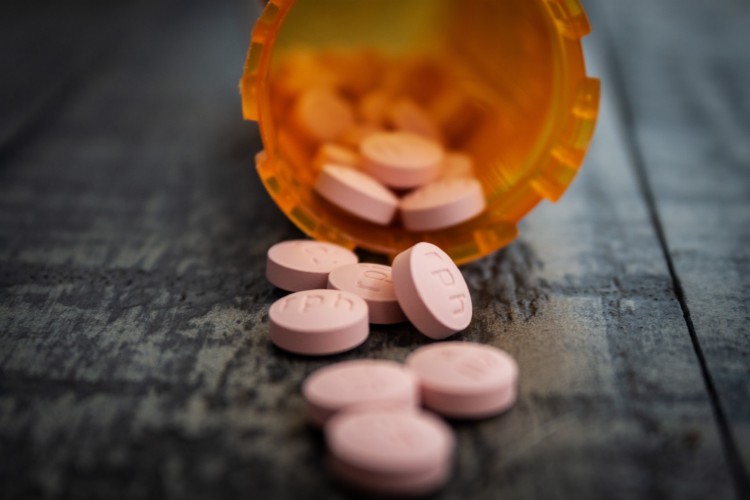
                  Chemical Creams

                  Cream Filling Machine: The Complete Buying Guide In 2025

                  Your Best Cream Filling Machine Manufacturer

                  • Powered By Compressed Air
                  • Pneumatic Quantitative Filling
                  • Pneumatic Control With Measuring Regulation

                  Cream Filling Machine

                  Allpack cream filling machine is a semi-automatic filling device that uses compressed air as power and consists of precision pneumatic components. The cream filling machines can be used to fill paste-like materials of various foods, cosmetics, medicines, and chemicals. The cream filling machine can be used to fill products of various viscosities from pastes to cream. It is an ideal filling machine for daily chemical, pharmaceutical, food, pesticide, and other industries. The cream filling machine integrates electromechanical and pneumatic and has the characteristics of reasonable design, compact structure, beautiful appearance, stable and reliable performance, high filling accuracy, strong adaptability, simple operation, and convenient maintenance. Allpack model cream filling machine is equipped with a big hopper 90L that is enough for your need. 

                  cream filling-2
                  cream filling-1

                  Cream Filling Machine

                  90L Paste Stir Mixing Filling Machine For Chili Sauce Pepper Sauce Cream Butter

                  90L paste stir mixing filling machine adopts pneumatic control and owns a wide application scope, simple measuring regulation, good shape, and convenient cleaning, suitable for the explosion-proof unit. The mixing and filling machine are designed with U type of filling machine structure which is more reasonable, high precision, simple and easy operation. This stir-mixing filling machine is ideal for food, pharmaceutical, chemical sauce mixing, and filling such as beef sauce, beans sauce, pot sauce, etc. This model liquid filling machine is equipped with a big hopper 90L that is enough for your need. With the mixing function, you can fill the pastes and sauces more smoothly and stir evenly.

                  Pneumatic control

                  Measuring regulation

                  High precision, simple and easy operation

                  50~5000ml Double Heads Nozzle Liquid Cream Paste Quantitative Filling Machine

                  50~5000ml double heads nozzle liquid cream paste quantitative filling machine is ideal for filling peanut butter, chili butter, bean paste, colloid, cream, shampoo, moisturizer, lotion, cosmetics, oil, honey, etc. This liquid cream paste filling machine is made of high-quality raw material, which meets with requirements of GMP. The hopper and filling head are equipped with release clips for is easy removal without the aid of a wrench. It can be filled automatically and repeatedly and also can be moved to fill. Food contact places are 304 stainless steel materials with corrosion resistance, wear resistance characteristics, and more health and safety.

                  Quantitative filling

                  Double heads nozzle

                  304 stainless steel material

                  Cream Filling Machine: The Complete Buying Guide In 2025

                  With the development of the cosmetics industry, more and more business have an increasing demand for cream filling machines. Cream filling machine is suitable for filling various cream and paste products. Let’s get to know this special machine together!

                    Add a header to begin generating the table of contents

                    1.What Is the Cream Filling Machine?

                    Cream Filling Machine

                    Cream filling machine is an automatic filling system that uses compressed air as power and consists of precision pneumatic components. Cream filling machine can be used to fill paste-like materials of various foods, cosmetics, medicines and chemicals.

                    Cream filling machine can be used to fill products of various viscosities from pastes to cream. It is an ideal filling machine for daily chemical, pharmaceutical, food, pesticide and other industries.

                    Cream

                    Cream filling machine integrates electromechanical and pneumatic, and has the characteristics of reasonable design, compact structure, beautiful appearance, stable and reliable performance, high filling accuracy, strong adaptability, simple operation and convenient maintenance.

                    2.What Creams Are Mostly Filled Bythe Cream Filling Machine?

                    There are plenty types of cream mostly filled by the cream filling machines in your daily life, and they are food creams, cosmetic creams, pharmaceutical creams and chemical creams.

                    • Food Creams

                    Food Creams

                    Food creams also called food pastes. Cream filling machines can be applied for filling food creams in the food industry. The food creams include honey, syrup, food sauces like ketchup, mayonnaise, mustard、food seasoning sauces like vinegar, soy sauce, oyster sauce,food paste like chocolate paste, ginger and garlic paste, chili paste, etc.

                    • Cosmetic Creams

                    Cosmetic Creams

                    Cosmetic creams also called as cosmetic lotions. Cream filling machines can be applied for filling cosmetic lotions in the cosmetic industry including hand cream, face cream, body lotion, face foundation, face and body sunscreen, body treatment cream, shampoo, body wash cream, etc.

                    • Pharmaceutical Creams

                    Pharmaceutical Creams

                    Pharmaceutical creams include various medicinal creams. These pastes come in viscous or semi-solid forms. Cream filling machines can be applied for filling various pharmaceutical creams including vitamin e cream, Erythromycin ointment, various ointments for acne, frostbite cream, anti-mosquito bite cream, ointment for burns, ointment for bleeding wounds, etc.

                    • Chemical Creams

                    Chemical Creams

                    Chemical creams also called as chemical pastes. Cream filling machines can be applied for filling various chemical pastes including toothpastes, pigment pastes, glues, detergent, etc.

                    With all these creams can be filled by the cream filling machines, there must be a cream filling machine that can meet your requirements.

                    3.Why You Need A Cream Filling Machine?

                    With the wide applications of the cream filling machine, you can applied this machine for filling a wide range of cream and pastes materials. There also are various advantages of the cream filling machine which are wide application,

                    • Wide Application

                    Wide Application

                    Cream filling machines are widely used in the filling of creams materials in various industries. It can even work in flammable and explosive environments. This filling equipment can be widely used in pharmaceutical, chemical, food, cosmetic and other industries. And it is the most ideal equipment in the cosmetics industry.

                    • Automation

                    Automation

                    The automation of cream filling machines can complete all filling processes, including feeding, weighing, bottling, plastic sealing, etc. All programs can be realized through PLC control panel. This can greatly reduce your manpower and material resources and save you costs.

                    • High Filling Precision

                    High Filling Precision

                    Cream filling machines are designed with pneumatic filling or piston filling which has great pressure. The filling heads are designed with larger sizes and anti-dripping setting. So the filling can be high precision that you can rest assured.

                    • Adjustable Filling Speed

                    Adjustable Filling Speed

                    Cream filling machines have manual type, semi-automatic types, and fully automatic type. All the filling speed are adjustable. This way you can control your filling rhythm very well.

                    • Customized Filling Heads

                    Customized Filling Heads

                    There are various filling head sizes of the cream filling machines for your needs. At the same time, filling heads can also be customized and adjusted. If you have larger sizes or special filling head shapes, all these requirements can be met.

                    With all the advantages, cream filling machines can help your business a lot and give you a promising future.

                    4.How Many Types of Cream Filling Machines Are There?

                    From the point view of machine automation, cream filling machines can be divided into manual cream filling machine, semi-automatic cream filling machine, and fully automatic cream filling machine.

                    • Manual Cream Filling Machine

                    Manual Cream Filling Machine

                    Manual cream filling machine also called as hand operated cream filling machine or manual paste filling machine. Manual cream filling machines are in small size and dimension with easy operation and high precision. Manual cream filling machines adopt piston structure with manual filling.

                    • Semi-automatic Cream Filling Machine

                    Semi-automatic Cream Filling Machine

                    Semi-automatic cream filling machines also called as semi-automatic paste filling machines are mostly applied for filling the water, oil, sauce, honey, etc.

                    The packaging types can be cans, bottles, stand-up pouch, bags and pouches. This type cream filling machine need to be operated both with hand work and machine work. The efficiency of the semi-automatic type is higher than the manual type.

                    • Fully Automatic Cream Filling Machine

                    Fully Automatic Cream Filling Machine

                    Fully automatic cream filling machines also called as fully automatic cosmetic fillers are widely applied for filling products in beverage industry, food industry, chemical industry, cosmetic industry, and pharmaceutical industry.

                    With piston pump, the fully automatic cream filling machine can fill liquid, paste, cream products with quick speed and high efficiency. The fully automatic cream filling machines are suitable for the whole filling lines.

                    From the point view of machine design, cream filling machines can be divided into single head vertical cream filling machine, double head horizontal cream filling machine.

                    • Single Head Vertical Cream Filling Machine

                    Single Head Vertical Cream Filling Machine

                    Single head vertical cream filling machine is a semi-automatic type cream filling machine and it suits for products with slightly fluidity in creams and lotions. Single head vertical cream filling machines are mostly applied in filling cosmetics, pharmaceutical materials, food creams and sauces, washing lotions, etc.

                    Single head vertical cream filling machine use piston and gravity skills to fill high viscosity materials.

                    • Double Head Horizontal Cream Filling Machine

                    Double Head Horizontal Cream Filling Machine

                    Double head horizontal cream filling machines are filling with double filling heads which can greatly increase your efficiency. With cylinder and three-way valve that can ensure your filling accuracy. With the piston, it can greatly improve your productivity.

                    From the point view of filling methods, cream filling machines can be divided into pneumatic cream filling machine and tube cream filling machine, rotary cream filling machine.

                    5.What Are the Main Parts of the Cream Filling Machine?

                    Different types of cream filling machine have different main parts. You will learn from the machine automation type of the different main parts of the machine.

                    • Main Parts of Manual Cream Filling Machine

                    Main Parts of Manual Cream Filling Machine

                    The structure of manual cream filling machine is quite simple and the main parts of manual cream filling machine are stainless steel hopper, filling mouth, discharging mouth, discharging handle, discharging metering adjustment.

                    • Main Parts of Semi-automatic Cream Filling Machine

                    Main Parts of Semi-automatic Cream Filling Machine

                    There are 9 main parts of the semi-automatic cream filling machine including food switch, outlet, clamp, hopper, stainless steel body, can speed adjustment knob, cylinder return speed adjustment knob, and quantitative joystick.

                    • Main Parts of Fully Automatic Cream Filling Machine

                    Main Parts of Fully Automatic Cream Filling Machine

                    From the front view, the main parts are adjustable and customizable filling heads, PLC control panel, PU hose, and electrical cabinet. All the materials of the fully automatic cream filling machine are SUS 304/316L.

                    Main Parts of Fully Automatic Cream Filling Machine-1

                    From the back view, the main parts are feeding hopper, piston, and servo motor.

                    There are some main parts that from every type of cream filling machines and they are filling nozzles,

                    Filling Nozzles

                    Filling Nozzles

                    The filing nozzles are the outlets of the cream filling machines, and they are all designed with anti-drip. It can ensure the filling speed and accuracy.

                    Filling Valves

                    Filling Valves

                    Different sizes of filling nozzles need to be equipped with different sizes of filling valves. And the filling valves can be adjusted and customized.

                    The fully automatic main parts are most complicated but with the best functions.

                    6.What Are the Features of Cream Filling Machines?

                    The main filling principle of the cream filling machine is pneumatic piston filling. You will learn the main features from the pneumatic piston cream filling machine.

                    • Pneumatic Piston Cream Filling Machine

                    Pneumatic Piston Cream Filling Machine

                    Pneumatic piston cream filling machine refers to the device that uses compressed gas as the power source for filling. The cylinder drives a piston and the three-way principle of the rotary valve to extract and discharge high-concentration materials.

                    The main feature of this type machine is the pedals, piston, filling volume, filling ranges, working principles.

                    Pedals

                    Pedals

                    By controlling the pedals with your feet, the air will be compressed and then continuously sent into the valve. This type of machine can produce the pneumatic pressure of 0.4Mpa.

                    Piston

                    Piston

                    Pistons are the parts of the cylinder that complete the reciprocating motions which can help the cream filling. The cylinder drives the piston of the metering cylinder to move downwards and upwards that keeps the filling.

                    Filling Volume

                    Filling Volume

                    The filling volume of this machine is convenient and quick to adjust, with beautiful appearance, compact structure and high filling speed.

                    Filling Range

                    With wide filling range, the cream filling machines can fill with the filling range of 10-150ml, 25-250ml, 100-1000ml, 250-2500ml, 500-5000ml.

                    Working Principles

                    Working Principles

                    When the cylinder drives the piston of the metering cylinder to move downward, the lower valve of the material tank opens. The metering cylinder absorbs the material, and the piston moves to the bottom end, then the metering cylinder is full of material, and the valve closes.

                    When the piston of the metering cylinder moves upwards, the valve core of the filling nozzle sinks and the filling starts, until the piston of the metering cylinder moves to the uppermost end, the filling stops.

                    7.What Will Affect the Filling Accuracy and Filling Speed When Running the Cream Filling Machine?

                    When the machine is in operation, you may encounter such a problem: why the filling speed and accuracy will be affected when each cream is filled. Let’s take a look at the factors that affect the filling accuracy and filling speed.

                    The Factors That Will Affect the Filling Accuracy:

                    • Compressed Air Stability

                    Cosmetic Creams

                    Some types of cream filling machines designed with pneumatic, so the air will be compressed to drive the creams and lotions. If the compressed air is not stable, then the filling accuracy will be affected. So you need to apply the stable compressed air for the machine then the filling accuracy will be greatly improved.

                    • Cream Balance

                    Cream Balance

                    Material here is the filling materials. Never mix up the liquid with the creams or mix the granules with the creams then it will break the filling balance then the filling accuracy will be affected.

                    You need to make sure that the materials are evenly creams with little fluidity and keep the material balance of the filling materials, then the filling accuracy will be greatly improved.

                    • Filling Speed

                    Filling Speed

                    The filling speed need to be adjusted from the filling materials and the filling machines. If you are filling materials with high fluidity like pastes and liquids, then the filling speed can be a little fast.

                    However, if you are filling materials with no fluidity or little fluidity, then the filling speed should be a little lower. Then the filling accuracy will not be affected.

                    The Factors That Will Affect the Filling Speed:

                    • Cream Viscosity

                    CreamViscosity

                    Material viscosity will greatly affect the filling speed. Different material has different viscosity. The more viscous the material, the poorer its fluidity, and the slower the filling speed will be. Conversely, the more fluid the material, the faster the filling speed will be.

                    • Hopper Sizes

                    Hoppers are applied for uploading the filling materials. If the hopper sizes are smaller, the materials filling speed will be slower. Conversely, the larger the hopper sizes, the faster the materials filling speed will be. If you have high requirements for filling speed, then we suggest that you try to choose bigger sizes of hoppers when configuring the machine.

                    • Filling Head Sizes

                    Filling Head Sizes

                    Filling heads are applied for filling the materials into the containers. If the filling heads are smaller, the materials filling speed will be slower. Conversely, the larger the filling heads, the faster the materials filling speed will be.

                    • Labor Work

                    Labor Work

                    Machine filling is divided into two modes: automatic and manual modes. The automatic mode is for the machine to fill continuously. Manually use foot-operated filling materials for workers according to their own experience.

                    In manual mode, material filling accuracy and speed will greatly affected by the labor work. Therefore, in order to ensure the filling accuracy and filling speed, you need to choose the automatic cream filling machine.

                    If you figure out all the above problems, the filling speed and accuracy of your machine will not be greatly affected.

                    8.What Are the Filling Speed of Different Types of Cream Filling Machines?

                    Different types of cream filling machines have different filling speed. There are a lot factors can affect the filling speed, too. So you can learn from the types of manual, semi-automatic, and fully automatic.

                    • Filling Speed of Manual Cream Filling Machine

                    Filling Speed of Manual Cream Filling Machine

                    The filling speed of the manual cream filling machine is the lowest one in semi-automatic ones and fully automatic ones.

                    Manual cream filling machine mainly controls the filling speed through the handle. Usually slower. This model is suitable for small businesses or personal use.

                    Manual cream filling machine can hold the max material weight of 15KG at one time, with the hopper volume of 10L. The filling speed is completely manual.

                    • Filling Speed of Semi-automatic Cream Filling Machine

                    Filling Speed of Semi-automatic Cream Filling Machine

                    The filling speed of the semi-automatic cream filling machine is the medium one in manual ones and fully automatic ones.

                    Semi-automatic cream filling machine mainly controls the filling speed by pedaling. Usually the speed is faster than the handle control speed, and the operation is more comfortable. This model is suitable for medium-sized businesses or small workshops.

                    Semi-automatic cream filling machine can hold the max material weight of 40KG at one time, with the hopper volume of 35L, with the filling speed of 10-50 bottles per minute.

                    • Filling Speed of Fully Automatic Cream Filling Machine

                    Filling Speed of Fully Automatic Cream Filling Machine

                    The filling speed of the fully automatic cream filling machine is the most fast one in manual ones and semi-automatic ones.

                    Fully automatic cream filling machine uses fully automatic machine control to control the filling speed. The speed is faster than the speed of the handle and the foot, and the filling accuracy is the highest. This model is suitable for large businesses or assembly lines.

                    The filling range can be 100-1000ml and can be customized. Fully automatic cream filling machine can hold the max material weight of 600KG at one time, with the filling speed of 1000-2000 bottles per hour.

                    You can choose the right cream filling machine according the filling speed and filling productivity of different types.

                    9.What Are the Differences Between Cream Filling Machine and Liquid Filling Machine?

                    • Filling Materials

                    Filling Materials

                    Cream filling machines are mostly applied for filling cream products with high viscosity and less fluidity like pastes, creams, lotions, cosmetics, sauces, etc.

                    Liquid filling machines are mostly applied for filling liquid products with low viscosity and high fluidity like oils, beverages, liquors, alcohols, etc.

                    • Filling Methods

                    Cream filling machines are mostly applied for filling cream products with high viscosity and less fluidity. So it adopts the syringe (pressurized) filling. Because materials with poor fluidity require greater pressure for filling.

                    Filling Methods

                    Liquid filling machines are mostly applied for filling liquid products with low viscosity and high fluidity. So liquid filling machines adopt atmospheric (isobaric) filling or vacuum (negative pressure) filling.

                    • Application Range

                    Cream filling machines are mostly applied in daily chemical, pharmaceutical, food, pesticide and other industries. The products mainly include cosmetics, lotions, creams. Liquid filling machines are mostly applied in food industry. The products mainly include oils, beverages.

                    • Filling Heads

                    Filling Heads

                    Cream filling machines adopt bigger sizes of filling heads. Cream filling machines are mostly applied for filling  creams and lotions with high viscosity and less fluidity. So the cream filling machines need bigger sizes of filling heads

                    Liquid filling machines are mostly applied for filling liquid products with low viscosity and high fluidity. So liquid filling machines adopt smaller filling heads.

                    There is not much difference between Cream filling machine and liquid filling machine in essence. Different materials can also be filled with each other. However, there will be a huge difference in accuracy and speed from the adapted materials. Cream filling machine can also fill liquid materials. But liquid filling machine cannot fill cream material.

                    With all the differences, you can differ from the cream filling machines and liquid filling machines. But cream filling machine is also a type of liquid filling machine. If you want to know more, you are always welcome to us.

                    Conclusion

                    Cream filling machines also can replace liquid filling machines with various functions and applications. Low failure rate, high stability, long service life, cream filling machines are your best choices. If you are interested in more machines related or have the consideration for this type machine, please kindly come to us anytime.

                    Don't forget to share this post!

                    CONTACT US

                    Tell us your raw material and project budget to get quotations within 24 hours.

                    WhatsApp Us: +86 181 7101 8586

                    Invalid Email
                    Invalid Number

                    Cream Filling Machine: The Complete Buying Guide In 2025 Read More »
                    Bag Closer

                    Bag Closer: The Complete Buying Guide In 2025

                    Bag Closer: The Complete Buying Guide In 2025

                    Productivity of industries in modern world is increasing day by day. As a result, the finish bags are difficult to be enclosed manually. Bag closers are highly suitable for this purpose as they are highly efficient for packaging of bags.

                    Before purchasing a bag closer, it is necessary to get all related information. For this Allpack is providing you complete buying guide regarding advantage, features and working methods of bag closer that will assist you at every level.

                      Add a header to begin generating the table of contents

                      1.What Is the Bag Closer?

                      Bag Closer

                      A bag closer is a highly efficient and precise machine that closes filled bags like a sewing machine. These machines are mostly in demand nowadays as they stand up to sew bags with high reinforcements. Bag closer are simple to operate and requires no expertise.

                      The feed mechanism of a bag closer is more conventional that helps to achieve smooth and better-looking closures of bags. The parts of a bag closer are also machined to a closed tolerance and are heated to a certain temperature to bring resistance and reduce downtimes in them.

                      2.What Are theApplications Of the Bag Closer?

                      Bag closer is mostly used for packaging in a variety of industries that includes food, chemical, and agriculture industry.

                      Applications Of the Bag Closer

                      • Food Industry

                      Food Industry

                      Food industry is the one which mostly uses a bag closer. It  involves in packaging of bags that are filled with flour, rice, wheat, grains, etc.

                      • Chemical Industry

                      Chemical Industry

                      Chemical industries where resins, raw materials and other materials are filled in huge bags, pouches, clothes have sharp edges that are difficult to be closed manually. Bag closer provide such platform to sew those bags easily.

                      • Agricultural Industry

                      Agricultural Industry

                      Finish products of agricultural industry are also packed with bag closer. They help the farmer to sew them easily whether the process is carried out in field or in any manufacturing processing plant.

                      3.What Are the Working Principles Of the Bag Closer?

                      Working Principles Of the Bag Closer

                      The working principle of a bag closer is just like an ordinary sewing machine. It just includes high level of automation and integrated systems. The working principle of a bag closer follows following points.

                      • Initially all the external parameters of a bag closer like temperature, needle quality, conveyor speed, thread quantity and nature according to the bad composition and electrical connections are checked with high concern.
                      • When all the parameters are found to be normal then the process of a bag closer machine is said to be start.
                      • In the process, the bags are filled with material at first and then directed towards the bag closer.
                      • Manually or through conveyor system, the bags are inserted in the system through a device guide.This device guide also straights the top edges of bags which make it easy for the machine to sew. The speed of feeding is also set account to the quantity and nature of material.
                      • As the bag is detected on the system the automatic sewing head starts its operation. It allows the thread to travel from in feed needed and as the bags moves forward the sewing process is carried out.
                      • At the end when the bag is completely closed, the excess thread is removed by sharp edged blades and similarly the process is repeated in cycle

                      4.What Are the Main Components In A Bag Closer?

                      The main components of a bag closer are sewing needle, automatic in-feed unit, automatic sewing head, bag moulder, and conveyor.

                      Main Components In A Bag Closer

                      • Automatic Sewing Head

                      This is the main unit of a bag closer. This is where the electronic mechanic and non-stoppable services are provided by the machine. The sewing head carries the in-feed unit which contains thread and cutting head.

                      • Conveyor

                      Conveyor

                      In a bag closer machine, the product is carried in and out from the system through these conveyors. The conveyors direct the bag to get in the automatic sewing head and are responsible to get the product out.

                      • Sewing Needle

                      Sewing Needle

                      The core item of a bag closer which actually is responsible for closing of bags is sewing needle. The needles are selected as per the standards of material used for packaging. Vice versa the thread is selected according to the size of needle.

                      • Bag Moulder

                      For proper shape so that the bag closer perform the efficient closing, bag moulders are placed at the top of the system. They aligned the top layer of bag so that closing is done in a smooth manner.

                      • Automatic In-Feed Unit

                      An automatic in feed unit is responsible for proper entering of a bag. They contain sensor and other safety measures and allow the machine to perform sewing if all parameters are satisfied.

                      • Label Attachment Facility

                      Label Attachment Facility

                      At the end of a bag closer, there is an automatic label attaching facility. These are often used for attaching label to filled bags on both of their sides.

                      On the other hand, there are slightly differences between the components of automatic bag closers and manual one. Some of the components that are present in a manual bag closer are

                      • Spring Steel Bar

                      Spring Steel Bar

                      Spring steel bar is responsible for the movement of needle in both upward and downward direction. The spring provides facility to the needle rod for its movement. The best part is that it is made up of steel and cannot easily catch any type of rust or humid condition. Steel bar can easily be replaced when it gets break or the elasticity in spring ends.

                      • Needle Plate

                      Needle Plate

                      This is the place where the needle of a bag closer is placed. A needle plate is mostly made up of alloy or steel and holds the needle firmly during its process. In an automatic bag sealer, mega plates are available to place the sewing needle.

                      • Motor

                      Motor

                      Motor is the core of any system. Without these motors the process can not be performed. Mostly stepper or servo motors are used in bag closers because they sew a package with high precision and at a certain angle too.

                      • Thread Pressing System

                      At the top of bag closer there is a thread pressing system at both the jaws of machine. This thread pressing system is responsible for movement of thread in a justified quantity according to the material used.

                      Excess amount of thread can damage the system and also can cost a lot of financial lost to the user.

                      • Needle Clamp

                      Needle Clamp

                      The place where the bag is placed, and the needle performs it activity is a needle clamp zone. The needle from the upper jaw travels through the clamp area and extra thread at the lower end of machine supports its sewing. As a result, both the ends are justified and gives high quality packaging solutions.

                      • Power Switches

                      Power Switches

                      All the switches whether on off, emergency, power selection and other are present on the plate of power switches. The list of these switches can be varied in different materials and according to the cost of bag closer.

                      • Safety Handle 

                      Safety Handle

                      One of the core parts of bag closer is this safety handle. A safety handle remains same at every process. The operator has a direct access of its controlling and can keep machine, man, and method in a systematic order.

                      5.What Types Of Bag Closer Are Available In Market?

                      There are two common types of bag closers available in market.

                      • Manual Bag Closer

                      Manual Bag Closer

                      A manual bag closer is a portable machine that stitches products with choice and wherever required. Pouches and bags process in small-scaled industries can easily be stitched using a manual bag closer. They can be easily carried to anywhere. We simply have to insert the top edge of bag in the machines head and it closes the bag in an efficient manner. Sealing is done in a very short interval of time.

                      • Automatic Bag Closer

                      Automatic Bag Closer

                      Automatic or industrial bag closers are used in high level manufacturing and processing industries. These machines are fully automated and require no manual interfacing. Somehow, few machines require manpower only for entering the products into the system.

                      The product travels on the conveyor and in a same manner it exists without any support. The productivity of fully automated bag closers is around 600-800 bags per hour which is great in number

                      6.What Material Is A Bag Closer Made Of?

                      Bag closers used in industries are mostly made up of plastic material that helps in easy handling and to perform operation with ease. Similarly, the areas like needle plate, head, steel bar and motor are made up of steel or metal.

                      Automatic bag closers are also with both configuration and performs the operation with high level of efficiency and precision. Also, alloy is a great material to be used in manual hand-held bag closers as they provide extra lamination and anti-agrieveness.

                      Material

                      On the other hand, polyester is the best sewing material that both manual and automatic bag closer use in their processes.

                      7.What Are the Advantages Of Bag Closers?

                      There are various advantages of bag closers if you choose to apply them, including safe handling, continuous operation, soundless operation, availability of spares, non-corrosive structures, and auto thread cutter.

                      • Safe handling

                      Safe handling

                      Bag closers are fully equipped with safety measures and shows no tolerance in that factor. The plastic handle is also there for insulation purpose. An operator required no such type of expertise and can sewing the bag. So, it is always necessary to go through the operational manual of machine and work accordingly.

                      • Continuous Operation

                      Continuous Operation

                      Bag closers are efficient in closing bags with ease that are on the bagging line. The machine takes the bag itself or manually and with comfort, closes it depending upon the specification of material. A continuous batch process is carried out nowadays when bag closers are used. Manual type of batch processing does not provide such type of facilities and takes a lot to complete a single process.

                      • Soundless Operation

                      Soundless Operation

                      Unlike traditional sewing machine, operation of a bag closers produces no sound because of a high grade and wear resistant nylon cam that are capable of reducing noise to a distinct level. The machine has no steel cam which actually is responsible for producing sound.

                      • Availability of Spares

                      Availability of Spares

                      The spare parts of bag closers are easily available in market and are also changed after long time due to their supreme quality material. Availability of spare always holds a greater importance as it directly reduces human effort.

                      • Non-corrosive Structure

                      Non-corrosive Structure

                      Bag closers are highly suitable for production setup including places where humidity is present. The non-corrosive structure made up of different alloys support the machine to resist from environmental conditions and increases its life.

                      • Auto Thread Cutter

                      Auto Thread Cutter

                      Traditional cutting of end thread was done manually which directly involves human nature to any accident. A bag closer has an automatic thread cutting blade which cuts the thread with severe protection and in a closed manner.

                      8.What Are the Differences Between the Bag Closer and Hand-Held Sewing Machine?

                      Bag Closer VS Hand-Held Sewing Machine

                      Traditionally hand-held sewing machines were used to stitch bags and clothes for packaging in industries. But the processes were slow and more time consuming. With the advancement in technology, these days bag closers are more popularly used for closure of bags and clothes. Some of the major differences between both machines are

                      • Working Method

                      Manual or hand-held sewing techniques are completely controlled by the operator. The operator is responsible to perform each task. Manual working method is there in a hand-held sewing machine. From inserting the thread into the needle to sew the bag, every process is much time consuming and gives a low output rate.

                      Modern days bag closer on the other hand has variety of machines available according to the requirement. Both manual and automatic processes are found in such machines. Bag closer are also available in different types different sewing materials. All the process during sewing is done by the machine and assists the human to perform efficient closing of bags.

                      • Application

                      A hand-held sewing machine are ideally to be applied in industries that possess huge, jumbo, and large size bags. These bags include sugar, salt, chemical, fertilizer, minerals, powder, grains etc. in it.

                      Whereas a bag closer can be used in every type of industry where from small, medium to large can easily be packed.

                      • Machine Size

                      Hand-held sewing machines are huge in size and are not able to be incorporated in any production setup. They perform their tasks individually and occupy a large area.

                      A bag closer likely has a very compact type design and be versatile in any production setup. Fast, effective and efficient type of results are obtained while using a bag closer machine.

                      • Portable

                      Hand-held sewing machines are not easy to be shifted from one place to another. The size is too large and requires high level of safety for its movement.

                      Any person can easily shift bag closers from one place to another as the machines are light weighted and easy to carry. Also the sealing provided by them can be used in any production setup.

                      9.What Are the Common Errors Usually Found In A Bag Closer?

                      • Errors and Its Remedies in a Bag Closer

                      Errors and Its Remedies in a Bag Closer

                      S.NO ERROR


                      CAUSES REMEDY


                      1


                      Bunching Of Thread

                      · Due to extra thread during sewing process · Remove all the extra threads from machine and also from the fabrics to avoid bunching problem
                       

                      2


                      Broken Needles

                      · Dull or hook needle due to excess production · Replace the needle for every new project this ensures that no broken needle is used


                      3


                      Skipping Of Stitches

                      · Due to damaged needle

                      · Due to unmatched needle

                      · Due to unmatched thread and bobbin dimension

                      · Re – threading of both top and bobbin threads

                      · Checking of needles can also remove this problem

                      · Check the timing of operation of a bag closer


                      4


                      Improper Feeding Of Fabrics

                      · Deactivation of drop feed setting

                      · Improper placement of presser foot

                      · Activate the drop feed setting of a bag closer

                      · Checked the presser foot and its direction and correct it before performing action


                      5


                      Inconsistency Of Bobbin Tension


                      · Use of undesired thread · Use the type of thread which is delicate to the nature of fabric
                       

                      6


                      Breaking Of Thread

                      · Improper thread used · Use the type of thread which is delicate to the nature of fabric
                       

                      7

                      Inconsistently Knotting And Tangling Of Thread · Tiny bits of dust and lint inside the system · Proper cleaning of machine as per the standards given by manufacturer


                      8


                      Knocking In Machine

                      · No proper checking of bag closers · Clean the machine as per the standards given by manufacturer and protect the whole system from dust


                      9


                      Breaking of Thread

                      · Improper tension applied on the thread while it is feed to the system.

                      · Pressure of the pressing foot is not inserted properly

                      · Check the tension of the thread and adjust it according to the material used for sewing.

                      · High quality pressing foot to be used to ensure proper bearing of pressure. Also check the applied pressure.

                      10.What Important Factors Are To Be Observed Before Buying A Bag Closer?

                      The factors that are imported and necessary to be observed before buying a bag closer are as follows:

                      • High Quality Alloy Material

                      High Quality Alloy Material

                      Before buying a bag closer it is always necessary to see whether it is made up of high-quality material or not. As alloy gives high quality hardness, durability, is anti- abrasiveness and helps in rapid processing.

                      • Safety Handle

                      Safety Handle

                      Machines with safety insulated handle are always considered with priority as they reduce the chances of accidents to a greater aspect. These safety handle can be directly operated by the user whenever he feels any danger.

                      • Wire Pressing

                      Wire Pressing

                      Automatic gear wire pressing device in bag closers are ideal to have. These are responsible for proper adjustment of thread supply and to maintain its pressure. A buyer should consider a bag closer with best suitable wire pressing device.

                      • Presser Foot

                      Presser Foot

                      When it comes to select a bag closer one of the important things is to select the machine with best quality presser foot. As this is responsible for proper sewing operation and allows desire output thread on the bag.

                      Also, the presser foot must be able to handle maximum pressure. Raising of needle up to down involved high energy pressure that can damage this presser foot. So the pressure bearing of presser foot must also be checked before buying it.

                      • Machine Output

                      A bag closer that ensures high level of productivity either used in small scale or large-scale industry. The buyer should prior select the machine to its choice and according to production requirement. Machine that produces more in less time are more likely to be selected.

                      That’s why machines output always hold a greater importance before purchasing it as it is directly related to the production of any industry

                      Conclusion

                      Numbers of manufacturers have now started manufacturing bag closer. These bag closers are highly efficient and suitable for places where high production targets are to be achieved. For this purpose we Allpack are here to guide, support and help you at every level. If you still have confusions or require bag closer specification you can visit our website http://www.allpackchina.com and take the most from there.

                      Don't forget to share this post!

                      CONTACT US

                      Tell us your raw material and project budget to get quotations within 24 hours.

                      WhatsApp Us: +86 181 7101 8586

                      Invalid Email
                      Invalid Number

                      Bag Closer: The Complete Buying Guide In 2025 Read More »
                      Scroll to Top