
Author name: alei

Bottle Labeling Machine-9

Bottle Labeling Machine:The Complete Buying Guide in 2025

Bottle Labeling Machine:The Complete Buying Guide in 2025

Creating a perfect product label is essential in today’s modern packaging process. Not only do they help attract target customers, but they also provide vital information, such as ingredients and company logos, that distinguish products from competitors. But if you are unsure of where to start when searching for the right bottling equipment in 2025? Don’t worry; we are here to help!

Bottle Labeling Machine

In this blog post, we will provide an in-depth guide on everything you need to know when it comes to purchasing a quality bottle labeling machine. We’ll cover topics like cost considerations, features, and, most importantly, which are worth your hard-earned money. By reading through this informative buying guide by 2023’s end, you will easily find the efficient labeling solution for your business!

    Add a header to begin generating the table of contents

    1.What Is A Bottle Labeling Machine?

    Bottle Labeling Machine-1

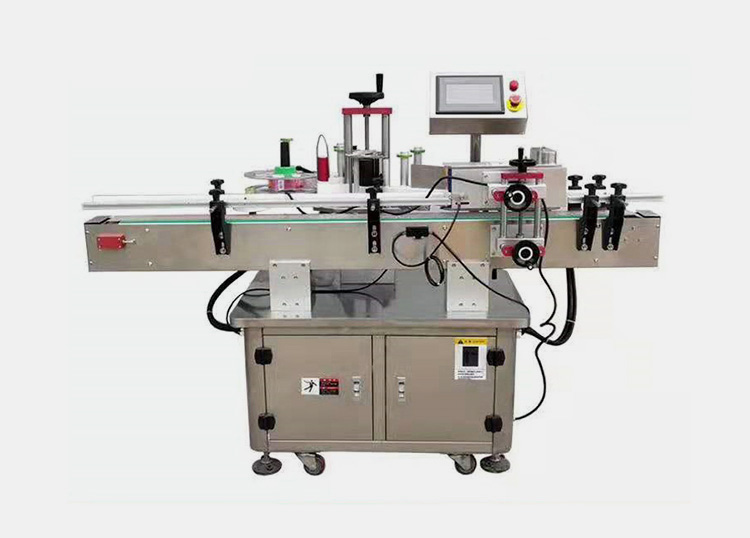
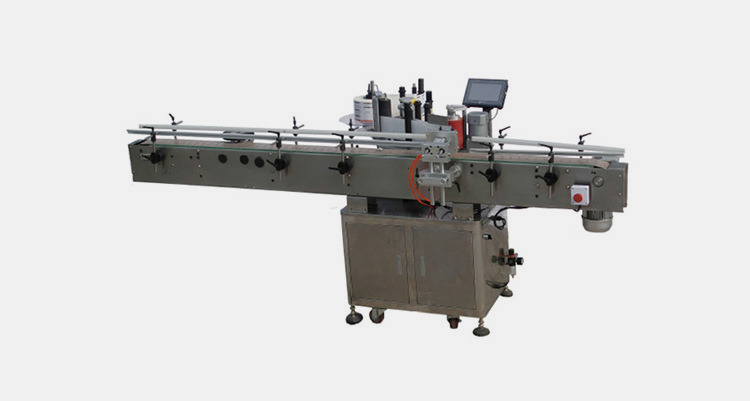
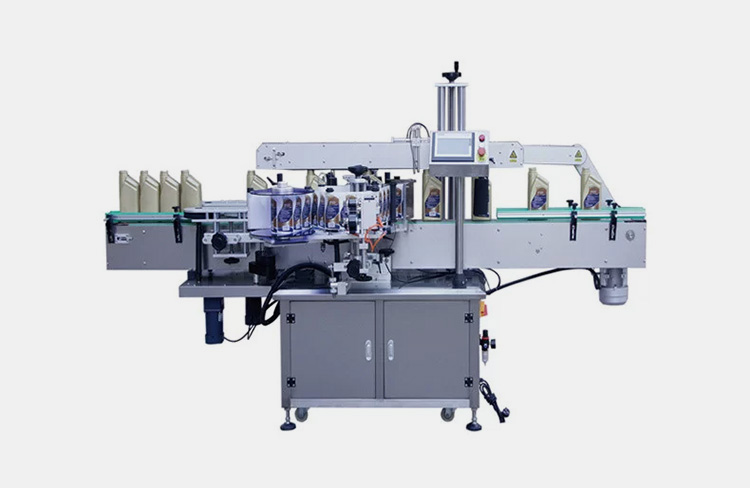
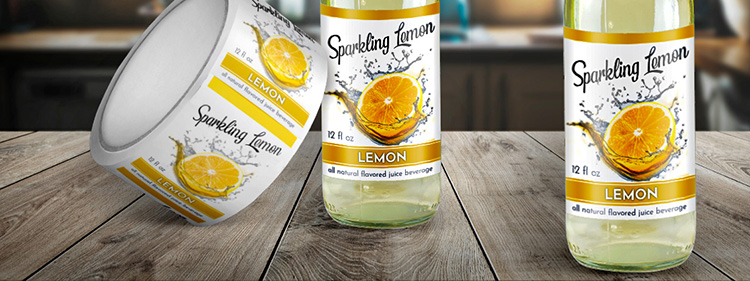
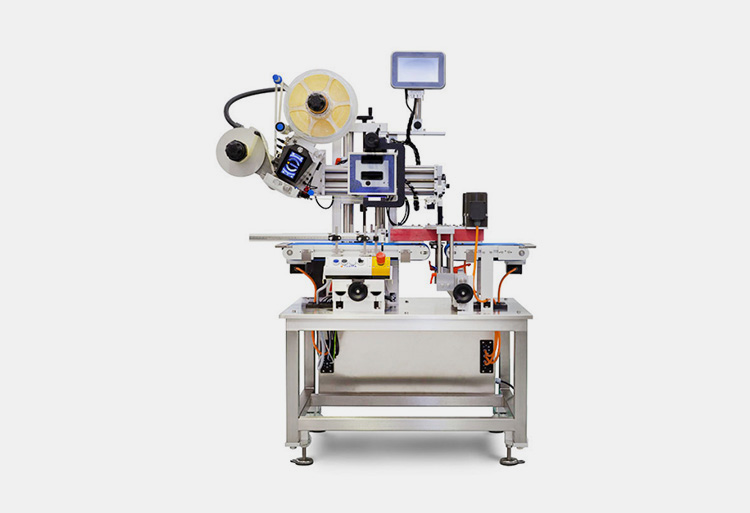
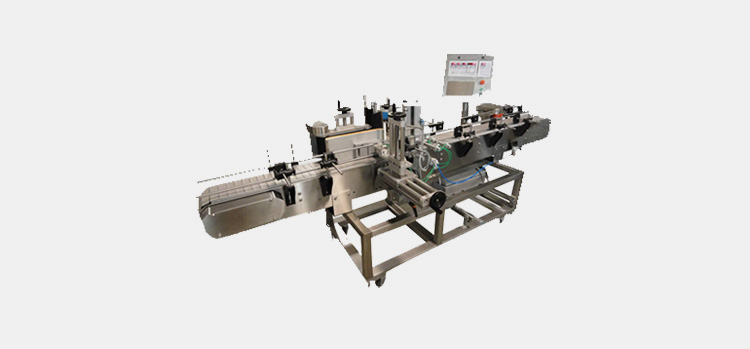
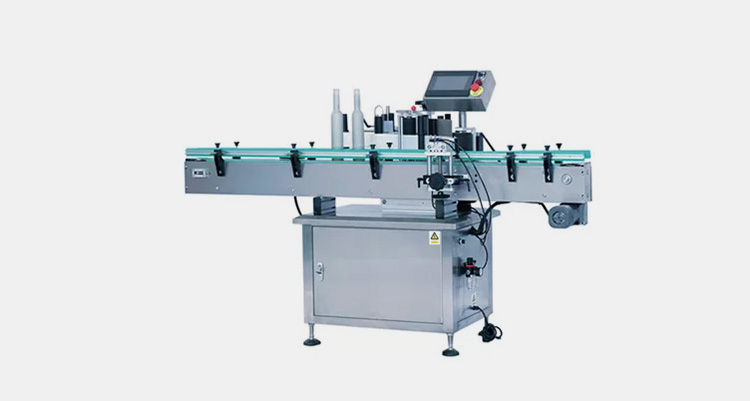
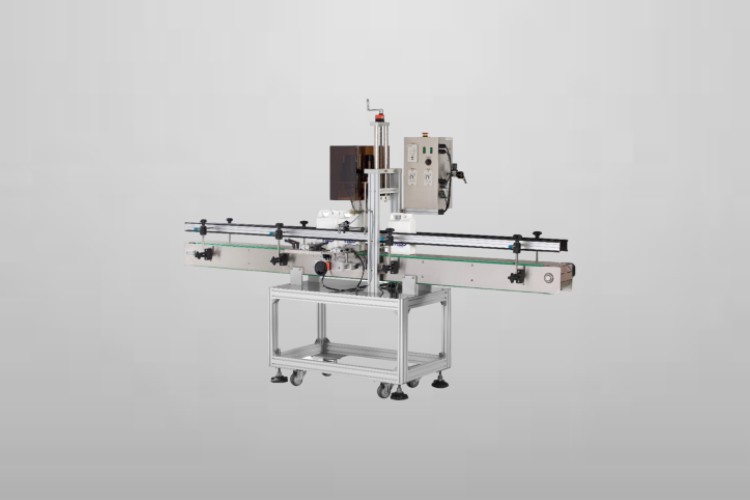
    A bottle labeling machine is a piece of equipment used to apply labels to bottles and other containers. This process can be done manually or with automated machines, depending on the size and production needs of the company. Bottle labeling machines consist of two main components: an applicator head (which dispenses label material) and a printer (which prints text or graphics onto the label material). The labeling machine can be used to apply pressure-sensitive labels, self-adhesive labels, custom tags or other types of labeling.

    These machines are ideal for companies that need to quickly and accurately apply labels to a large number of containers. They allow companies to customize their product labels with logos or promotional messages and save time and money on labor costs. The labeling machines can be used for a variety of applications, from food and beverage labeling to pharmaceuticals and cosmetics.

    2.What Are The Components Of A Bottle Labeling Machine?

    Components Of A Bottle Labeling Machine

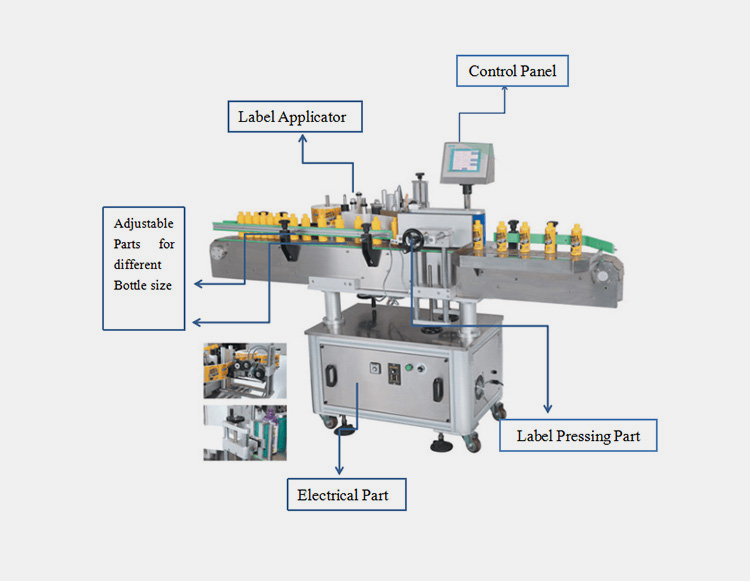
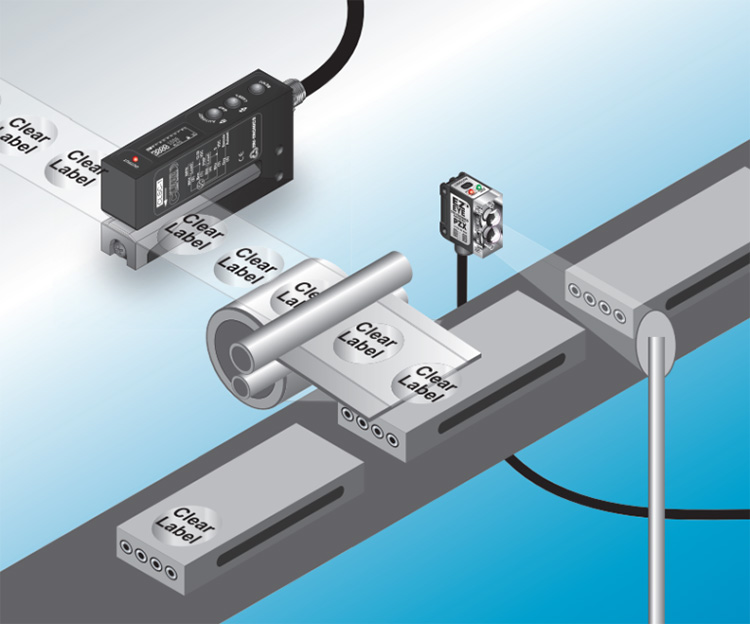
    A bottle labeling machine is composed of several important parts that allow for efficient and accurate product labeling. These components include an adhesive dispenser, conveyor system, label sensor, printer, controller, and applicator rollers.

    Adhesive dispenser

    Adhesive dispenser

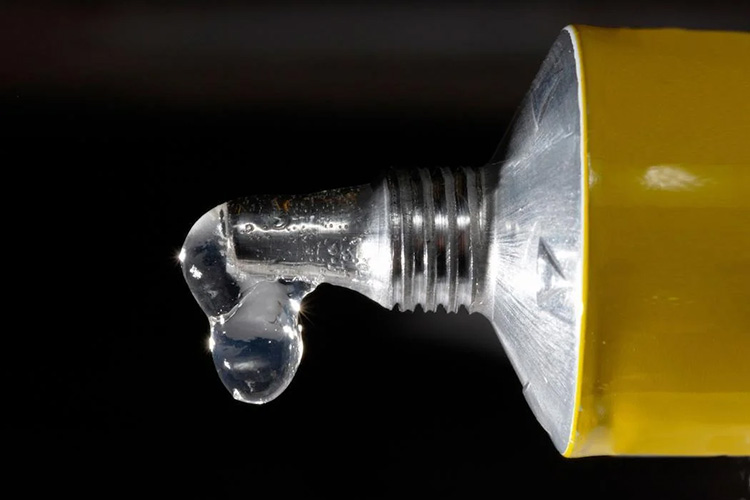
    The adhesive dispenser is responsible for providing the glue used to attach labels to bottles before they enter the labeling machine. It is typically composed of an adhesive reservoir connected to a meter, which measures the quantity of glue deposited onto each label.

    Conveyor system

    Conveyor system

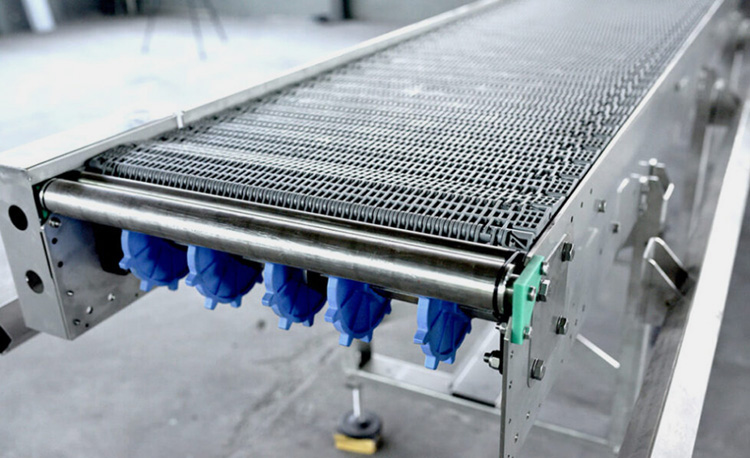
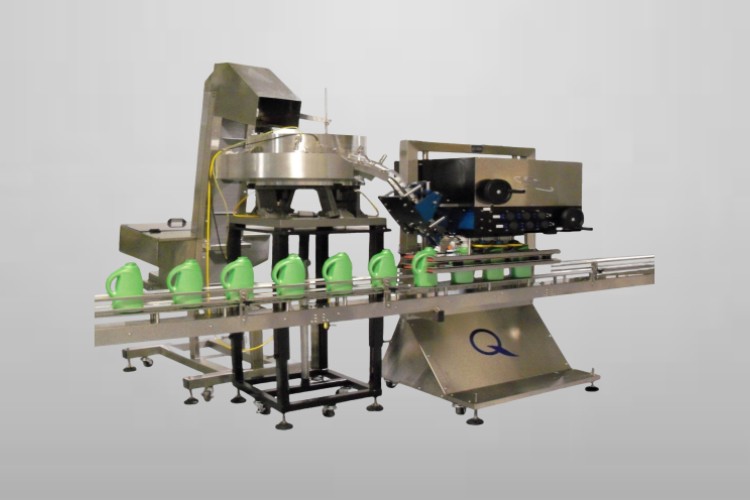
    The conveyor system is the heart of the labeling machine and consists of several belts that transport bottles through the process. Typically, it includes an infeed belt where bottles are placed before entering the labeling machine, as well as a series of outfeed conveyors that deliver the labeled bottles to the next station.

    Label Sensor

    Label Sensor

    The label sensor is responsible for detecting labels and ensuring they are correctly placed on bottles. It also helps to reduce errors by notifying operators when labels are missing or misaligned.

    Printer

    The printer is used to print barcodes, logos, and other information onto the labels. It can be configured with different printing technologies depending on the type of labels being used.

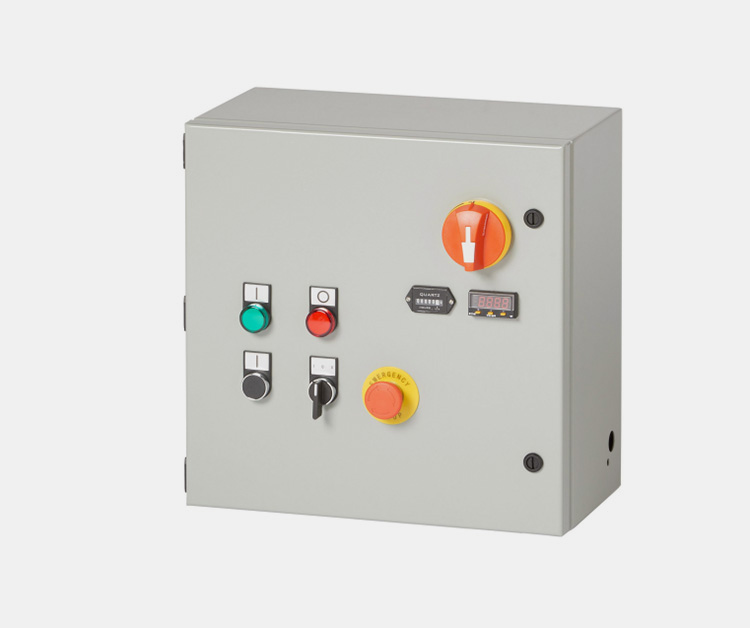
    Control Panel

    Control Panel

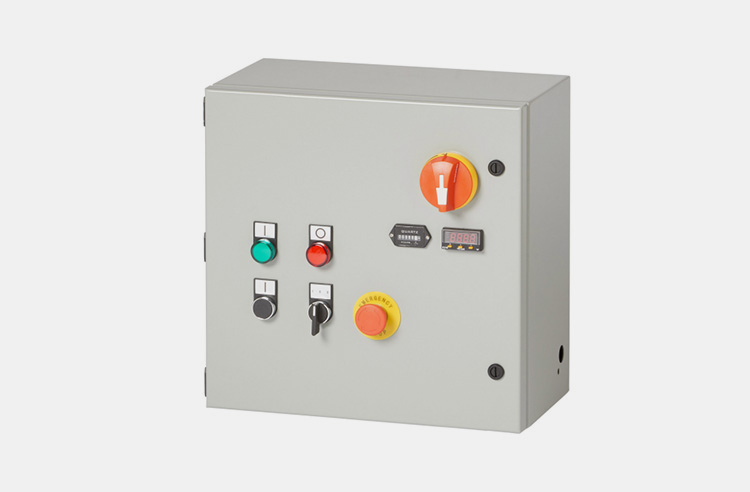
    The component is the brains of the machine and controls all labeling operations, including adhesive dispensing, label detection, and printer operation. It also includes a programmable logic controller (PLC) that allows for customization to optimize the machine’s performance.

    Applicator Rollers

    The applicator rollers are responsible for applying pressure to ensure labels are securely attached to bottles. Different types of rollers can be used depending on the type of label and bottle material being used.

    3.How Does A Bottle Labeling Machine Work?

    Bottle Labeling Machine Work

    The process starts with a label stock being fed into the machine either by hand or from a printing press. The label is then cut and transferred onto an adhesive backing on the bottle. Once the label is applied, it is sealed and pressed down firmly to ensure a secure bond between the label and the bottle. The machine then moves the labeled bottles onto a conveyor system for further processing or packaging.

    The labeling process is highly precise, with many machines having sensors that can detect correctly and incorrectly applied labels, as well as misprints or errors. This ensures that all labels are placed accurately on the bottle and that the end product is of higher quality.

    The bottle labeling process can be used to apply a wide range of labels, including barcodes, batch codes, logos, promotional messages, and price information. The speed at which these machines work means that they are highly efficient in producing high-quality products and can reduce manual labor costs significantly. Furthermore, the use of automated bottle labeling machines can reduce errors and improve accuracy in labeling bottles.

    4.What Are The Applications Of A Bottle Labeling Machine?

    A bottle labeling machine offers many advantages, from faster application of labels to automated processes that streamline your production line. Here are some of the main applications of a bottle labeling machine:

    Food Industry

    Food Industry

    Food producers use labeling machines to streamline their production line, quickly and accurately applying labels to bottles filled with food products. The labels must adhere securely without damage or smearing so that customers know exactly what they’re buying.

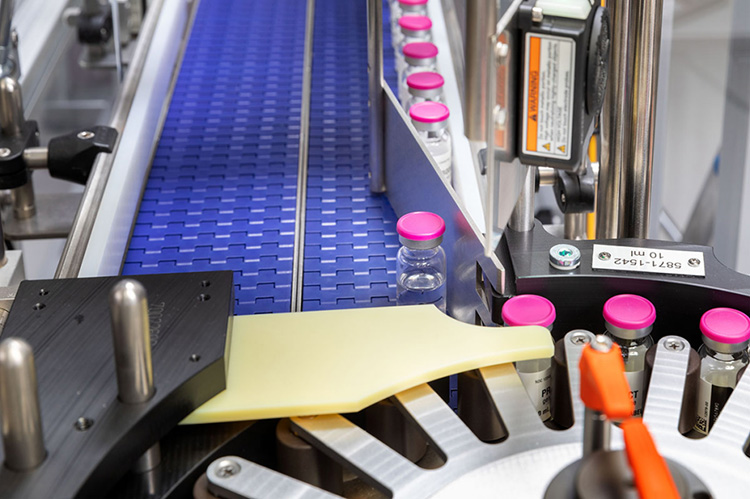
    Pharmaceutical Industry

    Food Industry -1

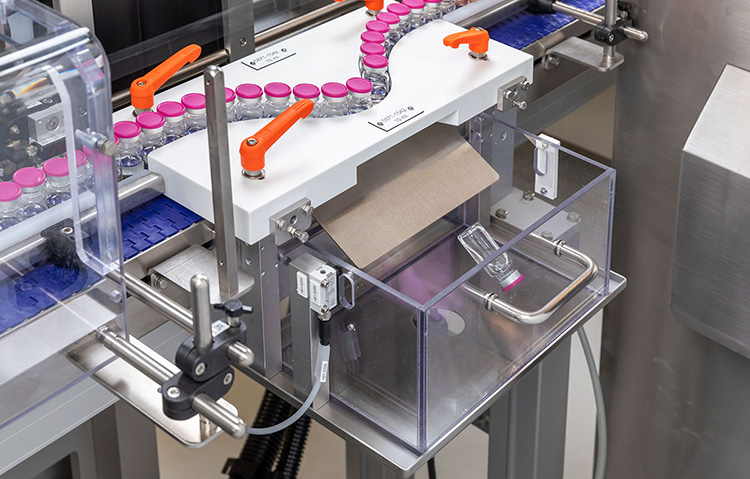
    Pharmacies use labelers to quickly and accurately apply labels containing important information such as dosages and medicine names. This is vital for pharmacist accuracy and patient safety.

    Cosmetic Industry

    Cosmetic Industry

    Labeling machines are also used in the cosmetics industry, where labels are placed on bottles of products such as lotions and fragrances. This helps consumers identify the contents of the bottle so they can make an informed decision about what to purchase.

    Chemical Industry

    Chemical Industry

    Labeling machines are also used in the chemical industry, helping to accurately apply labels to containers of hazardous materials. It ensures that workers and customers have access to important information about the contents of the bottle.

    5.What Are The Advantages Of A Bottle Labeling Machine?

    A bottle labeling machine offers several advantages over manual labeling, including increased accuracy and speed, cost savings, and enhanced product quality. Here are seven key benefits of using a bottle labeling machine:

    Increased speed

    Increased speed

    Automated labeling systems also reduce production time significantly when compared to manual processes. This ensures that products move through the production line quickly and efficiently, reducing costs and allowing for faster delivery to customers.

    Improved Accuracy

    Automated machines can accurately affix labels with minimal human intervention, meaning that fewer mistakes occur than when applying labels manually. It reduces waste and costs associated with mislabeling products.

    Adaptability to Different Bottle Sizes

    Adaptability to Different Bottle Sizes

    With the help of a bottle labeling machine, labels can be applied to bottles of any size or shape. That is because the machines are designed with adjustable settings that allow for custom label sizes and shapes.

    6.What Are The Different Types Of Bottle Labeling Machines?

    There are a variety of bottle labeling machines available in the market that can be used for product identification, branding and packaging purposes. These machines range from semi-automatic hand-held ones to fully automated industrial-grade systems. Here are some common types of bottle labeling machines found in a variety of industries:

    Rotary Bottle Labeling Machines

    Rotary Bottle Labeling Machines

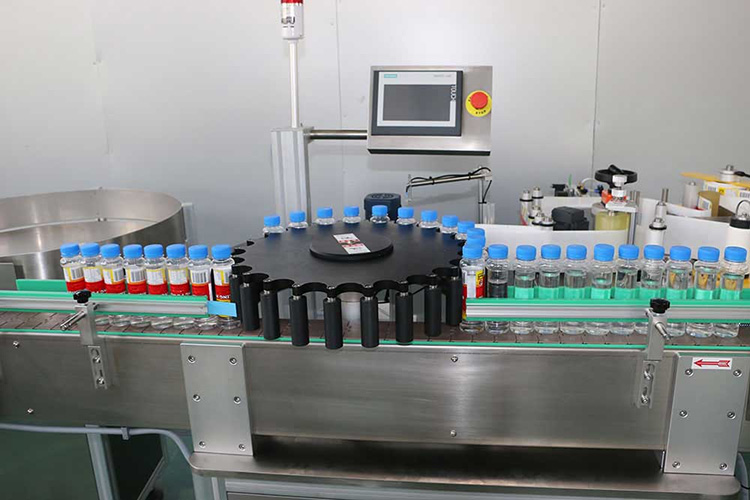
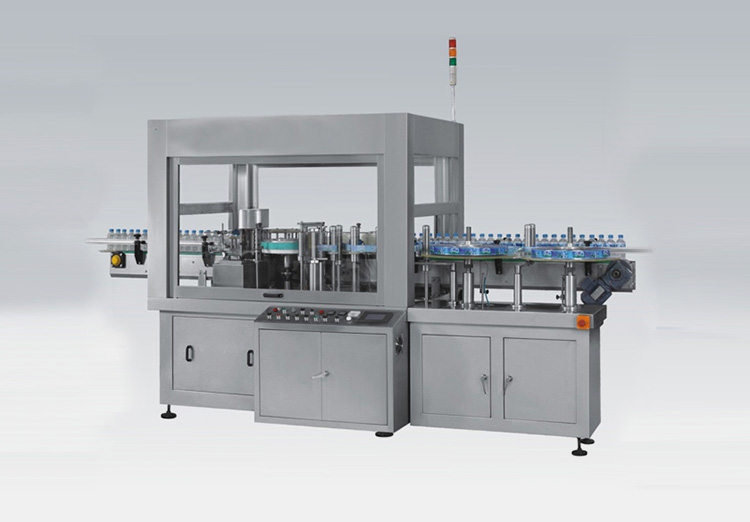
    These machines use a rotating disc or belt to apply labels to bottles in one continuous process. The discs are usually fitted with several labeling heads which can be adjusted for different sizes and shapes of bottles.

    Wrap Labeling Machines

    Wrap Labeling Machines

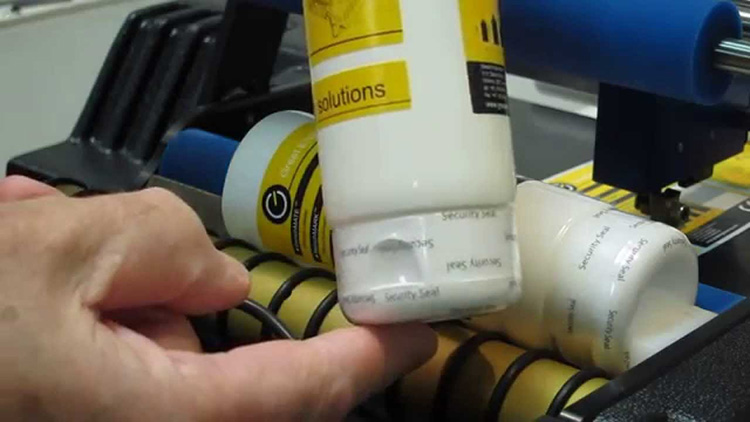
    A wrap labeler wraps the label around containers such as bottles, cans, and jars using a system of belts and rollers to hold the container while the label is wrapped around it. It is ideal for short-run runs with a specific shape and size of container, as well as labels that need to wrap around the entire circumference of the container.

    Pressure Sensitive Labeling Machines

    Pressure Sensitive Labeling Machines

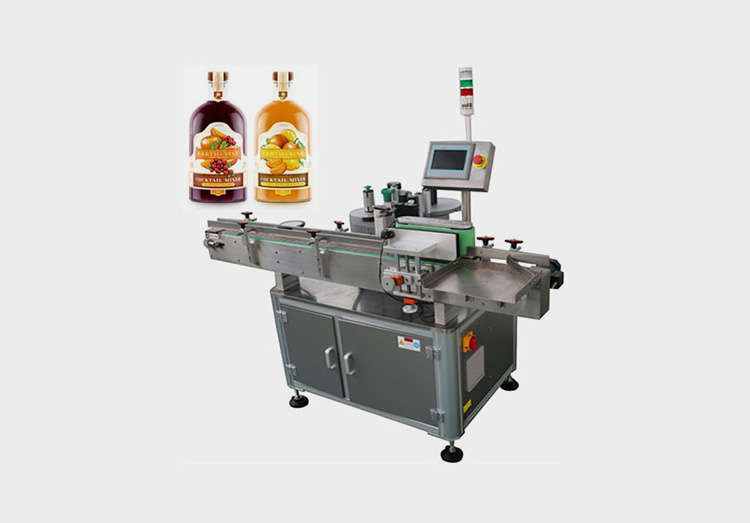
    A pressure sensitive labeler is a labeling machine that applies labels to bottles or other containers using an adhesive backing on the label and pressure. Pressure sensitive labelers typically have a platform for bottles to be placed on, as well as systems for loading labels into the machine. This type of labeling machine is suitable for affixing labels with larger surfaces or multiple labels on both flat and curved surfaces.

    Hot Melt Labeling Machines

    Pressure Sensitive Labeling Machines-1

    A hot melt labeler applies a pre-printed label using heat from an applicator head, typically with a heated roller that melts the adhesive onto the container or product. It is most suitable for high-volume production runs as it can quickly and accurately apply labels to various container shapes and sizes.

    7.What Types Of Products Can Be Sealed By A Bottle Labeling Machine?

    A bottle labeling machine is designed to seal a variety of products, including bottles, jars, tubes, cans, and more. Common types of products that can be sealed with a bottle labeling machine include:

    Beverages

    Beverages

    Packaged beverages such as water, juice, soda, and beer bottles can be easily sealed with a bottle labeling machine. The labels applied to these products maintain the freshness of the product while providing important branding information.

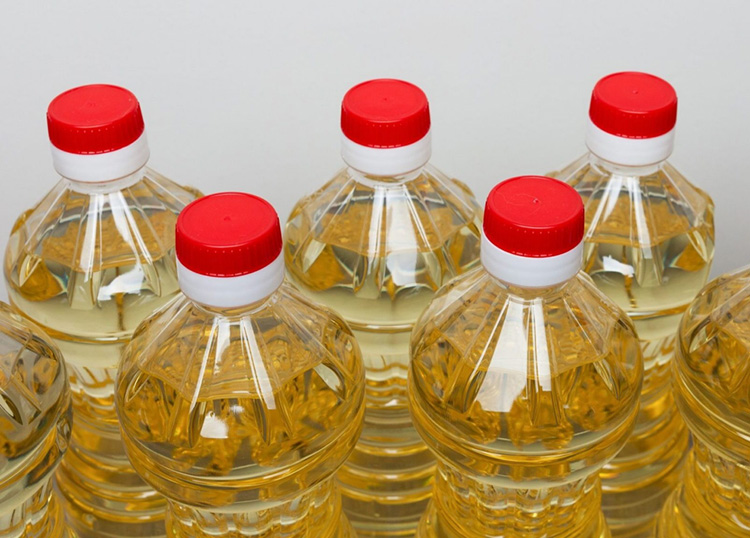
    Cooking Oil

    Cooking Oil

    Many cooking oils need to be sealed with a label in order to ensure their freshness. A bottle labeling machine can easily seal these items with a label that lasts and provides important product information to consumers.

    Sauces

    Sauces are often sold directly to customers in bottles or jars, so they must be labeled properly. With a bottle labeling machine, food producers can quickly and easily apply labels to their sauces.

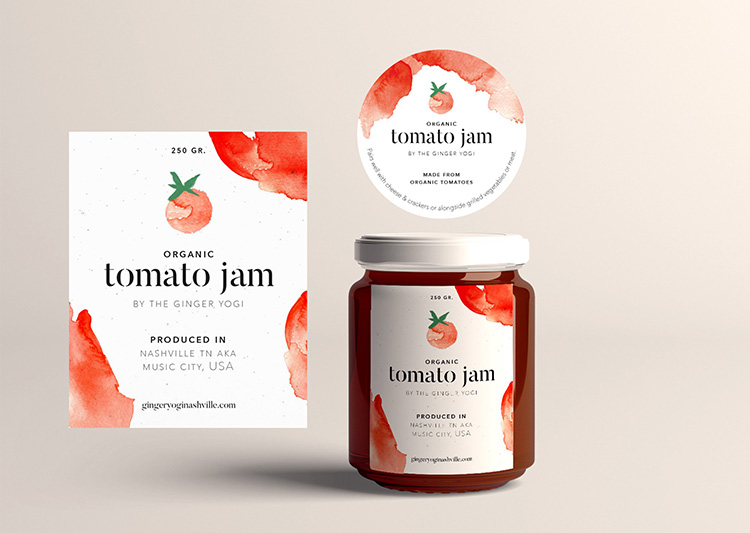
    Jelly 

    Jelly

    Jelly is a popular product that must be sealed with a label in order to remain fresh. A bottle labeling machine can apply labels to jars of jelly quickly and efficiently, ensuring their freshness for customers.

    Lotions and Creams

    Lotions and Creams

    Lotions and creams are often sold in bottles and need to be labeled properly in order to remain fresh. A bottle labeling machine can apply labels to these products quickly and accurately.

    Syrup

    Syrup

    Syrup is a common product that needs to be sealed with a label in order to ensure its freshness. A bottle labeling machine can easily seal syrup bottles with labels that last.

    Tablets

    Sometimes tablets and other medications need to be sealed with a label in order to maintain their freshness. With a bottle labeling machine, these items can quickly and easily be labeled for sale.

    Veterinary Medicine

    Veterinary medicines are often sold directly to customers in bottles, so these products must be labeled accurately and efficiently. A bottle labeling machine can apply labels to these items quickly and accurately.

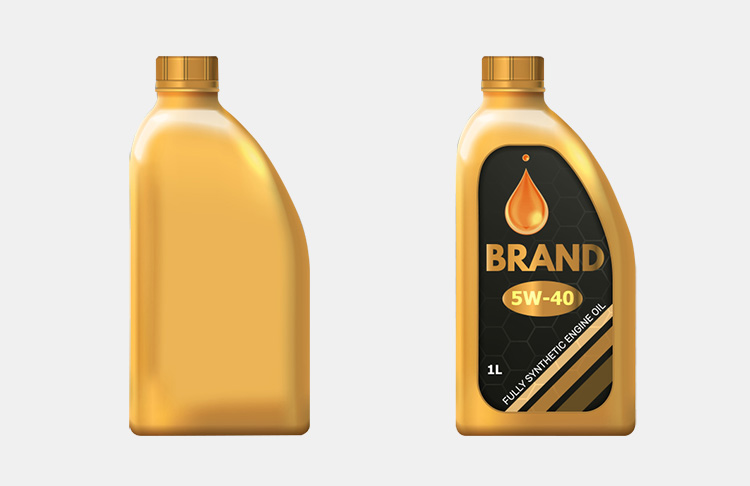
    Automotive Lubricants

    Automotive Lubricants

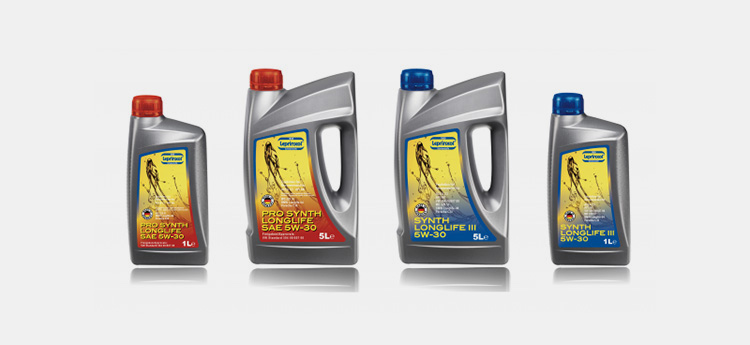
    Automotive lubricants must be sealed with a label in order to maintain their quality and freshness. A bottle labeling machine can easily label these products, ensuring that they remain fresh for customers.

    8.What Are The Different Types Of Packaging Materials That Can Be Used With A Bottle Labeling Machine?

    When it comes to labeling bottles, there are a variety of materials that can be used. The most common types include paper and plastic labels, shrink wrap films, pressure sensitive labels, and heat shrink sleeves. Each material has its own advantages and disadvantages depending on the product or application. Here is a breakdown of these different types of packaging materials that can be used with a bottle labeling machine:

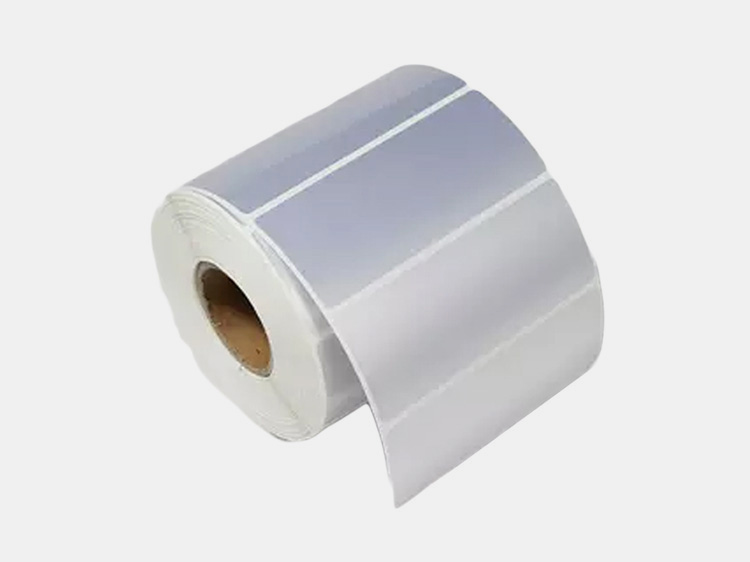
    Paper Labels

    Paper Labels

    Paper labels are the most versatile and cost-effective type of label to use for bottles. They come in a variety of sizes, shapes, and colors, allowing you to customize your product packaging. They also provide excellent print quality and are easy to apply with a bottle labeling machine.

    Plastic Labels

    Plastic Labels

    Plastic labels provide a more durable finish than paper labels. They are often used in combination with paper labels, as they provide additional protection against moisture and wear-and-tear. They can be printed on both sides and offer excellent print quality as well.

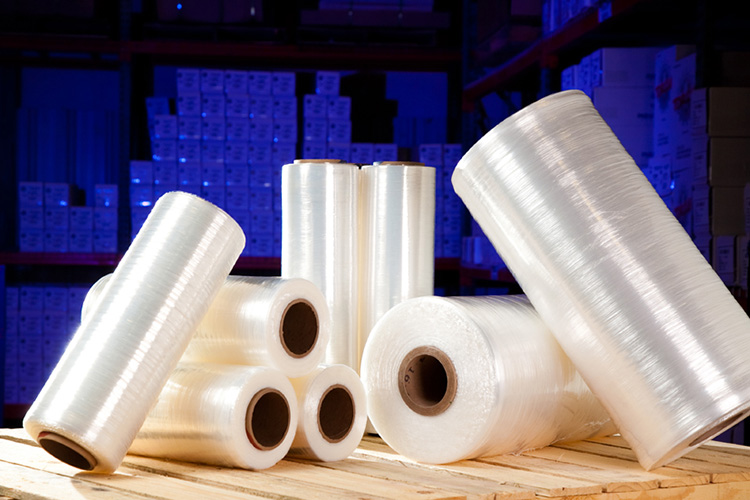
    Shrink Wrap Films

    Shrink Wrap Films

    Shrink wrap films are a great way to package multiple products in one bundle. They help to keep the bottles securely contained and provide an extra layer of protection from spills.

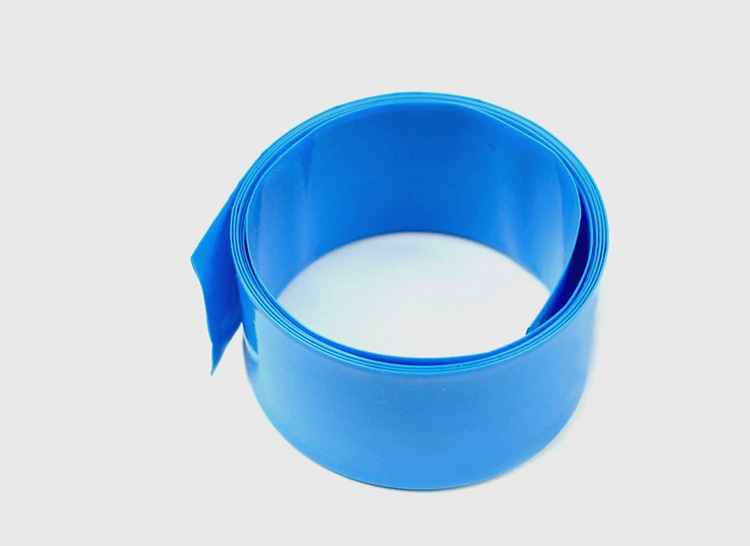
    Heat Shrink Sleeves

    Heat Shrink Sleeves

    Heat shrink sleeves are a great way to provide tamper-evident packaging for your products. They help to protect the contents from damage while providing an attractive finish.

    9.How Is A Bottle Labeling Machine Different From Standard Labeling Machines?

    Standard Labeling Machines

    A bottle labeling machine is designed to attach labels onto bottles and other cylindrical products. This specialized machine offers a number of advantages for businesses that need to label these types of items, including increased speed and accuracy when compared with standard labeling machines. Bottle labels can be applied quickly and accurately, reducing the amount of time required for manual application.

    Bottle labeling machines also help to reduce material waste, since precise amounts of label materials are used for each product. Additionally, bottle labeling machines can be easily adjusted for different sizes and shapes of bottles. This allows businesses to quickly meet changing needs without having to purchase multiple machines.

    By contrast, standard labeling machines may only be able to handle rectangular products or require manual adjustments for different shapes. Bottle labeling machines are also better able to handle wet or slippery surfaces, an important consideration when dealing with bottles and other cylindrical products.

    All in all, bottle labeling machines offer superior speed and accuracy compared to standard labeling machines, as well as greater flexibility and efficiency. They are the ideal choice for businesses that need to label cylindrical items with accuracy and speed.

    10.How Can I Maximize The Performance Of A Bottle Labeling Machine?

    Performance Of A Bottle Labeling Machine

    The performance of your bottle labeling machine can be maximized by following a few simple steps. First, make sure that the labels are correctly sized and properly secured to the bottle. If they are too small or too loose, they may not adhere correctly or may cause problems during processing.

    Second, ensure that the labeling machine is properly calibrated to accommodate the size, shape and material of the bottles. Third, check that the labeling rolls have been correctly loaded into the machine and that all safety locks are engaged before operation. Finally, keep the labeling machine clean by regularly cleaning any debris from the conveyor belts or other moving parts. Following these steps will help to ensure that your bottle labeling machine runs at peak efficiency.

    If you have any questions or need further advice on maximizing the performance of your bottle labeling machine, it’s always a good idea to consult with an experienced technician. A professional can provide valuable insight and help identify any potential issues that could be impacting the machine’s performance. With the right maintenance and care, your bottle labeling machine should be able to provide years of reliable service.

    11.What Are The Most Common Problems With Bottle Labelers And How Can They Be Fixed?

    A bottle labeler is a great tool to have in any bottling operation. However, like all machines, they can experience some common problems that need to be addressed. Here are some of the most common issues with bottle labelers and suggestions on how to fix them:

    Bottle Labelers And How Can They Be Fixed

    Jammed Labels

    A common problem with bottle labelers is jammed labels. This can happen due to a number of issues, such as incorrect size or shape of the label, damage to the material of the label itself, overstretching during application, or too much adhesive being used.

    Solution: Check the size and shape of the label to ensure it is correct for your bottle labeler. Inspect damaged labels before using them, as they are more likely to cause a jam. Make sure that the label is not overstretched during application, and if necessary reduce the amount of adhesive used.

    Poor Label Positioning

    Poor Label Positioning

    Poor positioning can occur when the bottle labeler fails to place the label in the correct position. This can be caused by a misaligned feed system, or simply an incorrect setting on the machine.

    Solution: Ensure that the feed and placement system of your bottle labeler is properly aligned and configured correctly. Also check that there are no obstructions or foreign objects that could interfere with the placement system.

    Labels Not Sticking

    Labels Not Sticking

    When labels do not stick correctly to the bottles, it can be a sign of an issue with the adhesive or positioning.

    Solution: Check the adhesive being used and make sure that it is suitable for your labeling needs. Also check the positioning of the label, as incorrect positioning can also lead to labels not sticking. It may be necessary to make some adjustments to the label to ensure it is applying the labels correctly.

    Unreadable Labels

    Unreadable Labels

    Poorly printed or damaged labels can cause problems with readability, which can be an issue for customers and retailers alike.

    Solution: Make sure that labels are printed clearly and legibly, and inspect them for any damage. If necessary, adjust the printer settings to ensure the labels are of good quality. Also check that the labels are properly placed on the bottles so they can be read easily.

    Conclusion

    Buying a bottle labeling machine is an important decision and requires a lot of research. Thankfully, the comprehensive guide provided here has given you all the information you need to make a wise and informed purchase. You now understand that bottle labeling machines come in various sizes, offer different capabilities, and can be used for various applications like beer labels or product information. Now that you’ve reviewed all your options in this comprehensive guide you should confidently contact Allpack for all your bottle labeling machine needs. Take advantage of outstanding customer service coupled with quality products today!

    Don't forget to share this post!

    CONTACT US

    Tell us your raw material and project budget to get quotations within 24 hours.

    WhatsApp Us: +86 181 7101 8586

    Invalid Email
    Invalid Number

    Bottle Labeling Machine:The Complete Buying Guide in 2025 Read More »
    Shrink-Wrap-Machine-Logo

    10 Best Global Shrink Wrap Machine For Food Manufacturers: The Definite Guide In 2025

    10 Best Global Shrink Wrap Machine For Food Manufacturers: The Definite Guide In 2025

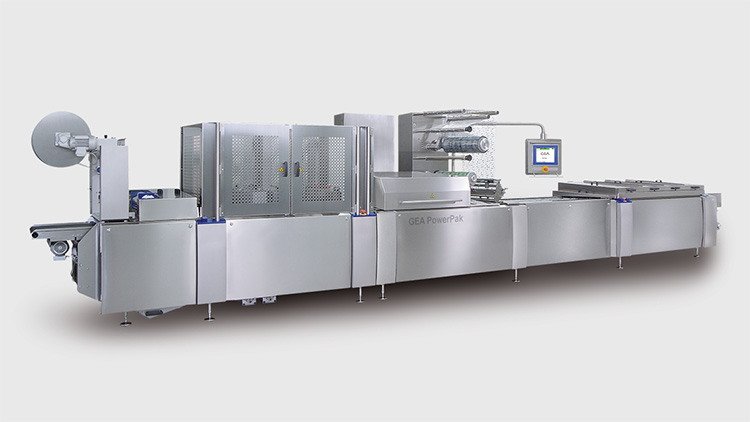
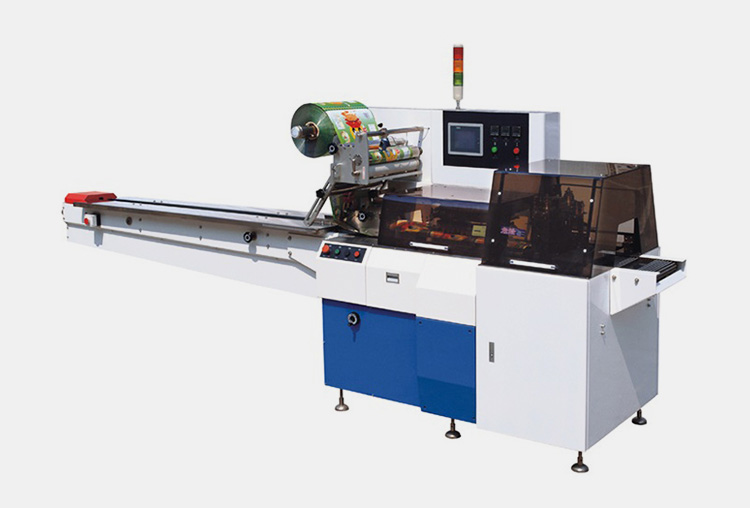
    Shrink wrap machines are used to shrink film or plastic foil on products by applying heat on them. Shrink wrap machines for food have wide range of application in packaging, food manufacturing, transportation, etc. If you are looking for the best shrink wrap machines for food right now, please follow this list of 10 best shrink wrap machine for food right now!

    10 best manufactures of shrink wrap machine for food in the world

    This blog of 10 best shrink wrap machine for food can help you know the latest and best shrink wrap machines for food in the world, and guide you with the latest and complete machine background information. After reading this blog, you will get the most help!

    Here are the top list of manufacturers:

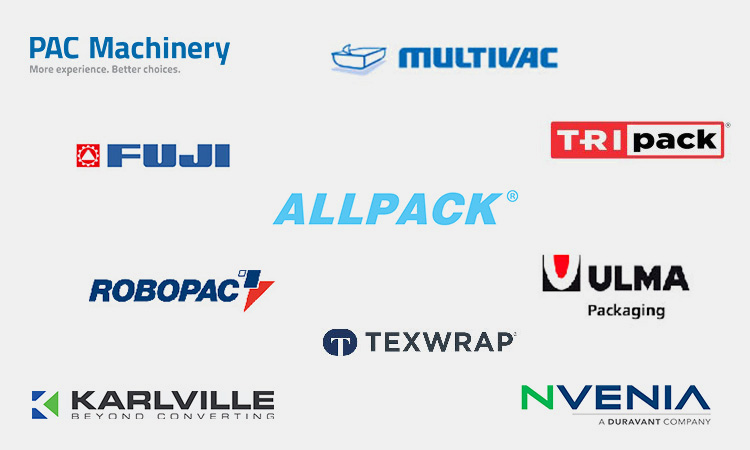
    RANK MANUFACTURES OF SHRINK WRAP MACHINE HEADQUARTERS
    1 ULMA Spain
    2 MULTIVAC Germany
    3 ROBOPAC Italy
    4 ALLPACK China
    5 FUJI Japan
    6 PAC Machinery USA
    7 TEXWRAP USA
    8 TRIPACK USA
    9 NVENIA USA
    10 KARLVILLE Switzerland

    Shrink-Wrap-Machine-Logo

    Headquarter: Spain

    Company Background & Information

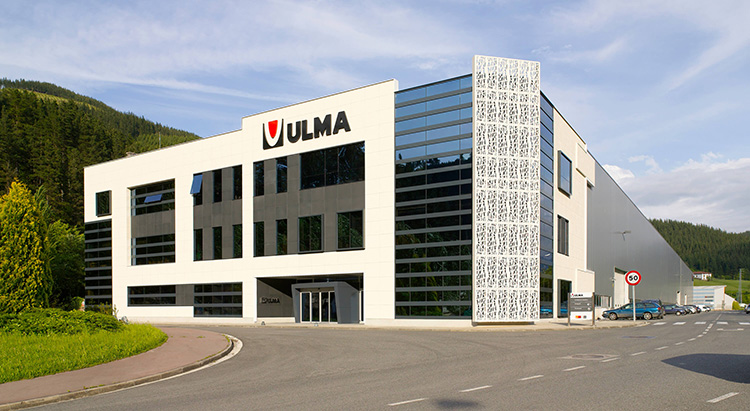
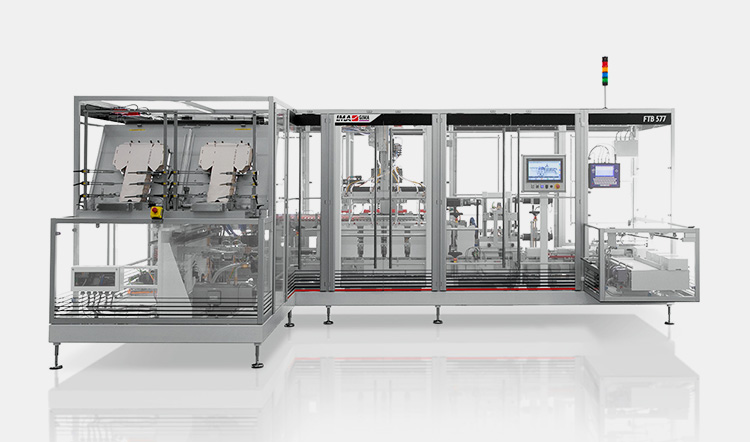
    ULMA

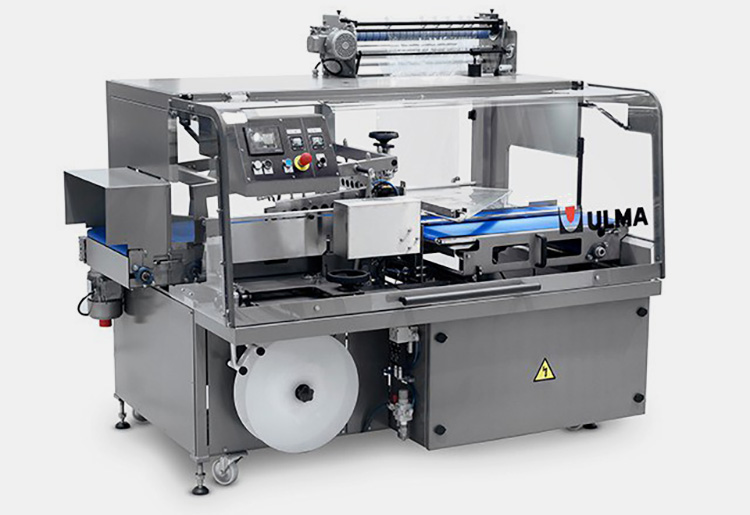
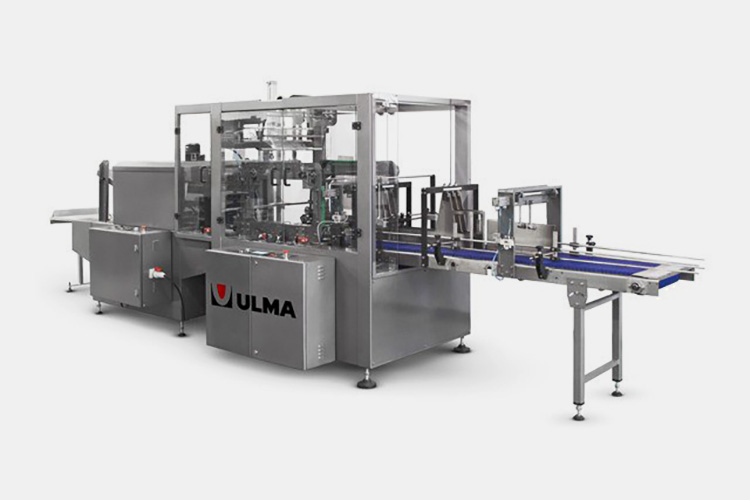
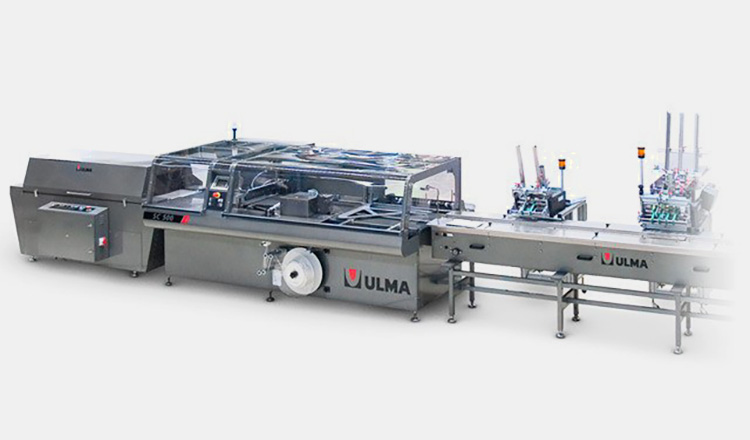
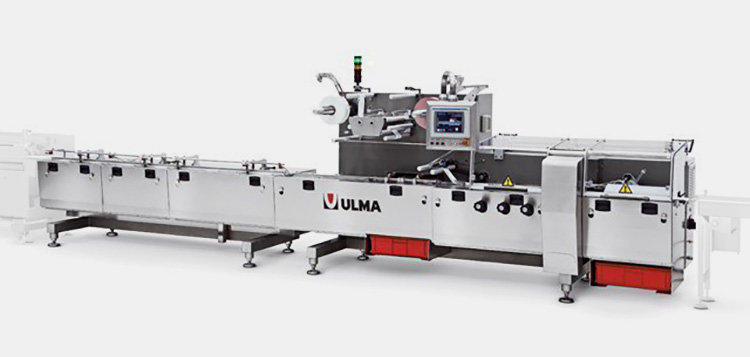
    ULMA was founded in 1961 and belongs to Ulma Group. Since 1961 they have been designing and developing packaging products and services and innovating to provide solutions that meet our customers’ needs. Their global vision is supported by a network of 7 offices and 20 subsidiaries, allowing them to provide a local service. They also have a network of local distributors who cover over 130 countries.

    Key Products:

    SL-300

    SL 300

    EPB

    EPB

    SC-500

    SC 500

    • Intermittent working mode: pack after pack.
    • Side seal with heated rollers with temperature regulation.
    • Automatic adjustment of the sealing height.

    Recommend Reason

    • They are part of the ULMA Industrial Group, a diversified business group with over 4,000 people spread across 9 businesses.
    • They offer the widest range of machines and applications available on the market, including Flow Pack (HFFS), Thermoforming, Tray sealing, Vertical (VFFS), Shrink Wrapping and Stretch Film packaging technologies.
    • With 60,000+ machines on the market.

    Headquarter: Germany

    Company Background & Information

    Multivac

    Multivac is one of the world’s leading suppliers of packaging solutions for a wide variety of foods, life science and healthcare products, as well as consumer and industrial goods. It was founded in 1961 by Sepp Haggenmülle with Hermann Keil. Their portfolio covers virtually all requirements in terms of packaging design, performance and resource efficiency. It encompasses an extensive range of packaging technologies, automation solutions, and labeling and quality control systems.

    Key Products:

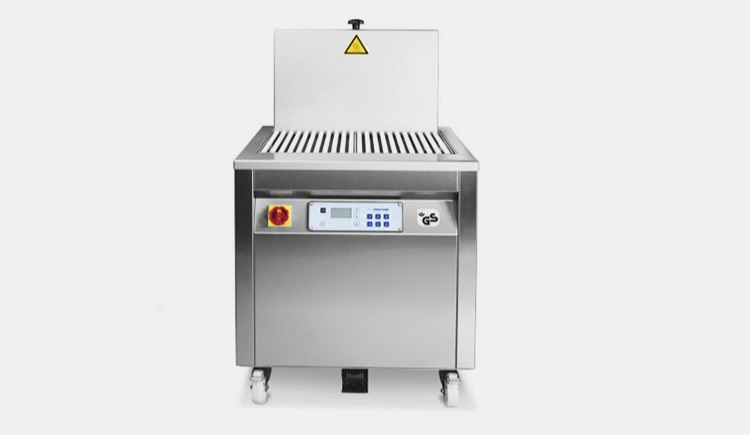
    SE-60

    SE 60

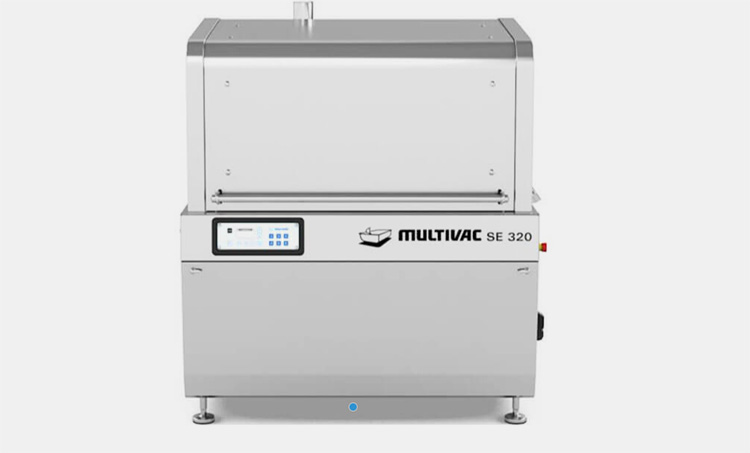
    SE-320

    SE 320

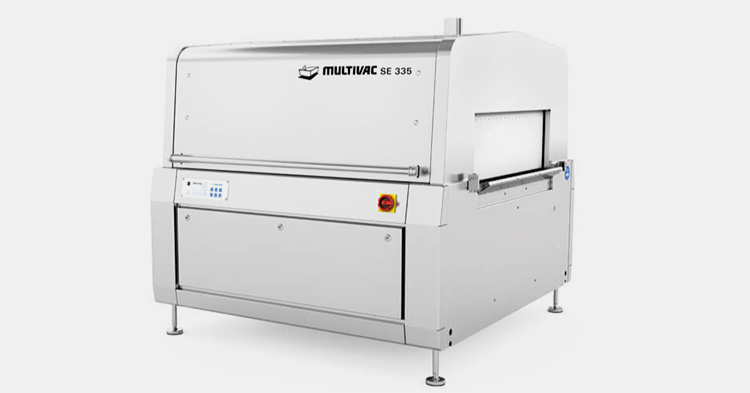
    SE-335

    SE 335

    • Electrically heated, steam heated
    • SE 335 is particularly reliable and gentle on the product

    Recommend Reason

    • As a leading manufacturer of traysealers, they focus primarily on customers. Each machine is designed individually to the your specific requirements as regards the product and tray.
    • MULTIVAC traysealers are characterised by maximum output at minimum use of resources, and they also provide optimum utilization of the available production space.
    • They are efficient, flexible, durable and particularly cost-effective as regards investment and operating costs.
    • All the models can be easily integrated into automated lines, and their small footprint has a particularly positive impact.

    Headquarter: Italy

    Company Background & Information

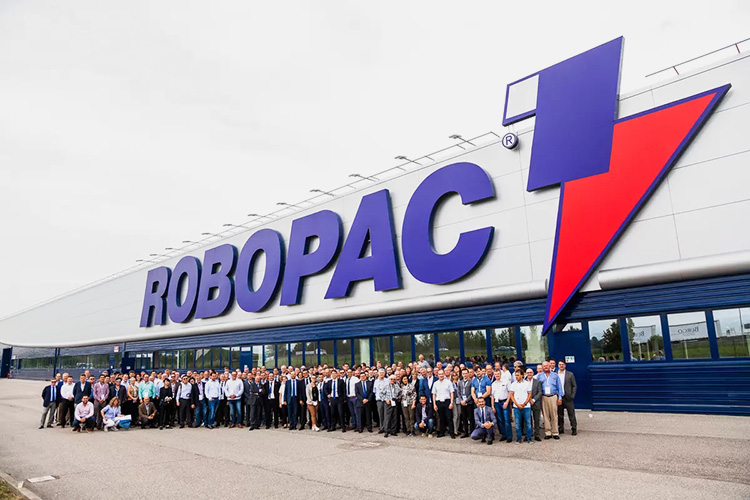
    ROBOPAC

    ROBOPAC, established in 1982, is the world leader in stretch wrapping technology, with over 10,000 machines per year, 90% of which are exported to the main international markets. Their company develops six technologies: robot, turntable, horizontal, and rotating arm semi-automatic and automatic stretch wrappers to stabilize parallelized loads with stretch film, case packers, palletizers, case erector and sealers and laser guided vehicles.

    Key Products:

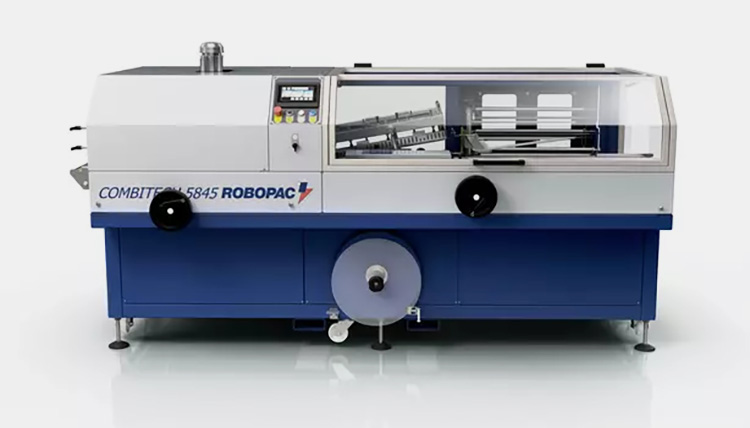
    COMBITECH-5845

    COMBITECH 5845

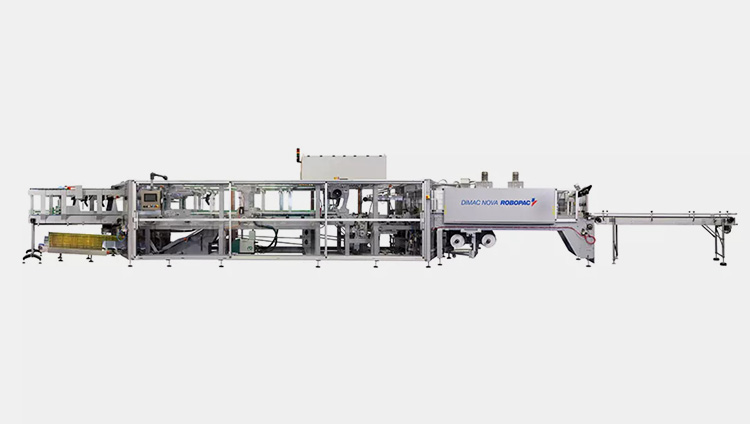
    DIMAC-NOVA-30-40

    DIMAC NOVA 30/40

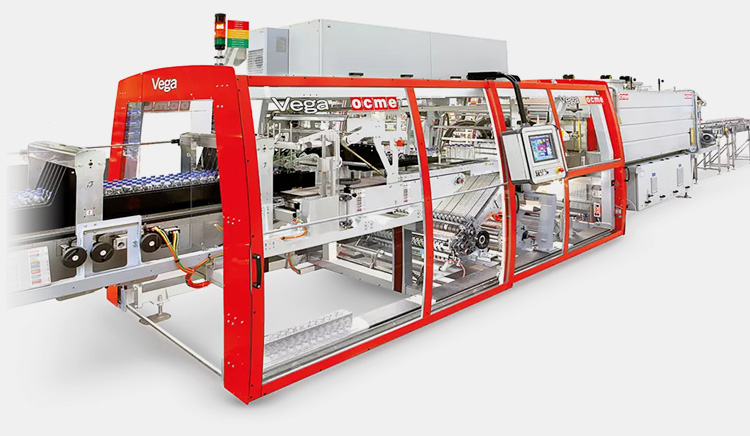
    VEGA-HT

    VEGA HT

    • Designed to have maximum flexibility and ease of use & maintenance for operators.
    • Meet the various needs of  customers in the beverage, food, lubricatesoil, detergent and other sectors.

    Recommend Reason

    • With a total turnover of more than 350 million euros achieved by a team of more than 1500 professionals working in 9 plants located all over the world.
    • They boasts approximately 1500 employees, 15 subsidiaries (France, UK, Germany, USA, Russia, China, Spain and Brazil) and 9 production facilities in the Packaging Valley in Italy, 1 in Braziland 1 in the USA.
    • They operates in more than 120 countries and provides global customer service.
    • Their production ranges from semi-automatic wrapping machines with smart technology to innovative automatic solutions, from industrial wrapping machines to shrink wrapping machines and cartoning machines, to tailor made packaging solutions.

    Headquarter: China

    Company Background & Information

    ALLPACK is a professional packaging equipment manufacturer with 11 years experience in packing machine labeling, and they focus on round bottles. The company covers range of production areas like Carton Packaging, Sealing, Strapping, Vacuum Packaging, Capping Packaging, Labeling, Pharma Machinery, Coding and Marking machines, and so on. They can solve & support your packaging equipment challenges, so you can grow your business.

    Key Products:

    BSF-7060

    BSF-7060

    BSF-5540

    BSF-5540

    BSF-4430

    BSF-4430

    • Special-designed roller with pin to produce small holes on the film to release air.
    • Adjustable sliding film support according to the size of packing object.
    • Low power consumption, only 2.5kw/hour on average.

    Recommend Reason

    • With service of free shipping and return service, a money-back guarantee, Online support 24/7, and secure payment.
    • Provide massive and professional machinery and equipment. Various machines can provide different models to meet your different professional needs.
    • With the complete shop and return policies to meet your unsuitable machine needs. Responsible for the entire shipping and delivery procedures and procedures, and deliver it to your home or company with peace of mind.
    • Responsible for all after-sales problems. Provide you with a safe, secure, and trustworthy environment.

    Headquarter: Japan

    Company Background & Information

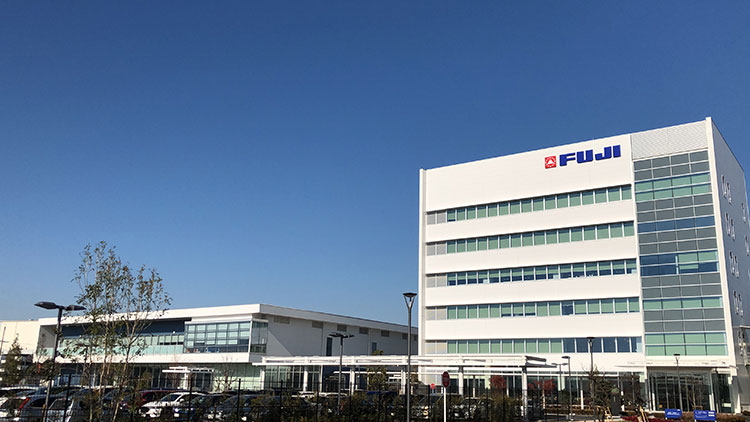
    FUJI

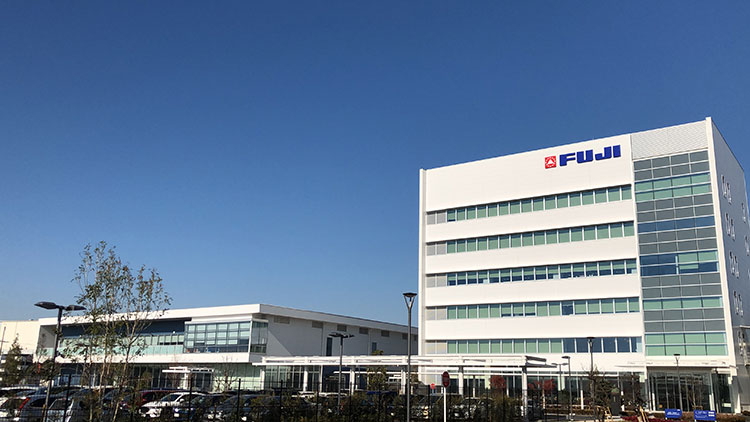
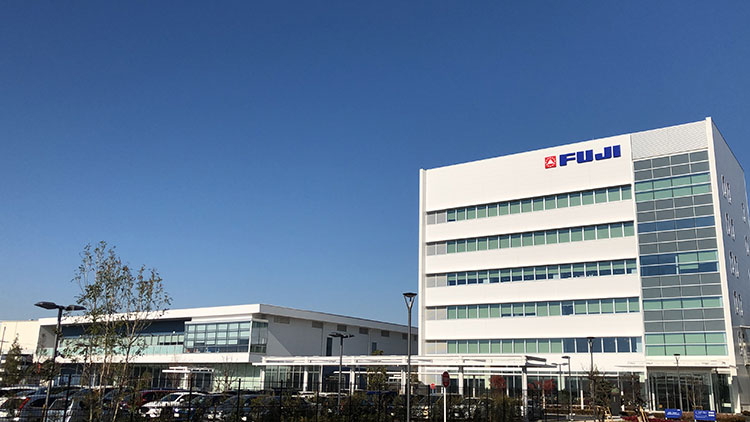
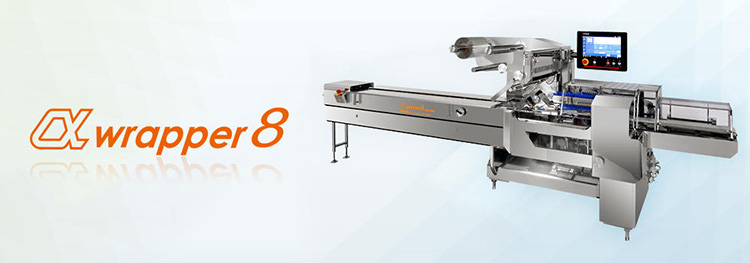
    FUJI was founded in 1948, and their first packaging machine was a caramel wrapping machine that went on sale in 1948. Fuji Machinery is one of the world’s leading manufacturers of packaging machinery, producing and designing packaging machinery for food, industrial products, pharmaceuticals, and so on. Since their establishment, Fuji Machinery has been a devoted manufacturer consistently making efforts to develop packaging technology, as well as to the production and sales of packing machinery.

    Key Products:

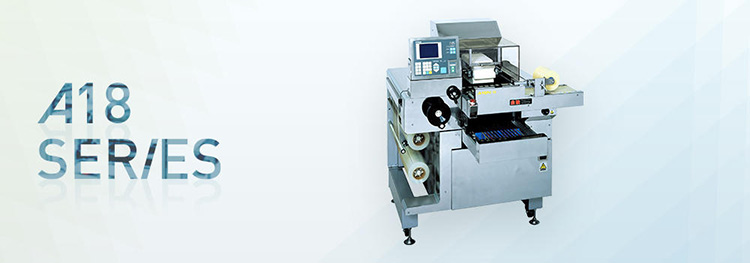
    A18-SERIES

    A18 SERIES

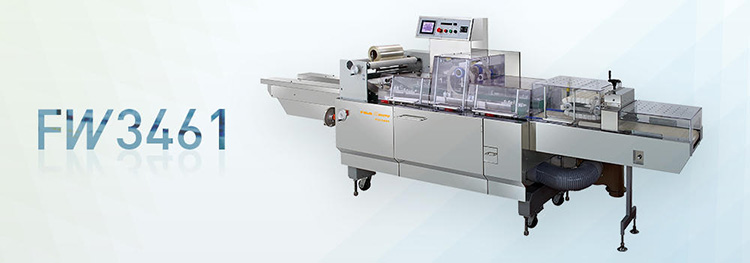
    FW3461

    FW3461

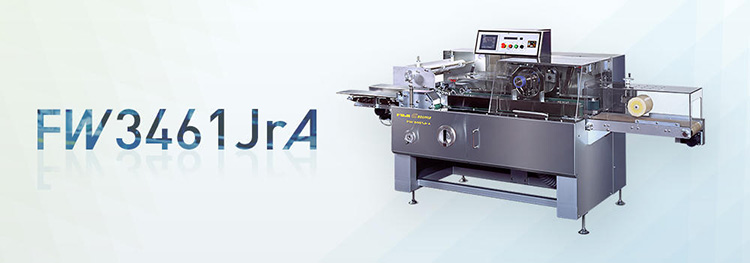
    FW3461JrA

    FW3461JrA

    • Previous Process Unit
    • Heater Control
    • Discharge Conveyors

    Recommend Reason

    • FUJI Machinery has been continuously chosen by customers for 70 years.
    • They provide total support for an ideal packaging environment with high production technology and quality management.
    • They are the pioneer of the Packaging Industry. Since their establishment, they have been at the forefront for the production of packaging machines.
    • Industry-Leading Reliability. They have kept FUJI Machinery in the black since their establishment 70 years ago.

    Headquarter: USA

    Company Background & Information

    PAC-Machinery

    PAC Machinery is a trusted partner for businesses desiring more from their packaging capabilities. From global companies, pharmaceutical and medical industry manufacturers to online retailers and fulfillment centers, PAC Machinery will help you transform your packaging operations with customized systems that will immediately positively impact your business with versatile poly bagging, shrink wrap, bag sealing and flow wrapping systems and bagging solutions.

    Key Products:

    CLAMCO-6800CS

    CLAMCO 6800CS

    CLAMCO-4C

    CLAMCO 4C

    CLAMCO-4T

    CLAMCO 4T

    • Heavy duty dual magnetic hold down ensures consistent seal
    • Quick conveyor height adjustment facilitates centering of the seal on the product

    Recommend Reason

    • The manufactured equipment capacity of packaging are 200 packs in just a minute.
    • Made with stainless steel and aluminum their machines can be better sanitized.
    • Their machines designs reduces changeover time with its transparent LCD touch screen control.
    • Their machines are compact and precise which saves your place.

    Headquarter: USA

    Company Background & Information

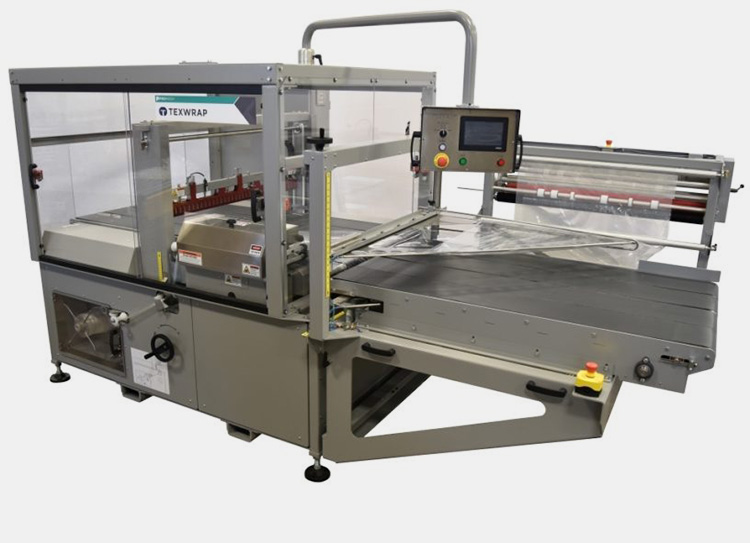
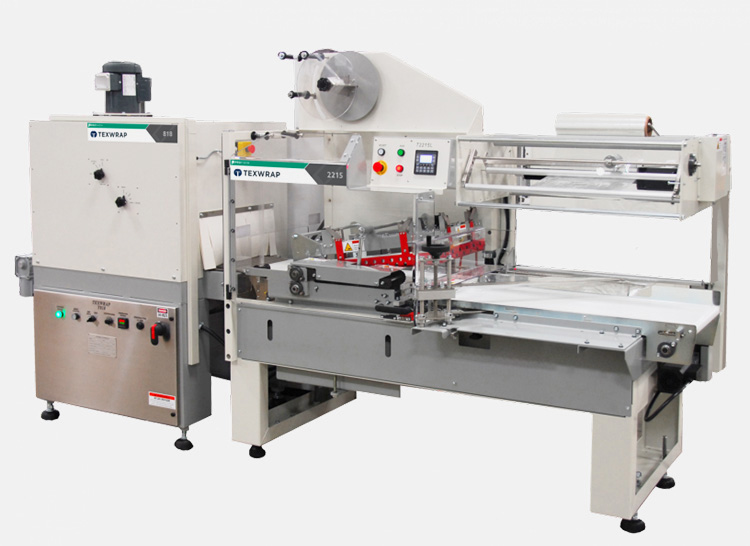
    TEXWRAP

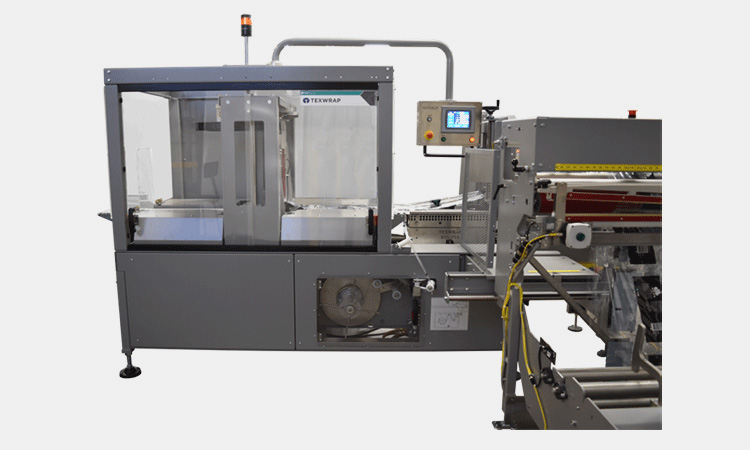
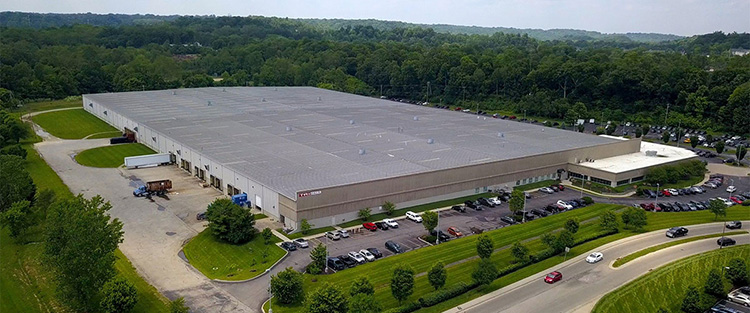
    TEXWRAP is a ProMach brand, centrally located in Washington, Missouri, and is the leader in the design and manufacture of fully automatic shrink wrapping, shrink bundling systems and E-commerce systems. Known as the industry innovator, they hold patents on some of the most significant breakthrough technologies in the shrink-wrapping business. Their full line of standard wrappers includes L-bar sealers, intermittent motion side sealers, continuous motion side sealers and vertical wrappers, as well as shrink tunnels, that are all made in the U.S.A.

    Key Products:

    ISS-Series

    ISS Series

    Spartan-Series

    Spartan Series

    BVS-Series

    BVS Series

    • Maximum film/belt speed 80 FPM for faster throughput
    • Compact size allows the machine to be rolled through a 36″ man door

    Recommend Reason

    • Their mission is to provide our customers with the latest technological advances while maintaining our commitment to a user-friendly machine that is efficient and easy to maintain.
    • TEXWRAP partners with a nationwide network of highly-trained packaging distributors in order to better serve their customers.
    • The partnership provides a support structure to insure the best machinery/application fit, a smooth startup, reliable local service, and long-term return on the machinery investment.

    Headquarter: USA

    Company Background & Information

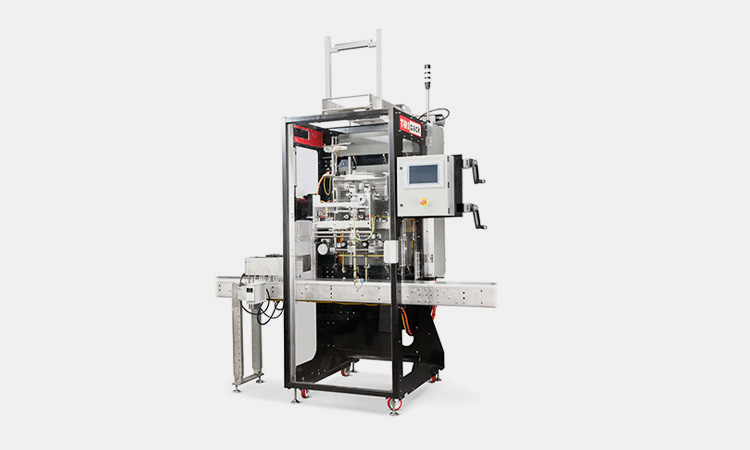
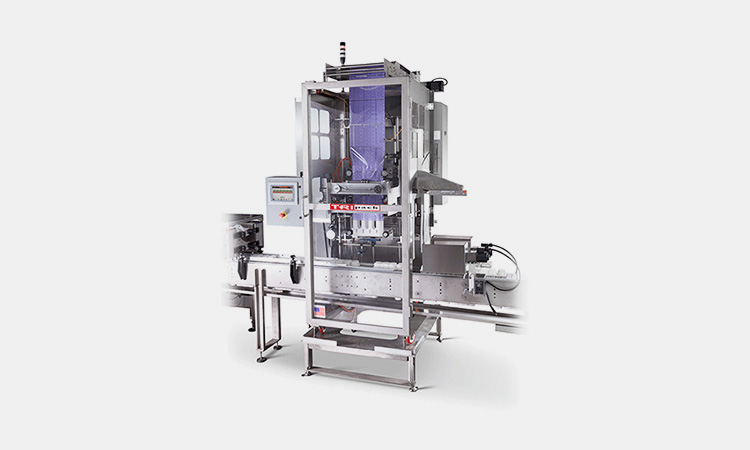
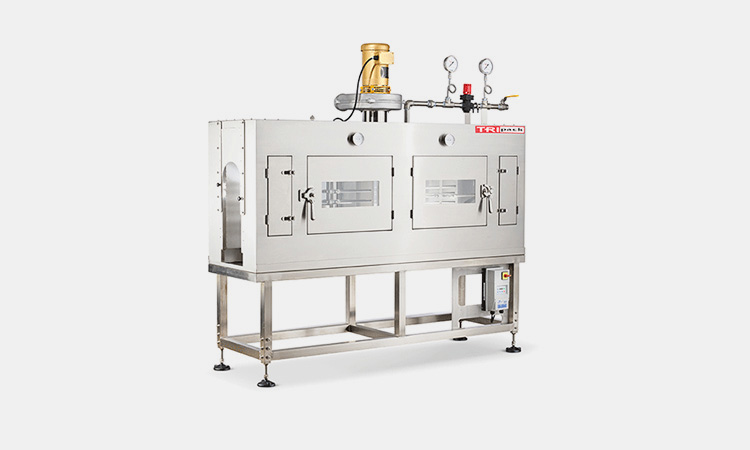
    TRI-PACK

    TRI PACK is a U.S. manufacturer of shrink sleeve application systems. Family owned and operated since 2003, TRI PACK offers a comprehensive line of shrink sleeve applicators, steam tunnel systems, convection tunnel systems, and customized product handling.

    Key Products:

    HSA-250

    HSA-250

    HSA-405

    HSA-405

    ST-1

    ST-1

    • Uses digital counters with feedback
    • Flexible packaging in several industries: including food, beverage, pharmaceutical, home care, cosmetics, and many more.

    Recommend Reason

    • Syntegon offers you perfect multi-shift processing machine which give you speedy production.
    • Their machines have different formats for packaging.
    • Their 203-E horizontal flow wrapper has multiple options for packaging such as hot or cold sealing, curved or straight sealing.
    • Their machines can give you optimum result on small footprint with easy handling.

    Headquarter: USA

    Company Background & Information

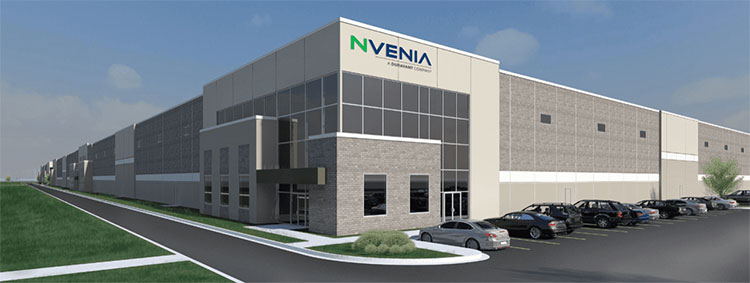
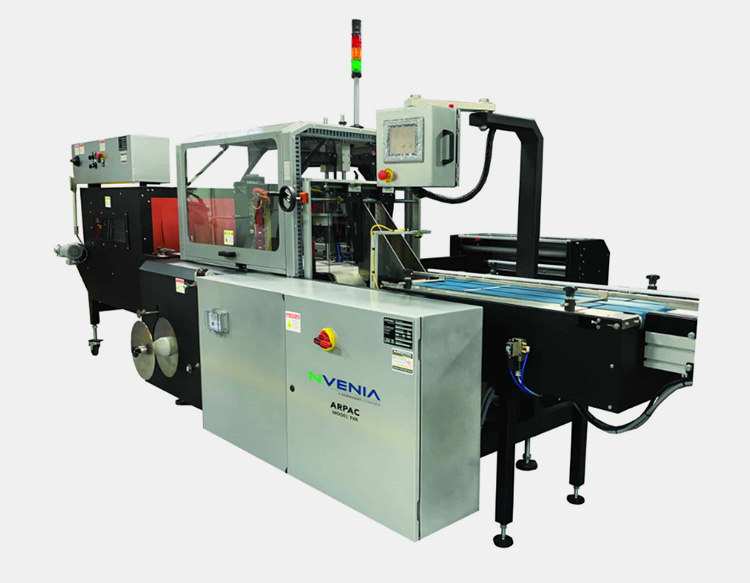
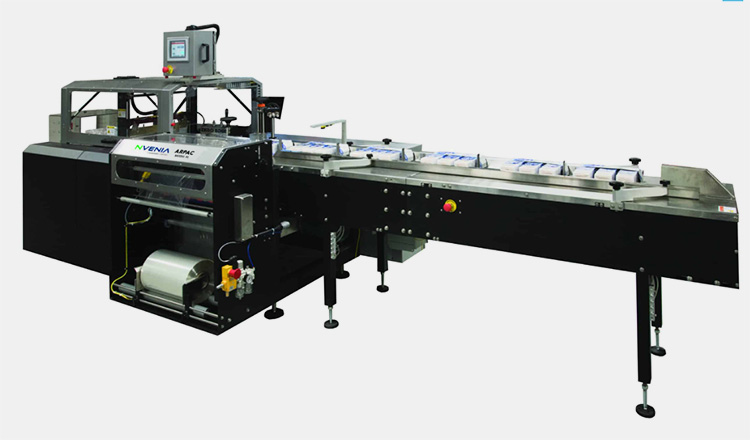
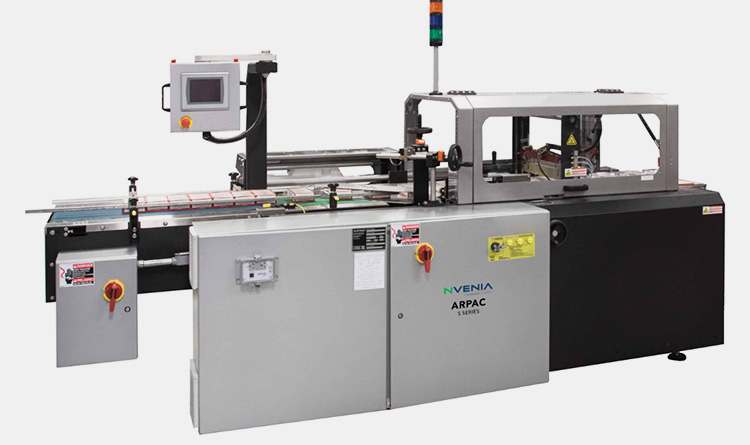
    NVENIA

    NVENIA headquartered in Wood Dale, IL, and designs and manufactures primary, secondary and end-of-line packaging equipment, featuring the product brands of Arpac, Fischbein, Hamer and Ohlson. NVENIA’s focus is on delivering next-level packaging equipment, integration and innovation to our customers.

    Key Products:

    Arpac-Brand-XR-Series

    Arpac Brand XR Series

    Arpac-Brand-AL-Model

    Arpac Brand AL Model

    Arpac Brand TS37

    Arpac Brand TS37

    • Slide out film rack with needle wheel air evacuation assembly
    • Evenly wound trim removal system compacts film trim for easy disposal
    • Central point lubrication simplifies preventive maintenance

    Recommend Reason

    • NVENIA are honest and sincere in our dealings with others.
    • Theytake responsibility for their individual actions in order to enhance their good reputation and meet the needs of customers, employees, and other stakeholders.
    • Theyseek to be more than trustworthy – they seek to be trusted.
    • Theyserve their customers with agility, responsiveness, and reach.

    Headquarter: Switzerland

    Company Background & Information

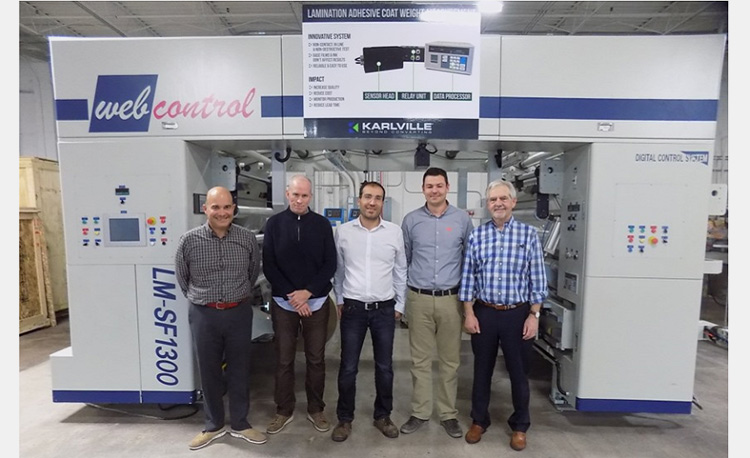
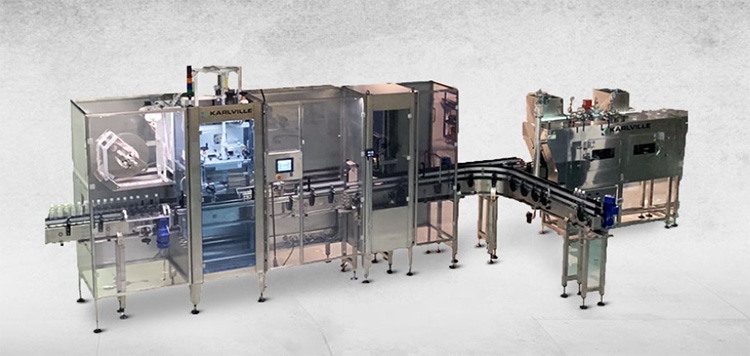
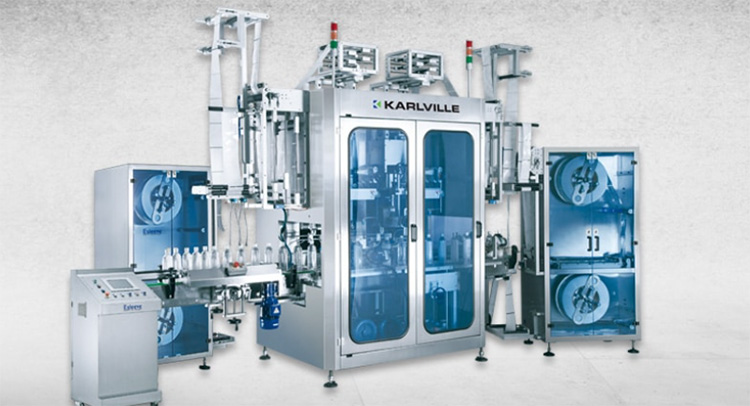
    KARLVILLE

    KARLVILLE is a global company with more than 20 years in the market providing sustainable vertically integrated machinery solutions for Shrink Sleeves, Flexible Packaging, Pouches & Tape Multipacks. They have become the global converting machinery leader and high-speed shrink sleeve application machinery niche player.

    Key Products:

    SLEEVEPRO-200

    SLEEVEPRO 200

    SP800

    SP800

    • Stainless steel main frame
    • Mortisedlifting
    • Unwinder tesnion system and end or roll

    Recommend Reason

    • KARLVILLE has support facilities in USA, Europe and Asia, they are well positioned to service global customer base.
    • They offer a wide range of innovative converting and packaging machines to produce shrink sleeves, flexible packaging, pouches and tape multipacks.
    • As part of our commitment to customers, they operate a Technology Center in Miami, Florida to showcase their technologies for live “in person” or virtual demos.

    Conclusion

    With the wide application of shrinking any material that needs to be wrapped, shrink wrap machine for food domains the packaging industry. This list of 10 best global shrink wrap machine for food manufacturers can help you with the best brand rankings and their key products. If you are into any of those, you are always welcome to come to us, that we can provide you with the latest and best type.

    Don't forget to share this post!

    CONTACT US

    Tell us your raw material and project budget to get quotations within 24 hours.

    WhatsApp Us: +86 181 7101 8586

    Invalid Email
    Invalid Number

    10 Best Global Shrink Wrap Machine For Food Manufacturers: The Definite Guide In 2025 Read More »
    Logo

    Top 10 Global Vertical Packing Machine Manufacturers: The Definite Guide In 2025

    Top 10 Global Vertical Packing Machine Manufacturers: The Definite Guide In 2025

    They are various top global vertical packing machine manufacturers in the world with plenty of vertical packing machines that can meet your needs, help you grow your business, and offer you knowledge about machines. This top list can offer you the world-renowned vertical packing machine manufacturers’ information.

    Top 10 manufacturers of vertical packing machines in the world

    A vertical packing machine, also called a vertical packaging machine, is an advanced packaging machine that is used to pack both food and non-food products. Food, beverages, medicines, cosmetics, chemical, agricultural and pharmaceutical industries use vertical packaging machines due to their high productivity and precise packaging.

    Here is the top list of manufacturers:

    RANK MANUFACTURES OF VERTICAL PACKING MACHINE HEADQUARTERS
    1 SYNTEGON Germany
    2 Coesia Italy
    3 Korber Germany
    4 ALLPACK China
    5 FUJI Machinery Japan
    6 Viking Masek USA
    7 Aranow Spain
    8 MG America USA
    9 Winpak USA
    10 Fres-co USA

    Logo

    Headquarter: Germany

    Company Background & Information

    Syntegon

    SYNTEGON commonly known as Bosch and stylized as BOSCH, is a German multinational engineering and technology company headquartered in Gerlingen, Germany. The company was founded by Robert Bosch in Stuttgart in 1886. Bosch is 92% owned by Robert Bosch Stiftung, a charitable institution. Although the charity is funded by owning the vast majority of shares, it has no voting rights and is involved in health and social causes unrelated to Bosch’s business.

    Key Products

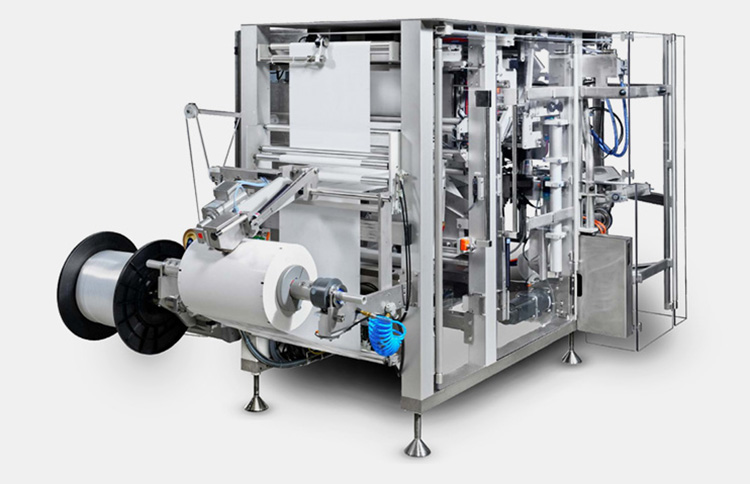
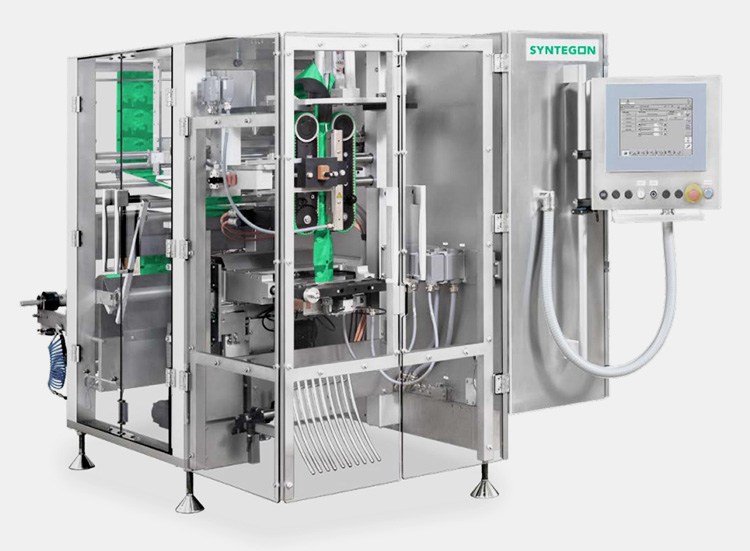
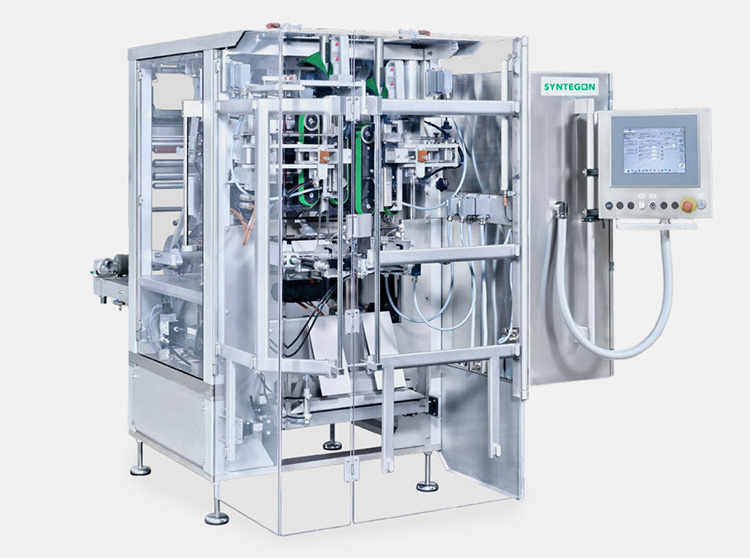
    SVE-3220-DZ

    SVE 3220 DZ

    SVE-2520

    SVE 2520

    SVE-1820-MR

    SVE 1820 MR

    • Handle a wide variety of products, pack styles and sizes
    • Easy-to-clean design, ideal for frozen food
    • The output of two machines using the space of one

    Recommend Reason

    • Syntegon has decades of experience in processing and packaging engineering, research and development.
    • Their technical solutions are high-quality, efficient, and reliable. The Syntegon Group comprises a worldwide network of centers of excellence and production sites.
    • Their primary goal is to meet the specific needs of every customer. During their development projects, they maintain close ties with customers and users and regularly incorporate their feedback into the process.
    • Syntegon’s machines have earned numerous awards including the German Packaging Award, the Red Dot Award, the PMMI Packaging Line of the Year award and the Medicine Maker Innovation Award.
    • Syntegon has long-standing expertise in the development of automated robotic solutions, reliable manufacturing processes and easy scale-ups. Their technologies and services enable their customers to boost production efficiency along the entire value stream.

    Headquarter: Italy

    Company Background & Information

    Coesia

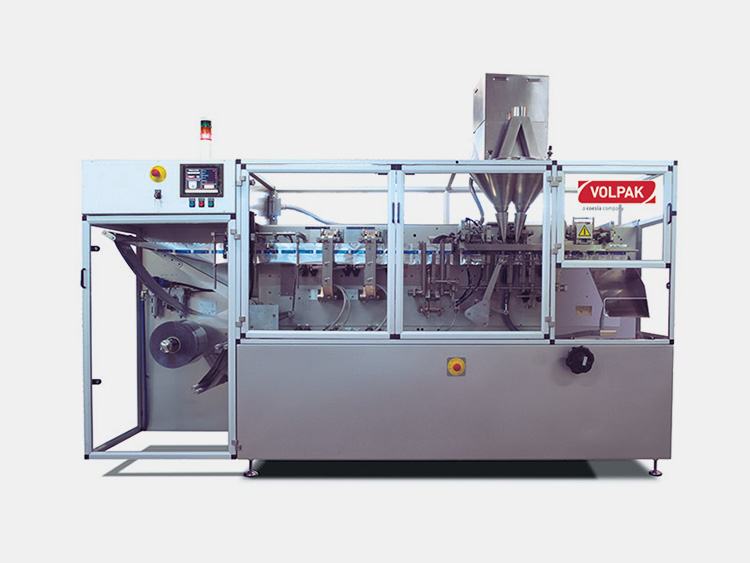
    Coesia is an Italian group of companies. It consists of 92 subsidiaries, which are active in various areas of mechanical engineering, especially packaging machine construction, covering aerospace, ceramics, consumer products, healthcare and pharmaceuticals, and tobacco sectors. Well-known subsidiaries include FlexLink, Norden, Hapa AG, GDM, Atlantic Zeiser GmbH, R.A Jones and Volpak. In addition, today’s cigarette machine manufacturer G.D belongs to Coesia.

    Key Products

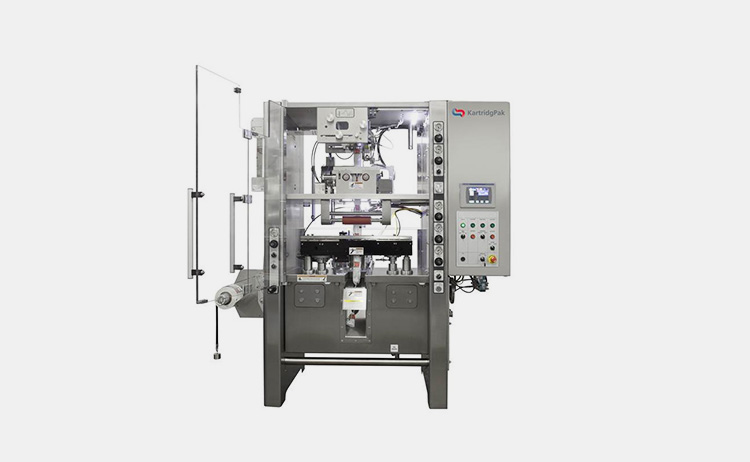
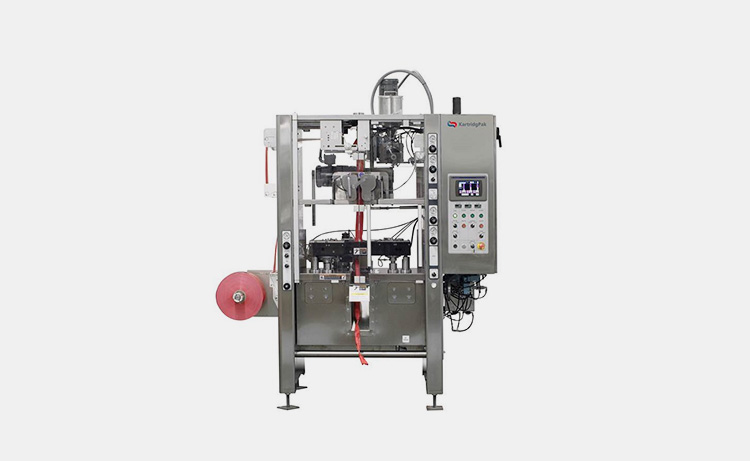
    KartridgPak®-CH-160

    KartridgPak® CH-160

    KartridgPak®-CHR-120

    KartridgPak® CHR-120

    KartridgPak®-CHX-160

    KartridgPak® CHX-160

    • Suitable for Frozen Food, Ice Cream, Oils & Fats, Other Food, Sauces & Condiments, Soup & Stock Cubes, Cheese, Other Chemicals, Processed Meat & Fish.

    Recommend Reason

    • Coesia is one of the leading manufacturers of packaging machines in the consumer goods market, with a large international share.
    • Coesia designs and manufactures automatic packaging machines for a range of sectors including: Confectionery (chocolate, bakery, candies and gums), Detergents and Soaps (liquids, powders and bars), Tea and Coffee.
    • They offer technologies and solutions for a huge choice of packaging for different consumer goods sectors. Their technologies handle products ranging from Food, Tea & Coffee, to Personal care, Home care and Chemicals.
    • Coesia fully embraces the International Standards for quality system management, process control and continuous improvement, and guarantees to you and stakeholders the ISO 9001.

    Headquarter:Germany

    Company Background & Information

    Körber

    Körber is an international technology group with around 12,000 employees and more than 100 locations worldwide. At the Körber Business Area Pharma they are delivering the difference along the pharma value chain with their unique portfolio of integrated solutions. Spanning in-depth expertise in consulting, inspection, handling, packaging machines and materials, track & trace and software, they always have the right solutions to unlock the potential of their customer’s productivity.

    Key Products

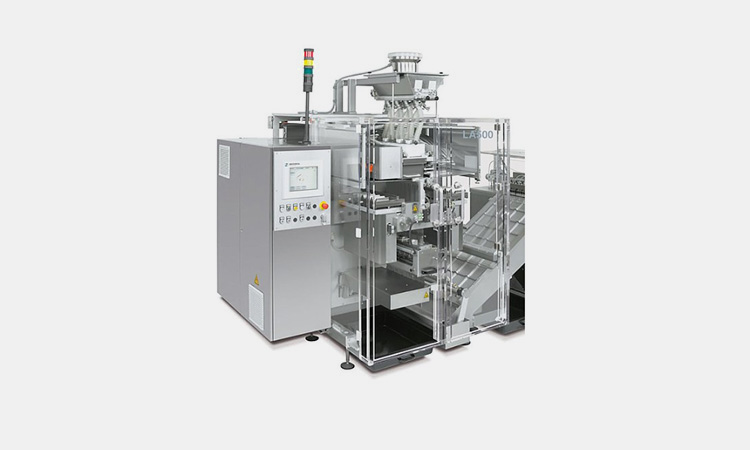
    LA160

    LA160

    LA500

    LA500

    • Flexible, reliable, compact
    • Maximum performance in minimum space

    Recommend Reason

    • They are a leading supplier of packaging machines for liquid and solid pharmaceutical and medical products.
    • With their blister, sachet and stick packaging machines they offer solutions for primary packaging.
    • Their side and topload cartoners set standards worldwide for secondary packaging.
    • Their packaging machines ensure maximum flexibility and productivity for your packaging processes.
    • They have a solution for everything – and the corresponding experience.

    Headquarter: China

    Company Background & Information

    ALLPACK is a professional packaging equipment manufacturer with 11 years of experience in packing machine labeling, and they focus on round bottles. The company covers a range of production areas like Carton Packaging, Sealing, Strapping, Vacuum Packaging, Capping Packaging, Labeling, Pharma Machinery, Coding and Marking machines, and so on. They can solve & support your packaging equipment challenges, so you can grow your business.

    Key Products

    SN-60AK-Vertical-Packing-Machine

    SN-60AK Vertical Packing Machine

    SN-60CJ-Vertical-Packing-Machine

    SN-60CJ Vertical Packing Machine

    SN-169-Tea-Bag-Packing-Machine

    SN-169 Tea Bag Packing Machine

    • Using the PID temperature controller, temperature control more accurate;
    • PLC control action of the machine, the man-machine interface display, easy to operate;

    Recommend Reason

    • With service of free shipping and return service, a money-back guarantee, Online support 24/7, and secure payment.
    • Provide massive and professional machinery and equipment. Various machines can provide different models to meet your different professional needs.
    • With the complete shop and return policies to meet your unsuitable machine needs. Responsible for the entire shipping and delivery procedures and procedures, and deliver it to your home or company with peace of mind.
    • Responsible for all after-sales problems. Provide you with a safe, secure, and trustworthy environment.

    Headquarter: Japan

    Company Background & Information

    FUJI

    Fuji Machinery was founded in 1948, and its first packaging machine was a caramel wrapping machine that went on sale in 1948. Fuji Machinery is one of the world’s leading manufacturers of packaging machinery, producing and designing packaging machinery for food, industrial products, pharmaceuticals, and so on. Since its establishment, Fuji Machinery has been a devoted manufacturer consistently making efforts to develop packaging technology, as well as to the production and sales of packing machinery.

    Key Products

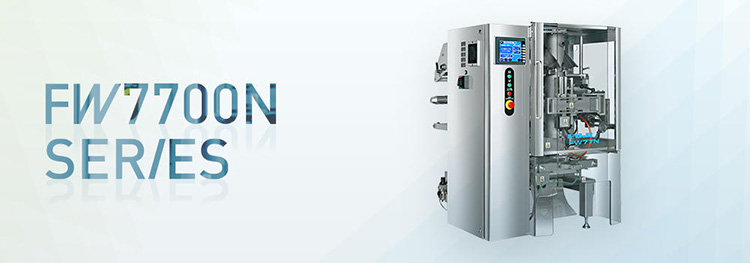
    FW7700N

    FW7700N

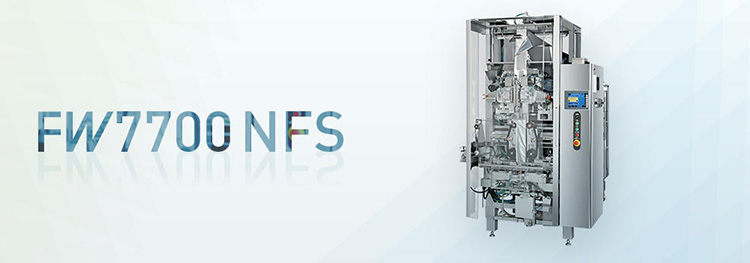
    FW7700NFS

    FW7700NFS

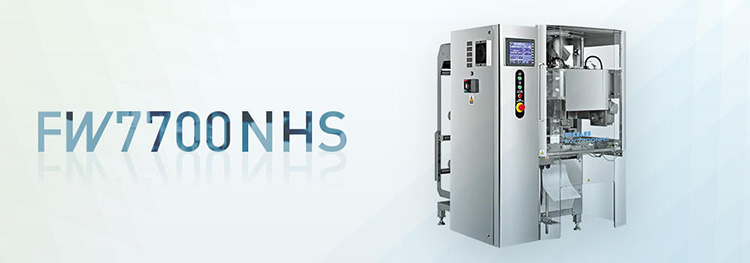
    FW7700NHS

    FW7700NHS

    • Seals four corners when wrapping during bag making. A standing model, allowing for placement in the store without support.

    Recommend Reason

    • FUJI Machinery has been continuously chosen by customers for 70 years.
    • They provide total support for an ideal packaging environment with high production technology and quality management.
    • They are the pioneer of the Packaging Industry. Since their establishment, they have been at the forefront for the production of packaging machines.
    • Industry-Leading Reliability. They have kept FUJI Machinery in the black since their establishment 70 years ago.

    Headquarter: USA

    Company Background & Information

    Viking-Masek

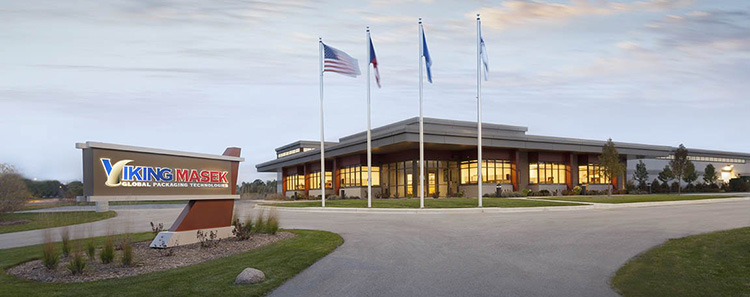
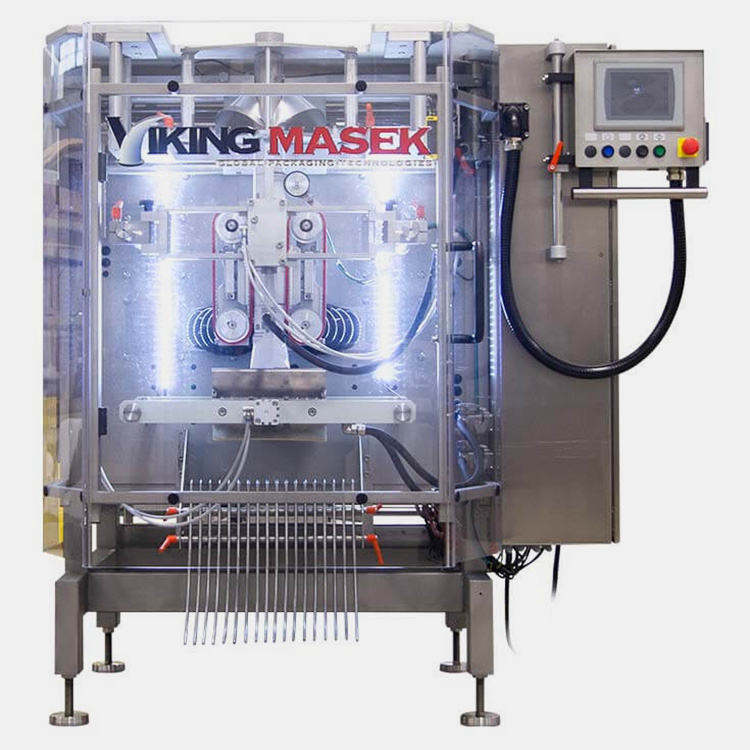
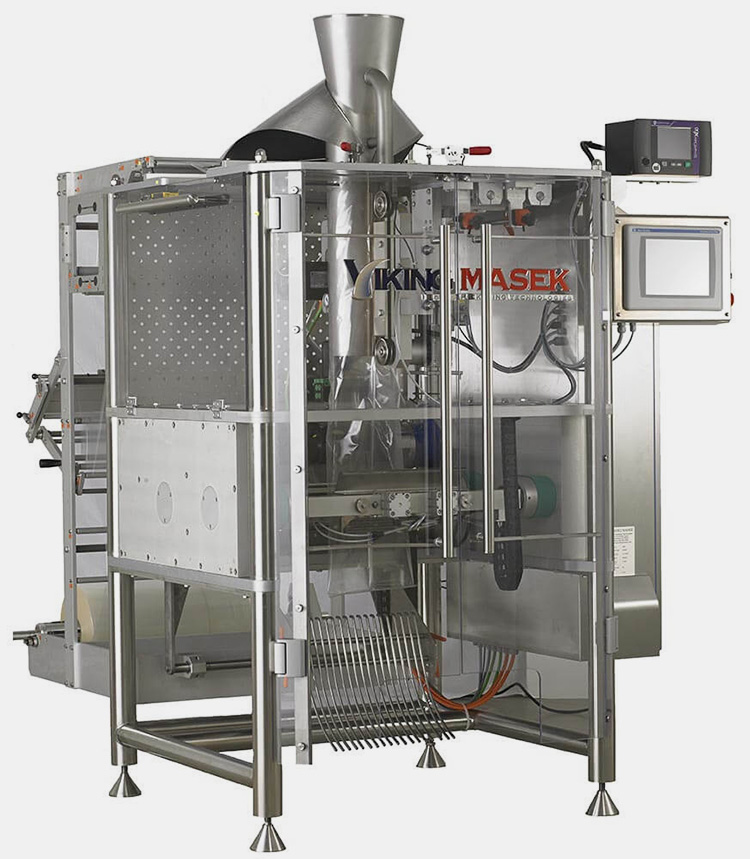
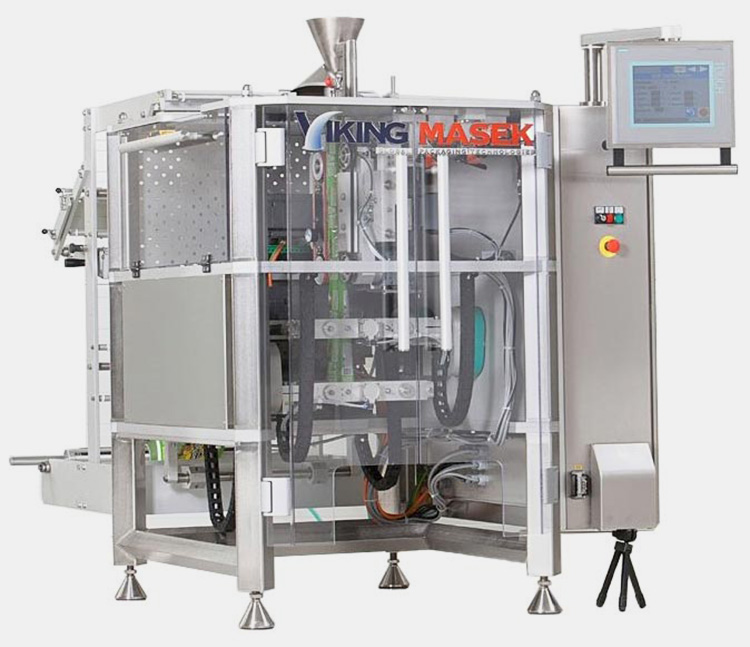
    Viking Masek manufactures, sells, and services packaging machinery for food and non-food markets, including VFFS machines, multilane stick and sachet packing equipment, pouch fill and seal machines, STANDCAP pouch equipment, and carton/case packing machinery. From powder to liquid to snacks and everything in between, Viking Masek packaging machines have been the backbone of successful business operations for decades.

    Key Products

    VFFS-M250

    VFFS M250

    VFFS-Solitaire

    VFFS Solitaire

    VFFS-Velocity-Continuous-Machine

    VFFS Velocity

    • Patented dual-jaw technology
    • Robust stainless steel frame
    • Siemens or Allen Bradley control system

    Recommend Reason

    • They manufacture easy-to-use premade pouch packing machines, economical VFFS baggers, high-speed continuous motion vertical baggers, and multilane stick packaging machines.
    • Their baggers integrate seamlessly with weighers and fillers, infeed and outfeed equipment, metal detectors and X-ray systems, cartoners and casepackers, and other automated packaging equipment.
    • No matter what you’re trying to bag, they will find a way to make it happen. They love a challenge. Bring it on.

    Headquarter: Spain

    Company Background & Information

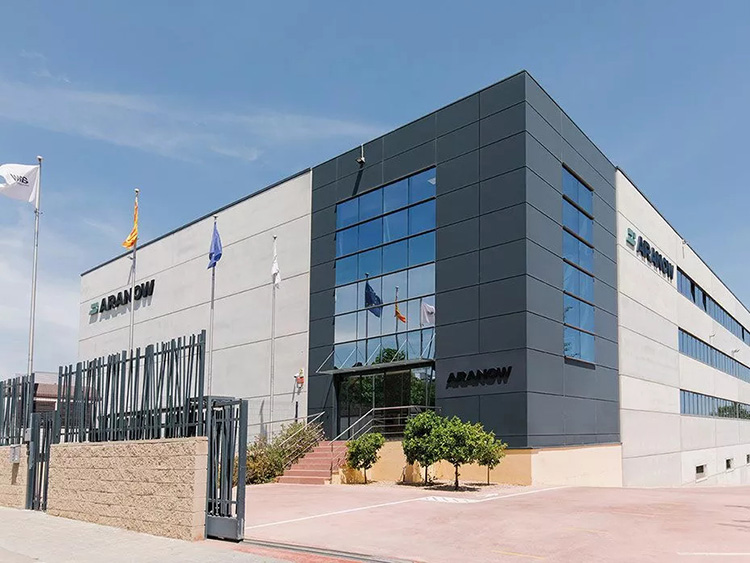
    Aranow

    Aranow is an international company specialized in providing packaging solutions to Food and Beverage, Pharmaceutical, Dairy, Cosmetics and Chemicals industries. Founded in 2003 and based in the heart of Barcelona’s School of Packaging, ARANOW is continuously working to become a feasible partner for your company.

    Key Products

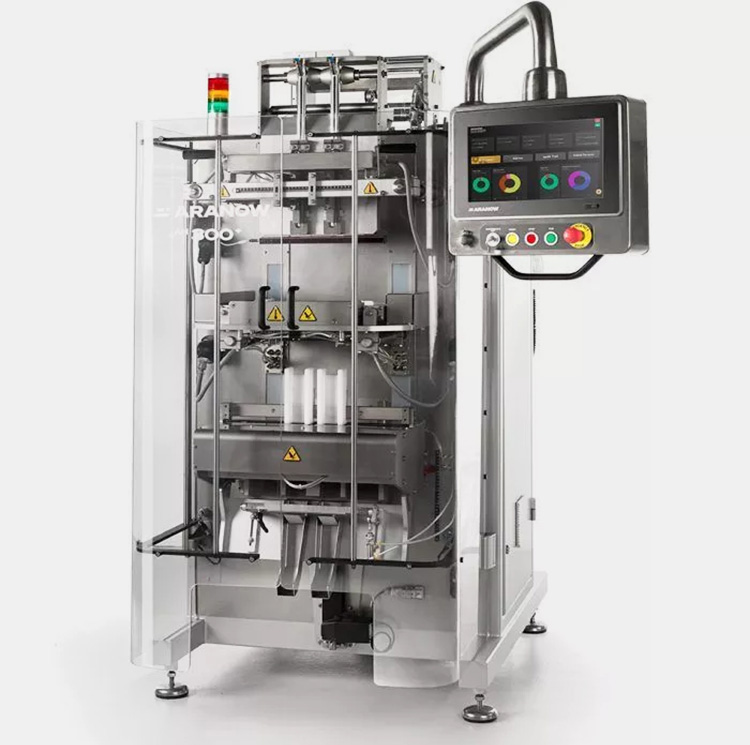
    AN300

    AN1000

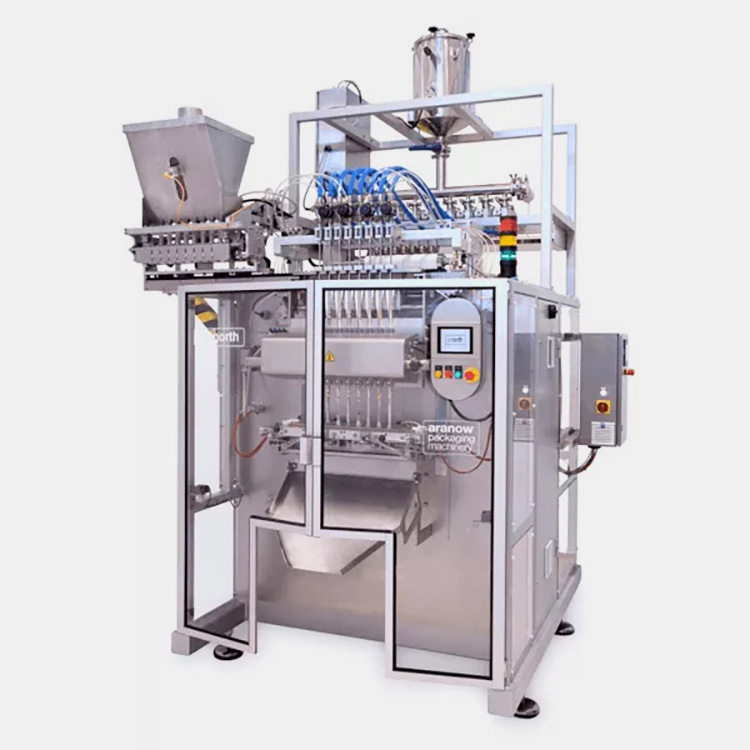
    AN650

    AN650

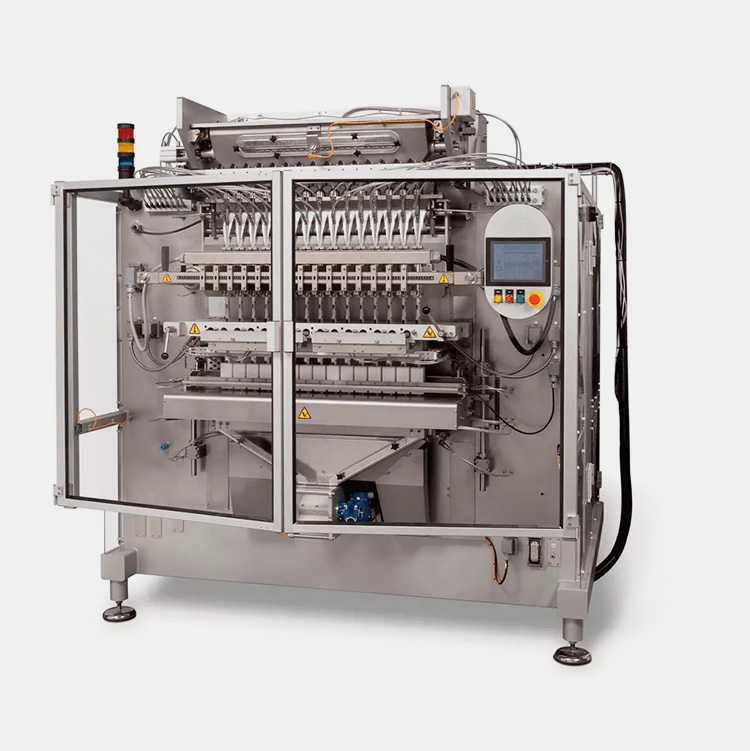
    AN1000

    AN1000

    • Quick format change with few tools.
    • Free access to main components for cleaning (Tool-free).
    • Main motion servo motorized.

    Recommend Reason

    • They have always wanted to be a useful instrument at the service of society and that is why they understand the importance of their spiritual legacy for future generations.
    • ARANOW has carried out an active policy of social inclusion and respect for the environment.
    • As principles for constant improvement that allow them to provide the market with equipment with great added value and maximum reliability.

    Headquarter: USA

    Company Background & Information

    MG-America

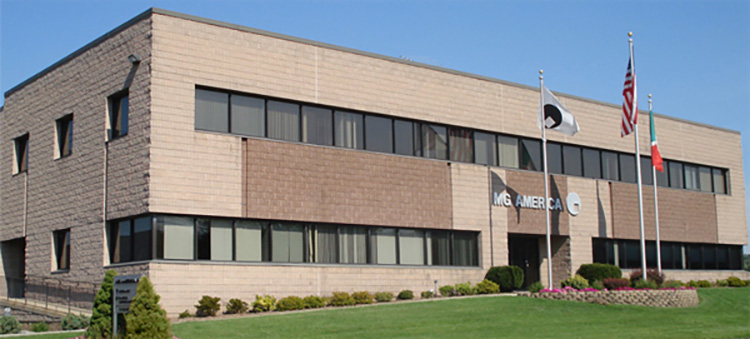
    MG America is a recognized leader in supplying today’s finest European-crafted processing, packaging, inspection and material handling equipment to leading pharmaceutical, nutritional, OTC and medical device companies located throughout the United States, Canada and Puerto Rico. The company takes tremendous pride in the relationships that it builds with its customers, as reflected in the company motto “A partnership for success”.

    Key Products

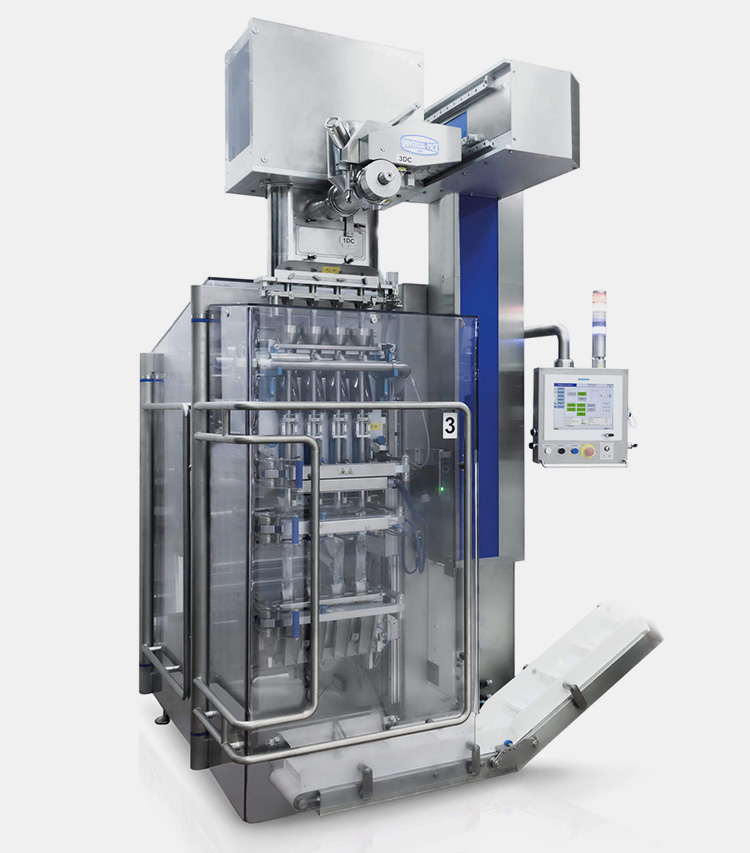
    ALFA

    ALFA

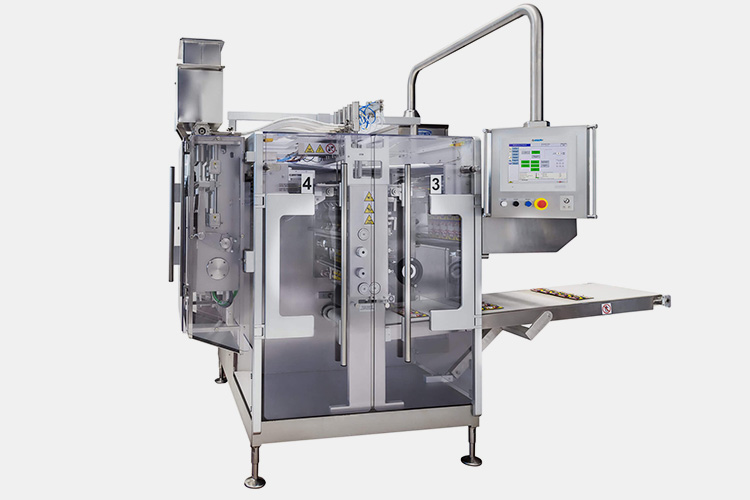
    GAMMA

    GMMA

    • Vertical intermittent-motion machines to produce convenient, practical and consumer-friendly stick packs.
    • Constructed with cutting-edge technology and fitted with various filling units.

    Recommend Reason

    • MG America is 100% committed to providing a customer-driven and customer-focused technical service team.
    • The major focus of their team is to ensure the success of the companies using their Processing and Packaging machines.
    • They are here for you and their will keep your lines running at peak efficiency with our quick response time, interactive tools and technical expertise that’s second to none.

    Headquarter: USA

    Company Background & Information

    Winpak

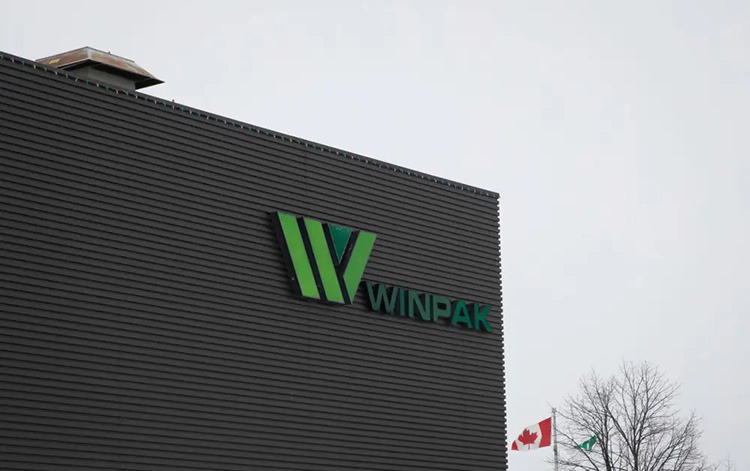
    Winpak is part of a global packaging group with twelve manufacturing facilities in North America. They manufacture and distribute high-quality packaging materials and innovative packaging machines, primarily used for the protection of perishable foods, beverages, pharmaceuticals, medical and personal care. Winpak specializes in three main streams of packaging – Flexible Packaging; Rigid Packaging & Lidding and Packaging Machinery.

    Key Products

    W-18-POUCH-MACHINE

    W-18 POUCH MACHINE

    WP-20-POUCH-MACHINE

    WP-20 POUCH MACHINE

    • Precision servo drive system
    • Accurately fills a wide variety of products

    Recommend Reason

    • They provide the best packaging solutions for people and planet.
    • They design, manufacture, and supply the most sustainable packaging solutions that reduce food waste, extend freshness, and promote health.
    • They challenge their diverse teams to innovate continuously in the service of their customers, each other, and their communities.
    • They elevate customer brands with dedicated technical expertise, industry partnerships, and deep-rooted relationships.

    Headquarter: USA

    Company Background & Information

    Fres-co

    Fres-co system USA was founded in 1978, and based in Telford, Pennsylvania on a 32-acre campus that contains our 300,000 square foot packaging manufacturing factories. They provide the finest flexible packaging systems available anywhere. They operate from a 32-acre headquarters in Telford, Pennsylvania, that houses a packaging and equipment production facility, a research and development department, engineering services and administrative offices. A second facility is located in Red Oak, Iowa.

    Key Products

    • Easily Washed Down
    • Easily Integrated with Your CIP System
    • Reduced Oxygen in the Package

    Recommend Reason

    • Their goal is to help you easily make the move from yesterday’s rigid containers into modern, cost-efficient flexible packaging that better fits today’s active and environmentally conscious lifestyle.
    • Their team of flexible packaging veterans has generated dozens of breakthrough innovations that have shaped the industry and breathed new life into businesses, including the one-way degassing valve that revolutionized the way coffee is packaged.
    • They thrive on solving complex problems and finding new ways to help you deliver a fresher, safer and higher quality product.

    Conclusion

    This top 10 global vertical packing machine manufacturers list can offer and guide you the most complete information of background, main products, and recommend reasons information. Any of these guide makes you interested, please do not hesitate to contact us.

    Don't forget to share this post!

    CONTACT US

    Tell us your raw material and project budget to get quotations within 24 hours.

    WhatsApp Us: +86 181 7101 8586

    Invalid Email
    Invalid Number

    Top 10 Global Vertical Packing Machine Manufacturers: The Definite Guide In 2025 Read More »
    Plastic Cans

    Can Capping Machine: The Complete FAQ Guide In 2025

    Can Capping Machine: The Complete FAQ Guide In 2025

    “Are you tired of manually sealing cans? Look no further than a can capping machine!”

    If you want to increase efficiency and productivity in your canning process, a can capping machine is the solution. Take the next step in automating your canning operation with a top-of-the-line can capping machine. From small-scale production to large-scale industrial use, a can capping machine can meet all of your sealing needs.

    Let’s dive in and explore what you should look for when buying a Can Capping Machine

      Add a header to begin generating the table of contents

      1.What is a Can Capping Machine?

      Can Capping Machine

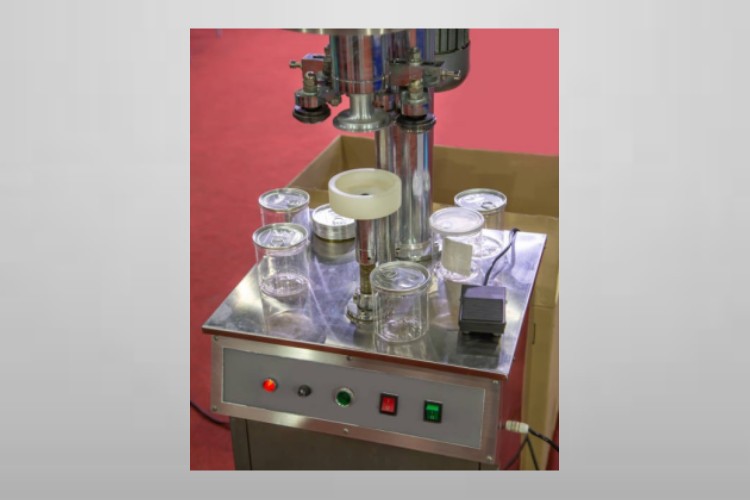
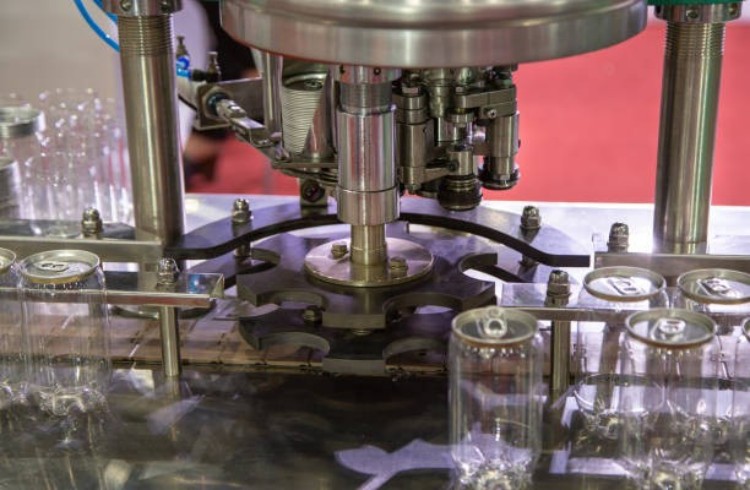
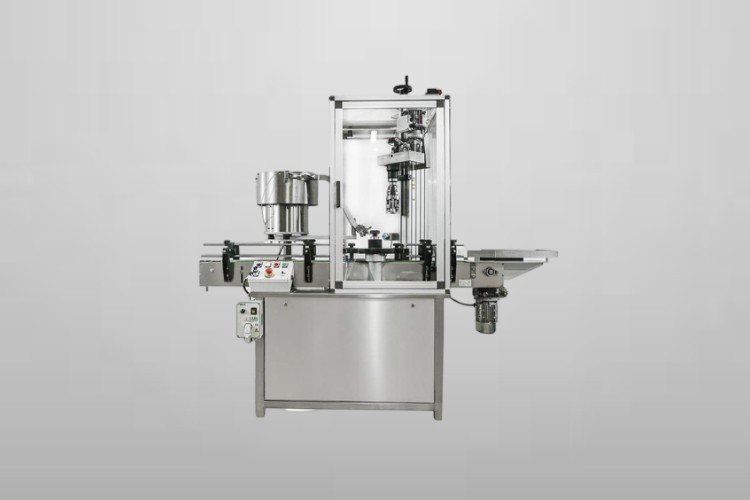
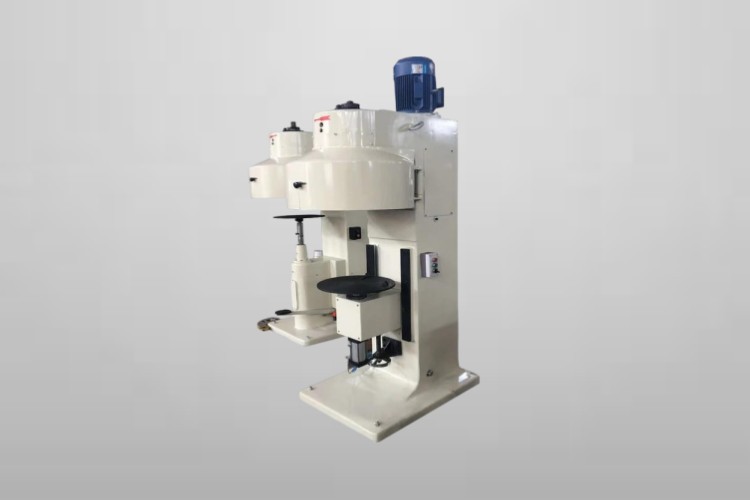
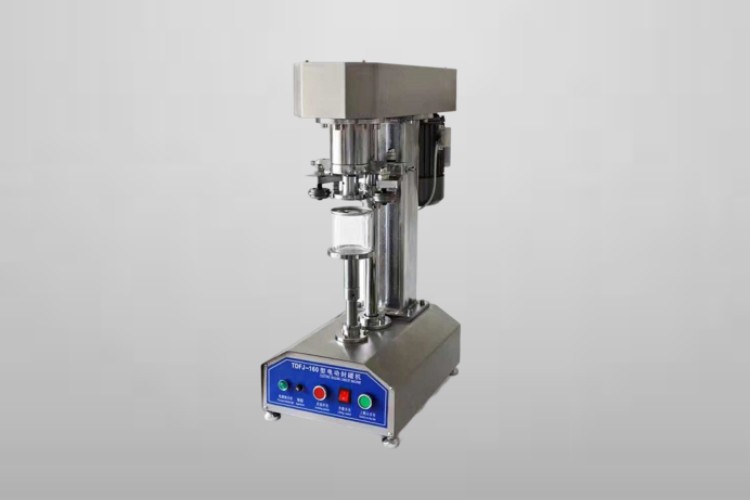
      A can capping machine is a machine that is used to seal the tops of cans by crimping a metal lid onto the rim of the can. The process is called “capping” and is typically used in the food and beverage industry to seal canned goods and preserve their freshness.

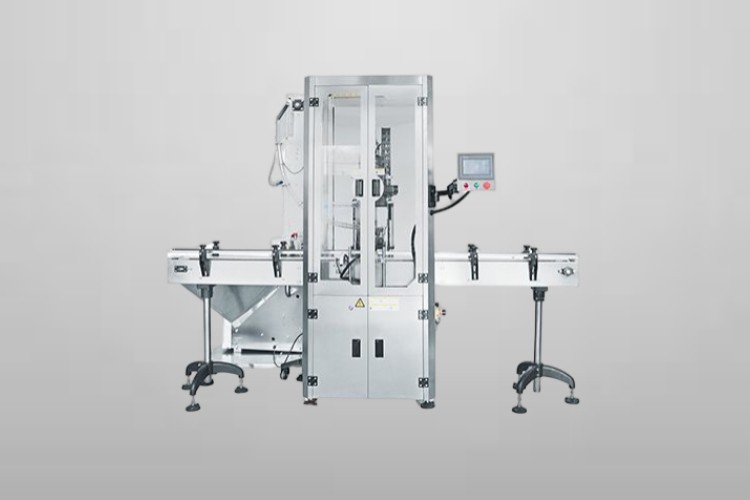
      Can capping machines come in various types and designs, but they all operate on the same basic principle: a metal lid is placed on top of the can and is then crimped onto the rim of the can using a mechanical press.

      Some can capping machines are manual, while others are automatic and can cap many cans at once. They can be semi-automatic also. These machines are used to seal cans in various sizes, and can be adjusted to accommodate different can diameters.

      2.Why the Can Capping Machine is so popular today?

      Can Capping Machine-1

      The can capping machine is popular today because it is a highly efficient and cost-effective way to seal cans and bottles. The machine uses a variety of sealing methods, including screw caps, snap-on caps, and press-on caps, to ensure a tight seal that keeps the contents fresh and prevents leaks.

      The machine can be used for a wide range of products, including food and beverages, chemicals, and pharmaceuticals. Additionally, the can capping machine is easy to operate and maintain, making it a popular choice for manufacturers and processors of all sizes.

      Additionally, the machine can work at high speed, this allows companies to increase their production and efficiency, which can lead to cost savings and increased profits.

      Overall, the can capping machine is a versatile, efficient, and cost-effective solution for sealing cans and bottles, making it a popular choice for many companies today.

      3.What are the key features of Can Capping Machines?

      key features of Can Capping Machine

      can capping machine is a device used to seal the tops of cans, typically those used for food or beverage packaging. The features of a can capping machine can vary depending on the specific model and manufacturer. Some common features include:

      Automatic: These machines areautomated and can cap cans at high speeds with minimal human intervention. They typically use sensors and other electronic controls to automatically detect and apply the cap to the can.

      Speed Control: Many can capping machines have speed control feature, where the operator can control the speed of capping.

      Adjustable height: Some can capping machines have adjustable height feature, where the operator can adjust the height of the machine according to the height of the cans.

      Cap tightness control: Some can capping machines have adjustable cap tightness control feature, where the operator can set the tightness of the cap.

      Safety features: Some can capping machines come with safety features like emergency stop, safety guards and interlocks to prevent injury.

      Customizable: Some can capping machines can be customized to suit different types of cans and caps.

      4.What are the applications of Can Capping Machines?

      Can capping machines are used to apply and seal caps or closures onto cans or containers. Some common applications include:

      applications of Can Capping Machines

      Beverage packaging: Can capping machines are commonly used in the beverage industry to apply and seal caps onto cans of soda, beer, and other carbonated drinks.

      Food packaging: Can capping machines can also be used to seal cans of food products, such as canned fruits and vegetables, soups, and sauces.

      Chemical packaging: Can capping machines can be used in the chemical industry to seal cans or containers of liquid or powdered chemicals, such as pesticides or fertilizers.

      Pharmaceutical packaging: Can capping machines can be used in the pharmaceutical industry to seal cans or containers of medication, such as pills or capsules.

      Personal care packaging: Can capping machines can be used in the personal care industry to seal cans or containers of products such as hair spray, deodorant and other aerosol products.

      5.What are the major components of Can Capping Machine?

      A can capping machine typically consists of several major components, including:

      major components of Can Capping Machine

      Cap/Lid Feeder:

      The cap/lid feeder is responsible for feeding and orienting the caps/lids into the correct position for capping.

      The cap/lid feeder typically consists of a hopper that holds a supply of caps/lids, a vibratory feeder that orients the caps/lids into the correct position, and a chute that directs the caps/lids into the capping machine. The feeder ensures that the caps/lids are correctly positioned and spaced for the capping process.
      Press-On Head:

      Press-On Head

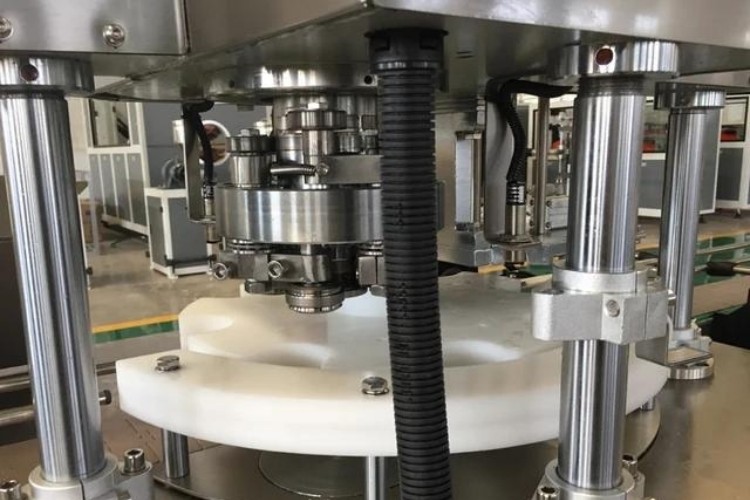
      The press-on head is responsible for applying the necessary force to secure the cap/lid onto the bottle. The press-on head is a mechanism that presses the cap/lid onto the bottle. It may have an adjustable pressure setting, allowing for different types of caps/lids to be used. The head can be a single or multiple units, depending on the production rate required.

      Rotary Clincher:

      The rotary clincher is a rotating mechanism that helps secure the cap/lid onto the bottle by applying pressure around the circumference of the cap/lid.

      The rotary clincher is a mechanism that rotates around the circumference of the cap/lid to secure it onto the bottle. The clincher ensures a tight seal by applying pressure to the cap/lid. The speed of the clincher can be adjusted to accommodate different types of caps/lids and production rates.

      Conveyor Belt:

      The conveyor belt is a moving surface that supports and transports the bottles through the capping machine. The conveyor belt may be adjustable, allowing for the bottles to be positioned correctly for the capping process.

      The speed of the conveyor belt can also be adjusted to match the production rate of the machine. The conveyor belt may also have a system for stopping the bottles in the correct position for the capping process.This machine is used in various industries like food, beverage, chemical, cosmetic, and many more.

      6.What are the working principle of Can Capping Machine?

      A can capping machine is used to seal cans or jars by applying a metal or plastic cap to the top of the container. The working principle of a can capping machine typically involves a series of mechanical and pneumatic components that work together to apply the cap to the container.

      working principle of Can Capping Machine

      • The first step in the process is to load the cans or jars onto a conveyor belt or into a hopper. The containers then move through the machine, where they are inspected for any defects or damage. If any defects are found, the containers are rejected and removed from the line.
      • Next, the caps are fed into the machine and placed onto the containers. The caps are typically held in place by a chuck or gripper, which is controlled by a pneumatic cylinder. The chuck or gripper then rotates to tighten the cap onto the container.
      • Once the cap is securely in place, the container is moved to the next stage of the production line. Some capping machine also have sensors to check if the cap is properly sealed and if not will be rejected.

      The specific details of how a can capping machine operates can vary depending on the design and manufacturer of the machine. However, the basic principle of using mechanical and pneumatic components to apply a cap to a container is the same for most can capping machines.

      7.What are different kinds of Can Capping Machine?

      • Spindle Capping Machines:

      Spindle Capping Machines

      Spindle Capping Machines are machines used to seal containers with screw-on-caps. The machine operates continuously, repeating the process for each container until the desired number of containers have been capped. The speed of the machine and the tightness of the cap can be adjusted to suit the specific needs of each application.

      • Chuck Can Capping Machine:

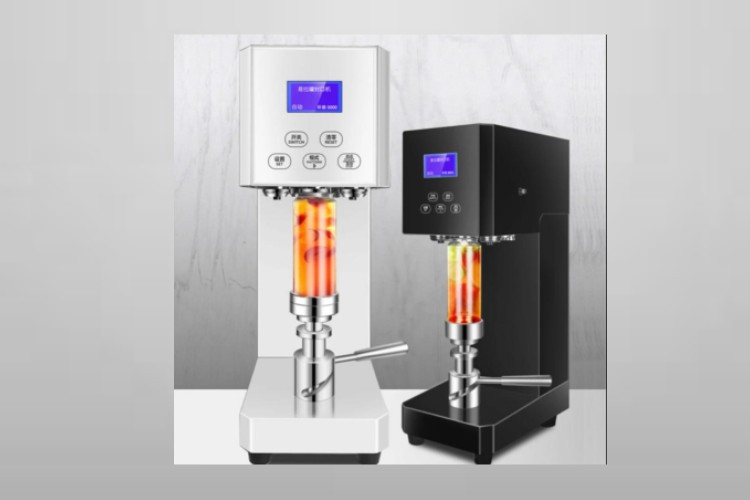
      Chuck Can Capping Machine

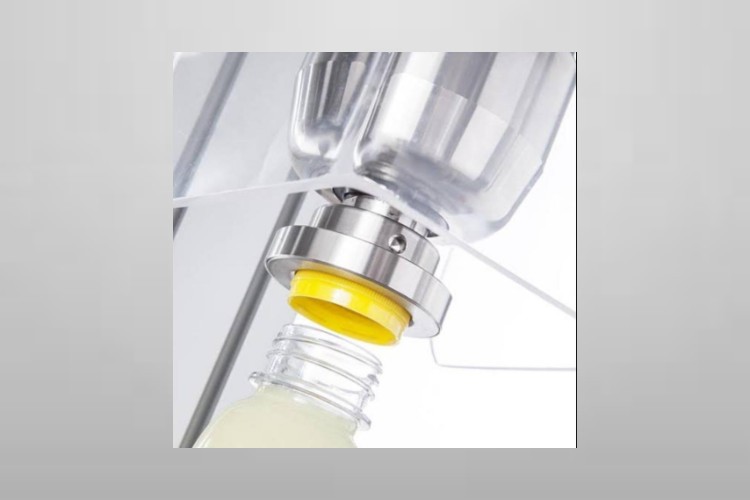
      Chuck Can Capping Machines are widely used for capping various types of containers with screw caps, snap-on caps, and other closure types. Chuck Can Capping Machines are designed to automate the capping process, providing consistent and efficient cap application.

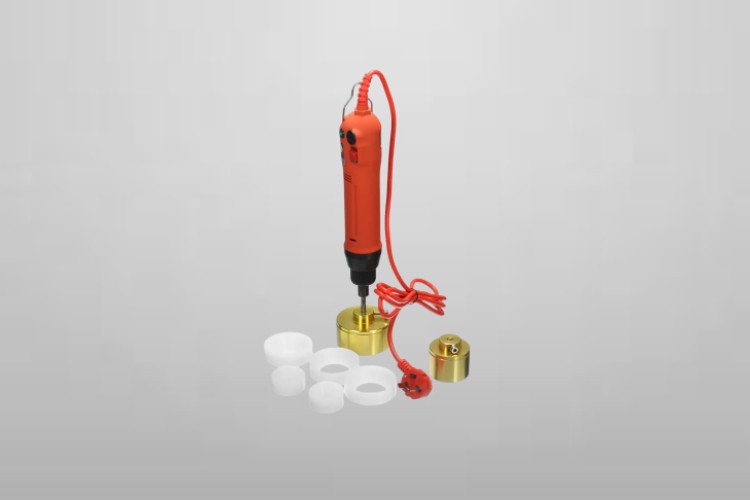
      • Hand-held Can Capping Machine

      Hand-held Can Capping Machine

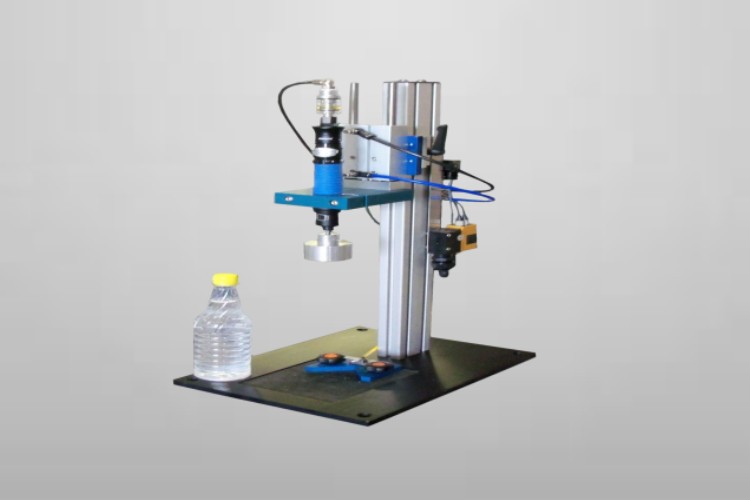
      A hand-held Can capping machine is a device used to secure caps onto bottles or other containers. The hand-held can capping machine is a simple, manual device used to secure caps onto bottles or other containers.

      It consists of a handle, cap-holding mechanism, and capping head, which applies the necessary force to seal the cap on the bottle.

      • Twist-Off Cap Screwing Machine

      Twist-Off Cap Screwing Machine

      A twist-off cap screwing machine works by using a screwing unit to apply torque to the cap and screw it onto the container, and a conveyor belt to transport the containers to the screwing station.

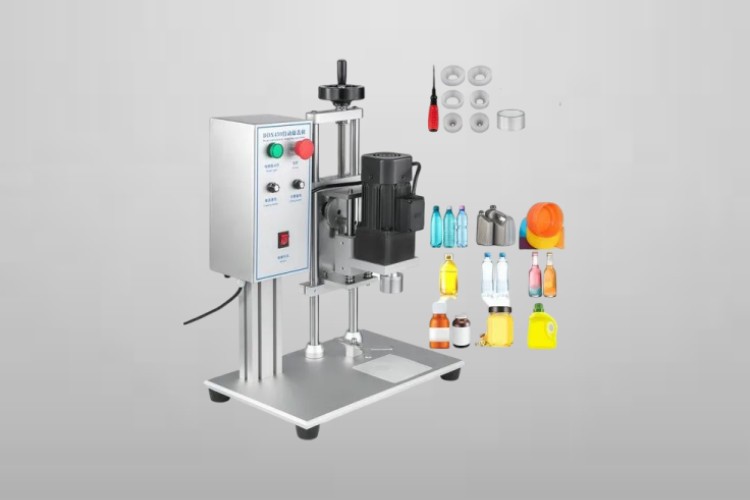
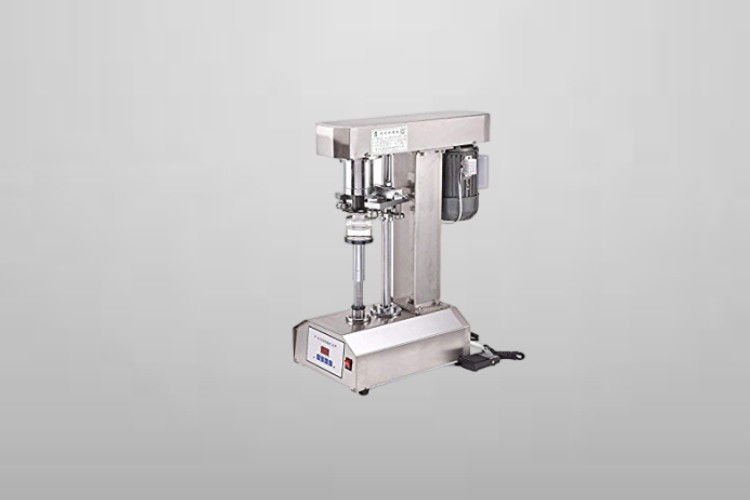
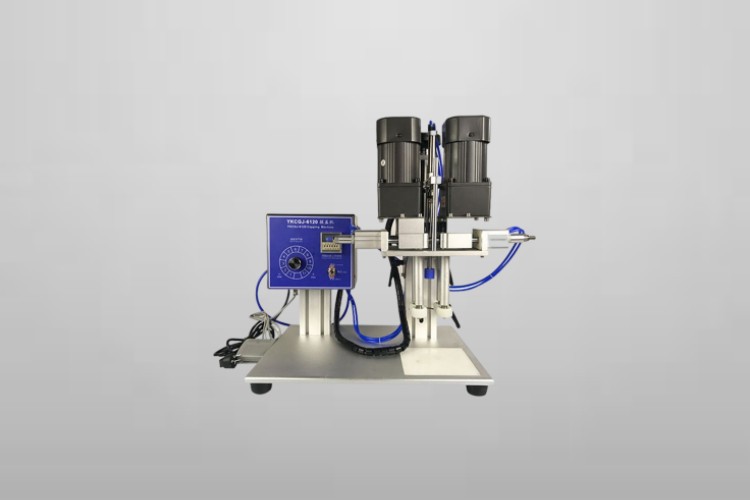
      • Benchtop Can Capping Machine

      Benchtop Can Capping Machine

      A benchtop can capping machine s a device used to apply caps to bottles or containers. It is designed compact and will not occupy too much space, which is very convenient to use.

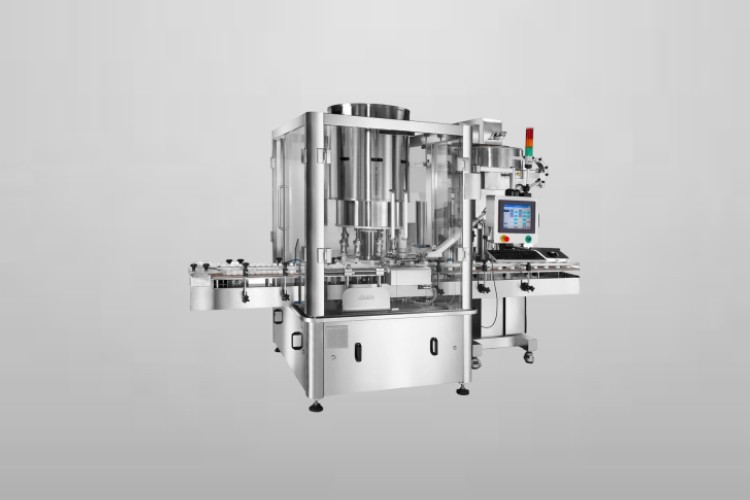
      • Rotary Can Capping Machine

      Rotary Can Capping Machine

      A rotary can capping machine is different from other can capping machine because it can cap bottles continuously by rotating,the speed of this machine is very fast,it is suitable for large scale production.
      Screw Can Capping Machine

      Screw Can Capping Machine

      A screw can capping machine is a machine that is used to apply screw-on caps to containers, such as bottles or jars. The machine is high speed and it is mostly suitable for capping PET caps.

      • Induction Sealing Can Capping Machine

      Induction Sealing Can Capping Machine

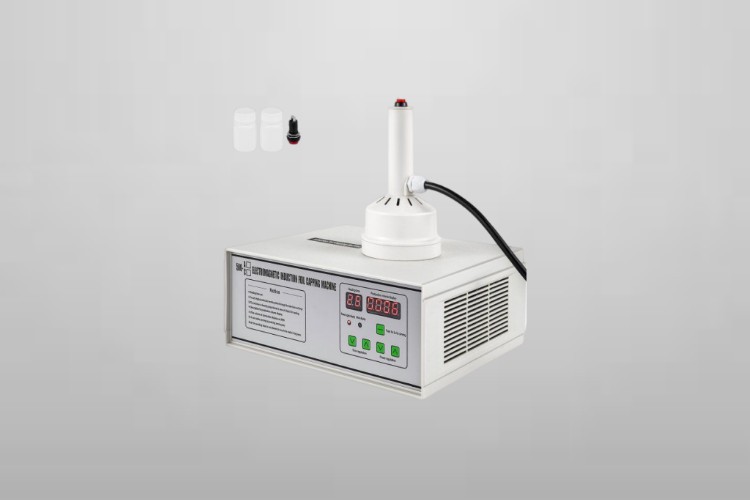
      An induction sealing can capping machine is different from others because the working principle of it is based on electromagnetic induction. When an alternating current is passed through the induction coil, it generates an electromagnetic field,then applying the caps to containers.

      8.What are differences between Hand Can Capping and Automated Can Capping?

      Hand vs Automated Can Capping

      Hand can capping and automated can capping are methods used for sealing cans to preserve their contents.

      Hand can capping:

      Hand can capping

      • Involves manually placing the cap on the can and manually tightening it into place.
      • Typically used for small-scale operations or for sample cans.
      • Slower and less efficient compared to automated can capping.
      • Prone to human error and inconsistencies in cap tightness.

      Automated can capping:

      Automated can capping

      • Involves using a machine to place the cap on the can and tighten it.
      • Typically used for large-scale operations where high speed and efficiency are necessary.
      • Faster and more consistent compared to hand can capping.
      • Generally more accurate and reduces the chance of human error.

      In conclusion, while hand can capping is a suitable method for small-scale operations, automated can capping is better for large-scale operations where speed and efficiency are important.

      9.What are the distinguishing features of Can Capping Machine VS Can Seamer Machine?

      Can Capping VS Can Seamer
      Can capping machine and can seamer are both commonly used in the canning and packaging industry, but they serve different purposes.

      Can Capping Machine:

      Can Capping Machine-2

      Its primary function is to screw the cap onto the top of the can to secure the contents inside.

      It typically uses a twisting or screwing mechanism to secure the cap in place, and can be automated or manual.

      It is used for products that require a secure, tight seal to prevent leaks or contamination.

      Can capping machines are designed for specific cap sizes and types, so it’s important to choose the correct machine for your specific application.

      Can Seamer:

      Can Seamer

      Its primary function is to crimp or seam the lid to the can body.

      It uses a rolling action to create a tight, secure seal between the lid and the can body.

      It is used for products that require a tamper-evident seal, such as food and beverages.

      Can seamer is also designed for specific can sizes and types, so it’s important to choose the correct machine for your application.

      In summary, the main difference between a can capping machine and a can seamer is their purpose: the former is used to screw a cap onto the top of the can, while the latter is used to crimp the lid to the can body.

      10.What type of caps are use in sealing with Can Capping Machine?  

      Can capping machines are typically used to seal cans or containers with metal or plastic caps. The type of cap used in can capping machines can vary depending on the application and the type of product being packaged.

      The most common types of caps used in can capping machines include:

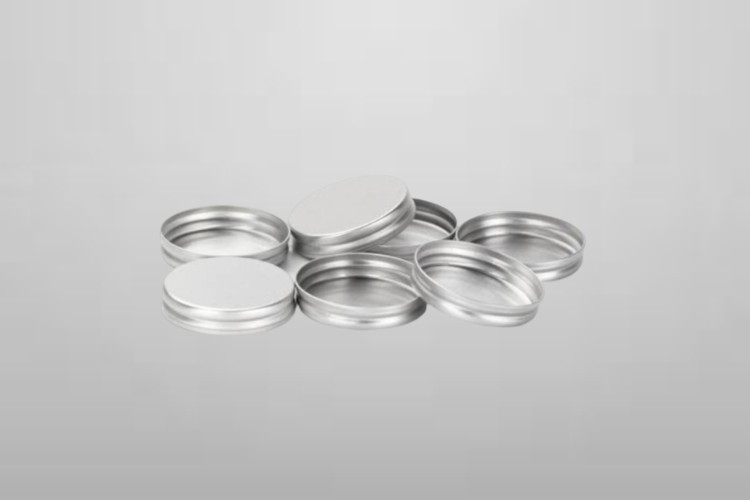
      Metal caps:

      Metal caps

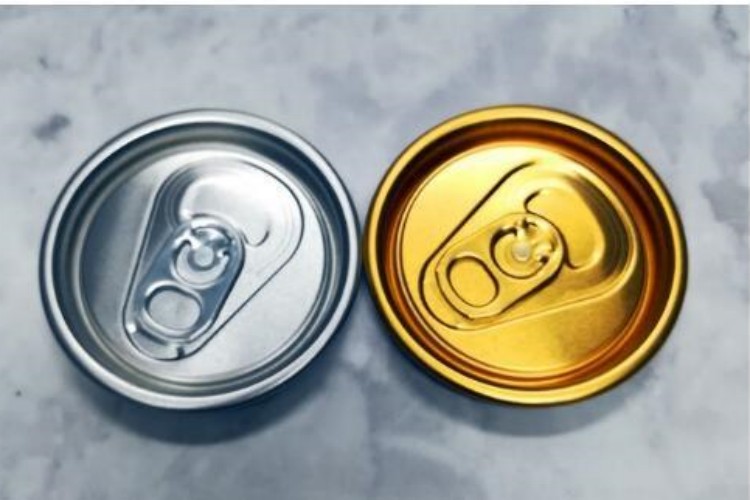
      These are typically made of aluminum or steel and are used to seal cans of products such as food, beverages, and chemicals. Metal caps are known for their durability and resistance to corrosion. They are also easy to recycle.

      Plastic caps:

      Plastic caps

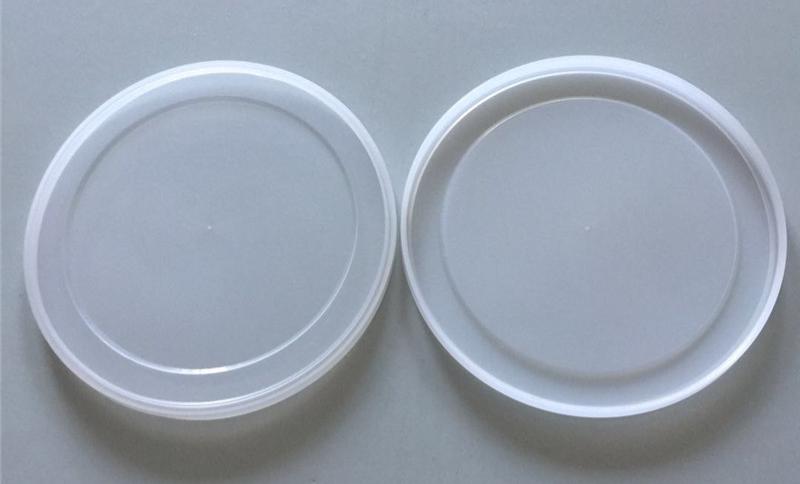
      These are typically made of polypropylene or polyethylene and are used to seal cans of products such as food, beverages, and cosmetics. Plastic caps are known for their light weight and flexibility.

      Crown caps:

      Crown caps

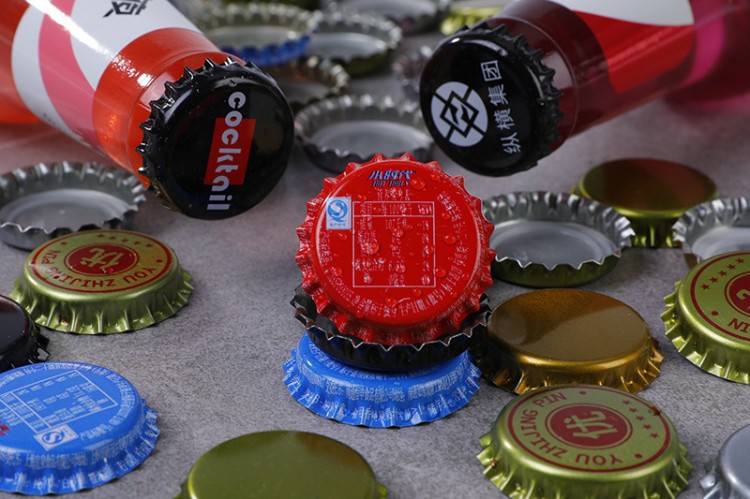
      These are typically made of steel and are used to seal cans of carbonated beverages. Crown caps are known for their tight seal, which prevents carbon dioxide from escaping and keeps the beverage fresh.

      Screw caps:

      Screw caps

      These are typically made of plastic or metal and are used to seal cans of products such as food, beverages, and chemicals. Screw caps are known for their easy opening and closing, making them ideal for products that are frequently opened and closed.

      Snap-on caps:

      Snap-on caps

      These are typically made of plastic and are used to seal cans of products such as food and beverages. Snap-on caps are known for their easy opening and closing and are ideal for products that are frequently opened and closed.

      Can capping machines are designed to work with specific types of caps, so it is important to choose the right type of cap for the application and the type of product being packaged.

      The can capping machine can be adjusted to adapt different size and type of caps. The machine will also have a cap feeder that will feed the caps to the machine at a steady rate.

      The machine will then place the cap on the container and secure it in place. Depending on the machine, the caps may be secured using a variety of methods, including mechanical crimping, induction sealing, and heat sealing.

      11.What is the level of maintenance required for Can Capping Machine?

      maintenance

      The level of maintenance required for a can capping machine can vary depending on the specific machine and the environment in which it is used. However, in general, regular maintenance is required to ensure that the machine is operating correctly and efficiently, and to extend its lifespan.

      Here are some general tasks that should be performed regularly to maintain a can capping machine:

      • Cleaning: Can capping machines should be cleaned regularly to remove any debris or build-up that could cause issues with the machine’s operation.
        This includes wiping down surfaces and cleaning the cap chute and other parts of the machine that come into contact with cans or caps.
      • Lubrication: Can capping machines have moving parts that require lubrication to function properly. Lubrication should be applied to the machine’s gears, bearings, and other moving parts on a regular basis to ensure smooth operation.
      • Inspections: Can capping machines should be inspected regularly to check for any wear and tear, damage, or other issues that could affect its operation.
        This includes checking the machine’s seals, gaskets, and other components for leaks or damage.
      • Adjustments: Can capping machines may require adjustments over time to ensure that they are functioning correctly.
        This can include adjusting the machine’s conveyor belt, cap chute, or other parts to ensure that cans and caps are being positioned and sealed correctly.
      • Maintenance schedule: It’s important to schedule the maintenance check and follow the schedule to keep the machine running in good condition and to ensure that the machine is operating safely and efficiently.

      It is also important to note that, depending on the specific machine, there may be additional maintenance tasks that are required. It is always best to consult the machine’s manual or contact the manufacturer for specific maintenance instructions.

      12.Is the Can Capping Machine customizable to meet specific production needs?

      customizable

      Yes, Can Capping Machines can be customized to meet specific production needs. The customization options may vary depending on the manufacturer and model of the machine, but some common options include:

      Cap size and type: Can capping machines can be designed to handle different sizes and types of caps, such as screw caps, snap-on caps, or press-on caps.

      Production speed: Different machines have different maximum production speeds, and some can be adjusted to run at different speeds to match the output needs of the production line.

      Cap orientation: Some machines are designed to orient caps in a specific way before they are applied to the cans, such as with the logo facing a certain direction.

      Cap torque: Some machines can be adjusted to apply a specific amount of torque to the caps when they are tightened, which can be important for maintaining consistent product quality.

      Additional features: Some machines come with additional features such as automatic cap sorting and counting, or automatic rejection of cans that have not been properly capped.

      Overall, the level of customization will depend on the manufacturer and the specific machine. It is important for the company to communicate their production needs clearly to the manufacturer to make sure that the right machine is purchased.

      Conclusion

      In conclusion, a can capping machine is a valuable investment for any business that bottles and cans liquids. With the wide range of options available, it is important to consider your specific needs and budget before making a purchase.If you still have problems about this machine,welcome to contact us.

      Don't forget to share this post!

      CONTACT US

      Tell us your raw material and project budget to get quotations within 24 hours.

      WhatsApp Us: +86 181 7101 8586

      Invalid Email
      Invalid Number

      Can Capping Machine: The Complete FAQ Guide In 2025 Read More »
      Aluminum-Cans

      Aluminium Can: The Complete FAQ Guide In 2025

      Aluminium Can: The Complete FAQ Guide In 2025

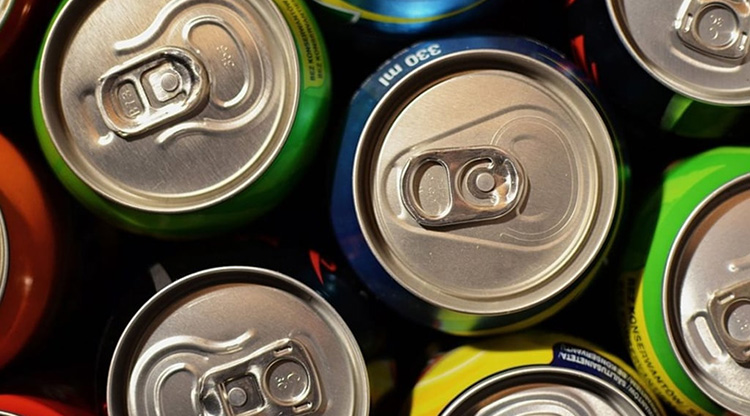
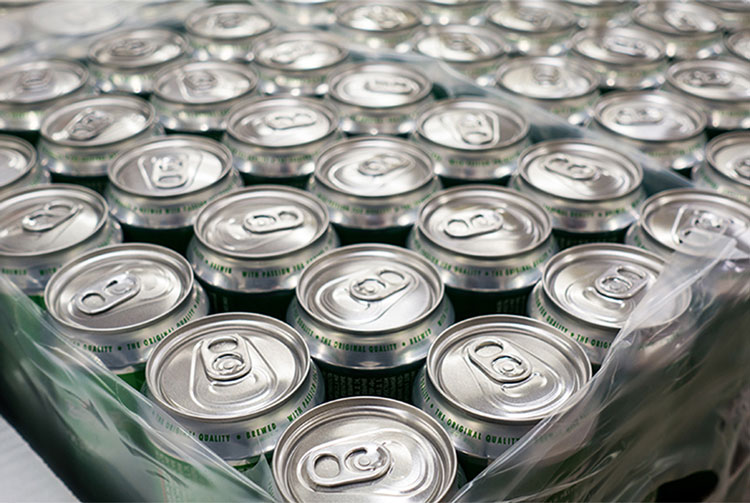
      An aluminium can is a container made of aluminium that is used to hold and transport various food and beverage products. They are widely used for packaging soft drinks, beer, energy drinks, and other liquids.

      Aluminium cans are in high demand due to several reasons. They are lightweight, durable, and easy to transport, making them cost-effective for manufacturers and distributors. They also provide a good barrier against light, air, and moisture, which helps to preserve the quality and taste of the product inside. Additionally, aluminium cans are 100% recyclable, which makes them an environmentally friendly packaging option.

      This buying guide is thus formulated to shed light on several aspects of aluminium can. Let’s start figuring out these!

        Add a header to begin generating the table of contents

        1.What is An Aluminium Can?

        Aluminium Can

        An aluminium can is a container made of aluminium that is commonly used to store and transport beverages, such as soda and beer. The can is made of a cylindrical shape and is sealed at the top and bottom with aluminium or steel lids.

        The manufacturing process begins with the aluminium ingot, which is melted and formed into a thin sheet. The sheet is then cut into circles, which are formed into the cylindrical shape of the can. The bottom and

        2.What are the significant applications of Aluminium Can?

        Aluminium cans have a variety of applications, including packaging for food and beverages, personal care products, and household cleaners. Some specific examples include:

        Beverage packaging:

        Beverage packaging

        Aluminium cans are commonly used to package soft drinks, beer, and energy drinks. They provide a lightweight, portable, and resealable container that keeps the contents fresh.

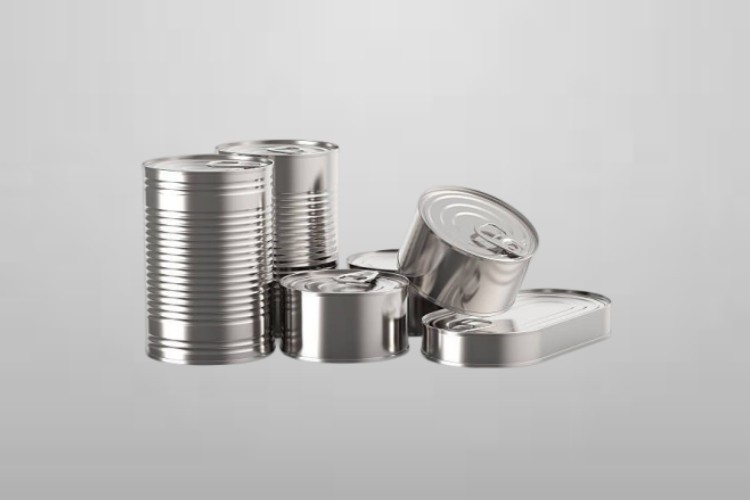
        Food packaging:

        Food packaging

        Aluminium cans are also used to package a wide range of food products, such as fruit, vegetables, soups, and sauces. They offer a cost-effective and convenient way to preserve food and extend its shelf life.

        Personal care products:

        Personal care products

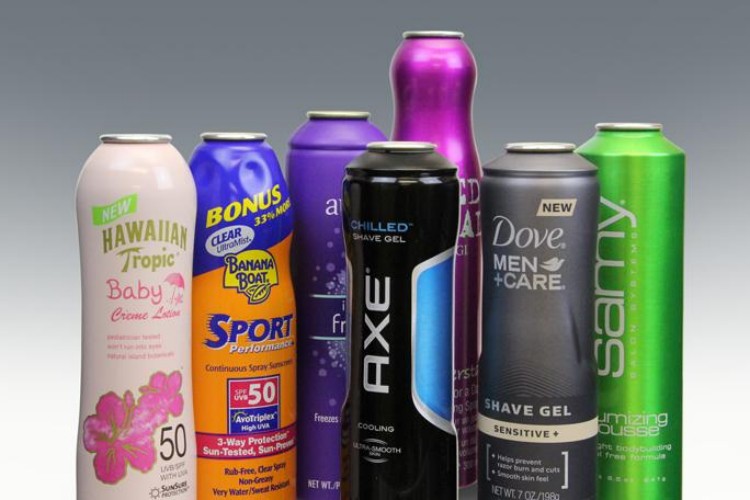
        Aluminium cans are used to package a variety of personal care products, such as hair spray, deodorant, and shaving cream. They provide a durable and portable container that can be easily carried in a purse or gym bag.

        Household cleaners:

        Household cleaners

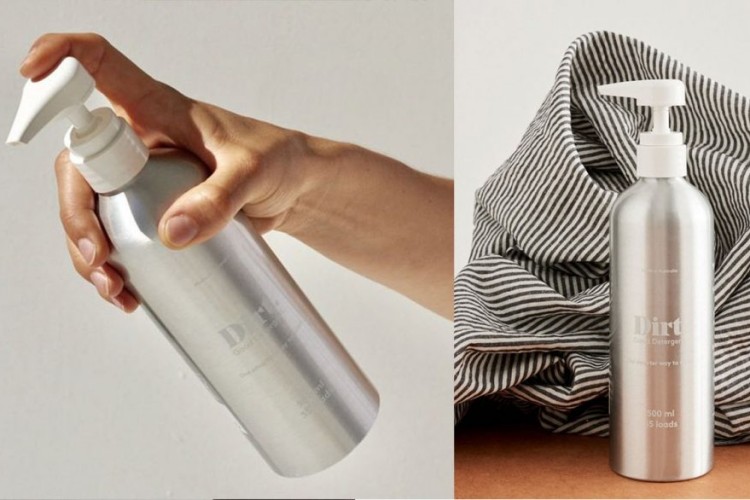
        Aluminium cans are used to package household cleaners, such as laundry detergent, dish washing liquids, and all-purpose sprays. They provide a convenient and easy-to-use container that can be easily stored under the sink.

        Other industrial uses: Aluminium cans are also used for a variety of industrial applications such as lubricants, chemicals, and paints.

        3.What are advantages of utilizing Aluminium Can?

        There are several benefits of using aluminium cans for packaging and storing beverages:

        advantages of utilizing Aluminium Can

        Lightweight:

        Aluminium cans are much lighter than other types of packaging, making them more cost-effective to transport and distribute.

        Durable:

        Aluminium cans are strong and able to withstand the pressure of carbonated beverages.

        Recyclable:

        Aluminium cans are highly recyclable and can be recycled indefinitely without losing quality, making them an environmentally friendly choice.

        Convenient:

        Aluminium cans are easy to open and reseal, making them a convenient option for on-the-go consumption.

        Barrier properties:

        Aluminium cans provide an effective barrier to light, air, and moisture, helping to preserve the taste and freshness of the beverage.

        Versatile:

        Aluminium cans can be used for a wide variety of beverages, including soda, beer, energy drinks, and iced tea.

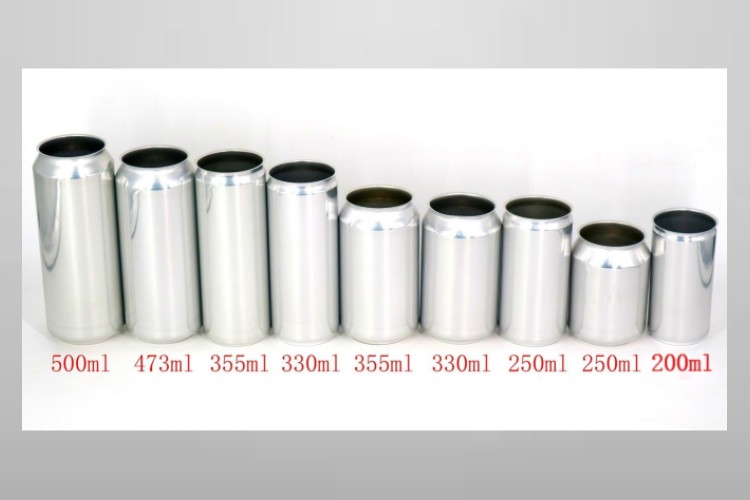
        4.What are the dimensions and capacity of the Aluminium Can needed?

        The dimensions and capacity of cans needed will depend on the specific application and the product being packaged. Some common can sizes include:

        dimensions and capacity

        1 lb. Cans, which have a capacity of 16 fluid ounces and are typically used for packaging food items such as beans, vegetables, and fruits.

        5 lb. Cans, which have a capacity of 80 fluid ounces and are often used for packaging bulk food items such as flour, sugar, and coffee.

        12 oz. Cans, which have a capacity of 12 fluid ounces and are commonly used for packaging beverages such as soda, beer, and energy drinks.

        16 oz. Cans, which have a capacity of 16 fluid ounces and are often used for packaging beverages such as iced tea and beer.

        1 gallon cans, which have a capacity of 128 fluid ounces and are typically used for packaging larger quantities of liquid, such as paint, lubricant, and other industrial products.

        The dimensions of the cans will vary depending on the capacity, but generally speaking, the height and diameter of the can will increase as the capacity increases. For example, a 12 oz. Can will be shorter and have a smaller diameter than a 16 oz. Can.

        When looking for a specific can size, you can typically find the dimensions and capacity of the can listed on the product packaging or on the manufacturer’s website.

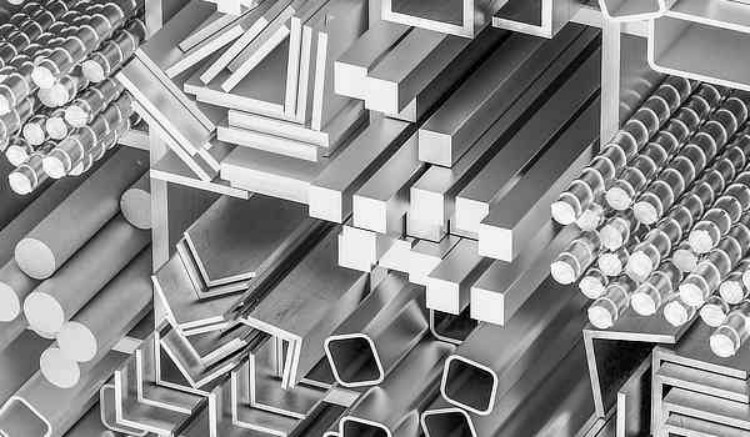
        5.What are the common materials of Aluminium  Can?

        common materials of Aluminium Can

        The most common type of aluminium alloy used for making aluminium cans is 3004 and 5182 alloy. 3004 alloy is a medium-strength alloy that is often used to make cans for carbonated beverages, while 5182 alloy is a higher strength alloy that is often used to make cans for beer and other beverages.

        Both alloys have good formability and corrosion resistance properties, which are important for making cans that can hold liquid without leaking or breaking. Additionally, these alloys are easy to recycle and are lightweight, making them an environmentally friendly choice for packaging. 

        6.How Aluminium can be formed into Aluminium Cans?

        Aluminium Cans

        The process of forming aluminium into aluminium cans involves several steps:

        • Aluminium Ingot Production: The first step is to produce aluminium ingots from bauxite ore through the Bayer process.
        • Rolling: The aluminium ingots are then heated and passed through rolling mills to produce aluminium sheets of the desired thickness.
        • Cutting: The aluminium sheets are then cut into circular discs using a punch-and-shear process.
        • Body-making: The circular discs are then formed into cylindrical bodies using a press-and-draw process.
        • Bottom-making: The bottom end is then formed and crimped onto the body to create a sealed can.
        • Printing and Coating: The can is then printed with branding and other information, and coated with a layer of protective material to prevent corrosion and enhance the can’s appearance.
        • Lidding: The final step is to attach a lid to the top of the can, which is usually made of steel and coated with a layer of easy-open material.
        • Inspection and Packaging: The finished cans are then inspected for defects and packaged for shipment to customers.

        These steps involve sophisticated machinery and processes that ensure the cans are made to high standards and meet the requirements of various industries and applications.

        7.What the various kinds of machines that are used in the production of aluminium can?

        There are several types of machines used in the production of aluminium cans, including:

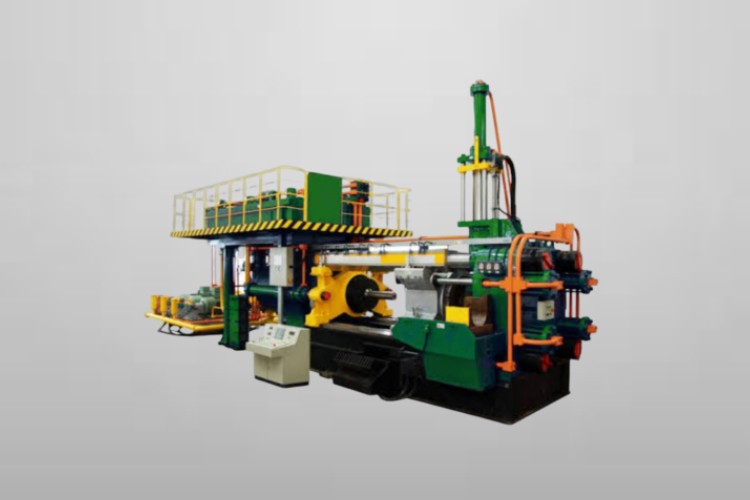
        Extrusion press:

        Extrusion press

        This machine is used to create the body of the can by shaping a flat sheet of aluminium into a cylindrical shape.An extrusion press machine for aluminium cans works by using a hydraulic press to force aluminium through a die in order to shape it into a desired form. The aluminium is first heated to a malleable temperature and then fed into the press.

        The press exerts a high amount of force on the aluminium, pushing it through the die and shaping it into the desired form, such as a can. The extruded aluminium is then cooled and cut to the desired length. Extrusion presses can be used to create a wide range of products, including cans, pipes, and profiles.

        Ironing Press:

        Ironing Press

        Ironing press machines for aluminium cans use heat and pressure to smooth out wrinkles and dents in the cans. The cans are placed between heated rollers, which apply pressure to the cans while they are being heated.

        The heat and pressure cause the aluminium to become malleable, allowing it to be reshaped and smoothed out. Once the desired level of smoothing is achieved, the cans are cooled and removed from the machine. The process can also be used for other metal cans, such as steel cans.

        Inspection Machine:

        Inspection Machine

        Inspection machines for aluminium cans use a combination of cameras, sensors, and algorithms to check for defects in the cans. The cans are typically conveyed through the machine on a conveyor belt, and as they pass through, various cameras and sensors are used to scan and inspect different aspects of the cans, such as the shape, size, and surface defects.

        The machine’s algorithms then analyse the data collected by the cameras and sensors to determine if the cans are within acceptable tolerances, and if any defects are present. If any defects are detected, the machine will typically reject the defective can and continue to inspect the next one.

        Packaging machine:

        Packaging machine

        The working principle of a packaging machine for aluminium cans typically involves several steps. First, the cans are loaded into the machine, either manually or through a conveyor system. The cans then pass through a series of stations, such as a washing station, a filling station, and a sealing station.

        At the washing station, the cans are cleaned to remove any debris or contaminants. The filling station is where the cans are filled with the desired product, such as a beverage or food product. The filling process may be done by gravity filling, pressure filling, or vacuum filling.

        After the cans are filled, they move to the sealing station, where the top of the can is sealed with a lid or a pull tab. The sealed cans are then inspected for any defects, such as leaks or dents. Finally, the cans are packaged and ready for shipment.

        8.How Aluminium Cans are filled?

        How Aluminium Cans are filled

        Aluminium cans are filled using a process called “canning.” The process involves several steps:

        • Cleaning and inspection:The cans are first cleaned to remove any contaminants and then inspected for any defects.
        • Filling: The cans are then filled with the desired product, such as soda or beer, using a filling machine. The cans move on a conveyor belt and pass through a series of filling nozzles that dispense the liquid into the cans.
        • Seaming: After filling, the cans are sealed with a lid called a “can end.” The can end is placed on top of the open can and then pressed and sealed onto the can using a seaming machine.
        • Pasteurization: The filled and sealed cans are then heated to a high temperature to kill any bacteria or microorganisms that may be present. This step is called pasteurization.
        • Cooling:  Once pasteurization is complete, the cans are cooled down quickly to prevent bacteria growth.
        • Labeling and packaging:The cans then move to the labeling and packaging area, where the cans are labeled with the product information and packaged for shipping.
        • Quality Control:The final step is quality control, where the cans are inspected to ensure that they meet the required standards for product quality and packaging.

        9.What type of machines are used to fill aluminium cans?

        There are several types of machines used for filling aluminium cans, including:

        Gravity filler:

        Gravity filler

        This machine uses gravity to fill cans with liquid. It is typically used for low viscosity liquids such as beer, soda, and other carbonated beverages

        Pressure filler:

        Pressure filler

        This machine uses pressure to fill cans with liquid. It is typically used for high viscosity liquids such as juice, syrup, and other non-carbonated beverages.

        Counter-pressure filler:

        Counter-pressure filler

        This machine uses a combination of gravity and pressure to fill cans with carbonated liquids. It is designed to prevent foam and oxidation during the filling process.

        Volumetric filler:

        Volumetric filler

        This machine uses a specific volume measurement to fill cans with liquid. It is typically used for liquids that require precise filling such as pharmaceuticals, chemicals, and other technical products.

        10.What is the process of sealing Aluminium Cans?

        process of sealing Aluminium Cans

        The process of sealing aluminium cans typically involves the following steps:

        • Printing: Printing the design on the can’s surface.
        • Body making: Forming the can body from a aluminium coil.
        • End making: Cutting and curling the aluminium ends to fit the can body.
        • Can filling: Filling the can with the desired product.
        • End Seaming: Attaching the end to the can body.
        • Quality Inspection: Checking the filled can for any defects.
        • Tab welding: Welding the tab to the end.
        • Packaging: Packing the sealed cans into cartons or trays.
        • Sterilization: Heating the filled cans to sterilize the contents (if required).
        • Final Inspection: Checking the packaged cans for any defects before shipping.

        11.What are the machines used for sealing Aluminium Cans?

        There are several types of machines that are used for sealing aluminium cans, including:

        • Can Seamer:

        Can Seamer

        This machine is used to seal the top or bottom of a can by crimping the metal lid to the can body. The lid is first placed on the can and then a roller or a chuck applies pressure to the lid, creating a seal.

        • Can Ender:

        This machine is used to create the top and bottom of an aluminium can. It forms a circular piece of aluminium into a can shape and then seamed to form a closed can.

        12.Is there a need for the Aluminium  can to be easily recyclable?

        recyclable

        Yes, there is a need for aluminium cans to be easily recyclable. Recycling aluminium cans conserves natural resources and reduces the amount of waste sent to landfills. It also requires less energy to recycle aluminium than to produce new aluminium from raw materials.

        Aluminium cans can be recycled by:

        • Collecting used cans and taking them to a recycling centre or curb side collection program.
        • After transported to a recycling facility, cans are crushed and baled, then sent to a foundry.
        • At the foundry, the aluminium is cleaned, melted and cast into ingot.
        • The ingots are then transported to manufacturers to make new products, such as cans and aluminium foil.

        13.Are there any certifications or industry standards that the Aluminium  can must meet?

        There are several certifications and industry standards that aluminium cans must meet in order to be used for food and beverage packaging. These standards ensure that the cans are safe for use, and that they meet certain performance and quality requirements.

        1.ANSI Certification

        ANSI Certification

        One of the most important certifications for aluminium cans is the American National Standards Institute (ANSI) certification. This certification ensures that the cans meet certain performance requirements, such as burst strength and impact resistance, and that they are manufactured using safe and hygienic processes.

        2.ASTM Standard

        ASTM Standard

        Another important standard is the ASTM International (ASTM) standard. This standard establishes the requirements for the chemical and physical properties of aluminium cans, including the thickness of the walls, the shape and size of the cans, and the finish of the cans.

        3.FDA

        FDA

        In addition to these certifications, aluminium cans are also subject to regulations established by the U.S. Food and Drug Administration (FDA) and other regulatory bodies around the world. These regulations ensure that the cans are safe for food and beverage packaging, and that they do not leach harmful chemicals or other contaminants into the contents of the cans.

        Overall, aluminium cans must meet a variety of industry standards and certifications in order to be used for food and beverage packaging. These standards help ensure that the cans are safe, high quality and comply with the regulations set by the FDA.

        14.What are shipping requirements Of Aluminium Can?

        Aluminium cans are commonly used for packaging and shipping a variety of products, such as beverages, food, and chemicals. The specific shipping requirements for aluminium cans will depend on the type and quantity of product being shipped, as well as the regulations and guidelines established by the relevant government agencies and industry organizations.

        Some general requirements that may apply to the shipping of aluminium cans include:

        • Packaging:

        Packaging-6

        Aluminium cans must be properly packaged to protect the contents from damage during transport. This may include using appropriate packing materials, such as foam or bubble wrap, and securely sealing the cans in a container or box.

        • Labeling and marking:

        Labeling and marking

        Aluminium cans must be clearly labeled and marked to indicate the contents and any potential hazards. This may include using labels, placards, or other forms of identification to indicate the type of product, its weight or volume, and any special handling or storage instructions.

        • Transportation:

        Transportation

        Metal drinks cans on production line in manufacturing plant. Industrial building interior with abundance of aluminium cans.[/caption]

        Aluminium cans must be transported in a manner that is safe for both the product and the environment. This may include using appropriate vehicles or containers, such as refrigerated trucks or containers, and following regulations for the safe transport of hazardous materials.

        • Compliance with regulations:

        Aluminium cans must comply with all relevant government regulations and industry standards, such as those established by the Department of Transportation (DOT), the Occupational Safety and Health Administration (OSHA), and the Environmental Protection Agency (EPA). This may include obtaining proper permits, certifications, or licenses, and meeting specific safety, health, and environmental guidelines.

        It’s always best to check with the relevant authorities about the specific requirements for shipping aluminium cans, as regulations and guidelines can vary depending on the product, location and mode of transport.

        Conclusion

        In conclusion, choosing the right aluminium can for your needs can greatly enhance the experience of storing and consuming your favorite drinks. With the right material, size, and design, you can ensure that your drinks stay fresh and protected. Consider your specific needs and preferences, and keep in mind factors like durability, ease of use, and portability. With these guidelines in mind, you will be able to find the perfect aluminium can for you, making every drink a beautiful experience.

        Don't forget to share this post!

        CONTACT US

        Tell us your raw material and project budget to get quotations within 24 hours.

        WhatsApp Us: +86 181 7101 8586

        Invalid Email
        Invalid Number

        Aluminium Can: The Complete FAQ Guide In 2025 Read More »
        Flow Wrap Machine-6

        Flow Wrap Machine: The Complete Buying Guide In 2025

        Flow Wrap Machine: The Complete Buying Guide In 2025

        Are you someone who is bored with manually wrapping products? Do you ever worry that your wrapping method may not be effective or secure enough? If so, then it’s time to take a look at investing in a flow wrap machine! These sophisticated pieces of machinery have revolutionized the way products are packaged and managed, making life just that much easier for everyone involved.

        Flow Wrap Machine

        But what is a flow wrap machine exactly? What does it do? Well, you are at the right place! In this blog post, we will dive deep into the inner workings of these devices and by the time we’re through, I’m confident that you will be able to explain what a flow wrap machine does as well as why you need to invest in one. Let’s get started!

          Add a header to begin generating the table of contents

          1.What Is A Flow Wrap Machine?

          Flow Wrap Machine-1

          A flow wrap machine is a type of packaging machinery used for wrapping products in flow wrap material, such as plastic film or foil. The flow wrap process typically involves feeding the product into a pre-made pouch that has been designed to fit the dimensions of the product and then sealing it at various points along the length of the package.

          Flow wrap machines are typically employed in the food industry, however they can also be used to package non-food items such as toys, cosmetics, and other retail items. Some flow wrap machines are designed for specific applications and industries which may require different types of flow wrapping material or custom features.

          Flow wrap machines provide great flexibility and efficiency by allowing products to be wrapped quickly and securely in flow wrap material. The flow wrap process is simple, efficient and cost-effective, making flow wrap machines an ideal choice for many industries.

          2.What Are The Components Of A Flow Wrap Machine?

          Components Of A Flow Wrap Machine

          A flow wrap machine typically consists of the following components:

          • Feeding System: This is the component responsible for moving and aligning products before they are flow wrapped. It consists of a feed belt or conveyor that moves product towards the flow wrapper, often in multiple lanes to allow for larger output rates.
          • Product Detection Device: This device is used to detect the presence of products. It works in conjunction with the flow wrapper to initiate wrapping when a product is detected and stop when no product is present. Common detection devices include mechanical sensors, light curtains, and vision systems.
          • Flow Wrapper: The flow wrapper consists of several parts such as an infeed system, film transport system, sealing station, and cutting station. The flow wrapper wraps the product in a continuous film and forms it into a sealed package.
          • Heat Sealing Unit: The heat sealing unit is the component responsible for applying heat to the flow wrap material, which causes it to adhere together in order to form a secure seal around the product.
          • Reject Unit: The reject unit is used to identify flow wrapped packages that have not been correctly sealed. It works in conjunction with the flow wrapper and product detection device to detect faulty seals and remove them from the flow wrapping process.
          • Output Conveyor: The output conveyor transports flow-wrapped products away from the flow wrapper. It can be configured to move flow-wrapped products in a single lane or multiple lanes depending on the application.
          • Control Panel: The control panel houses all of the electrical components necessary for controlling and monitoring the flow wrap machine. It includes both manual and automated controls, allowing operators to easily alter settings such as speed, film tension, and flow wrapping parameters.
          • Trimming Device – The trimming device cuts off any excess wrapping film material from the flow wrap machine.
          • Accumulator – The accumulator collects and stores the flow wrapped packages until it is ready to be discharged. It can also be used for quality control purposes, such as checking for any defective flow wrapped packages.
          • Un-winder – The un-winder is a large spool that holds the wrapping film material and supplies it to the flow wrap machine. It allows for easy loading, re-loading, and adjusting wrapping material as needed.
          • Safety System: The flow wrap machine is equipped with a safety system which includes interlocks, emergency stops, guarding, and other safety features to ensure the safety of both operators and products during flow wrapping operations.

          3.What Are The Advantages Of A Flow Wrap Machine?

          Flow wrap machines are associated with many benefits. Here are the main advantages of flow wrap machines

          Multiple Packaging

          Multiple Packaging

          Flow wrap machines can be used to group multiple items together, such as bottles or cans, in order to make them easier to transport and store.

          Tamper-Proof Sealing

          Tamper-Proof Sealing

          Flow wrap machines can create tamper-proof seals on packages, preventing any tampering that could occur during transportation or storage.

          Reduces Waste

          Reduces Waste

          Flow wrap machines can reduce the amount of waste produced during the packaging process, by using minimal material.

          Cost Savings

          Cost Savings

          Flow wrap machines are typically more cost-effective than other packaging solutions, such as shrink wrapping or vacuum packing.

          Versatility

          Versatility

          Flow wrap machines can be used to package a variety of products; from small items such as candy bars or biscuits to larger items like boxes. This makes flow wrap machines a great choice for companies that need to package various products.

          4.What Are The Applications Of A Flow Wrap Machine?

          Food Industry

          Food Industry

          Flow wrap machines can be used to package food items such as fruits, vegetables, snacks, chocolates etc. These flow wrap machines provide an air-tight seal, thus ensuring the freshness of the food products and preventing them from contamination.

          Pharmaceutical Packaging

          Pharmaceutical Packaging

          Flow wrap machines are used to package tablets, capsules, syringes and other pharmaceutical items with speed and accuracy.

          Cosmetic Industry

          Cosmetic Industry

          Flow wrap machines are used to package a variety of cosmetics, like lipsticks and perfumes.

          Chemical Industry

          Flow wrap machines are widely used in the chemical industry to package items such as chemicals and reagents.

          Industrial Sector

          Flow wrap machines are used to package a variety of industrial components such as screws, nuts and bolts

          5.How Does A Flow Wrap Machine Work?

          Flow Wrap Machine Work

          A flow wrap machine works by wrapping individual items in a flow able film such as polyethylene or cellophane. This flow able film is fed into the machine before the item, so that it wraps around each product in a continuous flow process.

          The flow wrap machine is equipped with heaters and rollers that create a tight seal around the product as it passes through the flow wrapping process. This ensures that the item can be stored safely and securely. The flow wrap machine also includes sensors to detect irregularities in flow or punctures, which allows for swift corrective action and increased safety levels.

          In the flow wrap machine process, a feeder mechanism moves products through the flow wrapper at an adjustable speed. As it passes through, the flow able film is automatically unwound and folded around the product. The product then continues to move forward until it reaches a sealing station where heaters are used to create sealed edges that securely close the flow able film.

          Once the product is securely wrapped, it can be stored for later use or shipped for distribution purposes.

          6.What Are The Different Types Of Flow Wrap Machines?

          There are several types of flow wrap machines available, each suited for different packaging applications. The main types of flow wrap machines include:

          Horizontal Form Fill & Seal (HFFS) Machine

          Seal (HFFS) Machine

          This type of flow wrap machine forms a pouch or bag from a sheet of flow wrap film, and then fills it with product. It is the most commonly used flow wrap machine for packaging a wide variety of products such as snacks, beverages, hardware items, medicines and more.

          Horizontal Flow Wrap (HFW) Machine

          Horizontal Flow Wrap (HFW) Machine

          This type of flow wrap machine uses a continuous flow wrapper to create a long tube of flow wrap film. It then seals off the ends of the flow wrap and cuts it into individual packages. This type of flow wrap machine is ideal for small, lightweight items such as candy bars, biscuits and other snacks.

          Vertical Form Fill & Seal (VFFS) Machine

          Vertical Form Fill & Seal (VFFS) Machine

          This type of flow wrap machine utilizes a flow wrapper that forms a pouch or bag from flow wrap film, which is then filled with product and sealed. It is ideal for products such as long-grain rice, French fries, dairy products and other larger items.

          Overwrapping Machine

          Overwrapping Machine

          This flow wrap machine wraps flow wrap film around the outside of an item such as a magazine or box of chocolates. It is most commonly used for high-volume runs and can also be used to package series products (such as video games, DVDs or books) together.

          7.What Are The Differences Between A Flow Wrap Machine And A Shrink Wrap machine? 

          a) Flow Wrap Machine

          Horizontal Flow Wrap (HFW) Machine

          b) Shrink Wrap Machine

          Shrink Wrap Machine

          Flow wrap machines are used for wrapping flow packs of products. Flow packs are created by folding over a flat sheet of heat-sealable material and sealing it along the edges. The flow pack is then cut into individual flow wrapped packages. This type of machine is suitable for packaging items that require minimal protection such as food bars, biscuits and confectionery.

          Shrink wrap machines, on the other hand, use a pre-made heat-shrinkable sleeve or bag to package items that need more protection from environmental factors such as dust, moisture and temperature changes. The item is sealed in the shrink film and then heated to create a tight fit around the product. Shrink wrapping is often used for products such as DVD cases, books and other items that need to be kept safe from the elements.

          8.How Does Hot And Cold Sealing Compare In Flow Wrap Machines?

          Sealing Compare

          Hot and cold sealing are both important aspects of flow wrap machines. Hot sealing is used to heat seal the edges of a film or flow wrapping material, resulting in an airtight package. This means that products will be better protected from environmental influences, such as moisture and dust.

          On the other hand, cold sealing uses pressure to bond two pieces of flow wrapper together at certain points along its edge. While it does not create an airtight seal, cold sealing provides greater flexibility when it comes to packaging different types of products. It is also more cost-effective than hot sealing since it requires less energy to operate.

          9.How Does Semi-Automatic Flow Wrap Machine Compare To Fully Automatic Flow Wrap Machine?

          a) Semi-Automatic Flow Wrap Machine

          Semi-Automatic Flow Wrap Machine

          b) Fully Automatic Flow Wrap Machine

          Fully Automatic Flow Wrap Machine

          Semi-automatic flow wrap machines are used to package individual items in a flow of materials, while fully automatic flow wrap machines allow for continuous production with minimal manual labor.

          Semi-automatic flow wrap machines require an operator to manually place and position the product before engaging the machine’s flow motion, as well as manually disengage when desired results are achieved.

          The semi-automatic flow wrapper is capable of high speed wrapping at up to 300 packs per minute, depending on the product size and shape.

          On the other hand, fully automatic flow wrap machines use mechanical devices such as conveyors or robots to automatically place and position products before engaging the flow wrap mechanism.

          This automation allows for much higher speeds than possible with semi-automatic flow wrappers, typically reaching 600 packs per minute.

          Fully automatic flow wrap machines also feature a higher degree of sophistication and automation, allowing for greater complexity and accuracy in product flow wrapping.

          10.Do Flow Wrap Machines Have Printing Capability?

          Printing Capability

          Yes, many flow wrap machines have printing capabilities, allowing them to print labels, product information and other relevant data directly onto packaging material.

          This is a great way to provide customers with detailed information about a product without taking up valuable packaging space. Some flow wrap machines are even capable of using color inkjet technology for more vibrant printing effects.

          On the other hand, some flow wrap machines don’t have any printing capability at all – these are usually simple models designed for basic flow wrapping tasks such as sealing packages with no additional features or functions. Ultimately, it’s important to research different flow wrap machines to determine which one has the right capabilities for your needs.

          11.What Type Of Products Can Be Packaged Using A Flow Wrap Machine?

          Packaged

          Flow wrap machines are versatile and can be used to package a wide variety of products. Common items that flow wrapping machines are used to package include:

          Food Products

          Flow wrapping machines can be used to package a variety of food products, including chocolate bars and confectionary items. The flow wrap process helps to keep these products fresh and secure until they reach the end user.

          Medical Supplies

          Flow wrap machines are used to package a variety of medical supplies such as catheters, syringes and swabs. The flow wrapping process helps to ensure that these items remain sterile and untampered with until they reach their end user.

          Cosmetics

          Items such as lipstick, shaving cream and shampoo bottles can be flow wrapped to provide a tamper resistant seal.

          Electronics & Household Appliances

          Flow wrap machines can be used to package small electronic items, such as USBs and computer accessories, as well as larger household appliances. The flow wrap process helps to protect these items from scratches, dust and moisture during transportation.

          Dry Goods

          Flow wrapping machines are also great for packaging dry goods, such as coffee beans, nuts, and grains. The airtight seal keeps the food fresh and flavorful.

          12.What Type Of Materials Can Be Used With A Flow Wrap Machine?

          Heat Sealing Film

          Heat Sealing Film

          Heat sealing films are thin, flexible sheets of material used to create flow wrapped packages that can be heat-sealed. These films come in a variety of materials such as polyethylene (PE), polypropylene (PP), and nylon.

          Cold Sealing Film

          Cold Sealing Film

          Cold sealing film is another type of material that can be used with flow wrap machines. This type of material seals the packaging without the need for heat, making it ideal for products that are sensitive to heat.

          Monofilm

          Monofilm

          Monofilm is a type of flow wrap material that has a single layer that is used to seal the packaging. It provides an efficient way to package products and offers great protection against moisture and dust.

          Composite Film

          Composite Film

          Composite film is a flow wrap material that is made up of two or more different layers. This type of flow wrap material can provide additional protection and ensures the product stays secure during shipping and storage.

          Paper

          Flow wrap machines are also capable of wrapping products in paper, which is especially useful for food packaging as it helps keep the product fresh. Additionally, flow wrap machines can be used to wrap products in multiple layers of paper to provide increased protection and support during shipping.

          13.What Are Common Problems With Flow Wrap Machines And How To Solve Them?

          Common Problems

          Leakages

          Incorrect flow wrap settings can cause the product to not be securely sealed and result in leaks or package breakage.

          To solve this, operators should ensure that all flow wrap settings are consistent with their product requirements and adjust as needed if necessary.

          Jammed flow wrap machine

          Flow wrap machines can sometimes jam due to too much product being fed at once, or a poor flow wrap setting.

          To solve this, operators should slow down the flow wrap machine feed speed and adjust flow wrap settings as necessary to avoid jamming.

          Overheating

          Flow wrap machines can sometimes overheat when running for long periods of time or when overloaded with material.

          To solve this issue, check for any obstructions that may be blocking the flow of cool air to the flow wrap machine, and make sure flow wrap machines are not overloaded with material. Finally, make sure flow wrap machines are regularly serviced and maintained

          Clogging

          Flow wrap machines can become clogged. This can be caused by objects, debris, or liquids entering the flow wrap machine and causing it to malfunction.

          To solve this, check for any objects in the flow wrap machine and make sure all components are clean and functioning correctly.

          Poor wrapping quality

          Flow wrap machines may sometimes produce a poor wrapping quality. This can be caused by the flow wrap machine being out of calibration or older flow wrap machines that are not able to keep up with the speed of production.

          To solve this, check for any signs of wear and tear on components, and make sure flow wrap machines are regularly serviced and calibrated. 

          Material flow issues

          Flow wrap machines can sometimes have material flow issues, where the flow of material is inconsistent or not in sync with the flow wrap machine. This can be caused by defective components, a dirty flow path, or incorrect settings on the flow wrap machine.

          To solve this issue, check for any defects, clean the flow path and make sure settings are correctly adjusted.

          14.How Can You Improve Efficiency With A Flow Wrap Machine?

          Improve Efficiency

          a) Use quality flow wrapping materials

          Using good-quality flow wrap materials can help reduce waste and increase efficiency by providing better protection to the product being wrapped. Quality flow wrap films are stronger, more durable, and easier to work with than lower-quality materials.

          b) Regularly maintain your flow wrap machine

          A well-maintained flow wrap machine will run at optimum speed and accuracy, resulting in increased efficiency. Regular maintenance includes cleaning and replacing worn parts, checking for loose connections, and ensuring the flow wrapper is working correctly.

          c)Adjust flow wrap machine settings to ensure optimal speed and accuracy

          The flow wrapping machine should be set up with the correct parameters for the product and material being wrapped, including tension, mesh size, speed, and heat. This will help ensure that the flow wrap is done correctly without wasting time or material.

          d)Use flow wrap machines with barcode labelers.

          Automated flow wrapping machines with integrated barcode labelers are capable of applying labels to products while they are being wrapped, making the process more efficient and reducing errors.

          e) Optimize packaging design

          The flow wrap machine should be set up to accommodate different packaging designs, allowing for more efficient production. This can include making sure that the flow of material fits the shape of the product being wrapped or ensuring that palletizing is handled correctly. 

          Conclusion

          The flow wrap machine is a versatile and efficient tool for keeping your products wrapped securely. However, there are many factors to consider when choosing the right flow wrap machine for your needs. With so many options on the market, it can be difficult to know where to start. Therefore, if you are interested in finding a high quality flow wrap machine, Allpack is the perfect place to start your search. Their team of experts will help you choose the right machine for your needs and budget. Contact Allpack today to get started on finding the perfect flow wrap machine for your business.

          Don't forget to share this post!

          CONTACT US

          Tell us your raw material and project budget to get quotations within 24 hours.

          WhatsApp Us: +86 181 7101 8586

          Invalid Email
          Invalid Number

          Flow Wrap Machine: The Complete Buying Guide In 2025 Read More »

          Logo

          Top 10 Global Horizontal Packing Machine Manufacturers: The Definite Guide In 2025

          Top 10 Global Horizontal Packing Machine Manufacturers: The Definite Guide In 2025

          As an important part of packaging machines, horizontal packing machines are mostly applied in large production lines and factories. This blog will help you know about the world’s top 10 horizontal packing machine manufacturers’ information. Please follow us now!

          If you are looking for the most complete world-top horizontal packing machine information, please follow us now!

          Top 10 manufacturers of horizontal packing machines in the world

          Horizontal packing machines, also called horizontal packaging machines are especially applied for packaging products such as biscuits, rice, snow cakes, egg yolk pies, chocolate, bread, instant noodles, moon cakes, medicines, daily necessities, industrial parts, cartons or trays and other regular objects packaging, which can protect the products and make the product look beautiful.

          Here is the top list of manufacturers:

          RANK MANUFACTURES OF HORIZONTAL PACKGING MACHINE HEADQUARTERS
          1 SYNTEGON Germany
          2 Coesia Italy
          3 GEA Germany
          4 ALLPACK China
          5 ULMA Spain
          6 IMA Group USA
          7 FUJI Machinery Japan
          8 PFM Italy
          9 Optima Germany
          10 Omori Japan

          Logo

          Headquarter: Germany

          Company Background & Information

          Syntegon

          SYNTEGON commonly known as Bosch and stylized as BOSCH is a German multinational engineering and technology company headquartered in Gerlingen, Germany. The company was founded by Robert Bosch in Stuttgart in 1886. Bosch is 92% owned by Robert Bosch Stiftung, a charitable institution. Although the charity is funded by owning the vast majority of shares, it has no voting rights and is involved in health and social causes unrelated to Bosch’s business.

          Key Products

          Pack-102

          Pack 102

          Pack-301-IN

          Pack 301 IN

          Sigpack-HBM

          Sigpack HBM

          • Suitable for multi-shift operation.
          • Its high modularity guarantees optimal system integration.
          • Strict division of product/packaging material handling and drive elements.

          Recommend Reason

          • Syntegon has decades of experience in processing and packaging engineering, research and development.
          • Their technical solutions are high-quality, efficient, and reliable. The Syntegon Group comprises a worldwide network of centers of excellence and production sites.
          • Their primary goal is to meet the specific needs of every customer. During their development projects, they maintain close ties with customers and users and regularly incorporate their feedback into the process.
          • Syntegon’s machines have earned numerous awards including the German Packaging Award, the Red Dot Award, the PMMI Packaging Line of the Year award and the Medicine Maker Innovation Award.
          • Syntegon has long-standing expertise in the development of automated robotic solutions, reliable manufacturing processes and easy scale-ups. Their technologies and services enable their customers to boost production efficiency along the entire value stream.

          Headquarter: Italy

          Company Background & Information

          Coesia

          Coesia is an Italian group of companies. It consists of 92 subsidiaries, which are active in various areas of mechanical engineering, especially packaging machine construction, covering aerospace, ceramics, consumer products, healthcare and pharmaceuticals, and tobacco sectors. Well-known subsidiaries include FlexLink, Norden, Hapa AG, GDM, Atlantic Zeiser GmbH, R.A Jones and Volpak. In addition, today’s cigarette machine manufacturer G.D belongs to Coesia.

          Key Products

          Pouch-King®-PCU-2000

          Pouch King® PCU-2000

          SL-140

          SL 140

          F-11

          F-11

          Suitable for baby Food, Baked Goods, Biscuits & Crackers, Candies & Gums, Cereals, Chocolate, Salt, Sugar & Spices, Oils & Fats, Other Food, Pasta, Noodles & Rice, Sauces & Condiments, Snacks, Soup & Stock Cubes, Spreads, etc.

          Recommend Reason

          • Coesia is one of the leading manufacturers of packaging machines in the consumer goods market, with a large international share.
          • Coesia designs and manufactures automatic packaging machines for a range of sectors including Confectionery (chocolate, bakery, candies and gums), Detergents and Soaps (liquids, powders and bars), Tea and Coffee.
          • They offer technologies and solutions for a huge choice of packaging for different consumer goods sectors. Their technologies handle products ranging from Food, Tea & Coffee, to Personal care, Home care and Chemicals.
          • Coesia fully embraces the International Standards for quality system management, process control and continuous improvement, and guarantees to you and stakeholders ISO 9001.

          Headquarter: Germany

          Company Background & Information

          Gea

          GEA is one of the largest suppliers of food processing technology and of related industries. The global group specializes in machinery, plants, as well as process technology and components. Their portfolio includes machinery and plants as well as advanced process technology, components and comprehensive services. Used across diverse industries, they enhance the sustainability and efficiency of production processes globally.

          Key Products

          GEA-POWERPAK-FOR-SKIN-APPLICATIONS

          GEA POWERPAK FOR SKIN APPLICATIONS

          GEA-POWERPAK-PLUS

          GEA POWERPAK PLUS

          GEA-POWERPAK

          GEA POWERPAK

          • Increased shelf-life of powdered products
          • Flexibility to handle a wider range of products
          • Reduced risk of oxidation

          Recommend Reason

          • Their business model has evolved significantly since our founding in 1881 as a metals trading company.
          • Their five business divisions are supported by more than 18,000 dedicated employees located in 62 countries.
          • GEA customers benefit from their global reach, extensive local presence, and from the depth and breadth of our processing knowledge and portfolio, underpinned by a strong sense of purpose and responsibility.

          Headquarter: China

          Company Background & Information

          ALLPACK is a professional packaging equipment manufacturer with 11 years of experience in packing machine labeling, and they focus on round bottles. The company covers a range of production areas like Carton Packaging, Sealing, Strapping, Vacuum Packaging, Capping Packaging, Labeling, Pharma Machinery, Coding and Marking machines, and so on. They can solve & support your packaging equipment challenges, so you can grow your business.

          Key Products

          DXDZ-60OD

          DXDZ-60OD

          DXDZ-350W

          DXDZ-350W

          DXPZ-300W

          DXPZ-300W

          • Using photoelectric tracking technology, digital input, sealing and cutting position is accurate.
          • Fault self-diagnosis and alarm display.
          • Adjustable temperature, intelligent control, can adapt to a variety of packaging materials.

          Recommend Reason

          • With service of free shipping and return service, a money-back guarantee, Online support 24/7, and secure payment.
          • Provide massive and professional machinery and equipment. Various machines can provide different models to meet your different professional needs.
          • With the complete shop and return policies to meet your unsuitable machine needs. Responsible for the entire shipping and delivery procedures and procedures, and deliver it to your home or company with peace of mind.
          • Responsible for all after-sales problems. Provide you with a safe, secure, and trustworthy environment.

          Headquarter: Spain

          Company Background & Information

          ULMA

          ULMA was founded in 1961 and belongs to Ulma Group. Since 1961 they have been designing and developing packaging products and services and innovating to provide solutions that meet our customers’ needs. Their global vision is supported by a network of 7 offices and 20 subsidiaries, allowing them to provide a local service. They also have a network of local distributors who cover over 130 countries.

          Key Products

          FR-100

          FR 100

          FR-305

          FR 305

          FR-500

          FR 500

          • Stainless steel and cantilever construction.
          • Electronic machine equipped with four independent servomotors (rotary jaws, sealing rollers, infeed conveyor and motorized reel holder) synchronized by an electronic multi-axis control).

          Recommend Reason

          • They are part of the ULMA Industrial Group, a diversified business group with over 4,000 people spread across 9 businesses.
          • They offer the widest range of machines and applications available on the market, including Flow Pack (HFFS), Thermoforming, Tray sealing, Vertical (VFFS), Shrink Wrapping and Stretch Film packaging technologies.
          • With 60,000+ machines on the market.
          • Presenting in 130+ countries.
          • There are 24 countries with direct presence.

          Headquarter: USA

          Company Background & Information

          IMA-Group

          IMA Group, established in 1961, is a world leader in the design and manufacture of automatic machines for the processing and packaging of pharmaceuticals, cosmetics, food, tea, coffee and much more. The Group is present in about 80 countries, supported by a sales network made up of 29 branches (Italy, France, Switzerland, the United Kingdom, Germany, Austria, Spain, Poland, Israel, Russia, the United States, India, China, Malaysia, Thailand and Brazil), representative offices in central-eastern Europe and more than 50 agencies.

          Key Products

          FD-SERIES

          FD SERIES

          FTO513-SERIES

          FTO513 SERIES

          FTB-TL-SERIES

          FTB TL SERIES

          • Compact design which ensures a small footprint
          • Positive box forming and handling
          • Modular design to allow multiple feeding system integration

          Recommend Reason

          • IMA Quality System was awarded the ISO9001 certification in 1997 by SGS, one of the most well- recognized certification bodies in the world.
          • IMA, with the aim of maximizing customer satisfaction and internal and external processes effectiveness, has undertaken since the beginning the way for the implementation of a documented Quality System.
          • IMA can satisfy the most sophisticated requests of the different reference markets.

          7. FUJI Machinery

          FUJI

          Headquarter: Japan

          Company Background & Information

          FUJI

          Fuji Machinery was founded in 1948, and their first packaging machine was a caramel wrapping machine that went on sale in 1948. Fuji Machinery is one of the world’s leading manufacturers of packaging machinery, producing and designing packaging machinery for food, industrial products, pharmaceuticals, and so on. Since their establishment, Fuji Machinery has been a devoted manufacturer consistently making efforts to develop packaging technology, as well as to the production and sales of packing machinery.

          Key Products

          FW3400

          FW3400

          FW3400BS

          FW3400BS

          FW3401HS

          FW3401HS

          • Gazette Device
          • Auto Splicer (Film Auto Connection Device)
          • Preheater
          • Date Device

          Recommend Reason

          • FUJI Machinery has been continuously chosen by customers for 70 years.
          • They provide total support for an ideal packaging environment with high production technology and quality management.
          • They are the pioneer of the Packaging Industry. Since their establishment, they have been at the forefront for the production of packaging machines.
          • Industry-Leading Reliability. They have kept FUJI Machinery in the black since their establishment 70 years ago.

          Headquarter:Germany

          Company Background & Information

          Optima

          Optima with headquarters in Schwaebisch Hall, Germany, teams with its subsidiaries to design and build packaging equipment for pharmaceutical, consumer, nonwoven and life science products – from single standard machines to complete complex turnkey systems. Founded in 1922, the family-owned and operated business is in its third generation and employs a workforce of more than 2,800 at its 20 international sites.

          Key Products

          OPTIMA-VFVM

          OPTIMA VFVM

          OPTIMA-LINOLINE

          OPTIMA LINOLINE

          OPTIMA-CONTILINE

          OPTIMA CONTILINE

          • Gently objective handling
          • Dosing system: Mass flow with CIP/ SIP optional
          • Dosing system: Rotary piston system, peristaltic pump system

          Recommend Reason

          • Optima packaging technologies are considered leading-edge in many fields worldwide, including filling and packaging of coffee capsules, freeze drying for sterile pharmaceutical liquids and packaging of paper hygiene products.
          • They understand sustainability to mean long-term corporate management that is based on partnership and conserves resources.
          • The company’s broad expertise also extends into production lines for manufacturing and packaging advanced wound care products.

          Headquarter: Italy

          Company Background & Information

          PFM North America was founded in 1991 and is engaged in the manufacture, distribution and support of PFM products to the North American markets from its state-of-the-art facilities in Ontario, Canada. With a production staff of 35, the company builds a variety of equipment including flow-wrappers, automatic packaging and processing lines and feeder systems for both food and non-food products.

          Key Products

          Hurricane

          Hurricane

          Scirocco

          Scirocco

          BG-2800-4800

          BG 2800-4800

          • MAP: allows Modified Atmosphere Packaging with the utmost safety.
          • Easy: the package opens easily and without the need to use cutting utensils.
          • Functional: The film resistance characteristics and the resealability allow the package to be used for products consumed in more than one stage.

          Recommend Reason

          • The PFM Group produces a complete range of horizontal flow pack machines, vertical form fill and seal, multi-head weighers and automatic packaging lines to meet any need for flexible packaging for food and non-food applications.
          • PFM North America has its own independent technical department, with mechanical and electronic design facilities to tailor individual machines and complete lines to customer requirements using the latest technology.

          Headquarter: Japan

          Company Background & Information

          Omori

          Omori was founded in 1948, in Japan. Since its establishment in 1948, they have been developing original packaging equipment that meets the needs of the times. From now on, they are committed to continuing to work diligently as a leading company in the packaging machine industry.

          Key Products

          S-5000X

          S-5000X

          S-5000X-BX

          S-5000X BX

          S-5000X-HS

          S-5000X HS

          • High user-friendliness based on customers’
          • Advanced film tension control system for thin or easily stretchable film.

          Recommend Reason

          • They have been developing original packaging equipment that meets the needs of the times
          • They are committed to continuing to work diligently as a leading company in the packaging machine industry.
          • Omori is a company that manufactures and sells various automatic packaging machines and designs and manufactures packaging system lines.

          Conclusion

          This top 10 global horizontal packing machine manufacturers list contains the most crucial information about manufacturers’ backgrounds, key products, and recommended reasons. If there are any other horizontal packing machine manufacturers you want to know about or you want to consider, please visit our website or come to us anytime.

          Don't forget to share this post!

          CONTACT US

          Tell us your raw material and project budget to get quotations within 24 hours.

          WhatsApp Us: +86 181 7101 8586

          Invalid Email
          Invalid Number

          Top 10 Global Horizontal Packing Machine Manufacturers: The Definite Guide In 2025 Read More »
          snack-packaging

          Snack Packaging: The Complete FAQ Guide In 2025

          Snack Packaging: The Complete FAQ Guide In 2025

          The usage of snacks has increased by 80% in the last 10 years. Snacks are becoming more popular among all age groups. Industries are also now focused on the mass production of snacks. Snack packaging on the other hand holds significant importance in attracting customer’s attraction.

          snack-packaging

          This FAQ guide will help you to understand what snack packaging methods are and what their advantages are. What types of snacks are packed in different packaging materials and why it is necessary to have different types of packaging machine. To answer all your queries Allpack is providing you with this detailed guide. So let us get started!

            Add a header to begin generating the table of contents

            1. What Is Snack Packaging?

            snack-packaging

            Snack packaging is the practice of preparing and packaging small portions of food that is to be eaten as snacks throughout the day. Nuts, fruits, granola bars, and other healthy options available these as are used as snacks. The purpose of snack packing is to have a convenient, nutritious option as and when required, rather than resorting to food that becomes an unhealthy choice in the future. Balanced diet is also a unique feature that snack packaging provides.

            2. Why Do Snacks Need To Be Packaged?

            Snack packaging provides a number of benefits to its buyer. Snacks are packaged because of the following reasons

            • Material Freshness

            Material-Freshness

            The material that is packaged lasts for a longer period and its freshness remains the same until it is used. It protects it from the air, moisture, and other elements that can cause contamination. Also, the safety of the material is provided by the packaging material.

            • Ease in Convenience

            Ease-in-Convenience

            Snacks that are Packaged make it easy for people to take with them whether they are moving, traveling, going to school, or a party. Snacks can also be used when an individual is just running errands.

            • Material Safety

            Material-Safety

            Packaging can help in preventing contamination and protect consumers from harmful substances. Metal and plastic package is made up of durable materials and resists the entrance of microbes. They perform with high efficiency when it comes to providing moisture-proofing products.

            • Ease in Material Transportation

            Ease-in-Material-Transportation

            Packaging of snacks makes it easy for both manufacturers and suppliers to transport and store snacks throughout the globe. Bulk quantities of snacks can be transported in a single go.

            • Environment Friendly

            Environment-Friendly

            The packaging is environmentally friendly and does not release any type of harmful gas or toxic material that can affect the atmosphere. The packaging materials that is recyclable or biodegradable, which works in favor of the environment.

            3. What Are The Types Of Snacks That Are Mostly Packaged?

            Some of the snacks that are mostly packaged and used globally are

            • Jerky Products

            Jerky-Products

            Meat products also need quality packaging to remain fresh even if it gets stored for a longer period. Packaging of meat and beef jerks blocks the entrance of moisture to extend product shelf life. Meat is packed in bags, pouches, and cans as per the requirement for retention to environmental influence.

            • Dried Fruits

            Dried-Fruits

            Dried fruits are also grown naturally to provide a healthy living to human life. But when they are kept for a longer period in open atmosphere, direct environmental affects their pureness. Dry fruits can be not effective if their natural pureness gets affected. Therefore, dry fruits are easy to access and appealing when it comes to their packaging.

            • Daily Snacks

            Daily-Snacks

            Daily snacks like chips, popcorn, cheese balls, biscuits and others also require efficient packaging to keep them alive for a longer period. This packaging can enhance their expiry time and secures material freshness throughout its packaging duration.

            4.What Are The Methods To Pack Snacks?

            • Snack Packaging Machines

            There are several types of snacks packaging machines, including:

            Flow Wrap Machine

            Flow-Wrap-Machine

            Flow-wrapped of snacks in a film is conducted in a flow-wrap machine. In its continuous roll of material is folded and sealed around the product.

            Working Principle of a Flow-Wrap Machine

            • Initially snacks are loaded onto the conveyor belt and transported to the flow wrap machines operation.
            • The wrapping material is unwound from rollers and fed into the machine.
            • Both the wrapping material and product combines in the main system and the flow wrap material gets wrapped around the snacks.
            • Edges of flow wrapped material are heated and sealed to create a tempered a secured packaging.
            • The final packaged snacks are taken out of the machine with the help of exit conveyors.

            Vacuum Packaging Machine

            Vacuum-Packaging-Machine

            Snacks are also packaged using a vacuum packaging machine. The machine gets all air from the bag and then sealing is performed. The sealing prevents oxidation which helps in extending the life of the snacks.

            Working Principle of a Vacuum Packaging Machine

            • Snacks that are to be packaged are placed in bags that are made of a special material that holds the ability to withstand vacuum processes.
            • After that open end of the bag is inserted into the vacuum chamber of the machine.
            • As the air is removed from the chamber, it creates a vacuum inside the bag. In the end, the open end of the bag is sealed which prevents air from entering the product.

            Vertical Form Fill Seal Machine (VFFS)

            Vertical-Form-Fill-Seal-Machine-(VFFS)

            A VFFS is also used to provide efficient and quality packaging of snacks. These are used in many industries due to their high compatibility and applications

            Working Principle of a VFFS

            • Initially the snacks are loaded into the hopper that is present at the top of the machine.
            • A roller that holds flexible packaging material like film or foil loads the material onto the machine and fed continuously.
            • Packaging materials are formed into a tube by a set of forming shoulders.
            • The tubes that are to contain snacks are filled with the product from the hopper.
            • The filled tube of snacks is sealed at the bottom to create a complete packaging
            • In the end the product is sealed and is cut to a specified length.

            Horizontal Form Fill Seal Machine (HFFS)

            Horizontal-Form-Fill-Seal-Machine-(HFFS)

            A HFFS has all forming, filling, and sealing methods incorporated in horizontal orientation. Precise way packaging of snacks is carried in a HFFS.

            Working Principle of a HFFS

            • A HFFS has a roller of the flexible packaging material of film or foil which further loads it onto the machine system by a continuous movement of rollers.
            • After that, the packaging material is formed into a tube by a set of forming shoulders.
            • The tubes are filled with the snacks using a filling system.
            • The filled tube is then sealed at the top and bottom to create a package, and then the sealed package is cut to a specified length.

            Multi-Head Weigher

            Multi-Head-Weigher

            This machine is used to measure and fill the product into the bag. Multiple heads are weighted and filled with snacks to ensure accurate and efficient packaging.

            Working Principle of a Multi-Head Weigher

            • A multi-head weigher holds the snack material in its hopper which is further fed to the system.
            • Snacks are then distributed across multiple weighing heads, typically using a vibratory feeder.
            • Attached each weighing head uses a set of load cells to accurately weigh the product.
            • The multi-head weigher uses advanced algorithms to determine the optimal combination of weights from the different weighing heads to reach the desired target weight.
            • Accurately weighed snacks are then dispensed into a bag or other container and sealed.

            Snack Packaging Bags

            • Bag Type Packaging

            Following is the bag type packaging done using a snack packaging machine

            • Pouch Style Packaging

            Pouch-Style-Packaging

            Flexible and soft packaging of snacks are done in bags and pouches. The bags and pouches are mostly made up of plastic and paper material that can easily be manipulated without any hindrance. The snack product remains secure in bags and pouches and are easy too remote from one place to another.

            • Can or Jar Style Packaging

            Can-or-Jar-Style-Packaging

            Aluminum, tin, steel, paper and glass cans are packed using s snack packaging material. Safe and contamination-free products are packed in these materials. Although paper cans can be affected by the environment with each passing day this is why glass and metal ones are preferred the most.

            • Sachet Style Packaging

            Sachet-Style-Packaging

            Sachets are typically made of plastic or foil and are sealed to keep the contents fresh. They are often used for items like candy, nuts, and small packets of condiments or seasoning. Sachets are easy to carry and consume. The packaging helps the product to remain fresh.

            Bag Sealing Type

            Bags are sealed in dual, three-sided and even quad sides. Each packaging requires a specific type of sealing method depending upon its application and usage. Some types of bag seal packaging are

            • Three-Sided Sealing

            Three-Sided-Sealing

            Three-sided sealing of snacks is an economical way of packaging that allows large room for material accommodation. The case is easy to pack and provides convenient styling of bags.

            • Corner Seal

            Corner-Seal

            A corner seal is a packaging way of snacks in which the edges of bags are sealed in a way that V-shaped or triangular corners are created. The corner seal supports in the preservation of snacks and maintains their freshness. This type of seal provides airtight protection that resists the entrance of environmental factors like dust, microbes, bacteria and moisture.

            • Stand-up Pouch

            Stand-up-Pouch

            Stand-up pouches are designed in a way that the packaging looks in a stand upright manner. Bottom of the pouch has gusset and the top in sealed to make a triangle or rectangle shape. This design grants snacks to look attractive to customers when placed in retail stores. Pouches made up of paper, plastic or laminations are more likely to be used to make reusable stand-up pouches. Cereals, chips, and granola are ideally packed in these pouches.

            • Zipper Bag

            Zipper-Bag

            Reusable or resealable bags mostly come under the header of zipper bag. Snacks that are packed in zippered close bags are designed in a way that they can be opened and reclosed easily. Snacks can easily be used multiple times without having any effect to the freshness or purity of snacks. Airtight zippered sealed bags can easily prevent the entrance of contaminant influence. Crackers, chips, dried fruits and nuts are conveniently packaged in these bags

            • Back Sealing

            Back-Sealing

            Back sealing methods involved bottom and back sealing of packages to maintain product quality. Food products are more precisely packed in these back-sealed bags and remain contamination free for a longer period.

            • Top Seal Doy

            Top-Seal-Doy

            As the name states, “Top”  defines the design of packaging that is performed at the top of the bag and “Doy” stands for the round-shaped sealing that is done by sealing and folding of the top part. This type of packaging also provides airtight sealing to maintain the freshness of snacks.

            • Quad Sealing

            Quad-Sealing

            Gusseted side collapsing in a quad type seal packaging gives a huge room for product differentiation and placement. They are done in both standup and lay down type style and are one of the unique sealing methods of bags,

            5. What Are The Different Types Of Packaging Materials Used To Pack Snacks?

            Snacks are packed in several types of packaging materials. Some of them are

            • Paper

            Paper

            Paper materials can be used in flow-wrap and VFFS machines to create paper or cardboard-based packaging of snacks. These materials are biodegradable and compostable. This feature makes them an environment friendly and keeps the snacks healthy.

            • Glass

            Glass

            Snacks like nuts, dried fruits, and candies and others are packaged in glass jars and bottles. They can be sealed afterward with metal or plastic lid. As glass is a good barrier to light, moisture and air therefore it is popular packaging material for dry and high-value products.

            • Biodegradable Material

            Biodegradable-Material

            Number of plant-based materials such as corn starch and sugarcane are packaged with snacks in them. The material can be eco-friendly packaging for snacks. These materials are biodegradable, and compostable and can be used in flow-wrap, VFFS and HFFS machines.

            • Composite Material

            Composite-Material

            Composite materials are made from multi-layer of plastic and paper. The packaging material provides a good barrier to air, light and moisture and becomes environment friendly in all aspect.

            • Plastic Films

            Plastic-Films

            Plastic materials including polyethylene (PE), polyvinylchloride (PVC), polypropylene (PP), and nylon can be used in vacuum packaging and flow-wrap machines. These films are light weighted, flexible and stops the entrance of oxygen and moisture which directly extends the product life of the snack.

            • Metal Material

            Metal-Material

            Metal cans and tins are one of the safest materials in which snacks can be packaged. The metal material can be used for packaging of snacks like nuts, popcorn, and chocolate. Metal provides a good barrier to light and moisture, but is heavy in weight as compared to other snack packaging materials.

            6. What Are The Differences Between Bag Snack Packaging And Can Snack Packaging?

            Bag snack packaging and can snack packaging can be distinguished on following parameters

            • Material Cost

            Material-Cost

            Bags type snack packaging are typically less expensive because the material used in these packages is extremely low.

            Whereas can snack packaging holds greater production costs as the can material is bit expensive and not all can afford it.

            • Packaging Material

            Packaging-Material

            Bags snack packaging is made up of flexible films such as polyethylene or polypropylene.

            In can snack packaging mostly metals such as aluminum or steel are used to provide greater material safety.

            • Material Shelf Life

            Material-Shelf-Life

            Can snack packaging products longer their shelf life because the airtight sealing provides a greater barrier on the entrance to air and light?

            In bag snacks, packaging environmental conditions can enter after a certain period of time that can reduce product life.

            • Barrier Properties

            Barrier-Properties

            Bags snacks packaged are often made with a laminated structure that provides a barrier to moisture, light, and air.

            While can snacks packaging is made of metal which is a good barrier to moisture, light, and air.

            • Size and shape

            Size and Shape of Materials

            Snacks that are packaged in bags are more flexible in terms of size and shape as they can be made in a variety of sizes and shapes to fit different snacks and according to the production needs.

            Can snacks packaging on the other hand have typical cylindrical shape and limited in same size options?

            • Recyclability

            Recyclability

            Metal cans are more easily recyclable and can be re used easily.

            Bags snacks packaging are made up of plastic or paper and may not be easily recyclable.

            7.Why do Different Snacks Need Different Types Of Packaging Method?

            All snacks have different chemical and environmental features. Each of them is different from the other. Each material uses different type of packaging method due to following reasons.

            • Nature of Snacks

            Nature-of-Snacks

            Some snacks, such as potato chips and crackers are brittle and can be easily broken. Therefore, they require packaging that provides a barrier to protect them from being crushed. Other snacks, such as nuts and dried fruits may require packaging that provides a barrier to moisture and oxygen to extend their shelf life.

            • Shelf Life of Snacks

            Shelf-Life-of-Snacks

            Snacks with a shorter shelf-life spanlike fresh baked goods require packaging that is designed to keep them fresh for a shorter period. Vacuum packaging or modified atmosphere packaging is highly suitable for this.

            Snacks with a longer shelf life, such as chocolate require packaging that is designed to keep them fresh for a longer period. Therefore they are packed in metal cans or glass jars.

            • Size and Shape of Snack

            Size-and-Shape-of-Snack

            Some snacks, such as popcorn or cereal come in larger sizes and shapes. Therefore, they

            require packaging that can accommodate these sizes and shapes, such as bags or boxes.

            Other snacks, such as candy or chocolate, come in smaller sizes and shapes, so they may require packaging that is designed to hold multiple items, such as a translucent plastic container with a lid.

            • Target Market Size

            Target-Market-Size

            Different types of packaging can be used to target different market segments or to create a specific brand image. For example, eco-friendly packaging materials may be used to target environmentally conscious consumers, while sleek and modern packaging may be used to appeal to a younger demographic.

            8. What Are The Common Factors That Should Be Considered Before Packaging Snacks?

            • Preferences Of Consumers

            Preferences-Of-Consumers

            The most important factor that should be considered before packaging snacks is to do proper research and development on what the consumer in demanding. The packaging of snacks should also be done accordingly to increase the rate of consumption.

            • Size And Weight Of Package

            Size-And-Weight-Of-Package

            Particular sized product should be placed in the materials that can bear its weight.  Putting heavier weighted snacks in paper or plastic packaging can damage the material while production or procurement.

            • Sustainability Of Product

            Sustainability-Of-Product

            Sustainability of snacks is the ability to counter environmental impact and increase snacks purity for longer period by using modern techniques. Sustainability actually is the mission to meet the positive impact of environmental, economical and social influence.

            • Barrier Protection

            Barrier-Protection

            It is important to understand the barrier protection factor of snack packaging as environmental influence can directly affect the freshness and quality of snacks. It is important to consider the oxygen, light, gas and moisture transmission rate before packaging of a particular snack in its packaging material.

            • Warnings And Alerts

            Warnings-And-Alerts

            The manufacturer should clearly mention all the warnings and alerts on the packaging material related to use of snacks. It will allow the consumer to get all the information related to the snacks product. Also mentioned expiry date on packaging can help the consumer to use the material within its shelf life.

            Conclusion

            Due to the availability of different types of snack products, it is always difficult decision select the right type of packaging for each. We Allpack provide you complete guidance regarding snack packaging and its advantages. Feel free to ask if any query remains in your mind. Our customer supports is available 24/7 or visit our website http://www.allpackchina.com/.

            Don't forget to share this post!

            CONTACT US

            Tell us your raw material and project budget to get quotations within 24 hours.

            WhatsApp Us: +86 181 7101 8586

            Invalid Email
            Invalid Number

            Snack Packaging: The Complete FAQ Guide In 2025 Read More »
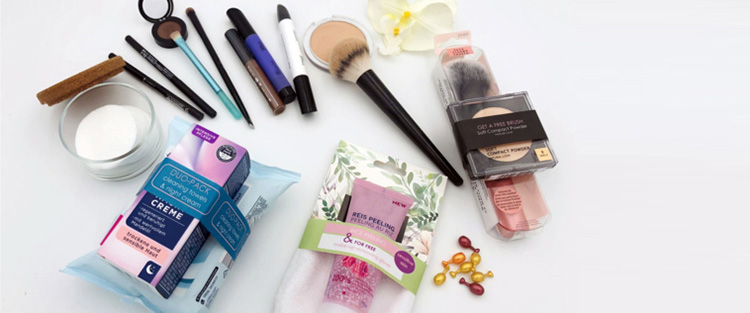
            Hot-Sauce-Bottling-Machine

            Hot Sauce Bottling Machine: The Complete Buying Guide In 2025

            Hot Sauce Bottling Machine: The Complete Buying Guide In 2025

            Globally the use of hot sauces has increased exponentially due to increasing in world’s population. But it has always been a concerned that how the productivity of hot sauces can be increased.

            Hot sauce bottling machine is one of the finest solution for filling and sealing of hot sauce bottles in an efficient manner. For selection of right type of hot sauce bottling machine we Allpack are providing you this complete buying guide. Read it completely and take the most of it!

              Add a header to begin generating the table of contents

              1. What Is A Hot Sauce Bottling Machine?

              Hot-Sauce-Bottling-Machine

              For providing ease in sauce filling processes, hot sauce bottling machine is one of the remarkable advancement in technology. Different types of hot sauces can easily be filled using a hot sauce bottling machine.

              The machine is use to fill, seal and pack hot sauces in different shapes of bottles. An automatic processing remains in the machine which increases productivity and product quality. Hot sauce bottling machines are mostly used in food industries with high efficiency and presentable outcomes.

              2. What Are The Types Of Sauces Production By A Hot Sauce Bottling Machine?

              Hot-Sauces

              In the world where varieties of hot sauces are now prepared, hot sauce bottling machine supports all of these. Many types of sauces that can be produced using a hot sauce bottling machine include Habanero sauce, Louisiana-style hot sauce, Chipotle sauceGhost pepper sauce, BBQ hot sauceJalapeno sauce, Buffalo wing sauceTabasco sauce, Sriracha sauce, Vinegar-based hot sauce.

              Before producing hot sauce using a hot sauce bottling machine it is important to notice that the machine can be applied for the any type of sauce bottling and allows the viscosity of the same sauce. Travelling temperature whether hot or cold can affect the quality of sauce if it is not filled in the right type of bottle.

              3. What Are The Applications Of A Hot Sauce Bottling Machine?

              Hot sauce bottling machines are mostly installed in food processing and sauce manufacturing industries. Some of their applications in these industries are

              • Food Processing Industries

              Hot-Sauce-Bottling-Machine

              Variety of sauces and condiments are packed in food processing industries using a hot sauce bottling machine. Pepper sauce, jam, chili sauce and other types of hot sauces are filled in multiple shaped bottles using a hot sauce bottling machine.

              • Packaging Industries

              Packaging-Industries

              Packaging industries also apply these hot sauces bottling machine to package their products. This packaging of hot sauce bottles makes the customer more attractive towards the product and provides lucrative packaging options.

              4.What Are The Features Of A Hot Sauce Bottling Machine?

              Hot-Sauce-Bottling-Machine

              Some of the features of a hot sauce bottling machine are

              • Variety of Caps

              Capping system of a hot sauce bottling machine has the most unique feature that it can apply different types of caps also of different sizes. Whether it is a screw cap or a snap-on cap, the capping system purely depends on the production requirement of the manufacturer.

              • Filling nozzle

              Filling nozzles are mainly made up of stainless steel and are used in dispensing the hot sauce into the bottles. The filling nozzle can be adjusted to accommodate different bottle sizes and also of different materials.

              • Orientation system

              Hot sauce bottling machine has a bottle orientation system that orientates the bottles rightly before it reaches the filling nozzle. It is directly supported with the conveyor system and body sensors that indicate the presence of bottles under the filling nozzle.

              • Variable Speed

              Depending upon the requirement of production and annual manufacturing goals, the hot sauce bottling machine has the capability that its speed can be controlled. This feature allows the operator to control the production speed and stops the system whenever any mishap occurs. The speed of filling system remains in sync with the speed if conveyors.

              • Cleaning System

              A hot sauce bottling machines has an internal machine cleaning system that allows easy cleaning of the machine without any human access. The cleaning system is that much efficient that it removes all the waste or overflow sauce within the system.

              • Adjustable Height

              Hot sauce bottling machine has an adjustable height feature that allows the operator to adjust the height of the machine according to the height of the conveyors. The height can also be adjusted according to the other equipment present in the system to make sure proper filling of hot sauce is carried out.

              5. What Are The Advantages We Can Get From A Hot Sauce Bottling Machine?

              Advantages

              Hot sauce bottling machines are used in multiple industries to provide efficient filling of sauces. These machines have number of advantages for which they are preferred the most. Some of the benefits that a buyer can get while buying of hot sauce bottling machines are

              • Bottle Handling

              Hot sauce bottling machine has highly effective holding and controlling of bottles throughout the filling and capping process. By this the risk of bottle damage, breaking and material wastage can be reduced to a greater level.

              • Improved Efficiency and Accuracy  

              With compare to traditional or manual bottling machines, hot sauce bottling machine are able to fill and cap sauce bottles in an efficient and faster manner with greater accuracy. Due to this advantage the productivity of an organization can be multiplied and also the involvement of labors can be reduced to produce similar bottles. The bottling done by hot sauce bottling machine prohibits overflow even if it is moved to any part of world.

              • Consistency

              Hot sauce bottling machines fills the bottle with same amount of hot sauce in every process. By this product consistency can be achieved using a hot sauce bottling machine.

              • Automation

              Highly automated machines are now available in the field of hot sauce bottling machines. The machine from feeding of bottles to its packaging, each step is done on complete automation. Machines are able to automate many of the tasks that can decrease the labor requirements needed to operate the bottling line.

              • Hygienic Bottling

              Highly hygienic and safe packaging of hot sauce bottles is done using a hot sauce bottling machine. The machines are designed in a way that it can clean and sanitize its process automatically to meet the international standards.

              6. What Are The Working Principles Of A Hot Sauce Bottling Machine?

              Working-Principles-Of-A-Hot-Sauce-Bottling-Machine

              A hot sauce bottling machine has a simple working principle. The machine undergoes gravitation force and obeys following operational method.

              • A typical hot sauce bottling machine works under the combination of pressure and gravity.
              • Initially the bottles are fed in the conveyors from which they are moved further to the system. On the other hand, pre-heating of bottles also remains in process to prevent cooling and thickening of hot sauce material.
              • The hot sauce is filled in the filling unit and from there it is pumped into filling lines. The sauce travels due to the gravitational pull and leaves the filling nozzle once the signal of bottles presence is generated.
              • The level of hot sauce is fixed and the same amount is filled in bottles.
              • The filled bottles are then entered into the sealing system in which the sealing of bottle cap is performed.

              7. What Are The Main Components Of A Hot Sauce Bottling Machine?

              Main-Components-Of-A-Hot-Sauce-Bottling-Machine

              A hot sauce bottling machine is divided into different units. These units have components in them which play important role in the operation of a hot sauce bottling machine

              • Filling Unit

              A filling unit is the one that is responsible for filling bottles with hot sauce. The filling unit includes upper hopper that is filled with the hot sauce. From the hopper and complete channel is connected till the filling nozzle from which the sauce is dispensed into the bottles. The filling unit is designed in a way that it fills bottles in a quick and precise way to ensure that each one of the bottle gets filled with the correct amount of hot sauce.

              • Capping Unit

              In the capping unit, the sealing of bottles is done once they are been filled with the right type of hot sauce. A capping unit usually includes a capping head that applies caps on to the bottles and after that a torque control unit that ensures that the caps are fixed with the right type of cap and the required force is applied on it.

              • Labeling Unit

              Once that hot sauce is filled properly with hot sauce and the cap is tightened, the labeling unit applies variety of labeling designs to the bottles of hot sauce. This unit includes a label applicator which is responsible in the application of labels on to the bottles and after that a label inspection system that verifies the presence and implementation of accurate labels.

              • Control Panel

              A control panel has all the operating and monitoring options that are associated with a hot sauce bottling machine. The panel has a series of buttons and switches that allow the operator to control the different components of the machine, from this control panel the operator continuously monitors the working and display screen indicates the machine status. Errors are generated on these screens if any of them occurs.

              • Conveyors

              The moving of bottles from one stage to another is done through these conveyor belts. Series of conveyors are there that transport the bottles from the filling unit to the capping unit. Once the caps are fixed in the capping unit, the conveyors move them to the labeling unit for label implementation. At last the bottles travel to end of the system.

              8. What Types Of Hot Sauce Bottling Machine Are There?

              Out of various types of hot sauce bottling machines, some include

              a. Piston Hot Sauce Bottling Machine

              Piston-Hot-Sauce-Bottling-Machine

              Piston hot sauce bottling machine uses a piston to fill bottles with hot sauce. A piston is used to pump the sauce into the bottles via a filling nozzle. Piston hot sauce bottling machines are typically used for large volume production and are well suited for larger businesses.

              Working Principle of Piston Hot Sauce Bottling Machine

              • In a piston hot sauce bottling machine the bottles are placed beneath the filling nozzle and the operation is then started.
              • Hot sauce is filled in particular cylinders where the temperature is maintained by using a heating element that is covered around it.
              • The up and down movement of piston present inside the cylinder of nozzle creates suction power. This suction force moves the sauce downwards and then out of the cylinder.
              • An upward suction at the same time releases the hot sauce from cylinder to the bottle. The process is repeated until the bottle gets filled up to its mark.
              • Further the bottles are moved to the packaging process where the bottles are provides with cover packaging.

              b. Overflow Hot Sauce Bottling Machine

              Overflow-Hot-Sauce-Bottling-Machine

              Pump is used to fill bottles with hot sauce in an overflow hot sauce bottling machine. The sauce is pumped into the bottles via a filling nozzle, and the level of the sauce is controlled by an overflow mechanism. Overflow type hot sauce bottling machines are used for large scale industries.

              Working Principle of Overflow Hot Sauce Bottling Machine

              • Hot sauces are initially filled in the hopper that is present above the production line in an overflow hot sauce bottling machine.
              • Temperature of hot sauce filled in hopper and cylinders is maintained by using a heating element that covers both of them.
              • Once the operation gets started and bottle reaches the filling nozzle, the hot sauce is pumped and gravitational pull causes consistently flow of sauce into the bottle. The fill level is maintained and controlled by rim of overflow on each interval. This overflow rim ensures that the bottle is filled to its maximum level.
              • The excess sauce gets re-circulated back into the filling system and the same cycle is repeated.

              c. Servo-driven Hot Sauce Bottling Machine

              Servo-driven Hot Sauce Bottling Machine

              Servo-driven hot sauce bottling machines have servo motor and PLC control system to control the filling volume, speed and precision. These machines are used for high-precision production where complete feedback is received.

              Working Principle of Servo-driven Hot Sauce Bottling Machine

              • This is one of the most accurate and precise way of filling hot sauce in bottles as servo motors is highly efficient in their working principles.
              • Servo motors are use in this type of machine for filling the volume and releasing of hot sauce into bottles.
              • Once the bottles reach the filling nozzle, the servo motor operates by pushing the hot sauce into the bottle. Sensors are used to detect the filling level and cut the operation of servo motor as it reaches to its maximum height.
              • Fast production can be achieved with this type of hot sauce bottling machine.

              d. Volumetric Hot Sauce Bottling Machine

              Volumetric-Hot-Sauce-Bottling-Machine

              Volumetric hot sauce bottling machine uses a volumetric measuring device to fill bottles with hot sauce. The sauce is dispensed into the bottles from filling nozzle, and the volume of the sauce is controlled by the measuring device. Machines are ideally used for higher-volume productions.

              Working Principle of Volumetric Hot Sauce Bottling Machine

              • In volumetric hot sauce bottling machines, the hot sauces are filled into the measuring chambers and the temperature of it is maintained by associating a heating element to the surrounding of measuring chamber.
              • Volumetric hot sauce bottling machine also obey the same working principle like other types of hot sauce bottling machine but the only difference lies is the accurate dispensing of hot sauce.
              • Accurate amount of hot sauce is released once the bottle comes underneath the filling nozzle and the system shuts down when it reaches its maximum input value.
              • The bottle is then taken out of the system in an efficient manner.

              e. Gravity Hot Sauce Bottling Machine

              Gravity-Hot-Sauce-Bottling-Machine

              Principle of gravity is used to fill bottles with hot sauce in gravity hot sauce bottling machine. The sauce is poured into a hopper at the top of the machine, and it flows down into the bottles via a filling nozzle.

              Working Principle of Gravity Hot Sauce Bottling Machine

              • A gravity hot sauce bottling machine focuses on the force of gravity regardless of any other automated way.
              • The filling nozzle is positioned above the desired filling level. By this the hot sauce is filled in the bottle by gravitational pull.
              • The bottle is filled to its maximum level and then moved toward the next packaging level.

              9. What Are The Differences Between A Hot Sauce Bottling Machine And Tomato Sauce Filling Machine?

              Hot-Sauce-Bottling-Machine

              Some of the differences between hot sauce bottling machine and tomato sauce filling machine are

              • Material Viscosity

              Hot sauce bottling machines fills thinner and liquid like viscous materials that has low density in nature.

              More thickly viscous paste of tomato sauce with a higher flow rates can be filled using a tomato sauce filling machine in a precise and accurate manner.

              • Material Consistency

              The material flow rate in a hot sauce bottling machine is a bit fast, high and consistent manner as the hot sauces are of low viscous.

              Whereas, a tomato sauce filling machines works with slow flow rate as the material is of greater viscosity and thicker in nature. Thick material flows out from the filling nozzle at a slow pace into the bottles.

              • Bottle Sealing

              Seamers are present in a tomato sauce filling machine to seal the caps of bottles.

              Caps in a hot sauce bottling machines are sealed by ordinary screw tightening and no special sealers are present in it.

              10. What Are The Auxiliary Components That Are Associated With A Hot Sauce Bottling Machine?

              Several auxiliary components are associated with a hot sauce bottling machine that work to ensure smooth bottling process. Some of the auxiliary components that are present along with a hot sauce bottling machine are

              • Capping Machine

              Capping-Machine

              In some of the hot sauce bottling machines, capping machines are integrated or associated at the end which is used to install and tight caps on the bottles. An automated system feeds the cap on the top of bottle and then screw mechanism tightens the cap by ensuring airtight sealing.

              • Bottle Unscrambler

              Bottle-Unscrambler

              Bottle unscramblers are also used as an auxiliary component for proper feeding of empty sauce bottles to the filling system of hot sauce bottling machines. It orientates right size and shaped bottles into the system that can be used further for filling of hot sauce.

              • Bar Code Injector

              Some of the hot sauce bottling machines also uses bar code injector which makes each of the bottles with a separate, identical number.

              • Quality Checker

              For ensuring proper quality and filling height, quality checkers are installed in the exit channel of a hot sauce bottling machine.

              11. What Common Factors Should Be Considered Before Purchasing A Hot Sauce Bottling Machine?

              Common-Factors

              While purchasing a hot sauce bottling machine, some of the factors that should be kept under consideration are.

              • Speed and Precision

              The manufacturer should check the machine specifications including speed and precision at which the bottles will be filled. It should be kept under consideration that the machine may fulfill high-speed production with precision. Selecting the machine with low productivity for a higher volume production setup can cause a lot of money and time loss.

              • Bottle Size and Shape

              The manufacturer should consider the size and shape of the bottle in which the filling process is to be carried out. The machine accommodating different size and shape of filling bottles with hot sauce can cause a positive impact on the buyer. The machine accommodates every type of size and shapes of bottle are more effective.

              • Viscosity

              The viscosity of the hot sauce will also impact the type of machine you need. A machine that is designed to handle a thinner sauce may not work well with a thicker sauce, and vice versa.

              • Production Volume

              The production volume is one of the most important factors to consider when purchasing a hot sauce bottling machine. It is important to choose a machine that handles greater volume of hot sauce that can increase businesses.

              • Maintenance and Warranty

              Manufacturers of hot sauce bottling machines that offer greater service and maintenance of the machine are important to be considered. Machine that holds the greater warranty duration and good after-sales service are the best ones.

              Conclusion:

              Demand of hot sauce bottling machines is now increasing drastically day to day. Due to this number of manufacturers of hot sauce bottling machines have now evolved in greater numbers. Before buying these machines it is important to consider number of parameters. We Allpack also provide you solutions for hot sauce bottling machines. In case you still find any query, contact us or visit our website http://www.allpackchina.com/.

              Don't forget to share this post!

              CONTACT US

              Tell us your raw material and project budget to get quotations within 24 hours.

              WhatsApp Us: +86 181 7101 8586

              Invalid Email
              Invalid Number

              Hot Sauce Bottling Machine: The Complete Buying Guide In 2025 Read More »
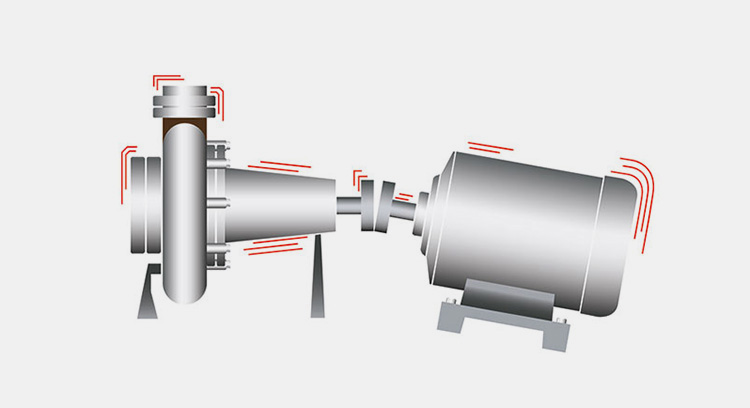
              Beer Can Seamer-9

              Beer Can Seamer: The Complete Buying Guide In 2025

              Beer Can Seamer: The Complete Buying Guide In 2025

              Are you ready to maintain the taste of your beer for longer period by reducing the environmental interference? Just take the step forward for doing it practically!

              Beer Can Seamer

              The packaging industry has now presented the best solution of a beer can seamer in order to better enable you in sealing your favorite drinks. With precise structure and convenient usability this machine is cost-effective and provide you lots of other benefits. To fully understand the functions, working and role of a beer can seamer go through this detailed buying guide!

                Add a header to begin generating the table of contents

                1.What Is A Beer Can Seamer?

                Beer Can Seamer-1

                A beer can seamer is a machine used to seal the top of a beer can after it has been filled, and the contents have been carbonated. The machine works by first cleaning the top of the can and then using a series of rollers to crimp the top of the can, creating an airtight seal to keep the beer fresh.

                Beer can seamers are used in the production and packing of canned beer, but they also have a wide range of other uses, including the processing of various cans carrying juices, cold drinks, and food items.

                2.Why Should You Use A Beer Can Seamer?

                Beer Can Seamer-2

                There are several reasons why a beer can seamer is an important tool in the manufacturing and packaging of canned beer.

                Airtight Seal: The primary function of a beer can seamer is to create an airtight seal on the top of the can. This helps to preserve the freshness of the beer by preventing oxygen from entering the can and potentially spoiling the contents.

                Consistency: Beer can seamer machines are designed to produce a consistent and reliable seal on every can. This ensures that every can of beer will maintain its quality and taste, which is important for maintaining a good reputation for the brewery.

                Speed and Efficiency: Beer can seamer machines are able to seal cans quickly and efficiently. This is important for high-volume production, as it allows breweries to produce large quantities of canned beer in a relatively short amount of time.

                Economical: A beer can seamer is a cost-effective way to package beer. Cans are cheaper to produce than glass bottles, and they are also lighter and more durable, making them cheaper to transport and store.

                Versatile: Beer can seamer machines are versatile and can be used to seal a variety of different types and sizes of cans. This allows a brewery to package different beers or even non-alcoholic beverages in cans.

                Overall, a beer can seamer is an essential tool for any brewery that produces canned beer. It helps to ensure the quality and freshness of the beer, while also increasing production speed and efficiency, and reducing packaging costs.

                3.Highlight The Reasons For Popularity Of A Beer Can Seamer?

                A beer can seamer is a machine used to seal the tops of filled aluminum cans with a thin layer of metal. There are a few reasons for the popularity of beer can seamers:

                Cost-effective

                Cost-effective

                Canning beer is a more cost-effective packaging option compared to bottling. Cans are cheaper to produce, lighter to transport, and take up less space than bottles.

                Convenience

                Convenience

                Canned beer is easy to store, transport and drink. They are also more portable, making them a popular choice for outdoor events like picnics and camping trips.

                Preservation

                Preservation

                Cans protect beer from light and air, which can negatively affect the taste of the beer. This helps to preserve the freshness and flavor of the beer.

                Environmentally friendly

                Environmentally friendly

                Cans are more easily recyclable than bottles and take up less space in landfills, making them more environmentally friendly.

                Branding

                Branding

                Beer cans can be easily printed with high-quality graphics, making them an ideal packaging option for brands looking to make a strong visual impact.

                Efficiency

                Efficiency

                Beer can seamers are fast and efficient machines that can seal hundreds or thousands of cans per hour, making them a practical choice for large-scale production.

                Customization

                Customization

                A brewery’s unique needs can be taken into account when designing a canning line, which improves the efficiency of the manufacturing process. Due to the adjustable height of the can holder, this machine can seal cans of various sizes and shapes.

                4.What Is The Method Of Operating A Beer Can Seamer?

                Operating A Beer Can Seamer

                A beer can seamer is a device that attaches the lid to the body of a can of beer. The actions that are normally taken when using a beer can seamer are as follows:

                Loading cans

                The operator loads empty cans onto the machine, which are then automatically transported to the filling station.

                Filling cans

                The machine fills the cans with beer, and then automatically transports them to the seaming station.

                Seaming

                At the seaming station, the machine applies a lid to the top of the can and then uses a seaming roller to crimp the lid onto the can body, creating an airtight seal.

                Testing

                Some canning lines also include a testing station, where the cans are checked for leaks or other defects before being packaged.

                Packaging

                Finally, the sealed cans are automatically packaged and prepared for shipment.

                It’s important to note that there are different types of seaming equipment, each with their own specific methods and operating procedures. The can seamer that you use will depend on the type of can and the size of your production line.

                5.What Are The Uses Of A Beer Can Seamer?

                A beer can seamer has various uses, which are illustrated for you in the details provided below:

                Beer Packaging:

                Beer Packaging-1

                Beer can seamer is an essential instrument that play a beneficial role in wine industry for the hermetic sealing of beer filled cans. This is the reason, why the popularity of this machine is growing day by day.

                Beverage Packaging:

                Beverage Packaging

                Beverage packing is the most common type of canning product after beer packaging. Common beverages that are packaged in cans and ready for sealing by a beer can seamer include soda water, milkshakes, and fresh juices.

                Milk Packaging:

                Milk Packaging

                The introduction of shelf-stable milk is of greater relevance to owners of dairy farms and milk processing businesses. So, the concept of putting milk in cans has been used for which the need of a beer can seamer is also realized. You may now get fresh carbonated milk in either its original or chocolate-flavored forms.

                Food Packaging

                Food Packaging

                In addition to sealing cans of beverages and wine, beer can seamers are also used to seal cans of food, including cooked food, seafood, dry food, and other goods.

                6.Why Beer Cans Are Preferred Over Beer Bottles?

                Preferred Over Beer Bottles

                There are certain justifications for choosing beer cans over beer bottles. Here are some of them:

                Lightweight and portable: Cans are lighter and more compact than bottles, making them easier to transport and store. This makes them a convenient option for outdoor activities such as camping, hiking, and tailgating.

                Better for the environment: Cans are more easily recycled than bottles and have a smaller carbon footprint. They also take up less space in landfills.

                Keeps beer fresh: Cans protect the beer from light and air, which can spoil the beer and give it an off-flavor.

                Convenient for cold storage: Cans cool faster than bottles and are stackable, which makes them easy to store in a refrigerator or cooler.

                Cost-effective: Cans are cheaper to produce and transport than bottles, which can result in lower prices for consumers.

                Perfect for Carbonated drinks: Cans are better for carbonated beverages because they can withstand the pressure of carbonation and do not allow any light to come in contact with the liquid and spoil the taste.

                7.Describe The Major Components Of A Beer Can Seamer?

                Components Of A Beer Can Seamer

                A beer can seamer typically consists of the following major components:

                Feeder

                The feeder is responsible for delivering the cans to the seamer in a consistent and orderly manner.

                Seaming head

                The seaming head is the main component of the seamer and is responsible for forming the can lid to the can body.

                Seaming Rollers

                Seaming rollers are located in the seaming head which seals the lids over cans while rotating in fast speed.

                Drive unit

                The drive unit provides the power to operate the seaming head.

                Guide Rail

                It is also known as the conveyor belt whose primary function is to move the cans from filling station to sealing and discharging respectively.

                Control system

                The control system is responsible for controlling the operation of the seamer, including the speed and timing of the seaming process.

                Lubrication system

                A lubrication system is used to lubricate the seaming head and other moving parts to ensure smooth operation and prolong the life of the machine.

                Chute

                The chute is used to guide the sealed cans out of the seamer.

                Other possible components include a can cleaner, a can inspector, and a can rinser, to ensure that the cans are clean and free of debris before they are sealed.

                8.What Type Of Labeling Methods Are Adopted For The Recognition Of Bear Cans?

                The Recognition Of Bear Cans

                Numerous techniques, some of which are detailed here, are employed to identify the brand and type of canning by labelling:

                Optical Character Recognition (OCR)

                This method involves using machine learning algorithms to extract text from an image of a bear can label and then match it against a database of known bear can label.

                Barcode scanning

                Bear can labels may include a barcode that can be scanned using a barcode scanner and then matched against a database of known bear can label.

                Image recognition

                This method involves training a machine learning model to recognize the specific design or logo on a bear can label. The model can then be used to identify the bear can by matching the image against a database of known bear can label.

                QR code scanning

                Bear can labels may include a QR code that can be scanned by a smartphone, then match it against a database of known bear can label.

                9.How Would You Categorize Beer Can Seamer?

                Beer can seamers come in a variety of styles with varying costs, capacities, and efficiencies.  They are as follows:

                Fully Automatic Beer Can Seamer

                Fully Automatic Beer Can Seamer

                A fully automatic beer can seamer is equipped with cutting-edge technology that carries out the complete process of bottle capping and sealing automatically. It creates hermetic sealing while producing an incredibly high output in terms of efficiency.

                Structure

                The machine’s structure is intricate and made up of numerous parts, including a driving unit, control system, lid-delivering station, seaming head, joining rollers, and stainless steel body.

                Process

                Once the operator has set the parameters, the machine goes through an automatic process. Delivered filled cans are covered with lids at the lid delivering station before being transferred to the seaming head. When they arrive, seaming rollers move swiftly around the bottle and firmly join the lid to the can body to create a tight seal. Beer cans that have been sealed are then released and prepared for additional packing.

                Application

                Fully automatic beer can seamers are perfect for businesses that produce large volume of beer cans.

                Semi-Automatic Beer Can Seamer

                Semi-Automatic Beer Can Seamer

                Another type of beer can seamer is semi-automatic, which has a small design and reliable operation to produce outstanding results. It also has a good processing yield and is economical.

                Structure

                The main frame, control board, seaming head, can holding tray, can uplifting tray, and seaming rollers make up the machine.

                Working Process

                When the can is placed over the holding tray that has beer in it, it operates in a straightforward manner. By manually lifting the can toward the seaming head through the handle, seaming rollers begin to move around the bottle mouth and firmly seal the lid to the bottle mouth.

                Application

                It can be used in small scale production areas where beer packaging is processed.

                Manual Beer Can Seamer

                Manual Beer Can Seamer

                This manual beer can seamer is a small, hand-operated device with a compact design. This is the ideal solution at a fair price if you process any kind of home-based beer or beverage business.

                Structure

                It is made up of a wheel, a handle for operating it, a sealing head, rollers, and a stand for holding cans.

                Working Process

                The holding tray is manually covered with a can that has been filled with beer and has a lid on it. When the can reach to seaming head, operator raise the handle. Now, the sealing of the can happens gradually as the wheel is moved.

                Application

                It is vitally used in home brewery, clubs and restaurants etc.

                10.What Is The Ratio of Sustainability For Beer Cans?

                Sustainability For Beer Cans

                The ratio of sustainability for beer cans can vary depending on the specific practices and materials used by the brewery or can manufacturer. Some factors that can impact the sustainability of beer cans include the use of recycled materials, energy-efficient manufacturing processes, and recycling and disposal practices.

                Additionally, some breweries may also take steps to reduce their overall environmental footprint, such as using sustainable sourcing for ingredients or implementing conservation and water-saving measures. The sustainability of beer cans is a complex issue that can depend on a variety of factors, and it’s not possible to provide a specific ratio without more context.

                11.What Role The Different Machines Play In The Packaging Of Beer Cans Along With Beer Can Seamer?

                In the packaging of beer cans, there are several machines that play different roles. The main machine used in the process is the beer can seamer, which is used to seal the tops of the cans with a metal lid, known as a “can end.” Other machines that may be used in the packaging process include:

                Can Filling Machine

                Can Filling Machine

                Can filling machine is used to fill the cans with accurate amount of beer. It is composed of several parts including conveyor belt, can rolling device, filling station, material tank and control system. During filling, the machine also carbonates these cans and flush them with nitrogen for preserving the taste of beer for longer period.

                Can washer

                Can washer

                Before the cans are filled with beer, this machine thoroughly cleans and sanitises them. It is incorporated into the primary beer can seamer line. To clean empty cans, they are placed all together in the can washer and moved through a succession of washing stages.

                Labeling Machine

                Labeling Machine

                Your cans are labelled with this machine. You may observe many types of print labelling, paper labelling, and shrink sleeve labelling, demonstrating the variety of labelling machines.

                Can Packaging Machine

                Can Packaging Machine

                Machines that pack cans into packaging like six-packs, twelve-packs, cases, etc. are known as can packaging machines. Cans are packaged using shrink wrapping and carton sealing equipment.

                Palletizer

                Palletizer

                This machine stacks the packaged cans into pallets for the purpose of storage and easy transportation. Stretch wrapping machine is the common type of palletizer used for bulk cans to be packed.

                Overall, the process starts with cleaning and sanitizing the cans and then filling them with beer, then the cans are sealed and labeled, and then packaged and stacked in a pallet for storage and transportation.

                12.Factors To Look For The Selection Of Beer Can Seamer?

                Selection Of Beer Can Seamer

                When selecting a beer can seamer, there are several factors to consider, including:

                Production capacity

                Consider the amount of cans you will need to seal per day and choose a machine that can handle that capacity.

                Can size compatibility

                Ensure that the machine can accommodate the size of cans you will be using.

                Seaming quality

                Look for a machine that can provide a consistent and high-quality seal on the cans to prevent leaks and ensure product freshness.

                Durability and maintenance

                Pick a device that will last a long time and needs little upkeep. Check the assembly and disassembly process as well because it has to be clean and lubricated.

                Safety features

                Safety features such as emergency stops or automatic shut offs can prevent accidents and injuries. So, never overlook to check these features.

                Automation

                Some beer cans seamers come with automation features that can improve efficiency and reduce the need for manual labor.

                Brand reputation

                Look for a reputable brand in the market that has a good track record in providing quality and reliable machines.

                Price

                Look for a machine that provides good value for money and fits within your budget.

                Conclusion

                In conclusion, a beer can seamer enables a quicker and more effective packing procedure. Every business in the relevant production sector therefore strives to use this technology. However, the majority of manufacturers are perplexed as a result of the difficulties in locating the best brand. Allpack is constantly prepared to offer its customers the best beer can seaming solutions to address these problems. If you are interested in purchasing a beer can seamer, simply move forward and contact us via the provided link. http://www.allpackchina.com/

                Don't forget to share this post!

                CONTACT US

                Tell us your raw material and project budget to get quotations within 24 hours.

                WhatsApp Us: +86 181 7101 8586

                Invalid Email
                Invalid Number

                Beer Can Seamer: The Complete Buying Guide In 2025 Read More »
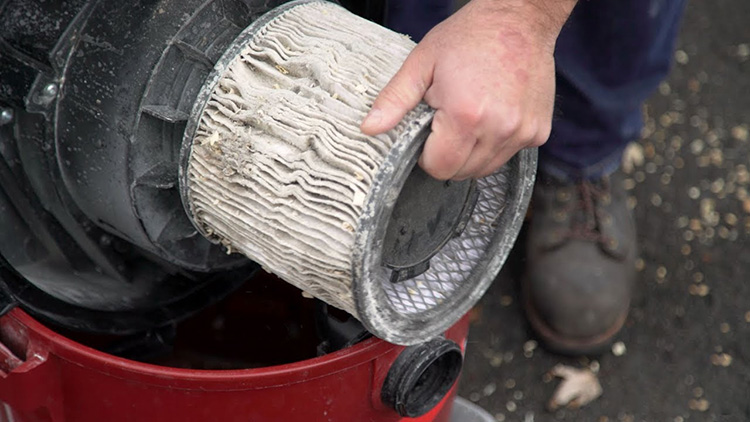
                Scroll to Top