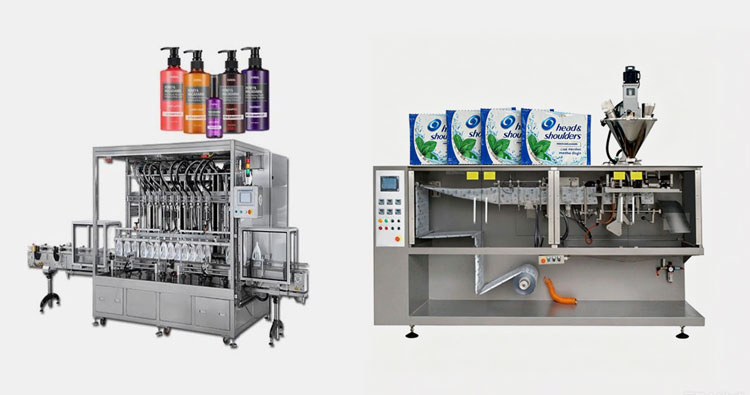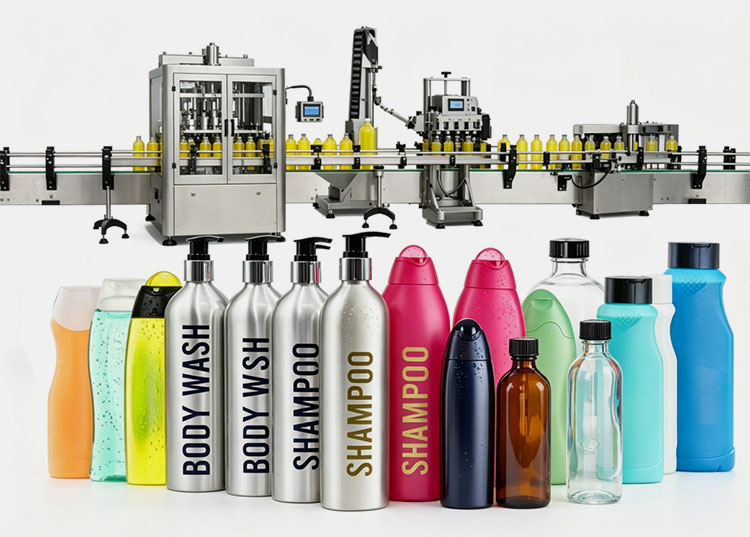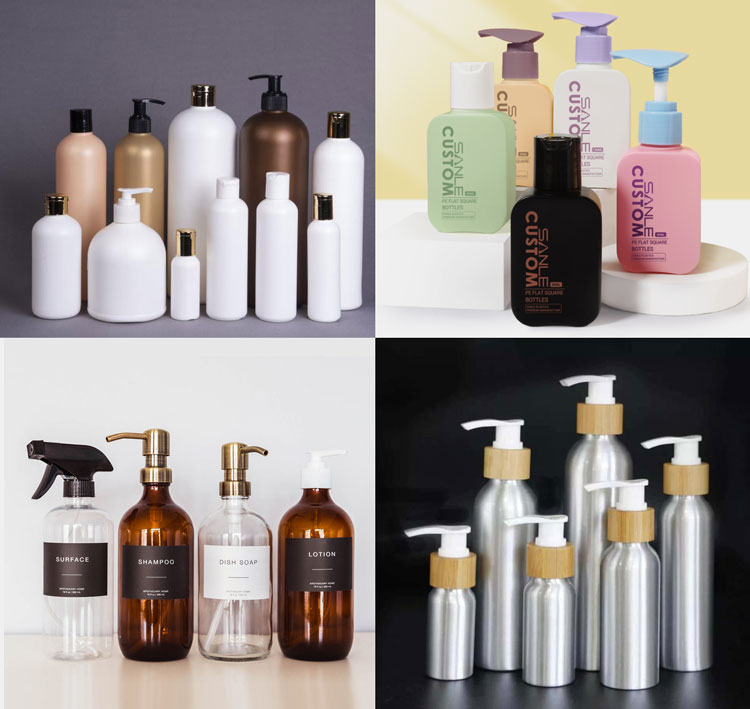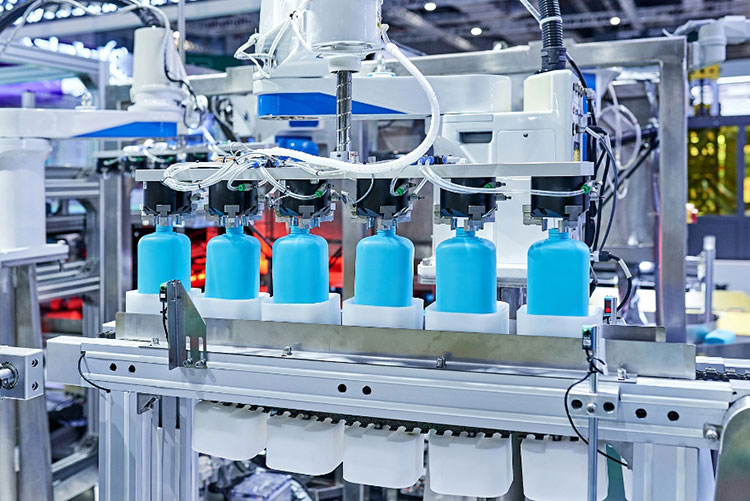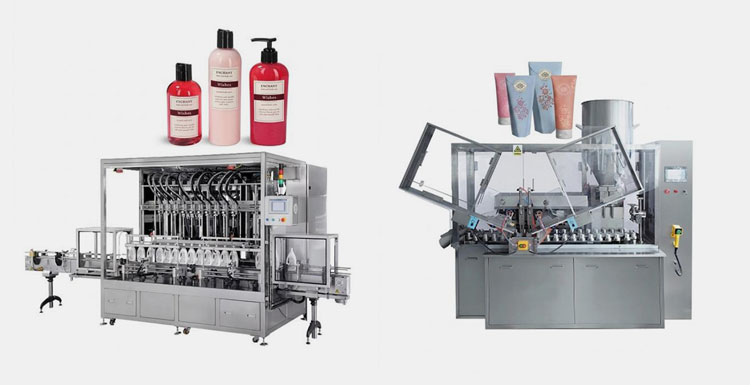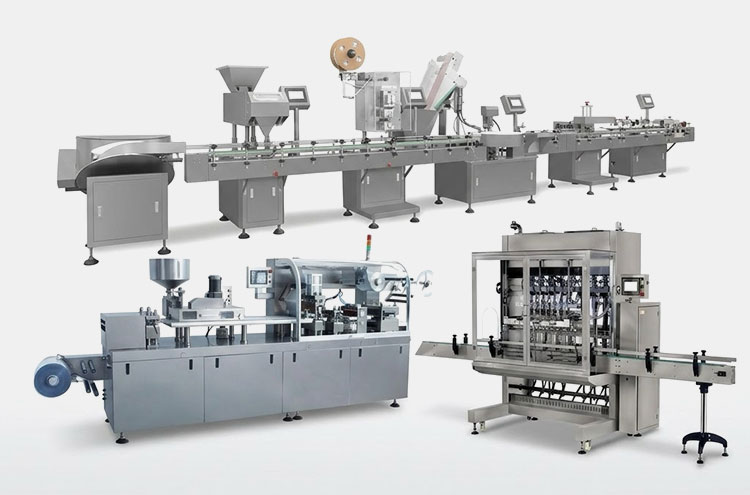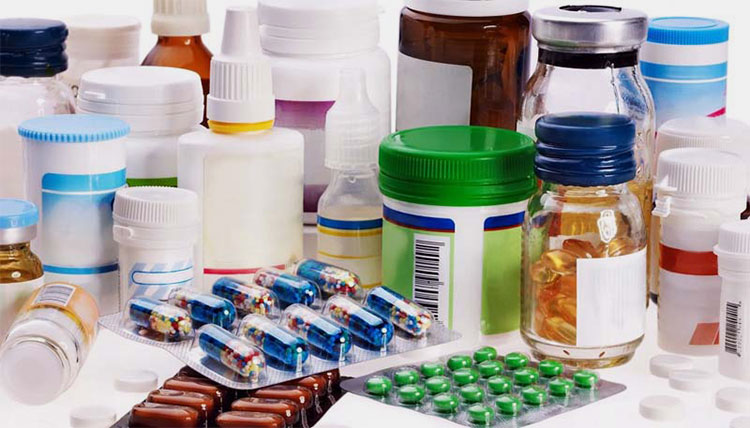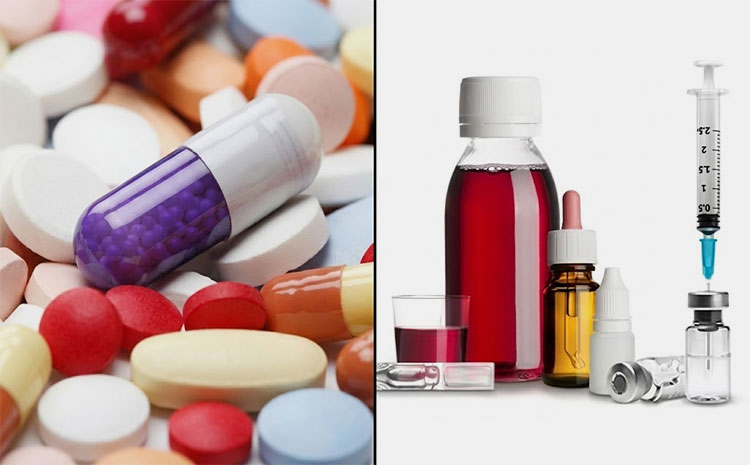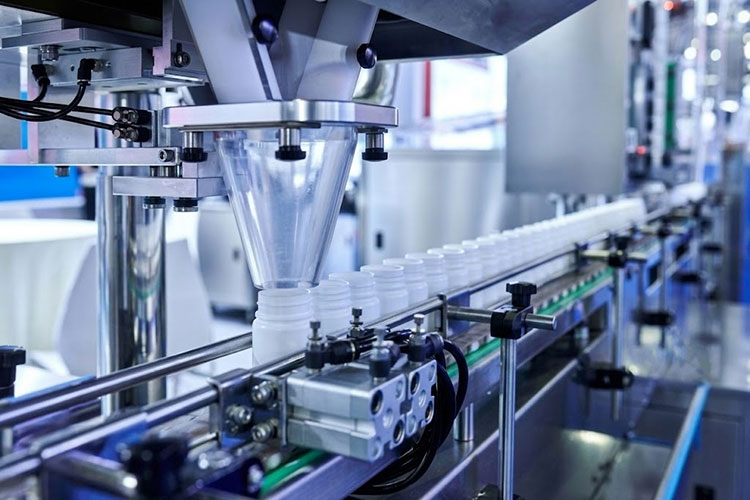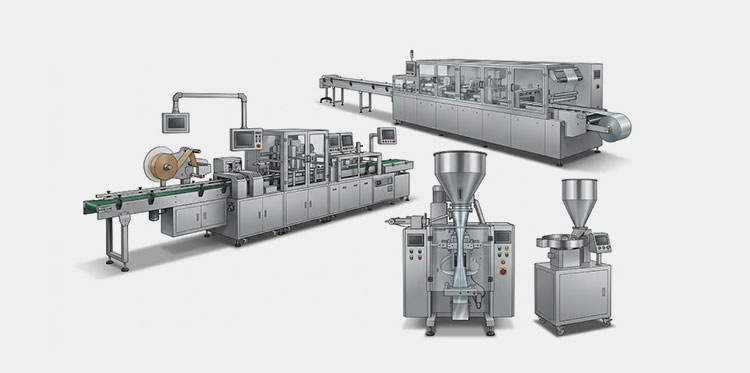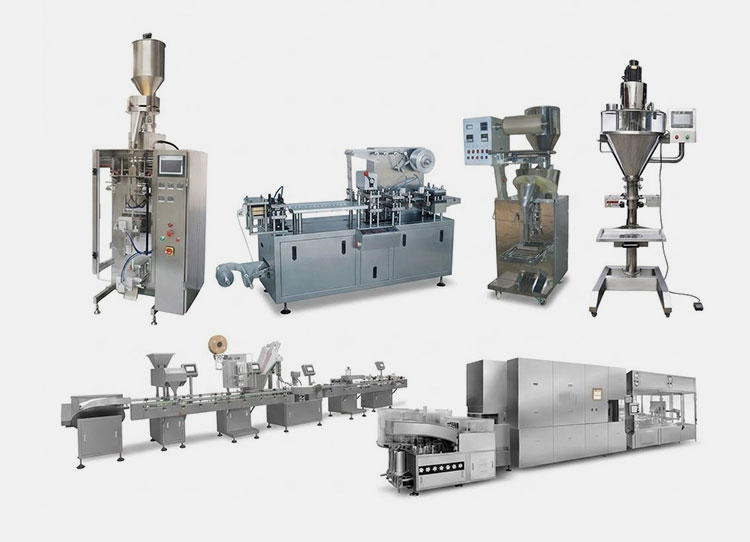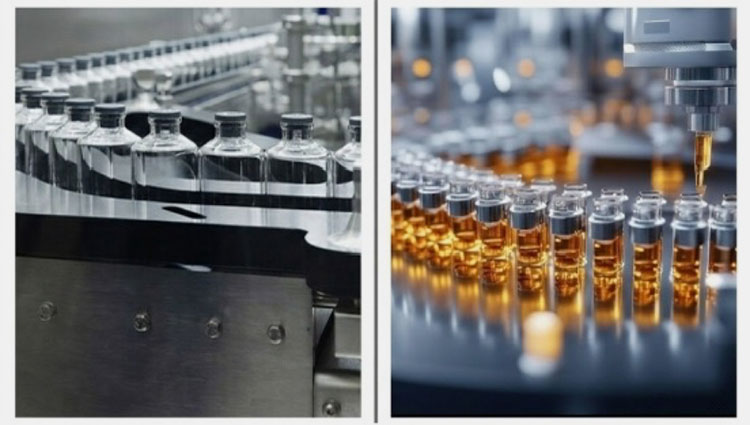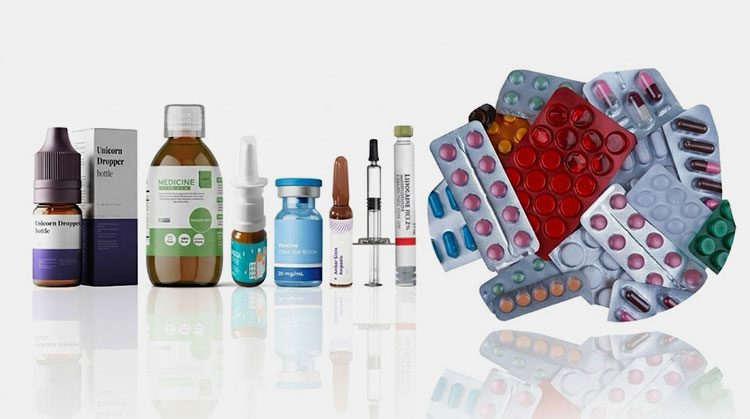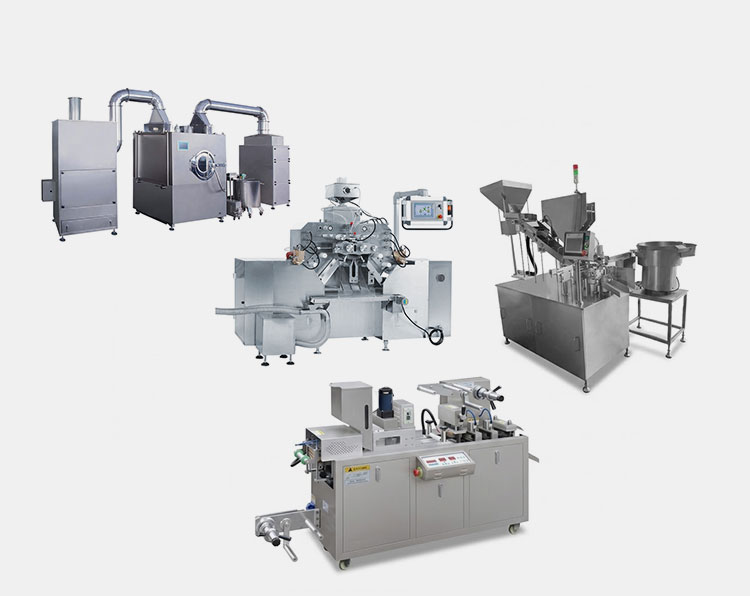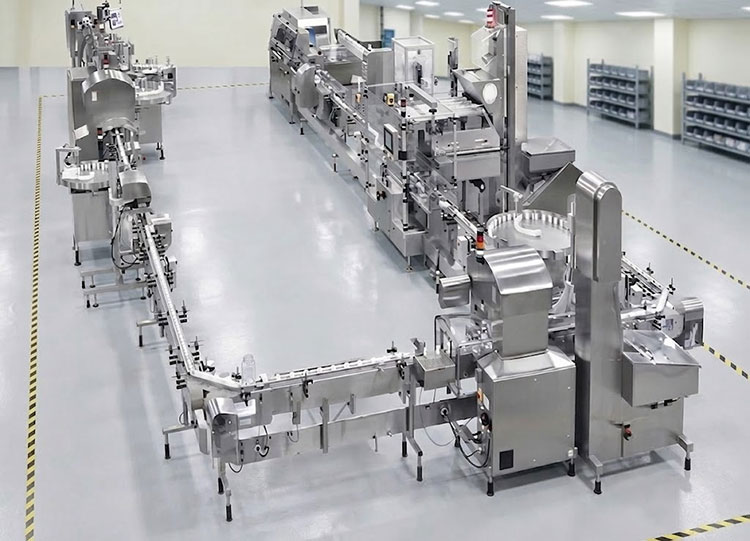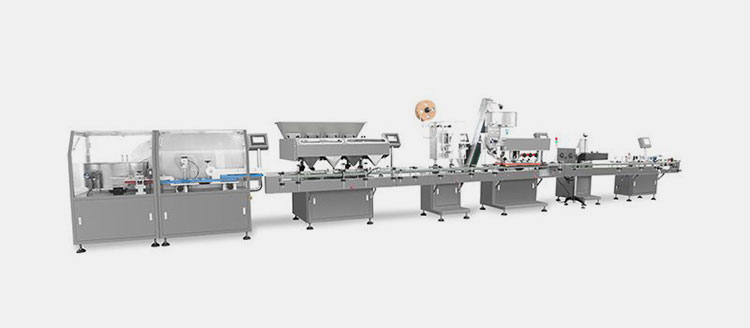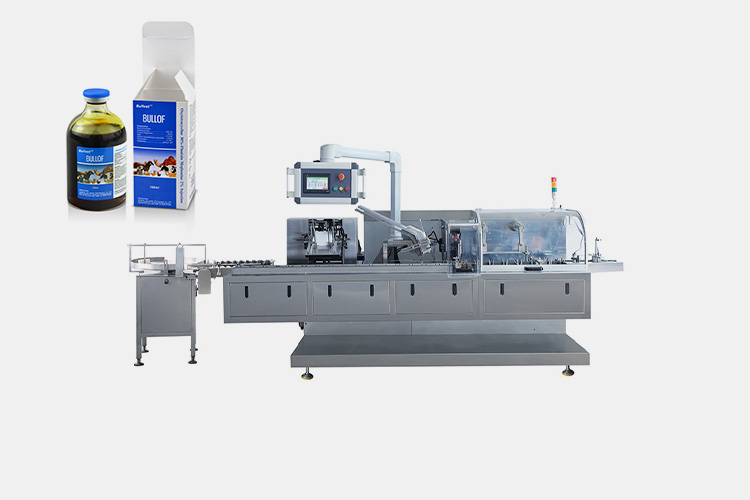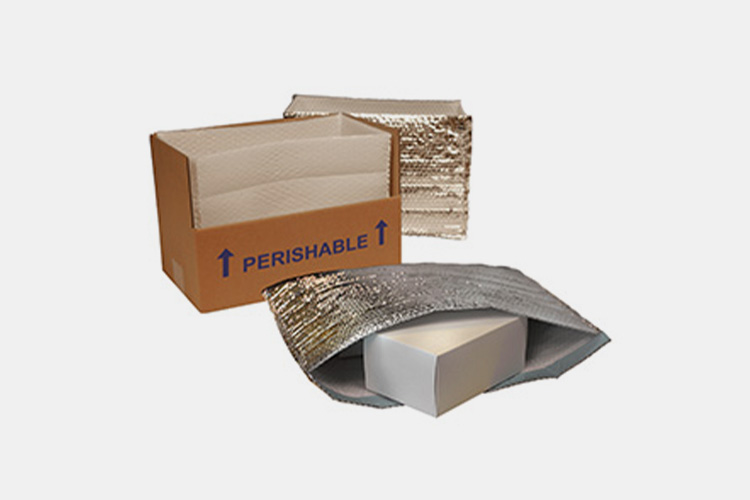
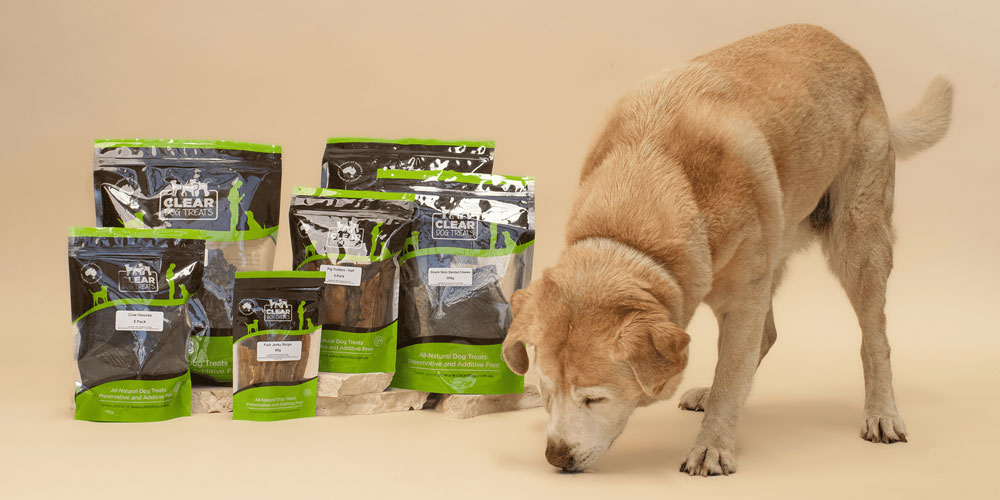
Packing Machine

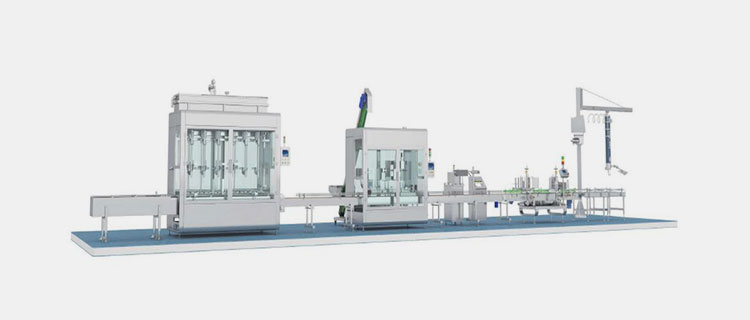
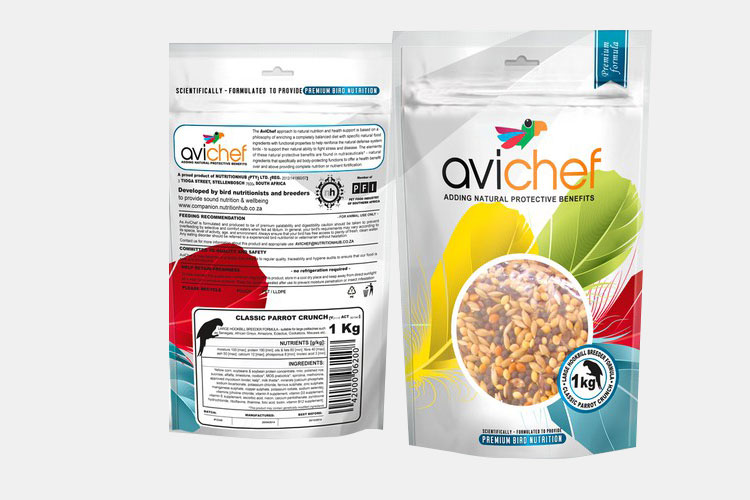
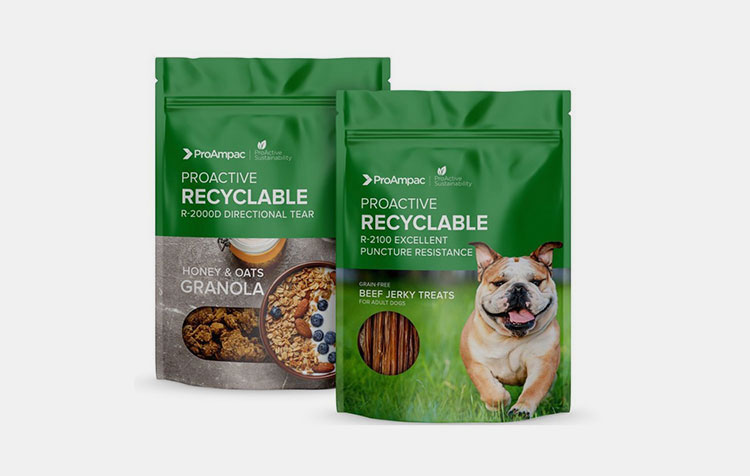
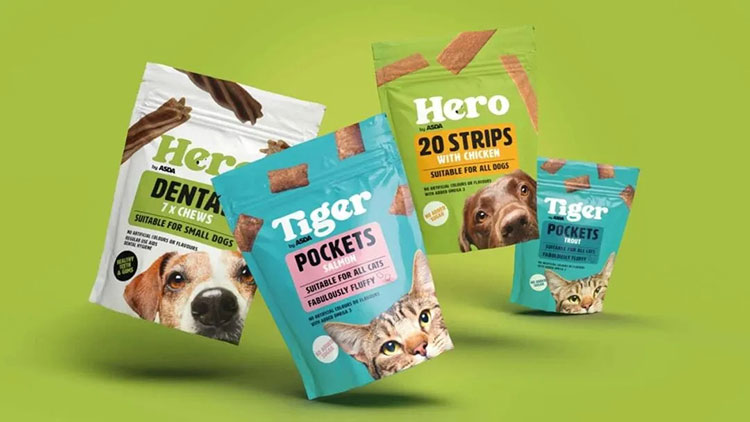
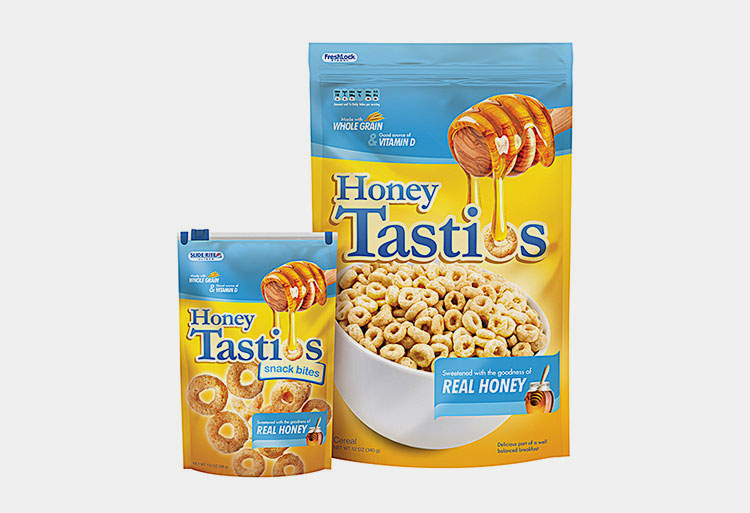
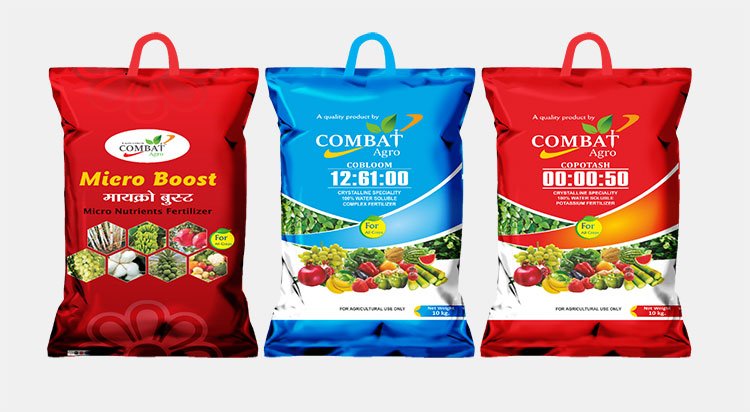
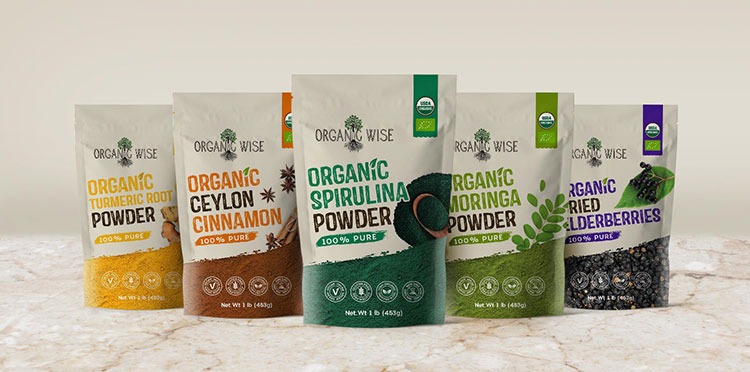
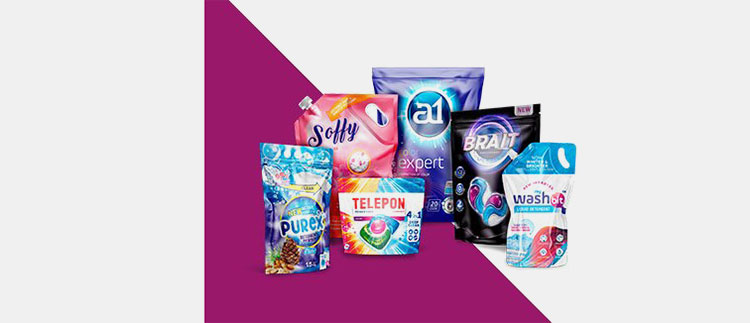
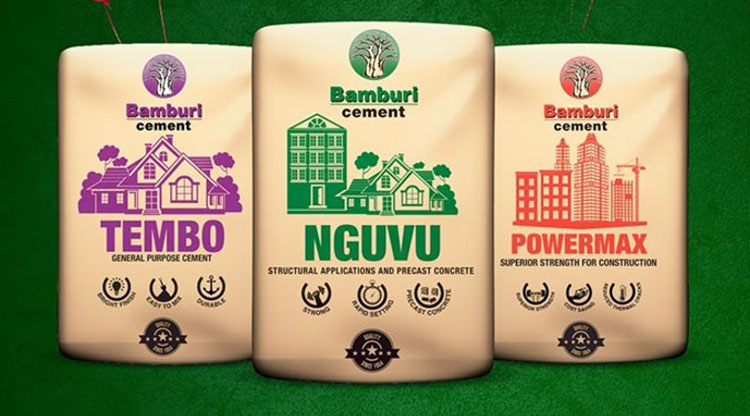
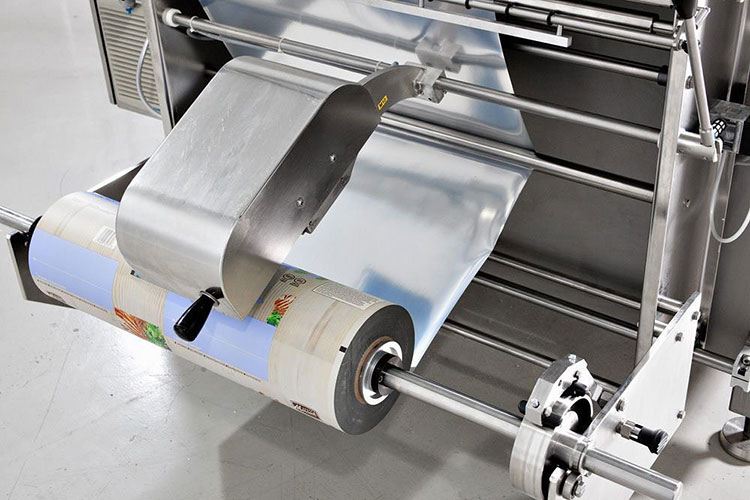
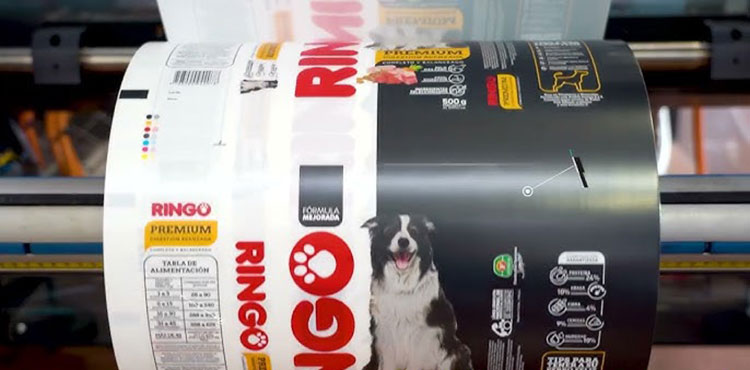
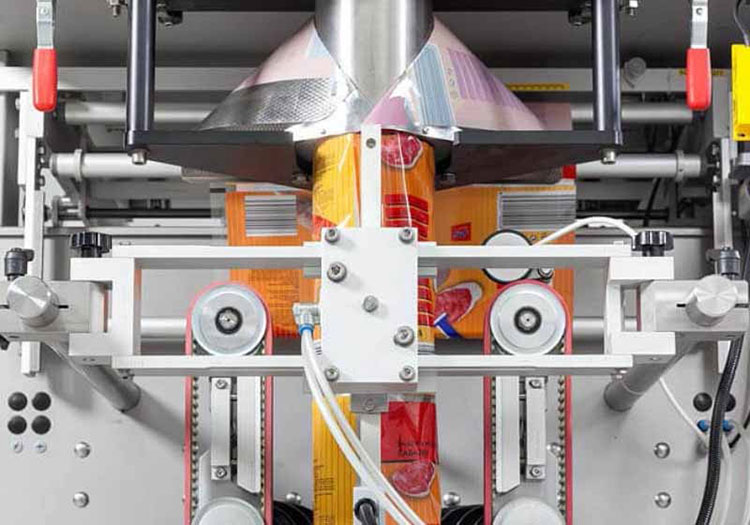
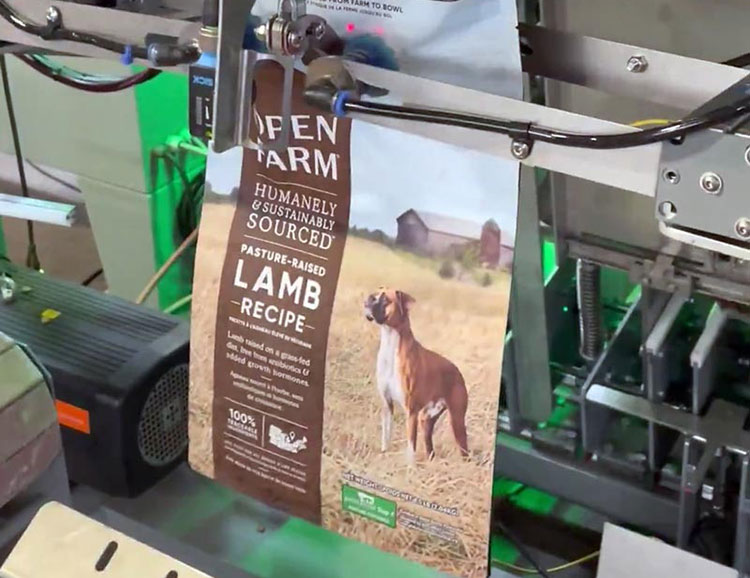
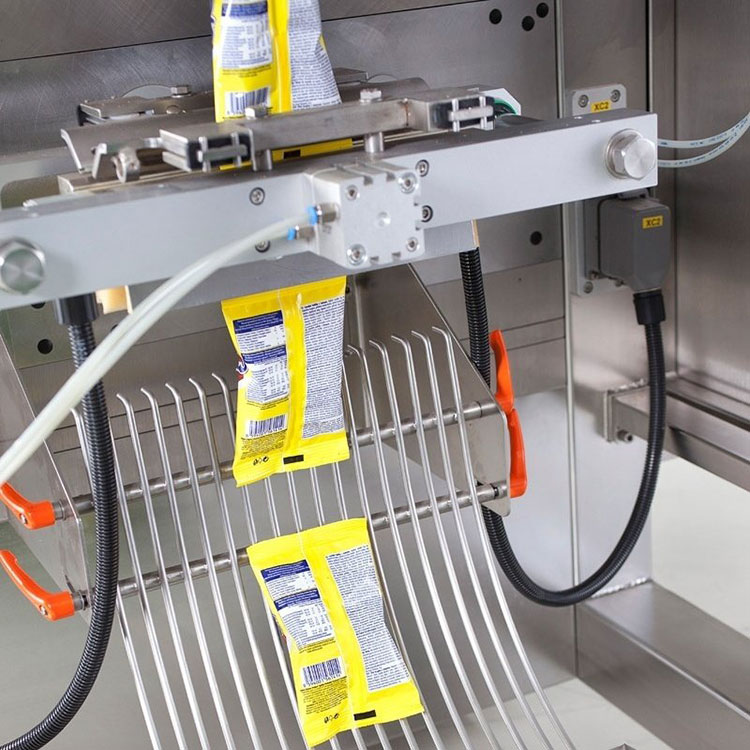
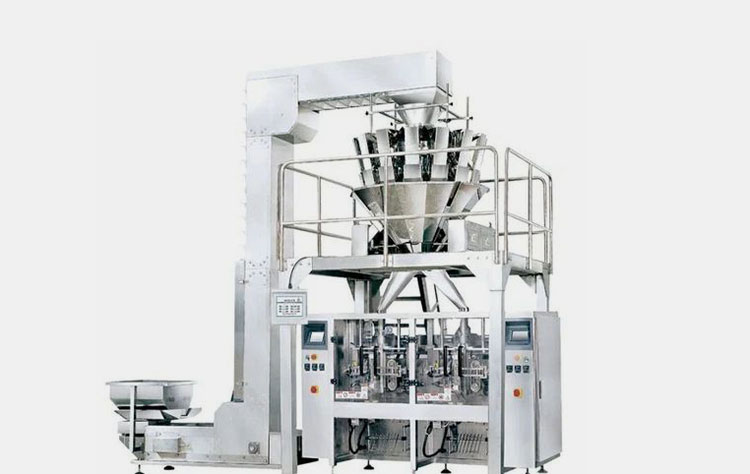
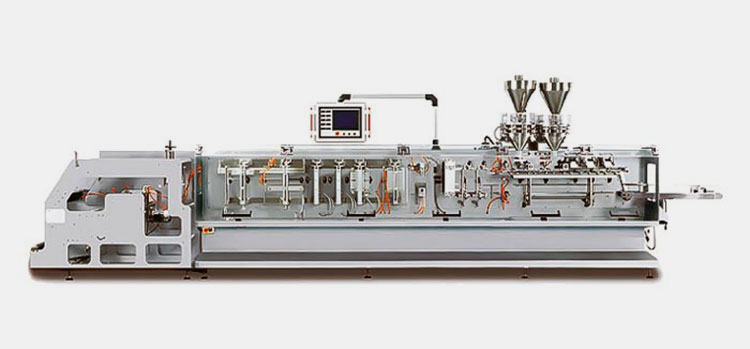
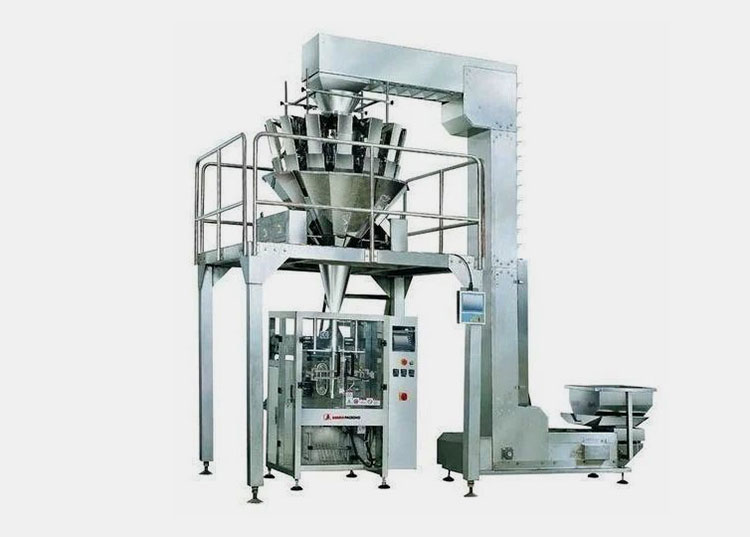
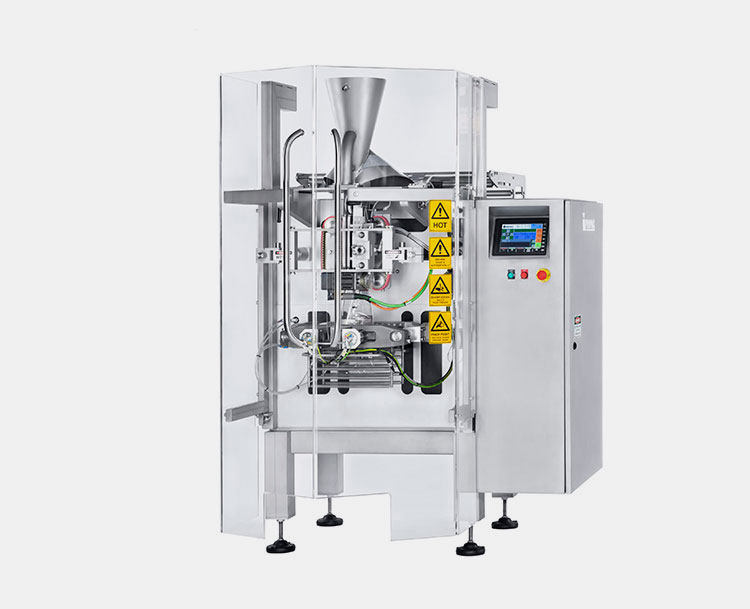
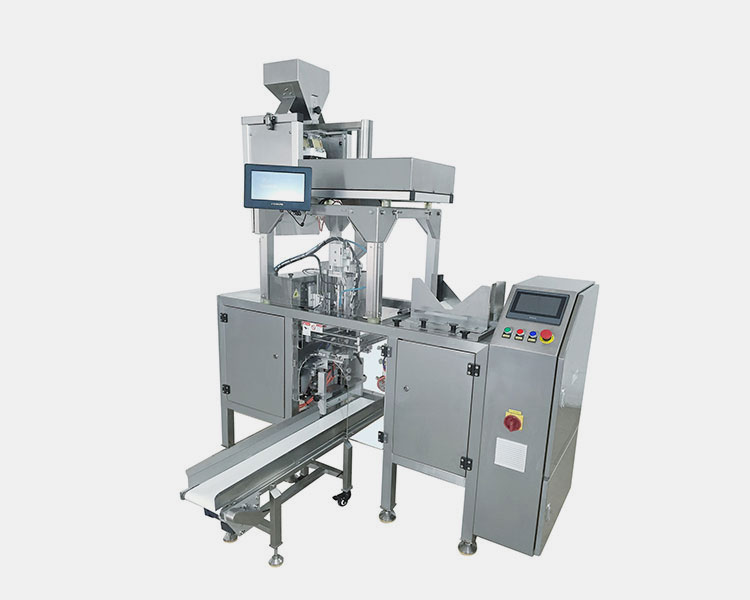
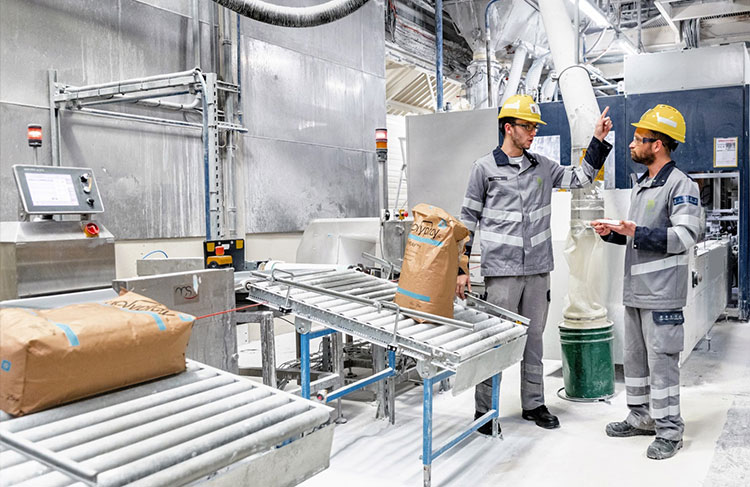
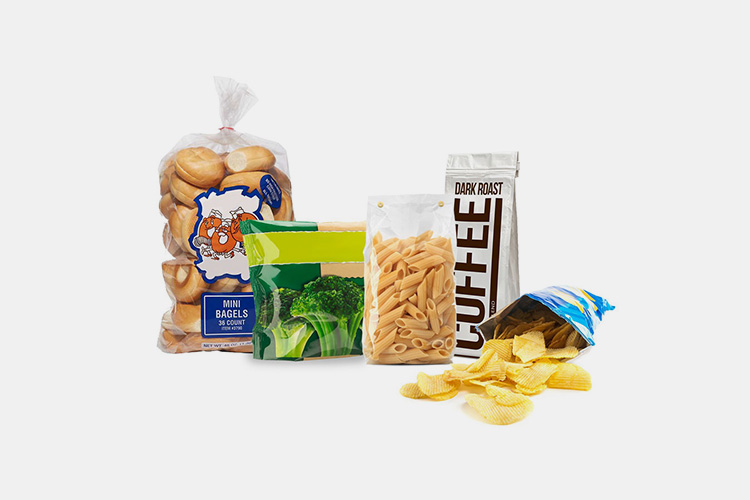
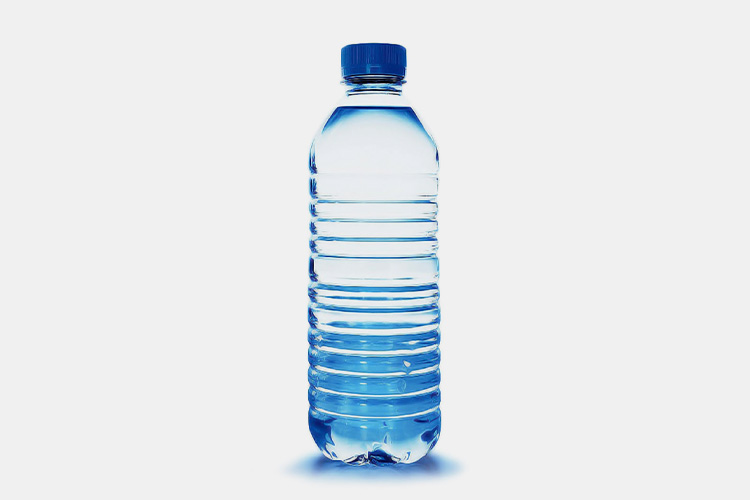
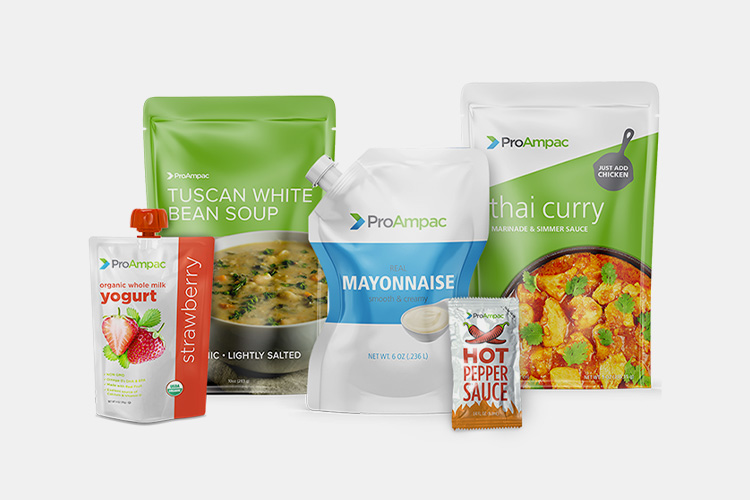
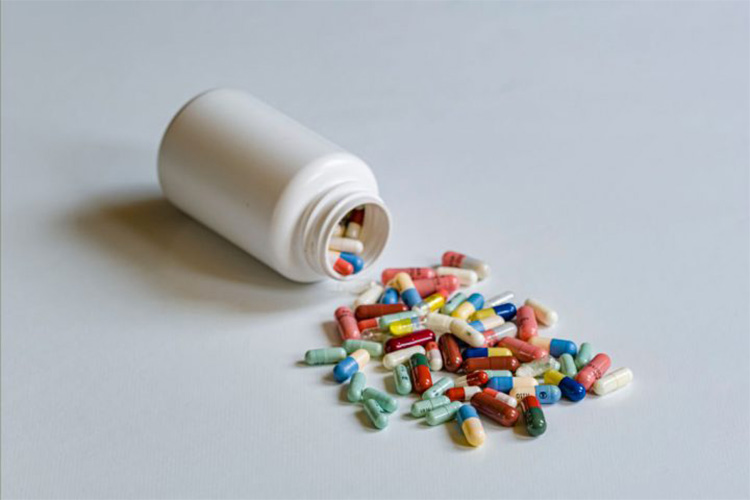
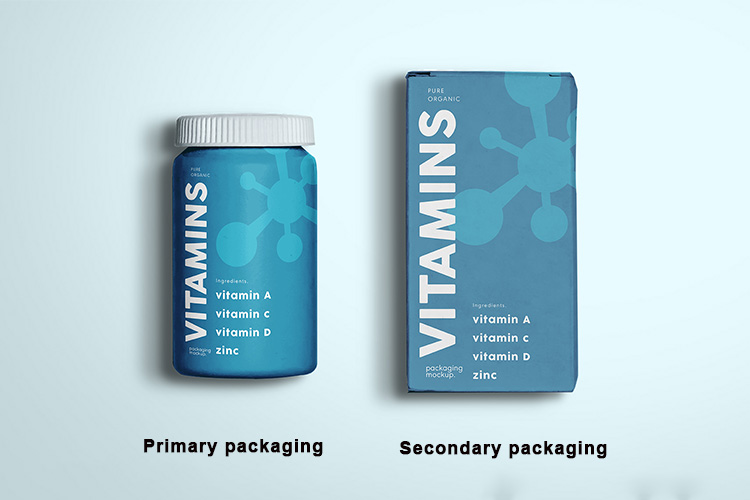
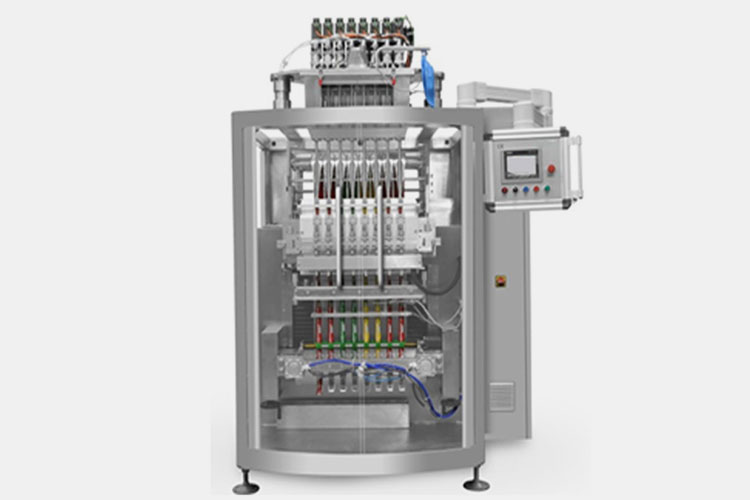
Vertical packing machine is the outstanding machine used mainly to pack food and non-food product. It has a single sheet of film material rolled around a core and use the material to wrap around, form, fill and seal the package. The material can vary from laminates, foil laminates and paper laminates. according to different need of products. Vertical packaging machine gives the basic protection for products and make especially important role for fragile products.

Dog-Treats

How to Choose the Right Packaging Machine for Dog Treats?

How to Choose the Right Packaging Machine for Dog Treats?

You want to pack dog treats fast, but bad seals and broken treats ruin your profits. I can show you how to fix this with the right machine.

To choose the right packaging machine for dog treats, you must match your treat type to the weighing system, select proper sealing jaws for fatty products, and pick a bag style. A multihead weigher with a rotary pouch machine works best for premium zipper bags.
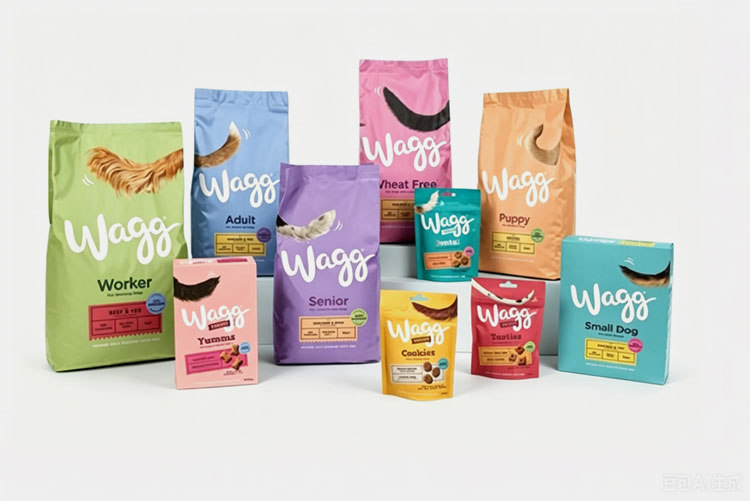
Dog treats packaging machine

Dog treats packaging machine

Choosing the wrong setup can cost you thousands of dollars in wasted product and unhappy customers. Let us look at the exact steps you need to take to get this right the first time, or you will keep throwing money away on bad bags.

    Add a header to begin generating the table of contents

    1.How do the distinct material profiles of dog treats dictate your packaging machine selection?

    Hard dental chews act differently than soft jerky. If you use the same premade pouch filling machine for both, you will get jams. You need a setup matched to your product.

    The shape and texture of your dog treats decide your feeding and weighing parts. Jerky strips need long-piece feeders, while freeze-dried cubes need gentle drops. You must pick the machine parts that handle your specific treat shape without breaking it.
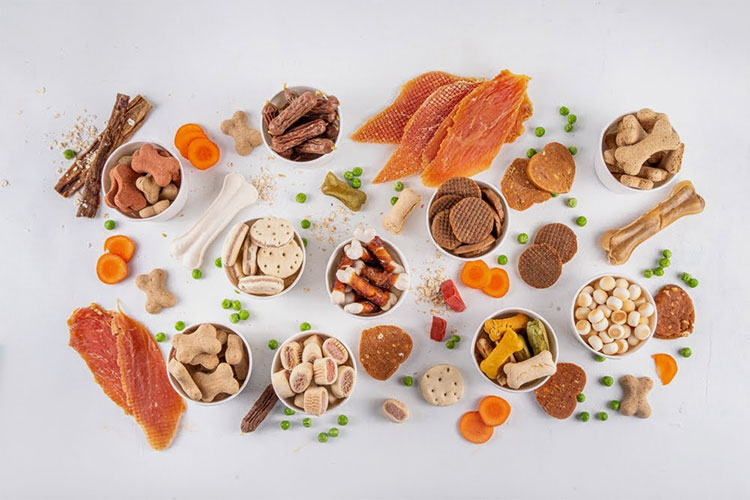
    Different dog treat materials types

    Different dog treat materials types

    Matching Machine Parts to Treat Types

    I remember when my plant tried to pack long jerky strips using a standard weigher. The strips stood up and jammed the chute. We lost hours of run time. You have to break down your product type before you buy a machine.
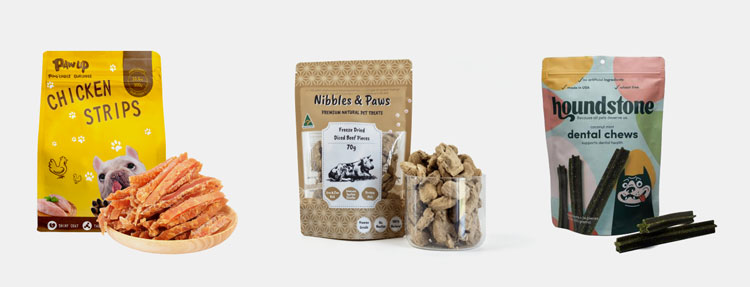
    Matching Machine Parts to Treat Types

    Different treats need different handling methods to move smoothly. If your treats are heavy and hard, like dental bones, they fall fast and can break the machine parts. If they are light and dry, dust becomes a big issue.

    You must look at three things: shape, weight, and texture. This tells you what kind of hopper and weigher you need. A heavy chew needs thick steel to stop dents. A long stick needs a steep angle to slide flat. You cannot ignore the physical nature of your food.

    Treat Type Common Problem Required Machine Feature
    Jerky Strips Jams in the chute Steeper angles, long-piece buckets
    Freeze-Dried Cubes Breaking and dust Gentle slope, low drop height
    Dental Chews Heavy impact damage Stronger steel buckets, rubber pads

    2.What are the primary root causes of interlocking or product bridging when automating the feeding of irregular pet treats?

    Long treats stick together and block the flow. This stops your whole line. You need to know why this happens to stop it.

    Bridging happens when irregular treats lock together at the hopper neck. This is caused by narrow chute angles, wrong vibration speeds, and using buckets that are too small. You fix this by using wider chutes and special metal plates.
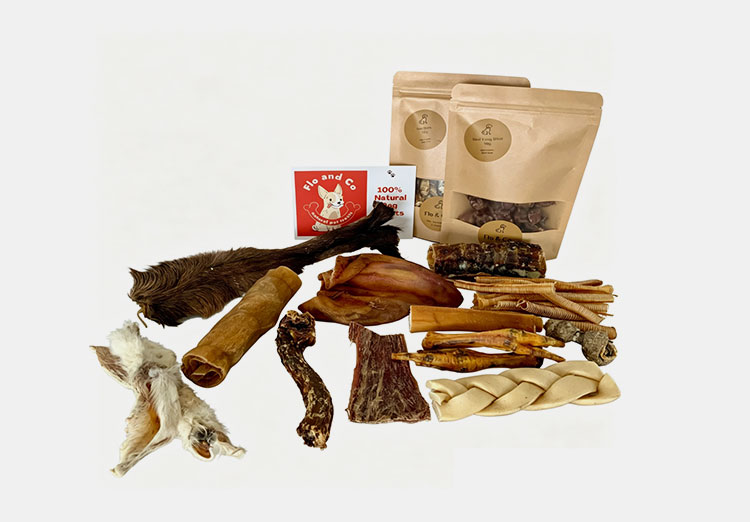
    Challenges of pet treats filling

    Challenges of pet treats filling

    Why Treats Jam and How to Fix It
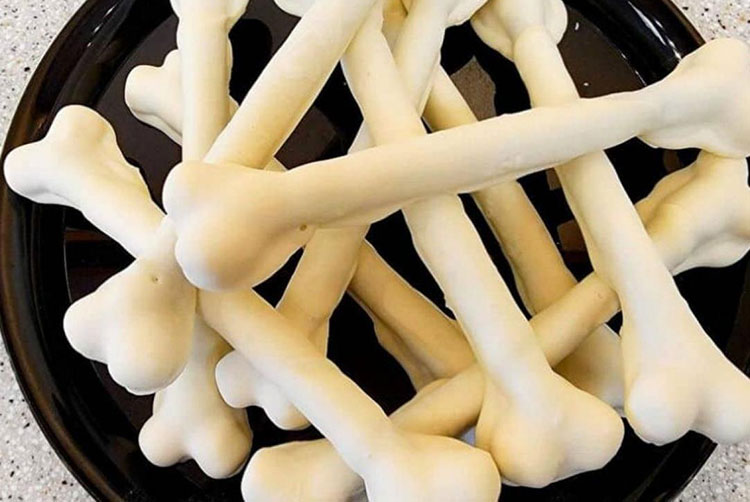
    Treats Jam

    I used to watch our line stop five times an hour because bone-shaped treats locked together. We call this bridging. It happens because the items form a bridge over the hole, stopping anything else from falling through. The main reason is simple physics. When many odd shapes try to go through a small hole at the same time, they get stuck.
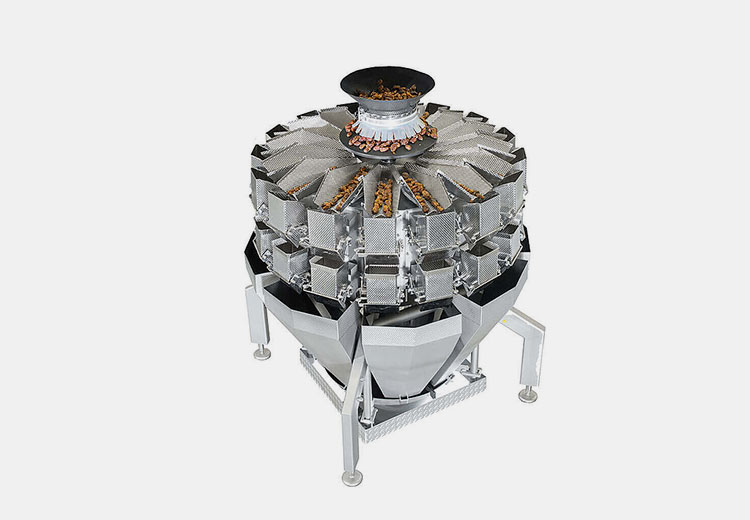
    True Cost of Over-filling

    Right vibration setting for proper material

    Another big cause is the wrong vibration setting. If the feeder shakes too fast, the treats bounce and tangle. If it shakes too slow, they pile up. You need the right balance. You also need to look at the angles of your metal chutes. If the walls are too flat, gravity cannot pull the treats down. You must open the space and let the treats flow freely.

    Root Cause What Happens How to Fix It
    Chute too narrow Treats form a knot Widen the discharge chute
    Wrong vibration Treats bounce and tangle Adjust frequency on the feeder
    Flat metal plates Sticky treats grip the metal Use dimpled stainless steel

    3.How do high-fat or greasy meat treats cause standard sealing jaws to fail, and what real-world adjustments solve this?

    Greasy dog treats leave oil on your bag seals. This makes the seal weak and the bag opens. You need special sealing methods.

    Fat and oil from meat treats get into the seal area. Standard heat jaws cannot melt through this oil, causing leaks. You solve this by using serrated sealing jaws, higher pressure, and ultrasonic sealing technology to push the grease out.
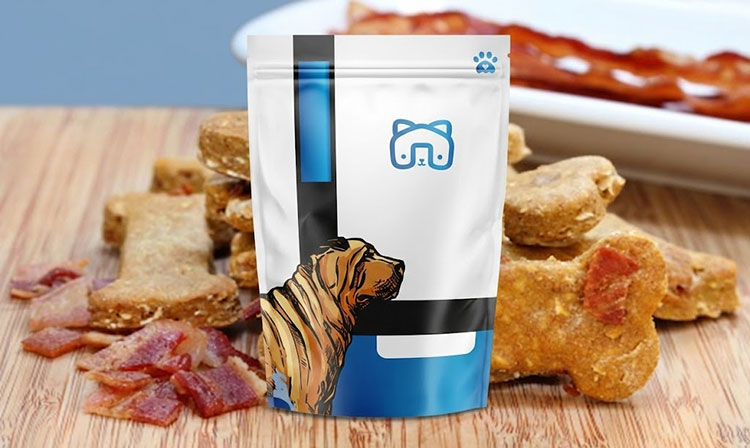
    Greasy dog treats sealing challenge

    Greasy dog treats sealing challenge

    Overcoming Oil in the Seal Zone

    Once, we packed high-fat beef bites and had a big failure rate. The bags popped open in the boxes. The oil from the treats coated the inside of the plastic film. When the standard flat heated jaws tried to seal the bag, the oil acted like a shield. The plastic never melted together.
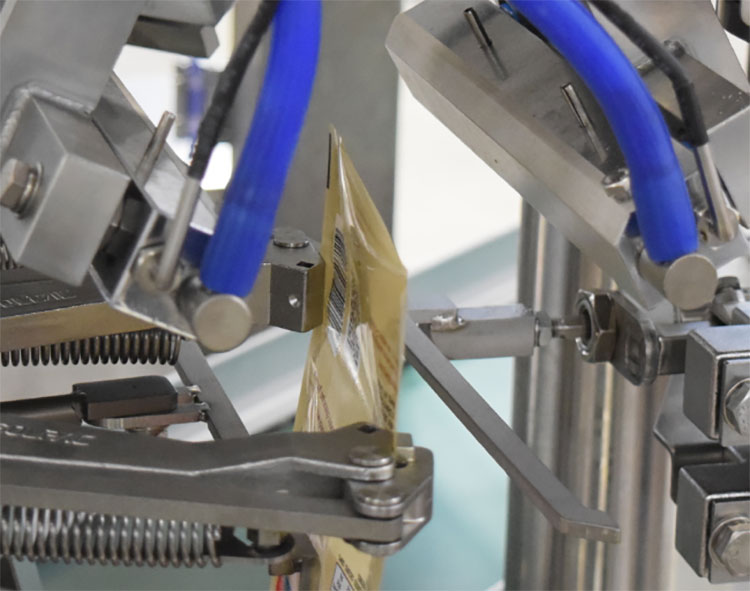
    Premade pouch filling machine sealing process

    Premade pouch filling machine sealing process

    To fix this, you cannot just turn up the heat. Too much heat will burn the plastic. Instead, you need to change how the jaws work. Serrated jaws have teeth. These teeth press hard and squeeze the oil out of the way. If the problem is very bad, ultrasonic sealing is the best choice. It uses sound waves to clean the seal area and melt the plastic at the same time.

    Sealing Method How it Works Good for High Fat?
    Flat Heat Jaws Melts plastic with flat heat No, oil blocks the heat
    Serrated Jaws Teeth squeeze oil away Yes, good for most oily treats
    Ultrasonic Sealing Sound waves clear oil and seal Yes, the best for extreme grease

    4.Why is a customized multihead weigher with dimpled stainless steel buckets a non-negotiable requirement for sticky pet treats?

    Sticky treats cling to smooth metal. Your weights get messed up and the machine stops. Dimpled metal fixes this sticky problem fast.

    Sticky or oily treats act like glue on flat stainless steel. Dimpled buckets have small bumps that reduce the surface area touching the treat. This stops the treats from sticking, ensures accurate weights, and keeps your packaging line moving fast.
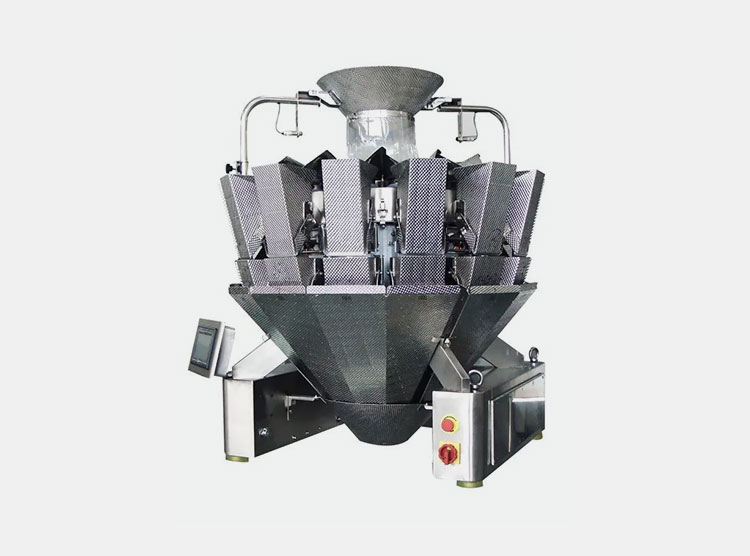
    Dimpled bucket weigher

    Dimpled bucket weigher

    The Science of Dimpled Metal

    I learned the hard way that smooth metal is bad for semi-moist dog treats. We had a batch of soft salmon bites. They stuck to the smooth weigh buckets so badly that workers had to scrape them off by hand every twenty minutes. The scale thought the bucket was full when it was just covered in stuck food.
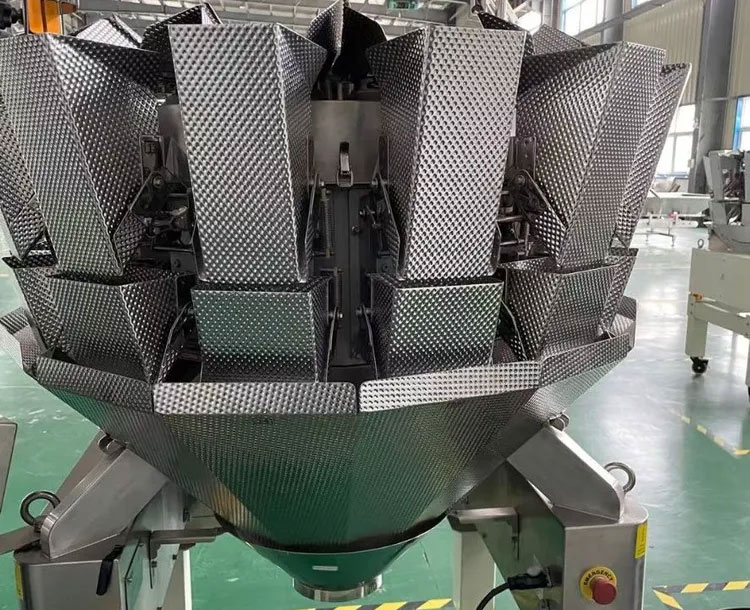
    Science of Dimpled Metal

    Dimpled steel, also called embossed steel, changes everything. Because the metal has a bumpy pattern, the treat only touches the tops of the bumps. Less contact means less sticking. It is a simple mechanical fix that saves hours of cleaning and keeps your bag weights perfect. You must ask for this feature if your treats have high moisture or added oils.

    Metal Finish Contact Area Result with Sticky Treats
    Smooth Polish 100% High sticking, weight errors
    Teflon Coated 100% Low sticking, but coating wears off
    Dimpled (Embossed) 30% No sticking, lasts forever

    5.What is the technical difference between choosing a Vertical Form Fill Seal (VFFS) machine versus an automated rotary pouch packing machine for premium Doypack bags?

    You want nice stand-up bags for your treats. Choosing the wrong machine makes bad bags. You need to know which one works best.

    A VFFS machine makes bags from a big roll of flat plastic film. A rotary packing machine picks up bags that are already made, opens them, fills them, and seals them. Rotary machines are better for complex, premium zipper bags like Doypacks.
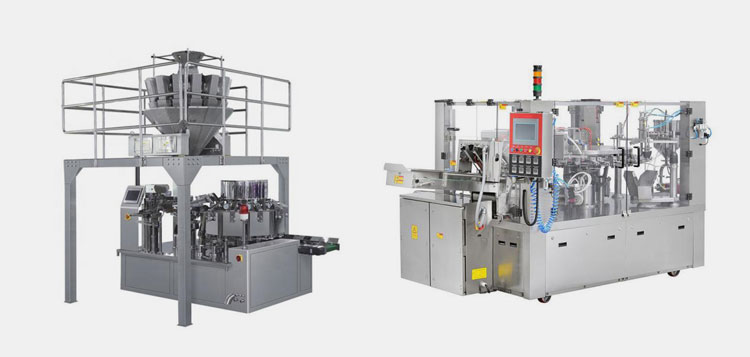
    Vffs vs rotary pouch machine

    ALLPACKs Vffs vs rotary pouch machine

    Making Film vs Handling Pre-made Bags
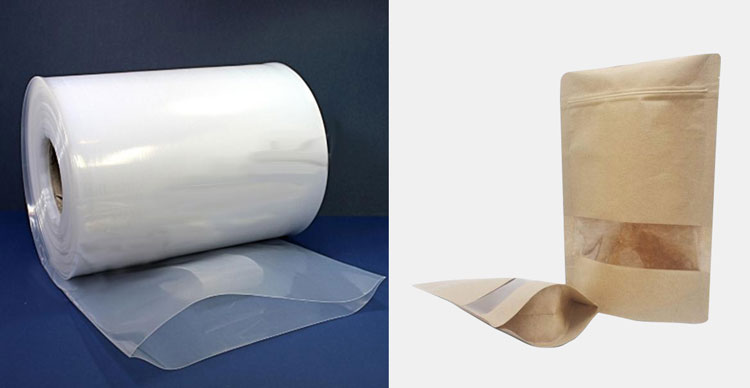
    Making Film vs Handling Pre-made Bags

    When we wanted to launch a premium line of treats in nice zipper bags, we had to choose between these two machines. A VFFS (Vertical Form Fill Seal) pulls a roll of plastic over a tube. It makes the bag, fills it, and seals it all at once. It is fast and cheap to run. But making a nice stand-up bag with a zipper from a flat roll is very hard to get right.

    A rotary pouch machine works in a circle. It takes bags that are already perfectly made by a bag supplier. It just opens, fills, and seals them. The bags look much better on the store shelf. If you want a cheap pillow bag, use VFFS. If you want a premium Doypack, use a rotary machine.

    Feature VFFS Machine Rotary Pouch Machine
    Bag Material Roll of flat film Pre-made bags
    Best Bag Style Pillow bags, flat bags Stand-up bags (Doypack)
    Look on Shelf Basic Premium

    6.How can the combination of specialized timing hoppers and multi-drop feeding profiles minimize product breakage during high-speed drops for fragile freeze-dried treats?

    Freeze-dried treats cost a lot of money. If they fall too hard, they turn to dust. You need a gentle machine setup.

    Fragile treats break when they fall long distances inside the machine. Specialized timing hoppers break the long fall into smaller, shorter steps. Multi-drop feeding releases the treats slowly. This reduces the crash impact and stops your expensive treats from turning into powder.
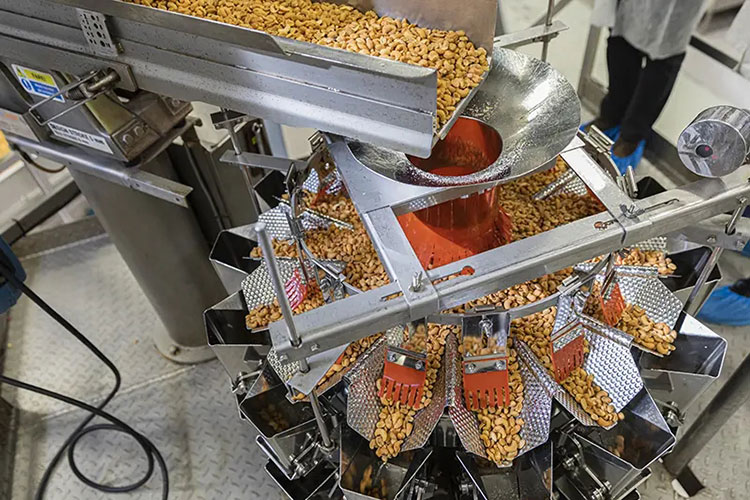
    Timing hopper fragile treats

    Timing hopper fragile treats

    Slowing Down the Fall

    I remember opening a sealed bag of our most expensive freeze-dried liver treats, only to find half of it was dust. The treats were falling straight down from the weigher into the bag, hitting the bottom hard. Freeze-dried meat is very light and breaks like glass.
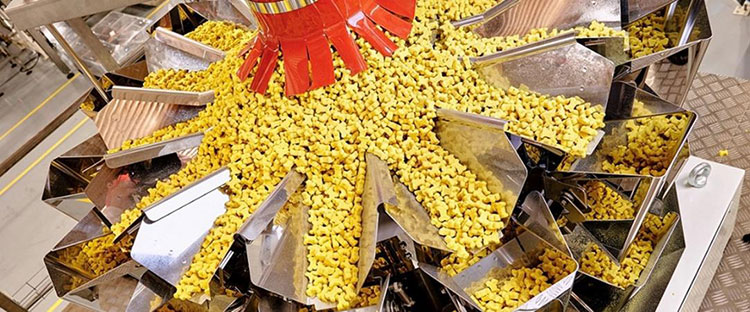
    Slowing Down the Fall

    To fix this, you must change how the treats fall. You cannot just drop them all at once. You use a timing hopper. This sits between the scale and the bag. It catches the treats halfway down, stops them, and then opens again.

    This cuts the drop height in half. Multi-drop means the machine drops a few pieces at a time instead of a big heavy clump. This protects the food.

    Problem Cause Solution
    High impact at bottom Long drop distance Add a timing hopper halfway
    Treats crush each other Dropping all at once Use multi-drop feeding
    Dust in the bag seal Broken pieces floating Gentle handling parts

    7.What is the exact engineering framework required for Modified Atmosphere Packaging (MAP) to achieve an optimal residual oxygen level in pet food pouches?

    Oxygen makes dog treats go bad and grow mold. Just blowing gas into a bag is not enough. You need strict controls.

    To get oxygen under 1%, your machine needs a closed gas flushing system. It must pull the air out of the bag first with a vacuum. Then, it injects pure nitrogen before sealing. You also need special valves to stop outside air from sneaking back in.
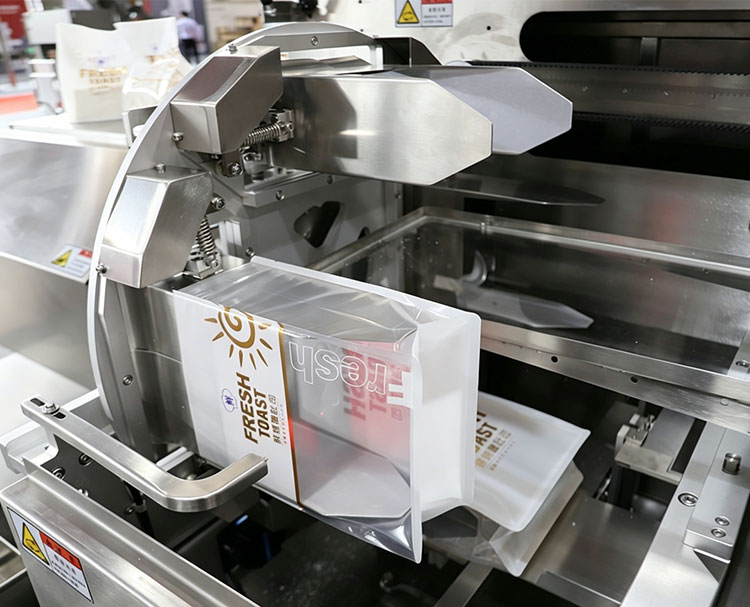
    MAP gas flush vacuum system

    MAP gas flush vacuum system

    Keeping the Oxygen Out

    Our first try at extending shelf life was a mess. We just blew some nitrogen into the bags before they closed. We tested them and the oxygen level was still high. The treats went bad in two months. We learned that simple gas flushing is not true Modified Atmosphere Packaging (MAP).
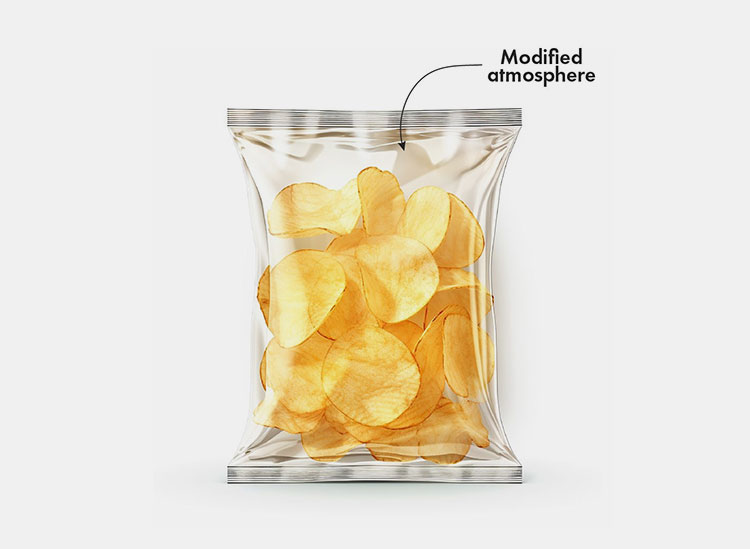
    Keeping the Oxygen Out

    To get the oxygen below 1%, the engineering must be exact. First, the machine must hold the bag tightly. A vacuum nozzle goes in and sucks the normal air out. The bag goes flat. Then, a second nozzle shoots in the nitrogen gas. The sealing jaws must close the exact second the nozzle comes out. If there is even a half-second delay, room air rushes back into the bag.

    MAP Step What the Machine Does Why it Matters
    1. Vacuum Sucks out room air Removes the starting oxygen
    2. Gas Flush Pushes in Nitrogen Replaces air with safe gas
    3. Fast Seal Jaws close instantly Stops new oxygen from entering

    8.How does a gas-flushing system sync with high-speed sealing to prevent oxygen ingress without causing the pouch to over-inflate and burst during transit?

    If you put too much gas in the bag, it pops during shipping. If you put too little, oxygen gets in. Balance is hard.

    The machine uses a smart sensor called a mass flow controller. It measures the exact volume of nitrogen going into each bag. The computer times the sealing jaws to close right before the bag gets too full. This leaves the bag soft but oxygen-free.
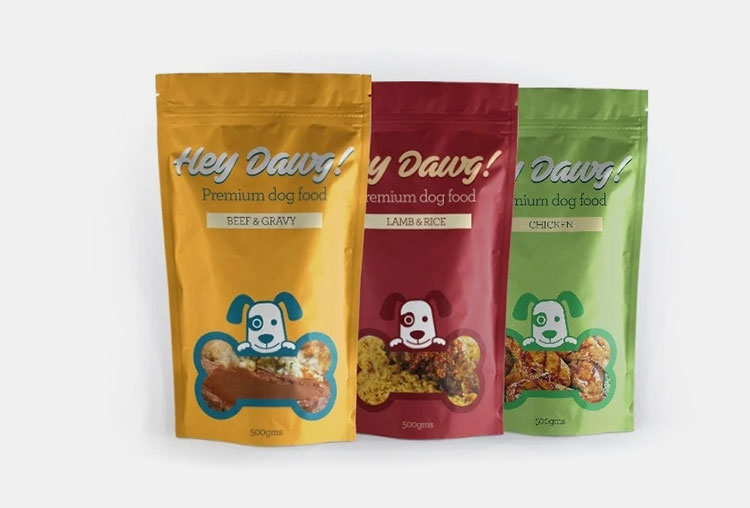
    Dog treats pouch bags with proper nitrogen

    Dog treats pouch bags with proper nitrogen

    Balancing Gas Pressure and Seal Timing

    We once had a whole truckload of dog treat bags burst because they went over a mountain. The air pressure changed, and our bags were filled too tight with nitrogen. They popped like balloons. This happens when the gas flush system just blasts air on a timer without measuring the pressure.

    Balancing Gas Pressure and Seal Timing

    You need to control the gas perfectly. The packaging machine's computer must talk to the gas valve. We call this a mass flow controller. It puts in just enough gas to push the oxygen out, but stops before the bag gets tight. We call this the pillow effect.

    The bag should feel slightly soft. The sealing jaws must close fast to trap the gas, but leave enough empty space so the bag can handle pressure changes.

    Gas Issue Result Machine Solution
    Too much gas Bags pop in trucks Use a mass flow controller
    Too little gas Oxygen stays in bag Increase gas flow rate
    Slow seal jaws Gas escapes, air enters Sync jaws with gas shut-off

    9.How should you design the desiccant or oxygen absorber dosing station within a continuous dog treats packaging machine line?

    Throwing moisture absorbers into bags by hand is slow and unsafe. You might miss a bag. You need an automated dosing station.

    The desiccant dosing station must sit directly above the bag opening, right before the treats drop in. It needs a high-speed cutter that cuts the packets from a roll and drops one into every bag. It must have sensors to stop the line if a packet is missing.
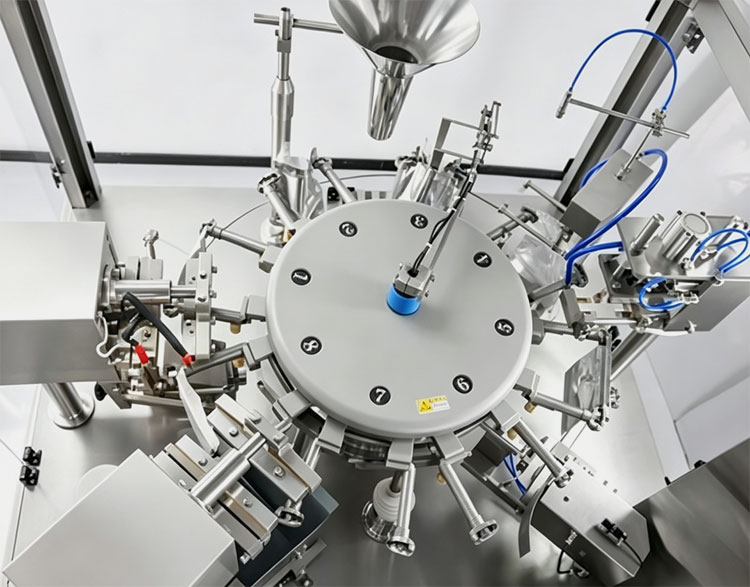
    Desiccant dosing station in premade pouch filling machine

    Desiccant dosing station in premade pouch filling machine

    Automating Moisture Control

    For a long time, we had two workers just dropping little oxygen absorber packets into bags as they moved on the belt. It was boring, and sometimes they dropped two, or missed one. When a customer gets a moldy bag because a packet was missed, it hurts your brand.
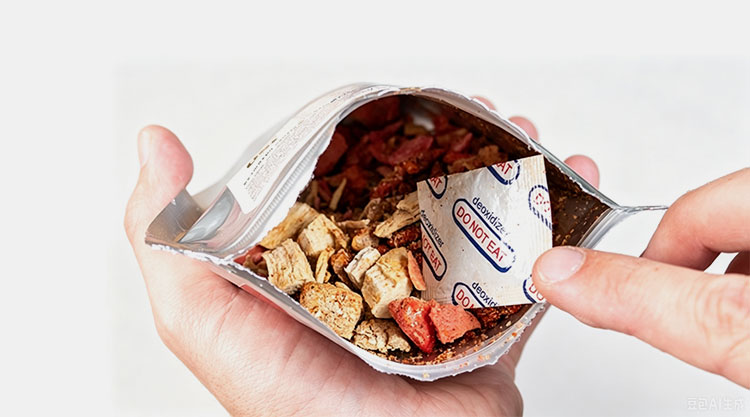
    Automating Moisture Control

    You must automate this. The dosing machine uses a continuous roll of desiccant packets. It uses a small eye-mark sensor to see the line between each packet. A fast knife cuts it, and the packet falls into the empty bag.

    The most important part is the verification sensor. If the machine cuts, but nothing falls, the sensor tells the main computer to reject that specific bag. This guarantees every bag has exactly one packet.

    Station Part Function Why You Need It
    Roll Feeder Holds the strip of packets Stops manual hand-dropping
    Eye-Mark Sensor Finds the cut line Stops cutting packets in half
    Drop Sensor Checks if packet fell Prevents empty, unsafe bags

    10.How must a dog treats packaging machine be engineered to comply with strict FDA, HACCP, and international pet food safety regulations?

    Food safety rules are very strict. If your machine traps old food, bacteria will grow. Inspectors will shut your plant down.

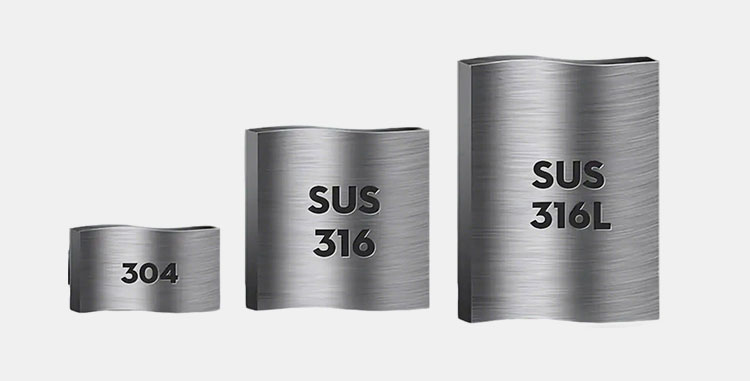
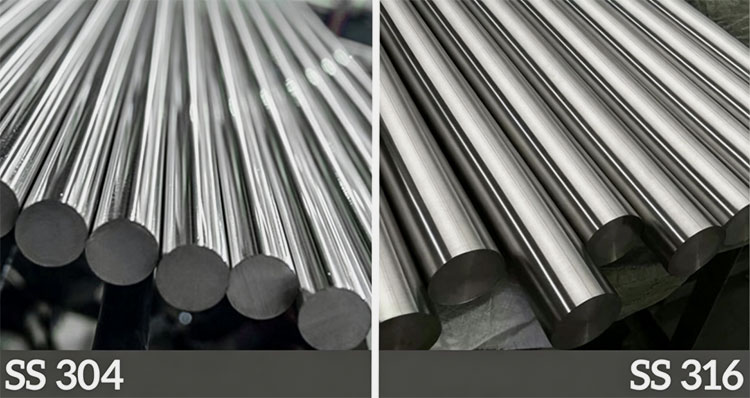
    To meet FDA and HACCP rules, the machine must have zero dead spots where food can hide. All parts touching the treats must be 304 or 316 stainless steel. The design must allow workers to take it apart without tools for deep cleaning and daily inspection.
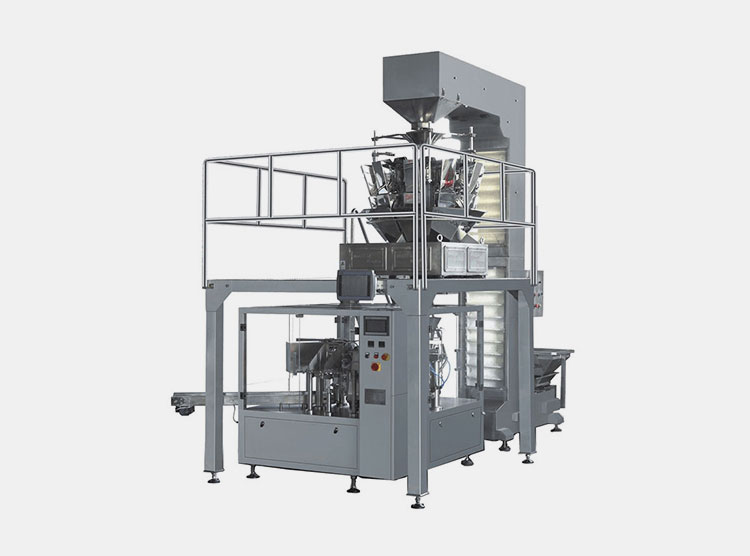
    Dog treats packaging machine-1

    HACCP compliant premade pouch filling machine

    Building for Food Safety

    I have been through many food safety audits. The first thing an FDA inspector looks at is the welding on the machine hoppers. If the welds are rough or have tiny cracks, old meat dust gets stuck there. Over time, salmonella grows. This is a huge HACCP violation.
    Building for Food Safety

    A compliant machine is built differently. Every corner is curved, not sharp. We call this a sanitary radius. All bolts are covered so dust cannot get into the threads. The materials must be food-grade stainless steel.

    stainless steel

    Also, the machine must be easy to clean. If a worker needs a wrench to take off a hopper, they might not clean it often. Tool-less removal means they can just unclip the parts, wash them, and put them back fast.

    Compliance Rule Bad Machine Design Good Machine Design
    No bacteria traps Sharp 90-degree corners Smooth, curved corners
    Safe materials Painted metal parts 304/316 Stainless Steel
    Easy daily cleaning Screws and bolts Tool-less quick release clips

    11.Why is a sanitary washdown design critical for meat-processing environments, and how does it prevent microbial cross-contamination?

    Raw meat treats leave bad bacteria on machines. You have to wash them with high-pressure water. Standard machines will break when wet.

    Meat environments have high bacteria risks. You must wash the line with hot water and strong soap. An IP65 or IP67 washdown design seals all motors and wires in waterproof boxes. This lets you spray the whole machine down, killing all bacteria and stopping cross-contamination.

    Surviving High-Pressure Cleaning

    We used to run a standard packaging machine for beef treats. When the cleaning crew came in with hoses, they had to cover the motors with plastic bags. One day, a bag slipped, water got in, and we blew the main electrical board. We lost two days of production.
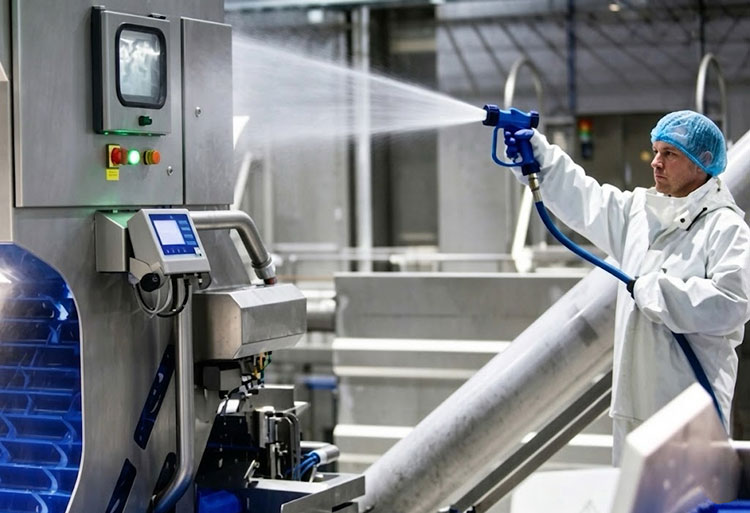
    Surviving High-Pressure Cleaning

    If you pack meat treats, you need a true washdown machine. IP65 means the machine can take low-pressure water jets. IP67 means it can handle total soaking. The enclosures for the computer and motors have special rubber seals.

    The frame is built so water drains off easily and does not form puddles. This means your cleaning crew can blast away all the fat, blood, and bacteria safely. A clean machine means no cross-contamination to the next batch.

    IP Rating What It Means Best Use Case
    IP54 Protects from dust, splashes Dry kibble only
    IP65 Protects from water jets Most dog treat plants
    IP67 Fully waterproof Heavy raw meat packing

    12.What material traceability documentation and audit trails must your packaging PLC supply to satisfy international food safety inspectors?

    If a dog gets sick, you must prove your process was safe. If your machine has no memory, you cannot prove anything.

    Your machine computer must log every action. It needs to record bag weights, sealing temperatures, gas levels, and user logins for every shift. You can export this data as a secure file. This proves to inspectors that you packed the food safely on that exact day.

    safety inspectors

    Keeping Digital Records

    During a mock recall test, an auditor asked me to prove the heat seal temperature for a batch packed three months ago. Our old machine just showed the current heat. It did not save history. We failed the test. That is when I learned the importance of PLC audit trails.

    Keeping Digital Records

    Modern machines act like black boxes on airplanes. The PLC tracks everything. If the heat drops below the safe limit, it logs the error and rejects the bag.

    It also tracks who changed the settings. If an operator turns off the gas flush, the computer records their name and the time. When an inspector comes, you just put in a USB drive and download a clean, unchangeable report. This protects your business.

    Data Needed Why Inspectors Want It How the PLC Logs It
    Seal Temperature Proves the bag is closed Records temp every minute
    User Logins Shows who made changes Requires password to change
    Reject Counts Shows you catch bad bags Counts every failed bag

    13.How can a single packaging line execute rapid, tool-less changeovers between varied bag styles, such as flat pillows, gusseted bags, and stand-up zipper pouches?

    Changing the machine to run a different bag size takes hours. While the machine is stopped, you make no money.

    A smart packaging line uses motorized adjustments and quick-release parts. Instead of using wrenches to change bag widths, the operator presses a button on the screen. The machine moves the clamps automatically. Funnels and bag guides use snap-on clips, making changeovers take minutes instead of hours.
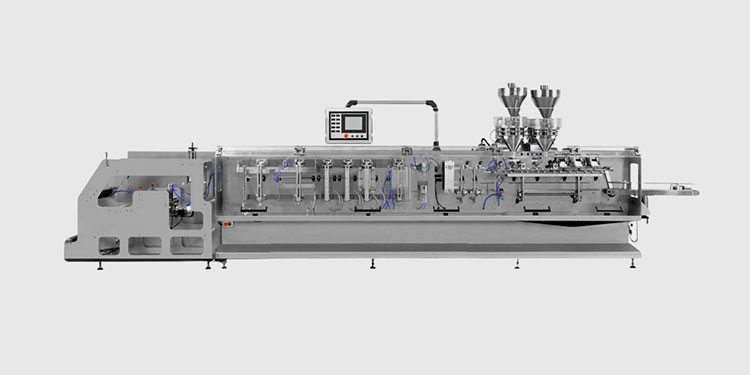
    Dog treats filling packaging production line

    Dog treats filling packaging production line

    Speeding Up Bag Changes

    In my plant, we pack small flat bags in the morning and large stand-up pouches in the afternoon. With our old machine, a mechanic had to come with a toolbox. He spent two hours loosening bolts to widen the bag clamps. It was a huge waste of time.

    Speeding Up Bag Changes

    Now, we use a machine with tool-less changeovers. The secret is servo motors and memory recipes. I just go to the touch screen and select a new bag size. Small motors automatically slide the bag grippers to the exact right width in ten seconds.

    For the parts that still need manual changing, like the filling funnel, they use simple clips. You just pop open a handle, pull the small funnel out, and slide the big one in.

    Changeover Task Old Way (Tools) New Way (Tool-less)
    Change bag width Wrench and ruler Tap screen, motors move
    Change fill funnel Unscrew 4 bolts Snap open quick-clip
    Recall settings Manual paper notes Saved computer recipe

    14.What is the engineering Root Cause Analysis (RCA) protocol when downstream weight checkers detect frequent over-filling or under-filling anomalies?

    Giving away free product because bags are over-filled destroys your profit. You need to find out why the weights are wrong.

    When a checkweigher finds bad weights, you must check three things. First, look for sticky treats clinging to the weigh buckets. Second, check if heavy treats are bouncing out of the buckets. Third, check the load cell calibration. Fixing these stops product giveaway and saves money.
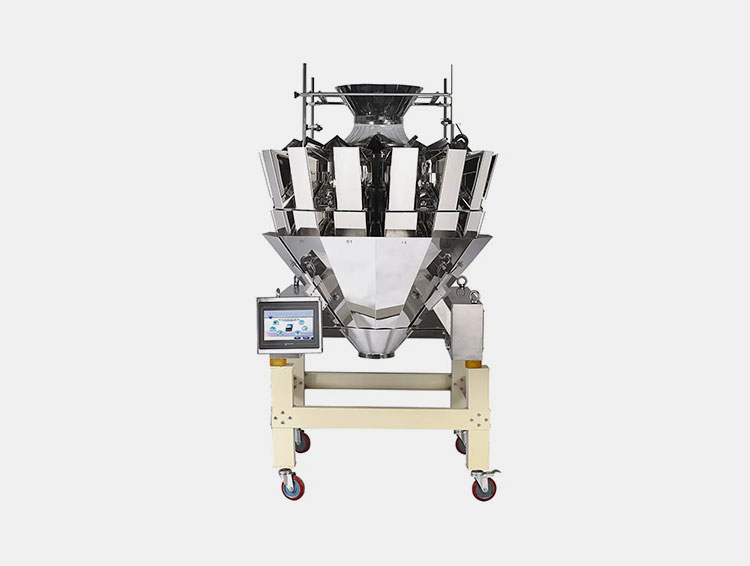
    Weight checker

    Weight checker

    Finding the Cause of Bad Weights

    I once noticed our checkweigher kicking out fifty bags an hour for being too heavy. Over-filling means we were giving away expensive treats for free. We had to do a Root Cause Analysis. We started by tracing the problem back up the line to the multihead weigher.

    Finding the Cause of Bad Weights

    First, we looked at the buckets. Dust and fat had built up, making the scale read wrong. We cleaned them, but the problem stayed. Next, we watched the treats fall. The treats were too big for the small buckets.

    When a bucket opened, a big treat would get stuck in the door, allowing extra pieces to fall through. We fixed it by changing the door open speed. You must always check the physical flow of the product first.

    Problem Found RCA Step to Test How to Fix
    Fat buildup Check empty bucket weight Clean and use dimpled buckets
    Treats stuck in door Watch the bucket open Adjust door speed and angle
    Bad sensor reading Put a test weight on scale Recalibrate the load cell

    15.How does integrating metal detectors and X-ray inspection systems into the packaging line mitigate global product recall risks for pet food brands?

    A piece of metal in a dog treat will kill a dog and ruin your brand forever. You must find it before it leaves the plant.

    Metal detectors find loose screws or wire from the meat grinder. X-ray systems go deeper, finding stones, glass, or dense bone fragments hidden inside the treat. Putting both at the end of your packaging line ensures every bag is safe, preventing deadly recalls and lawsuits.
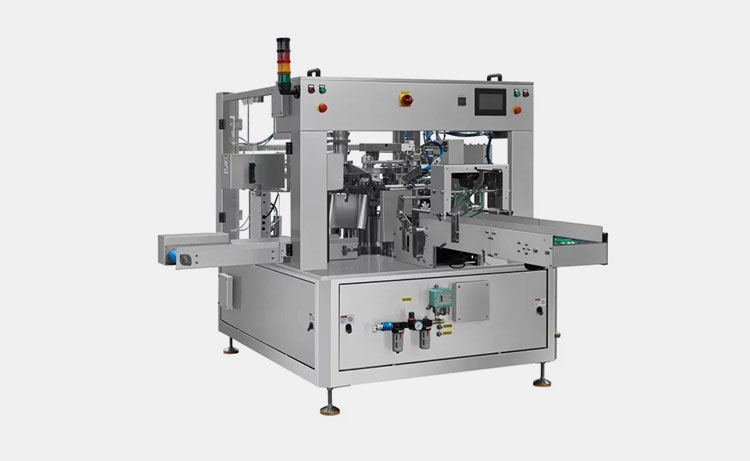
    premade pouch filling machine with X ray metal detector

    ALLPACKs premade pouch filling machine with X ray metal detector

    The Last Line of Defense

    A few years ago, a big pet food brand had to recall millions of bags because wires from a cleaning brush broke off into the meat vat. The recall cost them millions and ruined their trust with buyers. I decided then that my plant would never ship a bag without full inspection.

    Last Line of Defense

    We put a metal detector right after the bag seals. It creates a magnetic field. If a tiny piece of steel or aluminum passes through, it pushes the bag off the belt. But metal detectors cannot see rocks or hard plastic.

    That is why we added an X-ray machine. The X-ray looks inside the solid dog treat. If there is a sharp bone chunk that did not get ground up, the X-ray sees it and rejects the bag.

    Inspection Machine What it Finds What it Misses
    Metal Detector Steel, Iron, Aluminum Glass, Rocks, Plastic
    X-Ray System Glass, Bones, Stones, Metal Very soft plastics, hair

    16.Why is choosing the right dog treats packaging machine an investment in reducing product giveaway and protecting brand reputation, rather than just a capital expense?

    Good machines cost a lot upfront. But cheap machines waste your food every single day. The waste costs more than the machine.

    An accurate packaging machine limits product giveaway to less than one gram per bag. If you pack thousands of bags a day, a cheap machine giving away five extra grams per bag costs you thousands of dollars a month. A precise machine pays for itself very fast.
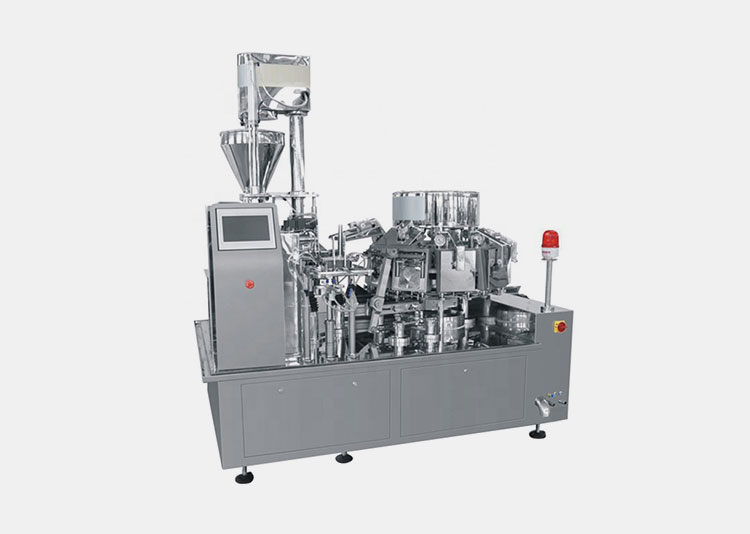
    premade pouch filling machine reduce product giveaway

    ALLPACKs premade pouch filling machine reduce product giveaway

    The True Cost of Over-filling

    When I bought my first machine, I chose the cheapest one. I thought I saved money. But the weigher was not accurate. To make sure no bag was under-weight, we had to set the target weight high. On a 100-gram bag, we were putting in 106 grams.

    Six extra grams does not sound like much. But we were running 30 bags a minute, 8 hours a day. That is over 80 kilos of free dog treats given away every single day. In one year, that lost product cost more than a high-end machine.
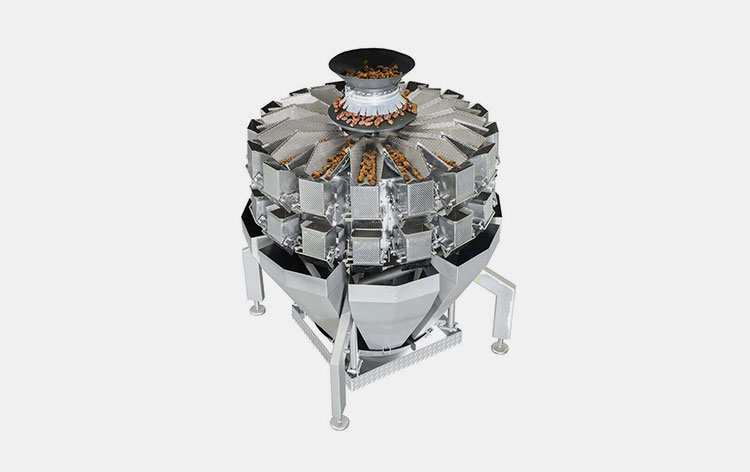
    Right vibration setting for proper material

    When we finally bought a top-tier multihead weigher, the giveaway dropped to half a gram per bag. The new machine was expensive, but it paid for itself in saved meat within six months.

    Machine Type Giveaway per Bag Lost Product per Month
    Cheap Old Weigher 5 to 8 grams Huge financial loss
    High-End Weigher 0.5 to 1 gram Tiny loss

    17.How does ALLPACK provide comprehensive Factory Acceptance Testing (FAT), custom 3D line layouts, and validation documentation to ensure a seamless cross-border implementation?

    Buying a machine from overseas is scary. If it arrives and does not work, you are in trouble. You need proof it works before shipping.

    ALLPACK removes this risk through strict testing. We build your custom 3D line layout and run your actual dog treats on the machine in our factory. We record the video and provide full validation documents so you know it works perfectly before it ships.
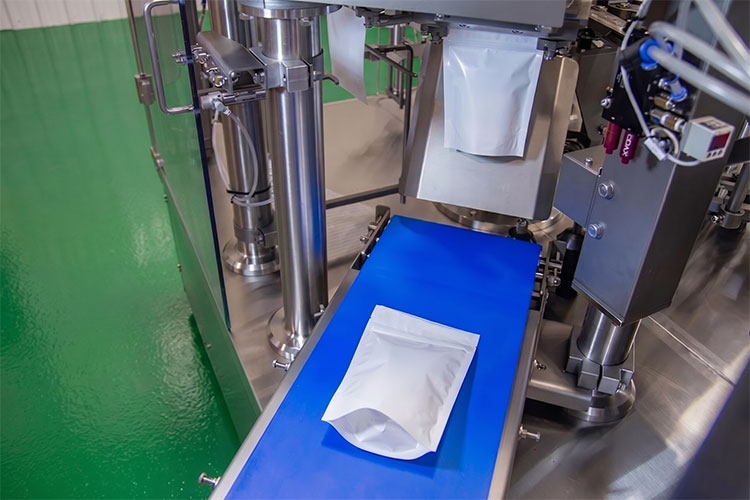
    FAT testing

    ALLPACK FAT testing

    Testing Before Shipping

    I know the fear of sending money across the world for big equipment. I once bought a conveyor system that did not fit my floor plan when it arrived. It was a nightmare. This is why ALLPACK does things differently. We do not just put a machine in a box and hope for the best.

    First, our engineers make a 3D drawing of your exact factory floor. We make sure the machine fits around your walls and doors. Then, we do the Factory Acceptance Testing. You send us your dog treats and your empty bags.
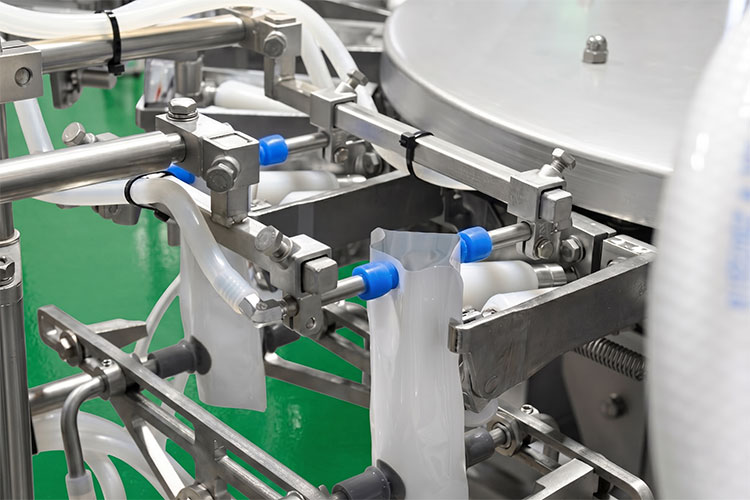
    Testing Before Shipping

    We run the machine at full speed with your product. We check the seals, the weights, and the speed. We invite you on a live video call to watch it. You get all the test reports. We only ship it when you say it is perfect.

    ALLPACK Step What We Do How It Helps You
    3D Layout Map your factory space Ensures the machine fits perfectly
    FAT Testing Run your actual product Proves the machine works
    Live Video Show you the test run Gives you peace of mind

    Conclusion

    Choosing the right dog treats packaging machine stops waste and boosts profits. Match your machine to your treat type, ensure food safety, and invest in accuracy for long-term success. Tired of product giveaway and volatile sealing failures tearing into your profit margins? Stop letting irregular or oily pet treats slow down your line. Click here to request a Free Product Dosing Test and see how ALLPACK’s multihead weighing ecosystems optimize your yield today!

    Don't forget to share this post!

    CONTACT US

    Tell us your raw material and project budget to get quotations within 24 hours.

    WhatsApp Us: +86 151 7236 8460

    Invalid Email
    Invalid Number

    How to Choose the Right Packaging Machine for Dog Treats? Read More »
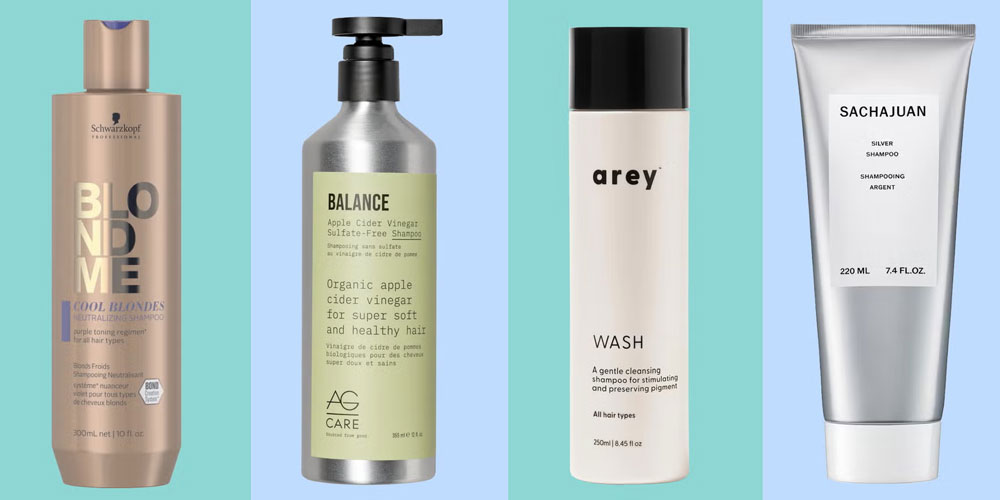
    shampoo

    How to Choose the Right sustainable packaging Machine for shampoo?

    How to Choose the Right sustainable packaging Machine for shampoo?

    You want to use green packaging, but the wrong machine wastes money and ruins bottles. I will show you how to pick the perfect machine for your eco-friendly shampoo.

    To choose the right sustainable packaging machine for shampoo, you must match the machine to your specific eco-friendly materials, like recycled plastics or glass. You also need to check the machine's fill accuracy, its compatibility with thick liquids, and how easily it handles biodegradable caps and labels.

    Sustainable packaging machine for shampoo

    Sustainable packaging machine for shampoo

    Finding the best equipment feels like a huge puzzle. You do not want to buy a machine that breaks your fragile glass bottles or jams with paper labels.I made those mistakes early in my career. Let us look at the exact steps you need to take to avoid these traps and keep your production line moving.

      Add a header to begin generating the table of contents

      1.What Types of Sustainable Materials Can Shampoo Packaging Machines Handle?

      Switching materials sounds great, but a bad machine will crush your new eco-bottles. This slows down your work. You need equipment built for modern green materials.

      A good sustainable packaging machine can handle recycled PET, bioplastics, aluminum, and glass. You must ensure the machine adjusts its grip and pressure. This prevents damage to thinner eco-friendly plastics or heavy glass containers during the filling and capping process.

      Shampoo packaging machine handling sustainable materials

      Shampoo packaging machine handling sustainable materials

      Understanding Material Needs

      Counting Your Bottles

      I remember when I first tried to run thin bioplastic bottles through an old filler. The machine squeezed them too hard. Shampoo spilled everywhere. You must test your materials first. Different materials need different machine settings.

      Comparing Common Eco-Materials

      Comparing Common Eco-Materials

      You have many choices for sustainable shampoo bottles. Each choice changes what you need from a machine. Glass is heavy. Aluminum dents easily. Recycled plastics can be weak. I always tell my team to match the machine sensors to the bottle type. Clear glass needs special photo sensors. Standard sensors will not see the clear bottles.

      Material Type Machine Requirement Common Issue
      Recycled PET (rPET) Adjustable side belts Bottles crush easily
      Glass Heavy-duty conveyors Breakage on the line
      Aluminum Gentle gripping tools Dents during capping
      Bioplastics Low-heat sealers Melting or warping

      You must ask the machine builder about these details. I always send my exact bottles to the factory before I buy a machine. They run a test. This test proves the machine works with my chosen material. You should do the same thing. It saves you time and money.

      2.How Does Machine Speed Affect Your Eco-Friendly Shampoo Production?

      You need to make products fast, but high speeds can cause spills. Spilled shampoo wastes your money. You must find the right balance between speed and accuracy.

      Shampoo filling machine speed directly impacts your daily output and fill accuracy. If you run a machine too fast with thick shampoo, the liquid will splash out of narrow eco-friendly bottle necks. You need a machine with adjustable speed controls and diving nozzles to prevent bubbles and spills.

      Shampoo filling machine speed and accuracy

      Shampoo filling machine speed and accuracy

      The Problem with Thick Liquids

      Problem with Thick Liquids

      Shampoo is very thick. We call this high viscosity. I once bought a fast machine. I thought it would double my production. Instead, the thick shampoo foamed up. The foam pushed out of the bottle. We lost hours cleaning the mess.
      Controlling the Fill Rate

      Controlling the Fill Rate

      You cannot just push a button and go fast. You need diving nozzles. A diving nozzle goes down into the bottle. It fills from the bottom up. This stops the foam. It also stops the splashing. Sustainable bottles often have smaller necks to save plastic. This makes filling even harder. You need precision.

      Speed Level Output (Bottles/Min) Best Use Case
      Low 10 - 20 Small batches, thick organic shampoo
      Medium 30 - 50 Growing brands, standard bottles
      High 60+ Large factories, thin liquids

      You should buy a machine with a variable frequency drive. A variable frequency drive lets you change the motor speed easily. I use this feature every day. I run the machine slow for thick conditioners. I run it faster for thin body washes. This flexibility is key to your success.

      3.Why is Cleaning and Maintenance Critical for Shampoo Packaging Machines?

      Dirty machines breed bacteria. This ruins your organic shampoo and causes product recalls. You must choose a machine that is easy to take apart and clean.

      Cleaning and maintenance are critical because leftover shampoo dries hard and blocks the machine parts. You should look for machines with sanitary fittings and a clean-in-place system. This allows you to wash the internal pipes quickly without taking the whole machine apart.

      Cleaning sustainable shampoo packaging machine

      Cleaning sustainable shampoo packaging machine

      The Danger of Cross-Contamination

      Danger

      Many sustainable shampoos use natural ingredients. They have fewer chemical preservatives. This means bacteria can grow fast. I learned this the hard way. A small amount of old shampoo ruined a whole new batch. The new batch smelled bad. We had to throw it all away.

      Features That Make Cleaning Easy

      Features That Make Cleaning Easy

      You must look at how the machine is built. You want smooth metal. You do not want rough welds. Rough spots hide dirt. You also need quick-release clamps. These clamps let you remove hoses fast. You do not need tools.

      Machine Feature Benefit for Cleaning Maintenance Time
      Tri-clamp fittings Connect and disconnect without tools Very low
      Threaded pipes Hard to clean inside the threads High
      Clean-in-Place (CIP) Washes automatically with hot water Low
      Polished steel tank Stops shampoo from sticking to walls Medium

      I always test the cleaning process before I buy. I ask the vendor to show me how to remove the pump. If it takes more than five minutes, I do not buy it. Your team will not clean a machine if the job is too hard. You must make it easy for them.

      4.How Do You Calculate the Return on Investment for Sustainable Machines?

      Eco-friendly machines cost a lot of money upfront. This price tag can scare you. You need to know how fast the machine will pay for itself.

      You calculate the return on investment by comparing the machine cost to your savings in labor, reduced material waste, and lower energy use. A good sustainable machine uses less electricity and prevents shampoo spills. These daily savings will pay back your initial cost over a few years.

      Sustainable Machine

      Looking Beyond the Price Tag

      Looking Past the Price Tag

      I used to buy the cheapest machines. I thought I was saving money. I was wrong. Cheap machines break down. They waste shampoo. They use too much power. Now, I look at the total cost over five years.

      Tracking Your Savings

      Tracking Your Savings

      Sustainable machines often have smart motors. These motors use less electricity. They also have highly accurate sensors. Accurate sensors mean you do not overfill bottles. Giving away extra shampoo costs you thousands of dollars a year. You must add these savings to your math.

      Cost Factor Cheap Old Machine Modern Sustainable Machine
      Initial Price Low High
      Energy Use High Low
      Product Waste 3% to 5% Under 1%
      Labor Costs High (needs fixes) Low (runs smoothly)

      Cheap Old Machine

      You need to sit down with a calculator. You should write down your current waste. You must write down your labor costs. You can ask the machine seller for their energy usage data.

      I did this last year. I found out the expensive machine actually saved me two thousand dollars a month. The math never lies.

      5.What Are the Key Features to Look for in a Sustainable Shampoo Filler?

      Packaging trends change very fast. A machine that only does one thing will become useless soon. You need flexible equipment that grows with your business.

      The key features to look for include modular designs, adjustable fill heads, and programmable touch screens. These features let you change bottle sizes and shapes quickly. You can switch from a small travel bottle to a large refill pouch without buying a brand new machine.

      Features of a sustainable shampoo filling machine

      Features of a sustainable shampoo filling machine

      The Need for Flexibility

      Need for Flexibility

      My customers always want new things. One year they want glass bottles. The next year they want paper pouches. I cannot buy a new machine every year. I need a machine that adapts. You need this too.

      Upgrading Your Equipment

      Upgrading Your Equipment

      You should look for a modular machine. Modular means you can add parts later. You might start with two filling nozzles. Next year, you can add two more. You just plug them in. You also need a good touch screen. The screen should store recipes. A recipe is a saved setting for a specific bottle.

      Feature Why You Need It Future Benefit
      Touch Screen PLC Stores settings for different bottles Fast changeovers
      Modular Frame Allows you to add more fill heads Increases speed later
      Adjustable Rails Fits wide and narrow containers Takes new package designs
      Piston Pumps Handles thin and thick liquids Can pack new product lines

      specific bottle

      I press one button on my screen. The machine changes its settings. It is very easy. My workers do not need tools to change the rails. We switch from big bottles to small bottles in ten minutes. This keeps our factory running. It helps us make more money.

      Conclusion

      Choosing the right sustainable packaging machine requires matching your materials, controlling fill speeds, and ensuring easy cleaning. You must invest in flexible, efficient equipment to grow your eco-friendly shampoo brand. Transitioning to PCR bottles or aluminum containers shouldn't mean compromising on line speed. Ensure your packaging technology is as green as your formula. Click here to request a Free Material Compatibility Audit and see how ALLPACK’s eco-friendly fillers handle sustainable containers with precision!

      Don't forget to share this post!

      CONTACT US

      Tell us your raw material and project budget to get quotations within 24 hours.

      WhatsApp Us: +86 151 7236 8460

      Invalid Email
      Invalid Number

      How to Choose the Right sustainable packaging Machine for shampoo? Read More »

      Personal-Care-Products

      How to Choose the Right Packaging Machine for Personal Care Products?

      How to Choose the Right Packaging Machine for Personal Care Products?

      Struggling to pack lotions and shampoos by hand? Manual packing wastes time and causes messy leaks. The right machine solves this, saving you money and stress.

      To choose the right packaging machine for personal care products, you must first check your product thickness. Then, match it with the correct filling pump, decide on your daily bottle output, ensure the machine uses sanitary stainless steel, and calculate both the starting price and long-term running costs.

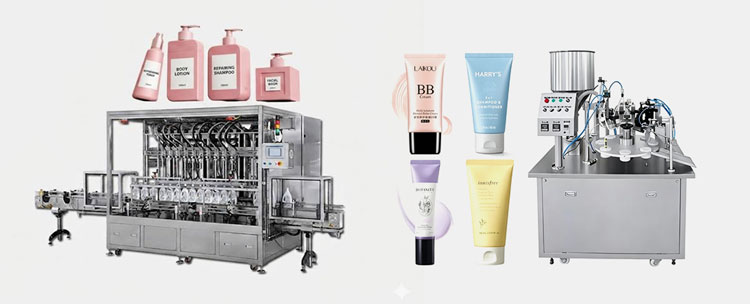
      Packaging machine for personal care products

      Packaging machine for personal care products

      I remember when I bought my first packaging machine. I picked the wrong one, and it jammed every single day. I do not want you to make that same costly mistake. Let us look at the exact steps you need to take to find the perfect fit for your factory.

        Add a header to begin generating the table of contents

        1.What types of personal care products need packaging machines?

        Are your different products causing chaos on your floor? Thin perfumes and thick body butters behave very differently. Using one method for all of them will ruin your batch.

        Personal care products range from thin liquids like perfumes and toners to thick creams, gels, and pastes. You need to classify your items by how easily they flow. This tells you exactly what kind of skin care products filling machine can handle your specific product without clogging.

        Types of personal care products

        Types of personal care products

        Understanding Product Flow

        Understanding Product Flow

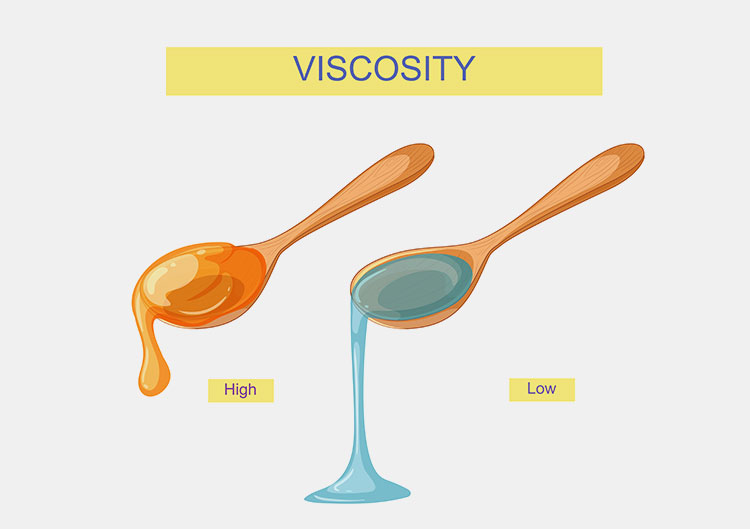
        When I started, I thought lotion and water could use the same pipe. I was very wrong. You have to look at viscosity. Viscosity means how thick your product is. If a product is thick, it moves slowly. If it is thin, it moves fast. You must group your items before you buy a machine. If you do not do this, your machine will either leak everywhere or choke on the thick liquid.

        Grouping Your Items

        Grouping Your Items

        I use a simple system to group personal care products. This helps me pick the right machine parts. Here is a simple chart I use in my factory.

        Flow Type Product Example Machine Challenge
        Free-flowing liquid Perfume, Toner, Micellar water Splashing and leaking out of the bottle
        Semi-viscous liquid Shampoo, Body wash, Light lotion Foaming and bubbling during the fill
        Highly viscous paste Body butter, Hair wax, Toothpaste Pushing the thick product through the pipes

        You must test your product first. Pour it from a cup. Watch how it falls. This simple test tells you what machine group you belong to. Once you know this, you can look at the inner parts of the machine.

        2.Which filling mechanism works best for your liquids and creams?

        Are you getting the wrong amount of product in each bottle? Inconsistent fills upset customers and waste your expensive creams. The right filling pump stops this waste right away.

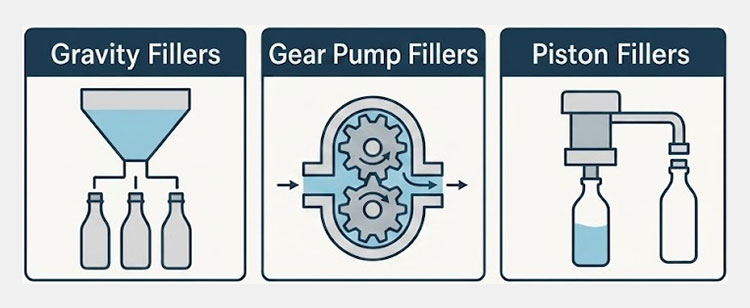
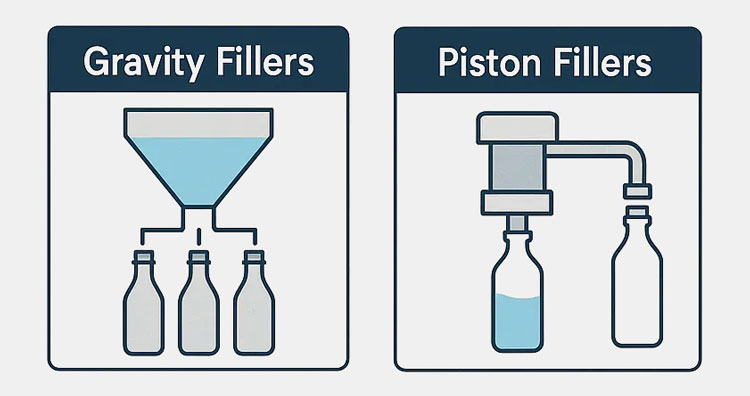
        You must match your product thickness to the pump type. Use gravity fillers for thin liquids like water. Use piston fillers for thick creams and pastes. Use gear pumps for shampoos that foam. The right pump ensures every bottle gets the exact same amount.

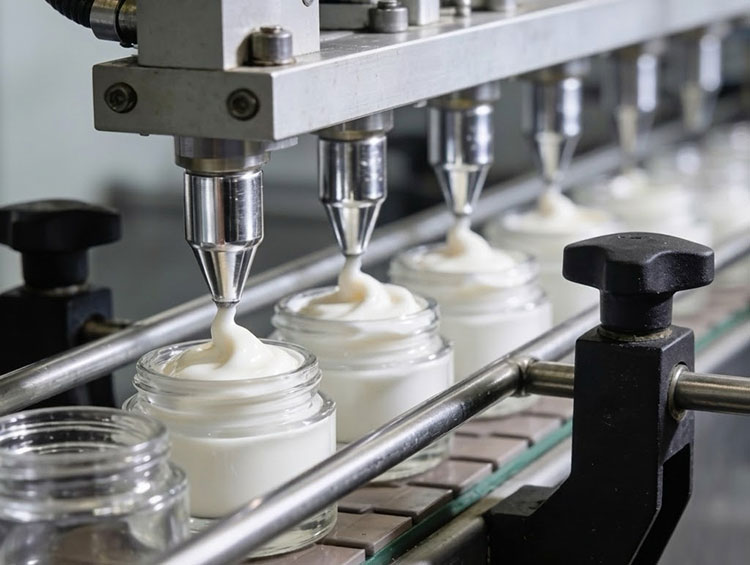
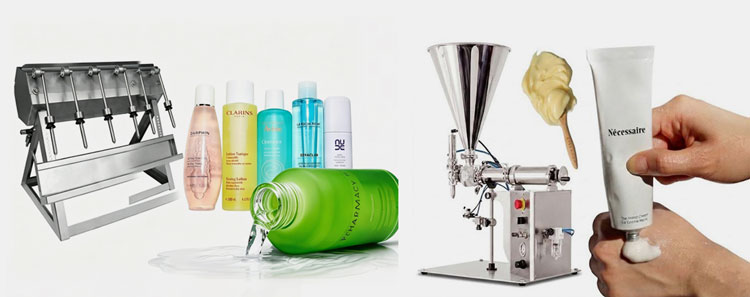
        Filling mechanism for creams

        Filling mechanism for creams

        Picking the Pump

        Liquid viscosity and filling machine pump

        The pump is the heart of your machine. I once used a gravity filler for a thick hand cream. The cream just sat there and did not move at all. I lost a whole day of work trying to fix it. You must know your pumps to avoid this problem. The pump pushes your product from the tank into the bottle.

        The Three Main Pumps

        Three Main Pumps

        There are many types of pumps. You only need to know three for personal care items. Each one does a very specific job for a specific product.

        Pump Type Best For How It Works
        Gravity Filler Thin liquids (Perfume) Uses the weight of the liquid to push it down
        Piston Filler Thick creams (Body butter) Uses a metal plunger to push heavy creams hard
        Gear Pump Medium liquids (Shampoo) Uses spinning gears to move the liquid smoothly

        If your product has small beads in it, like a face scrub, you must be extra careful. A gear pump might crush the beads. A piston filler is much safer for scrubs. Always ask the machine maker to test your actual product in their pump before you buy it.

        3.How do production speed and automation level affect your choice?

        Falling behind on customer orders? A slow machine limits your sales, but buying a massive system you do not need burns your cash. You must find the perfect balance.

        To choose the right speed, count how many bottles you need to make per day. Choose a manual machine for under 500 bottles. Pick a semi-automatic machine for up to 5,000 bottles. Buy a fully automatic line if you make more than 5,000 bottles daily.

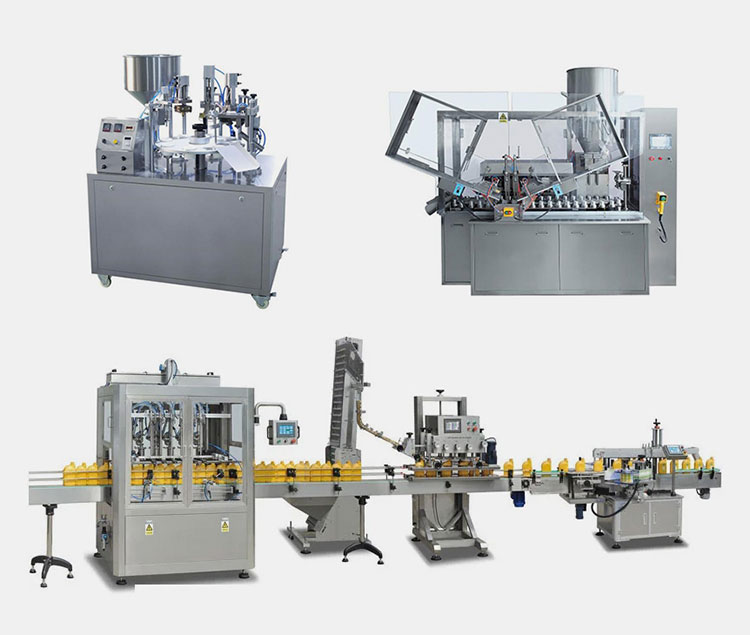
        fully automation filling machines and production line

        Semi automation,fully automation filling machines and production line

        Counting Your Bottles

        Counting Your Bottles

        Many people buy a fast machine just because it looks good. I did this too. I bought a fully automatic line for a new product. The product did not sell well. The big machine sat empty in my factory. You must base your choice on real sales numbers. Do not base it on hopes and dreams. You need to know exactly how many bottles leave your door every day.

        Levels of Automation

        Levels of Automation

        You can upgrade your machine as your business grows. You do not need the biggest one on day one. Here is how I match machine types to daily sales.

        Machine Type Bottles Per Day Worker Needed
        Manual 100 to 500 One worker pulls a lever for every bottle
        Semi-Automatic 500 to 5,000 One worker places the bottle, machine fills it
        Fully Automatic 5,000 and up Machine feeds, fills, and caps bottles alone

        Think about your factory space. A fully automatic line takes up a huge room. A semi-automatic machine fits on a single table. Start small if you have a tight space. You can always sell a small machine and buy a big one later when your orders go up.

        4.Why is machine material and hygiene critical for personal care?

        Worried about bacteria in your skin creams? Dirty machines cause bad batches and dangerous skin reactions. You must use machines that are easy to clean and safe.

        Personal care machines must be made of 304 or 316 stainless steel. These metals do not rust and do not react with your chemicals. You also need a machine with sanitary parts that you can take apart quickly to wash between different product batches.

        Sanitary personal care products packaging line

        Sanitary personal care products packaging line

        The Danger of Rust

        Danger of Rust

        Skin products go on human bodies. If your machine rusts, that rust goes into your lotion. I once visited a factory that used cheap iron parts. Their lotion turned brown after two months in the store.

        They had to recall everything. You cannot risk your brand reputation on cheap metals. The chemicals in soaps and shampoos are very harsh on cheap steel.

        Choosing the Right Metal

        Choosing the Right Metal

        You must ask the seller what kind of steel they use. Do not just accept the words "stainless steel." You need specific numbers to guarantee safety.

        Material Type Where to Use It Why It Matters
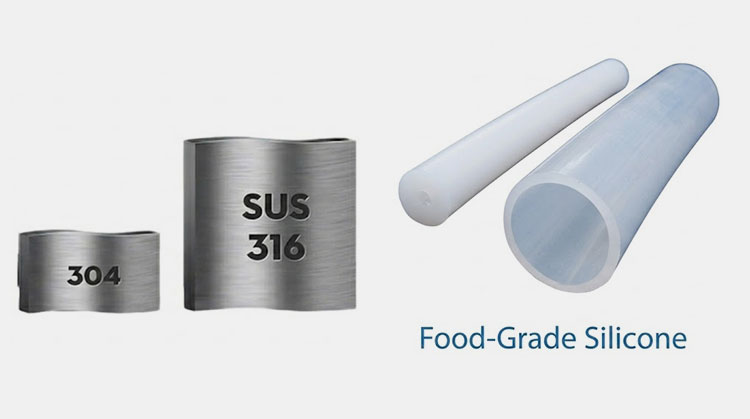
        304 Stainless Steel Machine frame and outside covers It is strong and stops basic rust from water
        316 Stainless Steel Inside pipes and filling nozzles It resists harsh chemicals and salt in your products
        Food-Grade Silicone Hoses and soft gaskets It bends easily and does not leave toxic chemicals

        You also need to look at how the machine is put together. Look for "quick-release" clamps. These clamps let you open the pipes with your bare hands. If you need a wrench to open the pipes, cleaning will take too long. Your workers will get lazy and skip the daily cleaning.

        5.What is the real cost of owning a packaging machine?

        Is the cheap machine really a good deal? Buying a cheap machine often leads to massive repair bills later. Hidden costs can destroy your factory budget very fast.

        The real cost includes the purchase price, shipping, installation, daily power use, and spare parts. A cheap machine breaks down often, causing you to lose money while production stops. You must calculate the total cost for five years, not just the price tag today.

        real cost

        Looking Past the Price Tag

        Looking Past the Price Tag

        I love finding a good deal. But a cheap machine is a trap. I bought a low-cost machine from an unknown brand once. When a tiny sensor broke, I could not find a replacement part anywhere. My whole line stopped for three weeks. I lost thousands of dollars in delayed orders. You must look at the long-term reality of running a machine.

        Calculating Total Costs

        Calculating Total Costs

        You have to think about the next five years. Write down all the things that will cost you money after the machine arrives. Here is a chart to help you track the real costs.

        Cost Type What It Includes How Often You Pay
        Upfront Cost Machine price, shipping, and taxes One time
        Setup Cost Hiring an expert to install it One time
        Running Cost Electricity and air pressure Every single day
        Repair Cost Buying new seals, sensors, and belts Every few months

        Always ask the seller for a list of spare parts. Buy the spare parts at the same time you buy the machine. This saves you shipping money later. It also means you can fix a broken part in ten minutes instead of waiting days for a box to arrive in the mail.

        Conclusion

        To choose the right machine, match your product thickness to the pump, pick a speed that fits your sales, demand good stainless steel, and calculate your long-term running costs. In the personal care market, the container is as important as the formula. Don't let scratches, messy drips, or uneven fill levels ruin your premium brand image. Click here to request a Free Product Compatibility Test and ensure your line delivers a flawless, shelf-ready finish every time!

        Don't forget to share this post!

        CONTACT US

        Tell us your raw material and project budget to get quotations within 24 hours.

        WhatsApp Us: +86 151 7236 8460

        Invalid Email
        Invalid Number

        How to Choose the Right Packaging Machine for Personal Care Products? Read More »

        skin-care-product

        How to Choose the Right packaging Machine for skin care products?

        How to Choose the Right packaging Machine for skin care products?

        You want to scale your skin care brand, but manual filling is slow. Buying the wrong machine wastes money and ruins your cream. Let me help you fix this.

        To choose the right packaging machine for skin care products, you must first check your product's viscosity. Then, match the machine's filling mechanism to your liquid. Finally, pick an automation level that fits your daily production volume and budget while meeting strict cosmetic hygiene standards.

        Skin care packaging machine

        Skin care packaging machine

        I remember when I bought my first filling machine for my lotion line. I made a huge mistake because I did not understand my own needs. I spent thousands of dollars on a machine that kept clogging. You can avoid my costly mistake. Let us look at the exact steps you need to take right now.

          Add a header to begin generating the table of contents

          1.How Does Liquid Viscosity Affect Your Machine Choice?

          Your lotion is thick, but your new machine only handles water. Now your production line is completely stuck. You must match the machine to your liquid thickness.

          Liquid viscosity decides the filling pump type you need. For thin liquids like toners, use a gravity filler. For thick creams and lotions, you must use a piston filler. Choosing the correct pump prevents clogs and ensures accurate fill volumes every single time.

          Liquid viscosity and filling machine pump

          Liquid viscosity and filling machine pump

          Breaking Down Viscosity Types

          I learned the hard way that a toner and a body butter act very differently inside a pipe. You cannot push a thick cream through a small tube without pressure.

          Breaking Down Viscosity Types

          When I tested a gravity filler for my night cream, the machine just stopped working. You need to look at your skin care product line and divide your items by thickness.

          items by thickness

          You must understand the pump mechanisms. A piston filler uses a cylinder to pull and push thick liquids. A peristaltic pump keeps the liquid inside a tube, which is great for clean serums.

          Here is a simple guide to help you match your product to the right machine part.

          Product Type Viscosity Level Best Machine Pump Type Why It Works Best
          Facial Toner Very Low (Water-like) Gravity or Overflow Filler Uses natural flow,very fast and cheap.
          Face Serum Low to Medium Peristaltic Pump Liquid never touches the machine,very clean.
          Body Lotion Medium to High Piston Filler Pushes thick liquids with strong force.
          Heavy Cream Very High (Paste) Piston or Auger Filler Handles sticky textures without breaking down.

          If you plan to make both thin and thick products, you should look for a machine with changeable pump heads. This will save you from buying two different machines.

          2.What Level of Automation Do You Really Need?

          You buy a fully automatic liquid packaging line, but you only sell fifty bottles a day. Your money is gone, and the machine sits empty. You need the right size.

          You should choose a manual machine for testing new formulas. Pick a semi-automatic machine if you produce a few hundred bottles daily. You only need a fully automatic machine when your daily orders pass several thousand and you need to save on high labor costs.

          Automatic vs semi-automatic packaging machine

          Automatic vs semi-automatic packaging machine

          Matching Machine Speed to Your Sales

          Many skin care founders think they need a massive factory line on day one. I had the same dream. I almost bought a fully automatic line before I even had steady customers. That would have killed my cash flow. You must buy a machine that fits your current sales, not your ten-year goal.

          meets

          A semi-automatic machine requires an operator to place the bottle under the nozzle and press a pedal. It is very flexible. A fully automatic machine uses conveyors to move bottles without human hands. It is fast but takes a long time to set up for different bottle shapes.

          Look at this table to decide what fits your current business stage.

          Automation Level Daily Output Pros Cons
          Manual Under 500 units Very cheap, no electricity needed Very slow, hard physical work
          Semi-Automatic 500 to 5,000 units Good price, easy to clean and change. Still needs a full-time worker.
          Fully Automatic Over 5,000 units Very fast, low labor cost per unit. Very expensive, hard to change bottles.

          Start small. You can always sell your semi-automatic machine later when your skin care brand grows big enough to need a conveyor belt system. Keep your money safe in the beginning.

          3.How Do You Choose the Right Materials for Hygiene?

          Bacteria grows in cheap machine pipes and ruins your entire batch of serum. Customers get angry and return products. You must buy machines made of safe materials.

          You must choose a machine built with 316L stainless steel for all parts that touch your skin care product. This medical-grade metal stops rust and prevents bacteria growth. You should also ensure the machine has smooth welds so product does not get stuck.

          liquid packaging machine with 316L stainless steel

          ALLPACKs liquid packaging machine with 316L stainless steel

          The Importance of Sanitary Design

          Skin care products go directly onto human faces. If your machine is dirty, your product becomes dangerous. I once visited a factory that used cheap plastic tubes for filling face wash.

          The tubes turned yellow and held mold. I ran away from that factory. You must act like a scientist when you look at machine materials.

          Importance of Sanitary Design

          The parts that touch your cream are called "contact parts." These must be made of 316L stainless steel. The outside frame can be 304 stainless steel to save money. You also need to ask the seller if the machine is easy to take apart. If you cannot reach a part to clean it, bacteria will grow there.

          Here are the parts you must check for hygiene.

          Machine Part Recommended Material Why It Matters
          Product Hopper 316L Stainless Steel Holds your bulk product safely without rust.
          Filling Nozzles 316L Stainless Steel Touches the product last before the bottle.
          O-Rings and Seals Food-Grade Silicone Stops leaks without adding toxic chemicals.
          Outer Frame 304 Stainless Steel Keeps the machine strong and easy to wipe.

          Always ask the machine builder for a material certificate. If they cannot prove they use 316L steel, do not buy from them. Your brand's reputation depends on clean machines.

          4.What Are the Hidden Costs of Maintaining a Packaging Machine?

          You buy a cheap machine, but it breaks down every week. You lose money while you wait for parts from overseas. You must plan for the true cost.

          The true cost of a packaging machine includes spare parts, cleaning time, and technician visits. You should always buy a machine that uses standard, easy-to-find parts. Choose a supplier that offers video support and ships replacement parts quickly to keep your line running smoothly.

          Hidden Costs

          Planning Your Maintenance Budget

          When I bought my second machine, I only looked at the price tag. I did not ask about spare parts. Six months later, a small rubber seal broke.

          Planning Your Maintenance Budget

          The seller took three weeks to send a new one. I could not make any products for three weeks. I lost thousands of dollars in sales because of a two-dollar part.

          You must think about what happens after you plug the machine in. Machines have moving parts, and moving parts always wear out. You need a daily cleaning plan and a monthly check-up plan.

          You can use this table to understand the hidden costs you will face.

          Cost Type How Often It Happens How to Keep It Low
          Wear and Tear Parts Every 3 to 6 months Buy extra seals and springs with the machine.
          Cleaning Labor Every single day Pick a machine you can take apart without tools.
          Power and Air Every day Buy an energy-efficient air compressor.
          Expert Repairs Once a year Choose a brand with good local support or video help.

          You should ask the seller for a list of common spare parts before you pay. Keep a box of these parts next to your machine. This simple step will save your business when something breaks.

          5.How Do You Handle Different Bottle Shapes and Sizes?

          You want to launch a new eye cream in a tiny jar. But your machine only holds big shampoo bottles. You are stuck. You need flexibility.

          You must check the changeover process of the machine before you buy it. A good machine lets you adjust the rails and filling nozzles quickly to fit tall bottles, wide jars, and tiny tubes. This flexibility lets you launch new skin care lines easily.

          Different cosmetic bottle shapes

          Different cosmetic bottle shapes

          Making Changeovers Fast and Easy

          In the skin care business, packaging is marketing. I change my bottle designs every two years to keep customers excited. When I first started, changing my machine from a 50ml jar to a 200ml bottle took four hours. My workers hated it, and we lost half a day of work.

          Making Changeovers Fast and Easy

          You need a machine that handles quick changeovers. A changeover is the time it takes to set up the machine for a new bottle. Some machines use small wheels and rulers to adjust the width and height. Other cheap machines require you to use heavy tools to move metal plates.

          Here is what you need to look for when you check a machine for flexibility.

          Bottle Feature Machine Requirement Why It Is Important
          Very Small Jars Diving Nozzles Stops the product from splashing out of tiny holes.
          Odd Shapes Adjustable Guide Rails Holds curved or square bottles tightly in place.
          Tall Bottles High Clearance Ensures the nozzle can move up and down easily.
          Soft Tubes Tube Holding Pucks Keeps soft plastic tubes standing straight up during filling.

          videos

          You should ask the manufacturer to send you a video. Ask them to show a worker changing the machine from a large bottle to a small jar. If they need many tools and a lot of time, look for a different machine.

          Conclusion

          Choosing the right skin care packaging machine requires knowing your viscosity, automation needs, and hygiene rules. Plan your budget carefully, and your production line will help your brand grow fast. In skincare, your packaging is your brand's first impression. Don't let scratches, air bubbles, or inconsistent fill levels compromise your premium image. Click here to request a Free Product Compatibility Test and ensure your skincare line achieves a flawless, air-free finish every time!

          Don't forget to share this post!

          CONTACT US

          Tell us your raw material and project budget to get quotations within 24 hours.

          WhatsApp Us: +86 151 7236 8460

          Invalid Email
          Invalid Number

          How to Choose the Right packaging Machine for skin care products? Read More »

          Non-food packaging machine

          How to Choose the Right Non-food Packaging Machines?

          How to Choose the Right Non-food Packaging Machines?

          Are you struggling to pack your pharma or cosmetic products? Bad equipment wastes time and ruins materials. Here is how to find the perfect machine for your business.

          To choose the right non-food packaging machine, you must check your product material, required speed, and final package type. Match these details with reliable machines like blister packers or tube fillers to keep your production fast, safe, and GMP-compliant.

          Non-food packaging machines

          Non-food packaging machines

          You might think any machine will work for your factory, but picking the wrong one will cause endless downtime and lost money. Let us look at exactly what you need to check before you spend your budget.

            Add a header to begin generating the table of contents

            1.What Are Your Specific Product and Material Requirements?

            Powders act very differently than thick creams. If you ignore your product type, your machine will jam. You must focus on your material properties first.

            You must identify if your product is a solid, liquid, powder, or gel. Capsule fillers work for powders, while tube fillers handle creams. Matching your machine to your exact material prevents leaks, jams, and wasted products on your line.

            Product material requirements

            Product material requirements

            I always tell my clients that the product dictates the machine. In my years of working with global pharmaceutical and cosmetic makers, I see many people make the mistake of buying a machine before understanding their material.

            You need to look at your product closely. Does your powder create a lot of dust? Does your liquid change thickness when it gets warm? You must answer these questions before you buy.

            Solid vs Liquid Handling

            Liquid Handling

            Different materials need totally different feeding systems. A machine that counts hard tablets will not work for sticky gummy candies. You have to break down your product traits.

            If you have a fine powder, you need an auger filler with strong dust control. If you have a thick paste, you need a piston pump.

            Product Type Common Traits Best Machine Choice
            Tablets/Capsules Hard, uniform shape Tablet counting line, Blister packer
            Fine Powders Dusty, free-flowing Auger powder filling machine
            Creams/Gels Thick, sticky Tube filling machine
            Liquids Watery, easy to spill Liquid sachet or bottle filler

            By testing your material first, you can avoid costly mistakes. We always test client materials on our machines before delivery to make sure everything runs perfectly.

            2.How Fast Do You Need Your Production Line to Run?

            Slow machines kill your daily output. But buying a machine that is way too fast wastes your money. You need to find the perfect speed match.

            Calculate your required output by checking your daily sales goals. If you need 100,000 pills a day, choose a high-speed blister machine. For smaller test batches, a semi-automatic machine is a much better and cheaper choice for your factory.

            Production line speed

            Production line speed

            Speed is a tricky thing. Many buyers just look at the maximum speed on a machine brochure. But that number is not always real. In a real factory, you have to stop the machine to load new film or clean the parts. This lowers your actual speed. You need to use critical thinking here.

            Calculating True Machine Output

            Calculating True Machine Output

            Do not just buy the fastest machine. Think about your whole room. If your blister packaging machine makes 300 packs a minute, but your cartoning machine only packs 100 boxes a minute, you have a big problem. The machines must match each other.

            Speed Level Output Range Best For
            Low Speed Under 50 units/min R&D labs, startup companies
            Medium Speed 50 - 150 units/min Growing factories, standard runs
            High Speed Over 200 units/min Large global manufacturers

            I always advise clients to plan for the next three years. If you plan to grow, buy a machine that can run a little faster than you need today. This gives you room to scale up without buying a whole new line.

            3.Does the Equipment Meet GMP and Industry Standards?

            A failed safety inspection can shut down your whole business. Non-compliant machines are a huge risk. You must always check for proper industry rules and standards.

            For pharmaceutical and cosmetic goods, your machine must meet strict GMP rules. It must have stainless steel parts, dust-free covers, and easy-to-clean designs. These features prevent dirty products and help you pass strict industry audits without any stress.

            GMP packaging machines

            GMP packaging machines

            You cannot ignore safety rules when you pack health products. Whether you make vitamins, medicines, or skin creams, cleanliness is your top priority.

            I have seen companies buy cheap machines from unknown sellers. Then, they fail their factory audits because the machine has hidden dirty spots.

            Why GMP Compliance Matters

            GMP

            GMP stands for Good Manufacturing Practice. It means the machine is safe and clean. You must look at how the machine is built. Are there sharp corners where powder can hide? Can you take the parts off without using heavy tools? These details matter a lot.

            Machine Feature Non-GMP Machine GMP-Compliant Machine
            Material Standard iron or cheap steel 304 or 316L Stainless Steel
            Cleaning Needs tools, hard to reach Tool-less parts, easy wash down
            Safety Open moving parts Closed covers, safety doors

            We focus heavily on GMP in our factory. We design our tablet presses and blister machines to keep dust out and keep your product pure. Always ask your supplier for their certificates before you pay.

            4.What Packaging Formats Do Your Customers Demand?

            The wrong package makes your product look cheap. If customers hate the box or tube, they will not buy it. Pick a machine that makes perfect packages.

            You must choose a machine that fits your final package shape. You can use blister packs for pills, sachets for powders, or tubes for creams. The right package protects your product from air and water while looking great on the shelf.

            Packaging formats

            Packaging formats

            Your package is the first thing your customer sees. It has to look good, but it also has to work well. You have to think about the user. Do they need to carry it in their pocket? Do they need to squeeze it out easily?

            Matching Formats to Market Needs

            Market Needs

            Different markets want different things. Right now, stick packs are very popular for vitamin powders because they are easy to travel with. If you make skin cream, aluminum or plastic tubes are the standard. You must match your machine to what the market wants to buy.

            Package Format Best Product Type Required Machine
            Blister Pack Tablets, Capsules Blister Packaging Machine
            Tube Creams, Gels, Ointments Tube Filling Machine
            Stick Pack / Sachet Powders, Liquid doses Sachet Packaging Machine
            Bottle Bulk pills, Gummies Tablet Counting Line

            If you want to offer multiple formats, you will need multiple machines. Sometimes, we build custom lines that can handle different box sizes on the same cartoning machine. This gives you more choices to sell to different stores.

            5.How Will You Handle Maintenance and Support?

            Broken machines stop your income. If you cannot get spare parts quickly, you lose money every single minute. Good factory support is just as important as the machine.

            Always buy from a supplier that offers strong after-sales help. You need fast access to spare parts, clear manuals, and online technical support. A reliable partner makes sure your packaging line runs smoothly for many years without long and costly stops.

            Machine maintenance and support

            Machine maintenance and support

            Buying a machine is just the start of the relationship. A packaging machine has many moving parts. Over time, belts wear out, and sensors need adjusting.

            If your supplier disappears after they take your money, you are in big trouble. I have stepped in to help clients who were abandoned by other sellers.

            The Value of Long-Term Partnerships

            Partnerships

            You need a supplier who acts like a partner. You should ask them how they handle problems. Do they have engineers ready to talk? Do they test the machine before they ship it? We always do a full running test before we send any machine out.

            Support Type Bad Supplier Reliable Supplier (Like Us)
            Spare Parts Hard to find, slow shipping In stock, fast delivery
            Training None Video guides, manual books
            Response Time Days or weeks 24/7 online support

            You are making a big investment. Make sure you get the support you deserve. A good machine with bad support is a bad machine. Always choose a team with a long history in the industry.

            Conclusion

            Choosing the right non-food packaging machine means matching your product, speed, format, and GMP rules. Take your time, test your materials, and always buy from a trusted, experienced supplier.

            Don't forget to share this post!

            CONTACT US

            Tell us your raw material and project budget to get quotations within 24 hours.

            WhatsApp Us: +86 151 7236 8460

            Invalid Email
            Invalid Number

            How to Choose the Right Non-food Packaging Machines? Read More »

            pharma-Packaging-machine

            How to Choose the Right Pharma Packaging Machine?

            How to Choose the Right Pharma Packaging Machine?

            Are you struggling to pick the right pharma packaging equipment? A bad choice wastes your money and delays your orders. I will help you find the perfect fit today.

            To choose the right pharma packaging machine, you must check your daily production volume, product format, and GMP compliance needs. You also need to make sure the new equipment connects easily with your current production line.

            Pharma packaging machine

            Pharma packaging machine

            Read the details below so you can avoid costly mistakes. Then you can keep your production running smoothly and grow your business safely.

              Add a header to begin generating the table of contents

              1.What are your production speed and volume needs?

              Slow machines delay your big orders. But buying a huge line for small batches wastes your budget. You need to find the right balance for your factory.

              You must match the machine speed with your daily output goals. Count how many pills or bottles you need per hour. Then, add extra capacity for your future business growth.

              Production speed and volume

              Production speed and volume

              In my 15 years of helping clients at ALLPACK, I often see factory owners buy the wrong size. A client once bought a very fast blister packing machine. But they only had small daily batches. They wasted a lot of money on equipment they did not fully use.

              You must check your real needs first. Think about your shift hours. Think about your current market demand. If you want to expand your production capacity soon, you should buy a machine that can grow with you.

              You do not want to buy a completely new machine every two years. That is a very bad investment. You also need to think about changeover times. If you make many different small products, you need a machine that changes parts quickly.

              Evaluating Capacity Requirements

              Evaluating Capacity Requirement

              You must look at your current speed and your future speed. A good machine will let you change speeds easily. We make machines for different levels of work. Our rotary tablet press machines and blister lines come in many sizes.

              You must pick the one that fits your exact plan. If you buy a machine that is too small, you will miss big orders. If you buy one that is too big, you will waste power and space. Here is a simple guide to help you decide.

              Production Level Machine Type Best For
              Small Batch Semi-automatic or low-speed machine R&D labs, new products, small clinics
              Medium Volume Standard automatic production line Growing companies, steady daily orders
              High Volume High-speed continuous packaging line Global pharma makers, large scale output

              2.Which packaging format suits your product best?

              Pills, powders, and liquids need different care. If you use the wrong package, your product will spoil quickly. Then you will lose your customers.

              You must select a machine based on your exact product type. Use blister machines for capsules. Use tube fillers for creams. Use stick pack machines for fine powders.

              Packaging format

              Packaging format

              Every product has a special need. I remember a time when a health product maker tried to put sticky gummy vitamins into standard bottles using a basic counter. The gummies stuck together very badly.

              The line stopped every ten minutes. They needed a special gummy counting and feeding system. You must know your product well before you buy anything. Is it a hard tablet? Is it a softgel? Is it a liquid or a paste?

              Matching Product to Packaging Style

              Packaging Style

              Your choice of machine changes based on what you make. We supply many types of machines to fit different items. We have blister packing machines, tube filling machines, and sachet packaging machines.

              sachet packaging machine

              You must match the machine to the physical state of your product. This keeps your product safe from air and water. It also makes your product look very good on the shelf.

              Some products need a dry environment. Some products need a dark package. You must match these details to the machine capabilities. If you get this wrong, your product will spoil quickly.

              Product Type Packaging Format Recommended Machine
              Tablets & Capsules Blister packs or plastic bottles Blister Packing Machine / Tablet Counting Line
              Creams & Gels Plastic or metal squeeze tubes Tube Filling Machine
              Powders & Liquids Small pouches or stick packs Sachet & Stick Pack Machine

              3.How does GMP compliance impact your choice?

              Failing a factory audit is a nightmare. Dirty machines can shut down your whole business. You must follow the health rules strictly.

              Your packaging machine must meet strict GMP standards. You should look for stainless steel parts, dust-free designs, and easy cleaning systems. This ensures your medicine stays safe and pure.

              GMP compliance

              GMP compliance

              Quality rules are very strict in our industry. I always tell my clients that cheap machines are very dangerous. If a machine is hard to clean, old powder stays inside the parts. This old powder mixes with your next batch.

              This ruins your product and breaks the law. You must buy equipment that is easy to take apart and wash. I have seen factories fail their audits because they used poor equipment. They lost their license and lost their business.

              Meeting Global Pharma Standards

              Meeting Global Pharma Standards

              GMP means Good Manufacturing Practice. All pharma equipment must follow this rule. We build our machines with top-grade stainless steel. We make sure there are no hidden corners where dirt can hide.

              Our tablet counting lines have strong dust-resistant designs. Our tablet coating machines have hygienic material handling systems. You must check these details before you buy any machine.

              If you ignore GMP, you will fail your inspections. A clean machine makes safe medicine. You can never compromise on this part of your business.

              GMP Feature Why You Need It ALLPACK Solution
              316L Stainless Steel Stops rust and stops contamination Standard on all product contact parts
              Easy Disassembly Makes fast and deep cleaning possible Tool-less quick release machine parts
              Dust Control Keeps the factory air very clean Enclosed systems and strong dust extractors

              4.Can the machine integrate with your existing line?

              A new machine that does not talk to your old machines causes big jams. This stops your work and wastes your time.

              You must check if the new equipment connects smoothly with your current conveyors, fillers, or cartoners. Good integration gives you a steady and fast workflow.

              Machine integration

              Machine integration

              Many factory owners buy machines from different places. Then they try to put them all together in one room. I have seen this fail many times. The bottles fall over on the belt. The sensors do not match. The speed is different for every machine.

              You need a complete system that works as one unit. If you buy a cartoning machine, it must connect perfectly with your blister packing machine. If they do not match, your workers will have to move items by hand.

              Building a Seamless Production Line

              Integration means everything runs smoothly from start to finish. You need smart controls for the whole line. The machines must share information with each other. If the downstream machine stops, the upstream machine must slow down automatically.

              production packaging line

              ALLPACKs production packaging line

              We provide complete solid dosage packaging solutions. We design the line layout for you. We make sure all parts work together before we ship them to your factory. This saves you a lot of time. It also keeps your factory clean and safe.

              Integration Area Common Problem How to Fix It
              Speed Matching One machine runs too fast Use smart PLC speed control
              Physical Connection Conveyor belts do not align well Custom design the transfer parts
              Data Sharing Machines do not talk to each other Use a central line control system

              5.What kind of supplier support do you really need?

              Machine breakdowns are terrible. If you can not get spare parts or help fast, you lose money every single minute.

              You should pick a supplier with strong after-sales support. You need quick spare parts delivery, clear training, and fast technical help. A reliable partner keeps your factory running.

              Supplier support

              Supplier support

              A machine is only as good as the team behind it. A few years ago, a client bought a cheap machine from an unknown seller. It broke down in just one month. The seller did not answer the phone. The client had to stop production for weeks. They came to us for help.

              At ALLPACK, we have over 15 years of experience serving global pharma makers. We know how important fast support is for your business. You can not afford to wait days for an answer.

              The Value of Reliable Supplier Support

              You do not just buy metal parts. You buy a promise of continuous work. You need a team that will test the machine before delivery. You need a team that will teach your workers how to use it safely.

              Value of Reliable Supplier Support

              We offer 24/7 online customer support. We send our engineers to help you set up new manufacturing lines. You must check the supplier's history and service record. A good partner will help you grow. A bad partner will cost you time and money.

              Support Type What to Look For ALLPACK Service
              Testing Factory Acceptance Test before shipping All machines tested strictly before delivery
              Training Clear manuals and simple video guides Full operation training for your workers
              Maintenance Fast spare parts shipping 24/7 support and quick parts supply

              Conclusion

              Choosing the right pharma packaging machine means checking your volume, product type, GMP needs, line integration, and supplier support. Make the right choice to keep your production successful.

              Don't forget to share this post!

              CONTACT US

              Tell us your raw material and project budget to get quotations within 24 hours.

              WhatsApp Us: +86 151 7236 8460

              Invalid Email
              Invalid Number

              How to Choose the Right Pharma Packaging Machine? Read More »

              Dry Animal Food

              Dry Animal Food Packaging: The Complete FAQ Guide in 2025

              Dry Animal Food Packaging: The Complete FAQ Guide in 2025

              In today’s world, due to increasing trend of keeping luxury pet, the demand of safe dry animal food packaging got high in market. Now animal lovers look for food which packed with considering safety and also sustainability. We also see shoppers show interest in paying more for more sustainable and convenient features like easy in handling and zipper seals for keeping food fresh till last scoop.

              Now you are curious to know how your animal dry food packed and sealed? What are cutting edge technology, equipment and procedures are used in dry animal food packaging? How your pet or animal food makes their way to market shelves?

              Either you are looking for suitable dry animal food packing or either you are animal lover you have many questions in mind related to suitable packaging? which material is suitable for animal dry food packaging. We got you, without any further delay let’s begin this topic.

                Add a header to begin generating the table of contents

                1.What is Dry Animal Food Packaging?

                Dry Animal

                Dry Animal Food Packaging- Picture Courtesy: Pet Food Processing

                Dry animal food packaging is an effective way to enclosed animal food like biscuit, kibble and other food item in a protective layer to enhances food nutritional value or quality, extend its shelf life and taste. Animal food packaging act as barrier which protects food from external factors like moisture, air and light that may compromises food freshness and nutritional value of food.

                Dry animal food refers to the product in which moisture content is reduced. Most of the dry animal food contains only 6-10% of moisture and rest of the food is dry matter. Due to low moisture content, it helps in prevention of fungal and bacterial contamination.

                2.Why Do You Need Dry Animal Food Packaging?

                In today world, consumer prefer easy to go packaging of animal food which is handy to use with maintaining high quality and freshness of food. In this manner, dry animal food packaging has become staple for all animal lovers and keeper. In this topic, you will learn how dry animal food packaging is benefitting consumers as well as manufacturers.

                Maintaining safety and quality of food

                quality of food

                Maintaining Safety and Quality of Food – Picture Courtesy: Ouma Flexible Packaging

                These animal dry food packaging comes in different zipper, slider and resealable bag which maintain the quality and safety of food. These packaging prevent any contamination and damage ensuring quality and safe product for consumers. Dry food packaging with resealable option enhances customer trust on brand.

                Extending shelf life of food

                Extending shelf life of food

                Extending Shelf Life of Food- Picture Courtesy: Pooch & Mutt

                Dry animal food packaging kept food fresh for longer period which extend the shelf life of animal food. Most of the dry animal food contain mineral and fats which are vulnerable to oxidation, if not packed properly. So these dry food packaging creates a barrier from external environment like moisture and light, reducing spoilage and enhancing shelf life.

                Improving brand representation

                Improving brand representation

                Improving Brand Representation

                It is noticed that dry animal food packaging is the key for customer attention. Designing and color combination plays an important role in brand representation and creating customer memory. Dry animal food packaging with exceptional brand designing make the product stand out in crowd.

                Communicating product information

                Communicating product information

                Communicating Product Information

                Animal food packaging also helps to communicate product information to consumer. Nowadays people are more concerned about what type of food, they are buying for animal and from where dry animal food is sourced. These animal food packaging label help buyer in selecting right product on basis their demand and nutritional value needed for their animal.

                Sustainability and eco-friendly

                Sustainability and eco-friendly

                Sustainability and Eco-friendly- Picture Courtesy: ProAmpac

                In today’s world, people are looking for sustainable and ecofriendly products. So different manufacturer comes with sustainable and ecofriendly option for dry animal food packaging like in paper bag and recyclable plastic which are easily degradable and environment friendly.

                Ease of handling and storage

                Ease of handling and storage

                Ease of Handling and Storage- Picture Courtesy: Packaging Europe

                Dry animal food packaging comes in different sizes and specification. They also come with handle which ease the handling for consumer as well they are easily stackable and can be stored easily.

                3.How Different Industries Incorporating Dry Animal Food Packaging In Their Practices?

                Dry animal food packaging has vast implementation in other industries. Other industries also adapted this packaging due its durability to with stand moisture and preventing damage to the product. Here you will see some major industries which are incorporating dry animal food packaging.

                Food industry

                Food industry

                Food Industry- Picture Credit: Food Engineering

                In food industry, dry animal food packaging vastly use to store different food items like cereals, snacks, baking supplies like flour and sugar etc. This food packaging kept the food fresh and improves shelf life of food. Cereals, chips and nuts are also kept in resealable packaging which is similar to dry animal food packaging.

                Agriculture industry

                Agriculture industry

                Agriculture Industry

                We have seen an increasing demand of dry animal food packaging in agricultural industry because it will keep fertilizers and seed fresh and enhances performance of fertilizers. It protects product from moisture and contamination.

                Nutraceutical and herbal industry

                Nutraceutical and herbal industry

                Nutraceutical and Herbal Industry- Picture Courtesy: Stab Branding

                Due to evolving industries, there is huge application of dry animal food packaging in herbal and nutraceutical products. Some herbal powder products are moisture sensitive and form clumps when come in contact with moisture. This packaging is great way to enhance stability and quality of herbal product.

                Similarly, they also come with resealable option like in animal food packaging, which makes it convenient to reuse and keeping product quality same throughout the bag.

                Chemical industry

                Chemical industry

                Chemical Industry- Picture Credit: CarePac

                In chemical industry, many cleaning agents like detergent are pack in same packaging like dry animal food packaging. Detergents are packed in these packaging to prevent moisture contact and product damage.

                Construction industry

                Construction industry

                Construction industry- Picture Courtesy: Construction Kenya

                In construction industry, dry animal food packaging is vastly used to pack cement, plaster and building materials. These reinforced packaging prevent moisture contact and hence preventing construction material as most of the building material are solidifies if nor packed and sealed properly.

                4.What are Step by Step Process Involved in Dry Animal Food Packaging?

                The process of dry animal food packaging involve series of step by step process which ensure accuracy and quality of packaging. In this topic, you will learn how your animal food are packed with high efficiency and accuracy.

                For bags and pouches packaging

                Selecting and preparing packaging material

                Selecting and preparing packaging material

                Selecting and Preparing Packaging Material- Picture Courtesy: Viking Masek

                First step is to select packaging material for dry animal food packaging which best fit with your requirement. Many option are available like paper, plastic or even jars. After selecting material, you need to prepare or aligned material with your packaging machine.

                If you select plastic or paper, it comes in big film roll. You need to unwind the film roll with the help of unwinding device and places in packaging machine for further packaging process.

                Printing information

                Printing information

                Printing Information

                In second step of animal food packaging, film is passed through printing machine which print desired information or specification which installed in machine. It includes product name, company logo, nutritional table value, weight and other specification. Printing on film is done by thermal or ink-jet type printer.

                Pouches or bag formation

                Pouches or bag formation

                Pouches or Bag Formation- Picture Credit: Viking Masek

                In third step, film is roll around vertical or horizontal tubes which take the shape of bag and the sides or bottom of bag is sealed by sealing machine. Now pouches are ready for filling of animal food.

                Filling of bags and sealing

                Filling of bags and sealing

                Filling of Bag and Sealing

                In this step, bag is precisely filled animal food during animal food packaging. This is an automated process which ensure accurate amount of animal food is filled in each bag as well maintaining quality of food.

                After bags are filled sealing machine sealed the opening of bag ensuring bag is complete air tight close so that dry animal food is not contaminated or spoil during storage.

                Discharging of bags or pouches

                Discharging of bags or pouches

                Discharging of Bags or Pouches- Picture Courtesy: Viking Masek

                After bag are filled and sealed, a sharp jaw cutting blade in sealing machine comes forward and cut the bag. When the sealing machine jaw open bag drop on conveyer belt from where it is transported to distribution unit.

                For jars and glass containers packaging

                Feeding and positioning jar

                Discharging of bags or pouches

                Feeding and positioning Jars- Picture Courtesy: C-Trak Conveyors

                Clean jars are placed manually on conveyer belt or placed by automated machine which pick jar and placed on conveyer belt. The jar filling machine makes sure that jars are accurately positioned and accurately placed filling nozzle.

                Product feeding in hopper

                Product feeding in hopper

                Product Feeding in Hopper- Picture Courtesy: Agf.nl

                At feeding station, hoppers or storage bin are loaded with dry animal food like biscuits or kibbles. After that jars are moved below vibratory feeder which regulate easy dry animal food flow without clogging. It also weighed the ingredient and make sure each jar receives accurate quantity.

                Automatic filling of jars

                Automatic filling of jars

                Automatic Filling of Jars- Picture Courtesy: Landpack Packaging Machinery

                At this stage, set amount of dry animal food is precisely dispensed in each jar with the help of nozzles which ensure accurate filling. Some machine installed vibration movement in conveyer belt which reduce air gap and settle food.

                Sealing and capping

                Sealing and capping

                Sealing and Capping of Jars- Picture Courtesy: CWM Automation

                This the last step in dry animal food packaging in jars. First caps are sorted and placed on filled jars. Caps are either screwed tightly or pressed on place depending on the jars opening. Some jars are sealed with aluminum foil and then capped.

                Labeling and Distribution

                At final stage, after capping jars are moved to labelling station. Jars are label with installed specification depending on manufacturing requirement.

                5.What Kind of Equipment Used in Dry Animal Food Packaging?

                Dry animal food packaging involve number of equipment which efficiently packed food with greater production outcome. Let’s discuss few of important equipment which are involved in process.

                Premade pouch packaging machine

                Premade pouch packaging machine

                Premade Pouch Packaging Machine

                This machine is a best choice for packing animal food in pouches of any texture and consistency. These machines are capable of filling pouches of different sizes and shapes. This machine can fill 60-100 pouches in a minute with great accuracy.

                Premade pouch packaging machine is also capable to fill pouches with resealable options which is convenient to open and use.

                Working principle

                In this instrument, premade pouches are loaded in bag magazine from where gripper picked pouches one by one. Then they are moved to filling station where they first open by inflating air. Now these inflated pouches are filled with animal food through volumetric filler which precisely fill accurate amount in each bag. Sealing station sealed opening of pouches.

                Horizontal form fill and seal machine (HFFS)

                Horizontal form fill and seal machine

                Horizontal Form Fill and Seal Machine- Picture Courtesy: Lenis Machine Inc.

                Horizontal form fill and seal machine is a versatile equipment used to pack dry animal food. It works in horizontal direction and suitable for heavier animal food packaging which may damage by vertical filling. This equipment also helps in cost cutting which was spend on premade pouches.

                Working principle

                This equipment work by unwinding packaging film and then fold it. Then this film is loaded on folding belt from where it moves to forming station. At forming station, it takes shape of bag and animal food is filled through conveyer belt at filling station.

                When bags are filled, they are moved to sealing station where sides of bags are fused together to create air tight dry animal food packaging.

                Vertical Form Fill and Seal Machine (VFFS)

                Vertical Form Fill and Seal Machine

                Vertical Form Fill and Seal Machine

                Vertical form fill and seal machine is most commonly used equipment in animal food packaging. It is a versatile equipment and can work with wide range of animal food whether it is dry treat, curries for animal or seeds for exotic birds. It is equipped advance technology and efficient sensors for quick packaging.

                Working principle

                In vertical form film machine, film roll is unwounded and loaded on film conveyer belt from where it reaches forming station. At forming station, film is wrap around vertical forming tubes creating shape of bag. Vertical sealing jaws closed sides and bottom layer of package.

                Then filling station fill the animal feed in bags and sealed the opening. At the end stage, cutter cut the edges of two bags.

                Flow wrapping machine

                Flow wrapping machine

                Flow Wrapping Machine

                This machine designed with compaction and high tech sensor which precisely accelerate product on conveyer belt result accurate packaging. Flow wrapping machine is economical and durable option. It is used for packaging large animal food like cereal bars, candies and biscuits.

                Working principle

                Its process start by placing film roll in unwinding device which unwind film, after unwinding film roll is moved to form tubes. The product is placed on conveyer at consecutive distance. The gripper place product on film which then fold around the product and edges are sealed by sealing machine.

                Jar filling and sealing machine

                Jar filling and sealing machine

                Aipak Jar Filling and Sealing Machine- Picture Courtesy: Aipak

                Jar filling and sealing machine is a highly automated which can efficiently fill animal dry food in jars like animal snack, candies and animal sweet treats. It can efficiently fill, cap and label variety of products in jar.

                Working principle

                The process start with aligning jars on conveyer belt which is then carried to filling station. On filling station, jars placed below filling hoppers which precisely fill jars with accurate amount. Then jars are moved to sealing and capping station. Now jars are closed with cap and tightly sealed to ensure freshness and quality of animal food.

                6.What Is the Shelf Life of Dry Animal Food Packaging?

                Dry Animal Food Packaging

                Shelf Life of Dry Animal Food Packaging-  Picture Courtesy: All About Feed

                Shelf life is an assurance of product by manufacturer that within the define period, the packaging will keep the dry animal food safe from microbial contamination and external factor like moisture, and pest contamination.

                Shelf life of dry animal food packaging depend on many factors like materials used in dry animal food packaging, contamination from environmental factor, storage condition, type of closure option used and expiry mentioned on the product etc.

                Shelf life of dry animal food packaging is same as mentioned expiry date on animal food package. The usual expiry of dry animal food is 1-2 years, when packed. After opening the packaging, the animal food should be consumed with in 1 and half a month to avoid loss of quality.

                7.What Kind Packaging Material Is Suitable for Dry Animal Food Packaging?

                Packaging material for dry animal food packaging plays crucial role in effective packaging outcome. Nowadays with evolving technology a lot packaging material are available but few common packaging materials are discussed below.

                Plastics

                Plastics

                Plastic-Picture Courtesy Best Suppliers

                Plastic is widely use material in animal dry food packaging because it can protect animal food from moisture, oxidation and keep the food fresh for longer period. These plastic bags come with resealable zipper option which extent the freshness till last scoop.

                Most commonly used plastic material are propylene (PE), polyethylene (PP) and polyethylene terephthalate (PET). It can use to make pouches, bags and tray and can be molded in desired shape and design.

                Paper 

                Paper

                Paper Material –Picture Courtesy: BowePack

                Paper material for food packing is more economical as compare with other packaging material. Dry animal food is usually packed in paper and it is also great eco-friendly option. Animal lovers who are looking for sustainable option in dry animal food packaging, paper is preferable choice for them.

                Integrated material

                Integrated material

                Integrated Material- Picture Courtesy: Pet Food Processing

                Integrated material is a combination of different substance include paper, plastic and metal layer due to this combination it is the most superior material and also environmental friendly as its biodegradable.

                It is designed to provide maximum protection against moisture, heat and air. On the other hand, these materials are lightweight and cost effective in transportation.

                Glass

                Glass

                Glass Containers- Picture Courtesy: TechBullion

                Nowadays people love to keep luxury pet. So, the manufacturer also comes up with luxury packaging in glass containers and it gives packaging a fancy touch. These glass jar also airtight so an effective way in keeping freshness of dry animal food packaging for longer period.

                8.Which Information is Provided Over Dry Animal Food Packaging?

                Over Dry Animal Food Packaging

                Information Provided Over Dry Animal Food Packaging - Picture Courtesy: Otosection

                Information provided on the dry animal food packaging vary from manufacturer to manufacturer. But, these are the most common specification which are mention on almost all animal food packaging.

                Product name is most important in dry animal food packaging and manufacturer uses catchy names so they can stand out in crowd.

                Brand name and logo is crucial for consumer because most of the time customer may forget the name of product but they remember logo or brand of packaging.

                Ingredient list is important for animal lover because customers are keen to know what is added in their animal food and from where raw material is sourced in their animal food. A clean ingredient list is a win-win situation for manufacturer.

                Nutritional value table is important for consumer to select product depending on requirement of their animal. Like vitamin and mineral and growth stimulating factors and their quantities will help consumer to select their desired product.

                Mentioning shelf life make product safe for consumer. So they know in how much their animal can consume this food.

                Storage condition is crucial for maintaining quality and safety animal food.

                It is mandatory to mention allergen warning on packaging. So animal lover know which product is safe for their animal.

                9.What are Common Problems Encounter During Dry Animal Food Packaging and Their Possible Solutions?

                We know animal food packaging industry is growing faster but few problems still encountered by manufacturers. Let’s discuss common problem and their expert solution.

                Oxidation of dry animal food

                Oxidation of dry animal food

                Oxidation of Dry Animal Food –Picture Courtesy: Dogster

                Dry animal food is high in fat content so they are prone to oxidation leading to change in color and taste of animal food. It may lead losing efficacy of animal food or mold formation.

                Solution

                To overcome this problem, manufacturer must select oxygen-barrier material with multi-layer packaging, vacuum condition is used to ensure air tight packaging is done to protect dry animal food from oxidation.

                Labelling Error

                Labelling Error

                Labelling Error – Picture Courtesy: OAL

                Improper labelling like missing ingredient, nutritional value or expiry date is not clear will lead to regulation issues and brand will lose customer satisfaction.

                Solution

                Manufacturer must use automated labeling machine which eliminate human error. Other than that you must quality check label before package. To build customer satisfaction or over regulatory issues make sure transparency in listing ingredient and possible allergens warning.

                Packaging equipment malfunction

                Packaging equipment malfunction

                Packaging equipment malfunction- Picture Courtesy: Native Pet

                These automated packaging equipment working continuously encounter malfunction which result in delays and errors.

                Solution

                Equipment require timely inspection and regular maintenance for efficient performance. Identifying problem before it escalates, will save from major problem and delays. You should invest in reliable and quality packaging equipment to ensure good and dry animal food packaging.

                Spoilage from moisture content

                Spoilage from moisture content

                Spoilage from Moisture Content-Picture Courtesy: Kohepet

                Moisture exposure in dry animal food packaging is major challenge for manufacturer. Moisture can cause mold formation, spoilage and alteration of taste of dry animal food. It may hinder with the shelf life and nutritional value of animal food.

                Solution

                This problem can be easily overcome by using multi-layer packaging or moisture barrier packaging. You can also reduce this problem by using desiccant like silica gel, which can absorb moisture content and prevent spoilage of dry animal food.

                Conclusion

                Dry animal food packaging ensure quality and safe food for animals. It also plays crucial role in providing information related to ingredients and nutritional value of animal food, which is beneficial for consumer to select right dry animal food depending on their animal needs. In This article, you learned about benefit of dry animal food packaging, material used or different equipment used for dry animal food packaging. Still you are confused about dry animal food packaging material, you are encouraged to contact our AIPAK team any time.

                Don't forget to share this post!

                CONTACT US

                Tell us your raw material and project budget to get quotations within 24 hours.

                WhatsApp Us: +86 151 7236 8460

                Invalid Email
                Invalid Number

                Dry Animal Food Packaging: The Complete FAQ Guide in 2025 Read More »

                Pet Food Packaging Equipment

                Pet Food Packaging Equipment: The Complete FAQ Guide In 2025

                Pet Food Packaging Equipment: The Complete FAQ Guide In 2025

                Do you have any idea that pet food has become a vital part of current society? Pets are becoming like family members. The need for fine quality and healthful pet food is surprisingly increasing day by day.

                To preserve the nutritious value of pet food, good packaging is required. Different kinds of materials are used to package pet foods. Pet food packaging obligates for an efficient equipment to assure the safety and quality of pet food.

                Pet Food

                Pets Are Becoming Like Family Member-Picture Courtesy: KSL NewsRadio

                Do you have any idea that pet food has become a vital part of current society? Pets are becoming like family members. The need for fine quality and healthful pet food is surprisingly increasing day by day.

                To preserve the nutritious value of pet food, good packaging is required. Different kinds of materials are used to package pet foods. Pet food packaging obligates for an efficient equipment to assure the safety and quality of pet food.

                Either you are a small-scale manufacturer or large scale producer, choosing suitable packaging equipment will have a long term impact on your production. This will assure you a high quality product that meets mandatory standards.

                This guide offers answers to all commonly asked questions about pet food packaging equipment to help you make well informed decisions.

                Either you are a small-scale manufacturer or large scale producer, choosing suitable packaging equipment will have a long term impact on your production. This will assure you a high quality product that meets mandatory standards.

                This guide offers answers to all commonly asked questions about pet food packaging equipment to help you make well informed decisions.

                  Add a header to begin generating the table of contents

                  1.What do you know about pet food packaging equipment?

                  pet food packaging

                  Premium Quality Pet Food-Picture Courtesy: Printpack

                  Pet food packaging equipment is specialized machinery planned to package pet food items with care and effectiveness. These machines hold a diversity of packaging arrangements like pouches, bags, cans and containers while establishing the product originality, purity and durability.

                  There is no doubt that pet food industry is achieving vigorous growth now days. Pet owners demand premium quality of pet food for their pets. A good packaging guarantees the stability and originality of food product. High quality packaging equipment has become crucial to get desirable pet food packaging.

                  2.What are the benefits of pet food packaging equipment?

                  pet food packaging equipment

                  Unique Style Pet Food Packaging-Picture Courtesy: Lovely Package

                  Pet food packaging equipment ensures good quality and safety of pet food, which is demanded by both manufacturer and pet owners.

                  Investing in efficiently working equipment has a long term impact on pet food industry and this could increase the growth to many folds. There are several benefits of pet food packaging equipment, stated below:

                  Efficient production:

                  Efficient production

                  A Range Of High Quality Pet Food-Picture Courtesy: Cats.Com

                  Pet food packing equipment offers established production with high speed and profound quality. This equipment has low labor cost with high productivity rate. It also assures the reduce chances of human errors.

                  Increased product safety and hygiene:

                  safety and hygiene

                  Air-Tight Pet Food Packaging

                  Pet food packaging equipment establishes remarkable safety and hygiene of pet food product. It prevents contamination caused by human contact, physical and chemical reactions. It provides air-tight and tamper-proofed packaging. Due to this property, the furnished product possesses increased durability.

                  Uniform quality:

                  Uniform quality

                  Accurately Sealed And Labeled Pet Food-Picture Courtesy: DJANGO

                  Pet food packaging equipment ensures uniform quality of pet food. It packages pet food with great accuracy of amount and then sealed and labelled it according to mandatory standards.

                  Cost effective:

                  Cost effective

                  Low Cost, Biodegradable Pet Food Packaging-Picture Courtesy: Wolfworthy.Co.Uk

                  Pet food packaging equipment carries out operation efficiently. This result in low expenditure, reduce waste production but high productivity.

                  Versatility:

                  Versatility

                  Dehydrated Pet Food-Picture Courtesy: The Honest Kitchen

                  Pet food packaging equipment has profound versatility inside it. It can holds different kinds of packaging like bags, pouches, cans etc. It packages various pet food sizes and formats such as wet, dry, treats etc. with precision.

                  Sustainability:

                  Sustainability

                  Nature-Friendly Pet Food Packaging-Picture Courtesy: City Dog Expert

                  Pet food packaging equipment offers sustainable pet food products. This promotes nature-friendly practices. Recyclable and biodegradable pet food packaging material is used by equipment. Precise measuring and sealing also serves as an addition in sustainability of equipment.

                  Submission with industry regulations:

                  industry regulations

                  Pet Food Label-Picture Courtesy: Vecteezy

                  Pet food packaging equipment secures that the packaging must be similar to the industry safety standards. It delivers complete nutritional information, expiry date and barcode by well-aimed labeling.

                  Easy to handle and maintain: 

                  handle and maintain

                  handle and maintain-1

                  Easy To Handle And Maintain-Picture Courtesy: Training Tale, NRTC Automation

                  To your surprise, despite of giving so much efficiency in every step of packaging, pet food packaging equipment is very easy to handle and maintain. It is user-friendly, has touch screen interfaces, automated controls for elementary operation. Pre-programmed system permits rapid adjustments for various packaging types. Basic training is required to operate the equipment.

                  This equipment is constructed with stainless steel. It causes less chemical reaction between pet food and stainless steel and maintains quality of product.

                  3.What kind of packaging can be used by pet food packaging equipment?

                  Different Kinds Of Packaging Material

                  Different Kinds Of Packaging Material-Picture Courtesy: City Of Oklahoma City

                  Different kinds of packaging can be used pet food packaging equipment. The consumption depends upon product needs and characteristics. Types of packaging are further classified according to format and material.

                  Pouch:

                  Type of pouch Appearance Information
                  Stand-up pouch: Stand-up pouc

                  Picture Courtesy: Vista Print.ie

                  It possesses a level base design with edged at the top. The flat bottom of pouch allows it to stand upright on stock shelves. It offers top quality custom printing for visibility of brand. It is flexible packaging, widely consumed to package dry and wet pet food due to usefulness and durability.
                  Quad-seal pouch Quad-seal pouch

                  Picture Courtesy: Law Print & Packaging

                  It contains four vertical seals (one on each corner), which shaped it like a box. This helps to hold greater amount of dry pet food like kibble, treats and rigid structure aids to take less place on shelves. It is counted as premium flexible packaging due to its high stability and sturdiness. It offers wide front and side panels for top quality branding.
                  Flat-bottom pouch: Flat-bottom pouch

                  Picture Courtesy: Pet Food Packaging

                  It counts as best choice for keeping greater amount of pet food as it possesses great space at the bottom. It owns five sides that permit better display of brand details, which catches the attention of consumers
                  Side-gusset pouch: Side-gusset pouch

                  Picture Courtesy: Tripod Thai Packaging

                  As the name shows, this type of pet food packaging consists of two folded sides. Upon filling, these side gussets swell and form a cylindrical shape. At the same time it does not has a level base so it cannot stand on stock shelves. This structure of pouch allows holding less amount of pet food due to restricted space.
                  Spout pouch: Spout pouch

                  Picture Courtesy: Wiz Packaging

                  This pouch has spout-like seal for convenience in drawing pet food. It is available with a cap, has the choice of resealing after use. It is consumed to package wet and semi-wet pet food such as gravies, curries etc.

                  Carton boxes:

                  Carton boxes

                  Carton Boxes Of Pet Food-Picture Courtesy: Vital Essentials

                  These are rectangular and square shaped and come into formation by utilizing cardboard or paperboard. Dry pet food items like biscuits, treats, small snacks are commonly packaged in carton boxes. These are used for huge packaging and also contain other pet food containers for the purpose of storage and shipment.

                  Cans:

                  Cans

                  Canned Pet Food-Picture Courtesy: Royal Canin Canada

                  These are formed from utilizing metals like aluminum and tin, which construct them sturdy and durable. Such containers are used for wet pet food like purees, curries etc.

                  Jars:

                  Jars

                  Pet Food Jars-Picture Courtesy: Human & Pet Human & Pets

                  These are cylindrical-shaped containers, commonly formed by sturdy plastic and glass. Less often glass is also used by manufacturers for premium quality packaging. Dry and wet pet foods are packed in them. These containers show greater product display because of being transparent.

                  Trays:

                  Trays

                  Pet Food Tray-Picture Courtesy: Encore Pet Food

                  These are formed by aluminum foil and are shallow in nature. These containers possess resealable closure so that it can be closed after consumption of food item. These are considered best to package single-sleeve or portion-control packaging.

                  4.What materials can be used by pet food packaging equipment?

                  A vast variety of material is used to pack pet food according to product needs and consumer’s demand. All materials carry their own pros and cons and are preferred on the basis of necessity.

                  Aluminum:

                  Aluminum

                  Aluminum Tray Used To Package Pet Food-Picture Courtesy: Constantia Flexible

                  This material is strong, rigid and adaptable metal, commonly used to form cans and foil pouches. This metal can keep wet or semi-wet pet food items like gravies etc. Aluminum offers a strong barrier against environmental factors.

                  Plastic:

                  Plastic

                  Pet Food Packaging Made From Plastic-Picture Courtesy: Packaging Design Archive

                  Huge range of plastics such as PET, HDPE, LDPE and PP are utilized to create pet food packaging. HDPE and LDPE are mostly used to make bottles and jars. Transparent bags and flexible pouches are produced by using PET and LDPE. There are different properties of different plastics; however, they occasionally build air-tight and damp-proof packaging.

                  Glass:

                  Glass

                  Pet Food Jars-Picture Courtesy: Etsy

                  For the purpose of forming premium quality pet food packaging, glass is commonly used by manufacturers. Jars and bottles are produced by glass, which serve as a non-reactive and air-tight packaging for pet food. It also provides clear display of pet food.

                  Card board or paperboard:

                  paperboard

                  Paper-Made Pet Food Packaging-Picture Courtesy: www.geise.com.do

                  Fold-able cartons or boxes are made from cardboard or paperboard. This type of material proves to be vigorous and durable and helps in printing tremendous vibrant graphics.

                  Laminates:

                  Laminates

                  Laminated Packaging Of Pet Food-Picture Courtesy: Umaras

                  It is produced by multi-layered plastic or paper. This material counts as a vital part of flexible pet food packaging. It possesses many benefits including even and glossy finish, increase compactness and reluctant impenetrable barrier.

                  Compostable materials:

                  Compostable materials

                  Sustainable Pet Food Packaging-Picture Courtesy: Fleetful

                  These materials are designed to cleave down in to natural things by the action of microorganism. Mostly paper is used to produce them. These are introduced to be consumed in place of plastic packaging material and serve as a nature-friendly material.

                  Biodegradable plastics:

                  Biodegradable plastics

                  Biodegradable Pet Food Packaging-Picture Courtesy: Scrumbles

                  This kind of plastic is comprised of combined layers of paper and bioplastic, which is derived from corn starch, seaweed and potato. This nature of product helps it to get decompose by the action of microorganism. This is used in place of plastic material and due to having eco-friendly characteristic; it is often utilized to make pet food pouches.

                  5.Whatare the types of pet food packaging equipment?

                  Automated pet food packaging equipment guarantees various advantages that includes high efficiency, cost effectiveness and enhanced product quality. There is various kind of pet food packaging equipment. The type of pet food and preferable packaging method defines the choice of equipment.

                  Vertical form-fill and seal (VFFS) machine:

                  seal (VFFS)

                  Vertical Form Fill And Seal Machine-Picture Courtesy: Propac Industrial

                  Vertical form fill and seal machine is aimed to package pet food by forming bags or pouches from a leveled roll of film. It is a commonly used pet food packaging equipment. The machine is assembled vertically which is space-saving and also the flow of material is assisted by gravity which keeps operation continuous and efficient. It can accommodate both kind of pet food either dry (kibble, treats) or wet (gravies etc.), which makes it a preferred choice.

                  Working principle:

                  First of all, a roll of film is supplied to the machine, where unwinding of film roll takes place.

                  After that film roll is dragged down to the forming tube, where formation of pouch takes place. The bottom of pouch is made and sealed by using heat.

                  Pet food is then filled in to formed pouch by utilizing auger-filling mechanism, in which large amount of pet food is loaded in to hopper and then it is moved towards filling station and forced in to pouch.

                  After filling of pouch, upper part of it is sealed by using heat or pressure, making sure that the pouch is enclosed properly.

                  Horizontal form-fill and seal machine:

                  seal machine

                  Horizontal Form-Fill And Seal Machine-Picture Courtesy: SA Packaging Machinery

                  Horizontal form fill seal machine is a specialized machine to fill and seal pet food products in horizontal way. This machine is used for pet food packaging on large-scale as speed of operation is very high plus vast amount of pet food can be packaged.

                  Horizontal form fill seal machine has great advantages. It is very versatile and flexible equipment. It can hold a variety of packaging types and sizes. It is cost effective and provides precise outcome with far rapid speed.

                  Working principle:

                  A flat roll of film is supplied, where it is unwound and subjected horizontally in to the machine.

                  After that film is moved forward to form pouches by the help of set of rollers.

                  Once the pouch is formed, it is taken to filling station by help of conveyors, where it is filled with pet food.

                  After filling, pouched is sealed by using heat or pressure.&nbsp

                  Flow wrapping machine:

                  Flow wrapping machine

                  Flow Wrapping Machine-Picture Courtesy: Jochamp

                  Flow wrapping machine is a specialized machine used to wrap pet food into a flexible film either plastic or aluminum foil and forming a sealed bag with one side open.

                  This type of machine provides such packaging which preserves the originality of dry pet food like treats and reduces the risk of contamination. It has various benefits. We can customize packaging size in it and get high quality production.

                  Working principle:

                  Roll of packaging film (plastic or aluminum foil) is introduced in to the machine, where it is unwound and subjected to area of wrapping.

                  Pet food is loaded into machine by the help of conveyor belt and is moved into flow wrapping area in horizontal-form.

                  Pet food must be positioned properly on conveyor before wrapping and it is assured by using product positioning system.

                  The film is wrapped around pet food (dry) leaving one side open by the aid of rollers. The film is then sealed by using heat or pressure sealing.

                  Pre-made pouch fill and seal packaging machine:

                  seal packaging machine

                  Pre-Made Pouch Fill And Seal Packaging Machine-Picture Courtesy: DP-Pack Process Packaging

                  Pre-made pouch fill and seal packaging machines are used to fill and seal pre-formed pouches, usually used for premium pet food. You can package different types of pet food like wet or dry as per needed. These machines are getting popularity as being simple to use, space saving and yield high quality results.

                  Working principle:

                  Pre-made pouches of different materials are subjected on to a conveyor.

                  A set of mechanical grippers is used to open pouches and then moved it towards filling station where it is filled with pet food.

                  Once the pouch is filled, it is sealed by using heat or pressure sealers.

                  Can/Jar/Bottle filling and sealing machine

                  Bottle filling and sealing machine

                  Can Filling And Sealing Machine-Picture Courtesy: LiDLi

                  This machine is commonly used to package wet pet food in to jars, cans or bottles. The filling mechanism involved in this machine is volumetric or weight filling. This machine assures a precise filling of pet food.

                  Working principle:

                  Large amount of pet food is subjected into hopper, from where it is moved to filling stations.

                  Cans are placed below filling nozzles by the help of conveyor and then it is filled with accurate amount of pet food by using specially designed filling nozzles unit.

                  After filling, cans are introduced to sealing units where capping is done accordingly.

                  6.What other equipment can be combined with pet food packaging equipment?

                  Pet food labelling plays a vital role in establishing strong stability of pet food. For this purpose we consider labeling machines as key part of pet food packaging equipment. A pet food label must be comprised of name of product, weight or volume, list of ingredients, nutritional value, guidelines about feeding, manufacturer information and expiry date

                  For the purpose of proper storage of pet food, palletizing machines are used. It makes packaging process more convenient and efficient.

                  Labeling machine:

                  Labeling machine

                  Labeling machine-picture courtesy: Diagraph

                  This machine is necessary for guaranteeing that the pet food is competent with regulatory standards. It makes sure that the product looks attractive and recognizable to consumer.

                  It is used to apply labels to different packaging types like can, pouch, bottle, bag etc. which delivers all information about the product needed by consumer.

                  Working principle:

                  The desirable packaging type either it may be pouch, can or bottle is subjected to conveyor, from where it is taken to labeling station. Sensor is installed to check alignment of containers.

                  Unwinding of labels takes place by the help of rollers and then these labels are moved forward for application

                  Label is applied to the product by different mechanisms either it is by implementing pressure or by wrapping label around the product using heat or wet glue.

                  Inspection system is installed to be ensured about adhesion of label to the product.

                  7.What is the difference between dry pet food packaging equipment and wet pet food packaging equipment?

                  Different varieties of pet food are available in the market. This all depends upon the choice of pet-owner to buy pet food according to their pet’s fondness. Pet food comes either in dry or wet form, requires packaging equipment according to its nature.

                  Dry And Wet Pet Food

                  Dry And Wet Pet Food-Picture Courtesy- Tufts Your Dog

                  The pet food packaging equipment employed to package dry pet food and wet pet food varies on the basis of some factors which are listed below:

                    Dry pet food packaging equipment Wet pet food packaging equipment
                  Application Ø This equipment is used to package dry pet food like kibbles, treat etc. Ø This equipment is used to package wet pet food like curries, gravies etc.
                  Procedure Ø Main steps involved in packaging of dry pet food are filling, bagging and sealing of food product Ø Main steps involved in packaging of wet pet food are filling, sealing and sterilization
                  Main equipment Ø Commonly used equipment are pre-made pouch fill and seal packaging machine, flow wrapping machine, VFFS and HFFS Ø Commonly used equipment are pre-made pouch fill and seal packaging machine, can filling and sealing machine, VFFS and HFFS
                  Packaging type Ø Packaging type preferable for it, includes bags and pouches, bulk sacks Ø Packaging type preferable for it, includes cans, plastic trays, pouches
                  Sealing option Ø Sealing is performed by heat sealing or zip-lock application Ø Sealing is performed by can seaming, tray sealing etc.
                  Sterilization Ø Sterilization is not required due to zero presence of moisture content Ø Sterilization is necessary to prevent contamination caused by presence of moisture content
                  Speed Ø This equipment works mostly on high speed and are cost-effective Ø This equipment works slower due to steps of sterilization involved in it. Hence these are complex and expensive.

                  8.What measures can be taken to maintain pet food packaging equipment?

                  Maintenance of pet food packaging equipment is essential for securing competency, quality and stability of product according to regulatory standards. The approach behind maintaining equipment is discussed below:

                  Deep cleaning:

                  Deep cleaning

                  Cleaning Of Conveyor System-Picture Courtesy: Stock-Adobe.com

                  Removal of product particles, dust and waste matter from conveyors, sealing bars and filling nozzles must be carried out on daily basis.

                  Areas that are susceptible to get contaminated must be cleaned deeply as per required.

                  Utilize such cleaners that are approved for use in food processing environment to disinfect the packaging equipment and prevent growth of bacteria.

                  Lubrication:

                  Lubrication

                  Lubrication Of Moving Parts-Picture Courtesy: Micro-Lube

                  Apply such lubricants that are approved for use in food processing environment on moving parts like conveyor belts, bearings, and motors to avoid wear. This application must be carried out on daily basis.

                  Calibration of equipment:

                  Calibration of equipment

                  Calibration Of Pet Food Equipment To Maintain Quality Of Operation-Picture Courtesy: Upkeep

                  Look over belts, gears, and seals for cracks and degradation, restoring them before failure.

                  Assure the calibration of weighing scales and filling nozzles to maintain the uniform packaging weight.

                  Regulate the temperatures of sealer and alignments of blade to avoid packaging defects.

                  Sensors and controls: Inspect sensors, programmable logic controllers (PLCs) and control panels to achieve responsiveness and accuracy.

                  Check hoses, valves and connections for any kind of leakage and genuine pressure levels.

                  Check competency to standard regulations:

                  standard regulations

                  Educating Staff About Packaging Equipment-Picture Courtesy: Elimpo

                  Act in accordance with recommended maintenance schedule of manufacturer for belts, motors, and bearings. Retain a log of maintenance activities to trace patterns and predict part replacements.

                  Educate staff on right maintenance procedures and lockout/tag out (LOTO) protocols.

                  Assure compliance with food safety regulations like FDA, GMP, HACCP for production of pet food.

                  9.How to elaborate about technical problems and solutions of pet food packaging equipment?

                  Pet food packaging equipment marks a key role in securing product originality, durability and competency with industry regulations. Sometimes technical problems can be faced by manufacturer which affects the overall quality of product. Some technical issues and their expected solutions are listed below:

                  Machine downtime:

                  Machine downtime

                  Downtime Is Time When Equipment Is Not Available For Use-Picture Courtesy: Global Electronic Services

                  Causes:

                  Downtime of machine is happened because of:

                  Packaging material gets stuck due to disarrangement of film foil, poor quality packaging material and fault in control system.

                  Electrical issues could be due to improper wiring, damaged sensors, changes in power and inappropriate software updates.

                  Solution:

                  Make proper alignment of film foil, use good quality packaging material and calibrate control system.

                  Inspect electrical system, make replacements where needed, keep software updated.

                  Incorrect weighing and filling:

                  Incorrect weighing and filling

                  Inaccurate Weighing Of Product-Picture Courtesy: Awm Limited

                  Causes:

                  Inaccurate weighing and filling is prompted by:

                  Defective weigh sensors or load cells.

                  Product choking in filling cells.

                  Solution:

                  Calibration of weighing system.

                  Deep cleaning and right alignment of filling system.

                  Poor sealing quality:

                  Poor sealing quality

                  Mouldy Pet Food Due To Poor Sealing Quality-Picture Courtesy: The Mail

                  Causes:

                  Poor sealing quality is inspired by:

                  Presence of contaminants on sealing surface.

                  Unsuitable temperature settings.

                  Wear and tear of sealing jaws.

                  Solution:&nbsp

                  Cleaning of sealing surface.

                  Adjustment of sealing temperature.

                  Altering worn-out parts.

                  Labeling errors:

                  Labeling errors

                  Pet Food Label

                  Causes:

                  Labeling errors are arisen because of:

                  Sensors deranged in labeling system.

                  Inaccurate pulling of label roll.

                  Presence of dirt resulting in defected adhesion of label.

                  Solution:

                  Calibrate labelling machine.

                  Overheating of equipment:

                  Overheating of equipment

                  Make a schedule for operating equipment-picture courtesy: K-flex packaging

                  Causes:

                  Overheating of equipment is generated due to:

                  Working of equipment for extended hours without break.
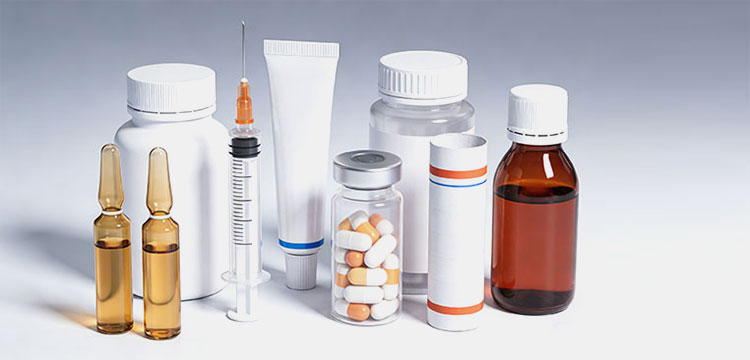
                  Poor ventilation system.

                  Overheating of mechanical or electrical components.

                  Solution:

                  Make a schedule for operating equipment.

                  Calibrate ventilation systems, mechanical and electrical components.

                  Conclusion:

                  Pet food equipment is a key component in securing the quality, efficiency and safety of pet food industry. In order to get increase in production and to fulfill consumer’s demand for original & safe food and to apply nature-friendly implications. It’s necessary to install automated pet food packaging equipment.Spending on high efficient equipment results in robust growth of pet food industry and it also builds strong trust of pet owners on manufacturers. If you want to learn about pet food packaging equipment, you can contact AIPAK at any time.

                  Don't forget to share this post!

                  CONTACT US

                  Tell us your raw material and project budget to get quotations within 24 hours.

                  WhatsApp Us: +86 151 7236 8460

                  Invalid Email
                  Invalid Number

                  Pet Food Packaging Equipment: The Complete FAQ Guide In 2025 Read More »

                  Attar Manufacturing Process

                  Attar Manufacturing Process: The Complete FAQ Guide In 2025

                  Attar Manufacturing Process: The Complete FAQ Guide In 2025

                  Have you ever been attracted by the intoxicating scent of attar? Do you want to collect all the essence of attar for your own use? The production of attar can be traced back to a long time ago. And many ancient methods of making attar are still preserved. Now, you may know how to make attar with the water distillation and steam distillation methods for your business.

                  This complete FAQ guide of attar may introduce you all details about how to make attar. You can apply this method to various flowers, herbs and spices to collect their precious essential oils. Collecting these essential oils and mixing them into your favorite formula can bring more fun to your life. Let's get started now!

                    Add a header to begin generating the table of contents

                    1.What Is Attar And How It Is Made?

                    Attar

                    What-Is-Attar

                    What Is Attar-sourced: zaoud

                    Attar is an aromatic essential oil with a charming aroma. It is usually made from rose petals. In addition to rose petals, you can also extract essential oils from other flowers, herbs or plant species. Attar does not contain any alcohol or other chemicals and is a pure natural product.

                    How is it made?

                    How-is-attar-made

                    How is attar made-sourced: Dukhni

                    Attar mainly uses distillation to extract the essence from the petals, so it has a very high concentration and a very strong taste. The specific production method is to collect the essence through crushing, extraction, distillation and condensation to make essential oils. The most common types of attar are rose, jasmine and lavender.

                    2.What Are The Key Steps In Attar Manufacturing Process?

                    To make a successful attar, you need:

                    Step 1 Raw material selection

                    Flowers

                    Flowers

                    Flowers-sourced: naturalalchemy

                    Flowers are one of the most important raw materials for making attar. The aromatic essence of attar comes from flowers. The most popular ones are rose, jasmine, lavender, rose, lavender, etc.

                    Herbs

                    Herbs

                    Herbs-sourced: takeonethingoff

                    Functional attar can also be obtained by extracting and distilling herbs. This kind of attar can provide you with fragrance while also reducing swelling and pain. Among them, saffron, patchouli and vetiver are the most popular types.

                    Wood

                    Woods

                    Woods-sourced: attarbazaar

                    There are many types of perfumes extracted from wood on the market, and the same is true for attar. The essential oil extracted from wood has a soothing, gentle and long-lasting smell that can calm the mind.

                    Spices

                    Spices

                    Spices-sourced: attarayurveda

                    Attar can also be added and used with spices. For example, cloves or cinnamon can increase the sweetness and deep smell of attar.

                    Step 2 Distillation and extraction

                    Grinding

                    Flower-grinding

                    Flower grinding-sourced: MIUPOO

                    Grinding the selected raw materials. However, you can also choose not to grind, directly distill and extract, but the effect and efficiency of this is not as good as grinding in advance.

                    Water distillation

                    Water-distillation

                    Water distillation-sourced: precisionwaterusa

                    Soak the ground raw materials in water, heat the temperature, and then boil. When the essence in the petals is separated from the raw material body in the form of water vapor, these essences are obtained by condensation.

                    Steam distillation

                    Steam-distillation

                    Steam distillation-sourced: solnpharma

                    Or you can choose steam distillation. You can directly immerse the heated water vapor into the raw material. The heat generated by the steam will directly force the essence in the petals out, and then separate it from the body, and then be condensed and collected in the form of water vapor.

                    Step 3 Prepare base oil

                    Prepare-base-oil

                    Prepare base oil-sourced: infinitygalaxy

                    The essence extracted from the petals needs a good carrier. This carrier is the base oil. Generally, manufacturers use sandalwood or vetiver to extract as the base oil of the essential oil. Because it can well ensure the taste of the essential oil and extend the service life of the essential oil.

                    Step 4 Mixing and Infusion

                    Mixing-and-Infusion

                    Mixing and Infusion-sourced: medicalnewstoday

                    In this step, you need to mix the base oil and the extracted essence evenly. By using special equipment, you can stir and mix evenly directly in the equipment. After mixing, you need to let the mixture stand for several hours or days. During the standing process, observe the changes in the mixture at any time and check its temperature and time.

                    Step 5 Maturation of attar

                    Maturation-of-attar

                    Maturation of attar-sourced: factor

                    Mixed attar needs a period of maturation, that is, evaporation. Freshly made attar does not have a strong aroma because the ingredients in it have not had time to evaporate and settle. Depending on the choice of different raw materials, they may need different amounts of time to settle. Generally, it takes a few weeks to a few months.

                    Step 6 Dilution

                    Dilution

                    Dilution-sourced: perlite

                    In order to ensure that the taste of attar is not too strong or pungent, it is generally diluted to ensure the final quality. You can dilute the extracted essence by adding additional base oil. At the same time, you can season it according to your preferences.

                    Step 7 Filtration

                    The final filtration of attar is essential. Since the granularity brought by the materials or base oil is inevitably not cleaned up during the production process, you can filter the attar mixture again with a fine filter. This step can ensure that the final product is smooth and pure, with higher quality. The filtered essential oil looks better and is safer to use.

                    Step 8 Bottling

                    Bottling

                    Bottling-sourced: thearomatherapyshop

                    Bottling is the last step of the entire attar production. To make your product last longer and look good, you can bottle attar in glass containers. Depending on the volatility of the mixture, you can choose a transparent or opaque container. Among them, a small bottle with a roller ball is a perfect choice.

                    3.What Are The Attar Manufacturing Equipment You Will Need?

                    You may need the attar manufacturing equipment like:

                    Hot distillation system

                    Hot-distillation-system

                    Hot distillation system-sourced: sinicmed

                    You can choose the hot distillation system that you think is suitable. It is one of the most important devices in the entire essential oil extraction process. All the essences extracted from the raw materials need to be completed by the hot distillation device. This device can intelligently control the temperature and humidity control during the hot distillation process and extract the most important essence of the plant for you.

                    Mixing tank

                    Mixing-tank

                    Mixing tank-sourced: gpi-degouwe

                    The mixing tank can be used to mix the plant essence and base oil part you extracted. It can provide the best base oil blend for your essential oil and is an indispensable component.

                    Filtration system

                    You can equip a suitable filtration system. According to your own production requirements, you can equip a manual or automatic filtration system to facilitate the impurity filtration and separation of the essential oil in the later stage.

                    Bottling machine

                    Bottling-machine

                    ALLPACK perfume bottling machine

                    Bottling is the last step in the production of essential oils. A good bottling machine can provide a good protective container and beautiful display effect for your final essential oil product.

                    4.What Are The Regulations And Standard You Must Meet During Attar Manufacturing Process?

                    To obtain good attar products, you need to follow:

                    Quality control standards

                    Quality-control-standards

                    Quality control standards-sourced: managedhealthcareresources

                    Attar manufacturing process requires good quality control to ensure that your finished product is of the required quality and consistent without any errors.

                    Good manufacturing practices

                    Good-manufacturing-practices

                    Good manufacturing practices-sourced: kfriedmanconsulting

                    The good manufacturing practices ensure that your attar manufacturing process is safe, clean and made with the right safety measures. This standard ensures that your products are well-made for the end user.

                    Labeling certification

                    If your products need to be exported, your labeling and imprinting are also very important. By complying with the relevant labeling and certification, you need to obtain the correct and safe labeling license.

                    Environmental and ethical considerations

                    Environmental-and-ethical-considerations

                    Environmental and ethical considerations-sourced: packaging-labelling

                    You are better off using environmentally friendly essential oil production methods and measures and using resources wisely.

                    5.What Are The Top Attar Manufacturers In The Market Now?

                    What are the top attar manufacturers in the market now? Here are the best ones.
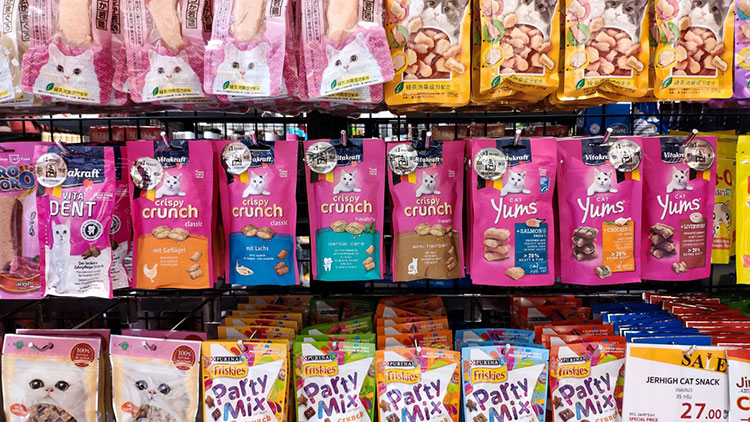
                    Kannauj Attar

                    Kannauj-Attar

                    Kannauj Attar

                    Kannauj Attar is a famous natural attar manufacturing company in India with over 5000 years of experience in extracting attar from various flowers, herbs and spices. Preserving the traditional method of hot distillation of attar, they are able to provide you with top-quality attar and fragrance products.
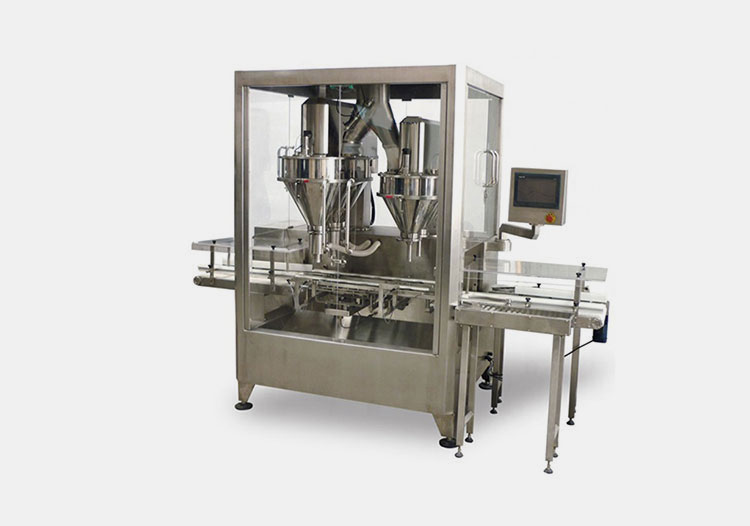
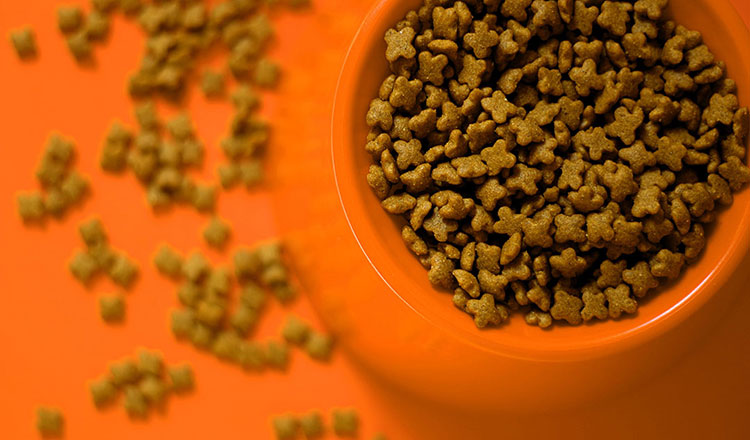
                    Al Haramain

                    Al-Haramain

                    Al Haramain

                    Al Haramain is a traditional attar making company. Its attar products are unique, especially wooden attar products, which are very popular in the market. By learning traditional methods, they also follow the new international production process and sell oriental attar and perfumes all over the world.

                    Ajmal Perfumes

                    Ajmal-Perfumes

                    Ajmal Perfumes

                    Ajmal Perfumes is a company with rich experience in both attar and perfume making. Their attar products are exported to more than 60 countries worldwide and they are pioneers in aromatherapy.
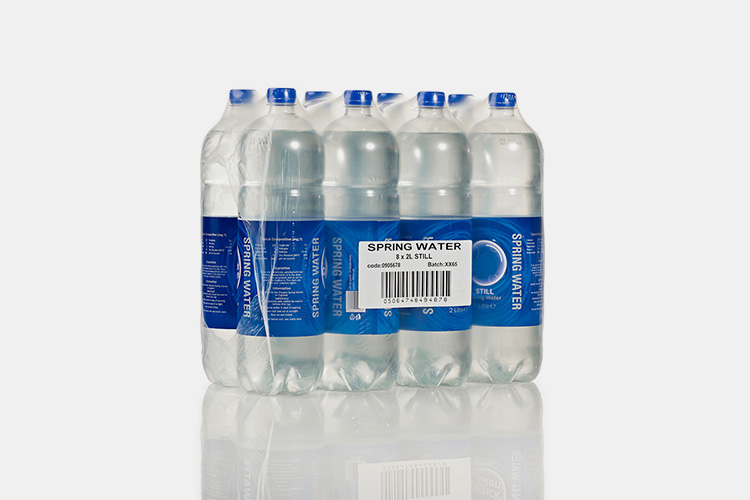
                    Amouage

                    Amouage

                    Amouage

                    Amouage is a world-renowned attar manufacturer. Their attar products are creative and innovative and are renowned worldwide. The company has created a transparent attar production workshop for visitors to visit and tour. They are committed to leading every product in the world.
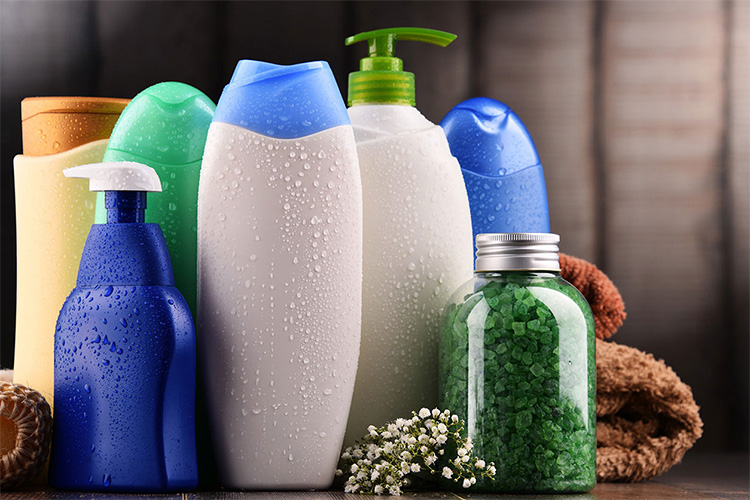
                    Al Rehab

                    Al-Rehab

                    Al Rehab

                    Established in 1975, Al Rehab is a professional attar manufacturer that produces, manufactures, packages and markets attar. They are very familiar with the market and consumer needs. Their products are wide in variety and good in quality, meeting the needs of the international market.

                    Conclusion:

                    Attar manufacturing is a combination of ancient and modern technology. Through this complete FAQ guide of the attar manufacturing process, you may know that only through this method can the best essence of plant species be obtained. This tradition and technology can bring great quality to life. If there are more you still confused, please do not feel shy to come to ALLPACK!

                    Don't forget to share this post!

                    CONTACT US

                    Tell us your raw material and project budget to get quotations within 24 hours.

                    WhatsApp Us: +86 151 7236 8460

                    Invalid Email
                    Invalid Number

                    Attar Manufacturing Process: The Complete FAQ Guide In 2025 Read More »

                    Primary-VS-Secondary-Packaging

                    Primary VS Secondary Packaging:What Are Their Difference?

                    Primary VS Secondary Packaging:What Are Their Difference?

                    Any product comes with packaging, which can protect the product and also have an aesthetic effect. If the product has exquisite packaging, it will bring bonus points to the product.

                    Do you know that packaging is divided into primary packaging and secondary packaging? What are their difference between primary vs secondary packaging?

                    Next, I will introduce you to the basic information of primary packaging vs secondary packaging, as well as the differences between them.

                      Add a header to begin generating the table of contents

                      1.What is Primary VS Secondary Packaging?

                      Primary-Packaging

                      Primary Packaging - Sourced: OPC Direct

                      Based on this name, maybe you should know its definition, right. Primary packaging refers to the first packaging of a product when it is taken off the production line. This form of packaging will ultimately be marketed to consumers, so it must meet their aesthetic preferences. It comes into direct contact with the product, thus protecting it from the effects of air and temperature.

                      Secondary-packaging

                      Secondary Packaging - Sourced: Contract Pharma

                      Secondary packaging refers to the packaging of one or more primary packaging. It is convenient for product transportation and storage. Therefore, it ensures that the products are not damaged or stolen during logistics, warehousing, and retail processes. Besides, some secondary packaging also can be designed to enhance the appearance of the product.

                      2.What is the Benefits of Primary VS Secondary Packaging?

                      Primary vs secondary packaging is inevitable for every product, and the forms of packaging are becoming increasingly diverse.

                      (1)Benefits of primary packaging

                      Extending product shelf life

                      Extending-product-shelf-life

                      Extending Product Shelf Life - Sourced: Campden BRI

                      The product will become damp and deteriorate after prolonged exposure to air and water vapor. Primary packaging can protect products from the effects of air, light, and humidity can extend the shelf life of products.

                      Ensuring product hygiene

                      If the product is exposed to the outside for a long time, it will be affected by dust, microorganisms, etc. Primary packaging can block the product from being affected by external bacteria or other harmful substances.

                      (2)The benefits of secondary packaging

                      Addingvalue to the product

                      Adding-value-to-the-product

                      Adding Value to the Product - Sourced: Elite Custom Boxes

                      Secondary packaging has more space than primary packaging, and design elements such as product logos, images, etc. can be added to it. Various packaging designs can add value to products, attract customers’ purchases, and improve customer satisfaction.

                      Providingadditional protection

                      Some primary packaging may be damaged during transportation, such as glass bottles that are prone to breakage, which seriously affects the customer’s purchasing experience. Therefore, secondary packaging is needed to provide additional protection and improve customer satisfaction.

                      Simplifyinghandling and transportation

                      Simplifying handling and transportation

                      Simplifying Handling and Transportation - Sourced: DFreight

                      The handling and transportation of a single product can be chaotic and time-consuming. Secondary packaging combines multiple primary packaging to facilitate handling.

                      3.What are the Types of Primary VS Secondary Packaging?

                      Our lives are inseparable from packaging. Can you distinguish between primary packaging vs secondary packaging?

                      (1)Primary packaging example:

                      Can

                      Can

                      Can - Sourced: GrocerApp

                      Can is mainly used for canned beverages, beer, and other products. Usually made of metal, plastic, or other hard materials, it has good sealing and protective effects, and can prevent moisture, shock, and pollution.

                      Blister packaging

                      blister packaging

                      Blister Packaging - Sourced: Plastics Today

                      This packaging form is commonly used in drugs, mainly for packaging single dose tablet products, making it easy for consumers to remove a certain amount of the product for use. Products packaged in blister packaging have a tight seal, which can prevent air transmission and environmental pollution.

                      Stick packaging

                      Food Stick Packing

                      Food Stick Packing - Sourced: globalsources

                      This packaging form is common in the food industry, such as the coffee we often drink. Usually made of materials such as cardboard, plastic, or metal, it has a beautiful appearance, is easy to carry, and has a certain display effect.

                      Tube packaging

                      Tube-Packaging

                      Tube Packaging - Sourced: Free Mockup World

                      This packaging form is commonly used in the cosmetics and personal care industries, such as facial cleansers, hand creams, toothpaste, etc. Flexible tube packaging is convenient and practical, and can also protect products.

                      Bottle

                      Plastic Bottle

                      Plastic Bottle - Sourced: Nunzios Pizza

                      Bottles are mainly used for liquid products such as beverages, alcoholic beverages, etc. Usually made of glass or plastic, it has good sealing and transparency, making it easy to observe the product’s condition.

                      (1)Secondary packaging example:

                      Carton packaging

                      Carton packaging

                      Carton packaging

                      Due to the minimal environmental pollution caused by carton packaging during production and processing, this packaging form is widely used.

                      Shrinkingpackaging

                      Shrinking-packaging

                      Shrinking Packaging - Sourced: Codico Distributors

                      It is commonly used for packaging bottled, canned, boxed foods and electronic products. This packaging method has the characteristics of good sealing, high transparency, and has the advantages of waterproof, moisture-proof, and dustproof.

                      4.What are the Applied Industries of Primary VS Secondary Packaging?

                      To tell the truth, packaging is required in any industry. Let’s take a look at which industries primary vs secondary packaging are specifically applied to!

                      (1)Personal care industry

                      Personal-care-industry

                      Personal Care Industry - Sourced: Environmental Factor

                      The products in the personal care industry are daily necessities with high sales volume, and most of them require packaging. For example, the facial cleansers, shampoos, shower gels, etc. that we usually use need to be packaged.

                      (2)Food industry

                      Food-industry

                      Food Industry - Sourced: ProAmpac

                      Both beverages and snacks require packaging. For example, beverages generally require plastic bottles and other primary packaging, followed by secondary packaging using shrink wrap to facilitate the handling and transportation of beverages. These packaging materials not only need to ensure the freshness and hygiene safety of the food, but also need to be aesthetically pleasing and leave a good first impression on consumers.

                      (3)Pharmaceutical industry

                      Pharmaceutical-industry

                      Pharmaceutical Industry - Sourced: OpenSecrets

                      Liquid drugs need to be packaged once in glass or plastic bottles, and there should be a certain choice of color and material for the bottles. In addition, secondary packaging such as paper boxes will be used for liquid drugs.

                      The medicine has higher requirements for packaging materials. Drug packaging materials need to have characteristics such as moisture resistance, light resistance, and oxidation resistance to ensure the safety.

                      5.Primary VS Secondary Packaging: What Are Their Difference?

                      Believe it or not, there are several differences between primary vs secondary packaging? Let’s take a look together.

                      Primary-VS-Secondary-Packaging

                      Primary VS Secondary Packaging - Sourced: Designertable

                      (1)Contact with the product

                      Both packaging forms serve to protect the product. The primary packaging comes into direct contact with the product, while the secondary packaging does not need to come into direct contact with the product.

                      (2)Capacity

                      Generally speaking, the capacity of secondary packaging is greater than that of primary one. Secondary packaging can accommodate one or more primary packaging.

                      (3)Function

                      Function

                      Function - Habefast

                      These two packaging forms are devised in function. Primary packaging can directly protect the product. In addition, to attract customers’ eyes, direct interaction with customers is also possible. While, secondary packaging focuses on grouping. It provides additional protection for the product and facilitates marketing efforts.

                      (4)Cost

                      Due to the need for direct contact with the product, the primary packaging requires the use of special materials, resulting in higher costs. The use of secondary packaging in large quantities results in relatively low costs.

                      (5)Material

                      Material

                      Material - Sourced: Tangent Materials

                      The two packaging forms are different in materials. Due to features of primary packaging, the materials need to be compatible with the product, including materials such as plastic and glass. And the materials for secondary packaging often include cardboard, plastic, wood, etc.

                      (6)Use cases

                      They are used in different cases. Primary packaging is mainly used to display products on cargo racks to attract customers’ attention, while secondary packaging is mainly used during transportation and handling processes.

                      (7)Overlap

                      To be honest, there is a overlap of the two packaging forms at some level. For example, the beverages we purchase from product shelves come with both primary and secondary packaging.

                      6.What Quality Control and Testing for Primary VS Secondary Packaging?

                      To protect the product and maintain its shelf life. Primary vs secondary packaging needs to be inspected before it can be used normally.

                      Quality-Control-and-Testing

                      Quality Control and Testing - Sourced: Extended Web AppTech

                      (1)Quality control and testing for primary packaging

                      Compatibility testing

                      Whether the product is compatible with packaging materials is a question that needs to be considered. Once incompatible, some chemical reactions may occur, affecting the quality of the product.

                      Sealing integrity test

                      The product may deteriorate if exposed to air and sunlight for a long time. Therefore, it is very important to check the sealing integrity of the packaging. For example, it is necessary to check whether the bottle cap is tightened and whether the packaging of the bag is sealed tightly.

                      (2)Quality control and testing for secondary packaging

                      Checking label and printing quality

                      The product label includes model, production date, brand, barcode, etc., which facilitates product identification and tracking. Therefore, you need to check whether the product label is accurate, the quality of printing, and whether it is easy to fall off.

                      Transportation testing

                      Secondary packaging is mainly used for transportation, storage, etc. Expose the packaging to various environments to test its stability. Simulate the impact and vibration of the packaging during transportation to test whether the packaging can protect the product.

                      7.What Are the Common Machines for Producing Primary VS Secondary Packaging?

                      For different types of packaging, there will be different machines. Do you know which ones are used for primary packaging and which ones are used for secondary packaging?

                      (1)Common machines for producing primary packaging

                      Stick packaging machine

                      Allpack Stick Packaging Machine

                      Allpack Stick Packaging Machine

                      Stick packaging machines are primarily utilized for filling substances like powders, liquids, and granules. This machine has multiple lines such as 4 lanes, 6 lanes or more lanes for simultaneous production, with high production efficiency. It is commonly used in the food industry, such as coffee powder, coffee liquid, gummies, etc.

                      Blister packaging machine

                      Blistering Packaging Machine

                      Allapck Blistering Packaging Machine

                      Blister packaging machine is utilized to package capsules, tablets and other products to form blisters. The machine packages products using materials such as PVC and aluminum film through heat sealing and shearing. It is mainly used for packaging drugs and has efficient functions.

                      (2)Common machines for producing secondary packaging

                      Cartoning machine

                      Allpack-Cartoning-Machine

                      Allpack Cartoning Machine

                      Cartoning machine can package a variety of things, including bottles, blister packs, cosmetics, and more. This machine has achieved a high degree of automation and can automatically fold, unpack, and pack boxes.

                      Shrinking packaging machine

                      Shrinking-packaging-machine

                      Allpack Shrinking Packaging Machine

                      The shrinking packaging machine is capable of packaging products such as beverage cans and bottles. This machine wraps the product with heat shrinkable film and then heats it up to shrink the film before wrapping the product. During the shrinkage process, it does not affect the quality of the packaging and can shrink quickly and perfectly. The packaged product can be sealed, moisture-proof, and impact resistant.

                      8.How to Determine Primary VS Secondary Packaging for Products?

                      When choosing primary vs secondary packaging for a product, it is not a blind selection, but rather a comprehensive consideration of some factors.

                      (1)Product type

                      Why do some drugs need to be packaged in glass bottles while others need to be packaged in plastic bottles? The product type will determine the type of packaging. For example, some drugs can decompose and spoil when exposed to light, so brown glass bottles are needed for packaging.

                      (2)Cost

                      Some products can be packaged in multiple ways, such as laundry detergent which can be packaged in bags or bottles. If you produce a large quantity of products that require bulk transportation, you need to consider transportation costs.

                      (3)Sustainability

                      Sustainability

                      Sustainability - Sourced: SKP

                      Primary vs secondary packaging should pay attention to environmental protection and sustainable development, choose biodegradable and recyclable packaging materials, and reflect the social responsibility of the enterprise. At the same time, it is necessary to increase interactivity and fun, and enhance consumers’ interest and participation in the product.

                      (4)Hazardous material

                      Once hazardous substances are not handled properly, they can cause harm. So, it requires special packaging. The packaging should strictly follow the prescribed guidelines to ensure no leakage and airtightness.

                      (5)Transportation and storage

                      Transportation-and-storage

                      Transportation and Storage - Sourced: Victory Packaging

                      When choosing packaging, the transportation and storage of the product should also be considered. Some products require refrigeration, such as seafood and meat products, which require specialized packaging materials to control the temperature of the products and prevent them from spoiling during transportation.

                      Conclusion

                      Primary vs secondary packaging are crucial for us, as they affect everything we come into contact with. Have you gained a new understanding of primary vs secondary packaging after reading this article? If you have any further questions about packaging, please feel free to contact ALLPACK at any time

                      Don't forget to share this post!

                      CONTACT US

                      Tell us your raw material and project budget to get quotations within 24 hours.

                      WhatsApp Us: +86 151 7236 8460

                      Invalid Email
                      Invalid Number

                      Primary VS Secondary Packaging:What Are Their Difference? Read More »

                      Scroll to Top