Pills-6

How To Press Your Own Pills?

How To Press Your Own Pills?

The unending growth of technology has opened the doors of inventions for humans to progress in their lives. Similarly, we often confront people with rising tendencies towards entrepreneurship and business field instead of rushing towards restricted jobs. In this way, the most suitable area which they find worthy is pressing tablets in diverse sectors such as pharmaceutical, nutraceucal, food, veterinary, cosmetics and many others.

Pills

Are you too among one of them, planning to initiate your own business of pressing pills? Or want to press your own pills in home for various purposes? But are in state of ambivalence? If so! No need to worry. As, we have come up with an amazing blog post for you which will be surely enough to answer your complex queries started from How to press your own pills and getting ended up with choosing the best compatible tool for achieving it. Just take the start and get all what you need!

    Add a header to begin generating the table of contents

    1.What Is Meant By Pressing Pills?

    Pressing Pills

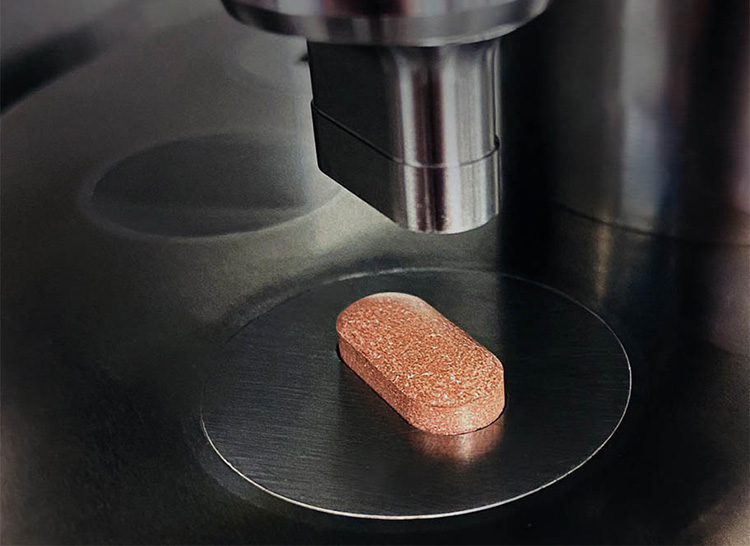
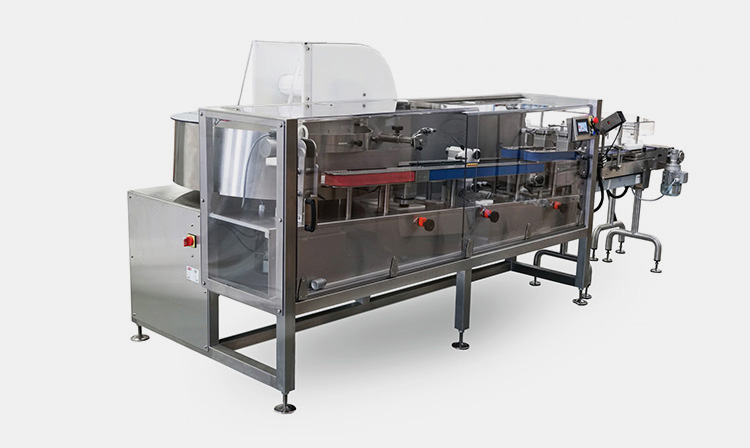
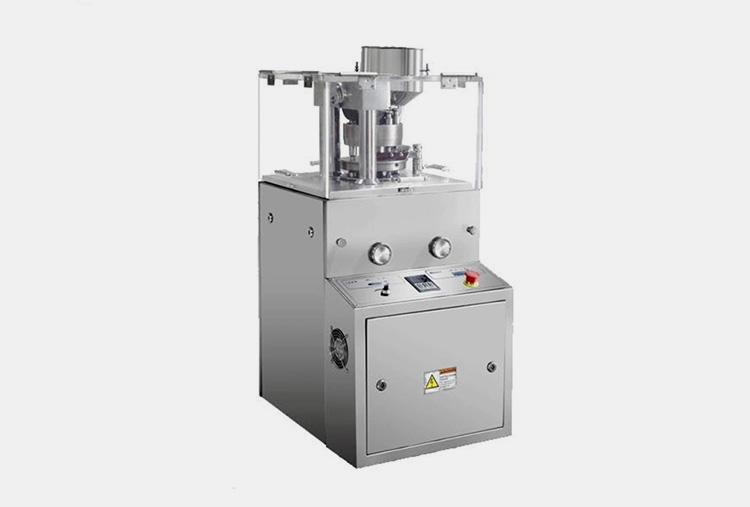
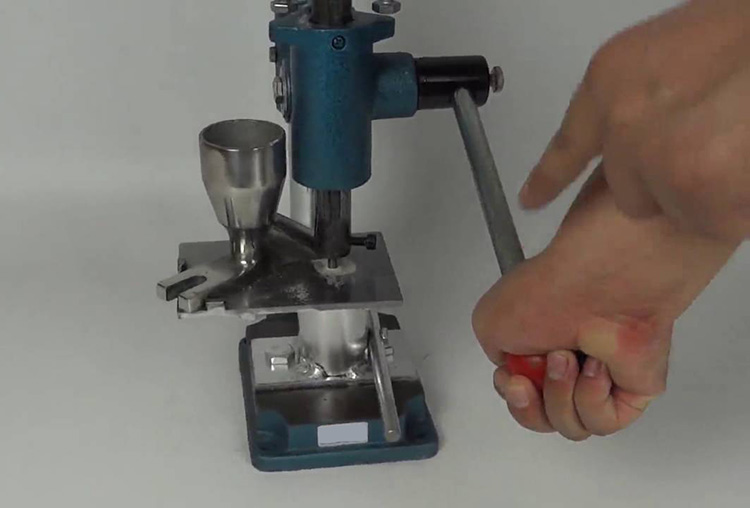
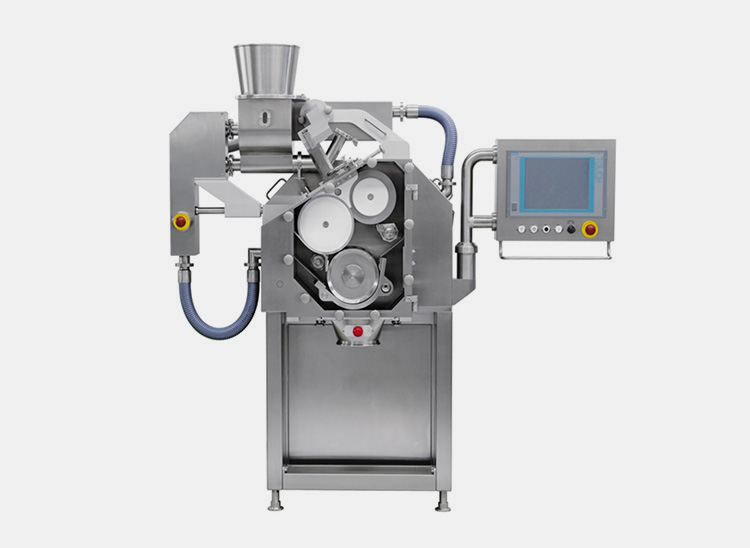
    Pill press machine- Picture Courtesy: unbiogrund.com

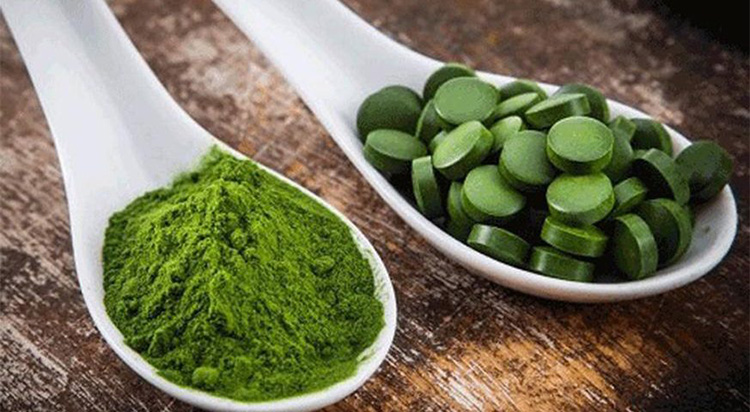
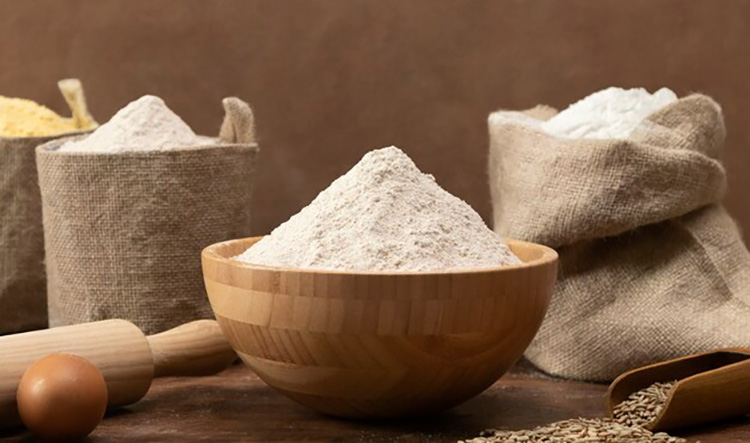
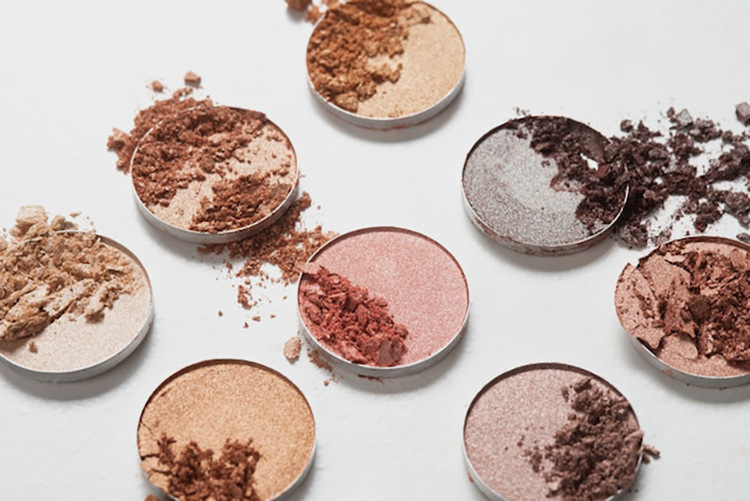
    Whether it is the healthcare, beauty care, daily cleaning, or agricultural protection need for pills is realized everywhere. Similarly, the demand for pills is directly augmenting. Reasons are numerous, taking from its precise structure to easy swallowing, dissolution, and bother free handling. And we know that all types of pills are made up of powder. But how powder can be turned into such an organized and uniform state without being liquified? The answer is definitely by pressing!

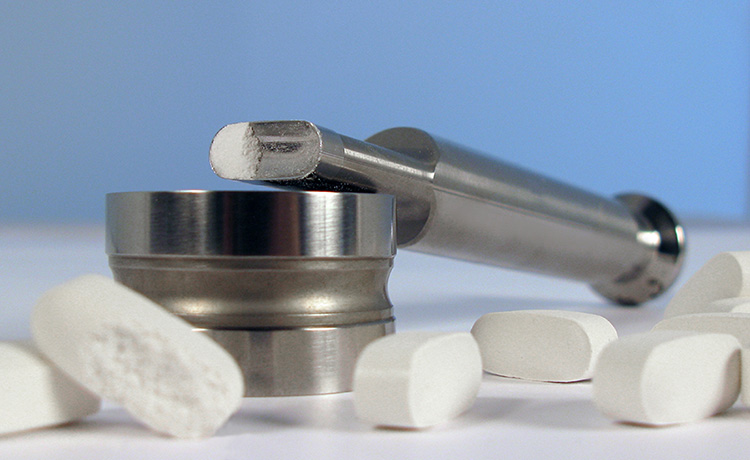
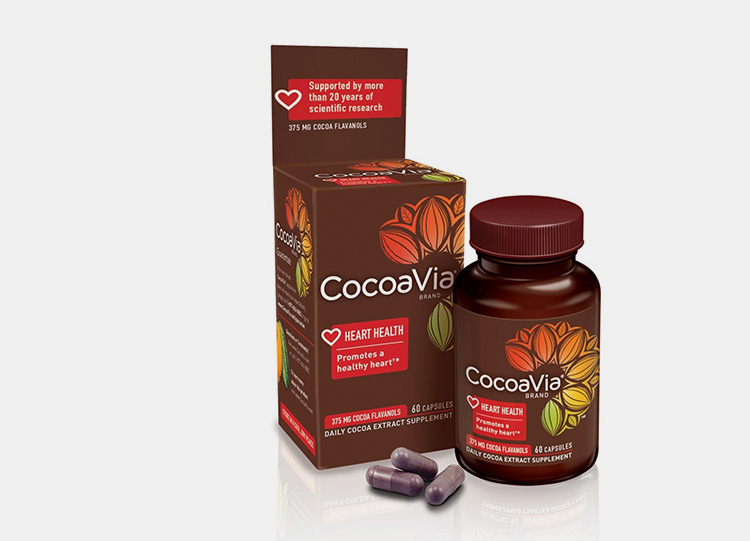
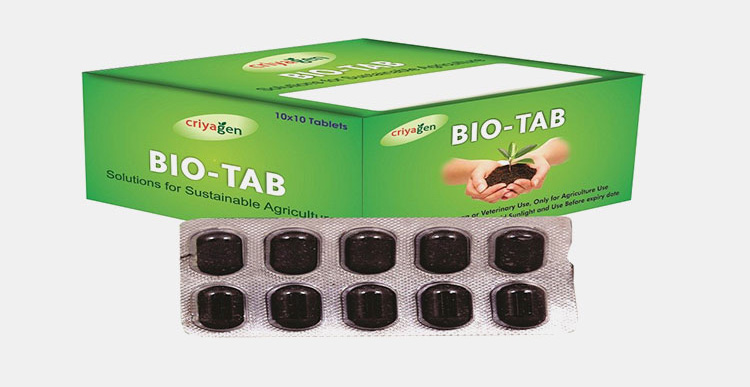
    Pressing is the most popular and easy way commonly employed for making pills. It involves the punching of powdery formulation with much exertion which ultimately result in the creation of precise pills. The size, shape, and weight of pills may vary according to changing die and ingredients taken. However, these pills can last longer by keeping them away from humidity, temperature, and light etc.

    2.What Ingredients & Tools Will You Need To Press Your Own Pills?

    Everything we have in our daily life is the composition of several components or ingredients which have been processed with the help of certain tools. Likewise, pressing your own pills will indeed require certain ingredients and equipment. Therefore, we have explained for your ease the list of essentials you will need for pill formulation. Have a look towards them for better understanding!

    Ingredients

    Active Ingredients

    Active ingredients used in pills refers to the components which have a therapeutic effect on the body. For instance, active ingredients are actually those substances which enable a pill to have beneficial health effects which it claims. Its common example include paracetamol, an ingredient added to pills used for pain relief and atorvastatin, found in cholesterol-lowering pills.

    Inactive Ingredients

    Inactive ingredients, on the other hand, are put in the pills formulation for the purpose of their structural integrity, manifestation, flavor and absorption frequency. Therefore, they do not have any effect on patients' health, however, some people may not be able to take them because of allergic issues, which is an exception. Some common inactive ingredients involve:

    No Inactive Ingredients Pictures
    1 Binders

    Pill binders, also known as binding agents, are substances added into pills formulation in order to delay pill disintegration. It is vital in helping medication to maintain its integrity and promote gentle dissolution. Most used binders include cellulose, starch, and gelatin

    Binders

    Tablet excipients binder -Picture Courtesy: pharmaexcipients.com

    2 Disintegrants

    While binders slow down dissolution process, disintegrants have inverse effects on pills by increasing the disintegration. Hence, they are added to pills for break-up when contacting aqueous fluids.

    Disintegrants

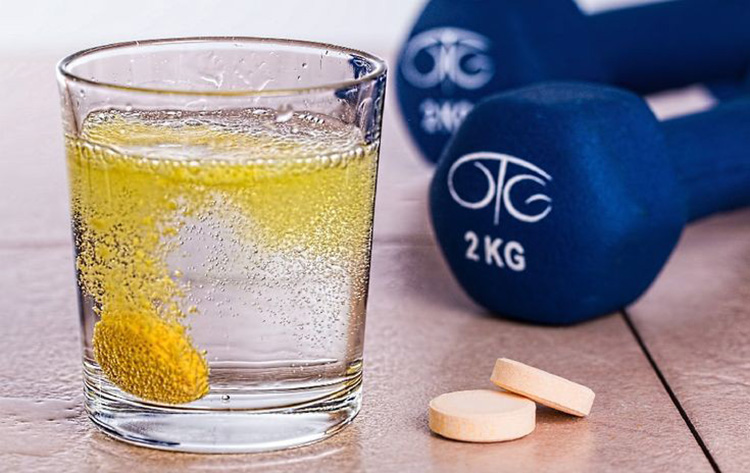
    Effervescent tablet fizzing in water -Picture Courtesy: wellbeingnutrition.com

    3 Flavors

    Fruit flavors are also added into pills especially those used for chewing like buccal and sublingual pills to release pleasant taste.

    Flavors

    Various fruit flavored effervescent tablets tubes -Picture Courtesy: amazinggrass.com

    4 Fillers

    Mostly, the amount of drug is so small that it cannot be handled conveniently. Therefore, fillers are added for easy handling.

    Fillers

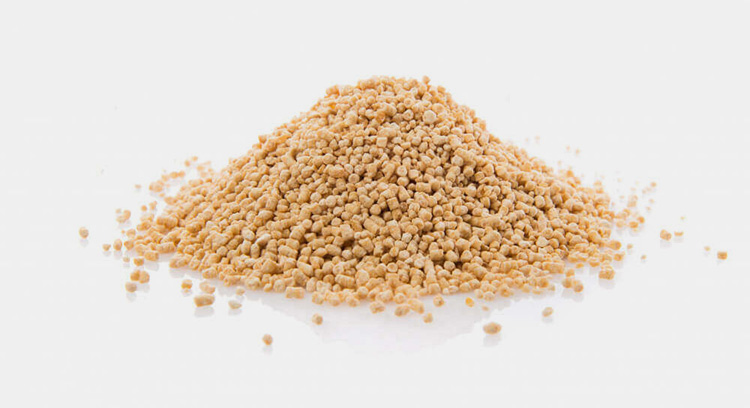
    Granules- Picture Courtesy: ipharmachine.com

    5 Gildants

    Glidants are anticaking agents added into pills to reduce caking during making.

    Gildants

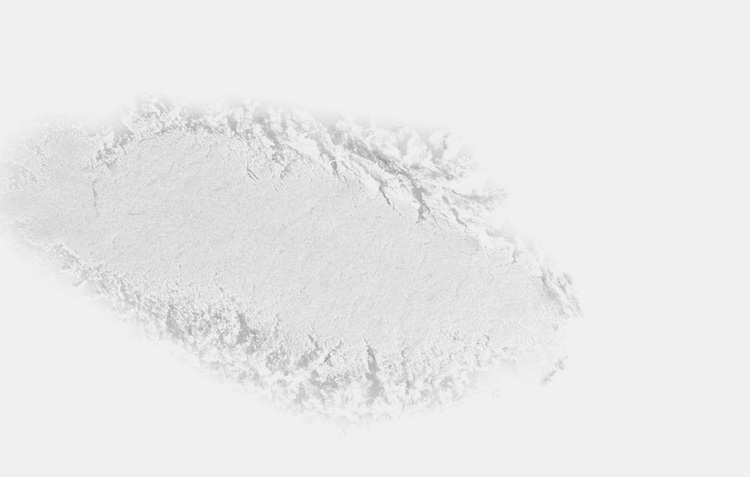
    Silica powder- Picture Courtesy: sydoniskin.com

    6 Sweetening Agents

    Sucrose is the most popular sweetening agent used in pills to impart palatable taste to often unpleasant substances.

    Sweetening Agents

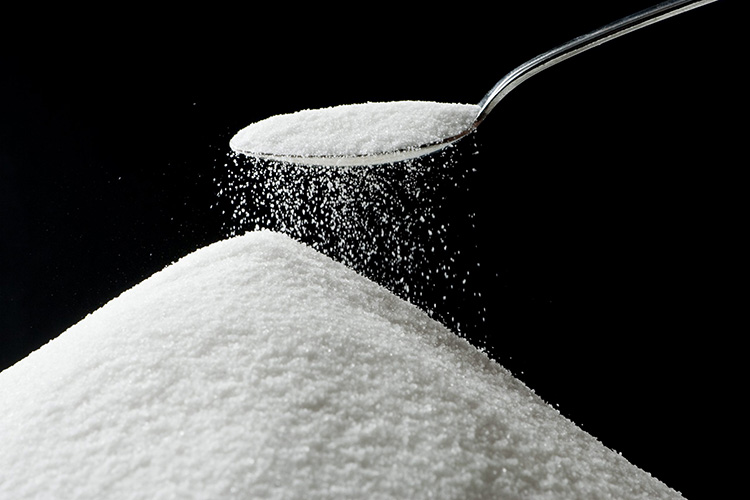
    Glucose powder- Picture Courtesy: indiamart.com

    Tools

    Here tools mean all those equipment which you will need during making your own pills. These are described below:

    No Tools Pictures
    1 Miller

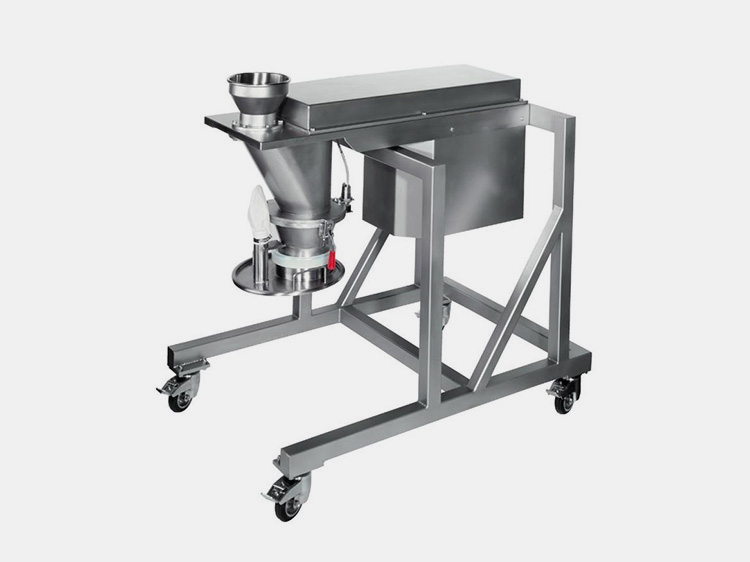
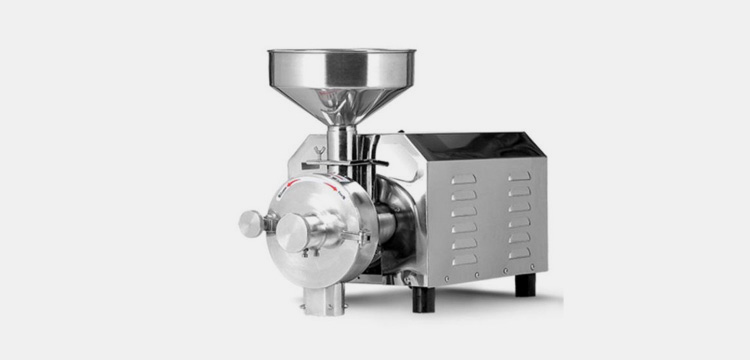
    Miller is primarily used for reducing the size of material taken for pills manufacturing such as granules, food items, or herbal substances. It chops down the whole objects into uniform powder for convenient pills formulation.

    Miller

    Milling and size reduction cone mill -Picture Courtesy: chitramechtech.com

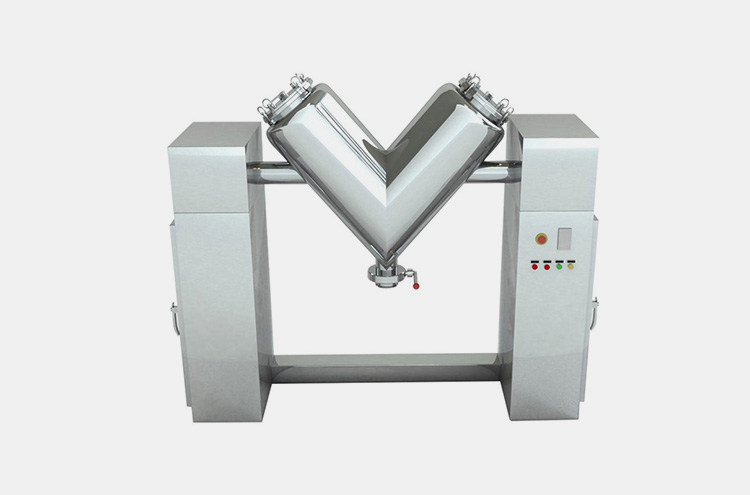
    2 Mixer

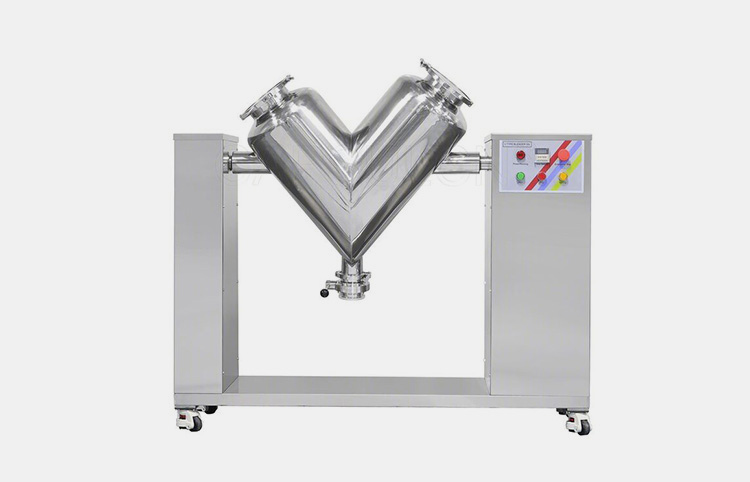
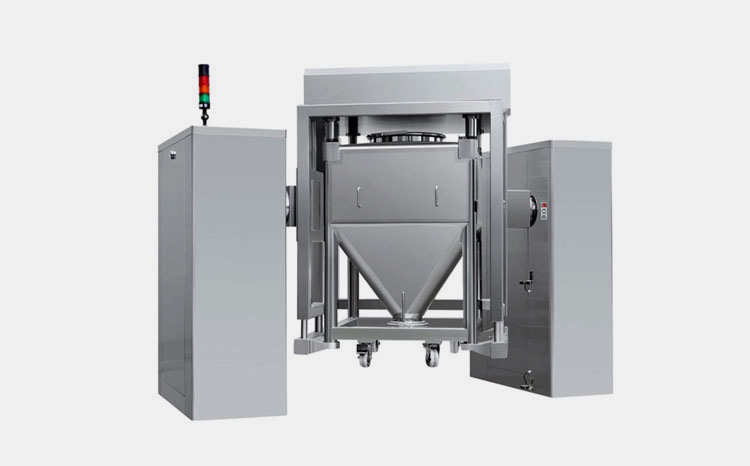
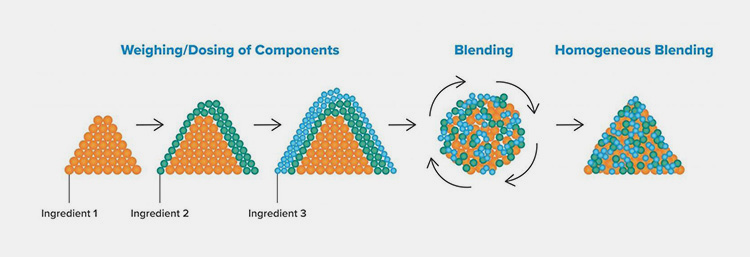
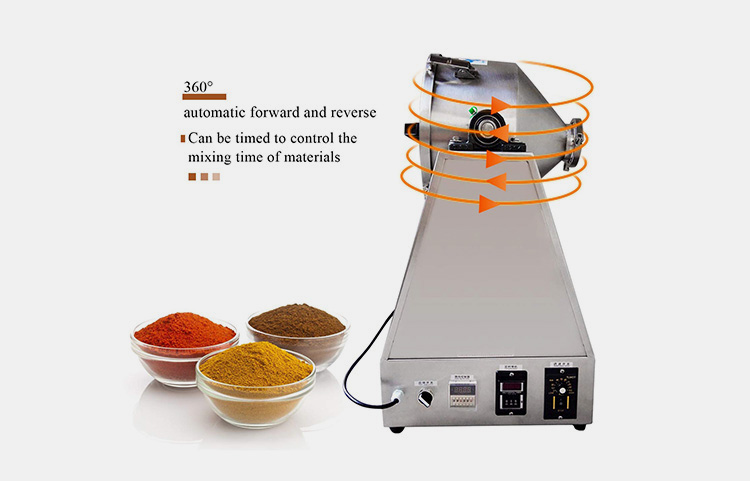
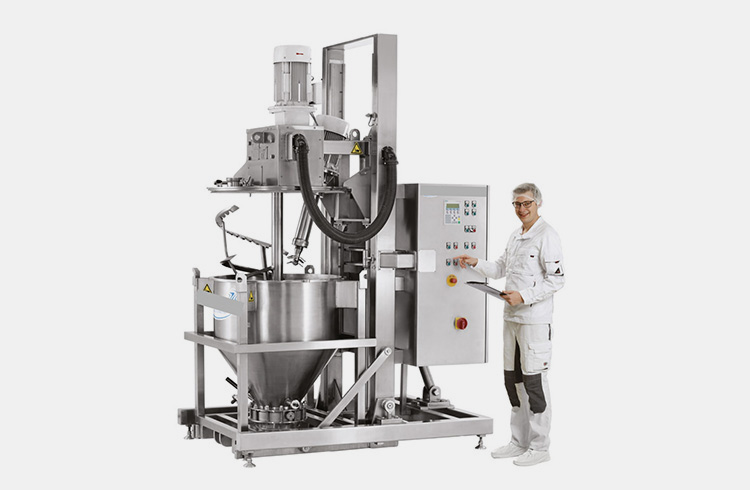
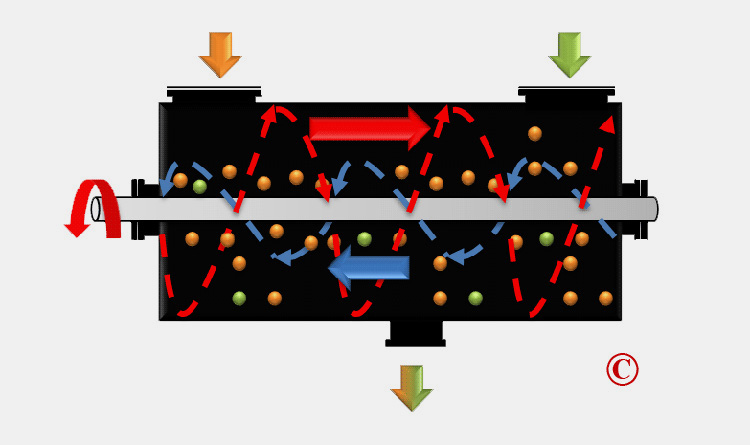
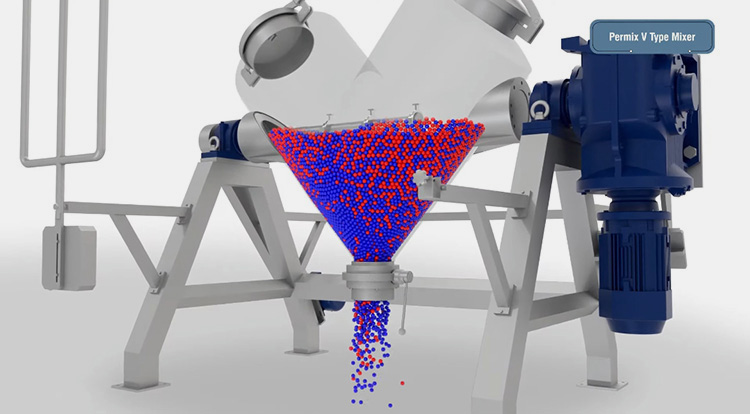
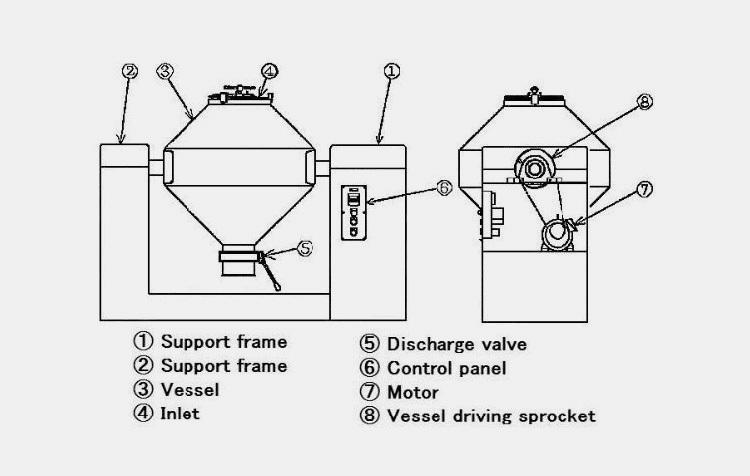
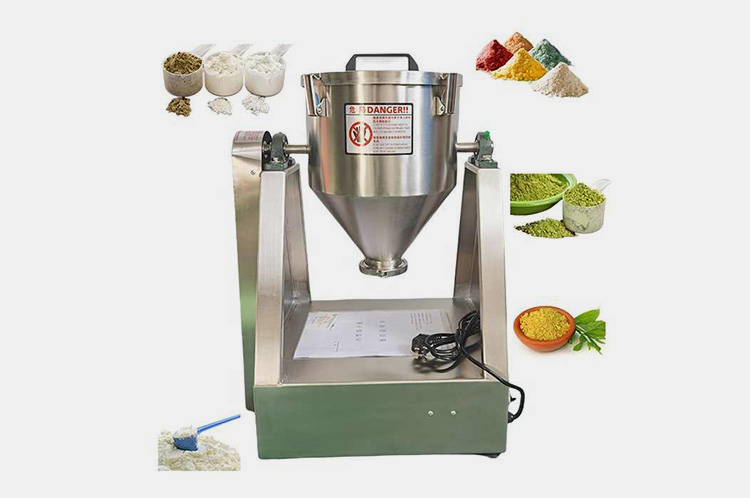
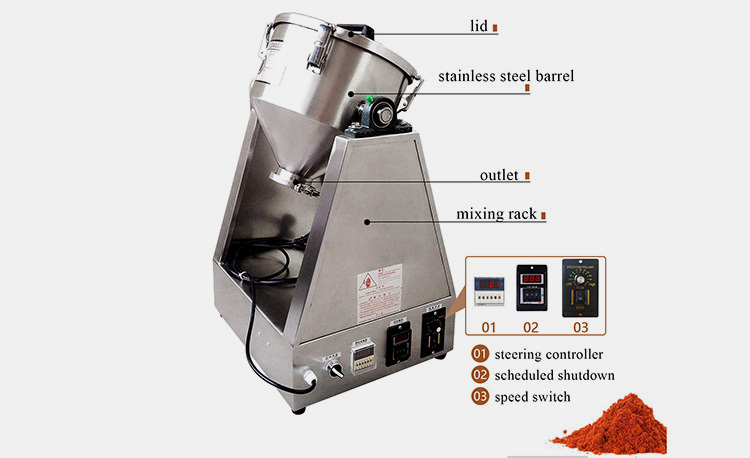
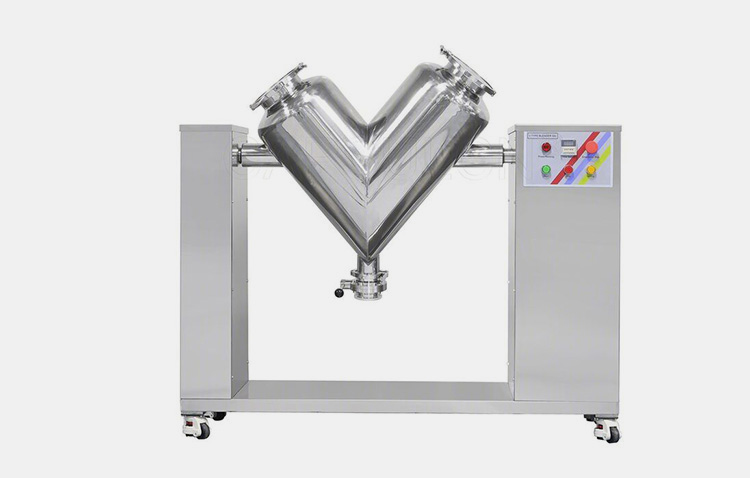
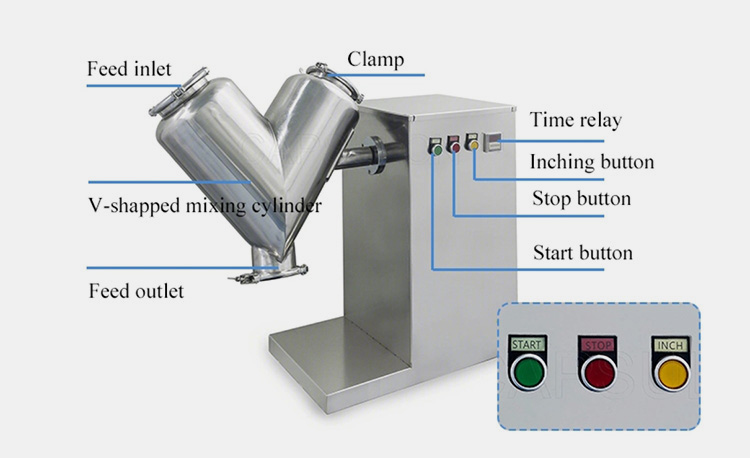
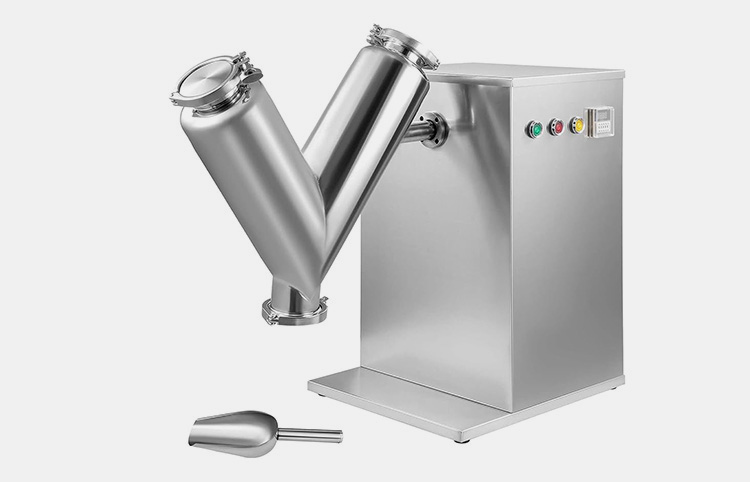
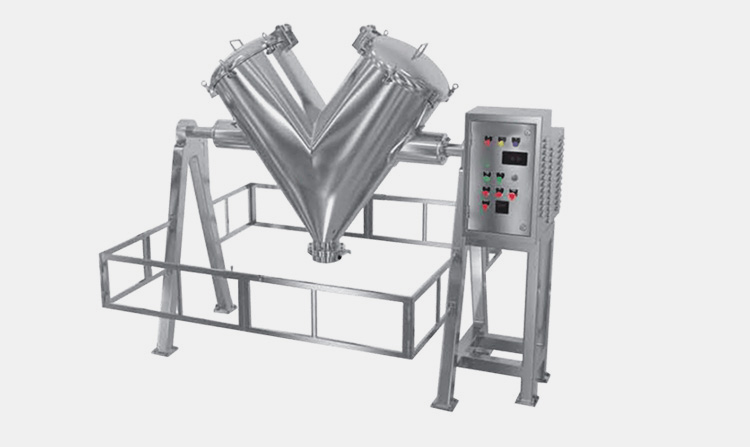
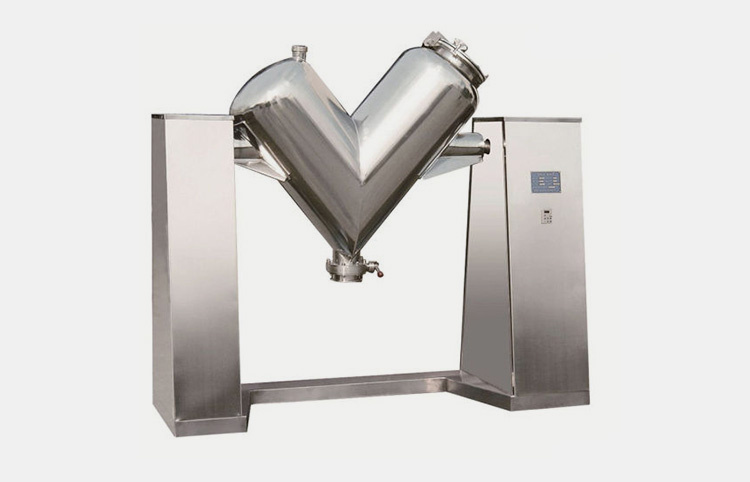
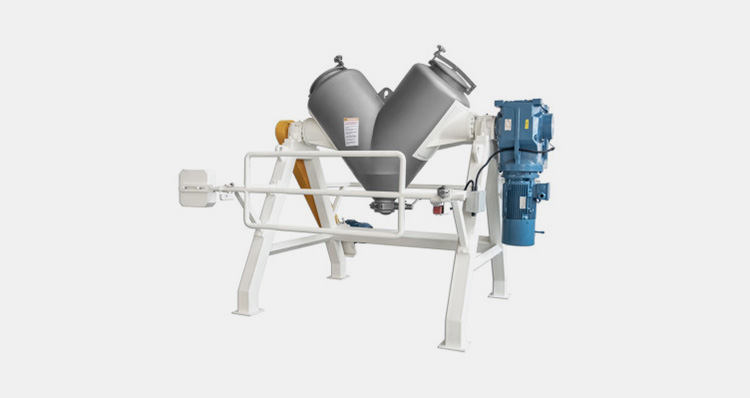
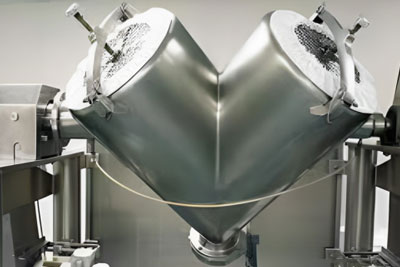
    As the title illustrates, the task of mixer is to mix the various ingredients including both active and inactive. Therefore, no particle is left unmixed.

    Mixer

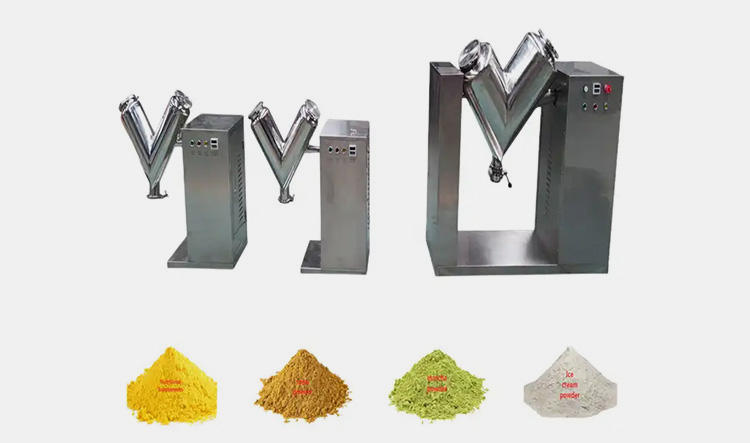
    Automatic V Cone Blender Machine- Picture Courtesy: fclassmachines.com

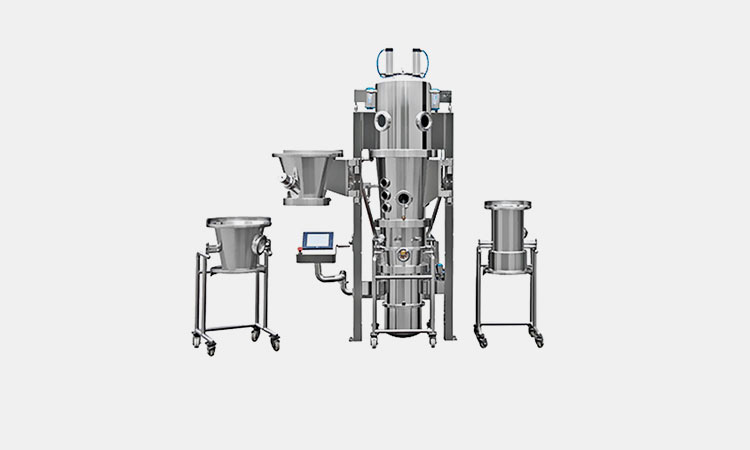
    3 Granulator

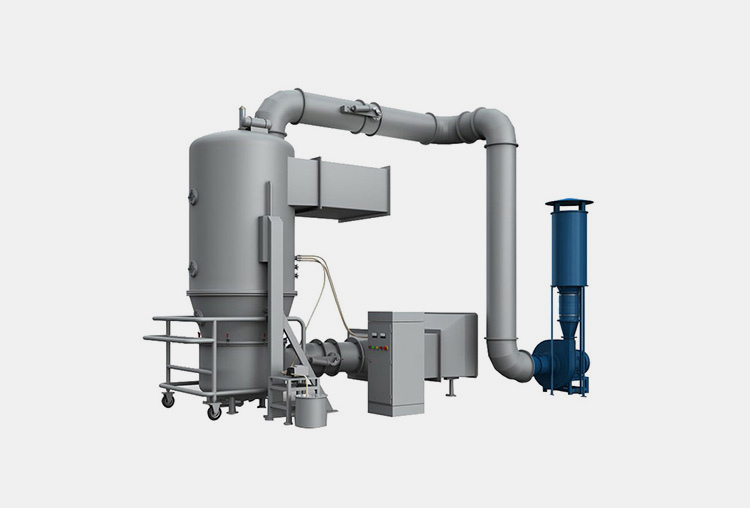
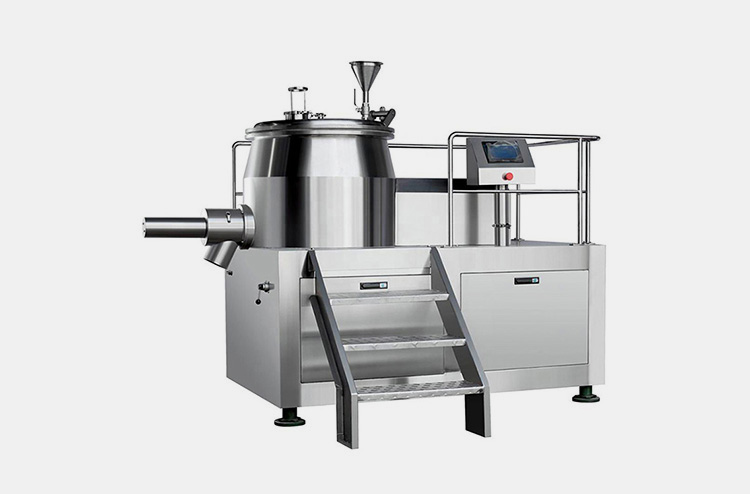
    Granulator is an important machine used in pharmaceutical pills processing. Its function is to form uniform and free flowing granules from powder, so, that they can be easily compressed for making pills.

    Granulator

    FL Series Fluidized Granulating Drier- Allpack

    4 Weighing Scale

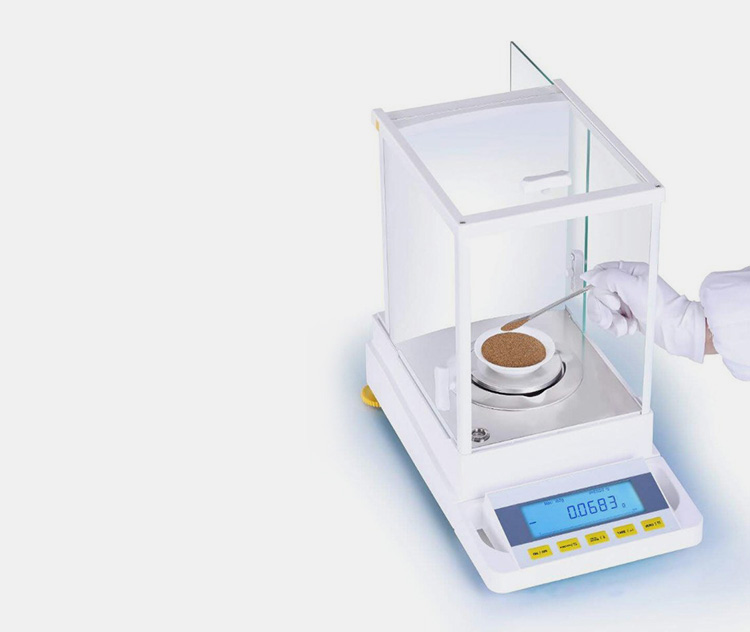
    Weighing scale is a device designed to determine the weight of powders, granules, and other materials when laid over it. Thus, it can be used for weighing pills formulation prepared to avoid irregularities.

    Weighing Scale

    Weighing scale- Picture Courtesy: indiamart.com

    5 Pill Press

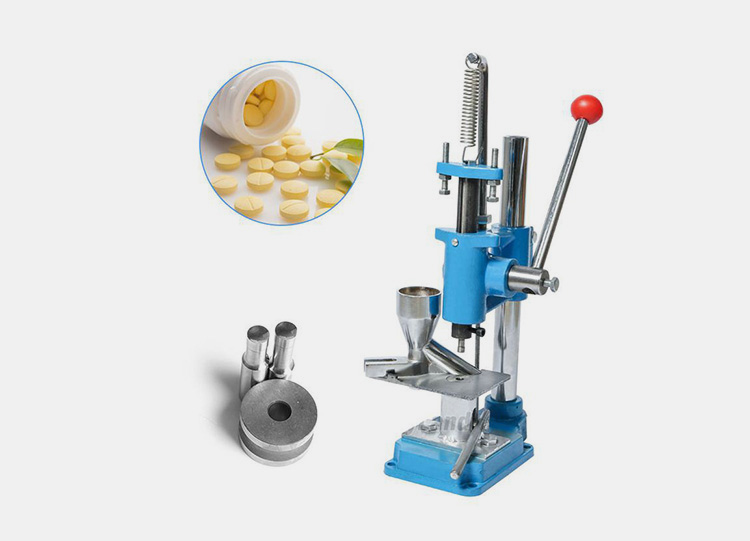
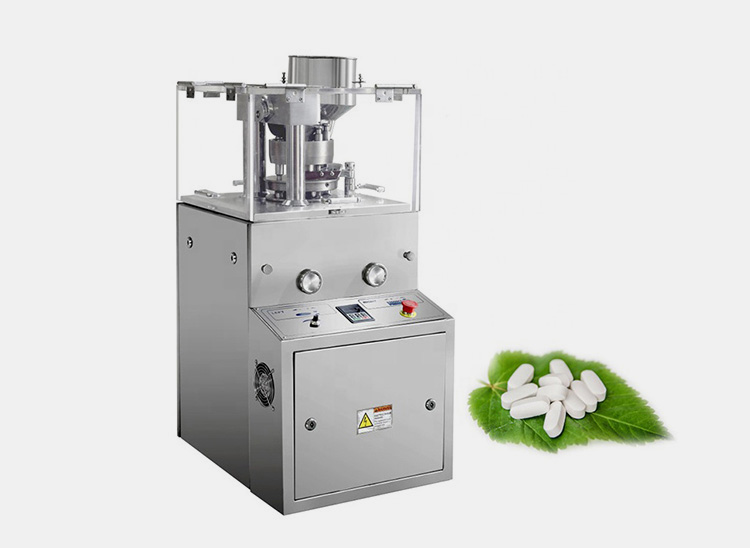
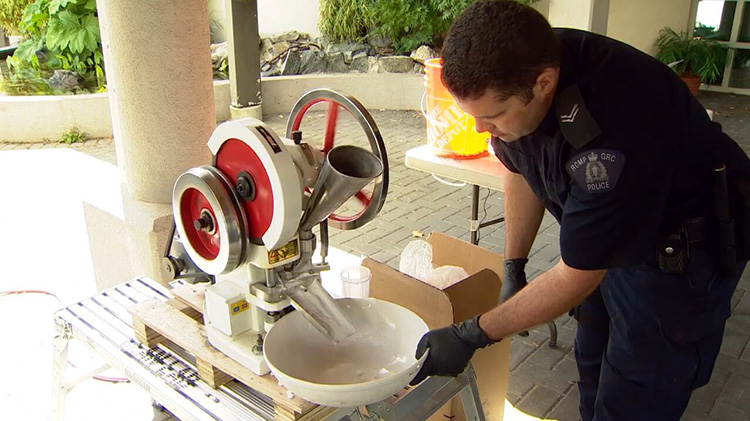
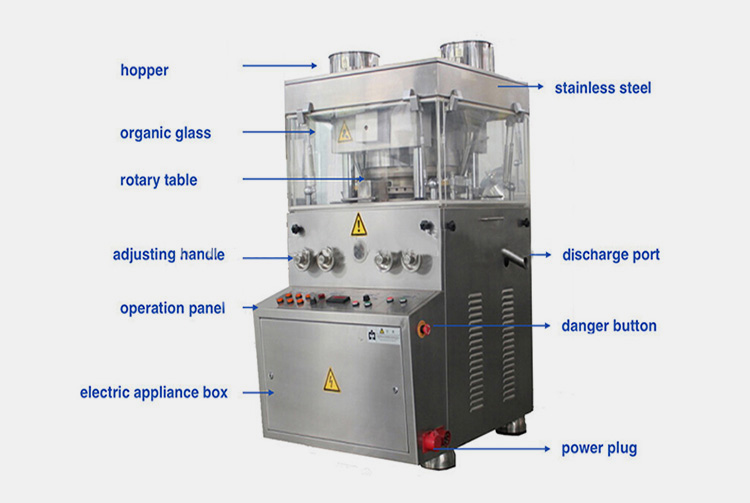
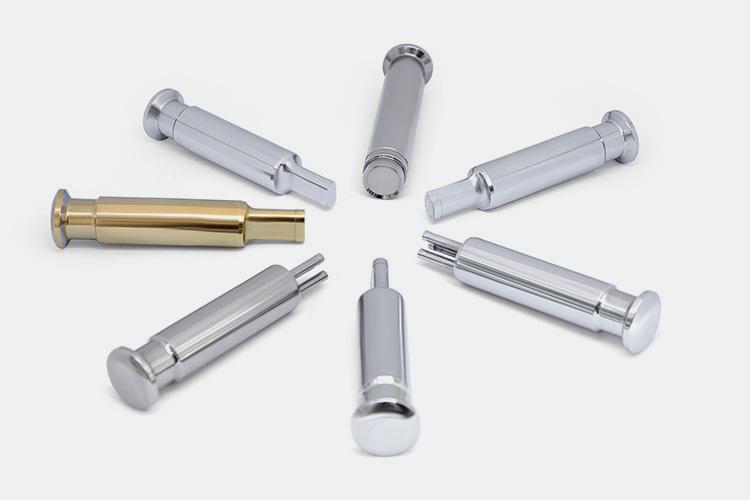
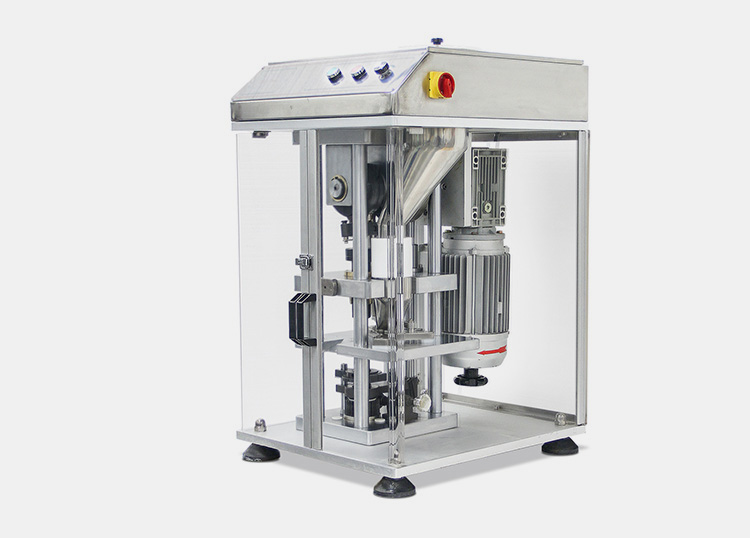
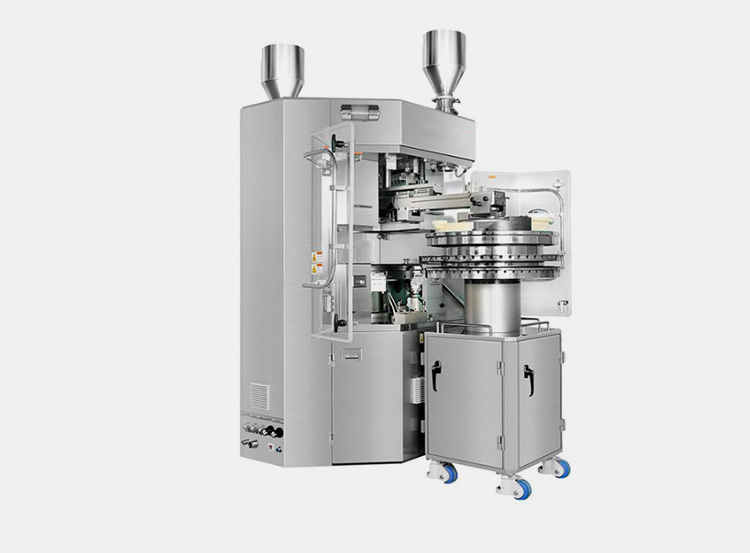
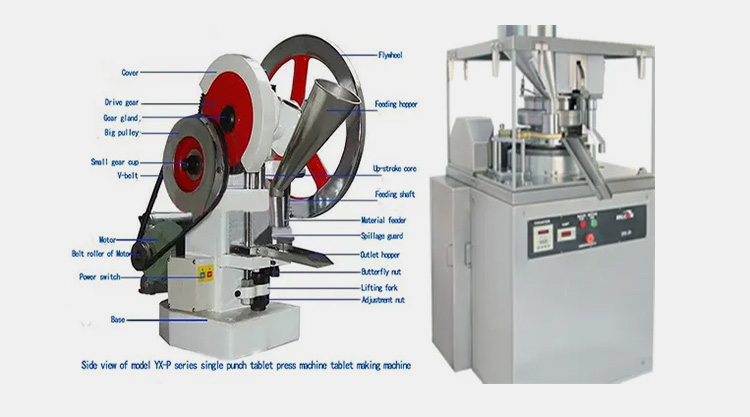
    Undeniably, the most crucial tool you will ever require for making your own pills is pill press. This equipment composed of several components to transform your dry powders or granules into hard stable pills. Hence, if you want to make pills manually at home, you can use a handheld or manual pill press. On the other hand, for industrial use, you can use fully automatic or semi-automatic pill press.

    Pill Press

    Tablet press machine -Picture Courtesy: bestshoptheday.com

    6 Coating Machine

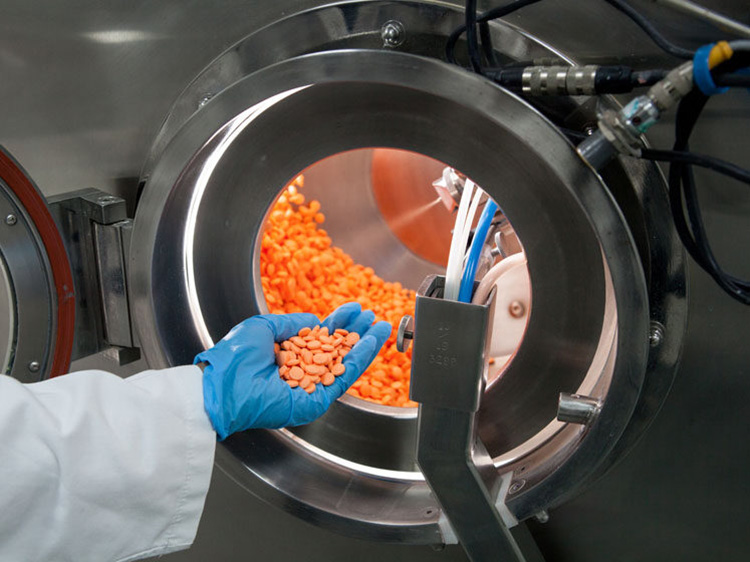
    Coating machine is optional but, in some cases, essential machine to use for coating the bitter taste, maintaining structural integrity, and appeal of pills.

    Coating Machine

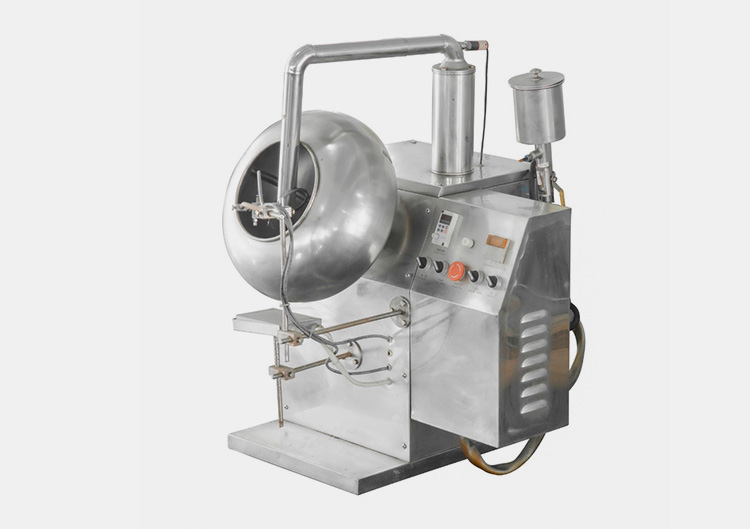
    Tablet coating machine- Picture Courtesy: ipharmachine.com

    3.How To Press Your Own Pills Manually At Home?

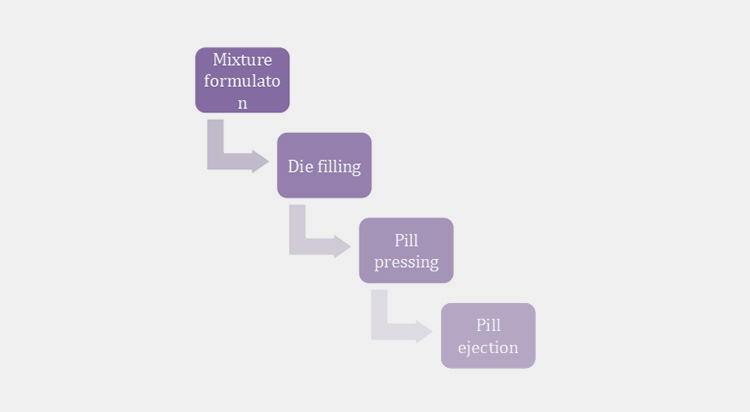
    You might be planning to press your own pills at home, and that's a great idea! Pressing your own pills at home is a piece of cake for several reasons. This way is more affordable than purchasing expensive vitamins and supplements. Also, you get fresh and quality ingredients processed in your own home. Let's know the step-by-step process for pressing your own pills at home:
    Pills Manually

    Mixture Formulation

    Mixture Formulation

    Various herbal powders- Picture Courtesy: healthnews.com

    First, you need to make pills formula by mixing various active ingredients and excipients. Put them collectively in a bowl and mix with the help of a spoon.

    Die Filling

    Die Filling

    Pill mixture filling into press die cavity- Picture Courtesy: LFA Machines

    Once, the pill mixture gets ready, you can take fixed amount of pill mixture and simply put it into die hole of the pill press through spoon. Now, close the pill press by fitting a punvh over die cavity.

    Pill Pressing

    Pill Pressing

    Pill pressing- Picture Courtesy: LFA Machines

    This is the most crucial step, where you need to exert pressure on pill press punch which will resultantly form solid, uniform, and clear pill.

    Pill Ejection

    Pill Ejection

    Pill ejection- Picture Courtesy: LFA Machines

    In the last step, you have to open the pill press and eject pill you have made by your own.

    4.How To Press Your Own Pills Through Machine On Industrial Level?

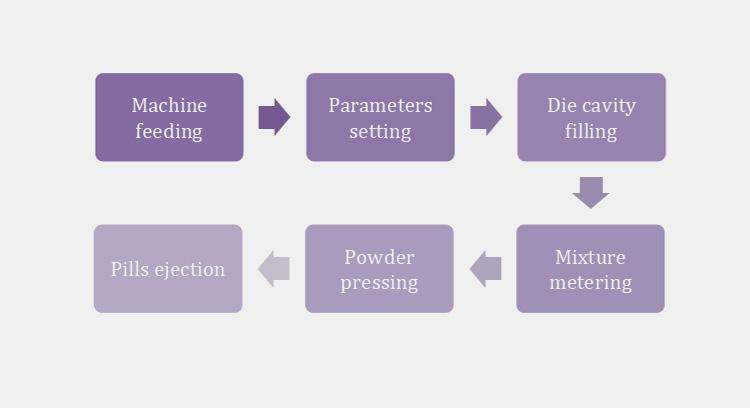
    Making your own pills via machine is somehow different from that of manual pressing of pills. Here, you need to focus on the steps explained below:
    Pills Through Machine

    Machine Feeding

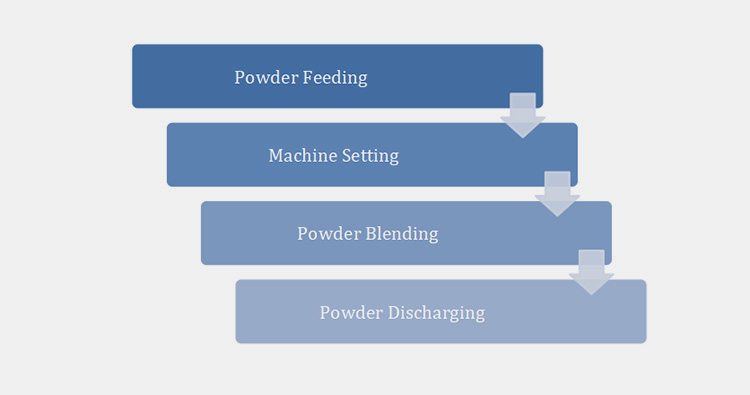
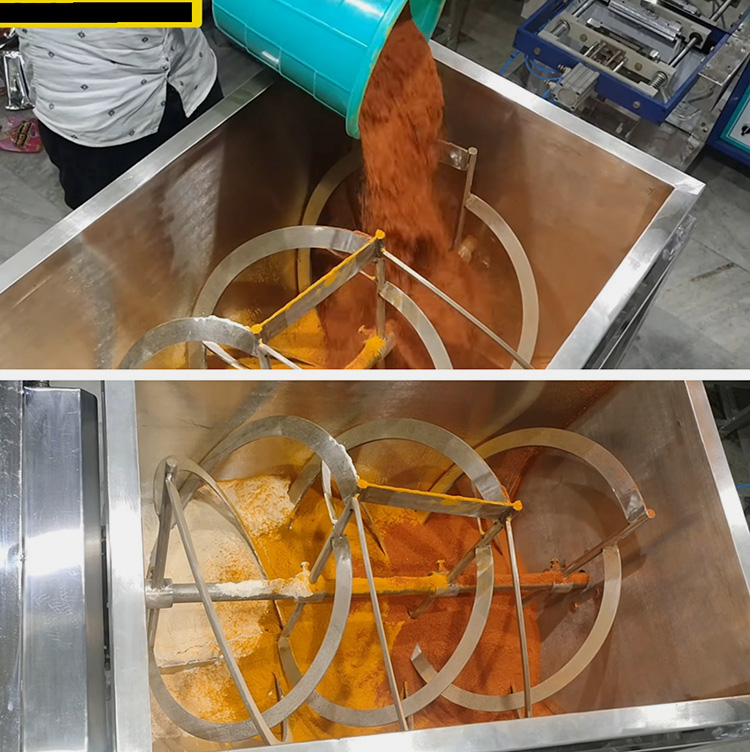
    For starting pill making process via machine, you need to feed its hopper with enough pill formula which may be in powder or granules form.

    Parameters Setting

    Now, you can power on the machine for setting basic parameters such as amount to be taken for making each pill, the compression force to be applied, and dwell time of the machine etc., with the help of control panel.

    Die Cavity Filling
    Die Cavity Filling

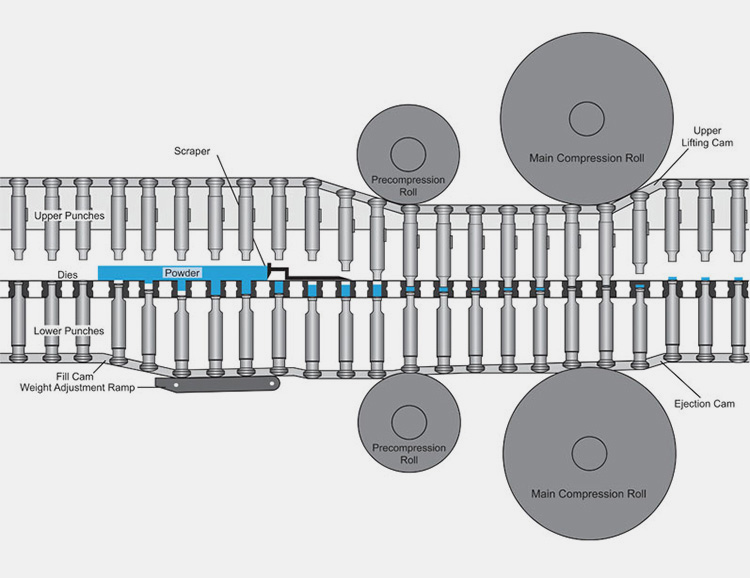
    Working process of pill press machine- Picture Courtesy: prestigeinspirefoundation.in

    Once, the machine's setting gets done just press the start button to make machine work. From here, machine will begin to blend pill mixture inside hopper and then deliver it to die cavity.

    Mixture Metering

    At this point, the question of how much pill mixture should be taken for making each pill is determined by a metering cam integrated inside the machine. It will only allow the desirable volume of formulation to enter die cavity and expel out excess powders or granules from cavity through.

    Powder Pressing

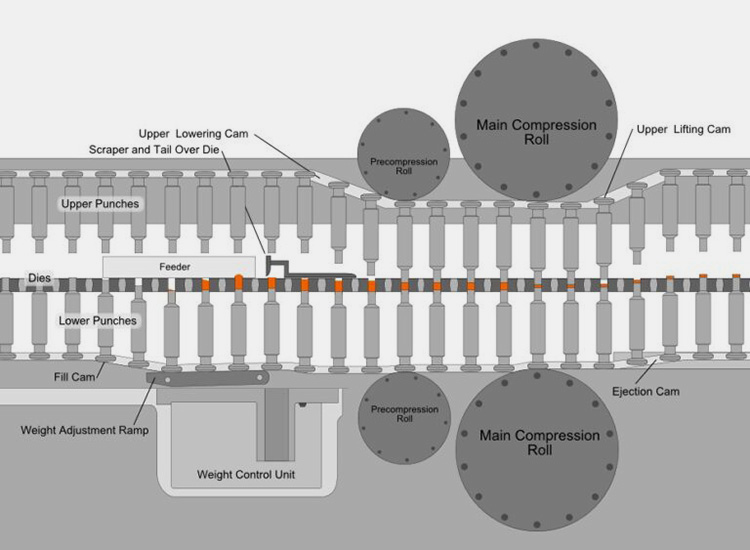
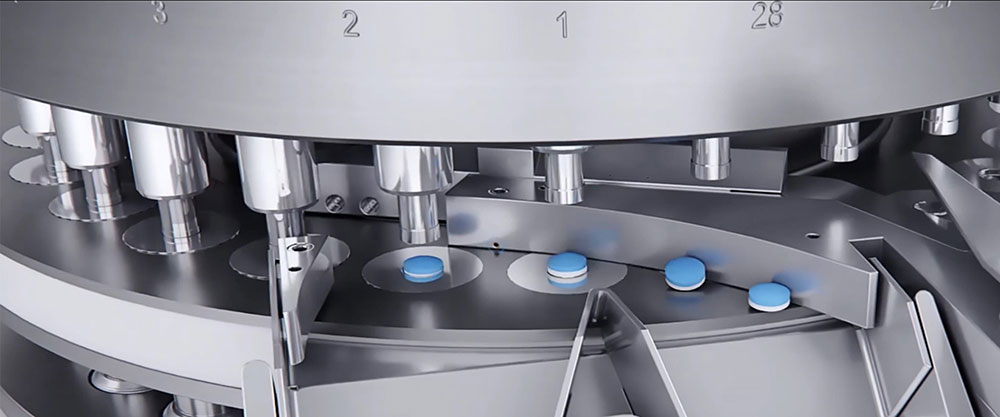
    Ultimately, you will observe the machine pressing powder laying in dia cavity through much force applied by lower and upper punches, resulting in the formation of precise, hard, and uniform pills.

    Pills Ejection
    Pills Ejection

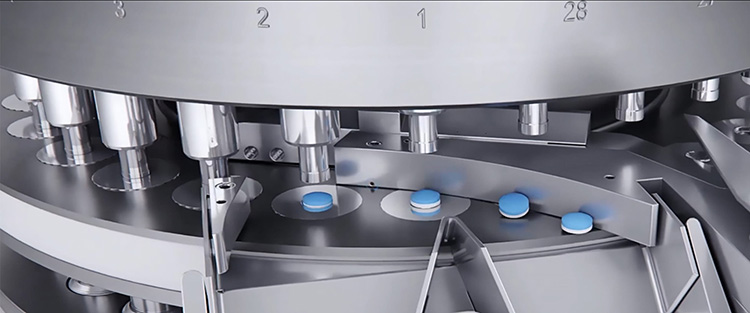
    Pills discharging in tablet press from Korsch- Picture Courtesy: korsch.com

    This last step of pills ejection encompasses the discharging of formed pills from die cavity. For this purpose, the upper punches raise above, and lower punches push the pills out of die cavities towards discharge chute, and thus collected in a container.

    5.Explain The Different Methods Used For Manufacturing Pills?

    Generally, there are three methods adopted for making pills. They can be better understood by looking into underlying details:

    Wet Granulation

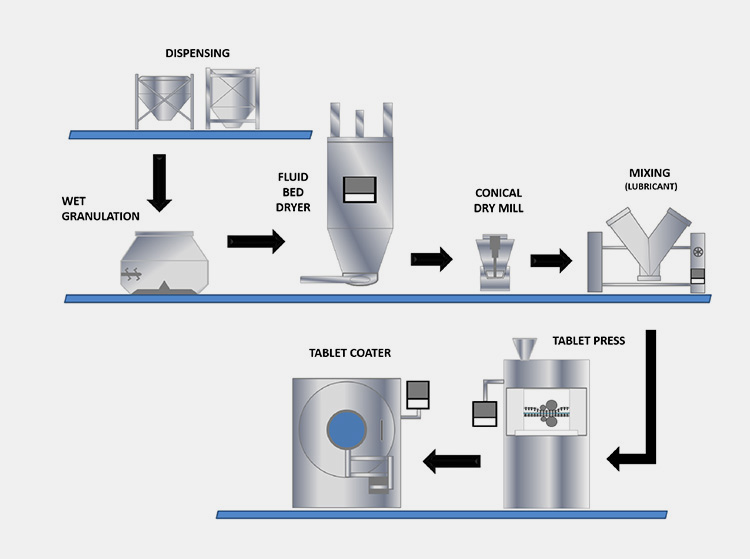
    Wet granulation method is most used way for making pills. It is a suitable technique for the size enlargement of pill mixture, from powders to granules. Therefore, it is suitable for therapeutic agents which are chemically stable and do not affect by wet granulation.
    Wet Granulation

    Wet granulation of pills- Picture Courtesy: freemantech.co.uk

    Process:

    • It involves mixing binders into active ingredients through water to form binder solution.
    • Mix binder solution with other excipients such as disintegrants and glidants to form a dough.
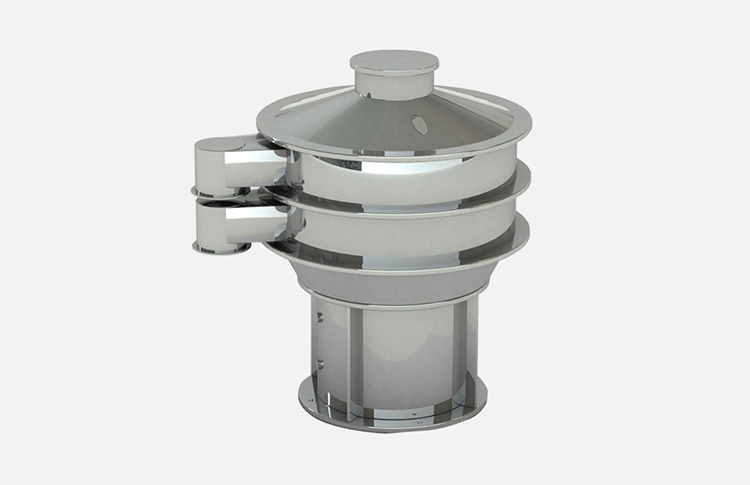
    • Process the dough through sieve to make granules.
    • Dry the wet granules at 60° temperature.
    • Weigh granules for each pill and compress them to form pills.

    Dry Granulation

    Dry granulation method of making pills is opposite to wet granulation technique. It involves compacting powders into large slugs and breaking them down to form granules. Hence, this method is best for agents sensitive to moisture and elevated temperature and reduce the chances of quality degradation.
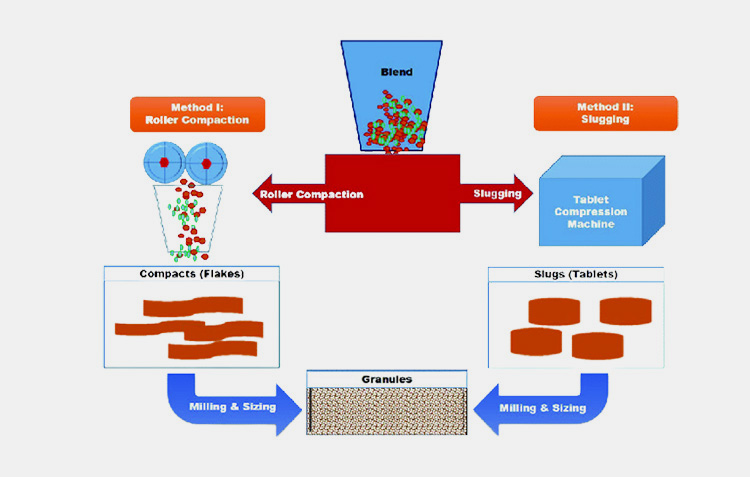
    Dry Granulation

    Dry granulation process- Picture Courtesy: ipharmachine.com

     Process:

    • It encompasses milling the solid materials into powders.
    • Mixing active ingredients and excipients together.
    • Turning mixed ingredients into slugs or compacts.
    • Sieve the slugs to turn into dry granules.
    • Compress dry granules into pills.

    Direct Compression

    Unlike wet granulation and dry granulation, direct compression method does not modify the physical properties of ingredients rather compressed them into pills. It is extremely cost-effective way for pill pressing, therefore, widely employed for generic drugs.
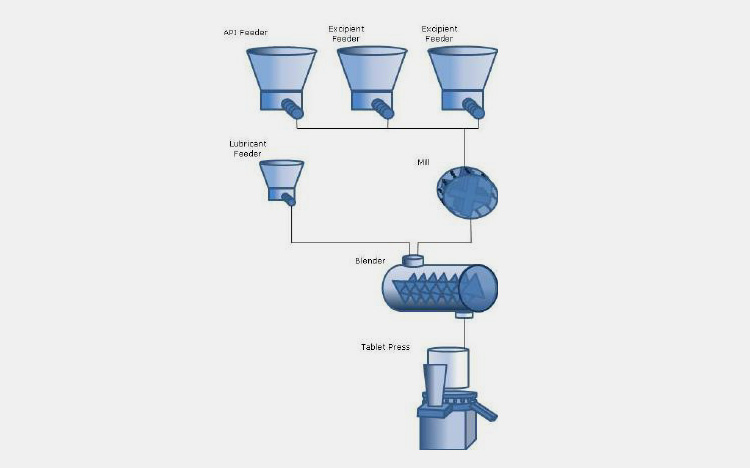
    Direct Compression

    Diagram of a direct compression continuous process- Picture Courtesy: researchgate.net

    Process:

    • Mill the whole therapeutic and excipients to make free flowing powder.
    • Mix both active and inactive ingredients homogeneously.
    • Press the homogeneous pill mixture to make hard pills.

    6.What Sizes and Shapes of Pills You Can Press?
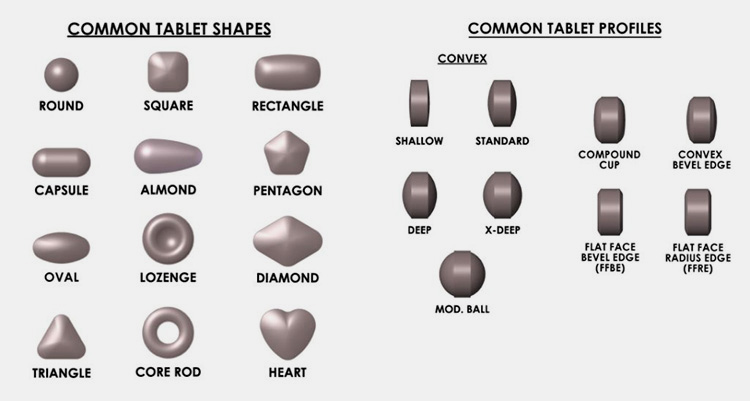
    Shapes of Pill

    Common shapes & profiles of tablets- Picture Courtesy: ftloscience.com

    There are large numbers of shapes and sizes available for pills. So, you can use them when designing your own pills.

    Shapes

    The common shapes used for pills include round, square, oval, capsule, and many others as shown in the picture above. Shapes are sometimes, adopted to resemble the pill purpose. For example, heart and lozenge pills may be used for heart and immunity health respectively. Apart from this, study shows that flat shaped and oval pills are more esophagus tolerant and support easy swallowing than triangle and round, which must be used in low dosage only.

    Sizes

    While, shapes relate to the appearance of pills, size is concerned with dosage. There are variety of pill sizes available for pharmaceutical tablets. However, most pills size range from 1mm to 2mm. Sizes of pills can be determined according to the age of patient like children, adults, and older people.

    7.How To Troubleshoot The Common Problems Occur During Pill Pressing?

    While pressing your own pills, you might struggle with common pills defects. But we don't want you to bother for it. Therefore, understanding in tackling these issues in advance will be indeed helpful for you.

    No Problems Causes Troubleshooting Pictures
    1 Binding of pills inside die cavity It may happen due to excessive moisture, less lubricants, or punch is not suitable Enhance the granules drying time, put adequate amount of binder, and replace punch if incompatible Binding of pills inside die cavity

    Binding of pill in die cavity- Picture Courtesy: biogrund.com

    2 Pills sticking after getting pressed This problem occurs in wet granulation method where inadequate drying of granules results in the sticking of pills Keep it in mind, that wet granulation method of pill manufacturing requires the wet granules to be dried under 60° temperature Pills sticking after getting pressed

    manufacturingchemist.com

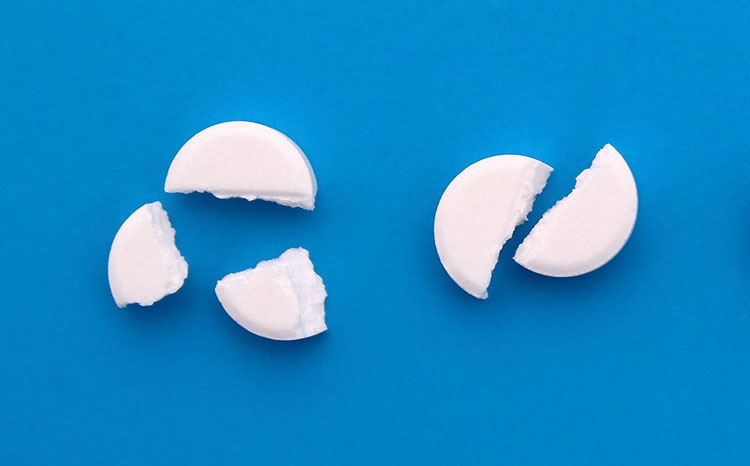
    3 Pills get break while pressing The most common cause is more or less dwell time You need to reduce the dwell time if pill is hard but broken and increase the dwell timing if pill is broken due to ingredients disintegration Pills get break while pressing

    Broken pills display- Picture Courtesy: Shutterstock

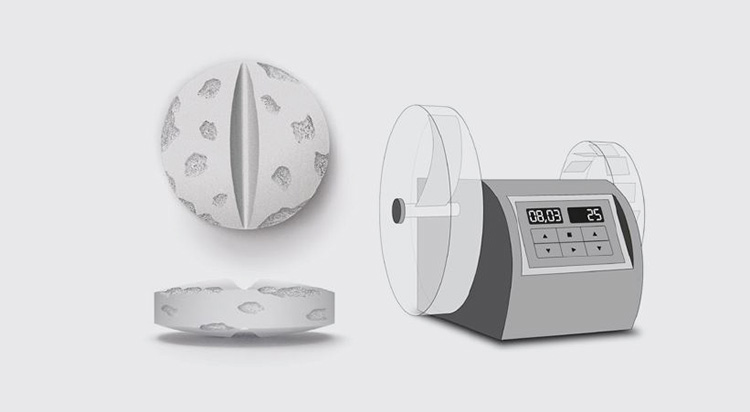
    4 Excessive breakableness of pills There are many reasons for it such as low dwell time, entrapped air in cavity, and high abrasion It can be solved by increasing compression time, so, that air will get enough time to escape. Also, use cohesive binders to avoid abrasion Excessive breakableness of pills

    Friable pills with tester- Picture Courtesy: biogrund.com

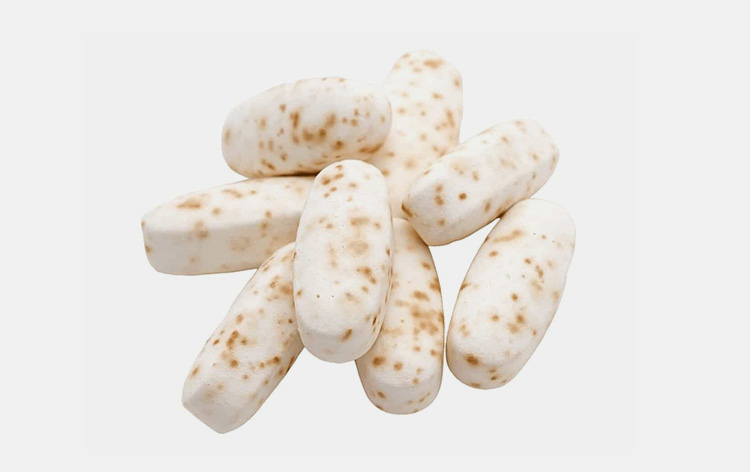
    5 Mottling of tablets Inappropriate blending of colorants and insufficient drying of mixture cause uneven distribution of pigmentation It can be avoided by applying uniform blending and giving your particulates enough time to get dry Mottling of tablets

    Mottle tablets- Picture Courtesy: ipharmachine.com

    8.Factors Affecting The Quality Of Pills During Pressing?

    Whenever, you intend to press your own pills, keep in mind that there are many factors which may obstruct your way to gain quality pills. What are these? We have discussed them below. Make sure to fully get all of them:

    Weight

    Weight of pills is the most crucial factor to look for when making pills. While pill press removes the access ingredients from die cavity, it does not weigh the formulation. Hence, you must be careful to weigh the mixture in advance when pressing pills manually, and adjust the hopper, feed, and flow of ingredients to make consistent pills.

    Pressure
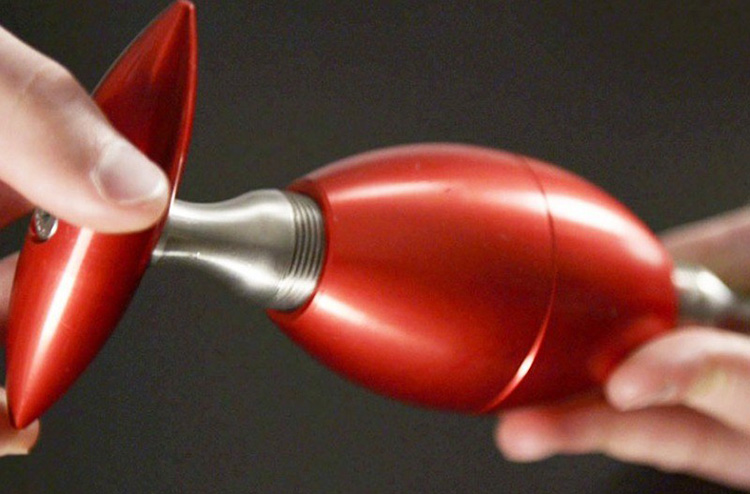
    Pressure

    Pressing handheld tablet press- Picture Courtesy: sotsu.co.jp

    Application of required pressure to press pills is another significant aspect to look for. As it determines the hardness of pills; the greater the pressure the higher will be hardness or vise versa.

    Pressing Tools Condition
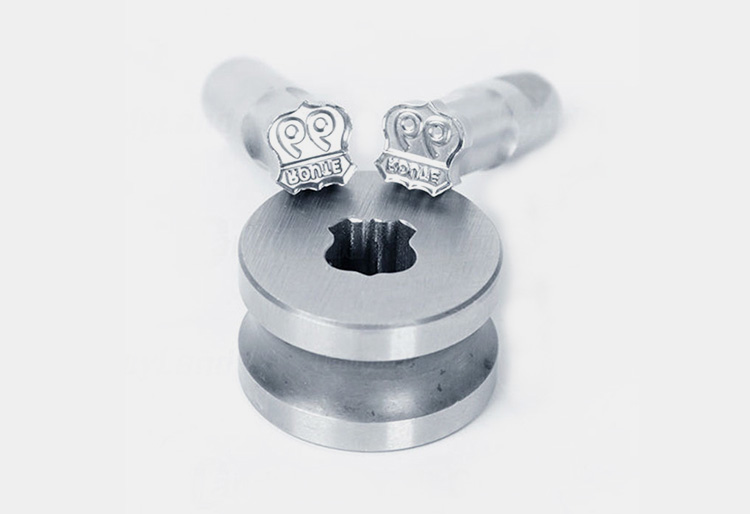
    Pressing Tools Condition

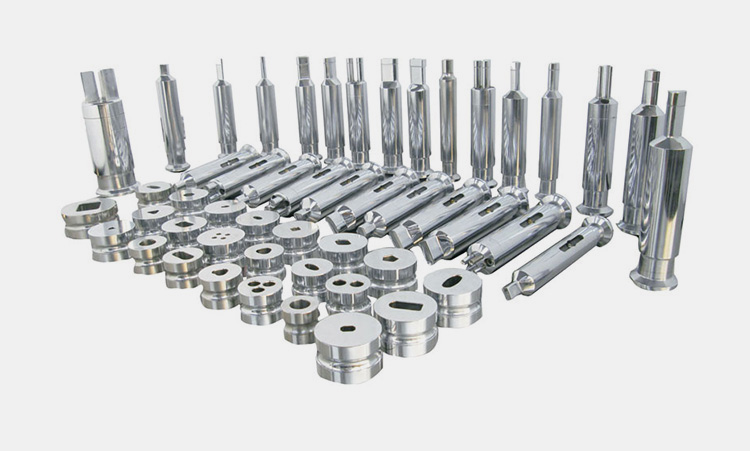
    Irregular mold die for tablet press machine- Picture Courtesy: bestshoptheday.com

    Punching tools and die cavity are the key stimulants to form your pills. Similarly, damaged and dirty tools will affect your pills' quality negativity. Therefore, it is necessary to keep them clean and tidy.

    Ingredients
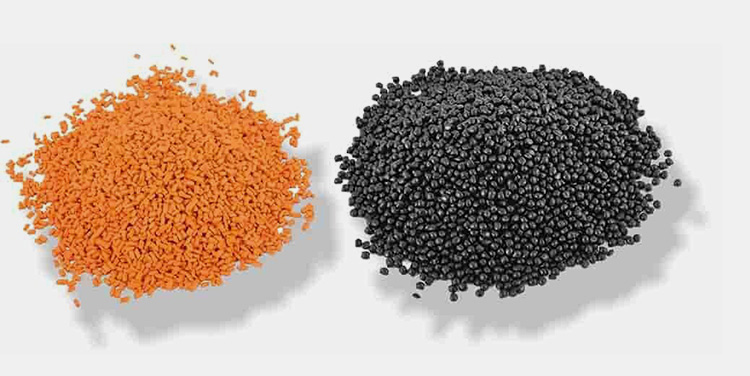
    Ingredients

    Dual color granules- Picture Courtesy: ipharmachine.com

    Which type of ingredients you are going to use in your pills will absolutely have a long-lasting impact not only on the users who take them but also on your business. In essence, using non-allergen, non-addictive, and quality ingredients will make your pills enchanting for consumers.

    Conclusion

    To sum up, we are sure that you have finally got the answer to how to press your own pills! It is imperative to have clear understanding of the components, tools, and methods for pressing pills before rushing upon starting it without any knowledge. Which will, otherwise, lead you to face conundrums. Now when you are fully equipped with essential knowledge of pressing your own pills, what's your next step? Do you want to make start from home or small industrial start up? For your eagerness in either of case, we are always here to assist you and provide you the best pill press having one year of warranty. Feel free to contact us!

    Don't forget to share this post!

    CONTACT US

    Tell us your raw material and project budget to get quotations within 24 hours.

    WhatsApp Us: +86 156 0710 8630

    Invalid Email
    Invalid Number

    How To Press Your Own Pills? Read More »
    Aluminium Foil Pan Size Chart

    Aluminium Foil Pan Size Chart

    Aluminium Foil Pan Size Chart

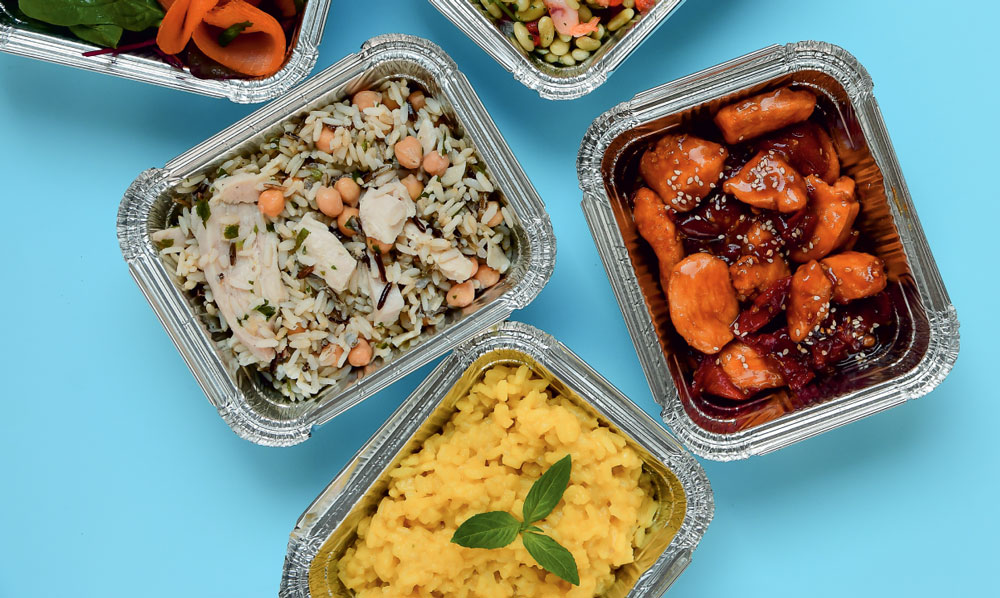
    Do you know, whether a catering pan, tray pan, solo pan, sharing pan or various other aluminium foil pan; knowing pan size is always helpful to select right type require for you?

    Foil Pan Size Chart

    An aluminium foil pan size chart is important as it offers guidance for efficient and optimum results and preventing uneven heating, under or over-cooking and reducing the chances of product wastage. Now you can enjoy professional and compact presentation of your food or other chores simply by following this aluminium foil pan size chart. Check our brief introduction about this interesting topic and improve your knowledge.

      Add a header to begin generating the table of contents

      1.What Is Aluminium Foil Pan? Why it is Significant?

      Foil Pan Size Chart-1

      Aluminum foil pan

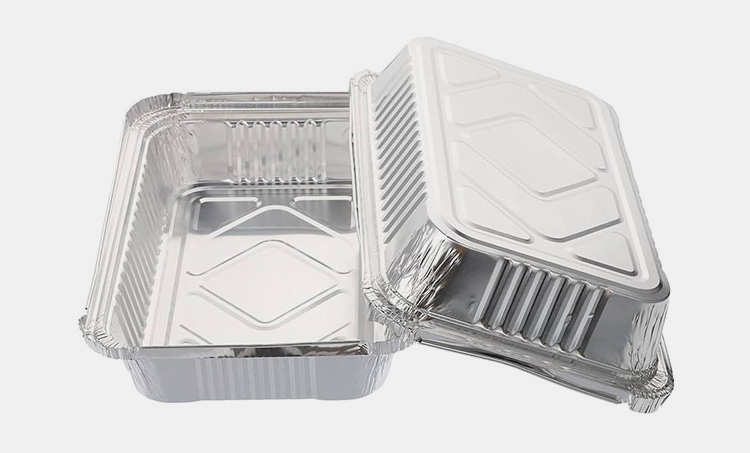
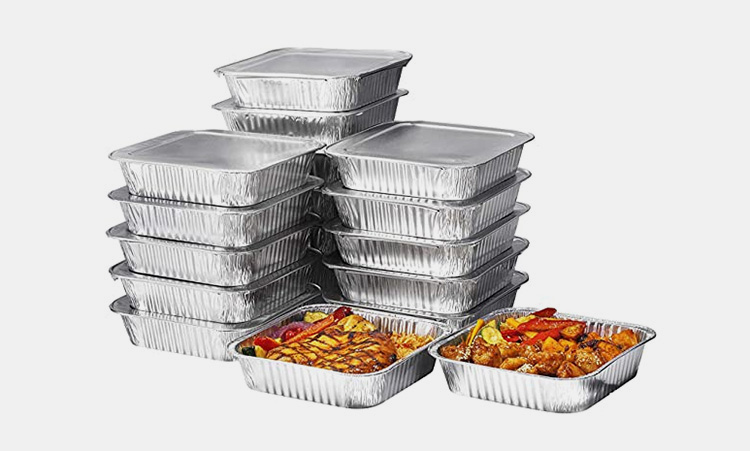
      The aluminium foil pan is a versatile and a modern cooking option which is not only convenient but safe for preparation of cuisines. Whether it is BBQ, baking, storing, or cooking any other dish; an aluminium foil pan is easy to handle for various purposes.

      This option is mainly used when you need to cater events, restaurants, preparing community meals, baking, and others. The aluminium foil pan is created and manufactured using higher quantities of raw aluminium which adds to its ability to withstand with heat.

      Also, it involves additional stages of rolling and heating that consume more energy, therefore, imparts heavy-duty protection and is a strong barrier that keeps oxygen, moisture, and light away from the product.

      This specialized function of thicker aluminium foil significantly increases its value and capable to withstand up to 500 degrees Fahrenheit.

      Large Aluminum Foil Pan Size

      Large Aluminum Foil Pan Size

      In industrial context, large size aluminium pans are used for larger dimensions. They are mostly measured in meters or inches. These sizes of aluminium pans are used for fast-food processing and as well as for pharmaceuticals industries. An industrial aluminium tray might be 60 inches by 40 inches. Their large size and thickness ensure that the pan size meets the requirements and use of industry.

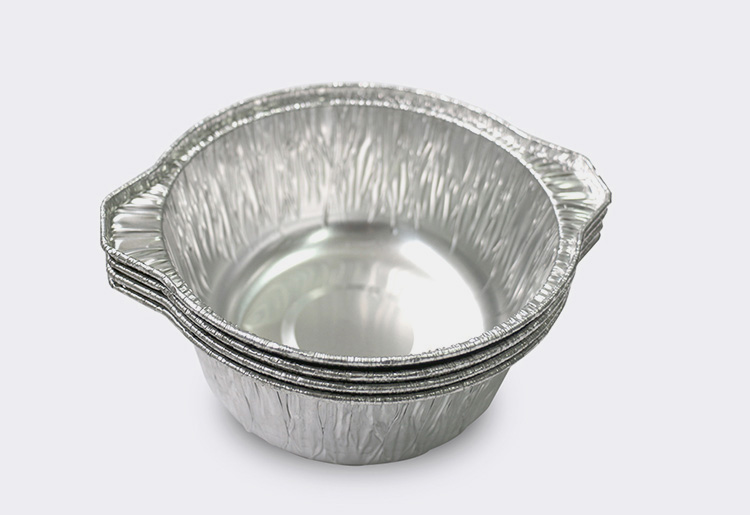
      Medium Almunium Foil Pan Size

      Medium Almunium Foil Pan Size

      As comparing to large size of aluminium pan medium sizes are smaller. These food containers can be used in various ways for cooking, freezing, and baking. They are made from recycle aluminium and can be reshaped. The thickest aluminum foil is highly popular among industries because of its heavy-duty strength and protection. Food-grade aluminium foil having a thickness of 0.006 to 0.009 mm is employed in flexible packaging.

      Small Almunium Foil Pan Size

      Small Almunium Foil Pan Size

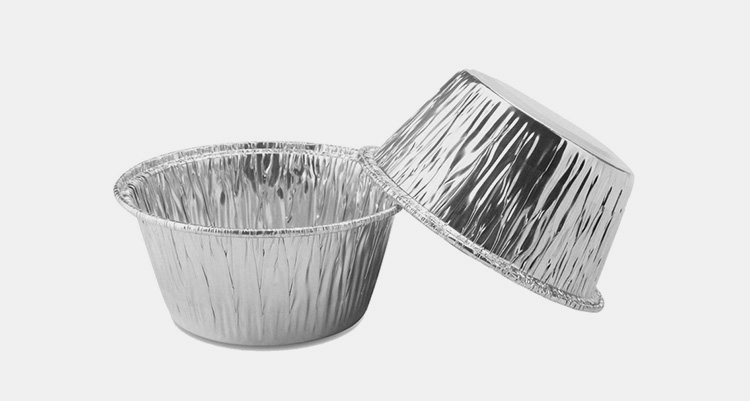
      Small size aluminium pans are used for small the items of less dimensions. These aluminium pans are used for healthy and safe food grade material. They can be used in oven directly for heating and cooking processes. Size of small aluminium pan for cup-cakes are caliber 8cm, bottom diameter 6cm, height 4cm. They are made up of Eco quality aluminium because they are made from recycled aluminium.

      Sturdiness The strength and sturdiness of aluminium foil pan is significant and can withstand higher mechanical damage and is more resistant to shearing, ripping, puncturing, and tearing. Foods are often enclosed in thicker aluminium foil pan which is convenient for transportation.
      Heat Conduction and Conservation The aluminium pan is often employed in high-temperature settings such as baking or industries because it can bear and conserve high-temperature conditions without causing harming your food item and preserve aroma and flavor.
      Light Barrier Aluminium pan is opaque, impervious to light, and has light-reflecting characteristics. Therefore, the aluminium pan has better light-obstructive properties and is used for packaging light-sensitive products, so it is ideal for food items that could lose their integrity  upon exposure to light such as eggs, sandwiches etc.
      Moisture Resistance One of the major culprits that spoil and degrade the quality and structural integrity of products is water. Food items absorb moisture from surroundings that impact their quality. But it provides ultimate protection against such agents upholding the veracity of items.

      Aluminium pan with a thickness range greater than 25 microns or 1 Mil is resistant to entry of moisture and oxygen, whereas thinner aluminium foil is somewhat permeable to these agents due to the presence of little holes in them.

      Odor Barrier Food products lose their particular zest and aroma by absorbing external odour. Consequently, thicker aluminium pan is favoured among food brands as it offers the highest level of protection against external odours and preserves the taste of foods for a long time.

      2.What Is Aluminium Foil Pan Size Chart?

      This is a standard presentation of types and sizes of aluminum foil pan size that helps you in understanding and choosing the right option for making of any food that offering 100% quality and aesthetics to you.

      Pan Type Size (inches) Size (centimetres)
      Baking Sheet 13 x 9 inches 33 x 23 cm
      Round Cake Pan 8 inches diameter 20 cm diameter
      Square Cake Pan 9 x 9 inches 23 x 23 cm
      Brownie Pan 9 x 13 inches 23 x 33 cm
      Roasting Pan 16 x 13 inches 41 x 33 cm
      Muffin Pan Standard 12 cups Standard 12 cups
      Loaf Pan 9 x 5 inches 23 x 13 cm
      Cookie Sheet 18 x 13 inches 46 x 33 cm
      Pie Pan 9 inches diameter 23 cm diameter
      Casserole Dish 9 x 13 inches 23 x 33 cm
      Jelly Roll Pan 10 x 15 inches 25 x 38 cm
      Pizza Pan 12 inches diameter 30 cm diameter
      Square Griddle 11 x 11 inches 28 x 28 cm

      The aluminum foil pan size chat is mostly presented in the following described units below:

      Centimetres (cm): Centimetre is mostly used for measuring the length. When we specifically have to find the size of aluminium pan, we can find the length, width, height of pan in the centimetres.
      Millimetres (mm): It is another unit in the metric system and is mostly used for small and precise measurements. They are similar to centimetres but used for small dimensions.
      Meters (m): Meter is a larger unit in the metric system. It is an imperial and most commonly used measuring system.
      Inches (in): Inches are commonly used in US for calculating the aluminium pan sizes. Pan sizes in inches for an aluminium foil can be 12inches x 9inches x 2inches.
      Mil (Thousandths of an Inch): 1 Mil is equal to 1/1000 of the inch. It can be used for estimating or finding the thickness of an aluminium foil.

      Description of Aluminum foil pan Size Chart

      Baking Sheet

      Baking Sheet

      This is a commonly used rimmed sheet for baking sweets cookies, cakes, and roasting of various vegetables that helps in spillage. This is available in size of 13 x 9 inches or 33 x 23 cm.

      Round Cake Pan

      Round Cake Pan

      Round cake pan

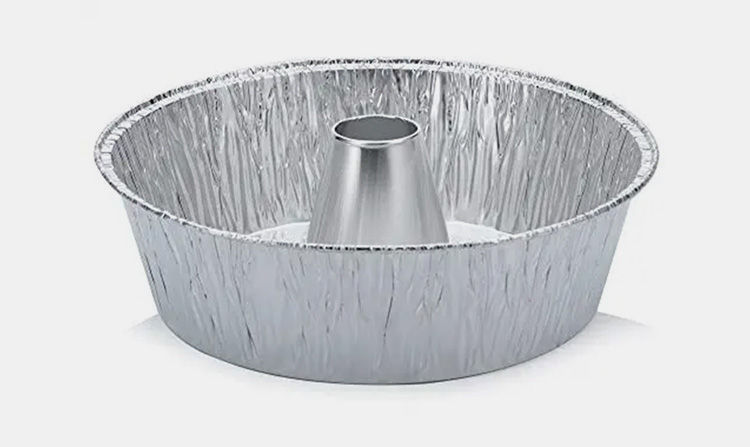
      Although, round Cake pan is also available in large size, but mostly, you will find round cake pan in medium size, as mentioned in the chart above. So, its size is 8 x 8 inches or 20 cm, which is best capable to hold the cake batter of up to 6 cups. This is used for bakery purposes for layered cakes available in suitable sizes.

      Square Cake Pan

      Square Cake Pan

      Square cake pans- Picture Courtesy: Packware

      Square cake pan is one of the most suitable examples of large aluminum foil pan with size of 9 x 9 inches. This square cake pan is good for 8 to 10 cups of cake batter.

      Brownie Pan

      Brownie Pan

      Brownie pans

      A specially designed brownie pans which is available in size 9 x 13 inches or 23 x 33 cm, suitable for making brownie or bar-structured sweets. The design of square or rectangular shape brownie pan is best for an equal size cutting of desserts.

      Roasting Pan

      Roasting Pan

      roasted chicken in roasting pan-Picture Courtesy: webstaurantstore

      Aluminum roasting pan is particularly made with ultra leak proof design to withstand excessive heat during roasting. You may find aluminum roasting pan in large and medium size. Here, we have brought for you an example of medium size aluminum roasting pan which is depicting size of 16 x 13 inches.

      Muffin Pan

      Muffin Pan

      Muffin Pan

      This is a standard size aluminum foil pans which is available in a set of around 12 cups where you have to directly pour the ingredients in order to make muffins or cup cakes.

      Loaf Pan

      Loaf Pan

      Loaf Pan

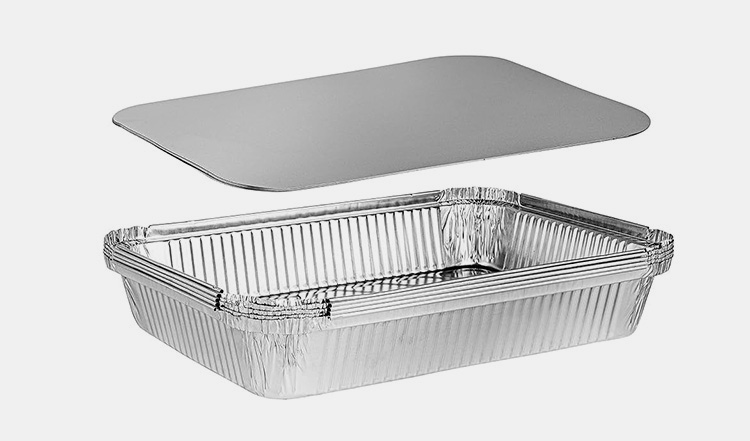
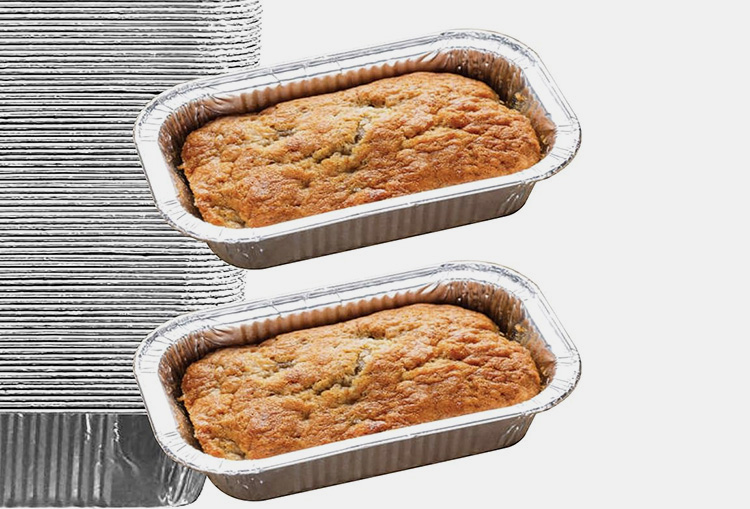
      For baking lovers, this is a good option which is designed with 9 x 5 inches or 23 x 13 cm for the bakery of bread loaf.

      Cookie Sheet

      Cookie Sheet

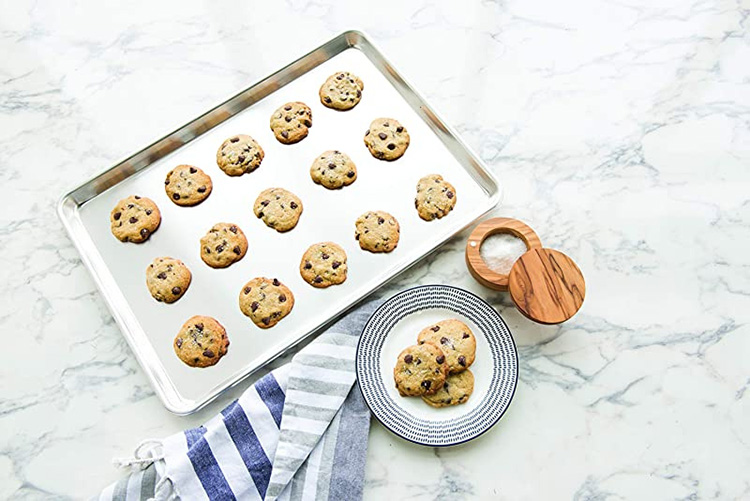
      Cookie in aluminum sheet- Picture Courtesy: target

      Aluminum cookie sheets are popularly used in bakeries and home kitchens to meet the daily requirement of baking cookies. As aluminum is a good conductor, the cookie sheets swiftly and uniformly spread the heat to all cookies in a less time. Cookie sheets are often available in rectangle shape.

      Pie Pan

      Pie Pan

      aluminum pie pans

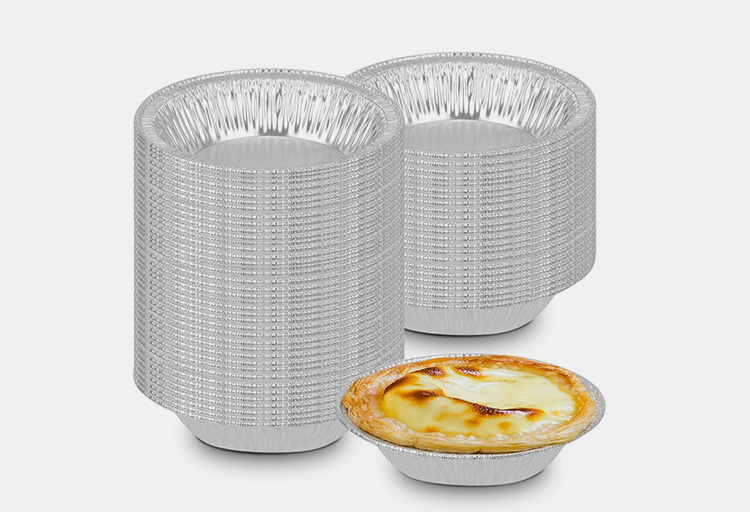
      The sizes of the pie pan may vary, but you can use a small aluminum pie pan to makeup single serving pie. The size of a small pie pan is 3 inches which may exceed forward.

      Casserole Dish

      Casserole Dish

      Casserole Dish

      If you want to make lasagnas or any layered cuisines, the casserole aluminum dish is a suitable option which is available in 9 x 13 inches or 23 x 33 cm. Now you can enjoy deep baking with this choice.

      Jelly Roll Pan

      Jelly-Roll-Pan-6

      Jelly roll pan-Picture Courtesy: boneappetit.com

      Jelly roll pan of size 10 x 15 inches can be counted as a large aluminum foil pan size. You can use it for making long strips of jelly roll without worrying about sticking, cracking, or crumbling.

      Pizza Pan

      Pizza Pan

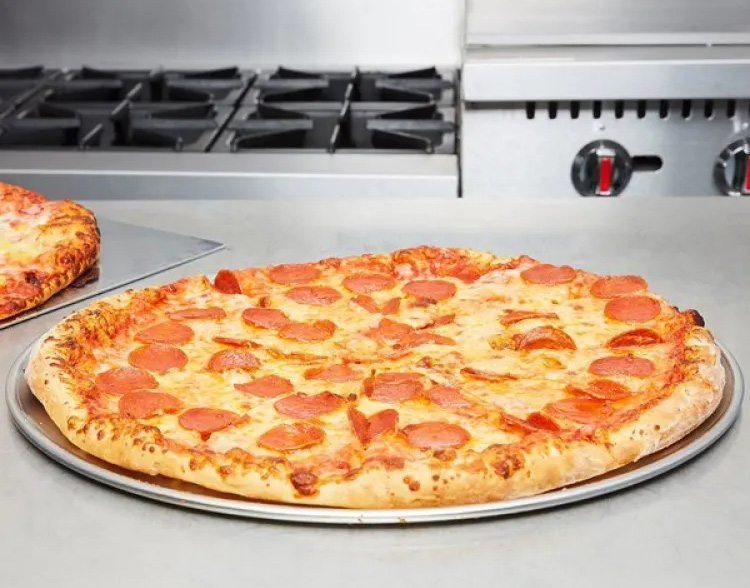
      Pizza in aluminum foil pan- Picture Courtesy: webstaurant

      You might have an experience of enjoying cheesy pizza eating from a pan. That is actually made from aluminum. Various types of aluminum foil pans are used for pizza but the most common is cast iron pizza pan which makes a crispy thin-crust pizza.

      Square Griddle

      Square Griddle

      Aluminum Square Griddle

      This is an option with a flat cooking surface offering low edges right choice for making pancakes, BBQ sandwiches, or grilling with any other option with a flat food product. This is available in 11 x 11 inches size which is equivalent to 28 x 28 cm.

      Conclusion

      The aluminum foil pans are now an easy way to bake and cook cuisines for various events as it is not only cost-economically best but you can cater large batches of foods in a timely manner as they are light, affordable, and disposable. Even you can prepare multiple meals and supply as home bakers, restaurants, hotels, and catering by offering high quality products. If you want to understand more about the aluminum foil pan size chart or have a query; we would suggest contacting us! Allpack is a hub of experts and a technical well-versed team that would be glad to answer your queries 24/7. Message us now.

      Don't forget to share this post!

      CONTACT US

      Tell us your raw material and project budget to get quotations within 24 hours.

      WhatsApp Us: +86 156 0710 8630

      Invalid Email
      Invalid Number

      Aluminium Foil Pan Size Chart Read More »

      Vacuum Sealed Food Shelf Life Chart-6

      Vacuum Sealed Food Shelf Life Chart

      Vacuum Sealed Food Shelf Life Chart

      Ever wondered how vacuum sealed foods have an improved shelf life? No? Possibly, we have knocked your brain to think about it. But don’t worry! Along with this riddle, we have already described many clues, expert discussions, and reasons behind the significant role of vacuum sealing in a product’s packaging and considered a ‘super-hero’ in the packaging industry.

      Vacuum Sealed Food Shelf Life Chart

      However, understanding how long it will preserve your food? For that, we have created this blog which is composed of various vacuum sealed food shelf life charts. The purpose of this article is to make you well aware of the standard shelf lives of your product that you can claim when offering a vacuum sealed food product. Without further ado, let's get into an interesting article, do not forget to see our amazing range of vacuum sealed equipment and share the post.

        Add a header to begin generating the table of contents

        1.What Exactly a Vacuum Sealed Food is?

        Vacuum Sealed Food

        Vacuum Sealed Food- Picture Courtesy; Oilso

        The vacuum sealed food is a significant way of packaging your eatables to extend their shelf life and obtain unlimited health benefits in any season. This method is achieved by removing the presence of oxygen molecules inside the packaging.

        The different kind of food have different affinities to react with oxygen and moisture and starts the reaction of rancidity and contamination in a defined period. For instance, certain food goes bad in twenty-four hours while some in forty- eight hours etc.,

        However, vacuum sealing is a standard way to enclose your food that generally lasts for weeks to months, and sometimes till a year. That’s why this way is strictly and preferably followed by manufacturers and businesses to save money, improve food protection, retain taste, texture, colour, flavour, and much more.

        So, now you don’t need to worry about consuming unwanted preservatives or additives in many organic foods if they’re vacuum sealed.

        2.What do you understand by Vacuum Sealed Food Shelf life?

        Vacuum Sealed Food Shelf life

        A vacuum Sealed foods- Picture Courtesy: nationalproductreview

        Keeping food products in the original packaging is a failsafe way to increase their consumption period but manufacturers can extend the expiration date of their food products even further by vacuum sealing it.

        It is the ideal way to protect and preserve food products as during vacuum sealing the oxygen is eliminated from the packaging. after oxygen removal packaging is tightly closed and air sealed.

        So, vacuum sealed food shelf life is considered as multiple times greater than storing foods using a conventional method. The reason behind its extended shelf life is due to:

        Minimize the process of oxidationand reduce the generation of reactive oxidative species which is a liberating and fast-reacting moiety to deteriorate your food and nutrition.

        Preventing Progression of Bacterial and Fungal Growthby reducing aerobic bacterial development, fungus and yeast which rapidly spoil your food and make one’s ill.

        Stabilize your food by protecting it against humidity, oxygen, and light, and maintain the integrity of food and keep it fresh for a longer period.

        High Nutritional Value can be maintained with vacuum sealed food shelf life.

        Texture and Flavour ofvacuum sealed food are kept mouth-watering till their shelf life and thus you can enjoy the cuisine experience anywhere.

        Good for Storage for a Longer Time as vacuum sealed food shelf life is higher which ensures their storage in bulk and delivery anywhere in the world.

        Vacuum sealed food stuffs last longer than food without a vacuum. The average increase in the shelf-life of foods with vacuum sealing is about 1-2 years.

        Vacuum Sealed Food Shelf life-1

        Vacuum Sealed Food Shelf Life Chart-Picture Courtesy: FoodSaver

        The estimation of vacuum sealed food shelf life is done by comparing various research studies.

        The above-mentioned graph illustrates the sustainability and intact quality of food with stable shelf life, which means you can enjoy beef and poultry for over two to three years with vacuum sealed as compared to ordinary food storage.

        Similarly, if you see other items such as fish, soup stock stew, etc you can easily understand their shelf life is extended by 1-2 years with vacuum sealing.

        3.How Do Find Vacuum Sealed Food Shelf Life Chart?

        Firstly, you need to understand what is vacuum sealed food shelf life chart; it begins with your vacuum sealed food packaging which is packed with vacuum sealing offered by the packaging company. The manufacturer examines and coins an expiry date which is mentioned in the product’s label for your ease. These values or dates are well-documented and accompanied by the manufacturer's website and official documentation as well.

        So, we have exemplified the following information and readily available charts with particular details below so learn more about vacuum sealed food shelf life chart.

        Vacuum Sealed Food Shelf Life Chart of Meats

        Vacuum Sealed Food Shelf Life Chart of Meats

        Vacuum Sealed Meat- Picture Courtesy: Mountain America Jerk

        Meat products are packed with proteins and other nutrients. In old times, people use salt as a means of extending shelf-life of the meat products. The salt forces water content out of the meat and prevent growth of microbes.

        MEATS
        Foods Stored In Normal Shelf Life Vacuum Shelf Life
        Beef, Pork, Poultry, and Lamb Freezer 6 Months 2-3 Years
        Fish Freezer 3-12 Months 2 Years
        Ground Meat Freezer 4 Months 1 Year
        Lobsters and Shrimp Freezer 6-12 Months 1-2 Years
        Crab Freezer 2 Months 8-10 Months
        Duck and Goose Freezer 6 Months 2-3 Years
        Venison Freezer 3-4 Months 2 Years

        Nowadays, vacuum sealing meat products is standard way to prolong expiry period of meat. With vacuum sealing meat products, the beef and other red meat have a shelf life of 2-3 years in freezer but with normal packaging, these products can last around 6 months. With vacuum sealing, the shelf life of every meat product is extended over 8 months.

        Here is a chart detailing the comparison of shelf life of meat products packed under normal packaging and vacuum sealed packaging.

        Vacuum Sealed Food Shelf Life of Fruits

        Vacuum Sealed Food Shelf Life of Fruits

        Vacuum Sealed Fruits

        Fruits are rich sources of all essential nutrients, especially vitamins and minerals. By eating fruits, you are guaranteed body health. Drying, curing, and fermenting are a few ancient ways to preserve fruits.

        With innovation, vacuum sealing is introduced to extend the shelf-life of fruits. Below mention chart discusses about expiration period of normal packaging and vacuum sealed fruits.

        Fruits
        Foods Stored In Normal Shelf Life Vacuum Shelf Life
        Tomatoes Freezer 1-2 Weeks 6-12 Months
        Mangoes Freezer 6-12 Months 1-3 Years
        Plums and Peaches Freezer 6-12 Months 1-3 Years
        Apricots Freezer 6-12 Months 1-3 Years
        Pineapple Refrigerator 1-2 Weeks 4 Weeks
        Apples Refrigerator 2-4 Weeks 2 Months
        Citrus Fruits Refrigerator 1-2 Weeks 4 Weeks

        It is estimated that vacuum sealed fruits stored in refrigerators like, pineapples, apples experience an increase of 2 weeks on average in their shelf-life, whereas, the consumption period of freezer-stored fruits, for instance, mangoes, plums, and many more are boosted by about 6-12 months with the use of vacuum sealed packaging.

        Vacuum Sealed Food Shelf-Life Chart of Cheese

        Vacuum Sealed Food Shelf-Life Chart of Cheese

        Vacuum Sealed Cheese- Picture Courtesy: Modified Atmosphere Packaging

        Cheese is a dairy product that is rich in protein and minerals. Cheese pots are buried deep underground for storage and to prevent their spoilage in ancient times. Vacuum sealing a whole block or even just a slice of cheese keeps its freshness and nutritional value longer.

        Here is a chart detailing the shelf life of normal and vacuum cheese.:

        Cheese
        Foods Stored In Normal Shelf Life Vacuum Shelf Life
        Swiss Freezer 1-2 Weeks 4-8 Months
        Cheddar Freezer 1-2 Weeks 4-8 Months
        Parmesan Freezer 1 Month 4-8 Months

        Cheese products are typically stored in the freezer and comparative studies of vacuum sealing cheese products showed that these products have a higher expiration time of about 4-8 months while normal cheese packaging has a shelf-life of only 1-2 weeks.

        Vacuum Sealed Food Shelf-Life Chart of Vegetables

        Vacuum Sealed Food Shelf-Life Chart of Vegetables

        Vacuum Sealed Vegetables- Picture Courtesy: Weston Brand

        Vegetables are good sources of fibre, vitamins, minerals, and, proteins. Daily consumption of vegetables is best for the well-being of humans. Pickling vegetables was the popular way of maintaining their nutritional quality in the old days.

        Below is the comparative chart of normal packaging and vacuum seal packaging of vegetables.

        Vegetables
        Foods Stored In Normal Shelf Life Vacuum Shelf Life
        Broccoli and Brussels Sprouts Freezer 8 Months 2-3 Years
        Mangoes Freezer 8 Months 2-3 Years
        Corn (Cob or Kernel) Freezer 8 Months 2-3 Years
        Green Beans Freezer 8 Months 2-3 Years
        Asparagus Freezer 8 Months 2-3 Years
        Cabbage and Cauliflower Freezer 8 Months 2-3 Years
        Snap Peas Freezer 8 Months 2-3 Years

        The latest vacuum sealed packaging is the easiest way to increase the longevity of vegetables. Studies have estimated that vacuum sealing has a significant impact on the shelf-life of vegetables. Vacuum sealed vegetables typically are good for 2-3 years in the freezer, whereas, vegetables in normal packaging can only stay fresh for 8 months.

        Vacuum Sealed Food Shelf-Life Chart of Dry Foods

        Vacuum Sealed Food Shelf-Life Chart of Dry Foods

        Vacuum Sealed Dry Food

        Dry foods such as pasta and rice can be vacuum sealed to maintain their quality.

        Following is the chart comparing the shelf-life of dry foods in normal and vacuum sealed packaging.

        Dry Foods
        Foods Stored In Normal Shelf Life Vacuum Shelf Life
        Pasta Pantry 1-2 Years 2-3 Years
        Rice (white) Pantry 1-2 Years 2-3 Years
        Rice (brown) Pantry 6 Months 1 Year
        Beans and Grains Pantry 6 Months 1-2 Years
        Uncooked Cereals Pantry 1 Year 1-2 Years
        Ready-to-eat Cereals Pantry 1 Year 1-2 Years
        Crackers Pantry 1-2 Weeks 4-8 Weeks
        Chips Pantry 1-2 Weeks 4-8 Weeks

        Additionally, it prevents pest and bug infestations. Vacuum sealed technique in dry food packaging exceedingly uplifts their expiration date, for instance, the shelf-life of pasta, white rice, etc is increased by about 2-3 years as compared to 1-2 years in normal packaging.

        Crackers and chips that are vacuum sealed are good to eat for up to 4-8 weeks while vacuum sealed cereals can be consumed in 1-2 years after their purchase.

        Vacuum Sealed Food Shelf-Life Chart of Spices

        Vacuum Sealed Food Shelf-Life Chart of Spices

        Vacuum Sealed Spices

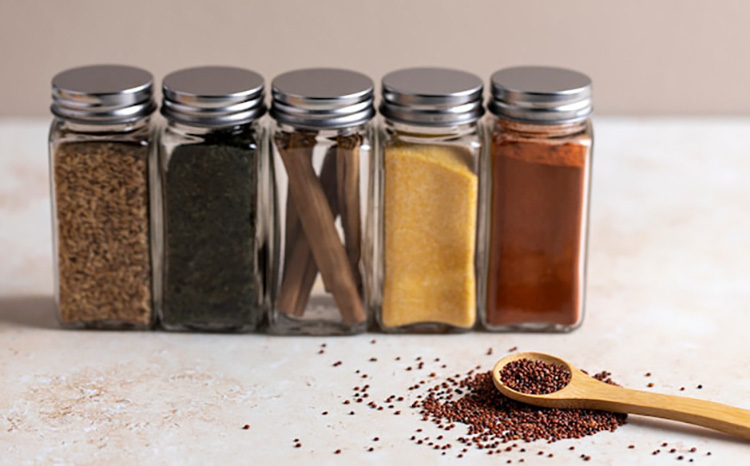
        Spices bring tanginess to culinary. Yes, in old times, spices were preserved with air-drying which often resulted in mould infestation. Fortunately, vacuum sealing prevents mould, fungus, and bacterial growth on spices by eliminating air. This ensures your spices are clean, safe, and ready for cooking.

        Here is an impact chart of vacuum sealing on the shelf-life of spices.

        Spices
        Foods Stored In Normal Shelf Life Vacuum Shelf Life
        Herbs / Spice Blends Pantry 1 Year 1-3 Years
        Spices (ground) Pantry 6 Months 1 Year
        Spices (whole) Pantry 1-2 Years 2-3 Years

        It has been determined by the studies that the serviceable life of herbs and spices blend is improved to 2-3 years with vacuum sealing than 1 year in normal packaging. Ground and whole spices preserved with vacuum sealing are good for 1 and 2-3 years, respectively.

        Vacuum Sealed Food Shelf-Life Chart of Condiments

        Vacuum Sealed Food Shelf-Life Chart of Condiments

        Vacuum Sealed Condiments- Picture Courtesy: Mountain America Jerk

        Condiments serve various purposes like dip or dressings. They are also used in cooking to prepare sauces. They improve the taste, texture, and aroma of food.

        Condiments
        Foods Stored In Normal Shelf Life Vacuum Shelf Life
        Tomato Sauces Pantry 1-2 Years 6 months-3 Years
        Olives Pantry 6 Months 1-2 Years
        Mayo Pantry 2 months 1 Year
        BBQ Sauce Pantry 6 months 1 Year
        Salad Dressing Pantry 1-2 Weeks 1 Year

        Vacuum sealing adds to the expiration period of the condiment. By vacuum sealing, manufacturers can improve the consumption time of mayo, BBQ sauce, and salad dressing to 1 year, whereas, their normal shelf-life in the pantry is only 2 months, 6 months, and 1-2 weeks, respectively.

        Tomato ketchup with vacuum sealing is good for consuming for 3 years when stored in the pantry.

        Vacuum Sealed Food Shelf-Life Chart of Baked Goods

        Vacuum Sealed Food Shelf-Life Chart of Baked Goods

        Vacuum Sealed Baked Goods

        Baked goods are an instant source of carbohydrates. Innovative vacuum sealing is also used in baked goods packaging.

        Baked Goods
        Foods Stored In Normal Shelf Life Vacuum Shelf Life
        Muffins Freezer 6-12 Months 2 Years
        Waffles Freezer 1 Month 1 Year
        Cookie Dough Refrigerator / Freezer 1-2 Days / 3 Months 1 Year
        Bread, Bagels, and Pastries Refrigerator / Freezer 2-3 Months 1-3 Years
        Cookies (packaged) Refrigerator / Freezer 1 Month / 12-18 Months 3 Months / 2 Years
        Cookies (homemade) Pantry 3-5 Days / 6-12 Months 2 Weeks / 2 Years
        Pancake Mix Pantry 6-9 Months 1-2 Years
        Croutons Pantry 6 Months 1 Year

        A major increase in the shelf life of baked goods is seen with vacuum sealing, Normally, these food products can last only about days in the pantry and some months in the freezer.

        But with vacuum sealing, their lifetime is increased to 1-2 years. Shelf-life of different baked goods is discussed below for your information.

        Vacuum Sealed Food Shelf Life Chart of Berries

        Vacuum Sealed Food Shelf Life Chart of Berries

        Vacuum Sealed Meat Berries

        Berries are immunity-boosting food and are rich in vitamin C. You can consume vacuum sealed berries even after their end season. Because this technique retains the nutritional quality of berries.

         Berries
        Foods Stored In Normal Shelf Life Vacuum Shelf Life
        Strawberries Refrigerator / Freezer 1-3 Days / 3 Months 1 Week / 6 Months
        Grapes Refrigerator / Freezer 4-6 Days / 4 Months 2 Weeks / 8 Months
        Blackberries and Raspberries Refrigerator / Freezer 1-3 Days / 3 Months 1 Week / 6 Months
        Blueberries Refrigerator / Freezer 3-6 Days / 4 Months 2 Weeks / 8 Months
        Cranberries Refrigerator / Freezer 3-6 Days / 4 Months 2 Weeks / 8 Months
        Huckleberries Refrigerator / Freezer 3-6 Days / 4 Months 2 Weeks / 8 Months

        Normally packed berries, for instance, strawberries, grapes, and blackberries, persist 1-6 days in the refrigerator and 3-4 months in the freezer. However, with the use of vacuum sealing, a notable increase in their shelf-life is observed, with vacuum sealed berries lasting 1-2 weeks in the refrigerator and 6-8 months in the freezer.

        Vacuum Sealed Food Shelf-Life Chart of Nuts

        Vacuum Sealed Food Shelf-Life Chart of Nuts

        Vacuum Sealed Nuts

        Including nuts in daily routine adds omega-3 fatty acids and antioxidants to the diet. People preserved nuts by pickling them in the old days.

        Here is a comparative chart of the normal and vacuum shelf life of nuts.

        Nuts
        Foods Stored In Normal Shelf Life Vacuum Shelf Life
        Peanuts Pantry 6 Months 2 Years
        Sunflower Seed Pantry 6 Months 2 Years
        Almonds Pantry 6 Months 2 Years
        Pistachios Pantry 6 Months 2 Years

        The state-of-the-art vacuum sealing is a reliable method of maintaining the shelf life of nuts without any hustle. Yes, you can keep your vacuum sealed nuts and seeds like peanuts, sunflowers, etc. up to 2 years in the pantry as opposed to 6 months in normal packaging.

        Vacuum Sealed Food Shelf-Life Chart of Coffee and Tea

        Vacuum Sealed Food Shelf-Life Chart of Coffee and Tea

        Vacuum Sealed Coffee

        Coffee and tea are the most consumable beverages in the world. Thus, manufacturers employ vacuum sealing to boost the longevity of their coffee and tea products.

        Coffee and Tea
        Foods Stored In Normal Shelf Life Vacuum Shelf Life
        Coffee Beans Pantry / Freezer 1-3 Months / 6-8 Months 1 Year / 2-3 Years
        Ground Coffee Pantry / Freezer 1-2 Months / 4-6 Months 5-6 Months / 2 Years
        Tea (loose or in bags) Pantry / Freezer 8-12 Months 1-2 Years

        A worth-mentioning effect of vacuum sealing for about 1-3 years is seen in the shelf life of coffee and tea. For example, vacuum sealed coffee beans have a serviceable life of 1 year in the pantry as compared to the normal shelf life of 1-3 months.

        Similarly, loose tea or tea bags last around 1-2 years in the pantry as opposed to their normal shelf life of 8-12 months.

        Vacuum Sealed Food Shelf-Life Chart of Powdery Foods

        Vacuum Sealed Food Shelf-Life Chart of Powdery Foods

        Vacuum Sealed Powdery Food- Picture Courtesy: Design Rush

        Powdery foods are a staple source of nutrition for many people around the world. Therefore, it is important to increase their expiration period with vacuum sealing. On average, it is estimated that the shelf life of powdery food is increased up to 1-2 with vacuum sealing.

        Powdery Foods
        Foods Stored In Normal Shelf Life Vacuum Shelf Life
        Flour Pantry 5-6 Months 1-2 Years
        Flour (whole or wheat) Pantry 5-6 Months 1-2 Years
        Dry Milk Pantry 5-6 Months 1-2 Years
        Baking Powder Pantry 18 Months 2 Years
        Baking Soda Pantry 2 Years 2-3 Years
        Dried Coconut Pantry 5-6 Months 1-2 Years
        Gelatin Pantry 18 Months 2 Years
        Sugar and Brown Sugar Pantry 5-6 Months 1-2 Years

        Flours have a normal shelf life of 5-6 months and in contrast, their vacuum shelf life is 1-2 years.  Likewise, the typical serviceable life of Gelatin and sugar is 18 months and 5-6 months, respectively. The shelf life of these products is significantly increased with vacuum sealing with a upsurge of 1-2 years of Gelatin and sugars.

        Vacuum Sealed Food Shelf-Life Chart of Prepared Liquids

        Vacuum Sealed Food Shelf-Life Chart of Prepared Liquids

        Vacuum Sealed Prepared Liquids- Picture Courtesy: Dieline

        Soups and stews are best for combating cold winters. As compared to the old way of storing prepared liquid products in a freezer, the vacuum sealed packaging stretches out the shelf-life of soups, sauces, stews and oils to 1-2 years. Their normal shelf life is 3-6 months when kept in freezer.

        Prepared Liquids
        Foods Stored In Normal Shelf Life Vacuum Shelf Life
        Soups Freezer 3-6 Months 1-2 Years
        Sauces Freezer 3-6 Months 1-2 Years
        Stews Freezer 3-6 Months 1-2 Years
        Oil (no preservatives) Freezer 3-6 Months 1-2 Years

        Conclusion

        The technology of extending shelf life and maintaining the quality of food products has come a long way with vacuum seal packaging. Vacuum sealed food shelf life is notably higher about 2-3 times than food enclosed in normal packaging. These food products last up to years and taste good without spoiling in contrast to normal food packaging. Vacuum sealed food is packed in the absence of oxygen which is the main agent, spoiling food by oxidation and providing a growing environment for microbes. Vacuum sealed food shelf life is extended with the use of special machines called vacuum sealers. Keen on trying vacuum sealing for your food product, then visit our Allpack for the best deals and discounts.

        Don't forget to share this post!

        CONTACT US

        Tell us your raw material and project budget to get quotations within 24 hours.

        WhatsApp Us: +86 156 0710 8630

        Invalid Email
        Invalid Number

        Vacuum Sealed Food Shelf Life Chart Read More »
        Cling N Seal VS Press N Seal-2

        Cling N Seal VS Press N Seal

        Cling N Seal VS Press N Seal

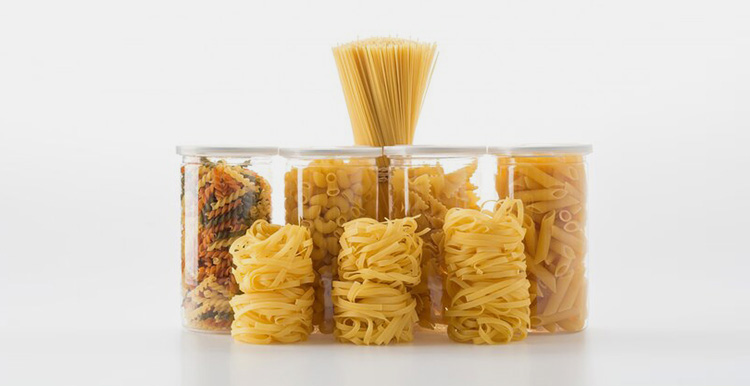
        It's easy to get puzzle in choosing Cling N Seal VS Press N Seal due to the similar packaging, appearance, and application. But did you know both these sealing agents are distinct from one another in range of aspects? If not! This blog is going to disclose it.

        Press N Seal

        Cling N Seal VS Press N Seal can be found on the shores of market shelves with mentioned benefits for preserving food, restricting bacteria, and ending product spillage. However, both are made from different food grade material, thus, having various uses, impacts, and pros and cons. Below details will clearly display all of them one by one. Let's get started:

          Add a header to begin generating the table of contents

          1.What Is Meant By Cling N Seal?

          Meant By Cling N Seal

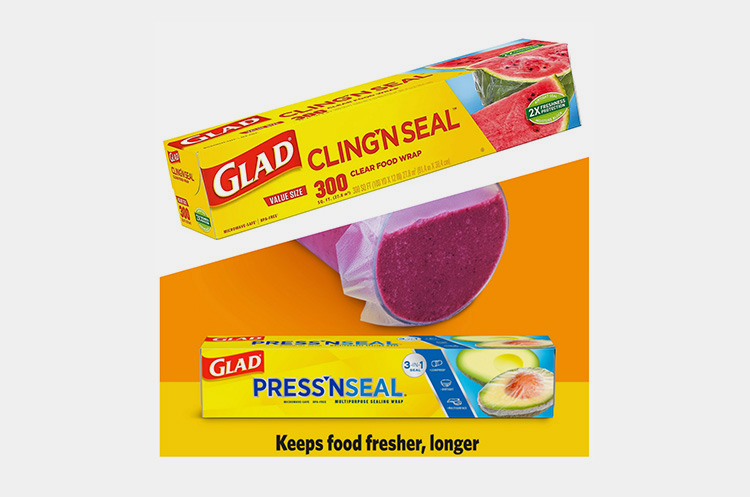
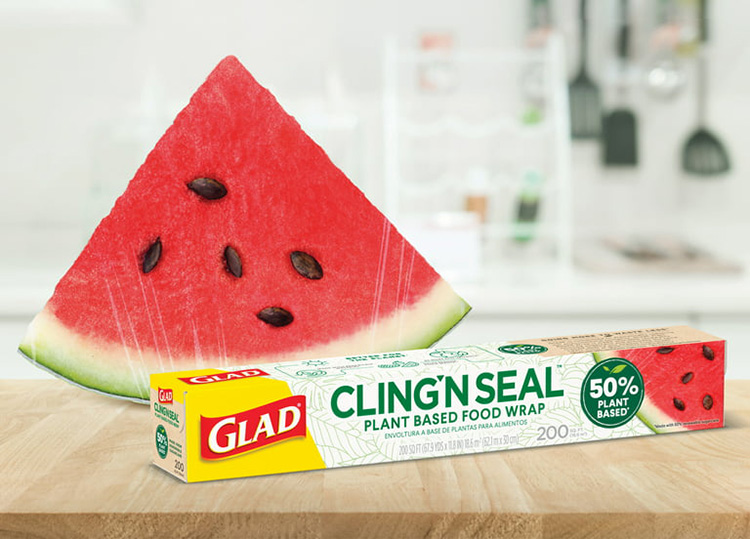
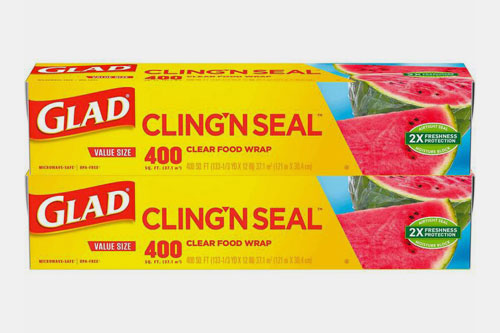
          Cling N seal boxes-Picture Courtesy: walmart.com

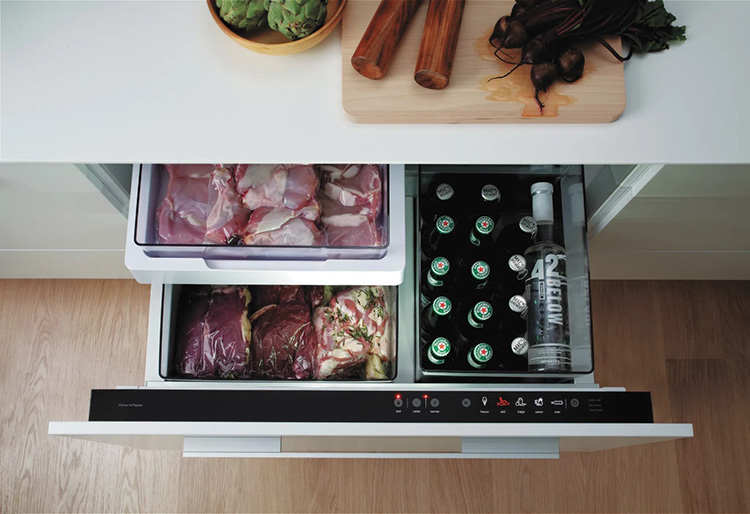
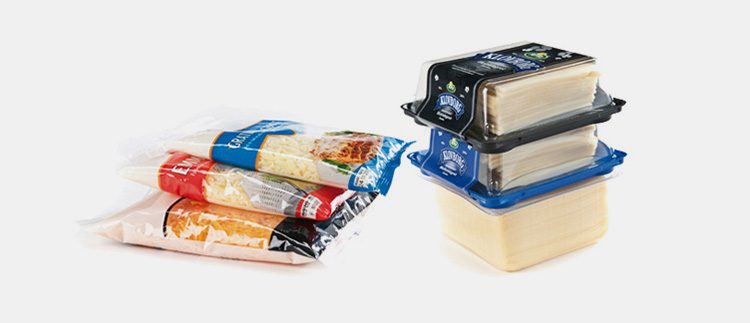
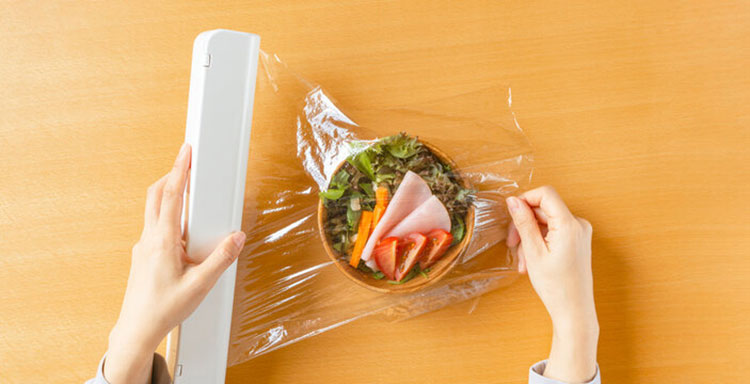
          Cling N seal is a type of food grade thin clingy plastic film usually employed for wrapping food in daily life such as leftovers in houses, restaurants, and fresh products in small to large markets. Cling N seal is highly transparent in color leading to clear vision of all the items laying inside. It is greatly helpful in preventing useless air from getting into the goods, due to its air-tight sealing. Therefore, it provids your perishables a longer life and reduce product waste.

          2.What Is Meant By Press N Seal?

          Meant By Cling N Seal-1

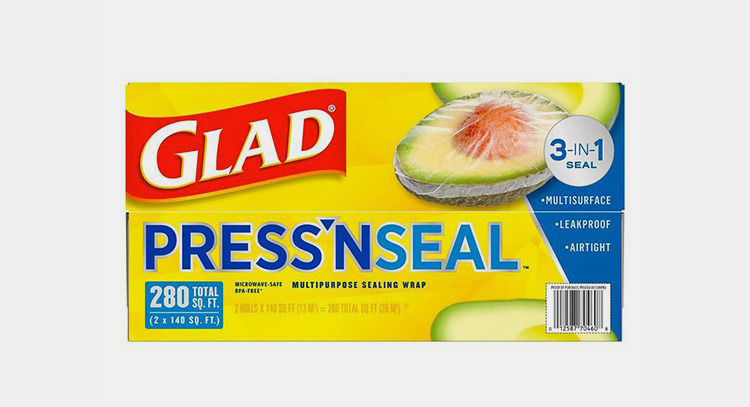
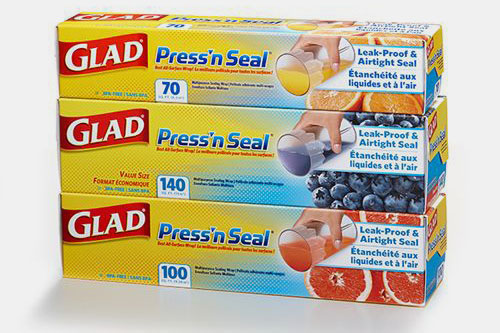
          Press N seal boxes-Picture Courtesy: samsclub.com

          Press N seal is yet another food safe plastic film with an adhesive backing used as a wrapping agent over myriad of eatables and non-eatables. It is extremely convenient to apply that it does not require additional tools, rather, you can simply press it onto objects' surfaces to create a firm sealing around them. Apart from this, Press N seal is microwave safe, form a leak proof sealing, and can be used for multiple times.

          3.Cling N Seal VS Press N Seal- Explain The Advantages & Disadvantages?

          Cling N seal and Press N seal are used for their vary benefits which enable you to extend the life span of your goods, make storage process handier and more cost effective. Similarly, each of them has a flip side. So, let's disclose both their advantages and disadvantages:

          Advantages

          Applications of Cling N Seal

          Cling N Seal

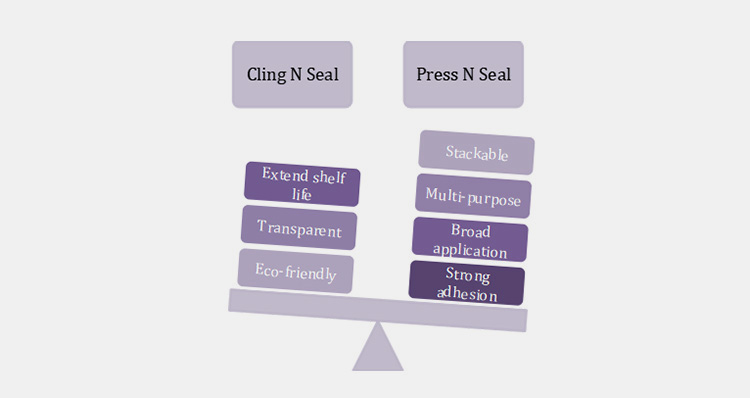
          Extend Shelf Life

          Extend Shelf Life

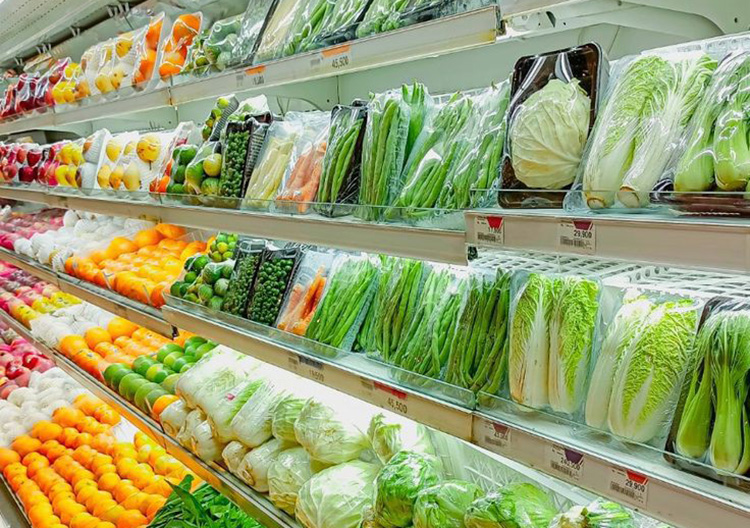
          Cling N sealed vegetables & fruits on shelves-Picture Courtesy: Pinterest

          Cling N seal provide superior protection to your food products against bacteria, pollution, and moisture, therefore, extending the shelf life with 2X freshness protection.

          Transparent

          Cling-N-Seal

          Cling N sealed fastfood tray-Picture Courtesy: Pinterest

          Cling N seal is highly transparent and has anti-fog properties making it more favorable for displaying your fruits, vegetables, and sandwiches on markets and bakeries shelves.

          Eco-friendly

          Eco-friendly

          Plant based cling N seal feature-Picture Courtesy: walmart.com

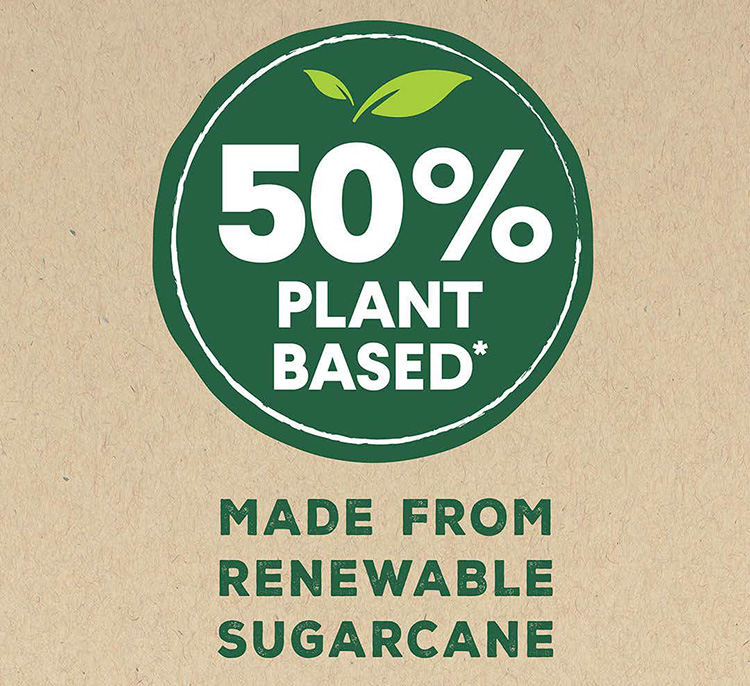
          Cling N seal is free from bisphenol A and made up of plant based renewable sourced sugarcane. Hence, it is environmentally friendly with low carbon footprint and high biodegradability.

          Press N Seal

          Stackable

          Stackable

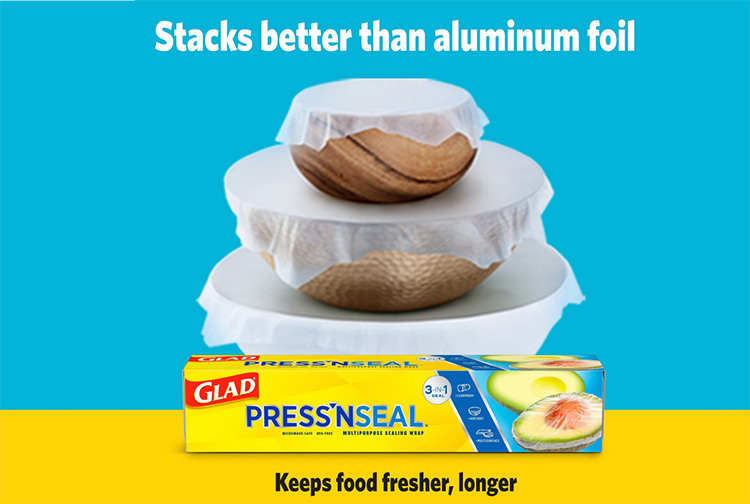
          Press N sealed food containers stacking-Picture Courtesy: glad.com

          Press N seal is highly flexible and strong to resist pressure. It perfectly gets adhere to various shapes and sizes of objects and is favorable for stacking various goods meant for freezing and storing etc. It even stick to wood, metal, and plastic tightly in a single press.

          Multi-purpose

          Multi-purpose

          Press N seal bag for accessories-Picture Courtesy: momtastic.com

          Press N seal has a powerful sealing grip which makes it multi-purpose. For instance, it can be utilized for various goods simply as a wrap or even self created bags by sticking the layers of press N seal together.

          Broad Application

          Broad Application

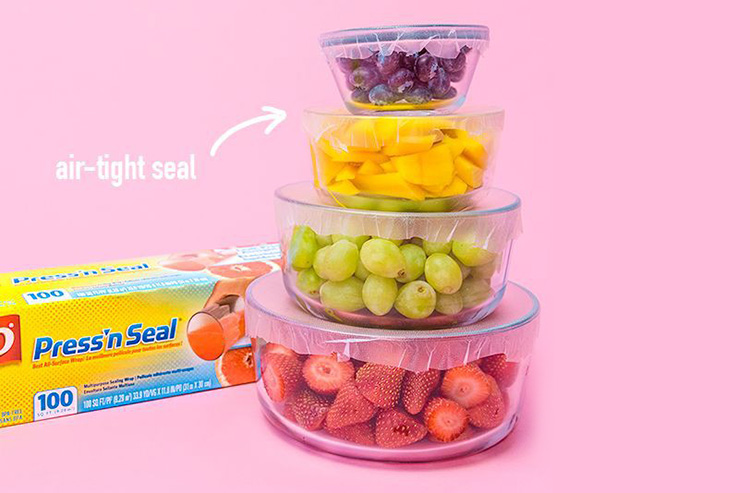
          Press N seal air-tight seal over fruit containers-Picture Courtesy: glad.com

          Unlike cling N seal, press N seal is flexible and has versatile applications. You can use it for all types of solid and liquid products like juices, soups, meals, and hardware objects etc. In addition, you can apply it over plates, trays, and bowls, loaded with food.

          Strong Adhesion

          Press N seal is made with griptex technology, where dimples hold sticky agents which quickly released when pressed over any surface. Therefore, press N seal creates strong adherence to objects and can be reapplied in case of inappropriate location.

          Disadvantages

          Disadvantages

          Cling N Seal

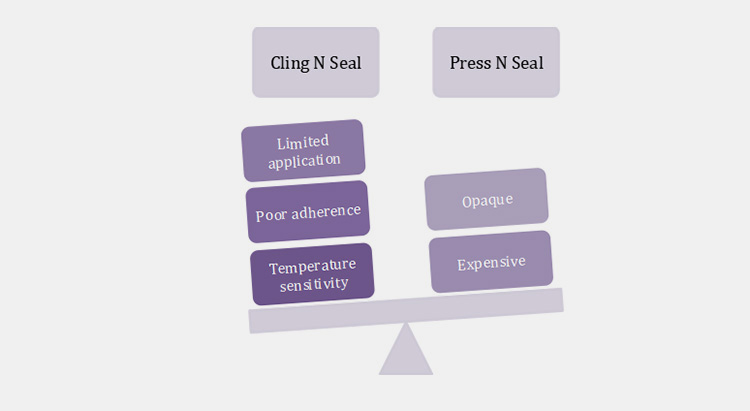
          Limited Application

          Limited Application

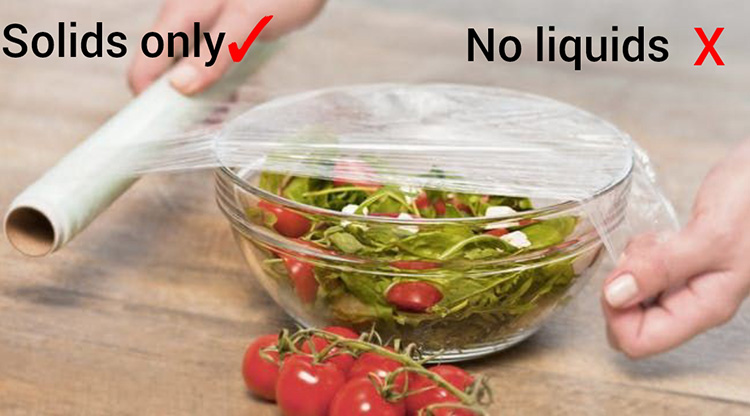
          Cling N sealing on food-Picture Courtesy: wordpress.com

          Cling N seal has limited application in a way, that it can be only used for solid food products with less chances of flow. Otherwise, the seal may not resist liquids leak which result in their spillage.

          Poor Adherence

          Poor Adherence

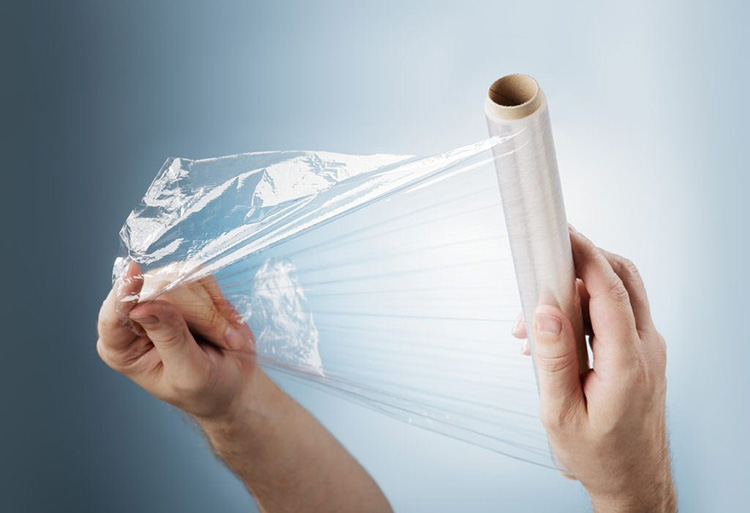
          Unwinding cling N seal roll-Picture Courtesy: mediumsizedfamily.com

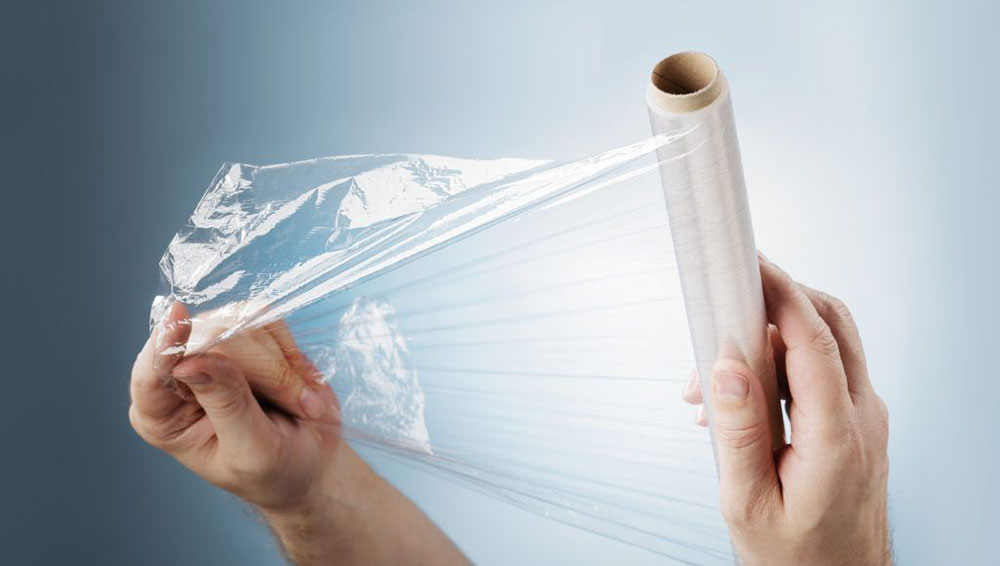
          Unlike press N seal, cling N seal does not have enough clinging to stick to objects tightly. Rather, you will have to use much of it for sealing purpose. Not only that, but you cannot use cling N seal for two times due to poor adherence.

          Temperature Sensitivity

          Mostly, cling N seal is not meant for heating like that of microwaving and cooking. However, in case you need to heat the food wrapped with cling N seal, then there must be 1 inch gap between cling N seal and your products to avoid leaching and its melting into food.

          Press N Seal

          Opaque

          Press N seal depicts a light blue color which often blur the food and other objects inside the containers, thereby, restricting the way for consumers to see items outside their packaging.

          Expensive

          Expensive

          Ascending coins indicating high cost-Picture Courtesy: indiatoday.in

          Press N seal is more expensive than cling N seal due to its rigidity, high adhesive nature, and thickness of the material.

          4.Differentiate Between Cling N Seal VS Press N Seal?

          Although, the structure, appearance, and uses of cling N seal vs press N seal seem similar, but in actual, they are not. Both these sealing agents are entirely different from one another in various aspects. Below table will provide valuable insights in this regard:

          No Points Cling N Seal Press N Seal
          1 Structure Cling N seal is made from plant based renewable resources and has extremely thin, flat, and smooth surface on both upper and lower sides. While as, press N seal is derived from polyethylene with griptex technology. It has dual sides; one smooth and the other having dimples, which when applied over objects, form stringent sealing.
          2 Flexibility Cling N seal is highly flexible and having good elasticity Press N seal is comparably less flexible
          3 Transparency Cling N seal has a clear visibility feature On the other hand, press N seal is opaque
          4 Stickiness Its adherence to objects is good for a single time In contrast, press N seal has strong adhesion and reusable for multiple times
          5 Cost Cling N seal is cost-effective It is comparably expensive
          6 Barrier Properties Good barrier properties against moisture, bacteria, and pollution. Press N seal is more durable against air, leakage, and temperature.
          7 Size Sizes available in cling N seal include 100 sq ft, 200 sq ft, 300 sq ft, and 400 sq ft. Contrary to cling N seal, press N seal sizes encompasses 70 sq ft, 100 sq ft, and 140 sq ft.
          8 Application It is applicable for food items with low liquids such as fruits, vegetables, cookies, snacks, and miscellaneous hardware objects. Press N seal is suitable for all types of solid and liquid foods comprising juices, shakes, cooked meal, and non-food items.
          9 Picture Cling N Seal-2

          Cling N seal boxes-Picture Courtesy: samsclub.com

          Press N Seal-1

          Various sizes press N seal boxes-Picture Courtesy: glad.com

          5.Applications of Cling N Seal VS Press N Seal?

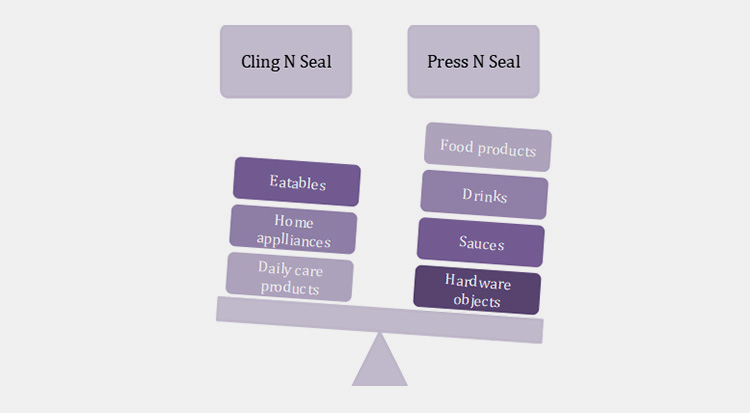
          It is eminent to mention here, that cling N seal and press N seal have different applications because both are made from different material which ultimately give them variant barrier properties against distinct elements. Hence, the upcoming paragraphs will be attributed to enable you with the varying uses of cling N seal vs press N seal:

          Advantages

          Cling N Seal

          Eatables

          Eatables

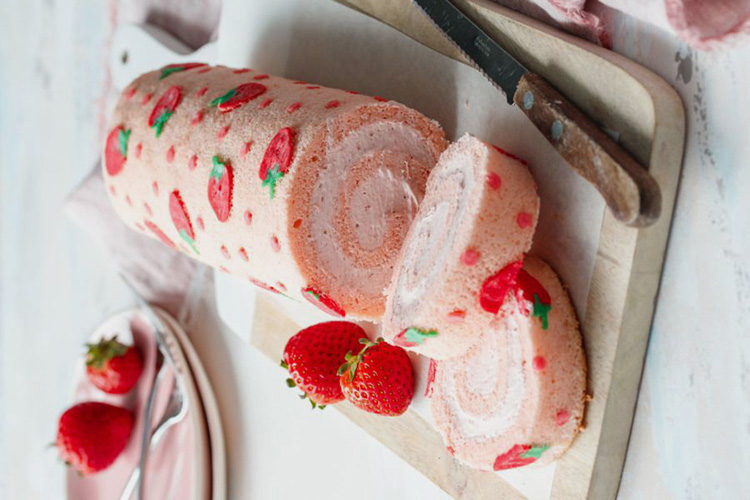
          Strawberry cake roll-Picture Courtesy: loveandoliveoil.com

          Cling N seal is all time best compatible for multiple food products whether unprocessed vegetables, fruits, meat or processed snacks, pastries, and meals. It is because cling N seal is highly safe, moisture-proof, promote visual appeal, and ultimately extend the shelf life of your eatables.

          Home appliances

          Home appliances

          Home appliances-Picture Courtesy: business.amazon.in

          Apart from edible items, cling N seal may also be used for home appliances such as mobile phones, microwave, refrigerators, and kitchen cutlery to avoid dust, pollution, and scratches.

          Daily Care Products

          Daily Care Products

          Various beauty care liquids-Picture Courtesy: andreadekker.com

          To avoid spillage, you can use cling N seal for your daily skin and beauty care products, whenever, going out without worrying about its cost, weight, and color.

          Press N Seal

          Food Products

          Food Products

          Sandwichiches in plate-Picture Courtesy: www.edimedoma.ru

          The good thing to note here is that, there is no restriction over type of food you can seal with press N seal. Whether, you want to store them on shelves, in freezer, or microwave it for serving, press N seal is a good option.

          Drinks

          Drinks

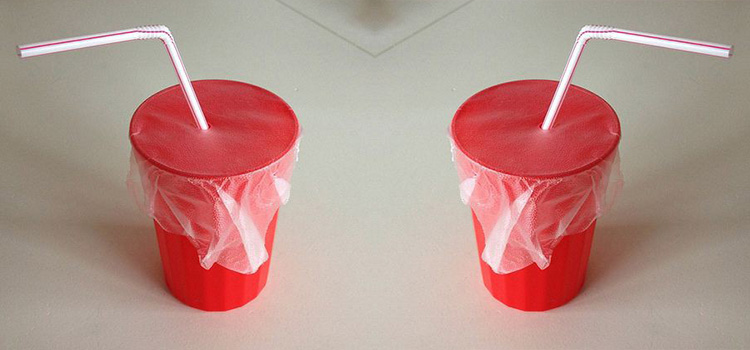
          Straw in press N sealed glass-Picture Courtesy: andreadekker.com

          Want to store a cup of coffee, juice, or milk for later? Or having a naughty kid who is always ready to spill more than drinking? Oh! You need a press N seal which is always suitable to save your liquids from spillage and make you worriless through tight sealing.

          Sauces

          Sauces

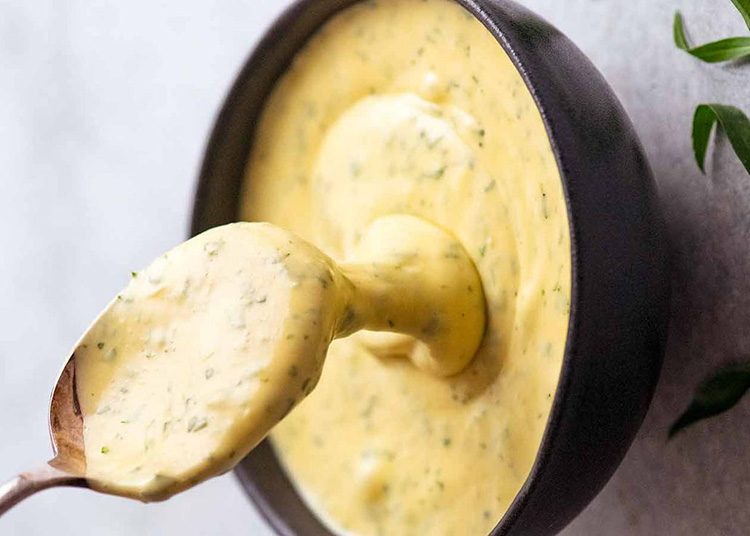
          Thick sauce in bowl-Picture Courtesy: recipetineats.com

          We often have our spicy sauces left, which are desired to be stored for next meal, but the fear of their taste, getting messed up, obstruct us to do so. Not now! As, press N seal has special moisture-proof and airtight barrier properties which retain the originality of your delicious sauces for longer.

          Hardware Objects

          Hardware Objects

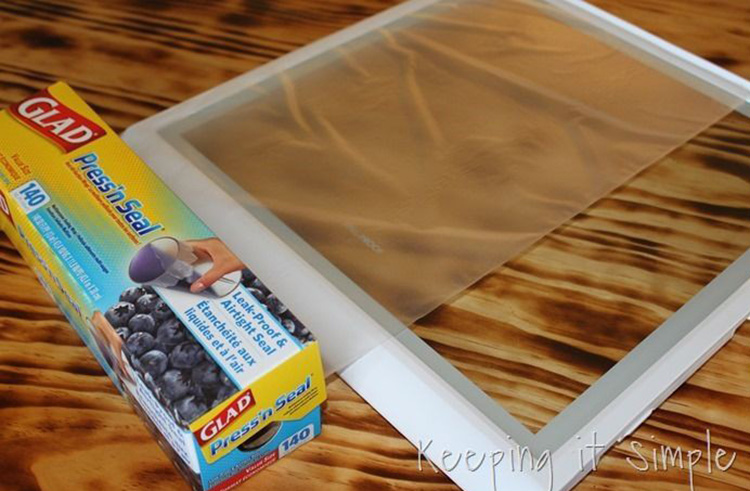
          Press N sealing on frame-Picture Courtesy: cooktopcove.com

          Press N seal is also eligible for small to large and thin to thick hardware objects such as windows, frames, glass, metal, and wood etc. So, you can use it where needed.

          6.What Are The Environmental Impacts Of Cling N Seal VS Press N Seal?

          Environmental Impacts Of Cling N Seal VS Press N Seal

          Environmental aspects-Picture Courtesy: theconversation.com

          The ever rapidly increasing global warming is indeed the result of excessive reliance on modern technology, that includes sophisticated methods employed for packaging products especially that of food. And the most giant role is of plastic taken from cold drink bottles to shopping bags, and food wraps.

          The term food wraps encompasses both cling N seal as well as press N seal. But whose role is exceeding? This question is mark on the environmental sustainability of these sealing agents.

          Although, cling N seal is of plastic origin, but it is 50% made from biodegradable plant based renewable resource which means that, firstly, it is recyclable. Secondly, if recycling is not possible, it will distort on land due to harsh weather. In contrast, press N seal is entirely made from polyethylene, a form of plastic. Hence, you will hardly find recycling of press N seal. It thus, causes landfills which is detrimental for our environment.

          7.Factors To Look For When Choosing Cling N Seal VS Press N Seal?

          Despite knowing the side effects of cling N seal and press N seal, their use is becoming indispensable in restaurants, super markets, hardware industries, and even in house kitchens. But that does not mean you will pick any plastic wrap from market and start using it. You must be careful in choosing the most suitable and compatible one. Let's know how to do so:

          Consider Quality

          Consider Quality

          Quality being highlighted-Picture Courtesy: isixsigma.com

          First thing to never forget about cling N seal vs press N seal is their quality. How will you know that whether they are of superior quality? Good question! It is simple, you need to check if they are certified by FDA, ISO, or EU.

          Check Material Used

          Secondly, it is crucial to have the information about material used in cling N seal vs press N seal. Because low BPA plastic and plant based material is not harmful for food. In contrast, thick plastic material may leach when exposed to high temperature.

          Look Into Application

          Look Into Application

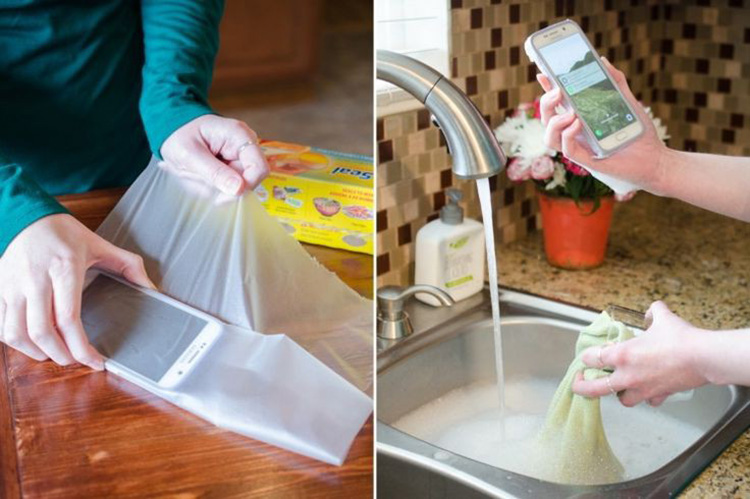
          Press N seal application over mobile phone-Picture Courtesy: thekrazycoupon.com

          Which type of objects you want to seal is essential to determine. As we have explained above, cling N seal is favorable for solid food products and other minor objects. So, using it for liquids will not be suitable. Hence, you may switch for press N seal in case of goods requiring durable sealing.

          Assess Adhesion

          Assess Adhesion

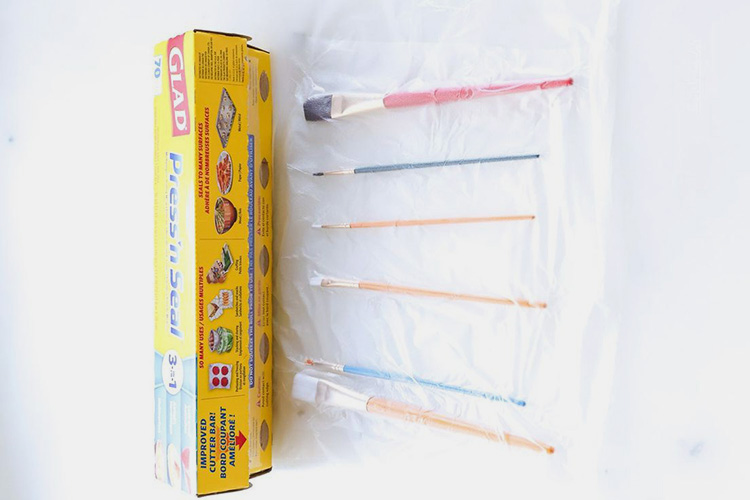
          Press N seal adhesion to paint brushes-Picture Courtesy: awortheyread.com

          Well, adhesion is the primary factor to must take into consideration. In this context, cling N seal is less adhesive because of single use. While as, stretch wrap is clingier and can be applied several times.

          Conclusion

          To put in a nutshell, cling N seal vs press N seal are the prerequisites for modern kitchens, stores, and markets. Their need is realized everywhere, and this is the point where responsibility for vigilant decision arises. It is because the misconception that both cling N seal and press N seal are similar can cause dangers to our environment, marine life, and even human health. So, make sure you have fully understood the differences between both, their pros and cons, and criteria for selection, to become the responsible citizen of global village. For related updates you may approach us through given link. Thank you!

          Don't forget to share this post!

          CONTACT US

          Tell us your raw material and project budget to get quotations within 24 hours.

          WhatsApp Us: +86 156 0710 8630

          Invalid Email
          Invalid Number

          Cling N Seal VS Press N Seal Read More »
          Bottle Capping Machine-10

          Bottle Capping Machine: The Complete Buying Guide In 2025

          Bottle Capping Machine: The Complete Buying Guide In 2025

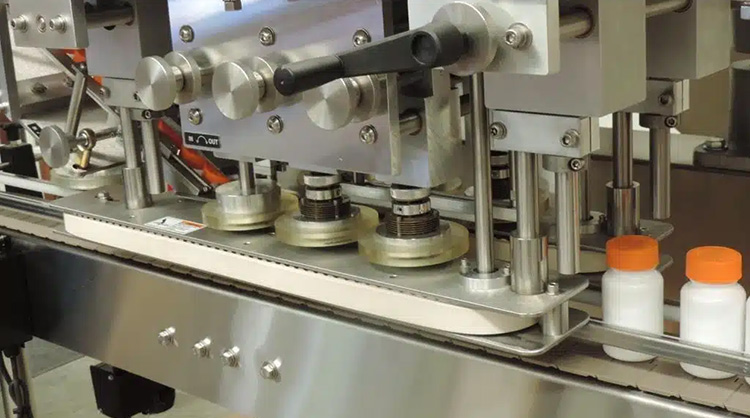
          Bottle Capping Machine

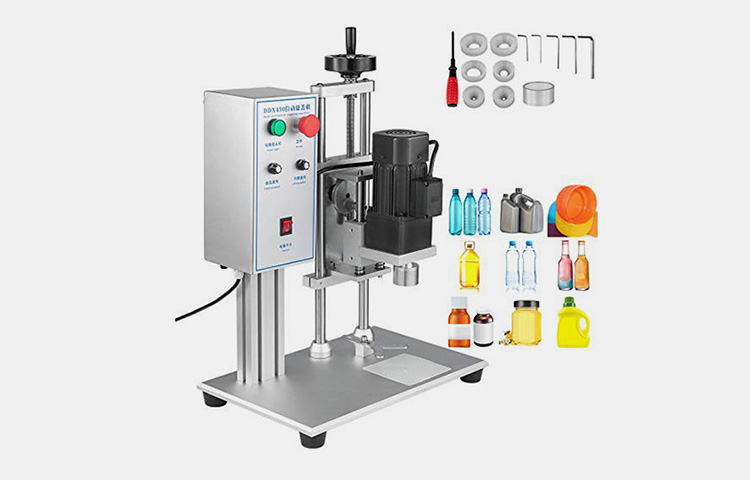
          Bottle Capping Machine - Picture Courtesy: SUNHAN PACK

          Are you interested in buying a bottle capping machine? Are looking for a suitable bottle capping machine for your process? Do you want to gather more information regarding a bottle capping machine? This platform will sort all your queries and will help you in finding the best suitable bottle capping machine for your process. This buying guide will assist you in finding what a bottle capping machine is and how its operation performed. For getting a complete overview read the complete blog in detail and gets the possible knowledge from it.

            Add a header to begin generating the table of contents

            1.What Is A Bottle Capping Machine?

            Bottle Capping Machine-1

            A bottle capping machine is a highly versatile machine that is used to apply caps on different types of bottle for making them airtight. The basic requirement of these machines is to prohibit the entrance of particles and microorganism into the bottles so that it can be secured for a longer period. Bottle capping machines are mostly used in food, pharmaceuticals, beverages and chemical industries where the material is packed and delivered in different sizes of bottles.

            2.What Are The Industrial Applications Of A Bottle Capping Machine?

            Bottle capping machines are widely used in different industries to increase the productivity of that industry and also to make the product look presentable. Some of the industries that mostly uses bottle capping machine are

            Beverages Industry

            Beverages Industry

            Bottle capping machines are abundantly used in beverages industries as large number of bottles are manufactured there in a single day. The bottles contain both carbonated and non-carbonated drinks that are efficiently secured for a longer period by application of bottle caps. Materials freshness lives the same by maintaining its purity.

            Pharmaceutical Industry

            Pharmaceutical Industry

            Bottle In Pharma - Picture Courtesy: Healthcare Packaging

            Bottles in pharmaceutical industries are used for filling of medicines, liquid syrups, ointments and etc. These bottles are filling of material undergo capping process by a highly efficient bottle capping machine. Material spillage and wastage during its transportation can be avoided while applying caps using a bottle capping machine.

            Food Industry

            Food Industry

            Glass And Plastic Food Packaging - Picture Courtesy: Imperial Packaging

            Food industry also uses bottle capping machine during packaging of liquid and viscous products like jams, ketchups, milks, dairy products, sauces, oil and etc. Bottles of different sizes and shapes can easily be sealed airtight so that any type of contamination can be avoided and the freshness remains same.

            Cosmetic Industry

            Cosmetic Industry

            Cosmetic Packaging - Picture Courtesy: TricorBraun

            In some places of cosmetic industry where products like shampoos, creams, lotions and other personal protective products that are filled in bottles are capped using a bottle capping machine. These caps allow the product to remain safe and secure while shipping and movement.

            3.What Are Advantages Of A Bottle Capping Machine?

            Some of the advantages of a bottle capping machine are

            Efficient Capping

            Efficient Capping

            Productivity And Efficiency

            Bottle capping machines are highly efficient in their process. The machines are available in both manual and automatic modes depending upon the requirement of process. Each of the product gives identical capping result with maximum output rate.

            Quality

            Quality

            Quality Bottle Capping Machine - Picture Courtesy: SureKap

            The quality of sealing done by a bottle capping machine is of high quality and precision. The turning effect on each type of bottle can be adjusted according to its cap size and can be changed of required in a bottle capping machine.

            Customization

            Customization

            Custom Caps - Picture Courtesy: SKS Bottle

            One of the most unique benefits of a bottle capping machine is that it allows process to variety of bottles and their types. Customization can be done by just changing the bottle holder and its turning speed.

            4.What Is The Working Principle Of A Bottle Capping Machine?

            Working Principle Of A Bottle Capping Machine

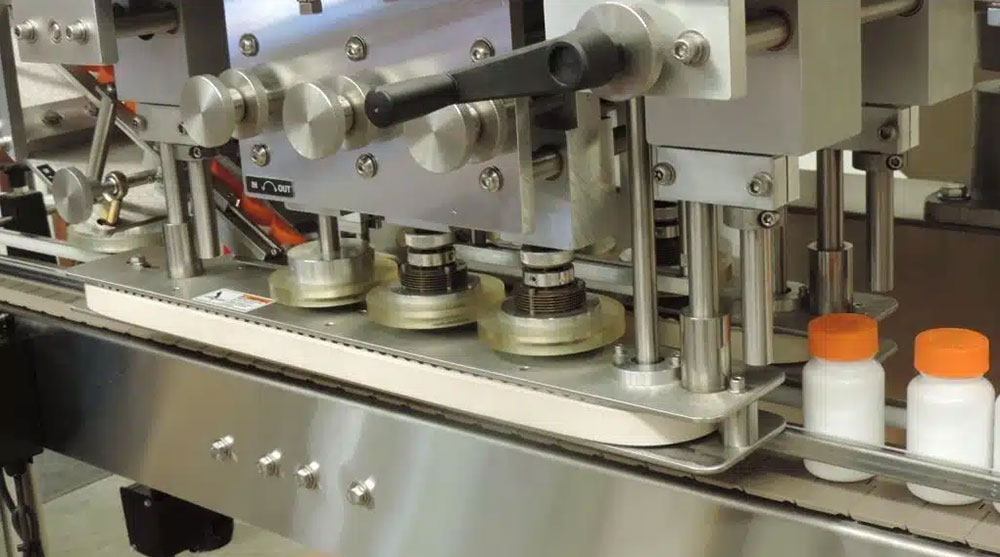
            Capping Machine & How Does It Work - Picture Courtesy: SUNHAN PACK

            Bottle capping machine has a simple working principle in which bottles are capped to secure materials so that it can be used for longer period. Some of the basic working steps in the operation of a bottle capping machine are

            Initially the setting parameters are installed in the machine according to the size and shape of the bottle. The parameters include speed, height, width, angle, gripping adjustment and filling rate.

            In the next step the filling process gets started in the bottle filling machine and the required material is entered into the bottles.

            The caps are on the same time inserted in the hopper from where they are then supplied to the capping area through feeding mechanism.

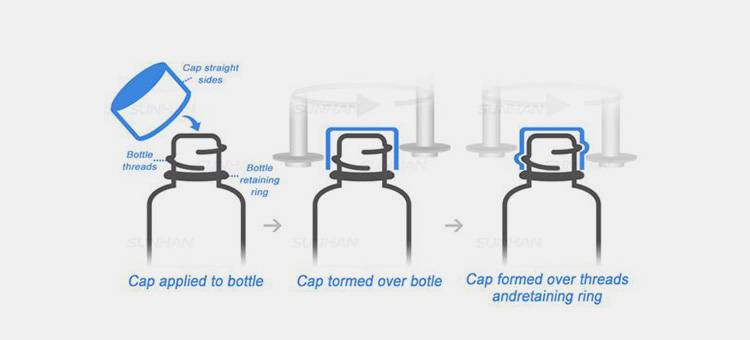
            Once the bottles gets filled, it is then moved forward to the capping machine where the capping head moves downward and holds the head of bottle.

            The cap chuck header rotates on the head of bottle with a certain pressure and tightens the cap in term of rotating, screwing or direct implementation.

            The torque of these caps is checked by highly sensitive sensors and their quality is maintained according to it.

            Finally, the filled and capped bottle is moved towards the offloading side by a conveyor and here they are packaged for transportation.

            5.What Are The Main Components In A Bottle Capping Machine?

            Components In A Bottle Capping Machine

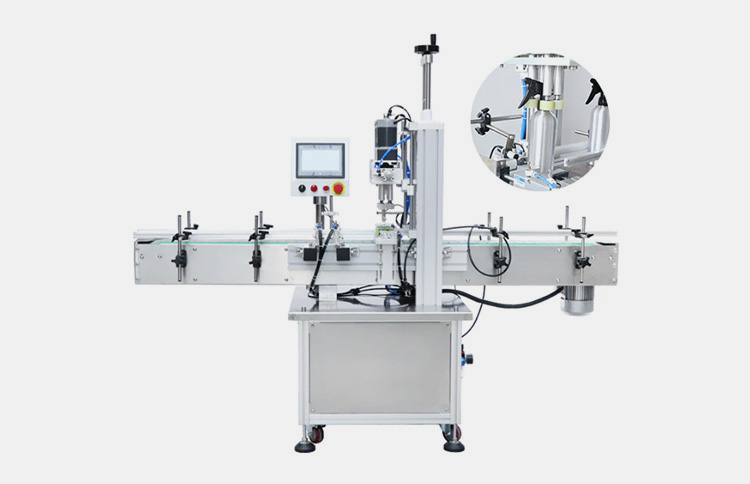
            Full Automatic Bottle Capping Machine - Picture Courtesy: ZONESUN TECHNOLOGY

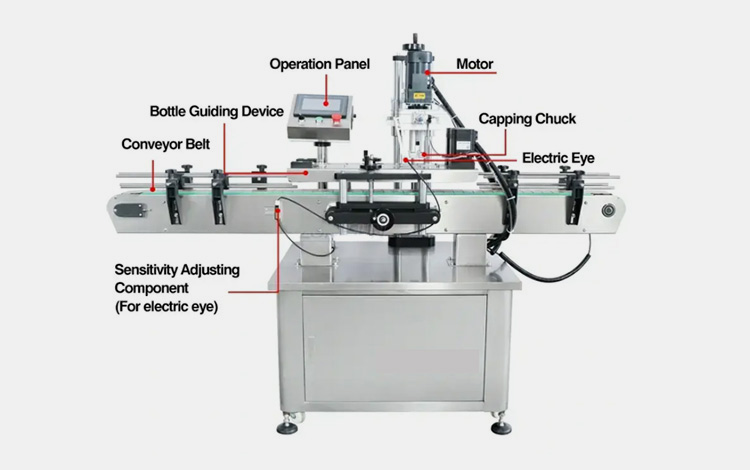
            Some of the main components of a bottle capping machine are

            Conveyor Belt

            This is the feeding mechanism of a bottle capping machine that inserts the filled bottles into the capping process. Speed of a conveyor can be adjusted according to the requirement and productivity.

            Hopper

            A hopper or a feeding head is the place in which the caps are inserted. Like feeding mechanism of other machines, a hopper can also hold thousands of caps in it and moves them into the system as and when required.

            Bottle Guiding Device

            In a bottle capping machine, a bottle guiding device is usually connected on the conveyor where guides are used to direct the bottles towards capping process. These guides are mostly made up of rubber and metal part. Any irregularity in movement of bottles can be avoided through these bottle guiding devices.

            Capping Chuck

            This is the place that holds the caps inserted by the cap feeding mechanism. A capping chuck moves vertically down and up during the capping process. Once the bottle reaches below this capping chuck, it moves down and places the cap on the top of bottle. It also screws, torques and tights the cap so that no spillage of material occurs.

            Motor

            Mostly servo motors are used in a bottle capping machine due to its highly precise movement and angle detection. It continuously monitors and sends the feedback back to the system. The motor is responsible for the movement of capping chuck in vertical direction and also while the torque is applied on it.

            Operational Panel

            The operational panel of a bottle capping machine contains all the processing operation control in it. It includes conveyor speed control, system emergency, capping speed, material flow, flow rate, feeding mechanism and systems performance monitoring and display feature. The operator can easily control and monitor the operation through this operational panel.

            Electric Eye 

            The electric eye of a bottle capping machine holds the overall sensing equipment of the process. It detects starting from the movement of bottles throughout the system to the final detection of capping that whether it is properly inserted or not. Complete sensors of the machine are connected with this so that quality capping can be performed.

            6.What Types Of Bottle Capping Machines Are Available Globally?

            Some of the types of a bottle capping machines are

            Screw Bottle Capping Machine

            Screw Bottle Capping Machine

            A screw bottle capping machine is one of the mostly used type of bottle capping machine used globally. It rotates the cap on the top of a bottle and tights it to its maximum thread and limit. This type of bottle capping machine is present in all type of bottle processing industries.

            Working Principle

            Initially, the bottle is loaded on to the conveyor and moves in forward direction.

            Once the bottles are filled they enter the capping process and the capping chuck places cap on the top of bottles.

            The capping chuck contains rotating head that rotates in a way that the screw threads completely get in contact with the threads on bottle and tights it accordingly.

            Finally, the capped bottles are then removed from the offloading side of the bottle capping machine.

            Snap Bottle Capping Machine

            Snap Bottle Capping Machine

            Automatic Press Snap Bottle Capping Machine - Picture Courtesy: VKPAK

            The capping mechanism of this type of bottle capping machine includes engagement of bottles neck with the grooves and applying a snapping fixture. No screwing is required and by only pressing the cap can also be enough in a snap bottle capping machine.

            Working Principle

            Firstly, bottles are loaded on to the conveyor and are moved in forward direction.

            Bottles after getting filled enter in the capping process where the capping chuck places cap on the top of bottles.

            Here the capping chuck just fixes the caps on the top of bottle and then applies a low pressure to press it on the bottle neck.

            Finally, the capped bottles are then removed from the offloading side of the bottle capping machine.

            Cap Placer Bottle Capping Machine

            Cap Placer Bottle Capping Machine

            Fully Automatic Press Cap Placer - Picture Courtesy: Rhino-Pak

            A cap placer bottle capping machine is somehow a traditional method of applying caps on the bottles as it is only responsible to place caps. Cross threading is applied in this type of bottle capping machine to tight the bolts and threads.

            Working Principle

            Firstly, bottles are loaded on to the conveyor and are moved in forward direction towards the filling process.

            After getting filled, these bottles enter in the capping process where the capping chuck places cap on the top of bottles.

            The cross threading mechanism of a cap placer bottle capping machine fixes the caps on the top of bottle and then tights the nut to its maximum required torque.

            Finally, the capped bottles are then removed from the offloading side of the bottle capping machine.

            In-line Bottle Capping Machine

            In-line Bottle Capping Machine

            In-line Bottle Capping Machine - Picture Courtesy: Pharmaceutical Packaging

            An in-line bottle capping machine is highly capable of adjusting different sizes and types of bottles in it. Pneumatic processes are used in an in-line bottle capping machine to cap thousands of caps in just a small duration.

            Working Principle

            In the first step the bottles are loaded on to the conveyor and are moved in forward direction.

            Once the bottles are filled they are entered in the capping process where the capping chuck places cap on the top of bottles.

            The capping chuck of an in-line bottle capping machine with the help of air pressure applies the caps on different sizes of bottles and containers.

            This air pressure air tights the caps so that no spillage or material leakage occurs while travelling hundreds of kilometers.

            Finally, the capped bottles are then removed from the offloading side of the bottle capping machine.

            7.Which Material Is Suitable For Performing Capping Through A Bottle Capping Machine?

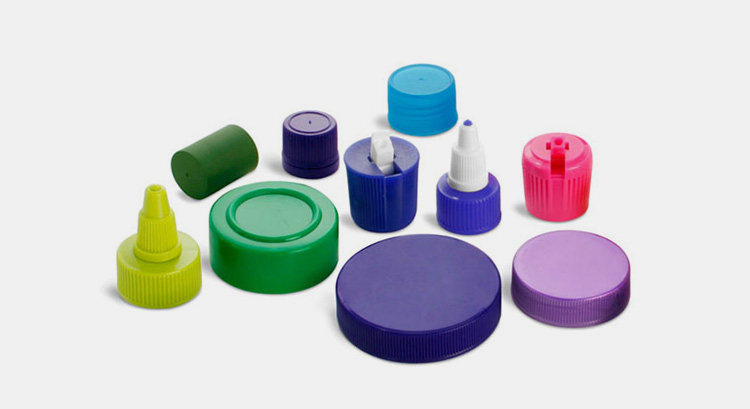
            This has been the most asked query that what actually be the capping material to check its suitability. The bottle caps should be made up of

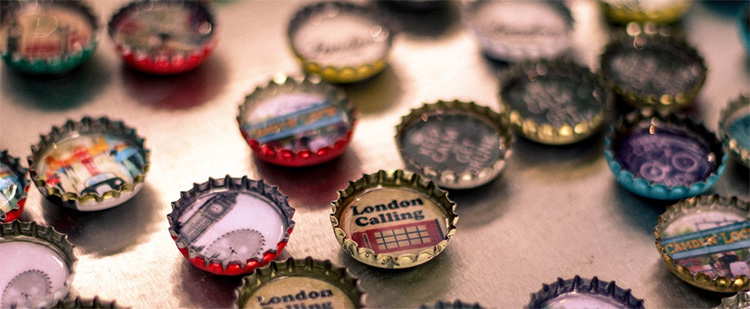
            Metal Caps

            Metal Caps

            Metal Bottle Caps - Picture Courtesy: Recycle Caps

            One of the widely used types of material is metal. Metals like tin, aluminum or alloys are affective when it comes to stop external air and moisture involvement. Metals caps are used in bottles containing wine, carbonated drinks and other types of chemical spirits and can also be recycled. The seal applied though metal caps are of strong strength and it is precisely placed by a bottle capping machine.

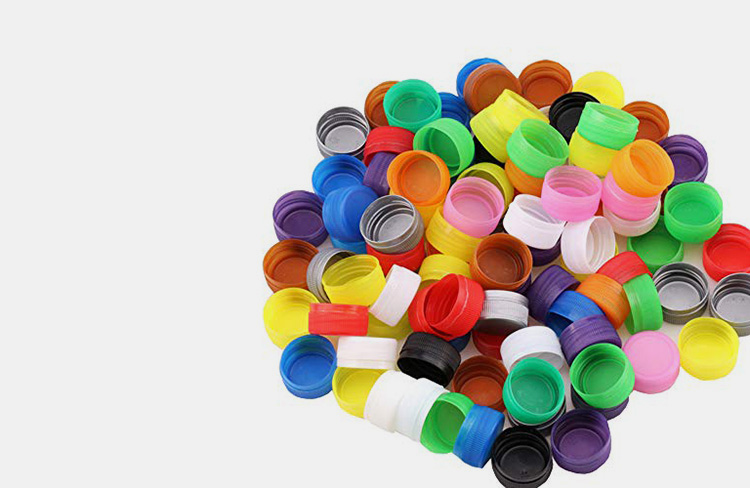
            Plastic Material

            Plastic Material

            Plastic Bottle Caps

            Most of the plastic caps are made up of polystyrene, polyethylene and polypropylene. These materials are hard and of low cost that makes the product look pleasant and cheaper respectively. Most of the plastic caps are installed by a bottle capping machine on juice, beverages and medicine bottles where the products are directly consumed by human beings.

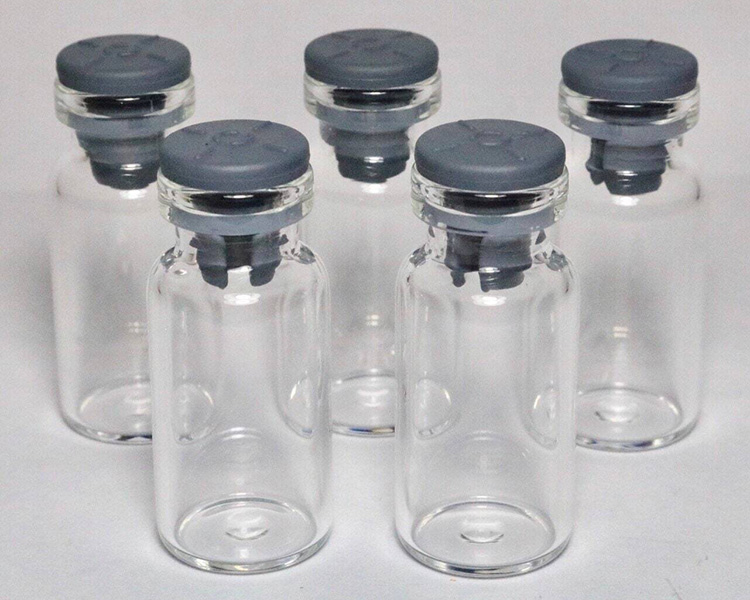
            Rubber Stoppers

            Rubber Stoppers

            Rubber Stopper - Picture Courtesy: Etsy

            Stoppers made up of chlorobutyl and bromobutyl class of rubber are resistant towards entrance of any type of environmental material. The materials that are filled in bottles and then sealed using rubber stoppers are mostly related to pharmaceutical industry where high class sealing is required.

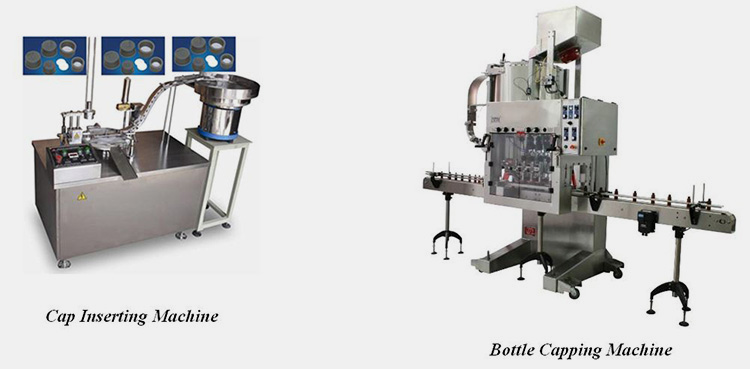
            8.What Is The Difference Between A Cap Inserting Machine And A Bottle Capping Machine?

            Cap Inserting Machine-2

            Both of the types of machines are mostly used in pharmaceutical, packaging and food industries where large numbers of products are produced on daily basis. Some of the basic differences between both of the machines are

            Purpose Of Use

            A cap inserting machine mostly refers to just placing the caps the on to the neck of a bottle. It does not involve any type of tightening or torque activity. It is done in the further steps.

            Whereas in a bottle capping machine, complete implementation of caps from its placement to its tightening is performed by the capping chuck of the machine. The machine does not rely on any further step.

            Operation

            In a cap inserting machine, once the bottles are placed beneath the capping head, a vacuum suction mechanism gets started and the caps are precisely placed on the top of the bottle neck. It is then further tightened and sealed on further steps.

            On the other hand, as the bottle reached the capping head of a bottle capping machine comes downward, installs the cap and then tights it according to the mechanism of machine. Complete required torque is applied so that the bottle remains air tight and resists any interference.

            Applications

            Cap inserting machines are widely applied in pharmaceutical, chemical and food industries where large number of products is produced.

            A bottle capping machine is a highly precise machine that is used according its automation level and production required. Mostly beverages, chemical, pharmaceutical, food and cosmetic industry uses a bottle capping machine.

            Caps Variety

            Variety of cap types can be used in a cap inserting machine and they can be further installed on different sizes of bottles.

            A single bottle capping machine accommodates single method of capping and the whole system can be changed according to its requirement. But one type of capping is performed at a certain period of time.

            9.What Auxiliary Machines Are Associated With A Bottle Capping Machine In A Processing Line?

            A bottle capping machine has many auxiliary machine associated with it to perform its process and some are

            Bottle Unscrambler

            Bottle Unscrambler

            Bottle Unscrambler - Picture Courtesy: Pharma Packaging Systems

            A bottle unscramble is basically used to identify and sort different sizes and types of bottles and caps. They align these bottles on the conveying mechanism so that they are moved in a proper way towards the filling and capping process.

            Bottle Filling Machine

            Bottle Filling Machine

            Bottle Filling Machine

            A bottle filling machine is the most important auxiliary machine present in the system as it is primarily used for the filling of material into the bottle that has to be capped. This machine precisely fills the bottle in a way that no spillage can occur afterwards.

            Bottle Sealing Machine

            Bottle Sealing Machine

            Automatic Bottle Sealing Machine

            Once the caps are applied mostly rubber and plastic, bottle sealing machines are used further to seal them and form an airtight surface. Sealing machines are set at a certain temperature so that the caps may not get overheat.

            Pressing Machine

            Pressing Machine

            Pneumatic Cap Press - Picture Courtesy: Adelphi Group

            In some of the bottle capping machine processes, pressing machines are also used to press the caps that are inserted previously. These can be rubber stoppers or plastic stoppers.

            Labeling Machine

            Labeling Machine

            Bottle Sticker Labeling Machine- Picture Courtesy: Secondary Packaging

            Once complete sealing is done, labels are applied on these bottles using a labeling machine. These labels contain all products and manufacturer related information so that the customer can easily get aware of it.

            Bottle Cartoning Machine

            Bottle Cartoning Machine

            Automatic Bottle Cartoning Machine- Picture Courtesy: Cartoning Machines

            In the last step, a bottle cartoning machine is used that packages all the bottles in a single carton. This makes easy handling of bottles and also helps them in traveling long distances.

            10.How Different Sizes Of Caps Can Be Processed In A Single Bottle Capping Machine?

            Sizes Of Caps

            Bottle Capping Chuck- Picture Courtesy: Precision Tork

            The basic principle of a bottle capping machine adjust variety of cap sizes and cap types in a single machine. It precisely can handle variety of caps just by adjusting the capping head and its feeding mechanism. In a bottle capping machine, easy changeovers can be carried by adjustment of tool and different types of tools can be interchanged at a same level. In this way the required capping tool can be used easily in a bottle capping machine.

            Conclusion

            Have you got all about a bottle capping machine and its process? Now are you familiar with different types of bottle capping machine? If still you have some queries related to “Bottle Capping Machine” and finding more facts about it, feel free to contact us. We are always here to support, assist and deliver you the best type of machine for your processing setup.  Our customer representatives are active 24/7 and can help sorting your concern regarding any type of process and packaging machine.

            Don't forget to share this post!

            CONTACT US

            Tell us your raw material and project budget to get quotations within 24 hours.

            WhatsApp Us: +86 156 0710 8630

            Invalid Email
            Invalid Number

            Bottle Capping Machine: The Complete Buying Guide In 2025 Read More »
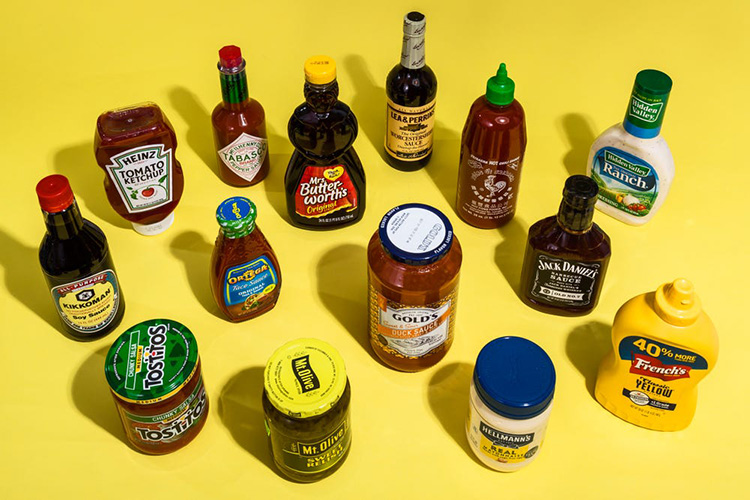
            Dry Powder Blending Machine-5

            Dry Powder Blending Machine: The Complete Buying Guide in 2025

            Dry Powder Blending Machine: The Complete Buying Guide in 2025

            Do you want your dry powders to be well mixed without leaving any particle left? Probably yes! So, let us introduce you with the Allpack's latest dry powder blending machine which is going to revolutionize your existing manufacturing. Dry Powder Blending Machine is innovative tool brought into the field to carry out powder mixing. Designed with cutting edge technology, you can employ it for your vary needs in diverse sectors.

            Dry Powder Blending Machine

            Not only that, but you can have the type of dry powder blending machine which suits you the most. But, how will you know that? The maintenance which it requires to stay longer? And most importantly, how to troubleshoot the possible problems caused during operation? These all followed by much other aspects associated with dry powder blending machine will be discussed in detail in this buying guide. So, let's embark on the journey of exploring it!

              Add a header to begin generating the table of contents

              1.What Is Dry Powder Blending Machine?

              Dry Powder Blending Machine-1

              HDT Bin Blender- Allpack

              From milk powder to detergent powder and medicine dosage, the use of powders is inevitable in our daily life. Similarly, their production and processing become responsibility of manufacturers for which they also need a dry powder blending machine.

              Dry powder blending machine is the most crucial machine tailored with cutting edge technology to facilitate the mixing of broad range powders as well as granules. It is made with hygienic stainless steel to make sure the processing is done in a safe environment.

              2.Enumerate The Benefits Of Dry Powder Blending Machine?

              Dry powder blending machine is highly beneficial due to its precise structure, uniform mixing, and consistent performance. Some of the prominent features of dry powder blending machine are enlisted below:

              Uniform Mixing

              Uniform Mixing

              Homogeneous mixture of dry powders-Picture Courtesy: crbgroup.com

              By using a dry powder blending machine, you can achieve the uniform mixing of your two or more types of powders and granules. For instance, the rotation of ribbon and paddle from inside and movement of bin from outside result in mixing all the particles accurately.

              Ensures Safety

              Dry powder blending machine is highly safe and hygienic for your environment as well as product itself. For instance, the machine provide enclosed structure to powders like condiments and chemicals which can otherwise flow in the air and get into operator eyes. Moreover, in case if any problem occurs, you can simply stop the machine by pressing safety button to ensure the material as well as machine security.

              Convenient Handling

              Convenient Handling

              Automatic forward & reverse dry powder blending machine-Picture Courtesy: amazon.ca

              The machine has convenient handling system with 360° forward and reverse body which can automatically move to discharge the mixed powder into container.

              Time Saving

              Dry powder blending machine uses ultrafast technology to meet the excessive production target. It can be also integrated with other machines such as storage tank, filter machine, and powder filling machine for getting efficient result. Therefore, you can mix multiple powders and granules in a less time with low human labor.

              Reduce Waste

              Reduce Waste

              Various multicolor dry powders-Picture Courtesy: amixon.com

              Mixing powders manually is a difficult job, especially, when amount is excessive. However, this problem has been resolved by a dry powder blending machine which can reduce the possibility of your powder waste to zero.

              User-friendly

              User-friendly

              easy-to-use presentation through keyboard-Picture Courtesy: intellect.com

              The machine is extremely easy-to-use control panel system where you can find all the essential parameters necessary for operating machine. Hence, it can be operated with a basic knowledge only.

              3.What Are The Working Principles Of Dry Powder Blending Machine?

              Understanding the working process of a dry powder blending machine is crucial for accurate using. Otherwise, you may face challenges in its operation and ultimately the waste of valuable material and machine damage may occur. Hence, to make you familiar with the right working of dry powder blending machine, we have explained the key principles below:

              Working Principles Of Dry Powder Blending Machine

              Powder Feeding

              Powder Feeding

              Spices loading into dry powder blending machine-Picture Courtesy: sampackindia.com

              Before starting your dry powder blending machine you will require enough amount of powder to feed into the machine. For this, you can load the bin of dry powder blending machine manually, or feed the bulk volume of desired powders into a tank integrated with automatic machine. Therefore, the machine will automatically take powders from tank.

              Machine Setting

              Machine Setting

              Operator setting dry powder blending machine-Picture Courtesy: amixon.com

              After the machine is loaded with powder, it is necessary to set the basic parameters for powder blending. Here, with the help of control board, you can fix the timing for powder mixing, frequency of ribbon and paddle rotation, and direction of movement changes etc.

              Powder Blending

              Powder Blending

              Powder blending working process-Picture Courtesy: powderprocess.net

              Once the machine setting gets done, you can simply turn the machine on. The machine will start blending powder with the help of rotating ribbon or paddles (depending on the type of machine). Consequently, the consistent movement of bin will fall the various powders over each other and form a uniform mixture.

              Powder Discharging

              Powder Discharging

              Mix powder discharging-Picture Courtesy: virtual Element Studios

              Finally, the mixture is ready to be discharged from the machine by pressing a discharge valve.

              4.Describe The Structure Of Dry Powder Blending Machine?

              Dry powder blending machine is composed of small to large components each performing unique function. Let's know their role by looking into underlying descriptions:

              Structure Of Dry Powder Blending Machine

              Structure of double cone dry powder blending machine-Picture Courtesy: yindamachinery.com

              Control Panel

              Control panel is one of the main components of dry powder blending machine which holds in it multiple knobs for increasing or decreasing the speed of agitators. By using it, user can  conveniently fix the commands in machine. It has has an emergency button over it to be pressed in uncertain condition.

              Inlet

              Inlet is the opening of a vessel through which various powders can be easily poured into machine. The inlet has a stainless steel lid attached with it to avoid escaping powders during process.

              Motor

              Motor is fitted into dry powder blending machine. Its function is to change the electric energy into mechanical energy and enable the ribbon or paddles to move swiftly.

              Vessel

              It is the most important part of a dry powder blending machine and is also called a bin. Various types of powders are loaded here for blending and the entire process of powder mixing is carried out inside this blending vessel. It has multiple agitators inside to blend the powders.

              Vessel Driving Sprocket

              Vessel driving sprocket is responsible for moving the blending vessel. When machine is switched on these sprockets move the machine in a rotary direction to give you uniform mixing of different powders.

              Support Frame

              The main frame of machine is made up of stainless steel including supporting stand, movable casters, bin, control cabinet, and lid etc.

              Discharge Valve

              Discharge gate of dry powder blending machine is located right below the bin. From here, the mix powder can be simply taken out from the machine into collection container or tray. It has an attached discharge valve in form of a handle. When it is pushed downward, the discharge gate get open and the powder fall from machine.

              5.Explain The Major Classification Of Dry Powder Blending Machine?

              Dry powder blending machine has such vast classification that you will be amazed after knowing. Although, most of the manufacturers get confused by looking into these machines, however, we have explained them for you in an easy and straight forward way, that you will understand each type along with their benefits and functions. Let's discover these all!

              Laboratory Dry Powder Blending Machine

              Laboratory Dry Powder Blending Machine

              Laboratory dry powder universal mixer/blender machine-Picture Courtesy: alibaba.com

              Laboratory dry powder blending machine is a resilient and precise machine designed for universal blending of all types of dry powders including spices, milk powder, herbal powders, and chemicals etc. It is available in different capacities such as 5kg, 10kg, 20kg, 50kg and so on.

              Structure

              Structure

              Structure of dry powder mixer blender-Picture Courtesy: amazon.com

              The machine is composed of a stainless steel barrel, durable mixing rack, finished product outlet, lid, and a control system located at the bottom of machine. It mainly include the speed switch for adjusting the speed, time shutdown mechanism, and a steering controller.

              Working Process

              For operating this machine, user has to load the bulk powder manually into barrel close the lid tightly and plug on machine. Now, the barrel will start moving in a circular motion causing powders to mix homogeneously. After the time for each cycle gets completed, machine will stop automatically, so, you can discharge the mixture.

              Ribbon Dry Powder Blending Machine

              Ribbon Dry Powder Blending Machine

              Double screw ribbon dry powder mixing machine-Picture Courtesy: alibaba.com

              Ribbon dry powder blending machine is designed to mix diverse powders uniformly. It has a u-shaped horizontal mixing tank inside of which double screw ribbon is fitted. The machine has high blending speed due to which it form fine mixture of multiple powders. It is applicable for chilli powder, grains powder, flour, and seasoning powders etc.

              Structure

              Structure-1

              WLDH horizontal ribbon bin mixer-Allpack

              Ribbon dry powder blending machine is composed of a control board, emergency button, motor, stainless steel lid, screw ribbons, blending tank, discharge chute, outlet handle, and main frame.

              Working Process

              After getting loaded with powders, the machine start blending particles in such a way that outer ribbon push the powder from edges towards center and central ribbon displace it towards ends. This cross mixing result in the formulation of perfect mixture.

              Paddle Powder Blending Machine

              Paddle Powder Blending Machine

              Horizontal paddle blender powder mixer-Picture Courtesy: permix-mixer.com

              This machine as the title illustrates has an integrated paddle shaft which enable it to mix range of dry powders and granules. Paddle powder blending machine may come in various shapes like cylindrical, horizontal, and vertical. It is desirable for sensitive powders like pharmaceutical and food powders which require gentle mixing.

              Structure

              Structure-2

              Structure of paddle powder blending machine-Picture Courtesy: cem.int.com.au

              The machine is an assembly of various components including motor, guide rail, mixing vessel, paddles, control system, and discharge valve etc.

              Working Process

              It functions after getting filled with 30% to 70% of the total capacity for proper mixing. During operation, the paddles move in opposite direction to each other, thereby, creating axial and radial pushing materials to move throughout the blending tank. The blended mixture is then discharged while machine is running to avoid particle segregation.

              V-type Dry Powder Blending Machine

              V-type Dry Powder Blending Machine

              V Dry Powder Mixer Blending Machine V50 - V300-Picture Courtesy: ipharmachine

              V-type dry powder blending machine has unique design with double compartments which meet at a single point and form the shape of v. This type of machine is suitable for all kinds of dry powders including baby milk powder, medicine powder, chocolate, and coffee powder etc. Its capacity range is from 50L to 300L.

              Structure

              Structure-3

              Structure of dry powder blending machine-Picture Courtesy: m.made.in.china.com

              Several components together make the structure of machine including feed inlet, v-shaped mixing cylinder, feed outlet, clamp and control board, comprised of various knobs.

              Working Process

              During operation, v-type vessel adopt rotary movement. Here, 25% of material move towards other compartment in a single cycle. Similarly, the radial and horizontal movement further blending the powders to make a uniform mixture.

              6.What Are 2D And 3D Dry Powder Blending Machine Used For Dry Powder Blending?

              In the realms of dry powder blending machine technology you will find myriad of machines being applicable for blending dry powders. Among them, the most innovative and compact machines are 2D and 3D blending machine which are designed with unique features. Let's understand both of them:

              No Points 2D Dry Powder Blending Machine 3D Dry Powder Blending Machine
              1 Definition 2D dry powder blending machine is two dimensional machine which comes in multiple capacities and require less energy for mixing powders 3D dry powder blending machine is a multi dimensional machine supporting three different patterns to make your dry powders mix homogeneously
              2 Structure It consists of a rotary drum, swing frame, supporting frame, inlet, discharge hole, and control box etc. It is composed of basement, driving system, three dimensional motion system, and blending vessel, and control mechanism.
              3 Working Process Blending cylinder rotates during operation and the material get mixed in a direction from right to left and vice versa During operation, powders move in random direction from center to end, downward, and right/ left in horizontal direction
              4 Dimension Two dimensions supporting right and left movement in horizontal direction Three dimensions including rolling, horizontal moving, and vibration etc.
              5 Picture 2D Dry Powder Blending Machine

              Dry powder mixing machine-Picture Courtesy: cecle.net

              3D Dry Powder Blending Machine

              Dry powder blending machine-Picture Courtesy: cecle.net

              7.Differentiate Between The Categories Of Powders Processed By Dry Powder Blending Machine?

              Powders can be fundamentally categorized into free flowing and non-free flowing powders on the basis of their properties. Knowing these properties and ultimately their flowing ratio greatly assist in the accurate mixing of these powders. The table below will be helpful in this way:

              No Factors Free Flowing Powders Non-Free Flowing Powders
              1 Definition Free flowing powders refers to powders with good flowability speed and less or no cohesiveness. Non-free flowing powders are also called cohesive powders due to their stickiness during flowing.
              2 Flow resistance No resistance to flow High resistance to flow
              3 Particle size Comparably coarse and big Small size particles
              4 Porosity Low porosity and high smoothness result in free flowing High porosity and roughness of particles make them stick together
              5 Shape Spherical shape Irregular shape
              6 Density High density Low density
              7 Examples Detergent powder, salt, and spices etc. Custard powder, starch, and milk powder etc.
              8 Pictures Free Flowing Powders

              Free flowing salt-Picture Courtesy: blossomingwidow.com

              Non-Free Flowing Powders

              Non-free flowing starch powder-Picture Courtesy: jessicagavin.com

              8.Write Down The Applications Of Dry Powder Blending Machine?

              The applications of dry powder blending machine can be found in diverse sectors among which some of the prominent are discussed below:

              Pharmaceutical Industry- For Drug Powder Blending

              Pharmaceutical Industry- For Drug Powder Blending

              Tablets and powder in spoons-Picture Courtesy: coherentmarketinsights.com

              Powder blending is one of the key practice carried out in pharmaceutical industry to well mix the multiple powders. Otherwise, improper mixing can affect the uniformity and drug quality. Therefore, dry powder blending machine is popularly used in this sector to blend myriad of pharmaceutical and herbal powders for tablets, capsules, and even powder for suspension.

              Food Industry- For Condiments Blending

              Food Industry- For Condiments Blending

              Various whole & powdered spices-Picture Courtesy: amixon.com

              Most of us enjoy the mouthwatering and vibrant colored cuisines which are indeed the result of multiple spices and condiments. These condiments are well mixed before packaging with the help of dry powder blending machine. Apart from that, powdered food colors, preservatives, and protein powders can also be processed by this machine.

              Cosmetic Industry- For Makeup Powder Blending

              Cosmetic Industry- For Makeup Powder Blending

              Multiple makeup items-Picture Courtesy: thebeautylookbook.com

              Either it is face powder, blush on, or eye shade, all are compressed powders which undergo a mixing step. And this step has been achieved by employing a hygienic dry powder blending machine.

              Chemical Industry- For Blending Chemicals

              Chemical Industry- For Blending Chemicals

              Cement color powders-Picture Courtesy: ebay.co.uk

              Among other industries, chemical industry is also notable one where the use of a dry powder blending machine can be found for mixing range of chemicals including cement, explosives, and dyes etc.

              Detergent Industry- For Detergent Powder Blending

              Detergent Industry- For Detergent Powder Blending

              Detergent powder bag-Picture Courtesy: www.behance.net

              We all are well-familiar with detergent powders which we use in our daily life for washing clothes, households, floor, and other objects. These detergent powders are composed of different types of granules with varying colors and sizes. For their uniform mixing, a dry powder blending machine is used.

              Agrochemical Industry- For Fertilizer Blending

              Agrochemical Industry- For Fertilizer Blending

              Fertilizer effects on agriculture production-Picture Courtesy: biologywise.com

              Agrochemical industry processes wide range of powdery substances for sound agriculture promotion and safety. These include fertilizers, pesticides, insecticides, and herbicides etc. As their formulation occurs through blending eclectic powders, a dry powder blending machine becomes applicable here.

              9.What Are The Maintenance Requirements Of Dry Powder Blending Machine?

              Dry powder blending machine in all of its forms is an integral part of processing powders in multifarious industries. If you take proper time for the maintenance of your dry powder blending machine it will undoubtedly last for decades, otherwise, you may find its life last for limited time. Hence, to avoid such situation, below description will be helpful:

              Maintenance Requirements Of Dry Powder Blending Machine

              Maintenance of dry powder blending machine motor-Picture Courtesy: elmatechnology.com

              Proper Lubrication

              Lubrication is an inevitable step your machine is always in need of. You must be careful and responsible in lubricating various parts of the machine including movable parts, drive, shaft bearings, and reducer etc., to make them properly work and extend the work life of machine.

              Regular Cleaning

              Whether you are using dry powder blending machine for pharmaceutical, food, chemical, or any other industry, you will process different types of powders. Then, it becomes obligatory to regularly clean your machine, so that, all sorts of debris and dirt will be removed out of machine.

              Maintaining Components

              Maintaining various components of machine such as drive tension, mixer tub, reducer belt, seals, and discharge operation gate will help you restrict the entrance of dirt and pollution to the powders and reduce the chances of material escaping from the bin.

              Inspect Electrical System

              After all, it is the electrical system of dry powder blending machine which enable you to set parameters and take these commands for performing desired processing. Therefore, you are obliged to inspect the wiring system of machine, check electrical cords for breaks, and damaged cords, because a minor ignorance can cause issue in form of explosion or fire.

              10.What Quality Standards Standards Should Dry Powder Blending Machine Meet With?

              Quality Standards Standards

              Adherence to quality standards icon-Picture Courtesy: vectorstock.com

              As dry powder blending machine is used for both food and non-food products, it is necessary for it to comply certain quality standards, so that, it may be declared safe for all types of powders. Below are some important quality standards essential for dry powder blending machine:

              Food & Drug Administration

              FDA is working on international level to promote safety of public health by certifying quality drugs and associated machines. Therefore, a dry powder blending machine must comply the safety regulations of FDA.

              International Organization for Standardization

              ISO is another agency established with the aim to set standards for companies who manufacture goods and machinery. This agency work all around the globe to facilitate local industries by providing them certificates after checking their compliance to fixed standards.

              Good Manufacturing Practices

              GMP comes under the auspices of World Health Organization, thus, working as a spectator to keep an eye on the goods and products produced around the globe. For this purpose, GMP has established its rules and principles which must be fulfilled by all industries so as by dry powder blending machine.

              11.Identify The Common Problems Of Dry Powder Blending Machine? Also Give Solutions?

              Discussing the possible malfunctions of dry powder blending machine and giving solutions to them can help you to nip the problems in the bud or it will lead to bigger challenges. Hence, below table is better illustrating the troubleshooting:

              No Problem Causes Solution Picture
              1 The machine requires much time for mixing It is because you have overload mixing tank than its capacity which has blocked its way for efficient mixing Reduce the amount of powder to 60% of the total capacity of mixing tank The machine requires much time for mixing

              Overload dry powder blending machine-Picture Courtesy: ribbonblendermixer.com

              2 Not good homogeneity of mixed powders Either the speed of mixer is too low or you have put excessive or too low amount of powders Make sure you leave enough empty head space for uniform mixing and don't go for inadequate volume in bin. Also check whether the speed of paddle or ribbon is at good pace Not good homogeneity of mixed powders

              Inhomogeneous mixture of powders-Picture Courtesy: asiamixer.com

              3 Reduction of particles size It occurs due to the sharp agitators with high speed which cause material breakage It can be solved by choosing right type of dry powder blending machine. For instance, ribbon blender has high proclivity to degrade particle size, while as, paddle blender process the powders gently without reducing their size Reduction of particles size

              Particle size reduction-Picture Courtesy: pion-inc.com

              4 Discharging of mixture takes too long The only reason is that agitator is not ON Make sure, while discharging mixture, agitator is on, so that, powder will fall swiftly Discharging of mixture takes too long

              Slow discharging of mixed powders-Picture Courtesy: Virtual Element Studios

              5 Dynamic segregation happen even after uniform mixing This is a serious problem that arise when light and heavy weight powders are mixed. Resultantly, heavy powders fall on the bottom and light powders on top Such issues can be tackled by adopting different discharging techniques like compact packing and vacuum packing Dynamic segregation happen even after uniform mixing

              Dynamic powder segregation forms-Picture Courtesy: core.ac.uk

              12.How To Choose Right Dry Powder Blending Machine?

              Choosing a right type of dry powder blending machine in such vast types available in market often result in difficulty. However, it can be solved by considering certain factors which are explained below:

              Examine Production Need

              Examine Production Need

              Various powdered spices in bowls-Picture Courtesy: Pinterest

              The foremost thing you cannot ignore while buying a dry powder blending machine is to consider whether the powder you want to mix is fully dry or moist, free flowing or non-free flowing? And most importantly what is the desired outcome you want from dry powder blending machine. These questions will enable you to opt for right machine.

              Evaluate Specifications

              Evaluate Specifications

              Ribbon blender & paddle blender-Picture Courtesy: marionsolutions.com

              The specifications and features of each type of dry powder blending machine vary from one another. For instance, some have ribbon agitator while others are paddle type. Similarly, IBC Bin blenders adopt rotary movement while as, 2D and 3D blenders have greater movement dimensions. Therefore, you should ask your vendor about their specifications and benefits each machine offer.

              Consider Your Budget

              Consider Your Budget

              Budget-Picture Courtesy: techx.pk

              Dry powder blending machines come in variety of designs, sizes, and ultimately different prices. Here, you need to assess your budget that how much you can afford to pay for the machine. For example, if you want efficient but cost-effective machine then laboratory bin dry powder blending machine is the best choice.

              Quality Certification

              It is important to check the quality certifications of a machine you want to purchase. It is helpful in determining that the machine is made from quality stainless steel and food grade material, so, that your valuable powders may be processed under safe conditions.

              Warranty

              Warranty

              Warranty icon-Picture Courtesy: oratefinanceinstitute.com

              Last but not the least, warranty policy is a must-have thing which your supplier should provide. It is because, warranty give you assurity of the machine and you can ask for change in case of any problem that occurs within valid time period.

              Conclusion

              To wrap up the discussion, it can be concluded, that dry powder blending machine is the prerequisite for attaining quality production in the extensive fields of pharmacy, food industry, agrochemical, and many other areas. It has also been proven by the most comprehensive list of dry powder blending machine's classification, which allows you to opt for the most stunning machine. So, what are your thoughts regarding it? Are you planning to make this machine part of your production line? Then don't make delay to contact Allpack, where all these machines are available with one year of warranty. For further information and guidelines please contact us!

              Don't forget to share this post!

              CONTACT US

              Tell us your raw material and project budget to get quotations within 24 hours.

              WhatsApp Us: +86 156 0710 8630

              Invalid Email
              Invalid Number

              Dry Powder Blending Machine: The Complete Buying Guide in 2025 Read More »

              Plastic Gauge Thickness-6

              Plastic Gauge Thickness

              Plastic Gauge Thickness

              The crinkling sound that resonates in your hearing coming from any plastic packaging you handle might oftentimes please you.

              Perhaps the word ‘plastic’ itself sounds so fascinating as it engulfs wide aspects of processes owing to it’s flexibility and versatility. There is a certain unit which measures thickness criteria for regulation and compliance of any plastic based product.

              Plastic-Gauge-Thickness

              Plastic gauge thickness will be the term that would be elaborated and explained in accordance of it’s significance and conversion parameters. Continue further to read this blog that would give you thorough knowledge of what you should know about plastic gauge thickness.

                Add a header to begin generating the table of contents

                1.What Is Plastic Gauge Thickness?

                Plastic Gauge Thickness-1

                Plastic Gauge Thickness

                Fundamental to the wide plastic industries is the measurement of plastic film or sheet’s thickness, which is the basis for deciding in which form of material and for what purpose the plastic would be required and shaped.

                This plastic thickness is usually calculated in units called ‘gauge’ or ‘mil’ which is equivalent to thousandth part of an inch. An immense importance is held by the chart that contains different values in many units such as millimeters, microns, gauge and inches that helps you to convert and decide on the standard you choose.

                The width of the gauge that you decide plays a role in resilience, reliability and appropriateness of the plastic material. Typically, the higher the number of gauge/millimeters/ microns, the thicker and sturdier your plastic type will be.

                2.What Is the Significance of Plastic Gauge Thickness?

                Significance of Plastic Gauge Thickness

                Plastic Gauge Thickness Significance – Picture courtesy: Interplas Insights

                Plastic Gauge thickness is a crucial and paramount factor that must be looked upon before deciding plastic thickness.

                Firstly, because many industries need assurance confirming standard of their desired thickness for their plastic gauge products as slightest deviation might be of severe consequences concerning safety guidelines and functionality. Listed for you below are some industries to help you understand it’s significance:

                In packaging industry plastic gauge thickness can deduce for you whether you want a robust or lightweight packaging for your content.

                In construction industry, is the best plastic gauge thickness is crucial as it makes barriers, roofing and insulation. This will decide how will be the material’s ability to withstand environmental conditions.

                Automotive industries have to maintain accurate structural conformity of their parts such as exterior body panels in accordance with right gauge thickness.

                Electronics sector requiring appropriate thickness of plastic for their insulation , circuits and various components to function properly

                Medical industry utilizes plastic gauge thickness in selection for their disposable medical devices, sterilization and packaging materials. It is therefore necessary to ensure safety and efficiency.

                Measuring thickness of any product is a criterion for assessing quality control. Since plastic gauge products need inspection of their quality to verify that it meets predetermined specifications .

                Maintenance and proper understanding of units of plastic gauge thickness according to what needed leads companies to reduce cost and decrease waste therefore improving environmental impact.

                To avail greater implications of plastic gauge thickness, it is vital for you to ensure that the material meets standards and the choice of selecting it's measurement techniques relates with specific requirement of applications. 

                3.How Can Plastic Gauge Thickness Be Measured By Various Techniques?

                Plastic Gauge Thickness Be Measured

                Plastic Gauge thickness is a physical property that needs a specific tool to measure it. There are various techniques that would help assure material quality and conformity to specifications.

                MEASURING PLASTIC THICKNESS USING TOOLS & TECHNIQUES

                Calipers

                This hand held tool comes in two types of calipers that can measure plastic sheet’s thickness by either contact or non-contact plastic film calipers. Contact gauging is same like using a micrometer which easily measures thickness of plastic film , while non-contact gauging precisely gives quick reading of thin plastic.

                Calipers
                Ultrasonic Thickness Gauge

                Ultrasonic gauge measures thickness of any shape of plastic including that of complex shapes using sound waves.

                Ultrasonic Thickness Gauge
                Laser Sensors
                They measure thickness and distance with high precision using laser beam. Laser sensors are of due importance in industries such as electronics and optics.
                Laser Sensors

                MEASURING PLASTIC THICKNESS USING DESTRUCTIVE OR NON-DESTRUCTIVE METHODS

                DESTRUCTIVE METHODS

                Techniques To Measure Plastic Gauge Thickness – Picture courtesy: SolveTech Thickness Gauge

                Destructive methods

                Destructive methods involves physically changing thickness of plastic or removal of certain material during the measurement.

                This can be explained by microtoming, which chops of the material into thin slices. This technique can be utilized where extremely precise measurements are wanted or when sample testing is done to check the material’s properties.

                Destructive methods-1
                Non Destructive methods

                This method is of generally no harm to the plastic product, and it is used where preserving material’s integrity is necessary too while measuring it’s thickness.

                Although this method has a limitation relative to measurement of very thin materials. Ultrasonic thickness gauge and laser sensors are such examples of non destructive methods of measuring plastic gauge thickness.

                Non Destructive methods

                4.What Are The Different Units Used For Measuring Plastic Gauge Thickness?

                Various units used for measurement of plastic gauge thickness depends on its applications and the industries where the material is being used. However, the regional standard unit of measurement selected for manufacturing of plastics are also considered. Let’s see those units below:

                Micrometers

                A micrometer (μm) unit is one millionth part of a meter, a metric unit that is applied for measuring thin plastic material. This unit is suitable for measurement of thin materials. Measurement in this unit is preferably rounded off to nearby whole number.

                Micrometers
                Millimeters

                A millimeter (mm) is one thousandth part of a meter, a metric unit that is used to measure thicker material such as plastic thickness.

                Millimeters
                Mils

                This is a regional standard unit that is widely used in America and also some other countries. One thousandth of an inch equals to one mil. Mil is frequently used to measure plastic gauge thickness.

                Mils
                Inches

                Inches (In) are utilized by industries that need to make thicker plastic materials.

                Inches
                Gauges

                In order to measure plastic gauge thickness, this is one of the most commonly used unit which can be denoted as mils or micrometers depending on the situation. Gauge is employed for thicknesses that are below 1 Mil.

                Gauges

                PLASTIC GAUGE THICKNESS CHART

                Ranging from tough plastic sheets that is used by construction or a polycarbonate sheet employed for glazing, this chart aids professionals those who work with multitudinous plastic materials and need to deal with it’s thickness in different industries.

                As you read above there are many units that are interchangeable and according to your preferences and selection of appropriate standard , plastic gauge thickness chart can be utilized to convert units from one to another easily. The chart below can be comprehensively adapted to be offering many guidelines for thin to thick and robust plastic gauge thickness.

                Gauge(Mils) Thickness (microns) Thickness (millimeters) Thickness (inches) Material
                1 25.4 0.0254 0.001 Polyethylene plastic, lightweight plastic
                5 127 0.127 0.005 Thin plastic film wraps
                10 254 0.254 0.01 Plastic folders , cover
                20 508 0.508 0.02 Thick plastic sheets
                30 762 0.762 0.03 Heavy duty plastic sheets, tarps
                40 1016 1.016 0.04 Hard plastic signs, industries
                45 1143 1.143 0.045 Medium to thick plastic sheets
                50 1270 1.270 0.05 Thick plastic sheets and films
                100 2540 2.540 0.10 Tough plastic sheets for construction
                150 3810 3.810 0.15 Thicker plastic film for industries
                200 5080 5.080 0.20 Very thick plastic sheets and barriers

                In order to easily switch between units you must know this basic conversion scale that is listed below:

                Mil= 1000 × inch

                Micron= Mil × 25.4

                Micron= Gauge × 0.254

                Gauge= 100 ×  Mil

                Gauge= Micron × 3.937

                These formulas can be incorporated to use for selecting a certain plastic thickness specification.

                5.What Are Some Factors That Can Lead To Inconsistent Measuring Plastic Gauge Thickness?

                Some Factors

                Measuring Plastic Gauge Thickness - Picture courtesy: MS Motorservice International

                Inconsistent measurement of plastic gauge thickness may be due to several factors including:

                User Efficiency: Operators that have experience and expertise in using measurement techniques and therefore precisely measuring is responsible for measurement consistency. Personnel unaware of training may lead to inadequate or error in measuring plastic gauge thickness.

                Calibration Of Measuring Tools: It is mandatory to calibrate and check regularly the accuracy and precision of plastic gauge thickness measuring instruments so that it might not result in inaccurate readings.

                Material Variations: Variability in type of material such as density and surface irregularities gives incorrect measurement . You must consider that if your plastic is going to endure stress it must be of such suitable thickness that can withstand the load.

                Environmental Impact: Environmental conditions like moisture , temperature and ultraviolet radiation can affect plastic material’s conformation and thus lead to inaccurate measurement and variation in thickness. You would need a thicker plastic gauge for resisting such all situations.

                Precise Sampling: Samples that are presented for measurement should be developed with focus and consistency to ensure correct results.

                Conclusion

                Mastering the art of choosing and selecting relatable technique and a standard unit for any of your materials will give you durable and high performance plastic gauge thickness. Whether gauge or mil, millimeters or micrometers, plastic gauge thickness chart will assist you to convert between units easily. Allpack has an experience of several years having welcoming and friendly expert staff at your service. Moreover, we have highly calibrated and reliable equipment that is available in many varieties that you can select as per your needs. Contact our given number or email us for any inquiries. Our team will be pleased to help you!

                Don't forget to share this post!

                CONTACT US

                Tell us your raw material and project budget to get quotations within 24 hours.

                WhatsApp Us: +86 156 0710 8630

                Invalid Email
                Invalid Number

                Plastic Gauge Thickness Read More »

                V Blender Dry Powder Mixer

                V Blender Dry Powder Mixer: The Complete Buying Guide in 2025

                V Blender Dry Powder Mixer: The Complete Buying Guide in 2025

                Do you know that homogenous mixing is crucial in compounding formulation? A perfect blend of dry powders is achieved using a V-blender dry powder mixer. Blending is a pivotal step in product manufacture in any industry whether pharmaceutical, cosmetic, chemical or food, so v blender dry powder mixer is integral equipment that cannot be omitted in any production line.

                V Blender Dry

                Planning to invest in this handy device and look for resources to improve your knowledge before purchase then this blog is just the place for you. In this guide, advantages, parts, classification, working, problems, and many more will be discussed about v blender dry powder mixer.

                Let’s get started.

                  Add a header to begin generating the table of contents

                  1.What is Meant by V Blender Dry Powder Mixer?

                  V Blender Dry Powder Mixer

                  V Blender Dry Powder Mixer

                  Its name is derived from its V-shape construction. It is also called Twin Shell Blender because of its two hollow enclosures. It comes from the family of tumbling blenders and other blenders in this family are double cone and slant cone blender.

                  V blender dry powder mixer is one of the most efficient and popular machines for smooth and precise mixing of dry powders and even liquids. This blender offers a uniform blend of solid particles both in granular and ground states as well as pellets.

                  However, because of the low shearing forces developed in it, the V blender dry powder mixer is not employed for blending soft granules.

                  2.What are the Significant Benefits of V Blender Dry Powder Mixer?

                  The significance of blenders cannot be ignored in industries particularly, those involved blending of components. V blender dry powder mixer is a perfect example of a blender that provides gentle mixing and in turn, generates heavy revenue for the businesses.

                  Some significant benefits of V blender dry powder mixer are:

                  Accurate and Precise Blending

                  Accurate and Precise Blending

                  Accurate and Precise Blending- Picture Courtesy: SPX Flow

                  V blender dry powder mixer is perfect for consistent and gentle blending tasks with a high percentage of precision. There are minute batch variations of less than 2% providing, reliable and accurate blending fractions every time. It is tiny quantities of trace constituents using this machine.

                  Size Reduction

                  Size Reduction

                  Size Reduction- Picture Courtesy: BulkInside

                  Various blenders and mixers have agitators that are employed to reduce the size of powders and granules. But V blender dry powder mixer is perfect for applications that do not need size reduction.

                  It is because the substance flows in the hollow space where there is no chopper fitted, thus, this machine is best for blending brittle substances.

                  Versatility

                  Versatility

                  Versatility of V blender dry powder mixer- Picture Courtesy: amixon GmBH

                  V blender dry powder mixer is not only great for blending granular and dry powders but it is also adopted in industries for blending fragile substances without changing their structural integrity. It is possible because of its low-impact shearing forces.

                  In addition to solid materials, it can also blend viscous liquid with ease due to its simple construction.

                  Simple Maintenance and Cleaning

                  Simple Maintenance and Cleaning

                  Simple Maintenance and Cleaning- Picture Courtesy: International Products Corporation

                  Because of its minimal design, the V blender dry powder mixer does not demand strenuous and laborious maintenance and cleaning. Furthermore, it does not have long downtimes more often. With simple routine maintenance, it can last long and serve a blending purpose.

                  Moreover, there is little or low dust generation in this blender which also makes cleaning job easier.

                  Convenience in Operation

                  Convenience in Operation

                  Convenience in Operation- Picture Courtesy: ProChem GmBH

                  V blender dry powder mixer has an inverter motor, brake, and VFD that offer speed controls and prevent overloading of equipment. It is operated by a PLC control panel equipped with various power buttons for regulating the working of every component.

                  Optional data recipes are also stored in a machine processor to allow extreme batch-to-batch uniformity and swift processing.

                  3.Where is the V Blender Dry Powder Mixer Used in Industries?

                  A blending of solid and liquid ingredients is a step performed in every industry and this step is executed in various businesses owing to the presence of a V blender dry powder mixer. Some of the industrial uses of V blender dry powder mixer are:

                  Pharmaceutical Industry

                  Pharmaceutical Industry

                  Use of V Blender Dry Powder Mixer In Pharmaceutical Industry

                  Uniform blending of active pharmaceutical ingredients is important in the pharmaceutical industry to ensure the constituency of drugs in every medication.

                  Therefore, the V blender dry powder mixer is an essential part of the pharmaceutical industry as it accomplishes even blending and reduces segregation of the powders. It is utilized before the granulation step in pill manufacturing.

                  Food Industry

                  Food Industry

                  Use of V Blender Dry Powder Mixer In Food Industry

                  V blender dry powder mixer is valuable in the food industry for the gentle mixing of dry flavours and baby food. Moreover, it is also employed in the homogenous blending of spices, milk powders, and coffee blends. It is also used in formulating cereals, herb blends to bring out the essence of various culinary dishes.

                  Cosmetic Industry

                  Cosmetic Industry

                  Use of V Blender Dry Powder Mixer In Cosmetic Industry

                  In the cosmetic industry, various delicate powders are processed, consequently, V blender dry powder mixer is popular for handling fragile cosmetic powder. This machine formulates even distribution of various cosmetic powders by blending melted wax, oils, and pigments, for instance, face blushes, eye shadows, shimmers, lipsticks, hair dyes, etc.

                  Paint Industry

                  Paint Industry

                  Use of V Blender Dry Powder Mixer In Paint Industry

                  This industry is one of the biggest users of the V blender dry powder mixer. In this machine, multi-coloured pigments are blended with solvents to form an emulsion. It is favoured by the paint industry because of its low shear mixing that allows it to achieve flawless cohesivity of paints.

                  Agriculture Industry

                  Agriculture Industry

                  Use of V Blender Dry Powder Mixer In Agriculture Industry

                  Yes, the V blender dry powder mixer is also adopted by the agriculture industry to create a seamless blend of powders and granules,which is an important step in manufacturing animal feed, fertilizers, herbicides, and pesticides.

                  Construction Industry

                  Construction Industry

                  Use of V Blender Dry Powder Mixer In Construction Industry- Picture Courtesy: Kennametal

                  In the construction industry, V blender dry powder mixer has different applications. It is employed for consistently blending pigments, fibres, and, powders to prepare additives, modifiers, protective coatings, grouts, cement mixture, and concrete.

                  4.What are the Primary Parts of the V Blender Dry Powder Mixer?

                  This machine is composed of two hollow chambers that are fused with an angle of 80° to create a V shape. Some of its primary parts are:

                  Primary Parts of the V Blender Dry Powder Mixer

                  Parts of V Blender Dry Powder Mixer

                  Inspection Inlet It is an inlet that allows operators to access, inspect, maintain, and, clean the main mixing vessel. It is closed by a cover.
                  Feed Inlet The starting materials for blending are introduced through this port inside the V blender dry powder mixer. The materials are either loaded manually by the operators or through pipes connected to the feed inlet.
                  Bearing The bearing has a vital role in supporting the shaft of the machine. They are fixed on the sides of the frame and aid in the uniform rotation of the V blender dry powder mixer.
                  Mixing Vessel It is the central part of the machine where the actual blending process takes place. With the rotation of the mixing vessel, tumbling and falling of feed occur, which results in blending.
                  Control Panel It is the core programming centre of the V blender dry powder mixer and it is essential in the right working of the system. It has different buttons and sensors that control the blending operation.
                  Guard Rail The system is designed with a guard rail that is integral in providing electrical safety to the operator and it reduces the operator's access to the main machine while it is running.
                  Frame It is the main foundation of the V blender dry powder mixer that provides support and reinforcement to the main mixing vessel during rotation.
                  Rotating Lever It is present at the side of the discharge port and is rotated for opening and closing the butterfly valve in the discharge port.
                  Discharge Port It is located at the lower end of the V-shaped mixing vessel where two cylinders are fused. It is a butterfly valve that is either opened using a rotating lever or by using an automatic pneumatic system. This is the main outlet from where blended substances are removed from the machine. The butterfly valve in the discharge port lowers the wastage of the final product.
                  Gear Motor It is usually present in lateral support. Gear motors are powered by electricity which in turn mechanize the mixing vessels and baffles.

                  5.Do you Know About the Classification of V Blender Dry Powder Mixer?

                  V blender dry powder mixer is categorized into basic types depending upon their size and design. This classification is discussed below:

                  Classification of V Blender Dry Powder Mixer

                  According to Size

                  There are two kinds of V blender dry powder mixers according to size.

                  Laboratory V Blender Dry Powder Mixer

                  Laboratory V Blender Dry Powder Mixer

                  Laboratory V Blender Dry Powder Mixer

                  It is a small-sized V blender dry powder mixer, mostly employed in small industrial settings and research laboratories for product preparation. It is fabricated in various sizes that are in the range of from 5 litres to 1 cubic foot.

                  Laboratory V blender dry powder mixer is created using stainless steel therefore, it has a durable and hygienic design. It processes small batches and its working volume is low. But this machine has ease of maintenance and cleaning.

                  Industrial V Blender Dry Powder Mixer

                  Industrial V Blender Dry Powder Mixer

                  Industrial V Blender Dry Powder Mixer- Picture Courtesy: Proton Engineers

                  As the name suggests, it is a part of routine operation in large-scale industries because it has a higher working volume and is suitable for blending materials with bulk densities of about 150 lbs/cu.ft, whereas, some heavy-duty industrial V blender dry powder mixers can blend highly dense powders with a density of 900 lbs/cu.ft. or more.

                  It has the same design construction as its smaller counterpart but has higher productivity.

                  According to Design

                  Asymmetrical V Blender Dry Powder Mixer

                  Asymmetrical V Blender Dry Powder Mixer

                  Asymmetrical V Blender Dry Powder Mixer- Picture Courtesy: Lanka.Tax

                  This type of V blender dry powder mixer has an asymmetrical design because there is a difference in the length of the two shell containers. This construction allows fluidity of the powders which aids in reducing segregation, consequently decreasing mixing time.

                  Baffles in the main mixing vessels help to achieve design asymmetry but this configuration does not have ease of accessing a machine

                  V Blender Dry Powder Mixer with Intensifying Bar

                  V Blender Dry Powder Mixer with Intensifying Bar

                  V Blender Dry Powder Mixer with Intensifying Bar- Picture Courtesy: PreMix

                  Often the V blender dry powder mixer is modified by adding an intensifying bar or agitator to accomplish a high shearing rate. When this intensifying bar rotates at higher velocities, it creates a high shear force that in turn increases the blending feat. It is especially important when processing cohesive powders.

                  Moreover, this high shearing force breaks the agglomerated particles and this type of V blender dry powder mixer is used during wet mixing.

                  6.How Does a V Blender Dry Powder Mixer Work?

                  To maintain and troubleshoot the V blender dry powder mixer, it is imperative to understand how it works. Here are some basic working steps of this equipment.

                  Loading

                  Loading

                  Material Loading- Picture Courtesy: Hayward Gordon

                  At first, by the operators or by feed pumps, starting materials are fed into a V blender dry powder mixer through the feeding apertures or ports, located at the top of the equipment. It is recommended to load the machine about 50-60% of its total working volume to attain blending in a short time.

                  Blending

                  Blending

                  Blending of Dry Powders- Picture Courtesy: BulkInside

                  Upon filling the materials, the V blender dry powder mixer starts operating. This machine rotates at 360° to blend the ingredients by breaking and amalgamating them. With each rotation, the ingredients flow to the central point and then shift away from the centre.

                  This random motion and high friction between particles and walls of equipment create a consistent yet gentle blend.

                  Unloading

                  Unloading

                  Product Discharge- Picture Courtesy: SPX Flow

                  After blending, the blended mixture is unloaded from the port having a butterfly valve. This valve is sealed but it is opened manually using a hand lever or automatically through a pneumatic system when product removal is required.

                  7.How are V Blender Dry Powder Mixer and Octagonal Mixer Different from Each other?

                  V Blender Dry Powder Mixer and Octagonal Mixer Different from Each other

                  Difference Between V Blender Dry Powder Mixer and Octagonal Mixer

                  Both these machines are utilized for blending dry powders, but there are some notable differences in their design configuration and operations. These differences are discussed in detail below:

                  Feature V Blender Dry Powder Mixer Octagonal Mixer
                  Design Construction The main vessel has a V-shaped design where two shells are joined at 70-120°. The main vessel is an octagonal-shaped container supported at two ends.
                  Blending It is rotated at a significantly higher speed than an octagonal blender, therefore, creating tumbling and cascading of ingredients, consequently decreasing the blending time. It is rotated at the slower velocities and thus has a gentle blending action. The mixing time is lengthy as compared to a V blender dry powder mixer.
                  Shearing Force High shearing forces are developed in this type of V blender dry powder mixer, consequently, it separates agglomerates. Gentle mixing creates low shearing forces thus, it is ideal for sensitive powders and can maintain integrity.
                  Loading and Discharging of Materials V blender dry powder mixer is loaded and discharged from two separate ends. An octagonal mixer is tilted for loading and unloading materials from the machine.
                  Footprint It has a larger footprint. It has a smaller footprint.
                  Ease of Cleaning Some models of V blender dry powder mixers are equipped with baffles and, therefore are difficult to clean. It has a straightforward configuration and, hence, is cleaned more easily.
                  Energy Consumption It is operated at higher velocities; therefore, it uses more power. As the speed of rotation is low in the octagonal mixer, so, it consumes less power.

                  8.What is the Difference between V Blender Dry Powder Mixer and Ribbon Blender?

                  Ribbon Blender

                  Difference Between V Blender Dry Powder Mixer and Ribbon Blender

                  Both these machines are commonly employed in the industries for blending and mixing diverse granular and powdery products. However, these machines vastly differ from each other based on configuration and operation.

                  Here are some important differences between the V blender dry powder mixer and ribbon blender.

                  Feature V Blender Dry Powder Mixer Ribbon Blender
                  Design Structure It is shaped like the letter V because of its two shells that join angularly with each other. This blender has a U-shaped vessel in which a shaft is fixed at the centre for mixing.
                  Blending Operation The blending typically occurs due to the rotation of a mixing vessel. The blending action is mainly performed by the helical ribbons that lift and drop the powders.
                  Charging and Discharging of Materials The materials and products are charged and discharged from the top and bottom ends, respectively. Ribbon blenders typically have a top-loading construction for loading materials, there is a bottom discharge port in some types of ribbon blenders.
                  Powder Contact Powders are not in direct contact with the walls of the vessel, which decreases the rate of product sticking on the walls. The starting feed is in direct contact with the ribbon helical structure which could lead to material fatigue.
                  Space Requirement It needs more space due to its larger footprint. It has a compact construction and thus requires smaller room for installation.
                  Ease of Cleaning Due to their straightforward construction, this machine can be easily cleaned. It has complicated ribbon construction, thus is difficult to clean the ribbon blender.

                  9.What is the Speed of a V Blender Dry Powder Mixer?

                  Speed-of-a-V-Blender-Dry-Powder-Mixer=6

                  Powder Blending- Picture Courtesy: amixon GmBH

                  The V blender dry powder mixer with a working capacity of 500-2000 litres has a blending speed of about 10 to 25 RPM (revolutions per minute). This speed is in the medium range and thus, V blender dry powder mixer is best for products that are required to be processed at low temperatures.

                  The blending speed impacts the quality of blending in the V blender dry powder mixer. There is a critical speed for this machine at which it has a lower mixing rate. The normal mixing cycle is completed in about 15 minutes.

                  10.What are the Quality Certifications of the V Blender Dry Powder Mixer?

                  V blender dry powder mixer should abide by different quality certifications to ensure the quality of products, the safety of operators and the environment. These are some important quality certifications of V blender dry powder mixer:

                  cGMP

                  cGMP

                  cGMP- Picture Courtesy: GMP Labs

                  It stands for current good manufacturing practices and is a must in the food and pharmaceutical industries. This certification ascertains that the V blender dry powder mixer is manufactured with clean practices and has a hygienic design to avoid cross-contamination of products. cGMP ensures that blended product is safe for human consumption and the environment.

                  FDA

                  FDA

                  FDA- Picture Courtesy: BioWorld

                  This certification is standardized all across the globe, especially in the United States. It tells that the V blender dry powder mixer fully complies with regulations and safety guidelines imposed by the Food and Drug Authority. This means that products do not pose risk to humans.

                  ISO

                  ISO

                  ISO

                  It is an international manufacturing quality standard like ISO 9001. This states that manufacturers of V blender dry powder mixers are committed to improving their quality standards and following quality management protocols set by the International Organization for Standardization.

                  ATEX

                  ATEX

                  ATEX- Picture Courtesy: Atexindustries

                  It is necessary to have ATmosphères EXplosibles certification when a V blender dry powder mixer is intended for blending explosive substances. This certification ascertains that the machine has design features and safety systems to prevent the explosion and ignition of volatile materials.

                  HACCP

                  HACCP

                  HACCP- Picture Courtesy: FESSMANN

                  This certification is mostly used for food industries. It ensures food safety by preventing access to biological, chemical, or physical agents in the V blender dry powder mixer that could risk the safety of food products. V blender dry powder mixer with Hazard Analysis and Critical Control Points certification ascertains hazard-free manufacturing and distribution of end-products.

                  11.How to Maintain a V Blender Dry Powder Mixer?

                  Maintain a V Blender Dry Powder Mixer

                  Maintaining V Blender Dry Powder Mixer

                  Regular maintenance ensures high productivity, lower machine wear and tear, decreased downtimes and the safety of operators. Some tips for maintaining a V blender dry powder mixer are discussed below:

                  Daily Maintenance Regularly clean the machine after every shift to avoid product buildup and to reduce cross-contamination.

                  Wipe regularly the external frame and support system of the V blender dry powder mixer with a clean and wet cloth.

                  Tighten any loose screws and nuts.

                  Weekly Maintenance Oil and lubricate the bearings and other moving parts.

                  Check and correct the alignment of drive systems like drive belts and motors.

                  Monthly Maintenance Calibrate the sensors and alarms of the machine.

                  Check for defects in the interior of the machine and its shafts.

                  Inspect the operability of safety features like gaskets, seals, and interlocks.

                  Examine the electric components like cables, breakers, and safety switches for wear and tear.

                  Yearly Maintenance Replace the bearing of the machine.

                  Change the old agitators and shafts of the equipment as per instructions of the manufacturers.

                  Conduct a detailed examination of the V blender dry powder mixer to ensure the perfect working order of every component and to ascertain the stability of the system.

                  12.What are Common Problems and their Remedies for V Blender Dry Powder Mixer?

                  With time, certain issues may arise in the V blender dry powder mixer that lead to prolonged machine failure and high profit loss. But with proper maintenance and troubleshooting, these problems are easily remedied.

                  Here is a list of some common problems and their remedies for V blender dry powder mixer:

                  Cause Remedy Image
                  Material Degradation
                  Incorrect mixing parameters

                  High rotational speed of mixing vessel

                  Incompatibility between machine design and properties of starting material

                  Application of intensifying bar at extreme rotational speed

                  Change the mixing process settings

                  Decrease the rotational speed

                  Consider altering the design of the machine

                  Reduce rotational velocity or do not employ an intensifying bar if not needed

                  Material Degradation

                  Material Degradation- Picture Courtesy: Manufacturing Chemist

                  Abnormal Vibrations in the Machine
                  Misalignment of components

                  Old and defective bearings

                  High material load in the mixing vessel

                  Defective drive system or motor

                  Properly align the skewed components

                  Change the old bearings

                  Reduce the material amount in the mixing vessel

                  Address mechanical problems in the drive system and motor and if required replace them

                  Abnormal Vibrations in the Machine

                  Abnormal Vibrations in the Machine- Picture Courtesy: AVEKA

                  Stickiness of Blended Powders on Walls
                  Inadequate movement of materials can cause sticking

                  Poor cleaning schedule

                  Unsatisfactory design of mixing vessel

                  Optimize the fluidity of powders

                  Implement a proper cleaning schedule

                  Consider altering the construction of the mixing vessel

                  Stickiness of Blended Powders on Walls

                  Stickiness of Blended Powders on Walls- Picture Courtesy: HAL

                  Powders Segregation During Blending
                  Variations in powder particle sizes and their densities

                  Incorrect filling sequence

                  Insufficient blending duration

                  Use powders with uniform particle sizes and densities

                  Employ the correct loading sequence

                  Change the blending time duration

                  Powders Segregation During Blending

                  Powders Segregation During Blending- Picture Courtesy: Stellar Manufacturing

                  Inadequate Mixing of Materials
                  Inaccurate rotational speed of mixing vessel

                  Poor loading sequence

                  Inadequate blending duration

                  Adjust the rotational speed of the mixing vessel to ensure adequate blending

                  Change the loading order of materials

                  Adjust the blend time

                  Inadequate Mixing of Materials

                  Inadequate Mixing of Materials- Picture Courtesy: Alpha Chemical Services

                  Conclusion

                  Today, the market for a V blender dry powder mixer is expanding at a much faster rate. This high growth is due to the high demand for uniform and hygienic mixing results of the V blender dry powder mixer. It is routinely seen in diverse industries because it generates seamless blends at lower costs, consequently making high revenue for businesses. Now are you looking to add this outclass equipment to your manufacturing unit then message us with all your machine details and we will find a perfect V blender dry powder mixer for you.

                  Don't forget to share this post!

                  CONTACT US

                  Tell us your raw material and project budget to get quotations within 24 hours.

                  WhatsApp Us: +86 156 0710 8630

                  Invalid Email
                  Invalid Number

                  V Blender Dry Powder Mixer: The Complete Buying Guide in 2025 Read More »
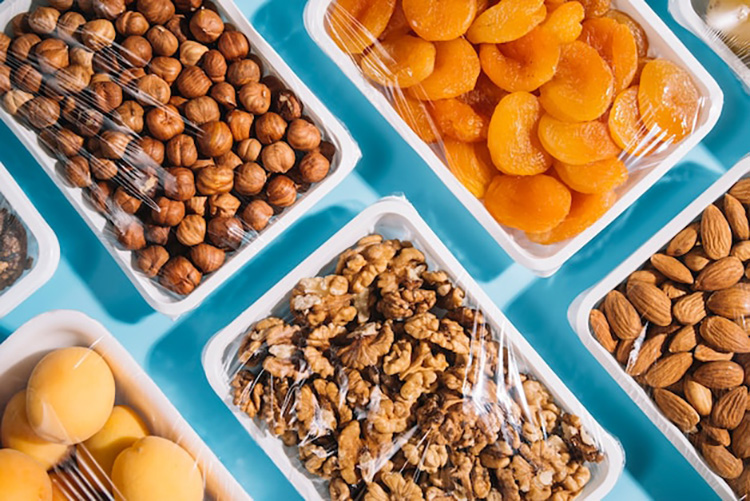
                  Pill Presser Machine-6

                  Pill Presser Machine: The Complete Buying Guide In 2025

                  Pill Presser Machine: The Complete Buying Guide In 2025

                  Are you looking for a pill presser machine? Are you interested in investing in pill presser machine? Do you feel difficulty in finding the best type of pill presser machine for your production setup? So, this is the right platform where you will get detail information regarding a pill presser machine, its operation and the types of pill presser machine available globally.

                  Pill Presser Machine

                  Mid Speed Double Sided Pill Presser Machine - Picture Courtesy: United Pharmatek

                  This buying guide will give you complete assistance and guidance regarding it and will help in resolving your queries. Read the complete blog to take the most of it.

                    Add a header to begin generating the table of contents

                    1. What Is A Pill Presser Machine?

                    Pill Presser Machine-1

                    Pill Presser Machine - Picture Courtesy: Shanghai Pharmaceuticals Co. Ltd.

                    A pill presser machine or a tablet presser machine is generally a modified automated way of compressing granules or powders into uniformly shaped structures with defined weight. Pill presser machines according to their usage are important for both small and large-scale industries and are widely used in the pharmaceutical, food, cosmetic, chemical, and agricultural industries.

                    2.What Are The Applications Of A Pill Presser Machine?

                    Pill presser machines are widely used in pharmaceutical industries but they also somehow have other applications including

                    Pharmaceutical Industry

                    Pharmaceutical Industry

                    Medicine Pills - Picture Courtesy: iStock

                    Pill presser machines are extensively applied in pharmaceutical industries where various types and sizes of pills and tablets are manufactured. A variety of medicines, vitamin supplements, oral medications, etc. are easily formed using a pill presser machine. The most important advantage of using a pill presser machine is that it maintains the dosage of drugs and forms uniform-sized pills throughout the process.

                    Food Industry

                    Food Industry

                    Chocolate In A Pill - Picture Courtesy: Bloomberg

                    Other than the pharmaceutical industry, pill presser machines are also used in food industries for the production of flavored and eatable pills. Pills with chocolate, supplements and other nutrients that are mostly consumed by children are produced using a pill presser machine.

                    Cosmetic And Chemical Industry

                    Cosmetic And Chemical Industry

                    Cosmetics Pills And Capsules - Picture Courtesy: Freepik

                    Various types of chemicals and cosmetic supplements are available in the form of pills and tablets. They can either be used for personal protection or research purposes. These chemical and cosmetic pills are uniformly produced using both manual and automated pill presser machines.

                    Agricultural Industry

                    Agricultural Industry

                    Pesticides, insecticides, and other important products that are used for the growth of an agricultural farm are mostly available in pills and tablets compressed by a pill presser machine. This not only compact the size of the packaging but also gives an attractive look to it that can impress the customer.

                    3.What Benefits Can We Get From A Pill Presser Machine?

                    Some of the advantages that can be taken from a pill presser machine are

                    Precision

                    Precision

                    Drug Products - Picture Courtesy: Verywell Health

                    Pills are directly associated with human life and with increases in any of the active pharmaceutical ingredient it can directly affect the individual. In this regard the most important benefit a pill presser machine offers are that it precisely and accurately fills the pill with standard dosage. Each of the pills shows uniformity and appears to be of similar shape and size.

                    Easy To Operate

                    Easy To Operate

                    Pill Presser - Picture Courtesy: CBC

                    A pill presser machine is much easier to operate and does not requires and prior expertise. It can simply be operated by reading its operational manual and having a basic training from the manufacturer.

                    Extended Shelf Life

                    Extended Shelf Life

                    Pill Expiry Dates- Picture Courtesy: Dr Fox

                    Pills formed by a pill presser machine are highly resistive against the environmental conditions including moisture and humidity. This increases the sensitivity of these pills and extends their consumption shelf life.

                    Customization

                    Customization

                    Pill Press Dies

                    One of the unique advantages a pill presser machine offers is that it contains option for customization according to the size and shape of pills. The manufacturer can easily replace the mold and die to the required desired shape. No new machine is required for different type of pills.

                    Quality Products

                    Quality Products

                    Quality Vitamins And Supplements - Picture Courtesy: Healthline

                    Pills that are taken out of a pill presser machine are of high-quality standards and shows greater uniformity in each of the product. Each of the required dimensions is monitored and controlled according to the quality control processes to produce best products out of it.

                    4.What Is The Working Principle Of A Pill Presser Machine?

                    Working Principle Of A Pill Presser Machine

                    Working And Principle Of Pill Presser Machine - Picture Courtesy: Pharma Guideline

                    The operating procedure of a pill presser machine is done in a simpler way and follows following important steps

                    Initially, the powdered or granular raw material is inserted into the feeding hopper of a pill presser machine, and from here the filling lines take this material to the die cavity.

                    In the second step, when the material reaches the die cavity specific amount of material settles in the cavity of the die to form standard pills or tablets

                    Once the material gets settled down, the compressor rollers start their operation and compress the material so that all the sides of the die cavity are filled properly.

                    After compressing, both the upper and lower punches controlled by a turret move in both horizontal and vertical directions to form a pill. This movement continuously presses the pills so that their size gets uniform.

                    Finally, the lower punch pushes the pill and ejects it out from the system so that it can be packed in the further procedures.

                    5.What Are The Main Components Of A Pill Presser Machine?

                    Main Components Of A Pill Presser Machine

                    Components Of A Pill Presser Machine

                    Hopper

                    A hopper is present at the top of a pill presser machine and is the area in which the raw material in terms of powder or granules is inserted. From here the material flows towards the feeding mechanism in a highly precise and controlled manner.

                    Rotary Table

                    The rotary table is the place which contains the die cavity and continuously rotates for large number of pills compressing and ejecting.

                    Adjusting Handle

                    The adjusting handle of a pill presser machine involves adjusting of both die cavity size and material compressing pressure. Speed of the production is also controlled through these adjusting handles.

                    Discharge Port

                    Once the pills are completely manufactured these are ejected out of the system through these discharge ports or discharge chute. From here the pills are carried for packaging and labeling processes.

                    Die

                    Die

                    Die Of A Pill Presser Machine - Picture Courtesy: LFA Tablet Presses

                    Die or die molds are the most important part in a pill presser machine. Different sizes of pills are formed using different types of die cavities. A pill presser machine can be customized by just changing these dies so that other type of pills can be produced.

                    Punches

                    Punches

                    Tablet Compression Tooling- Picture Courtesy: VORTEX

                    Both lower and upper punches of a pill presser machine are associated with the die cavity and are used to define the shape of a pill. These punches are responsible to compress the pill according to the size and shape of die so that no cavity or empty space remains during ejecting process.

                    Electrical Operational Appliances

                    A pill presser machine includes operational panel, danger or emergency button, electrical appliance box and power plug that are used to control the machines operation and processes. These are present on the body of a pill presser machine.

                    6.What Are The Types Of Pill Presser Machine Available Globally?

                    According to the number of dies there are three types of a pill presser machine. These are

                    Single Station Pill Presser Machine

                    Single Station Pill Presser Machine

                    Single Station Pill Press - Picture Courtesy: CapPlus Technologies

                    A single station pill presser machine is one of the simplest one for pressing of pills and tablets. It has a single die cavity and a pair of upper and lower punches in it. It is mostly used in small scale industries but is available in both manual and automated modes of operation.

                    Working Of A Single Station Pill Presser Machine

                    Initially the powdered or granule raw material is inserted either via hopper or manually into the die cavity of a single station pill presser machine.

                    The punches are then forced together for doing the compressing step.

                    Finally, the formed pill is ejected out of the system manually and the die is cleaned before each of the step to avoid any deformation.

                    Multi Station Pill Presser Machine

                    Multi Station Pill Presser Machine

                    Multi-Layer Pill Press Machine - Picture Courtesy: PTK-GB

                    For large scale industries where production capacity is in thousands, multi station pill presser machine is used due to its accurate and high productivity results. The machine has more than one filling station in it. Each of the pill formation station has its own die cavity and pair of upper and lower punches. Number of pills can be formed in a second of time.

                    Working Of A Multi Station Pill Presser Machine

                    In the first step the powdered or granule raw material is filled into the hopper present at the top of a multi station pill presser machine.

                    The material automatically travels through the filling mechanism and then enters the die cavity of machine.

                    Each of the die is filled with raw material their respective punches are then forced together for doing the compressing step.

                    Finally, the formed pills are ejected out of the system through the discharge port or discharged chute.

                    The machine automatically cleans all the residual and inserts it back to the feeding mechanism to avoid spillage and wastage.

                    Rotary Pill Presser Machine

                    Rotary Pill Presser Machine

                    Pill Press Rotary Press Machine - Picture Courtesy: Sino Pharmaceutical

                    A rotary pill presser machine is just like a multi station pill presser machine. The only difference is that it has a rotating turret in it that has multiple sets of punches and their respective dies. The continuous rotation allows formation of pills and tablets and their ejection.

                    Working Of A Rotary Pill Presser Machine

                    Firstly, the powdered or granule raw material is filled into the hopper present at the top of a rotary pill presser machine.

                    The material automatically travels through the filling mechanism and then enters the die cavity of machine.

                    Each of the die continuously rotates around a turret and is filled with raw material. The punches are then forced together to compress the raw material and formation of pills.

                    Once the pills are formed, they are taken out of the system through the discharge port or discharged chute.

                    The machine automatically cleans all the residual and inserts it back to the feeding mechanism to avoid spillage and wastage.

                    7.What Is The Difference Between Traditional Pill Pressing Method And A Pill Presser Machine?

                    Traditional Pill Pressing Method And A Pill Presser Machine

                    Pill Presser Machines - Picture Courtesy: Pharmaeducation

                    Some of the differences between a traditional pill presser method and pill presser machines are

                    Operation

                    Traditionally the powder or granule is inserted into the pill pressing machine and then pressed with manual force to form a pill.

                    Whereas, a pill presser machine involves complete automated processes from feeding of material to die cavity to its compression and then finally ejection.

                    Productivity

                    Productivity

                    Small or house industry used the traditional method of pill pressing as it produce just hundreds of pills in hours.

                    Thousands of pills can be produced in a second of time without any deformation or destruction using a pill presser machine.

                    Efficiency

                    Pills with defects and no uniformity are produced from a pill presser machine. Reverse process is mostly carried out due to inaccuracy in forming process.

                    Pill presser machines are highly accurate and efficient in their process that different sizes and shapes of pills can easily be produced in a single machine.

                    8.What Are The Auxiliary Machines Associated With A Pill Presser Machine?

                    Pill presser machine involves auxiliary machines to complete the forming and packaging of pills in an efficient manner. These machines are

                    Pulverizing Machine

                    Pulverizing Machine

                    High-Speed Pulverizing Machine

                    In the pill formation process, a pulverizing machine is the one from which the process starts. A high-speed pulverizing or grinding machine is capable of crushing granules that are hard in nature. This gives fine particles as a result of grinding that can easily be carried to pressing process.

                    Vibro Sifter

                    Vibro Sifter

                    Vibrating Sifter

                    A vibro sifter or a vibrational sifter works on the principle of vibration and used to remove all the left large sized granules and also separates them from the system.

                    Wet Granulator

                    Wet Granulator

                    High-Speed Wet Mixing Granulator

                    Once uniform size granule raw material is obtained, it is passed through wet granulators which can mix the material in a homogenous manner. Large sized particles are eliminated from the process using a wet granulator or grinding machine.

                    Roll Compactor

                    Roll Compactor

                    Roller Compactor - Picture Courtesy: Pharmaceutical Networking

                    Roller compactors are used to press the material so that they can be compact in desired shape. Regular movement of material on rollers produce an internal pressure within the machine and makes the material to flow in a synchronized manner

                    Fluid Bed Dryer

                    Fluid Bed Dryer

                    Fluid Bed Processor – Picture Courtesy: Senieer

                    Medicines in form of pills are highly sensitive in nature. Any content of moisture or humidity can change the entire nature of pills. A fluid bed dryer is used to remove all the moisture present in the raw material to preserve it and to make it useable for a longer period.

                    Pharmaceutical Mixer

                    Pharmaceutical Mixer

                    High Efficiency Pharmaceutical Mixer

                    Pills that have multiple types of chemical compositions in it are usually mixed in a mixer or blender so that each of the material gets uniformly distributes according to the composition of pills required. These mixers or blender are found in the initially and foremost stage of pills formation.

                    Tablet Deduster

                    Tablet Deduster

                    Tablet Deduster

                    Once the pills are pressed in the pill presser machine they are then passed through a tablet deduster where the extra material, dust or particles are completely removed from the surface of a pill. The machine is highly precise that is send fine pills from further coating and packaging purpose.

                    Pill Coating Machine

                    Pill Coating Machine

                    Semi-Automatic Pill Coating Presser - Picture Courtesy: Shanghai Pharmaceuticals

                    Pills and tablets that have coating on their outer most layer uses pill coating machine for its application. This coating gives a thin layer of protein, sugar or other material to protect it from environmental conditions.

                    Pill Counting Machine

                    Pill Counting Machine

                    Tablet Counting Machine

                    Before the packaging process, tablet counting machines are present to verify the packaging of total numbers of pills so that no over or under packaging can be performed. This makes the packaging to be done according to standards and to make it look pleasant to the customer.

                    Blister Packing Machine

                    Blister Packing Machine

                    Blister Packing Machine - Picture Courtesy: Hualian Pharmaceutical Machinery

                    For final packaging of the counted pills, blister pack machines are used that packs them in plastic and aluminum foils to protect their nature and extend their shelf life. Packaging also gives them a pleasant look that attracts the customers.

                    Cartoning Machine

                    Cartoning Machine

                    Cartoning Machine - Picture Courtesy: SED Pharma

                    The blistered pills are finally packed together using a cartoning machine in large boxes to make it easy in transportation around the globe.

                    9.How Pill Presser Machine Cope Up With Different Sizes Of Pills And Tablets?

                    Pill Presser Machine Cope Up

                    Dies And Punches - Picture Courtesy: Shamdew

                    The most important benefit of a pill presser machine is that it can easily cope up with different sizes of pills and tablets and does not requires an additional machine for it. This is in a way that a single pill presser machine has wide options to insert and adjust punches and dies of different sizes in it. Irrespective of their shapes, one can directly equipped the machine with these dies and their respective punches.

                    The tools and dies are changed in a short time and does not creates any machine down time. Also, the rotating turret in a rotary pill presser machine allows the insertion of different types of die set at same time. Each of the step can be keenly monitored and checked to maintain the quality and accuracy.

                    Conclusion

                    Finally, concluding the discussion on a note that you would now be completely familiar with what is a “Pill Presser Machine” and how it can be beneficial for any processing line. All pack provides variety of pill presser machines to its customers globally for food, pharmaceutical, agricultural and chemical industries. If you still feel any query related to a pill presser machine, you can directly contact us 24/7. Our representatives are always available for your guidance.

                    Don't forget to share this post!

                    CONTACT US

                    Tell us your raw material and project budget to get quotations within 24 hours.

                    WhatsApp Us: +86 156 0710 8630

                    Invalid Email
                    Invalid Number

                    Pill Presser Machine: The Complete Buying Guide In 2025 Read More »
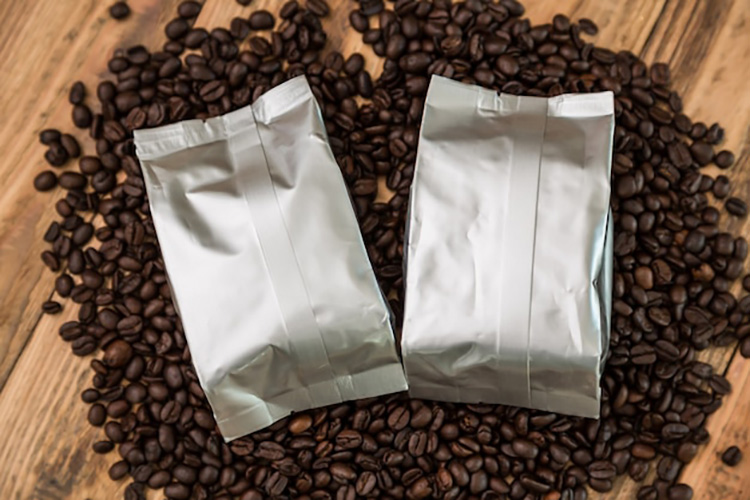
                    Packing Tape Thickness

                    Packing Tape Thickness

                    Packing Tape Thickness

                    The holiday season is ahead! Most of you would be ready to sneak up on postal addresses and packaging gifts. Side by side, stress on the supply chain, delivery and packaging departments would be busier in packaging in advance than ever before.

                    You might have noticed that packing tape thickness is denoted in ‘mm’ whenever you look at or purchase packing tape. Whether for shopping or retail purposes, you always require packing tape for elegant and secure packaging.

                    Packing Tape Thickness-1

                    This article is all about packing tape thickness which will help you understand all the basic to advanced knowledge you need to know for effective packaging.

                      Add a header to begin generating the table of contents

                      1.What is Packing Tape?  What is the History of Packing Tape?

                      Packing Tape Thickness-2

                      Multi-Color Adhesive Packing Tape Thickness

                      Packing tape is a simple stationary staple that is used commonly in household chores and industrial-grade tasks for sealing the packaging stuff and storing it for delivery and shipping purposes.

                      The above lines possibly look simple to read but the packing tape exact encyclopedia is very complex.

                      For example, thinking about its various sizes, thickness, types, colours, applications, and much more relevant parameters would compel you to realize its vast scope to understand.

                      Going back, an engineer Richard Drew developed the world’s first packing tape with 2-inch-wide tan colors with a strong pressure-sensitive backing in 1925. The creation of packing tape was intended to offer a media that could cover those parts that were not painted.

                      The very first packing tape was composed of min three ingredients such as oil, resin and rubber.  This mixture of adhesive was applied at its backing as in a fluid state. Today, this method is transformed into a bonding agent which depends on the desired strength of the bonding agent.

                      2.What is the Packing Tape Thickness?

                      Packing Tape Thickness-3

                      Packing tape Thickness

                      It is defined as a measure of the smallest dimension of the packaging type. Packing tape thickness is also the degree of its strength and durability. It varies with the weight and size of products. The product material also decides the packing tape thickness.

                      The main purpose of packing tape is the sealing of objects, thus strong seal is provided by thicker packaging film.

                      Furthermore, special applications like the sealing of delicate and fragile items demand reinforced packaging type of higher thicker whereas light items require thinner packing tapes.

                      The packing tape thickness range is very broad with the thinnest packing tape being about 0.196 mil or 0.005mm. This thinnest tape is ultra-thin double-sided adhesive tape.

                      The thickest packing tape is about 6.6 Mil or 0.168 mm. This is used for strapping bundles and pallets and is called filament packing tape.

                      3.What are the Units of Packing tape Thickness?

                      Units of Packing tape Thickness

                      Units of Packing tape Thickness

                      Numerous units are used for packing tape thicknesses. The usage of units depends upon brand and applications. These units are:

                      Mil

                      Most industrial manufacturers use Mil when describing the thickness of their packing tape. It is commonly used for thinner packing tape.

                      1 Mil = 1/1000 inch

                      Micron

                      The standard term for micron is micrometre. It is a metric system unit.

                      1 µm= 1/100000 meter

                      1 Mil =25.4 micron

                      Millimetre

                      It is another metric system unit and is considered standard among packaging sectors for packing tape thickness. It is adapted for slightly thicker packing tape.

                      1 mm = 1/1000 meter

                      Chart for Packing tape Thickness

                      Here is a unit conversion chart for packing tape thickness that will help you to get the correct thickness of packing tape.

                      Mil Micron Inch Millimeter
                      0.16 5 0.0001 0.005
                      0.25 6.35 0.0002 0.006
                      0.35 8 0.0003 0.008
                      0.45 11.43 0.0003 0.011
                      0.55 14 0.0005 0.014
                      0.65 16.51 0.0006 0.016
                      0.75 19.05 0.0007 0.019
                      0.85 21.59 0.0008 0.021
                      0.95 24.13 0.0009 0.024
                      1 25.4 0.001 0.025
                      2 50.8 0.002 0.050
                      3 76.8 0.003 0.076
                      5 127 0.005 0.127
                      6.6 168 0.006 0.168

                      4.Why Do You Need to Know Packing Tape Thickness?

                      Understanding and learning about packing tape thickness is essential for numerous reasons. Normally, the thicker packing tape is sturdier and bears higher strain. Knowing packing tapes is important because:

                      Effective Seal

                      Effective Seal

                      Effective Seal and Packing tape Thickness

                      Packing tape thickness is directly related to its seal efficiency and durability. Cartons and other products are usually subjected to rough treatment during handling, so thinner packaging may accidentally open during shipment. But with thicker packing tapes secure sealing is ensured.

                      Higher Durability

                      Higher Durability

                      Effective Seal and Packing tape Thickness

                      Sometimes there is a risk of tearing, ripping, and puncturing packing tapes, especially when they are used for securing products with cutting edges. Therefore, the use of thicker packing tape in these conditions may prevent occasional tearing or cutting.

                      Adhesivity

                      Adhesivity

                      Adhesivity and Packing tape Thickness

                      Certain applications require higher adhesivity to withstand strong forces. This specific demand is fulfilled using thicker packing tapes. So, learning about packing tape thickness is a must for buying packing tape, otherwise, it will result in a waste of money.

                      Loading Tolerating Ability

                      Loading Tolerating Ability

                      Loading Tolerating Ability of Packing tape - Picture Courtesy: ULINE

                      Packing tape thickness is also influenced by the weight and size of the product. Generally, lightweight smaller products are secured by the tinner packing tapes, whereas, thicker packing tapes are ideal for binding heavier large-sized products. This is because thicker packing tapes can tolerate heavier loads and the weight-tolerating capacity of thinner tapes is low.

                      Cost and Budget

                      Cost and Budget

                      Cost and Budget

                      Understanding the packing tape thickness is imperative in planning the budget for its purchase. Thicker packing tape is available at a higher cost while thinner packing tape is relatively cheap. So, comprehending packing tape thickness is beneficial for the success of your business.

                      Resilience Under Different Environmental Settings

                      Resilience Under Different Environmental Settings

                      Resilience Under Different Environmental Settings

                      Shipping and cargo usually occur in harsh environmental conditions such as high and low temperatures and wet and dry surroundings. So, it is vital to know about packaging film thickness and its resilience under different weather conditions to attain better product security.

                      5.What are the basic types of packing Tape?

                      basic types of packing Tape

                      Different types of packing tape- Picture Courtesy: Packaging Company

                      Adhesive for Packing Tape

                      Before knowing about the types of packing tape first, you need to know about the adhesive used for packing tape items. There are different types of adhesive used based on acrylic, hot melt, solvents, and water-activated adhesive for packing tape. These different products provide adhesiveness to the packing tape.

                      Adhesive for Packing Tape

                      Let us discuss them one by one;

                      Acrylic Acrylic adhesive is commonly known as acrylate and methylmethacrylate and is a widely used adhesive for packing tape. It is available in both solvent and water states. The acrylic-based packing tapes are transparent and are commonly used for many purposes. Acrylic
                      Solvent It provides durability, strong adhesion, versatility, resistance to extreme environments, and the capacity to bond rapidly to the packing tape. Solvent
                      Hot Melt It is a commonly used adhesive tape due to its unique characteristics and reliable stiffness abilities. Hot Melt
                      Water-Activated It is based on starch; such a type of adhesive requires water for activation. The water-activated tape is a paper tape that is in dry form and becomes activated by water. Water-Activated

                      Now let us discuss different types of packing tapes that use these above-mentioned adhesives.

                      Description Picture
                      Transparent Packing Tape


                      Transparent tape is also referred to as scotch, carton, or clear packing tape. It is made up of polypropylene film that is coated with the acrylic adhesive. It is widely used packing tape for packing lightweight to medium-weight cartons and is mostly used in households, industries, hospitals, schools, etc. It protects any items from water or dust and is used to pack any objects. Transparent tape provides admirable clarity and makes a strong bond. Transparent Packing Tape
                      Brown Packing Tape


                      Brown packing tape, is also known as packing tape, buff tape, or parcel tape. It is made up of polypropylene film coated with solvent-based acrylic adhesive.

                      It is widely applicable for packing heavier items because it is stiffer than transparent packing tape. Brown packing tape is mostly used to pack large-size boxes or cartons. It seals the packed and protects the items for the long term.

                      Brown Packing Tape
                      Polyester Packing Tape


                      Polyester packing tape is made up of polyester film also known as PET tape.

                      It provides outstanding adhesion as well as tensile properties, guaranteeing a stable and durable binding on a range of surfaces. It easily sticks to cardboard, plastics, metals, and other typical packing materials due to its sticky adhesive capabilities.

                      It offers superior resistance to chemicals, temperature, and moisture changes, guaranteeing that your shipments stay sealed and safe even in harsh conditions.

                      Polyester Packing Tape
                      Masking Packing Tape


                      Masking tape is made up of thin crepe paper backing and coated with a nonreactive adhesive. The adhesive used for masking packing tape includes rubber, synthetic, acrylic, and silicon-based and all are adhered, tacky, and resist stress.

                      It is widely used in the automotive industry, electronics, painting, and building industries. It protects surfaces from leaks, overspray, and damage. Although it is not made for packing, masking tape can be applied to light-duty or temporary packaging tasks. It is less expensive and easily recyclable. It is crucial that the protective masking tape be simple to remove and leave no trace after a project is finished and the materials applied have dried.

                      Masking Packing Tape
                      Freezer Grade Packing Tape


                      Freezer-grade packing tape is composed of freezer-grade adhesive and polypropylene film. It is designed to keep its adhesive integrity and strength at very low temperatures, providing dependable and safe sealing under subfreezing circumstances.

                      It is ideal for freezer settings below -30C due to its excellent adhesion and superior age resistance. It seals easily and well to plastic, metal, and cardboard among other surfaces because of its potent adhesive qualities, creating a tight, long-lasting barrier that won't peel or shatter in subfreezing temperatures. It is widely used for packing, processing, and transportation in the food sector.

                      Freezer Grade Packing Tape
                      Printed Packing Tape


                      Printed tapes are unique varieties of adhesive tape that perform the dual roles of information carriers and advertising aspects in addition to their basic adhesive purpose. The firm logo, contact information, usage directions, cautions, and other related information are printed on the tape's surface. Though visually striking, this is not the only benefit of such a solution. Simultaneously, the brand and product name become identifiable. It will undoubtedly be simpler for customers to remember. Professionalism is conveyed by the tape with the brand, and the item is securely packaged without sacrificing any of its eye-catching design elements. It is made up of numerous materials such as polyvinyl chloride, polypropylene, or paper depending on the requirements of the customer. Printed Packing Tape
                      Water Activated Packing Tape


                      Water-activated packing tape is also recognized as gummed paper or gummed tape and is usually made up of starch.  It requires water to activate the adhesive properties. It is used for sealing boxes and cartons.

                      Before closing any fibreboard boxes, it must moisten the tape with water. It is a less expensive and widely used type of tape that due to moistened adhesive provides secure bonds. It can be easily handled due to its lighter weight and it can be easily removed from the boxes.

                      Water Activated Packing Tape
                      Duct Packing Tape


                      Duct tape is among the most widely used types of tape that you are all familiar with and adore. The robust acrylic adhesive covering on this double-woven tape is age-resistant.

                      Its extraordinary adhesive capability, along with its excellent shear and heat resistance, are made possible by these properties. Because it can be used for so many different things, duct tape is a common item in both homes and many other industries.

                      Duct Packing Tape
                      Strapping Packing Tape


                      Strapping tape, made for use in industry, works wonders for securing the upper rows of your pallets together. It has an elastic band-like characteristic that permits any load to shift as necessary without causing damage. They are all resistant to tearing, splitting, and abrasion and come with reinforcement made of fibreglass filaments. Strapping Packing Tape
                      Double Sided Packing Tape


                      Double-sided packing tape, with its powerful adhesives on both sides, makes it simple to attach two distinct surfaces. The adhesive of double-sided tape allows it to be tucked away after placement, making for a neat appearance and presentation.

                      It is utilized in numerous industries and is suitable for a broad range of applications.

                      Double Sided Packing Tape
                      Label Protection Packing Tape


                      Label protection packing tape is a transparent adhesive product that fulfils its name exactly. Put it over labels to retain them firmly in place on a range of materials, such as paper, plastic, metal, and wood. Both indoors and outdoors, this high-clarity, high-strength tape can withstand abrasive or harmful conditions. Even better, scratching, water, and chemical resistance are features of label protection tape. Label Protection Packing Tape

                      Types of Packing Tape Based on Thickness

                      Yes, there are distinct classifications of packing tape when it comes to thickness. These classes are discussed one by one for your understanding:

                      Description Picture
                      Light Duty Packing tape It is used for simple applications such as sealing gift items. This packing tape is more on the thinner side with a thickness of 0.35-1 Mils. This is ideal for packaging smaller loads as it is less strong. It is ideal for boxes with 15 pounds. Light Duty Packing tape
                      Medium-Duty Packing tape It is about 1.5-2 Mil in thickness and works best for daily packaging jobs. It can glue medium-weight applications weighing about 15-35 pounds. This packing tape usually comes in PP, PE, or acrylic form. Medium-Duty Packing tape
                      Heavy-Duty Packing tape It is robust packing tape, providing extra security and safety to the boxes. It is more weight bearing and can hold 35-50 pounds weight with a thickness of 2.5-3 Mil. It is generally used for heavy-duty applications. Heavy-Duty Packing tape
                      Reinforced Packing tape This type of packing tape is typically manufactured with extra mesh fibres for additional strength and resilience. It is thicker than heavy-duty packing tape with a thickness of 3.5-5 Mils. Due to its heavier thickness, it is typically employed for heavyweight packaging, for instance, products with a weight of 60-90 pounds. Moreover, it is generally employed for products with cutting edges. Reinforced Packing tape
                      Filament Packing tape It is an excellent solution for heavy-weight bundling and pelletizing. It has embedded fibreglass and is best for strapping large pallets. It has a thickness of about 5-6.6 Mil and it has extra puncture and tear resistance. Filament packing tape can tolerate tensile strength of over 1000 pounds. It is highly tamper-evident, thus preventing unsanctioned access to pallets. Filament Packing tape

                      Conclusion

                      Packing tape thickness is inseparable as packaging does not exist without proper knowledge of packing tape. From gift box wrapping to large industrial palletisation, packing tape is seen everywhere. But the difference in thickness of both these packing tape applications. For bundling large loads for shipment, thicker and more durable packing tape is used, whereas, for home-based wrapping, thinner packing tape is used. Thicker packing tape costs more money and is difficult to recycle; however, it also provides more protection and stronger adhesivity. Planning to purchase packaging film and are puzzled about thickness, we Allpack will aid you in reaching the right decision quickly. Please contact us now for more information.

                      Don't forget to share this post!

                      CONTACT US

                      Tell us your raw material and project budget to get quotations within 24 hours.

                      WhatsApp Us: +86 156 0710 8630

                      Invalid Email
                      Invalid Number

                      Packing Tape Thickness Read More »
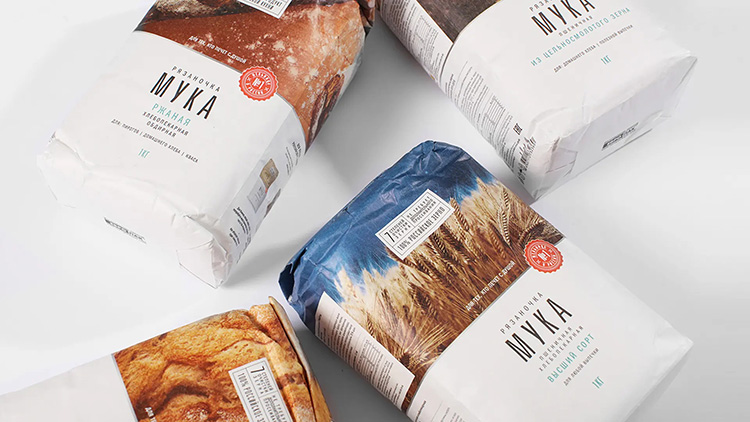
                      Scroll to Top