
Author name: alei

Can-Sealing-Machine-Cover

Can Sealer Machine: A Complete FAQ Guide In 2025

Can Sealer Machine: A Complete FAQ Guide In 2025

Sealing cans has never been easier with the introduction of can sealer machines. These machines are designed to seal cans of different shapes, sizes and materials with precision and efficiency. Whether you are a small business owner looking to expand your packaging capabilities or a large-scale manufacturer, finding the right can sealer machine can be a daunting task.

This buying guide will provide you with the essential information you need to make an informed decision and choose the right can sealer machine that meets your specific needs.

Let’s delve deeper and explore the world of can sealer machines:

    Add a header to begin generating the table of contents

    1.What is a can sealer machine?

    can sealer machine

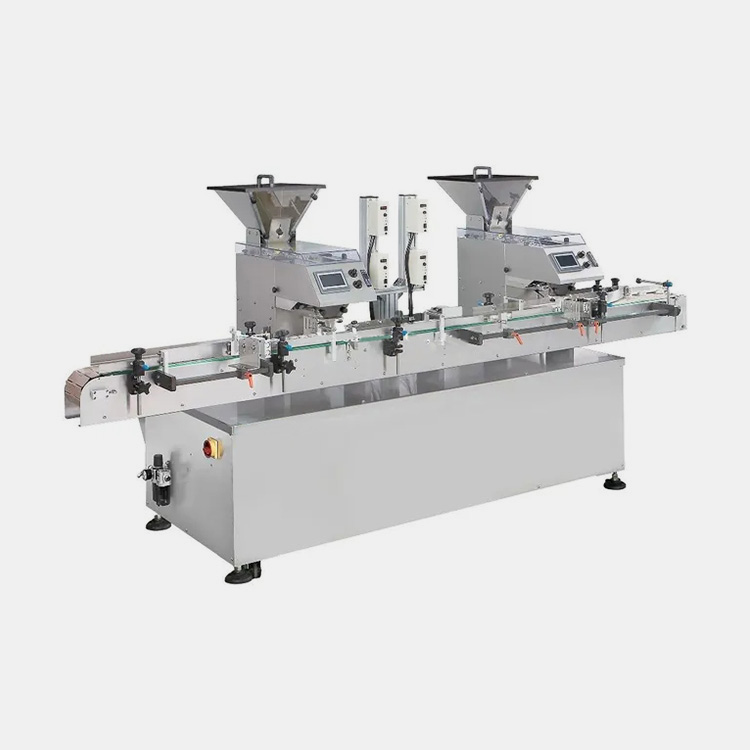
    A can sealer machine is a device that seals the top of a can to preserve the contents and prevent contamination. It works by applying heat and pressure to the lid, melting and crimping it onto the can rim, creating an airtight seal. The machine is a crucial component in the packaging industry, ensuring the safe storage and transportation of various products in cans.

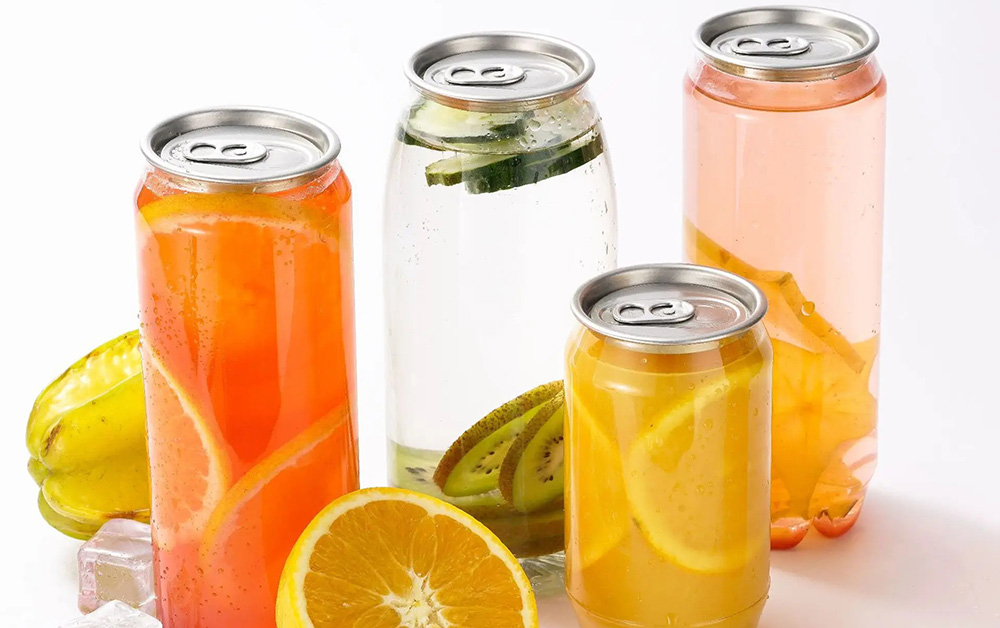
    Imagine a summer day, and you have just made a pitcher of fresh lemonade. You want to keep it cold for later, and you need a container that will keep it fresh and fizzy. That’s where a can sealer machine comes in! It seals the lid onto the can with a strong bond that locks in the flavor, aroma, and carbonation of your lemonade.

    2.What are the commercial applications of can sealer machine?

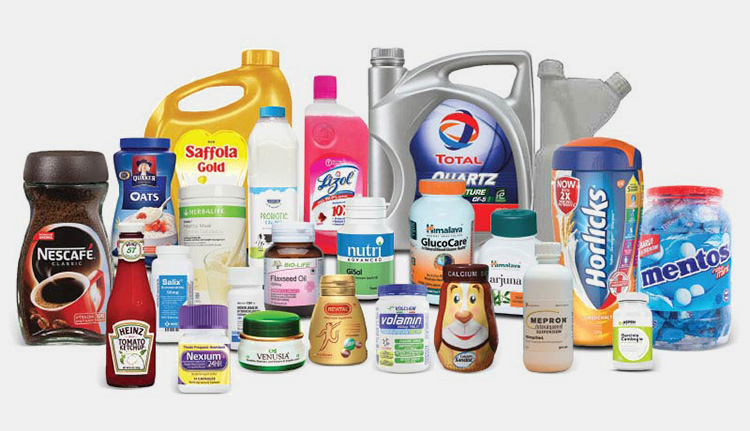
    can sealer machines are widely used in a variety of commercial industries for sealing cans, bottles, and jars. These machines are designed to provide airtight and leak-proof seals, making them suitable for food and beverage packaging, as well as packaging of chemicals, and other products.

    food and beverage industry

    One popular application of can sealer machines is in the food and beverage industry, where they are used to package a wide range of products such as soups, sauces, juices, and drinks. The machines can be adjusted to accommodate different can sizes, and their speed and efficiency make them ideal for high-volume production environments.

    chemical industry

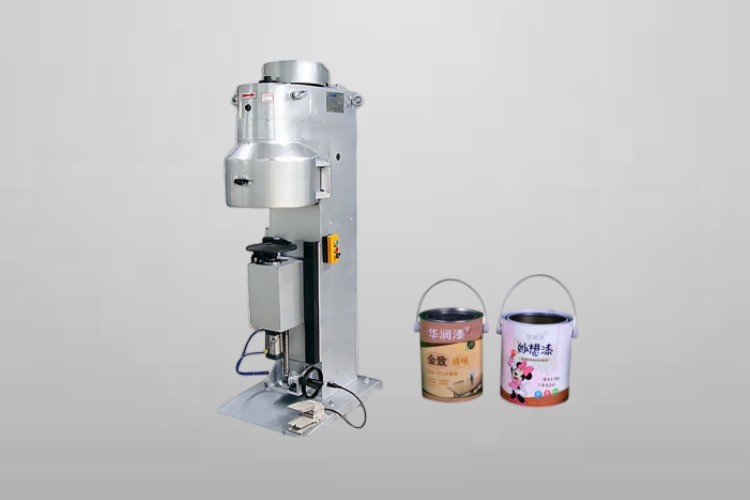
    Another application of can sealer machines is in the chemical industry, where they are used to package products such as paints, solvents, and adhesives. The machines provide a reliable seal that prevents leaks and spills, which can be dangerous in the handling and storage of these products.

    3.Why is it crucial to use can sealer machine?

    benefits

    • Can sealer machines are crucial in packaging and preserving food and beverages. These machines help to maintain the freshness, flavor, and quality of the product by creating an airtight seal.
      This is important because the presence of air and other contaminants can cause spoilage, leading to waste and a decrease in product quality.
    • These machines are capable of sealing cans at a high speed, which helps to increase productivity and reduce production time.
    • The seals created by these machines are also highly durable and long-lasting, ensuring that the contents remain fresh and protected even under rough handling or shipping conditions.
    • Another advantage of using a can sealer machine is that it helps to reduce waste and increase sustainability. By providing an airtight seal, the machine helps to prevent spoilage and reduce the need for excess packaging materials.
      This can result in cost savings for the manufacturer and a reduction in environmental impact.
    • Furthermore, the machine can create consistent and uniform seals, giving the cans a professional and appealing look that can help to attract consumers and increase sales.

    4.What are the various types of can sealer machines?

    Some of the common types of can sealer machines include:

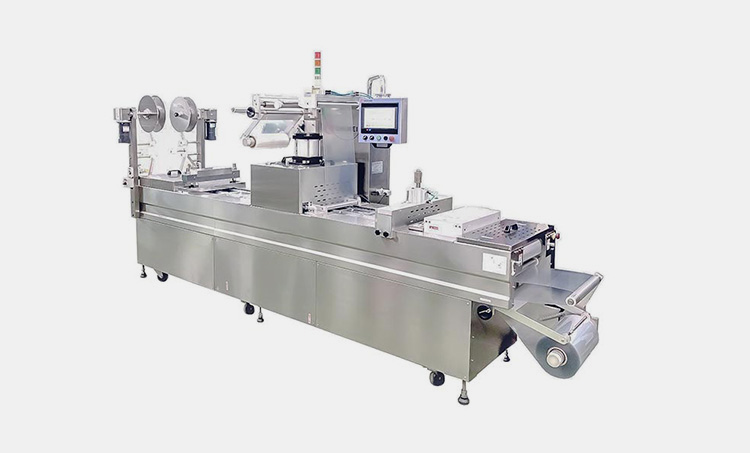
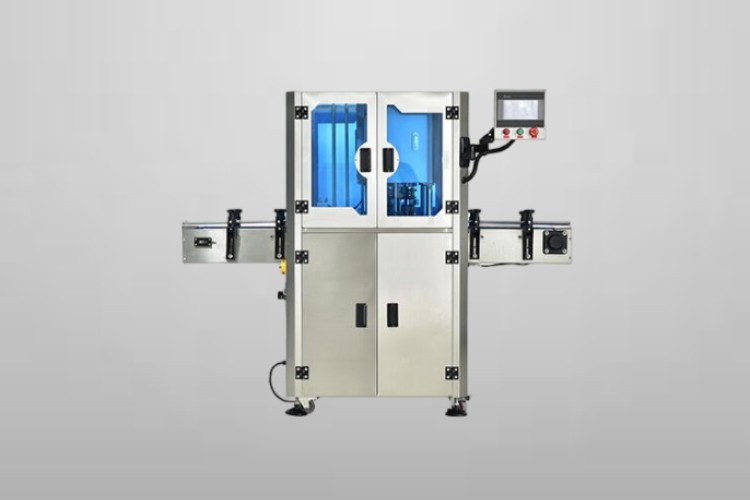
    a)High Volume Fully Auto Round Can Sealer Machine

    High-Volume-Fully-Auto-Round-Can-Sealer-Machine

    A high volume fully auto round can sealer machine is a type of sealing machine designed for high-volume production in the food and beverage industry. It is capable of sealing a large number of round cans quickly and efficiently, making it ideal for large-scale operations.

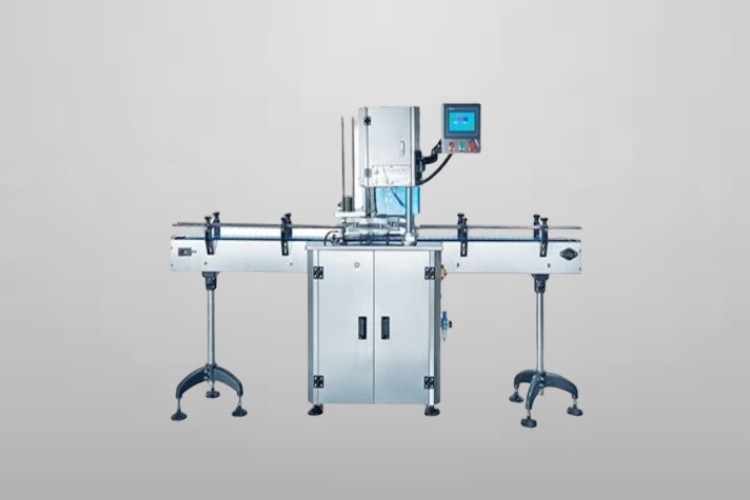
    b)Servo Fixed Speed Can Sealer Machine

    Servo Fixed Speed Can Sealer Machine

    A servo fixed speed can sealer  machine is a type of sealing machine used for packaging products in a variety of industries. It is characterized by its use of a servo motor to control the speed of the sealing process, which results in a more consistent and reliable seal.
    This machine is often used for packaging products such as food, pharmaceuticals, and chemicals.

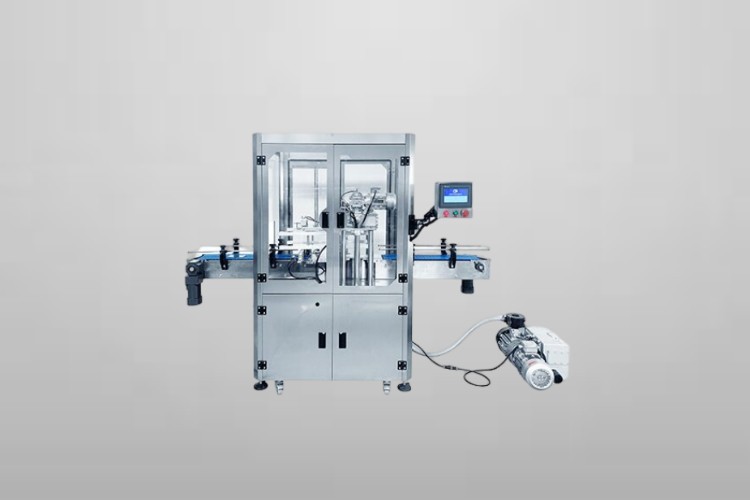
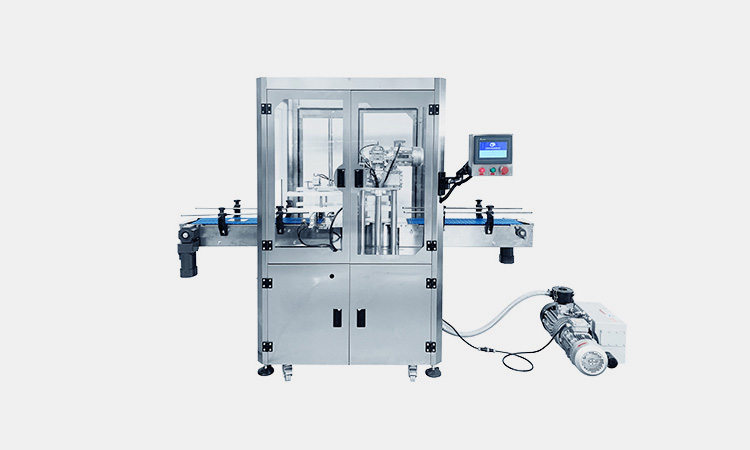
    c)Fully Auto Nitrogen Filling Vacuum Sealing Machine

    Fully Auto Nitrogen Filling Vacuum Sealing Machine

    A fully auto nitrogen filling  vacuum sealing machine is a machine used to fill and seal food products in containers. It is a fully automated process that utilizes nitrogen gas to preserve the freshness of the food product and extend its shelf life. This machine is widely used in the food and beverage industry, as well as in pharmaceuticals and chemical products.

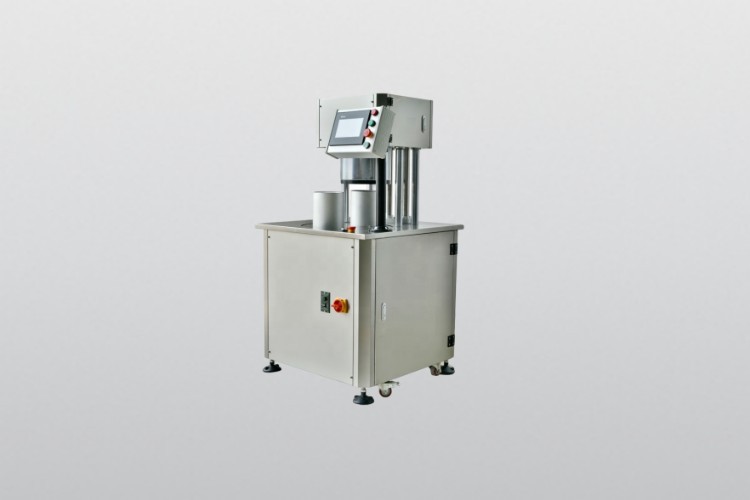
    d)Semi Automatic Vacuum Can Sealer Machine

    Semi Automatic Vacuum Can Sealer Machine

    The semi automatic vacuum can sealer machine is a revolutionary kitchen gadget that will change the way you preserve and store food. This compact and versatile machine allows you to vacuum seal your food in an airtight and waterproof container, keeping it fresh for longer periods of time.
    With its user-friendly design and semi-automatic operation, you can easily seal cans of any size and shape with just a touch of a button. Say goodbye to wasted food and hello to perfectly preserved meals, fruits, and snacks every time!

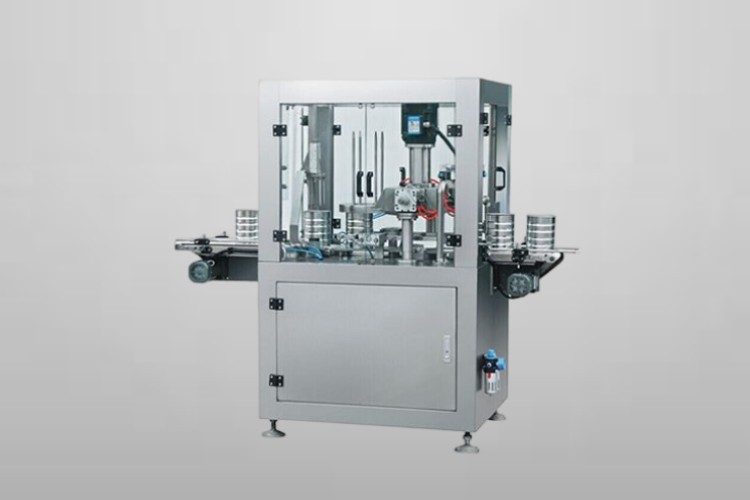
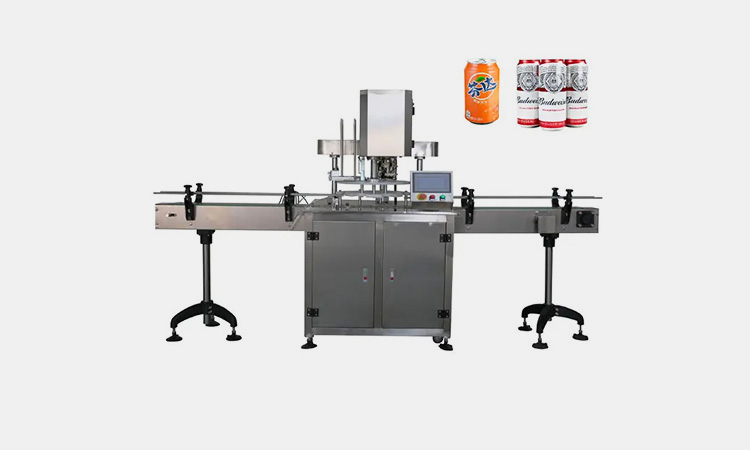
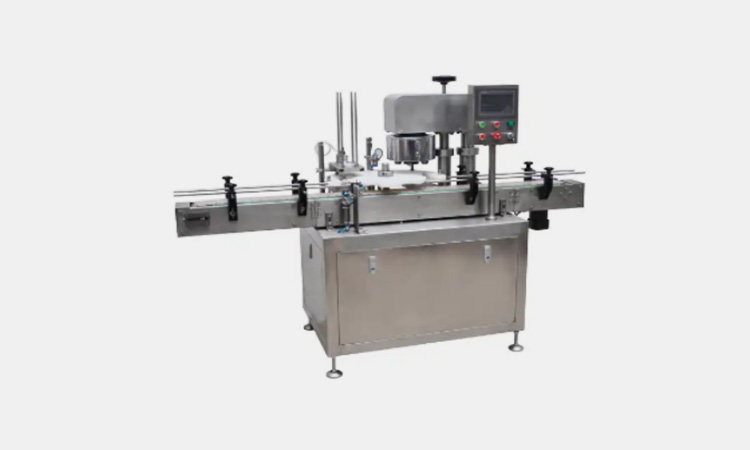
    e)Automatic Can Sealer Machine

    Automatic Can Sealer Machine

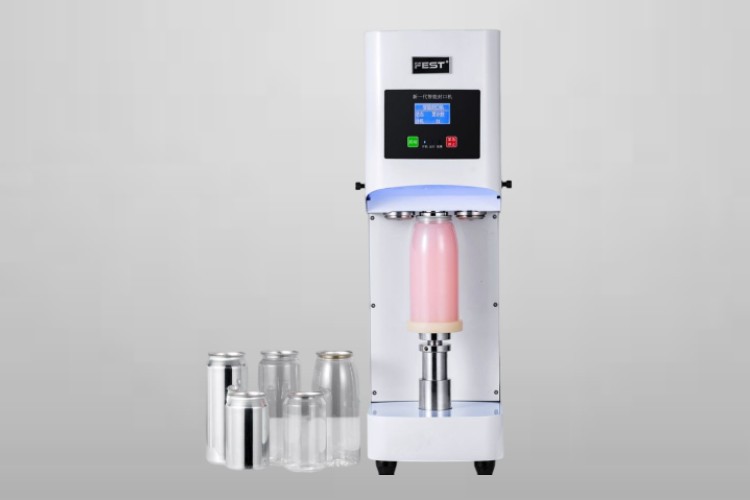
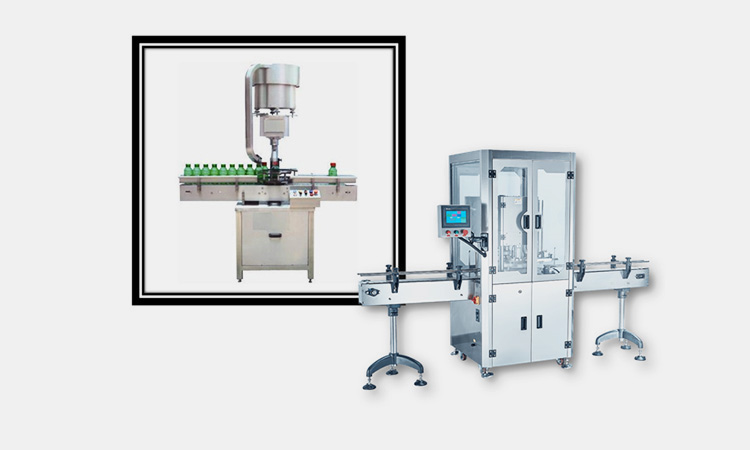
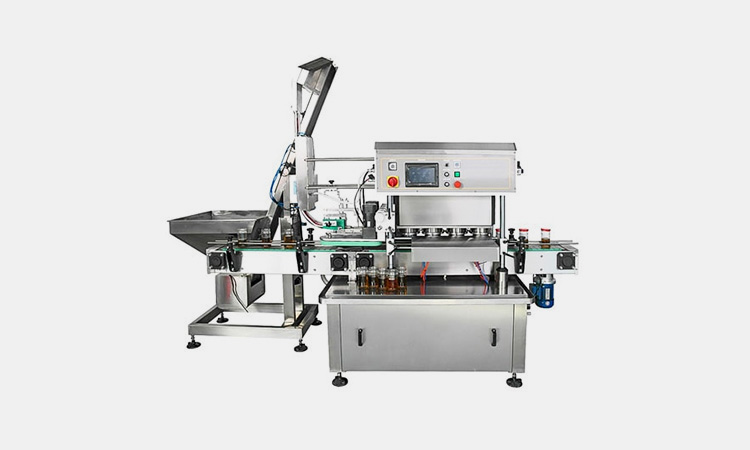
    Automatic can sealer machine is a machine used for sealing the lid onto metal cans. It is widely used in the food and beverage industry for packing products such as juice, syrup, tomato paste, and more. The machine operates by first cleaning the rim of the can and then placing a lid on top, which is then tightened using a specialized sealing head.

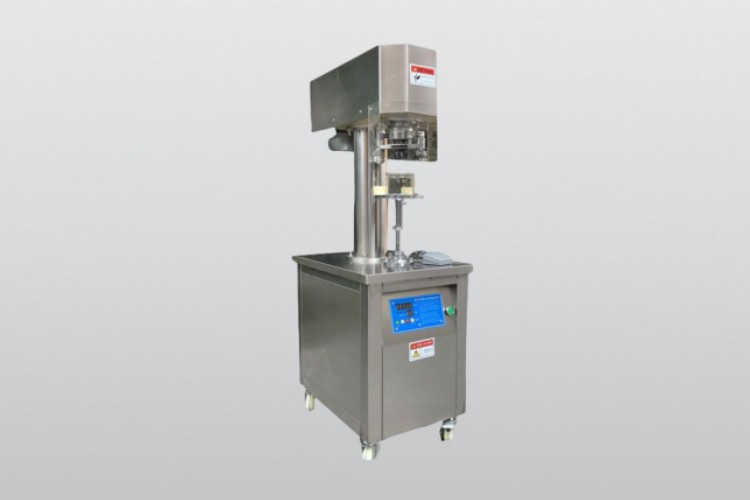
    f)Semi Automatic Can Sealer Machine

    Semi Automatic Can Sealer Machine

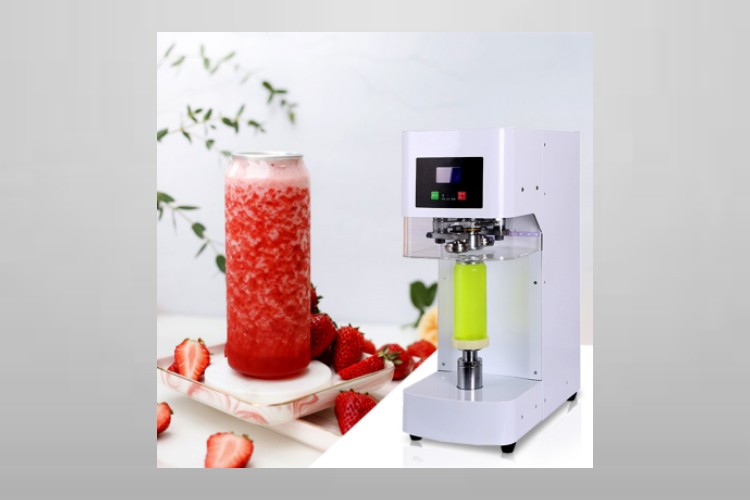
    Introducing the semi automatic can sealer machine, the perfect solution for all your canning needs! This versatile machine is designed to make the canning process effortless and efficient. With its innovative design and semi-automatic operation, you can seal cans of all sizes with ease.

    With its user-friendly interface, you’ll be able to get started with canning in no time. Simply place your can in the designated area, pull down the lever to activate the sealing process, and voila! Your can is sealed and ready to store or sell. The machine’s powerful vacuum pump creates an airtight seal that will keep your food fresh for longer.

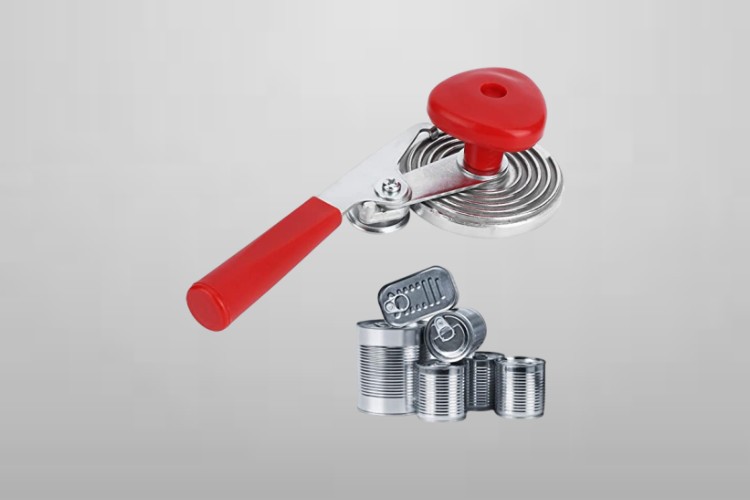
    g)Hand Can Sealer Machine

    Hand Can Sealer Machine

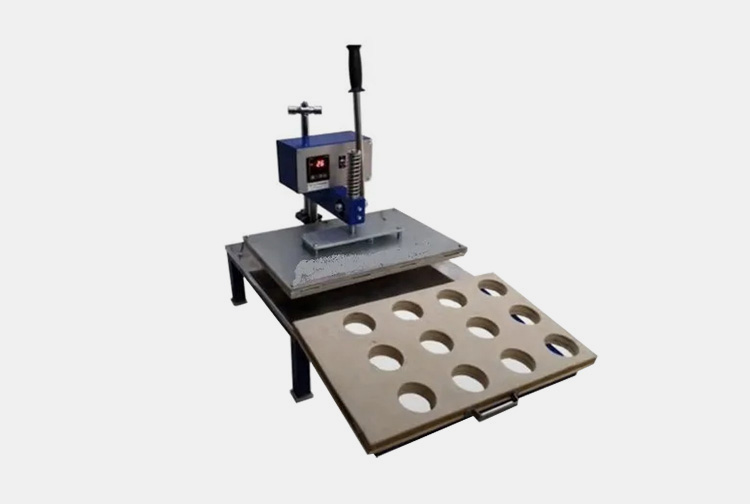
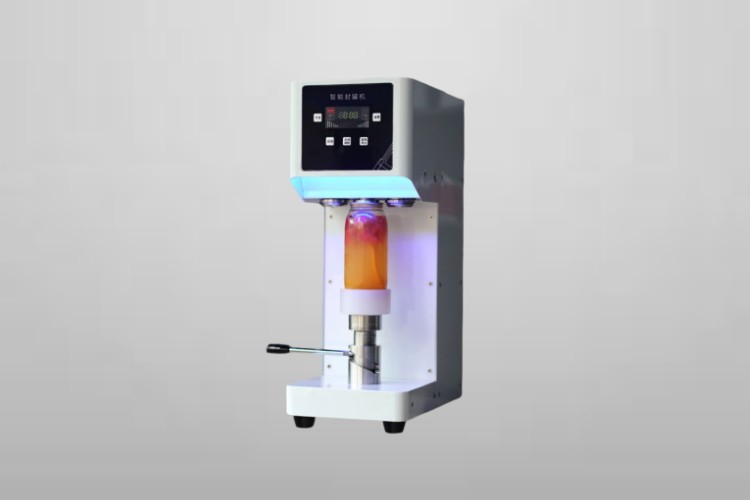
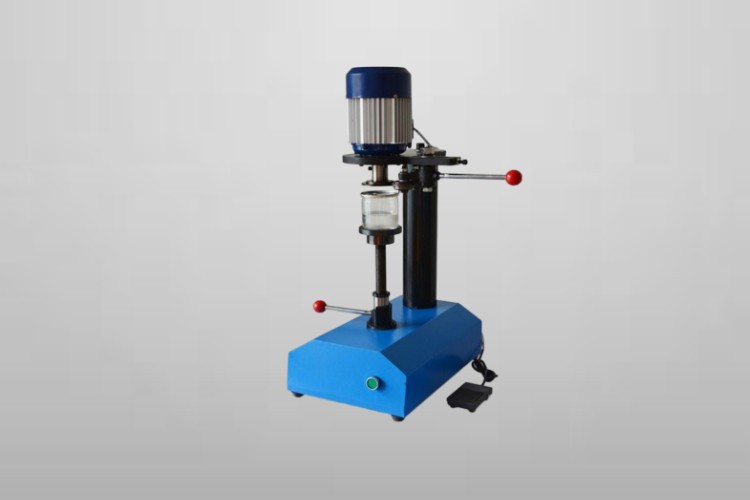
    The hand can sealer machine is a convenient and efficient packaging solution designed for sealing a range of containers, such as cans, jars, and tins.

    The hand can sealer machine functions through thermal conduction, using electrical resistance to heat the sealing element and fuse the lid to the container.  Its portable and lightweight design makes it a flexible solution for smaller-scale packaging needs, while its robust construction promises long-lasting durability.

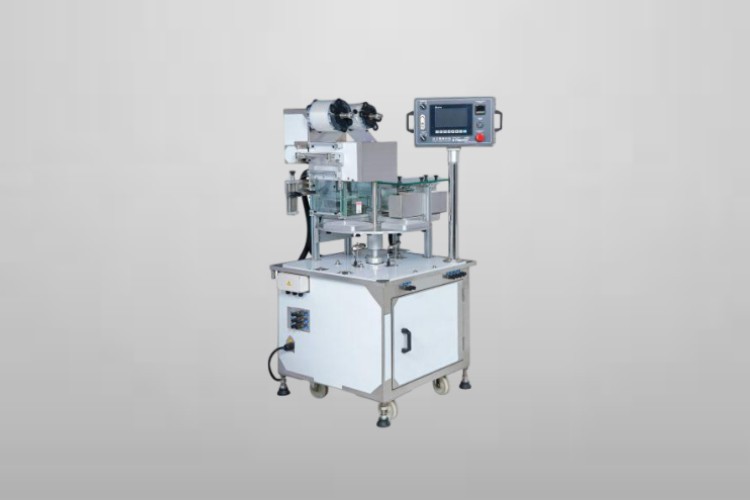
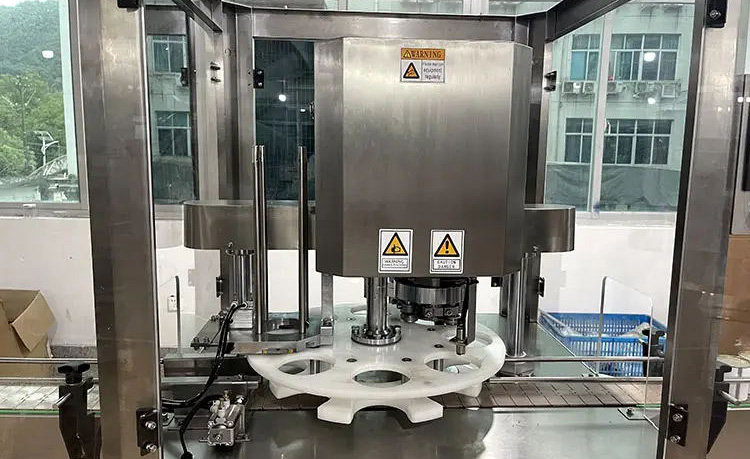
    h)Rotary Can Sealer Machine

    Rotary Can Sealer Machine

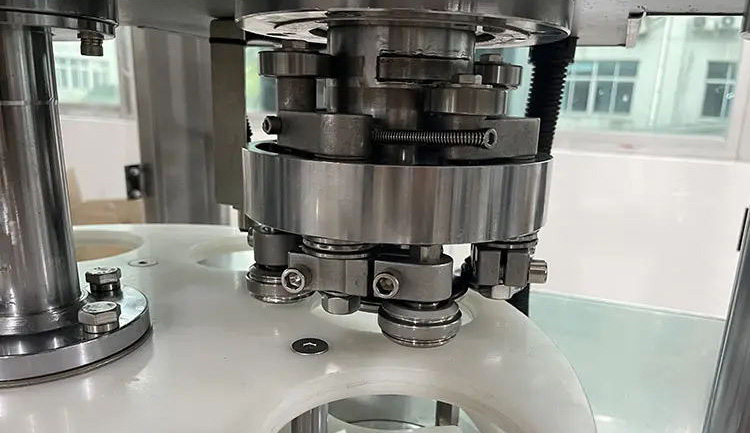
    A rotary can sealer machine is a high-performance packaging equipment designed for the efficient and precise sealing of cans. This machine is widely used in the food and beverage industry for canning and preserving products such as fruits, vegetables, sauces, and juices.

    The compact design of the machine makes it easy to integrate into any production line, while the durable construction ensures long-lasting performance and reliability. The machine is capable of sealing cans of various sizes and materials, making it a versatile solution for businesses of different sizes and needs.

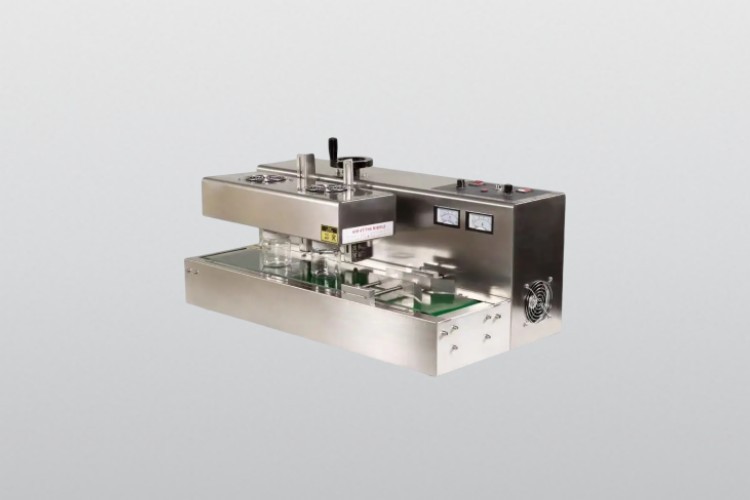
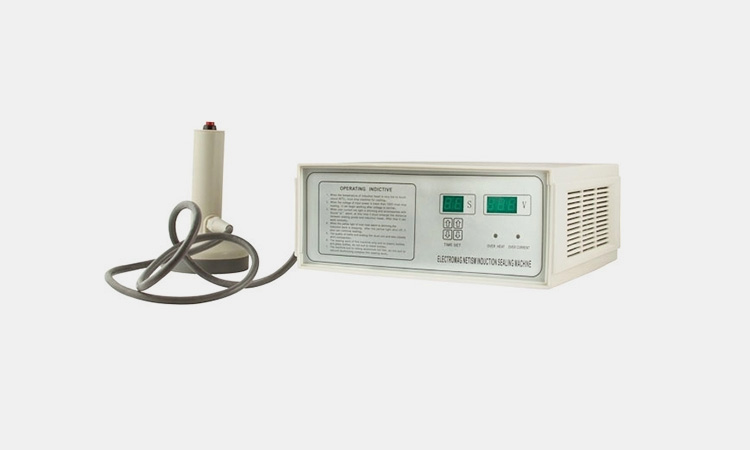
    i)Aluminium Foil Induction Can Sealer Machine

    Aluminium Foil Induction Can Sealer Machine

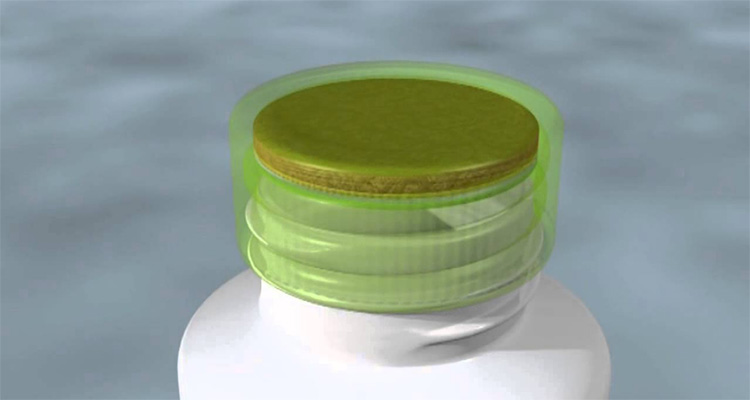
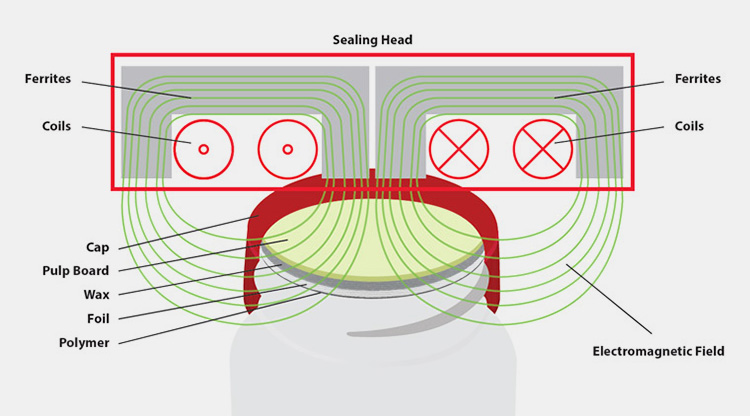
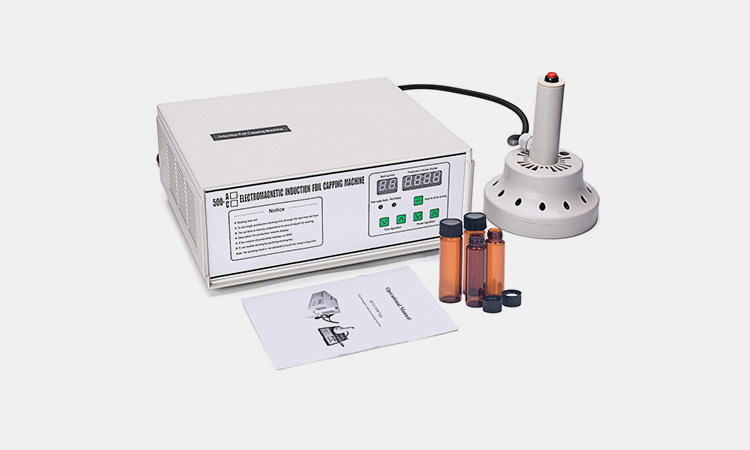
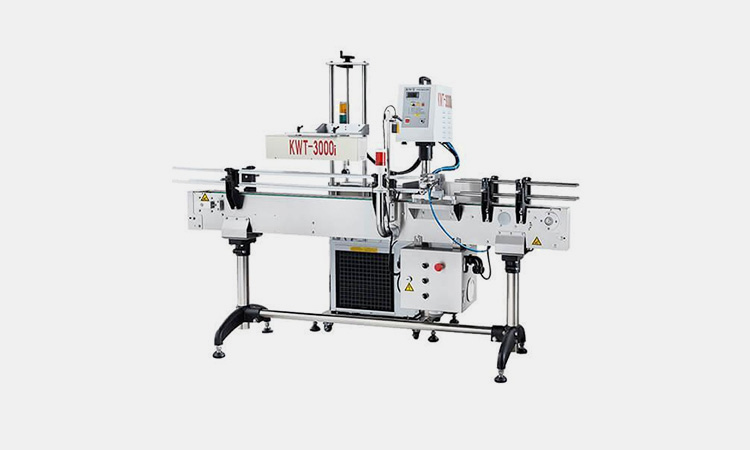
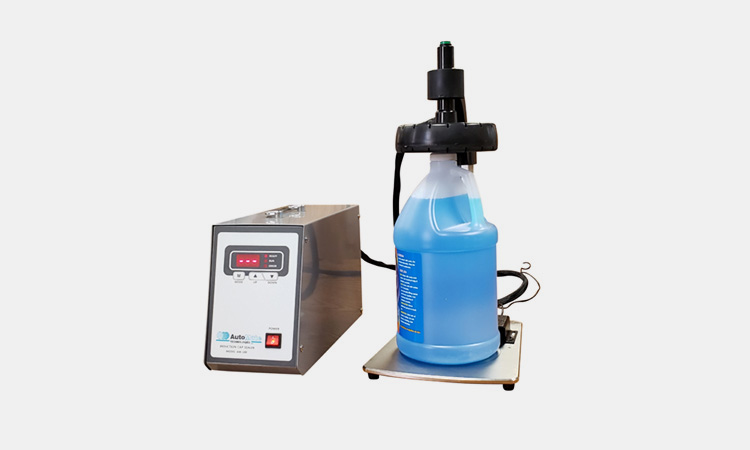
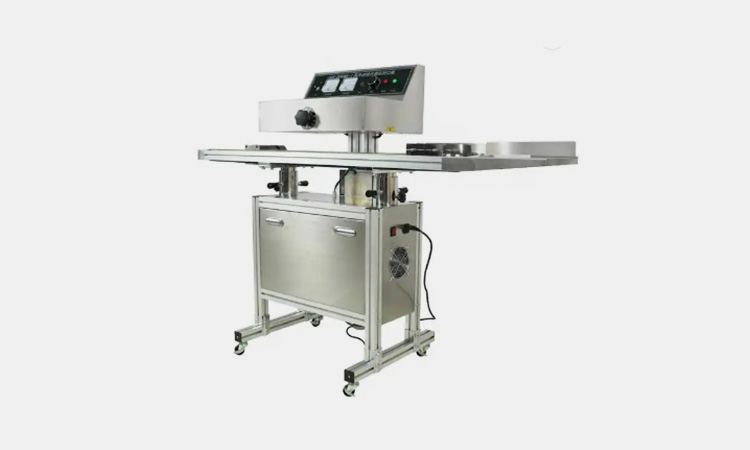
    The revolutionary aluminium foil induction can sealer machine offers a quick and efficient solution to seal your cans with precision and ease. The unique induction sealing technology uses electromagnetic energy to heat and melt the foil, creating an airtight and tamper-evident seal.
    This machine ensures that your products stay fresh and protected for a longer period. So, upgrade your sealing game today and experience a new level of efficiency.

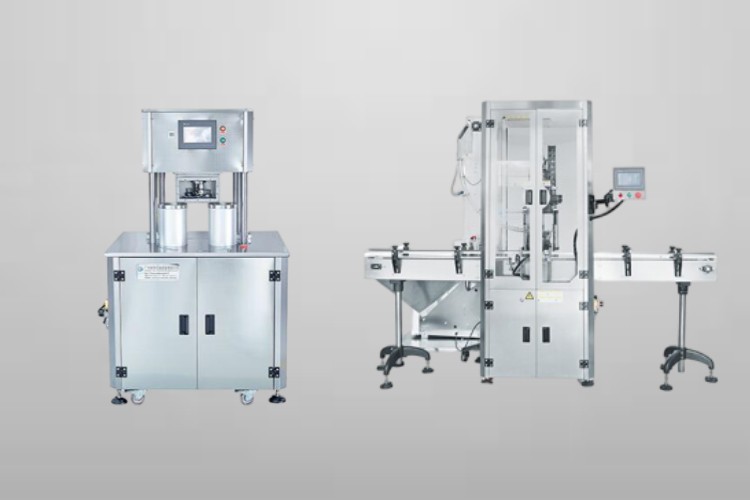
    5.What are the differences between Can Sealer Machine and Can Capping Machine?

    Differences Between Can Sealer and Can Capping Machines

    Differences Between Can Sealer and Can Capping Machines

    Can sealer machine and can capping machine are both used in the packaging industry, but they serve different purposes. The main differences between the two are:

    • Purpose: A can sealer machine is used to seal the lid onto the can body, creating a hermetic seal to preserve the contents inside. A can capping machine, on the other hand, is used to apply a cap onto the top of a bottle or a jar.
    • Container type: Can sealer machines are specifically designed for sealing cans, while can capping machines can be used for a variety of container types, including bottles and jars.
    • Sealing method: Can sealer machines typically use a heat sealing method to create an airtight seal on the can. Capping machines, on the other hand, can use a variety of methods, including screw-on caps, snap-on caps, and crimp-on caps, depending on the type of container and cap being used.
    • Equipment type:Can sealer machines are typically larger and more heavy-duty, while can capping machines can be smaller and more compact, depending on the scale of the packaging operation.
    • Operation: Can sealer machines usually require the can to be fed into the machine and rotated during the sealing process. Capping machines may have a conveyor system to transport bottles or jars through the machine, where the cap is automatically applied to each container.

    These are some of the key differences between can sealer machines and can capping machines. Both types of equipment play important roles in the packaging process and are used by professionals in a variety of industries, including food and beverage, pharmaceuticals, and cosmetics.

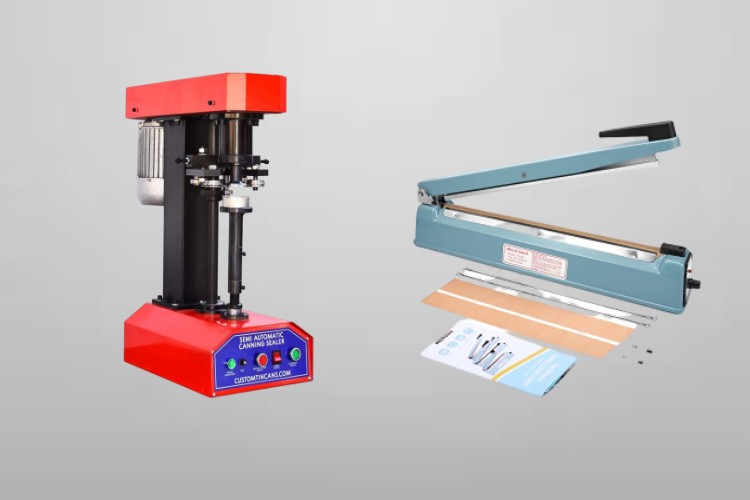
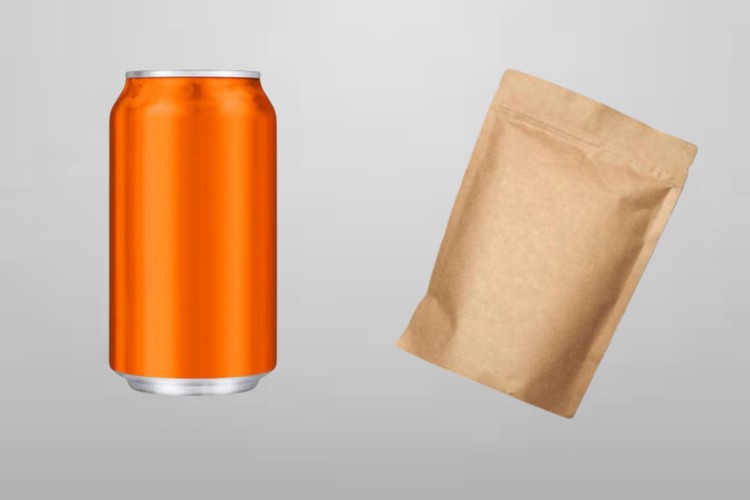
    6.What are the differences between Can Sealer Machine and Bag Sealer Machine?

    Can Sealer vs Bag Sealer

    Can Sealer vs Bag Sealer

    Can sealer machine and bag sealer machine are both packaging machines that are used to seal containers to preserve and protect their contents. However, there are some key differences between the two that are worth considering:

    Container Compatibility:

    Container Compatibility

    Can sealer machines are designed specifically to seal cylindrical cans, while Bag Sealer Machines can seal bags of various shapes and sizes, including flat, gusseted, and stand-up pouches.

    • Sealing Method: Can sealer machines use a crimping mechanism to attach a lid to the top of the can, creating an airtight seal. On the other hand, Bag Sealer Machines typically use heat sealing to join the two sides of a bag together, creating an airtight seal.
    • Seal Strength: Can sealer machines typically create a stronger and more secure seal than Bag Sealer Machines, as the crimping mechanism provides a solid, tamper-evident seal.Bag sealer machines can still provide a strong and secure seal, but it may not be as tamper-evident as a seal created by a can sealer machine.

    7.What are the main componentsof a Can Sealer Machine?

    main components

    A can sealer machine typically consists of the following components:

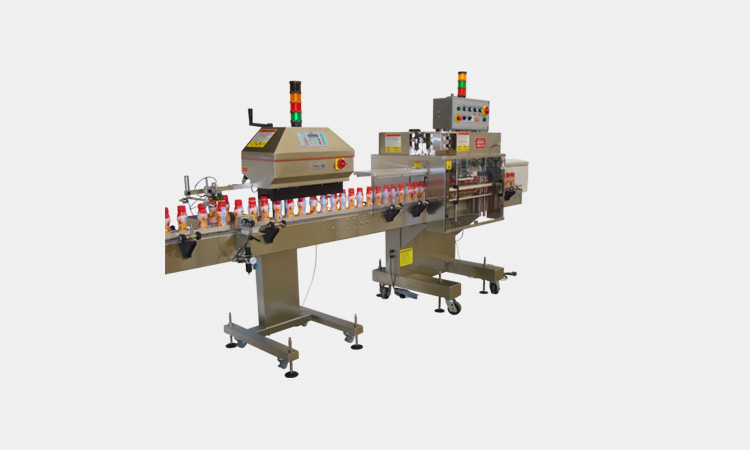
    Conveyor Belt: The conveyor belt is the backbone of the can sealermachine and helps to ensure that the cans are properly aligned and positioned for sealing. The conveyor belt typically runs on a series of rollers that are powered by the drive system.

    Lid Placement Mechanism: The lid placement mechanism is responsible for placing the lid onto the top of the can before sealing. This mechanism typically consists of a series of mechanical arms and suction cups.

    Sealing Head:The sealing head is the most critical component of the can sealer It is responsible for applying pressure and heat to the lid’s perimeter, creating a permanent, airtight seal that will keep the contents fresh. Some sealing heads may also include sensors and control systems to monitor and adjust the sealing process in real-time.

    Drive System: The drive system is the motor and gears that power the conveyor belt and sealing head. This system is responsible for maintaining the proper speed and timing of the sealing process, and for controlling the amount of pressure and heat that is applied to the lid.

    Safety Features: These features may include emergency stop buttons, protective guards, and interlocks that prevent the machine from operating if the lid placement mechanism is not in the correct position.

    Cooling System: After sealing, the cans need to cool down before they can be removed. This system helps to ensure that the can and lid are properly set and that the contents of the can remain fresh and secure.

    8.On what principles, a Can Sealer Machine works?

    working principle

    The can sealer machine works by crimping the end onto the can body, creating a double seam, trimming the excess metal, and finally inspecting the can for defects.  It operates on the principle of creating an airtight seal on the top of a can. The following is a step-by-step explanation of how it works:

    • Preparation: The first step is to prepare the can by cleaning it and making sure that it is free from any debris. The lid, known as the end, is also placed on top of the can.
    • Seaming Roller: The next step is the seaming roller, which crimps the end onto the can body. The seaming roller is usually made up of two rollers, one stationary and one that rotates. The rotating roller is responsible for crimping the end onto the can body and creating a tight seal.
    • Cutting and Folding: The next step is cutting and folding the end to create a double seam. This double seam is what creates a secure and airtight seal on the top of the can. The cutting and folding of the end are accomplished using a series of cutting blades and folding arms.
    • Trimming: After the double seam has been created, the trimming process begins. The trimming process removes any excess metal from the top of the can, creating a smooth and polished finish.
    • Inspection: The final step is inspection, where the can is checked for any defects or leaks. If the can passes inspection, it is then ready for use.

    9.What materials is the Can Sealer Machine compatible with?

    materials

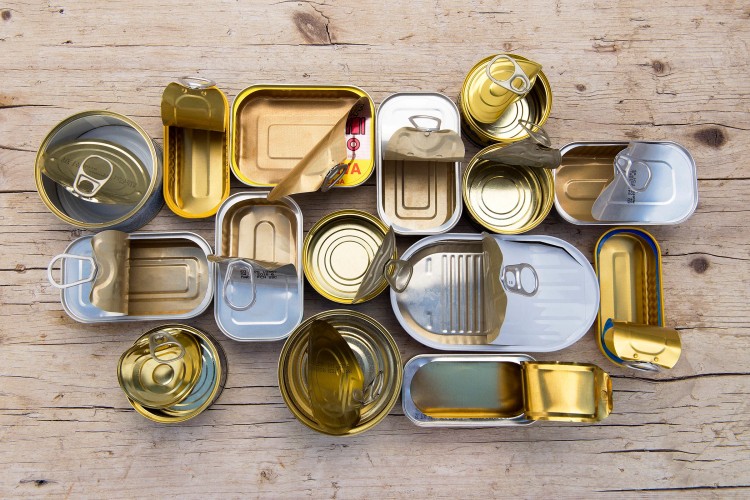
    Can sealer machines can be used to seal various types of cans, including:

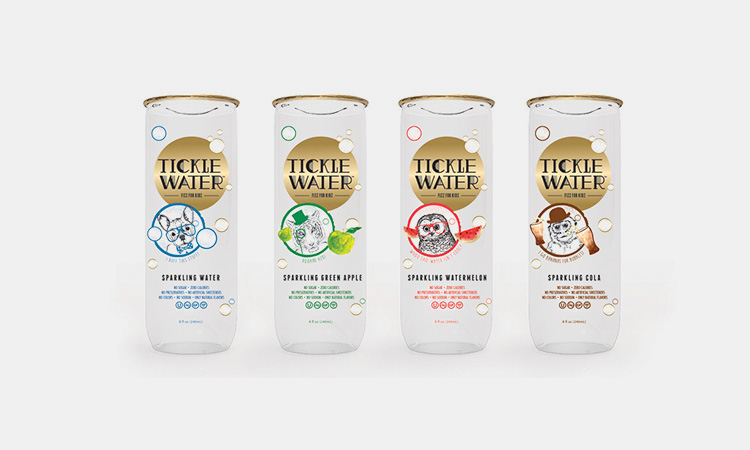
    • Aluminium cans: These are the most common type of cans that are used for packaging food and beverages.
    • Steel cans: Steel cans are often used for packaging canned goods such as soups, vegetables, and fruits.
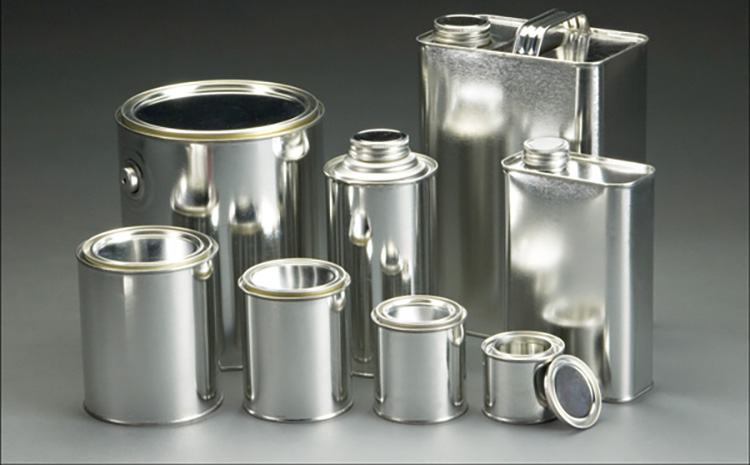
    • Tinplate cans: Tinplate cans are made of tin-coated steel and are often used for packaging tea, coffee, and spices.
    • Composite cans: Composite cans are made of a combination of materials, such as aluminium and plastic, and are often used for packaging energy drinks and other beverages.
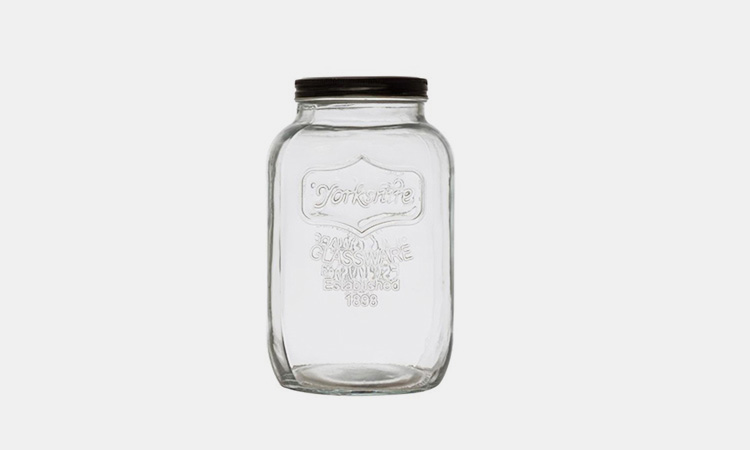
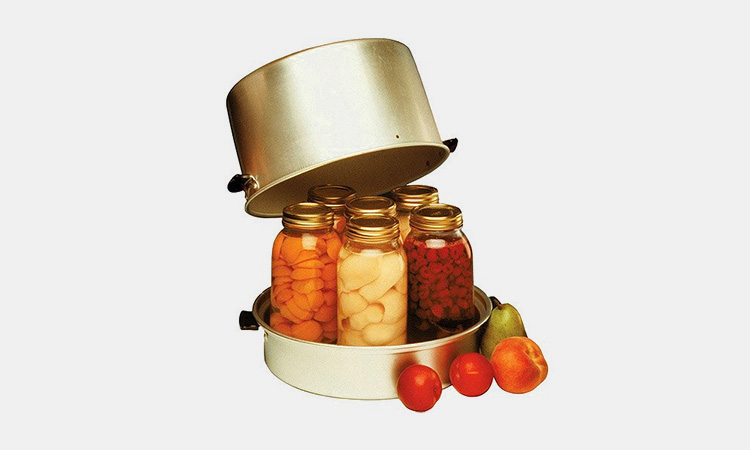
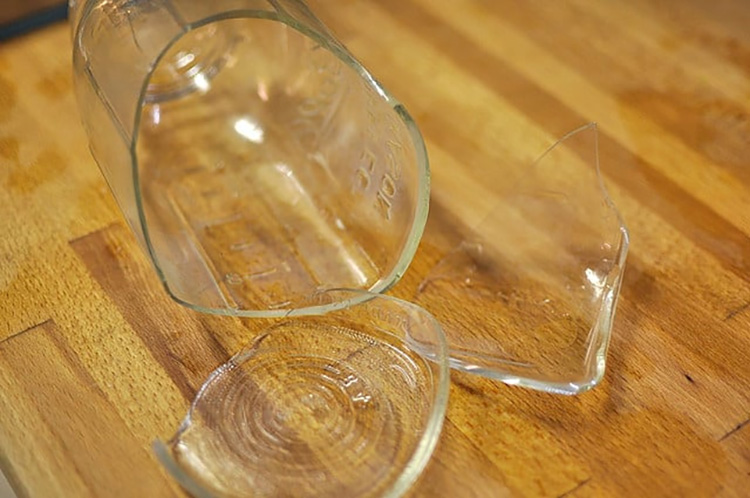
    • Glass jars: Some can sealer machines are designed to seal glass jars, which are often used for packaging products such as pickles, sauces, and jams.
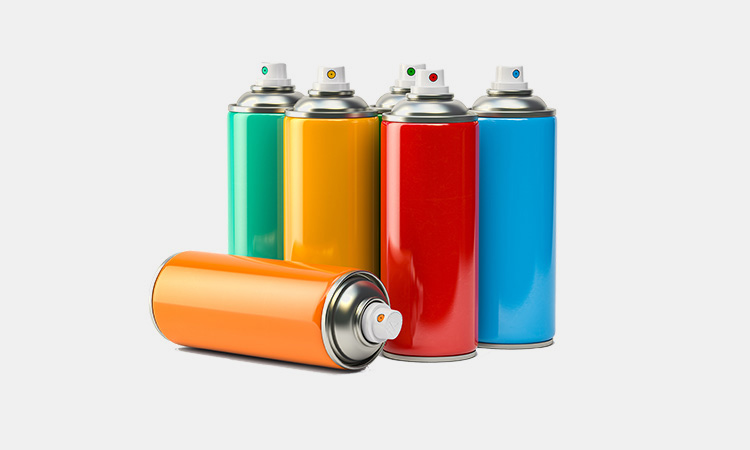
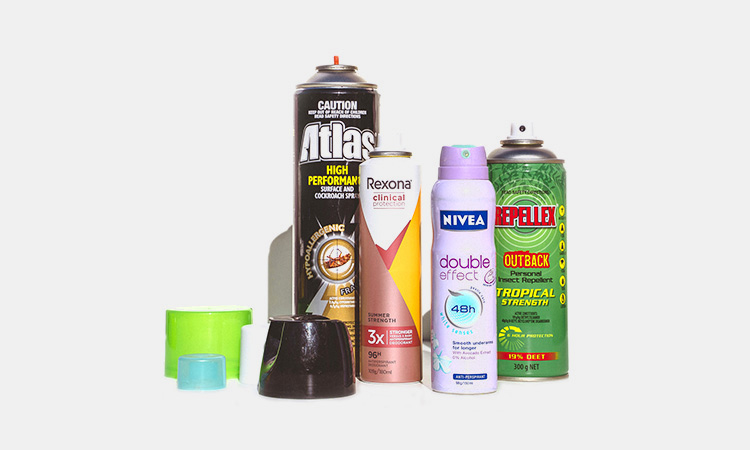
    • Aerosol cans: Aerosol cans are used for packaging spray products such as deodorants, hair sprays, and air fresheners.

    It’s important to note that not all can sealer machines are compatible with all types of cans, so it’s important to check the specifications of the machine before purchasing to ensure that it can seal the type of cans you need to use it for.

    10.What are the troubleshooting during operation of a Can Sealer Machine?

    troubleshooting

    Can sealer machines can face various issues during their operation. Some of the common problems and their solutions are as follows:

    • Can jamming: Can jamming can occur due to improper can loading, damaged or worn out feeder gears, or worn out conveyor rollers.
      Solution: Ensure proper can loading, replace damaged or worn out parts, and regularly maintain the machine.
    • Sealing problems: Can sealing problems can occur due to worn out sealing blades, damaged or clogged nozzles.
      Solution: Replace worn out sealing blades, clean or replace damaged nozzles, and ensure proper air pressure.
    • Leaking cans:Leaking cans can be caused by improper sealing and damaged cans.
      Solution: Ensure proper sealing, check for damaged cans, and clean or replace clogged nozzles.
    • Incomplete sealing: Incomplete sealing can be caused by worn out sealing blades.
      Solution: Replace worn out sealing blades and ensure proper air pressure.

    11.How to Select the Satisfactory Can Sealer Machine?

    things to consider

    When choosing a can sealer machine, there are several key factors to consider to ensure that you select the most suitable one for your needs:

    • Can Size: Make sure the machine can accommodate the size of cans you will be sealing.
    • Type of machine: Choose between a manual, semi-automatic, or automatic sealing machine based on your needs and level of automation desired.And consider the machine’s speed and capacity, to ensure it meets your production requirements.
    • Durability: The machine should be able to withstand frequent use and perform well over a long period of time, reducing the need for maintenance and downtime.
    • Price: Determine your budget and compare prices between different models to find the best value.
    • Brand Reputation: Choose a supplier that has good reputation and provides technical support and training to ensure you can effectively operate and maintain the machine.The most important thing is that it should have a warranty
    • Compliance with industry standards:The machine should meet relevant industry standards and regulations, such as food safety standards, to ensure product quality and protect consumer health.

    Taking the time to choose the right can sealer machine can help ensure that your investment provides the desired results and enhances the efficiency and quality of your production processes.

    Conclusion

    In conclusion, a can sealer machine can be a game-changer for your business or personal canning needs. With the right machine, you can save time and money while ensuring that your cans are sealed securely and efficiently. Whether you are a small business owner, a home canner, or just someone who enjoys preserving food, a can sealer machine is a valuable investment that will pay for itself in no time.

    Don't forget to share this post!

    CONTACT US

    Tell us your raw material and project budget to get quotations within 24 hours.

    WhatsApp Us: +86 181 7101 8586

    Invalid Email
    Invalid Number

    Can Sealer Machine: A Complete FAQ Guide In 2025 Read More »

    Stretch-Wrapping-Machine-15

    Stretch Wrapping Machine: The Complete Buying Guide In 2025

    Stretch Wrapping Machine: The Complete Buying Guide In 2025

    Do you want to take your business operations to the next level? Are you tired of dealing with wrapping and packaging products by hand? Then it’s time you invest in a stretch wrapping machine! Not only do they increase efficiency, but they can also help you cut costs.

    Stretch-Wrappping-Machine-SF-1650-

    In this blog post, we’ll examine exactly why a stretch wrapping machine is the perfect addition to your business operation. So if you’re ready to take things up a notch in your business, keep reading because we’ve got everything you need to know about a stretch wrapping machine. Let’s dive in!

      Add a header to begin generating the table of contents

      1.What Is A Stretch Wrapping Machine?

      Boxes

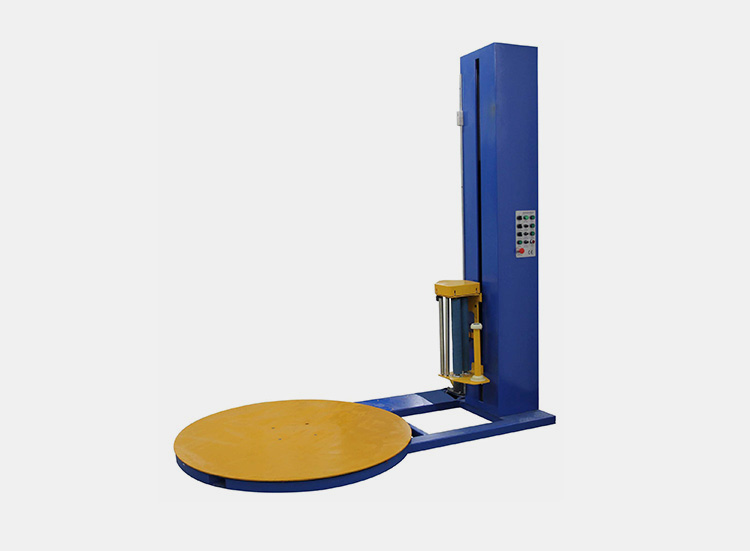
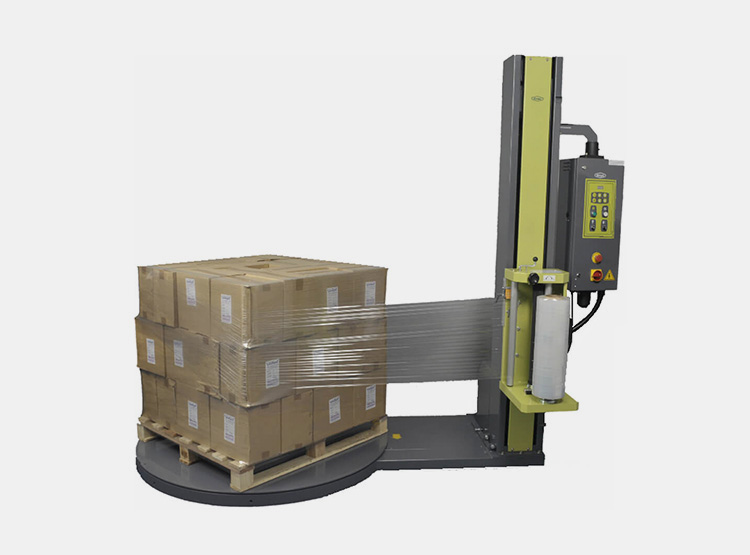
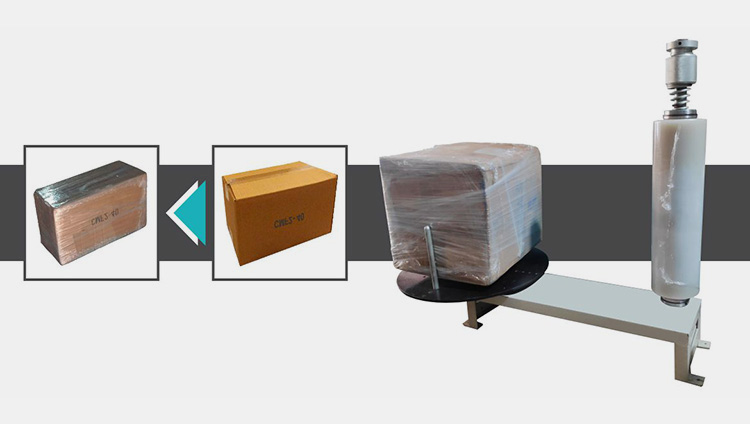
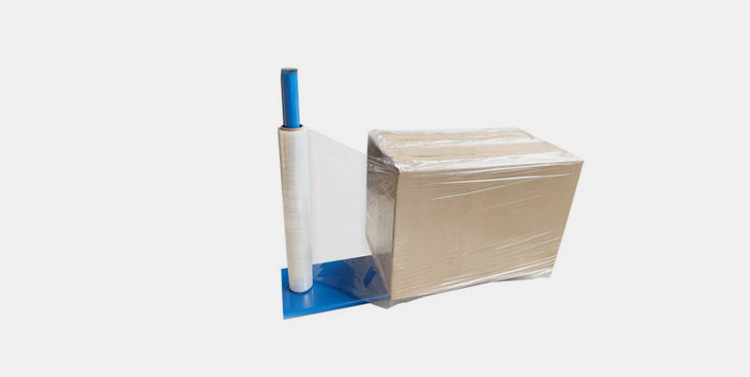
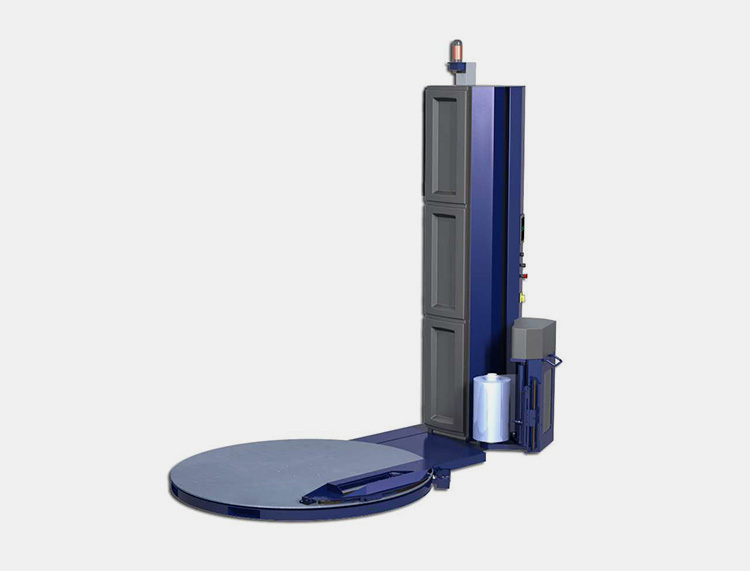
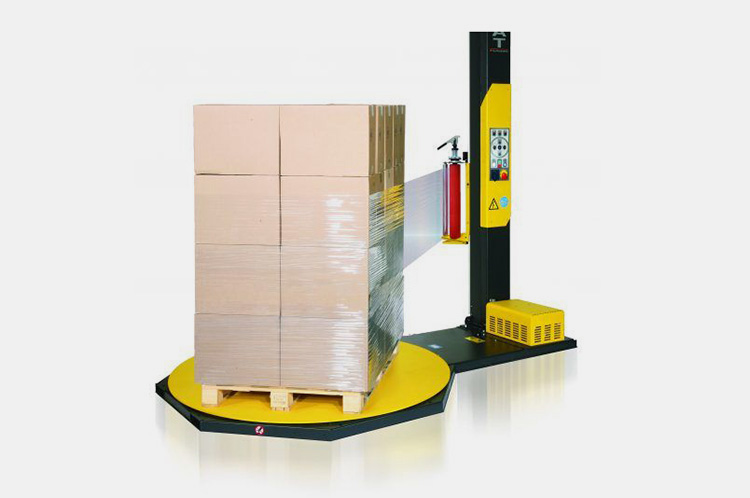
      A stretch wrapping machine is a specialized form of packaging equipment designed to stretch wrap stretchable film, such as plastic and paper around a variety of products. This device can be used for several applications such as bundling and palletizing boxes, as well as stretch wrapping containers.

      The stretch wrapping machine utilizes tension in order to tightly secure the product or bundle with stretch wrap. This stretch wrap is then securely fastened to the pallet or product for storage and shipping purposes.

      2.What Are The Components Of A Stretch Wrapping Machine?

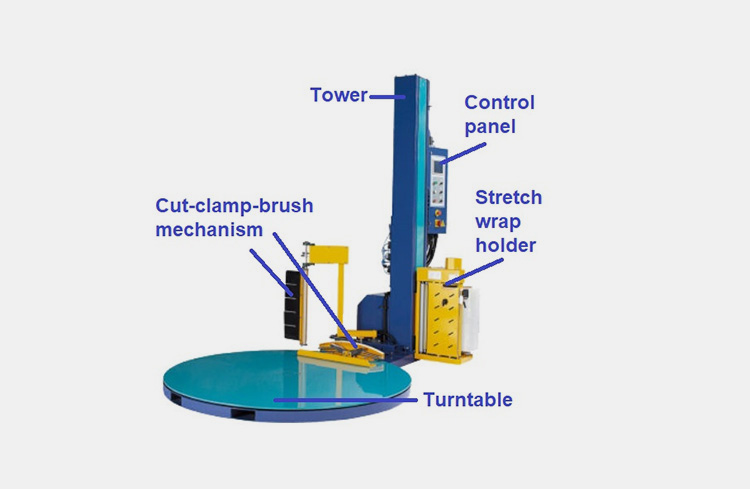
      Components Of A Stretch Wrapping Machine

      Tower

      This is the main frame of the stretch wrapping machine and it houses the core components including the turntable, stretch wrap holder and control panel among other components.

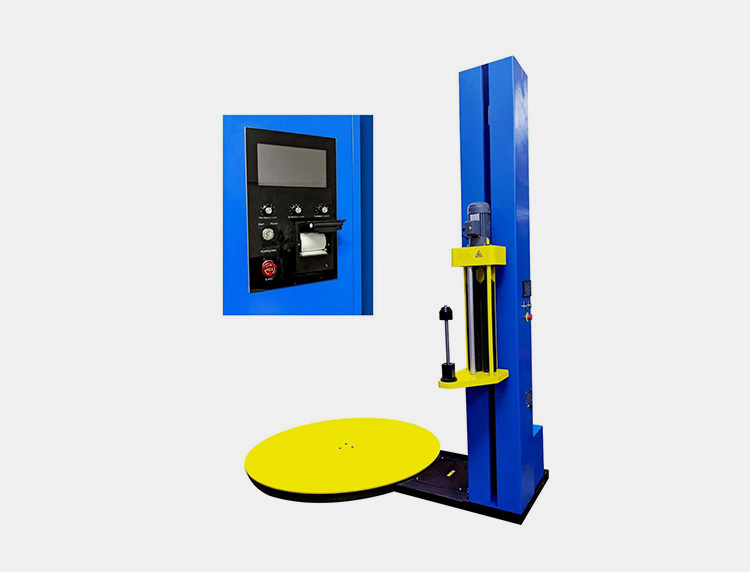
      Control Panel

      This component is responsible for controlling the stretch wrapping process as well as recording data and settings.

      The control panel typically consists of a power switch, stretch wrap selector switch, stretch film tension selector knob, stretch wrapper speed control knob, and other buttons for controlling the stretch wrapping machine’s functions.

      Stretch Wrap Holder

      The stretch wrap holder is responsible for holding the stretch wrap material and winding it onto a reel. It commonly consists of a stretch wrap roll, core holder, and brakes that help regulate tension.

      Cut-Clamp Brush Mechanism

      This is a mechanism that clamps stretch wrap to the pallet and then cuts it off after wrapping has been completed.

      Turntable

      This component rotates the load when stretch wrapping; allowing the stretch wrap to evenly distribute and stretch around the load.

      3.What Are The Merits Of A Stretch Wrapping Machine?

      Merits Of A Stretch Wrapping Machine

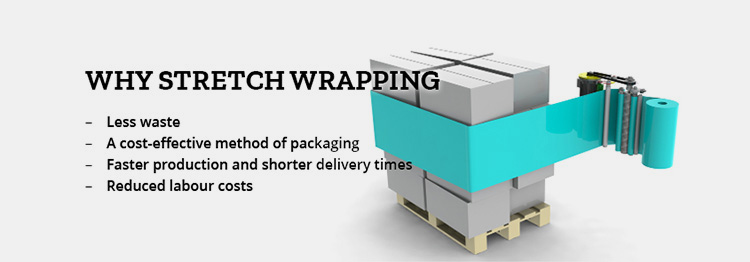
      Improved Productivity: A stretch wrapping machine can dramatically increase productivity and reduce labor costs by automating the entire stretch wrapping process. This also helps to ensure that each pallet is wrapped consistently with minimum effort and time.

      Cost Savings: By using a stretch wrapping you can save money on stretch wrap film since stretch wrapping machines can stretch the film up to three times its original length, meaning less stretch wrap is needed for each pallet.

      Wrapping Quality: With stretch wrapping machines, companies can achieve a consistent and tight wrapping job that helps to protect the load during transit or storage. This also helps to reduce product damage and customer complaints due to mishandling or poor stretch wrapping.

      Load Security: Stretch wrapping machines provide greater load security and stability of the pallet, which helps to minimize product loss or damage during transport or storage. This also reduces the risk of theft as it makes it more difficult for criminals to access the products being shipped.

      Versatility: Stretch wrapping machines are designed to accommodate a wide range of different product sizes and weights due to their adjustable stretch wrapping tension and speed controls. This allows you to stretch wrap large or fragile loads without worrying about damaging the product.

      4.What Are The Working Principles Of A Stretch Wrapping Machine?

      Working Principles Of A Stretch Wrapping Machine

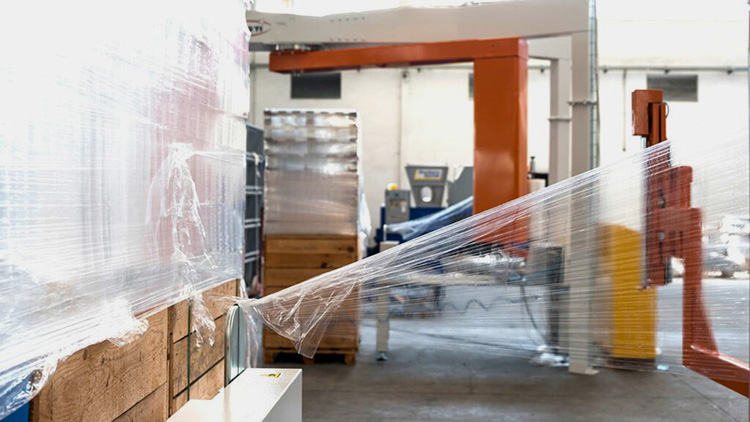
      The stretch wrapping process begins by feeding stretch film onto a stretch wrapper’s rotating ring. This stretch wrap is then wound around the product, moving up and down to ensure full coverage.

      The stretch wrapping machine’s rotating ring moves in a pre-programmed pattern while winding the stretch film around the products. The stretch wrap is tensioned as it is applied to ensure a tight and secure stretch-wrap layer.

      Once the stretch wrapping process is complete, a cutter blade severs the stretch film at the end of the rotation. The finished product is then removed from the stretch wrapper and ready for shipment.

      5.Which Industries Can Benefit From Stretch Wrapping Machines?

      Warehousing and Logistics

      Warehousing and Logistics

      Stretch wrapping machines are integral to warehouse operations, as they securely wrap pallets of goods for transport. This ensures that during transit, goods remain safely secured in their packaging and arrive at the final destination without any damage or delays.

      Manufacturing Industry

      Manufacturing Industry

      Many manufacturing companies use stretch wrapping machines to quickly and efficiently package their goods for transportation or storage. This helps reduce labor costs and improve the efficiency of packaging operations.

      Food Service Industry

      Food Service Industry

      Stretch wrapping machines are used in the food service industry to package and store foods. This helps keep food fresh and free of bacteria, while also protecting it from environmental hazards such as moisture or dust.

      Additionally, stretch wrap can prevent products from being tampered with during transit, providing an extra layer of security for valuable items.

      Pharmaceutical Industry

      Pharmaceutical Industry

      Stretch wrapping machines are used in pharmaceutical companies to securely package sensitive goods, such as medical supplies or drugs. This ensures that the goods remain safe and secure throughout transit and beyond.

      Retail Industry

      Retail Industry

      Stretch wrapping machines are used in retail to secure products during shipment, as well as prevent theft. This helps protect valuable items, while also preventing them from being damaged due to shipping or handling.

      Additionally, stretch wrap plays an important role in product presentation and merchandising, helping retailers attract customers and increase their sales.

      6.What Are The Different Types Of Stretch Wrapping Machines Available On The Market?

      a) Manual Stretch Wrapping Machines

      Manual Stretch Wrapping Machines

      Manual stretch wrapping machines are the most basic stretch wrappers and operate manually, meaning that they require an operator to manually wrap the stretch film around the product.

      b) Fully Automatic Stretch Wrapping Machines

      Fully Automatic Stretch Wrapping Machines

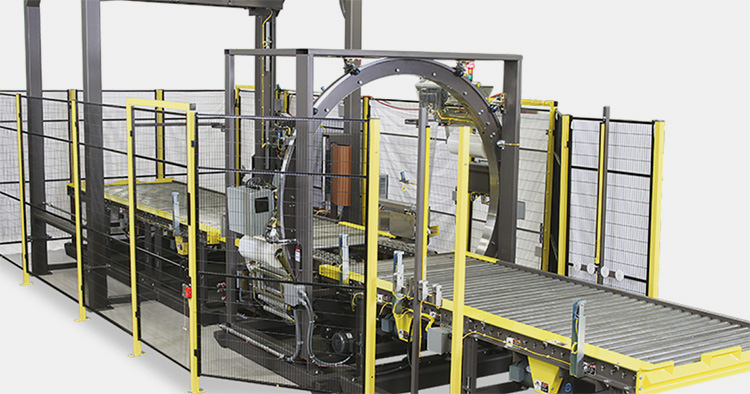
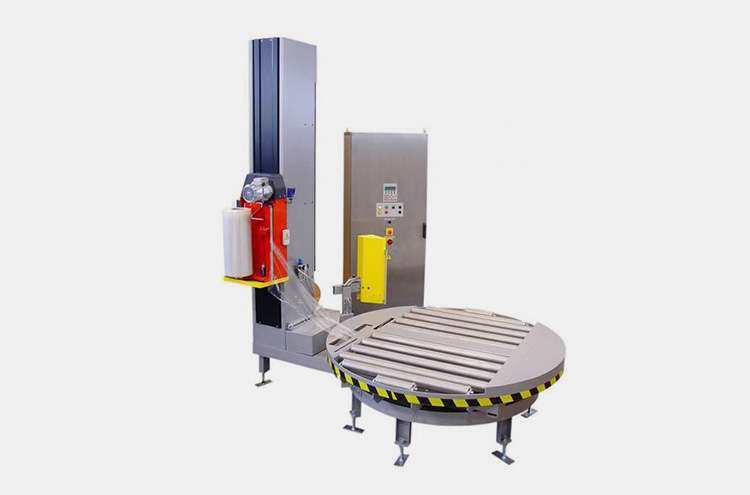
      Fully automatic stretch wrapping machines are computer-controlled stretch wrapping systems that allow for a higher degree of automation. These stretch wrapping machines are typically used in large-scale industrial environments as they can wrap heavy loads quickly and accurately.

      c) Semi-Automatic Stretch Wrapping Machines

      Stretch Wrapping Machine

      Semi-Automatic stretch wrapping machines are manually operated, with the operator controlling the stretch wrap tension, speed and stretch wrap film unrolling. They are suitable for smaller loads and lower production rates but require more manual labor compared to other stretch wrapping machines.

      d)Turntable Stretch Wrapping Machines

      Turntable Stretch Wrapping Machines

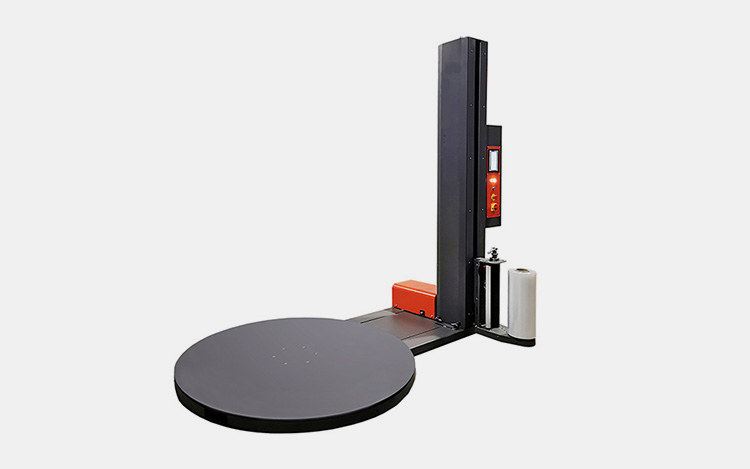
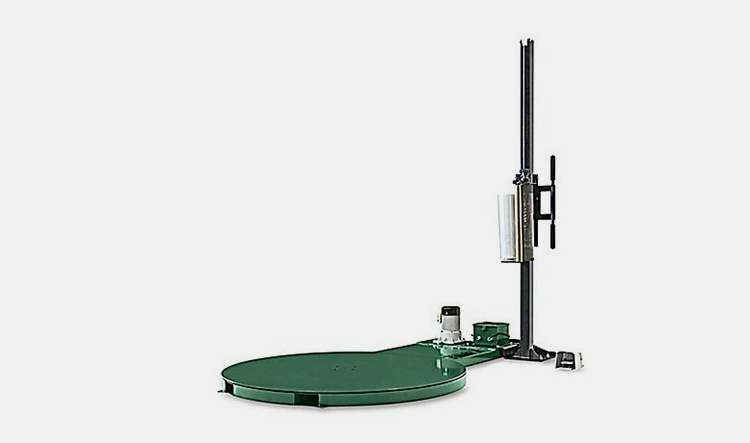
      Turn table stretch wrapping machines feature a revolving turntable that allows the operator to stretch wrap a load without having to rotate it manually. They are usually automated and have adjustable speed settings, making them suitable for stretch wrapping a variety of different sizes and shapes.

      e) Rotary Arm Stretch Wrapping Machines

      Rotary Arm Stretch Wrapping Machines

      Rotary arm stretch wrapping machines are designed for high volume applications. They use a stretch arm and electric motor to power the stretch film, as well as an automated system that can detect the size of packages and pallets, apply stretch film at pre-programmed tension levels, and continuously rotate around the package or pallet in order to wrap it multiple times.

      f) Orbital Stretch Wrapping Machines

      Orbital Stretch Wrapping Machines

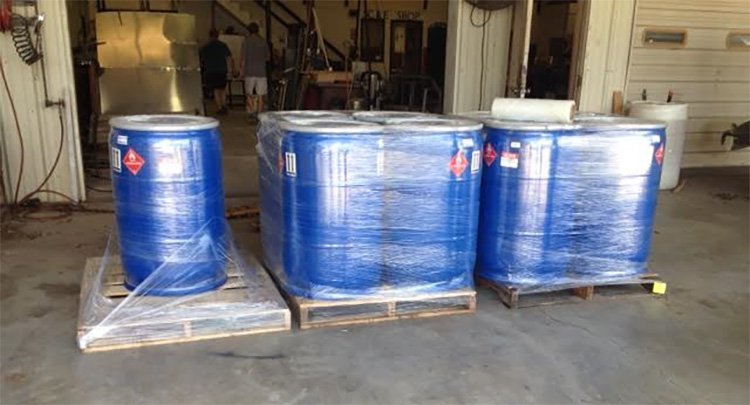
      These machines are designed to stretch wrap cylindrical objects such as drums, barrels and other containers. They are typically automated and require limited operator involvement.

      7.What Are The Differences Between A Stretch Wrapping Machine And A Shrink Wrapping Machine?

      a) Stretch Wrapping Machine

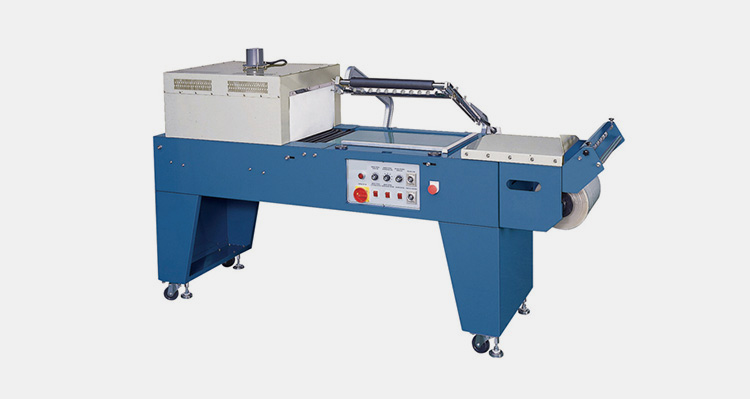
      Stretch Wrapping Machine-3

      b) Shrink Wrapping Machine

      Shrink Wrapping Machine-4

      The main difference between stretch wrapping machines and shrink wrapping machines is the material they use. Stretch wrap is made out of stretchable plastic film that easily conforms to irregularly shaped items, while shrink wrap is a thicker plastic film which shrinks when heated.

      The process for stretch wrapping usually involves applying stretch wrap around the product, either manually or with a stretch wrapping machine. Its stretchable nature makes it ideal to hold multiple items together and protect them from any physical damage during transport.

      On the other hand, shrink wrap is applied by using heat to shrink the plastic film around the product, creating a tight seal which prevents tampering.

      In terms of cost-effectiveness, a stretch wrapping machine is a more economical choice for large-scale operations compared to shrink wrapping machines. Stretch wrapping machines uses thinner film than shrink wrapping machines which reduces material costs, and stretch wrapping machines can typically process items at a faster rate as well.

      However, in terms of protection, shrink wrapping machines provides superior coverage since it creates an airtight seal around the product which prevents moisture from entering.

      8.What Are The Differences Between A Manual Stretch Wrapping Machine And An Automatic Stretch Wrapping Machine?

      Automatic Stretch Wrapping Machine-6

      Manual Stretch Wrapping Machine

      Automatic Stretch Wrapping Machine-7

      Automatic Stretch Wrapping Machine

      Manual stretch wrapping machines are devices that require manual labor to secure a product with stretch film. They consist of a turntable, the manual operator and the material being wrapped.

      Also, manual stretch wrapping machines are ideal for limited batch jobs or for those who don’t want to invest in an automated stretch wrapping machines. In addition, manual stretch wrapping machines are more affordable than the automated stretch wrapping machines, but manual labor is required to secure the load.

      On the other hand, an automatic stretch wrapping machines are devices that use electrical motors and conveyor systems to automatically wrap products in stretch film. They are designed for large batch production jobs as they can produce more wraps per hour than manual devices.

      Automatic stretch wrapping machines are usually more expensive than manual stretch wrapping machines, but they can save time and labor costs in the long run. Furthermore, automatic stretch wrapping machines generally offer greater safety and accuracy when wrapping products. Automatic stretch wrapping machines are also more efficient in terms of cost and production speed.

      9.What Type Of Materials Can Be Used With A Stretch Wrapping Machine?

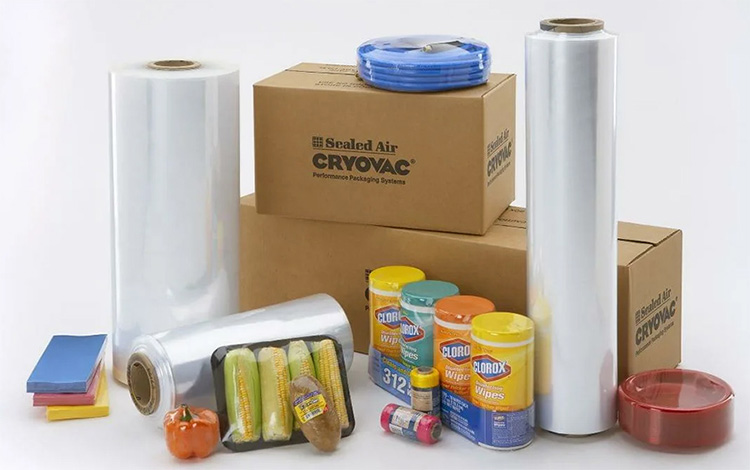
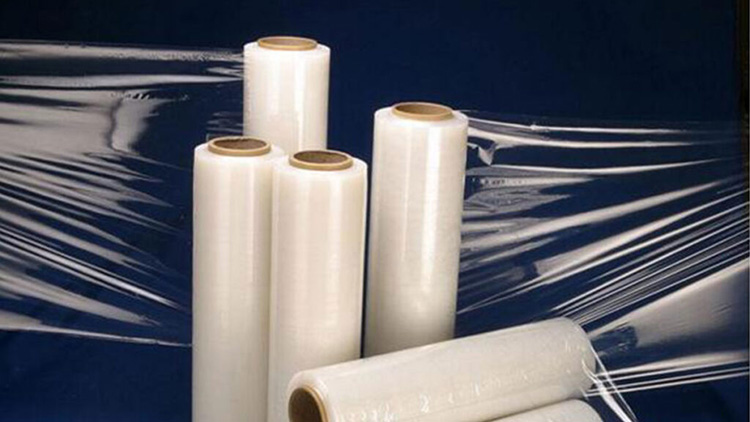
      Polyethylene Stretch Film

      Polyethylene Stretch Film

      This type of stretch film is the most common material used for stretch wrapping, due to its strength and ability to stretch up to 400%. It is strong enough to securely hold items together during transit and transportation, while being flexible enough to allow the stretch wrapping machine’s wrapping arm to move freely.

      Polypropylene Stretch Film

      This type of stretch film is ideal for lighter packaged items, as it offers a bit less stretch than polyethylene stretch film. It is able to hold items together while also providing a small amount of flexibility and movement.

      Corrugated Boxes

      Corrugated Boxes

      These can provide an additional layer of protection for stretch wrapped items, and are also often used to simplify the stretch wrapping process by providing a sturdy platform for products to be securely attached to.

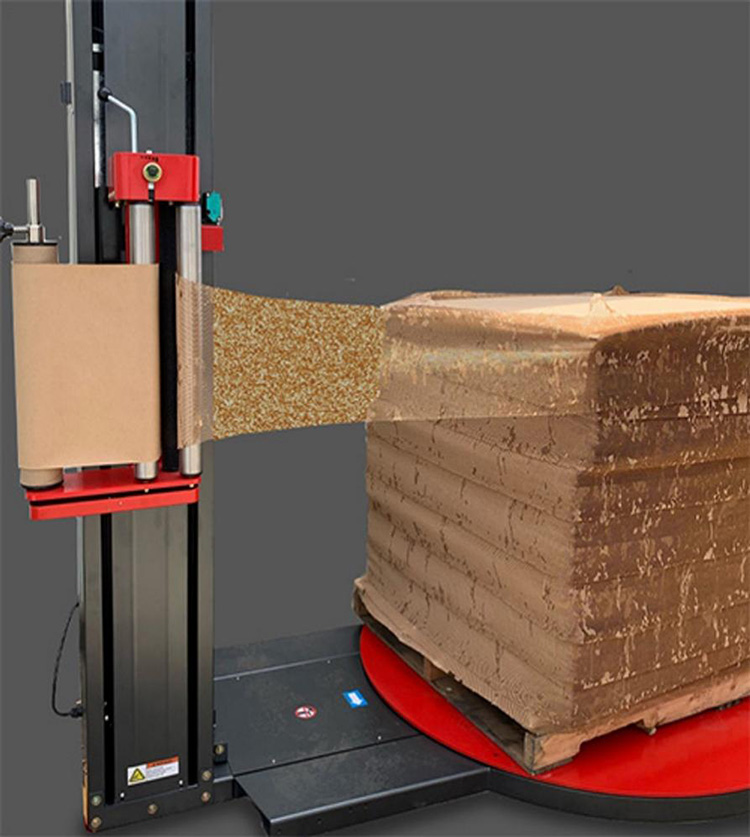
      Paper

      Paper

      Paper can also be used with stretch wrapping machines, although it provides less stretch than stretch film and cardboard materials. It typically works well when packing books or other lightweight items that don’t require much stretch or protection.

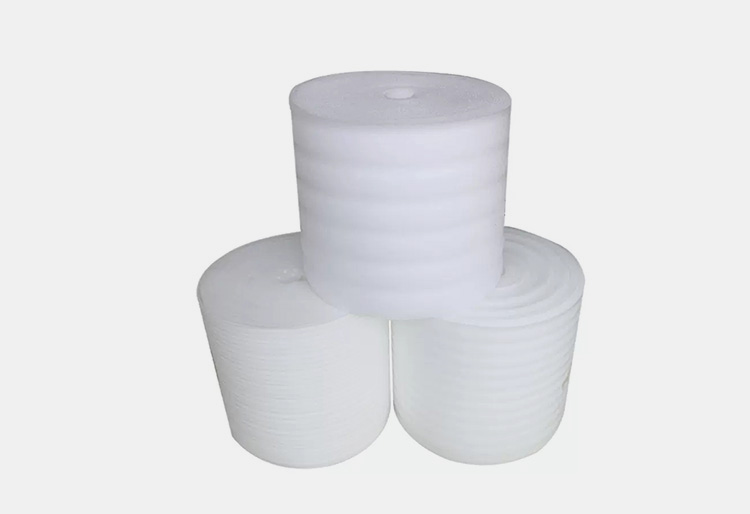
      Foam

      Foam

      Foam is a great material to use when stretch wrapping fragile items. The stretch wrapping machine can be used to wrap foam around the item and hold it in place, providing additional protection during transit and transportation.

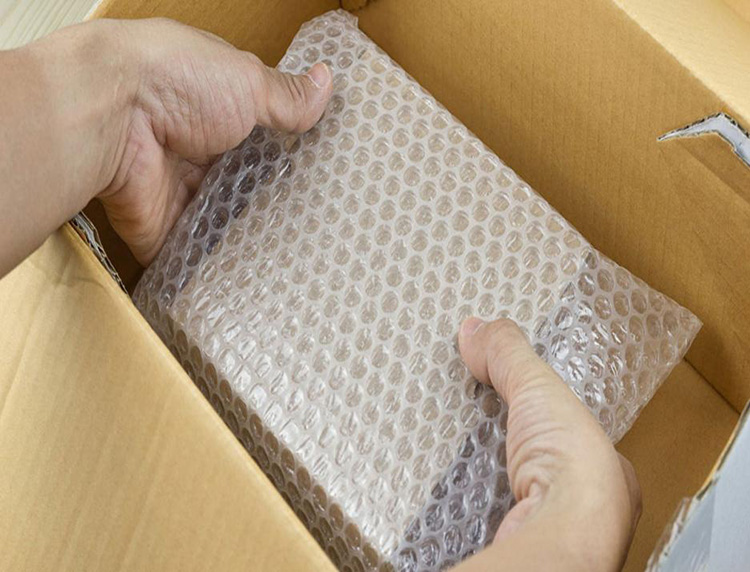
      Bubble Wrap

      Bubble Wrap

      Bubble wrap can also be used with stretch wrapping machines to provide additional cushioning and protection for fragile items. The stretch wrapping arms are able to wrap the bubble wrap around the item and securely hold it in place.

      Adhesive Tape

      Adhesive Tape

      This material can be used alongside stretch film to help improve the stability and security of packages, as well as to provide an extra layer of protection against tampering.

      10.What Type Of Products Can Be Wrapped Using A Stretch Wrapping Machine?

      Palletized products

      Palletized products

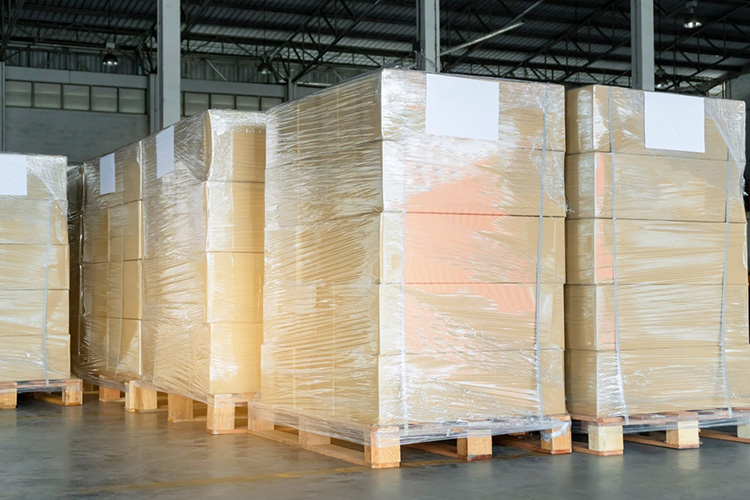
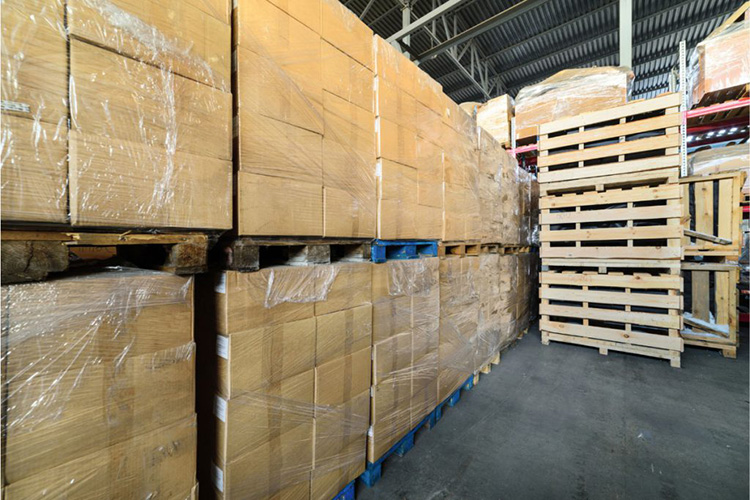
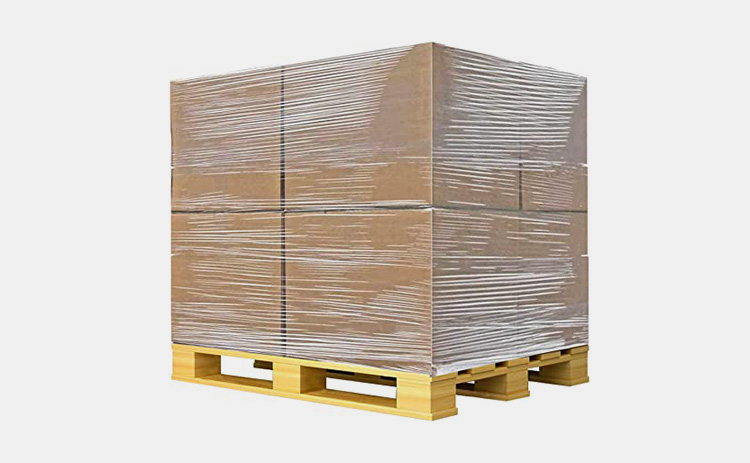
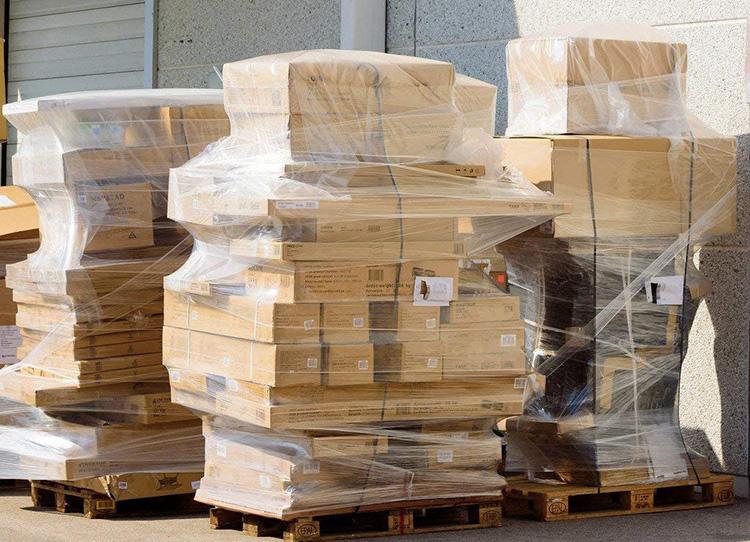
      Stretch wrapping machines are frequently used for palletizing goods prior to shipment. The stretch wrap securely holds multiple items in place, allowing for easy transport and delivery with fewer damages 

      Bundled items

      Bundled items

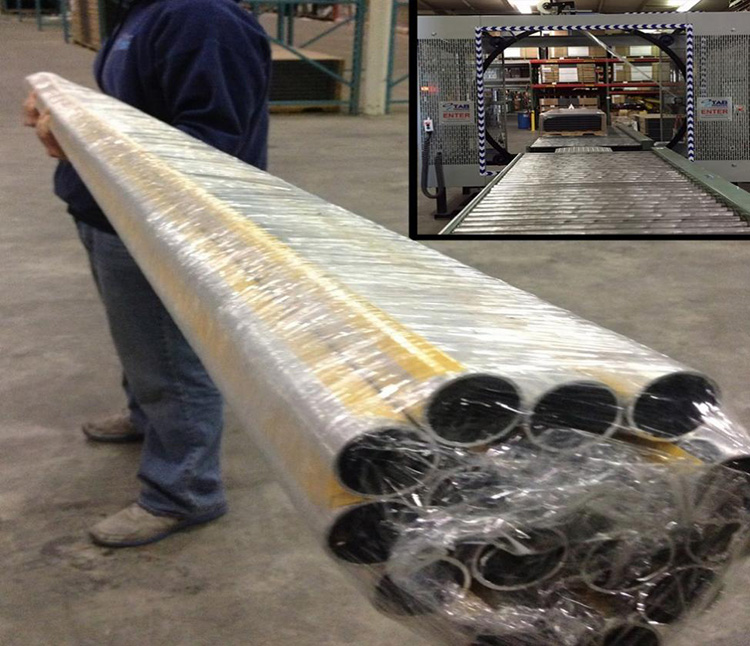
      By using stretch film, bundles of items such as pipes, rods, bars and beams can be securely wrapped by stretch wrapping machines. This is a great way to protect multiple items from damage due to shifting during shipping or storage.

      Unstable products

      Unstable products

      Stretch wrapping machines are also ideal for packaging irregularly shaped items that may not fit into conventional boxes. Axes, shovels, rakes and even furniture can be securely stretch wrapped with stretch film to ensure they are safe during shipping or storage.

      Containers

      Containers

      Stretch wrapping machines can also be used to stretch wrap large drums, barrels and containers securely for transport. This is a great way to secure large containers and prevent them from leaking during transportation.

      Boxes

      Boxes

      Boxes of different sizes and shapes can also be stretch wrapped using a stretch wrapping machine to ensure the content is safe and secure during transit or storage. It’s a great way to protect boxes from damage, breakage or loss due to shifting during shipping or storage.

      11.How Can Stretch Wrapping Machines Help To Improve Efficiency And Reduce Waste?

      Reduce Waste

      A stretch wrapping machine is a highly efficient and reliable way to securely bundle, package and transport products. This kind of machinery minimizes the time it takes to wrap pallets, protecting them from climatic changes and dirt which can occur during the transportation process. It also helps save money on packaging materials while reducing waste.

      One of the main benefits of stretch wrapping machines is that they help improve efficiency in production and reduce waste. By automating the stretch wrapping process, it can significantly reduce the time spent manually wrapping pallets. This results in fewer employees needed for stretch wrapping tasks, thereby reducing labor costs and increasing productivity.

      Additionally, stretch wrapping machines use stretch film which is a stretchable plastic material that can be wound around a pallet to keep items secure during transport. Stretch film is much lighter and thinner than other packaging materials, making it more cost-effective and reducing the amount of waste generated.

      Furthermore, stretch wrapping machines help ensure that all the products on each pallet are tightly secured together. This reduces the risk of any items getting damaged in transit, thereby reducing the cost associated with repairs and replacements.

      Also, stretch film is stretchable which allows it to conform to the shape of a pallet and keep all the goods tightly secured together. This ensures that each product will arrive safely at its destination without shifting or becoming damaged during transport.

      12.What Are The Common Problems Associated With Stretch Wrapping Machines?

      Stretch Wrapping Machines-6

      Film Breaking

      Film Breaking – This is usually caused by a stretch wrapping machine not having the correct tension settings or having worn out tensioning components. It can also be caused by using an inferior stretch film that is too thin for the weight of the pallet being wrapped.

      Over-stretching Film – If stretch wrapping machines are set too high it can stretch the stretch film past its breaking point, resulting in an ineffective stretch wrap.

      Inadequate Wrapping – If a stretch wrapping machine is not set correctly or if worn out components are used; it can cause inadequate wrapping of the pallet. This could result in packages coming undone during shipping, or compromise the integrity of the stretch wrap.

      Poor Distribution – If stretch wrapping machines are not set up correctly, it can result in poor stretch film distribution around a pallet which can cause weak spots when stretch wrapped.

      Machine Malfunction – Age and wear and tear of stretch wrapping machines can lead to machine malfunctions that can cause stretch wrapping to not be effective. This could lead to stretch film being used inefficiently, or inadequate stretch wrap of a pallet.

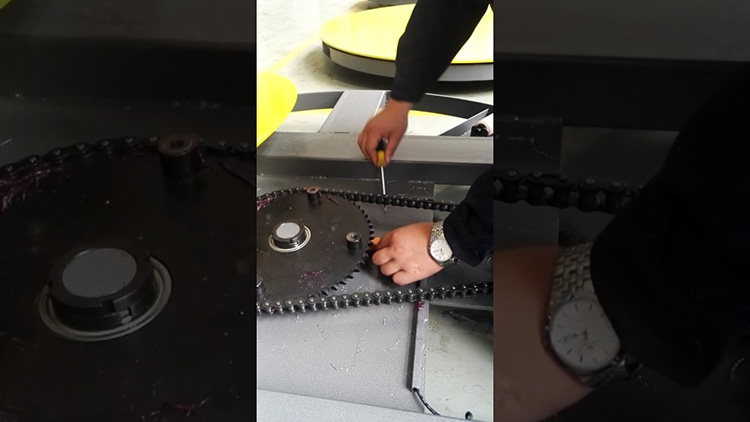
      Turntable not Turning-This can be as a result of no power supply, bad fuse, motor overload, loose belt or chain off sprocket.

      Dirty Film – If a stretch wrapper is not maintained correctly it can result in dirt and debris getting trapped in the stretch film which reduces its effectiveness when applied to pallets.

      Film Waste – If stretch wrapping machines are not set correctly or if inferior stretch film is being used, it can result in stretch film being wasted due to over stretching or inadequate stretch wrap.

      13.How Can You Troubleshoot Common Issues With A Stretch Wrapping Machine?

      Stretch Wrapping Machines-9

      Troubleshooting stretch wrap machines can be a daunting task, especially when they malfunction. To help simplify the process, here are some tips to troubleshoot common issues with stretch wrapping machines:

      Check power connections – Inspect all electrical connections and make sure they are securely connected and properly grounded. Make sure the stretch wrapping machine is properly connected to a reliable power source.

      Check stretch wrap tension – Make sure the stretch wrap is loaded correctly and that it is applied with the proper tension for effective stretch wrapping. If the stretch wrap does not stretch far enough before breaking, it may need more tension or higher-quality stretch wrap material.

      Inspect stretch wrap roller – Make sure the stretch wrap rollers are clean, lubricated, and free of obstructions or debris that can interfere with stretch wrapping.

      Check stretch wrap delivery system – Inspect the stretch wrap delivery system to make sure it is functioning properly and not blocking stretch wrapping material from entering the stretch wrapping machine.

      14.How Can You Choose A Stretch Wrapping Machine For Your Business Needs?

      Stretch Wrapping Machines-10

      When it comes to choosing a stretch wrapping machine for your business needs, there are several factors that you should consider.

      First and foremost, you should consider the type of product that you need to stretch wrap. Different stretch wrapping machines are designed for different applications. For example, automated stretch wrapping machines are designed to quickly wrap large amounts of products at once, while manual stretch wrapping machines are better suited for smaller loads.

      In addition to the type of product to be stretch wrapped, you should consider the size and weight of your product as well as the speed at which you need your stretch wrap job completed. Many stretch wrapping machines come with adjustable speeds to accommodate any job.

      Furthermore, you should also consider the stretch wrap film you plan to use. Different stretch wrapping machines are designed for different stretch wrap films, so be sure to choose a stretch wrapping machine that is compatible with the stretch wrap film your business uses.

      Finally, cost should also be taken into consideration when selecting a stretch wrapping machine. Manual stretch wrapping machines tend to be more economical than automated stretch wrapping machines, but they also require more labor. Automated stretch wrapping machines can help reduce labor costs, but they tend to be more expensive than manual stretch wrap machines.

      Choosing the right stretch wrapping machine for your business needs doesn’t have to be a daunting task. By considering the type of product you need to stretch wrap, the size and weight of your product, the stretch wrap film you plan to use, and cost, you can easily select a stretch wrapping machine that is perfect for your business needs.

      CONCLUSION

      In conclusion, stretch wrapping machines can be a very effective way to package and secure products for shipping. With a wide range of options and sizes available on the market, Allpack can be the perfect solution for your needs. If you need help in selecting the right stretch wrapping machine for your business, contact Allpack. Our knowledgeable staff can answer any questions you might have about what type of machine is right for your business and how to use it correctly. Don’t hesitate – get in touch with us today and start using the power of stretch wrapping machines to increase your productivity and keep your goods safe!

      Don't forget to share this post!

      CONTACT US

      Tell us your raw material and project budget to get quotations within 24 hours.

      WhatsApp Us: +86 181 7101 8586

      Invalid Email
      Invalid Number

      Stretch Wrapping Machine: The Complete Buying Guide In 2025 Read More »
      Automatic-Can-Sealing

      Automatic Can Sealer Machine: The Complete Buying Guide In 2025

      Automatic Can Sealer Machine: The Complete Buying Guide In 2025

      Out of many sealing techniques, automatic can sealer machine is one of the unique sealing machines that preserve material for longer periods. It is commonly used in the beverage, food and other large scale industries.

      Automatic-Can-Sealing

      But before selecting a right type of automatic can sealer machine it is always necessary to have complete knowledge regarding it. Allpack in this regard is providing you complete guide of automatic can sealer machine to resolve your queries. So go through this and take the most out of it.

        Add a header to begin generating the table of contents

        1. What Is An Automatic Can Sealer Machine?

        Automatic-Can-Sealer-Machine

        An automatic can sealer machine uses a can as a packaging material and seals it in a way that the products remains preserved and fresh for a longer period of time. An automatic can sealer machine undergoes complete automated process where minimum labor involvement is present.

        Pressure, heat or vacuum type sealing methods are used to close the lid on the top of a can. Automatic can sealer machine is efficiently used in food processing, chemical and pharmaceutical industries.

        2. What Products Are Sealed And Can Not Be Sealed In An Automatic Can Sealer Machine?

        Products Sealed Using An Automatic Can Sealer Machine

        • Food Products

        Food-Can-Be-Can-Sealed

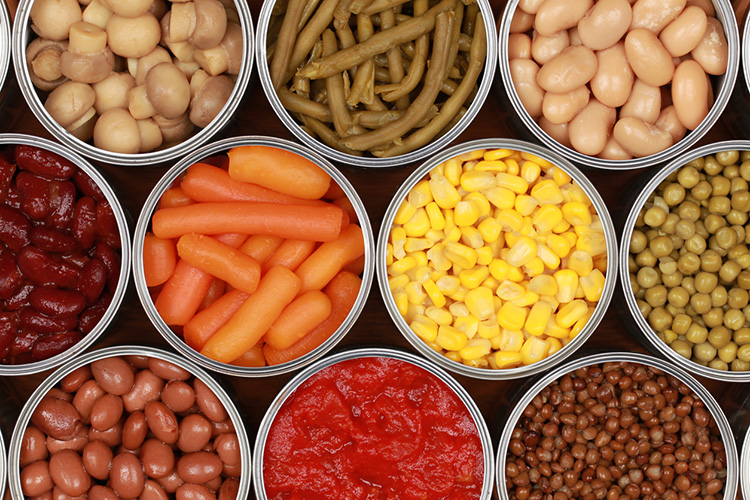
        Foods and beverages like soda, soups, jams, fruits, pet foods and vegetables are also commonly packaged using an automatic can sealer machine. Same quantity of products is filled in each of the can and the sealing done on final packaged can attract the customer toward its attire.

        • Chemical and Pharmaceutical Products

        Aerosol-Cans

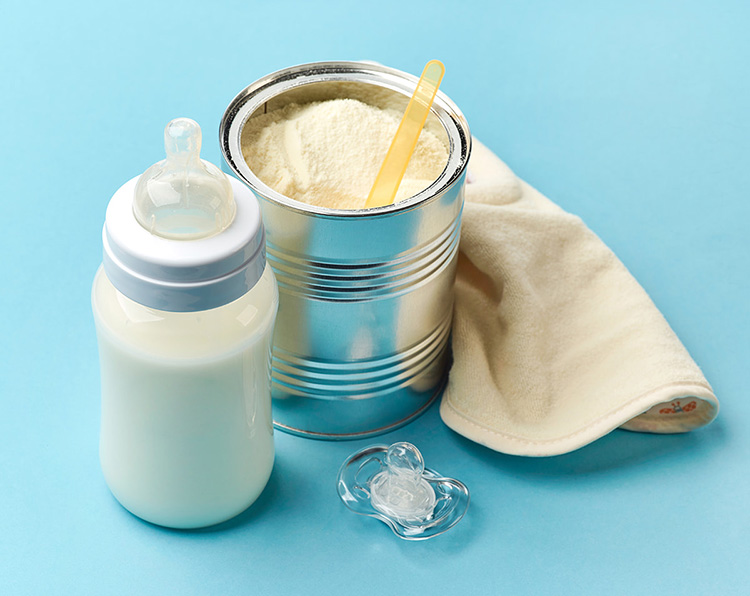
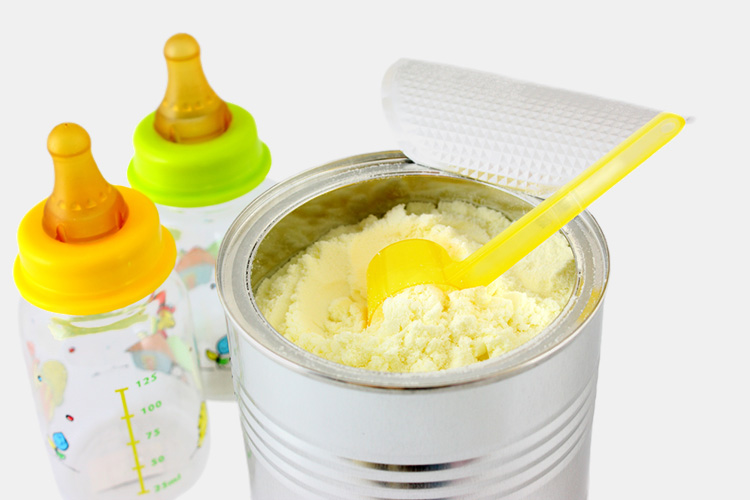
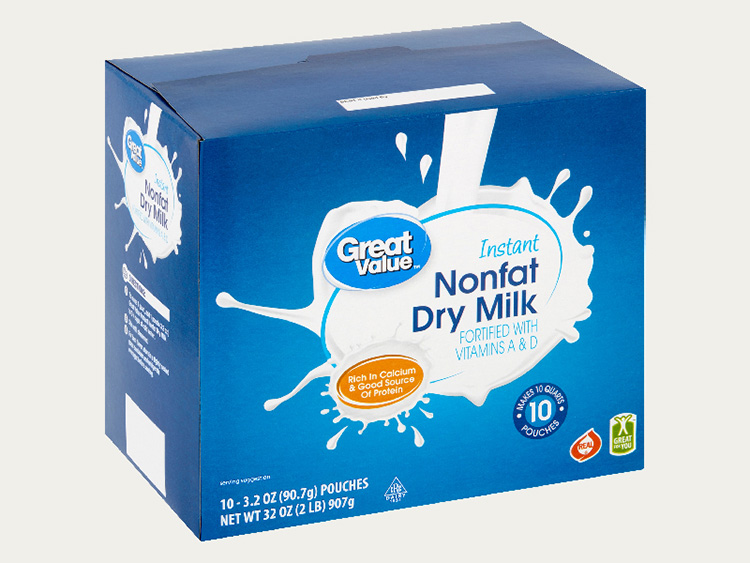
        Chemical, personal care, paint, medical and adhesive products also require automatic can sealer machines to get a long lasting effect and security. Products like baby milk powder, paint colors, creams and etc. are available in cans that are sealed using an automatic can sealer machine.

        Products Can Not Be Sealed Using An Automatic Can Sealer Machine

        Some available materials cannot be sealed using an automatic can sealer machine. Out of them some of the products are

        • Temperature Sensitive Products

        Temperature-Sensitive-Products

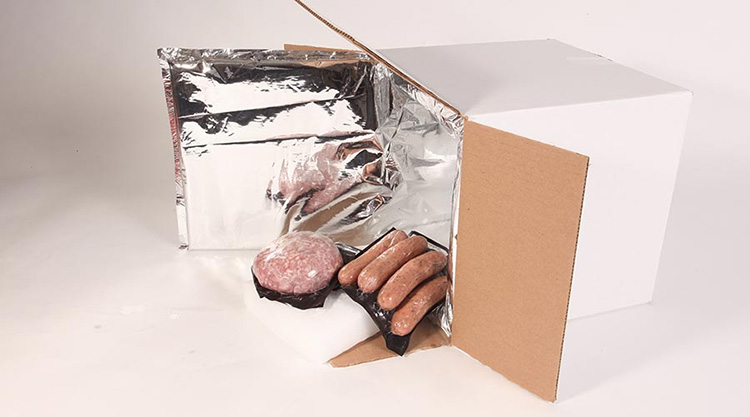
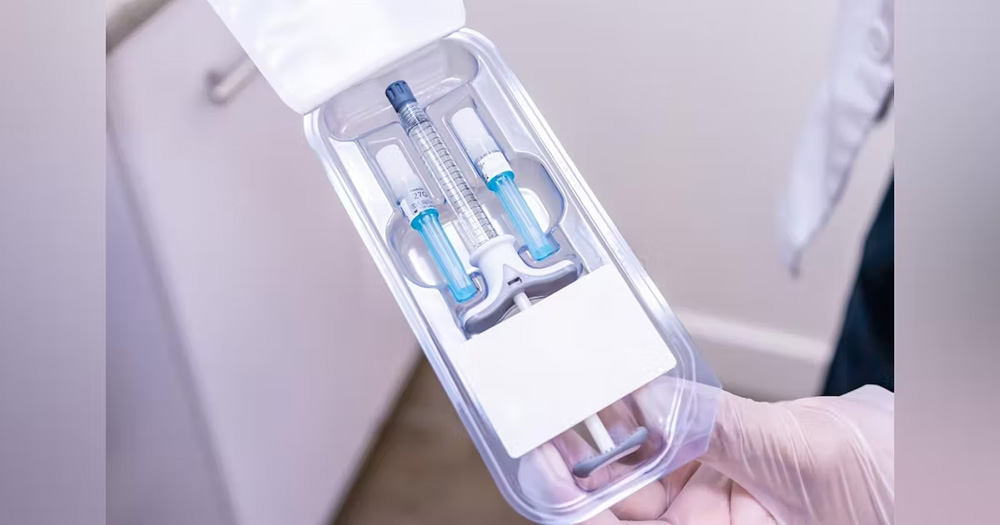
        Some of the food and medical products like frozen meat, fish, injections and others that are highly temperature sensitive cannot be sealed by an automatic can sealer machine due their special handling. The products can lose their actual health if they are not properly handled.

        • Environment Requiring Products

        Environment-Requiring-Products

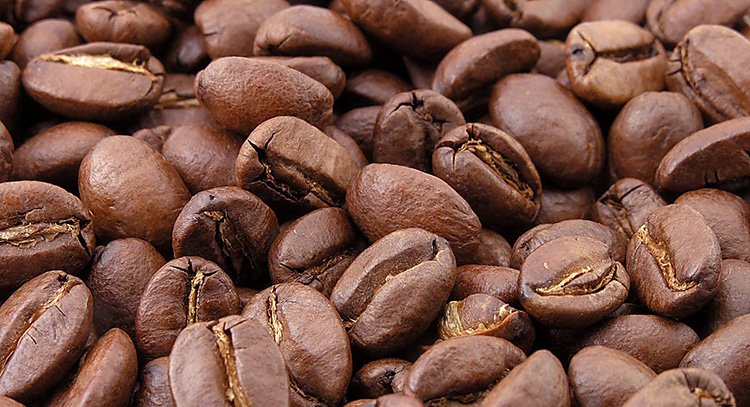
        Some of the products like coffee bean and coated sugar that require atmospheric influence are impossible to be packaged in cans. These types of products require open air because if they are sealed tightly, they can lose all their natural flavors and ethnicity.

        3. What Types Of Cans Are Sealed And Can Not Sealed ByAn Automatic Can Sealer Machine?

        Various types of cans can be sealed using an automatic can sealer machines depending upon their size, material type and thickness. Some of the cans that can be sealed using an automatic can sealer machine

        • Aluminum Cans

        Aluminum-Cans

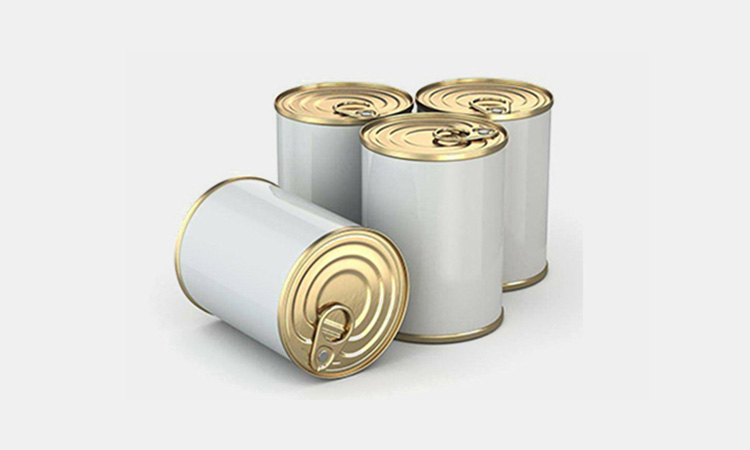
        Cans that are made up of aluminum are most likely to be sealed using an automatic can sealer. These types of cans are used in packaging of beverages and food items due to its lightweight and material strength.

        • Composite Cans

        Composite-Cans

        Cans that are made up of composite materials like plastic, paper, aluminum and wood are also sealed using an automatic can sealer machine. Most of the food drinks and materials are packaged in these types of cans.

        • Glass Cans

        Glass-Cans

        Cans for jams, pickles and ketchup are usually available in glass material. These cans and jars are efficiently sealed using an automatic can sealer machine in food processing industries.

        • Tinplate Cans

        Tinplate-Cans

        Some of the cans made up of tin-coat steel can also be easily sealed using an automatic can sealer machine in a highly automated manner. Chemical and beverage industry apply automatic can sealer machine in their processing units.

        • Aerosol Cans

        Aerosol-Cans

        Products like hair sprays, room sprays, insect killers and deodorants use aerosol material in their packaging. The cans made of aerosol material can be best sealed using an automatic can sealer machine.

        • Pressure Tank

        Pressure-Tank

        Mostly fruits and vegetables are pressurized in tanks to preserve the purity and freshness of products. This ensures no entrance of microbes and provides greater life to them.

        • PET Cans

        PET-Cans

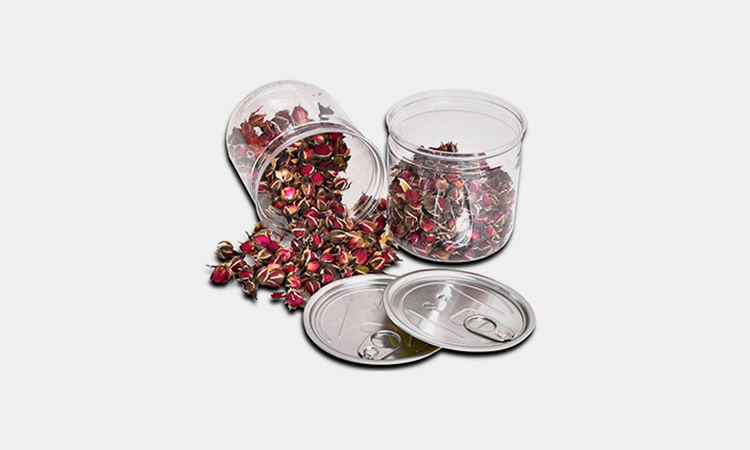
        Polyethylene Terephthalate plastic is also used to make cans that are sealed using an automatic can sealer machine. These types of cans are mostly used to seal food and beverages products.

        So there are plenty type of cans for your choice.

        Cans Can Not Be Sealed By Automatic Can Sealer Machine

        Cans-Can-Not-Be-Sealed-By-Automatic-Can-Sealer-Machine

        Automatic can sealer machines follow high sealing pressure and that is why the cans with low bonding strength or irregular shape cannot withstand the pressure and heat an automatic can sealer machine applies.

        Mostly cans made up of paper or plastic are those that have low material strength and cannot bear the pressure of an automatic can sealer machine. Other than that the cans that have pre-existing defect like burr, dent or damaged rim are also not suitable for sealing using an automatic can sealer machine.

        4. What Are The Applications Of An Automatic Can Sealer Machine?

        Automatic can sealer machines have wide range of applications due to their highly versatile actions and sealer application. Some of the industries where these automatic can sealer machines used are

        • Food and Beverages Industry

        Food-and-Beverages-Industry

        As the products are directly related to human life, contaminated food can affect the human body in a negative manner. Automatic can sealer machines are used in food and beverages industries to preserve fruits, vegetables, drinks and other products from contamination due to the airtight sealing. They shelf life of food also increases by this airtight sealing.

        • Pharmaceutical Industry

        Pharmaceutical-Industry

        Products manufactured in pharmaceutical industry do also require high level of consideration while packaging. Microorganism or bacteria if entered in the pharmaceutical product can cause harmful effects. Automatic can sealer machines are used in pharmaceutical industry to perform airtight packaging of vitamins, medicines and other supplements in an efficient and protective manner.

        • Chemical and Cosmetic Industry

        Chemical-and-Cosmetic-Industry

        Another industry that has wide range of automatic can sealer machine is chemical and cosmetic industry. Paints, colors, chemicals and cosmetic related items that are packaged in cans are sealed using this type of sealing machine. It blocks the entrance of bacteria and other microbes and allows the chemical products to be useable for a long period of time.

        5. What Are The Advantages Of An Automatic Can Sealer Machine?

        Advantages-Of-An-Automatic-Can-Sealer-Machine

        After knowing about the automatic can sealer machine application, some of the advantages that you can gain using an automatic can sealer machines are

        • Compatibility

        Different types of can made up of different materials can be easily compatible in a single automatic can sealer machine. The manufacturer doesn’t require any separate machine to perform its tasks.

        • Consistent

        Automatic can sealer machines are highly reliable as they perform consistent sealing on each of the can that is to be packaged. There is a minute level of chance for any difference between two cans sealed under automatic can sealer machine.

        • High Volume Productivity

        An automatic can sealer machine has an ability to handle large volume production setups with safety and precision.

        • Customer Attraction

        An important advantage that an automatic can sealer machine gives is that the customers are directly attracted towards its packaging and sealing. This can increase the sales demand of any manufacturer.

        6. What Is The Working Principle Of An Automatic Can Sealer Machine?

        Working-Principle-Of-An-Automatic-Can-Sealer-Machine

        Working Principle of the Automatic Can Sealer Machine

        An automatic can sealer machine uses hot air for heating of lid and then fusing of it. The principle is as

        • Initially the cans are placed on the conveyors of machine and are directed towards the heat sealing system.
        • Once the can reaches the sealing unit, the machine senses its presence and directs the lid feeder to release the lid. Here the lids are heated using hot air present in the heating system.
        • This heated lid easily fuses on the top of can and afterwards the sealing of edges is performed.
        • The sealed cans are then taken out of the system through these conveyors.

        7. What Are The Main Components Of An Automatic Can Sealer Machine?

        The automatic can sealer machine is not complicated and the main components are

        • Sealing Head

        Sealing-Head

        The sealing head of an automatic can sealer machine plays the most important part in its operation. It applies heat and pressure simultaneously both at the same time on the lid of can and seals it. Sealing head of an automatic can sealer machine performs highly precise and accurate lid sealing to prevent any type of contamination.

        • Lid Feeder

        The lids that are to be installed at the top of a can are placed in this lid feeder. The lid feeder of an automatic can sealer machine supplies lids to the sealing head of an automatic can sealer machine and is directly controlled by highly sensitive sensors.

        • Vacuum Pump

        The air present inside the can is released by this vacuum pump present in an automatic can sealer machine.

        • Temperature Controllers

        Sensors and actuators are present in automatic can sealer machine that act as temperature controllers. As the sealing temperature gets out of its applied limits, the actuators get activated and directly maintain the temperature to perform effective sealing.

        • Conveyors

        Conveyors are used to move the cans within the system. In an automatic can sealer machine complete movement of can is controlled by these conveying systems.

        • Automatic Sorting System

        An automatic can sealer machine uses automatic sorting unit in which the packaging cans are sorted and aligned properly to perform ideal operation.

        • Automatic Feeding System

        Automatic-Feeding-System

        This is the part of an automatic can sealer that feeds the can to the sealing head. Feeding system segregates the cans according to the sealing pattern that is to be performed.

        8. What Types Of Automatic Can Sealer Machine Are There?

        There are various types of automatic can sealer machine for your choice, some of the automatic can sealer machines depending upon the type of sealing are

        • Rotary Can Sealer Machine

        Rotary-Can-Sealer-Machine

        A rotary can sealer machine applies metal lids and caps onto the cans. The rotational central axis moves the can while sealing head applies pressure onto the lid. By this sealing is performed on lid. Airtight seal preserves the contents for a longer time. Food, beverage, and chemical industries mostly use a rotary can sealer machine.

        • Vacuum Nitrogen Can Sealer Machine

        Vacuum-Nitrogen-Can-Sealer-Machine

        Vacuum nitrogen can sealer machine are the types of vacuum can sealer machines that are used in the food and beverage and chemical industries to fill cans and then remove air through vacuum pressure and filling nitrogen into the cans. Precise amount of nitrogen gas protects from oxidation and product spoilage.

        It provides airtight sealing to maintain the freshness of products and helps in extending its shelf life. Other than food metal, electronics, hardware and plastic items are also sealed using vacuum can sealer machine.

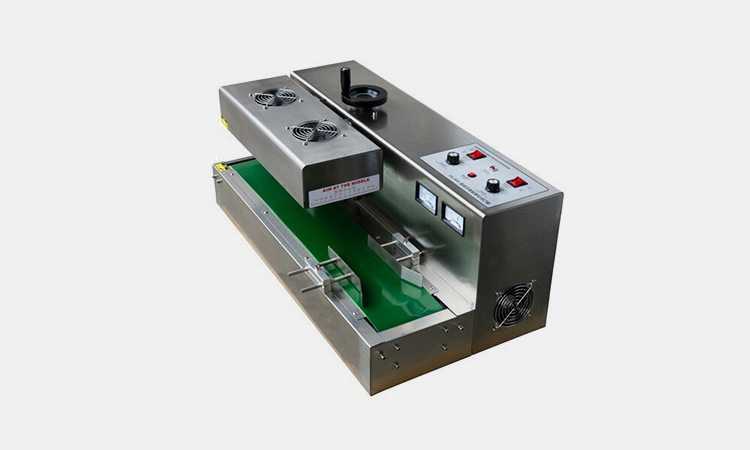
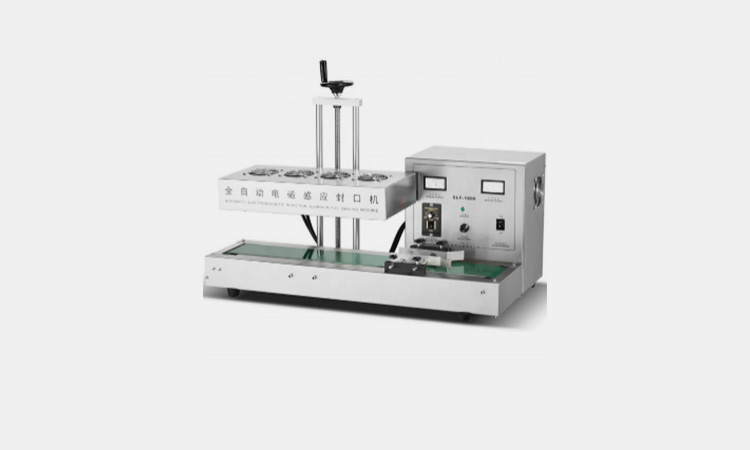
        • Induction Can Sealer Machine

        Induction-Can-Sealer-Machine

        Induction can sealer machine works by applying an electromagnetic field to the lid of the can, which induces an electric current and generates heat, causing the lid to melt slightly and fuses to the rim of the can. Metal, food and beverage usually use induction sealer for reliable sealing.

        9. What Are The Differences Between An Automatic Can Sealer And Capping Machine?

        Differences-Between-An-Automatic-Can-Sealer-And-Capping-Machine

        Both automatic can sealer machine and capping machines are used to apply the top covering to their packaging materials. But the operation and application of both the machine has greater difference. The differences among both of the machines are

        • Working Principle

        The operation of an automatic can sealer machine is designed in a way that the cans are sealed in a continuously running process. One after another cans are sealed with high precision and accuracy in automatic manner. Once the can is entered in the sealing system, a lid if fed on its top and the principle of sealing takes place. An automatic can sealer provides airtight sealing and prevents contamination.

        On the other hand, a capping machine depends mostly on the efficiency of its operator. The machines are available in both manual and automatic operations but are mostly designed to produce batch processes. The operator is responsible to place the cap on the top and then it is tightens with the help of screw block. After capping process the worker takes out the product of the system.

        • Characteristics

        It can be count as a demerit of an automatic can sealer machine that it is designed to perform sealing on specific type of cans only. Products like drum, bottle or jar cannot be sealed using an automatic can sealer machine.

        Unlike an automatic can sealer machine, a capping machine is compatible with any type of can, jar or bottle and also does not depends on the size and shape of product. Capping can be performed on these packaging materials and that is an important characteristic of the machine.

        • Application

        An automatic can sealer machines are used for applying lid on the top of cans and then heated to perform airtight sealing. These types of machines are applied food, pharmaceutical and chemical industry.

        The design of capping machine is to tight the screws of caps on the top of bottle can or jar and gives a simple opening to it. Any type of product that is manufactured using cap on its top can be applied under a capping machine.

        10. What Are The Auxiliary Components That Are Associated With An Automatic Can Sealer Machine?

        There are always few auxiliary components that take part to complete the sealing process of an automatic can sealer machine. These parts hold a secondary role and can be adjusted according to their usage. Some of the auxiliary components that are associated with an induction sealing machine are

        • Air Compressor

        Some of the automatic can sealer machines use air compressors for providing required air pressure to the system. These air compressors manage the flow of air and if at any stance the pressure gets effected, it can directly cause poor sealing.

        • Vacuum System

        For removal of atmosphere particles and air present within the can, vacuum systems are present in most of the automatic can sealer machines.

        • Conveying System

        Intake and exit conveyors are associated with an automatic can sealer machine that ensures proper flow of can from start to end.

        • Laser Inkjet

        Cans that are sealed using an automatic can sealer machine hold information regarding its ingredients, manufacturing and other important things on its outer surface. Laser Inkjets are used to print this information on plastic or paper wrapping of cans.

        • Cooling System

        To prevent poor and unhealthy sealing, a cooling system is present in an automatic can sealer machine that cools down the heating temperature immediately and supports in application of efficient sealing.

        • Barcode Writer

        Material manufacturing and expiry dates are using these barcode writers. These writers are also used to give unique identification to each one of the can produced as a result of batch process.

        • Sensors

        To detect the presence of can under the filling nozzle and in the sealing system is sensed by highly active sensors. They also detect the flow of cans on the conveyor and signal the programmable system regarding it. Sensors help to avoid wastage of material also.

        11. Why Nitrogen Need To Be Filled With Automatic Can Sealer Machine?

        Nitrogen need to be filled with automatic can sealer machine due to various reasons. Some of them are

        • Product Protection

        Product-Protection

        The food industry has always been focused on providing consumers with fresh and high-quality products. However, food items are susceptible to spoilage due to bacteria and fungus that grows in the presence of oxygen.

        In order to extend the shelf life of food items and preserve their freshness, nitrogen gas is used in the packaging process. Nitrogen gas creates an environment that is inhospitable to bacteria and fungi, thereby preventing spoilage.

        • Minimizing Risk Of Contamination

        Minimizing-Risk-Of-Contamination

        These machines offer a number of benefits, including consistent and efficient operation, which is essential for large-scale packaging operations. The use of automatic can sealer machines also minimizes the risk of contamination, as the machines are designed to prevent the introduction of foreign matter into the packaged food.

        • Food Preservation

        Food-Preservation

        In addition to preserving the freshness of food items, nitrogen gas also provides protection against oxidation, which can result in the loss of flavor, aroma, and nutritional value. This is especially important for items such as coffee and chips, which are highly susceptible to oxidation.

        • Maintaining Oxygen Level

        When the automatic can sealer machine is used to fill the packages with nitrogen, it first vacuums the air out of the package. The nitrogen gas is then introduced into the package, replacing the air. This creates an environment with a low oxygen level, which is hostile to bacteria and fungi.

        • Product Integrity

        The use of nitrogen in the packaging process also helps to maintain the integrity of the food product. For example, chips that are packaged with nitrogen are less likely to become crushed or broken, as the nitrogen gas provides a cushion to protect the chips from damage.

        Conclusion

        Automatic can sealer machines are highly efficient and productive machines that are used to seal cans are made up of different materials. There are always queries related to selection of right type of automatic can sealer machine and for this we Allpack are here to assist and guide you. For further details kindly contact our customer care agents or visit our website http://www.allpackchina.com/.

        Don't forget to share this post!

        CONTACT US

        Tell us your raw material and project budget to get quotations within 24 hours.

        WhatsApp Us: +86 181 7101 8586

        Invalid Email
        Invalid Number

        Automatic Can Sealer Machine: The Complete Buying Guide In 2025 Read More »
        Induction-Sealings

        Induction Sealing Machine: The Complete FAQ Guide In 2025

        Induction Sealing Machine: The Complete FAQ Guide In 2025

        When it comes to sealing of containers and cans, induction sealing machine comes at the top of rest sealing techniques. It provides perfect sealing to keep the product fresh and live for longer duration.

        Induction-Sealings

        But for a new buyer of induction sealing machine, it is always a difficult decision to select the best. As it involves a lot of time and money investment. For this we Allpack are providing you this guide which will resolve are your queries related to an induction sealing machine. Go through the complete buying guide and take the most from it.

          Add a header to begin generating the table of contents

          1.  What Is An Induction Sealing Machine?

          Induction-Sealing-Machine

          An induction sealing machine seals metal foils on the top of cans, bottles, containers and jars with the help of electromagnetic induction hermetic seal. The process is applied in pharmaceutical, chemical, beverages, food and other industries to maintain products freshness and avoid any leakages.

          Variety of sealed cans made up of plastic, metal or glass can easily be sealed using an induction sealing machine. Different types of induction sealing machine are used in industries depending upon their productivity and needs.

          2. What Types Of Containers Can Be Sealed By the Induction Sealing Machines?

          Different types of containers can be sealed using an induction sealing machine depending upon the specification and design of those containers. Some of containers that are sealed by an induction sealing machine are

          • Plastic Cans

          Plastic-Cans

          Plastic material cans are also available that undergo induced electromagnetic field. Paper cans are commonly used for packaging of chemicals and lubricating products because no chemical reaction takes place when both of them combine. Chemicals when packaged in steel or aluminum cans lose their properties.

          • Glass Jars

          Glass-Jars

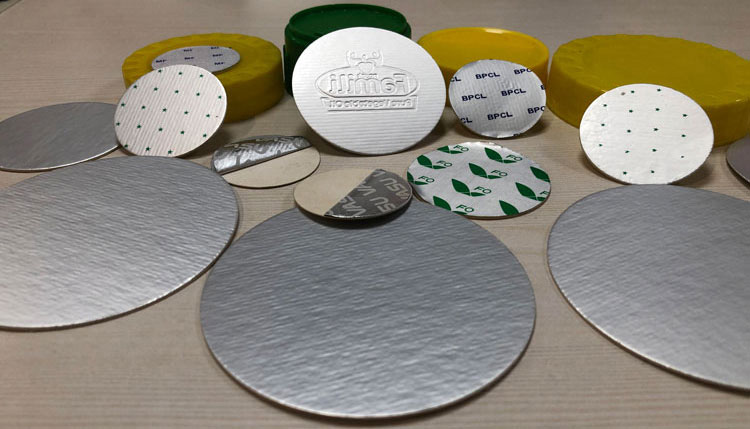
          An induction sealing machine is used to seal glass jars by using induction sealing technology. When the jars are transported through the sealing head , an aluminum foil lid enters the sealing head and heats the metal foil liner. The melted polymer coating causes strong bond to the rim of the glass jar and forms a hermetic seal.

          Glass jars that are used in food, beverages, cosmetic, pharmaceutical and chemical industries are sealed using induction sealing machines to ensure product freshness and integrity.

          3. What Sealing Types By Induction Sealing Machine Are There?

          Induction sealing machines are used in many industries for application of following types of seals

          • Aluminum Seal

          Aluminum-Seal

          The most common type of seal that is applied using an induction sealing machine is an aluminum seal. This type of seal is performed in almost every industry due to its durability and economical feature.

          • Double Type Seal

          Double-Type-Seal

          Double type seal including both inner and outer seals are applied onto the products using an induction sealing machine. This makes the container much secure and helps in preventing any material wastage during its transportation.

          • Three layered Seal

          Three-layered-Seal

          An induction sealing machine is also applicable in performing three layered sealing. More security of material is assured as compared to double layer sealing and the material remains fresh for longer period.

          4. What Are The Applications Of An Induction Sealing Machine?

          Induction sealing machines provide efficient and precise sealing to lots of products that are manufactured in different industries. Some of the applications of an induction sealing machine are

          • Pharmaceutical Industry

          Pharmaceutical-Industry

          Pharmaceutical industry is the one where the application of induction sealing machine is found the most. Medicines, supplements, tablets and vitamins that are packed in bottle are further sealed using these induction sealing machines. Sealing provides medicine safety to a greater instant as it directly relates with the medical conditions of human life. This seal protects them and maintains their purity.

          • Food and Beverages Industry

          Food-and-Beverages-Industry

          Food and beverages industry applies induction sealing machine for sealing of jars, bottles and cans that are filled with eatable products. The food remains highly preserved when the air tight sealing is provided to them. An induction sealing machine also ensures that the product remains fresh, pure and of same quality for a longer period.

          • Cosmetic Industry

          Cosmetic-Industry

          Like other industries, induction sealing machines also have variety of applications in cosmetic industry. Bottles and small metal jars carrying personal care materials and sealed using an induction sealing machine. As cosmetic materials are also related with human skin, this is why their effectiveness and quality matters a lot. An induction sealing machine provides both of these features until the products shelf life ends.

          • Chemical Industry

          Chemical-Industry

          Chemical products are highly sensitive when it comes on their transportation and handling. Induction sealing machines are used in chemical industry for this purpose as it prohibits any type of leakage no matter the product is to travel in any part of the world. Liquid, solid, fluid, oils, and other chemical products are packed in bottles, cans and jars using induction sealing machines.

          5. What Are The Features and Advantages Of An Induction Sealing Machine?

          Induction sealing machines are one of the most popular sealing machines that are used now worldwide in different packaging processes. The increases in demand of induction sealing machine is due to following unique features.

          Features-and-Advantages-Of-An-Induction-Sealing-Machine

          • Multiple Frequency Sealing

          The most unique feature of an induction sealing machine is that the machine offers variety of sealing frequencies to each of the product. As products made up of different types of materials undergo sealing process, an induction sealing machine sealing machine can set its electromagnetic sealing frequency according to that particular material.

          • Adjustable Sealing Head

          Sealing head of an induction sealing machine can be set according to the size of product. For variance in sized of products, there is a height controller to perform proper sealing.

          • Sealing Power

          The amount of sealing power that is emitted by an induction sealing machine also depends on the nature of material and product. This makes the machine more precise and reduces entrance of any wave into the material that is to be packed.

          • Adjustable Sealing Time and Pressure

          An induction sealing machine offers adjustable sealing time and pressure for each of the material that achieves desired sealing conditions and avoids any type of waste caused by improper sealing.

          • Efficient Cooling System

          Another feature of an induction sealing machine is that it has an efficient cooling system at its exit room. This cooling system maintains the heating temperature within the system and avoids any type of dangerous condition. Also swift sealing is performed due to this cooling system.

          • Customizable Sealing

          Customizable-Sealing

          Sealing of materials like glass, paper and plastics can be performed in different types of sizes using an induction sealing machine. The machine can be customized according to the size, material and product that make it much beneficial.

          • Material Safety

          Tempered evident sealing of products can be achieved by an induction sealing machine. This type of sealing maintains machine quality and provides consistent packaging solutions. The material that requires sensitive controlling and monitoring of induction machine can be easily sealed and the material inside it can be easily used anytime.

          Also foil material is saved a lot from any wastage while using an induction sealing machine.

          • Environment friendly

          Environment-friendly

          Induction sealing machines are designed in a way that all the rules and regulations according to international standards are fulfilled. The machine produces no harm to the environment and is eco-friendly. Man, machine, material and nature all remain safe during the operation of an induction sealing machine.

          6. What Are The Working Principles Of An Induction Sealing Machine?

          An induction sealing machine follows following working principle in its operation

          Working-Principles-Of-An-Induction-Sealing-Machine

          • Initially containers, jars or bottles in which the material has to be filled are kept on the conveyor or inserted manually in the system
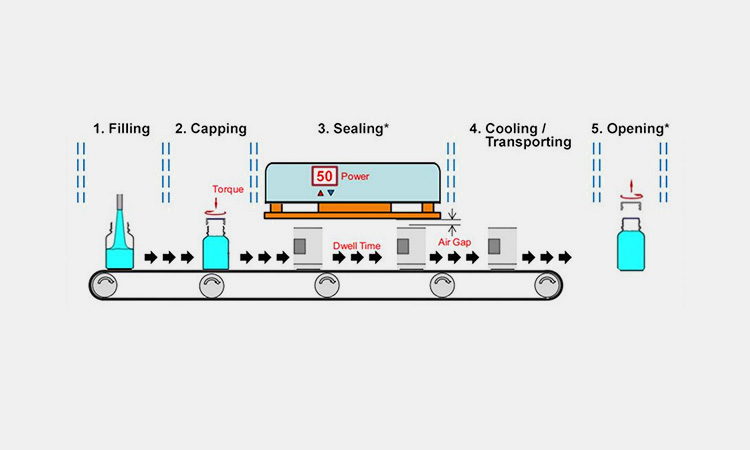
          • The product is filled with the desire material when passed through the induction sealing machine and a sealing foil or lid made up of mostly aluminum is applied on it. This lid has mainly a sensitive coating in it that melts when the product observes electromagnetic field.
          • After application of lid the container enter the sealing system and here an electromagnetic field is generated by the coils. This field induces current on to the product which results in melting of the heat sensitive material present on aluminum lid.

          Working-Principles-Of-An-Induction-Sealing-Machine

          • As the sealing is applied, the product becomes air tight and the sealing process gets completed. The sealed product is then carried out of the system and final cover is applied on it.

          High sensitive and effective sealing is provided by an induction sealing machine which resists the entrance of any microbes in it.

          7. What Are The Main Components Of An Induction Sealing Machine?

          Both the automatic and manual induction sealing machine has most of the common parts in them. The difference is that a manual induction sealing machine has a compact design, rest the mechanism remains same. Some of the essential components that are present in both types of induction sealing machine are

          • Vents

          In manual induction sealing machine, vents are present on the outer part of machine that is responsible for taking out of heat radiation present inside the system. This is also used to cool down the system.

          • Sealing Head

          Sealing-Head

          The most important part in both types of induction sealing machines is their sealing heads. This is the place where the electromagnetic coils are present and the inductive current is produced onto the product. In short the sealing mechanism is applied in this part of an induction sealing machine.

          • Foil Roller

          Foil-Roller

          Foil rollers are present in automatic induction sealing machines. The roller contains the foil material which is used as a lid or sealing head. It is mostly present at the back of an induction sealing machine and from there is rolls in alignment to the conveyor.

          • Power Supply

          An induction sealing machine requires standard power for its operation. This power is maintained using a power supply unit and this is responsible to activate the electromagnetic field in coils.

          • Conveyors

          Conveyors

          Automatic induction sealing machine have conveyor belts attached in their entry and exit channels. They are used to move the containers through the ceiling system in an efficient and easy manner.

          • Electromagnetic Coil

          Electromagnetic-Coil

          Mostly aluminum and copper coils are present in the sealing head of an induction sealing machine. These coils are heated using electric power and as a result electromagnetic field is produced in the system. This field is responsible of sealing the products.

          • Cooling System

          A cooling system mostly fans are there in an induction sealing machine that are used to prevent overheating and keeping the system under control temperature.

          8. What Types Of Induction Sealing Machine Are There?

          Out of several types of inductions sealing machines, some of them are

          • Manual Induction Sealing Machine

          Manual-Induction-Sealing-Machine

          Manual or Hand-held induction sealing machines that are used to seal containers involves complete manual processes. The machines are easy to move and can be used as portable induction sealing solution. Induction wads are placed on the top of cap and a non contact sealing by induction mechanism is performed.

          Small scale businesses can ideally use this manual induction sealing machines in their production setups where 5 to 10 caps are induced per minute.

          • Semi-Automatic Induction Sealing Machine

          Semi-Automatic-Induction-Sealing-Machine

          A semi-automatic induction sealing machine involves both manual and automatic operations. Small and medium scale industries mostly use semi-automatic induction sealing machine to fulfill their requirements.

          Small conveying systems designed according to the sealing product are present in a semi-automatic induction. The products travel on this conveying pattern and when it reaches the sealing system, the operator places lid on it. After placing the lid the operations gets start and are highly efficient and sealing is performed with precision and accuracy.

          • Automatic Induction Sealing Machine

          Automatic-Induction-Sealing-Machine

          Automatic induction sealing machines are designed to perform high production rate sealing in medium and large scale industries. All the processes are carried out automatically with more powerful sealing of products. From product inlet to their exit from the system, each one of the tasks is performed by the machine itself.

          The products travel on the conveyors and when it reaches the sealing system, an automatic pattern of lid follows from the lid feeder on it. After placing the lid the operations gets start and are highly efficient and sealing is performed with precision and accuracy.

          • Overhead Induction Sealing Machine

          Overhead-Induction-Sealing-Machine

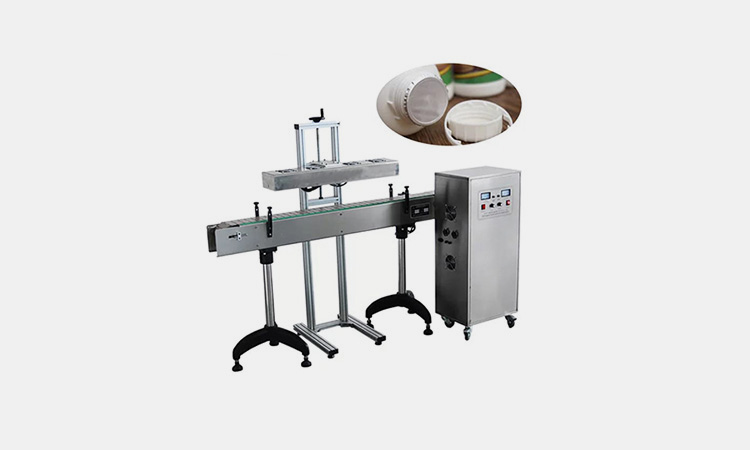
          Overhead type induction sealing machines are associated with production setups and are present above the production line. They seal the products as it passes underneath it. Speedy and high production volume industries mostly use overhead induction sealing machine.

          • Bench top Induction Sealing Machine

          Bench-top-Induction-Sealing-Machine

          Bench top induction sealing machines are also like manual induction sealing machines but only differ in their placement. The machines are designed in a way that they are placed on tables and are used to perform stationary sealing of products.

          • In-Line Induction Sealing Machine

          In-Line-Induction-Sealing-Machine

          Packaging lines that hold sealing methods in their processes usually have in-line induction sealing machines in between. The machines fit into the production setups and perform sealing whenever the product passes through it. Large scale industries mostly get benefited from in-line packaging machines.

          • Continuous Induction Sealing Machine

          Continuous-Induction-Sealing-Machine

          Continuous induction sealing machine is designed in a way that continuously, high speeds sealing takes place and are suitable for large-scale industries. Conveyor system is there that moves the container through the sealing process and allows multiple containers to be sealed at the same time.

          An effective seal is observed as a result of continuous induction sealing and reduces waste to a greater extent. These machines are mostly used in food, beverages, pharmaceuticals and chemical industries.

          9. Can Induction Sealing Machine Be Used To Seal Metal Material?

          Can-Induction-Sealing-Machine-Be-Used-To-Seal-Metal-Material

          Induction sealing machines cannot be used to seal metallic materials. The induction sealing process works by heating the metal foil through induced electromagnetic field that is adhered on to the top of a container. It created a tight bond with the container.

          This process is not effective for sealing of metals materials and lids because of their high tensile strength. The metallic bond cannot be easily melted and further with induced electromagnetic field they can result in flammable gases and poor sealing.

          10. Can the Induction Sealing Machine Applied In Sealing Flammable Liquids?

          Can-the-Induction-Sealing-Machine-Applied-In-Sealing-Flammable-Liquids

          Induction sealing machines cannot be used for flammable liquids but depends on particular solution and requires precautions taken necessary to ensure safely operation. Flammable liquids can directly spark when the process of induced electromagnetic takes places and the current present in the system may support the liquid to catch flame. These flammable liquids are a direct source to fire and can catch fire easily during heating and sealing process. It is always important to consult with the manufacturer and ask for proper standardize product safety data.

          Proper ventilation and explosion proof apparatus should be used to minimize risk and training regarded packaging material is necessary to be given to the safety coordinators.

          11. What Are The Differences Between Induction Sealings And Other Types Of Sealing?

          An induction sealing machine performs non contacting sealing with the help of electromagnetic field in the sealing head. The generation of electromagnetic field is carried out within the coils. The heat due to induced electromagnetic field melts aluminum material and seals it right onto the top of product.

          • Induction Sealing VS Heating Sealings

          Heating-Sealings

          Heat sealing is a contacted sealing method where the lid is simply heated and that heat causes melting of thermoplastic material. The heated plastic seals the top of container and protects the material from all type of atmospheric influence.

          • Induction Sealing VS Conduction Sealing

          Conduction-Sealing

          Conduction sealing on the other hand, uses direct contact with a heated sealing head to heat the sealing material. This heat is transferred from the sealing head to the material and causes it to melt and forms a seal. This method is typically used for containers made of metal or other conductive materials.

          • Induction Sealing VS Shrink Wrap

          Shrink-Wrap

          Shrink wrap is a method of packaging products by encasing them in a clear plastic film that shrinks when heated. The shrink wrap material is applied to the products and then heated using an external heat source such as a shrink wrap machine. As the material shrinks it forms a tight and secure fit around the product. This tight fit provides protection against dust, moisture, and other environmental factors.

          • Induction Sealing VS Blister Sealings

          Blister-Sealing

          Blister sealing refers to seal blister and paper cards by heat sealings with pressure and molds. Blister sealings are mainly applied for all kinds of exquisite toys, stationery, batteries, food and daily necessities. Blister sealings can be performed by kinds of machines including high-frequency machine, heat sealing machine, ultrasonic machine,blister molding and packaging machine.

          12. What Are the Auxiliary Component For Induction Sealing Machine?

          Some of the auxiliary components that support the operation of an induction sealing machine are

          • Compressors

          Air compressors are mostly associated with manual type induction sealing machines to cool down the temperature of heated seal and sealing head. It is also somewhere used in controlling of pneumatic conveying system.

          • Cap Sorters

          Cap-Sorters

          Production setups where bottles are sealed uses cap on their tops. These caps are sorted using an efficient cap sorter that aligns the same type of caps to implement after induction sealer is performed.

          • Leak Detectors

          Sensors that detect the leakage after sealing are also associated with induction sealing machine. These sensors indicate whether proper sealing is performed or not.

          • Foil Detectors

          Some detectors are also associated with foil roller that detects the presence of foil and its movement. The detecting sensors automatically stop the system as the foil roller gets empty.

          • Pneumatic Cylinders

          For proper supply of air pressure and air tight sealing during sealing process is ensured through these pneumatic cylinders.

          13. Does Induction Sealing Machine Have Radiation? Will It Be Harmful To Human Body?

          Does-Induction-Sealing-Machine-Have-Radiation

          Electromagnetic fields are generated in an induction sealing machine during its process. Like other microwave ovens, induction sealing machines emit harmful radiations but these radiations are of low-frequency and low-intensity. This is why these radiations are not considered to be harmful to human health.

          However, it is important to follow proper safety procedures when operating an induction sealing machine to avoid direct exposure to the electromagnetic field. Additionally, it is important to follow all manufacturer instructions and guidelines to ensure safe and proper use of the machine.

          14. What Common Factors Should Be Considered Before Purchasing An Induction Sealing Machine?

          Common-Factors

          Several important factors that should be taken under consideration during the purchasing of an induction sealing machine are

          • Container Types

          The most important thing to be noticed before purchasing an induction sealing machine is to check what type of containers, bags, bottles or can be adjusted within the heating system of the machine. Versatile machines in which the height is adjusted according to the shape and size are always best to select.

          • Strength of Seal

          The sealing parameters of the machines should also be checked properly and be clear with the manufacturer regarding accurate outcomes. The sealing strength becomes the most common but important factor that is to be noticed otherwise wrong decision can cause a lot of economical loss.

          Conclusion

          Induction sealing machines are highly versatile and efficient when it comes in sealing procedures. Unlike other techniques, induction sealing machine provides tempered and unbreakable sealing options. Allpack are providing you this complete FAQ buying guide that will assists you in every moment of life. Feel free to contact our customer service office or visit our website http://www.allpackchina.com/ .

          Don't forget to share this post!

          CONTACT US

          Tell us your raw material and project budget to get quotations within 24 hours.

          WhatsApp Us: +86 181 7101 8586

          Invalid Email
          Invalid Number

          Induction Sealing Machine: The Complete FAQ Guide In 2025 Read More »

          Milk-Powder-Packaging

          Milk Powder Packaging Machine: The Complete Buying Guide In 2025

          Milk Powder Packaging Machine: The Complete Buying Guide In 2025

          The global demand of milk powder packaging machines are steadily growing due to the increase in population and advancement in technology. Manufacturers of milk powder are also now heading towards modern techniques like milk powder packaging machine to increase their productivity and meet the global demand.

          Milk-Powder-Packaging-Machines

          Allpack also provides solutions for milk powder packaging. We are providing you a detailed buying guide for proper understanding of what milk powder packaging machines are and how they can be useful in modern days. Go through the complete guide and take the most of it.

            Add a header to begin generating the table of contents

            1. What Is Milk Powder Packaging Machines?

            Milk-Powder-Packaging-Machines

            A milk powder packaging machine packs milk powder in various types of bags, cans, containers and bottles that are also of different sizes. This allows the milk to remain fresh and contamination free for a longer period. Powdered milk is filled in the packaging material and then sealed with high precision.

            Some milk powder packaging machine also includes labeling systems that are used to generated identity of each package. Milk powder packaging machines are used in all small, medium and large scale food, pharmaceutical, agricultural and cosmetics industries.

            2. What Types Of Milk Are Packed Using A Milk Powder Packaging Machine?

            Some of the types of milk that are packaged using a milk powder packaging machine are

            • Skim Milk

            Skim-Milk

            Skim powder milk is made up of skim milk and has less content of fat in it. The milk is more often used as a byproduct in low-fat foods, nutrients and protein powders.

            • Whole Milk

            Whole-Milk

            Natural components of milk like protein, lactose and fats are present in whole milk powder and can easily be packed using a milk powder packaging machine. Whole milk can be using in pharmaceutical, food and child health care industry.

            • Non-fat Dry Milk

            Non-fat-Dry-Milk

            This type of fat does not have any fat content and is removed with a highly efficient biological method. Non-fat dry milk powder can easily be packed using a milk powder packaging machine with high precision and product safety.

            • Instant Milk

            Instant-Milk

            Specially formulated milk to be able to dissolve in water easily is instant type powder milk. Instant milk is used as a substitute in cocoa, cereals and tea products.

            • Butter Milk

            Butter-Milk

            Butter milk is made up of butter milk and is prepared by the liquid that is left after churning of butter. Butter milk is used as an agent for flavoring baked goods and also in food processing industries.

            3. What Are The Different Packaging Types Available For Milk Powder Packaging?

            Some of the types of milk powder packaging are

            • Canning

            Canning-Milk-Powder

            Canning is a process in which milk powder s are packaged in cans or containers that are made up of light or thick metal sheet. These cans are ideally used for milk powder packaging because it assure long lasting purity of milk powder as it directly blocks the entry of microbes. Areas where unavailability of fresh milk is present mostly use canned milk powder packaging as it maintains the nutritional value of prepared milk powder.

            • Bagging

            Bagging-Milk-Powder

            Bagging on the other hand refers to packaging of milk powder in bags, sachets or pouches mostly made up of plastic, paper and aluminum. Each of the bags protects milk powder from being contaminated and blocks entrance of atmospheric oxygen. The process of bagging fits different sizes of bags and is likely to preserve the quality and shelf life of milk powder.

            • Sachets

            Milk-Powder-Sachets

            Sachets are the most economical packaging option available for milk powder packaging. It contains milk powder ranging between 10g to 100g and is consumed easily by people. Sachets that are filled with milk e are mostly made up of plastic and aluminum.

            • Stand up Bags

            Milk-Powder-Stand-Up-Bags

            One of the types of bags is the stand up type milk powder packaged bags. These bags are designed in a way that they can be easily displayed in any shelf of a shop of retail business. Stand up bags for milk powder is made up of paper, aluminum and plastic.

            • Stick Bags

            Milk-Powder-Stick-Bags

            Stick bags are made up of plastic has are filled with low volume milk powder. Mostly tea milk powder is packaged in stick bags.

            • Pouches

            Milk-Powder-Pouches

            Like bags, pouches are also made up of plastic and aluminum and paper and are packaged in highly efficient manner.

            4. What Are The Applications Of A Milk Powder Packaging Machine?

            Milk powder packaging machines are widely applied in industries for filling and packaging of different types of milk in an efficient, accurate and secure manner. Some of the industries that use milk powder packaging machines are

            • Food Industry

            Food-Industry

            Food industry is the one which uses milk powder packaging machines the most. Powdered milk is used as a byproduct of different foods, nutritional drinks, infant formulas, and beverage products.

            Milk powder packaging machine ensures effective packaging of powdered milk products to ensure preservation of quality and freshness of milk. All condensed and powder milk can be packaged in food industry.

            • Pharmaceutical Industry

            Pharmaceutical-Industry

            Excipients are used along with active pharmaceutical ingredients (API) to prepare medicinal products. These excipients are packed using a milk powder packaging machine. Standards of packaging of pharmaceutical products can also be enhanced using a milk powder packaging machine.

            • Cosmetic and Chemical Industry

            Cosmetic-and-Chemical-Industry

            Some of the non-food products used in chemical and cosmetic industries is also packaged using a milk powder packaging machine. Chemical products specifically sucrose and sodium benzoate that are extracted from milk in the form of powder are packaged in different sizes and shapes using a milk powder packaging machine.

            • Agricultural Industry

            Agricultural-Industry

            Agricultural industry packages powdered milk for feeding of animals and livestock using a milk powder packaging machine.

            5. What Are The Advantages YouCan Get From A Milk Powder Packaging Machine?

            Following are the benefits that can be provided to a manufacturer by using milk powder packaging machine

            • Packaging Accuracy

            Packaging-Accuracy

            Milk powder packaging machines are highly automated that it provides highly precise and accurate packaging options. The milk powder is filled in a consistent form and remains same throughout the processing duration.

            • Product Shelf Life

            Product-Shelf-Life

            Packaging done by a milk powder packaging machine prohibits the entrance of microorganisms and bacteria which directly increases the life of milk powder. As milk remains direct concern to human health so its poor quality can cause severe reactions.

            • Quality Controlling

            Quality-Controlling

            The quality of milk powder remains for a longer period if it is packed using a milk powder packaging machine. The freshness of milk also lasts longer with keeping its chemical composition the same.

            • Branding

            Branding

            Labeling and stamping machines associated with milk powder packaging machine provides highly attractive label on the product which benefits in its marketing. The customer can also be attracted towards the brand through this technique.

            Following benefits are from the machine itself, including

            • Adjustable Filling

            The most important feature that a milk powder packaging machine offers is that the filling volume of milk powder is adjusted according to the size of bag or containers. The machine has a capability to suit the requirements of specific packaging.

            • Accurate Filling

            Accurate-Filling

            Milk powder is dispensed to an accurate level in each package and ensures consistent packaging using a milk powder packaging machine. The weight of each bag remains the same with high quality parameters.

            • Variety of Bag Sizes

            Variety-of-Bag-Sizes

            A single milk powder packaging machine allows packaging of powdered milk in multiple type and sizes of bags that makes it stand out.

            • Flushing System

            Some of the milk powder packaging machine include flushing systems in there structures to release inert gases like nitrogen. These gases are then useful to increase products life and maintain its quality.

            6. What Is The Working Principle Of Milk Powder Packaging Machine?

            A milk powder packaging machine operates with a simple working principle. The steps involved in its operation are

            • Initially the feeder or hopper present at the top of milk powder packaging machine is filled with the prepared milk powder.
            • The containers or bags are placed at the opening of conveyor and are then fed into the system.
            • As the material reached the filling nozzle, the pre-determined quantity of milk powder is filled in the desired bags or containers by volumetric, auger and multi-head mechanism.
            • After filling of milk powder, the containers are then sealed in a way that it prevents any type of leakage or contamination.
            • Once the sealing of material is completed, the containers are taken out of the system either manually or by automatic conveying system.

            7. What Are The Main Components Of A Milk Powder Packaging Machine?

            Main components of a milk powder packaging machine that are necessary to perform proper operations are

            • Hopper

            Hopper

            Big, round containers known as hoppers or feeders are present at the top of milk powder packaging machines that are used to fill powdered milk in bulk quantity.

            • Filling System

            The powdered milk material is travels through this filling system when it leaves the hopper. The filling system of a milk powder packaging machine uses variety of techniques like gravity, volumetric or auger filling. The material is then filled into bags or containers.

            • Filling Nozzle

            Filling-Nozzle

            This is the part underneath which the filling bags or containers are placed and then the powdered milk leaves the system through it.

            • Sealing System

            The bags or containers that are filled with milk powder are then sealed using heat, mechanical or ultrasonic sealing

            • Powder Weighing System

            Powder-Weighing-System

            To ensure proper and accurate filling weight of milk powder, some of the milk powder packaging machines have this weighing system incorporated in their structure.

            • Pneumatic System

            Milk powder packaging machines use pneumatic system for filling, sealing and pressing purpose.

            • Conveyors

            Conveyors

            Conveyors are present at the opening and closing ends of a milk powder packaging machine for automated and smooth travelling of containers.

            8. What Types Of Milk Powder Packaging Machines Are There?

            Types of milk powder packaging machines depend upon the production requirement and its application. Some of the types of milk powder packaging machines that are commonly used are

            Milk Powder Packaging Machine Type

            • Semi-Automatic Milk Powder Packaging Machine

            Semi-Automatic-Milk-Powder-Packaging-Machine

            A semi-automatic milk powder packaging machine involves both manual and automatic processes and can be use for filling more than 50 milk bags per minute. The operator fills the hopper with milk powder and completes the operation himself. The sealing and accurate filling is performed by the machine but that also depends on the performance of operator.

            • Fully Automatic Milk Powder Packaging Machine

            Fully-Automatic-Milk-Powder-Packaging-Machine

            A fully automatic milk powder packaging machine provides high quality, quick and efficient milk powder packaging. These machines are preferred for high production volume industries where more than 100 bags are to be filled and sealed in a minute.

            Fully automatic milk powder packaging machine has complete automated setup beginning from filling to sealing. All the tasks are performed by the machine itself. Labor involvement is almost reduced to zero in an automatic milk powder packaging machine.

            • Vertical Milk Powder Packaging Machine

            Vertical-Milk-Powder-Packaging-Machine

            Vertical type milk powder packaging machines are operated in a vertical orientation. The packages are moved into the system and the filled milk powder falls from top down. Efficient floor are and precise packaging of milk powders is typically included in a vertical milk powder packaging machine.

            • Horizontal Milk Powder Packaging Machine

            Horizontal-Milk-Powder-Packaging-Machine

            Similarly the horizontal type milk powder packaging machines are orientated in horizontal direction. The design allows the operator to completely interface with the packaging and remain alert. The machine includes all the components but horizontally aligned.

            Milk Powder Filling Machine Type

            Filling machines for milk powder packaging machine can be either auger filling, gravity filling or volumetric filling. The purpose of these types of machines is

            • Auger Milk Powder Filling Machine

            Auger-Milk-Powder-Filling-Machine

            Augers or screws are present in this type of milk powder packaging machine to dispense the powdered milk into the bag or container. For packaging of fine milk powders, auger filling machines are preferred the most.

            • Volumetric Milk Powder Filling Machine

            Volumetric filling machines have measuring cups which assure proper volume filling of milk powder in bags or containers. Industries those have large scale production setups or packaging of milk powder in different sized buckets prefers volumetric filling machines for their operation.

            Milk Powder Filling Machine According To Packaging Type

            Some of the milk powder machines also follow the same principle as automatic milk powder packaging one. The difference lies in the type of packaging they perform. Either the machines is filling milk powder in strips, sachets or bags, it completely depends on the requirement of the manufacturer. Some of the milk powder machines according to their packaging type are

            • Strips Milk Powder Filling Machine

            Strips-Milk-Powder-Filling-Machine

            Strips milk powder filling machines one of the types of automatic milk powder packaging machine that fills powdered milk into same pre-made plastic strips. These strips are of small sizes and do not contain more that 50g of milk powder.

            An accurate weighing system is associated with the machine that dispenses required amount of milk powder into each strip and then are sealed from the top. All types of food and pharmaceutical industry use strips milk powder filling machine.

            • Bag Milk Powder Filling Machine

            Bag-Milk-Powder-Filling-Machine

            Bag milk powder filling machines also fills milk powder into pre-made plastic bags in a highly efficient manner. Machines are designed in a way that accurate amount of milk powder is dispensed into each of the bag and then they are sealed by zip or sealing.

            Bag milk powder filling is an efficient and most importantly a cost-effective packaging solution for milk powder packaging. Auger Fillers and volumetric fillers are mostly compared with bag milk powder filling machines.

            • Sachet Milk Powder Filling Machine

            Milk-Powder-Sachets

            Sachets are filled with milk powder using a sachet milk powder filling machines. An accurately measured milk powder is dispensed into each of the sachets and packaged in a way that it attracts customers mind. Different design of sachets milk powder filling machines are available depending upon the size, capacities and weigh of sachets produced in any production line.

            9. What Are The Differences Between Infant Milk Powder Filling Requirements With Ordinary Powder Filling Requirements?

            Some of the differences between infant milk and ordinary powder filling requirements are

            Controlling Contamination

            Clear measures in regard of cross contamination and controlling of contaminants are to be taken by the industries that are packaging infant milk powder.

            Substances that lie in ordinary powder category may sometimes not be packaged under such scenarios. Environmental conditions can be neglected in ordinary powder filling.

            Packaging Material

            Infant milk powder filling requires high level of sensitiveness as infants are much sensitive towards their feeding. Contaminated milk powder filling can cause severe health conditions to the infant.

            Ordinary powder filling can be packaged in any type of material depending upon their environmental conditions.

            Sterilization

            Packaging lines of infant milk powder must be clear fully sterilized to eliminate environmental, bacterial and microbial presence.

            Likewise, no particular sterilization is not after every batch in an ordinary powder packaging.

            Hygienic Packaging

            Higher level of hygiene should be ensured for pure and safe packaging of infant milk powder packaging.

            Ordinary powder can be packaged in any type of environment despite that no environmental effect can change the quality of material.

            10. What Are The Auxiliary Components That Are Associated With A Milk Powder Packaging Machine?

            Some auxiliary units are used for providing assistance to machines operation. Some of the auxiliary components that are associated milk powder packaging machine to make sure it functions properly are

            • Weighing Scales

            Weighing-Scales

            To deliver accurate weight of milk powder, mostly semi-automatic milk powder machine have weighing scales from which the operator justifies accurate filling. While in an automatic milk powder packaging machine, the filling nozzle only releases specific amount of milk powder in an efficient manner.

            • Data Coder

            Data-Coder

            To give separate identity to each of the packaging material, milk powder packaging machines use data coder as an auxiliary component. This coder allows the printing of expiration and production date, batch in which the milk powder is filled, manufacturing details and other product related information.

            • Sealer

            Once the milk powder is filled in the container of bag it is then taken to the sealer to perform seal on it. Different types of milk powder packaging machines use different types of sealer like ultrasonic, heat or radio sealers.

            • Compressed Air

            Some milk powder packaging machines have air compressor in it which support in proper transportation of packaging material and also plays an important role while filling process.

            11. What Common Factors Should Be Considered Before Purchasing A Milk Powder Packaging Machine?

            Common-Factors

            Some of the factors that should be considered before purchasing a milk powder packaging machine are

            Manufactures Production Requirement

            Production requirement always remains a prior thing before selecting a machine because a machine that does not package the required number of volume can be a huge disaster for the buyer.

            Compatibility with Different Sized Packaging

            It is always necessary to select the best type of machine that is compatible to accommodate all types of packaging options. Size, shape, type of closure and type of material should be kept in consideration while buying a milk powder packaging machine.

            Suitability to Milk Powder

            Different types of milk powder are now available; each one has different particle size, flow rate, powder characteristics and moisture content. All these characteristics of milk powder should be considered before buying a milk powder packaging machine.

            Conclusion

            Buyers of milk powder packaging machines are increasing in numbers due to increase in global demand of milk powder products. Keeping this factor under consideration, we Allpack also provide variety of options related to milk powder packaging machines. If you are interested in purchasing these machines, our customer support facility is available 24/7 or visit our website http://www.allpackchina.com/ for further details.

            Don't forget to share this post!

            CONTACT US

            Tell us your raw material and project budget to get quotations within 24 hours.

            WhatsApp Us: +86 181 7101 8586

            Invalid Email
            Invalid Number

            Milk Powder Packaging Machine: The Complete Buying Guide In 2025 Read More »
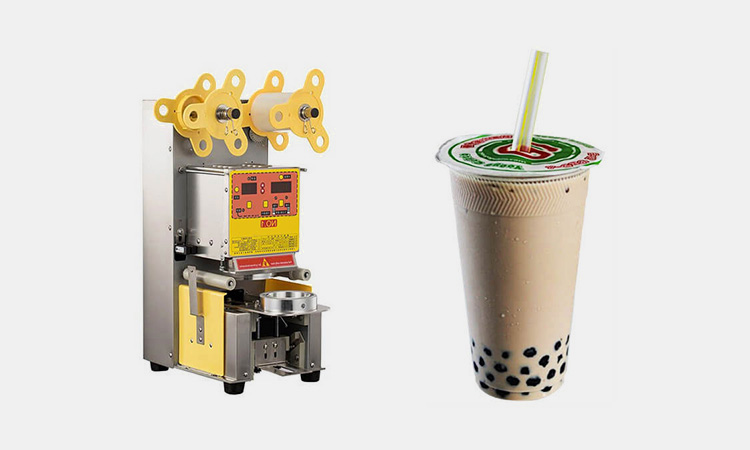
            Vertical Form Fill Seal Machine

            Vertical Form Fill Seal Machine:The Complete Buying Guide in 2025

            Vertical Form Fill Seal Machine:The Complete Buying Guide in 2025

            As technology advances ever more rapidly, a range of new innovations appear on the market daily. Nowhere is this truism more apparent than in the packaging industry, where automating processes has become a cornerstone of success. A great example is Vertical Form Fill Seal machines which have revolutionized how products are packaged and dispatched to customers worldwide. Their efficiency, speed and cost-effectiveness have made them an invaluable asset for production lines around the world; but before investing in one it’s important to understand exactly what they can offer your business process.

            Vertical Form Fill Seal Machine

            In this guide we aim to provide you with all the information needed so that by 2023 you can find yourself confidently purchasing and using a Vertical Form Fill Seal machine.

              Add a header to begin generating the table of contents

              1.What Is A Vertical Form Fill Seal Machine?

              Vertical Form Fill Seal Machine-1

              A vertical form fill seal machine is a type of packaging machinery designed to create packages from flat rolls of material. It works by forming a pouch or bag, filling it with the desired product, and sealing it shut. The machine can be set up to package many different types of products such as powders, liquids, granular materials, and even solid items. The process is usually automated, which means it can be used to quickly and efficiently package large quantities of items for distribution.

              With its ability to create custom packaging solutions, a vertical form fill seal machine is an essential piece of equipment for any business that needs to package products for sale. It’s also a great way to save time and money, as it eliminates the need for manual labor and can be set to run continuously.

              2.What Are The Different Components Of A Vertical Form Fill Seal Machine?

              Components Of A Vertical Form Fill Seal Machine

              A Vertical Form Fill Seal Machine (VFFS) is a versatile packaging system that uses flexible film to form and seal bags from a single roll. It can accurately package products of different sizes and shapes, while automating the process with speed and accuracy. There are five main components of a VFFS machine: the unwind unit, the form fill seal area, the bag-making system, the filling unit and the exit conveyor.

              Film Pulling System

              The film pulling system is responsible for pulling film from a parent roll and feeding it into the form fill seal area of the machine. This component features an adjustable brake to prevent overrunning or underrunning, as well as a pneumatic clutch that ensures smooth and precise feeding.

              Bag-Making System

              The bag-making system is responsible for controlling the shape and size of the product bags generated by the machine. It includes a film tracking system, pressure rollers, cutting blades and other components that work together to form a variety of different bag shapes and sizes with precision.

              Bag-Making System

              Filling Unit

              Filling Unit

              The filling unit is where the product is loaded into the bags. Depending on the type of product being packaged, it can include auger fillers, volumetric cup fillers or other types of filling systems designed for specific products and applications.

              Control panel

              Control panel

              The control panel is used to adjust the settings of the machine and monitor any problems that may arise. It typically consists of a series of buttons, switches, gauges and displays that allow for easy adjustments and troubleshooting.

              3.How Does A Vertical Form Fill Seal Machine Work?

              Fill Seal Machine Work

              A vertical form fill seal machine is an automated packaging system used to rapidly create packages. It works by taking a flat roll of material, such as plastic or paper, and forming it into a pouch or bag. The material then passes through the machine where the bottom is sealed, the product is filled and the top is sealed to complete the package.

              The process begins by cutting a sheet of material from the roll and forming it into a pouch using two sets of clamps (the forming station). This is then sealed at the bottom either with heat or glue, depending on the type of packaging material.

              Next, the product is loaded into the pouch at an automated filling station. The product is either loaded directly into the pouch by hand or via a conveyor system. Once filled, the top of the pouch is sealed and excess material is trimmed off (the sealing station).

              Finally, the package passes through an inspection station where it is checked for errors such as incomplete seals and incorrect fill levels. If any issues are detected the package is rejected and sent back for correction. Once all packages have been verified, they are then ready for shipping.

              4.What Applications Are Suited For A Vertical Form Fill Seal Machine?

              A Vertical Form Fill Seal Machine is widely used in the food industry for packaging dry goods like grains, nuts, cereals and other granular items. But this technology can be used in many other industries as well.

              Food Industries

              Food Industries

              In the food industry, it can be used for packing a range of products such as snacks, confectionery, beverages and ready-to-eat meals in different sizes and shapes. It is capable of working with various materials like paper, foil, film or laminate to create hermetically sealed packets.

              Pharmaceutical and Medical Industries

              Pharmaceutical and Medical Industries

              It can be used for packing medicines, vitamins and supplements in different containers like blister packs, sachets or bottles. This machine is suitable for drug filling applications as it can precisely adjust to the material type and thickness without wasting materials or products.

              Chemical and Detergent Industries

              ChemPharmaceutical and Medical Industriesd Detergent Industries

              This machine can be used for packing detergents, fertilizers, adhesives and other chemicals in a range of container sizes. The material that is used must be able to withstand the exposure to certain chemicals as well as temperature and pressure changes.

              Cosmetics

              Cosmetics

              The vertical form fill seal machine is perfect for the cosmetics industry as it can quickly produce a wide range of product packages with different shapes and sizes. The high-speed functioning of the machine allows for an efficient production line and ensures that the cosmetics reach their destination quickly.

              Industrial

              Industrial

              The vertical form fill seal machine is used in industrial applications as well. This includes applications such as packaging automotive parts, hardware components, and electrical components. Its high speeds allow for efficient production lines, while its customizability ensures that the packages meet the customer’s needs. Additionally, its precise sealing system guarantees secure and reliable packaging of the products.

              5.What Are The Advantages Of Using A Vertical Form Fill Seal Machine?

              Using a Vertical Form Fill Seal Machine (VFFS) comes with numerous advantages, including increased accuracy and efficiency. Here are some of the benefits of using a VFFS machine:

              Cost Savings

              Cost Savings

              A vertical form fill seal machine is highly efficient and cost effective compared to manual packaging processes. It eliminates the need for additional labor costs, as well as the time it takes to manually package products.

              Increased Production Capacity

              A vertical form fill seal machine can significantly increase production capacity due to its high speed and efficiency. It is capable of completing multiple packaging processes at once, resulting in a faster turnaround time for products.

              Consistent Packaging Quality

              Consistent Packaging Quality

              A vertical form fill seal machine ensures that each product is packaged uniformly and efficiently. This means that the packaging process remains consistent from batch to batch and provides customers with uniform quality products every time.

              Improved Product Safety

              A vertical form fill seal machine provides improved product safety by ensuring that each package is tightly sealed and free of contamination or damage. This protects the product during shipping and handling, resulting in a better user experience.

              Adaptability

              Adaptability

              A vertical form fill seal machine is highly adaptable and can be used to package different kinds of products, such as liquids or powders. This makes it an ideal choice for companies that need to package a wide range of products quickly and efficiently.

              6.Are There Different Models Of Vertical Form Fill Seal Machines?

              The Vertical Form Fill Seal (VFFS) process is a great way to automate packaging and increase your productivity. There are several models of VFFS machines available, each with their own advantages and features. Let’s take a look at the four main types:

              Auger Filler Vertical Form Fill Seal Machine

              Vertical Form Fill Seal Machine-1

              These machines are the most widely used for packaging dry products such as granules, powders and other free-flowing materials. It uses an auger system to measure out a specific amount of product, which is then enclosed in a bag or pouch. The bags are then filled with the product and sealed shut.

              Multi-Head Weigher Vertical Form Fill Seal Machine

              Multi-Head Weigher Vertical Form Fill Seal Machine

              This type of machine is ideal for packaging products that are too small or too varied in weight to be accurately and efficiently filled with an auger system. It uses multiple weight cells to measure out the exact amount of product needed, which is then enclosed in a bag or pouch and sealed shut.

              Volumetric Cup Filler Vertical Form Fill Seal Machine

              Volumetric Cup Filler Vertical Form Fill Seal Machine

              A volumetric cup filler VFFS is ideal for packaging products that need to be dispensed in a more controlled manner than with an auger system. It uses a series of volumetric cups to measure out the exact amount of product needed, which is then enclosed in a bag or pouch and sealed shut.

              7.What Is The Difference Between Vertical Form Fill Seal Machine and Horizontal Form Fill Seal Machine?

              Vertical Form Fill Seal Machine-1

              The key difference between the vertical form fill seal machine and horizontal form fill seal machine is the orientation of their forming tubes. The former has a vertical orientation, while the latter has a horizontal orientation. Additionally, the vertical form fill seal machines are typically used for applications that require higher speeds, as well as having higher flexibility in terms of its packaging. On the other hand, the horizontal form fill seal machines are typically used for applications that require lower speed and more accuracy.

              In terms of their construction, both types of machines use a combination of mechanical, electrical, and pneumatic components to create a complete packaging solution. With vertical form fill seal machines, the forming tube is set up vertically, and the entire product is released from the top of the machine. This design allows for multiple products to be packaged at the same time and increases the speed of production. On the other hand, horizontal form fill seal machines have a forming tube that is set up horizontally, with each product being released from either side of the machine. As such, each product has to be packaged separately, resulting in slower production speeds.

              Furthermore, the vertical form fill seal machines are capable of packing more complex products due to their flexible nature and ease of changing settings on the machine. Conversely, horizontal form fill seal machines are designed for simpler packaging that requires less flexibility as it is unable to accommodate multiple sizes and shapes.

              In short, vertical form fill seal machines are ideal for high-speed production with flexible packaging, while horizontal form fill seal machines are better suited for slower and more accurate production that requires simpler packaging. The choice of machine will mainly depend on the type of product being produced and the speed required in production.  It is important to note that both types of machines are reliable and efficient when used correctly.

              8.What Types Of Products Can Be Packaged With A Vertical Form Fill Seal Machine?

              A vertical form fill seal machine is a versatile packaging solution that can be used for a variety of applications. The most common types of products packaged with these machines include:

              Bakery items

              From muffins and pastries to cookies, donuts, and other baked goods, vertical form fill seal machines are perfect for packaging bakery items. They can easily seal and package a variety of sizes and shapes, ensuring that your baked goods stay fresh and delicious.

              Snacks

              Snack foods such as chips, pretzels, crackers, popcorn and more can be packaged with a vertical form fill seal machine. These machines are able to handle higher volumes of product and can form airtight seals to ensure maximum freshness.

              Milk-based products

              Milk-based products

              Vertical form fill seal machines are also great for packaging milk-based products. With their precise sealing capabilities, you can ensure that your dairy-based beverages and cheeses stay fresh and safe to consume.

              Produce

              Fresh fruits and vegetables can be packaged with a vertical form fill seal machine. The machines are able to accommodate many different types of produce, including apples, oranges, carrots, potatoes, and more. This type of packaging is ideal for ensuring that your produce stays fresh and safe for consumption.

              Dry goods

              Dry goods

              Dry foods such as cereal, flour, sugar, and other baking ingredients can be packaged with a vertical form fill seal machine. These machines are able to handle various large volumes of product. Additionally, they create hermetic seals that keep the food fresher for longer periods of time.

              Lotions and creams

              When it comes to the cosmetic industry, lotions, creams and other similar products can be packaged with a vertical form fill seal machine. This type of packaging ensures that your product is sealed securely and helps protect the integrity of the ingredients.

              Syringes

              Syringes

              Another product that can be packaged with a vertical form fill seal machine is syringes. The machines are able to create hermetic seals around the product, ensuring that it stays sterile and safe for use.

              9.What Types Of Packaging Materials Work Best With A Vertical Form Fill Seal Machine?

              When considering packaging materials for a vertical form fill seal machine, it is important to consider the application requirements of your product. Different types of packaging materials can offer different levels of protection and sealing capabilities. Here are some of the most common types of packaging materials used with vertical form fill seal machines:

              Polyethylene (PE)

              Polyethylene Film

              Polyethylene is a flexible thermoplastic film made from ethylene gas. It is resistant to moisture and punctures, making it an ideal choice for packaging food products like snacks. Polyethylene is also cost-effective and easy to print on.

              Polypropylene (PP)

              Polypropylene (PP)

              Polypropylene is a stiffer plastic film than polyethylene that offers greater strength and barrier properties. It can be used for a variety of food applications such as baking mixes and dry foods. Polypropylene is also heat-sealable and has excellent barrier properties for moisture, oxygen, and aromas.

              Cellophane

              Cellophane

              Cellophane has a glossy finish and is often used to create attractive packages. It offers excellent moisture protection, making it suitable for protecting products like food items that need to stay dry.

              Aluminum Foil

              Aluminum Foil

              Aluminum foil provides exceptional thermal and moisture protection, making it ideal for long-term storage or shipping of products like pharmaceuticals and food items.

              Co-extrusions

              Co-extrusions are two or three layers of different materials fused together to create a single film with unique physical properties. This type of film can be used in vertical form fill seal machines for applications like medical products or snacks. It is also tear resistant and can be printed with high-resolution images.

              Lamination

              Lamination

              Laminations are films that have been fused together to create a multi-layered structure. They can offer superior barrier properties and strength, which makes them ideal for packaging items like snack foods. Additionally, they are often printable, making them an attractive choice for branding.

              10.How Do You Troubleshoot Common Issues With A Vertical Form Fill Seal Machine?

              Vertical Form Fill Seal Machine

              In order to fix common issues with a vertical form fill seal machine, it is important to first identify the problem. Is there an issue with the bag length or width? Does the pouch tracking keep shifting? Is the packaging material cutting or sticking together? These are all typical errors that can arise during operation.Once you have identified the issue, you can begin troubleshooting.

              If the issue is related to bag length or width, it could be because of incorrect settings or a broken seal bar. To fix this problem, adjust settings and/or replace the seal bar as necessary. If pouch tracking keeps shifting, check for misalignment between the product feeder and the machine. If the packaging material is cutting or sticking together, ensure that the correct type of packing film is being used and check for any contamination.

              Once you have identified the cause of the issue, it’s important to follow a step-by-step process to fix it. This can include checking machine speed settings, inspecting safety devices and sensors, and adjusting or replacing any worn or broken parts. Finally, ensure that all maintenance work is done correctly and regularly to prevent future problems. With the right troubleshooting skills and a bit of patience, you should be able to resolve common issues with a vertical form fill seal machine quickly and effectively.

              Conclusion

              A quality vertical form fill seal machine is an important investment for any business that wants to improve efficiency and product quality. We hope that this guide will help you understand the various types of machines available in the market and their key features. Allpack is one of the leading manufacturers and suppliers of packing machines in China. We have a team of experts who can advise you on the best machine according to your requirements. Contact us today for all your packing needs!

              Don't forget to share this post!

              CONTACT US

              Tell us your raw material and project budget to get quotations within 24 hours.

              WhatsApp Us: +86 181 7101 8586

              Invalid Email
              Invalid Number

              Vertical Form Fill Seal Machine:The Complete Buying Guide in 2025 Read More »

              Milk-Powder

              Milk Powder Packaging: The Complete Buying Guide In 2025

              Milk Powder Packaging: The Complete Buying Guide In 2025

              Essential vitamins, minerals and nutrients especially for all groups of people and pediatrics can be gained by using milk powder. Pure milk and its products are the basic necessity to strengthen the bones of humans. In this regard many manufacturers that are involved in milk powder packaging business improving their packaging methods to get more customer attraction and enhance their sales.

              Milk-Powder

              Allpack is also here to provide you with multiple solutions for milk powder packaging. This buying guide will answer all your queries related to milk powder packaging and its benefits. So, enjoy the most out of it.

                Add a header to begin generating the table of contents

                1. What Is A Milk Powder Packaging?

                Milk-Powder-Packaging

                Milk powder packaging is a type of packaging solution which is carried out to pack powdered milk into suitable bags, pouches, cans, bottles and etc. This powdered milk is packaged in a way that is can easily be reused in future. The intake of milk powder is carried out either directly or by adding some water content.

                Most of the time plastic, paper and metal packages are designed for packaging of milk powder. The basic purpose of milk powder packaging is to prevent the entrance of moisture, light, humidity and other environmental factors that can finish the purity of a milk powder.

                2. What Types Of Milk Powder Are Mostly Packaged?

                Some of the common types of milk powder that are mostly packaged are

                • Butter Milk Powder

                Butter-Milk-Powder

                The most unique, expensive and naturally favorable milk is a butter milk powder. It has a large content of butter and can easily be used for baking products.

                • Skim Milk Powder

                Skim-Milk-Powder

                This type of milk powder is made up of the powder made up of cow’s milk. The number of calories as compare to whole milk powder is less in skim milk and has less fat and calories content.

                • Whole Milk Powder

                Whole-Milk-Powder

                Whole type milk powder is usually made up of cow’s whole milk. A whole milk powder contains creamy rick flavor and is used as a dairy powder in most part of the world.

                • Non- Dairy Milk Powder

                Non-Dairy-Milk-Powder

                Non-dairy milk powder like almonds, soy add oats is one of the most essential and unimportant type of milk powder packaging. It is only used to freeze the temperature.

                • Infant Milk Powder

                Infant-Milk-Powder

                The milk powder that is used for the development and growth of human baby is known as infant milk powder. It has complete essential nutrients that are used for infants.

                3. What Materials Are Mostly Applied In Milk Powder Packaging?

                Materials that are mostly applied on milk powder packaging are

                • Plastic

                Plastic

                The most used material for filling and packaging of milk powder machine such as plastic bags, pouches, and containers, is a common choice for milk powder because it is lightweight, durable, and offers a good barrier against moisture and light.

                • Paper

                Paper

                Paper packaging, such as paper bags and cartons, is a popular choice for milk powder because it is biodegradable, recyclable, and relatively cheap to produce.

                • Metal

                Metal-Cans

                Metal packaging, such as metal cans, are often used for long-term storage of milk powder and provides a high level of protection against moisture, light, and other environmental factors.

                4. What Are the Advantages By Milk Powder Packaging?

                Advantages-By-Milk-Powder-Packaging

                Some of the advantages that a milk powder packaging provides are

                • Greater Shelf life

                Milk powder packaging provides longer shelf life to the milk powder and maintains its freshness that means it can be stored for longer periods without any material spoilage. Milk powder packaging makes ease in practical consumption for household’s requirements and can be used under any circumstances.

                • Customization

                Milk powder packages are designed in a way that the standards given by world organization are matched. The milk powder packaging is also controlled by customizing its portion, branding, marketing, inclusion of measuring scoops and inclusion of measuring spouts.

                • Convenient

                The convenience level of milk powder packaging is that the packaging material does not get damaged even if travelled to any part of the world. Large quantity of milk powder can be transported in a highly efficient manner no material takes place.

                • Milk Powder Utilization

                Any type of milk powder can be adjusted in any type of the packaging material. The only difference lies between environmental conditions. Convenient packaging of milk powder helps the customer to use it in a precise manner.

                • Eco Friendly

                Most of the milk powder packaging are biodegradable and can easily be recycled without providing any type of harm to the environment. The impact of milk powder packaging either plastic or paper is minimized to around zero.

                5. What Machines Can Be Applied In Milk Powder Packaging?

                There are various machines that can be used in milk powder packaging, including:

                Auger Milk Powder Packaging Machine

                Auger-Milk-Powder-Packaging-Machine

                Auger milk powder packaging machine is a type of milk packaging machine used in the food and beverage industry to fill containers with various products, including milk powder. Auger milk powder packaging machine follows following working principle

                Working Principle Of Auger Milk Powder Packaging Machine

                • The product is fed initially into the hopper, where it is mixed and kept flowing by the agitator.
                • As the operation starts, the auger moves the product to the filling nozzle, where it is dispensed into the container.
                • The speed of the auger and the volume of product dispensed can be controlled using the control panel, allowing for accurate and consistent filling.

                VFFS (Vertical Form Fill Seal) Milk Powder Packaging Machine

                VFFS-(Vertical-Form-Fill-Seal)-Milk-Powder-Packaging-Machine

                A Vertical Form Fill Seal (VFFS) machine is a type of packaging machine used for milk powder packaging in the form of a bag. The working principle of a VFFS machine is as follows

                Working Principle Of VFFS Milk Powder Packaging Machine

                • The film roll mostly of aluminum or plastic is first fed into the machine and heated to create a bag.
                • The forming tube on the other hands holds the film in place and shapes it into a bag. Similarly the filling system releases the milk powder and fills the bag with it.
                • Once the milk powder is filled into the packaging material the sealing system seals the top of the bag. Usually heat seal is present to close the top of bag.
                • After complete filling and sealing process, the cutting system is present at the end of production line where the edges of bags are cuts into the desired length.
                • The final finished bags are then moved out of the system by the conveyors. These conveyors are present at the both ends of a vertical form fill sealing machine.

                Rotary Milk Powder Packaging Machine

                Rotary-Milk-Powder-Packaging-Machine

                A rotary powder packaging machine, also known as a milk packaging machine, is used to fill and seal pre-made pouches or bags with liquid or semi-solid products like milk and milk powder respectively. A rotary powder packaging performs continuous option that makes it highly efficient and productive.

                Working Principle Of Rotary Milk Powder Packaging Machine

                • Initially the packaging material is fed into the machine and from this the milk powder packaging bags are formed.
                • Once the material is filled in the hopper, it travels through the filling system and reached the filling nozzle. Here when the signal for the presence of packaging material is received, the filling nozzle releases the milk powder and it is filled into the packaging material.
                • Filled milk powder bags are conveyed further to the sealing unit where the process of sealing is carried out on the milk powder packaging.
                • Some of the rotary milk powder packaging machines use data coders to input date coding prints of production date and batch number on the bags.
                • The final finished milk powder packages are then moved to the final stage where their case packaging is performed and the products becomes ready to travel.

                Stick Milk Powder Packaging Machine

                Stick-Milk-Powder-Packaging-Machine

                A stick milk powder packaging machine depends upon the filling criteria of a manufacturer as it is directly related with the size and shape of the packaging material. The basic functions of a stick milk powder packaging is that it is comprised of

                • Filling and Dosing System that is responsible for accurately dispensing the milk powder into the stick shaped packaging material
                • Packaging Material Unwinder unwinds the roll of packaging material and feeds it into the machine.
                • Form Fill Seal Unit The form fill seal unit is responsible for forming the pouch from the packaging material, filling it with the milk powder, and sealing the pouch after it has been filled.
                • Cutting Unit: The cutting unit cuts the formed and filled pouches into individual sticks.
                • Final Product Conveyor: This component carries the individual sticks away from the machine and onto a packaging or storage area.

                Working Principle Of Stick Milk Powder Packaging Machine

                • Initially the form fill seal unit receives the packaging material from this the bags or pouches of milk powder packaging bags are formed.
                • Once the material is filled in the hopper, it travels through the filling system and reached the filling nozzle. Here when the signal for the presence of packaging material is received, the filling nozzle releases the milk powder and it is filled into the packaging material.
                • Filled milk powder bags are then sealed and cut in further steps of the milk powder packaging machine.
                • The final finished milk powder packages are then moved to the final stage where their case packaging is performed and the products becomes ready to travel.
                • The same process is repeated continuously and the quality of the products remains the same.

                Horizontal Form Fill Seal (HFFS) Milk Powder Packaging Machine

                Horizontal-Form-Fill-Seal-(HFFS)-Milk-Powder-Packaging-Machine

                A Horizontal Form Fill Seal (HFFS) milk powder packaging machine is used to package products in a horizontal flow wrapper. It typically consists of the following major components

                Working Principle Of Horizontal Form Fill Seal (HFFS) Milk Powder Packaging Machine

                • The packaging material is fed into the machine from the unwind roller and then transported to the forming and sealing station. The material is formed into a pouch using a horizontal forming tube, and the sides of the pouch are sealed using sealing jaws.
                • The filled pouches are then transported to the seal station where the top of the pouch is sealed, creating a finished package.
                • The finished package is cut from the continuous web of material and discharged onto a conveyor for further processing.

                6. What Are the Differences Between Milk Powder Packaging And Liquid Milk Packaging?

                Liquid-Milk-Packaging

                Both milk powder packaging and liquid milk packaging are different in several areas including their shelf life, convenience, and packaging. The amount of proteins, calcium and other can differ from product to product and are adjusted accordingly

                • Milk Powder Shelf Life

                Milk powder is made by removing the liquid from fresh milk, which results in a longer shelf life. The powder can be stored for several months without refrigeration, making it a convenient option for those who don’t consume milk frequently or who are looking to stock up on a pantry staple.

                On the other hand, liquid milk has a much shorter shelf life, typically lasting only a few days once opened. This means that it must be consumed more quickly or be stored in a refrigerator.

                • Convenience

                Milk powder requires complete preparation and mixing process. While mixing it with water is a simple process, it still requires an extra step that some consumers may find inconvenient.

                On the other hand, Liquid milk is ready to drink and can be consumed immediately, making it a convenient option for those who don’t want to take the extra step of mixing the powder with water. For example, you can simply pour a glass of liquid milk or add it to your cereal, coffee, or tea.

                • Packaging State

                Both the milk powder packaging and liquid milk packaging can be filled into bags, pouches, cans and bottles. But powdered milk is more secure in pouches and liquid milk is ideal to be filled in containers or bottles.

                7. What Are the Differences Between Infant Milk Powder Packaging And Ordinary Milk Powder Packaging?

                Infant-Milk-Powder-Packaging

                There are major differences between the packaging of infant milk powder and ordinary milk powders. The reason remains the end user. An infant milk powder needs high level of sensitiveness and determination while packaging. Some of the differences among both of the types of powdered milk are

                • Packaging Design

                An infant milk powder packaging is often designed to be more user-friendly, with a tamper-evident seal, a scoop or measuring cup included, and detailed instructions for preparation and storage.

                On the other hand and ordinary milk powder packaging is typically simpler, with just basic labeling information and without additional features.

                • Label Information

                Infant milk powder packaging must include a warning against using it as a substitute for breast milk, as well as detailed information about ingredients and nutritional content.

                Ordinary milk powder packaging typically has more basic labeling information, with only the name of the product, ingredients, and nutritional information.

                • Packaging material

                Infant milk powder is usually sold in cans, pouches, or plastic containers.

                While ordinary milk powders are often sold in paper or plastic bags. No specific packaging bags preparation is required.

                • Regulatory requirements

                Infant milk powder is subject to strict regulatory requirements regarding its composition, production, and labeling, while ordinary milk powder may not be held to the same standards.

                • Reseal Ability

                Some infant milk powder brands offer packaging that is resalable, recyclable and reusable to preserve the freshness of the product

                Ordinary milk powder packaging is not typically designed to be resalable or reusable.

                • Tamper-evident Seals

                Infant milk powder packaging often includes a tamper-evident seal to ensure the safety and quality of the product

                While ordinary milk powder packaging may not use tamper evident feature and no special product security is required.

                • Measuring cups

                Infant milk powder packaging often includes a measuring cup to ensure proper portioning.

                Ordinary milk powder packaging on the other hand lacks this type of feature. A proper measuring cup may not be as useable as in infant milk powder.

                8. What Are the Differences Between Carton Milk Powder Packaging And Can Milk Powder Packaging?

                Carton-Milk-Powder-Packaging

                When it comes to carton milk powder packaging and can milk powder packaging, there has been a long discussion on the reason of packaging and its standards. There are two common types of packaging for milk powder products. Some of the difference that can show a clear picture between carton and can packaging are

                • Material

                Carton milk powder packaging is typically made of paperboard, paper or hard boards. The cartons are packaged either manually or by using a carton sealing machine.

                Can milk powder packaging is mostly made of metal, aluminum or tinplate material.

                • Durability

                Cans are generally more durable and able to withstand damage better than cartons.

                Can also provide better barrier against light, air, moisture, and bacteria. This helps to preserve the freshness of the milk powder for a longer period of time.

                • Ease

                Cartons are usually lighter and easier to carry them a more convenient option for consumers who want to take their milk powder on the go.

                Cans, on the other hand are generally heavier in size and are less portable. It requires effort to carry can from one place to another.

                • Recycling

                Carton milk powder packaging is typically easier to recycle than can milk powder packaging. This is because cartons are made of paper and other biodegradable materials, while cans are made of metal and require more energy to recycle.

                9. What Are the Differences Between Milk Powder Canned Packaging And Milk PowderBagged Packaging?

                Milk-Powder-Canned-Packaging

                Some of the differences between milk powder canned packaging and milk powder bag packaging are

                • Packaging

                The primary difference among both of the packaging methods is the packaged itself.

                A milk powder bagged packaging used bags usually made up of plastic, paper and aluminum are can easily be accommodate in any place.

                Whereas, as the name suggests cans are used for the packaging of canned milk powder packaging. They are mostly made up of metal.

                • Material Shelf life

                The material packaged in bags of plastic are considered the most but they offer less shelf life of material as compare to the canned milk powder packaging. Product lasts for a longer period when packaged in cans as the entrance of microbes is directly blocked.

                • Convenient Packaging

                Canned milk powder packaging occupies greater space and is difficult to be carried from one place to another.

                On the other hand bagged milk powder packagings are more convenient and can easily be stored anywhere. Bags can also be placed in any retail stores is bulk quantity.

                • Packaging Cost

                Due to the use of metal in canned milk powder packaging, the total cost of can turns to be very high.

                The major reason why bagged milk powder packaged are considered is that they are available is less prices. Same quantity of material is bags can be almost half as in the can.

                10. Why Nitrogen Need To Be Applied In Milk Powder Packaging?

                Nitrogen-In-Milk-Powder-Packaging

                Benefits Of Nitrogen In Milk Powder Packaging

                Nitrogen is often used in the packaging of milk powder because it helps to preserve the quality of the product. This gas keeps the internal contents to settle in the limited space and ensures that no bacteria can leave the system. Some of the basic requirements and advantages while using Nitrogen gas are

                • Oxygen Protection

                Nitrogen is an inert gas that does not support combustion or oxidation. When nitrogen is flushed into the package, it replaces the oxygen and creates an oxygen-free environment. This helps to prevent the growth of bacteria, fungi and other microorganisms that can spoil the milk powder.

                • Moisture Protection

                Nitrogen also helps to prevent moisture from entering the package and affecting the quality of the milk powder. Moisture can cause clumping, caking and the growth of bacteria, leading to the spoilage of the product.

                • Aroma Preservation

                Milk powder has a characteristic aroma that is important to its quality and appeal. Oxygen and moisture can cause the aroma to deteriorate over time. By using nitrogen in the packaging, the aroma of the milk powder is protected, ensuring that it retains its freshness and flavor.

                • Extending shelf life

                By preventing oxygen and moisture from affecting the quality of the milk powder, nitrogen also helps to extend the shelf life of the product. This is important for both manufacturers and consumers as it ensures that the milk powder will remain fresh and of high quality for longer periods of time.

                Conclusion

                Consumption of milk powder has drastically increased in the past 10 years. The milk powder packaging technique has modified itself with each passing day as powdered milk requires high level of sensitivity and care. We Allpack are also providing you numerous of solutions for milk powder packaging. Feel free to contact our customer care representative 24/7 or for any query you can visit our website http://www.allpackchina.com/.

                Don't forget to share this post!

                CONTACT US

                Tell us your raw material and project budget to get quotations within 24 hours.

                WhatsApp Us: +86 181 7101 8586

                Invalid Email
                Invalid Number

                Milk Powder Packaging: The Complete Buying Guide In 2025 Read More »
                Thermoforming Packaging-9

                Thermoforming Packaging:The Complete Buying Guide in 2025

                Thermoforming Packaging:The Complete Buying Guide in 2025

                Thermoforming packaging is an increasingly popular choice for businesses today. From retail products to food, the use of thermoformed packaging offers durability and a wide variety of customization options; it’s no wonder that it’s gaining popularity in industry circles. If you are considering purchasing thermoforming packaging for your business or need more information about the process before investing.

                Thermoforming Packaging

                We will provide a complete guide on what you should know when buying thermoforming packaging in 2025 – from understanding how it works, to finding the best type of material and supplier for your needs. We’ll cover all facets of the thermoforming process, helping ensure that you make an informed decision with money well spent. Let’s explore!

                  Add a header to begin generating the table of contents

                  1.What Is Thermoforming Packaging? 

                  Thermoforming Packaging-1

                  Thermoforming is a process of packaging that uses heated plastic to form and shape containers. It’s an efficient way to package products, from food items to medical supplies. With thermoforming, you can create custom pieces that fit the exact size and shape of your product and ensure maximum protection for it. The end result is a package that’s both attractive and secure, giving you a great way to showcase and transport your product. Thermoforming is an ideal choice for businesses looking for innovative packaging solutions that won’t break the bank.

                  Plus, with thermoforming, you can create packages that provide superior protection and a secure fit for your product. The plastic used in thermoforming is able to form around products of all shapes and sizes while still providing durability and strength. This ensures high-quality packaging that will keep your product safe for transportation and storage.

                  2.How Does Thermoforming Packaging Work?

                  Thermoforming Packaging-2

                  Thermoforming packaging is a cost-effective way to package and protect your products. This process uses heat and pressure to form the material into a custom shape that fits your product perfectly.

                  The process starts with a sheet of thermoplastic material, such as polyethylene or polypropylene. This sheet is heated until it becomes malleable, then it is placed in a mold. A vacuum pulls the heated material into the shape of the mold, forming a protective layer around your product.

                  Once cooled and removed from the mold, the thermoformed packaging is ready to be used. It can also be customized with logos and branding as needed. The resulting packaging is lightweight and durable, providing a safe and attractive way to store and ship your products.

                  3.What Are the Different Types of Thermoforming Packaging?

                  Thermoformed packaging comes in many shapes and sizes. Here are the different types of thermoforming packaging available:

                  Vacuum-Formed Packaging

                  Vacuum-Formed Packaging

                  Such type of packaging is created by heat-sealing a plastic sheet to form a container with walls that are airtight, which can be used to store and transport items. Vacuum-formed packaging is ideal for packing fragile or delicate items, such as medical supplies and electronics.

                  Blister Packaging

                  Blister Packaging

                  Blister packs are made up of two pieces of thermoformed plastic that form a pocket or “blister” around the product. This type of thermoforming packaging uses a plastic tray to secure items during transport, preventing them from being damaged during shipping. The tray is then sealed in place with a flexible film, which also prevents dust and dirt from getting in.

                  Clamshell Packaging

                  Clamshell Packaging

                  This type of packaging is designed to securely hold items while allowing them to be easily seen by the consumer. It often consists of two separate trays that are connected together with a hinge, creating an airtight seal that protects products from damage.

                  Skin Packaging

                  Skin Packaging

                  Skin packaging involves placing a product into a thermoformed tray and sealing it with a thin plastic film, which wraps around the product and seals it in place. This type of packaging is great for products that require extra protection from air leakage or items that need to be kept in an organized manner.

                  Tray and Lid Packaging

                  Tray and Lid Packaging

                  Tray and lid packaging involves using a thermoformed tray with a separate lid that can be sealed in place. The tray is designed to keep items secure during transport, while the lid provides additional protection against dust and other debris.

                  4.What Are the Different Types of Thermoforming Machines Available?

                  Thermoforming machines come in a range of shapes and sizes, each one with its own set of features. The main types include:

                  Manual thermoforming Machine

                  Manual thermoforming Machine

                  Manual machines are relatively simple and require someone to be present while the thermoforming process takes place. They often have fewer features than automatic machines, but they can give you greater control over the outcome. Manual machines are typically used for small projects and can be more affordable than their automatic counterparts.

                  Automatic thermoforming Machine

                  Automatic thermoforming Machine

                  Automatic machines, on the other hand, offer a wide range of features that enable you to achieve high-quality results with minimum effort. These machines have multiple settings and controls, allowing you to customize the thermoforming process to suit your specific needs. Automatic machines are typically more expensive, but they can save you time and effort in the long run.

                  Vacuum thermoforming Machine

                  Vacuum thermoforming Machine

                  Vacuum forming is the most common type of thermoforming. It uses a vacuum to draw heated plastic sheet material against a mold. The vacuum pressure creates an airtight seal between the sheet and the mold, which forms the product in its required shape after cooling. Vacuum forming can be used for both shallow and deep parts, as well as complex shapes.

                  Pressure thermoforming Machine

                  Pressure forming is similar to vacuum forming, but it uses positive pressure instead of a vacuum. The plastic sheet material is pressed onto the mold in order to form the product. It can be used for medium and deep parts with complex shapes more easily than vacuum forming.

                  5.Which Industries Use Thermoforming Packaging?

                  Thermoforming packaging has widespread industrial applications, ranging from pharmaceuticals to food products. Here is a look at several industries that use thermoformed plastic packaging:

                  Pharmaceutical industry

                  Pharmaceutical industry

                  The pharmaceutical industry is one of the biggest users of thermoformed packaging. This type of packaging offers superior protection for delicate drugs and medications and can be designed to provide an airtight seal.

                  Food industry

                  Food industry

                  Thermoforming packaging is popular in the food industry due to its ability to form a variety of shapes, sizes and materials. It also provides superior protection for food products by keeping them safe from moisture, oxygen and other contaminants.

                  Industrial equipment

                  Industrial equipment

                  Thermoforming is also used to create custom shapes for industrial equipment such as valves and pumps, which must be able to withstand high temperatures and pressures.

                  Cosmetic industry

                  The cosmetic industry relies on thermoformed packaging to protect fragile products such as lotions, creams and cosmetics. This type of packaging also ensures that the product inside remains airtight and fresh for a longer period of time.

                  Household products

                  Thermoformed packaging is also used for a wide range of household products, including detergents, toiletries and cleaning supplies. The key advantage of this type of packaging is that it can be designed to fit the exact dimensions of the product inside.

                  6.What Are The Advantages of Thermoforming Packaging?

                  Thermoforming is a versatile and economical packaging solution, providing several advantages. Here are seven key benefits of thermoforming for your product packaging needs:

                  Durability

                  Durability

                  Thermoforming packaging is strong and durable, making it perfect for protecting products during transport and storage. It can also be designed to withstand extreme temperatures and harsh external environments without compromising its integrity.

                  Flexibility

                  There are many customization options when it comes to thermoforming, making it easy to create packaging that fits your product or brand perfectly. You can choose from various shapes, sizes and designs to create a product that stands out.

                  Eco-Friendly

                  Eco-Friendly

                  Thermoforming is an eco-friendly process that uses no hazardous materials or chemicals and produces minimal scrap waste material. This makes it an ideal choice for those looking to reduce their environmental impact.

                  Versatility

                  Versatility

                  Thermoforming can be used in a variety of industries, including medical and automotive, so it’s an incredibly versatile choice for packaging. It can also be used to create custom parts and components.

                  7.What Types of Products Can Be Protected and Presented with Thermoforming Packaging?

                  Thermoforming packaging offers a variety of different products that can be used to protect and present items. From heavy-duty plastic parts to thin sheet materials, thermoforming can provide the perfect solution for your product needs. Here’s a list of some popular items that can be protected and presented using thermoforming packaging:

                  Fruits and vegetables

                  Fruits and vegetables

                  Thermoforming provides an ideal way to protect and transport fruits and vegetables while maintaining their freshness. The plastic packaging helps to keep moisture away, preventing spoilage and mold growth.

                  Chocolate and candy bars

                  Chocolate and candy bars

                  Thermoforming is the perfect solution for protecting and presenting chocolate and candy bars. The packaging helps to keep the contents safe from damage, while also providing a clear window for customers to see what’s inside.

                  Detergents

                  Detergents can be packaged in thermoformed containers to keep them safe from contamination and moisture. The packaging also makes it easier to transport the products.

                  Medicines

                  Medicines 

                  Many pharmaceutical products require a certain temperature to remain effective. Thermoforming can provide the perfect packaging option for these items, as it is resistant to extreme temperatures.

                  Electronic components

                  Small electronic components can be protected from dust, moisture and static electricity using thermoforming packaging. By using different materials, the packages can be designed to fit these delicate items while still keeping them safe.

                  Meat

                  Meat

                  Meat products need to be kept fresh, and thermoforming is a great way to do this. The packaging keeps in the moisture and creates an oxygen-free environment that helps to preserve the meat for longer periods of time.

                  Lotions and creams

                  Lotions and creams

                  Lotions and creams need to be kept in airtight containers to prevent spoilage. Thermoforming can create packages that are leak-proof, keeping the products safe from contamination and oxidation.

                  Apparel

                  Apparel items such as shirts, sweaters, and trousers can be presented in a stylish manner using thermoforming. Packages can be customized to fit the size of the product and display it attractively to customers.

                  8.What Types of Materials Are Used for Thermoforming Packaging?

                  Thermoforming packaging is used for a variety of products, and there are several materials that can be used. Depending on the product you’re looking to package, you may need a specific material or combination of materials to ensure its safe transport and storage. Here are some common types of materials used in thermoforming packaging:

                  Polystyrene

                  Polystyrene

                  This material is lightweight yet strong, making it ideal for packaging items such as fruits and vegetables, medical devices, and frozen foods. It has good impact strength and can be easily formed into shapes for custom packaging requirements.

                  PET (Polyethylene Terephthalate)

                  Polyethylene Terephthalate

                  PET is one of the most popular materials used in thermoforming packaging due to its high strength, clarity, and resistance to both heat and chemicals. It’s ideal for products that require a high level of visibility and protection such as electronics or medical devices.

                  PVC (Polyvinyl Chloride)

                  Polyvinyl Chloride

                  Such material is great for health and beauty products and food packaging as it is easy to form into complex designs and offers a strong barrier against moisture, oxygen, and other elements.

                  HIPS (High Impact Polystyrene)

                  High Impact Polystyrene

                  This material combines the strength of polystyrene with the impact resistance of PVC, making it perfect for packaging items that need to be both durable and attractive. It’s also a cost-effective option that is great for general purpose packaging.

                  ABS (Acrylonitrile Butadiene Styrene)

                  Acrylonitrile Butadiene Styrene

                  The material is known for its strength, rigidity, and durability as well as its resistance to wear and tear. It’s perfect for products such as toys and industrial items that need to be transported safely with no risk of damage.

                  9.What Are the Different Specifications of Thermoforming Packaging?

                  When it comes to thermoforming packaging, there are a few different specifications you should be aware of. They include:

                  Material

                  Material

                  The material used for thermoforming packaging varies depending on the product being packaged and the requirements of the end user. Generally, materials such as polystyrene, polyethylene, polypropylene and PVC are used to create effective and safe packaging solutions that can be tailored to suit a variety of applications.

                  Thickness

                  The thickness of the thermoforming packaging is essential in determining its durability and usability. Depending on the product, the thicknesses vary from 0.1 mm up to 3mm or more.

                  Size

                  Size

                  Thermoformed packaging can be tailored to any size required by its end user, whether it’s a small item or a larger product.

                  Strength

                  The strength of the packaging is important, as it needs to be able to protect its contents from damage whilst being transported and handled. Generally, thermoforming packaging materials are designed with high tensile strength and impact resistance in mind, making them an ideal option for protecting products against potential damage.

                  Design

                  Design

                  When it comes to thermoforming packaging, the design is completely customisable and can be tailored to suit any product requirements. From simple shapes and designs to complex features, thermoforming packaging can be designed exactly how its end user desires.

                  Colour

                  Depending on the material used, thermoforming packaging can be tailored to any color, which helps to make it aesthetically pleasing and in line with the product’s branding.

                  10.Are There Any Differences Between Vacuum and Pressure-Formed Plastic Forming Methods?

                  Pressure-Formed Plastic Forming Method

                  Yes, there are differences between vacuum and pressure-formed plastic forming methods. Vacuum formed plastics are produced by creating a vacuum inside a mold cavity that is filled with thermoplastic sheet material. Pressure-forming uses pressure to force the heated plastic into the mold cavity instead of relying on the vacuum.

                  Vacuum formed parts are generally less expensive than pressure-formed parts because vacuum forming does not require a large, complex machine. However, vacuum forming has some limitations when it comes to accuracy and complexity of the mold design. Pressure forming is more precise and can be used for intricate designs that are difficult or impossible to achieve with vacuum forming.

                  The material properties of the plastic can also affect the forming method used. Vacuum-formed plastics are generally more brittle and not as strong as pressure-formed plastics, which makes them better suited for parts that don’t require tight tolerances or require a consistent surface finish. Pressure-forming is ideal when higher strength, stiffness, and dimensional control are needed. Both vacuum and pressure-formed plastics have their advantages and disadvantages, so it is important to consider the application and requirements when choosing a plastic forming method.

                  11.What Are Some Tips for Optimizing Performance With Thermoforming Packaging?

                  As an investor, you want to optimize performance with thermoforming packaging. Here are some tips on how you can do just that:

                  Use the right materials

                  Material

                  Selecting the right plastic material for your thermoforming packaging is essential to ensuring optimal performance and cost-effectiveness. Consider factors such as rigidity, temperature resistance, impact strength, transparency and oxygen barrier properties when selecting a material.

                  Design with precision

                  According to the application requirements, develop an accurate design that takes into account the size and shape of the product, its weight, and other packaging needs. Consider features such as hinged lids, snap locks, tabs & slots to improve functionality.

                  Ensure uniform thickness

                  Ensure uniform thickness

                  Maintaining a uniform wall thickness is crucial for getting high-quality products with consistent performance. Utilize a variety of tooling and computer numerical control (CNC) systems to precisely control the thickness in both thick and thin areas.

                  Optimize stress distribution

                  Minimize warpage, buckling and deformation by balancing stresses during thermoforming. Make sure that the design spreads the load evenly over all surfaces, which will increase the packaging’s strength and durability.

                  Choose the right forming method

                  Selecting the right thermoforming method can significantly improve performance, efficiency and cost-effectiveness. Common methods include vacuum forming, pressure forming and twin sheet forming.

                  Utilize automation

                  Utilize automation

                  Automation can help increase production speed and reduce labor costs. Invest in robotic arms, high-speed handling systems, material accumulators and other automated equipment to improve output quality while reducing waste.

                  Consider secondary processes

                  Enhance product value with additional features such as printing, die-cutting and assembly. Secondary processes can add complexity, functionality and cost savings to your packaging.

                  12.Are There Any Potential Challenges Associated With Using Thermoforming Packaging Machines And How Can They Be Fixed?

                  Thermoforming Packaging Machines-4

                  Jamming of products

                  Products may jam in the forming chamber, preventing them from being properly formed. This can be due to a number of factors including machine settings, product size and shape, air pressure, or incorrect loading of the product into the chamber.

                  Solution:To fix this issue, make sure machine settings are correct and that all components are lined up correctly. Make sure the product is loaded into the chamber properly and that the air pressure is set to an appropriate level.

                  Blistering of products

                  Blistering of products

                  Products may blister during thermoforming due to incorrect temperature settings, improper cooling times, or incorrect product placement in the forming chamber.

                  Solution: Make sure the machine is set to the correct temperature and cooling times. Additionally, make sure that products are placed in the forming chamber correctly so that air can be drawn evenly over them for optimal formation.

                  Underfilled or overfilled product pockets

                  If a thermoforming machine is not set up correctly, product pockets may be underfilled or overfilled, resulting in a poor-quality product.

                  Solution:To sort this issue, make sure the machine is set up correctly and that all settings are adjusted to the correct level. Additionally, ensure that products are loaded into the chamber properly and that air pressure and temperature levels are appropriate for optimal filling of the product pocket.

                  Poor product finish

                  Poor product finish

                  Poor product finish can be caused by incorrect settings or a lack of attention to detail when running the machine.

                  Solution: Make sure that all settings are correct and that you pay close attention to detail when running the machine. Additionally, check regularly for any debris in the forming chamber which can cause poor product finish.

                  Conclusion

                  Thermoforming packaging is now one of the most popular forms of packaging used by businesses around the world, offering quality and safety your products need. With this buying guide, you’ll be able to understand what thermoforming involves, and decide which materials and products are ideal for you. By investing in quality thermoforming supplies, you are sure to gain a great return on investment. Contact Allpack for any inquiries you might have about purchasing the perfect thermo packaging for your business today!

                  Don't forget to share this post!

                  CONTACT US

                  Tell us your raw material and project budget to get quotations within 24 hours.

                  WhatsApp Us: +86 181 7101 8586

                  Invalid Email
                  Invalid Number

                  Thermoforming Packaging:The Complete Buying Guide in 2025 Read More »
                  Steam Tunnel for Shrink Sleeves-9

                  Steam Tunnel For Shrink Sleeves:The Complete Buying Guide in 2025

                  Steam Tunnel For Shrink Sleeves:The Complete Buying Guide in 2025

                  Are you looking for a new way to package and print your products? Have you heard of the steam tunnel technique but need to figure out how it works or if it’s right for your business? Don’t fret! This guide will demystify everything you need to know about the process in 2025. We’ll go over all the details of using shrink sleeves, from choosing the right sleeve type to using a steam tunnel machine effectively and efficiently.

                  Steam Tunnel for Shrink Sleeves

                  With this guide, you can become an expert on shrink-sleeve technology in no time – so what are you waiting for?

                    Add a header to begin generating the table of contents

                    1.What Is A Steam Tunnel for Shrink Sleeves?

                    Steam Tunnel for Shrink Sleeves-1

                    Steam tunnels are an essential piece of equipment for shrink sleeve applications. They are used to generate steam that is directed over the sleeve, which shrinks it tightly around the container. This ensures a secure fit and a professional finish on your packaging. Steam tunnels come in various sizes and provide adjustable steam flow so you can tailor your shrink sleeve application to your needs.

                    You can also get steam tunnels with adjustable conveyor speeds, which allow you to adjust the speed of your shrinking process depending on the size and shape of the container. With a steam tunnel, you can ensure a perfect fit every time. Using a steam tunnel is an efficient and economical way to apply shrink sleeves and create attractive packaging for products. Get your steam tunnel today and take your shrink sleeve packaging to the next level!

                    2.What Are The Components Of A Steam Tunnel for Shrink Sleeves?

                    A steam tunnel for shrink sleeves is composed of several different components, all of which work together to create the perfect heat seal. These components include:

                    Steam Generator

                    Steam Generator

                    This is the main source of heat that will be used to heat up the sleeve material and cause it to shrink around the product or container. The steam generator should provide enough heat in order to achieve a good quality finish on the product.

                    Blower

                    Blower

                    The blower is used to provide a steady flow of air into the steam tunnel. This helps to ensure that the heat is evenly distributed throughout the tunnel and that it reaches all parts of the sleeve material, allowing it to shrink around the product or container.

                    Heat Exchanger

                    The heat exchanger helps maintain a constant temperature in the steam tunnel. It contains a thermal reservoir that stores heat and then releases it when necessary to keep the tunnel at an optimal temperature for shrink sleeve application.

                    Conveyor System

                    Conveyor System

                    The conveyor system is responsible for transporting containers or products into and out of the steam tunnel. This allows for efficient production speeds and helps to ensure that the shrink sleeve is applied correctly.

                    Temperature Control System

                    Temperature Control System

                    This ensures that the temperature in the tunnel remains at an optimal level for shrinking and sealing of the sleeve material around containers or products. It helps to maintain a consistent product finish throughout every batch produced.

                    Cooling Fan

                    A cooling fan is installed at one end of the tunnel to rapidly cool down the product as it passes through. This helps to set the shrinkage in place and ensures that your sleeves are perfectly shrunk.

                    3.What Are The Applications Of A Steam Tunnel for Shrink Sleeves?

                    The Steam Tunnel is a versatile piece of machinery and can be used across a variety of industries. It helps shrink sleeves onto products quickly and efficiently, providing clear labels for businesses. Here are some common applications:

                    Food and Beverage Industry

                    Food and Beverage Industry

                    Steam tunnels are used to shrink wrap multi-packs of drinks, snacks, and other food items. Shrink sleeves provide a tamper-proof seal that increases the shelf life of food products. It also allows for customized branding which can help with product marketing.

                    Pharmaceuticals Industry

                    Pharmaceuticals Industry

                    Shrink sleeves can be used to package pharmaceutical products, such as tablets and capsules. It helps keep the product tamper-proof and safe from external contaminants.

                    Cosmetics Industry

                    Cosmetics Industry

                    Steam tunnels are often used to shrink wrap cosmetics containers, such as lip balm tubes and shampoo bottles. This helps ensure that the cosmetic products remain fresh and safe for use.

                    Industrial Packaging

                    Shrink sleeves are used to package industrial parts and components, such as bolts, screws, and nuts. This helps protect the parts from damage during transit or storage. It also makes it easier to identify the parts quickly and accurately in large warehouses.

                    Household & Industrial Cleaning Products

                    Industrial Cleaning Products

                    Shrink sleeve sealing with a steam tunnel is an effective way to package cleaning products such as detergents, bleach, and aerosol cans. The steam tunnel provides an airtight seal that protects these items from leakage and contamination.

                    4.How Does A Steam Tunnel for Shrink Sleeves work?

                    Steam Tunnel for Shrink Sleeves work

                    A steam tunnel for shrink sleeves works by tightly shrinking the sleeve around your product. It does this by using hot, pressurized steam to reduce the size of the sleeve material. This process is done in three steps.

                    First, the container and sleeve are placed inside a chamber of the steam tunnel. Hot, pressurized steam is then directed onto the sleeve, which causes it to heat up and shrink. Pressure is maintained throughout the tunnel in order to keep a steady stream of steam flowing over the product.

                    Next, as the sleeve shrinks and conforms around your container, it tightens into place due to tension created by opposing forces such as centrifugal force and gravity. This tension is necessary to ensure a tight fit and seal when the sleeve is finished.

                    Finally, cool air is then directed over the container and sleeve in order to quickly cool down the material and finish off the process. The cooling step helps produce a secure shrink wrap with uniform consistency that won’t easily come apart or unravel.

                    5.Are There Different Types Of Steam Tunnel for Shrink Sleeves Available?

                    There are several types of steam tunnels available for shrinking shrink sleeves. Depending on the size and complexity of the application, you may need to choose from any one of these models.

                    Automatic Steam Tunnel For Shrink Sleeves

                    Automatic Steam Tunnel For Shrink Sleeves

                    An automatic steam tunnel is an ideal solution if you need to shrink a large number of sleeves quickly and accurately. It uses pressurized steam, applied directly onto the sleeve from all sides. The conveyor belt moves the sleeve through the tunnel in a continuous operation, making it incredibly efficient and cost effective.

                    Semi Automatic Steam Tunnel For Shrink Sleeves

                    Steam Tunnel for Shrink Sleeves

                    This type of tunnel combines the efficiency of an automatic steam tunnel with the flexibility of an open steam tunnel. It uses a conveyor belt to move the shrink sleeve through the chamber, but it also has manual controls that allow you to adjust the pressure of the steam and time spent in the tunnel. This makes it easier to achieve optimal results for more complex shrink sleeve shapes.

                    Open Shrink Steam Tunnel

                    Open Shrink Steam Tunnel

                    This type of steam tunnel is the most traditional and popular model, as it is easy to use and cost effective. The shrink sleeve goes through an open chamber with a conveyor belt and steam is applied directly onto the sleeve from one or two sides. This can be a time consuming process, but it provides good shrinkage and cost benefits.

                    Closed Chamber Steam Tunnel For Shrink Sleeves

                    Closed Chamber Steam Tunnel For Shrink Sleeves

                    Such a steam tunnel is more efficient than the open chamber model, as it utilizes a closed environment to quickly apply steam heat to the shrink sleeve. This tunnel features two components: an outer chamber that houses the sleeve and a smaller inner chamber with a conveyor belt. The steam is applied directly to the sleeve from both sides of the inner chamber.

                    Rotary Steam Tunnel For Shrink Sleeves

                    Rotary Steam Tunnel For Shrink Sleeves

                    This type of steam tunnel features a rotating drum with a conveyor belt that carries the shrink sleeves through an enclosed chamber filled with steam. The drum rotates at high speeds, ensuring fast and uniform heating for maximum shrinkage results.

                    Infrared Steam Tunnel For Shrink Sleeves

                    Infrared Steam Tunnel For Shrink Sleeves

                    The steam tunnel uses infrared heaters to generate steam and quickly apply heat to shrink sleeves without direct contact. It is a more efficient option than open chamber or rotary models, as it provides fast heating with minimal energy consumption.

                    6.What Are The Differences Between Automatic And Manual Tunnels For Shrink Sleeves?

                    Automatic And Manual Tunnels For Shrink Sleeves

                    The primary difference between automatic and manual tunnels for shrink sleeves lies in the speed and ease of operation. Automatic tunnels are faster, more efficient, and require fewer people to operate them. They can also produce larger volumes of product with greater consistency than a manual tunnel. Manual tunnels involve a much slower process, as each sleeve has to be placed onto the tunnel by hand. This can be a time-consuming process, as well as a physically demanding one.

                    In addition to speed and ease of operation, automatic tunnels also offer greater control over the heat applied to the shrink sleeve. With manual tunnels, there is no way to adjust or monitor the temperature of the air heated by the tunnel. Automatic tunnels, however, allow users to adjust the temperature and humidity of the air used to heat the shrink sleeve. This ensures that each product is heated uniformly and accurately.

                    Another key difference between automatic and manual tunnels is in the type of equipment used. Manual tunnels typically require more manual labor and are limited by their physical size and capacity. Automatic tunnels, on the other hand, require less manual labor and can accommodate larger products. This makes them ideal for high-volume production of shrink sleeve products.

                    Finally, automatic tunnels tend to be more expensive than manual tunnels due to the complexity of the machines and their higher energy consumption. However, they are often considered a better investment in the long run due to the greater efficiency and consistency they offer.

                    7.How Is A Steam Tunnel for Shrink Sleeves Different From Standard Shrinking Machines?

                    Standard Shrinking Machine

                    The main difference between a steam tunnel for shrink sleeves and standard shrinking machines is the way they heat the wrap. A traditional shrinking machine uses an electrical coil to apply heat directly on the film, while a steam tunnel heats the air around it, causing convection currents that warm up the sleeve from all directions. This kind of heating method allows for more even and consistent shrinkage of the sleeve.

                    Steam tunnels also offer better temperature control than traditional shrinking machines, meaning that the wrap can be heated more precisely to meet exact specifications for a particular product or application. Steam tunnels provide gentler heat than direct heat from electrical coils, reducing the potential of damage to delicate materials such as food packaging or labels. Additionally, the steam tunnel system is much quieter than traditional shrinking machines and it can offer quick turnaround times with high throughput rates.

                    Furthermore, steam tunnels for shrink sleeves can also be used to shrink multiple sleeves at once, making them ideal for large production runs. This is not possible with standard shrinking machines which can only shrink one sleeve at a time. Furthermore, steam tunnel machines are able to work with a variety of container shapes and sizes, giving you more flexibility when it comes to labeling.

                    8.What Types Of Products Can Be Sealed By A Steam Tunnel for Shrink Sleeves?

                    Shrink sleeve sealing with a steam tunnel is an efficient process for many different industries and products. Here are some of the most common types of products that can be sealed using this method:

                    Soda

                    Soda

                    Carbonated beverages such as soda contain a great deal of pressure. As the steam tunnel seals the shrink sleeve around the bottle, it assists to release this pressure and maintain a secure seal on the product.

                    Bottled Water

                    Bottled water is often packaged in shrink-sleeved containers for added protection and tamper-resistance. The steam tunnel helps to ensure that the shrink sleeve is sealed tightly around the bottle, keeping it safe and secure.

                    Pill Bottles

                    Pill Bottles

                    Pill bottles typically have a thin plastic film that needs to be securely sealed in order for them to stay fresh. By using a steam tunnel to shrink-seal the sleeve around the container, the contents stay safely contained.

                    Detergents

                    Detergents

                    Detergent bottles are often packaged with shrink-sleeve packaging in order to increase product shelf appeal and add extra protection against tampering. The steam tunnel assists to seal the shrink sleeve tightly around the bottle, keeping it safe and secure.

                    Shampoo Bottles

                    Shampoo bottles are often sealed with shrink sleeves for added protection against tampering and to maintain product freshness. The steam tunnel makes sure the shrink sleeve is sealed tightly around the bottle, giving it a secure seal.

                    Lotion and creams

                    Lotion and creams

                    In cosmetic industries,  lotions and creams are often packaged in shrink-sleeved containers for extra protection against tampering. The steam tunnel ensures that the sleeve is securely sealed around the bottle, keeping it safe and secure.

                    9.What Are The Different Types Of Packaging Materials That Can Be Used With A Steam Tunnel for Shrink Sleeves?

                    When using a steam tunnel to shrink sleeve packaging, the types of materials that can be used are varied. Generally speaking, most shrink-sleeved products are made of plastic or film, but a wide range of materials can also be used. The most common packaging materials for use with steam tunnels for shrink sleeves include:

                    PVC (Polyvinyl Chloride)

                    PVC (Polyvinyl Chloride)

                    PVC is a popular material for shrink sleeves because it’s durable, flexible and resistant to moisture. It can be printed on easily, and has a high shrink ratio which makes it ideal for use with steam tunnels.

                    Polyethylene (PE)

                    Polyethylene (PE)

                    PE is one of the most popular and widely-used packaging materials in the industry, as it has excellent heat resistance, is flexible, and offers good mechanical properties. It also provides superior protection against moisture and gas permeability.

                    Polypropylene (PP)

                    Polypropylene (PP)

                    PP is another popular choice for shrink sleeves due to its excellent strength and flexibility, as well as its ability to be easily heat-sealed with a steam tunnel. It also provides robust resistance to most chemicals and solvents.

                    PET (Polyethylene Terephthalate)

                    PET (Polyethylene Terephthalate)

                    This material is known for its strength and durability, as well as its resistance to chemicals and moisture. It’s also popular because it can be recycled. When used with a steam tunnel for shrink sleeve packaging, it offers a high-shrink ratio and an excellent barrier layer.

                    Conclusion

                    Purchasing a Steam Tunnel for Shrink Sleeves can be a bit overwhelming. There are a lot of things to consider, such as budget, maintenance requirements, and speed of production. With this buying guide as your starting point, you should be well on your way to finding the perfect steam tunnel for your needs. When you are ready to begin shopping around, contact Allpack — they have some of the highest-quality models on the market today. Whether you need a small or large machine, they have something that will fit into any budget and deliver superior performance. So don’t wait too long – get in touch with them today!

                    Don't forget to share this post!

                    CONTACT US

                    Tell us your raw material and project budget to get quotations within 24 hours.

                    WhatsApp Us: +86 181 7101 8586

                    Invalid Email
                    Invalid Number

                    Steam Tunnel For Shrink Sleeves:The Complete Buying Guide in 2025 Read More »
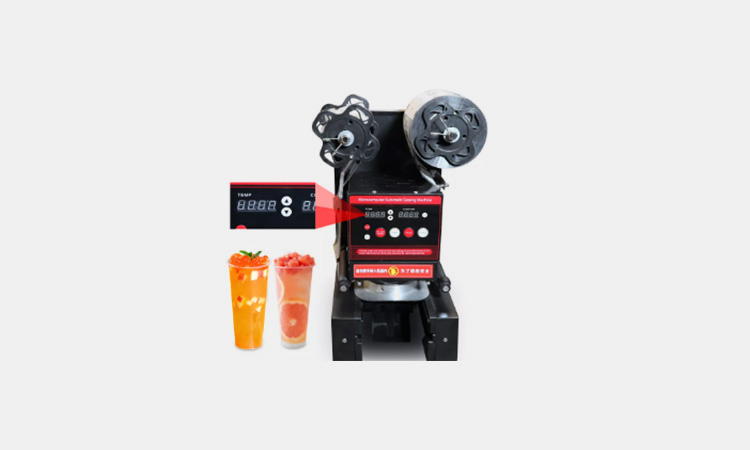
                    Shrink Wrap Sealer-8

                    Shrinkwrap Machinery:The Complete Buying Guide in 2025

                    Shrinkwrap Machinery:The Complete Buying Guide in 2025

                    The way industrial facilities handle their packaging needs has evolved dramatically in recent years, and now shrinkwrap machinery is a must-have piece of equipment. From protecting products from moisture to preserving freshness on food items, shrink wrap offers versatile solutions for many businesses.

                    Shrinkwrap Machinery

                    So, suppose you are considering investing in a professional-grade wrapping solution but need to figure out what type of machine is right for your facility’s needs and budget. In that case, this comprehensive guide will walk you through all the ins and outs of buying shrink wrap machinery in 2025. In this article, we’ll discuss everything from the types of machines available to expected prices per model around the world – so that you can make an informed purchase decision.

                      Add a header to begin generating the table of contents

                      1.What Is A Shrinkwrap Machinery?

                      Shrinkwrap Machinery-1

                      Shrinkwrap machinery is a type of packaging equipment that is used to enclose products in plastic film. The shrinkwrap film is heated then cooled, causing it to form tightly around the product, shrinking it and creating an air-tight seal. This makes the product tamper-proof and helps protect it during shipping and storage.

                      Shrinkwrap machinery is used for packaging everything from food and beverages to electronics, pharmaceuticals, and other items. It helps keep products fresh and secure until they reach their final destination. Shrink Wrapping also makes it possible to bundle multiple items together for easier shipping, handling, and storage. It’s a versatile packaging solution that can help reduce costs and increase efficiency. Shrinkwrap machinery is a great choice for businesses that want to protect their products during shipping and storage.

                      2.What Are The Components Of A Shrinkwrap Machinery?

                      The components of a shrinkwrap machinery can vary depending on the exact model and manufacturer, but typically include some or all of the following:

                      Film roll

                      Film roll

                      The Film Roll is essentially a large spool of plastic film that is fed through the machinery to wrap products inside it. Depending on your needs, there are various types of films available, including polyethylene, PVC, and others.

                      Heat source

                      This component creates the heat needed to shrink the film. Depending on the model and manufacturer, this can be a hot air generator, an electric coil or a steam tunnel.

                      Film unwind station

                      Film unwind station

                      The station holds and dispenses the roll of plastic film for wrapping. It may also have an adjustable tension control to keep it taut as it feeds it into the shrinkwrap machinery.

                      Sealing station

                      The station seals the plastic film around the product and may also include rotation or pivoting capabilities to provide a secure seal. The sealing station is typically heated, allowing it to melt and fuse the edges of the film together.

                      Shrinking tunnel

                      Shrinking tunnel

                      A shrinking tunnel is usually a heated tunnel in which the heat source (such as hot air) passes through, shrinking the plastic film around the product. Depending on the size and shape of the product, there may be additional fans or blowers inside to help evenly distribute the heat.

                      Cooling station

                      This component cools down the sealed and shrunken plastic film, allowing it to set and keep its shape. This is typically followed by a conveyor belt that moves the shrink-wrapped product away from the shrinkwrap machinery.

                      Conveyor system

                      Film unwind station

                      Conveyor System is a series of rollers and other moving parts that help move the product or package through the machinery for wrapping. It’s composed of an input conveyor, output conveyor, and shrink tunnel.

                      3.How Does A Shrinkwrap Machinery Work?

                      Shrinkwrap Machinery Work

                      Shrink wrap machinery is an automated system used to package items in plastic film. The machinery typically works by heating the plastic film until it shrinks and conforms tightly around the item being packaged. The process usually involves feeding a sheet of shrink wrap over or around the item, then using a heat source such as hot air or an electric heat gun to shrink the plastic film and wrap it tightly around the item.

                      Once the plastic has shrunk, it is then sealed using a heat sealer. The end result is a secure package with an attractive finish that can withstand external shocks and protect its contents from dirt, dust, moisture and other environmental factors. Shrink wrap machinery is often used in the retail and manufacturing industries, but can also be used for gift wrapping and other applications. Using a shrink wrap machinery to package items is usually faster, more efficient and cost-effective than manual packaging methods. Additionally, it ensures consistent results every time.

                      4.What Are The Applications Of A Shrinkwrap Machinery?

                      A shrinkwrap machine is a type of machinery that is used to package products in a transparent, shrinkable plastic film. It is commonly used in many industries, including food and beverage, consumer goods, retail, medical supplies, electronics and industrial manufacturing.

                      Food and beverage industry

                      Food and beverage industry

                      In the food and beverage industry, shrinkwrap machines are used to package a variety of products such as jars, bottles, cans, cartons and trays. The machine seals the product in a plastic film which is then shrunk around the item creating an airtight seal that keeps items fresh for longer. This helps protect against contamination and reduces spoilage.

                      Consumer goods industry

                      Consumer goods industry

                      In the consumer goods industry, shrinkwrap machines are used to package items such as clothing, toys, home furnishings and electronics. The advantages of using a shrinkwrap machine for these items include improved product visibility, added protection during shipping and improved tamper resistance.

                      Electronics industry

                      Shrinkwrap machinery is also used in the electronics industry. These machines are used to package circuit boards, electrical components and other electronic products. The use of shrinkwrap machinery provides a high level of protection against damage, dirt and dust which helps ensure the integrity of fragile electronic components.

                      Medical supplies industry

                      Medical supplies industry

                      The medical supplies industry also makes use of shrinkwrap machines to package a variety of products such as syringes, vials and medical instruments. This helps protect items from contamination and makes them easier to store, transport and use.

                      Cosmetic Industry

                      Cosmetic Industry

                      A shrink wrap machinery is one of the most important pieces of equipment in any cosmetic manufacturing facility. It allows you to package products such as bottles, jars, and tubes in a safe and efficient manner.

                      Industrial manufacturing industry

                      Lastly, shrinkwrap machines are also used in industrial manufacturing for packaging heavy items such as metal sheets, steel coils and parts. This helps protect the items from damage and dust during transport. Additionally, shrinkwrap machines can also be used to package large machinery parts such as engines and pulleys.

                      5.What Are The Advantages Of Using A Shrinkwrap Machinery?

                      Shrinkwrap Machinery

                      Increased Efficiency

                      Shrinkwrap machinery is designed to increase efficiency in the packaging process. With high speed and precision capabilities, you can quickly package large volumes of items securely and accurately. This reduces production time and labor costs so you can maximize profits.

                      Durability

                      Durability

                      The shrink film used in shrinkwrap machines has a high-strength rating, meaning it can withstand the rigors of shipping and handling. This ensures your products arrive at their destination in pristine condition.

                      Consistent Results

                      One of the major advantages of using shrinkwrap machinery is that it provides consistent results. Manual wrapping can often lead to quite varied results, depending on the skill and experience level of each operator. However, with a machine you can be sure that every product will be securely wrapped in an even manner.

                      6.Are There Different Types Of Shrinkwrap Machinery Available?

                      There are several different types of shrinkwrap machines available, each with its own benefits and drawbacks. Here’s a quick look at some of the most common types:

                      Semi-Automatic Shrinkwrap Machines

                      Semi-Automatic Shrinkwrap Machines

                      These machines are designed to be operated with minimal effort, and require the operator to manually place products inside the shrink bags prior to sealing and shrinking. They’re ideal for smaller scale operations that don’t need a heavy duty machine, as they usually have limited speeds and features.

                      Automatic Shrinkwrap Machines

                      Automatic Shrinkwrap Machines

                      As the name suggests, these machines are designed to automatically shrink wrap products without any operator involvement. They’re typically faster than semi-automatic models and can accurately package multiple items at once, making them ideal for high-volume operations.

                      Manual shrinkwrapping machines

                      Manual shrinkwrapping machines

                      These machines are the simplest and least expensive option and require an operator to manually place products in bags, seal them and then shrink with a heat gun. This type of machine is ideal for low-volume operations.

                      7.What Is The Difference Between Automatic And Manual Shrink Wrapping Machinery?

                      When it comes to shrink wrapping machinery, there are two main types: manual and automatic. Manual machines require an operator to manually feed products into the machine and guide them through the process. This type of machine is usually more affordable than its automatic counterparts, but requires more labor and attention to detail.

                      Automatic And Manual Shrink Wrapping Machinery

                      Automatic shrink wrap machines are usually more expensive than manual machines but require less labor. Automatic machines are designed to feed and move products through the process autonomously. These machines are typically faster and offer higher levels of accuracy and consistency, although their cost can be prohibitive for some businesses.

                      Another important difference between the two types of machinery is that manual shrink wrap machines generally require the use of shrink film with a lower gauge than the one used in automatic machines. This is because manual machines are typically less precise and therefore require more forgiving film (i.e., thinner and weaker). On the other hand, automatic shrink wrap machines can be calibrated to handle thicker, more robust films.

                      Automatic And Manual Shrink Wrapping Machinery-2

                      Overall, both types of shrink wrap machinery can be useful in different scenarios and applications. Manual machines are often the best choice for businesses that don’t need extremely high levels of precision or speed, while automatic machines are typically a better fit for operations requiring more accuracy and speed. However, it’s important to consider all factors when making a decision regarding shrink wrapping machinery, as the right choice can make the difference between success and failure.

                      8.How Is A Shrinkwrap Machinery Different From Standard Shrinking Machines?

                      Standard Shrinking Machine-3

                      Shrinkwrap machinery is different from standard shrinking machines in a number of ways. For one, shrinkwrap machinery uses plastic film that is heat-shrunk around the product to be packaged and sealed. This produces an airtight seal that protects the item and helps to reduce spoilage or damage. Standard shrinking machines, on the other hand, use a heat gun to shrink a pre-cut size of plastic wrap around the product. This often doesn’t create as tight a seal and can be susceptible to damage.

                      In addition, shrinkwrap machinery is more efficient than standard shrinking machines because it allows for faster wrapping and sealing of items, due to its automated operation. It also eliminates the need for manual cutting and handling of plastic wrap. This makes it ideal for large-scale production, where speed and efficiency are essential.

                      Finally, shrinkwrap machinery also offers greater versatility than standard shrinking machines. It can be used to package almost any shape or size of product, while standard shrinking machines are limited to wrapping around smaller, more uniform products. This makes it ideal for a wide variety of applications.

                      In summary, shrinkwrap machinery is different from standard shrinking machines in that it offers better sealing and efficiency, as well as greater versatility. It is an invaluable tool for businesses looking to maximize their production capabilities while ensuring the quality and safety of their product packaging.

                      9.What Types Of Products Can Be Shrinked By A Shrinkwrap Machinery?

                      Shrinkwrap Machinery offers a variety of solutions for shrink-wrapping products. Here are some examples of the types of products that can be shrink-wrapped with a Shrinkwrap Machinery:

                      Juice

                      Juice

                      A Shrinkwrap Machinery can be used to shrink-wrap individual bottles of juice, as well as multiple packages of juice in a plastic wrap. This helps preserve the contents and protect them from damage during transport or storage.

                      Chocolates

                      Chocolate bars and boxes of chocolates can be shrink-wrapped with a Shrinkwrap Machinery. This helps keep the contents fresh and secure during shipping or storage.

                      Books

                      Books

                      Many bookstores and publishers employ Shrinkwrap Machinery to shrink-wrap books prior to shipping or delivery. It protects the contents from moisture, dust, and other damage.

                      CDs and DVDs

                      CDs and DVDs can be shrink-wrapped with a Shrinkwrap Machinery. This helps protect the contents from scratches, dirt, and moisture.

                      T-shirts

                      T-shirts

                      Another application for Shrinkwrap Machinery is in shrink-wrapping t-shirts. This helps ensure that the shirt remains pristine during shipping and storage.

                      Veterinary Medicine

                      Many veterinary medicines come in individual bottles or boxes that can be shrink-wrapped with a Shrinkwrap Machinery to protect them from moisture, dust, and other forms of contamination.

                      Industrial Lubricants

                      Industrial Lubricants

                      Industrial lubricants often come in large containers that need to be protected during transport and storage. A Shrinkwrap Machinery can be used to shrink-wrap these containers for protection.

                      Tablets

                      Tablets

                      Many tablets come in individual blister packs that can be shrink-wrapped with a Shrinkwrap Machinery. This helps protect the contents from moisture and dust during transport or storage.

                      Syrup

                      Bottles of syrup can also be packed securely in a protective plastic wrap with a Shrinkwrap Machinery to preserve the contents and protect them from damage during shipping or storage.

                      10.What Are The Different Types Of Packaging Materials That Can Be Used With A Shrinkwrap Machinery?

                      Shrinkwrap machinery is a great way to quickly and efficiently package items of all sizes. However, before you can use shrinkwrap machinery, you need to know what types of packaging materials it can accommodate. Here are some common types of packaging materials that can be used with a shrinkwrap machinery:

                      Polyethylene Film (PE Film)

                      Polyethylene Film

                      PE film is a thin plastic material that is used for many kinds of packaging. It is a very popular and cost-effective material for shrinkwrap machines, as it offers great flexibility in terms of size and shape.

                      Polyvinyl Chloride (PVC) Film

                      Polyvinyl Chloride (PVC) Film

                      PVC film is another common type of plastic material used for packaging. It is very durable and can be heat-sealed, which makes it ideal for use with shrinkwrap machinery.

                      Polypropylene (PP) Film

                      Polypropylene (PP) Film

                      PP film is a more rigid type of plastic that is often used in food packaging due to its higher resistance to moisture and chemicals. It can also be used with shrinkwrap machinery.

                      Polyester (PET) Film

                      Polyester (PET) Film

                      PET film is another common type of packaging material, and it is often chosen because of its durability and ability to be heat-sealed.

                      11.What Are The Common Problems and Solutions Associated With A Shrinkwrap Machinery?

                      If you are using a shrinkwrap machinery for your business, it is essential to understand the common problems that may arise and the solutions available. The most common issues include jamming, deteriorating film quality, missing product packages and improper packaging of products.

                      Solutions Associated With A Shrinkwrap Machinery

                      Jamming

                      Jamming is a common issue with shrinkwrap machinery and can be caused by damaged parts or an incorrect product size.

                      Solution: To solve this problem, check the equipment regularly for signs of wear and tear, replace any parts that are worn or broken and make sure that products being sealed are the right size for your machine.

                      Deteriorating Film Quality

                      Deteriorating Film Quality

                      Deteriorating film quality can be caused by overworking the shrinkwrap machinery and using outdated or low-quality film rolls.

                      Solution: To prevent this from happening, regularly maintain your machine and replace any parts that are worn out or damaged. Additionally, use high-quality film rolls and avoid overworking the equipment.

                      Missing Product Packages

                      Missing Product Packages

                      Missing product packages occur when the shrinkwrap machinery fails to detect and seal a product correctly.

                      Solution: To prevent this from happening, check the equipment often for signs of wear and tear and make sure that all the products are properly loaded into the machine. Additionally, double-check that each package has been sealed after it has been processed.

                      Improper Packaging of Products

                      Improper packaging of products can occur when the shrinkwrap machinery is not set up correctly or if wrong settings are used for different product sizes.

                      Solution: To prevent this from happening, make sure you have properly configured the machine with the correct settings for your product size and thickness. Additionally, always double-check that the machine is properly configured before running it.

                      Conclusion

                      The key to buying a successful Shrinkwrap Machinery in 2025 begins with researching the different options that are available and understanding your specific needs. So, having knowledge of the components of the Shrinkwrap Machinery and being aware of your specs are vital components for purchasing success. With all that said, if you need help finding exactly what you’re looking for in shrinkwrap machinery, contact Allpack today – they have everything you need with great customer service to boot!

                      Don't forget to share this post!

                      CONTACT US

                      Tell us your raw material and project budget to get quotations within 24 hours.

                      WhatsApp Us: +86 181 7101 8586

                      Invalid Email
                      Invalid Number

                      Shrinkwrap Machinery:The Complete Buying Guide in 2025 Read More »
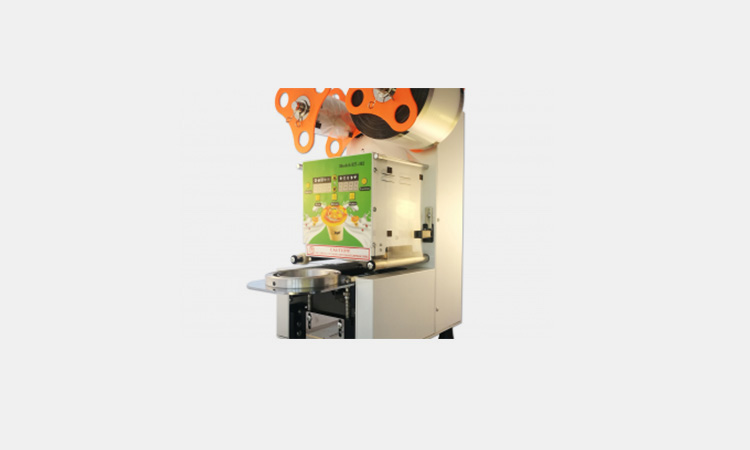
                      Scroll to Top