Author name: alei

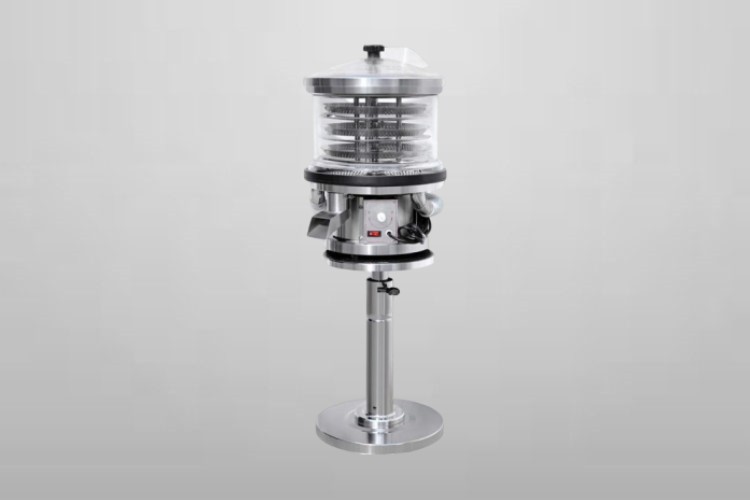
Uphill Tablet Deduster Machine

Uphill Tablet Deduster: The Complete Buying Guide In 2025

Uphill Tablet Deduster: The Complete Buying Guide In 2025

Are you tired of dealing with dusty and inefficient tablet production lines? Look no further than the uphill tablet deduster! This revolutionary machine is the solution to all your tablet dedusting needs.

But before you make your purchase, it’s important to understand what to look for in an uphill tablet deduster. What size should you get? And most importantly, how do you know you’re getting a good deal?

Don’t worry, we’ve got you covered. In this complete buying guide, we’ll answer all your burning questions and equip you with everything you need to know to make an informed decision. So sit back, relax, and let’s get started!

Some important questions we will cover in this guide include:

    Add a header to begin generating the table of contents

    1.What is an uphill tablet deduster?

    uphill tablet deduster

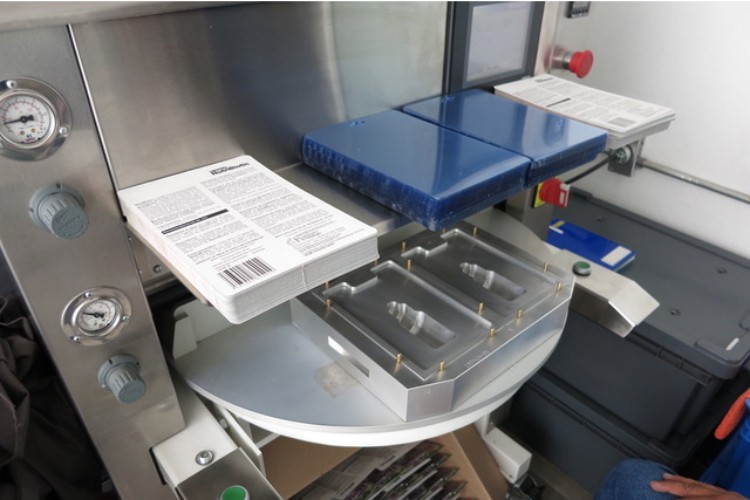
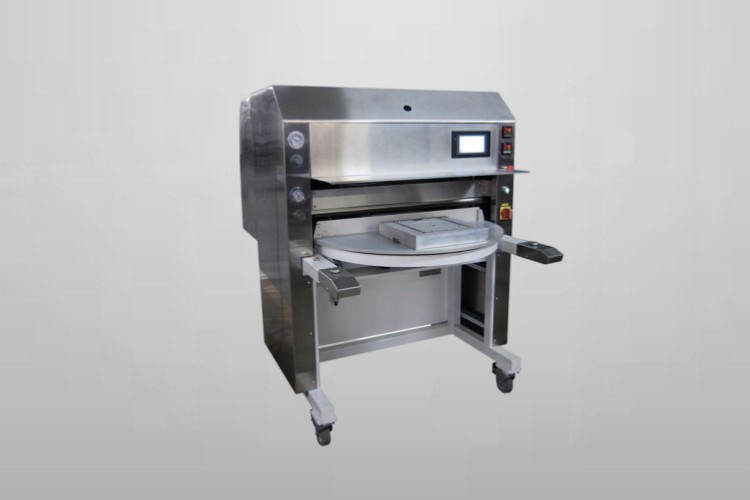
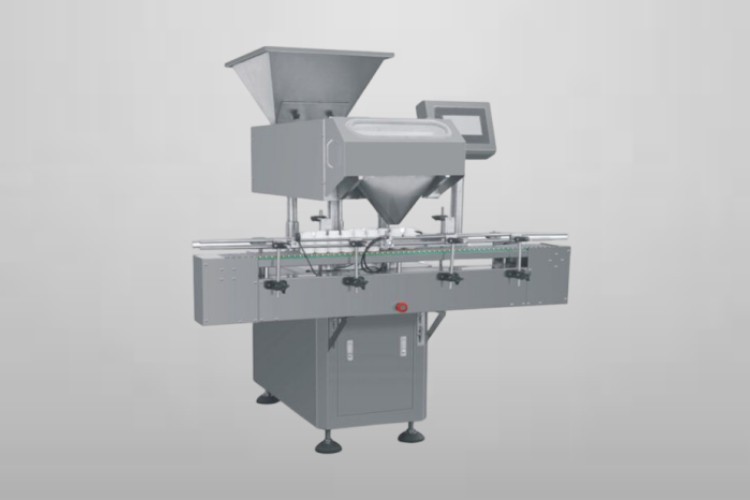
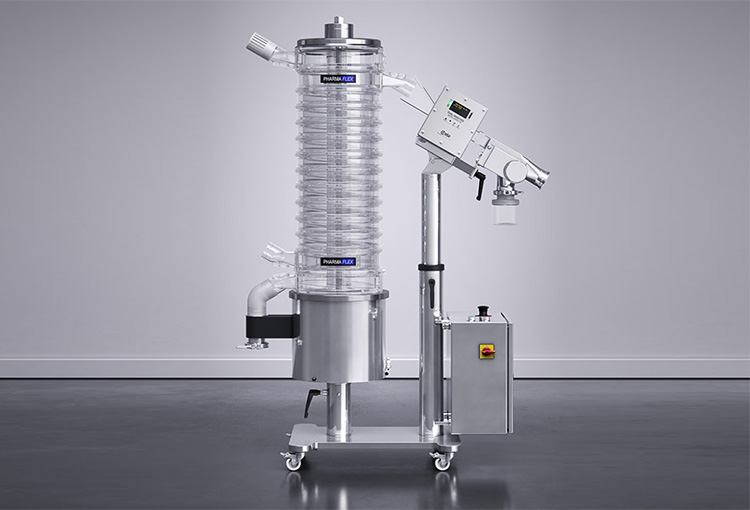
    An uphill tablet deduster is a pharmaceutical manufacturing machine used to remove excess powder and debris from tablets as they travel along an inclined conveyor belt. This machine plays a crucial role in the production of high-quality tablets that meet the strict standards of the pharmaceutical industry.

    The use of an uphill tablet deduster helps ensure that the tablets are free from contaminants, such as dust, which can compromise the effectiveness and safety of the medication.

    The process of manufacturing tablets involves compressing a blend of active ingredients and excipients into a solid dosage form. During this process, excess powder and debris can accumulate on the surface of the tablets, which can affect their appearance and quality.

    To address this issue, pharmaceutical manufacturers use an uphill tablet deduster, which is designed to remove these unwanted materials as the tablets move up the conveyor belt.

    2.What advantages does an uphill tablet deduster offer?

    An uphill tablet deduster is a specialized equipment used in pharmaceutical manufacturing that offers several advantages over traditional tablet dedusters. Here are some of the unique benefits of an uphill tablet deduster:

    advantages

    Increased Efficiency:

    One of the primary advantages of an uphill tablet deduster is its increased efficiency. The uphill design allows for more tablets to be dedusted in a shorter amount of time, thereby increasing production output. This increased efficiency can be especially beneficial for large-scale manufacturing operations where high volumes of tablets need to be processed quickly.

    Improved Quality:

    An uphill tablet deduster can also improve the quality of tablets produced. The equipment is designed to remove dust, debris, and other impurities that can affect the quality and appearance of tablets. This can lead to a more consistent product that meets the required standards.

    Lower Operating Costs:

    Another advantage of an uphill tablet deduster is that it can help lower operating costs. The equipment is designed to be energy-efficient, reducing the amount of electricity needed to operate it. Additionally, the uphill design allows for better use of gravity, which means that fewer moving parts are required to move tablets through the system. This can result in lower maintenance costs and reduced downtime.

    Flexibility:

    An uphill tablet deduster can also offer greater flexibility in terms of the types of tablets that can be processed. The equipment is designed to handle a variety of tablet shapes and sizes, making it suitable for use in a wide range of pharmaceutical manufacturing applications. This can be particularly beneficial for companies that produce a diverse range of products.

    Improved Safety:

    Finally, an uphill tablet deduster can offer improved safety for operators. The equipment is designed to be easy to clean and maintain, reducing the risk of contamination and ensuring that the equipment is safe to use. Additionally, the uphill design means that operators can access the equipment from a safer position, reducing the risk of injury.

    These benefits can help pharmaceutical manufacturers improve their production processes and deliver high-quality products to customers.

    3.In what situations is an uphill tablet deduster typically used?

    An uphill tablet deduster is a device used in the pharmaceutical industry to remove excess powder and debris from tablets as they move up a conveyor belt. The device utilizes a combination of vibration and suction to remove unwanted particles from the tablets. While the primary use of an uphill tablet deduster is in the pharmaceutical industry, there are a few other unique applications where it can be utilized:

    Nutraceutical Industry:

    Nutraceutical Industry

    Nutraceuticals are products derived from food sources that provide health benefits beyond basic nutrition. Many nutraceuticals are in the form of tablets and require similar processing as pharmaceutical tablets. An uphill tablet deduster can be used in nutraceutical production to ensure that the tablets are free from excess powder and debris.

    Cosmetics Industry:
    Cosmetics Industry

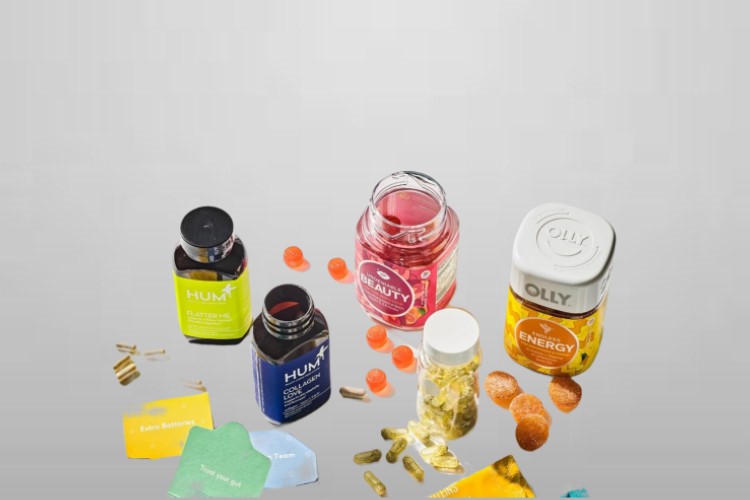
    Some cosmetic products are also produced in tablet form, such as effervescent tablets for skincare. An uphill tablet deduster can be used to remove excess powder and debris from these tablets, ensuring that they are clean and safe for use.

    Agricultural Industry:


    Some agricultural products are produced in tablet form for use in animal feed, such as vitamin supplements. An uphill tablet deduster can be used in the production of these tablets to ensure that they are free from excess powder and debris, mAgricultural Industryaking them more palatable and easier for animals to consume.
    4.Are there other types of tablet dedusters available except the uphill one?

    Vertical/Elevating Tablet Deduster
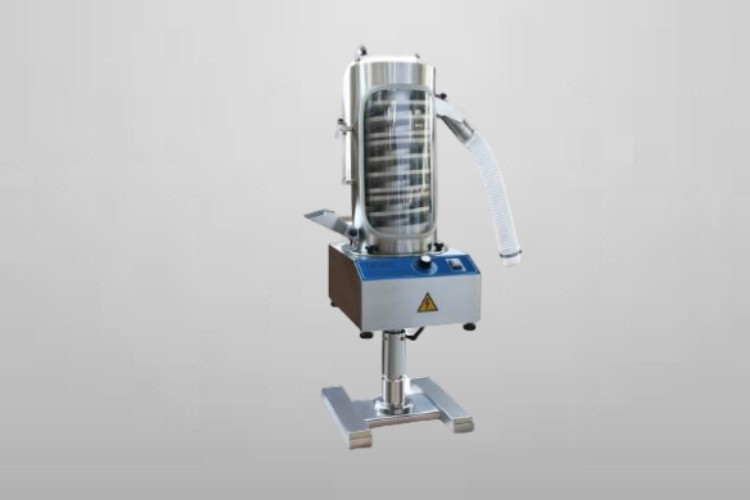
    Vertical Tablet Deduster

    The vertical/elevating tablet deduster  is a cutting-edge piece of equipment designed to remove excess powder and debris from pharmaceutical tablets, capsules, and other similar products.

    This machine is incredibly versatile and can handle a wide range of products and tablet sizes. It’s easy to use and maintain, making it a cost-effective solution for any pharmaceutical manufacturing facility. Its compact size and efficient design make it an ideal choice for businesses looking to optimize their production processes without sacrificing quality.

    Horizontal Tablet Deduster
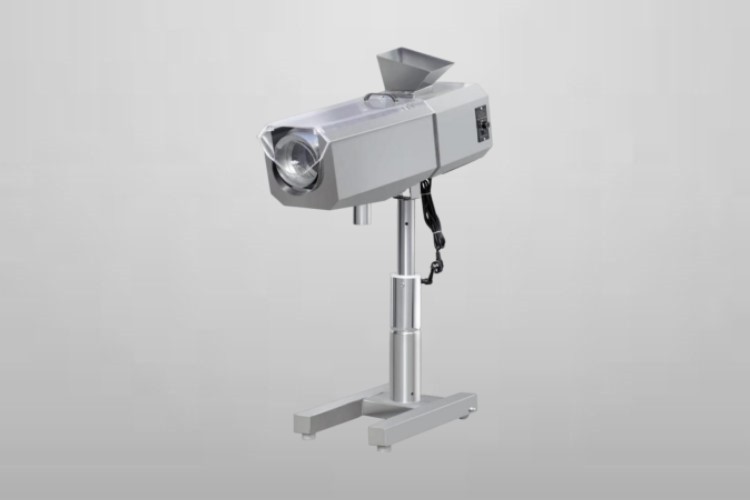
    Horizontal Tablet Deduster

    Introducing the horizontal tablet deduster, a state-of-the-art pharmaceutical equipment designed to effectively remove excess powder and debris from tablets. Thanks to its advanced design and features, the horizontal tablet deduster helps ensure that tablets meet the highest standards of quality and safety. Its automated cleaning system also makes it easy to maintain, reducing downtime and increasing efficiency.

    Brush Type Tablet Deduster
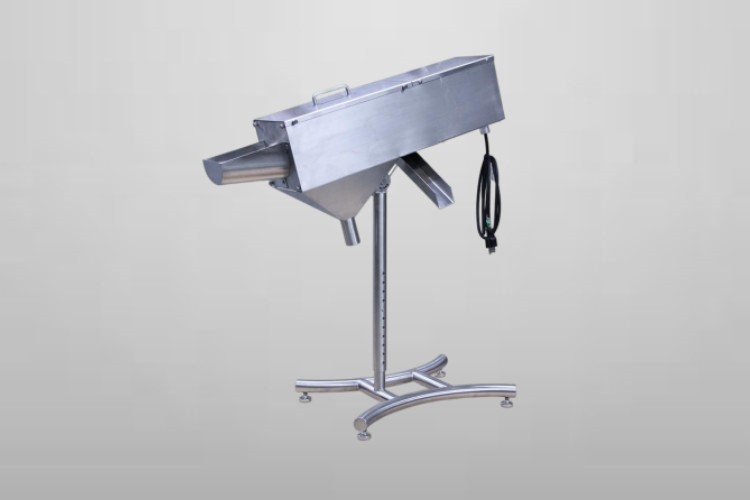
    Brush Type Tablet Deduster

    Brush Type Tablet Deduster-Photo Credits: CapPlus Technology

    Whether you are a pharmaceutical manufacturer, a contract packaging company, or a research laboratory, the brush type tablet deduster is the ideal solution for achieving clean, polished, and ready-to-package tablets with maximum efficiency and reliability.

    The brush type dedusting system features a series of soft, flexible brushes that rotate at high speeds, creating a powerful air current that lifts and carries away loose particles. The inclined conveyor belt ensures that the tablets are always moving upwards, against the force of gravity, further improving the efficiency of the dedusting process.

    Telescopic Tablet Deduster
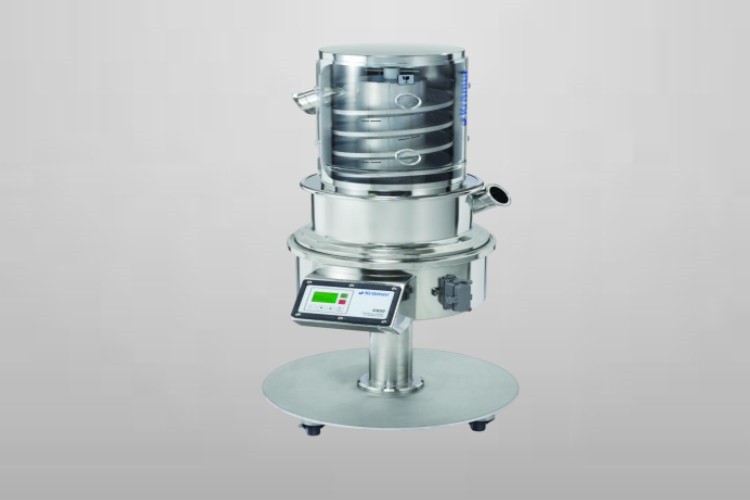
    Telescopic Tablet Deduster

    Telescopic Tablet Deduster-Photo Credit:Natoli Products

    The telescopic tablet deduster is an advanced device specifically designed for removing dust and other unwanted particles from pharmaceutical tablets as they travel up an inclined conveyor belt. It is equipped with a telescopic arm that can be adjusted to match the height of various conveyor belts. Using a high-powered suction mechanism, this dedusting system guarantees top-quality products by eliminating any undesirable contaminants.

    Whether it is used as a stand-alone tool or integrated into an existing production line, this dedusting system provides a reliable and efficient method of ensuring optimal tablet cleanliness and consistency.

    High Speed Tablet Deduster

    High Speed Tablet Deduster

    High Speed Tablet Deduster-Photo Credit: iPharMachine

    One of the standout features of the high speed tablet deduster is its ability to operate at high speeds while still maintaining exceptional accuracy and precision.

    The high speed tablet deduster is an innovative and highly efficient machine designed to remove dust, debris, and other unwanted particles from tablets that are produced in pharmaceutical, nutraceutical, and other related industries. With its advanced features, this state-of-the-art tablet deduster can handle a wide range of tablet sizes and shapes, providing reliable and consistent results.

    Rotary Vibrating Tablet Deduster
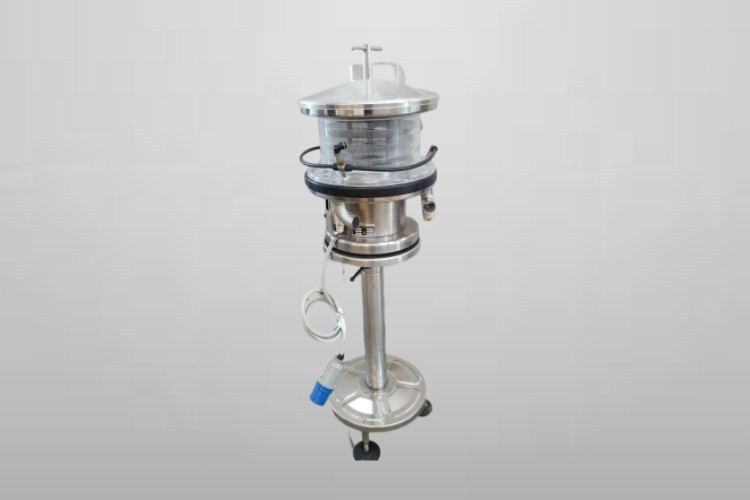
    Rotary Vibrating Tablet Deduster

    Rotary Vibrating Tablet Deduster-Photo Credit:  ProgiTec

    The rotary vibrating tablet deduster is a cutting-edge device that is revolutionizing the tablet production industry. Designed with efficiency and precision in mind, this machine features a unique rotary vibration mechanism that ensures the thorough and effective removal of dust and other impurities from tablets.

    What sets the rotary vibrating tablet deduster apart is its advanced technology and customizable settings.

    5.How does uphill tablet deduster compare with tablet polisher?

    Uphill tablet dedusters and tablet polishers are both commonly used in the pharmaceutical industry to remove excess dust and improve the appearance of tablets. While they serve a similar purpose, there are some clear differences between the two machines.
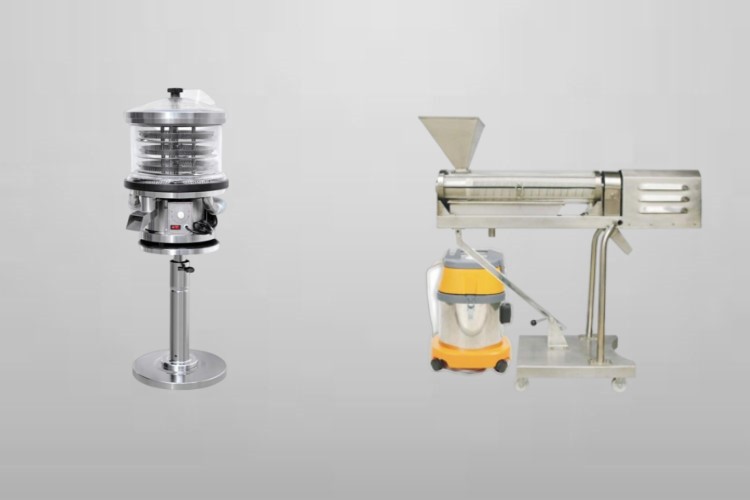
    uphill tablet deduster VS tablet polisher

    Operating Principle: The operating principle of the uphill tablet deduster involves an inclined vibrating channel where tablets are fed to move up with vibration and filtered with the help of the airflow. Tablet polisher, on the other hand, employs a rotating polishing drum where the tablets are polished through mechanical and chemical processes.

    Efficiency: Both machines are efficient in cleaning and improving the appearance of tablets. However, the uphill tablet deduster is more effective in removing dust and other debris from the tablets as it uses an airflow to remove the dust particles. Whereas, the tablet polisher is more effective in improving the tablet’s appearance by polishing it and giving it a shiny surface.

    Suitability: The uphill tablet deduster is more suitable for use in industries where dust is a major concern, and the tablets need to be cleaned thoroughly. On the other hand, the tablet polisher is more suitable for use in industries where the tablet’s appearance is a primary concern, such as cosmetics, where the tablets need to have a smooth, polished surface.

    Maintenance: Both machines require regular maintenance to keep them in good working condition. However, the tablet polisher is more complex and may require more maintenance than the uphill tablet deduster due to the intricate components and chemical processes involved.

    In summary, the uphill tablet deduster is more effective in removing dust and debris from tablets, while the tablet polisher is more effective in improving the appearance of the tablets. Both machines are useful in the pharmaceutical industry, and their suitability will depend on the specific needs of the industry.

    6.What are the key components of an uphill tablet deduster?

    Tablets Inlet
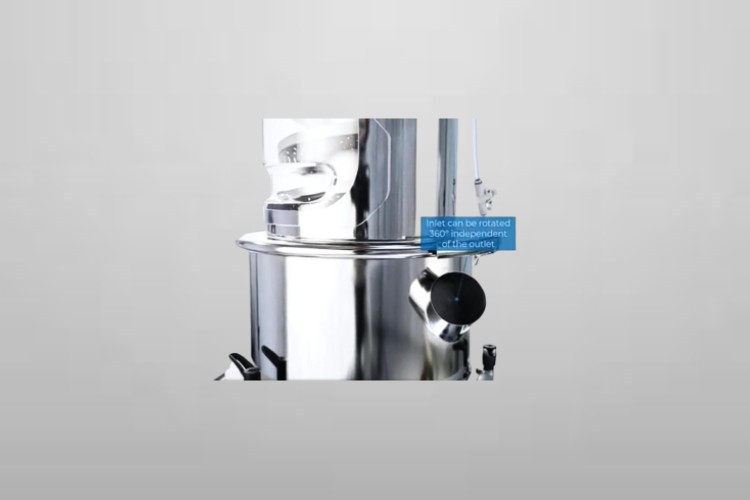
    Tablets Inlet

    Tablet Inlet-Photo Credit: Medical EXPO

    The tablets inlet is the entry point of the uphill tablet deduster where the tablets are fed into the machine for cleaning and polishing.

    Metal Detector
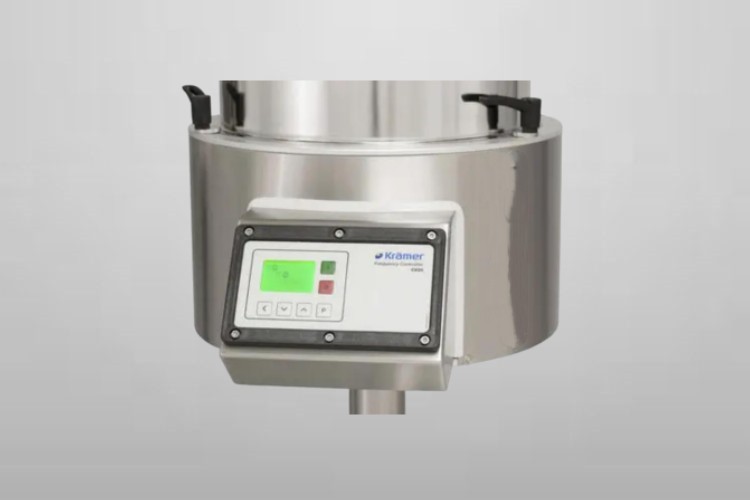
    Metal Detector

    Metal Detector-Photo Credit: Medical EXPO

    The metal detector is a device integrated into the uphill tablet deduster that detects and removes any metallic impurities or foreign objects from the tablets.

    Vacuum Suction Device

    The vacuum suction device is a component of the uphill tablet deduster that sucks in and removes dust and debris from the tablets during the cleaning and polishing process.

    Digital Vibration Controller
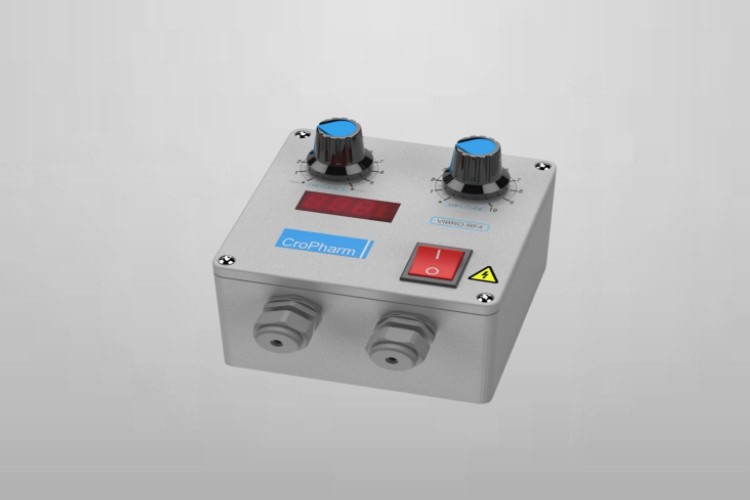
    Digital Vibration Controller

    Digital Vibration Controller-Photo Credit: CroPharm

    The digital vibration controller is a component of the uphill tablet deduster that regulates and adjusts the vibration frequency and intensity to ensure effective cleaning and polishing of the tablets.

    Perforated Plate
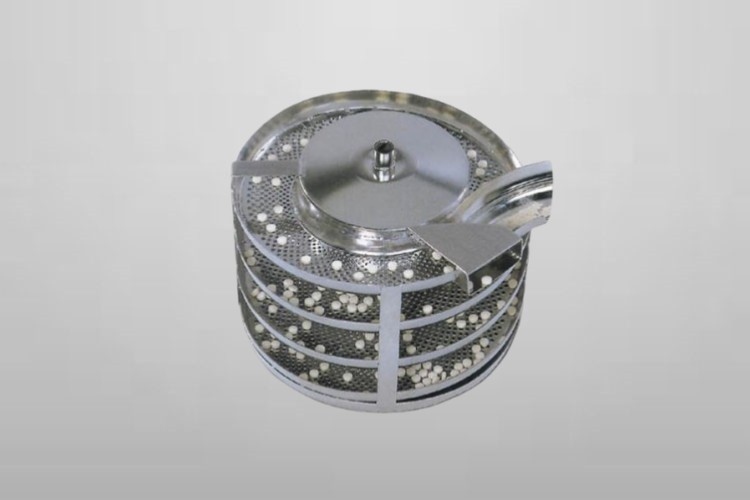
    Perforated Plate

    Perforated Plate-Photo Credit: NIMA ERRE.TI PACKAGING

    The perforated plate is a component of the uphill tablet deduster that aids in the cleaning and polishing process by allowing for proper distribution of air and vibration to the tablets.

    HMI

    The HMI (Human-Machine Interface) is the user interface component of the uphill tablet deduster that allows operators to monitor and control the machine’s operation.

    Dust Collector

    A dust collector is a device used in a tablet deduster to remove dust and debris generated during the tablet cleaning process. It helps to maintain a clean working environment and prevents the release of potentially harmful particles into the air.

    Discharge Chute

    The discharge chute is the exit point of the uphill tablet deduster where the clean and polished tablets are discharged from the machine.

    Auto-Rejector

    The auto-rejector is a component of the uphill tablet deduster that automatically removes any defective or misshapen tablets from the production line.

    7.How does an uphill tablet deduster operate?
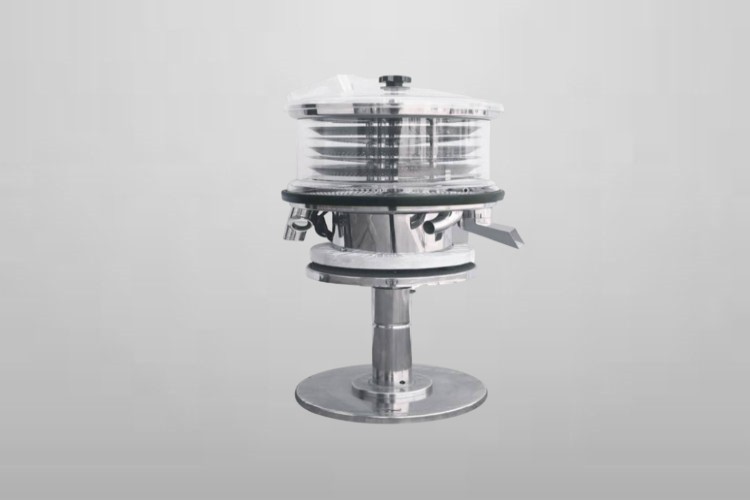
    operate

    Here’s how it operates step by step:

    • Tablets are loaded onto the inlet hopper of the uphill tablet deduster.
    • The tablets are then fed onto an inclined conveyor belt that vibrates, causing them to move up the belt.
    • As the tablets move up the belt, they pass through a chamber where they are subjected to an upward flow of air.
    • This upward flow of air causes any excess powder or debris on the tablets to be lifted off and carried away from the tablets.
    • The powder and debris are then collected in a separate chamber, which can be emptied periodically.
    • The tablets continue to move up the conveyor belt, passing through additional chambers where they may be further subjected to air flow to remove any remaining powder or debris.
    • Finally, the tablets are discharged from the top of the conveyor belt and can be collected for further processing or packaging.
    • Overall, the uphill tablet deduster operates by using a combination of vibration and air flow to remove excess powder and debris from tablets as they move up an inclined conveyor belt, resulting in cleaner and more uniform tablets.

    8.Is it possible to integrate a uphill tablet deduster with tablet press machine?

    Yes, it is possible to integrate an uphill tablet deduster with a tablet press. In fact, this is a common configuration in pharmaceutical manufacturing.
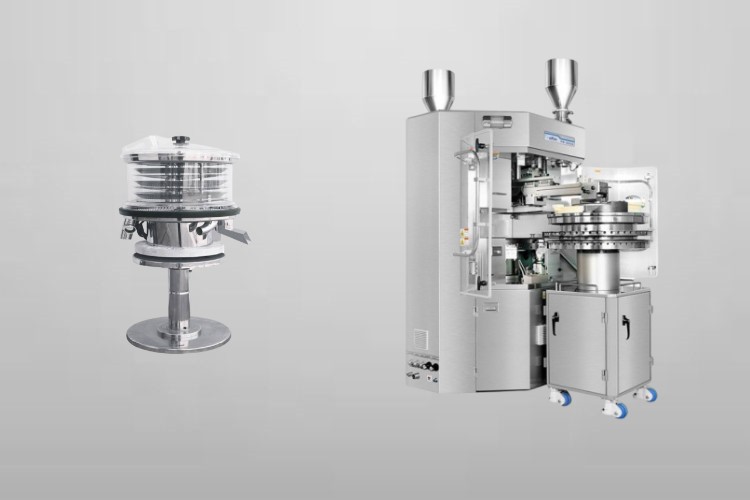
    uphill tablet deduster with tablet press machine

    An uphill tablet deduster is a machine that removes dust and other unwanted particles from the surface of tablets as they move up an inclined conveyor.

    A tablet press machine, on the other hand, is a machine that compresses powder or granular material into tablets. The tablets are formed within the machine and are then ejected from it onto a chute or conveyor for further processing.

    To integrate an uphill tablet deduster with a tablet press machine, the deduster is typically placed behind  the tablet press machine in the production line. The tablets are fed into the deduster from a hopper or another conveyor, and the deduster removes any dust or debris from the tablets after they produced the tablet press machine.

    Overall, integrating an uphill tablet deduster with a tablet press machine can help to improve the quality and consistency of the tablets, while also reducing the risk of contamination and improving the efficiency of the production process.

    9.What are the procedures for addressing issues with an uphill tablet deduster?

    procedures for addressing issues

    If you are experiencing issues with your uphill tablet deduster, here are some procedures and common troubleshooting steps that you can follow:

    Tablets are not feeding properly into the machine:

    Check the tablet hopper for any obstructions or blockages that may be preventing tablets from flowing freely. Also, ensure that the tablet size and shape are compatible with the machine’s specifications.

    Excessive dust is still present on tablets after dedusting:

    Check the machine’s brush speed and vibration frequency to ensure they are set correctly for the type of tablets being processed. Also, check the airflow settings to ensure there is adequate ventilation to remove dust and debris.

    Machine is making unusual noises or vibrations:

     Inspect the machine for any loose or damaged parts, and tighten or replace them as necessary. Also, check the bearings and belts for wear and tear.

    Machine is overheating or shutting down:

    Check the machine’s temperature and ventilation, and ensure that it is not overloaded or running for extended periods without adequate rest.

    Machine is not turning on:

    Check the power source and ensure that it is plugged in and switched on. Also, check the machine’s circuit breaker and fuse box for any tripped circuits or blown fuses.

    Conclusion

    In conclusion, if you’re looking for a reliable and efficient solution to dedusting your tablets, the Uphill tablet deduster is the way to go. With its advanced technology and user-friendly design, it’s sure to make your tablet production process smoother and more efficient than ever before. Plus, with its ability to handle a wide range of tablet shapes and sizes, you can trust that it will meet all of your dedusting needs. So don’t hesitate – invest in the Uphill tablet deduster today and watch as your tablet production process reaches new heights!

    Don't forget to share this post!

    CONTACT US

    Tell us your raw material and project budget to get quotations within 24 hours.

    WhatsApp Us: +86 151 7236 8460

    Invalid Email
    Invalid Number

    Uphill Tablet Deduster: The Complete Buying Guide In 2025 Read More »
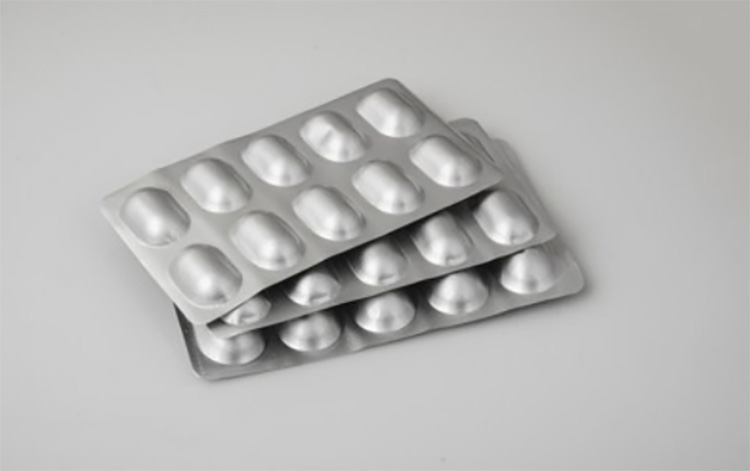
    Capsule-Blister-Packing

    Top 10 Global Blister Packaging Machine Manufacturers:The Ultimate Guide In 2025

    Top 10 Global Blister Packaging Machine Manufacturers:The Ultimate Guide In 2025

    Blister packaging machine,as is well known,is a common equipment which is used to pack medicines in blisters,you can say that this machine is very necessary if you want to set foot in pharmaceutical industry.However,there are a variety of different models of blister packaging machines which come from various manufacturers,how can you find a reliable one from them and choose a proper machine?

    This is what this blog can help you with,by reading on,you can know the top 10 global blister packaging machine manufacturers,dive into their history,competitive advantages and other things you want to know.Feeling unable to wait?Want to know these manufacturers right away?Now let’s explore together!

    Rank Manufacturer Headquarter
    1 SEPHA USA
    2 Pharmaworks USA
    3 Visual Packaging USA
    4 Mactec USA
    5 Allpack China
    6 Starview Canada
    7 Hamer Spain
    8 Uhlmann Germany
    9 ALMA Italy
    10 BLIMAR Mexico

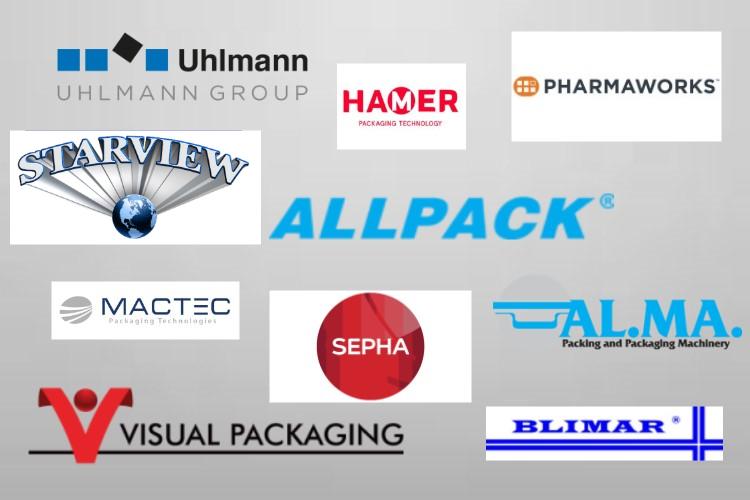
    logos

    Headquarter: USA

    Company Background & Information

    SEPHA

    SEPHA was established in 1980,the company has devoted itself to blister packaging,pharmaceutical equipment and healthy products industries from its beginning.The company kept on innovating and cooperating with other international companies these years,therefore,it has built large business network and accumulated good reputation.

    Key Products

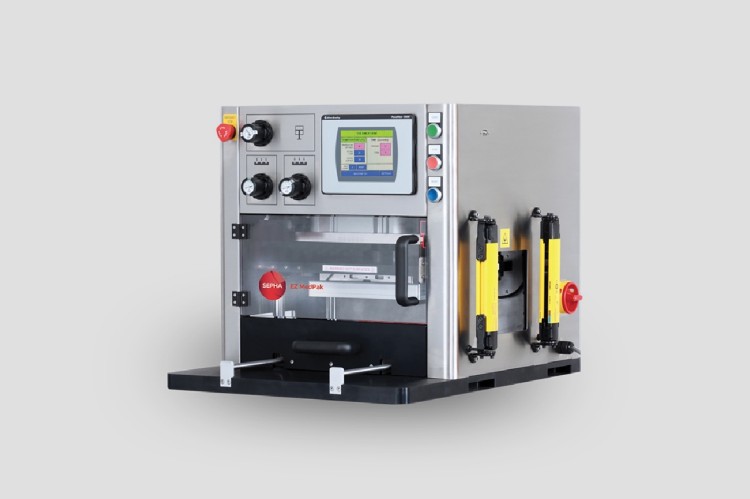
    SEPHA EZ Blister Tabletop Blister Packaging Machine SEPHA EZ Blister Tabletop Blister Packaging Machine

    SEPHA EZ MEDPAK Blister Packaging Machine

    SEPHA EZ MEDPAK Blister Packaging Machine

    The EZ series blister packaging machine are designed compact,they are more suitable for low volume blister packaging demand.Even though the machine look small,you can not really underestimate them,they perform 3-in-1function,they can complete the operations which include forming,sealing and cutting.

    They are ideal and convenient blister packaging machines which is widely used in laboratory.

    Recommend Reason

    • SEPHA can provide sale,customer support services in the range of the whole world,it has a strong sale network,so you can enjoy the company’s service no matter where you are.
    • The blister packaging machines produced by SEPHA are designed special,they adopt unique and innovative technologies and patents,can meet various demands of customers.
    • SEPHA possesses a team of young and energetic experts,who always keep the largest passion and positive attitude to meet customers demands,in other words,the company put customers at the highest status.
    • Except blister packaging machines,SEPHA also provides a variety of containers which are used in pharmaceutical industry,which make the packaging solution more flexible.

    Headquarter: USA

    Company Background & Information

    PHARMAWORKS

    Pharmaworks,was founded in 2002,during the past 20 years,the company serves for pharmaceutical industry,nutraceutical industry and personal care industry.It mainly provides blister packaging machines,besides,it also provides tooling, feeding systems,cartoners, and others which are related to blister packaging.

    Key ProductsTF3 High Output, Large Format Blister Machine

    TF3 High Output, Large Format Blister Machine

    TF1e Medium Output, Medium Format Blister Machine

    TF1e Medium Output, Medium Format Blister Machine

    The blister packaging machines which are provided by Pharmaworks have high speed,they adopt servo driven stations,and they are suitable for all kinds of blister packaging.And pharmaworks provides different blister packaging machines which have different level of output,which can meet different production requirements.

    Recommend Reason

    • Pharmaworks has facilitiesaround the world,it possesses a complete production line,so it can provide high quality blister packaging machines to customers.
    • Pharmaworks has accumulated 20 year’s experience,and the company focuses on blister packaging machines,innovates and improves its technologies all the time,so you can trust it.
    • Pharmaworks is a full-service provider for its customers,when customers have needs,the company will help them resolve problems right away.

    Headquarter:USA

    Company Background & Information

    VISUAL

    Visual Packaging has been established for over 40 years,it is famous by its excellent and high automatic packaging machines,among these machines,blister packaging machine is the most famous one.In addition,Visual Packaging manufactures a wide range of materials, parts,tooling and components which can meet diverse requirements.

    Key Products

    SDS8S SERIES Rotary Type Blister Packaging Machine

    SDS8S SERIES Rotary Type Blister Packaging Machine

    AS1-1012 Table Top Blister Packaging Machine

    AS1-1012 Table Top Blister Packaging Machine

    Visual Packaging provides different types of blister packaging machines,such as single station type,table top type,rotary type,carousel type and inline belt type,these machines have different designs,appearances and outputs,can adapt to small ,medium and large production scales.

    Recommend Reason

    • As is mentioned that Visual Packaging provides various blister packaging machines that from different types and have different degree of automation,and the company provides customized service,to make these machines meet all needs in the market.
    • Visual Packaging can provide machines for customers in a short delivery date,can resolve customers packaging problems as soon as possible.
    • Visual Packaging insists on innovating and improving the quality of its machines,to catch customers’satisfactions.
    • Visual Packaging possesses R&D and product development team,which can make the company resolve customers problems professionally and maturely.

    Headquarter:USA

    Company Background & Information

    MACTEC

    Mactec was founded in 2004,until now it is nearly 20 years,the company is to provide blister packaging, pouch packaging and rotary filling equipment.The company is to provide solutions for customers who have small to medium production demands cause it mainly manufactures small-run packaging machines.

    Key Products

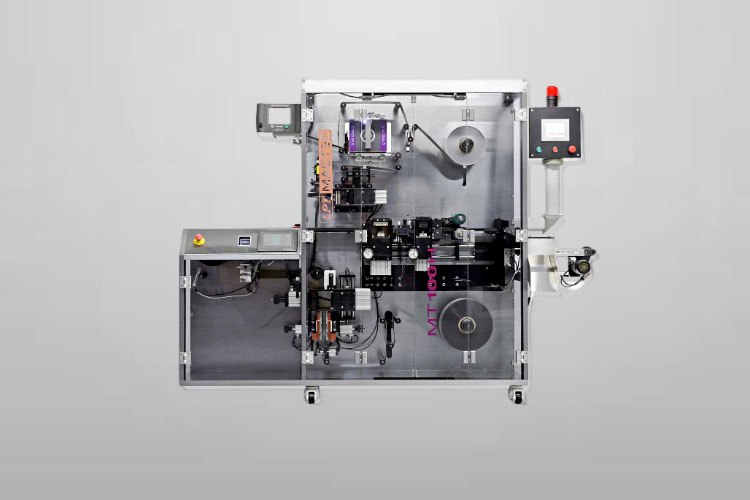
    MT-100 Blister Packaging Machine MT-100 Blister Packaging Machine

    NANO-60X Blister Packaging Machine

    NANO-60X Blister Packaging Machine

    Blister packaging machines from Mactec are suitable for thermoforming and cold forming applications,they can complete forming, filling, sealing, perforating and cutting operations automatically.The have high efficiency,high speed and high accuracy,and they are easy to operate,are ideal blister packaging equipment.

    Recommend Reason

    • The blister packaging machines which are provided by Mactec are reliable and multi-functional,and they are operator-friendly,can help you produce products quickly and safely.
    • The products of Mactec cover a wide range of industries such as pharmaceutical,nutraceutical,cosmetic,food and beverage,chemical,gummy products,PET,etc,so you can enjoy the company’s service no matter in which industry you are.
    • Mactec provides flexible and believable packaging solutions for its customers,it provide specific packaging solutions for each customer,to meet their demands perfectly.

    Headquarter: China

    Company Background & Information

    Allpack has been established for almost 12 years,it is a leading packaging machine manufacturer comes from China,the company provides a comprehensive range of equipment,from filling machines to sealing machines,it can meet all kinds of packaging demands.

    The blister packaging machine from Allpack are especially advanced and popular,it is one of the ace product of the company.

    Key Products

    DPP-150E Automatic Rotary Blister Packaging Machine

    DPP-150E Automatic Rotary Blister Packaging Machine

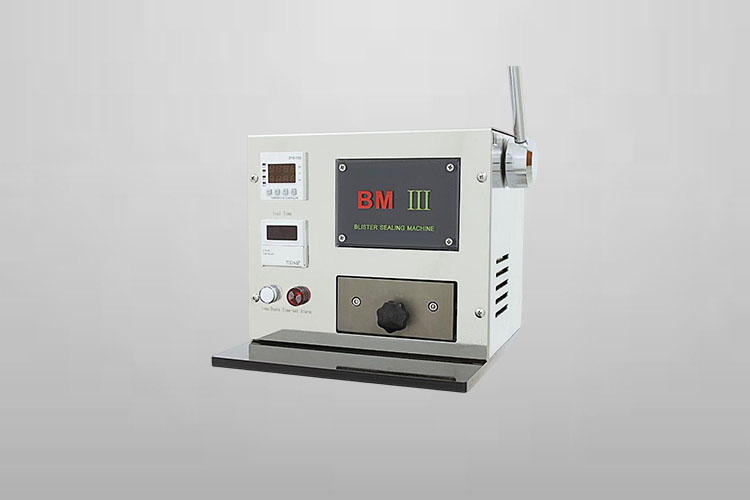
    BM Blister Packaging Machine

    BM Blister Packaging Machine

    Allpack blister packaging machines are equipped with advanced control system,as a result,they are easy to operate.And they adopts photoelectrical controlling system,which makes them cut waste sides automatically,which is very useful in the packaging process.

    Recommend Reason

    • Allpack provides customer-centre service,their staffs are 24/7 online,to ensure timely reply,so when you have problems or needs,you can contact the company,it will reply to you and help you at once.
    • Allpack has a specialized logistic network,it can guarantee to send your machines to you in time wherever you are.
    • Allpack ensure an absolutely open and transparent transaction process, and it respect the privacy of customers,protect the rights and interests of customers.

    Headquarter:Canada

    Company Background & Information

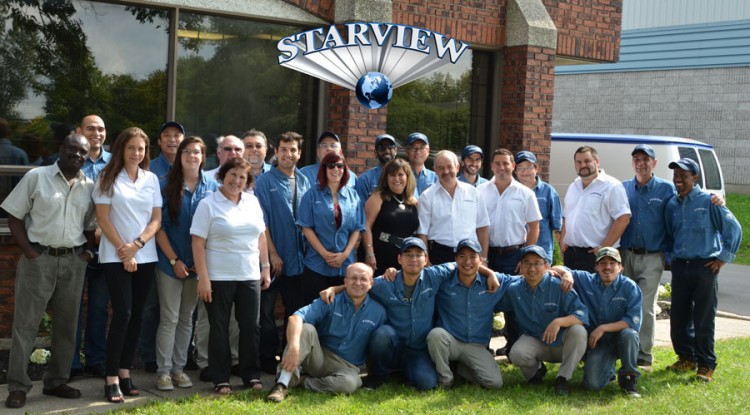
    STARVIEW

    Starview has been established for over 30 years,it is a plastic packaging machine manufacturer in Canada,and besides its headquarter,it also have divisions in North America,Europe,Asia and Australia.Starview provides various packaging machines,but the most famous one is blister packaging machine.

    Key Products

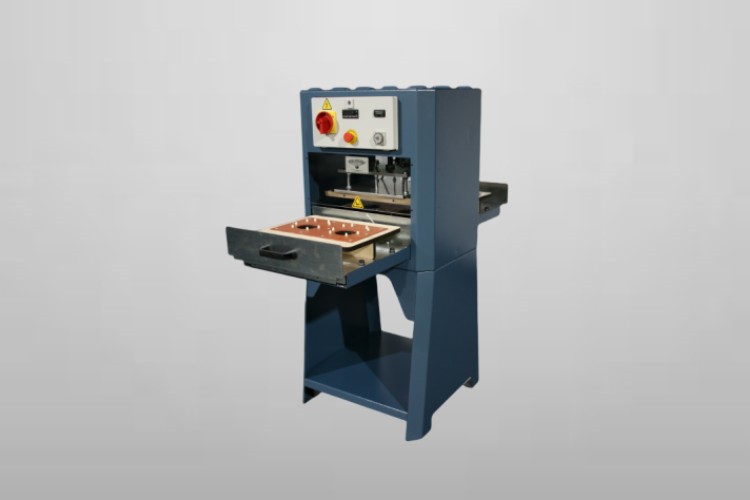
    Manual Shuttle Blister Packaging Machine

    Manual Shuttle Blister Packaging Machine

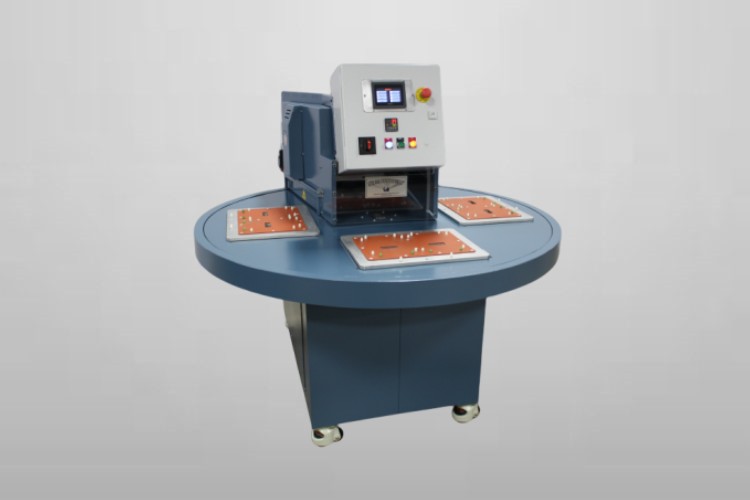
    Economical Rotary Blister Packaging Machine

    Economical Rotary Blister Packaging Machine

    Starview provides different types of blister packaging machines,manual type,semi automatic type,automatic type,shuttle type and rotary type,to meet customers’ different packaging requirements.These machines are suitable for all kinds of blister productions,they are pretty practical for most of people.

    Recommend Reason

    • Starview provides a complete line of standard and customized packaging machines,such as blister packaging machines,food packaging machines,thermoforming machines,stretch packing machines,etc.You can find all you need in this company.
    • Even though the company has been established for only 30 years,the management team of starview possesses a comprehensive experience which is over a century.
    • Starview takes advantages of durable packaging machines,a complete series of packaging solutions and high quality customer service,because of these advantages,more and more people choose Starview.
    • Starviewhas many distributors in the whole world,its machines are exported to all the world by these distributors,so you can buy its packaging machines even if you aren’t in Canada.

    Headquarter: Spain

    Company Background & Information

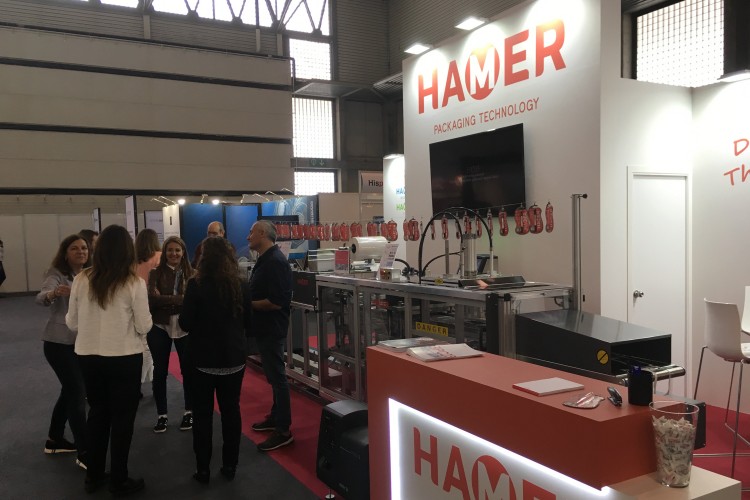
    HAMER

    Hamer was established in 1980,the company mainly provides thermoforming machines,automatic blister packaging machines and semi automatic blister packaging machines.Hamer possesses a advanced technology-remote equipment management,which makes the company has a leading status in pharmaceutical and packaging industry.

    Key Products

    BPC 23 Blister Packaging Machine BPC 23 Blister Packaging Machine

    BPC 25H BPC 35H Blister Packaging Machine

    BPC 25H/BPC 35H Blister Packaging Machine

    Most of blister packaging machines which are manufactured by Hamer are designed in large size,they are hard and durable,even though these machines are large,they consume low operation and maintenance cost.And these machines conform to EU safety rules compliance,which means they are absolutely reliable.

    Recommend Reason

    • Hamer has a 40 years experience in blister packaging field,and it improves and innovates its machines constantly,so they can manufacture top quality machines,which can perfectly meet people’s demands.
    • Hamer provides high quality customer service,for example,the company will give you strong technical support during the service life of your machines.
    • The machines which are provided by Hamer are equipped with high level and advanced components and technologies,they are designed modern,and they adopts PLC touch screen,have high automation.
    • Hamer has a team of professional and mature technicians,they take response during process of design,manufacture,commissioning and starting up,they can guarantee to provide customers excellent packaging solutions.

    Headquarter:Germany

    Company Background & Information

    UHLMANN

    Uhlmann was started in 1948,until now it is 75 years,the company provides flexible packaging solutions for pharmaceutical industry.Uhlmann takes advantages of quality,efficiency and practicality,based on its innovative packaging solutions and comfortable customer services,the company has become one of the world leading blister packaging manufacturer.

    Key Products

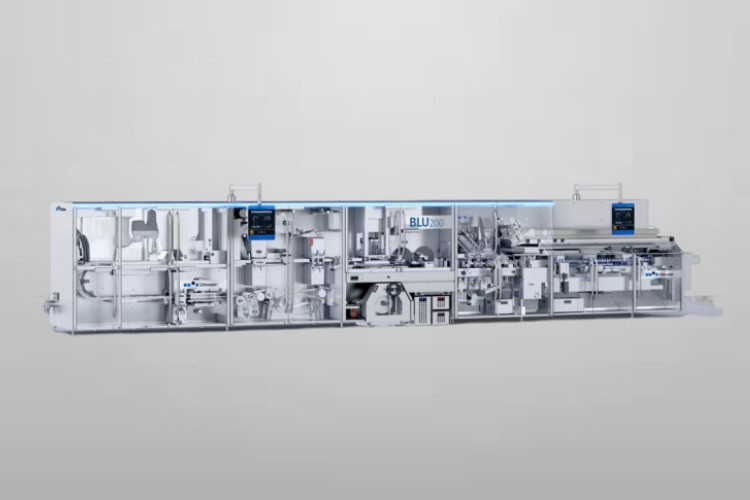
    BLU200 Blister Packaging Machine BLU200 Blister Packaging Machine

    BLU400 Blister Packaging Machine

    BLU400 Blister Packaging Machine

    The blister packaging machines of Uhlmann are suitable for small to medium scale blister packaging needs,they are flexible and reliable.And these machines are used to pack small and medium-sized batches of parenteral products,which makes them different from other blister packaging machines on the market.

    Recommend Reason

    • As is mentioned that Uhlmann has a long history which is almost 75 years,during the past years,the company has accumulated much experience that can help them research and develop new technologies.
    • Uhlmann has 19 controlled corporations which cover 14 countries,as a result,it is more convenient for other countries’people to consult,purchase equipment and enjoy customer service.
    • Uhlmann takes great importance to the quality of products,the company insists on innovating constantly,to purse excellent progress.
    • Uhlmann always provides sustainable packaging solutions,which are environmental friendly,this is what makes the company different from others.

    Headquarter: Italy

    Company Background & Information

    ALMA

    ALMA was established in 1979,it is a manufacturer and supplier for thermoforming machines and blister packaging machines.The company produce machines according to orders,the machines are absolutely customized for customers based on their requirements.

    Key Products

    In-line automatic blister packaging machines for industrial products

    In-line automatic blister packaging machines for industrial products

    ALMA has two main types of blister packaging machines,one is used for medical products,the other one is used for industrial products,each of them has its unique advantages.In fact,with the two types of blister packaging machines,ALMA can meet all packaging needs from all kinds of industries.

    Recommend Reason

    • ALMA doesn’t only serve for its domestic customers,it also serve for customers from all over the world,until now,the company has exported its machines to over 43 countries.
    • The members of technical team of ALAM devoted themselves to research and develop,constantly practice their ability,therefore,the machines of this company are multifunctional and have high flexibility and cost effective.
    • The company do all works such as design,parts organization, machine construction and pre-factory testing,totally guarantee the quality of its machines,which help the company accumulate good reputation.
    • ALMA possesses complete infrastructure,it has a large size of factory,which can ensure the perfect production process of machines.

    Headquarter: Mexico

    Company Background & Information

    BLIMAR

    Blimar has been founded for over 25 years,the company focuses on the production of blister packaging machines,and provides them to international market,the main markets of this company are the USA,Latin America and Europe.During the past 25 years,the company has kept on exported top quality machines,so it has gained many customers’ satisfactions.

    Key Products

    BLIMAR® 3050 AITT Blister Packaging Machine BLIMAR® 3050 AITT Blister Packaging Machine

    BLIMAR® 4070 AT Blister Packaging Machine

    BLIMAR® 4070 AT Blister Packaging Machine

    Blimar has different models of blister packaging machines which have different appearance and they are suitable for different applications.The blister packaging machines of Blimar have excellent performances,the machines are reliable,easy to operate,easy to maintain,and they have long service time cause their components are not easy to be downtime.

    Recommend Reason

    • Blimar has a outstanding team of technicians,and the blister packaging machines are made of world class material,therefore,these machines have good design and quality,can meet most customers’demands.
    • Besides blister packaging machines,Blimar also provides high quality blister molds,to help you realize perfect and accurate blister packaging.
    • Blister packaging machines of Blimar will not occupy too much space,and they are easy to operate,you can use them without complex training.

    Conclusion

    Finishing the journey of the top 10 global blister packaging machine manufacturers,are you still feel entangled now?Or you already have a specific choice among these manufacturers?Whether you are already in pharmaceutical industry or ready to enter this industry,hope this article can help you in a certain degree.And if you have other problems,don’t hesitate,just contact us,we’ll reply to you at once.

    Don't forget to share this post!

    CONTACT US

    Tell us your raw material and project budget to get quotations within 24 hours.

    WhatsApp Us: +86 151 7236 8460

    Invalid Email
    Invalid Number

    Top 10 Global Blister Packaging Machine Manufacturers:The Ultimate Guide In 2025 Read More »

    Pharmaceutical-Industry-14

    Ultra Fine Powder Grinder: The Complete Buying Guide In 2025

    Ultra Fine Powder Grinder: The Complete Buying Guide In 2025

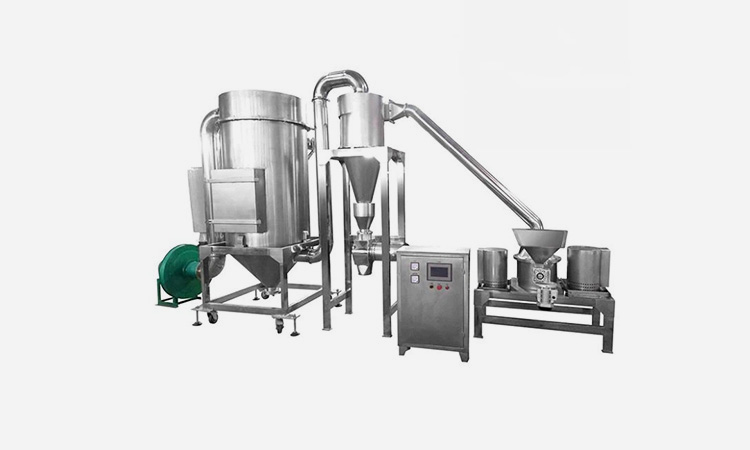
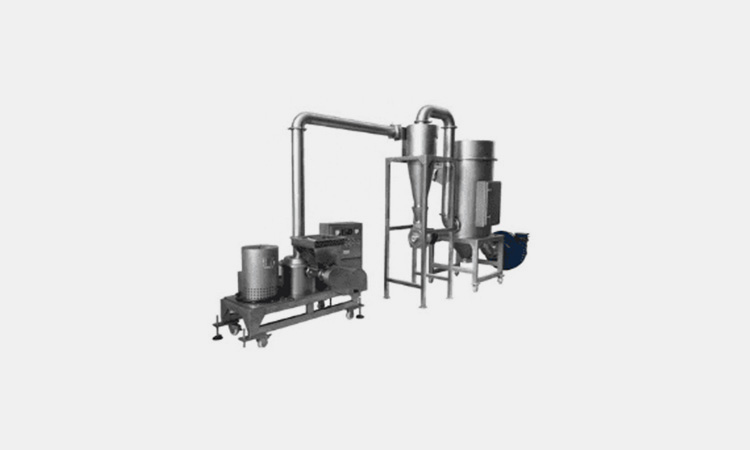
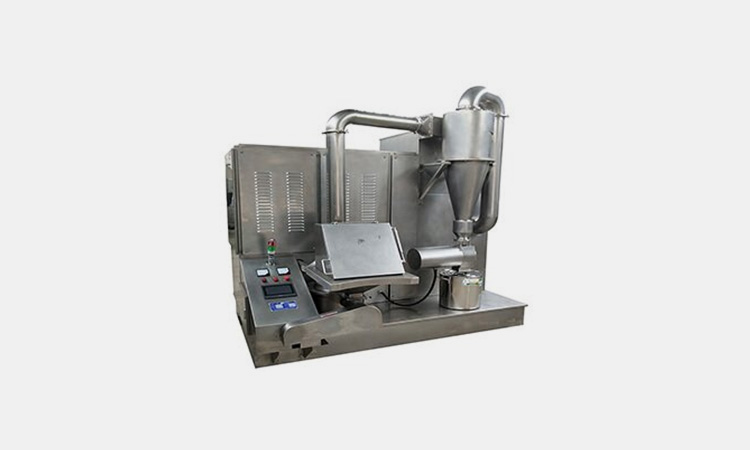
    Industries like food processing, pharmaceutics, chemical and cosmetics that grind material into small fine particles mostly use ultra fine powder grinder to ease their process. These machines break down the solid materials into small particles with high speed and precision.

    Ultra-Fine-Powder-Grinder

    Ultra Fine Powder Grinder -photo credits: vibrosievingmachine

    In order to select the best type of ultra fine powder grinder, Allpack is providing you this complete buying guide that can resolve your queries and allow you to select the best ultra fine powder grinder for your production setup. So go through this guide and enjoy reading it!

      Add a header to begin generating the table of contents

      1. What Is An Ultra Fine Powder Grinder?

      Ultra-Fine-Powder-Grinder

      Ultra Fine Powder Grinder: vibrosievingmachine

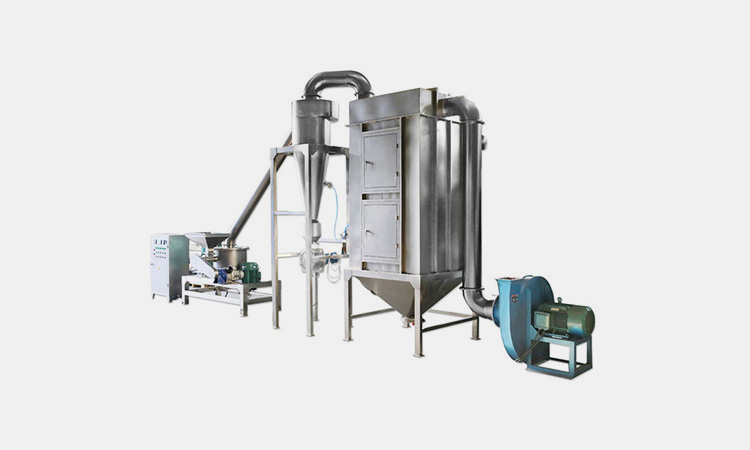
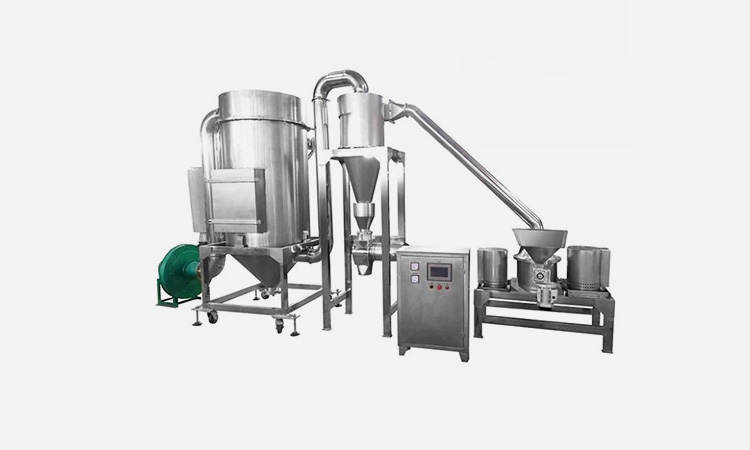
      Ultra fine powder grinder is also called superfine powder grinder, which a type of grinding equipment that is used to grind materials into extremely fine powders. The machine is designed in a way that it grinds hard materials like rice, sugar, grains and etc.

      Ultra fine powder grinder typically grinds the material with high-speed rotating blades that break down the material into smaller particles. The machine further uses airflow for separating the fine powders from the coarser particles.

      2. What Materials Can And Can Not Be Ground Using An Ultra Fine Powder Grinder?

      Some of the materials that are compatible with ultra fine powder grinder and others that cannot be ground are as follows

      Materials That Can Be Cut Using An Ultra Fine Powder Grinder

      An ultra-fine powder grinder is typically used to grind particles to a size of less than 10 microns. Some materials that can be ground using an ultra-fine powder grinder are

      • Minerals

      Mineral-Powders

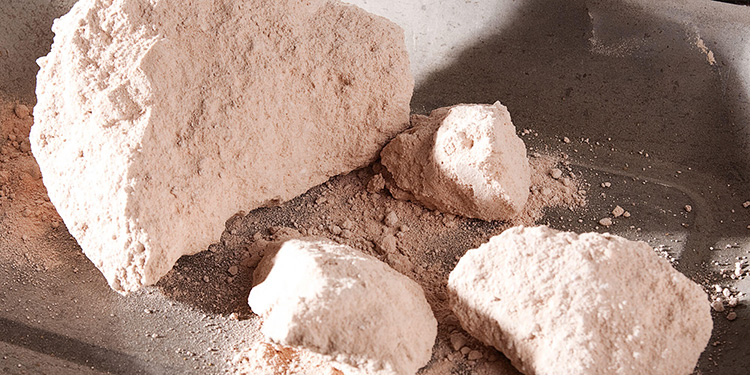
      Ultra fine powder grinders are used to grind various minerals like calcite, talc and kaolin. These minerals are ground with too much fine particles up to 15 microns.

      • Plastics

      Plastic-Granulars

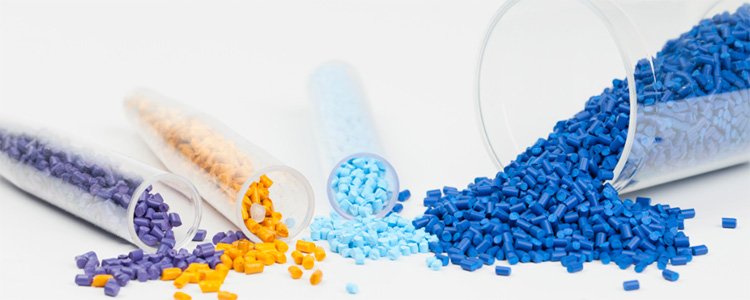
      Different types of plastics like PVC, polyethylene and polypropylene can be ground into ultra fine powders using an ultra fine powder grinder.

      • Food Products

      Food-Powders

      Food products including herbs, spices, and sugar particles can easily be ground using ultra fine powder grinders.

      • Chemicals

      Chemical-Powders

      Lastly, pigments, medicines and dyes are the few chemicals that are efficiently and precisely ground using an ultra fine powder grinder

      Materials That Cannot Be Cut Using An Ultra Fine Powder Grinder

      Some of the materials are not compatible with these machines. An example of these materials is

      • Materials With High Moisture Content

      High-Moisture-Powders

      Wet food materials or damp chemicals that have high moisture content in them are not suitable for grinding using an ultra fine powder grinder. The reason remains that the moisture can cause clogging or clumping of machine. Moisture contents are mostly present in hygroscopic materials that absorb moisture from the environment like paper, salt, sugar, cement and etc.

      • Fibrous Materials

      Fibrous-Granulars

      Some fibrous materials such as paper, wood, and textiles are typically not suitable with an ultra fine powder grinder because during the grinding process the materials tend to be matted and tangled.

      3. What Are The Applications Of An Ultra Fine Powder Grinder?

      An ultra fine powder grinder has a wide range of applications in numerous industries. Some of the common applications of an ultra fine powder grinder are

      • Pharmaceutical Industry

      Pharmaceutical-Industry-16

      Pharmaceutical industries use ultra fine powder grinders for grinding active ingredients into fine powders. These fine particles can easily be incorporated into tablets, capsules and other forms of medication.

      • Food Industry

      Food-Powders

      An ultra fine powder grinder grinds spices, herbs, and other food ingredients into fine powders. These powders are used in various food preparation and meal items.

      • Chemical and Cosmetic Industry

      Chemical-Powders

      Ultra fine powder grinders are also used for grinding materials used in the cosmetics, chemical and plastic industries. Ground pigments and dyes are mixed with different ingredients to produce high-quality cosmetic products.

      The plastic and cosmetic industry uses ultra fine powder grinders for manufacturing purposes. They are engaged in the manufacturing of a wide range of plastic products, films and coatings.

      4. What Are The Advantages Of An Ultra Fine Powder Grinder?

      Some of the specific advantages of an ultra fine powder grinder are

      • Multi Stages Of Grinding

      Some ultra fine powder grinders are with multiple grinding stages. These stages help the grinder to achieve more uniform and precise particle size distribution.

      • Precise Grinding

      An ultra fine powder grinder is designed in a way that it grinds materials into very small particle sizes with high precision and accuracy. The particle sizes ground by an ultra fine powder grinder can be achieved at a level of fewer than 10 microns.

      • Dust Collecting

      As a result of grinding process, a lot of fine dust particles are been generated which can harm the concerned workforce and environment. It also includes dust collection systems in its structure that help the machine to ensure a clean working environment.

      • Standardize Grinding

      No matter which industry you are, if the process is to deal with fine particles, ultra fine powder grinder can provide standardized grinding at each interval. Highly precise grinding and consistent particle size distribution makes the grinder of stand unique.

      5. What Is The Working Principle Of An Ultra Fine Powder Grinder?

      Working-Principle-Of-Ultra-Fine-Powder-Grinder

      Ultra Fine Powder Grinder -photo credits: yindamachinery

      Some of the steps involved in the process of an ultra fine powder grinder are

      • Initially the material is fed into the grinding chamber of an ultra fine powder grinder. This process is usually done through a hopper or feed tank, present mostly at the top of a grinder or through the conveying system.
      • The second step takes place inside the grinding chamber where material is impacted to impact hammer and this impact causes collision, shearing and fiction.
      • As the air pressure rises, the material enters inside the pulverized.
      • The grinding of material into particles is carried out due to compression and shearing forces.
      • Once the material is ground in to the desired particle size, the material with required sized enters the collection system through impeller and rest is sent back to the pulverized.
      • Like this the system for forming of ultra fine powder grinding remain continue till the process ends.

      6. What Are The Main Components Present In An Ultra Fine Powder Grinder?

      Main-Components-Present-In-An-Ultra-Fine-Powder-Grinder

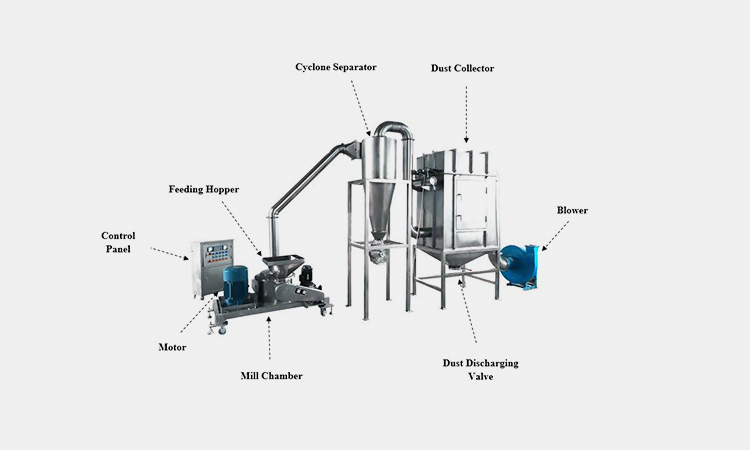
      The main components of an ultra fine powder grinder are

      Feeding Hopper

      This is the main part of an ultra fine powder grinder where the grinding material is fed into the system. The feeding hopper is mostly made up of hard materials like stainless steel, tungsten carbide or ceramic. These materials can easily withstand with the abrasive nature of the grinding process.

      Motor

      The motors are the power source that drives the rotation of the grinding discs or rollers. Typically an electric motor is present in an ultra fine powder grinder so that it provides high speed and torque required for the grinding process.

      Control Panel

      The control panel is the part that allows the user to control and adjust the grinding process parameters. A panel includes switches, buttons, and other displays that show the operating conditions of an ultra fine powder grinder.

      Dust Collection System

      At the end of an ultra fine powder grinder, a dust collection system is incorporated which controls the dust that has been generated during the grinding process. This system may include a dust collector, a filter, or a ventilation system.

      Mill Chamber

      The mill chamber of an ultra fine powder grinder is part of the grinder that contains the grinding components. It is the area where the raw materials to be ground are introduced and where the grinding process takes place.

      The design of the mill chamber can vary depending on the type of ultra-fine powder grinder. However, in general, it consists of a rotating disc or a set of rotating discs with grinding pins or other grinding components that grind the materials as they pass through the chamber.

      Cyclone Separator

      A cyclone separator is used to separate the ground material from the air or gas stream that carries it. The cyclone separator works on the principle of centrifugal force, which separates particles of different sizes and densities.

      The cyclone separator typically consists of a conical or cylindrical vessel that is designed to create a vortex flow. The ground material and air or gas stream enters the top of the cyclone separator and are forced to spin around the inner walls of the vessel.

      The centrifugal force generated by the spinning motion causes the larger and denser particles to move towards the outer walls of the vessel and settle at the bottom of the cyclone separator.

      The finer and lighter particles are carried along by air or gas stream and are directed toward the outlet at the top of the vessel. These particles may be further processed or collected in a separate container for later use.

      Blower

      The blower is responsible for creating and maintaining the air or gas flow that carries the ground material from the grinder to the cyclone separator or other collection device.

      The blower creates a low-pressure area near the outlet of the grinder, which draws in the air or gas stream and the ground material. The blower then accelerates and compresses the air or gas stream, which increases the velocity and maintains the flow of material through the system.

      • Dust Discharging Valve

      The dust discharging valve is used to control the discharge of dust or fine particles from the grinder to the collection system. This valve helps to minimize the amount of dust that escapes into the surrounding environment and ensures that the collected material is as pure and contaminant-free as possible.

      The dust discharging valve is typically located at the bottom of the grinder or cyclone separator, where the ground material and air or gas stream exit the system. The valve may be manually operated or automated and can be opened or closed to control the flow of material to the collection system.

      7. What Types Of Ultra Fine Powder Grinders Are There?

      There are several types of ultra fine powder grinders depending upon their applications and usage. Some of the most common types of ultra fine powder grinders are

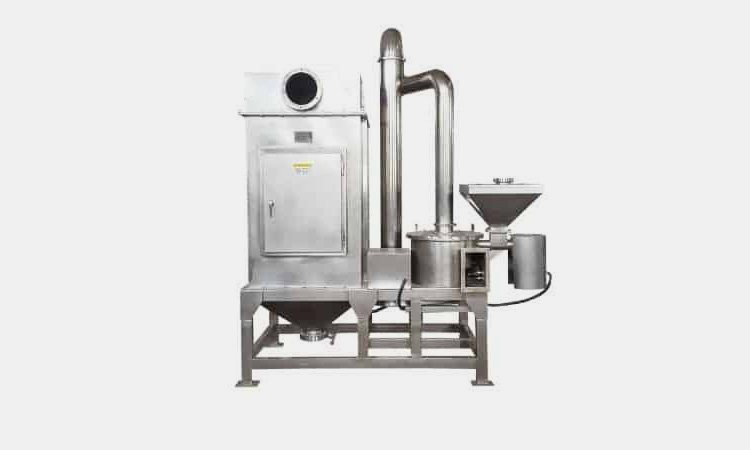
      • Compact Design Ultra Fine Powder Grinder

      Compact-Design-Ultra-Fine-Powder-Grinder

      Compact Design Ultra Fine Powder Grinder -photo credits: yindamachinery

      Compact design of an ultra fine powder grinder means that it takes up relatively little space, making it ideal for use in environments where space is at a premium. This type of grinder typically uses a high-speed rotor and a series of grinding plates or blades to grind materials down to a very fine powder.

      • Split Design Ultra Fine Powder Grinder

      Split-Design-Ultra-Fine-Powder-Grinder

      Split Design Ultra Fine Powder Grinder-photo credits: yindamachinery

      Split design ultra fine powder grinder contains two main parts: a grinding unit and a motor unit.

      The grinding unit is located at the bottom of the machine and contains the grinding chamber, grinding plates and other components that are involved in the grinding process.

      The motor unit is located at the top of the machine and houses the motor, control panel and other components that are involved in driving and controlling the grinder.

      A split design ultra fine powder grinder allows for easy access to the grinding chamber, making it easier to clean and maintain. The motor unit can be removed from the top of the machine, leaving the grinding unit exposed and easily accessible.

      • Low Temperature Ultra Fine Powder Grinder

      Low-Temperature-Ultra-Fine-Powder-Grinder

      Low Temperature Ultra Fine Powder Grinder-photo credits: yindamachinery

      Low temperature ultra fine powder grinder keeps the temperature of the materials being ground low. This is achieved by using a cooling system that reduces the temperature of the grinding chamber, grinding plates or blades and the material being ground.

      Low temperature ultra fine powder grinder can prevent the heat generated during the grinding process from causing damage to the material being ground or altering its properties.

      8. What Specifications Of Ultra Fine Powder Grinders Do You Need?

      What-To-Consider

      Some of the common specifications that each buyer should consider are

      • Material Capacity

      The capacity of the material that a machine can handle is an important specification to be considered. This refers to the amount of material that can be processed by the machine in a given time. The capacity depends on the size of the grinding chamber, the motor power, and other factors. All these factors are to be considered primarily.

      • Particle Size Range

      The particle size range of an ultra fine powder grinder is that factor that tells how much the grinder is capable of producing fine particles in a given time. An ultra fine powder grinder should be capable of producing the desired particle size distribution which may range from a few microns to several hundred microns.

      • Grinding Media

      The type and size of grinding media used in an ultra fine powder grinder can impact the grinding efficiency and fine particle size distribution. Checking the material of grinding media is an important consideration as it is directly involved with the grinding process.

      • Grinders Construction

      The material of construction that an ultra fine powder grinder is made up of is also an important consideration. It will directly impact the durability and life of the grinder. An ultra fine powder grinder should be made of materials that are strong against the abrasive nature of grinding process.

      9. What Are The Differences Between Ultra Fine Powder Grinding And Fine Powder Grinding?

      The detail differences among an ultra fine powder grinding and fine powder grinding is as

      • Particle Size

      An ultra fine powder grinding is typically used for materials that are to be reduced to a particle size of less than 10 microns.

      Ultra-fine-powder

      While fine powder grinding is mainly used for materials that are to be grinded at a particle size in between 10 and 100 microns.

      Fine-powder

      • Equipment Used For Grinding

      An ultra fine powder grinder uses machines like compact design ultra fine powder grinder, split design ultra fine powder grinder, low temperature ultra fine powder grinder and etc.

      Whereas a fine powder grinder uses basic super fine powder grinder, manual fine powder grinder or automatic fine powder grinder.

      Powder-Grinder

      • Processing Time

      Ultra fine powder grinding may require longer processing times to achieve the required level of precision and smaller particle size.

      Fine powder grinding does not require such longer processing times and can be adjusted at medium levels.

      10. What Are The Differences Between Ultra Fine Powder Grinder And Other Type Powder Grinders?

      Ultra fine powder grinder can be differentiated with other types of powder grinders on the basis of working method, grinding material and production capacity.

      Ultra Fine Powder Grinder VS Continuous Feeding Mill

      Continuous-Feeding-Mill

      Working Method

      • Working Methods of Ultra Fine Powder Grinder

      The material is initially fed into the grinding chamber of an ultra fine powder grinder usually through a hopper or feed tank. Inside the grinding chamber, the material is impacted to impact hammer and this impact causes collision, shearing and fiction. As the air pressure rises, the material enters inside the pulverized. The grinding of material into particles is carried out due to compression and shearing forces.

      • Working Methods of Continuous Feeding Mill

      A continuous feeding mill is a type of machine used for grinding and processing materials in a continuous and in an uninterrupted manner. A continuous feeding mill involves the feeding of raw materials into a hopper or container where they are then transported by a conveyor belt or auger system to a grinding chamber. In the grinding chamber the materials are ground and processed to the desired particle size. The grinded material is then discharged from the machine.

      Grinded Materials

      • Grinded Materials By Ultra Fine Powder Grinder

      Granular-Material

      Materials that are commonly ground using an ultra fine powder grinder belong to the groups of minerals, pigments, chemicals, and food ingredients. Some examples of materials are talc, calcium carbonate, spices, starches, barite, herbicides, insecticides, titanium dioxide, iron oxide, and carbon black.

      • Grinded Materials By Continuous Feeding Mill

      grains-and-cereals

      Continuous feeding mills are used to grind a wide range of materials including grains, cereals, spices, herbs, and other food products. They are also used to process a variety of non-food materials, such as chemicals, minerals, and pharmaceuticals.

      Ultra Fine Powder Grinder VS Powder Grinder

      Powder-Grinder

      • Working Methods of Powder Grinder

      Powder Grinder is a type of machine used for grinding and processing herbs, spices and other plant materials. The working method of an herb grinding machine typically involves the feeding of raw materials into a grinding chamber or bowl where they are ground and processed by a set of rotating blades or burrs.

      Grinded Materials

      • Grinded Materials By Powder Grinder

      Herbs-and-Spices

      The materials that can be ground using a herb grinding machine include a wide range of herbs, spices, and other plant materials, such as roots, leaves, flowers, and seeds. Some examples of herbs and spices that are commonly ground using a herb grinding machine include peppercorns, cinnamon, basil, oregano, and thyme.

      Conclusion

      Most of the industries require highly smart grinding mechanism to break down heavy materials into small and fine particles. While selecting the right type grinder many manufacturers get confused in between different types of grinding solution. Allpack provides you variety of solution in this regard and is always available to assist you. If you still find any query, contact our customer service center that is available 24/7 or visit our website http://www.allpackchina.com/.

      Don't forget to share this post!

      CONTACT US

      Tell us your raw material and project budget to get quotations within 24 hours.

      WhatsApp Us: +86 151 7236 8460

      Invalid Email
      Invalid Number

      Ultra Fine Powder Grinder: The Complete Buying Guide In 2025 Read More »
      Horizontal Flow Wrapper-9

      Horizontal Flow Wrapper: The Complete Buying Guide in 2025

      Horizontal Flow Wrapper: The Complete Buying Guide in 2025

      Are you looking to upgrade your packaging production process? Are you wanting to increase efficiency while also reducing costs? If so, then investing in a horizontal flow wrapper could be the perfect solution for you.

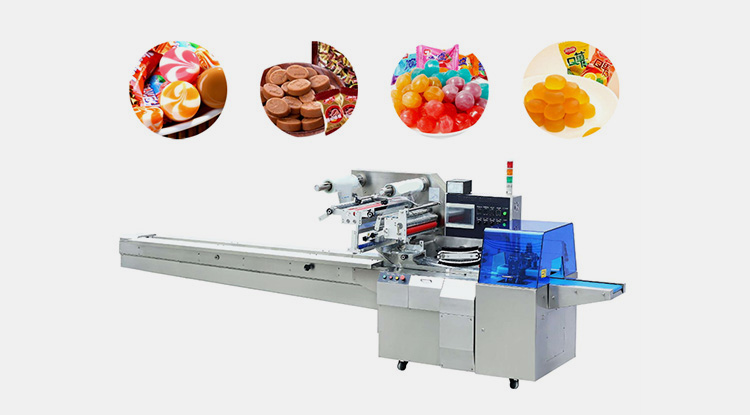
      Flow wrappers are an incredibly versatile and efficient form of automated packaging machinery that offer tremendous advantages over traditional manual processes. They provide an effective way to package products quickly, securely, and economically — making them ideal for all types of businesses in the food industry or beyond!

      Horizontal Flow Wrapper

      In this blog post, we’ll explore the different features and benefits associated with using a horizontal flow wrapper and how it can ultimately save your business both time and money.

        Add a header to begin generating the table of contents

        1.What Is A Horizontal Flow Wrapper?

        Horizontal Flow Wrapper-1

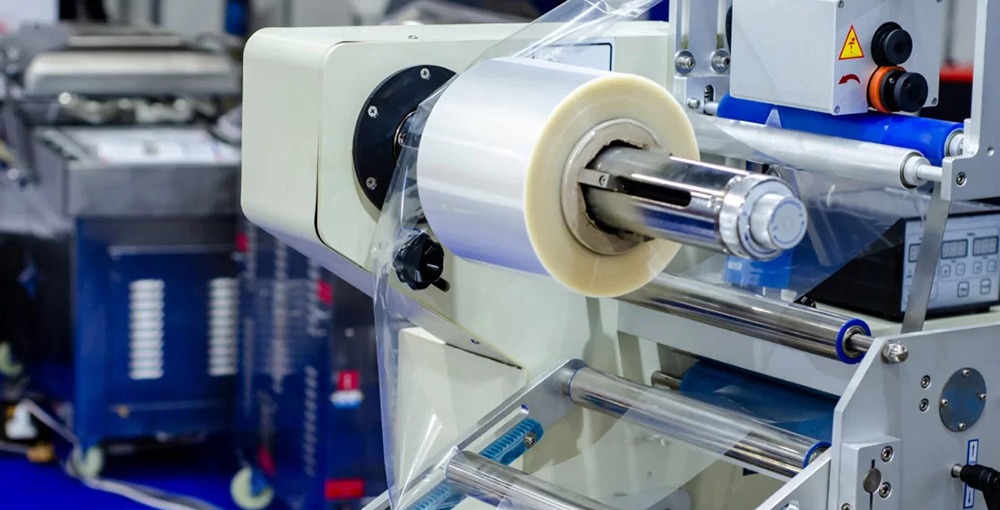
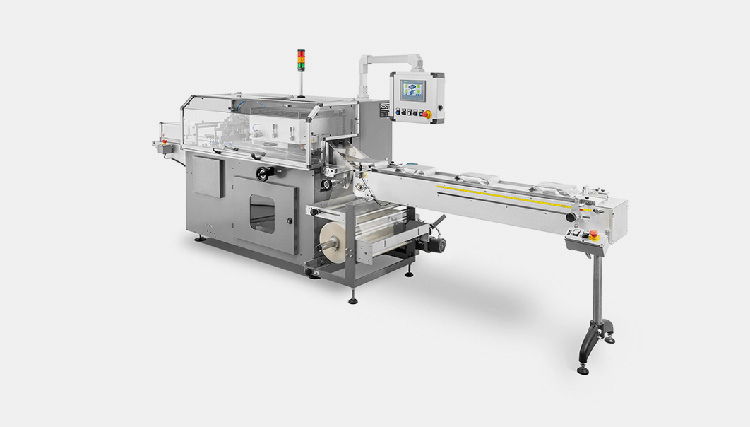
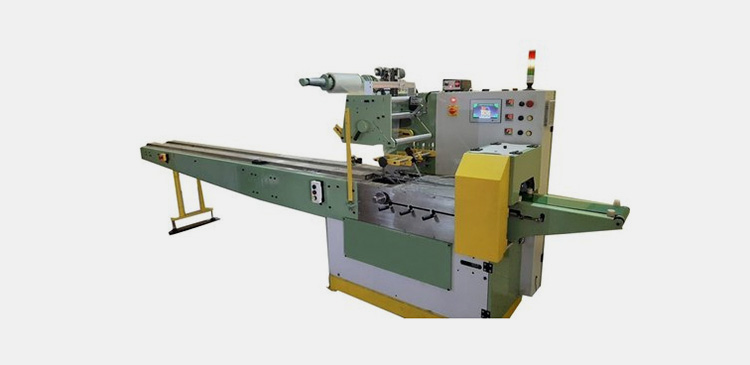
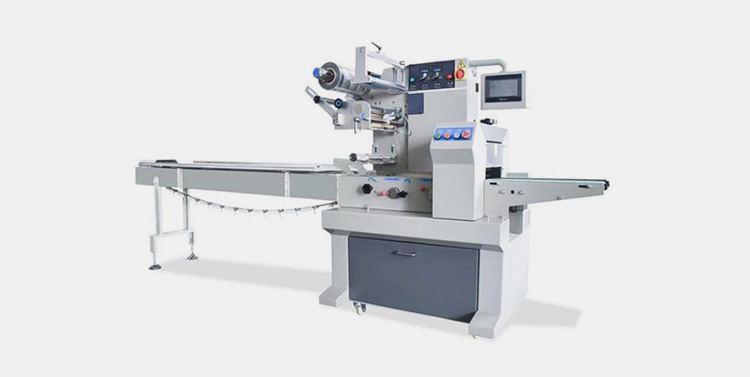
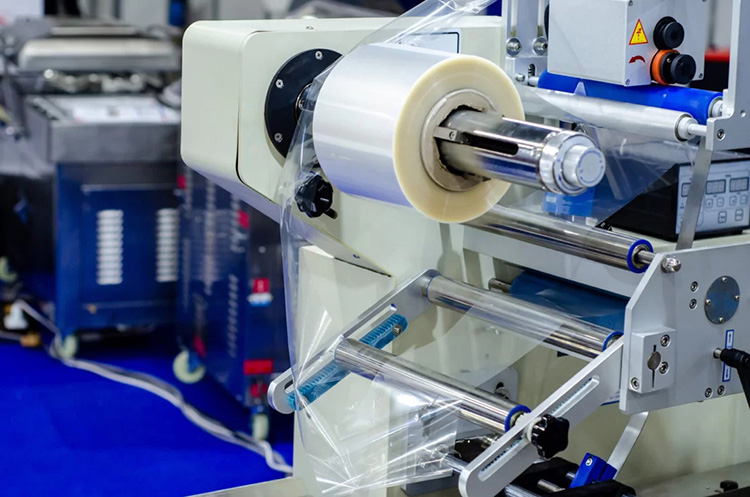
        A horizontal flow wrapper is a type of packaging machine that is used to wrap products in plastic film.

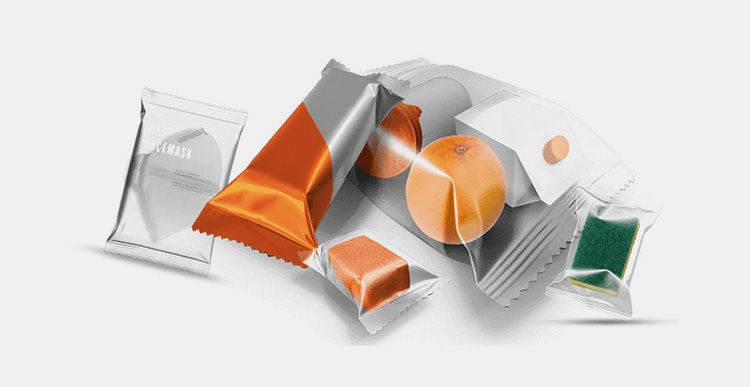
        This machine works by feeding the product onto a conveyor belt, which then passes through several rollers that shape and seal the film around the product. The end result is a tight and secure package with an attractive appearance.

        Horizontal flow wrapping machines are often used by food and beverage companies to package products like chocolate bars, candy bars, and snacks. They can also be used in other industries such as medical and pharmaceutical packaging or even industrial packaging

        2.What Are The Components Of A Horizontal Flow Wrapper?

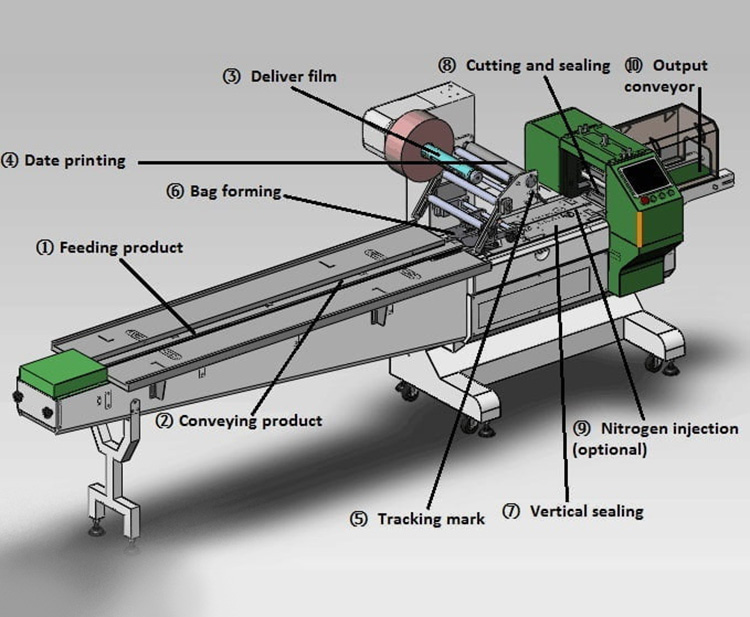
        Components Of A Horizontal Flow Wrapper

        Feeding product

        The horizontal flow wrapper is equipped with a feeding mechanism that feeds the product into the film, usually by means of horizontal conveyor belts.

        Conveying product

        Horizontal conveyor belts are used to transport the product from the feeding mechanism to the wrapping process

        Deliver film

        Horizontal flow wrappers are equipped with a film delivery system which delivers the film to the product and wraps it around it.

        Date printing

        Horizontal flow wrappers are equipped with a date printing device which prints the expiration or production date on the product.

        Tracking mark

        The horizontal flow wrapper has a tracking mark system which is used to detect the position of the product. This helps make sure that the horizontal flow wrapper keeps up with its ‘wrapping’ speed, and also avoids potential collisions that could occur if the horizontal flow wrapper gets ahead or behind of the product on its path.

        Bag forming

        The horizontal flow wrapper has an automatic bag forming mechanism which takes the packaging material and forms it into a neat, sealed package. This is done without any manual intervention, and also helps to ensure that the horizontal flow wrapper maintains its speed on its wrapping path.

        Vertical sealing

        The horizontal flow wrapper also has a vertical sealing mechanism which seals the horizontal edges of the package in order to ensure that all products are securely packaged.

        Cutting and sealing

        The horizontal flow wrapper also has a cutting and sealing mechanism which cuts the package in order to make it easy for the consumer to open. The horizontal seal system also seals the end of each package after it is cut, making sure that no air can enter and contaminate the product.

        Nitrogen injection(optimal)

        This horizontal flow wrapper also has an optional nitrogen injection system which helps to preserve the quality of the product by infusing it with nitrogen. This helps to protect the product from oxidation and other types of contamination.

        Output conveyor

        The horizontal flow wrapper also has an output conveyor which helps to move the packaged product away from the horizontal flow wrapper quickly and effectively. This helps to make sure that the horizontal flow wrapper can continue on its wrapping path without any delay or interruption and consumers receive a high-quality products every time.

        3.How Does A Horizontal Flow Wrapper Work?

        Horizontal Flow Wrapper Work

        A horizontal flow wrapper is a type of packaging machine. The horizontal flow wrapping process begins with the product to be packaged being placed onto a conveyor belt.

        This conveyor belt then moves the product through several stages which involves cutting, sealing, and forming the packaging material around the product.

        The horizontal flow wrapper uses two horizontal webs of packaging material to form a pouch around the product. One of these horizontal webs is pre-cut and folded into a rectangular shape, while the other horizontal web is welded around its edges.

        A vacuum system then holds this horizontal web in place as it moves along with the conveyor belt.

        The horizontal flow wrapper also includes several cutting mechanisms which are used to cut and seal the packaging material around the product. The horizontal flow wrapper can be programmed to cut and form different types of packaging shapes, such as bags, pouches, or wrappings.

        Once the desired shape is created, a horizontal sealing mechanism then uses heat to create a strong seal which ensures that the product is securely packaged.

        4.What Are The Advantages Of A Horizontal Flow Wrapper?

        Advantages Of A Horizontal Flow Wrapper

        Cost-efficiency: horizontal flow wrappers are much more cost-effective than vertical flow wrappers due to their simpler design and fewer moving parts.

        Flexibility: horizontal flow wrappers have adjustable settings, so they can be tailored to different products easily, making them a versatile piece of machinery that can be used to package a variety of goods.

        High Speed: horizontal flow wrappers can wrap and seal up to 300 packages per minute, making them one of the fastest wrapping machines on the market.

        Easy Operation: horizontal flow wrappers are easy to operate and maintain compared to other types of packaging machinery, which makes them ideal for businesses with limited staff and resources.

        Compact Size: horizontal flow wrappers are much smaller than vertical machines, which makes them ideal for businesses working in tight spaces or with limited floor space.

        Longer Shelf Life: horizontal flow wrappers create highly secure seals that keep products fresh longer, providing businesses with an additional benefit when it comes to preserving their goods.

        Automation: horizontal flow wrappers can be automated, reducing the amount of labor needed and increasing efficiency while ensuring consistent quality.

        Safety: horizontal flow wrappers are designed with a variety of safety features, including interlocks and emergency stop functions, to protect both the product and the operators from harm.

        5.What Are The Applications Of A Horizontal Flow Wrapper?

        Applications Of A Horizontal Flow Wrapper

        Horizontal flow wrappers can be used in a variety of industries and settings, including food production, pharmaceuticals, electronics assembly, medical device assembly, and many more.

        Food Industry

        Food Industry

        In the food industry horizontal flow wrappers are used to package snacks, candy bars, and other items that need to stay fresh for extended periods. These machines wrap products securely using a horizontal film that is heat sealed on both ends. This provides an extra layer of protection from the elements and helps keep products fresh for longer.

        Pharmaceutical Industry

        Pharmaceutical Industry

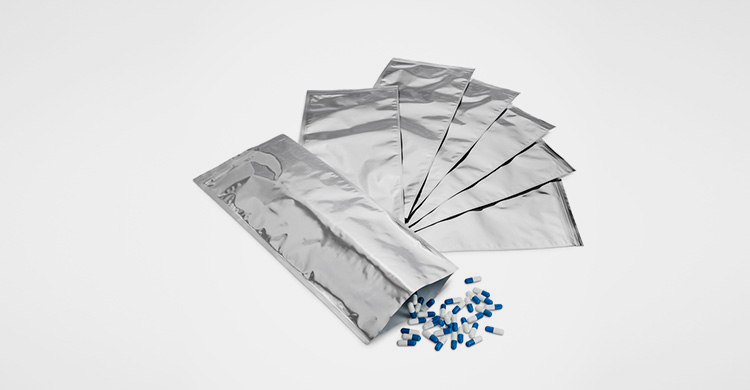
        In pharmaceuticals, horizontal flow wrappers are used to package tablets, capsules and other dosage forms in airtight pouches or blisters. This form of packaging helps protect drugs from contamination and provides tamperproof protection.

        Electronic Industry

        Electronic Industry

        In electronics, horizontal flow wrappers are used to package components and boards in protective covers that help prevent damage and keep parts secure for transportation and assembly.

        Medical Industry

        Medical Industry

        Finally, medical device assembly uses horizontal flow wrappers to package medical equipment such as catheters and other instruments in sterile packaging. This ensures devices are properly protected and sterilized when they arrive at the medical facility. Horizontal flow wrappers also provide a layer of protection to products against moisture and other contaminants that could affect their performance.

        Cosmetic Industry

        Cosmetic Industry

        Horizontal Flow Wrappers are used in the cosmetic industry to provide a secure and efficient wrapping solution for various types of products. The horizontal flow wraps are designed to securely hold and protect items such as lipsticks, lotions, mists, face creams etc., ensuring that each item reaches its destination intact. The horizontal flow wrappers also provide a visually appealing packaging solution with their horizontal wraparound design and clear window for product visibility.

        6.What Are The Different Types Of Horizontal Flow Wrappers?

        Horizontal flow wrappers come in two main types – semi-automatic horizontal flow wrappers, and automatic horizontal flow wrappers.

        Semi-Automatic Horizontal Flow Wrappers

        Semi-Automatic Horizontal Flow Wrappers

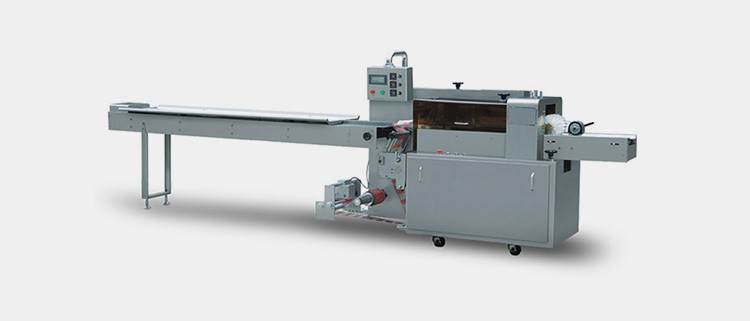
        Semi-automatic horizontal flow wrappers are usually manually operated and require an operator to manually place the product onto the infeed conveyor – making them suitable for low volume production runs. Semi-automatic horizontal flow wrappers tend to be less expensive than their automatic counterparts, as they do not require additional investment in automation equipment.

        Automatic Horizontal Flow Wrappers

        Automatic Horizontal Flow Wrappers

        Automatic horizontal flow wrappers are designed to run in high production environments, and allow for continuous product infeed. Automated horizontal flow wrappers can be set up to receive products from an upstream hopper or vibratory feeder, increasing the speed of the wrapping process.

        Automatic horizontal flow wrappers also require additional investment in automation equipment, which makes them more expensive than their semi-automatic counterparts.

        7.What Is The Difference Between A Horizontal Flow Wrapper And Vertical Flow Wrapper?

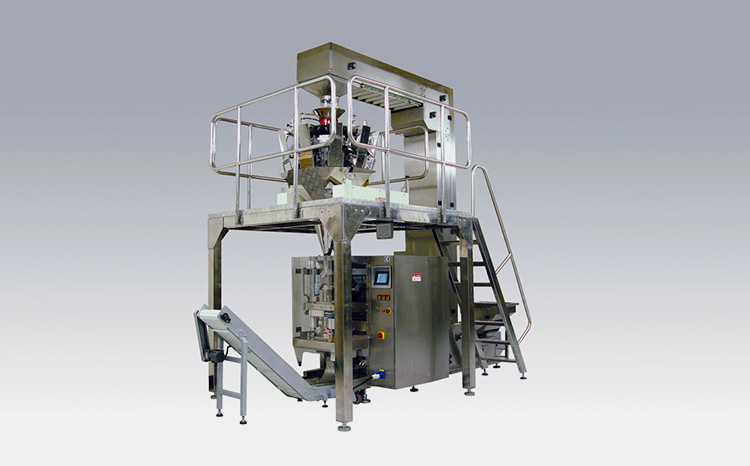
        Horizontal Flow Wrapper-2

        Vertical Flow Wrapper-2

        Horizontal flow wrappers and vertical flow wrappers are both types of packaging machines used to package a variety of products. The key difference between horizontal and vertical flow wrappers is the orientation of the product and film as they travel through the wrapper.

        In horizontal flow wrapping, the product is placed in a horizontal position on the infeed conveyor and flows horizontally into the wrapper. The horizontal film is then passed over the product, which is held in place by horizontal compression plates, before being sealed and cut to form a package.

        In contrast, a vertical flow wrapper has the product placed vertically on an infeed chain, with the film wrapped vertically around the products before being sealed and cut. The vertical product orientation allows for greater flexibility in package design.

        Horizontal wrappers are often used to pack large or bulky items such as boxes, cartons, cases and bags, while vertical wrappers are often used for smaller products like candy, snacks and baked goods.

        Depending on the type of product being packaged, horizontal wrappers tend to be more cost effective for high-volume production, while vertical wrappers are more suitable for short runs and smaller packages.

        8.What Type Of Products Can Be Packaged By Horizontal Flow Wrappers?

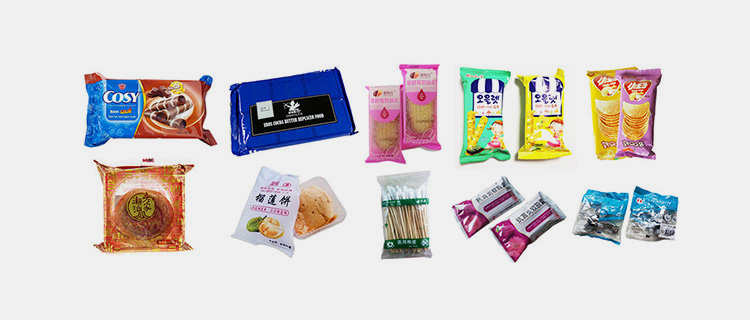
        Packaged By Horizontal Flow Wrappers

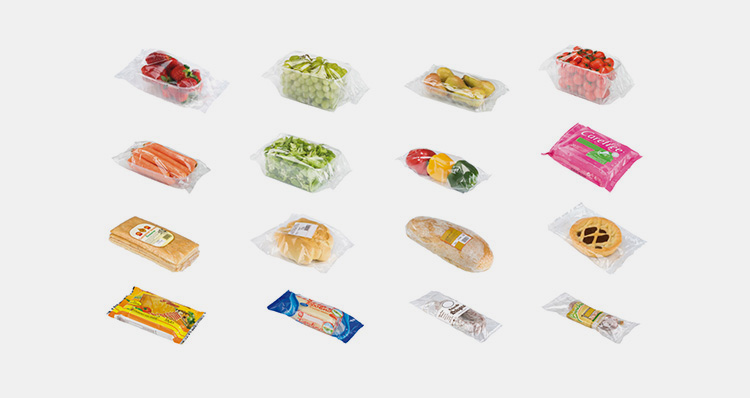
        A horizontal flow wrapper is an automated packaging machine used to package a variety of products with flexible or rigid wrapping materials. Products that are typically packaged using horizontal flow wrappers include:

        • Candy
        • Bakery Goods
        • Cheese
        • Confectionary Items
        • Dietary Supplements and Vitamins
        • Fresh Produce
        • Medical Supplies
        • Pet Food and Treats
        • Pharmaceutical Products
        • Soap and Detergents
        • Snack Foods

        The horizontal flow wrapper is one of the most versatile packaging machines, able to accommodate a wide range of product shapes, sizes and wrapping materials. It is an efficient machine, able to package products quickly and accurately without the need for manual labor.

        9.What Type Of Materials Can Be Used With Horizontal Flow Wrappers?

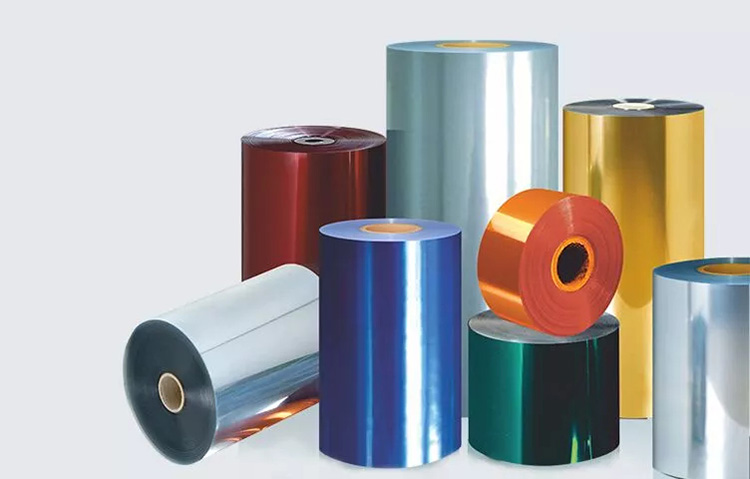
        Cold Sealing Films

        Cold Sealing Films

        These materials include wax, aluminum foil, paper and other non-thermoformable films. The horizontal flow wrapper seals these materials using pressure instead of heat to create a tight seal.

        Composite Film

        Composite Film

        This material is a combination of two or more films and can be used with horizontal flow wrappers to provide extra strength and durability.

        Mono Film

        Mono Film

        This is a single layer of film that horizontal flow wrappers can seal e.g PE,PP and other thermoplastic materials.

        Paper Based Wrap

        Paper Based Wrap

        Horizontal flow wrappers can be used to wrap products with paper-based materials such as wax coated, plastic laminated or multi-layer papers.

        These are just some of the materials horizontal flow wrappers can work with. With the use of horizontal flow wrappers, manufacturers are able to package a wide range of materials in an efficient and cost-effective way.

        10.How Does A Shrink Wrapper Compare To A Horizontal Flow Wrapper?

        Shrink Wrapper Compare-2

        Horizontal Flow Wrapper-3

        A horizontal flow wrapper is an automated packaging machine that utilizes horizontal film material to tightly wrap products. This type of wrapping is ideal for food items, bakery goods and other consumer goods due to its excellent sealing capabilities. The horizontal flow wrapper uses a horizontal film which is applied laterally across the product being wrapped while also forming air tight seals along the edges.

        A shrink wrapper on the other hand is a packaging machine that utilizes horizontal and vertical film material to tightly wrap products. This type of wrapping typically requires the product to be placed on some form of support tray or rack before it is sealed with plastic film material.

        The horizontal film seals the top and bottom of the product while the vertical film seals the sides of the product. The combination of horizontal and vertical film material creates a tight seal that shrinks around the product’s shape when exposed to heat.

        The main difference between horizontal flow wrappers and shrink wrappers is in the type of packaging material used for each application. The horizontal flow wrapper utilizes horizontal film material which form airtight seals around the product, while shrink wrappers use horizontal and vertical film material which shrinks tightly around the product when exposed to heat.

        Horizontal flow wrappers are typically used for products that require excellent airtight seals and minimal visible packaging, while shrink wrappers are designed for products that need a tighter fit or more protective packaging.

        Both horizontal flow wrappers and shrink wrappers have their advantages, so it is important to understand the differences between each type of packaging machine before making a purchase

        11.What Are The Maintenance Procedures For a horizontal Flow Wrapper?

        Maintenance Procedures For a horizontal Flow Wrapper

        Check if the horizontal flow wrapper is running smoothly and at the right speed.

        Inspect the machine for any signs of wear and tear, such as broken or worn parts that need replacing.

        Lubricate all moving parts of the horizontal flow wrapper regularly using certified lubricants suitable for this application.

        Check the tension of the horizontal flow wrapper’s belts regularly and adjust as necessary.

        Clean all parts of the horizontal flow wrapper, including the casing, with a dry cloth or compressed air to ensure there is no dust buildup inside.

        Ensure that cables and wires are undamaged, correctly connected and properly routed to prevent any interference.

        Test the horizontal flow wrapper’s safety systems regularly, including emergency stops and power-failure protection.

        Clean the horizontal flow wrapper after each production run using a mild solvent or cleaning fluid according to the manufacturer’s instructions.

        Check all seals for wear and tear regularly and replace as necessary.

        Check the horizontal flow wrapper’s film transport system for any sign of wear or damage, including misalignment of the film rollers.

        Keeping up with these simple maintenance procedures will help ensure that your horizontal flow wrapper is running at its best performance, while also increasing its lifespan. Regular maintenance will also help prevent any potential problems from arising and ensure a safe working environment.

        12.What Are The Common Problems Associated With Horizontal Flow Wrappers With Their Solutions?

        Jammed Film

        Jammed Film

        One of the most common issues with horizontal flow wrappers is that the film can become jammed in the system or not feed properly. This can cause problems with product quality and production rate. Solutions to this problem include ensuring that a high-quality, smooth film is being used, regularly maintaining the machine and keeping tension on the film tight.

        Unreliable Sealing

        Unreliable Sealing

        Another common problem with horizontal flow wrappers is that the seal can be unreliable, meaning it doesn’t always adhere properly or tears easily. This can cause problems with product integrity and shelf life. Solutions to this issue include ensuring good heat settings on the machinery, using quality film and regularly maintaining the equipment.

        Product Damage

        Product Damage

        The horizontal flow wrapping process can cause product damage due to improper loading, incorrect infeed speed or other factors. Solutions to this issue include ensuring that products are properly loaded in the feeder, setting the machine’s infeed speed to an appropriate level and regularly inspecting the machinery for wear and tear.

        Unwrapped Products

        Unwrapped Products

        Horizontal flow wrappers can also have issues with unwrapped products, meaning they don’t make it through the entire wrapping process. Solutions to this include regularly cleaning and maintaining the machine, ensuring that products are correctly loaded in the feeder and checking for any loose or broken parts.

        Conclusion

        All in all, the horizontal flow wrapper packs a powerful punch when it comes to packaging and productivity. If you need more information on how a horizontal flow wrapper can be beneficial for your business, don’t hesitate to contact Allpack for expert advice. Whether you are considering purchasing or a consultation about sizing options – Allpack will be available to assist you every step of the way. Get in touch with us today to get started on the journey of smoother and efficient packaging processes with the horizontal flow wrapper!

        Don't forget to share this post!

        CONTACT US

        Tell us your raw material and project budget to get quotations within 24 hours.

        WhatsApp Us: +86 151 7236 8460

        Invalid Email
        Invalid Number

        Horizontal Flow Wrapper: The Complete Buying Guide in 2025 Read More »

        Vibrating Sifter-9

        Vibrating Sifter:The Complete Buying Guide in 2025

        Vibrating Sifter:The Complete Buying Guide in 2025

        With more industries utilizing vibrating sifters to improve process efficiencies, it is no wonder that this technology has become an increasingly popular choice over traditional filters. Whether you’re looking for a reliable solution to reduce contaminants or want to invest in a sophisticated device that delivers precise operation across multiple outlets, the right vibrating sifter can make all the difference.

        Vibrating Sifter

        The good news? You don’t have to be an expert in order to choose the right model – our comprehensive buying guide will tell you everything you need to know about these devices so that by 2023 you’ll be ready to confidently buy one!

          Add a header to begin generating the table of contents

          1.What Is A Vibrating Sifter?

          Vibrating Sifter-1

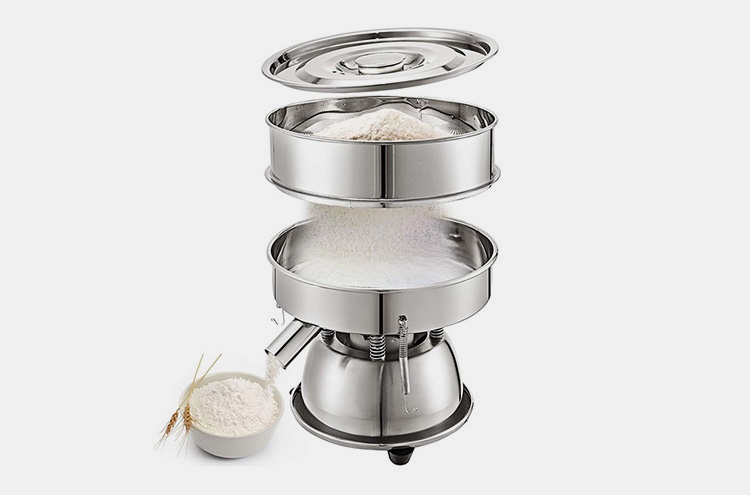
          A vibrating sifter, also known as a vibrating screener or a vibro sieve, is a machine used to separate and classify materials based on their particle size and shape.

          The vibrating sifter consists of a screen that is vibrated by a motor or an eccentric shaft, causing the material to move across the screen and separate into different sized particles. The vibration of the screen can be adjusted to suit the specific requirements of the material being screened.

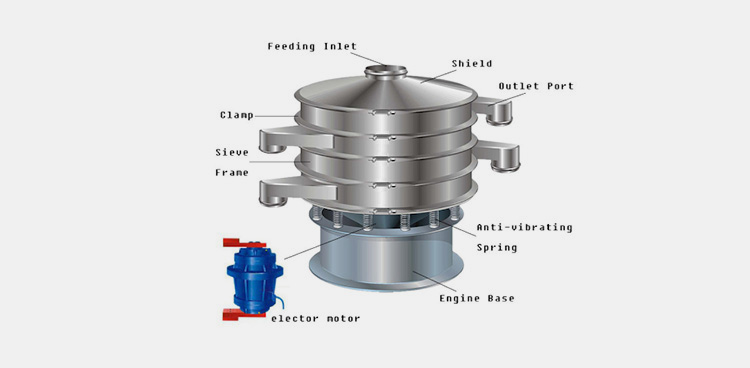
          2.What Are The Different Components Of A Vibrating Sifter?

          Components Of A Vibrating Sifter

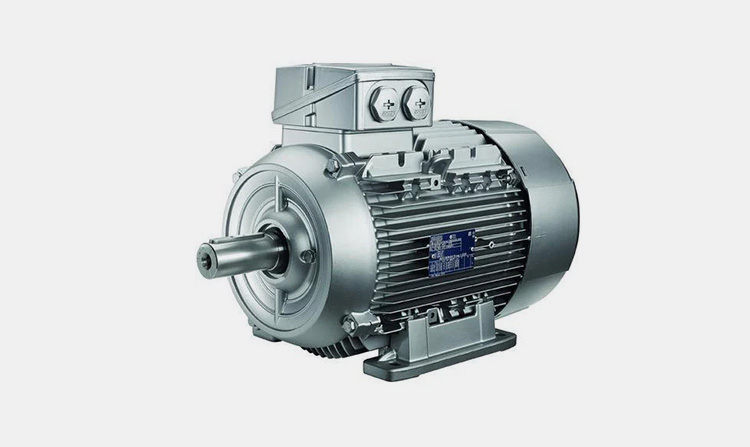
          Motor

          Motor

          The motor is the power source that drives the vibrating sifter. It provides the necessary power to operate the machine and generate the required vibration to sift the materials.

          Inlet Feed

          Inlet Feed

          The inlet feed is the opening through which the raw materials are introduced into the machine. It is usually located at the top or side of the sifter, and it can be customized to suit specific requirements.

          Screen Assembly

          Screen Assembly

          The screen assembly is the main component of the vibrating sifter. It comprises a frame, screen mesh, and other essential parts. The screen mesh is the filtering surface that separates the materials based on size and shape.

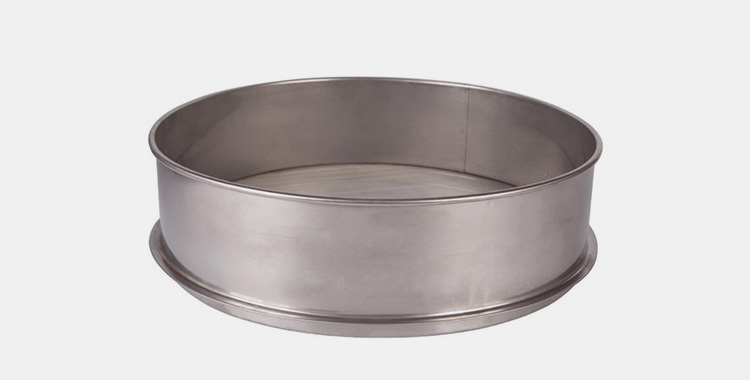
          Sieve Frame

          Sieve Frame

          The sieve frame is the supporting structure that holds the screen mesh in place. It is usually made of steel or other durable materials to withstand the vibration and pressure exerted by the materials.

          Discharge Port

          Discharge Port

          The discharge port is the opening through which the sifted materials are collected. It can be located at the bottom or side of the machine, depending on the design and application.

          Springs

          Springs

          Springs are the mechanical components that provide the necessary force to generate vibration in the sifter. They are attached to the motor and sieve frame to ensure a smooth and efficient operation.

          Control panel

          Control panel

          The control panel is used to adjust the speed and amplitude of the vibrating motion, as well as other operating parameters such as time, temperature, and humidity. It allows the operator to optimize the screening process for different types of materials and conditions.

          3.How Does A Vibrating Sifter Work?

          A vibrating sifter works by applying vibration to the screening surface, which causes the material to move in a way that separates smaller particles from larger ones.

          Vibrating Sifter Work

          Here are the basic steps of how a vibrating sifter works:

          • Material is fed onto the screening surface of the sifter, which is typically a wire mesh or perforated plate.
          • A vibration motor or electric motor with an eccentric weight is mounted onto the sifter. As the motor rotates, the weight causes the entire sifter to vibrate.
          • The vibration causes the material to move across the screening surface, with smaller particles passing through the mesh or holes and larger particles remaining on top.
          • Depending on the design of the machine, multiple layers of mesh screens may be used to further separate the material by size.
          • The separated material is then discharged from the sifter through a chute or conveyor.
          • The vibrating sifter can be adjusted to control the amplitude and frequency of the vibration, which can affect the screening efficiency and accuracy.

          4.What Are Some Common Industries That Use Vibrating Sifters In Their Manufacturing Processes?

          Here are some common industries that use vibrating sifters in their manufacturing processes:

          Food Industry

          Food Industry

          The food processing industry uses vibrating sifters to remove impurities and foreign matter from raw materials such as grains, flour, and spices. They also use them to grade and classify products based on size, shape, and weight. Vibrating sifters help maintain the quality and purity of food products by removing unwanted contaminants.

          Pharmaceutical Industry

          Pharmaceutical Industry

          The pharmaceutical industry uses vibrating sifters to ensure the purity and quality of their products. These machines are used to remove foreign particles, oversize particles, and agglomerates. They also help in sieving and grading of powders, granules, and tablets.

          Chemical Industry

          Vibrating sifters are used in the chemical industry to classify and separate different chemical compounds based on their particle size, shape, and other physical properties. They are used in the production of various chemicals, such as fertilizers, pesticides, and pharmaceuticals.

          Cosmetic Industry

          Cosmetic Industry

          The cosmetic industry uses vibrating sifters to separate and classify different types of powders, creams, and lotions. These machines help in removing impurities, oversize particles, and lumps from the final product. They also help in grading and sieving of cosmetic products.

          Mining and Mineral Processing Industry

          The mining and mineral processing industry uses vibrating sifters to screen and grade a variety of materials, including coal, minerals, and ores. These sifters are used to remove oversize or undersize particles, and they can help to improve the efficiency of the extraction process.

          Recycling Industry

          Recycling Industry

          The recycling industry uses vibrating sifters to separate and sort different types of materials, such as plastics, metals, and glass. These sifters are used to improve the efficiency of the recycling process and to ensure that the correct materials are sorted and recycled.

          5.What Are The Advantages Of Using A Vibrating Sifter In Material Processing?

          Efficient Separation

          Efficient Separation

          One of the main advantages of using a vibrating sifter is its ability to efficiently separate materials of different sizes and shapes. The screen’s vibration causes the particles to move and spread out evenly, which allows the smaller particles to pass through the screen while the larger ones are retained. This ensures that the final product is of consistent quality and free from impurities.

          Accurate separation

          Accurate separation

          A vibrating sifter can accurately separate materials based on size. The machine has different screens with varying mesh sizes, which allows it to classify materials accurately. This is important in the food and pharmaceutical industries where precise separation is required.

          Reduced downtime

          A vibrating sifter requires minimal maintenance and downtime. The machine is easy to clean and does not have many moving parts that can break or wear out. This reduces the need for repairs and increases uptime.

          Improved product quality

          Capacity

          A vibrating sifter can improve the quality of the processed material. The machine can remove impurities and foreign particles from the material, which can improve its overall quality. This is especially important in the food and pharmaceutical industries where product quality is crucial.

          6.What Are The Different Types Of Vibrating Sifters Available In The Market?

          There are several different types of vibrating sifters available in the market, each designed for a specific application. In this article, we will discuss the most common types of vibrating sifters and their features.

          Circular Vibrating Sifter

          Circular Vibrating Sifter

          This is the most commonly used type of vibrating sifter. It consists of a single or multiple screens that are mounted on a circular frame. The material to be sifted is fed onto the center of the screen, and the machine vibrates in a circular motion. The particles are separated by size and sent out through different outlets.

          Rectangular Vibrating Sifter

          Rectangular Vibrating Sifter

          This type of sifter is used for applications that require a larger screening area. The rectangular frame allows for larger screens to be used, which increases the screening capacity of the machine. The rectangular design also makes it easier to fit into tight spaces or integrate with other machines.

          Gyratory Vibrating Sifter

          Gyratory Vibrating Sifter

          This type of sifter is designed for applications that require high-capacity screening. The machine consists of a circular screen that is mounted on a horizontal frame. The screen vibrates in a circular motion, which causes the material to move along the screen’s surface. The particles are separated by size and sent out through different outlets.

          Ultrasonic Vibrating Sifter

          Ultrasonic Vibrating Sifter

          This type of sifter uses high-frequency vibrations to improve the accuracy of the screening process. The machine generates ultrasonic waves that vibrate the screen at a very high frequency. This causes the particles to move along the screen’s surface, improving the accuracy of the separation process.

          Centrifugal Vibrating Sifter

          Centrifugal Vibrating Sifter

          This type of sifter is designed for applications that require high-speed screening. The machine consists of a cylindrical screen that rotates at a high speed. The material to be sifted is fed onto the screen’s surface, and the centrifugal force generated by the rotation separates the particles by size.

          7.What Types Of Materials Can Be Processed With A Vibrating Sifter?

          The materials that can be processed with a vibrating sifter include:

          Powders

          Powders

          Vibrating sifters are particularly effective at sifting and separating powders of different sizes and shapes. Powders can be abrasive, cohesive, or fragile, and they may contain impurities or contaminants that need to be removed. Examples of powders that can be processed with a vibrating sifter include flour, sugar, spices, milk powder, pharmaceutical powders, and metal powders.

          Pellets

          Pellets

          Vibrating sifters can also be used to process pellets, which are small, cylindrical, or spherical objects that are used in various industries, such as agriculture, plastics, and pharmaceuticals. Pellets may need to be classified or separated based on their size, shape, or density, which can be achieved with a vibrating sifter.

          Fibrous materials

          Fibrous materials

          Fibrous materials such as paper, textiles, and wood pulp can also be processed with a vibrating sifter. The machine can be used to separate the fibers from other materials and ensure product quality.

          Plastics and polymers

          Plastics and polymers

          Vibrating sifters can be used to remove oversized particles or foreign matter from plastic pellets or powders, which are used in the production of various plastic products.

          8.How Does A Vibrating Sifter Compare To Other Types Of Screening Equipment?

          Vibrating Sifter

          Compared to other types of screening equipment, such as a stationary screen or a trommel screen, a vibrating sifter is more efficient and accurate in separating materials. It has a higher screening capacity, a smaller footprint, and can screen a wide range of materials, including powders, pellets, and granules.

          Additionally, a vibrating sifter is easy to operate and maintain, which makes it a popular choice for many industries, including food processing, pharmaceuticals, and chemical processing. Overall, a vibrating sifter is a versatile and effective tool for separating and classifying materials.

          9.What Is The Difference Between A Single Deck And A Double Deck Vibrating Sifter?

          There are two types of vibrating sifters: single deck and double deck. The main differences between the two are as follows:

          Number of screens

          Number of screens

          The primary difference between single and double deck vibrating sifters is the number of screens or decks they have. Single deck sifters have only one screen, whereas double deck sifters have two screens. This difference affects the efficiency and capacity of the sifter. Double deck sifters can process more material in a shorter time due to the additional screen, while single deck sifters may be more suitable for smaller scale operations.

          Size and Shape of Materials

          Size and Shape of Materials

          Single deck sifters are ideal for screening small to medium-sized materials, while double deck sifters are better suited for larger materials. The multiple screens in a double deck sifter can handle materials of different sizes and shapes, which allows for more precise grading and sorting of materials.

          Maintenance and Cleaning

          Maintenance and Cleaning

          Single deck sifters are generally easier to clean and maintain than double deck sifters. This is because the single screen in a single deck sifter is easier to remove and clean, whereas the multiple screens in a double deck sifter can be more difficult to access and clean.

          10.How Does The Size And Shape Of The Screen Mesh Affect The Performance Of A Vibrating Sifter?

          The performance of a vibrating sifter, also known as a vibrating screen, is influenced by the size and shape of the screen mesh. The mesh is the part of the sifter that separates the particles according to their size and shape. The mesh consists of a series of parallel wires or rods that form a grid pattern. The size and shape of the mesh determine how well the sifter can separate different types of particles.

          Performance Of A Vibrating Sifter

          Mesh Size

          The size of the mesh refers to the number of openings per linear inch or centimeter. The larger the mesh size, the fewer the openings, and the larger the particles that can pass through the mesh. Conversely, the smaller the mesh size, the more the openings, and the smaller the particles that can pass through the mesh. The mesh size affects the sifting capacity and efficiency of the vibrating sifter.

          A larger mesh size is suitable for sifting larger particles or removing impurities from a bulk material. A smaller mesh size is ideal for separating finer particles from a mixture. However, a smaller mesh size reduces the sifting capacity and can lead to clogging, which reduces the efficiency of the sifter.

          Mesh Shape

          The shape of the mesh also affects the performance of the vibrating sifter. The two most common shapes of mesh are square and rectangular. The square mesh has equal openings in all directions, while the rectangular mesh has longer openings in one direction.

          The square mesh is ideal for sifting uniform particles, such as sand or gravel. The rectangular mesh is suitable for sifting particles that have a preferred orientation, such as wood chips or fibers. The rectangular mesh allows the particles to align with the longer openings, facilitating their separation from the mixture.

          11.What Are Some Important Considerations When Integrating A Vibrating Sifter Into A Production Line?

          Integrating a vibrating sifter into a production line is a significant investment for any manufacturing company. It is essential to consider several factors when making this decision. Here are some important considerations when integrating a vibrating sifter into a production line:

          Material Properties

          Material Properties

          The type of material being screened is an essential consideration. Material properties such as size, density, moisture content, and shape can significantly affect the performance of a vibrating sifter. It is crucial to select a sifter that can handle the specific material properties to achieve the desired outcome.

          Capacity

          Improved product quality

          The production rate required for a production line is an essential factor when selecting a vibrating sifter. A sifter with a high capacity should be chosen for a line that requires a high production rate, and a sifter with a lower capacity should be chosen for a line with a lower production rate.

          12.What Is The Expected Lifespan Of A Vibrating Sifter?

          Lifespan Of A Vibrating Sifter

          The expected lifespan of a vibrating sifter can vary greatly depending on several factors, including the quality of the equipment, frequency of use, maintenance practices, and the material being sifted. However, with proper maintenance and care, a vibrating sifter can typically last anywhere from 5 to 20 years. Regular inspections, lubrication, and replacing worn-out parts can help prolong the lifespan of the equipment.

          13.How Can You Troubleshoot Common Problems With A Vibrating Sifter?

          Like any other machine, a vibrating sifter can experience problems that may affect its functionality. Some of the common problems that a vibrating sifter may experience include.

          Poor vibration

          Poor vibration

          This problem is often caused by a worn-out motor or motor mount. To troubleshoot this issue, you need to inspect the motor and motor mount for any signs of wear and tear. If you notice any signs of wear and tear, you should replace the affected parts.

          Excessive noise

          Excessive noise is another common problem with vibrating sifters. The source of the noise can be the bearings, motor, or other mechanical components. To troubleshoot this issue, you should check the bearings for wear and tear and replace them if necessary. You should also ensure that the motor is correctly mounted and lubricated. Additionally, you can consider using sound-absorbing materials to reduce the noise level.

          Inconsistent sieving

          Inconsistent sieving

          Inconsistent sieving is often caused by clogged mesh screens or a damaged screen frame. To troubleshoot this issue, you should inspect the mesh screens for any signs of clogging and clean them. You should also inspect the screen frame for any damage and replace any damaged parts.

          Overheating

          Overheating

          Overheating can be caused by a malfunctioning motor or poor ventilation. To troubleshoot this issue, you should inspect the motor and ensure that it is functioning properly. You should also inspect the machine’s ventilation system and ensure that it is not clogged.

          Uneven feed rate

          Uneven feed rate is often caused by an improperly adjusted feed gate or a clogged feed hopper. To troubleshoot this issue, you should inspect the feed gate and ensure that it is properly adjusted. You should also inspect the feed hopper for any signs of clogging and clean it.

          Conclusion

          The vibrating sifter is an important piece of equipment for the manufacturing and processing industries. As highlighted in this buying guide, selecting the right vibrating sifter can greatly impact the efficiency and effectiveness of your operations. Allpack is a leading manufacturer and supplier of vibrating sifters that meet the highest standards of quality and performance. With their expertise and commitment to customer satisfaction, they are the best choice for anyone looking for top-notch vibrating sifters for their manufacturing needs. Contact Allpack today and enjoy the benefits of using high-quality vibrating sifters in your operations.

          Don't forget to share this post!

          CONTACT US

          Tell us your raw material and project budget to get quotations within 24 hours.

          WhatsApp Us: +86 151 7236 8460

          Invalid Email
          Invalid Number

          Vibrating Sifter:The Complete Buying Guide in 2025 Read More »

          Pill-Counter-Machine-2

          Automatic Pill Counter: The Complete Buying Guide In 2025

          Automatic Pill Counter: The Complete Buying Guide In 2025

          In today’s fast-paced world, taking medications on time has become a challenging task for many. An automatic pill counter can make things a lot easier and help ensure that you never miss a dose of your medication again. With so many different types and models available, choosing the right automatic pill counter can be overwhelming.

          Automatic Pill Counter: The Complete Buying Guide In 2025, will take you through everything you need to know about automatic pill counters and help you choose the perfect one for your needs. We will cover the various types of pill counters available, how they work, and what features to look for when making your purchase.

          Some questions that we will cover in this guide include:

            Add a header to begin generating the table of contents

            1.What is an automatic pill counter?

            automatic pill counter

            An automatic pill counter is a machine designed to count and sort medication pills or capsules quickly and accurately. It is commonly used in pharmacies, hospitals, and other healthcare facilities to improve efficiency and reduce human error.

            The machine works by using sensors to detect the size, shape, and color of the pills, and then sorting and counting them into individual compartments. Some automatic pill counters can also identify pills by their markings or imprints using image recognition technology.

            2.What are the advantages of utilizing an automatic pill counter, and why is it worthwhile?

            Here are some specific benefits of using an automatic pill counter:

            Increased Efficiency:

            Increased Efficiency

            An automatic pill counter can count pills much faster than a human can, making it an ideal solution for pharmacies, hospitals, and other healthcare facilities where there is a high volume of pills to be counted.

            Improved Accuracy:

            Improved Accuracy

            Manual counting of pills can result in errors due to fatigue, distractions, or miscounting. An automatic pill counter eliminates the risk of such errors, providing more accurate counts and reducing the risk of medication errors.

            Cost Saving:

            Cost Saving

            Automating the process of pill counting can save time and reduce labor costs, enabling healthcare providers to focus on other tasks. Additionally, the accuracy of an automatic pill counter can help reduce waste and prevent overstocking of medications, which can save money in the long run.

            3.What are the applications of automatic pill counter?

            Automatic pill counters are devices that use various technologies such as image processing, sensors, and artificial intelligence algorithms to count and sort medications quickly and accurately. The applications of automatic pill counters are numerous, particularly in industries where accurate medication dispensing is critical.

            Here are some of the applications of automatic pill counters:

            Pharmaceutical Industry:

            Pharmaceutical Industry

            In the pharmaceutical industry, automatic pill counters are used to count and sort medications into individual doses for packaging and labeling. These devices can handle large volumes of pills quickly and accurately, reducing the risk of errors in the medication dispensing process.

            Hospitals and Healthcare Facilities:

            Hospitals and Healthcare Facilities

            In hospitals and healthcare facilities, automatic pill counters are used to streamline medication dispensing processes, allowing healthcare professionals to spend more time on patient care.

            These devices can count and sort medications based on dosage and time of administration, reducing the risk of medication errors and improving patient safety.

            Retail Pharmacies:

            Retail

            Automatic pill counters are commonly used in retail pharmacies to fill prescriptions quickly and accurately. These devices can count and sort medications based on dosage and package them into individual doses for patients.

            Research and Development:

            Research and Development

            In research and development, automatic pill counters can be used to accurately measure and dispense medications for clinical trials and research studies. These devices can count and sort medications quickly and accurately, reducing the risk of errors in the research process.

            In summary, automatic pill counters are valuable tools in industries where accurate medication dispensing is critical. They can help streamline processes, reduce the risk of errors, and improve patient safety in healthcare facilities and pharmacies. Additionally, they can be used in research and development to accurately measure and dispense medications.

            4.What are the different types of pill counters available in the market?

            Manual Pill Counter

            Manual Pill Counter

            A manual pill counter is a simple device used in pharmacies and hospitals to count medications or pills. This machine is operated by hand and does not require any external power source or electricity.

            It typically consists of a tray that holds the pills and a hand-operated mechanism that separates the pills and counts them one by one. Manual pill counters are cost-effective, portable, and easy to use, making them an ideal choice for small pharmacies or healthcare facilities with low-volume pill dispensing needs.

            Semi-Automatic Pill Counter

            Semi-Automatic Pill Counter

            A semi-automatic pill counter is a machine that counts pills or medications automatically, but requires human intervention to initiate the counting process. It typically consists of a hopper that holds the pills and a mechanism that separates and counts them.

            Unlike manual pill counters, semi-automatic pill counters are powered by electricity, which enables them to count pills faster and more accurately. Semi-automatic pill counters are commonly used in mid-sized pharmacies and hospitals, where there is a moderate demand for pill dispensing.

            Automatic Pill Counter

            automatic pill counter

            An automatic pill counter is a high-tech machine that can count thousands of pills per minute with high accuracy. This machine is fully automated and requires no human intervention during the counting process.

            It typically consists of a hopper that holds the pills, a mechanism that separates and counts them, and a computer system that controls the entire process. Automatic pill counters are commonly used in large hospitals and pharmaceutical companies where there is a high demand for pill dispensing.

            Multi Channel Fully Automatic Pill Counter

            Multi Channel Fully Automatic Pill Counter

            The multi-channel fully automatic pill counter is a state-of-the-art device designed to accurately count medication pills using multiple channels. This advanced pill counter is fully automated, meaning it requires minimal operator intervention and can handle large volumes of pills with ease.

            Its multi-channel feature allows for simultaneous counting of multiple pill types, making it an efficient tool for pharmacies, hospitals, and drug manufacturers. This pill counter is equipped with advanced sensors and software that ensure accurate and precise pill counting, making it a reliable solution for medication dispensing.

            5.What are the major differences between automatic pill counter and semi automatic pill counter?

            An automatic pill counter and semi-automatic pill counter are two different types of equipment used to count and sort pills in a pharmacy or medical setting.

            Here are some clear differences between the two:

            automatic pill counter VS semi automatic pill counter

            Operation: The main difference between the two types of pill counters is the level of automation. An automatic pill counter is fully automated and counts and sorts pills without any human intervention. On the other hand, a semi-automatic pill counter requires some manual input from an operator.

            Accuracy: Automatic pill counters are generally more accurate than semi-automatic pill counters. This is because automatic pill counters use advanced sensors and digital technology to ensure precise counting, while semi-automatic counters require manual input, which may be prone to errors.

            Speed: Automatic pill counters are faster than semi-automatic pill counters. An automatic pill counter can count and sort hundreds of pills in a matter of seconds, while a semi-automatic pill counter may require more time to count the same amount of pills.

            Cost: Automatic pill counters are generally more expensive than semi-automatic pill counters. This is because automatic pill counters use more advanced technology and require less manual input.

            In summary, while both automatic pill counters and semi-automatic pill counters serve the same purpose of counting and sorting pills, the level of automation, accuracy, speed, cost, and maintenance required differ between the two types of equipment. Ultimately, the choice between the two will depend on the specific needs and budget of the pharmacy or medical setting.

            6.What are the fundamental components that make up an automatic pill counter?

            An automatic pill counter typically consists of the following fundamental components:

            Hopper:

            Hopper

            The hopper is the container where the pills are stored before they are counted. It feeds pills into the counting mechanism through a funnel or tube.

            Feeding system:

            The feeding system of an automatic pill counter is a critical component that ensures accurate and efficient delivery of pills into the counting unit. It contains a hopper and a vibrating feeder.

            It is designed to handle a wide range of pill sizes and shapes and uses various mechanisms, such as gravity or vibration, to move the pills along the system.
            Vibrating feeder:

            Vibrating feeder

            The vibrating feeder is a component of the feeding system of an automatic pill counter that uses vibration to ensure consistent movement of pills. It is designed to prevent clogging or jamming in the system and can handle a wide range of pill sizes and shapes.

            The vibrating feeder is calibrated to provide just the right amount of vibration to move pills along the system without damaging them.

            Vibration Governor:

            This component of an automatic pill counter helps regulate the intensity and frequency of vibrations used to move pills through the counting mechanism. It ensures that the vibrations are consistent and accurate, preventing errors in pill counting.

            Electric Eye:

            This component uses optical sensors to detect the presence of pills as they pass through the counting mechanism. It sends a signal to the counting mechanism to keep track of the number of pills that have passed.

            Bottle Height Modulator:

            This component adjusts the height of the bottle being filled with pills. It ensures that the pills are dispensed at the correct height to prevent spillage or errors in counting. It also allows the machine to accommodate bottles of different sizes.

            Control unit:

            The control unit is the central processing unit of the automatic pill counter. It contains software that programs and monitors the entire pill counting process, from the feeding system to the counting unit.

            It may also have features like touchscreen displays and wireless connectivity for ease of use.

            Cabinet:

            The cabinet is the outermost casing of the automatic pill counter, designed to provide a safe and organized environment for pill counting. It may be made of durable materials like stainless steel or plastic and feature locking mechanisms to ensure that only authorized personnel can access the system.

            Counting Unit:

            The counting unit of an automatic pill counter is a highly precise mechanism that uses advanced technology to count pills. It may use methods like infrared detection or mechanical sensors to ensure accuracy, and can count multiple pills simultaneously.

            7.How does an automatic pill counter work?

            working

            The working principles of an automatic pill counter involve the use of sensors, software, and mechanical mechanisms to accurately count and dispense pills.

            The process typically include the following steps:

            Preparation: The pills to be counted are first sorted and prepared for counting. The pills are usually poured into a tray or container that is designed to hold them in a single layer.

            Detection: The pill counter uses a sensor or camera to detect the pills in the tray. This can be done in several ways, such as using a weight sensor or an optical sensor that detects the shape or color of the pills.

            Counting: Once the pills are detected, the pill counter uses software to count the pills in the tray. The software may use algorithms to differentiate between different types of pills and to exclude any debris or foreign objects in the tray.

            Dispensing: After the pills are counted, the pill counter dispenses them into a container, such as a bottle or blister pack. This can be done using a motorized mechanism or a gravity-fed system.

            Verification: Finally, the pill counter verifies the accuracy of the count by weighing the dispensed pills or by using a camera to take a picture of the pills in the container. Any discrepancies in the count are usually corrected automatically.

            8.What products can be counted by the automatic pill counter?

            An automatic pill counter is designed to count various types of pills accurately and efficiently.

            The products that can be counted by the automatic pill counter include:

            pills

            Round pills: These are the most common type of pills, and they have a circular shape.

            Oval pills: These pills are shaped like an ellipse and can be counted by an automatic pill counter.

            Capsules: Capsules are small containers made of gelatin, and they can be filled with liquid, powder, or small tablets. Automatic pill counters can accurately count the number of capsules in a bottle.

            Softgels: Softgels are similar to capsules, but they are made of a different type of gelatin that is more flexible. An automatic pill counter can count softgels just like capsules.

            Tablets: Tablets are small, flat, and often have a round or oval shape. They can be easily counted by an automatic pill counter.

            Caplets: Caplets are similar to tablets, but they have a longer, more oval shape. Automatic pill counters can count caplets just like tablets.

            Lozenges: Lozenges are small, flat tablets that dissolve slowly in the mouth. They can be counted by an automatic pill counter.

            Candy-like pills: Some medications are designed to look and taste like candy to make them easier to take. Automatic pill counters can count these pills just like any other pill.

            9.How to troubleshoot common problems of automatic  pill counter?

            troubleshoot common problems

            Like any other electronic device, an automatic pill counter can encounter problems from time to time. In this article, we will discuss some of the common problems associated with automatic pill counters and how to troubleshoot them.

            Inaccurate Counting:

            One of the most common problems with an automatic pill counter is inaccurate counting. This can be caused by a variety of factors such as improper calibration, a dirty sensor or improper loading of the pill tray.

            To fix this problem, the first thing to do is to recalibrate the machine following the manufacturer’s instructions. If this does not work, check the sensor to ensure it is clean and clear of any debris. Also, ensure that the pills are loaded properly into the tray.

            Jammed Machine:

            Another common problem with an automatic pill counter is a jammed machine. This can occur if a foreign object such as a broken pill or debris gets stuck inside the machine.

            To fix this problem, turn off the machine and unplug it. Check the tray and remove any foreign objects or debris. If the problem persists, consult the manufacturer or a qualified technician.

            Error Messages:

            Automatic pill counters may display error messages when there is a problem. These error messages may include “Low Battery,” “Out of Range,” or “No Pills Detected.” To fix this problem, refer to the user manual to identify the error message and follow the instructions provided.

            10.What other equipment are needed to form a complete automatic pill counter line?

            Capping Machine:

            Capping Machine

            A capping machine is an important component of the automatic pill counter production line. It is a specialized machine that is used to tightly seal the caps onto the pill bottles. The machine can be fully automated, semi-automated or manual.

            With its advanced automation capabilities, the capping machine seamlessly integrates with the rest of the pill counting line, allowing for rapid and seamless production.

            Induction Sealing Machine:

            Induction Sealing Machine

            Induction sealing machines are used to seal the cap onto the pill bottles with a foil liner. Induction sealing machines are critical for the automatic pill counter production line because they ensure a tight seal on the bottle, which prevents any contamination of the pills inside.

            Labeling Machine:

            Labeling Machine

            The labeling machine is an essential component of the automatic pill counter production line. Its primary function is to apply labels onto the pill bottles with all necessary information.

            The labeling process is critical because it ensures that the pills are properly labeled and identified, which helps in tracking and monitoring their use.

            Cartoning Machine:

            Cartoning Machine

            A cartoning machine is a critical component of the automatic pill counter production line. It is used to pack the labeled bottles into cartons for shipment. The cartoning process is automated, and the machine can pack a large number of bottles into cartons quickly and efficiently.

            The cartoning machine is an important component of the production line because it ensures that the pills are properly packed and ready for distribution.

            11.What are some factors buyers should be aware of when purchasing the automatic pill counter?

            factors

            When purchasing an automatic pill counter, buyers should consider the following factors:

            Accuracy:

            The accuracy of the pill counter is the most important factor to consider. The buyer should look for a counter that has a high level of accuracy to ensure that the right amount of medication is dispensed.

            Capacity: The capacity of the pill counter should be considered based on the needs of the user. If the user needs to count a large number of pills, then a counter with a higher capacity should be considered.

            Ease of use: The buyer should look for a pill counter that is easy to use, with clear instructions and a user-friendly interface.

            Durability: The durability of the pill counter is also important. The buyer should look for a pill counter that is made of high-quality materials and can withstand frequent use.

            Size and portability: The size and portability of the pill counter should be considered based on the user’s needs. If the user needs to take the counter with them while traveling, then a portable option is necessary.

            Cost: The cost of the pill counter should also be considered. Buyers should look for a counter that fits their budget while still meeting their needs.

            Overall, buyers should take their time to research different options and consider these factors to ensure they choose an automatic pill counter that meets their needs and is of high quality.

            Conclusion

            In conclusion, an automatic pill counter can be a valuable tool for anyone who needs to regularly take multiple medications. When choosing an automatic pill counter, it is important to consider the above mentioned factors. With the right automatic pill counter, you can enjoy greater peace of mind knowing that you are taking the right medications in the right amounts at the right times. So why not invest in an automatic pill counter today and take control of your medication management with ease and convenience!

            Don't forget to share this post!

            CONTACT US

            Tell us your raw material and project budget to get quotations within 24 hours.

            WhatsApp Us: +86 151 7236 8460

            Invalid Email
            Invalid Number

            Automatic Pill Counter: The Complete Buying Guide In 2025 Read More »

            Screw Capping Machine-8

            Screw Capping Machine: The Complete Buying Guide In 2025

            Screw Capping Machine: The Complete Buying Guide In 2025

            Are you looking for the perfect solution to your bottle sealing problems? Are you tired of manually trying to screw-cap bottles and striving for a seamless solution? If so, then a screw capping machine is the ideal choice for you.

            This type of equipment automatically caps or seals containers using either plastic, metal or composite lids with an airtight seal. It’s highly efficient and can greatly reduce manual labor costs and delivery timeframes without compromising product quality.

            Screw Capping Machine

            In this blog post, we will dive into all there is to know about screw capping machines: from their simple yet powerful technology behind them to their versatility in use cases as well as how they can provide businesses with additional economic benefits. Keep reading to find out more!

              Add a header to begin generating the table of contents

              1.What Is A Screw Capping Machine?

              Screw Capping Machine-1

              A screw capping machine is a device that is used to screw caps onto containers such as bottles and jars quickly, safely, and securely. It can be used for a variety of applications including food and beverage production, pharmaceuticals production, cosmetics production, laboratory use, etc.

              The screw capping machine uses the latest technology in closure application systems to screw caps on to containers in a secure and efficient manner. It can apply screw caps of varying sizes and types, from plastic screw caps to metal screw caps with ease.

              Also, the screw capping machine offers unparalleled accuracy and speed while ensuring the safety of workers and consumers. This type of machinery is highly reliable, easy to use, and cost-effective.

              2.What Are The Components Of A Screw Capping Machine?

              Screw Capping Machine-2

              Capping head: The screw capping machine has a capping head which holds the cap and screws it onto the container with a chucking motion.

              Container handling system: The screw capping machine also has a container handling system which is used to move containers into position for the screwing process.

              Chucks: The screw capping machine has a set of chucks which are used to hold the containers in place while it is being screw capped.

              Adjustable speed control: The screw capping machine also has an adjustable speed control, allowing you to adjust the screwing process based on container size and product characteristics.

              Cap feeding system: The screw capping machine is also equipped with a cap feeding system which ensures that the right amount of caps are fed into the screwing mechanism.

              Torque control system: The screw capping machine has a torque control system which automatically adjusts the screwing process to ensure proper tightening of the screw cap.

              Rejection system: The screw capping machine also has a rejection system which kicks out any containers or screw caps that fail to meet quality standards.

              3.What Are The Benefits Of A Screw Capping Machine?

              Benefits Of A Screw Capping Machine

              Increased Efficiency

              Screw capping machines are incredibly efficient, allowing for faster production of capped containers in comparison with manual screwing. This increased efficiency can lead to a significant reduction in labor costs and an overall increase in productivity.

              More reliable seals

              Screw capping machines create tighter screw caps than manual screwing, which ensures an airtight seal and prevents the contents inside from being exposed to external elements. This makes screw capping machines a more reliable way of sealing containers than manual screwing.

              Greater Accuracy

              Screw capping machines enable greater accuracy in screw placement and screw tightness than manual screwing, making the process more precise and consistent. This makes screw capping machines a better option for applications where screw placement and screw tightness are particularly important.

              Reduced Waste

              Screw capping machines reduce waste caused by manual screwing as they require less packaging material to cover the screw cap and protect it from damage before, during, and after screwing. This reduces the cost of packaging materials and helps to improve sustainability.

              More Flexibility

              Screw capping machines can be easily programmed to accommodate different screw sizes, screw shapes, and screw lengths, making them a versatile option for companies that produce different types of containers with various screw caps. This flexibility can help businesses save time and money as they won’t need to purchase separate screwing equipment for each screw type.

              4.What Are The Applications Of A Screw Capping Machine?

              A screw capping machine is widely used in a variety of industries, including pharmaceuticals, chemical production, cosmetics and food & beverage. Here are some of the key applications for screw capping machines:

              Food Industry

              Food Industry

              Screw capping machines can be used to seal jars and other containers with products such as sauces, jams, jellies, pickles etc. This ensures that the product is securely sealed and prevents leakage during transport or storage.

              Pharmaceutical Industry

              Pharmaceutical Industry

              Screw capping machines are also used in the pharmaceutical industry for sealing bottles containing medicines, ointments, and other medicines. This helps to ensure that the products remain uncontaminated and secure during transport or storage.

              Cosmetics Industry

              Cosmetics Industry

              Screw capping machines can also be used in the cosmetics industry for sealing bottles containing creams, lotions and other cosmetics products, thus preventing leakage during transit.

              Chemical Production

              Chemical Production

              screw capping machines are also used in chemical production to seal bottles containing various chemicals, ensuring that the product remains secure during transport and storage.

              Beverage Industry

              Beverage Industry

              Screw capping machines are also used in the beverage industry for sealing bottles containing carbonated beverages, alcoholic beverages, juices and other drinks. This helps to ensure that the product remains secure during transit or storage.

              5.What Are The Working Principles Of A Screw Capping Machine?

              Working Principles Of A Screw Capping Machine

              The screw capping process begins by screwing the cap onto a container and then tightening it to ensure that it stays in place. The screw capping machine is designed to automate this process, ensuring accuracy and consistency. This machine uses a screw head to screw the cap on the container, which requires a specific torque setting for each type of cap.

              Once the screw head has been applied, the screw capping machine will provide a series of automated screwing and tightening actions to ensure that the cap is in place. The screw capping machine will then check for torque settings to ensure that each container has been properly tightened according to its specifications.

              Finally, the screw capping machine will release the screw head from the container to complete the process.

              6.What Are The Different Types Of A Screw Capping Machine?

              There are a variety of screw capping machines available on the market. These include:

              Manual Screw Capping Machine

              Manual Screw Capping Machine

              Manual screw capping machines are typically used in low-quantity production environments, such as small laboratories or research facilities. They feature manual rotation and tightening of screw caps, allowing operators to carefully deal with delicate screw caps.

              Semi-Automatic Screw Capping Machine

              Semi-Automatic Screw Capping Machine

              These machines are suitable for mid-capacity production runs, and feature a semi-automatic screw cap tightening process with varying speed and torque settings for precise control. They can also be designed to accommodate various screw caps sizes and shapes.

              Automatic Screw Capping Machine

              Automatic Screw Capping Machine

              These machines are suitable for high-capacity screw capping in industrial production environments. The screw cap tightening process is fully automated, allowing for faster and more efficient screw capping operations. Additionally, these machines can be equipped with advanced features such as automatic screw cap sorting and coding capabilities.

              High Speed Screw Capping Machine

              High Speed Screw Capping Machine

              High speed screw capping machines are designed to accommodate screw caps with diameters greater than 5 millimeters. This type of screw capping machine is suitable for high-speed production operations, and can achieve speeds of up to 1000 screw caps per minute.

              7.What Is The Difference Between Manual Screw Capping Machine And Automatic Screw Capping Machine

              a) Manual Screw Capping Machine

              Manual Screw Capping Machine-2

              b) Automatic Screw Capping Machine

              Automatic Screw Capping Machine-4

              The primary difference between manual and automatic screw capping machines is the level of automation. Manual screw capping machines require manual intervention to secure the cap to the product container while automatic screw capping machines can be programmed to secure caps at a much faster rate.

              Manual screw capping machines are manual operated, with an operator manually securing the cap onto the container. This manual approach can provide a low cost option for capping but will generally come with slower production speeds and higher labor costs.

              Automatic screw capping machines on the other hand are powered by motors and use servo-driven technology to secure caps onto containers at a much faster rate than manual machines.

              Automatic screw capping machines also reduce manual labor costs and improve productivity by eliminating manual intervention. The machines are typically more expensive than manual machines but often times offer a faster return on investment due to their higher production speeds and reduced labor costs.

              8.What Is The Difference Between Automatic Screw Capping Machine And Semi-Automatic Screw Capping Machines?

              a) automatic screw capping machine

              automatic screw capping machine-2

              b) semi-automatic screw capping machine

              Semi-Automatic Screw Capping Machine

              The main difference between automatic and semi-automatic screw capping machines lies in the level of automation.

              Automatic screw capping machines are fully automated, meaning that they can operate without any human interference. They have sophisticated programming and sensors to detect when a lid is placed on a container and apply the necessary torque for proper sealing.

              Semi-automatic screw capping machines, on the other hand, require manual operation to begin the lid closing process. While automatic machines complete the capping process without any human interference, semi-automatic machines require someone to manually place and tighten the lid onto a container before they can be sealed properly.

              Also, while automatic machines can be more expensive upfront, their level of automation makes them ideal for high-volume production lines where accuracy and speed are crucial factors. Semi-automatic machines may be a more cost-effective choice thus suitable for smaller scale production runs.

              9.What Type Of Materials Can Be Used With A Screw Capping Machine?

              Screw capping machines are versatile tools that can be used with several different types of screw caps to ensure a secure fit. They include:

              Plastic Screw Caps

              Plastic Screw Caps

              A screw capping machine can be used to tightly fit plastic screw caps onto containers. The screw cap is placed onto the container and then tightened by the screw capping machine.

              Metal screw caps

              Metal screw caps

              In addition to plastic screw caps, a screw capping machine can also be used to cap metal screw caps onto metal containers. The metal screw caps are placed onto the container and then securely tightened by the screw capping machine.

              Aluminum Screw Caps

              Aluminum Screw Caps

              A screw capping machine is also able to apply aluminum screw caps onto containers. Once again, the aluminum screw cap is put in place and then tightened with the screw capping machine for a secure fit.

              Crimp Caps

              Crimp Caps

              A screw capping machine can be used to tighten crimp caps onto containers as well. The screw capping machine is able to securely tighten the crimp cap onto the container for a secure fit and seal.

              10.What Type Of Containers Can Be Sealed Using A Screw Capping Machine?

              Plastic Containers

              Plastic Containers

              A screw capping machine can be used to seal plastic containers such as PET bottles and jars. This type of machine applies screw caps or screw lids in a uniform manner, ensuring that they are tightly secured.

              Glass Containers

              Glass Containers

              Screw capping machines can also be used to securely close glass containers. These machines are particularly useful when capping jars with screw lids, as they ensure that the lids are tightened in a consistent manner and can guarantee a tight seal.

              Metal Containers

              Metal Containers

              Screw capping machines can also be used to secure screw-top lids or caps on metal containers such as cans or tins. This type of machine can help to provide an effective and durable seal for these types of containers, ensuring that the contents are kept safe and secure.

              11.Do Screw Capping Machines Have Printing Capability?

              Have Printing Capability

              The answer is yes – screw capping machines can be equipped with printing capability depending on the specific model and its features. This capability allows for customized product branding or labeling information to be applied, such as expiration dates, lot numbers, and barcodes.

              Having this printer integrated into the screw capping machine not only increases efficiency but also provides a reliable and consistent way of labeling products. Furthermore, screw capping machines can be easily integrated with other packaging equipment for a complete automated packaging system to achieve the highest possible production speeds.

              12.What Are Some Of The Common Screw Capping Machine Problems And How To Fix Them?

              Common Screw Capping Machine

              Over-Tightening

              This is the most common screw capping machine problem. It can be caused by uneven screw caps, torque settings being too high, or improper screw cap seals.

              Solution

              To fix this issue, first check to make sure that all screw caps are consistent and properly seated before putting them on the machine. Additionally, reduce torque settings to a level that is suitable for screw caps. Finally, ensure screw cap seals are properly installed and of the right size.

              Screw Jamming

              This can be caused by worn-out screw heads or damaged screw threads.

              Solution

              To fix this issue, inspect all screw heads and threads prior to using them in the capping machine, replacing any that are worn or damaged. Additionally, use a screw thread lubricant to ensure smooth screwing and unscrewing of screw caps.

              Poor Capping Performance

              This can be caused by improper operation of the screw capping machine, such as not tightening screw caps enough or over-tightening them too much.

              Solution

              To fix this issue, make sure the screw capping machine is properly operated according to the manufacturer’s instructions. Additionally, ensure screw caps are tightened to the correct torque setting for optimal performance.

              Leaks

              This can be caused by loose or damaged screw cap seals.

              Solution

              To fix this issue, inspect screw cap seals prior to screwing them onto the screw capping machine, replacing any that are worn or damaged. Additionally, ensure screw caps are tightened to the correct torque setting for optimal performance.

              Unscrewing

              This can be caused by loose screw threads, improper screw cap seals, and incorrect torque settings.

              Solution

              To fix this issue, inspect all screw heads and threads prior to screwing them onto the screw capping machine, replacing any that are worn or damaged. Additionally, use a screw thread lubricant to ensure smooth screwing and unscrewing of screw caps. Finally, adjust torque settings to suit screw caps for optimal performance.

              13.How Can Screw Capping Machine Production Be Optimized?

              Screw Capping Machine Production Be Optimized

              The following are some of the best methods for optimizing screw capping machine production:

              Regular Maintenance: A well-maintained screw capping machine can operate more efficiently and last longer. Regularly cleaning the screw capping machine, inspecting its parts for wear and tear, and replacing any worn parts will help ensure that it continues to function at its best.

              Adjustable Settings: Adjusting the screw capping machine’s settings to match the product being capped can improve its performance. Different screw capping machine models offer adjustable speed and tension, both of which should be adjusted according to the specific products being sealed.

              Automation: Automating screw capping machine production can save time and labor costs. Automated screw capping machines can be programmed to cap a variety of products with different screw sizes and configurations, which can significantly reduce downtime.

              Quality Control: Regularly testing the quality of screw caps is essential for optimizing screw capping machine production. Poor screw caps can lead to product spoilage and dissatisfaction, so it’s important to ensure that the screw capping machine is producing screw caps of the highest quality.

              14.How Can You Choose A Screw Capping Machine That Suits Your Needs?

              Screw Capping Machine-6

              Choosing the right screw capping machine can be a daunting task. Fortunately, there are several important factors to consider when selecting the best screw capping machine for your needs.

              First, consider the scope of your production needs. What size screw caps do you need to close and how many screw caps will you be producing? Do you need a machine that can handle high-volume production or something smaller for low volume needs? Knowing the scope of your needs will help narrow down your options.

              Second, consider the type of screw caps the machine needs to accommodate. For example, there are screw capping machines that are designed to work with screw caps of different sizes and shapes. Make sure the machine you choose is compatible with your screw caps.

              Third, consider the speed of your screw capping machine needs. How fast do you need your screw caps to be sealed? Faster machines can seal more screw caps in a shorter period of time, so it’s important to make sure the screw capping machine you choose can meet your speed requirements.

              Finally, consider the cost of the screw capping machine. Different machines come with different features and capabilities, so they are likely to vary in price. It’s important to find a screw capping machine that fits your budget while also providing the features you need.

              Taking these factors into account will help you make an informed decision when choosing a screw capping machine that best suits your needs. With the right screw capping machine, you can ensure quality screw caps are sealed securely and efficiently, helping to keep your production costs low.

              CONCLUSION

              Overall, the screw capping machine is an invaluable addition to any bottling facility. It is easy to use and can be adapted to fit different types of caps. This functionality makes it one of the best purchases a business in the bottling industry can make. Furthermore, its advanced technology and carefully designed components reduces time spent, preventing unnecessary complications or issues. If you’re looking for quality screw capping machine, then Allpack should be your first resort! We can guarantee that our machines will help you produce the best-capped products around! Don’t just take our word for it; contact Allpack today if you want more information about our services and screw capping machines!

              Don't forget to share this post!

              CONTACT US

              Tell us your raw material and project budget to get quotations within 24 hours.

              WhatsApp Us: +86 151 7236 8460

              Invalid Email
              Invalid Number

              Screw Capping Machine: The Complete Buying Guide In 2025 Read More »

              Thermoforming Equipment-8

              Thermoforming Equipment: The Complete Buying Guide In 2025

              Thermoforming Equipment: The Complete Buying Guide In 2025

              Thermoforming equipment is an essential component for any manufacturing process, as it helps to improve efficiency and reduce costs. It’s a versatile tool that helps shape and form plastic materials into desired shapes, a technology that has revolutionized the industry – especially when it comes to lightweight packaging solutions.

              Thermoforming Equipment

              Today, thermoforming equipment is used in everything from food production to automotive components, allowing businesses to benefit from sophisticated processes with quick adaptation capabilities.

              In this blog post, we will explore everything you need to know about using thermoforming equipment in your manufacturing projects for optimal quality results.

                Add a header to begin generating the table of contents

                1.What Is A Thermoforming Equipment?

                Thermoforming Equipment-1

                Thermoforming equipment is a type of machinery used to shape and form plastic materials into desired shapes and forms. It utilizes thermo-mechanical processes such as heating, stretching, bending, or vacuum forming to transform plastic sheets into various products. This process can be used for a wide variety of applications from automotive components to signage and packaging solutions.

                Thermoforming equipment can be used to create complex and intricate designs, making it a popular choice for industries including medical, automotive, and aerospace. As thermoforming is an automated process that requires minimal manual labor, it helps reduce production costs.

                Additionally, thermoformed products are often more durable than their traditional counterparts due to the thermoforming process. With its versatile nature, thermoforming equipment has become an essential tool for many businesses.

                2.What Thermo-Mechanical Processes Does A Thermoforming Equipment Utilize?

                Thermoforming Equipment-2

                Vacuum Forming

                This thermoforming process uses a vacuum to draw heated plastic sheet over a mold and hold it in place until cooled. It is commonly used for prototyping and low-volume production of parts with complex shapes that require fine detail.

                Pressure Forming

                This thermoforming method applies pressure to the plastic sheet as it is being heated and then cooled over a mold. This produces parts with stronger walls than those made with vacuum forming, but also slightly less detail.

                Twin Sheet Forming

                In this thermoforming process, two sheets of plastic are simultaneously thermoformed to create hollow parts with superior strength and rigidity.

                Plug Assist Forming

                This thermoforming method uses a plug-shaped tool to push the heated plastic sheet into the mold and hold it in place until cooled. It produces parts with uniform wall thickness and tight tolerances, but can be costlier than other thermoforming processes.

                Stretch Forming

                This thermoforming process uses a formable sheet of plastic that is stretched over a mold and then cooled. It produces parts with tight tolerances and uniform wall thickness, but the cost can be high due to the custom dies used in the process.

                Compression Forming

                This thermoforming method applies pressure to the heated plastic sheet for a shorter period of time than in pressure forming. It is commonly used for thermoforming parts with thinner walls or intricate details that require fast cycle times.

                Rotary Forming

                This thermoforming process uses multiple thermoformed shells to create hollow parts with uniform wall thickness and tight tolerances in production volumes. It is much faster than other thermoforming processes and allows for complex parts with multiple geometry changes.

                3.What Are The Components Of A Thermoforming Equipment?

                Components Of A Thermoforming Equipment

                Pre-Heating Unit

                This is a central heating unit which consists of ceramic heaters and thermostat controlled temperature gauges that are used to preheat the thermoplastic film or sheet before it is formed into a desired shape. The pre-heating unit helps in preparing the material for thermoforming process and can be adjusted to achieve the desired thermoforming temperature.

                Forming Plate

                This is a flat surface which is used to form the thermoplastic sheet or film into a desired shape. It consists of heated platens and comes in various sizes and shapes depending on the thermoformed product.

                Pressure Pad

                This is used to maintain the pressure on the sheet or film while it is being thermoformed. The Pressure Pad can be adjusted according to the shape and size of product being thermoformed and helps in creating a uniform thermoforming result.

                Vacuum Chamber

                This chamber is used to create vacuum suction which then acts upon the thermoformed sheet. Vacuum chambers are typically cylindrical in shape and can be adjusted according to the thermoformed product’s size and shape.

                Cooling System

                This is an important part of a thermoforming equipment as it helps cool down the thermoformed product and maintain its dimensional stability. The cooling system consists of fans, cold air blowers and thermostatically controlled thermoforming machines that help maintain the thermoformed product’s temperature.

                Trimming Unit

                This is used to trim off any excess material from the thermoformed product. The unit can be adjusted according to the desired shape and size of thermoformed product.

                Control Panel

                This is the central component that helps control and maintain thermoforming operations. The control panel consists of thermostats, timers, motors and other controls used to monitor thermoforming operations and ensure precision thermoforming results.

                Exit Conveyor

                This conveyor system is used to transport thermoformed products from the thermoforming process. The conveyor is adjustable according to the shape and size of thermoformed product and helps in efficient material handling.

                4.What Are The Pros Of A Thermoforming Equipment?

                Pros Of A Thermoforming Equipment

                Reduced Labor Costs

                Thermoforming equipment has the ability to reduce labor costs by automating many of the processes associated with thermoforming, such as cutting, trimming and forming materials into desired shapes. This automation helps increase productivity while reducing overall labor costs.

                Increased Quality Control

                Thermoforming equipment have built-in sensors and controls that allow for greater precision and accuracy when thermoforming materials. This ensures that products are produced to a higher quality standard and less wastage is incurred during the thermoforming process.

                Consistent Results

                Thermoforming equipment are designed to enable consistent results regardless of the complexity or volume of production. By using thermoforming equipment, manufacturers can produce consistent results in a shorter cycle time and with less effort than manual thermoforming processes.

                Increased Efficiency

                Thermoforming equipment are designed to reduce wastes and optimize the thermoforming process, providing increased efficiency for any thermoforming job. The thermoforming equipment can be configured to thermoform multiple parts at once, leading to increased efficiency and faster throughput.

                Design Flexibility

                Thermoforming equipment allows for the production of complex thermoformed parts with intricate designs, shapes and sizes that can be adjusted according to specific needs.

                5.How Does A Thermoforming Equipment Work?

                Thermoforming Equipment Work

                The thermoforming process by a thermoforming equipment begins by loading a roll of plastic into an oven. The oven heats up to a set temperature, typically between 90 and 200 degrees Celsius.

                A thermoforming machine then pulls the heated plastic sheet off the roll and feeds it into a clamping frame. This clamp holds the plastic in place while the thermoformed part is being formed on a mold.

                As the plastic is clamped into place, air pressure is also applied. This pressure helps to ensure that the thermoformed part takes on the desired shape. The thermoforming machine then moves the plastic sheet over a mold, which is usually heated to further soften and form it into the desired shape.

                Once the thermoformed part has taken its final shape, it is cooled in cold air forced through the thermoforming machine. The thermoforming process is now complete and the thermoformed part can be removed from the thermoforming machine for further processing, such as trimming and painting.

                6.What Are The Applications Of A Thermoforming Equipment?

                Thermoforming equipment is used in a wide variety of industrial and commercial applications. Here are some of the key applications:

                Food Packaging

                Thermoforming Equipment Work With 3D Printing

                Thermoforming equipment can be used to create rigid containers for food products, such as trays for fruits and vegetables or packaging for snacks and other processed foods. The thermoforming process ensures a consistent and lidded packaging solution that is both rigid and reliable.

                Cosmetic Industry

                Cosmetic Industry

                Thermoforming equipment can be used to shape and mold components for cosmetic packaging, such as bottles and jars

                Medical Equipment

                Medical Equipment

                Thermoforming equipment is also used for the production of medical equipment such as IV bags, blood collection tubes, and other sterile materials. The thermoforming process creates products that are exceptionally strong and safe to use in medical settings.

                Automotive Industry

                Automotive Industry

                Thermoforming equipment can be used to create parts for cars, such as dashboards, bumpers and other exterior pieces. The thermoforming process is ideal for producing light-weight yet durable parts that are resistant to wear and tear.

                Signage & Displays

                Displays

                Signs and displays are often thermoformed to create a durable and aesthetically pleasing appearance. The thermoforming process can help to create vibrant colors, shapes and textures that really pop in retail establishments.

                Electronic Industry

                Electronic Industry

                Thermoforming equipment are used to produce electronic components such as switches, circuit boards, connectors and other items. These thermoformed items are lightweight, durable and highly reliable.

                Aerospace Industry

                Aerospace Industry

                Thermoforming machines are used to produce aircraft interior components, including seat pans, overhead bins, galley trays and stowage compartments

                7.Are Thermoforming Equipment Customizable To Meet The Needs Of Specific Applications?

                Needs Of Specific Applications

                In general, thermoforming equipment can be customized to meet the needs of different applications. This is because thermoforming equipment have a variety of components that can be changed or adjusted in order to produce the desired product.

                For instance, some thermoforming equipment may have adjustable forming pressure and temperature controls while others may feature interchangeable heating elements or cooling fans. Also, thermoforming equipment can be equipped with various types of dies and other accessories for specific application requirements.

                By adjusting the thermoforming equipment in this way, it is possible to create products with specific shapes, thicknesses, and materials. In addition to customizing thermoforming equipment for specific applications, these devices can also be used to produce a variety of standard thermoformed products.

                In this way, thermoforming can be a great solution for both custom and standard applications. Therefore, thermoforming equipment is highly customizable and can accommodate the needs of many different applications.

                8.What Are The Different Types Of Thermoforming Equipment?

                There are different types of thermoforming equipment available depending on:

                1.Level Of Automation

                2.Technique

                3.Material Filling

                Classification based on the level of automation

                a).Manual Thermoforming Equipment

                Manual Thermoforming Equipment

                This type of thermoforming equipment comes with a manual thermoformer that is powered by electricity and manually operated to form thermoformed components.

                b).Automatic Thermoforming Equipment

                Automatic Thermoforming Equipment

                Automatic thermoforming equipment are automated and can be used for large-scale production operations. They feature advanced automation systems, such as robotic arms and sophisticated software, that make thermoforming processes more efficient and repeatable.

                c).Semi-Automatic Thermoforming Equipment

                Semi-Automatic Thermoforming Equipment

                Semi-automatic thermoforming equipment bridges the gap between manual thermoforming machines and automatic thermoforming machines. They feature user-friendly controls, allowing users to easily switch between different thermoforming modes.

                Classification based on the level of technique

                Vacuum Thermoforming Equipment

                Vacuum Thermoforming Equipment

                Vacuum thermoforming equipment is capable of thermoforming complex shapes and designs with the help of a vacuum pump.

                Pressure Thermoforming Equipment

                Pressure Thermoforming Equipment

                Pressure thermoforming equipment uses pressure to form the plastic sheet which results in smooth finished products.

                Blister Thermoforming Equipment

                Blister Thermoforming Equipment

                Blister thermoforming equipment uses a heated die which is used to make thermoformed blisters

                Classification based on material filling

                a) Thermoforming Liquid Filling Equipment

                Thermoforming Liquid Filling Equipment

                This type of thermoforming equipment is designed to fill thermoformed products with liquid. It can be used for a variety of liquids, including water, oil, and other viscous materials.

                b) Suppository Filling Thermoforming Equipment

                Suppository Filling Thermoforming Equipment

                This thermoforming equipment is designed for filling thermoforms with suppositories. It is capable of controlling the shape and size of thermoforms in order to ensure that they contain the desired amount of medication or other substances.

                9.What Type Of Materials Can Be Thermoformed Using A Thermoforming Equipment?

                Thermoforming equipment is capable of thermoforming a wide range of materials into custom shapes and designs. Materials that can be thermoformed using thermoforming equipment include:

                Plastic Sheets

                Plastic Sheets

                Plastic sheets are the most common type of material used in thermoforming. This includes thermoplastics such as ABS, PVC, PET and polycarbonate, as well as thermosets such as phenolic compounds.

                Metals

                Metals

                Metals such as aluminum, stainless steel, brass and copper can be thermoformed using thermoforming equipment.

                Foams

                Foams

                Widely used foams such as polystyrene, polyurethane or polyethylene can be thermoformed using thermoforming equipment.

                Fibers

                Fibers

                Thermoforming equipment can also be used to thermoform various types of fibers such as glass fibers, carbon fibers and natural fabrics.

                Composites

                Composites

                Thermoforming equipment is capable of thermoforming composites composed of multiple materials. Examples include fabrics impregnated with resin or thermoset plastics, reinforcements and foams.

                10.How Do Thermoforming Equipment Work With 3D Printing Or CNS Machining?

                Food Packaging

                Thermoforming equipment is used to create thermoformed parts from a range of materials, including plastics. In the thermoforming process, plastic sheets or rolls are heated until they become malleable and then formed over a mold using pressurized air or vacuum pressure.

                This method is often combined with 3D printing or Computer Numerical Control (CNC) machining processes to produce thermoformed parts.

                In 3D printing thermoforming, a 3D printed part is thermoformed over the mold. The thermoforming process reshapes the material, forming it around the mold and giving it a final shape and texture.

                This process can be used to create highly detailed and intricate parts with complex geometries.

                CNC thermoforming is similar to 3D printing thermoforming, except that instead of a 3D printed part, the thermoformed material is cut from a computer-controlled CNC milling machine.

                The thermoformed piece can be made into any desired shape or size by simply milling a CNC path into the material.

                Thermoforming equipment is an important tool in modern manufacturing, as it allows for parts to be thermoformed quickly and efficiently, creating highly detailed thermoformed parts.

                By combining thermoforming with 3D printing and CNC machining processes, manufacturers are able to create complex thermoformed parts in less time and for a lower cost than traditional manufacturing methods.

                With thermoforming equipment, manufacturers can produce highly customized thermoformed parts with superior strength, accuracy, and detail.

                11.How Do You Determine The Quality And Effectiveness Of A Thermoforming Equipment?

                Determine The Quality

                Identifying the quality and effectiveness of thermoforming equipment can be done by measuring a series of factors.

                Firstly, the thermoforming equipment should be able to handle the material that is going to be thermoformed with ease. This means looking at the workload capacity, pressure capacity, and even temperature range.

                Secondly, it should also have the ability to thermoform into different shapes and sizes. Thirdly, it should also have a good level of accuracy when thermoforming products. This can be checked by looking at the repeatability of thermoformed parts and analyzing whether these parts are within acceptable tolerance levels.

                Finally, thermoforming equipment should also be able to thermoform with a high degree of efficiency, which can be assessed by measuring thermoforming cycle times and thermoforming productivity.

                All of these factors should be taken into consideration when determining the quality and effectiveness of a thermoforming equipment.

                12.Do Thermoforming Equipment Require Special Skills And Qualifications To Achieve The Desired Results?

                Thermoforming Equipment Require Special

                The answer is yes. Thermoforming equipment requires special skills and qualifications to achieve the desired results. This is because thermoforming involves complex processes that require a high level of precision and accuracy. For example, thermoforming tools may need to be properly calibrated in order to control temperature levels for optimum performance.

                Additionally, thermoforming equipment and tools must be operated safely to reduce the risk of accidents and injuries. Therefore, in order to use thermoforming equipment properly, operators must have a good understanding of thermoforming techniques, and ability to read and interpret engineering drawings, as well as experience with computer-aided manufacturing systems.

                In addition, thermoforming experts should also be familiar with the relevant safety regulations, as thermoforming can involve the use of dangerous materials and equipment.

                13.How Do You Choose The Right Thermoforming Equipment For Your Application?

                Right Thermoforming Equipment

                The first step in selecting thermoforming equipment is to determine the type of thermoforming equipment you are looking for. Depending on your application, you may need a custom thermoforming equipment or off-the-shelf thermoforming equipment with options and accessories.

                Also, it is important to have a clear understanding of what type of thermoforming process you are looking to achieve. Vacuum forming, pressure forming, and twin sheet thermoforming all offer unique advantages for specific thermoforming applications, so be sure to assess what your thermoforming needs are before selecting a thermoforming equipment.

                Another crucial factor in choosing the right thermoforming equipment is understanding the capabilities of each machine. This can include factors such as thermoforming sheet thickness, machine size, forming area, materials that the thermoformer is capable of handling, and other features. It is important to select a thermoformer that meets your application needs and allows for growth in the future.

                Additionally, it’s important to look at the safety and operation of the thermoforming equipment. Be sure to select a thermoforming equipment that has safety features in place, such as guards and sensors. Additionally, consider the overall ease of operation when selecting thermoforming equipment – look for models that are easy to use and maintain.

                Finally, it’s important to work with a reputable thermoforming manufacturer to ensure that you get quality thermoforming equipment that meets your needs. A thermoforming manufacturer can provide guidance and assistance in selecting the right thermoforming equipment for your application and ensure that you get quality results every time.

                By following these tips, you can be sure to find the thermoforming equipment that is best suited for your specific application. With the right thermoforming equipment, it’s possible to create high-quality thermoformed products with a reliable and consistent result.

                CONCLUSION

                All in all, a thermoforming equipment is an invaluable tool for many businesses. With the ability to efficiently form materials into specific shapes and sizes quickly and accurately, it’s easy to see why this technology cannot be overlooked. The rise of customization and demand for sophisticated packaging also makes investing in this type of equipment a worthwhile investment. Its versatility and affordability make it an excellent fit for the constantly changing requirements of many industries. If you’re looking for reliable thermoforming equipment, then contact Allpack today!

                Don't forget to share this post!

                CONTACT US

                Tell us your raw material and project budget to get quotations within 24 hours.

                WhatsApp Us: +86 151 7236 8460

                Invalid Email
                Invalid Number

                Thermoforming Equipment: The Complete Buying Guide In 2025 Read More »

                Automatic Tray Sealing Machine-9

                Automatic Tray Sealing Machine: The Complete Buying Guide In 2025

                Automatic Tray Sealing Machine: The Complete Buying Guide In 2025

                Are you looking for an efficient, cost-effective way to seal and package your products? An automatic tray sealing machine is the perfect solution. This revolutionary innovation ensures that all of your product packaging needs are met quickly and effectively.

                Automatic Tray Sealing Machine

                Not only does it help protect and preserve food during transport, but it also allows you to customize each individual package with features like printed logos or barcodes. Plus, since it’s entirely automated, you can easily monitor the entire process from start to finish.

                So, let’s get started on our journey into discovering how an automatic tray sealing machine could make your packaging process easier and more efficient than ever before!

                  Add a header to begin generating the table of contents

                  1.What Is An Automatic Tray Sealing Machine?

                  Automatic Tray Sealing Machine-1

                  Automatic tray sealing machines are machines that are used to automatically seal trays with lids or films. These machines can be adapted to seal a variety of tray sizes and shapes, including round, square, rectangular and even oval-shaped trays.

                  Automatic tray sealing machines reduce labor costs associated with manually sealing trays by quickly and efficiently sealing multiple trays at once. Automatic tray sealing machines are used in the food industry, packaging industry and many other industries where sealing trays is necessary.

                  2.What Are The Components Of An Automatic Tray Sealing Machine?

                  Components Of An Automatic Tray Sealing Machine

                  The main components of an automatic tray sealing machine include:

                  Tray feeding

                  It is responsible for loading the required tray onto the belt. After the correct number of trays are loaded, they are moved to the next step in the process

                  Touch screen

                  The touch screen on automatic tray sealing machines is typically used to control settings, initiate the sealing process and run diagnostics. It also provides status feedback of the machine’s operation.

                  Vacuum chamber

                  This is a sealed chamber that creates a vacuum to draw air out of the tray before the top film is sealed.

                  A Conveyor

                  Automatic tray sealing machine typically includes a conveyor system, which is used to transport the trays into and out of the sealing process. The conveyor is usually motorized and can be adjusted for different product sizes.

                  Conveyer control

                  This is the automated system that drives the automatic tray sealing machine. It operates by using sensors to detect tray size and contents, and then controls the speed of the conveyor belt to ensure accurate sealing.
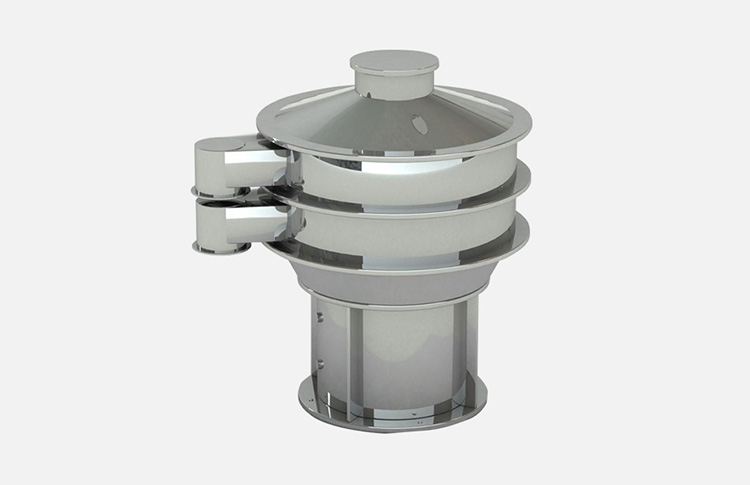
                  Film feeding

                  Automatic tray sealing machines are typically equipped with a film feeding system, which provides the plastic film used to cover and seal the trays. This system can be either manual or automatic depending on the model of machine. The system feeds the film through rollers that pull it over the tray, ensuring an even application of heat for proper sealing.
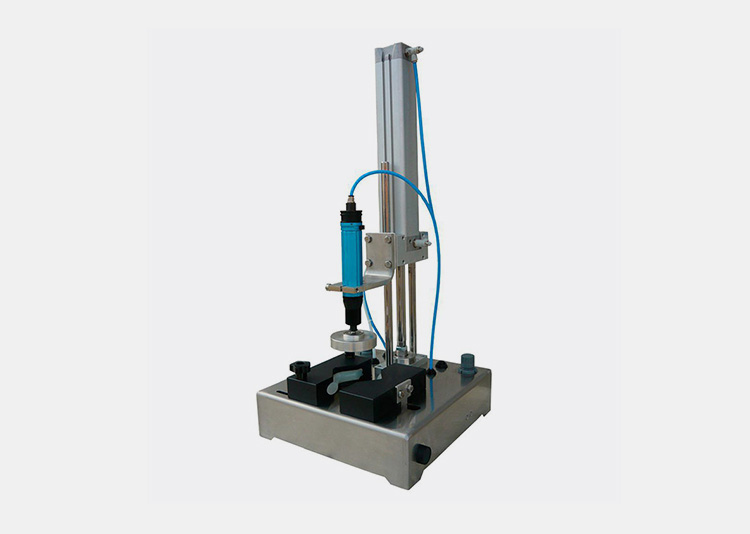
                  Film scrap gather

                  This machine collects the film scrap that is created after sealing a tray. It helps in reducing wastage of films and enhance productivity.
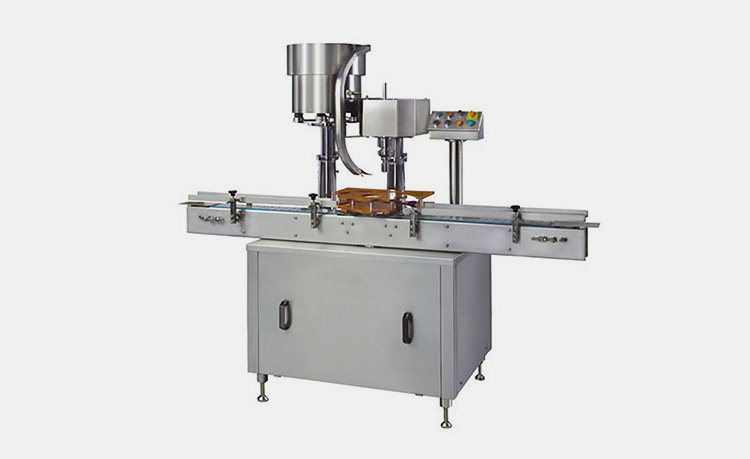
                  Emergency stop

                  The emergency stop button is an important safety feature that immediately stops the automatic tray sealing machine in case of any unforeseen emergencies.

                  Caster support

                  This is the base of the automatic tray sealing machine. It provides a sturdy platform to mount all other components, as well as helping move it around with ease

                  Color sensor

                  This component is used to detect the color of the tray or container. It will then activate a signal to instruct the sealing head on how to seal it depending on its color.

                  By incorporating these components, automatic tray sealing machines are able to produce consistently high-quality sealed products in an efficient and cost-effective manner. Additionally, automatic tray sealing machines can be used to produce a wide variety of trays in various shapes and sizes, allowing for greater flexibility when it comes to product packaging.

                  3.How Does An Automatic Tray Sealing Machine Work?

                  Automatic Tray Sealing Machine Work

                  The automatic tray sealing machine works by sealing a pre-filled tray with a heat sealable film, which is then cut to size and sealed around the tray to create an airtight environment. The automatic tray sealing machine utilizes a series of processes that involve;

                  Heating

                  The automatic tray sealing machine uses a combination of heat, pressure and time to seal the film layer. This process is done by using two heated plates on either side of the tray that applies heat over the entire surface area in order to evenly distribute the heat so that when it reaches a set temperature, it can be sealed properly.

                  Cutting

                  The automatic tray sealing machine also includes a cutting device that can be used to cut the film layer into the correct size and shape for sealing. This is usually done by using a blade or laser, depending on the model of automatic tray sealing machine being used.

                  Sealing

                  The automatic tray sealing machine then uses a combination of pressure and heat to seal the film layer around the tray. This process is often done by using a heated roller that applies even pressure over the entire surface area of the tray in order to properly adhere it to the film layer.

                  The automatic tray sealing machine also often includes additional features such as a product weight detector, which can be used to ensure that all of the products in a batch are sealed evenly and uniformly. This is done by weighing each product before it is sealed, and then recording the weight to make sure that no product is left unsealed or weighted unevenly.

                  4.What Are The Different Types Of Automatic Tray Sealing Machines?

                  There are several common types of Automatic tray sealing machines, each designed to handle different applications and materials.

                  The first type is automatic map (modified atmosphere packaging) tray sealing machine. this type of automatic tray sealing machine is used to reduce the oxygen content in the trays and extends product shelf life. It is typically used for food packaging and other products that can benefit from a modified atmosphere.

                  Types Of Automatic Tray Sealing Machines

                  The second type is automatic vacuum tray sealing machine, which is used to remove air from the packages in order to extend product shelf life and prevent oxidation or spoilage of perishable items such as cheese, seafood, etc. This Automatic tray sealing machine is also used for medical and pharmaceutical applications.

                  Types Of Automatic Tray Sealing Machines-1

                  The third type is automatic skin packaging machine, which seals the product with a thin plastic film that adheres to the tray closely. This Automatic tray sealing machine is commonly used in food packaging or other products that require a tight seal.

                  Types Of Automatic Tray Sealing Machines-2

                  Finally, automatic shrink-wrapping machines are also often used for automatic tray sealing. This type of automatic tray sealing machine uses heat to shrink a plastic film around the tray, providing an extra layer of protection and tamper-proofing.

                  Types Of Automatic Tray Sealing Machines-3

                  Each automatic tray sealing machine has its own unique features and benefits depending on the application. It is important to select the automatic tray sealing machine that best fits your needs. By doing so, you can ensure a quality seal and an extended shelf life for your products.

                  5.What Are The Applications Of An Automatic Tray Sealing Machine?

                  Automatic tray sealing machines have many different applications. Below are some of the common uses for these machines:

                  Packaging Of Food Products

                  Packaging Of Food Products

                  Automatic tray sealing machines are especially useful for packaging food products, as they ensure that the product is efficiently and securely sealed with a durable seal that will keep the product fresh and safe from contamination.

                  Pharmaceuticals And Medical Products

                  Pharmaceuticals And Medical Products

                  Automatic tray sealing machines can be used to package pharmaceuticals and medical products securely, ensuring that the product is transported safely to its destination with no contamination.

                  Electronic Products

                  Electronic Products

                  Automatic tray sealing machines can also be used for packing electronic parts or components, such as LED screens, circuit boards, and other sensitive items. This ensures that fragile products are securely sealed for transportation and storage.

                  Cosmetics

                  Cosmetics

                  Automatic tray sealing machines are also useful for the packaging of cosmetics, from lotions and creams to makeup compacts and lipsticks. These machines can help ensure proper sealing of delicate items like these in order to protect them from contamination and damage.

                  Accessories and other objects

                  Accessories and other objects

                  Automatic tray sealing machines can also be used to package toys and other accessories, such as jewelry, watches, keychains, and other small items. This ensures that these items are securely packaged for safe transport.

                  6.What Are The Advantages Of An Automatic Tray Sealing Machine?

                  Advantages Of An Automatic Tray Sealing Machine

                  Automatic tray sealing machines have a number of advantages over traditional manual methods.

                  • Speed: automatic tray sealing machines work much faster than manual methods, making them ideal for high-volume production lines and large batch sizes.
                  • Consistency: automatic tray sealing machines provide consistent results every time, ensuring that products are consistently sealed and of high quality.
                  • Versatility: automatic tray sealing machines can be used for a variety of different products, from food to pharmaceuticals, making them extremely versatile and cost-effective.
                  • Safety: automatic tray sealing machines are significantly safer than manual methods, as they reduce the risk of human error and are less likely to cause injury.
                  • Cost-effectiveness: automatic tray sealing machines reduce labor costs, as fewer workers are needed to operate the machine, and they require little maintenance, making them cost-effective over time.
                  • Efficiency: automatic tray sealing machines are very efficient in terms of energy consumption and production speed, further increasing their cost-effectiveness.

                  7.What Types Of Materials Can An Automatic Tray Sealing Machine Handle?

                  aluminum foil

                  Figure showing an aluminum sealed tray

                  Polyethylene (PE): Automatic tray sealing machines can handle polyethylene film, which is a lightweight plastic that is commonly used in food packaging. It is durable and provides good moisture and oxygen barriers to keep food fresh.

                  Polypropylene (PP): Automatic tray sealing machines can also handle polypropylene film, which is a slightly thicker plastic that is more resistant to heat and chemicals. It provides excellent mechanical strength for longer product shelf life.

                  PVC: Automatic tray sealing machines can also handle PVC film, which is a heavy-duty plastic that offers superior protection against water vapor, oxygen, UV radiation and other contaminants. It also has excellent clarity for product visibility.

                  Aluminum: Automatic tray sealing machines can also handle aluminum film, which is a highly reflective metallic material that provides superior protection against moisture, oxygen and ultraviolet light. It also offers great flexibility and strength for increased shelf life.

                  Paper and Cardboard: Automatic tray sealing machines can also handle paper and cardboard, which provide excellent barrier properties against moisture, oxygen, light and other contaminates. They also offer great strength and flexibility for product packaging.

                  8.What Features Should You Consider When Buying An Automatic Tray Sealing Machine?

                  Automatic Tray Sealing Machine-3

                  Automatic tray sealing machine Type

                  Automatic tray sealing machines come in a variety of types, such as semi-automatic, fully-automatic and inline machines. Depending on the volume and type of trays you need to seal, it’s important to choose an appropriate automatic tray sealing machine that will work best for you.

                  Tray Size

                  Automatic tray sealing machines vary in capacity, so you need to make sure that the tray sealing machine can accommodate the size of your trays. Check the specifications of each automatic tray sealing machine and select one with a tray size that is suitable for your needs.

                  Construction Materials

                  Automatic tray sealing machines are typically made from stainless steel or aluminum and should be of high quality to ensure that the automatic tray sealing machine can handle your demands.

                  Ease Of Use

                  Automatic tray sealing machines should be easy to operate and maintain. Look for one with clear instruction manuals, user-friendly controls, and foolproof design features.

                  Production Capacity

                  Automatic tray sealing machines should be able to handle a high volume of trays in short periods of time, so you can maximize your production capacity and efficiency.

                  Safety Features

                  Automatic tray sealing machines should have safety features such as emergency stops, automated temperature sensors, and other valuable safety measures.

                  Warranty

                  Automatic tray sealing machines should come with a warranty to protect your investment and ensure long-term use of the automatic tray sealing machine.

                  9.What Are The Most Common Problems Encountered When Using An Automatic Tray Sealing Machine?

                  The most common problems encountered when using an automatic tray sealing machine include:

                  Failure to Seal Properly

                  Automatic tray sealing machines may fail to seal the trays properly due to incorrect settings or worn-out parts. This can lead to improperly sealed trays, which increases the risk of spoilage and contamination.

                  Jamming

                  Jamming

                  Automatic tray sealing machines can get jammed if trays are not loaded properly, if there is a packaging film or foil problem, or the pressure of the seal is wrong. This can cause significant delays in production and impacts on efficiency.

                  Poor Tray Handling

                  Poor Tray Handling

                  Automatic tray sealing machines are designed to handle lightweight trays but heavier trays can cause problems. Poor tray handling can lead to jams, incorrect seals, or trays that are not loaded onto the machine properly.

                  Electrical Issues

                  Electrical Issues

                  Automatic tray sealing machines rely on electricity for power and operation. If there is a problem with the electrical components of the machine, it may fail to function optimally and cause delays in production.

                  Wear and Tear

                  Wear and Tear

                  Automatic tray sealing machines are subjected to a lot of wear and tear due to their constant use. This can cause parts to break down or become worn out over time, leading to problems with the machine’s performance. Additionally, regular maintenance is needed to keep the machine running smoothly.

                  Mechanical Issues

                  Mechanical Issues

                  Automatic tray sealing machines contain a number of mechanical components that can fail due to wear and tear or incorrect settings. This can lead to jams, improper seals, or other issues with the machine’s performance.

                  Poor Quality Seals

                  Automatic tray sealing machines may produce poor quality seals if the pressure is not set correctly or there is a problem with the packaging film or foil. This can lead to leaks and contamination, which should be avoided.

                  10.How Can An Automatic Tray Sealing Machine Be Used In Conjunction With Other Packing Machines?

                  Automatic Tray Sealing Machine-1

                  1.Labelers

                  Automatic tray sealing machines can be used in conjunction with labelers to provide a complete, automated packaging line. Labelers allow for quick and easy labeling of products — especially useful in food production where products must be labeled quickly. Automatic tray sealing machines then seal each product onto trays that are ready to go into the packing process.

                  2.Packers

                  Automatic tray sealing machines can be used in conjunction with packers to provide a complete, automated packaging line. Packers are used to package multiple items into one container or crate for shipping and storage. Automatic tray sealing machines ensure that each individual item is safely packed within its own protective tray before being placed into the larger packing container. This creates an efficient, automated packaging line that can help businesses save time and money on their packaging operations.

                  3.Stackers

                  Automatic tray sealing machines can be used in conjunction with stackers to provide a complete, automated packaging line. Stackers are used to store large amounts of product into conveniently sized crates for easy transport and storage. It ensures that each item is properly sealed and protected before being stacked into the crate. This helps to reduce product damage and waste during storage and transport, as well as reducing downtime associated with manual stacking processes

                  Conclusion

                  The automatic tray sealing machine is an incredible technology that can be extremely beneficial for businesses looking for an efficient and cost-effective way of packaging their products.If you’re looking for a state-of-the-art solution to increase packaging performance and make your workplace more efficient, then contact Allpack today to learn more about this amazing machine. Trust us when we say that it’ll be worth the investment!

                  Don't forget to share this post!

                  CONTACT US

                  Tell us your raw material and project budget to get quotations within 24 hours.

                  WhatsApp Us: +86 151 7236 8460

                  Invalid Email
                  Invalid Number

                  Automatic Tray Sealing Machine: The Complete Buying Guide In 2025 Read More »

                  Box Strapping Machines-2

                  Plastic Strapping Machine: The Complete Buying Guide In 2025

                  Plastic Strapping Machine: The Complete Buying Guide In 2025

                  Welcome to the world of packaging, where plastic strapping machines reign supreme! If you’re in the market for a strapping machine, you’ve come to the right place. We’ve got all the information you need to make an informed decision when it comes to purchasing a plastic strapping machine in 2025.

                  Whether you’re a business owner looking to increase your packaging efficiency, a warehouse manager seeking to streamline your operations, or simply someone in need of a reliable strapping machine for personal use, we’ve got you covered. Let’s get started!

                    Add a header to begin generating the table of contents

                    1.What is Plastic Strapping Machine?

                    plastic strapping machine

                    A plastic strapping machine, also known as a strapping tool or strapping device, is a piece of equipment designed to securely fasten or bundle items together using plastic strapping material. It is a device used to bundle or secure items together using plastic strapping material.

                    The machine works by wrapping the plastic strap around the items and then tightening and sealing the strap using heat or friction weld. Plastic strapping machines are used in industries such as shipping, manufacturing, and retail where products need to be bundled or secured for transportation or storage.

                    They offer several advantages, such as versatility, lightweight, flexibility, and recyclability, making them an essential piece of equipment for businesses that require secure packaging.

                    2.In what ways can businesses benefit from using Plastic Strapping Machines in their operations?

                    benefit

                    Allow me to regale you with tales of the marvelous plastic strapping machine, and how it can bring untold benefits to businesses of all shapes and sizes.

                    productivity

                    First and foremost, using a plastic strapping machine is a surefire way to boost productivity and efficiency. Manual strapping can be a tedious and time-consuming process, with endless fumbling and fiddling that can leave even the most dexterous among us feeling like clumsy landlubbers.

                    But with a trusty plastic strapping machine at your disposal, you can strap your goods in a fraction of the time, and with far greater precision. It’s like having a crew of highly skilled deckhands on call, ready to handle all your strapping needs with ease and alacrity.

                    saving your time

                    But wait, there’s more! In addition to saving your time and effort, using a plastic strapping machine can also help you save money in the long run. You see, manual strapping can be a bit hit or miss, with inconsistent tension and the risk of straps breaking or coming loose during transit.

                    This can lead to damaged goods and costly returns, which no business owner wants to deal with. But with a plastic strapping machine, you can ensure that your straps are tight, secure, and evenly tensioned, reducing the risk of damage and increasing customer satisfaction. It’s like having an insurance policy against shipping mishaps, but without the pesky premiums.

                    environmental impact

                    And if you think that’s all, dear friends, you’re in for a treat. Using a plastic strapping machine can also help you reduce your environmental impact. By using lightweight plastic straps instead of heavy metal ones, you can reduce the weight of your packages and thus lower your shipping costs and carbon emissions.

                    It’s like putting up a sail and catching the wind, propelling your business towards a greener, more sustainable future.

                    3.What are the commercial applications of Plastic Strapping Machine?

                    A plastic strapping machine is commonly used in industries such as packaging, logistics, manufacturing, and distribution centers. Here are some of the commercial applications of plastic strapping machines:

                    Packaging:

                    Packaging

                    Plastic strapping machines are widely used in the packaging industry to secure and bundle products such as boxes, cartons, pallets, and bags. They are especially useful for heavy-duty and bulky products that need to be securely packaged for transport.

                    Shipping and logistics:

                    Shipping and logistics

                    Plastic strapping machines are also used in shipping and logistics centers to bundle products together for transportation. This can help to reduce the risk of damage to the products during shipping and handling.

                    Manufacturing:

                    Manufacturing

                    Plastic strapping machines are used in various manufacturing industries to bundle products during the production process. This can help to streamline the manufacturing process and increase efficiency.

                    Construction:

                    Construction

                    Plastic strapping machines are used in the construction industry to bundle construction materials such as pipes, lumber, and steel. This can help to keep the materials organized and prevent them from shifting during transport.

                    These machines can help to increase efficiency, reduce the risk of damage to products, and ensure that products arrive at their destination in good condition.

                    4.What are the different types of Plastic Strapping Machines?

                    There are different types of plastic strapping machines available in the market, some of which are:

                    Automatic Plastic Strapping Machine

                    Automatic Plastic Strapping Machine

                    These machines have an automatic feeding system that pulls the strap around the product or package and then tensions, seals, and cuts the strap automatically. They are suitable for high-volume applications and can increase productivity.

                    Semi Automatic Plastic Strapping Machine

                    Semi Automatic Plastic Strapping Machine

                    These machines require an operator to manually feed the strap around the package or product and then activate the machine to tension, seal and cut the strap.

                    Manual Plastic Strapping Machine

                    Manual Plastic Strapping Machine

                    Manual plastic strapping machines are simple and cost-effective solutions for bundling products or packages using plastic straps. These machines are operated manually, and they require an operator to manually feed the strap around the product or package and then apply tension, seal and cut the strap.

                    Side-Seal Plastic Strapping Machines

                    Side-Seal Plastic Strapping Machines

                    These machines apply the plastic strap from the side of the package or product and are suitable for strapping long and heavy loads. They use a heat-sealing method to secure the strap, ensuring a strong and durable hold.

                    Bottom Seal Plastic Strapping Machines

                    Bottom Seal Plastic Strapping Machines

                    These machines apply the plastic strap from the bottom of the package or product and are suitable for strapping small and light loads. They use a heat-sealing method to secure the strap, ensuring a strong and durable hold.

                    Pallet Plastic Strapping Machines:

                    Pallet Plastic Strapping Machine

                    These machines are used to secure loads onto pallets and are suitable for heavy-duty applications. They have a built-in dispenser for the plastic strap and can be either semi-automatic or fully automatic.

                    5.What are the differences between Plastic Strapping Machine and Steel Strapping Machine?

                    Plastic Strapping Machine and Steel Strapping Machine

                    There are several types of strapping machines available, but one important type of strapping machine that can be compared with a plastic strapping machine is a steel strapping machine.

                    Material Used:

                    The primary difference between a plastic strapping machine and a steel strapping machine is the material used for strapping. A plastic strapping machine uses plastic strapping, while a steel strapping machine uses steel strapping.

                    Strength and Durability:

                    Steel strapping is stronger and more durable than plastic strapping. It can handle heavier loads and is more resistant to impact and compression.

                    Plastic strapping, on the other hand, is ideal for lighter loads and is less likely to damage the product being strapped.

                    Tensioning:

                    Steel strapping machines typically use a higher tensioning force than plastic strapping machines. This is because steel strapping is more rigid and requires more force to pull tight. Plastic strapping machines require less tensioning force, as the plastic is more flexible and can be stretched more easily.

                    Cost:

                    Steel strapping is more expensive than plastic strapping, so steel strapping machines tend to be more expensive than plastic strapping machines.

                    However, steel strapping is reusable, so it may be a more cost-effective option in the long run.

                    Maintenance:

                    Steel strapping machines require more maintenance than plastic strapping machines. Steel strapping can rust if it comes into contact with moisture, so the strapping and the machine need to be kept dry. Plastic strapping, on the other hand, is resistant to rust and does not require as much maintenance.

                    In summary, plastic strapping machines are ideal for light-duty applications and are less expensive and easier to maintain. Steel strapping machines, on the other hand, are ideal for heavy-duty applications and offer greater strength and durability. The choice between the two depends on the specific application and the load being strapped.

                    6.What are the essential components that make up a Plastic Strapping Machine?

                    components

                    The machine consists of several components that work together to provide a seamless strapping experience.

                    Working Panel:

                    The working panel is the area of the machine where the operator places the package to be strapped. The working panel can be adjusted to accommodate different package sizes and shapes, making the machine versatile.

                    Pedal Packing:

                    Pedal packing is a feature that allows the operator to activate the strapping process using a foot pedal. This feature helps to free up the operator’s hands, making the process more efficient.

                    Strap Tray:

                    The strap tray is a compartment located on the side of the machine that holds the plastic strapping. The strap tray has an adjustable strap dispenser that dispenses the correct length of strap needed for each package.

                    Control Panel:

                    The control panel is the interface used to operate the machine. It consists of buttons and switches that control various aspects of the strapping process, such as the tension and sealing of the strap.

                    Portal Frame:

                    The portal frame is the main structure of the machine. It supports the working panel, the strap tray, and the control panel. The portal frame is made of durable materials, such as steel, to ensure the machine is stable and can withstand the pressures of regular use.

                    Strap Dispenser:

                    This component holds and dispenses the plastic strap that is used to secure the items. The dispenser can be either a hand-held tool or a stationary device.

                    Tensioning System:

                    The tensioning system is responsible for pulling the strap tight around the item to be secured. It typically includes a motor or a hand-operated crank to apply the necessary tension.

                    Sealing Mechanism:

                    The sealing mechanism is used to secure the ends of the plastic strap after it has been tensioned. This can be done through heat sealing, friction welding, or other methods.

                    7.What are the working principles of Plastic Strapping Machine?

                    working principle

                    The working principles of a plastic strapping machine are as follows:

                    Loading the plastic strap: First, load the plastic strap onto the machine’s dispenser. The strap is usually wound around a spool that is placed onto the machine’s dispenser.

                    Feeding the strap: Once the machine is turned on, the strap is fed from the dispenser into the strapping head. The strapping head is the part of the machine that applies the strap to the package.

                    Tensioning the strap: The strapping head applies tension to the strap to make it tight around the package. The amount of tension applied can be adjusted according to the package’s requirements.

                    Sealing the strap: After the strap is tensioned, the strapping head seals the strap by melting it together using heat. The heat can be generated using friction, electricity, or hot air.

                    Cutting the strap: Once the strap is sealed, the strapping head cuts the strap to the desired length. The length can be adjusted according to the package’s size.

                    Ejecting the package: Finally, the strapping head releases the package, and it is ready to be shipped or stored.

                    The machine’s settings can be adjusted to ensure that the package is secured safely and efficiently.

                    8.What are the various strapping techniques that can be carried out using a plastic strapping machine?

                    A plastic strapping machine can be used to apply various strapping techniques to secure goods for transportation or storage. Some of the commonly used techniques include:

                    Horizontal strapping:

                    Horizontal strapping

                    This technique involves applying a horizontal strap around a pallet or a bundle of goods to prevent them from shifting or falling during transit.

                    Vertical strapping:

                    Vertical strapping

                    In this technique, vertical straps are applied to secure the edges of the goods, which prevents them from tilting or leaning during transportation.

                    Cross strapping: 

                    Cross strapping

                    Cross strapping involves applying straps diagonally across the bundle of goods. This technique is particularly useful for securing large and bulky items.

                    Corner strapping:

                    Corner strapping

                    Corner strapping is used to secure the corners of the goods, which helps to prevent damage to the edges during transportation.

                    Bundling strapping:

                    Bundling strapping

                    Bundling strapping involves strapping together smaller items to create a larger bundle for ease of transportation.

                    Customized branding:

                    Customized branding

                    Plastic strapping can be customized with a company’s logo or branding to enhance its visual appeal and brand recognition.

                    Temperature-sensitive strapping:

                    Temperature-sensitive strapping

                    Straps that change color or texture in response to changes in temperature can be used to monitor and track the temperature of goods during transportation.

                    Shock-absorbing strapping:

                    Straps with shock-absorbing properties can be used to protect fragile goods during transit.

                    9.Which types of strapping materials can be utilized with a Plastic Strapping Machine?

                    When it comes to the types of strapping materials that can be utilized with a Plastic Strapping Machine, there are several options available. The most commonly used materials are polypropylene (PP) and polyester (PET) strapping.

                    Polypropylene strapping

                    Polypropylene strapping is a type of plastic strapping that is lightweight and cost-effective. It is commonly used for lighter duty applications, such as securing boxes or bundles of products that are not too heavy or bulky.

                    Polyester strapping

                    Polyester strapping, on the other hand, is stronger and more durable than polypropylene strapping. It is a better choice for heavier duty applications where more strength is required, such as securing larger boxes or bundles of heavier products.

                    Both types of strapping can be easily and efficiently utilized with a plastic strapping machine, which can quickly and accurately apply the strapping to the package or product. This can save time and effort compared to manual strapping methods, while also ensuring that the strapping is applied securely and reliably.

                    10.What kind of upkeep and maintenance is necessary for a Plastic Strapping Machine?

                    upkeep and maintenance

                    To ensure their longevity and efficient operation, regular maintenance and upkeep are necessary. Here are some key aspects of plastic strapping machine upkeep and maintenance:

                    Lubrication:

                    Proper lubrication is essential for smooth and efficient machine operation. Check the manufacturer’s instructions for recommended lubrication intervals and use only the recommended lubricants. Typically, plastic strapping machines require oiling at key points such as the cam, motor, tensioning unit, and feed wheel.

                    Cleaning:

                    Regular cleaning of the machine is necessary to ensure that dirt, dust, and other debris do not affect its performance. Clean the machine daily, paying particular attention to the feed wheel and tensioning unit. Remove any dirt or debris and wipe the machine with a clean, dry cloth.

                    Adjustment: Regular adjustment of the machine is required to ensure that it is performing optimally. Check the tensioning unit, feed wheel, and sealing unit to ensure that they are correctly aligned and adjusted. Make adjustments as necessary to ensure that the machine is functioning at peak efficiency.

                    Replacement of Parts: Plastic strapping machines have several moving parts that are subject to wear and tear over time. Regularly inspect these parts and replace them as necessary to ensure that the machine is operating optimally. This includes parts such as the strap feed wheel, motor, tensioning unit, and sealing unit.

                    Training and Operator Awareness: It is essential to train all operators on the proper use and maintenance of the plastic strapping machine. Ensure that all operators are aware of the maintenance schedule and are trained to recognize signs of wear or malfunction.

                    11.What factors should be considered when selecting the best Plastic Strapping Machine for specific needs?

                    When selecting the best plastic strapping machine for your specific needs, there are several factors that should be considered. These include:

                    Strapping Material and Size:

                    Strapping Material and Size

                    The strapping material and size that you will be using will have a significant impact on the type of strapping machine that you need. You need to ensure that the machine can handle the material and size of the strapping you will be using.

                    Production Requirements:

                    Production Requirements

                    The production requirements of your business will determine the type of strapping machine you need. If you have a high volume of products to strap, you may need a machine with a higher throughput and faster cycle times.

                    Cost:

                    Cost

                    The cost of the machine is a significant consideration. It is important to balance the cost of the machine against its features and capabilities. You should look for a machine that offers a good return on investment and fits within your budget.

                    Ease of Use:

                    Ease of Use

                    The machine should be easy to operate and should require minimal training for your employees. Look for a machine that has a user-friendly interface and clear instructions.

                    Durability and Safety:

                    Durability and Safety

                    The durability of the machine is also an important factor. Look for a machine that is built to last and can handle the wear and tear of daily use.Besides,Safety is paramount in any workplace. Look for a machine that has safety features to prevent accidents and protect your employees.

                    Compatibility with other equipment:

                    Compatibility with other equipment

                    Consider if the machine is compatible with other equipment you have. A strapping machine that works well with other equipment will help streamline your operations and improve efficiency.

                    Customer Support: 

                    Customer Support

                    Look for a machine from a reputable manufacturer with good customer support. This will ensure that you can get the help you need in case of any issues or questions.

                    Conclusion

                    In conclusion, a plastic strapping machine is a valuable investment for any business that needs to secure their packages during transportation or storage. By using a strapping machine, businesses can improve their efficiency, reduce the risk of damage to their products, and increase customer satisfaction.  By selecting the right machine for their needs, businesses can enjoy the benefits of a reliable and efficient strapping process. So, whether you’re a small business or a large corporation, investing in a plastic strapping machine can be a wise decision that pays off in the long run.

                    Don't forget to share this post!

                    CONTACT US

                    Tell us your raw material and project budget to get quotations within 24 hours.

                    WhatsApp Us: +86 151 7236 8460

                    Invalid Email
                    Invalid Number

                    Plastic Strapping Machine: The Complete Buying Guide In 2025 Read More »

                    Scroll to Top