
Importance of Packaging Machine in the Pharmaceutical Industry

Importance of Packaging Machine in the Pharmaceutical Industry

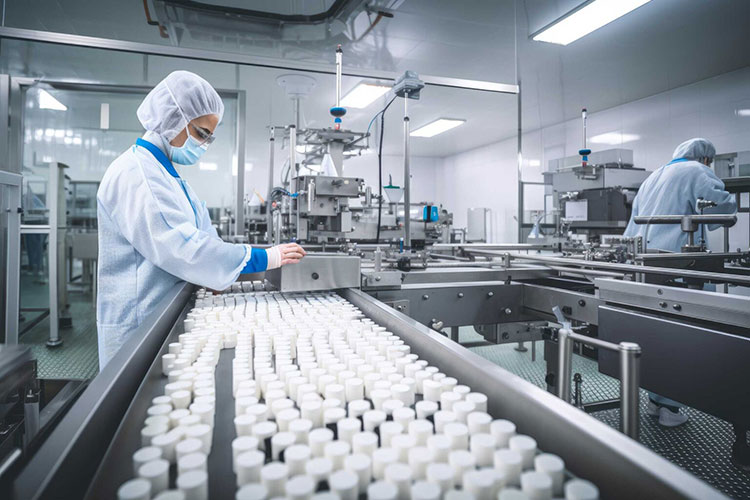
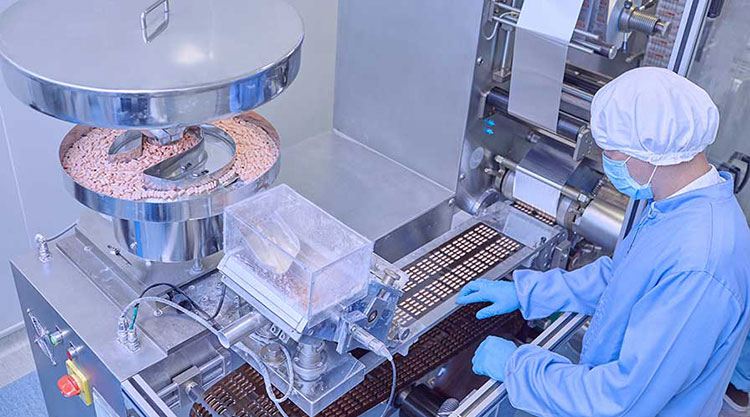
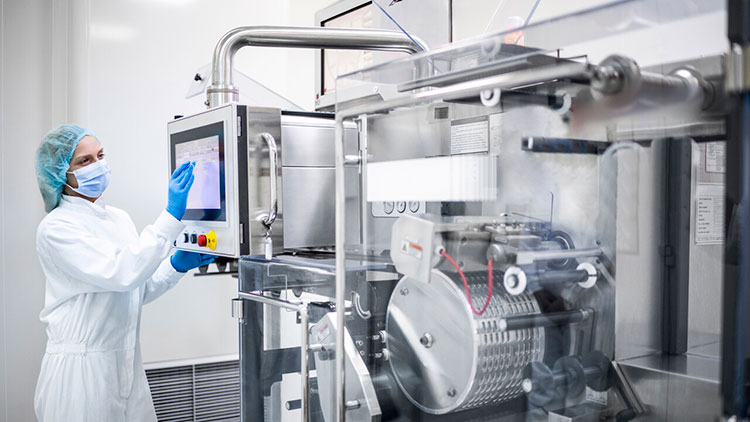
Have you ever wondered the sanitary and efficiency of your medicines while you make the purchase in pharmacy? The various packaging machines in the pharmaceutical industry make the important work to convey the clean and efficient medical products to many patients.

Have you ever wondered the importance of packaging machine in pharmaceutical industry? Do you know the frequently used packaging machines in the pharmaceutical industry? How to find your suitable packaging machine in pharmaceutical industry? Here is the answers about all above questions.

    Add a header to begin generating the table of contents

    1.What IsPackaging Machine In The Pharmaceutical Industry?
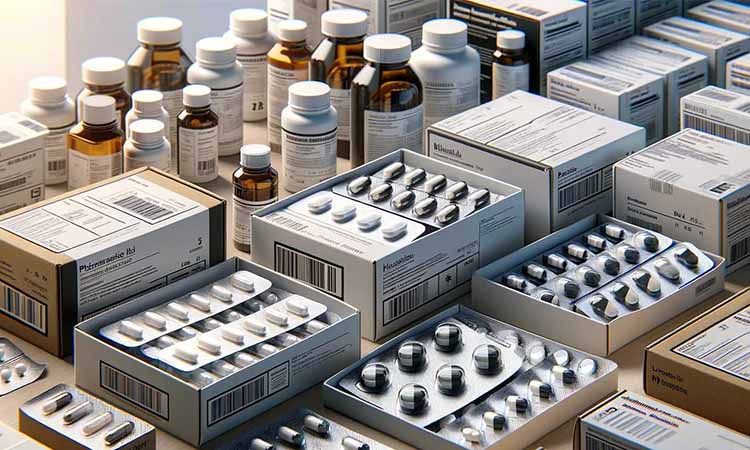
    Pharmaceutical Packaging

    Pharmaceutical Packaging-Sourced:arka

    For the pharmaceutical products, the unqualified and normal packaging may lead the damage of products in transporting and change effect for medical use. Pharmaceutical packaging is the special packaging for the reliable and sanitary protection of medical products and other products for pharmaceutical use.

    The packaging machines in the pharmaceutical industry have various type and strict standard for the production of hygienic and protective pharmaceutical products. For different type and dosage, the packaging methods are different and you may see the various types of packaging machines in the pharmaceutical industry.

    2.What Are The Common Packaging Material For Pharmaceutical Packaging Use?

    For different packaging manner, there is different packaging material adopted to pharmaceutical packaging use.

    Plastic
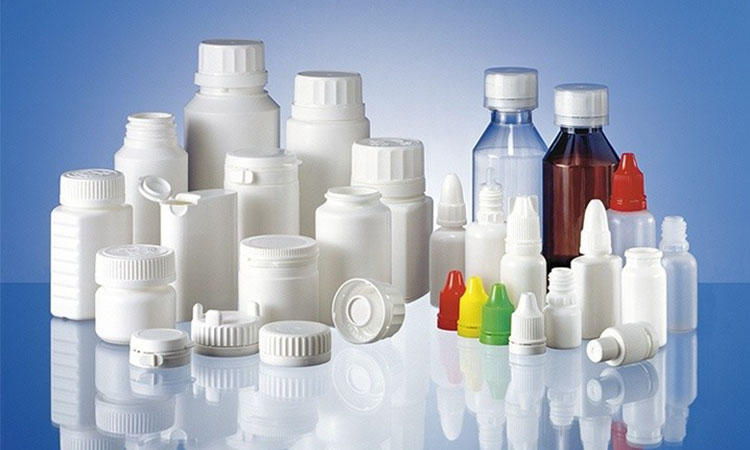
    Plastic material

    Plastic Material-Sourced:stringentdatalytics

    Plastic material is one of the most common packaging material for pharmaceutical use. You may see the bottle, sachet, suppository and so many material for pharmaceutical use. Plastic material is cheap and can make the efficient and protective packaging for various types of material.

    Glass

    Glass material

    Glass Material-Sourced:glassproduct

    Glass is the irreplaceable material for injecting medicine packaging. Its durability and great resisting to acid and alkalis make it also the important packaging material to some special medical products. Ampoule, vial and many medical packaging all need the application of glasses in it.

    Aluminum
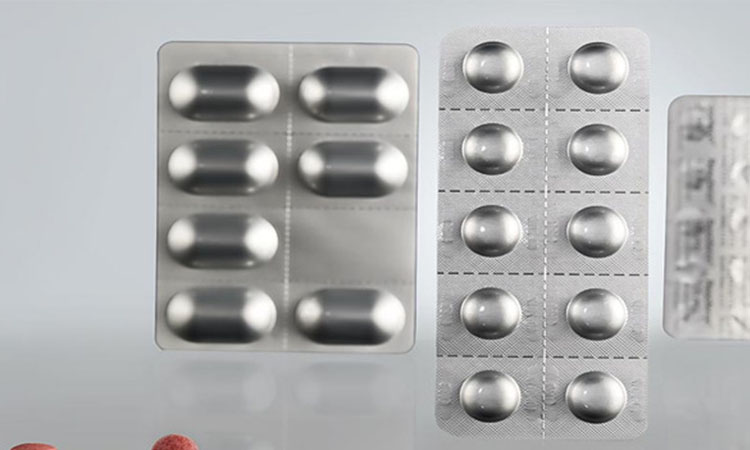
    Aluminum material

    Aluminum Material-Sourced:aluminumfoil

    Aluminum can be frequently found in blister packaging in pharmaceutical industry. The softness, flexibility and durability of aluminum make it the ideal packaging material for pack the capsule, soft gel and many other medical products. You may also see its use in sealing tube and so on.

    Paper
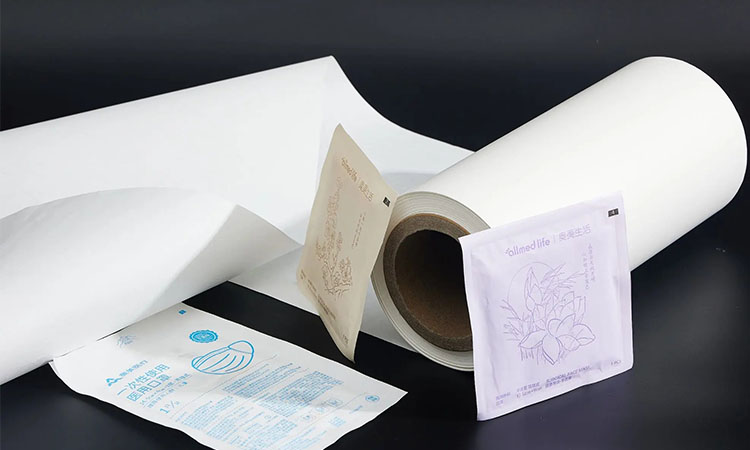
    Paper material

    Paper Material-Sourced:cdnbestsuppliers

    Paper is usually used for sealing small sachet. The low price and anti light make it the great material for many medical products. And most importantly, it can make the sustainable and bio degradable work. For the final tertiary packaging, it can also makes the great carton for your medicine packaging.

    3.What Are The Packaging TypesFor The Pharmaceutical Industry?

    As there are various types of medicines in pharmaceutical industry, there are also various packaging types for you to choose. Here are the representative packaging types for pharmaceutical industry.

    Blister packaging

    Blister packaging

    Blister Packaging-Sourced:sedpharma

    Blister packaging is one of the most common packaging type for pharmaceutical industry. For various tablet, capsule and soft gel, it can make the safe, air tight and protective packaging. The fragile products like medical devices or equipment can also be protected well from blister packaging.

    Bottle packaging   

    Bottle packaging

    Bottle Packaging-Sourced:dynamicmedia

    Bottle packaging has a wide range. You may find the bottle packaging of various type from small bottle and big bottle. From the packaged material, it can also differed greatly. Which is your packaged material, syrup, air drop or other? The different packaged material should apply the different packaging machine type.

    Sachet packaging

    Sachet packaging

    Sachet Packaging-Sourced:aranow

    Sachet packaging is also a widely applied packaging type. The packaging of medical products into the sachet is cost effective and protective. The medical and herb powder is one type which adopts the sachet packaging most frequently. For granule, powder or some liquid sachet packaging is the recommended packaging way.

    Tube packaging
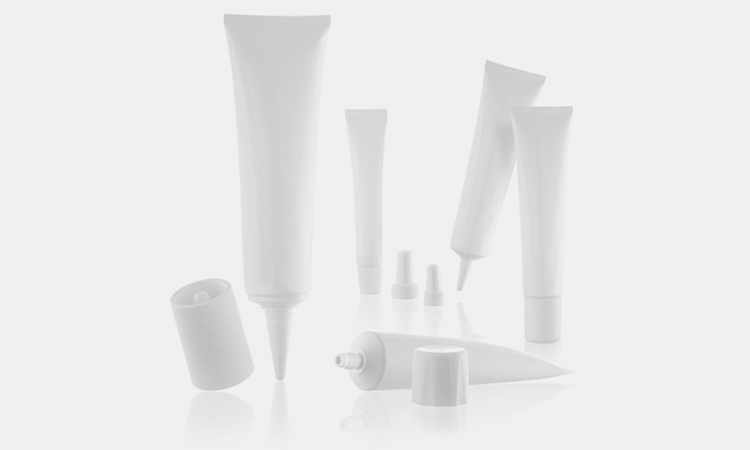
    Tube packaging

    Tube Packaging-Sourced:mplusa

    Tube packaging is the packaging which suits the topical used medicines like cream, ointment, lotion and so on. The tube packaging can prove the efficiency and sanitary of packaged material greatly. And it can also make the more accurate and precise caring for some small zone for your skin or other places.

    Suppository packaging
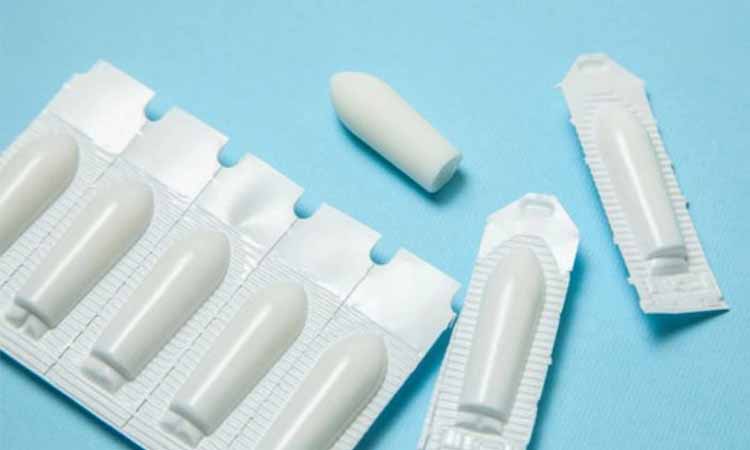
    Suppository packaging

    Suppository Packaging-Sourced:saintyco

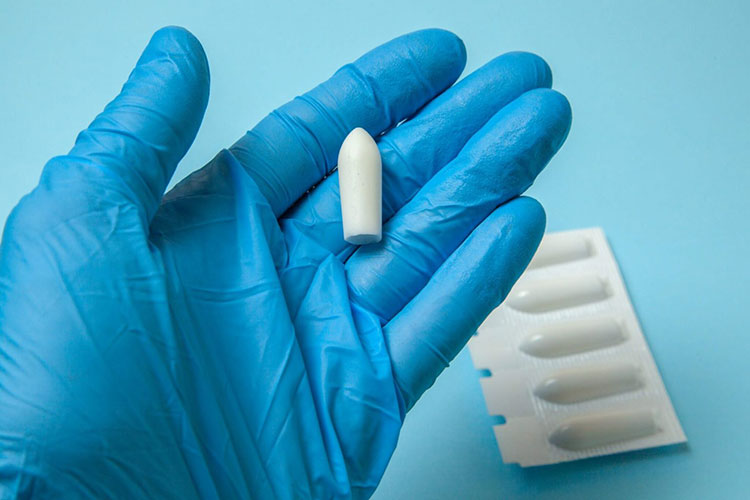
    Suppository packaging is the special packaging to make the suppository. Its packaging  manner is different and makes the great benefits to some special medicine. Suppository gets into people’s body from rectum, vagina or urethra and melt when meeting your body temperature.

    Vial and ampoule packaging
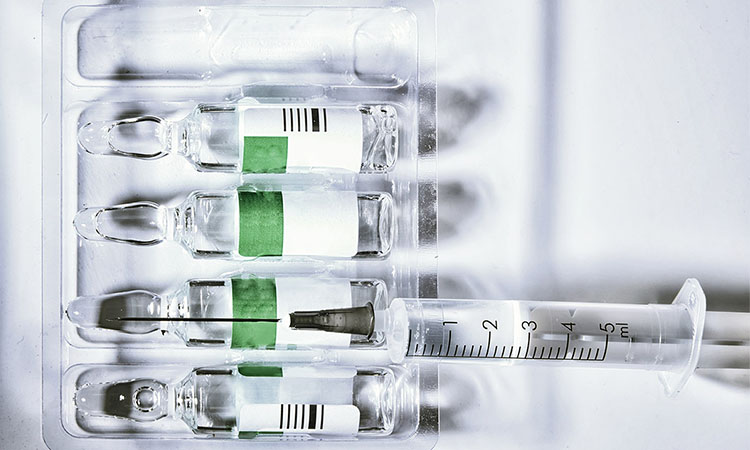
    Vial and ampoule packaging

    Vial And Ampoule Packaging-Sourced:uskbalaji

    Vial and ampoule packaging is the packaging which is widely used in injection area. The medicine injection should be with the highest hygienic standard. And now the vial and ampoule packaging can also be used in wound caring, skin caring and so on for its great feature in sanitary and conserving.

    4.What Are The Representative Packaging Machines In The Pharmaceutical Industry?

    The pharmaceutical packaging machines are various. And here are some representative packaging machines which are used in pharmaceutical industry.

    Blister packaging machine
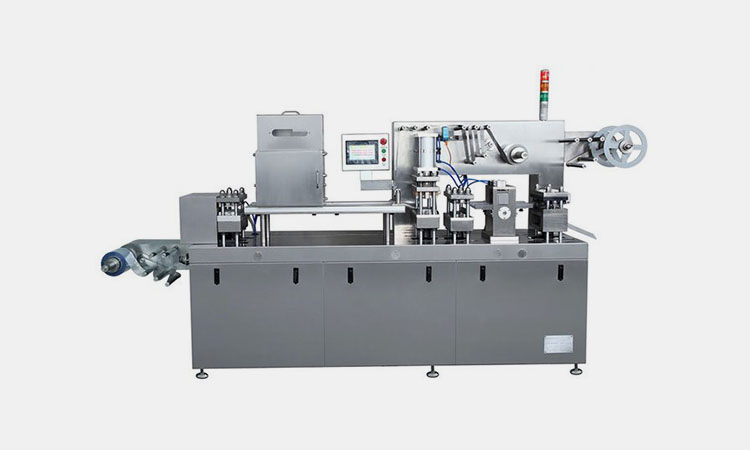
    Blister packaging machine

    ALLPAK Blister Packaging Machine

    Blister packaging machine usually packs the capsules and tablets to make the airtight clean environment for the various medical products. Besides the common capsule and tablet, you may also see its use in medical equipment. It can make various form and size for the different need and requirement.

    Strip packaging machine
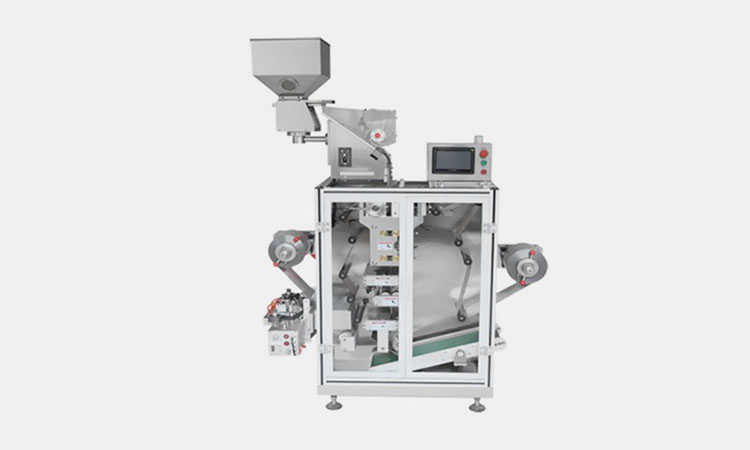
    Strip packaging machine

    ALLPAK Strip Packaging Machine

    Strip packaging machine is used in pharmaceutical industry to pack the pill, tablet, capsule and so on. The preventing of pollution in the single strip intervals makes sure the great effect and sanitary of your medical products. The machines can pack the strip with high efficiency and great flexibility and you may also see its use in food, cosmetic and other industry.

    Liquid filling machine
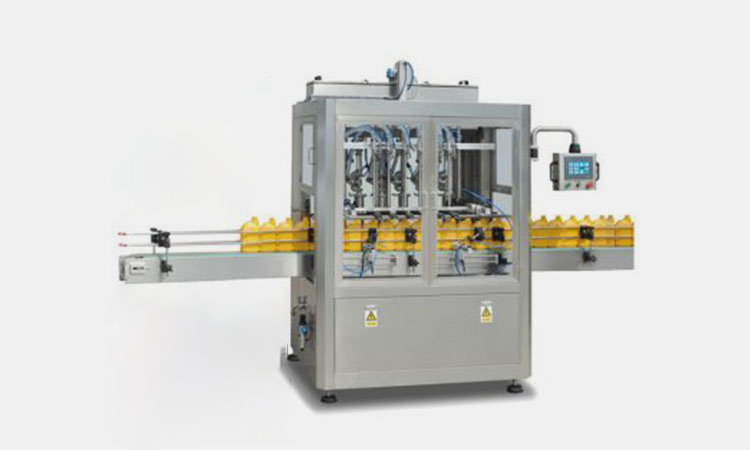
    Liquid filling machine

    ALLPAK Liquid Filling Machine

    Liquid filling machine packs the various liquids for pharmaceutical industry. It can handle the various packaging from vial filling, syrup filling, spray filling, eye drop filling and so on. The high request on the medical products like iodine, alcohol and so on can be satisfied by it. The great sanitary, large bulk and efficiency makes it outstanding in liquid filling of pharmaceutical industry.

    Powder filling machine
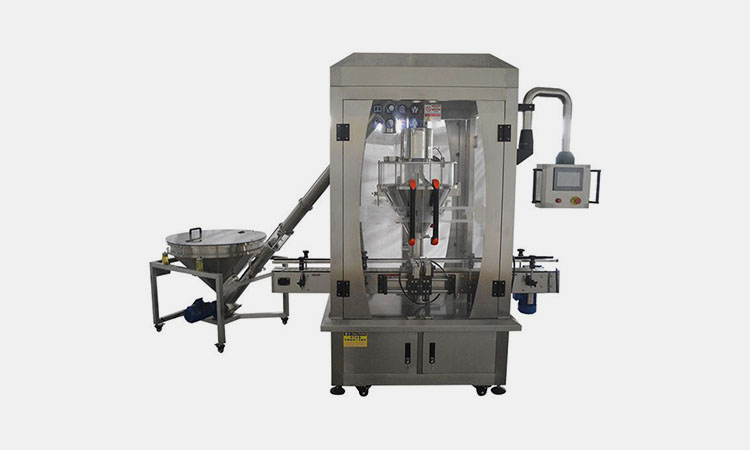
    Powder filling machine

    ALLPAK Powder Filling Machine

    Powder is also the frequently used medicine form in pharmaceutical industry. The powder filling machine packs various medical products like glucose, medical solids and so on. It can perform a series of work like separating, filling, locking and so on. For powder of various type and size, it can all handle.

    Granule packaging machine
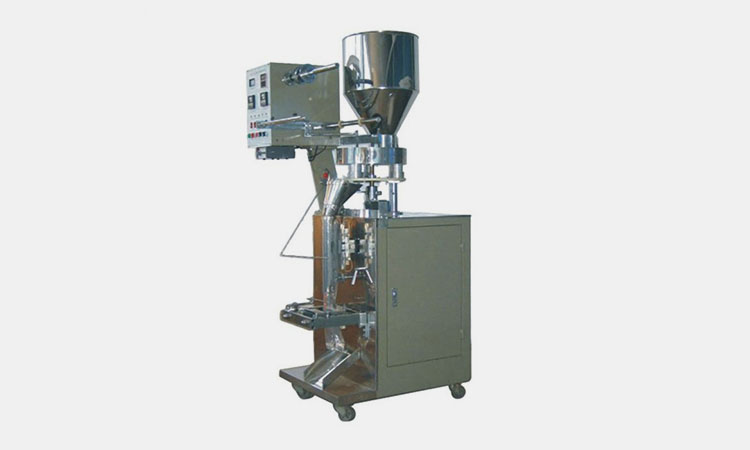
    Granule Packaging Machine

    ALLPAK Granule Packaging Machine

    Granule packaging machine can pack the various granule. You may see its frequent use in medicine-dissolved medicine and Chinese herb medicine. Granule is the important medical form in pharmaceutical industry. The granule packaging machine can assure the sanitary and efficiency of the whole packaging process.

    Tablet packaging machine
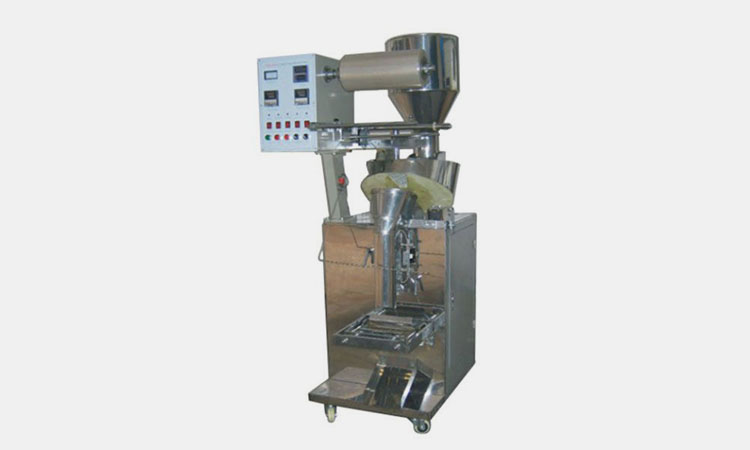
    Tablet packaging machine

    ALLPAK Tablet Packaging Machine

    Tablet packaging machine can count and pack various medicine form. And you may find the packaging of the various specification of tablets, capsules, soft gelatin capsules and other small medical devices. It can also make the mix packaging for nutrition pack. The great protection and showing of medical products make this packaging form so popular.

    Capsule filling machine
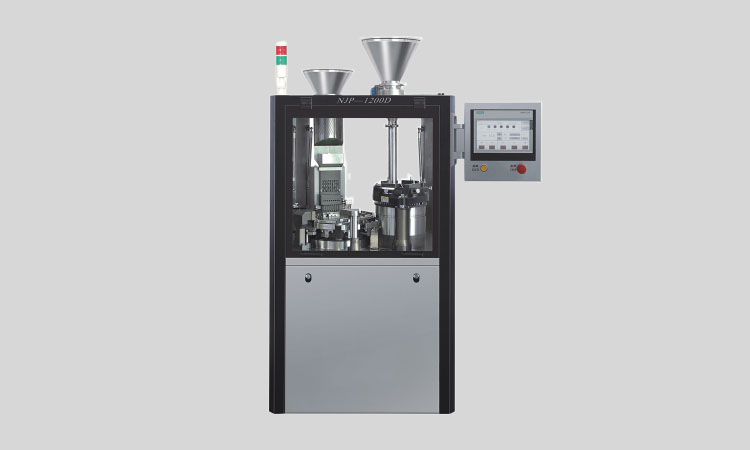
    Capsule filling machine

    AIPAK Capsule Filling Machine

    Capsules are one of the most common medical dosage in pharmaceutical industry. Capsule filling machine should take the strict work to deal with different kinds and fine powder and granule. Capsule filling machine is a practical machine which can make the fluent and nice packaging work for various form and particles.

    Tube filling machine
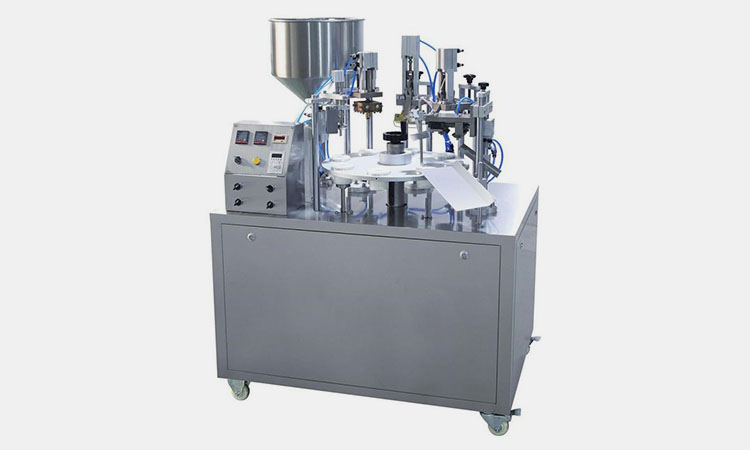
    Tube filling machine

    ALLPAK Tube Filling Machine

    For pharmaceutical industry, there is the requirement for tube filling as the topical medicine like ointment and cream need the tube for accurate transferring. Tube filling machine makes the excellent work in packing ointment, pasta and various medical products into tube for pharmaceutical use.

    Suppository filling machine
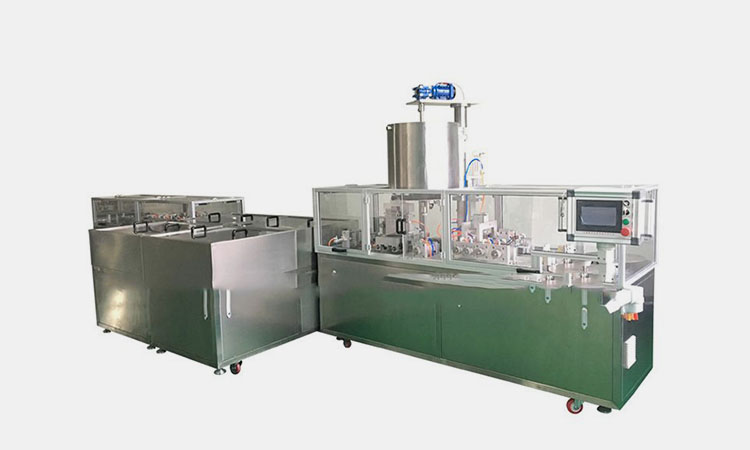
    Suppository filling machine

    ALLPAK Suppository Filling Machine

    Suppository can make the effective and useful delivering of medical effect for human. It makes great help for the patients who may be hard to take drug and medicines which are unsuitable for the stomach’s environment. Suppository filling machine makes the series of reliable work to make suppository with various shapes.

    5.Importance Of Packaging Machine In The Pharmaceutical Industry

    Packaging machine is irreplaceable in pharmaceutical industry and its importance cannot be underestimated. Here is the importance of packaging machine in pharmaceutical industry.

    Accuracy and consistency

    consistency

    Consistency-Sourced:brainzmagazine

    Packaging machines make the consistent and precise packaging. The right and precise packaging is rather important for various medical products. The wavering of the dosage in some kind may lead the change of effect. Packaging machines make the great job in making the accurate packaging which is needed for pharmaceutical industry.

    Efficiency

    Efficiency

    Efficiency-Sourced:revechat

    Packaging machines reduce the work of labor and make the packaging work with high efficiency. For the large production, it needs the high efficient packaging machine to make the timely production and make the organized managing. This can save their time and save more for business.

    Automation
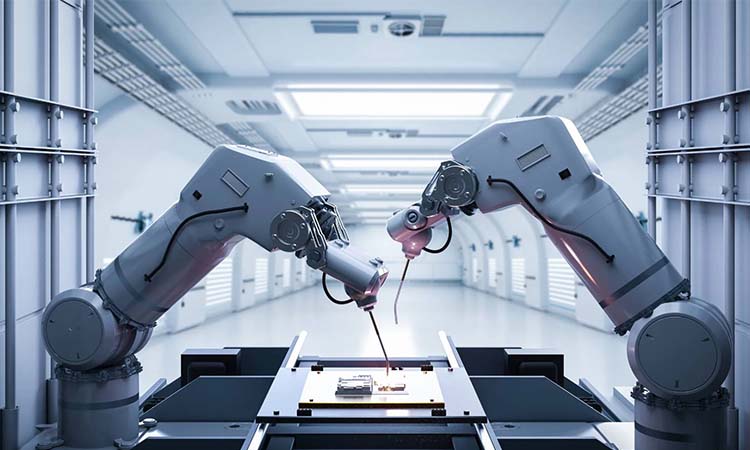
    Automation

    Automation-Sourced:mida

    The high automation of pharmaceutical packaging machine helps reduce the human mistake and prove the sanitary on packaging process. The high automation pharmaceutical packaging machine take can also prove the high speed processing of the whole packaging process.

    Quality prove

    Quality prove

    Quality Prove-Sourced:idexxcurrents

    Packaging machine used in pharmaceutical industry can prove the products’ quality. The packaging process with little joining of human has smaller chance to be contaminated. And you may control the quality of the packaging products better from packaging machine rather than the labor work.

    Regulatory compliance

    Regulatory compliance

    Regulatory Compliance-Sourced:finreg-e

    The pharmaceutical products are tested and inspected carefully as it makes so much important work for people. And the changing and advancing regulatory compliance needs the flexible packaging machine for pharmaceutical use. The adoption of packaging machine can improve traceability and offer reporting for the prove of products and business quality.

    Better protection

    Better protection

    Better Protection-Sourced:maidsbytrade

    The packaging machines makes better packaging work. The packaging are made with series of strict packaging process and passes the test and check of packaging machine. The little adding of human and great packaging work can prove the better protection of machine in transporting and storing.

    Anti counterfeiting
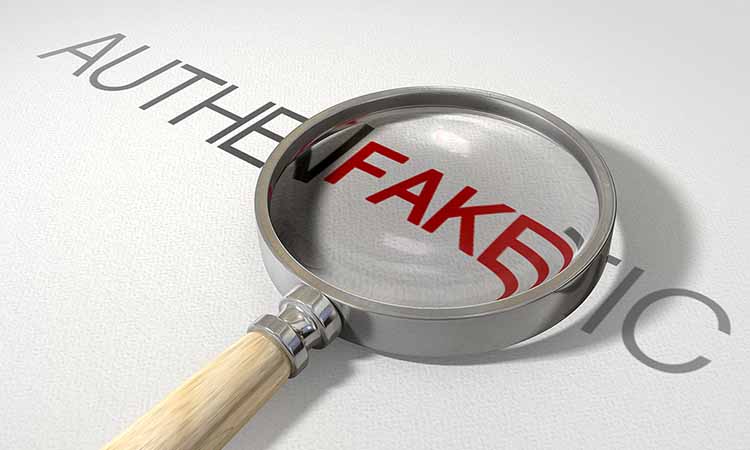
    Anti counterfeiting

    Anti Counterfeiting-Sourced:temera

    The labeling and packaging work of packaging machines for pharmaceutical industry can make the great anti counterfeiting job. The tracing and reporting packaging machine offered is the great method for anti counterfeiting. For the labor work with low automation, the anti counterfeiting is impossible.

    Cost saving

    Cost saving

    Cost Saving-Sourced:optimizemro

    Packaging machines in the pharmaceutical industry is a big cost for pharmaceutical business. But in a long ran, it improves the packaging efficiency and improves the profitability. For the better qualified products made from pharmaceutical packaging machine, your business can make the better marketing work.

    6.What Other Industry Can The Packaging Machine In The Pharmaceutical Industry Be Applied?

    Packaging machines can be used in more than one places. What other industry can packaging machine be applied? Here are some representative industries which adopt the packaging machine frequently.

    Food industry
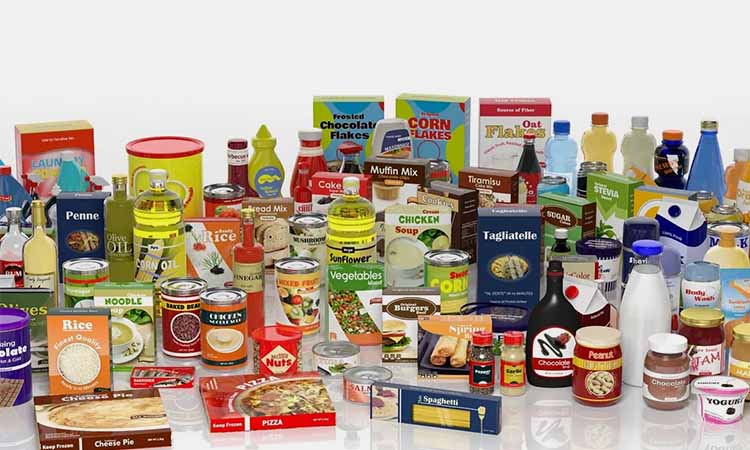
    food industry

    Food Industry-Sourced:entrepreneurialchef

    For food industry, there are also the high standard on food safety and packaging efficiency. The application of packaging machine in food industry can prove the quality of food. It can also make the various and attractive packaging which may promote sale in market.

    Cosmetic industry

    Cosmetic products

    Cosmetic Industry-Sourced:somewang

    Cosmetic products have also the the high sanitary request on cosmetic products packaging. The efficient packaging work can maintaining the efficiency of essence, lotion and other skin relative products. The reliable packaging can also prove the material which contact people’s skin.

    Chemical industry

    Chemical industry

    Chemical Industry-Sourced:gamerpackaging

    The chemical products also have a wide application in our life. The chemical products have various form in our life and you may see iron, gas, plaints and so on. The packaging of chemical products should be clean and air tight for the pollution and deterioration for the further use.

    Supplementary industry

    Supplementary industry

    Supplementary Industry-Sourced:trackmind

    Supplementary industry is a blooming industry in current world. Vitamin, mineral, herb and so much supplementary products are waiting for the the clean and reliable packaging. You may see its various forms like tablet, capsule, pill, gummy and so on which all need the various packaging form for its nice transporting to market.

    Agricultural industry

    Agricultural industry

    Agricultural Industry-Sourced:Packagingoftheworld

    There are fertilizers, nutrition and so many other chemical products serving for agricultural industry. The packaging for agricultural industry should be stable and strong. The packaging form for agricultural industry should also be various for the various type. And you may see the packaging for tablet, powder and so on.

    7.What You Should Consider For The Suitable Packaging Machine In The Pharmaceutical Industry Purchase?

    Packaging machines for pharmaceutical use take the important role in pharmaceutical industry. But for so many different pharmaceutical packaging machine, what you should consider for the suitable machine purchase.

    Cost

    Cost

    Cost-Sourced:hypergene

    Cost is your first consideration for the suitable pharmaceutical packaging machine purchase. You should make clear your business’s condition and your business’s future developing road. The too much cost on pharmaceutical packaging machine purchase is a burden for your business rather than the help.

    Product type

    Product type

    Product Type-Sourced:sgs

    Tablet, capsule, powder or gummy, what is your product type? For different product type, you should get the relative machine. The powder filling machine should used for powder filling and eye drop filling machine for eye drop. The misuse of capsule filling machine for gummy packing may make big mistake.

    Product capacity

    Product capacity

    Product Capacity-Sourced:mrpeasy

    Product capacity is also the important factor for you to consider. The machine type can show machine’s capacity and performance. How much do your business need? Your machine should make the products which suit the need of your productivity. The type which is short in capacity can benefit your business no more.

    Machine quality  

    Machine quality

    Machine Quality-Sourced:highqualitymachine

    Machine quality is the important factor for you to consider. The unqualified machine may make a series of mistakes in the manufacturing process and hinder your process. To choose the packaging machine with good quality, you should get the big brand and have a deep knowing about the machine judges, machine processing and machine quality.

    Compatibility

    Compatibility

    Compatibility-Sourced:nsrd

    You should investigate the features of your medical products with the different pharmaceutical machine. Will your packaging machine and packaging material affect each other? The compromising of the both can make the suitable and qualified products for your business.

    Durability and sustainability

    Durability and sustainability

    Durability And Sustainability-Sourced:amtonline

    The products made from your pharmaceutical packaging machine should be durable and qualified for the long and complicated transporting and storing road. And your pharmaceutical packaging machines should also be able to make the sustainable products for the benefit of flexible packaging solution.

    Automation line
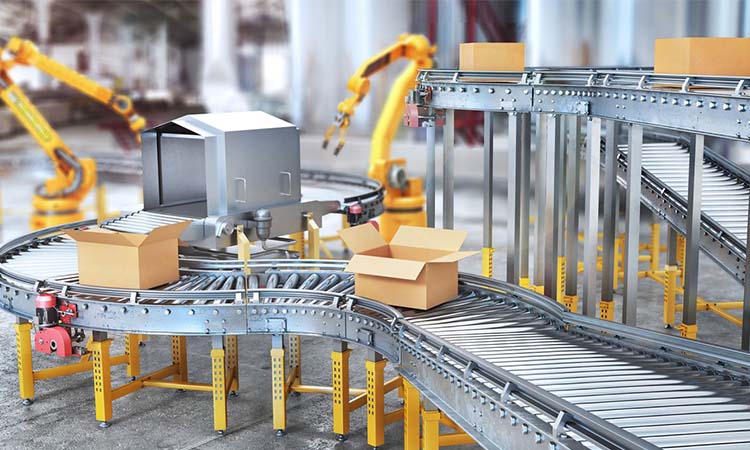
    Automation line

    Automation Line-Sourced:quickpakinc

    Automation which improves the efficiency greatly is now the inescapable topic in our pharmaceutical industry. For the automated packaging line, you should make clear the automation level of your packaging machine for later automation packaging line forming.

    Regulatory standard

    Standards-and-Regulations-6

    Regulatory Standard-Sourced:fairinstitute

    The medical products should get through series of inspecting for the suitable use. And there are various regulatory standard for different country and different medicines. To make your medicine circulate wide and smooth, you should make clear the local regulatory standard for the pharmaceutical packaging machine choose.

    8.What Other MachineCan Support Packaging In The Pharmaceutical Industry?

    After you have packaged your medicine products well, what else you should do? Your machine in this state cannot go on market yet. Here are the machines which can support your later pharmaceutical packaging.

    Labeling machine
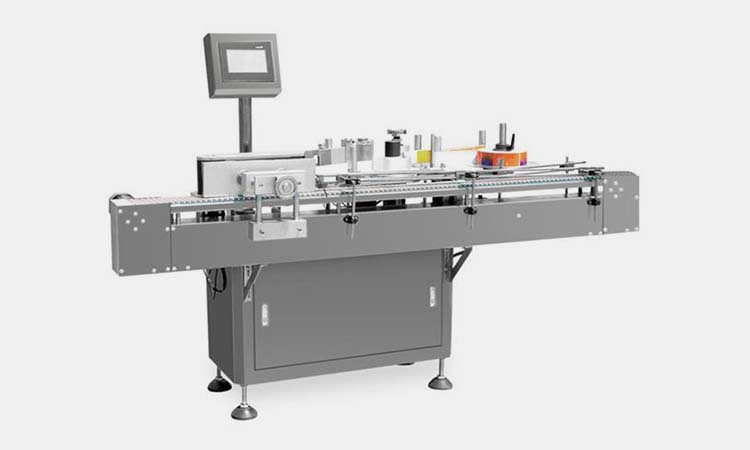
    Labeling machine

    ALLPAK Labeling Machine

    For better anti counterfeiting and propaganda, there should be label on medical products packaging. There are various labeling machine for you to choose and you may find the wrap-around labeling machine, automatic ampoule labeling machine, bottle labeling machine, double-sided labeling machine, top sticker labeling machine.

    Cartoning machine
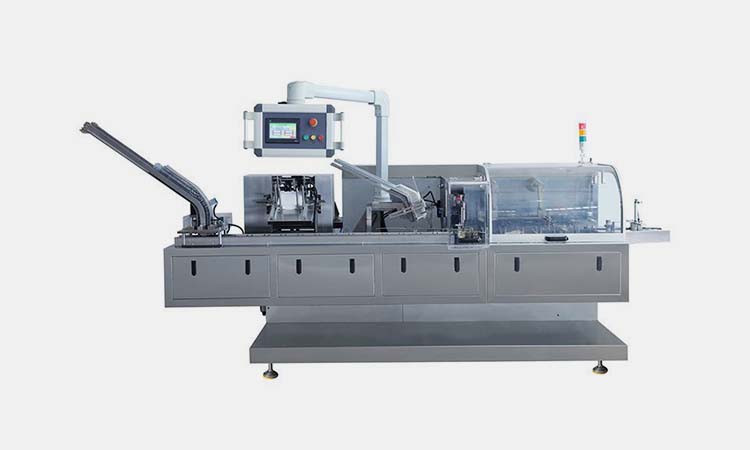
    Cartoning machine

    ALLPAK Cartoning Machine

    The well packaged medical products need the tertiary packaging for the safer transporting and protecting in conveying and storing. The cartoning machine is thus essential equipment for the further support of your pharmaceutical packaging.

    Flow wrapping machine
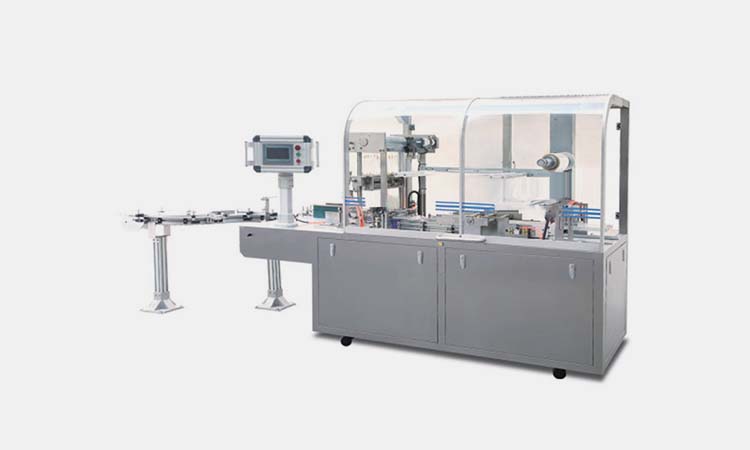
    Flow wrapping machine

    AIPAK Flow Wrapping Machine

    You may find the plastic filming seal for your well packaged products while you shopping in market. The flow wrapping machine give your packaged medical products the direct protecting from dust or light. It can also support your pharmaceutical packaging work in many way.

    9.What Is The Future Trend Of Packaging Machine In The Pharmaceutical Industry?

    The packaging machines in the pharmaceutical industry are made more and more advance in current time. And there are the clear future trend for the packaging machine in pharmaceutical industry.

    Customization

    Customization

    Customization-Sourced:istockphoto

    The future packaging machine in pharmaceutical industry should be customized for the various packaging products and packaging performance need. The customized packaging machine should be highly efficient and automated for the dealing with various kinds of products.

    Intelligence

    intelligence

    Intelligence-Sourced:nubrickpartners

    The intelligence and automation of packaging machine can be further updated. The joining of people in packaging process will be less. The high automation with great intelligence can make the great work which improves efficiency and saves labor working.

    Sustainability

    Sustainability

    Sustainability-Sourced:businessreporter

    In future pharmaceutical packaging, the concerning on sustainable and eco-friendly will be greater. And your packaging solution should also be sustainable and eco-friendly for the environment and safer use.

    Conclusion

    The importance of packaging machine in the pharmaceutical industry is obvious. The selection of the packaging machine which suits your pharmaceutical business can benefit you in an all around way. If you have any problem or questions, do not hesitate to contact ALLPAK now.

    Don't forget to share this post!

    CONTACT US

    Tell us your raw material and project budget to get quotations within 24 hours.

    WhatsApp Us: +86 181 6426 8586

    Invalid Email
    Invalid Number

    Importance of Packaging Machine in the Pharmaceutical Industry Read More »

    Extruder Spheronizer-6

    Extruder Spheronizer: The Complete FAQ Guide in 2025

    Extruder Spheronizer: The Complete FAQ Guide in 2025

    Imagine converting fine powders or sticky granules into uniform, spherical pellets that will not only make a product look and feel better but also make it work better. Be you in the pharmaceutical field of sustained-release medications or food production. With consistent granules for mixing, cosmetics in perfect beads, there's most probably a hand from the extruder spheronizer technology at work.

    But what is actually going on inside these machines? How is the raw material taken through the process to end with the exact spheres, ready to be packaged or formulated?

    Here in this guide, we dig the science behind an extruder spheronizer; therefore, the reasons it has become one of the cornerstones in many industrial practices. This guide takes on a transparent manner, the way that these two interact with one another: basic and critical steps when forming the pellet, fundamental parts to keep maintained, safety information, and more of the critical things making the modern palletization process on solid grounds.

      Add a header to begin generating the table of contents

      1.What is an extruder spheronizer?

      extruder spheronizer

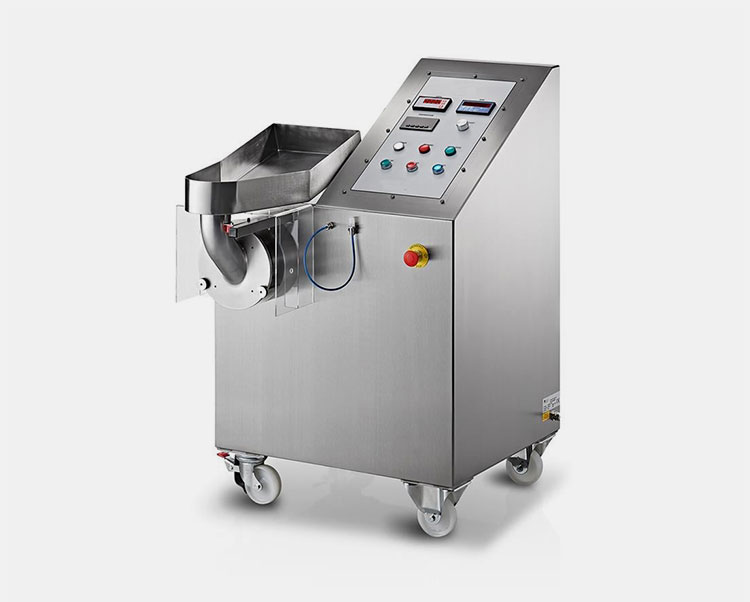
      Extruder Spheronizer- Picture Courtesy: Umang Pharmatech

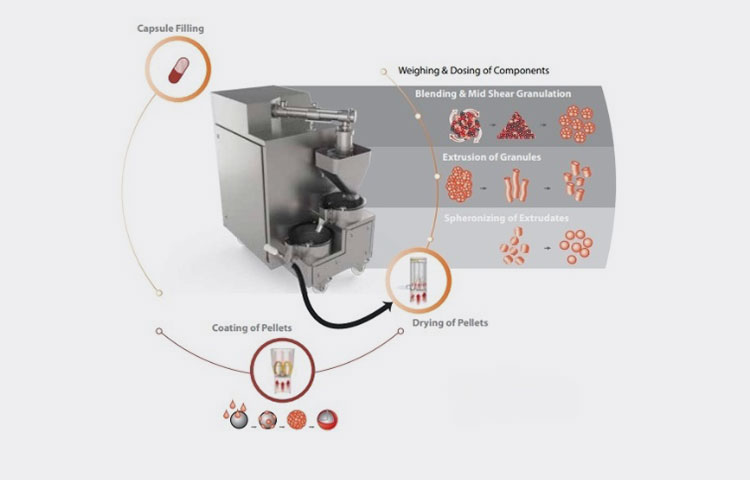
      An extruder spheronizer is a specialized device employed for converting wetted powders into uniform, dense spheres or pellets of controlled shape and size. The extrusion spheronization process includes making the wet mass into cylinders through the extrusion and then breaking and rounding into spheres within the spheronizer and subsequently drying.

      Although commonly applied in the pharmaceutical industry for the production of solid oral dosage forms, it also finds its application in agrochemicals, catalysts, and specialty chemicals to manufacture consistent, precisely shaped pellets with specific characteristics.

      2.Which industries use extruder spheronizer?

      extruder spheronizer-1

      Application industries- Picture Courtesy: Bora Pharmaceuticals

      Extruder spheronizer are not specific to pharmaceutical industries but a game-changer in many industries for precision and consistency of pellet size and shape. Some of the industries that apply this innovative technology are as follows:

      Pharmaceutical Industry

      Pharmaceutical Industry

      Pharmaceutical Industry

      With a revolution in pharmaceutical manufacturing extruder spheronizer produces quality drug delivery pellets. Small pellets could capture up to 90% of active pharmaceutical ingredients and therefore can enhance the effect of therapy together with the compliance rate of patients by making dosing infrequent.The process starts by mixing the API, excipients, and solvents into a homogeneous mass which is then extruded in cylindrical shapes and then spheronized into uniform pellets. This gives a very smooth surface ideal for altering drug release profiles.

      Food Industry

      Food Industry

      Fish feed pallets

      The production of pellets of the same size is important to the food industry, as offered by extruder spheronizer. Imagine adding this technology to breakfast cereals, snack foods, pet foods, and even infant or supplementary foods. The extruder spheronizer improves bulk density, so ingredients such as flavors and sweeteners for instant soups and drink mixes can be handled more easily.

      Agrochemical Industry

      Agrochemical Industry

      Biomass Fuel Pallets- Picture Courtesy: Biomass Energy Techniques Inc.

      Suppose you are a farmer spraying fertilizers all over a large field. You want uniformity and less dust all over a large area for convenience and effectiveness. Extruder spheronizer come to your rescue. It provides perfectly uniform pellets, made for nutrient-rich fertilizers, pesticides, or soil conditioners, which could be spread and handled without any issues.

      Catalyst Industry

      Catalyst Industry

      Alumina based Catalyst Pellets- Picture Courtesy: Xiangrun

      Extruder spheronizer are a vital role player in the catalyst industry. It produces catalyst pellets in an entirely uniform and spherical shape that maximizes reaction efficiency. Such pellets pack well inside reactors compared to any other irregularly shaped pellets.

      Cosmetic Industry

      Cosmetic Industry

      Microbeads in exfoliating scrub- Picture Courtesy: Britannica

      The extruder spheronizer plays an especially important role in cosmetic manufacture to ensure pellets and beads are uniform and perform the function intended within the product. Consider a cleansing exfoliating scrub – all those tiny microbeads so smooth, gentle yet really rubbing away at dead skin. Extruder spheronizer makes it possible.

      Household and Industrial Cleaning Industry

      Household and Industrial Cleaning Industry

      Uniform granules for detergent powder

      It is very important in the household and industrial cleaning industry to have the use of extruder spheronizer to generate spherical detergent granules that may help improve cleaning efficiency. Consider powdered laundry detergent that instantly dissolves in cold water, such as powdered laundry detergent; these uniform granules prevent clumping or even improve solubility for a better wash.

      3.What are the benefits of extruder spheronizer?

      Benefits of extruder spheronizer

      Benefits of extruder spheronizer- Picture Courtesy: LCI

      Extruder spheronizer offer many benefits for various industries, including the following:

      Uniformity


      They produce pellets of uniform size and shape with active ingredients well distributed throughout the formulation. This uniformity contributes to better performance and stability in the product.
      Flowability Spheronized pellets exhibit better flow properties, and there is minimal chance of clumping or segregation during handling and processing, which is a crucial requirement in manufacturing.
      Improved Dissolution The pellet is in the form of a sphere; hence it can be more easily broken down in the liquid solution, thereby it increases its solubility and improves efficiency in operations such as detergents and medicines.
      Increased Surface Area The spherical form allows a maximum contact area of reactants or solvent with surface area, and this reaction is made very efficient with catalytic operation.
      Controlled Release Extrusion-spheronization is highly transformative for sustained-release formulations, offering exact control over pellet composition and release rate. Uniform, spherical pellets allow for higher drug loading with consistent delivery, reducing dosing frequency and enhancing therapeutic stability. With customizable excipients, this method meets diverse patient needs, improving both efficacy and compliance. Isn't it remarkable how this innovation can elevate treatment and adherence?
      Less Dust Produced Spheronization reduces the fine particles of the powder, so handling is done with less dust and there is a reduction in dusting and exposure to toxic dust in a working place.
      Flexibility Extruder spheronizer can be used to process wide ranges of products, including powders and granules and even liquid, hence they are applied in most industries.
      Efficiency and Cost Savings Extruder spheronizer can improve processing efficiency as well as product quality and therefore can reduce the production costs in the long run.

      4.How does an extruder spheronizer work and what are the basic principles of its working?

      Principle of Extruder Spheronizer

      Principle of Extruder Spheronizer- Picture Courtesy: Glatt

      The extruder spheronizer works on four basic steps that cumulatively create the perfect spheres in a uniform shape. Let's find out how this happens:

      Mixing Imagine the combination of all the ingredients such as the active compound, binders, and water in a high-shear granulator. This will give a wet, cohesive mass that retains the shape but can flow by slipping into the next process.
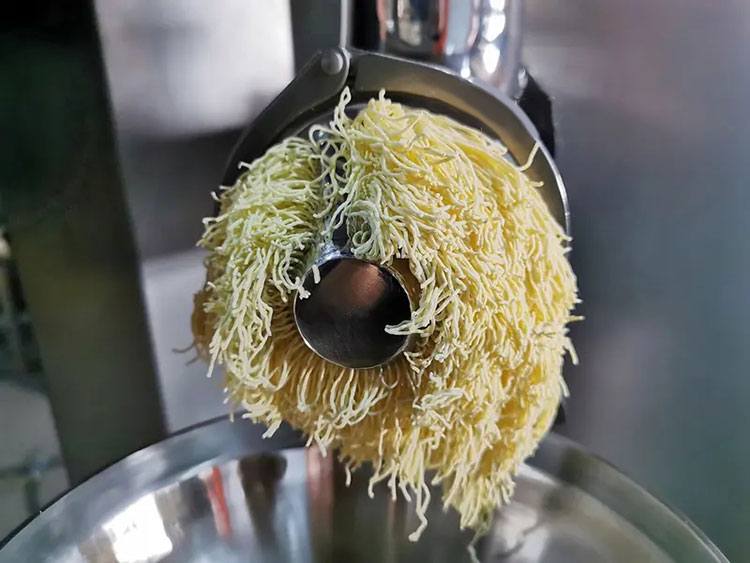
      Extrusion This mixture then enters the extruder, where it is pushed through a screen, which forms spaghetti-like cylinders of the same diameter.
      Spheronization Real magic happens in the spheronizer. The cylinders fall onto a fast-rotating friction plate; they bounce around in the bowl and hit each other, which gradually rounds them into perfect spheres. Pellets are formed here in minutes and the process is accurate.
      Drying/ Coating Finally, these uniform spheres are either dried for stability or coated, ready to be used in applications where the consistency of shape and size is most important, like pharmaceuticals or catalysts.

      5.Why extruder spheronizer are ideal for spherical granules and pellets?

      Pellets

      Pellets- Picture Courtesy: Shutter stock

      Extruder spheronizer aid in the manufacturing of completely spherical granules and pellets. Here's the reason, though: you can really pack in much more active ingredients without reaching the oversized pellets, and with high-potency products, it works great perfectly.

      In addition to this, if you really want to mix two or more active agents, then this is something extruder spheronizer do without very much hassle, offering a ratio accuracy in each one that comes out.

      This process also allows you to refine the properties of the particles so that you get high-density, low-moisture, and very smooth surfaces. The pellets come out dust-free with uniform shape and size making them highly reliable and easy to handle in any process.

      6.What materials are suitable for being used in an extruder spheronizer?

      Spheronization

      Spheronization

      Materials that can be processed in an extruder spheronizer include:

      Material Example
      Natural Extracts Silymarin from milk thistle
      Bacterial Cultures Lactobacillus casei for probiotics
      Pharmaceutical Drugs Furosemide, Quinine sulfate, metformin hydrochloride
      Poorly Soluble Drugs Hydrochlorothiazide, Piroxicam
      High Drug Load Formulations 5-aminosalicylic acid (5-ASA)
      Taste-Masked Compounds Quinine sulfate, Metformin
      Sustained-Release Compounds Naringin
      Dehydrated Agricultural Products Canola meal
      Pulsatile Release Drugs Omeprazole with osmotic pressure-activated membranes
      Bioadhesive Pellets Hexylaminolevulinate for photodynamic therapy
      Enteric-Coated Probiotics live Lactobacillus casei for oral probiotic delivery.

      All these can be formulated into pellet types varying by changing the excipients and process parameters to specific release profiles and stability.

      7.What are the main parts and elements of an extruder spheronizer?

      Components of extruder spheronizer

      Components of extruder spheronizer

      Okay let's talk about the main parts of an extruder spheronizer and what they do with regards to quality pellets!

      Feeder

      Feeder

      Feeder

      Just like the front door. The feeder makes sure to feed the powder blend; that is, the raw materials that include the actives and excipients; at a steady rate and in constant amounts into the system. The constant flow of the feeder is meant to make the entire procedure uniform.

      Extruder

      Extruder

      Extruder

      The extruder is as if the heart of the machine. The screw, at its rotation, applies assorted mechanical forces; it blends, compresses, and transforms the mixture into the continuous extrudate when allowing it to pass through the system. That's where everything magical with texture and consistency begins.

      Die or Screen

      Screen

      Die/ Screen

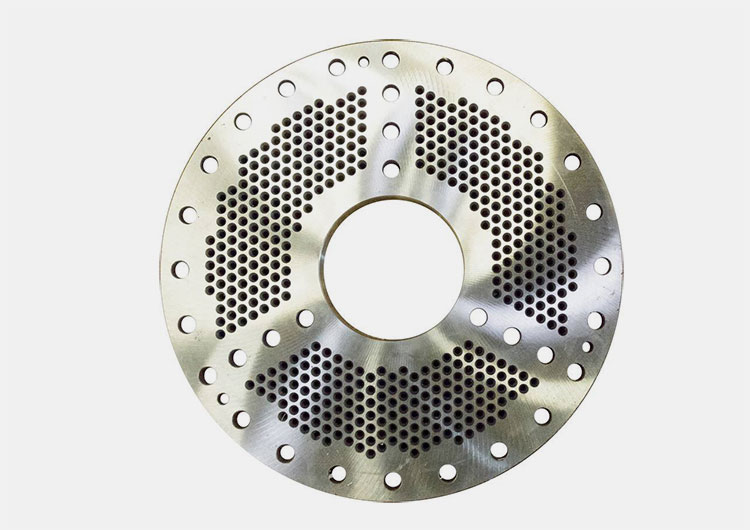
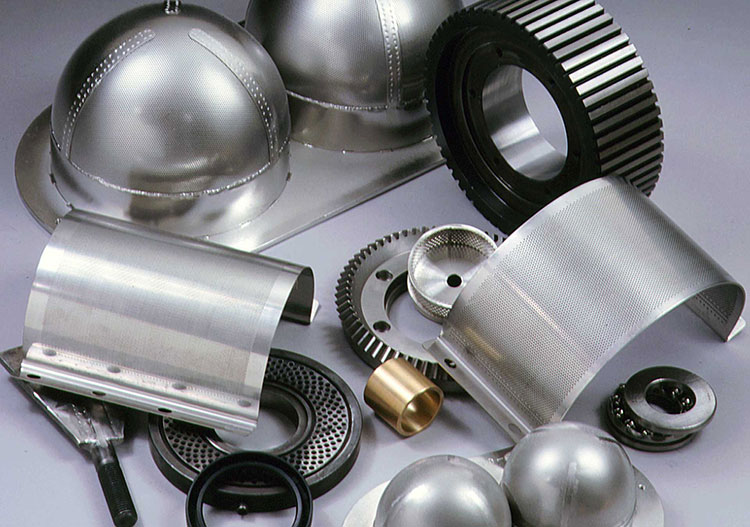
       The die at the end of the extruder gives shape to the extrudate in the form of cylindrical strands. It is almost like a sculptor shaping clay. The diameter of the die determines the size of the extrudate and is a precursor to the next step.

      Spheronizer

      Spheronizer

      Spheronizer- Picture Courtesy: Intimac

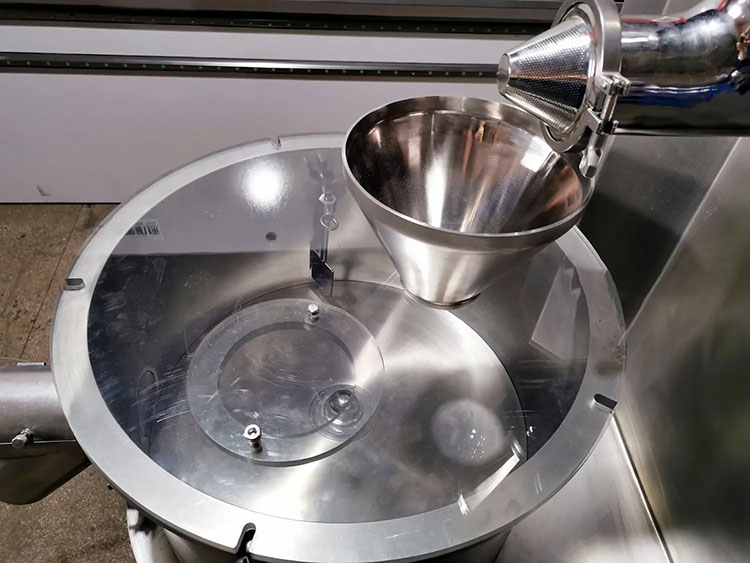
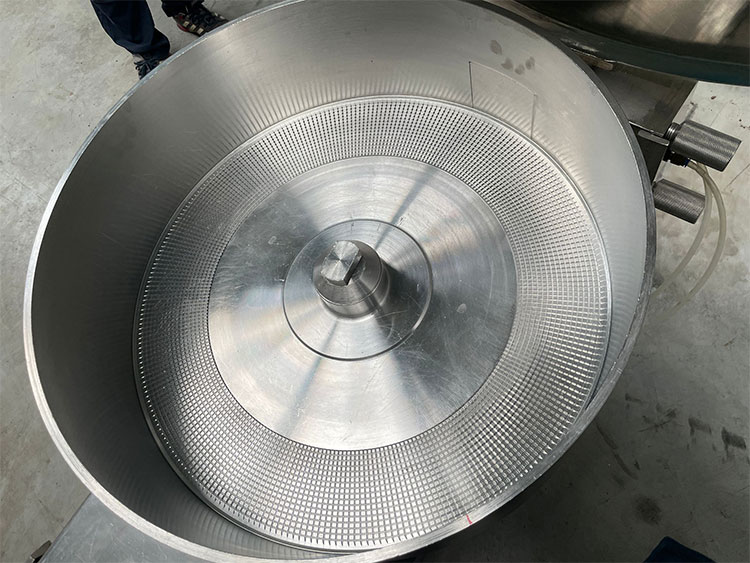
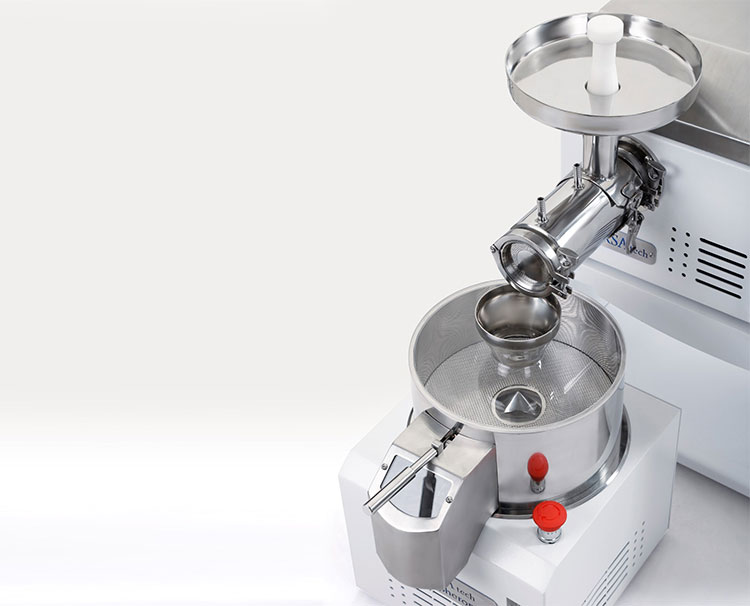
      Imagine the spheronizer as a pellet-rounding artist. It takes the extrudate and, through friction and impact, turns it into perfectly spherical pellets. The rotating friction plate and stationary bowl create a dynamic environment where the magic of rounding happens!

      Dryer

      Dryer

      Drying of Pellets- Picture Courtesy: DG Pro-Tec

      After spheronization, the pellets move to the dryer. It's like a spa for the pellets, removing the moisture, which increases their stability and durability. The better the drying of a pellet, the better quality and shelf life!

      Coater (optional)

      Coater

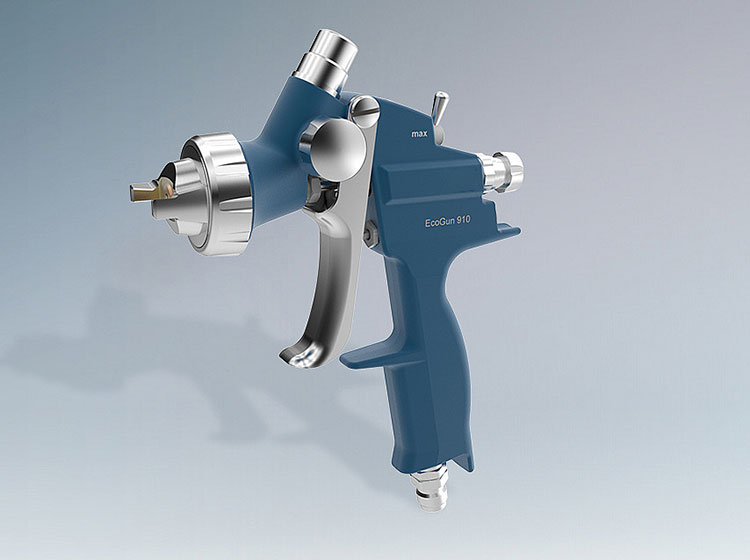
      Spray Gun for Coating of Pellets- Picture Courtesy: Durr

      Finally, when needed, the coater adds a protective coating to the pellets. It is just applying sunscreen; coatings may mask flavor, control release of the active ingredients, or protect pellets from moisture and light.

      Each of these parts is critical in the process of extrusion-spheronization, working in harmony with each other in producing pellets that are uniform in appearance and quality for any kind of application. What feature do you find the most interesting?

      8.How are extruder spheronizer categorized into different types?

      Extruder Spheronizer-2

      Extruder Spheronizer

      Single-Stage Extrusion-Spheronization Systems

      Single Stage Extruder Spheronizer

      Single Stage Extruder Spheronizer- Picture Courtesy: Dorsa Tech

      These are like the multitaskers of the group—extrusion and spheronization happen in a single chamber. Imagine a "one-pot" setup. This setup is rare, and it usually is made for materials that require least handling between the two of these steps. For the specific material, it's perfect since it minimizes movement, but it isn't ideal for everything.

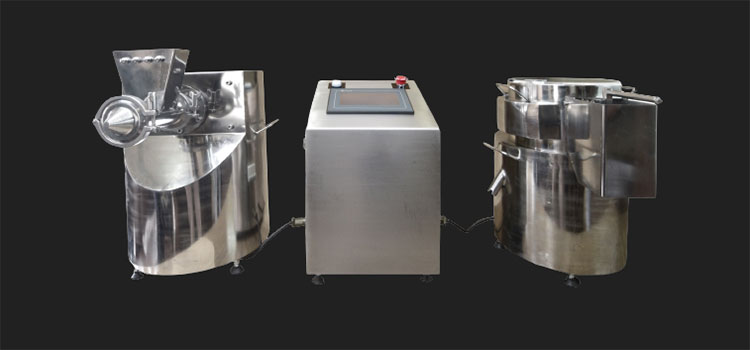
      Dual-Stage Integrated Systems

      Dual Stage Extruder Spheronizer

      Dual Stage Extruder Spheronizer- Picture Courtesy: VJ Instruments

      Now, imagine that two connected units operate perfectly together. The extruder feeds directly into the spheronizer. This is a seamless handover without material transfer and exposure to the outside world. Such an operation is conducive to mass production.

      One saves handling time and even potential contamination. Imagine seamless efficiency where direct extrusion flows directly into direct spheronization, never stopping for one second.

      Continuous Extrusion-Spheronization Systems

      Continuous Extrusion-Spheronization Systems

      Continuous Extruder Spheronizer- Picture Courtesy: Caleva

      Imagine a pellet conveyor belt. In these kinds of systems, there's always a feed of material going into the system and the system never stops! That's the powerhouse setup-ideal for high-volume production. The pellets are all in size and shape because of the process that never stops, therefore quality control is maintained. It's like the marathon runner of the group, steady and efficient.

      9.What variables affect the quality and appearance of the granules obtained from Extruder Spheronizer?

      Granules

      Granules- Picture Courtesy: Avada Construction

      Let's talk about each one of these variables that affects the quality and appearance of granules from an Extruder Spheronizer. Let's say we're fine-tuning this equipment together to make the perfect granules. Here's what we would focus on:

      Optimization of Formulation Parameters Adjusting the Concentration of Binder.

      Controlling Moisture Content.

      Selecting Appropriate Excipients and Particle Size

      Fine-Tuning Process Settings Setting Ideal Extrusion Speed and Screen Size.

      Adjusting Spheronization Speed and Time.

      Choosing the Right Spheronizer Plate Design

      Controlling Environmental Conditions Regulating Temperature and Humidity.
      Material Properties Assay Improving Plasticity and Deformability.

      Achieving Right Cohesiveness and Friability.

      10.How does the process of an extruder spheronizer compare to other methods of granulation?

      Extrusion Spheronization

      Extrusion Spheronization- Picture Courtesy: Dorsa Tech

      The Extruder Spheronizer process is unique compared to other approaches such as high-shear, fluidized bed, and roller compaction granulation. Here's how it compares:

      Extruder Spheronizer Other Techniques
      Shape and Uniformity
      Imagine you are choosing a granulation method for a project and weighing the pros and cons of an extruder spheronizer against other granulation techniques. The extruder spheronizer is unique in giving very spherical and uniform granules, ideal if you need precise shapes, as in controlled-release formulations. Other techniques, like high shear or fluidized bed granulation, may yield granules, but not usually so regularly shaped; roller compaction gives dense sheets milled, so the granule shape varies.
      Granule Density and Strength
      However, if strength is the major consideration, then an extruder spheronizer could be the best option as it yields strong, cohesive granules that could withstand the stress of processing. High shear and roller compaction yield dense granules, but the lighter particles from fluidized bed granulation may not be as robust.
      Moisture Content
      The process of extruder spheronization requires excellent care in controlling moisture content-too much or too little impacts the quality of the granule. Fluid bed granulation allows in-process drying to control moisture, and the process may result in a more porous granule.
      Scalability and Control
      Of course, with regard to scalability, the extruder spheronizer process can be controlled quite well over particle size and shape and therefore allows for production at larger scale. High-shear and roller compaction granulators also scale up well, but fluid bed granulators require precise regulation of airflow and temperature control.

      When you are making a formulation that will require spherical particles of uniform size; for example, a modified-release drug or an encapsulated ingredient, you may be able to cut directly to the extruder spheronizer, but from a standpoint of versatility alone you may get more flexibility with either high-shear or fluid bed methods.

      Every procedure has its own advantages, so knowing them helps to properly pick the right tool for your granulation needs.

      11.What routine maintenance should be performed on extruder spheronizer to put it into optimal operation?

      Maintenance of Extruder Spheronizer

      Maintenance of Extruder Spheronizer- Picture Courtesy: LCI

      An extruder spheronizer should be kept constantly maintained for it to go at its best. Follow this short guide for what you must do as far as routine maintenance goes, which will be described step by step:

      Cleaning, Daily

      Begin the morning by cleaning the extruder spheronizer on a day-to-day basis. You must clear left-over materials to prevent re-contamination and easy, smooth running.

      Lubrication

      Check the proper lubrication of moving parts according to the manufacturer. Proper lubrication will provide less wear and tear or friction in the operation mechanism, ensuring it runs more economically.

      Components Inspection

      Critical parts like the die, screen, and blades are always checked for signs of wear or damage. Any worn parts are replaced to prevent operational problems.

      Calibration Checks

      All settings and controls must be calibrated to the right standards. This will ensure accuracy in the granulation process.

      Cleaning Filters

      If your device has filters, clean or replace them when necessary to avoid blockages that may cause problems with airflow and performance.

      Monitor the operational parameters

      One has to monitor KPI's such as temperature and pressure during operation. Regular monitoring can catch up any potential issue before it goes out of proportions.

      Documentation

      Maintain a maintenance log in order to monitor all activities performed on the machine. This helps in identifying patterns and helps in planning ahead for maintenance.

      By including these routine maintenance activities in your operation, you can get the best out of your extruder spheronizer in terms of performance and longevity. Which area of maintenance would you like to explore further?

      12.What are some common problems with extruder spheronizer, and how do these problems get solved?

      Extruder Die

      Extruder Die-Picture Courtesy: IDAH

      Common problems associated with extruder spheronizer severely affect the quality of the granules produced as well as overall efficiency. Have you experienced any of these issues? Let's look at some common problems and their solutions together:

      Problem Solution
      Granule Quality

      Are you experiencing irregular shapes or sizes in your granules?

      Did you check the moisture content and binder concentration in your formulation? You might just need to fine-tune the extrusion speed and spheronization parameters. Don't forget to examine the uniformity of the raw materials!
      Blockages in the Die or Screen

      Is the extruder spheronizer giving you a hard time, either in slow throughput or operational upsets?

      Regular cleaning and screening of the die and screen can help prevent blockages. Material feed rate should be adjusted and the particle size of feed material should meet specifications in order to reduce blockages.
      Excessive Heat Generation

      Do you notice higher temperatures that can affect material quality?

      Monitor and control the temperature during operation. You should check your cooling mechanisms and ensure that the device has adequate ventilation to keep temperatures in check.
      Varied Moisture Content

      Are your granules moister in some parts of the batch than in other parts?

      Achieve precise measurement when blending and granulating. Inconsistency is the root problem - keep a leash on those moisture contents!
      Dust Generation

      Is dust creating too much of a nuisance and risk?

      Adopt dust control measures and ventilate your workplace. Even a proper material handling process to transfer can help you have less dust.
      Low Throughput or Production Rate

      Are your production rates not up to par?

      Check your operating conditions, feed rate, and spheronization time. Ensure your equipment is calibrated and your formulation is optimized for extrusion.
      Preventive Wear and Tear

      Are parts being worn out sooner than you thought they would?

      Check and maintain parts. Using better raw materials and following the manufacturer's maintenance schedule can help extend the life of your equipment.

      Do you have a particular problem you'd like to explore in more depth? By actively engaging with these issues and solutions, you can troubleshoot and improve the performance of your extruder spheronizer. 

      13.What precautionary measures should be taken while handling the extruder spheronizer?

      Preventive Measures

      Preventive Measures- Picture Courtesy: LLumin

      Precautions that should be taken in handling an extruder spheronizer include safeguarding the quality of granulation and protecting the worker.

      Personal Protective Equipment

      Put on personal protective equipment: This would include the gloves, goggles, and lab coats as a safety measure against the chemicals and particles.

      Proper Training

      The operator is trained to use the extruder spheronizer because of its unique function and safety aspects. Therefore, the occurrence of accidents when the machine is known will be decreased.

      Equipment Inspection

      Every part of the equipment is inspected before starting it. Determine if there are loose connections or improper alignments and whether it has a safety feature that is functioning well.

      Ventilation

      Work in an area well-ventilated to keep the dust and fumes away, particularly when powders or volatile compounds are involved.

      Never overload equipment

      Overloading causes apparatus breakdowns, and there may be irregular granulation.

      Emergency Procedure

      The emergency shutdown procedures and the location for stop on the equipment are also known. The area also has to be labeled on signs as safe.

      Monitoring Parameters

      The parameters running in the process like critical temperature and moisture content also have to be continuously kept under check to prevent or lessen undesirable occurrences that can spoil the quality and safety of the product.

      Material Transportation

      The granules along with raw materials need transportation through the right methods or equipment that can reduce possibilities of spillage or any accidents.

      Maintenance routine

      Always maintain equipment regularly as scheduled by the equipment manufacturer. This means, the equipment is allowed to work efficiently and effectively during a period of time.

      Conclusion

      Extruder spheronizer are mainly the tools that help generate top-quality uniform pellets within industries dealing with pharmaceuticals, foods, and so forth. This is because the process of size and shape control of pellets is achieved in a precise manner for obtaining a better quality of performance and also to smoothen out the manufacturing process. Which part of your work can have possibilities with extruder spheronizer? Ask Allpack in exploring extruder spheronizer machines to start the production success together!

      Don't forget to share this post!

      CONTACT US

      Tell us your raw material and project budget to get quotations within 24 hours.

      WhatsApp Us: +86 181 6426 8586

      Invalid Email
      Invalid Number

      Extruder Spheronizer: The Complete FAQ Guide in 2025 Read More »
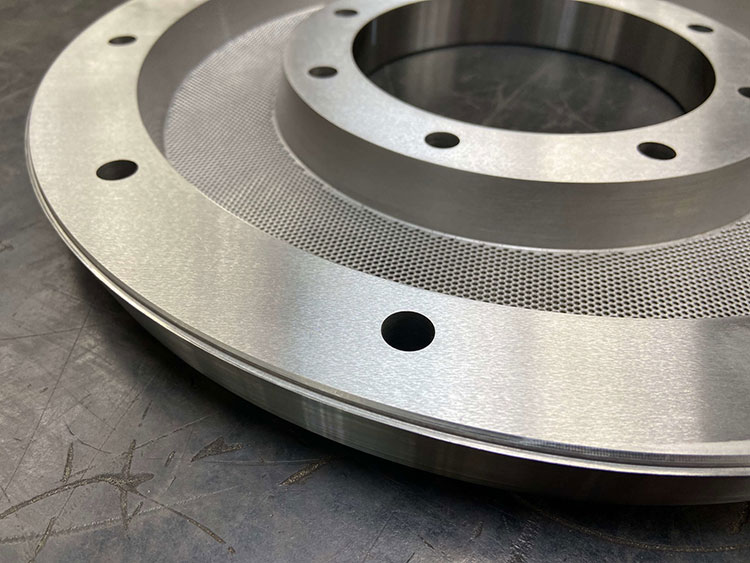
      Drug Vs Medicine: What’s The Difference?

      Drug Vs Medicine: What’s The Difference?

      Drugs and medicines are the two terms which are frequently used interchangeably. But in actual, it's not the case! You may be among one of them who up till now considered both the same. Well, you are not alone. In fact most of the individuals in pharmaceutical field also do the same. So, we have come up with this precise review that will simply explore Drug Vs Medicine: What's The Difference?

      Drugs and medicine

      It is necessary to mark difference between both as misunderstanding can lead us to generate wrong concepts. Thus, from the meaning till their history, purpose, and formulations everything will be covered about drug and medicine. In addition to it, the blog will also touch areas like therapeutic effects. So, be ready to give it a thorough read!

        Add a header to begin generating the table of contents

        1.What Are Drugs?

        Drugs

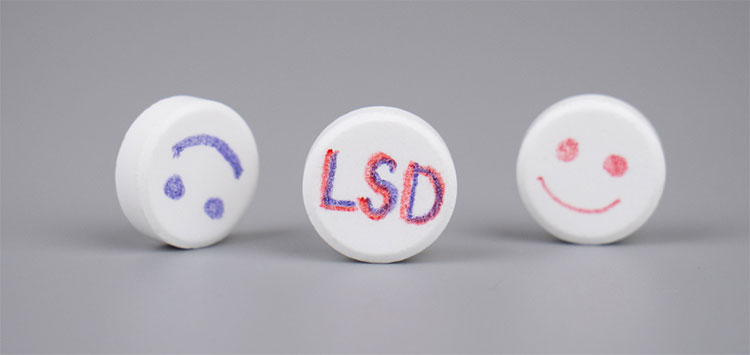
        Recreational drugs- Picture Courtesy: iStock

        Drugs can be defined as chemical substances obtained from plants and animal sources. They are essential to bring the desired change in body such as physiological or mental change. However, the effect of drugs can be seen both in positive and negative way.

        Thus, we may conclude drug as powerful material that can be used to treat certain illnesses and diseases without any fix outcome. Drugs are also used in making medicines as active pharmaceutical ingredients. That's why, it is said that all medicines are drugs but not all drugs are medicines.

        2.What Are Medicines?

        Medicines

        Various medicines- Picture Courtesy: Shutterstock

        Medicines refer to the formulated medications used for curing and preventing certain diseases like cancer, hepatitis, and diabetes etc. Medicines are available in different forms such as solid dosage form including tablets and capsules or liquid dosage form like syrups and vaccines.

        Unlike drugs, medicines have defined outcomes in form of therapeutic effects and possible side effects. Similarly, they are made by combining together active pharmaceutical ingredients and excipients for stable medicine administration in body.

        3.Drug Vs Medicine: What's The Difference?

        Although, drug and medicine is often used synonymously but both of them vary in multiple aspects. To make the difference more clear for you, we have highlighted few notable areas which are as follows:

        Meaning

        The term drug is originated from French word "drogue" which means "dry herbs". It signifies plant sources which were preferred by ancient people to treat health disorders. Thus, it can be said that drugs are original and primary substances which are used for generating physiological effects.

        On the other hand, the word medicine is derived from Latin word "medicina" meaning "to heal" or "a physician". It demonstrates that a physician heal the patients by prescribing medicines.

        History

        History

        Evolution of medicine- Picture Courtesy: openmedscience.com

        Human history is such a beautiful and horrible chapter that uncover the surprising discoveries about drugs. As first humans were haunter-gatherers, they used to check different plants and animals for their effects. The beneficial substances were then identified and documented from generation to generation. The early writings about drugs trace back to 3000 BC and 4000 BC in China.

        Medicines have been discovered over the course of history being started from ancient Greece in around 2700 BCE. Hippocrates is called the "Father of Medicine" I the inherent age. However, the modern medicine development is occured during 17th century.

        Purpose

        Purpose

        Patient taking capsules with glass of water- Picture Courtesy: garmeylaw.com

        Drugs are taken for two reasons: either for treatment or for personal pleasure. From this, the purpose of drugs can be simply understood which is to relieve pain and bring desired physical and mental change.

        While as, the sole purpose of medicine is to eliminate particular disease and manage health condition.

        Components

        Components

        Various components of drug & medicine- Picture Courtesy: arkbh.com

        Drug is a single component with no specific dose. It is referred to as the active pharmaceutical ingredient which has the potential to generate desired effect.

        In contrast, medicine is a formulation of active pharmaceutical ingredients along with excipients to produce stable dosage form.

        Sources

        Sources

        Plant sources of drug & medicine- Picture Courtesy: garudahealth.org

        Drugs are obtained from multiple sources which are either natural or synthetic. The common examples include plants, animals, minerals, and microorganisms.

        On the other hand, the source of medicine is drug combined with excipients which are inactive ingredients.

        Side Effects

        Side Effects

        Side effects of drug & medicine- Picture Courtesy: painscale.com

        Drugs do have potential side effects which can be harmful and may go to extreme level if dosage is increased. Commonly, these side effects are same for all kinds of patients.

        However, the side effects of medicines vary from person to person. It is because every individual has different system to process the medicine and react with it. Thus, allergic reaction and other symptoms may or may not occur.

        4.Types Of Drug Vs Medicine?

        Drugs and medicines can be categorized into various types on the basis of their effects and formulations respectively. These types are mentioned below:

        Drugs

        Opioids

        Drugs Opioids

        Opioid- Picture Courtesy: nursingcenter.com

        It refers to the class of drug which is derived from opium. Such drugs are used as pain relievers and used both legally and illegally.

        Depressants

        Depressants

        Patient with depressant drugs- Picture Courtesy: medicalnewstoday.com

        Depressant drugs are also called downers due to their function of reducing stimulation in nervous system. In this way, these drugs keep the brain calm and relax. It is important to note that minimal doses of depressants is useful, however, excessive amount can lead to serious condition like death.

        Stimulants

        Stimulants

        Stimulants- Picture Courtesy: primroselodge.com

        As the name indicates, stimulants is a group of drugs made for stimulating by accelerating the messages flow between brain and body. Thus, a person feel more energized and alert. However, overdose can lead to adverse reaction like anxiety.

        Party Drugs

        Party Drugs

        Hallucinogens- Picture Courtesy: libertyhouseclinic.co.uk

        It is another powerful category of drug class that change the person's perception and interpretation of external world. It is considered the most dangerous drug type as the sense of reality changes. Hallucinogens and stimulants are the common examples.

        Inhalants

        Inhalants

        Patient holding inhaler near mouth- Picture Courtesy: familyhealthdiary.co.nz

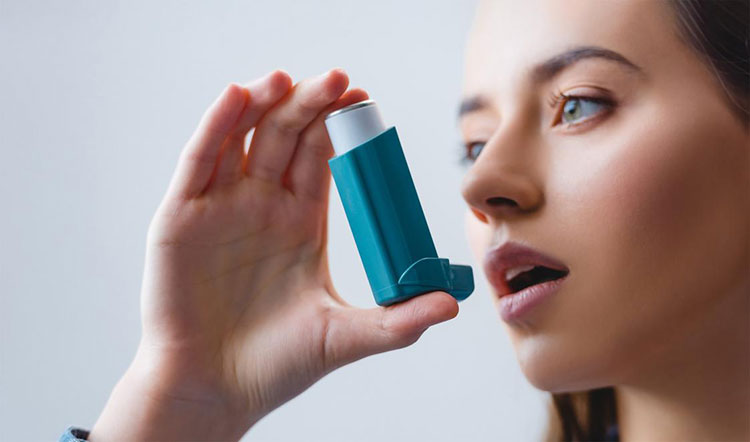
        Inhalants are substances that are taken by mouth or through sniffing. They absorb very quickly into bloodstream as a result of which a person feel high. The common examples include volatile solvents, aerosol sprays, gases, and nitrites etc.

        Prescription Drugs

        Prescription Drugs

        Doctor prescribing drugs to patient- Picture Courtesy: theconversation.com

        Prescription drugs are prescribed by doctors which are not harmful if taken as per suggestions. These drugs include pain killers and sleeping pills.

        Medicines

        Tablets & Pills

        Medicines Tablets

        Tablets & pills- Picture Courtesy: healthnews.ng

        Tablets and pills are solid dosage forms. They are made by compressing powder, granules, or pellets. With small to large size, easy drug administration, and stable dissolution, tablets and pills are popular medicine types. Effervescent tablets, sublingual tablets, and coated tablets are the common examples.

        Capsules

        Capsules

        Hard gel capsules- Picture Courtesy: gelita.com

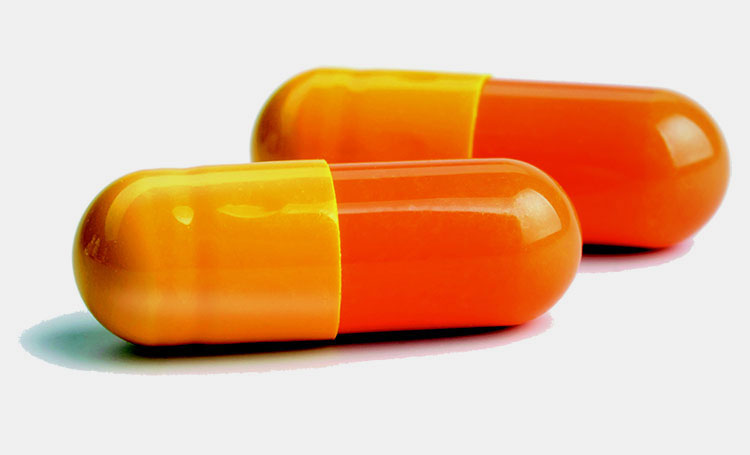
        In addition to tablets and pills, capsules constitute an important category of medicines. These include softgel and hard gel capsules. The former is used for encasing liquid medication, while as, the later is frequently used to deliver solid medication.

        Syrups

        Syrups

        Syrup dispensing into spoon- Picture Courtesy: recnotes.com

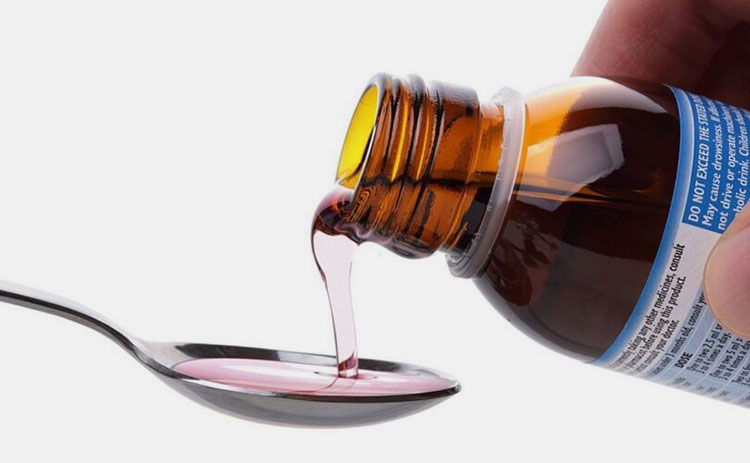
        Medicines are also produced in liquid form such as syrups and suspension etc. They are often used to aid convenient way of medicine taking instead of swallowing large and oversized pills.

        Patches

        Patches

        Women pasting a medicated patch over affected area on hand- Picture Courtesy: istockphoto.com

        Certain medicinal substances are also given through patches. These sticky patches, when applied to the external part of body, relieve pain and cure injury by infusing the medicine.

        Injection

        Injection

        Doctor filling injection from vaccine vial- Picture Courtesy: hopkinsmedicine.org

        Injection is another type of liquid medicine which is often inserted into body instead of oral consumption. The use of vaccines through injection is the notable example.

        Topical Solutions

        Topical Solutions

        Ointment- Picture Courtesy: istockphoto.com

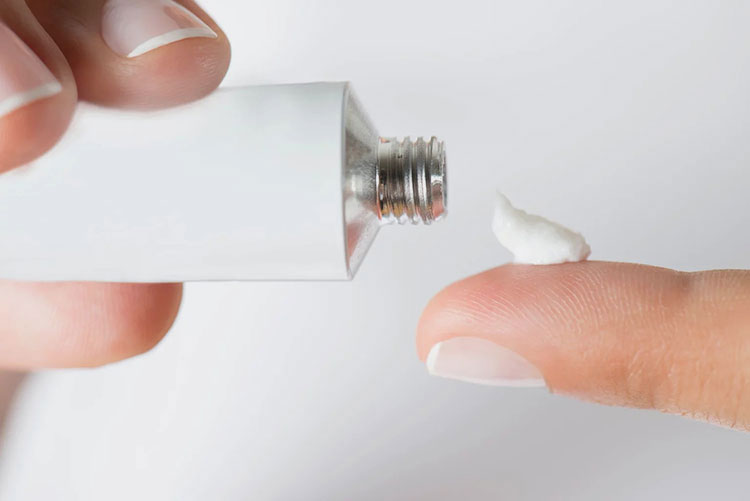
        Such type of medicines are made in semi-liquid form like gels, ointments, and cream etc., which are spread and applied over affected area for cure.

        Dissolving Strips

        Dissolving Strips

        Woman keeping oral strip over tongue- Picture Courtesy: wellbeingnutrition.com

        Medicines are also available in form of strips such as oral strips. These strips are simply placed in the mouth which dissolve with saliva.

        Suppositories

        Suppositories

        Doctor holding a suppository in hand- Picture Courtesy: researchdive.com

        Suppositories are among other types of medicines which carry good proportion of medicine. These suppositories are in solid form but melt down quickly due to body temperature. Examples include rectal suppositories, vaginal suppositories, and urethral suppositories.

        5.Uses Of Drug Vs Medicine?

        powder drugs

        Liquid & powder drugs- Picture Courtesy: havendetoxne.com

        Drug is a broad category which is taken in both sense like medical and non-medical. Similarly, its use is intended to treat diseases, while at the same time, people use it for recreational activities in parties which leads to drug abuse. Thus, drugs are used for both therapeutic and non-therapeutic use.

        On the other hand, medicines are only developed for positive effects like antibiotics, pain killers, and insulin etc. These medicines are targeted to eliminate specific diseases. Hence, medicines have only therapeutic use.

        6.Social Impact Of Drug Vs Medicine?

        Boy with stop drug banner

        Boy with stop drug banner- Picture Courtesy: refocus.com.au

        Both drugs and medicines have far reaching social impacts. It can be explained under following headings:

        Positive Impact:

        As far as the positive social impacts are concerned, so, medicines help in the management of healthy environment by provision of good treatment to individuals. By the effective use of medicines, chronic and unconventional diseases can easily tackled, leading to safety and enhanced mortality.

        Similarly, drugs are useful to calm down a triggered nervous system and help in stimulating desired physical and mental effects.

        Negative Impact:

        Constant use of drugs badly impact the society. It causes social unrest due to increase in violence as the drug users show abnormal behavior. Overall, it is the root cause for drug abuse and enhanced crime rate.

        Conclusion

        To summarize, Drug Vs Medicine: What's the difference? is an important question about which we should have information. That's why, this blog highlighted the key differences between drug and medicine from their literal meaning till usage, history, and popular types. Although, both have positive social impacts, but over use especially of drugs can leave catastrophic effects at large. Thus, it is necessary to consider these facts in mind and always look for a safe and suitable way. If you are eager to learn more about similar topics, then visit our website!

        Don't forget to share this post!

        CONTACT US

        Tell us your raw material and project budget to get quotations within 24 hours.

        WhatsApp Us: +86 181 6426 8586

        Invalid Email
        Invalid Number

        Drug Vs Medicine: What’s The Difference? Read More »

        Nicotine Pouch Packing Machine-6

        Nicotine Pouch Packing Machine: The Complete FAQ Guide In 2025

        Nicotine Pouch Packing Machine: The Complete FAQ Guide In 2025

        Are you interested in nicotine pouch packing machine? And you are looking for a guidance counsellor that give you directions to choose a better or more profitable machine. This is the right place for you because here you will get all the information related to nicotine pouch packing machine.

        Nicotine Pouch Packing Machine

        Nicotine pouch packing industry is booming throughout the globe due to its high economic benefits. It will be a big move for you and your business if you step in this industry. Whatever queries you have about the nicotine pouch packing machine, but till the end of this guide all of your queries will be answered. So, stay here, and let’s dive deep into realm of nicotine pouch packing machine.

          Add a header to begin generating the table of contents

          1.What is a nicotine pouch packing machine?

          Nicotine Pouch Packing

          Nicotine Pouch Packing Machine

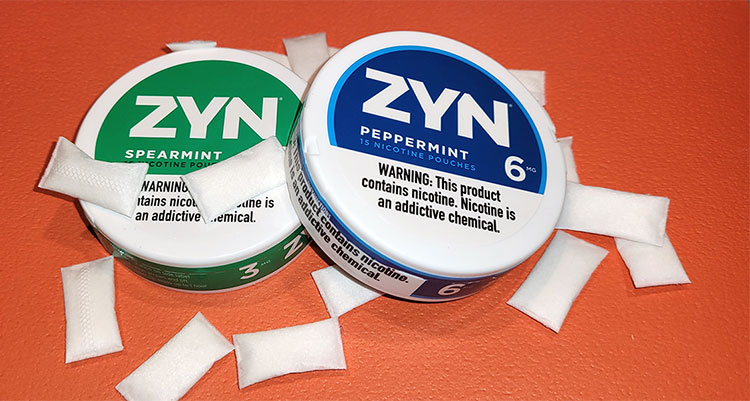
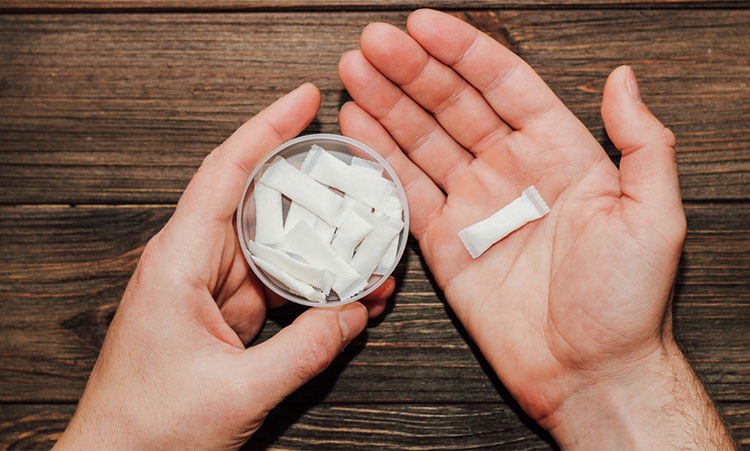
          A nicotine pouch packing machine is a specialized appliance for the packaging of nicotine pouches. The nicotine pouches are usually very small in size. Nicotine pouch product manufacturing uses nicotine pouch packing machines a lot.

          The most basic function that it performs is the filling of nicotine pouches with the required amount of nicotine. But it can also serve in other ways as well, like, after filling the nicotine pouches.

          2.How a nicotine pouch packing machine will benefit your business?

          A nicotine pouch packing machine is worthwhile, and it helps your business in many more ways. Some of these are given below:

          Increasing productivity

          Increasing productivity

          Greater Production: Picture Courtesy: Swenico

          A nicotine pouch packing machine reduces the time required for the packaging of nicotine pouches and does it in no time. Hence, it increases efficiency along with productivity and lessens the labor cost.

          Consistency

          Consistency

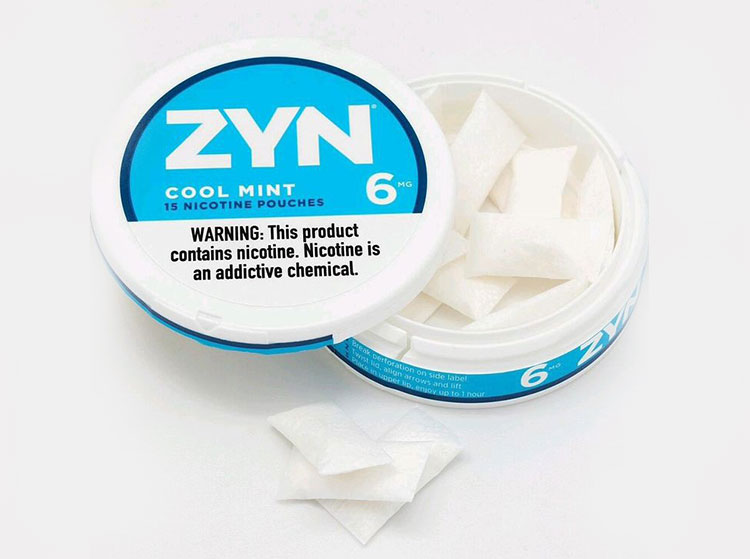
          Cool Mint Nicotine Pouches

          This machine ensures the continuous packaging and filling of pouches with the required amount of nicotine and other ingredients. It also confirms the consistent sealing of nicotine pouches and maintains the quality of the product inside the pouches.

          Better product quality

          Better product quality

          High Quality Nicotine Pouches

          The quality of the nicotine products is kept high by the nicotine pouch packing machine. Because it works accurately while filling the pouches with product and then sealing, it makes sure that the product is well packed and not leaked anywhere.

          Minimizes labor cost

          Minimizes labor cost

          Economical Nicotine Pouches: Picture Courtesy: Vaping Post

          A nicotine pouch packing machine performs the work easily and automatically, which otherwise takes time. So, in this way, it minimizes the labor cost and helps to reduce your financial expenses.

          Influences brand reputation

          Influences brand reputation

          Nicotine Pouch Brand: Picture Courtesy: Truth Initiative

          To build customers’ trust in you, your product must be fresh and highly packed, and these services are already provided by the nicotine pouch packing machine. It does not let your brand reputation fall.

          3.What industries can get advantages of a nicotine pouch packing machine?

          There are a number of industries that can benefit from nicotine pouch packing machines. A few of them are given below:

          Pharmaceutical Industry

          Pharmaceutical Industry

          Nicotine Therapy Replacement: Picture Courtesy: Publichealth.jhu.edu

          These companies mostly benefit from nicotine pouch packing machines for packing various pharmaceutical products. From the production process to its packaging, their first priority is the hygiene of the products. Therefore, this would be the top choice to provide safer and uncontaminated packing of pharmaceutical products such as skin patches, chewing gum, inhalators, tablets, oral strips, nasal and mouth sprays, etc.

          Medical and healthcare Industry

          Medical and healthcare Industry

          Nicotine Pouch for Buccolabial Sulcus

          The medical and healthcare industries also use this machine during the filling and packing of medications. This work is most efficiently done by the nicotine pouch packing machine. It is also useful during nicotine-based treatments.

          Cosmetics and hair care industry

          Cosmetics and hair care industry

          Cosmetic pouches

          Due to its versatile nature, it is applicable in the cosmetics industry and for hair care products such as shampoo, face creams or lotions, hair colors, etc.

          Food industry and beverages

          Food industry and beverages

          Food and Beverage

          The food and beverage industries use this machine for a lot of their food or drink items. Its highly automated system raises the demand and needs in this sector to give more protection to these products which increases their production and selling scale in the market.

          Tobacco Industry

          Tobacco Industry

          Tobacco Industry- Picture Courtesy: FAZ

          To meet the required demand for tobacco, the tobacco industry needs a nicotine pouch packing machine to pack it in solvable form. This industry also uses this machine to produce other nicotine-containing products like snus and hookahs, etc.

          Chemical Industry

          Chemical Industry

          Chemical Industry

          The chemical industry can also use nicotine pouch packing machines for packaging chemical powders, and organic and inorganic agents for industrial purposes.

          4.What is the working operation of a nicotine pouch packing machine?

          Working Steps of Nicotine Pouch Packing Machine

          Working Steps of Nicotine Pouch Packing Machine

          STEP 1: Formation of the Film

          The roll of laminated film (PE, PET, or aluminum foil) is drawn, and the film is fed to the machine where rollers and supporting screws ensure flexible movement. This film is shaped into pouches in a pouch former, and heat or pressure is used to seal the bottom part of the pouch. Your role is to make sure that the film feeds correctly and that the seals are tight.

          STEP 2 Filling

          It then fills each pouch with the appropriate amount of nicotine. The filling system, such as an auger filler or a weighing system, determines the appropriate dose and dispenses it accordingly. Verify that the filling is uniform and readjust if necessary for accuracy.

          STEP 3: Cutting and Discharging

          The synchronized cutting mechanism cuts these pouches from the continuous film. These pouches are then dropped individually on a conveyor belt for collection or packaging. Ensure cutting is smooth, and pouches are ready for the next step.

          5.What are the different parts of a nicotine pouch packing machine?

          Components of nicotine pouch packaging machine

          Components of nicotine pouch packaging machine

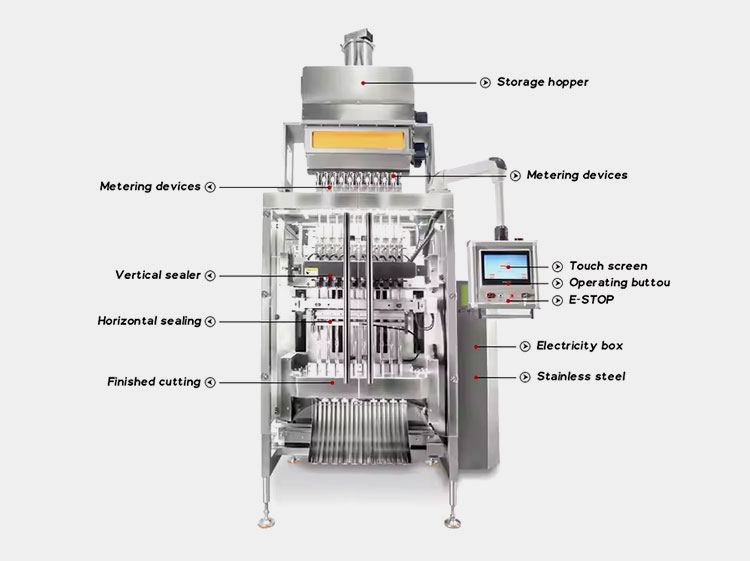
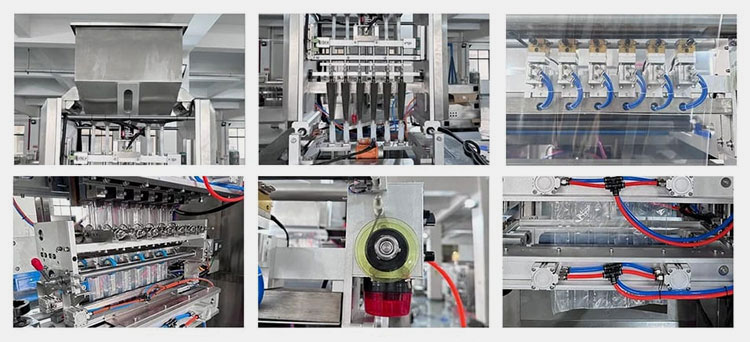
          Here's the breakdown of major parts on the nicotine pouch packing machine

          Components Description
          Storage Hopper Imagine loading a nicotine material into the machine without lifting a single finger. A feeder does it for you, pulling it all into the system with no attempt at all, supply constantly, and labor with no effort.
          Metering Device The metering device can be regarded as a cutter that senses and identifies the nicotine material correct amount to dispense. It holds a reasonable amount of product to ensure the smooth running of the machine so that consistency would be maintained.
          Vertical Sealing The vertical seal is responsible for sealing pouches in a vertical position. This portion controls the amount of the nicotine pouch joining for the whole batch.
          Horizontal Sealing This section is responsible for inducing sealing with a horizontal position.
          Finished Cutting After filling the pouches, the finished cutter comes into the picture; it cuts each pouch from the continuous roll with very accurate precision. Here are all the pouches neatly separated and ready for use.
          Touch Screen You are totally in control of everything with the friendly touch screen. Now, with a few taps to set up settings, view progress in real-time, or debug any issues then you're sure the machine will operate just as planned.
          Electricity Box All main electrical components are stored in a chamber for the user’s safety known as an electricity box.
          Stainless Steel Structure Finally, the stainless-steel body gives the machine a robust and clean outlook. It is capable of handling long hours without losing the freshness-hygiene easily accommodated in a product like nicotine pouches.

          6.What are the major classifications of nicotine pouch packaging machines?

          Classification of Nicotine Pouch Packing Machine

          Classification of Nicotine Pouch Packing Machine

          The packaging machines for nicotine pouches can be grouped in various ways. Consider their differences in functionality. For instance, the degree of automation: do you want an absolutely automated machine or one where there is a higher involvement of human effort? How many pouches can be processed at a time on a production run? Consider the difference in efficiency based on that number! Understanding these categories will help guide your decision in making the best choice for your packaging needs.

          Fully Automatic Machines

          Fully Automatic Machines

          Fully Automatic Nicotine Pouch Packing Machine

          All the operations from feeding to forming, filling and sealing, cutting to labeling are performed by totally automatic machines. How cool it would have been if everything were done by an entirely automatic machine? Do you think these have any implications on mass production? These machines require a minimal presence of man for mass output.

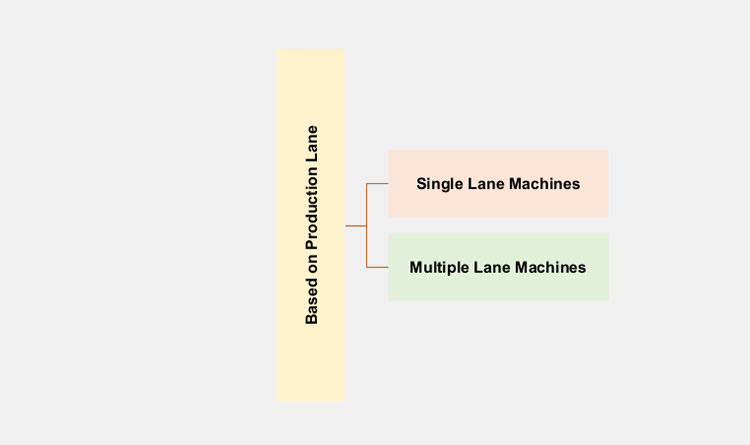
          Based on Production Lane

          Based on Production Lane

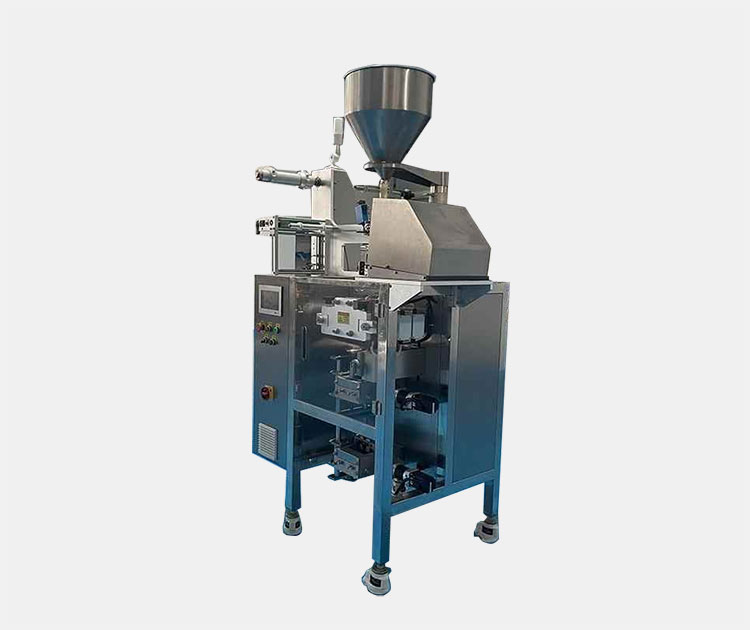
          Single Lane Machine

          Single Lane Machine

          Single Lane Machine

          Single lane machines work with one pouch at a time, which makes them slower but significantly more precise. The machines are also less expensive, making them perfect for smaller or niche products. Do you have an impression about how easily you might be able to adjust for different pouch sizes or product variations? This flexibility makes single lane machines an extremely versatile offering for manufacturers, which can be used in fine-tuning.

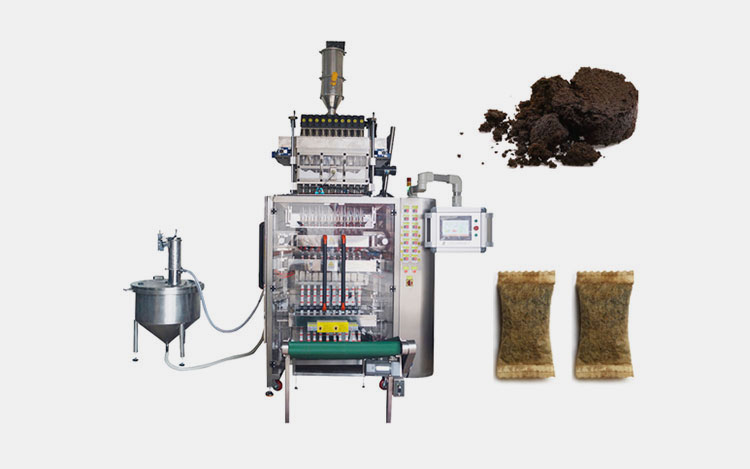
          Multiple Lane Machine

          Multiple Lane Machine

          Multiple Lane Machine

          Multiple-lane machines can process dozens of pouches all at one time, so production is much faster. How do you feel this speed would affect mass production? While these machines are more expensive, they are designed to anticipate high-volume manufacturing. It is paying for a higher level of output and reduced flexibility with large-scale production. Although they will offer the least number of customization, their productivity makes them fit best for mass production.

          7.What is the production line of nicotine pouch packing machine?

          Production Line

          Production Line

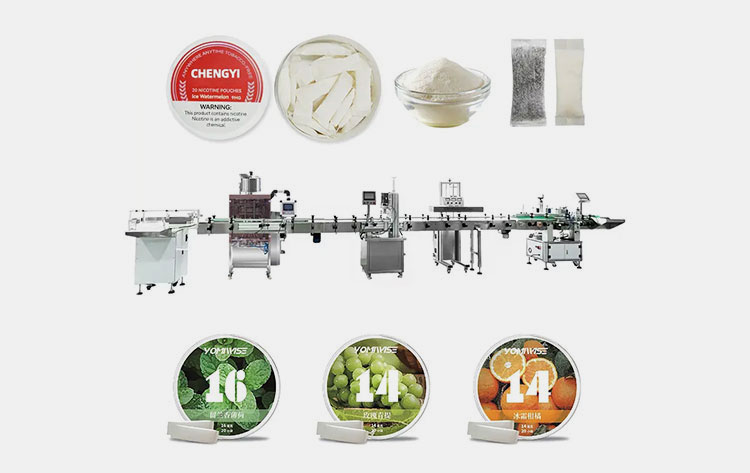
          When a nicotine pouch packing machine is coupled various units in the production line assumes a sleek operation that involve five important machines. This is assured to be efficient, given the high-volume packaging operations. Here is how it works:

          Bottle Unscrambler Machine

          For packaging nicotine pouches, the bottle unscrambler machine is required which is the most important piece of equipment. It makes sure that empty cans are aligned and oriented properly for what comes next. Pouches are conveyed and sorted to be loaded into these cans. No intervention is needed prior to packaging; they are ready for canning.

          Nicotine Pouch Packing Machine

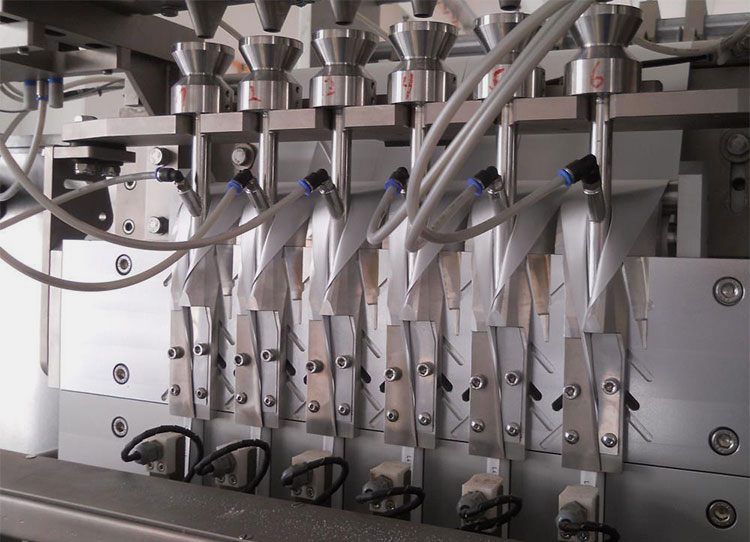
          The process starts with the nicotine pouch machine, forming into pouches filled with nicotine material and sealing pouches for retention of freshness. In this automatic system, each pouch will be correctly filled.

          Nicotine Pouch Capping Machine

          The integrated system loads the cans with nicotine pouches. The nicotine pouches are filled in all cans get the correct number of nicotine pouches are firmly secure by twisting of caps over them.

          This is an automatic process offering high productivity. Once these cans are filled, they will be taken through induction sealing machine for further protection of products.

          Induction Sealing Machine

          An electromagnetic radiation is emitted which induces the melting of cap layers that forms are strong sealing upon cooling to produce a tamper evident packaging.

          Labelling and Packaging Machine

          Lastly, the cans are branded and labeled with product details are labeled by using labeling machine prior to distribution, which marks the final step in the production cycle.

          8.What Other Products can be filled in a nicotine pouch packing machine?

          Apart from nicotine, there are wide range of other materials can be filled with using the same category machine that gives you tremendous results. Yes, this is the only nicotine pouch packing machine that is designed to help your problem in the lowest possible expenditure so you can enjoy dealing versatile materials packaging with this unit. You can read more about types of materials in this discussion.

          Chewing Tobacco

          Chewing Tobacco

          Tobacco- Picture Courtesy: Dazed

          Have you heard about snus? This is the kind of tobacco you can chew. You can fill them in the production facility when you have access to the nicotine pouch packing machine. For that, you don’t need special training in treatment. You load your product in the hopper and put protocol to facilitate true and reliable packaging.

          Herbal Snuff

          Herbal Snuff

          Herbal Snuff

          This is mainly used among those people who want to get rid of daily smoking habits. It is known as a tobacco free solution and can be packed in a similar fashion as nicotine pouch packing. Therefore, it is recommended in the production units of herbal snuff manufacturing.

          Flavor Candies and Chewing Gums

          Flavor Candies and Chewing Gums

          Flavor chewing gum- Picture Courtesy: Candy Mail

          Various eatables you have in your bags, office desk, and home are small in size and packed in kind of nicotine pouches. The machine design is not only user friendly but also your business which can be filled and sealed your various products in the easiest way.

          Coffee Powder

          Coffee Powder

          Coffee Powder

          You can fill and seal your single serving coffee powders in a small proportion of pouches by using a nicotine pouch packing machine. It is suitable for filling ground as well as raw coffee materials in each pouch.

          Spice, Condiment, and foods items

          Spice

          Spices or Condiments, foods items

          The broad range of spices and condiments are filled and sealed using the machine that is mainly used for parties, traveling, or picnic purposes. It can give you a pre-determined portion of products accurately in each pouch.

          9.What are common issues related to a nicotine pouch packing machine? How to solve these?

          Troubleshooting

          Troubleshooting

          It is natural that after working for a while, machines can have defects that should be resolved. There are some common problems that may happen to your nicotine pouch packing machine, and here are some useful suggestions for you on what to do if you face any of the problems given below.

          Some common issues and their solutions:

          Inconsistent Sealing

          Inconsistent Sealing

          Inconsistent sealing-  Picture Courtesy: Nic Pouch UK

          Causes

          This may be associated with old rubber sealing parts or inappropriate temperature or pressure at the time of sealing.

          Solutions

          Check the seals first. If they are worn out, replace them. Check the machine's temperature and pressure settings. This will ensure that the seal lasts because monitoring these two aspects at times ensures no repeated malfunction.

          Variation in Packing 

          Variation in Packing

          Packing Variation

          Causes

          Inaccurate calibration, software malfunctions, or worn-out parts that could be the cause of variations in pouch weight or content distribution. Faulty packaging may result from malfunctioning due to misalignment of the machine parts

          Solution

          Reset the machine calibration setting. When necessary, update the software. Replace with parts that have wear and tear to ensure constancy. Reline components for packaging carefully considering the fact that all the parts should be in line.

          Unexpected Machine Downtime

          Unexpected Machine Downtime

          Prevent overheating- Picture Courtesy: GloryTech

          Causes

          Sensor malfunctions, overheating, and mechanical failures are the principal causes of sudden stops.

          Solution

          Stable power supply; ventilation; regular mechanical check-ups; and stocks of critical spare parts on hand for quick replacement.

          Product jamming

          Product jamming

          Picture Courtesy: promotorzy.pl

          Causes

          Sometimes the accumulation of dirt in the hopper or nozzle leads to jamming of products. This problem you may encounter due to the large size of ingredients, which make the products jam.

          Solution

          You can eliminate this problem by having the right and suitable machine according to your ingredient size. Also keep your machine clean. And try to keep it dirt- and debris-free.

          Pouch formation problem

          Causes

          The incorrect position of the film roll, and incomplete pulling of film can create pouch-forming issues.

          Solution

          By having a check on the film pulling station, accurate and appropriate positions of the film roll can be used as tools to eradicate this problem.

          10.What are the key factors you should reflect on when buying a nicotine pouch packing machine?

          Here are the key factors on which you should reflect while buying a nicotine pouch packing machine that is suitable for your required tasks. You should consider the given key factors.

          Material nature

          Material nature

          White Nicotine Pouch Packing Machine

          The nature of packing material (solid or liquid) for which the pouch packing machine is to be bought should be taken into consideration first. It will help you to choose the right one for your business. It will aid the dealer in suggesting the best machine for the type of material nature.

          Reasonable price

          Reasonable price

          Pouch Packing Machine: Picture Courtesy: Trade Bird India

          Machines can be of various prices; some may be that expensive because of their efficient working and time-saving qualities, and also some may be cheap because they do not make the task as convenient as compared to the expensive one. But the one with the best qualities and an affordable price should be chosen according to your budget.

          Capacity and Speed

          Capacity and Speed

          Nicotine Pouches : Picture Courtesy: NPR

          The rate per hour of the nicotine pouch packing machine is an important factor that you should have to look at before it’s purchased. The most effective is the one whose working rate per hour is higher. It will reduce the time and increase the production. The rate of production also depends on the capacity of the machine, so it is also a key factor to be checked. The higher the capacity, the more will be the production.

          Quality and warranty

          Quality and warranty

          Nicotine Pouches Packing Machine: Picture Courtesy: loyal

          The most basic factor that you must check before buying the nicotine pouch packing machine is the quality of the machine. The greater warranty reflects the best quality of machine. For your satisfaction, you can check the machine’s working quality and warranty policy.

          Conclusion

          Now you got the idea that a nicotine pouch packing machine can benefit your business in bringing it to a higher level with its high efficiency, greater production and multiple functions. This machine is not only capable of carrying of nicotine pouch packing but you can get benefits of other packaging tasks too. What are those? How the machine benefits you? If you are interested in buying a nicotine pouch packing machine, you can find its different varieties from Allpack. Their deals will suit your requirements. You can contact us if you want further information.

          Don't forget to share this post!

          CONTACT US

          Tell us your raw material and project budget to get quotations within 24 hours.

          WhatsApp Us: +86 181 6426 8586

          Invalid Email
          Invalid Number

          Nicotine Pouch Packing Machine: The Complete FAQ Guide In 2025 Read More »
          ISO For Pharma: The Complete FAQ Guide In 2025

          ISO For Pharma: The Complete FAQ Guide In 2025

          Whether you are running a pharmaceutical industry for a long period of time or new in the field, skipping to know about ISO For Pharma is no exception! Since, the concerned area is supposed to carry out precise, hygienic, and safe processing, compliance to quality standards like ISO become inevitable. Similarly, most of the manufacturers find it hard to get all the necessary information about ISO For Pharma.

          ISO

          Thus, we are here to address your concerns. After reading this in-depth FAQ guide, you will be able to comprehend what basically ISO For Pharma means. Not only this, but how can you get the certification for your company, what are its benefits, which areas it covers and much other aspects. So, no need to fret, just stay calm and dive deep into this review!

            Add a header to begin generating the table of contents

            1.What Is Meant By ISO For Pharma?

            ISO For Pharma

            ISO for pharma illustration- Picture Courtesy: pharmaoffer.com

            ISO, International Organization for Standardization, is a global body that establishes rules and regulations for certifying goods and products. These principles provide a strong check to produce safe and quality products. With presence in over 160 countries, ISO is recognized worldwide and today it is considered inevitable for pharma companies.

            In this way, ISO for pharma is a particular area of ISO standards that only deals with pharmaceutical industry. It represents compulsory recommendations for the quality control of pharmaceutical equipment, manufacturing methods, research and development, and associated aspects to ensure safety and hygiene. Hence, a reputable company must always meet these requirements through compliance.

            2.What Are The Benefits Of ISO For Pharma?

            ISO for pharma carry substantial benefits due to its comprehensive principles that cover every aspect related to public health, drugs, and related equipment. So, in below explanation you will know how positive effects the compliance to ISO for pharma can have on your business at large:

            Ensure Safety

            The prime objective of ISO for pharma is to ensure safety. Now, it is associated with patients safety as well as the environmental safety because the regulations advocate for using quality material in the construction of pharmaceutical equipment which ultimately reduce the chances of contamination. Similarly, it obliges manufacturers to follow environmental sustainability requirements.

            Enhance Efficiency

            Enhance Efficiency

            Precise tablet friability testing- Picture Courtesy: pharmaceutical-networking.com

            Running a pharma industry is not a game rather you need to be very serious and attentive at the same time. Thus, ISO for pharma streamline successful practices which are really helpful in reducing time waste. Consequently, by adopting these processes you become able to uplift your production at the very initial stage and skip experiencing any failure.

            Improve Quality Control

            Improve Quality Control

            Quality control icon- Picture Courtesy: devteam.space

            Compromise on quality control of pharmaceutical products is nonnegotiable. That's why, ISO for pharma provide basis for each step from initial research to thorough testing and final development of materials. Provision of such tiny instructions can ultimately result in the production of top quality goods which can better add value to patients lives.

            Build Global Credibility

            Complying to international standards like ISO is now a prerequisite for international trade, reputation, and recognition. Similar is the case with ISO for pharma which helps you uplift the value of your goods and build Global credibility in the competitive market.

            Customer Satisfaction

            Customer Satisfaction

            Patient picking capsule

            The ultimate goal of every entrepreneur is to have higher demand for produced goods. That becomes pretty easy when you have certification of ISO for pharma as it helps in satisfying customers which is all what you need.

            3.Why ISO For Pharma Is Important In Pharmaceutical Industry?

            Medicines spilling from bottle

            Medicines spilling from bottle- Picture Courtesy: thalassaemia.org

            ISO for pharma is considered a compulsory standard in pharmaceutical field because it is the most comprehensive quality standard that deals with every aspect of pharmaceutical manufacturing. Be it drugs production, testing, distribution or the designing of sophisticated machines, ISO for pharma touches every area.

            Similarly, it deals with quality management systems, environmental management, and risk assessment etc. This dynamic approach has raised its significance and now pharma companies are bound to follow these regulations. It is crucial for illustrating the company's adherence to safety, quality, and efficacy of products and at the same time signify their excellence.

            4.What Are The ISO Requirements For Pharmaceutical Industry?

            Generally, ISO requirements for pharmaceutical industry aims at enhancing the quality control stages for the improvement of patient health safety and efficiency of manufacturing. In this way, few such requirements of ISO on part of pharmaceutical industry are as follows:

            Capsule testing in pharmaceutical laboratory

            Capsule testing in pharmaceutical laboratory- Picture Courtesy: emmainternational.com

            Quality Management

            One of the primary requirement of ISO for pharmaceutical industry is quality management. It represents the regulations that directly deals with the quality of machines and drugs which are to be produced. Thus, it sets forth the construction material for equipment and material for drug manufacturing and packaging.

            Testing

            Testing is another significant requirement of the ISO which must be carried out in pharmaceutical industry. It is because laboratory testing validates the authenticity, effectiveness, and shelf life of drugs. In addition, transparency testing, tablet friability testing, and dissolution testing are some of the examples in this respect.

            Production Methods

            ISO also provide a framework and methods which are supposed to be practiced in pharma sector as obligatory measures. This is of paramount importance as it helps the industries to adopt new techniques for production with increase in technology.

            Environmental Safety

            ISO also guides pharmaceutical industry on using environmental friendly means to reduce waste and minimizing ecological impact. Ultimately, it leads to environmental sustainability.

            5.What Do You Do To Apply For ISO Certification For The Pharmaceutical Industry?

            ISO Certification For The Pharmaceutical Industry

            ISO application process illustration- Picture Courtesy: isoindia.org

            In order to apply for ISO certification for the pharmaceutical industry, you need to start with multi-step process that simply include your understanding of the relevant standard. Once you have finalized the intended standard, it is time to adopt these regulations practically in your business.

            Now, select a recognized and credible ISO body and file an application that must include all the necessary aspects which you need such as liability issues, access rights, and confidentiality. Thus, your application is ready to be sent to the concerned body for reviewing and accrediting you with an ISO certificate.

            6.Enlist The Major Standards Of ISO For Pharma?

            There are several major standards of ISO which are applicable to pharmaceutical sector. These are as follows:

            ISO 9001 Standard

            ISO 9001 Standard

            ISO 9001 Certification- Picture Courtesy: registrationarena.com

            ISO 9001:2015 is considered the most eminent standard of ISO which deals with the quality management systems of any industry. Thus, it is important for pharma in a way that the concerned companies must adhere the quality, safety, and efficiency requirements as well as processes for producing goods. So, that customer expectations can be better fulfilled by supplying quality material.

            ISO 14001 Standard

            ISO 14001 standard is yet another significant standard that represents concerns for environment. In this way, a pharma company is bound to conduct its practices while respecting the manufacturing compatibility with environmental laws. Similarly, it helps in reducing the negative impact of pharmaceutical companies on surroundings.

            ISO 45001 Standard

            ISO 45001 Standard

            ISO 45001 Certification- Picture Courtesy: registrationarena.com

            It represents occupational health and safety management system which is directly linked to the workforce in pharmaceutical industry. Thus it helps in ensuring the safety life of workers to make sure they perform their functions without any risk.

            ISO 50001 Standard

            ISO 50001 Standard

            ISO 50001 Certification- Picture Courtesy: registrationarena.com

            ISO 50001 standard is another significant standard that is associated with energy management systems demonstrating the practical way for improving use of energy in pharmaceutical companies. With the help of this certification, manufacturers can carbon footprint and wastage is reduced which paves way for cost-effectiveness and efficiency.

            ISO 27701 Standard

            ISO 27701 is a standard for privacy information management system. It provides a framework for safeguarding the privacy and data of organization. Being a globally valued sector, pharmaceutical company should follow its principles for the procedures and handling of personal data.

            ISO 22000 Standard

            ISO 22000 Standard

            ISO 22000 Certification- Picture Courtesy: registrationarena.com

            This standard is for food safety and management systems. As pharma industry produces edible drugs and other supplements in form of syrups and medicated milk powder and protein powder etc., complying to this standard helps in enhancing its worth. Moreover, customers also have trust in ISO 22000 certified products as they certify the safety of products.

            ISO 17025 Standard

            It is crucial for drug development and and quality control which are the key factors in pharmaceutical industry. Thus, it focuses on the general requirements for competence of laboratory testing and calibration system.

            7.How Do You Do To Become ISO Certificated For The pharmaceutical Industry?

            The process for obtaining an ISO certificate for pharma is pretty easy. You just need to follow few steps and making sure requirements of each step are fulfilled properly. These include:

            • Firstly, you need to determine the type of standard which you want and properly understand all the requirements under it.
            • Secondly, you need to implement the regulations, that comes under the desired ISO certificate, in your industry.
            • Thirdly, you are supposed to document the principles which you have applied in your business. For this, you may hire a legal consultant.
            • Fourthly, the internal audit team will assess the compliance to regulations in your field.
            • Fifthly, In case of any gaps in adherence to the ISO standard principles, you need provide a strategy in application for how would you fill the gap.
            • Finally, an external audit team will review your application and after analyzing the current compliance to regulations and future plans for following, you will be awarded the ISO certificate.

            8.How Long Is A Certificate Of ISO For Pharma Valid For?

            Pharma Valid For

            Validity icon- Picture Courtesy: Shutterstock

            This question carry great significance for the reason that many pharmaceutical manufacturers often think that they just need ISO for pharma certificate once in a lifetime. However, that's not the case. In fact, it is obligatory for pharmaceutical companies to keep updating their methods, processes, and training staff with respect to changes in demand for safety.

            Therefore, the ideal time period for the validity of ISO for pharma certificate is 3 years. After the completion of three years, you need to renew the certification by booking a recertification assessment. In addition to it, a surveillance is conducted annually to check the application of standard in company.

            9.What Is The Future Of ISO For Pharma?

            Future Of ISO For Pharma

            Human finger pressing future start button- Picture Courtesy: emmersonwills.com

            ISO for pharma is playing vital role in promoting safe and sound processing of drugs from their production till distribution across the globe. This element has now made it quite easy to approach the market in countries where national regulations are not stringent.

            In this way, the future of ISO for pharma seems to be more powerful and increasing especially in areas like digitization and data security as the technology is rapidly growing in healthcare industry. Thus, ISO standards like 27001 are getting fame and much expectations are associated with these standards for granting the safety to pharmaceutical companies.

            10.What Are The Challenges While Maintaining ISO For Pharma?

            Challenge crossing icon

            Challenge crossing icon- Picture Courtesy: Freepik

            While maintaining ISO for pharma, the pharmaceutical manufacturers may face certain challenges during the process. These hurdles are often related to the upgradation of system such as staff training, improvement in existing production methods, and advancing the testing for quality control.

            All these requirements need additional resources, time, and energies which ultimately become burden on companies especially those working on small scale. Thus, the most challenging task is the adaptation to changes in standards. However, despite these difficulties, the benefits of ISO for pharma certification are far more valuable.

            Conclusion

            To put in a nutshell, ISO For Pharma is an obligatory standard for all the pharmaceutical and drug manufacturing companies regardless of what their production level is. The reason is long terms advantages and most importantly public health safety which should be the first priority of every industry. Since, the standard is inevitable to comply, its classification must be understood thoroughly which are explained above. Besides this, it is also very important to keep updating the processes for improvement. So, if you found this article helpful and want to have further information about it, then we are here to help!

            Don't forget to share this post!

            CONTACT US

            Tell us your raw material and project budget to get quotations within 24 hours.

            WhatsApp Us: +86 181 6426 8586

            Invalid Email
            Invalid Number

            ISO For Pharma: The Complete FAQ Guide In 2025 Read More »

            Installation-Qualification-Checklist

            Installation Qualification Checklist

            Installation Qualification Checklist

            Do you know how important is it to verify all the prerequisites for successful installment of the desired equipment? If not! You should be concerned about it as mere buying an ideal equipment is no justification for its sound working unless and until you have not fulfilled the recommended steps by manufacturer. In this way, Installation Qualification Checklist is greatly helpful that can simply provide you all the necessary qualifications to look for.

            Installation

            This piece of writing will enable you to understand what basically installation qualification checklist is, why is it important for you, and most importantly what it holds. It will also assist you to create a checklist that cover every aspect for successful installment of the equipment including suitable conditions like area, temperature, environment, and utilities etc. So, make sure to give it a thorough read and make best use of your machine!

              Add a header to begin generating the table of contents

              1.What Is An Installation Qualification Checklist?

              An Installation Qualification Checklist

              Checklist sample- Picture Courtesy: pharmaguideline.co.uk

              Installation qualification checklist refers to a written document that encases all the necessary requirements regarding equipment installation. It verifies that each step for installation of equipment is undertaken properly. Similarly, it include the information which is a collection of both manufacturers recommendations and buyer demands.

              Installation qualification checklist is one of the important steps to be taken for successful installment of machines. In addition, it is helpful in identifying the issues or discrepancies during installation qualification and taking timely measures for correction.

              2.Why Installation Qualification Checklist Is Important In Pharmaceutical Industry?

              Installation Qualification

              Installation Qualification Checklist checking- Picture Courtesy: zamann-pharma.com

              Pharmaceutical industry is said to be the most strict field where record of minor information is of paramount importance. This is one of the major reasons why all necessary measures from equipment manufacturing till its quality control checking and execution are performed responsibly.

              In this way, an installation qualification checklist play pivotal role for documenting all the prerequisites for sound installation of equipment like tablet compression, encapsulation machine, and ampoule filling line etc.

              As all of the pharmaceutical machines need proper environment, area, and adjustment as per fixed design requirements, an installation qualification checklist is a key component to verify their availability.

              3.What Contents Are Covered Under Installation Qualification Checklist?

              Generally, an installation qualification checklist cover all the details from equipment selection till its deployment and installation. However, it can be better understand by classifying the included information under following headings:

              Covered Under Installation Qualification Checklist

              Person identifying equipment- Picture Courtesy: spiraxsarco.com

              Documenting Firmware Versions and Serial Numbers

              This involves the documentation of information about the firmware versions, serial numbers, and other necessary data about particular equipment. Similarly, completing this step may help in the identification of machine.

              Check Software Installation

              Verify for the desired software installation in the instrument. Check if the software is updated to latest technology and is functional for carrying out assigned tasks of controlling and regulating machine.

              Document Any Computer-Controlled Instrument

              As most of the machines are automatically operated by integration of computer system. This step of installation qualification checklist is helpful in documenting any computer-controlled instruments.

              Examining Instruments and Components

              It signifies the examination of all the instruments and components for their condition like damaged or undamaged. Doing so help in getting prior knowledge and take note of the associated parts.

              Gathering All Manuals and Certifications

              Gather all the manuals, assurance certifications, and operation guides in order to confirm the validity of installation qualification at each step and making sure you have them on hand.

              Perform Operational Verification Test

              It records the operational verification test in order to validate the working of equipment in right way. Similarly, each aspect of test is noted and verified by the operator.

              Properly Unpacking of Instruments

              Properly unpack every part of the particular equipment and examine it for the possibility of wear and tear. Conduct cross-checking to make sure you are proceeding in right way.

              Calibration

              Conduct the right calibration of every component and system of the machine. Make sure the adjustment done is fully correct and also provide further details about the calibration such as the methods being used.

              Drawing List and Documentation

              Carry out the documentation of all the things on part of supplier such as the availability of spare parts list, manuals and troubleshooting guide etc.

              Ensuring Correct Utility Supply

              Inspect the required utility requirements including electricity, voltage, water, compressed air as per the design specifications of instrument. Among other steps, this is considered important for execution of specific equipment.

              Environmental and Operating Conditions

              It verifies the environmental and operating conditions of the location where instrument is placed. It includes examining the temperature level, humidity, and air pressure etc.

              Installing Ancillary Instruments

              Install ancillary instruments to the main machine such as wires, cables, adapters, brackets, sensors, seals, and valves etc. These components are significant to aid the machine in working, thus, they should be aligned and fitted properly.

              Preventive Maintenance

              Check the preventive maintenance of equipment for taking advance measures to counter damage during operation. For this purpose, supply of maintenance guide is very useful.

              4.Where Can Installation Qualification Checklist Be Used?

              An installation qualification checklist is required for all kinds of equipment which are used in different industries. Some of these are as follows:

              Pharmaceutical Industry

              Pharmaceutical Industry

              Operator setting machine in pharmaceutical industry- Picture Courtesy: technophar.com

              Pharmaceutical industry is highly dependent upon the use of sophisticated machines for all kinds of manufacturing such as liquid processing, tablets making, and preparing emulsion etc. Similarly, these machines are designed according to fixed standards and their installation is also subject to specific way for which installation qualification checklist provide the information.

              Food Industry

              Food Industry

              Food industry- Picture Courtesy: Shutterstock

              Food industry is another large scale production area where the production and packaging of goods is a routine task. So, if a company want to purchase new machine, it is necessary that the equipment should be installed keeping in view the design specifications which are best known by supplier. Hence, installation qualification checklist is of paramount importance.

              Cosmetic Industry

              Cosmetic Industry

              Various cosmetics- Picture Courtesy: harmonicfinance.com

              Products like lotion, shampoo, face powder, lipstick, and hair dyes are commonly known as cosmetics. Now, these items are prepared from various raw materials and packed into beautiful packages. The point here is that machines are inevitably used in their manufacturing. Thus, installation comes along every equipment so as installation qualification checklist.

              Chemical Industry

              Chemical Industry

              Chemicals in beaker & tubes- Picture Courtesy: gtai.de

              Similar to pharmaceutical industry, chemical industry is also a very sensitive field where information of each aspect is recorded. In such a case, how is it possible to deny the value of installation qualification checklist that provide tiny information about temperature, humidity, and air etc., for equipment.

              Engineering Industry

              Engineering Industry

              Precision engineering industry- Picture Courtesy: sac-accreditation.gov.sg

              Large scale industries like automobile or engineering often require heavy-duty machinery which should be installed keeping in view range of factors. These factors can be better understand and implemented through an installation qualification checklist.

              5.What Is An Installation Qualification Example?

              An Installation Qualification Example

              Installation Qualification checking by expert

              Installation qualification simply refers to the detailed steps you need to carry out when installing any equipment be it physical or digital. So, let's see how it goes!

              • Specify the location for equipment installation and check its suitability in terms of space, and outlets, or drains.
              • Keep record of computer related components.
              • Make sure to collect all the necessary guides, manuals, and certifications in advance.
              • Unwrap and adequately cross-check the tools while taking care of the guidelines for doing so.
              • Examine the various parts and instruments for damage.
              • Check all the electrical connections including power supply and ensure their corrections.
              • Install the necessary instruments like ancillary parts.
              • Document all the relevant information about equipment including firmware versions, serial numbers, and other data.
              • Evaluate the surroundings for equipment operation like environmental conditions.
              • Verify software installation and functionality.
              • Conduct proper calibration and record the related data including dates and techniques used.
              • Perform verification after attachment of additional units like ancillary parts.

              6.Differentiate Between Installation Qualification, Operation Qualification And Performance Qualification?

              Icons for equipment qualification stages

              Icons for equipment qualification stages- Picture Courtesy: madgetech.com

              From purchasing a machine till its successful operation, your machine should undergo certain necessary qualifications. These include installation qualification, operation qualification, and performance qualification.

              Installation Qualification

              Installation qualification ensures that a particular equipment is installed properly with all the mandatory parts. It verifies the area of installation, respective environmental conditions, and utility requirements etc.

              Operation Qualification

              While as, operation qualification deals with the functionality of machine. Therefore, it checks the working of equipment and draw conclusions on this basis.

              Performance Qualification

              Performance qualification, as the name indicates, is a validation that provides documentation to the final performance results of specific equipment under given condition. This test is considered the ultimate step for instrument installation after which the responsibility of manufacturer is completed.

              Conclusion

              This piece of writing not only emphasis the importance of manufacturers recommendations for particular device but also encase your demands which you have placed before purchase. Thus, we hope this Installation Qualification Checklist has helped you to know the important components of it that can assist you in creating comprehensive checklist. Besides, if you want to know further information about the quality documentation of pharmaceutical equipment, you can simply visit our website or leave a message. We will contact you ASAP!

              Don't forget to share this post!

              CONTACT US

              Tell us your raw material and project budget to get quotations within 24 hours.

              WhatsApp Us: +86 181 6426 8586

              Invalid Email
              Invalid Number

              Installation Qualification Checklist Read More »

              API Raw Material: The Complete FAQ Guide In 2025

              API Raw Material: The Complete FAQ Guide In 2025

              Are you scrolling down to get the basic information about API raw material? Probably yes! You might be a keen learner or a manufacturer in pharmaceutical industry intending to fullfil your production needs by incorporating the most essential material which is API Raw Material.

              API Raw Material

              So, we have come up with this FAQ guide which is going to show you everything about API raw material. From its definition till its sources, importance in pharmaceutical industry and the required quality standards, everything will be covered. So, just start reading it and get all what you need!

                Add a header to begin generating the table of contents

                1.What Is Meant By API?

                Meant By API

                API with capsules- Picture Courtesy: iStock

                In pharmacy, API is a short term for Active Pharmaceutical Ingredient which refers to the active part of any drug. APIs are of various type, however, they are obtained from the API raw material.

                As drug consists of active ingredients and excipients the former work as the main agent for relieving pain or showing desired therapeutic effect. In this way, we may say that API is the vital part of medicines wether tablets, pills, capsules, syrups, or ointments to produce intended health effects.

                2.Define API Raw Material?

                Raw Material

                API raw material with pills & capsules- Picture Courtesy: vereskpolpharmed.com

                API raw material is the unprocessed form of active pharmaceutical ingredients. It simply means that they are neither thoroughly processed nor exposed to heat, air, or water therefore available in original form. Such material is obtained from plants, herbs, and fruits etc.

                These API raw material is inevitable for making active pharmaceutical ingredients in different kinds of drugs. The quality, strength, and purity of API raw material greatly affect the finished drug product. Hence, it must be handled properly to avoid environmental effects and enhance the essence.

                3.What Is The Role Of API Raw Material In Pharmaceutical Industry?

                Role Of API Raw Material

                API raw material with tablets- Picture Courtesy: iStock

                API raw material is considered paramount in pharmaceutical industry that revolves around the production and processing of various drugs on large scale. There are few such prominent reasons that demonstrate how crucial is the use of API raw material. These are as follows:

                Firstly, all kinds of medications whether solid dosage like tablets and capsules or liquid dosage like suspension and emulsions are made by adding active pharmaceutical ingredients which are derived from API raw material.

                Secondly, quality control is a major step to be carried out in this sector. That's why, manufacturers want to gather raw material, so, they can process it keeping in view the standards and regulations for retaining drug quality.

                Lastly, pharmaceuticals manufacturing is an extensive field thereby requiring bulk API raw material which is both reliable and cost-effective.

                4.How Does The Quality Of API Raw Material Influence Pharmaceutical Manufacturing?

                Quality Of API Raw Material

                Capsules with powder- Picture Courtesy: iStock

                API raw material is the building block for pharmaceutical drugs which means the final product is dependent upon the quality of its components. Similarly, if the quality of these raw material is poor it will ultimately affect the quality of produced drug in negative way. The result will be adulteration, ineffectiveness, and risk of contamination in the finished medication.

                Contrary to that, using good quality API raw material can have potential positive effects on drug. It can enhance the efficacy, stability, and shelf life of medicines. Hence, the patient will feel more safe to consume the dosage, which leads to customer trust building and help in global reach for your business.

                5.What Are The Sources Of API Raw Material?

                There are various sources of API raw material. Almost all these sources are natural, however, in some cases raw material is synthesized through chemical processes or in laboratories. Some of the notable sources include:

                Plant Sources

                Plant Sources

                Plant sources for drugs- Picture Courtesy: bankofafrica.biz

                Plants are said to be the most important and convenient source of API raw material across the globe. Active pharmaceutical ingredients are derived from plants through different processes like extraction, drying, and crushing etc. The common examples of plant sources for API raw material include leaves, seeds, roots, herbs, and fruits etc.

                Animal Sources

                Animal Sources

                Different animals in forest- Picture Courtesy: onegreenplanet.org

                You may wonder how animals can be the source for generating API raw material but actually it is. In fact, since history most of the drugs made for acute diseases often have their origin from animal sources. Today, we can also see medical practitioners using insects, snakes, animal parts and their secretions for drugs manufacturing. Thus, they are essential source of active pharmaceutical ingredients.

                Microorganism Sources

                Microorganism Sources

                Microorganisms in water- Picture Courtesy: ecosoft.com

                In addition to plants and animal sources, the use of microorganisms for deriving API raw material is also prevalent in medical industry. These microorganisms are essential to produce antifungal properties against microbial growth. Hence, it is another significant source to be used for drugs like antibiotics.

                6.Classify API Raw Material On The Basis Of Therapeutic Effect?

                Classify API Raw Material

                Drugs testing- Picture Courtesy: mankindpharma.com

                Well, API raw material market is such an extensive that you are bound to understand its classification or it will definitely make you puzzle. It is pretty simple. The purpose of this classification is to categorize API raw material, so, one can get the basic idea about each class, their significance, and what could be their potential effects. So, let's begin!

                No Category Description
                1 Cardiovascular APIs Cardiovascular APIs give high quality ingredients which are beneficial in treating heart related problems like hypertension, angina, and heart failure. These are helpful to advance cardiovascular therapies.
                2 Central Nervous System APIs Such APIs are utilized for curing disorders related to brain, spinal cord, and nerves. Similarly, the drug made by using Central nervous system APIs is effective for treatment.
                3 Respiratory APIs As the title illustrates, respiratory APIs are particularly used to make drugs for alleviating respiratory problems such as asthma, tuberculosis, lung cancer, and cystic fibrosis etc.
                4 Dermatology APIs Dermatology APIs are specifically utilized to treat skin related issues like acne, rashes, and fungal infection. Hence, topical creams, ointments, and gels etc., are made by using these APIs
                5 Anti infective APIs Anti infective APIs are the vital category of API raw material which is widely used in making drugs for ending various infectious diseases. Thus, you may find it in treatment for urinary tract infection, kidney or other parts of body.
                6 Immunology APIs Immune system works as an army against bacteria in our bodies. Thus, immunology APIs are used to supplement and strengthen its growth against diseases, fatigue, and immunodeficiency disorders.
                7 Hormonal APIs Hormonal APIs is another significant class which is made part of the pharmaceuticals that helps in restoring hormonal balance and eradicate certain endocrine illnesses.
                8 Analgesic APIs Analgesic APIs refer to active pharmaceutical ingredients which are used to relieve pain of different types. It includes both non-opioid and opioid analgesics.
                9 Oncology APIs Oncology APIs are essential pharmaceutical ingredients which are be used for treating various types of cancer. These are active substances which are crucial to kill cancer cells and obstruct its growth in body.
                10 Gastrointestinal APIs Gastrointestinal APIs are utilized in making drugs for curing related diseases including acid-related disorder, inflammatory bowel diseases, and gastrointestinal motility problem etc.
                11 Ophthalmic APIs Such ingredients are necessary for treating eye health related issues. They are used in making drugs to cure cataracts, eye infections, glaucoma, and near-sighted corrective surgery etc.

                7.Differentiate Between API Raw Material And Excipients Raw Material?

                Every medication form is composed of two components which are called API raw material and excipients raw material. These ingredients are considered as two sides of the same coin. However, both different from one another in the core of their aspects. That's why, we have highlighted differences between them for your understanding:

                No Aspects API Raw Material Excipients Raw Material
                1 Definition API raw material is the active part of drug which is responsible for treating desired disease. Excipient raw material refers to the inactive ingredients of a drug for the safe and effective delivery of active ingredients.
                2 Function The function of API raw material is to show desired therapeutic effect. On the other hand, its purpose is to make the drug stable.
                3 Number of raw material Usually, single API raw material is used for making specific drug. In contrast, multiple excipients raw materials are used for pharmaceutical making such as lubricants, stabilizers, diluents, and colorants.
                4 Use Its use is compulsory for in every drug. While as, in some cases excipients raw material may not be inevitable for drug delivery as like in case of herbal powder or homeopathic remedies.
                5 Picture API Raw Material-1

                Active pharmaceutical ingredient with capsule- Picture Courtesy: istockphoto.com

                Excipients Raw Material

                Various excipients- Picture Courtesy: pharmadigests.com

                8.What Are The Uses Of API Raw Material?

                API raw material are used in every sector which is engaged in manufacturing any kind of drug. Some of the prominent applications of API raw material are as follows:

                Pharmaceutical Industry

                Pharmaceutical Industry

                Solid dosage form- Picture Courtesy: actylis.com

                Pharmaceutical industry is one of the top beneficiary of API raw material for manufacturing of drugs like tablets, capsules, syrups, and emulsions etc. The sector uses bulk of API raw material in order to treat diseases while maintaining their quality and essence.

                Nutraceutical Industry

                Nutraceutical Industry

                Nutraceutical medication presentation idea- Picture Courtesy: iStock

                Similar to pharmaceuticals, nutraceuticals also require API raw material for making pills and protein powder etc. As most of the drugs under this industry is made for enhancing the intake of vitamins, minerals, and nutrients, API like immunology APIs are popularly utilized.

                Herbal Industry

                Herbal Industry

                Herbal powder capsules- Picture Courtesy: iStock

                Since ancient times, herbal treatment is commonly practiced around the globe for treating various disorders. Interesting thing is that today we also found the significance of herbal byproducts. This is the uplifting of drugs due to innovative technology. Thus, API raw material can be better used in herbal industry for drug manufacturing. The common examples include ginkgo biloba and ginseng etc

                Veterinary Industry

                Veterinary Industry

                Veterinary doctor checking dog heartbeat- Picture Courtesy: petprofessional.com

                In addition to humans, animals are also in need of proper treatment when get I'll or affected by any disease. In this way, now multiple forms of drugs can be seen being used for animals. These drugs are made in veterinary industry with the help of API raw material.

                Dermatology Industry

                Dermatology Industry

                Beauty capsules- Picture Courtesy: iStock

                Skin treatment for enhancing external beauty, removing acne, dark circles, and keratin treatment for healthy hair is prevalent in today's era. All these tactics somehow involve the use of therapeutic agents which are made by using API raw material. Thus, we may say that dermatology and cosmetic industry do use these active ingredients.

                9.What Are The Quality Standards For API Raw Material?

                Quality Standards For API Raw Material

                FDA quality certification for drugs- Picture Courtesy: investopedia.com

                While API raw material is necessary for manufacturing drugs, it is subjected to stringent regulatory requirements. Adherence to the established rules means the concerned API raw material is produced in a safe environment.

                It is because information about each step including its properties, how it is synthesized and how its quality is maintained throughout manufacturing process is of key importance. Thus, several quality standards are there to check the API raw material quality which include the USA Food and Drugs Administration (FDA), European Medicines Agency (EMA), and International Organization for Standardization (ISO).

                10.Factors To Consider When Selecting API Raw Material For Pharmaceutical Manufacturing?

                Whenever you intend to purchase API raw material for pharmaceutical manufacturing on industrial level, make sure to consider some of the important factors. These include:

                Quality

                Quality

                Pharmacist examining quality of tablets- Picture Courtesy: Shutterstock

                Don't forget to check the quality of API raw material you want to buy. Because poor quality can result in the degradation of your final product. Thus, choose for good quality raw material and must check the quality compliance.

                Purity

                Purity of the API raw material is also very important to examine because polluted or uncleaned material can cause great delays in cleaning and it may contaminate your drugs.

                Authenticity

                Authenticity

                Pharmacist checking capsule ingredients- Picture Courtesy: iStock

                What is the origin of API raw material? Knowing this can help you trace how old are the desired material so you will be able to use them accordingly in your manufacturing.

                Cost-effectiveness

                You will find many suppliers of API raw material in market but you should look into their prices thoroughly. It is because most of the time, there is a big difference in price but not in quality. So, do check its cost-effectiveness.

                Conclusion

                To wrap up this guide about API raw material, we are glad to have communicated necessary information on much needed topic. The importance of ingredients in drug manufacturing cannot be denied especially in pharmaceutical industry. However, it brings along with it certain responsibilities regarding quality and sources. So, we hope you have got the desired information which will definitely help you in your business. If you are eager to learn more or want to purchase machines for drug manufacturing Allpack is there to show you latest equipment. You can simply contact us through our website!

                Don't forget to share this post!

                CONTACT US

                Tell us your raw material and project budget to get quotations within 24 hours.

                WhatsApp Us: +86 181 6426 8586

                Invalid Email
                Invalid Number

                API Raw Material: The Complete FAQ Guide In 2025 Read More »

                Double-Cone-Rotary-Vacuum-Dryer

                Double Cone Rotary Vacuum Dryer: The Complete Buying Guide In 2025

                Double Cone Rotary Vacuum Dryer: The Complete Buying Guide In 2025

                Drying is an integral process in industries and improves product quality by reducing the moisture content that can lead to contamination and microbial growth. Hence, an industrial dryer is one of the most essential machines in production to control the drying rate and enhance the efficiency of manufacturing.

                Double cone rotary vacuum dryer is one of many pharmaceutical dryers and is best for low-temperature and gentle drying, preserving the structural integrity of delicate substances. So, are you ready to install a double cone rotary vacuum dryer in your manufacturing unit; then do not look at other sites. This knowledgeable and interesting guide is written with the sole aim of educating you on advantages, working, uses, troubleshooting, and so much more regarding this machine. Let’s have an insight.

                  Add a header to begin generating the table of contents

                  1.What is meant by a double cone rotary vacuum dryer?

                  rotary vacuum dryer

                  Allpack Double Cone Rotary Vacuum Dryer

                  A double cone rotary vacuum dryer is a renowned dryer that combines mixing and drying in one industrial equipment. It concentrates materials at low temperatures using a vacuum state. It is a cylindrical cone-shaped structure that achieves unvarying mixing and drying by the tumbling rotation of the drying chamber.

                  It has a slow rotational motion that results in the impact of materials against the walls of the drying chamber and causes consistent mixing of feed. In vacuum conditions, the materials are consistently heated through walls, which accelerates drying and decreases the length of the drying cycle. It capably performs drying by extracting various solvents and water from wet feed.

                  2.How is a double cone rotary vacuum dryer popular in industries?

                  A double cone rotary vacuum dryer is an extraordinary drying machine that offers various advantages to production facilities. It is typically popular in wide-ranging industries because of its safe, effective, and inexpensive drying. Have a look at the noteworthy pros of a double cone rotary vacuum dryer:

                  Effective Drying and Mixing

                  Effective Drying and Mixing

                  Effective Drying and Mixing- Picture Courtesy: Altana AG

                  The design of a double cone rotary vacuum dryer is cylinder-shaped, which aids in the full and consistent revolution of the feed. This even and uniform mixing results in continuous agitation and tumbling of feed, drastically maximizing the surface area of the product for evaporation. This not only prevents agglomeration but also allows an effective and improved drying rate.

                  Increased Solvent Recovery

                  Increased Solvent Recovery

                  Increased Solvent Recovery

                  A double cone rotary vacuum dryer is increasingly popular in manufacturing units because it has excellent solvent recovery. The low-temperature drying in this machine lowers the boiling point of liquids and these solvent vapors are collected and recovered with the help of a condenser-  installed with a drying machine. This recovery of solvents is very advantageous for industries, where precious and expensive solvents are used again and again in manufacturing.

                  Reduced Contamination Risk

                  Reduced Contamination Risk

                  Reduced Contamination Risk- Picture Courtesy: P-Met

                  This machine has a fully enclosed structure with a gap between a cylindrical body and a vacuum pipe sealed from durable and strong Teflon materials, resulting in airtight securing of the drying chamber. Furthermore, drying in this machine happens in the presence of a vacuum that prevents the entrance of gases and other contaminants inside the drying chamber. This reduces the risk of contamination and maintains sterile and hygienic conditions for product manufacturing.

                  High Energy Efficiency

                  High Energy Efficiency

                  High Energy Efficiency

                  Low energy consumption is the biggest benefit of a double cone rotary vacuum dryer. Less amount of energy is required to heat and dry materials, reducing operational expenditures needed to maintain the facility. Energy-efficient drying is achieved with vacuum processing and tumbling motion in this dryer. Moreover, it cut down thermal degradation, making it a safe drying machine for different feed groups.

                  Low Maintenance

                  Low Maintenance

                  Low Maintenance

                  A double cone rotary vacuum dryer has a straightforward construction with fewer rotating components that are easily assembled and disassembled, which allows ease in maintaining, cleaning, and operating the machine. Moreover, decreased maintenance requirements and convenient cleaning increase the lifespan of the machine, making it a hit among manufacturers- looking for ways to save finances.

                  3.Where does a double cone rotary vacuum dryer find its use?

                  A double cone rotary vacuum dryer is fabricated to attain outclass efficiency in drying operations. It has exceedingly reduced end moisture values, thus most industrial units prefer integrating this machine into their facilities. Let’s learn about the distinct uses of a double cone rotary vacuum dryer:

                  Pharmaceutical Industry

                  Pharmaceutical Industry

                  Pharmaceutical Pills

                  In the pharmaceutical industry, wet granulations and wet mixing are involved, therefore, wet masses are routinely dried in this industry by a double cone rotary vacuum dryer. This machine is very useful in rapidly drying the moisture content of active drug ingredients, excipients, and other pharmaceutical materials without causing any damage to their therapeutic properties. This device is typically used for its controlled drying operation to attain stability in drug formulations.

                  Chemical Industry

                  Chemical Industry

                  Chemicals- Picture Courtesy: RIAC

                  A double cone rotary vacuum dryer is an ideal device for processing delicate, thermos-sensitive, and, reactive chemicals. This machine is integral in extracting moisture from fine chemical powders, catalysts, and, other sensitive chemicals. It does not cause undesired chemical deterioration and prevents the reactivity of various chemicals while drying.

                  Food Industry

                  Food Industry

                  Food

                  In a double cone rotary vacuum dryer, different food products, for instance, flavors, snacks, coffee, tea, herbs, spices, and dairy powders are successfully dried. This machine is excellent for mixing and drying because it preserves crucial properties, such as aroma, freshness, flavor, texture, and, the appearance of food ingredients. In this way, more safe and gentle drying of food products is attained.

                  Dye and Pigment Industry

                  Dye and Pigment Industry

                  Dye and Pigments

                  An application of a double cone rotary vacuum dryer is very beneficial because it offers superior and meticulous drying rates. Pigments and dyes used in paints and other coloring products are extremely heat-sensitive, so a double cone rotary vacuum dryer is effective in removing their solvent content and assists in upholding their color intensity, vibrancy, saturation, and hue. This drying device also aids in attaining optimized products with uniform characteristics.

                  Biotechnology Industry

                  Biotechnology Industry

                  Biotechnology Industry- Picture Courtesy: Surf Search

                  This drying machine is ideal for dehydrating different types of heat-sensitive and bioactive substances, for example, proteins, enzymes, antibiotics, amino acids, and vitamins. Low-temperature drying in a double cone rotary vacuum dryer is best for preserving the structure and functions of biological molecules. Controlled drying conditions under vacuum conditions do not denature and degrade vaccines and other biologics.

                  Agriculture Industry

                  Agriculture Industry

                  Agriculture Industry

                  In the agriculture industry, various types of seeds and plants are dried with the help of a double cone rotary vacuum dryer to retain their traits and efficacy. It excels in drying feed and other agricultural compounds and produces top-notch and stable end-products for quality control procedures.

                  Ceramic Industry

                  Ceramic Industry

                  Ceramic

                  In this industry, vast and diverse types of products are manufactured-ranging from conventional pottery to high-tech ceramic goods. A double cone rotary vacuum dryer is a superior machine that offers gentle dehydration of delicate ceramic structures. Low-temperature drying and precise moisture extraction are suitable for preserving the integrity of ceramics without warping them.

                  4.What are the working stages of a double cone rotary vacuum dryer?

                  A double cone rotary vacuum dryer is recommended in industrial settings because of its efficient solvent vaporization and increase in expiration dates of various materials. Learning about the working stages of this machine is important for engineers and developers, as it helps in operating and maintaining the machine. Let’s understand the working stages of a double cone rotary vacuum dryer:

                  Loading of Feed

                  Loading of Feed

                  Loading of Feed- Picture Courtesy: MegaFood

                  At the start, raw feed (wet mass, slurry, or paste) is introduced inside the drying chamber of a double cone rotary vacuum dryer through the top inlet. The quantity of feed placed inside the device is based on the processing needs and working capacity of a dryer. Usually, about 30-50% of the drying chamber is loaded to give space to feed for rapid movement during rotation.

                  Sealing and Vacuum Formation

                  Sealing and Vacuum Formation

                  Sealing and Vacuum Formation- Picture Courtesy: Italvacuum

                  As soon as the feed is deposited in the drying chamber, it is airtightly sealed to prevent the access of air inside the device. After sealing, the vacuum pump present in a double cone rotary vacuum dryer decreases the inside pressure by extracting air inside the device. Vacuum formation is essential for reducing the boiling point of the solvents, consequently, removal of solvents and drying occur at decreased temperatures.

                  Material Heating and Evaporation

                  Material Heating and Evaporation

                  Material Heating and Evaporation

                  This device is composed of three jacketed layers that provide insulation to prevent heat losses. The heat source, such as steam, conductive oil, or hot water is applied to the middle layer. Due to rotation, materials continuously and uniformly come in contact with heated walls.

                  The inner moisture comes to the surface due to heat transference and moisture saturation leads to evaporation under low temperatures. These solvent vapors are extracted out of the chamber through a vacuum pump and are recovered by collection in the condenser.

                  Cooling and Drying

                  Cooling and Drying

                  Cooling and Drying- Picture Courtesy: Daxner

                  After complete drying, the jacketed shell of drying is cooled by use of chilled water. This lowers the product temperature before unloading so that heat-sensitive materials are not damaged. Finally, the vacuum is gradually released from the drying chamber and the inner pressure is returned to normal.

                  Afterward, the material is offloaded from the machine by a lower outlet. The tilting of cone-like configuration assists in feed removal and complete discharge, reducing feed retention.

                  5.What is the structural configuration of a double cone rotary vacuum dryer?

                  A double cone is a cylindrical device and its top and bottom parts are conical. It has a speed reducer, motor, and manhole. The basic components of a double cone rotary vacuum dryer are mentioned below:

                  Parts of a Double Cone Rotary Vacuum Dryer

                  Parts of a Double Cone Rotary Vacuum Dryer-1

                  Parts of a Double Cone Rotary Vacuum Dryer

                  Motor The motor is integral in a double cone rotary vacuum dryer and is responsible for powering the machine, which helps in the rotation and tumbling of feed. It is located on one side of the device and is attached to a rotary vessel through a gearbox.
                  Inlet The feed to be dried is loaded inside the drying chamber through the inlet port. This opening is specially engineered to conveniently introduce the materials in the device. It is situated on the top end of the machine.
                  Drying Chamber It is a central part of the machine and drying procedures occur in this part. With the rotation of this vessel on the central axis, materials tumbled and heated with contact with the external jacket system.
                  Stand/Frame The entire device is supported by a strong and durable frame or stand. It balances the drying vessel and allows its rotation. This structure reduces the vibration of the machine during the drying operation.
                  Guard Rail It is a safety feature present around the rotating cylindrical structure to avert unintentional contact during the drying process. It is necessary for operator safety.
                  Outlet The dried feed is offloaded from the machine by a port located at the bottom of the drying barrel. This discharge port has a conical structure that easily discharges feed by gravity.
                  Control Panel The drying procedure is regulated and managed by the control panel. With the help of this computerized panel, operators can easily input the operational inputs, such as rotational speed, pressure, drying time, etc.
                  Condenser The vaporized moisture is collected and condensed in the condenser. It converts vapor back into liquid for recovery. It is integrated with vacuum lines and is present at the periphery of the vacuum pump to aid in cooling and collection.
                  Rotary Joint or Connector This part is integral in the distribution of heating liquid to a jacketed layer of the machine. It is found between an immobile heating source and a drying chamber.
                  Heat source The function of the heating source is to deliver heat for drying. It supplies steam, hot water, and oils to a rotary joint that in turn moves them to the jacket for circulation and drying of material.
                  Condensate Pipe It is a connection between the condenser and the drying chamber. It disposes of the vapors to the condensate trap and is integral in the recycling of solvents.
                  Filter This type of filter is equipped with a vacuum to protect the vacuum pump or condenser from fine particles, dust, debris, and residues. The particulates cause blockage of a vacuum pump and decrease its throughout.
                  Seal Seat It offers sealing to crucial components, like outlet, inlet, and vacuum pipes to uphold the vacuum inside the chamber by decreasing air leaks.
                  Vacuum Valve This valve is important in regulating the vacuum level in the drying vessel. It is located along vacuum pipes and manages the removal of air and moisture.

                  6.What materials are specially dried in a double cone rotary vacuum dryer?

                  Let's go into details of the type of materials, well suited for drying in a double cone rotary vacuum dryer.

                  Readily Oxidizable and Hazardous Materials

                  Readily Oxidizable and Hazardous Materials

                  Flammable Materials

                  Do your materials oxidize readily, or are they hazardous? This dryer produces an inert environment, making it ideal for:

                  Sensitive chemicals: materials that may be flammable or degrade in the presence of oxygen.

                  Pharmaceuticals: sensitive drugs or chemicals that react to open air.

                  Materials That Need Solvent Recovery

                  Materials That Need Solvent Recovery

                  Managing Toxic Gasses

                  Want to recover solvents or manage toxic gases safely? Then this dryer is best for you.

                  Recovery of solvents used in pharmaceutical manufacturing, thereby, decreasing your cost and making you comply with the environmental requirements.

                  Managing poisonous vapors and safe drying of volatile compounds.

                  Crystalline Materials

                  Crystalline Materials

                  Crystalline Compounds

                  If your material needs to stay in its crystalline form, then this dryer will not hurt it, as it works very tenderly. Therefore, it is best for:

                  Crystalline drugs: drugs that need to retain their structure during drying.

                  Fine chemicals: easily impacted by changed structure or chemical composition.

                  Low Residual Volatile Content Materials

                  Low Residual Volatile Content Materials

                  Specialty Polymers

                  The vacuum process in a double cone rotary vacuum dryer enables you to reach very low residual content quickly, which is perfectly suited for cemicals of the highest purity, where minor moisture can be critical and specialty polymers.

                  Toxic or Irritant Materials

                  Toxic or Irritant Materials

                  Toxic Materials

                  Dealing with toxic or highly irritant substances? The closed system of this dryer ensures the handling and processing of the following toxic matetrials, such as pesticides that are toxic materials and must be carefully dealt with as well as chemical intermediates- dangerous substances that require a controlled environment.

                  7.What is the rotational speed of a double cone rotary vacuum dryer?

                  double cone rotary vacuum dryer

                  Rotational Speed of a Double Cone Rotary Vacuum Dryer- Picture Courtesy: CRIOX® System

                  The double cone rotary vacuum dryer has a rapid drying rate and one expects it to have fast rotational speed. On the other hand, it rotates slowly with a speed of 3-20 revolutions per minute. It has a slower speed because of several reasons, such as:

                  First, the measured rotational speed of a double cone rotary vacuum dryer allows gentle tumbling and even encounters with heated walls. This prevents the loss of structural integrity and high frictional force during drying. Moreover, feed does not adhere to edges and dead zones in the drying chamber with the help of consistent rotation. This results in uniform drying processes.

                  Also, higher speed leads to over-agitation of materials and their clumping, so slow rotational speed in this drying machine prevents irregular distribution of feed.

                  8.What are the typical maintenance procedures for a double cone rotary vacuum dryer?

                  Here are the step-by-step procedures in the maintenance procedures for a double cone rotary vacuum dryer that can be carried out systematically:

                  procedures for a double cone rotary vacuum dryer

                  Double cone rotary vacuum dryer- Picture Courtesy: Griffin Machinery

                  Vacuum System Check Check the vacuum pipes for blockages or obstructions in the vacuum pipeline.

                  Check if vacuum pump seals are intact and free of leaks.

                  Check if the air rubber seals on the rotating bearing have to be replaced.

                  Electrical System Checks


                  Check electrical contacts- The entire connection must be secure with no sign of wear and tear.

                  Check the grounding wire- This should be in good condition as well to avoid any risk of electric fires or shocks.

                  Heating System Maintenance


                  Check the heating medium if the thermal oil or hot water circulating in the right manner.

                  Check the heating elements, if the temperature falls in the range as required while working with an efficiency level.

                  Check for leaks and address any signs of overheating or leakage promptly.

                  Lubrication of Mechanical Components


                  Lubricate bearings and chains- Apply or replace lubricating oil or grease regularly to prevent wear and tear.

                  Replace worn-out lubricants and fresh lubricants should be applied at intervals, especially on moving parts.

                  Cleaning and Disinfection


                  Clean drying chamber- Remove any residue from the drying chamber after every use.

                  Disinfect the chambers and follow proper sanitation protocols, especially in industries like pharmaceuticals.

                  Filter and Exhaust System Maintenance


                  Clean air filters- regularly clean the filters to avoid any blockages.

                  Check the exhaust system and ensure there is no abnormal pressure or obstruction in the airflow.

                  Overload Prevention


                  Monitor material load- Instruct operators to maintain a recommended 30-50% chamber capacity.

                  Examine material bulk density- Ensure the material does not exceed 0.6 g/cm³ as higher could reduce efficiency and impact dryer life.

                  Adjust Vacuum System


                  Monitor vacuum pressure- Keep the vacuum level in an appropriate range during drying. Avoid too low and too high.

                  Check for leaks or blockages-Resolve any pipeline issues that may lead to fluctuations in vacuum levels.

                  Noise Reduction


                  Tighten loose parts- Fix any loose bolts or components to reduce noise. Inspect bearings and chains-Lubricate or replace parts causing excessive noise.
                  Wall Material Buildup Prevention


                  Clean the drying chamber walls- Regularly remove any material buildup on the inner chamber walls.

                  Optimize feed rate and temperature- Adjust the drying speed and temperature to prevent materials from sticking.

                  Calibration


                  Calibration of sensors- Ensure accurate readings from vacuum and temperature sensors

                  Check Gauges- Pressure gauges must display the pressure within satisfactory limits.

                  9.How to troubleshoot frequent problems encountered in a double cone rotary vacuum dryer?

                  A double cone rotary vacuum dryer is a state-of-the-art machine, designed for decreasing downtimes and maximizing efficiency. Still, it faces occasional technical issues that negatively impact its productivity. However, these issues are easily managed by proper knowledge and training. Hence, for your information, we are penning some frequent problems and their solutions for a double cone rotary vacuum dryer:

                  Product Contamination

                  Product Contamination

                  Product Contamination- Picture Courtesy: Unitak

                  Cause Troubleshooting
                  Due to insufficient and improper cleaning from earlier batches, the end-products are cross-contaminated in the dryer.

                  Sometimes, there are loose connections or leakage in the vacuum chamber due to which contaminants enter the drying vessel.

                  To avoid contamination, it is ideal to integrate a Clean-in-Place (CIP) system to thoroughly clean the machine between batches.

                  Also, examine and secure every sealing of the machine to avert the entry of contaminants.

                  Slow Drying Time

                  Slow Drying Time

                  Slow Drying Time- Picture Courtesy: MicroFood

                  Cause Troubleshooting
                  The slow drying time is because of several causes, for instance, decreased vacuum pressure or leakage. Improper heat distribution is due to improper temperature programming.

                  The feed substances have a higher amount of moisture.

                  To increase drying efficiency, it is best to:

                  Inspect the leaks in the vacuum mechanism and verify the correct working order of the vacuum pump.

                  Review the temperature inputs and alter them as per the requirement of feed.

                  Also, pre-dry the feed to extract surplus moisture before loading it into the drying machine.

                  Clogging in Vapor Pipe

                  Clogging in Vapor Pipe

                  Clogging in Vapor Pipe- Picture Courtesy: Mr. Rooter Plumbing

                  Cause Troubleshooting
                  Sometimes, there is a reduced flow of vapors through the vapor pipe because of clogging of vapor lines. The possible causes of this issue are:

                  The buildup of particulates or product residues inside the vapor pipe or condenser.

                  Insufficient vapor transfer is also owing to improper vacuum settings.

                  To resolve this problem, you must:

                  Properly and completely clean the vapor pipe for extracting any undesired product buildup. Secondly, properly assess the vacuum valve for accurate functionality and ensure every setting of the vacuum level is properly input.

                  Material Leak from the Drying Chamber

                  Material Leak from the Drying Chamber

                  Material Leak from the Drying Chamber- Picture courtesy; Capovani Brothers Inc.

                  Cause Troubleshooting
                  Have you ever seen feed dripping from the drying chamber? It can be due to damaged, rusty, old, and defective seals, usually present on inlet and outlet ports or vacuum valves. The defective construction, for instance, cracking or breakage in the drying vessel also causes leakage. It is recommended to follow these tips to rectify this problem:

                  You must examine and switch old and defective seals, bearings, gaskets, and O-rings at loading or discharge ports.

                  Routinely evaluate the drying chamber for defects and replace or repair depending upon the requirement.

                  Overheating of Feed

                  Overheating of Feed

                  Overheating of Feed- Picture Courtesy: Oxara

                  Cause Troubleshooting
                  This issue is due to:

                  Wrong temperature input or defective heating elements.

                  Drying temperatures exceed because of poor vacuum levels.

                  You must resolve this problem by:

                  Recalibrating temperature control mechanism and verifying that the heating element is at the correct temperature.

                  Checking the vacuum system to verify its seamless working efficiency.

                  Inspecting heat transfer via jacket and ascertaining that rotary joint is performing as expected.

                  Conclusion

                  A double cone rotary vacuum dryer is a one-stop and turnkey solution for effectively, swiftly, hygienically, and, safely drying thermo-sensitive, hygroscopic, delicate, toxic, and volatile substances. Its constant rotation and low-pressure conditions are pivotal in smooth and seamless drying. It is a well-prioritized device in not only healthcare sectors but also in developmental and manufacturing areas because of its sustainability and profitability. So, after reading a huge array of advantages are you now tempted to add a double cone rotary vacuum dryer to your productions? If yes, you are invited to look at the catalog of Allpack’s affordable, high-tech, and efficient drying machine. We are a world leader in designing reliable and FDA-compliant machines.

                  Don't forget to share this post!

                  CONTACT US

                  Tell us your raw material and project budget to get quotations within 24 hours.

                  WhatsApp Us: +86 181 6426 8586

                  Invalid Email
                  Invalid Number

                  Double Cone Rotary Vacuum Dryer: The Complete Buying Guide In 2025 Read More »

                  ISO VS GMP-2

                  ISO VS GMP

                  ISO VS GMP

                  Are you involved in the manufacturing sector? Do you want to produce quality goods? Do your industrial regulations include compliance with quality assurance standards? Are you confused about the differences between ISO and GMP? Do you have questions regarding the scope and objectives of ISO and GMP?

                  The answers to the above-mentioned questions and more will be detailed in this enlightening blog: “ISO VS GMP”. ISO and GMP are similar in various aspects, such as maintaining records, training of operators, calibration of equipment, and product quality tests. Here we will focus on the differences between ISO and GMP so that you can understand the requirements of these regulations and implement them in your business. Let’s start reading.

                    Add a header to begin generating the table of contents

                    1.What is Meant by ISO?

                    Meant by ISO

                    ISO

                    ISO stands for International Organization for Standardization and is an international body formed from national standard agencies. Its purpose is to create and publish a variety of proprietary, industrial, and commercial protocols.

                    ISO was created in 1947 in London, United Kingdom. It provides a regulatory framework for running an organization and audits its activity. It is a globally accepted standardized quality management protocol valid for every type of production. It has been reported on ISO website that approximately 1.2 million organizations in 170 world countries have been ISO certified.

                    It focuses on different facets of seamlessly establishing and managing businesses and is committed to continuously improving quality across every procedure and level of organization. It deals with the requirements of managing and fulfilling customer demands.

                    2.What is Meant by GMP?

                    Meant by GMP

                    GMP- Picture Courtesy: Angstrom Technology

                    GMP stands for Good Manufacturing Practices. Sometimes, it is also called cGMP or current Good Manufacturing Practice. GMP regulations uphold a special place in fulfilling the quality assurance protocols and developing quality-compliant products.

                    It encompasses every facet of the manufacturing process to protect against any catastrophic hazards that degrade the product quality, safety, and potency. It guarantees that products are optimized for their expected use and adhere to marketing or clinical trial regulations.

                    In 1941, after substandard and contaminated sulfathiazole tablets adversely affected about 300 people, the Food and Drug Administration (FDA) revised manufacturing protocols significantly, leading to the establishment of GMP. These regulations were first finalized in the 1960s and the FDA published its GMP standards in 1963 to prevent contamination of pharmaceuticals and drug formulation errors and ascertain product reliability.

                    3.What are the Differences between ISO and GMP?

                    Both ISO and GMP certifications are crucial to quality assessment approaches and by adhering to these regulations, manufacturers and developers can attain fineness in product formulation and provision of services in far and wide productions. They are vastly different from each other, serve immensely diverse objects, and are applicable in dissimilar settings. Let’s look into detail of key differences between ISO and GMP one by one:

                    Differences between ISO and GMP

                    Differences between ISO and GMP

                    Purpose

                    Purpose

                    Purpose- Picture Courtesy: Meet Recruitment

                    The main purpose of ISO regulations is to increase operation performance quality, effectiveness, and, consumer trust in diverse industries. Its primary job is to make a structural framework and process-centric methodology to establish quality assurance.

                    GMP is specially devised to ensure every regulated industry- producing health-related and beauty-related products- conforms to quality standards in manufacturing, processing, packing, handling, and storage. It is product-oriented and deals with the shortcomings of products that adversely affect the well-being of humans.

                    Focus

                    Focus

                    Focus- Picture Courtesy: Alcimed

                    ISO and GMP differ significantly in their focus. ISO is related to the organization's general management and is strongly focused on customer opinions- both external and internal. It includes standards for satisfying customer demands, fulfilling their expectations, and gaining customer trust. It is more committed to enhancing the management of the business. It usually mandates organizations to devise quality policies and goals.

                    It is usually focused on running the business in the right way, although one of its goals is to manufacture the right quality product, it has other objectives, such as establishing responsibilities of top management for quality assurance.

                    ISO advises companies to inspect, revise, and boost their quality system for leading perfection in other non-production areas.

                    Alternatively, GMP is dedicated to guaranteeing the safety, security, durability, quality, traceability, recognition, and sterility of consumable goods. It is responsible for protecting the health and safety of consumers, especially patients from adverse reactions and other possible harms. By GMP guidelines, organizations are obligated to document their every manufacturing step.

                    GMP is more deeply concerned with product quality and gives more emphasis to standardized manufacturing practices.

                    Industrial Uses

                    Industrial Uses

                    Industrial Uses- Picture Courtesy: Moravek

                    ISO and GMP are widely diverse in their industrial applications. ISO is valid for every organization, whether production, healthcare, laboratories, construction, trade, or others, and is not unique to any facility or production line.

                    On the contrary, GMP protocols are exclusively implemented in industries- regulated by drug and food regulatory agencies, for instance, the medicinal, biotechnology, nutraceutical, veterinary, medical instruments, food, beverage, and, beauty industries.

                    Regulatory Requirement (Voluntary or Mandatory)

                    Regulatory Requirement

                    Regulatory Requirement- Picture Courtesy: Single Use Support

                    Acquiring the ISO certification is completely voluntary and organizations usually get a competitive edge over their competitors and customer trustworthiness by adhering to this certification.

                    It is noteworthy that there are no legal ramifications of not obtaining ISO certification. Still, for successfully operating an organization this certification is a must. The firms are free to adopt ISO regulations to show their clients that they are committed to quality.

                    However, laws and guidelines are an absolute must for pharmaceutical and food companies. The governing bodies, especially FDA and EMA dictate and review compliance with the GMP standards. GMP standards are enforced by law and are a must for production approval licenses. Companies must adhere to GMP to legitimately produce, market, and sell their consumable goods.

                    Certification vs Auditing

                    Certification vs Auditing

                    Certification vs Auditing- Picture Courtesy: PharmOut

                    Organizations interested in implementing ISO certification must undergo auditing through third-party bodies that are qualified to inspect and audit different patron businesses. ISO-accredited certification agencies measure performance compliance with ISO regulations. Moreover, these organizations are audited every year and are awarded ISO certification for three years between renewals.

                    FDA or EMA conducts annual inspections and reviews to ascertain GMP conformity. Moreover, they can reject or withdraw manufacturing permissions if guidelines are not implemented properly. The supervising bodies, found in almost every country across the globe, examine GMP adherence by regularly visiting facilities.

                    There are some harsh punishments and monetary penalties if GMP standards are not followed in the book.

                    Inspection Procedures

                    Inspection Procedures

                    Inspection Procedures

                    FDA inspectors are allowed to review compliance with the newest or current regulations that are approved as required industrial procedures even though they are not specially mentioned in written guidelines. Conversely, ISO inspectors can only assess ISO compliance to the very last version of the ISO standard.

                    Scope

                    Scope

                    Scope- Picture Courtesy: CordenPharma

                    There are different variants of ISO and its scope is a lot broader than GMP. ISO 9001 usually accentuates quality management and quality assurance. ISO 14001 defines criteria for environmental management systems, while ISO 45001 deals with occupational health and safety management. Conversely, GMP envelops every facet of manufacturing, such as starting material, training, hygiene, facilities, equipment, and documentation.

                    Requisites

                    Requisites

                    Requisites

                    ISO needs a management assessment review, quality strategy, quality guidelines, or quality auditing. It also defines a supplier assessment protocol or a procurement process. Opposingly, GMP mandates that buildings, warehouses, facilities, and equipment must adhere to strict regulations for size, cleaning and maintenance ease, sterility maintenance, ventilation, calibration, heating, cooling, electricity, plumbing, water treatment, sewage, and routine hygiene.

                    Quality Control

                    Quality Control

                    Quality Control

                    ISO does not overtly mandate the formation of a quality control unit, consigned with the power to accept or reject products. Instead, ISO urges businesses and companies to specify the roles and duties in quality management systems. It demands the appointment of management personnel who have the power to implement the standard.

                    Conversely, GMP specifies the need for the creation of quality control units with complete and absolute clout to accept or reject the product. It also defines the particular structure and responsibility of the quality control unit.

                    Documentation

                    Documentation

                    Documentation

                    ISO usually necessitates a documented record of quality management systems, operational practices, and risk management strategies. Since GMP is more concerned with the implementation of quality requirements, it needs more thorough and stringent documentation, centering on batch records, SOPs, and product testing protocols.

                    4.How are ISO and GMP similar?

                    ISO and GMP concur on important points related to quality management. They both are designed to ascertain that products and processes fulfill required quality regulations. Some significant similarities between ISO and GMP are discussed below:

                    Simmilarities between ISO and GMP

                    Simmilarities between ISO and GMP

                    Emphasis on Quality

                    Emphasis on Quality

                    Emphasis on Quality- Picture Courtesy: World Pharma Today

                    ISO 9001 and GMP are focused on quality. Both entail constant assessment to boost quality outcomes. They ensure the manufacturing of superior-quality goods. Consistent quality and operative fineness are their top priority. Both approaches are developed to prevent the errors in first place.

                    Record Keeping

                    Record Keeping

                    Record Keeping

                    ISO and GMP heavily prioritize detailed and thorough documentation. They dictate the importance of comprehensive record-keeping for auditing, inspection, and, quality management. Correct records in ISO standards are essential for maintaining process consistency and continuous improvement. Whereas, in GMP, documentation plays an integral role in product traceability and is indispensable in quality control and accountability.

                    Continuous Improvement

                    Continuous Improvement

                    Continuous Improvement

                    Both standards prescribe the need for incessant improvement in manufacturing and servicing Plan-Do-Check-Act (PDCA) cycle is vital to process improvement in ISO standards. It advises organizations to routinely evaluate and boost their processing quality.

                    On the other hand, continual improvement in the fulfillment of GMP quality requirements occurs through regular assessment, and CAPA (corrective and preventive actions).
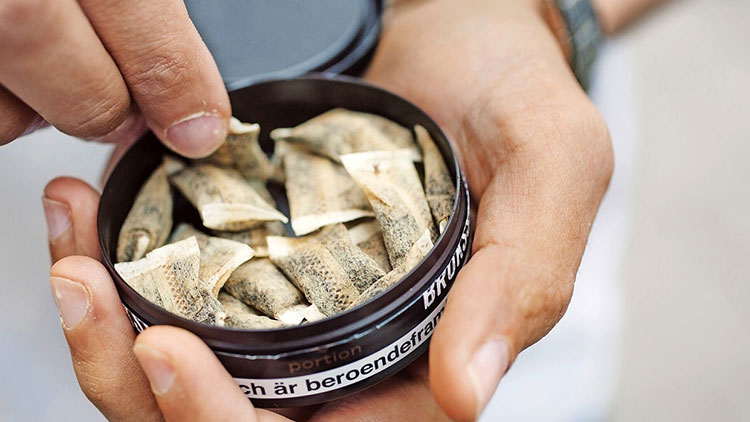
                    Both ISO and GMP monitor unceasing quality enhancement by product testing, supplier auditing, process evaluation, product assessment, self-inspection, and addressing customer complaints.

                    Training

                    Training

                    Training- Picture Courtesy: BiOZEEN

                    ISO and GMP dictate that employees and operators in facilities must be properly trained and equipped with the necessary skills to perform their duties capably. ISO regulations obligate that the workforce must be rightly qualified for the jobs they perform, which minimizes errors and boosts product quality. Similarly, GMP mandates operators must be trained so that they can learn about hygienic practices, contamination hazards, and their processing duties.

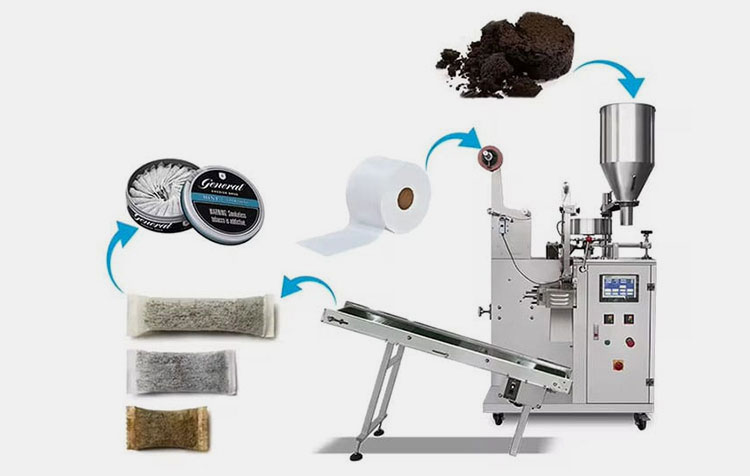


                    Auditing

                    Auditing

                    Auditing- Picture Courtesy: TPA Group

                    It is mentioned in both ISO and GMP guidelines that organizations must carry out external and internal inspections to certify compliance with regulations. ISO inspections are performed by accredited organizations, whereas GMP inspections are conducted by regulatory agencies to evaluate safety and quality compliance.

                    5.What are the Benefits of Implementing ISO and GMP?

                    Implementing both ISO and GMP comes with numerous benefits, including enhanced quality assurance, regulatory conformity, customer satisfaction, and operational performance. Let’s detail the different advantages of adopting ISO and GMP in businesses:

                    Improved Quality and Safety

                    Improved Quality and Safety

                    Improved Quality and Safety- Picture Courtesy: Sirocco Consulting

                    Implementing one or both of these industrial standards will lead to improved manufacturing quality. By complying with these standards, organizations are consistently boosting their operational, packing, and distribution excellence. Moreover, safe, pure, and potent pharmaceutical, medical, and, cosmetic products will be delivered to end-consumers by adhering to the strict specifications of ISO and GMP- related to manufacturing, handling, and, storage.

                    More Market Access

                    More Market Access

                    More Market Access

                    Adherence to these globally recognized standards means that companies follow best manufacturing practices and reduce manufacturing errors and deviations. This leads to a boost in customer trust and brand popularity. So, brands gain access to far and wide market areas and fulfill global trade requirements.

                    High Employee Competence

                    High Employee Competence

                    High Employee Competence

                    ISO and GMP stress the necessity of continuous employee training to promote quality awareness and hygienic practices in organizations. This creates a skilled batch of knowledgeable and committed workforce who always strive to uphold industrial standards, leading to increased workforce engagement and productivity.

                    Better Supply Chain Management

                    Better Supply Chain Management

                    Better Supply Chain Management

                    Rigorous supplier assessment protocols by ISO ensure better quality and consistency of the supply chain. GMP mandates stringent quality controls on raw feed, procurement of equipment, and other parts. With both these standards, a strong and trustworthy supply chain is created, promoting optimized product quality, lowering disruptions of the supply chain, and decreasing the rate of ambiguous materials entering production facilities.

                    Waste Reduction

                    Waste Reduction

                    Waste Reduction

                    The basis of ISO 14001 lies in minimizing the environmental impact of processes by increasing resource use, decreasing waste, and augmenting energy consumption. Moreover, GMP controls also cut down resource and product wastage by reducing production anomalies, contamination, and, item recall. This implementation of both ISO and GMP results in green, eco-friendly, and cost-effective operations.

                    Safer Operational Environment

                    Safer Operational Environment

                    Safer Operational Environment

                    ISO standard is also related to minimal operational accidents and incidents, in turn improving the safety of the workplace. GMP stresses the importance of sterile, aseptic, and safe procedures to avert contamination and thus protect workers from health adversities. They both assist in establishing safe and compliant operational settings, safeguarding employees as well as the composition of products.

                    6.How can ISO Complement GMP?

                    Although ISO and GMP have somewhat diverse focus, employing them together is an intelligent approach. They both complement each other successfully in regulated industries, for instance, pharmaceutical, food, and healthcare.

                    Risk-Based Strategy

                    Risk-Based Strategy

                    Risk-Based Strategy- Picture Courtesy: Stratex hub

                    GMP incorporates risk management strategies, for instance, detecting device failure and product flaws. In ISO, a structured approach is utilized to implement risk-based thinking across the whole organization. The latter urges firms and businesses to proactively detect hazards and opportunities in the operating processes, which complements the GMP approach of averting quality errors and deviations.

                    Customer Focus

                    Customer Focus

                    Customer Focus- Picture Courtesy: Medium

                    ISO strongly emphasizes learning and fulfilling customer requirements. Incorporating customer-centric principles into GMP regulations urges companies to take into account regulatory compliance and the needs of end-consumers.

                    Thus, by associating manufacturing processes with consumers' needs, GMP can concentrate on product quality, strength, and safety that directly fulfill or surpass customer expectations. It can result in the creation of customer-compliant goods that reverberate well with consumers, boosting their trust and loyalty.

                    Organization Efficiency

                    Organization Efficiency

                    Organization Efficiency

                    The focus on GMP lies on the practical aspect of product engineering, whereas, ISO considers a methodical approach to improve the efficiency of organizations and non-production procedures, for instance, buying, sales, and customer support.

                    Therefore, by incorporating ISO process improvement with GMP standards a stronger regulatory framework is created, which boosts product quality, manufacturing efficiency, and risk management approaches, and cuts redundancies.

                    Conclusion

                    In conclusion, the ISO and GMP are two distinct standards with diverse scope, purpose, focus, regulatory requirements, and, auditing processes. ISO is more process-centric while GMP is more product-centric. However, the end goal of both these regulations is to ensure better and enhanced product quality. The anticipated advantages of effectively integrating these regulations are huge in terms of return on investment. By implementing these standards in harmony, you can achieve superior-quality products, decrease product shortages, reduce validation and documentation, and rapidly deliver more products to market. For more details and queries regarding differences between ISO and GMP, you are encouraged to contact Allpack customer care.

                    Don't forget to share this post!

                    CONTACT US

                    Tell us your raw material and project budget to get quotations within 24 hours.

                    WhatsApp Us: +86 181 6426 8586

                    Invalid Email
                    Invalid Number

                    ISO VS GMP Read More »

                    Ribbon Dryer: The Complete Buying Guide In 2025

                    Ribbon Dryer: The Complete Buying Guide In 2025

                    How do you dry heat-sensitive materials? Modern sciences and technology have come with advanced techniques and methods to complete such challenging tasks safely. Today, ribbon dryers serve as the most optimal drying equipment to subject materials to various drying temperatures. If you’re planning to bring this unit to your working facility; then don’t go anywhere. This informative and knowledgeable post is just designed for you.

                    Here you can find out about the significance, uses, working, structure, and related technical problems with easy troubleshooting, and much more. Stay with us and read the blog.

                      Add a header to begin generating the table of contents

                      1.What is theribbon dryer?

                      ribbon dryer

                      Ribbon Dryer- Picture Courtesy: Wanda

                      A ribbon dryer is a highly renowned industrial equipment, employed for specialized applications of mixing and drying. Due to its effortless combination of blending and drying in one machine, it is considered an ideal tool for processing thermosensitive or oxygen-sensitive materials, such as granules, crystalline materials, low-viscosity pastes, and powders.

                      The ribbon dryer has a jacketed cylindrical shell with specialized helical agitators for even heat distribution and constant and gentle stirring of materials. The mixing action initiated by agitators continuously results in the moving of fresh layers of materials toward the heated walls of the shell.

                      2.How a ribbon dryer is significant for your business?

                      A ribbon dryer is a multi-functional machine, regarded as a mixing and drying powerhouse in the manufacturing sectors. It comes with a limitless list of unique benefits for your business. Let’s dig into the significance of a ribbon dryer:

                      Increased Efficiency and Productivity

                      Increased Efficiency and Productivity

                      Increased Efficiency and Productivity- Picture Courtesy: Andreotti Farmaceutica

                      A ribbon dryer is preferred in different manufacturing units because of its absolute best efficiency and productivity. This device is not only capable of drying large batches of materials but also has the shortest drying cycle. Moreover, by attaining blending and drying in a single device, the ribbon dryer streamlines the manufacturing process, which saves both resources and time.

                      Durable and Hygienic Design

                      Durable and Hygienic Design

                      Durable and Hygienic Design- Picture Courtesy: Scott Equipment Company

                      This machine is manufactured with durable, long-lasting, and, superior-quality stainless steel and is available in all types of sizes- from laboratory to industrial scale. The drives, motors, and bearings are fitted outside the drying vessel and hence are not exposed to high temperatures as the feed is being dried. This increases the convenience of lubricating, maintaining, and drying machines.

                      Gentle Drying

                      Gentle Drying

                      Gentle Drying- Picture Courtesy: Ecco Verde

                      The agitators in the ribbon dryer gently distribute the materials inside the drying vessel and thus the feed is not subjected to damaging frictional forces or other deteriorating conditions. Therefore, industries and productions use this drying machine for processing materials that cannot tolerate excessive heat or mechanical stress. It is necessary for handling fragile powders, active drug components, and fabrics.

                      Uniform Blending and Drying

                      Uniform Blending and Drying

                      Uniform Blending and Drying- Picture Courtesy: IVC Journal

                      The ribbon dryer is designed with sturdy helical ribbons that force feed to and fro for mixing. The ribbons present at the outer edge move feed towards the center of the drying chamber from the outer edges, while the inner ribbons displace the feed from the center towards the outer edge, resulting in better homogeneity and drying.

                      Increased Energy Efficiency

                      Increased Energy Efficiency

                      Increased Energy Efficiency- Picture Courtesy: Chemical Processing

                      A ribbon dryer is utilized for direct as well as indirect heating, leading to efficient use of energy depending upon the feed and drying needs. Indirect heating is ideal for efficiently drying the material, lowering heat loss, and conserving energy utility. This feature is integral in productions where energy expenses consume a huge chunk of utility bills.

                      Decreased Product Wastage

                      Decreased Product Wastage

                      Decreased Product Wastage- Picture Courtesy: PacMoore

                      Since the ribbon dryer upholds a controlled drying environment in the drying chamber, therefore; there is less likelihood of overheating or degrading the product. This causes minimal wastage of starting material in turn leading to higher throughput. This benefit is especially pivotal in settings where raw feed or active ingredients are expensive.

                      3.Where is a ribbon dryer mostly employed?

                      There has been a significant revolution in drying technology, especially where a ribbon dryer is concerned. Due to fast, consistent, and, gently drying approaches, this machine occupies a special place in wide-ranging industries. We are discussing different industrial sectors where a ribbon dryer has found its use for your information:

                      Pharmaceutical Industry

                      Pharmaceutical Industry

                      Capsules and Powder- Picture Courtesy: Biopelle

                      The pharmaceutical industry often processes delicate and fragile materials, requiring extremely gentle processing devices, one of which is a ribbon dryer. It gradually dries various sensitive pharmaceutical ingredients and other compounds without causing a loss of their structural integrity. It is typically used after wet granulation or in other mixing processes to produce high-quality granules and powders.

                      Food Industry

                      Food Industry

                      Food Industry- Picture Courtesy: The Lantern

                      In the food industry, different types of food materials like pastes, soups, and doughs are consistently mixed and require efficient drying. Hence, a ribbon dryer is ideal for blending and drying applications in the food industry. It is involved in the drying of spices, herbs, flavoring agents, juice mixes, coffee, and tea mixtures.

                      Chemical Industry

                      Chemical Industry

                      Paint Pigments- Picture Courtesy: Hockmeyer

                      The function of a ribbon dryer in the chemical industry is to uniformly reduce the moisture content of different chemicals, for instance, resins, polymers, pigments, and dyes for optimized processing or packaging. It also has a role in the successful and thorough drying of various chemicals, such as catalysts and metals involved in different chemical reactions.

                      Cosmetic Industry

                      Cosmetic Industry

                      Cosmetics

                      A wide range of delicate powders and pastes are frequently processed in the cosmetic industry to manufacture high-quality beauty clays, face masks, talcum powders, foundations, blushes, and other shades. So, a ribbon blender is an appropriate device to smoothly mix and dry sensitive powders and granules without damaging their properties and forms.

                      Agriculture Industry

                      Agriculture Industry

                      Agriculture Fertilizer

                      Different types of organic and inorganic fertilizers, feeds, additives, and other agricultural compounds are rich in moisture and must be properly dried for effective granulation and storage. Therefore, a ribbon dryer is one of the highly utilized drying machines involved in moisture control in the agriculture industry.

                      Textile Industry

                      Textile Industry

                      Textile Industry

                      A ribbon dryer has also found its way into the textile industry for meticulous and uniform drying of various powdered dyes, treatments, and fabric additives. This machine is typically preferred in the precise processing of fabrics because it removes every moisture particle from the textile powders, leaving them fully dried and undamaged.

                      4.What are the available types of ribbon dryers?

                      A ribbon dryer is categorized into various groups depending on its structure and orientation. Let’s go into details of the classification of a ribbon dryer:

                      types of ribbon dryers

                      According to Orientation

                      Two kinds are available in the market based on the orientation of a ribbon dryer:

                      Horizontal or U-Shaped Trough Ribbon Dryer

                      Bin-Mixer-7

                      Horizontal Ribbon Dryer

                      This ribbon dryer is horizontally oriented with a horizontally located shaft. It has a cylindrical or U-shaped trough design and is appropriate for materials that are distributed across a wide plane for consistent drying. In a horizontal ribbon dryer, a spiral flow of feed is formed because of the rotation of ribbon blades. The feed is transferred in lateral and radial directions, resulting in countercurrent mixing action.

                      It is appropriate for free-flowing powders and semi-dry pastes. It offers a large surface area for heat distribution, enhancing drying rates.

                      Vertical Ribbon Dryer

                      Vertical Ribbon Dryer

                      Vertical Ribbon Dryer- Picture Courtesy: PerMix

                      This machine is vertically configured with a shaft fixed vertically within a tall conical screw-shaped chamber. This makes the arrangement of the vertical ribbon dryer more compact, reducing its floor print. Materials are fluidized in a vertical upward direction, resembling a vortex, and with gravity, these materials are dropped down. So, a vertical ribbon dryer is ideal for heavier viscous materials that require longer retention time.

                      It has less surface area for drying and the heat transference happens by the contact with walls of the drying chamber, thus having slower drying.

                      According to the Number of Shafts

                      There are the following subclasses of a ribbon dryer based on the number of shafts:

                      Single-shaft Ribbon Dryer

                      Single-shaft Ribbon Dryer

                      Single-shaft Ribbon Dryer- Picture Courtesy: SIEHE Group

                      In this type of ribbon dryer, only one rotating shaft equipped with ribbon helical blades is present. The ribbon-like structures rotate along the length of a drying chamber and move the material only in one direction, providing a moderate level of agitation and drying.

                      It is generally utilized for small and simpler drying tasks because it does not offer the intense stirring required for breaking hard lumps and agglomerates. It has straightforward construction and is a cost-cutting choice for small and medium-scale productions.

                      Double-Shaft or Double Ribbon Agitator Dryer

                      Double Ribbon Agitator Dryer

                      Double-shaft Ribbon Dryer- Picture Courtesy: SIEHE Group

                      The core component in this kind of ribbon dryer consists of two parallel ribbon blades, rotating in opposing directions, thereby resulting in strong and intense intermingling and drying action.

                      These double shafts are well-known for their improved mixing throughput, causing a complicated pattern of lifting, folding, and, agitating. This leads to better exposure of feed to drying vessels and improves consistency in drying rates.

                      It can easily process thick, sticky, and viscous materials as compared to its single-shaft counterpart. It is generally involved in bulk volume processing and faster drying rates.

                      Triple-shaft Ribbon Dryer

                      Triple-shaft Ribbon Dryer

                      Triple-shaft Ribbon Dryer- Picture Courtesy: Phoenix Equipment

                      The central part of the triple-shaft ribbon dryer has three parallel shafts (one inner, one in the center, and one at the outer edge), offering more intricate and intense blending and drying action. These shafts have their rotational directions, contributing to increased contact between the heating source and starting material.

                      There is no dead zone in the triple-shaft ribbon dryer, thus it is highly suitable for difficult-to-handle, extremely dense, and viscous slurries and pastes. However, it is a costly device that consumes more energy for its operations.

                      Hybrid Paddle Ribbon Dryer

                      Hybrid Paddle Ribbon Dryer

                      Hybrid Paddle Ribbon Dryer- Picture Courtesy: Marion Solution

                      It is composed of the combined action of the agitator and agitating paddles simultaneously. It creates the reversal mixing and drying effects there materials form an even movement and subtle drying.

                      Here, you must know how to utilize the correct selection when it comes to addressing the agitator and knowing the drying time. Hence it assures the optimized and correct discharging of materials.

                      5.What is the structural framework of the ribbon dryer?

                      A ribbon dryer is comprised of a jacketed shell and uniquely engineered ribbon agitators; used for dispersing feed and vaporization moisture.  Several important components work in conjunction to optimize drying time and heat distribution. Some of the fundamental parts of a ribbon dryer are detailed below:

                      Parts of a Ribbon Dryer

                      Parts of a Ribbon Dryer

                      Feed Port The feed for drying is loaded from the feed port found at the upper portion of the drying chamber. This port is manually controlled or attached to the automatic conveyor for consistent feed dispensing.
                      Shaft It is a rotating, horizontal, or vertical rod fixed in the middle of the drying chamber. It is manufactured using strong and temperature-resistant to increase its lifespan. This part rotates with the help of power provided by the motor and gearbox.
                      Drying Chamber It is also called a shell or barrel and is created using durable and corrosion-resistant materials, for instance, stainless steel, carbon steel, etc. to be impervious to increased temperatures, pressure, and, chemicals. In most of the cases, it is horizontal and cylindrical. In this chamber, rotating shafts and helical ribbons are mounted to dry feeds.
                      Helical Ribbon Helical or ribbon-like blades are attached to the shaft, which usually resembles a double helix. Their function is to disperse the feed along the entire space of the drying chamber. They offer continuous mixing and force materials in opposing directions- towards the edges and middle for thorough mixing.
                      Discharge Port It is usually located at the bottom part of the drying vessel for easy discharge of dried materials. It is offered with a mechanical or automatic valve or gate to regulate the release of feed.
                      Motor/Drive Drive assembly consists of a motor and gearbox and is essential in providing mechanical power to the shaft for its rotation. The motor is present at the end of the drying barrel. The drive assembly is responsible for controlling the speed and torque of the shaft.
                      Packing Gland Seal It is a mechanical seal, mounted on the ribbon dryer to ensure there would be no leakage of liquids from the machine. It is present at the conjunction of shaft and covering. It is designed to act as a barrier to prevent the escape of feed when the shaft is rotating.
                      Cover/Lid The cover or lid is a safety feature that airtightly seals the drying chamber to keep the inner feed in isolation from external agents. It is known for upholding consistent drying conditions inside the chamber.
                      Vent Port It is also termed an exhaust system and its job is to unload vapors from the drying chamber. This vent port is equipped with different types of airflow controls, dampers, and other filters to regulate airflow.

                      6.What is the difference between a ribbon dryer and a tray dryer?

                      ribbon dryer and a tray dryer

                      A ribbon dryer and a tray dryer are both pharmaceutical dryers but the difference lies in their design, drying mechanism, and drying rates. Here are a few fundamental differences between these two machines:

                      Ribbon Dryer Tray Dryer
                      It is comprised of a horizontal or vertical drying vessel with rotating shafts and helical ribbons. It is featured with numerous trays stacked on top of each other in a drying vessel.
                      The drying is based on the conductive and connective principle in a ribbon dryer. Its drying mechanism is based on the convective principle.
                      It is appropriate for powders, granules, pastes, and viscous feed. It is ideal for drying herbs, fruits, and, pharmaceutical products.
                      It performs both mixing and drying functions. It only dries the feed.
                      It has high drying potential because of the mixing actions of ribbon blades that consistently agitate materials, leading to rapid drying rates. The drying takes more time because air circulates in the dryer while the material is static.

                      7.What are the cleaning and maintenance principles of a ribbon dryer?

                      Cleaning and Maintenance of a Ribbon Dryer

                      Cleaning and Maintenance of a Ribbon Dryer- Picture Courtesy: IronPlanet

                      The cleaning and maintenance of a ribbon dryer is strongly correlated with outclass performance, product quality, and durability of the machine. So, let’s learn about key points of cleaning and maintenance of a ribbon dryer:

                      Clean-in-Place System Many industries have set up CIP systems to efficiently clean the ribbon dryer without going for lengthy and exhausting disassembly. It circulates various types of cleaning agents, for instance, detergents, disinfectants, bleach, or water to completely clean the ribbon dryer.
                      Regular and Deep Cleaning It is advised to clean the machine after every processing batch or after the processing cycle to get rid of material accumulation or cross-contamination. Moreover, deep cleaning of a ribbon dryer should be performed every week to remove adhesives, oils, or powders. You must remove each part and thoroughly rinse them with water jets, or chemical agents. It is essential to clean and scrub important components, for example, ribbon blades, shafts, chamber walls, and discharge ports.
                      Inspection Frequently check important parts for damage, rusting, corrosion, and wear and tear. Inspect ambiguous vibrations, noises, or feed leaks from the machine. Proper heat transfer must be ensured by inspecting the functioning of the heating and ventilation system. Predictive maintenance is performed using various thermocouples and IoT sensors to proactively repair components.
                      Lubrication Bearing, shafts, and seals should be routinely lubricated with the right kind of lubricant, for instance, grease or oil to avert overheating and frequent wear and tear.
                      Alignment If ribbons or shafts are not properly aligned, it could result in poor drying or a high rate of component damage. Therefore, inspect and fix the issues in alignment of rotating components.
                      Calibration It is important to calibrate temperature, pressure, airflow, and moisture sensors on a routine basis to ensure accurate management of drying efficiency and performance.

                      8.What are the common problems and solutions of a ribbon dryer?

                      The problems in a ribbon dryer are commonly associated with mechanical working, processing, and material inconsistencies. But with proper maintenance, supervision, and operator training, these problems are easily rectified. So, let’s discuss common problems and solutions for a ribbon dryer:

                      Nonuniformities in Drying

                      Nonuniformities in Drying

                      Nonuniformities in Drying- Picture Courtesy: GIMAT Srl

                      After drying, it is discovered that some parts of the feed are over-dried while in others, a significant amount of moisture is present. This results in inconsistencies in drying.

                      Causes

                      There are a large number of reasons for this problem, such as poor mixing because of old, damaged, or misaligned ribbon blades. There is inaccurate heating or inadequate airflow inside the drying vessel. The materials are loaded wrongly in the dryer or the shaft has incorrect rotational speed.

                      Solutions

                      The solutions to this problem are routine examination and maintenance of the ribbon blades to identify and repair their wear and tear. Also, correct leveling and alignment of the blades.  Secondly, check the working of the heater and ventilation system to ascertain the correct heat distribution in the drying chamber. You should fix the airflow in the chamber to boost heat absorbance. Alter the rotational speed and feed rate to attain equivalence between material load and drying.

                      High Energy Use

                      High Energy Use

                      High Energy Use- Picture Courtesy: MC2 srl

                      Sometimes, the ribbon dryer uses more energy than calculated, resulting in more operational expenses.

                      Causes

                      The reasons for this issue are: loading of ribbon dryer well above the working capacity. There is inadequate insulation or a leak in a ribbon dryer, promoting heat wastage. Also, you are operating the device at an excessive temperature than required.

                      Solutions

                      To solve this issue, you must not overload the ribbon dryer and ensure its loading capacity is under the working limit. Properly and regularly examine the machine to identify the leaks in the machine cover, gaskets, and seals. Fix these perforations to increase thermal throughput. Recalculate the drying temperature and maintain this temperature when drying.

                      Clogging of Material

                      Clogging of Material

                      Clogging of Material- Picture Courtesy: WAMGROUP

                      The material accumulates inside the dryer, particularly around edges, walls, blades, or at the periphery of the discharge port. This results in poor drying and uneven mixing.

                      Causes

                      It is due to sticky and extremely viscous residues that incline to stick on surfaces. The design of the ribbon blade also leads to inadequate mixing or agitation.

                      Solution

                      To address this issue, the ribbon blades must be compatible with the type of material being dried. Secondly, use specialized coating agents or non-stick components to prevent the sticking of viscous substances. It is suggested to increase the speed of the shaft to improve material fluidity. Also, maintain a regular cleaning schedule to decrease material accumulation.

                      Leakage from the Seals

                      Leakage from the Seals

                      Leakage from the Seals- Picture Courtesy: ROSS Mixers

                      In certain cases, different kinds of substances, such as air, vapor, or feed leak from seals or covers, minimizing drying throughput.

                      Causes

                      This issue is because of degraded packing seals and poorly secured covering of a ribbon dryer.

                      Solutions

                      It is advised to frequently examine and replace the worn-out packing gland seal to decrease the frequency of leakage. Moreover, properly secure the cover and lid to maintain airtight sealing.

                      Slow Discharge

                      Slow Discharge

                      Slow Discharge- Picture Courtesy: CMT Process Solutions

                      The products are improperly unloaded from the outlet, leading to slow processing capacity or machine halting.

                      Causes

                      There are various reasons for this issue like material accumulation near the discharge port. Furthermore, inefficient ribbon blade configuration also contributes to poor product fluidity.

                      Solutions

                      To solve this problem, one must routinely clean the entire machine, especially around the discharge vent. Alter the ribbon blade design to enhance material fluidity from the discharge port.

                      9.What is the prospect of a ribbon dryer?

                      Future Prospects of Ribbon Dryer

                      Future Prospects of Ribbon Dryer

                      The future progressions are closely associated with technological evolutions, changing industrial requirements, and, environmental deliberations. As industries are in the process of continuous revolution, so demand for efficient ribbon dryers is on the steady rise.

                      It is stipulated that with stricter environmental regulations, industries are committed to driving down their energy consumption, hence, in the future, ribbon dryers will have improved heat distribution designs like optimized insulation, and enhanced blade arrangement to cut down energy use and increase drying rate.

                      Furthermore, efforts have been made to increase automation of the ribbon dryer with the integration of IoT (Internet of Things), and smart sensors to transform the efficiency of drying procedures and improve real-time supervision, predictive maintenance, and timely setting of operational parameters. The ribbon dryer of the future will have intelligent control systems to provide ease to operators in adjusting drying parameters.

                      This automation will contribute to better regulation of temperature, airflow, and drying speed, leading to improvement in product quality while lowering interruption and maintenance expenses.

                      Conclusion

                      In conclusion, a ribbon dryer is the perfect choice of drying device for various manufacturing sectors to optimize drying performance, time, and energy efficiency. It has multi-functional potential and versatility justifying the drying requirements and moisture control demands in different industries. It is involved in better heat transfer, leading to a short drying cycle and minimizing energy bills. The ribbon dryer boosts the consistencies in drying rates, thus resulting in more return profits for businesses. If you want a customized machine well-matched to the capabilities of your production, then you are encouraged to contact Allpack for the best guidance and support.

                      Don't forget to share this post!

                      CONTACT US

                      Tell us your raw material and project budget to get quotations within 24 hours.

                      WhatsApp Us: +86 181 6426 8586

                      Invalid Email
                      Invalid Number

                      Ribbon Dryer: The Complete Buying Guide In 2025 Read More »

                      Scroll to Top