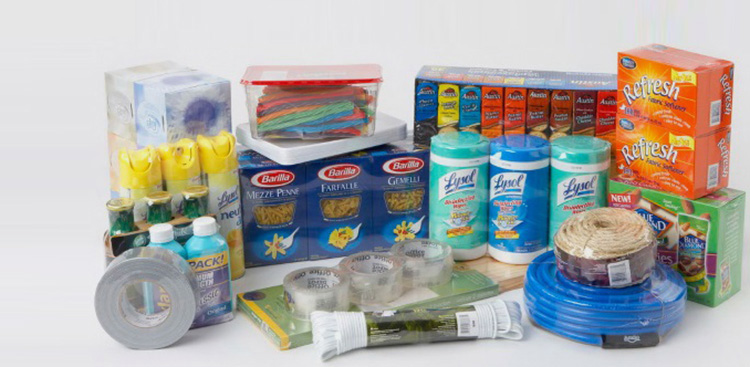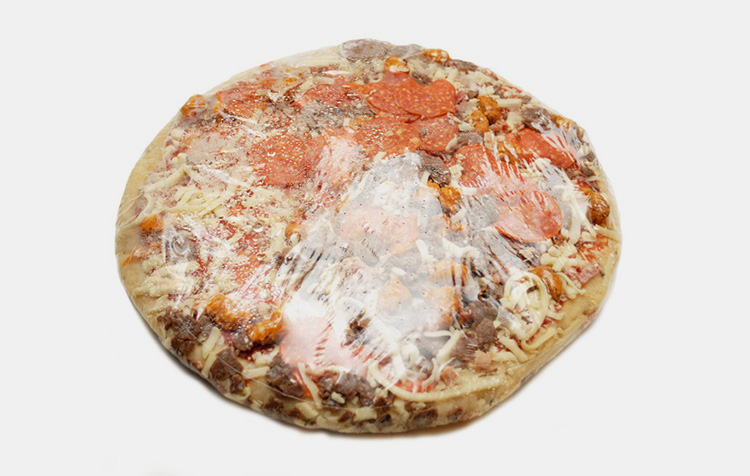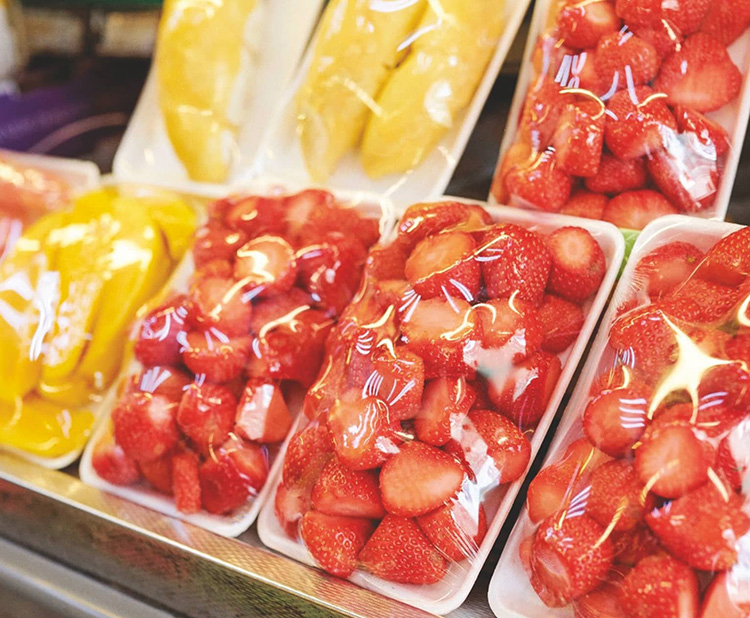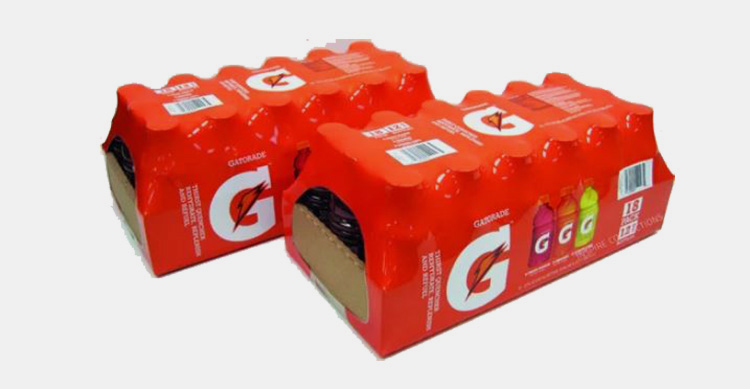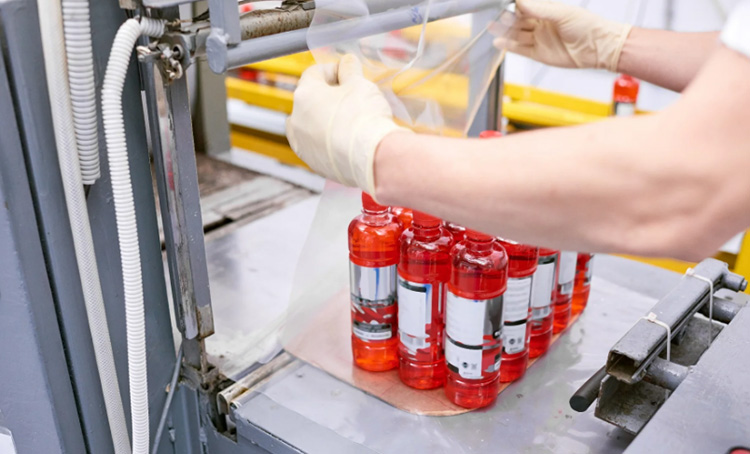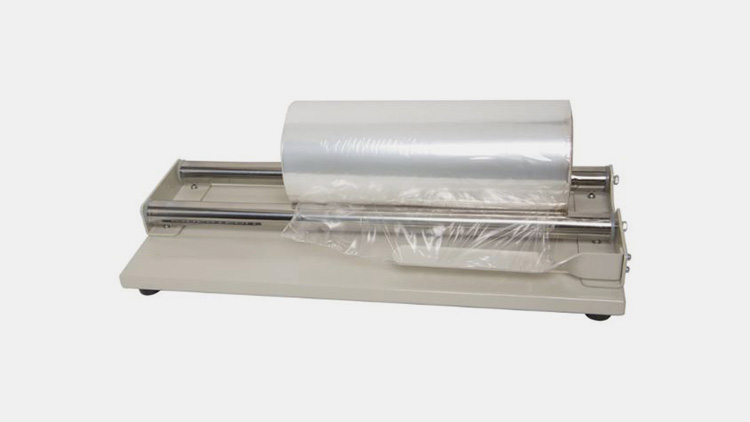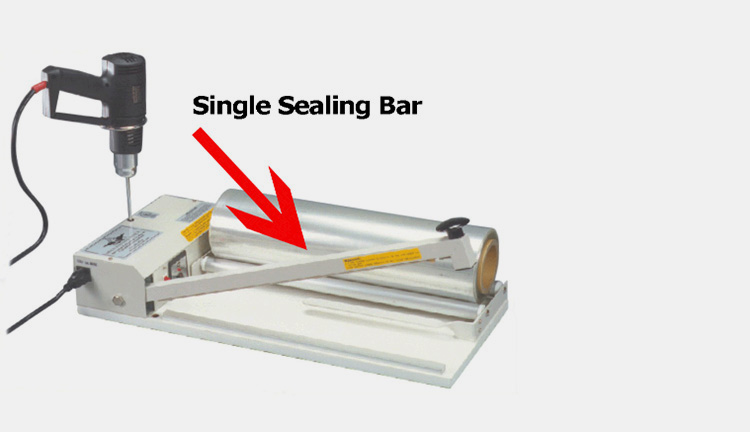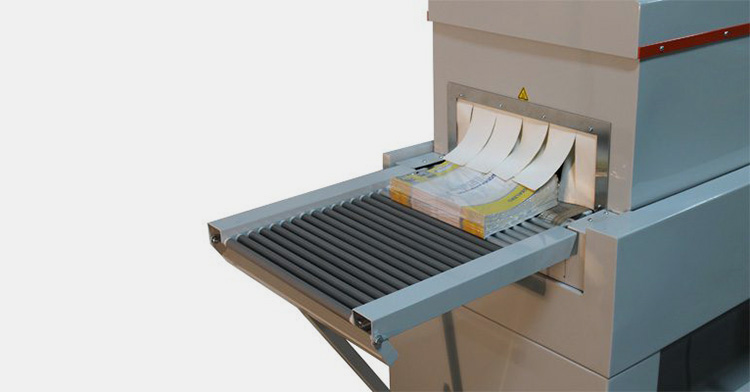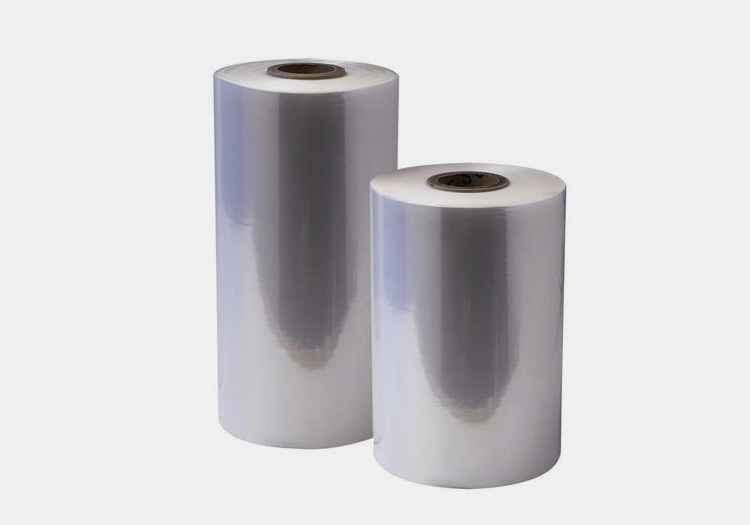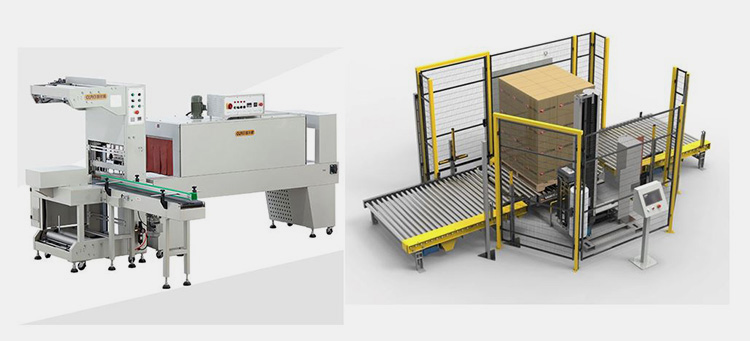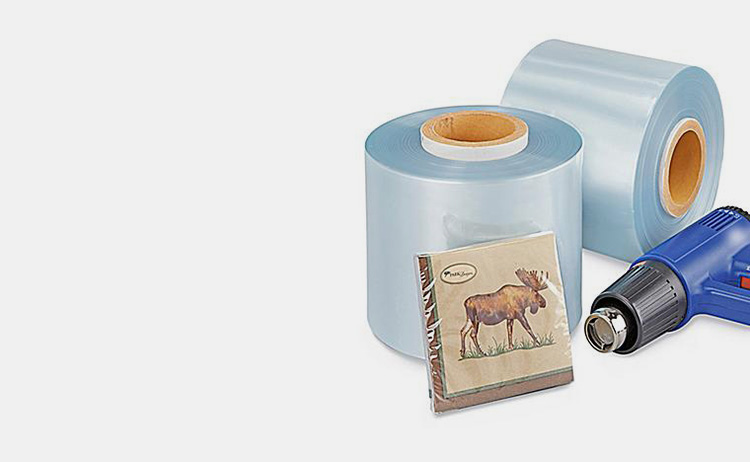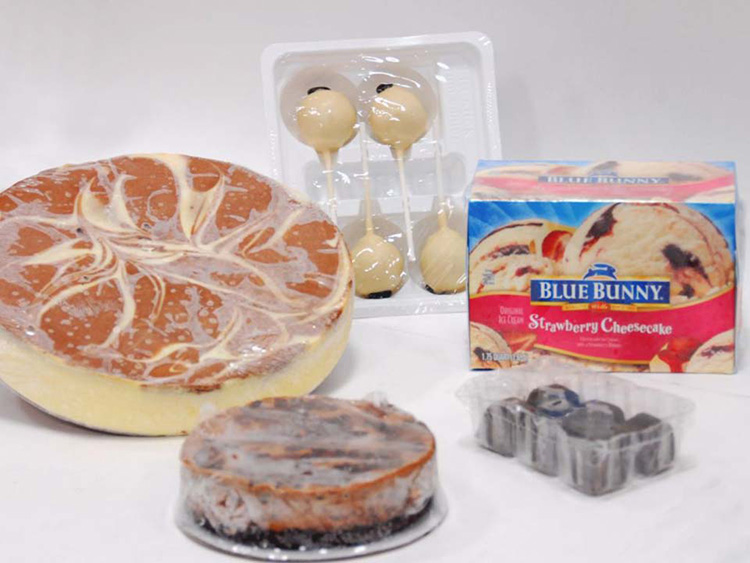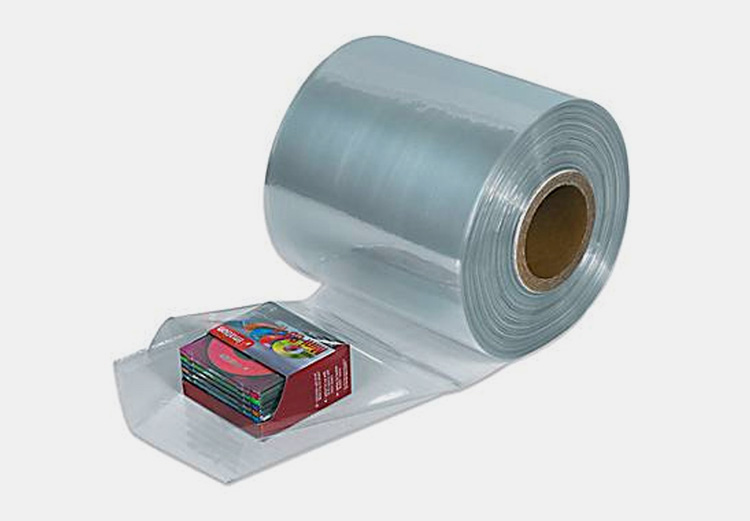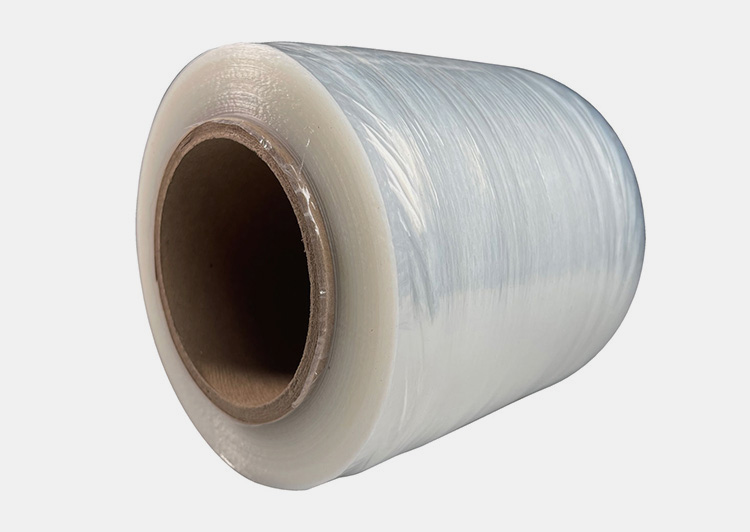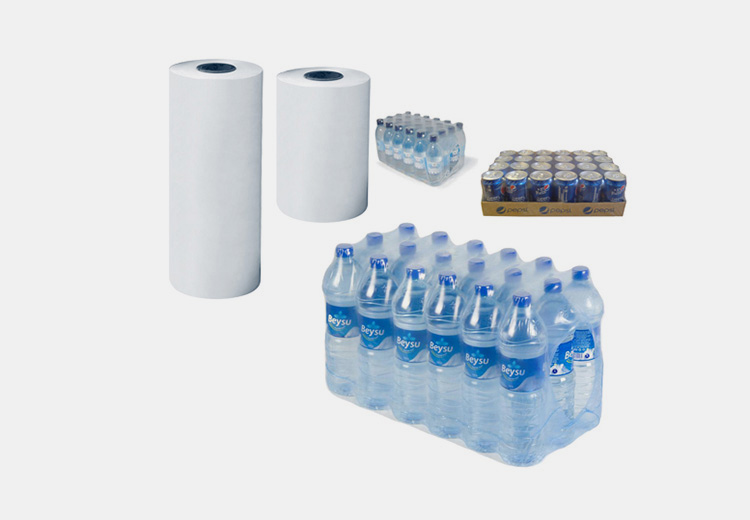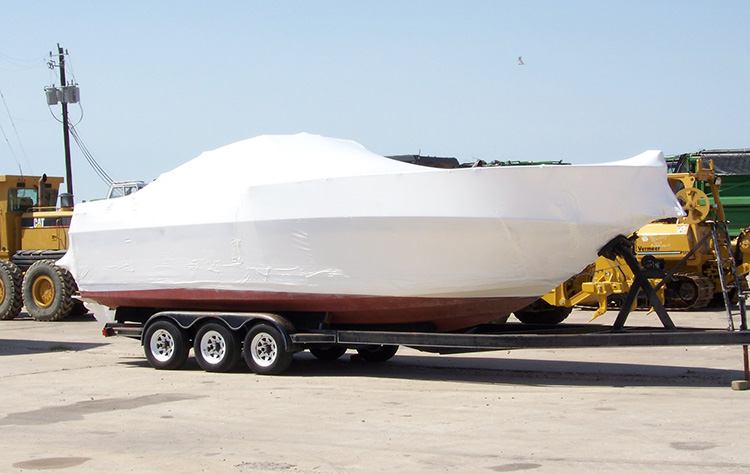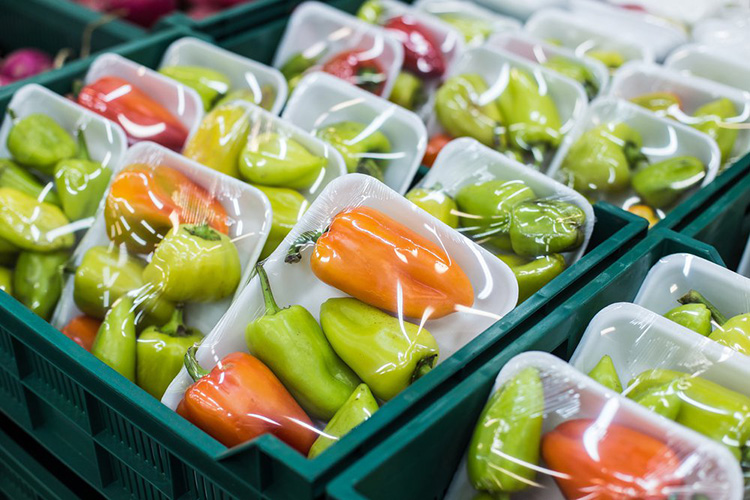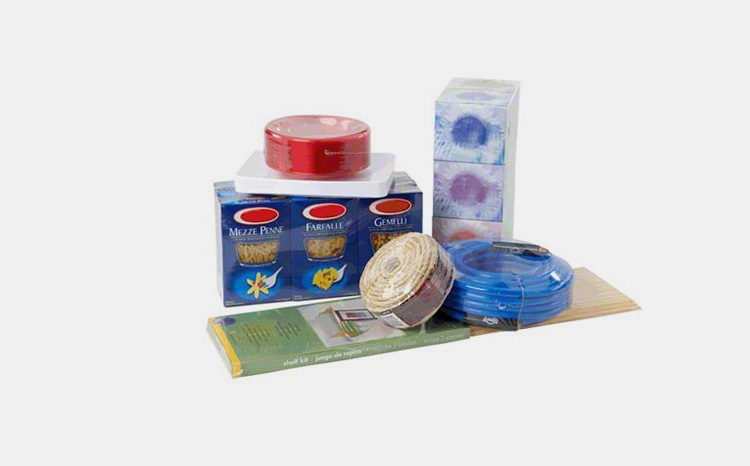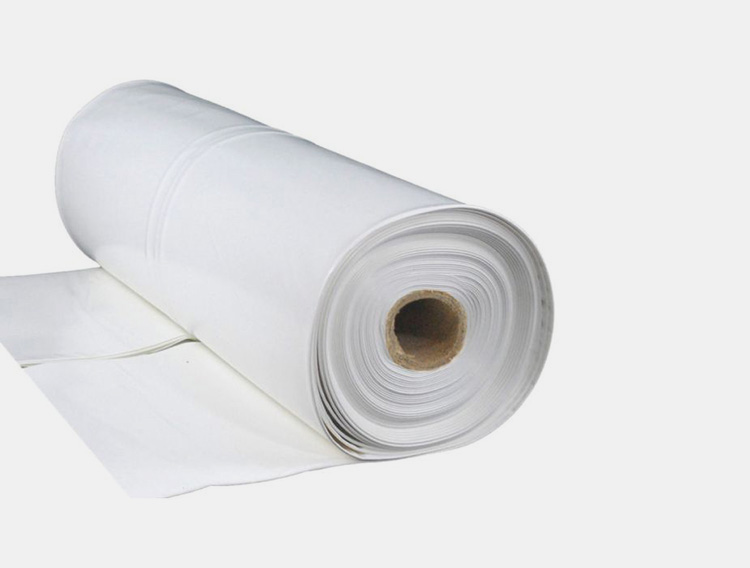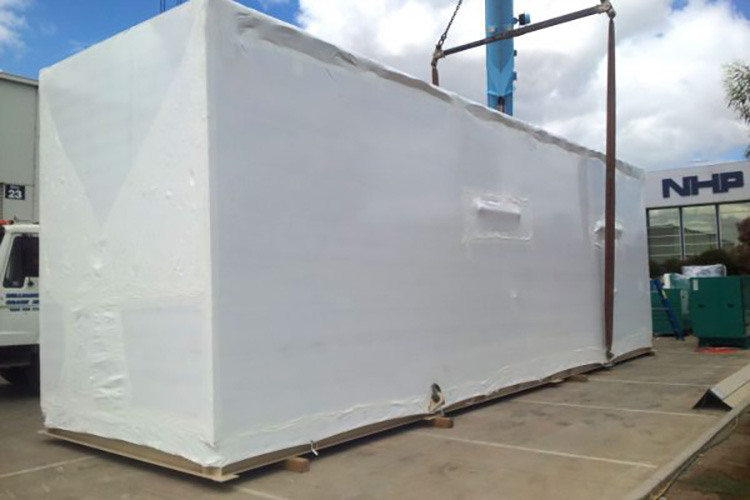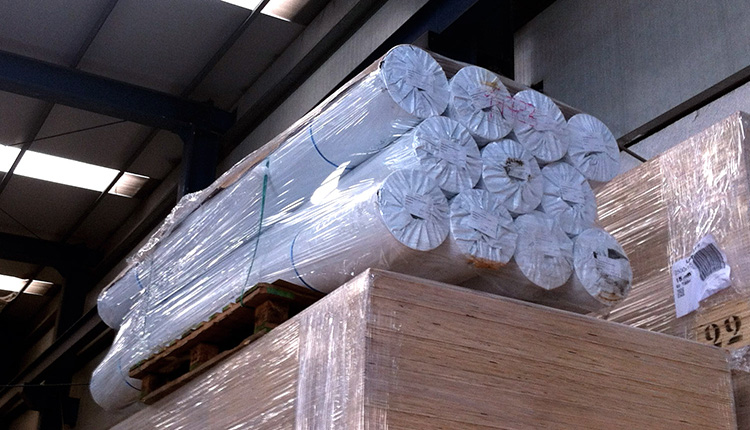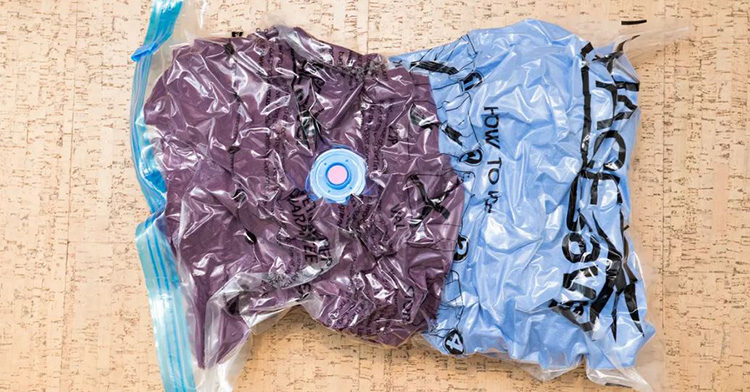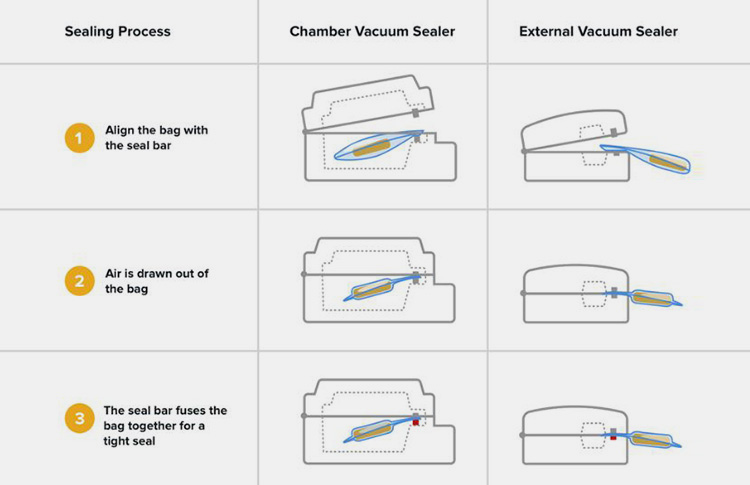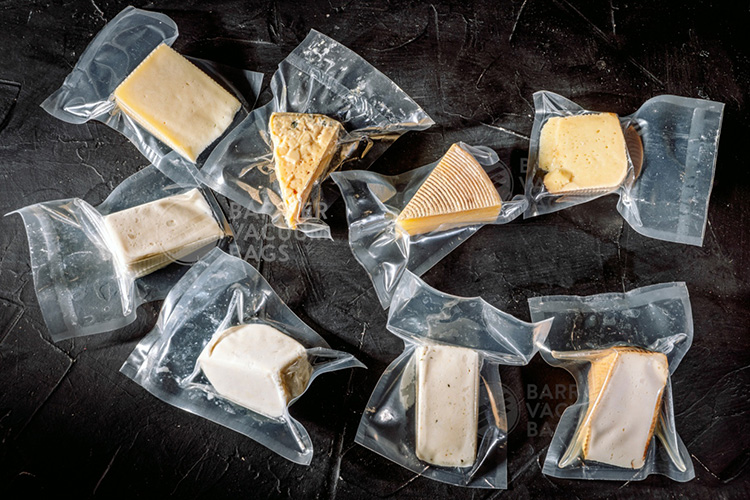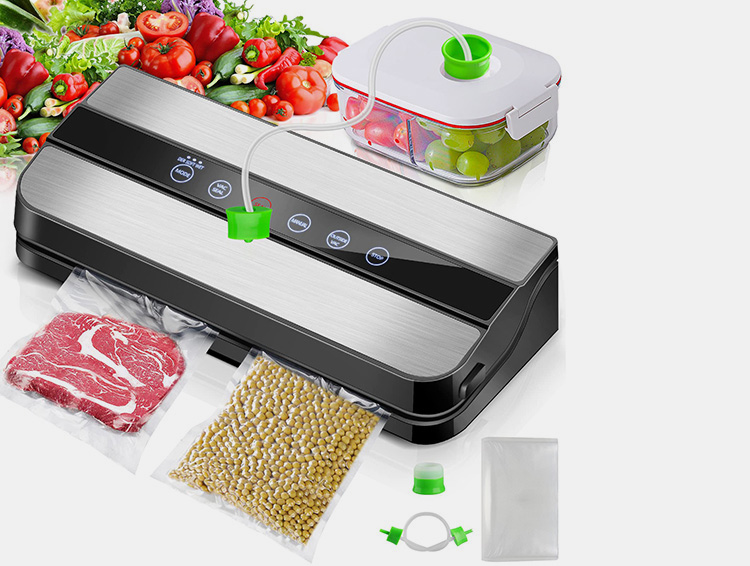
Cling Wrap-1

Cling Wrap Vs Plastic Wrap

Cling Wrap Vs Plastic Wrap

Have you been to the awkward experience of asking a retailer for a wrap and get stagnant after hearing the reply Cling wrap or plastic wrap? If yes! You must be planning to avoid such situation in future. So, we are here to help you solve this conundrum. Cling Wrap and Plastic Wrap are two paramount packaging options employed to attain the security and preservation of various goods and products.

Cling Wrap-2

Both cling wrap and plastic wrap have in common the term Wrap, but their texture, features, and so applications vary. The matter does not end here, but the Cling Wrap vs Plastic Wrap- What is the difference? Which is a good insulator? And how much each cost you? Are the other sides of coin, which will be explained below. Stay tuned and embark on exploring them!

    Add a header to begin generating the table of contents

    1.What Is Cling Wrap?

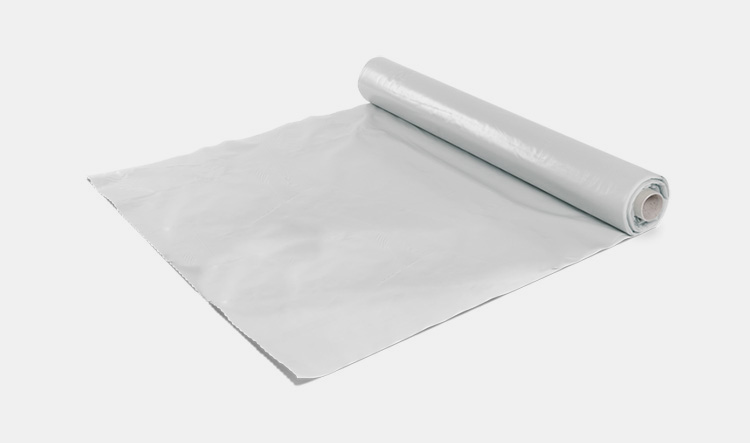
    Cling Wrap

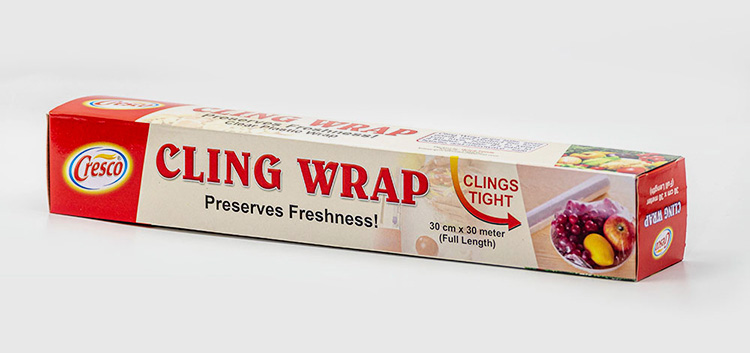
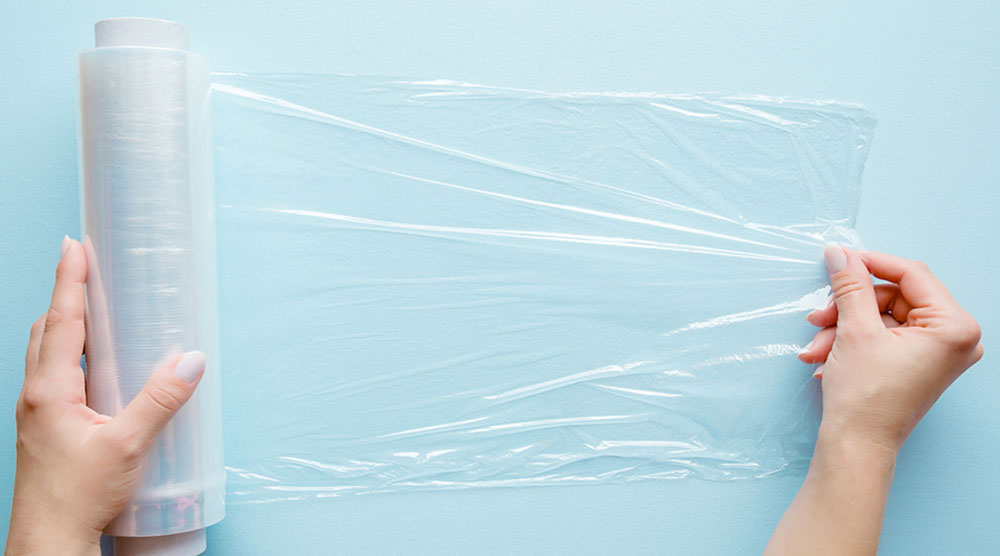
    Cling wrap box-Picture Courtesy: cresco.pk

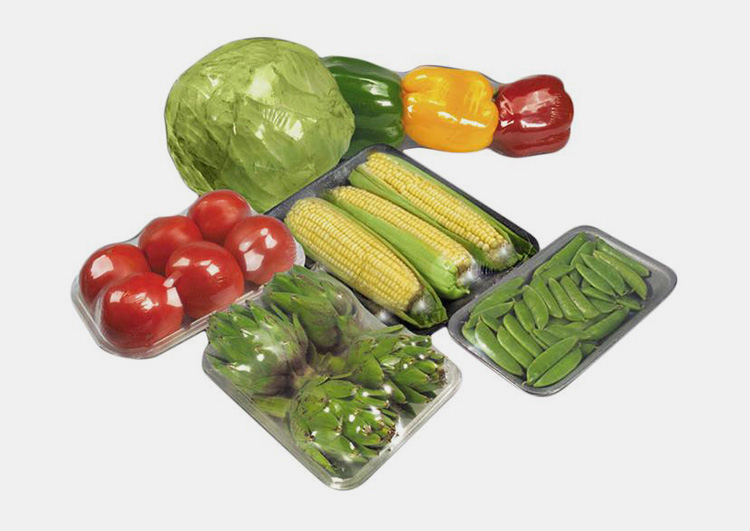
    Cling wrap also known as saran wrap or food wrap is a pliable thin plastic film made from Low Density Polyethylene (LDPE). It is available in form of a roll through which it can be simply applied over various objects. Along with that, cling wrap is extremely light weighted, transparent in color, and easily get adhere to the objects.

    As, cling wrap is made from food grade plastic, therefore, it greatly protects the quality, taste, and texture of all types of perishable and non-perishable edibles against moisture, gases, and microorganisms. Ultimately, paving their way for prolonged shelf life.

    2.What Is Plastic Wrap?
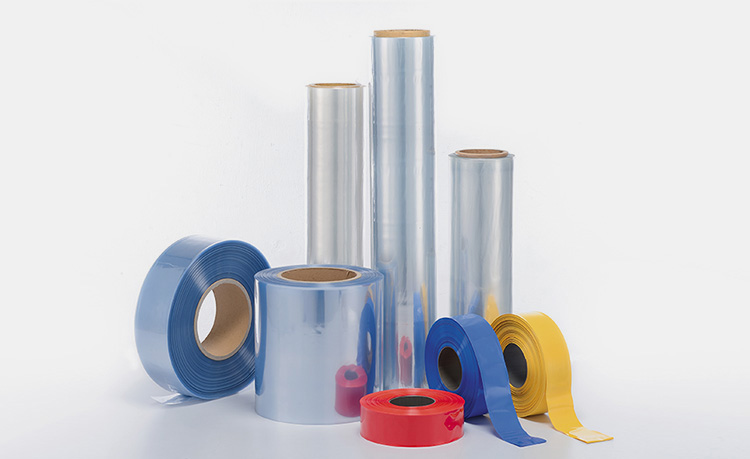
    Plastic Wrap-3

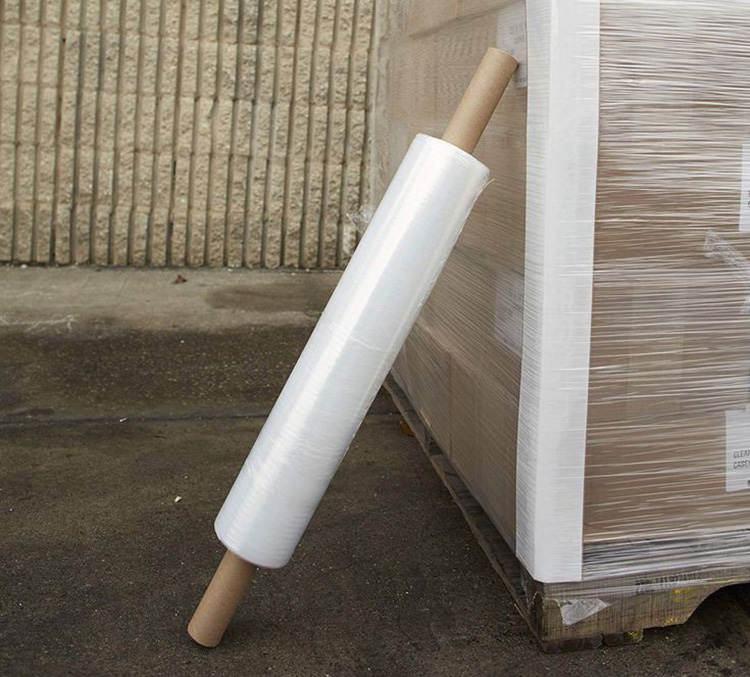
    Plastic wrap-Picture Courtesy: amazon.com

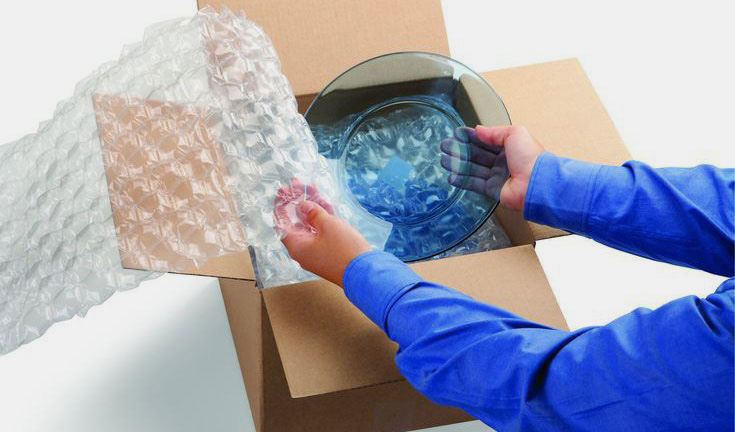
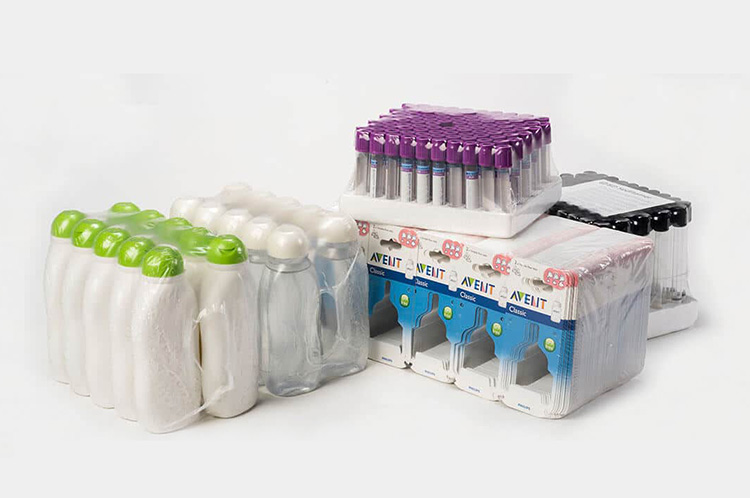
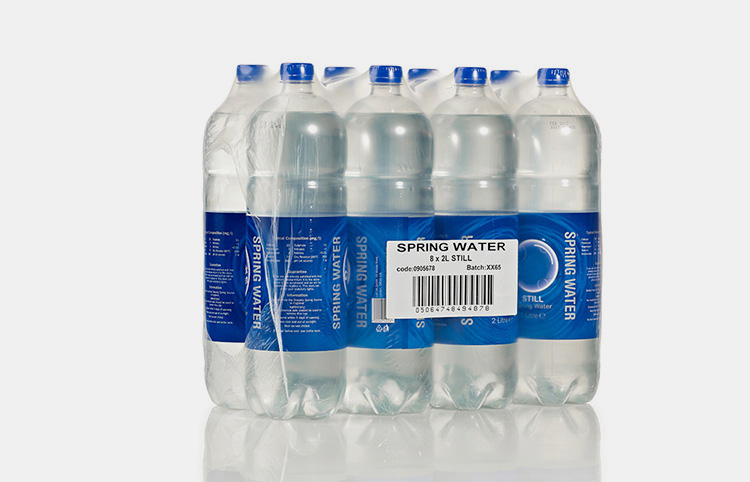
    Plastic wrap is a broad category encompassing all types of wraps having their origin from plastic including stretch wrap, shrink wrap, and bubble wrap. Plastic wraps are made from PVC, Polyethylene, and Polyolefin etc. Therefore, plastic wraps are often more durable, may vary in color and flexibility.

    Unlike cling wrap, plastic wrap can be used for non-food products both as a primary and secondary packaging to ensure strength especially during transit.

    3.Cling Wrap Vs Plastic Wrap- Explain The Pros And Cons?

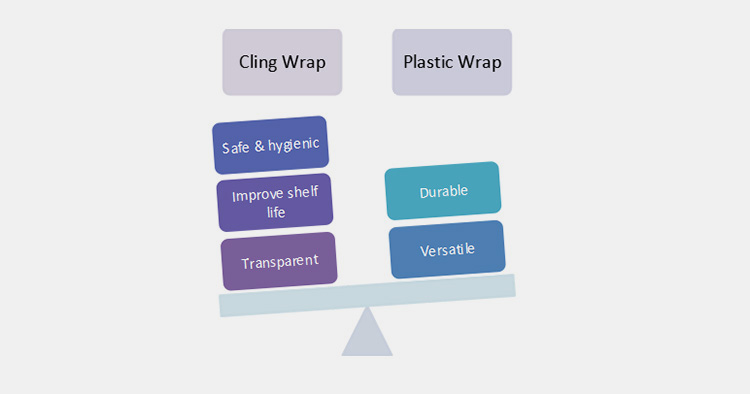
    After understanding what cling wrap and plastic wrap is, let's have a look towards the diverse advantages each offer. And explore the associated downsides:
    Plastic Wrap- Explain The Pros

    Pros

    Cling Wrap

    Safe & Hygienic

    Safe & Hygienic

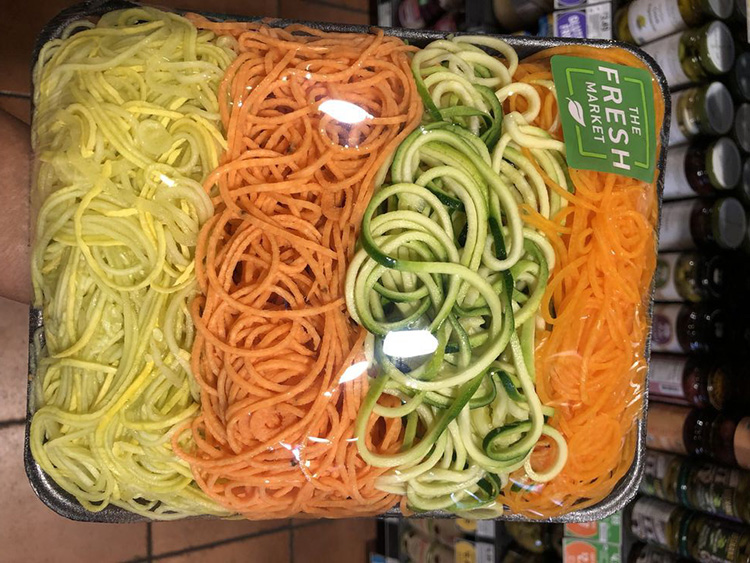
    Noddles tray wrapped in cling wrap-Picture Courtesy: Pinterest

    The primary benefit of cling wrap is that it is made up of food grade material with safe and hygienic texture that provide clean environment for storing cooked and uncooked food.

    Improve Shelf Life
    Improve Shelf Life

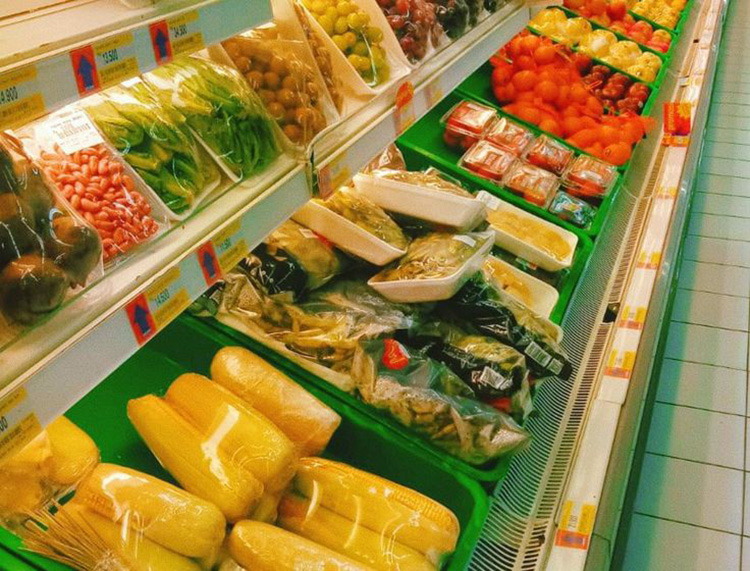
    Cling wrapped fruits & vegetables-Picture Courtesy: Pinterest

    You may have seen the large super markets where all sorts of edibles including meat, vegetables, fruits, burgers, and even readymade soups are laying on the shelves. Indeed, cling wrap play a key role in it by exhibiting bacteria, moisture, and air from the content, resultantly, their strength for survival increase beyond normal life span.

    Transparent
    Transparent

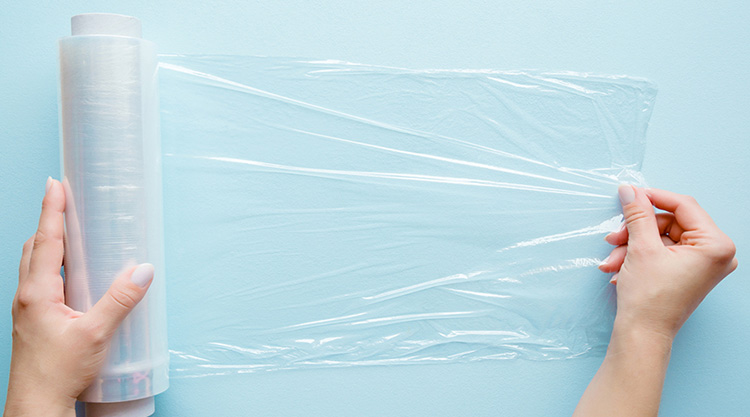
    Transparent cling wrap-Picture Courtesy: lakeappliancerepair.com

    Cling wrap is highly visible and transparent which makes it a good source to showcase your vary goods from baked pastries to fried snacks for mesmerizing consumers. In this way, you can advertise your goods without being harmed and touched.

    Plastic Wrap

    Durable
    Durable

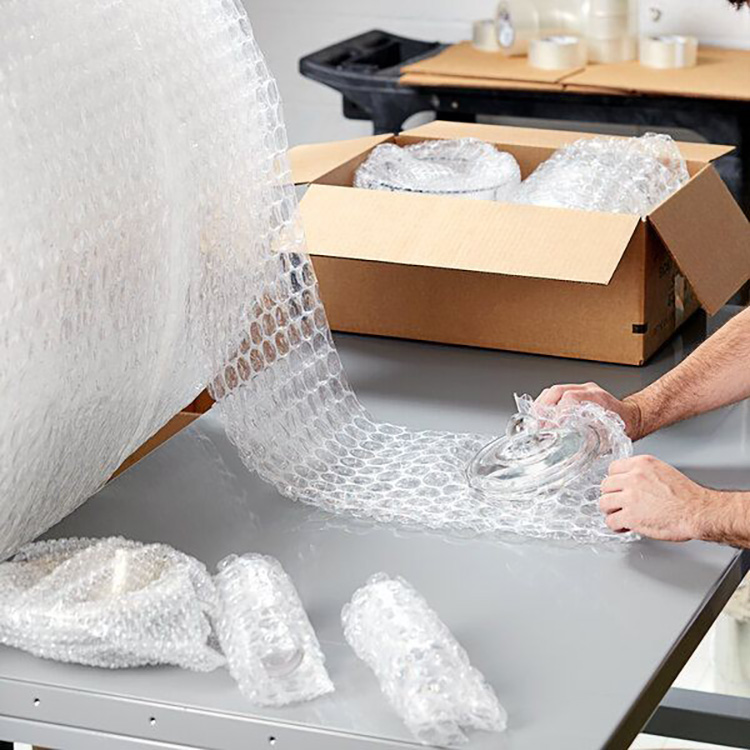
    Glass plastic bubble wrapping-Picture Courtesy: webstaurantstore.com

    Plastic wrap is thick and durable often due to the multi layer films in form of bubble wrap. Therefore, it has unmatchable strength to provide your goods with extra safety and maintain their integrity throughout shipping journey.

    Versatile
    Versatile

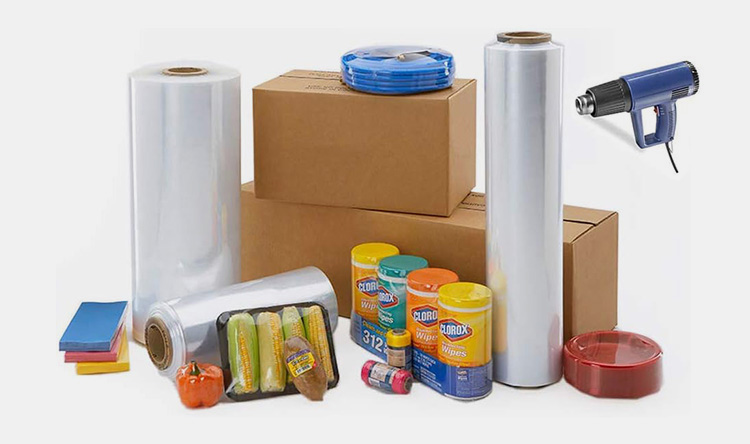
    Plastic wraps uses presentation idea-Picture Courtesy: brjshrinkfilm.com

    You will not only find plastic wrap in broad categories, but its application also has surpassed the nominal wrapping. In essence, plastic wrap can be used for protecting your houses against harsh weather, medical devices against contamination, pellets against segregation, and beyond.

    Cons
    Cons

    Cling Wrap

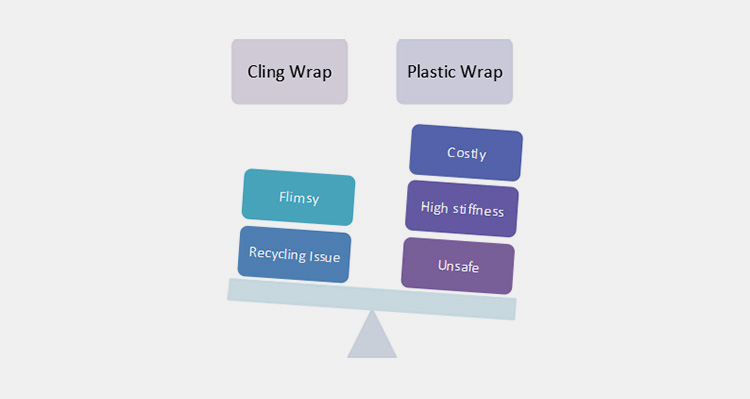
    Flimsy

    Flimsy

    Cling wrapping over cooked meal-Picture Courtesy: temu.com

    Cling wrap may not be suitable for packing bulk vegetables or other eatables. It is because, the potential of cling wrap to resist puncture and weight is low. Hence, it is not strong enough and may tear easily.

    Recycling Issue
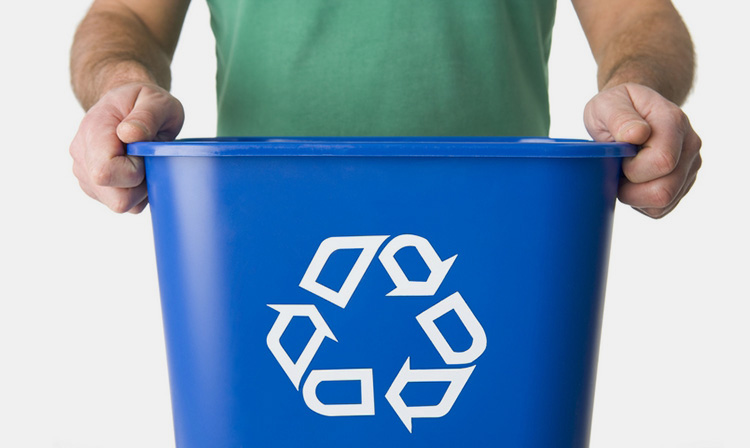
    Recycling Issue

    Recycle bin-Picture Courtesy: incubar.net

    Cling wrap is so thin that it is difficult to reuse it, as it lose the stickiness once removed from the object. Similarly, its recycling is almost impossible which result in severe environmental degradation and particularly harming the submarine lives.

    Plastic Wrap

    Costly

    As plastic wrap is hard, it has a more detailed manufacturing process. It is thus, more expensive as compared to cling wrap.

    High Stiffness
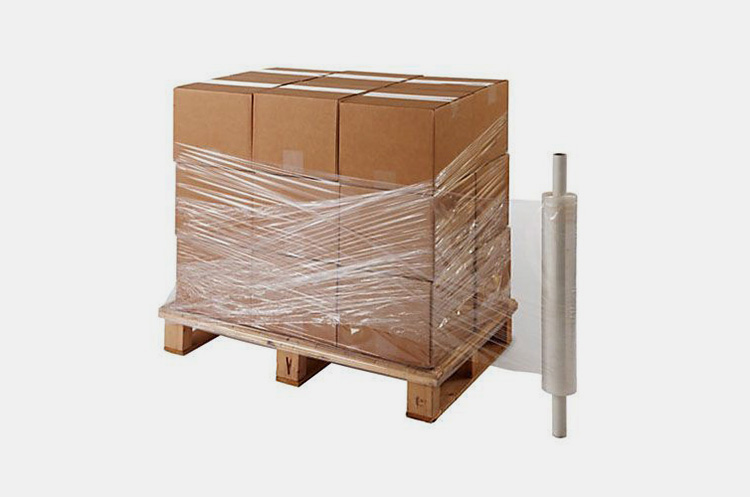
    High Stiffness

    Plastic wrapping over pellets-Picture Courtesy: embalagemideal.com

    Plastic wrap is highly stiff and having low tensile strength due to which it does not support excessive stretching, otherwise, may get break. It addition, unlike cling wrap, plastic wrap lack self stickiness as a result you will need either heat or adhesive to make it adhere to

    Unsafe

    Unsafe

    Unsafe icon-Picture Courtesy: unsafeports.com

    Plastic wrap is often considered unsafe due to being made from such materials which release toxins and and odor during application.

    4.What Are The Uses Of Cling Wrap Vs Plastic Wrap?

    Uses and applications of cling wrap vs plastic wrap vary. They are discussed below separately:
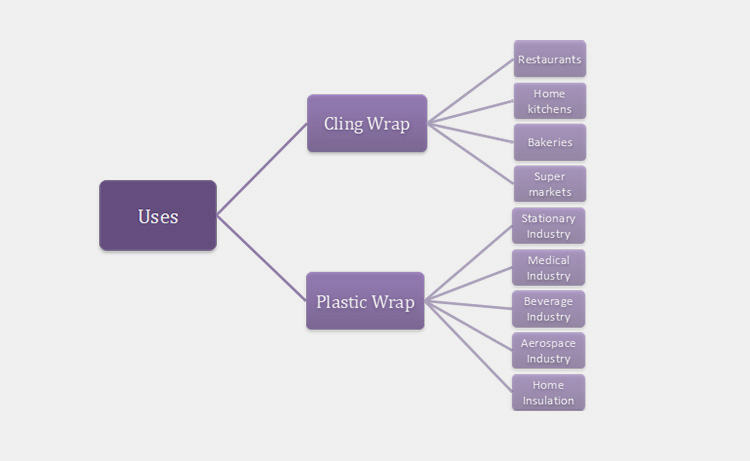
    Uses Of Cling Wrap Vs Plastic Wrap

    Cling Wrap

    Restaurants

    Restaurants

    Workers in restaurant-Picture Courtesy: Maddy

    The first place you will always find with a cling wrap presence is indeed restaurants and hostels. The reason is definitely non-stop process of cooking, serving, and securely preserving the leftovers. Hence, cling wrap better help in achieving these aims.

    Home Kitchens

    Home Kitchens

    Women in kitchen-Picture Courtesy: freepik.com

    The highly convenient usage, small footprint, and cost-effective price make the cling wrap suitable for home kitchens. Therefore, you may use it for storing your meals, fruits, and vegetables in a safe tidy environment provided by cling wrap.

    Bakeries
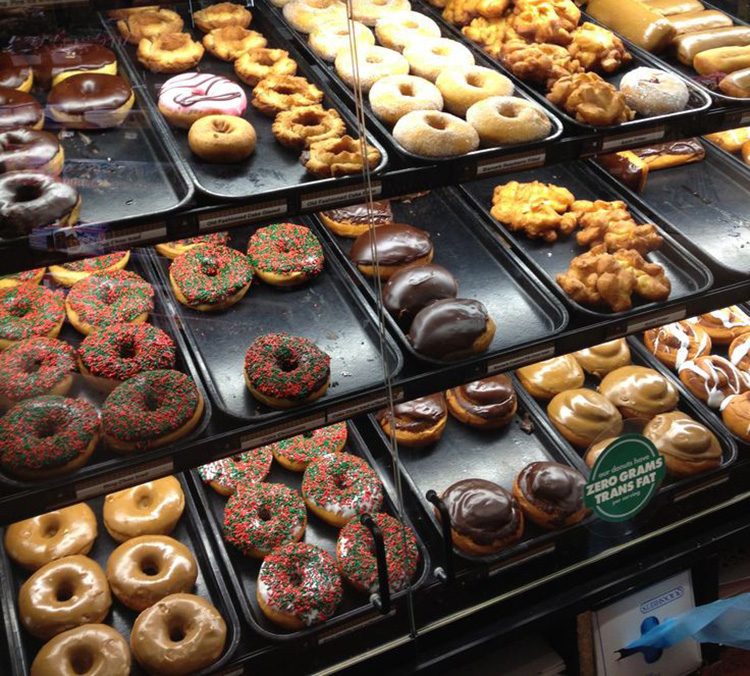
    Bakeries

    Various donuts-Picture Courtesy: Pinterest

    Bakeries are found among the top users of cling wrap. It is because of the myriad of baked goods containing sugar in one or another form. So, cling wrap help your cookies, pastries, and donuts by prohibiting insects and moisture from getting into them.

    Super Markets
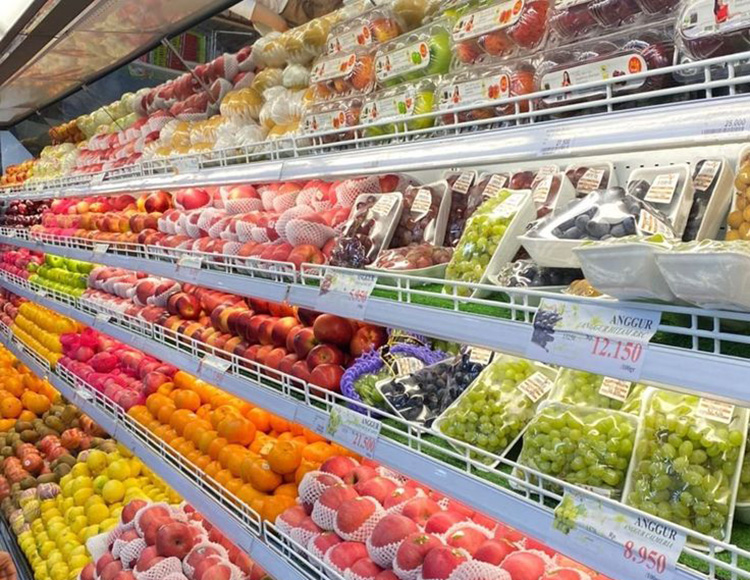
    Snack-Recipes

    Super market shelves-Picture Courtesy: t.me

    In large selling markets you will hardly be unable to find the goods of necessity. It simply implies, that providing each type of commodities especially of food, will indeed require safe packaging to avoid spillage and smelling. Here is when cling wrap come into use.

    Plastic Wrap

    Stationary Industry

    Stationary Industry

    Various stationary items-Picture Courtesy: etsy.com

    Stationary objects such as paper, notepads, pens, and envelopes etc., are often wrapped in shrink plastic wrap for easy handling, avoiding product damage, and ensuring safety against moisture.

    Medical Industry
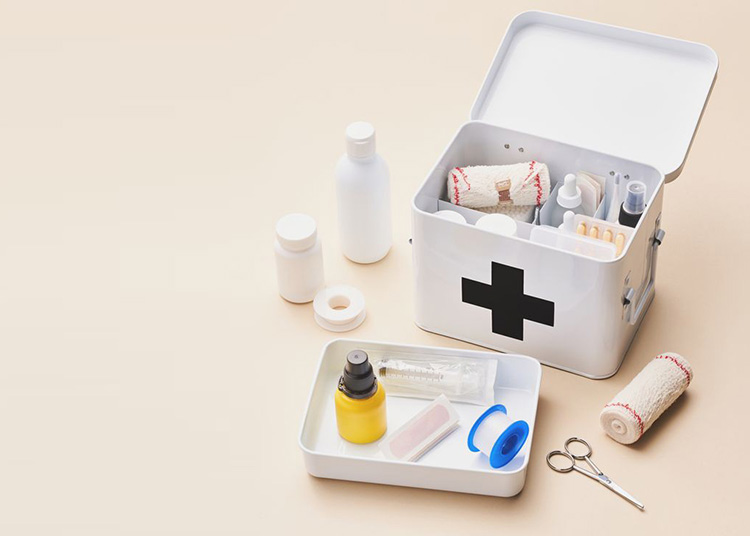
    Medical Industry

    First aid kit-Picture Courtesy: sheerluxe.com

    Medical tools and supplies are kept in a hygienic condition to maintain their susceptibility and sensitivity. Therefore, you will always find the need of plastic wrap for wrapping individual objects.

    Beverage Industry
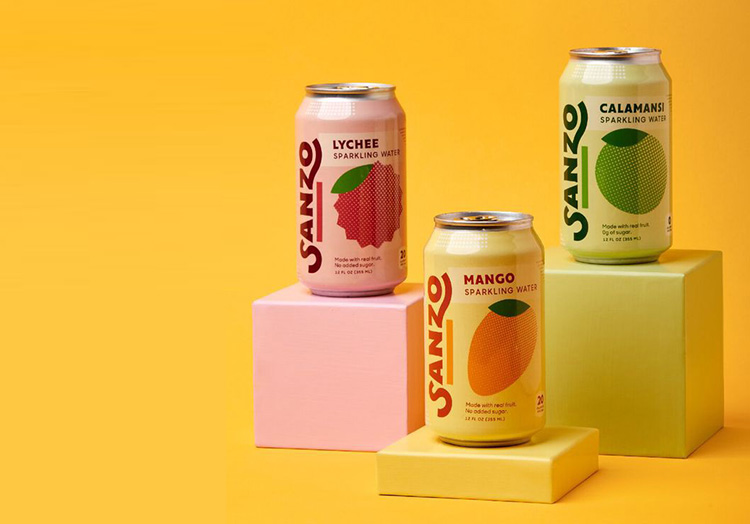
    Beverage Industry

    Multiple juice cans-Picture Courtesy: drinksanzo.com

    All types of beverages including juices, wines, spirits, and milk shakes are stacked together once their primary packaging get completed. For this purpose, mostly plastic wrap is used in form of shrink wrapping.

    Aerospace Industry
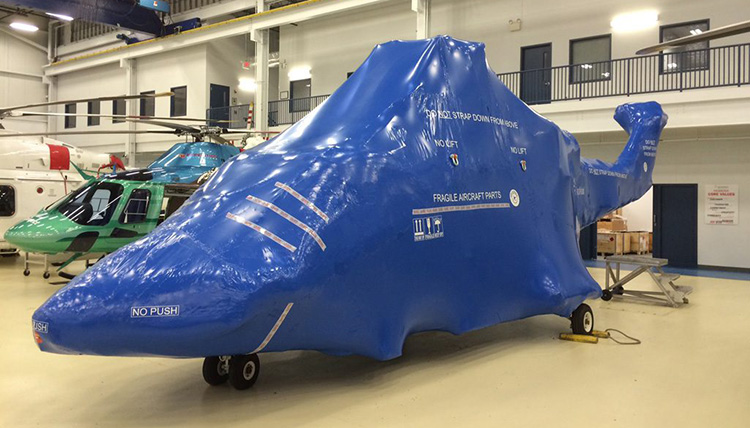
    Aerospace Industry

    Aerospace industry involves the research, manufacturing, and selling of aerial vehicles. Therefore, unlike small hardware objects, airplanes cannot be packed in cartons but plastic wrap.

    Home Insulation
    Home Insulation

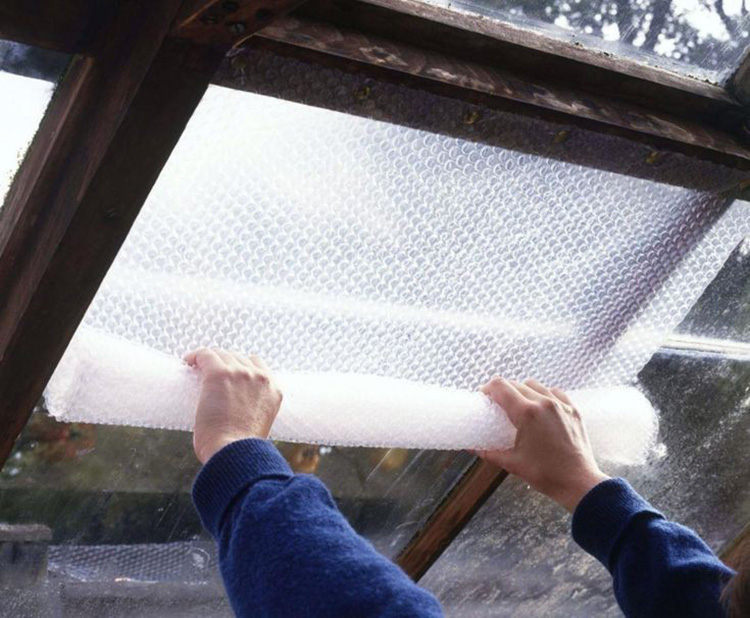
    Bubble plastic wrapping of window-Picture Courtesy: postfun.com

    One of the surprising facts about plastic wrap is that it is a good insulator, and this attribute has enhanced its application towards home Insulation. So, you will find people with common practice of plastic wrapping their walls, windows, and even rooftop in cold to retain heat inside their houses.

    5.Differentiate Between Cling Wrap Vs Plastic Wrap?

    Cling wrap and plastic wrap can be differentiated on various basis. Some of the essential ones are discussed below:

    No Aspects Cling Wrap Plastic Wrap
    1 Origin Cling wrap has its origin from low density polyethylene and PVC While as, plastic wrap is made from Polyvinylidene Chloride, LLDPE, polyethylene, and polypropylene.
    2 Quality Grade Cling wrap is of food grade quality certified by FDA Plastic wrap is of industrial grade quality ensuring resistance to puncture and breakage
    3 Rigidity It is thin and less rigid In contrast, plastic wrap is thick and more robust
    4 Elasticity Cling wrap is highly clingy, that it does not require adhesive and stick to objects itself. Plastic wrap is less elastic, therefore, may require heat and adhesive for sticking except for stretch wrap.
    5 Transparency It is transparent and highly visible Plastic wrap is transparent but also available in colorful form
    6 Recyclability Cling wrap cannot be recycled Plastic wrap can be easily recycled
    7  Classification Cling wrap has limited classification like perforated and flat cling wrap. Plastic wrap has broader classification like stretch wrap, shrink wrap, and bubble wrap etc.
    8 Application Cling wrap is used as primary packaging for all types of perishable and non-perishable food items. Plastic wrap is applicable to all types of hardware objects including electronics, cosmetics, pellets etc., both as primary and secondary packaging.
    9 Example Cling Wrap-6

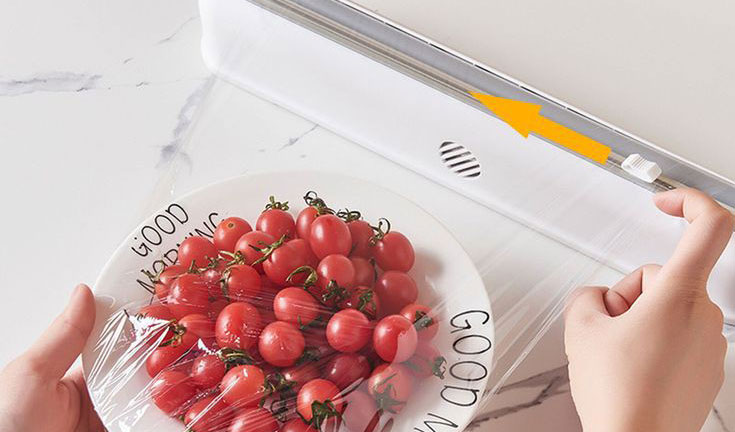
    Cling wrapping on tomatoes-Picture Courtesy: ebay.com

    Plastic Wrap-6

    Plastic wrapping of glass-Picture Courtesy: medium.com

    6.Which Is A Good Insulator Between Cling Wrap Vs Plastic Wrap?
    Cling Wrap-7

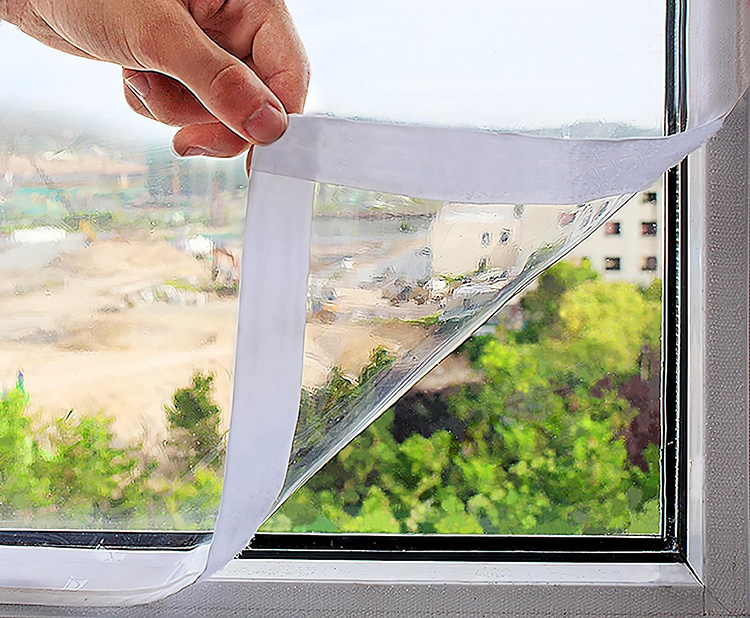
    Plastic wrap window insulation-Picture Courtesy: amazon.ca

    All types of hard to flexible objects with the capacity to resist the flow of heat and current through them are called insulators. Similarly, plastic is also a popular insulator, however, when it comes to determine inside plastic, like cling wrap and plastic wrap, which is a good insulator the answer will go in favor of plastic wrap.

    Although, cling wrap is a flexible material having enough capacity to resist heat. But, that capacity fall off when cling wrap is exposed to excessive heat like that of microwave. In such condition, cling wrap either start leaching into food or lose its strength by melting down.

    On the other hand, plastic wrap in all its forms; shrink wrap, stretch wrap, and bubble wrap, is holding greater strength to withstand heat and works as a good insulator. Also, the thermal conductivity of plastic wrap is higher than that of cling wrap.

    7.What Is The Environmental Impact Of Cling Wrap Vs Plastic Wrap?

    Environmental Impact Of Cling Wrap

    Plastic damaging globe-Picture Courtesy: thehappyturtlestraw.com

    According to United Nations Environment Program (UNEP), around 300 tonnes of plastic is produced each year. But the question arises, Does the same amount of plastic get recycled? Definitely not! Inside this figure, the huge share is of cling wrap and plastic wrap.

    Both these wrapping films are causing environmental pollution, contributing to ever rapidly growing global warming, and the loss of underwater lives. However, plastic wrap is recyclable and mostly recycled in greater amount. In contrast, cling wrap is highly thin due to which it cannot be easily recycled and takes place in landfills.

    8.Which Between Cling Wrap Vs Plastic Wrap Is Cost-effective?
    Plastic Wrap-8

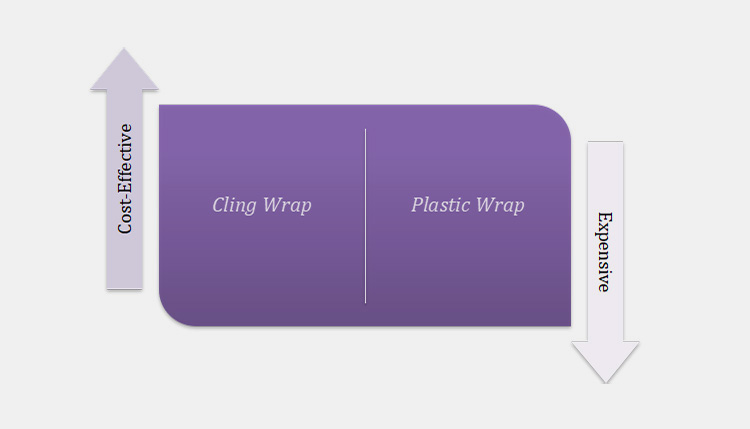
    Although, both cling wrap and plastic wrap have their origin from plastic, their degree of cost vary. Plastic wrap has comparably high weight, long manufacturing process, and also require additional material for application like heat and adhesive etc. Ultimately, these stimulants add to the cost of plastic wrap.
    Plastic Wrap-9

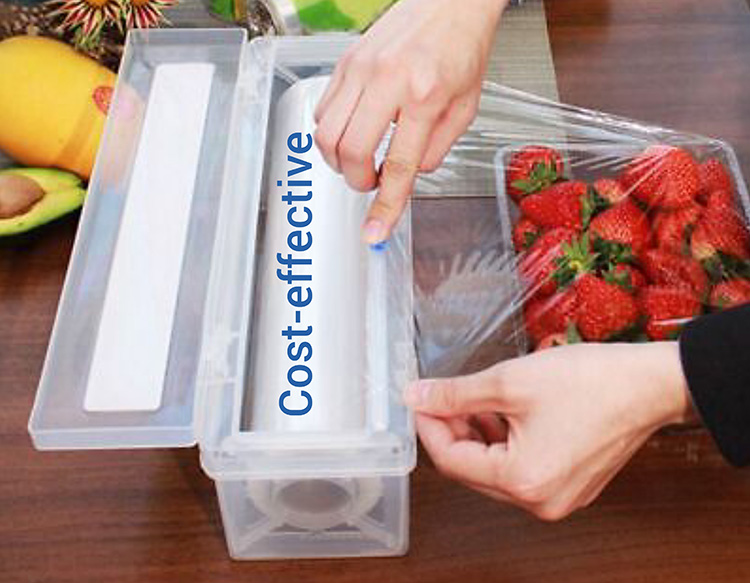
    Cost-effective cling wrap-Picture Courtesy: ebay.com.au

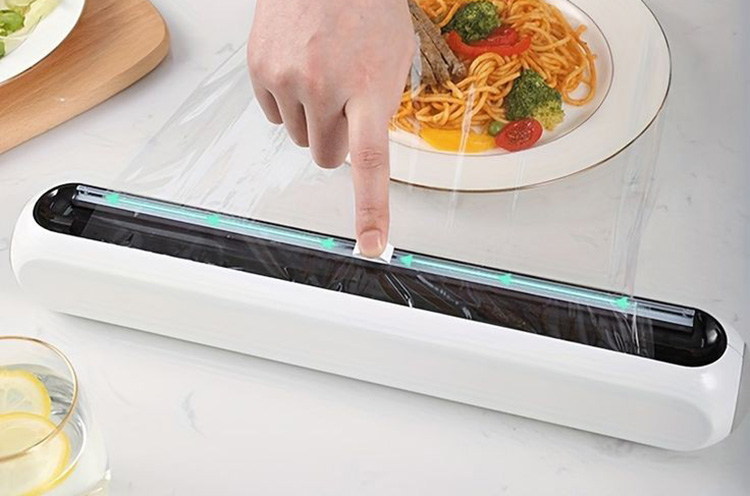
    In contrast, cling wrap is extremely light weighted, self adhesive, and production process is based on small steps. Moreover, cling wrap is available in easy-to-use forms like cling wrap with cutter box, sliding cutter, pre-perforated wrap, and roll, resultantly, reduce application cost.

    9.Cling Wrap Vs Plastic Wrap- Which Is More Suitable?

    Cling wrap and plastic wrap have distinct features and uses. Therefore, their suitability entirely depends upon several factors which are highlighted below:

    Type of Objects
    Type of Objects

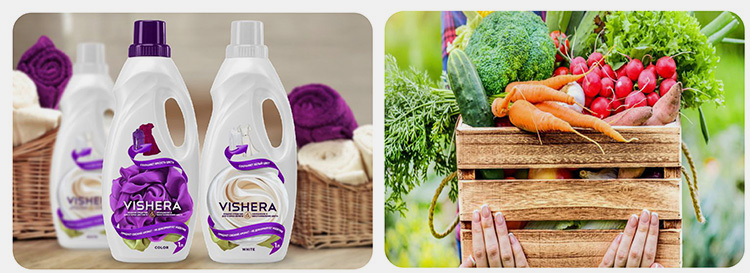
    Detergent & vegetables-Picture Courtesy: Pinterest

    This factor involve asking which type of objects you want to wrap up. If you need wrap for food products like vegetables, fruits, and meals, then cling wrap will be suitable. Contrary to that, plastic wrap is more competent to be used for hardware objects, rigid items, and bulk pellets.

    Elasticity
    Elasticity

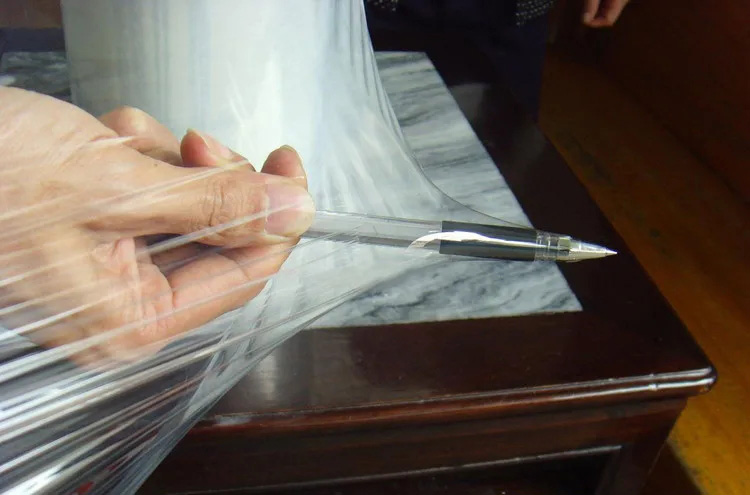
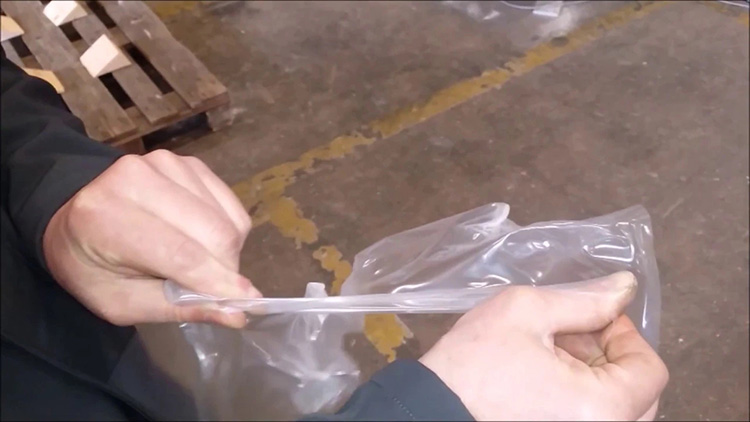
    Elasticity checking by pen-Picture Courtesy: bfvietnam.vn

    Elasticity is the key factor to choose between cling wrap vs stretch wrap. If you want to have flexible and self adhesive film which can resist punctures and stay unharmed, then cling wrap  will be suitable options. Otherwise, plastic wrap is more suitable for heavy loaded goods.

    Outward Manifestation
    Outward Manifestation

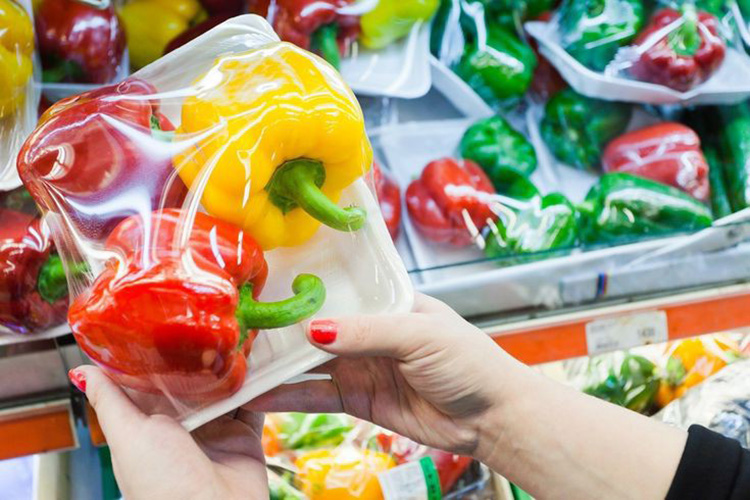
    Chilli in transparent cling wrap-Picture Courtesy: earth911.com

    Another crucial factor instrumental for determining suitable film between cling wrap and plastic wrap is the outward manifestation. Cling wrap is highly transparent and gives you clear vision of everything. You can easily showcase your goods and products by using cling wrap. However, if you want your products to be hidden under film, then plastic wrap is appropriate.

    Conclusion

    To wrap up, it can be concluded that Cling Wrap vs Plastic Wrap, are different from each other in range of aspects. From material used in their manufacturing to their uses, environmental impact, and insulation, they vary in great extent. Hence, whenever, you want to have a wrap for your goods make sure to consider the factors mentioned above. For further questions you may ask for help through our link!

    Don't forget to share this post!

    CONTACT US

    Tell us your raw material and project budget to get quotations within 24 hours.

    WhatsApp Us: +86 181 6426 8586

    Invalid Email
    Invalid Number

    Cling Wrap Vs Plastic Wrap Read More »
    Shrink-Wrap-Equipment-6

    Shrink Wrap Equipment: The Complete FAQ Guide In 2025

    Shrink Wrap Equipment: The Complete FAQ Guide In 2025

    Are you familiar with shrink wrap equipment and its operation? Do your process involve shrink wrapping? Do you require detail information regarding shrink wrap equipment and its feature? Then this FAQ guide will prove to be your best source for getting complete guidance and assistance regarding what shrink wrap equipment is and how to they operate. It will help you solving your queries regarding shrink wrap equipment. So, take the most of it

      Add a header to begin generating the table of contents

      1.What Is Shrink Wrap Equipment?

      Shrink Wrap Equipment

      Product Shrink Wrapping - Picture Courtesy: ME Shrinkwrap

      Shrink wrap equipment is a highly advanced technology that is used to pack both food and non-food products to make them safe from the environment and provide them ease while transportation. Plastic films mostly made up of PVC or polyolefin are initially placed onto the outer body of the product and then they are processed into shrink wrap equipment.

      Here with the help of a heat tank and its temperature, this plastic film shrinks according to the design of the packaging. A protective layer is created that secures the product for a longer period and makes it free from any microbial attack.

      2.What Products Are Eligible For Shrink Wrapping?

      Shrink wrapping is a highly precise way of protecting products from getting damaged or having any environmental influence. Out of several products that can undergo shrink wrapping process, some are

      Food Products

      Food Products

      Shrink Wrapping In Food Industry - Picture Courtesy: Sontex Machinery

      Most of the foods products including vegetables, fruits, cakes, meats, and other types of eatable products are shrink wrapped using shrink wrap equipment. This allows the product to remain fresh and in its natural texture for a longer period and also provides ease while traveling distances.

      Beverages And Liquid Bottles

      Beverages And Liquid Bottles

      Shrink Wrap Bottles - Picture Courtesy: Codico Distributors

      Shrink wrap equipment is also famous in the beverages industry where liquid bottles undergo plastic film wrapping and are then shrink over it. This helps in the compact aligning of bottles and also reduces the covering spaces of bottles. Multiple bottles, cans, and jars are secure with this process.

      Electronics Product

      Electronics Product

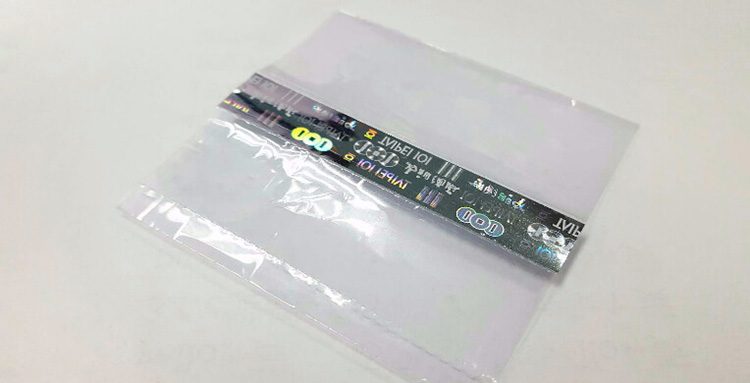
      Hologram Shrink Wrap - Picture Courtesy: IMS Digital Packaging

      Shrink wrap equipment is also useful in packaging electronic components like cards, boards, CDs, devices, etc. Due to the sensitivity of these components towards moisture and humidity, shrink wrap allows the blockage to these particles and keeps the component secure with its specifications.

      Pharmaceutical Products

      Pharmaceutical Products

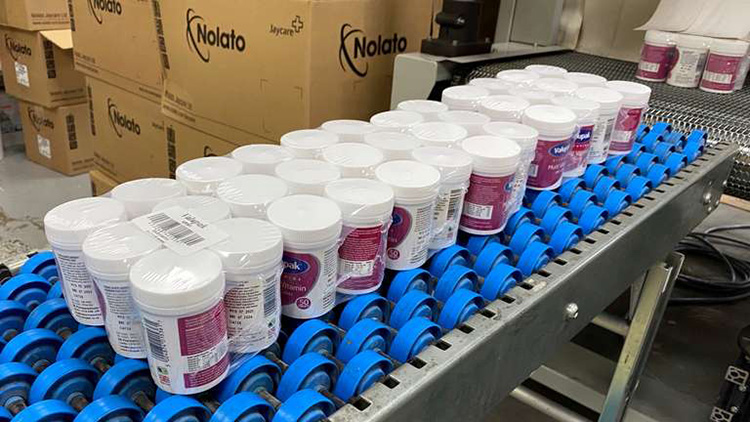
      Shrink Wrap For Pharmaceuticals - Picture Courtesy: Yorkshire Packaging

      The pharmaceutical industry is also involved in the packaging of bottles and jars that are traveled around the globe. Shrink wrap equipment helps provide a strong outer shelter to these products and helps them get contaminated.

      Cosmetic Products

      Cosmetic Products

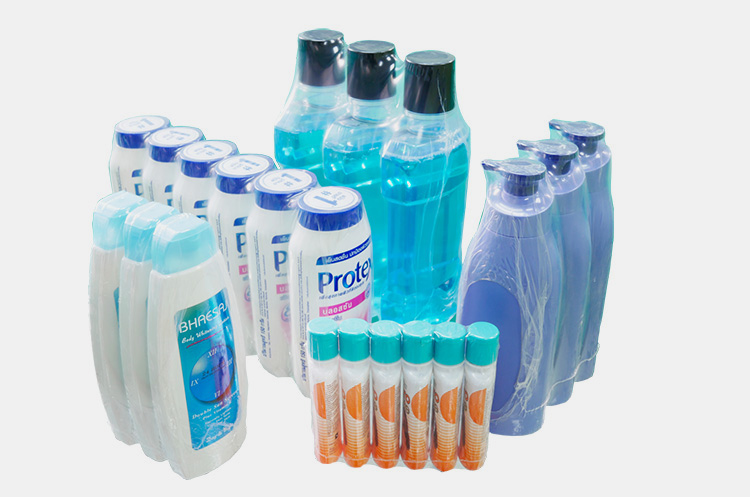
      Personal Care Shrink Wrap - Picture Courtesy: Holland Packaging

      Some of the cosmetics and chemical industrial products like creams, shampoo and, lotions also use shrink wrap equipment for their cumulative packaging. These products remain hygienic and protected from any microbial attack.

      3.How Does A Shrink Wrap Equipment Benefit In Improving The Quality Of Products?

      Shrink Wrap Equipment Benefit

      Shrink wrap equipment makes the product eco-friendly and also helps the manufacturer produce presentable packaging results. Some of the advantages that shrink wrap equipment have

      Contamination Free

      Contamination Free

      Advantage Of Shrink Wrap - Picture Courtesy: Easy Lock

      Products when traveled by sea, air, or land show greater concerns about entering potential environmental hazards. But if products are wrapped using shrink wrap equipment, the risk of contamination is reduced to zero. In this manner, the product remains contamination-free for a longer period.

      Product Freshness

      Product Freshness

      Food Safe Shrink Wrap - Picture Courtesy: U.S Packaging & Wrapping

      Shrink wrap film creates a seal-packed wrap around the products that prevents the entrance of any type of microorganism in its vicinity. Due to the reduction in oxidation reaction, the product always remains fresh and can be consumed until its expiry date.

      Extended Shelf Life

      One of the advantages of shrink wrap equipment is that it helps in extending the shelf of both food and non-food products. As many products possess the possibility of degradation, shrink wrap allows them to remain in their original position and prevents wastage.

      Customized Packaging

      Customized Packaging

      Shrink Wrap - Picture Courtesy: Masterpak

      The quality of products can be clearly seen as highly efficient customized packaging carried out by shrink wrap equipment. Products are shrinking together decently and have a pleasant look.

      Product Visibility

      Product Visibility

      Shrink Wrap In Food Industry - Picture Courtesy: FMT Maganize

      Products that have shrink wrap over them are completely visible to both retailers and consumers. Customers can see a visible look of products that can help them in purchasing their desired products.

      Environment Friendly

      The most important benefit that can be taken from shrink wrap equipment is that it produces environment-friendly packaging. The products placed in plastic films resist the entrance of microorganism and creates a blocking surface over these products.

      Efficient Packaging

      Efficient Packaging

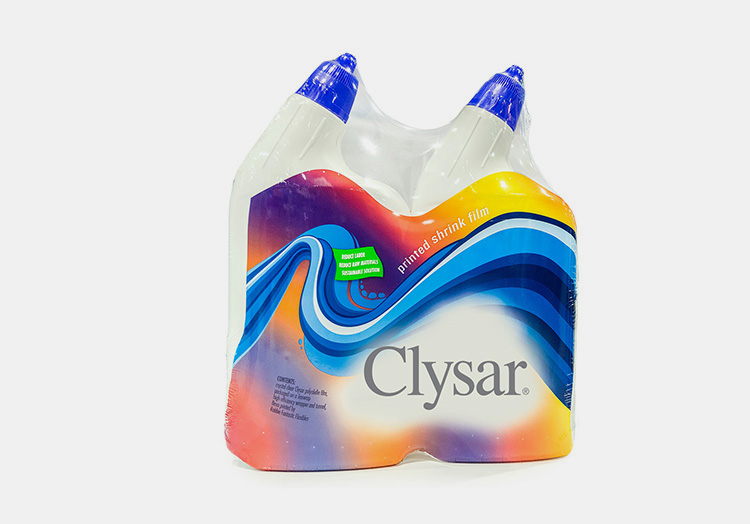
      Printed Shrink Film - Picture Courtesy: Clysar

      Once the plastic film is placed on a specific number of products, the shrink tank of shrink wrap equipment gives highly efficient and precise placement of that plastic wrap film over those products. It automatically gets into shape and results in efficient packaging. This can also attract the customer due to its presentation and it makes it much easier to handle.

      Space Saving

      A defined number of products when passed through the shrink wrap process create tight and firm packaging. This not only saves space but also supports when the products are placed in cartons. A greater number of products can be placed in a carton due to shrink wrap rather than if placed in a single form.

      Ease In Transportation

      Ease In Transportation

      Shrink wrap equipment widely supports the transportation of products around the globe. No concerns about wear and tear of the product are carried out when the products are handled and transported.

      4.What Is The Operational Process Of Shrink Wrap Equipment?

      Operational Process Of Shrink Wrap Equipment

      How To Use Shrink Wrap Equipment - Picture Courtesy: IPS Packaging

      The steps involved in the operational process of shrink wrap equipment are

      Initially, the products are placed together in a position in which they are to be wrapped. After positioning these products they are placed onto the conveyor of shrink wrap equipment which carries them towards further process.

      Once the products reach the film rolling step, the plastic film rollers get activated and apply film in all directions.

      For excess applied plastic film, a trimming process is carried out to give it a tidy and presentable look.

      The conveyor moves in a forward direction towards the next step where the shrink tunnel process is carried out. A defined temperature is maintained in the tunnel where the heat shrink process is performed.

      Heat in the face of hot air is applied to the product which makes the film shrink over the product according to its size and shape.

      Cooling of these heated wrappings is done so that the film can be placed properly and covers each point on the product.

      Finally, shrink wrap products exit the shrink wrap equipment and are moved for packaging and transportation.

      5.What Are The Main Components In Shrink Wrap Equipment?

      The main components in shrink wrap equipment are

      Film Roller

      Film Roller

      Dispensing Plastic And Shrink Film Rolls - Picture Courtesy: Technopack Corp. 

      In shrink wrap equipment, the foremost component is its film roller or film roller unwinder. Here the plastic film mostly PVC is supplied to the system and also wrapped onto the products. It is a highly automated process as an accurate amount of film is to be released according to the size of the products.

      Seal Bar

      Seal Bar

      Shrink Wrap Equipment - Picture Courtesy: Packaging Blog

      Once the plastic film is applied to the products, they are moved under the seal bar. A seal bar is made up of metal bars and has a certain temperature in it. The plastic film melts over the product when the temperature is applied from the seal bars.

      Conveyor

      Conveyor

      Shrink Tunnel And Conveyor - Picture Courtesy: PAC Machinery

      Conveyors in shrink wrap equipment are mostly in the form of belts or rollers that ease product movement. The conveyor is responsible for traveling of product throughout the system from intake to exit it.

      Shrink Tunnel

      Shrink Tunnel

      The most important component of a shrink tunnel is its shrink tunnel. A shrink tunnel is a box-type chamber that has a heating mechanism in it. Once the product reaches the shrink tunnel, heated infrared radiations through the metal bars act upon the product and cause in shrink of the plastic film.

      Human Machine Interface

      Human Machine Interface

      Honeywell HMI

      This is the interface that helps to monitor all the operations of shrink wrap equipment and also holds the controllers in it. All the temperature, safety, sealing, shrinking, and monitoring features are present in the human machine interface.

      6.What Are The Different Types Of Shrink Wrap Equipment?

      According to automation, there are three types of shrink wrap equipment.

      Manual Shrink Wrap Equipment

      Manual Shrink Wrap Equipment

      Shrink Wrap Equipment With Heat Gun

      Manual shrink wrap equipment is used in small scale industries where the productivity is in low numbers. All the processes are carried out manually and operators are responsible to carry out each of the shrink wrap step individually.

      Working Principle

      • The operator initially gathers the product together and wraps the plastic film onto it.
      • Then they are sealed from all of its side. The operator places the product into the shrink tunnel where the final process is carried out.
      • Once the wrapping is done, the operator performs offloading of products and then the packaging step is done.

      Semi-automatic Shrink Wrap Equipment

      Semi-automatic Shrink Wrap Equipment

      Semi-Automatic Shrink Wrap Equipment

      Manufacturers that follow in medium or large scale industries use semi-automatic shrink wrap equipment in their processes. Semi-automatic shrink wrap equipment can pack any type of food and non-food product in an efficient manner.

      Working Principle

      Initially the operator gathers the product together and wraps the plastic film onto it. Temperature of both sealer and heat shrink tunnel is maintained according to the standards.

      Secondly, the operator gets involved in wrapping of plastic film on products and then led it to enter into the shrink tunnel.

      The shrink tunnel shrinks the plastic film in a precise and desired manner. The product then gets offloaded of the system.

      The operator receives the product and packs into the desired cartons or packaging boxes.

      Automatic Shrink Wrap Equipment

      Automatic Shrink Wrap Equipment

      Automatic Shrink Wrap Equipment - Picture Courtesy: GURKI

      Highly efficient and precise type of shrink wrap equipment is an automatic version of it. The equipment is completely automated from its loading to offloading process and does not require any manual process. Automatic shrink wrap equipment is used in large scale industries to maintain their productivity and quality.

      Working Principle

      In automatic shrink wrap equipment, the products are just placed on the loading side of it from where they enter into the process.

      In the second step, the products are aligned by the aligning roller present in shrink wrap equipment and uniformly enter in the film unwinder.

      Here the film roller moves in all direction of the product to get it completely wrapped.

      Both sealing and heat shrink processes are then carried out and the conveyor makes it move through all these steps.

      Finally high quality shrink wrap products are taken out of the system for its packaging and transportation.

      7.What Type Of Plastic Films Used In Shrink Wrap Equipment? 

      Shrink wrap equipment is highly sensitive equipment that does not support all types of wrapping films. Some of the specific types of shrink wrap films are

      Polyvinyl Chloride

      Polyvinyl Chloride

      PVC Shrink Film - Picture Courtesy: A&F Packages

      The most abundantly used packing material around the globe is a polyvinyl chloride film. A PVC film is cheaper and provides a gloss finish to products. The most important property of PVC film is that it has a ductile nature and can pack any type of irregular shape. The usage of PVC film makes the packaging cost-effective and also is an eco-friendly material.

      Polyolefin

      Polyolefin 

      POF Shrink Film - Picture Courtesy: A&F Packages

      Due to its thermoplastic nature and shrink quality, most manufacturers prefer polyolefin for wrapping products. It has a high-quality clearance property that the product can be seen through. Also, the material is durable and tear-resistant which makes it easier to handle and transport.

      Polyethylene

      Polyethylene

      Polyethylene Shrink Film - Picture Courtesy: Get Packed

      Some of the manufacturers use low and high-density polyethylene films due to their flexible and tear-resistance properties. However, the material is a bit more expensive than both PVC and polyolefin films.

      8.What Is The Difference Between Shrink Wrap Equipment And Stretch Wrapping Machine?

      Shrink Wrap Equipment-5

      The common difference between shrink wrap equipment and stretch wrapping equipment are

      Equipment

      Shrink wrap equipment involves application of plastic films onto the products and then applying heat on it to make the film fit according to its shape. The products have a well looking texture and make it visible for the customers.

      No heat processes are involved in stretch wrap equipment because only applying film around the product is the basic principle of this equipment. The final wrapped products are palatalized and are easy to transport.

      Purpose

      The primary purpose of shrink wrap equipment is to protect the product from any type of environmental hazard and to provide a well looking appearance to it.  It can be used for wrapping of food, electronics, consumable, pharmaceutical and cosmetic products.

      The primary goal while performing a stretch wrapping equipment to provide a secure and efficient wrapping to products so that they can be easily transported worldwide. Most of the warehouse and logistics centers use stretch wrapping equipment. 

      Wrapping Material

      Shrink wrap equipment mostly prefers polyvinyl chloride, polyolefin, and polyethylene films that wrap the material tightly once the heat is applied to it.

      Whereas, stretch wrapping equipment uses linear LDPE (low-density polyethylene) films due to its elastic and stretchable nature.

      9.What Quality Tests Are Performed To Check The Wrapping Done By Shrink Wrap Equipment?

      Following are the quality tests that are performed to check the wrapping carried out by a shrink wrap equipment.

      Conformity Test

      Conformity Test

      Conformity Test - Picture Courtesy: Maripak

      The basic tests performed for checking the quality of a shrink wrap product. This test allows the access to check whether the wrapping is done tightly or has any loose gaps. The inspection is held both visually and through specific devices.

      Seal Testing

      Seal Testing

      Check Shrink Wrap

      This type of testing is done to check the seal applied by shrink wrap equipment. Seal bards are responsible for the application of seal and this test ensures that the seal is tight and completely uniform.

      Shrinkage Uniformity Test

      Shrinkage Uniformity Test

      Shrink Check - Picture Courtesy: Packaging Blog

      The entire uniformity of a shrink wrap product is checked through a uniformity test. Visually all the sides and corners of product are check to see any irregularity of inconsistent application of film.

      10.Why To Choose All Pack For Your Shrink Wrap Equipment?

      If you are interested in buying a shrink wrap equipment and facing problems in deciding the best one, then you should consider Allpack as your reliable source. Allpack offers wide range of shrink wrap machines and is one of the leading manufacturers of pharmaceutical and auxiliary machines. Some of the reasons to choose Allpack are

      Wide Range Of Equipment

      Selecting Allpack will ensure that you have wide range of shrink wrap equipment options and can select according to your requirement and production capacity. Also Allpack offers different equipment compatible with different types of shrink wrap films. Machines of Allpack perform in a highly efficient manner that you may not face any troubleshooting for a longer period.

      Brand Warranty

      Brand Warranty

      Warranty - Picture Courtesy: Wires Computing

      Allpack offers complete one year brand warranty to its valuable customers so that the customer can directly report any problem faced in its operation. The customer service department gets indulged with its customers directly to hear respond to the problems at their end.

      Global Transportation

      Global Transportation

      Global Transportation - Picture Courtesy: VectorStock

      Allpack being a leading manufacturing brand for manufacturing machinery has access in Europe, America, Latin America & South Asia, the Middle East, and Africa. Allpack supplies these machines to their customers directly and has a transportation facility that makes them a comfortable and reliable source.

      Conclusion

      This article gives a complete study regarding a “Shrink Wrap Equipment” and generates all the basic ideas regarding to it. Shrink wrap equipment is a highly precise machine used to package products that secure the nature of product and gives it a presentable look. If you still have any query regarding shrink wrap equipment and want to know more about it. Then visit the official website of Allpack or get in contact with our customer care representatives. We are here to serve you 24/7.

      Don't forget to share this post!

      CONTACT US

      Tell us your raw material and project budget to get quotations within 24 hours.

      WhatsApp Us: +86 181 6426 8586

      Invalid Email
      Invalid Number

      Shrink Wrap Equipment: The Complete FAQ Guide In 2025 Read More »

      Shrink Wrap Thickness Guide-5

      Shrink Wrap Thickness Guide

      Shrink Wrap Thickness Guide

      Do you know shrink wrap is fabricated with different thickness levels? And each thickness level is for certain products?

      Plastic comes in all forms and sizes to contain items. With innovation in plastic a new product wrap- shrink wrap was introduced in the market a few decades ago. For protecting, containing, and, storing a vast variety of consumer goods, it is widely utilized in industries.

      Shrink Wrap Thickness

      If you are associated with a particular industry, if you are a novice in the packaging business or if you are looking to enhance the sturdiness of your shrink wrap then you have clicked on the right webpage. In this blog, we will discuss in detail the thickness of shrink wrap, its different units, industrial requirements for the thickness of shrink wrap and more.

        Add a header to begin generating the table of contents

        1.What is Shrink Wrap?

        Shrink Wrap

        Shrink Wrap- Picture Courtesy: Saffire Blue

        It is a type of polymer film formed from plastic materials. The name shrink wrap is derived from its shrinkage action which takes place when this film is subjected to high heat which then contracts and adapts to geometries and dimensions of products on heating and surrounds product from every side.

        This leads to airtight and locked packaging with shrink wrap that fully envelops the consumer goods. Shrink wrap is sturdy and long-lasting protecting against harsh weather but it is integral in minimizing product tampering.

        In addition to its protection for products on long hauls, shrink wraps are hugely popular due to, their product printing. Shrink wrap is customized to label products in three dimensions with striking graphics.

        2.What is the Shrink Wrap Thickness Guide?

        Shrink Wrap Thickness Guide

        Shrink Wrap Thickness Guide- Picture Courtesy: Neopack Limited

        End-users always get indecisive and overwhelmed by the variety of shrink wrap thicknesses that exist in the market. The shrink wrap thickness guide is a knowledge guide that is compiled through different resources to help users get the right shrink wrap thickness for their applications such as packaging, marine packing, and industrial palletizing.

        Moreover, it informs users about factors that affect the selection of shrink wrap thickness and it also determines the durability of shrink wrap under different environmental settings.

        By reading the shrink wrap thickness guide, buyers learn about the common units adopted by the industries for measuring the thickness of shrink wrap and different unit conversion formulas.

        Although there is no specific account as to when the shrink wrap thickness guide started, it is a general belief that the history of shrink wrap begins with the invention of PVC and PE shrink wraps in the 1930s and 1950s, respectively.

        Moreover, it became a standard norm to use the shrink wrap thickness guide by the 1970s and 1980s and to compare different thickness units of shrink wraps by using this guide.

        3.What are the Different Units of Shrink Wrap Thickness? What is the Unit Conversion Chart for Shrink Wrap Thickness?

        Due to the immense popularity and uses of shrink wrap in all regions of the world, different countries have adopted different units for shrink wrap thickness. Here are some details of important units and their definition for your understanding.

        Gauge

        Gauge

        Gauge Shrink Wrap Thickness- Picture Courtesy: ULINE

        It is the measure of shrink wrap thickness. It ranges from 55 to 200. However, this unit is not a standard instead it is a common term employed by industries for measuring the thickness of the film.

        It is typically referred to when describing premium shrink wrap. 1 gauge is about 0.3 inch or in the metric system it is equal to 7.6 mm.

        Mil

        This unit is a standard used all across the globe for defining the thickness of shrink wrap. It is about one thousand of inch that is .001 inch. Mil is more often employed for describing common polyethylene shrink wrap.

        1 Gauge = 1/100 of a Mil

        100 Gauge = 1 Mil

        Micron

        This unit is also commonly used for estimating shrink wrap thickness. It is used when referring to thin shrink wraps. 1µm is about 1/100000 m which is equal to 0.00039 inch.

        1 Gauge = 0.254 Microns

        100 Gauge = 25.4 Microns

        1 Mil = 25.4 Microns

        Millimeter

        It is the unit of the metric system and is seldom adopted for shrink wrap thickness. 1 mm is about 0.039 inch.

        Inch

        This unit is used for estimating length or dimension across the United Kingdom and the United States. It is the oldest unit in length.

        Unit Conversion Chart for Shrink Wrap Thickness

        Different vendors use different measurements for shrink wrap thickness which often creates confusion among customers. Hence, here is a unit conversion chart for shrink wrap thickness to guide you in the decision process.

        Gauge Mil Micron Millimeter Inch
        35 0.35 8.9 0.0089 0.00035
        40 0.40 10.2 0.0102 0.0004
        50 0.50 12.7 0.0127 0.0005
        60 0.60 15.2 0.0152 0.0006
        75 0.75 19.1 0.0191 0.0007
        80 0.8 20.3 0.0203 0.0008
        90 0.9 22.9 0.0229 0.0009
        100 1.00 25.4 0.0254 0.0010
        120 1.20 30.5 0.0305 0.0012
        150 1.50 38.1 0.0381 0.0015
        180 1.80 45.7 0.0457 0.0018
        200 2.00 50.8 0.0508 0.0020

        4.What is a Widely Used Shrink Wrap Thickness Guide in Industries?

        Nowadays, due to advancements in material fabrication, a wide range of shrink wrap thicknesses is common in use. Some most popular shrink wrap thickness guide is detailed below:

        45 Gauge Thick Shrink Wrap

        45 Gauge Thick Shrink Wrap

        45 Gauge Thick Shrink Wrap- Picture Courtesy: Indifoodbev

        It is one of the most popular shrink wrap thicknesses preferred by consumers. However, some consumers are biased towards even thinner 35 gauge shrink wrap. Generally, it is assumed that thinner gauges are not tough and resistant.

        Nevertheless, with innovation in technology resin and high-tech extrusion devices, the thinner gauges of the recent era are stronger than ever.

        45 gauge shrink wrap is formed by the cross-linking of polyolefin polymer that gives this shrink wrap high tensile strength. It is typically employed for protecting food items, bakery products, electronics, and many more.

        60 Gauge Thick Shrink Wrap

        45 Gauge Thick Shrink Wrap

        60 Gauge Thick Shrink Wrap- Picture Courtesy: Texwrap

        Usually, shrink wrap of this thickness is fabricated using different types of plastic polymers such as PVC, polyolefin with cross-linking, etc.

        It is best for lightweight applications and is mostly adopted by bakeries to package biscuits and other items. This thickness shrink wrap has also found its usage in the stationery industry for packaging pens, pencils, etc.

        It is mostly for wrapping products with no sharp ends. It is easily moulded into contours of product with less heat application. Furthermore, it is convenient to open and form tamper-evident seals.

        75 Gauge Thick Shrink Wrap

        75 Gauge Thick Shrink Wrap

        75 Gauge Thick Shrink Wrap

        It is the most widespread thickness of shrink wrap for retail packaging, is manufactured with PVC and polyolefin, and is considered the standard thickness for both these types of shrink wrap. It is suitable for wrapping products weighing about 15 lbs.

        Polyolefin shrink wrap having a 75-gauge thickness is more flexible and puncture-resistant. However, it is not suitable for shipping boxes and parcels.

        100 Gauge Thick Shrink Wrap

        100 Gauge Thick Shrink Wrap

        100 Gauge Thick Shrink Wrap- Picture Courtesy: Fastpack Packaging

        This thickness shrink wrap is mostly used in wrapping and packaging heavier items weighing over 25 lbs. It is used for packaging goods when there are issues like burns or tears with the thinner shrink wraps.

        It is typically employed for enveloping heavy metallic and wooden items. Furthermore, 100 gauge formed by cross-linking polyolefin can wrap products with a weight of about 50 lbs.

        125-150 Gauge Thick Shrink Wrap

        125-150 Gauge Thick Shrink Wrap

        120-150 Gauge Thick Shrink Wrap- Picture Courtesy: International Plastics

        These thickness shrink wraps are created by a variety of plastic polymers including PVC, polyolefin, polypropylene and polyethylene. This type of shrink wrap is perfect for packing heavier loads for instance shipping containers because of its higher strength.

        200 Gauge Thick Shrink Wrap

        200 Gauge Thick Shrink Wrap

        200 Gauge Thick Shrink Wrap- Picture Courtesy: Product Packaging Supplies

        It has a thickness of about 2 Mil (200 gauge). It is a common industrial standard thickness of shrink wraps and is often employed for bundling a dozen bottles weighing up to 12 oz. Mostly polyethylene and polypropylene are used for manufacturing 200-gauge thickness shrink wraps.

        4 Mil-12 Mil Thick Shrink Wrap

        4 Mil-12 Mil Thick Shrink Wrap

        4 Mil-12 Mil Thick Shrink Wrap- Picture Courtesy: AAA Polymer

        Shrink wrap of high thicknesses weighing more than 4 Mil (400 gauge) is typically formed using polyethylene film. 4 Mil thickness shrink wrap is seen in furniture wrapping while shrink wraps having 6 Mil thickness are used for covering boats.

        Shrink wraps with high thickness mostly come as a multi-fold roll and are blue or white.

        5.What Is The Thickest Shrink Wrap?

        Thickest Shrink Wrap

        Thickest Shrink Wrap- Picture Courtesy: SkiSafe

        The thickest shrink wrap is about 12 Mil is equal to 305 Microns (1200 gauge). It is extra-thick, strong, and employed in industries for wrapping heavy transport pallets. This thickness shrink wrap is one of the resilient shrink wraps regularly used without padding.

        It is best for enveloping construction structures and is recommended by experts for encapsulating heavyweight objects, for instance, industrial machinery, furniture, etc. It is known for its high-level protection.

        6.What Is The Thinnest Shrink Wrap?

        Thinnest Shrink Wrap

        Thin Shrink Wrap- Picture Courtesy: Polythene UK

        The thinnest shrink wraps have miscellaneous functions in many industries and are favoured by manufacturers for their higher shrink rate that better adapts to the product shape It has about 35 gauge thickness (8.9 microns). Some of these commercially offered shrink wraps are 12.5 or 13 microns (50 gauge).

        This shrink wrap comes with a huge range of benefits and is important for lightweight packaging. It offers high product visibility. It is ideal for packaging delicate products, for instance, pharmaceutical bottles, fresh produce, and lighter electronic goods.

        In addition to packaging, it is also utilized as a tamper-evident seal for beverages and pharmaceutical products.

        7.How You Know About Different Types of Shrink Wrap and Their Thickness?

        Shrink wraps come in various styles and forms; however, there are three main kinds of shrink wraps. Their detailed discussion is penned below for your understanding.

        PVC Shrink Wrap

        PVC Shrink Wrap

        PVC Shrink Wrap- Picture Courtesy: Rising Star Plastic

        It stands for polyvinyl chloride shrink wrap. When it was introduced for packaging, it was one of regularly utilized shrink wraps. But now its use is limited to wrapping DVD and CD cases, gaming boxes, and retail packaging. It is not used for packaging food items as it is not safe for food contact and leach chloride upon heating therefore, is not recommended by the FDA.

        Its benefits include high tear resistance and cost-effectivity but upon shrinking it becomes brittle and thus is not ideal for bundling numerous items.

        PVC shrink wrap has varying thicknesses in the range of 60-150. However, 75-gauge PVC shrink wrap is most prevalent in industries for packaging goods.

        POF Shrink Wrap

        POF Shrink Wrap

        POF Shrink Wrap- Picture Courtesy: Rising Star Plastic

        Polyolefin shrink wrap has surpassed PVC shrink wrap in terms of usage. Due to its versatility and robustness, it is used for wrapping various types of industrial goods including food products. This is because it is considered safe for direct food contact and is FDA-approved shrink wrap.

        POF shrink wrap has two qualities- economic and premium. It has high clarity and takes a soft flexible look and feel upon shrinkage.

        One of its prime advantages is that it has diverse thicknesses ranging from as low as 35 to as high as 150 gauge. 40, 60, 75, and 100 are its frequently produced thicknesses.

        PE Shrink Wrap

        PE Shrink Wrap

        PE Shrink Wrap- Picture Courtesy: ISOCELL

        It is sturdiest of all shrink wrap and is best known for its heavy-duty industrial wrapping. Low-Density Polyethylene (LDPE) is mostly used for shrink-wrapping in industries. It has added strength and long-lasting protection and, therefore, is routinely employed for wrapping heavy pallets and multi-packs of drinks.

        POF and PVC shrink wraps have a maximum gauge thickness of around 150 gauge. PE shrink wraps have a high thickness of up to 1200 gauge which is ideal for marine use. However, it does not have a high shrink rate.

        8.What are Centerfold Shrink Wrap and Single Wound Shrink Wrap and Their Thicknesses?

        There are two common types of shrink wraps depending upon their arrangement on the roll. These are discussed below:

        Centerfold Shrink Wrap

        Centerfold Shrink Wrap and Single Wound Shrink Wrap

        Centerfold Shrink Wrap

        This type of shrink wrap is typically folded in half and then wrapped around a centre to form a large film roll. For instance, a 10 cm centrefold shrink wrap is unwounded to give a 20 cm shrink wrap. This shrink wrap is available in 35-100 gauge thicknesses while 60 and 75 gauge are commonly used.

        Single Wound Shrink Wrap

        It is also known as single-layered shrink wrap. It is available as a flat sheet wound around the core. However, this type of shrink wrap is twice as heavy as centrefold shrink wrap. It comes in a 35-150 gauge range. Ultra-thin single-wound shrink wrap ranging between 35-50 gauge is favoured by users.

        9.Is There a Difference Between Heat Shrink Wrap Thickness and Stretch Wrap Thickness?  

        Heat Shrink Wrap Thickness

        Shrink Wrap Thickness and Stretch Wrap Thickness- Picture Courtesy: U.S. Packaging & Wrapping

        Heat shrink wrap and stretch wrap differ in their mode of application. Heat shrink wrap shrinks on applying heat and adapts to the curves of the product being wrapped. Stretch wrap is applied by stretching and completely envelops the product.

        Consequently, both these wraps also differ in their thickness. Stretch wrap is way thinner than heat shrink wrap. It is because with stretch wrap not much protection is needed.

        When packing smaller items, the heat shrink wrap of 1 Mil (100 gauge) thickness is used while stretch wrap of thickness 0.75 Mil (75 gauge) is utilized for the same function.

        Similarly, when bundling large cargo pallets, the thickness of heat shrink wrap could be as high as 12 Mil but for palletizing purposes, the stretch wrap with a thickness of up to 5 Mil is utilized.

        Furthermore, the highest thickness level of heat shrink wrap is 12 Mil (1200 gauge) and for stretch wrap maximum thickness is 5 Mil (500 gauge).

        10.What Is The Relationship Between Gauge And Shrink Wrap Thickness?

        Relationship Between Gauge

        Gauge and Shrink Wrap Thickness- Picture Courtesy: Cantwell Cleary

        The gauge has paramount usage in industrial settings and is commonly used for mentioning shrink wrap thickness. The value of the gauge is directly proportional to the thickness of the shrink wrap. This means that if the shrink wrap has a lower gauge value it means that it is thinner and vice versa.

        For instance, 40 gauge shrink wrap is thinner while 140 gauge is thicker. Moreover, thinner gauge shrink wrap contracts and encloses around the product without needing much heat. However, the shrink wraps with higher gauges necessitate a significantly higher amount of heat for wrapping.

        11.How Does The Thickness Of Shrink Wrap Impact Its Price?

        Thickness Of Shrink Wrap Impact Its Price

        Shrink Wrap- Picture Courtesy: Industrial Products

        The price of the shrink wrap is directly influenced by its width, type, and, thickness. Generally, the thicker shrink wrap has a higher price cost than the thinner shrink wrap. This is because the manufacturing cost of thicker shrink wrap is higher.

        The thick shrink wrap demands more starting material and is fabricated with more quantities of plastics, resins, and additives. Furthermore, the thick shrink wrap needs specialized equipment for extrusion that runs on high power. The equipment running cost also influences the price of shrink wrap.

        In addition to these factors, the application of thick shrink wrap is also a deciding aspect when it comes to its purchase price. Thick shrink wraps are heavy-duty thus their buying cost is higher.

        Thinner shrink wraps are fabricated using fewer raw materials and are not processed with specialized machines, therefore, these shrink wraps are fairly inexpensive than their thick counterparts.

        12.Do the Size and Weight of Products Affect Shrink Wrap Thickness?

        Size and Weight

        Heavier Objects and Shrink Wrap Thickness- Picture Courtesy: The Wickery

        Yes, the size and weight of products are pivotal factors that impact the shrink wrap thickness. Heavier and larger objects such as boats, and pallets have large surface areas, consequently, they are enclosed in thicker shrink wrap as there is a higher chance of their damage during rough transportation and treatment. These thicker shrink wraps offer products ultimate protection.

        Thicker shrink wraps are more robust and long-lasting. They can endure higher strain and do not rupture or tear due to heavier loads. Thinner shrink wraps are normally for lightweight and smaller items that do not need heavy protection.

        Besides size and weight, the contours and designs of products impact the thickness of shrink wrap. Usually, objects with sharp corners and irregular designs are packed in thicker shrink wraps. These sharp corners of products can rip the shrink wrap, so, they are enveloped in thicker shrink wraps because the latter withstand the tearing or puncture.

        13.How Do Environmental Conditions Influence The Durability Of Shrink Wrap Thickness?

        Yes, environmental conditions significantly impact the durability of shrink wrap thickness. These harsh surroundings can degrade the shrink wrap and affect its protectiveness. The relation between environmental conditions and durability of shrink wrap thickness is listed below:

        Temperature

        Temperature

        Temperature and Shrink Wrap- Picture Courtesy: Market Prospects

        Both high and low temperatures affect the effectiveness of shrink wrap thickness. Elevated temperature for a long time could lead to the compression of shrink wrap as a result they lose their protective properties.

        On the other hand, storage of thick shrink wraps at extremely low temperatures, results in their brittleness making them more prone to ripping and snapping

        Humidity

        Humidity

        Humidity and Shrink Wrap- Picture Courtesy: tufwrap

        High humidity rates could be the reason for the compression of shrink wrap thickness and cause loss of their stretchability. Consequently, it is problematic to cover products with them. Furthermore, high moisture promotes the growth of moulds that deteriorate the bonding between polymers of shrink wrap and lead to degradation of the thickness of shrink wrap.

        UV Light

        UV Light

        UV Light and Shrink Wrap-Picture Courtesy:360 Eco Packaging

        High UV radiations from direct sunlight pose a significant risk to shrink wrap thickness because these high-energy radiations break connectivity between shrink wraps of high thickness. Thus, they fail to protect products against mechanical damage and rough handling.

        14.Why Choosing the Right Shrink Wrap Thickness Guide Matters?

        Choosing the Right Shrink Wrap Thickness

        Shrink Wrap Thickness- Picture Courtesy: Nobelus University

        Nowadays, in the market, there is a huge range of shrink wrap thicknesses. But choosing the right type of shrink wrap thickness guide would bring you fruitful results. Here is a list of reasons why it is crucial to choose the right kind shrink wrap thickness guide:

        Protection The main purpose of shrink wrap thickness is to protect items from damage and harm. Consequently, with the use of the right shrink wrap thickness guide, the users will get more knowledge about the different barrier capabilities of shrink wrap thicknesses. This will lead to stronger protection against elements.
        Presentation Furthermore, by using better shrink wrap thickness, the product appeal and presentation are enhanced. Thicker shrink wrap offers packed items a professional and premium look, whereas, products wrapped in thinner shrink wraps look flimsy.
        Cost-Cutting The selection of the wrong shrink wrap thickness guide is detrimental to the expanding business and results in revenue loss. The usage of thicker shrink wraps than required will elevate material and transport expenses. On the other hand, the application of thinner shrink wraps will cause significant product defects.
        Ease in Application It is imperative to opt for the correct shrink wrap thickness guide because wrapping products in thicker shrink wraps is time-consuming, troublesome, labour-intensive and requires specialized equipment, consequently increasing operational expenses.

        Conclusion

        Shrink wrap has diverse industrial uses and is one of the most sought-after films for packaging. Due to different uses, shrink wraps are innovated in different thicknesses that diverge in their applications. The shrink wrap thickness guide is an information source that guides users at each step to select shrink wraps of appropriate thickness. Two important units for describing shrink wrap thickness are gauge and Mil. The higher the gauge thicker the shrink wrap. It is a common rule that the thickest shrink wraps are for heavyweight wrapping and products larger in size. Thin shrink wrap is for lighter-weight items. Hope you have learnt about prime aspects of shrink wrap thickness by going through this guide. Still indecisive about selecting shrink wrap then contact our Allpack customer care for shrink wrap selection guidance.

        Don't forget to share this post!

        CONTACT US

        Tell us your raw material and project budget to get quotations within 24 hours.

        WhatsApp Us: +86 181 6426 8586

        Invalid Email
        Invalid Number

        Shrink Wrap Thickness Guide Read More »
        Rigid And Flexible Packaging-1

        What Is The Difference Between Rigid And Flexible Packaging?

        What Is The Difference Between Rigid And Flexible Packaging?

        Are you anxious about the packaging of your products? Do you want to opt for the packaging which can better protect the quality, integrity, and image of your company? That's admirable! It is something every manufacturer should be concerned about. After all, it is the packaging that can make or break a product's sales. However, instead of worrying, the best and ultimate solution is to explore eclectic packaging options out there. For this, we have come with the most relevant blog post, what is the difference between rigid and flexible packaging, which will indeed answer all your queries.

        Flexible-Packaging

        In the realm of packaging, you will always find the basic categorization of packaging into rigid and flexible packaging. But what actually they are? Can they be employed for same products? Or their application is restricted? On which parameters they can be differentiated? And most importantly, how to choose between them the best compatible one for your goods? Knowing these questions is paramount for determining the fate of your business. So, let's unveil them one by one!

          Add a header to begin generating the table of contents

          1.Define Rigid And Flexible Packaging?

          Rigid Packaging

          Rigid Packaging

          Multiple rigid glass bottles-Picture Courtesy: packagingoftheworld.com

          By rigid packaging we mean all types of packaging which are hard in their nature, having durable structure, and ensuring greater strength to your products. These include cans, bottles, buckets, and cartons which are derived from rigid materials such as glass, plastic, metal, and card boards etc. Hence, you can employ them for maintaining the integrity, quality, and susceptibility of your vary goods from production till end users.

          Flexible Packaging

          Flexible Packaging

          Various flexible pouches-Picture Courtesy: packagingoftheworld.com

          Flexible packaging encompasses multiple packaging options comprising bags, pouches, and sachets etc. They are created from most flexible, light weighted, and affordable substances including plastic films, aluminum foils, and paper. Therefore, they are resilient enough to be moulded in any desired and customized shape. Moreover, flexible packaging can better allow manufacturers to market their products by providing the edge to bring about innovative designing and labeling for engrossing consumers.

          2.Explain The Pros And Cons Of Rigid And Flexible Packaging?

          Everything in this globe has substantial benefits to discover, and at the same time few associated downsides to acknowledge. So, let's uncover the pros and cons of rigid and flexible packaging:

          Pros of Rigid and Flexible Packaging

          Pros of Rigid and Flexible Packaging

          Rigid Packaging

          Durable

          Rigid Packaging Durable

          Durable plastic juice bottle in hand-Picture Courtesy: rawpixel.com

          Rigid packaging is more durable due to the sturdy structure and excellent support which containers provide for the protection of delicate products against damage and breakge, especially during carriage.

          High Barrier Properties

          High Barrier Properties

          Corrosion resistant can-Picture Courtesy: packagingoftheworld.com

          All types of rigid packages including tin cans, glass bottles, and hard plastic have stout strength to resist heat, light, corrosion, and moisture. Consequently, your goods remain distant from environmental elements and stay fresh for a longer period.

          Superior Quality

          Superior Quality

          Glass wine bottle display-Picture Courtesy: cocktailcourier.com

          Another sparking attribute of rigid packages is their fancy and expensive look which indeed reflect the superior quality of products. Hence, reputable brands can utilize rigid packaging for enhancing the perceived value of their items.

          Flexible Packaging

          Market Appeal

          Market Appeal

          Various food stick packs-Picture Courtesy: www.behance.net

          Flexible packaging is better suitable for merchandising purposes, as they are favorable for printing multifarious graphics and logos on. Together with tittle bags and sachets, they have greater proclivity to fascinate buyers.

          Customizable

          Customizable

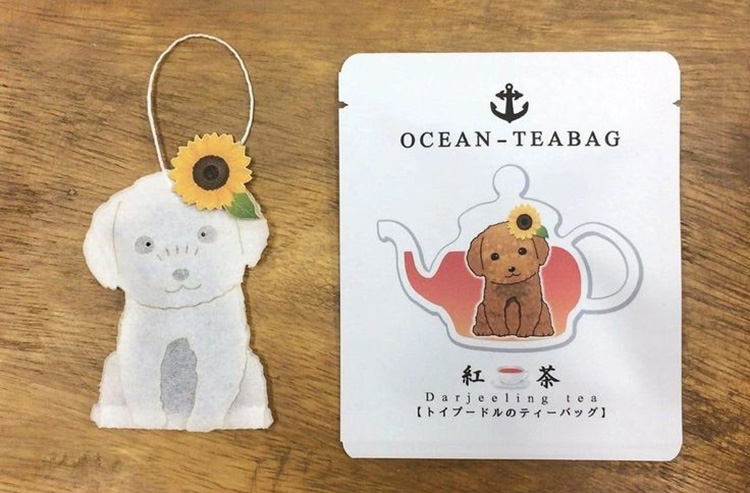
          Tea bag sachet-Picture Courtesy: etsy.com

          Customization is the key for uplifting your business growth. In essence, you can make your customers enjoy the same products in unique and different flexible packages like spouted pouches, tear notch doypacks, toys shaped bags, and beyond.

          Cost-effective

          Flexible packaging is cost efficient in terms of packaging material used, shipping charges as well as in case of mishandling.

          Light Weighted

          Light Weighted

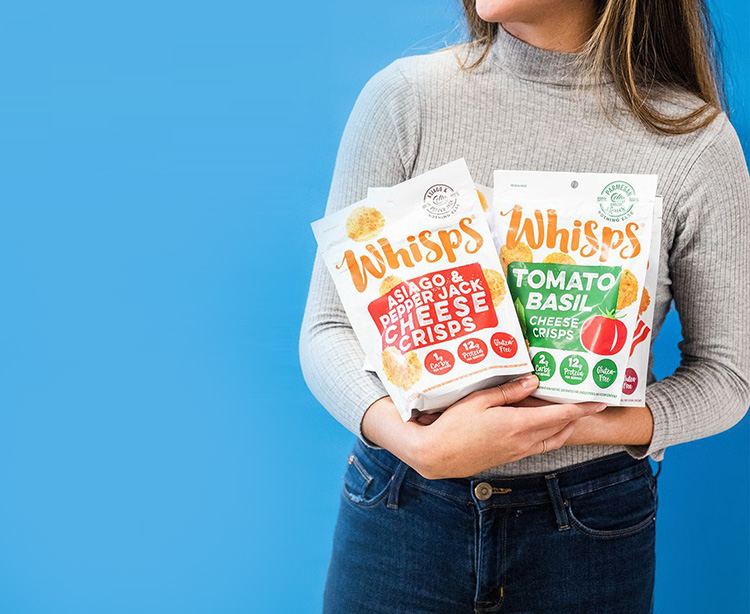
          Girl holding multiple flexible pouches-Picture Courtesy: whisps.com

          Flexible packages are light weighted which promote customer convenience and place saving, as they can be easily stacked without any fear of breakage.

          Cons of Rigid and Flexible Packaging

          Cons of Rigid and Flexible Packaging

          Rigid Packaging

          Expensive

          No doubt, rigid packaging is paramount for depicting quality, however, it is comparably expensive in its cost. Also, you will have to pay high transportation charges due to their bulky and heavy weight.

          Restricted Customization

          Restricted Customization

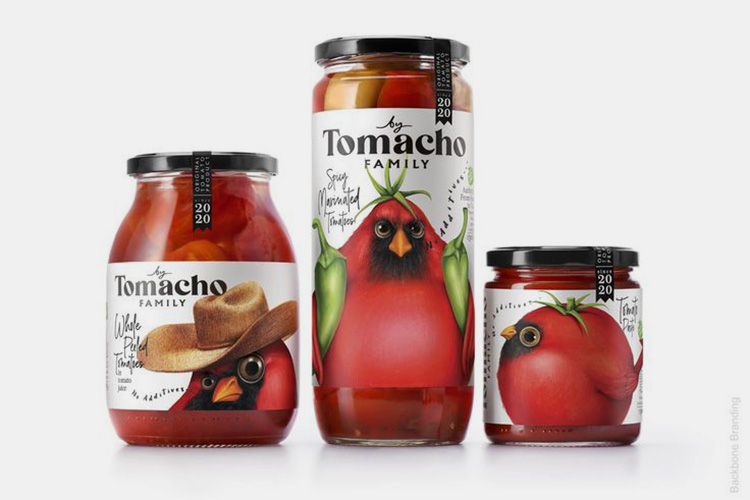
          Multiple tomato sauce bottles-Picture Courtesy: packagingoftheworld.com

          Rigid packaging has limited room for customization, so, it cannot be modified to meet the exponential market trends.

          Fragility

          Fragility

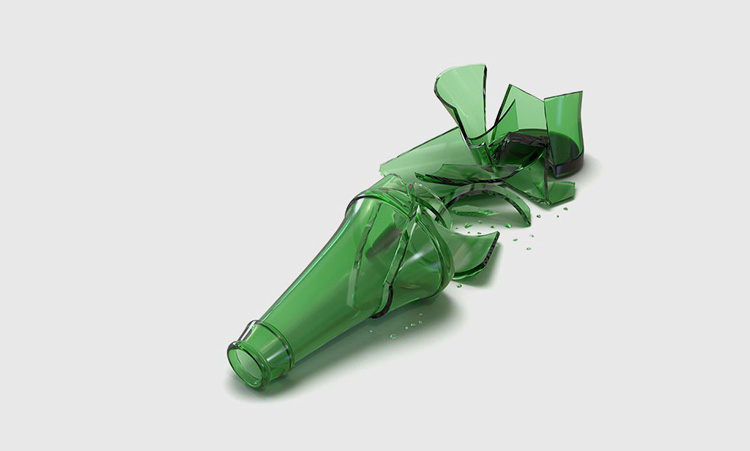
          Broken glass bottle-Picture Courtesy: pond5.com

          Rigid packages are more sensitive and have low bearing to mishandling. As a result, a minor fall can cause dents in cans and break the glass bottles.

          Flexible Packaging

          Low Barrier Properties

          You will always find goods packed in flexible packaging with shelf life of few months. What's the reason? The reason is their low barrier properties particularly against temperature and light which degrade the content inside with the passage of time.

          Narrow Size Range

          Narrow Size Range

          Narrow size flexible packages-Picture Courtesy: Pinterest

          Flexible packaging has a downside in terms of size range. Pouches, bags, and sachets can only be used for storing small to medium amount of goods. For excessive and bulk volume, you will need to switch towards rigid packaging.

          3.What Is The Difference Between Rigid And Flexible Packaging?

          Rigid and flexible packaging are distinct from one another in the core aspects. These differences can be better acknowledged by thoroughly understanding the points highlighted below:

          No Points Rigid Packaging Flexible Packaging
          1 Nature Hard and robust construction. Soft and malleable.
          2 Material Used Material used for rigid packaging include metal, glass, and durable plastic. While as, flexible packaging revolves around using plastic film, aluminum foil, and paper etc.
          3 Strength High sturdiness against environmental factors and product damage. Flexible packaging is bouncier and tamper resistant to accidental fall. However, comparably, it may not withstand heat and light.
          4 Weight Rigid packaging is heavy weighted due to being made from denser materials. In contrast, flexible packaging is quite light weighted, covers less space, and can be easily stacked for shipping.
          5 Cost Generally high in cost. Cost-effective and affordable.
          6 Reusability Yes, rigid packaging can be reused multiple times. No, flexible packaging are only for single use.
          7 Customization Rigid packaging has low customization available. Flexible packaging is desirable for extensive customization.
          8 Picture Rigid Packaging-1

          Coffee bottle-Picture Courtesy: www.behance.net

          Flexible Packaging-2

          Flexible pillow bags-Picture Courtesy: packagingoftheworld

          4.Enumerate The Categories Of Rigid And Flexible Packaging?

          You may be curious to know about the wide range of packaging options offered in both rigid and flexible packaging. So, let's break it:

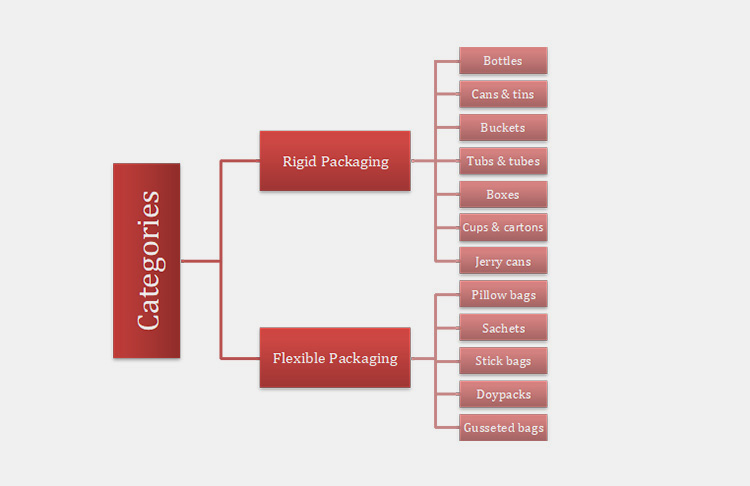
          Rigid And Flexible Packaging

          Rigid Packaging

          Bottles

          Bottles

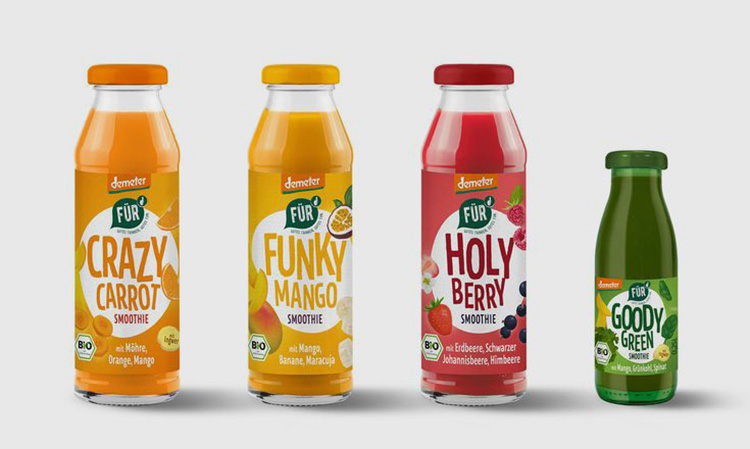
          Various juice bottles-Picture Courtesy: redeleitundjunker.de

          Bottle is something you will always confess to be familiar with. Generally, bottles are having narrow neck with caps over them. However, their shape and size may vary according to product as well as content. Most of the bottles are made from either plastic, glass, or rarely metal. They are always suitable to be used for storing pickles, jams, drinks, and other non-food goods like cosmetics and chemicals.

          Cans & Tins

          Cans & Tins

          Paint can-Picture Courtesy: farbenloewe.com

          Cans and tins have their origin from metal. They are incredibly versatile with exceptional barrier against corrosion, bacteria, and light. Hence, you can use cans and tins for multitude of goods, ranging from edible oils and beverages to paint and lubricants etc.

          Buckets

          Buckets

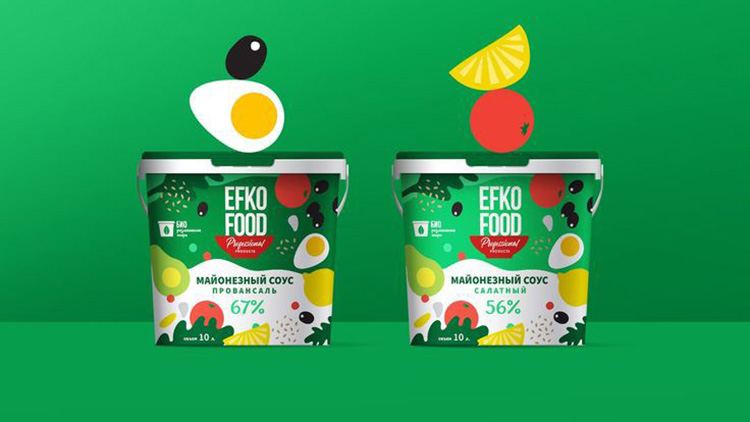
          Food buckets-Picture Courtesy: packagingoftheworld.com

          Usually, buckets are cylindrical shape containers with broad opening, a lid, and attached handle to carry. They are made from plastic and available in small to large sizes. Hence, for storing large amount of food and non-food items, buckets are always the best suitable.

          Tubs & Tubes

          Tubs & Tubes

          You may have an experience of enjoying potato chips from a tub or sucking chocolate from tube. These both are cylindrical containers often made from plastic or occasionally of paper with laminated foil inside. But, the distinction arises when tube is sealed from bottom in linear form. The former is perfect for solid items, while as, later for liquids such as toothpaste, lotion, and cream etc.

          Boxes

          Boxes

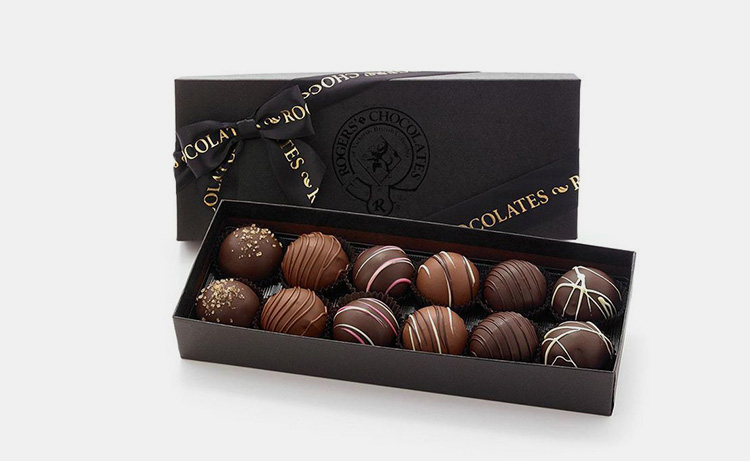
          Chocolate box-Picture Courtesy: rogerschocolate.com

          Boxes can be simply described as flat containers, typically available in square, rectangular, and other shapes. They are most environmentally friendly because of their 100% biodegradable material which is card boards. Boxes are cost-effective too, so, you can use them for both primary, as well as secondary packaging.

          Cups & Cartons

          Cups & Cartons

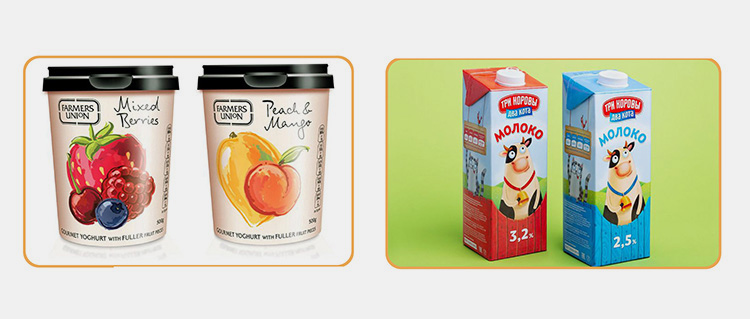
          Cups & cartons -Picture Courtesy: Pinterest

          Cups and cartons are semi-rigid disposable packages. Cups are made from plastic and sometimes paper. Similarly, they are used for snacks, yogurt, and cream etc. While as, cartons are derived from multiple layer of plastic, aluminum, and card board. Mostly, cartons are used for milk and juices.

          Jerry Cans

          Jerry Cans

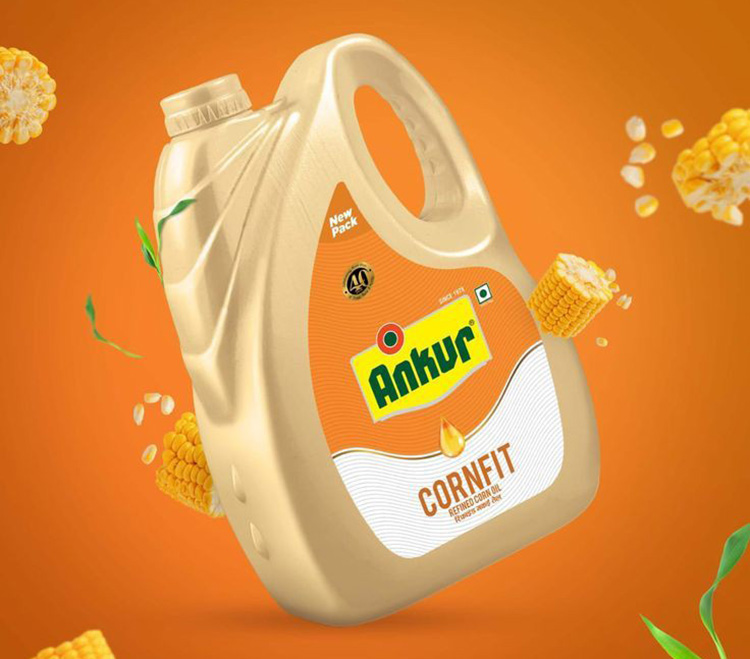
          Edible oil jerrycan-Picture Courtesy: abasana.in

          Jerry can is another type of rigid package with capacity to hold up to 25 liter of liquids. Jerry cans are too obtained from sturdy plastic. They are easy to handle and good for all types of fluids including liquid detergent, petrol, diesel, edible oils, and pesticides etc.

          Flexible Packaging

          Pillow Bags

          Pillow Bags

          Pillow bags-Picture Courtesy: packagingoftheworld.com

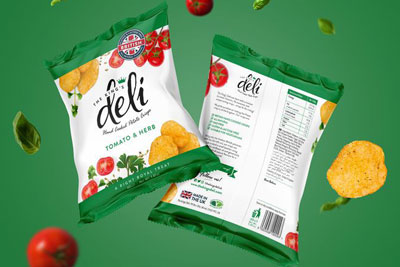
          Did you feel cozy after reading the title? Surely, that must have happened! This type of flexible packaging, known as pillow bag, gives the same safety to your products to that of pillow by maintaining their integrity through a bouncy structure. So, you can deliver all your delicate snacks and dried fruits in these bags.

          Sachets

          Sachets

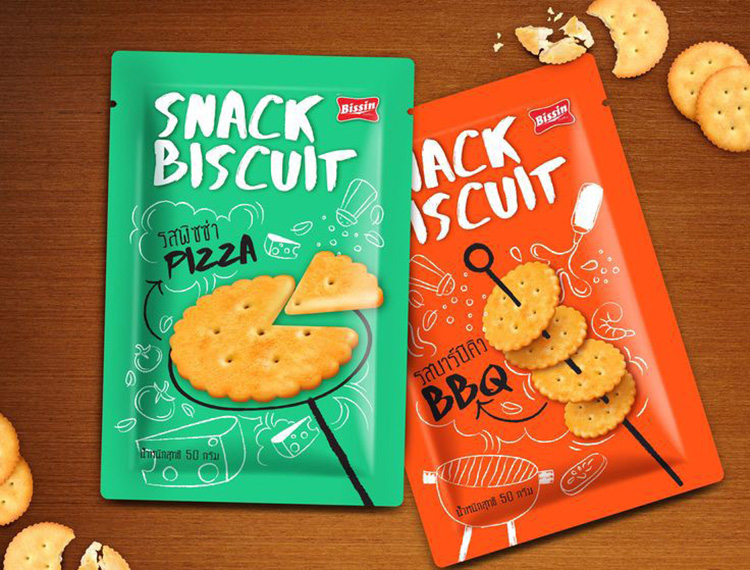
          Biscuit sachets-Picture Courtesy: www.behance.com

          Sachets are small flexible bags with usually 3 to 4 side sealing. They are most convenient to use, easy to carry, and are used for single serving. Hence, either it is cooking recipe condiments, tea time biscuits, a medicine dosage, or a hair color formula, sachets are all time favorite.

          Stick Packs

          Stick Packs

          Various tea stick bags-Picture Courtesy: matchabloom.com

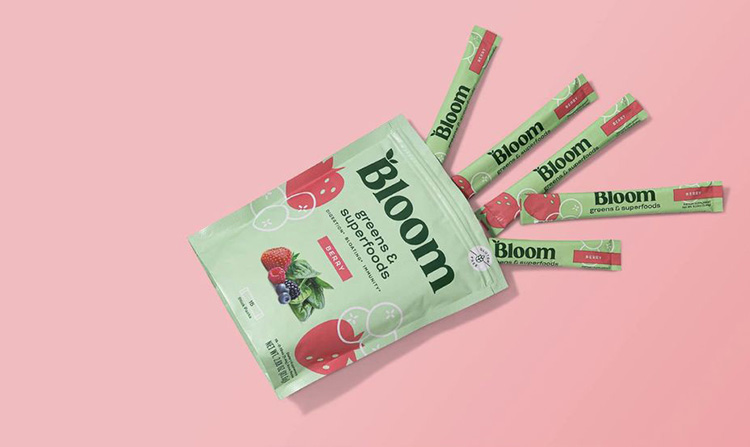
          Among other types of flexible packages, stick packs are smallest in size with long but narrow structure. Powders and to some extent liquids can be packed in stick packs. They are travel friendly and mostly used for offering instant individual serving of tea, coffee, and protein boost.

          Doypacks

          Doypacks

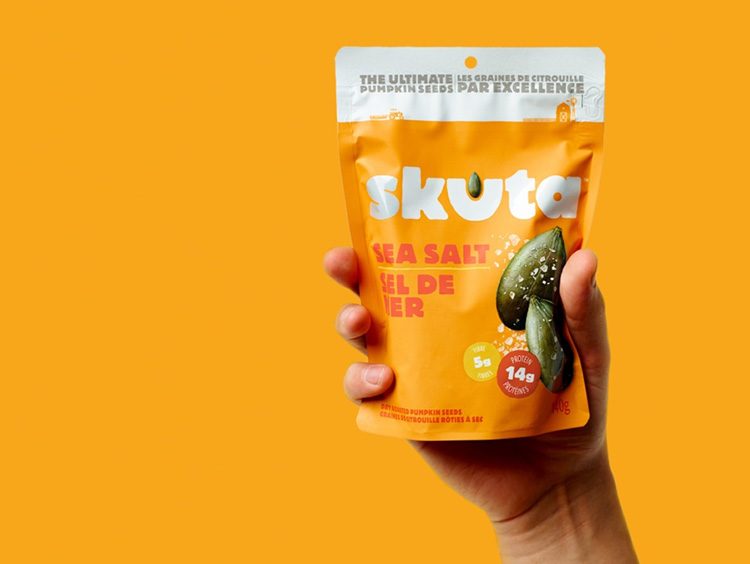
          Doypack presentation idea-Picture Courtesy: dossiercreative.com

          Doypacks are also popularly known as stand-up pouches due to their ability to erect. They are highly resistant to UV light, moisture, and heat due to the durable aluminum foil layer. Apart from that, you can use doypacks for liquids as well as solid items with range of customization including zipper sealing, spouts and heat sealing etc.

          Gusseted Bags

          Gusseted Bags

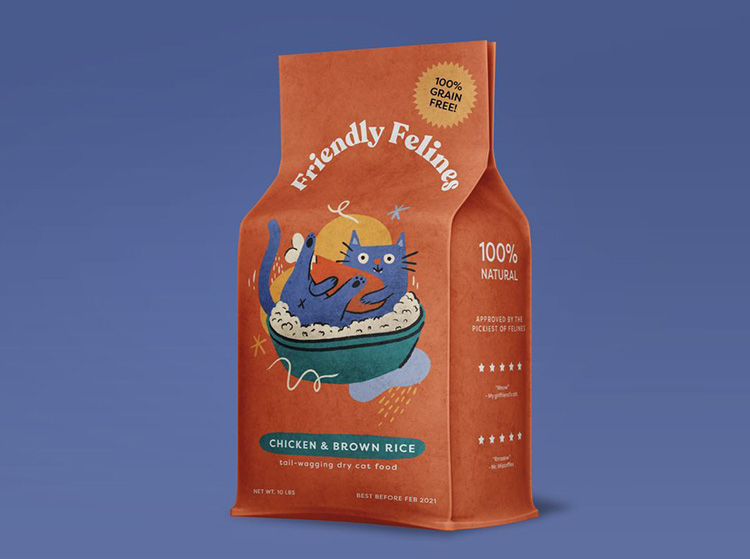
          Cat food gusseted bag-Picture Courtesy: Pinterest

          Gusseted Bags are well known for their capacity of holding large volume of products like pet food, laundry powder, and tea etc. They have additional piece of a film attached to either bottom or both horizontal sides of the bag, which extend their storage size.

          5.Does The Sealing Method Of Rigid And Flexible Packaging Similar?

          No, the sealing of rigid and flexible packaging is entirely different. Both are sealed by using totally change methods. These methods are described below:

          Rigid Packaging:

          Rigid Packaging-2

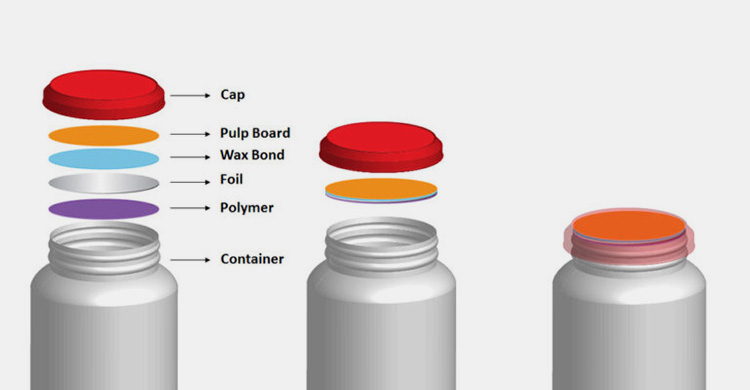
          Induction cap sealing process-Picture Courtesy: inductioncapsealing.com

          The sealing of rigid packaging is stringent because it is done via induction or conduction method. Here, all types of bottles and jerry cans are tightly sealed through non-contact sealing of induction sealing and contact based sealing of conduction sealing. Besides this, can sealing is used for the air proof sealing of cans and ring sealing for liquid bucket packaging.

          Flexible Packaging

          Flexible Packaging-3

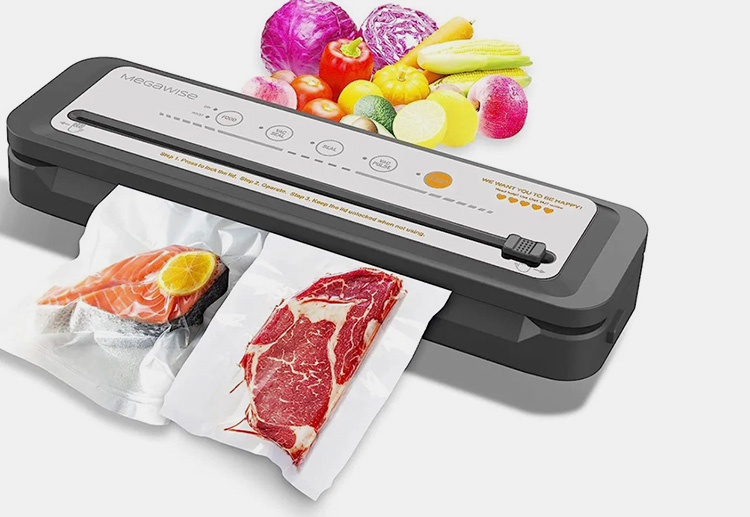
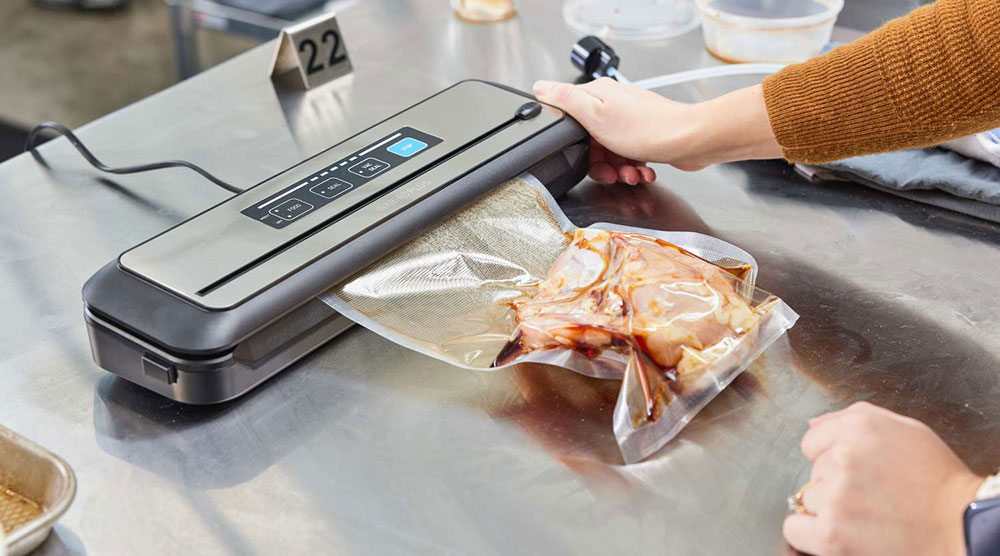
          Vacuum bag sealing

          Flexible packaging use heat sealing and cold sealing for most packages. However, the upper sealing of flexible packages may include a zipper, band sealing, and spout etc. Heat sealing can be further categorized into vacuum sealing and nitrogen flush sealing. Vacuum sealing is good for perishable and unprocessed goods like meat, vegetables, and fruits etc., to suck out the air. In contrast, nitrogen flush sealing can be employed for delicate products like potato chips and snacks, where oxygen is replaced with nitrogen.

          6.How Can You Test Rigid And Flexible Packaging?

          It is significant to undergo both the rigid and flexible packaging through multiple tests, so, their defects could be easily tracked before its too late. These tests are explained below:

          Vacuum Leak Test

          Vacuum Leak Test

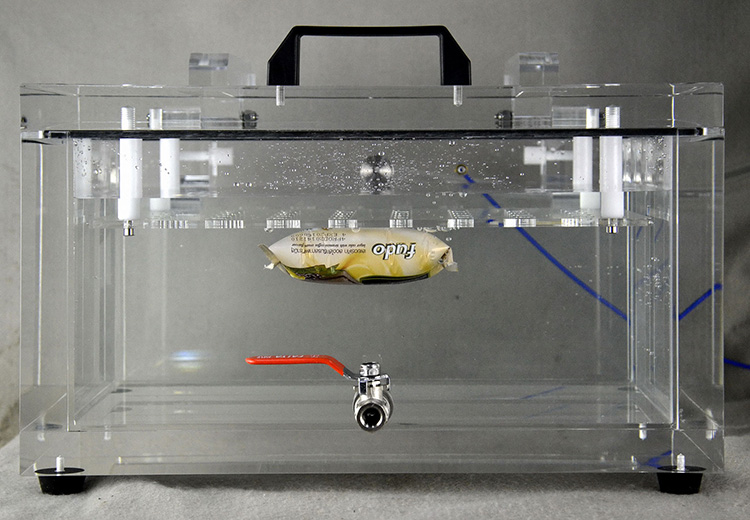
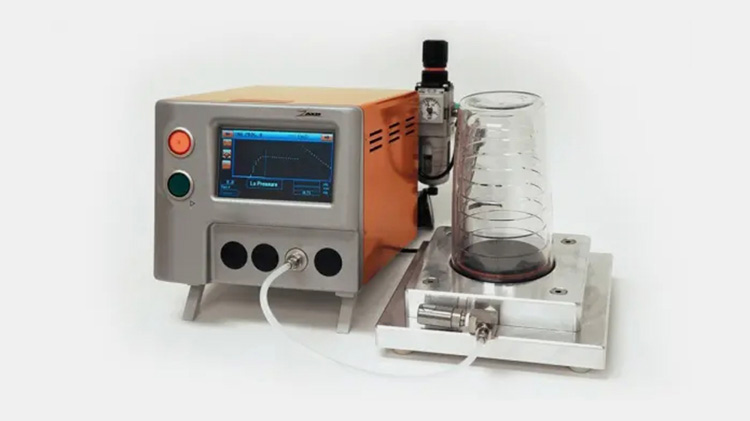
          Vacuum leak test-Picture Courtesy: at2e.com

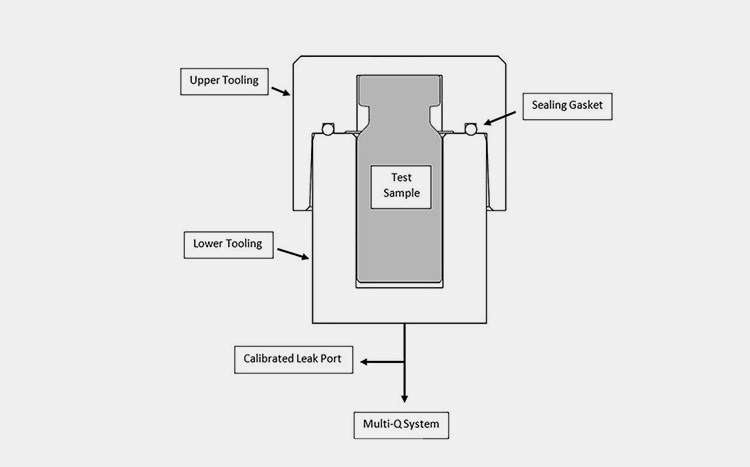
          Vacuum leak test is the lastest test employed for assessing all types of rigid and flexible packages including bottles, tubes, cans, and pouches etc. Under this test, the tester is filled with water and a finished package it kept inside the tester. Hence, during the operation of machine, if any leakage is present in the package, it will appear in the form of bubble.

          Visual Inspection System

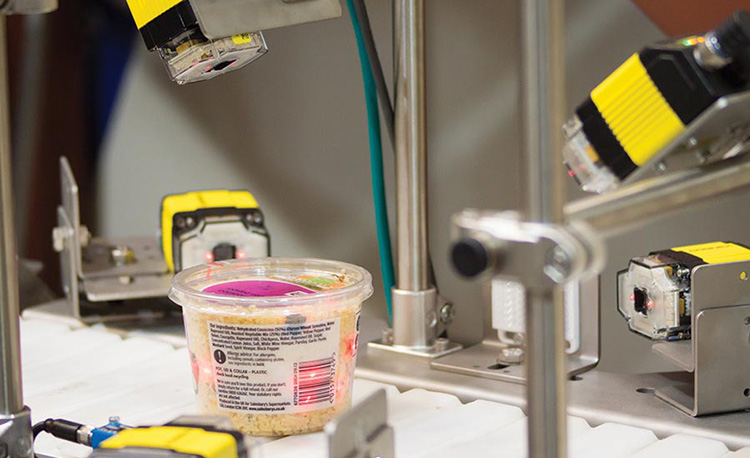
          Visual Inspection System

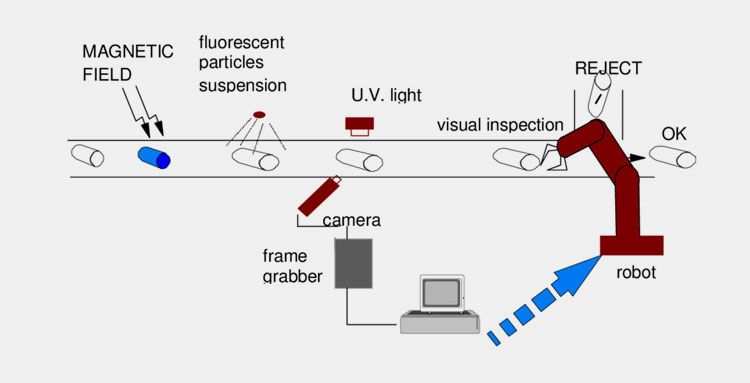
          This sophisticated method of testing flexible and rigid packaging has been introduced to facilitate the convenient testing. By using multiple automatic cameras and sensors, printing errors and packaging faults are identified by the machine.

          Pressure Decay Test

          Pressure Decay Test

          Pressure decay test-Picture Courtesy: zaxisinc.com

          Pressure decay test is another popular testing technique to find the pakaging leakage through applying excessive pressure. Here, pressure is allowed into an enclosed product chamber. If the loss of pressure is found under fixed time period, it will indicates the presence of leakage, otherwise, packaging is tightly sealed.

          7.Which Packaging Mode Between Rigid And Flexible Packaging Is More Environmental Friendly?

          Packaging Mode

          Eco-friendly icon-Picture Courtesy: environmentblog.net

          When it comes to discuss the environmental impact of rigid and flexible packaging, every manufacturer is keen to know the ultimate answer. So, we are making is easier by looking into the facts and figures associated with them:

          Rigid packaging including cans, plastic, and even glass are recyclable and also reusable making is favorable for producers to save money. However, it is not always the case! Improper handling of rigid packaging after consumption can result in excessive landfills for hundred years. Also, rigid packaging has more carbon footprint and require additional energy during production compared to flexible packaging.

          Flexible packaging, on the other hand has low carbon footprint, having low ratio of landfills, and consume less energy for production. However, their mismanagement also deteriorate the environmental sustainability.

          Hence, both rigid and flexible packaging are eco-friendly in their extent if managed properly. But, flexible packaging is more sustainable, energy efficient, and having less pollution.

          8.What Quality Standards Should Rigid And Flexible Packaging Comply With?

          Rigid And Flexible Packaging Comply

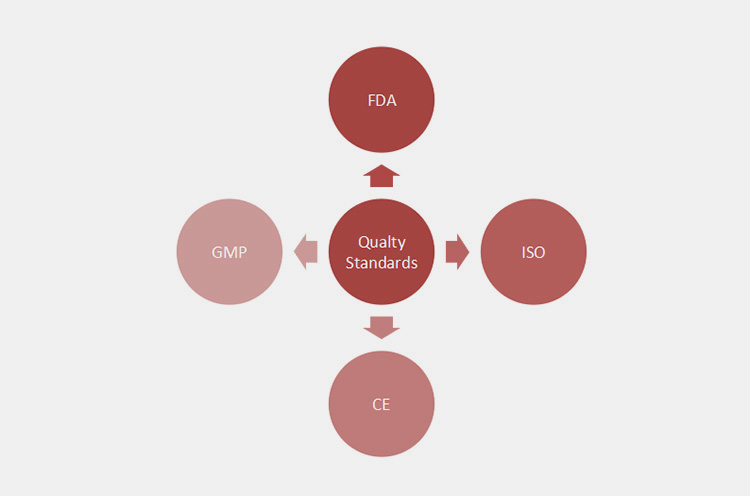
          Quality standards for both rigid and flexible packaging matters the most. It plays pivotal role in determining the shelf life of your goods, their quality maintenance, and safety etc. Hence, to ensure these factors, certain quality standards have been established for the regulation of protected and superior quality packaging.

          quality packaging

          ISO quality standard icon-Picture Courtesy: reciprocity.com

          Among them, the most prominent one is International Organization for Standardization (ISO). ISO works on national level across the globe to provide manufacturers with certificates which validate their processing of hygienic packaging.

          Food and Drugs Administration is US based agency with the same agenda of supervising the circulation of reliable packaging. Apart from that, Good Manufacturing Practices enforce the safety SOPs regarding all types of food and non-food production as well as packaging. Moreover, CE is the quality standard fixed by European Union to make sure that goods exported their are of prime quality.

          9.How To Choose Between Rigid And Flexible Packaging Style The Best Suitable For Your Business ?

          When dealing with the complications of selecting right type of packages option, you will always be required to consider few questions and also find the right answers.

          Business Level

          What is the level of your business? Indeed, the is an instrumental question to ask for. If you are new in the realms of production and want to have low packaging charges. Then, it is always better to advertise your products with the help of flexible packaging and designing beautiful mesmerizing labeling over them.

          Customer Proclivity

          Customer Proclivity

          Consumers having snacks pouch during traveling-Picture Courtesy: jakobwandel.com

          Now, people want more handy products to buy and use. Similarly, if you deliver your goods in user-friendly flexible pouches, sachets, and stick packs. It will surely make a room in the heart of every consumer to pick them from market shelves and take wherever they want.

          Strength

          Strength

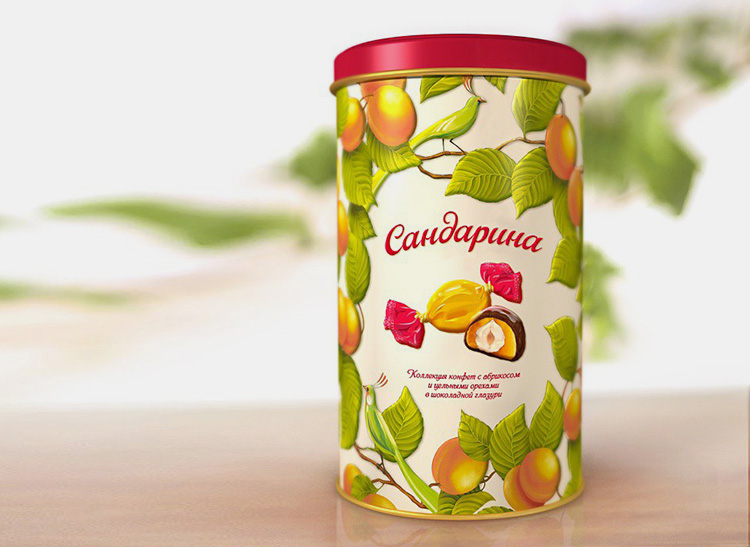
          Candy can-Picture Courtesy: os-design.ru

          Another question arises from your concern regarding product safety. If the packaging strength, durability, and content safety seem more important to you than the cost. So, rigid packaging would be the right choice.

          Superior Packaging

          If you want your goods to be displayed as fascinating, valuable, and robust, expressing the elegancy of your brand, then you should go for rigid packaging.

          Conclusion

          To end up the discussion, we are sure, that this blog has enabled you to better answer what is the difference between rigid and flexible packaging. Not only this, but understanding in depth the categories of rigid and flexible packaging, their pros and cons, environmental sustainability, and most essentially the customer proclivity, are all key figures which every successful manufacturer must explore. So, what's your next step after exploring them? Take time to plan your budget, packaging requirements and go on the right track. In case you find any difficulty, feel free to ask for help!

          Don't forget to share this post!

          CONTACT US

          Tell us your raw material and project budget to get quotations within 24 hours.

          WhatsApp Us: +86 181 6426 8586

          Invalid Email
          Invalid Number

          What Is The Difference Between Rigid And Flexible Packaging? Read More »

          Vacuum Seal Bags-6

          How To Vacuum Seal Bags?

          How To Vacuum Seal Bags?

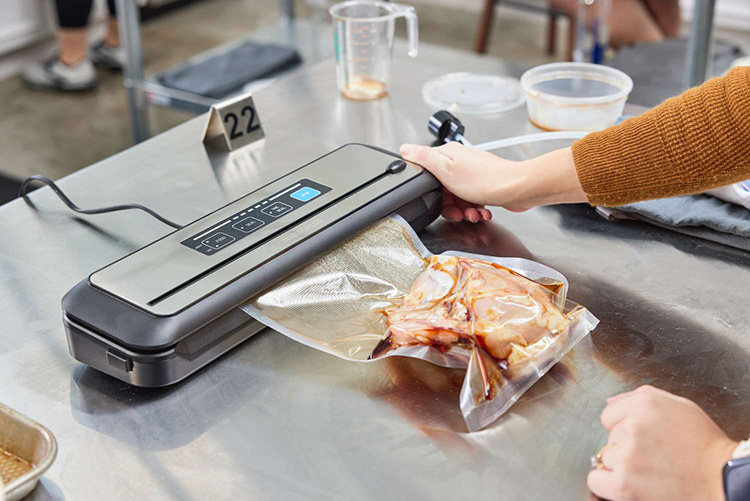
          Are you facing food preservation issues? Does your material get bacterial contact when kept for a duration of time? Vacuum seal is a method that can ease you in this situation and lower your stress. Vacuum seal extracts the oxygen and contaminants out of the bag and helps the product to remain secure with extended shelf life. But the question remains how vacuum seals can be applied to bags? What types of sealing can be applied to different types of bags?

          Vacuum Seal Bags

          To answer queries and provide you a complete guidance regarding vacuum seal bags, this blog contains all the necessary information. If you are interested and enthusiastic!Then let’s start learning this blog to take the most out of it.

            Add a header to begin generating the table of contents

            1.What Is Vacuum Seal?

            Vacuum Seal

            Best Vacuum Sealer - Picture Courtesy: Food & Wine

            Vacuum seal is an advanced method used commonly for the preservation of products from bacterial and microbial attacks. Vacuum seal is a customized serried of method that involves the extraction of oxygen and air out of the bag and helps create a vacuum space within the bag. Evacuation of air out of the bag makes the internal environment free from microbes and does not support any bacterial growth.

            Finally, the sealing is applied to the vacuum bags to make an airtight environment. This keeps the product alive and fresh for a longer duration and also supports their safe traveling. Vacuum seal is commonly used in electronics, food, chemicals, cosmetics, and other industries.

            2.What Are The Advantages Of A Vacuum Seal?

            Vacuum seal has wide applications and are beneficial in many ways like

            Preservation

            Preservation

            Preserve Your Food - Picture Courtesy: Westron Brands

            The primary advantage of vacuum sealing is to preserve the product that is sealed in different sizes of bags. The seal applied to these bags keeps the natural content of the product alive for a longer period. Vacuum reduces the flow of air inside the bags and maintains high-quality measures for preservation.

            Product Life

            Product Life

            Advantage Of Vacuum Seal Bags - Picture Courtesy: Bunzl Express

            The most important benefit that can be taken from a vacuum seal is that it significantly supports extending product life by removing all the environmental influences within the bag. Vacuum seal helps in slowing the oxygen reaction inside the bags and directly contributes to avoiding food and other product wastages.

            Safe Freezer Burn

            Safe Freezer Burn

            Vacuum Packing - Picture Courtesy: Wikipedia

            Vacuum seals are vulnerable to freezer burn as the vacuum created within the bageliminates the chances of moisture in it. Most of the products with a vacuum seal are safe from freezer burn due to this reason that normal sealing cannot provide generally.

            Safe Travelling

            Safe Travelling

            Vacuum Sealed Bags For Travelling - Picture Courtesy: The Travel Hack

            Products that are vacuum sealed ensure that no products get out of the bag. It prevents any type of material leakage even if the product is in liquid force. Products are traveled around the globe without any chance of spillage making the storage secure and safe.

            Space Saving

            Space Saving

            During the extraction of air and the creationof a vacuum, most of the space gets contacted and creates compact packaging. This helps in packing of large number of products in a single carton or box due to their less space consumption. Also, vacuum seal bags are easy to store in refrigerators due to this advantage.

            3.How To Vacuum Seal Bags?

            Vacuum Seal Bags-5

            How To Vacuum Seal Bags - Picture Courtesy: Webstaurant Store

            Vacuum sealing is a simpler process that only involves the extraction of air and oxygen from the bag and then creating an airtight seal on it. The process of how to vacuum seal bags is as follows

            Initially a vacuum machine is preheated to its defined range of temperature and likewise the material is inserted into their specific type of bags. Both food and non-food products can undergo a vacuum seal process.

            Selection of bags is also an important thing to do. Only bags that support vacuum seal and can handle the material in it are to be selected initially.

            Once the material is filled inside the bag, the open side of the bag is positioned towards the vacuum sealer. It is important to leave some space at the top of the bag for the removal of air and also for sealing purposes.

            The open side is perfectly placed in the center of the liquid catch so that any excess of the material can be left toward the catch side.

            The nozzle inserted inside the bags starts its operation to createa vacuum. All the sides of the bag are to be pressed uniformly so that complete removal of air can be made sure.

            Once the vacuum is created the sealing bar is activated and applies seal on it. Overfilling of a vacuum sealer is to be avoided at this stage.

            The bags are then sealed according to their prescribed duration and then cooled for some time.

            Finally, airtight vacuum seal bags are taken out of the vacuum sealer and are then transported in packaging.

            4.What Type Of Foods And Eatables Can Be Vacuum Sealed In Bag?

            Some of the food and eatables that can be vacuum-sealed in bags are

            Dairy Products

            Dairy Products

            Packaging Of Dairy Products - Picture Courtesy: Barrier Vacuum Bags

            Most dairy products like cheese, yogurt, butter, powdered milk, cream, etc. can be vacuum sealed easily using a vacuum sealer. Dairy products are the ones that can directly be influenced by environmental conditions and can also multiply the growth of bacteria in a few seconds. This is why vacuum sealers can help preservation of these products and extend their shelf life.

            Dry Products

            Dry Products

            Some of the dry products like grains, seeds, rice, and oats that cannot remain fresh for a longer period during their environmental conditions are vacuum sealed in bags so that they can be kept in their natural health until they are used.

            Fruits And Vegetables

            Fruits And Vegetables

            In the modern world, countries that do not have any agricultural facilities or produce less than their requirements import fruits and vegetables from other parts of the world. These products like bananas, apples, carrots, broccoli, etc are vacuum sealed in bags so that they can be transported worldwide with their natural and fresh essence.

            Meat

            Meat

            Meat Vacuum Sealer - Picture Courtesy: Bob Villa

            Mostly meat products either beef, fish, chicken, mutton, or any kind of raw meat can easily be vacuum sealed in bags so that the meat does not get rotten and can be consumed for a longer period.

            Ready To Eat Meal

            Ready To Eat Meal

            Meals that are ready to eat or already cooked are one of the most commonly consumed food products these days.These meals can somehow be used after months as it only requires heating them at a certain temperature. To keep the freshness of food alive, the outer bag of these products isvacuum-sealed in bags and then transported globally.

            Electronic Products

            Electronic Products

            Vacuum Sealing For The Electronics Industry - Picture Courtesy: Boss Vacuum

            Few countries in the world are responsible for supplying their chips and boards around the world. These products travel either by sea or by air this is why there is a greater chance of getting moisture in them. The vacuum seal on these products reduces the chances of moisture and lets the precise component reach its destination.

            Other than these materials;bread, pickles, grains, spices, jams, ketchup, etc. are also vacuum sealed so that they can be used over a period of time.

            5.What Are The Methods To Check The Quality Of Vacuum Seal Bag?

            Check The Quality

            You Need To Know About Vacuum Sealing - Picture Courtesy: TOUFOOD

            Most of the machines that are involved in the process of vacuum seal give completely precise and accurate results. But still, there is some measure that should be taken to check the quality of the vacuum seal bag. The methods in this respect are

            Visual Inspection

            The most reliable source for checking the quality of a vacuum seal bag is visual inspection. This not only leads to visual inspection with the naked eye but also allows the operator or inspector to be completely satisfied with the process.

            Dry Run Test

            Some industries perform a dry run test by sealing an empty bag and checking its edges. This test helps in checking if any type of change in operating parameters is required or not.

            Quality Control Check

            Quality control check guidelines involve proper inspection with touch and hearing. Any type of folding or wrinkles can easily be detected by touching the surface of the vacuum seal bag. Alsopressing the bag can identify if there is any type of leakage or spillage.

            Seal Strength

            Another method for checking the quality of a vacuum seal bag is to check its strength. The inspector needs to tug on the applied sealing witha vacuum sealer in this method. If the edge of the seal remains the same and firmly remains tight enough, this indicates that a strong vacuum seal bag is produced.

            Water Check

            Some of the products can undergo a water check to identify if there is any leakage. The appearance of a bubble on its surface can be identified easily.

            6.What Is The Difference Between A Vacuum Seal Bag And A Normal Seal Bag?

            Vacuum Seal Bag And A Normal Seal Bag

            Both of the types of bag sealing are entirely apart from each other. Some of the differences between both types of sealedbags are

            Operation

            The operational procedure of a vacuum seal bag starts with filling of material in the bag and then insertinga nozzle in it. The nozzle extracts all the air and oxygen from it and creates a vacuum. Finally, sealing is done on the open surface of the bag to make it airtight.

            For a normal seal bag, once the material is filled the edges of the open side are entered into the sealer jaws, and the sealer process is carried out directly.The sealing creates an air-tight atmosphere but leaves oxygen in it that can cause contamination.

            Removal Of Oxygen

            Secondly, a vacuum seal completely removes oxygen and air contents from the bag and creates a vacuum in it. The seal in the end keeps the bags airtight and blocks the entrance of any particle.

            A normal sealing process seals the bag without any removal of air. The air or oxygen content remaining inside the bag can directly affect the freshness of the product.

            Preservation

            Vacuum seal bag's primary concern to blocking the entrance of any microorganism and this directly preserves the product for a longer period.

            Products that have normal seal bags on them can live only for a shorter period of time and cannot have a long freshness period.

            Storage Capability

            Storage Capability

            A large number of bags can easily be traveled if they are vacuum sealed as it occupies less space as comparedto normal sealed bag. Their transportation and storage are reliable and much easier.

            7.What Are The Factors That Affects The Shelf Life Of Products That Are Vacuum Seal Bag?

            For any manufacturer, the basic goal to perform vacuum seal bags remains to increase the shelf life of their products. But some of the factors that can affect the shelf life of products are

            Product Quality

            Product Quality

            The most important factor remains the quality of the product under gone vacuum seal. If the product has already faced bacterial growth in it or is not fresh,this can directly reduce its shelf life even if it is vacuum sealed.

            Quality Of Bag

            Quality Of Bag

            The specifictype of bag is required for the vacuum seal. Other than these bags the product cannot remain free from environmental influence for a longer period. Poor quality of bags can also affect the shelf life of products.

            Handling

            As the products are to be traveled for longer distances, the handling of it can also be a factor that can affect their shelf life. Proper handling at any station is necessary to reduce this matter of concern.

            Moisture Content

            In some of the products moisture content is a greater concern to think of. While performing vacuum seal bags this factor is also always kept under consideration so that the product does not lose its identity at any cost.

            8.How Can A Vacuum Seal Bag Used To Extend The Shelf Life Of A Product?

            Some of the important aspects by which a vacuum seal bag offers extension in the shelf life of products are

            Blocking Oxidation Reaction

            The most important aspect of a vacuum seal bag is that it blocks the internal oxidation reaction in any bag. The vacuum that is created and the airtight seal are so capable that they do not allow any of the environmental factors to enter into it. As the oxidation chain reaction supports in growth of bacteria, this gets completely cut at any conditions.

            Material Wastage

            The other factor that helps in shelf life extension is that a vacuum seal bag reduces material wastage at a greater level. No spillage or leakage occurs in the vacuum seal bag and the product remains of the same size and weight for longer periods.

            Flavor Preservation

            Flavor Preservation

            Vacuum Sealed Meat - Picture Courtesy: Meat Sumo

            A vacuum seal bag also keeps that flavor preserved of any type of food or non-food product.This also helps in keeping the same product alive even if it is transported to any of the continents.

            9.Can Vacuum Seal Bag Be Useful For Liquid Products?

            Vacuum Seal Bag Be Useful For Liquid Products

            Vacuum Seal Liquids - Picture Courtesy: A Life Well Planted

            Some vacuum sealers support vacuum seal bags for liquid products. However, these vacuum sealers use specific types of bags to handle any type of liquid material. Also, careful handling of these vacuum seal bags is to be done to avoid any type of spillage or leakage. Material like sauces, soups, frozen meals, ready-to-eat meals, and other liquid materials mostly prefer vacuum seal bags to protect their consistency.

            10.What Are The Precautionary Measures Taken While Doing Vacuum Seal Bag?

            Precautionary Measures

            Vacuum Seal Bags Do’s & Don’ts - Picture Courtesy: Style Degree

            Some of the precautionary measures while vacuum seal bags are

            Dryness In Products

            The most important measure to take before going for a vacuum seal bag is that the product that is to be sealed should be dry. Dry products mostly support good-quality sealing and vacuum options. Products with moisture or water content can face material spoilage at any level.

            Seal Bag Properties

            Secondly, the quality of the sealed bag is also important to be considered before doing a vacuum seal. If the bag that has poor quality is kept under a vacuum seal can cause fire and potential hazards at a certain temperature. Also, the seal of these types of bags can get open during handling or transportation.

            Vacuum Sealer Bars

            Cleaning of vacuum sealer bars is always necessary before starting the process. The cleaning process should be repeated after every batch so that no wrinkles or holes can occur in these bags.

            Equipment Maintenance

            A proper equipment and machine maintenance schedule should be carried out for a vacuum seal bag. It is important to check all the components before the start of operation so that any type of hazard can be prevented.

            Cooling Time

            Proper cooling time is required while vacuum sealingthe bag so that the seal can properly settle down and result in strong sealing.

            Conclusion

            Vacuum seal bag is a simple process, only the right bag for the vacuum seal bag process is the only important thing to consider. We hope you have complete information regarding “How To Vacuum Seal Bags” and gathered related facts about it. If you are still looking for more information on how to vacuum seal bags or are interested in buying the specific machine, Allpack is always there for your guidance and assistance. You can easily send us your queries and contact our representatives 24/7.

            Don't forget to share this post!

            CONTACT US

            Tell us your raw material and project budget to get quotations within 24 hours.

            WhatsApp Us: +86 181 6426 8586

            Invalid Email
            Invalid Number

            How To Vacuum Seal Bags? Read More »

            Last Out of Blister Pack-6

            How Long Do Tablets Last Out of Blister Pack?

            How Long Do Tablets Last Out of Blister Pack?

            It is a trite saying that blister packaging is the most desirable storing methods used for tablets protection. But, do you know the reasons behind its popularity? Definitely! It is because the strength which blister packs give to the maintenance of tablets' integrity, clear visibility, and tight sealing etc.

            Blister Pack

            These features of tablets blister packs may not be unfamiliar to you, but their absence might be! Have you wondered, how long do tablets last out of blister packs? Which other ways can be employed to preserve the freshness of tablets out of blister packs, and what are their effects on shelf life of tablets. These, along with multiple other questions will be answered in this blog post. So, let's delve deep into it!

              Add a header to begin generating the table of contents

              1.Why Tablets Need Blister Pack?

              Blister Pack-1

              Tablets are either made from the mixture of powders or granules through punching and compression process. Therefore, they are highly sterile and susceptible in nature, due to which they require strong protection against any sort of humidity, temperature, air, and light.

              Even a minimal ingress of water or exposure to contamination can degrade their quality, texture as well as shelf life. To combat this situation, blister packs are used for storing all types of coated and coated pharmaceutical, nutraceucal, veterinary, and chemical tablets. Hence, blister packs provide them extraordinary safety, easy dosage control, and, lifespan from packaging through transit to end user.

              2.What Are The Different Categories Of Blister Packs And Effect On Tablets Longevity?

              Blister packs are available in multitude of forms, shapes, and sizes. There categorization has also been done on the basis of material used in their formation. These are as follows:

              Alu-Alu Blister

              Alu-Alu Blister

              Alu Alu Blister Tablets Packs-Picture Courtesy: svamtoyal.com

              Aluminum-Aluminum blister packs are made from the foil of aluminum. They have both the upper covering layer and blister tray of aluminum material, resulting in giving your tablets high protection barrier against air, moisture, and especially ultraviolet rays. Although, Alu-Alu blister packaging has high production cost, due to its cold forming and sealing process, but it is more robust due to which your tablets are safeguarded against physical damage and having up to 2 years of life span.

              Alu-PVC Blister

              Alu-PVC Blister

              Alu-PVC Capsules Blister Pack-Picture Courtesy: Pinterest

              Aluminum-Plastic blister packaging refers to the combination of an aluminum foil covering and a plastic formed cavity tray. Such type of tablets blister packs facilitate clear visibility, low packaging costs, and greater customization. But the flip side of coin is that Alu-PVC blister packs are not suitable for light-sensitive medications. Similarly, the shelf life of tablets remain the same as that of Alu-Alu blister packaging, but the color or quality of drugs may degrade.

              Alu-PVC-Alu Blister

              Alu-PVC-Alu Blister

              Alu-PVC-Alu Blister packaging presentation idea-Picture Courtesy: jornen.com

              In order to cope up with the side effects of Alu-Alu packaging and Alu-PVC blister packaging, the pharmaceutical packaging industry has introduced the third and most viable tablets blister packs called Alu-PVC-Alu. Here, a tropical aluminum forming is carried out over the Alu-PVC blister packs to give them extraordinary safety from light and oxygen, and at the same time, cut down the cost of using cold forming Alu-Alu blister packaging. By utilizing this type of blister packaging can keep the life of tablets secure until expiration.

              3.How Long Do Tablets Last Out of Blister Pack?

              Understanding this questions is, somehow, tricky and it depends entirely upon how you store the tablets after getting them out of blister packs. For instance, if you are about to make the grouping of your tablets and keep them in an airtight bottle, or compartment boxes, so, they will last for 1-2 weeks, condition that they are not susceptible to light and moisture.

              Tablets Last Out of Blister Pack

              Deblistering of capsule blister pack-Picture Courtesy: packagingoftheworld

              Along with that, you also have to be well aware of the nature and expiration of tablets before you go for deblistering your tablets. It is because the expiry date of tablets are calculated together with blister packs. In this case, you will end up with tablets losing their effect.

              4.Differentiate Between Shelf Life Of Tablets With Blister Pack And Tablets Out Of Blister Pack?

              The table below will provide you a valuable insight regarding the shelf life of tablets with and out of blister packs:

              No Points Tablets With Blister Pack Tablets Out Of Blister Pack
              1 Shelf Life The shelf life of tablets with blister packs last up to 24 months In contrast, tablets out of blister pack can be only taken under the duration of 6-12 days
              2 Integrity The structural integrity of tablets with blister pack remain the original and unharmed While as, tablets out of blister pack may get harmed. For example, the coated tablets may start sticking and compressed tablets often disperse when placed together with other tablets
              3 Quality Blister packs fully assures the preservation of tablets' superior quality until their shelf life and expiry date collide The quality of tablets start diminishing when they are piled in a container because the smell and residues of tablets spread around and create mess
              4 External Protection As we have mentioned earlier, the blister packs are molded in various forms in order to provide your tablets the strength to resist air, light, and temperature effects. Hence, these environmental factors become stagnant and unable to affect the tablets inside blister On the other hand, you might not be able to create such an airtight and moisture proof sealing for your tablets out of blister packs. Ultimately, they will be in contact with external environment until consumed
              5 Picture Tablets With Blister Pack

              Tablets with blister pack-Picture Courtesy: iStock

              Tablets Out Of Blister Pack

              Tablets out of blister pack-Picture Courtesy: iStock

              5.What Are The Other Ways Of Storage For Tablets Out Of Blister Packs?

              This question is carrying great importance, as it is crucial to know what other feasible options are there for you to pack your tablets after exerting them out of blister packs. These are as follows:

              Bottles

              Bottles

              Tablets with bottle presentation idea-Picture Courtesy: Pinterest

              Bottles are commonly used for tablets and pills. You may also have empty bottles of tablets available in your home. You can use them for storing your tablets if going on a trip or outing and want to get rid of carrying with you an additional long strip of tablets blister. But, you must take care of the bottle hygiene, sealing, and most importantly the labeling around it, because it might mislead anyone and cause health risks.

              Tablets Compartment Boxes

              Tablets Compartment Boxes

              Tablets filled compartment boxes-Picture Courtesy: temu.com

              Tablets compartment boxes, also known as dosette boxes or pill boxes, are the most convenient and user friendly containers made up of plastic. They provide much ease in terms of holding various tablets in different compartments. It thus enables patients to take their medication without getting confused in dosage and timing.

              Plastic Bags

              Plastic Bags

              Tablets & capsules in plastic bags-Picture Courtesy: made-in-china.com

              Plastic bags are small bags made from Polyethylene. They are transparent, lightweighted, and have a recloseable mini ziplock for easy opening. You can also use these little bags for taking your medication along with you whenever intending to go out of your home.

              6.How Do Tablets Actually End Up Inside Their Blister Packs?

              Up Inside Their Blister Packs

              Defected tablets in blister pack-Picture Courtesy: vuletech.com

              You may wonder after knowing that tablets can actually lose their effect even laying inside blister packs. Thinking how? Here is the answer! It does happen because of the inconsistencies and malfunctions occur during tablets packaging in blister. It can be better understand by looking into the fact, that around one-third of the faulty medicines were returned to Germany for the course of their packaging issues in 2021.

              These packaging issues involve the pressing error during process, which leave the aluminum covering foil poorly attached to the tablets blister, resultantly, create room for moisture and air to spoil medication. Apart from that, blister leak test failure, thermal expansion, and clean-up issues can harshly deteriorate the quality, integrity, and shelf life of tablets. As a result, they end up their life inside blister packs.

              Conclusion

              In the end, knowing how long do tablets last out of blister pack, is the most crucial factor for the preservation and maintenance of tablets' shelf life. We hope, this blog has equipped you with the diverse aspects associated with tablets and their packaging particularly in blister packs. It is important, to keep the tablets, out of blisters, in an area free from access of temperature, air, and moisture. By doing so, you will be able to take your medication without losing their essence. Stay tuned and show concern by knowing proper life span of tablets out of blister pack!

              Don't forget to share this post!

              CONTACT US

              Tell us your raw material and project budget to get quotations within 24 hours.

              WhatsApp Us: +86 181 6426 8586

              Invalid Email
              Invalid Number

              How Long Do Tablets Last Out of Blister Pack? Read More »

              Honey Bottling Machine-6

              Honey Bottling Machine: The Complete Buying Guide In 2025

              Honey Bottling Machine: The Complete Buying Guide In 2025

              Honey is one of the naturally produce viscous substance that is made by a group of bees. This honey is filled and stored into certain bottles by a highly efficient honey bottling machine. Around the globe honey is being consumed as a food product and also for various other reasons. But with the increase in its global demand, manufacturers are now using highly versatile honey bottling machine to provide hygienic and pure product to their customers.

              Honey Bottling Machine

              Semi-Automatic Honey Filling And Bottling Machine - Picture Courtesy: Filling Machinery

              If you are also interested in buying a Honey Bottling Machine, this buying guide will provide you complete assistance regarding it. Read the complete blog to get the most of it.

                Add a header to begin generating the table of contents

                1.What Is A Honey Bottling Machine?

                Honey Bottling Machine-1

                Honey Bottling Machine- Picture Courtesy: MAKWELL MACHINERY

                Honey is naturally produced with high viscosity and inner bond strength. To deliver honey products in a highly customized manner and with greater productivity, honey bottling machines are used in many industries these days. Honey bottling machine is designed to allow accurate, hygienic and efficient filling and bottling of honey.

                2.What Are The Applications Of A Honey Bottling Machine?

                Keeping in view the current requirement of a honey bottling machine, there are numerous applications of it according to its usage. Some of the applications of a honey bottling machine are

                Artisanal Honey Producers

                Artisanal Honey Producers

                Artisan Honey Industry- Picture Courtesy: Wares of Knutsford

                The most basic application of a honey bottling machine is done by the artisanal honey producers. The producers are mostly focused on the quality of honey and its packaging that is to be delivered to the customers. The artisanal producers carry highly accurate semi-automatic and fully automatic honey bottling machines to meet their quality requirements and having no compromise in the end product.

                Food Industry

                Food Industry

                Honey Food Industry- Picture Courtesy: News Medical

                These days honey from natural farms and gardens are collected and then delivered to specific food industries. The industry is fully equipped that they gather the honey and process it according to different standards so that the customer receives the best product. After complete refining, filtering and hygiene processes, various types of products including highly viscous honey is bottled accurately by using a honey bottling machine. Labeling is applied on the final product and is then packed to give it a more pleasant look.

                Pharmaceutical Industry

                Pharmaceutical Industry

                Honey Filling Machine - Picture Courtesy: VKPAK

                Naturally honey contains antioxidants like polyphenols, glucose, oxidase, osmotic effects, vitamins, minerals and other important ingredients that are used in several medicines to cure human life. Pharmaceutical industry uses these chemicals from honey and packs them using a unique type of honey bottling machine.

                Also, different types of syrups, gels, ointments, suspensions and fillers that have high viscous properties are filled in a pharmaceutical industry using a honey bottling machine.

                Cosmetic Industry

                Cosmetic Industry

                Viscosity Liquids - Picture Courtesy: Filamatic

                Honey bottling machines are also applied in chemical and cosmetic industries for filling and packaging of different products. Mostly skincare products like lotions, creams, hair gels, serums, liquid foundations, peel off masks and dermal fillers are filling in different types of packaging using a honey bottling machine.

                Bakeries

                Bakeries

                Honey Cake - Picture Courtesy: Lals Chocolate

                On a very small scale, honey bottling machines are also used in bakeries and apiaries where they fill small jars of glass with honey and directly offer to their customers. The packaging and filling processes are usually carried out in front of the customers that attracts them and also proves the hygienic of the facility.

                3.What Benefits Can We Get From A Honey Bottling Machine?

                Honey bottling machine is an amazing invention of science and an outstanding technology. The machine is of greater usage and with several advantages. Some of the benefits that can be get using a honey bottling machine are

                Consistency

                Consistency

                Honey Filling Solution - Picture Courtesy: CUBII

                The most important benefit that can be taken from a honey bottling machine is its consistency regarding product quality and composition. Special types of hoppers and filling lines are installed in a honey bottling machine that allows the travel of honey efficiently. This honey is then filled into the jars and cans with a consistent flow that is always important to maintain the standards of quality in each spoon.

                Efficiency

                Efficiency

                Automatic Honey Filling Machine - Picture Courtesy: Pratik Enterprises

                Honey bottling machine can cope up with both small- and large-scale industries due to its efficient working and automated processes. The operations are done both manually and automatically depending upon the productivity and are designed according to it. The liquid is filled in an efficient manner so that now jars gets broken while the process continuation.

                Hygienic Packaging

                Hygienic Packaging

                Maintaining Hygiene - Picture Courtesy: Plant And Food Research

                The whole world these days is concerned in having hygienic products in their consumption. As honey and other liquid are directly consumed by humans, it important to have products that contain no bacterial or microbial symptoms. Honey bottling machine assures that now such particle gets into and provides a sealed pack packaging to it. The packaging also remains safe and secure even if transported to large distances.

                Accurate Filling

                Accurate Filling

                Automatic Honey Filling Advantage - Picture Courtesy: MAKWELL MACHINERY

                Each bottle or jar filled by a honey bottling machine has an accurate weight according to the requirement and no product differs from the other. Even if various types of jars or bottles are handled in the machine, the filling remains accurate in each.

                Shelf Life

                Shelf Life

                Storing Honey

                Tight and air packed seal packaging offered by the honey bottling machine ensures that no environmental influence may occur within the packaging. This directly leads to an extended shelf life of products and allows the consumer to use it for a longer period.

                Product Branding

                Product Branding

                Modern Beekeeping Honey Cake - Picture Courtesy: Kilimo News

                Honey can be consumed directly from combs located in different farms and gardens. But filling of honey in special types of bottles using honey bottling machine makes the manufacturer to brand its product globally. The products are with brand name, location, product ingredients and other information that helps the consumer to get easily familiar of it and also the manufacturer to trace their products.

                4.What Is The Working Principle Of A Honey Bottling Machine?

                Working Principle Of A Honey Bottling Machine

                Honey Bottling Machine - Picture Courtesy: Universal Filling Machine Co.

                Like other bottling machines, honey bottling machine also has a common working principle to filling and pack different types of bottles and jars. The only difference remains in the type of hopper and filling lines due to the viscosity of honey and other products. The machine operates in following steps.

                In the initial step the hopper of container present at the top of a honey bottling machine is cleaned and filled with the desire product that is to be filled. Mostly these containers are made up of stainless steel to avoid contamination.

                In the next step the containers, jars or bottles are placed on the conveyor to feed into the system. First cleaning of their inner surface is performed and then they are moved to filling station.

                A honey bottling machine has an internal pumping system that allows the dispense the of viscous liquid. Once the container reaches the filling nozzles, these pumps get activated and release the liquid into the containers. The special thing is that accurate volume of dispensed is carried out in this step as predefined.

                Once the containers are filled the anti-drip mechanism clear the leftover viscous liquid from the face of nozzle to avoid any wastage and maintainingspotlessness in the system.

                After filling of containers, sealed pack capping is provided onto the top of these containers by capping machines so that the liquid remains active for greater duration.

                Some of the honey bottling machine also apply labels and do induction sealing on containers to provide water proof and contamination free packaging solutions.

                5.What Are The Main Components Of A Honey Bottling Machine?

                Main Components Of A Honey Bottling Machine

                Honey Bottling And Filling Machine

                A honey bottling machine is equipped with highly advanced and modern technology components. Each of the components have their own specific job to performing the bottling procedure. These components are

                Liquid Level Control

                Liquid level control is the part the is responsible to manage the level of honey in both hopper and containers. It helps in preventing the overflow of honey and also eliminates the chances to underfilling. Makes accurate filling possible to make a sync production setup.

                Up And Down Step Motor

                In a honey bottling machine, the step motor is used to control the systems in and outflow both. It supports in efficient movement of honey while they are being filled in hopper or in containers. The step motor is highly automated and fills the container in an accurate manner.

                Hopper

                The most unique thing in a honey bottling machine which differs it from other bottling machine is its hopper or filling containers. Various types of mixing and filling hoppers are available there according to their usage and material composition. A mixing hopper ensure that the composition of product remains consistent throughout the filling processes and no any effect in material thickness occurs.

                Material Barrels

                Material barrels are designed according to the viscosity of product. The motor and pump allow the honey move from the hopper towards the filling nozzle through these material barrels. The valves at the open and close side of material barrels continuously work according to the situation.

                Conveyor

                The conveying system in a honey bottling machine is responsible to feed the containers into the washing and filling system and also to carry them back out of the system after complete processes are performed. It is actual responsible for the movement of container within the system. The speed of a conveyor depends on the requirement of production.

                Electrical Box

                The main control of a honey bottling machine is present in the main electrical box. It allows the system to start its operation and monitor all the situations in current scenario. It contains PLC, emergency stop, conveyor speed control and powers switches and has a direct human access for controlling and monitoring.

                Bottle Gate And Hold Device

                When the container or bottles enters the filling station of a honey bottling machine, both the gate and hold device gets activated. The gate allows the entrance of these bottles whereas the hold device stops it tight beneath the nozzle so that no wastage or spillage occur.

                Anti-drop Pneumatic Nozzle

                Some of the honey bottling machine have an advance feature of anti-drop mechanism. This mechanism ensures that the viscous liquid that is left on the filling nozzle after filling process is properly cleaned and returned back to the filling line. This mechanism prevents any type of material wastage that makes the system cost effective.

                6.What Are The Types Of Honey Bottling Machine?

                There are different types of honey bottling machine according to their automation and working procedures. Some of the types of a honey bottling machine are

                According To Automation

                Manual Honey Bottling Machine

                Manual Honey Bottling Machine

                Manual Honey Bottling Machine

                A manual honey bottling machine is significantly used in small and household industries that have low productivity requirement. It can be single handedly handled in all filling, capping and sealing procedures.

                Working Principle

                Initially the bottles are placed under the filling nozzle by the operator.

                It manually operates the main panel and allows the filling of container. Once the filling is performed the operator removes it and performs the capping procedure.

                Lastly, the labelling or customizations are done once airtight sealing is performed.

                Semi-Automatic Honey Bottling Machine

                Semi-Automatic Honey Bottling Machine

                Semi-automatic Liquid And Paste Filling Machine

                A semi-automatic bottling machine involves both manual and automated operations. Most of the machines are used in medium and large-scale industries. Machine have hopper placed above the machine and a conveying system for traveling of containers.

                Working Principle

                Initially the bottles are placed on the conveying system by the operator. Usually cleaning is also done by the operator.

                The bottles travel through the filling, capping system on the conveying system.

                Once the filling and capping is completed the operator removes it from the system.

                Fully Automatic Honey Bottling machine

                Fully Automatic Honey Bottling machine

                Automatic Paste Filling Machine - Picture Courtesy: Taizy Packaging Machinery

                Industries with large scale production requirements usually prefer fully automatic honey bottling machines to meet their productivity with effective quality. These machines have an ability to fill numbers of containers in no time.

                Working Principle

                The machine is designed in a way that the manual intervention is reduced to nearly zero. The containers are automatically fed to the system and move by highly precise conveying system.

                Complete washing, filling and capping procedures are carried out automatically and then come out of the system by the same system.

                The quality remained controlled in each process and also the production is achieved without any damage to the containers.

                Once any abnormality occurs the system shuts off automatically.

                According To Processes

                Vacuum Honey Bottling Machine

                Vacuum Honey Bottling Machine

                Stainless Steel Honey Vacuum Processing Machine

                A vacuum honey bottling machine is an advanced type of bottling machine that has a hopper on its top and drains the honey by creating vacuum in the filling lines. It is mostly used due to its precision and accurate filling mechanism.

                Working Principle

                Initially the hoppers are filled with viscous liquid and as the name suggest, it creates vacuum with the assistance of atmospheric pressure and uses it for drawing the liquid.

                Once the bottle reached under the filling nozzle, the valves operate and releases the liquid into it.

                Complete filling of containers is then checked by highly advanced sensors and then airtight sealing is applied on it.

                Finally, the finished container is received at the output side and packed for transportation.

                Piston Honey Bottling Machine

                Piston Honey Bottling Machine

                Honey Piston Filling Machine

                Piston honey bottling machines work on the to and fro movement of pistons present in the cylinders of system. The movement supports the dispensing of both thick and thin liquids for medium and large-scale industries.

                Working Principle

                The hoppers are firstly filled with the filling material and then allowed to travel in the filling lines.

                Once the piston starts its movement, the material is dispensed from the nozzle to the container.

                As it reaches its maximum defined limit, the piston stops the operation and controlled filling is performed.

                Completely filled containers are then checked by highly advanced sensors and then airtight sealing is applied on it.

                Finally, the finished container is received at the output side and packed for transportation.

                Pressure Honey Bottling Machine

                Pressure Honey Bottling Machine

                Pneumatic Honey Bottling - Picture Courtesy: ApiHex

                Pressure honey bottling machine also a similar principle like vacuum bottling machines. The filling of containers is done by creating an internal pressure that allows the flow of material.

                Working Principle

                After filling of hoppers, the containers are fed into the system and moved by a conveying system.

                The internal pressure created in a pressure honey bottling machine allows the material to flow in the filling lines and reach the filling nozzles.

                Here the dispensing is firmly controlled and also the excess material is allowed to travel back to the hopper.

                Once the containers are filled and checked properly, they are advanced towards the application of airtight sealing which prevents the entrance of microbes.

                Finally, the finished container is received at the output side and packed for transportation.

                Gravity Honey Bottling Machine

                Gravity Honey Bottling Machine

                Gravity Filling Machine - Picture Courtesy: World Star Engg.

                The filling lines of a gravity honey bottles are filled with the help of earths gravitational pull. The machine completely relies on natural phenomenon and are very economical due to this

                Working Principle

                The viscous liquid present in the hopper tank of a gravity honey bottling machine is travelled towards the filling nozzle by gravitational pull.

                As the containers are received in the filling station, the nozzle automatically releases the liquid into it and shut the valves when they reach to their maximum limit.

                The containers are completely filled and checked properly so that they can be advanced towards the sealing application.

                Finally, the finished container is received at the output side and packed for transportation.

                Rotary Honey Bottling Machine

                Rotary Honey Bottling Machine

                Rotary Type Honey Filling And Sealing Machine - Picture Courtesy: INTELTEK

                Unlike other honey bottling machines, a rotary honey bottling machine has rotating platform where multiple of containers are filled at a single time. The centrifugal force allows the movement smoothly and prevents any collision. These types of honey bottling machines are usually used in high scale industries.

                Working Principle

                The containers with the help of a conveying system are moved towards the filling system where multiple containers attach to a rotating platform.

                The filling material is then released into these containers at the same time. The jaws that attach the containers then release them once the filling is completed.

                The filled containers then advanced towards the sealing application and then received at the end for packaging purpose.

                Overflow Honey Bottling Machine

                Overflow Honey Bottling Machine

                Overflow Filler - Picture Courtesy: Liquid Packaging Solutions, Inc.

                An overflow honey bottling machine has a unique property that is collects the liquid that has been overflowed or dispensed in access and taken back to the hopper tank. Irrespective of the viscosity, the liquid is travelled back into the hopper to avoid any type of wastages.

                Working Principle

                The viscous liquid present in the hopper tank travels from the hopper towards the filling nozzle initially.

                Once the filling of these containers is completed, the conveying system moves the container towards the sealing application.

                The leftover and remaining liquid then travels back to the hopper by a proper overflow mechanism.

                The containers are then automatically fed to the offloading side and then offered for packaging.

                7.What Are The Different Types Of Hoppers Used In A Honey Bottling Machine And How Are These Hoppers Filled?

                A honey bottling machine depends a lot on the properties, size and shape of a hopper tank due to the viscosities of different materials. Some of the common types of hoppers present in a honey bottling machine are

                Pressurized Hopper

                Pressurized Hopper

                Pressurized Hopper – Picture Courtesy: GST Automation

                Pressurized hoppers are ideally used in a honey bottling machine as they create pressure for material that have poor fluidity rate. Honey also being a less dense material is travelled efficiently using this type of hopper.

                Stirring Hopper

                Stirring Hopper

                Vertical Stirring Hopper

                Materials with sediments like honey, oil or paste can ideally be filled in a stirring hopper. Here the material is stirred continuously in a way that the material remains uniform without any lump or impurity.

                8.What Are The Auxiliary Machines Associated With A Honey Bottling Machine?

                There are many auxiliary devices that support the operation of a honey bottling machine and make a product look pleasant to the customer. Some of the most commonly used auxiliary devices are

                Honey Bottle Unscrambler

                Honey Bottle Unscrambler

                Automatic Turntable Unscrambler - Picture Courtesy: Lyson Beekeeping

                Surprisingly a honey bottle unscrambler is a machine that is used in many of the automated processes where it simply classifies the containers into their groups. It lets them to be transmitted to the system in a proper way so that no collision or breaking appears.

                Hot Air Circulation And Sterilization Oven

                Hot Air Circulation And Sterilization Oven

                Hot Air Circulation Sterilization Oven - Picture Courtesy: SUNTER MACHINERY

                The jars, bottles or containers are sterilized at a certain temperature in a hot air oven where they are treated in three different temperature zones. This removes the impurities and make them sterilized.

                Bottle Washing Machine

                Bottle Washing Machine

                Honey Bottle Washing Machine

                The bottles before sterilization are washed at a high temperature by rinse and pure water in a bottle washing machine.

                Capping Machine

                Capping Machine

                Pneumatic Capper

                A capping machine is almost found along with each type of honey bottling machine and sometimes an integral part of it. Here the filled bottles, jars, containers or pouches are capped using force, screw and induction sealing principles. The machine also creates vacuum inside it so that no environmental particle can enter in it.

                Labeling Machine

                Labeling Machine

                Labeling Machine - Picture Courtesy: HD Process NZ

                The capped bottles and containers are labeled with manufacturers logo, name, details, ingredients, composition and other information on their outer surface with the help of a labeling machine. It is mostly controlled by an automation system that controls its display and design.

                9.How Honey Bottling Machine Cope Up With Different Viscosity Of Honey?

                Honey bottling machines are highly advanced that they can cope up with number of different measures of viscosity. As there are different types material composition and specifications, a honey bottling machine has an ability to perform accurate filling on all these scenarios due to

                Pump Systems

                Pump Systems

                Honey Filling Machine Gear Pump

                Pump systems are the ones that makes a honey bottling machine stand out among others. It allows the system to maintain a pumping pressure in the hopper to make the liquid remain with original properties for a longer period. This can be set according to the material and differs for each.

                Adjustable Filling

                Adjustable Filling

                Different Size Glass Jars- Picture Courtesy: OLYCO

                Other than pump system, the adjustable filling mechanism for different size of containers and viscosities is also one of the features of a honey bottling machine. This not even disturbs the composition and keeps consistency in the system.

                Heating System

                Heating System

                Heated Honey Bottling Tank - Picture Courtesy: Betterbee

                In some of the honey bottling machine there is a heating system that helps in reducing the viscosities of liquid material that become thick due to any external impact. Crystallized honey can be tackled in better way using this unique heating system.

                Different Types Of Hoppers

                Different Types Of Hoppers

                Hoppers - Picture Courtesy: Labster

                No any bottling machine can cope up with different types of bottling machine other than a honey bottling machine. This allows to fix any types hopper according to its usage and material viscosity.

                Conclusion

                Consumption of honey has increase in all sectors these days. To achieve the global requirement and standards, honey bottling machines are widely used in various industries. This is why manufacturers should gather complete information before going for a honey bottling machine. If you are interested in a honey bottling machine we Allpack are here for your assistance and to provide you more information 24/7. Feel free to contact our representative if you stuck at any situation.

                Don't forget to share this post!

                CONTACT US

                Tell us your raw material and project budget to get quotations within 24 hours.

                WhatsApp Us: +86 181 6426 8586

                Invalid Email
                Invalid Number

                Honey Bottling Machine: The Complete Buying Guide In 2025 Read More »
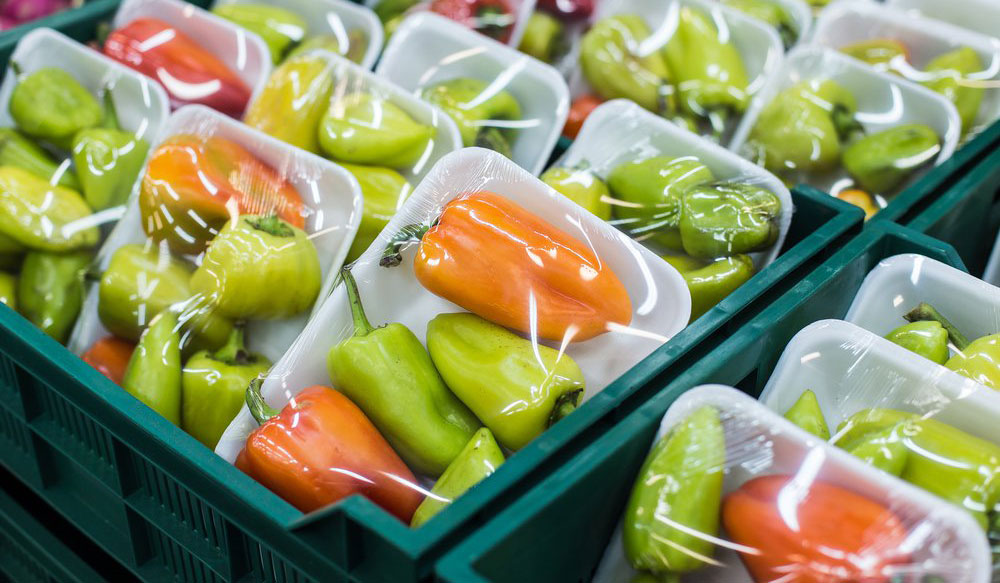
                Freeze Dried Packaging-5

                Freeze Dried Packaging: The Complete FAQ Guide In 2025

                Freeze Dried Packaging: The Complete FAQ Guide In 2025

                You may be well familiar with the vary techniques employed for preservation of food products. However, the traditional method of drying foods which brother you to wait for weeks and even months to get your food dry is fading away. Its place has been taken over by innovative means gifted by the modern technology. Among them, the quicker, convenient, and effective technique is freeze drying. Do you also agree? If yes, you must be associated with freeze drying and probably, scrolling down to discover the trends for your freeze-dried packaging!

                Freeze Dried Packaging

                So, let us introduce you with this informative FAQ guide by Allpack which is designed to help you out in attaining awesome freeze-dried packaging. Not only that, but we will also disclose the changing requirements for freeze dried packaging, how you can uplift your freeze-dried packaging, and get admiration from customers across the globe. Let's, begin reading it!

                  Add a header to begin generating the table of contents

                  1.What Is Freeze Dried Packaging?

                  Freeze Dried Packaging-1

                  Fruits & vegetables freeze drying-Picture Courtesy: survival-mastery.com

                  Freeze drying refers to the drying of multiple types of food items including fruits, vegetables, and even drugs through the method of dehydration. It involves freezing products into a freeze dryer after which the water present in these products is removed out via sublimation and absorption respectively. Now, these goods can be used for a longer period as the dehydration process inhibit spoilage and extend their storage life.

                  To keep them in their original condition and restrict moisture, air, and temperature, it is necessary to securely pack these freeze-dried items in safe packages such as jars, containers, bags, and boxes etc. Similarly, this process of packaging will be termed as freeze-dried packaging.

                  2.Which Products Are Eligible For Freeze Dried Packaging?

                  Drying is one of the oldest means employed for preservation of foods. However, with advancement in technology, freeze drying has made it more convenient. Now, you can horde multifarious products by using freeze dried packaging. Some of these are described below:

                  Vegetables & Fruits

                  Vegetables & Fruits

                  Multiple freeze-dried fruits-Picture Courtesy: mashed.com

                  Fruits and vegetables are the most wanted products which are necessary for our survival. However, due to their perishable nature, they get spoil quickly. To tackle this issue, dried freeze packaging technique is now popularly applied to prepare adequate products for emergency condition, tourism, or camping etc.

                  Ready to eat Meal

                  Ready to eat Meal

                  Readymade freeze-dried packaging-Picture Courtesy: dogsmeal.com

                  Ready to eat meals are always best for saving your time, getting rid of hunger, and healthier to consume. This is the reason, why prepared meals are commonly freeze dried and packed in beautiful and sturdy pouches, boxes, and bottles etc.

                  Seafood

                  Seafood

                  Freeze dried seafood Picture Courtesy: hk.pinkoi.com

                  Seafoods such as fish, shrimp, octopus, and salmon etc., are rich in proteins, vitamins, and minerals. Most of the landlocked countries with no fishing spots also want to have access to seafood. That's where freeze dried packaging come into use to fulfill these desires.

                  Ice Cream

                  Ice Cream

                  Freeze dried orange bar-Picture Courtesy etsy.com

                  It may be weird to think ice cream as dried, but yes! It's a fact. Multiple types of ice cream like fruits bar, chocolate bar, and cookies ice cream are freeze dried after which they are packed in various packages including doypacks, and pouches.

                  Pet food

                  Pet food

                  Freeze dried duck chest dog pet treats-Picture Courtesy: petbesty.com.au

                  Pet food processing industries use diverse means to provide pet owners with treats and food for cats, and dogs etc. Therefore, they use freeze dried packaging for preserving the freshness of pet food.

                  Drugs

                  Drugs

                  Freeze dried drugs in vials-Picture Courtesy: drugtargetreview.com

                  Due to the excessive demand for drugs, especially, since COVID-19, freeze drying method is commonly applied for storing vaccines, injections, and other drugs. Therefore, drugs also come under the umbrella of freeze-dried packaging application.

                  Drinks

                  Drinks

                  Freeze dried coffee cubes-Picture Courtesy: hypebeast.com

                  Although, freeze drying is prioritized for solid food products in one way or another, it may also be used for different types of drinks such as beverages, alcoholic drinks, milk, and coffee etc. Hence, you can enjoy your favorite drink anywhere you want just by taking a small, freeze-dried cubes pouch with you.

                  Apart from above-mentioned products, other goods including grains, legumes, eggs, and meat are also delivered in the form of freeze-dried packaging.

                  3.How Does Freeze Dried Packaging Influence The Quality Of Your ProductsAnd Benefits You?

                  It must be clear to you, that mere freeze drying is not going to keep your products intact, but you must have to go for packaging which will ultimately take you to meet your ends. So, let's know how freeze-dried packaging influence the quality of your items:

                  Strong Barrier

                  Strong Barrier

                  Moisture & light proof Standup pouch display-Picture Courtesy: bowepack.com

                  Freeze dried packaging create a strong barrier against moisture, light, and air  which restrict the entrance of air, oxygen, and discoloration of products. In turn, water content and light cannot decrease the crisp of your freeze dried products, and there will be zero chance for bacterial growth.

                  Shelf Life

                  Shelf Life

                  Dried freeze fruits shelf life in jars-Picture Courtesy: commonsensehome.com

                  Another most dominant influence of dried freeze packaging is the extension of product safety and edibility for longer period.

                  Tangible protection

                  Tangible protection

                  Durable freeze-dried packaging bag-Picture Courtesy: dhgate.com

                  Last but not least, freeze dried packaging protect your goods from all types of physical damages including distortion, compression, and tampering by establishing durable and flexible safely wall around them.

                  Marketing

                  Marketing

                  Freeze dried strawberries pouches presentation idea-Picture Courtesy: packagingoftheworld.com

                  To acquire customer trust and recognition in market, manufacturers have to spend their good share of earnings, which is, however, not feasible for new and medium to small businesses. Thus, freeze dried packaging is providing the most affordable and quick alternative to brand your goods across the globe.

                  Coffee bottle

                  Coffee bottle display-Picture Courtesy: Pinterest

                  "People buy with their eyes first", a common idiom almost everyone is familiar with. What about you? Obviously, you will also be its believer, and want to apply it for your business success. And this becomes possible when you use appetite freeze dried packaging with mouth watering designs to catch the consumers' attention towards your products.

                  Consumer Convenience

                  Consumer Convenience

                  Easy to open chips bag-Picture Courtesy: wonderkindco.co

                  It is a matter of fact, that all producers want to keep their customers happy by delivering their materials in convenient packages. This aim can be perfectly achieved by using versatile freeze-dried packaging such as zipper pouches, tear notch doypacks, and resealable containers etc.

                  4.Enumerate The Eclectic Packaging Formats For Freeze Dried Packaging?

                  Below is the comprehensive description for various freeze-dried packaging formats:

                  Bottles

                  Bottles

                  Freeze dried strawberry yogurt bottle-Picture Courtesy: rockyandmaggies.com

                  Bottles are characterized by their narrow neck and a lid over them. They are either made from glass, bottles, and in some cases paper as well. Manufacturers who want to deliver their freeze-dried products in beautiful packages and at the same time cutting packaging costs, so, bottles are the most suitable to use.

                  Cans

                  Cans

                  Freeze dried banana can-Picture Courtesy: amazon.com

                  Cans are metallic containers made from any of three core materials including aluminum, tin, or coated steel. They are highly compact and support hermetic sealing which adds to the greater protection of freeze-dried foods both in solid and powder form. This is the reason; reputable brands prefer advertising their goods through assorted cans.

                  Jars

                  Jars

                  Freeze dried vegetables dispersing from jar-Picture Courtesy: homesteadinginohio.com

                  Jars are smooth containers with glass as a core structural component. They give appealing sensation by displaying all sorts of freeze-dried food from fruits to drinks, snacks, and nuts etc., while laying on the shelves.

                  Standup Pouches

                  Standup Pouches

                  Freeze dried standup pouches-Picture Courtesy: ilasacademy.com

                  Standup pouches are also called doypacks which are famous for their ability to stand erect on their bottom. Several layers of plastic and aluminum constitute their body which ultimately give them higher barrier protection against environmental elements. Freeze dried fruits laying in standup pouches look attractive and are easy to carry due to their flexibility.

                  Pillow Pouches

                  Pillow Pouches

                  Freeze dried beet pillow pouch display-Picture Courtesy: packagingoftheworld.com

                  Pillow pouches are most economical and flexible packaging bags with high resemblance to pillow. They have top, bottom, and a back sealing which greatly protects your freeze-dried products against all types of damages. Sterile freeze-dried products such as fruits, vegetables, and pet treats are often packed in pillow pouches, so that, their structural integrity could be well retrained.

                  Gusseted Pouches

                  Gusseted Pouches

                  Gusseted pouch display-Picture Courtesy: made-in-china.com

                  These pouches are well known for the added gussets to pouch sides and bottom which extend their storage capacity. Hence, whether its bulk freeze-dried fruits, vegetables, or milk powder, all can be delivered in these convenient bags.

                  Sachets

                  Sachets

                  Freeze dried milk powder sachets- Picture Courtesy: CBC International

                  Sachets are precise size plastic pouches with 3 or 4 side sealing. They can hold little amount of freeze-dried food and medicine powders which can be consumed within a single sitting.

                  5.Describe The Process Of Freeze Dried Packaging?

                  The procedure of freeze-dried packaging is as follows:

                  Process Of Freeze Dried

                  Product Loading

                  Product Loading

                  Freeze dried coffee beans loading into hopper-Picture Courtesy: duropackpackaging.com

                  This step involves supplying the hopper of machine with abundant freeze-dried goods, so that, machine will process it further.

                  Product weighing & Filling

                  Product weighing

                  Freeze dried coffee weighing process-Picture Courtesy: all-fill.com

                  Now, the freeze-dried products are subjected to strict weighing phase, where exact amount of goods are measured as per the fix parameters. After that, the measured products are filled into bags and containers.

                  Package Sealing

                  Package Sealing

                  Freeze dried coffee bag sealing process-Picture Courtesy: jdaprogress.com

                  Once, the packages get loaded, they are ready to undergo sealing phase. Here, multiple sealing methods such as heat sealing and pressure sealing are done in accordance with type of packaging.

                  Package Discharging

                  Finally, the finished freeze-dried packages are discharged out of the machine safely.

                  6.How To Begin Freeze Dried Packaging? Which Machines Are Required For Freeze Dried Packaging?

                  If you are new to the realm of freeze-dried packaging, and keen to embark on the successful business, then you must think on several crucial factors. Among them, the mostly confusing factor found is the selection of right machinery. Therefore, this question is particularly drafted to facilitate you in selecting the type of machine which suits you more:

                  Begin Freeze Dried Packaging

                  According to Automation

                  Fully Automatic Freeze-Dried Packaging Machine

                  Fully Automatic Freeze-Dried Packaging Machine

                  Fully Automatic Freeze-Dried Packaging Machine-Allpack

                  This machine is fully automatic in technology with exceptional performance in terms of speedy packaging of all types of freeze-dried products including fruits, vegetables, snacks, legumes, and powders. The machine has automatic processing with no human interference. Its complex structure with advance features makes it perfectly suitable for large scale industries.

                  Semi-Automatic Freeze-Dried Packaging Machine

                  Semi-Automatic Freeze-Dried Packaging Machine

                  Semi-Automatic Freeze-Dried Packaging Machine-Allpack

                  This semi-automatic machine by Allpack has integrated semi-automatic features which can precisely measure the very freeze-dried products and fill them into bags and containers. It requires operator intervention to load the machine with bulk freeze-dried products and perform placing and discharging of packages manually. Medium scale industries can better take advantage of this machine.

                  According to Design

                  Rotary Freeze Dried Packaging Machine

                  Rotary Freeze Dried Packaging Machine

                  Rotary Freeze-Dried Packaging Machine-Allpack

                  This is a specialized machine with exceptional efficiency for freeze dried packaging in a rotary manner. The machine is automatic in nature and can pack all the products from grains to powders and snacks. It loads the machine hopper with bulk products and deliver to the main weigher. Similarly, fill, seal, and discharge freeze dried packages simultaneously in a rotary direction.

                  Linear Freeze-Dried Packaging Machine

                  Linear Freeze-Dried Packaging Machine

                  Linear Freeze-Dried Packaging Machine-Picture Courtesy: gloex.net

                  Linear freeze-dried packaging machine is an inline, compact equipment that simply process your goods in a straightforward way. Such machines have been part of the production facilities for decades. All your containers and bags are here processed in a straight sequential order where observation becomes easy, and the machine is quite user-friendly to handle number of containers.

                  According to Packages

                  Freeze Dried Pillow Pouch Packaging Machine

                  Freeze Dried Pillow Pouch Packaging Machine

                  Freeze Dried Pillow Pouch Packaging Machine-Allpack

                  The machine has been introduced in the market to flourish your freeze-dried packaging by safely pouring your goods into attractive pillow pouches. With vertical or horizontal structure, the machine consists of various components such as a conveyor, bag forming mechanism, film roller, sealer, and cutter etc. After turning on, it will automatically initiate pouch forming, product weighing, filling into pouch, pouch sealing, and ultimate discharging after cutting.

                  Freeze Dried Premade Pouch Packaging Machine

                  Freeze Dried Premade Pouch Packaging Machine

                  Freeze Dried Pre-made Pouch Packaging Machine-Allpack

                  This cutting-edge machine mainly consists of a z-shaped elevator, multi head weigher, filling head, conveyor belt, and control system. It works by moving bulk freeze-dried goods from tank towards weigher, after which goods are measured, filled into pre-made pouches, sealed tightly, and discharged by the conveyor. Producers who want to cut down the time spend on pouch forming, are the beneficiaries of this machine.

                  Freeze Dried Stand-up Pouch Packaging Machine

                  Freeze Dried Stand-up Pouch Packaging Machine

                  Freeze Dried Stand-up Pouch Packaging Machine-Allpack

                  This machine is resilient and multi-tasking in its processing. You can use it to form any type, size, and format of pouch and simultaneously use it for the filling and sealing of these pouches. Hence, you will not be bothered to accommodate the expenses of buying premade pouches.

                  Freeze Dried Cans/ Bottles/ Jars Packaging Machine

                  Jars Packaging Machine

                  Freeze Dried Cans/ Bottles/ Jars Packaging Machine-Picture Courtesy: isywen.com

                  Ultimately, you are reading about the most desirable freeze-dried packaging machine which suits almost all packaging options including cans, bottles, jars, and pouches in some cases. Here, the process will be carried out via conveyor belt in fully automatic machine, otherwise, operator will place containers on stand which will be filled by the machine. Consequently, the ultimate step of discharging occurs after filling get completed.

                  7.Freeze Dried Vacuum Packaging Vs Freeze Dried Nitrogen Packaging? Which Is More Suitable?

                  Vacuum packaging and nitrogen packaging are different methods which are used for freeze-dried packaging. Most of the manufacturers get confused in deciding which packaging method is more appropriate for their products. Therefore, below table will be helpful in this respect:

                  No Factors Freeze Dried Vacuum Packaging Freeze Dried Nitrogen Packaging
                  1 Definition Freeze dried vacuum packaging refers to the removing of air present inside the products filled bags and containers. On the other hand, freeze dried nitrogen packaging can be defined as the process of replacing oxygen with nitrogen to restrict bacterial growth.
                  2 Process It can be achieved by placing freeze dried goods in bottles or pouches, sucking out the air, and swiftly sealing packages. The process involves filling freeze dried products in bags and containers, introducing nitrogen gas into packages, exerting out oxygen, left nitrogen gas inside, and sealing the bags.
                  3 Cost Freeze dried vacuum packaging has low cost. While as, freeze dried nitrogen packaging is a bit expensive as you have to use additional nitrogen gas for packaging.
                  4 Place covered It covers less space and can be easily stacked together. It requires more packaging space.
                  5 Suitable for Freeze dried meat, chicken, and readymade meal. Freeze dried vegetables, fruits, snacks, and pet treats etc.
                  6 Product Integrity Although, this method is safe, but it may harm the structure of products. On the other hand, it provides greater safety to maintain products integrity till end user.
                  7 Examples Freeze Dried Vacuum Packaging

                  Dried-freeze vacuum packed meat-Picture Courtesy: Pinterest

                  Freeze Dried Nitrogen Packaging

                  Freeze dried apple nitrogen packaging-Picture Courtesy: packagingoftheworld

                  8.What Are The Container Integrity Tests For Freeze Dried Packaging?

                  In order to ensure that the freeze-dried products which you have packed in different containers are fully impermeable and protected, there are several tests which can be employed. These are described below:

                  Headspace Gas Analysis

                  Headspace Gas Analysis

                  Headspace gas analysis-Picture Courtesy: blog.biomall.in

                  Headspace gas analysis let you know about the completion of nitrogen cleaning process for your containers by verifying, that no harmful gases such as carbon dioxide or oxygen are present in the head of freeze-dried packed containers.

                  Automatic Visual Inspection

                  Automatic Visual Inspection

                  Automatic visual inspection-Picture Courtesy: researchgate.in

                  This method ensures that container containing freeze dried products is free from any sort of crack, leak, contamination, and dent etc. For this, multiple pictures of the container are taken and detected by the machine to examine container's integrity as well as check the presence of non-compliant constituents.

                  Vacuum Decay Method

                  Vacuum Decay Method

                  Vacuum decay method-Picture Courtesy: sepha.com

                  Another test for assessing container integrity is vacuum decay method. Under this, a vacuum is used to suck all the air from containers which resultantly display if there is any hole or leak present in package.

                  9.Why Choose Allpack For Your Freeze Dried Packaging?

                  If you are haphazard in deciding which company is best, then you must consider Allpack, which offers you range of machines with cost-effective price, greater customization, and much more. Let's know them one by one:

                  Broad Spectrum

                  Broad Spectrum

                  Here, you will be able to pick any type of freeze-dried packaging machine whether it is based on automation, orientation, filling heads, and most importantly the type of packaging containers and pouches you want. You can also align auxiliary devices with your main machine for getting extraordinary performance.

                  Customization

                  Customization

                  Freeze dried packaging multi head weigher-Allpack

                  Not only you can choose a machine, but you can also ask for desired customization. For instance, if you want to purchase a pillow pouch freeze dried packaging machine, but instead of simple elevator you want a multifunctional weigher, then you are always welcomed.

                  Warranty

                  Warranty

                  One year warranty icon-Picture Courtesy: vecteezy.com

                  Allpack gives you a valuable opportunity to get your freeze-dried packaging machine with one year of warranty, which is sufficient to acknowledge that the machine is a product of high-quality tools.

                  Conclusion

                  We are concluding this discussion with a positive gesture, that you have finally got a general idea regarding every aspect of freeze-dried packaging. Freeze dried packaging is the most desirable packaging technique which have a good prospect in future as well. So, embarking on a freeze-dried packaging business will indeed open the doors of prosperity for you. Are you ready for that? If yes! Then let us know which machine is your choice. We will be glad to help you in this way!

                  Don't forget to share this post!

                  CONTACT US

                  Tell us your raw material and project budget to get quotations within 24 hours.

                  WhatsApp Us: +86 181 6426 8586

                  Invalid Email
                  Invalid Number

                  Freeze Dried Packaging: The Complete FAQ Guide In 2025 Read More »
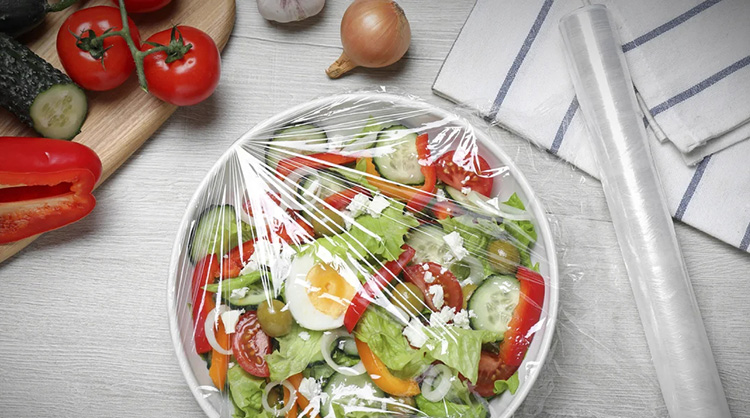
                  Bottle Rinsing Machine-6

                  Bottle Rinsing Machine: The Complete Buying Guide in 2025

                  Bottle Rinsing Machine: The Complete Buying Guide in 2025

                  Hygiene is an important feature of any production system, especially where food and medicines are manufactured. It is obligatory to rinse and clean bottles before use to avoid contamination risk and to protect the health of consumers. Therefore, the bottle rinsing machine is a prime component of production where packaging in the bottle transpires. This machine features specialized components like a bottle gripper, roller, and, inverter that play a specific role in smooth and reliable working.

                  Bottle Rinsing Machine

                  A bottle rinsing machine is an ideal addition to your business if you are looking for a solution to clean your bottles. For this, first, you must carefully go through this guide to acquire important knowledge about the bottle rinsing machine.

                    Add a header to begin generating the table of contents

                    1.How Bottle Rinsing Machine is Defined?

                    Bottle Rinsing Machine-1

                    Bottle Rinsing Machine

                    Complete cleaning of bottles before filling is essential in achieving quality standard product dispensing and averting contamination chance, therefore, bottle rising machine is prevalently found in bottle filling lines. It completely washes the exterior as well as the interior surface of bottles via washing with water, and air.

                    With an air blower and water washing system, the bottle rinsing machine perfectly cleans out unwanted dust, debris, contaminants and microbes. It is fitted with conveyors and rotary tables that allow this system to accomplish bottle rinsing at a fast pace.

                    2.What are the Useful Benefits of a Bottle Rinsing Machine?

                    This machine is an all-rounder solution that offers exceptional results in less time. Rapid processing businesses need this solution to maintain their quality. Some of the handy benefits of bottle rinsing machine are penned below:

                    Flexibility and Adaptability

                    Flexibility and Adaptability

                    Flexibility and Adaptability of Bottle Rinsing Machine- Picture Courtesy: Traktech

                    Productions do not have standard bottle shapes and sizes, subsequently, filling and capping all and sundry sizes and designs of bottles. A bottle rinsing machine is designed to rinse a diverse range of bottles with easily changed parts. It is a versatile equipment that saves productions from the hustle of buying new machines for different design bottles.

                    Thorough Cleaning

                    Thorough Cleaning

                    Thorough Cleaning- Picture Courtesy: Newmapak

                    Manual rinsing bottles one by one is bound to leave unwanted objects on the exterior of bottles, increasing unsanitary bottles that lower quality standards and often resulting in huge losses. But with a bottle rinsing machine, you can get absolute and in-depth washing and rinsing of bottles. Employment of this machine in businesses significantly improves quality standards.

                    Time-Saving

                    Time-Saving

                    Time-Saving With Bottle Rinsing Machin- Picture Courtesy: GS1 UK

                    Cleaning bottles by hand could be tough and time-consuming. Moreover, it is impossible to completely clean all nooks and crannies of bottles. However, due to the bottle rinsing machine, this washing feat is achieved in no time. Moreover, this unit automates your production and allows you to fill a higher number of bottles.

                    Consistency

                    Consistency

                    Consistency with Bottle Rinsing Machine- Picture Courtesy: ViSona

                    This machine has high-speed washing nozzles that accurately and precisely clean the bottles. It is regularly employed in medium and large-sized industries because of its consistency and no cleaning variation of any kind in different batches.

                    Water Conservation

                    Water Conservation

                    Last but not least, this system is eco-conscious and it helps in the conservation of an important resource which is water. High jet pressure nozzles direct water to rinse in such a way that it cleans bottles with a minimal amount of water, subsequently saving hundreds of gallons of water that would be wasted with labour-intensive cleaning.

                    3.What Industrial Sectors Employ a Bottle Rinsing Machine?

                    Bottles are one of the biggest packaging containers and almost every industry uses them for packaging goods. Hence, bottle rinsing machine is found in every industry. Some of the industrial applications of this handy unit are stated below:

                    Food Industry

                    Food Industry

                    Food Bottles- Picture Courtesy: Imperial Packaging

                    Hygiene is a must in the food industry, therefore, for ideal cleaning of food bottles, this machine is utilized in every food application sector. This machine wash and sanitize bottles of oils, sauce, dressings, condiments, syrup, and many more.

                    Beverage Industry

                    Beverage Industry

                    Beverage Bottles- Picture Courtesy: Dieline

                    This industry is the main business that utilizes huge quantities of bottles. Glass bottles are typically used for packaging sodas, juices, milk, iced tea, and coffee. So, the bottle rinsing machine is part of such production and washing these glass and plastic bottles before filling to avert cross-contamination and to eliminate impurities that could cause health risks.

                    Pharmaceutical Industry

                    Pharmaceutical Industry

                    Pharmaceutical Bottles- Picture Courtesy: Pharmaceutical Technology

                    It is very important to de-dust and polish pharmaceutical bottles before their packing. The medicinal and supplement bottles are purified by a bottle rinsing machine for clean filling of capsules, pills, syrups, emulsions, supplements, etc.

                    Cosmetic Industry

                    Cosmetic Industry

                    Cosmetic Bottles

                    Aesthetic products are applied directly on the skin, so, they must be loaded inside uncontaminated and fresh cosmetic bottles that are clear of dust, debris, and other foreign objects. Bottle rinsing machine is highly regarded in this aspect as it sprays water and cleaning agents from all angles to make cosmetic bottles safe for packaging.

                    Chemical Industry

                    Chemical Industry

                    Chemical Bottles- Picture Courtesy: RCI Labscan

                    Generally, laboratories and large-scale industries need chemicals in their pure form, otherwise, unwanted outcomes occur in reactions. Therefore, the chemical filling industry use bottle rinsing machine for rinsing and cleaning used chemical bottles and jars.

                    House-Hold Industry

                    House-Hold Industry

                    Household Chemical Bottles- Picture Courtesy: ThoughtCo

                    Bulk quantities of antiseptics, cleaning agents, detergents, soaps, bleaches, dyes, sanitisers, and many more come in stylish and elegant bottles. But these bottles must be rinsed and that is where bottle rinsing machine shows its worth to the household industry.

                    4.What are the Basic and Important Parts of a Bottle Rinsing Machine?

                    Important Parts of a Bottle Rinsing Machine

                    Important Parts of a Bottle Rinsing Machine-1

                    Parts of Bottle Rinsing Machine

                    This machine is comprised of different specialized parts, each having a vital role in completely rinsing and cleaning the bottles. A detailed description of these parts is given below:

                    Bottle Infeed Belt It is a chute-like structure in which large loads of bottles are placed for smooth and effortless movement of the bottle. This is equipped with a mesh belt that aids in the efficient flow of bottles.
                    Ultrasonic Tank This is the part in which high-frequency ultrasonic waves are targeted on bottles. The sonicator device emits ultrasonic waves and this tank is commonly seen in ultrasonic bottle rinsing machines.
                    Hoist Wheels These are lifting systems that smoothly carry the bottles and place them in the washing area. These are the cylindrical devices over which bottles are placed for their insertion in the rinser.
                    Recycled Water Flushing Station For rinsing and washing bottles and other containers, rinsing nozzles at this station dispense heavy sprays of recycled water to wash the foreign particles from the bottles.
                    Drying Station It is typically found in wet bottle rinsing machines. At this station, a hot blast of air is introduced over the bottles to dry off water molecules that lingered after rinsing.
                    Out Feed Chute It is a sliding channel that removes the bottles from the machine.
                    Conveyor A large belt-driven conveyor that supports and guides bottles through rinsing and drying stations.
                    Caster This is a wheel-like component that rotates for easy portability of the bottle rinsing machine.
                    Height Adjustment Lever To accommodate different-sized bottles, levers are present at the sides of the conveyor. These components are rotated to modify the height of the bottle according to the height of the container.
                    Electric Cabinet For the safety of the workforce, different kinds of electric parts, for instance, cables, wires, relays, breakers, and power buttons are located inside the sturdy electric cabinet. It is an electricity-providing unit of the machine.

                    5.Can You Tell About Types of Bottle Rinsing Machine?

                    There are diverse makes and models of bottle rinsing machines that utilize different working principles and have different configurations as well as automation levels. A complete classification of this useful system is written below for your aid:

                    Types of Bottle Rinsing Machine

                    According to Automation

                    Manual Bottle Rinsing Machine

                    Manual Bottle Rinsing Machine

                    Manual Bottle Rinsing Machine- Picture Courtesy: Allma.net

                    It is a small machine typically, seen in small home-based settings and laboratories. It has a primitive design with a washing mould tray. The bottles are placed in the mould cavities and water is sprayed from the valves. This washing water is supplied by the hose connected to the water supply. It generally processes a limited number of bottles in one setting.

                    Semi-automatic Bottle Rinsing Machine

                    Semi-automatic Bottle Rinsing Machine

                    Semi-automatic Bottle Rinsing Machine- Picture Courtesy: Criveller Group

                    It is comparatively larger than its simple manual bottle rinsing machine. This machine is best for achieving typically larger processing capacity on a medium-sized budget. Loading of bottles is manually performed by operators on this unit while spraying of water and washing is carried out independently. It is built for rinsing diverse sizes of bottles.

                    Automatic Bottle Rinsing Machine

                    Automatic Bottle Rinsing Machine

                    Automatic Bottle Rinsing Machine- Picture Courtesy: IC Filling Systems

                    It is a modular construction made with heavy-duty materials and is best for rinsing bottles on a large scale. A large output rate is attained by rinsing hundreds to thousands of bottles in one batch. Every working stage-loading, filling, unloading- is completed by the machine with little to no human involvement. This machine features large nozzle systems and heavy air jets are used for rinsing bottles.

                    According to Size

                    Benchtop Bottle Rinsing Machine

                    Benchtop Bottle Rinsing Machine

                    Benchtop Bottle Rinsing Machine- Picture Courtesy: DirectIndustry

                    It is an ideal solution for small pharmacies and medium-sized production that have space and budget constraints. It is a cost-effective solution because of its simple automation. Benchtop bottle rinsing machine has a compact configuration and takes less room for its setup. It can treat and rinse moderate-sized batches in one wash cycle.

                    Large-scale Bottle Rinsing Machine

                    Large-scale Bottle Rinsing Machine

                    Large-scale Bottle Rinsing Machine- Picture Courtesy: TRAKTECH

                    As the name suggests, it is a gigantic assembly that gives an edge to large production because of its huge output rate. With its state-of-the-art wash nozzles, large pressure units, heavy-duty pumps, and motors, it allows efficient and instant rinsing. It is installed in larger settings that run 24/7 without stopping. It is easily integrated into the bottle processing plants.

                    According to Design

                    Linear Bottle Rinsing Machine

                    Linear Bottle Rinsing Machine

                    Linear Bottle Rinsing Machine- Picture Courtesy: TRAKTECH

                    With larger conveyors for transport, this machine type opts for a straight-line design. It has one or more washing nozzles fitted after one another for a quick wash. It is typically installed in medium-sized production due to its less processivity than its counterparts. However, it is a cost-effective system and allows for easier integration in bottle filling and capping setups.

                    Rotary Bottle Rinsing Machine

                    Automatic Bottle Rinsing Machine

                    Rotary Bottle Rinsing Machine- Picture Courtesy: IC Filling Systems

                    Large-sized and heavy processing businesses prefer this system because of its fast-paced rinsing, dedusting multiple batches in hours. The rotary carousel and star wheel have numerous rinsing and airing systems that swiftly wash and dry glass and plastic bottles within seconds. With the rotation of the star wheel, bottles go to different rinsing stations for absolute cleaning.

                    According to Working Mechanism

                    Air Jet Bottle Rinsing Machine

                    Air Jet Bottle Rinsing Machine

                    Air Jet Bottle Rinsing Machine- Picture Courtesy: vkpak

                    In this system, ionized air or large air jets are targeted at the bottles to remove dust or sticky residues from the interior of bottles. The clean air sucks the debris out of the bottle. It is an efficient system that lowers water wastage and is preferred by industrial sectors. With the blast of air, the foreign objects get loose and are easily removed from the bottles.

                    Wet Bottle Rinsing Machine

                    Wet Bottle Rinsing Machine

                    Wet Bottle Rinsing Machine- Picture Courtesy: DirectIndustry

                    It is the most commonly used machine that employs pressurized water to wash unwanted objects from the bottles. It uses pre-set rinsing time for rinsing bottles with water spray. Rinsing nozzles are employed for cleaning contaminants from the surface as well as inside of bottles.

                    Vacuum Bottle Rinsing Machine

                    Vacuum Bottle Rinsing Machine

                    Vacuum Bottle Rinsing Machine- Picture Courtesy: DirectIndustry

                    This machine employs a vacuum system to create low air pressure for eradicating bottles of undesired particles like dirt or fragments. It is a feasible solution for the uniquely shaped, twisted and heavy bottles. The containers are not inverted for cleaning instead they remain on the conveyors for the rinsing process.

                    Ultra-sonic Bottle Rinsing Machine

                    Ultra-sonic Bottle Rinsing Machine

                    Ultra-sonic Bottle Rinsing Machine- Picture Courtesy: Aipak

                    This machine uses high-power ultra-sonic waves for systematically cleaning hidden crevice bottles. These waves hit the bottles and dislodged sticky objects from the walls and base of the bottles. Ultra-sonic bottle rinsing machine is ideal for washing bottles with narrow openings and complex designs.

                    6.How Does Bottle Rinsing Machine Works?

                    Bottle rinsing machines work in a straightforward manner in which each step is carefully carried out under the guidance of a PLC system. The working stages are described below:

                    Bottle Infeed

                    Bottle Infeed

                    Bottle Infeed- Picture Courtesy: TRAKTECH

                    First, the bottles are positioned on the conveyor either by using a bottle unscrambler that methodically places bottles after a fixed interval on the belted conveyor or by the operators. On a rotary type of bottle rinsing machine, grippers carry each bottle efficiently and place it into a star wheel receptacle. Ultimately, these bottles are received by washing or rinsing station.

                    Rinsing

                    Rinsing

                    Bottle Rinsing- Picture Courtesy: motionarray

                    Here, different methods are employed for the rinsing of bottles, such as air, water, vacuum or ultra-sonic waves. The number of bottles indexed towards the rinsing station is determined by the number of rinsing nozzles.

                    On reaching the rinsing head, the soft pad gently grips the bottle and slowly inverts them onto the water basin and gushes of water are sprayed inside the bottles to loose any residues or dirt. In the case of the air rinsing machine, the first curtain of ionized air is formed first, before inverting the bottle. After inverting, the loose debris is drawn out of the bottle via a vacuum.

                    Drying

                    Drying

                    Bottle Drying- Picture Courtesy: NISSEI ASB MACHINE

                    It is an optional step performed only in a wet bottle rinsing machine. The bottles after rinsing are passed to the drying unit where clean air is blasted to vaporize excess water remaining after washing.

                    Bottle Unloading

                    Bottle Unloading

                    Bottle Unloading- Picture Courtesy: Raconteur

                    After rinsing and drying, bottles are moved to the outfeed chute from where they are collected and fed to subsequent machines in the production line.

                    7.What Safety Practices are Adopted by a Bottle Rinsing Machine?

                    When processing bottles for pharmaceutical and food filling, the machine must fulfil strict industrial obligations such as that of the FDA, ISO, and GMP. To meet these requirements, bottle rinsing machine must have different features such as:

                    High-Quality Materials

                    High-Quality Materials

                    High-Quality Materials- Picture Courtesy: Clearpack

                    This machine is constructed with high-quality and food-grade materials like stainless steel, Teflon, and rubber gaskets. The frame, spray nozzles, rotary tables, and hose pipes are fabricated with corrosion-resistant constituents. These materials are durable, non-toxic, chemical-resistant and rust-resistant.

                    Cleanability

                    Cleanability

                    Cleanability- Picture Courtesy: Syntegon

                    Bottle rinsing machine is assembled with easily removable parts therefore, it aids cleaning efforts. Different parts of this machine have rounded corners, for instance, processing tanks. Also, some components are welded to avoid dead hard-to-clean corners. Furthermore, the components have smooth surfaces and minimal crannies, aiding in regular cleaning and maintenance.

                    Safety Glass

                    Safety Glass

                    Safety Glass in Bottle Rinsing System- Picture Courtesy: vkpak

                    The whole cleaning section is surrounded by a plexiglass shield cover that is resistant to elements but offers a good view of the cleaning process. This prevents the risk of contamination and ensures the safety of operators.

                    8.What is the Difference Between Bottle Rinsing Machine and Bottle Washing Machine?

                    Bottle Rinsing Machine and Bottle Washing Machine

                    Bottle Washing Machine- Picture Courtesy: Sidel

                    Although the terms bottle rinsing machine and bottle washing machine are interchangeably used, this is the fact that these machines have different working mechanisms and industrial usage. These differences are summarized in the table below:

                    Features Bottle Rinsing Machine Bottle Washing Machine
                    Main Function This machine is more suitable for the role of removing dirt, debris, or loose particles from the bottles. Its specific role is to meticulously wash and sterilize bottles to avoid contamination and microbial growth.
                    Cleaning Medium It uses water spray, ionized air, ultrasonic waves, and vacuum for rinsing bottles. It normally utilizes detergents, steam, sanitisers, or all three to accomplish a high level of cleanliness. It is also equipped with brushes and scrubs to wash the machine.
                    Usage This equipment is typically employed in low-risk settings and is usually an initial step beforehand bottle washing. It is typically found in high-risk industries and is the main equipment to sanitize bottles for foodborne germs.

                    9.How To Troubleshoot Technical Problems in Bottle Rinsing Machine?

                    Like other machines, technical problems may arise in the bottle rinsing machine that could lead to extensive downtimes and higher repair costs. But with simple training of operators, these downtimes can be minimized. Here are some informative tips to troubleshoot technical problems:

                    Insufficient Rinsing

                    Insufficient Rinsing

                    Insufficient Rinsing- Picture Courtesy: DirectIndstry

                    At times, visible water marks are seen on the surface of a bottle, indicating the inadequate rinsing of bottles.

                    Cause

                    This problem may arise because of clogged rinsing heads. It could also be due to insufficient pressure of water spray.

                    Troubleshooting

                    To avoid this problem, it is recommended to maintain a proper cleaning timetable and especially clean and wipe the interior of the nozzle for best rinsing results. Adjust the water pressure to achieve adequate cleaning.

                    Water or Air Spray System Not Working

                    Air Spray System Not Working

                    Water or Air Spray System Not Working- Picture Courtesy: APG Pharma

                    Sometimes, on starting the machine, no water or air jet is observed.

                    Cause

                    Failure in the working of the spray system is due to blocked or congested nozzles. There could be an error in the water or air pressure system. A defective solenoid valve may also affect the working of the spray system.

                    Troubleshooting

                    To remedy this problem, wash the rinsing heads with strong detergents. Moreover, fix the water and air pressure to achieve appropriate spray. Also, examine the solenoid valve for fault and repair it.

                    Jamming of Bottles in the Machine

                    Jamming of Bottles in the Machine

                    Jamming of Bottles in the Machine- Picture Courtesy: Traktech

                    Sometimes, the bottles get stuck inside the machine parts, for instance, carousel, hoist wheel, etc.

                    Cause

                    It could be due to poor leveling and skewness of the conveyor. It could be due to hindrance and interruption on the conveyor. The hoist wheel or rotary star wheel could have some mechanical defects.

                    Troubleshooting

                    To rectify this problem, first, it is suggested to realign and properly level the conveyor system. Second, clear the obstructions from the moving pathway of bottles. Repair the mechanical faults of the hoist wheel and star wheel.

                    Dripping of Water After Washing

                    Dripping of Water After Washing

                    Dripping of Water After Washing

                    Small droplets of water drip down the nozzles after the bottle rinse.

                    Cause

                    This problem could arise because of heavy water pressure. Moreover, poor positioning of the nozzle could lead to dripping. Fault in the drain system could also cause dripping.

                    Troubleshooting

                    Adjust the water pressure. Level and align nozzles and fix the fault in the drainage system.

                    Poor Drying of Bottles

                    Poor Drying of Bottles

                    Poor Drying of Bottles- Picture Courtesy: Traktech

                    Minute droplets of water are observed in the bottles after drying.

                    Cause

                    Poor timing for drying. Defects in the drying systems especially air blowers could be the reason for this problem.

                    Troubleshooting

                    Fix the time duration for drying to solve this issue. Also, check and repair the defects in the air blowers.

                    10.What are Buying Consideration for Choosing Top Notch Bottle Rinsing Machine?

                    Generally, bottle rinsing machine has different advanced features and comes with superior specification, resulting in much higher purchase cost. Therefore, it is imperative to consider the following items when finding a bottle rinsing machine for a particular project:

                    Cost and Return on Investment (ROI)

                    Cost and Return on Investment

                    Cost and Return on Investment (ROI)

                    First, calculate the machine cost and assess the possible ROI. Think of the machine's entire worth in terms of production, efficiency, quality, and durability. Cost is vital, but you should not compromise on bottle rinsing machine automation and work efficiency. When buying a machine, you should also need to consider the long-term advantages and how they will affect your business in addition to buying costs.

                    Production Rates

                    Production Rates

                    Higher Production Rates- Picture Courtesy: FILLEX

                    Another important thing is your required production rate and this is determined by the level of automation. Different types of bottle rinsing machines have varying automation. Estimating the production rate of a specific project will give you a clear idea about the automation level.

                    Flexibility and Versatility

                    Flexibility and Versatility

                    Flexibility and Versatility- Picture Courtesy: The Business Journal

                    Also, you must check whether the bottle rinsing machine offers flexibility to accommodate future changes in bottle designs and geometries. Machines with adjustable rinsing parameters and customizable features can be adapted to different bottle sizes and shapes with a swift and simple change of filling heads and conveyor height.

                    Rinse Type

                    Rinse Type

                    Rinse Type- Picture Courtesy: Krones

                    A bottle rinsing machine uses different rinsing media, such as air, water, or ultrasonic waves. Wet bottle rinsing machines might have a drying chamber while air rinsing machines utilize ionized air for developing electrostatic charges to fully cleanse bottles. But rinsing type is determined by the specific needs of the project, which in turn depends on the characteristics of bottles and products.

                    Machine’s Long Shelf Life

                    Machine’s Long Shelf Life

                    Bottle Rinsing Machine- Picture Courtesy: TRAKTECH

                    Consider the brand quality and reputation of the manufacturer while evaluating the dependability and durability of the machine. For long-lasting service, look for a machine constructed with high-quality materials and components. Reading client feedback may provide knowledge about a machine's dependability and performance.

                    Conclusion

                    In short, a bottle rinsing machine is a must-have automation in production for sanitation and safety purposes. With rigorous water jets and air blowers featured in this machine, an absolute and fine cleaning is accomplished. Moreover, by having this solution in production, a business can gain a reputation for the safest quality standards among its customers. Keen on buying this handy equipment, then message our Allpack customer service just now. We will help you select an outclass machine for your business promptly.

                    Don't forget to share this post!

                    CONTACT US

                    Tell us your raw material and project budget to get quotations within 24 hours.

                    WhatsApp Us: +86 181 6426 8586

                    Invalid Email
                    Invalid Number

                    Bottle Rinsing Machine: The Complete Buying Guide in 2025 Read More »

                    Mayo Packaging-8

                    Mayo Packaging: The Complete FAQ Guide In August 2025

                    Mayo Packaging: The Complete FAQ Guide In August 2025

                    Mayo is a versatile condiment with many uses, for instance, dip for fries, dressing for salads, and sauce for sandwiches and burgers. The texture, taste, and appearance of mayo dictate various ways of consuming this condiment.

                    Its silky-smooth texture, milky white appearance, and salty flavor are only possible due to airtight mayo packaging. Environment-conscious mayo packaging solutions are integral in keeping mayo fresh throughout its retailing and consumption. Branding and product identification are other features of mayo packaging that prove fruitful for both brands and consumers.

                    Mayo Packaging

                    Let’s dive into the flavorful world of mayo packaging to gain knowledge about advantages, packaging styles, shelf-life and so much more.

                      Add a header to begin generating the table of contents

                      1.What is Meant by Mayo Packaging?

                      Mayo Packaging-1

                      Mayo is very precious, tasty, healthful, and enriched with many nutritional values you always need. That’s why, every manufacturer wants to pack it in a way to preserve its entire potency via good mayo packaging.

                      Our experts describe it as, a production process where mayo is carefully stored in packaging to retain its stability, durability, and stretching effective shelf life.  Thus, you can get maximum health benefits from these amazing packaging criteria.

                      The mayo packaging can be carried out by using a series of machines including a bottle unscramble till stacking machine for final transportation.  The ultimate goal is to serve consumers with what they expect when spending money on well-being.

                      2.Why Has Mayo Packaging Gained Traction in Recent Years?

                      Mayo Packaging Gained

                      When going to the market and purchasing groceries; we bet you will definitely love grabbing mayo on the shelves. The Mayo packaging offers numerous benefits to sellers as well as buyers. Let’s see one by one.

                      Extending Quality

                      Extending Quality

                      You can enjoy Mayo for long time

                      Mayo is enriched with phenolic substances that are helpful in promoting the longevity of the product but side by side, the presence of milky and creamy trace elements and high antioxidant levels are prone to inducing an oxidation process too.

                      The Mayo packaging prime aims to inhibit oxidation and offer you extended potency of the product.

                      No Room for Light and air Absorbance

                      No Room for Light and air Absorbance

                      Mayo Packaging with High Safety- Picture Courtesy: Simply Recipes

                      Mayo packaging is a specially designed product meant to strike back light, air, or external harmful factors to be absorbed and deteriorate it. Therefore, you can transport and distribute it worldwide with confidence.

                      No product Wastage

                      No product Wastage

                      More Product with Zero Wastage- Picture Courtesy: Unilever Food Solution

                      Mayo constituents are so valuable, that every company as well as buyer strives hard to not waste even a single drop. Good mayo packaging helps you achieve product safety through proper storage and easy withdrawing.

                      Good marketability

                      Good marketability

                      Mayo packaging with promising presentation- Picture Courtesy: Trend Hunter

                      Mayo packaging is a successful way to improve its market value through an attractive display with nutritional value highlights and good graphics. This is considered the prime key to its success also.

                      Allows Various Concentration Dispensing

                      Allows Various Concentration Dispensing

                      Mayo packaging offering various sizes and flexible presentation- Picture Courtesy: Caterite

                      This is one of the best products that is offered in various concentrations i.e. small to large cans, pouch to jars, mayo packaging allowing you to pack your product varying in size, shapes, and concentration.

                      Non-Reactive Packaging

                      Non-Reactive Packaging

                      The mayo packaging has improved mayo shelf life by 10 folds, making it easier for you to use it over the seasons. It not only gives protection from light and moisture but also against the microorganisms that hinder the quality. Keeping the temperature and quality intact.

                      3.What are Useful Mayo Packaging Formats?

                      Mayo contains viscous content with nutrition; so, its proper packaging is essential which is classified as flexible and rigid mayo packaging.

                      Flexible Mayo Packaging

                      Flexible Mayo Packaging

                      Flexible mayo packaging- Picture Courtesy: Scholle

                      Flexible mayo packaging provides eco-sensible solutions that maintain the freshness of the mayo from the filling of the mayo to the end user. Due to flexible packaging, it can easily move from one place to another.

                      Rigid Mayo Packaging

                      Rigid Mayo Packaging

                      Rigid mayo packaging- Picture Courtesy: A Plus Life

                      Rigid mayo packaging is another eco-friendly that can save the mayo freshness. It could be based on glass bottles that are stored in boxes or cartons, etc.

                      Besides the flexible and rigid mayo packing, some other popular packaging styles based on the materials used and the sealing types of the package include:

                      Mayo Packaging- Based on Types of Packaging Materials

                      Glass Mayo Packaging

                      Glass Mayo Packaging

                      Glass mayo packaging- Picture Courtesy: The Daily Meal

                      The glass bottle is widely used for packaging. It is now widely found in various styles and its choice depends on the requirement. It is popularly used in the kitchen to store and use mayo for various purposes.

                      Plastic Mayo Packaging

                      Plastic Mayo Packaging

                      Plastic mayo packaging- Picture Courtesy: Epicurious

                      Plastic containers are non-reactive for mayo, and it is lighter in weight as well as non-expensive. So, plastic is another packaging material for mayo because it is easy to recycle, so it is also considered safe and eco-friendly for packaging mayo. Among all the plastic materials, polyvinyl chloride (PVC) is considered to be more popular. However, the polyethylene terephthalate (PET) container can be enriched with a UV absorber, so it protects mayo from the light.

                      Mayo Packaging- Based on Types of Sealing

                      2-Side Sealing Mayo Packaging or Stick Packaging

                      Stick Packaging

                      2-sided sealing mayo packaging

                      The 2-side sealing mayo packaging has another name such as the stick pack. The 2 sides of the sachet remained packed, and any open side was used to add mayo to the sachet. It is lighter in weight.

                      4-Side Sealing Mayo Packaging or Sachet

                      Sachet

                      Four sided sealing mayo packaging

                      The four-sided sealing machine is properly sealed with four sides of the sachet. It is most widely used in airline companies, hotels, supermarkets, food delivery companies, and during traveling and catering services.

                      Heat Sealing Mayo Packaging

                      Heat Sealing Mayo Packaging

                      Heat sealing mayo packaging

                      Heat sealing is used to seal jars of different shapes and sizes. It is used to seal a jar tightly thus preventing it from leakage and contamination.

                      4.What are Frequently Employed Machines for Mayo Packaging?

                      Based on Automation

                      Manual Mayo Packaging Machine

                      Manual Mayo Packaging Machine

                      Manual Mayo Packaging Machine

                      This machine involves a human operator for the packaging of mayo. The operator must manually place the container for filling the product, precise amount of product can be filled in container with the help of handle. For final packaging the container has to be removed manually.

                      Semi-Automatic Mayo Packaging Machine

                      Semi-Automatic Mayo Packaging Machine

                      Semi-Automatic Mayo Packaging Machine- Picture courtesy: Allpack

                      This machine includes manual loading of containers, then these containers are followed by automatic process for filling and sealing of mayo pouches. For precise filling cylinder and piston use mechanical contact to control the filling of mayo. In this way the operator can adjust the parameters for filling the mayo.

                      Automatic Mayo Packaging Machine

                      Automatic Mayo Packaging Machine

                      Automatic Mayo Packaging Machine-Picture courtesy: Allpack

                      This machine is used for quick and precise filling of products into containers of different sizes. The empty containers are loaded and forwarded for filling of product. This machine contains a full auto PLC control system for adjustment of volume. In this way operators do no need complicated adjustments.

                      Based On Packaging Material

                      Pre-Made Pouch Mayo Packaging Machine

                      Pre-Made Pouch Mayo Packaging Machine

                      Pre-Made Pouch Mayo Packaging Machine

                      This machine involves the precise filling and sealing of pouches of different sizes.

                      In this machine premade pouches are loaded on the machine, then these pouches are prepared for conveying to filling stations by use of vacuum system. It also contains a dosing and sealing system which controls the filling and sealing of pouches.

                      Bottle Mayo Packaging Machine

                      Bottle Mayo Packaging Machine

                      Bottle Mayo Packaging Machine

                      These machines mainly consist of conveyor, filling nozzle for efficient packing of mayo into the bottles. Empty bottles are placed on conveyor which forwarded them to filling stations for dispensing the product. This machine involves the capping system for sealing the bottles.

                      Sachet Packaging Machine

                      Sachet Packaging Machine

                      Sachet Packaging Machine

                      This machine is a sophisticated unit, playing a vital role in fast-speed packaging. It transforms large volumes of mayo into beautiful small sachets that are convenient during camping and hiking. It has a minimal floor space and is indispensable in production. It is designed with one or multiple lanes and its packaging speed is dependent upon the number of lanes.

                      The products are generally held in a wide hopper positioned on the top. The packaging roll is uncoiled and is directed to the forming station where the film is doubled and sealed to create a sachet. Then mayo is loaded inside the sachet. Sealing at the top occurs after filling and sharp blades trim two sachets.

                      Stick-Pack Packaging Machine

                      Stick-Pack Packaging Machine

                      Stick-Pack Packaging Machine

                      Automation and efficiency are key features of stick-pack packaging and are a part of routine mayo packaging operations. It also operates in a vertical fashion similar to the VFFS machine. Its high throughput with space-saving feature brings huge benefits to production that have space constraints. Multiple lanes allow for high production capacity in stick-pack machines.

                      At first, the packaging material film is unfolded from the film roll stock and is cut into small strips that are delivered to the forming station where cross-sealing elements fuse the sides of the strips. Afterwards, the filler loads a precise quantity of mayo inside the tubular container. Upon filling, heated seals join two ends together.

                      Doypack  Machine

                      Doypack Machine

                      Doypack Machine- Picture Courtesy: Allpack

                      The doypack machine offering flexible make up of standup pouches with spouted head over it. The machine works by unwinding a flat sheet horizontally where a spout is inserted followed by sealing of pouch from three sides. In the next step, the filling of mayo is carried out precisely and accurately due to the movement of the filling systems. Heating bars heat seal the top edges of filled pouches.

                      VFFS Packaging Machine

                      VFFS Packaging Machine

                      VFFS Packaging Machine

                      This machine is found in almost every production that involves packaging in pouches. It has efficiency and speed that brings production higher profit rates. It can use any type of packaging material whether it is plastic laminate or aluminum foil, cellophane or paper for creating tailor-made pouch packaging for mayo.

                      The forming film is guided over the roller after unfurling, ultimately reaching the forming tube where the forming collar creates a custom pouch by folding and wrapping. Upon fabrication of the pouch, an accurate quantity of mayo is loaded from the top where hopper and volumetric fillers are found. High-temperature sealer joins top edges by fusion. Sharp blades cut the edges of the filled pouch.

                      Tube Mayo Packaging Machine

                      Tube Mayo Packaging Machine

                      Tube Mayo Packaging Machine -Picture courtesy: TENCO

                      This machine is designed for efficient filling and sealing tube with the product. Empty tubes are loaded on machine, once the amount dose is selected to be filled then the product is drawn from storage tank to the tubes without wasting the product. It consists of single, dual, and multi- cylinders that can work at same time independently.

                      Based on Orientation

                      Inline Mayo Packaging Machine

                      Inline Mayo Packaging Machine

                      Inline Mayo Packaging Machine-Picture courtesy: VPACK

                      Inline mayo packing machines are used for efficient and large-scale production. This machine involves continuous processing of containers in production line. Empty bottles are loaded on conveyor system, then these bottles are filled with product and forwarded for capping and labeling system.

                      Rotary Mayo Packaging Machine

                      Rotary Mayo Packaging Machine

                      Rotary Mayo Packaging Machine-Picture courtesy: Pacific Packaging

                      In this machine, the rotary pump is integrated into the filling station for the filling of product accurately in a rotational manner. This machine can be easily operated due to its PLC and touch screen control system. It contains built-in sealing and printing features that automatically seal the pouches after filling the product.

                      Based on Packaging Size

                      Small Mayo Packaging Machine

                      Small Mayo Packaging Machine

                      Small Mayo Packaging Machine

                      These machines are designed for efficient and production at small rate. They are operated manually or semi-automatic and used for small packings. Small bottles are manually placed under the nozzle for filling the product. The product can be dispensed into bottles by using the handle or pedal.

                      Large Mayo Packaging Machine

                      Large Mayo Packaging Machine

                      Large Mayo Packaging Machine- Picture Courtesy: Carlo Migliavacca

                      These machines are designed for the production on high scale because they allow automated process for packaging of product. Bottles are loaded on production line, then these bottles go through different stages for filling through nozzles and for sealing through heating or capping process. An automated control system is integrated on machine for operating the production.

                      5.What are Volume used for Mayo Packaging? 

                      Volume used for Mayo Packaging

                      For mayo packaging you need to trade it all over the world, therefore it requires to pack in bulk side by side in small amounts. That’s why you can find huge volume variation in mayo packaging.

                      Small Volume

                      Small Volume

                      Mayo Packaging Sizes

                      It includes a small sachet varying the smallest volume 10ml to 30ml or more. You can use it for single serving, and it is helpful in branding purposes.

                      Moderate Volume & Large Volume

                      Large Volume

                      Mayo Packaging Sizes

                      For general uses such as dressing, salad, and cooking; there are various packaging categories available with different range of volume sizes such as 100 ml, 500 ml,1000ml and 10+ Liters.

                      6.Why Inert Gases are Used for Mayo Packaging?

                      Inert Gases are Used for Mayo Packaging

                      Inert gas saves product for long- Picture Courtesy: livekindly

                      This is the most essential question asked by many manufacturers. Using inert gases which displaces the presence of oxygen inside, it refers to the substance that has no role in altering the properties, taste, or activity of mayo.

                      The commonly used inert gas is nitrogen, somehow argon is also used during packaging processes. This step favors maintaining effectivity sensitive and useful constituents present in mayo such as cream, milk, vegetable extract, egg yolk, and others. Thus, it is advisable to use inert gas to protect mayo against rancidity and ensure a longer shelf life.

                      7.How Long Does Mayo Packaging Last?

                      Mayo Packaging Last

                      Mayo packaging extends shelf life- Picture Courtesy: The packaging of the world

                      Mayo is prone to be affected by external factors such as UV absorption, High Temperature, Humidity, Oxidation and acidity that reaches unwanted end on its shelf life.

                      The demand from consumers and more awareness about mayo have raised the safety measurements to maintain the expectations of users. The proper containers act as a barrier to typical parameters and keep your product quality perfect for about 12 months in an unopened condition. Soon after opening, the excellence in it gradually decreases therefore you can keep it in the fridge for two to three months.

                      8.What basic Things to be Considered for Mayo Packaging?

                      basic Things

                      To design mayo packaging you must take care of the following described points:

                      Air Displacement

                      Never ignore flushing nitrogen to displace oxygen; this step is essential to attain longer life and freshness in mayo.

                      Sealed Packaging

                      The sealed packaging must be done in a way that allow outrage of oxygen presence to minimize chances of microbial growth.

                      Multi Layer Packaging Material

                      The reason for multi-layer packaging is to offer a stable mayo packaging and making a strong barrier between product and environment.

                      9.What are global mayo packaging trends and what challenges do they face?

                      The huge consumer demand for mayo has created opportunities for producers to boost business. However, these trends also pose important challenges.

                      Finest Quality & Preserving Natural Content

                      Preserving Natural Content

                      Mayo Packaging Must be Responsible to Preserve Natural Ingredient- Picture Courtesy Gevity RX

                      To use product which is made up of natural ingredients is very much appreciated today. This is often referred to mayo as well. However preserving natural ingredients and maintaining its taste require premium mayo packaging.

                      For that mayo packaging has to be done with cost-effective materials and is expected to gain superior outcomes. For instance, using multi-layer materials that resist external factors. Selecting defines quality packaging gives you predictable and consistent quality product at every scale.

                      Health & Wellness

                      Wellness

                      Healthy Product Poses Better Effects- Picture Courtesy- Scholle IPN

                      This is important growing issue where mayo is directly associated with health and its association with obesity. For example, high, mid, and low calorie mayo.

                      The producers are reformulating the mayo with pre-determined concentrations of fats, sugar, and ingredients with less fat-stimulating abilities. This new trend allowing more production of mayo and production line demand in food sector.

                      More Vegan & More Eco-Friendly

                      More Eco-Friendly

                      Safe product with environmentally friendly Packaging- Picture Courtesy: The packaging of the world

                      Today, vegans are booming industrialization as this change in eating has increasingly developed formation of new formulations, ingredients, and eco-friendly packaging styles. For example, using egg-free mayonnaise in an eco-friendly packaging.

                      Therefore, producers giving you benefits in a way that they offer mayo with right ingredients with recyclable packaging ingredients that is not health friendly but environmentally friendly.

                      Conclusion

                      Mayo lovers rejoice! Today manufacturer offers premium and promising products to their consumers with A Stars Satisfaction rate enlightening good taste, stability, safety, longer shelf life and more eco-friendly properties. Last but not least, innovative machines helps in the packaging of product without the risk of cross-contamination. We at Allpack offer you excellent technology and packaging machines to your product with great consumer experience. We provide the attractive and complete range of equipment that you need for mayo packaging. All our packaging machines are convenient, easy to operate, and cost-effective. Start your mayo packaging journey with us now. Please contact.

                      Don't forget to share this post!

                      CONTACT US

                      Tell us your raw material and project budget to get quotations within 24 hours.

                      WhatsApp Us: +86 181 6426 8586

                      Invalid Email
                      Invalid Number

                      Mayo Packaging: The Complete FAQ Guide In August 2025 Read More »
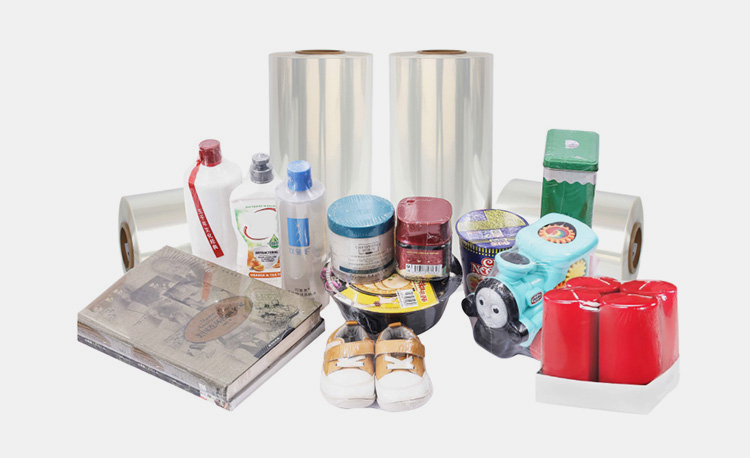
                      Scroll to Top