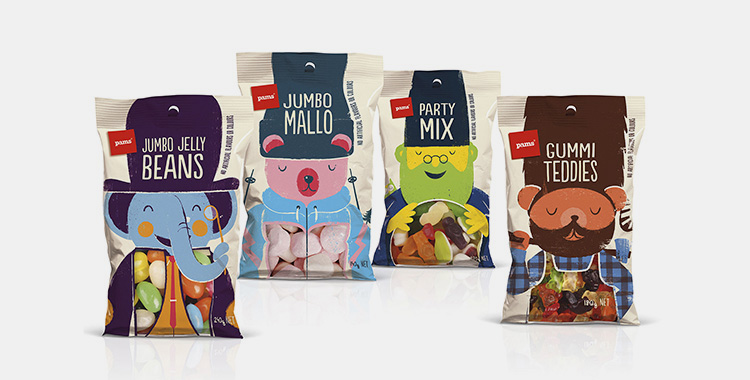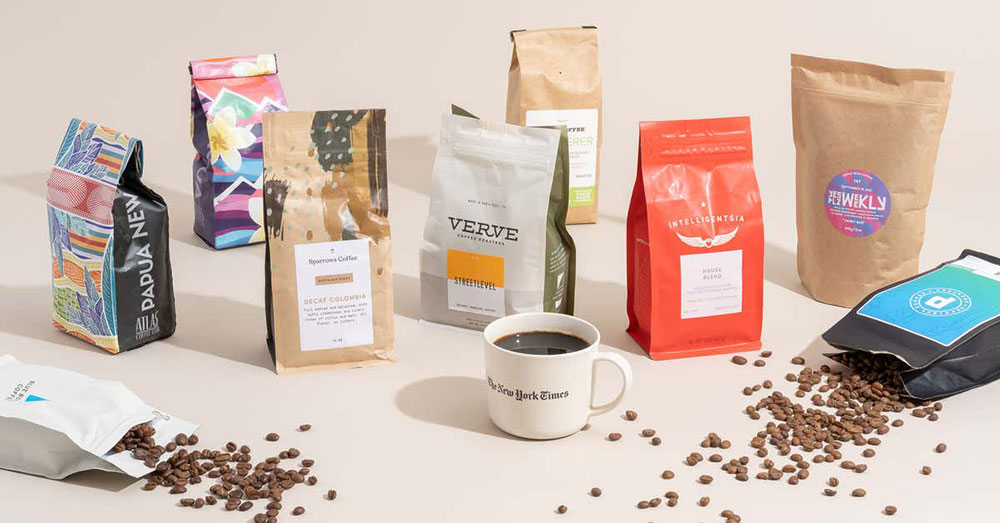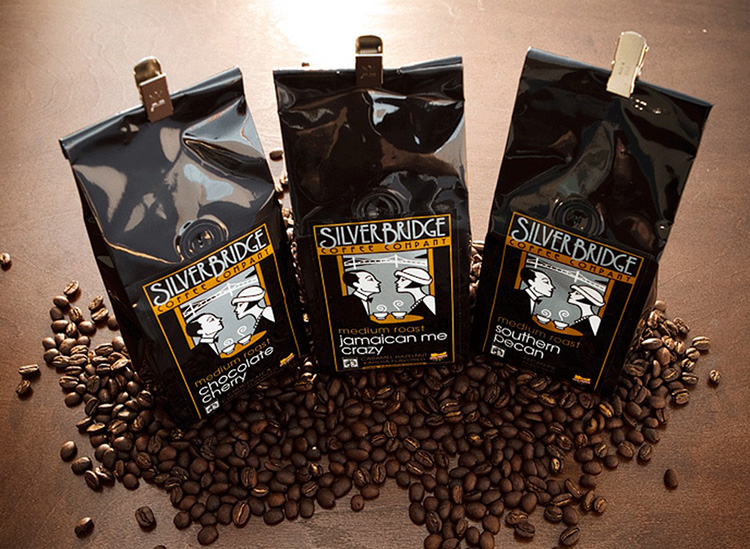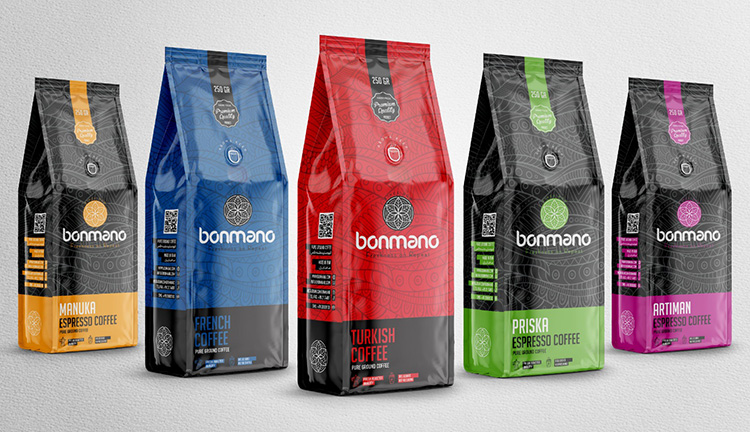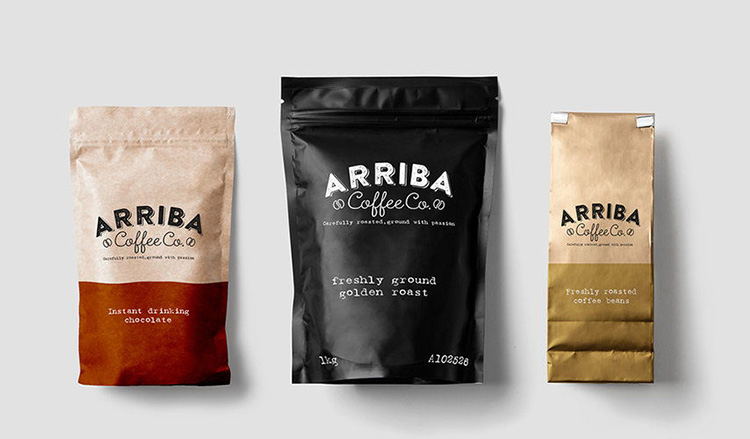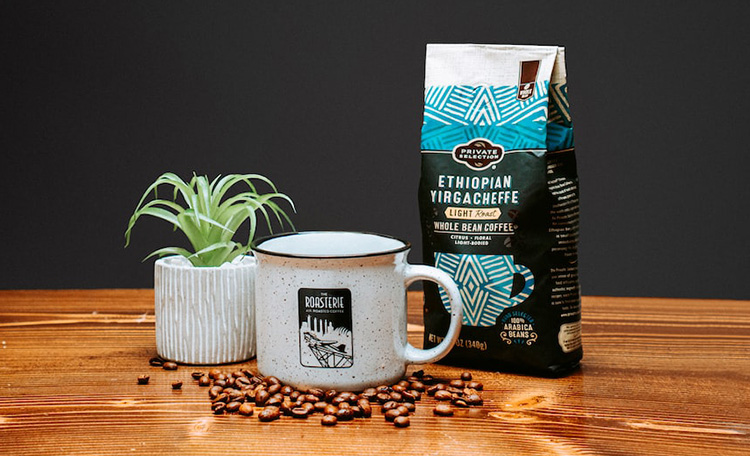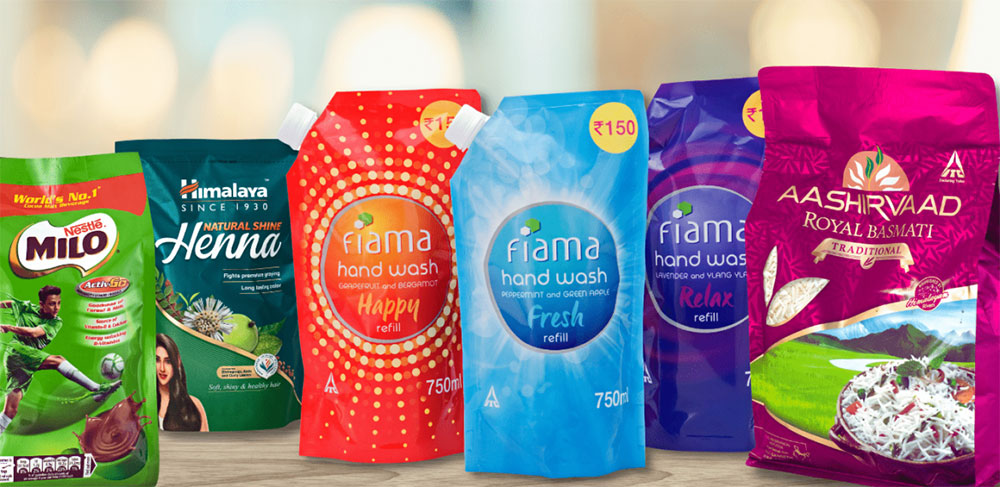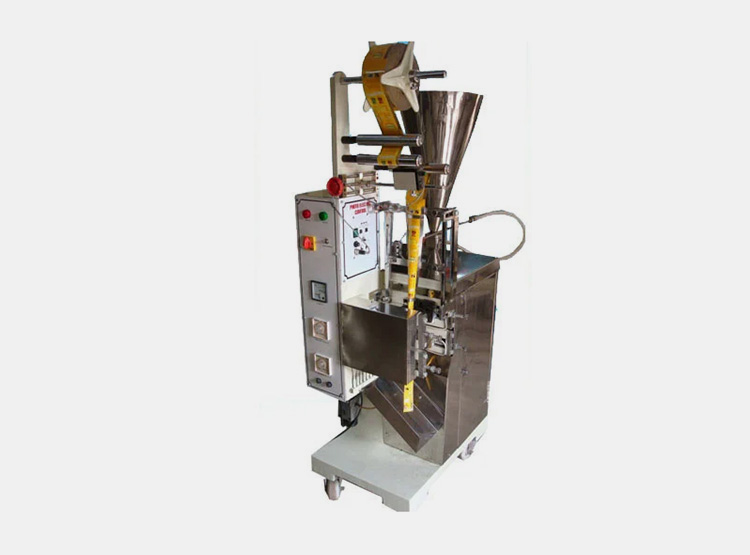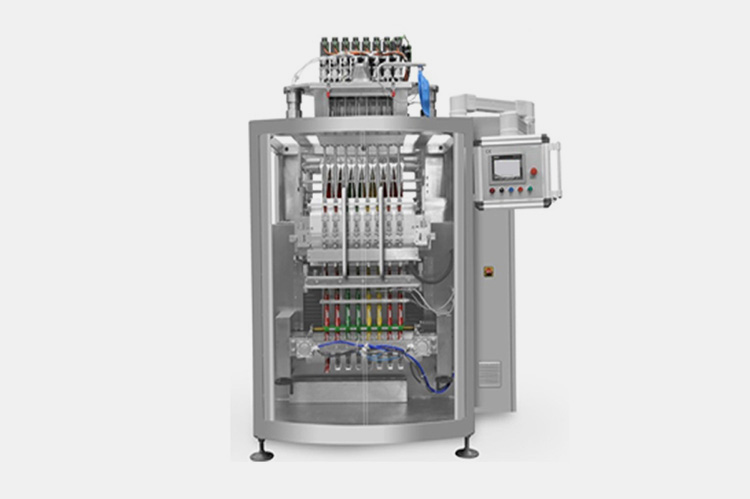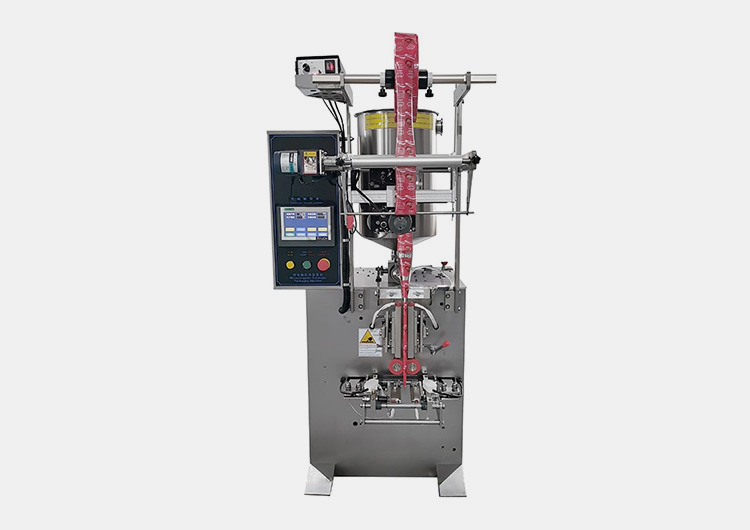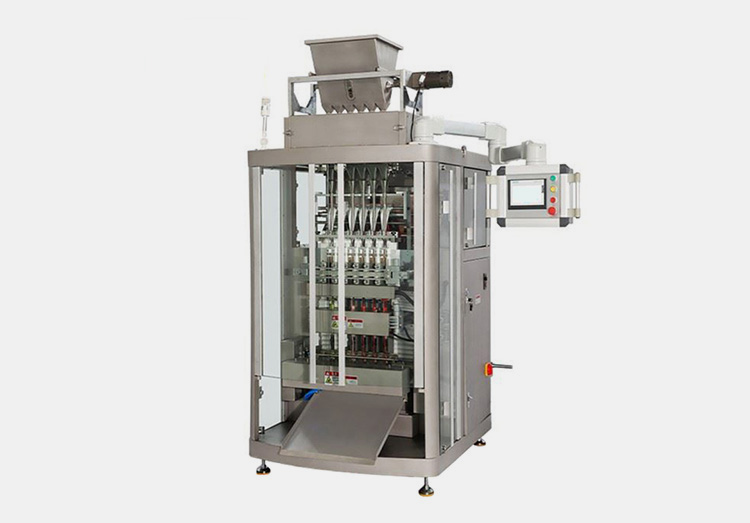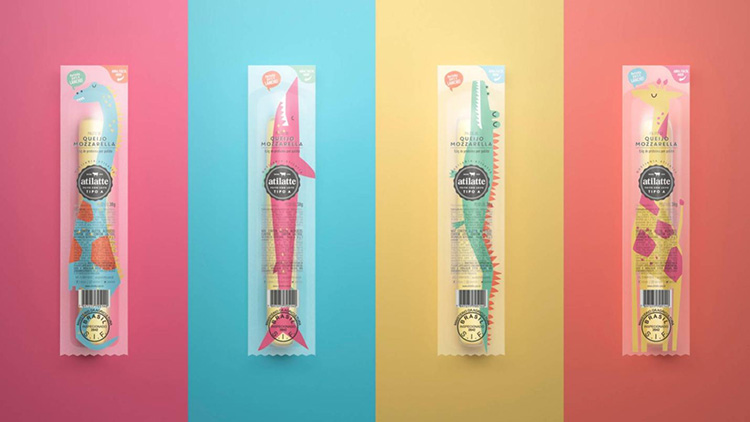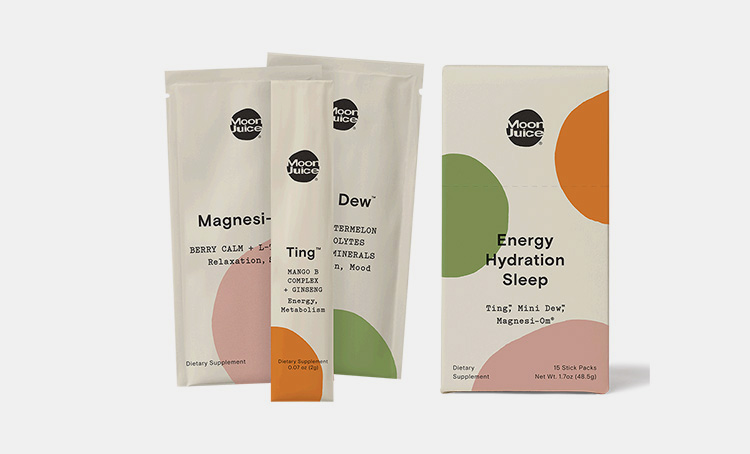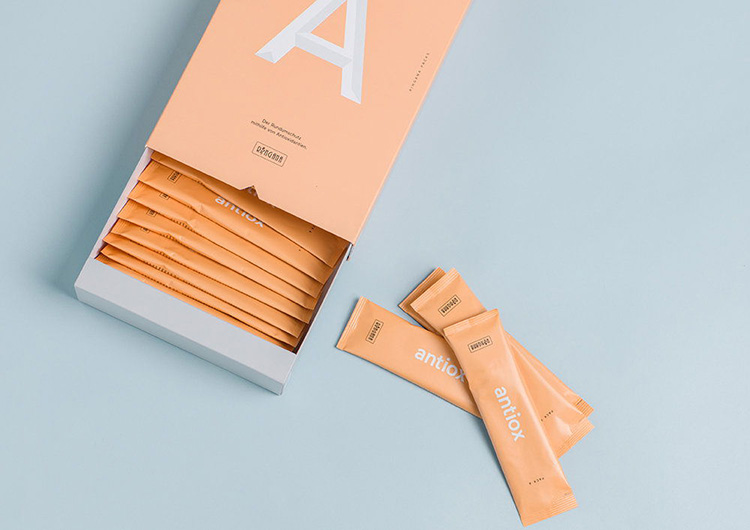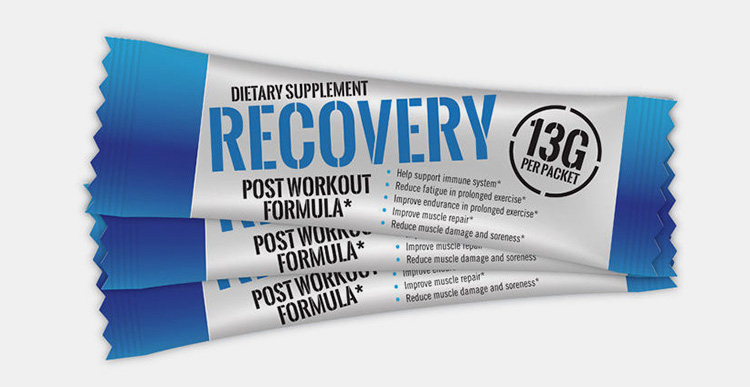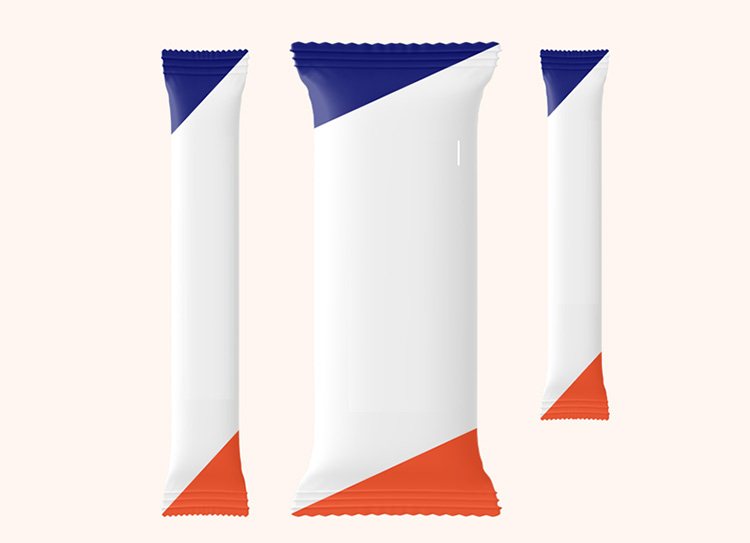
Honey Packaging

Honey Packaging: The Complete FAQ Guide In 2025

Honey Packaging: The Complete FAQ Guide In 2025
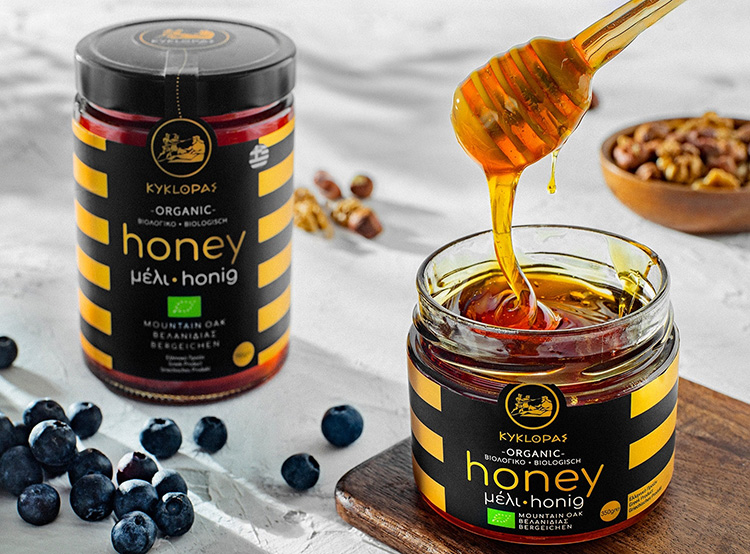
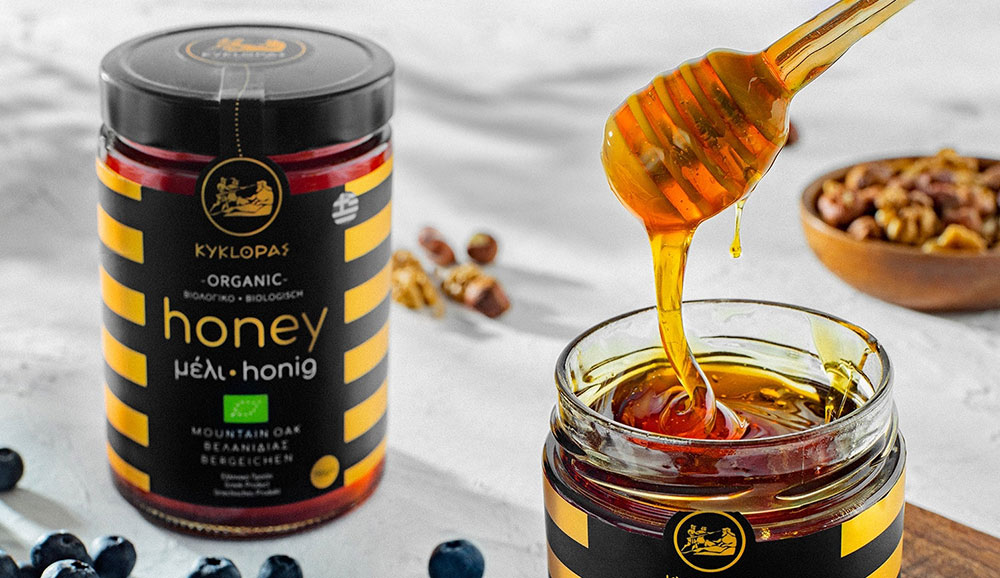
Honey Packaging-1

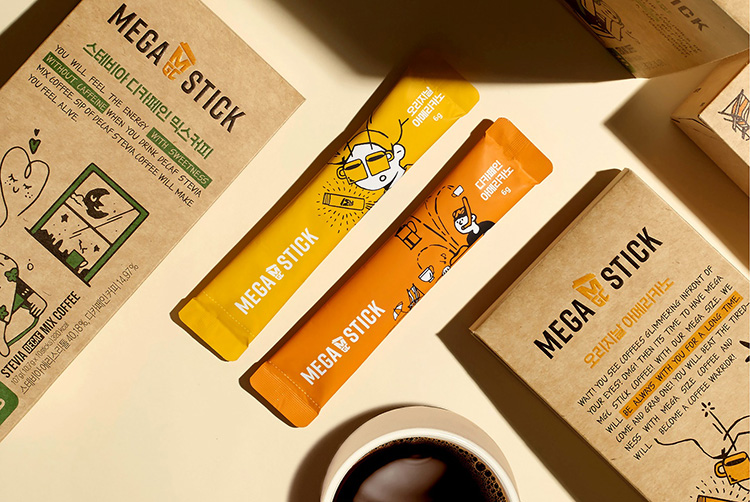
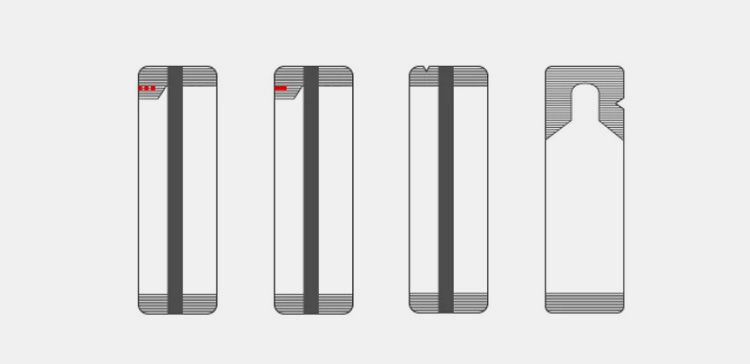
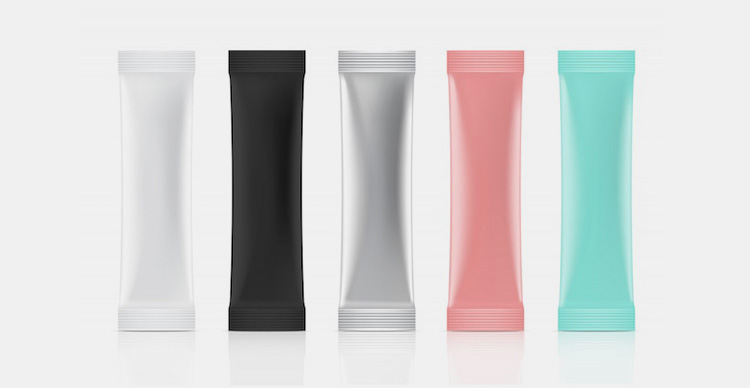
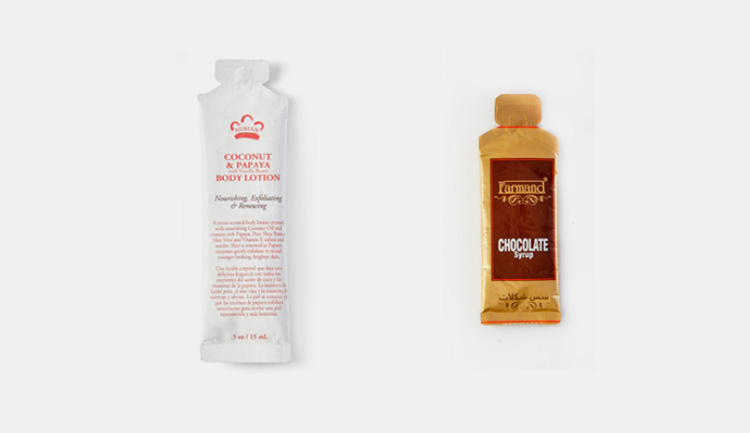
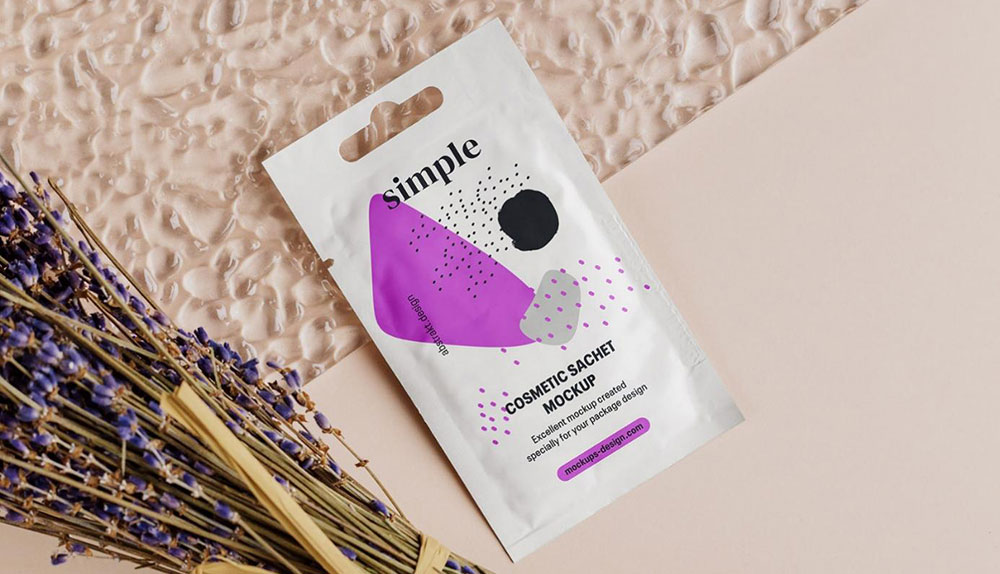
Honey Packaging Ideas - Picture Courtesy: 99Designs

Are you interested in knowing what honey packaging is? Do you know about honey packaging methods? Do you want to learn how the honey packaging process is carried out? Does your production involve honey packaging? If your answer is yes; then this is the right platform where all your queries regarding honey packaging will be solved. This FAQ guide will help you know more about honey packaging and its related information. For better understanding, read the complete article in detail which includes

    Add a header to begin generating the table of contents

    1.What Is Honey Packaging?

    Honey Packaging-2

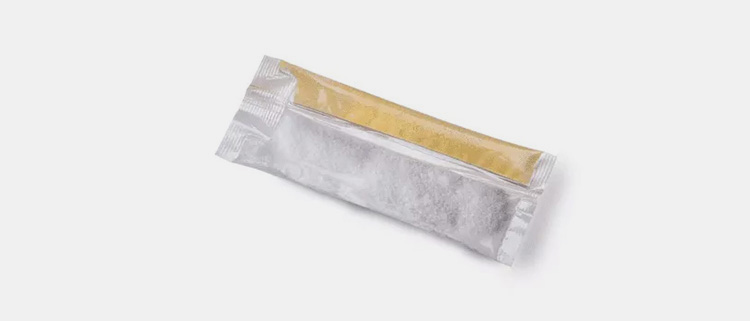
    Honey Packaging - Picture Courtesy: Packaging Bee

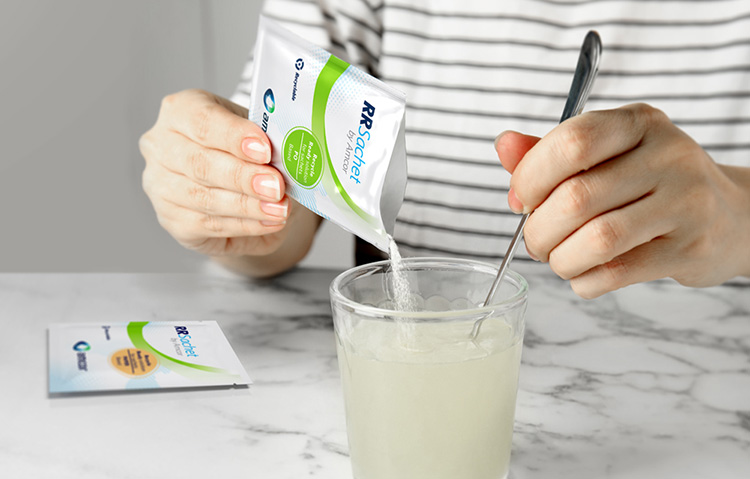
    Honey packaging is a process carried out globally to secure honey products for long storage and transportation requirements. It ensures that honey is packed in a way that the customer enjoys fresh, preserved, pure, and quality products. The process is done using different types of machines and packaging materials. Most commonly sachets, jars, and bottles of different sizes and shapes are used for the honey packaging process.

    2.What Industries Involve Honey Packaging

    Most of the industries that involve honey and its by-products have honey packaging methods as an essential part of their process. Some of them are

    Food Industry
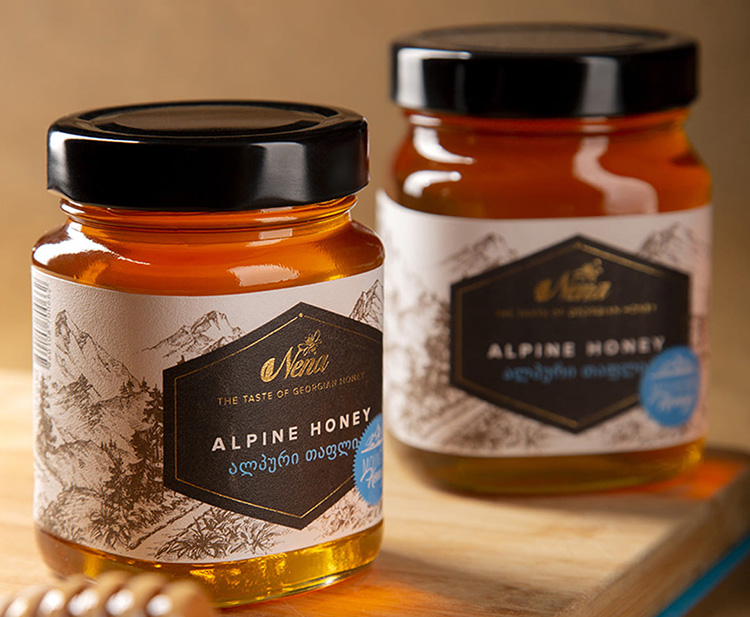
    Food Industry

    Honey Packaging For Food Industry - Picture Courtesy: Dars

    The food industry involves honey packaging on an extended level. Pure honey that is collected from honey beehives is completely purified and then packaged in different types of packaging. The food industry uses this process to make their products look presentable and attract more and more customers to their brand.

    Pharmaceutical Industry
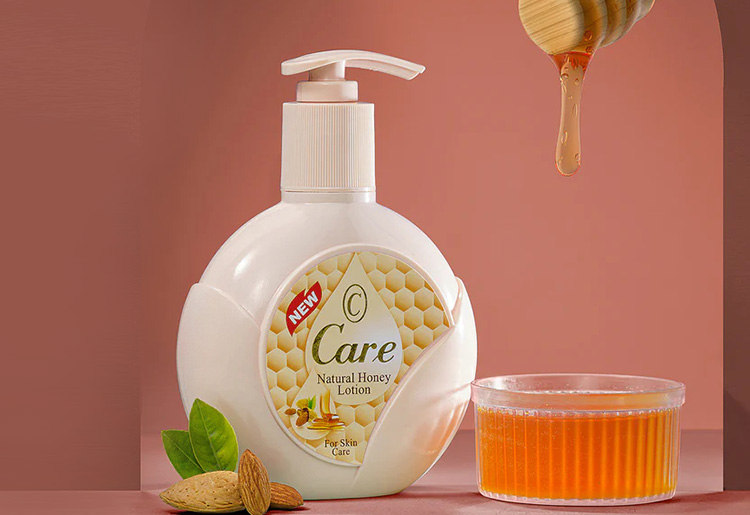
    Pharmaceutical Industry

    Care Honey Lotion- Picture Courtesy: Care Cosmetics

    Medications that are viscous and involve honey as a curing element have honey packaging in their production setups. These products are mostly used for personal protection as honey behaves as an essential skin care substance.

    Agricultural Industry
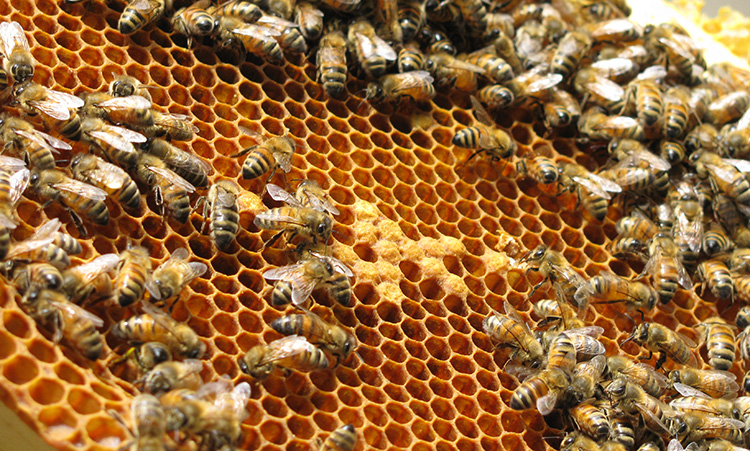
    Agricultural Industry

    Honey Bee Farming - Picture Courtesy: Agri Farming

    This type of industry is the actual place where the honey is stored and collected. Multiple beehives with pure honey extraction facilities are present in modern agricultural industries. These honey products are packaged to prevent contamination and to make it feasible to travel longer distances.

    Catering And Hoteling
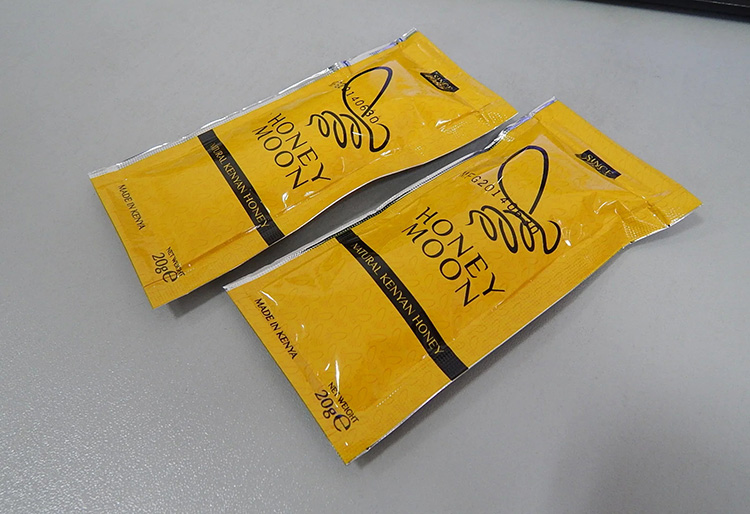
    Catering And Hoteling

    Honey Sachet Packaging For Small Business- Picture Courtesy: Tianjin Honda

    On a smaller level, the catering and hoteling industry also does honey packaging in sachets, pouches, and jars. They usually use these for their customers and to cater to local demand.

    3.What Are The Benefits Of Doing Honey Packaging?

    There are numerous advantages of honey packaging due to its preservation and contamination-free aspect. Some of the most common benefits are

    Quality Preservation
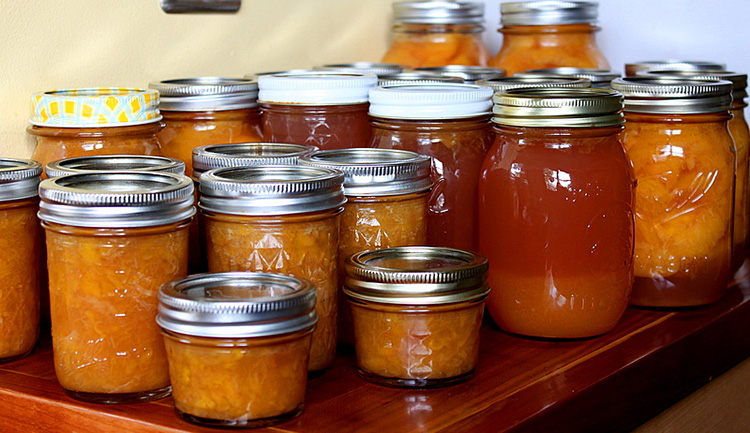
    Quality Preservation

    Preserving Honey - Picture Courtesy: Hobby Farms

    Honey whether it is in the form of crystals or viscous nature can be preserved with proper honey packaging processes. The quality of honey has remained the same over the years and has remained free from contamination, dust, and environmental influence.

    Product Shelf Life
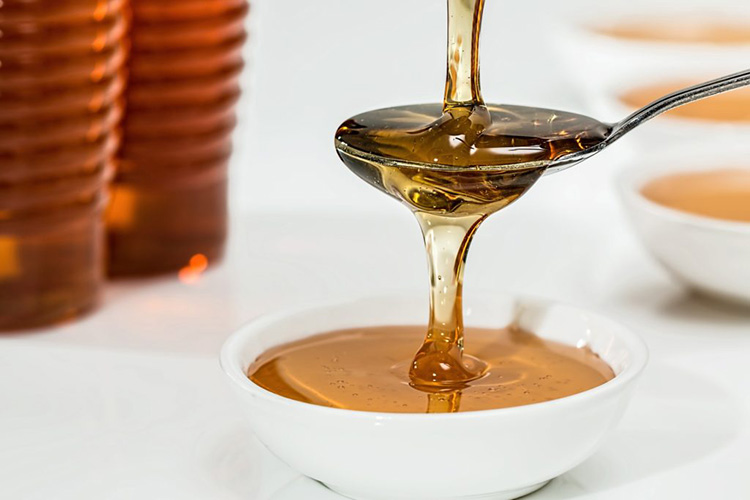
    Product Shelf Life

    No Expiry Date - Picture Courtesy: Manila Bulletin

    Honey packaging ensures that proper sealing is provided to the honey product so that no air, humidity, dust, or moisture enters inside it. This makes the product airtight increases its shelf life for longer periods and prevents spoilage.

    Product Presentation
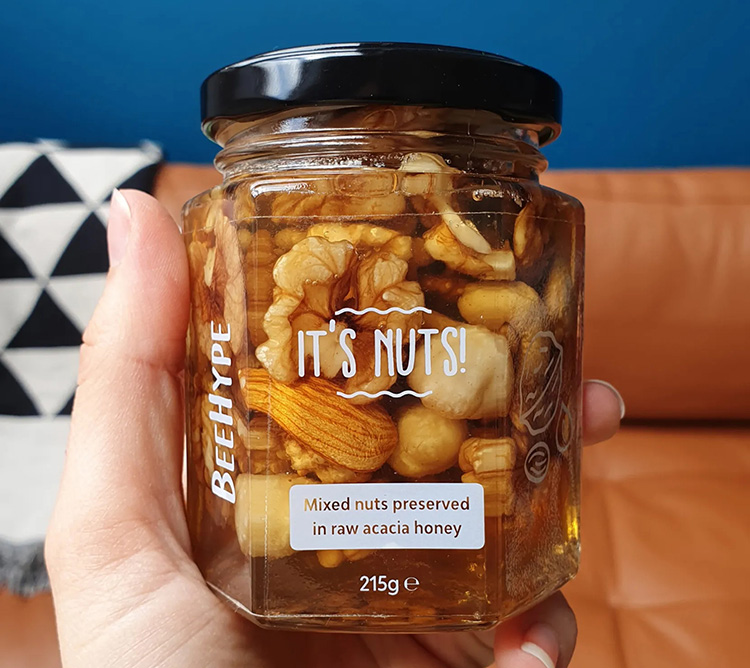
    Product Presentation

    Raw Honey In Preserve - Picture Courtesy: BeeHype Honey

    The most important benefit of honey packaging is that it makes the product look presentable to both the retailer and the consumer. The honey products when filled in retail store shelves look attractive by doing efficient honey packaging.

    Brand Marketing
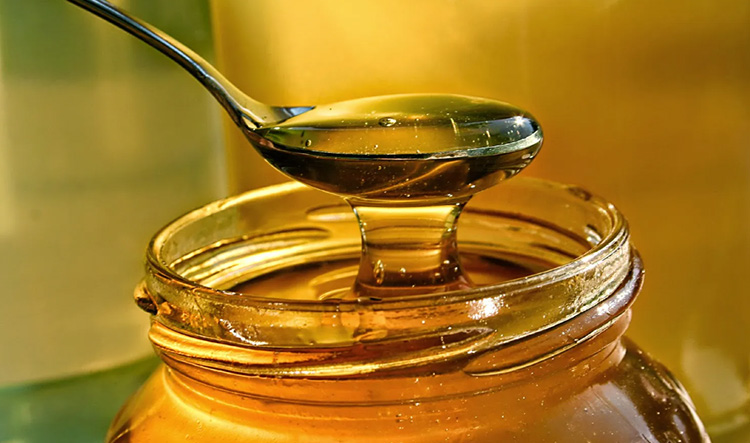
    Brand Marketing

    Marketing By Honey Packaging Business- Picture Courtesy: Welp Magazine

    Honey product manufacturers can get the most from honey packaging processes. As honey packaging involves detailed product and brand information on its labels, it allows the manufacturer to market as much as they can. Honey packaging appeals to the customer's eyes and also creates brand marketing options.

    4.What Are The Common Types Of Machines Used For Honey Packaging?

    A machine that is automatic in working provides efficient and effective honey packaging results as compared to manual processes. Some of the common types of machines that are used in industries for honey packaging are

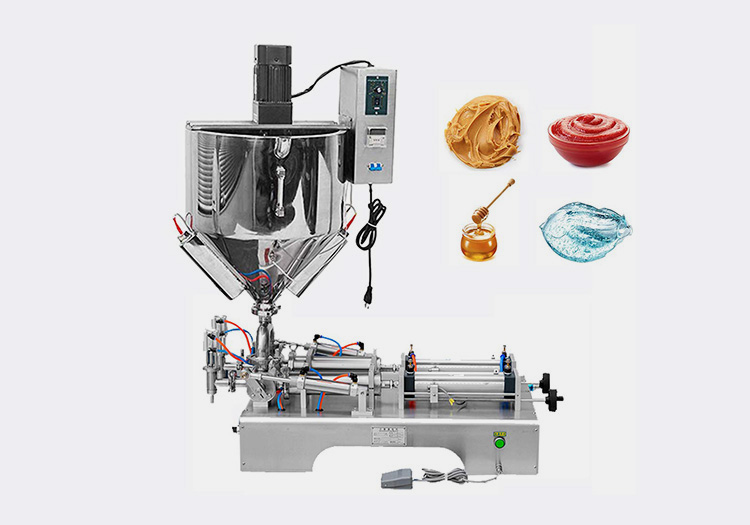
    Piston Honey Filling Machine
    Piston Honey Filling Machine

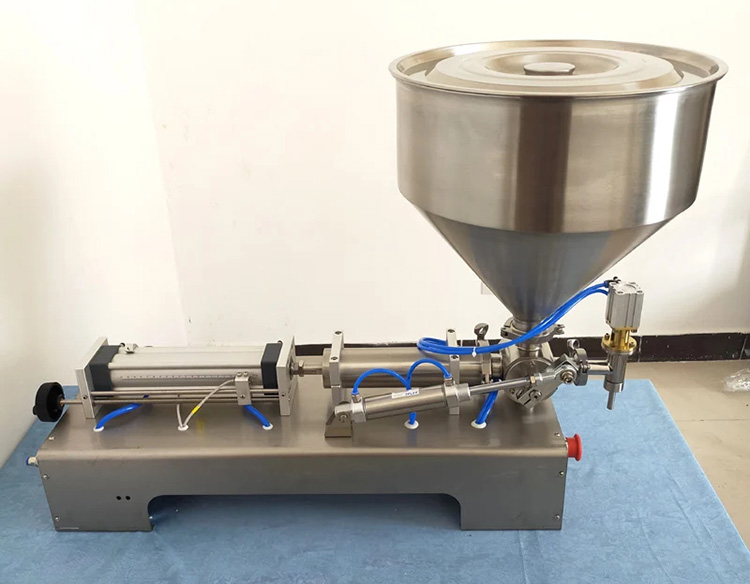
    Piston Honey Filling Machine

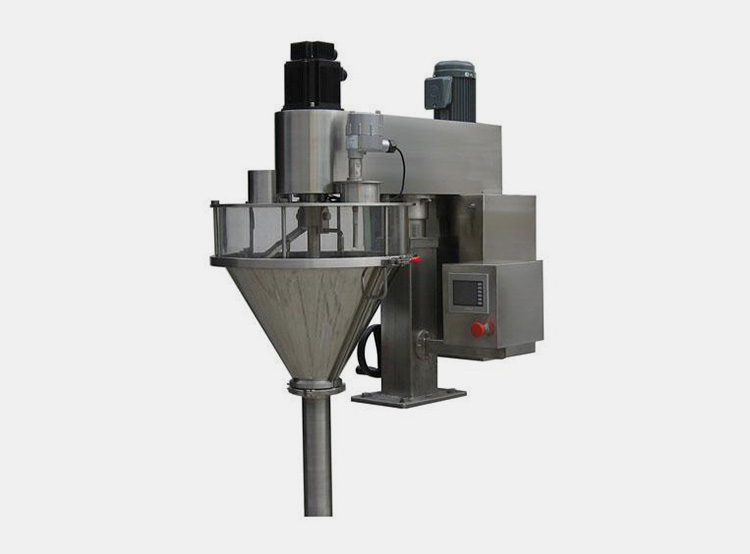
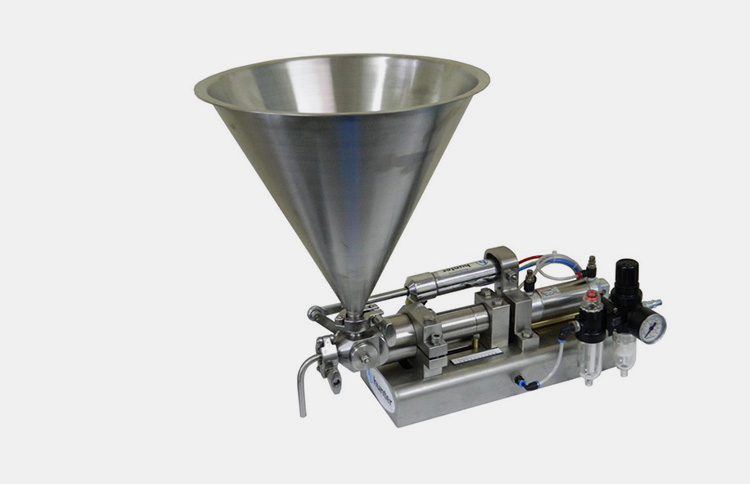
    As the name indicates, this type of machine is used to fill honey products with the help of forward and backward movement of pistons. The movement of pistons allows honey to be filled into the packaging and stops when the desired limit is met. Piston fillers are ideal for packaging viscous honey in small- and large-scale industries.

    Working Principle

    • Initially honey is filled into the hopper of a piston honey filling machine and allowed to traveled through the filling lines.
    • Once the honey packaging material reaches the filling nozzle, the piston starts moving the cylinder to create vacuum.
    • This vacuum helps in drawing out honey from the filling nozzle into the packaging. Simultaneously the backward movement pushes to bring more honey from the filling lines.
    • The speed for piston movement is set in a way that accurate amount of honey is dispense into the honey packaging.
    • Finally, sealing and labeling of honey packaging is done to give it a pleasant look.

    Gravity Honey Filling Machine

    Gravity Honey Filling Machine

    Gravity Honey Filling Machine

    Gravity honey-filling machines follow the principle of gravity and ensure that honey flows in the direction of gravity without any external influence. These machines are highly accurate and precise in their processes and perform honey packaging with greater productivity.

    Working Principle

    • Firstly, the hopper present at the top is filled honey and it travels towards the nozzle by the principle of gravity and depending on its viscosity.
    • On the same time the packaging material is created and allowed to be placed beneath the filling nozzle. For containers and jars conveying system is associated with a gravity honey filling machine.
    • Valves are placed to control the dispensing of honey so that the flow stops once the maximum limit is achieved.
    • Lastly, sealing and labeling is applied on the honey packaging so that customer can be familiar with the product details and to give it a pleasant look.

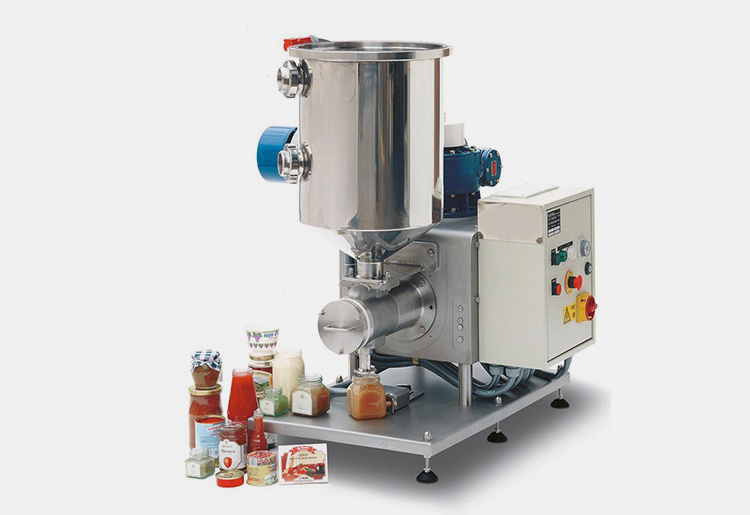
    Volume Honey Filling Machine
    Volume Honey Filling Machine

    Volume Honey Filling Machine - Picture Courtesy: Carlo Migliavacca

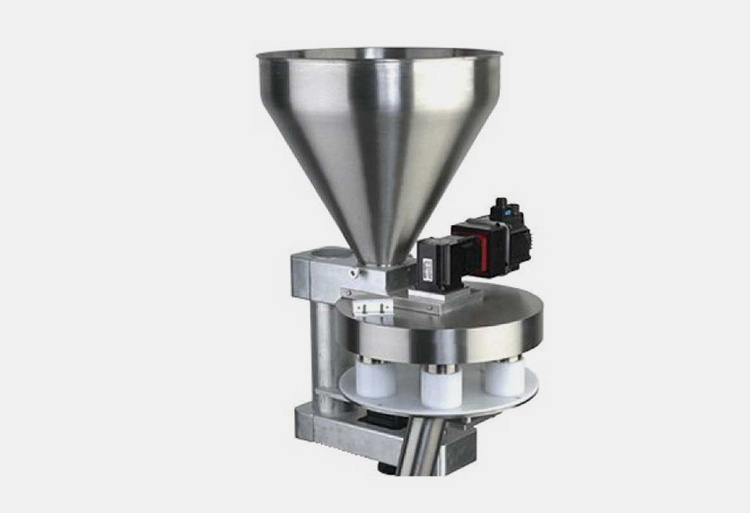
    Volume honey-filling machines are there for the filling of accurate volumes of honey depending upon the size and type of packaging. The machine releases the exact volume of honey so that no spillage or leakage may occur.

    Working Principle

    • Volume honey filling machine is designed to dispense exact amount of honey by entering the value in the system.
    • Same like other type of filling machines the hopper of a volume honey filling machine is filled with honey and allowed to travel towards the filling nozzle.
    • The amount of volume that is to be dispensed is set into the system and once packaging material reaches the filling nozzle the honey is dispensed by the efficient working of pumps.
    • Sensors, actuators and valves are used to control this flow of honey so that accurate amount can be filled into the packaging material.
    • As the filling gets completed, the packaging material is moved further for application of seal and labels so the spoilage can be avoided and customer can be attracted towards the product.

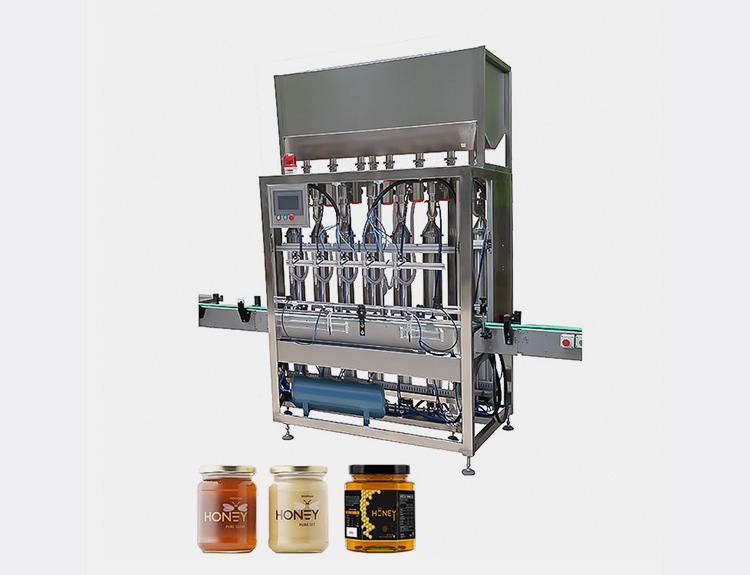
    Jar Or Bottle Packing Machine
    Bottle Packing Machine

    Honey Jar Bottle Filling Capping & Labeling Machine - Picture Courtesy: Shangai iPanda International

    This type of honey filling machines has highly precise shut-off valves associated with the filling nozzle that stops the flow once it reaches its maximum level. Different sizes and shapes of jars and bottle of either glass or plastic can easily be filled and packed using this type of machine.

    Working Principle

    • A proper conveying system is used in a jar or bottle packing machine that is used to travel jar or bottles within the system.
    • Once the packaging material reaches the filling nozzle, accurate amount of honey is dispensed into it with the help of piston or gravity filler mechanism.
    • After filling process is carried out, the conveyor moves toward the next process of seal and label application.
    • Fully packaged honey packaging is received at the offloading side of conveyor and packed in boxes and cartons of different sizes to carry out the logistics process.

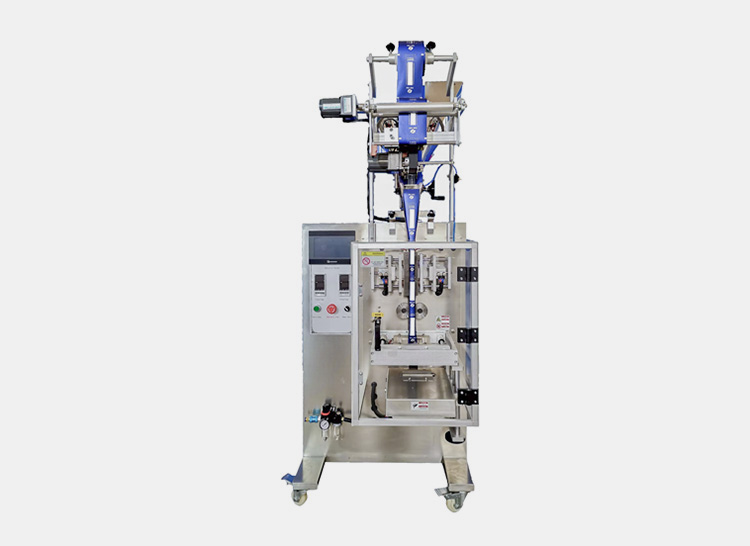
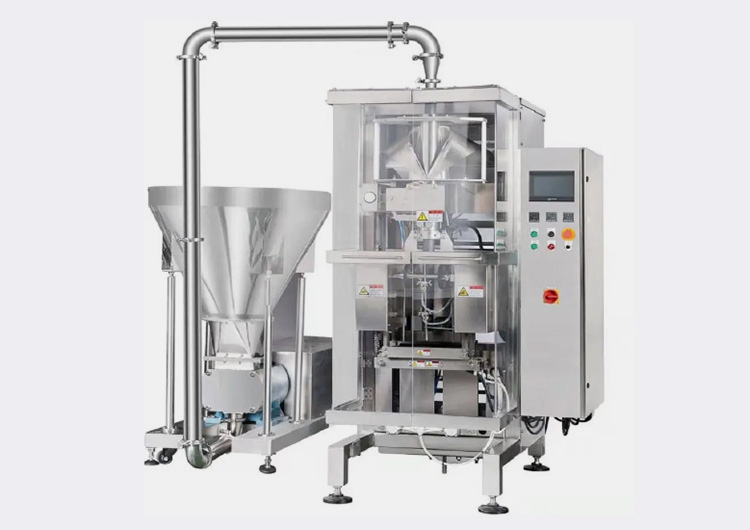
    VFFS Liquid Packaging Machine
    VFFS Liquid Packaging Machine

    VFFS Liquid Packaging Machine - Picture Courtesy: Soontrue

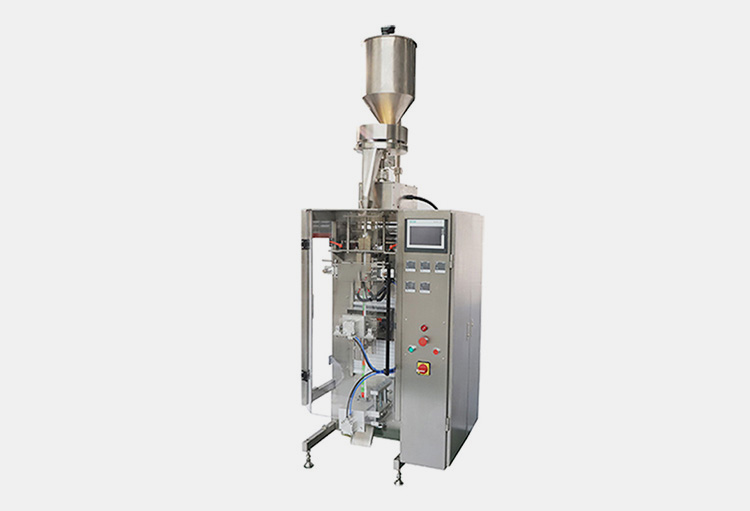
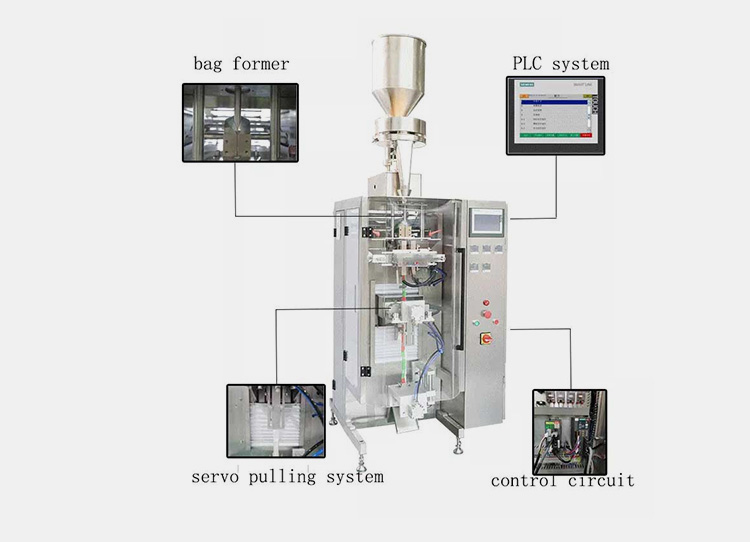
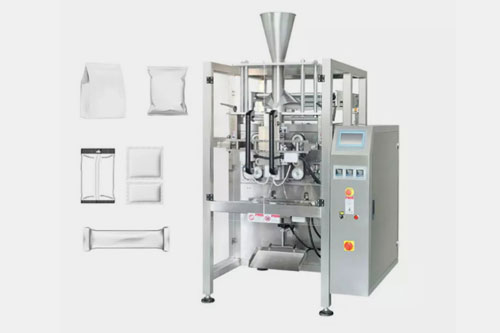
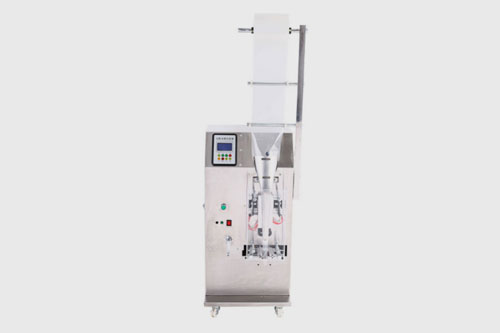
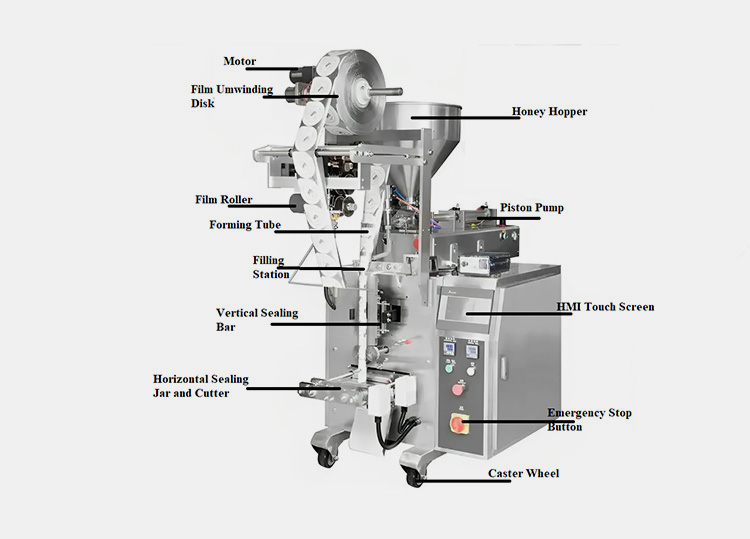
    Vertical form fill seal liquid packaging machines have a servo mechanism in their process that is highly suitable for honey packaging due to its support to viscous material. The viscous material in an efficient manner flows through the filling lines of machine and with a certain vacuum pressure is released from filling nozzle.

    Working Principle

    • In a VFFS liquid filling machine pouches and sachets filling of honey is carried out depending upon its viscosity.
    • The feeding roller contains the film that is to be shaped into pouches or sachets. On the same time the hopper is also filled with honey.
    • Vertically the bags are formed and honey is released into it in high speed through the filling nozzle.
    • After filling process bags, pouches or sachets are seal packed using two heated electrodes that give highly precise sealing to prevent spoilage.
    • Cutting of film roll is done after sealing and the honey packaging is packed in different sizes of cartons and boxes.

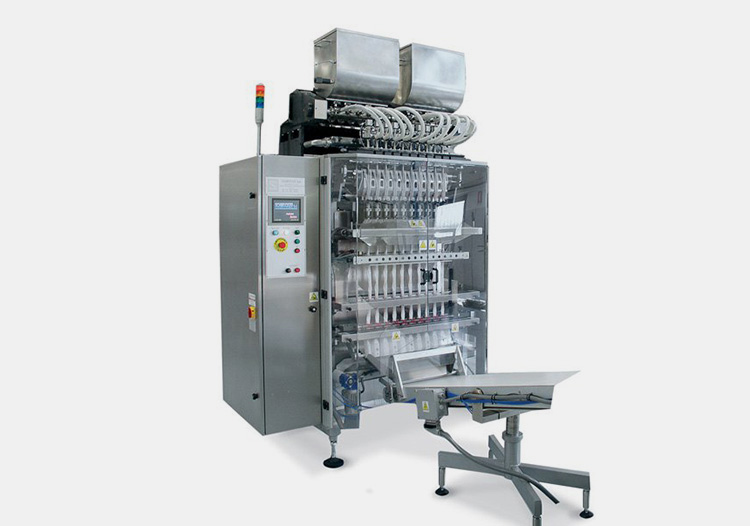
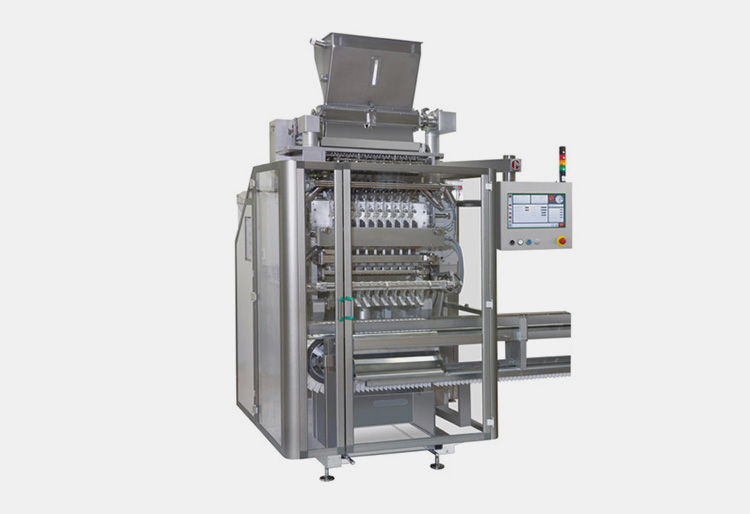
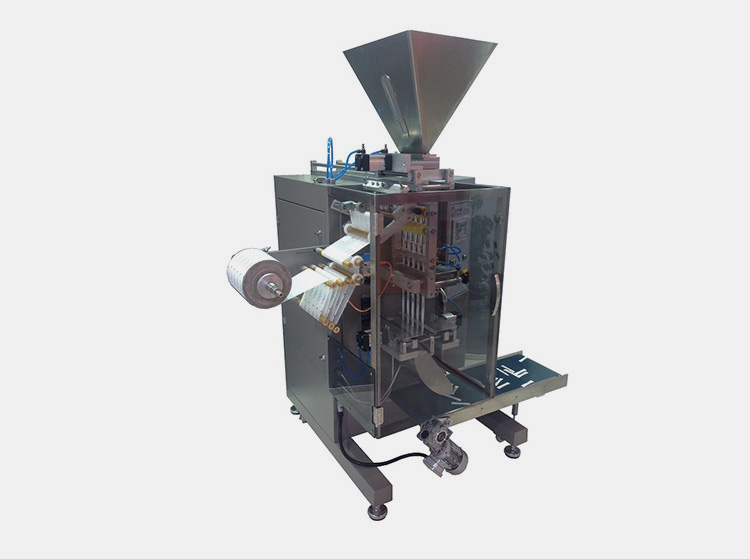
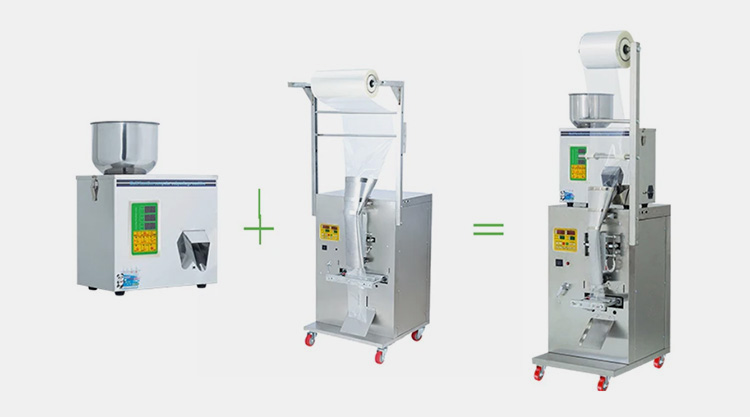
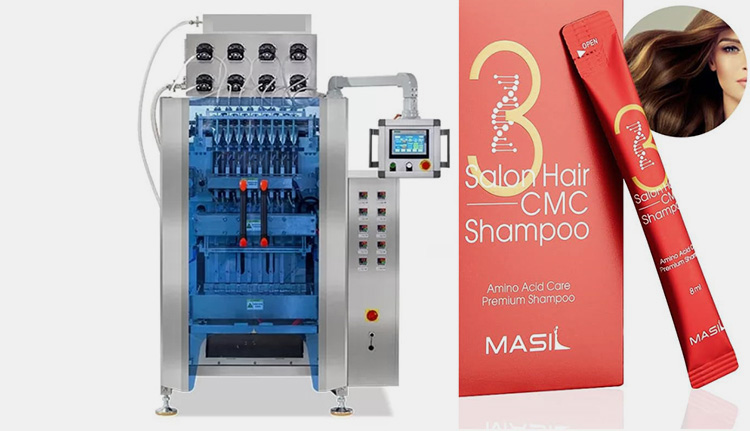
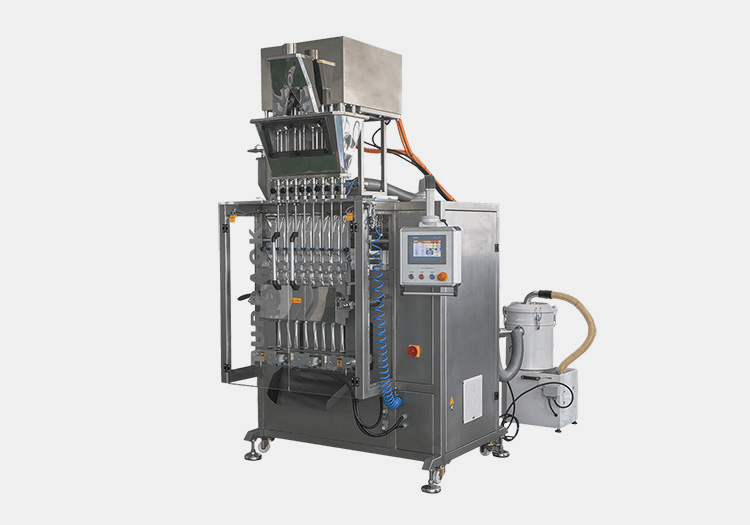
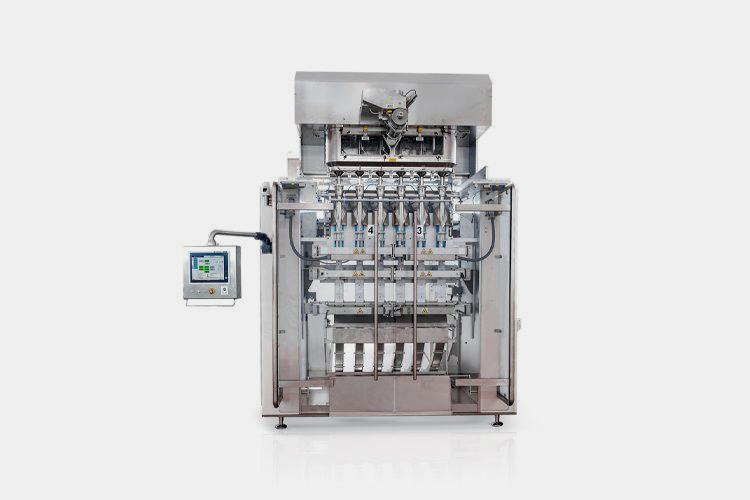
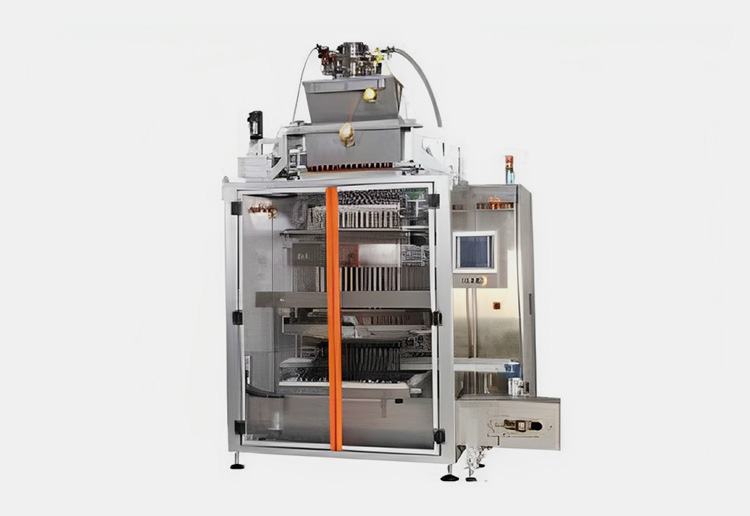
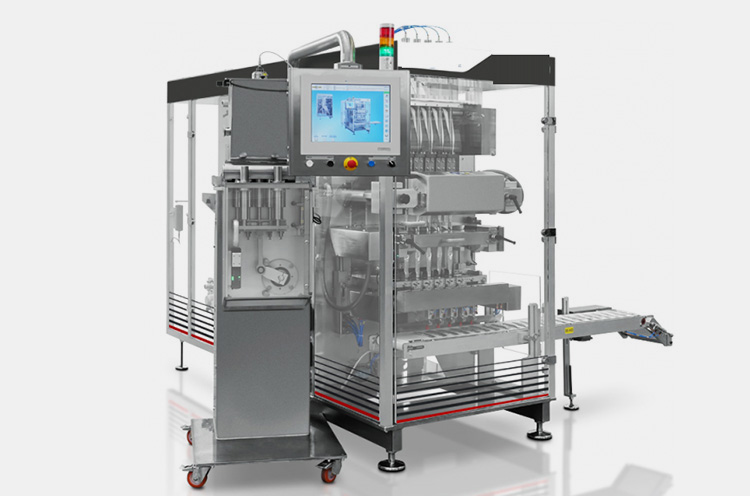
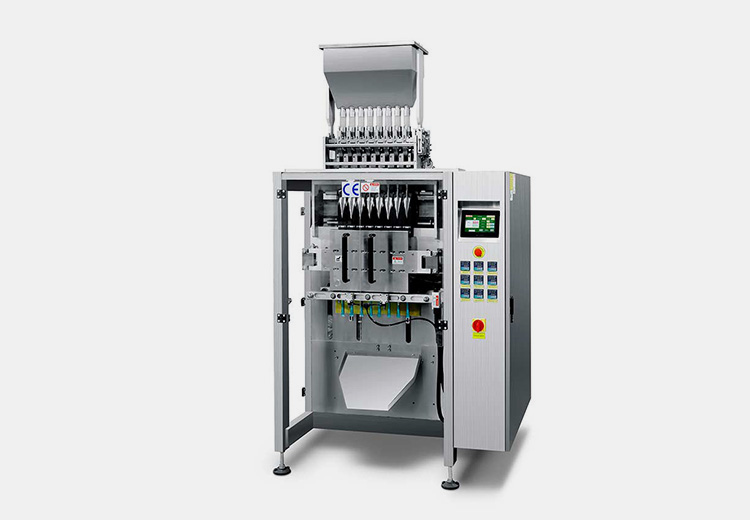
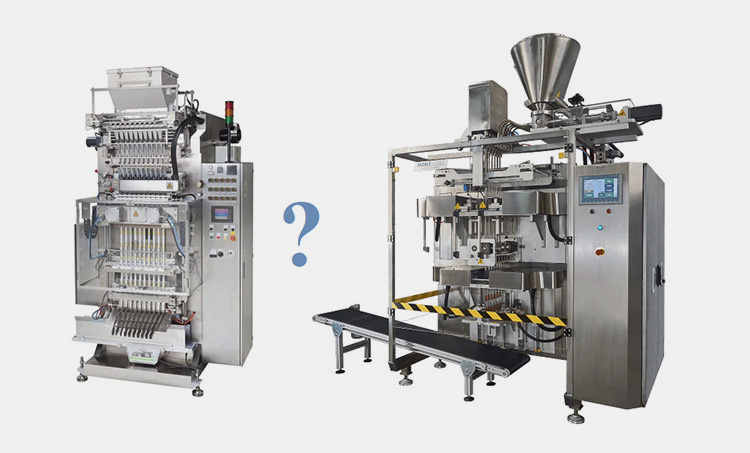
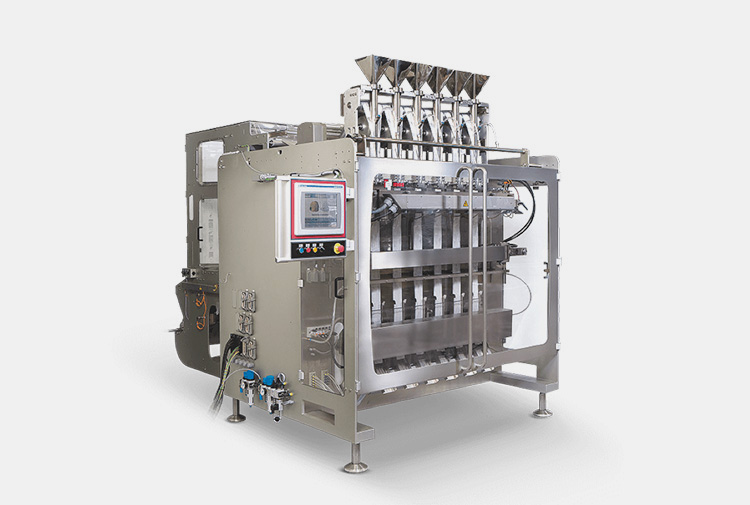
    Honey Stick Packing Machine
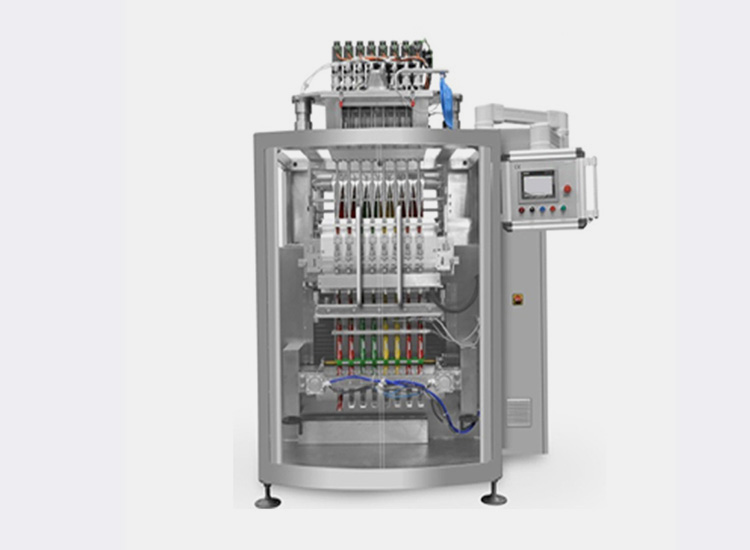
    Honey Stick Packing Machine

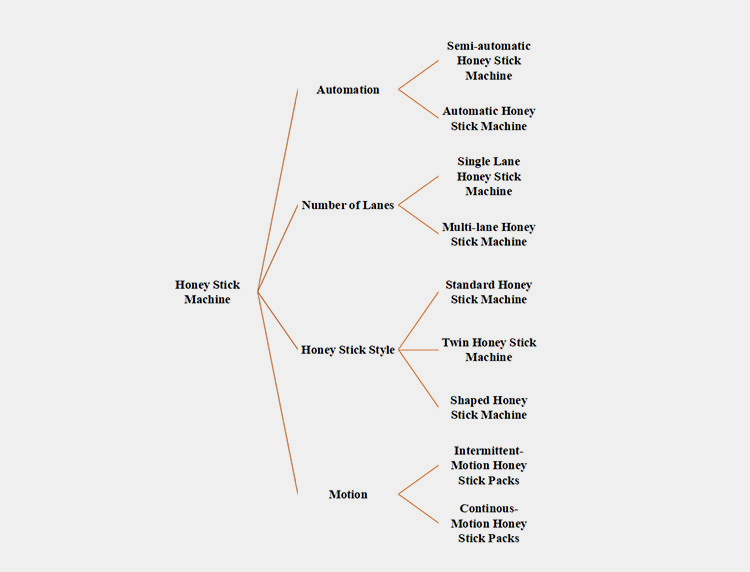
    Honey Stick Machine

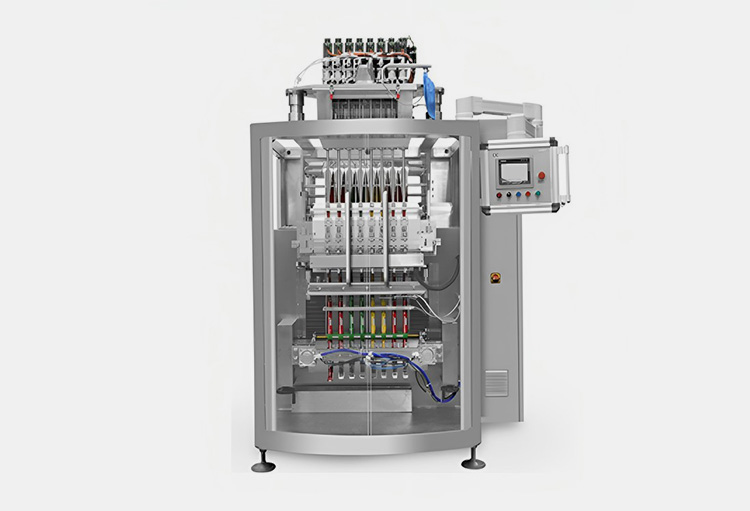
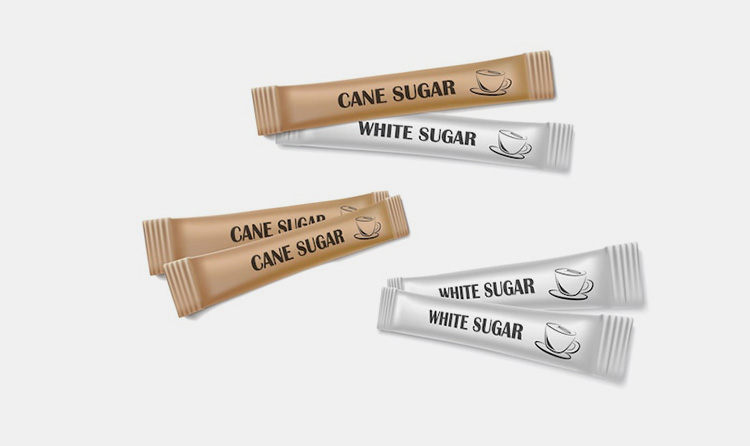
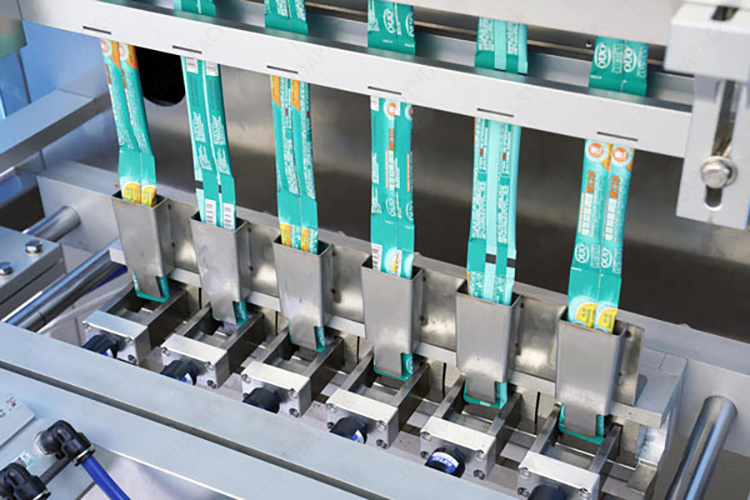
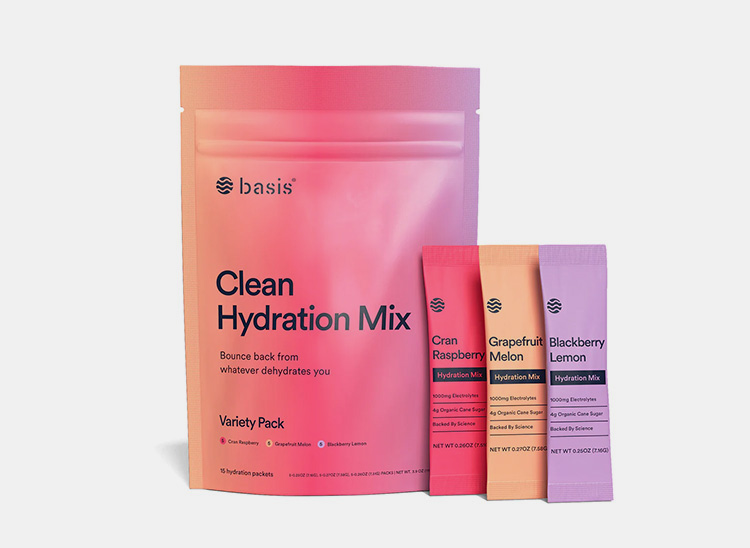
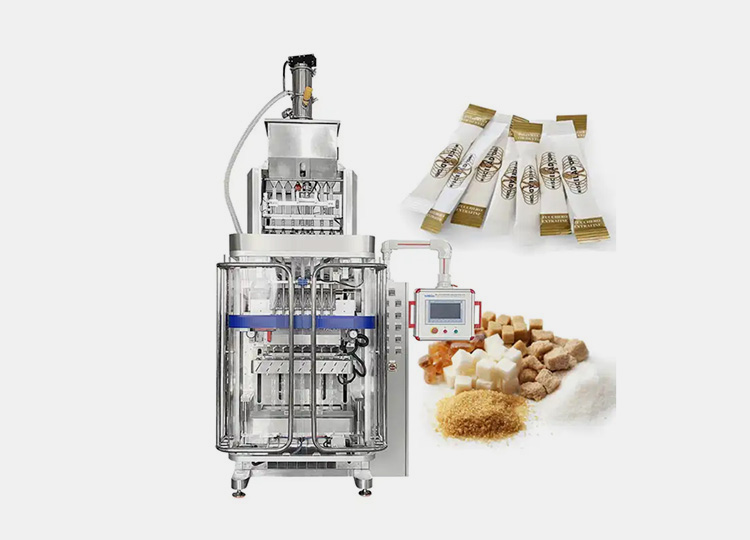
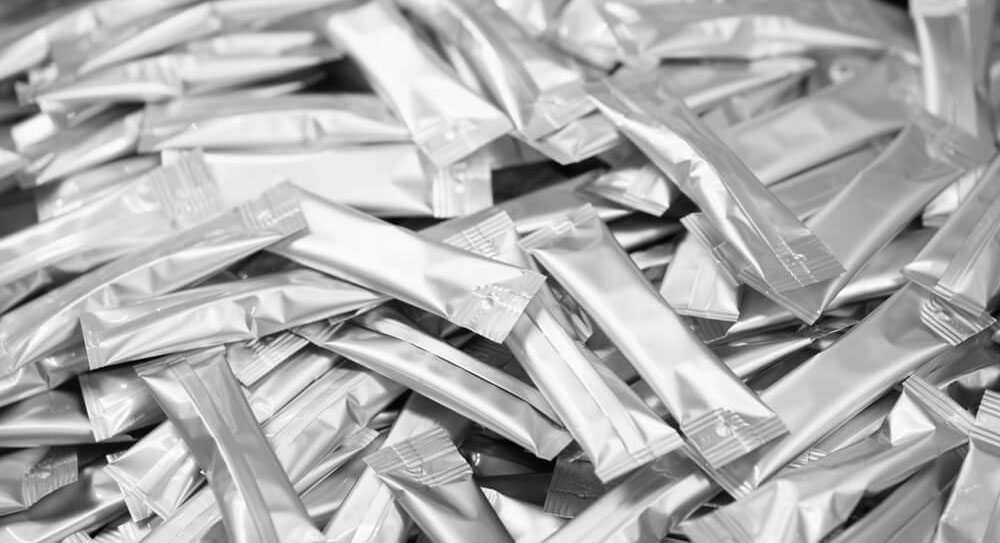
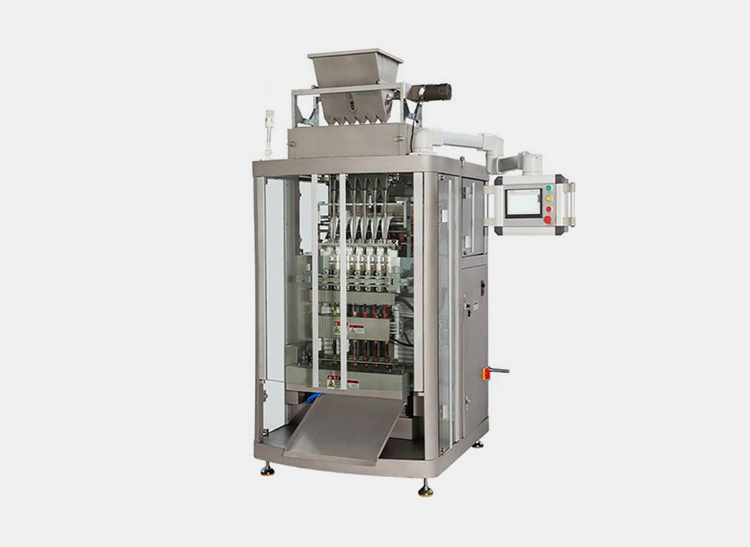
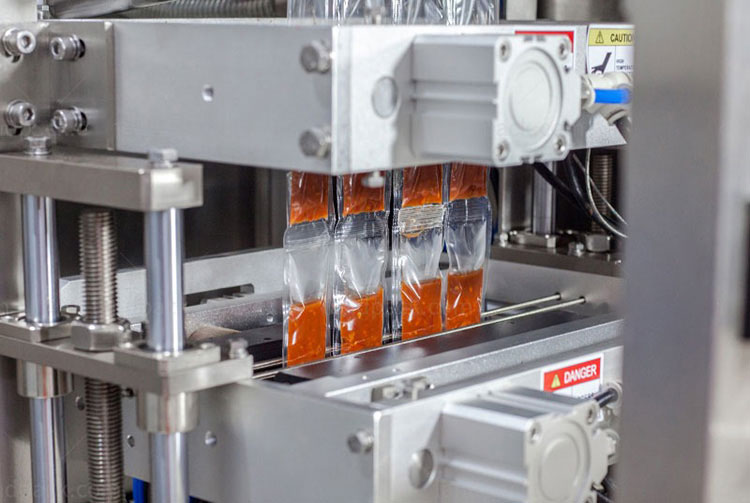
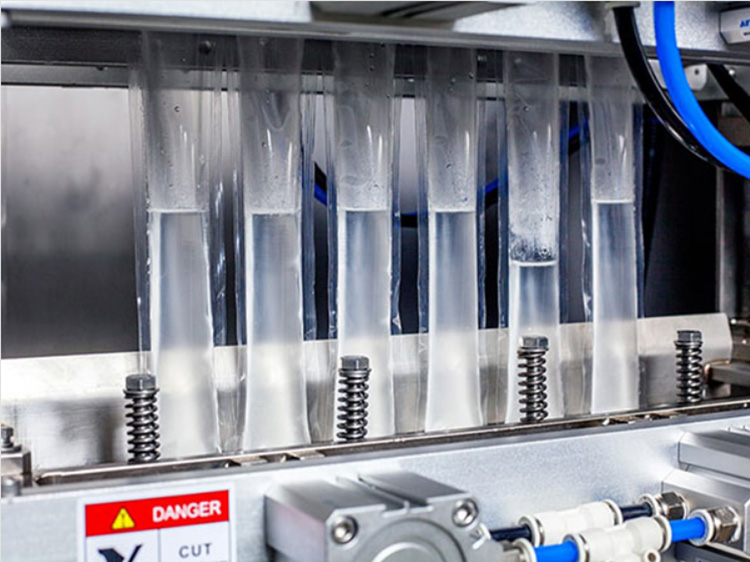
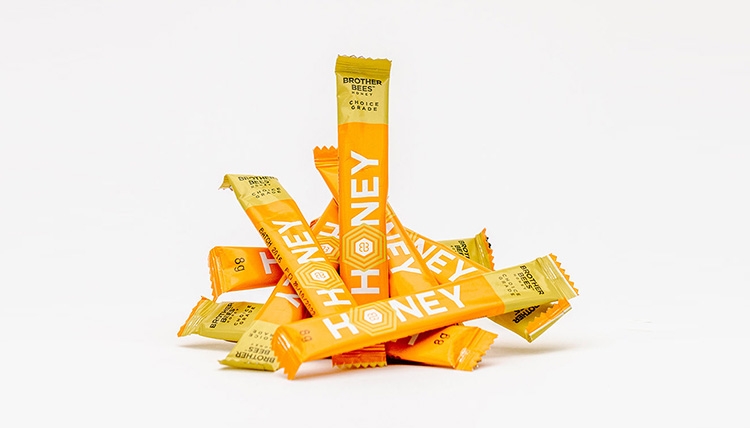
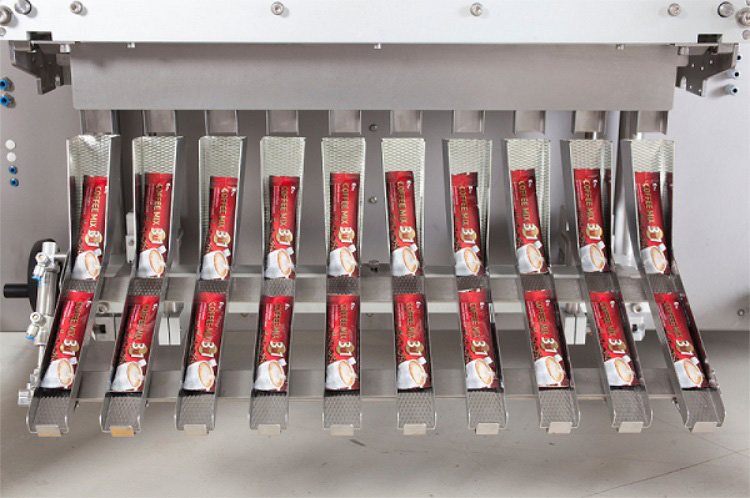
    Honey stick packing machines are used to fill and pack stick type honey packaging. It has proper filling, sealing, and cutting of sticks that makes it look pleasant. Sticks are precisely seal so that the shelf life of honey can be increased.

    Working Principle

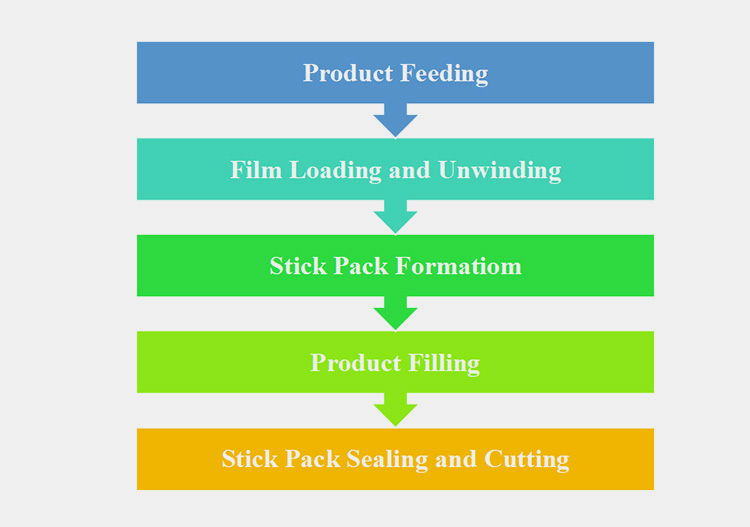
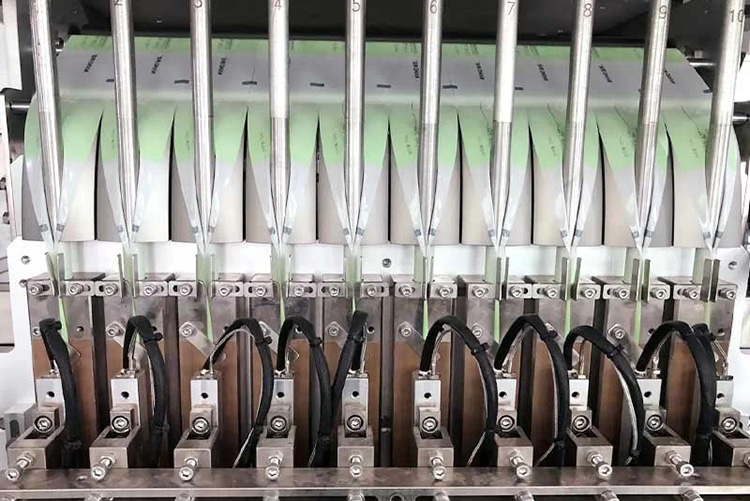
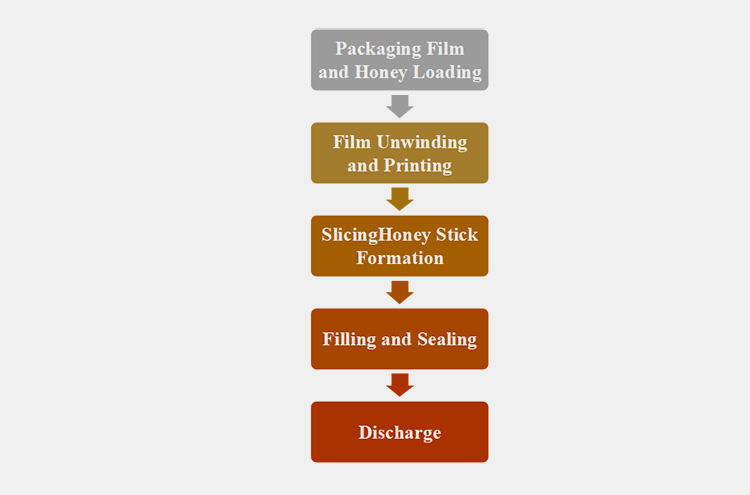
    • Same like other packing machines, a honey stick packing machine involves both sticks making and filling processes.
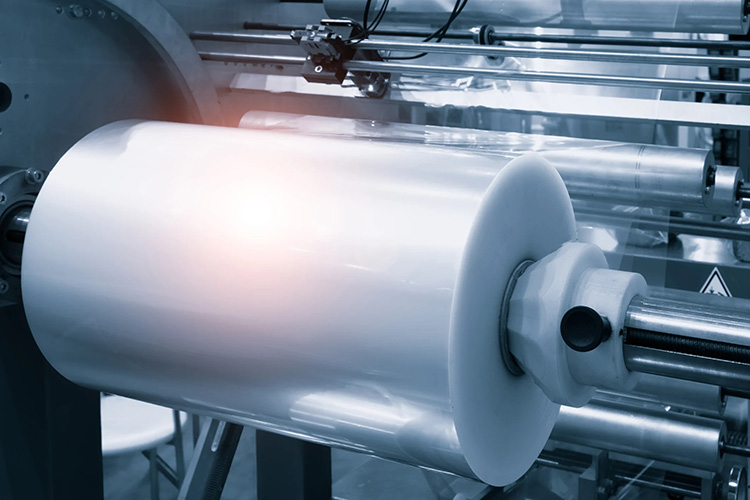
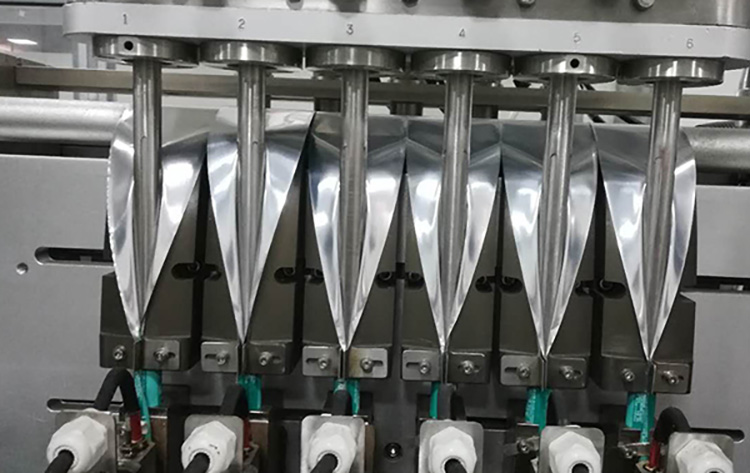
    • Sticks of different sizes are formed from the film roll placed at the feeding roller of the machine.
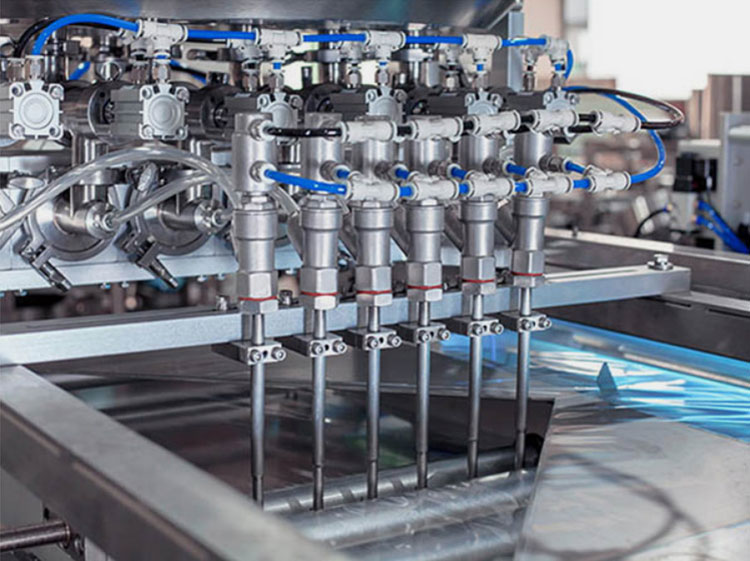
    • Honey present at the hopper travels into these different sizes of sticks by the pressure created through pumps.
    • As the sensor present in filling nozzle detects the availability of sticks, the honey is dispensed into them and sealed after the process gets completed.
    • Sticks are cut by sharp edged cutters to separate them from each other and to give the sticks a pleasant look.

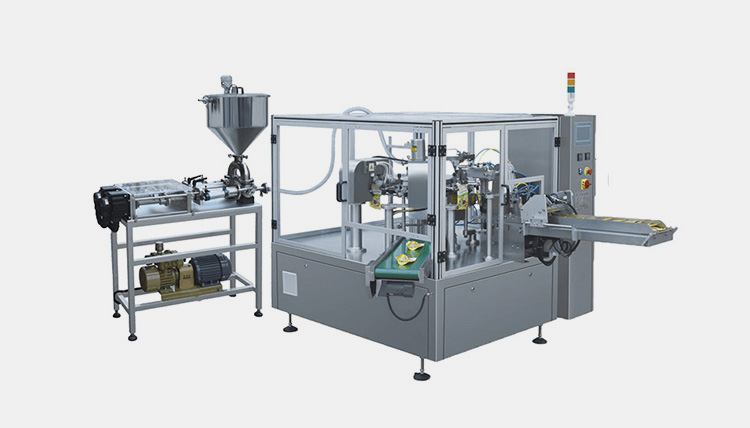
    Premade Pouch Filling
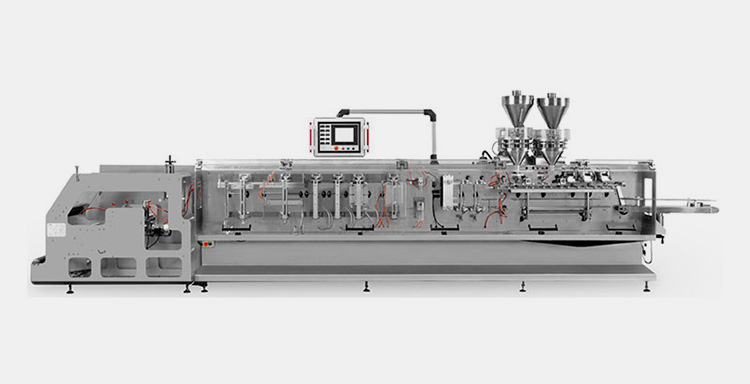
    Premade Pouch Filling

    Premade Pouch Packing Machine  

    Premade pouch packing machines are designed in a way that accurate amount of honey can be filled and packed efficiently. These machines are completely automatic and work at a very high speed. Premade pouch packing machine ensures that honey packaging is done ideally in food, cosmetics, and pharmaceutical industries.

    Working Principle

    • As the name suggest premade pouches of flexible material are used for honey packaging in this type of machine.
    • These pouches move with the help of proper conveying system that takes it towards the filling nozzle.
    • Honey from hoppers travels through the filling system and as the pouch reaches the filling nozzle it is dispensed into it in an accurate volume.
    • The filled honey packaging is carried to the capping system where cap is applied onto it. Further labeling and sealing of edges is also incorporated in the same machine.

    Overflow Honey Bottle Filling Machine

    Overflow Honey Bottle Filling Machine

    Honey Filling Machine - Picture Courtesy: VKPAK

    In an overflow honey bottle filling machine, the principle of overflow is obeyed in which the excess honey travels back to the feeding mechanism and maintains the aesthetic of the system. In this way, the excess material is prevented from spoilage and does not fall out of the system. This also maintains the quality of the system and product.

    Working Principle

    • Overflow honey bottle filling machine has a reverse feeding process that avoids material wastage and spoilage.
    • Initially the packaging material is placed beneath the filling nozzle and is filled with honey through it. Pumping mechanism is used for accurate filling of honey.
    • During the pumping mechanism, if any excess liquid is dispensed off the machine, it is collected and carried back to the hopper so that it can be reused.
    • The machine avoids any spoilage even if the honey packaging has irregular shape.
    • The filled honey packaging is carried further for capping, labeling and sealing process to make honey packaging attract customers towards it.

    5.How Is The Quality Of Honey Maintained While Performing Honey Packaging?
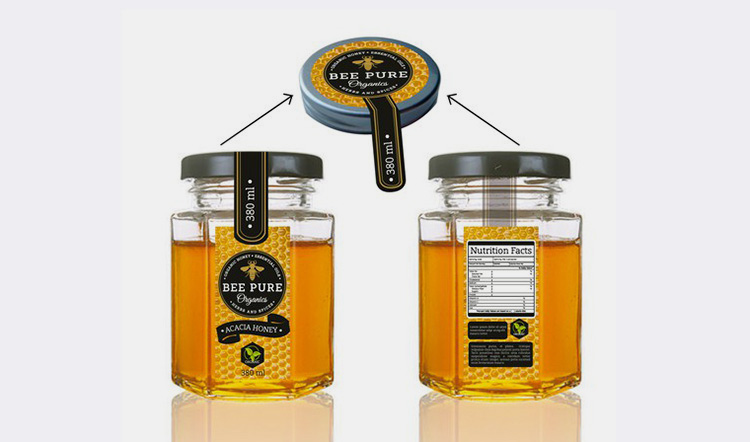
    Quality Of Honey Maintained

    Honey Quality Packaging - Picture Courtesy: 99Designs

    Honey packaging ensures that properly filtered and clean honey is filled into the packaging material. This honey is packaged using clean and sanitized equipment so that no microbial sign can enter the processing honey.

    Sealing applied in honey packaging prohibits entrance to oxidation reaction, the path to ultraviolet radiations, moisture content, contaminants, and environmental factors. In this way, the honey remains fresh for years and its quality is maintained at the same standard.

    6.In What Different Styles Honey Packaging Is Done?

    Some of the ways how honey packaging is done are

    Sachets
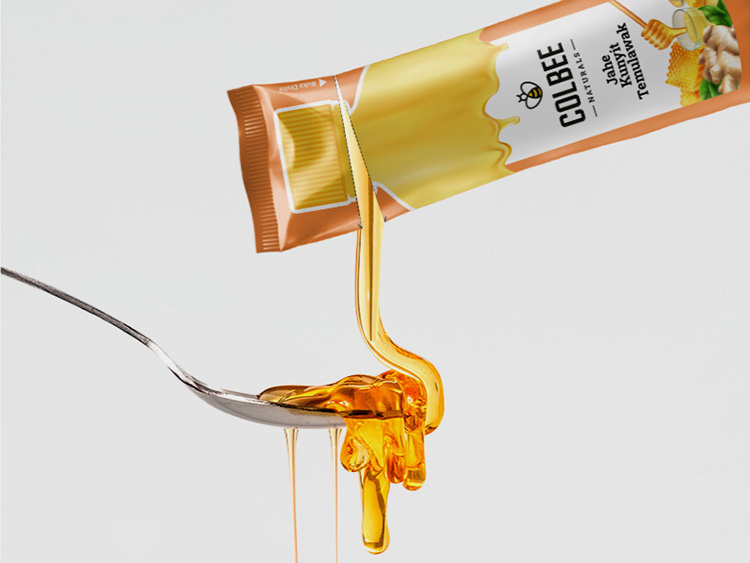
    Sachets

    Sachet Honey Packaging - Picture Courtesy: Dribbble

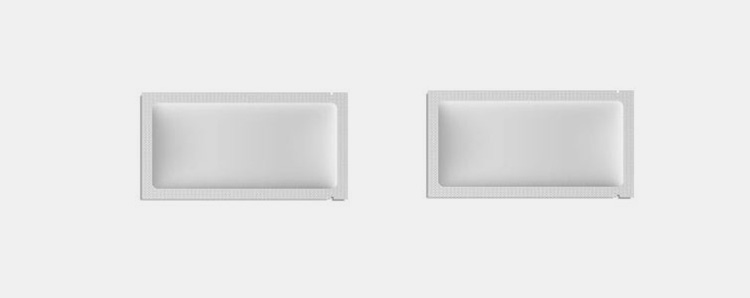
    The most basic type of honey packaging is in different sizes of sachets. Sachets are often used to package honey ranging from 10 to 15 grams and are a greater option for taking it while traveling.

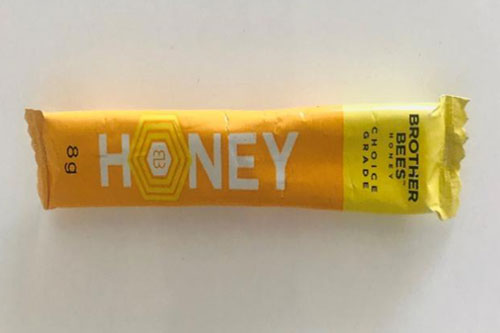
    Stick Form

    Stick Form

    Busy Bee Honey Straws

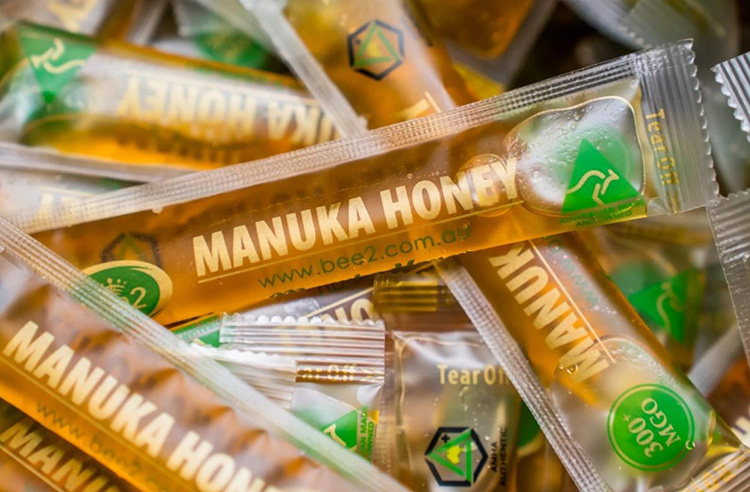
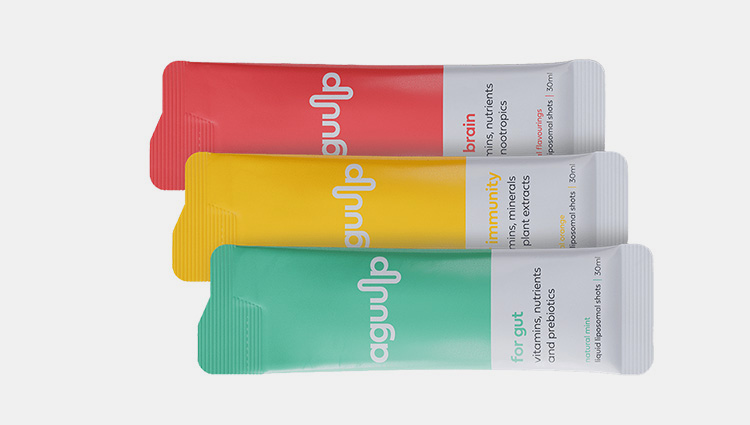
    The stick is the basic way of doing honey packaging. Simple sticks mostly made up of plastic material are filled with honey products for a customer that can consume it readily in their breakfast or any meal.

    Pouches
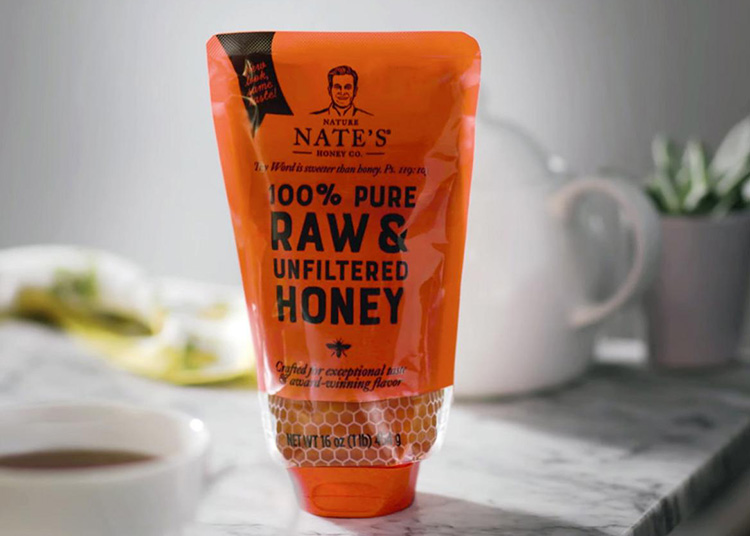
    Pouches

    Honey Pouch Packaging - Picture Courtesy: Packaging Strategies

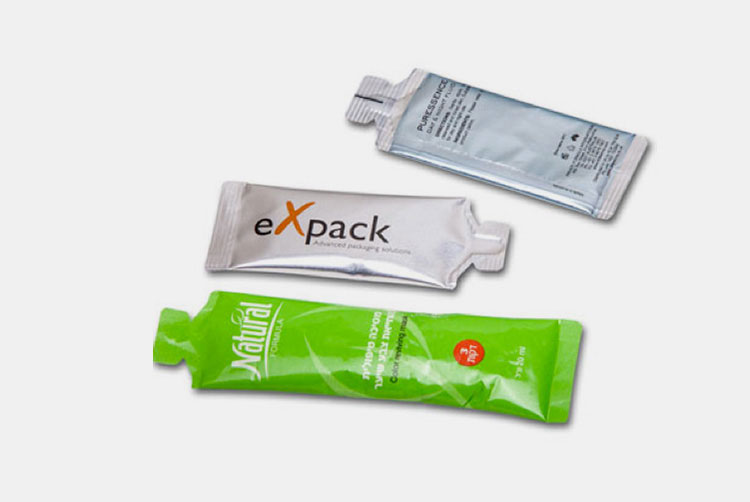
    Pouches are enlarged forms of sachets and are usually used to fill greater amounts of honey material. Pouches are pleasant in appearance and are ideal for home application.

    Jars
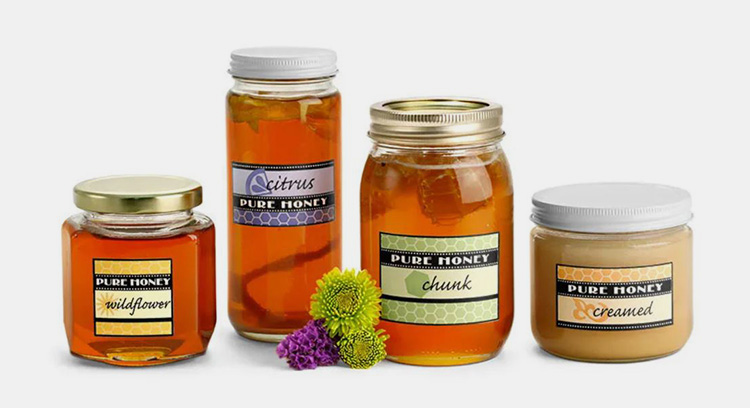
    Jars

    Glass & Plastic Honey Packaging Jars- Picture Courtesy: SKS Bottle

    Jars whether they are hive, queening, hex, or classic are one of the most desired forms of honey packaging. These jars are present in different sizes and shapes and are prepared for all types of industries.

    Bottles
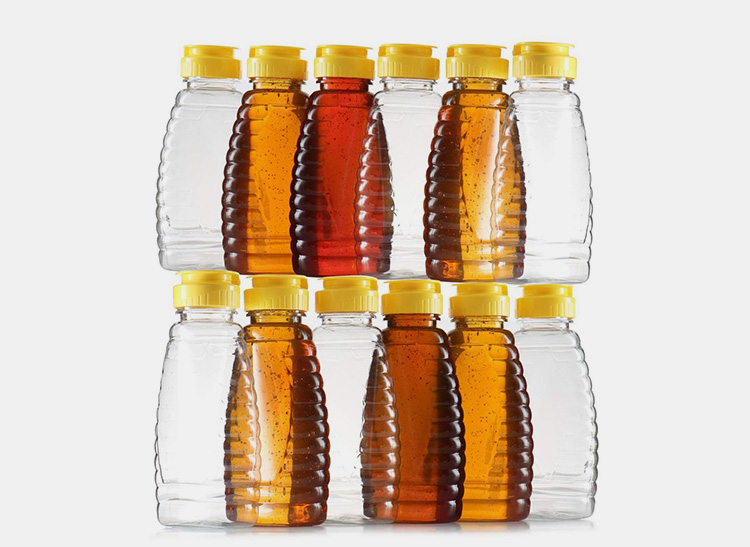
    Bottles

    Plastic Honey Bottles - Picture Courtesy: Desertcart

    The most advanced type of honey packaging is in bottles of different materials. Both glass and plastic bottles are used for honey packaging and are easy to consume using a spoon or any utensil.

    7.What Are The Important Considerations While Doing Honey Packaging?

    Some of the important considerations while doing honey packaging are

    Total Budget

    Total Budget

    Net Budget

    The manufacturer should be completely aware of the in hand budget and its way of expense. While doing honey packaging it is an important thing that what type of filling material will be used and what packaging style should be selected according to the budget. Expensive things can cause early failure or damage to business.

    Packaging Design
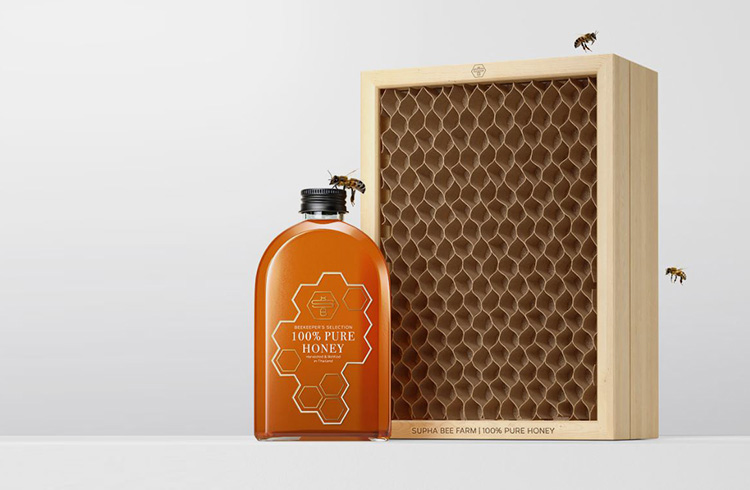
    Packaging Design

    Honey Packaging Design

    Design of honey packaging requires a deep concern and expertise as it can bring customer towards and product and generate profit. Unique designs and packaging can make its presence stand out compare to other products.

    Honey Viscosity
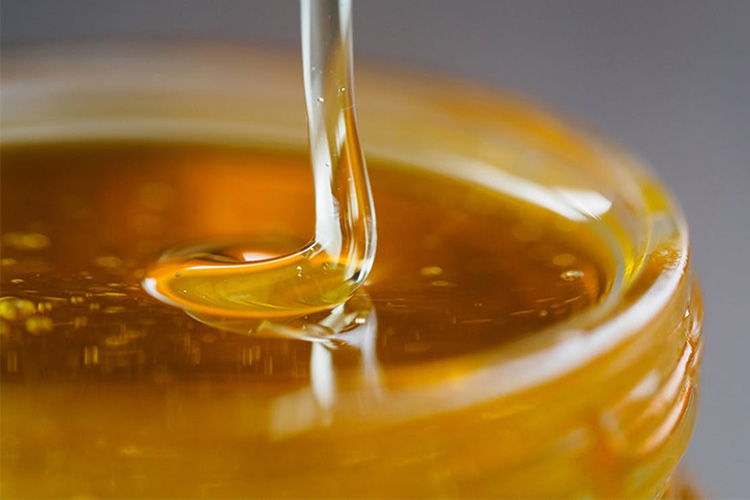
    Honey Viscosity

    Viscosity Of Honey - Picture Courtesy: P.I.

    As different type of honey is available globally, it is important to choose the honey packaging material and process according to it. Honey with high viscosity can not be adjusted in paper or light weighted plastic material as it will leak out from it during transportation.

    Packaging Material
    Packaging Material

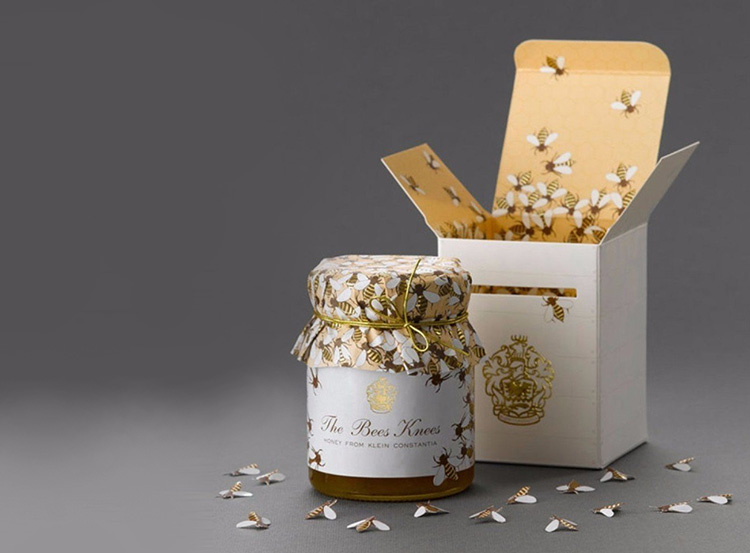
    Honey Packaging - Picture Courtesy: Design and Packaging

    The manufacturer should select the right type of honey packaging material according to its requirements and available resources. It is ideal to launch products in all sachets, pouches, and jars so that people can buy them according to their needs.

    Customer Expectations
    Customer Expectations

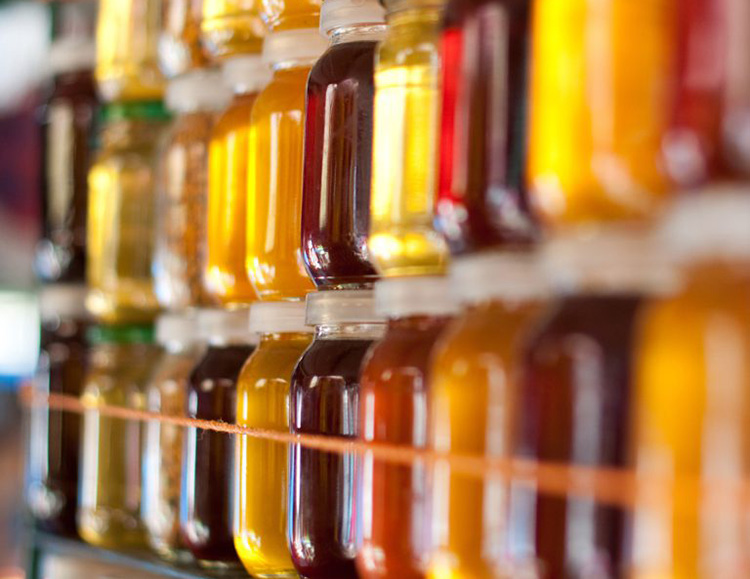
    Pure Honey For Sale - Picture Courtesy: Honey Source

    In the current scenario where greater marketing competition occurs, it is always a challenge to meet the customer's expectations. The manufacturer should show a greater concern according to the consumer needs and make them satisfied with it. A less concern can easily convert the consumer to another brand or product.

    Conclusion

    Honey is consumed in each part of the world no matter what age group it is. It is a broad market that can make a lot of revenue. This is why honey packaging holds a greater importance in terms of customer satisfaction and attraction. But it remains a query that what honey packaging is done and how can it be done in a better way. To solve these queries, this FAQ guide contains all the necessary information you require. For more detail and information contact All pack as our customer representatives are always there for you 24/7.

    Don't forget to share this post!

    CONTACT US

    Tell us your raw material and project budget to get quotations within 24 hours.

    WhatsApp Us: +86 156 0710 8630

    Invalid Email
    Invalid Number

    Honey Packaging: The Complete FAQ Guide In 2025 Read More »
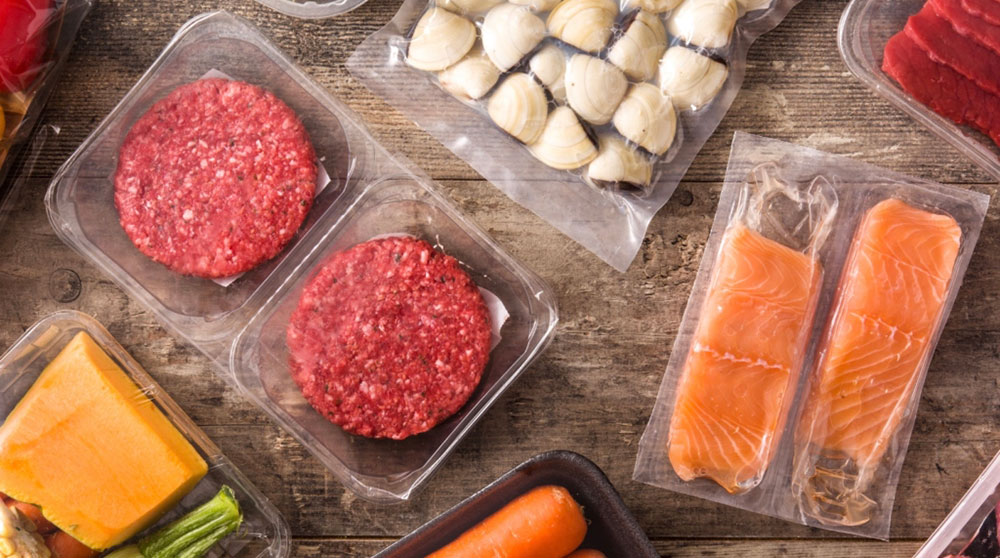
    Modified Atmosphere Packaging-6

    Modified Atmosphere Packaging: The Complete FAQ Guide In 2025

    Modified Atmosphere Packaging: The Complete FAQ Guide In 2025

    Are you worried about the freshness of your food products? Well, with the industrial revolution, a new technique has been introduced for food packaging called Modified Atmosphere Packaging or MAP.

    This technique is just a modification of the packaging atmosphere and is essential in maintaining the freshness, taste, texture, and nutritional quality of foods. With only alteration in gas composition, you have affordable and reliable solutions for keeping food and other products safe from physical, biological, and chemical agents.

    This informative guide is for newcomers and veterans in the packaging business, as we will discuss in detail about benefits, challenges, and equipment of modified atmosphere packaging.

      Add a header to begin generating the table of contents

      1.What is Modified Atmosphere Packaging?

      Modified Atmosphere Packaging

      Modified Atmosphere Packaging- Picture Courtesy: Edinburgh Sensors

      As the name suggests, this technique is a change of atmosphere in the packaging. It is also called MAP for short and is an innovative technique for keeping products fresh throughout their shelf life.

      In modified atmosphere packaging, an inert gas mainly nitrogen is imposed on packaging with a combination of microbial inhibitory gas- carbon dioxide to replace oxygen in the packaging. This controlled mixture of nitrogen, carbon dioxide and other gases is pivotal in extending the serviceable life of sensitive food products.

      The first commercial trial for modified atmosphere packaging was done in the 1950s and this technique for commercial preserving of food was increasingly used around the 1970s and 80s.

      2.What are the Useful Benefits of Modified Atmosphere Packaging?

      With the advent of modified atmosphere packaging, the problem of food wastage is resolved which lowers land pollution. In addition to this, some handy benefits of modified atmosphere packaging are discussed below:

      Upholding Freshness

      Upholding Freshness

      Freshness with Modified Atmosphere Packaging

      Since oxygen is eliminated or used in very low quantities, food products mainly fresh fruits, vegetables, meat and dairy products remain fresh for a longer time with modified atmosphere packaging.

      Their respiration or fermentation is reduced with this technique, so consumers can get maximum nutritional benefits by consuming food packaged in modified atmosphere packaging.

      Say No To Preservatives

      Say No To Preservatives

      Say No To Preservatives with Modified Atmosphere Packaging- Picture Courtesy: Dieline

      With health awareness, several customers demand organic and fresh food without added preservatives. By using modified atmosphere packaging, there is no need to add preservatives or stabilizers, this increases natural or organic foods in the market.

      This method acts as an alternative to preservatives, UV light, infrared radiation, etc in improving shelf-life.

      Improved Logistics and Transportation

      Improved Logistics and Transportation

      Improved Logistics and Transportation- Picture Courtesy: Packaging Strategies

      Modified atmosphere packaging acts as a barrier against different food deteriorating agents, consequently, increasing the protection of food products during a long supply chain. With simplified logistics with modified atmosphere packaging, it has become easier to transport food and other products.

      No Contamination

      No Contamination

      No Contamination with Modified Atmosphere Packaging- Picture Courtesy: Body Nutrition

      Modified atmosphere packaging has an inhibitory effect on the growth and colonization of harmful pathogens like bacteria and moulds. These pathogens pose a substantial risk to human health. Due to the bactericidal and fungicidal effects of carbon dioxide in modified atmosphere packaging, there is no chance of microbial contamination.

      Attractive Appearance

      Attractive Appearance

      Attractive Appearance with Modified Atmosphere Packaging- Picture Courtesy: Dieline

      The product becomes inflated with the use of modified atmosphere packaging due to the introduction of gases inside the packaging. Due to this inflation, the product boosts an attractive product appeal. Furthermore, with this technique, there is no chance of product squeezing during transportation that may occur with vacuum packaging.

      3.What Equipment is Used for Modified Atmosphere Packaging?

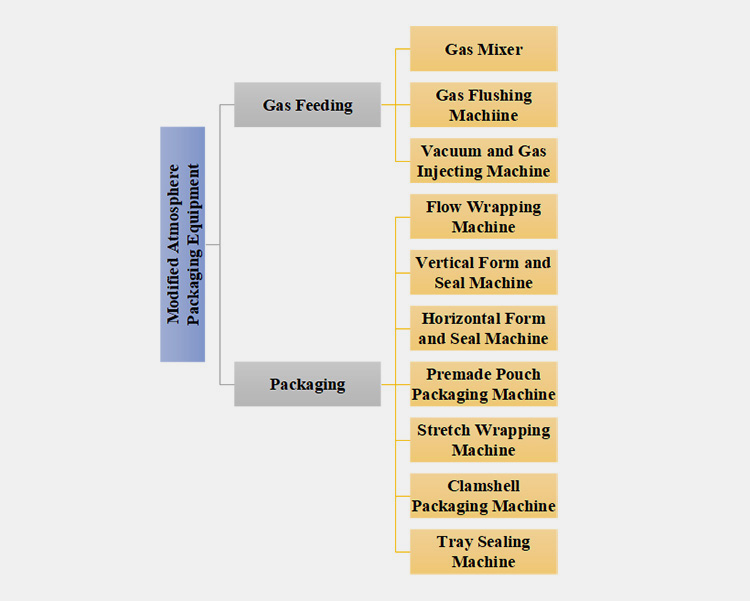
      Since there are far and wide packaging styles with which modified atmosphere packaging is used. So, there is quite a different equipment for modified atmosphere packaging, for instance:

      According to Gas Feeding

      According to Gas Feeding

      Gas Mixer

      Gas Mixer

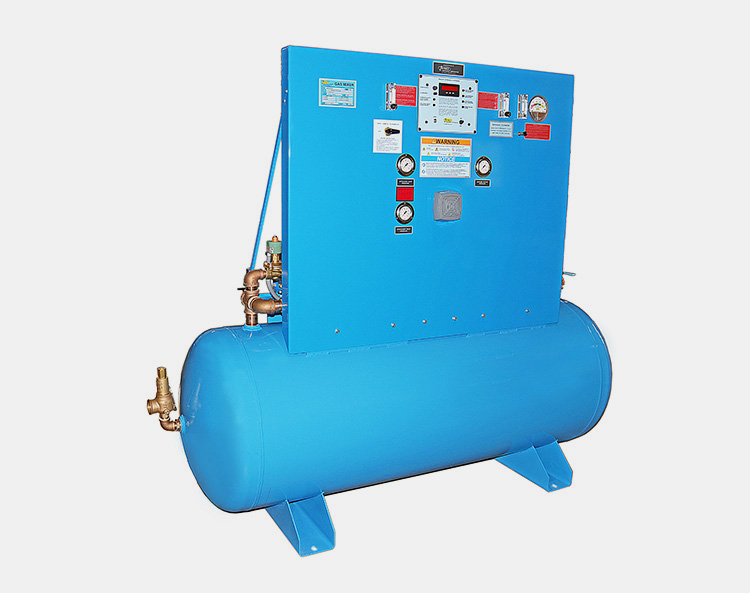
      Gas Mixer- Picture Courtesy: Thermco

      For creating the right proportion of gas mix, gas mixers are employed in industrial settings. This machine mixes, nitrogen, oxygen, and carbon dioxide as per the operator's instruction. Both custom-made mixes and pre-saved recipes are used for gas blends in this machine.

      Gas Flushing Machine

      Gas Flushing Machine

      Gas Flushing Machine

      This machine is mostly used in combo with other flexible pouch packaging machines. The gas flushing machine feeds the gas mixture inside the packaging before its sealing. Due to this gas mixture, oxygen diffuses out from the packaging, thereby creating a required modified atmosphere in the packaging.

      Vacuum and Gas Injector

      Vacuum and Gas Injector

      Vacuum and Gas Injector

      This machine creates a vacuum and introduces gas in one cycle. It is a highly effective machine that is used to quickly attain low levels of oxygen. It maintains a vacuum and feeds gas blend inside the packaging. It has smooth processing since it lowers the risk of errors with its built-in leakage test station.

      According to Packaging

      Flow Wrapping Machine

      Flow Wrapping Machine

      Flow Wrapping Machine

      It is used for wrapping fresh products and other individual products like candies and chocolates, due to its extreme flexibility. It creates a gift-like packaging with products enclosed in barrier materials. It fabricates strong seals by using perfect conditions of time, pressure, and temperature. Integrated modified atmosphere packaging units in this system lengthen shelf life.

      Vertical Form and Seal Machine

      Vertical Form and Seal Machine

      Vertical Form and Seal Machine

      A vast majority of products are packaged by vertical form, fill, and seal machines, because of their cost-effectivity and smaller footprint. After pouch formation, product filling takes place by the filling devices. Upon filling the desired quantity of products, air composition is changed inside the packaging by gas injectors. Immediately, after gas feeding, the pouch is sealed.

      Horizontal Form and Seal Machine

      Horizontal Form and Seal Machine

      Horizontal Form and Seal Machine

      It is an all-in-one machine for food packaging and it creates endless flexible pouches. It offers clean and hygienic processing and thus, is the preferred choice of manufacturer for food safety.  In HFFS, the film after unwinding travels to the forming station, where it is changed into a pouch. Afterwards, this pouch is loaded with products. Gas injectors inject gases inside the packaging before its sealing.

      Premade Pouch Packaging Machine

      Premade Pouch Packaging Machine

      Premade Pouch Packaging Machine

      It is a versatile machine with rotary turn tables and carousels to increase productivity. Unlike VFFS, it uses already-made pouches to pack food like snacks, nuts, precut vegetables, etc. Premade pouches are opened, inflated, and filled with products and before pouch sealing, different gas-feeding machines alter the inner atmosphere of the packaging to minimize the proportion of oxygen in the packaging.

      Stretch Wrapping Machine

      Stretch Wrapping Machine

      Stretch Wrapping Machine

      It uses different kinds of plastics like PVC or PE to seal various food products. It is employed in conjunction with a tray-sealing machine. By controlling the length of packaging film, it decreases film wastage and in turn, increases sustainability. The tray containing food travels to a gas flushing machine, where gas blends are fed into the tray and immediately after that, the tray is covered by stretch wrap for protection.

      Clamshell Packaging Machine

      Clamshell Packaging Machine

      Clamshell Packaging Machine

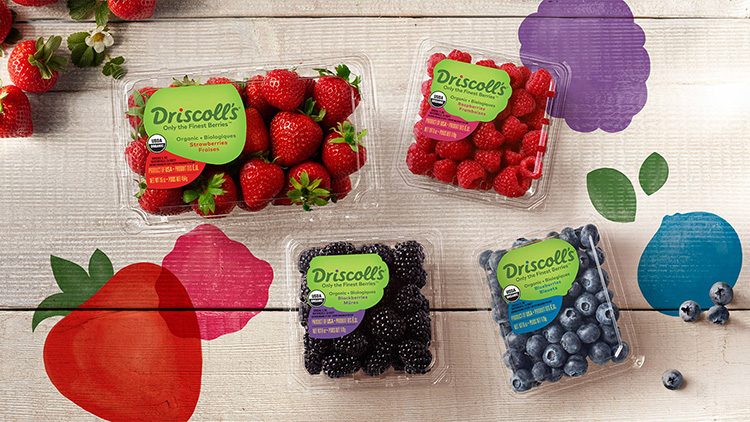
      This machine is increasingly utilized for packing fresh produce and eggs in the food industry. It stores products in plastic and thermoform clamshells. The fresh produce is placed inside the clamshell, after which an in-built gas flusher introduces the gas mixture. Finally, the top part of the clamshell is joined by the lower part with heat.

      Tray Sealing Machine

      Tray Sealing Machine

      Tray Sealing Machine

      It packs both frozen treats and fresh produce. It is an adaptable and robust equipment that handles trays of far and wide geometries, depth, and dimension. After loading foods on trays, they are conveyed to gas-flushing units to alter their packaging environment. Then, food-containing trays are sealed with plastic film in the sealing unit.

      4.What is the Role of Different Gases in Modified Atmosphere Packaging?

      Role of Different Gases

      Role of Gases in Modified Atmosphere Packaging- Picture Courtesy: Dress the Home

      In modified atmosphere packaging, three types of gases are used that are nitrogen, oxygen, and carbon dioxide. They have a particular role in modified atmosphere packaging like:

      Nitrogen It is a non-reactive and flavorless gas. It is mainly introduced in packaging to replace oxygen and to avert the collapse of packaging. It is also used for balancing gas pressure inside the packaging.
      Oxygen It is used in modified atmosphere packaging because it inhibits the reproduction of anaerobic microbes. But it also has different undesirable effects, it boosts the multiplication of aerobic bacteria, causes fresh produce ripening, promotes fat rancidity, and stales baked items. Therefore, oxygen use is often circumvented in modified atmosphere packaging.
      Carbon dioxide


      It prevents the growth of microbes and lowers the respiration rate of numerous fresh produce products.
      Carbon monoxide


      It is introduced in minute amounts in modified atmosphere packaging. It plays a role in preventing microbial growth. It is harmful to human health, hence its usage is limited in modified atmosphere packaging.
      Sulfur Dioxide It is used for stopping food browning by oxidation and for inhibiting molding.
      Argon Argon is rarely used in modified atmosphere packaging. It decreases bacterial and fungal growth.

      5.Is Modified Atmosphere Packaging Used With Other Products Besides Food Stuff?

      Yes, in addition to foodstuff, modified atmosphere packaging is also utilized for the protection of the following products:

      Pharmaceutical Products

      Pharmaceutical Products

      Pharmaceutical Product and Modified Atmosphere Packaging

      Modified atmosphere packaging is used in cannabis packaging in the pharmaceutical industry to extend its shelf-life.

      Nutraceutical Products

      Nutraceutical Products

      Nutraceutical Product and Modified Atmosphere Packaging- Picture Courtesy: Brook
      + Whittle

      Yes, nutraceutical supplements and dietary products are also protected by modified atmosphere packaging. this lowers moisture levels and prevents oxidation of drug ingredients.

      Cosmetic Products

      Cosmetic Products

      Cosmetic Product and Modified Atmosphere Packaging- Picture Courtesy: Laminate Tube

      Perfumes, lotions, and certain creams are also packaged under modified atmosphere packaging to maintain their aroma and freshness.

      Agriculture Products

      Agriculture Products

      Agriculture Product and Modified Atmosphere Packaging

      Certain seeds and seedlings in the agriculture industry are packed under modified atmosphere packaging to control their sprouting and lower their chemical treatment.

      6.What Packaging Materials are Well-suited with Modified Atmosphere Packaging?

      Modified atmosphere packaging is used in flexible, rigid, and, semi-rigid containers like pouches, bags, trays, cups, and tubs. These materials are made with plastic laminates. The detail of these materials well-suited with modified atmosphere packaging is penned below:

      Polyethylene (PE)

      Polyethylene

      PE Pouch- Picture Courtesy: PlasticPortal.eu

      It is an important material used for making flexible and rigid packaging. LDPE and HDPE are two forms of PE. PE makes a good barrier and offers transparency. It is also used for creating overwraps and trays in addition to pouches.

      Polypropylene (PP)

      Polypropylene

      PP Trays- Picture Courtesy: The National Provisioner

      It is a more rigid material than other plastic forms. PE trays are used in modified atmosphere packaging. It is a resistant material and is impermeable to chemicals and grease.

      Nylon

      Nylon

      Nylon Bags- Picture Courtesy: ULINE

      It is a stretchable and synthetic fiber, known for its sturdiness and extreme puncture resistance. It prevents the permeability of gases in modified atmosphere packaging. Tough pouches made with nylon are ideal for packaging red meat, butter, and cheese.

      Polyethylene Terephthalate (PET)

      Polyethylene Terephthalate

      PET Clamshell- Picture Courtesy: Ubuy Ghana

      It is a rigid and strong material used for fabricating trays, tubs, and packaging lids. It is a clear material, offering a robust barrier against oxygen.

      Compostable Films

      Compostable Films

      Compostable Film and Modified Atmosphere Packaging- Picture Courtesy: Renewable Carbon

      It is an innovation in the modified atmosphere packaging. It is formed by PLA and cellulose, which offer excellent printability. They are coated with other chemicals to improve their barrier properties.

      7.What Are the Gas Ratio For Different Food Products Used In Modified Atmosphere Packaging?

      Different food products have different nutritional compositions so the gas ratio in modified atmosphere packaging also varies from product to product. The gas ratio in the main food groups is given below:

      Red Meat

      Red Meat

      Red Meat- Picture Courtesy: Airgas Thinks

      This food group has red pigment and thus, requires a high amount of oxygen to preserve its red color while carbon dioxide is employed for inhibiting microbial development. The gas ratio is 2:1 oxygen to carbon dioxide. It has about 20-30% carbon dioxide and 70–80% oxygen.

      Raw Poultry Product

      Raw Poultry Product

      Raw Poultry Product- Picture Courtesy: Food Navigator

      For raw poultry packaging, oxygen is not used in modified atmosphere packaging and rather than oxygen more percentage of carbon dioxide is used and nitrogen is used as filler gas. About 25-35% carbon dioxide is used in retail modified atmosphere packaging of raw poultry, whereas 100% carbon dioxide is used in bulk packaging.

      Fish

      Fish

      Fish -Picture Courtesy: The Fish Site

      Oxygen is used as an inhibiting agent when packaging non-processed white fish by modified atmosphere packaging. A gas mixture of 30% oxygen, 40% carbon dioxide, and 30% nitrogen is used for non-fatty fish.

      For packaging, smoky and fatty fish with modified atmosphere packaging, 40% carbon dioxide and 60% nitrogen as the inclusion of oxygen does not affect their shelf-life.

      Fruits and Vegetables

      Fruits and Vegetables

      Fruits and Vegetables- Picture Courtesy: Food Navigator

      Fresh produce mainly fruits and vegetables respire and produce ethanol while ripening that discolors them. So, a perfect modified atmosphere packaging gas balance is essential for this food group.

      It is observed that a low percentage of oxygen and a high concentration of carbon dioxide reduce the ripening and aging of fresh fruits and vegetables. Thus, for this food group, 2-10% oxygen and 15-20% carbon dioxide are employed in modified atmosphere packaging.

      Dairy Products

      Dairy Products

      Dairy Products- Picture Courtesy: The Irish Times

      They include milk powders, butter, sliced cheese and, fat spreads. Modified atmosphere packaging containing 40% carbon dioxide and 60% nitrogen significantly boosts the shelf life of dairy products.

      8.Is Modified Atmosphere Packaging Sustainable?

      Atmosphere Packaging Sustainable

      Modified Atmosphere Packaging and Sustainability- Picture Courtesy: Dieline

      With global warming and the increasing deterioration of the planet, there is growing concern about the sustainability of products. Therefore, the sustainability of modified atmosphere packaging is a question on the mind of an average person.

      Here is good news for environment-friendly consumers and brands, modified atmosphere packaging is extremely sustainable. Now are you asking how?

      First, by using modified atmosphere packaging, there is minimal food waste, resulting in less landfill. With a boost in the shelf life of foods, they are less likely to spoil and, hence are easily transported to far-off places. This reduces food wastage across the supply chain and in turn, improves sustainability.

      Moreover, there is less use of protective films by incorporating modified atmosphere packaging, which also contributes to reducing land pollution.

      The benefits of modified atmosphere packaging go beyond reducing food wastage because, with this technique, there is lower use of pesticides and chemicals to protect fresh produce against different elements

      This in turn decreases postharvest chemicals in the environment and reduces air pollution. This proves to be another sustainable advantage of modified atmosphere packaging.

      9.Is Modified Atmosphere Packaging Safe?

      Atmosphere Packaging Safe

      Safety of Modified Atmosphere Packaging- Picture Courtesy: Dieline

      Yes, one of the biggest reasons for the popularity of modified atmosphere packaging, is its safety. As already mentioned, there is no need to add health-damaging chemicals, stabilizers, preservatives, and agents in packets when using modified atmosphere packaging.

      This approach of atmosphere alteration only utilized gases like nitrogen, carbon dioxide and oxygen to keep food crisp and wholesome. These gases are naturally present in the surroundings and pose no risk to human health.

      10.How Long the Shelf Life of Food Products is Extended with Modified Atmosphere Packaging?

      Modified Atmosphere Packaging-1

      Shelf-life of foods with Modified Atmosphere Packaging- Picture Courtesy: Adria Développement

      The shelf life of food products is prolonged by using modified atmosphere packaging. This time extension in shelf life is different for different products.

      However, it is observed by conducting various tests, that the shelf life of foods is increased by up to 12 months with modified atmosphere packaging. By removing or minimizing the amount of oxygen in food packaging, manufacturers can not only decrease microbial growth but also prevent food oxidation.

      The reactivity of oxygen with food contents causes oxidation. This oxidation leads to rancidity of fats that give off a bad taste and smell to dairy products. It will also cause discoloration of pigments in meat products and yellowing of leafy vegetables.

      However, low oxygen amount in modified atmosphere packaging reduces and delays rancidity, discoloration, and spoilage of food, consequently increasing the consumable life of foodstuff.

      11.What Quality Control Tests are Necessary for Modified Atmosphere Packaging?

      Necessary for Modified Atmosphere Packaging

      Quality Control Tests for Modified Atmosphere Packaging- Picture Courtesy: Packaging Strategies

      Quality control is necessary for modified atmosphere packaging because it determines the seal integrity and consistency of the packaging. The easiest way to implement a quality control test is by taking a few samples from the batch and then running non-destructive tests to observe leakage in the packaging.

      Here is a list of non-destructive quality control tests for modified atmosphere packaging:

      Headspace Gas Analyzer It is specialized equipment for identifying the proportion of gas inside the packaging. This is a nondestructive instrument that extracts a minute quantity of gas from the upper part of the packaging. Afterward, the ratio of nitrogen/ oxygen/ carbon dioxide is analyzed using approaches similar to techniques like gas chromatography and mass spectrometry.
      Vacuum Leakage Test It is another nondestructive test for determining the leakage in packaging. In this test, the package is put inside the chamber and pressure difference is observed via a pressure gauge in case of leakage.
      Visual Inspection Test In this method, the packaging quality is visually inspected to see the micro-perforation or hole inside the modified atmosphere packaging.
      Dye Penetration Test This test is essential in assessing the seal integrity. In this test, dye is applied to one end of the modified atmosphere packaging and if a dye is seen on the other side of the seal, this means the seal is incomplete or weak.
      Bubble Leakage Test In this test, the packaging is placed under the water, and air is eliminated from the water surface. If water bubbles are observed rising above the water, it means that there is leakage in the packaging.
      Seal Strength Test In this test, a high force is applied on the packaging to move the seal 1 inch apart. If it moves easily, it means that the seal is loose.

      12.What are the Future Trends of Modified Atmosphere Packaging?

      Future Trends of Modified

      Market of Modified Atmosphere Packaging- Picture Courtesy: Data Bridge Market Research

      The high demand for fresh food and other products has led to a surge in the market for modified atmosphere packaging. This market of modified atmosphere packaging was estimated to be about US $15,600, in 2021 and it is anticipated to grow about US $21023.42 million in 2029, with a growth CAGR of 3.80%.

      The growth of the food industry has propelled the increased use of modified atmosphere packaging, It is a profitable business and is an absolute must in food packaging to reduce food wastage.

      More and more brands are using modified atmosphere packaging, because of its convenience and sustainability. It is a perfect solution to keep ready-made meals and snacks fresh for an on-the-go busier lifestyle.

      Manufacturers are striving best to achieve the perfect packaging recipe by combining various packaging elements. So, the protection of futuristic modified atmosphere packaging will be enhanced with the use of smart labels, intelligent sensors, and active packaging. Furthermore, the use of biodegradable materials with modified atmosphere packaging is predicted to increase in the future.

      Conclusion

      Modified atmosphere packaging is simply the modification of the internal food packaging atmosphere by flushing a combination of gases to improve its shelf life, simplify the supply chain, reduce food waste, and enhance product appeal. Modified atmosphere packaging is beneficial both for sellers and the environment. By simple investment in equipment related to modified atmosphere packaging, manufacturers can get huge profits. So, are you intend to add modified atmosphere packaging in your plant and want to learn about prices and deals, then visit our main Allpack website to get the best offers. Happy Shopping!!

      Don't forget to share this post!

      CONTACT US

      Tell us your raw material and project budget to get quotations within 24 hours.

      WhatsApp Us: +86 156 0710 8630

      Invalid Email
      Invalid Number

      Modified Atmosphere Packaging: The Complete FAQ Guide In 2025 Read More »
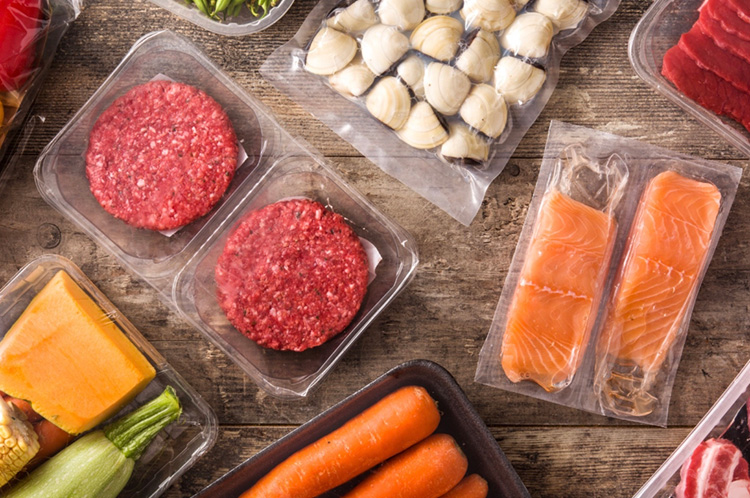
      Coffee Packaging

      Coffee Packaging: The Complete FAQ Guide In 2025

      Coffee Packaging: The Complete FAQ Guide In 2025

      A cup of coffee breathes new life on a lazy morning. A roasty, nutty, and fruity aroma of coffee is a guaranteed way to wake a sleepy head. The Crispness, freshness, aromatic flavour, and smell of coffee are only possible because of coffee packaging. Due to the increase in number of coffee lovers every day, the demand of coffee packaging is increasing. The long shelf-life of coffee is thanks to durable packaging.

      Coffee Packaging-1

      There are a variety of options for packaging coffee whether pouches or tins, pods or jars. If you want to learn more about coffee packaging then this blog will take you on a detailed exploration of coffee packaging. Let’s dive in.

        Add a header to begin generating the table of contents

        1.How To Define Coffee Packaging?

        Define Coffee Packaging

        Coffee Packaging- Picture Courtesy: Eat This, Not That!

        Coffee packaging is a container for enclosing coffee to keep it safe during handling, transportation, marketing, and distribution. Its main purpose is to offer protection against harsh environmental conditions such as heat, humidity, and dryness. Coffee packaging is the one thing that safeguards coffee on the journey from warehouses to consumer kitchens.

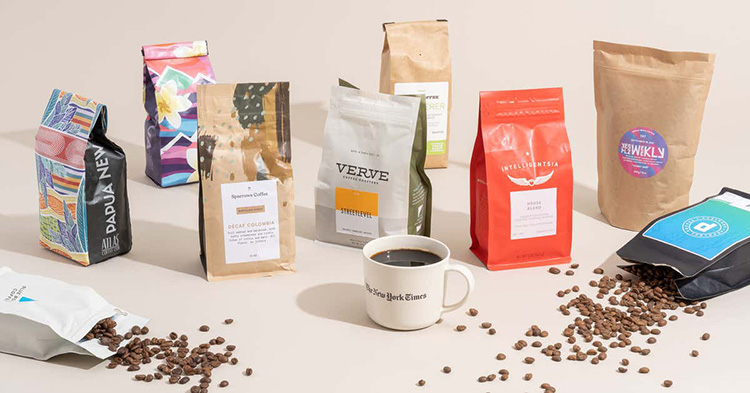
        From freshly roasted coffee beans to aromatic grounded coffee powders coffee packaging contains a variety of coffee forms. Nowadays, coffee packaging also packs coffee drinks. There is a wide range of options for coffee packaging, for instance, coffee pouches, coffee tins, coffee jars, coffee bags, and so on.

        2.Why Is Coffee Packaging Important?

        Coffee packaging has a central place in the coffee industry. Farmers, suppliers, brand owners, and every one part of the coffee industry benefit from this packaging. Coffee packaging has several advantages:

        Safe Transportation

        Coffee Packaging Important

        Safe Transportation of Coffee Packaging- Picture Courtesy: Pull & Pour Coffee

        From factory to retail stores, there is a tough journey, where there are high chances of mechanical damage such as tear, leak, or scratching. However, coffee is packed inside tough, sturdy, and long-lasting packaging that decreases the chances of such damage.

        No Contamination

        No Contamination

        Coffee Packaging- Picture Courtesy: Blue Bottle Coffee Lab

        Coffee is made of molecules that are food from microbes and pests. Insects and vermin can spoil open coffee. Therefore, coffee is packaged in leakage-proof packaging that has zero permeability for the entry of microorganisms and other biological agents. Due to coffee packaging, coffee can last long.

        Protection

        Protection

        Protection by Coffee Packaging- Picture Courtesy: Roaster

        Air and water vapours are typically responsible for the loss of freshness, aroma, and taste of the coffee. Coffee powders are hygroscopic, meaning that they can absorb water vapours and can result in lumpy powders. Moreover, oxygen in the air can react with coffee powders, leading to their mustiness. High temperatures can also promote this reactivity. Thus, strong impermeable coffee packaging protects the packed coffee against these environmental agents.

        Branding

        Branding

        Marketing by Coffee Packaging

        In addition to protection, coffee packaging also serves as a bulletin board for the marketing of coffee brands. A unique ingeniously designed coffee packaging is a tool that helps a brand to stand out among saturated retail shelves. Furthermore, different design elements, such as striking logos, artistic topography, and bold and rustic colours on coffee packaging build customer memory, leading to increasing buying possibilities.

        3.What Are Different Packaging Styles Of Coffee Packaging?

        There are several different types of coffee like espresso, latte, mocha, cappuccino, etc.; all these various forms come in diverse packaging types. Hence, there are many packaging options for coffee. All these packaging styles are discussed below for your knowledge.

        Pouch

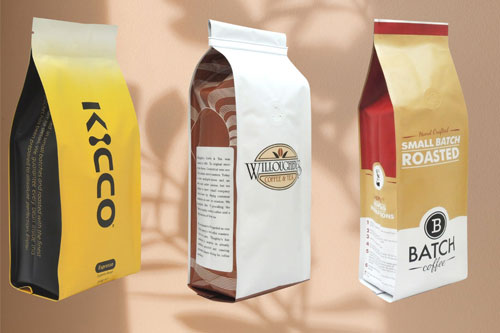
        Pouch packaging is usually made with flexible plastics like PET, LDPE, coated paper, and aluminium foils. Pouch Packaging for coffee is gaining acceptance because of its readily available raw materials, ease of customizability, and cost-effectivity. There are different pouch packaging styles for coffee, for instance:

        Stand-up or Doypack Coffee Pouch

        This coffee packaging is well-liked by the roaster because of its affordability and design. It significantly costs less than other coffee pouches and its design aids in standing upright on display shelves, consequently offering more chances for marketability.

        Stand-up or Doypack Coffee Pouch

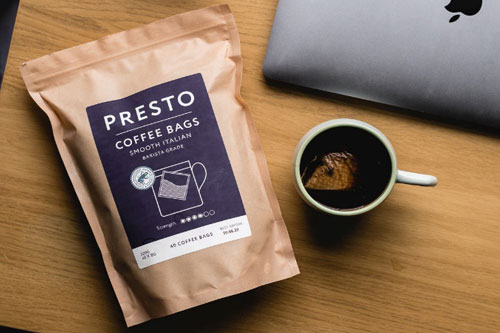
        Standup coffee Pouch- Picture Courtesy: Presto Coffee

        Gusset Coffee Pouch

        As the name suggests, this coffee pouch has side folding or gusset that allows them to store more quantity of coffee powders. This coffee packaging style was hit in the late 90s and early 2000s era but now brands are shying away from this packaging style because its narrow top makes it difficult to fill coffee inside these pouches.

        Gusset Coffee Pouch

        Gusset Coffee Pouch- Picture Courtesy: XWPAK Packaging Co.

        Quad-seal Coffee Pouches

        This coffee pouch does not have a flat base but instead has a folding at the bottom that allows it to package an extra amount of coffee. Both beans as well as coffee powders come in quad-seal bags. Brands prefer quad-seal coffee pouches because it has a large area for printing and labelling. It has a unique side seal that gives it a flat side appearance.

        Quad-seal Coffee Pouches

        Quad-seal coffee Pouch- Picture Courtesy: The Bag Broker

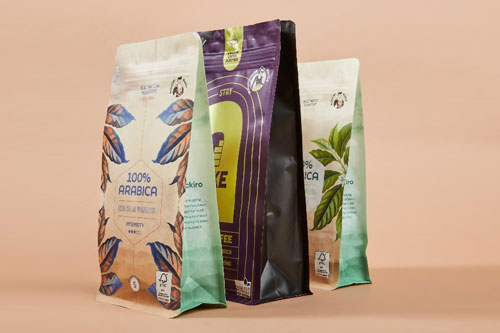
        Flat Bottom Coffee Pouch

        It has a sturdy flat base design thus filling coffee in them is quite easy. It has five visible sides and can stand upright; both these features make it a fit for showcasing on retail shelves and printing. However, it is quite an expensive option for coffee packaging.

        Flat Bottom Coffee Pouch

        Flat Bottom Coffee Pouch- Picture Courtesy: Packiro

        Pillow Coffee Pouches

        It is one of the most cost-effective coffee packaging styles. It is a small pouch containing about three-serving of coffee. It is sealed at the middle, top, and bottom and resembles a pillow. It is a flat-lay pouch.

        Pillow Coffee Pouches

        Pillow Coffee Pouch- Picture Courtesy: Pantree

        Coffee Sachet

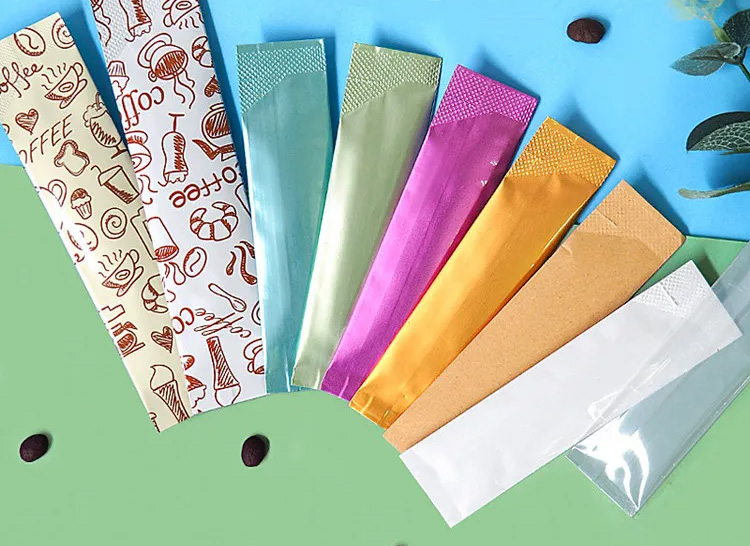
        These are small rectangular or square-shaped coffee packaging typically sealed at three or four sides. It has a single-serving coffee and is admired by coffee lovers because of its lightweight and portability.

        Coffee Sachet

        Coffee Sachet- Picture Courtesy: Purity Coffee

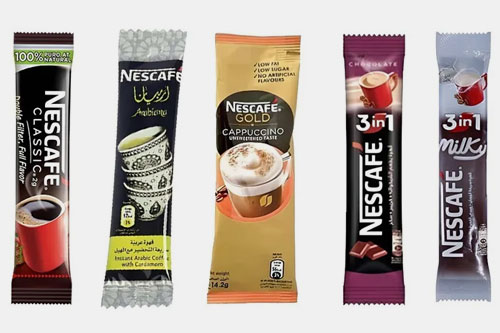
        Coffee Stick Pack

        It is a narrow tubular sachet like coffee packaging usually convenient for ready-to-serve life style. It contain one-time serving of instant coffee powders.

        Coffee Stick Pack

        Coffee Stick Pack

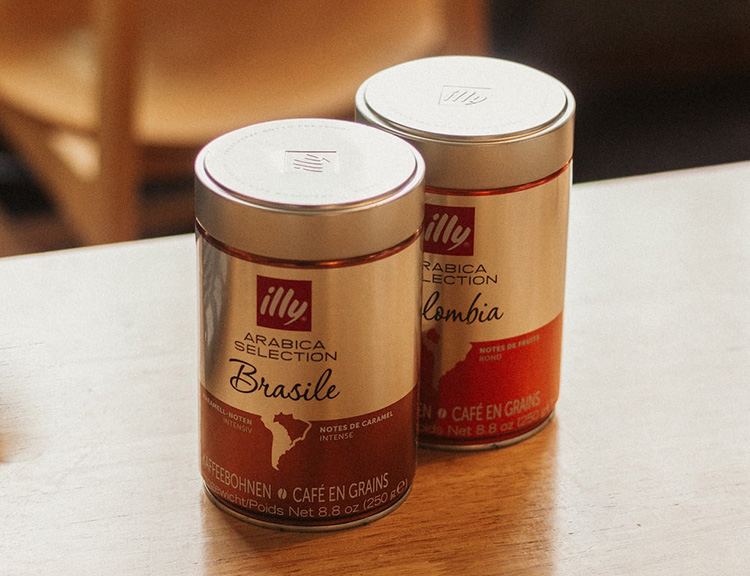
        Coffee Tin

        Coffee Tin

        Coffee Tins

        These sturdy tins are made of metals and are usually employed for a classy and high-end look and feel. Metals provide a strong barrier against harsh conditions and are effective in preserving the freshness of coffee powders and beans.

        Coffee Jar

        Coffee Jar

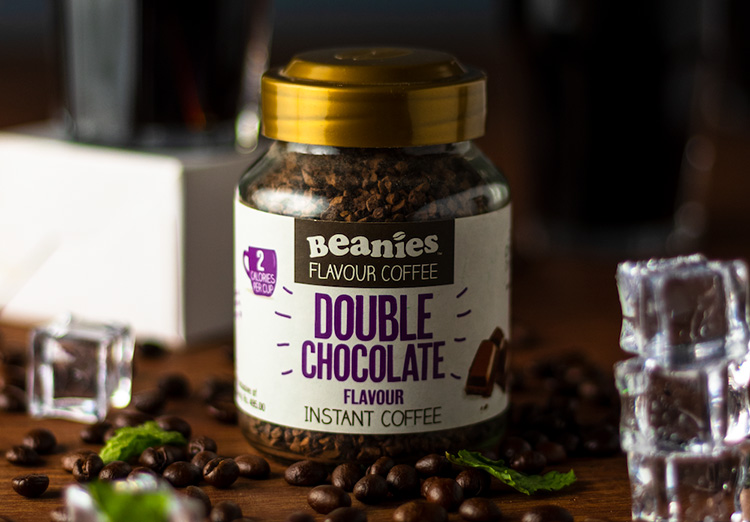
        Coffee Jar Packaging

        Coffee jars are cylindrical or round-shaped containers typically employed for packaging crushed or grounded coffee beans. These jars are made with glass or plastic and are airtight sealed for the protection of coffee. Clear glass is useful in seeing inside the jar to examine the coffee condition.

        Bag-in-Pouch

        Bag-in-Pouch

        Bag-in-Pouch Coffee Packaging- Picture Courtesy: The World Financial Review

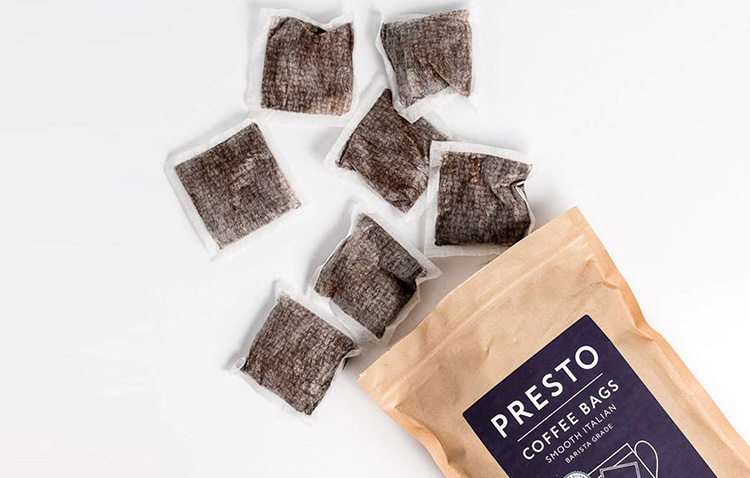
        This packaging consists of coffee bags in the pouch packaging. Coffee bags normally have grounded coffee powders that are used for making instant coffee without the need for coffee machines. Coffee bags are made with paper or food-grade plastics and are poured into hot water to get coffee.

        Coffee Capsules and Pods

        Coffee Capsules and Pods

        Coffee Pods and Capsules- Picture Courtesy: Pontevecchio Srl

        This packaging for coffee is made with food-grade plastic or aluminium metal and usually has a pre-estimated single-serve amount of coffee powders. It has a round or flat shape resembling a cup and is used with different coffee brewing machines for making mess-free coffee.

        Coffee Box

        Coffee Box

        Coffee Box Packaging

        It is a tertiary packaging form of coffee packaging and usually holds bulk packs of coffee bags, sachets, and sticks. Moreover, other large-serving coffee packaging is also stored in cardboard or paperboard cartons for long shipments.

        4.What Are Add-On Features On Coffee Packaging?

        Coffee packaging is customized in numerous ways to boost its aesthetic appeal and ease of use. Various add-on features on coffee packaging are a tactic that brands utilize to grab the attention of customers.

        A few important add-on feature for coffee packaging is detailed below:

        One-Way Valve

        One-Way Valve

        One Way Vent in Coffee Packaging- Picture Courtesy: Inkable Label Co.

        Roasted beans release carbon dioxide and if there is no way out the coffee packaging then it may burst. Therefore, coffee packaging must have a degassing or one-way valve. This valve is a tiny vent usually present at the top seal of the packaging. Through this vent, carbon dioxide gas is emitted outside but it keeps the oxygen from gaining entry inside the coffee packaging.

        Resealing Options

        Resealing Options

        Resealing Options in Coffee Packaging- Picture Courtesy: Clube ZEROS -ZEROS.eco

        In coffee packaging, there are a lot of resealing options. These options are typically present at the top seal. The least expensive one is tape closure. This resealing option is like packaging tape with a sticky surface that aids in resealing coffee packaging after its use. Another cost-effective option for resealing is tin ties. These are stretchable strips that are tied around the top end of the coffee pouch and prevent it from opening. The zipper option is expensive but is well-liked by the coffee-lovers because of its easy use.

        Windows

        Windows

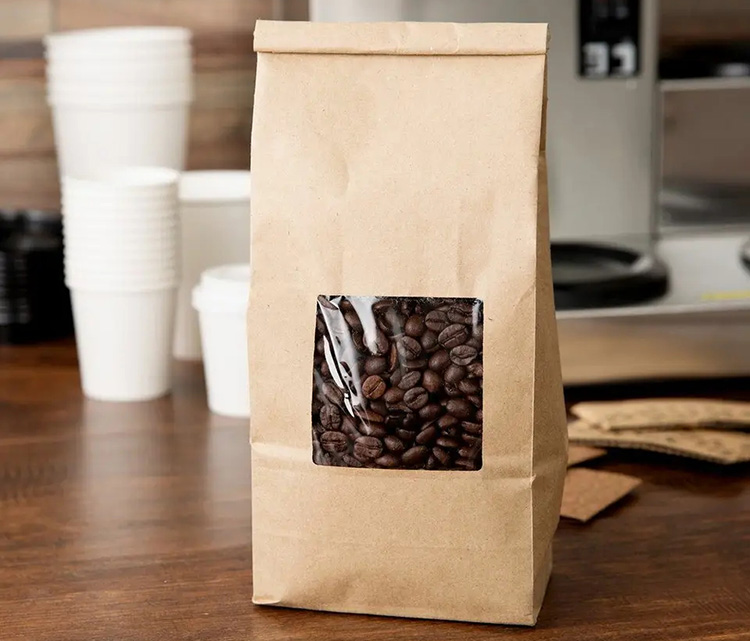
        Coffee Packaging With Window- Picture Courtesy: Tedpack

        Sometimes, coffee packaging comes with clear windows that allow consumers to view and inspect the quality of coffee powders and beans. Furthermore, it provides partial visibility of coffee to captivate the customers. This feature plays a significant role in the marketability of the brand.

        5.What Are The Machines Used For Coffee Packaging?

        Since coffee comes in several packaging styles, to accommodate these packaging styles, there are several coffee packaging machines. The complete detail of each coffee packaging machine is discussed below:

        Coffee Pod Filling and Sealing Machine

        Coffee Pod Filling and Sealing Machine

        Coffee Pod Filling and Sealing Machine

        This machine is designed to fill a precise quantity of coffee powders and beans inside the coffee capsules and pods. Advanced controls and computerized systems present in this machine aid in fast coffee powder filling. It can pack a variety of coffee pods such as K-cups, Nespresso, Dolce Gusto, and many more.

        Working Principle

        First, bulk coffee powder or beans are fed inside the hopper by the operator. In the next step, pods are forced into the filter paper to form mould. This small paper disc is moved to the welding station where the filter paper disc is glued or welded to the aluminum or plastic pod. Afterwards, the preprogrammed quantity of coffee is loaded inside the pod.  After weight checking, nitrogen is flushed inside the pod. Then lid is put over the pods and is heat-sealed.

        Premade Pouch Coffee Packaging Machine

        Premade Pouch Coffee Packaging Machine

        Premade Pouch Coffee Packaging Machine

        It is one of the most flexible pieces of equipment for coffee packaging and can process a wide range of pouches such as doypack, gusset, flat bottom, quad seal, etc. Furthermore, it can incorporate tear-away seals, zippers, and ties on the pouches. This machine can process already-fabricated coffee bags that have value-added features for instant prominence on retail shelves.

        Working Principle

        Large stacks of preformed pouches are placed inside the bag loader. Next, one pouch is picked up by a gripper and taken to the opening area. The grippers open the bag and compressed air is introduced inside the pouch for inflation. Coffee from the hopper goes inside filling devices, and then the filling head loads coffee inside the pouch. Sealing is done by sealing elements after filling.

        Coffee VFFS Packaging Machine

        Coffee VFFS Packaging Machine

        Coffee VFFS Packaging Machine

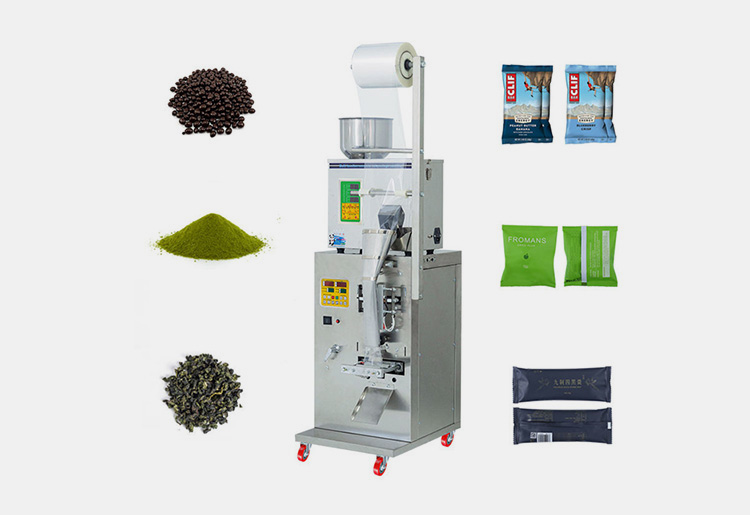
        It is the most commonly used for packaging coffee in a variety of pouch designs. It has a smaller footprint and is easily installed in places with space constraints. Due to its stainless steel construction, it follows hygienic and GMP regulations for coffee packaging. Moreover, it has cutting-edge technologies that boost packaging speed while producing small film waste.

        Working Principle

        Initially, the bulk quantity of coffee powders or beans is put inside the large hoppers. A large film roll is put onto the unwinding reel. This film is uncoiled with the rotation of the film reel. After going over rollers, it travels to the forming station where it is fashioned into a coffee pouch according to settings programmed on HMI. After partial sealing, the coffee is fed into the pouch. Then sealing jaws fuse the top edges and the cutting blade separates two consecutive pouches.

        Coffee Bag Packaging Machine

        Coffee Bag Packaging Machine

        Coffee Bag Packaging Machine

        It is the ideal packaging machine for coffee bags. It is highly automated with efficient sensors that aid in the accurate filling of coffee powders inside bags. It is made with stainless steel and has computerized controls like a PLC system with which this machine can pack a drip coffee bag inside the outer covering.

        Working Principle

        Large volumes of coffee powders or granules are fed into a hopper while packaging film is placed on the unwinding holder. The film is cut and partially sealed with sealing jaws. In the next stage, the pre-measured amount of coffee is dosed inside the coffee bag. After sealing of the coffee bag, it is inserted into another outer bag. After the final seal of the outer bag, this packaging is removed from the machine for further downstream cartoning.

        Coffee Stick Pack Packaging Machine

        Coffee Stick Pack Packaging Machine

        Coffee Stick Pack Packaging Machine

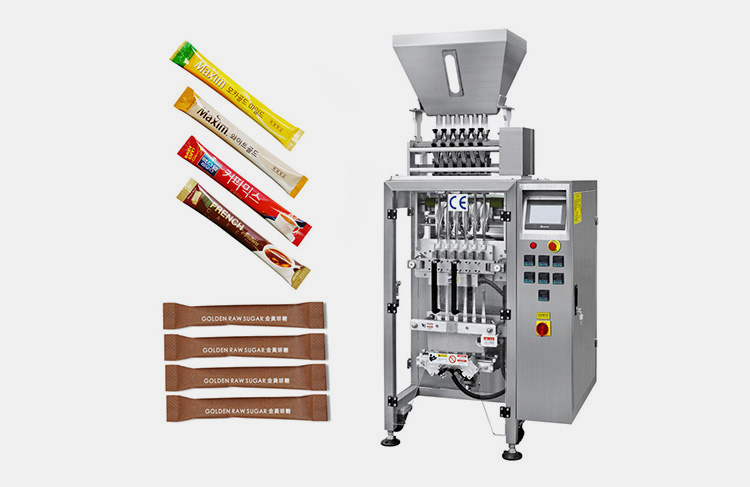
        This machine has four, eight, and twelve lanes and can make four, eight, or twelve stick packs, respectively. This machine can fill precise doses of coffee in the stick pack and is an excellent choice for packaging single-serving coffee. Manufacturers prefer to use this machine in productions due to its less use of packaging film and cutting down running expense advantages.

        Working Principle

        At the start of the coffee-filling operation, the packaging film is placed on the unwinding disk and after unwinding, the film is cut into several strips depending upon the number of lanes. Then the strips are folded and moved to an individual forming station where they are shaped into stick packs. Filling devices such as auger or volumetric filler fill coffee into stick packs. After filling, sealing jaws are heated to seal these stick packs.

        Coffee Sachet Packaging Machine

        Coffee Sachet Packaging Machine

        Coffee Sachet Filling Machine

        This machine is one of the routinely employed machines in the coffee packaging line. This machine feeds small servings of coffee powders in 3 or 4-sided sealed sachets. It is an environmentally friendly packaging machine for industries as it produces less film waste while forming and cutting sachets, consequently saving operational costs.

        Working Principle

        This machine operates on the same working principle as that of the VFFS machine because both these machines have identical design construction. The film after unwinding is transported to the forming area where it is folded and wrapped into sachets. The coffee powders or beans are loaded from filling devices. After filling, sealing bars seal the sachet while the cutting knife separates individual sachets.

        Coffee Jar or Tin Packaging Machine

        Tin Packaging Machine

        Coffee Jar or Tin Packaging Machine- Picture Courtesy: Samfull Packing Machine

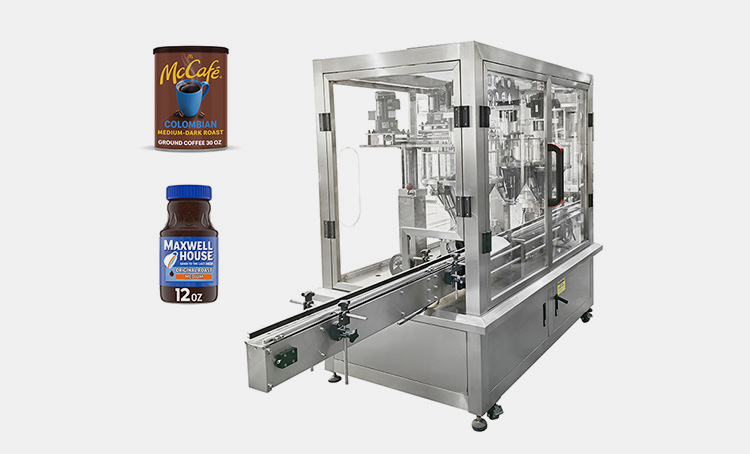
        It is a highly versatile machine that can fill coffee in jars or tins varying in their dimensions and designs. This machine is utilized to fill large volumes of coffee powders and beans in the coffee packaging jars or tins. The coffee jar or tin packaging machine is customized with advanced weight or volumetric fillers that augment the filling process.

        Working Principle

        The working steps of this machine are simple and require minimal human supervision. First, the containers for filling are placed in a straight line on the machine conveyor and a bulk amount of coffee is fed inside the cone hopper. When the container arrives under the filling nozzle, the coffee filling starts. The gripper holds jars and tins in place while filling to prevent their tumbling. Once the preprogrammed threshold for filling is attained, the filling process stops and the filled container is moved to the capping or sealing area for airtight closure.

        6.Are Coffee Bags Different To Tea Bags? How Are They Different From Tea Bags?

        Different To Tea Bags

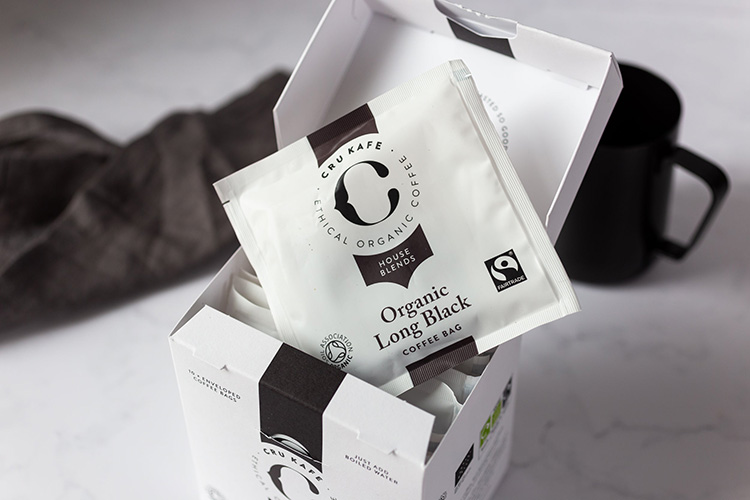
        Coffee Bag Packaging- Picture Courtesy: CRU Kafe

        No in fact they are quite similar having the same design and materials. Coffee bags come in the same triangular, prism or square shape as that of tea bags. They are also produced using nylon, cotton, paper filters, and food-grade plastics. However, instead of freshly ground tea leaves, these bags have coffee powder. Moreover, both coffee bags and tea bags are widespread because of the mess-free and convenient way of drinking coffee and tea, respectively.

        7.What Are Common Coffee Pouch Sizes?

        Common Coffee Pouch Sizes

        Sizes of Coffee Pouch Packaging- Picture Courtesy: World Brand Design Society

        Recently, coffee pouch packaging has gained popularity because of its convenience and versatility. Hence, due to the popularity of such packaging, brand owners design their coffee packaging in a variety of sizes and styles. Coffee is available in small sachets containing about 20 grams of coffee as well as large-sized flat-bottom bags having 2 kilograms of coffee. Nevertheless, the most common coffee pouch packaging sizes are:

        • 226 grams or 8 oz
        • 283 grams or 10 oz
        • 340 grams or 12 oz
        • 453 grams or 1 lb
        • 907 grams or 2 lb
        • 2 kilogram or 5 lb

        Coffee is the favorite drink of the North American region and the widely used coffee pouch packaging size in this region is 12 ounces and 5 pounds. In other countries, 0.5 pound, 1 pound, and 5 pound are most frequently used.

        8.Why Do Coffee Package Swell?

        Coffee Package Swell

        Puffiness in Coffee Packaging- Picture Courtesy: Dieline

        Sometimes, the coffee pouch packaging gets puffy. The consumers often confuse puffiness with freshness but this is not the case. The reason behind puffiness is quite simple. The roasters often packaged coffee pouches on large pallets with bags stacked over one another for transportation and distribution. The coffee pouches in the middle or at the bottom typically get crushed from the pouches present on their top. This prevents bottom pouches from swelling after vacuum-sealing.

        However, the coffee pouches at the top do not get squashed, hence, they can swell a little bit by trapping air before gases evade from one-way valve. In short, the appearance of the coffee pouch does not indicate the freshness of coffee instead puffy and non-puffy coffee pouches have the same quality of coffee.

        9.How Long Is Coffee Good For In Packaging?

        Coffee Good For In Packaging

        Freshness in Coffee Packaging

        It is a known fact that coffee tastes better when it is fresh. Quality packaging is the answer to keeping coffee fresh and lasting long. Many people think that as coffee is a dry product it will remain fresh for several years but it is the opposite case. Coffee has an expiry date and this is a period in which coffee can get spoiled.

        For instance, if ground coffee packaging is opened it can last about 2 weeks of opening. The opened coffee beans should be used within four weeks as after that fragrance and taste of the beans will slowly start to fade. Instant coffee should be consumed in about 2 weeks if packaging is opened. However, if opened ground coffee packaging is placed in the fridge and freezer then it will taste good for 2 weeks and 1 month, respectively.

        A vacuum-sealed packaging of coffee beans that is not opened, can last till its best-before date which is about 1-2 years after the date of manufacturing. Properly sealed instant coffee stored in a dry and dark place can have a long shelf life and remain fresh for 2-4 years. Besides this, unopened coffee pods do not go off till their expiry date.

        Conclusion

        A robust and unique coffee packaging is integral in not only protecting coffee but is essential in gaining the attention of coffee lovers. Air gases and humidity are two elements that significantly deteriorate the nutritional quality and freshness of coffee. But with coffee packaging, a strong impermeable barrier is achieved that prevents harmful substances from entering inside the packaging. If you are planning to design new coffee packaging for your business and are overwhelmed by ideas then feel free to contact our Allpack customer care and we will help you design just the right coffee packaging for you.

        Don't forget to share this post!

        CONTACT US

        Tell us your raw material and project budget to get quotations within 24 hours.

        WhatsApp Us: +86 156 0710 8630

        Invalid Email
        Invalid Number

        Coffee Packaging: The Complete FAQ Guide In 2025 Read More »
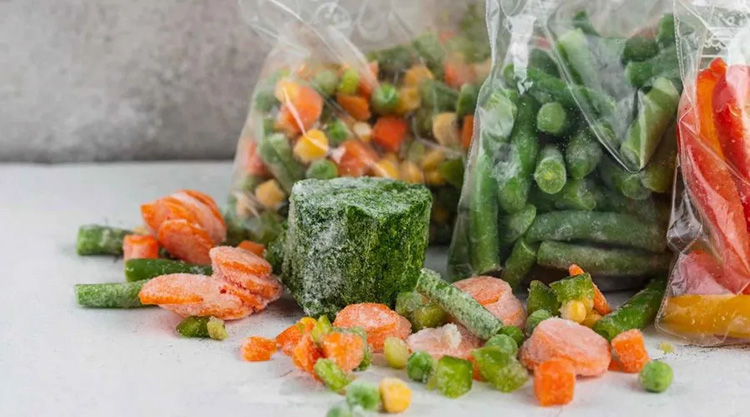
        Flexible Packaging

        What Is Flexible Packaging?

        What Is Flexible Packaging?

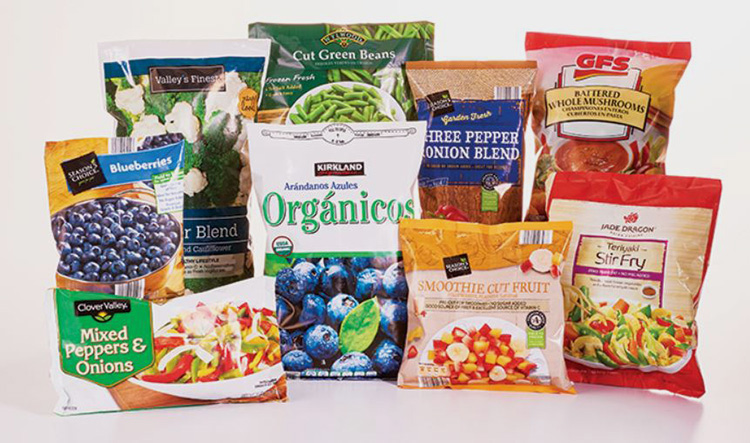
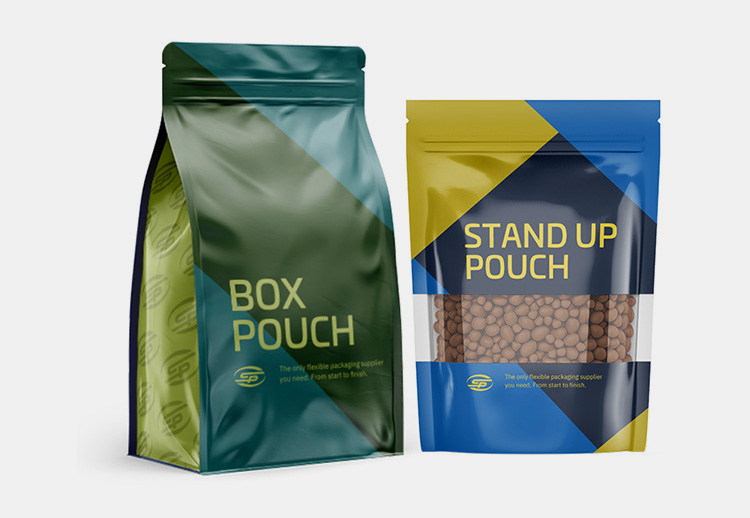
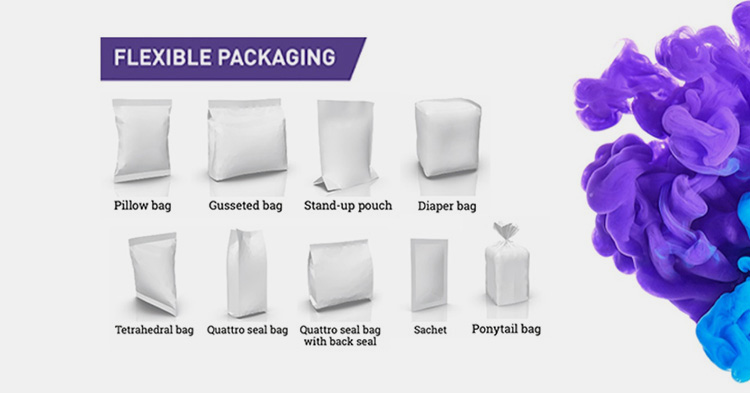
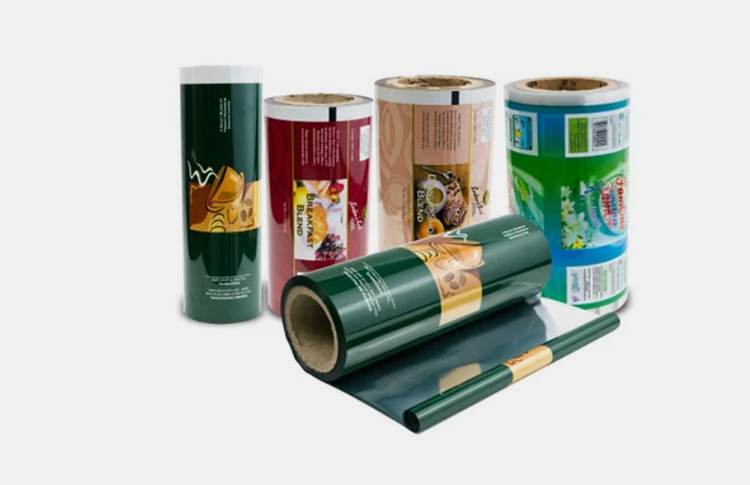
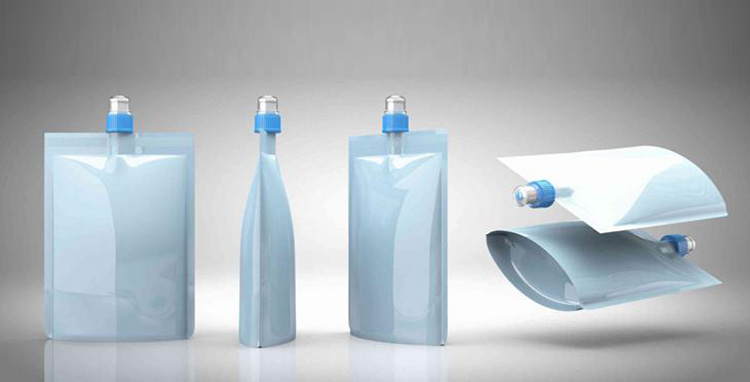
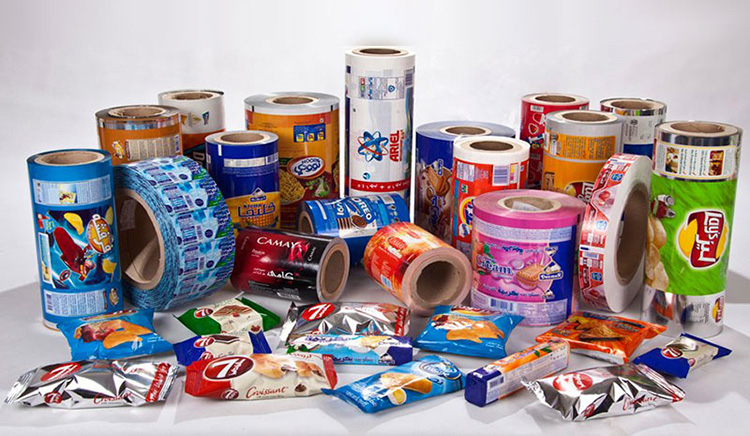
        Flexible packaging is applied on materials that are irregular in shape or on materials whose shape can be readily changed during the filling process. It is a highly efficient and precise way of packaging popular around the globe these days. Mostly plastic, paper, and aluminum are used to make pouches, rolls, bags, etc. for flexible packaging.

        Flexible Packaging-1

        Flexible Packaging - Picture Courtesy: Bioplastics News

        Industries like food, beverages, pharmaceutical, cosmetics, chemical are widely involved in doing flexible packaging on their products.

        Does your business involve flexible packaging and want to learn more about flexible packaging and its methods? Read this article to get your queries solved related to flexible packaging

          Add a header to begin generating the table of contents

          1.What Is Flexible Packaging?

          Flexible Packaging-2

          Pet Food Flexible Packaging- Picture Courtesy: C-P Flexible Packaging

          Flexible packaging is a unique type of packaging technique used globally these days to be applied on those products that have irregular or improper shape. Flexible packaging can adapt the exact shape and size of product that makes it highly versatile and has many benefits.

          The packaging provides complete protection to the material against the environmental factors and also makes it easier to be transported. Different types of pouches, bags, sachets and wraps of plastic and other materials can be made through this type of packaging.

          2.Why Is Flexible Packaging Important?

          Flexible Packaging Important

          Flexible Packaging- Picture Courtesy: PakFactory

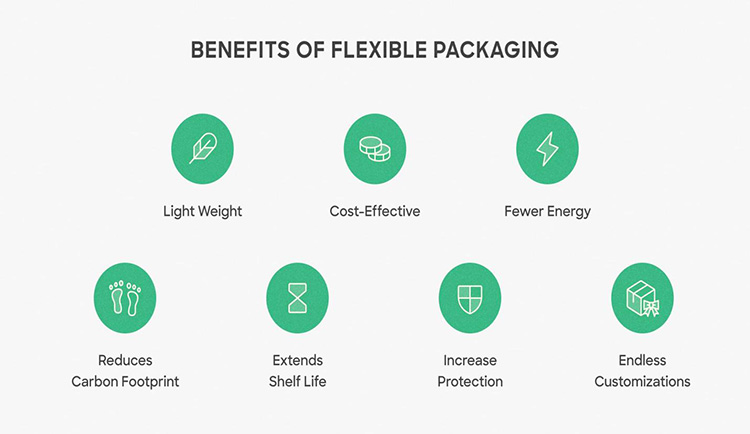
          Flexible packaging holds a greater importance in terms of providing product sustainability and to contribute in attracting large group of customers. Products that undergo flexible packaging are lighter in weight and gives greater support when their logistics takes place. This is why many manufacturers prefer flexible packaging on their products to make their product economical and reliable.

          3.What Are Benefits Of Flexible Packaging?

          Some of the benefits of applying flexible packaging on products are

          Product Shelf Life

          Product Shelf Life

          Food Waste – Perfect Flexible Packaging - Picture Courtesy: Perfect Packaging

          The most important benefit of a flexible packaging is that it preserves the freshness of products and also prohibits the entrance of environmental factors to increase the shelf life of product.  Products that have flexible packaging on them have good barriers against factors like humidity, dust, moisture and etc.

          Adaptability

          Adaptability

          Flexible Packaging Construction - Picture Courtesy: Labels & Labeling

          Material used for flexible packaging are highly adaptable when it comes to their feasibility with variety of shapes and sizes. Products that are smaller in size are easily packaged using flexible packaging this makes it highly versatile.

          Product Branding

          Product Branding

          Why Is Flexible Packaging Important - Picture Courtesy: Stark Packmate

          High quality packaging has a brilliant appearance to product details and manufacturer related information. Flexible packaging due to this benefit allows the manufacturer to influence the customer with its attracting packaging and help the consumer know each and every thing related to the customer. Flexible packaging can increase the number of consumer due to efficient and attractive product branding.

          Cost Reduction

          Cost Reduction

          Reduce Packaging Cost- Picture Courtesy: East West Manufacturing

          One of the most important reason is that flexible packaging does not require specific type of thick and costly material for its process. Light weighted and cheaper materials can be used to apply on products and also makes it feasible when transported.

          Product Designing

          Product Designing

          Flexible Packaging - Picture Courtesy: PBFY

          As flexible packaging makes the product easy to be placed anywhere and reduces carbon footprints, this also supports the manufacturer to do creative designing and packaging solutions. Products with unique designs are always visible when placed in shelves of wholesale or retail stores. Design can be done according to the handling and customer expectations.

          4.Common Mistakes Done While Doing Flexible Packaging?

          Flexible packaging requires high concern and attention while the process is carried out. Some of the most common mistakes done while doing flexible packaging are

          Poor Material Supply

          Poor Material Supply

          Bad Flexible Packaging - Picture Courtesy: The Guardian

          The most basic reason for having an improper flexible packaging is the flow of material within the system. Once the roller releases the packaging material there should be no interruption in material supply other wise wrinkles and holes can give poor packaging.

          Wrong Material

          Wrong Material

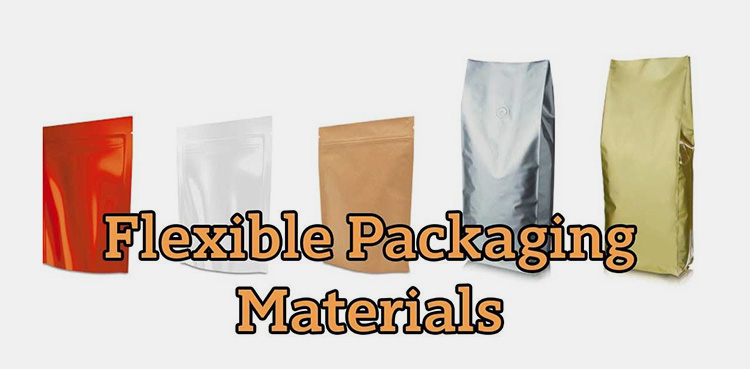
          What Are Flexible Packaging Material?

          Selection of inadequate material that can lead to breakage, leakage or spoilage is also a reason to have improper flexible packaging. This is why the packaging material should be selected with complete satisfaction and also by getting is properties.

          Improper Sealing Application

          Improper Sealing Application

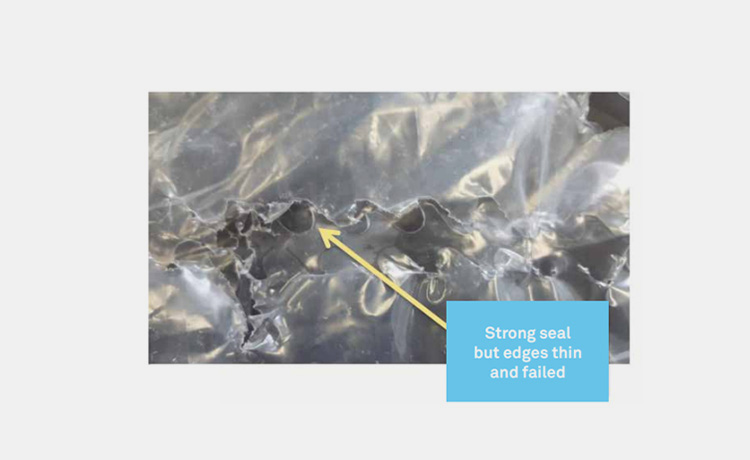
          Sealing Issues In Flexible Packaging Products - Picture Courtesy: Qenos

          Selection of right material and machine for sealing is also a common mistake done my manufacturers while doing flexible packaging. Poor seal as a result of this can cause material spoilage and also can reduce the standards of quality.

          5.How Is Flexible Packaging Done?

          Flexible Packaging Done

          Flexible Packaging: An Introduction - Picture Courtesy: Labels & Labeling

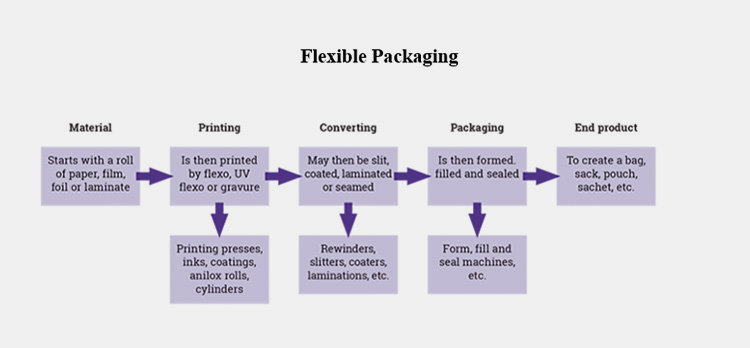
          The first processing step for flexible packaging material is to be designing and printed through specific methods like flexography, digital printing and rotogravure printing. It provides various types of flexible options that contains all necessary product and manufacturer information on it.

          The processing packaging material according to the requirement than has application of different layers of material that are laminated together to form a thick and resistive covering. This thick layer blocks environmental factors to enter the packaging. As the shape from thick material is formed it is filled with the material and sealed to be transported globally in cartons and boxes.

          6.What Are The Types Of Products Flexible Packaging May Contain?

          Some of the products that can easily be packaged using a flexible packaging are

          Powders

          Powders

          High Performance Flexible Packaging - Picture Courtesy: Huhtamaki

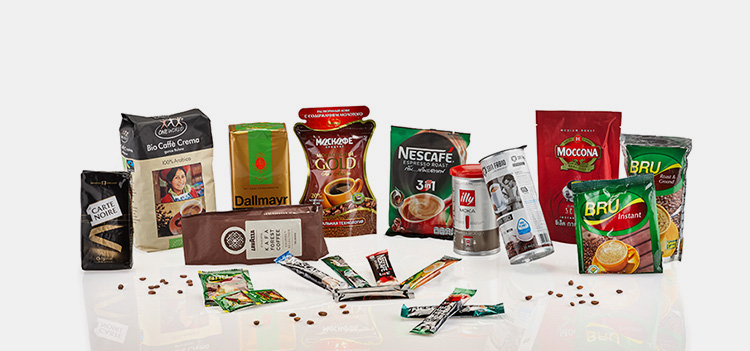
          Powders that are solid in state like coffee beans, tea mixtures or sugar material are ideal to be packed using flexible packaging as it provides protection against the moisture content and maintains their aroma and flavor.

          Granules

          Granules

          Flexible Packaging - Picture Courtesy: Biotef

          Granules are also solid in state and can easily be packed in different sizes of bags and pouches of flexible packaging. The internal properties of these granular substances need high blockage form humid and radioactive conditions and that is provided by this flexible packaging. Salt, fertilizer granules, and other substances can be packed highly efficient using flexible packaging.

          Medical Devices

          Medical Devices

          Medical Flexible Packaging - Picture Courtesy: Perfect Packaging

          Electronics and instrumentation devices that are used in medical industry required high level of protection as their processing can be disturbed if any moisture, oxygen or humid condition enter their vicinity. Flexible packaging is ideal in this situation to keep it safe from this condition and increases their life. Other than these devices medical bandages, syringes, sterilizer and etc. are also packed using flexible packaging.

          Liquid Gels

          Liquid Gels

          Hand Washing Liquid Travel Flexible Packaging

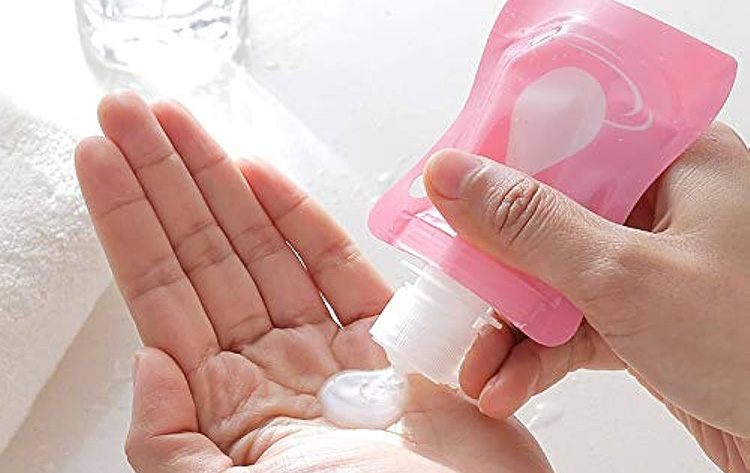
          Liquid gel, creams and pastes undergo flexible packaging as it gives airtight seal and avoid any type of leakages. Liquid products are packed in different sizes and shapes of pouches, sachets, bags and tubes of flexible packaging.

          7.What Materials Are Used For Flexible Packaging?

          Variety of materials can undergo flexible packaging depending upon their requirement and material handling properties. This is an integral and important part to select the best suitable type of material to prevent any kind spillage or leakage while they are transported. Some of the materials used for flexible packaging are

          Polyester

          Polyester

          Clear Polyester Flexible Packaging Film- Picture Courtesy: ACPO

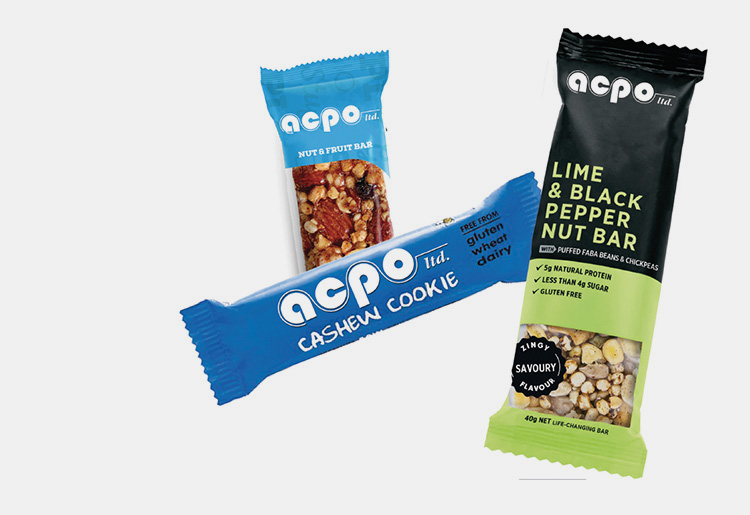
          The most unique and widely used material for flexible packaging is polyester due to its transparent nature and excellent bonding strength. Sachets and pouches of beverages and food products are mostly packed in this type of flexible packaging material.

          Polypropylene

          Polypropylene

          PP Flexible Packaging Film

          Most of the confectionary items are packaged in a polypropylene material due to its high melting point property. This material can barrier high temperature conditions and also can resist the entrance to any kind of microbial organism that can cause contamination.

          Polyvinyl Chloride

          Polyvinyl Chloride

          Flexible Plastic Packaging- Picture Courtesy: Plastivision

          Other type of plastic material that is available globally die to its economic benefit and readily availability is polyvinyl chloride. Most of the materials that are lighter in weight prefer PVC flexible packaging to give extended shelf life and good barrier against environmental conditions.

          Paper

          Paper

          Paper Flexible Packaging- Picture Courtesy: C-P Flexible Packaging

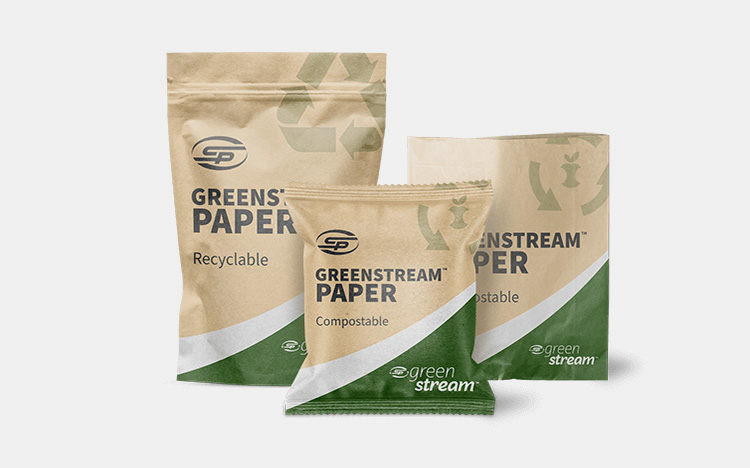
          Some of the products do use paper flexible packaging due to its environment friendly property. Most of the times it is difficult to bend a paper board but soft and thin types of paper can be used for packaging of dry food and snack products.

          Aluminum

          Aluminum

          Flexible Packaging Foil - Picture Courtesy: Interalco

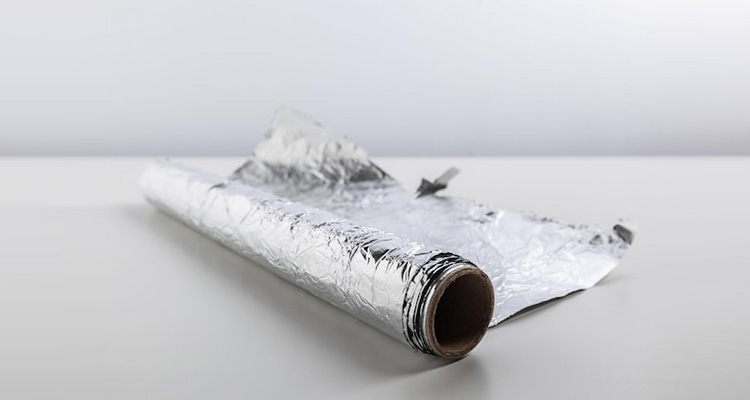
          Other than plastic and paper, aluminum also has greater sustainability when used for flexible packaging. They do not allow any entrance to moisture or humid condition and this is why the products packed using aluminum flexible packaging last for longer periods even if moved to longer distances and temperature conditions.

          8.How To Choose Quality Flexible Packaging Material?

          Flexible Packaging Material

          How To Choose - Picture Courtesy: Rocky Mountain Radar

          Checking and choosing for the best quality flexible packaging material is always a challenge to be done. Manufacturers have to keenly monitor all the aspects related to it starting from the material property to its barrier property against different type of environmental conditions. The manufacturer should select the quality material according to its product that whether it would be compatible or not in any condition.

          Flexible Packaging Material-1

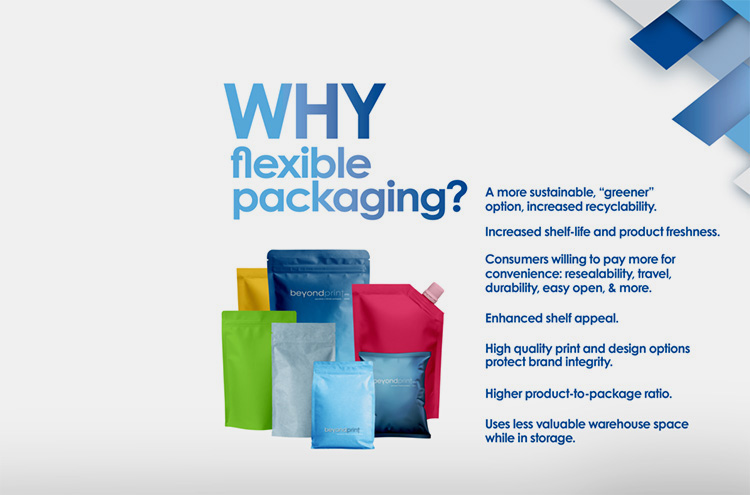
          Why Flexible Packaging - Picture Courtesy: Beyond Print

          Further, the sealing property of the material is also a concern as it has to travel longer distances and if this seal is not applied proper it can cause material wastage. Finally, in current movements in favor or environment friendly products, the material should be biodegradable and eco-friendly to meet the global standards.

          9.How Flexible Packaging Maintain Quality Of Products?

          Out of numerous methods how quality packaging can maintain product quality, some are

          Sealing Property

          Sealing Property

          Heat Seal In Flexible Packaging- Picture Courtesy: Packaging Strategies

          Quality flexible packaging material that gives high quality sealing property proves to be a barrier against environmental conditions and supports the product to last long. It prevents any sort of contamination and gives high quality resistance.

          Environment Friendly

          Environment Friendly

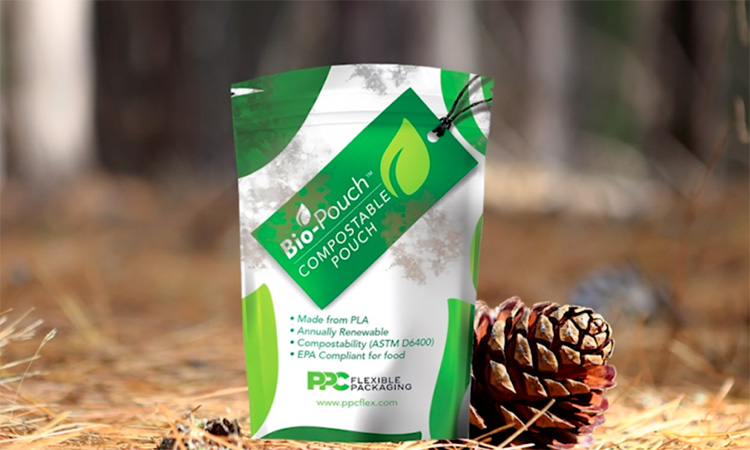
          Compostable Flexible Packaging- Picture Courtesy: Perfect Packaging

          Quality flexible packaging material do not produce any sort of carbon footprints or emissions that helps the environment and product both remain safe and helps in forming an eco-friendly brand.

          Adaptability

          Adaptability-2

          Paper Flexible Packaging- Picture Courtesy: Packaging Gateway

          One of the important factors that quality flexible packaging offers is its adaptability. It can fit into any shape and maintains the internal original shape of product so that no space is left.

          Product Life

          Product Life

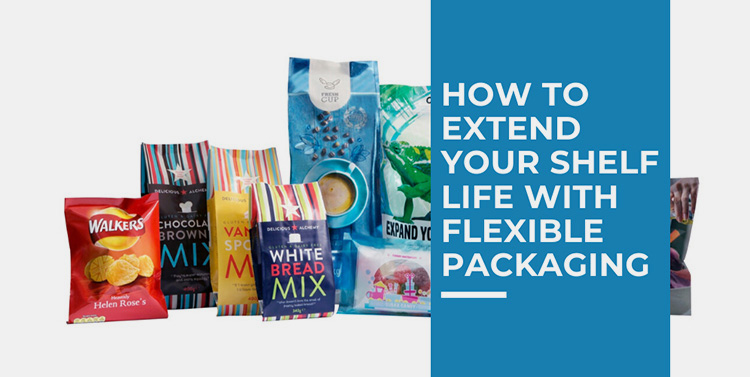
          How To Extend Shelf Life With Flexible Packaging- Picture Courtesy:  ePak Flexible Packaging

          Product and its life can be increased to a greater level if it is packed using a quality flexible packaging. As it provides proper sealing options and barrier to the contaminants, this feature makes it suitable to use for material that are to be consumed in extended durations.

          Conclusion

          Flexible packaging is a reliable mode of packaging that can adapt the shape and size of any product. This article completely tells about what flexible packaging is what amazing benefits can be taken out of it. It can not only provide a pleasant look to the product but also can save it from any type of contamination. It is always important to select the right material and right machine to apply efficient flexible packaging. If you still require more information regarding what is flexible packaging, you can contact our customer representatives, they are always available 24/7 for your guidance.

          Don't forget to share this post!

          CONTACT US

          Tell us your raw material and project budget to get quotations within 24 hours.

          WhatsApp Us: +86 156 0710 8630

          Invalid Email
          Invalid Number

          What Is Flexible Packaging? Read More »

          Stick Packing Machine-6

          Stick Packing Machine: The Complete Buying Guide In 2025

          Stick Packing Machine: The Complete Buying Guide In 2025

          Stick pack is considered a popular single-serve packaging style because of its distinct shape, unlike sachet packaging. The rising demand for such carry-on packaging has driven the expansion of the stick packing machine market.

          It is used for feeding all and sundry products like granules, powders, semi-solid, viscous liquids, and many more inside easy-to-open stick packs. Its convenience, simple operation, efficiency, and affordably have led to its frequent use in various industries, especially in the food and beverage industry.

          Stick Packing Machine

          Are you involved in the packaging business and want to add or upgrade a stick packing machine? Then without further ado read this blog to understand the essential parameters and working of such handy equipment.

            Add a header to begin generating the table of contents

            1.Define Stick Packing Machine.

            Stick Packing Machine-1

            Aipak Stick Packing Machine

            Stick pack is a prominent packaging format besides sachet and contains individual servings of products and is well-favored by go-the-go consumers. A special device known as a stick packing machine forms, fills, and seals stick packs that are longer in length but a minimal width.

            A stick packing machine is a flexible and handy unit, capable of fabricating a tubular long stick pack. It packs a one-time serving of different products like granular, semi-viscous, viscous, free-flowing, powdery, gels into a stick pack.

            This machine is designed with one up to 20 lanes and can output a maximum of 1600 stick packs per minute. Due to its increased efficiency, it has a dominant place in different industries from food to pharmaceutical and many more.

            2.What are the Primary Benefits of Stick Packing Machine?

            Due to the popularity of single-serve stick packs, more and more stick packing machines are utilized in industries. Stick packing machine is a remarkable equipment, generating profits for ventures, due to its high speed and efficiency. Some of the primary benefits of stick packing machines are:

            High Efficiency and Speed

            High Efficiency and Speed

            High Efficiency and Speed- Picture Courtesy: Aipak Pharma

            The use of stick packing machines in lean packaging operations is rising because of their high efficiency and speed. With multi-lanes, it can output thousands of stick packs per minute. Moreover, with automated controls and high-tech systems, this machine has a high throughput, in turn increasing the number of products in the market.

            Ease of Use

            Ease of Use-6

            Ease of Use

            This machine is designed with HMI, PLC systems, and high-efficiency sensors that allow the operator to monitor the progress of stick packing operation by remote connectivity. Moreover, HMI is a state-of-the-art system that aids operators in the convenient programming of protocols using pre-saved recipes.

            Lower Packaging Waste

            Lower Packaging Waste

            Lower Packaging Waste- Picture Courtesy: ePac Flexible Packaging

            The utility of a stick packing machine is acquiring popularity, because of minimal use of packaging materials, which not only saves money but, also results in lower packaging waste. This in turn lowers the carbon footprint of the stick packing machine and enhances its sustainability.

            Hygienic Design and Clean Packaging

            Hygienic Design and Clean Packaging

            Hygienic Design and Clean Packaging

            The stick packing machine is manufactured by stringent practices of GMP, FDA, and GAMP5. Therefore, it has a hygienic design that is integral in maintaining sterility and cleanliness of the filling. By using a stick packing machine with laminar flow, gas flushing, and UV lights in the packaging operations, cross-contamination of the products is averted.

            Versatility and Flexibility

            Versatility and Flexibility

            Versatility and Flexibility of Stick Packing Machine- Picture Courtesy: Aipak

            One of the huge benefits of a stick pack machine is its versatility. This flexibility is vital in processing present-day stick-pack styles and is good for future stick-pack formats as well. With fast format change between various batches, the stick packing machine has minimal downtimes and can process a wide-range of products, raw materials, and packaging films.

            3.What are the Industrial Uses of A Stick Packing Machine?

            The utility of stick packing machines in different industrial sectors is because of their ultimate fill accuracy and precision. Due to a list of various economic advantages, it is used in far and wide industries, for instance;

            Food Industry

            Food Industry

            Use of Stick Packing Machine in Food Industry- Picture Courtesy: Behance

            A stick packing machine is high in demand in the food industry for its simple fabrication of stylish stick packs that are popular among hard-at-work consumers. This machine packs diverse food types, like pastes, sauces, condiments, oils, salt, pepper, sugar, coffee, dressings, and so much more in the stick pack.

            Beverage Industry

            Beverage Industry

            Use of Stick Packing Machine in Beverage Industry- Picture Courtesy: London Loves Beauty EU

            It is yet another industry that increasingly utilizes the stick packing machine because of its accessibility and consistent performance. It is often used for packing sports drinks, juices, shakes instant coffee powders, etc in elegant and vibrant stick packs.

            Pharmaceutical Industry

            Pharmaceutical Industry

            Use of Stick Packing Machine in Pharmaceutical Industry- Picture Courtesy: Labels & Labeling

            Due to its clean packaging, the stick packing machine is employed in the pharmaceutical industry for housing medicinal powders, granules, liquids, pastes, and gels inside the stick pack. This machine packs gastric powders, electrolytes, and dermal creams in stick packs.

            Nutraceutical Industry

            Nutraceutical Industry

            Use of Stick Packing Machine in Nutraceutical Industry- Picture Courtesy: Korpack

            Due to rising awareness of health, the demand for sports supplements, dietary fibers, energy drinks, etc., has increased. Therefore, a stick pack machine is used in the nutraceutical industry for filling probiotics, prebiotics, vitamin powders, protein shakes, and mineral supplements inside the stick packs.

            Cannabis Industry

            Cannabis Industry

            Use of Stick Packing Machine in Cannabis Industry- Picture Courtesy: Weedmap

            In addition to the pharmaceutical and nutraceutical industry, a stick packing machine is also utilized in the cannabis industry for packing flavored cannabis powders into the stick packs. In the cannabis industry, the stick packing machine is mainly used for its consistent fill and quick packaging.

            Cosmetic Industry

            Cosmetic Industry

            Use of Stick Packing Machine in Cosmetic Industry- Picture Courtesy: Dieline

            A stick pack machine is also used in the cosmetic industry for the packaging of lotions, creams, foundations, hair gels, moisturizers, shampoos and conditioners in individual stick packs for travel cases. The stick pack is also a promotional format and is also distributed as a sample among customers.

            4.What are the Essential Parts of a Stick Packing Machine?

            Stick packing machine is designed with numerous parts that have their specific role in the stick-pack packaging. A list of these essential components is given below:

            Parts of a Stick Packing Machine

            Parts of Aipak Stick Packing Machine

            Hopper It is a bulk storage device that is seen at the top of the stick packing machine. This is a square or round hopper that meets out the right quantity of products to the filling devices.
            Motor It is considered the powerhouse of the stick packing machine. It is indispensable in the movement of all mobile parts because it provides them with mechanical energy for their work.
            Piston Cylinder The piston-cylinder encloses a piston device that goes forward and back to apply pressures on liquid products for their fluidity.
            Forming Station It is the part, where the strips are fashioned into stick packs by vertical sealers and forming tubes.
            HMI Screen It is an interactive interface that provides operator expediency in inputting packaging parameters. Self-diagnosis and troubleshooting are its other benefits.
            Horizontal Sealer This part via heat, pressure, or ultrasonic waves fuses the top and the bottom edges of the stick pack.
            Cutter Device The stick packing machine has sharp cutting knives at the lower portion that trim the edges of the stick packs for their disjoining.
            Film Unwinding Disk The packaging film stacked on the rolling stock untwists and voyages over the roller by the action of the unwinding disk.
            Electrical Cabinet The relays, breakers, switches, and wires are present in the electric cabinet for safety purposes. It is like the motherboard of the stick packing machine.
            Caster Wheel The caster wheels move and provide stability to the stick packing machine. They bear the weight of the machine and maintain its balance.

            5.How Do Classify Stick Packing Machines?

            The stick packing machine is categorized into several classes based on the level of automation, number of lanes, and motion types. The complete detail of its classification is penned below:

            Classify Stick Packing Machines

            According to Automation

            Semi-automatic Stick Packing Machine

            Semi-automatic Stick Packing Machine

            Semi-automatic Stick Packing Machine

            It is a simple compact machine, easily added in small and medium-sized businesses. This machine has straightforward working controlled by the machine PLC component. The filling, forming, and sealing of stick packs is autonomous. However, this machine is labour-intensive, as the operators load and remove raw materials and stick packs by hand from the machine.

            It is comprised of one to two lanes, hence; its productivity is low.

            Automatic Stick Packing Machine

            Automatic Stick Packing Machine

            Aipak Automatic Stick Packing Machine 

            It is a large-sized machine consisting of 4 to 20 lanes; thus, it is a fast and efficient unit. The machine packaging operation is fully automatic with the loading of raw materials, forming of stick packs, and their filling, sealing, and unloading of stick packs are performed by the machine automatically with no operator involvement.

            It is an integral component of massive-scale operations due to its increased productivity.

            According to the Number of Lanes

            Single Lane Stick Packing Machine

            Single Lane Stick Packing Machine

            Single Lane Stick Packing Machine

            Its name is derived from a single lane in its design construction. Its processing volume is low because it forms and fills a single stick pack during one cycle. Mostly, this unit is a part of small and medium-scale enterprises.

            Its biggest advantage is its compact construction with a smaller footprint; therefore, it is quite easy to clean, maintain, disassemble, and reassemble single lane Stick Packing Machine.

            Multi-lane Stick Packing Machine

            Multi-lane Stick Packing Machine

            Aipak Multi-lane Stick Packing Machine 

            This type of stick packing machine boosts several lanes going as high as twenty. Due to the existence of multiple lanes, this machine can process multiple stick packs in one cycle. Because of its swift packaging, this machine is an important part of industries for packaging on-the-go products.

            Every lane form, fill, and seal stick pack is in complete harmony. However, because of the presence of several lanes, space is its major drawback, as it needs more room for working.

            According to the Motion Type

            Intermittent-Motion Stick Packing Machine

            Intermittent-Motion Stick Packing Machine

            Intermittent-Motion Stick Packing Machine- Picture Courtesy: Schmucker (S.R.L.)

            As the name suggests, the mode of operation in these kinds of stick packing machines is intermittent, meaning the machine pauses when it is creating, loading, and sealing a stick pack, consequently, it has low processing capacity than a continuous-motion Stick Packing Machine.

            It is also known as start and stop equipment. intermittent-motion stick packing machine is designed for production, where precise filling of delicate items is required.

            Continuous-Motion Stick Packing Machine

            Continuous-Motion Stick Packing Machine

            Continuous-Motion Stick Packing Machine

            This machine’s processing capacity is on the high end because it processes stick packs without pausing and stopping,g so it is a part of mass-scale operations. Continuous-motion stick packing machine works continuously without stopping between cycles.

            It is a flexible and versatile unit, best for handling bulk items and heavy loads. It is more suited for filling robust products at a higher pace.

            6.What is the Working Principle of the Stick Packing Machine?

            The stick packing machine is comprised of various mechanical parts that act seamlessly to ensure perfect coordination in machine forming, filling, and sealing operations. Here is a list of different working steps:

            Working Principle of the Stick Packing Machine

            Product Feeding

            Product Feeding

            Product Feeding

            The operators load the bulk quantities of product whether solid or liquid into the large square or circular type hopper normally present at the top of the machine. product feeding is important for seamless operation. Sometimes, infeed tanks are employed for dispensing products inside the hooper.

            Film Loading and Unwinding

            Film Loading and Unwinding

            Film Loading and Unwinding- Picture Courtesy: Uslupak

            Operators or robotic arms place a huge film roll over the rolling stock. The film unfurls by the movement of the film unwinding disk and is moved to sharp blades that cut the film into small individual strips. The number of strips formed in this section is dependent upon the number of lanes featured in the stick packing machine.

            Stick Pack Formation

            Stick Pack Formation

            Stick Pack Formation

            The film strips are then moved to the respective forming tube, where the forming collars of conical-shaped forming stations double and wrap the strips to form stick packs By ultrasonic waves or by high-temperature, vertical sealers fuse side seams of the tubular pouch and horizontal sealers seal the bottom seam. Due to the action of these sealers stick packs are formed.

            Product Filling

            Product Filling

            Product Filling- Picture Courtesy: Marchesini Group

            After stick pack formation, the filling devices in the stick packing machine activate and fill the products into the stick pack. By the rotation of the auger and volumetric cup, movement of the piston, and vibration of vibratory plates, the product flows from the hopper in the filling station and is then gradually dispensed inside the stick packs

            Stick Pack Sealing and Cutting

            Stick Pack Sealing and Cutting

            Stick Pack Sealing and Cutting

            Upon product dispensing, the final steps in the working of the stick packing machine are- cutting and sealing. These horizontal heated bars seal the top sides of stick packs while the sharp blades present in the center of horizontal bars separate two adjoining stick packs from each other.

            7.What are the Filling Devices in Stick Packing Machine?

            Filling Devices in Stick Packing Machine

            Filling Devices in Stick Packing Machine

            Depending upon the nature of the products, there are different types of filling devices present in the stick packing machine. These filling devices are penned below:

            Auger Filler

            Auger Filler

            Auger Filler- Picture Courtesy: Helix Packaging

            This is comprised of auger shaft, spinning plate, screws, funnel, and dispensing nozzle. It is a closed device that lowers product contamination. It is commonly used for dusty powders and granules. Auger shaft powered by motors rotates to mete out products from the nozzles. Auger fillers are accurate filling devices.

            Piston Filler

            Piston Filler

            Piston Filler- Picture Courtesy: Hunter Filling Systems

            It consists of a hopper, piston, cylinder, and filling nozzles. The to-and-fro motion of a piston in the cylinder is essential in forcing the liquids and gels from the hopper to the cylinder and then to the stick pack. It is the most precise filling system, ideally used for viscous creams and pastes.

            Volumetric Cup Filler

            Volumetric Cup Filler

            Volumetric Cup Filler- Picture Courtesy: Packaging and Labeling

            It is mostly used for filling granular, powdery, and pellet products like grains, salt, coffee grounds and many more in the stick pack. It consists of rotating plates that have several cups and a calibrated syringe. At first, the syringe measures the volume for filling the cup and then it is dispensed inside the cup, from where it is loaded into the stick pack.

            Multi-head Filler

            Multi-head Filler

            Multi-head Filler

            This filler in the stick packing machine loads snacks, confectionaries, and other small foodstuff in the stick pack. It is composed of multiple heads that work in synchronicity to fill stick packs. Multi-head fillers have high processivity and are highly accurate.

            Pump Filler

            Pump Filler

            Pump Filler

            It is a filling device present in a stick packing machine, commonly employed for loading free-flowing and non-viscous liquids into the stick pack. With the rotation of the pump, like gear or lobe, an accurate quantity of liquid is dispensed in the filling nozzle. These filler nozzles then introduce liquids like juices into the stick

            8.What are Different Patterns of Seals Created by a Stick Packing Machine?

            Stick packs come with diverse patterned seals, as the stick packing machine is adjusted to accommodate different seal patterns, for instance:

            Seal Cut Options

            Seal Cut Options

            Seal Cut Options

            Different types of cutting blades like zig-zag teeth cutters are used to cut sides in straight lines, zig-zag patterns, and round corners on the stick pack seals.

            Seal Type Options

            Seal Type Options

            Seal Type Options

            The sealing jaws are customized to create beautiful seals, for instance, diamonds, strips, narrow straight lines, and small diamond types on the seals. Attractive seal types differentiate stick-pack products from competitors.

            Seal Shape Options

            Seal Shape Options

            Seal Shape Options

            To create diverse seal shapes on stick packs, sealing jaws are customized. These seal shapes are straight, central-neck, side-neck, and round seal.

            Easy-Open Seal Options

            Easy-Open Seal Options

            Easy-Open Seal Options

            For the convenience of users, the stick packing machine is tailored to make easy open seals in the stick packs. These easy options are tear-notch, dot break, V cut, and micro-perforations.

            9.What Stick Pack Styles are Handled by Stick Packing Machine?

            The packing machine can easily process different stick-pack styles to boost product appeal and impulse buying. These styles are detailed below:

            Regular Stick Pack

            Regular Stick Pack

            Regular Stick Pack

            It is a typical stick pack with a tubular shape and features a narrow structure. It has a higher length and smaller width. regular stick packs are the common stick pack format.

            Pillow Stick Pack

            Pillow Stick Pack

            Pillow Stick Pack- Picture Courtesy: TurboSquid

            This stick pack has a central seal just like a pillow pouch and has more room for branding. It has three seals-top, bottom, and middle.

            Twin Stick Pack

            Twin Stick Pack

            Twin Stick Pack- Picture Courtesy: Aranow

            The stick packing machine can also form double twin stick packs using two hoppers. They are connected stick packs having a common top seal. These are used for filling complementary products.

            Shaped Stick Pack

            Shaped Stick Pack

            Shaped Stick Pack- Picture Courtesy: Aranow

            Sometimes, a specialized stick packing machine is used to create customized stick packs that have captivating shapes, such as tubes, oval, round, bottles, etc.

            10.Are there Any Safety Certifications for Stick Packing Machine

            There are various kinds of safety certifications for the stick packing machine to protect operators, production plants, and the environment. These certifications are discussed below:

            ISO

            ISO

            ISO Certification

            It stands for International Organization for Standardization. This safety certification of the stick packing machine guarantees that this equipment conforms to all safety protocols. It ensures that safety guidelines are implemented in designing and manufacturing machinery to avert health risks.
            OSHA

            OSHA

            OSHA Certification- Picture Courtesy: OSEA

            It stands for Occupational Safety and Health Administration. It is a safety guideline for stick packing machines used mostly in the United States. If this machine is OSHA certified it means that during its operation, it will pose minimal risk to the operator's health and working environment.
            CE

            CE

            CE Certification

            It is a safety marking, necessary in the European Union for machines, like stick packing machines made and sold in these countries. To obtain CE certification, manufacturers first, must conduct a risk assessment to show that machinery is not harmful to the operator and environment.
            UL

            UL

            UL Certification- Picture Courtesy: Hardcore Electric

            It stands for Underwriters Laboratories. It states machinery including the stick packing machine had undergone stringent safety tests to ensure the safety of the workforce and workplace and it meets all safety standards.

            11.Tips and Tricks-How to Troubleshoot Basic Problems of Stick Packing Machine?

            Unexpected and unanticipated problems in the stick packing machine could be troubling and bothersome for the operators and owners alike, causing loss of revenue and productivity. To resolve these issues, we are giving some tips and tricks:

            Reason Remedy Picture
            Abnormal Sounds and Vibrations are Heard from Equipment
            Machine components are loose and are not aligned properly

            Improper lubrication in machine parts.

            Instability of the rotating components, for instance, filling devices

            Realign the machine components

            Lubricate and oil all the mobile parts as well as nuts and screws

            Tighten and level the rotating parts.

            Heard from Equipment

            Abnormal Sounds and Vibrations are Heard from Equipment

            Foreign Objects and Debris in Product
            Poor cleaning schedule

            Improper cleaning of the machine after the packaging shift leads to cross-contamination of products from an earlier batch

            Poor or defective seal, causing entry of foreign objects

            Practice a regular clean schedule

            Implement CIP and WIP to thoroughly clean and wash the machine

            Check and inspect sealers for fault

            Debris in Product

            Foreign Objects and Debris in Product

            on-uniformity in Shapes and Sizes of Stick Packs
            Wrong forming input

            Inadequate film tension

            Wrong sealing temperature programming

            Faulty sealing bars

            Inadequate sealing pressure

            Check and reprogram the length of stick packs

            Inspect and adjust film tension

            Adjust the sealing temperature

            Repair or replace the faulty sealing bars

            Reprogram the sealing pressure and make sure it is uniformly distributed during the sealing process

            Sizes of Stick Packs

            Non-uniformity in Shapes and Sizes of Stick Packs

            Non-uniformity in Material Feeding
            The machine hopper and other filling devices are not properly cleaned.

            Out-of-order product weight or volume measuring devices

            Wrong fill parameter input

            Regularly clean the machine hopper and other filing devices

            Recalibrate the measuring devices

            Adjust the fill parameters

            Material Feeding

            Non-uniformity in Material Feeding

            Non-uniform or Rough-Cut Stick Packs
            Blunt cutting blades

            Defective or worn-out cutters

            Misalignment of cutting knives in the middle of sealing jaws

            High film tension

            Sharpen blunt cutter

            Replace or repair defective cutting blades

            Properly realign cutting blades

            Reduce film tension

            Rough-Cut Stick Packs

            Non-uniform or Rough-Cut Stick Packs

            12.What are the Future Prospects of the Stick Packing Machine?

            Prospects of the Stick Packing Machine

            Stick Packing With High Future Market

            A stick packing machine has brought unparalleled convenience and flexibility to you that helps people in accurate packaging in their fast and busy schedules. This is a portable solution you can install in your facility that assists pre-measured amounts of ingredients frequently enabling easiness in your business and lowers the risk of errors by filling doses to make your medication routine properly maintained.

            The stick packing machine is a relatively new invention, as the first it was presented in Japan in 1975. Although it is new machinery than other packaging machines, its market experienced high exponential growth. It is forecasted that it will have a CAGR rate of 6.60% during the years 2021-2028. It is estimated that it will grow to US$ 4,602.00 million in 2027 from US$ 2,884.71 million in 2020.

            Conclusion

            A feasible and convenient packaging format- a stick pack is processed by the versatile and adaptable manufacturing unit called a stick packing machine. With its flexibility, high efficiency, automation, consistent performance, and branding, it generates gigantic profits for the packaging industry. Are you interested in procuring a stick packing machine? If you do not know where to search, then look no further, as you have landed on the right website. We, Allpack manufacture exceptional quality machines at affordable prices.

            Don't forget to share this post!

            CONTACT US

            Tell us your raw material and project budget to get quotations within 24 hours.

            WhatsApp Us: +86 156 0710 8630

            Invalid Email
            Invalid Number

            Stick Packing Machine: The Complete Buying Guide In 2025 Read More »

            Seal Aluminium-5

            How to Seal Aluminium?

            How to Seal Aluminium?

            Aluminium is a wonderful metal used in the manufacturing of all kinds of products, from aeroplanes to architectural items, from flashlights to cameras and many more. To make it corrosion-resistant and wear-resistant, it is sealed. The sealing of aluminium also boosts its shine, appearance, and thickness and is essential in protecting this metal from all types of environmental agents.

            Seal Aluminium

            Different sealing techniques, for instance, electrolysis, chemical sealant, and coatings are used for sealing aluminium.

            Are you dealing in aluminium products and want to learn more about sealing methods for aluminium? Then carefully through this blog as it will answer all your questions about aluminium sealing.

              Add a header to begin generating the table of contents

              1.Why to Seal Aluminium?

              Seal Aluminium-1

              Aluminium is the most utilized metal and serves various functions in manufacturing applications. There are many reasons for sealing aluminium, for instance:

              Prevention of Corrosion

              Prevention of Corrosion

              Prevention of Corrosion

              Aluminium tends to corrode in humid environments as moisture in the air promotes oxidation of aluminium. As a result of corrosion aluminium loses its effectivity and shine. That being the case, aluminium is sealed by different sealants and coatings to prevent its rusting. This sealed aluminium is highly corrosion-resistant and thus has long serviceable life.

              Boosts Aluminium Durability

              Boosts Aluminium Durability

              Seal Aluminum Durability

              Unprocessed aluminium is prone to mechanical damage, for instance, scratching, bending, and wear and tear. But with sealing, a protective coating is added to aluminium that boosts its durability, consequently, it can easily be resistant to rough treatment and abrasion.

              Enhanced Product Aesthetic

              Enhanced Product Aesthetic

              Enhanced Product Aesthetic

              With sealing aluminium, its visual appeal is increased and it appears more lustrous and polished. This sealed aluminium will uphold its original colour and uniform finish for a longer time while unsealed aluminium will lose its shiny appearance and discolour over time.

              High Chemical Resistance

              High Chemical Resistance

              High Chemical Resistance- Picture Courtesy: Packaging Gateway

              Aluminium is often exposed to an environment where it faces harsh chemicals. These chemicals will react with aluminium leading to its degradation. But with sealing, aluminium can withstand harsh acids and alkalis. The protective sealant barrier on aluminium allows it to uphold its structural integrity in a degrading chemical environment.

              Improved Cleaning

              Improved Cleaning

              Improved Cleaning- Picture Courtesy: Maids By Trade

              In addition to protection and resistance, the aluminium sealing also comes in handy while cleaning it. The sealing of aluminium causes uniform and polished surfaces that make it easier to clean aluminium products. Moreover, the sealed aluminium deters dust, oils, and other contaminants.

              2.How to Seal Aluminium?

              Seal Aluminium-2

              With technological innovation, different methods are invented to seal the aluminium for its weather resistance. Some of these methods are penned below for your understanding:

              Anodizing

              Anodizing

              Anodizing- Picture Courtesy: anodized aluminum

              It is one of the most important methods utilized for sealing aluminium. It is an electrolytic process that elevates the thickness of the oxide layer on the aluminium surface. The direct current is supplied to the electrolytic solution of aluminium oxide and sulphuric acid or chromic acid to seal aluminium.

              This process is applied to seal aluminium for different uses, like forming aeroplanes and architectural parts.

              Chromating

              Chromating

              Chromating- Picture Courtesy: AeroSpace Metals

              It is also named chemical conversion coating. It is the process in which the aluminium part is deposited inside the chemical bath usually containing chromate salt to achieve aluminium sealing of desired thickness.

              It is mostly used for sealing aluminium nuts and screws.

              Powder Coating

              Powder Coating

              Powder Coating

              As the name suggests, this process involves the application of dry powder on the surface of aluminium and then heat is applied for curing it. This method is typically employed for sealing aluminium for decorative purposes in the automotive and furniture industries.

              Sealant and Lacquer Coating

              Sealant and Lacquer Coating

              Sealant and Lacquer Coating- Picture Courtesy: McCahill Painting Company

              A delicate layer of sealant and lacquer is sprayed on the surface of aluminium to strengthen its durability and mechanical resistance. This sealant creates a barrier coat and prevents its oxidation and reactivity with other chemicals. The lacquer method of sealing aluminium is used in diverse industries, for instance, food, beverage, aerospace, etc.

              Electropainting

              Electropainting

              Electropainting- Picture Courtesy: 3 Colours Painting

              It is yet another method for sealing aluminium. In this process, a primer is used to improve the attraction of aluminium for paint sealant. Afterwards, paint is applied with the aid of an airbrush or spike brush to increase the durability of the seal. This method is widely used in the automotive industry.

              3.Common Mistakes to Avoid While Aluminium Sealing

              Avoid While Aluminium Sealing

              When sealing aluminium, it is advised to proceed with great caution as even a smaller mistake could result in sufficient sealing, ultimately causing corrosion and decreased protective aluminium barrier.

              For your convenience, here are some basic mistakes to avoid during aluminium sealing:

              Incorrect Selection of Sealent

              Incorrect Selection of Sealent

              Incorrect Selection of Sealent

              The saying that one shoe does not fit all applies to aluminium sealants as well.  Different alloys of aluminium have their specific sealant. Therefore, the wrong selection of sealant results in improper sealing, often leading to leakage and abrasion.

              Incorrect Application of Sealant

              Incorrect Application of Sealant

              Incorrect Application of Sealant- Picture Courtesy: The Gorilla Glue Company

              It is a common mistake while sealing the aluminium. Non-uniform and uneven coverage of sealant produce microscopic fissures in the aluminium sealing that direct the corrosivity of aluminium. This incorrect application also results in ineffective barriers.

              Hence, it is recommended to follow proper protocols while sealing.  Use proper tools for instance brushes, spray nozzles, and rollers to ensure even application of sealant.

              Poor Surface Preparation

              Poor Surface Preparation

              Poor Surface Preparation- Picture Courtesy: Toppr

              The surface of unprocessed aluminium habitually comes in lots of impurities and contaminants, for instance, oil, grease, dust, and other debris. These contaminants adhere to the surface of the aluminium and its poor cleaning before sealing, results in weak bonding and insufficient seal effectiveness.

              To avoid such a disaster, first, prepare the aluminium surface and get rid of impurities by methodically cleaning and drying the aluminium surface.

              Inadequate Drying or Curing Duration

              Inadequate Drying or Curing Duration

              Inadequate Drying or Curing Duration- Picture Courtesy: Linkedin

              Sometimes, due to time constraints, users haste the drying and curing time and use or package aluminium without proper drying. This leads to poor bonding of sealant with aluminium which in turn leads to poor insulation and inadequate protection of aluminium.

              To avoid such issues, sufficient time should be given for curing and drying, as advised by the manufacturer and aluminium should not be exposed to strain without complete drying.

              4.Environmental Considerations of Sealing Aluminium

              With increasing awareness about global warming, manufacturers and customers are equally concerned about the environmental impact of various sealing methods of aluminium. Various environmental considerations should be taken into account while choosing the sealing method.

              Release of Volatile Compounds

              Release of Volatile Compounds

              Release of Volatile Compounds by Sealants

              Sealants and other lacquers emit a high number of volatile compounds. These compounds contribute to air pollution. The anodizing sealing method is the most eco-friendly method, releasing lower quantities of volatile organic compounds, halogens, and heavy methods.

              Fuel Consumption

              Fuel Consumption

              Carbon Neutral Aluminium Sealing Methods- Picture Courtesy: Scrap and recycle news - RecycleInMe

              Some sealing methods are energy-intensive and consume energy to heat chemicals as a result, carbon dioxide gas is released into the environment, increasing its carbon footprint. Spraying of sealant and lacquering do not use energy and, therefore are carbon neutral.

              Water Contamination

              Water Contamination

              Water Contamination- Picture Courtesy: MEL Science

              In certain sealing methods of aluminium, chemicals run into the water bodies causing their contamination. For example, in the chromating method, chromium salts are released in water systems. Hence, consider potential water contamination when choosing the aluminium sealing method.

              Remember to thoroughly research and compare sealing methods and also take into account the pros and cons of different sealing methods in terms of their eco-friendliness. Select a technique that is perfectly balanced between effectiveness and environment conservation.

              5.Success Tips for Sealing Aluminium

              Winning the battle of sealing aluminium goes beyond avoiding simple mistakes. It takes extreme planning and intense testing. Some success tips to master the feat of aluminium sealing are:

              Prime Aluminium Surface

              Prime Aluminium Surface

              Prime Aluminium Surface

              Uneven and rough surfaces of aluminium create a hindrance when sealing aluminium and lead to uneven sealings. Therefore, you must smooth the surface of aluminium using different approaches for cleaning, sanding, and, polishing. This will bring about a smooth finish and in turn, you will attain optimal sealing outcomes.

              Learn About Various Aluminium Alloys

              Various Aluminium Alloys

              Aluminium Alloys

              Different alloys of aluminium are present in the market, containing traces of various elements, such as copper, manganese, and copper. These alloys require specific types of sealants to form an effective seal.

              Therefore, for successful sealing, it is important to learn about aluminium alloys and their characteristic sealants.

              Prepare for Contraction and Expansion of Aluminium

              Expansion of Aluminium

              Contraction and Expansion of Aluminium

              Aluminium is a metal that contracts and expands at low and high temperatures, respectively. Use a seal that can withstand such changes, failure to do so, results in the bending, hardness, and cracking of sealants and loss of seal adhesivity.

              Test Small Batch

              Test Small Batch

              Test Small Batch

              Before diving all the way headfirst into aluminium sealing, first test the small batch. In this way, you develop your perfect recipe without wasting your resources. Perform sealant combability tests on small amounts of aluminium before going for full scale.

              Safe Storage

              Safe Storage

              Safe Storage of Sealed Alumininum- Picture Courtesy: Factory Fast

              After the successful bonding of sealant with aluminium, the next step is its storage. It is a crucial step that many users overlook. Some chemicals, UV radiation, and oxygen are culprits that cause premature seal degradation and lower sealing properties.

              For that reason, it is suggested to store sealed aluminium away from harsh and degrading chemicals. Furthermore, its ideal storage place is a cool, dark, and low-humid warehouse that is not exposed to direct sunlight.

              Conclusion

              Aluminium is the most sought-after metal in industries, hence to boost its protective characteristic, durability, chemical resistance, its physical appearance, aluminium is sealed. Different innovative techniques, such as anodizing, coating, chromating, and painting, exist in the market for sealing aluminium. Each of these methods has its advantages and limitations when their environmental impacts are studied. Also, users make common mistakes while sealing aluminium, for instance, inadequate curing, wrong sealant selection, and improper surface preparation. Hope this blog has addressed a puzzling question which is how to seal aluminium. If you have any question from ‘How to Seal Aluminium? You can contact our Allpack customer care.

              Don't forget to share this post!

              CONTACT US

              Tell us your raw material and project budget to get quotations within 24 hours.

              WhatsApp Us: +86 156 0710 8630

              Invalid Email
              Invalid Number

              How to Seal Aluminium? Read More »

              Sachet Filling Machine-5

              Sachet Filling Machine: The Complete Buying Guide in 2025

              Sachet Filling Machine: The Complete Buying Guide in 2025

              Sachet is a significant solution for every general to specified items! Do you know why?

              This is due to its convenience, affordability, individuality, and aesthetic appearance. You would be surprise to know sachets are ideal for broad spectrum packaging carrying from food to medicines, beauty to general products and other.

              Sachet Filling Machine

              Cosmetic sachet mockup- picture Courtesy: Mockups Designs

              A sachet filling machine is the greatest solution for accomplishing filling task. This is available in various presentations depending on capacity, production size, number of different products, states and much more. In this guide, our experts have suggested various aspects, classifications, advantages, certain problems and solutions related to sachet filling machine. If you want to purchase a sachet filling machine, then we would recommend to go through this blog.

                Add a header to begin generating the table of contents

                1.What is Sachet?

                Sachet

                The sachet is a four-seal packaging that offers maximum safety to prevent product leakage. It offers to carry product safely everywhere without worrying about wastage and makes your product pretty attractive in terms of graphic design, since it is possible to print and express the qualities of the brand and the product itself.

                2.What is a Sachet Filling Machine?

                APK-110-Flat-Pouch-Horizontal-Sachet-Machine

                Allpack sachet filling machine

                A sachet filling machine is a significant equipment used for packaging of items in a small sachet which is useful for one time usage.  The machine is capable of dealing materials made up of different types such as paper, aluminium, etc, that can fill product of various states such as granules, powder and other.

                Plus, the machine is perfect for offering you sealing with various edges that prevent leakage of products such as three-side, four-side, or two-side sealing. So, now you can get.

                3.What are Benefits of Sachet Filling Machine?

                The benefits of sachet filling machine are given below:

                Various Sealing Format

                Various Sealing Format

                Form fill sealer- picture courtesy: packaging Digest

                A sachet filling machine is offering you greatest flexibility to achieve sealing patterns for sachet as per you need. Such as, two-sided, three-sided etc. Now it is possible to attain attractive sachet patterns to confined products against chances of leakage.

                Consistent & Controlled Filling

                Controlled Filling

                Fillcon sachet- Picture Courtesy: Fillcon

                You can maintain your quality standards of your product by using sachet filling machine as formulation filling in each sachet is entirely adhered to your requirements.

                High User Compliance

                High User Compliance

                Core supplement packet & sachets- Picture Courtesy: Spack Machine

                Sachet filling machine offering a nice packaging solution as it is easy to operate and advantageous for smooth functionality.

                Controlled Filling Products

                Controlled Filling Products

                Organic classic balsamic- Picture Courtesy: Matrix packaging Machine

                This machine is utilizing limited sachet formation materials and beneficial for controlled filling of product so less wastage of formulation and ultimate excellent filling solution.

                100% Hygienic Sachet Filling Process

                Sachet Filling Process

                The sachet filling machine is designed to maintain a safe and hygienic filling procedure to minimize the risk of cross-contamination and ensuring safe product filling and formulation stability till reached by end user.

                Promising Production Demands

                Promising Production Demands

                Vitamin C- Picture Courtesy: Emenac Packaging

                A sachet filling machine is significantly important in meeting your production demands and contributing its highest role in offering highly efficient production demands.

                4.What are Industrial Applications of Sachet Filling Machine?

                The sachet filling machine is widely used in the various sectors of packaging industries. Let’s take a look at the most common fields where sachet filling machine is used.

                Pharmaceuticals Industry

                Pharmaceuticals Industry

                Calcium with Vitamin C Pharma Sachet

                A sachet filling machine is utilized in pharma packaging industries for filling and packaging of medicines available in solid, granular, and liquid state, such as instant powdery medicines, capsules, tablets, etc.,

                Food & Beverage

                Beverage

                Use of sachet filling machine in food & Beverage Industries

                A sachet filling machine is commonly used in food and beverage industries for the filing of products like chips, spices, ketchups tea bags, single serving meaty bites, etc.,

                Beauty Products

                Beauty Products

                Cosmetic products in sachets

                A sachet filling machine is used for the packaging department of cosmetic industry including solid and liquid state beauty products such as facial products, serums, shampoo, conditioners, and other.

                Agriculture Industry

                Agriculture Industry

                A sachet filling machine is suitable option for packaging of agricultural relevant products like fertilizers, plant boosters, seeds, and other broad range products like insecticides, herbicides, and pesticides, etc.,

                Research And Development Industry

                Research And Development Industry

                R&D assessment sachets

                R&D industry basically involved with various samples that are commonly available in sachet formulation. The sachet filling machine is the best choice for packaging sensitive products such as blood assessment chemicals, bio-analysis samples etc in sachets.

                Chemical Industry

                Chemical Industry

                The chemical industry needs sachet filling machine during production, processing, and packaging departments for filling of various chemical formulations. Such as, buffers, acids, alkali, bleaches, etc in sachets.

                5.What is Working of Sachet Filling Machine?

                The working steps of the sachet filling machine is given below:

                Loading Of Ingredients Formulating ingredients of any product that is to be filled in sachet such as condiments, sauces, shampoo, medicine or any other item required is inserted inside the hopper of machine.  This works as a product feeder, that is structurally located at the top part of the equipment.   The working thus becomes convenient for dispensing of the product. Loading Of Ingredients

                Sachet Filling Machine

                Sachet Formation The film roll is unwounded from the equipment’s assembly and the sachet is created.  Sachet formation takes place by heat sealing the material involving the use of tube former, leaving one section opened. Sachet Formation
                Filling The hopper dispenses the product into the formed sachets. Type of filler depends on the type of product that is dispensed . For e.g.: Volumetric fillers are used for filling granules, Auger filler is used for filling of powders and piston fillers are used for filling liquids. Filling

                Sachet filling machine

                Sealing and Cutting Next comes the step of sealing and cutting. Once the desired product is filled the sachet is sealed from the top forming an airtight barrier. The sachet packet is then cut off from the continuous film roll by a heat cutter or a blade. Sealing and Cutting

                Aipak Horizontal Sachet filling machine

                Ejection and Collection Sachets are now ready to be dispensed so they are ejected and packaged for delivery. Ejection and Collection

                Sachet filling machine

                6.What are the Types of Sachet Filling Machine?

                There are different types of sachet filling machines , each of them have variance in specifications and characteristics, such as sachet filling machines based on type of automation, type of working and type of product it can handle. You’ll be seeing some of these categorized types below:

                ACCORDING TO AUTOMATION

                Manual Sachet Filling Machine This sachet filling machine is operated by a user interference during the working procedure of the filling. Users need to input the sachet, fill it with desired product and then seal and cut them manually. Manually operated sachet filling machines are appropriate for use in small scale industries that are set on a startup basis usually at less production volume. Manual Sachet Filling Machine
                Semi-automatic Sachet Filling Machine Semi-automatic sachet filling machines do not require an operator for whole process however some steps do require human interaction. Operator would require input of sachets into the machine, and setting and controlling parameters for overall working.

                These machines find it’s purpose in medium scale industries.

                Semi-automatic Sachet Filling Machine
                Automatic Sachet Filling Machine As the name suggests automatic sachet machine works on it’s  own without requiring any human efforts as such. It might only need setting of instructions through PLC control. Fully automatic sachet filling machines are highly automated and can carry out loading of sachets, filling of product into them, sealing the sachets  and even packaging without requiring monitoring of the processes. Automatic machine find it’s application in greater volume production lines where a high degree of efficiency and speed are necessary. They are found in industries having large-scale production output. Automatic Sachet Filling Machine

                ACCORDING TO THE TYPES OF MATERIAL

                Powder Sachet Filling Machine Powder sachet machine is an automatic working equipment used to fill powderous or granular types of product such as tea , coffee, sugar , flour, salt ,some spices and some medicinal powders too. The loading of sachets can be easily handled along with feeding of required parameters on which you want the equipment to operate.  This machine is constructed of stainless steel which makes it resistant to corrosion. It can also work for longer time period without any disruption. However, it should not be used for dispensing fluids or liquid materials into sachets. Powder Sachet Filling Machine
                Liquid Sachet Filling Machine Liquid sachet filling machine can be used to fill and pack sachets with liquid products such as sauces like ketchup, chili sauce, soups, oils, shampoo, soap and even cosmetic creams. Similar to powder sachet filling machines they can also run for long duration without the need for repair. It possesses  an external suction pump for dispensing light weight materials such as water or sauces. It efficiently works in a single step process by filling and sealing in a single procedure cutting down on extra labor efforts. Liquid Sachet Filling Machine

                ACCORDING TO WORKING

                Vertical Form Fill Seal (VFFS) Machine VFFS machines are widely used for filling and sealing of powders and granular products in a vertical manner. The equipment functions by vertically pouring required material into sachets that is beneficial for gravity based dispensing. Vertical Form Fill Seal
                Horizontal Form Fill Seal (HFFS) Machine HFFS machines function in a horizontal manner and are usually employed for packaging of products that require gentle handling. Products that are having a certain configuration such as biscuits or electronic parts are packed using this machine. Horizontal Form Fill Seal

                7.What are the Parts of the Sachet Filling Machine?

                Sachet Filling Machine-8

                A sachet Filling Machine

                Material Hopper

                This part denotes the storage space of the equipment where the raw materials are placed that are supposed to be fed in the sachets later on when filling and packaging them.

                Packaging Film Roll

                Packaging film is a roll of material that is used to create sachets or the outer layer of packaging. Materials that are used are plastic, paper or any composite films.

                Quantitative Control Panel

                Control panel is the system involving electronic components that are securely placed in a safe casing. This part regulates and controls the working of overall machinery. Packaging control panel foresees processes such as filling, sealing and labeling and packaging.

                Roll Film Support

                The support rod enables structural balance to the whole packaging system.

                Molding Machine

                It is a part of packaging machine which shapes the packaging film into required shape of bag before it is further processed for filling of product. The material in a ready form arrives for further transportation and delivering.

                Encapsulated Control Panel

                This portion of the machine is used to offer operational keys which is encapsulated with safety sheet to protect the unit.

                Power Switch

                You can on and off by featured power switch of the machine.

                Separator

                The formed sachet is detached from the row of sachets by a separator.

                Safety Cover

                This section protects the content from spilling outside the machine.

                Universal Wheel

                A universal wheel is required to manoeuvre and drive the equipment in any required direction. It is used in such machines that require smooth and easy mobility.

                8.What Packaging Material is Used by Sachet Filling Machine?

                Packaging Material

                Diversified categories of packaging materials are utilized by sachet filling machines for packaging purposes. What material you will select can be decided upon the type of your product that is to be packaged, its desired shelf life, and any certain requirements. The packaging materials generally used by a sachet filling machine are:

                Paper

                Paper

                Paper sachet- Picture courtesy: shopee Malaysia

                Paper based material is specifically used to enclose powderous products in paper sachets. A paper sachet is packaged by many industries like food, pharmaceuticals, and personal care.  Paper is selected as a packaging material where there is a requirement for environment friendly and sustainable packaging.

                Plastic

                Plastic

                Manufacturer Face Cream Small Refill Bag-Plastic Sachet

                Usage of plastic sachets are enormously used in the packaging industry due to their flexibility, strength, and low cost.  Further selection of type of plastic material depends on the type of product that is being packaged, the desired barrier properties (in terms of product safety against environmental conditions) and any other specific requirements.

                Aluminium

                Aluminium

                Pack free package mockup- Picture courtesy

                Aluminum foil is a commonly used material in sachet filling machines, especially for products that need environmental barrier against conditions from temperature, light, humidity, and gases. Aluminum foil provides excellent properties, making it a suitable material for packaging items such as pharmaceutical medicines, food items, and some chemical based sensitive products.

                9.What Products Can be Filled by Sachet Filling Machine?

                A sachet filling machine is useful in filling various product’s belonging to broad spectrum industrial goods. The commonly used product names are listed below:

                Powders

                The products in small powders are accurately packed in individual packaging by sachet filling machines such as:

                Powders

                Powder sachet- Picture Courtesy: Delt Foods

                • Milk powders
                • Protein or nutraceutical items
                • Spices
                • Medicinal or pharmaceutical powdery items.

                Granules

                Granules

                Recade granules for oral suspension- Picture courtesy: Pakistan trade portal

                The tiny granular substances whether pharmaceutical, chemical, cosmetics or any other items; a sachet filling machine can flexibly pack them in each sachet for single serving. For instance:

                • Salts
                • Sugar
                • Pepper
                • Coffee
                • Surf or detergents, etc.,

                Liquids Creams & Sauces

                Various viscous and non-viscous items can be dispensed by sachet filling machine in single and individual sachets.

                Liquids Creams

                National tomato ketchup-picture courtesy: QnE

                • Ketchup
                • Cooking oils,
                • Hair gels,
                • Face washes
                • Dishwash liquids
                • Mustard pastes, condiments,
                • Toothpastes. Etc.,

                10.What are the problems and solutions of sachet filling machine?

                A sachet filling machine requires to be working with efficiency and therefore it needs accurate functioning. However, like other equipment’s face some troubles while operation, this too encounters various problems. But our professional team has outlined their respective suitable solutions alongside the basic problems faced during the use of this machine. Read further to understand.

                Inaccuracy In Filling

                Inaccuracy In Filling

                Problem

                The machine may incorporate sachets with an imprecise quantity of product, either filling too much or too little amount of your product.

                Solution

                Filling component must be regularly inspected and calibrated to keep a check and monitor if any disturbance or wear and tear has occurred. This needs to be maintained so that product efficiency in terms of weight is not affected.

                Sealing Issues

                Sealing Issues

                Sealing issues- Picture Courtesy

                Problem

                Improper sealing can cause leakage of your products or contamination with any external agents.

                Solution

                You must check the sealing mechanism for any issues in alignment or damage to the parts. Check for adjustments in the heat-sealing temperature and pressure according to your product specifications.

                Jamming or Blockages

                Jamming or Blockages

                Problem

                In case any products or packaging material gets stuck in any part of the machinery it may cause blockages or jams in the machine disrupting the normal functioning.

                Solution

                You must clean and analyze the machine for presence of any foreign particles. Make sure the conveyor belts and other mobile parts are accurately aligned.

                11.What factors should be considered when purchasing a sachet filling machine?

                When purchasing a sachet filling machine, discussed below factors must be considered in order to find the machine up to your requirements. What those points are? Let’s see below points to consider before making a final decision.

                Your production capacity

                Your production capacity

                Production capacity assessment before purchasing- Picture Courtesy: Sernee

                We would recommend determining the production capacity of your production line such as number or sachet required per minute, and production speed. Once it is determined, you can easily opt for right choice such as semi-automatic or automatic sachet filling machine.

                Product’s Filler Type

                Filler Type

                A sachet filling machine can be of various filling types, such as volumetric, auger, or liquid, So if you know your filling product types, then you can directly select the right machine needed for your packaging.

                Space Need

                Space Need

                Space requirement for sachet filling machine

                We would suggest assessing your space when looking for purchasing the sachet filling machine. your measurement would be helpful to choose right machine that would be suitable for easy installation and workflow within working department.

                Supplier Status & Support

                Supplier Status

                Good reputable company offer promising equipment- Picture Courtesy: Everypixel

                Look for reputable profile manufacturing and supplying company for purchasing a reliable sachet filling machine. For this, you need to assess their customer review via google, ratings, and websites.

                Conclusion

                In a nutshell, a sachet filling machine is a significant equipment that boosts up your business profile and offering excellent intended applications. It is crucial to verify machine mechanism, parts, problems and solution for truly marvelous performance throughout machine’s life. To understand how a sachet filling machine particularly helps in your business, it would be great to invest in it. If you have any questions about a sachet filling machine buying guideline; please message us now to unlock the journey of success and coordinate with us. Allpack is always here to welcome customers for purchase and solve queries. Contact us Now.

                Don't forget to share this post!

                CONTACT US

                Tell us your raw material and project budget to get quotations within 24 hours.

                WhatsApp Us: +86 156 0710 8630

                Invalid Email
                Invalid Number

                Sachet Filling Machine: The Complete Buying Guide in 2025 Read More »

                Softgels-2

                How To Make Softgels?

                How To Make Softgels?

                "He who has health, has hope; and he who has hope, has everything". Indeed, good health is the most valuable asset an individual can have. That's why, people around the globe are becoming more concerned about their health especially after the disastrous pandemic of COVID-19. The growing awareness regarding possible side effects of high dosage tablets, vaccines, and other drugs have alarmed people to look for safe alternative which is off course Softgels!

                Softgels

                Softgels supplements holds magnificent benefits for all age humans. Thus, their demand has exceeded the desire for most of nutraceucal manufacturers to make Softgels. Are you among one of them? But confused How To Make Softgels? Then welcome to this blog post which is brought for enabling you How To Make Softgels!

                  Add a header to begin generating the table of contents

                  1.What Are Softgels?

                  Softgels-1

                  Softgels dispersed from bottle- Picture Courtesy: 100percentpure.com

                  Softgels are liquid based supplementary capsules characterized by an external soft gel shell encasing liquid or semi-solid formulation. The purpose of softgels is to promote convenient swallowing of unpalatable liquids such as fish oil, vitamins, and vegetable oils by masking them with digestible cover.

                  Today, softgels are known for their enhancement of nutrients bioavailability, preventing vitamin deficiency, and curing certain illness. Therefore, they may be used by different methods according to the requirement of each type of softgel. For instance, some softgels are consumed orally by swallowing, some are opened in mouth, while others are mixed with formula.

                  While, the uses and types of softgels are multiple, their making process is similar which you will know below.

                  2.How To Make Softgels- Ingredients Required?

                  Softgels are basically composed of two types of materials; the outer shell and inside liquid solution. Therefore, for making softgels, you will need certain ingredients or components which can be divided into two categories. These are as follows:

                  Outer Shell Material

                  Outer Shell Material

                  Red softgels- Picture Courtesy: stylecraze.com

                  The shell of softgels constitutes the external body to protect inside content. Hence, it is made from the mixture of few ingredients such as:

                  Gelatin

                  Gelatin

                  Yellow gelatin powder- Picture Courtesy: indiamart.com

                  Gelatin is a primary ingredient used in the formation of softgels' outer shell. It is mainly derived from animal sources by boiling their skin, connective tissues, and bones. Therefore, gelatin also holds various benefits for human health such as proteins and amino acids.

                  Pectin

                  Pectin

                  Fruit liquid & powder pectin- Picture Courtesy: foodsguy.com

                  Pectin is a fiber found in vegetables and fruits. It helps in thickening the external layer of softgels. Therefore, pectin is widely used as an alternative to animal-based gelatin due to multiple reasons such as people abstention or allergy from it.

                  Plasticizers

                  Plasticizers

                  Sorbitol powder with explained specifications- Picture Courtesy: stylecraze.com

                  Plasticizer is a substance added into softgels to reduce their brittleness and enhance their structural integrity. It is one of the key constituents of softgels' shell due to its elasticity and pliability. The common plasticizers used in softgels include Polyalcohol, glycerol, and sorbitol etc.

                  Preservatives

                  Preservatives

                  Examining parabens bottle- Picture Courtesy: reequil.com

                  Preservatives are also added into softgels to prevent the formation of bacteria and molds. Thus, they help in the extension of softgels' shelf life. More than 20 preservatives are internationally recognized as safe to be used in softgel capsules. These include Potassium sorbate, Methyl, ethyl, & propyl hydroxybenzoate, paraben and others.

                  Colorants

                  Colorants

                  Multiple types of colored softgels- Picture Courtesy: soft-gel.com

                  Various colors may be used to give the softgels eye-poping appearance. Mostly, colors are added to retain the inside content getting away from contacting light.

                  Opacifiers

                  Opacifiers

                  Sea oil opaque softgels- Picture Courtesy: Pinterest

                  Opacifiers are additives mixed in softgels mixture to give them opacity in order to improve softgels appearance and brightness against ultraviolet light. Titanium dioxide is the common opacifier used in softgels.

                  Solvent

                  Solvent

                  Water filling in glass- Picture Courtesy: Life With Heidi

                  Water works as a primary solvent to mix all the ingredients of softgels' shell.

                  Flavors

                  Flavors

                  Various fruits flavorings- Picture Courtesy: spiresart.com

                  Although, flavors are optional and infrequently needed, yet, their addition make the taste of soft gels patient-compliant. Ethyl vanillin, essential oils, and sucrose can be used as flavorings to softgels.

                  Inside Filling Material

                  The inside material of softgels vary from one type of softgels to another. Therefore, the ingredients can be divided under following three categories:

                  Oily Mixtures

                  Oily Mixtures

                  Omega-3 fish oil softgels bottle- Picture Courtesy: ubuy.com.pk

                  Softgels which are purely made up of oils are termed as oily mixtures. They only require oils which are filled inside the shell cover. These include fish oil, vitamin D, E, steroids, and vegetable oils etc.

                  Solution Fills

                  Solution Fills

                  Calcium food with softgels- Picture Courtesy: AglaeCal

                  Softgels solution fills are composed of active ingredients of drugs which are dissolved in liquids or solvents such as water, glycerin, dimethyl isosorbide, and diethylene glycol monoethyl ether etc. Thus, you will need active ingredients of drugs and solvents for making solution fills.

                  Suspension Fills

                  Suspension Fills

                  Emulsion based capsule filling solution idea- Picture Courtesy: sciencedirect.com

                  Suspension fills are those fills which do not completely solve in liquids. Therefore, solid active ingredients of drugs are uniformly dispersed in carrier solution. So, you will require solids as suspension ingredients and solvents for their even lubrication and dispersion.

                  Post Preparation Ingredients

                  Although, post preparation processing of softgels is optional, but it can have great implications on your capsules’ stability and quality. Hence, most of the manufacturing industries adopt this practice as compulsory step. It simply includes the following ingredients:

                  Aldehyde Post-treatment

                  Aldehyde Post-treatment

                  Plant based polished capsules- Picture Courtesy: Vitalfoods Insights

                  Aldehyde post-treatment involves the cleaning of capsules to remove out the excess aldehyde residues from softgels. Hence, it reduces the dissolution of softgels in stomach and help them reach desired point. It also removes the toxicity of softgels.

                  3.How To Make Softgels- Equipment Needed?

                  Similar to the multiple ingredients used for making softgels, you will also require several equipment to process these ingredients and form softgels. What are these equipment? We have discussed them below in detail:

                  Gelatin Melting Tank

                  Gelatin Melting Tank

                  Gelatin Melting Tank- Picture Courtesy: Aipak Pharmaceutical Equipment

                  Gelatin melting tank is a machine used to melt down the gelatin for making the shell of softgels. It is mainly composed of a melting tank, water-filled jacket around the melting tank, electric heaters, a motor, and attached control system. Hence, gelatin can be melted in this tank by putting all the essential ingredients in this gelatin melting tank. These ingredients then melt down and give you finished gelatin shell or ribbon.

                  Prepare Tank

                  Prepare Tank

                  Prepare tank- Picture Courtesy: Aipak Pharmaceutical Equipment

                  Prepare tank also known as cooking tank is another device you will need to process your filling solution. It consists of a stainless steel body with heating system, an inside stirrer, motor, an outlet valve, and control board etc. The machine uses heat to cook your liquid mixture at desired temperature. You can use this machine to make solution fills for your softgels.

                  Main Machine

                  Main Machine

                  ZTHT-100 Softgel Encapsulation Machine- Allpack

                  Softgel encapsulation machine is the main machine for softgels manufacturing process. It is made up of small to large parts which at the same time perform dual functions of gelatin ribbon forming as well as filling material infusing. Material hopper, gelatin tank, cooling drum, injection wedge, and die roller are the major components of this machine. These when operated, resulted in the formation of beautiful and quality softgels.

                  Colloid Mill

                  Colloid Mill

                  Colloid mill- Picture Courtesy: Aipak Pharmaceutical Equipment

                  Colloid mill is another significant equipment used to reduce the size of solid particles or droplet present in liquid emulsion and suspension. It consists of an input funnel, output control valve, a motor, colloid adjustment knob, adapter plate, lifting cover, base support, and other components. The machine works on the principle of rotar and stater where high shear hydraulic pressure is applied over liquids after their loading in hopper. This leads to the formation of small droplets .

                  Tumbler Dryer

                  Tumbler Dryer

                  Tumble dryer- Picture Courtesy: Aipak Pharmaceutical Equipment

                  Tumbler dryer is a drying system employed for drying bulk softgels. This equipment adopts advance technology of blowing to dry the softgels without degrading their quality. It has a rotary perforated deck where softgels are poured. When machine is powdered on, the deck starts rotary movement under which multiple blowers start generating air to get the softgels dry.

                  Vacuum Pump

                  Vacuum Pump

                  Vacuum pump- Picture Courtesy: Aipak Pharmaceutical Equipment

                  Vacuum pump is of paramount importance for making softgels as it helps in normalizing the air pressure from higher to lower. It is used to reduce the air and gas present in softgel encapsulation machine so, the internal environment will be suitable for processing. Its structure is made up of drive shaft, diffuser plate, diffuser, casing, suction port, impeller, and discharge hose.

                  PVC Trays

                  PVC Trays

                  Stacked PVC drying trays- Picture Courtesy: Aipak Pharmaceutical Equipment

                  PVC trays are the tools you can use for the purpose of drying softgels. They are stackable and perforated, thus, occupying less space and consuming less energy as compared to machine. These trays can be used as it is open to air or placed on a drying car for drying in machine.

                  Light Inspection Table

                  Light Inspection Table

                  Light  Inspection Table- Picture Courtesy: Aipak Pharmaceutical Equipment

                  Light inspection table is designed to facilitate the observation of softgels after they are get manufacture. It is made up of a stainless steel body, table, illumination system, detection system, and control system etc. By using optical illumination and visual technology the table inspect the damage, breakage, size inconsistencies, and weight of softgels. Thus, it helps in the quality checking of softgels.

                  Drying Car

                  Drying Car

                  Drying car- Picture Courtesy: Aipak Pharmaceutical Equipment

                  Drying car can be simply described as a PVC perforated tray attached with movable trolley. It is helpful for drying your produced softgels by stacking softgels filled trays over it and mobilizing them towards drying machine.

                  4.How To Make Softgels- Steps Involved?

                  This question is designed to enable you with the actual method of making softgels. So, let's know the fundamental steps it follows:

                  Softgels- Steps Involved

                  Preparation of Gelatin And Filling Material

                  Preparation of Gelatin And Filling Material

                  Softgels gelatin preparation- Picture Courtesy: ACIC Machinery

                  The first step involves making gelatin and filling material for softgels. Here, you can put the ingredients required for shell making and that of filling in separate cooking tanks. After both get prepared take them out of their respective melting and cooking tanks and load into softgels encapsulation machine.

                  Encapsulation Process

                  Encapsulation Process

                  Encapsulation process of softgels- Picture Courtesy: Aipak Pharmaceutical Equipment

                  Once, you have poured the prepared gelatin into gelatin tank and filling solution into material tank of softgels encapsulation machine, turn on the power button. Now, the machine will form softgels through underlying principles:

                  Forming Ribbon

                  Forming Ribbon

                  Softgels ribbon formation- Picture Courtesy: ACIC Machinery

                  The ribbon formation takes place when the machine cools down gelatin through cooling drum and turn it into flat ribbon by rolling around rollers on other sides. Here, double flat layers of gelatin are pulled from rollers towards die rolls which move in opposite rotary direction.

                  Filling Solution

                  The injection wedge dispenses filling solution into ribbons which are between die rolls.

                  Sealing Softgels

                  Sealing Softgels

                  Softgels sealing through heat- Picture Courtesy: Pharmachine

                  Similarly, the die rolls adopt circular movement opposite to each other and softgels are tightly sealed through heat.

                  Discharging Softgels

                  Discharging Softgels

                  Softgels discharging- Picture Courtesy: ACIC Machinery

                  After sealing, these softgels are discharged by the machine through chute.

                  Softgels Drying

                  Softgels Drying

                  Softgels drying in trays- Picture Courtesy: ACIC Machinery

                  Drying of softgels is an important step which occurs after encapsulation process. Here, softgels are placed in tumbler dryer whose constant air blowing result in the effective drying of softgels.

                  Apart from above mentioned steps, printing, polishing, and packaging are the other steps which are carried out for maintaining the quality of softgels for a longer period.

                  5.How To Make Softgels- Quality Control?

                  Make Softgels- Quality Control

                  Laboratory testing of softgel capsule- Picture Courtesy: soft-gel.com

                  While making softgels, it is important to keep in mind their quality control in order to ensure safe delivery of drugs and other therapeutic agents. You can examine the softgels quality through following angles:

                  Raw Material Testing: You must have to check the raw materials you are going to use for making outer shell and filling solution.

                  Weight Consistency: After softgels get form, test if their weight is uniform.

                  Structural Integrity: Structural integrity will include the softgels stability under different conditions like cold and heated temperature.

                  Disintegration Testing: Assess the speed of softgels dissolution into body for ensuring the suitable drug delivery in body.

                  6.How To Make Softgels- The Benefits?

                  The benefits of softgels are acknowledged around the globe and you will wonder how extensive they are. Let's explore few of them:

                  Increase Shelf Life

                  Increase Shelf Life

                  Blister packed softgels- Picture Courtesy: depositphotos.com

                  Softgels play a key role in enhancing the shelf life of filled solutions like fish oil, vitamins, and other suspension by creating durable layer over them. Hence, its hermetic sealing prevent the possible oxidation and degradation which adds into the potency of inside content for years.

                  Convenient Swallowing

                  Convenient Swallowing

                  Woman swallowing softgel-  Picture Courtesy: beyondhealth.com

                  Most of the people face difficulty in swallowing large tablets and hard capsules. However, softgels are odorless, mask the unpleasant taste of inside content and are slippery, therefore, their swallowing is easier for the people of all ages.

                  Improved Bioavailability

                  Improved Bioavailability

                  Active hair biotin softgels- Picture Courtesy: ebay.co.uk

                  Softgels promote bioavailability of such liquids which are otherwise poorly soluble. In this way, they make all the active ingredients of filling solution available to the body.

                  Diverse Usability

                  Diverse Usability

                  Twist off cosmetic softgels- Picture Courtesy: Freepik

                  Softgels are now available in multiple sizes, shapes, and forms which can be used for diverse ends. For instance, you can use softgels for enhancing your beauty, strengthening immunity, curing diseases, and adding into your daily diet a healthy dose.

                  7.How To Make Softgels- Considering Shapes, Sizes And Types?

                  There are enormous shapes and sizes of softgels which you can adopt for making Softgels. Apart from that, knowing various types of softgels will better help you understand the versatility of these capsules. Let's begin reading these all:

                  Sizes And Types

                  Softgels shapes & size chart- Picture Courtesy: spherehealthcare.com

                  Shapes

                  Softgels can be formed in different shapes with attractive and appealing looks. These shapes are commonly used with respect to dosage of medication like small dosage volume is often delivered in oval and round shapes, while as large dosage rmust be encased in oblong or tube shape. Similarly, softgels which are meant for opening instead of swallowing must be formed in twist off shape. Some common shapes of softgels include:

                  • Round
                  • Oval
                  • Oblong
                  • Tube
                  • Even
                  • Suppository
                  • Twist off
                  • Special shapes

                  Sizes

                  When it comes to talk about softgels size, many people get confused as they think that there may be a standard size of softgels. However, it's not the case! Infact, softgels can be molded into any size keeping in view the dosage requirement of capsules.

                  Types

                  The softgels can be divided into four types depending upon their usage or delivery method. These are described below:

                  Swallowing Softgels

                  Swallowing Softgels

                  Fish oil softgels- Picture Courtesy: Natural Products Insider

                  There are softgels which are designed with highly degradable and digestible gelatin and ingredients to get easily absorb in body. Similarly, they are made to be swallowed and eliminate the need for swallowing tablets and medication of harsh forms.

                  Chewing Softgels

                  Chewing Softgels

                  Woman holding softgel between teeth- Picture Courtesy: Huda Beauty

                  Another type of softgels include chewing softgels which, like candy and gummy, are meant to be well chewed in mouth for releasing the inside content instead of swallowing. Therefore, such softgels are strongly flavored to avoid discomfort of patients regarding taste.

                  Sucking Softgels

                  Sucking Softgels

                  Liquid softgel presentation idea- Picture Courtesy: Aspire Pharma

                  Another type of softgels are used to suck in mouth so, that the inside formulation will release in mouth and support quick dissolution in stomach. However, they are comparably more resistant to dissolution thus, having pleasure flavors.

                  Twisting Open Softgels

                  Twisting Open Softgels

                  Twisting off softgel- Picture Courtesy: Catalent Consumer Health

                  Last but not least, twist open softgels are not as common like other types of softgels, but they are twisted, opened, and used either orally or mixed in a formula like cosmetic creams. It is important to note, that shell of twist open capsules is not meant to be consumed.

                  Conclusion

                  How to make Softgels? This question is of great importance for all the manufacturers of softgels and we hope you have also found the answer! Softgel is a superior dosage form that accurately deliver precise liquid solution to your body with much ease and convenience. It is eminent to follow the mentioned steps required for making uniform softgels and keep their quality up to the mark. Are you ready to make softgels? If yes! Don't make delay to have all the core equipment required for making softgels by Allpack, who is leading the world in providing sophisticated machines for manufacturing softgels. Stay tuned and be in contact with us!

                  Don't forget to share this post!

                  CONTACT US

                  Tell us your raw material and project budget to get quotations within 24 hours.

                  WhatsApp Us: +86 156 0710 8630

                  Invalid Email
                  Invalid Number

                  How To Make Softgels? Read More »

                  Shampoo Packaging-6

                  Shampoo Packaging: The Complete FAQ Guide In 2025

                  Shampoo Packaging: The Complete FAQ Guide In 2025

                  The value of Global Hair Care Market has exceeded 85.5 billion U.S. dollars and is expected to proceed. What is the reason behind such magnificent growth? Definitely the people's concern for the beauty, health, and strength of their hairs! Since, the time disappear when people used to spend hours on reading the shampoo ingredients, the credit is increasingly given to brilliant Shampoo Packaging.

                  Shampoo Packaging

                  Being a manufacturer of shampoo you should be well aware of the role which shampoo packaging play in the preservation, protection, and effective delivery of various shampoo. Along with that taking measures to customize your shampoo packaging for attracting consumers and uplifting your business is the flip side of the coin. So, if you wish to enchant your customers by adopting fascinating methods for shampoo packaging, then let's embark on this FAQ Guide!

                    Add a header to begin generating the table of contents

                    1.What Is Meant By Shampoo Packaging?

                    Shampoo Packaging-1

                    Multiple shampoo packages -Picture Courtesy: landpack.net

                    Shampoo packaging refers to the storing and packaging of various types of shampoo bars and liquids in bottles, boxes, tubes, and pouches etc. It thus creates a strong barrier against environmental elements such as air, moisture, pollution, and light which may degrade the shampoo quality after getting in contact with it.

                    Moreover, shampoo packaging involves the tight sealing of shampoo containers and application of innovative labeling over them. Hence, it is considered the most profound means to achieve certain objectives on part of manufacturers. These include the safe delivery of shampoo by eliminating spills during transit and market their products through multiple shampoo packaging tools which are discussed below.

                    2.Write Down The Benefits Of Shampoo Packaging?

                    Wide range of benefits are associated with shampoo packaging that will be indeed helpful for making your business more lucrative. Let's know what these are!

                    Shampoo Protection

                    Shampoo Protection

                    Shampoo bottle in female hand- Picture Courtesy: indeedsunshine.de

                    The most premium benefit of shampoo packaging is the safety and protection of shampoo against heat, light, moisture, and pollution. It is greatly helpful in maintaining the originality, fragrance, and quality of shampoo till they reach users

                    Reduce Waste

                    Reduce Waste

                    Shampoo spilling from bottle- Picture Courtesy: wordpress.com

                    Most of the shampoo we use in our daily life are commonly in liquid form, therefore, they need extra handling care to avoid waste. In this way, shampoo packaging is the only solution which eliminate the risk of spillage not only during transit but also promote convenient handling method for users through pump dispenser.

                    Marketing & Branding

                    Branding

                    Young cheerful woman choosing shampoo- Picture Courtesy: stock.adobe.com

                    Shampoo packaging give you the most desirable means for communicating with your customers. Are you wondering how? Off course through appealing labeling! It is the labeling that tell people about your brand, type of shampoo, the positive effects shampoo can have on your hairs and much more.

                    Distinctiveness

                    Distinctiveness

                    Unique design shampoo & conditioner bars display- Picture Courtesy: instagram.com

                    People easily get attract towards new and innovative design objects. Similar condition can be applied here by customizing your shampoo packaging to make your shampoo look unique and distinct from the market.

                    Extensive Range

                    Extensive Range

                    Shampoo bottle and pouch- Picture Courtesy: kerastase-usa.com

                    In the realms of shampoo packaging, you will be amazed how wonderful designs, shapes, and sizes of packages are available! So, you can pick whatever option seems suitable and compatible to your needs. For instance, you may use cost-effective plastic pouches, bags, and sachets for delivering your shampoo in different quantities, or showcase your vibrant shampoo in enchanting bottles, jars, or cans.

                    3.Enumerate The Various Packaging Formats Available For Shampoo Packaging?

                    Are you curious how broad the range of shampoo packaging formats are? That's interesting! We are about to show you the extensive line of shampoo packaging options available in market. Let's start it!

                    Various Packaging Formats Available

                    Rigid Packaging

                    By rigid packaging we mean all the packages which are durable in their construction, having high resistance to pressure, curving, or bending, and prevent the deformation of inside content. These include:

                    Aluminum Bottles

                    Aluminum Bottles

                    Aluminum shampoo bottles- Picture Courtesy: cnshining.com

                    The glossiest type of shampoo packages is aluminum bottles which are made from light-weighted, corrosion resistant, and durable aluminum. Although they are not commonly used, reputable brands use to pack their quality shampoo in aluminum bottles, so as, to give their shampoo high protection.

                    Plastic Bottles

                    Plastic Bottles

                    Various shampoo bottles- Picture Courtesy: dribble.com

                    Plastic bottles are the most used containers employed for shampoo packaging. It is due to their cost-effectiveness, durability, and compatibility for customization. Hence, plastic bottles are suitable for large to small volume of shampoo.

                    Glass Bottles

                    Glass Bottles

                    Glass shampoo & conditioner bottles- Picture Courtesy: etsy.com

                    Glass is the prime object considered to be highly hygienic due to its anti-bacterial properties. This is the reason, why almost all types of shampoo from medicated to baby shampoo and normal shampoo are packed in glass bottles to protect them from contamination.

                    Aerosol Cans

                    Aerosol Cans

                    Aerosol dry shampoo cans- Picture Courtesy: fashioninflight.com

                    You may be aware of the various kinds of shampoo available in market among which one is aerosol shampoo which appears in form of dry spray due to presence of propellent. Therefore, such type of shampoo is popularly packed in aerosol cans to avoid the possible reaction caused by gaseous compounds present in shampoo.

                    Jerrycans

                    Jerrycans

                    Shampoo filled jerrycan- Picture Courtesy: minimlrefills.com

                    Jerrycans are also popularly used for storing and packaging of shampoo. They can hold large volume of shampoo up to 5 liters. Moreover, their flat rectangular shape structure with handle makes it very easy to hold jerrycans in hand.

                    Boxes

                    Boxes

                    Shampoo & conditioner bars with boxes- Picture Courtesy: love.com

                    Another type of shampoo packaging format is box which is made from cardboard or paper material. It is 100% biodegradable and eco-friendly. You can use it for solid shampoo only like shampoo bars. Moreover, for homemade shampoo bars and soaps etc., boxes are most compatible.

                    Flexible Packaging

                    Flexible shampoo packaging refers the formats which can be easily squeezed, molded, and turn into any shape. These are as follows:

                    Pouches

                    Pouches

                    Shampoo standup pouch with spout- Picture Courtesy: jhonandginger.co.uk

                    Apart from rigid packaging like bottles, jars, and boxes, you may find other options like pouches which is extremely flexible, reliable, and cheap in price. You can use pouches for delivering sufficient volume of shampoo. Moreover, pouches also support convenient means for shampoo dispensing like recloseable spouts.

                    Sachets

                    Sachets

                    Shampoo sachets idea- Picture Courtesy: pixelart.com

                    Sachets are small size square or rectangular plastic bag often used for packaging small volume of shampoo for single use only. However, you may find two sections in a same sachet, that entirely depends upon your customization choice.

                    Stick Packs

                    Stick Packs

                    Shampoo stick pack with box- Picture Courtesy: amazon.com

                    Unlike sachets, stick packs are long and narrow in size. They are always favored for fulfilling one's requirement of single use shampoo and taking less space especially during traveling. Furthermore, stick packs are good for restaurants and hotels who use to provide their customers with daily cleaning essentials like toothpaste, face wash, and shampoo etc.

                    Tubes

                    Tubes

                    Various flexible shampoo tubes- Picture Courtesy: packagingoftheworld.com

                    Tubes are cylindrical shape flexible containers made from plastic, laminated paper, or metal, having sealed end. They are also famously used for shampoo packaging because you can squeeze tubes till last drop of shampoo and still they will turn to original shape.

                    Silicone Squeezable Bottles

                    Silicone Squeezable Bottles

                    Squeezable silicone bottles- Picture Courtesy: amazon.com

                    Silicone is a natural material with absence of harmful chemicals which may otherwise contaminate the shampoo. That's why, silicone squeezable bottles are manufactured to facilitate the easy way for shampoo storage and use during bath.

                    4.Explain The General Method Of Shampoo Packaging?

                    The general method of shampoo packaging encompasses core steps like filling, sealing/ capping, and labeling. However, there are slight differences in packaging each type of format like bottles, boxes, tubes, and bags. Here, we will be discussing the most ordinary type which is shampoo packaging of bottles. Consider it:

                    General Method Of Shampoo Packaging

                    Bottle Unscrambling

                    Bottle Unscrambling

                    Bottle unscrambling- Picture Courtesy: traktechsl.con

                    The first step involves unscrambling of empty bottles where bottles are aligned to be entered for shampoo filling. This step is carried out by a separate machine integrated with shampoo filling machine.

                    Shampoo Weighing & Filling

                    Shampoo Weighing

                    Shampoo bottles filling process- Picture Courtesy: makwellmachine.com

                    The second step include the shampoo weighing which is done to avoid inconsistencies in shampoo packaging. The shampoo packaging machine uses different techniques like time-based filling, volumetric filling system, or piston filling mechanism to achieve this task. Similarly, the filling process get accomplished when measured volume of shampoo is filled into bottles.

                    Bottle Capping

                    Bottle Capping

                    Bottle capping process- Picture Courtesy: sunhanpack.com

                    Proceeding forward, filled bottles and containers are well capped through machines and tightly screwed to fully ensure air-tight sealing.

                    Bottle Labeling

                    Bottle Labeling

                    Flat bottle Labeling process- Picture Courtesy: cxpacking.com

                    The second last and most significant step occurs here when bottles are labeled with beautiful labels of paper, plastic, and even stickers.

                    Discharging

                    Discharging

                    Shampoo bottles discharging from filling machine- Picture Courtesy: packwellmachinery.com

                    Finally, all shampoo filled and packed bottles go toward their destination for setting up on market shelves and house bathrooms.

                    5.What Are The Types Of Shampoo Packaging Machines?

                    There are different types of shampoo packaging machines available in market. Each has unique speciations and features which are making them carry out the assigned task of shampoo packaging. Some of the prominent among them include the following:

                    Shampoo Sachet Packaging Machine

                    Shampoo Sachet Packaging Machine

                    Stainless Steel Shampoo Sachet Packing Machine- Picture Courtesy: indiamart.com

                    Shampoo sachet packaging machine is particularly designed to meet the manufacturers’ need of packing shampoo sachets in various sizes while taking care of precise shampoo filling.

                    Components

                    The machine is comprised of a hopper, film roll, support rod, barometer, heat sealing side, up and down heat-sealing jaws, intelligent control panel, vometric filling system, filling nozzles, and universal wheels.

                    Working Principles

                    It works by pulling film from roll for making a sachet. Once, the sachet get form, the suction pump takes precise volume of shampoo from hopper and dispense it to the sachet through nozzle. Here, top opening of sachet is tightly sealed through heated jaws and sachet is discharged by machine after cutting it from film.

                    Premade Pouch Filling Machine

                    Premade Pouch Filling Machine

                    Rotary liquid premade pouch filling machine- Allpack

                    This machine by Allpack is configured with advance technology to fill premade pouch with shampoo, conditioner, and other liquids and pastes. Hence, it reduces the bother and time-consuming task of forming your own pouch.

                    Components

                    Several components make the structure of premade pouch filling machine including a piston filling machine, pump motor, shampoo transfer mechanism, alarm light, rotary channel for pouch opening, filling, and sealing, bag magazine, control system, conveyor belt, and other coding parts.

                    Working Principles

                    The machine starts with rotary plate picking the pouch from bag magazine and pass it through several stages. These include the intermittent opening, shampoo filling, sealing, coding, and ultimately discharging of premade pouch.

                    Liquid Stick Packaging Machine

                    Liquid Stick Packaging Machine

                    High Speed Liquid Multi Lanes Stick Packaging Machine- Picture Courtesy: landpack.com

                    Liquid stick packaging machine is an innovative machine brought into the field to cut production costs and at the same time provide users with astonishing liquid filled stick packs. You can use this machine for packaging your liquid shampoo, hand sanitizer, conditioner, and many other fluids. This machine is available in single as well as multi lane formats.

                    Components

                    Its structure encompasses film tension, automatic film tracking system, hopper, filling tubes, heat sealing, cutting, control system, robust body, and conveying mechanism.

                    Working Principles

                    The film is unwind from roll and guided by automatic film tracking system where individual stick packs are formed. Here, the shampoo is precisely infused into each stick pack, afterwards, these individuals packs are hermetically sealed via heat and discharged by the machine.

                    Shampoo Bottle Filling Machine

                    Shampoo Bottle Filling Machine

                    Shampoo bottle filling machine-Picture Courtesy: makwell.com

                    Shampoo bottle filling machine is another type of shampoo packaging machine used to fill bottles and containers of various sizes and shapes with precise volume of liquid shampoo. There are multiple types of shampoo filling machine based on filling specifications such as piston, volumetric, and servo motor shampoo bottle filling machine etc.

                    Components

                    It consists of stainless-steel body, advance sensors, diving style filling nozzles, adjustable conveyor belt, electrical system, control system, hopper, and shampoo transfer pump.

                    Working Principles

                    The machine follows uncomplicated method of operation for shampoo packaging into bottles. It provides the operator with touch screen display to set parameters and then start measuring volume of shampoo. Once, the bottles come under filling station, the machine dispense exact volume of shampoo into bottles through nozzles. Similarly, the filled bottles are collected at the opposite end of machine.

                    Tube Filling Machine

                    Tube Filling Machine

                    Automatic tube filling & sealing machine- Allpack

                    Tube filling machine is the one and only solution to pack your liquid shampoo in various plastic and aluminum tubes. It is multitasking machine performing all the shampoo packaging task from filling tube to its sealing and coding.

                    Components

                    This advance machine is the composition of several mechanical, electrical, and photo sensing system. The main components include a tube feeder, rotary plate with multiple tube holders, shampoo storage hopper, tail folding (for aluminum tubes), heat sealing (for plastic tubes), control system, and coding etc.

                    Working Principles

                    Its working principles follow straight forward direction where tube feeder feeds the machine with empty tubes which are fitted onto rotary plate. This plate, when start revolution, resulting tubes getting filled with shampoo, get folded or sealed at the tails, and embossed or coded with batch no and expiry date. Hence, the finished tubes get out of machine through conveying chute.

                    6.Differentiate Between Adult And Bady Shampoo Packaging?

                    Although both adult and baby shampoo are used for the same purpose of hair care, but their usage is for totally different age groups. It is because babies need extra care from chemicals which may be present in adult shampoo. Therefore, shampoo packaging clearly demarcates between both through following distinctions:

                    No Points Adult Shampoo Packaging Baby Shampoo Packaging
                    1 Shampoo type Adult shampoo is made from multiple ingredients and high level of PH which, despite holding many benefits, may cause irritation when getting into eyes. However, baby shampoo is made from anti-acidic materials with no colorants and dyes and having low level of PH to provide extra safety for babies and avoid adverse reactions.
                    2 Appearance Adult shampoo packaging seems to be more formal with uniformly written information In contrast, baby shampoo packaging appears quite cute due to the use of bold fonts typed in irregular form
                    3 Labeling Labeling is the most vital instrument of shampoo packaging that distinguishes adult shampoo from baby shampoo by showcasing images of adults or ingredients On the other hand, labeling on baby shampoo bottles display animated cartoons, animals, and infants' pictures.
                    4 Packaging medium Adult shampoo packaging is done in all types of packages like bottles, boxes, cans, and pouches etc. Mostly, baby shampoo comes in liquid form as they are non-acidic. Hence, you will always find baby shampoo laying in bottles and tubes only.
                    5 Package size Adult shampoo is commonly available in large to medium size bottles. While as, baby shampoo is frequently packed in medium to small size bottles as little amount of shampoo is needed for babies. Also, such packaging enhances the charm and esemblance with babies.
                    7 Picture Adult Shampoo Packaging

                    Adult head & should shampoo- Picture Courtesy: headandshoulders.com

                    Baby Shampoo Packaging

                    Baby bathing in tub with baby shampoo & body wash- Picture Courtesy: ru-made-in-china.com

                    7.What Is The Role Of Labeling In Shampoo Packaging?

                    Role Of Labeling In Shampoo Packaging

                    Hair shampoo bottles labeling design- Picture Courtesy: www.behance.net

                    The role of labeling in shampoo packaging is not an ordinary one rather it is an instrumental figure to grab the potential buyers towards your shampoo. Let's discover through what ways the labeling perform its function:

                    Provide Information

                    It is the labeling that communicate and introduces your shampoo to the viewers. First, by displaying that the package containing inside is shampoo, second, the benefits of shampoo for users, and ingredients used in it.

                    Give Warning

                    People may have allergy issues with using certain types of shampoo. Therefore, labeling alert the customers in advance about the possible reaction of shampoo on their hair health. It ultimately leads them to take a rational decision.

                    Show Quality

                    Labeling holds over it the certificates company is accredited with. This eliminates the people's fear regarding quality of shampoo.

                    Display Company Information

                    Company Information such as brand name, original name, location, and contact number are all mentioned over the shampoo packaging labeling.

                    Build Customer Trust

                    When you design your shampoo packaging in such a way, that labeling is satisfying the vary concerns of people, it will ultimately generate the feeling of trust, worthiness, and satisfaction among users.

                    8.How To Make Your Shampoo Packaging More Attractive?

                    You can take sundry steps to expand the charm of your shampoo packaging. Below tips will be helpful in this way:

                    Through Customization

                    Through Customization

                    Shampoo bottle & pouch- Picture Courtesy: realsimple.com

                    Customization is the key factor for distinguishing your shampoo packaging from the rest of suppliers and expand your shampoo to reach far beyond the areas of origin. You can do it by providing your shampoo in packages of beautiful shapes and different sizes varying from small to large, so, that every person can access your shampoo.

                    Targeting Customers

                    Targeting Customers

                    Woman shampoo bottles for different hair types- Picture Courtesy:

                    Did you know why most of the women are obsessed with their hairs? Because they want to look beautiful! And hairs are what they consider the epitome of beauty. It simply increases the value of shampoo and conditioners for such women. Indeed, it's a great opportunity for you to target them and many other men, parents, and pet lovers who care for their hairs.

                    Promoting Convenience

                    Promoting Convenience

                    Girl getting hair wash with shampoo in salon- Picture Courtesy: Pinterest

                    Using convenient packaging means for shampoo such as dispenser caps and spouts aid the users while using shampoo. Therefore, designing your shampoo packaging with handy means to use shampoo will push the shoppers to pick your shampoo packages from market shelves.

                    9.What Is The Production Line Of Shampoo Packaging?

                    The production line for shampoo packaging refers to the long assembly of several machines which make the shampoo packaging process more efficient and smoother without any manual interruption. Hence, depending on the type of shampoo packaging you will find different production lines. Below, we have provided you with an example from Allpack's automatic shampoo filling line for bottles:

                    Production Line Of Shampoo Packaging

                    Automatic Shampoo Filling Line- Allpack

                    Automatic Bottle Unscrambler

                    Automatic bottle unscrambler is a significant machine in shampoo packaging production line as it provides the shampoo packaging line with aligned bottles. It consists of a hopper followed by other parts which together enable the machine to mobilize the scrambled bottles into serialized ones.

                    Shampoo Filling Machine

                    This is the core equipment that perform the task of filling empty bottles with accurate volume of shampoo. The machine may use different techniques for filling shampoo such as volumetric filling, piston filling, and servo filling etc.

                    Rotary Capping Machine

                    Rotary capping machine is a compact machine with circular system of capping for shampoo filled bottles. The capping of bottles gets done with machine taking bottle caps from feeder and applying them over top of the bottles. The sealing of capping may vary from mere pressing the caps over bottles by applying pressure or screwing them through screwing device.

                    Self Adhesive Labeling Machine

                    Labeling of shampoo bottles is undeniable step for the accomplishment of which self-adhesive labeling machine is incorporated in the shampoo packaging line. It applies the sticker or self-adhesive labels over flat, round, and irregular shampoo bottles through pressure.

                    Carton Packing Machine

                    Carton packing machine is in line to make the shampoo filled and packed bottles unite by packing them in corrugated boxes. Therefore, it forms the corrugated box, place collection of shampoo filled bottles into it and seal the carton with tape or glue.

                    Mechanical Arm Palletizing Machine

                    Mechanical arm palletizing machine is the final equipment of shampoo packaging line whose purpose is to stack individual shampoo cartons together. Therefore, the handling and transportation of packed shampoo bottles will be easy and safe.

                    10.What Are The Future Prospects For Shampoo Packaging?

                    Future Prospects For Shampoo Packaging

                    Women filling refillable shampoo bottle with shampoo- Picture Courtesy: P&G

                    The prospects for shampoo packaging are promising due to the high expectations of Global Hair Care Market, that it will be welcoming a boom in the field in near future. It is due the growing awareness about hair care, shampoo products, and most importantly the customization which is taking place with advancement in technology.

                    Now, manufacturers of shampoo packaging are focusing more on expanding their products to different geographical places, as globalization has made it a piece of cake. For this purpose, they are considering the preferences of customers which are aiming at using environmentally friendly packaging. Thus, refillable shampoo packaging is among the top priorities of both manufacturers and users.

                    11.How Does Shampoo Packaging Affect The Shelf Life Of Shampoo?

                    Shampoo Packaging Affect The Shelf Life Of Shampoo

                    Shampoo dispensing in hand- Picture Courtesy: keratase.com

                    Shampoo packaging is pivotal for extending the shelf life of shampoo. It can be better understood by looking into the fact that unpacked or poorly packed shampoo go bed in few months resulting in the separation of oily emulsifiers from that of water. And most importantly, it can have horrifying effects on your hair and scalp which sometimes lead to scalp infection.

                    On the other hand, shampoo packaging enables your shampoos a giant boost in their life span. It forms the protective barrier against chemicals ingression, pollution, and moisture. Consequently, they can last for 2-4 years without degrading the quality, viscosity, and fragrance of shampoo.

                    12.Troubleshoot The Common Errors Occur During Shampoo Packaging?

                    Shampoo packaging is meant to be done responsibly to reduce packaging errors and economical waste. Hence, we have pointed out the common issues which must be tackled rightly and on time:

                    No Errors Causes Solutions Pictures
                    1 Package leaking There are two possible causes for it. First, the incorrect sealing or capping, and second, is the leak in package. It can be solved by adjusting the capping device to cap bottles tightly. Also, you can use liquid test machine to test if the package is leaked. Package leaking

                    Shampoo tube leaking shampoo- Picture Courtesy: us.gisou.com

                    2 Shampoo foaming This is one of the major problems that occurs during shampoo packaging, and its reason is To sort it out, you can alter the specification of filling nozzle from static to diving, and increase the fill time to let the top foam disappear Shampoo foaming-1

                    Shampoo foaming- Picture Courtesy: deldur.com

                    3 Overflow of shampoo It may be due to uneven placement of shampoo filling machine, the low fill time, or disturbance in spacers's location Make sure the machine is on even surface and increase the fill time to desirable level. Also, adjust the spacers on nozzle for correct fill level of bottles Overflow of shampoo

                    Shampoo bottle with overflowing shampoo- Picture Courtesy: cultbeauty.co.uk

                    4 Dripping of nozzle Dripping of nozzle happen when the seals of machine get damage or wear out In such case, it is crucial to replace the filling seals as it will cause shampoo waste Dripping of nozzle

                    Shampoo dripping from bottle- Picture Courtesy: herpackinglist.com

                    Conclusion

                    We are about to close this long FAQ Guide about Shampoo Packaging with an assertion, that shampoo packaging is an instrumental figure in defending your valuable shampoo against the hazards of environment as well as transportation. It is a means through which you can achieve your ultimate end of attaining profit by attracting, satisfying, and communicating consumers. So, don't delay the process of your shampoo packaging business success. And have a look to the Allpack's wide collection of innovative shampoo packaging machines!

                    Don't forget to share this post!

                    CONTACT US

                    Tell us your raw material and project budget to get quotations within 24 hours.

                    WhatsApp Us: +86 156 0710 8630

                    Invalid Email
                    Invalid Number

                    Shampoo Packaging: The Complete FAQ Guide In 2025 Read More »
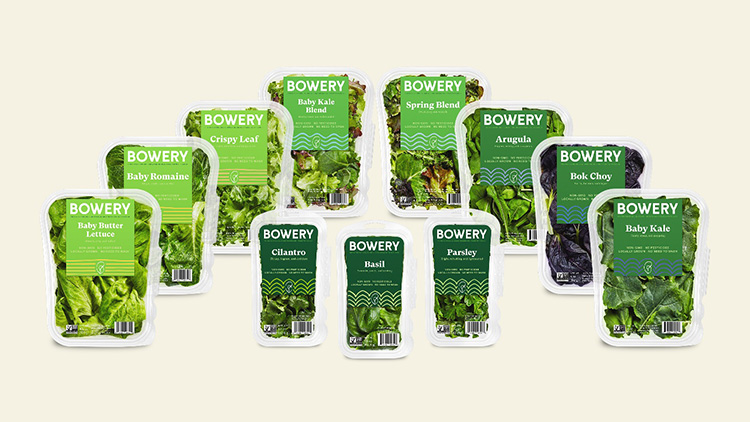
                    Honey Stick Machine-6

                    Honey Stick Machine: The Complete Buying Guide In 2025

                    Honey Stick Machine: The Complete Buying Guide In 2025

                    Do you know honey is the only food made by insects that human beings eat? Raw honey packs lots of health benefits, thus there is a huge demand for honey. To captivate end-users, brands deploy different packaging styles- one being stick packs.

                    These honey stick packs are fabricated by an innovative and handy device called a honey stick machine. Numerous honey packaging employs this machine because of its streamlined honey packaging, cost-effectiveness, and compact design.

                    Honey Stick Machine

                    This blog is designed for users, who are keen on learning more about honey stick machines. Now relax and enjoy this informative post.

                      Add a header to begin generating the table of contents

                      1.What is Meany By Honey Stick Machine?

                      Honey Stick Machine-1

                      Honey Stick Machine- Picture Courtesy: Allpack

                      This equipment as the name suggests, is utilized for wrapping honey inside plastic or other kinds of film materials. Honey stick machine is a significant component of the packaging line and is essential in providing protection and helping secure the honey for shipment and transportation.

                      It encloses the honey by covering it with plastic polymer film or aluminum foil. It creates a narrow tube like a straw that has a higher length-to-width ratio. These honey sticks usually are best for on-the-go lifestyles as they have a one-time serving of honey.

                      2.What Kinds of Advantages Does Honey Stick Machine Bring to Production?

                      A honey stick machine is popular among packaging sectors because of its extreme protection-bestowing properties and its cost-effectiveness. It is not only employed in product sealing but also creates a striking product display.

                      Some benefits of these machines are discussed below for your knowledge:

                      High Flexibility

                      High-Flexibility

                      High Flexibility- Picture Courtesy: Pouch Packing machine

                      It is equipped with piston and other volumetric pumps that offer high flexibility and can accommodate all sundry products whether viscous or free-flow, pasty, and watery liquids. This is because pump fillers can process any type of liquid and with few adjustments, it can process solid and powdery items as well.

                      Meeting Changing Demand

                      Meeting Changing Demand

                      Meeting Changing Demand- Picture Courtesy: Losan Pharma

                      In addition to flexibility, the honey stick machine can output numerous honey sticks, varying in length and design. Thus, this machine can fulfill not only present packaging needs but will process new future packaging needs as well. The machine is composed of accessible parts that allow for swift changeover and in turn, increase the versatility of equipment.

                      Fast Speed

                      Fast Speed

                      Fast Speed- Picture Courtesy: Landpacking

                      This machine is equipped with high-tech controls that automate the honey packaging operation, lower output time, and aid in a quicker payback period, in contrast with manual filling. Fast speed and high efficiency allow brands to deliver more honey sticks to the market.

                      Easy Handling

                      Easy Handling

                      Easy Handling- Picture Courtesy: Lascar Electronics

                      This machine provides better honey flow visibility and users can easily see packaging operation due to its modular construction, therefore, the operator easily monitor the progress of an operation. With HMI controls, they can easily program the honey stick packaging process.

                      Hygienic Design and Reduced Contamination

                      Hygienic-Design-and-Reduced-Contamination

                      Hygienic Design- Picture Courtesy: jochamp

                      This machine is manufactured adhering to cGMP guidelines; hence it is high in demand in food and other industries due to its hygienic filling. With the aid of a swivel dosing system, the machine is quickly cleaned lowering cross-contamination.

                      3.In What Industrial Sectors Honey Stick Machine Utilized?

                      Honey stick machine is an essential component of various industrial units due to its affordable single-serve packaging that is favored among end-users. Its industrial applications are:

                      Food Industry

                      Food Industry

                      Use of Honey Stick Machine in Food Industry: Picture Courtesy: Dieline

                      This industry is one of the biggest consumers of the honey stick machine because it has high throughput while conserving floor space. In the food industry, this machine packs honey, salt, coffee, tea, peanut butter, sugar, dip, dressing, chili sauce, ketchup, and many more in the stick pack.

                      Dairy Industry

                      Dairy Industry

                      Use of Honey Stick Machine in Dairy Industry: Picture Courtesy: Dieline

                      In the dairy industry, the honey stick machine is renowned because of its better dosing precision and user-friendliness. This industry uses this machine for packaging butter, cheese, whipped cream, and ice cream.

                      Beverage Industry

                      Beverage Industry

                      Use of Honey Stick Machine in Beverage Industry: Picture Courtesy: Moon Juice

                      The demand for processed beverages and energy drinks is increasing in the modern world, hence the honey stick pack machine is increasingly employed in the beverage industry for packaging different energy drinks, juices, smoothies, and coffee drinks inside the stick pack.

                      Cosmetic Industry

                      Cosmetic Industry

                      Use of Honey Stick Machine in Cosmetic Industry: Picture Courtesy: Dieline

                      In the cosmetic industry, the honey stick machine is routinely employed because of its higher dose accuracy and lower packaging waste. Cosmetic brands use this machine for packaging makeup removers, shampoos, shaving gel, body wash, and sunscreens.

                      Nutraceutical Industry

                      Nutraceutical Industry

                      Use of Honey Stick Machine in Nutraceutical Industry: Picture Courtesy: Blue Line Labels

                      This machine is a dedicated unit equipped with precise control for dosing nutraceutical supplements in single-serve stick packs that are easily carried out in bags and pockets. Honey stick machine dispenses sports supplements, probiotics, gut mix, workout formula, and energy shakes inside narrow stick packs.

                      Confectionary Industry

                      Confectionary Industry

                      Use of Honey Stick Machine in Confectionery Industry: Picture Courtesy: Coconut Cloud

                      This machine uses minimal packaging film, resulting in lower operational costs, due to this it is a major part of the confectionary packaging. It is utilized for storing hot chocolate, liquid chewing gums, candies, gummies, etc.

                      4.What are the Basic Components of a Honey Stick Machine?

                      The honey stick machine is designed with different stick former, filler, and sealers. A detail of these parts is discussed below:

                      Components of a Honey Stick Machine

                      Parts of Honey Stick Machine

                      Motor It is powered by electricity and transforms it into mechanical energy for running various parts, for instance, sealing bars, unwinding disks, and film roller. It is also called the powerhouse of the equipment.
                      Unwinding Disk This part rotates to unwind the packaging film. By its rotation, the film goes to the film roller.
                      Honey Hopper The bulk quantity of the honey is fed into a conical-shaped hopper present at the upper side of the honey stick machine. This funnel-shaped device stores a bulk volume of honey for its uninterrupted flow to filler systems.
                      Film Roller There are different types of rollers, for example, nip roller that keep the firm under constant tension and are essential in preventing the spillage of film.
                      Forming Tube It is a conical-shaped device present in the middle part of the honey stick machine. this part has a human collar that folds and shapes the packaging film into a stick-like pack.
                      Filling Station This part dispenses the honey product gradually in the stick pack. It is equipped with pumps and pistons that aid in filling precise amounts of honey into packaging.
                      Piston Pump It is a cylindrical device that moves to and fro to draw the honey from a hopper into filling nozzles.
                      Vertical Sealing Bar These parts heat and seal the two edges of the film sideways. High temperature and pressure are employed for melting and fusing the two sides.
                      Horizontal Sealing Bar These heated bars are employed for sealing the top and bottom sides of the packaging film. These parts have a similar mode of action as that of the vertical sealing bar except for their direction of working.
                      Cutter It is a sharp blade present in the middle of the horizontal sealing bar. It is used for separating the two stick packs from each other.
                      HMI Touch Screen It is an automated and intuitive touch screen that provides ease of customizing the packaging operation of the honey stick machine. This control panel has different programming options that are reset with one click of a finger.
                      Emergency Stop Button In case of an electric emergency or fire hazard, this button is pressed to immediately stop the machine without waiting for the normal machine to shut down which takes time.
                      Caster Wheel These are the wheels that not only offer mobility but also support the honey stick machine.

                      5.What Types of Honey Stick Machines Exist in the Market?

                      With innovation, manufacturers have produced different kinds of honey stick machines having different automation levels and design-build. The classification of honey stick machines is penned below:

                      Types of Honey Stick Machine

                      Classification According to Automation

                      Semi-automatic Honey Stick Machine

                      Semi-automatic Honey Stick Machine

                      Semi-automatic Honey Stick Machine

                      This type of honey stick machine adopts both automated and manual modes of operation. The operation starts with the manual loading of the film roll on the machine and ends with the manual removal of honey sticks from the machine.

                      The rest of the packaging from forming to filling stick packs is completely independent and carried out with the help of a machine PLC unit.

                      It has low productivity and is a significant component in small and medium-sized honey packaging lines.

                      Automatic Honey Stick Machine

                      Automatic Honey Stick Machine

                      Automatic Honey Stick Machine- Picture Courtesy: Autopack

                      This kind of honey stick machine is highly popular in massive productions due to its swift packaging and automation. It features multiple lanes and thus can output multiple honey sticks per minute.

                      The programming of the PLC unit is carried out by the user while the rest of the steps from loading to unloading is performed seamlessly by the machine. It is larger sized and requires more room for its setting.

                      Classification According to the Number of Lanes

                      Single Lane Honey Stick Machine

                      Single Lane Honey Stick Machine

                      Single Lane Honey Stick Machine- Picture Courtesy: lenis machines inc.

                      This machine is designed with a single lane that forms and fills one honey stick in one cycle. Due to the presence of a single-lane, this machine is on the smaller end of the spectrum and thus is easily accommodated in productions with space constraints.

                      It has limited production capacity and is best for small-scale operations. With its quick change of parts, it can produce different-length honey stick packs.

                      Multi-lane Honey Stick Machine

                      Multi-lane Honey Stick Machine

                      Multi-lane Honey Stick Machine- Picture Courtesy: Allpack

                      It is designed with one or more lanes, consequently, outputting numerous honey sticks in one cycle. Some models of multi-lane honey stick pack machines have as many as 20 lanes with an output rate of 1600 honey sticks per minute.

                      These multiple lanes have synchronized forming, filling, and sealing of honey stick packs. It boosts the production rate of massive-sized packaging lines.

                      Classification According to Honey Stick Style

                      Standard Honey Stick Machine

                      Standard Honey Stick Machine

                      Standard Honey Stick Machine- Picture Courtesy: openPR.com

                      As the name indicates, this type of honey stick machine creates normal honey sticks that have standard length, width, and design. This machine produces a 6-7 inch long stick pack with a width of ¼ inch.

                      Moreover, this type of honey stick machine is customized to create different styled seals, for instance, patterns, standard, embossed seals, etc.

                      Twin Honey Stick Machine

                      Twin Honey Stick Machine

                      Twin Honey Stick Machine- Picture Courtesy: Aikpak

                      This machine consists of two product hoppers that fill honey and other products in two attached stick packs simultaneously. This machine forms a twin honey stick or fills complementary products with honey.

                      Filling two sticks at once increases the production efficiency of businesses, therefore, this machine is routinely found in bigger packaging lines.

                      Shaped Honey Stick Machine

                      Shaped Honey Stick Machine

                      Shaped Honey Stick Machine- Picture Courtesy: Aranow

                      For marketability and advertisement, a shaped honey stick machine is routinely employed in production. It goes beyond the standard straight honey sticks and creates unique honey sticks with styled seals to attract and captivate the end-users, especially children.

                      It is a playful approach to fabricating honey sticks consequently, bringing more profits for production, however, this machine requires higher investment than a standard honey stick machine.

                      Classification According to Motion

                      Intermittent-Motion Honey Stick Packs

                      Intermittent-Motion Honey Stick Packs

                      Intermittent-Motion Honey Stick Packs- Picture Courtesy: IMA.it

                      It pauses between the cycles while honey sticks are being formed, filled, and sealed. It is also known as the stop-and-go machine. Therefore, the output capacity is slower than its continuous counterparts.

                      This process control offers high precision, versatility, and flexibility with easy changeover. Moreover, due to its compact configuration, it is more affordable than continuous-motion honey stick packs.

                      Continuous-Motion Honey Stick Packs

                      Continuous-Motion Honey Stick Packs

                      Continuous-Motion Honey Stick Packs- Picture Courtesy: jintian pack

                      It works constantly without stopping between the cycles. Its seamless and nonstop operation results in higher production efficiency and owing to this, the continuous-motion honey stick machine is highly sought-after in larger production.

                      It does not stop during filling, forming, and, sealing, hence can package numerous honey sticks in one go. However, this machine requires a higher initial investment.

                      6.What is the Working Principle of the Honey Stick Machine?

                      To streamline the working of a honey stick machine, every component is designated a specific role and is then carried out by components flawlessly for synchronized forming, filling, and sealing operation. Here are the working steps of the honey stick machine:

                      Working Principle of the Honey Stick Machine

                      Packaging Film and Honey Loading

                      Packaging Film and Honey Loading

                      Packaging Film Loading- Picture Courtesy: lintegra.pl

                      Before starting the machine for honey packaging, first, the bulk quantity of honey is fed inside the product hopper found at the upper side of the machine. Secondly, a large food-grade material film roll is placed on the film holder. The film is wounded around the core called roll stock.

                      Film Unwinding and Printing

                      Film Unwinding and Printing

                      Film Unwinding - Picture Courtesy: DUO PLAST

                      At the start of the honey stick machine, the film began to unwind by the rotation of the unwinding disk and the motion of cross-sealing jaws present at the front side of the machine. After unwinding, the film is printed. This is the optional step carried out in some models of honey stick machines with the help of a printer or date-stamping device.

                      Slicing

                      Slicing

                      Slicing of Film- Picture Courtesy: Viking Masek

                      After printing, the nip rollers take the packaging film and exert uniform pressure on the latter to keep it under uniform tension which aids in the proper movement of the dancer’s arm. From the nip roller, the film is transported to the cutting section also known as the slitter assembly.

                      Here the large film is cut into smaller pieces depending on the number of lanes in the honey stick machine. The cutting knives in this section shred the film while it is moving through the cutting section.

                      Honey Stick Formation

                      Honey Stick Formation

                      Formation of Honey Stickpack- Picture Courtesy: Jochamp

                      After the cutting step, the film strips are moved to the separate forming tube, one film strip for each lane. As the film is passed over the forming tube collar, it is doubled around the conical forming section.

                      Afterwards, the film is transformed into a stick pack as two sides of the film overlap and are sealed with each other.

                      Filling and Sealing

                      Filling and Sealing

                      Filling and Sealing- Picture Courtesy: MSJ Packaging

                      The vertical sealing bar seals the vertical side of the film while the horizontal sealing bar fuses the edges of the top end of one stick pack and the bottom edge of the other stick pack.

                      When sealing jaws are closed, the honey from the hopper flows into the volumetric or net-weigh filler and then is dispensed inside the stick packs via pumps or valves.

                      Discharge

                      Discharge

                      Discharge of Honey Stick – Picture courtesy: Jochamp

                      Upon complete fill, cutting blades come forward and cut the top end of one stick pack and the bottom seal of the other stick pack, and the finished honey sticks fall in the outfeed chute.

                      7.What are the Different Types of Seals Created by Honey Stick Machine?

                      The honey stick machine is adjusted to create different types of seals. These seals are formed by various mechanisms. The detail of the seals is discussed below:

                      Types of Seals According to Working Mechanism

                      Fin Seal

                      Fin Seal

                      Fin Seal-Picture Courtesy: Greener Corporation

                      It is also called a fold-over seal and is formed by joining the two interior sides of the seal and then the seal on the back is formed. It is also called T-seal.

                      Lap Seal

                      Lap Seal

                      Lap Seal- Picture Courtesy: nVenia

                      Its other name is an overlapped seam. It is created by sealing the outer side of one film onto the inner side of another film. There are two types of lap seals- standard lap seal and reverse lap seal.

                      Types of Seals According to Sides

                      3-Side Seal

                      3-Side Seal

                      3-Side Seal-Picture Courtesy: Design Bundles

                      It is created by sealing three sides of a stick pack and keeping one side open. The front and back pieces of film are sealed at 3 edges and the bottom film is folded.

                      4-Side Seal

                      4-Side Seal

                      4-Side Seal- Picture Courtesy: Stream Peak

                      This type of seal is formed by sealing the edges of film at all four edges; front, back, left, and right side.

                      Types of Seal According to Pattern

                      Round Seal

                      Round Seal

                      Round Seal- Picture Courtesy: ePAC Flexible Packaging

                      Sometimes honey stick machine is customized to seal the edges of the stick pack with a curved circular seal instead of a regular rectangular seal. This seal is usually present at the top side of the stick pack and sometimes both the top and bottom of honey stick packs have round seals.

                      Contour Seal

                      Contour Seal

                      Contour Seal- Picture Courtesy: Aranow

                      In addition to a round seal, the sealing jaws can be modified in a honey stick machine to make a complex design seal that goes beyond the normal rectangular seal. This type of seal is present in shaped stick packs.

                      Tear-Notch Seal

                      Tear-Notch Seal

                      Tear-Notch Seal-Picture Courtesy: Reform Packaging

                      This type of seal has perforations along its length or has a small pre-cut portion that allows users to easily tear the stick packs without requiring scissors.

                      8.How do Honey Stick and Honey Sachet Machines Differ From Each other?

                      Honey Stick and Honey Sachet Machine

                      These machines have similar functions of packing single-serve honey, however; there are some significant differences between honey stick and honey sachet machines such as:

                      Honey Stick Machine Honey Sachet Machine
                      This type of machine is utilized to generate stick packs that are tube-like with high length and lower width. Honey sachet machines create flat-lay sachets having rectangular and square shapes.
                      This machine is ideal for processing free-flowing materials, for instance, grains, powders, and thinner liquids. It is ideal for all kinds of materials including viscous creams and pastes.
                      This machine usually seals the stick packs at the top, bottom, and backside. These machines seal the sachets at 3 or 4 edges.
                      The honey stick machine is less pricey than the honey sachet machine. It has more advanced specifications; therefore, is more expensive.
                      It usually heats seal PET or LPDE films. It uses different methods for sealing the sachet, such as heat, cold, and adhesive sealing.
                      It is usually employed in the food and beverage industry. This machine is found in all and sundry industries, for instance, pharmaceutical food, household, personal care, etc.

                      9.What is the Maintenance Schedule for the Honey Stick Machine?

                      Maintaining a honey stick machine is correlated with long and healthy operational time. So, below is the maintenance schedule of the honey stick machine:

                      Maintenance Schedule

                      Maintenance of Honey Stick Machine- Picture Courtesy: Spack Machine

                      Daily Maintenance First, wipe out and thoroughly clean the surfaces to remove the honey buildup or spillage.

                      Examine and wash the interior of filling systems and hoppers.

                      Examine the electrical wiring and fix any loose connections.

                      Weekly Maintenance Check and ensure the correct working order of safety switches, interlocks, and alarms.

                      Wash and clean the photoelectric registration sensor to ascertain the correct film mark.

                      Check for loose nuts and screws and tighten them when required.

                      Check belts for wear and tear in film belts and tighten them to maintain proper tension.

                      Monthly Maintenance Inspect for defective seals and gaskets and replace them if needed.

                      Recalibrate machine fillers to ensure precise loading.

                      Check the the working order of pneumatic components and repair them is leakage.

                      Quarterly Maintenance Examine thoroughly the machine's electric system and replace faulty switches and wires.

                      Oil machine ball bearings and servo-drives.

                      Examine the working performance of the heated sealer and temperature regulators.

                      Yearly Maintenance Conduct a full and detailed examination of the machine including mechanical, electric, and computational parts.

                      Replace or repair old and defective parts.

                      Perform yearly updates of honey stick machine software.

                      10.Are there Any Safety Tips for Operating a Honey Stick Machine?

                      Safety Tips for Operating

                      Safety Tips for Honey Stick Machine- Picture Courtesy: jochamp

                      Yes, operating a honey stick machine is like any other machine, requiring great care and caution to avoid operator injury and the hazard of fire and electricity. Some important safety tips for operating a honey stick machine are:

                      Safety always comes first, therefore, before operating a honey stick machine wear personal protective equipment, for instance, safety goggles, gloves, and overalls to protect yourself in case of chemical spillage.

                      Secondly, properly install and operate the honey stick machine as recommended by the machine manual. Ensure consistent temperature and pressure to prevent equipment malfunctioning and overheating of the machine.

                      Do not come in contact with the machine while it is running, as there is a risk of static charge that could cause an electric shock. Also, ensure proper grounding of the machine.

                      Use a safety guard in front of the machine to avoid accidental machine access as mobile parts and hot sealer could lead to burning and injury.

                      Additionally, always properly turn off the machine while maintaining and cleaning to prevent static shock.

                      11.What are the Principal Problems and their Troubleshooting in Honey Stick Machine?

                      Sometimes unanticipated problems arise in the honey stick machine that could lead to deferred downtimes and huge loss of money. However, you can easily troubleshoot these unexpected issues by following some tips such as:

                      Cause Solution Image
                      Leakage in Stick Pack Seal
                      Poor and uneven sealing pressure

                      Improper temperature during stick pack sealing

                      Damaged and old sealer bars

                      Adjust the sealing pressure

                      Input correct temperature settings as per manufacturer recommendations

                      Replace the old sealer bars

                      Leakage in Stick Pack Seal

                      Leakage in Stick Pack Seal- Picture Courtesy: CNC Products

                      Film Get Wrinkled and Torn During Operation
                      Poor film tension

                      Damaged and old film rollers

                      Incompatible film thickness

                      Adjust the film tension to avoid wrinkling and tearing

                      Change the film rollers

                      Use the right film thickness

                      Torn During Operation

                      Film Get Wrinkled and Torn During Operation-Picture Courtesy: TAPPI.org

                      Jamming or Blockage of Film
                      Out of order of sensors

                      Blockage in the film path

                      Misalignment of rollers

                      Clean the sensor if needed then replace it

                      Clear the blockage in

                      the film path

                      Realign the rollers

                      Blockage of Film

                      Jamming or Blockage of Film- Picture Courtesy: Thomas.net

                      Overheating of Machine
                      Inadequate ventilation

                      Defective or worn-out motor

                      Unclean or bunged air filters

                      Fix the ventilation of the machine by installing a fan or by improving the compressed air system

                      Repair or replace the motor

                      Thoroughly clean the air filter to get rid of debris.

                      Overheating of Machine

                      Overheating of Machine- Picture Courtesy: Makwell

                      Inconsistent Fill
                      Incorrect calibration of pump filler

                      Presence of air bubbles in honey

                      Defective seals of nozzles and filling hose

                      Recalibrate the pump filler

                      Remove air bubbles in honey by degassing

                      Change the damaged seals

                      Inconsistent Fill

                      Inconsistent Fill

                      Contamination in Filled Honey
                      Poor filtration of raw honey

                      Unclean machine surfaces

                      Implement filtration systems to remove impurities from honey

                      Wipe and sanitize the exterior and interior of the machine

                      Contamination in Filled Honey

                      Contamination in Filled Honey

                      12.What are Major Consideration Points to Ponder Before Buying a Honey Stick Machine?

                      The old saying that time is money is important every day, especially in the manufacturing unit. Investing in an ideal honey stick pack results in faster processing and a higher return on investment.

                      Some prime things that should be taken into account before buying:

                      Consider Expected Output

                      Consider Expected Output

                      Processing Capacity of Honey Stick Machine- Picture Courtesy: South Valley Packaging

                      Before buying, first, calculate how many batches will you process per shift. Also, determine the processing volume of each batch.

                      Both these estimates will give you an idea about the size, mixing cycle, and speed of your potential honey stick machine.

                      List Reliable Manufacturers

                      List Reliable Manufacturers

                      Listing Reputable Manufacturers

                      Afterwards, list suitable manufacturers that are dealing in your required honey stick packs. For this look up websites of different vendors, search for their customer reviews, and select those with huge listings of positive recommendations talking about high-quality timely services of vendors.

                      Size and Material Compatibility

                      Size and Material Compatibility

                      Size and Material Compatibility- Picture Courtesy: Fodapack

                      Plan for potential sizes and packaging materials of honey stick packs. It is crucial because different models of honey stick machines have their specific processing stick pack sizes and packaging materials.

                      Compare Features of Different Equipment

                      Different Equipment

                      Compare Features of Different Equipment- Picture Courtesy: mespack

                      When in the market, compare the specifications of different positive-looking honey stick machines. Look for their design, manufacturing materials, ease of machine accessibility, and convenient control panel that would boost your production after investment. After comparing, select the machine that ticks many boxes on your list.

                      Conclusion

                      Yummy honey is a favourite among grownups and kids, so to cater for its high demand, brands prefer to install a honey stick machine in their production plants. This machine packs a single serving of honey- suitable for an on-the-go lifestyle- in tubular-shaped stick packs. High production efficiency, affordability, accuracy, precision, and flexibility are some plus points among its long list of benefits. Different models of honey stick machines are available based on automation, motion, and packaging style. To know more about this machine, immediately contact our Allpack customer care. Happy Shopping!!

                      Don't forget to share this post!

                      CONTACT US

                      Tell us your raw material and project budget to get quotations within 24 hours.

                      WhatsApp Us: +86 156 0710 8630

                      Invalid Email
                      Invalid Number

                      Honey Stick Machine: The Complete Buying Guide In 2025 Read More »
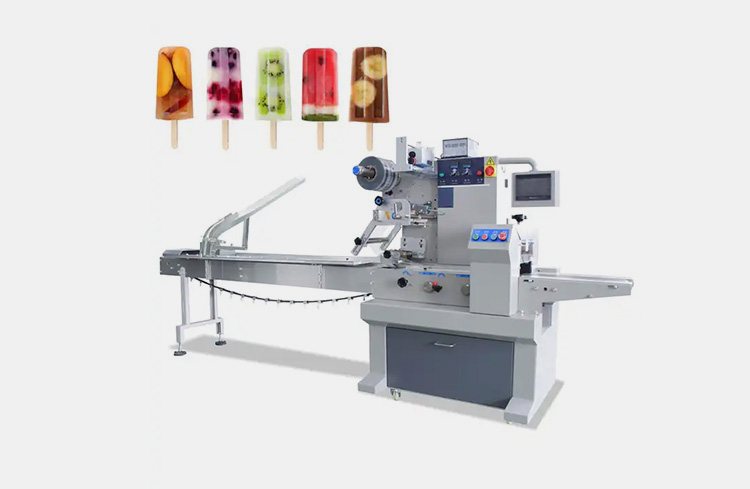
                      Scroll to Top