Allpack liquid filling machine is an automated device used to package and fill small volumes of liquids into bottles, containers or other types of receptacles. They are commonly used in the food and beverage industry, pharmaceuticals, personal care products, chemicals and other industries that require small volume liquid packaging. They are available in manual, semi-automatic and fully automatic models depending on the application requirements. They offer flexible features such as adjustable process speeds, no-drip filling and customizable nozzle shapes.
How Do You Choose the Right Packaging Machines for Liquids?
Are you losing money on leaky liquid packaging? Bad seals ruin your product and upset your buyers. I can help you fix this problem today.
To choose the right liquid packaging machine, you must first check your liquid's thickness. Then, match it with the correct filling mechanism, decide on your daily production speed, and make sure the machine fits your exact bottle or pouch size.
Liquid packaging machine selection
I learned this the hard way when my first filling line broke down during a big order. Let me show you exactly what to look for so you never make the same mistakes I did.
Add a header to begin generating the table of contents
1.What Type of Liquid Are You Trying to Package?
Does your thick syrup keep clogging your filler? Thin water and thick gels need different tools. If you use the wrong one, your line will stop.
You must match the machine to your liquid's viscosity. Piston fillers work best for thick liquids like pastes. Gravity fillers are perfect for thin, free-flowing liquids like water or juice.
Liquid viscosity packaging
Understanding Liquid Viscosity
When I bought my first machine, I tried to pump thick honey through a basic gravity filler. It was a huge mess. The motor burned out in two days.
You need to know how thick your liquid is before you buy anything. We call this viscosity. Thin liquids flow fast. Thick liquids flow slow. Some liquids even change when they get hot or cold.
Liquid Type
Examples
Best Machine Type
Thin
Water, Milk, Clear Juice
Gravity Filler
Semi-Thick
Shampoo, Cooking Oil
Pump Filler
Thick
Honey, Peanut Butter, Gel
Piston Filler
You can test your liquid simply by pouring it. If it pours like water, it is thin. If you have to squeeze it out, it is thick. Always tell your liquid filling machine maker exactly what you want to fill.
I always send them a product sample first. This simple step saves a lot of time and money later. They can test the machine with your actual product before they ship it to you.
2.How Fast Do You Need to Fill Your Bottles?
Are your workers too slow to meet daily orders? Manual filling wastes time and limits your sales. You need a machine that matches your growth.
To find your required speed, calculate how many bottles you sell each day. A semi-automatic machine fills up to 15 bottles per minute. A fully automatic machine can fill over 100 bottles per minute.
Semi-automatic and fully automatic liquid filling machine
Matching Speed to Business Goals
I remember staying up until 2 AM to fill 500 bottles by hand. My hands hurt, and the fill levels were all different. That is when I knew I needed to upgrade.
But you do not need to buy the fastest machine right away. Fast machines cost a lot of money. You need to look at your current sales and your goal for next year.
Machine Speed
Bottles Per Minute
Best For
Manual
1 to 5
Home business, testing
Semi-Automatic
10 to 15
Small shops, startups
Fully Automatic
30 to 100+
Big factories, mass sales
If you run a small shop, a semi-automatic machine is enough. You just press a foot pedal. But if you sell to big stores, you need a fully automatic line. The bottles move on a belt by themselves. You also need to think about cleaning time.
A fast machine that takes four hours to clean might actually slow you down if you change flavors often. Keep it simple and buy what fits your real needs today.
3.What Kind of Container Do You Use?
Do your bottles fall over on the conveyor belt? Odd shapes can cause huge jams. This stops your work and breaks your expensive bottles.
The machine must hold your specific container tightly. Round bottles work on almost any machine. Square or very tall bottles need special holding parts. Soft pouches require a completely different form-fill-seal machine.
Liquid packaging containers
Picking the Right Machine Parts for Your Bottles
We once designed a beautiful, tall glass bottle for a new drink. But the neck was too narrow. The filling nozzles did not fit inside. We had to buy new nozzles and delay our launch by a month.
Your container dictates the machine design. The machine holds the bottle, fills it, and caps it. If the bottle shakes, the liquid spills everywhere.
Container Material
Shape
Machine Requirement
Hard Plastic
Round
Standard belts and guides
Glass
Square
Soft grips, gentle handling
Soft Plastic Film
Pouch
Form-fill-seal system
Always check the neck size of your bottle. The machine nozzles must be smaller than the neck hole. Also, think about the material. Glass bottles break easily if the machine grabs them too hard.
Plastic bottles can squeeze and deform if the filling pressure is too high. I always take ten empty bottles to the factory to test the machine in person. This proves the machine actually works for my exact package before I pay for it.
4.How Easy Is It to Clean the Machine?
Are you spending more time cleaning than making products? Dirty machines breed bad bacteria and ruin your next batch. You need a better way.
You should choose a machine with sanitary fittings and a clean-in-place system. This lets you pump hot water and soap through the pipes without taking the whole machine apart. It keeps your product safe.
ALLPACK’s liquid filling line with CIP system
Why Fast Cleaning Matters
Food safety is the most important part of my job. I once lost a whole batch of juice because an old pipe was not clean. It tasted bad, and I had to throw it all away. Since then, I only buy machines that are easy to wash. If a machine has too many hidden corners, dirt will hide there.
Cleaning Method
How It Works
Time Needed
Manual Teardown
Take parts off by hand
2 to 4 hours
Clean-In-Place (CIP)
Pump soap through pipes
30 to 60 minutes
Steam-In-Place (SIP)
Push hot steam inside
45 minutes
Look for parts made of 304 or 316 stainless steel. These do not rust. Avoid machines with cheap plastic hoses if you use hot liquids.
Quick-release clamps are a great feature. They let you take pipes apart with your bare hands. No tools needed. This saves my team at least an hour every day. When you look at a machine, ask the seller to show you how to clean it. If it takes them a long time, it will take you a long time too.
5.Do You Have Good Technical Support?
What happens when your machine breaks down on a Friday? Waiting weeks for parts means you lose money and customers. Good support is not optional.
You must buy from a supplier who offers local service and fast spare parts. Ask them for a clear warranty and check if they provide video call support to fix small problems quickly.
The True Cost of Machine Downtime
I bought a very cheap machine from overseas a few years ago. It worked great for two months. Then a small sensor broke. I emailed the seller, but they took five days to reply.
I had to wait three weeks for the new part to arrive in the mail. My entire factory was stopped. I lost a very big client because of this delay.
Support Type
Response Speed
Problem Fix Rate
Email Only
Slow (Days)
Low
Phone and Video
Fast (Hours)
Medium
Local Technician
Fast (Same Day)
High
Now, I care more about the service than the machine price. A good machine with bad support is a bad machine. I always ask the seller for a list of spare parts I should keep in my factory. I buy these parts on day one.
I also make sure they have a real person I can call on the phone. Do not just look at the upfront cost. Think about how much money you will lose if the machine stops for a week.
Conclusion
Choosing the right liquid packaging machine depends on your liquid thickness, speed needs, bottle shape, cleaning process, and tech support. Check these five things to buy the perfect machine. Choosing the wrong pump or nozzle can lead to messy spills and inconsistent fill levels. Don't let production "hiccups" drain your profits. Click here to request a Free Liquid Compatibility Test and get a customized nozzle design recommendation for your specific viscosity!
Don't forget to share this post!
CONTACT US
Tell us your raw material and project budget to get quotations within 24 hours.
Agricultural Chemical Packaging: The Complete FAQ Guide in 2025
Have you ever considered how agrochemicals, like herbicides, pesticides, and fertilizers, reach us in optimal condition, ready to protect crops and increase yield? The answer lies in agricultural chemical packaging, which plays a crucial part in the safe storage, transportation, and handling of these products.
If you don’t ensure proper packaging, chemicals could leak, contaminate, degrade, and, most importantly, pose serious hazards to humans, animals, and the environment. Various techniques and materials designs are used in agricultural chemical packaging to maintain the product's integrity while reducing environmental hazards.
Modern agricultural chemical packaging involves flexible packaging options that withstand chemical interactions. With the increasing demand for sustainability, the industry is switching toward biodegradable packaging, smart tracking systems, and tamper-evident designs.
This article is a comprehensive guide to help you understand the key aspects addressing the most important questions about agricultural chemical packaging. Let's dive into:
Add a header to begin generating the table of contents
1.What’s meant by agricultural chemical packaging?
Agricultural Chemical Packaging- Picture Courtesy: Filltech Packaging Machines
Agricultural chemical packaging refers to materials and methods designed to preserves the chemical’s integrity, safe storage, safe transportation, and application of agricultural chemicals.
The advanced packaging solutions provide stability to agrochemical products by protecting them from environmental factors that could compromise their chemical composition. These factors include moisture, air, and sunlight.
Proper chemical packaging is necessary to ensure safe handling, avoid spills or exposure during the packaging process and to meet the regulatory standards to prevent health hazards.
2.Why is agricultural chemical packaging important in the agriculture industry?
Significance of Agrochemicals Packaging
In an agriculture field agricultural chemical packaging is important since crop productivity directly impacts global food production and supply. These packaging containers are responsible for maintaining the compound’s effectiveness and the safety of the workers during the agriculture process.
Stability
Agrochemicals Stability- Picture Courtesy: Omega
One of the important aspects of these packaging materials is the preservation of the chemicals’ potency and stability. Since agrochemicals are sensitive to sunlight, air, or moisture. The agricultural chemical packaging offers UV-resistant coatings or moisture barriers (desiccants) to maintain the effectiveness and integrity of these products,
User’s Safety
Safety of Workers from Agrochemicals
The agrochemicals, especially in powdered form, can impose health hazards, so the safety of individuals working in agriculture fields is a priority. The précised packaging securely contains these products with tamper-evident and child-resistant caps, reducing the risk of accidental exposure, spillage, or poisoning. Proper labeling prevents improper use by farmers and workers.
Environmental Safety
Pesticides Harm Drinking Water- Picture Courtesy: Friends of Earth Melbourne
Utilizing leak-proof and biodegradable packaging solutions reduces the possibility of chemical spillage and minimizes pollution, thereby protecting soil, water bodies, and surrounding environments.
Optimized Storage and Transport
Compact Storage of Chemicals
Optimized agricultural packaging provides compact and space-saving solutions, allowing improved stacking and storage in warehouses or farms. The durable and lightweight packaging solutions reduce waste, safe handling, and transportation while minimizing costs.
Regulatory Conformance
Proper Disposal of Agricultural Chemical Containers- Picture Courtesy AG WEB
When agricultural chemical packaging adheres to international safety and environmental standards set by organizations such as FAO (Food and Agriculture Organization) and ISO (International Organization for Standardization), it ensures safe use, storage, and disposal.
3.What do you know about the types of agricultural chemical packaging?
Varity of Agricultural Chemical Packaging- Picture Courtesy: United Caps
Various packaging solutions exist in the market, which can be selected based on the nature of chemicals (such as powder, liquid, or granules), regulatory conditions, and sustainability.
These are the various types of agricultural chemical packaging:
Plastic Containers
HDPE Plastic Containers for Agrochemicals
These containers are widely used for liquid chemicals because they are lightweight, strong, and non-corrosive. The commonly used material is high-density polyethylene (HDPE).
Drums and Barrels
Agrochemical Drums
These large-capacity plastic or metal drums are suitable for storing and transporting large volumes of liquid chemicals. They ensure safety by preventing accidental spills.
Sacks and Bags
Agricultural Bag
Sacks and bags are suitable for solid or powder agrochemicals. They are commonly made from woven propylene or multi-layered materials, which give strength and resistance to tearing.
Intermediate Bulk Containers (IBC)
IBC for Bulk Storage
Intermediate bulk containers are ideal for transporting and storing bulk quantities of liquid and powder. They are reusable and durable, reduce waste, and are suitable for long-term storage.
Pouches and Sachets
Fertilizer Pouch
Some industries often use pouches or sachets for small quantities of agrochemicals. These are lightweight, convenient, and provide accurate dosing.
Water-Soluble Packaging
Water Soluble Packaging Film- Picture Courtesy: Polyva
These are good options when precise applications and doses are required. These packs dissolve in water, reducing exposure during handling.
Aerosol Containers
Aerosol Spray
Due to its controlled spray application, aerosol containers are often used for pesticide formulation. One thing that should be considered when using these cans is that they require specialized disposal.
Biodegradable Packaging
Eco-Friendly Packaging- Picture Courtesy: Arka Packaging
Some agrochemical industries are now using biodegradable or recyclable materials to align with the emerging focus on sustainability.
4.What equipment is used for agricultural chemical packaging?
Agricultural Chemical Filling- Picture Courtesy: KWT Machine Systems
Investing in the right equipment is essential for protecting agricultural chemicals, minimizing health risks, and optimizing production. Advanced automation improved consistency and accelerated the process. Let’s discuss the types of equipment utilized for different agricultural chemical packaging:
Bottle Filling Machine
Bottle Filling Machine for Various Containers- Picture Courtesy: PACK’R
The bottle-filling machine is designed for accurately dispensing liquid agrochemicals into plastic or glass bottles while preventing spills, leakage, and accidental exposure. The machine can be semi-automatic or fully automatic. The equipment often has features of an automatic capping and labeling system.
The bottle filling machines are of various types that can be chosen according to chemical properties and production needs, such as:
This machine deals with chemical liquids with free-flowing properties and less viscosity. These time-based automatic filling machines use the volumetric time gravity filling method and fill the bottles with precise volume. These are best for non-foaming liquids.
Piston Bottle Filling Machine
Automatic Piston Bottle Filling Equipment with Six head Filling
This machine is widely used for filling high-viscosity viscous liquid agrochemicals, such as concentrated fertilizers. The emulsion and suspension form liquids can be filled. These machines offer volumetric filling, having a piston to push and dispense liquid chemicals into the bottles. They fill the bottles with precise volume, even for denser liquid chemicals.
Some agrochemicals are foamy, and they require visually consistent fill levels. The overflow bottle filling machines provide uniform fill levels regardless of slight variations in volume. Once the bottle is filled at a desired level, excess product overflows back to the reservoir.
These machines have control of the pressure pump speed to reduce foam. Commonly used for transparent bottle packaging of agrochemicals for a neat appearance.
These machines are best suited for corrosive and sensitive agrochemical solutions. The benefit of these machines is that they provide highly precise filling of agrochemicals, even in very small volumes. The machine pumps liquid by using flexible tube and rollers.
Servo-Driven Bottle Filling Machine
Servo-Driven Bottle Filling Equipment
These machines use servo motors for highly-precise volumetric filling of liquid. The machine is highly programmable and adjustable, handling various liquid viscosities, including aqueous, foamy, and semi-viscous solutions.
Drums and IBC Filling Machine
Semi-Automatic Drum Filling Machine
These machines come in semi-automatic and fully-automatic options, ensuring accurate filling of large-capacity drums and IBCs for storing liquid agrochemicals. They are often used in agrochemical industries to fill the bulk liquid of fertilizers and pesticides. Multiple options are available, depending on production needs, liquid viscosity, and required level of automation.
Weight-Based Filling Machine
Automatic Weighing-Based Filling Equipment for IBSs and Drums
These machines fill drums and IBCs by placing them on a weighing platform, the liquid is dispensed into the containers according to the desired weight. The sensors track the filling process and stop the flow automatically when the target weight is achieved. Various models come with foam-controlling nozzles to prevent splashing in case of foamy agrochemicals.
Automatic Filling Lines
Fully Automatic Filling System for Drums and IBCs- Picture Courtesy: Aicrov
These fully automatic systems are ideal for large-scale agrochemical production requiring high-speed operation. These filling lines integrate conveyors, sensors, and programmable filling units.
The containers travel on the conveyor belt to the filling station, where sensors adjust the filling nozzle by sensing the container size. These filling lines use a volumetric or weighing mechanism to dispense a predetermined volume of liquid. After filling, the nozzle withdraws, and the container proceeds to the next stage for capping and sealing.
Semi- Automatic Pump Based Filling machine
Semi-Automatic Filling Equipment- Picture Courtesy: AF Advantech
These machines are ideal for moderate production volumes and provide a cost-effective and efficient solution. The operator manually positions the drum or IBC under the filling nozzle, where the pump dispenses the liquid. Filling is manually controlled or automatically stopped via sensors once the desired volume is reached.
Pouch and Sachet Filling Machine
Automatic Pouch Filling
Multiple options are available for filling liquid or powdered agrochemicals into small, single-use sachets or pouches. The choice depends on the desired packaging (i.e., sachets or pre-made pouches), speed, and dosing.
Vertical Form Fill Seal (VFFS) Machines
VFFS Equipment or Pouch and Sachet Filling- Picture Courtesy: UNIFIELD FLEX
VFFS equipment is ideal for filling agrochemicals with high-speed operation and less material wastage. The forming of sachets or pouches, filling, and sealing of sachets take place in a single process.
In a vertical filling system, a continuous film roll forms pouches or sachets, accurately fills them with agrochemicals, and seals them automatically.
These machines accurately fill pre-made pouches, including stand-up, spouted, and flat pouches. The empty pouch is picked up by the machine, filled with the product, and then sealed tightly to avoid leakage.
Bag Filling Machines
Weighing and Bagging Machine
Automatic Bag Filling Machine- Picture Courtesy: Tinsley Company
These machines are designed for filling and packaging powdered agrochemicals, including fertilizers, pesticides, and soil conditioners. The bags are made of paper, plastic, or woven material. These machines use net or gross weighing systems for accurate filling. The machines work for multiple bag types, including open-mouth, valve, and bulk bags. The machine offers accurate weight distribution and robust packaging.
Double Scale Net Weigher Bagger
Double Scale Net Weighing and Bagging Machine
The equipment is suitable for bulk product packaging. It provides precise weighing and filling, ensuring accuracy in product quantity and preventing under-filling or overfilling. These are crucial for maintaining consistency while meeting regulatory standards.
The machine weighed the product before filling it into the bag using a pre-weighing hopper. This machine offers high-speed operation by weighing the next batch while the previous one is being filled.
Aerosol can Filling Machine
Aerosol Can Filling Equipment
These machines are used to fill pressurized pesticide sprays in aerosol metal cans. The aerosol can fill is accomplished by filling the liquid pesticide formulation into metal cans by an aerosol filling machine. After that, pressurized gas (such as nitrogen, propane, or butane) is injected by a propellant injection machine to create the aerosol spray effect.
5.How does agricultural chemical packaging take place?
Steps of Agricultural Chemical Packaging
The agricultural chemical packaging is a process designed to ensure secure containment and handling of agrochemicals. Let’s discuss how the process takes place in the agriculture industries:
First you have to developed correct formulation and perform quality checks to verifies chemical composition for consistency, effectiveness, and stability before packaging.
Step # 2: Material Selection
Packaging Selection According to Chemical Form.
Then you have to select the right packaging material according to chemical types.
You can choose plastic or glass bottles, drums, and IBCs for liquid agrochemicals.
Opt for plastic, paper, or woven bags packaging for powder or granule agrochemicals.
You have to select pressurized metal cans for aerosol.
Step # 3: Filling
Bottles Are Filling with Agrochemicals
The agrochemicals are filled into containers using advanced filling machines. There are multiple options for each chemical type, and they are selected accordingly. For liquid chemical filling, you can select gravity, piston, and volumetric filling machines according to the chemical properties of the liquid.
While, for powder chemical filling, auger or weighing-based bagging machines are best suited. Aerosol chemical filling is performed by aerosol filling machines that fill liquid chemicals followed by propellant injection to develop gas pressure.
After filling the containers, they are capped, sealed tightly, and labeled with details including chemical composition, hazard symbols, handling, storage conditions, and disposal method.
Step # 4: Secondary Packaging
Reusable Secondary Packaging for Agrochemicals- Picture Courtesy: Packaging Strategies
The agrochemical packed containers are then packed in cartons, shrink-wrapped, or cased for bulk transport and storage.
Step # 5: Final Inspection
Quality Inspection- Picture Courtesy: Paramount Global
You have to assure that each batch has passed through quality inspection for leak testing, weight verification, and seal integrity to ensure safety standards are met.
Step # 6: Storage
Warehouse for Agrochemicals Storage- Picture Courtesy: Royal Chemicals
The packaged products are stored in a regulated warehouse under controlled temperature and ventilation before transportation. Avoid unauthorized access to storage areas.
6.What are the latest advancements in sustainable agricultural chemical packaging?
Emphasis on Circular Economy- Picture Courtesy: MDPI
Have you ever thought how sustainable and eco-friendly agricultural chemical packaging significantly helps to minimize environmental effects and promote sustainable practices? Let’s discuss some of the measure developments:
Do you know the conventional plastic materials used in agricultural chemical packaging (such as petrochemical-derived plastics) result in an environment where they persist for centuries? Therefore, agrochemical industries are shifting to biodegradable materials from renewable sources, such as the most favored bioplastic, polylactic acid (PLA). These materials reduce pollution and help to create a circular bioeconomy by decomposing naturally.
The U.S. Environmental Protection Agency (EPA) emphasizes sustainable materials management to minimize environmental harm. They emphasized lightweight or efficient packaging materials to reduce waste generation and encourage recycling, keeping packaging materials out of landfills.
Nanotechnology
Eco-friendly Pest Control Management- Picture Courtesy: Gumtree Traps
We all are aware that nanotechnology is rapidly emerging across various industries. Nanotechnology provides environmentally safe solutions for agricultural pest management. Extensive research is focused on replacing chemical pesticides, including developing pheromone-loaded nanostructures encapsulated by graphene oxide for pest control management.
7.What are the important regulations governing agricultural chemical packaging?
Agricultural chemical packaging is strictly regulated locally and globally to ensure user safety, environmental protection, and compliance with international standards. Some of the important regulatory bodies governing the agricultural chemical packaging are discussed below:
Ensures child-resistant and tamper-evident packaging with proper hazard labeling and a safe disposal method.
Food and Agriculture Organization (FAO)
Sets globalguidelines for durability, leak-resistant packaging, and proper labeling to prevent environmental harm.
European Union (EU) – CLP Regulations
Standardizes hazard symbols and risk labeling for user safety.
United Nations (UN) – Transport & Safety Regulations
Set guidelines on safe transport standards to prevent leaks and exposure.
ISO Standards (International Organization for Standardization)
ISO 16103 promotes recyclable and reusable packaging.
ISO 14001 promotes sustainable packaging materials and production processes.
Hazardous Materials Regulations (HMR) – U.S. Department of Transportation (DOT)
HMR controls safe agricultural chemical packaging, labeling, and transportation to avoid spillage and contamination.
Global Harmonized System (GHS) of Classification and Labeling of Chemicals
The GHS harmonizes chemical labeling and classification worldwide to ensure clear communication of hazards for safer handling and use.
8.Do you know about safety measures that should be followed for agricultural chemical packaging?
Safety Measures for Agrochemicals Packaging- Picture Courtesy: NOBOWA
As we discussed earlier, many organizations worldwide provide strict guidelines for the secure packaging, handling, storage, and disposal of chemicals. By following certain safety measures, you can ensure secure agricultural chemical packaging. Let’s explore them:
Approved Packaging Materials
HDPE Packaging for Agrochemicals
The manufacturer should use that packaging be made of strong, unbreakable, leak-proof, and non-corrosive material, such as high-density polyethylene (HDPE), which is resistant to degradation.
Hazard Communication
Packaging with Proper Labeling- Picture Courtesy: ResearchGate
The manufacturer should ensure that the packaging contains proper labeling, including chemical composition, hazard warnings, handling instructions, and correct disposal methods Color-coded labels and pictograms make it easier to identify hazards for safe handling.
The manufacturer must use child-resistant and tamper-evident seals to prevent accidental exposure and unauthorized access.
Safe Storage
Optimized Storage Conditions for Agrochemicals- Picture Courtesy: Citrus Industry
The chemicals must be kept in cool, dry, and well-ventilated areas and away from heat and direct sunlight. Containers must be kept upright and securely closed to avoid leaks and contamination. chemicals must be kept in their original well-labeled containers.
Disposal Protocols
Triple-Rinsing of Agro Containers- Picture Courtesy: ACRC
The containers should be disposed of according to EPA and FAO guidelines to minimize soil and water contamination. It’s instructed to use the triple rinsing method for empty containers and participate in the recycling program.
Transport Regulation Compliance
Packaging Compliance with UN Guidelines for Transportation
Hazardous chemicals packaging must comply with UN Recommendations for Transport of Dangerous Goods for safe transit. Spill-proof secondary containments further prevent leaks during transportation.
9.Why is labeling important for agricultural chemical packaging?
Significance of Labeling of Agricultural Chemical Packaging- Picture Courtesy: Cropia
Labeling is an important part of agricultural chemical packaging; therefore, regulatory bodies establish strict guidelines to harmonize labeling for hazardous chemicals. Here are some important points that highlight the importance of labeling in agricultural chemical packaging.
Instructions for Handling
Usage Instructions on Label- Picture Courtesy: Ohioline
Proper labeling provides instructions for the safe handling, mixing, and application of agricultural chemicals. It also helps the user to take the necessary precautions to prevent contamination and health risks.
Hazards Warnings
Proper Labeling of Hazardous Chemicals
Standardized pictograms, single words, and hazard statements are used to alert users of potential risk. Hence, it prevents accidental exposure, poisoning, and misuse of these chemicals.
Provided Emergency Response
Safe Disposal of Agrochemical Containers
Labels contain first-aid measures and emergency contact numbers for accidental exposure management. It contains information on spill management and safe disposal protocols.
Guides Proper Storage
Instruction for Storage on Label- Picture Courtesy: Ohioline
Labels contain proper storage conditions that help maintain chemical effectiveness and prevent deterioration.
By using unique identification codes and security features on labels, one can easily differentiate between original products and counterfeits. It helps to prevent the sale of unauthorized agricultural chemicals.
10.Do you know the proper disposal and recycling guidelines for agricultural chemical packaging?
Disposal of Empty Containers- Picture courtesy: Farm Progress
Do you know what happens to empty agricultural chemical containers once they’re used? If you don’t follow the proper disposal method, it can lead to pollution and cause potential health risks. That’s why it’s necessary to follow proper guidelines for the disposal and recycling of agricultural chemical packaging.
Triple-Rinsing Method
Steps of Triple-Rinsed Method- Picture Courtesy: Binghamton University
The empty containers should be triple rinsed with a solvent (water, acetone, etc.) to remove chemical residues then remove the label, and a blue “triple-rinsed” sticker should be affixed. Rinse water should be kept for the next agrochemical application to reduce waste. This method makes the container safe for disposal and recycling.
Recycling Program
Recycling of Agrochemical Containers- Picture Courtesy: Clanfarms
The user can participate in recycling program offers by many countries where they accept properly cleaned agrochemical containers. In that way, recycled plastic can be re-utilized for non-food-related products.
Disposal Protocol for Non-Recyclable Containers
Avoid Burning of Containers
Local guidelines for the disposal of hazardous waste should be followed in case of non-recyclable containers. To prevent re-use for food or water storage, containers should be punctured or crushed. Don’t burn or bury containers because it can lead to poisonous emissions and soil contamination.
Disposal of Bulk Containers
Bulk Containers- Picture Courtesy: Storemasta Blog
The empty bulk containers should be sent back to manufacturers if they are returnable so that they can use them for re-use or recycling.
11.What do you know about the best practices for handling and storing agricultural chemical packaging?
Labeled Storage Area- Picture Courtesy: Citrus Industry
The following are some of the best practices for handling and storing agricultural chemical packaging to avoid any consequences:
Keep in proper storage conditions.
Always store it away from food, water sources, and livestock.
The storage area should be secured and labeled and should restrict unauthorized access.
Keep the containers in an upright position and properly sealed.
Always keep secondary containment trays for extra protection from accidental spills.
Carefully read and follow the instructions on the label about handling, storage, and disposal.
Before handling containers, wear protective gear, including gloves, a mask, and goggles.
Always store different agrochemicals separately from each other to prevent cross-contamination.
In case of flammable chemicals, keep them away from oxidizers and combustible materials.
Always check containers for leaks, corrosion, or damage before use.
In case of damaged or expired containers, dispose of them according to standard guidelines.
Always maintain emergency safety measures in the storage area, like equipping them with spill kits, fire extinguishers, and first-aid supplies.
Conclusion
Agricultural chemical packaging demands secure containment of chemicals inside the container without deterioration, spillage and contamination while meeting the international standards. ALLPACK offers you advanced packaging machinery, including bag weighing and filling, liquid bottle filling, and pouch and sachet filling machines that improve efficiency and secure handling of agrochemicals. With ALLPACK packaging solutions, the manufacturer can enhance durability, efficiency, and safety in agricultural chemical packaging.
Don't forget to share this post!
CONTACT US
Tell us your raw material and project budget to get quotations within 24 hours.
Shampoo Manufacturing: The Complete FAQ Guide 2025
Are you curios about Manufacturing of shampoo? Do you know shampoo manufacturing comprises of specialized set of manufacturing protocol?
Shampoo is an essential hair care product purposely created for hair cleansing. They are used to remove extra sebum (natural oil) from hair without damaging hair. Shampoo manufacturing is not just about mixing and blending different ingredients. It comprises of precise blend of ingredient, advance equipment and series of testing measures to meet the consumer demand and expectation for safety.
Shampoo Manufacturing: The Complete FAQ Guide
This FAQ guide about shampoo manufacturing is created to educate manufacturer as well as general public about science and innovation behind this process. Let’s start this topic.
Add a header to begin generating the table of contents
1.What is shampoo manufacturing?
Shampoo Manufacturing
Shampoo is specialized cleansing agent in which water is mixed with surfactant and other additive that will bind with water insoluble substance in scalp and rinse off without leaving residue which is not easily washed by water only.
Shampoo manufacturing compasses of several steps that transforms high quality raw material to final product which you see in super markets. It includes batch mixing quality assessment and final packaging in bottles. Each and every step require precise attention to meet the required quality and consistency in shampoo manufacturing.
There are different kinds of shampoo manufactured like medicated, anti- dandruff, dry shampoo, shampoo bar and many more with the evaluation of market trend and consumer demand.
2.How shampoo manufacturing is beneficial to manufacturer?
Shampoo manufacturing is beneficial in many ways to manufacturer. It shows promising fast pace production and filling of shampoo in record time. Now without further delay look into remarkable benefit of shampoo manufacturing.
Product quality
Product Quality-Picture Courtesy: Health
Shampoo manufacturing is automated process which means very less number of people required for monitoring and controlling the process that reduces chances of contamination. This way it increases quality and efficacy of final product.
Maintaining consistency
Maintaining Consistency-Picture Courtesy: Health
Maintaining consistency is crucial step for any manufacturer to retain its market presence. Shampoo manufacturing is automated process and high accuracy equipment are used which ensure perfect mixing and blending resulting in consistent texture and accuracy in each batch.
Reduce labor cost
Reduces Labor Cost-Picture Courtesy: Levapack
Shampoo manufacturing is highly efficient process and use of automated machine which result in labor cost. Due to automation, very less number of are required in process and high tech machine perform task repetitively with greater speed. This way need of manual labor reduces.
Increase production efficiency
Increase Production Efficiency
Shampoo manufacturing continuously produce large quantities at high speed due to automated machine with minimal use of manual labor. This process reduces production time and allows manufacturer to meet increasing demands of customer.
Minimal wastage product
Minimal Wastage of Product
Shampoo manufacturing follows automatic principle so every bottle gets adequate amount and no bottle is missed or overfilled. Accurate amount of ingredient mixed, blend and filled without any error. Shampoo manufacturing greatly reduces waste.
3.What are the primary ingredients used in shampoo manufacturing?
Shampoo manufacturing is a complex process in which various ingredients are carefully mixed together to create an effective product which can cleanse scalp with nourishing and conditioning catering specific hair concern. Let’s look into each ingredient that you find in typical shampoo.
Deionized water
Deionized Water
Most important ingredient in shampoo manufacturing is water as it is 70-80% of total shampoo and act as transport medium for blending and mixing of other additives. But the water used in shampoo manufacturing is not an ordinary tap water, it is deionized water.
Deionized water, is the water from which all mineral like calcium, sodium and magnesium, and other impurities are removed through deionization process. Why it is important to use deionize water? Because it free from all minerals, increasing its compatibility with other ingredients and all impurities are removed which reduce chances of microbial contamination and enhances its performance.
Surfactant
Surfactant in Shampoo Manufacturing
Surfactant are major cleaning agent in shampoo. It is added to aid foaming in shampoo manufacturing resulting in washing of dirt, oil and residue of hair care product on scalp. There are two different types of surfactant used in shampoo manufacturing
Primary surfactant
Secondary surfactant
Let’s discuss in detail function of each surfactant and how they are different from each other?
Primary surfactant is main cleaning agent and they are mainly responsible for removing dirt, sebum and debris from scalp. They exert best foaming property and easily rinse off from hair without leaving residue. They easily mix with oil so remove dirt that are not washable with water.
Most commonly used primary surfactant are sodium lauryl sulphate (SLS) and sodium laureth sulphate(SLES) due to their lathering ability and, easy mixing of oil in water.
Seconadary surfactant
Secondary Surfactant –Picture Courtesy: Formula Botanica
Secondary surfactant is also known as co-surfactant. They are added to enhance overall performance of shampoo and other properties like mildness, conditioning, nourishing content and viscosity depending on customer demand. These effects are restored by combined effect of both or by only secondary surfactant properties.
Some of secondary surfactant used depending on manufacturer requirement are, cocamidopropyl betaine(CAPB) used for milder preparation and gives conditioning effects to hair, cocamidopropylamine oxide(CAO) added for stabilizing and enhancing foaming property, and alkyl polyglycoside are used as eco-friendly choice because it is easily biodegradable, and still gives good foaming and cleaning effect.
Thickeners
Thickener – Picture Courtesy: Cosmetic Ingredient
Thickeners are added in shampoo for various reason, although thickeners do not impart any role in cleaning and foaming properties of shampoo. Thickeners are added to enhance product stability hence providing even distribution of other ingredient.
Thickeners also facilitate in maintaining viscosity of shampoo. If shampoo is too thin it will run down from your hair and if it is too thick it will not easily spread or penetrate in hair. Appropriate thickness also gives product luxurious feel and enjoyable to use for consumer.
Shampoo manufacturing with desired viscosity provide consumer better overall experience and effectiveness. There are so many options available for thickeners used in shampoo manufacturing like xanthan gum, guar gum, hydroxyethyl cellulose, carbomer and many more depending on manufacturer requirement.
Conditioning agent
Conditioning Agent- Picture Courtesy: Radici Hair Studio
We all know that main function of shampoo is to clean and remove dirt oil. But due to evolving market trend and consumer demand of shampoo with other additional benefit like conditioning, nourishing and repairing of hair are gaining popularity.
Incorporating conditioning agent in shampoo enhances overall performance by providing protection, nourishment and give smooth texture to hair. It makes hair silky and detangle which are easily manageable and give smooth look to hairs.
There is some common conditioning agent which you find in most of commercial shampoo manufacturing are silicones which include dimethicone, natural oils like coconut oil and argan oil and fatty alcohols like stearyl and cetyl alcohol.
Preservatives
Preservative
Preservatives are crucial component in shampoo manufacturing. Preservative are added in formulation to extend shelf life and prevent contamination from microbial growth like mould and fungi. It is also needed to make sure the product is equally effective and safe to use till mentioned expiry.
Few examples that are frequently use are potassium sorbate and sodium benzoate etc. You have to keep in mind few factors while selecting preservative like pH level, composition of product and desired shelf life.
Fragrance and colorant
Fragrance and Colorant-Picture Courtesy: On Line Hair Depot
Fragrance and colorant doesn’t add any advantage to product performance. It is added to give eye appealing look for user experience. fragrance help to build customer loyalty and enhances product market demand. Fragrance and colorant used may be derived for natural resources or synthetic.
It is also considered while adding colorant that it is evenly dispersed in formulation which is achieved by different dispersion technique and advance equipment.
pH is an important factor in maintaining stability and performance of shampoo. Desirable pH for shampoo is 4.5-6.5.
What pH adjuster do? It can increase and decrease pH of shampoo. If pH is too high it makes hair dry and brittle, while very low pH can irritate scalp.
In most of shampoo manufacturing, citric acid and lactic acid and sodium hydroxide is used as pH adjuster. It is also critical that pH adjuster is also compatible with other ingredient and do not cause any adverse effect
Humectant
Humectant- Picture Courtesy: Gisou
Humectant is essential ingredient in shampoo that retain moisture and prevent over dryness in hair. It also restores hydration level in hair which is damage from over stripping of natural oil by surfactants.
Most shampoo manufacturer add glycerin, sorbitol and propylene glycol as humectant in their formulation to make hair soft and manageable.
4.What is the step by step process in shampoo manufacturing?
Shampoo manufacturing is a time taken process involve multiple steps which you need to strictly monitor so you get consistent and quality product every time. Here is the more detailed breakdown of each steps.
Selecting and preparing raw ingredient
Selecting and preparing Raw ingredients- Picture Courtesy: Roam and Thrive
Selecting raw ingredient is crucial step in manufacturing consistent and quality product. Selecting ingredients starts from choosing right surfactant which is important for cleansing to other additive ingredient which is added for specific hair benefits.
After selecting perfect ingredients process start by preparing and pre dissolving solid ingredient like some surfactant and thickener that are solid are dissolve in deionized water to ease incorporation in mixture.
Other ingredients are added in specific sequence like secondary ingredient and conditioning agent are added after base is prepared. This step avoids any premature reaction.
Mixing and blending
Mixing and Blending in Shampoo Manufacturing-Picture Courtesy: TY Cosmetic
In second phase, ingredients are mixed in large mixing tank in a specific manner. Mixing and blending is critical step in shampoo manufacturing because it ensures that you will get perfect consistency in every batch.
This purpose is served by using different agitators and high-shear mixer which ensure thoroughly mixing of ingredients. The duration and speed of mixing is also play important role in achieving uniformity in mixture.
Heating and cooling
Heating and Cooling
This process is incorporated because certain ingredient required specific temperature to dissolve or activate. Heating assist dissolution of certain ingredients like thickeners and it also facilitate emulsification.
After that temperature is cooled down to introduce heat-sensitive ingredients like fragrance, preservative and coloring agent without affecting its performance.
Homogenization
Homogenization
Finally, mixture is passed through homogenization process to ensure uniformity throughout the mixtures. This purpose is best served by homogenizer. In this step mixture is mixed at high speed which lead to reduced particle size creating consistent and smooth texture of shampoo.
Homogenization is most important step in shampoo manufacturing for achieving desired texture and all ingredients are evenly distributed throughout the mixture.
Quality checking
Quality Checking- Picture courtesy: Jochamp
Quality testing is done for different parameters to check whether the product up to desired quality and competency. Each batch undergoes rigorous testing for pH, stability and viscosity. pH range which is considered ideal for shampoo that does not irritate scalp is 5-7. This initial testing process determine how much pH need to adjust
Same goes with other parameters like viscosity is determined and adjust according to requirement. Batch is also checked for product stability and this step ensure shelf life of shampoo after packaging and reduced chances of layering and separation.
Filling and packaging
Filling and packaging- Picture Courtesy: Makwell
After batch is thoroughly checked for quality, the shampoo mixture is moved to filling area. First appropriate container is selected for filling then bottles are placed in automated filling machine which fill bottles with precise quantity of shampoo. These machine are calibrated to fill each bottle with exact amount.
After filling, bottles are closed and sealed to prevent leakage and contamination. Seals may vary from simple screw cap to pump dispenser. These automated machine reduce labor cost and make production faster.
5.What kind of machinery frequently used in shampoo manufacturing?
In production line of shampoo manufacturing some of important equipment are used to make process effortless, faster and cost effective without compromising quality and efficacy of final product. Some major machinery which can see in every shampoo manufacturing are described below.
Mixing Tanks
Mixing tanks are large stainless steel container which are used to mix large batches of surfactant and other ingredient in water to make uniform mixtures. These tanks usually include agitator and high-shear mixer that ensure even mixing and stirring. Let’s describe each mixer individually.
Agitator
Agitator Mixer –Picture Courtesy: Haosh
Agitator are specialized equipment placed in mixing tank which ensure uniformity in shampoo mixture inside the tank. This equipment is frequently used in shampoo manufacturing.
The basic principle of agitator based on rotating impeller induce flow and shear force imparting homogenization of one or two ingredients. This equipment ensures uniformity throughout the mixture and maintain consistency in shampoo manufacturing.
High-shear mixer
High-Shear Mixer-Picture Courtesy: Tetra Pak
High shear mixers can break up clumps and used to emulsify, homogenize, disperse and dissolve immiscible mixture. Tighter particle size ensures consistency, uniformity and optimal performance of your final product.
High shear mixer revolves around the concept of shear force. The mixer consists of a rotor that rotates at high speed within a stationary stator. The constantly moving rotor create centrifugal force while the stator remain stationary creating shear force resulting in reduced particle size and leading to evenly dispersed mixture.
The vacuum emulsifier mixer tends to mix immiscible liquid by reducing surface tension between liquid. It also disperses, homogenize, aspirate very viscous ingredients making them easier to blend and mix.
Vacuum emulsifier work on basic principle shear disperse force. It worked by heating water or oil based in separate container then they are suck into emulsifying pot, where they quickly dispersed and emulsified by high shear impeller blade making mixture homogenized. As emulsifier is in vacuum condition it removes all air bubble which are produced during mixing liquid making your shampoo shinier and homogenized.
Filling machine
The filling machine is used to fill accurate amount in tubes. There are so many filling machines. Let’s talk about them in detail.
Automatic shampoo filling machine
Automatic Filling Machine
Filling machine is integrated automated machine which used to fill shampoo bottles with precision and accurate consistency minimizing wastage and spilling of shampoo.
The basic principle of filling machine is consisting of conveyer belt which automatically hold bottles by itself and carrying it to filling nozzles that fill each bottle with desired amount which was pre-set in the filling machine. The correct integration and speed is crucial in filling machine for accurate filling and increase production rate.
Semi-automatic shampoo filling machine
Semi-Automatic Shampoo Filling Machine
Semi-automatic machine is another type of machine used in shampoo filling process. It is cheaper and convenient to use.
The main principle of semi-automatic machine is you need to place bottles on holder and machine fills in automatically. It has multiple heads you fill number of bottles at a time. It is good low scale production because of cheaper value as compared to automatic machine.
Manual shampoo filling machine
Manual Shampoo Filling Machine
Manual filling machine work on simple process you need to put bottle below nozzle and pulls the lever but you need to adjust volume by close monitoring. This equipment needed undivided attention to overcome spilling and wastage. It is cheaper version easy to use and clean.
Capping machine
Capping Machine
After completion of shampoo filling process, bottles are tightly closed by caps to avoid spilling and contamination of product.
Capping are also done by automated machine in which bottle is sent from filling unit to sealing or capping unit through conveyer belt where automated machines sealed the mouth of bottles with caps and preserving its efficacy and freshness. These machine reduces manual labor as well increasing production rate.
6.How different industries incorporating shampoo manufacturing in their practices?
Nowadays shampoo manufacturing is greatly expanded and used in various larger industries in formation of different product such as:
Pharmaceutical industry
Pharmaceutical Industry-Picture Courtesy: EZO
In pharmaceutical industries various ointment, medicated cream and lotions are also prepared through same process of shampoo manufacturing. Such as mixing and blending of solid in liquid phase, homogenizing the mixture, heating and cooling etc., all above mention procedure are also used in manufacturing pharmaceutical grade product.
Food industry
Food Industry-Picture Courtesy: The Sun
There is huge application of shampoo manufacturing process in food industry. Nowadays you used different sauces like ketchup, mayonnaise and different seasoning; they are also produced with same process. Shampoo blending, mixing, filling and packaging machines are used in food industry as well.
Chemical industry
Chemical Industry-Picture Courtesy: Royal Talens
In chemical industry product like hair dyes, paint, cleaner, polishes, water and oil colors are prepared through same process used in shampoo manufacturing. Some related equipment is also used for effective production in chemical industry.
Veterinary Industry
Veterinary Industry-Picture Courtesy: The Independent
In previous time there is no proper hygiene product available for pets so it quite difficult to treat take care of them. Now due to emerging demand we see lots of veterinary grooming products. There we see another application of shampoo manufacturing process; pets shampoo and body wash are formed with same process.
Cosmetic industry
Cosmetic Industry
Cosmetic industry is a diverse field in which many products are manufactured through same process which are used in shampoo manufacturing. Like BB creams, foundation and lip product used same process and even some equipment are also same.
7.What is the expiration of shampoo manufacturing product?
Shelf Life of Shampoo-Picture Courtesy: Function
After manufacturing, Shampoo may last up to 2 to four year if unopened. But if opened it may not last more than 6months to 2 years. This extended shelf life is achieved by adding preservative and stabilizer in formulation.
It helps in inhibiting microbial growth, balance pH under desired range and preserving integrity of ingredient. But natural shampoo has shorter shelf life as compared synthetic shampoo. Because natural preservative is less potent than man made.
In cosmetic product expiry date are not mentioned they are calculated on the basis manufacturing or either from opening container mention I above picture.
8.What are the common challenges manufacturer faces in shampoo manufacturing?
Some of common challenges in shampoo manufacturing and provide solution to overcome the challenges
Inappropriate mixing
Inappropriate Mixing-Picture Courtesy: TY Cosmetic
Inappropriate mixing challenge occur due to many factors. Mixer may not be properly design to mixing the shampoo ingredients this may lead to inconsistencies in shampoo formulation.
Solution
Manufacturer may follow the proper mixing protocols. Sensor monitoring to enable proper mixing and calibrate different parameters to stable the accuracy of shampoo.
Foaming during shampoo manufacturing
Foam Formation
Another major challenge face in shampoo manufacturing is formation of foam during manufacturing. Due to this filling operation inaccuracy may occur which may lead to effect the product foaming.
Solution
Use of anti-foaming agent may control the foaming formation. Stable mixing speed and thermal control may also control the excess foam formation
Disintegration of Equipment
Equipment Disintegration
Ingredients of shampoo is erosive in nature like detergent and surfactant due to this it can damage the equipment.
Solution
To control the equipment disintegration, use of stainless steel and some protecting material or maintenance of equipment may increase the life span of equipment
Leakage
Leakage-Picture courtesy: PhotoDune
Leakage in shampoo manufacturing plant may lead wastage of product and increase the chances of contamination. It also greatly impacts production rate of shampoo manufacturing plant.
Solution
Sealed all the machinery part in which shampoo manufacture this may control the leakage and hence decrease wastage of product.
Machine Sterilization
Sterilization of shampoo machine may control contamination. Cleaning of equipment all parts may further enhance the hygiene and reduce contamination
Conclusion
Shampoo is an essential product for hair care hygiene. In this article we have deeply learned science and innovation behind this unique process. Understanding the complex process of shampoo manufacturing equips business people with insight to produce high quality shampoo product. This guide gives you strong in depth knowledge to excel in manufacturing and ensuring product meet both set standard and customer satisfaction. For more business seeker advice, you can contact our expert team of customer services. Our dedicated team will give solution to your problem.
Don't forget to share this post!
CONTACT US
Tell us your raw material and project budget to get quotations within 24 hours.
Yogurt Manufacturing Process: The Complete FAQ Guide in 2025
Do you know yogurt is constant breakfast essential which is a go to option for every age group? Do you wonder how these nutritional packets of yogurt make to your breakfast table? Yogurts are consumed ever day by millions of people around the world. Yogurt packed with probiotic and essential nutrients are produced by the fermentation of milk transforming it into delicious dairy product.
This FAQ guide give you in depth knowledge about yogurt manufacturing process, equipment used in this process, different types of yogurt and their uses in different industry. What is the innovation and science behind this process? Let’s begin this topic with commonly asked questions and their expert answers.
Add a header to begin generating the table of contents
The yogurt manufacturing process is a series of step that involve changing of milk component at turning it into commercial yogurt which you consume daily. This involves high temperature around 90⁰C for specific culturing period and may vary from manufacturer to manufacturer.
Milk and other dairy products are consumed from ancient time but need of fermentation arises from Middle Eastern times. Through this process, they extend the shelf life of milk and reduce spoilage of milk.
During milk processing and further yogurt manufacturing causes physiochemical changes that effect flavor and texture of yogurt while standardize process developed which provides desirable textural and flavor characteristics.
2.What are the raw ingredients used in the yogurt manufacturing process?
Raw Ingredients in Yogurt Manufacturing Process- Picture Courtesy: Little Green Dot
Yogurt is dairy product which is produced through culturing process of one or more microorganism culture which contain bacteria like streptococcus thermophilus and lactobacillus bulgaricus which are key factor for converting milk lactose into lactic acid and help in curdling of milk. Few other ingredients are also added to support whole process. Let’s unfold each ingredient for you in detail.
Selection of good quality milk
Good Quality of Milk- Picture Courtesy: UCLA Health
Most of the commercial yogurt which you consumed are manufactured from cow and buffalo milk. The fat content of cow milk, depending on breed and diet ranges from 3-3.5 gm per 100 ml of milk and this content may be change by separation or addition of cream depending on the required texture of yogurt, taste and consumer demand.
The usual desirable range of fat in yogurt is lies in between 1.0-4-.5 gm per 100ml. However, most important factor in cow milk is solid-non-fat (SNF) which varies from 8.5-9.0 gm. /ml containing around 4.5 g lactose and 3.3g protein.
All raw dairy ingredient material should be selected for high bacteriological quality. Mastitis milk, rancid milk and milk containing antibiotic and sanitizing chemical residue cannot be used for yogurt manufacturing process.
Starter culture
Bacterial Culture for Yogurt Manufacturing Process- Picture Courtesy: Cultured Food Life
The starter culture is critical ingredient in yogurt manufacturing process. The starter culture comprises of one microorganism or may be a mixed culture comprises of two or more microorganisms. The culture is responsible to convert milk sugar (lactose) into lactic acid so that milk become sour (fermented).
This time taken process required 5hours at a maintained temperature of 45⁰C or more time required at lower temperature for the production of lactic acid, if frozen yogurt concentrate culture is used. There is different starter culture available but most commonly used starter culture in commercial yogurt manufacturing are streptococcus thermophilus (ST) and lactobacillus bulgaricus (LB). These bacteria are ultimately responsible for flavor and aroma of final product.
The milk protein coagulates or curdles due to drop in pH which is carried out by starter culture. The streptococci are responsible for lowering pH to 5-5.5 and lactobacillus further reduced pH to 3.8-4.4. These two bacteria are considered safe to use in food and an absence of pathogenicity.
Stabilizer
Stabilizer – Picture Courtesy: Virasmart.co
Stabilizers are the excipients which are used to give smooth texture, firmness and consistency to yogurt. Stabilizer is also helpful in reducing wheying of yogurt during storage. You need to keep in mind few things while choosing a good stabilizer, it is will not affect taste or flavor of yogurt and also work at standardize low pH. Most of the commercial yogurt manufacturer used gelatin as stabilizer. Some plant source stabilizers are also used like carrageenans and guar.
Gelatin is the first choice of stabilizer in yogurt manufacturing process because it gives shiny gel appearance to yogurt which melts in mouth. But, it is preferred in frozen yogurt because its activity is temperature dependent and can be denatured at high temperature loosing texture and firmness. There are few other options of stabilizer which are used in yogurt like starch and caboxymethylcellulose.
Sweetener
Sweetener - Picture Courtesy: Ragus sugar
Sweeteners are added to give pleasant taste and mask acidic flavor in yogurt. It is noticed that high amount of sweetener greatly influences flavor or taste of yogurt. In almost every commercial yogurt, sucrose is used as sweetener. Sucrose may be added in dry, granulated and in form of crystal containing not more than 67% sucrose. Liquid sweeteners are used in large scale yogurt production settings for less problematic in handling.
Most commonly used sweeteners in yogurt production are sucrose, corn syrup or honey are added to overcome the acidic taste and produce firmer texture. Since sugar increase osmotic pressure of milk base, addition of excessive sweetener (>10gm/100ml) before fermentation inhibit the starter culture activity. Due to this reason sugar are added with fruit to stirred yogurt just before filling.
Most of the commercial yogurt you find in markets are comprises of lactose around 4.06%, galactose 1.85% and glucose estimated around 0.05% with pH of 4.40. Some manufacturer used artificial sweeteners as well on customer demand who are concerned about lower calorie content.
Flavoring agent
Flavoring agent- Picture Courtesy: Thrillist
The flavoring agent are specifically selected on the basis of market demand depending on consumer need. Flavoring agent used in yogurt are commonly added in the form fruit blend. The amount of flavoring blend you find in yogurt is mostly around 10-20 % and is approved by regulating food authority for safe use. They are added in yogurt to give eye appealing appearance and flavor closet to actual fruit. But there are few things which you need to look while choosing fruit blend.
Fruit blend does not alter the flavor and color of yogurt, when added.
The pH of yogurt is not altered due to fruit blend or their pH is balancing with each other.
Fruit blend must be carefully checked for microbial content, otherwise it leads to spoilage of yogurt.
The fruit blend is easily mixed in yogurt and dose not separate in storage.
Fruit flavor vary depending on the season of the year like different fruit are available in different time of the year. Mostly flavor of yogurt which are liked all over world are strawberry, raspberry, cherry, mango, apricot, peach, plum and pineapple etc.
Frozen fruit, canned and dried fruit are added as fruit blend in yogurt production. Fruit base pH is also important in balancing fruit flavor and color. Yogurt is refrigerated or stored at optimum temperature for flavor and color retention, and for extended shelf life.
3.What steps are involved in yogurt manufacturing process?
It will give you idea about steps involved in yogurt manufacturing process. It involves steps from milking animal to treating and processing till packaging. Come along and you will learn step by step process.
Initial treatment of milk
Initial Treatment and Milking- picture Courtesy: Tetra pack
When milk arrived at plant it undergoes clarification process to remove bacteria and other solid impurities because bacterial growth can be occurring during milking and transportation, as it takes time long as days. The level of bacterial growth depends upon the hygiene during milking, temperature and storage period. Spoilage of milk with bacteria causes lactic acid fermentation.
Afterward, mild heating process is performed known as thermalization at temperature of 60-69⁰C for 20-30 seconds to kill most of vegetative microorganism or partial inactivation of some enzyme. After thermalization, milk is cooled 4-5⁰C or incorporated with micro floras to control growth of bacteria.
Standardization of milk components
Centrifugal Separator and Milk Standardization- Picture Courtesy: Tetra pack
The second step in yogurt manufacturing process is standardization of milk. Standardization is performed to remove almost all the fat and solid-non-fat content. The fat content for yogurt is adjusted to range from 0.1-10% depending on consumer demand.
Standardization is performed in continuous manner and accomplished by separator. You need a separator to remove cream and sediment from milk at the same time. To achieve desired fat level, standardization of milk done by removing fat in form of cream leaving skim milk, then mixing both in desired ratio to obtain desired consistency and texture. Because fat content greatly influences characteristics of yogurt, increasing fat content can increase consistency and viscosity of yogurt.
The term standardization is also referred to SNF (solid-non-fat) content. SNF content in yogurt manufacturing is ranges from 9-16%. It is noticed that fat and SNF content in milk impact fermentation, an increase in fat and SNF content in milk increases the fermentation process duration.
Pasteurization
Pasteurization- Picture Courtesy: Wikipedia
It is a process of heating at very high temperature around 71⁰C and holding it for shorter period before cooling. This step is crucial in yogurt manufacturing. During this process, it destroys most of the pathogen, vegetative bacteria, yeast and mold. Additionally, it denatured several enzymes without altering flavor of yogurt. It also aids in denaturing wheying protein which results in yogurt of good consistency and firmness. This process is also known as High temperature short term pasteurization (HTST).
Pathogens that grow during bad hygiene practice can be killed with heat treatment ensuring processed milk is safe for consumption. Most commonly high temperature pasteurization is used in yogurt manufacturing process.
Homogenization
Homogenization of milk –Picture Courtesy: Milk-ed
After pasteurization, milk is passed through fourth step of homogenization. In this process, at high pressure molecule size is reduced to prevent wheying off (separation of fat layer and aqueous phase). You have to apply high pressure or high frequency. In this shear stress and due to temperature gradient cavitation occur that contributes to homogenization process.
Homogenization best occur at temperature more than 37⁰C. This process is conducted at two stages. At first stage pressure of 2000psi is to subjected to reduce fat globule diameter from 2-10µm to 0.1-1 µm and in second step, 500 psi pressure applied to break cluster of globule inhibiting creaming of milk.
Homogenizing prevents creaming and wheying off, give whiter appearance and enhance textural development of yogurt.
Fermentation and cooling:
Fermentation in Yogurt Manufacturing Process-Picture Courtesy: The simple little life
Fermentation is carried out after homogenization at the maintained temperature of 40-45⁰C and combination of lactobacillus bulgaricus and streptococcus thermophilus is added as starter culture in the same amount.
When the desired pH is reached, microorganism starts its activity leading fermentation till required pH and acidity is reached. Addition of high level starter culture will lead to loss in texture and aroma of finished yogurt. The optimum amount of starter culture added should be 1-2% or may be increased to 4-5% if the sugar content is high (10-11%).
After fermentation is completed yogurt is immediately cooled to stop further bacterial activity. It is done in two phases. In first phase Yogurt temperature is decreased to 10⁰C resulting low consistency coagulum. In second cooling phase, the coagulum temperature decreases rapidly to 5⁰C (storage temperature) with increased viscosity.
After inoculation, milk is filled in carton for incubation. Once the cartons are filled, you need to heat sealed with aluminum foil and transfer to incubation room to at 42⁰C. The optimum growth temperature for starter culture is 35-50⁰C. If you incubated for long time so there are higher chances of post process acidifying. You must be cautious to avoid yogurt from turning sour and bitter.
After incubation yogurt is set at 15-20⁰C and chilled at >5⁰C. Ready for final distribution.
4.What equipment is used in the process of yogurt manufacturing process?
Do you know how equipment work and lined in yogurt manufacturing process? Here you find all details about yogurt production equipment. Let’s get into it.
Centrifugal separator
Centrifugal Separator-Picture Courtesy: Synelco
Centrifugal separator is used to separate cream and skimmed milk from whole milk. Cream and skim milk have different densities so under the influence of gravity, they are separated. This process is done to get desired level fat on consumer demand.
Working principle
It worked on principle of centrifugal force. It creates rotating force which throw away heavy particle to the side from there they are collected in the bottom of separator chamber and solid free liquid is collected from the top inlet of separator.
Mixers
There are different types of mixer used in yogurt manufacturing process. The mixer is used at different steps to mix homogenously thick and viscous liquid like for adding milk powder in yogurt, adding fruit purees and other additive.
a-Gentle In-line mixer
In-line Mixer – Picture Courtesy: Indag
Gentle in-line mixer is used to mixed product with high shear sensitive. In-line mixer is used to add fruit puree, fruit pieces, fruit syrup in yogurt. It is crucial for product which are sensitive to high shear. It is gently mixed with paddle mixing.
Working principle
In in-line mixer rotor used suction rotation which create mixing of ingredient with the help of centrifugal force. Due to force they are pushed to the wall and again sucked to the center which create milling action and give homogenous evenly distributed mixture.
Solid-liquid in-line mixer is used to mix dry ingredient like dry milk powder or dry fruit mixes where fruits are added in chunks. It will provide continuous homogenous mixing.
Working principle
It works on same principle like in-line mixer to use centrifugal force but it works on high shear and without disturbing texture and consistency of liquid ingredient. Its rotor suck ingredient to center and producing milling action and reducing particles size as well resulting in uniform mixture.
Pasteurizer
Milk Pasteurizer –Picture Courtesy: Agico
Pasteurizer is device used to heat milk to destroy harmful bacteria and maintain the quality of milk and cool milk at desired temperature. It is stainless steel container which maintained temperature.
Working principle
Pasteurizer work by heating raw milk in large container with the help of steam or heat. After that milk is hold in pasteurizer for few time to kill all microorganism. After heating is complete, milk is immediately cooled to desired temperature to inhibit spoilage and bacterial growth.
Homogenizer
Homogenizer –Picture Courtesy: Ajjo
Homogenizer used in yogurt manufacturing process to maintain consistency and quality of milk. This equipment reduces the size of fat globule resulting in uniform texture. This process will increase viscosity of milk and help in stable yogurt production.
Working Principle
Homogenizer are operated high pressure in piston create pressure and pressurized milk is pass through very small orifice. Exerted pressure causes fat globule to shrink and dispersed in small sizes. This help in more uniform structure resulted in stable and consistent texture in yogurt.
Fermenter is sterilized and enclosed large tank which is used for control growth of microorganism. They provide consistent temperature across mixture and ensure even distribution.
Working principle
In a fermenter, nutrition rich medium is provided at controlled temperature and pH for introduction of cell culture. Fermenter is equipped with sensor and control system to monitor pH, mixing and temperature. Product is fermented till desired result. Agitator are installed for proper mixing and even temperature across culture.
Filling and packaging machine
Yogurt Filling and Packaging Machine-Picture Courtesy: Lom Tech
Yogurt filling and packaging machine fill yogurt in cups and seal them. This machine help in accurate cup filling with maintain product hygiene. Filling machine are designed in this manner so they can handle different shapes and sizes of cups
Working Principle
The machine consists of conveyer belt which hold cup and nozzles which are connected to storage tank of yogurt through pipelines. The nozzles filled cup with pre-set capacity standard for each cup. When yogurt filling is completed, it enters sealing section, where plastic caps or heated sealing is done depending on packaging types.
5.How different industries use the yogurt manufacturing process?
There are many industries which use the same process and machinery which are used in yogurt manufacturing process. Here you will learn application of yogurt manufacturing process in other industries.
Cosmetic industry
Cosmetic Industry-Picture Courtesy: Earth.org
Some cosmetic industry uses the by-product of yogurt (whey). It is used in different skincare product like cream, face mask, body yogurt and moisturizer. Lactic acid which is produced in yogurt manufacturing is used for gentle exfoliation and hydration. Some hair care industry also incorporated yogurt in hair product like hair mask, shampoo and conditioners. They also use same equipment high shear mixer and homogenizer which is used in yogurt production.
Yogurt culture is used in pharmaceutical industry to improve gut health because it contains live bacteria. These cultures are used in producing probiotics in capsule, powder and liquid form to improve digestion and immunity booster. Due to innovation these culture is also used as supplements for immunity and digestion. Here you see another application of yogurt manufacturing process.
Textile industry
Textile Industry- Picture courtesy: Camachem
Due increase in demand of sustainable and environment friendly product, lactic acid which is produced in yogurt manufacturing is used for dyeing of natural fiber like cotton and silk. This gives more sustainable and bio-based dyeing instead using harsh chemical. This way helps some consumer which are allergic to some chemical which are used in dying process.
Veterinary industry
Veterinary Industry
In veterinary industry, yogurt manufacturing is helpful because by-product of it used as feed for livestock because they contain micro flora so it enhances food digestibility and gut health. Whey protein concentrate is also incorporated in feed to increase protein content in livestock especially in cattle and poultry. So it enhances livestock growth and health.
6.What are the factors that affect the quality of yogurt manufacturing process?
Yogurt is fermented milk product in yogurt manufacturing process. During manufacturing many factors influence yogurt consistency and texture. Let’s get into this topic so you get idea about what you have to consider during yogurt manufacturing process.
Content of protein in yogurt
Protein Content in Yogurt Manufacturing Process-Picture Courtesy: BBC
Protein content is really important in maintaining rheological and physical properties of final product in yogurt manufacturing process. If you increase protein content, it enhances gel firmness and decreases syneresis in yogurt. It is advisable to limit protein content ratio as it will effect flavor of yogurt.
Fat percentage in yogurt
Fat Percentage in Yogurt- Picture courtesy: Baladna
Fat percentage in yogurt greatly impact mouthfeel and creamier texture of yogurt. The desirable percentage of fat in yogurt is 0.5%-3.5%, value greater and lower can impact texture. Nowadays manufacturer done great work on acquiring good texture with low fat content due to health concern.
Impact of starter culture
Impact of Starter Culture
The use of contamination free starter culture with a required activity is crucial in yogurt manufacturing process. Starter culture is capable of fermenting lactose in lactic acid. This optimum state of activity in starter culture is obtained by providing optimum temperature and incubation time. The activity and type of starter culture has great impact on the flavor and quality of yogurt. So the activity of starter culture must be maintained for consistent texture of final product in yogurt manufacturing process.
Stabilizer are hydrophilic colloid that will bind water and prevent wheying off. It gives yogurt smooth texture. Quantity of stabilizer added must closely monitored because if you add excess it will give yogurt rubbery texture leading to hard solid mass. So optimum quantity is need for smooth and creamy texture yogurt.
Effect of heat treatment
Effect of Temperature on Yogurt Manufacturing Process-Picture Courtesy: Ecency
Temperature is crucial in yogurt manufacturing process. Milk is heated to reduce microbial load, Increasing yogurt texture, stability and consistency. If you over heated milk it will denature all enzyme and bacteria resulting thick consistency, pale color and unstability.
It is noticed that heating process increase medium value for starter culture and other lactic acid bacteria. But excessive heating will lead to denatured all organism leading to decolored and off flavor yogurt.
7.What are the challenges commonly encountered during yogurt manufacturing process?
There are few problems which you face during yogurt manufacturing process. But here you will get solution for these commonly encountered challenges.
Yogurt become granular during fermentation
Granular Yogurt-Picture Courtesy: Brod & Tylor
At times manufacturer set high temperature during fermentation to speed up the process. It is applicable to some extent but we have seen by increasing temperature culture ferment lactose in lactic acid faster which can shock dairy protein resulted in granular texture.
Solution
If problem is created due to high fermentation temperature. Then you have to lower incubation temperature. By decreasing fermentation temperature culture produce lactic acid at slower rate resulting in less chances of disturbing dairy protein. If you are facing granular texture in yogurt, try lower temperature setting with same culture you will be amazed by result.
Yogurt is too sour
Yogurt is too Sour – Picture Courtesy: How to eat this
This problem mostly you faced when pH got too low and make your yogurt sour. Why this problem happens? You need consider breaking pH of yogurt (at pH where yogurt is fermented). It usually happens when you break pH at 4.3 and pH goes down during cooling and packaging process turning yogurt sour.
Solution
The solution is simply to raise break pH to 4.6-4.7 so pH does not get lower down from desired pH during cooling and packaging. You can also control this problem by cooling yogurt immediately or using mild culture which does not produce acid, when yogurt is break.
Texture of yogurt is too thin
Texture of Yogurt is Runny-Picture Courtesy: The Paupered Chef
It happens when yogurt is over stirred after fermentation leading to thin and less viscous texture of yogurt before entering final packaging. Consider that when desired pH reached, avoid over-stirring at every step of processing.
Solution
Minimize agitation of yogurt during filling process. This can be done by stirring at interval and decreasing shear of mixing tank. When product is waiting to be filled in container avoid too much stirring.
Conclusion
Yogurt is semi-solid fermented product produced by culturing dairy product with one or more microorganism. Yogurt also flavored and ingredient specific depending market trend and consumer demand. Here you understand complete science behind yogurt manufacturing process, equipment and factors you need to keep in mind while yogurt production. However, to meet consumer demand of desirable flavor and texture in yogurt required quality practice to ensure you get same texture and maximum quality product with safety. For further information about yogurt manufacturing process, you are encouraged to contact our service team.
Don't forget to share this post!
CONTACT US
Tell us your raw material and project budget to get quotations within 24 hours.
Aerosol Manufacturing Process: The Complete FAQ Guide in 2025
The aerosol manufacturing process is intricate and covers a broad range of steps. To start an aerosol manufacturing unit one should know how these aerosols are fabricated, through this systematic process.
The aerosol manufacturing process has its significance, for creating essential and everyday use products like sprays, forms, and mist. It has applications in the areas of personal use products and industrial ones.
This article will cover all the basics and give you an extensive guide to the aerosol manufacturing process, answering all the possible questions that may arise in your mind. Let’s explore the answers.
Add a header to begin generating the table of contents
1.What are the aerosols called in the aerosol manufacturing process?
Aerosol manufacturing process
The aerosols used in the aerosol manufacturing process are suspensions of liquid or solid (Active ingredient) into gas. Is it amazing how these tiny particles suspended in gas could allow the work to be done efficiently? Like painting, cleaning, protecting some sort of material, or lubrication.
The aerosol manufacturing process developed the aerosol products in pressurized containers. The active ingredients are released as suspension of particles in the air. The product is dispensed in the form of sprays, foams, gels, etc.
2.What are the main components of the aerosol manufacturing process?
Components of Aerosol Manufacturing Process- Picture Courtesy: Mosil Lubricants
So some ingredients are the key components in the aerosol manufacturing process. Let’s discuss them one by one:
Propellants
Do you know the reason behind the dispersion of active ingredients in the state of fine globules in the container? It’s the propellants that keep them in this form by creating pressure inside the can and providing even coverage.
Product Concentrate
It includes the combination of the following ingredients to formulate the product. It may be a solution, suspension, semisolid, emulsion, or powder:
Active ingredients
we add active ingredients to provide the primary function of the formulation in the aerosol manufacturing process. That might be cleaning, painting, therapeutic function, or coating.
Solvents
It acts as the medium for active ingredients to dissolve and create a stable solution. And gives a uniform dispersion after the administration.
Stabilizers
These are the reasons for the stability of the formulation and the shelf life.
Aromatic agents
They are scent additives including natural essential oils or synthetic aromatic compounds
Aerosol containers
These are made of plastic or metal cans. Used for the distribution of the liquid into mist or fog.
Valve and actuator
It defines the state in which the product is released which varies according to the type of valve, actuator, and spout mechanism. The actuator is used when the product is desired to be released in the form of mist. The spout is used when the discharge of the product is another form than mist.
3.What are the propellants and the different types used in the aerosol manufacturing process?
Propellants- Picture Courtesy: FEA
The term propellant is used for any substance that gives motion to another substance or object upon expansion. So its role in the aerosol manufacturing process is quite obvious, works as a stimulant for the product to come out of the can when someone presses the actuator.
It has 3 functions:
Pressurization
Product Release
Emptying the can
Below are the different types of propellants that can be used in the aerosol manufacturing process. These are selected based on the desired particle size, vapor pressure, and solubility:
Compressed Gases
Contact Lens Cleaning Solution
The compressed gases are used as propellants to dispense the product as a wet spray or solid stream. These are filled above the solution of the product in headspace. Common examples are nitrogen, carbon dioxide, and regular air.
These gases are inert. They don’t have an ozone depletion effect and neither cause global warming. Therefore, considered safer than hydrocarbons for the environment. Ointments, aqueous antiseptic and germicidal aerosols, and contact lens cleaner saline solution are some examples where these propellants are used.
In some products these propellants have shelf life restrictions as well as carbon dioxide affect climate change than other propellants. The containers with high pressure can blow up if they face high temperatures or any physical harm
Liquefied Gases
Air Fresheners
The liquefied gases as propellants used to dispense the product in the form of fine mist or foam. They are inert and less toxic. Common examples are butane, isobutene, and propane. Food-grade packaging material, air fresheners, and perfumes are some examples of where these propellants are used.
Some of them harm the environment even though they provide effective dispensing of the product. For example, butane can easily catch fire and cause an explosive environment upon leakage in a small area.
4.How is the aerosol manufacturing process performed, and what are the principle steps of it?
Aerosol Manufacturing Process- Picture Courtesy: School Science
As we mentioned earlier it is an intricate process. There are several steps involved in the aerosol manufacturing process. Let’s start to discuss them systematically:
Step # 1: Formulation Development
Insecticide Spray- Picture Courtesy: Honeywell
The all process starts from the selection of active ingredients intended for specific purposes. Like paint aerosol, deodorant aerosol, or insecticide aerosol. Other than active ingredients, the formulation also consists of solvents, stabilizers, preservatives, emulsifiers, colorants, and aromatic agents.
After the selection of formulation ingredients, precise calculations are carried out. The software is used to model formulations and then perform physical tests to ensure standards are met before moving to the next step.
The accurate formulation of the product ensures the effectiveness, performance, and safety of the final product.
Step # 2: Mixing and Blending
Paint Spray Aerosol Manufacturing Process
The mixing step is carried out in large-scale mixing vessels or tanks. These mixers have advanced systems for mixing a broad spectrum of ingredients, like powder or viscous liquids with flexibility.
During mixing, temperature regulation is very important as we know that some ingredients require cool temperature treatment while some require heating to create and maintain the desired consistency of the product. It can be achieved via temperature-controlled vessels.
In some formulations, waxes are used like in hair sprays or paints. These waxes have to be melted before incorporating in other ingredients. Likewise, some ingredients need to be added earlier while others are added at different levels of mixing to maintain the stability of the final product.
For the assurance of the right amount of ingredients added at the right time, automated systems are utilized. At this step, tests are performed for quality control of vital parameters. After achieving the required consistency, the mixture is filtered out to remove any impurities added during this step. After that, the mixture is brought to the filling machine.
Step # 3: Filling of Cans
Cans Filling Process- Picture Courtesy: Aerofil
It is an automated process that involves the transfer of the formulated and blended product into the cans during the aerosol manufacturing process. It has different steps as follows
Cans cleaning and integrity test
Cans Preparation- Picture Courtesy: Aerofil
The cans are cleaned thoroughly to remove any impurities that can cause contamination. Metal cans are cleaned through steam or air jets. Plastic or glass cans are cleaned by washing.
Also, the integrity of the can is tested before and after the filling of the product to ensure that there is no damage or defects.
Filling of the Product
Product Filling
The automated machines fill the liquid products with equal and right amounts into the prepared cans. The speed of the filling machine is adjusted according to the production scale. A clean and contaminated-free environment should be maintained during the filling process.
Keeping Headspace
Headspace for Propellant Filling- Picture Courtesy: Research Gate
The headspace is crucial for the injection of the propellant in the coming step. So therefore care should be taken to avoid filling cans to the brim.
Step # 4: Injection of the Propellant
Propellant Filling Machine
The propellant injecting machines are utilized to inject the propellant into the cans. This step is delicate one that an accurate amount of propellant should be injected. Because this step has an influence on the functionality of the final product. If the propellant is added in excess, it will over-pressurize the cans.
The injected propellant occupied the place of air in the headspace of the cans and built the right pressure to discharge the product.
Step # 5 Assembly of Valve and Actuator
Assembly of Valve and Actuator- Picture Courtesy: FEA
This process is fully automated and the machines put the valve components together in the right order. The components of the valve include the valve cup, stem, and spring. When you press the actuator, the stem moves, and then the spring returns the stem in its place after every use.
After the assembly of the valve, the actuator (outer part) is brought into place. After you press the actuator the product will release.
5.What are the key pieces of equipment in the aerosol manufacturing process?
Key Equipment
The secret behind the simplicity of the spray can is the intricate components and techniques. Let’s discuss the key pieces of equipment that make the aerosol manufacturing process seamless.
Mixing Vessels
AIPAK Up Homogenizer Vacuum Emulsifying Mixer
The selection of mixing tanks and vessels depends on the formulation and production needs. For example, high-shear mixers, propeller mixers, or turbine mixers.
Jacketed mixing tanks can be used for the formulations that need a temperature control system. As it will adjust the heating and cooling of the contents according to the desired temperature condition during the process.
For the formulations where deaeration is desirable or to avoid air incorporation, vacuum mixing vessels are the first choice.
Aerosol Filling Machine and Propellant injecting system
Aerosol Filling Machine- Picture Courtesy: R&R
The aerosol filling machine is a crucial piece of equipment in the aerosol manufacturing process. It can be semi-automatic or fully automatic. Selection depends on the desired production outcomes.
Automatic filling machines include rotary filling machines, inline filling machines, and bag-on-valve filling machines.
The key functions of the aerosol filling machine in the aerosol manufacturing process include:
Filling of the product
Crimping (secures the valve to the container and provides airtight sealing).
Propellant injection
Leak testing (the pressure testing equipment used to check if the cans are sealed properly or have sufficient pressure before packaging)
Rotary Filling Machines
Rotary Aerosol Filling Machine- Picture Courtesy: R.A Jones
It requires minimal manual interventions. It uses a rotating mechanism that rotates the containers through the different stations including filling, crimping, and gas stations. It provides high-speed production.
Inline Filling Machine
Inline Filling Machine-Picture Courtesy: MBC
The containers are aligned automatically in a straight line for the filling process. The machine performs filling, crimping and propellant injection in a sequence as the container moves along the production line. It provides medium to large-scale production.
Bag-On-Valve Filling Machine (BOV)
BOV Filling Machine-Picture Courtesy: MBC
It is suitable for a bag-on-valve system. It is a specifically designed barrier packing system where the product is separated from propellants by a flexible bag. Commonly applied for pharmaceuticals, cosmetic, and food-graded aerosol manufacturing process.
It uses eco-friendly gases like nitrogen or air instead of flammable propellants. Since the product is separated from propellants, it prevents contamination and oxidation of the product. Therefore increases the shelf life and the product is applied in its purest form.
The can of the product can be sprayed in any direction. It offers up to 99% of the product consumption.
Valve Inserting Machine
Valves Insertion- Picture Courtesy: MBC
It assembles valve components and puts them accurately in place.
Actuator Assembling Machine
Actuator Placement- Picture Courtesy: R&R
It accurately attaches the actuator to the valve for accurate dispensing.
Caps or lids are placed on the container by the capping machine for protection during storage and transport.
Quality Control Equipment
Leak Test Detectors- Picture Courtesy: R&R
Other tools are also attached for quality control of the product like leak test, particle size analyzer, etc.
Packaging Machine
Label Packaging- Picture Curtesy: DPI
These machines organize and label the product cans. It gives assurance that these cans are safe during transportation.
6.What types of aerosols are manufactured through the aerosol manufacturing process and how are they categorized?
Categories in The Aerosol Manufacturing Process- Picture Courtesy: Envasadoxiomara
There are two types of aerosols manufactured through the aerosol manufacturing process. They are categorized based on the formulation.
Water Based Formula
Water-based Aerosol Paint-Picture Courtesy: Motolow Blog
These include emulsion and dispersion formulation. The product is contained in lined or double-lined cans (e.g. phenolic resins, epoxy linings). If any effective corrosion inhibitor is incorporated, then unlined containers can be used. Commonly used propellants in the aerosol manufacturing process of aqueous products are hydrocarbons, nitrogen, dimethyl ether, and hydrofluorocarbons.
Carbon dioxide is the only one among the propellants that can’t be used in aqueous formulations of the aerosol manufacturing process. The reason is that it forms carbonic acid in an aqueous environment, causing the corrosion of cans and affecting the physical features of the product.
Solvent-Based Formula
Solvent-based Aerosol Paint
Oil-in-water emulsions are solvent base formulations in the aerosol manufacturing process. Unlined cans are used as most of the solvents can easily dissolve the coating of the inner wall.
When there is a moisture content of more than 0.1 % in the product concentrate, then you will have to add corrosion inhibitors. Sometimes moisture content less than 0.1 % would become the reason for the corrosion.
Hydrocarbons, a mixture of hydrocarbons and hydrofluorocarbons are widely used propellants. These formulations required a higher content of liquefied gas propellant to completely expel the product from the can.
7.Which industries benefit from the aerosol manufacturing process?
Wide Scope of the Aerosol Manufacturing Process
The aerosol manufacturing process is not only limited to creating spray cans, but it has transformed the way products are delivered across a wide range of industries. It’s everywhere whether it’s the manufacturing of life-saving asthma inhalers in health sectors or the room air fresheners and perfumes of the perfumery industry.
In short, it offers convenience, precise application, and improved product stability. Let's explore the industrial sector that benefits from it.
Pharmaceuticals and Health Care
Spray Bandages-Picture Courtesy: CN Shining
The aerosol manufacturing process has benefited the pharmaceutical and healthcare sectors all over the world for many years. This innovative technology played a crucial role in the well-being of millions of people through:
Metered dose inhalers (treatment of asthma and chronic obstructive pulmonary disease).
Aerosol coolants (for coolness and hydration of skin).
Aerosol disinfectants (for prevention of bacterial and fungal infection).
Aerosols anesthetics (to provide local relief from pain, itching from minor burns, minor cuts, and insect stings).
Aerosol bandages (for protection of injuries and to prevent infections).
Culinary Sector
Whipped Cream- Picture Courtesy: Debic
The aerosol manufacturing process offers the production of a wide range of food products. Following are the products found in the market are the results of the aerosol manufacturing process:
Whipped cream
Mustard
Salad dressing
Cooking oil
Icing
Colorants
Ketchup
Coffee powders
Cheese spreads
Chocolate
Safety and Emergency Sector
Horn Aerosols- Picture Courtesy: Boss Horn
The aerosol manufacturing process manufactures horn aerosols. It is designed to create very loud noises for various emergency reasons:
Fire safety
Boat safety
Fog warnings
Evacuations
Entertainment and Novel Products Sector
Silly Strings Spray
You all have seen at parties and festive occasions the silly strings that sprayed colorful string in a liquid form from cans. And the air horns at the sports events. These products are manufactured through the aerosol manufacturing process.
Household Care Sectors
Air Fresheners
The aerosol manufacturing process contributes to the manufacturing of a variety of aerosol products. These products aid in cleaning and maintenance of the home.
Air fresheners (for pleasant odors as well as to disinfect the air)
Windows cleaning sprays (cleans the glass surfaces without leaving streaks on them).
Bathroom aerosol cleaning sprays (remove hard water stains from bathtubs, sinks, and tiles).
Kitchen degreaser aerosol sprays (aid in removing grease and stains from kitchen surfaces, stove, and exhaust hoods).
Multi-surface cleaners (these can clean countertops, furniture, and other hard surfaces).
Polishing aerosol products (protect and make the surface shine of furniture, houseplants, and wooden floors).
Aerosol starches (provide a neat appearance to ironed clothes)
Insecticides and herbicides (to control insect infestation and weeds).
Personal and Beauty Care Sector
Hydrating Spray
There is a broad range of products available in the market that are manufactured through the aerosol manufacturing process.
hair and styling sprays
cream foundations
gel toothpaste
hydrating creams
skin whitening and tanning lotions
sun protection creams
thermal waters
dry shampoos
deodorants
shaving foam
Automobile and Hydraulic Care and Maintenance Sector
Anti-fog Spray
There are many products available in the market for cleaning and maintenance of automobiles that utilize the aerosol manufacturing process.
Engine cleaners
Tyre cleaners
Dashboard and console cleaners
De-icer
Anti-fog
Tyre inflators
Adhesives
Lubricants
Paints
8.How many types of metal containers are used in the aerosol manufacturing process? What are the criteria for their selection based on the formulation?
Containers for Aerosol Manufacturing Process
There are mainly 3 types of containers used in the aerosol manufacturing process based on type of the formulation.
Unlined Metal Container
Unlined Metal Container- Picture Courtesy: Illing Packaging
It’s more suitable for solvent-based product concentrates. As well as for the water-based concentrates that incorporate the corrosion inhibitor.
Lined Metal Container
Lined containers for Water-Based Concentrates-Picture Courtesy: MTN
It’s suitable for water-based formulations. As far as the solvent-based formulation is concerned, their solvents usually dissolve the lining of these cans.
If more than 19% of the dimethyl ether is used in water-based applications, then you should add an effective corrosion inhibitor. Since DME penetrates the lining of the can and damages the tine plate.
Double-lined container
Aerosol Spray- Picture Courtesy: Curie
It’s used for the water-based formulation where extra corrosion protection is desirable. The inner lining of the metal container is coated with phenolic resin, urethane, or epoxy before the container is made.
9.How many types of containers are available for the aerosol manufacturing process based on the material used?
Aerosol Containers- Picture courtesy: Curie
There are a variety of options of the containers for the aerosol manufacturing process. You can pick among them according to your product requirements.
Tin Plated Steel Container
Tin Platted
Comparatively inexpensive and lightweight containers. These containers are fabricated only by coating iron with tins. So they have a high potential for corrosion by water-based applications. These containers are mainly suitable for solvent-based applications.
Aluminum Container
Aluminum Container- Picture Courtesy: Packmedia
They are highly resistant to erosion caused by fluid concentration. These containers are widely used in the aerosol manufacturing process as aerosol cans. These containers feature one unit for the bottom and center areas while the covering is attached to the internal surface,
Glass Container
Glass Containers
These containers are quite fragile. They are more suitable for products with low concentrations of propellants and low pressure.
Plastic Container
Plastic Container- Picture Courtesy: PT
These types of containers are used for the aerosol manufacturing process due to their light weight, durability, and corrosion resistance. These are frequently used for cosmetic and home cleaning products.
They are more permeable to vapors and atmospheric air and cause oxidative degradation of the formulation. For this reason, they are often used as the outer covering of glass containers to avoid breakage.
10.What quality control tests are performed during the aerosol manufacturing process?
Quality Control Test- Picture Courtesy: Bude
For the safety and effectiveness of the product, quality control tests in the aerosol manufacturing process are performed.
Leakage
This test is necessary to check any leakage in the aerosol can seal to keep the product pressure and to ensure shelf life.
Pressure
Every can is tested for the measurement of pressure inside of it. To make sure that pressure is within its safe limit and has sufficient spray force.
Uniform Dispersion
You should be assured that the active ingredient is uniformly distributed in the product. as well as the product is released optimally and at the same rate from each can.
Valve Functionality
It should be checked to ensure that the valve works smoothly when pressed.
Weight variation
It should be performed to make sure that each can contain an equal amount of product as well as propellant. It assures consists of the filling process.
11.What are the regulatory standards for the aerosol manufacturing process?
Regulatory Requirements- Picture Courtesy: Aviation Times
For the safety of consumers, environmental protection, and compliance, the aerosol manufacturing process is governed by strict regulations.
Proper Labelling
It is required to ensure that the label bears the correct details as required by the law. Such as product ingredients, usage instructions, safety precautions (e.g., flammability, or toxicity hazards)
Environmental Regulations
You comply with the law that aims at minimizing the effects of the aerosol manufacturing process on the environment. Such as limiting the use of volatile organic compounds (VOCs), and prohibition or limitation of ozone-depletion substances like chlorofluorocarbons.
Health and Safety Standards
You must follow the health and safety standards to provide a safe environment during the aerosol manufacturing process. And also ensures that the final product is safe and according to standards for consumer use.
International Trade Guidelines
you should ensure that products meet the local and international standards for cross-border import and export. It includes proper documentation and trade compliance.
12.What environmental challenges occur in the aerosol manufacturing process? How are sustainability practices addressing these challenges?
The use of volatile organic compounds contributes to environmental pollution and smog formation.
Formulating the products with low VOCs or replacing them with eco-friendly propellants. For instance, compressed gases.
The usage of some harmful propellants causes ozone depletion. Such as chlorofluorocarbons.
Replace them with ozone-safe alternatives like hydrocarbons or CO2
Non-recyclable aerosol cans can lead to landfill accumulation.
Promoting the use of recyclable packaging materials like aluminum and steel. And implementing the proper recycling practices.
High energy consumption during the aerosol manufacturing process results in increased carbon emissions.
Implementing energy-efficient machinery and manufacturing process.
Chemical spills and improper disposal of them can contaminate the water and soil.
Treating wastewater and sticking firmly to the handling protocols for hazardous materials.
Transportation of pressurized containers contributes to the greenhouse gas emissions.
Optimization of transportation logistics and using vehicles with low emissions.
Extensive use of non-renewable materials like aluminum and steel causes the natural resources depletion.
Encouraging sustainable sources of raw materials and exploring biodegradable packaging options.
Conclusion
The aerosol manufacturing process has a wide scope in the delivery of products with convenience and effectiveness. We have covered all the areas of interest regarding it. We have tried to explore all the relevant guidelines for anyone who wants to start a setup for the aerosol manufacturing process or to buy any machinery for it. Furthermore, if you are looking for efficient equipment for the aerosol manufacturing process, Allpack gives you the best solution. Contact us for any further assistance.
Don't forget to share this post!
CONTACT US
Tell us your raw material and project budget to get quotations within 24 hours.
Sterilization Vs Pasteurization:What Are The Difference?
Have you ever wondered the sanitary of your food, medicines and drink? If you have the conscious of taking the qualified products, then you may know sterilization and pasteurization. This two are the irreplaceable way for proving your products quality and sanitary. So how much you know about this two disinfection method.
What are the difference between sterilization and pasteurization? How much you know about this two type? Where are they applied? What are their disinfecting manner? Here you may have the comprehensive understanding about sterilization and pasteurization. Come on and have a reading!
Add a header to begin generating the table of contents
1.What Is Sterilization And Pasteurization?
Sterilization and pasteurization are two frequently used disinfecting method for us. How to determine them? Check this.
Sterilization
Sterilization-Sourced:outsource
Sterilization adopts the thermal processing to eliminate the various bacteria. As bacteria cannot survive in the high temperature, the sterilization can clear up the affecting bacteria and leave the products away from the affect of bacteria. Usually, it can prolong the shelf life of products for several months.
Pasteurization
Pasteurization-Sourced:finamac
Pasteurization also applied the heat treatment for the products preserve. Instead of eliminating the whole bacteria, it creates the environment which benefits some bacteria and hurt other bacteria. The saved bacteria will benefit the products save and resist the pollutants for products.
2.Why You Need Sterilization And Pasteurization?
Why you need sterilization and pasteurization? The sterilization and pasteurization are two important factors for your products saving. And here are the reasons.
Products quality
Products Quality-Sourced:amautoclave
Sterilization and pasteurization are the methods which help prove the products quality and inhibit the microbe or other affecting bacteria. It decreases the possibility of deterioration and makes the products of great state for you.
Longer shelf life
Longer Shelf Life-Sourced:cpdonline
Sterilization and pasteurization can prolong the shelf life of products as it eliminates the active bacteria and makes the great protection of the pollution. It can store longer and have the shelf life longer too.
Sanitary prove
Sanitary Prove-Sourced:terrafoodtech
The heating process of sterilization and pasteurization can eliminates the affecting bacteria. The clean and bacteria free products with little affecting of pollutants can have the sanitary proved better.
3.The Common Types Of Sterilization And Pasteurization
For sterilization and pasteurization, there may be various types and methods for each. And here are the common types of sterilization and pasteurization.
Sterilization
Ultra-High-Temperature (UHT) Sterilization
Ultra High Temperature Sterilizer-Sourced:fruitprocessingmachine
Ultra high temperature sterilization means to make the sterilization by exposing the products to high temperature with a short period. It makes sure the aseptic condition of products before it is opened.
Retort Sterilization
Retort sterilizer-Sourced:retorts
Retort sterilization is the sterilization which can be applied in home. After placing the products in the container, you can then boiled it in high temperature. With high temperature and high pressure, it can be sterilized. The common use of it can be found in can production.
Cold physical sterilization
Bacterial Filters-Sourced:qmedicalindustries
Cold physical sterilization involves the sterilization with bacterial filters and radiation. You may apply the non-ionizing ultraviolet radiation, ultrasound and ionizing rays for sterilization use. The strong penetrating of the radiation makes the long shelf life of products.
Chemical sterilization
Chemical Sterilization-Sourced:pharmacyscope
There are various chemical products for chemical sterilization. And you may apply phenol derivatives, aldehydes, alcohols, oxidants, surfactants, guanidine compounds, acids and bases for chemical sterilization.
Pasteurization
Short Time/High Temperature (HTST) pasteurization
HTST Pasteurizer-Sourced:csidesigns
Short Time/High Temperature (HTST) pasteurization is one of the most common pasteurization process which means to make the high temperature in short period. There is strict standard in the this process.
Ultra-high temperature (UHT) pasteurization
UHT Pasteurizer-Sourced:wikipedia
Ultra-high temperature (UHT) pasteurization means to heating the material in high temperature. The temperature is usually around 63°C. You may have almost all bacteria killed in this high temperature.
Low-temperaturelong-time (LTLT) pasteurization
LTLT Pasteurizer-Sourced:foodtechinfo
In contrary with make the pasteurization under high temperature, LTLT pasteurization refers to kill bacteria in low temperature and long time. You should usually take 30 minutes to make the pasteurization. And its affect is great.
4.Sterilization Vs Pasteurization, What Are The Difference?
What are the difference between sterilization and pasteurization? Can you make the casual interchange? Here is the detailed difference.
Sterilization Vs Pasteurization
Sterilization
Pasteurization
Storing temperature
Products from sterilization can be stored in the higher temperature.
Products from pasteurization should be stored in fridge for the microbe inhibiting.
Organoleptic properties
The high temperature of sterilization may in some way affect the flavor and decrease the nutrition.
The low temperature of pasteurization contains the nutrition and favor of products.
Shelf life
Products of sterilization can be stored longer as it has all microbe and bacteria destroyed. And the shelf life is usually 4 months.
Products of pasteurization has shorter shelf life compared with sterilization. The leaving bacteria required the low temperature to be saved suitably.
Food PH and acidity
Food PH and acidity affect in many way the disinfecting manner. The food with higher PH and acidity required the sterilization which usually gives the high temperature.
Food PH and acidity which is neutral or acid may be better cared with pasteurization which makes the low temperature dealing.
Microbe destroy
Sterilization destroyed all types of microbes to make the complete sterility environment.
Pasteurization killed the affecting microbes and left some beneficial one alone.
Industry application
Sterilization can be widely used in laboratory equipment, pharmaceutical industry, dietary industry, can industry and dentist industry and so on.
Pasteurization is usually applied in food industry, drink industry, dietary industry and so on.
Equipment applying
Sterilization usually applied tubular heat exchangers and plate heat exchangers for its disinfecting equipment.
Pasteurization usually applies plate heat exchangers and tubular heat exchangers as its disinfecting equipment.
Cost
Sterilization equipment costs more compared with pasteurization equipment and it consumes more in disinfecting process.
Pasteurization makes less expense in equipment and energy consuming.
Environment affect
As sterilization consumes more in energy, it has larger environment affect for world.
Pasteurization consumes less and is thus more friendly to environment.
5.How DoesSterilization And PasteurizationWork?
How does sterilization and pasteurization work? Here is the working process of sterilization and pasteurization.
Sterilization working
Sterilization Working-Sourced:lso-inc
As the many types of germs and microbes have the different heat resisting ability, sterilization adopts the strong heating process to eliminate the all bacteria. The high temperature of sterilization changes the structure of microorganisms and makes damage to microbe’s important parts. At the main time, the nutrition and flavor may change in the process.
Pasteurization working
Pasteurization Working-Sourced:brewersassociation
Pasteurization makes the same process as sterilization. Pasteurization applies the precisely moderated temperature and the strict time combination to eliminate the microbe or germs which may lead the spoiling of products and stay the microbes which maintain the nutrition and special flavor of food.
6.What AreAdvantages And Disadvantages Of Sterilization And Pasteurization?
What are the advantages of sterilization and pasteurization? Of course, they benefit your products in a comprehensive way. Their advantages and disadvantages are also different.
Advantages And Disadvantages-Sourced:communityinfest
Advantages
Disadvantages
Sterilization
The sterilization products can be saved for more than 4 months without the fridge conserving.
The high temperature of sterilization may destroy the fragrance, taste and nutrition. Your products may have the
Pasteurization
The pasteurization won’t have taste or fragrance changed too much. And the products can maintain its foremost state.
The shelf life of pasteurized products is shorter and you should save it in fridge. With spores not delete in the state, the products may have features change later.
7.Where Sterilization And PasteurizationAre Frequently Used?
Where can sterilization and pasteurization be frequently used? They are mostly applied in food industry, and you may find the common products as follow.
Drink
Drink-Sourced:anticoro-babik
For the various fruits drink and beer, the sterilization and pasteurization are two common methods which can be applied in the process. They can help prolong the life and maintain cleaning of the two.
Can food
Can Food-Sourced:glassmania
Can food is the representative sterilized products. For fish food, vegetable food, tomato food and many other can, you can apply sterilization for the can food and prolong the shelf life of this products.
Jam
Jam-Sourced:sairem
The jam has also the various kinds and you can also apply the sterilization for the disinfecting. You can also get the home made sterilization manner for your home made jams.
Milk and its derivatives
Milk And Its Derivatives-Sourced:nutritionistandreadelseppia
For milk and its derivatives like cheese, yoghurt and various dairy products, the pasteurization is the preferred sterilizing manner. Your milf and dairy products will get better save and sterilized this way.
Wine
Wine-Sourced:wikipedia
You may find your various wine, alcoholic drink and beer have all experienced pasteurization process. After the processing, it may be stayed longer and can have its flavor and taste maintained.
Meat
Meat-Sourced:provisioneronline
Meat is the important food for food industry. And sterilization is the irreplaceable parts for meat dealing. You may adopt the various sterilization and pasteurization method for the meat dealing.
Medical equipment
Medical Equipment-Sourced:allstatesmed
For pharmaceutical industry and laboratory equipment, there are high standard on sanitary. And pasteurization is the great way to deal with medical instruments, drugs, labware and so on.
8.What EquipmentAre Applied In TheSterilization And PasteurizationWork?
What equipment are applied in the sterilization and pasteurization work? Here are the some equipment for its use.
Sterilization
Heat exchanger
Heat Exchanger-Sourced:syncquip
Here are tubular heat exchanger and plate heat exchanger as the representative sterilizing methods. As sterilization applied the heat processing frequently, the two methods are essential.
Autoclaves or retorts
Autoclaves Or Retorts-Sourced:allpax
Autoclaves or retorts are used to make food processing and sterilized food to meat the standard. It has the various type and you may get one according to your need. It makes the sterilization with steam.
Pressure cookers
Pressure Cooker-Sourced:making
Pressure cooker is the equipment which deal with various products with high pressure. It is the equipment frequently applied in sterilization or cooking. And there are various pressure cooker type or you to choose.
Pasteurization
Pasteurization vats or tanks
lPasteurization Vats-Sourced:libertyviewcreamery
Pasteurization vats and tanks are the professional sterilization equipment for sterilization applying. The equipment is composed by the fragile and precise parts for the smooth and deep pasteurization.
Heat exchanger
Heat Exchanger-Sourced:aager
Heat exchanger is typical equipment which is used for the liquid like milk pasteurization. It makes the heat exchange between liquid and hot water which makes the qualified pasteurization.
9.How To Choose Your SuitableDisinfecting Manner?
The two disinfecting manner of sterilization and pasteurization, which one you should select. As the two are totally different, here is the way for you to choose your suitable disinfecting manner.
According to your products
According To Your Products-Sourced:recipes
What is your products? Can your products benefit from the refrigerating? The choose of your disinfecting type should conform to the products biggest feature. And your sterilization manner should maintain its nutrition and taste in the large sphere.
According to the PH of food
According To The PH Of Food-Sourced:technologynetworks
Products of different PH has different request on disinfecting manner. For food with the neutral PH, you should give its disinfecting with the temperature above 100ºC. And for food with the acid PH, you would better to make the sterilization below 100ºC.
According to container type
According To Container Type-Sourced:houseofcans
The container you applied can help you decide the disinfecting manner. There are glasses can and plastic container for you to choose. There are different container lid for sterilization and pasteurization. And for sterilization lid, it can usually withstand the temperature below 100ºC, and for pasteurization lid, the temperature can go above 100ºC.
According to shelf life
According To Shelf Life-Sourced:chapeltonboard
The products shelf life of sterilization and pasteurization are also different. For sterilized products, it can have the shelf life of more than four months. And for the pasteurized products, you would better to consume it in two or three weeks. It has the shorter shelf life.
10.What Are The Suitable Packaging Of Sterilization And Pasteurization?
Are you in the confuse of getting the suitable packaging of sterilization and pasteurization. Here are some typical packaging for sterilization and pasteurization.
Plastic packaging
Plastic Packaging-Sourced:arka
For plastic packaging, there are polyvinylidene chloride, polyvinyl chloride and polypropylene for you to choose. There are different permeability of different plastic packaging material and you may get the suitable one according to your products type.
Glasses packaging
Glasses Packaging-Sourced:feemio
Glasses packaging is also the welcomed packaging type for sterilization and pasteurization. You may find its widely application in can food packaging. There are soup, pickles, preserves and so much food which apply glasses packaging for the better conserving and displaying.
Metal packaging
Metal Packaging-Sourced:campdenbri
Metal packaging is usually applied in food and pharmaceutical industry. It can stand the various disinfecting method and makes the great taking of meat, fruits, vegetables and so much products.
11.What You Should Pay Attention To InSterilization And PasteurizationProcess?
The sterilization and pasteurization make so much benefits to our health and convenience. What you should pay attention to in sterilization and pasteurization. Here are some tips.
Nutrition loss
Nutrition Loss-Sourced:balancenutrition
Sterilization and pasteurization may lead the nutrition loss as the high temperature may lead the nutrition change. For the food or product which cannot have nutrition and favor change, you would better to apply the sterilization and pasteurization with low temperature.
Pasteurization breaks down the bacteria for fermentation. For food with rich sugar like honey and beer, the leak of relative fermentation disinfecting may accelerate the spoiling of food.
Bacteria and flora developing
Bacteria And Flora Developing-Sourced:thoughtco
Unlike sterilization, pasteurization leaves some bacteria and flora. While in high temperature, the bacteria and flora keep developing and make the terrible affecting for food conserving.
Suitable maintaining
Suitable Maintaining-Sourced:nycfoodpolicy
For products of pasteurization, you should pay attention to its conserving manner. The low temperature can withstand the developing of bacteria which may lead the spoiling and so on.
12.Are There Other Disinfecting MethodBesides Sterilization And Pasteurization?
Are there other disinfecting method besides sterilization and pasteurization for disinfecting manner. You may check here for the relative advice.
Chemical preservation
Chemical Preservation-Sourced:hotelmariahilf
Chemical preservation is used to retard of hinder of the microbe and bacterial. And in this way, the food can be better preserved. There are natural food constitutes and chemical compounds for chemical preservation. You may find sugar, salt, wine, ascorbic acid, sulfur dioxide, sulfites and so on for chemical preservation use.
Irradiation
Irradiation-Sourced:teachnlearnchem
Irradiation is frequently used in food industry. X-rays and gamma rays of food irradiation can help destroy the molecule, bacteria, molds and pests. All in all, it is useful and efficient in dealing with food problem.
Lyophilization
Lyophilization-Sourced:vandrunenfarms
Lyophilizer applied the moist steam under pressure to make the sterilizing and lyophilizing. The process is just like high pressure sterilization. And the freeze dried food can better stored and has the longer shelf life.
Conclusion
What are the differences of sterilization and pasteurization? Here is the comprehensive answers. The two disinfecting manner help you so much in the various industry. And if you have any problems or questions about sterilization and pasteurization, you may just contact ALLPAK.
Don't forget to share this post!
CONTACT US
Tell us your raw material and project budget to get quotations within 24 hours.
Different Types Of Liquid Filling Machine You Should Know
All day long, we use liquids in different forms to make our survival better. From the oral intake of water, beverages, and syrups to the use of detergent, shampoo, and pesticides we cannot skip the consumption of liquids. Similarly, their production and processing is carried out on large scale by utilizing various equipment. Among them, Different Types Of Liquid Filling Machine are of prime importance.
Are you also among one of the producers of liquids but getting confused in choosing between different types of liquid filling machines? If yes! Then welcome to this blogpost. It holds all the relevant information about Different Types Of Liquid Filling Machine You Should Know. After reading it thoroughly you will be able to distinguish between them and opt for the best compatible one. So, just start delving deeper into it and make it happen!
Add a header to begin generating the table of contents
1.What Do You Know About Different Types Of Liquids?
Liquids flowing on a hand
Liquid can be defined as a state of matter with a specific volume but no fixed shape. It can be distinguished from all other matters on its characteristic to flow. Liquids can be categorized as free flowing, non free flowing, viscous, and thick liquids due to their resistance to flow. Similarly, liquids are considered flexible substances due to their ability to adapt any shape in when they are placed.
As liquids are of different types, their handling and packaging is carried out by keeping their distinct specifications. In this way, one of the most critical tasks is the accurate filling of different types of liquids for which the packaging equipment manufacturers have pioneered range of liquid filling machines which you will be knowing in the upcoming questions.
Some of the common liquids include:
Water
Beverages
Sauces
Lubricants
Chemicals
Cream
Shampoo
Syrups
2.Different Types Of Liquid Filling Machine- Filling Measurement Method?
Depending upon the nature of liquids, different types of liquid filling machines are designed to better deal with their filling. Similarly, the most important categorization made is the different types of liquid filling machines according to their measurement method. It simply explains the multiple methods being employed for filling liquids precisely. These are as follows:
Liquid level filling machine is also known as overflow filling machine. It is the popular type of machine which fill liquids into containers to a fixed level. Mostly, it uses a diving nozzle which dive into container and dispense the liquid into it. The nozzle retract when predetermined level is achieved and in case of over filling, excess liquid is sent back to reservoir.
Benefits
It helps in reducing material waste by employing overfilling technique.
The possible creation of foam during filling is eliminated with the use of diving nozzles.
The machine is suitable for all types of containers by employing level based filling.
Limitations
Processing highly valuable liquids by liquid level filling machine may cause economic losses due to the variations in product volume.
It is undesirable for liquids which needs strict administration of filling exact dosage.
Application
Liquid level filling or overflow filling machine is best suitable for liquids of medium to low level viscosity such as edible oil, pesticides, bleach, and liquid detergent etc.
Volumetric Liquid Filling Machine
Volumetric liquid filling machine is another type of liquid filling machine that fills containers with a predetermined quantity of liquid, measured by the volume displaced rather than checking the net weight or level of the filled container. It is best suitable for precise volume filling, however, due to the variations of liquids, volumetric liquid filling machine can be further divided into three types:
Piston Filling Machine
Allpack- PPF-50/250/500/1000/2000/5000 Semi-automatic Pneumatic Piston Filler For Liquids
Piston filling machine is one of the popular types of volumetric filling machine which measure and dispense liquids by using a piston cylinder. The desired volume of liquid is drawn into a cylinder which is then pushed to discharge the liquid into container via nozzle. The volume of liquid can be simply increased or decreased by modifying the length of piston's stroke.
Piston filling machine uses two types of filling mechanism naming check valve piston filling and rotary valve piston filling. The former is suitable for liquids without any particles, while as, the later support thick liquids with small to large particulates.
Benefits
Maintain high filling accuracy.
It is safe for all kinds of food grade liquids.
Precise structure with small footprint and easy handling.
Limitations
It can only accommodate limited volume of liquid at one type.
Application
Piston filling machine is best applicable for thick and viscous liquids which can be flat or with particulates. The common examples include ketchup, mayonnaise, pickles, sauces, jam, and cream etc.
As the name indicates, gravity filling machine works on the principal of gravitational force. It has a large reservoir or tank placed on the top of machine which has a connection with filling heads. Similarly, the containers are filled when valves of the nozzles are removed from nozzles and liquid start flowing downward into awaiting bottles. Fill volume is determined by the timers which regulate the closing and opening of valves, therefore, it is also called time-based filling machine.
Benefits
Good for delivering exact volume.
It can work pretty well for filling liquids with identical characteristics.
It is cost-effective by using simple filling method of gravity, thereby, ending need for special measuring systems.
Limitations
Unsuitable for thick and viscous liquids.
It requires complete rebalancing if user want to process different liquids which is both time taking and expensive.
Application
Gravity filling machine is a good choice for the filling of free flowing liquids and liquids with low level of viscosity that do not change with ambient temperature such as chemicals, milk, coffee, beverages, and paint etc.
iii. Pump Filling Machine
Allpack- YT180-2 Single Head Small Volume Magnetic Gear Pump CNC Liquid Filling Machine
Pump filling machine is yet another type of volumetric liquid filling machine. It employs pump mechanism for the measuring and dispensing of liquids. The machine is independent in its performance by taking liquid from hopper, weighing it properly, and transferring it into the underlying containers through single or multiple filling heads.
The pump mechanism include peristaltic pump, gear pump, and rotary pump. Each type is used for enhancing the filling efficiency and fill volume accuracy.
Benefits
High filling accuracy.
Pump filling machine is a versatile equipment that does not require parts changeover for eclectic filling requirements.
It can deal with small to large fill volume.
Wide range of models to suit various industries.
Limitations
For filling foamy liquids, the speed of pump filler is supposed to be reduced which in turn will reduce the efficiency of filling.
The machine may have higher initial cost due to its special pump system.
Application
Pump filling machine is the most flexible and resilient machine that can better deal with liquids of all kinds encompassing thin liquids like water to thick and viscous fluids like shampoo, honey, lubricants and lotions etc.
Net Weigh Liquid Filling Machine
Net weight filling machine- Picture Courtesy: kwt-auto.com
Net weight liquid filling machine is a unique machine that differ from other types on its characteristic to utilize weight-based filling. The machine is proficient in controlling the weight of product being filled into containers in order to ensure filling precision. For this purpose, it has a special feature of weight scale which remain alert during and after filling of liquid for checking the weight.
Benefits
It supports all kinds of small to large containers regardless of their shapes and sizes.
The machine is good for large filling volume ranging from 5L to 30L.
Good for businesses that are concerned with the weight of product rather than volume.
Limitations
It does not focus on the volume of material being discharged into the container.
The machine is not applicable to low volume of liquids.
Application
Net weight filling machine is a perfect choice for filling the large volume of different types of liquids ranging from oil, sauces, and petrol to pesticides and paint etc.
3.Different Types Of Liquid Filling Machine- Degree Of Filling Automation?
Liquid filling machines can also be categorized into different types according to their degree of filling automation. It mainly consists of three types which are explained below:
Fully Automatic Liquid Filling Machine
Allpack- Automatic Liquid Soap Filling Machine
Fully automatic liquid filling machine is the sophisticated machine with advanced technology to automatically carry out its function of filling liquids. The machine has complex structure with its ability to be integrated with other machines like liquid supply tank and bottle feeding machine etc. It works independently once parameters are set and the operation is continued until the desired number of containers are filled. Conveyor is used to mobilize the empty containers for filling and their final discharge.
Benefits
It gives high production efficiency and accuracy with sensors.
Automatic parts changeover and safety alerting system.
Limitations
The machine has high operational and maintenance cost.
It occupies more space and require well trained operator to understand its mechanism and conduct troubleshooting.
Application
This machine is a highly valuable equipment to be employed fo large to extra large production facilities such as beverage industry, cosmetic industry, medical industry, and chemical industry etc.
Semi-Automatic Liquid Filling Machine
allpack- PPF-50T/250T/500T/1000T/2000T/5000T semi-automatic gas-filling piston filler for pastes
Semi-automatic liquid filling machine combine together the automatic and manual operation. With small footprint and automatic technology, the machine can be easily operated, however, user is required to intervene in the process for loading and unloading of containers. The machine is available in different designs and configurations in accordance with varying liquids and containers.
Benefits
The machine is less expensive than fully automatic liquid filling machine with low power consumption and tools required.
Offers flexibility to be adjusted for filling different types of liquids and containers.
Limitations
Less efficient as loading and unloading of containers is carried out by operator.
There may be risk of product contamination due to manual intervention
Application
Such type of precise equipment is good for low to medium scale production in food, medical, and beauty care sectors.
Manual Liquid Filling Machine
Allpack- A03 Manual paste liquid filling machine
Manual liquid filling machine is hand operated small size machine. Its design is simple with few components comprising a hopper, handle, filling nozzle, and liquid controlling tools etc. However, in some cases, the design of machine may be a bit complex for example the piston filling machine has complicated structure than that of a bottle filling machine with valve.
Its operation is pretty easy with material loading in hopper and placing container under the filling nozzle. Similarly, the liquid is dispensed into bottle by pushing the handle manually.
Benefits
It is a cost-effective solution for low volume liquids.
Well-suited for substances with sensitivity to heat and shearing.
Limitations
The process is time-consuming.
It is labor intensive with entire dependence upon user for operation.
Application
Manual liquid filling machine is useful for low volume of liquid substances being processed in home based businesses, laboratories, and research centers.
4.Different Types Of Liquid Filling Machine- Filling Direction?
The rapid advancements in technology has also addressed the manufacturers' concerns regarding the expected efficiency and space covered by the different types of liquid filling machine. Now, you can choose between linear liquid filling machine and rotary liquid filling machine keeping in view their compatibility to your existing conditions. So, let's know a bit more about these two types!
Linear Liquid Filling Machine
Linear type vacuum liquid filling machine- Picture Courtesy: gloex.net
Linear liquid filling machine is a classical type of automatic equipment with a linear design that processes bottles and containers in a straight line. It utilizes a conveyor that mobilizes containers to pass through filling station and carry out their discharging for further packaging. It requires other machines such as capping machine and labeling for the additional necessary processing of bottles.
Benefits
It has simple structure which makes it easy to use.
The machine is an economical solution with little maintenance and operation cost.
Limitations
It covers more space and process limited number of containers at the same time
Application
The machine is ideal for startup businesses in beverage, food, and daily chemical industry.
Rotary Liquid Filling Machine
Rotary capping and filling machine- Picture Courtesy: pmrpackaging.com
Rotary liquid filling machine is a sophisticated machine with complex structure and working mechanism. It is quite effective to deal with multiple bottles at the same time. The design of machine is rotary as suggested by the title, therefore, most of the models do have a capping system as well. In this way, it is a better option for the filling of different liquids in large number of containers.
Benefits
It meets intense production throughput and maintain high filling accuracy.
The machine cover less space and perform dual function of filling and capping as a single entity.
Limitations
Complicated structure with heavy-duty machinery requiring stable energy source.
Expensive with high initial cost and maintenance requirements.
Application
This machine is perfectly suitable for the extra large production facilities with high demand for efficiency as well as liquid filling precision.
5.Different Types Of Liquid Filling Machine- Filling Container Type?
If you are using special containers for liquids with specific size and shape then wide variety of machines are available there in market. You may be wondering how! But we have brought them for your clear understanding which you will explore in the underlying explanation:
Bottle liquid filling machine is one of the most popular machines specialized in filling bottles of different sizes and shapes. It can fill round bottles, square bottles, oval bottles, and irregular shape bottles with precise amount of liquids. The machine can be integrated with labeling and capping machine to make a production line and enhance the automation level. Most of the bottle filling machines are used for filling juice, water, syrups, and personal care liquids.
Jar Liquid Filling Machine
Jar filling machine- Picture Courtesy: tenco.it
Jar liquid filling machine is another type of equipment designed to meet the requirements for filling jars. These jars are often made up of glass to better preserve the liquids against corrosion and bacteria. Similarly, the machine is capable of handling these sterile jars effectively and deliver an accurate volume of liquid into these jars. Mostly, such machines are employed for the filling of honey, sauces, marmalades, and pickles in various sizes jars.
Can Liquid Filling Machine
Can liquid filling machine- Picture Courtesy: asgmachinery.com
A can liquid filling machine is another type of machine that is tailored with advanced features to accurately fill liquids into tin cans. It is often employed for the filling of beverages and carbonated drinks such as sodas, wine, and soft drinks etc., into cans. For the reason that cans are distinct from other types of containers in their packaging, it can be integrated with can sealer and labeling machine to undertake its specific needs and enhance the automation level.
As liquids like ketchup, mayonnaise, and even drinks can now be packed in flexible pouches like doypacks, bag liquid filling machine is there to fullfil this task. The machine is available in form, fill, and seal design where it can finish the liquid filling from the formation of bag till its filling and sealing. While as, for premade pouch filling, machine is also there to reduce packaging time and fill the precise volume of liquids and pastes into bags.
Jerrycan liquid filling machine is a type of equipment utilized for the filling of liquids into jerrycans. It can handle various sizes and shapes of jerrycans in different industries. Most of the jerrycan liquid filling machines are used for the filling of edible oil, pesticides, lubricants, and liquid home cleaner. The machine has automatic system to accomplish its prime function of jerrycans filling and may be customized to meet specific material needs.
Barrel Liquid Filling Machine
Allpack- Drum/ Barrel Liquid Filling Machine
Barrel liquid filling machine is another form of machine that is specifically tailored to fill large size plastic and metal barrels and drums with precise liquid volume. The machine is also workable for buckets and it can work along with other machines to automate the production line. In addition to it, barrel liquid filling machine is fully automatic and suitable for the processing of large volume of corrosive, non-corrosive, free flowing and viscous liquids.
6.How To Determine The Right Type Of Liquid Filling Machine For You?
After going through the long lasting list of different types of liquid filling machine, you might be able to distinguish between each type and know how they are suitable or unsuitable for your business. Despite that, we want to make it more easy for you to choose between them the best one. So, consider the underlying factors and we assure you that buying the right machine will seem like a piece of cake!
Material Nature
Liquids with different flow properties
First and foremost thing to always look for is the characteristics of the material you are processing. It simply means to know the nature of your liquids. For example, whether the liquid is free flowing like water, viscous like honey, or thick like toothpaste and cream. Once, you have determined this factor, it is going to be very easy to secure the liquid filling machine of right category for your business.
Production Volume
Another paramount factor for selecting the effective liquid filling machine is to examine your current production volume and expected growth in near future. For instance, if you are a beginner in the field with ordinary production volume then going for semi-automatic model will be a safe choice.
In contrast, if you are on the ground for a long period of time and looking for efficient equipment then fully automatic machine is no other than a good option.
Container Type
Different types of containers
As mentioned above, containers are of different types and each container require specific machine to meet its requirements. Similarly, you should be clear whether you are using bottles, cans, jerrycans, or tubes. Once known, you will be ready to figure out the suitable machine for you.
The available space in your working area matters a lot in choosing the right liquid filling machine. Suppose, with small working area, you have chosen for a heavy-duty machine then what will be the result? A congested working environment! So, make sure not to overlook this factor.
Quality
Quality assurance elements- Picture Courtesy: Open Library
Your another essential concern should be the quality of liquid filling machine. After all, it is going to be your life time partner in business. For this, you need to check the vendor reputation and experience in relevant field. In addition to it, considering the warranty policy and quality certifications accredited to the machine play a key role in determining the quality of machine.
In this way, FDA, ISO, GMP, and CE are some of the important quality standards which your liquid filling machine should meet with.
Conclusion
So, are you ready for landing? Well, you must be! As we hope that this article has enabled you to explore The Different Types Of Liquid Filling Machine You Should Know. From now onwards, there is no need to rush if you encounter variety of liquid filling machines. It is always important to understand that each machine has its own specifications, benefits, and limitations. These attributes are what making them excel the liquid filling on every level and raise your business to the heights of glory. So, if you are interested in purchasing a liquid filling machine then Allpack is the best supplier to be considered. Just leave a message and we will contact you ASAP!
Don't forget to share this post!
CONTACT US
Tell us your raw material and project budget to get quotations within 24 hours.
Top 10 Liquid Filling Machine Manufacturers In The UK
Are you looking for the top liquid filling machine manufacturer in the UK? If you do, you may check this post which rank the top liquid filling machine manufacturers in the UK. And you may also get the representative products and the different features of different manufacturers.
The better understanding of the various liquid filling machine manufacturers in the UK can help you a lot in choosing the reliable and qualified one for your business. The liquid filling machine is essential in many industries and fields. You may get your expected one from the top 10 liquid filling machine manufacturers in the UK.
Established in 1976, Universal Filling Machine Company aims to become the long-term partner in providing the liquid filling machine which is reliable and safe in the UK. There are semi-automatic and automatic liquid filling machine for you to choose. Besides the automation level, you can also get the various type according to feature like speed and volume.
Key Products:
Posimatic-EV2500
Posimatic-EV5000
Posivac
Recommend Reason
The machines are designed and manufacturedaccording to the latest safety standards and are UKCA/CE certified.
This company adopts the best material and parts which show the reliability and long life span of machine.
This company has exported its products for more than 80 countries in 40 years and does a nice job.
The high level of satisfaction from customers shows the great profession and nice service of this company.
Adelphi Group of Companiesis the certified and praised liquid filling machine manufacturer of the UK. This company combined creation and sustainability and you can find the two features in almost all its products. Since 1974, it explored comprehensive machines for products packaging and has the liquid filling machine its represent product.
Key Products:
Response- Automatic Monobloc Bottle Filler Capper
Response Automation Base Automatic Filling Machine Reverse
S5000 A Volumetric Reverse
Recommend Reason
You may get many choice of liquid filling machine as there are different types.
Adelphi Group of Companies provides the one stand shop of these machines and you can get the designed packaging line.
This company is known for the high quality and professional work.
This company devoted much in innovation and technology and makes more efficient liquid filling machine.
Flow Tronix is a well-known liquid filling machine manufacturer. In these year’s development, it can make the highly efficient filling machine which can fill a wide range of containers. The products are particularly designed to improve efficiency and productivity. It also offers nice after sale service for continuous advice and support.
Key Products:
FT-100 series filling machine
FT-200 series filling machine
FT-400 series filling machine
Recommend Reason
You can get the liquid filling machine of different size according to your business need.
The machines are carefully designed according to customer’s expect and you can get your personal design from it.
The nice corporation with leading distributors and manufacturers makes it provide the first-class backup service.
This company provides various liquid packaging solution for different business.
Autopack provides packaging and processing equipment for a wide range of machines from single machines to full packing lines. It established in 2012 and is a young and energetic liquid filling machine manufacturer. It has two factories with advanced production line and facilities for machine production and customer demonstration.
Key Products:
A4-FILLING-MACHINE
A8-FILLING-MACHINE
A12-FILLING-MACHINE
Recommend Reason
This company has the professional experts and worker team and you can have your various packaging equipments get in here.
This company is powerful and has the two big factories for the machine making and equipment parts making.
You can get the great after-sale service from this company and get your designed liquid filling machine.
Its machines are known for its flexibility and versatility in filling and packaging.
As the leading liquid filling manufacturer in the UK, KBW Packaging design builds and supplies packing lines and equipment. This machine has the dedicated and experienced worker team which provides service for pharmaceutical, cosmetic, food and many other industries. Its equipment covers a wide range according to automation level, volume size and so on.
Key Products:
AF-0040
AF-0080
AF-0020
Recommend Reason
You may find the equipment with a wide range and you can choose according to your need.
This company has various packaging products which can make the packaging line for more efficient work.
KBW Packaging is always praised as the reliable liquid filling brand.
This company has rich experience and can offer the high qualified work for many different industries.
With about 45 years experience in liquid packaging discovering, Capcoder is one of the top liquid filling manufacturer in the UK. It combines application to daily use and makes large investigation in innovation. The international team of talented engineers and workers prove the complicated production line and machine of liquid filling.
Key Products:
CC560 Filler
CC1770
DeltaFill
Recommend Reason
The rich experience of liquid filling makes it the professor in liquid packaging field.
This company devoted much energy and investment in innovation and creation.
You can get the reliable after-sale service and great design service for your business.
The machines of this company cover a wide range and you can use them in food, pharmaceutical, cosmetic and many other field.
Excel Packagingcovers a wide range of packaging business for cosmetic, electronic products, food and so on. Established in 2003, it focused on becoming the leader in the supply and manufacturer of packaging machinery in the UK. It takes customers at first place and paid much to work closely with customers for the nice service.
Key Products:
AutoEx-Fill-S
Automated-Twin-Head-Ex-Fill-S
EX-FILL-S
Recommend Reason
This company provides machine with high quality and great reliability.
You may see machines be used in many fields. Its versatility can save you a lot in energy and budget.
It takes customer at first place and makes the best to provide the efficient and suitable machines.
This company has rich experience and grouped team which made nice service for customers.
Precision Automation provides packaging service like capping and filling for a broad range of market and industries. You can use this machines to package your hand sanitizer, drink, chemical products, lubricants and even explosive liquids. It began its first liquid filling machine manufacturing since 1929 and developed as one of the leading and most respected liquid packaging manufacturers.
Key Products:
PREC-Dico-Gravfil-LinkT-scaled
Gravfil-volumetric-filling-machine@2x
PREC-Gravfil-Nexus
Recommend Reason
This company makes machine with efficiency, accuracyand consistency.
You can get the great liquid production line with capping and filling machine.
This company provides various packaging solution according to different customer need.
The rich experience and large investment in technology make the great packaging machine.
Glenvale Packaging is the professional liquid packaging manufacturer for pharmaceutical field. Its products are sold in in pharmacies, hospital factories and many other place in UK. The high accuracy and great quality made it really welcomed in UK and also made them enjoy the great reputation in there.
Key Products:
Liquid filling machine
Recommend Reason
The products enjoy high reputation thanks to its great quality and high accuracy in the manufacturing.
The products are versatile and can make small medication batch to large production.
You can get the professional pharmaceutical packaging line in this company according to your design.
This machine can make products with high efficiency and great sustainability which is so important for a business.
With 74 years experience in packaging field, King is leading designer and manufacturer of innovative liquid filling solutions. It is good at designing, developing, manufacturing, and supplying top packaging solutions for diverse industry markets. The nice service and high versatility made it welcomed by more and more people.
Key Products:
KT1100029a twin head liquid filler
Semi automatic liquid filling machines
Fully automatic liquid filling machine
Recommend Reason
The products are versatile and can be used in a wide field and can take handle of most types of liquid.
This company is an old brand and has rich experience in providing the personal design which is efficient and functional.
This company provides the comprehensive after-sale service which can supply change parts and maintenance guide.
The machines of this company all have the high productivity and efficiency.
Conclusion
There are so many excellent packaging manufacturer in the UK, and reliable liquid filling machine is also various. Which manufacturer can produce your dreamed machines in the top 10 liquid filling machine in the UK? If you have any questions about these machines, do not hesitate to contact us!
Don't forget to share this post!
CONTACT US
Tell us your raw material and project budget to get quotations within 24 hours.
8 Most Important Parts of Liquid Filling Machine You Must Know
Ever pondered how liquid filling machines operate with such accuracy and efficiency? Every day, hundreds of bottles, jars, or other containers need to be filled precisely with liquid. How do they accomplish it? What makes them so popular to be integrated into various packaging lines across industries?
Liquid filling machines are available in a range of different designs. They are constantly evolving as the need for automation and accuracy increases. Therefore, automatic variants have largely replaced the traditional and less accurate versions.
Whether you own a food and beverage, pharmaceutical, cosmetic, or chemical business, gaining insights into the intricate functioning parts of this device may have a greater influence on your operations.
In this blog post, we will explore the eight most important parts of a liquid filling machine that you must know. Find out how each part is essential to the filling operation and how understanding this could assist you in maximizing effectiveness and guaranteeing the highest possible quality in your manufacturing facility.
Add a header to begin generating the table of contents
1.Liquid Filling Machine
Liquid Filling Machine
A liquid filling machine is specialized machine structured to fill various forms of liquids in multiple containers. It offers numerous incredible benefits, including rapid production, efficient processing, accuracy, and preserving the product’s quality.
Due to its incredible versatility, it is widely employed across industries for several purposes.
2.Different Types of Liquid Filling Machines
You possibly have gone through various types of liquid filling machine. With distinct benefits, these models are made for a range of items. Such as:
Categorization Based on the Level of Automation
Manual or Handheld Liquid Filling Machine
Manual or Handheld Liquid Filling Machine
It is engineered to be use manually or processed by hand. The operator must perform the whole procedure. This gadget is the ideal choice for newly established or small operational businesses.
It has a low production capacity and the processing competency and precision depend on the worker’s skillfulness.
Semi-Automatic Liquid Filling Machine
Semi-Automatic Liquid Filling Machine
This is combination of automation with some options of manually operated machine. However, you must position receptacles beneath filling spouts, oversee the entire procedure, and turn switches to commence and terminate filling.
The most commonly used models of the semi-automatic device are of the workbench type. This device can process all kinds of liquids. It can be tailored with a piston or pump-based filling mechanism. It is an ideal machinery for average-sized manufacturing operations.
Automatic Liquid Filling Machine
Automatic Liquid Filling Machine
A greated technology particularly developed for large manufacturing batches. You can manage working with lesser involvment and obtain results with improved perfection,. It offers you various working prinicples. For example, gravity, overflow, and vacuum filling techniques.
Categorization Based on the Filling Technique
Automatic liquid filling machines have similar fundamental parts with a distinctive filling mechanism installed. The basic classification related to filling techniques are discussed below:
Piston Liquid Filling Machine
Piston Liquid Filling Technique
Although free-flowing liquids can also be processed with piston filler, it is typically employed for viscous materials. Viscous liquids need a little prodding when filling since they do not flow readily. Liquids are injected into a calibrated chamber and then forced through the spout into the receptacles using a piston.
Peristaltic Pump Liquid Filling Machine
Peristaltic Pump Liquid Filling Technique
This kind of liquid filling machine employs a peristaltic pump to load the predetermined liquid content into each vessel. The rest of the structural elements are the same as the piston device.
The gravity liquid filling machine exploits gravity to move liquids from the storage pool into the receptacles. This gadget is subject to a time-varying regulation. It allows the same liquid quantity to be poured into each receptacle.
Overflow Liquid Filling Machine
Overflow Liquid Filling Technique
This device is developed to fill receptacles with liquid via plunging spouts. The spouts dive into the vessels to form a protective barrier, averting the spillage. The surplus fluids are poured back into the storage tank when the spouts are pulled once it reaches a specific amount.
Vacuum Liquid Filling Machine
Vacuum Liquid Filling Technique
The vacuum filling machine is generally employed to pour viscous liquids into the receptacles as it prevents the material from degradation. The device uses a sucking action to draw liquids into vessels. Once a predetermined content of liquid is poured, the sucking action is released and the receptacles are guided to another packaging section.
3.8 Most Important Parts of Liquid Filling Machine You Must Know
An automatic liquid filling machine comprises several individual parts, working in collaboration to maintain a smooth operation. Each part provides unique services to complete the task efficiently. Here you will explore the 8 most important liquid filling machine parts and their function in the filling procedure:
Container Feeding System
Container Feeding System
It is the initial part of the liquid filling machine. This system is responsible for feeding empty receptacles to the device. The receptacles are manually placed into the system.
Then the bottle unscrambler gyrates, allowing the receptacles to orient and progress towards the conveyor that guides them to the filling section. It guarantees a steady flow of containers and guards against manufacturing line clogs and disruptions. It can be categorized based on the number of filling heads.
Conveyor Belt/Platform
Conveyor Belt/Platform
You may never know about the importance of the conveyor belt in the liquid filling machine. So, here we are, describing how important part it is! The conveyor platform/belt carries the containers throughout the device during the filling operation.
It can be tailored with sensors and other accessory parts to ensure containers move in an orderly manner. Moreover, it can also be personalized according to the container sizes plus its speed is regulated per the production requirements.
Rotation Table
Rotation Table- Picture Courtesy: Ipharmachine
The receptacles are rotated to each filling station by the main rotation table. Thus, it is unquestionably a necessary element of any liquid filling machine. It enables the synchronization of many filling stages. Another vessel is likely being closed as the first is being filled.
Additionally, the rotation table provides a sturdy foundation for the filling spouts ensuring accurate filling of every canister. The sensor atop the platter will sense the absence of receptacles beneath the filling spout and cut off the pneumatic pump.
Capping Section
Capping Section
The capping section is typically employed at the terminal position of the device. After filling bottles, they are directed toward the capping segment by the conveyor belt. It is a crucial tool of a liquid filling machine, guaranteeing proper closing of receptacles to prevent spills and leaks.
HMI Control Panel
HMI Control Panel
The HMI control panel is an advanced technological tool. It is a crucial part of the device. It is a user-friendly touch interface, which allows you to regulate and monitor all the process parameters.
Filling Spouts/ Filling Heads
Filling Spouts
It is one of the most important parts of the liquid filling machine. It is the practical part involved in liquid dispensing. It is more than simply a part, though. It regulates both the liquid filling precision and the flow path.
Based on the liquid’s viscosity, there are various filling spouts available. Mostly employed ones are linear spouts, extruding spouts, and overflow spouts.
Linear spouts are largely employed and adaptable spouts. It has a simple structure that allows for a large number of liquids to pass through easily.
Extruding spouts are specifically employed for purging air from receptacles before and after filling to avoid product deterioration and adulteration.
Overflow spouts fill the receptacles to the brim consistently. When the liquid attains a specific level within the vessel, excess liquid will flow back to the reservoir.
Hopper
Hopper
This is a bulk tank where you can load liquid solution in the bulk concentration and can infeed protocol into the HMI control panel so it will allow the guided volume of liquid when process is started.
Discharge Hopper
Discharge Hopper- Picture Courtesy: Cozzoli
This is a narrow tube that helps you in the feeding of liquid solution during the preparation or dose making. Also, it ensuring the customer extra cleaning by easy to clean options.
Conclusion
Several sectors are dealing with the packaging of liquid products. Therefore, it is an indispensable component of various production lines across industries. Now, that you’ve read the blog ‘8 most important parts of liquid filling machines you must know’, you would probably know the importance of these elements in the device and their role in optimum performance. Getting the best suitable parts for your machinery is crucial to enhance production efficiency and accuracy. If you need further knowledge about these parts or assistance in getting the ideal ones for your business, please contact Allpack, a leading industrial equipment manufacturer.
Don't forget to share this post!
CONTACT US
Tell us your raw material and project budget to get quotations within 24 hours.
Cooking Oil Bottling Line: The Complete Buying Guide In 2025
Are you tired of using semi-automatic machines for bottling cooking oil? Or do you want to increase the efficiency and accuracy of your cooking oil packaging? In any case, you need to reduce your manual intervention and look towards automating the process which is only possible with a Cooking Oil Bottling Line.
Dealing with large volume of cooking oil, which is a routine necessity of every home, it is significant to take care of the hygiene, product quality, as well as take measures to meet the production targets. In such a case, Cooking Oil Bottling Line offers convenience, safety, and resilience to deal with free flowing sticky cooking oil. To explore more about it, take start and give this review a thorough read!
Add a header to begin generating the table of contents
The production of cooking oil at any level is so giant that its packaging cannot be carried out manually or else it will lead to inconsistencies. That's why, to deal with the bottling of various cooking oil such as sunflower oil, olive oil, and peanut oil, a full fledged production line is employed which is known as cooking oil bottling line.
This line is a complete bottling solution that consists of a bottle unscrambler, liquid filling machine, bottle capping machine, inkjet printer and labeling machine. It is fully automatic in technology and has a robust structure to deal with all kinds of containers and liquids beyond cooking oil. Moreover, it provides safe environment for the processing of cooking oil while retaining their quality and enhancing productivity.
2.Enlist The Advantages Of A Cooking Oil Bottling Line?
Cooking oil bottling line is best known for its advantages which can be attained by its use. So, let's explore the features of a cooking oil bottling line and the associated benefits!
Independent Operation
Independent operation of cooking oil bottling line- Picture Courtesy: GFT Group
The most paramount aspect which every manufacturer looks for is the least dependency of machine on operator as it is useful for enhancing precision and reducing labor. So, a cooking oil bottling line offers independent operation with each step being administered by the bottling line itself.
By taking guidance from the settled parameters, and sensors which are located at every entry and exit of machine, cooking oil bottling line make sure to maintain consistency in all the steps. Hence, each finished cooking oil bottle will have same amount of material as well as label and printing.
Enhance Productivity
Cooking oil bottling line is fully automatic in its performance due to which the time spent due to manual intervention is skipped. Similarly, its system to detect presence of bottle and allow cooking oil filling to reduce the waste of material. Resultantly, it increases the productivity ratio to greater extent.
Versatility
Cooking oil in different types of containers- Picture Courtesy: kahaninternational.com
Another advantage of having a cooking oil bottling line is that you can utilize it for containers with irregular shapes and different sizes. In addition to it, this solution is applicable to liquids other than cooking oil such as sauces, drinks, and syrups etc.
Robust Construction
Robust construction of cooking oil bottling line- Picture Courtesy: edibleoilfillingmachine.com
The structure of cooking oil bottling line is compact and precise with different machines being connected together. Each machine is built with 304 stainless steel body to resist bacterial growth, corrosion, and other environmental effects. Moreover, it has safety system as well in form of alarm indicator and emergency stop to avoid damage of the product and machines.
3.What Type Of Containers Are Supported By A Cooking Oil Bottling Line?
A cooking oil bottling line is able to deal with containers of different specifications and for that, it only needs a little structural adjustment and nothing more. So, let's know the types of containers which it can support in a bit detail!
Bottles
Bottle is the most common and widely used container for almost every kind of material especially liquids like cooking oil. It is characterized by its narrow neck and a cap over it for convenient opening and closing. A cooking oil bottling line can process underlying mentioned bottles type:
No
Type
Picture
1
Plastic Bottles
Plastic bottles are popularly used for delivering low volume of cooking oil as they are flexible and cost-effective compared to other types of bottles.
Cooking oil plastic bottles
2
Glass Bottles
Glass bottles are highly hygienic and free from bacteria. Although, they are expensive but good for the preservation of olive oil and other cooking oil. Similarly, you can process them through a cooking oil bottling line.
Most of the cooking oil manufacturers new in the field try to grasp consumer attention and thereby using charming and unique design irregular shape bottles for cooking oil. In this way, no need to worry about their processing as this bottling line is fit for them.
Irregular shape cooking oil bottle
Jerrycans
Cooking oil jerrycan- Picture Courtesy: Wary International PTE LTD
Another type of container processed by a cooking oil bottling line is jerrycan. Jerrycans are medium size containers made from rigid plastic. They have a handle for easy carrying and therefore hold the capacity of storing up to 5 liter of cooking oil.
Small buckets with an attached handle are also suitable for cooking oil storing. As the structure of cooking oil bottling line is adjustable, so, you can undergo these buckets through it.
4.Explain The Working Process Of A Cooking Oil Bottling Line?
The working process of a cooking oil bottling line is straight forward by following predetermined steps. Every machine of the line is responsible to perform its task and ultimately their timely response leads to the completion of cooking oil bottling. These steps are explained below:
Bottling Line Setting
Before starting operation, it is necessary to set the machine. For this, you need to adjust its structure in accordance with bottles size and shape. In addition to it, set the parameters of the bottling line's different units via control panel such as the volume of cooking oil to be filled in each container, the capping pressure, printing data, and labeling etc.
Bottling Line Loading
Bottles caps loading- Picture Courtesy: GFT Group
After setting the cooking oil bottling line, the next step is to supply it with essential materials. This process include feeding bulk volume of cooking oil into the hopper, loading sufficient number of empty bottles or containers in a bottle unscrambler, supplying the tank of capping machine with bottles' caps, and placing the labeling roll in associated machine.
Bottles Unscrambling
Bottles unscrambling- Picture Courtesy: GFT Group
Once the bottling line is set and loaded with material, it is ready to be started. Similarly, upon starting it will begin unscrambling the bottles. During this stage, the randomly positioned bottles in form of stock is aligned into synchronized manner through unscrambling technique and these bottles are supplied to the bottle rinsing unit for washing.
Bottles Rinsing
Bottles rinsing- Picture Courtesy: GFT Group
Now, the unscrambled bottles are conveyed through conveyor. At this point, these empty bottles are accurately rinsed with water one by one. After rinsing, they are moved ahead for filling.
Bottles Filling
Oil filling- Picture Courtesy: GFT Group
Moving forward, these bottles are conveyed for oil filling. As, they reach under the filling nozzles, the conveyor get stopped and the oil filling machine start dispensing the weighed volume of oil into these bottles. When fixed volume of oil is filled into bottles, the filling nozzles are sealed and oil filling get stopped. Hence, these oil filled bottles are ready to be taken for other steps.
Bottles Capping
Bottles capping- Picture Courtesy: GFT Group
Once bottles are filled with oil, they are mobilized through conveyor towards a capping machine. Here, as the bottles are passing under the cap delivery chute, they pick up cap on their mouth. Similarly, these caps are tightly screwed or crimped around their opening to create strong sealing.
Inkjet Printing
Upon bottles capping, the next step is their inkjet printing. During this phase, capped oil bottles are passed through the inkjet printer which throw data in form of spray towards these bottles. This data gets imprinted over the bottles which include batch no, price information, and expiration date etc.
Bottles Labeling
Bottles labeling- Picture Courtesy: GFT Group
At this point, processed oil bottles are brought for labeling. Now, the labeling type depends upon what type of machine is being used. For instance, if shrink sleeve machine is used in the cooking oil bottling line, so, a sleeve film will be provided around bottles which will be then heated to create shrink labeling. On the other hand, if sticker labeling machine is used, so, an adhesive label will be applied to the labels.
Bottles Discharging
Bottles discharging- GFT Group
At last, all the finished cooking oil bottles will be ejected out of the cooking oil bottling line from its last unit through a conveyor. These bottles may be now further processed for secondary packaging.
5.What Machines Make Up The Structure Of A Cooking Oil Bottling Line?
Cooking oil bottling line is a long body that is made up of several machines. Each of the machine is itself possessing numerous components and is assigned with a particular task. Therefore, in upcoming paragraphs, you will be shown these machines in detail:
Bottle Unscrambler
Allpack- APC-A160 Bottle Unscrambler
A bottle unscrambler is a specialized equipment designed to sort and orient the disorganized bottles loaded into it. This machine constitute the first unit of a cooking oil bottling line. It is made up of a rotary plate, conveyor, glass protector, stainless steel body, and control system etc.
It works by processing the scrambled bottles in a rotary disc. Similarly, with the help of sensors and tools, it orients the bottles and supply it to bottling line. The machine is able to process bottles of different sizes and shapes.
Bottle Rinsing Machine
60 Pincer Bottle Rinser- Picture Courtesy: IC Filling Systems
Bottle rinsing machine is another important unit of a cooking oil bottling line. Its function is to clean the bottles from inside by washing. It has a heavy-duty structure which is composed of several parts such as a conveyor, bottles holders, rinsing system, water tank, working area and other essential parts. It simply works by taking the bottles from conveyor and tightly holding them in grippers. Afterwards, these bottles are rinsed with water and moved ahead.
Bottle filling machine is another significant machine which is part of a cooking oil bottling line. It is a liquid filling machine which is responsible to dispense the accurate volume of liquid oil into bottles. The machine has a robust structure with several components including a liquid tank, conveyor, control system, filling heads, and particular filling system. It functions by measuring the desired volume of cooking oil as set up by the operator and then discharge it into the bottles.
Bottle Capping Machine
Allpack- APC-D902 Capping Screwing machine
Cooking oil bottling line has another important machine which is termed as bottle capping machine. This equipment is specialized in supplying caps to the bottles and also apply them tightly over bottles mouth. It has a simple and safe structure which is mainly consisted of a cap elevator, cap infeed chute, chuck, cap pressing part, cap screwing device, and main frame etc.
Inkjet Printer
Allpack- Fastjet A400-60Si standard inkjet printer
Inkjet printer is another crucial part of a cooking oil bottling line. It has precise body and is comprised of few components such as a digital control panel, sensor, printing head and main body. It follows simple operational procedure where the data is set by operator and the machine then store it and apply it to passing bottles in form of spray.
Labeling Machine
Allpack- APC-T2 Multi-function labeler
The labeling machine constitute the last section of a cooking oil bottling line. It is responsible for applying labels to the finished bottles. The machine is made up of a stainless steel body, control cabinet, label roll, fur brush, label cutter, electric eye, and conveyor etc. It starts unwinding label from roll when bottles are fed into it through conveyor. Similarly, these labels are applied to the bottles after which they are discharged from the machine.
6.Write Down The Applications Of A Cooking Oil Bottling Line?
Bottling liquids like cooking oil is one of the difficult tasks if done manually. Same is the case with all other liquids in food and non-food sectors. That's why, every such industry is in need of a cooking oil bottling line. In this question, we have highlighted some of the prominent applications of a cooking oil bottling line:
Cooking Oil Industry
Sunflower oil- Picture Courtesy: stylecraze
Cooking oil industry is constantly engaged in the manufacturing and processing of different types of cooking oil. As the production sphere of this industry is so vast, it requires a cooking oil bottling line which can easily handle all the essential steps of packing cooking oil into bottles.
Beverage Industry
Various juice bottles- Picture Courtesy: designerpeople.com
Another application of a cooking oil bottling line is beverage industry. This sector is also involved in the production of beverages like juices, soft drinks, mineral water, and milkshake etc. Hence, the most suitable and comprehensive option to deal with these liquids is the one and only cooking oil bottling line.
Seasoning Industry
Various liquid seasoning bottles
Most of the seasoning industries have now switched their seasoning delivery mode from powder to liquid. Similarly, sauces and other dressings were already sold in liquid form. That's why, now seasoning industry want a safe and efficient solution to pack these essentials in bottles for which a cooking oil bottling line is perfect choice.
Lubrication Industry
Lubricants jerrycans- Picture Courtesy: F&L Asia
Lubricants keep the world moving! This notion is better explaining the importance of lubrication oil and greases in our daily life such as they are used for locomotion, machines, and other things. Therefore, their production and processing is also very extensive for which only a cooking oil bottling line can be a best option.
Healthcare Industry
Cough syrup packaging
Healthcare industry has a priority for hygiene and safety of their goods. Since, a cooking oil bottling line is made up of food grade materials, it provides a better option for healthcare industry to process their liquid syrups, ointments, and other stuff.
Last but not least, cooking oil bottling line can also be used in chemical industry where the manufacturing and processing of cleaning agents and chemicals is a routine practice.
7.How To Check The Quality Of A Cooking Oil Bottling Line?
It is significant to check the quality of a cooking oil bottling line as it is going to deal with your edible cooking oil. In this way, you only need to check whether it is adhering the guidelines of certain quality standards or not and that can be checked by looking into the bottling line's certification. So, let's have a look what these certifications are!
ISO:International Organization for Standardization is an international organization that establishes standards which are applicable to the goods and equipment produced worldwide. So, your cooking oil bottling line should be certified by it.
UL:If you are concerned about your bottling line's electric system safety which is very important, then you must look for UL certification as it ensures the safety of equipment against electric
CE:For all the manufacturers who are from European Union countries, CE mark is of prime importance. It stands for Conformate European and represent the safety policies for machines and goods which are meant to be used there.
GMP:Good Manufacturing Practices is another wide range quality standards which deals with the structural safety of cooking oil bottling line.
8.What Are The Cleaning And Maintenance Requirements Of A Cooking Oil Bottling Line?
Sanitizing your machine is the assurance of its safe and hygienic working, while as, keeping it maintained assure its long working life. It simply means, that cleaning and maintenance are two very critical aspects of dealing with your cooking oil bottling line. In this way, we have provided you some valuable guidelines which will definitely help you in this way. So, make sure to understand these all!
Man maintaining the machine- Picture Courtesy: eMaint
Cleaning:You should begin with regular cleaning of your cooking oil bottling line. As this equipment is large enough due to constituting different machines, it is your responsibility to clean each unit separately. However, few steps are common to all of them which are the disassembling of parts like hopper, filling heads, and label applicator etc. Similarly, they should be washed while using recommended detergent and for the rest of parts, it is better to use dry cloth.
Lubrication:This bottling line has many parts which are in constant state of moving like conveyor, belts, and feeding unit. So, you need to keep them lubricated all the time to avoid friction and damaging of parts.
Parts Changeover:While operating your cooking oil bottling line, it is a matter of fact that any part of it may get defected or stop functioning. It simply means that the specific part is out of order and needs to be replaced. Hence, you should change it timely to avoid further parts damage.
Inspection:Regular inspection of each unit of the bottling line is very crucial as it will let you know about the abnormal behavior of machine. Moreover, when you use containers of different specifications, then make sure to first adjust the body of machine in accordance with these containers.
9.Explain The Troubleshooting Of A Cooking Oil Bottling Line?
A cooking oil bottling line may have spontaneous problems which can be tackled easily by understanding the causes and taking right actions. In the below paragraphs, we have explained the troubleshooting of common errors occured while operating a cooking oil bottling line:
Set the machine from step one by using its digital control panel.
Install the updated drivers.
Issue:
Improper working
Cause:
Poor connection to power.
Any part of it is damaged.
Solution:
Supply adequate power.
Check and replace the damaged part.
Labeling Machine
Highlighted labeling rollers- Picture Courtesy: GFT Group
Issue:
Label material is not moving on substrate
Cause:
Label pulling rollers are loose.
Drive belt is loose.
One of the pulleys is skipped.
Solution:
Tight the label pulling rollers.
Check and adjust the drive belt.
Make sure to pass label from all the intermittently located pulleys.
Issue:
Label is poorly adhered to the bottle
Cause:
Bottle has dust or dirt over it.
Label is poorly pressed around the bottle.
Solution:
Use tidy bottles and operate the machine in clean environment.
Adjust the fur brush for uniform label pressing.
10.What Should Be Considered When Buying A Cooking Oil Bottling Line?
If you are intending to buy a cooking oil bottling line then don't forget to pay heed to some of the important considerations which are as follows:
Productivity
Large number of cooking oil bottles
First of all, ask your vendor to inform you about the production speed of a cooking oil bottling line. It is important because there are different kinds of bottling line available in market. Similarly, depending upon your production needs, you can opt for the one by checking the productivity ratio of the bottling line that suits your daily requirement.
Scalability
Cooking oil bottling line is a comprehensive solution which can transform your production by its efficient performance. However, due to the rapid changes in customer demands and preferences, you may want to upgrade your cooking oil bottling line. In this case, it is eminent to confirm that whether the bottling line will be able to accommodate customization.
Estimating the overall cost of your cooking oil bottling line is another crucial factor to be considered. For this, you can simply examine your budget and then opt for the reliable solution whose original price and operational cost are easily bearable to you.
Ask your supplier for the quality assurance of bottling line in form of customer service, warranty, and certification of the machine. It is essential because the cooking oil bottling line you are about to purchase is going to be your life time partner.
Conclusion
To summarize, Cooking Oil Bottling Line is a one-step solution to your extensive cooking oil processing business. It can aid you in the most critical phase of cooking oil handling which is its safe and perfect bottling. Not only is it beneficial in terms of accuracy but it also increases your existing productivity. You just need to understand its structure and operate it on right principles which are all explained above. Apart from it, the cooking oil bottling line require little maintenance and can run for decades. So, don't miss the opportunity to become a valuable supplier of Allpack for having a top-notch cooking oil bottling line! Stay in contact with us.
Don't forget to share this post!
CONTACT US
Tell us your raw material and project budget to get quotations within 24 hours.

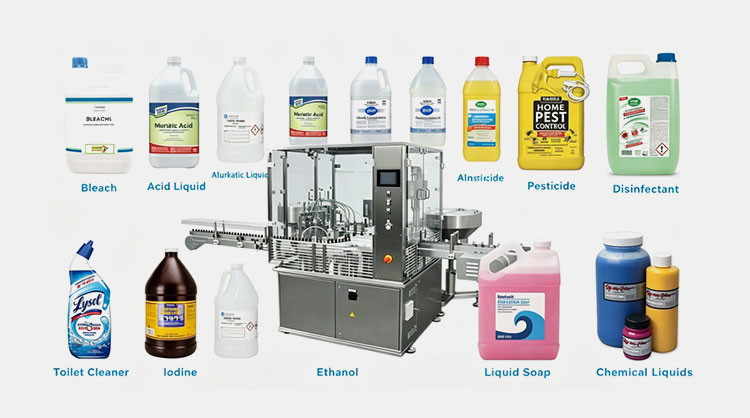
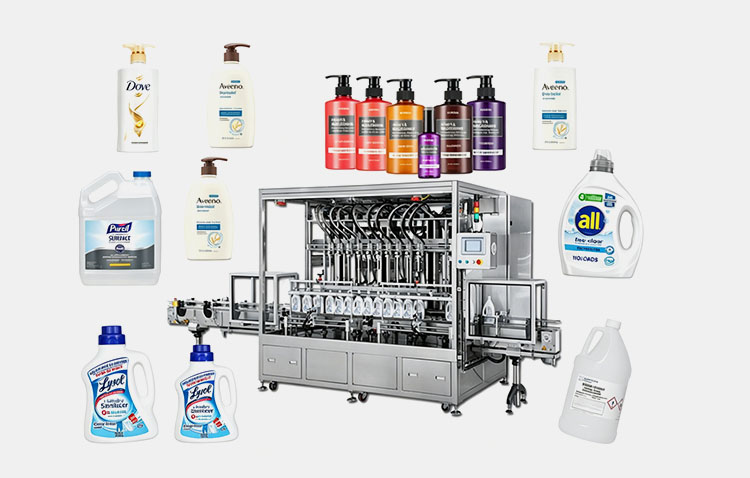
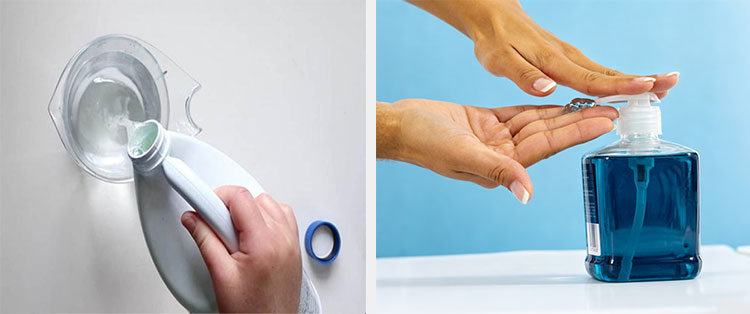
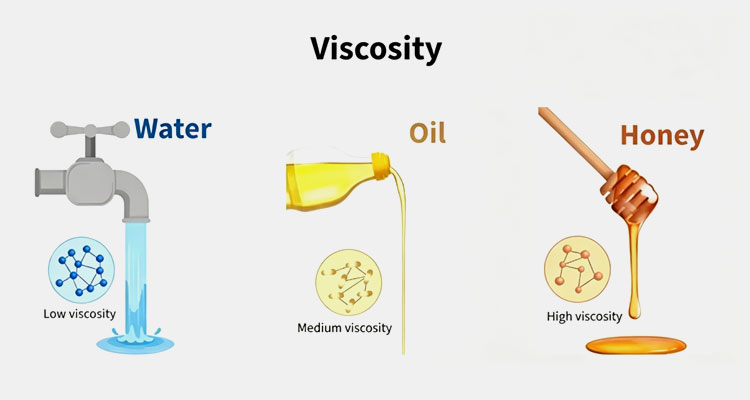
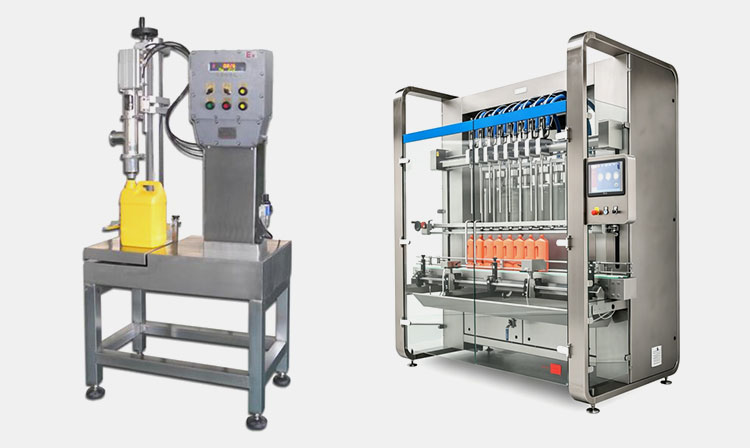

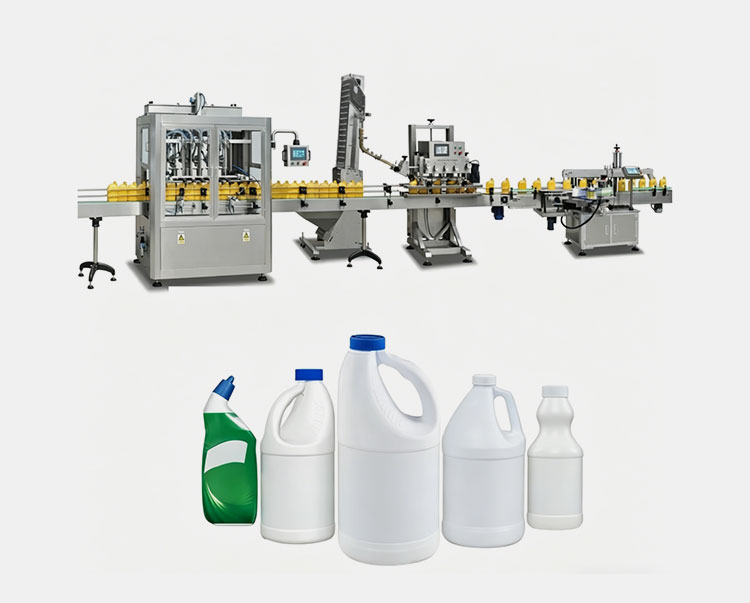
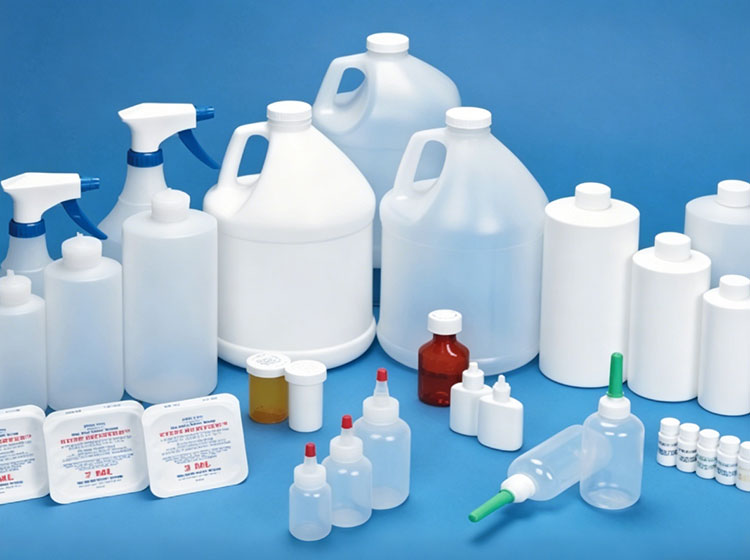

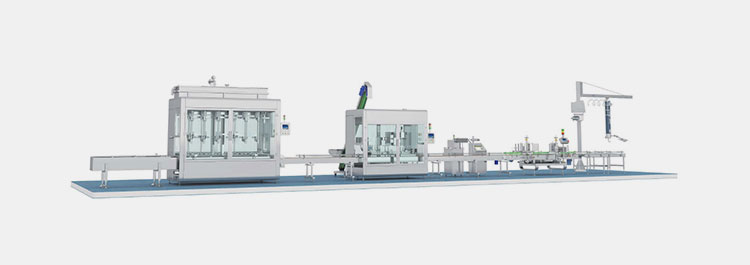

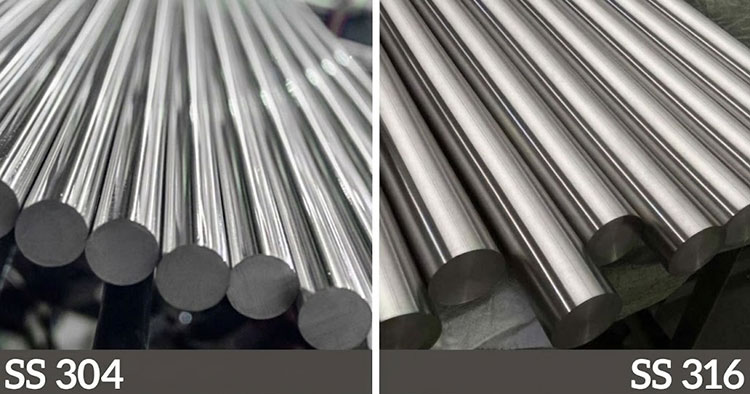



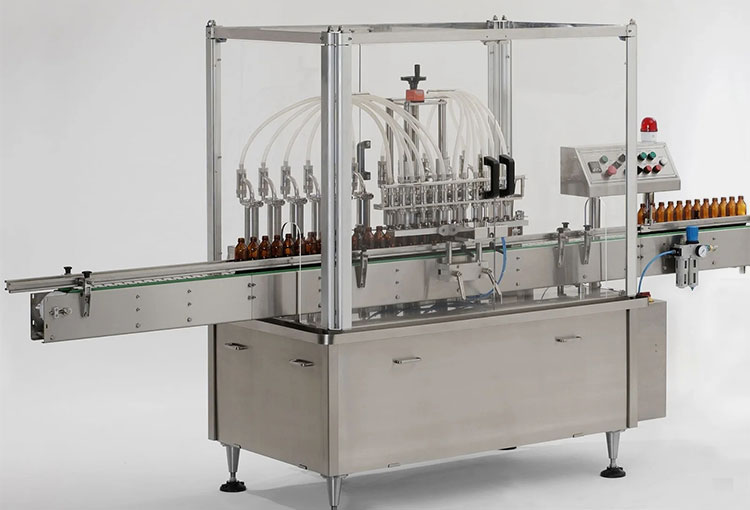 Tell us your material or budget, we'll reply to you ASAP within 24 hours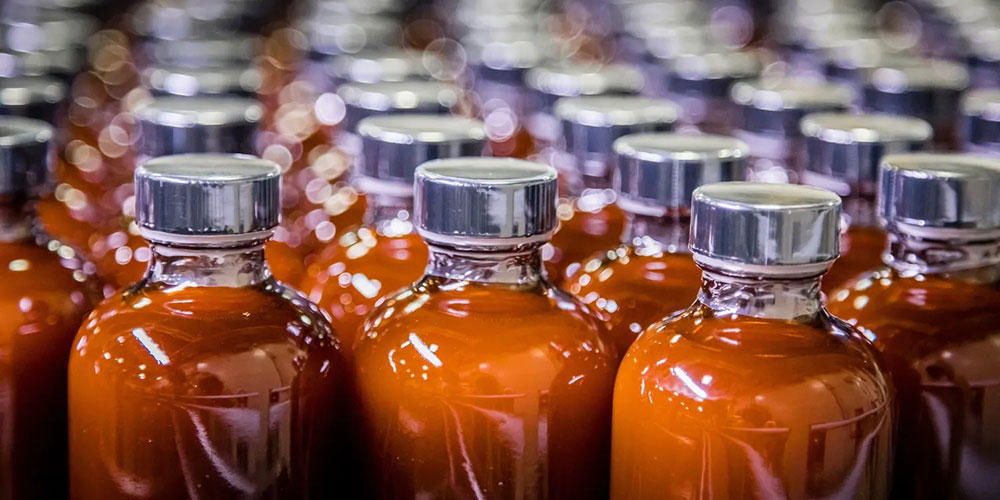
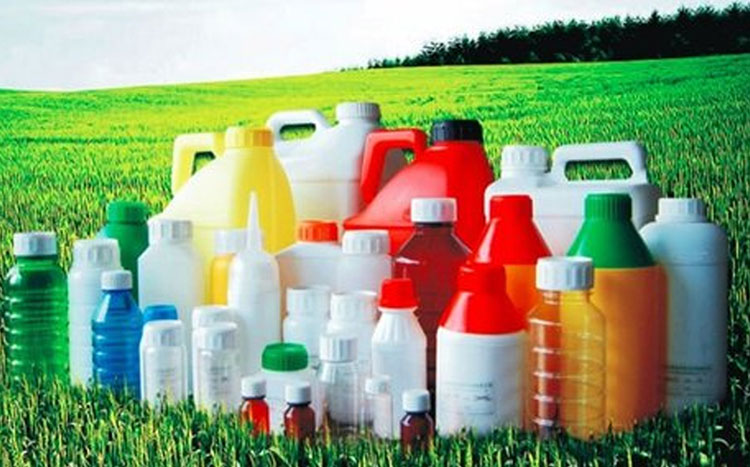



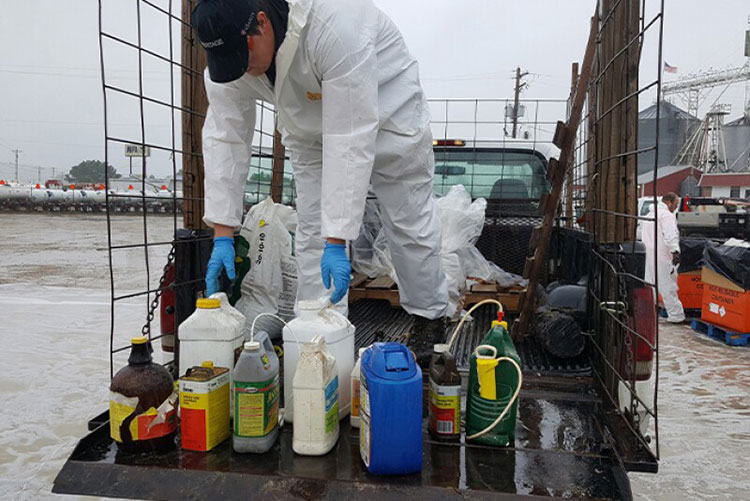
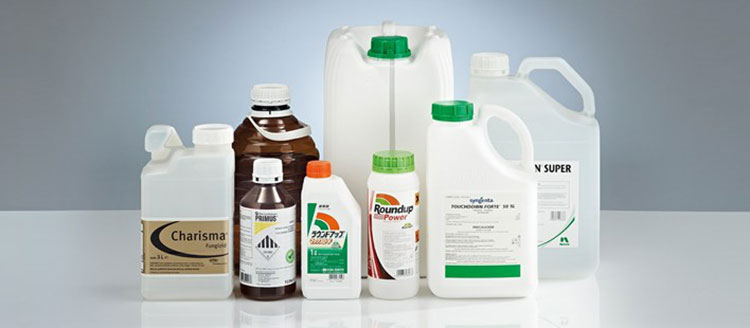
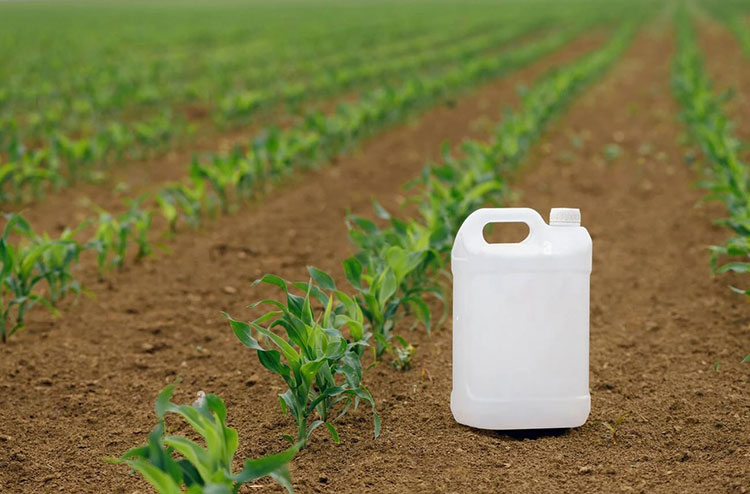
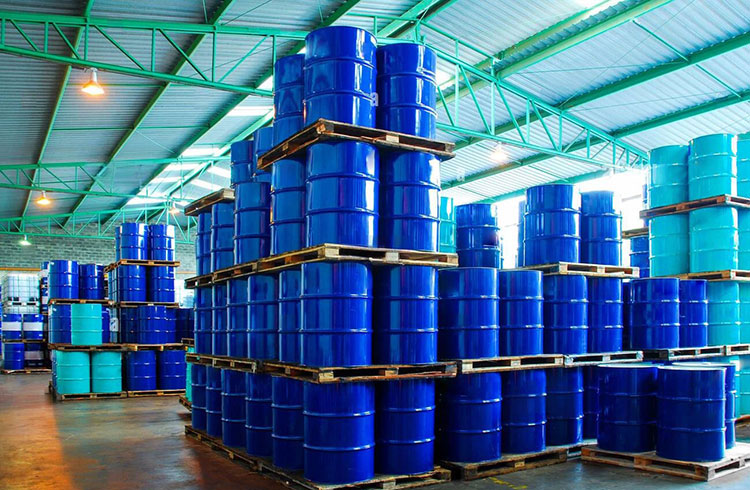
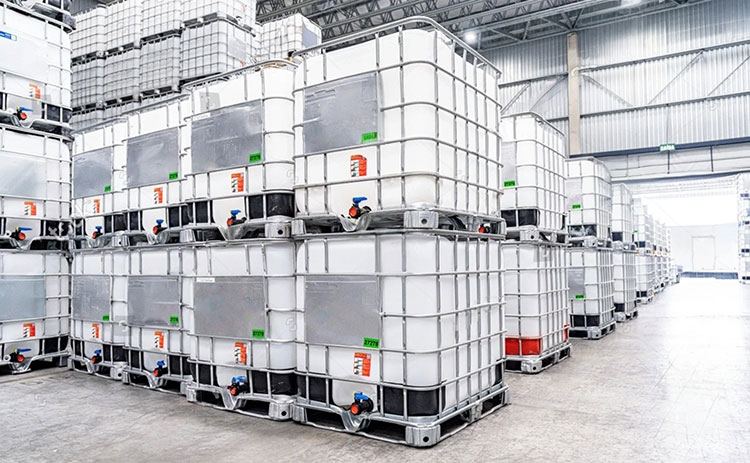
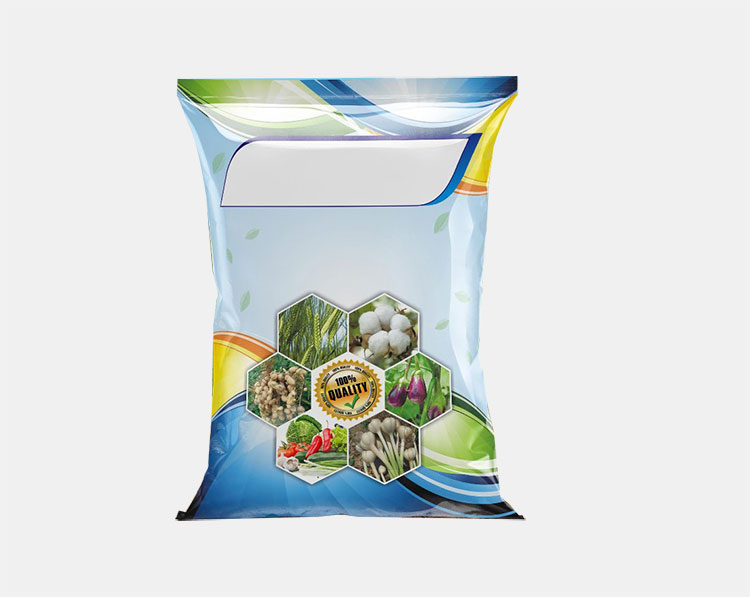
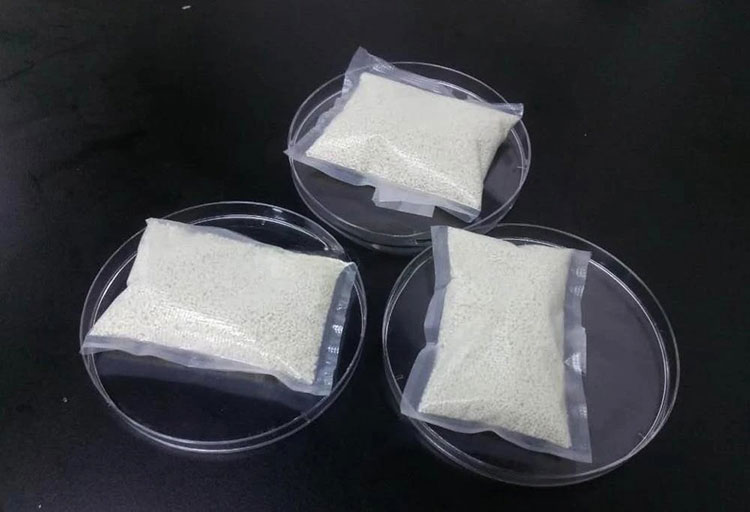
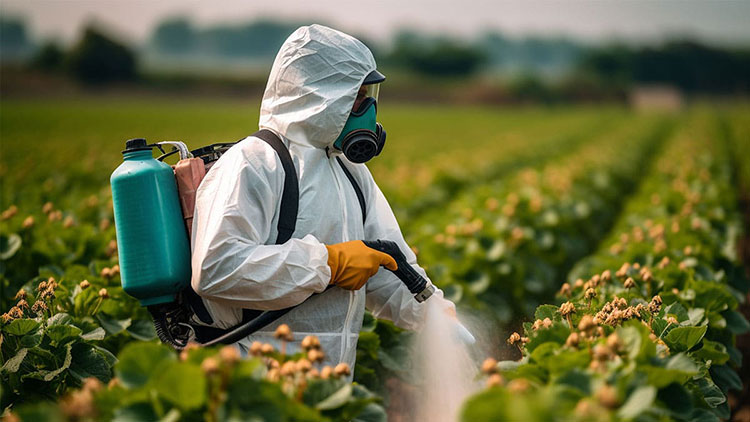
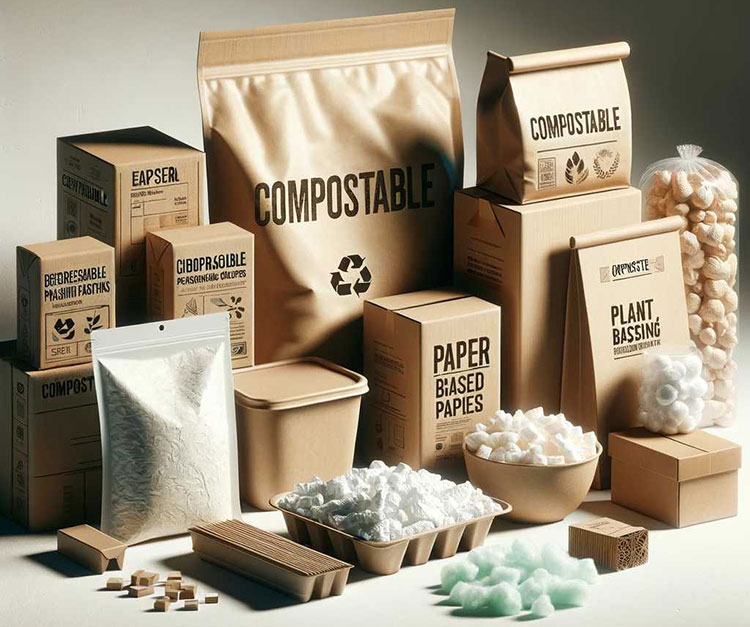
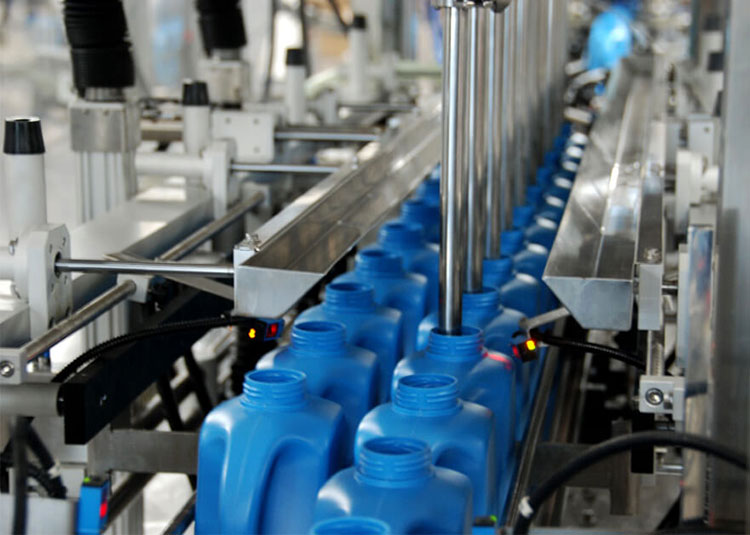
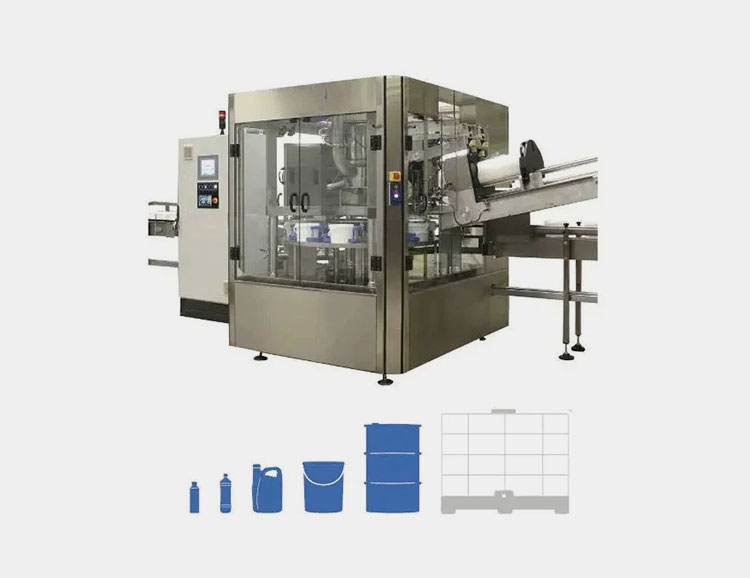
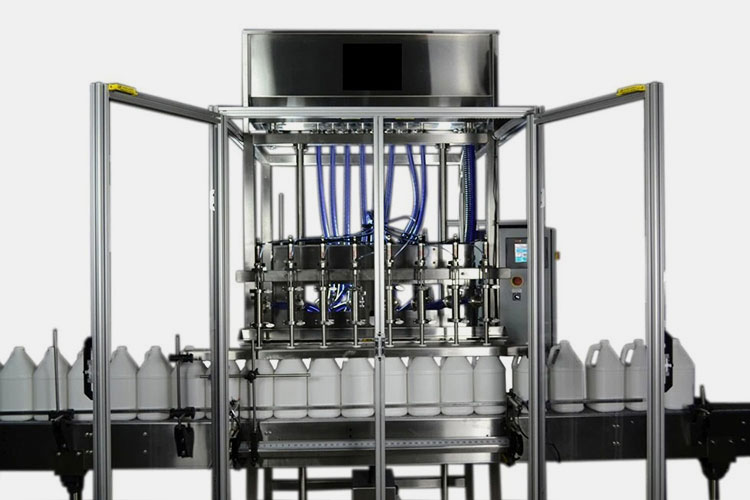
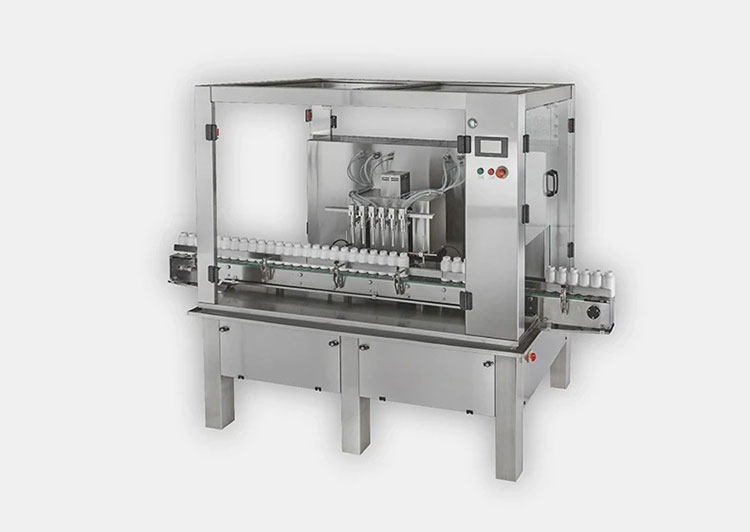
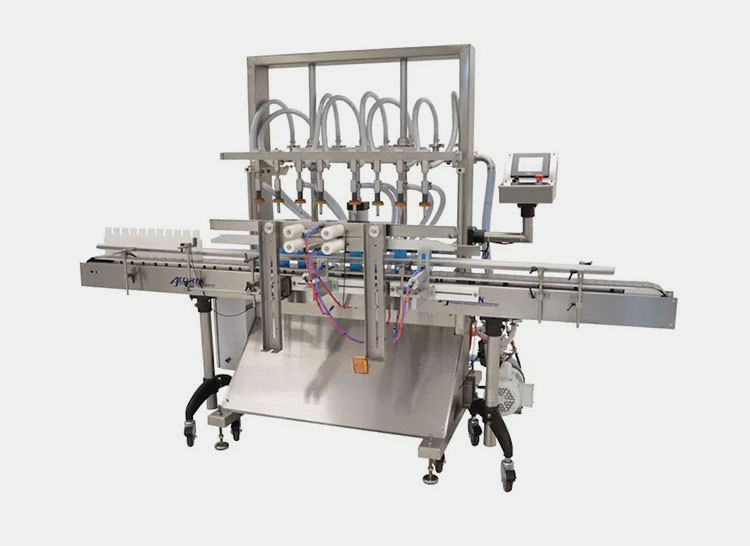
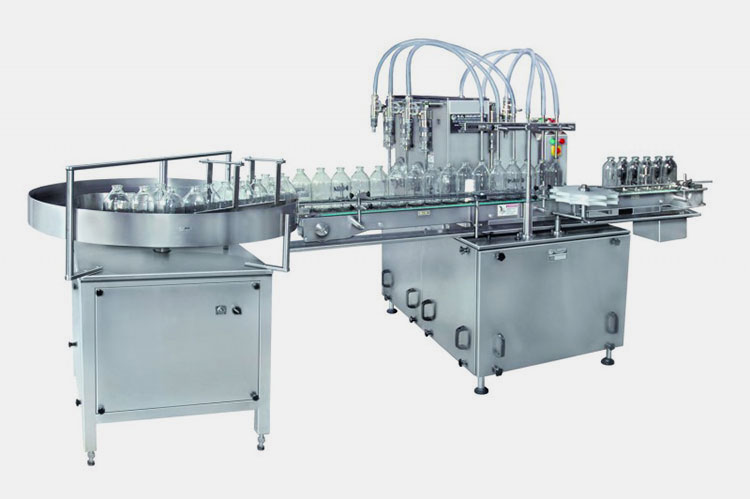
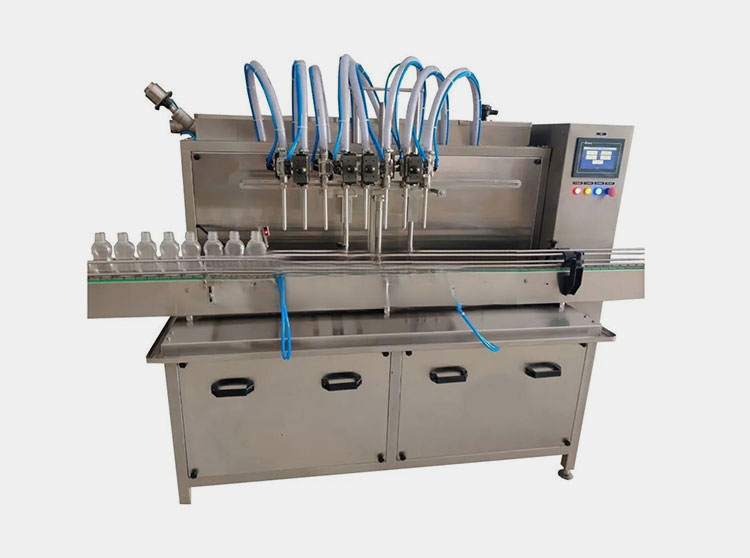
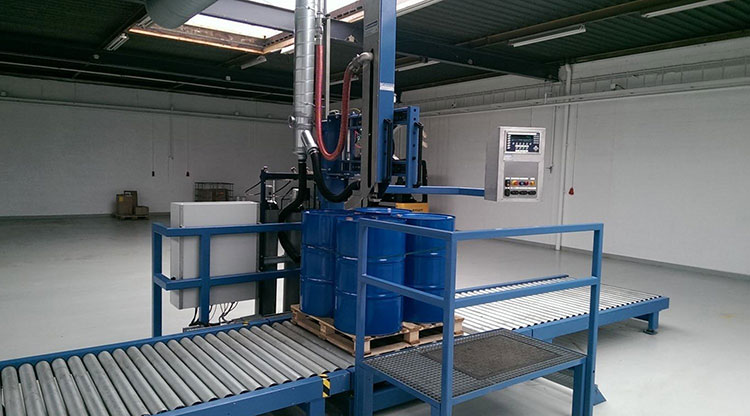
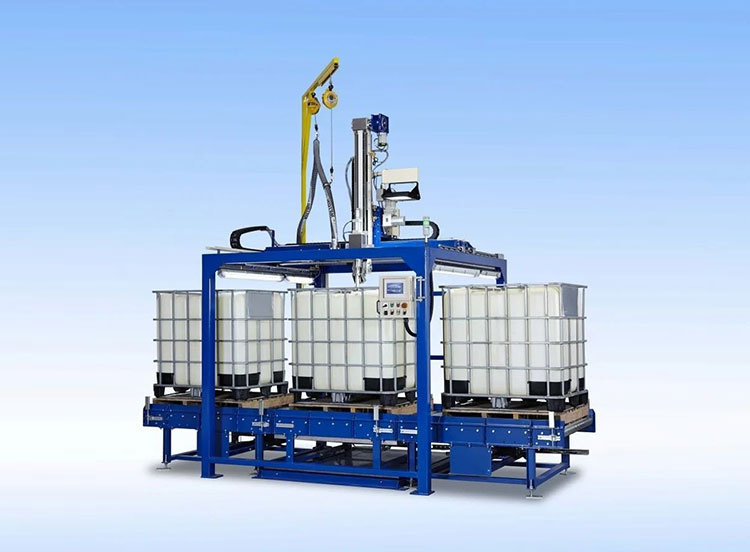

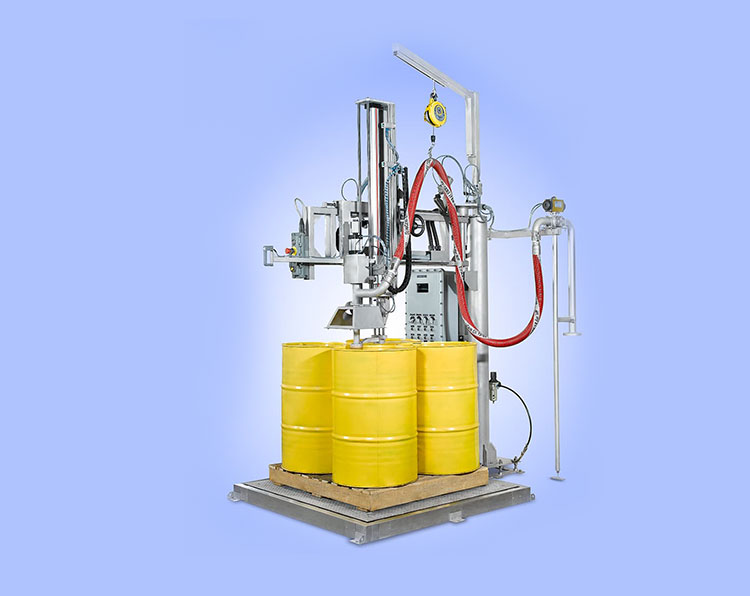
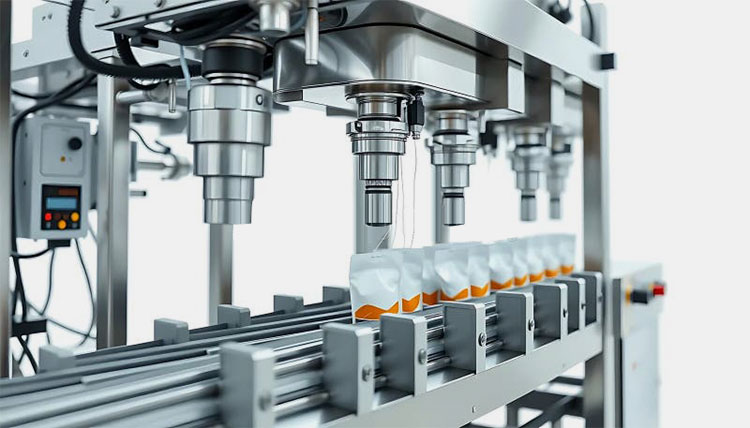
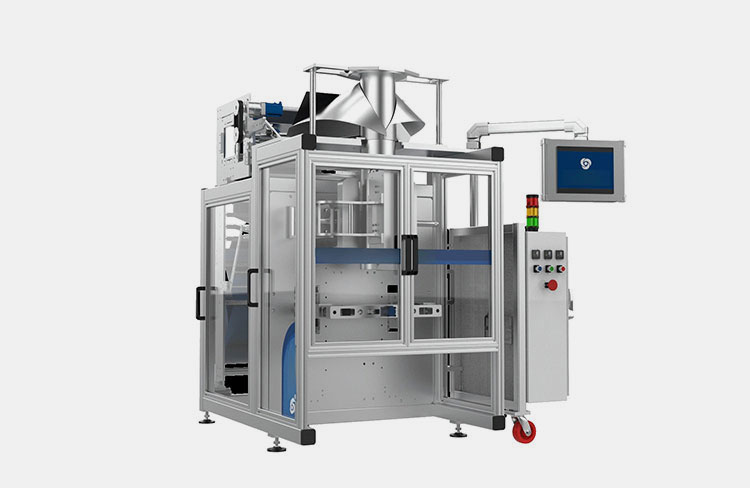
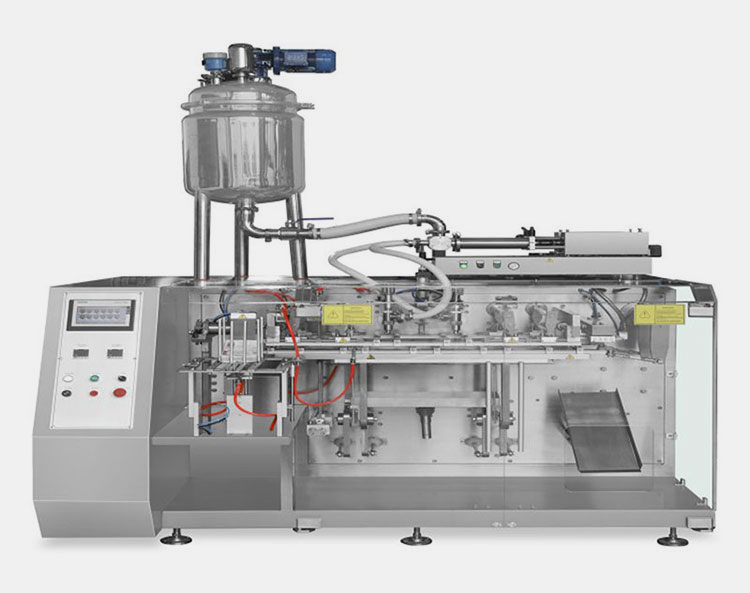
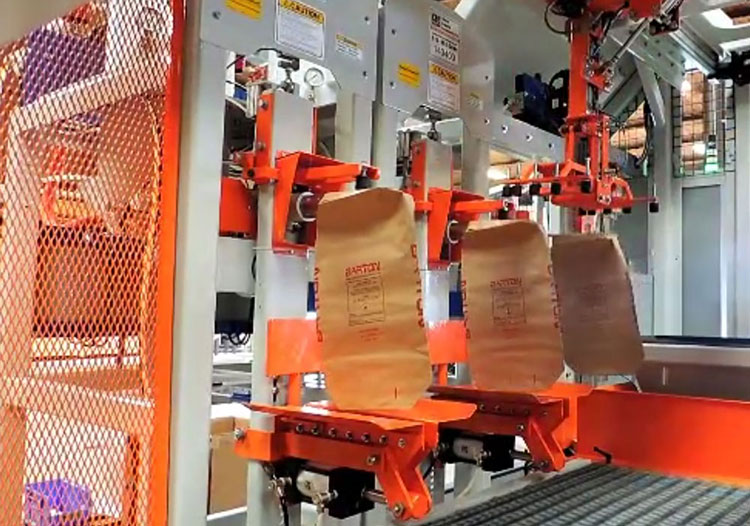
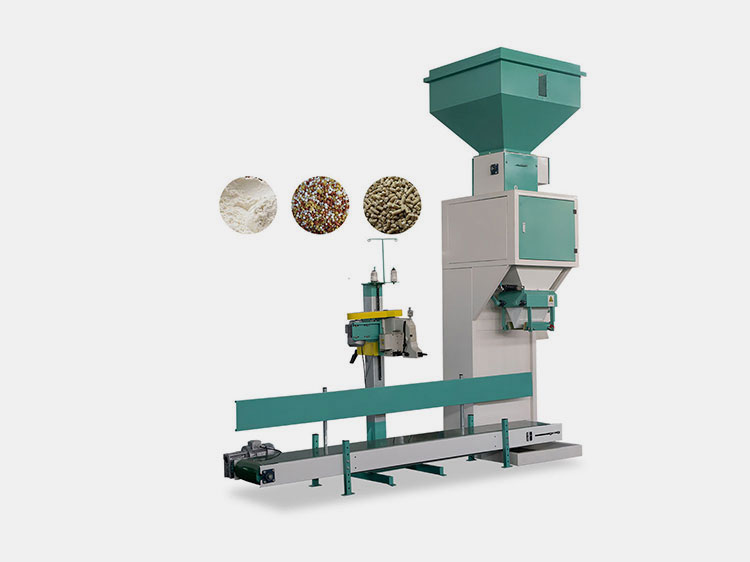
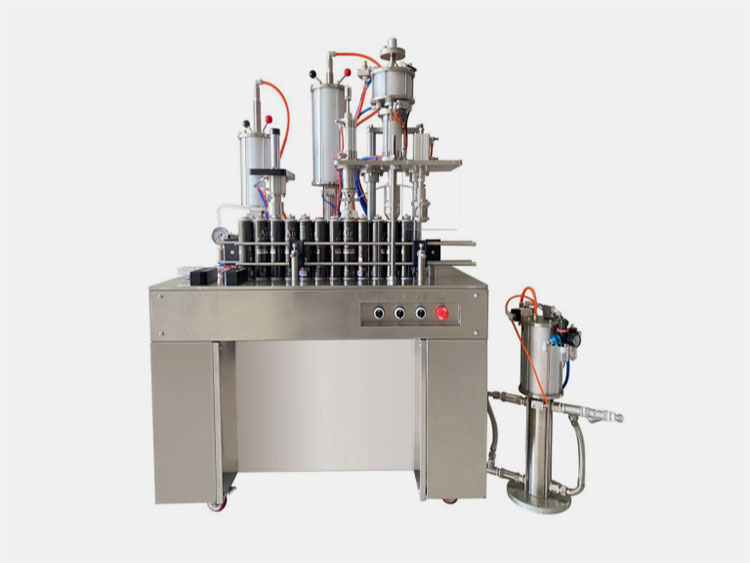
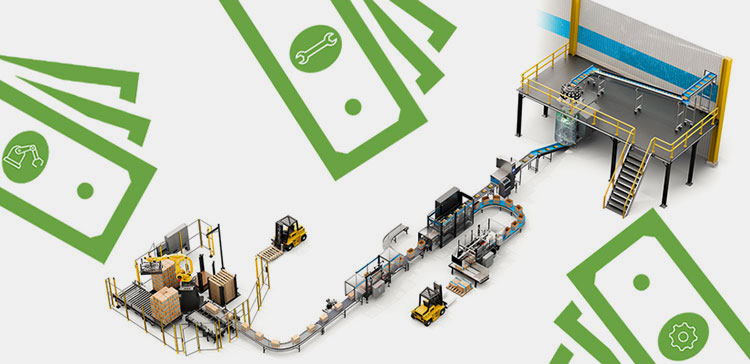
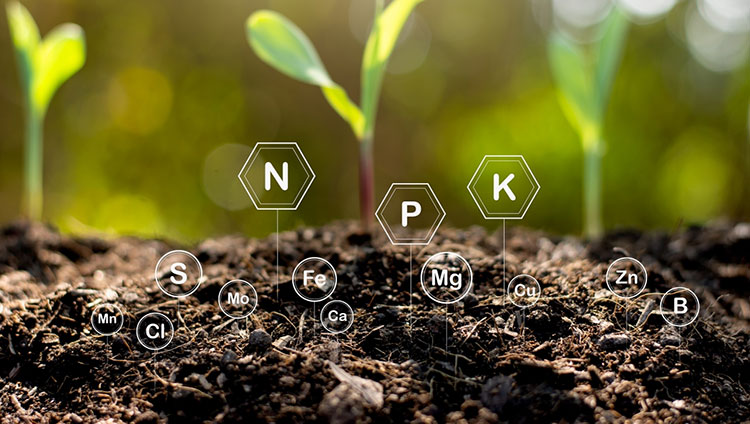
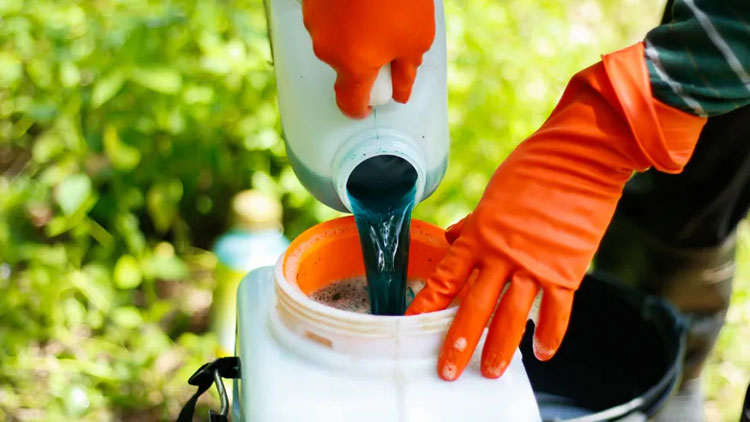
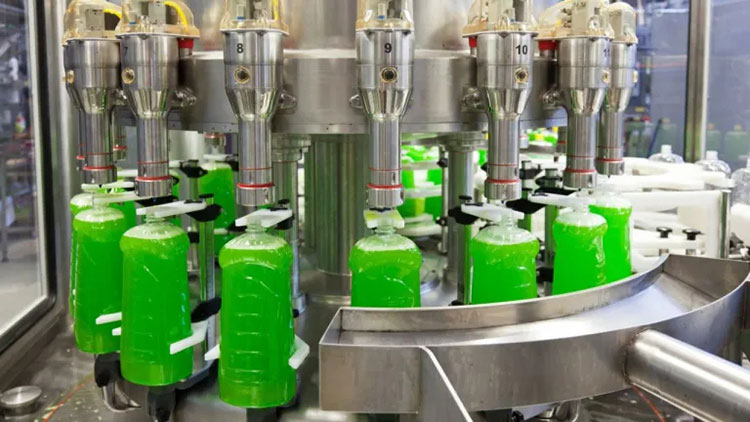
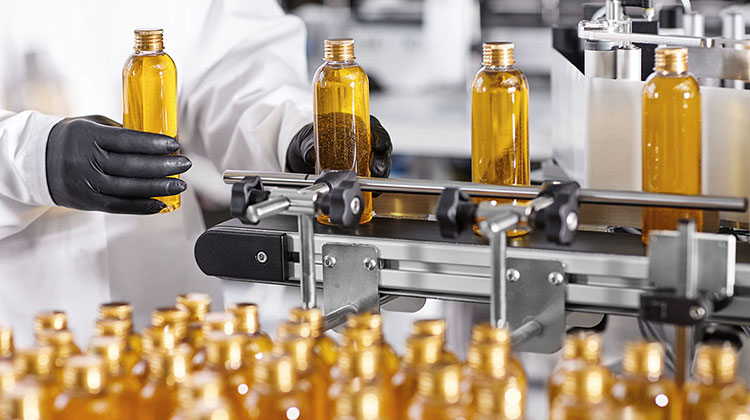
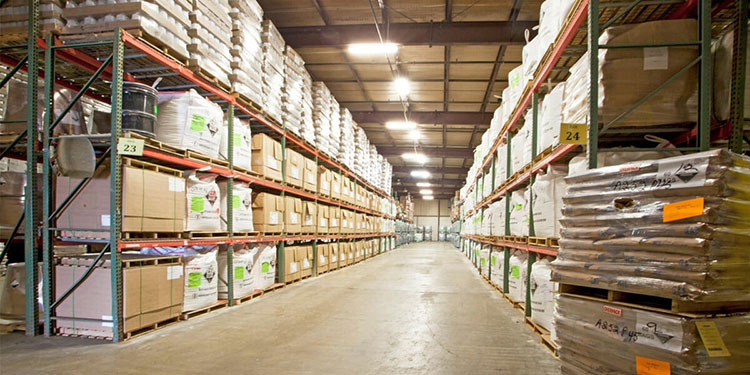
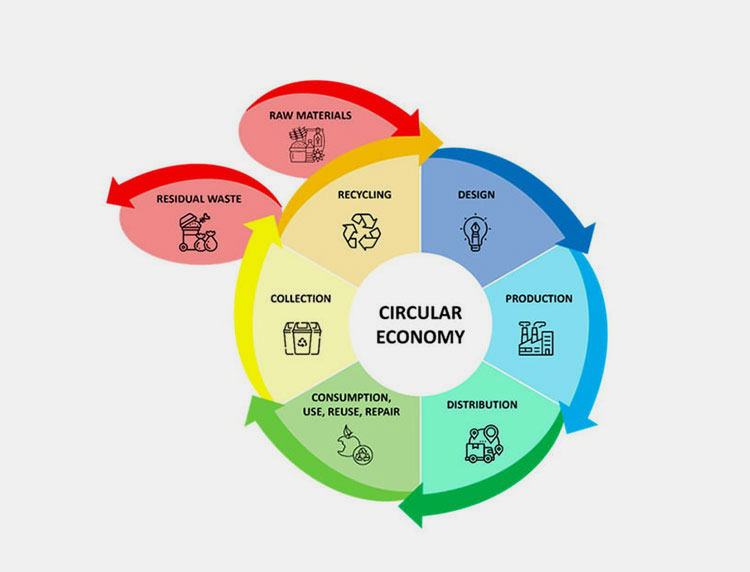

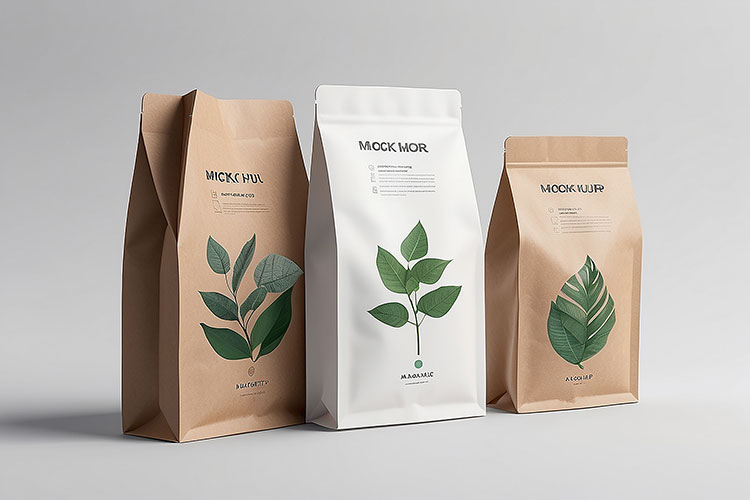

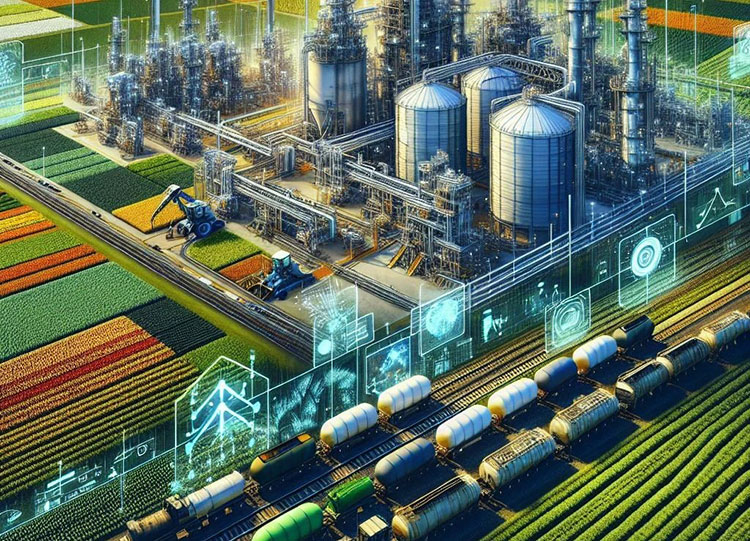
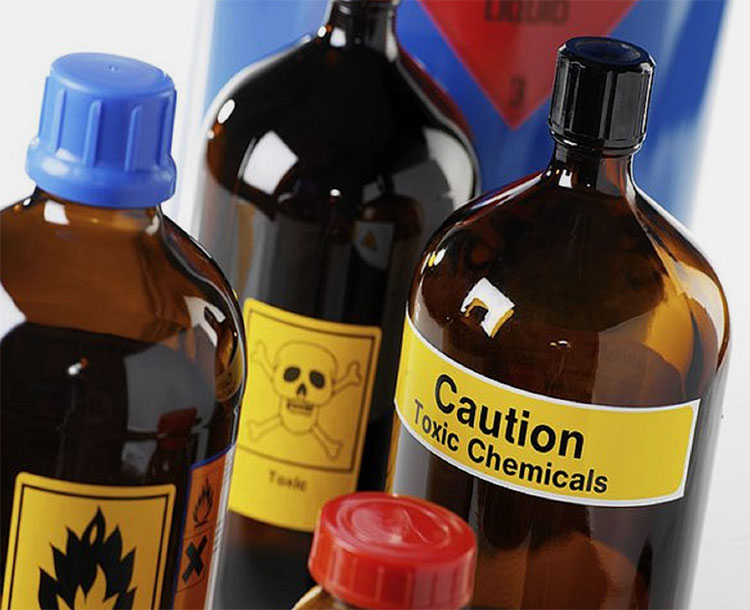
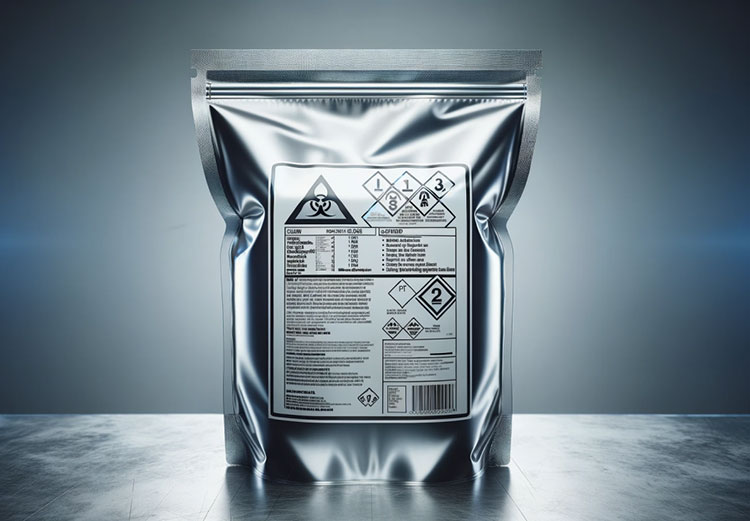
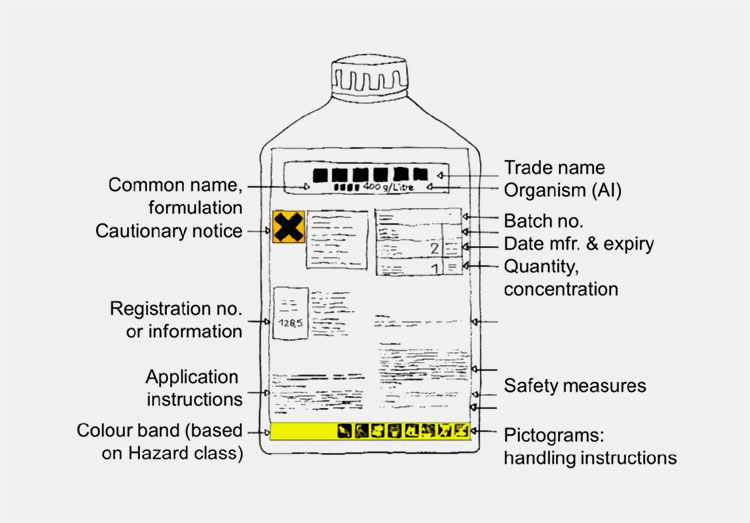
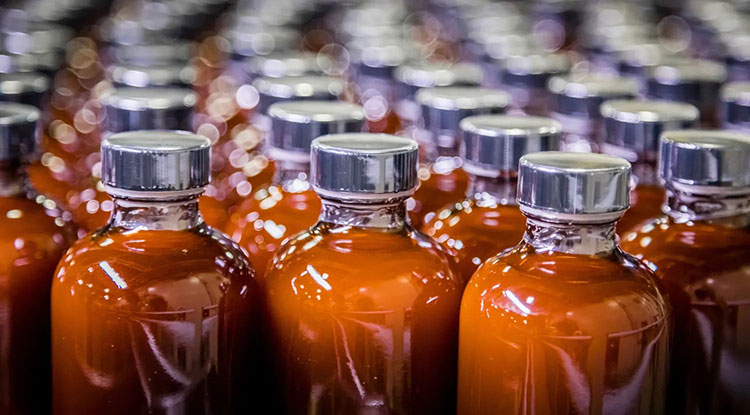
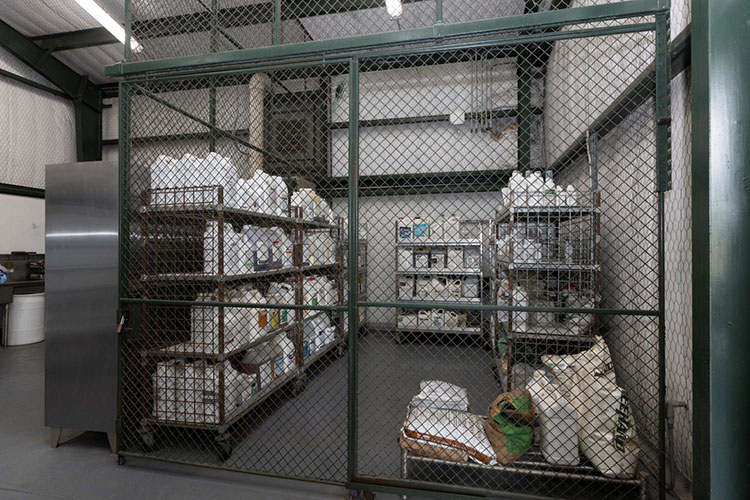
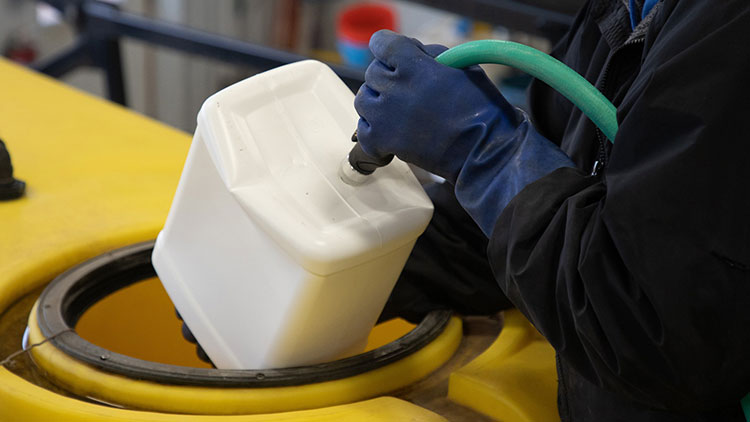
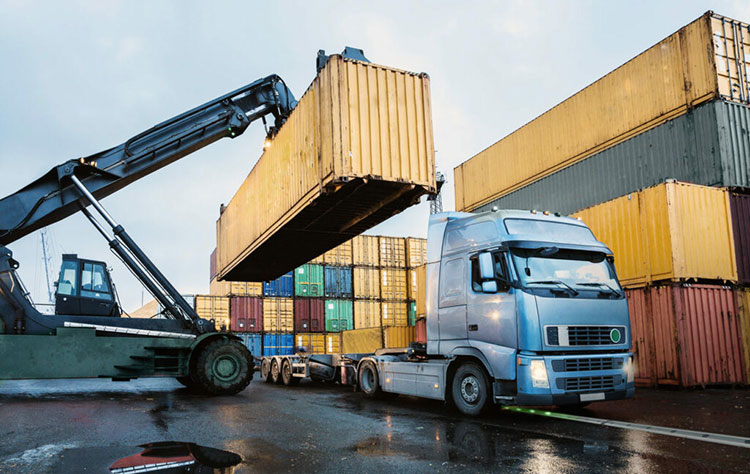
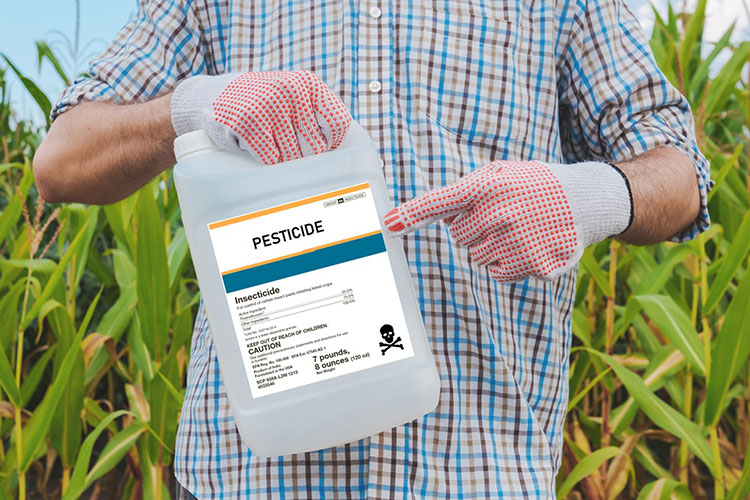
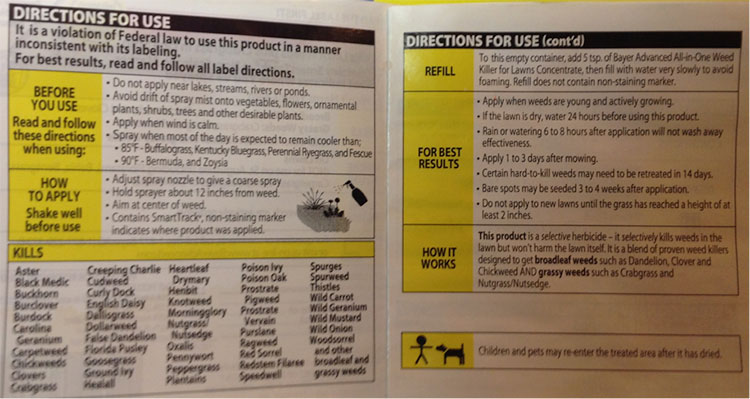
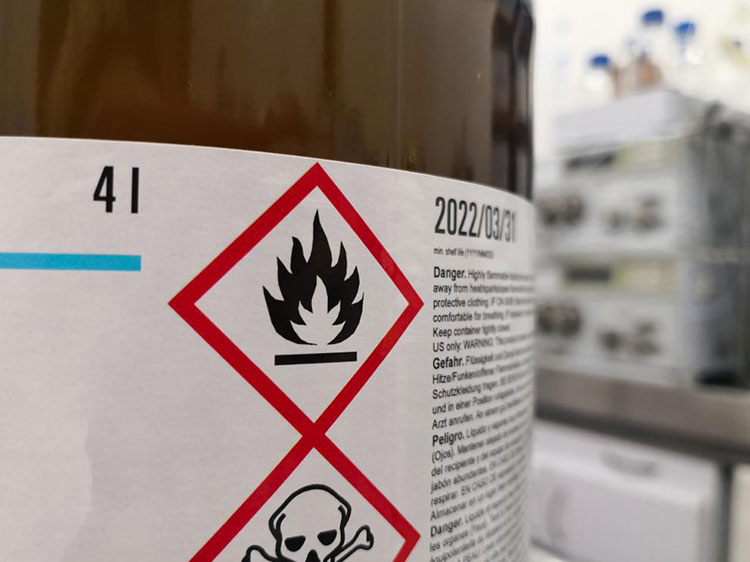
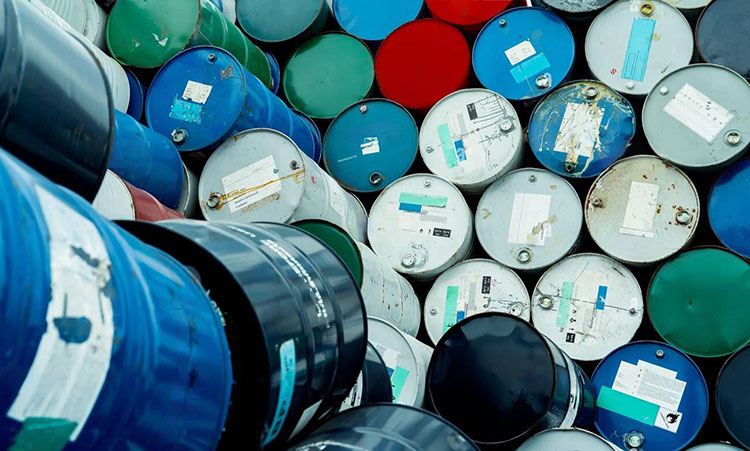
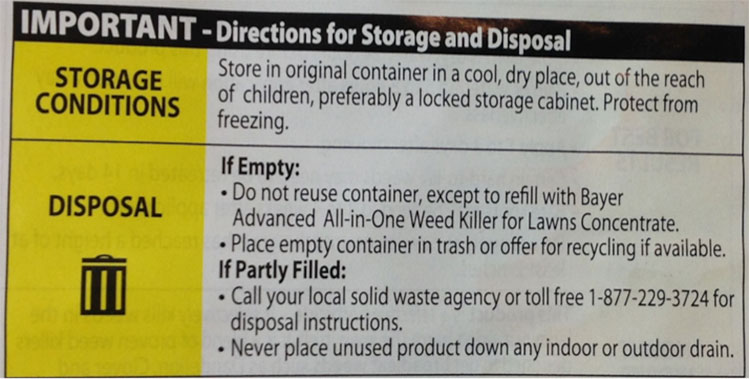
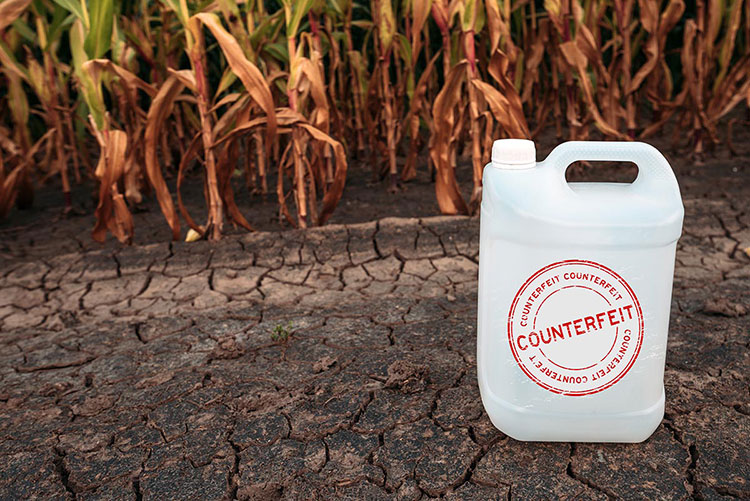
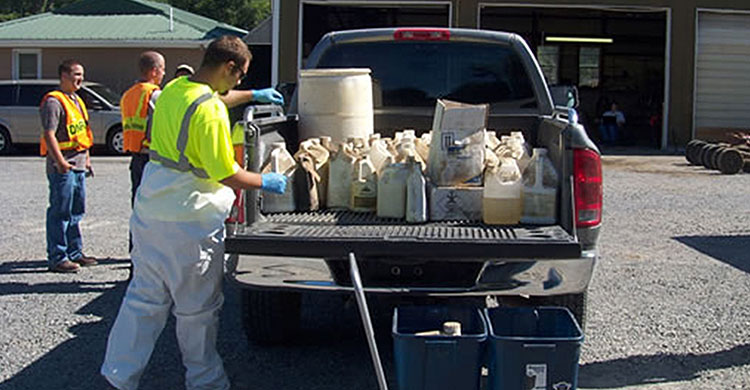
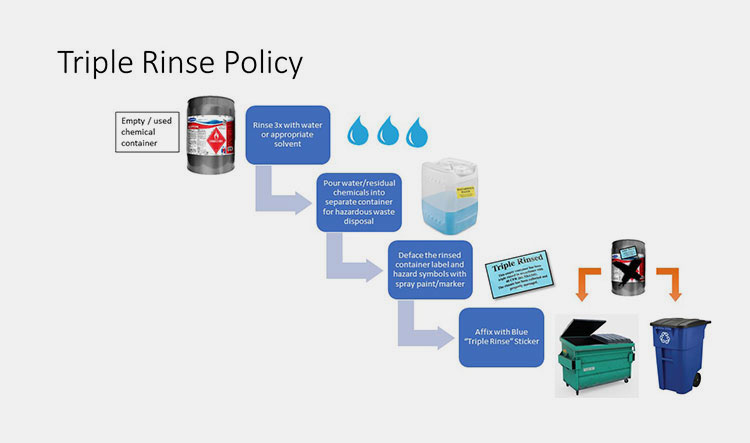
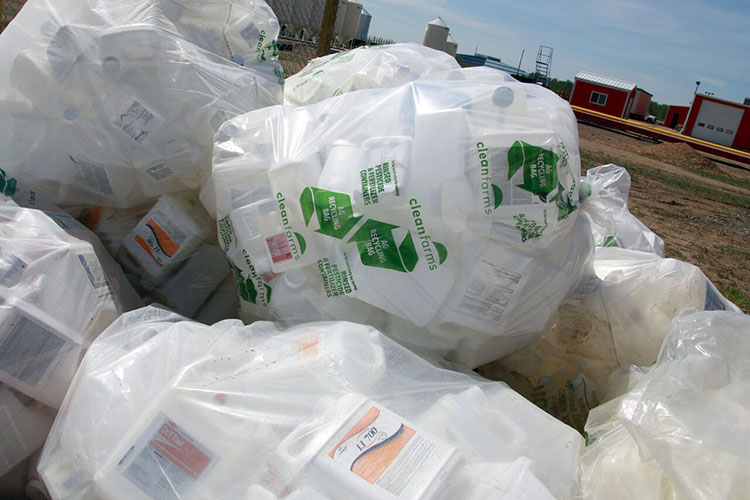
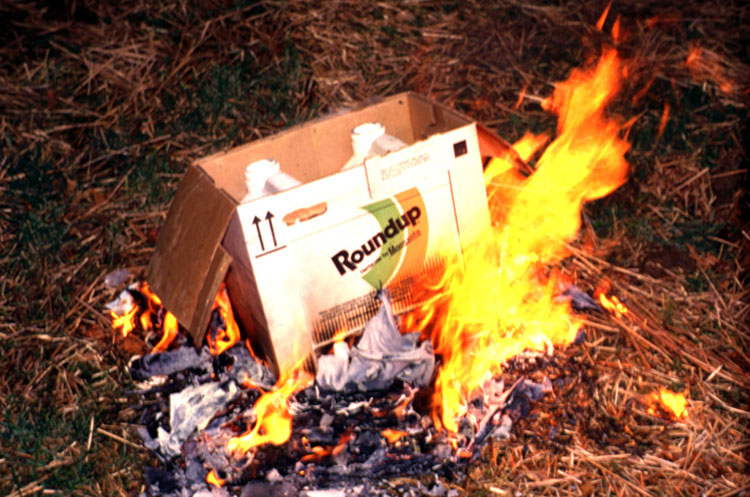
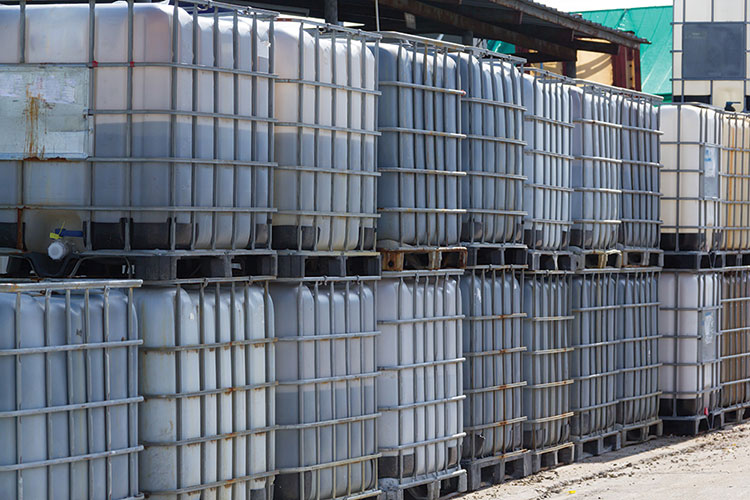
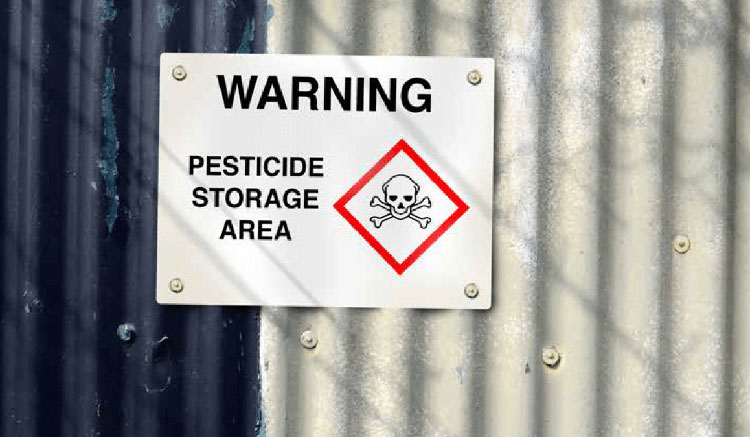
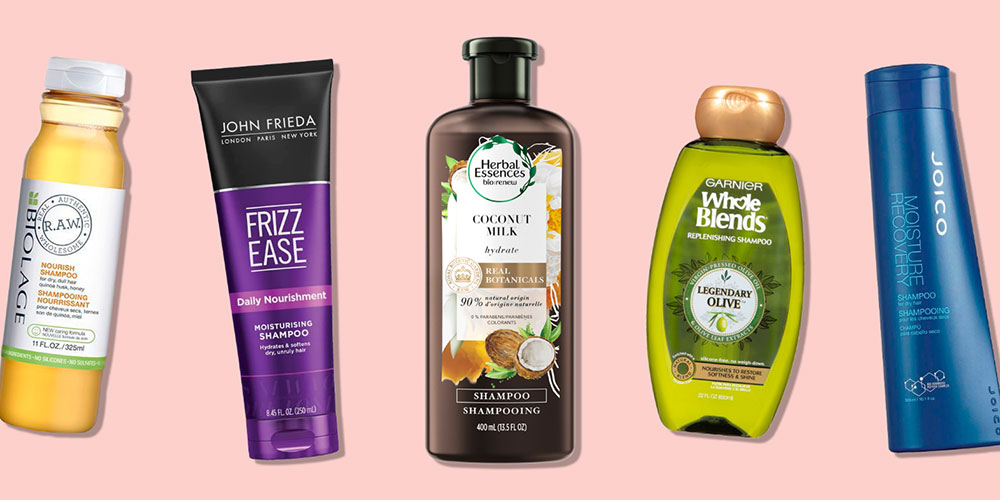
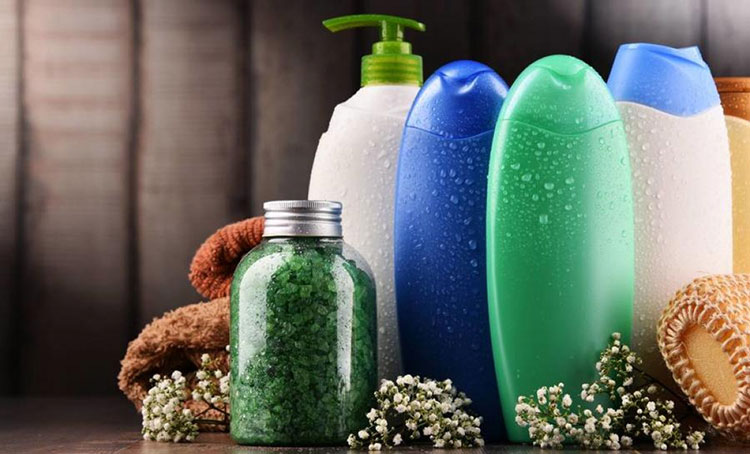
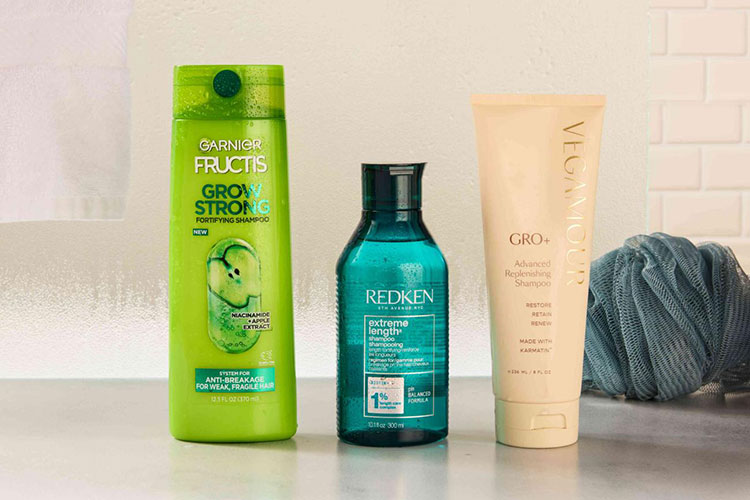
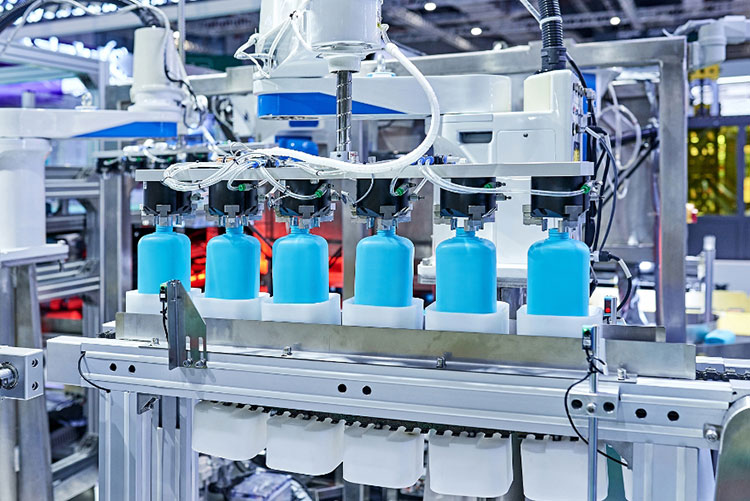
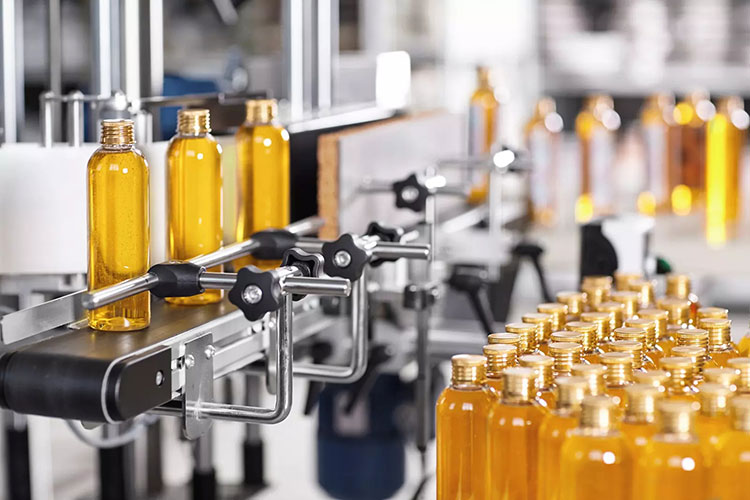
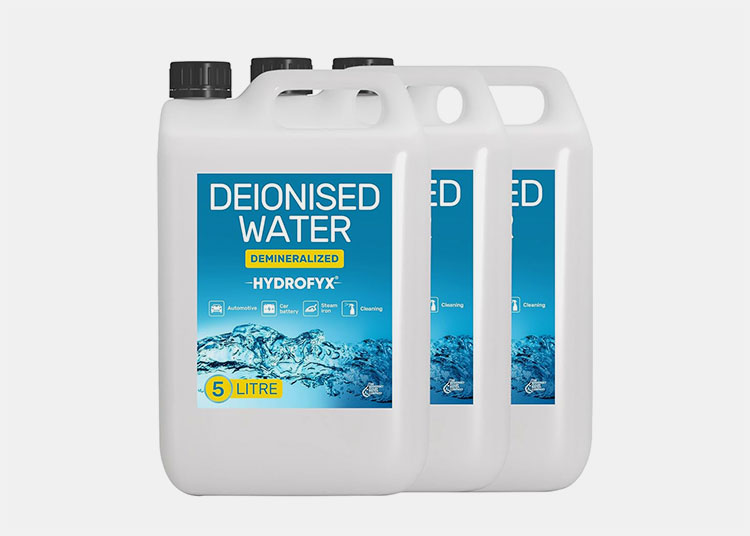
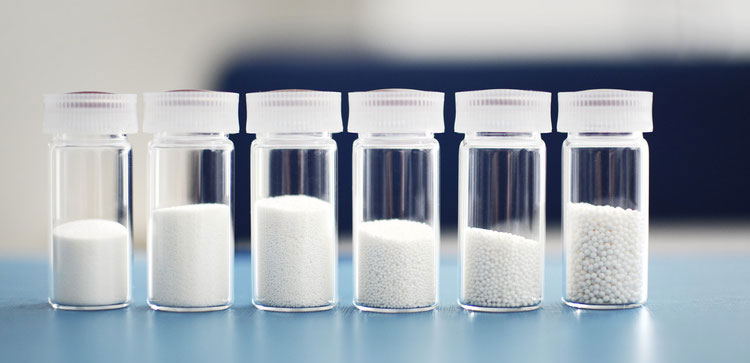
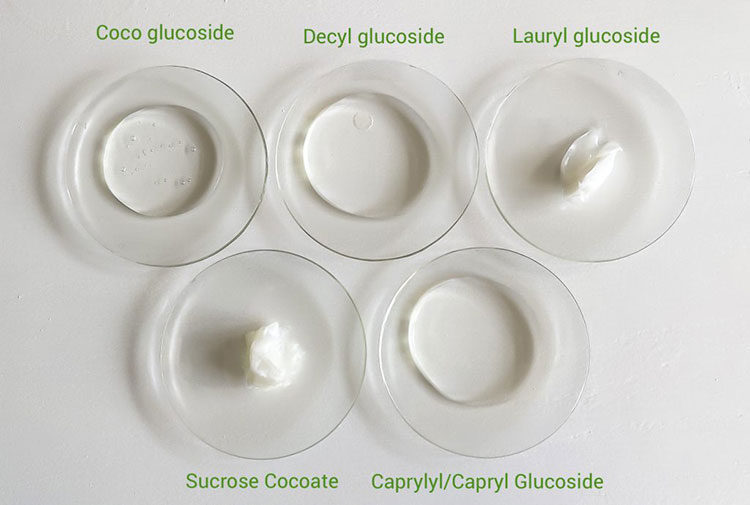
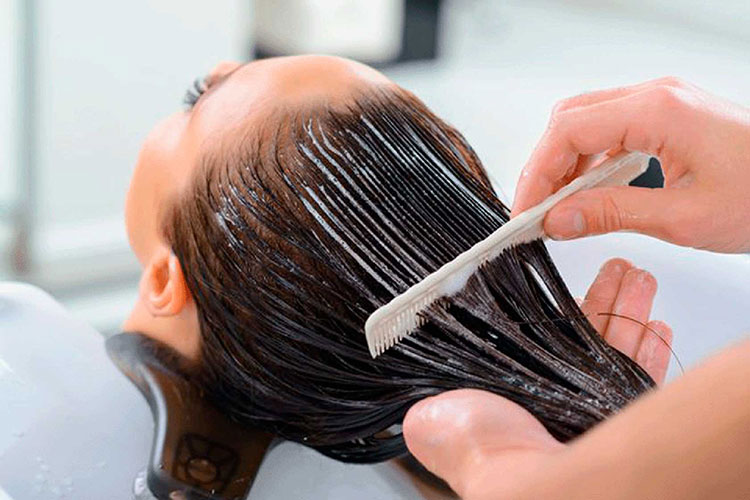
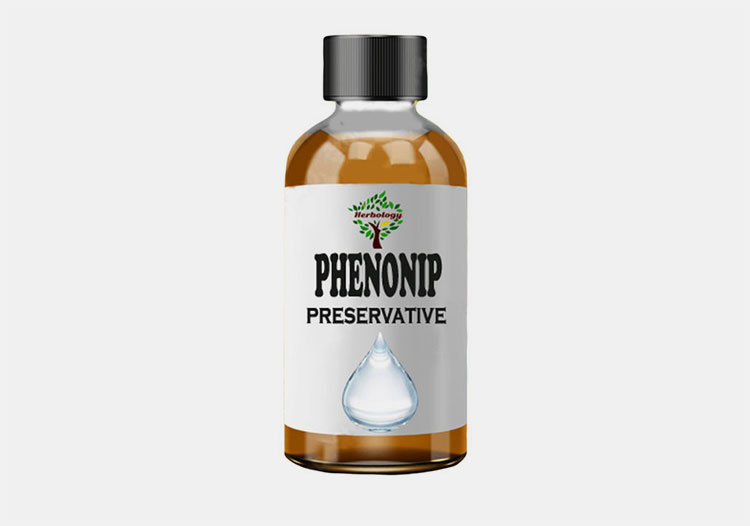
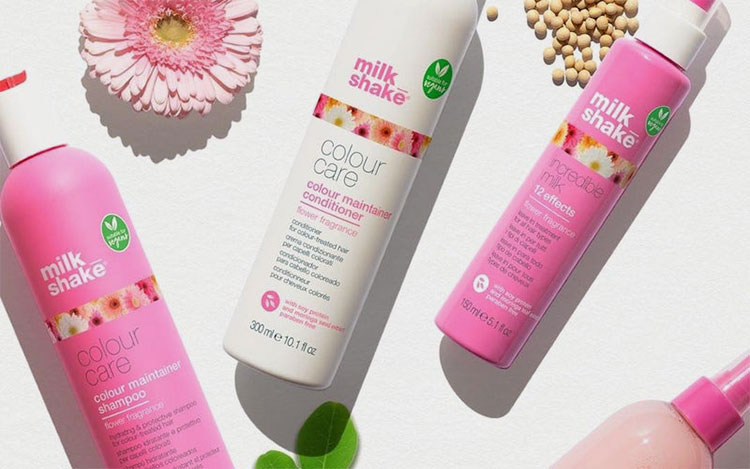
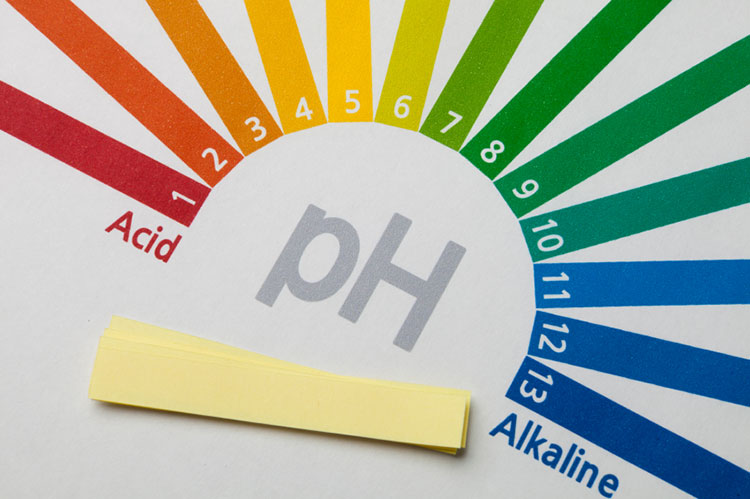
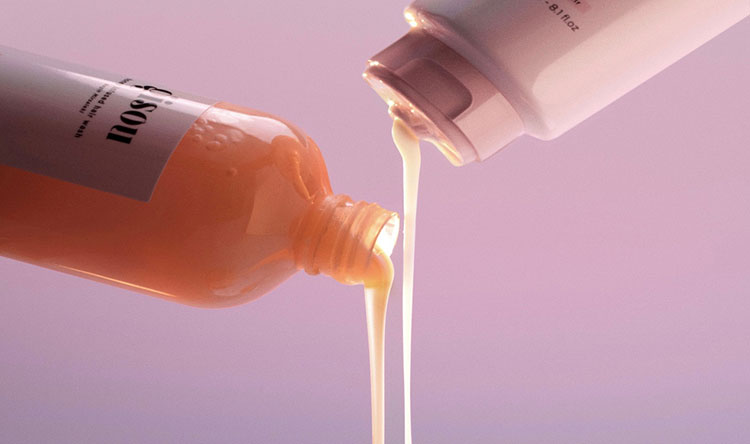
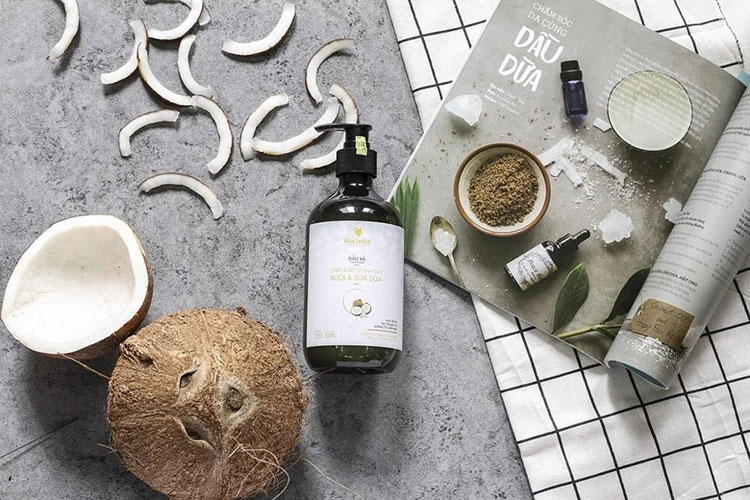
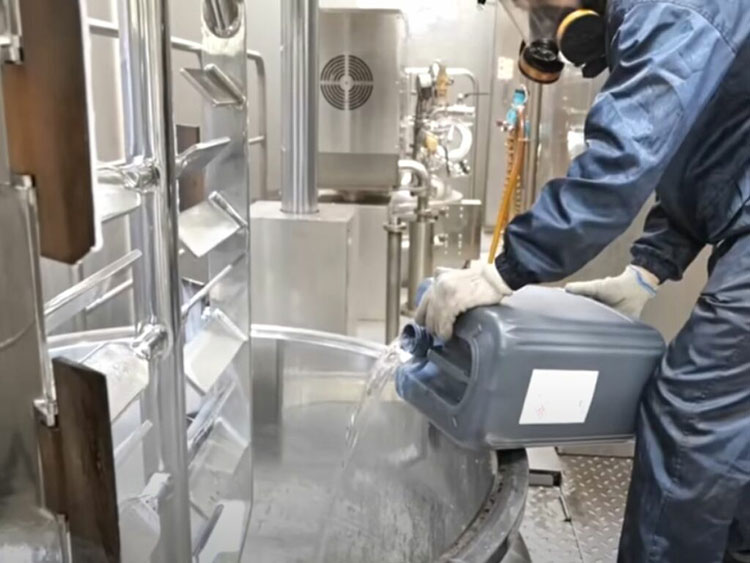
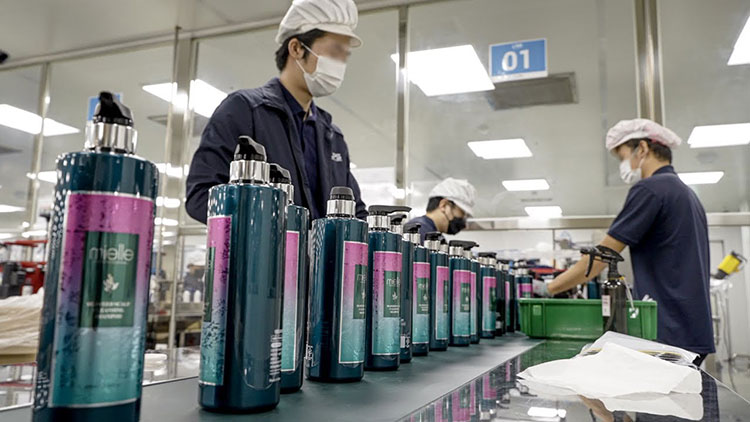
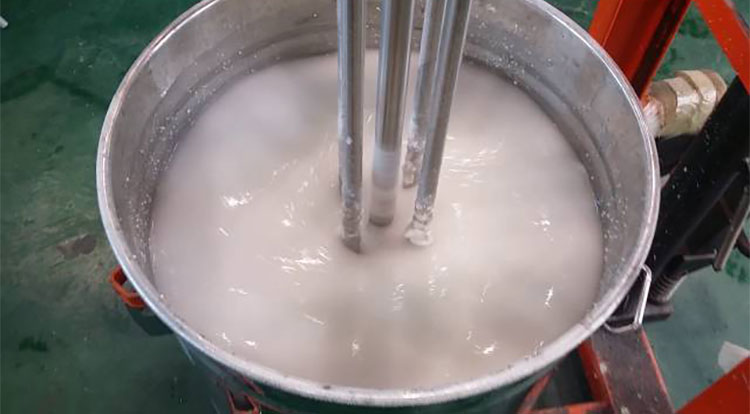

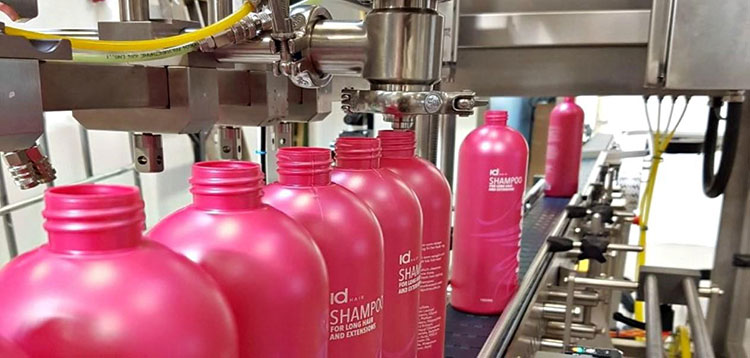
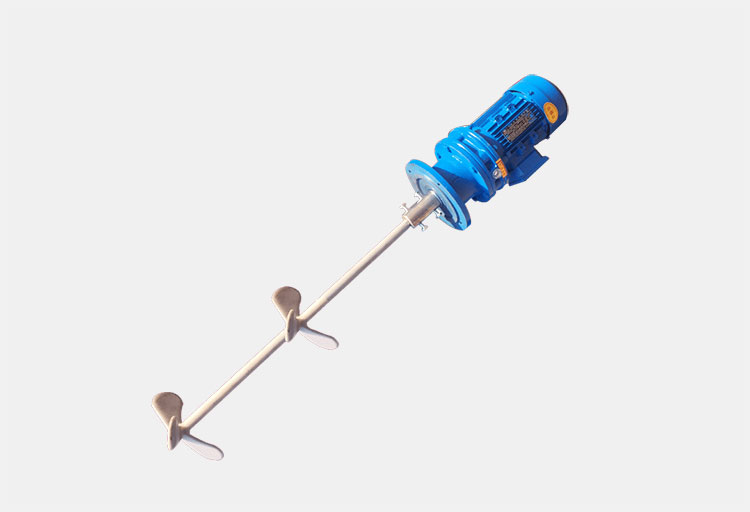
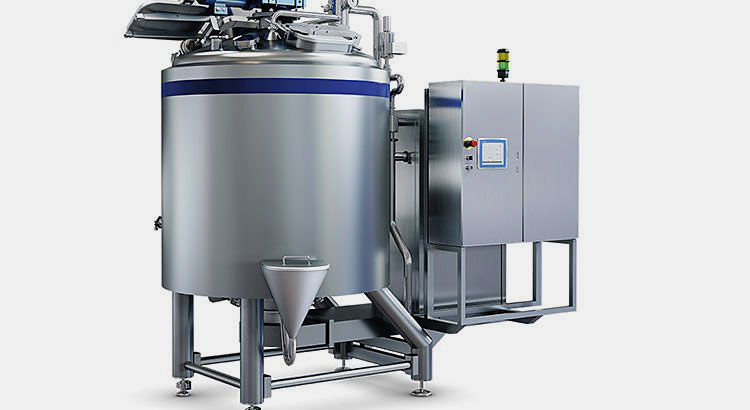
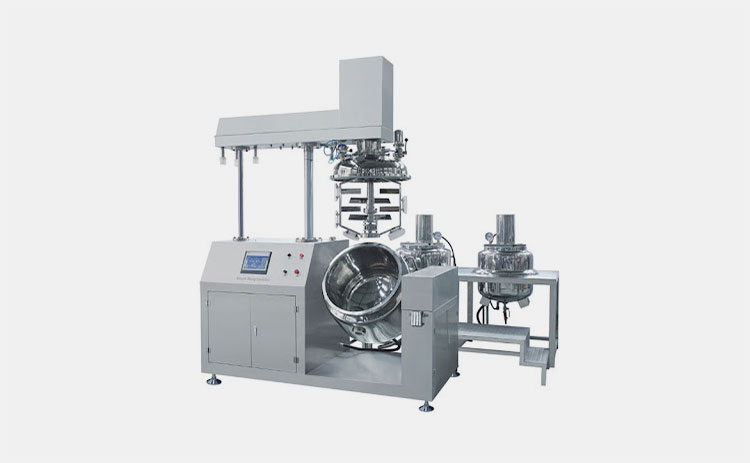
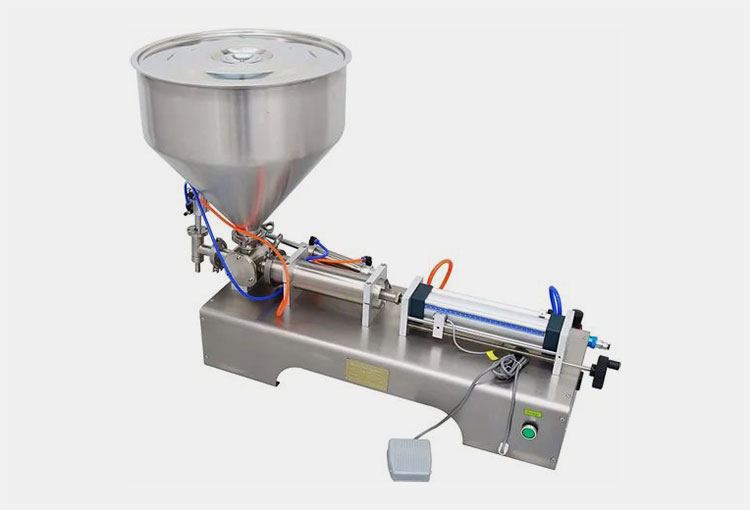
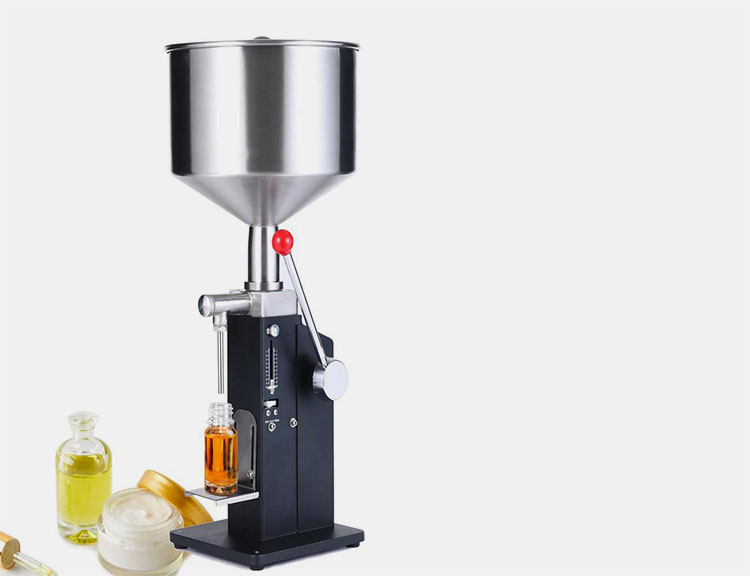
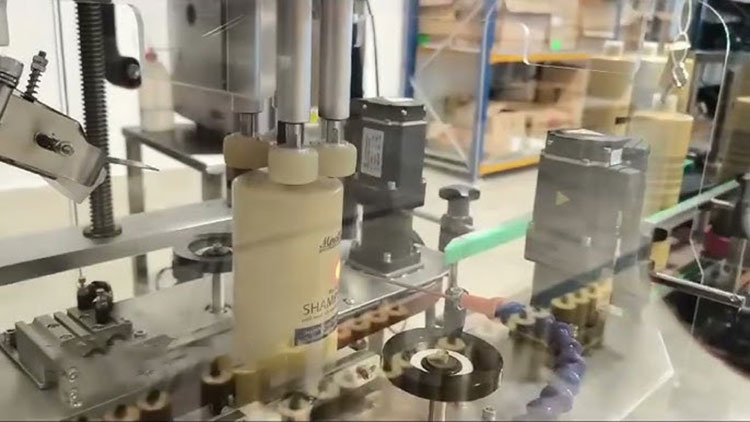
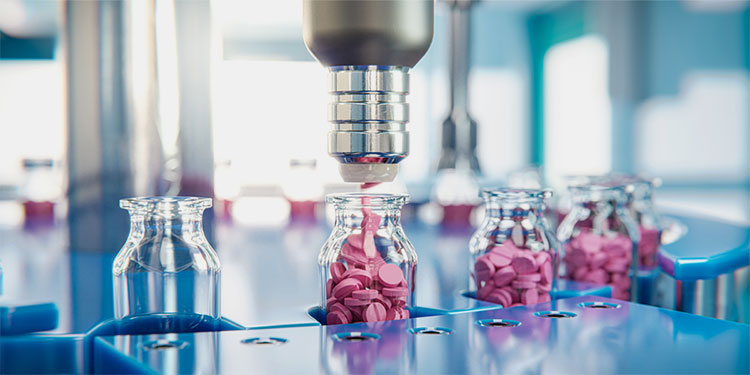
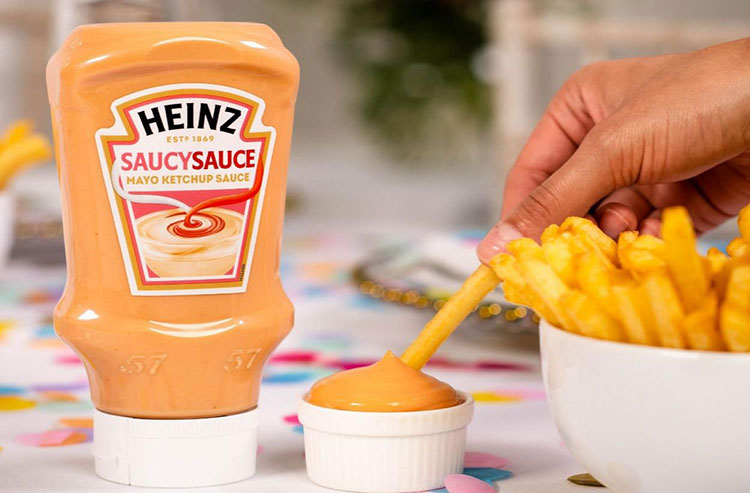
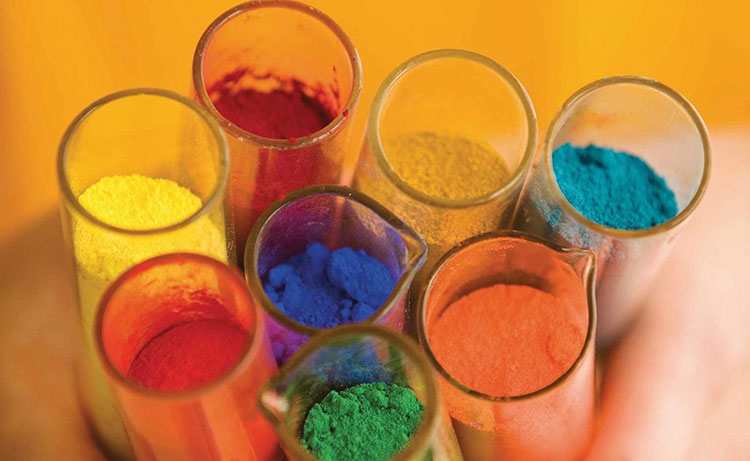
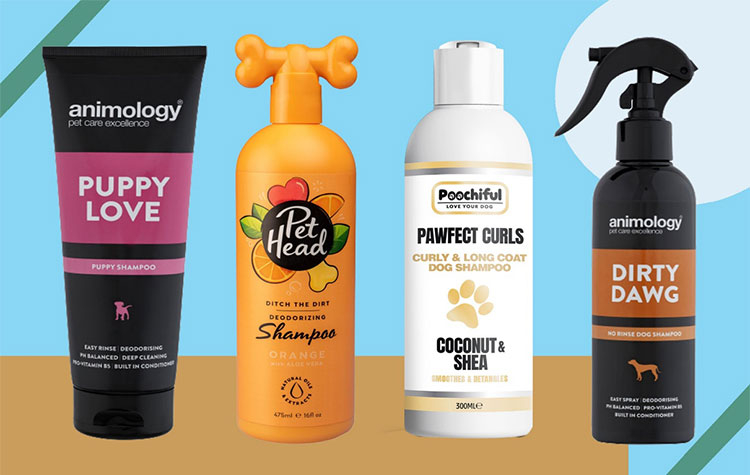

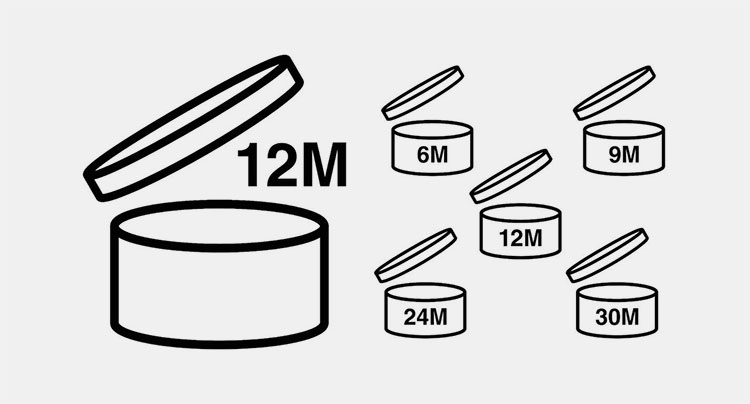
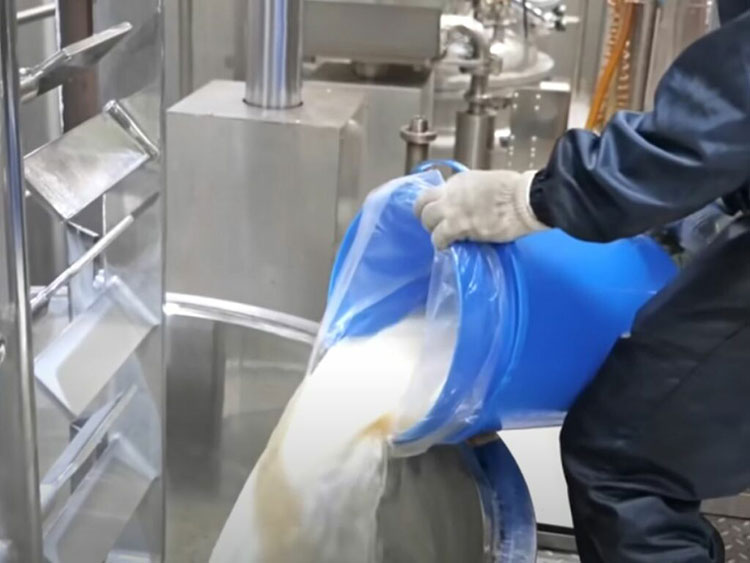


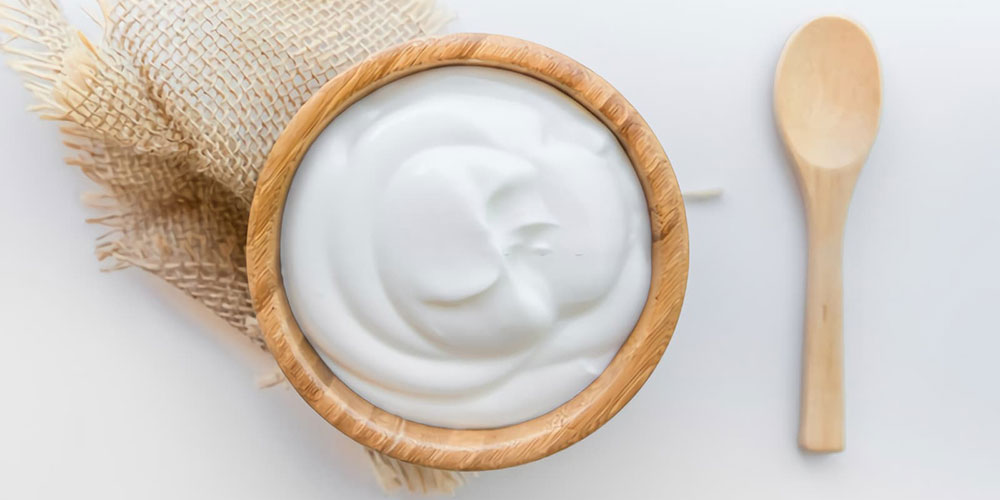
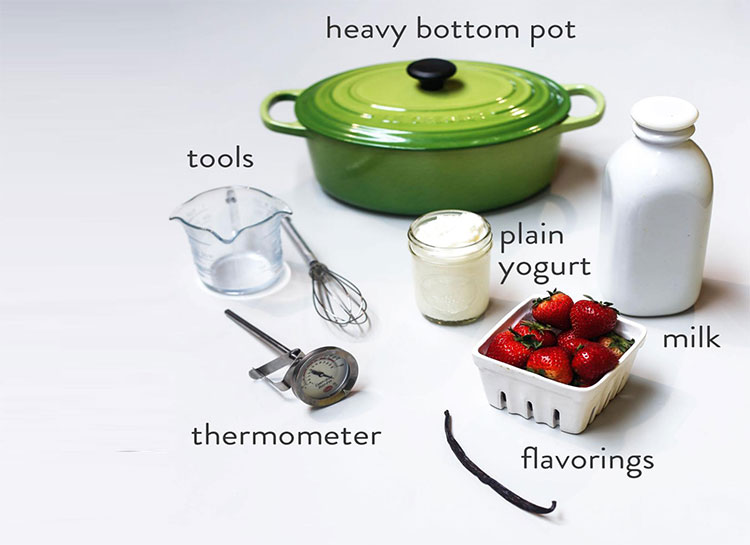
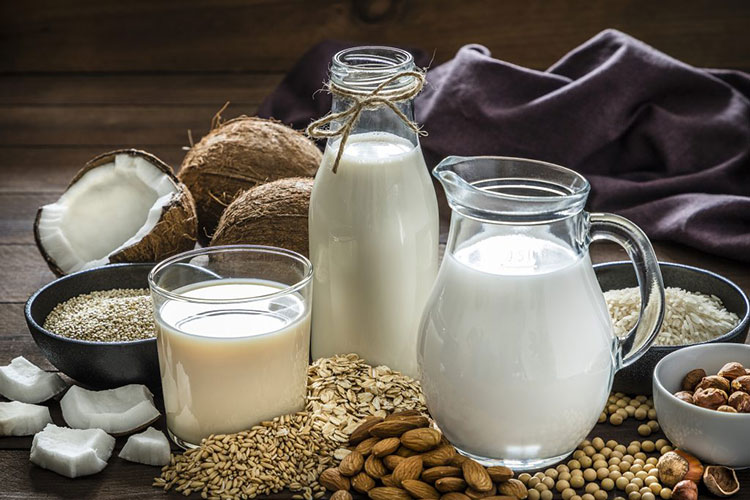
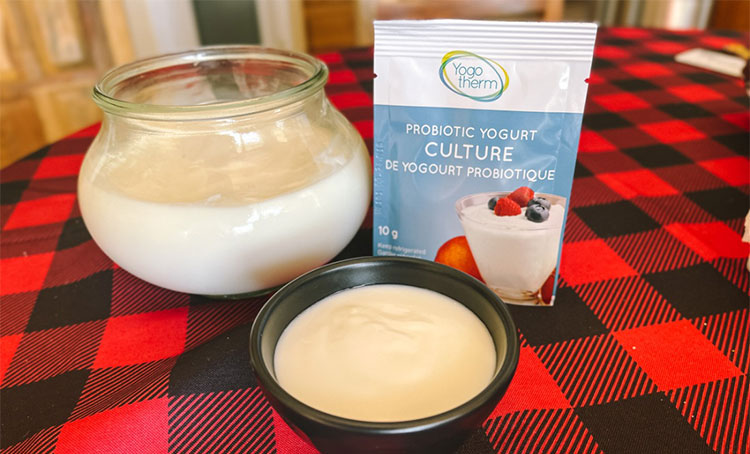
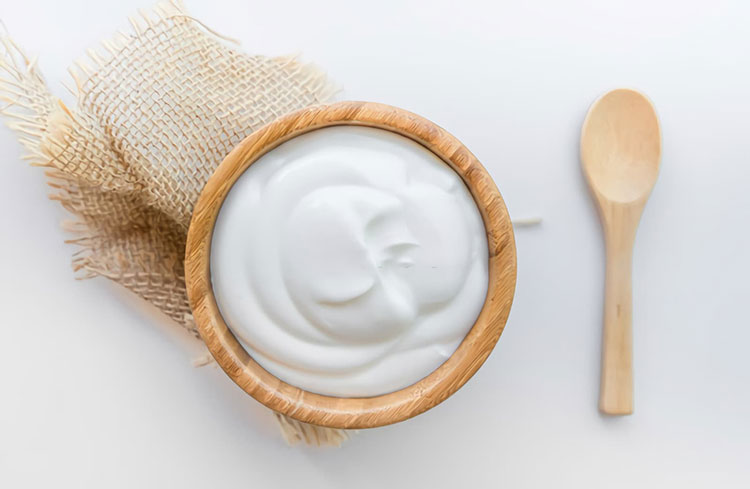
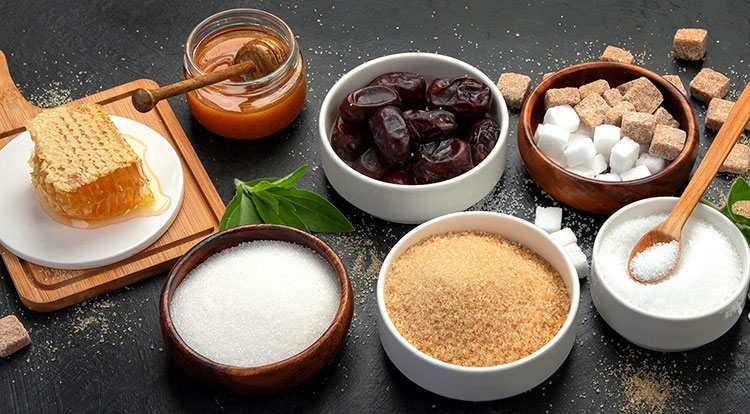
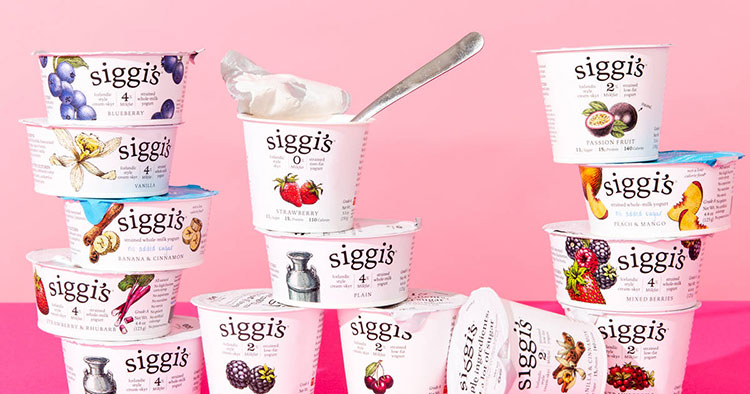
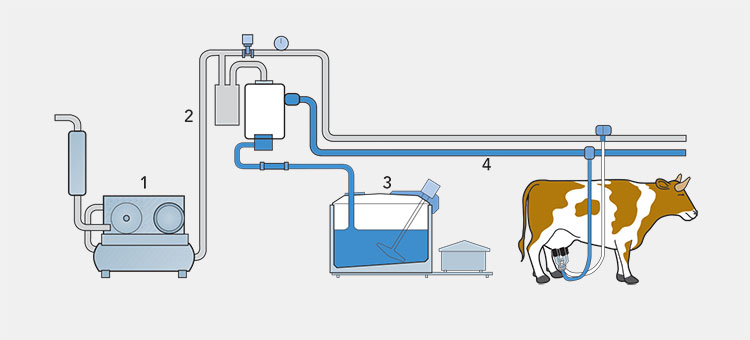


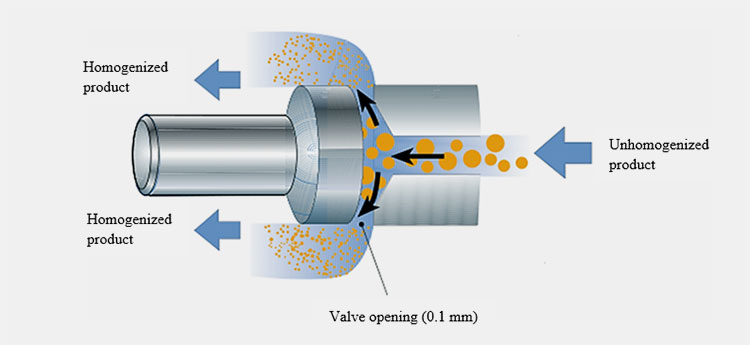
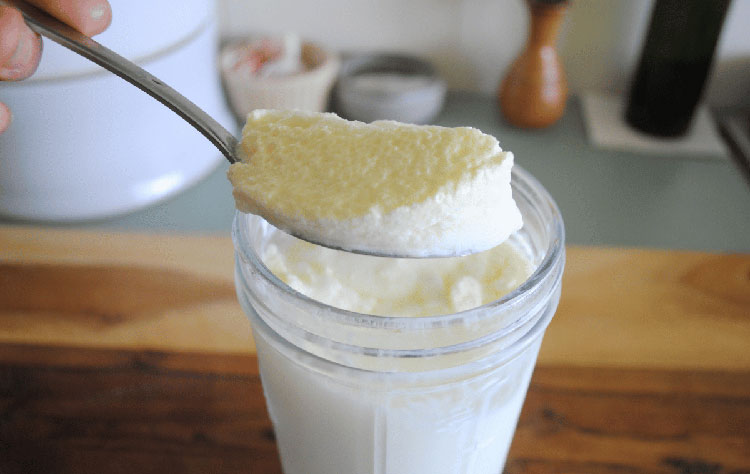
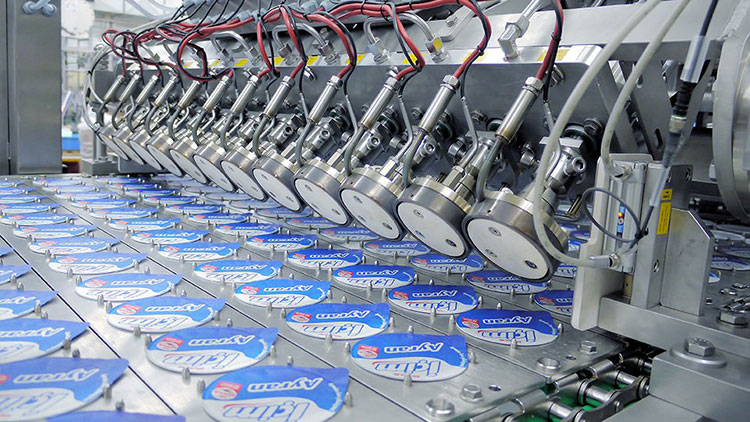
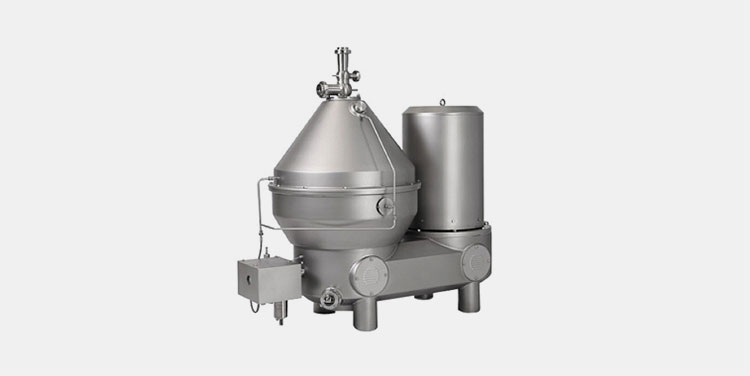
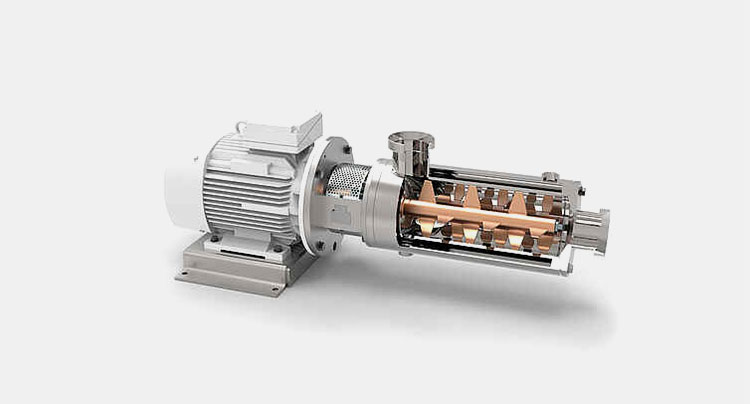
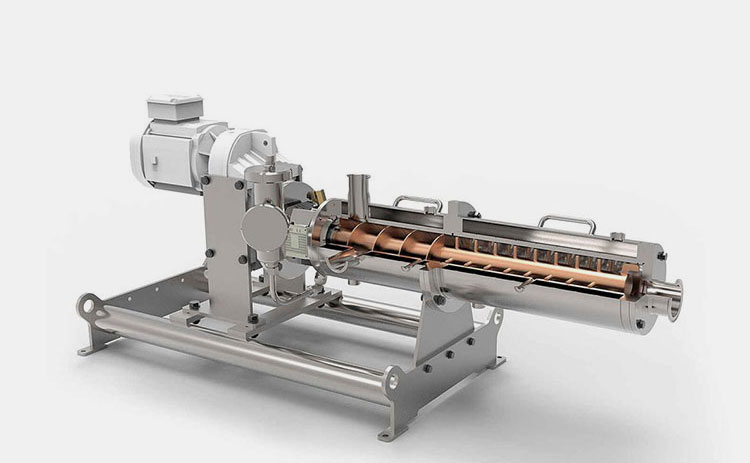
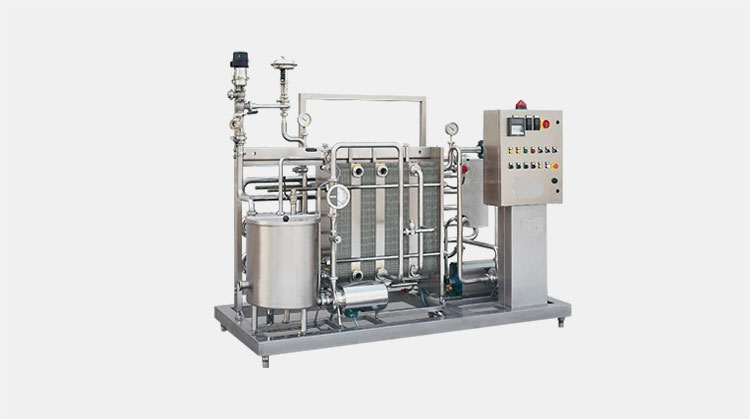
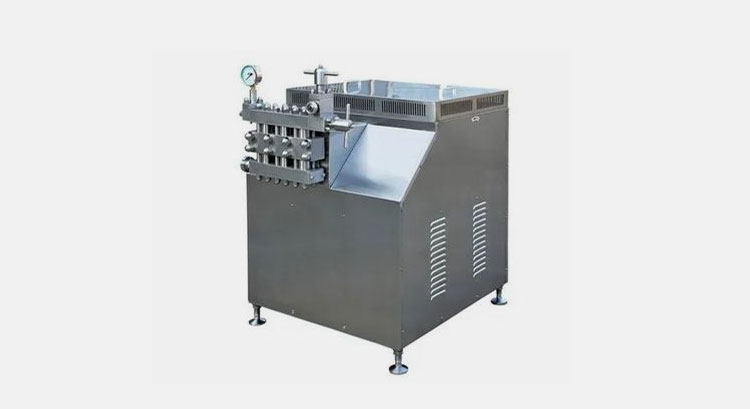
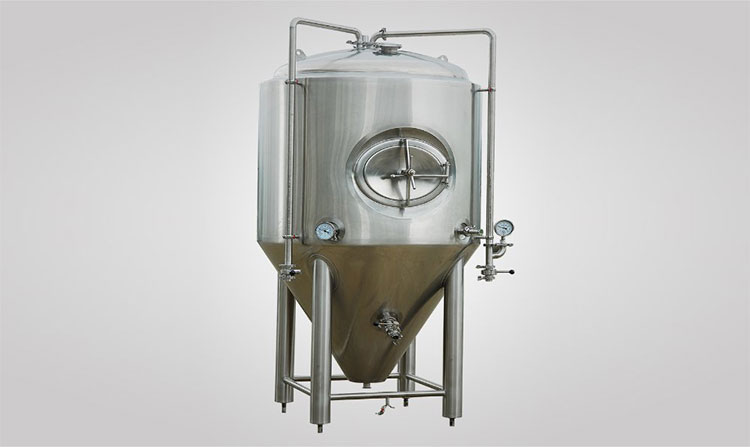
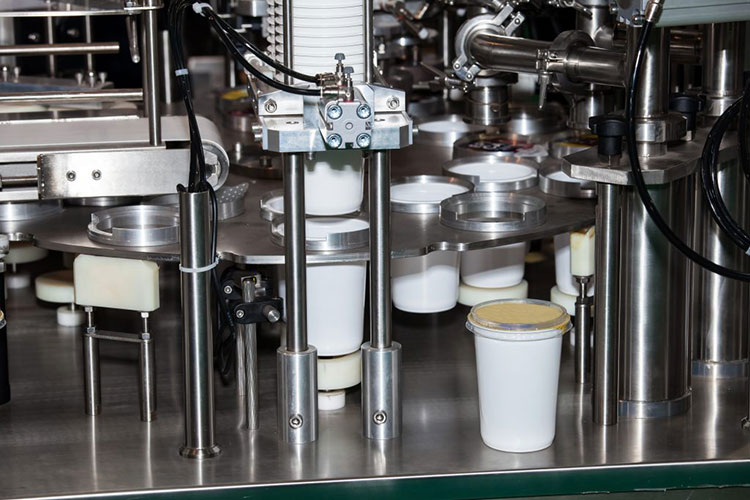

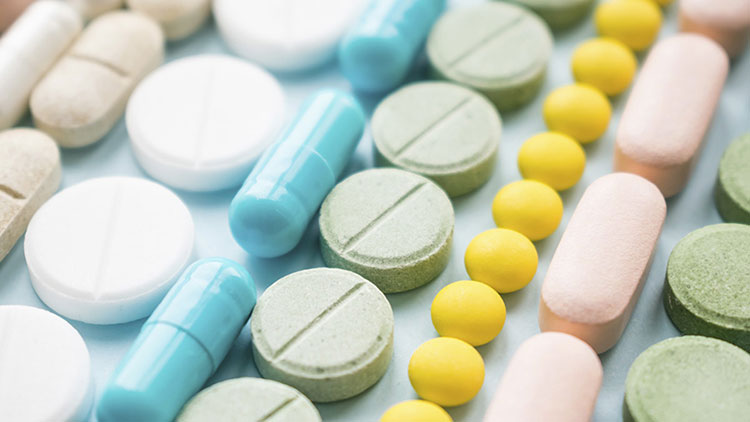
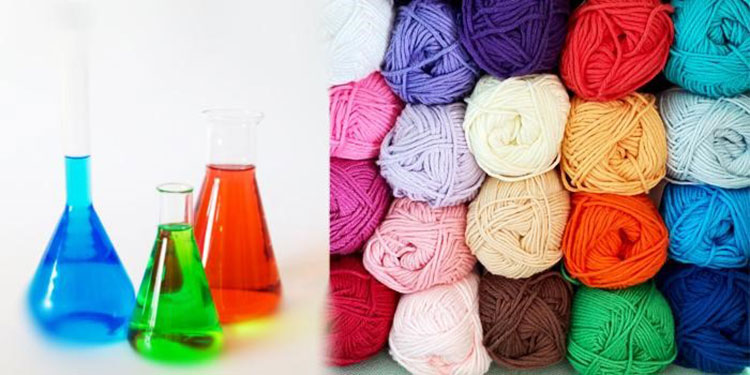
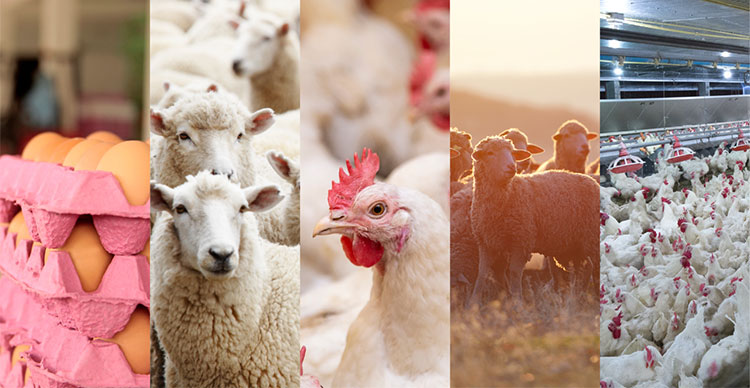
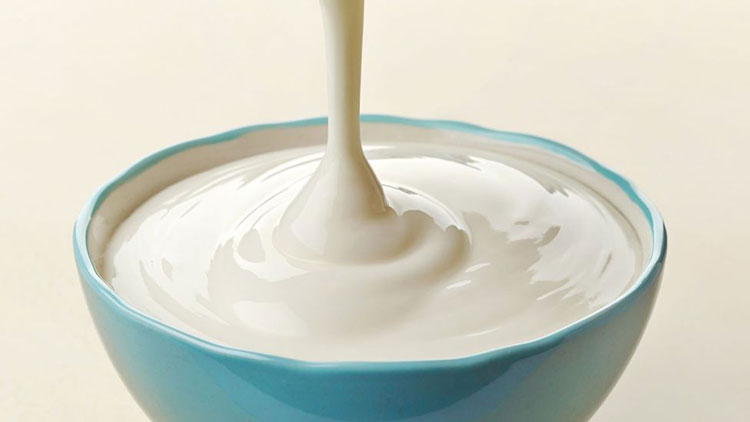
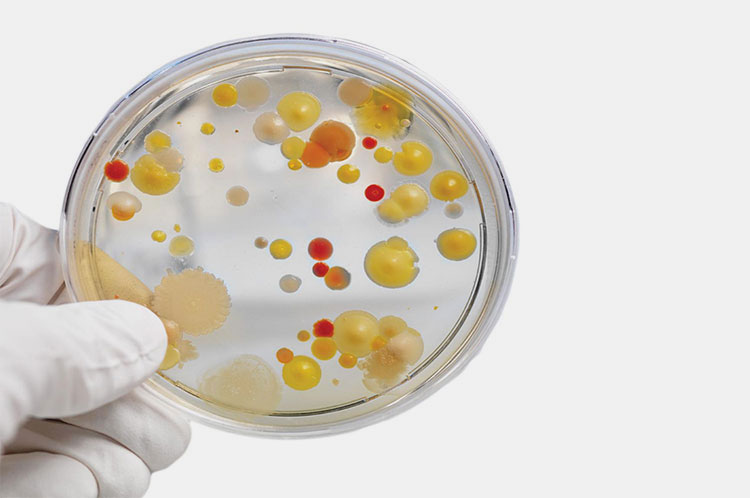
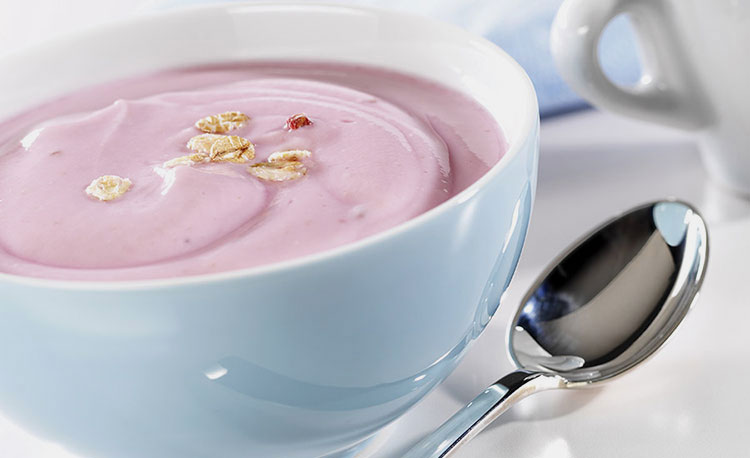
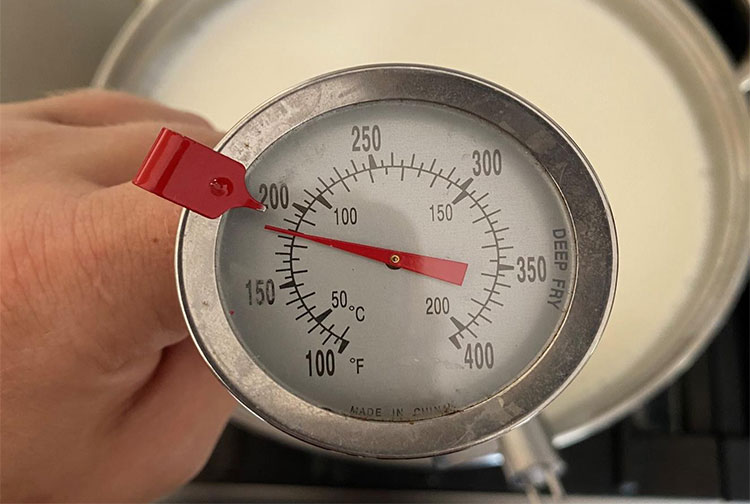
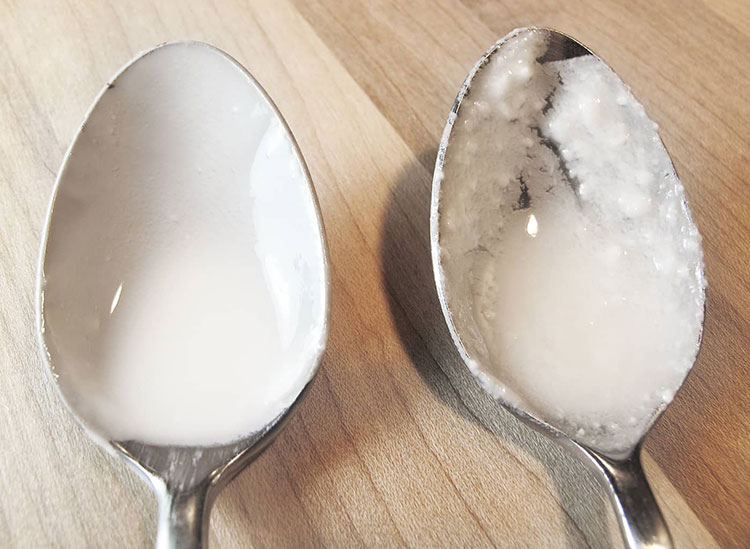
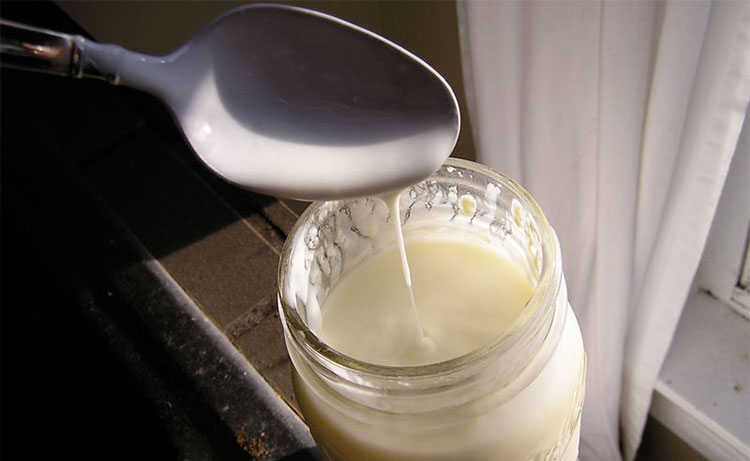

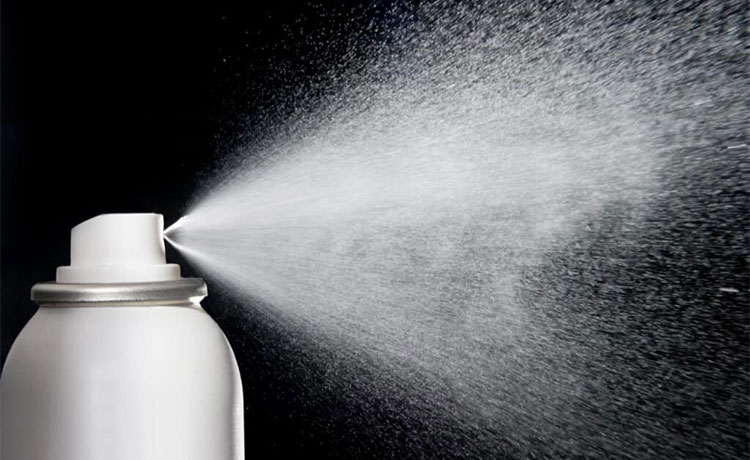
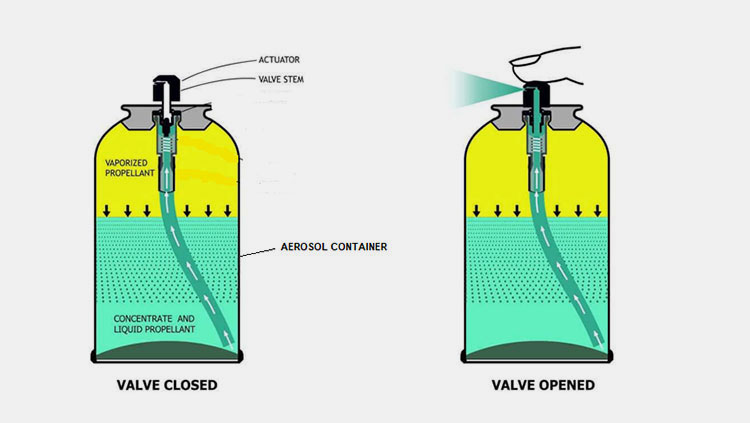
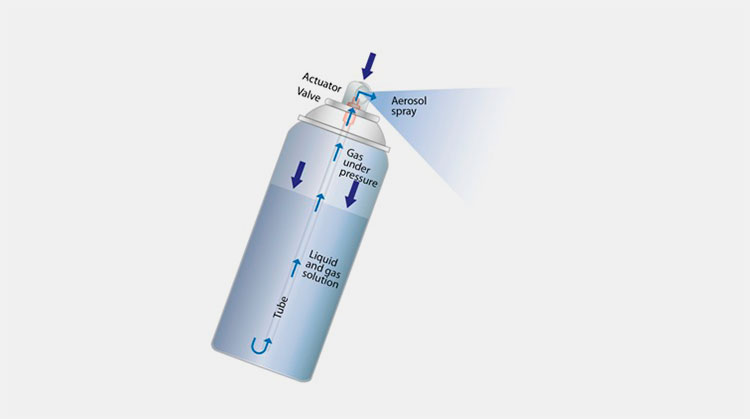

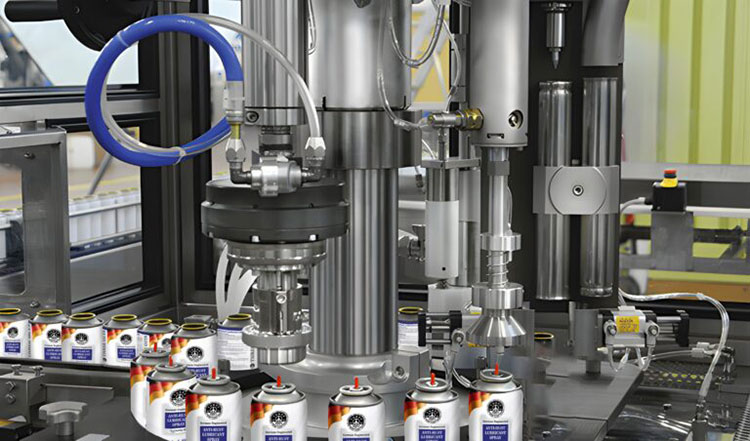
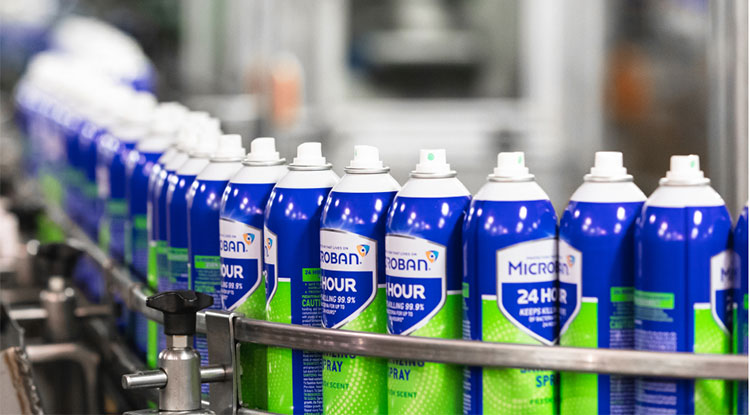
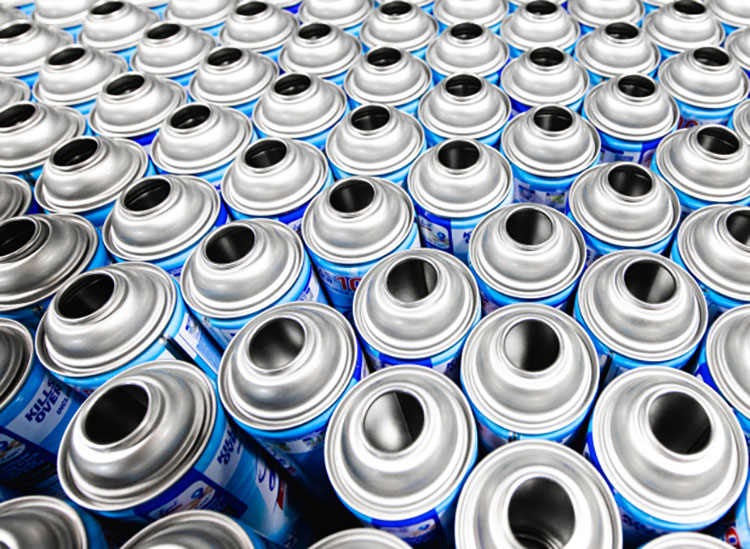
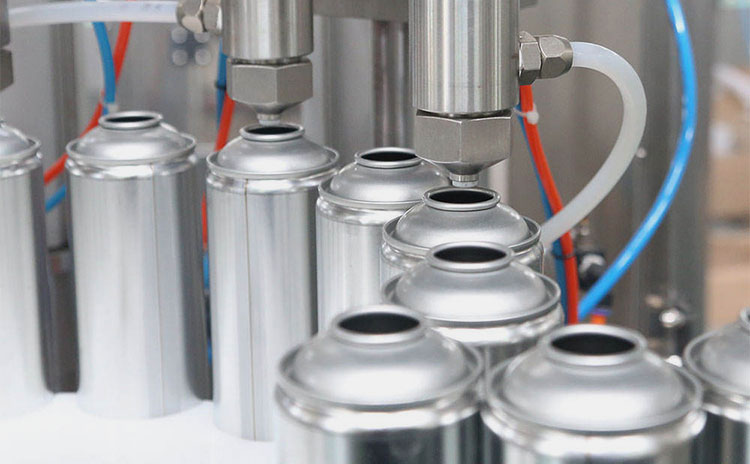
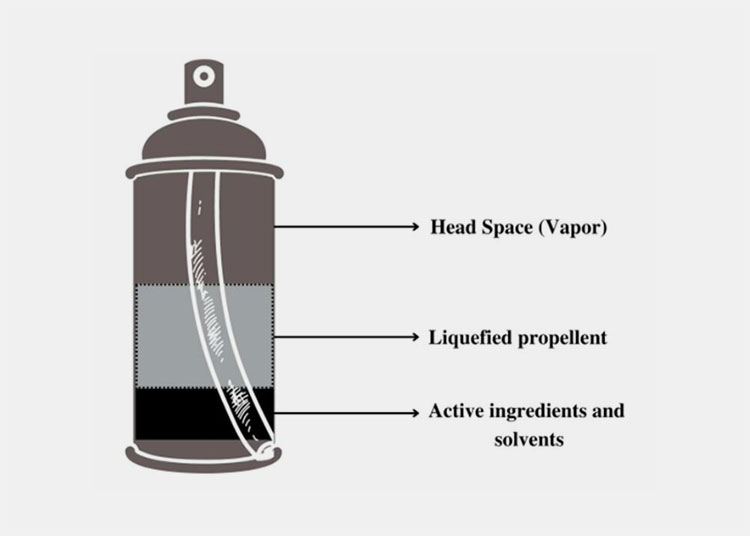
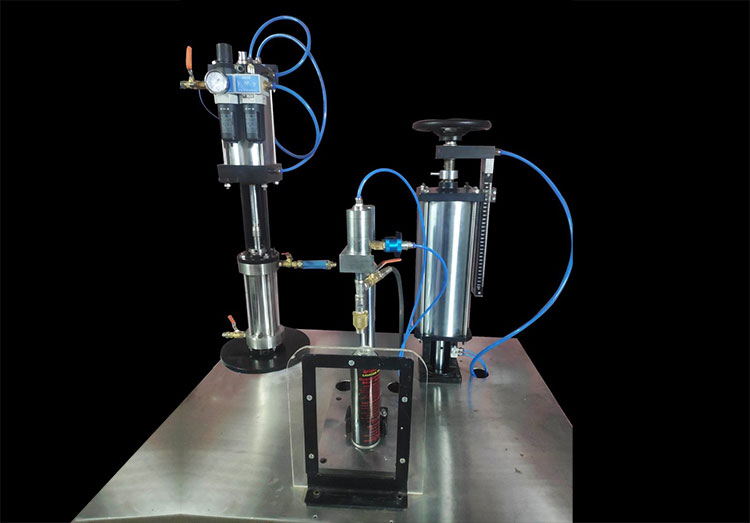
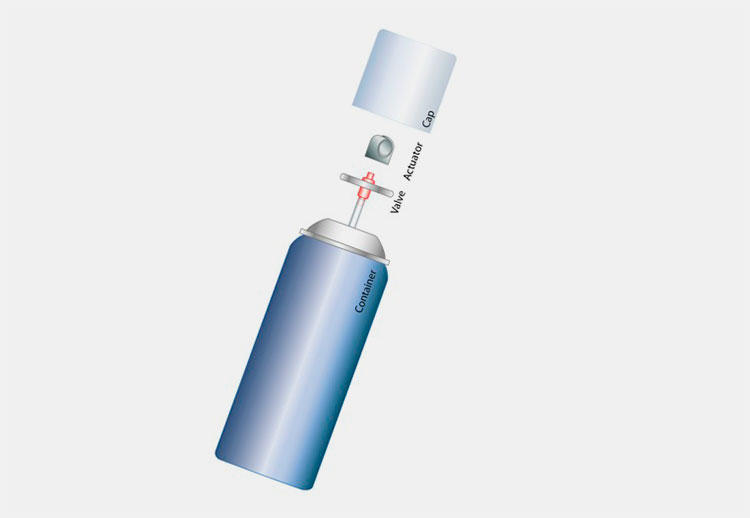
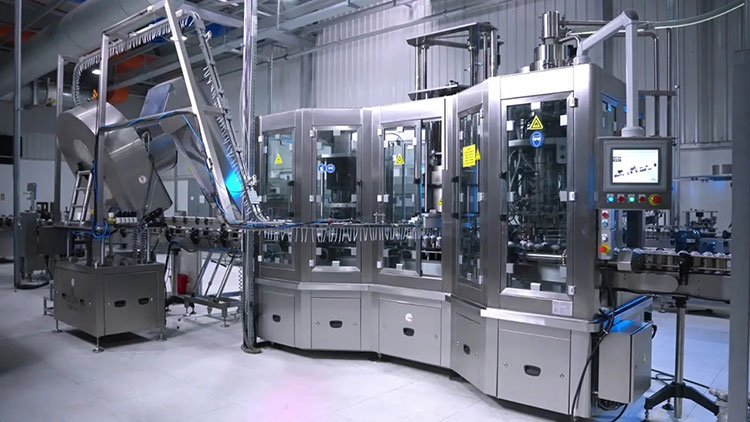
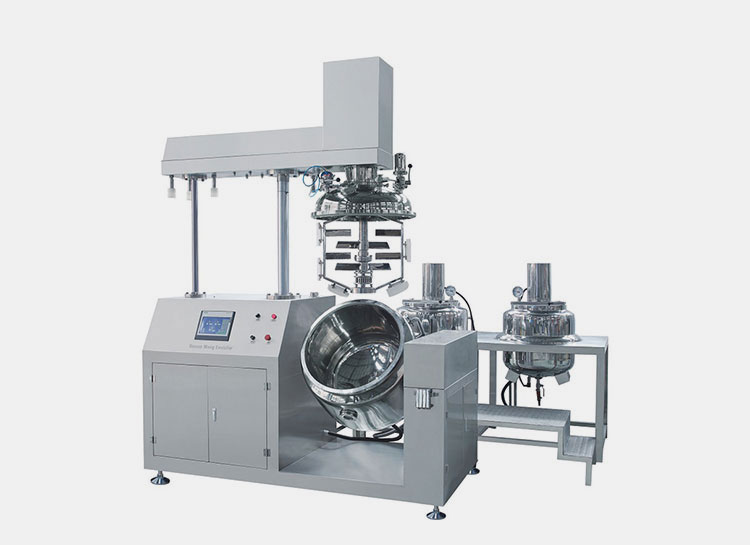
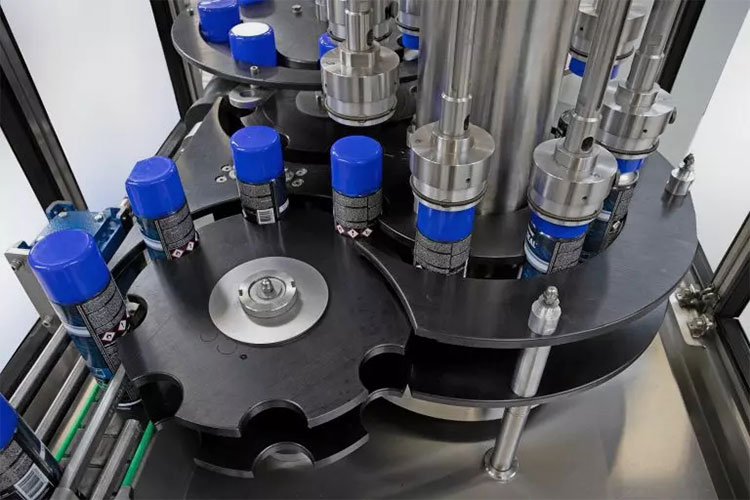
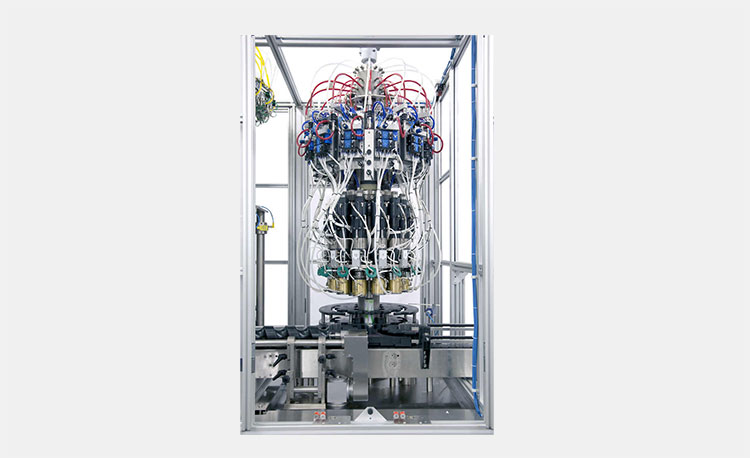
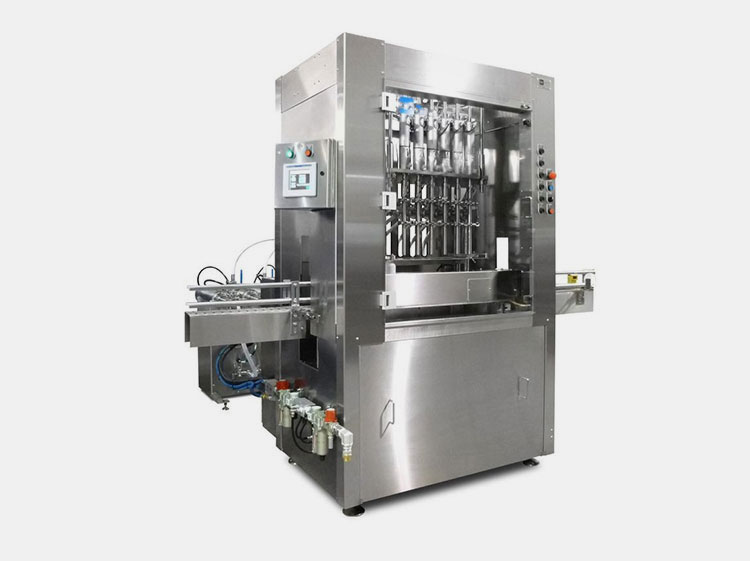
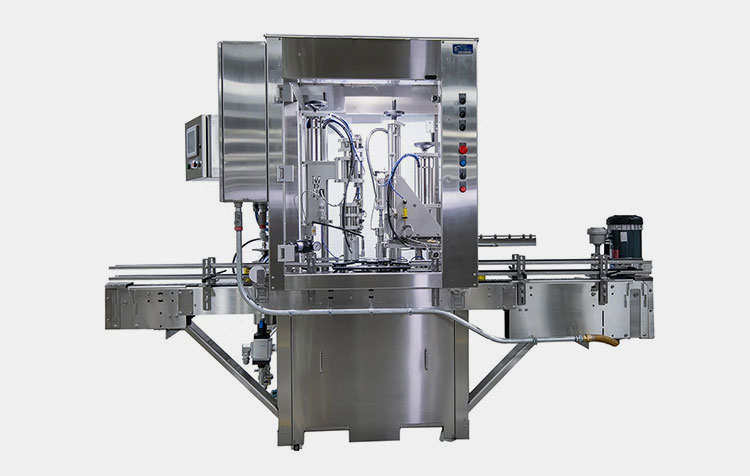
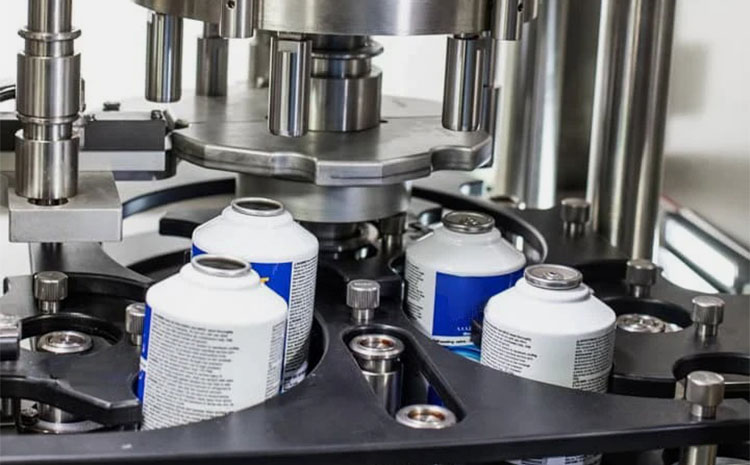
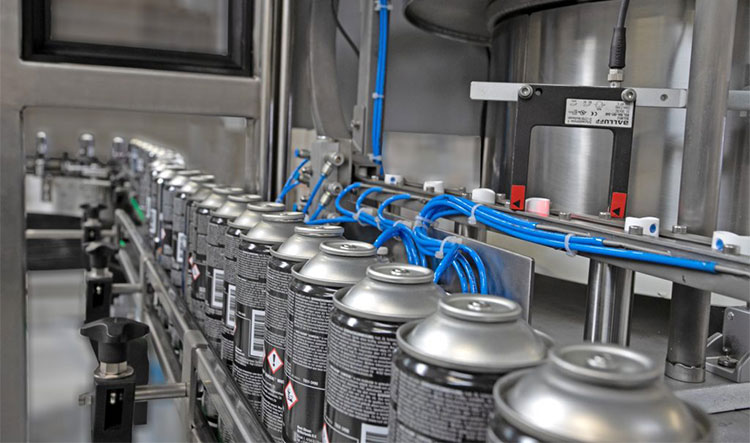
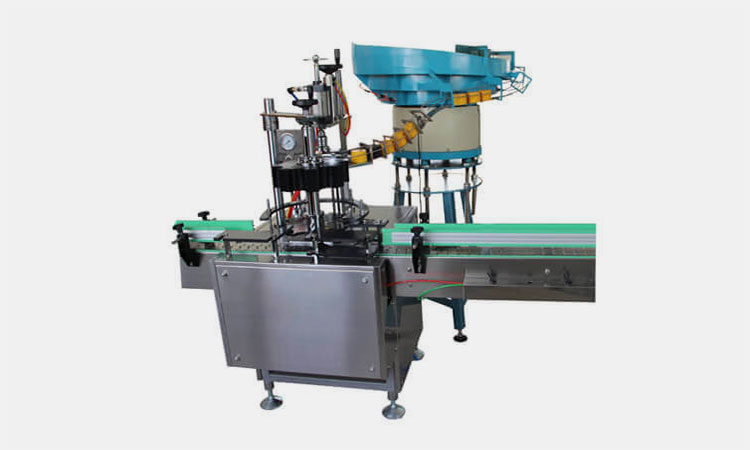
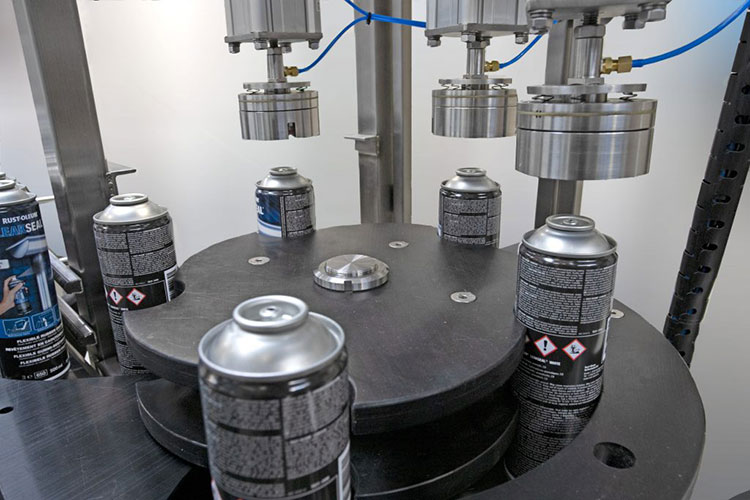




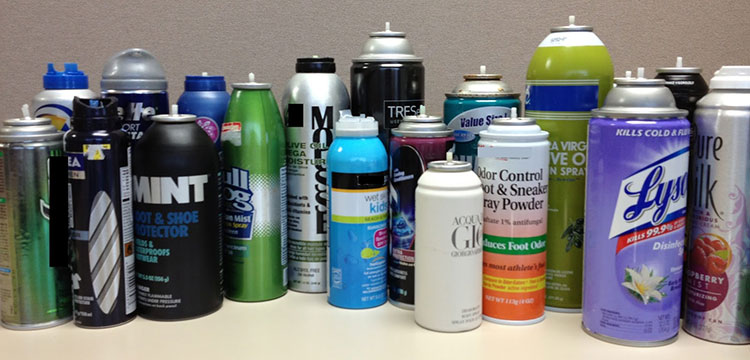


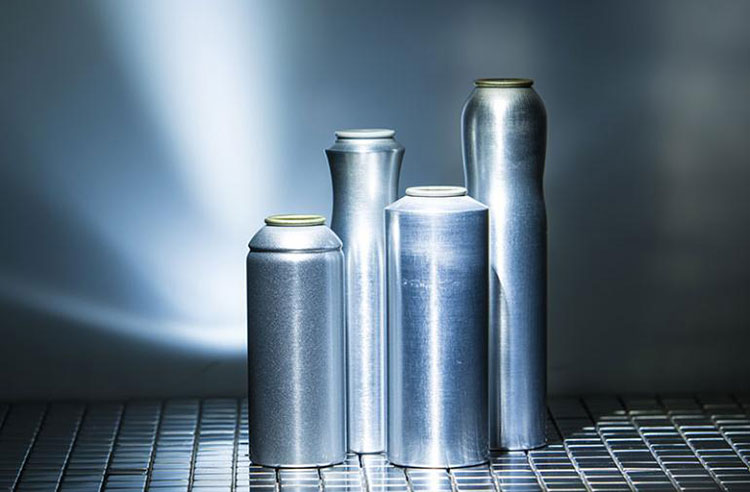

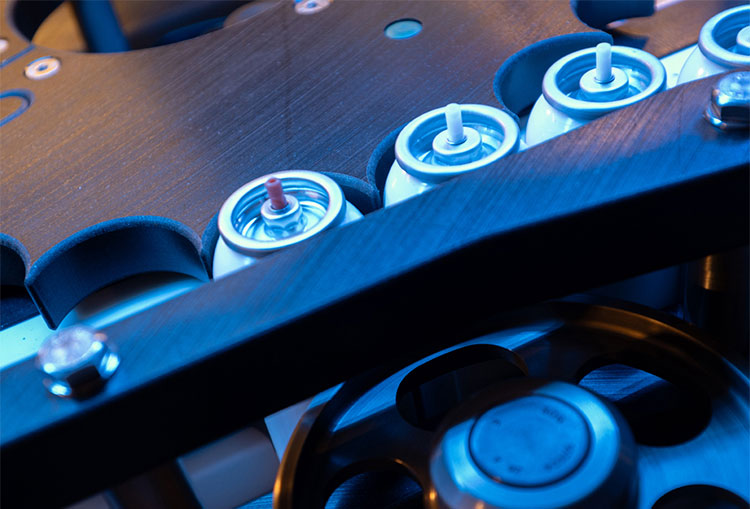

 Tell us your material or budget, we'll reply you ASAP within 24 hours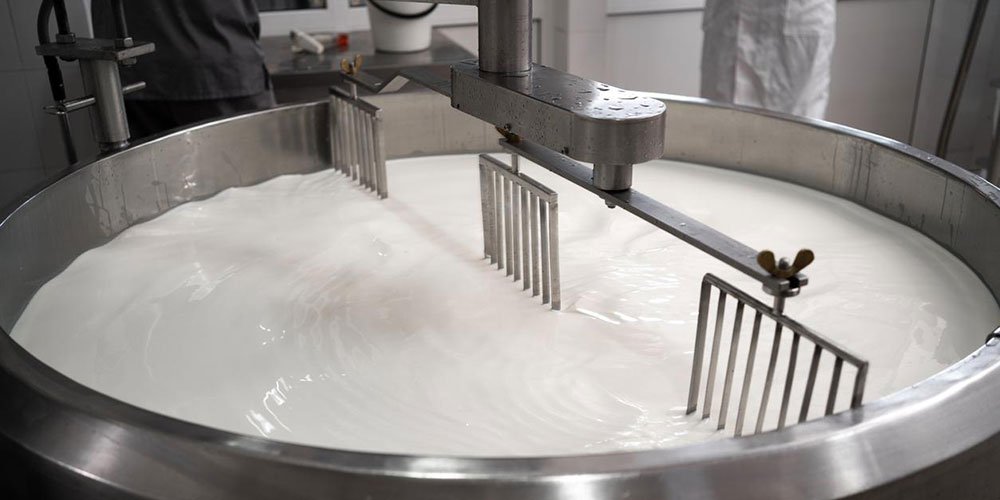
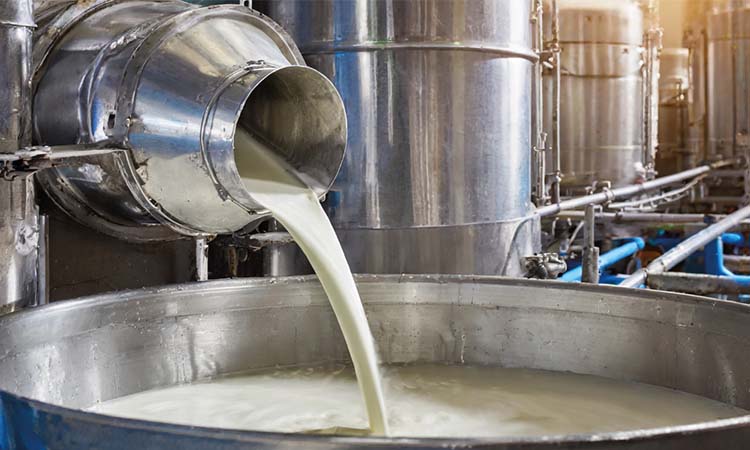
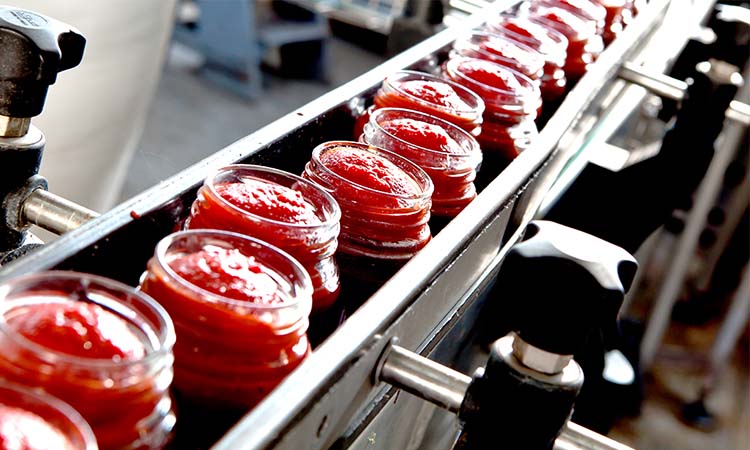
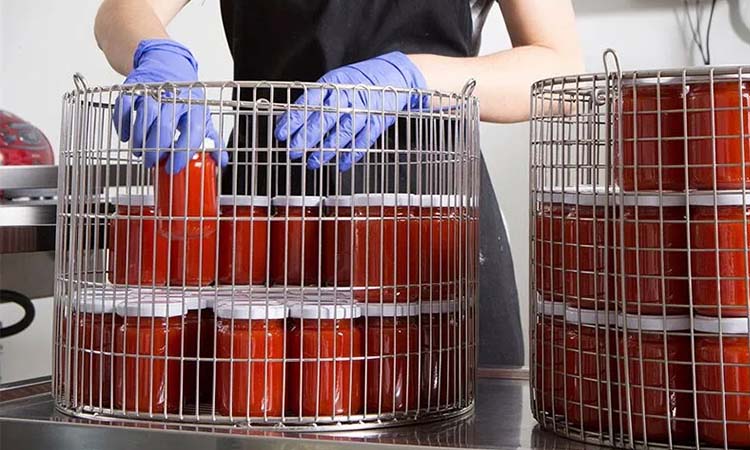
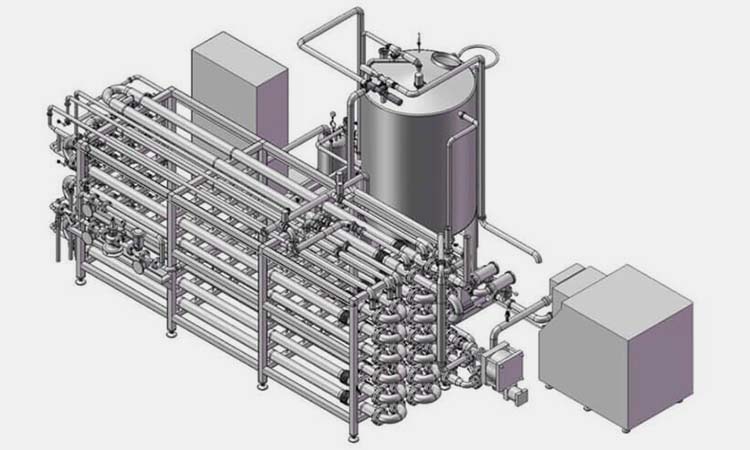
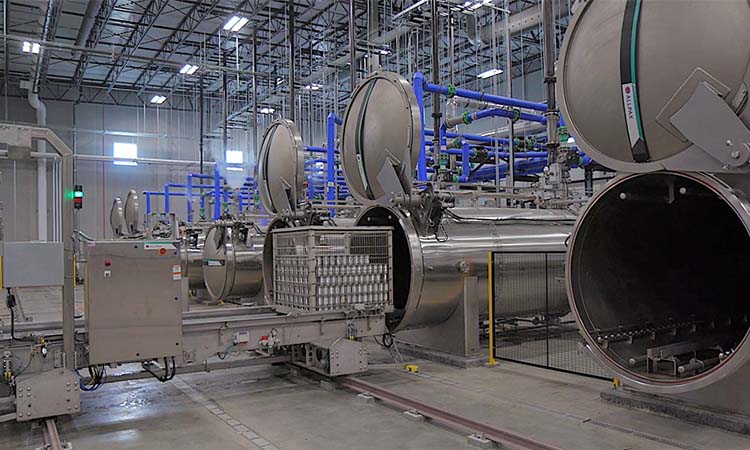
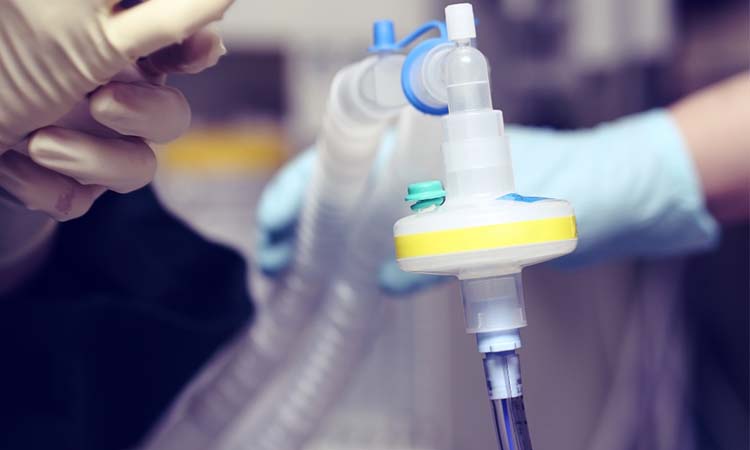

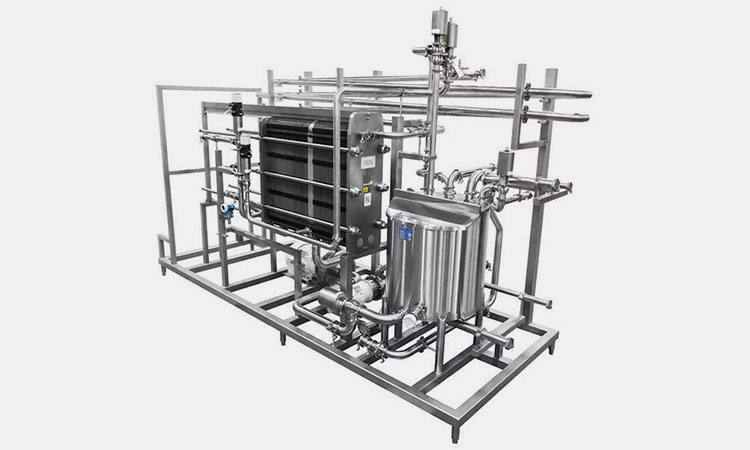
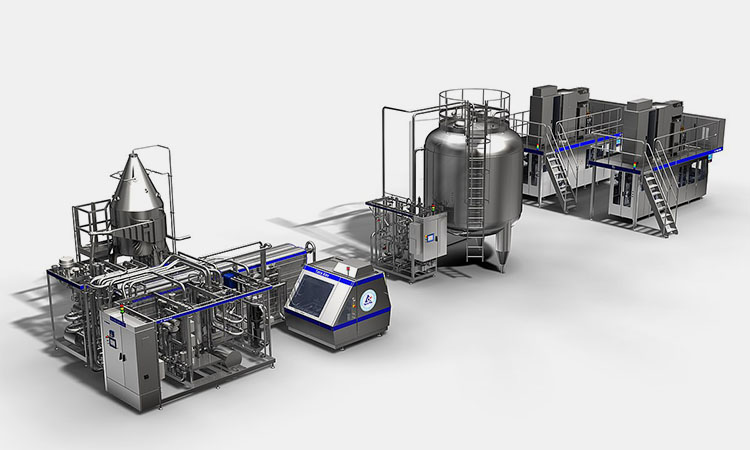
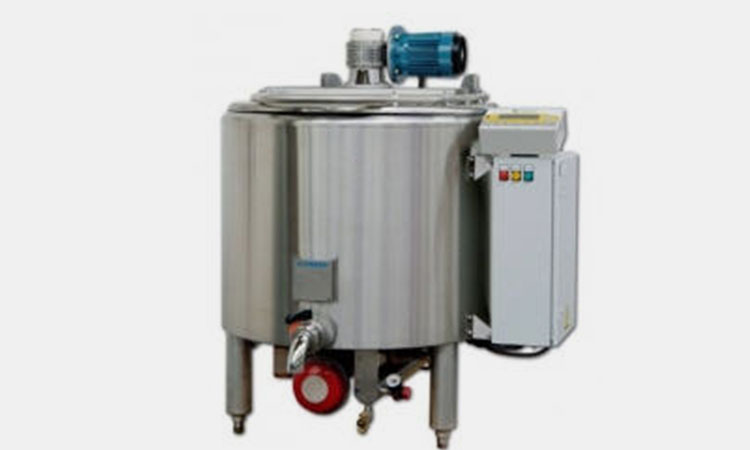
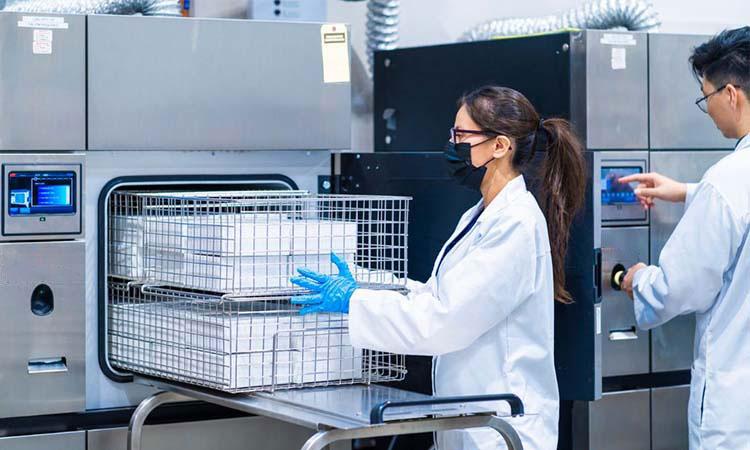
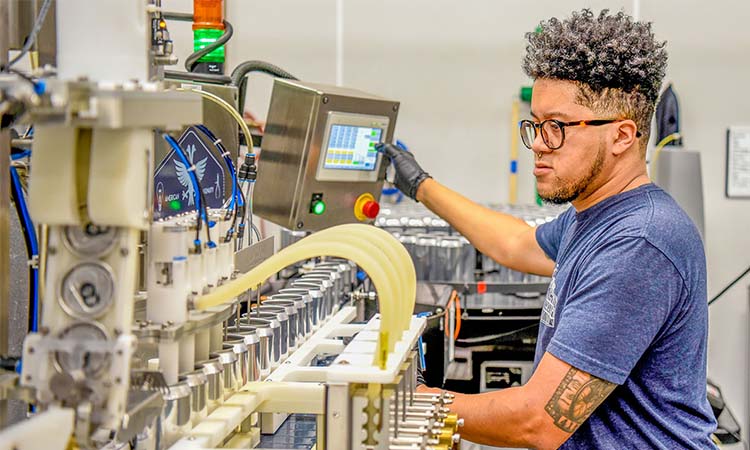
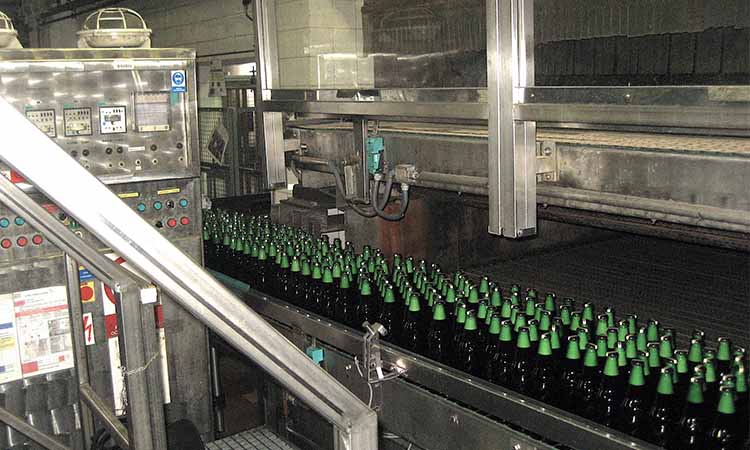
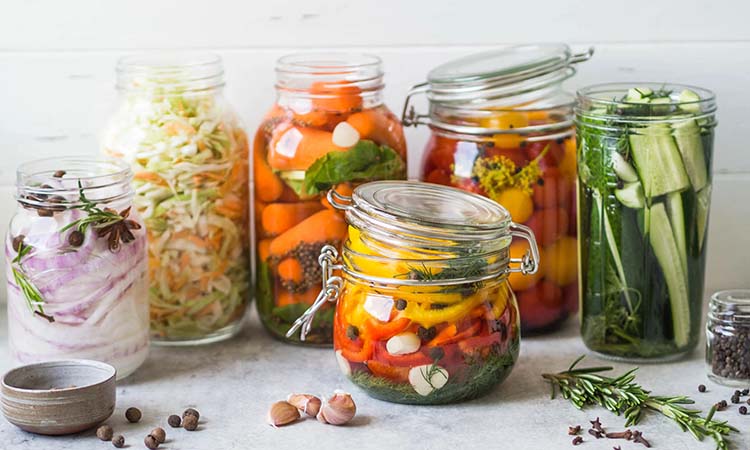
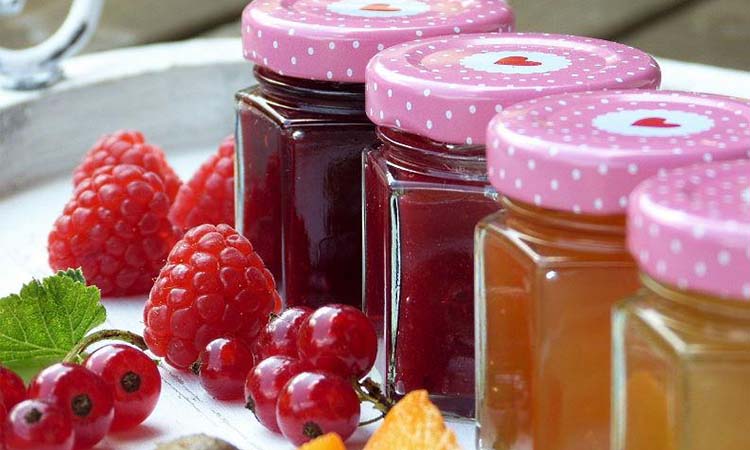
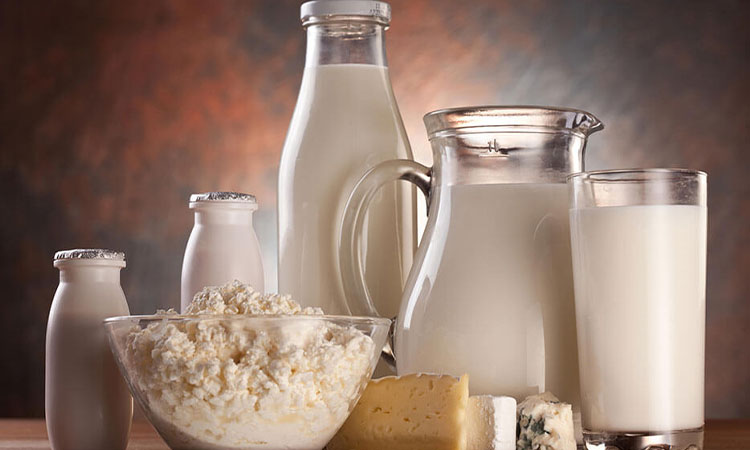
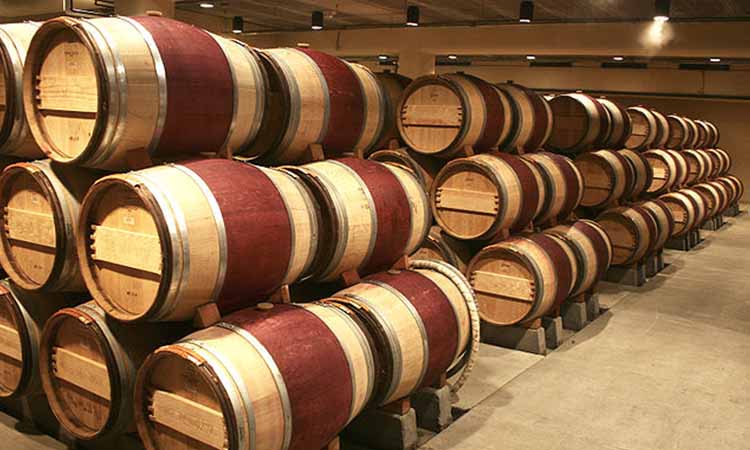
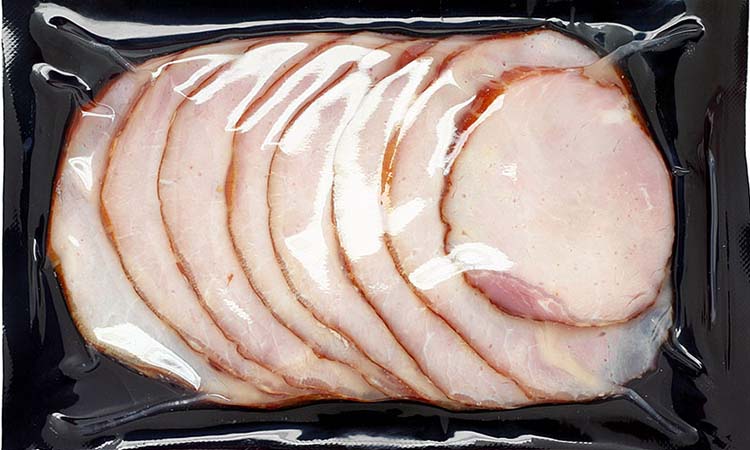

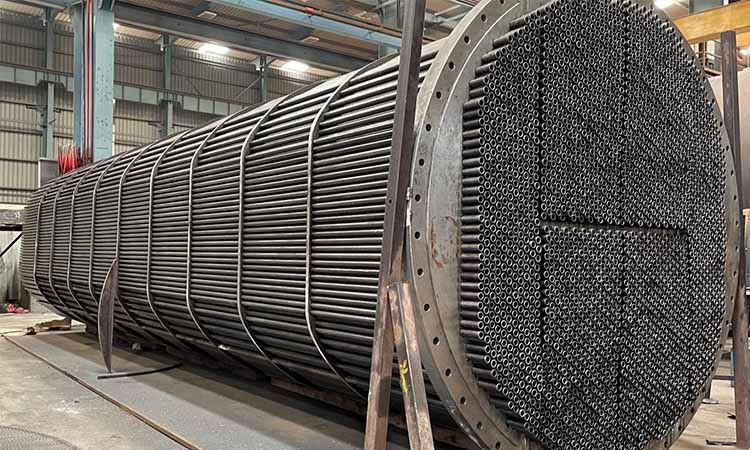
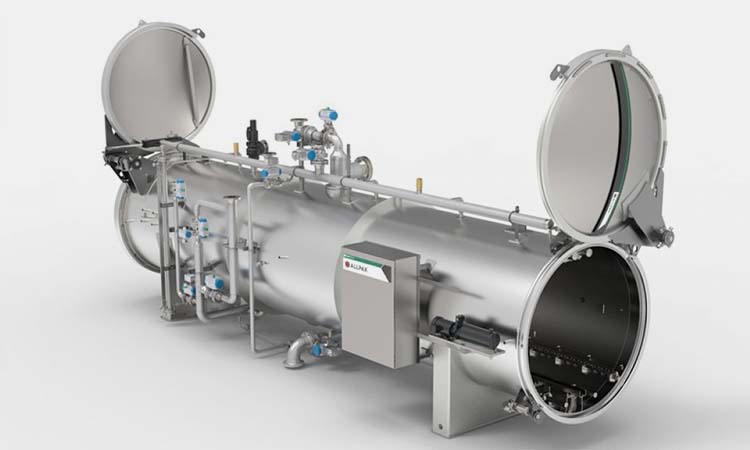

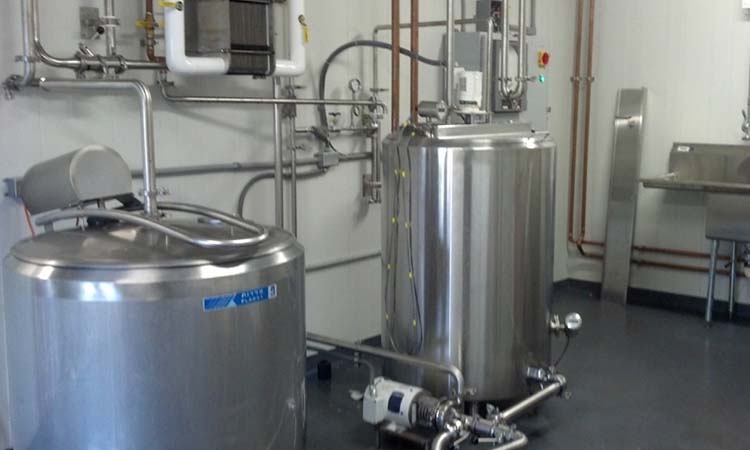
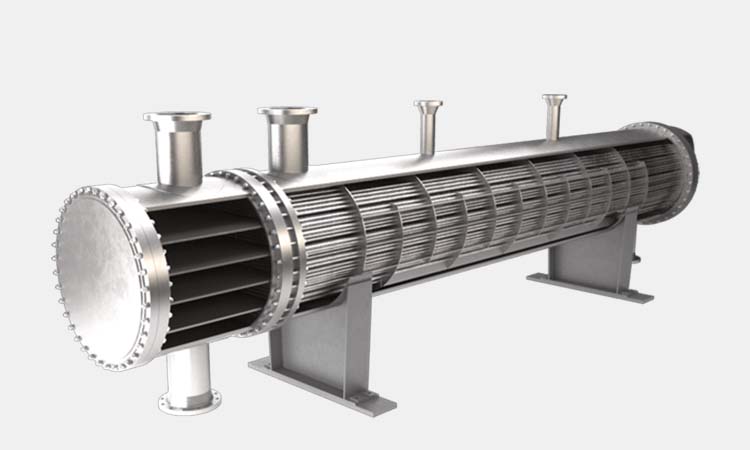
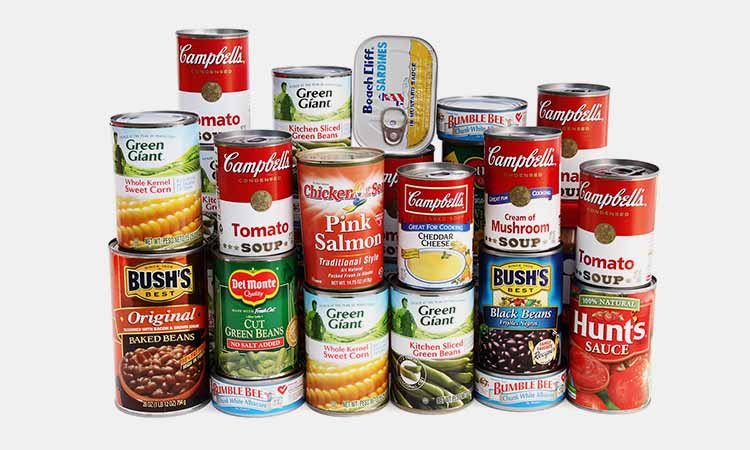
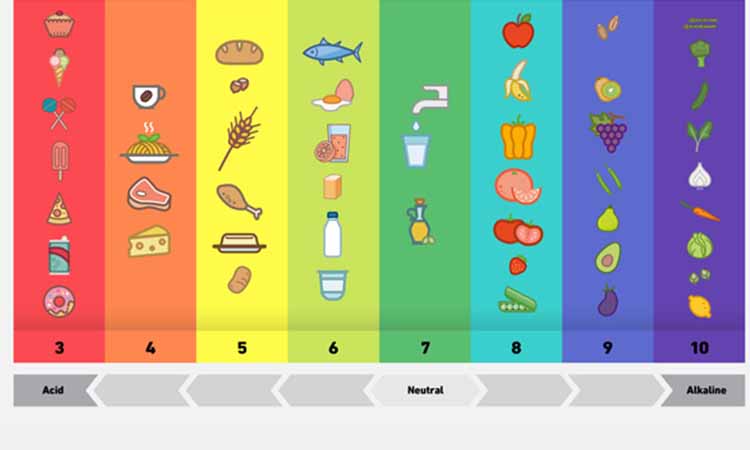
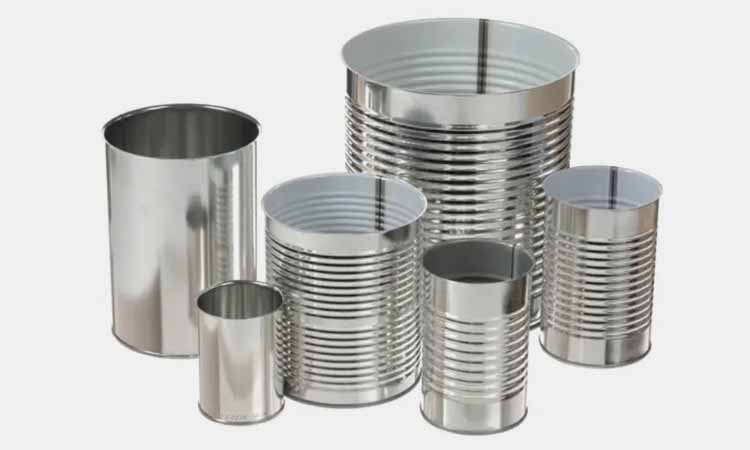
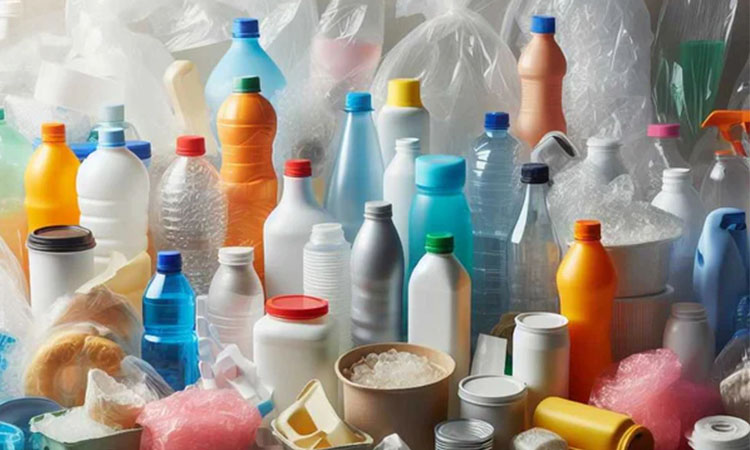
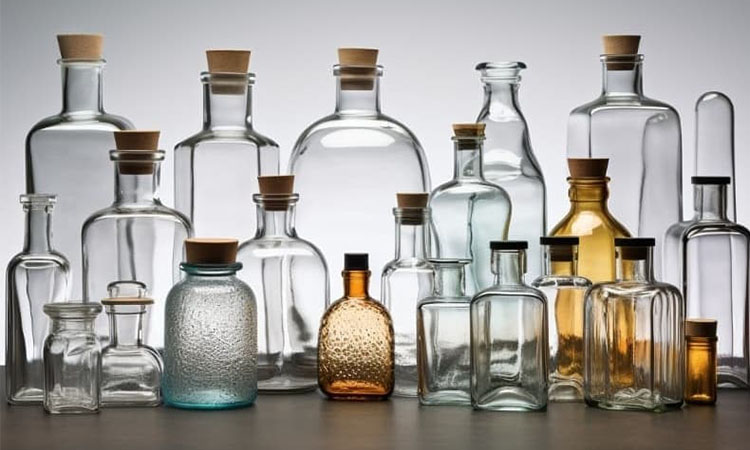
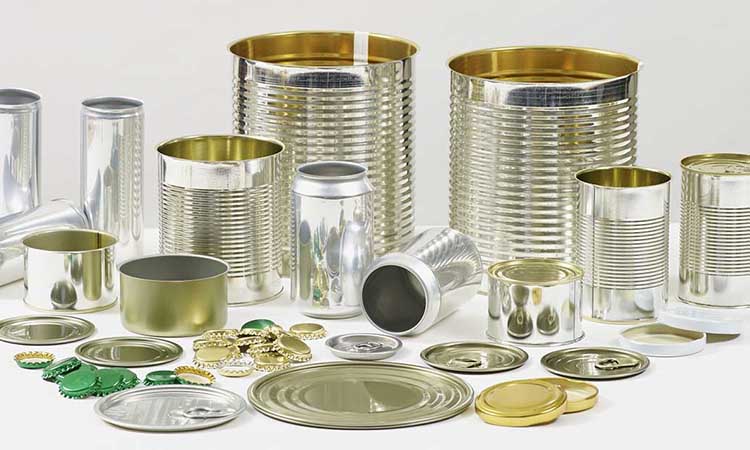
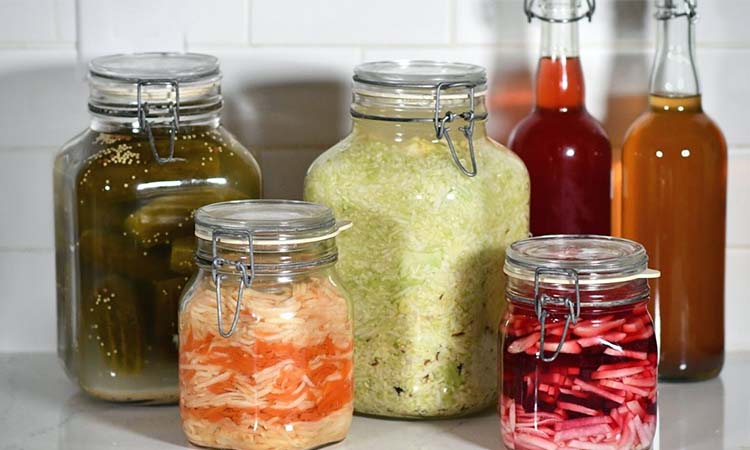
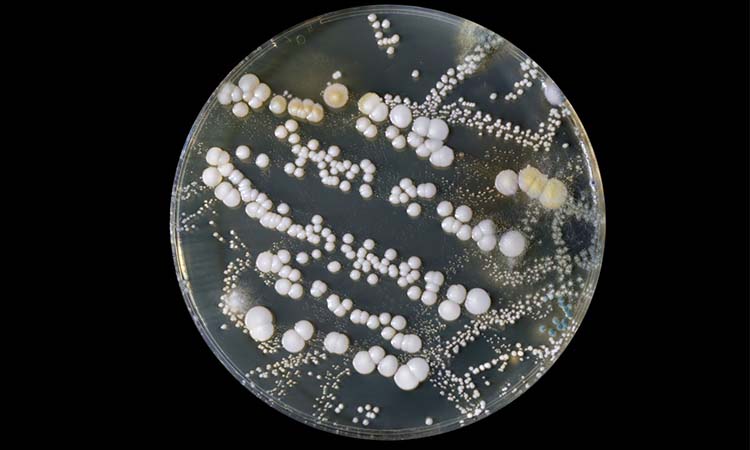
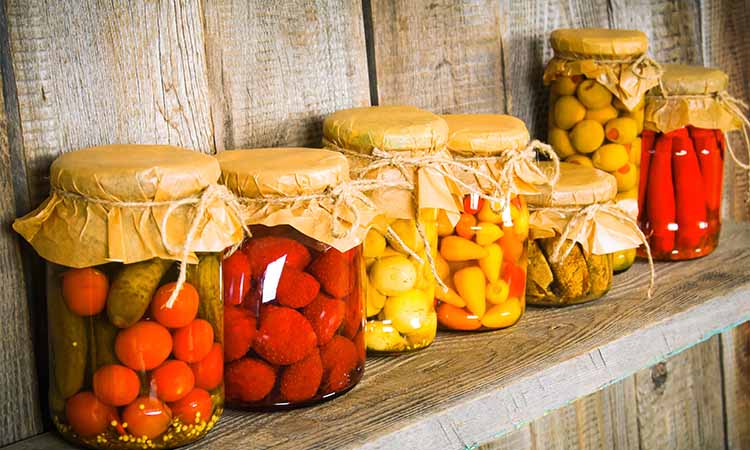

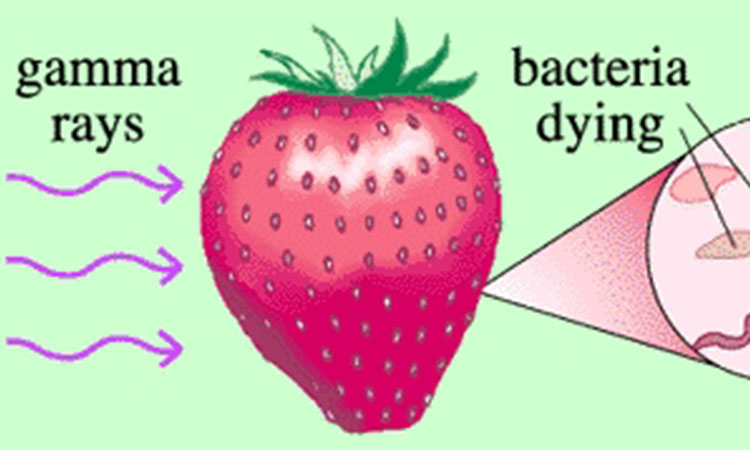
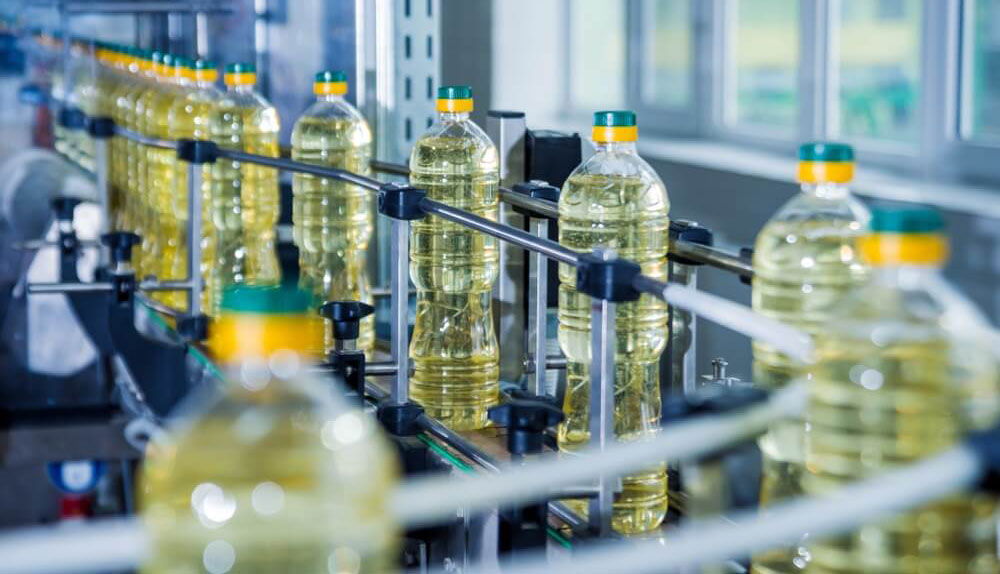
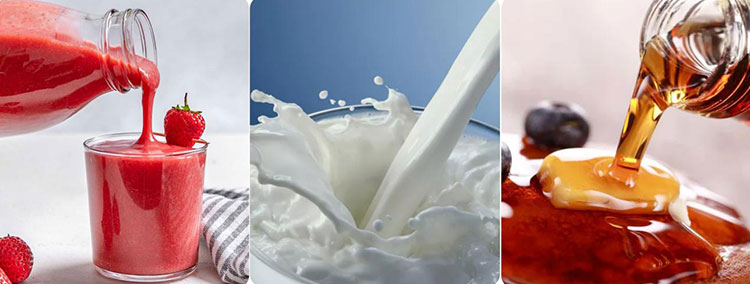
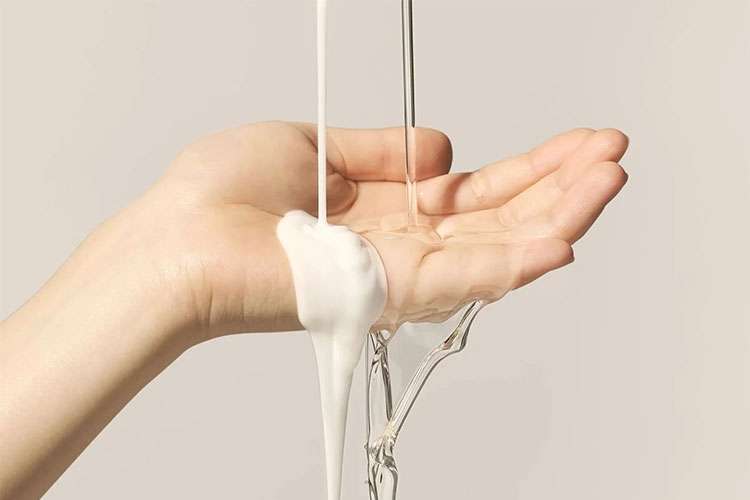
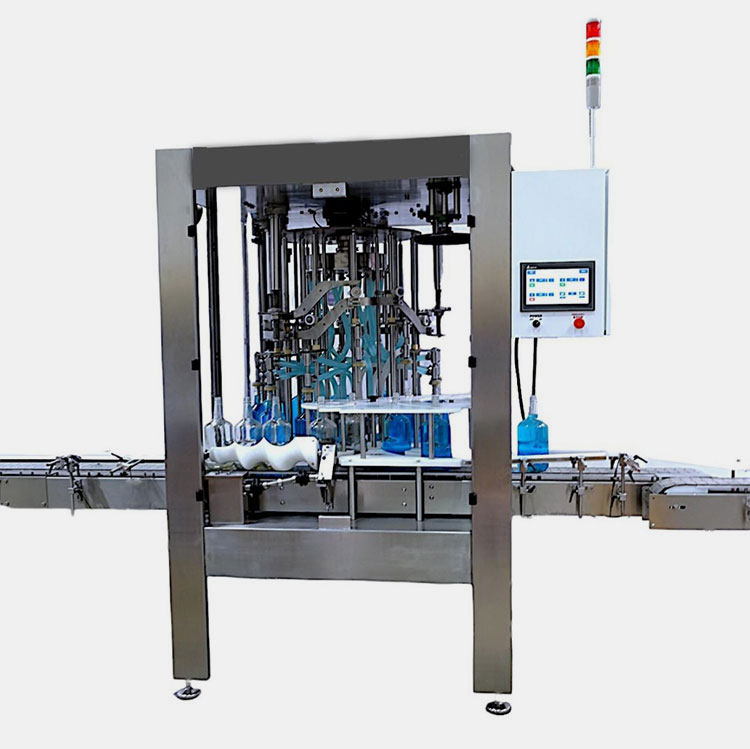
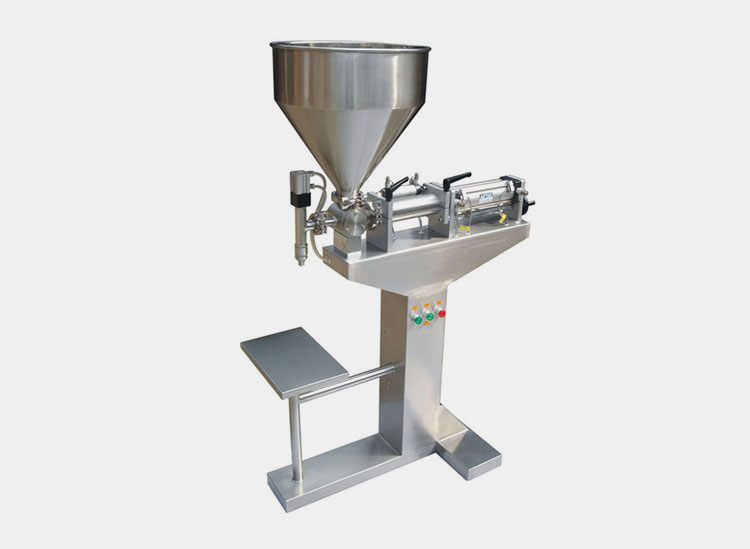
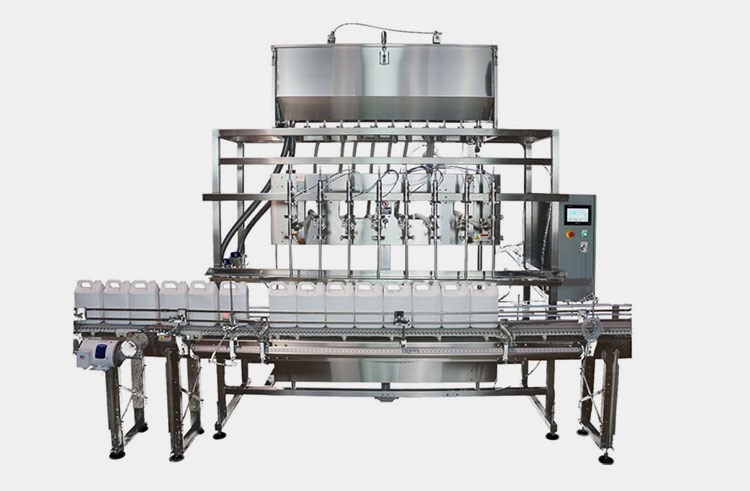
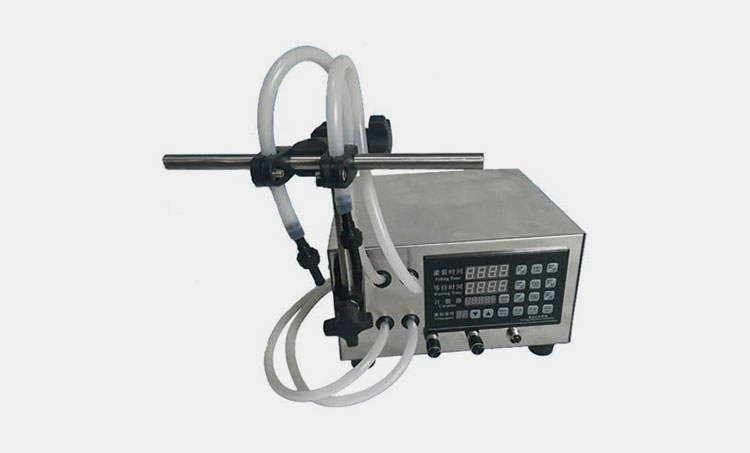
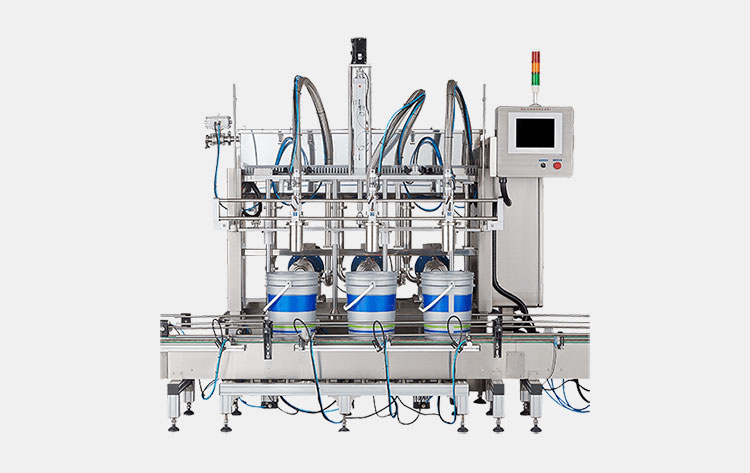
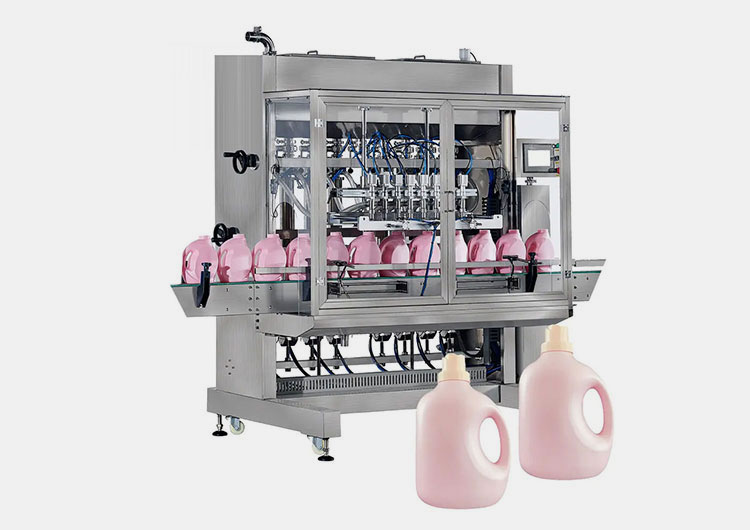
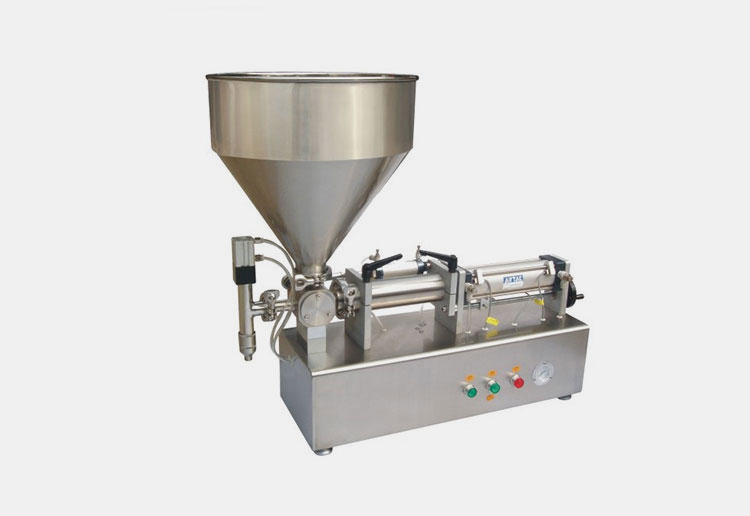
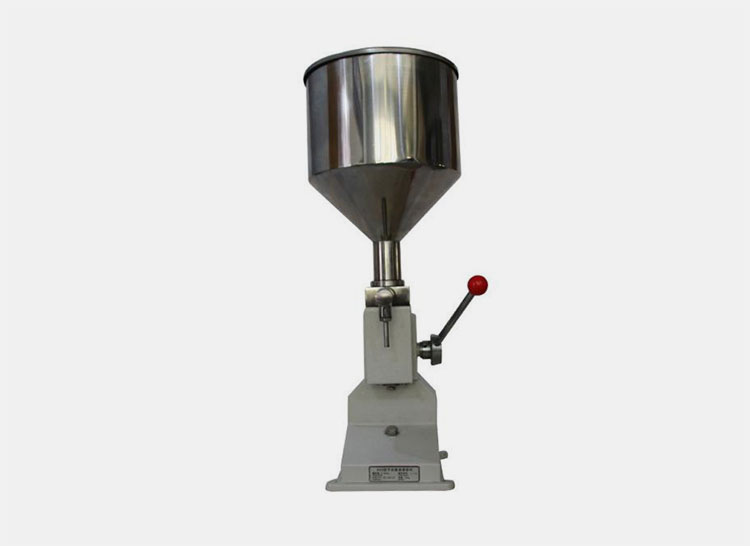
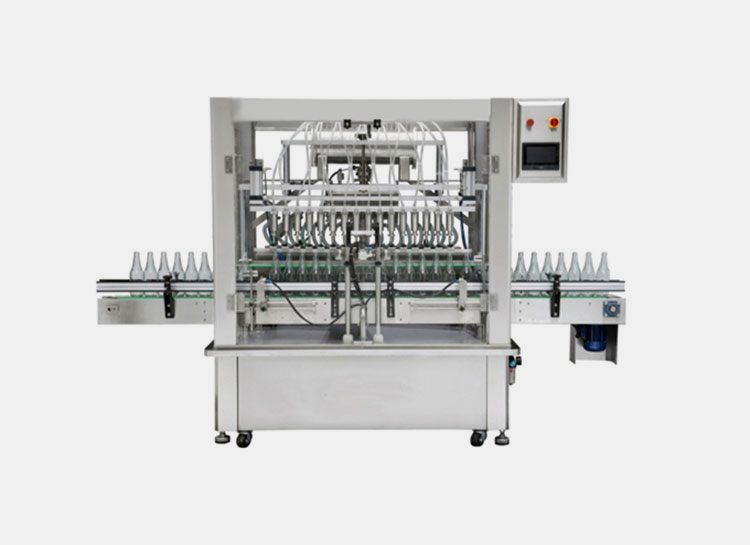
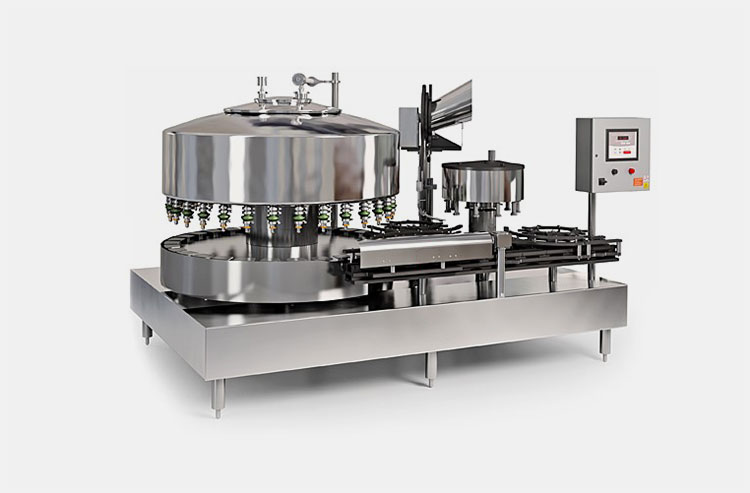

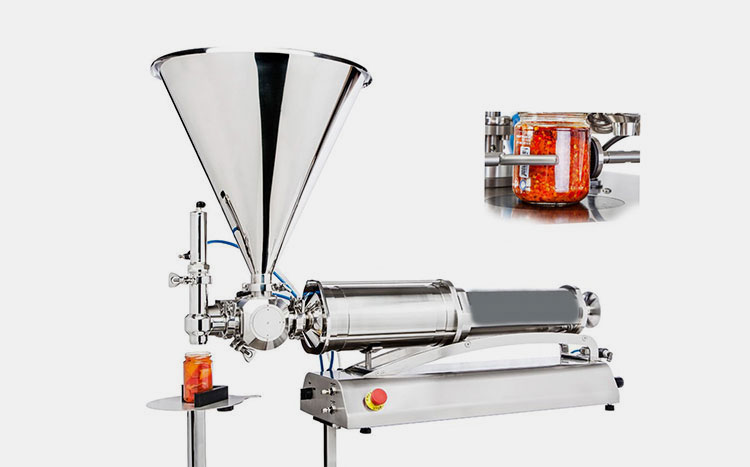
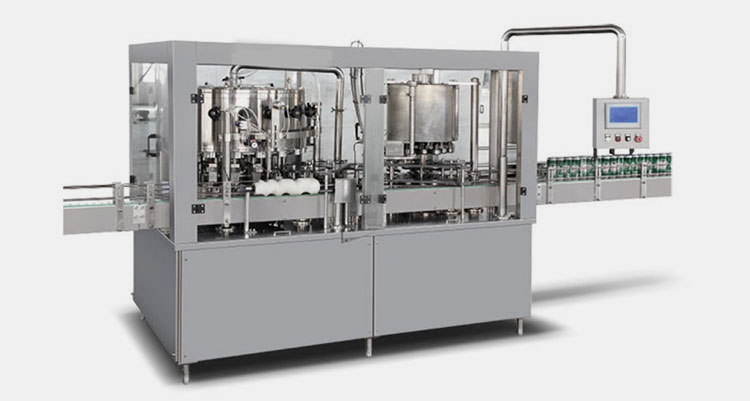
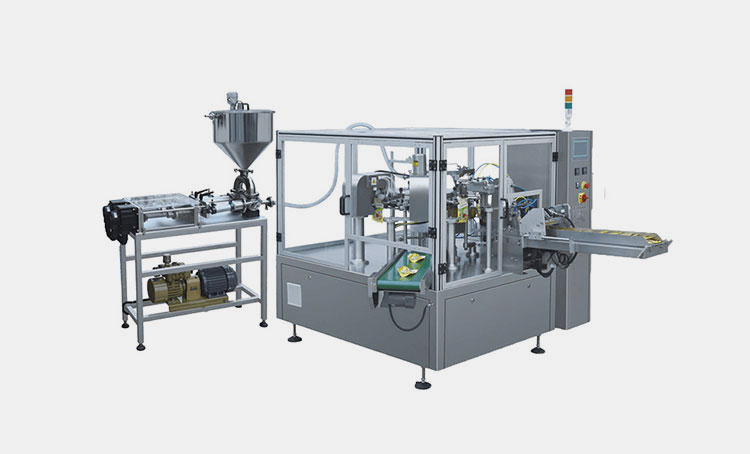
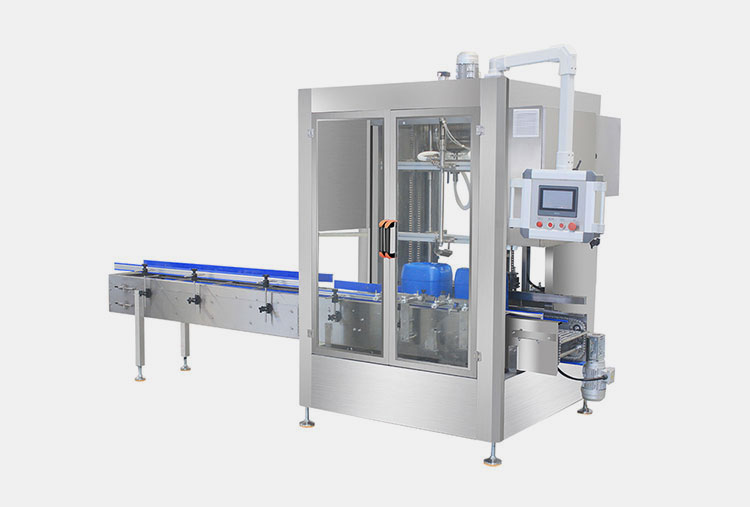
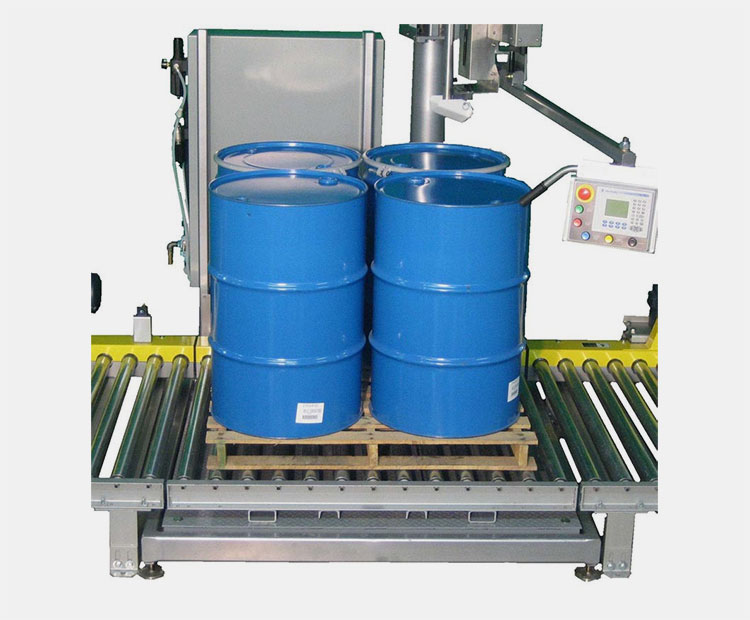
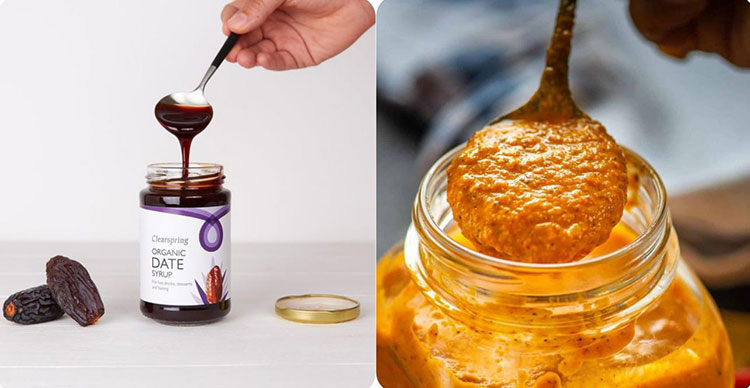
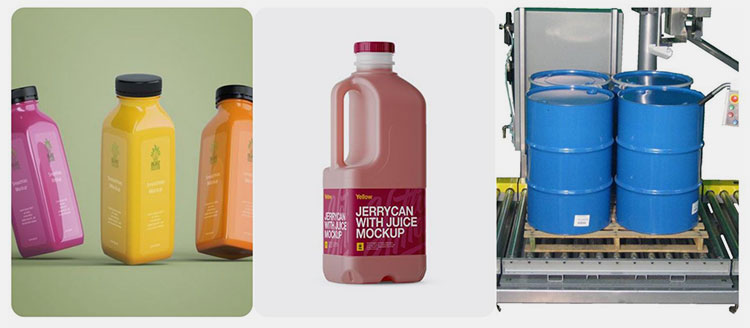
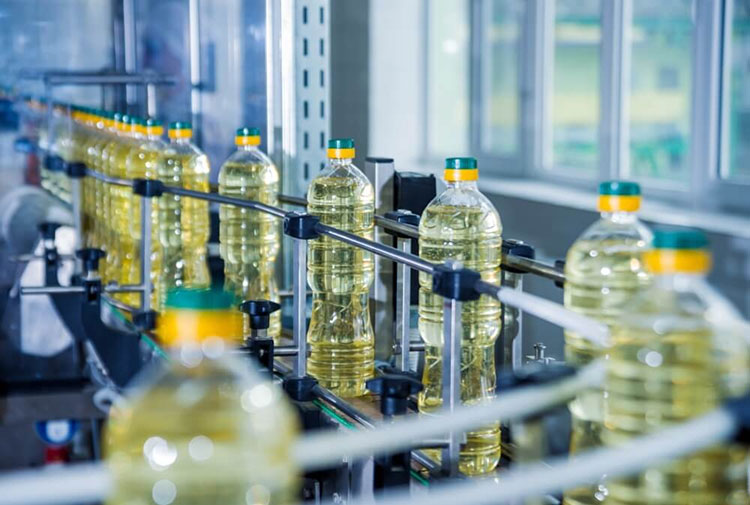
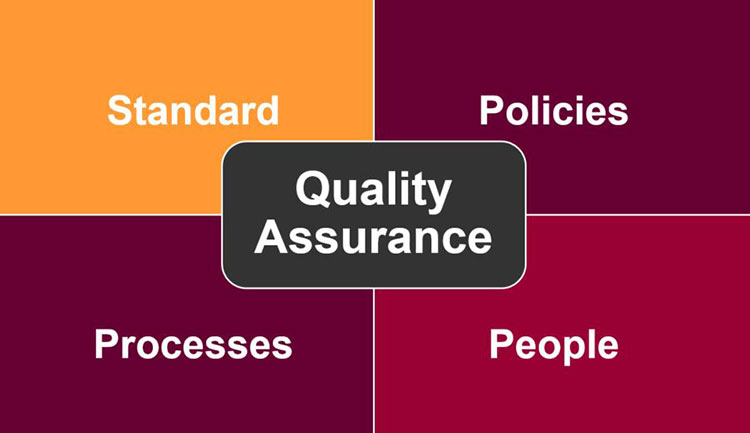
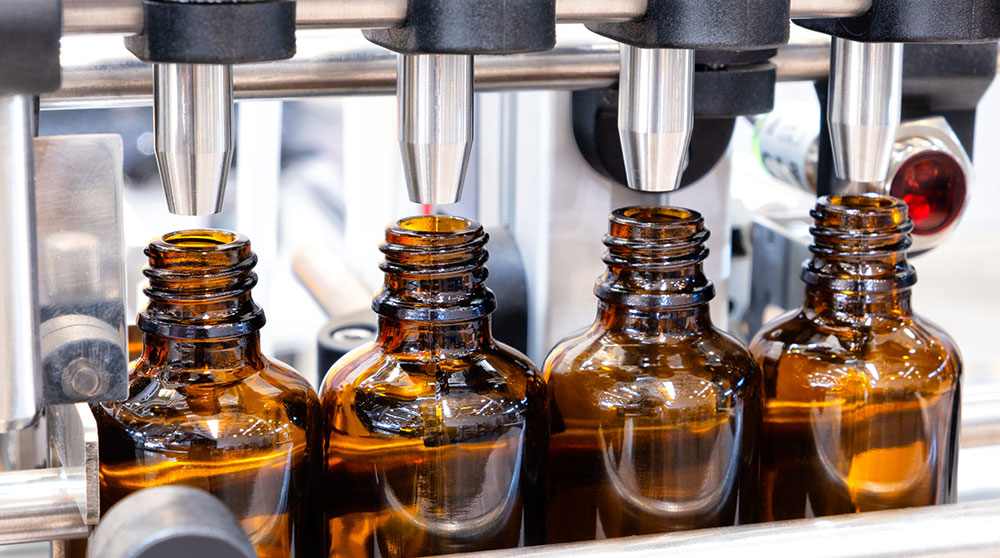


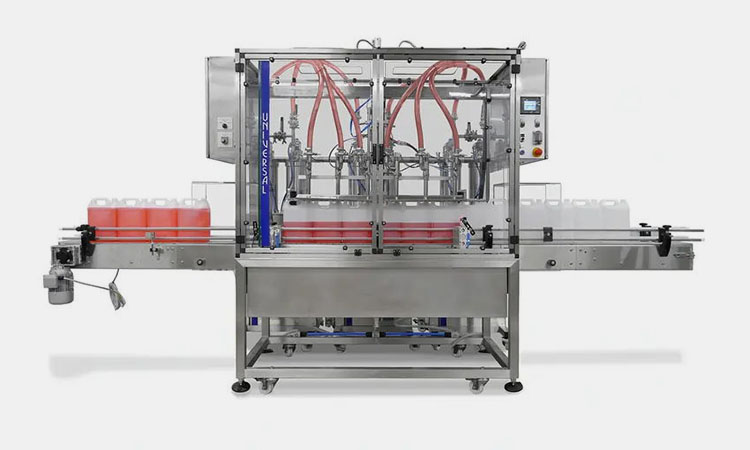
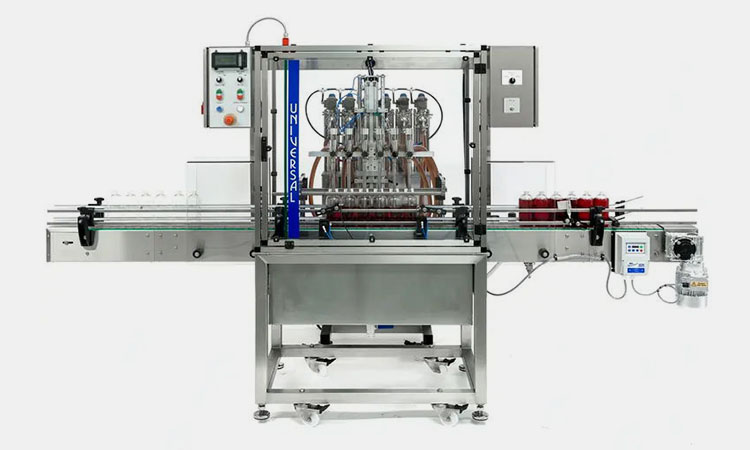
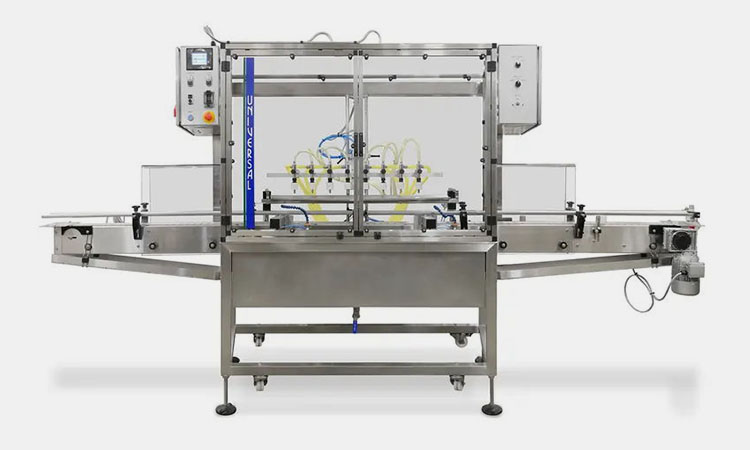


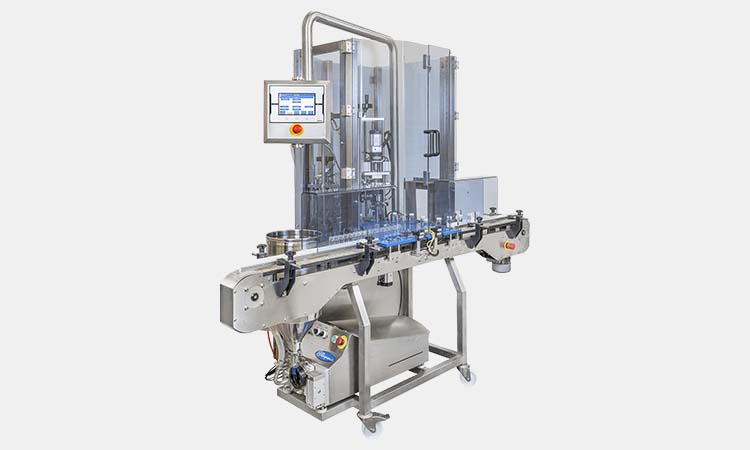
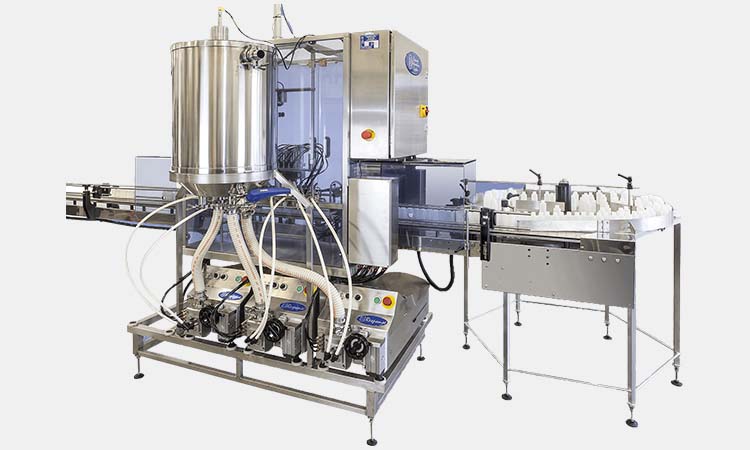
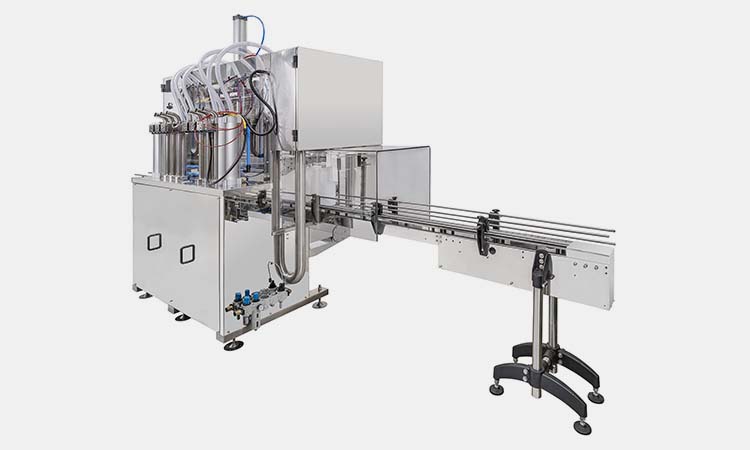


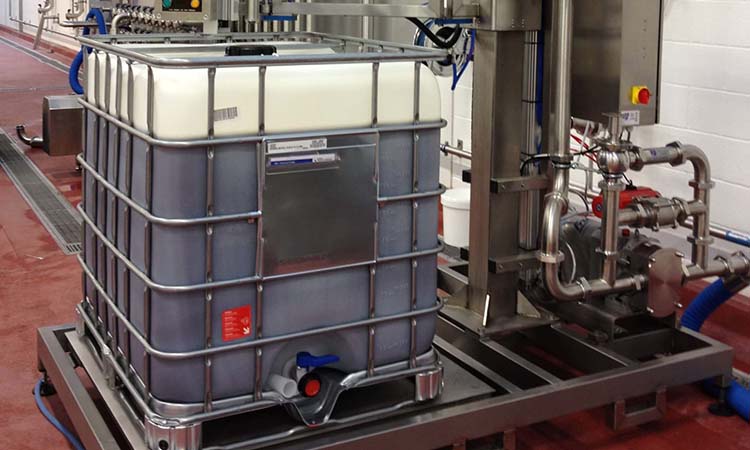
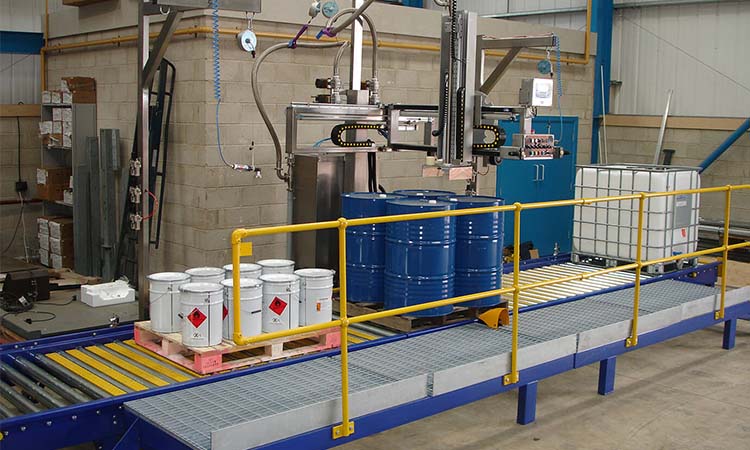
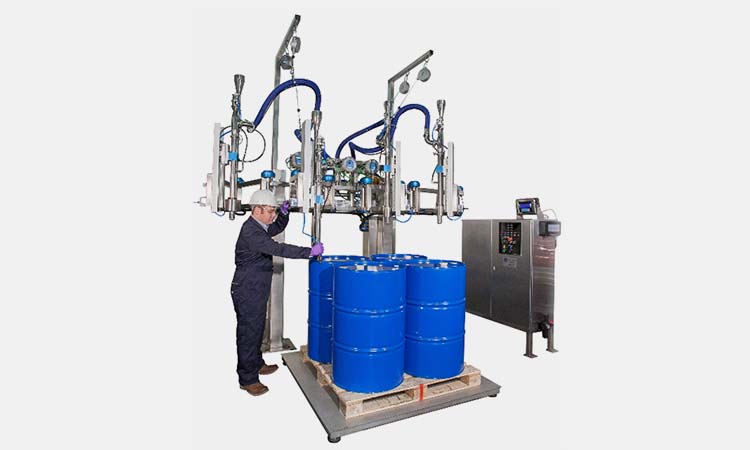

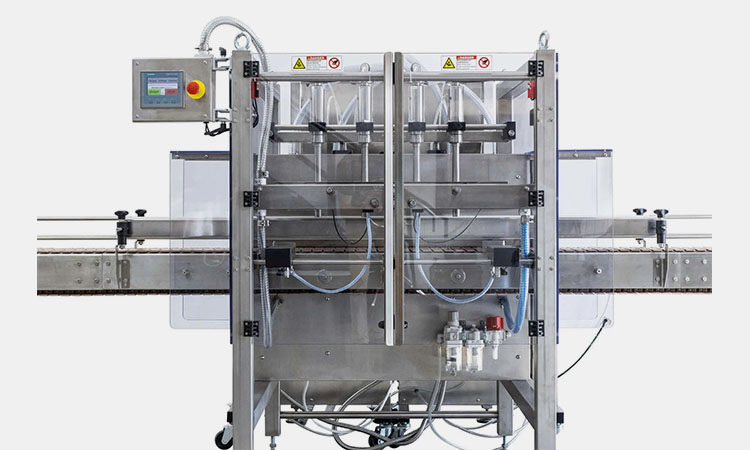
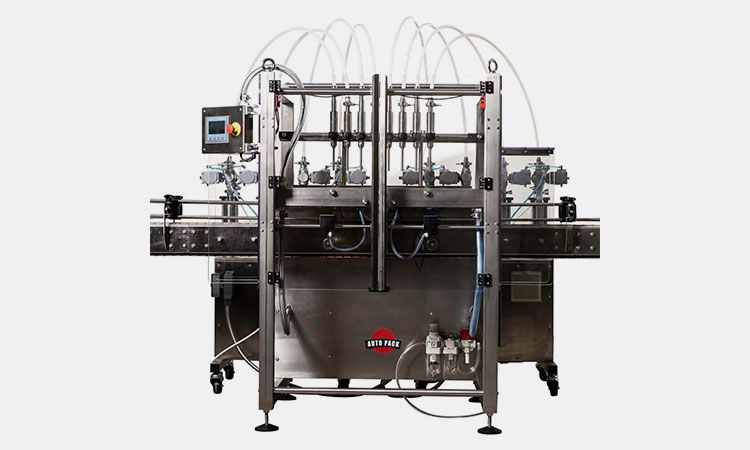
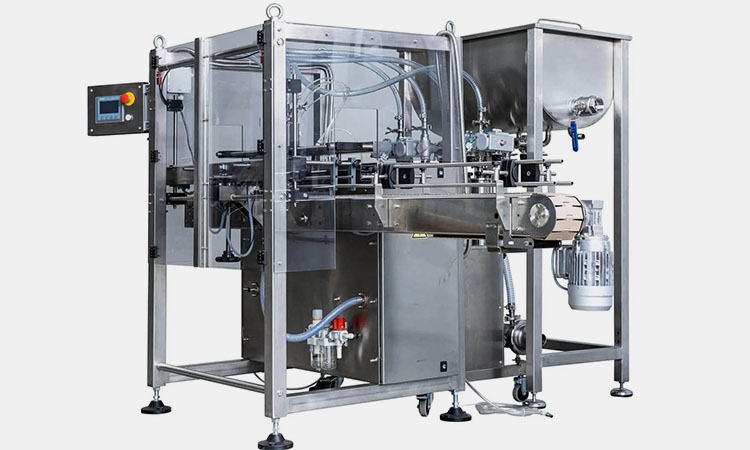

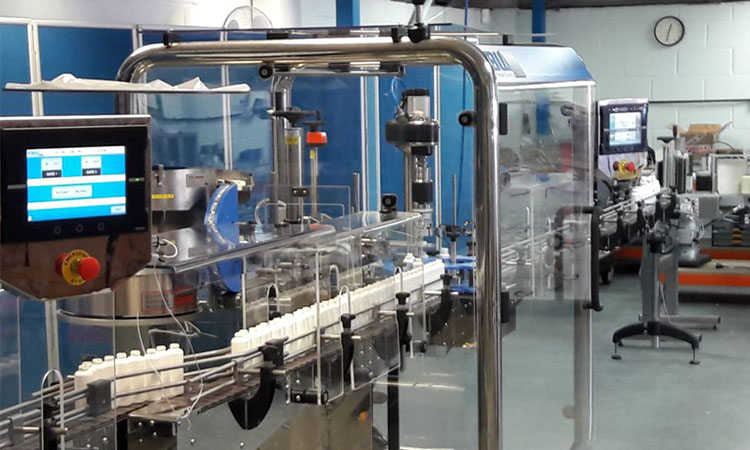

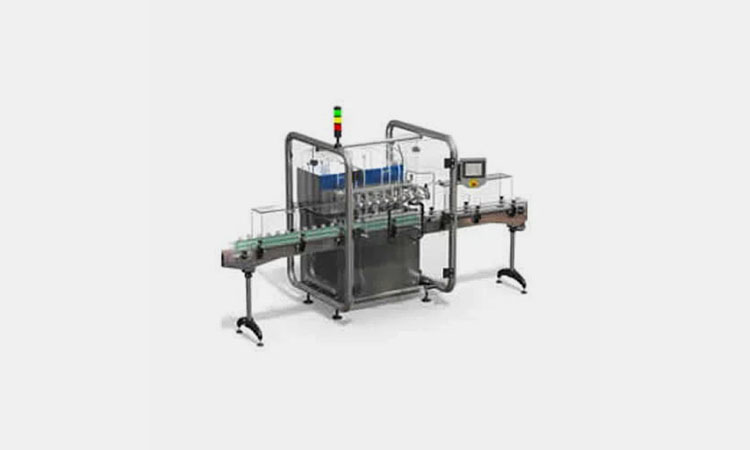
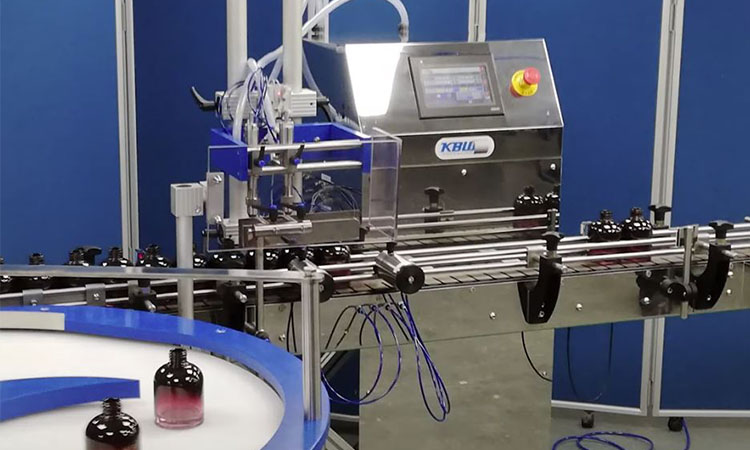


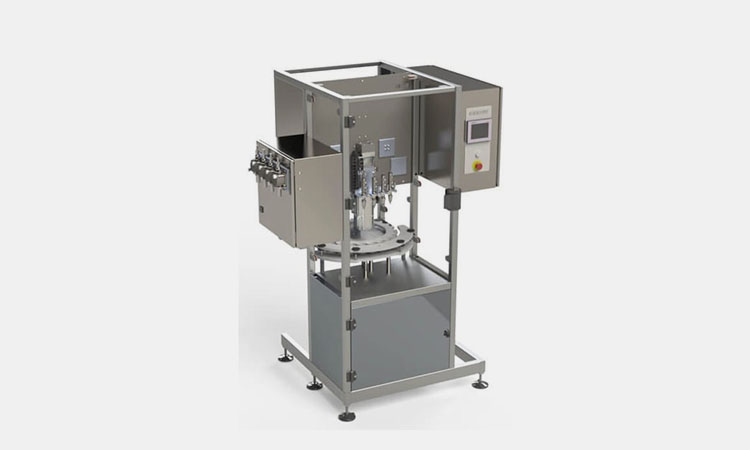
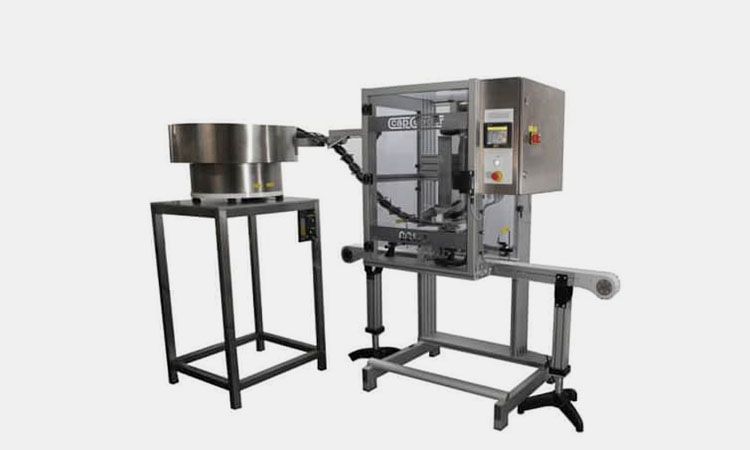
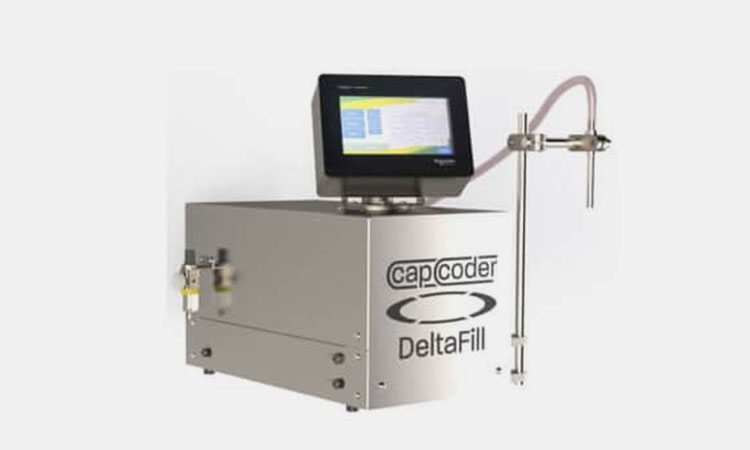




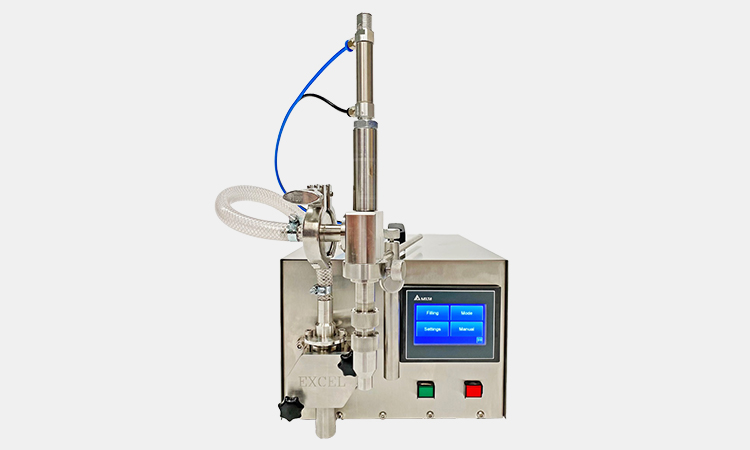

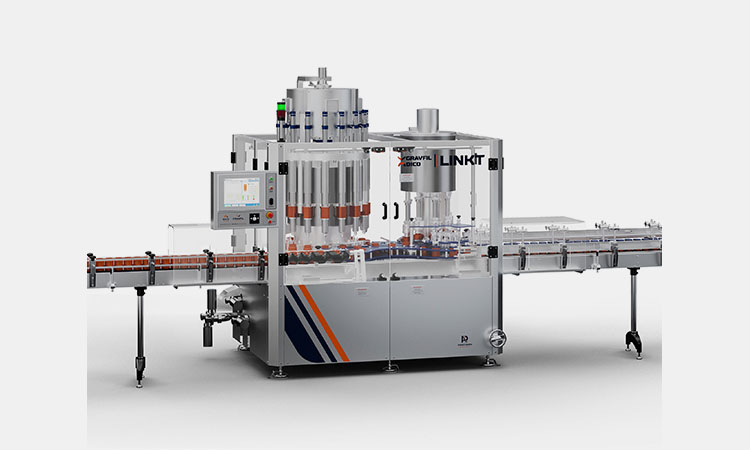
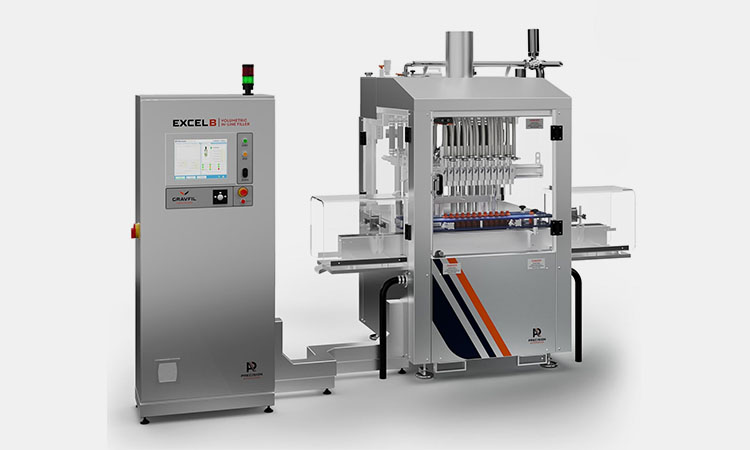
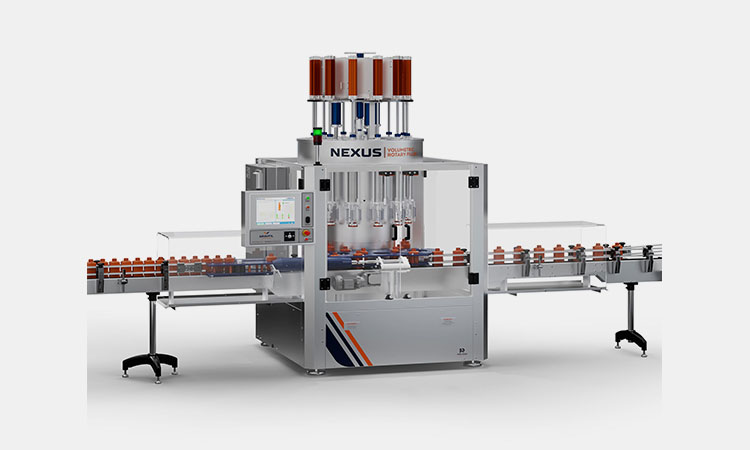

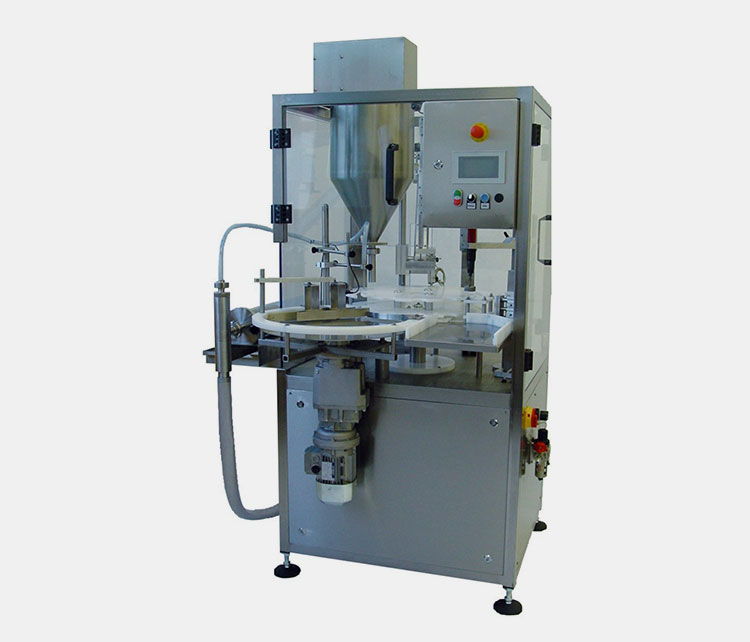


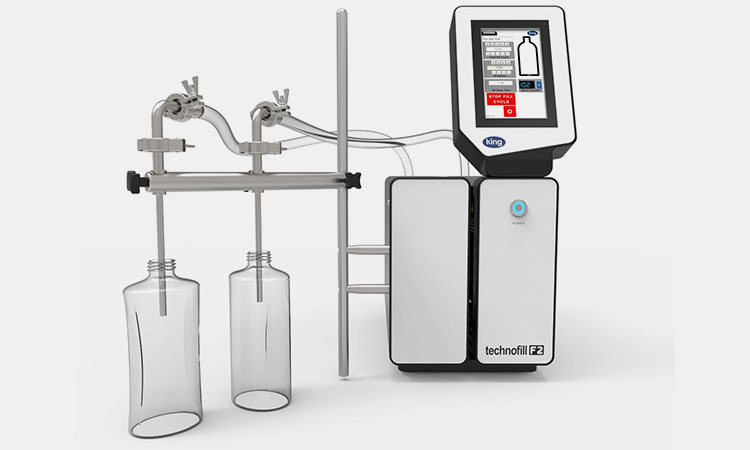
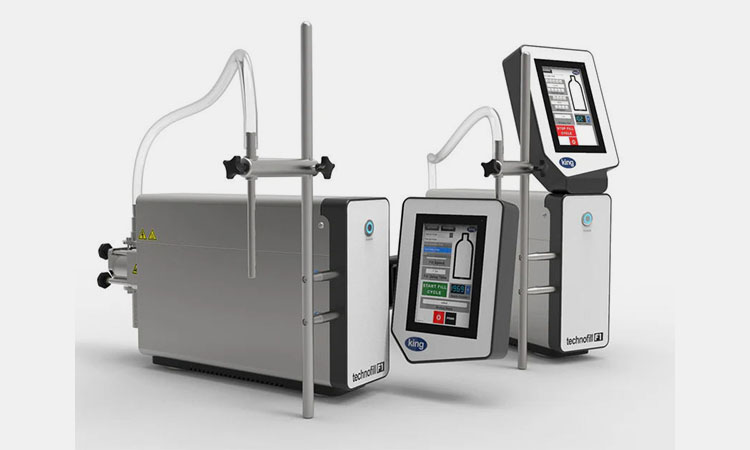
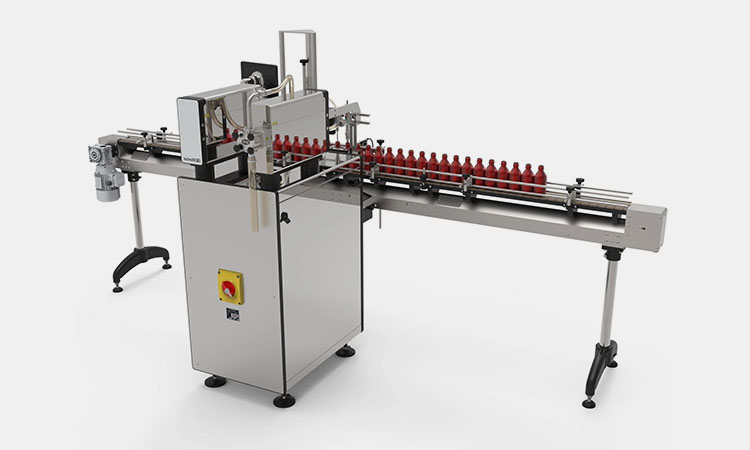
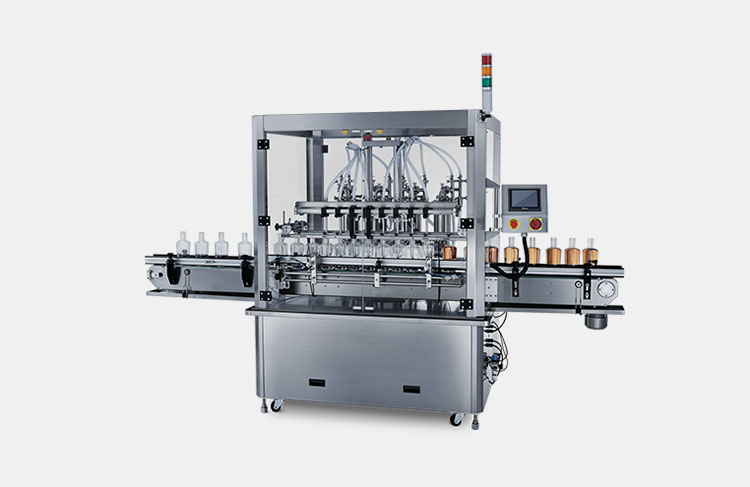 Tell us your material or budget, we'll reply you ASAP within 24 hours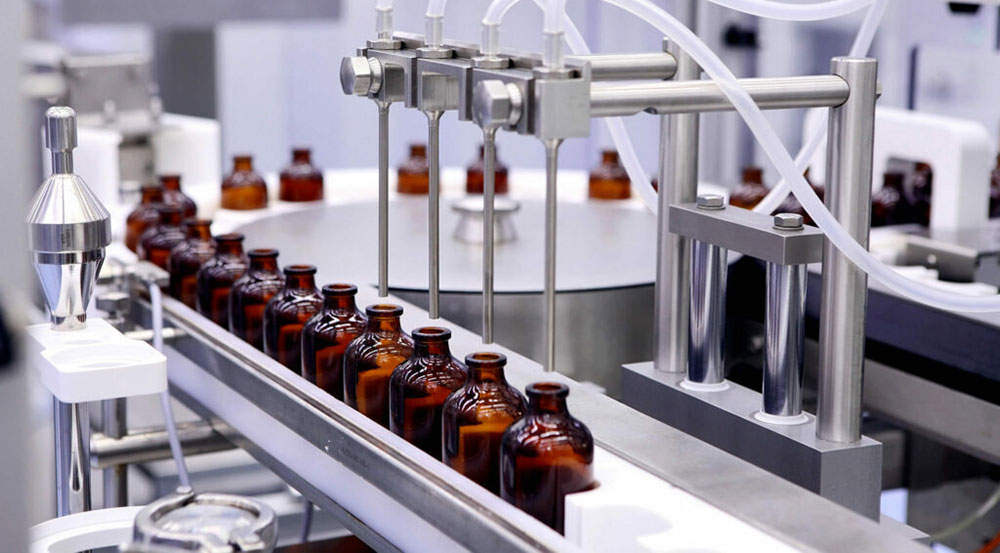
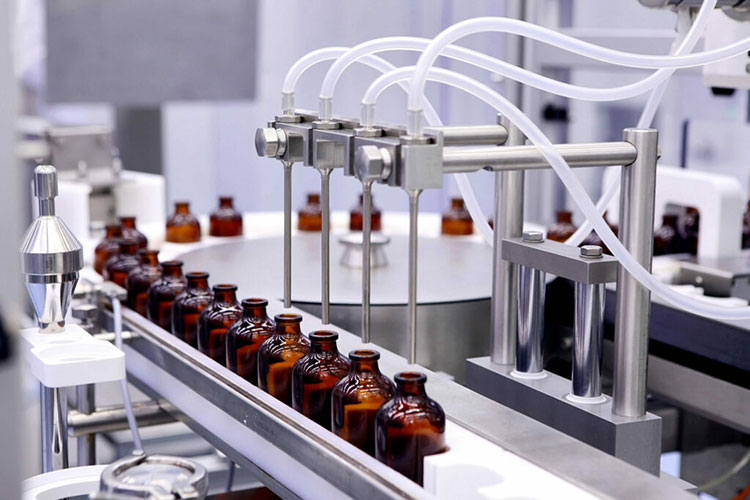

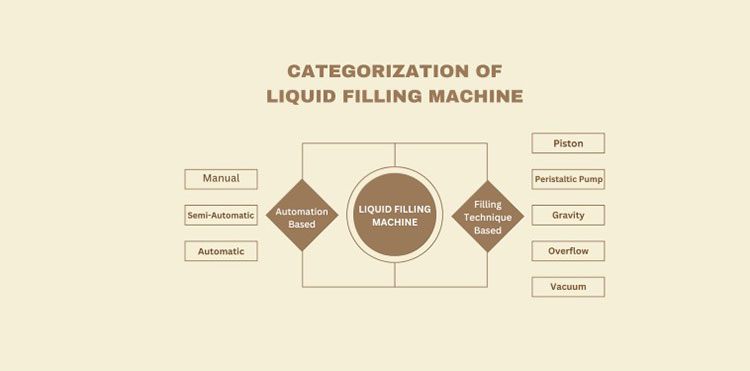
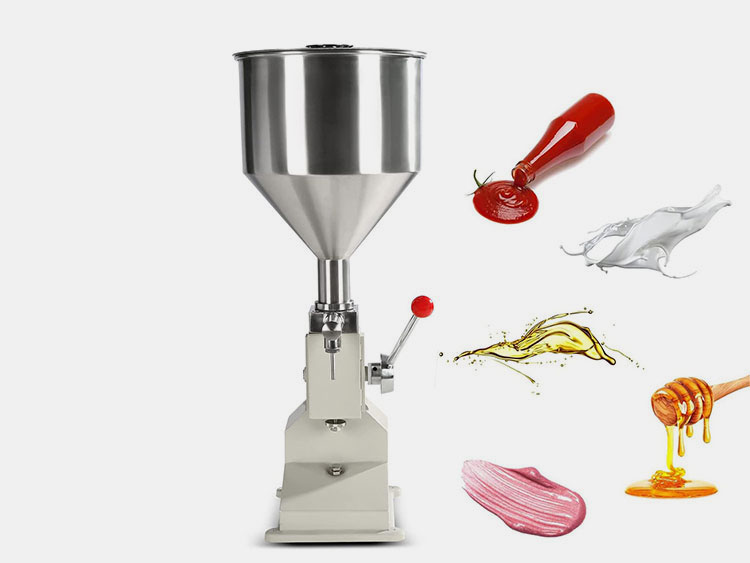
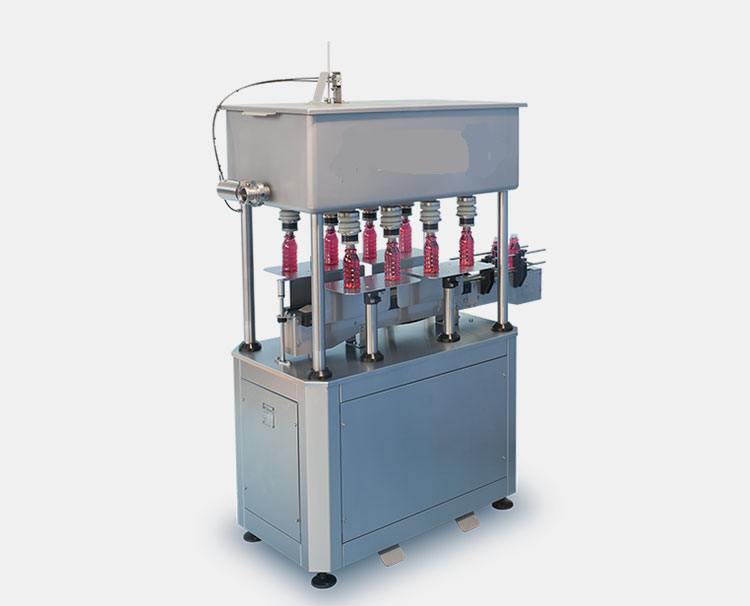
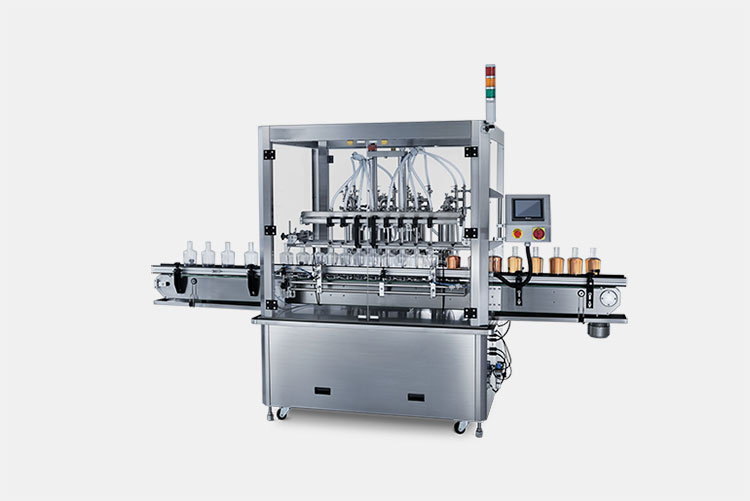
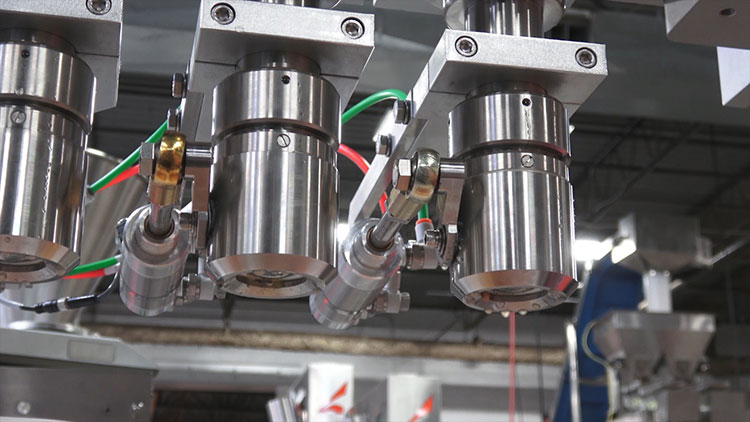
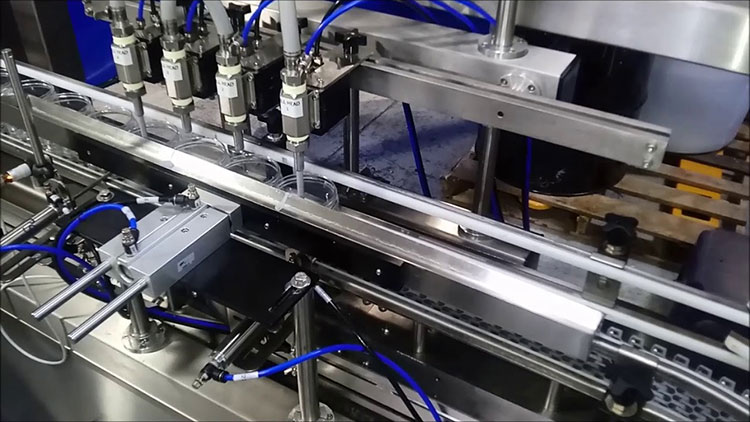
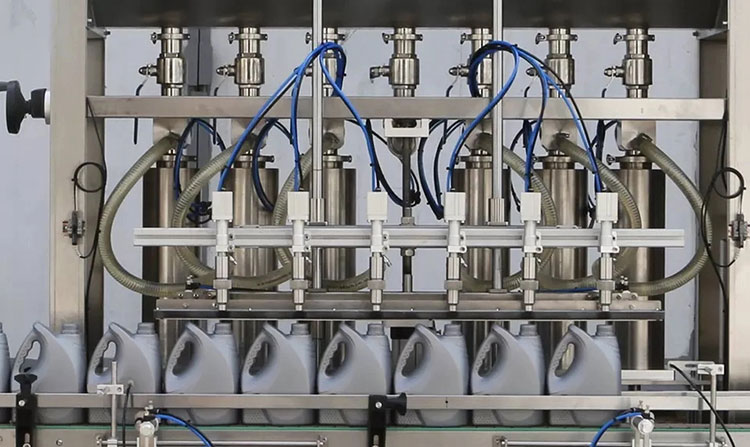
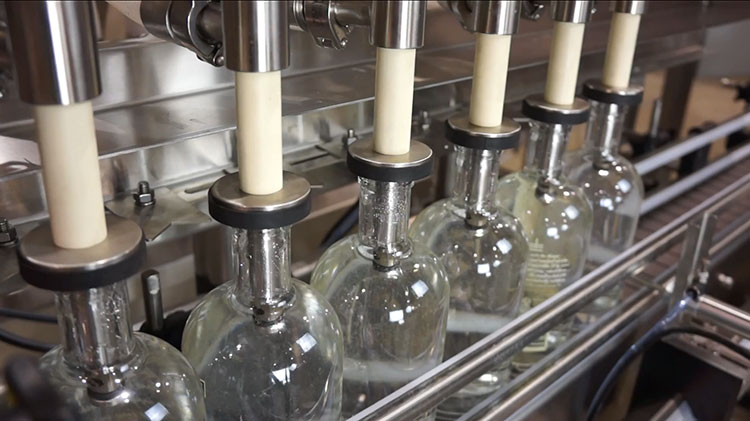
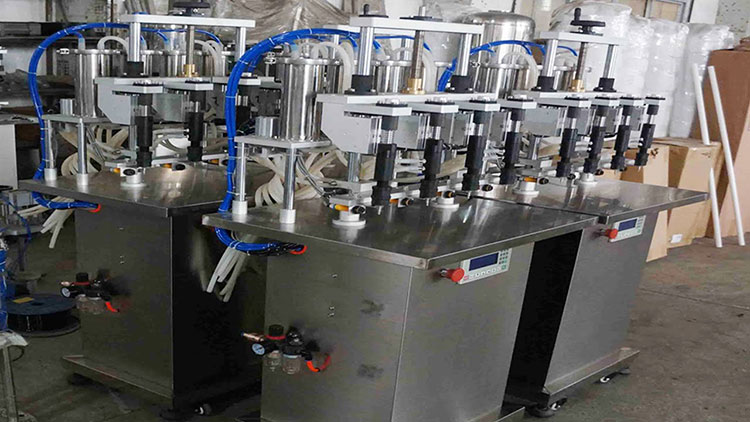
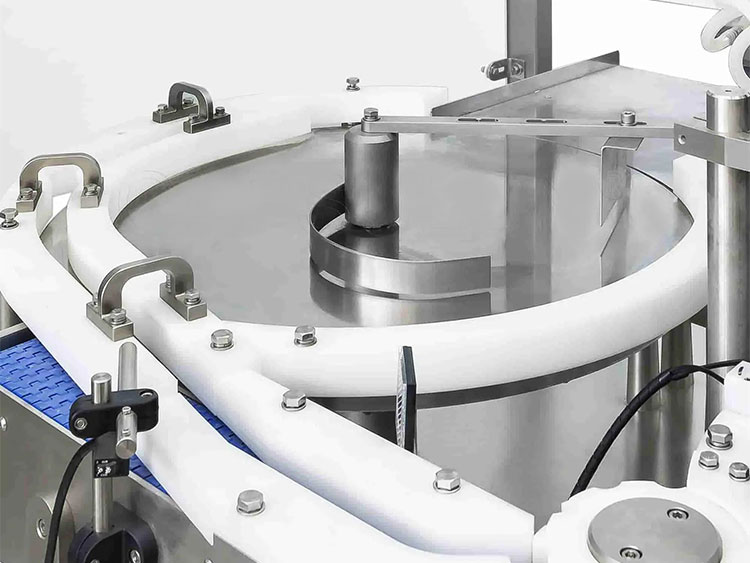
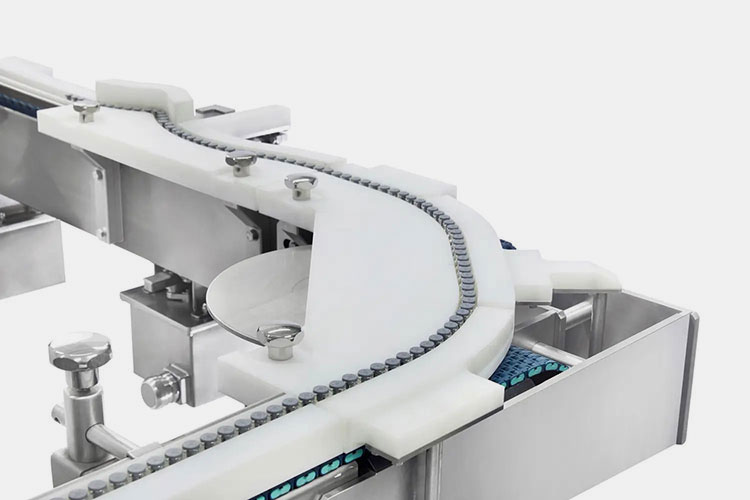

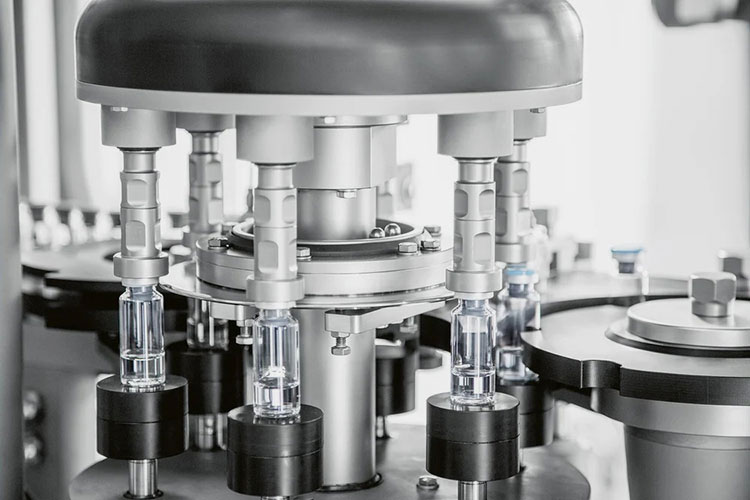
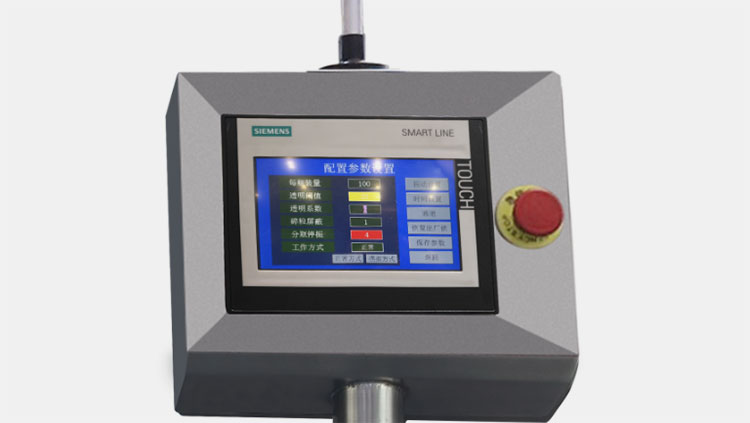
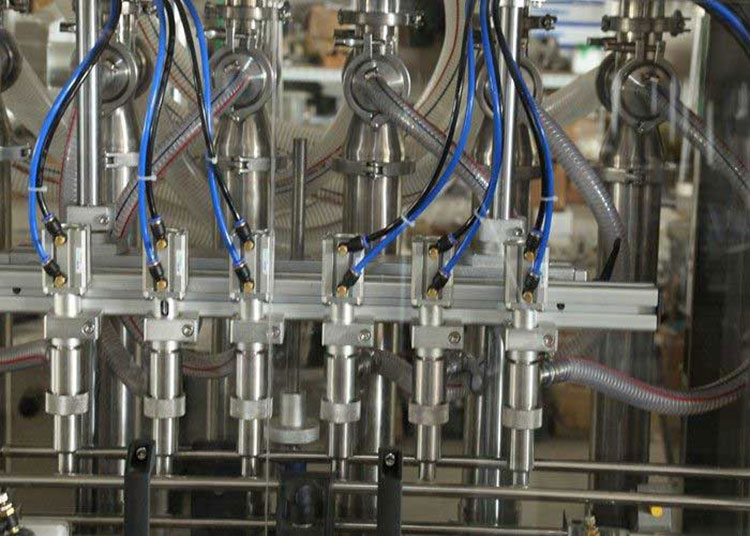
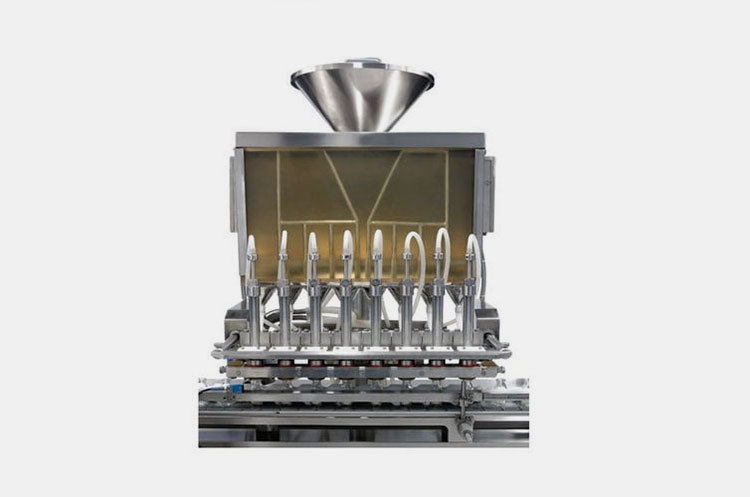
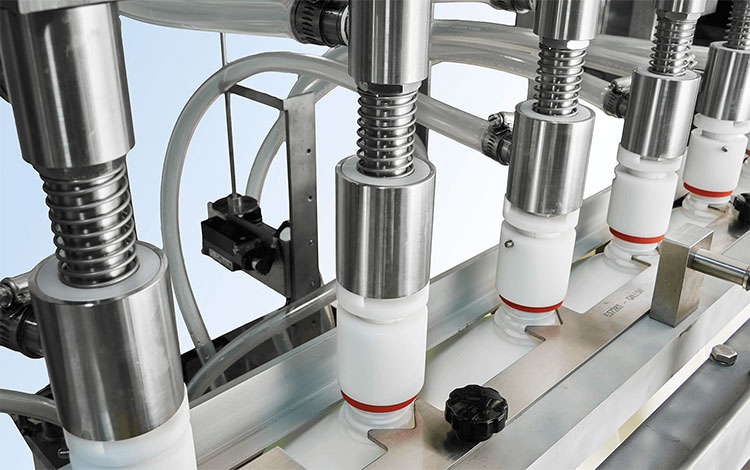
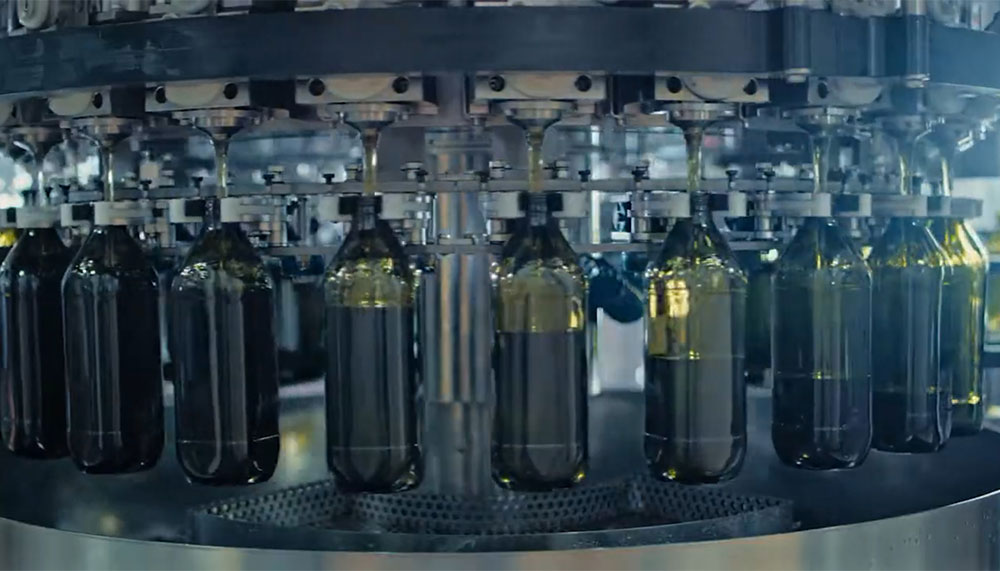
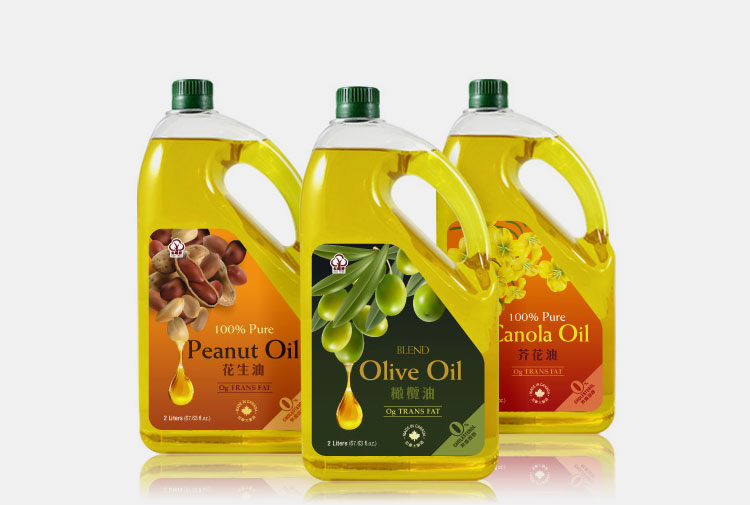
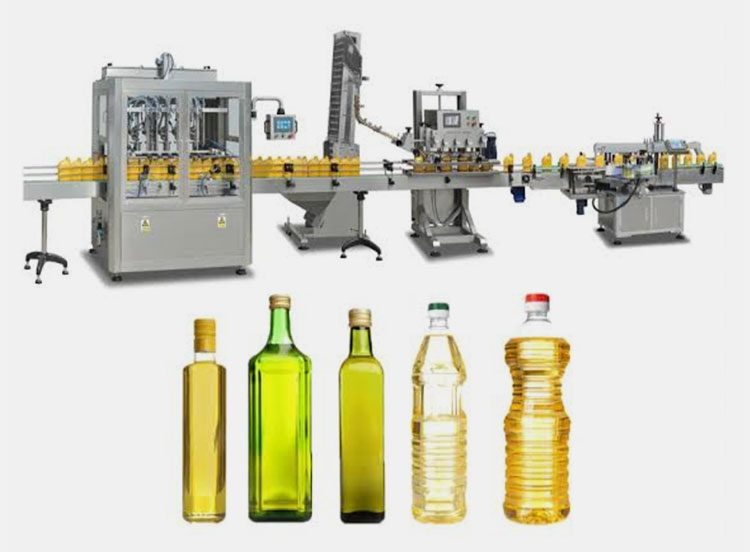
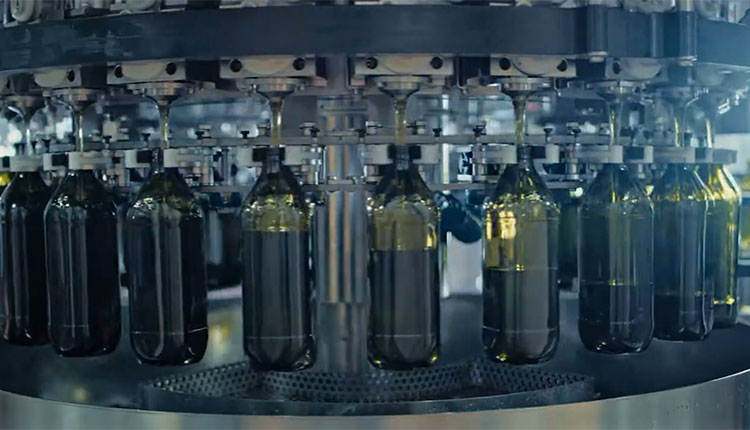
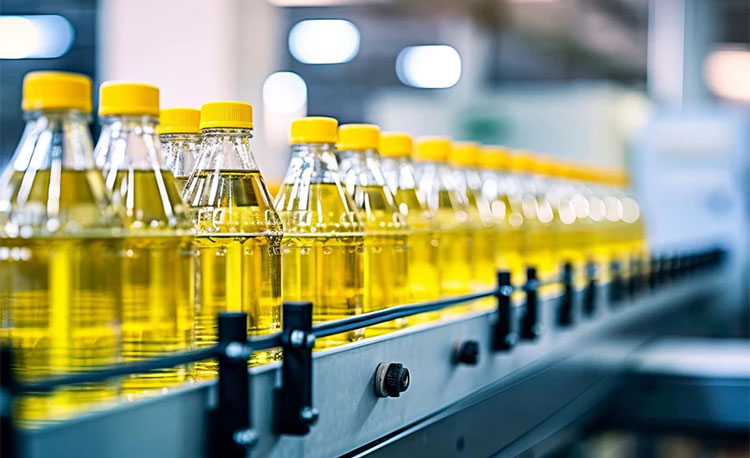
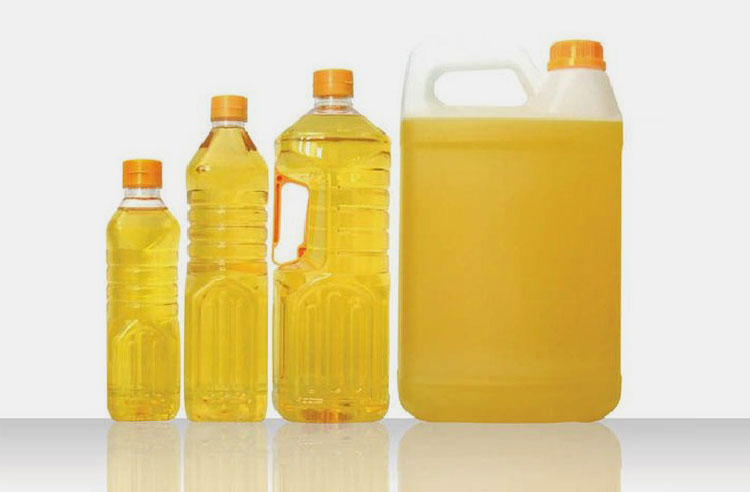
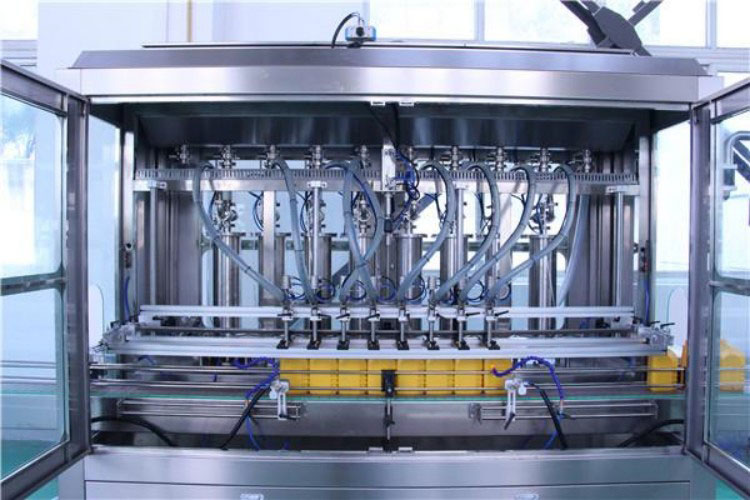
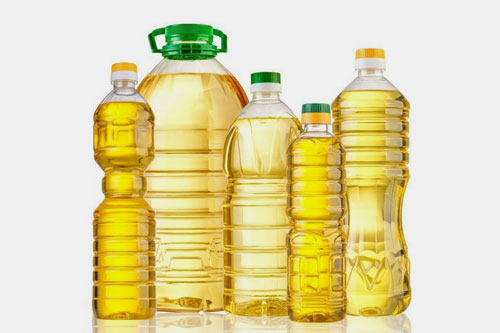
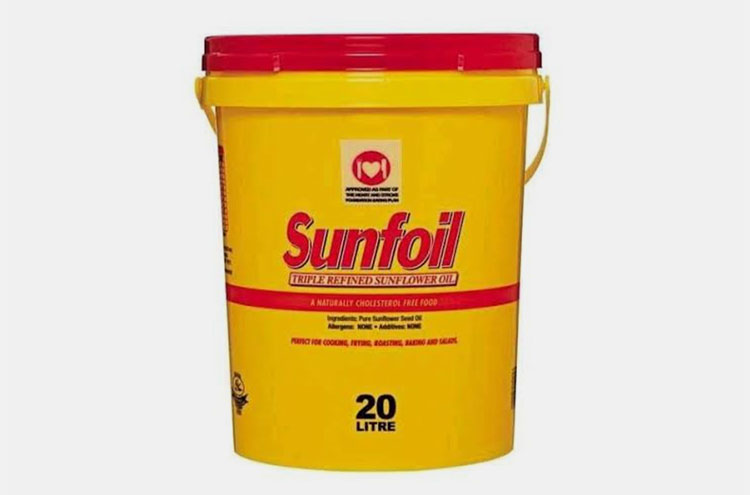
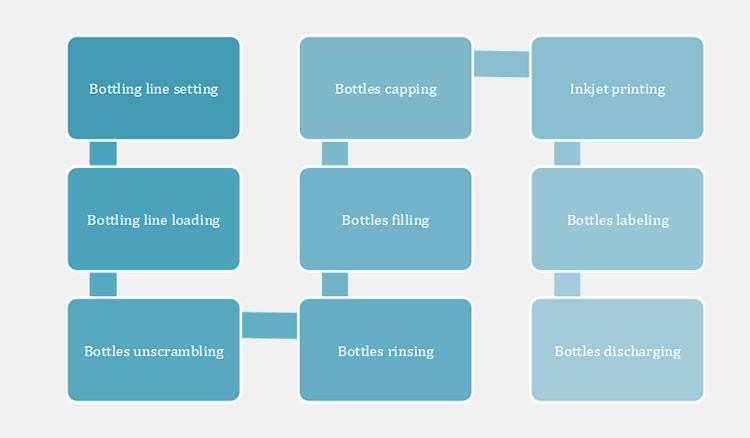
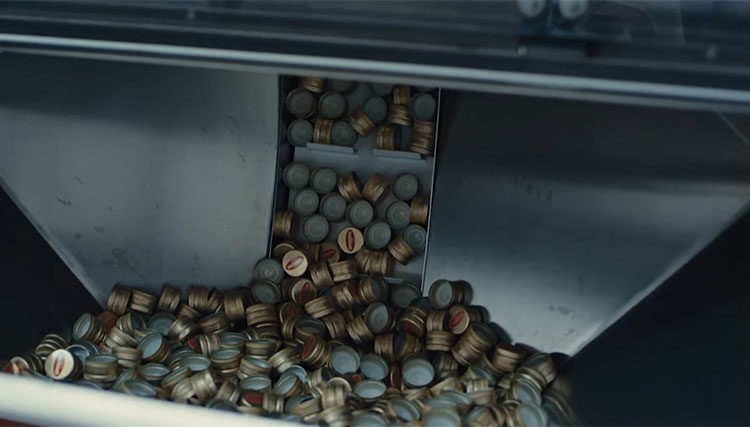
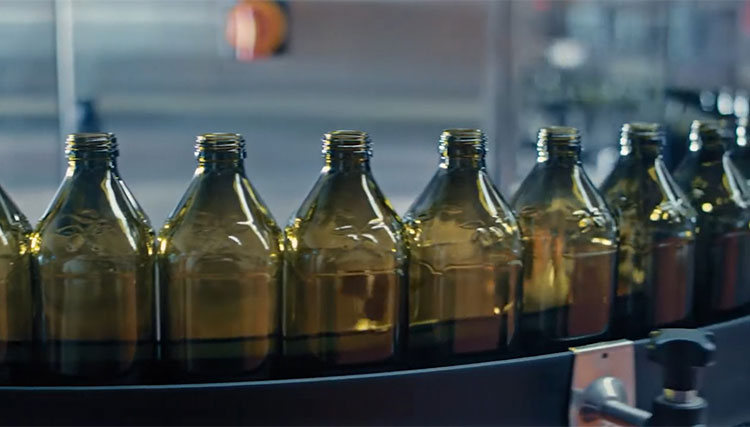
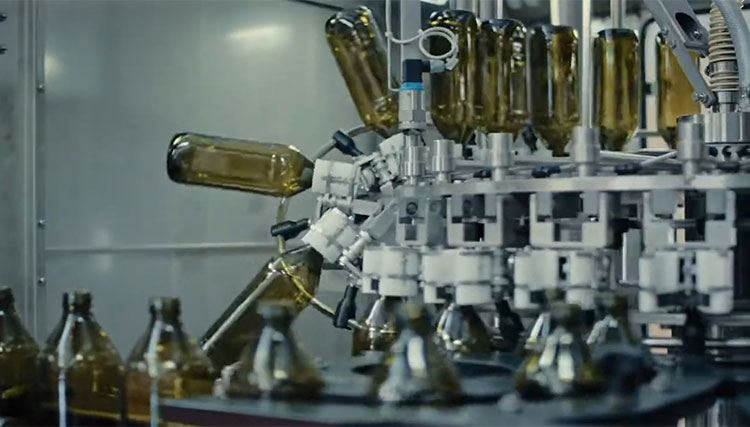
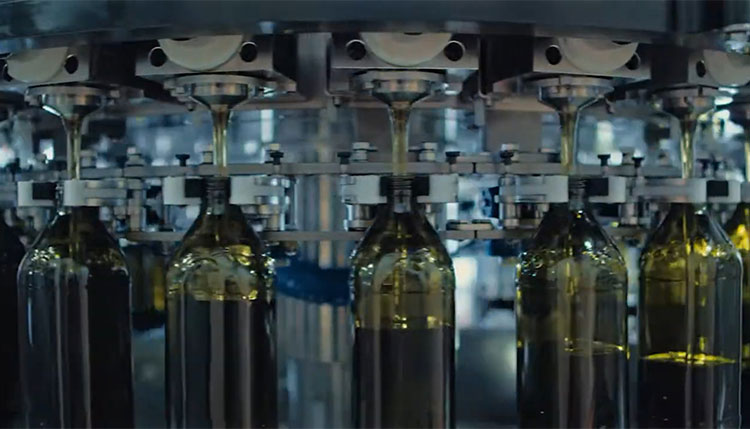
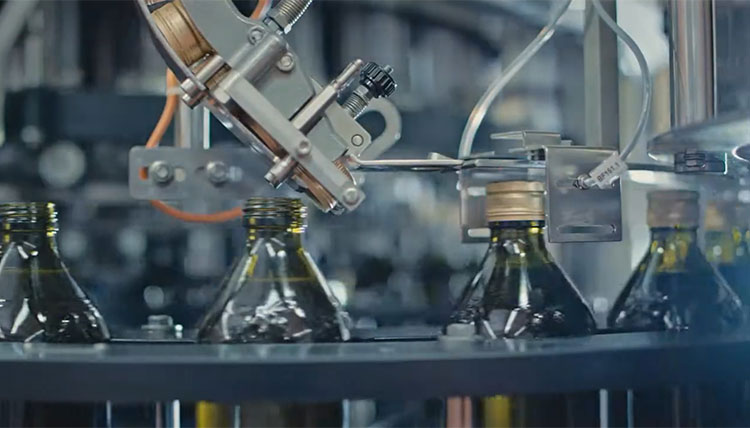
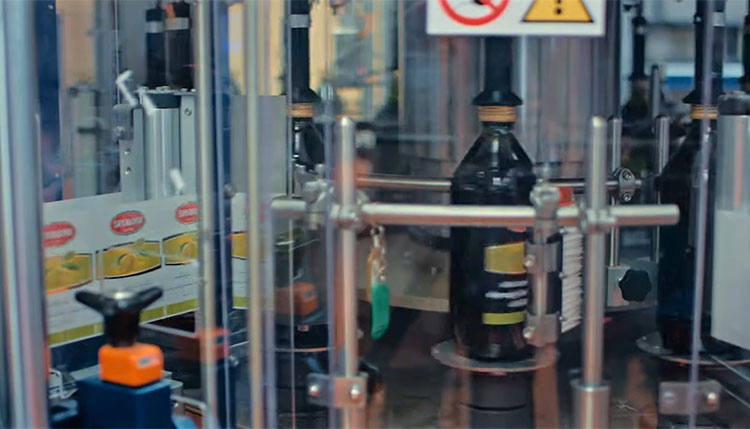
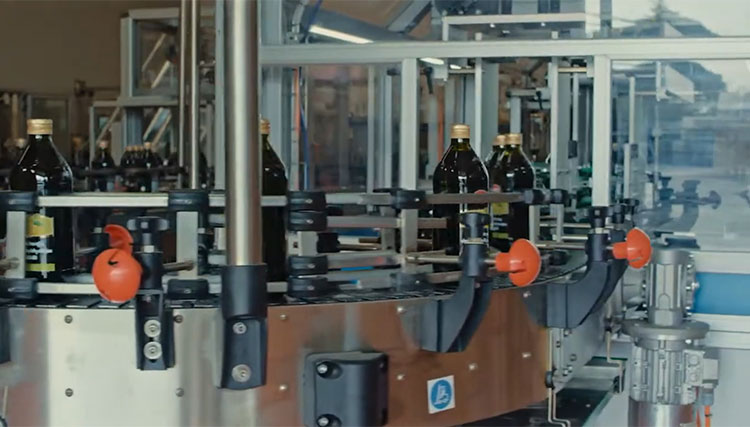
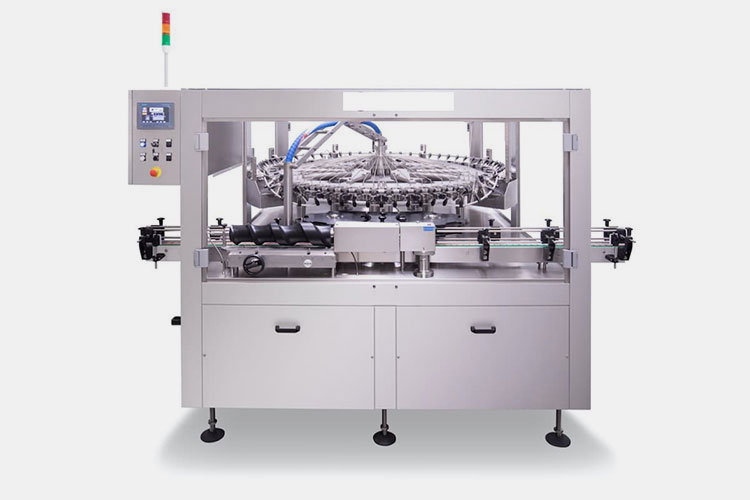
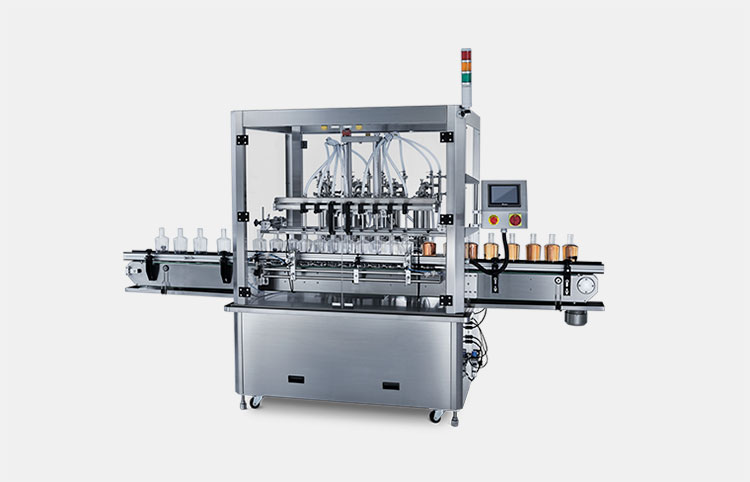
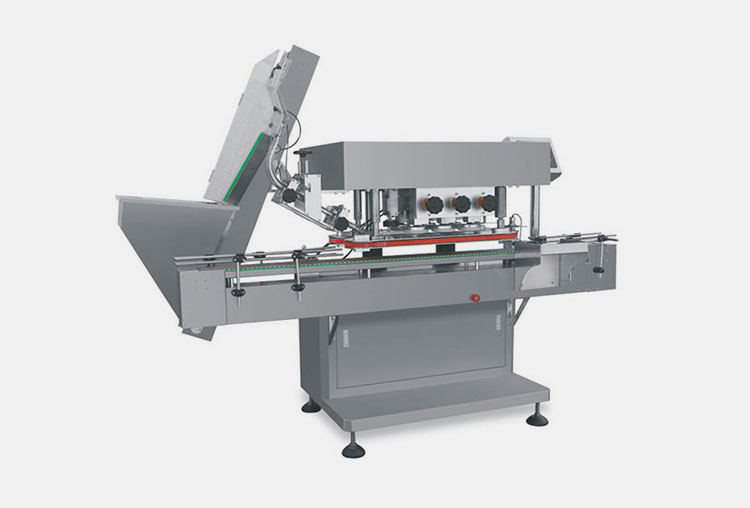
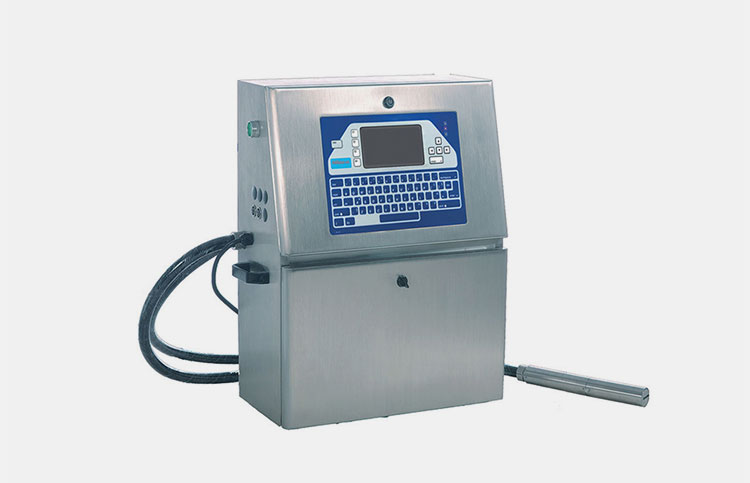

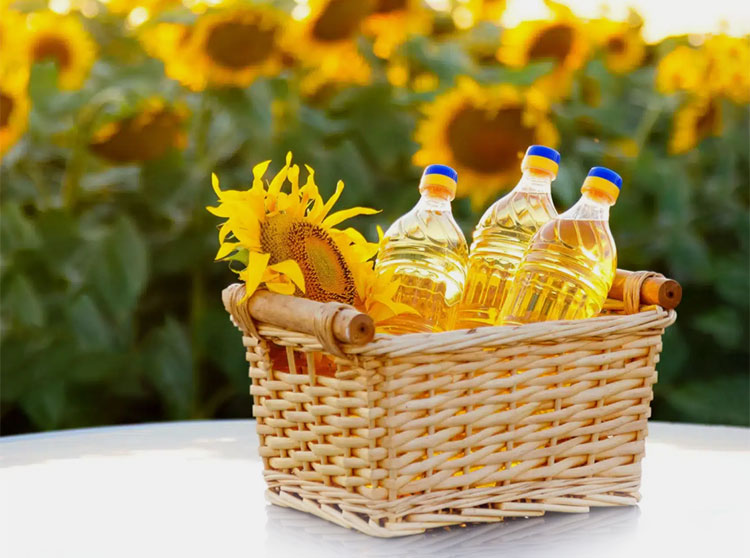
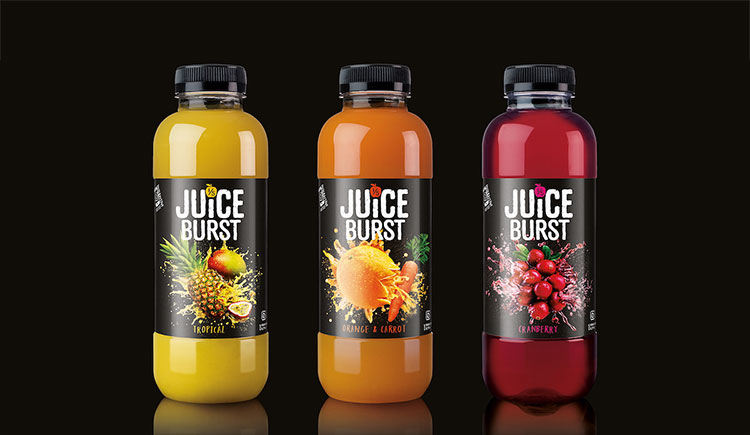

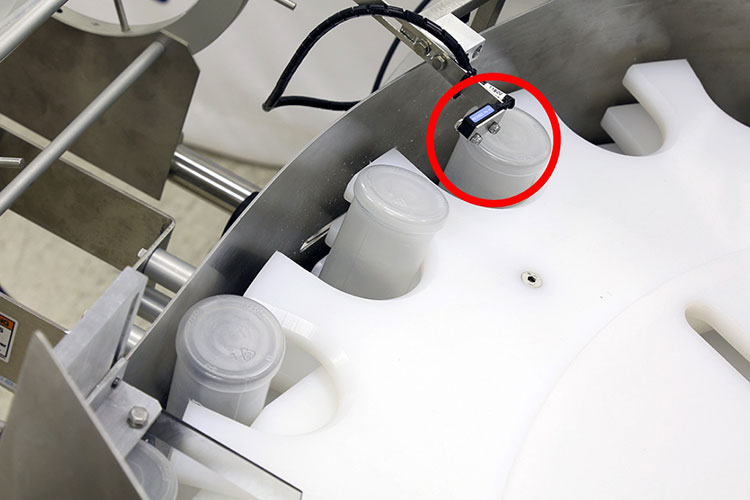
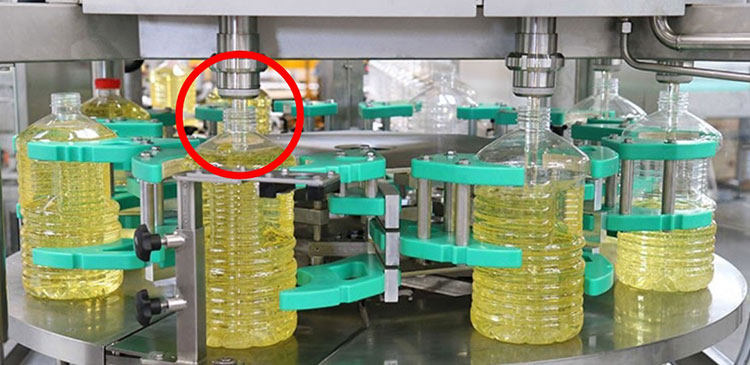
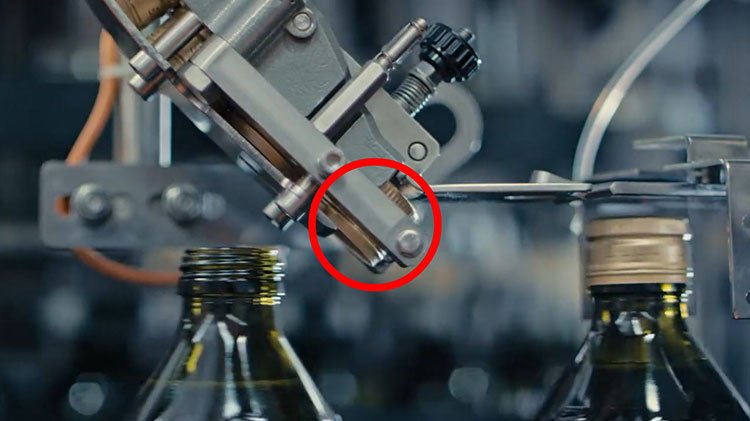
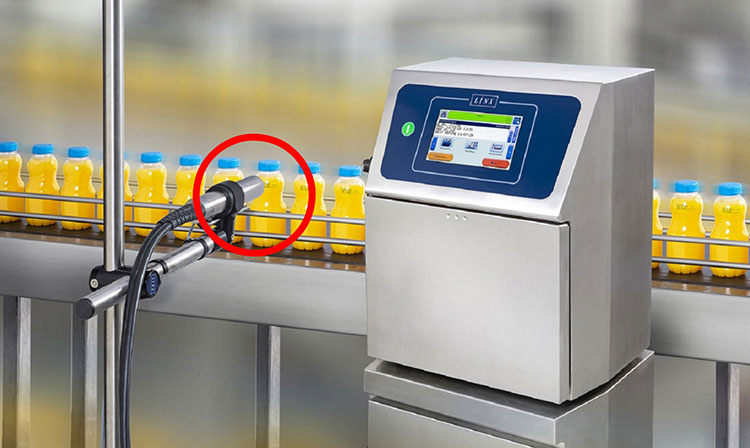
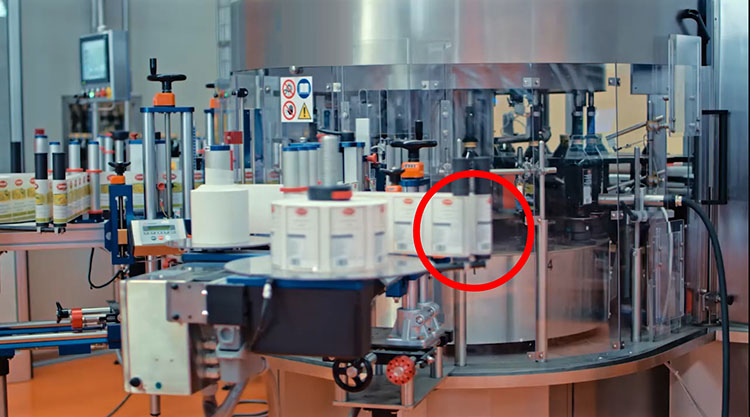
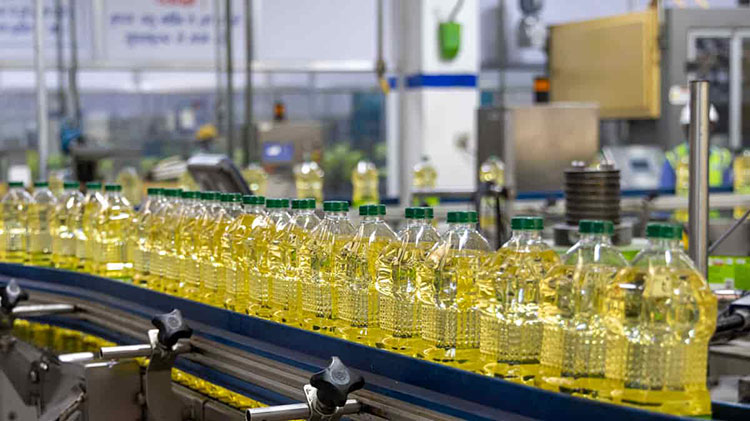

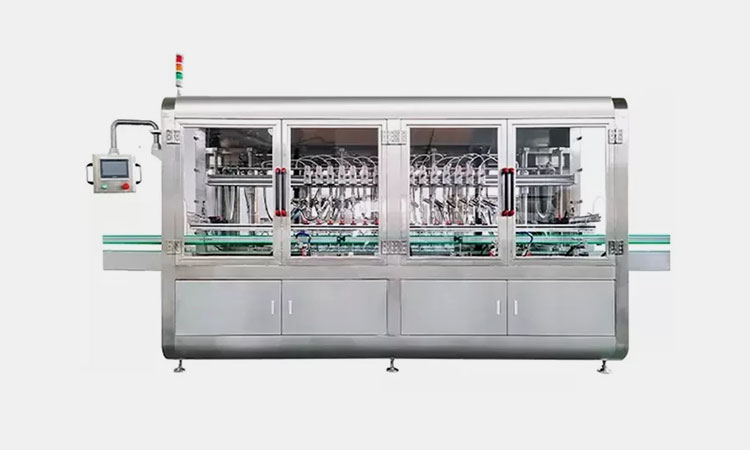 Tell us your material or budget, we'll reply you ASAP within 24 hours