How Do You Choose the Right Packaging Machines for Liquids?
Are you losing money on leaky liquid packaging? Bad seals ruin your product and upset your buyers. I can help you fix this problem today.
To choose the right liquid packaging machine, you must first check your liquid's thickness. Then, match it with the correct filling mechanism, decide on your daily production speed, and make sure the machine fits your exact bottle or pouch size.
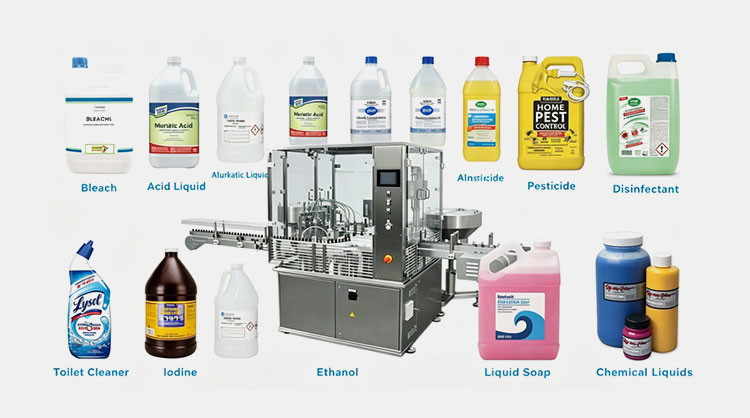
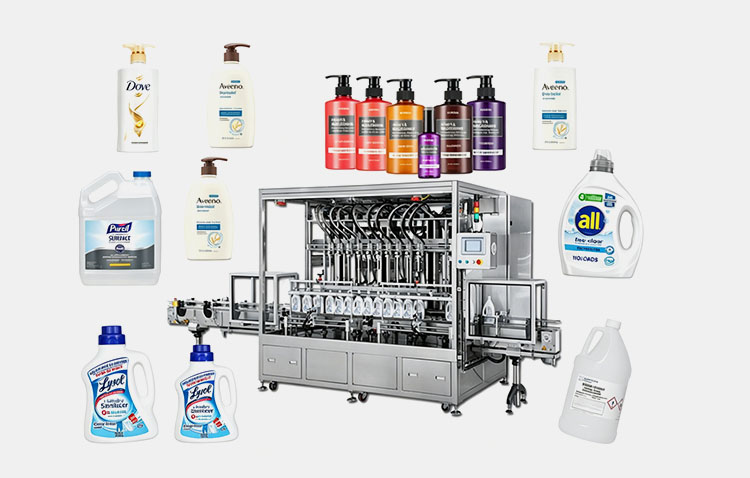
Liquid packaging machine selection
I learned this the hard way when my first filling line broke down during a big order. Let me show you exactly what to look for so you never make the same mistakes I did.
1.What Type of Liquid Are You Trying to Package?
Does your thick syrup keep clogging your filler? Thin water and thick gels need different tools. If you use the wrong one, your line will stop.
You must match the machine to your liquid's viscosity. Piston fillers work best for thick liquids like pastes. Gravity fillers are perfect for thin, free-flowing liquids like water or juice.
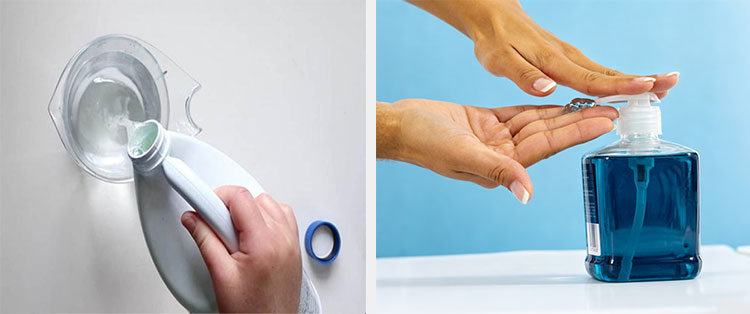
Liquid viscosity packaging
Understanding Liquid Viscosity
When I bought my first machine, I tried to pump thick honey through a basic gravity filler. It was a huge mess. The motor burned out in two days.
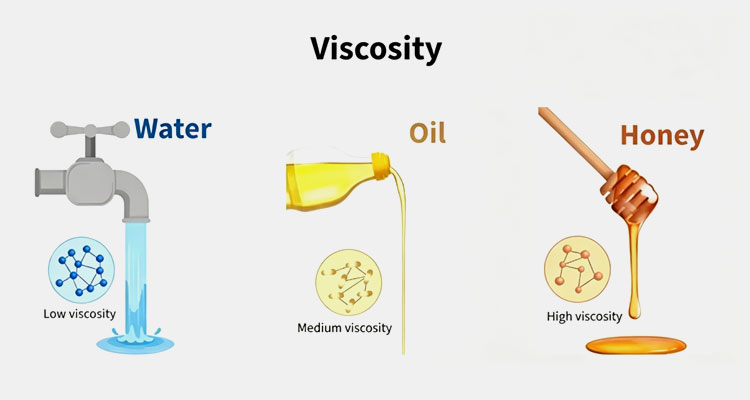
You need to know how thick your liquid is before you buy anything. We call this viscosity. Thin liquids flow fast. Thick liquids flow slow. Some liquids even change when they get hot or cold.
| Liquid Type | Examples | Best Machine Type |
| Thin | Water, Milk, Clear Juice | Gravity Filler |
| Semi-Thick | Shampoo, Cooking Oil | Pump Filler |
| Thick | Honey, Peanut Butter, Gel | Piston Filler |
You can test your liquid simply by pouring it. If it pours like water, it is thin. If you have to squeeze it out, it is thick. Always tell your liquid filling machine maker exactly what you want to fill.
I always send them a product sample first. This simple step saves a lot of time and money later. They can test the machine with your actual product before they ship it to you.
2.How Fast Do You Need to Fill Your Bottles?
Are your workers too slow to meet daily orders? Manual filling wastes time and limits your sales. You need a machine that matches your growth.
To find your required speed, calculate how many bottles you sell each day. A semi-automatic machine fills up to 15 bottles per minute. A fully automatic machine can fill over 100 bottles per minute.
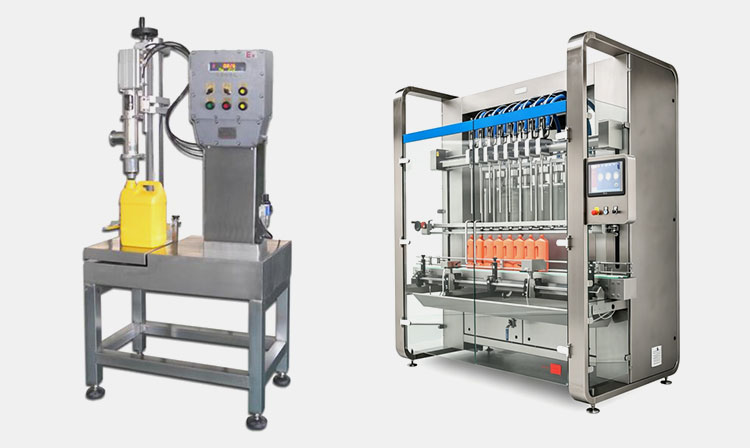
Semi-automatic and fully automatic liquid filling machine
Matching Speed to Business Goals
I remember staying up until 2 AM to fill 500 bottles by hand. My hands hurt, and the fill levels were all different. That is when I knew I needed to upgrade.

But you do not need to buy the fastest machine right away. Fast machines cost a lot of money. You need to look at your current sales and your goal for next year.
| Machine Speed | Bottles Per Minute | Best For |
| Manual | 1 to 5 | Home business, testing |
| Semi-Automatic | 10 to 15 | Small shops, startups |
| Fully Automatic | 30 to 100+ | Big factories, mass sales |
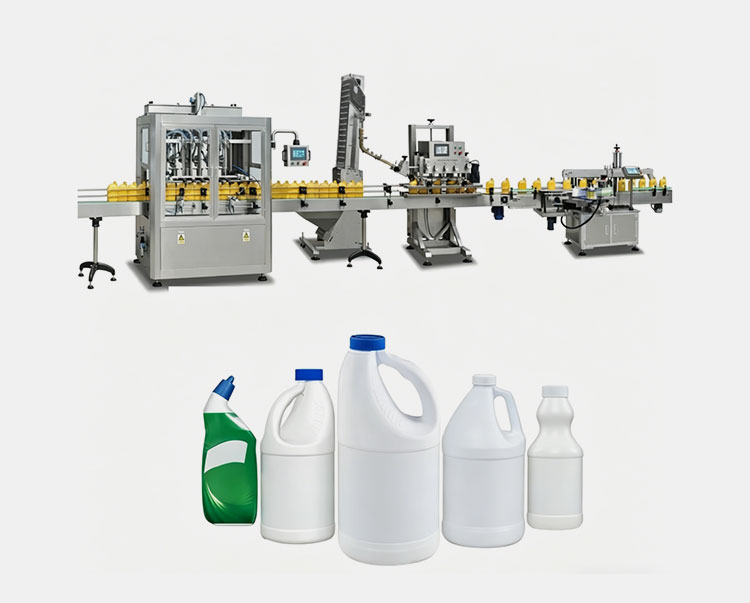
If you run a small shop, a semi-automatic machine is enough. You just press a foot pedal. But if you sell to big stores, you need a fully automatic line. The bottles move on a belt by themselves. You also need to think about cleaning time.
A fast machine that takes four hours to clean might actually slow you down if you change flavors often. Keep it simple and buy what fits your real needs today.
3.What Kind of Container Do You Use?
Do your bottles fall over on the conveyor belt? Odd shapes can cause huge jams. This stops your work and breaks your expensive bottles.
The machine must hold your specific container tightly. Round bottles work on almost any machine. Square or very tall bottles need special holding parts. Soft pouches require a completely different form-fill-seal machine.
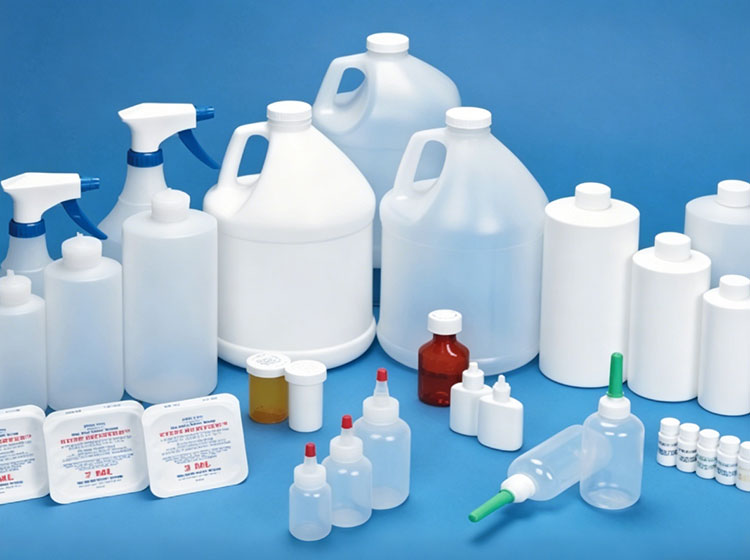
Liquid packaging containers
Picking the Right Machine Parts for Your Bottles
We once designed a beautiful, tall glass bottle for a new drink. But the neck was too narrow. The filling nozzles did not fit inside. We had to buy new nozzles and delay our launch by a month.
Your container dictates the machine design. The machine holds the bottle, fills it, and caps it. If the bottle shakes, the liquid spills everywhere.
| Container Material | Shape | Machine Requirement |
| Hard Plastic | Round | Standard belts and guides |
| Glass | Square | Soft grips, gentle handling |
| Soft Plastic Film | Pouch | Form-fill-seal system |
Always check the neck size of your bottle. The machine nozzles must be smaller than the neck hole. Also, think about the material. Glass bottles break easily if the machine grabs them too hard.
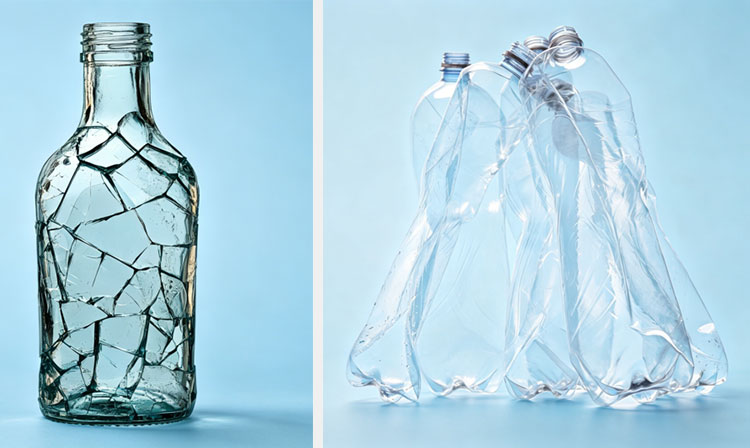
Plastic bottles can squeeze and deform if the filling pressure is too high. I always take ten empty bottles to the factory to test the machine in person. This proves the machine actually works for my exact package before I pay for it.
4.How Easy Is It to Clean the Machine?
Are you spending more time cleaning than making products? Dirty machines breed bad bacteria and ruin your next batch. You need a better way.
You should choose a machine with sanitary fittings and a clean-in-place system. This lets you pump hot water and soap through the pipes without taking the whole machine apart. It keeps your product safe.
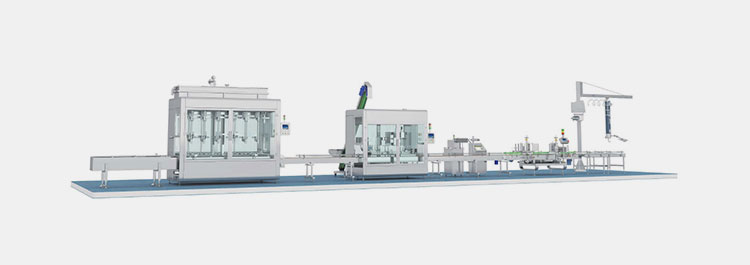
ALLPACK’s liquid filling line with CIP system
Why Fast Cleaning Matters

Food safety is the most important part of my job. I once lost a whole batch of juice because an old pipe was not clean. It tasted bad, and I had to throw it all away. Since then, I only buy machines that are easy to wash. If a machine has too many hidden corners, dirt will hide there.
| Cleaning Method | How It Works | Time Needed |
| Manual Teardown | Take parts off by hand | 2 to 4 hours |
| Clean-In-Place (CIP) | Pump soap through pipes | 30 to 60 minutes |
| Steam-In-Place (SIP) | Push hot steam inside | 45 minutes |
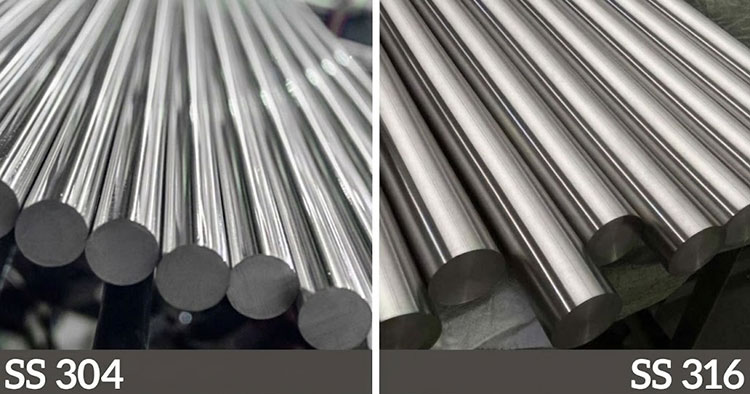
Look for parts made of 304 or 316 stainless steel. These do not rust. Avoid machines with cheap plastic hoses if you use hot liquids.
Quick-release clamps are a great feature. They let you take pipes apart with your bare hands. No tools needed. This saves my team at least an hour every day. When you look at a machine, ask the seller to show you how to clean it. If it takes them a long time, it will take you a long time too.
5.Do You Have Good Technical Support?
What happens when your machine breaks down on a Friday? Waiting weeks for parts means you lose money and customers. Good support is not optional.
You must buy from a supplier who offers local service and fast spare parts. Ask them for a clear warranty and check if they provide video call support to fix small problems quickly.

The True Cost of Machine Downtime
I bought a very cheap machine from overseas a few years ago. It worked great for two months. Then a small sensor broke. I emailed the seller, but they took five days to reply.

I had to wait three weeks for the new part to arrive in the mail. My entire factory was stopped. I lost a very big client because of this delay.
| Support Type | Response Speed | Problem Fix Rate |
| Email Only | Slow (Days) | Low |
| Phone and Video | Fast (Hours) | Medium |
| Local Technician | Fast (Same Day) | High |
Now, I care more about the service than the machine price. A good machine with bad support is a bad machine. I always ask the seller for a list of spare parts I should keep in my factory. I buy these parts on day one.

I also make sure they have a real person I can call on the phone. Do not just look at the upfront cost. Think about how much money you will lose if the machine stops for a week.
Conclusion
Choosing the right liquid packaging machine depends on your liquid thickness, speed needs, bottle shape, cleaning process, and tech support. Check these five things to buy the perfect machine. Choosing the wrong pump or nozzle can lead to messy spills and inconsistent fill levels. Don't let production "hiccups" drain your profits. Click here to request a Free Liquid Compatibility Test and get a customized nozzle design recommendation for your specific viscosity!
Don't forget to share this post!
CONTACT US
Tell us your raw material and project budget to get quotations within 24 hours.
WhatsApp Us: +86 156 0710 8630
The Buyer's Guide
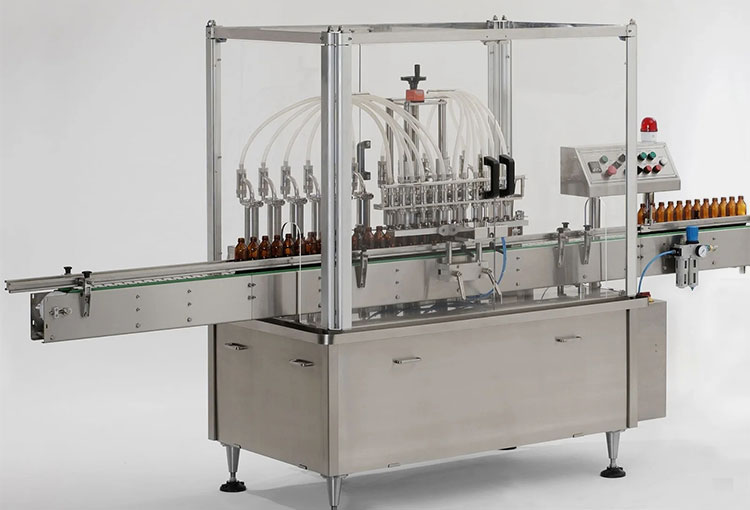 Tell us your material or budget, we'll reply to you ASAP within 24 hours