
How to Choose the Right Packaging Machine for Personal Care Products?
Struggling to pack lotions and shampoos by hand? Manual packing wastes time and causes messy leaks. The right machine solves this, saving you money and stress.
To choose the right packaging machine for personal care products, you must first check your product thickness. Then, match it with the correct filling pump, decide on your daily bottle output, ensure the machine uses sanitary stainless steel, and calculate both the starting price and long-term running costs.
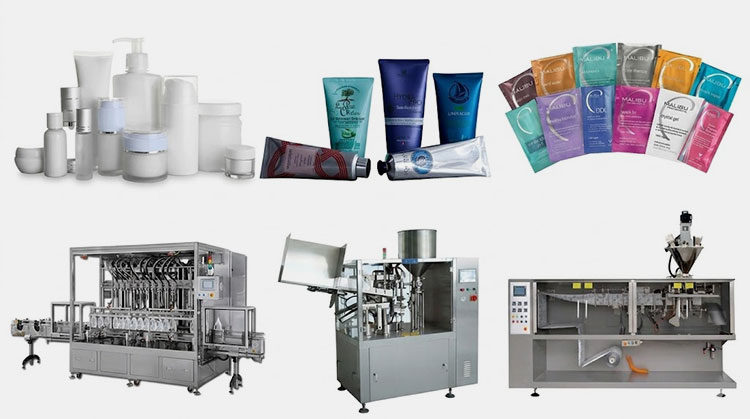
Packaging machine for personal care products
I remember when I bought my first packaging machine. I picked the wrong one, and it jammed every single day. I do not want you to make that same costly mistake. Let us look at the exact steps you need to take to find the perfect fit for your factory.
1.What types of personal care products need packaging machines?
Are your different products causing chaos on your floor? Thin perfumes and thick body butters behave very differently. Using one method for all of them will ruin your batch.
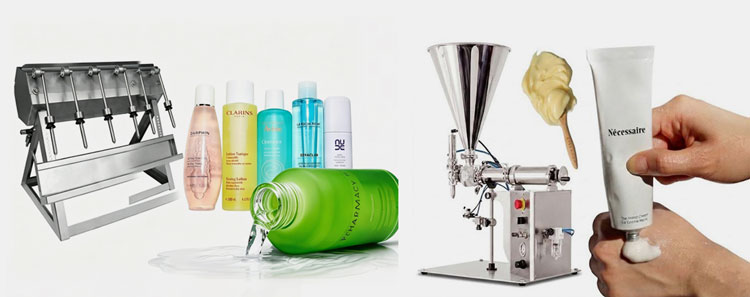
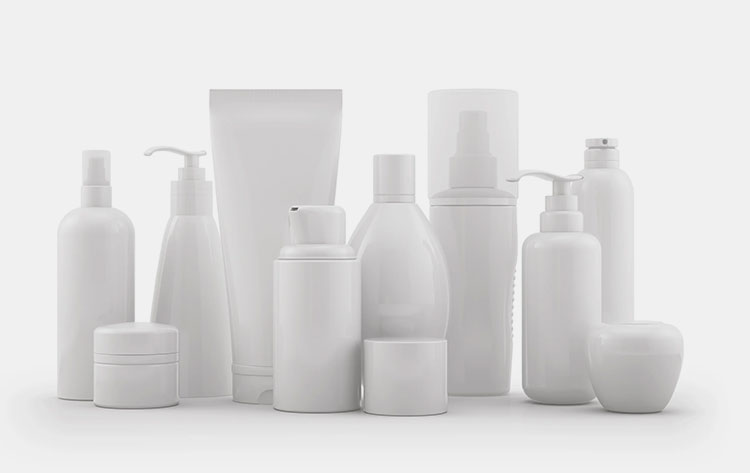
Personal care products range from thin liquids like perfumes and toners to thick creams, gels, and pastes. You need to classify your items by how easily they flow. This tells you exactly what kind of skin care products filling machine can handle your specific product without clogging.
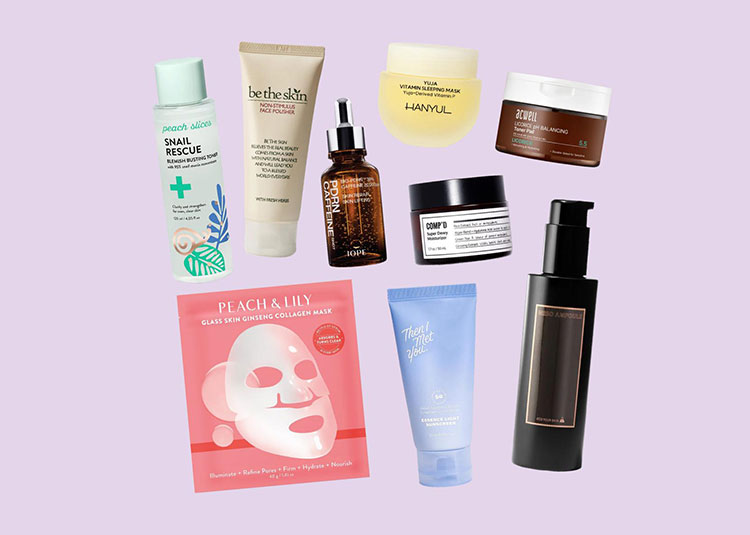
Types of personal care products
Understanding Product Flow
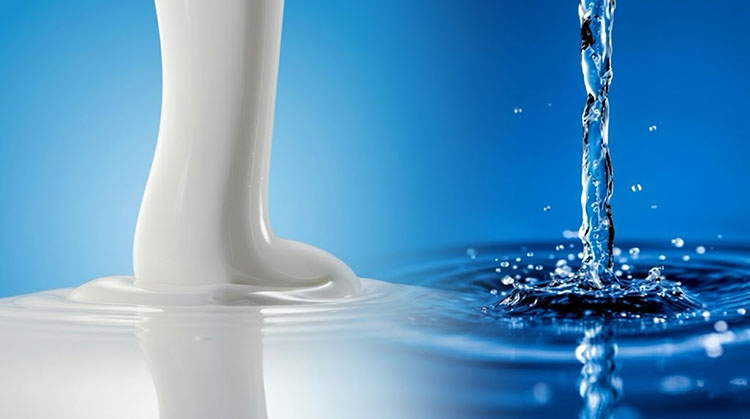
When I started, I thought lotion and water could use the same pipe. I was very wrong. You have to look at viscosity. Viscosity means how thick your product is. If a product is thick, it moves slowly. If it is thin, it moves fast. You must group your items before you buy a machine. If you do not do this, your machine will either leak everywhere or choke on the thick liquid.
Grouping Your Items
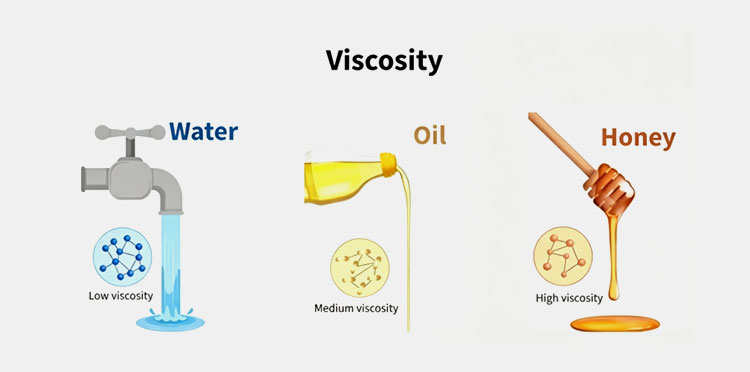
I use a simple system to group personal care products. This helps me pick the right machine parts. Here is a simple chart I use in my factory.
| Flow Type | Product Example | Machine Challenge |
| Free-flowing liquid | Perfume, Toner, Micellar water | Splashing and leaking out of the bottle |
| Semi-viscous liquid | Shampoo, Body wash, Light lotion | Foaming and bubbling during the fill |
| Highly viscous paste | Body butter, Hair wax, Toothpaste | Pushing the thick product through the pipes |
You must test your product first. Pour it from a cup. Watch how it falls. This simple test tells you what machine group you belong to. Once you know this, you can look at the inner parts of the machine.
2.Which filling mechanism works best for your liquids and creams?
Are you getting the wrong amount of product in each bottle? Inconsistent fills upset customers and waste your expensive creams. The right filling pump stops this waste right away.
You must match your product thickness to the pump type. Use gravity fillers for thin liquids like water. Use piston fillers for thick creams and pastes. Use gear pumps for shampoos that foam. The right pump ensures every bottle gets the exact same amount.
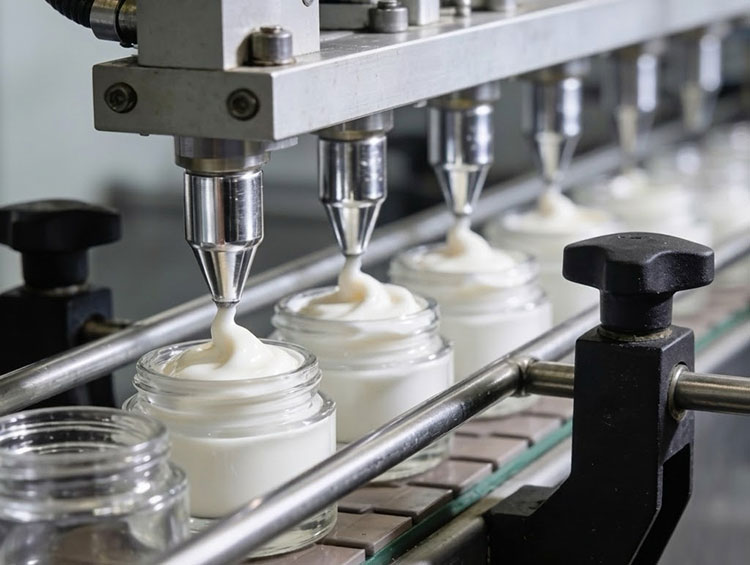
Filling mechanism for creams
Picking the Pump
The pump is the heart of your machine. I once used a gravity filler for a thick hand cream. The cream just sat there and did not move at all. I lost a whole day of work trying to fix it. You must know your pumps to avoid this problem. The pump pushes your product from the tank into the bottle.
The Three Main Pumps
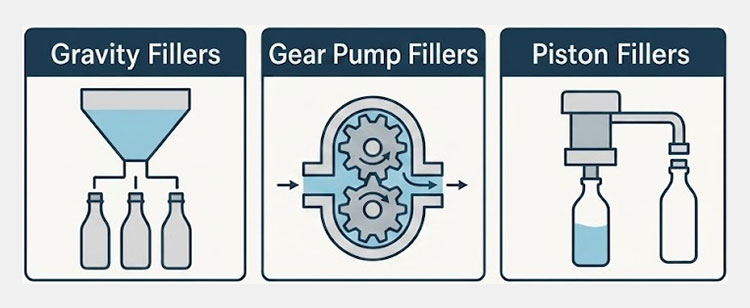
There are many types of pumps. You only need to know three for personal care items. Each one does a very specific job for a specific product.
| Pump Type | Best For | How It Works |
| Gravity Filler | Thin liquids (Perfume) | Uses the weight of the liquid to push it down |
| Piston Filler | Thick creams (Body butter) | Uses a metal plunger to push heavy creams hard |
| Gear Pump | Medium liquids (Shampoo) | Uses spinning gears to move the liquid smoothly |
If your product has small beads in it, like a face scrub, you must be extra careful. A gear pump might crush the beads. A piston filler is much safer for scrubs. Always ask the machine maker to test your actual product in their pump before you buy it.
3.How do production speed and automation level affect your choice?
Falling behind on customer orders? A slow machine limits your sales, but buying a massive system you do not need burns your cash. You must find the perfect balance.
To choose the right speed, count how many bottles you need to make per day. Choose a manual machine for under 500 bottles. Pick a semi-automatic machine for up to 5,000 bottles. Buy a fully automatic line if you make more than 5,000 bottles daily.
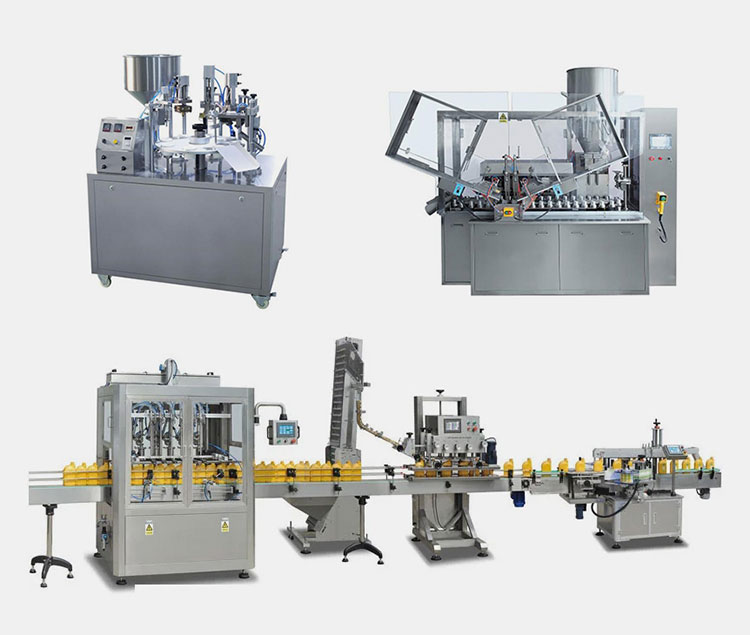
Semi automation,fully automation filling machines and production line
Counting Your Bottles

Many people buy a fast machine just because it looks good. I did this too. I bought a fully automatic line for a new product. The product did not sell well. The big machine sat empty in my factory. You must base your choice on real sales numbers. Do not base it on hopes and dreams. You need to know exactly how many bottles leave your door every day.
Levels of Automation

You can upgrade your machine as your business grows. You do not need the biggest one on day one. Here is how I match machine types to daily sales.
| Machine Type | Bottles Per Day | Worker Needed |
| Manual | 100 to 500 | One worker pulls a lever for every bottle |
| Semi-Automatic | 500 to 5,000 | One worker places the bottle, machine fills it |
| Fully Automatic | 5,000 and up | Machine feeds, fills, and caps bottles alone |
Think about your factory space. A fully automatic line takes up a huge room. A semi-automatic machine fits on a single table. Start small if you have a tight space. You can always sell a small machine and buy a big one later when your orders go up.
4.Why is machine material and hygiene critical for personal care?
Worried about bacteria in your skin creams? Dirty machines cause bad batches and dangerous skin reactions. You must use machines that are easy to clean and safe.
Personal care machines must be made of 304 or 316 stainless steel. These metals do not rust and do not react with your chemicals. You also need a machine with sanitary parts that you can take apart quickly to wash between different product batches.
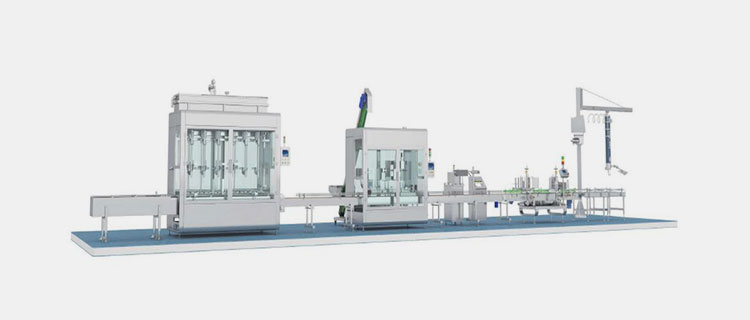
Sanitary personal care products packaging line
The Danger of Rust
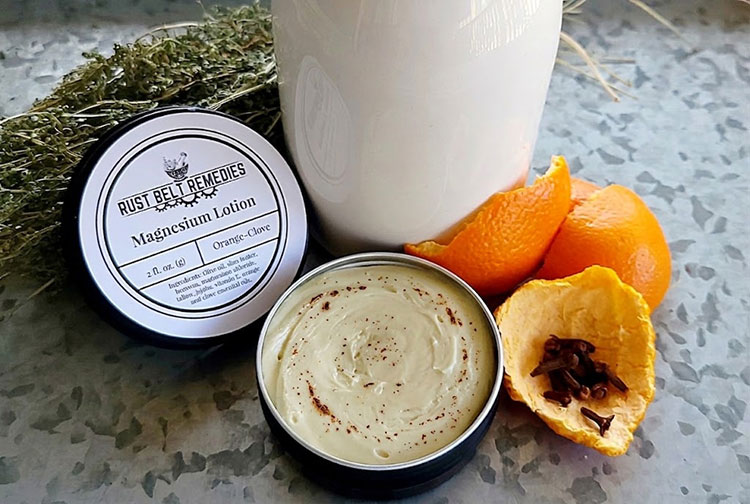
Skin products go on human bodies. If your machine rusts, that rust goes into your lotion. I once visited a factory that used cheap iron parts. Their lotion turned brown after two months in the store.
They had to recall everything. You cannot risk your brand reputation on cheap metals. The chemicals in soaps and shampoos are very harsh on cheap steel.
Choosing the Right Metal
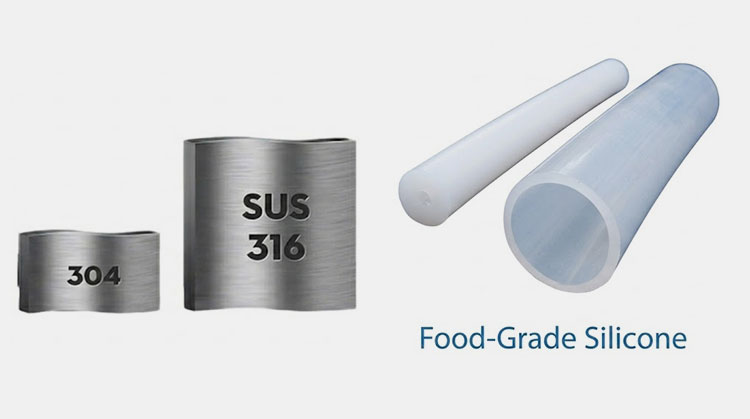
You must ask the seller what kind of steel they use. Do not just accept the words "stainless steel." You need specific numbers to guarantee safety.
| Material Type | Where to Use It | Why It Matters |
| 304 Stainless Steel | Machine frame and outside covers | It is strong and stops basic rust from water |
| 316 Stainless Steel | Inside pipes and filling nozzles | It resists harsh chemicals and salt in your products |
| Food-Grade Silicone | Hoses and soft gaskets | It bends easily and does not leave toxic chemicals |
You also need to look at how the machine is put together. Look for "quick-release" clamps. These clamps let you open the pipes with your bare hands. If you need a wrench to open the pipes, cleaning will take too long. Your workers will get lazy and skip the daily cleaning.
5.What is the real cost of owning a packaging machine?
Is the cheap machine really a good deal? Buying a cheap machine often leads to massive repair bills later. Hidden costs can destroy your factory budget very fast.
The real cost includes the purchase price, shipping, installation, daily power use, and spare parts. A cheap machine breaks down often, causing you to lose money while production stops. You must calculate the total cost for five years, not just the price tag today.
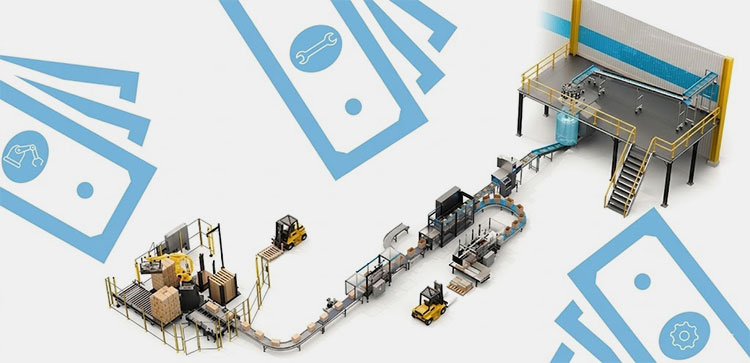
Looking Past the Price Tag

I love finding a good deal. But a cheap machine is a trap. I bought a low-cost machine from an unknown brand once. When a tiny sensor broke, I could not find a replacement part anywhere. My whole line stopped for three weeks. I lost thousands of dollars in delayed orders. You must look at the long-term reality of running a machine.
Calculating Total Costs

You have to think about the next five years. Write down all the things that will cost you money after the machine arrives. Here is a chart to help you track the real costs.
| Cost Type | What It Includes | How Often You Pay |
| Upfront Cost | Machine price, shipping, and taxes | One time |
| Setup Cost | Hiring an expert to install it | One time |
| Running Cost | Electricity and air pressure | Every single day |
| Repair Cost | Buying new seals, sensors, and belts | Every few months |
Always ask the seller for a list of spare parts. Buy the spare parts at the same time you buy the machine. This saves you shipping money later. It also means you can fix a broken part in ten minutes instead of waiting days for a box to arrive in the mail.
Conclusion
To choose the right machine, match your product thickness to the pump, pick a speed that fits your sales, demand good stainless steel, and calculate your long-term running costs. In the personal care market, the container is as important as the formula. Don't let scratches, messy drips, or uneven fill levels ruin your premium brand image. Click here to request a Free Product Compatibility Test and ensure your line delivers a flawless, shelf-ready finish every time!
Don't forget to share this post!
CONTACT US
Tell us your raw material and project budget to get quotations within 24 hours.
WhatsApp Us: +86 156 0710 8630
The Buyer's Guide
 Tell us your material or budget, we'll reply you ASAP within 24 hours