
Horizontal vs Rotary Premade Pouch Machines: A Strategic Technical Audit for Food & Pharma Factories?
Choosing the wrong pouch machine wastes money. Downtime and dust ruin your profits. Here is how you can audit horizontal versus rotary machines to protect your business.
Horizontal machines offer better hygiene and easy adjustment. Rotary machines suit specific high-speed needs. We will compare their size, pouch adjustment, feeding logic, dust control, sealing, and maintenance. This guide helps you make the best choice for your factory.
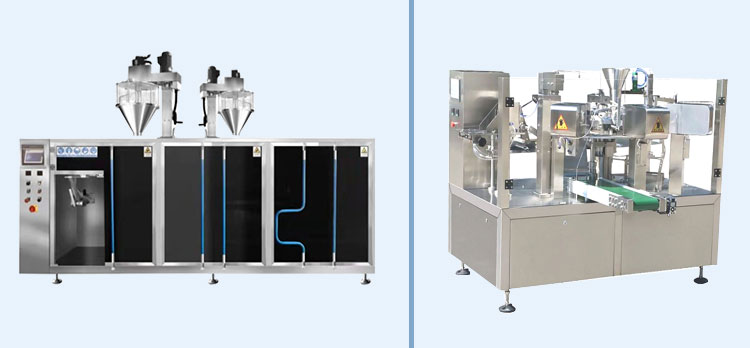
Horizontal vs Rotary Pouch Machine
If you stop reading now, you might buy a machine that costs you thousands in hidden maintenance fees. You must understand the mechanical differences to protect your long-term budget.
1.Introduction: Why is Mechanical Structure the Hidden Driver of Your ROI?
You buy a machine to make money. But hidden structural flaws drain your budget. Let us look at how mechanical DNA changes your return on investment.
The mechanical structure determines your long-term ROI. Horizontal machines reduce cleaning time and adjust easily. Rotary machines may cost more to maintain. Your choice between horizontal and rotary DNA dictates your 10-year operating cost.

ROI of Packaging Machinery
I visit many factories every year. I see managers make expensive equipment selection mistakes all the time. They buy a machine based entirely on the initial price. They ignore the mechanical structure. This is a big mistake. The choice between horizontal and rotary DNA dictates your 10-year operating cost. A strategic technical audit prevents these errors. You must look at the moving parts. You must look at how the machine handles daily stress.
The 10-Year Cost Impact
Rotary machines often have hidden parts. These parts break over time. Horizontal machines lay everything out in a straight line. This makes maintenance much cheaper and faster. I always tell my clients to look past the first year of ownership.
Audit Comparison Factors
You must compare the machines carefully. Look at the data before you buy.
| Audit Feature | Horizontal Machine | Rotary Machine |
| Layout Style | Straight line | Circular |
| Part Visibility | High visibility | Low visibility |
| Long-term Cost | Lower maintenance cost | Higher maintenance cost |
2.Equipment Size & Sanitation: How Does Machine Footprint Affect Your Cleanroom Standards?
Big machines block your cleanroom. Dust hides in tight spaces. You need a design that allows easy cleaning and fits perfectly on your factory floor.
Machine footprint directly impacts cleanroom hygiene. Horizontal machines have a 0.98m narrow body. This eliminates hygiene dead zones. Traditional rotary machines trap dust in their turret belly. This makes water wash-downs very risky for internal components.

Machine Footprint and Hygiene
Cleanroom space is very expensive. Every square meter costs you money. The 0.98m narrow-body design of horizontal machines is a huge advantage. It saves space on your floor. It also eliminates hygiene dead zones. Workers can reach every part of the machine easily.
The Danger of the Turret Belly
Traditional rotary machines have a big center area. We call this the "turret belly." Dust falls into this belly during production. You cannot see it easily. You cannot clean it easily. This dust accumulation is a big risk for cross-contamination.
Water Wash-Down Risks
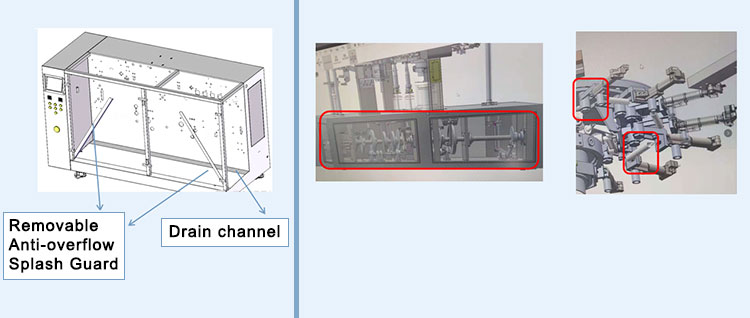
Food and pharma factories need frequent water wash-downs. Can your packaging line withstand this? Rotary machines often trap water inside their complex center. This water corrodes internal components over time. Horizontal machines drain water easily because of their open, linear design.
| Sanitation Feature | Horizontal Machine | Rotary Machine |
| Body Width | 0.98m narrow body | Wide circular body |
| Hygiene Dead Zones | Almost none | Many in the center |
| Wash-down Safety | High safety | High risk of corrosion |
3.Pouch Adjustment & Versatility: How Much Downtime is Caused by Manual Gripper Resets?
Changing pouch sizes takes too long. Workers waste hours resetting grippers. You need a machine that handles bag variations without stopping your daily production.
Manual gripper resets cause major downtime. Point-to-Point gripping on horizontal machines handles minor bag width variations automatically. Rotary machines have a strict 5mm limit. This limit kills your production efficiency during changeovers.
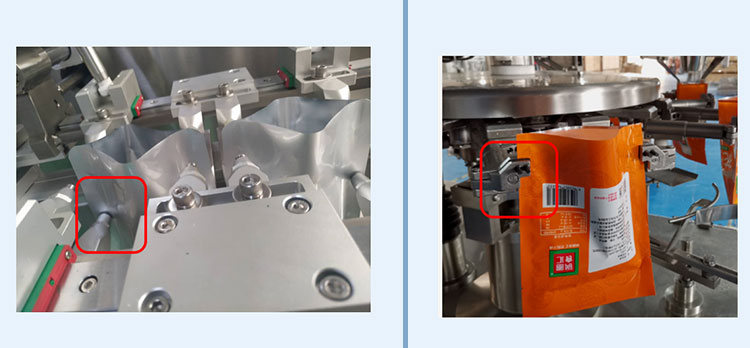
Pouch Adjustment and Grippers
I remember a client who lost two hours every single day just changing bag sizes. Their old machine needed manual gripper resets. This downtime costs a lot of money. You need versatility.
Point-to-Point vs. Side-Grip
What is the difference between Point-to-Point Gripping and traditional side-grip clamping? Point-to-Point gripping holds the bag from the top. It adapts easily to small changes. Horizontal machines can handle minor bag width variations without mechanical adjustments. Traditional side-grip clamps hold the sides. They need perfect alignment to work.
The 5mm Limit Problem
Rotary machines have a big flaw. They have a "5mm limit." If your bag size changes by more than 5mm, you must stop the machine. You must adjust every single gripper with a tool. This kills your production efficiency during changeovers.
| Adjustment Feature | Horizontal Machine | Rotary Machine |
| Gripper Type | Point-to-Point | Side-Grip |
| Small Variations | Automatic adjustment | Manual adjustment |
| Changeover Speed | Very fast | Very slow |
4.Bag Feeding Logic: Why is Integrated Suction Superior to Two-Stage Transfer?
Dropping bags stops your line. Two-stage transfers often fail to align pouches. Integrated suction keeps your process smooth and greatly reduces common feeding errors.
Integrated suction is superior because it prevents bag drops. The Integrated Pick-and-Flip mechanism ensures 100 percent seal alignment. Rotary systems use a Pull-down and Lift transfer. This secondary transfer struggles with irregular pouch shapes and often fails.
Bag Feeding Logic
Bag feeding is the start of the whole process. If it fails, everything fails. Many rotary systems use a "Pull-down and Lift" secondary transfer. This method has high failure risks. The machine pulls the bag down, and then it lifts it up again. It drops bags very often.
The Pick-and-Flip Advantage
Horizontal machines use an Integrated Pick-and-Flip mechanism. The suction cups grab the bag and flip it directly into place. This is one smooth motion. It ensures 100 percent seal alignment every time.
Handling Irregular Shapes
Can your current machine adapt to irregular pouch shapes without dropping bags? Stand-up pouches and zipper bags have thick bottoms. The Pull-down and Lift method struggles with these complex shapes. The Pick-and-Flip method handles them perfectly without any trouble.
| Feeding Method | Motion Type | Bag Shape Compatibility |
| Pick-and-Flip | One smooth motion | Excellent for all shapes |
| Pull-down and Lift | Two separate motions | Poor for thick bottoms |
5.Dust Control & Environmental Audit: Is Your Workshop Protected from Cross-Contamination?
Powder dust spreads everywhere. Cross-contamination ruins your pharmaceutical batches. You must control dust at the source to protect your workshop and your valuable products.
A fully enclosed horizontal system protects your workshop from cross-contamination. Air-curtain dusting cleans the bag mouth for pure seals. Open-top rotary machines let powder escape. This contributes to higher airborne particulate levels in your factory.
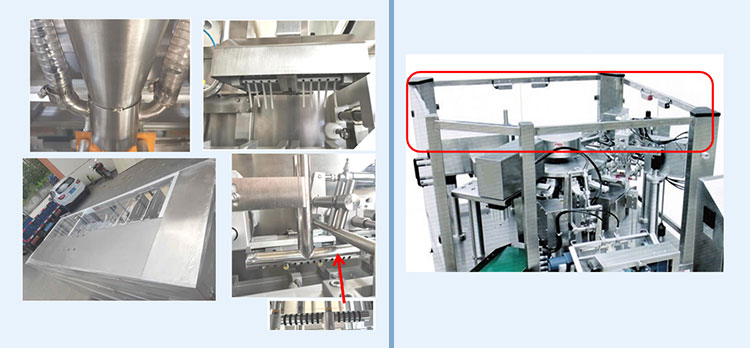
Dust Control in Cleanrooms
At ALLPACK, we build machines for strict pharmaceutical companies. Dust control is a top priority for us. Is your workshop protected from cross-contamination? If you pack fine powders, dust will fly everywhere.
Enclosed vs. Open Systems
Why is a near-fully enclosed horizontal system essential for pharmaceutical-grade dust removal? It keeps the dust completely inside the machine. We connect a vacuum to pull the dust away safely. Open-top rotary machines cannot do this. They leave the top open. Dust flies directly into the factory air.
Pure Seals with Air-Curtains
How do air-curtain dusting and bag-mouth cleaning improve your product purity? Before sealing, an air-curtain blows clean air over the seal area. It removes stray powder from the plastic. This makes the seal strong and clean.
| Dust Control Feature | Horizontal System | Rotary System |
| Machine Enclosure | Near-fully enclosed | Open top |
| Airborne Dust | Very low | Very high |
| Seal Cleaning | Air-curtain cleaning | Minimal cleaning |
6.Sealing Quality & Power Structure: Why Trust a Cam-Driven Mechanical Linkage?
Weak seals cause product leaks. Pneumatic cylinders lose pressure and fail. Cam-driven linkages provide the strong, consistent power you need for perfect seals every time.
Cam-driven mechanical linkages offer stable sealing power. Unlike pneumatic cylinders, mechanical synchronization prevents seal time errors during speed fluctuations. This reliable power structure is why ALLPACK is confident enough to offer a 50-year warranty on the main drive cam.
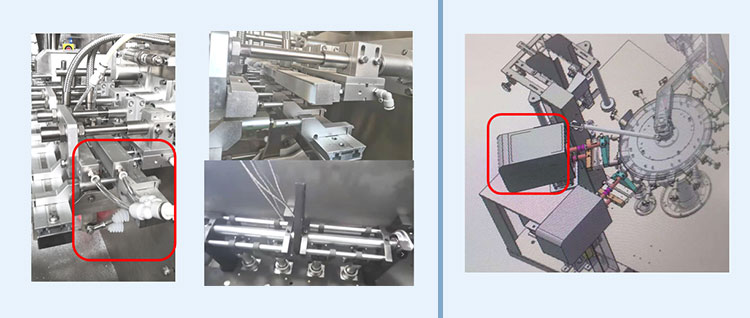
Cam Driven Sealing Mechanism
A bad seal ruins the product completely. Customers will return leaking bags to you. You need perfect sealing power. What makes Cam-and-Rocker arm control more stable than pure pneumatic cylinder sealing?
Mechanical vs. Pneumatic Power
Pneumatic cylinders use air pressure. Air pressure changes constantly. When pressure drops, the seal gets weak. A Cam-and-Rocker arm uses solid metal parts. The pressure is exactly the same every single time. It never drops.
Speed and Synchronization
How does mechanical synchronization prevent seal time errors during speed fluctuations? All parts connect to one main motor. If the motor speeds up, everything speeds up together. The timing never changes. We trust this design completely. We offer a 50-year warranty on our main drive cam.
| Power Structure | Pressure Stability | Timing Accuracy |
| Cam-Driven Linkage | 100% stable | Perfect synchronization |
| Pneumatic Cylinder | Variable pressure | Prone to timing errors |
7.Maintenance & Configuration: What Defines a "Low-Maintenance" Machine in 2026?
Broken parts halt your business. Cheap components break down quickly. You need international brand parts and a smart layout for easy maintenance and fast repairs.
A low-maintenance machine uses high-quality parts and simple layouts. Rotary machines use high-density springs that fail often. Using international components from Siemens, SMC, and FESTO secures your supply chain and lowers hidden maintenance costs over time.
Low Maintenance Machine Parts
Maintenance costs can eat your profit very fast. What defines a "low-maintenance" machine in 2026? It means you do not need to fix it often. When you do fix it, the work is fast and easy.
The Problem with Rotary Parts
Why do high-density springs and low-mounted bearings in rotary machines lead to frequent failures? Springs lose tension over time. Bearings at the bottom of the machine collect dust and water. They rust and break. Horizontal machines use simple cams and top-mounted bearings.
Securing Your Supply Chain
We use international components from Siemens, SMC, and FESTO. How does this secure your supply chain? If a part breaks, you can buy a new one anywhere in the world. You do not wait for custom parts. Ignoring the maintenance-friendly structure during the bidding stage will cost you thousands later.
| Maintenance Factor | Horizontal Design | Rotary Design |
| Bearing Location | Top-mounted (Safe) | Low-mounted (Risky) |
| Moving Parts | Simple cams | High-density springs |
| Component Brands | Global standard brands | Custom or local brands |
8.Strategic Alignment: Which Architecture Aligns with Your Production?
Choosing the wrong architecture limits your growth. You need a machine that fits your exact goals. Let us align your choice with your production needs today.
Your production goals dictate your machine choice. Horizontal architectures suit fast changeovers, strict hygiene, and versatile pouch shapes. Rotary machines fit specific single-size, high-volume runs. You must evaluate your factory needs carefully to secure your long-term return on investment.

Strategic Packaging Line Alignment
We reached the end of our technical audit. You must make a choice now. I want you to succeed. I want your factory to run smoothly every day. Which architecture aligns with your production?
Matching Machine to Goal
If you produce many different products, you need flexibility. Horizontal machines change sizes quickly. If you pack pharmaceuticals, you need extreme hygiene. The narrow body and dust control of the horizontal machine win here. If you run one single product at very high speeds for months, a rotary machine might work for you.
Final Audit Steps
Look at your product mix. Look at your cleanroom space. Look at your maintenance team. Make a choice based on data, not just the purchase price. We at AIPAK are ready to help you build the perfect line.
| Factory Need | Best Architecture Choice | Main Reason |
| High Versatility | Horizontal | Fast automatic adjustments |
| Strict Hygiene | Horizontal | Easy to clean safely |
| Single Size Speed | Rotary | Optimized for one shape |
Conclusion
Horizontal machines offer superior hygiene, easy adjustments, and reliable sealing. Rotary machines fit specific high-volume needs. Choose the right structure to protect your ROI and ensure smooth daily production.
Don't forget to share this post!
CONTACT US
Tell us your raw material and project budget to get quotations within 24 hours.
WhatsApp Us: +86 181 6426 8586
The Buyer's Guide
 Tell us your material or budget, we'll reply you ASAP within 24 hours