How to Choose the Right Non-food Packaging Machines?
Are you struggling to pack your pharma or cosmetic products? Bad equipment wastes time and ruins materials. Here is how to find the perfect machine for your business.
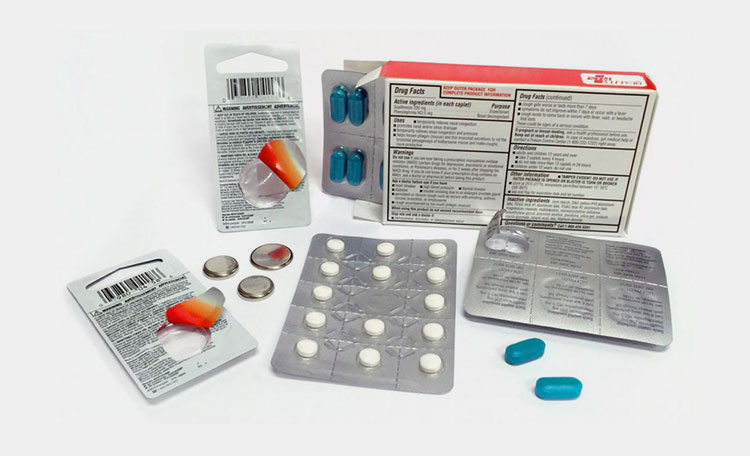
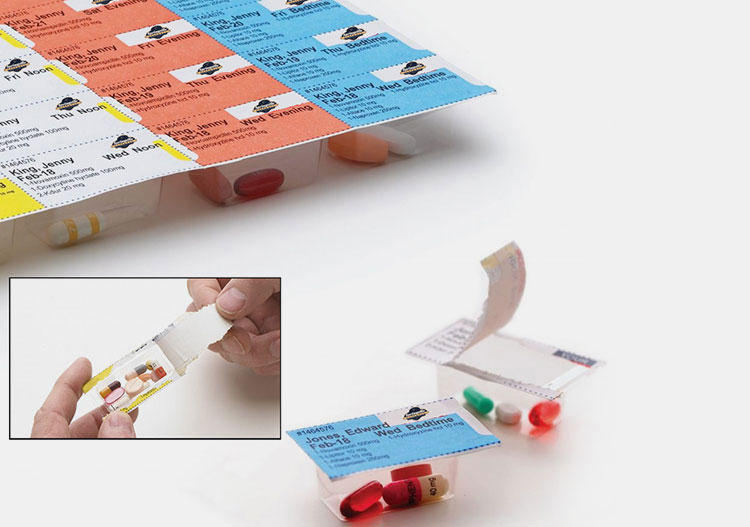
To choose the right non-food packaging machine, you must check your product material, required speed, and final package type. Match these details with reliable machines like blister packers or tube fillers to keep your production fast, safe, and GMP-compliant.
Non-food packaging machines
You might think any machine will work for your factory, but picking the wrong one will cause endless downtime and lost money. Let us look at exactly what you need to check before you spend your budget.
Add a header to begin generating the table of contents
1.What Are Your Specific Product and Material Requirements?
Powders act very differently than thick creams. If you ignore your product type, your machine will jam. You must focus on your material properties first.
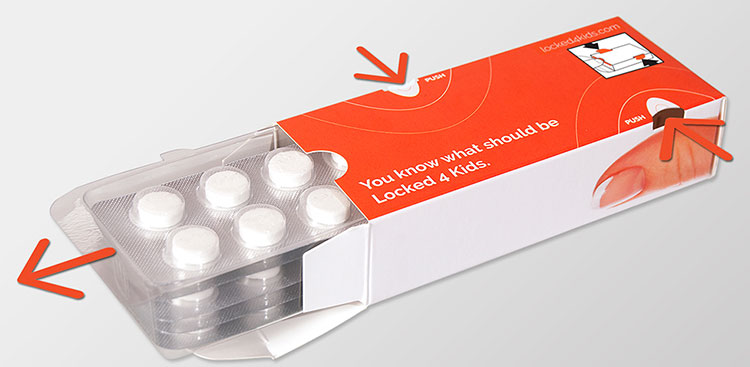
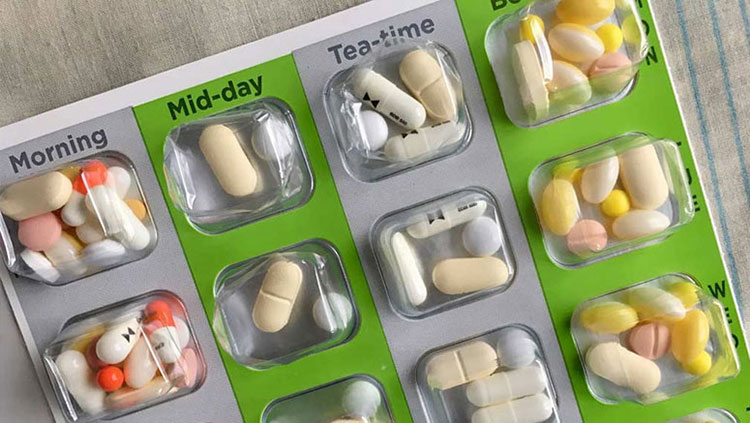
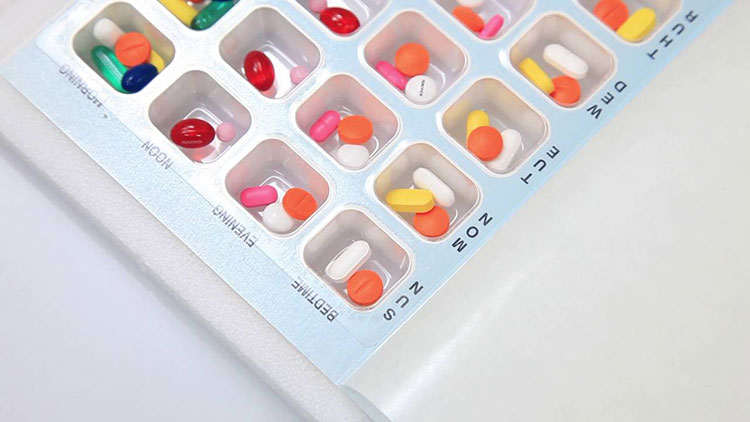
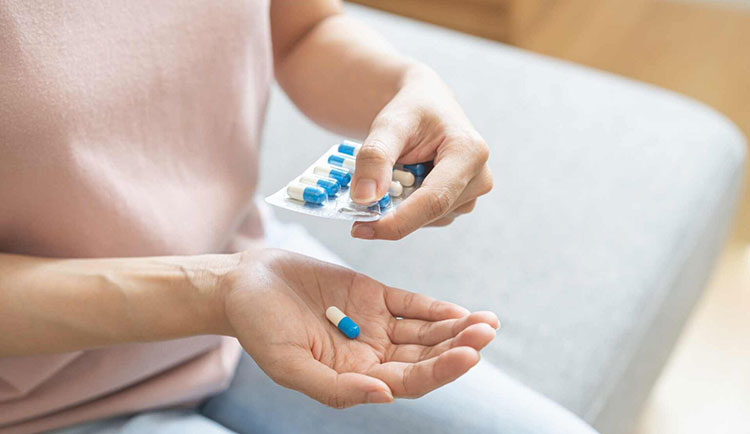
You must identify if your product is a solid, liquid, powder, or gel. Capsule fillers work for powders, while tube fillers handle creams. Matching your machine to your exact material prevents leaks, jams, and wasted products on your line.
Product material requirements
I always tell my clients that the product dictates the machine. In my years of working with global pharmaceutical and cosmetic makers, I see many people make the mistake of buying a machine before understanding their material.
You need to look at your product closely. Does your powder create a lot of dust? Does your liquid change thickness when it gets warm? You must answer these questions before you buy.
Solid vs Liquid Handling
Different materials need totally different feeding systems. A machine that counts hard tablets will not work for sticky gummy candies. You have to break down your product traits.
If you have a fine powder, you need an auger filler with strong dust control. If you have a thick paste, you need a piston pump.
Product Type
Common Traits
Best Machine Choice
Tablets/Capsules
Hard, uniform shape
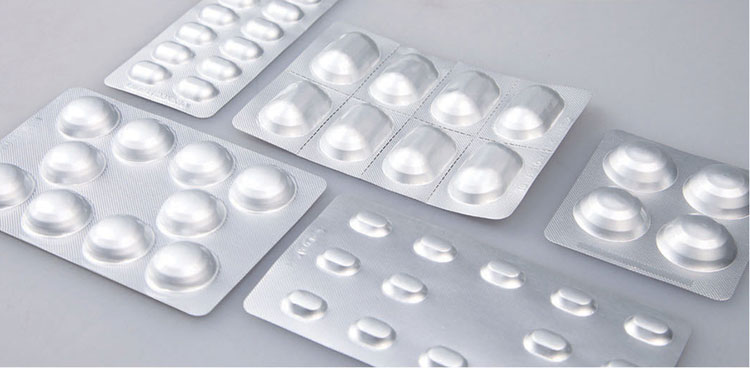
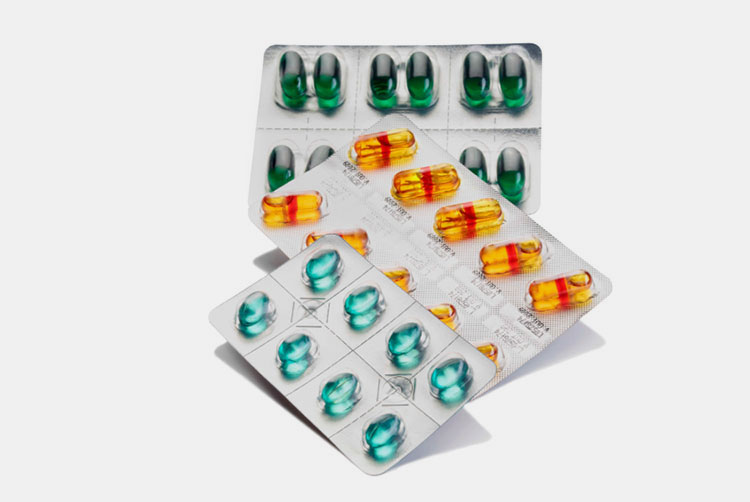
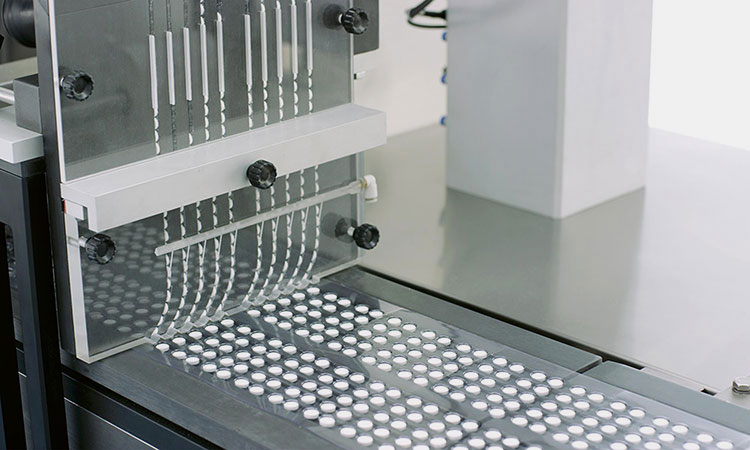
Tablet counting line, Blister packer
Fine Powders
Dusty, free-flowing
Auger powder filling machine
Creams/Gels
Thick, sticky
Tube filling machine
Liquids
Watery, easy to spill
Liquid sachet or bottle filler
By testing your material first, you can avoid costly mistakes. We always test client materials on our machines before delivery to make sure everything runs perfectly.
2.How Fast Do You Need Your Production Line to Run?
Slow machines kill your daily output. But buying a machine that is way too fast wastes your money. You need to find the perfect speed match.
Calculate your required output by checking your daily sales goals. If you need 100,000 pills a day, choose a high-speed blister machine. For smaller test batches, a semi-automatic machine is a much better and cheaper choice for your factory.
Production line speed
Speed is a tricky thing. Many buyers just look at the maximum speed on a machine brochure. But that number is not always real. In a real factory, you have to stop the machine to load new film or clean the parts. This lowers your actual speed. You need to use critical thinking here.
Calculating True Machine Output
Do not just buy the fastest machine. Think about your whole room. If your blister packaging machine makes 300 packs a minute, but your cartoning machine only packs 100 boxes a minute, you have a big problem. The machines must match each other.
Speed Level
Output Range
Best For
Low Speed
Under 50 units/min
R&D labs, startup companies
Medium Speed
50 - 150 units/min
Growing factories, standard runs
High Speed
Over 200 units/min
Large global manufacturers
I always advise clients to plan for the next three years. If you plan to grow, buy a machine that can run a little faster than you need today. This gives you room to scale up without buying a whole new line.
3.Does the Equipment Meet GMP and Industry Standards?
A failed safety inspection can shut down your whole business. Non-compliant machines are a huge risk. You must always check for proper industry rules and standards.
For pharmaceutical and cosmetic goods, your machine must meet strict GMP rules. It must have stainless steel parts, dust-free covers, and easy-to-clean designs. These features prevent dirty products and help you pass strict industry audits without any stress.
GMP packaging machines
You cannot ignore safety rules when you pack health products. Whether you make vitamins, medicines, or skin creams, cleanliness is your top priority.
I have seen companies buy cheap machines from unknown sellers. Then, they fail their factory audits because the machine has hidden dirty spots.
Why GMP Compliance Matters
GMP stands for Good Manufacturing Practice. It means the machine is safe and clean. You must look at how the machine is built. Are there sharp corners where powder can hide? Can you take the parts off without using heavy tools? These details matter a lot.
Machine Feature
Non-GMP Machine
GMP-Compliant Machine
Material
Standard iron or cheap steel
304 or 316L Stainless Steel
Cleaning
Needs tools, hard to reach
Tool-less parts, easy wash down
Safety
Open moving parts
Closed covers, safety doors
We focus heavily on GMP in our factory. We design our tablet presses and blister machines to keep dust out and keep your product pure. Always ask your supplier for their certificates before you pay.
4.What Packaging Formats Do Your Customers Demand?
The wrong package makes your product look cheap. If customers hate the box or tube, they will not buy it. Pick a machine that makes perfect packages.
You must choose a machine that fits your final package shape. You can use blister packs for pills, sachets for powders, or tubes for creams. The right package protects your product from air and water while looking great on the shelf.
Packaging formats
Your package is the first thing your customer sees. It has to look good, but it also has to work well. You have to think about the user. Do they need to carry it in their pocket? Do they need to squeeze it out easily?
Matching Formats to Market Needs
Different markets want different things. Right now, stick packs are very popular for vitamin powders because they are easy to travel with. If you make skin cream, aluminum or plastic tubes are the standard. You must match your machine to what the market wants to buy.
Package Format
Best Product Type
Required Machine
Blister Pack
Tablets, Capsules
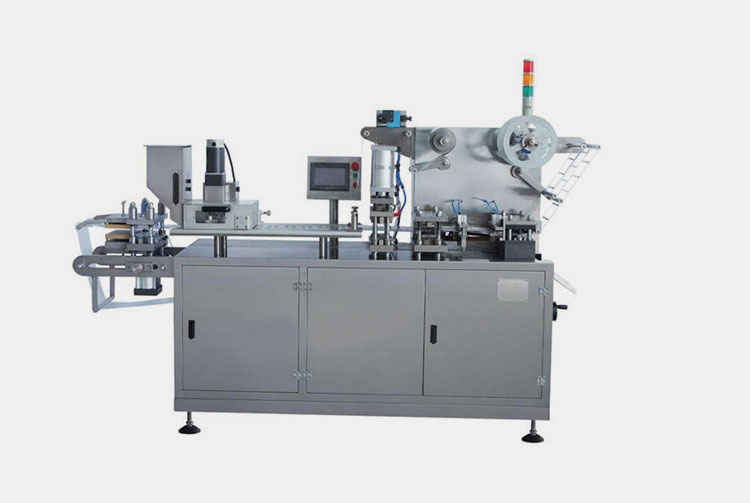
Blister Packaging Machine
Tube
Creams, Gels, Ointments
Tube Filling Machine
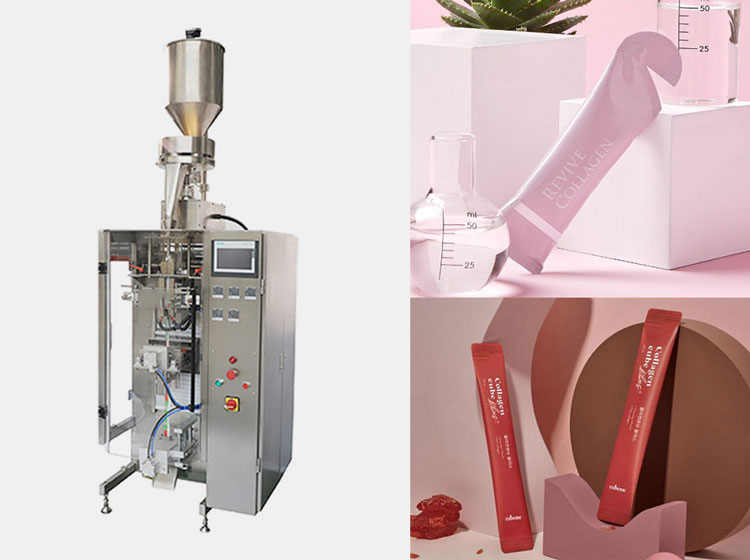
Stick Pack / Sachet
Powders, Liquid doses
Sachet Packaging Machine
Bottle
Bulk pills, Gummies
Tablet Counting Line
If you want to offer multiple formats, you will need multiple machines. Sometimes, we build custom lines that can handle different box sizes on the same cartoning machine. This gives you more choices to sell to different stores.
5.How Will You Handle Maintenance and Support?
Broken machines stop your income. If you cannot get spare parts quickly, you lose money every single minute. Good factory support is just as important as the machine.
Always buy from a supplier that offers strong after-sales help. You need fast access to spare parts, clear manuals, and online technical support. A reliable partner makes sure your packaging line runs smoothly for many years without long and costly stops.
Machine maintenance and support
Buying a machine is just the start of the relationship. A packaging machine has many moving parts. Over time, belts wear out, and sensors need adjusting.
If your supplier disappears after they take your money, you are in big trouble. I have stepped in to help clients who were abandoned by other sellers.
The Value of Long-Term Partnerships
You need a supplier who acts like a partner. You should ask them how they handle problems. Do they have engineers ready to talk? Do they test the machine before they ship it? We always do a full running test before we send any machine out.
Support Type
Bad Supplier
Reliable Supplier (Like Us)
Spare Parts
Hard to find, slow shipping
In stock, fast delivery
Training
None
Video guides, manual books
Response Time
Days or weeks
24/7 online support
You are making a big investment. Make sure you get the support you deserve. A good machine with bad support is a bad machine. Always choose a team with a long history in the industry.
Conclusion
Choosing the right non-food packaging machine means matching your product, speed, format, and GMP rules. Take your time, test your materials, and always buy from a trusted, experienced supplier.
Don't forget to share this post!
CONTACT US
Tell us your raw material and project budget to get quotations within 24 hours.
Are you struggling to pick the right pharma packaging equipment? A bad choice wastes your money and delays your orders. I will help you find the perfect fit today.
To choose the right pharma packaging machine, you must check your daily production volume, product format, and GMP compliance needs. You also need to make sure the new equipment connects easily with your current production line.
Pharma packaging machine
Read the details below so you can avoid costly mistakes. Then you can keep your production running smoothly and grow your business safely.
Add a header to begin generating the table of contents
1.What are your production speed and volume needs?
Slow machines delay your big orders. But buying a huge line for small batches wastes your budget. You need to find the right balance for your factory.
You must match the machine speed with your daily output goals. Count how many pills or bottles you need per hour. Then, add extra capacity for your future business growth.
Production speed and volume
In my 15 years of helping clients at ALLPACK, I often see factory owners buy the wrong size. A client once bought a very fast blister packing machine. But they only had small daily batches. They wasted a lot of money on equipment they did not fully use.
You must check your real needs first. Think about your shift hours. Think about your current market demand. If you want to expand your production capacity soon, you should buy a machine that can grow with you.
You do not want to buy a completely new machine every two years. That is a very bad investment. You also need to think about changeover times. If you make many different small products, you need a machine that changes parts quickly.
Evaluating Capacity Requirements
You must look at your current speed and your future speed. A good machine will let you change speeds easily. We make machines for different levels of work. Our rotary tablet press machines and blister lines come in many sizes.
You must pick the one that fits your exact plan. If you buy a machine that is too small, you will miss big orders. If you buy one that is too big, you will waste power and space. Here is a simple guide to help you decide.
Production Level
Machine Type
Best For
Small Batch
Semi-automatic or low-speed machine
R&D labs, new products, small clinics
Medium Volume
Standard automatic production line
Growing companies, steady daily orders
High Volume
High-speed continuous packaging line
Global pharma makers, large scale output
2.Which packaging format suits your product best?
Pills, powders, and liquids need different care. If you use the wrong package, your product will spoil quickly. Then you will lose your customers.
You must select a machine based on your exact product type. Use blister machines for capsules. Use tube fillers for creams. Use stick pack machines for fine powders.
Packaging format
Every product has a special need. I remember a time when a health product maker tried to put sticky gummy vitamins into standard bottles using a basic counter. The gummies stuck together very badly.
The line stopped every ten minutes. They needed a special gummy counting and feeding system. You must know your product well before you buy anything. Is it a hard tablet? Is it a softgel? Is it a liquid or a paste?
Matching Product to Packaging Style
Your choice of machine changes based on what you make. We supply many types of machines to fit different items. We have blister packing machines, tube filling machines, and sachet packaging machines.
You must match the machine to the physical state of your product. This keeps your product safe from air and water. It also makes your product look very good on the shelf.
Some products need a dry environment. Some products need a dark package. You must match these details to the machine capabilities. If you get this wrong, your product will spoil quickly.
Product Type
Packaging Format
Recommended Machine
Tablets & Capsules
Blister packs or plastic bottles
Blister Packing Machine / Tablet Counting Line
Creams & Gels
Plastic or metal squeeze tubes
Tube Filling Machine
Powders & Liquids
Small pouches or stick packs
Sachet & Stick Pack Machine
3.How does GMP compliance impact your choice?
Failing a factory audit is a nightmare. Dirty machines can shut down your whole business. You must follow the health rules strictly.
Your packaging machine must meet strict GMP standards. You should look for stainless steel parts, dust-free designs, and easy cleaning systems. This ensures your medicine stays safe and pure.
GMP compliance
Quality rules are very strict in our industry. I always tell my clients that cheap machines are very dangerous. If a machine is hard to clean, old powder stays inside the parts. This old powder mixes with your next batch.
This ruins your product and breaks the law. You must buy equipment that is easy to take apart and wash. I have seen factories fail their audits because they used poor equipment. They lost their license and lost their business.
Meeting Global Pharma Standards
GMP means Good Manufacturing Practice. All pharma equipment must follow this rule. We build our machines with top-grade stainless steel. We make sure there are no hidden corners where dirt can hide.
Our tablet counting lines have strong dust-resistant designs. Our tablet coating machines have hygienic material handling systems. You must check these details before you buy any machine.
If you ignore GMP, you will fail your inspections. A clean machine makes safe medicine. You can never compromise on this part of your business.
GMP Feature
Why You Need It
ALLPACK Solution
316L Stainless Steel
Stops rust and stops contamination
Standard on all product contact parts
Easy Disassembly
Makes fast and deep cleaning possible
Tool-less quick release machine parts
Dust Control
Keeps the factory air very clean
Enclosed systems and strong dust extractors
4.Can the machine integrate with your existing line?
A new machine that does not talk to your old machines causes big jams. This stops your work and wastes your time.
You must check if the new equipment connects smoothly with your current conveyors, fillers, or cartoners. Good integration gives you a steady and fast workflow.
Machine integration
Many factory owners buy machines from different places. Then they try to put them all together in one room. I have seen this fail many times. The bottles fall over on the belt. The sensors do not match. The speed is different for every machine.
You need a complete system that works as one unit. If you buy a cartoning machine, it must connect perfectly with your blister packing machine. If they do not match, your workers will have to move items by hand.
Building a Seamless Production Line
Integration means everything runs smoothly from start to finish. You need smart controls for the whole line. The machines must share information with each other. If the downstream machine stops, the upstream machine must slow down automatically.
ALLPACK’s production packaging line
We provide complete solid dosage packaging solutions. We design the line layout for you. We make sure all parts work together before we ship them to your factory. This saves you a lot of time. It also keeps your factory clean and safe.
Integration Area
Common Problem
How to Fix It
Speed Matching
One machine runs too fast
Use smart PLC speed control
Physical Connection
Conveyor belts do not align well
Custom design the transfer parts
Data Sharing
Machines do not talk to each other
Use a central line control system
5.What kind of supplier support do you really need?
Machine breakdowns are terrible. If you can not get spare parts or help fast, you lose money every single minute.
You should pick a supplier with strong after-sales support. You need quick spare parts delivery, clear training, and fast technical help. A reliable partner keeps your factory running.
Supplier support
A machine is only as good as the team behind it. A few years ago, a client bought a cheap machine from an unknown seller. It broke down in just one month. The seller did not answer the phone. The client had to stop production for weeks. They came to us for help.
At ALLPACK, we have over 15 years of experience serving global pharma makers. We know how important fast support is for your business. You can not afford to wait days for an answer.
The Value of Reliable Supplier Support
You do not just buy metal parts. You buy a promise of continuous work. You need a team that will test the machine before delivery. You need a team that will teach your workers how to use it safely.
We offer 24/7 online customer support. We send our engineers to help you set up new manufacturing lines. You must check the supplier's history and service record. A good partner will help you grow. A bad partner will cost you time and money.
Support Type
What to Look For
ALLPACK Service
Testing
Factory Acceptance Test before shipping
All machines tested strictly before delivery
Training
Clear manuals and simple video guides
Full operation training for your workers
Maintenance
Fast spare parts shipping
24/7 support and quick parts supply
Conclusion
Choosing the right pharma packaging machine means checking your volume, product type, GMP needs, line integration, and supplier support. Make the right choice to keep your production successful.
Don't forget to share this post!
CONTACT US
Tell us your raw material and project budget to get quotations within 24 hours.
How to Choose the Right Vertical Pouch Packing Machine for Emergency Water?
Packing emergency water is hard. Leaky pouches ruin your stock when people need it most. The right vertical pouch packing machine solves this problem fast and keeps water safe.
To choose the right vertical pouch packing machine for emergency water, you must look for precise liquid pump systems, strong heat-sealing jaws, and stainless steel food-grade builds. These features stop leaks and keep water fresh for years.
Emergency water vertical pouch packing machine
I remember a client who lost thousands of water pouches due to weak seals during a storm relief effort. You do not want that to happen to your business. Let us look closely at how to pick the best machine so your emergency water stays safe and ready.
Add a header to begin generating the table of contents
1.What is a Vertical Pouch Packing Machine for Liquids?
You need to pack liquids fast. Slow manual packing wastes time and money. A vertical liquid packing machine automates the job to give you high speed and perfect pouches.
A vertical pouch packing machine for liquids is an automated system. It forms a plastic film into a bag, fills it with water using a pump, and seals it shut. It is the best tool for making emergency water pouches quickly.
Liquid vertical packing machine mechanism
In my 15 years in the packaging industry, I have seen many machines. I want to explain how this equipment works step by step. This will help you see why it is so useful for your factory.
The Film Unwinding Process
The machine holds a large roll of plastic film. It pulls this film down. The machine keeps the film tight so it does not wrinkle. Wrinkles cause bad seals.
The Pouch Forming Step
The flat film goes over a shaping tube. This tube bends the flat film into a round shape. The machine then seals the back edge. Now, you have an open tube ready for water.
The Filling and Sealing Action
A liquid pump pushes exactly the right amount of water into the open tube. Then, hot metal jaws clamp down. They seal the top of the pouch and cut it at the same time.
Here is a table showing the main parts and what they do:
Machine Part
Main Job
Why It Matters
Film Roll Holder
Feeds the plastic film
Keeps production moving
Forming Tube
Shapes the pouch
Decides the pouch size
Liquid Pump
Measures the water
Stops waste and under-filling
Heat Sealer
Melts plastic to close the bag
Prevents leaks
You must understand these parts to pick a good machine. A strong frame makes all these parts work well together.
2.Why is Sealing Quality Critical for Emergency Water?
Bad seals destroy water pouches. A small leak drains the bag and causes mold. You must choose a machine with strong heat-sealing parts to protect your product.
Sealing quality is critical because emergency water must last for up to five years. If the seal is weak, air gets in and water gets out. A good machine uses constant heat and high pressure to make a thick, strong seal that never breaks.
Heat sealing jaws for water pouch
I always tell my clients that the seal is the most important part of the pouch. Once, a client brought me a box of leaking water bags. They used a cheap machine. The heat jaws did not press hard enough. We fixed it by giving them a machine with a better sealing system.
Temperature Control
Your machine must have exact heat control. If the jaws are too hot, the plastic burns. If they are too cold, the plastic does not melt together. A good machine uses digital sensors to keep the heat perfect.
Pressure Application
Heat is not enough. The machine must press the plastic together with high force. Air cylinders or servo motors push the jaws shut. This forces the melted plastic to mix and form a solid block.
Seal Width
Emergency water needs a wide seal. A thin seal will pop if someone drops the bag.
Look at this comparison of sealing features:
Sealing Feature
Cheap Machine
Quality Machine
Heat Control
Changes up and down
Stays exact
Jaw Pressure
Weak springs
Strong servo motors
Seal Width
2 to 3 millimeters
5 to 10 millimeters
Leak Rate
High
Very low
Always ask the supplier about the sealing jaws before you buy.
3.How to Evaluate the Dosing Accuracy of the Machine?
Putting too much water in a pouch bursts the bag. Putting too little cheats the buyer. You need a machine with a highly accurate pump to get it right.
You evaluate dosing accuracy by checking the type of liquid pump the machine uses. For emergency water, a piston pump or a high-quality magnetic pump is best. These pumps measure the exact volume of water for every single bag, keeping your product consistent.
Liquid piston pump for packing machine
In large-volume manufacturing, accuracy means money. I worked with a factory making millions of water pouches. Their old machine put an extra 5 milliliters in every bag. Over a year, they gave away thousands of liters of free water. We upgraded their pump system, and they saved a lot of money.
Piston Pumps
A piston pump acts like a large syringe. It pulls in an exact amount of water. Then, it pushes that water into the pouch. It is very simple and very accurate. I highly recommend it for water.
Flow Meters
Some modern machines use flow meters. The water flows through a pipe. A sensor measures how much goes through. When it hits the target amount, a valve shuts fast. This is great for very high speeds.
No-Drip Nozzles
Water can drip from the nozzle after filling. If water drips onto the seal area, the heat jaws cannot make a good seal. The machine must have a special nozzle that stops drips instantly.
Here is a guide to pump types for water:
Pump Type
Accuracy
Speed
Best Use
Piston Pump
Very High
Medium
Standard water pouches
Flow Meter
High
Fast
High-speed lines
Gravity Fill
Low
Slow
Very cheap setups
Pick the pump that matches your production speed goals.
4.What Film Materials Work Best for Emergency Water Pouches?
Weak plastic tears easily. If your pouches break in the box, you lose the whole batch. You must choose a machine that handles strong, multi-layer films perfectly.
The best film for emergency water is a multi-layer laminated film. It usually has a PET outer layer for strength and a PE inner layer for safe water contact and easy melting. Your machine must have the power to heat and seal these thick films properly.
Multi-layer laminated film for liquid pouch
The machine and the film must work as a team. I often tell buyers that a great machine cannot fix bad film. But a bad machine will ruin great film. You need both to succeed.
The Outer Layer
The outside of the pouch needs to be tough. People stack emergency water boxes high. The bags at the bottom take a lot of weight. Nylon or PET plastic stops the bag from stretching or tearing.
The Barrier Layer
Emergency water must last five years. Sunlight and air ruin water over time. An aluminum foil layer blocks light and air. Some clear pouches use a special clear plastic called EVOH instead of foil.
The Inner Layer
The inside must touch the water. It must be food-safe. It also must melt easily when the heat jaws press it. Polyethylene is the best choice for this.
Here is a table of common film layers:
Material Layer
Function
Why You Need It
PET / Nylon
Strength
Stops physical damage
Aluminum Foil
Barrier
Blocks light and oxygen
Polyethylene
Sealing
Melts to close the bag
Make sure your vertical packing machine has strong enough heaters to melt through the tough outer layers.
5.How Can a Professional Supplier Improve Your Packaging Line?
Buying a machine alone is risky. If it breaks, your production stops dead. You need a trusted partner who offers full support to keep your business running smoothly.
A professional supplier like AIPAK improves your line by providing customized solutions, strict testing, and 24/7 support. We use our 15 years of experience to design a machine that fits your exact water pouch needs and meets all global GMP standards.
AIPAK professional packaging equipment support
At ALLPACK, we do not just sell machines. We build solutions. I recall a client who needed an entire factory setup for emergency water. They did not know where to start. We stepped in, designed the layout, built the machines, and trained their workers.
Custom Engineering
Every factory is different. We look at your space, your speed needs, and your pouch size. Then, our engineers build a vertical packing machine just for you. We focus on B2B large-volume manufacturing, so our machines handle heavy work.
Strict Quality Testing
We test every machine before it leaves our factory. We run it with water and film to make sure the seals are perfect and the dosing is exact. You get a machine that works on day one.
Reliable After-Sales Service
Machines need care. We provide 24/7 online customer support. If a part wears out, we help you fix it fast.
Here is why global clients choose us:
Service
What We Do
Benefit to You
Custom Design
Fit the machine to your factory
Saves space and time
Factory Testing
Run the machine before shipping
Guarantees high quality
24/7 Support
Answer questions anytime
Stops long downtimes
GMP Standards
Build with clean stainless steel
Keeps water safe
We want to be your long-term partner in packaging.
Conclusion
Choosing the right vertical pouch packing machine means checking the seals, the pump accuracy, and the film compatibility. Work with an expert supplier to ensure your emergency water stays safe. Planning an emergency water production line or looking to upgrade your pouch integrity? Don't compromise on safety. Click here to consult ALLPACK’s liquid packaging experts for a Free Equipment Compatibility Audit and a customized production layout today!
Don't forget to share this post!
CONTACT US
Tell us your raw material and project budget to get quotations within 24 hours.
How to Choose the Right Packaging Machines for Pet Food?
Are your pet food bags leaking or spoiling fast? Bad seals ruin your product and push buyers away. Learn how to pick the right machine to protect your brand.
To choose the right pet food packaging machine, first check your product type, bag style, and speed needs. Then, select a system like a rotary pouch filler or vertical form fill seal machine that matches your factory layout and keeps the food fresh.
Pet food packaging machine
You might feel lost with so many machine options out there. Over the past 15 years, I have walked through hundreds of factories and seen many expensive mistakes.
If you buy the wrong machine, you will waste time and money. I will show you the exact steps I use to help my clients build the perfect packing line, so you can stop guessing and start running smoothly.
Add a header to begin generating the table of contents
1.What Type of Pet Food Are You Packing?
Wet food and dry kibble act very differently on a packing line. Using the wrong filler makes a huge mess and stops your work. Let us fix this first.
You must match your filling system to your pet food type. Use an auger filler for powders, a multi-head weigher for dry kibble, and a pump system for wet food or pastes. This ensures exact weight and keeps your machine running without jams.
Pet food types for packaging machines
In my years of setting up filling lines, I always look at the product first. Dry dog food and wet cat food need totally different parts. If you use a dry food weigher for wet meat, the machine will clog in five minutes. We must break this down clearly.
Choose the Right Filler for Your Food
Multi-head weigher
Dry kibble is easy to move. It drops fast. For this, we use a multi-head weigher. It weighs the food quickly and drops it into the bag.
Auger filler machine
Powders, like pet milk powder, create a lot of dust. You need an auger filler to push the powder neatly into the pouch.
Wet food, like meat paste, is sticky. You need a strong pump to push it through the tubes.
I remember a client who tried to pack sticky treats with a standard gravity filler. They lost hours every day cleaning up. We changed them to a custom pump system, and their output doubled.
Food Type
Best Filling System
Why It Works
Dry Kibble
Multi-head Weigher
Fast and very accurate for solid pieces
Powders
Auger Filler
Controls dust and gives exact doses.
Wet/Paste
Piston Pump
Pushes thick liquids without blocking.
Always test your food on the machine before you buy it. This small step saves you a lot of trouble later. We have a testing room just for this. You can send us your pet food, and we will run it on our machines. This shows you exactly how the machine handles your product.
2.Which Bag Style Fits Your Brand Best?
Customers walk past plain or hard-to-open bags. If your package looks cheap, they will buy from your rival. Find the right bag to win their trust.
You should pick a bag style based on your market. Stand-up pouches with zippers are great for premium treats. Large flat-bottom bags work best for bulk dry food. Sachet packs are perfect for single-use wet meals or travel snacks.
Pet food bag styles and pouches
The bag you choose changes the whole machine setup. You cannot easily run a big 10-kilo bag on a small pouch machine. I always tell my clients to think about the buyer. Pet owners want bags that are easy to carry and easy to close.
Match the Machine to the Bag
If you want to sell high-end dog treats, a premade doypack with a zipper is the best choice. For this, you need a rotary premade pouch filling machine. It opens the bag, fills it, and seals it nicely.
Vertical form fill seal machine
If you sell big 20-pound bags of dry food, you need a heavy-duty vertical form fill seal machine. It makes the bag from a big roll of film. This is cheaper for large items.
A few years ago, a startup came to us. They wanted to pack small wet cat food in stick packs. We built them a multi-lane stick pack machine. It helped them enter the market fast because the bags were cheap and easy to use.
Bag Style
Best Machine Type
Good For
Doypack (Zipper)
Rotary Pouch Packing Machine
Premium treats, small dry food.
Large Gusset Bag
VFFS Machine
Bulk dry kibble (5kg+).
Stick Pack/Sachet
Sachet Packaging Machine
Single-serve wet food or powder.
Pick your bag first, then buy the machine. If you do it backward, you will face big limits. We always look at your bag design before we suggest a machine. This keeps your production line running without stress.
3.How Fast Do You Need to Pack?
Slow machines kill your daily output and profits. But buying a super fast machine you do not need wastes your cash. Let us find your perfect speed.
To find your needed speed, count how many bags you must make per day. Small setups do well with 30 bags per minute. Large factories need machines that pack over 80 bags per minute. Always leave room to grow by picking a slightly faster machine.
High speed pet food packaging line
Speed is a big topic when I talk to factory owners. Everyone wants the fastest machine. But fast machines cost more money. They also need more workers to move the finished bags. You must find a good balance.
Calculate Your True Speed Needs
Do not just look at the highest speed on the paper. Look at the steady running speed. A machine might hit 100 bags a minute, but if it jams often, your real speed is much lower. I always ask clients: "How many bags do you need to ship each month?" Then we work backward.
If you are just starting, a single-lane machine is fine. It is easy to use and cheap to fix. If you supply big supermarkets, you need a fully automatic, high-speed line. This includes automatic cartoners and checkweighers to keep the line moving without stops.
Factory Size
Target Speed
Machine Choice
Startup / Small
20 - 40 bags/min
Single-station or semi-auto filler.
Medium
40 - 70 bags/min
Standard Rotary Pouch Machine.
Large
80+ bags/min
Twin-rotary or high-speed VFFS.
I tell my buyers to pick a machine that runs at 80 percent of its max speed for their daily goal. This keeps the machine healthy for a long time. It also gives you room to grow when you get more orders.
4.Why is Machine Hygiene and Cleaning Important?
Dirty machines grow bacteria and ruin pet food batches. A product recall will destroy your brand name in days. You must choose equipment that cleans easily.
You must buy a packaging machine made of 304 or 316 stainless steel. It should have a dust-control design and parts you can take off without tools. This allows your workers to wash the machine daily, preventing bad odors and keeping the pet food safe.
Clean stainless steel packaging machine
Pet food is food. It has fat, oil, and meat. If you leave fat on a machine part, it goes bad quickly. I have seen machines that smell terrible because the corners were too hard to clean. You cannot let this happen in your factory.
Focus on Easy-to-Clean Designs
When we build machines, we make sure they meet strict rules. You need a machine where the food only touches food-grade metal. The belts and hoppers must be easy to remove. If a worker needs a wrench to clean the machine, they will skip cleaning it.
Dust is another big problem, especially with dry kibble and powders. Dust gets into the machine gears and ruins them. You need a good dust-collecting system on your filling line.
Machine Feature
Why You Need It
What It Stops
304/316 Stainless Steel
Does not rust from water or salt.
Rust and bacteria growth.
Tool-less Removal
Workers can clean parts fast.
Hidden old food build-up.
Dust Enclosures
Keeps the air and parts clean.
Gear jams and bad seals.
Do not ignore cleaning. A clean machine runs better, lasts longer, and protects every pet that eats your food. We always design our machines with smooth surfaces so your workers can wash them quickly every single day.
Conclusion
Picking the right pet food packing machine means matching your food type, bag style, and speed. A smart choice keeps your factory running smoothly and your customers happy. Looking to improve your pet food packaging's airtight seal or increase your production throughput? Don't let outdated machinery slow down your brand. Click here to consult ALLPACK’s food packaging experts for a Free Production Line Audit and a customized equipment layout today!
Don't forget to share this post!
CONTACT US
Tell us your raw material and project budget to get quotations within 24 hours.
Horizontal vs Rotary Premade Pouch Machines: A Strategic Technical Audit for Food & Pharma Factories?
Choosing the wrong pouch machine wastes money. Downtime and dust ruin your profits. Here is how you can audit horizontal versus rotary machines to protect your business.
Horizontal machines offer better hygiene and easy adjustment. Rotary machines suit specific high-speed needs. We will compare their size, pouch adjustment, feeding logic, dust control, sealing, and maintenance. This guide helps you make the best choice for your factory.
Horizontal vs Rotary Pouch Machine
If you stop reading now, you might buy a machine that costs you thousands in hidden maintenance fees. You must understand the mechanical differences to protect your long-term budget.
Add a header to begin generating the table of contents
1.Introduction: Why is Mechanical Structure the Hidden Driver of Your ROI?
You buy a machine to make money. But hidden structural flaws drain your budget. Let us look at how mechanical DNA changes your return on investment.
The mechanical structure determines your long-term ROI. Horizontal machines reduce cleaning time and adjust easily. Rotary machines may cost more to maintain. Your choice between horizontal and rotary DNA dictates your 10-year operating cost.
ROI of Packaging Machinery
I visit many factories every year. I see managers make expensive equipment selection mistakes all the time. They buy a machine based entirely on the initial price. They ignore the mechanical structure. This is a big mistake. The choice between horizontal and rotary DNA dictates your 10-year operating cost. A strategic technical audit prevents these errors. You must look at the moving parts. You must look at how the machine handles daily stress.
The 10-Year Cost Impact
Rotary machines often have hidden parts. These parts break over time. Horizontal machines lay everything out in a straight line. This makes maintenance much cheaper and faster. I always tell my clients to look past the first year of ownership.
Audit Comparison Factors
You must compare the machines carefully. Look at the data before you buy.
Audit Feature
Horizontal Machine
Rotary Machine
Layout Style
Straight line
Circular
Part Visibility
High visibility
Low visibility
Long-term Cost
Lower maintenance cost
Higher maintenance cost
2.Equipment Size & Sanitation: How Does Machine Footprint Affect Your Cleanroom Standards?
Big machines block your cleanroom. Dust hides in tight spaces. You need a design that allows easy cleaning and fits perfectly on your factory floor.
Machine footprint directly impacts cleanroom hygiene. Horizontal machines have a 0.98m narrow body. This eliminates hygiene dead zones. Traditional rotary machines trap dust in their turret belly. This makes water wash-downs very risky for internal components.
Machine Footprint and Hygiene
Cleanroom space is very expensive. Every square meter costs you money. The 0.98m narrow-body design of horizontal machines is a huge advantage. It saves space on your floor. It also eliminates hygiene dead zones. Workers can reach every part of the machine easily.
The Danger of the Turret Belly
Traditional rotary machines have a big center area. We call this the "turret belly." Dust falls into this belly during production. You cannot see it easily. You cannot clean it easily. This dust accumulation is a big risk for cross-contamination.
Water Wash-Down Risks
Food and pharma factories need frequent water wash-downs. Can your packaging line withstand this? Rotary machines often trap water inside their complex center. This water corrodes internal components over time. Horizontal machines drain water easily because of their open, linear design.
Sanitation Feature
Horizontal Machine
Rotary Machine
Body Width
0.98m narrow body
Wide circular body
Hygiene Dead Zones
Almost none
Many in the center
Wash-down Safety
High safety
High risk of corrosion
3.Pouch Adjustment & Versatility: How Much Downtime is Caused by Manual Gripper Resets?
Changing pouch sizes takes too long. Workers waste hours resetting grippers. You need a machine that handles bag variations without stopping your daily production.
Manual gripper resets cause major downtime. Point-to-Point gripping on horizontal machines handles minor bag width variations automatically. Rotary machines have a strict 5mm limit. This limit kills your production efficiency during changeovers.
Pouch Adjustment and Grippers
I remember a client who lost two hours every single day just changing bag sizes. Their old machine needed manual gripper resets. This downtime costs a lot of money. You need versatility.
Point-to-Point vs. Side-Grip
What is the difference between Point-to-Point Gripping and traditional side-grip clamping? Point-to-Point gripping holds the bag from the top. It adapts easily to small changes. Horizontal machines can handle minor bag width variations without mechanical adjustments. Traditional side-grip clamps hold the sides. They need perfect alignment to work.
The 5mm Limit Problem
Rotary machines have a big flaw. They have a "5mm limit." If your bag size changes by more than 5mm, you must stop the machine. You must adjust every single gripper with a tool. This kills your production efficiency during changeovers.
Adjustment Feature
Horizontal Machine
Rotary Machine
Gripper Type
Point-to-Point
Side-Grip
Small Variations
Automatic adjustment
Manual adjustment
Changeover Speed
Very fast
Very slow
4.Bag Feeding Logic: Why is Integrated Suction Superior to Two-Stage Transfer?
Dropping bags stops your line. Two-stage transfers often fail to align pouches. Integrated suction keeps your process smooth and greatly reduces common feeding errors.
Integrated suction is superior because it prevents bag drops. The Integrated Pick-and-Flip mechanism ensures 100 percent seal alignment. Rotary systems use a Pull-down and Lift transfer. This secondary transfer struggles with irregular pouch shapes and often fails.
Bag Feeding Logic
Bag feeding is the start of the whole process. If it fails, everything fails. Many rotary systems use a "Pull-down and Lift" secondary transfer. This method has high failure risks. The machine pulls the bag down, and then it lifts it up again. It drops bags very often.
The Pick-and-Flip Advantage
Horizontal machines use an Integrated Pick-and-Flip mechanism. The suction cups grab the bag and flip it directly into place. This is one smooth motion. It ensures 100 percent seal alignment every time.
Handling Irregular Shapes
Can your current machine adapt to irregular pouch shapes without dropping bags? Stand-up pouches and zipper bags have thick bottoms. The Pull-down and Lift method struggles with these complex shapes. The Pick-and-Flip method handles them perfectly without any trouble.
Feeding Method
Motion Type
Bag Shape Compatibility
Pick-and-Flip
One smooth motion
Excellent for all shapes
Pull-down and Lift
Two separate motions
Poor for thick bottoms
5.Dust Control & Environmental Audit: Is Your Workshop Protected from Cross-Contamination?
Powder dust spreads everywhere. Cross-contamination ruins your pharmaceutical batches. You must control dust at the source to protect your workshop and your valuable products.
A fully enclosed horizontal system protects your workshop from cross-contamination. Air-curtain dusting cleans the bag mouth for pure seals. Open-top rotary machines let powder escape. This contributes to higher airborne particulate levels in your factory.
Dust Control in Cleanrooms
At ALLPACK, we build machines for strict pharmaceutical companies. Dust control is a top priority for us. Is your workshop protected from cross-contamination? If you pack fine powders, dust will fly everywhere.
Enclosed vs. Open Systems
Why is a near-fully enclosed horizontal system essential for pharmaceutical-grade dust removal? It keeps the dust completely inside the machine. We connect a vacuum to pull the dust away safely. Open-top rotary machines cannot do this. They leave the top open. Dust flies directly into the factory air.
Pure Seals with Air-Curtains
How do air-curtain dusting and bag-mouth cleaning improve your product purity? Before sealing, an air-curtain blows clean air over the seal area. It removes stray powder from the plastic. This makes the seal strong and clean.
Dust Control Feature
Horizontal System
Rotary System
Machine Enclosure
Near-fully enclosed
Open top
Airborne Dust
Very low
Very high
Seal Cleaning
Air-curtain cleaning
Minimal cleaning
6.Sealing Quality & Power Structure: Why Trust a Cam-Driven Mechanical Linkage?
Weak seals cause product leaks. Pneumatic cylinders lose pressure and fail. Cam-driven linkages provide the strong, consistent power you need for perfect seals every time.
Cam-driven mechanical linkages offer stable sealing power. Unlike pneumatic cylinders, mechanical synchronization prevents seal time errors during speed fluctuations. This reliable power structure is why ALLPACK is confident enough to offer a 50-year warranty on the main drive cam.
Cam Driven Sealing Mechanism
A bad seal ruins the product completely. Customers will return leaking bags to you. You need perfect sealing power. What makes Cam-and-Rocker arm control more stable than pure pneumatic cylinder sealing?
Mechanical vs. Pneumatic Power
Pneumatic cylinders use air pressure. Air pressure changes constantly. When pressure drops, the seal gets weak. A Cam-and-Rocker arm uses solid metal parts. The pressure is exactly the same every single time. It never drops.
Speed and Synchronization
How does mechanical synchronization prevent seal time errors during speed fluctuations? All parts connect to one main motor. If the motor speeds up, everything speeds up together. The timing never changes. We trust this design completely. We offer a 50-year warranty on our main drive cam.
Power Structure
Pressure Stability
Timing Accuracy
Cam-Driven Linkage
100% stable
Perfect synchronization
Pneumatic Cylinder
Variable pressure
Prone to timing errors
7.Maintenance & Configuration: What Defines a "Low-Maintenance" Machine in 2026?
Broken parts halt your business. Cheap components break down quickly. You need international brand parts and a smart layout for easy maintenance and fast repairs.
A low-maintenance machine uses high-quality parts and simple layouts. Rotary machines use high-density springs that fail often. Using international components from Siemens, SMC, and FESTO secures your supply chain and lowers hidden maintenance costs over time.
Low Maintenance Machine Parts
Maintenance costs can eat your profit very fast. What defines a "low-maintenance" machine in 2026? It means you do not need to fix it often. When you do fix it, the work is fast and easy.
The Problem with Rotary Parts
Why do high-density springs and low-mounted bearings in rotary machines lead to frequent failures? Springs lose tension over time. Bearings at the bottom of the machine collect dust and water. They rust and break. Horizontal machines use simple cams and top-mounted bearings.
Securing Your Supply Chain
We use international components from Siemens, SMC, and FESTO. How does this secure your supply chain? If a part breaks, you can buy a new one anywhere in the world. You do not wait for custom parts. Ignoring the maintenance-friendly structure during the bidding stage will cost you thousands later.
Maintenance Factor
Horizontal Design
Rotary Design
Bearing Location
Top-mounted (Safe)
Low-mounted (Risky)
Moving Parts
Simple cams
High-density springs
Component Brands
Global standard brands
Custom or local brands
8.Strategic Alignment: Which Architecture Aligns with Your Production?
Choosing the wrong architecture limits your growth. You need a machine that fits your exact goals. Let us align your choice with your production needs today.
Your production goals dictate your machine choice. Horizontal architectures suit fast changeovers, strict hygiene, and versatile pouch shapes. Rotary machines fit specific single-size, high-volume runs. You must evaluate your factory needs carefully to secure your long-term return on investment.
Strategic Packaging Line Alignment
We reached the end of our technical audit. You must make a choice now. I want you to succeed. I want your factory to run smoothly every day. Which architecture aligns with your production?
Matching Machine to Goal
If you produce many different products, you need flexibility. Horizontal machines change sizes quickly. If you pack pharmaceuticals, you need extreme hygiene. The narrow body and dust control of the horizontal machine win here. If you run one single product at very high speeds for months, a rotary machine might work for you.
Final Audit Steps
Look at your product mix. Look at your cleanroom space. Look at your maintenance team. Make a choice based on data, not just the purchase price. We at AIPAK are ready to help you build the perfect line.
Factory Need
Best Architecture Choice
Main Reason
High Versatility
Horizontal
Fast automatic adjustments
Strict Hygiene
Horizontal
Easy to clean safely
Single Size Speed
Rotary
Optimized for one shape
Conclusion
Horizontal machines offer superior hygiene, easy adjustments, and reliable sealing. Rotary machines fit specific high-volume needs. Choose the right structure to protect your ROI and ensure smooth daily production.
Don't forget to share this post!
CONTACT US
Tell us your raw material and project budget to get quotations within 24 hours.
Reducing Labor Costs in Saudi Arabia: A Case Study on Fully Automatic Stick Sugar Packaging Solutions
Are high labor costs eating into your sugar production profits? Manual packaging is slow and expensive. We helped a Saudi Arabian manufacturer solve this exact problem.
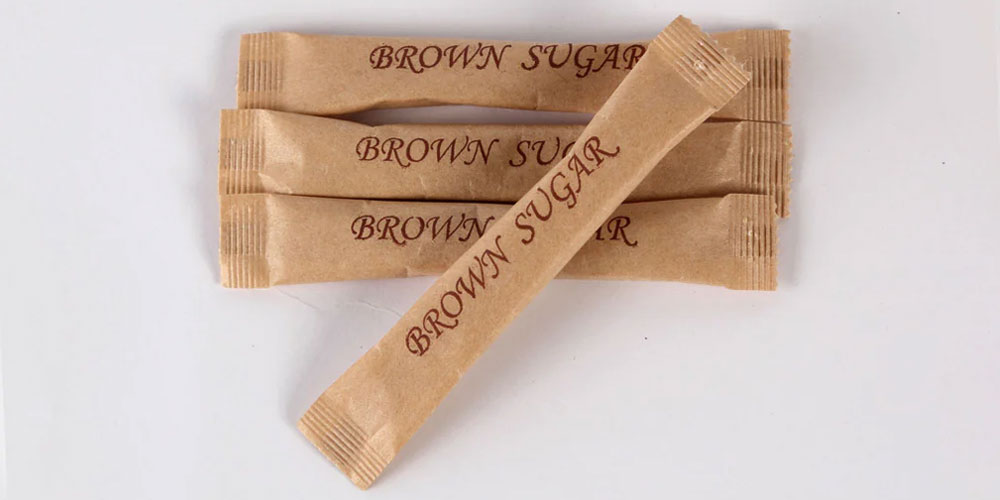
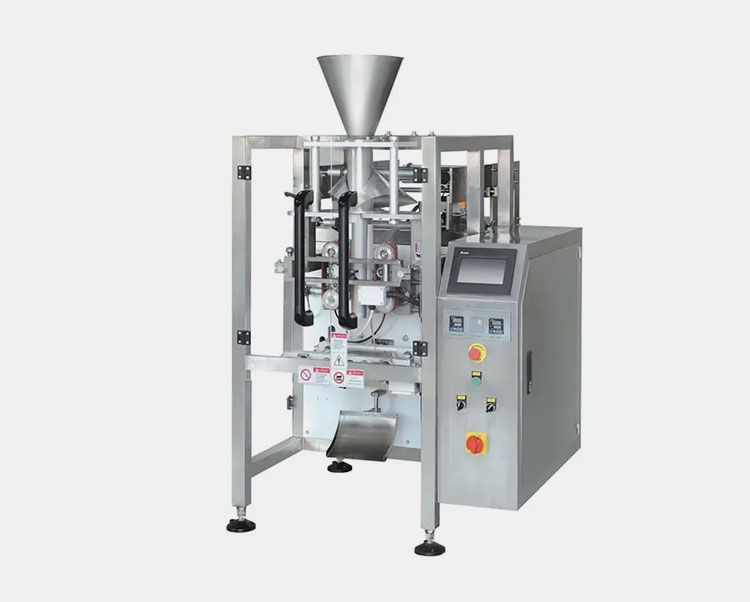
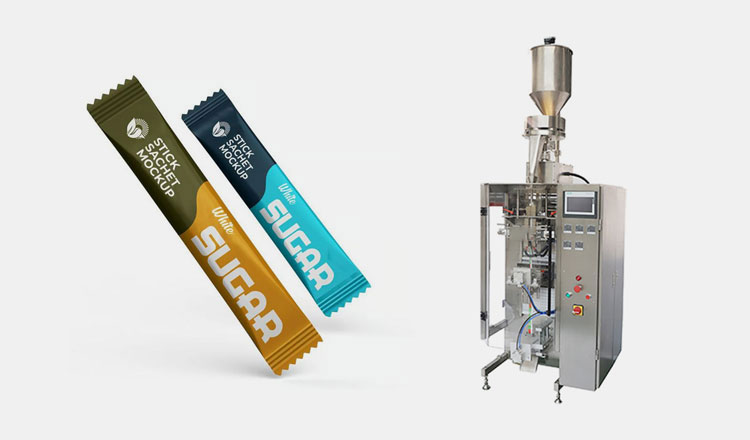
We provided a fully automatic vertical packaging machine combined with a multi-head weigher to a Saudi Arabian sugar manufacturer. This solution replaced their manual packaging process, significantly cutting labor costs while increasing daily production capacity and packaging accuracy.
Fully Automatic Stick Sugar Packaging Machine
You might think switching to automation is too complex for your current factory layout. But seeing how this Saudi client successfully made the jump will change your mind.
Add a header to begin generating the table of contents
1.Why Did the Saudi Manufacturer Need to Stop Manual Stick Sugar Packaging?
Are your workers struggling to keep up with large orders? Manual packing causes many errors and delays. This Saudi client realized human labor was holding his business back.
The customer relied entirely on manual labor to pack stick sugar. As production demands grew, the high cost of local workers and the slow speed of manual work made it impossible to stay profitable.
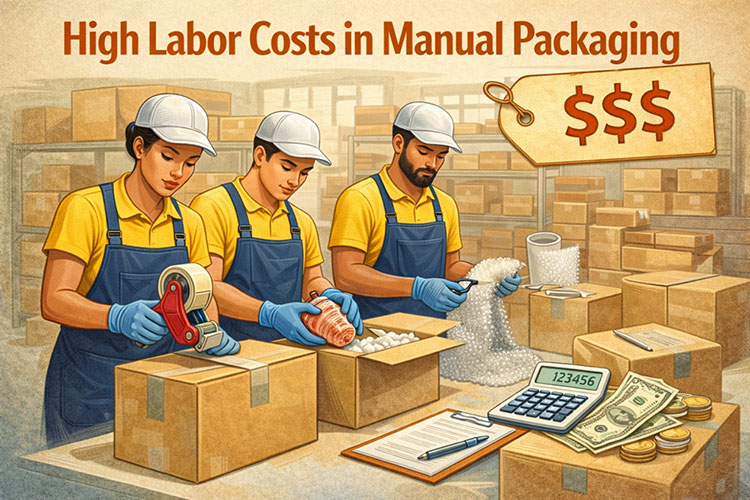
High Labor Costs in Manual Packaging
I spoke with the factory owner about his daily struggles. His factory used workers to pack the sugar by hand. This manual work was very slow. Also, the workers made many mistakes.
Sometimes a stick pack had too much sugar. Sometimes it had too little sugar. This caused big quality problems. In Saudi Arabia, paying workers costs a lot of money. The high labor costs took away his profits. He wanted to change this situation.
Manual packing
He sent me a video of his workers packing the sugar. I saw the slow process with my own eyes. I knew we could help him. We needed to replace the human hands with a fast machine. Automation is the best way to fix this problem. A machine does not get tired. A machine does not ask for a higher salary. A machine packs every stick exactly the same way. We looked at his current costs and compared them to an automatic line.
Feature
Manual Packaging
Automatic Packaging
Speed
Very slow
Very fast
Labor Cost
Very high
Very low
Accuracy
Low (many errors)
High (exact weight)
Work Hours
8 hours per day
24 hours per day
This table shows why the client needed to upgrade. The old way was bad for his business growth. He needed a better system to make more money.
2.How Did We Choose the Right Automatic Packaging Machine for Stick Sugar?
Worried that a standard machine will not fit your product? Picking the wrong equipment wastes money. We made sure to check every detail before offering a solution.
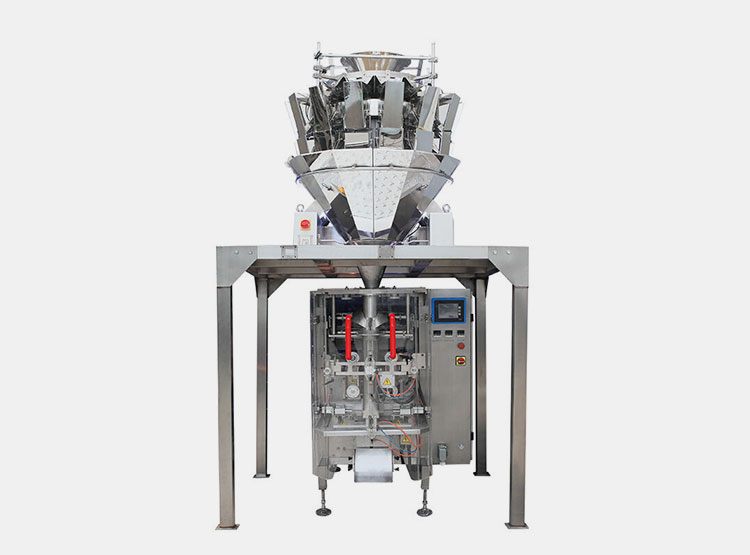
We confirmed the exact dimensions of the packaging materials and the target production capacity. Based on this data, we recommended our reliable vertical packaging machine paired with a multi-head weigher for precise sugar dosing.
Vertical Packaging Machine and Multi-head Weigher
I needed to find the perfect machine for his factory.
First, I asked the client about his bags. I needed to know the exact width and length of the stick pack. Then, I asked him about his production goals. I needed to know how many bags he wanted to make every hour. He gave me all the numbers. Based on this information, I chose our standard vertical packaging machine.
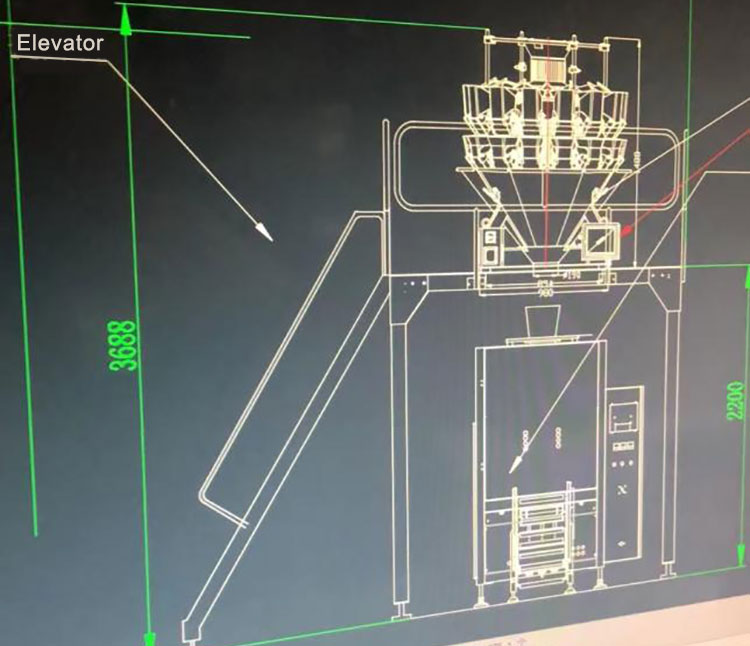
I also added a multi-head weigher. The weigher drops the exact amount of sugar into the machine. This combination is great for granular products like sugar. Next, we talked about his factory building. The total height of this combined machine is 3.7 meters. This is a tall machine.
I told the client that his factory ceiling must be at least 4 meters high. If the ceiling is lower, the machine will not fit. He checked his factory and said the height was fine. After that, we drew a detailed layout drawing for him. We showed him exactly where the machine would stand.
Machine layout
Machine Part
Function
Benefit
Multi-head Weigher
Weighs the sugar
Ensures exact weight
Vertical Packer
Forms and seals the bag
Makes strong stick packs
Support Platform
Holds the weigher
Keeps the machine stable
Conveyor
Moves the bags
Saves time
This clear plan helped the client understand the setup. He felt safe buying from us.
3.How Do We Prove the Machine Works Before Shipping to Saudi Arabia?
Are you afraid the machine will fail when it arrives? Buying blind is a huge risk. We always test our machines with real products first.
After the order was confirmed, we asked the customer to send us 1,000 empty stick sugar packages. We ran a full test using their exact materials and recorded a detailed video to prove the performance.
Testing the Packaging Machine with Real Materials
The client confirmed the order. But he still had some worries. He wanted to know if the machine would really work with his bags. I understand this fear. Buying a machine from far away is hard. So, I asked him to send us his materials.
He sent 1,000 empty sugar stick packages to our factory in China. We received the package a few days later. Then, we started the test. We put real sugar into the hopper. We loaded his empty film rolls onto the machine. We turned on the power. The machine ran perfectly. It filled and sealed every bag very fast. We recorded a long video of this whole process. We showed the speed. We showed the tight seals.
We sent this video to the client. He watched the video and was very happy. He saw that the bag seals were very strong. He saw that the weight of the sugar was exactly right. This gave him great peace of mind.
Testing Step
Action Taken
Result
Material Receipt
Received 1,000 bags
Ready for test
Machine Setup
Loaded film and sugar
Machine prepared
Running Test
Started automatic packing
Fast and smooth
Video Recording
Filmed the whole process
Proof of quality
Testing with real materials is very important. It removes all guesses. It proves the machine is ready for real work. The client knew his investment was safe.
4.How Did Our On-Site Service Ensure Smooth Operation in the Factory?
Do you worry about installing a complex machine by yourself? Poor setup ruins good equipment. We make sure your machine runs perfectly from day one.
At that time, our engineer was working in Saudi Arabia. He visited the customer's factory to provide on-site installation, training, and after-sales support, ensuring the new packaging line ran smoothly.
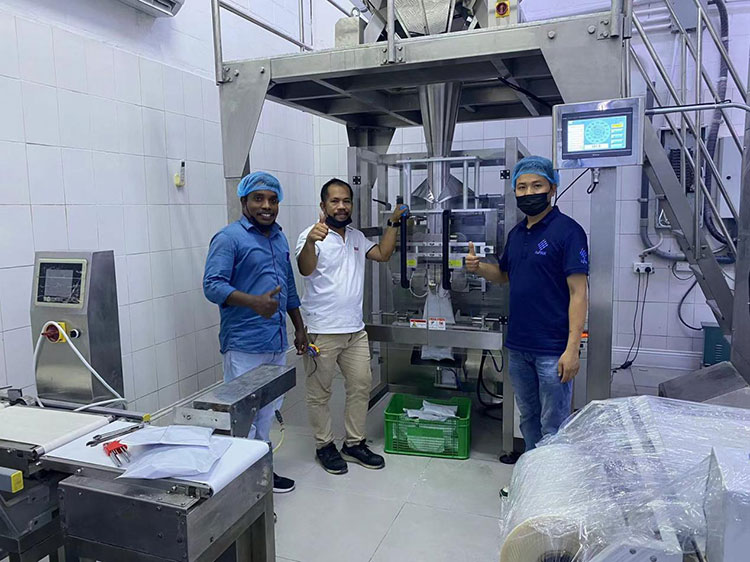
AIPAK Engineer with Saudi Customer
We shipped the machine to Saudi Arabia. Usually, clients install the machine by themselves using our manuals. But we had a lucky situation. Our engineer was already in Saudi Arabia for another job. I talked to my boss. We decided to send this engineer to the client's factory. We wanted to give the client the best service possible. The engineer arrived at the sugar factory. He checked the machine parts. He helped the local workers put the machine together. Then, he turned it on. He adjusted the settings to make it run smoothly.
He also taught the factory workers how to use the screen. He showed them how to clean the parts. The client was very surprised and happy. He did not expect us to come to his factory. We took a nice photo together.
Service Step
Engineer Action
Client Benefit
Inspection
Checked all parts
Safe start
Installation
Built the machine
Fast setup
Tuning
Adjusted the speed
Best performance
Training
Taught the workers
Easy daily use
Good machines need good service. We do not just sell metal boxes. We sell a complete working system. This on-site visit built a strong trust between us. The client now runs his factory with low costs and high speed. He does not need to hire many workers anymore. The machine does all the hard work. He told me he plans to buy more machines from us in the future. We are proud to help his business grow.
Conclusion
Replacing manual work with our automatic packaging line helped this Saudi customer cut costs and grow. Contact us today to upgrade your own production line with reliable equipment.
Don't forget to share this post!
CONTACT US
Tell us your raw material and project budget to get quotations within 24 hours.
Stick-Pack vs Sachet — Which Flexible Packaging Format Fits Your Product?
When it comes to highlighting the best packaging formats for food products, flexible packaging is always on the top. Manufacturers and producers often get confused when choosing between stick pack vs sachet. As both of these flexible packaging formats are popular for various reasons. Stick-pack vs Sachet--- Which Flexible Packaging Format Fits Your Product?
In this review, you will learn about stick packs and sachets. Information about each packaging format, including definition, advantages, potential drawback and most importantly, comparison between the two will be provided as under. After going through this review, you will be able to choose the right one between the two. So, let's begin to explore more about stick pack vs sachet!
Add a header to begin generating the table of contents
1.Why do manufacturers often struggle choosing between stick-pack and sachet formats?
Although, stick-pack and sachet are two popular formats of flexible packaging, manufacturers often struggle to choose between the two. This challenge of deciding the best between stick packs and sachet is caused by various reasons which are enumerated below:
Product Compatibility
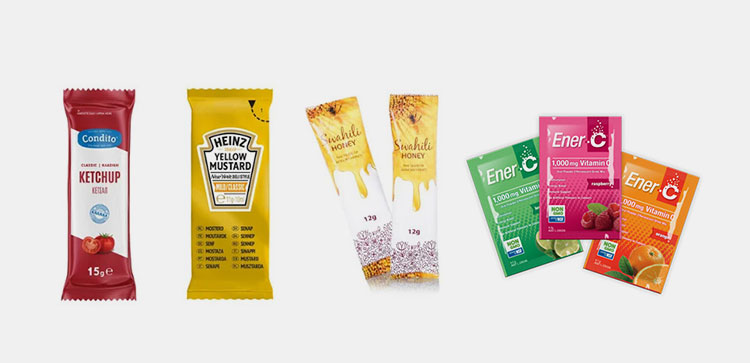
Various stick-packs and sachets- Picture Courtesy: fodapack.com
One of the reasons why manufacturers find it difficult to opt for stick-pack or sachet is the product compatibility. Food products such as powders, granules, and liquids have different characteristics. These products are available in different forms, requiring special storage, temperature, and strength against environmental factors. All these aspects, makes it challenging for manufacturers to choose between stick-pack and sachet.
Manufacturers encounter constantly changing market trends which is another significant factor contributing to their struggle in choosing between the two packaging formats. These trends include consumer preferences in using convenient packaging that vary from region to region. Keeping in view these factors producers should opt for the best option.
In many cases, manufacturers need to balance their packaging costs that goes side by side with packaging material, production speed as well as the machines used, which are different for stick pack and sachet. Thus, it becomes a hurdle to select each packaging type to be on the safe side.
It is a matter of fact that the type of packaging format manufacturers choose is detrimental for branding. It is greatly influenced by factors like surface space and labeling etc. Hence, it becomes a major reason why entrepreneurs often strive to choose between stick-pack and sachet formats.
2.What are the common products packaged in stick-packs or sachet pack?
When it comes to discuss the common products packaged in stick-packs or sachet packs, there is a long list. Some of the prominent products are enlisted below:
Powders
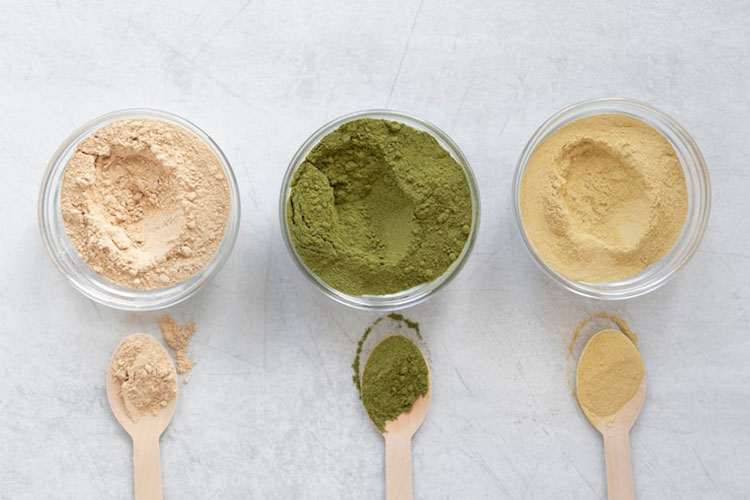
Various powders- Picture Courtesy: Freepik
Both stick packs and sachet packs are used for packing powders. These powders contain fine particulates that flow freely. Common examples include instant coffee, milk powder, salt, black pepper, and other spices.
Liquids
Whole apple and apple juice- Picture Courtesy: elephango.com
In addition to powders, liquids may also be packed in stick packs and sachet packs. These liquids vary according to flow properties and thickness such as viscous liquids and free flowing liquids. Few common examples include ketchup, honey, mayonnaise, and jelly etc.
Apart from powders and liquids, stick-pack and sachet is popularly used for supplements packaging. These supplements include tablets, pills, and other forms of medication in form of ointment or energy drink powder etc.
3.What exactly is a stick-pack?
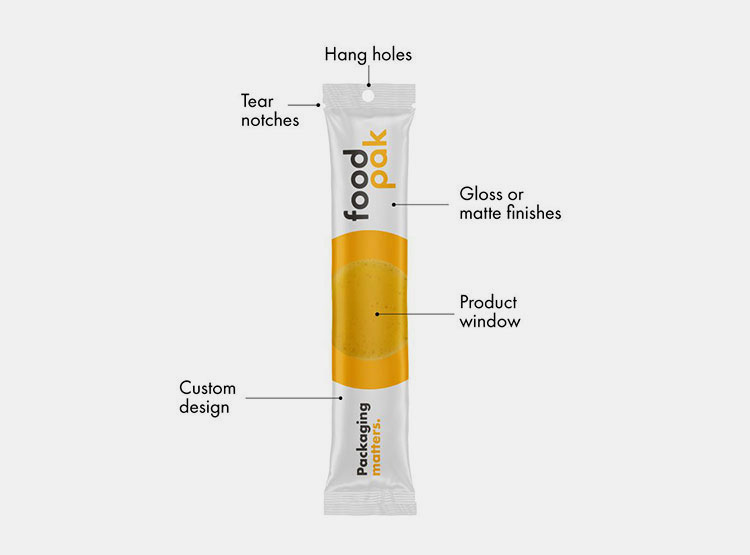
Stick-packs- Picture Courtesy: elkpackaging.com
Stick-pack is a single serving bag characterized by elongated body. It is made up of one folded strip of laminate film sealed on three sides. The types of stick-pack may include shaped, pillow, strip, and side fin as explained below:
Shaped:Shaped stick-pack is special type which is created to suit consumer needs. The common example include stick-pack for liquid with bottle neck to ease discharge.
Pillow:Such type of stick-pack resembles pillow. They are suitable for comparatively large volume of single serving product like powders and granules.
Strip:Strip stick-packs are interconnected to each other through perforation. They are good for consumers who like to have multiple bags attached to each other.
Side Fin:It is a specialized type of stick-pack with a sealed fin on one side. It offers convenience in opening.
4.What are the main advantages of stick-pack packaging?
Stick-pack packaging offers multiple advantages which are enumerated as under:
Enhanced User Experience
User pouring liquid from stick-pack onto a spoon- Picture Courtesy: kaatimex.bg
Stick-packs are convenient in opening, usage, and product dispensing. Their slim body makes it very easy to carry it and store it. All these attributes enhance the user experience as they start carrying them for travel and sports etc.
Improved Protection
Stick-packs- Picture Courtesy: elkpackaging.com
It is one of the benefits of stick-packs that they are designed to protect the product from external environmental factors such as moisture, contaminants, and air. It's secure seal is crucial in maintaining the originality of sensitive products like pharmaceuticals and nutritional supplements.
Cost-effectiveness
Another significant advantage of stick-packs is their cost-effectiveness for both the manufacturer and the consumers. The reason is use of less packaging material which ultimately reduce waste. Moreover, it also reduces the shipping cost as more units of stick-packs can be transported at once.
Portion Control
Precise dosage given to a child from stick-pack- Picture Courtesy: unither-pharma.com
Stick-pack offers exact amount of product which is necessary for maintaining the quality and taste. In this way, it eliminates the hassle of overdose, especially in case of medication, coffee, of supplements etc.
The material used for making stick-packs is less than that of other flexible packaging including sachet. This minimum consumption of packaging material makes it sustainable and environmentally friendly.
Versatility
Stick-packs offer versatility by allowing multiple types of products to be packed in them including powders, granules, and liquids. Similarly, their design flexibility is also very crucial for branding and marketing.
5.What are the potential limitations of stick-pack formats?
While stick-packs come with wide range of benefits they also have potential limitations which we will explore in the upcoming paragraphs:
Limited Volume
Torn stick-pack with powder- Picture Courtesy: Freepik
The primary limitation of stick-pack formats is limited volume that allows very small amount of product to be stored in it and is not suitable for larger quantities.
Limited Space for Branding
Unlabeled stick-pack- Picture Courtesy: Freepik
Stick-packs are quite narrow that they allow little space for labeling as a result branding opportunity is not enough. There is only little space for displaying information about the product.
6.What defines a sachet packaging format?
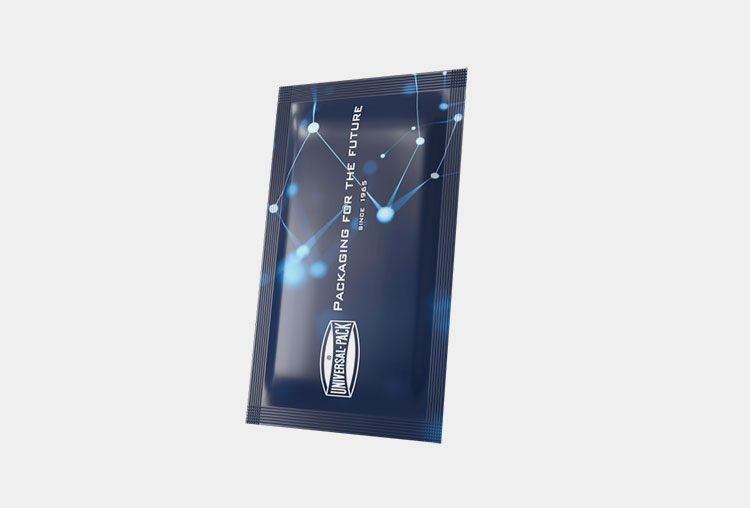
Sachet- Picture Courtesy: universalpack.it
Sachet packaging format may be defined as a versatile square or rectangular shape pack. It has flat structure with usually four or three sides sealing. Sachets are used for multiple types of products such as powders, liquids and pastes etc. Some of the common types of sachets include:
Standard:Standard sachet is the common example of sachet packaging format. It is flexible enough to be used for range of products.
Flat:Flat sachet is rectangular shape small pouch that is used to hold single-serving amount of any product.
Twin:Two interconnected sachets are known as twin sachets which are ideal for storing products separately.
Strip:Strip sachets are number of sachets joined together via perforation and can be simply torn-off.
7.Which industries commonly use sachets?
Sachets are considered the most convenient form of flexible packaging due to their precise size, easy-to-open design, and capacity to carry accurate dose of various products. Some of the major industries using sachets are listed as under:
Food industry is one of the top beneficiary of using sachets. Wide range of products including condiments, sweeteners, and instant beverages are stored in sachets in order to preserve their essence.
Sachets are widely used in pharmaceutical industry due to their enhanced barrier properties against environmental factors. The common examples include tablets, pills and ointments etc.
Nutraceutical Industry
Nutraceuticals- Picture Courtesy: qualityze.com
In addition to pharmaceuticals, nutraceuticals, supplements beyond basic medications, are also delivered in small quantities. Thus, sachets are used for protein powder, energy drinks and magnesium powders.
Herbal Industry
Tea sachets- Picture Courtesy: dorsettea.co.uk
Herbal industry is also among the applications of sachets where herbal extracts and herbs are commonly stored. The examples include dried tea, creams, and collagen powder etc.
8.What are the key benefits of sachet packaging?
Some of the crucial advantages of sachet packaging are as follows:
Marketing Potential
Sachet labeling- Picture Courtesy: carepac.com
Sachet packaging is considered best for marketing potential as the packages allow sufficient room for labeling and designs are also customizable. It makes them appealing for customers.
Cost-Efficiency
Sachet packaging significantly minimizes the cost of packaging by using fixed material and the production cost is also low.
Sachet packs are light-weighted, precisely structured and easy-to-use. These features make sachet packaging portable and convenient especially in terms of transportation.
There are extensive packaging options now available for sachet packaging which are biodegradable. Sachets made from such materials are recyclable and have lower environmental impact.
Flexibility
Various sachets- Picture Courtesy: stanleypackage.com
Sachet packaging offers flexibility in terms of designs as well as the products to be stored inside. For instance, flat, twin, and strip is the example of former while powders, granules, and liquids are the examples of latter.
9.What are the potential drawbacks or limitations of sachets?
There are certain drawbacks of sachets which impose limitations over its usage. These are as follows:
Sachets are often made from multiple layers of plastic, paper, and aluminum. It makes the recycling difficult as a result of which environmental issues are created. In addition, the non-recyclability leads to high carbon footprint which can also harm ecosystem.
Design Limitations
Sachet- Picture Courtesy: Freepik
Although, sachets offer variation in designs and labeling yet it has potential drawback on part of user experience. For example, in the absence of tear notch, consumers find difficulty in opening sachets.
10.How Do Stick-Packs and Sachets Compare?
Stick-pack and sachets differ in various aspects. From their shapes to the production cost and applications, you will find each against other. Let's explore the explanation below!
Aspects
Stick-Packs
Sachets
Definition
Stick-pack is a type of flexible packaging with limited capacity for single serving products.
Sachets are flexible packages which offers adequate space for products storage.
Shape
Stick-packs are tubular in shape that is long and narrow.
Sachets come in square or rectangular shape.
Cost
Stick-packs have a comparatively higher cost due to material waste and production cost.
On the other hand, sachets are produced with little material waste and production cost is also low.
Design Flexibility
Stick-pack offers minimum chances for customization of design.
While as, sachets are more flexible and can be made in different shapes.
Application
Stick-packs are widely used for powder and granules such as tea, coffee, and condiments etc.
In contrast, sachets are applicable to pack multiple products including powder, liquids, and supplements.
11.How to Choose the Right Packaging Format for Your Product?
Choosing the right packaging format between stick-pack and sachet depends upon your requirements. Both have unique features therefore, you must choose by looking into your priorities. Some of the essential factors to consider include:
Form of Packaging
Sachet and stick-pack- Picture Courtesy: hyflexpack.com
Both packs have a distinction in their form. Stick-packs are long, narrow and tubular shape made up of single layer of film. While as, sachets are wide and rectangular or square shape pouches made up of multi layer films.
Capacity
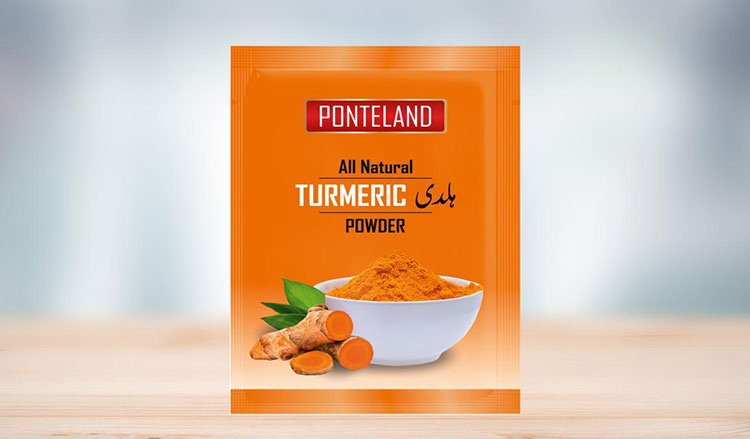
Turmeric sachet- Picture Courtesy: ponteland.pk
Stick-packs have fixed capacity for holding limited amount of product such as 1 to 60 ml of liquid and several grams for powder or granules. On the other hand, sachets are designed to hold large amount of powders as well as liquids up to 10 ml.
Stick-packs are bit expensive due to the production cost and separate machines required for their manufacturing. Compared to stick-packs, sachets are cheaper and more accessible to produce.
Industries
Various flexible packaging in food industry- Picture Courtesy: Landpack
Although, both forms of packaging, stick-packs and sachets are used in food and medicine industry yet, they differ in some applications. For instance, stick-packs are suitable for to store dietary supplements and instant drinks like coffee of various types. While as, sachets can be used to pack cosmetics and condiments.
Required Machines
The machines used for stick-pack and sachets also differ. In addition, stick-packs are made using sophisticated machines including single lane stick packaging machine and multi-lane stick packaging machine. While as, the machines required for sachets include vertical sachet packaging machine and horizontal packaging machine.
12.What Are Emerging Trends in Flexible Packaging?
There are certain trends emerging in flexible packaging. These are also relevant to stick-packs and sachets. Therefore, exploring these trends are crucial when choosing between the two. Some of the popular emerging trends are as follows:
Sustainability
Sustainability- Picture Courtesy: news.sap.com
There is increased proclivity towards environmental protection which has led to the new trend of sustainability. Now, mono-material structures are used instead of multi layer films. It can contribute to easy recycling.
Source Reduction
The use of abundant resources has increased the production cost. In order to manage the resources required for flexible packaging, such as less use of material, the focus is now on making small packages. In this way, the best examples we have are stick-packs and sachets.
Simple packaging is no more applicable in contemporary time as consumers look for convenience. For this reason, the functionality of flexible packages is now improved with the addition of resealable zippers, spouts and tear notches.
Use of Technology
Smart labels
Technology has greatly influenced the field of flexible packaging. Its use is now prevalent in form of digital labeling and Internet of packaging. Smart labels and customized labels are the common examples for enhanced transparency and updated designs respectively.
Conclusion
To put in a nutshell, the answer for Stick-pack and Sachet- Which Flexible Packaging Format Fits Your Product? lies in thorough analysis of understanding both forms of flexible packaging. It is necessary to look into your priorities and preference while choosing between both, the stick-packs and sachets, including production cost, flexibility and applications. Keeping in view the emerging trends such as sustainability factor, functional packaging and technology, it becomes more convenient to select for your business the compatible packaging format for which stick-packs and sachets qualify. To explore more about flexible packaging or related machinery visit our website!
Don't forget to share this post!
CONTACT US
Tell us your raw material and project budget to get quotations within 24 hours.
How To Choose The Right Spout Pouch Filling Machine For Your Business?
Are you tired of the traditional and inefficient packaging methods? Or are you wishing to take your packaging to the next level? In any case you need an advanced and sophisticated machine like Spout Pouch Filling Machine to streamline your production. If you are struggling with How To Choose The Right Spout Pouch Filling Machine For Your Business, we are here with this comprehensive guide!
This informative review will enable you to get the knowledge about a Spout Pouch Filling Machine whether it is working principles, applications, types of machines or filling methods used by it. Not only this, but you will also know how to improve the efficiency and boost production. Stay tuned and keep reading to explore every information provided below!
Add a header to begin generating the table of contents
1.What Is A Spout Pouch Filling Machine?
AIPAK Automatic Food Spout Pouch Filling And Capping Machine
Spout pouches are flexible packages considered as innovative and convenient alternative to rigid packaging forms such as plastic, metal, or glass containers. These spout pouches are preformed that comes with plastic spouts and caps offering great strength and visual impact. A machine used to fill liquids and semi-liquids into spout pouches is called a Spout pouch filling machine.
Spout pouch filling machine is an automated equipment tailored with advanced technology to automatically undertake the entire process. It has robust structure that is made up of stainless steel to avoid contamination and corrosion. The machine can handle filling of multiple products and is popularly used in food industry, beverage industry, and cosmetic industry.
2.How Does A Spout Pouch Filling Machine Work?
A Spout pouch filling machine automatically fills and seals these smart and flexible pouches by following various steps. Let's know how the process takes place!
Machine Setting
The working mechanism of a Spout pouch filling machine starts with setting of machine. It involves adjusting the parameters of machine through a control panel for the amount of product to be filled, sealing heat, and labeling data etc. Similarly, the structural adjustment of machine is also undertaken at this step to make the machine ready for operation.
Hopper Loading
The next step involves loading the bulk of material into the hopper of the machine. For this purpose, an additional feeding unit may be integrated with the main machine to carry out smooth processing and avoid interruption caused by inadequate supply of the product.
Pouches Loading
Spout pouch loading into machine: Picture Courtesy: Micmachinery Mike
In addition to hopper loading, preformed pouches are supplied to the machine. These pouches may be loaded manually, however, in automatic machines the empty pouches are loaded into the machine magazine.
Pouch Opening
The next step consists of pouch opening where empty pouch is picked up from the magazine. The pouch is opened via mechanical arms or blowing the air inside, so as to open it up for smooth product filling.
Pouch Filling
Spout pouch filling process- Picture Courtesy: Micmachinery Mike
Once the pouch is opened, the process of filling takes place. Here, the machine accurately measures the desired amount of product to be filled and precisely dispense into the pouches. In order to prevent leaks and avoid splashes, different types of filling methods are used which include gravity, pump-based, or volumetric filling.
Pouch Sealing or Capping
Spout pouch capping process- Picture Courtesy: Micmachinery Mike
As the pouch is filled with product, it is proceeded for closure. In case of fill and seal machine, the pouch is sealed through heat pressure, while as, in case of fill and cap machine, the machine picks up a caps, tightly place it over the spout and tighten securely.
Pouch Coding
Upon sealing and capping, the pouch is properly printed with batch code and data including date of manufacturing and expiration.
Pouch Discharging
Spout pouch discharging over conveyor belt- Micmachinery Mike
As all the steps of spout pouch filling, sealing, and labeling are properly completed now there is time for pouch discharging. The finished pouch is discharged from the machine via conveyor.
3.Which Industries Use Spout Pouch Filling Machines?
A spout pouch filling machine is an astonishing machine utilized for the filling and packaging of wide range of products including liquids and semi-liquids. In this way, some of the prominent industries which use spout pouch filling machine are highlighted below:
Food industry is one of the prominent industries where application of a spout pouch filling machine is realized for enhanced safety and efficiency. It is popularly used for the filling of wide range of food products into spout pouches such as baby food, yogurt, sauces, cooking oil, and jam etc.
Pet Food Industry
Pet food spout pouches- Picture Courtesy: jindepacksupply.com
Pet food industry is another industry that uses spout pouch filling machine for pet food packaging. The common examples include broth, salmon, and other liquid food for cats, puppies, and dogs.
Beverage Industry
Various types of fruit juices and smoothe in glasses- Picture Courtesy: Fitterfly
Spout pouch filling machine is highly automatic and intelligent equipment that can precisely carry out the filling of clear liquids such as water, juices, milk, and energy drinks. Keeping in view these features, beverage industries are using this machine to fulfill the requirements of large scale production.
Daily Chemical Industry
Liquid daily chemical spouch pouches- Picture Courtesy: wellfapack.com
Daily chemical industry encompasses the field where manufacturing of household cleaning products takes place. These items such as liquid detergents and dishwashing liquids are to be properly packed for which spout pouch filling machine is utilized.
Beauty Care Industry
Vonco Products
Beauty care industry revolves around the production, packaging, and distribution of products related to beauty care such as body washes, shampoo, hand wash, and sanitizer etc. All of these products are used on daily basis and for their convenient packaging spout pouch filling machine is used.
Lubrication industry produces various types of oil, greases, and similar liquids which are meant to reduce the friction and wear in machines and automobiles. Therefore, spout pouches are now popularly used for lubricants due to increased feasibility. Thus, the industry is using a spout pouch filling machine to accomplish this task of lubricants filling into spout pouches.
4.What Types Of Products Can Be Filled With A Spout Pouch Filling Machine?
Spout pouch filling machine can fill wide range of products including clear liquids, pastes, and semi-liquids etc. Some of the major types of products are as follows:
Free Flowing Liquids
Milk pouring from jug into a glass- Picture Courtesy: nutritionsource.hsph.harvard.edu
Free flowing liquids are low viscosity liquids which can flow smoothly. The common examples include water, milk, and fruit juices. Such type of liquids are clear and can be easily filled with a spout pouch filling machine.
Viscous Liquids
Viscous honey flowing into the jar- Picture Courtesy: astorapiaries.com
Viscous liquids are fluids which resist flow due to internal friction called viscosity. The common examples include honey, oil, shampoo, sausages, and melted chocolate. These products are easily filled with a spout pouch filling machine.
Semi Solids
Chilli sauce in a bowl- Picture Courtesy: Marion's Kitchen
Semi solids are the products containing qualities of both liquid as well as solid. Products such as smoothie, soups, milkshake, pet pastes comes under the category of semi solids. Thus, a spout pouch filling machine is capable of filling these products into pouches.
5.What Are The Different Types Of Spout Pouch Filling Machines?
Spout pouch filling machines are of different types. These machines can be better described under two categories: on the basis of structure and on the basis of automation. The explanation is given below:
On The Basis of Structure
Horizontal Premade Pouch Filling Machine
APK-130S/240DS Premade Pouch Filling Machine
Horizontal premade pouch filling machine is an automatic machine designed to carry out the filling of premade pouches. It has robust structure made up of stainless steel, intelligent control panel, and transparent glass window for enhanced protection against moisture and dust. It carries out the pouch filling process in a gentle way where each step is undertaken horizontally. The machine is suitable for all kinds of liquid and semi-solid products.
Vertical premade pouch filling machine is an innovative machine designed for finishing different bag types with spouts. The machine uses automation for high speed filling as well as sealing. It has vertical body integrated with a piston filler. The rotary station is responsible for holding premade empty pouches, their opening, product filling and tight sealing. It is applicable to all kinds of free flowing and viscous liquids in different industries.
Fully automatic spout pouch filling machine is a multi function equipment utilized for the independent filling and capping of spout pouches. It works automatically by carrying out pouch loading, vacuuming, fixed-position filling, nitrogen flushing, spout cleaning, cap placing, and screwing etc. The machine uses specialized filling system to ensure filling accuracy. Moreover, it can be integrated with other machines for enhanced efficiency and production.
Semi automatic spout pouch filling machine is an advanced solution for premade spout pouches. The machine has compact design and is capable of filling liquid and viscous substances including pumpable liquid, creams, pastes, sauces, and others. The product is filled by means of a piston filler with an adjustable dosing range. It requires operator intervention for conduct the process such as loading and unloading of pouch and pushing handle etc.
Manual Spout Pouch Filling Machine
Manual Spout Pouch Filling Machine
Manual spout pouch filling machine is available in form of benchtop volumetric filler. Such type of machine is designed for low volume of production that ensure simple and accurate filling method. The machine has small footprint and does not require electricity for operation. It has stainless steel vessel, a narrow nozzle, handle, and base. It can precisely dispense low viscosity liquids such as juices, sauces, and detergents.
6.What Are The Differences Between Manual, Semi-Automatic, and Fully Automatic Machines?
The primary difference between manual, semi-automatic, and fully automatic spout pouch filling machine lies in the level of automation. Some of the prominent distinctions are explained below:
No
Aspects
Fully Automatic Machine
Semi-Automatic Machine
Manual Machine
1
Definition
Fully automatic machine is an advanced equipment that comes with automated system.
Semi-automatic machine has medium level automation with limited human intervention.
Manual machine is a compact machine that is used with the help of human intervention.
2
Working Process
It has simple automatic process of pouch loading, opening, product filling, and pouch capping or sealing.
The process involves operator loading of pouch in the machine and pushing a handle to fill the pouch. Similarly, pouch is manually discharged.
Its process is entirely manual where the user hold an empty pouch and push the handle to fill it. Once filled, the pouch of removed and sealed with a cap.
3
Structure
The structure of fully automatic machine is heavy-duty and long that consists of main frame, filling station, control unit, electric cabinet, transparent glass windows, and filling and sealing mechanism.
Its structure is medium size with main components comprising support stand, wheels, product hopper, pouch holder, and push handle.
The manual machine is precise in size with only few components including base, hopper, filling nozzle, and push handle.
4
Output
It has ultra high production output with filling up to 50 bags per minute.
Semi automatic machine has fast production suitable for medium scale business.
The production output of manual machine depends upon the user.
5
Cost
Fully automatic has high cost due to the price of machine along with operation and maintenance charges.
Semi-automatic machine is a cost-effective solution.
7.How Many Filling Heads Are Available For Spout Pouch Filling Machines?
Spout pouch filling machine comes with varying number of filling heads. They are commonly offered with configuration such as 2, 4, 6, 8, or more heads if customized for increasing production. The details are given below:
2 Heads
Semi-Automatic Spout Pouch Filling Machine
Dual heads spout pouch filling machine comes with 2 filling heads that has precise structure. It is often suitable for low level of production where demand for production output is moderate.
4 Heads
Semi-Automatic Filling Machine For Spout Pouch
Spout pouch filling machine may also come with 4 filling heads. It is available in fully automatic and semi-automatic machines. The 4 head filling machine is considered vital for high production output.
6 heads spout pouch filling machine is designed for high-speed operations. Such machines are suitable for large scale production and they are capable of filling thousands of spout pouches in an hour.
Customized Options
Other than conventional 2, 4, and 6 heads spout pouch filling machines, some machines can be configured even with more heads such as 8 to 12 heads in order to maximize the efficiency.
8.Which Filling Methods Are Used: Gravity, Pump-Based, or Volumetric?
When it comes to highlight the various filling methods used for spout pouch filling, they can be categorized into three types which are explained below:
Gravity filling method is one of the three methods utilized for the filling of thin liquids into spout pouches. The common examples include water, fruit juices, and solvents etc. This method is based on the principle of gravity where each spout pouch is filled by pulling the liquid down through timed valves.
Pump-Based Filling Method
Pump based filling method- Picture Courtesy: forum.sistermonk.com
This filling method involves the pump that moves product from tank into the spout pouches via filling head. It is suitable for filling viscous liquids such as ketchup, shampoo, and pastes etc.
Another method used for spout pouch filling machine is volumetric filling method in which a piston is used to carry the fixed amount of liquid and fill it into the pouch. It is suitable for filling thick and semi-liquids that contain particles such as cream, pickles, and jam.
9.Can The Machine Handle Different Pouch Types Like Gusseted, Stand-up, or Flat Pouches?
Yes, a spout pouch filling machine can handle wide range of pouch types such as gusseted pouch, stand-up pouch, and flat pouch etc. The description of each pouch filled by a spout pouch filling machine is provided as under:
Gusseted pouch can be simply described as a flexible pouch having extra flaps on certain sides. Such type of spout pouches are designed to carry large volume of product due to increased space.
Stand-up Pouch
Stand-up pouch- Picture Courtesy: chouqin.com
Stand-up pouch is also called doypack which is a flexible pouch made up of multiple film layers for enhanced protection. It has bottom gusset that allows the pouch to stand upright on shelve.
Flat Pouch
Flat spout pouches- Picture Courtesy: Freepik
The machine can easily handle the filling of flat pouch with a spout. Such type of pouch has limited space for holding product therefore, it is used for single serving.
10.What Are The Key Features To Consider When Buying A Spout Pouch Filling Machine?
When buying a spout pouch filling machine, it is crucial to consider several features and based upon these characteristics one can select a compatible machine. These are as follows:
The very first factor you must look for is your production demand and scale of operation. In addition, in case of small scale or medium scale business a semi-automatic machine is the best solution. In contrast, for high speed production fully automatic machine is suitable to fulfill the output requirement.
Product Characteristics
Sauces with various viscosities- Picture Courtesy: beefitswhatsfordinner.com
Another essential factor to consider is the characteristics of product that include viscosity and flow properties. These aspects are associated with the choice of filling method for machine such as gravity filling, pump-based filling, and volumetric filling machine etc.
Versatility
Consider another significant feature of a spout pouch filling machine which is versatility. Choose a machine that is flexible and can be adjusted to accommodate different types of pouches as well as the products.
Check the filling range and accuracy level of the machine. It is eminent to take account of the filling accuracy range of a spout pouch filling machine in order to avoid under filling and over filling and allow smooth and consistent product quality.
11.What Is The Filling Accuracy Of A Spout Pouch Filling Machine?
Filling accuracy of a spout pouch filling machine refers to the ability of the machine to dispense exact amount of product such as liquid or semi-solid into containers. It ensures minimized product deviation such as over filling or under filling etc. This level of filling accuracy depends upon several factors including design of the machine and viscosity of the product.
A spout pouch filling machine is intelligent to fill viscosities up to 100,000 cP by maintaining ±0.1% accuracy. This is done by the automatic system installed in the machine that enables it to precisely measure out the product's liquid contents and discharge into the pouches.
12.What Viscosity Of Liquids Can The Machine Handle?
Low and high viscous liquids flowing from beaker- Picture Courtesy: Freepik
Viscosity is a fluid's resistance to flow. The high rate of the liquid flow means the product is less viscous. In contrast, if liquid has poor flow then it is highly viscous. Depending upon the different filling methods used by a spout pouch filling machine such as gravity filling, pump-based filling, and volumetric filling, it can handle range of viscosity of liquids which you will know in the table below:
No
Material
Viscosity
1
Water
1-5 cps
2
Corn Syrup
50-100 cps
3
Maple Syrup
150-200 cps
4
Caster Oil
250-500 cps
5
Honey
2-3,000 cps
6
Molasses
5-10,000 cps
7
Chocolate Syrup
10-25,000 cps
8
Peanut Butter
150-200,000 cps
9
Crisco/Lard
1-2,000,000 cps
13.How Can Leakage Be Prevented During Filling?
Liquid filled spout pouches- Picture Courtesy: OK Packaging
Leakage can be prevented by maintaining proper filling speed and seal strength. In addition, correct alignment of filling nozzles with pouches plays an important role in avoiding leaks. Regular cleaning and routine inspection of filling area help keep the process smooth and leak-free.
Conclusion
To conclude, we are hopeful that you have got the answer to How To Choose The Right Spout Pouch Filling Machine For Your Business? It is a critical decision that significantly impact your production efficiency as well as packaging quality. It is way more easier by considering certain factors such as assessing your needs, evaluating the features of machine, and understanding the maintenance requirements. If you are interested in purchasing a spout pouch filling machine, we are here to provide you a long list. Feel free to contact us!
Don't forget to share this post!
CONTACT US
Tell us your raw material and project budget to get quotations within 24 hours.
It seems like you are looking forward for a Comprehensive Look At Medical Blister Packaging. Well, in that case we welcome you to this informative review. In today's era, the healthcare industry is more focused on securing the produced drugs in best possible ways. One such method is blister packaging which is popular for its affordability, convenient usage, and enhanced protection.
This review contain information about the various aspects of medical blister packaging such as its advantages, various types of blister packaging, materials used for their manufacturing, and much more. It will also explore the advanced equipment and technology employed for making the production of blister packaging more feasible. So, let's begin reading it!
Add a header to begin generating the table of contents
1.What Is Medical Blister Packaging?
Medical blister packs- Picture Courtesy: inspirontourism.com
Medical blister packaging refers to the packaging of drugs such as tablets, capsules, and ampoules into the flexible blister packs. These blister packs are designed with food grade materials which is fully safe for all kinds of drugs. It aims at providing unit dose packaging to individual medication, promote convenient handling, and help in protecting drugs in solid dosage form against environmental factors.
Medical blister packaging consists of key components that include:
Forming Film:As the term illustrates, forming film is the part of blister pack that is shaped into blisters. These formed blisters are then used for putting drugs.
Lidding Foil:Lidding foil refers to the part of blister pack which is used to cover the blister packs. It is straight and flat.
Adhesive:Adhesive is a form of glue used between forming film and lidding foil for tight sealing. Although, adhesive may not be seen apparently on blister packs, but it is present between the forming film and lidding foil.
Blister packaging is widely used in healthcare industry for various reasons. Some of the notable factors include:
Improved Dose Tracking
The unit dose of blister packs has improved dose tracking. It helps caregivers and patients to adhere to medication regimens. Similarly, the risk of overdose and underdose is reduced. In addition, pills for normalizing periods and birth control often comes in two different colors due to different levels of hormones. In this way, blister packaging is useful for providing better tracking.
Reduced Cross Contamination
Blister packs are better for their quality of reduced cross contamination. The individual blister packs allow enough room for each tablet or capsule, thereby restricting cross contamination. For instance, in most cases, pills stick to each other which cause them to break. To avoid such instances, blister packs are considered suitable choice in healthcare field.
2.What Are The Types Of Medical Blister Packaging?
Although, medical blister packs have the same structure, however, they are of different types. Depending upon the material used for manufacturing and designs adopted for medical blister packs, they can be divided into four types which are explained below:
The very first and most common type of medical blister packaginig include PVC/ Aluminum blister packs. These blister packs consists of Polyvinyl Chloride (PVC) cavity and an aluminum foil lid. Such type of blister packs are quite flexible which can be easily mold using heat. They are also cost-effective and offer convenience to visually inspect the drugs due to transparency of cavities.
Alu-Alu (Cold Form Blister/ Aluminum-Aluminum) Blister Packs
Another type of medical blister packaging include Alu-Alu blister packs which are famous for their superior barrier properties especially against oxygen, moisture and light. They are formed using cold forming technique where adhesive instead of applying heat is used for sealing. Despite being costly, they are used for high-demand medicines due to better temperature and humidity resistance.
Another type of blister packaging include Paper-Alu-PVC which is a multi layer blister pack. Such type of blister pack is sustainable as made up of thin layers. It offers convenience by pushing out the product smoothly out of the pack. It is suitable for drugs meant for short time.
ALU-PVC/ PVDC Blister
Alu-PVC/ PVDC blister pack
Aluminium-PVC/ PVDC blister is a food grade pharmaceutical packaging that combines multiple layers for enhanced protection. It has semi-rigid base made from Polyvinyl Chloride which is transparent. Coating of Polyvinylidene Chloride is added to the base for improving barrier properties. Similarly, the lidding of blister is of aluminum which is durable enough to protect drugs and easy to tear.
Alu-PVC/ Aclar blister is another significant medical blister packaging with highest barrier properties against oxygen, moisture,and light. Aclar is non-flammable and biochemically inert as a result of which its combination with other plastics for thermoforming is ideal for sensitive drugs preservation.
Child-Resistant and Senior-Friendly Designs
Child resistant blister packaging: Picture Courtesy: Web Packaging
Child-resistant and senior-friendly designs are true innovation for the reason that they offer easy access for adults but not for childern. The common example include push smart design where a person is required to exert pressure on specific marked area for releasing pill. Similarly, drawing tray design has been introduced to get the drugs out of blister packs. Such blister packs are both safe as well as convenient to open for seniors.
Customized Blister Packs for Special Drugs
Customized blister packs for drugs- Picture Courtesy: macdonaldspharmacy.com
There is another type of medical blister packaging which is customized for special drugs. Bingo cards or bubble packs is the one such examples which are designed to hold various drugs for patients with changing medication. Each blister offers one dose of medication and each bingo card comes in a 30 or 60 count card depending upon dosage frequency. In this way, patients can get blister packs with long term care facilities.
3.Write Down The Substantial Advantages Of Medical Blister Packaging?
Medical blister packaging is well-known for their substantial benefits comprising product protection, improved patient compliance and cost-effectiveness in large scale production. Each benefit is well explained in the upcoming paragraphs:
Product Protection and Extended Shelf Life
Various solid dosage form drugs in blister pack- Picture Courtesy: skpharmacy.com
Medical blister packs have tamper-evidence design that safeguards drugs from environmental factors such as moisture, air, and contamination. In such way, the drugs long for last in their original quality.
Improved Patient Compliance and Safety
A person taking capsule out of a blister pack- Picture Courtesy: Shutterstock
Another significant benefit of medical blister packaging is the improved patient compliance and safety. For instance, the light weighted blister packs are appealing to consumers especially for traveling purposes. Each blister corresponds to a single dose that makes it easy for patients to track their medication dose.
Cost-Effectiveness in Large-Scale Production
Large scale production of medical blister packaging- Picture Courtesy: ppsnordic.com
Blister packs are highly cost-effective especially in large-scale production due to the reduced level of material usage. The material used is affordable than other forms of packaging. Moreover, the light-weight design make it more feasible for their transportation.
4.What Are The Materials and Technology Behind Blister Packaging?
Certain materials as well as technologies are used for the creation of blister packs for medications. The details are given below:
Common Materials Used
Material for medical blister packaging
PVC:Polyvinyl Chloride is the most commonly used material for medical blister packaging. It offers transparency to visually inspect drugs and is also affordable. It can be easily molded into different shapes of blisters, however, compared to other materials, PVC has poor barrier properties.
PVDC:Polyvinylidene Chloride is another form of plastic materials which is used for blister packaging. It is often added to the PVC to increase oxygen and moisture barrier properties.
Aclar:Aclar is a clear, high-barrier poly-chloro-tri-fluoro-ethylene (PCTFE) thermoformable material. Its laminate films are crystal clear, biochemically inert, and free of plasticizers and stabilizers. It is well known for protecting drugs stability to provide highest moisture barrier properties.
Aluminum:Aluminum is light, silver colored, and naturally abundant metal which is turned into thin foil and is popularly used for high quality drugs. Aluminum blister packs have excellent corrosion resistance and protection against ultraviolet radiation.
Heat-Sealing vs. Cold-Forming Techniques
The primary techniques used for blister packaging include heat sealing and cold-forming which are explained below:
No
Points
Heat Sealing
Cold Forming
1
Definition
Heat sealing is also known as thermoforming which involves application of heat for molding plastic material into blisters.
Cold forming is a technique that uses high-pressure stamping to shape aluminum foil laminates into blister packs.
2
Process
It has fast production where plastic material is heated and then turned into blisters using vacuum or pressure.
Cold forming is a slow process that involves application of high pressure for multiple layers of aluminum, PVC, and nylon for creating molds.
3
Cost
Lower material and production cost.
Higher material and production cost.
4
Barrier Properties
Poor barrier properties against oxygen, moisture, and light.
Excellent protection against moisture, light, and oxygen.
5
Suitable for
Suitable for unsusceptible medicines meant for short term use.
Suitable for sensitive drugs meant for long term use.
It is crucial to maintain environmental sustainability by reducing packaging waste and using resources which are not harmful to the ecosystem. In this way, eco-friendly materials are used for making blister packs. These materials are biodegradable and easily recyclable. Some of the common examples are as follows:
Paper Based Solution:It refers to paperboard which is a sustainable alternative to traditional materials. It may be combined with special barrier coatings for drugs protection.
Fiber Based Solution:Fiber based materials are biodegradable and compostable. For making blister packs, it is obtained from renewable plant-based sources.
Mono Material Plastic:Mono material plastics are made from single type of plastic. It eliminates the use of multi layers of different types of plastics; thus, recycling become easy.
5.Describe The Blister Packaging Equipment And Also Explain The Process?
Blister packaging equipment are numerous in numbers. These machines include the automatic blister packaging machines, quality control systems, and track and trace and serialization system which works on specific principles. They are described below:
Thermoforming blister packaging machine is another significant equipment designed for Alu-PVC blister packaging. It has robust structure made up of corrosion resistant stainless steel. Some of the important parts include film roll, touch screen interface, inspection unit, blister forming unit, filling unit, and sealing station etc. It works automatically by unwinding film from roll, turning it into blister packs, filling individual blister, and creating a strong seal. The working mechanism of the machine is based on heat sealing.
Cold Form Blister Packaging Machine
DPP-180H High Speed Tablet/Pill/Capsule Alu Alu Blister Packaging Machine
Cold Form blister packaging machine is an astonishing machine designed with automatic features for undertaking blister packaging of Alu-Alu blister packs. The machine is made up of stainless steel body and other components including electric cabinet, alarm indicator, control system, blister molding unit, blister filling station, and blister lidding and sealing mechanism. It works on cold forming mechanism and is suitable for sensitive drugs.
Process
The manufacturing process of blister packaging involves various steps to make sure the precise packaging. It consists of the following major steps:
Forming The Base Web: In the first step, selected material which can be plastic or aluminum is formed into blister packs. It is the base web inside which drugs are filled such as tablets and capsules etc.
Filling The Blisters: At this point, each capsule and tablet is properly counted and then filled into blisters.
Sealing With Lidding Material: Once blisters are filled with product, the lidding material is introduced between the base web and lid foil. It ensures tamper evident sealing so, the product may be protected against moisture and air etc.
Cutting and Finishing: With the help of sharp cutter, the blister packs are then separated into individual blister packs and are properly finished.
Quality Testing: Now, the finished blister packs are thoroughly tested for quality control. The major testing include seal integrity testing, tensile testing, oxygen permeability testing, and water vapor testing.
Printing and Cartoning: The final step involve printing of codes and serial number over the blister packs. These finished blister packs are then packed into cartons.
6.What Are The Regulatory And Compliance Standards For Medical Blister Packaging?
Regulatory and compliance standards refer to the rules and regulations used for checking the quality control of goods and products. Some of the important regulations for pharmaceutical blister packaging are as follows:
FDA and EU Requirements for Pharmaceutical Packaging
CE and FDA icons- Picture Courtesy: defibshop.co.uk
FDA is USA based agency that stands for Food and Drugs Administration. While as, EU stands for European Conformate. Both are quality regulating bodies aim at promoting the safety of drugs and related machines.
GMP and ISO Standards in Blister Packaging
ISO and GMP icons- Picture Courtesy: cinoll.com
Good Manufacturing Practices and International Organization for Standardization are the other quality standards which provide guidelines for using appropriate packaging materials. The packaging materials used for blister packaging must adhere to the set principles for enhanced safety and protection of drugs.
7.What Are The Challenges and Future Trends For Medical Blister Packaging?
While blister packaging is considered important, it faces several challenges and is expected to be influenced by some major changes in the future such as:
Sustainability and Green Packaging Solutions
Globe icon- Picture Courtesy: construct.dtu.dk
One of the notable challenges faced by blister packaging is the increasing concern about sustainability. The use of multi layer plastic films are difficult to recycle which in turn is detrimental to the environment. Therefore, the use of green packaging solutions such as paper based and fiber based materials are expected to grow.
Smart Blister Packs with Digital Features
Smart Blister Packs- Picture Courtesy: Packaging Europe
Traditional blister packs had a problem of missing medication doses which is now replaced with digital features. The innovative smart blister packs are now created with chips and uses embedded sensors, conductive materials, and printed electronics to monitor dose removal effectively.
Innovations in Child-Resistant Designs
Child resistant medical blister wallets- Picture Courtesy: Packaging South Asia
Another notable challenge that comes along the way of blister packaging is the access to child. To counter this problem, now innovations are brought in child-resistant designs. Such blister packs are customized into blister wallet with technology for digital adherence.
8.How To Choose The Right Medical Blister Packaging Solution?
Choosing the right blister packaging solution is both crucial and at the same time require you to go with considering certain factors which are enumerated as under:
Product Sensitivity
It is crucial to look for the drug sensitivity and choose the right blister packaging solution. For instance, if the drugs are moisture and light sensitive, then choosing Alu-Alu (cold-formed) blister is good for enhanced protection. In contrast, if the tablets and capsules are standard then Alu-PVC or PVC-PVDC is usually sufficient.
Barrier Protection Needs
Different medical blister packs- Picture Courtesy: Catty Corporation
Each type of blister encase unique barrier properties which makes them suitable for drugs. These include:
High Barrier:Alu-Alu and PVDC coated films for blisters have higher barrier properties.
Moderate Barrier:PVC and PET films are having medium level specific barrier properties.
Eco-conscious Packaging:Such packaging include combination of paper-plastic and recyclable film structures.
Patient Convenience and Compliance
Calendar medication packs- Picture Courtesy: Holland Pharmacy
The selection of blister packaging solutions may also be affected by the patients category. In addition, if the patients are elderly or pediatric then simple blisters with perforations are desirable. On the other hand, if the drugs are meant for multi-dose therapies then Calendar packs (date-marked blisters) are helpful in tracking medication schedules.
It is necessary to ensure that packaging materials used for blisters comply with international standards such as FDA and EMA for safety and quality purposes. Similarly, complying to the regional pharmacopeia standards for enhanced drug stability is also very important. In addition, child-resistant and tamper-evident features may be needed for certain drug categories.
Another significant factor to look for is the production efficiency and cost. In case the production volume is high then ALU-PVC blisters are cost-effective and speedy in manufacturing. However, if the products are of premium quality then choosing ALU-ALU blisters may cost you higher but they are worthwhile for better shelf-life.
Branding and Market Presentation
Intuitive medicine packaging- Picture Courtesy: worldbranddesign.com
While the barrier properties and compliance of blisters matters the most, branding and market presentation is also very instrumental. In this way, transparent PVC blisters showcase tablets and capsules which gain patient trust. While as, paper or printed backing provides adequate space for branding, dosage instructions, and regulatory information.
Conclusion
To conclude, we are glad to have communicated about A Comprehensive Look At Medical Blister Packaging. The importance of blister packaging is on rise and with that it becomes necessary to have adequate information about the materials used for its manufacturing and the technology behind. It offers significant advantages for drugs preservation and protection. Medical blister packaging can be achieved by using specific equipment and through special process. For selecting the right solution, you must consider factors such as drug sensitivity, cost, and speed etc. If you are interested in buying the equipment, feel free to contact us!
Don't forget to share this post!
CONTACT US
Tell us your raw material and project budget to get quotations within 24 hours.
Stick Pack Packaging Machine: The Complete FAQ Guide In 2025
What if the sleek machine form, fill and sealed the packs and pouches with zero mess and high precision. This is the marvel of automation and that lies in a stick pack packaging machine.
With fast-paced packaging industry and the increasing demands of the consumers, this machine is used in many industries like pharmaceutical, food and beverage, and cosmetics etc. due to the smarter, faster and precise performance of it.
In 2025, if you are investing on this machine or wants to you how actually they work? What benefits you can get by using it or what makes them so popular in every industry? This complete guide will answers you all your questions and helps you to choose the right machine for your business. Keep reading!
Add a header to begin generating the table of contents
A stick pack packaging machine is a modern automation packaging machine that forms a film into a stick shaped packs, fills it with the products like powders, granules, gels and liquids and then seal them.
It works in multi-lane operation that can handle and produce many stick packs instantly for high precision and accuracy. These packs or pouches commonly used in pharmaceutical, food, cosmetics and chemicals etc. industries for the packaging of nutritional supplements, sugar and coffee, shampoos and creams and surfactants etc.
2.What benefits can you get by using stick pack packaging machine?
Have you ever wondered how your favorite creams and coffee are packaged in these aesthetic and easy-to-carry stick packs and what benefits you can get by using it? How can you get advantages by using this machine for running your businesses? Let’s enlighten the benefits you can get:
Material efficiency
Material efficiency-Picture courtesy: tkqlhce.com
The stick packs need less quantity of materials for the packaging of products as compared to other packaging styles like pouches or sachets. If you will use less material for the packaging then the cost as well as your time will preserve. Also you can get benefit of less material wastage to the environment, making your environment and atmosphere a safe and eco-friendly.
High speed output
High speed output
As the stick pack packaging machine can run on multi-lanes so, it means you can get hundreds of stick packs immediately per minute without compromising on the quality. Due to its high production capacity, you can elevate your business by getting high quality and speedy products. In this way, your products demand in the market and satisfaction of the consumers ensures.
Space saving
Space saving
Do you want to pack a large quantity of products in the warehouse? Well, the stick pack packaging machine packs your products in slim, elongated tubes. Then these tubes can be packed in cartons. You can pack these stick packs tightly in to the cartons making saving space during its storage. In this way, you can packs a lots of stick pack in less space.
Products freshness and protection
Stick honey packaging as a product freshness and protection-Picture courtesy: dribbble.com
This machine has the amazing feature of tight sealing of stick packs. It can seal your products inside the pack tightly, making sure your products protect from external agents like contamination, exposure to air and moisture. Due to this reason, no microbial growth or oxidation of the products occur and your products remain fresh and protected for a long time.
Accurate dosing
Accurate dosing-Picture courtesy: designcrowd.com
The accurate dosing plays a crucial role for health products and supplements. Do you want to satisfy with accurate dosing? This machine can be helpful. It has precise filling system, ensures that every packs has the exact amount of dose, which reduce the wastage of products and enhance the satisfaction of the consumers.
Budget- friendly production
Budget friendly production
Do you want budge friendly production? You can get benefit from this machine, as it has automated system of forming, filling and sealing so, you don’t need to hire workers for the operation of this machine. By this feature, you can save the need of manual labor. Also, the human contact with the products also minimize and helping your business.
Versatility across the industries
As this machine can handle every type of products either it is powder, granules, gels or liquids. These products are packaged in a very stylish and well-sealed stick packs making tit suitable for using in every type of industry. Due to its unique packaging styles and good labelling, this machine can highly be helpful in every industry.
Attractive branding
Attractive branding
In the modern world, consumers are attractive towards the stylish and well-sealed package products that can be seen in the shelf. This machine make slim, and unique styled stick packs that are visual appealing and eye-catchy designs. So, in this way, this machine can make an attractive branding towards the customers.
3.What types of products can be packed by using stick pack packaging machine?
Haveyou ever wondered how the tiny packs you see in the shelf hold different materials like instant coffee, skincare gel, and sugar in a restaurants? And every packs have perfectly dosing? This machine is working hard to pack every products in these slim packs with high precision and with zero mess. Let’s discuss the expertise of this machine in handling the various products in various industries:
Powders
Powder in stick pack-Picture courtesy: anthropologie.com
Thepowder materials can be packaged in these slim packs. The accurate dosage of fine and high flowability powders are fill in the formed stick packs and then sealed them, ensuring to prevent the products from exposure to moisture and other contamination.
The powder materials such as vitamins and supplies, instant tea and coffee, cocoa powder and spices are packed in these stick pack to ensure its freshness.
Granules
Granules in stick packs
Granules have larger particles as compared to the powder but it has good flowability. The examples of granules are herbal granules, oral dehydration salts and flavored drink crystals. These granules are packed in stick pack with accurate dosage and excellent for portable usage.
You can get benefit from packing these granules in stick pack by reducing the clumping as compared to the bulk packaging of these granules.
Gels and pastes
Gel as an aloe vera in stick pack-Picture courtesy: remedium.co
If you are running your pharmaceutical industry or skincare industry, then you can pack the gels and pastes in stick packs for sampling as well. This machine has the capacity to store semi-solid products like aloe Vera gel, toothpaste samples, and medicinal gels in the stick packs. This ensures the products integrity and offers hygienic environment to the products.
Liquids
Liquid in stick pack
This machine can also pack viscous as well as free-flowing liquids in a unique and stylish stick packs to ensure its safety and takes accountability for providing the hygiene products. You can pack honey, vitamin C shots, and mayonnaise and energy gels for athletes by using this machine. This machine is highly expert in sealing which ensures you that your products will not leak.
4.Enlist the industries that get most benefits by using stick pack packaging machine?
The use of stick pack packaging machine is not a choice for industries but it is a necessity. In every industry, you can use this machine and can get benefited by using it in various way. Some of the industries that get most benefited by using this machine are as follows:
If you are owning a pharmaceutical industry, surely you will want a correct dose for the safety and treatment of the patients.
Pharmaceutical industry use a stick pack packaging machine for the packaging of gels and medicinal ointments, oral rehydration salts, and nutritional supplements in a sealed packs to ensure to maintain the hygienic and protect against the contamination. Also, the consumers get benefits from such packaging as a portable for emergency.
Food and beverage industry
Food and beverage industry
In food and beverage industry, as the demands for single serve, and portable food and drink products are increasing day by day. So, this industry is leading in using the stick pack packaging machine.
This industry can pack sugar and salts, spices, soup mixes and ketchup etc. in stick packs to ensure the freshness and convenient for easy-to-handle and travel.
Nutraceutical and health supplement industry
Collagen powder stick in neutraceutical and health supplement industry
In today fast-paced world, everyone is conscious about the wellness and fitness. This industry promotes the packaging of the dietary supplements, to maintain the supplements potency and offer single use samples. The most common products that can pack are collagen mixes, protein powders and herbal gels in a stick packs.
By using this machine, clean and eye-catchy presentation improves brand appeal.
Cosmetics and personal care industry
Cosmetic and personal care industry-Picture courtesy: prom.ua
Somecustomers used trial-sized cosmetics or skincare products or if someone wants to travel with small packs of creams then the demand for such stick packs increases. Cosmetics and personal care industry packs face creams, shampoos etc. packed in stick packs to ensure its intact chemical formulas and its effectiveness. If well-packed stick packs are available, then your products can resonate in the market.
Pet and veterinary industry
Pet and veterinary industry
Pet and veterinary industry used stick packs for packaging of pet vitamins and supplements, skin treatment gels for pets, and deworming powders etc. The stick pack packaging machine is used for making accurate dosing for pet treatment and making easier for pet owner to store the supplements at home or convenient during travelling.
Chemical industry
Chemical industry-Picture courtesy: canadiantire.ca
Chemical industry pack certain non-toxic chemicals and cleaning agents in stick packs to reduce the exposure to air and moisture. The most common products packed in stick packs are industrial additives, water purification powders and detergents.
5.How to classify the types of stick pack packaging machine?
Flowchart of the types of stick pack packaging machines
There are many types of stick pack packaging machines are available, depends on the product type and number of lanes. Let’s discuss each of them:
Classification based on products type
The products to be packed in stick packs are divided into following types.
This machine is used to package of fine and semi-fine powders into the stick packs. The products to be packed by this machine are milk powder, protein powder and spices. This machine has unique feature that prevent the clumping of sticky powders and has also dust extraction system to make dust-free and hygienic products.
Granule stick pack packaging machine
Allpack granule stick pack packaging machine
Thismachine is used for the packaging of coarse granules in the stick packs. The free flowing granules such as sugar, salt and herbal blends are package in the stick packs. It ensures you the accurate dosing for granules.
Liquid stick pack packaging machine
Allpack APK 8-480 Multilane stick packing machine for liquid
The liquid and semi-liquid products are fill and seal by using this machine. It is ideal for both viscous and non-viscous liquid products packaging in the stick packs. The examples of such type of products are honey, energy gels and medicated liquids.
The machine has easy to clean components to ensure safety of the products.
Paste/ gel stick pack packaging machine
Allpack paste/gel stick pack packaging machine
This machine is used for the high viscous products filling in the stick packs. Skincare gels, ointments and skincare creams are packaged by using this machine.
Classification based on number of lanes
On the basis of the number of lanes, these machines are divided into following types:
Single lane machine
Allpack single lane machine
The single lane machine is used by small businesses or those who wants startups. It operates on low speed and produce several hundred packs per hour.
It can automatically form, fills, seals and discharge the stick packs but at slow speed. It has many advantages like high precise production, easy to operate and having low noise.
Multi-lane machine
Allpack multi-lane stick pack packaging machine
This machine is used by large scale manufacturer or used in industries because it can produce thousands of packs per hour. This machine operates automatically and don’t need an operator for operating the machine. As it operates automatically, so it reduced the labor cost.
It produces a lot of stick packs with high precision, fast speed and high quality stick packs production. So, if you are running your own industry, then go for the investment in this machine.
Various stick pack packaging machine for different products:
Stick pack packaging machines for various products
According to the physical nature of the products to be packaged in stick packs, various stick pack packaging devices are used. These are as follows:
This machine is used for the efficient and hygienic packaging of powder in the stick packs to ensure the consumers satisfaction in single-serve. This device is usually associated with an auger filler. Both vertical and horizontal sealing of the stick packs are done to ensure that the product is safe from moisture and increase the shelf life of the products.
This machine is used for the packaging of coffee into stick packs to maintain its freshness. It can handle multilayer films that protects the coffee from oxidation, moisture and air and protect its aroma. If you want to elevate your coffee brand, then you can choose this stick pack packaging machine.
Ointment, liquid medicine and honey stick packaging machine pack these products into stick packs for easy-to-carry purpose or for single-serve purpose. This equipment has liquid pump filler that uses a pump to transfer the products in to the packaging container in the stick packaging machine. Different medicinal ointment, liquid medicine and honey are packed in sticks by this machine. It can handle thick and sticky materials.
Sugar stick pack packing machine is used to package sugar in the stick packs for use in cafeteria or in hotel for single serving. This machine is equipped with a filling system usually, volumetric cup filler for the filling of granules and consistent sized particles into fixed volume cups and stick packs.
Grains and small granules like sugar is filled in measured cups or sticks. This system allows to pack the consistent and non-sticky granules in stick packs.
A loose powder stick packaging machine is an automated machine used to fill, seal and discharge the narrow and well-sealed stick packs for portable and single dose purpose. It is associated with vertical form sealing. It is usually used in food industry, pharmaceutical and cosmetic industry.
6.Do you know the components of stick pack packaging machine?
Allpack stick pack packaging machine parts
The detailed components of the stick pack packaging machine are as follows:
Parts
Function
Hopper
The hopper is the part of machine where storage of products occur. It is at the top of the machine and usually square in shape. It feed the products for the filling purpose.
Motor
Motor is used for the smooth operation of each station across the machine. It drives the movement of film forming, filling system and movement jaws for precise task like filling and sealing.
HMI screen
HMI screen is the surface which allows the operator to set the operation parameters like stick pack length, filling dose, sealing temperature and number of lanes. You can get benefit from this by diagnosing the fault and machine control.
Electric cabinet
Electric cabinet contains wiring, PLC, breakers and emergency button. It coordinates communication between sensors and motors.
Forming station
The forming station is designed for forming the multiple narrow tubes.
Multi-lane filling
Once the film tubes are formed and vertically sealed, the product from the hopper fills in these tubes. The filling is done through the multi-lane filling device.
Sealer
After the products filled, the horizontal sealing jaws are used for the sealing of the top and bottom end of the stick packs.
Cutter device
The continuous strip of the horizontal sealed stick packs are then cut into individual units by using cutter device.
Caster wheel
Caster wheel is used for the moving purpose of the machine. You can easily move the equipment by using caster wheel.
7.What are the working steps of the stick pack packaging machine?
Stick pack packaging machine production line
The working steps of the stick pack packaging machine are automatic and sequential to form roll films into individual stick filled packs. The detailed steps are as follows:
Steps
Explanation
1. Film unwinding
A roll of packaging material like foil, laminated foil or paper is placed on the unwinding unit. The feeding of this foil into the machine is done by the rollers guide.
2. Film slitting
The film is then cut into various film sticks by using rotatory or stationary blades.
3. Forming
Each film stick are converted into narrow tubes by using forming collar. The stick packs are formed when the film is fold or wrapped into tube shaped. The edges of the stick packs are also ready for the sealing.
4. Vertical sealing
For the continuous longitudinal tube formation, the edges are sealed by using heated vertical sealing jaws.
5. Filling
The sticks are then filled with powders, liquid and granules from the hopper.
6. Horizontal sealing
After the filling, the top and bottom edges are done by using horizontal sealing jaws.
7. Cutting
Then the cutter device is used for the cutting of individual units in secure, clear and accurate cutting. It also ensures each sealing of the stick pack is intact.
8. Discharge
The finishes stick packs are then discharge through conveyor outside the machine. The stick packs are collected into the trays and further proceed for packaging or for cartoning.
8.What kind of seal preformation’s are available in stick pack packaging machine?
You often find your favorite chocolates in different styled preformation or the way, the stick pack formed and sealed. This is due to the magic of stick pack packaging machine. The key difference in every type of seal preformation lies on the product types, desired aesthetic and packaging film. Let’s unravel the main types in detail:
Fin seal preformation
Fin seal preformation
As the name suggested, in fin seal, the fin like structure created which bulge from theback side. The packs are formed when the two inner surfaces of the film are sealed together. This sealing type is very strong and suitable for liquid or greasy products.
Three side seal
Three side seal
As the name suggested, the three sides are sealed before filling the products in to stick packs. The sealed sides are two vertical sealing and one horizontal sealing occur. After filling the products into stick packs, the top sealing is created. This create a smooth appearance and you can easily tear it down.
Small dose products are packed in such kind of sealing. This is suitable for the packaging of powder and granules in stick packs.
Contour seal
Contour seal-Picture courtesy: cardomax.com
In contour seal, instead of getting straight edges of the packs, uniquely shaped sealing patterns are created. This seal provide tight sealing and good grip for the consumers. As the sealing is strong so, suitable for child resistant. The industries that get most benefited by using contour seal are cosmetic and luxury food industry.
Ultrasonic seal preformation
Ultrasonic seal preformation-Picture courtesy: honorpack.com
For sealing of films, usually heat sealing is done but in ultrasonic seal preformation, ultrasonic vibration fell on the film and seal it. This type of sealing is done if temperature sensitive products like enzymes, are desired to be packaged because if heat-sealing procedure is created, then it may affect the products. You can get strong sealed stick packs by using this preformation.
9.How many stick pack styles are available in stick pack packaging machine?
There are various types of stick pack styles are available in stick pack packaging machine depend on the product type, machine configuration and branding type. The detailed explanation is given as follows:
Standard stick pack
Standard stick packs
This is the most common stick pack style in which three sides are sealed, you can say fin sealing procedure is done in this style. The most common products packed in this stick packs are sugar, dietary supplements and flavoring. You can apply this standard stick pack style in pharmaceutical, food, neutraceutical and beverage industry.
The consumers can get advantages by this styled packs are the products remains safe in these packs and customers can easily tear the seals as well.
Tapered stick pack
Tapered stick pack-Picture courtesy: allure.com
You most encountered the packs in which one end is narrow as compared to the other end. This type of sealed packs are usually can be seen in pharmacy shelf and cosmetic and skincare stores. Creams, lotion, drinks or single-use dosage pharma products are usually packed in tapered stick packs. You can easily pour the products without creating mess.
Rounded end stick pack
Rounded end stick packs
If your customers are conscious about the eye-catchy products or packing, then you can create a stick packs in which the top and bottom ends are round in shaped instead of flat ends. You should handle it carefully by cutting and sealing the film. The products usually packed in round end stick packs are collagen powder and beauty drinks for giving them premium look.
Notched stick pack
Notched stick packs
This type of stick pack is similar to standard stick pack but here, small cut or notch is added near to the seal to make the tearing procedure easy for a consumers. The consumers can easily tear the pack without error and wastage of products. You may also don’t need scissor for cutting purpose. All the industries can adopt this styled stick packs especially food and skincare industry.
In this styled stick packs, various shapes like heart, wave and petals are created by using professional die-cut tools. If you are making children products, luxury cosmetics and if you are promoting your products then custom shaped stick packs is suitable for your products packing. But you have to carefully handle the whole mechanism of forming and sealing procedure of the packs.
10.What are the maintenance required for stick pack packaging machine?
Behind every perfectly packaging machine, the high precision and high quality products creating lies in the care of the machine. For the efficient and smoothly operation of stick pack packaging machine, you have to take care of this machine in the following ways:
Daily Maintenance
Cleaning and inspection of machine parts-Picture courtesy- canadianmetalworking.com
Before and after the operation, you have to clean and visual inspect the machine parts.
Cleaning:
Before start the machine, you must make sure every part is dust free. Clean the hopper, filling tubes, and sealing jaws etc. to avoid any contamination. Clean the cutting blades and conveyor also to make them free of germs.
Visual inspection:
You must ensure that there is no cracked, or wear or tear parts in the machine. Also, look for any leaks in the hopper or any other parts. Emergency button plays a crucial role for controlling the machine in case of emergency, so also inspect it.
Once in a week, you have to inspect the sealing jaws, belts, chains etc. for proper and smoothly working of the machine parts. You can also lubricate the machine joints and moving parts with food-grade lubricants to ensure the smooth operation of the machine.
Monthly Maintenance
In a month, calibrate the sensors, PLC and load cells for proper working of the machine. Also, you should inspect the wires, gears and motor response for accuracy.
Quarterly Maintainenace
You should inspect the machine parts, if you observe wearing then replace them. You can also replace the cutting blades for neat and clean cutting of stick packs. You can also diagnose the full system of machine for filling, sealing etc. procedure.
In a year, you should disassemble all the parts of the machine, clean, lubricate them. If you want to replace any part, then you have to replace them as well.
Maintenance documentation
You have a complete documentation of machine parts being replaced, calibration setting, and service date of the machine and downtime records for the machine.
11.What are the safety measures you should consider while investing in stick pack packaging machine?
Safety measures while investing in stick pack packaging machine
While investing on the stick pack packaging machine, safety is as important as the production, precision and smooth operation of the machine. Here are some of the tips you should consider while investing in stick pack packaging machine.
Tips
Explanation
1. Certification
The machine must be abide by the international safety standards or you can say, you must invest on the certified machine.
2. Emergency stop button
For the safety of machine as well as the surrounding, emergency button plays a crucial role. For this purpose, always inspect the emergency button so that the operator should stop the machine in case of emergency.
Always look for the emergency button that is easily accessible from all the direction.
3. Overload and overheat protection
Always look for the heat sensors and circuit breakers. The purpose of these is to detect the overheating and overloading if occurred.
The sensors and breakers prevent the electric wires from getting fire and also avoiding the mechanical failure.
4. Interlock safety guards and covers
The covers on different parts like blades, filling station and sealing jaws should be inspected. If the covers are opened, then the machine automatically stops.
The purpose of interlock safety guards are to provide safety to the moving parts during processes.
5. Operator training
If you wants to get high precise and risk free packaging, then the supplier must train the operators. The operator must should have the information about the machine parts, processing it and handling the emergency situation.
6. Noise and vibration control
Your machine must also have anti-noise and anti-vibrational mounts. For the safety of machine and for the operator, these functions incorporation into the machine are very important.
7. Automatic fault detection
Sensors and audio and visual alarm should be incorporated into the machine. In case of any emergency, alarm alert the operator to stop the machine via emergency button.
Conclusion
In 2025, different industries like pharmaceutical, chemical, cosmetic and food industries packed various powder, granules and liquid products in the stick packs. These industries also ensuring the good quality, same quantity dose and well-sealed package for the consumers’ safety and satisfaction. So, for this purpose stick pack packaging machine is not an optional equipment but it is necessity in every industry. Allpack is providing you a certified stick pack packaging machine and also ensuring you, a good quality products production by the machine and consumers’ satisfaction. I hope you like our blog and if still you have any query, feel free to ask have!
Don't forget to share this post!
CONTACT US
Tell us your raw material and project budget to get quotations within 24 hours.

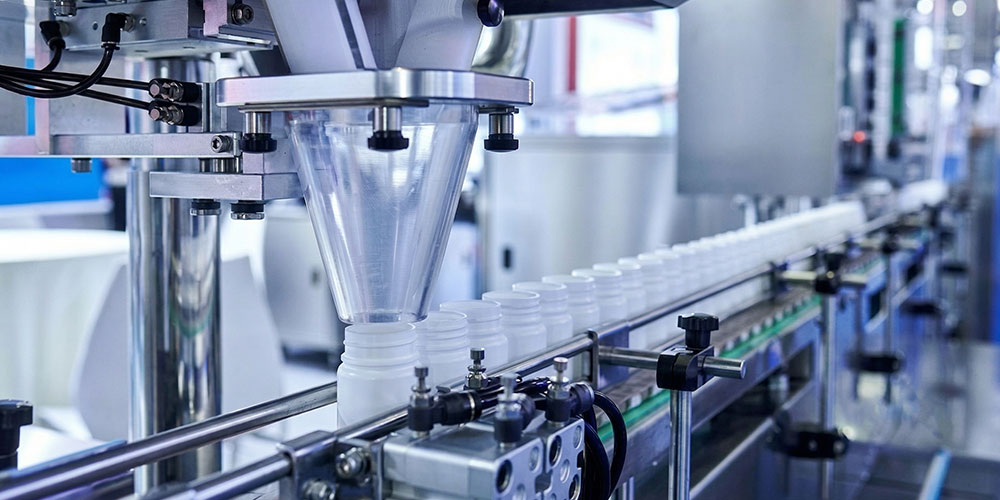
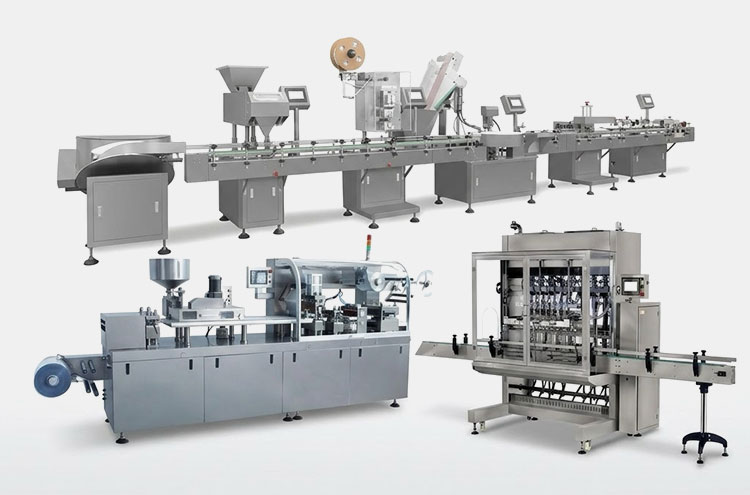
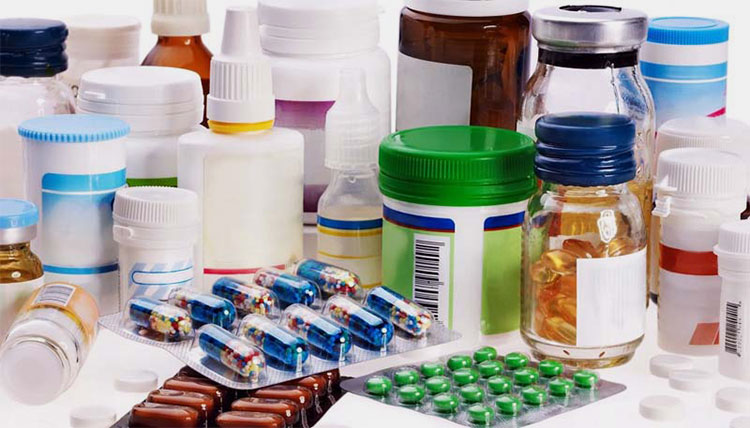


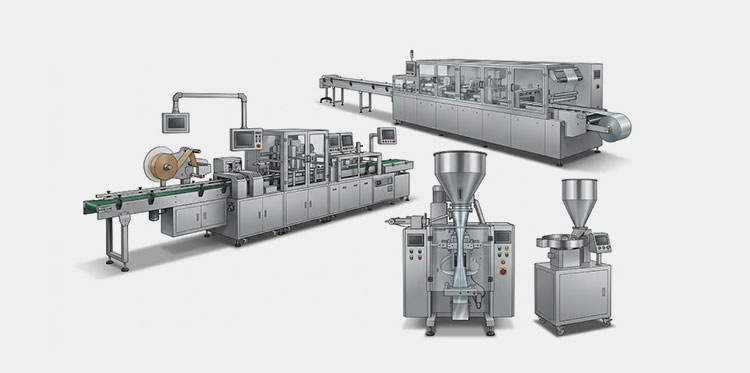
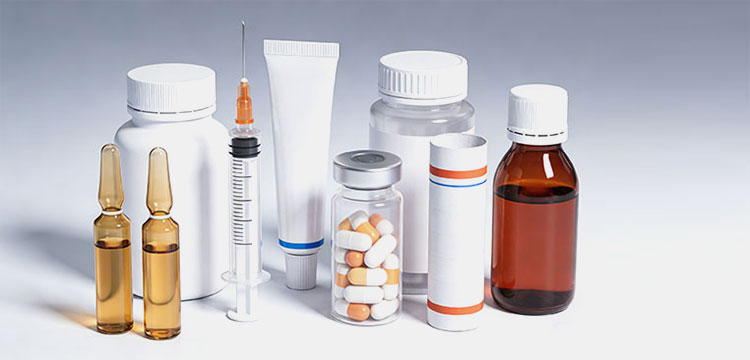



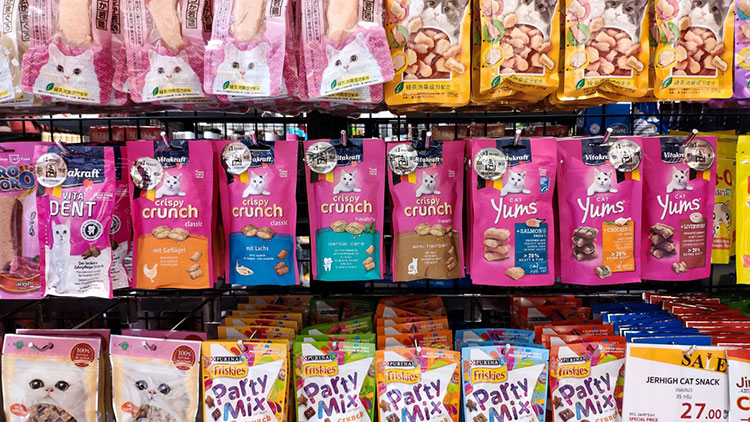 Tell us your material or budget, we'll reply you ASAP within 24 hours
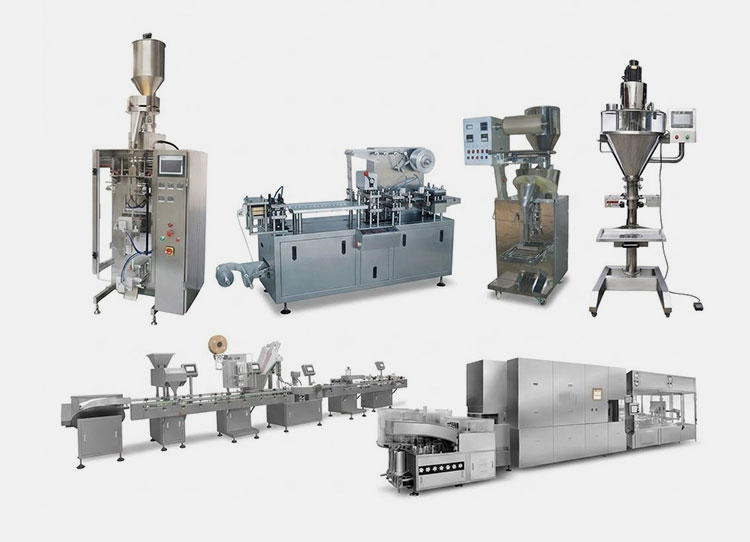
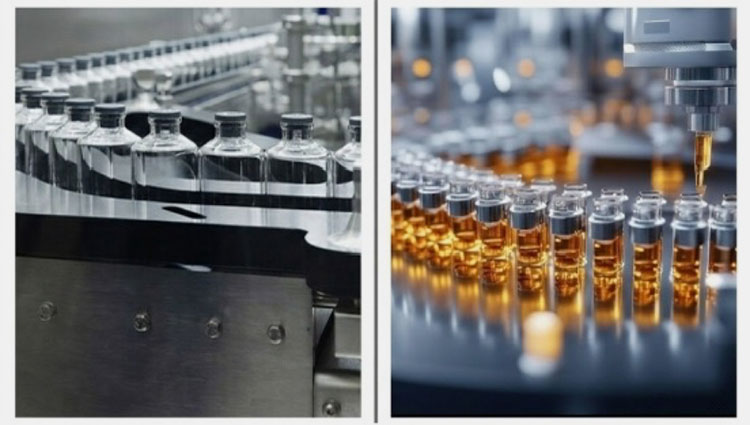

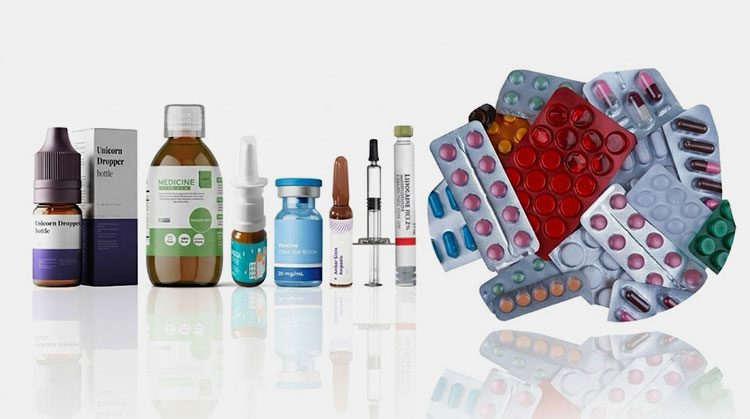

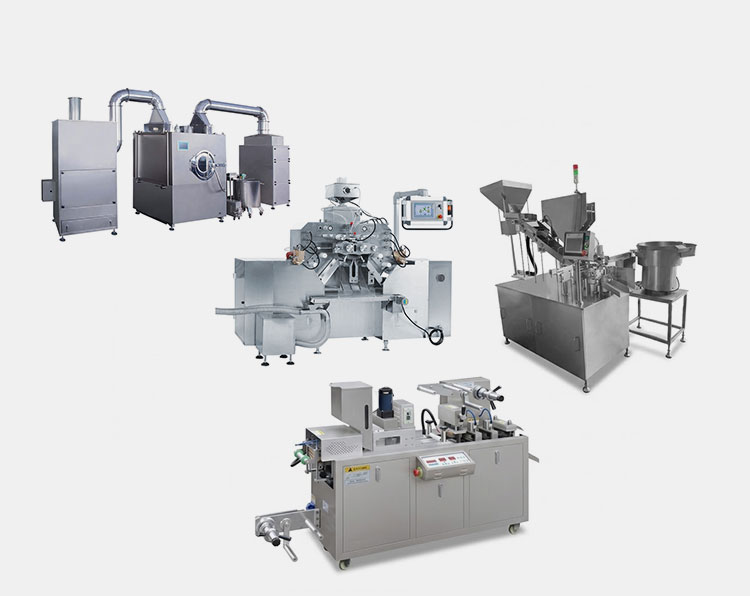

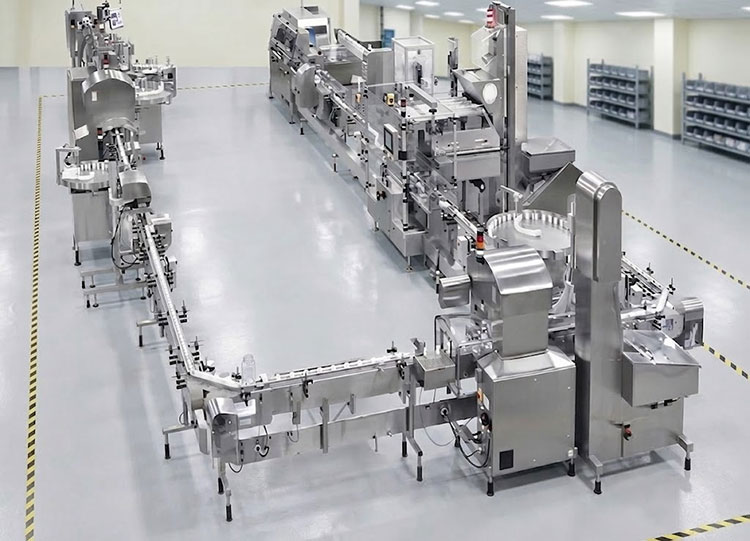
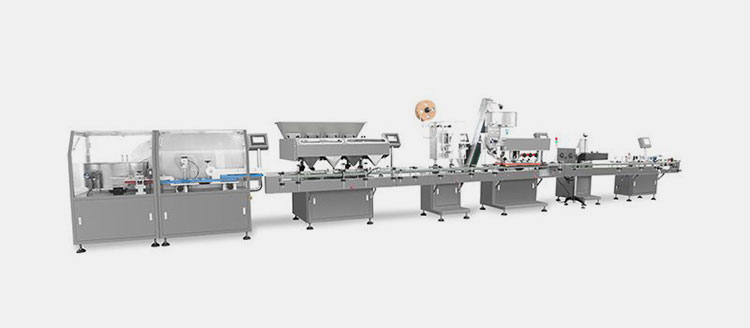


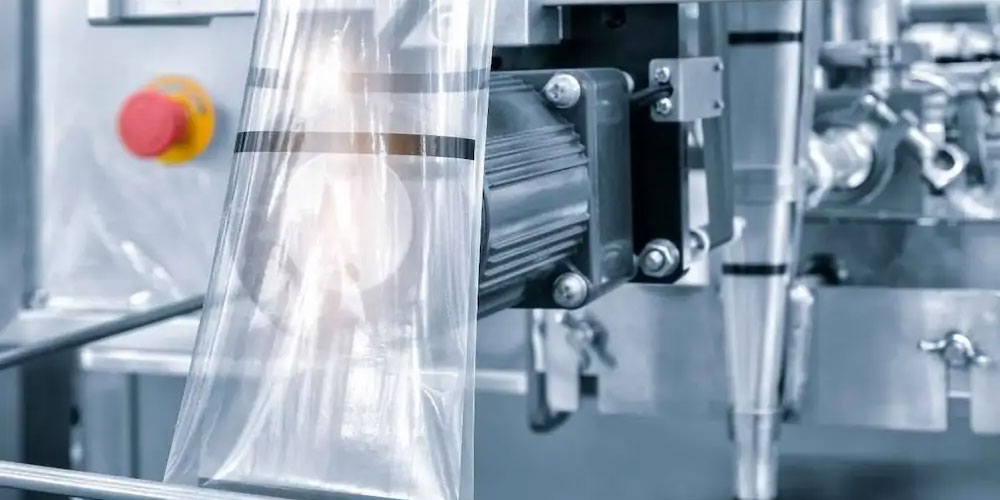
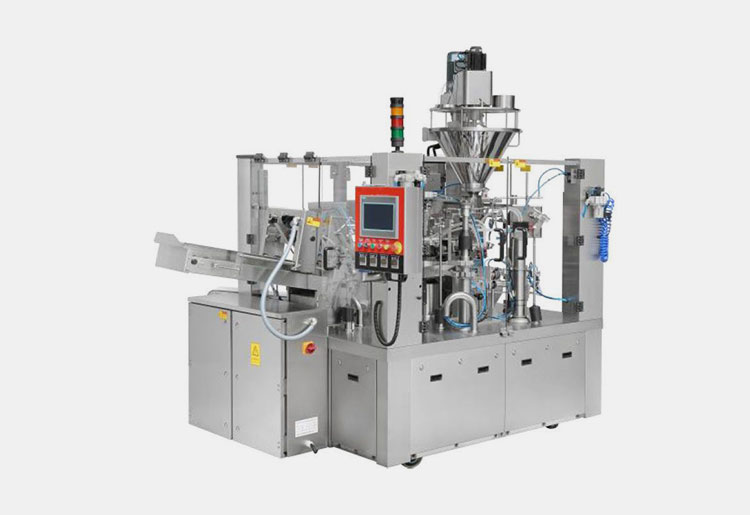
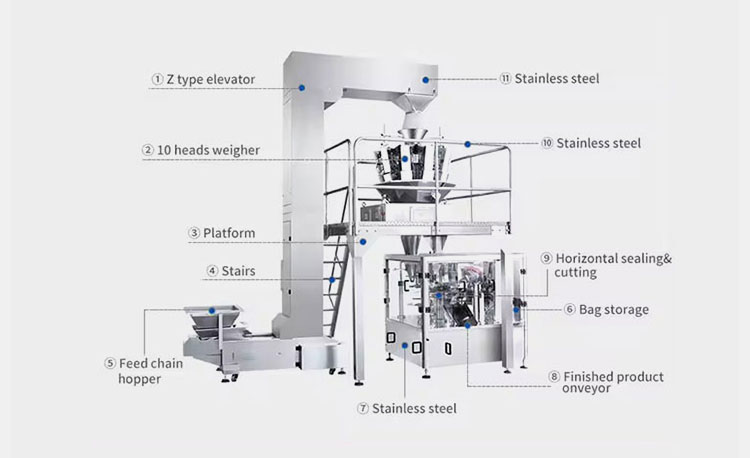
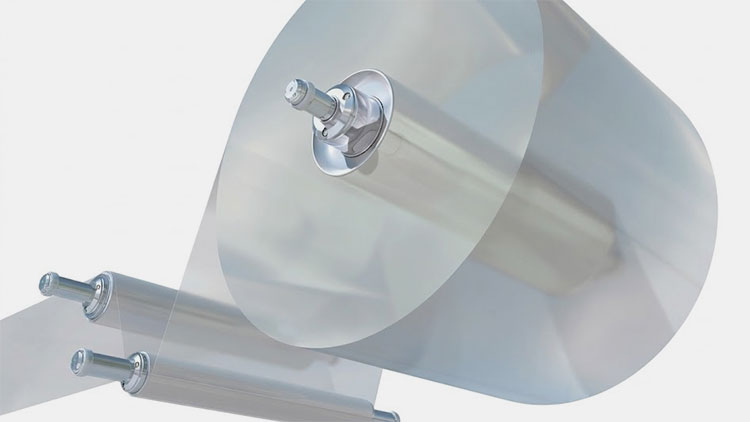
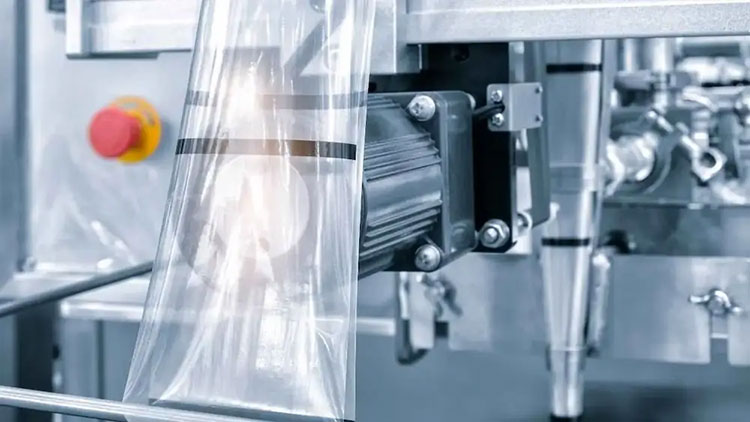
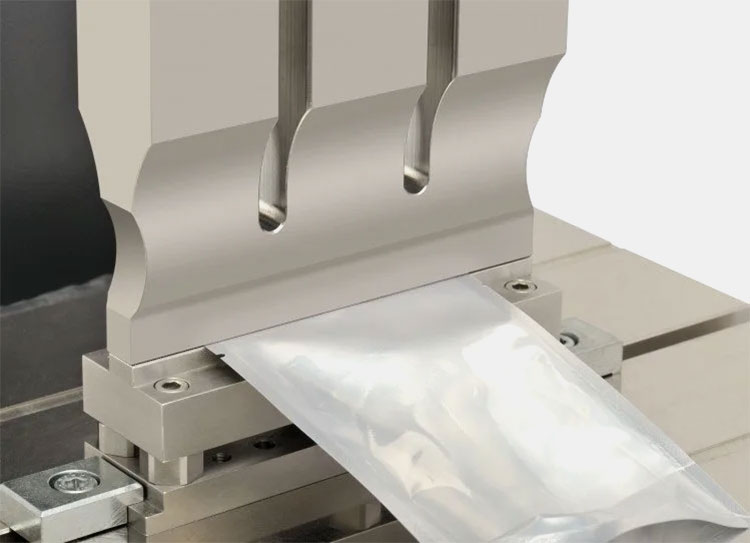

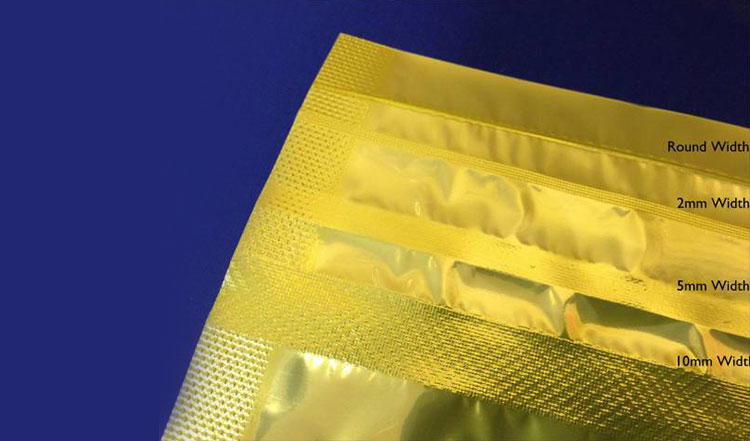
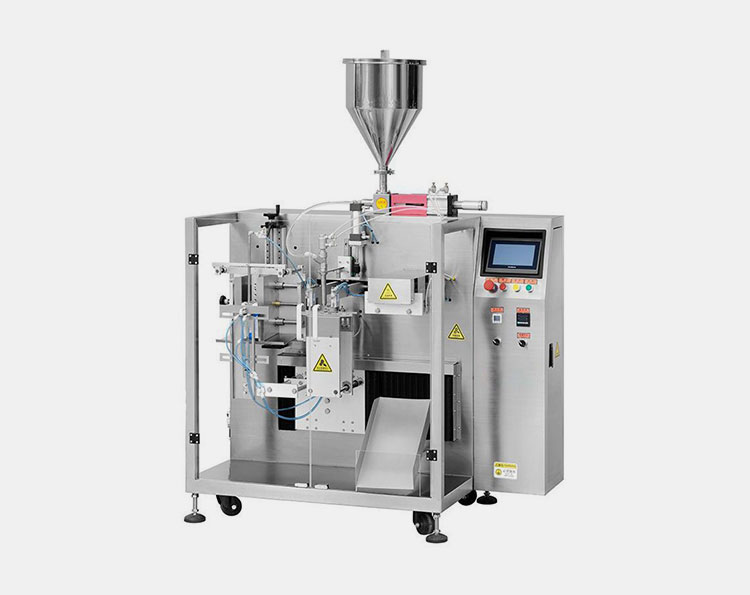
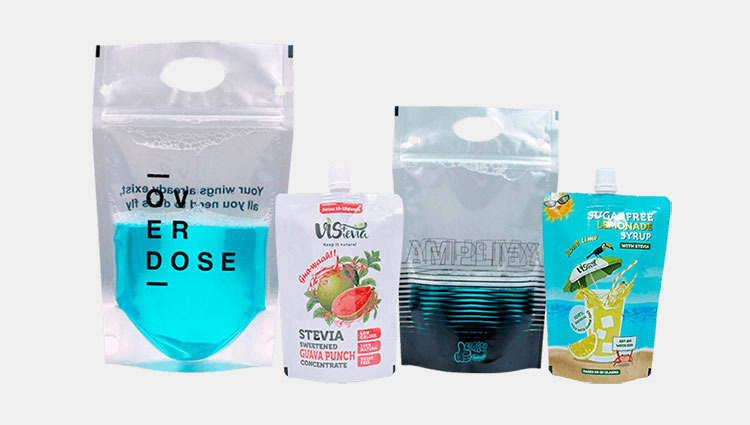
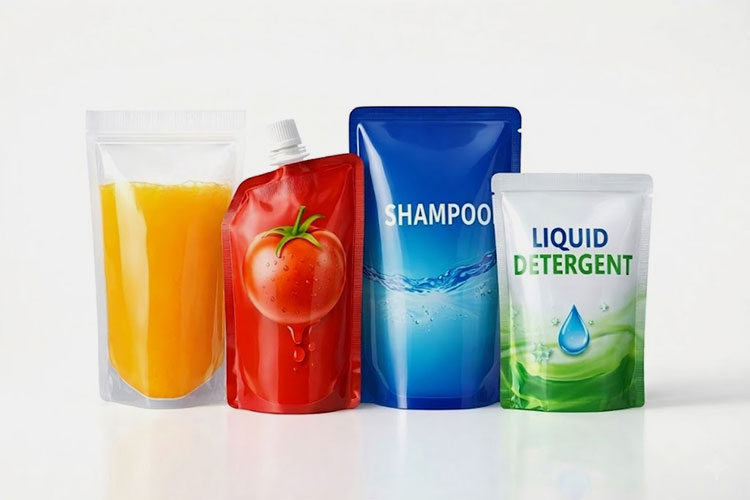
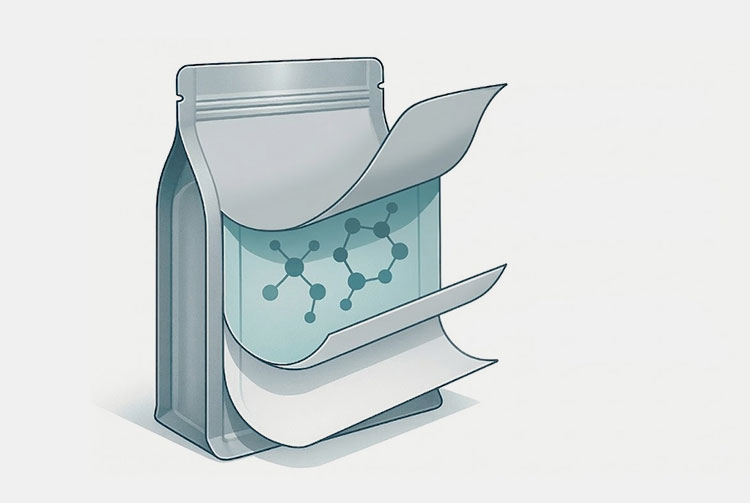
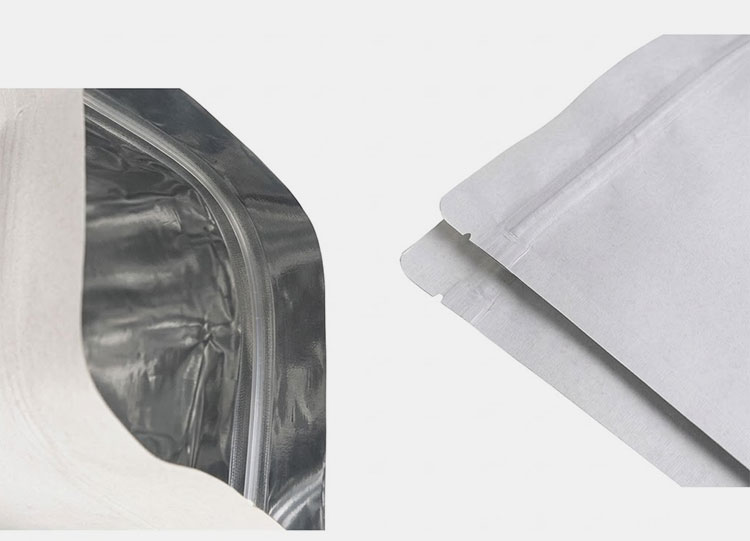
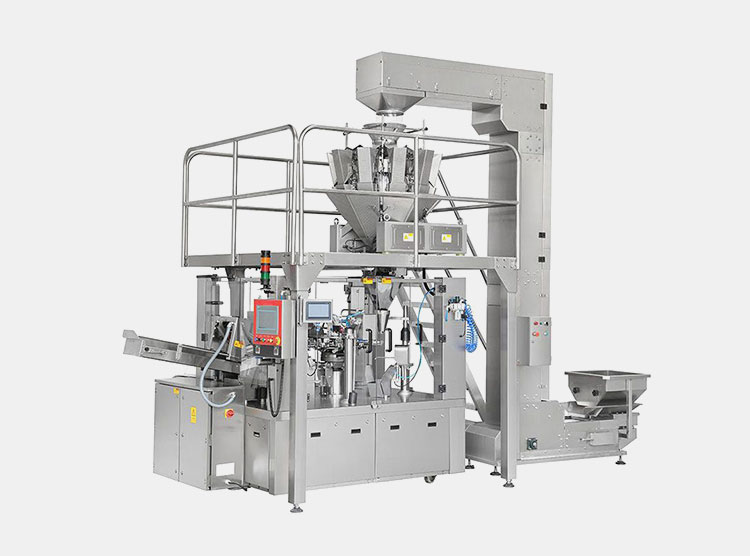



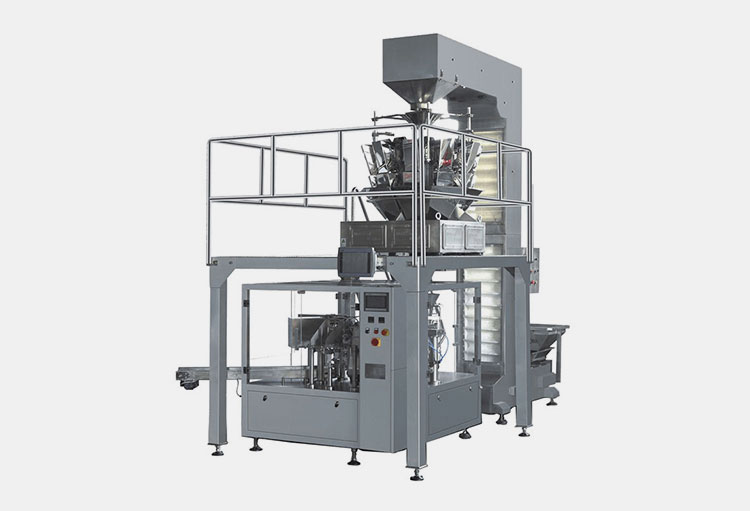
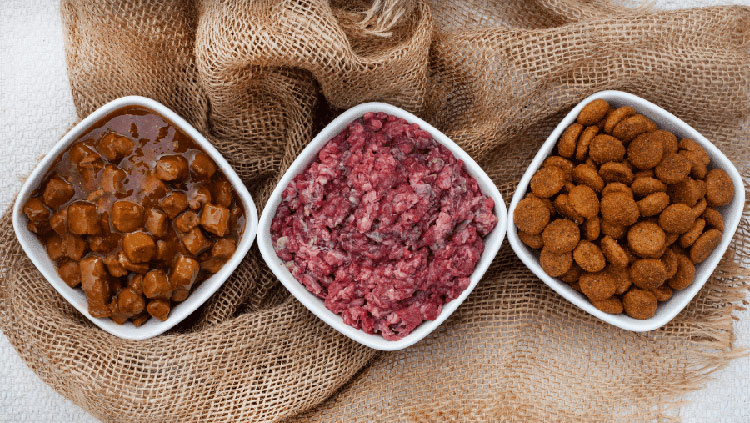
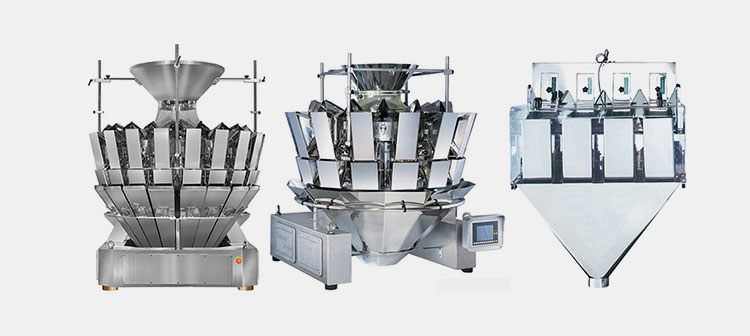
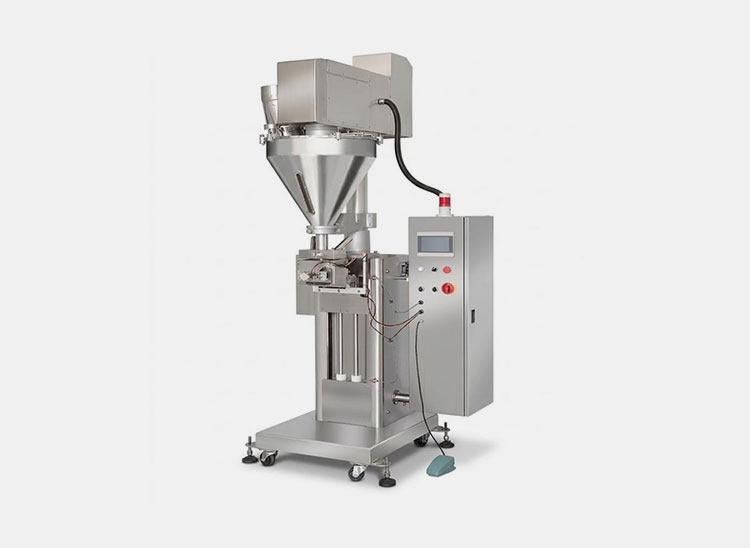
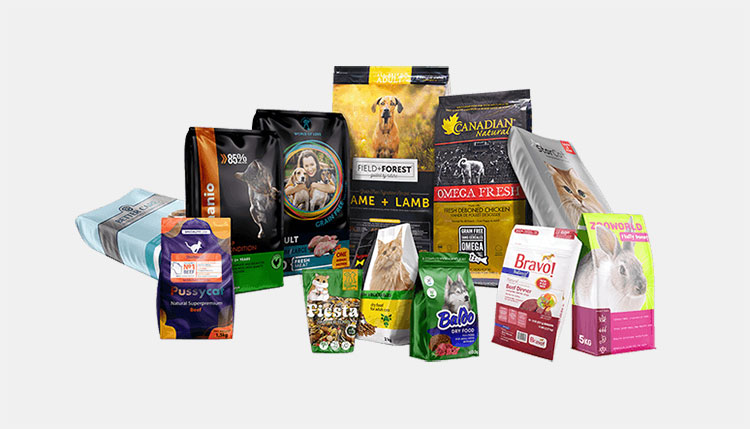
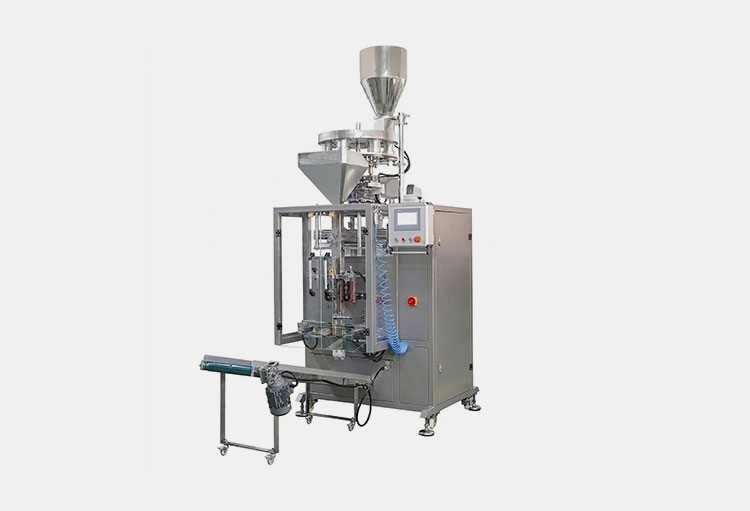
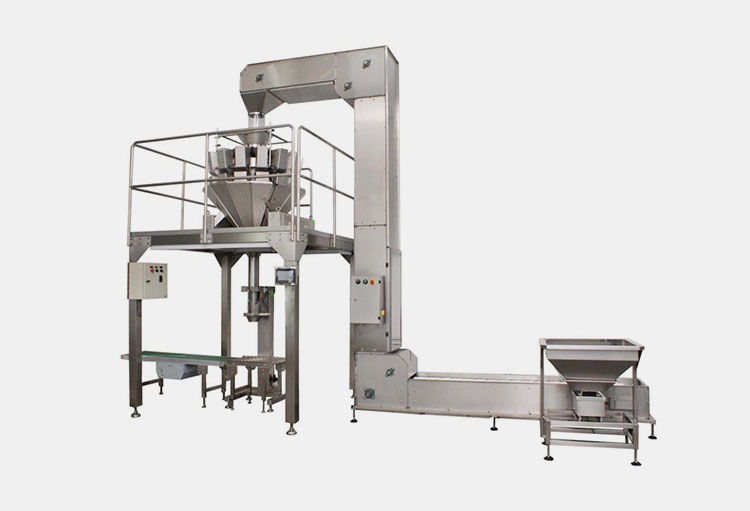

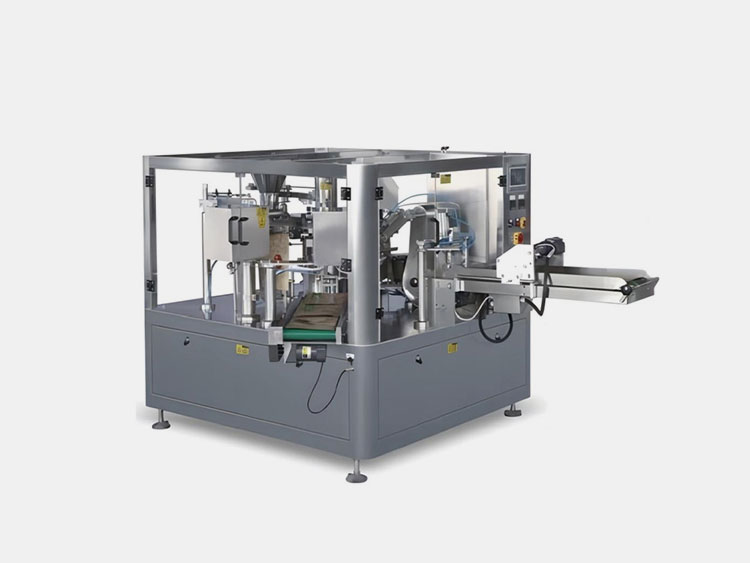

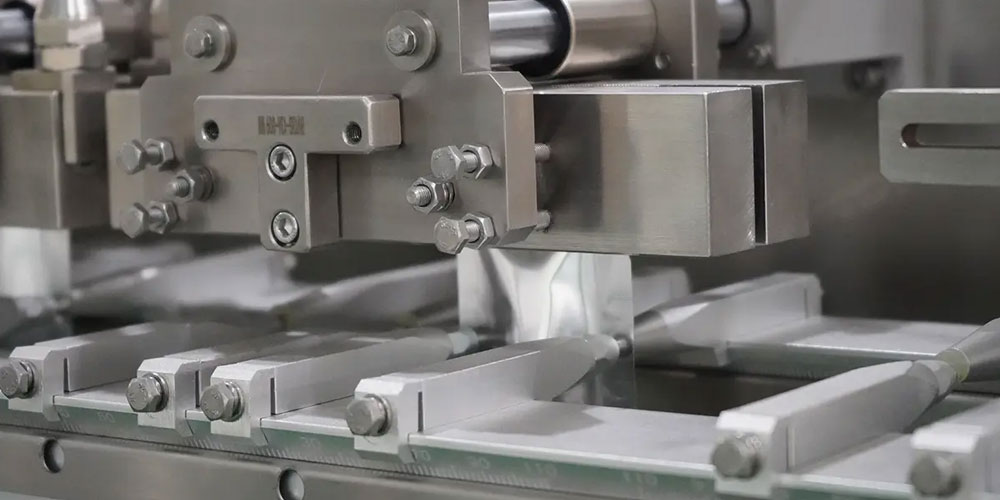
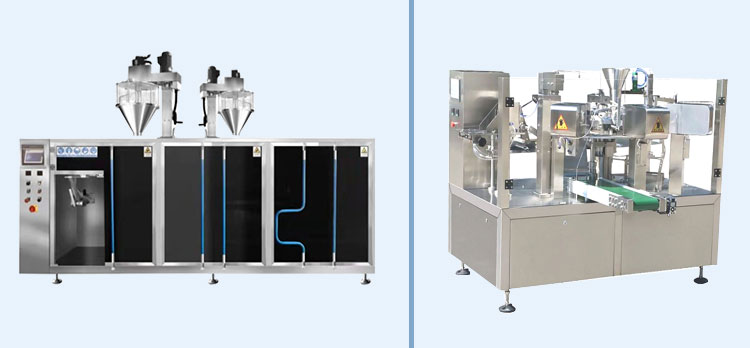


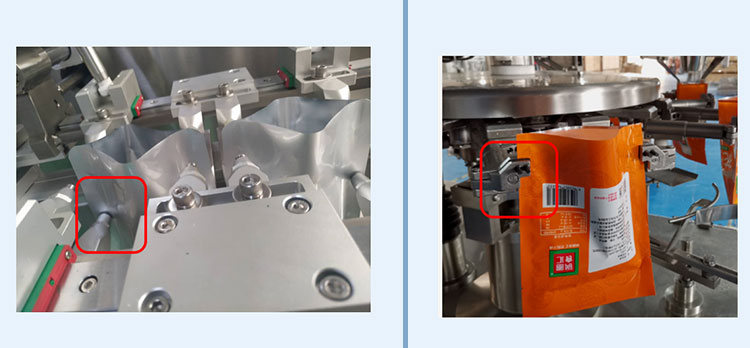
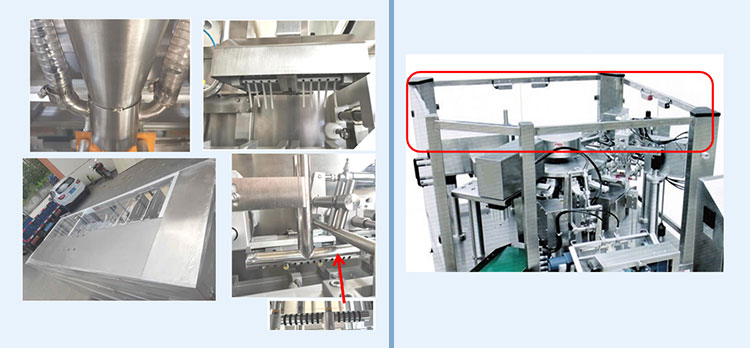
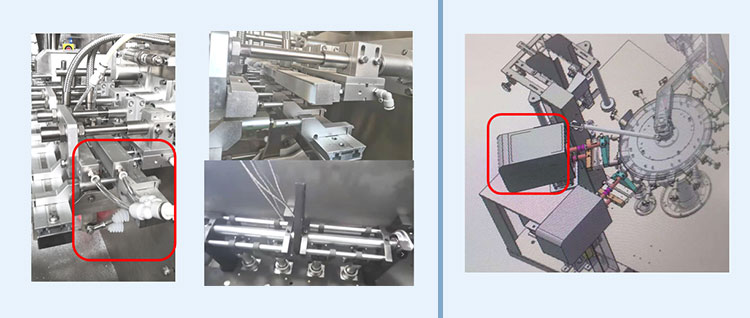
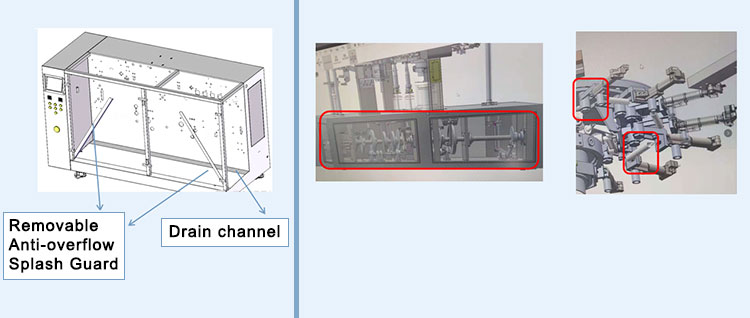
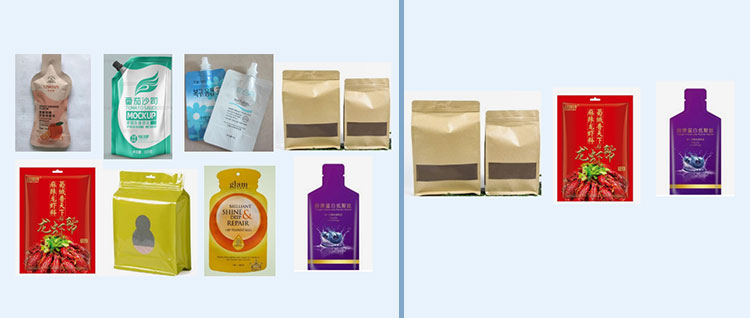
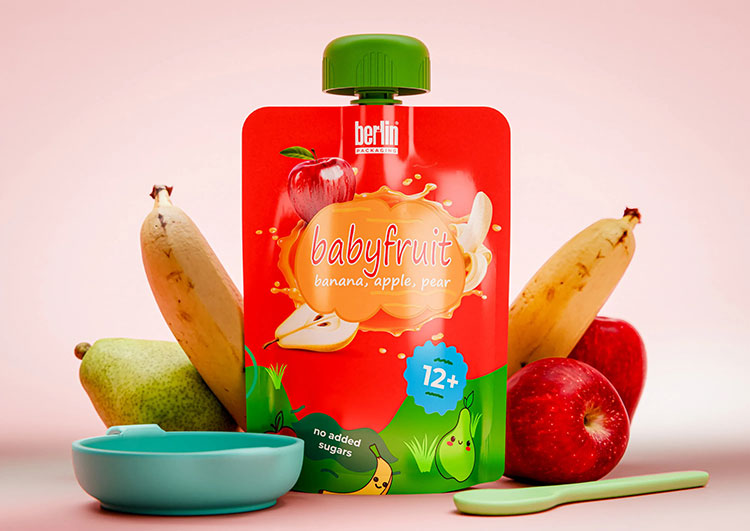 Tell us your material or budget, we'll reply you ASAP within 24 hours