Stick-Pack vs Sachet: Which Flexible Packaging Format Fits Your Requirement?
Choosing the wrong packaging wastes your money and ruins the customer experience. You face ruined products or unhappy buyers. I will help you pick the right flexible packaging today.
Stick-packs are long, narrow tubes ideal for single-serve powders or liquids, saving material costs. Sachets are flat, three or four-sided sealed pouches better suited for bulky items, creams, or larger sample doses. Your choice depends on your product volume, budget, and customer usage habits.

Stick-Pack vs Sachet flexible packaging
I have spent years working with packaging lines, and I know this choice is hard. You might think any small pouch works, but the wrong shape can jam your machines or annoy your users. Let me share my hands-on experience so you can avoid costly mistakes and find the exact fit for your brand.
1.What exactly is a stick-pack?
Powders spill easily during travel. Users hate messy bags and wasted product. A stick-pack offers a clean, narrow tube that pours perfectly into water bottles.
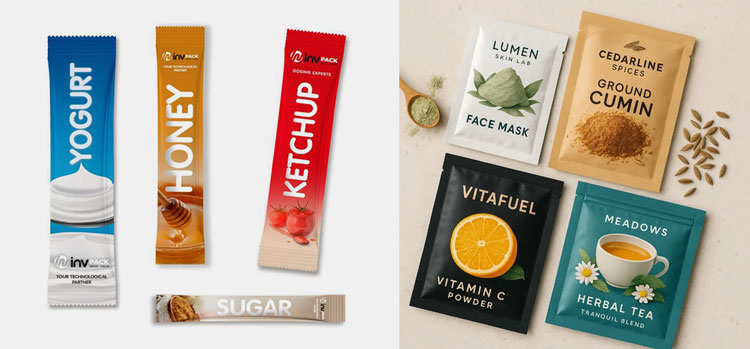
A stick-pack is a tubular flexible pouch sealed on two ends with a single fin seal down the back. It holds single-serving products like drink mixes, instant coffee, and liquid gels. It uses less film than flat pouches, making it a green and cheap option.
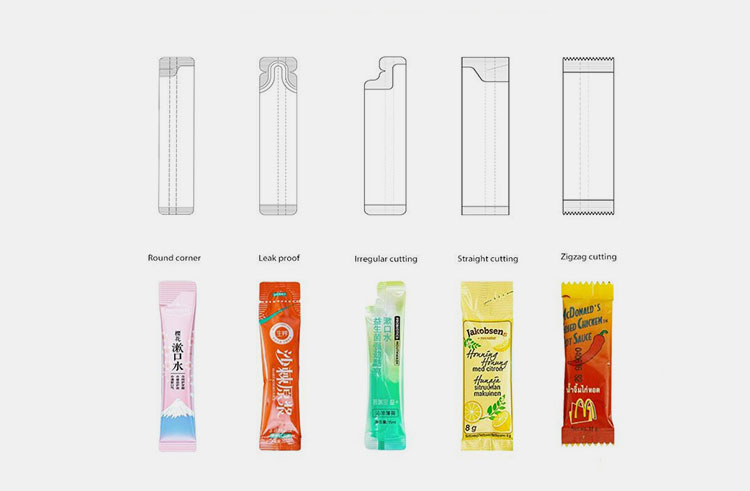
Stick-pack packaging examples
The Anatomy of a Stick-Pack
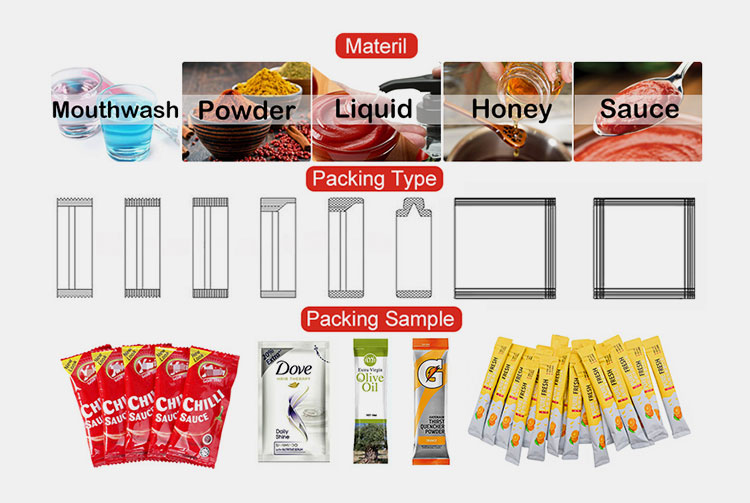
I remember the first time I ran a stick-pack machine for a client. The machine formed the tube around a metal pipe. It was fast and used very little plastic. This taught me why brands love this format. A stick-pack is built for speed and ease. The long shape fits perfectly into the neck of a standard water bottle. This stops spills.
Why Shape Matters
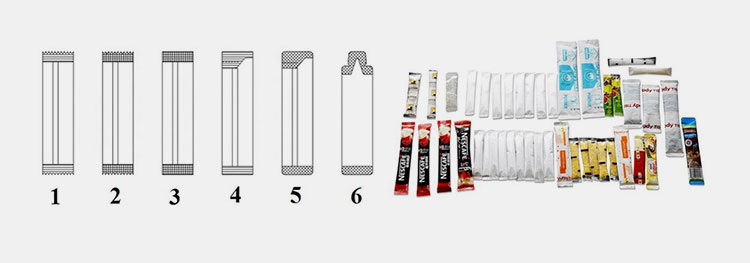
You must look at how the customer uses your product. If they need to mix your powder into a small opening, the stick-pack wins. I always tell my clients to test the pouring action. If the opening is too wide, the powder goes everywhere.
Pros and Cons Breakdown

Let us look at the facts. Here is a table to show the strong and weak points of stick-packs.
| Feature | Benefit | Drawback |
| Film Usage | Uses up to 40% less material | Less space for branding and text |
| Pouring | Perfect for narrow bottle necks | Hard to scoop from if needed |
| Fill Volume | Great for small doses | Cannot hold large or bulky items |
You save money on materials. But you must keep your artwork simple. The back seal takes up space, so your logo must fit on the narrow front.
2.When should you choose a sachet?
Bulky products do not fit in narrow tubes. You risk breaking the seal and losing the product. A flat sachet gives you the wide space you need.
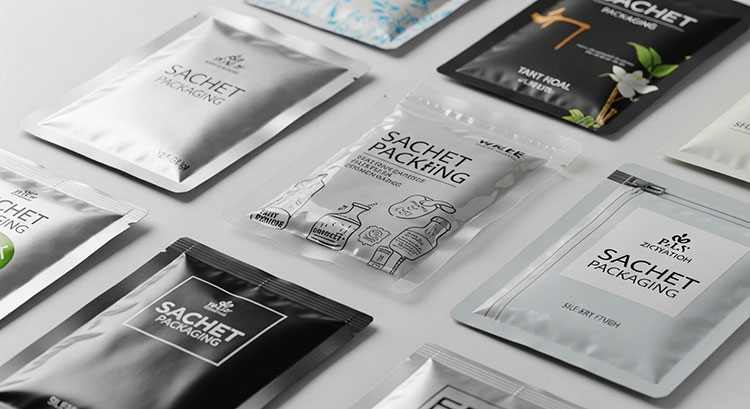
A sachet is a flat packet sealed on three or four sides. It is best for products that need a wider opening, like thick creams, pills, or large powder doses. Sachets offer a large flat surface, giving brands more room for logos, instructions, and ingredients.
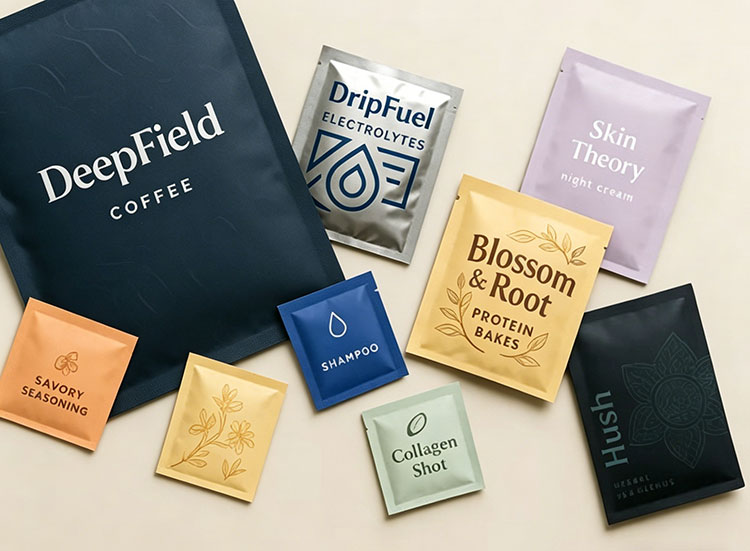
Sachet packaging flat pouch design
The Structure of a Sachet
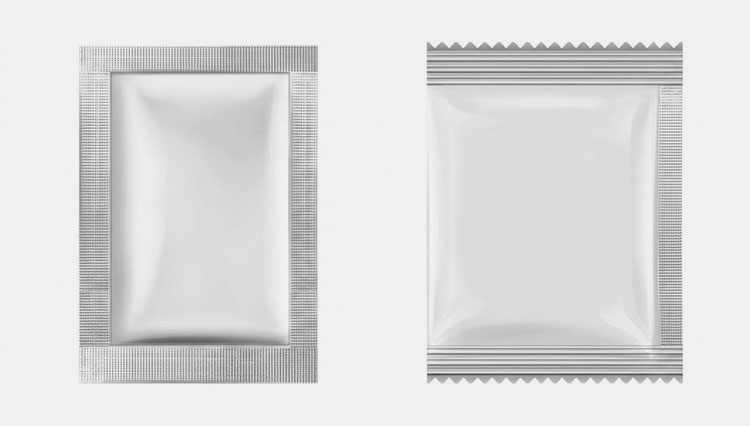
A sachet is simply a flat bag. I have packed hundreds of different items into sachets. From thick face creams to small hardware parts, the sachet handles them all. Because it has seals on all sides, it lays completely flat. This makes it very easy to pack into display boxes.
The Power of Display Space
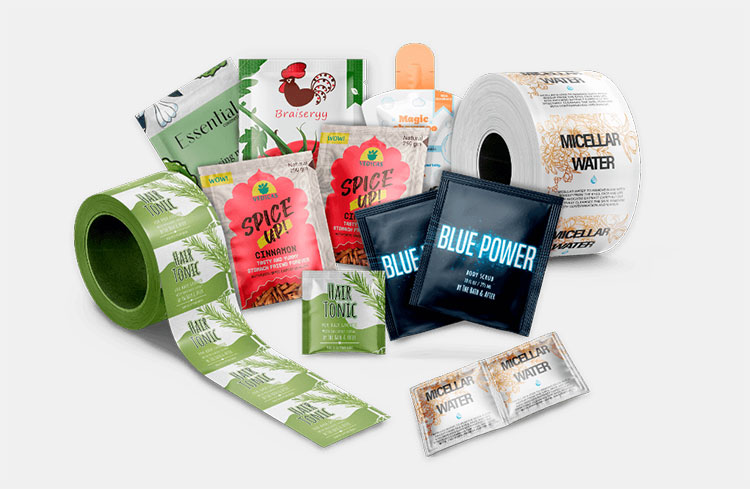
One big lesson I learned from a cosmetics brand is the value of space. They had a long list of ingredients. A stick-pack was too small. The sachet gave them a large front and back. We printed their logo big and bold. The customer could read the fine print without squinting.
Sachet Strengths and Weaknesses

You must weigh the good and the bad. Here is a clear look at what a sachet offers.
| Feature | Benefit | Drawback |
| Print Area | Large space for design and text | Uses more plastic and costs more |
| Opening | Wide tear for easy access | Hard to pour into narrow bottles |
| Versatility | Holds wipes, pills, and thick liquids | Takes up more room in shipping |
If your product needs to look premium or has legal text requirements, the sachet gives you the room you need. You pay a bit more for the film, but the display value is often worth the cost.
3.How do production costs compare?
High packaging costs eat your profits. You cannot afford to waste money on the wrong machine. Knowing the cost difference helps you protect your bottom line.
Stick-packs generally cost less to produce because they use up to forty percent less film than sachets. However, stick-pack machines can be complex to set up. Sachets use more material, which increases per-unit cost, but sachet machines are often cheaper and easier to adjust.
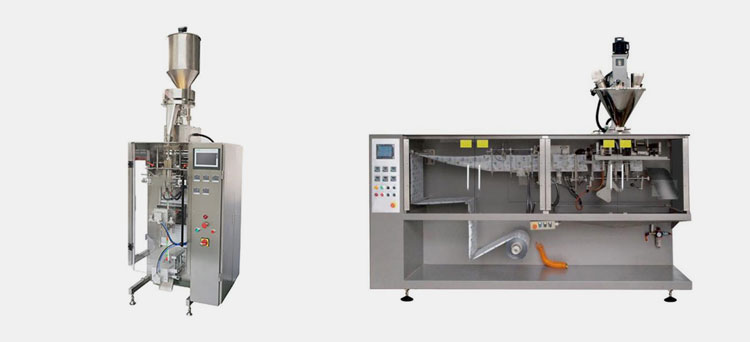
AIPAK’s stick-pack machine and sachet machine
Material Costs

Film costs add up fast. In my early days, I helped a startup switch from sachets to stick-packs for their sugar substitute. They saved thousands of dollars in the first month. The math is simple. A tube uses less surface area to hold the same volume as a flat square.
Machine and Labor Costs
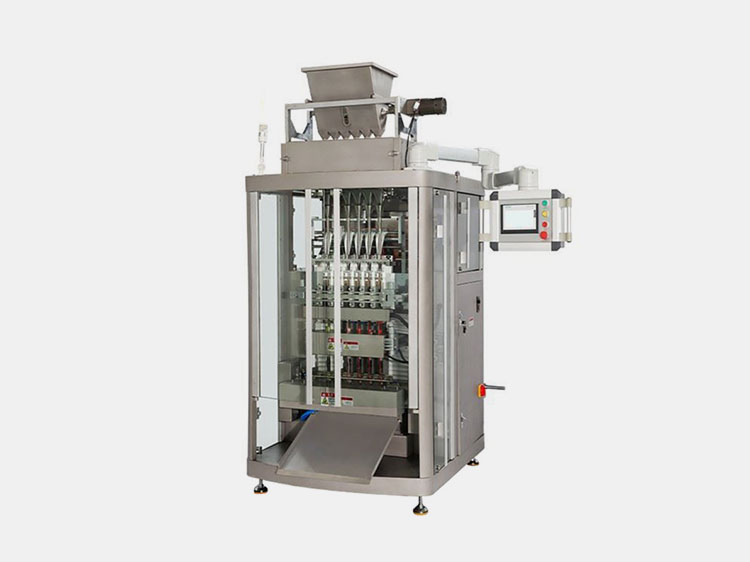
AIPAK’s Multi-lane stick-pack machine
But material is only one part of the story. You must think about the machines. Multi-lane stick-pack machines are fast but very strict. If you want to change the width of a stick-pack, you often need a new machine or expensive parts. Sachet machines are more flexible. I can change a sachet machine to run a wider pouch in just a few hours.
Cost Breakdown Comparison

Let us compare the real costs.
| Cost Type | Stick-Pack | Sachet |
| Film Cost | Very low | Higher due to more surface area |
| Machine Price | High for multi-lane setups | Lower for entry-level machines |
| Tooling Change | Hard and costly to change width | Easy and cheap to change sizes |
If you have one product and huge volume, the stick-pack saves you money over time. If you run many small batches of different sizes, the sachet machine is a safer bet.
4.Which format fits your customer experience better?
Bad packaging makes customers angry. They will not buy a product they cannot open. You must pick the format that makes using your product easy and fun.
Stick-packs offer an active experience, perfect for dropping powders into water bottles while walking or driving. Sachets provide a deliberate experience, ideal for spreading lotions, taking supplements at home, or opening food condiments at a table.
The On-the-Go User
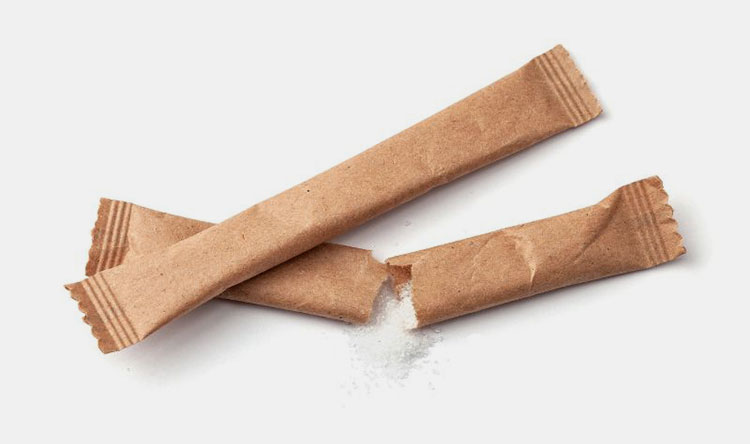
I always watch how people use products in real life. I once gave my gym friends a pre-workout powder in a sachet. Half of the powder ended up on the floor. The next week, I gave them the same powder in a stick-pack. They tore the top and poured it right into their shakers. No mess. If your buyer is moving, the stick-pack is the clear winner.
The Premium Home User
Now think about a high-end skin serum. I worked with a brand that tried putting thick lotion in a stick-pack. The users hated it. They could not squeeze it all out. We moved it to a sachet. The user could tear the wide top and scoop the cream out easily. It felt like a better product.
User Experience Match

Match your package to the moment of use.
| User Situation | Best Choice | Reason |
| Gym or Car | Stick-Pack | One-handed pour, fits narrow bottles |
| Bathroom Routine | Sachet | Easy to squeeze out thick liquids |
| Restaurant Table | Sachet | Lays flat, easy to tear open for food |
You must put yourself in the shoes of your buyer. Their comfort decides if they will buy from you again.
Conclusion
Both stick-packs and sachets offer great ways to package your products. Choose stick-packs for on-the-go powders to save film. Choose sachets for thick creams and large branding needs. Did you know a stick-pack can save up to 40% in film material compared to a traditional sachet? Don't let excess packaging waste eat into your margins. Click here to request a Free Packaging ROI Analysis and see how much you can save with AIPAK’s multi-lane solutions!
Don't forget to share this post!
CONTACT US
Tell us your raw material and project budget to get quotations within 24 hours.
WhatsApp Us: +86 156 0710 8630
The Buyer's Guide
 Tell us your material or budget, we'll reply you ASAP within 24 hours